Gregory wrote:Deflate, not burst. The "bubble" concept only applies in a limited way here. It's not as though there was demand driven by runaway speculation and eventually it had to come down in a sudden crash.
Exactly: There was a PBS Nova special about the reasons how the Mortgage bubble could happen in the first place, and they cited an experiment done to demonstrate the psychological aspect of bubble investing.
A group of subjects were asked to play a computer-simulation stock-trading game, but were told at the outset that a new-startup Company X would suddenly rocket to phenomenal profits, but at some pre-determined point in the game, would suddenly begin plunging to oblivion, and there was nothing the investors could do about it.
Now, you're sitting there thinking, "Okay, I'd trade on my own strategies, keep a good stock of X as a growing nest-egg, and bail on it when it got to the sweet optimal price", right?...
Didn't happen. As the stock prices for Company X started rising to delicious heights, the now-rich players all started banding together, dropping their other investments to pump the profits into buying more X, and fan-rallying each other on their own player chats to see how far into the stratosphere they could push the prices up if they worked together. When the Pop Point happened, nobody was smart enough to bail early, and the players all panickedly tried to ditch their stocks by selling, but nobody else wanted to be the buyer, because everyone was too busy trying to get rid of
their now-plunging investment, and had nothing else left in their portfolio to make up the loss.
That was Mortgages. That was Oil Prices. In the 20's, that was Wheat and Margin Stocks. And a couple hundred years ago, that was Tulips. It's when investors don't see an earthly reason to invest in anything
else, and realize too late it might have been a good idea.
DVD's
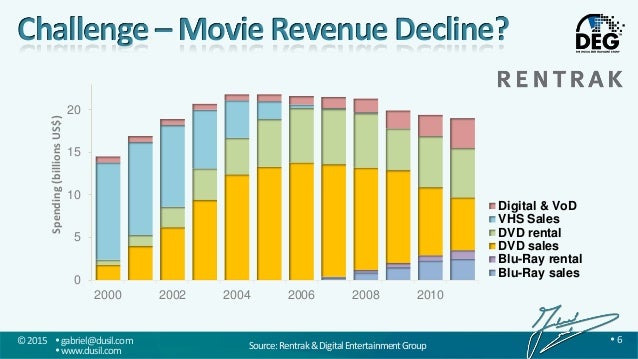
declined, because they used to be the one industry yardstick for home-theater eight years ago, but now it's the '10's and even mass-market Wal-Mart folk are buying affordable sale-priced high-definition Blu-ray when they buy a disk, and studios and analysts don't know how to crunch those numbers. ("Gee, those purples still look pretty small...")
If anyone's going to toss the B-word around here, it's me, because
boy, is it applying to the studio's It's All Digital mentality right now--Before they've even established outside of their own optimistic imaginations whether the public wants to pay sale prices for movies instead of renting them, whether they'd rather just get them on disk codes because it's Free Stuff, or whether abandoning 4K disk for 4K streaming is even going to be technologically possible on most people's Internet, let alone whether they'd even have bought all those new players in the first place.
(Most of the 4K articles are so impressed by the CES demos, even before they've hit the store, they tend to take the rather unrealistically optimistic investor/adopter tone of "Oh sure, we've got some doomsaying, but it's so neat and innovative, there's no way it's not going to take over and be the new big thing anyway, yay!

"
Mortgages and margin stocks had some "doomsayers" too trying to get their warnings out before the disasters happened, but their economic arguments were passed over as just grumpy old party-poopers while everyone was having fun getting rich, while the important in-the-know people were telling us to get in on the good thing while the getting was good.)
Even the poor old CD, which people have been declaring dead for over a decade, has remained more popular than most articles about this stuff will admit. And there again, there wasn't a CD bubble that suddenly popped. It's a slow, gradual process of CD/record stores closing and big box chains shrinking or removing retail space for CDs as sales shrink, but even labels that would prefer to go download (+ vinyl) only still haven't been able to get away from pressing on the CD format as well. There's still a flow of CD releases, along with downloads, from thousands of the same old labels that were releasing stuff in the 90s, and in the world of jazz, for example, sales of CD reissues remain very strong in Japan and elsewhere in Asia, and remain a small niche in the U.S. as it always was, generally. Physical formats dying is something that happens sometimes, but it seems to take a lot longer than many expect or will acknowledge.
Why...WHY...
WHY?? do people insist on using CD and print books as the model for why "Digital is here to stay" thinking it's the perfect illustration for movies' market?
iTunes didn't replace CD because "now I'll have more room on my shelf", it was because it made it more easy for teens to direct-buy the
one song they wanted on their iPod, without having to get six or seven unimpressive filler songs with it (and artists didn't have to go through the drudgery of writing the filler songs), and without the extra step of having to transfer it off their disks. Whether or not people "take their movies and TV shows on the go", listeners do take their music on the go, and to a lot more places. You can listen to your music while you walk or drive, but you're not going to catch up on Game of Thrones while you're walking down Main St., or watch Jurassic World on the daily bus commute.
Kindle DID replace books because of space issue--especially as most new bestsellers still come out as hardbacks or very large and heavy trade paperbacks--and except for classics, most of us just read a new book once or twice. The used-bookstore pretty much vanished after Amazon established itself, so most of us don't want to buy new bestsellers we couldn't get rid of later, didn't want to wait for the smaller paperback version, and would rather hit the local library where we can get rid of the object once we've disposed of it. E-books are even more ideally suited to taking with you on the bus, since unlike music or movies, you read them at your own pace, there's no set length or stop time, and you're not bothering other passengers with your headphones (unless you're listening to audiobooks). Library hardback books are a rental market, and so are rental movies, but if there's a book you want on your shelf, you'll buy it, because you want it
on your shelf.

 ) which started the first industry cries that the sky was falling.