Posted: Fri Sep 28, 2007 3:28 pm
Akai Kujira to Shiroi Hebi / Red Whale, White Snake (Yoshiko Senbon, 2006)
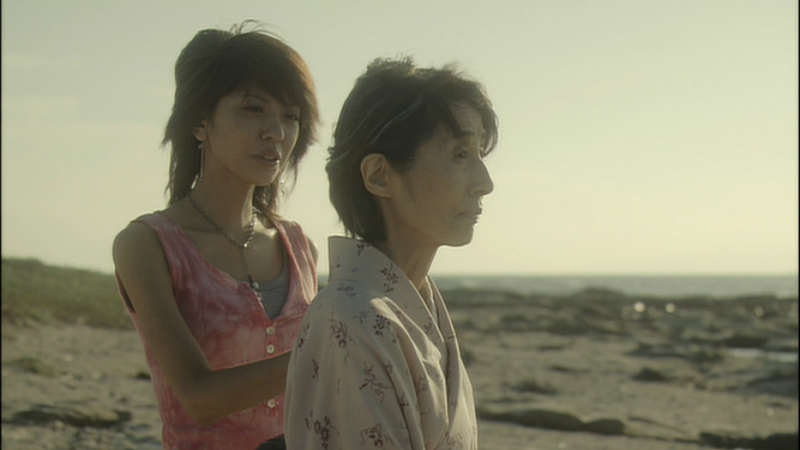
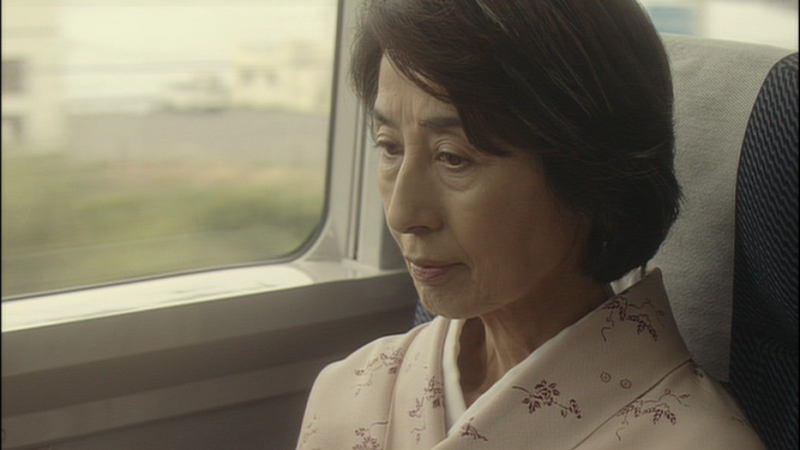
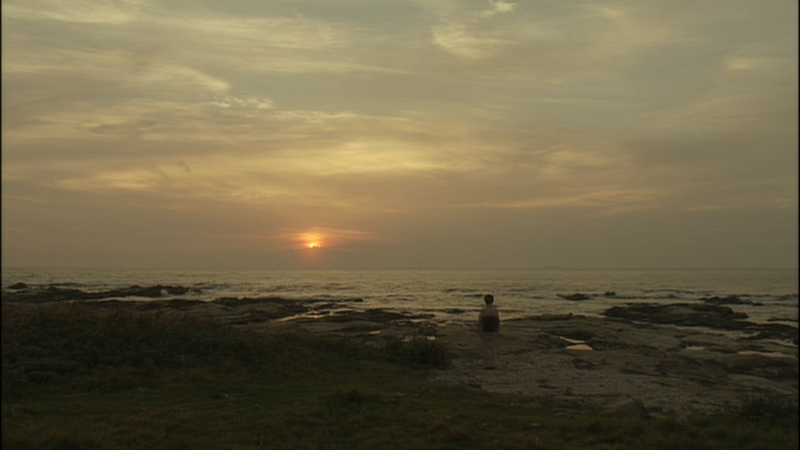
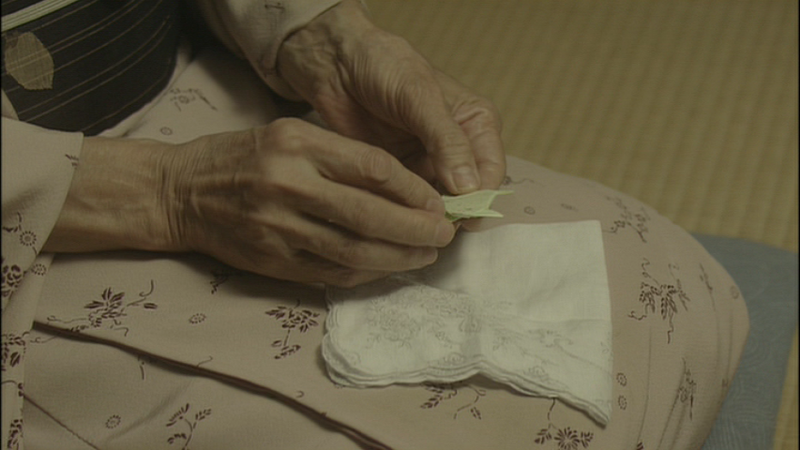
Kyoko Kagawa made her first film around 57 years ago, and -- judging from JMDB (which is not quite up to date) -- her appearance in this film would appear to be about her 120th role. Here, playing an elderly woman in the early stage of senile dementia, she shows that she remains one of the world's finest actresses. Here she works with Yoshiko Senbon, a retired television director (who began working in Japan's television industry in 1953) making her first feature film. All in all, this all-woman (for all practical purposes) film is a quite satisfactory one.
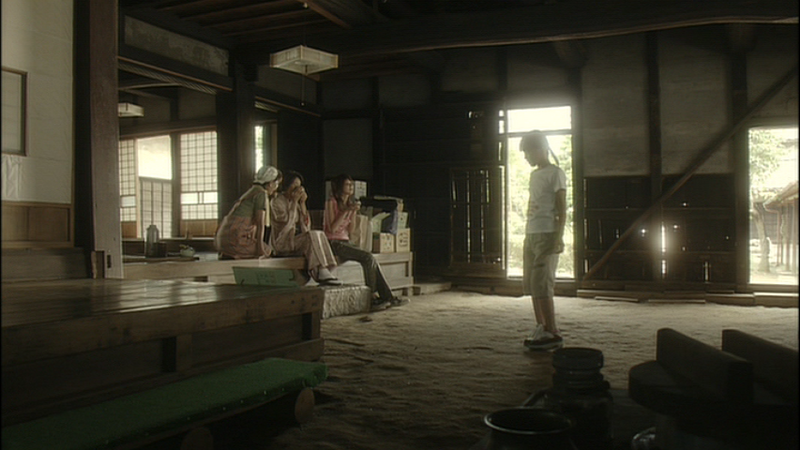
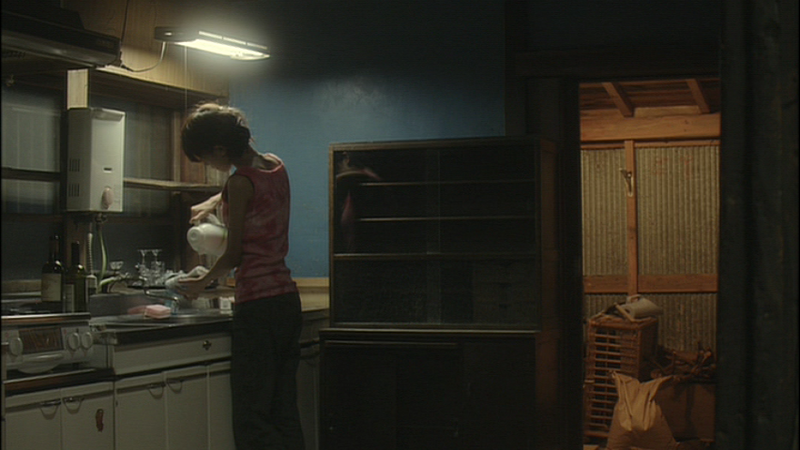
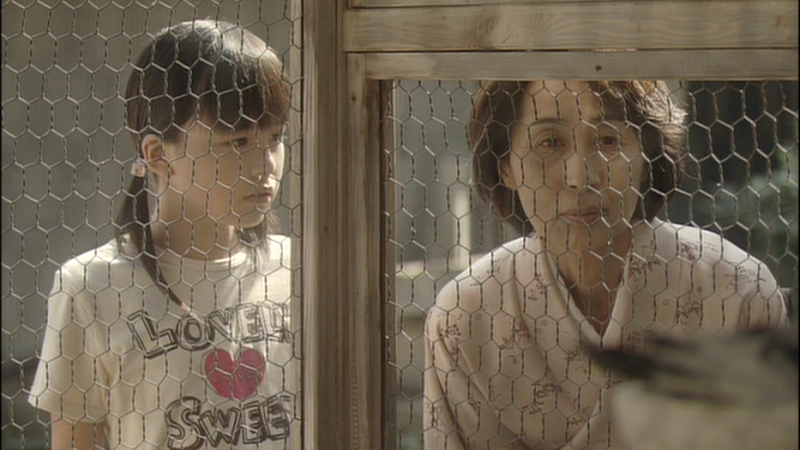
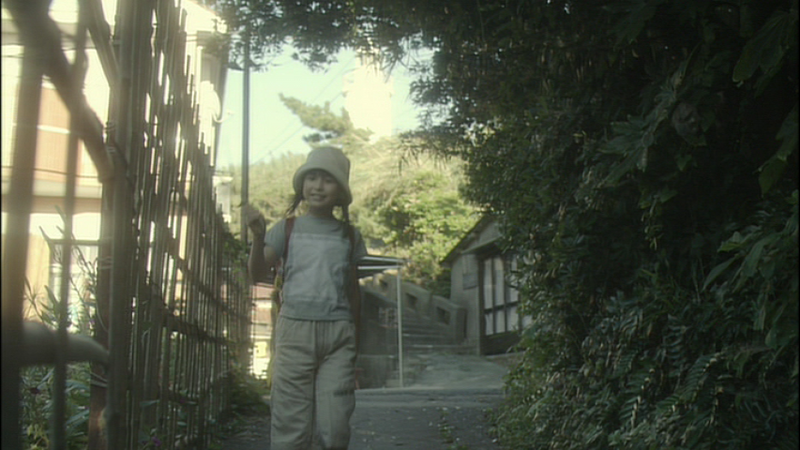
At the outset, Yasue (Kagawa) is shown riding in a train with Akemi, one of her grand-daughters, a 20-something Tokyo-ite (Mao Miyaji). Because of her increasing bouts of disorientation and memory loss, Yasue's family has decided she should finally move in with one of her children. As the two are on their way, the train stops at a station in the town in which Yasue spent part of her teen years in, as a refugee from the ongoing bombing of Tokyo. Hearing the name announced triggers a desire to see this place again. So the pair set out via taxi to find the old farm house, guided only by Yasue's decades old memories -- which prove to still be dependable. As it turns out, the house Yasue seeks is still there, but not for long. It is currently occupied by Mitsuko (Miyoko Asada) and her daughter (a fifth grader, played by 11 year-old Mari Banno in her first film role). Mitsuko, whose husband had deserted the family three years earlier, has decided to have the old farm complex torn down soon in order to build a modern house (her daughter is unhappy about this plan, as the house is filled with memories of happier days with her father). Yasue asks to be allowed to stay the night, to the mortification of her grand-daughter and Mitsuko cheerily invites the two to make themselves at home for as long as they wish.
As it turns out, Kagawa has a stronger reason to visit the old house than simple nostalgia. She has begun to recall a vow she made to the young man she fell in love with while living there. He too was an evacuee, but he was alone in the world, having lost his entire family due to bombing. When he was drafted, he asked Kagawa to always remember him in the event of his death, as she would be the only one who could preserve his memory. Visiting the house also revives her memory of a magical white snake (capable of bringing fortune to those who see it) who lived near the house. While others are skeptical, young Rika is fascinated.
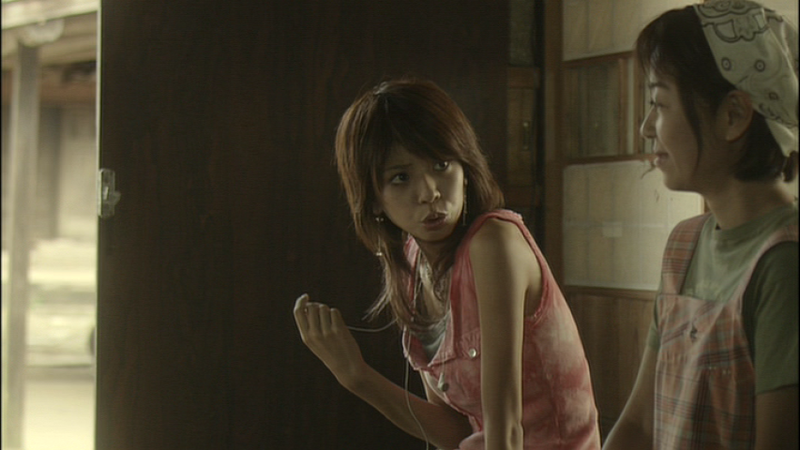
The four women are joined soon after by a fifth -- Midori (Kirin Kiki), a previous owner of the house. Midori proves to be quite interested in the private lives of the other women, but very reticent about her own (she seems to be involved with some chicanery involving the marketing of diet supplements). During their stay, Yasue remembers that she was supposed to find a box hidden away by her young friend before his departure -- and Rika helps Yasue look for the fabled white snake. Meanwhile, Akemi is having troubles of her own -- she turns out to be pregnant and her boy friend in Tokyo isn't the least bit interested in discussing the issue (to the extent of refusing to accept her calls). The remainder of the film (all the way through a long shot embedded in the midst of the credits) involves the working out of the five women's dilemmas.
A tangent. This is yet another modern Asian film that presents, in passing, a school girl's onset of menstrutation. The event is not treated casually, but is simply shown as an ordinary bit of life to be dealt with. So far as I can tell, this topic is virtually taboo in North American cinema, except in the context of horror films (viz. Carrie and Ginger Snaps). Make of this what you will.
The Japanese DVD of this film looks good, but is (as is too often the case) unsubtitled. I actually watched this twice -- and found things much easier to follow the second time through. I suspect this film might be too culturally and historically specific to ever make it into Western theaters. It's our loss. While hardly an overwhelming film, it si a lovely one with fine performances that tells us something about Japanese life and history that we are unlikely to encounter elsewhere.
http://i9.photobucket.com/albums/a59/mk ... nake01.png
http://i9.photobucket.com/albums/a59/mk ... nake02.png
http://i9.photobucket.com/albums/a59/mk ... nake03.png
http://i9.photobucket.com/albums/a59/mk ... nake04.png
http://i9.photobucket.com/albums/a59/mk ... nake05.png
http://i9.photobucket.com/albums/a59/mk ... nake06.png
http://i9.photobucket.com/albums/a59/mk ... nake07.png
http://i9.photobucket.com/albums/a59/mk ... nake08.png
http://i9.photobucket.com/albums/a59/mk ... nake09.png
http://i9.photobucket.com/albums/a59/mk ... nake10.png
http://i9.photobucket.com/albums/a59/mk ... nake11.png
Kyoko Kagawa made her first film around 57 years ago, and -- judging from JMDB (which is not quite up to date) -- her appearance in this film would appear to be about her 120th role. Here, playing an elderly woman in the early stage of senile dementia, she shows that she remains one of the world's finest actresses. Here she works with Yoshiko Senbon, a retired television director (who began working in Japan's television industry in 1953) making her first feature film. All in all, this all-woman (for all practical purposes) film is a quite satisfactory one.
At the outset, Yasue (Kagawa) is shown riding in a train with Akemi, one of her grand-daughters, a 20-something Tokyo-ite (Mao Miyaji). Because of her increasing bouts of disorientation and memory loss, Yasue's family has decided she should finally move in with one of her children. As the two are on their way, the train stops at a station in the town in which Yasue spent part of her teen years in, as a refugee from the ongoing bombing of Tokyo. Hearing the name announced triggers a desire to see this place again. So the pair set out via taxi to find the old farm house, guided only by Yasue's decades old memories -- which prove to still be dependable. As it turns out, the house Yasue seeks is still there, but not for long. It is currently occupied by Mitsuko (Miyoko Asada) and her daughter (a fifth grader, played by 11 year-old Mari Banno in her first film role). Mitsuko, whose husband had deserted the family three years earlier, has decided to have the old farm complex torn down soon in order to build a modern house (her daughter is unhappy about this plan, as the house is filled with memories of happier days with her father). Yasue asks to be allowed to stay the night, to the mortification of her grand-daughter and Mitsuko cheerily invites the two to make themselves at home for as long as they wish.
As it turns out, Kagawa has a stronger reason to visit the old house than simple nostalgia. She has begun to recall a vow she made to the young man she fell in love with while living there. He too was an evacuee, but he was alone in the world, having lost his entire family due to bombing. When he was drafted, he asked Kagawa to always remember him in the event of his death, as she would be the only one who could preserve his memory. Visiting the house also revives her memory of a magical white snake (capable of bringing fortune to those who see it) who lived near the house. While others are skeptical, young Rika is fascinated.
The four women are joined soon after by a fifth -- Midori (Kirin Kiki), a previous owner of the house. Midori proves to be quite interested in the private lives of the other women, but very reticent about her own (she seems to be involved with some chicanery involving the marketing of diet supplements). During their stay, Yasue remembers that she was supposed to find a box hidden away by her young friend before his departure -- and Rika helps Yasue look for the fabled white snake. Meanwhile, Akemi is having troubles of her own -- she turns out to be pregnant and her boy friend in Tokyo isn't the least bit interested in discussing the issue (to the extent of refusing to accept her calls). The remainder of the film (all the way through a long shot embedded in the midst of the credits) involves the working out of the five women's dilemmas.
A tangent. This is yet another modern Asian film that presents, in passing, a school girl's onset of menstrutation. The event is not treated casually, but is simply shown as an ordinary bit of life to be dealt with. So far as I can tell, this topic is virtually taboo in North American cinema, except in the context of horror films (viz. Carrie and Ginger Snaps). Make of this what you will.
The Japanese DVD of this film looks good, but is (as is too often the case) unsubtitled. I actually watched this twice -- and found things much easier to follow the second time through. I suspect this film might be too culturally and historically specific to ever make it into Western theaters. It's our loss. While hardly an overwhelming film, it si a lovely one with fine performances that tells us something about Japanese life and history that we are unlikely to encounter elsewhere.
http://i9.photobucket.com/albums/a59/mk ... nake01.png
http://i9.photobucket.com/albums/a59/mk ... nake02.png
http://i9.photobucket.com/albums/a59/mk ... nake03.png
http://i9.photobucket.com/albums/a59/mk ... nake04.png
http://i9.photobucket.com/albums/a59/mk ... nake05.png
http://i9.photobucket.com/albums/a59/mk ... nake06.png
http://i9.photobucket.com/albums/a59/mk ... nake07.png
http://i9.photobucket.com/albums/a59/mk ... nake08.png

http://i9.photobucket.com/albums/a59/mk ... nake09.png
http://i9.photobucket.com/albums/a59/mk ... nake10.png

http://i9.photobucket.com/albums/a59/mk ... nake11.png