Page 1 of 2
Posted: Tue Oct 09, 2007 3:11 am
by SalParadise
Full screen B&W - oodles of 'em
Full screen colour - can you count them?
Widescreen coulour - they are making them like they are going out of fashion.
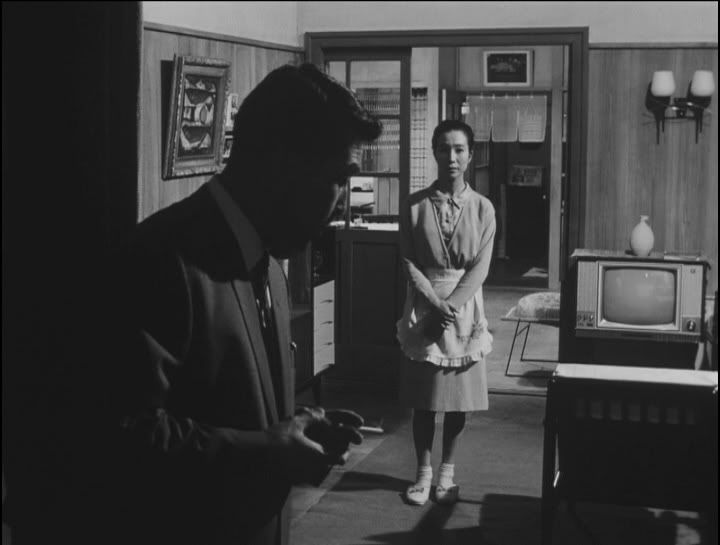
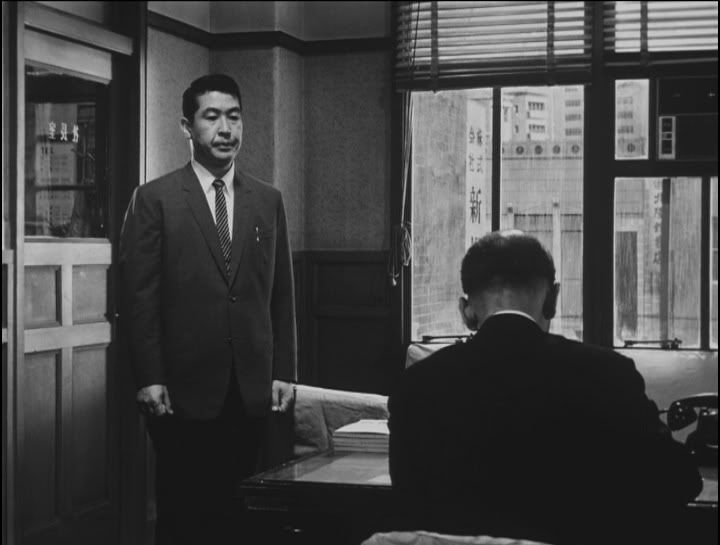
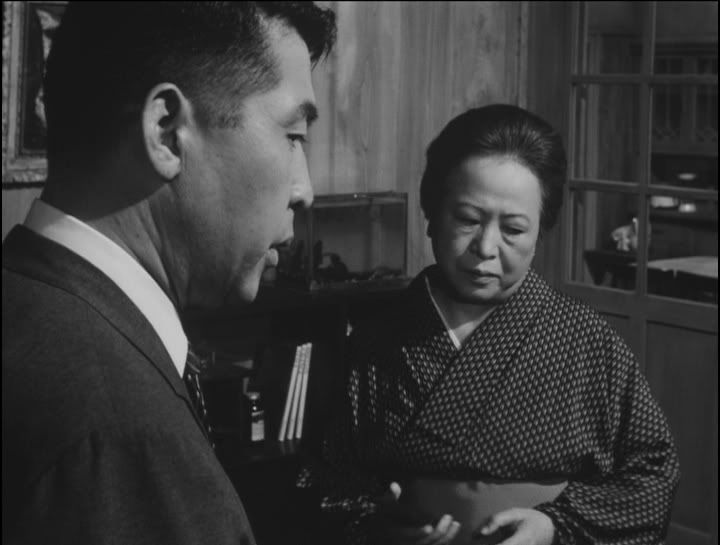
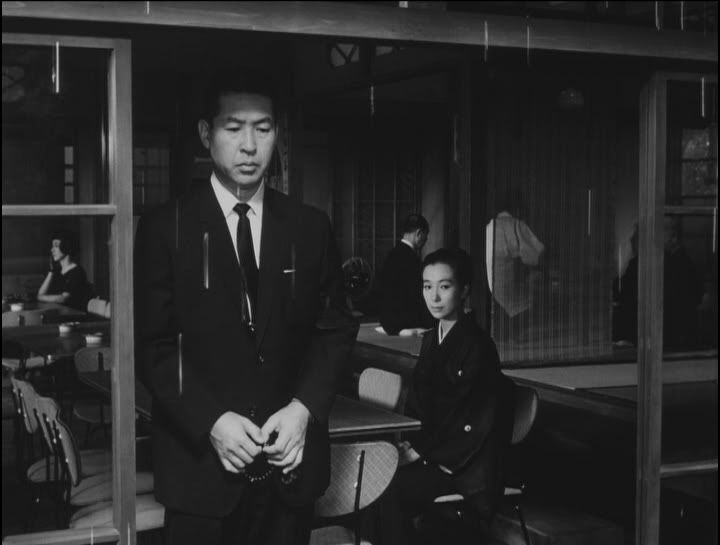
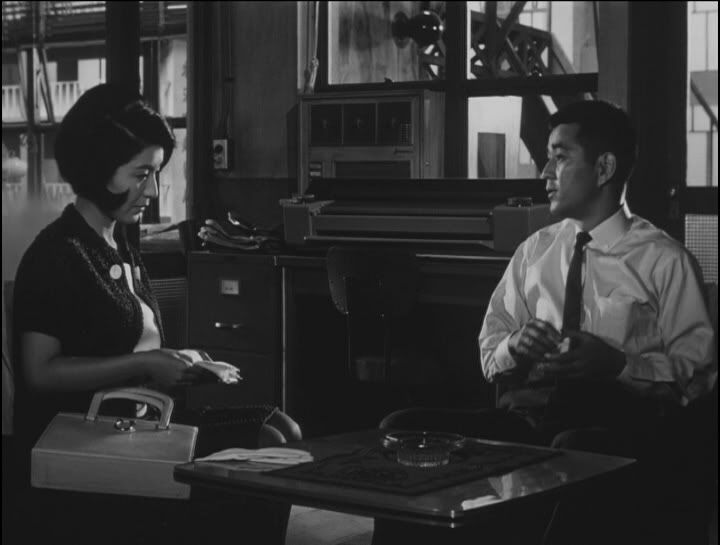
B&W widescreen? An honour to watch in the cinema. Maybe my favourite combination of colour and format, perhaps because they are so rare.
the oringinals:
Europe first: 400 Blows, Mouchette, La Notte, The Battle of Algiers, The Innocents, Lord of the Flies, Last Year at Marienbad, L'Avventura, Repulsion, Jules and Jim, Au hasard Balthazar.
Next USA: Hustler, 12 Angry Men, Psycho, To Kill a Mockingbird, Touch of Evil, Anatomy of a Murder, The Apartment, In Cold Blood, Inherit the Wind , Sweet Smell of Success, Dr. Strangelove, The Train.
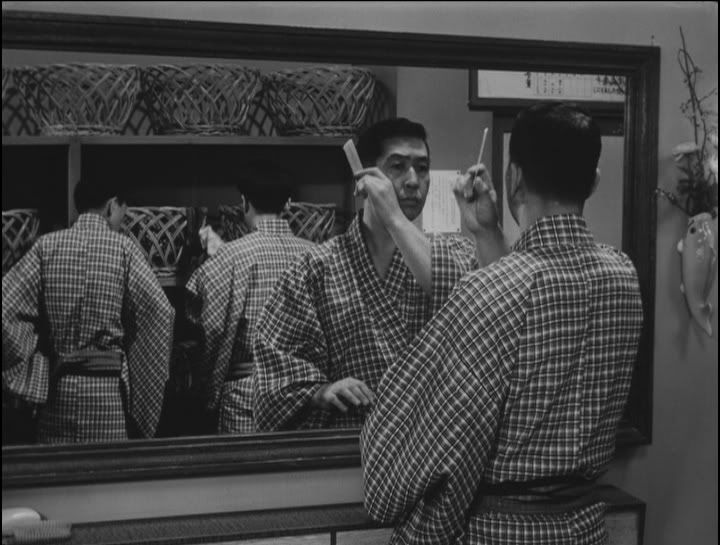
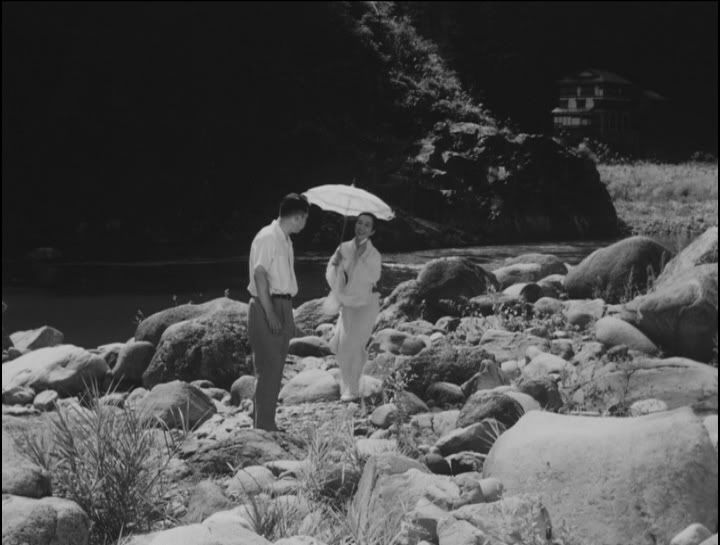
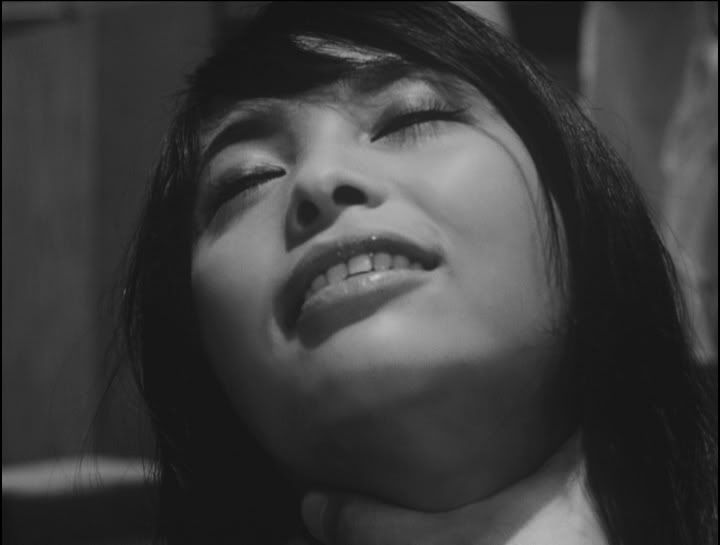
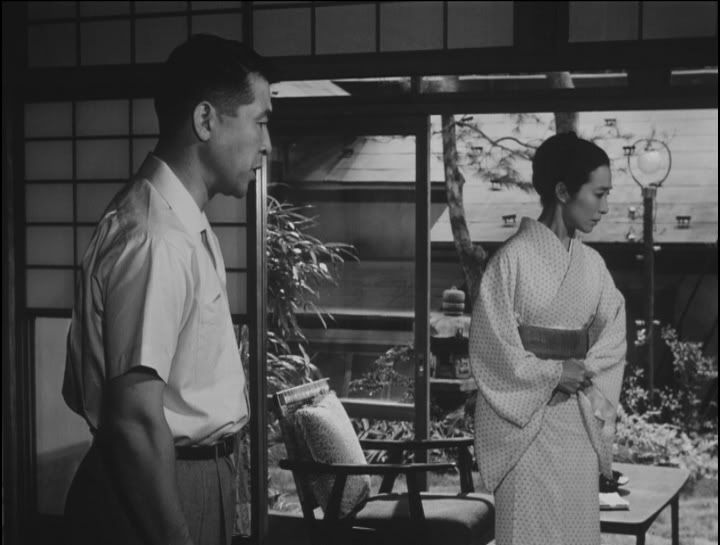
Lastly Japan: (perhaps the best country for this format) Harakiri, Yojimbo/Sanjûrô, Naked Island, Onibaba, Red Beard.
more recent ones: Eraserhead, Raging Bull, Elehpant Man, Rumble Fish, Schindler's List, Devils on the Doorstep, Ed Wood, Pi, Tarr Bela, Dead Man, The Man Who Wasn't There, 13 Tzameti.
I guess I missed a couple, but wouldn't you agree these movies have imprinted their expansive black and white images on to your brain?
Posted: Tue Oct 09, 2007 3:20 am
by denti alligator
"Rare" is a bit too strong, don't you think?
Posted: Tue Oct 09, 2007 4:29 am
by Oedipax
Don't forget Peter Tscherkassky's amazing Cinemascope trilogy!
Posted: Tue Oct 09, 2007 4:33 am
by Belmondo
denti alligator wrote:"Rare" is a bit too strong, don't you think?
Yes, it is a bit too strong, but, since color film was easily available by the time widescreen came along, it means the filmmaker is making an interesting choice. Military and war movies benefit particularly from this choice and "Sink the Bismark", "The Americanization of Emily", "Guns at Batasi" and "In Harm's Way" are good examples. And, don't dismiss "In Harm's Way" as just another John Wayne movie - Preminger knew how to compose a scene and the composition transcends its own melodrama just as it did in the similarly photographed "Advise and Consent".
I also love John Huston's use of widescreen black and white for "Night of the Iguana". It must have been tempting to use color since they were on location in Puerto Vallerta, but, those characters exist strictly in shades of gray.
Posted: Tue Oct 09, 2007 6:25 am
by glaswegian tome
In terms of Widescreen black and white presentation, my favourite would have to be Shock Corridor.
Posted: Tue Oct 09, 2007 6:55 am
by domino harvey
Bitter Victory
Posted: Tue Oct 09, 2007 9:22 am
by Polybius
The case of Anatomy of a Murder is a bit more iffy than the rest of your examples.
Posted: Tue Oct 09, 2007 10:45 am
by MichaelB
Just to get bang up to date, Anton Corbijn's
Control.
Official site
here
Posted: Tue Oct 09, 2007 11:00 am
by Dr Amicus
Back in 2003, I was at a conference on Widescreen Cinema. On the same panel as myself were Steve Chibnall, talking about b&w widescreen in British films, and Gerry Coubro, talking about HammerScope.
Steve Chibnall's argument was that b&w scope was quite common in British films in the late 50s & early 60s - going so far as to claim it as almost being a defining characteristic of Britishness.
Anyway, both of them showed clips from films directed by Val Guest - The Abominable Snowman and Hell Is A City. Based on my viewings of his Yesterday's Enemy and Jigsaw, there is much to suggest that Guest is a vastly underrated user of the scope format.
Also, Winston Wheeler Dixon, in his book length interview with Freddie Francis, tries to argue that b&w scope is his favoured format - both as director and cinematographer. Francis demurs, but has stated that The Innocents is his favourite work.
Posted: Tue Oct 09, 2007 12:16 pm
by Chull
SalParadise wrote:Lastly Japan: (perhaps the best country for this format) Harakiri, Yojimbo/Sanjûrô, Naked Island, Onibaba, Red Beard.
If you haven't already, check out Suzuki's Underworld Beauty. Gorgeous looking.
Posted: Tue Oct 09, 2007 12:29 pm
by exte
Yet another reason why I love this forum - great subject for a thread!
Posted: Tue Oct 09, 2007 12:34 pm
by Tommaso
It seems that with many older b&w white films presented in widescreen or scope it's not quite clear what the intended ratio was, or at least that the scope ratio was imposed by the studio at the time on an alreading existing negative. Most famous example: Siegel's "Invasion of the Body Snatchers", and I'm not sure about a few other so-called Sci-Fi "B-Movies".
To add to the list: "Ill met by moonlight" (Powell&Pressburger, another case of a film probably shot open matte, Powell maintains the AOR was 1.33, but the disc is 1.85, and looks completely allright). Also Pasolini's "Gospel" and "Hawks and Sparrows", and Tarkovsky's "Andrei Rublev".
Posted: Tue Oct 09, 2007 1:11 pm
by Jean-Luc Garbo
Ah, Andrei Rublev. Now THAT is the sort of film that as Sal says imprints itself on your mind! I love 2.35 anyway, but something about Rublev makes it my favorite B&W 2.35 film.
Posted: Tue Oct 09, 2007 1:45 pm
by Michael Kerpan
One of my very favorite kind of films (purely visually)
A few examples:
Bunuel's Diary of a Chambermaid
Kozintsev's Hamlet and King Lear
Naruse's When a Woman Ascends the Stairs, Wanderer's Notebook, Yearning
Shinoda's Pale Flowers
Nomura's Stakeout and Zero Focus
Uchida's Kiga kaikyo (Straits of Fear)
Posted: Tue Oct 09, 2007 2:34 pm
by HerrSchreck
A nice thread for fetishism, yes, but I think calling widescreen b/w a rarity is waayyyy off the mark. ALL those great Shindo's, Kurosawas, Kobayashis, the great Freddie Francis English features like THE INNOCENTS (one of the more beautiful examples of this format) or NIGHTMARE. How about 1.66 to 1.85 horror stuff like THE DEVIL DOLL, CITY OF THE DEAD, NIGHT OF THE EAGLE, all the Antonioni, there's just way way too much to mention here. Stuff like KRONOS, god I could go on and on. Tons of material. Renoir's later material, HORRIBLE EXPERIMENRT, ELUSV ZCORPORAL, etc..
ANDRE ROUBLEW indeed... CC upgraded an already pretty decent THIRD MAN, so they better put out an anamorphic box for this greatest of widescreen masterpieces in a reissue, at least 3 discs.
Edit: as a matter of fact I'd say, past the early 60's to the present, 1.33 black and white is FAR more difficult to find.
Posted: Tue Oct 09, 2007 3:04 pm
by montgomery
Persona was on your list, but it's not widescreen. Unless you've been watching the bungled MGM DVD, in which case you better buy yourself a corrected version, and quick.
Posted: Tue Oct 09, 2007 3:05 pm
by Michael Kerpan
Posted: Tue Oct 09, 2007 3:18 pm
by colinr0380
Another great modern 2.35:1 widescreen film is
Suture from 1993.
Posted: Tue Oct 09, 2007 3:24 pm
by Steven H
Along with SalParadise's great list, some of my favorite Japanese directors, Naruse (already mentioned) Okamoto, Yoshida, and Imamura did GOBS of work in scope B&W in the 60s. Okamoto's Age of Assassins, Yoshida's Eros Plus Massacre, and Imamura's Insect Woman are some of the best examples of it, I think Actually, all three directors also did a handful of great past early 60s 1:33 B&W films: The Human Bullet (Okamoto), Coup d'etat (Yoshida), and A Man Vanishes (Imamura), but these were definitely the exception to the rule.
Posted: Tue Oct 09, 2007 3:27 pm
by Michael Kerpan
Steven H wrote:Along with SalParadise's great list, some of my favorite Japanese directors, Naruse (already mentioned) Okamoto, Yoshida, and Imamura did GOBS of work in scope B&W in the 60s. .
I had just remembered I left Imamura off the list. Pigs and Battleships is just plain awesome -- and the others aren't bad either....
Posted: Tue Oct 09, 2007 3:34 pm
by HerrSchreck
OKAMOTO.. christ, it's almost corny to mention it owing to its classic nature, but truly one of the greatest widescreen exhibitions of raw compositional power verging on the avant (much similarity to the adventurous widescreen compositions of Kobayashi, say in REBELLION), and hearkening back to the beauty of the silent eras pictorialism: SWORD OF DOOM. You just can't say enough to praise the achievement of this film. I love films that lose nothing thru repeated viewing-- I mean this on the straight cinematographic plane, not in terms of poetic depth, meaning, or simple human enjoyment. As you view great shots over and over again thru repeated viewing, you anticipate them and they lose their power to stun as they did upon the first viewing. The sheer power and muscle of the mise en scene in DOOM is just so organic that the shot impact just never goes away... fucking gift that just keeps on giving. I get the same feeling that I got from Robert E. Howard's dark gloomy words as a kid when reading the original Conan stories. Sublime.
Posted: Tue Oct 09, 2007 3:34 pm
by colinr0380
Steven H wrote:...and Imamura did GOBS of work in scope B&W in the 60s.
That reminded me of The Pornographers, one of the most beautifully composed films I've ever seen: action going on inside buildings but seen from outside with the world occurring on the very edge, the hair parlor which can be seen completely through, the long walk down the corridor the son's new girlfriend makes towards the boy and his mother with sections illuminating and being darkened as she approaches, the fishtank! - boxes within boxes that perfectly capture the way people are catching glimpses of others and being watched in return. All in crisp black and white!
Posted: Tue Oct 09, 2007 3:48 pm
by Steven H
Pigs and Battleships, Insect Woman, The Pornographers, and Intentions of Murder and even some of his earlier films are all gorgeous to look at in scope B&W. Okamoto's war films (Westward Desperado, Desperado Outpost, Japan's Longest Day, Battle of Okinawa, and Fort Graveyard) are all great examples of this format (not to mention his comedies, again scope B&W.)
Also, you can get an idea of how Yoshida Yoshishige used B&W scope from
from this trailer for his Woman of the Lake, his adaptation of Kawabata's The Lake from 1966 (right after he did one of the BEST looking films in this format, A Story Written With Water.
edit: also, from what I've seen lately, any fans of Sword of Doom level samurai stuff should check out Kudo Eiichi, especially the Wild Side set. His The Great Killing is another fine example of black and white 2:35
Posted: Tue Oct 09, 2007 4:51 pm
by tryavna
Dr Amicus wrote:Steve Chibnall's argument was that b&w scope was quite common in British films in the late 50s & early 60s - going so far as to claim it as almost being a defining characteristic of Britishness.
there is much to suggest that Guest is a vastly underrated user of the scope format.
I'm inclined to agree with both assertions, especially the latter. Guest is vastly underrated, period.
Someone mentioned Eastern Europe earlier.
Valley of the Bees deserves to be singled out, for sure.
Widescreen b&w is by no means rare, as all these wonderful examples quickly verify.
Posted: Tue Oct 09, 2007 5:10 pm
by GringoTex
The damn near forgotten Joseph H. Lewis' amazing b&w widescreen in The Big Combo, The Halliday Brand, and Terror in a Texas Town.