Quot wrote:I recently had the chance to catch this on the small screen. Bizarre, but very worthwhile, I hope this one soon receives a deluxe restoration DVD treatment (or any really, I don't think it's ever been released in any format in the US). I really like Penn's 60s-70s work quite a bit, although this was quite unlike any of his other films; there's a definite French new wave influence and the story is told in an extemporaneous manner, quite like Stan Getz's improvisational sax solos which are liberally featured throughout.
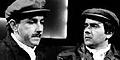
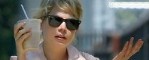
Penn's first collaboration with Beatty is pretty great -- seeing this makes me wish for an alternate-world version of Little Big Man with Beatty taking on the Hoffman role (he was only a few months older than Dustin; certainly would have made the scene with Mrs. Pendrake even more interesting). In Mickey One, Beatty shines as the paranoid comedian on the run from the mob and Penn use that premise as an existential study of a man whose only crime is "being guilty of not being innocent." I think a case can be made that this little-seen effort provided a blueprint of sorts for many of the conspiracy theory films produced in subsequent decades.
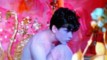
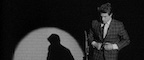
Ghislain Cloquet's black and white cinematography is some of the best I've seen. The surreal touches and quirky characters were unexpected but a nice touch. The bit with the Japanese performance artist was especially inspired. Would like to hear more thoughts on this film. Has anyone here seen it?
A very underrated film -- attacked in its time for being "arty." Well good. "Arty" is teriffic. Though Beatty didn't produce this is very much his movie and I'm sure he had more than a small hand in everything. In some ways the story might be likened to the Kafka version of The Lenny Bruce Story.
Cloquet's cinematography is indeed terrific, as its the Eddie Sauter/Stan Getz score. It's also one of Alexandra Stewart's few important english language films and Hurd Hatfield is amazing.
Teddy Hart is Lorenz Hart's brother -- and looks quite like him.
Is best enjoyed as a double feature with Skolimowski's
Bariera.