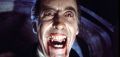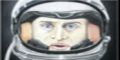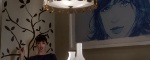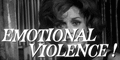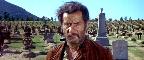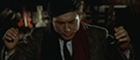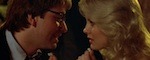
The Tracey Fragments reveals in bits and pieces several traumatic blows to Ellen Page's character, which more or less dissolve/disable her ability to piece together the narrative into a coherent (linear) narrative. The film takes its cues from split-screen cinema such as Chelsea Girls and Time Code (and I'm sure countless experimental films) but expands and extends the aesthetic for the length of a feature film. The screen is consistently moving, introducing new footage and perspectives while reforming existing information. There were probably less than ten shots in the entire film that aren't over-layed, and save one memorable example, those last only seconds. On the other end of the spectrum, the screen can host up to two-dozen different perspectives and counters on a single moment, every image consistently moving within the space of the screen. Describing the film's style can't compare with just posting random screencaps, which give a far better idea of what is work here, though it's naturally better experienced in motion:


But this isn't just "crazy aesthetics" for articifical, surface reasons. There's a telling sequence about 30 minutes into the film where Page envisions her life via the opening credits to a CW-type program, and the editing there is barely changed from that of the rest of the film. The film isn't an unconventional madness on display, it's every teenager's inability to cope with the world at fifteen. I honestly didn't go in expecting much but this ranks as one of the most exciting and just plain interesting examples of narrative justifying form. It's also one of the most brutal, unglamorous, and surprisingly accurate depictions of the dregs of being a teenager.