therewillbeblus wrote: Mon Jun 01, 2020 6:40 pm
Regarding the scene in the woods, could the halt of camera and style be intentional to strip away the whimsical experimentation and just force a dwelling on the very uncomfortable raw truth of what's happening without intervention to affirm your (and my) feelings on the justification? I think it might be effective at showing it for what it is as pathetic by de-romanticizing through removing all cinematic tonal boosters
That's a really generous reading, twbb. Part of my dislike of that moment, other than the contrast in camera technique, was how it left the characters with nothing but dialogue. Contra soundchaser, I don't find them tropes because their performances read to my eye as physically authentic to their environment. I read someone compare the film to Italian Neorealism. (Though I wish the script had risen to the richness of language used in your standard back porch Sunday afternoon bullshitting session one often hears in the American South.)
In other words, my main gripe is that the scene is all talk and Carl has nothing to say, repeatedly. He is not a talking man; he cannot talk Jesus Christ off the cross. (
after Harvey Pekar)
I will need to rewatch, though, with your readings in mind. This first time my left eye was only looking for what seemed false. For instance, I thought the camera leered during the opening dinner scene. Uncomfortably tight closeups show the nonactor kids brutalizing that fried chicken. (Which kids do, I have watched my darling baby girl assault yogurt in a froth like a killer whale.) These are apparently the kids of the family who rented the crew their house, but I worried that the filmmakers just planned to gawp at the hicks. (Long American tradition here:
Tobacco Road, a vile book, came out in 1932,
Night Comes to the Cumberlands in 1963) Likewise at the dawn after the spring night, as Jessica crosses in the background and Carl stands up in the foreground, I felt sick as it seemed like the film was unfolding wholly sympathetic to him and his arc. Her prior portrait, face floating like Anna Karina's in the darkness, then felt like it had passed the borderline into wholly awful. The rest of the movie changed my reading of the moment, though, and I want to resee it with its whole arc in mind.
magnetic, all I would say is that these places have a black hole gravity that's very hard to overcome. I love the moment when the mother calls her companion a hillbilly, a quip that says a lot about their relative status and the distance of inside and outside. The grandmother offers counterpoint too: she's never gone anywhere except to her church meeting, but her kids wandered away from that a long time ago.
As a model of low-budget filmmaking, I think this film makes a nice companion to
The Killer of Sheep. That's a top shelf masterpiece, while this one has imperfections, but I like how they both utilize their relative poverty of means in making portraits of poverty, one rural, one urban. I'm also reminded of Marcel Hanoun's
L'Ete, just in terms of maximizing the cinematic possibilities of a camera, some stock, and the world outside. Watching Hanoun I can never predict what's happening, and
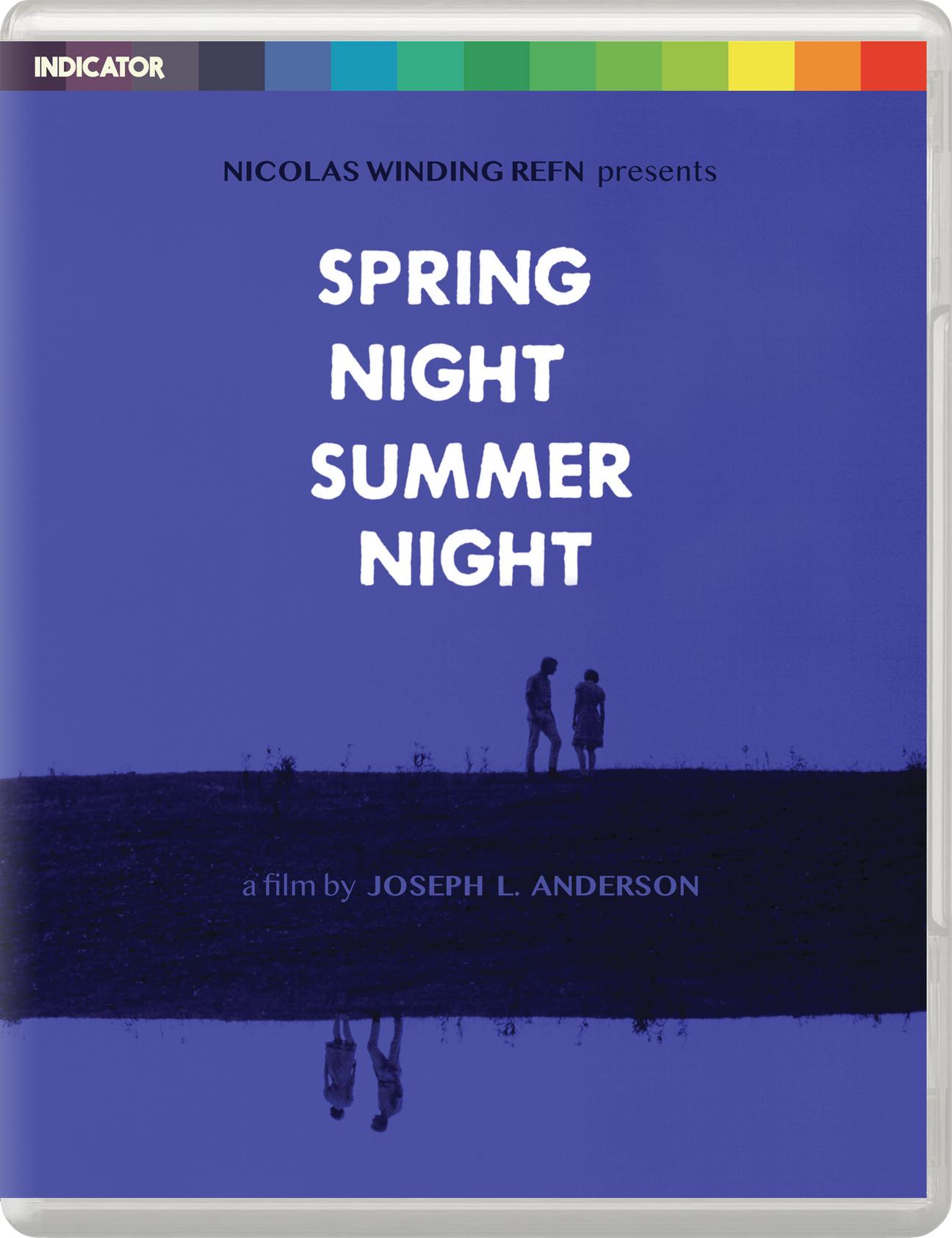
Spring Night, Summer Night often seems like it is reimagining (re-imaging?) its visual world from shot to shot.