knives wrote: Mon Mar 16, 2020 2:53 pm
I think I would be able to agree with you if the film started with that close-up of drunk student and skipped over the prologue which just put me so off I can't like it. I mean, that's a whole fifth of the film that was just truly obnoxious nails on a chalkboard to me. Once we get to the gay devil stuff and the writer I thought it became a lot more successful if kitschy in a way that Lynch better handles. That opening just reminded me too much of the screaming college theater performances I've seen.
Conversely, I thought the opening set the tone perfectly with the bullying scenes feeling appropriately unpredictable in their unprecedented implementation. We see silent stone-faces moving eerily into a planful ceremony, all human beings of similar shapes and sizes, and the subsequent interpersonal actions define the roles of dominance and submission as our introduction to the characters via uncomfortable dynamics. I can see how this might not work for some because we don't enter with any stakes to cope with the behavior we witness, but for me that was a strength. The first act felt piercingly accurate to the horrors of impromptu hazing, where we are surrogates for the experience of being preyed upon aggressively without the agency to stop it. I was especially intrigued by the lack of outlets provided even through humiliation, which got at the core of the bullying existing for the sake of maintaining that power, achieving pleasure through the process rather than any catharsis from outcomes.
The rest of the movie didn't play as well for me, for once we established the ingrained dynamics the resulting drama was more obnoxiously theatrical (I am aware it's a filmed play). I don't really know exactly what you're talking about knives with your Lynch comparison, but the idea of a suppressed homoerotic devil expelling his confusion through fury under oppressive social norms is an interesting one. What stops me from caring too much is the detail of his silver spoon upbringing, which could add an additional layer of ideological normative oppression through classism, but there isn't enough subtext to give the film this rope. Instead I felt like the more interesting reading of 'hurt people hurt people' was cast aside to the hokey concept of 'kids raised rich developing a sense of invincibility' stretched to include antisocial menace.
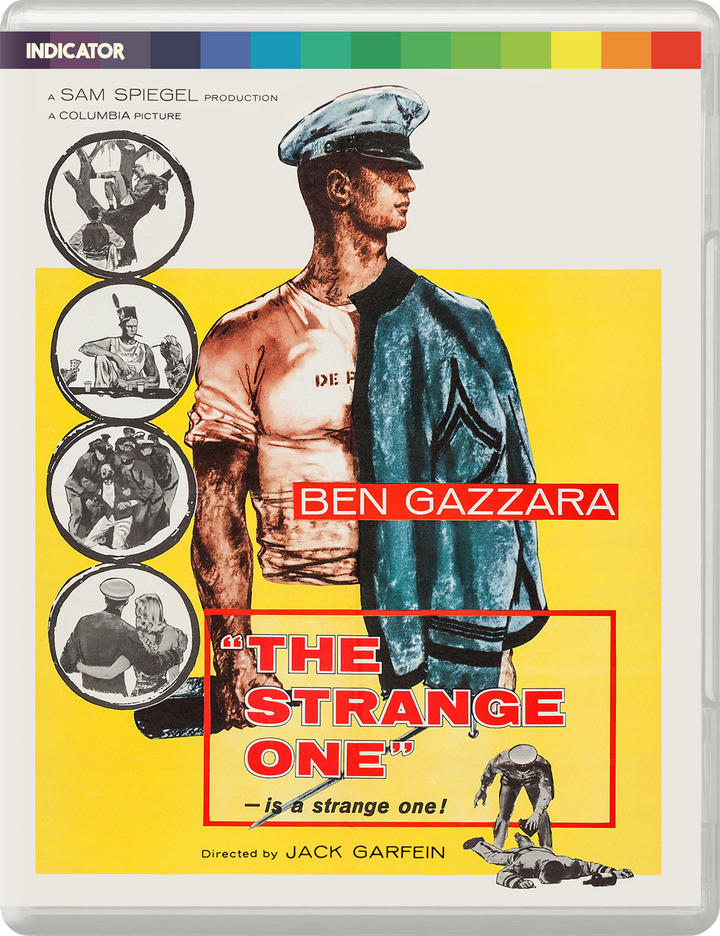
Gazzara is excellent, and his ability to mute himself calm and quietly become violent with an alien glance, assumed threat in tongue, or literal action, aided what impressed me so much about that erratic first act. Unfortunately his presence couldn't carry the film, and what started out as an impressively-conceived introduction to a tense milieu dissipated into a run-of-the-mill fantasy of expelling the 'bad eggs' of the world, which itself is a concept I disagree with on principle, down to how Gazarra is defined and simplified by the writer. What is even more problematic is the diffusion of responsibility for the eggers/bystanders who participated weakly under his leadership, and the ending made me come away borderline hating this, oddly in the opposite end of the spectrum as knives.