MitchPerrywinkle wrote: Fri May 27, 2022 3:00 am
While I don't love the film,
Three Days of the Condor doesn't necessarily have what I'd call a "happy ending", though I suppose it's framed more in a way that would open the door for a potential sequel than with the bleak finality of something like Pakula's
The Parallax View.
I'd agree with that, but I'd say that the fact that Three Days of the Condor ends with Redford handing over the story to the New York Times, and he and the intelligence guy argue about whether or not they'll print the story puts it in a kind of upbeat mindset that Pakula in The Parallax View saw through (as did the makers of Winter Kills, a much more awkward and grungy movie, but possessed of a cynicism Pollack can't approach). Will they print the story at the end of Three Days of the Condor? There's the question, which hangs in the air, but we're being encouraged by the filmmaking to veer towards the possibility that the Times will do the journalistic hero thing at the end. They could disbelieve the story, or they could believe it. The possibility that the Times is itself compromised––that the Times is prepared to serve as an extension of the Agency––is not really part of Pollack's conception that he teases out at all.
Whereas in The Parallax View, the journalist is the one who gets compromised––at first vulnerable, and perhaps primed for corruption, Joe Frady literally becomes Parallax's ideal agent by the end. He slips chameleon-like into a cog in the wheel of the power structure––one shaped just right for him. But he's ready to be compromised right from the start. Which, I would say, is a far bleaker view of the American establishment than Pollack's "maybe they'll do the right thing" musing at the end of Condor. From Pakula's point of view, the fix is already in––because it always was in, and no one is strong enough to resist the call to be the grand or blighted figure they all secretly dream themselves to be. The corruption in the system is endemic––because its' source is our own self-belief. I don't think the Pollack of Condor believes in such a trap––but I think he does believe it's his job not to leave the audience with such pessimism, unless perhaps the source material would account for it.
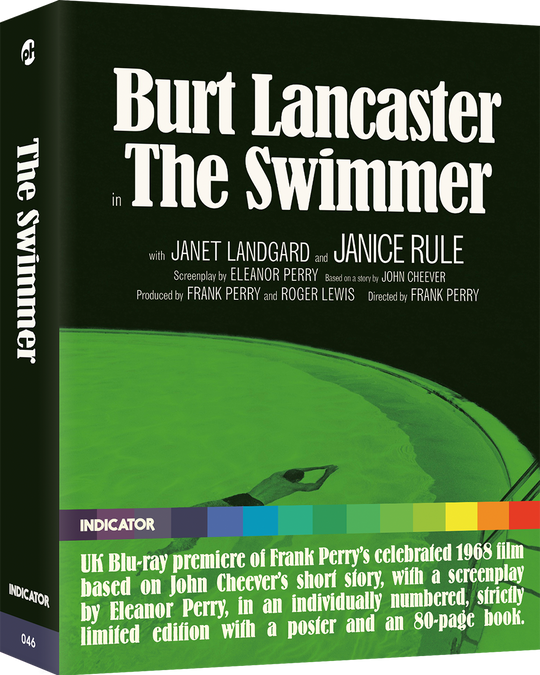
I suppose I could refine my initial point a little by saying that what Pollack presents in his films is usually the most mainstream effort he can muster, and that the style of his filmmaking contributes mightily to that deliberate reaching for the mainstream. That he is on rare occasion a more interesting filmmaker doesn't to my mind discount the flat aspiration to universal appeal of, say, Out of Africa, The Firm, The Way We Were, Random hearts, The Interpreter, Sabrina, Havana, The Yakuza, and Tootsie. Whereas I think both Pakula––since he's ended up here for a spell––and Frank Perry are animated by a viewpoint much more deliberately personal. Of course, anyone coming into someone else's movie to tie it up at the end because the filmmaker can't figure it out or the producers want something different, can be forgiven for altering the tone of things––at least, to my mind. I just think Pollack was a choice that led almost automatically to a less sensitive, innovative, or ambiguous ending. That is entirely in line with what he usually did.