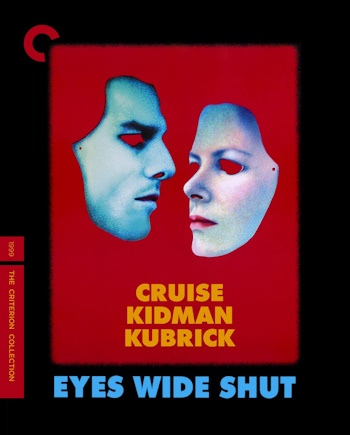
Eyes Wide Shut

BUY AT:


See more details, packaging, or compare
Synopsis
Stanley Kubrick’s career-capping Eyes Wide Shut unfolds in a dreamscape vision of New York City, where doctor Bill Harford (Tom Cruise) and his wife, Alice (Nicole Kidman), confront the unconscious desires, jealousies, and fears threatening their marriage. A Christmastime odyssey into a surreal sexual underworld whose hidden power structures are laid frighteningly bare, the film marks the fulfillment of the director’s decades-long desire to adapt Arthur Schnitzler’s novella Dream Story and the culmination of his obsessive interest in the relationship between institutional authority and the individual. Released in 1999, the film also serves as a fitting coda to a century of cinema, by one of its greatest visionaries—an endlessly tantalizing labyrinth whose myriad symbols, mysteries, and meanings are still being unraveled.
Picture 10/10
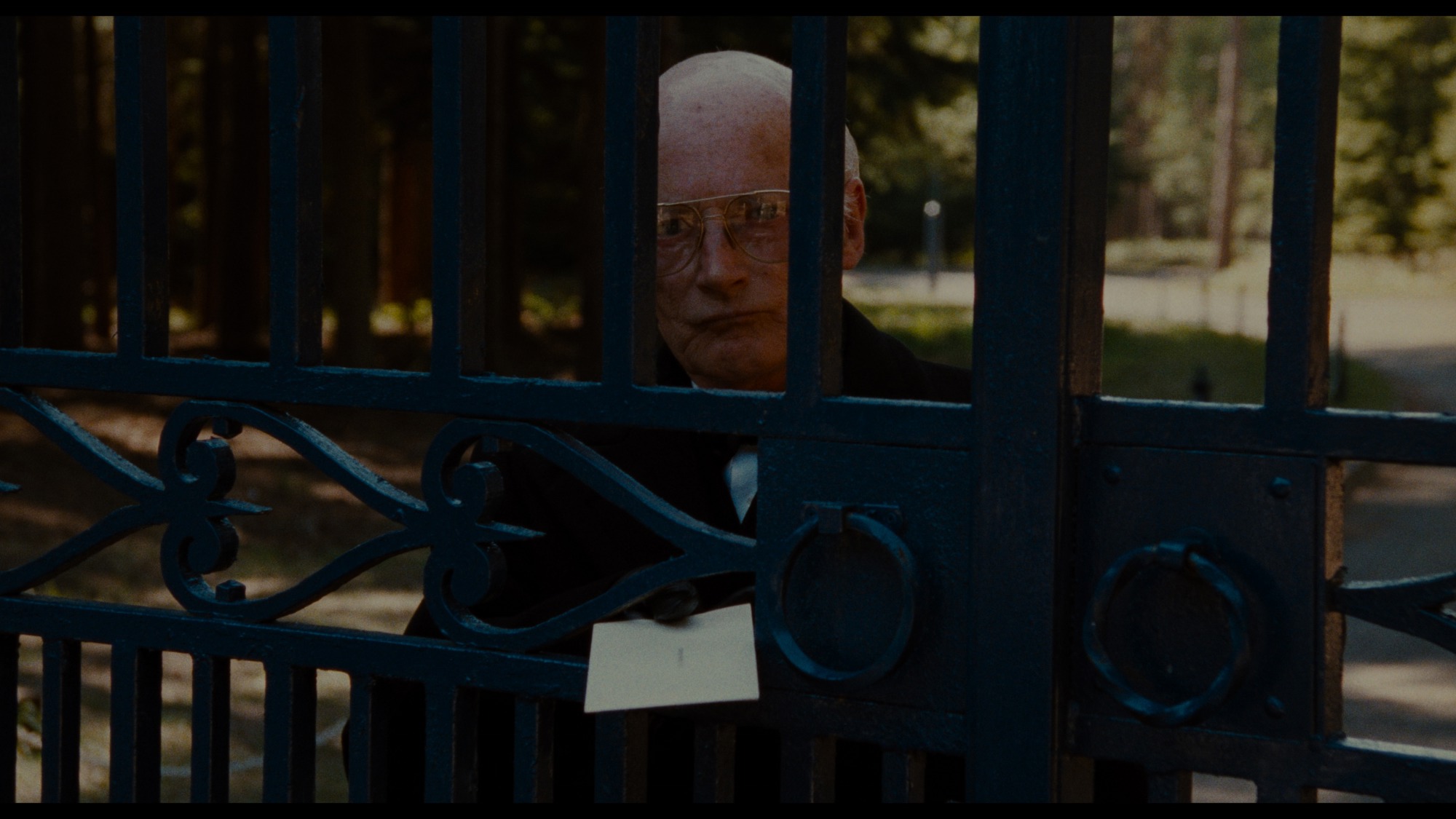
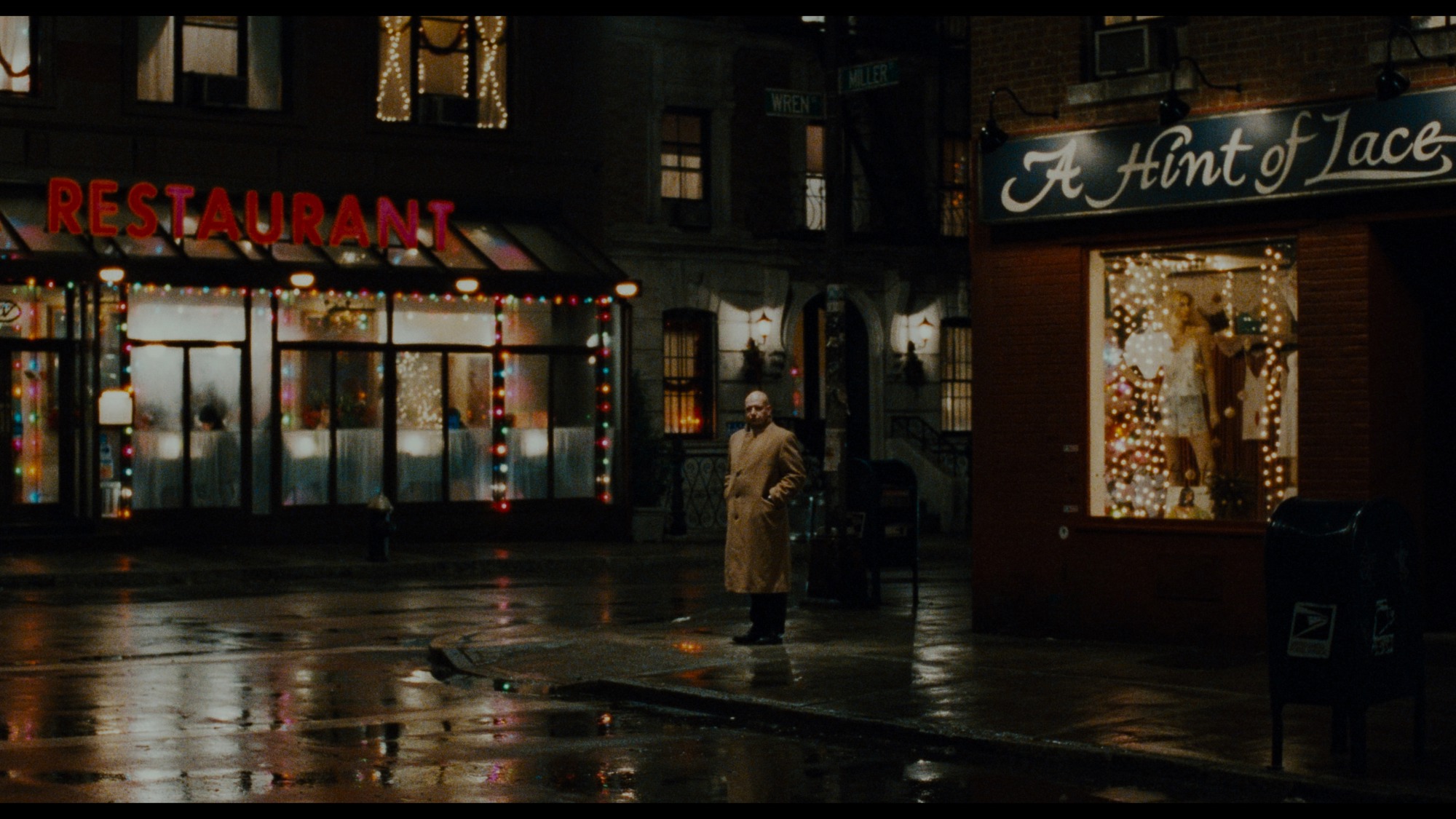
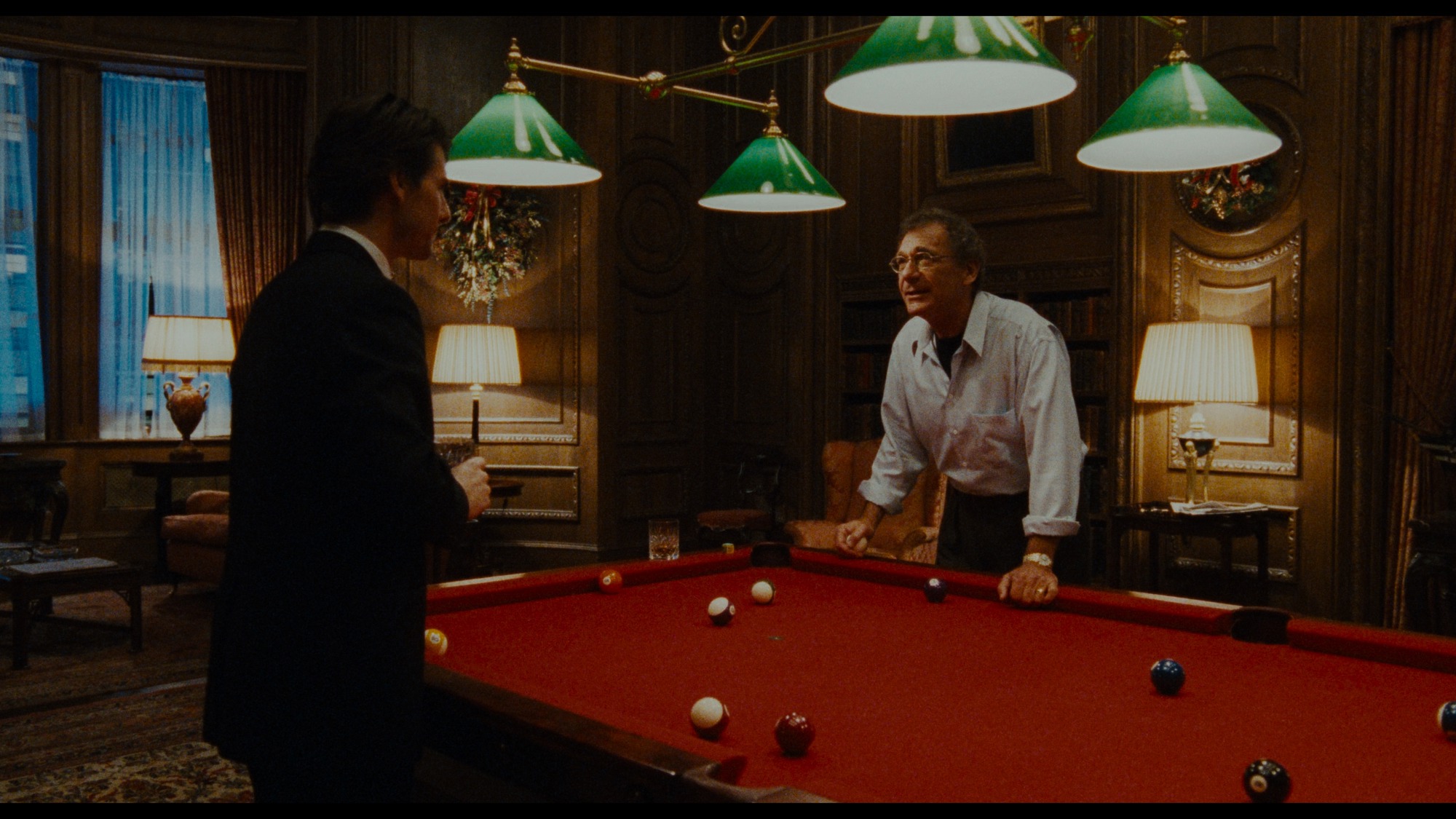
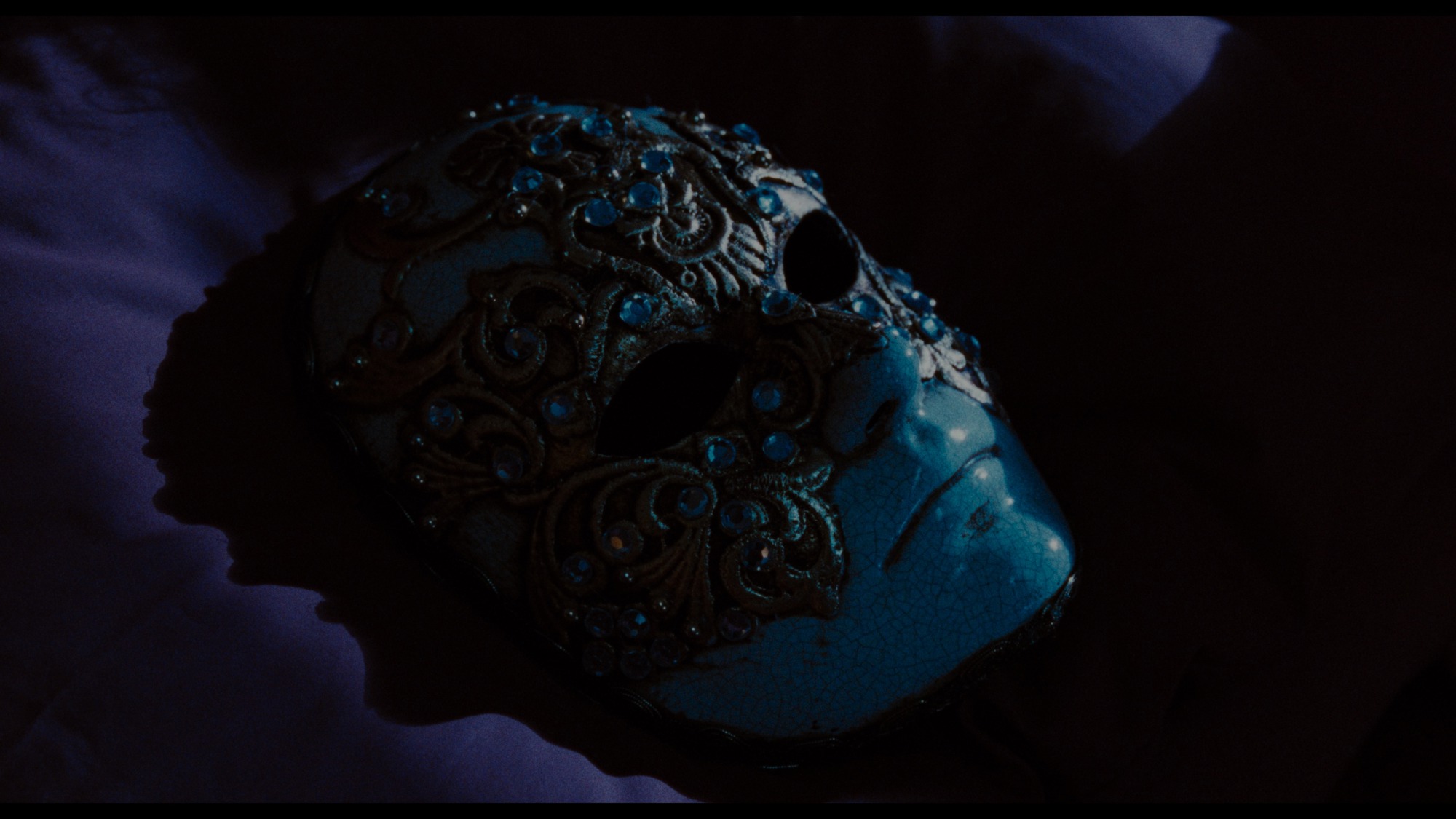
Apparently one of their more requested titles, The Criterion Collection finally gets around to releasing Stanley Kubrick’s final film, Eyes Wide Shut, presenting it in an all-new 4K UHD edition on a triple-layer disc with Dolby Vision in the theatrical aspect ratio of 1.85:1. The 2160p/24hz ultra high-definition presentation is sourced from a brand-new 4K restoration taken from a scan of the 35mm original camera negative. Two standard dual-layer Blu-rays are also included: one featuring a 1080p presentation of the film, the other housing the release’s supplements.
It goes without saying that Warner’s previous Blu-ray (and HD DVD!) was in dire need of an upgrade. That incredibly dated master was over-processed, stripped of fine detail and texture, while also carrying the flattened color palette typical of high-definition transfers from that era. I had no doubt that Criterion’s new restoration and digital presentation were going to better it (significantly), but I’m genuinely stunned by how gorgeous this has ultimately turned out. It’s not just a clear improvement over the old Warner disc; it’s one of the more impressive 4K presentations I’ve seen in some time.
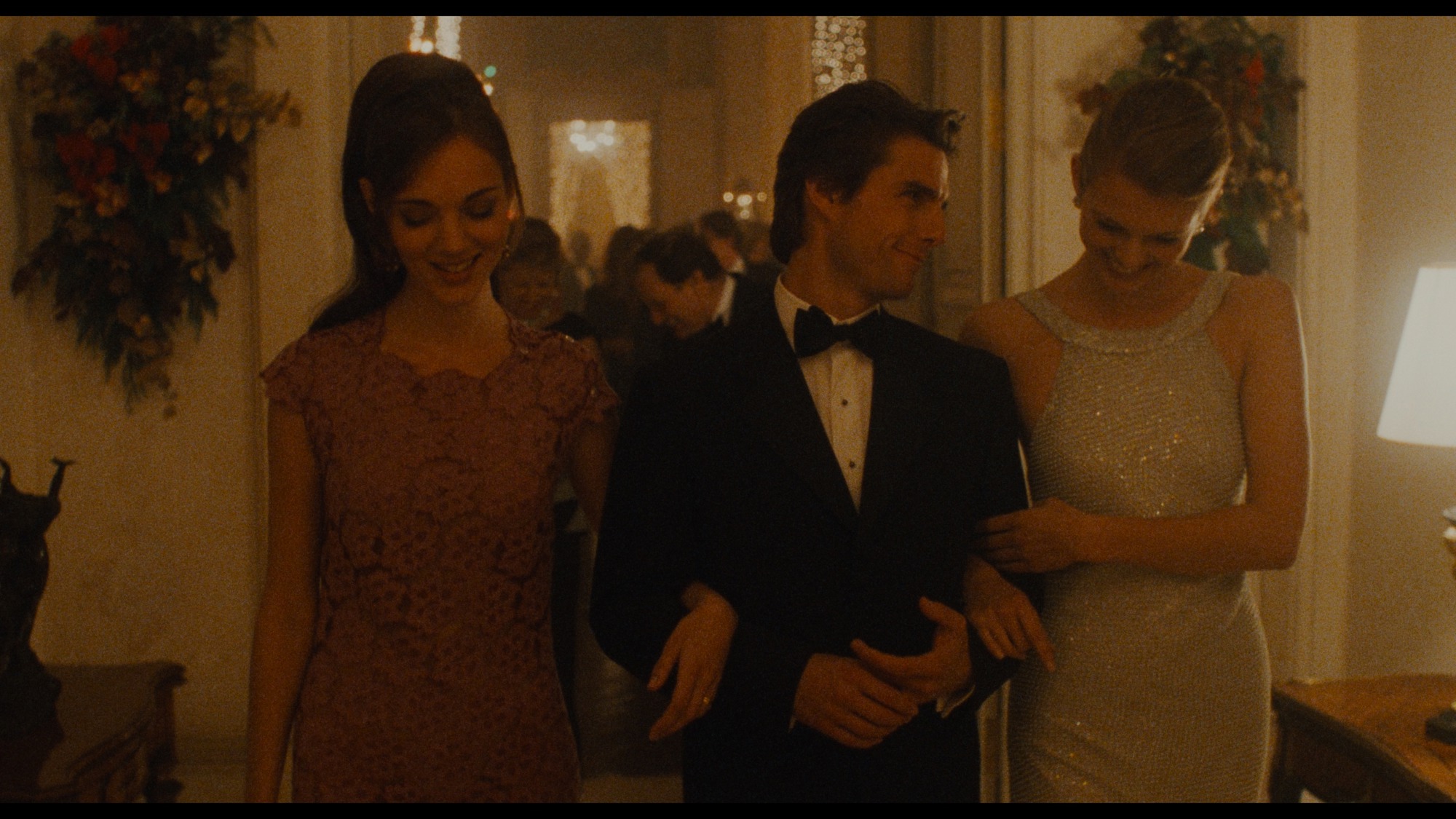
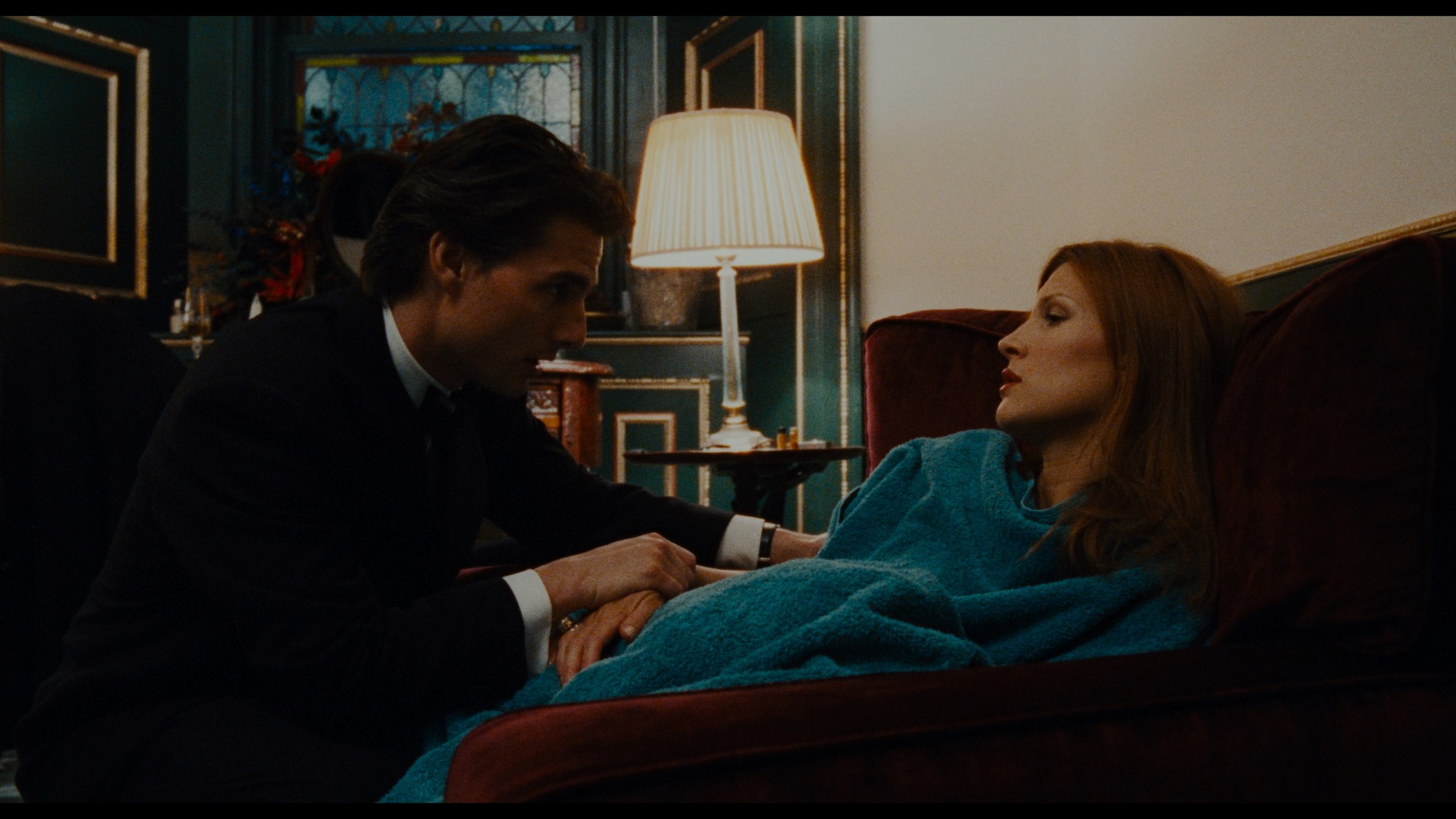
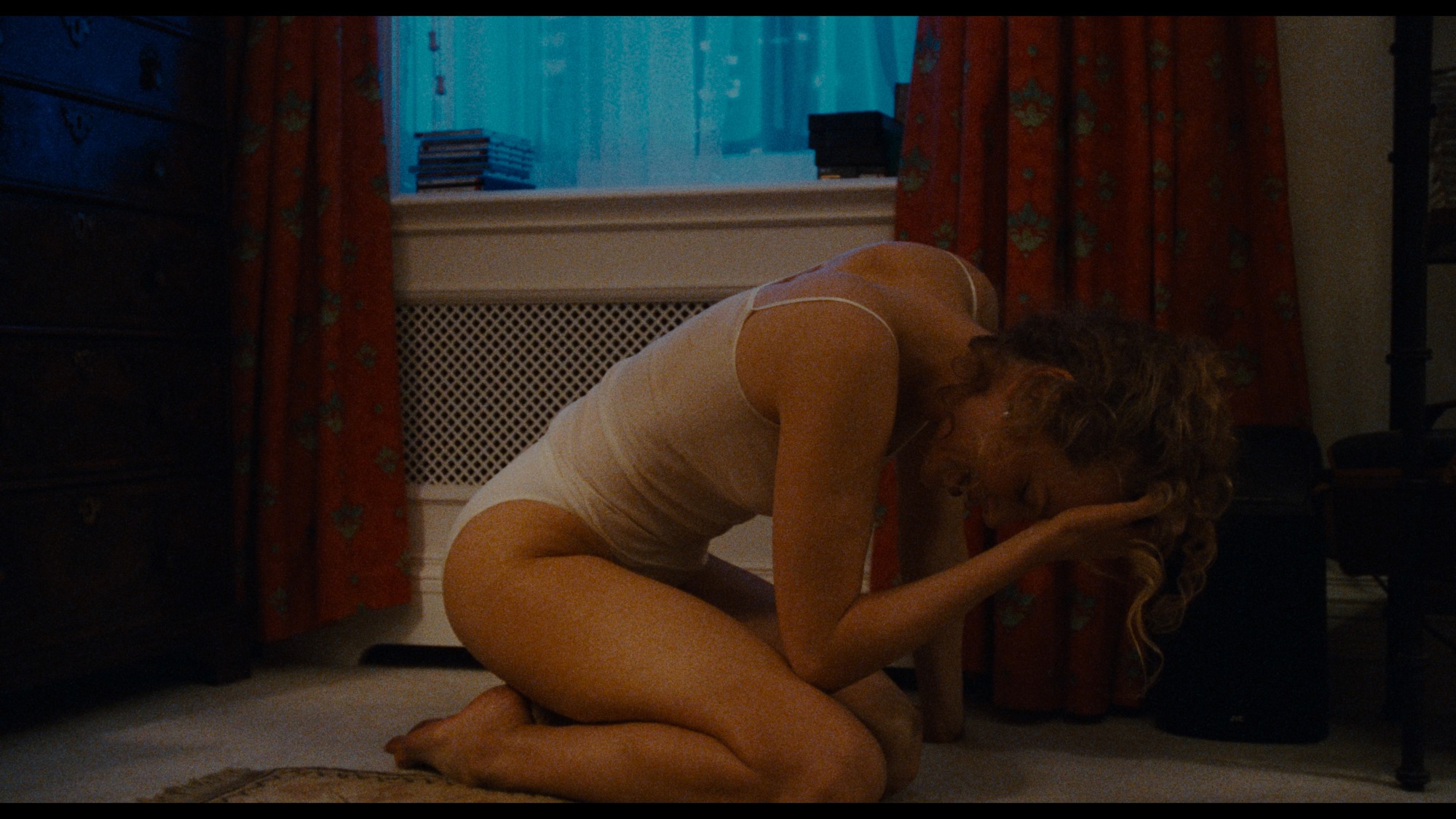
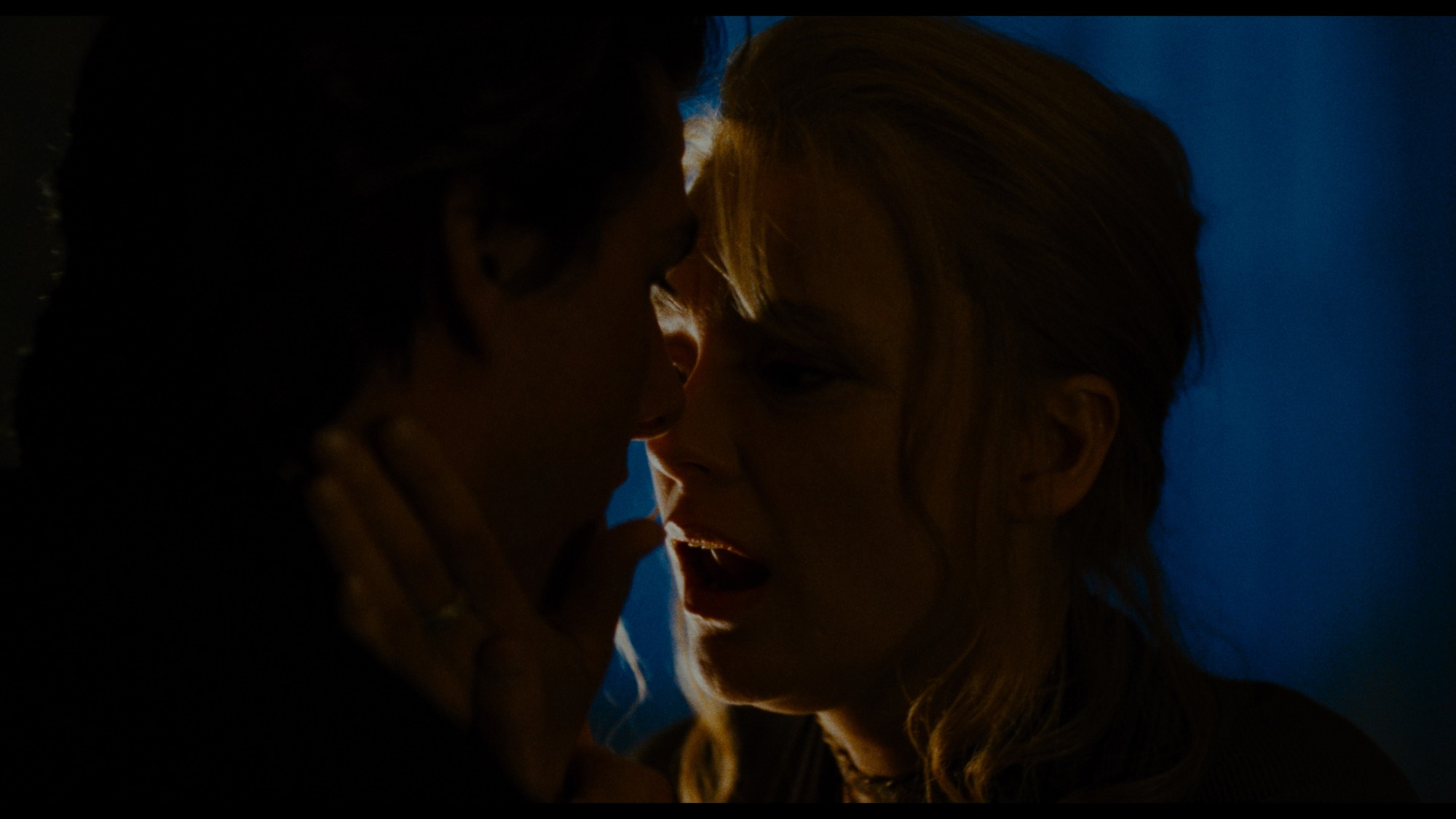
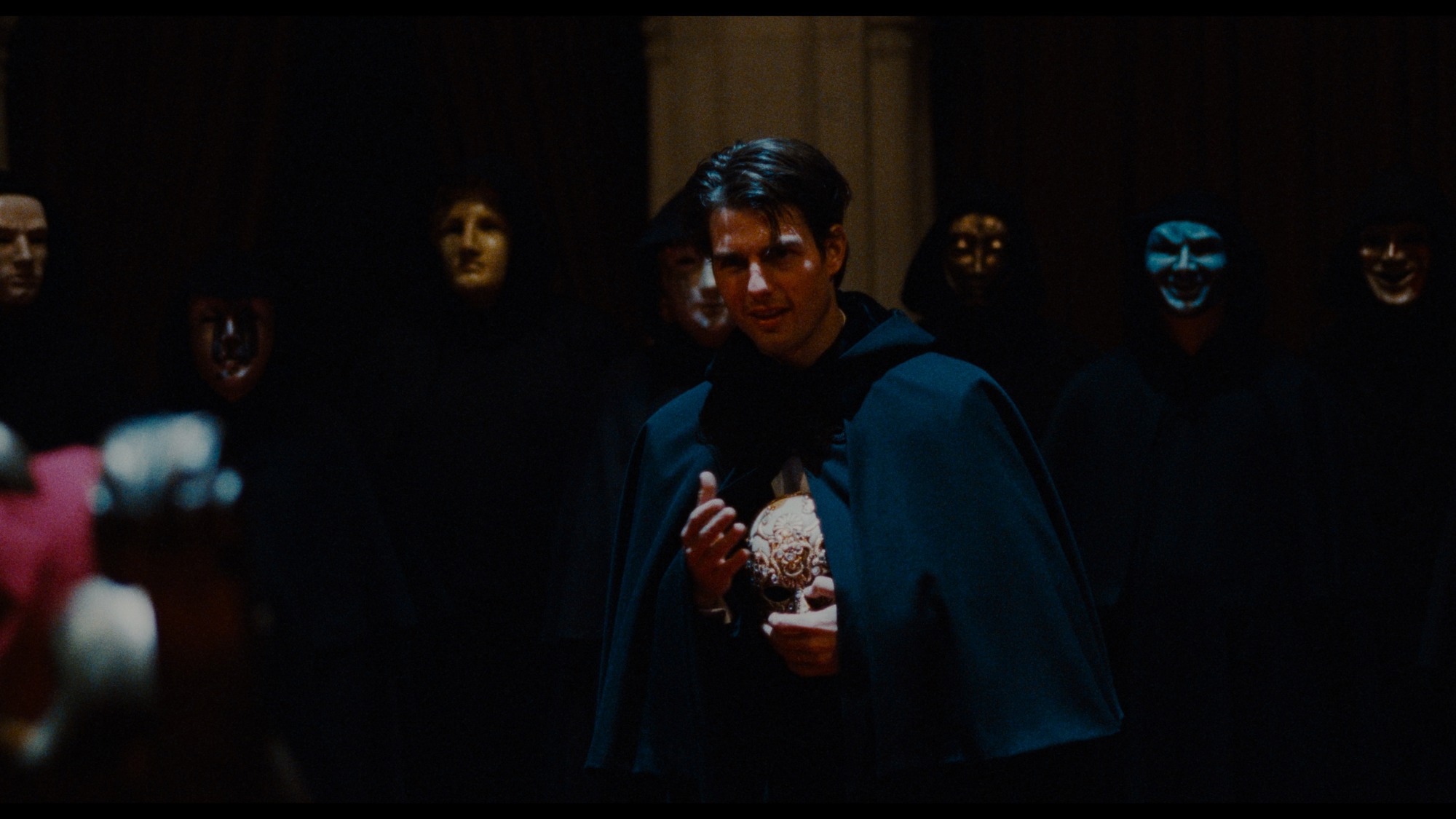
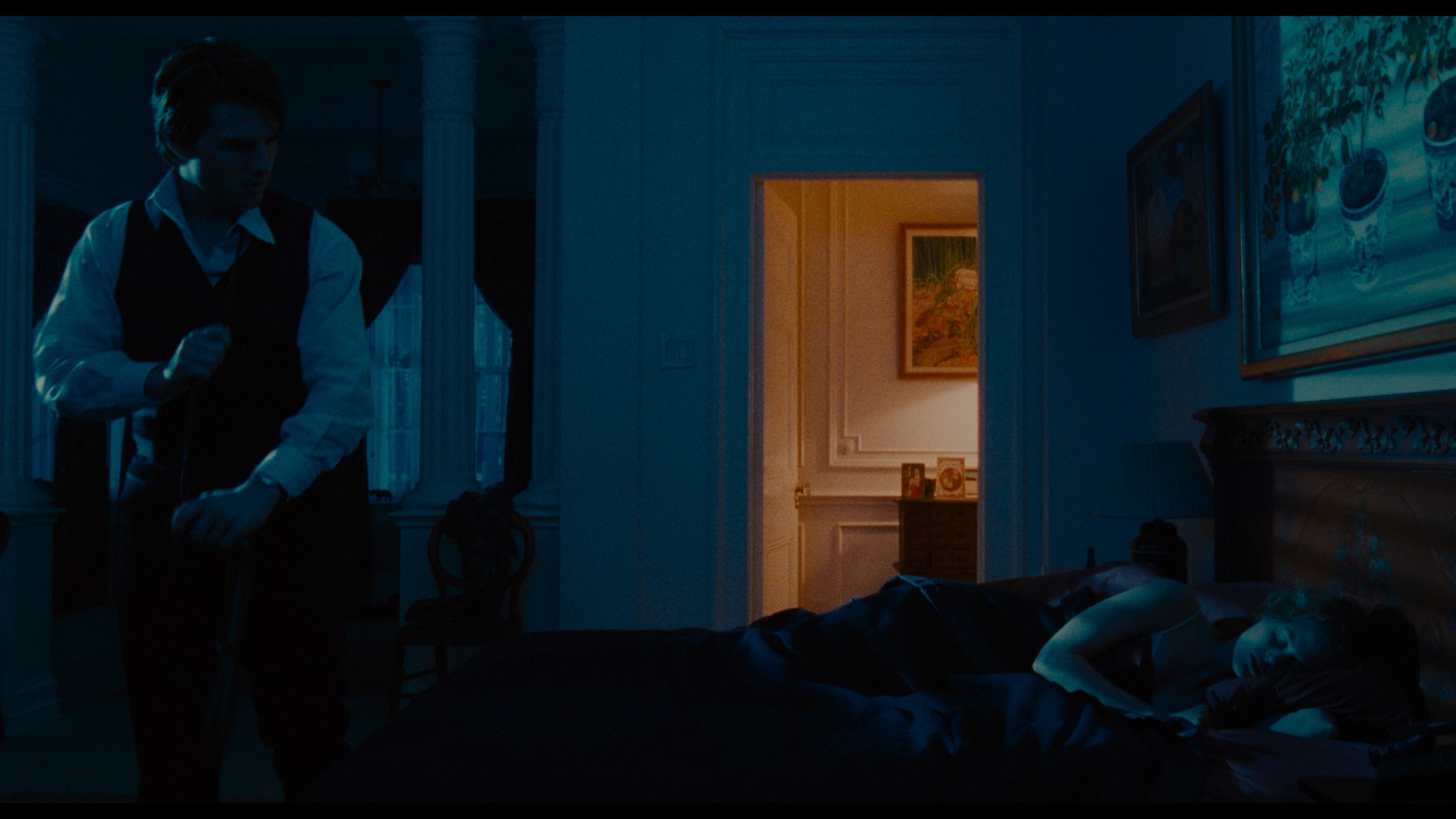
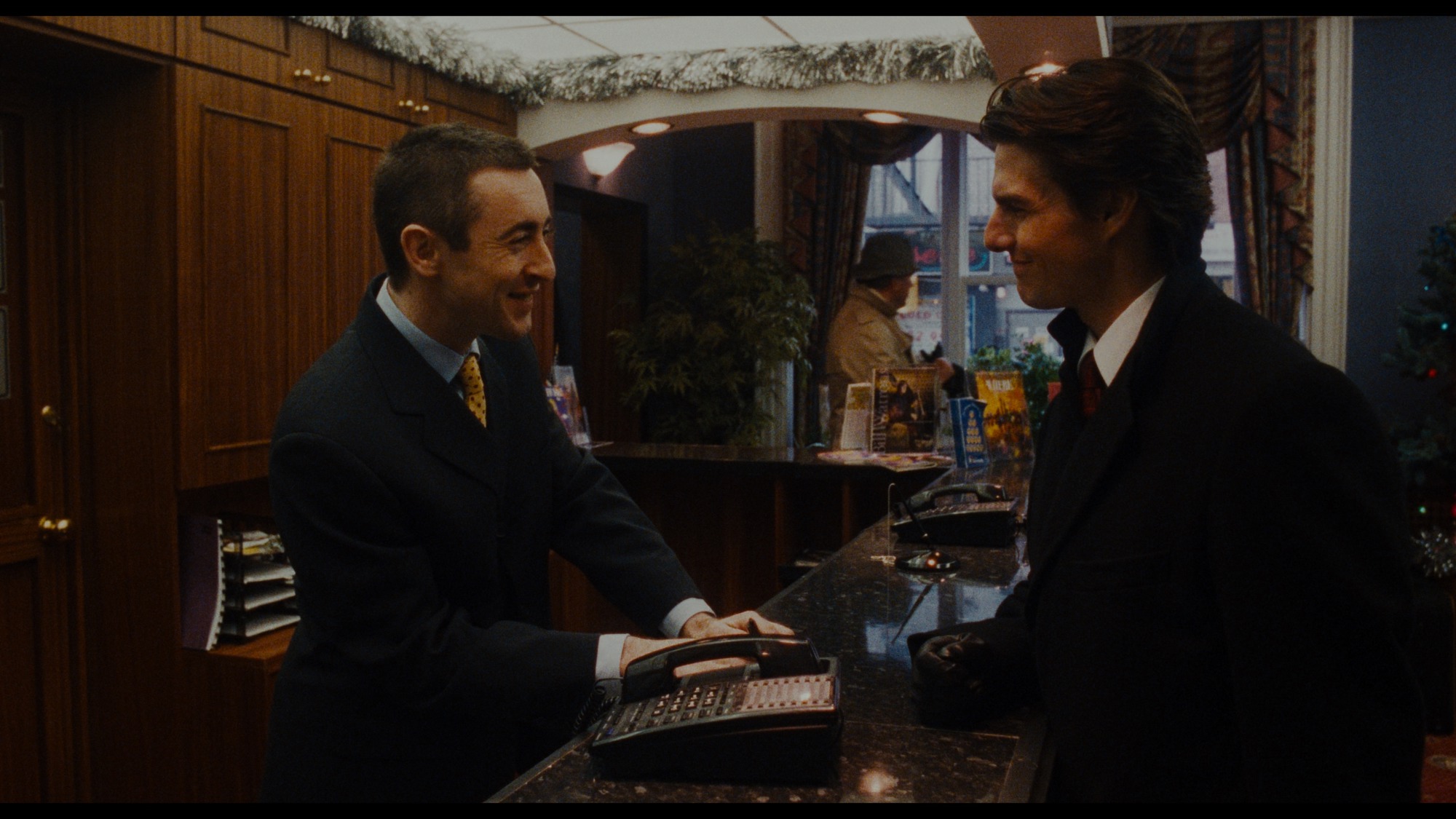
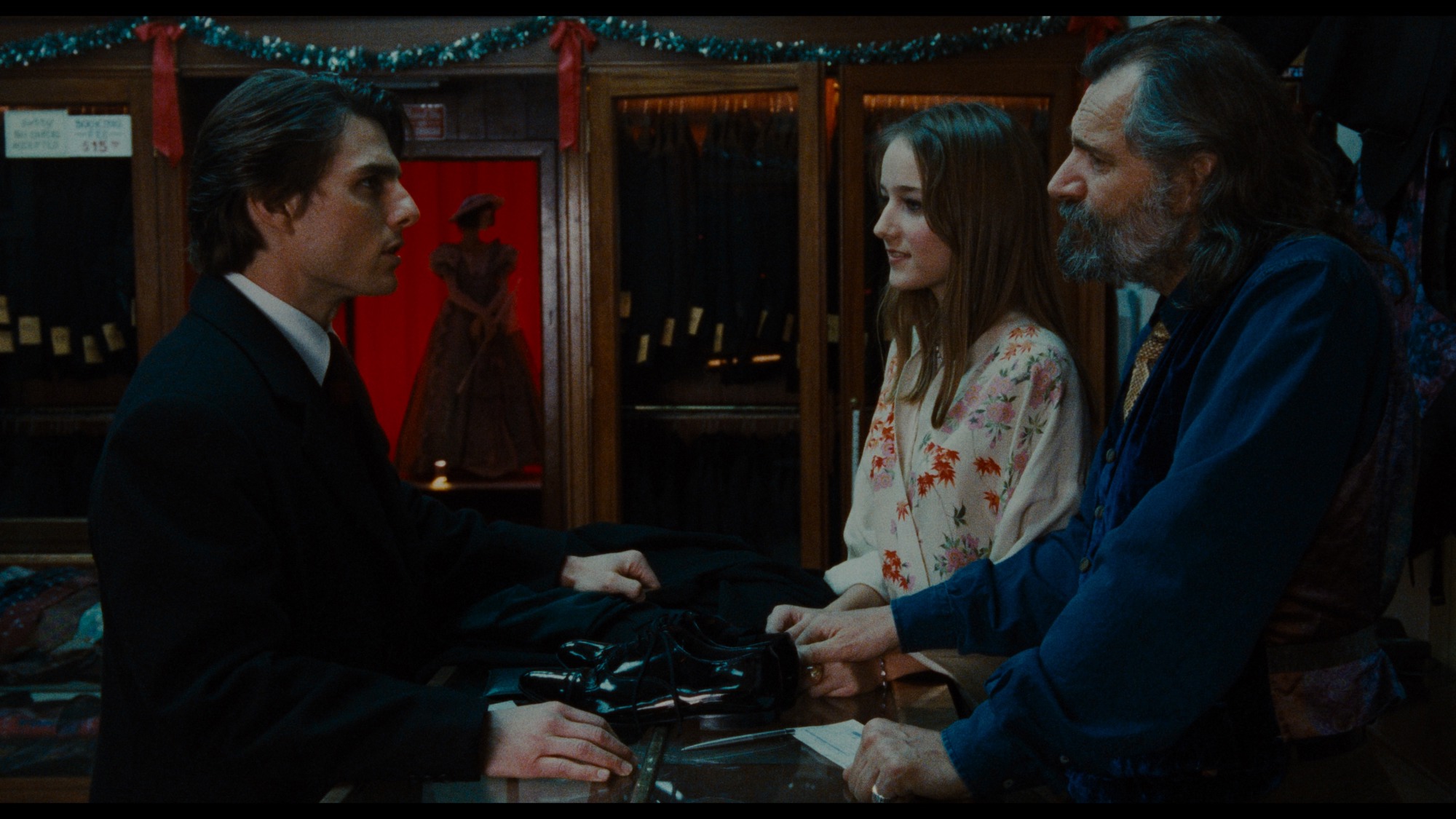
First and foremost is just how much sharper and cleaner everything is. Intricate details leap off the screen, whether in the lavish interiors of that secluded country estate, the various masks and outfits, or even the décor in Ziegler’s (Sydney Pollack) billiards room. And then there’s the grain! It looks wonderful: clean, crisp, and utterly film-like, never noisy, aided by an encode by Fidelity in Motion. And it's a good thing they ended up working on this because I had completely forgotten just how grainy the film is, something the Warner disc completely obscured, and in lesser hands it could have easily been a mess. Here the grain is heavy and thick, a direct result of how the film was shot and developed. The included notes go into this, explaining that Kubrick deliberately rated the film stock at a faster speed than recommended while cinematographer Larry Smith had the 35mm negative force-developed by two stops, all to accommodate the low-lit, dreamy look of the film. The notes from the included booklet:
In order to facilitate director Stanley Kubrick's shooting strategy, which required the picture's film stock to be force-developed by two stops at Deluxe in London, Smith conducted extensive photographic tests at the prep stage. Chester Eyre, director of operations at Deluxe, noted in the October 1999 issue of American Cinematographer that Kubrick never limited himself to standard lab practices, particularly in the case of Eyes Wide Shut. "Stanley had his own ideas about what each picture should look like, and what he was trying to achieve with it. On Eyes Wide Shut, he told me he was going to rate the negative stock faster than the actual recommended speed, and that he wanted us to force-develop it two stops to bring it back to its original exposure level. That created several advantages for him: he could work with less light and obtain a particular mood. Force-developing in that way is very unusual, and it's normally done as a last resort if the filmmakers are losing their light and are desperate to get a shot. On this picture, though, it was a deliberate strategy that was designed to get a special look."
What this of course all leads to is a far grainier image, but also a wider contrast range with wonderfully rich shadows.
And that’s where HDR really shines in this case. Lighting, contrast, and shadow depth are phenomenal. From the opening at Ziegler’s party covered in Christmas lights—in a manner that calls back to Barry Lyndon's candelit sequences—the wider range is immediately evident. The background highlights from those lights never wash out the darker areas or destroy foreground detail, with no clipping evident as well. That expansive contrast then carries through the entire film, including the dark city streets (rear-projection included) and the neon-splashed, smoky club where Nick Nightingale (Todd Field) plays (that smoke rendered perfectly to boot). The standout, unsurprisingly, is the ritual/orgy sequence, with its darkened halls and intense lighting bouncing off reflective surfaces. It looks incredible.
As to the color grading, there has already been online banter and controversies around it, though I’m not sure why. The old master suffered from the same issues you find in just about every other early HD transfer, with pushed magentas (very obvious in whites) and blues that skewed violet. Criterion’s grading (guided by Smith) seems more likely, shaped by the incandescent lights that illuminate almost every sequence as well as more natural-looking (though still warm) daylight. Blues also look richer with more range, losing that violet lean. I can’t say with certainty this grading is “correct,” but I’m positive the severely outdated Warner Blu-ray is not.
All in, this presentation is a knockout. Not only does it better the Warner presentation in every conceivable way, it stands as one of the best 4K restorations I’ve probably seen. It’s absolutely gorgeous and everything I had hoped for.
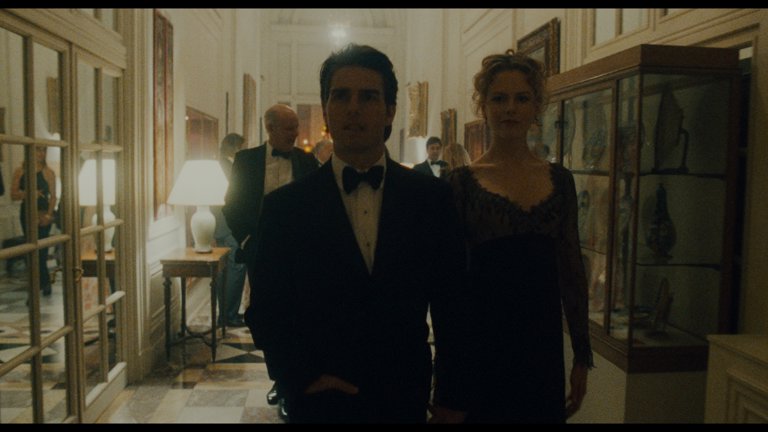
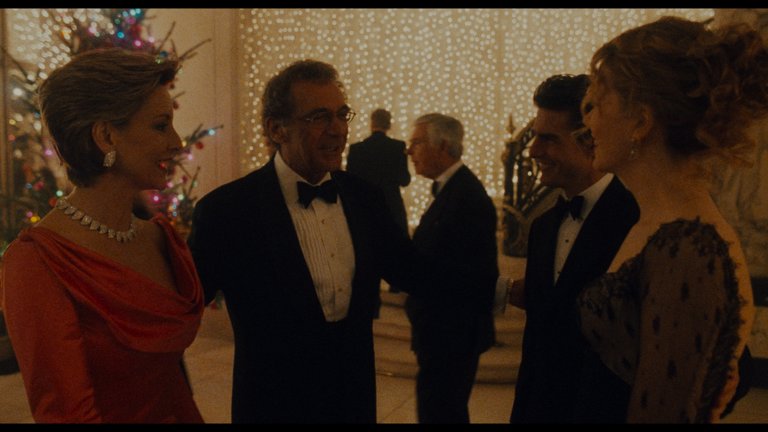
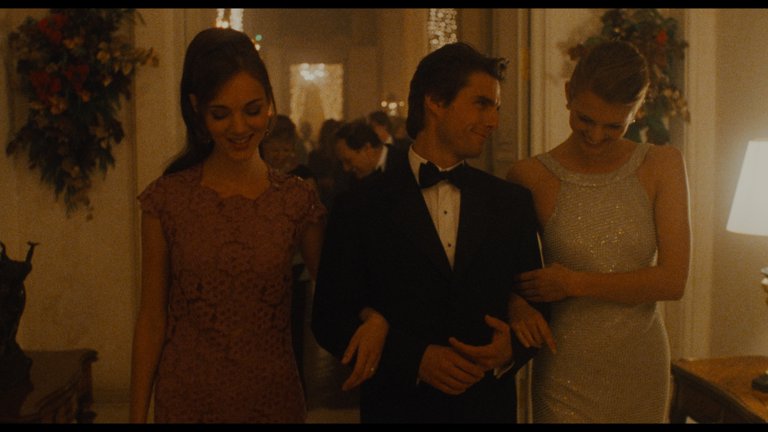
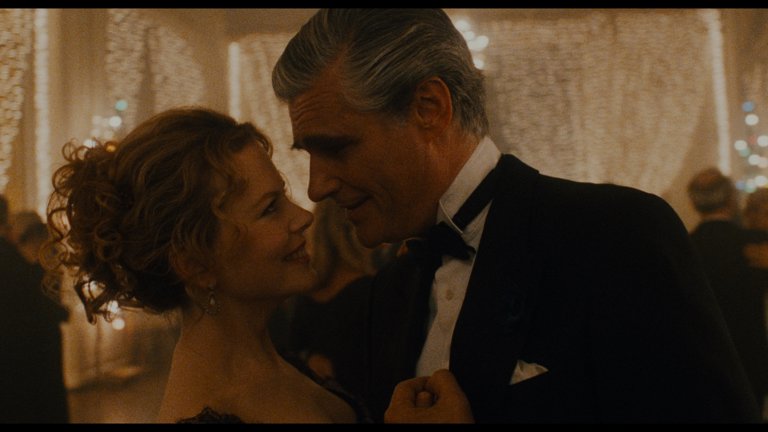
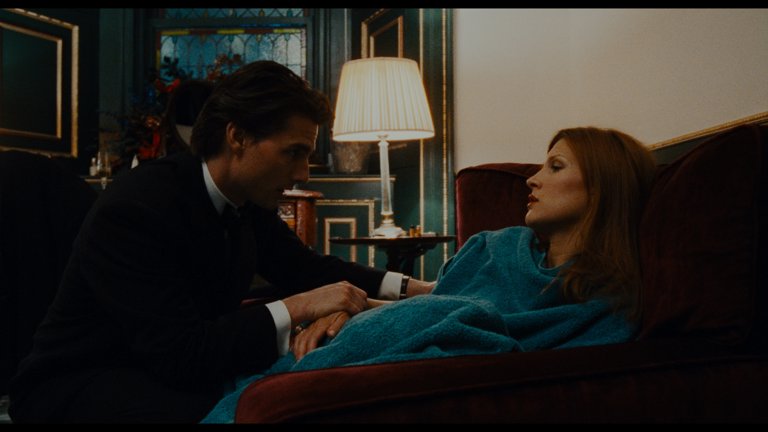
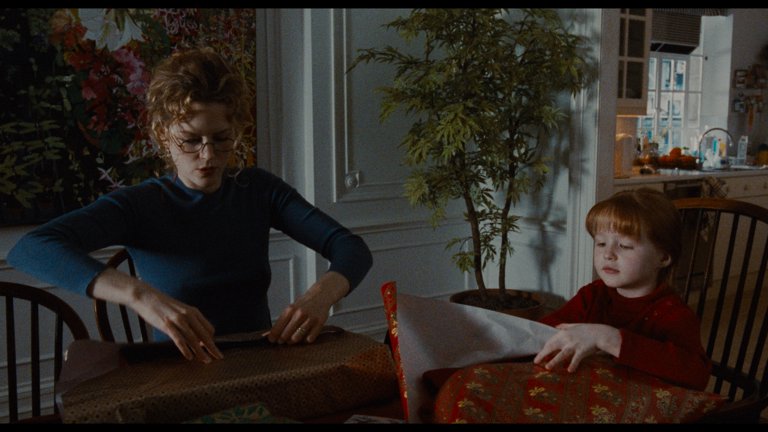
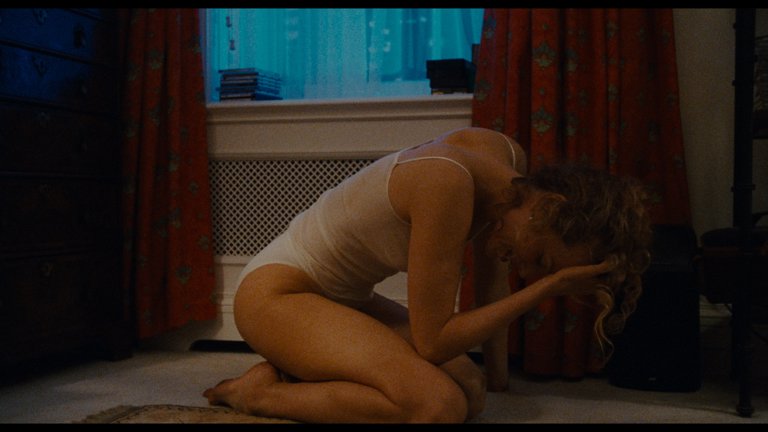
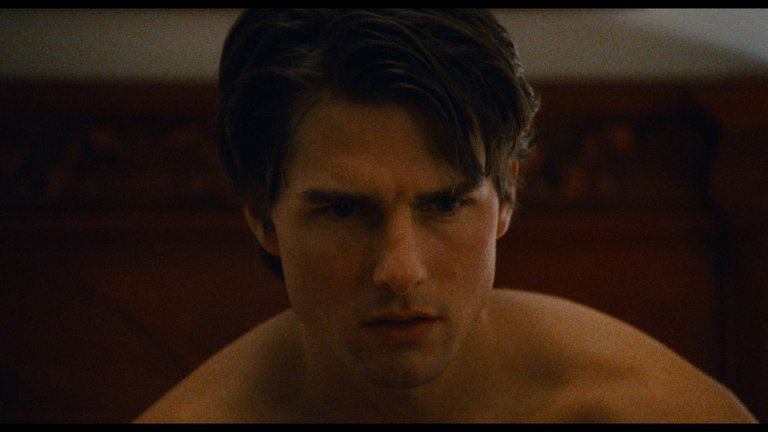
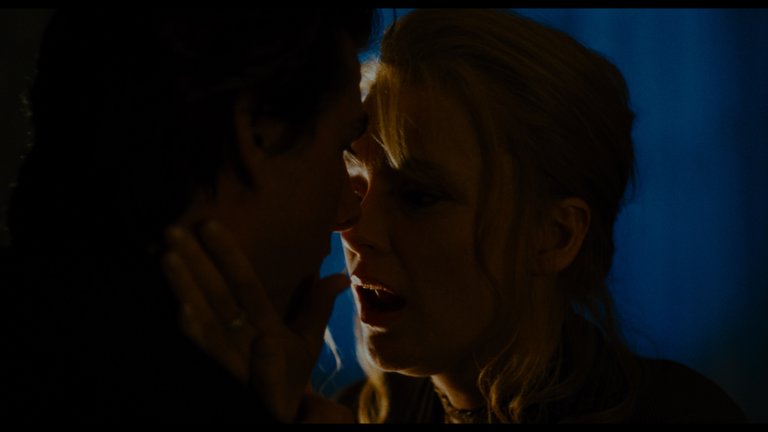
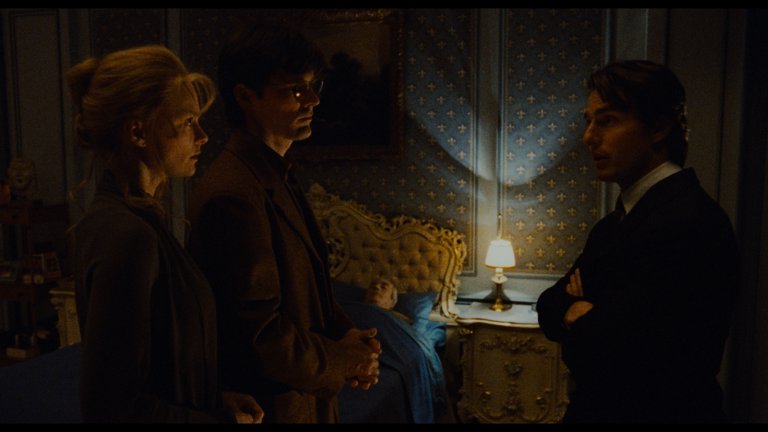
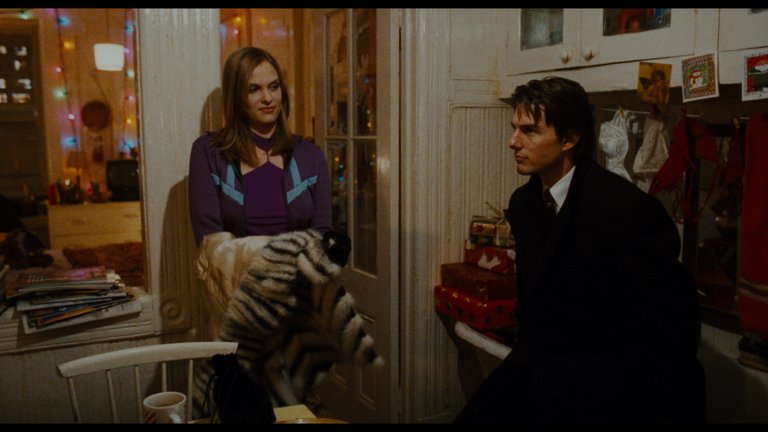
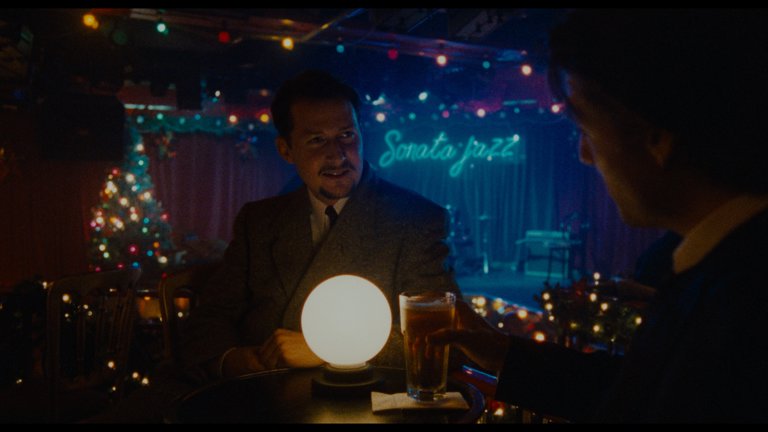
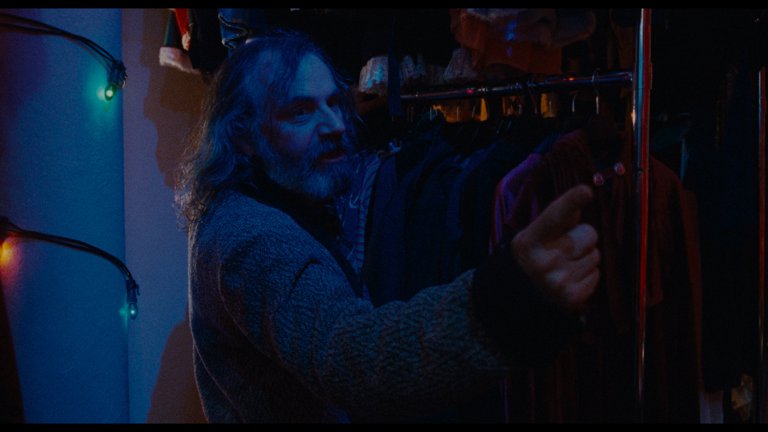
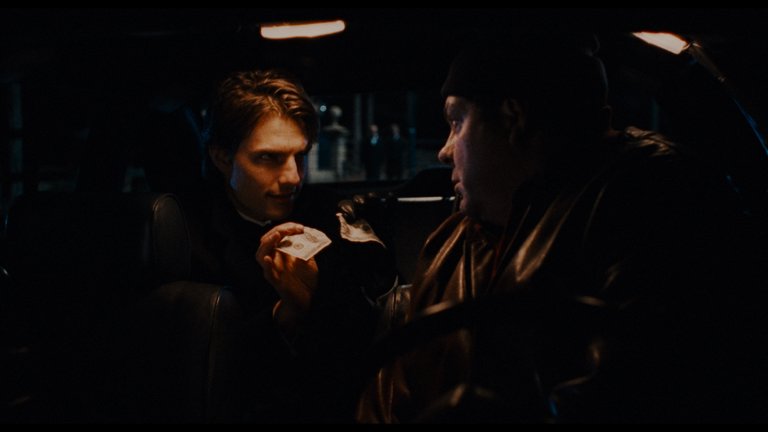
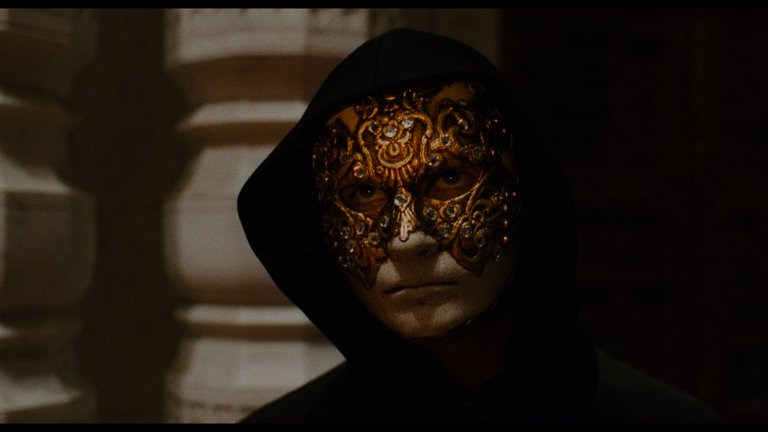
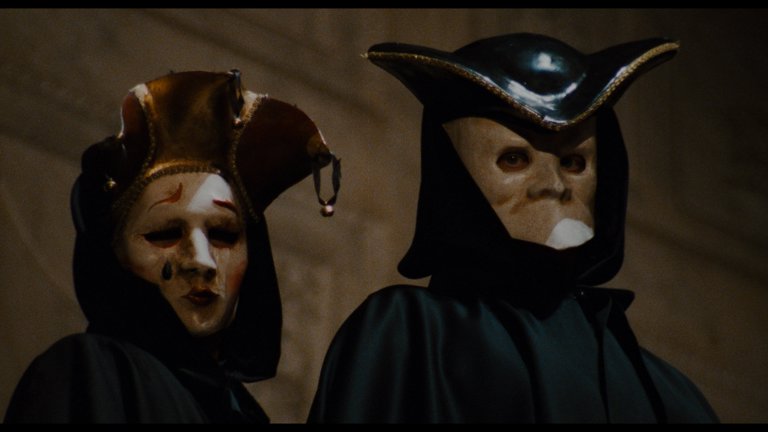
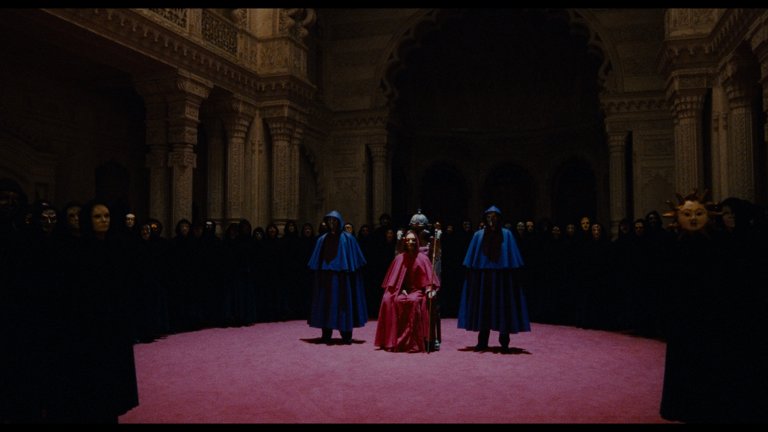
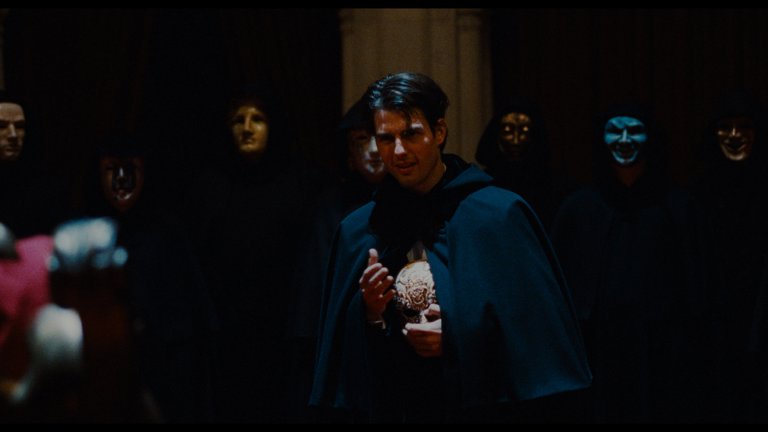
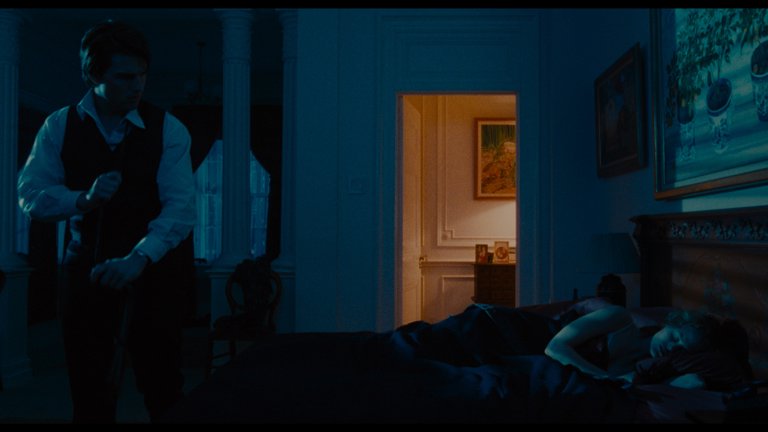
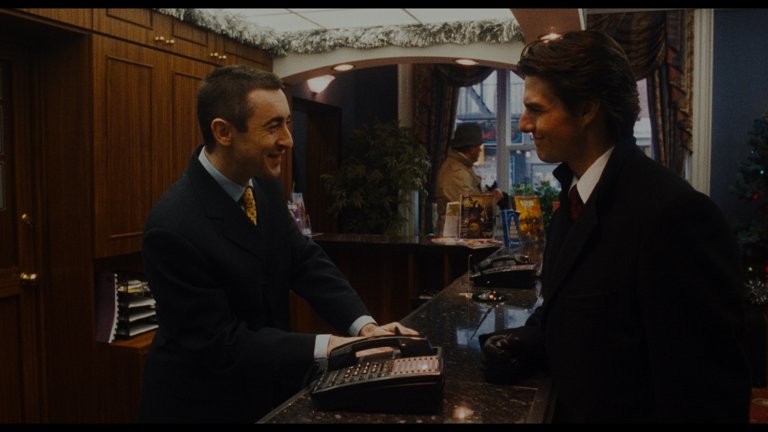
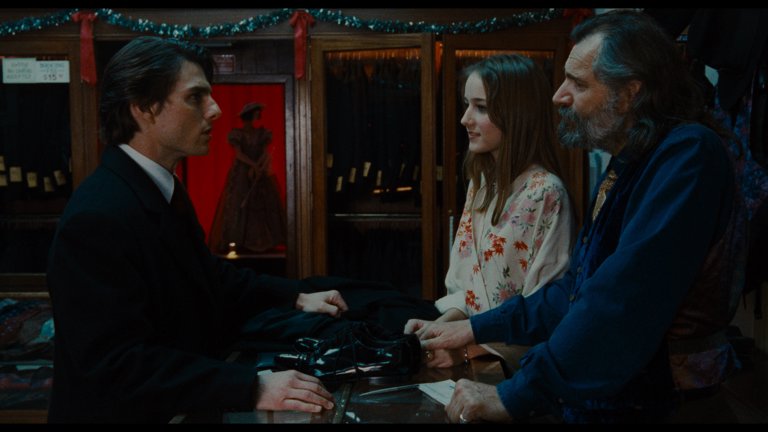
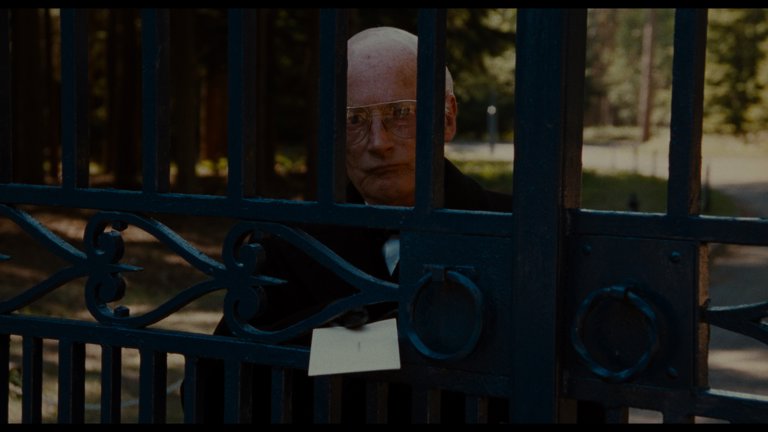
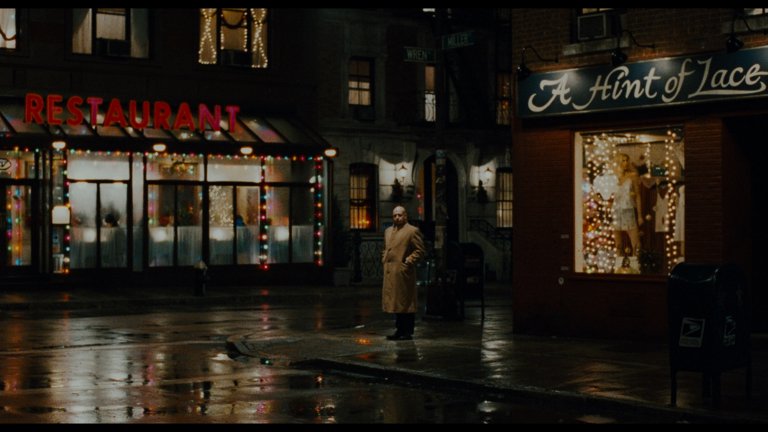
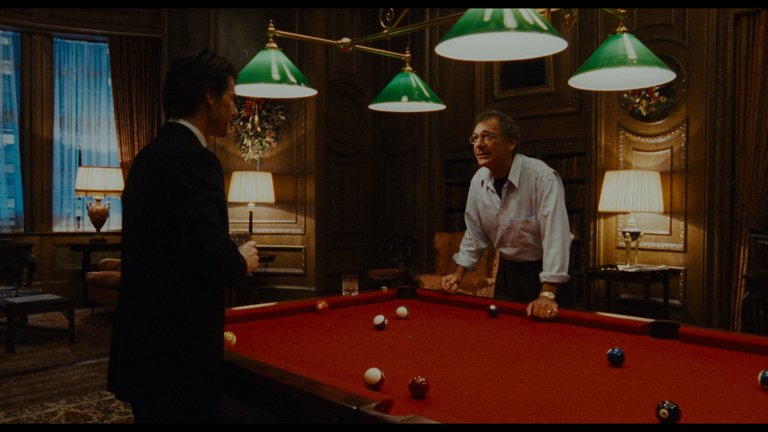
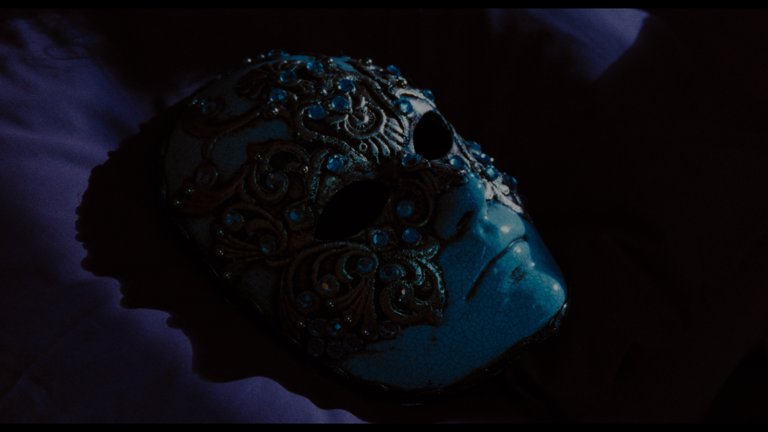
Eyes Wide Shut - Screen Captures

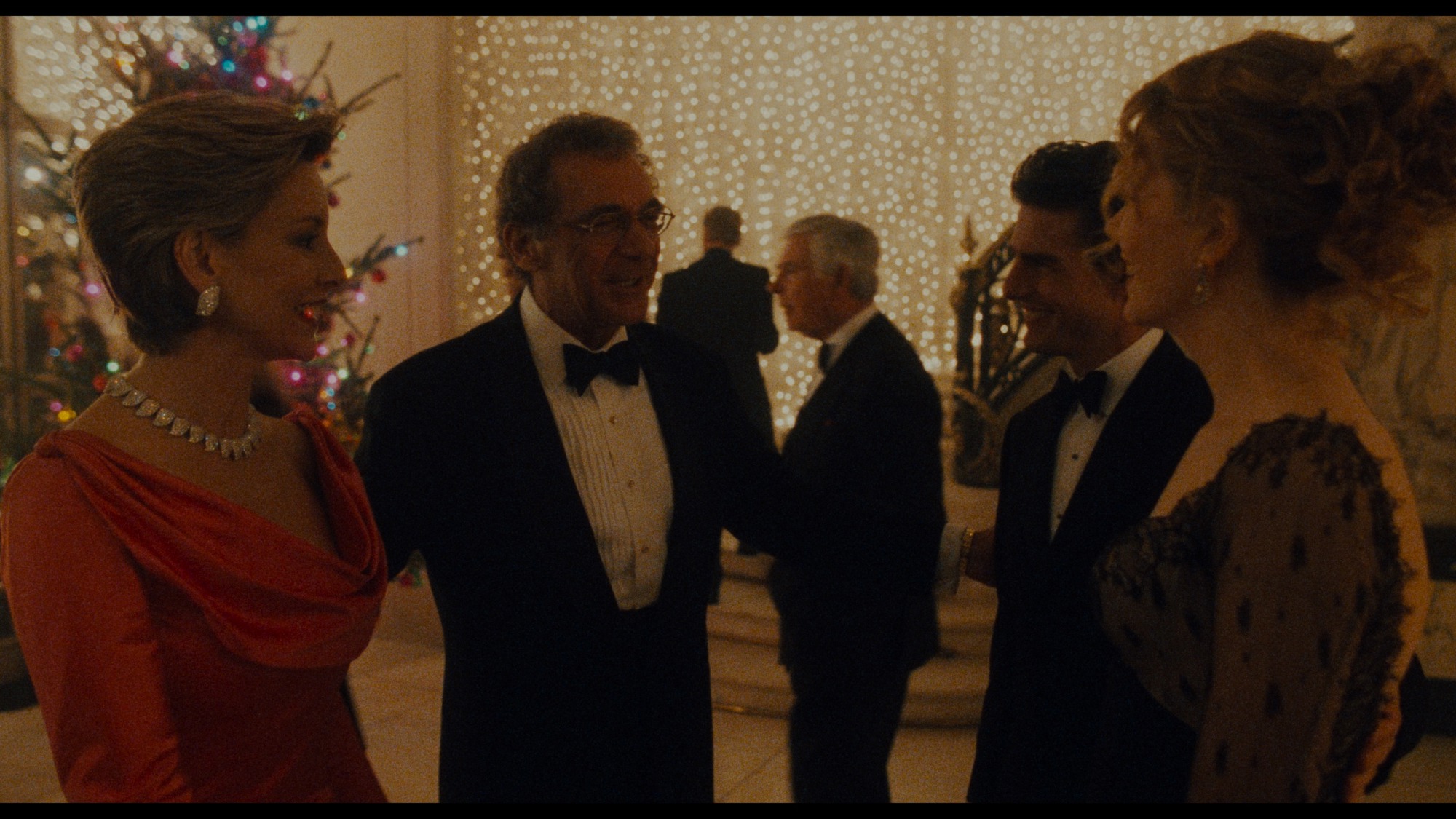



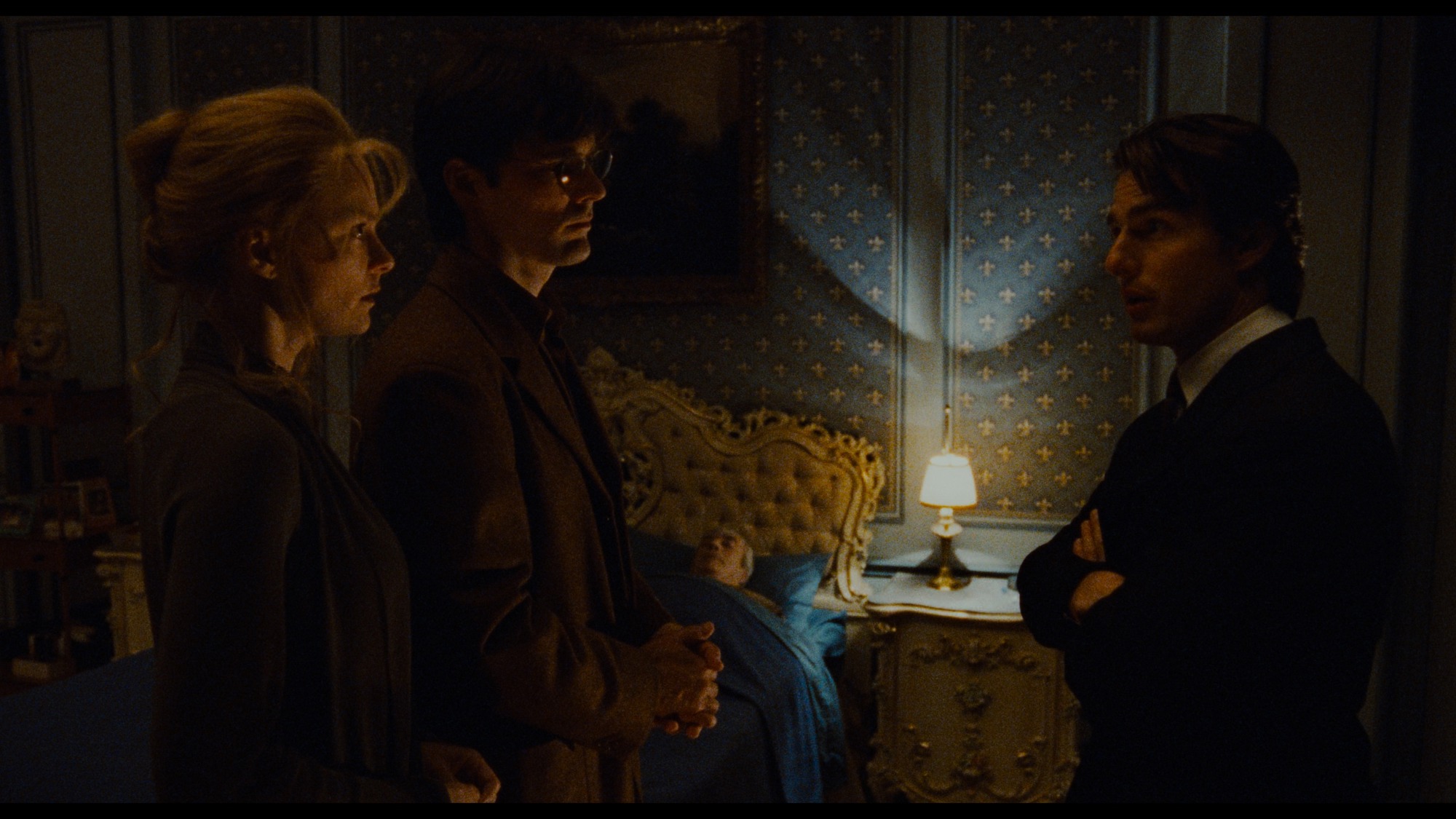
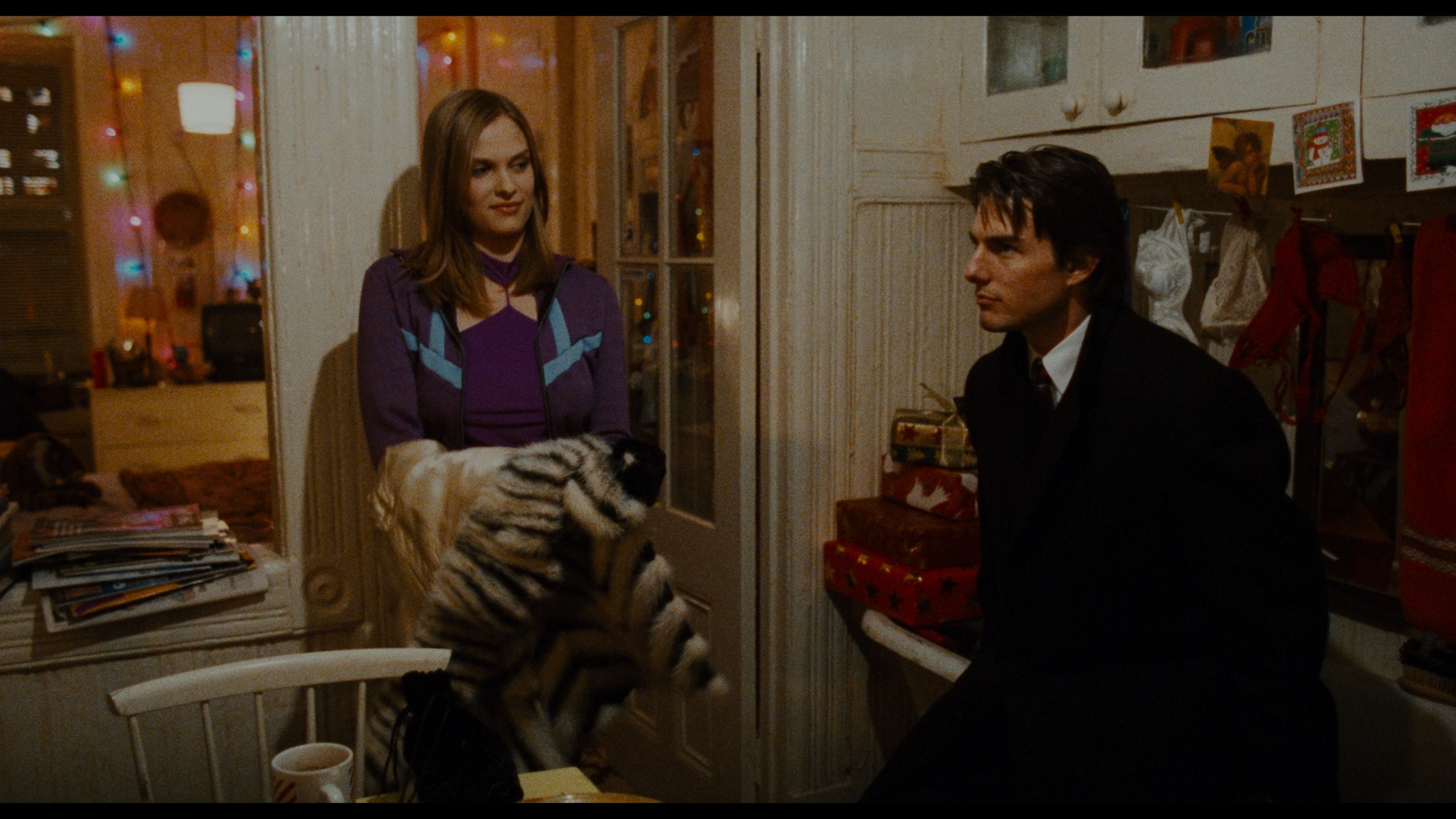
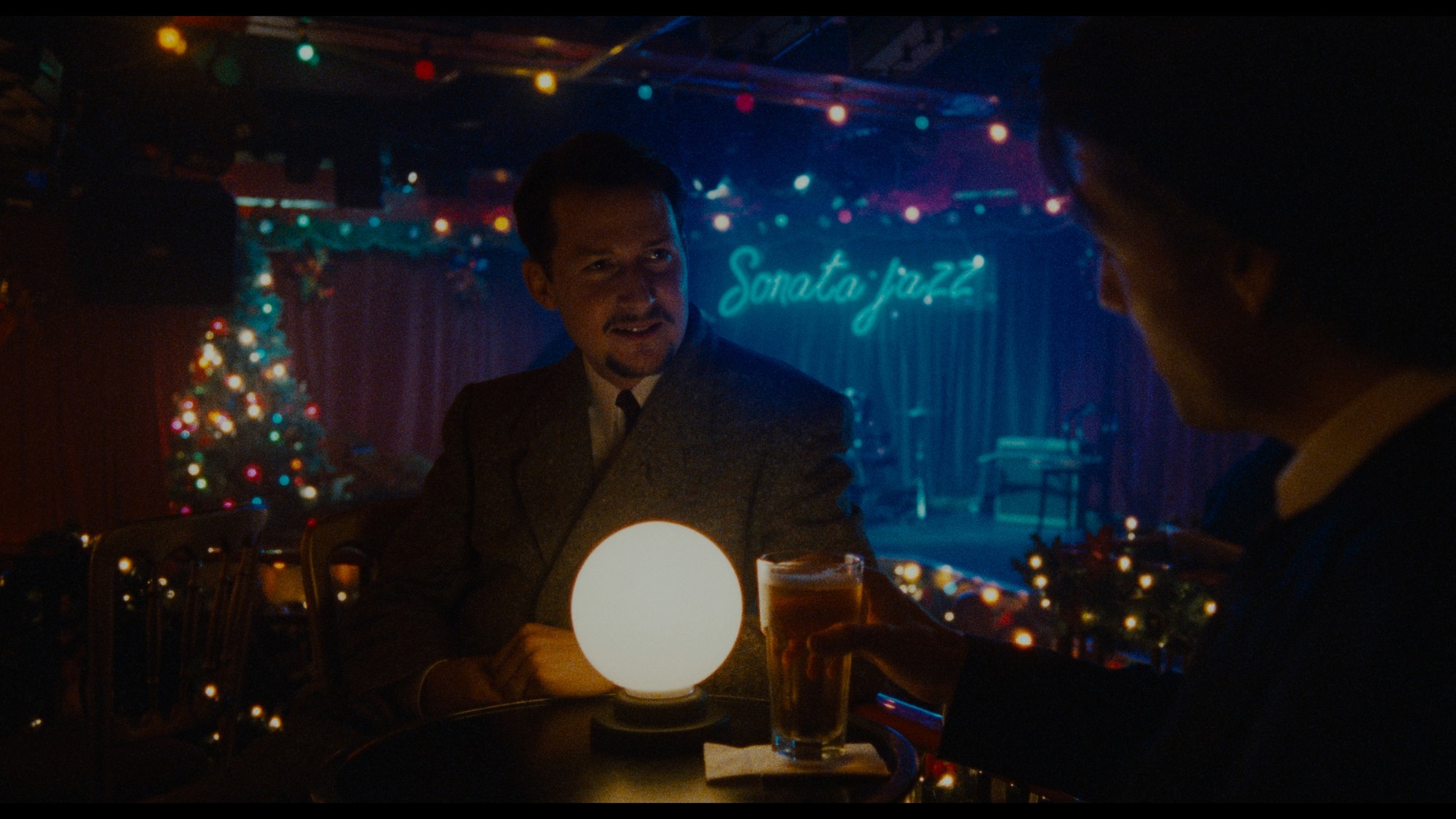
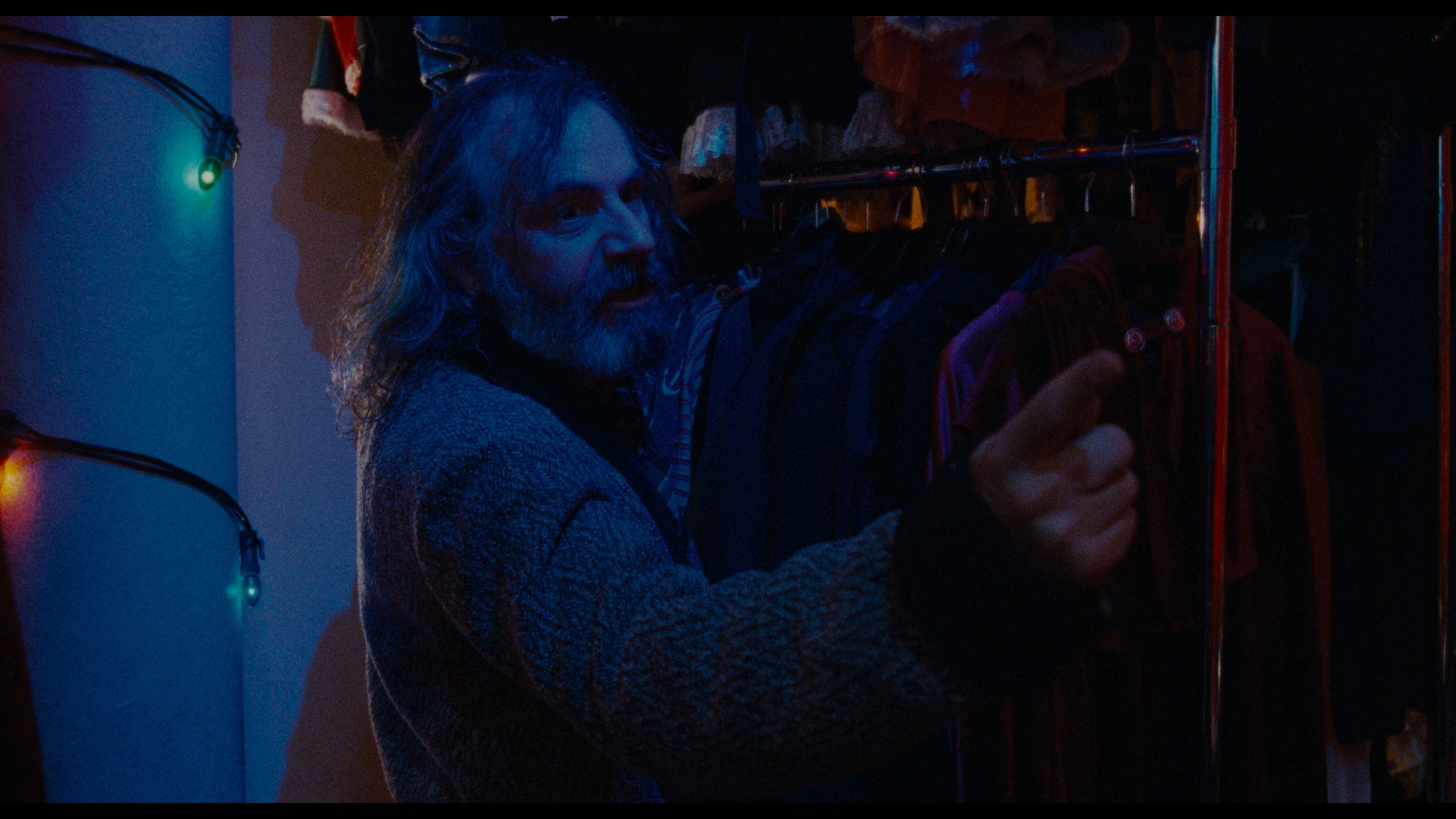
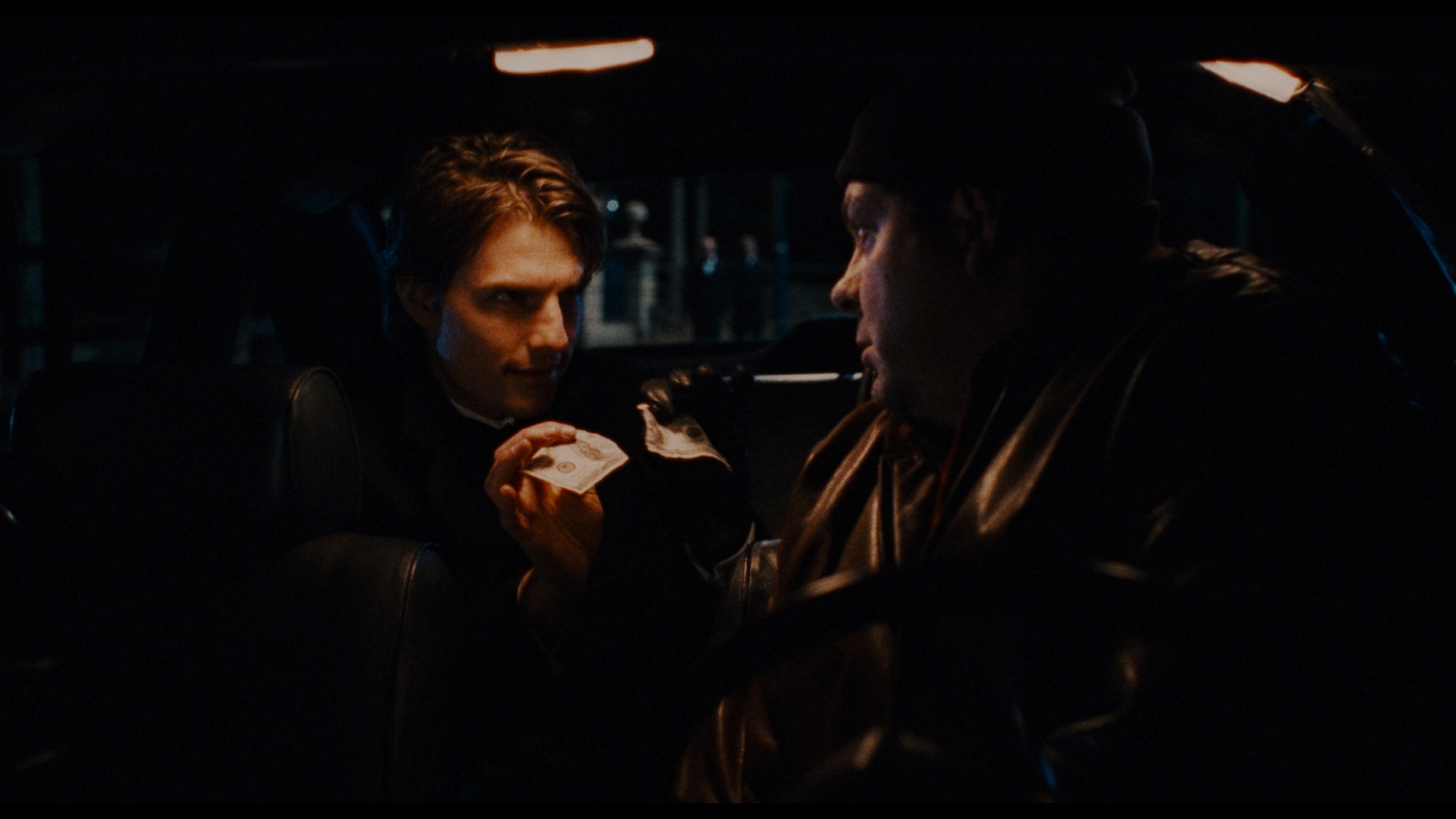
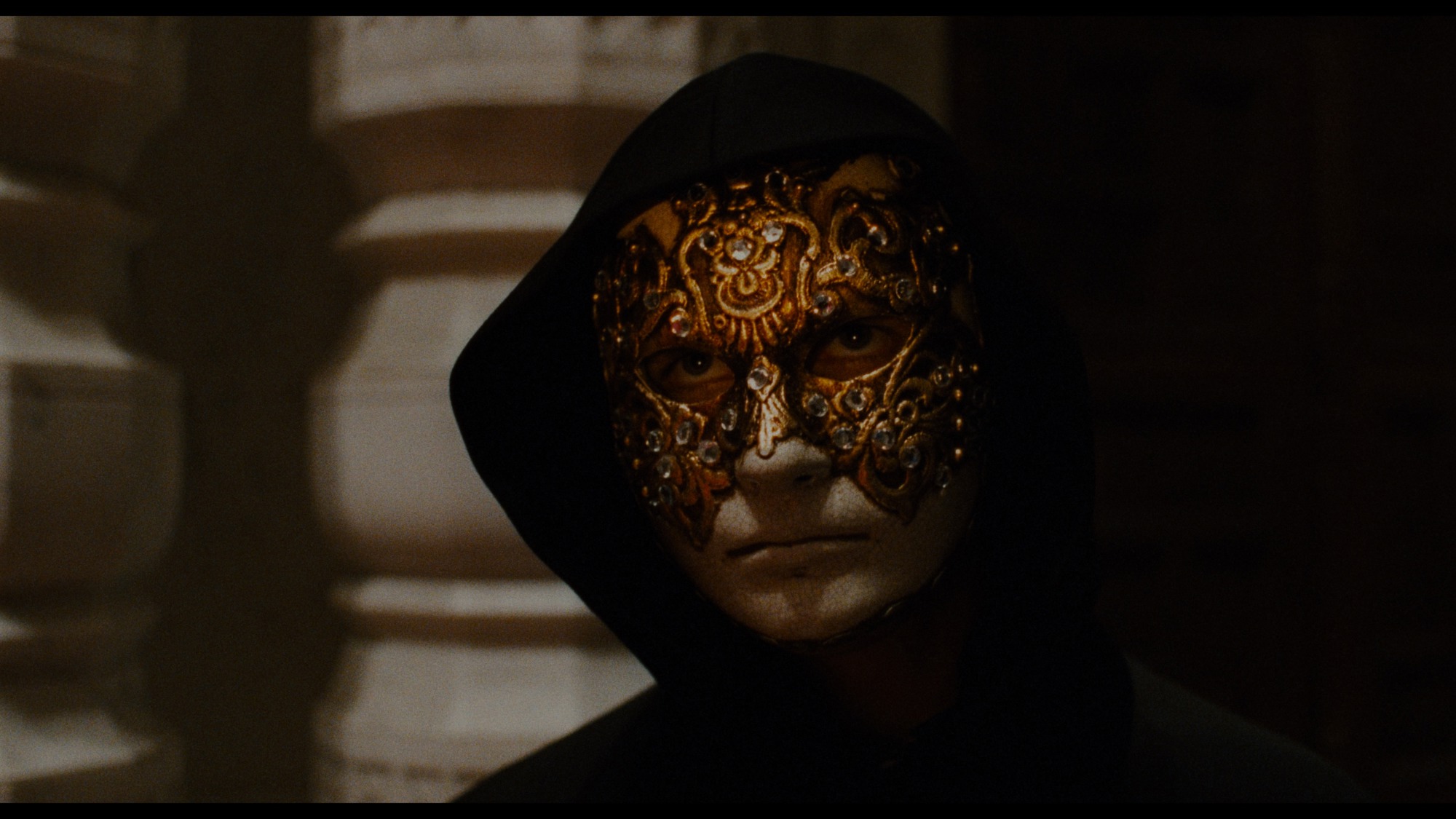
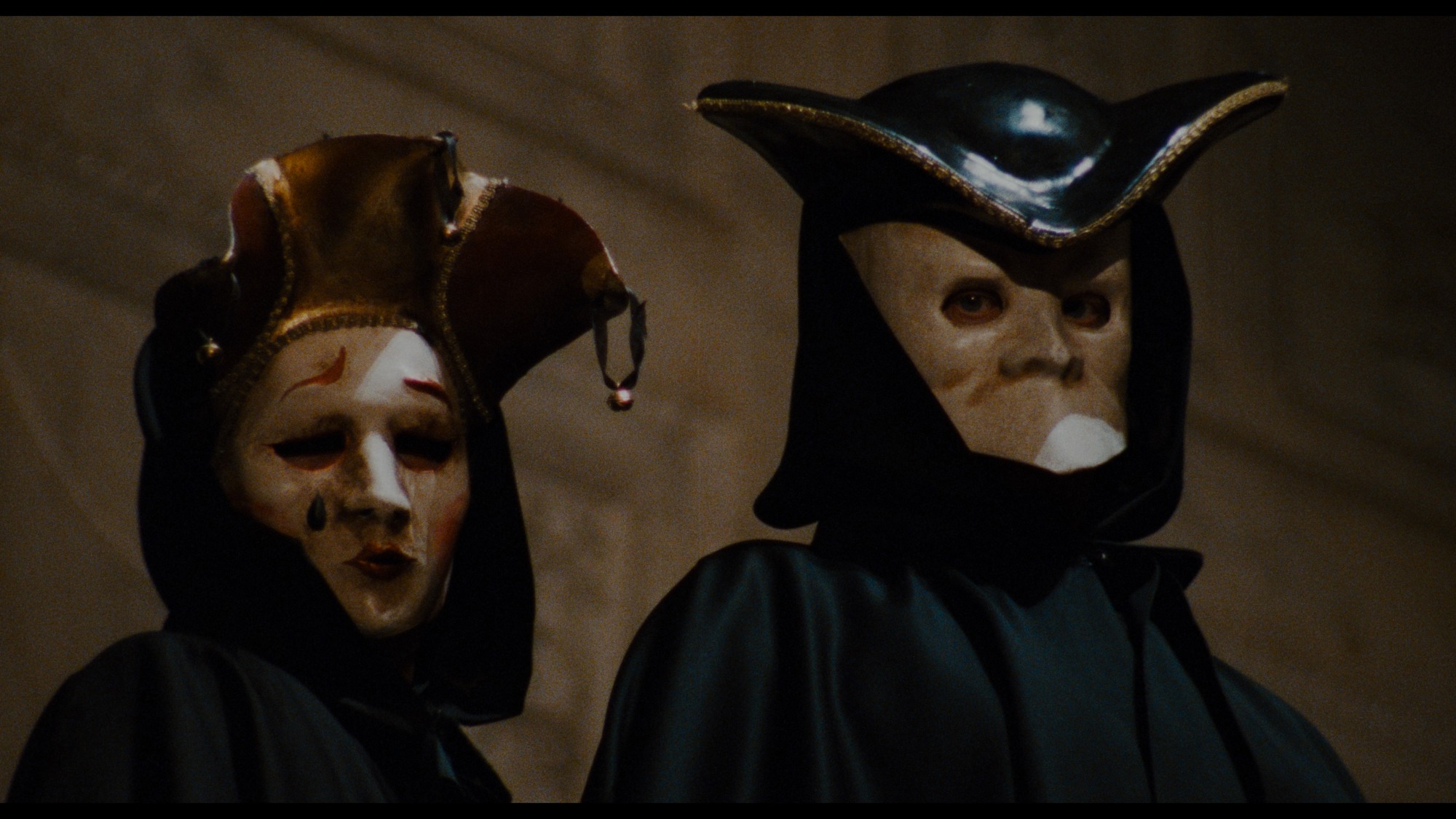
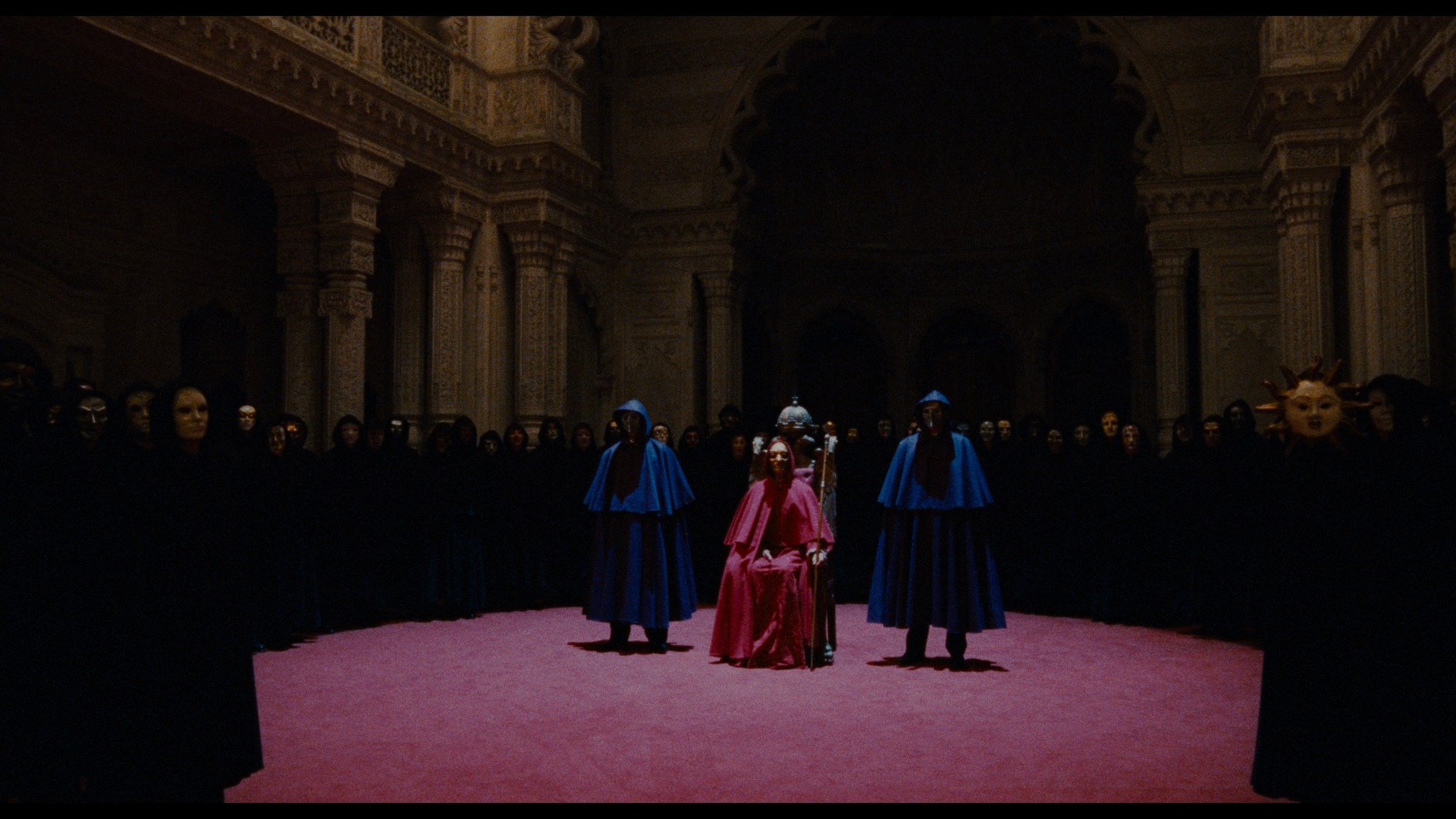
Audio 9/10
Criterion’s 5.1 surround presentation (in DTS-HD MA) is also a notable step up. The mix offers better range and fidelity overall, with a far less filtered quality than the old Warner track. Those sharp piano strikes in the score hit pretty hard, and Shostakovich’s “Waltz No. 2” now carries more dynamic range, nicely spread through all channels. Dialogue also delivers notably better clarity than what was found on the previous Blu-ray. All around, it sounds very good.
Extras 8/10
With the 4K presentation taking up a triple-layer disc and the high-def version occupying a standard dual-layer disc, all features are placed on the third dual-layer disc in this set.
Criterion doesn’t port everything over from Warner’s previous editions yet have still assembled some great material, including new interviews. One of the the standouts is a 25-minute conversation with cinematographer Larry Smith. It proves especially informative, covering how he ended up shooting Eyes Wide Shut after serving in various camera and lighting roles on some of Kubrick's previous films, and how he achieved the look Kubrick wanted through intricate lighting. He shares a few on-set stories (including one about Sydney Pollack remarking on Kubrick’s extraordinary freedom as a filmmaker, a freedom Pollack himself could never get away with) and discusses the new restoration. Smith appears in some archival features as well, but this is where he gets down to the real brass tacks (as I guess they say), becoming wonderfully technical for those who appreciate that side of things.
This is then followed by a new 20-minute interview with pre-photographer Lisa Leone, who provides a very detailed account of photographing for Kubrick, complete with the joys of communicating with him overseas using pre-internet technology. How she first came to work with Kubrick is a wild, almost random story (especially given how quickly it becomes clear he trusted her instincts and abilities), but the highlight here comes when she describes photographing various parts of New York in preparation for the film to show him how the city had changed since he left the States decades before, only to be told to go back and shoot a slightly different angle so he could see it from that perspective. She also filmed second-unit material in New York, which followed the same pattern: she’d film what was needed and seemed right, and he’d ask for something a little different afterward, with the back-and-forth continuing. She even discusses her brief on-screen appearance and how one scene was added simply so Kubrick could bring her back in. It's a pretty great interview and ends up being one of the more fun contributions here.
Criterion also includes a 9-minute piece edited together from a 2012 interview with Christiane Kubrick, who talks about her late husband’s obsession with Arthur Schnitzler’s Traumnovell, a book she openly hated and once tried to steer him away from, pushing him instead toward Anthony Burgess’ A Clockwork Orange after 2001. Still, Schnitzler’s novella lingered in his mind for decades. That lingering is examined further in a new 16-minute interview with archivist Georgina Orgill, who walks through the Kubrick archive before discussing the materials specific to Eyes Wide Shut (including multiple script drafts) and the research that went into the film. She touches on various versions that nearly came to be, including one that skewed more toward romantic comedy. I was disappointed the supplements don’t dive deeper into this area (there are entire books on the film’s development, and the podcast What Went Wrong recently devoted a lengthy episode to it), but the glimpses of the archival material are still worthwhile.
Next is a somewhat unusual 9-minute program from 2019, Never Just a Dream: Stanley Kubrick and “Eyes Wide Shut”, featuring interviews with daughter Katharina Kubrick, assistant Anthony Frewin, and long-time producer Jan Harlan. It initially feels like a puff piece about the film’s legacy, but it eventually becomes more interesting when it explores the censorship issues in North America that led to the digital inserts added following Kubrick's death to obscure explicit imagery in the orgy sequence. The participants explain that Kubrick would certainly have created different edits for different markets, as he had done in the past, but without knowing his intentions, they felt the inserts were an acceptable compromise, though much to the chagrin of audiences. The program also includes comparisons between the two versions. I would have preferred a more recent feature with full side-by-side analysis, but this is a fine enough compromise for those curious about how the film was altered.
From the Warner disc Criterion carries over Kubrick’s 4-minute video speech accepting the D.W. Griffith Award from the Directors Guild of America, which is first introduced here by Jack Nicholson, who recalls the speech as being of Kubrick's typical style. Also included is the 20-minute featurette Lost Kubrick: The Unfinished Films of Stanley Kubrick, which looks at the abandoned projects Napoleon and The Aryan Papers through interviews with those who worked on them. A.I. is also mentioned, though it doesn’t receive as deep a dive (perhaps because Steven Spielberg eventually completed it).
This release drops the Channel Four documentary The Last Movie: Stanley Kubrick and Eyes Wide Shut as well as the interviews with Tom Cruise, Nicole Kidman, and Spielberg. While Spielberg contribute anything new (despite participating in Criterion’s I Wanna Hold Your Hand), Criterion does include footage from a 26-minute press conference featuring Cruise, Kidman, and the mostly off-frame Jan Harlan. The stars field the usual questions about their relationship and on-screen intimacy, but they also discuss developing scenes with Kubrick, the long production, and their willingness to follow his direction. Harlan ends up offering the more personal reflections, though this aspect is expanded upon further in the set’s lengthiest supplement, the 83-minute documentary Kubrick Remembered.
Featuring family, friends, and those who have worked with him, the documentary initially comes off a little schmaltzy, thanks to an overbearing score pushing for emotion, and I admit I was dreading this feature. But once it finds its footing, it becomes a rather engaging portrait of the man: his quirks, generosity, obsessive work habits, and the ways his personality shaped his films. Rather than moving chronologically through his filmography, it approaches Kubrick through aspects of his life and character, connecting each to his work. It may still carry a bit of that schmaltz throughout, but it’s far more honest than I expected and ends up doing a surprisingly strong job of presenting a portrait of the man.
The disc closes with promotional material: a convention trailer followed by the theatrical trailer (both set to Chris Isaak’s “Wicked Game”) and about 5 minutes of TV spots.
Criterion’s booklet adds more, beginning with an essay by Megan Abbott, providing the set’s only academic contribution, along with a reprint of a lengthy interview with Sydney Pollack reflecting on working with Kubrick from a director’s perspective.
Admittedly, I would have expected something a bit more lavish; perhaps a commentary, or more material about the film’s famously lengthy production, including what little Harvey Keitel filmed when originally cast as Ziegler (though I imagine it’ll be a cold day in hell before that material surfaces, much like the lost Dr. Strangelove pie fight). Still, it’s a solid package, and the new interviews are clear highlights, and everything included is well worth going through.
Closing
Criterion has assembled a lovely new special edition for the film, anchored by what may be their best 4K presentation to date. An easy recommendation, and one that effortlessly betters Warner’s previous edition in every respect.
BUY AT: