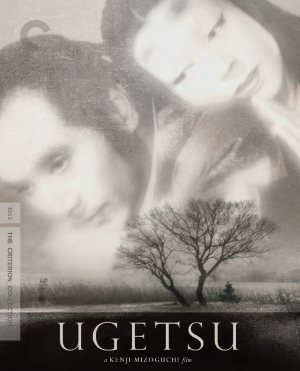
Ugetsu
BUY AT:


See more details, packaging, or compare
Synopsis
Having refined his craft in the silent era, Kenji Mizoguchi was an elder statesman of Japanese cinema—fiercely revered by Akira Kurosawa and other younger directors—by the time he made Ugetsu. And with this exquisite ghost story, a fatalistic wartime tragedy derived from stories by Akinari Ueda and Guy de Maupassant, he created a touchstone of his art, his long takes and sweeping camera guiding the viewer through a delirious narrative about two villagers whose pursuit of fame and fortune leads them far astray from their loyal wives. Moving between the terrestrial and the otherworldly, Ugetsu reveals essential truths about the ravages of war, the plight of women, and the pride of men.
Picture 8/10
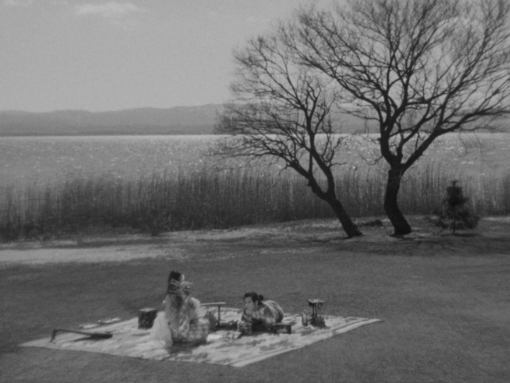
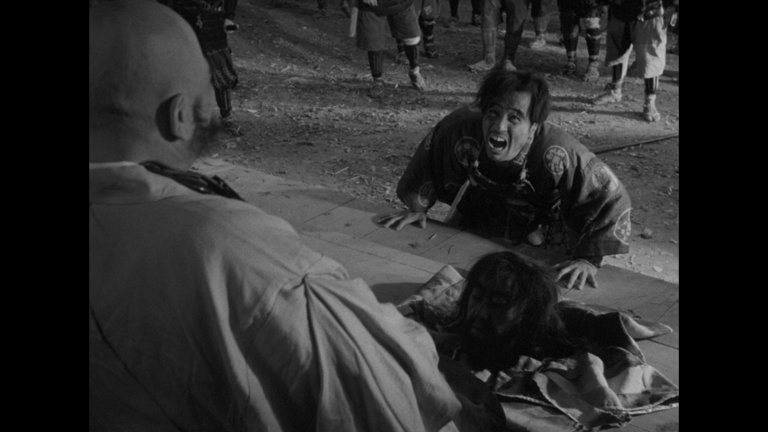
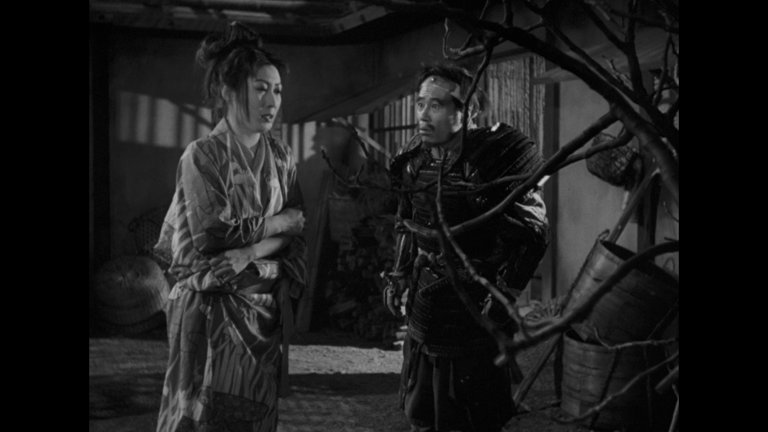
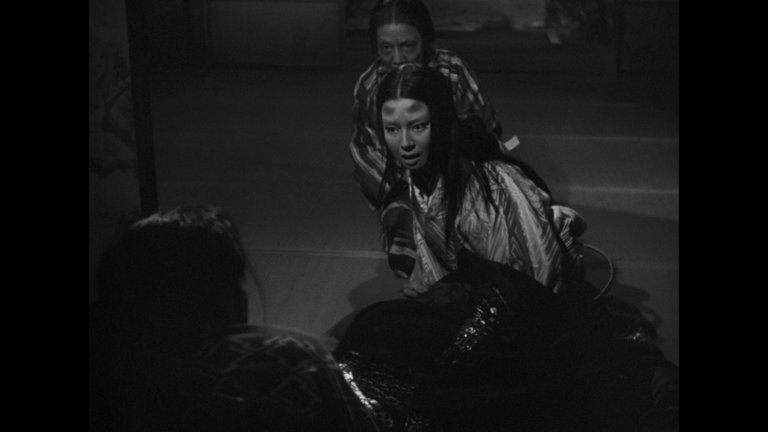
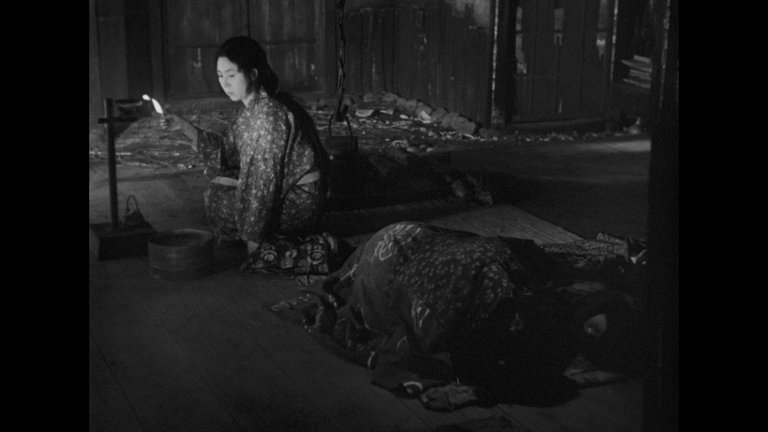
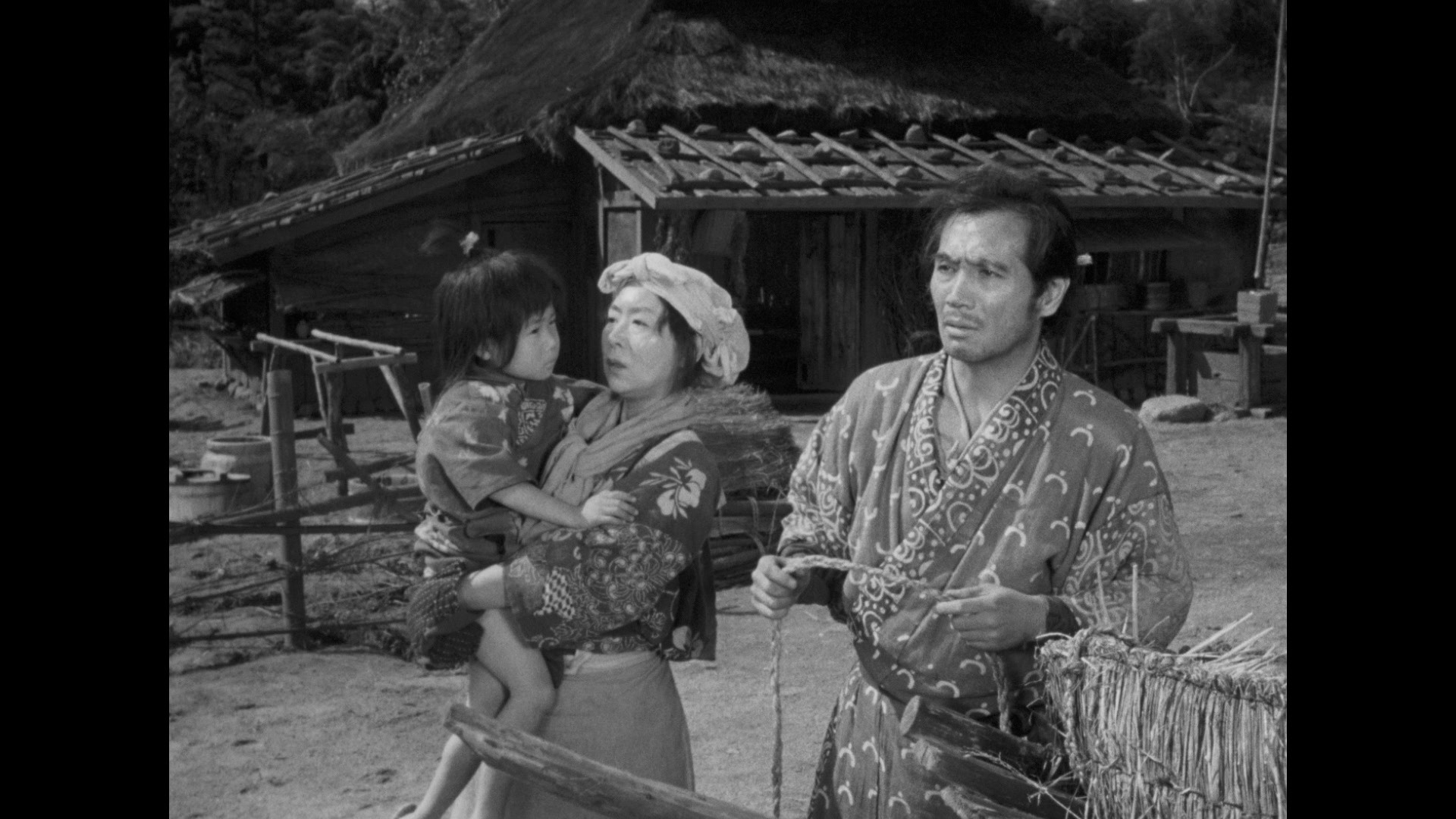
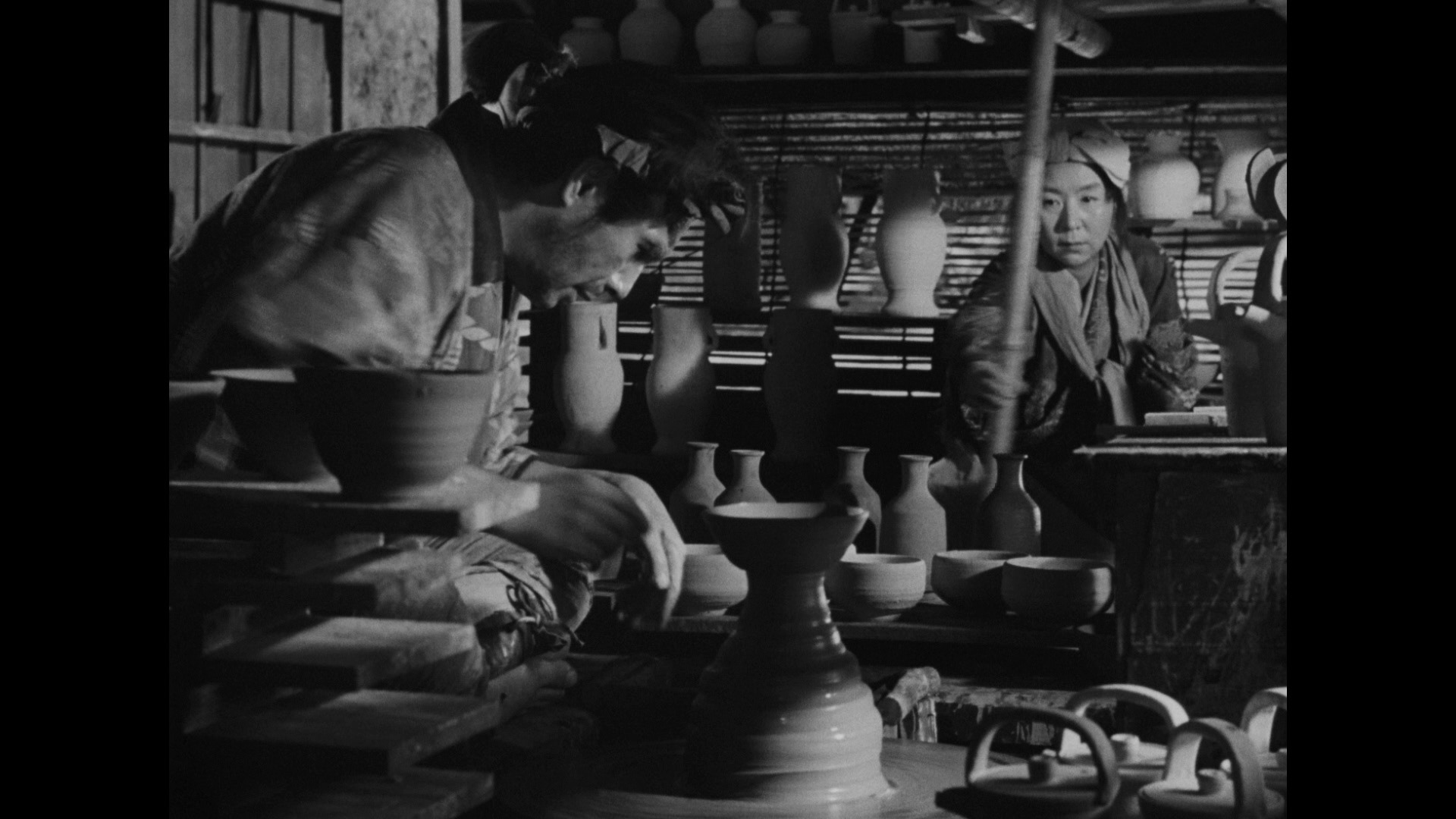
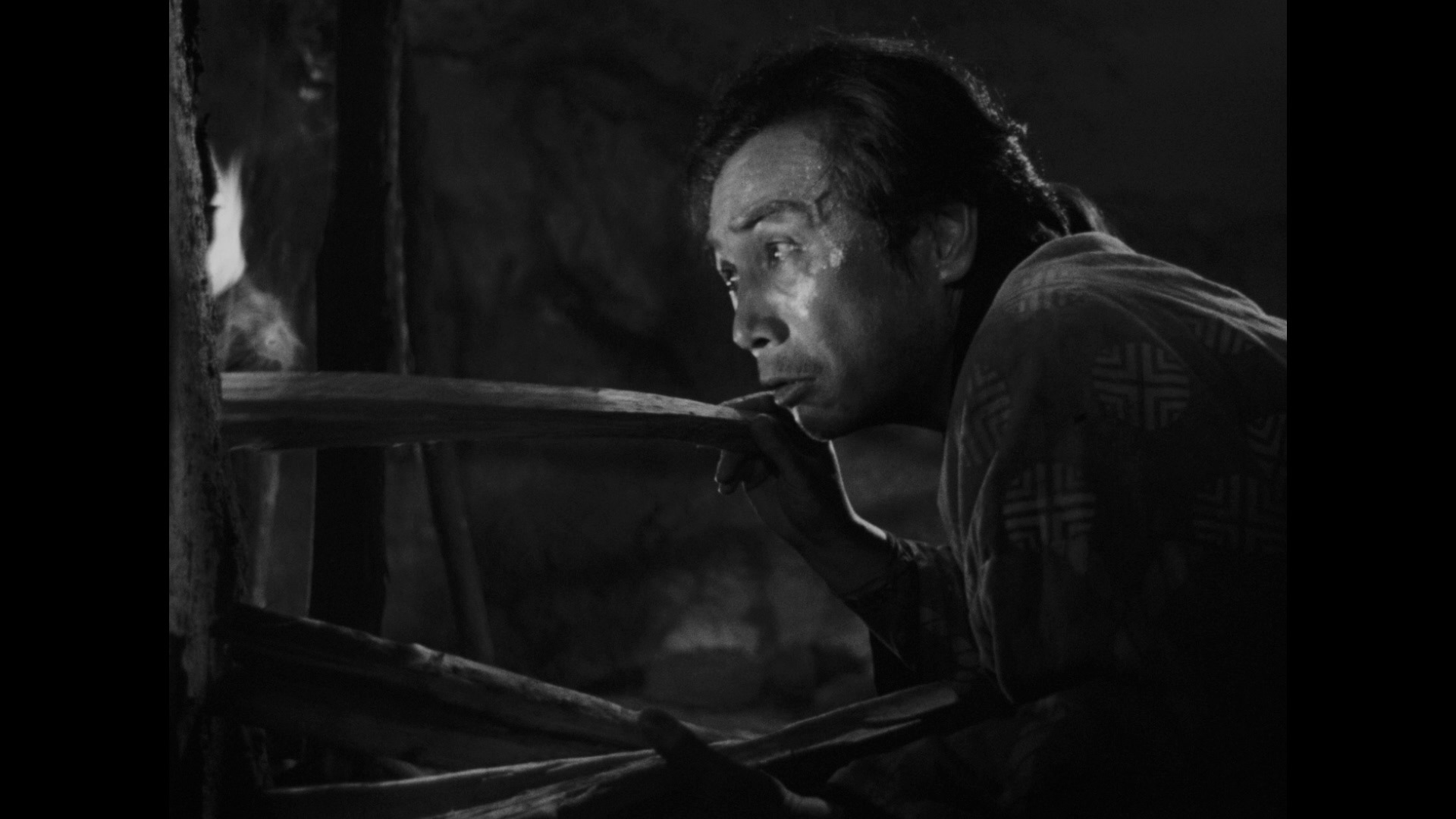
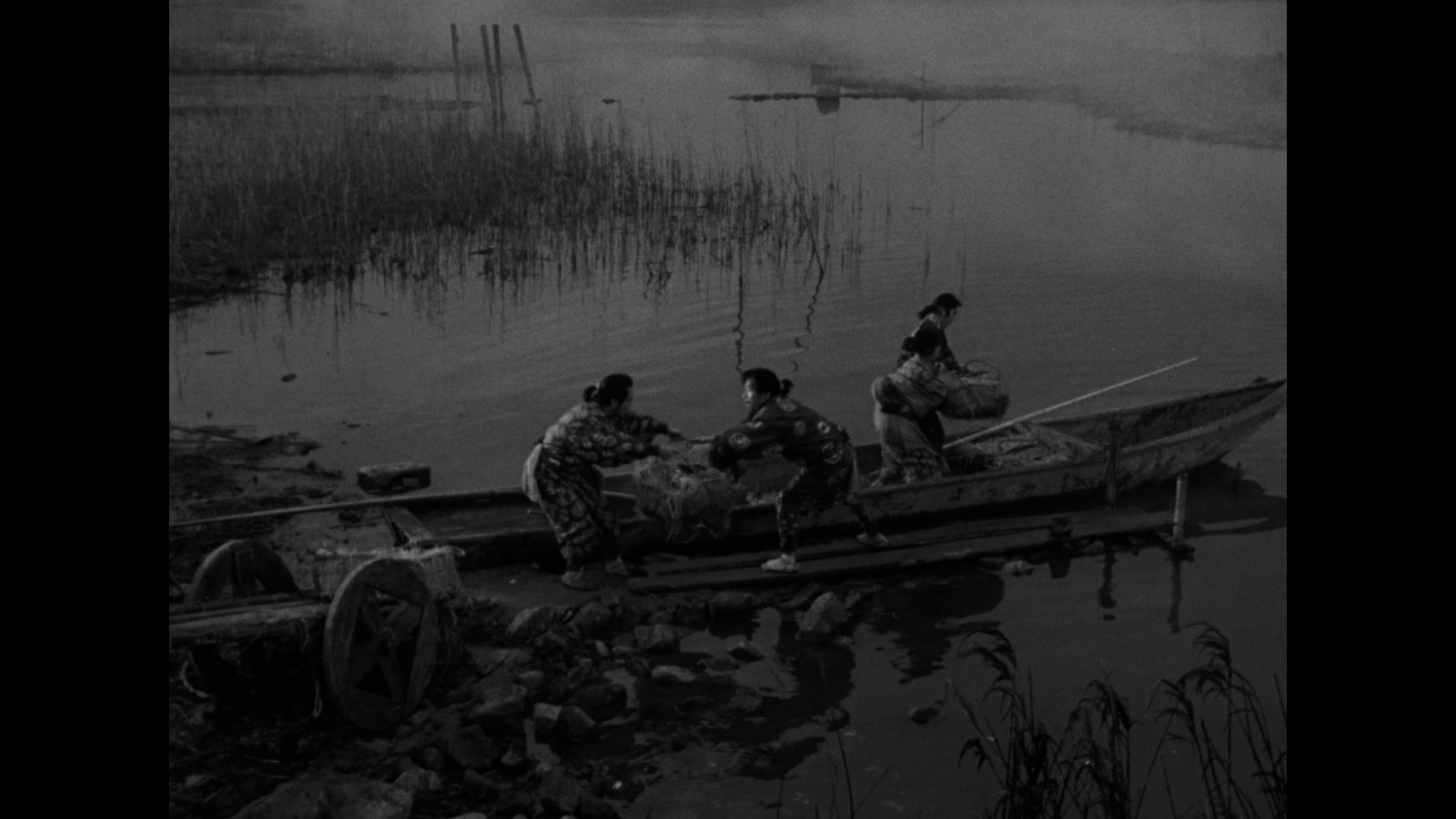
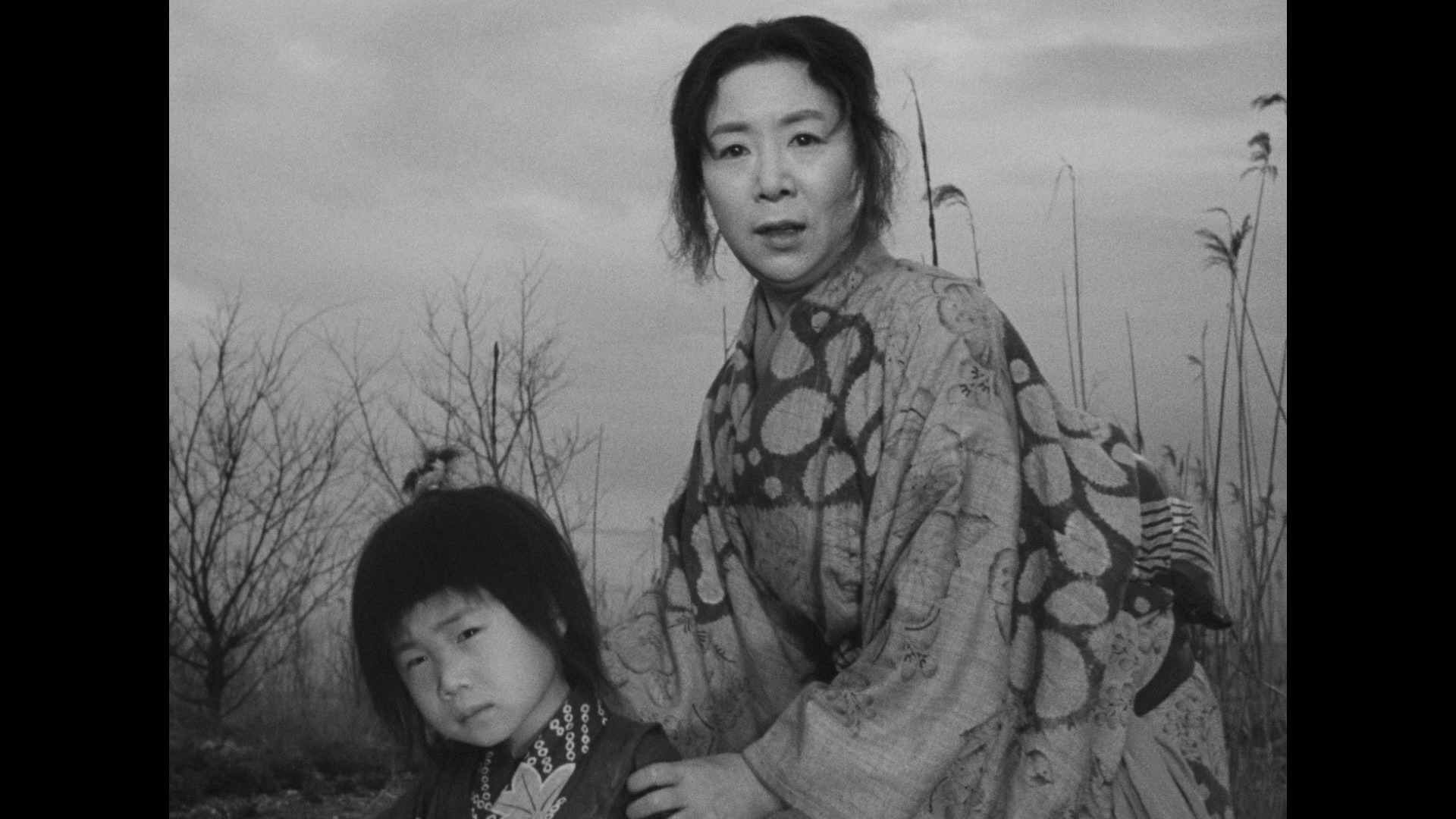
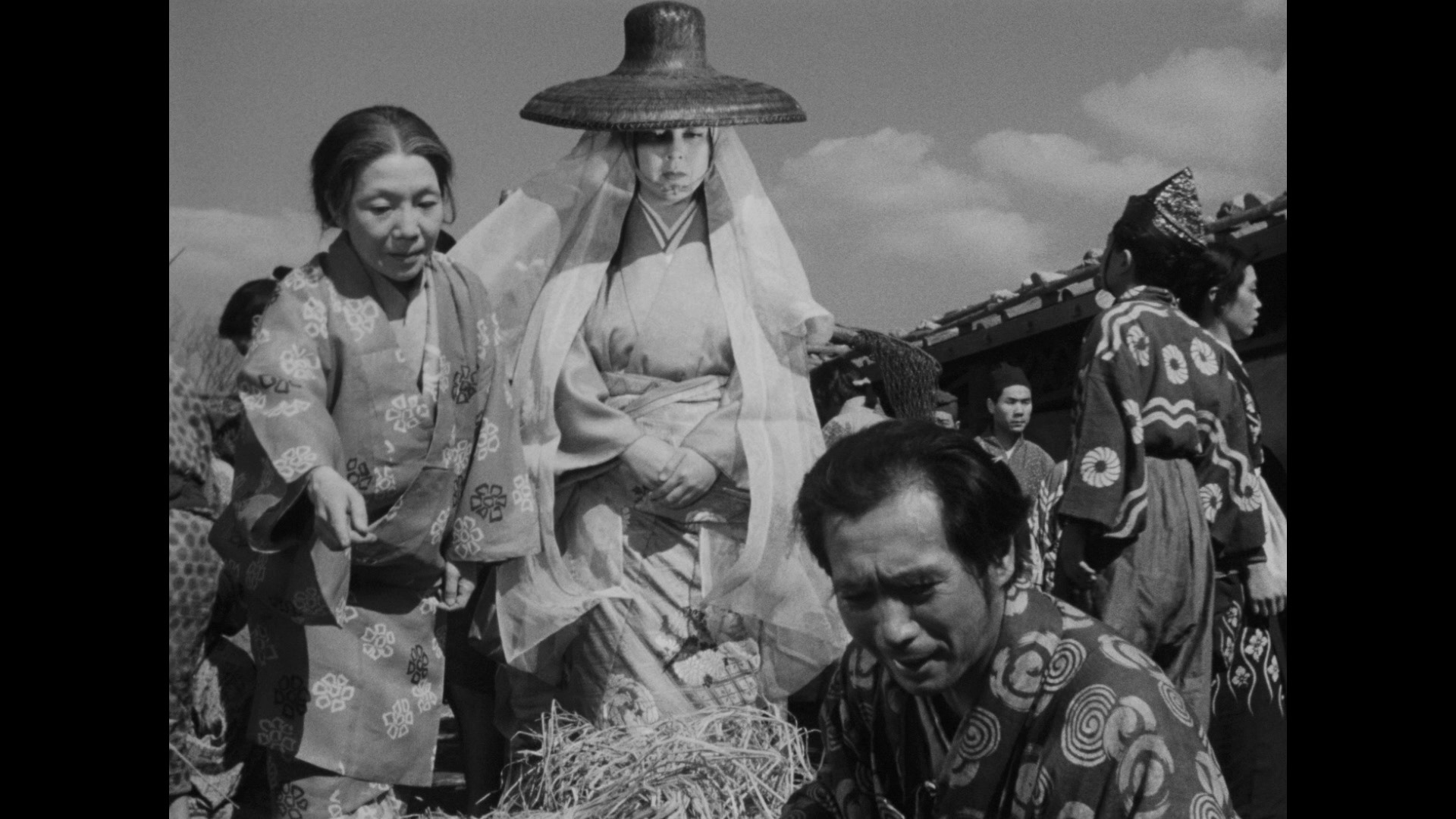
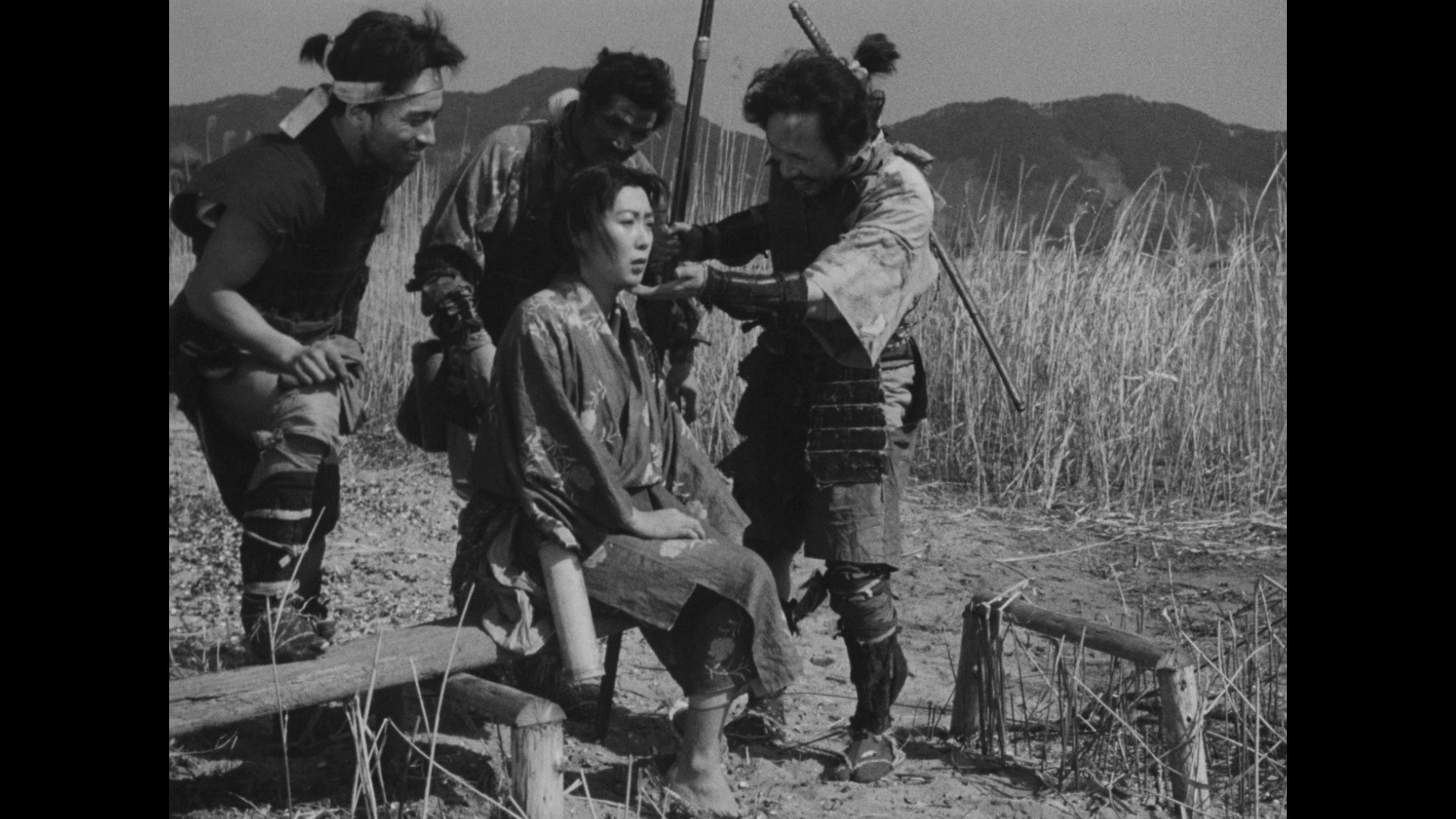
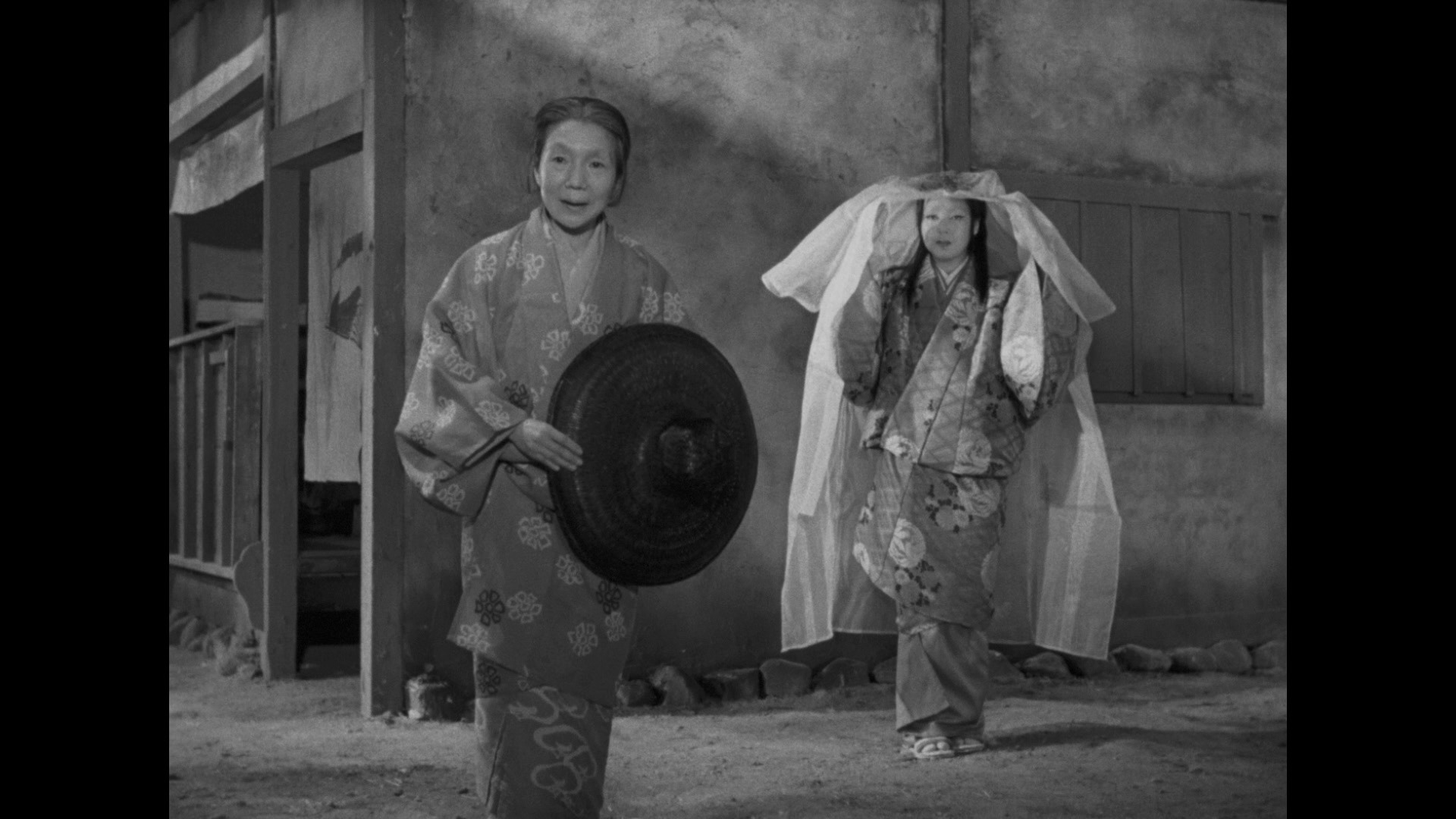
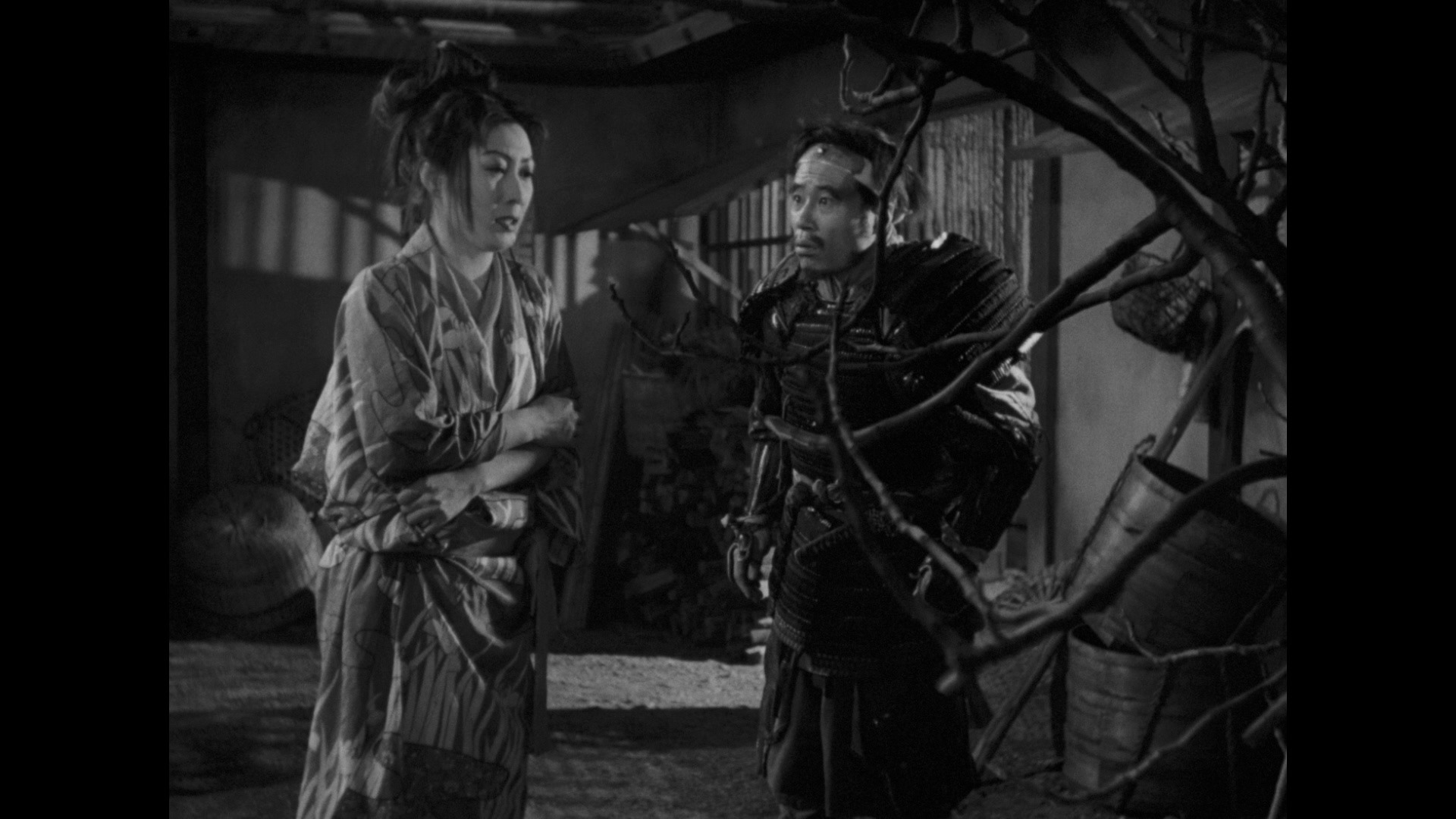
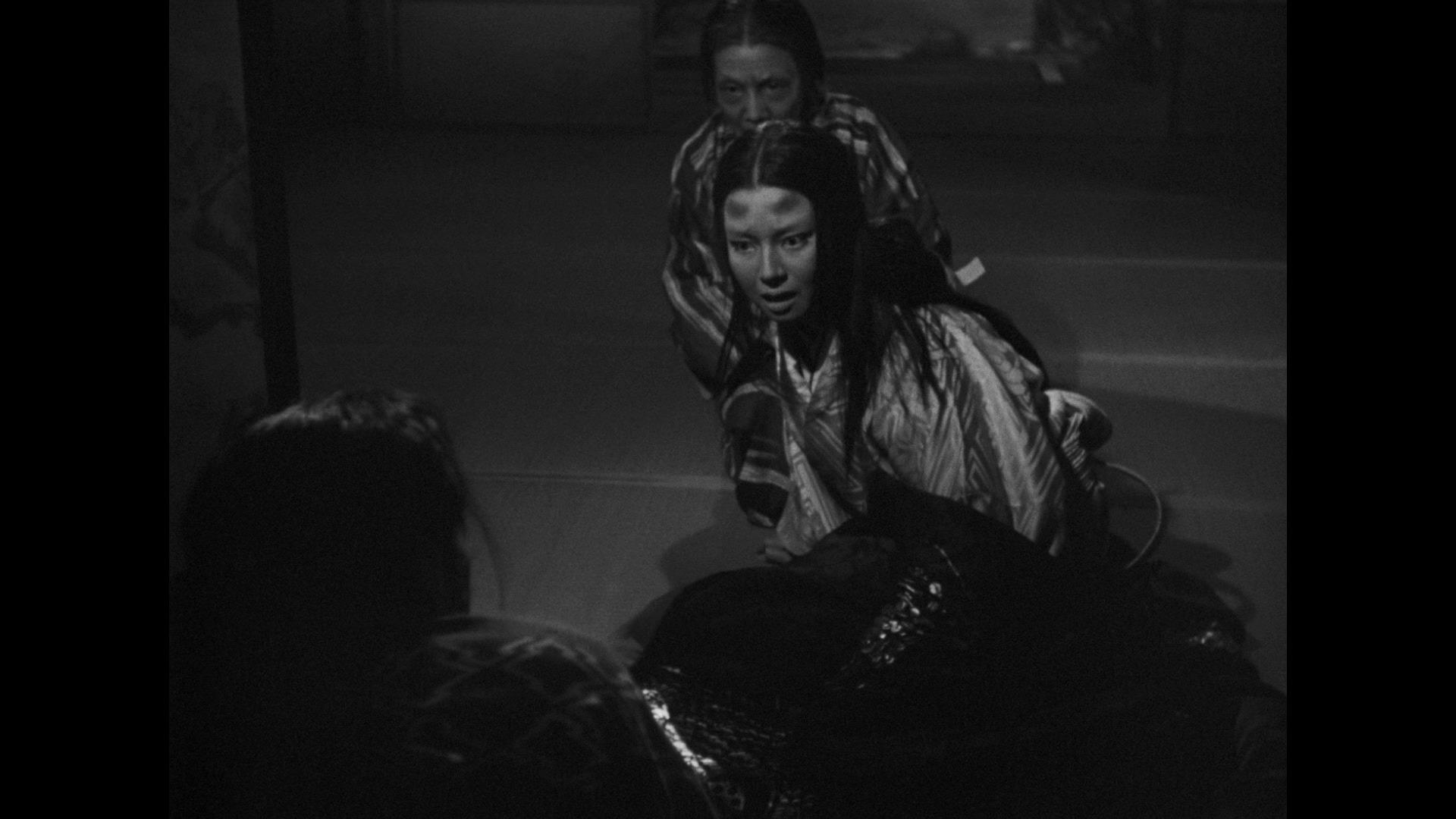
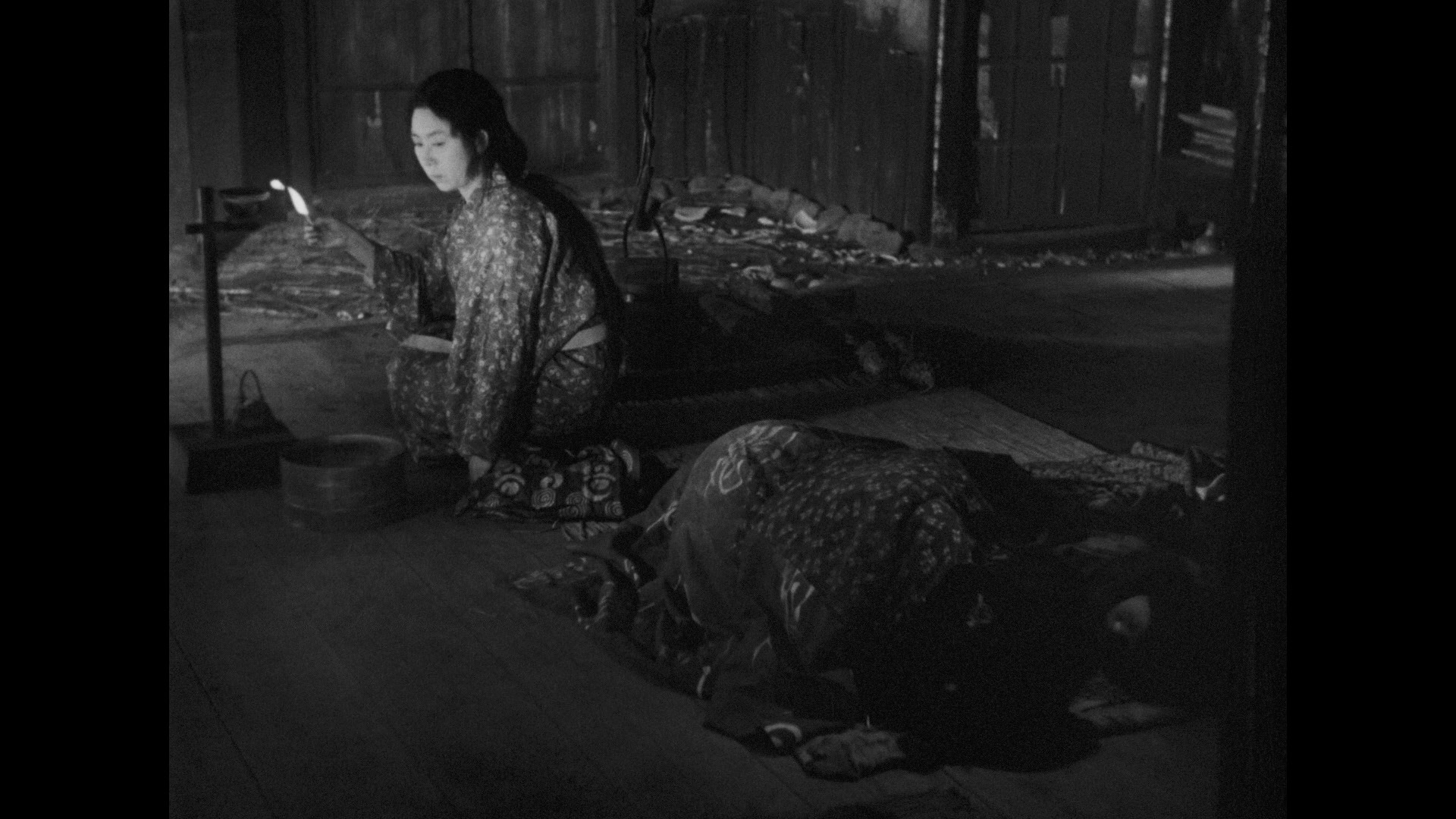
The Criterion Collection upgrades their already impressive DVD edition of Kenji Mizoguchi’s Ugetsu to Blu-ray, presenting the film in its original aspect ratio of 1.37:1 on a dual-layer disc. The 1080p/24hz high-definition presentation is sourced from a new 4K restoration, taken from scans of a 35mm fine-grain master positive and a 35mm duplicate negative.
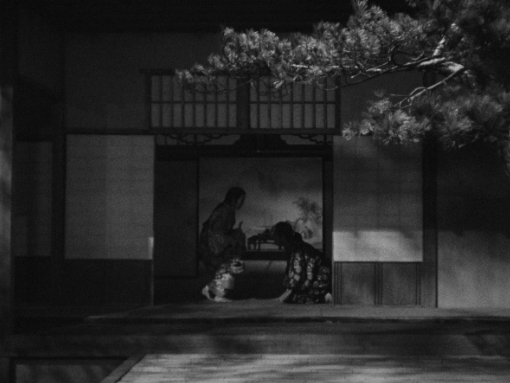
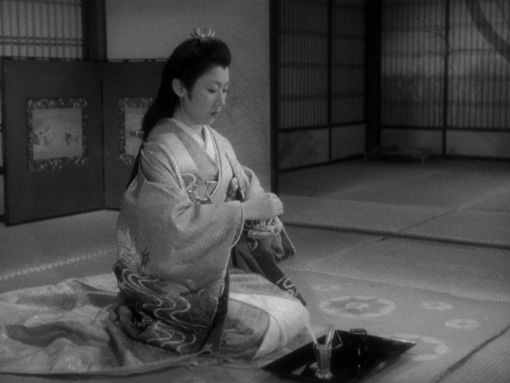
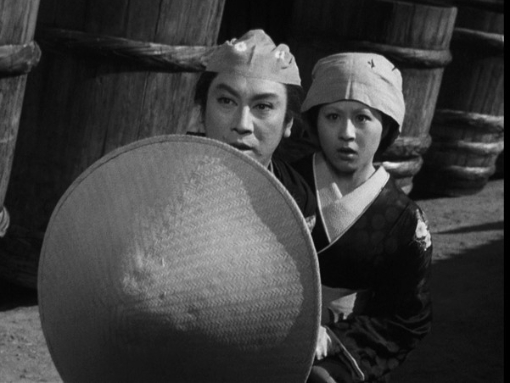
Following Criterion’s earlier DVD and Eureka’s Blu-ray (both of which were sourced from the same older high-def master), this new restoration delivers a substantial improvement. It’s been cleaned up significantly, removing nearly all of the damage present in earlier releases, while offering a noticeable boost in contrast and grayscale. That latter element proves especially beneficial, enhancing shadow detail and giving darker sequences more depth and clarity. Skies now deliver a broader tonal range, and the overall image feels crisper and more refined.
Grain is also rendered far more effectively here. It looks natural and far more consistent than in previous editions, though Criterion’s encode can occasionally struggle; grain can appear a little buzzy in highlights or in some of the darker scenes. Still, it’s a vast improvement over the older transfers, which often looked muddy and compressed. There’s a much stronger film texture present here that is far more welcoming.
In the end, the Blu-ray gives Ugetsu a long-overdue refresh and looks wonderful when all is said and done.
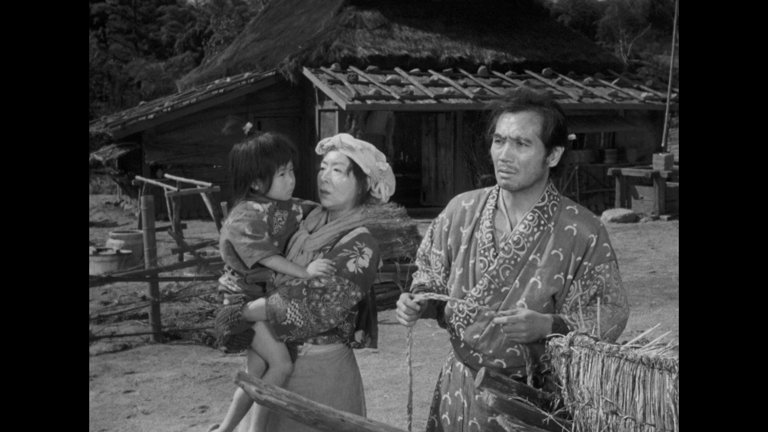
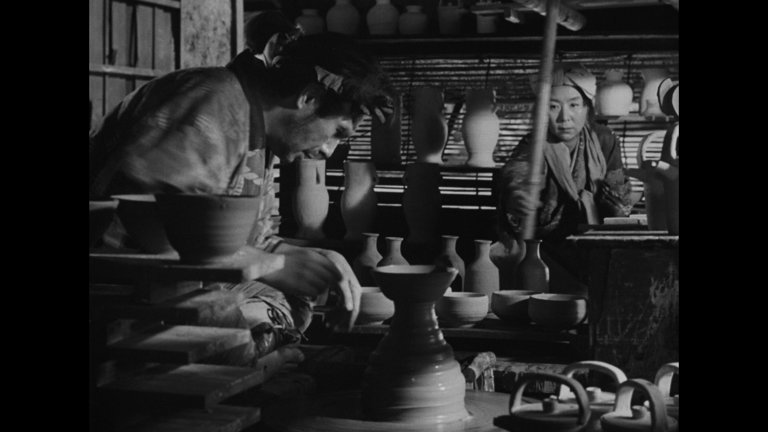
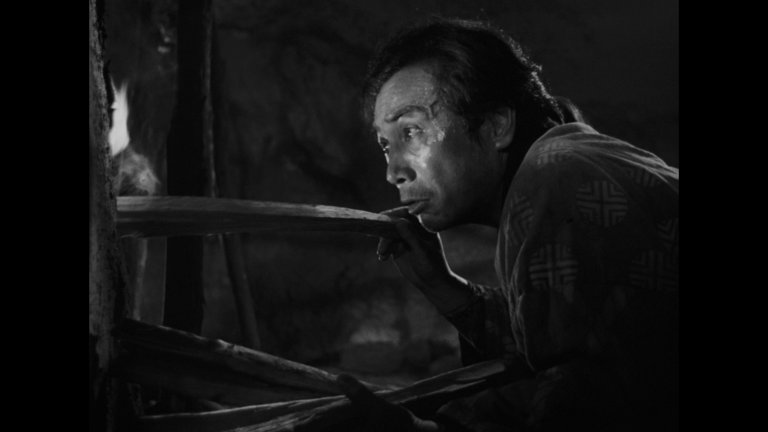
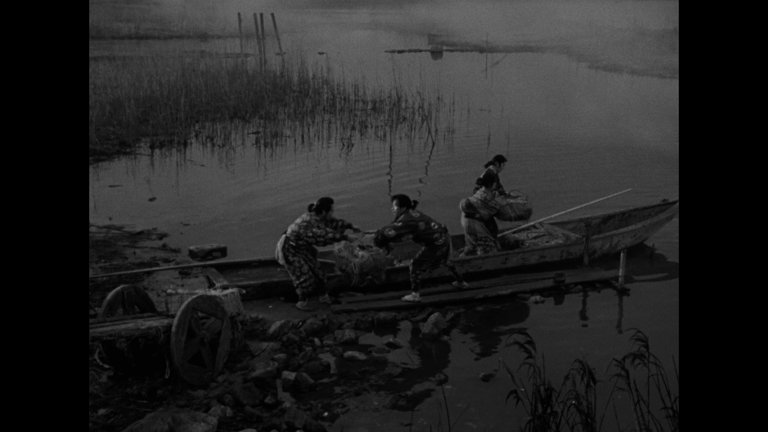
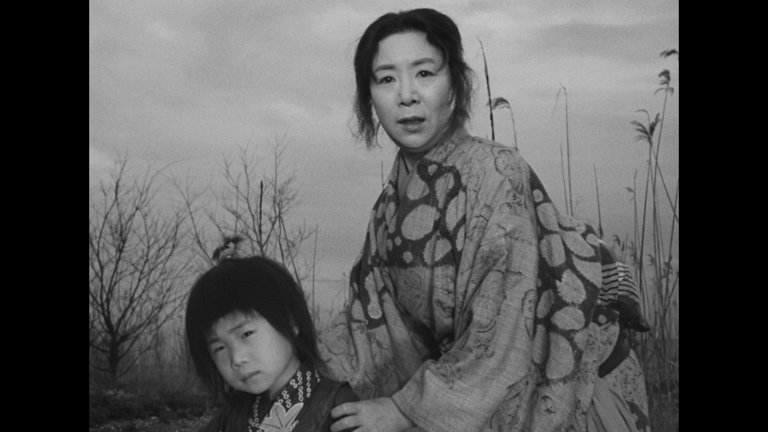
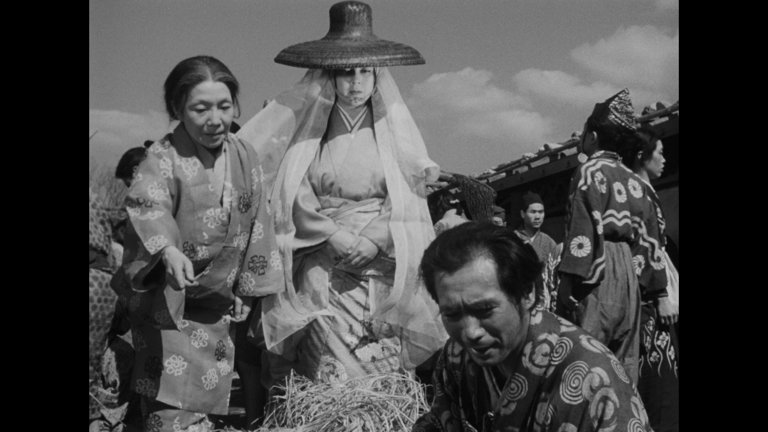
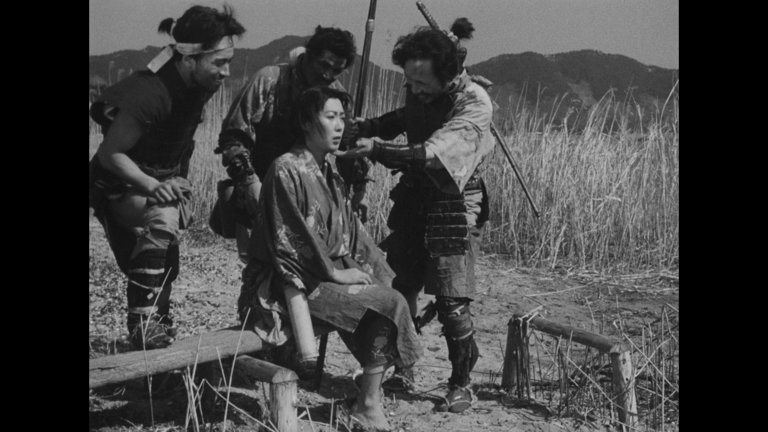
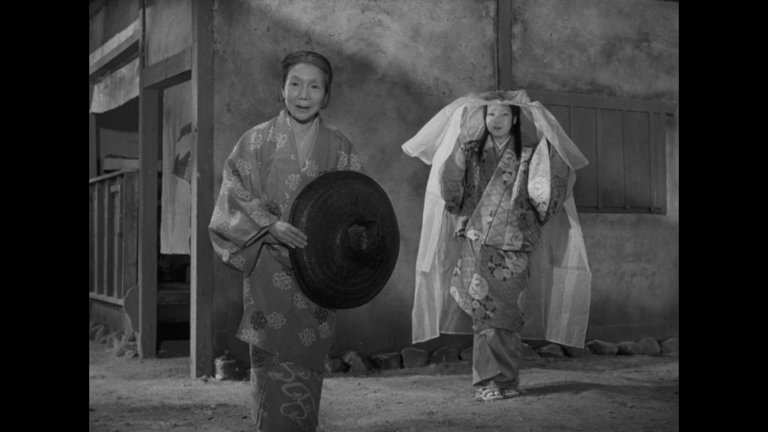
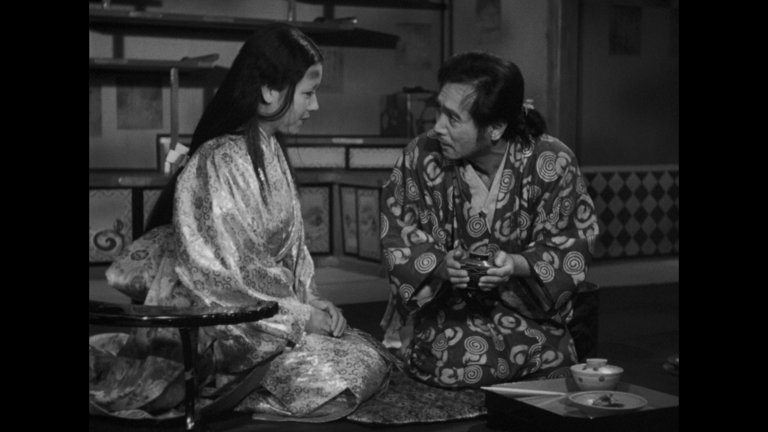
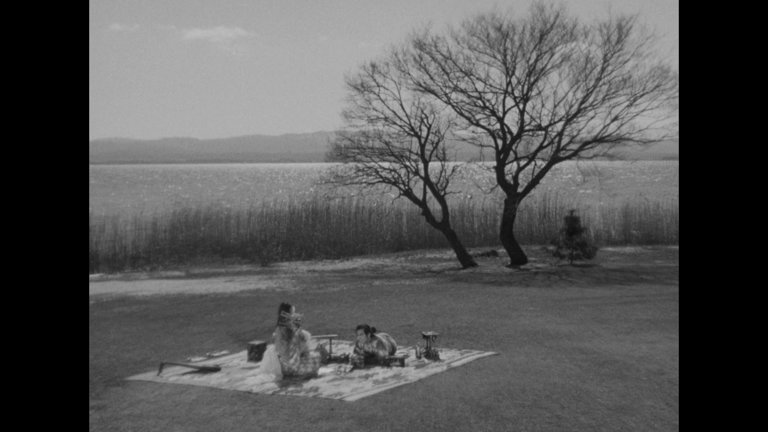
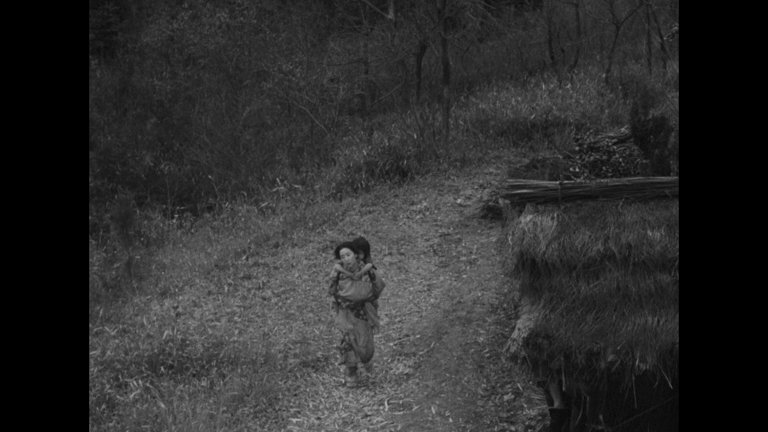
Ugetsu - Screen Captures
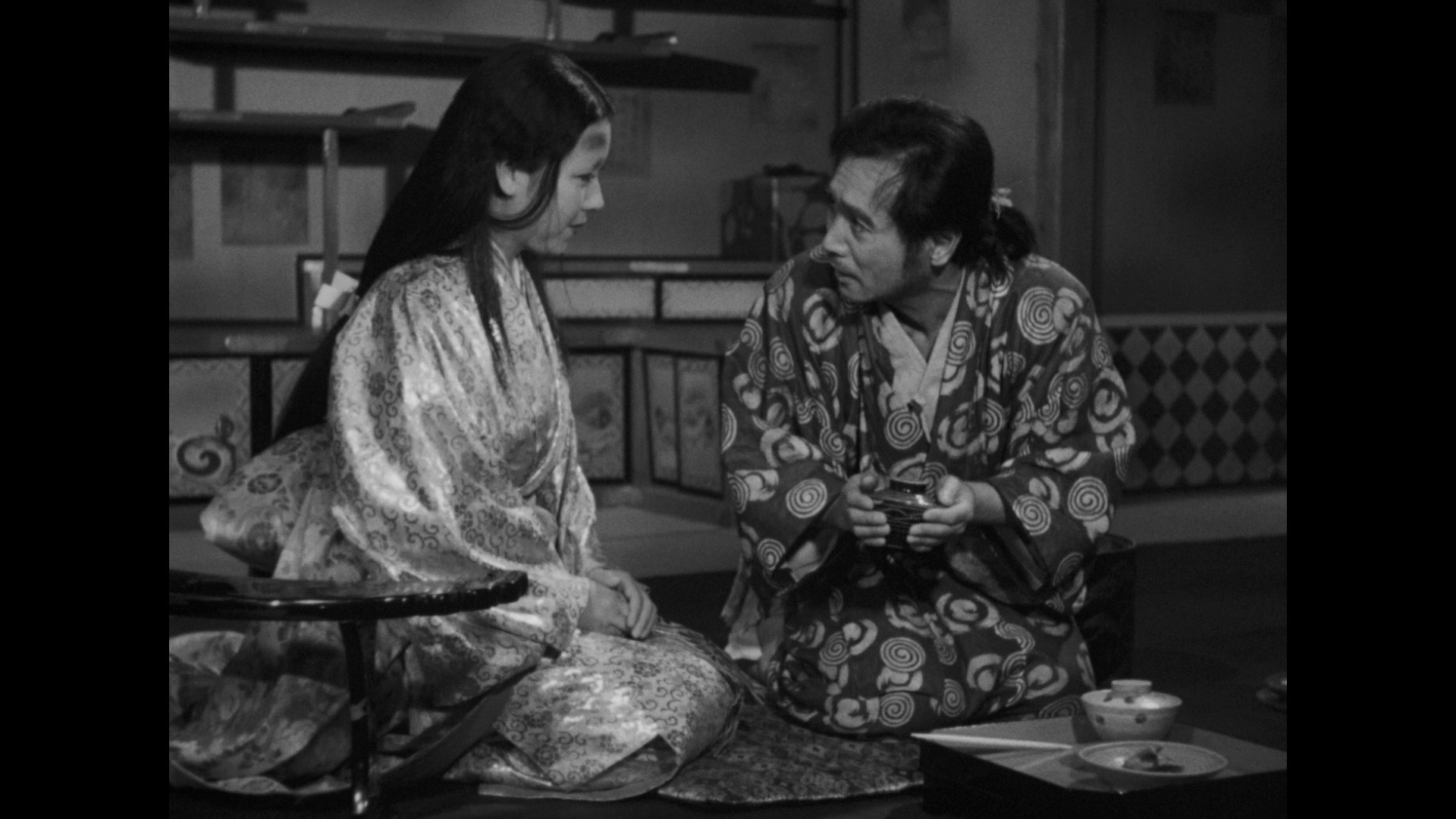
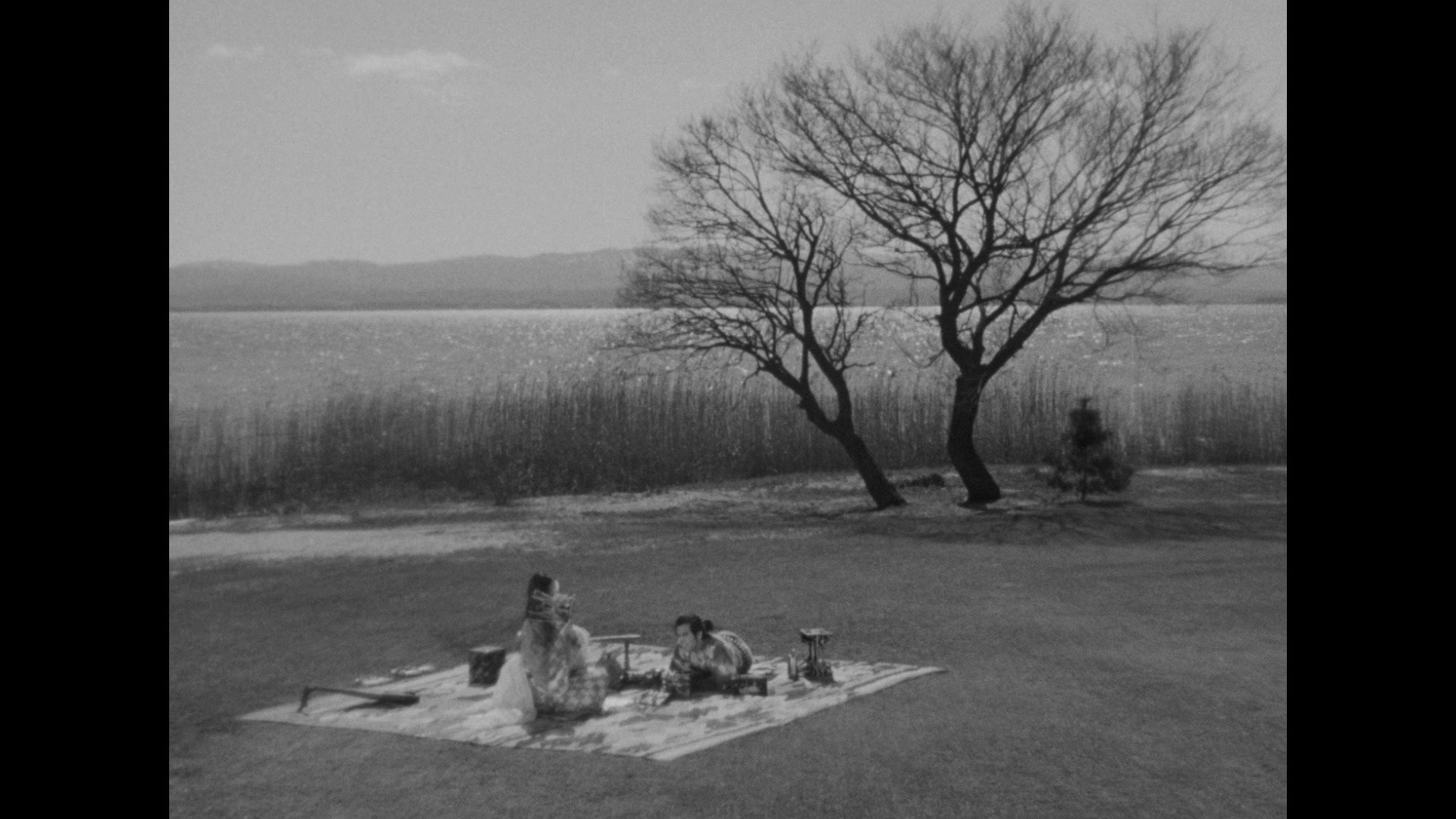
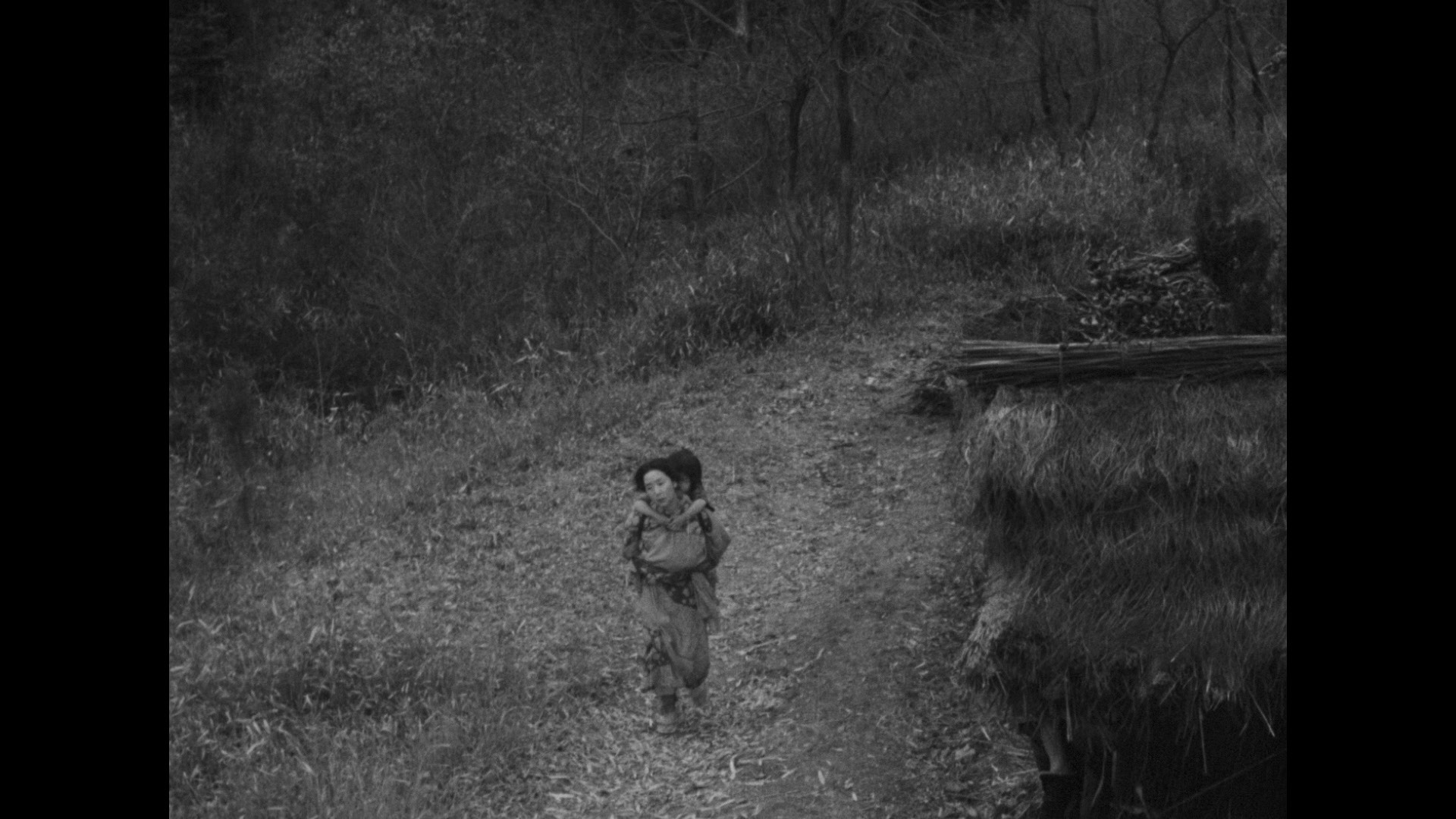
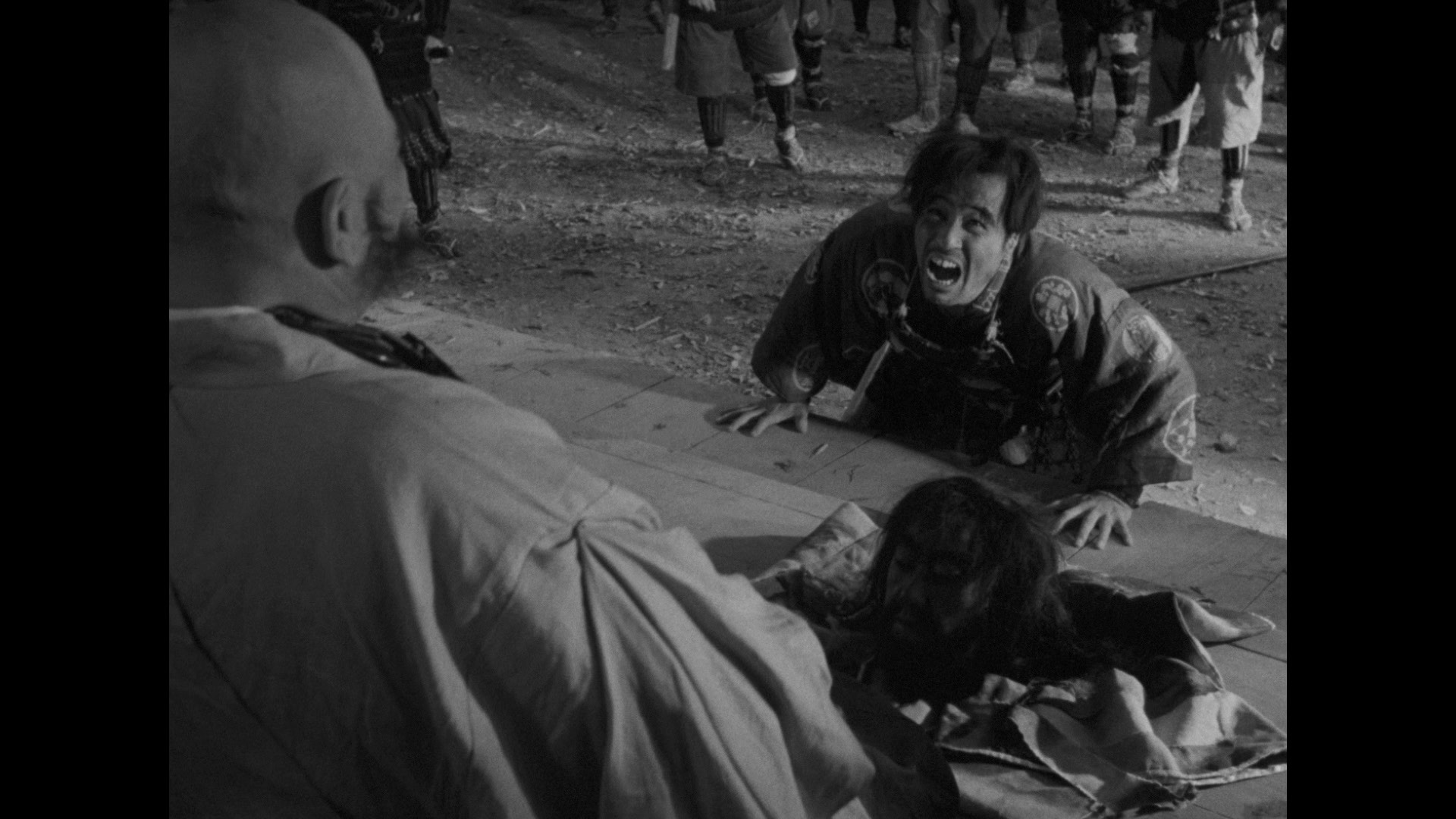
Audio 6/10
The Blu-ray's lossless Monaural PCM soundtrack offers an improvement over the DVD, though age still hinders things. It’s been a while since I revisited the DVD, but I recall that track having a slight edge in the higher frequencies, something that doesn’t seem to be an issue here. Dialogue comes through cleanly, with a bit of range, particularly in moments where characters raise their voices, though everything remains evenly leveled overall. There’s no notable damage or distortion to speak of, making for a solid audio presentation.
Extras 9/10
Criterion ports everything over from their impressive DVD edition, starting things off again with a commentary by Tony Rayns, recorded in 2006 for Criterion’s DVD edition, and found on both the 4K disc and Blu-ray. As per usual with Rayns’ contributions it’s an incredibly in-depth discussion about the film and its director, Mizoguchi, with some history around the stories that the film is based on. There are three key ones (two from the same collection of Japanese stories by Akinari Ueda, the other taken from one by Guy de Maupassant) and he covers the reasons why Mizoguchi more than likely chose them, contextualizing the film to the period of its release, and also looks at how Mizoguchi and his screenwriters were able to structure and link them. He also gets into other films of the period and places it in the context of Mizoguchi’s other work. It’s a terrific track, loaded with detail and moving a good pace, never featuring a dry moment.
(Interestingly, Criterion’s LaserDisc edition included a track featuring Donald Richie and others; as to why it was dropped for all subsequence releases from Criterion I can’t say.)
The remaining supplements then feature a collection of interviews, starting with a 14-minute one from filmmaker Masahiro Shinoda, recorded in 2005. This is another academic edition with the filmmaker talking about the qualities of the film and elements that he found more impactful. He loves how the film so seamlessly intertwines reality and fantasy, and admires it from a technical standpoint, breaking down the construction of one sequence done in a single take. He also compares Mizoguchi’s style to his contemporaries, like Ozu, and also examines how music is incorporated into it, in a way that would have been different from other films of the period. It’s a terrific appreciation that does also include some invaluable insights.
First assistant director of the film, Tokuzo Tanaka, then sits for a 20-minute interview, also recorded in 2005. Rayns talks about the film’s script and its production history to an extent in his track, but Tanaka expands on all of that here. He shares stories about the script and the issues that arose around it and its screenwriters, and the shares stories about the film’s locations and the use of a giant water tank for the film’s gorgeous river sequence (which proved more difficult to shoot since it was being filmed in the winter).
From a technical standpoint it proves to be an illuminating addition, but even moreso is a 1992 interview featuring cinematographer Kazuo Miyagawa, filmed for Criterion’s LaserDisc release. He first talks about his work with Mizoguchi overall before talking a bit more about the camera work, consisting of mostly crane shots, and the reason for Mizoguchi liking to move the camera: the director saw films as something akin to picture scrolls, with the story being revealed as you revealed more of the scroll. He also shares his thoughts on television of the time (not a fan) and his amazement at how the technology of filmmaking has advanced. It’s a great interview with a lot of information, despite only running 10 minutes.
There are then two trailers, the original Japanese one and then an incomplete Spanish one, which points out how impactful the film was. But that’s not all! Criterion also ports over the most significant feature from their previous releases, the feature-length, 150-minute documentary Kenji Mizoguchi: The Life of a Film Director, directed by Kaneto Shindo. Sadly presented as a standard-definition upscale, the documentary is an examination of the filmmaker’s life and career through a number of interviews with those that knew him. I’m on the side that it may ultimately be a bit too long, but then at the same time I’m not too sure what could be cut out. The documentary does interestingly get a little into the Japanese film industry to provide some context around Mizoguchi’s career but the focus is ultimately on the man himself through a series of (mostly) talking-head interviews with film historians, critics and those that have worked with him, including actors Kinuyo Tanaka, Machiki Kyo and Kyoka Kagawa, and then Miyagawa, Tadayoshi Yamamuro, and screenwriter Yoshikata Yoda, among others. It’s setup and structure doesn’t ultimately help it but what keeps it from being a slog is just how personal the film ultimately is. Yes, there is a lot here about Mizoguchi’s style and vision, with details on how he liked to structure his films, the topics that interested him, and how he wanted to move the camera, but there are a lot of stories here about the various interviewees’ personal relationships with him, with Tanaka’s possibly being the most complicated. There are also some rather funny stories here, the best (and possibly craziest one) having to do with an incident around a geisha attacking him. What’s interesting, though, is while they all worked professionally together the vibe ends feeling more like people talking about a close friend rather than some guy they just happened to work with. Its structure aside, I still found it a wonderful look at not only Mizoguchi’s work, but of the man himself. Definitely worth watching for newcomers.
And that closes the disc supplements off. Thankfully, Criterion’s booklet carries everything over from the DVD's. It yet again includes Phillip Lopate’s essay on the film, but the best inclusion are the three short stories that the film is based on: “The House in the Thicket” and “A Serpent’s Lust,” both by Ueda, and “How He Got the Legion Honor,” by de Maupassant, with the latter being the primary influence on Tobei’s storyline.
Updated material would have been nice, but as it is it's still all well worth going through if one hasn’t done so yet.
Closing
Criterion’s Blu-ray of Ugetsu offers a major leap over earlier editions, thanks to a striking new 4K restoration that brings out richer contrast, finer detail, and a much more film-like texture.
BUY AT: