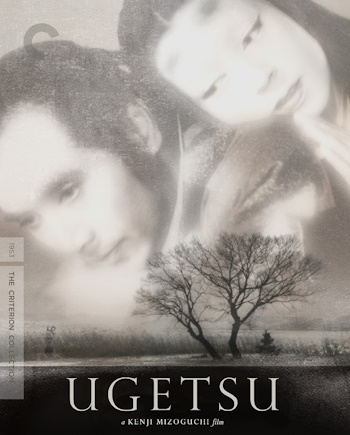
Ugetsu
BUY AT:


See more details, packaging, or compare
Synopsis
By the time he made Ugetsu, Kenji Mizoguchi was already an elder statesman of Japanese cinema, fiercely revered by Akira Kurosawa and other directors of a younger generation. And with this exquisite ghost story, a fatalistic wartime tragedy derived from stories by Akinari Ueda and Guy de Maupassant, he created a touchstone of his art, his long takes and sweeping camera guiding the viewer through a delirious narrative about two villagers whose pursuit of fame and fortune leads them far astray from their loyal wives. Moving between the terrestrial and the otherworldly, Ugetsu reveals essential truths about the ravages of war, the plight of women, and the pride of men.
Ugetsu was restored by The Film Foundation and Kadokawa Corporation at Cineric Laboratories in New York. Special thanks to Masahiro Miyajima and Martin Scorsese for their consultation on this restoration. Restoration funding provided by the Hollywood Foreign Press Association in association with The Film Foundation and Kadokawa Corporation.
Picture 9/10
The Criterion Collection upgrades its special edition of Kenji Mizoguchi’s Ugetsu to 4K UHD, presenting the film on a triple-layer disc in its original aspect ratio of 1.37:1. The 2160p/24hz SDR ultra high-definition presentation is sourced from the same 4K restoration used for Criterion’s 2017 Blu-ray and DVD editions, which was derived from scans of a 35mm fine-grain master positive and a 35mm duplicate negative. This release also includes a standard Blu-ray that replicates the 2017 edition, offering all of the same video features and a 1080p version of the film.
As with each prior release of the film (Criterion’s original DVD, Eureka’s Blu-ray, and then Criterion’s own Blu-ray), where the presentation improves incrementally, the same holds here. While this is the same restoration featured on the Blu-ray (which was already stunning), and there’s certainly room for additional improvements (an HDR grade could have taken it further) this remains an incredibly beautiful presentation and easily the best the film has ever looked on home video.
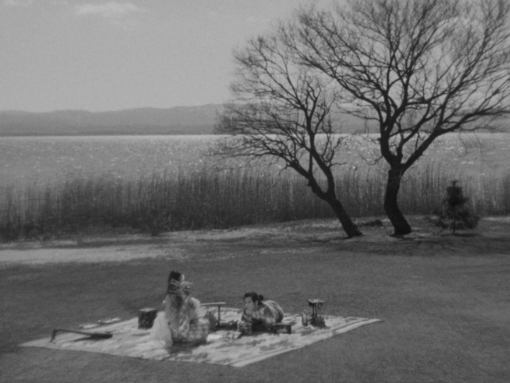
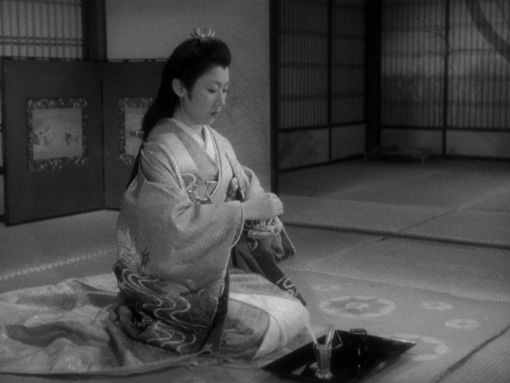
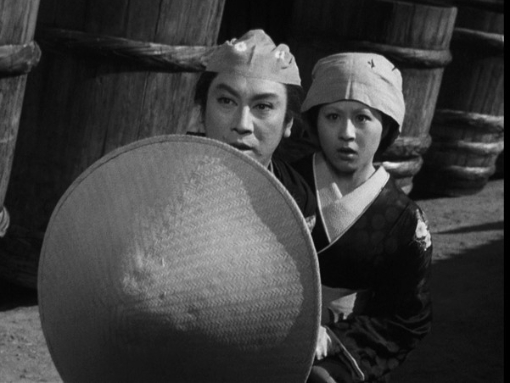
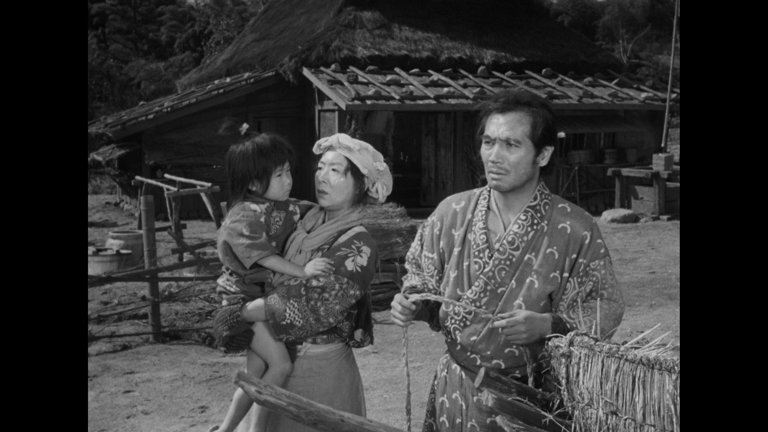
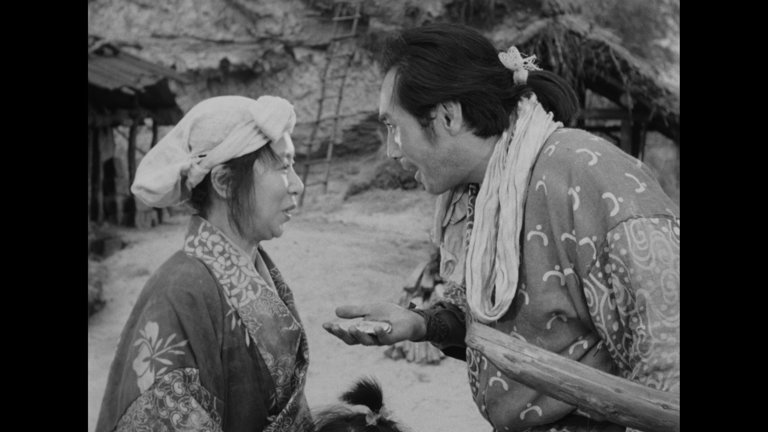
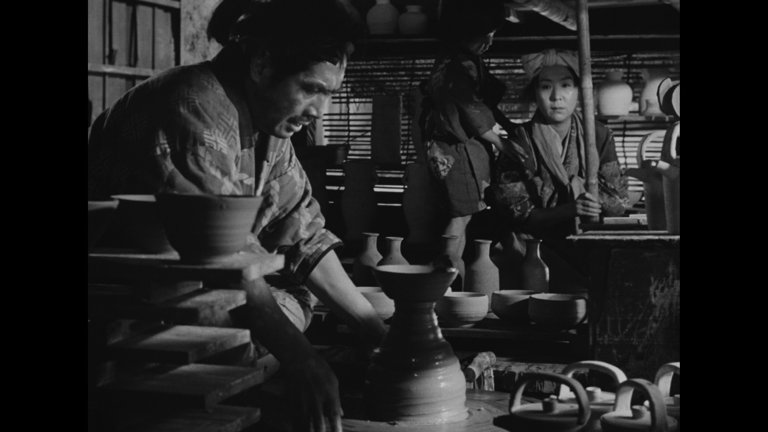
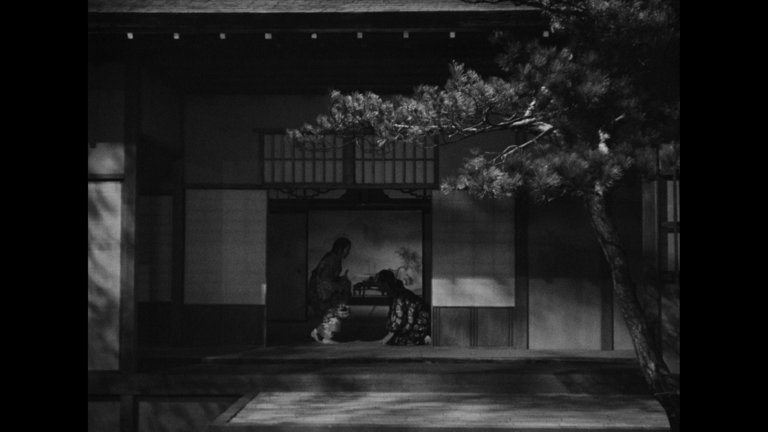
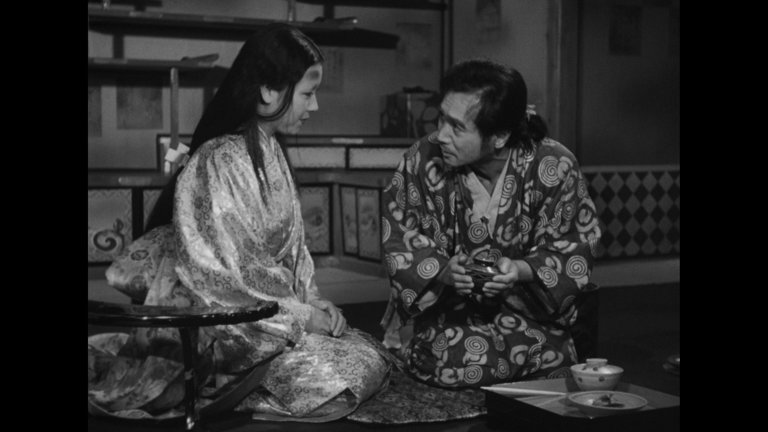
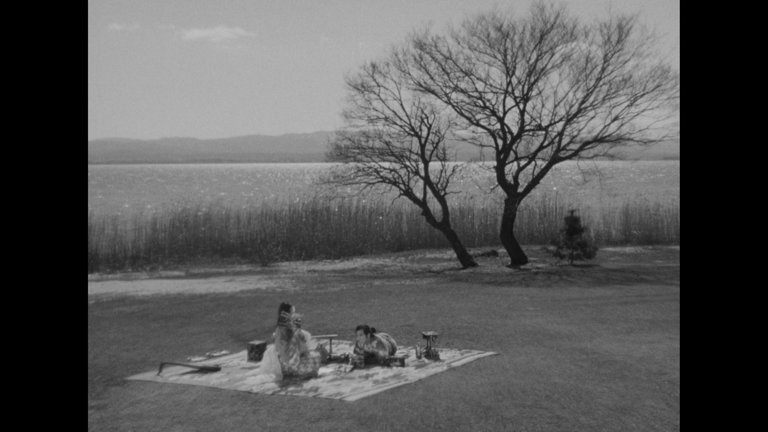
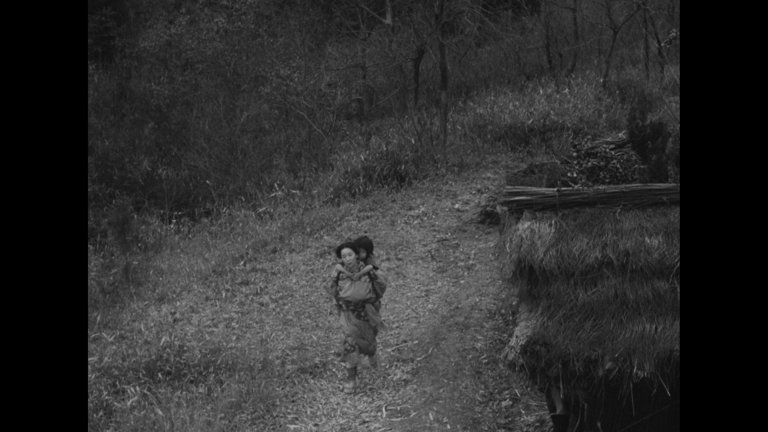
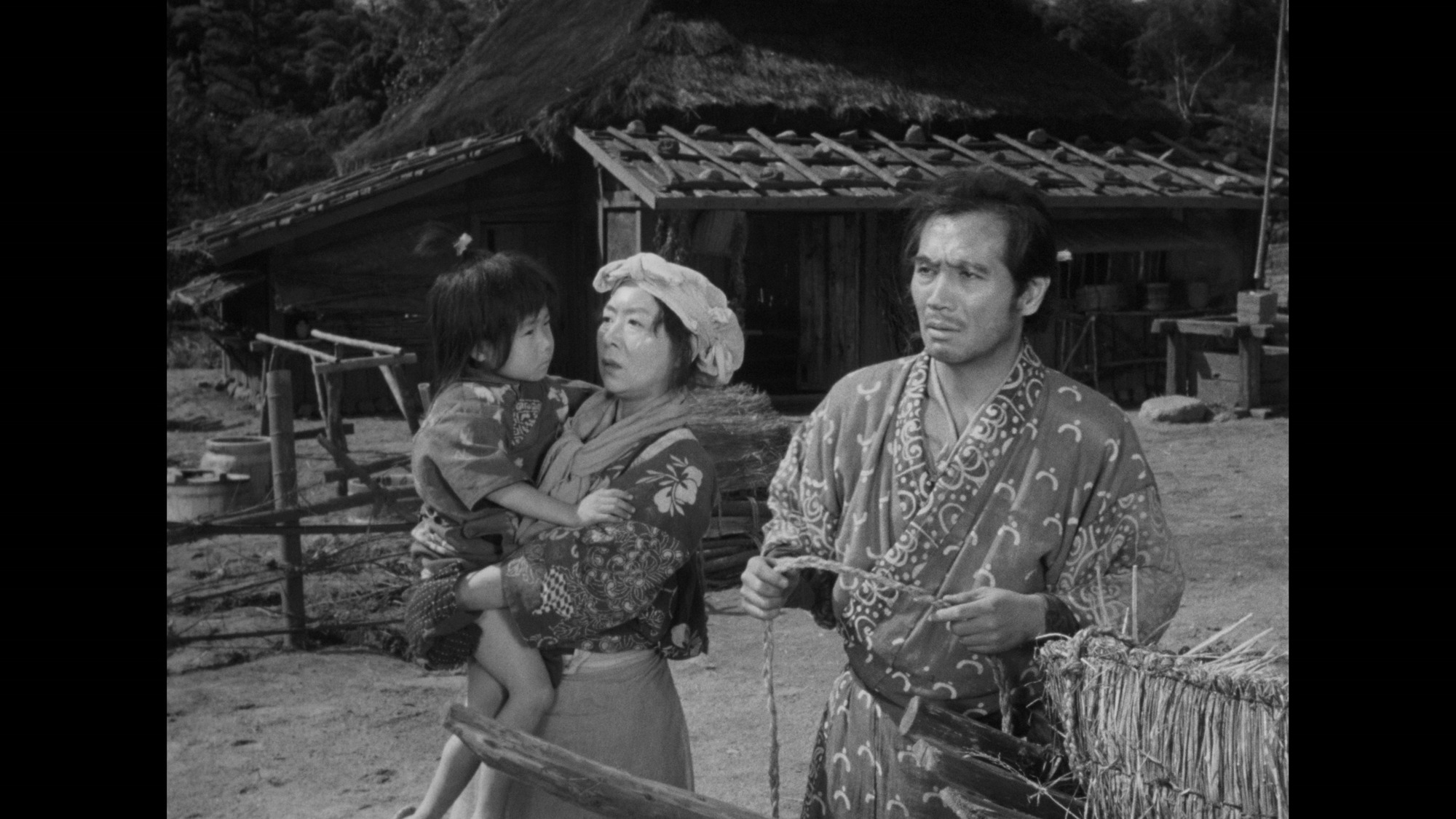
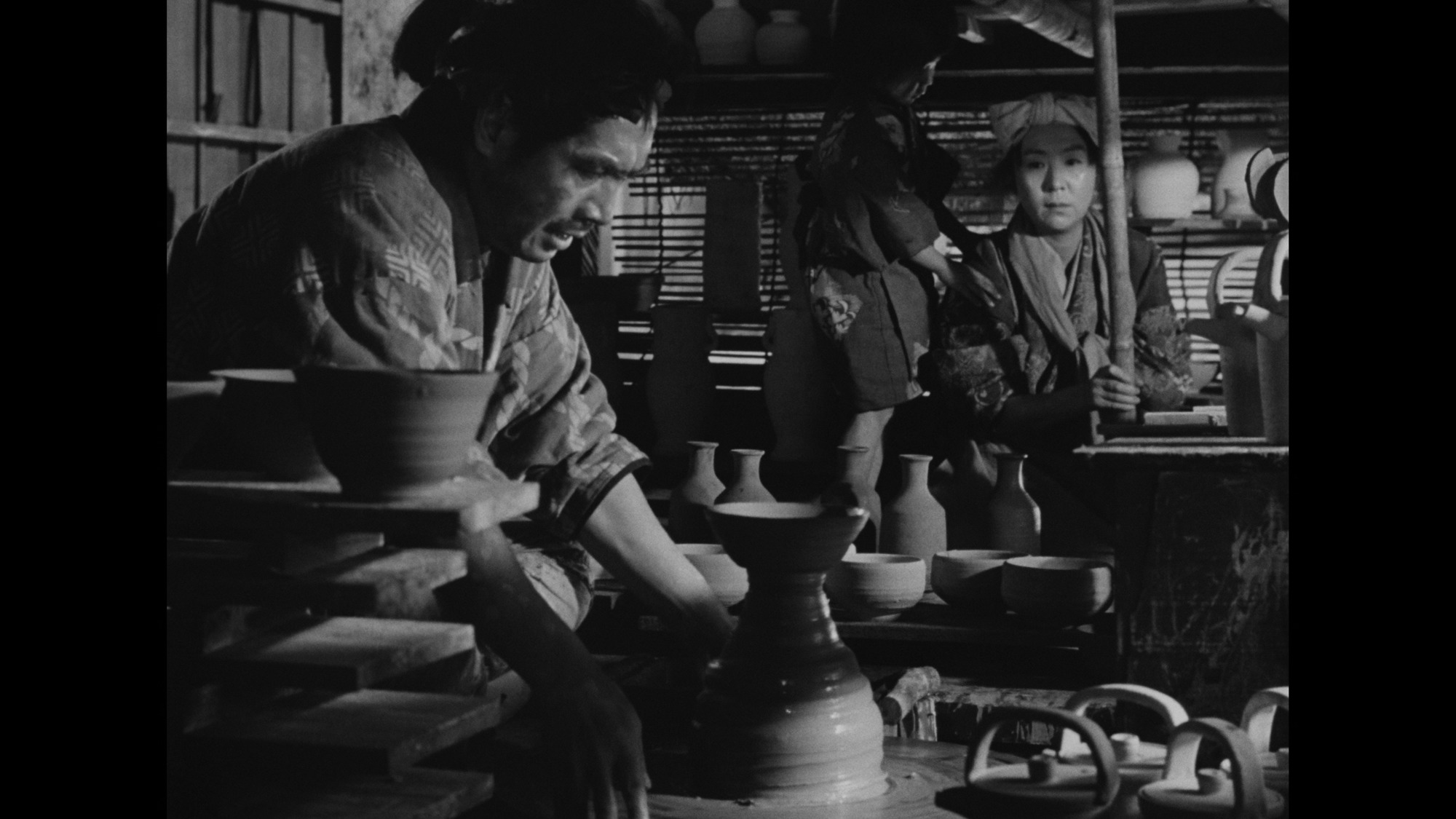
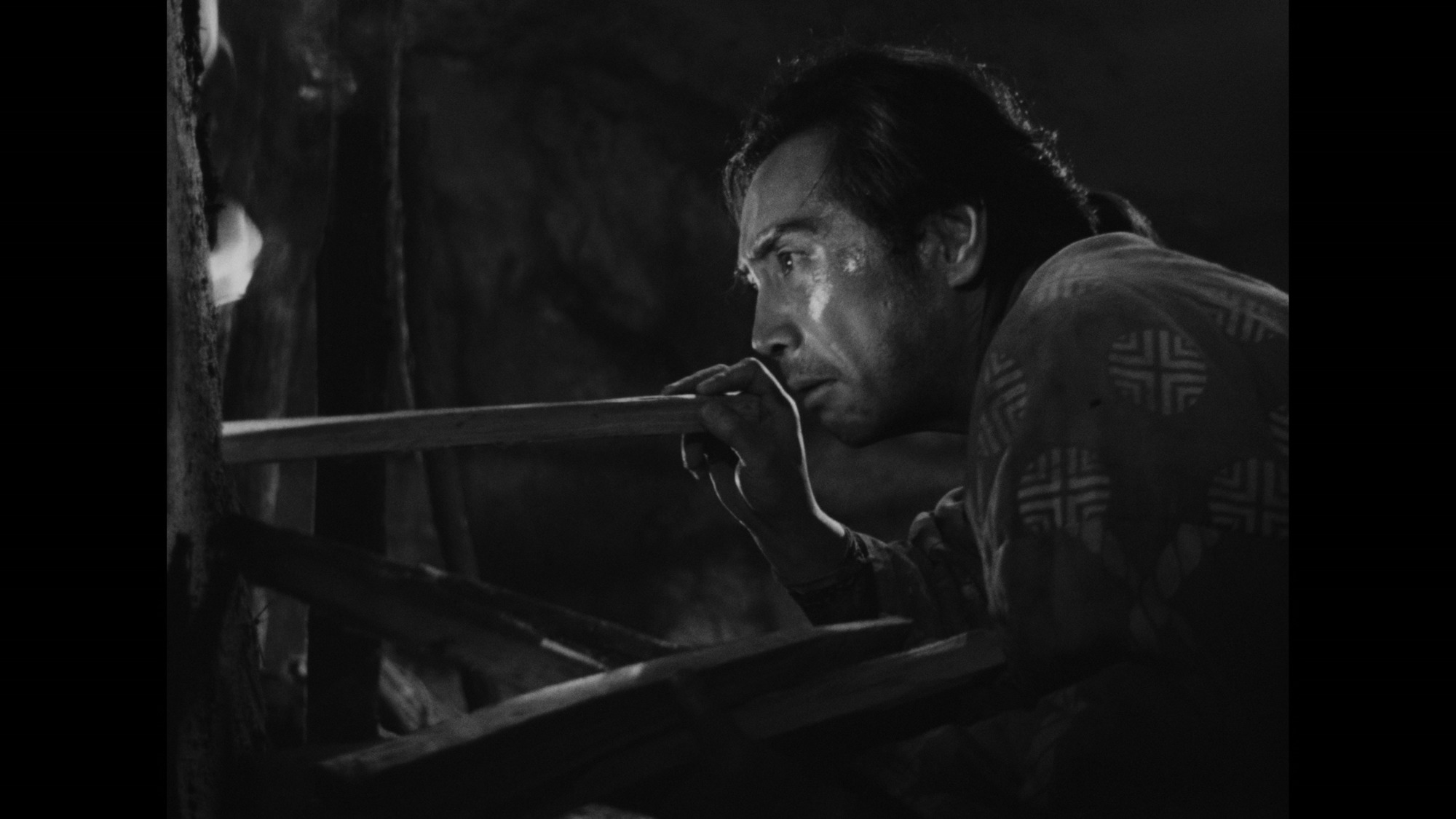
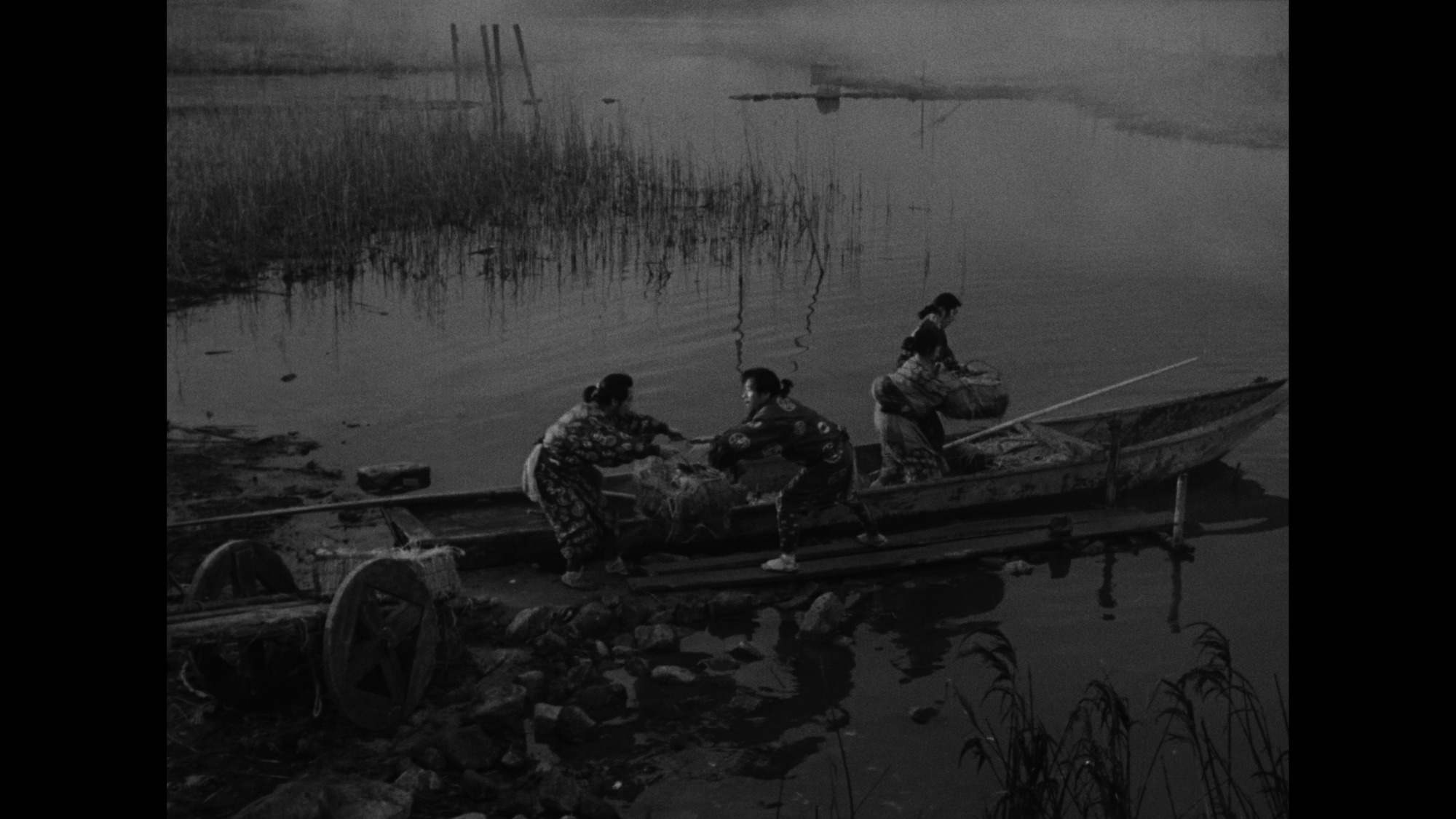
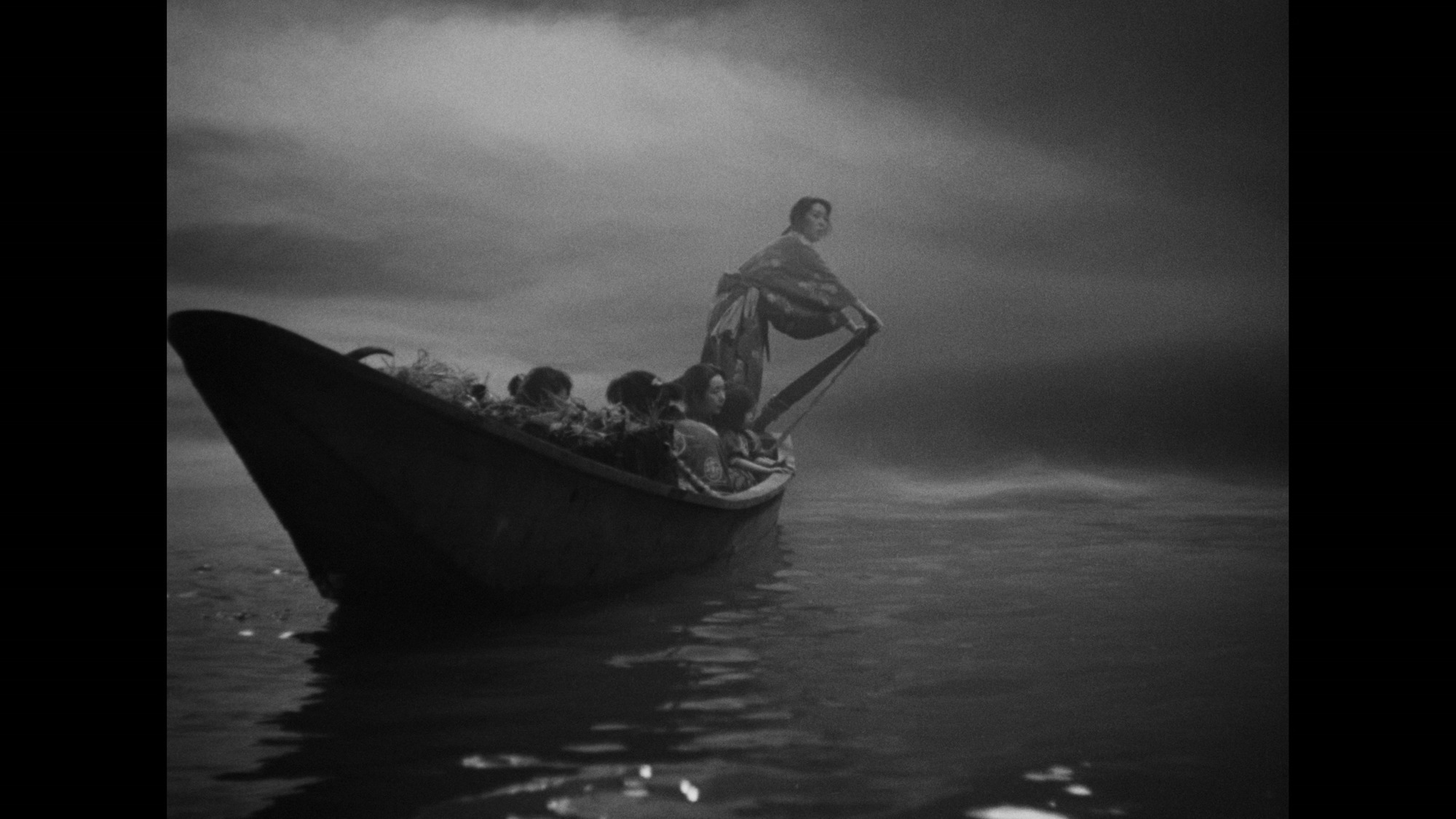
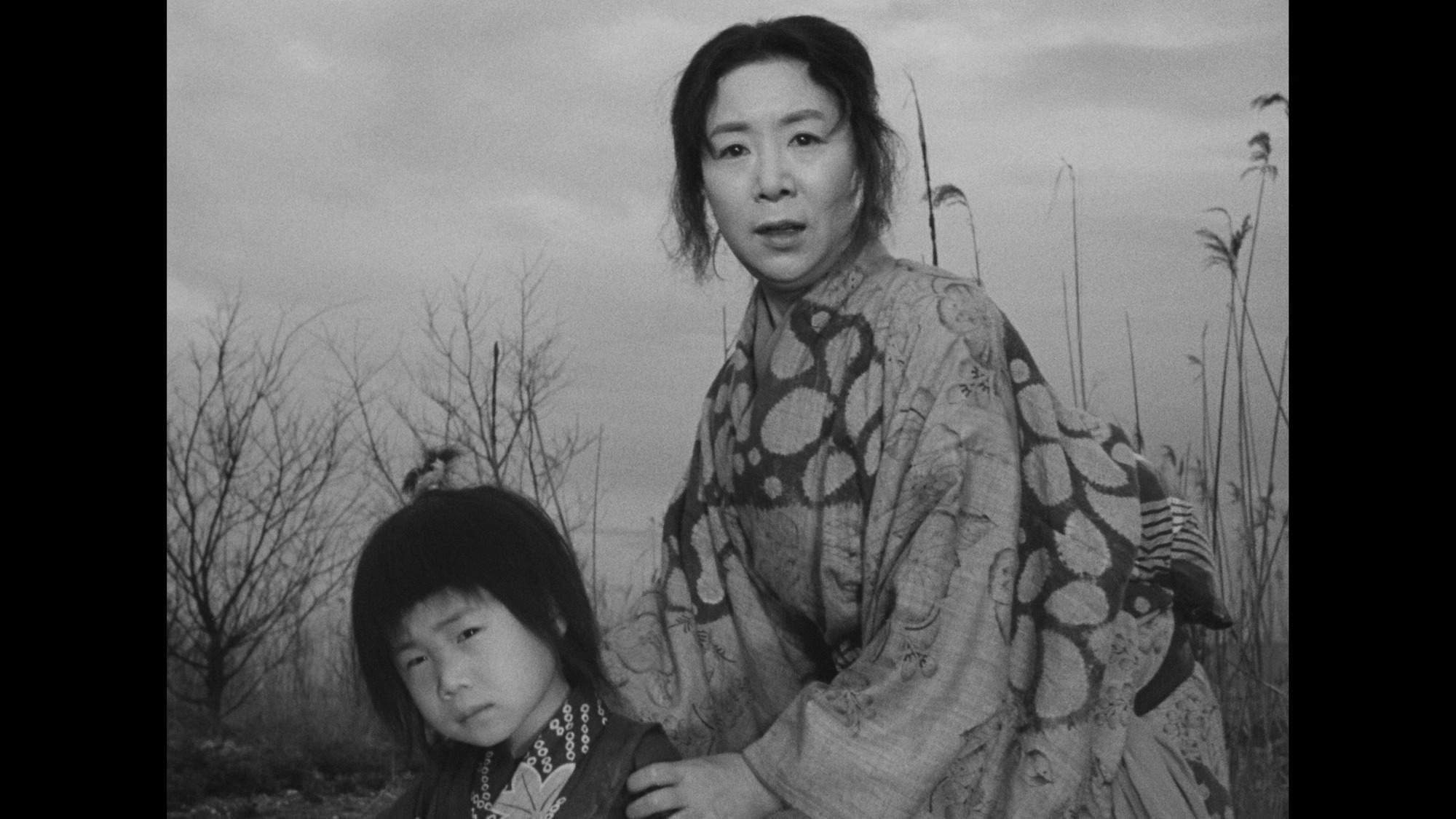
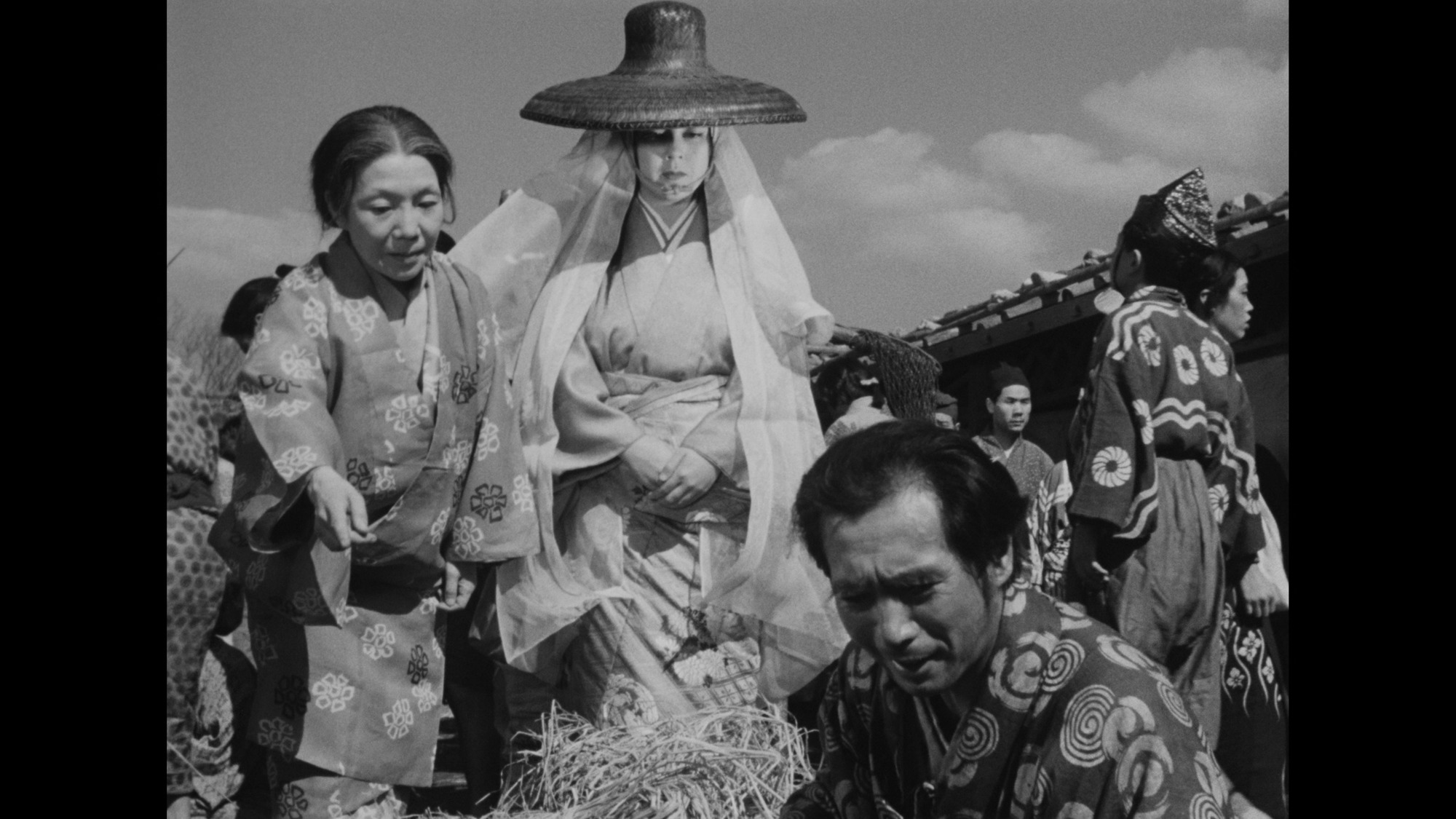
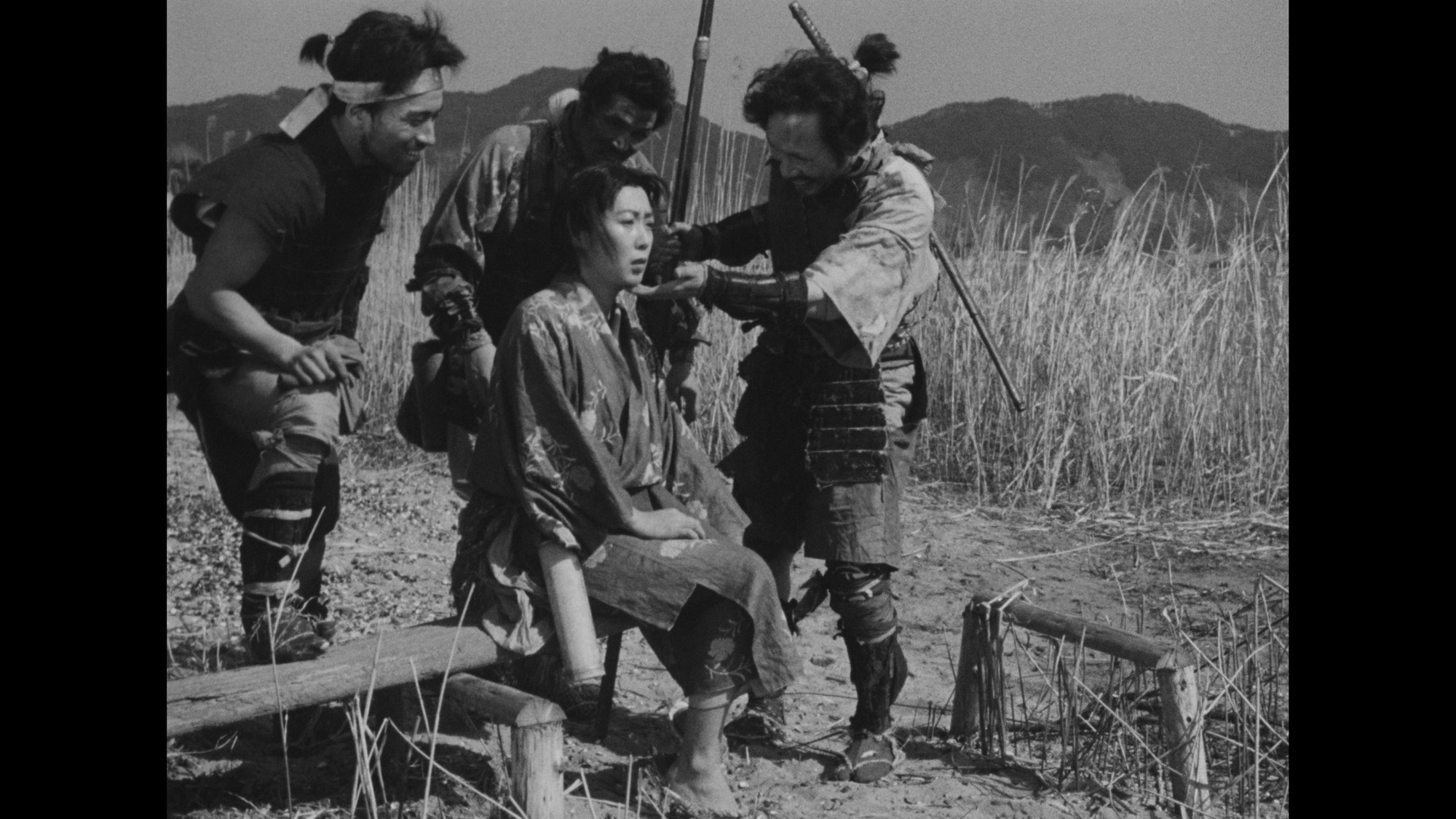
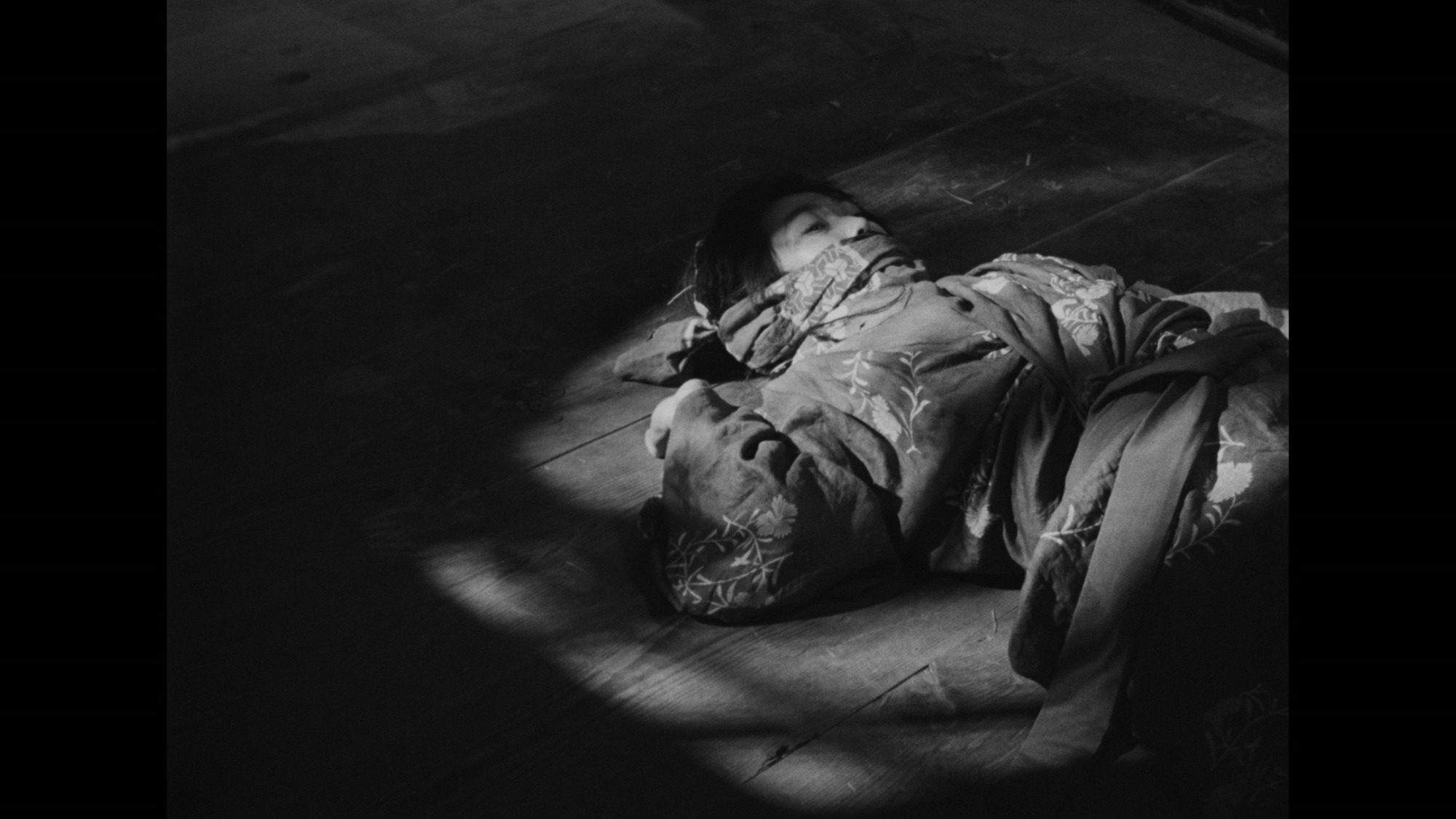
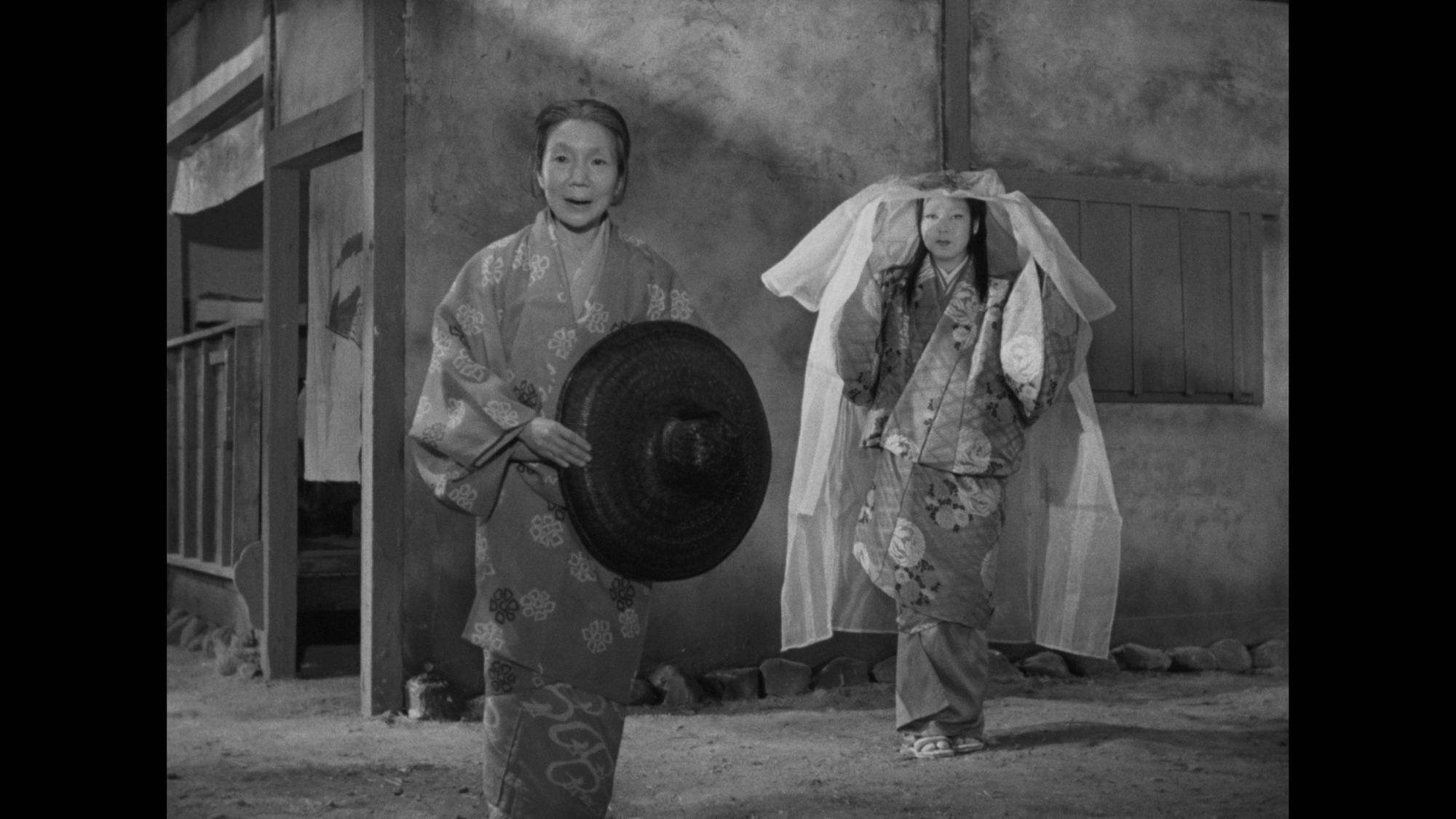
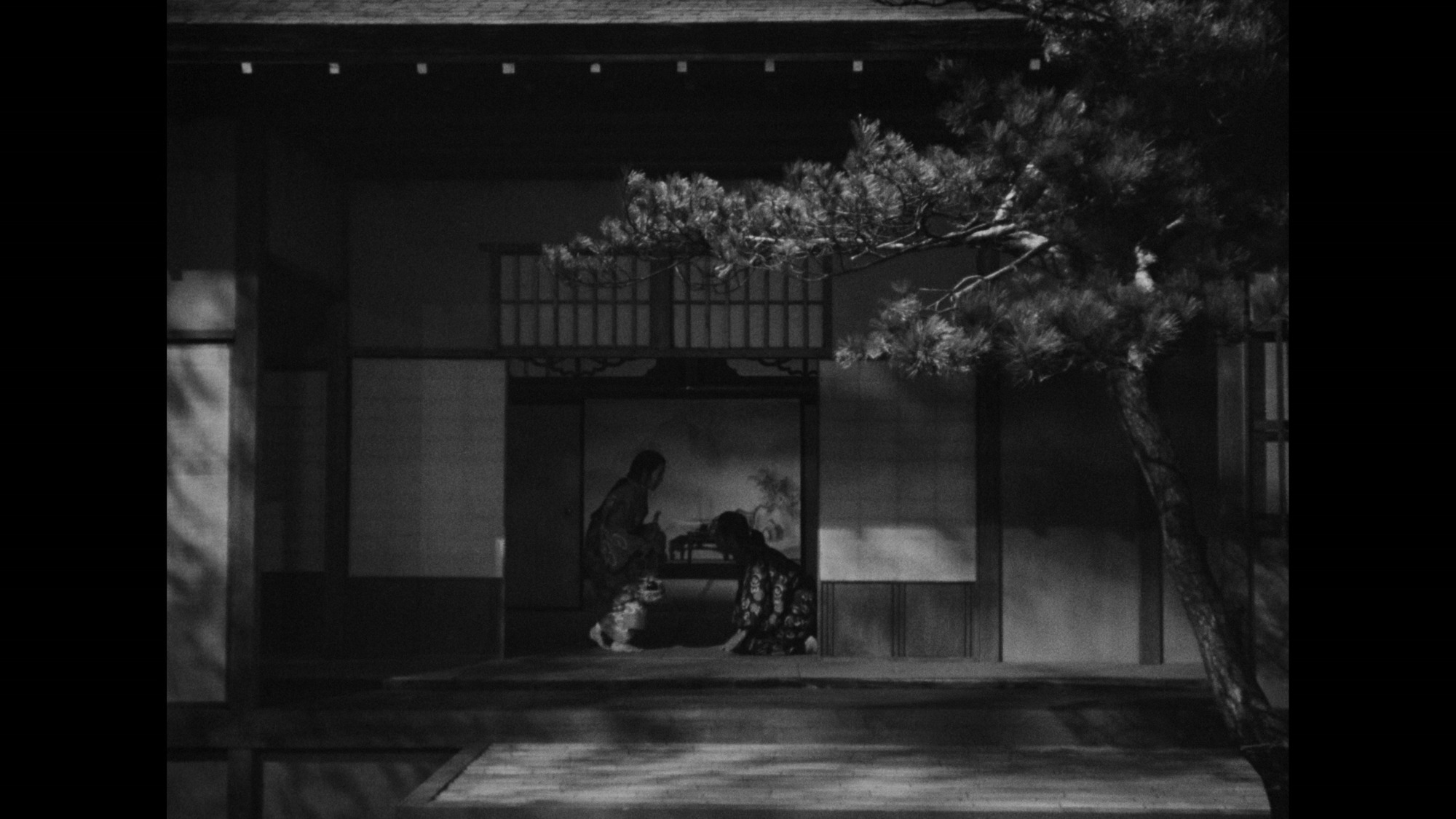
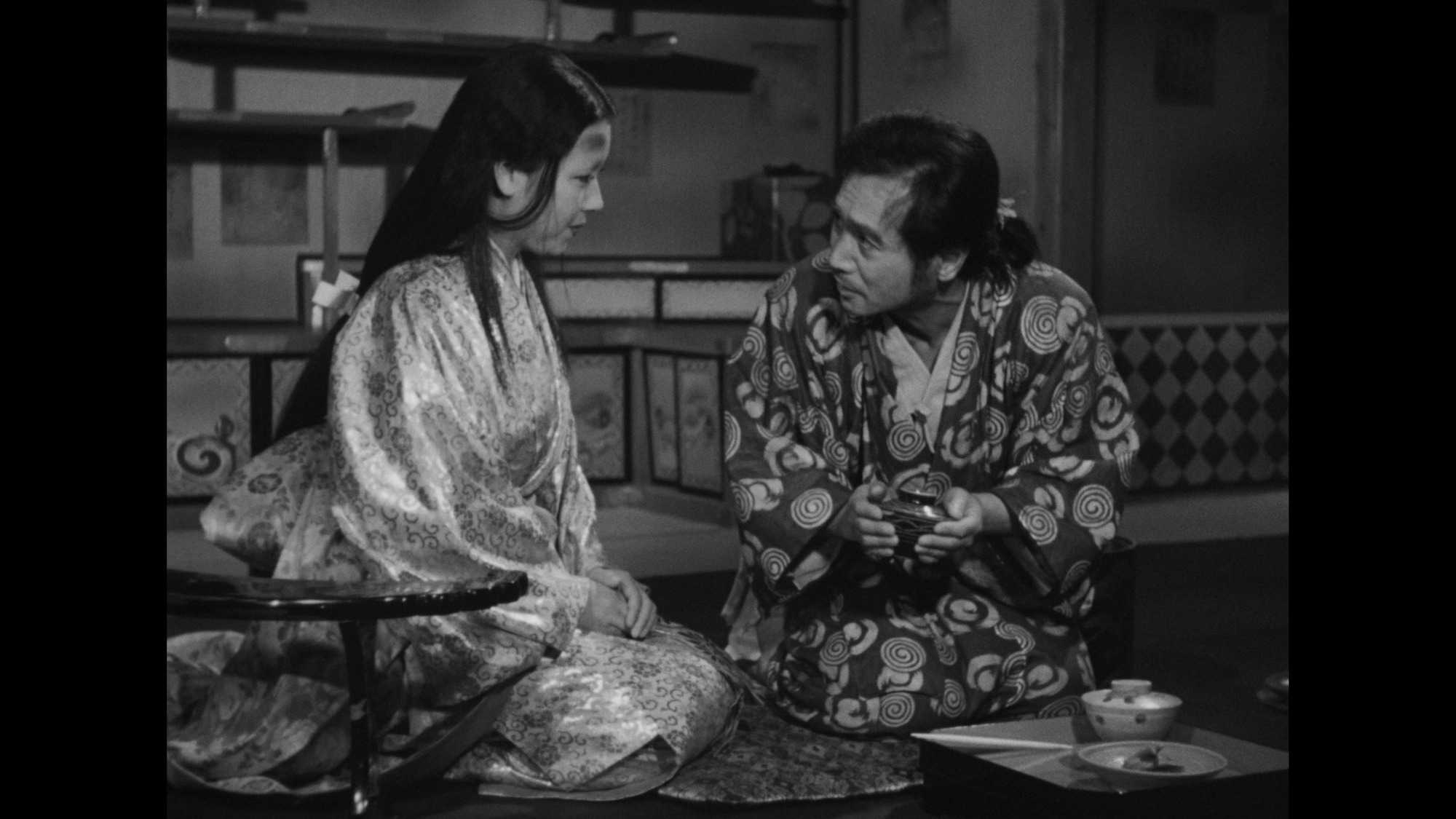
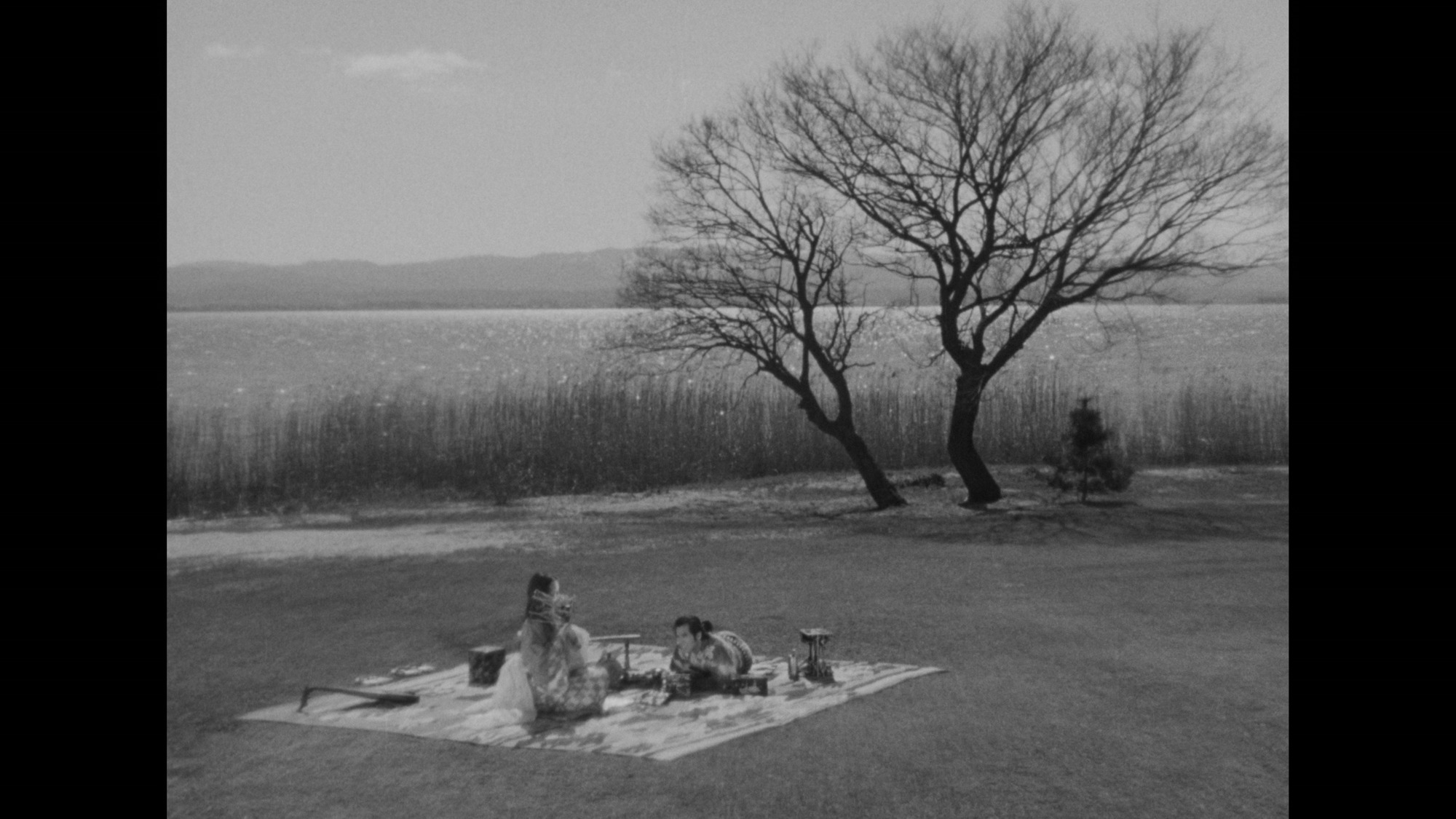
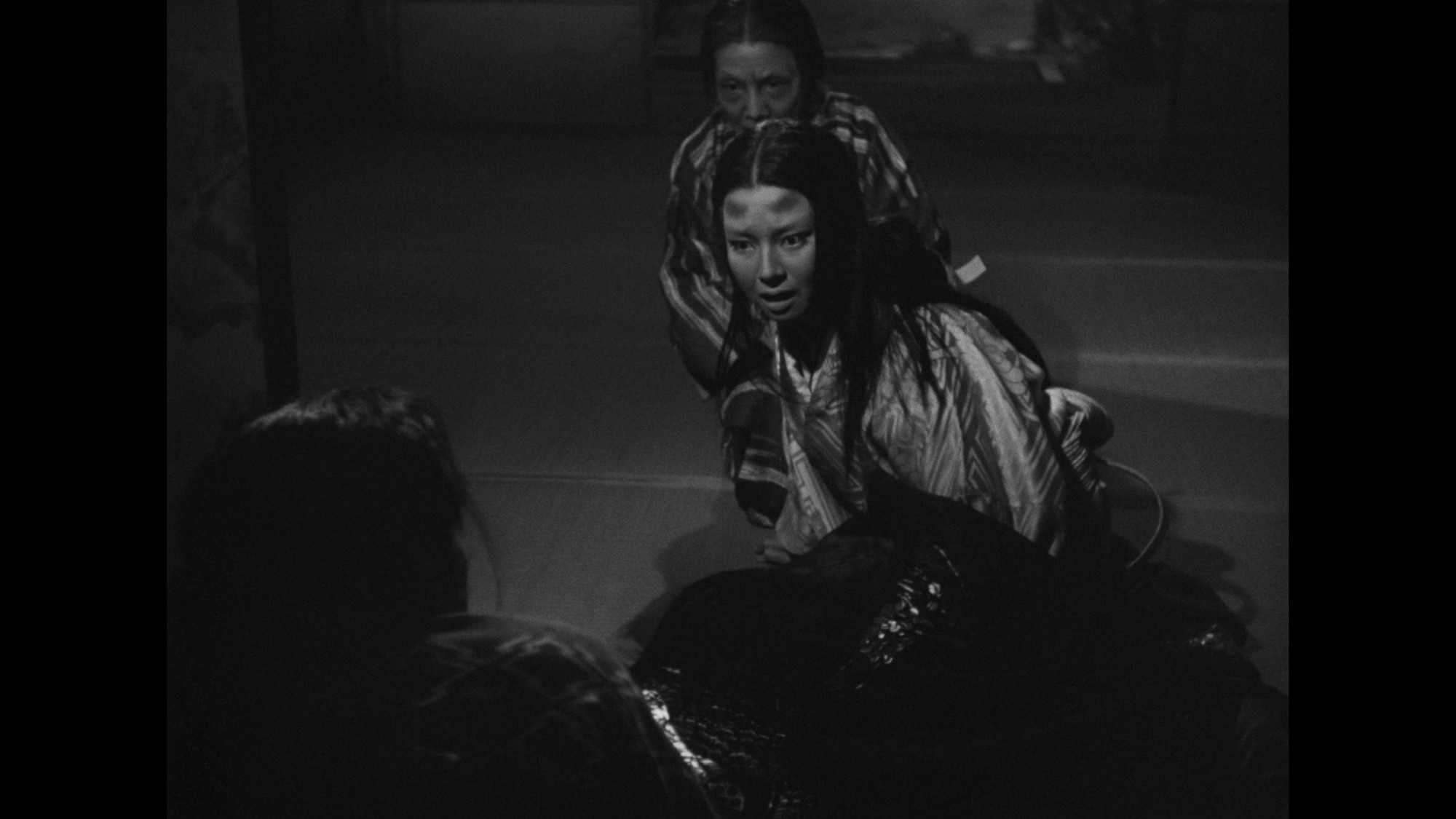
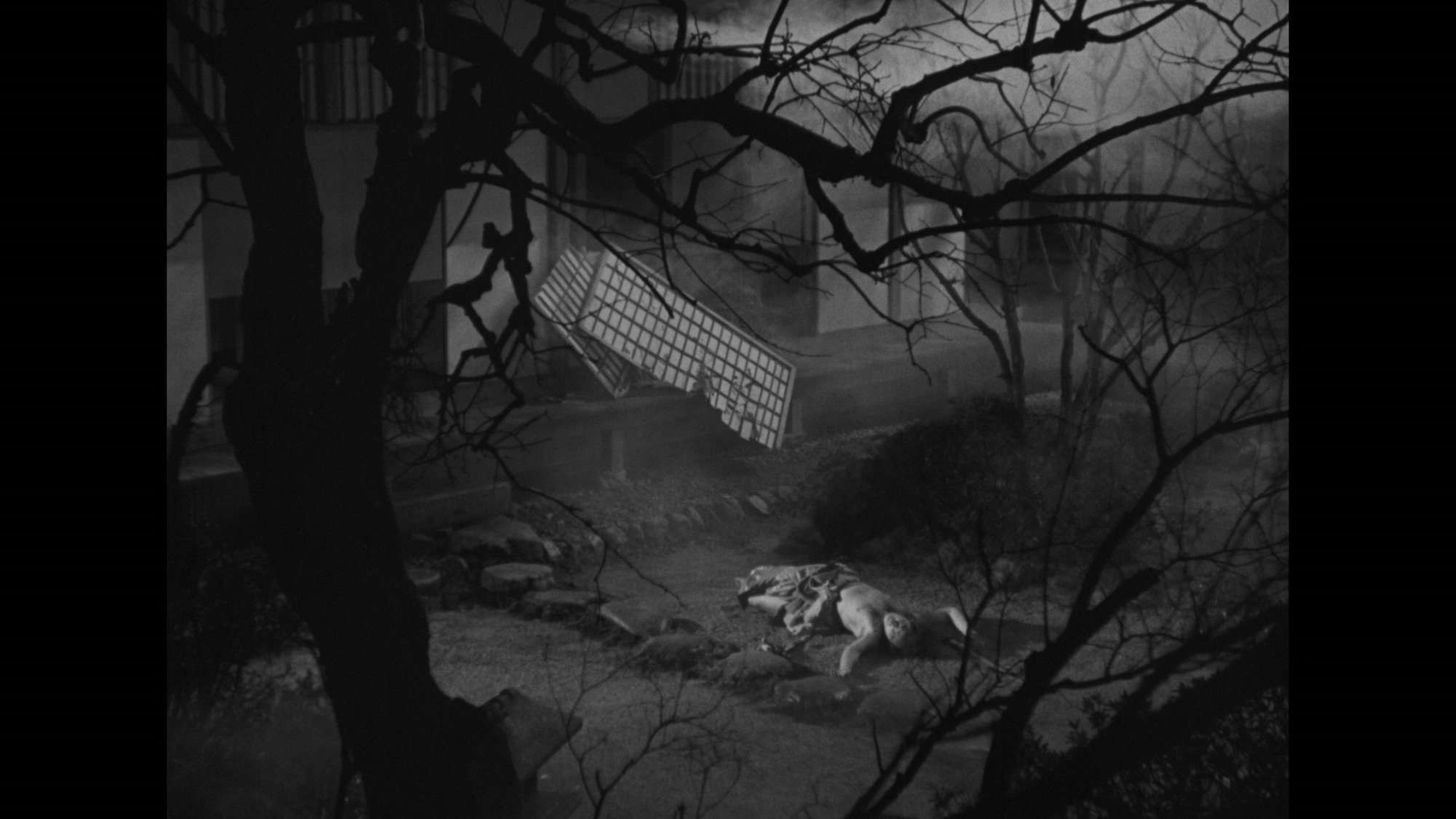
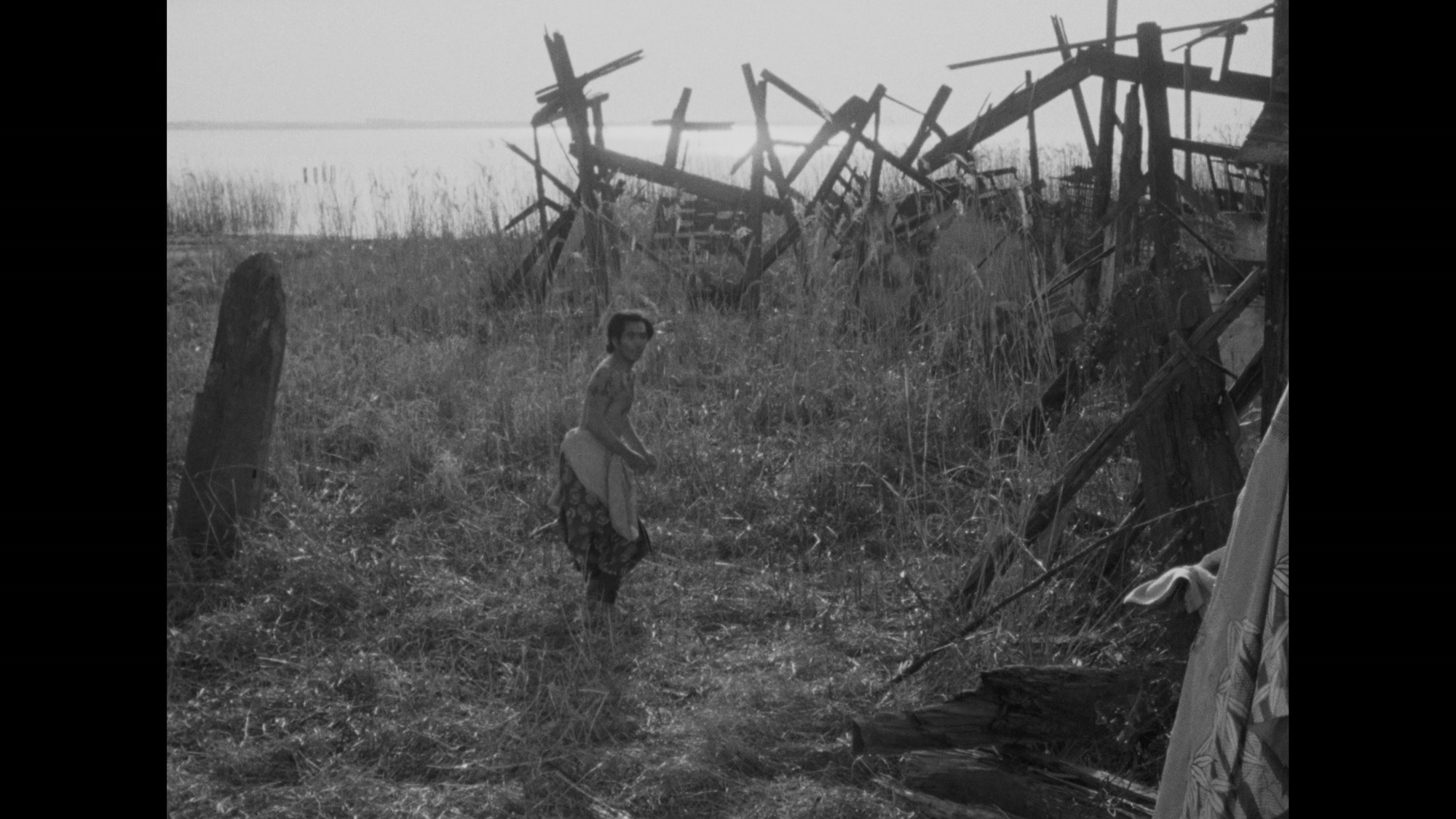
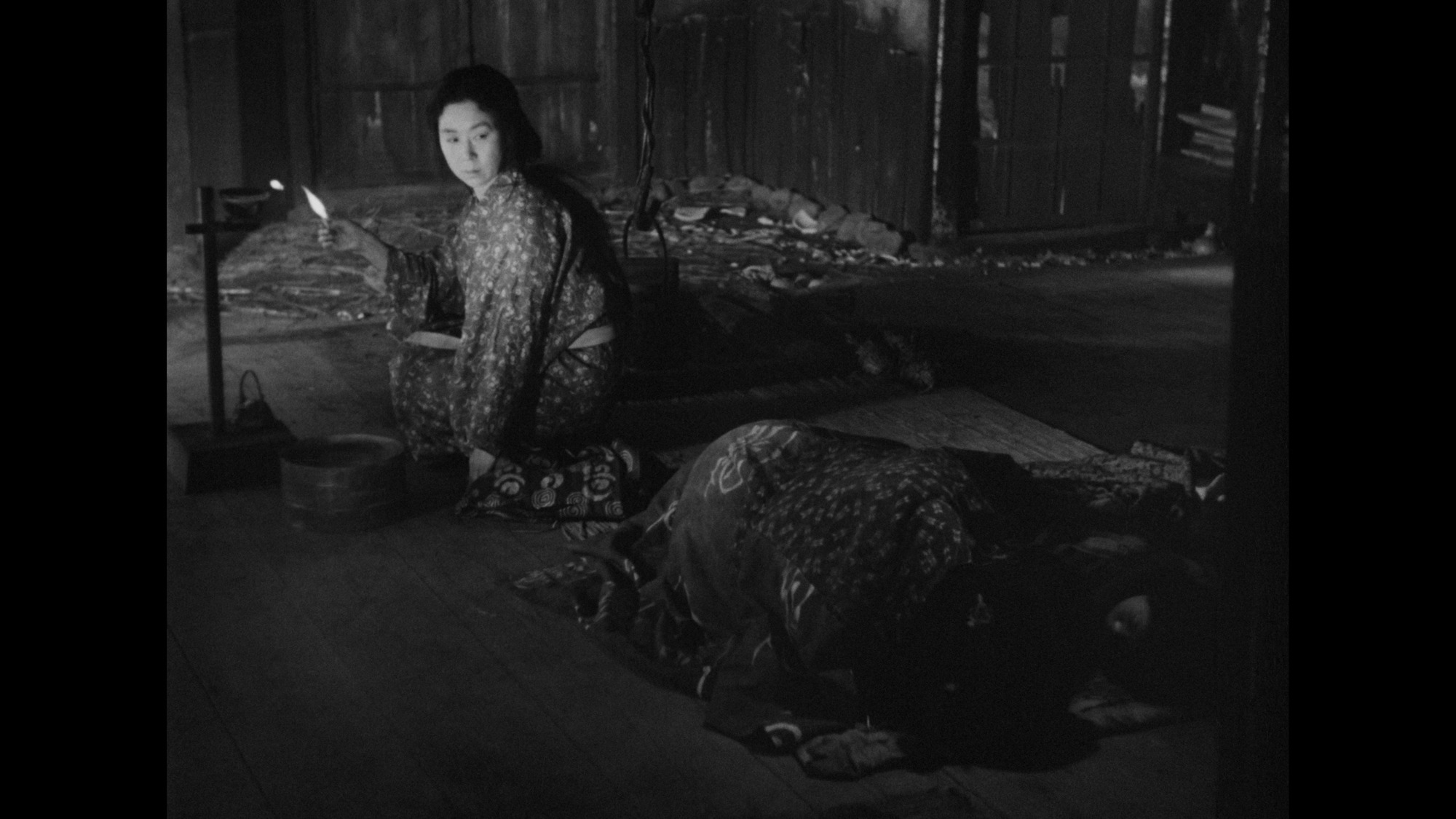
The restoration is still impressive, having removed nearly all of the damage that marred earlier editions. The scan captures a healthy level of grain and a striking amount of detail not previously visible, even if the quality of the source elements introduces occasional limitations. Some shots can look slightly softer (though this may be by design), but the image remains consistent throughout despite being sourced from at least two different elements, with no distracting shifts in quality between shots.
Grain is more cleanly and naturally rendered here compared to the already solid Blu-ray, but I found the most significant upgrade to be in the improved contrast and grayscale. Gradations between tones are smoother, giving the film a richer, more natural photographic look. Shadows appear deeper, skies show a greater range of gray, and smokier scenes look less noisy and more refined. All of this subtly boosts fine detail and texture. While HDR might have elevated it even further, what’s here is still remarkable.
Overall, Criterion’s 4K presentation offers a noticeable and worthwhile upgrade over their previous Blu-ray—enough so that it’s well worth picking up, especially during a sale.
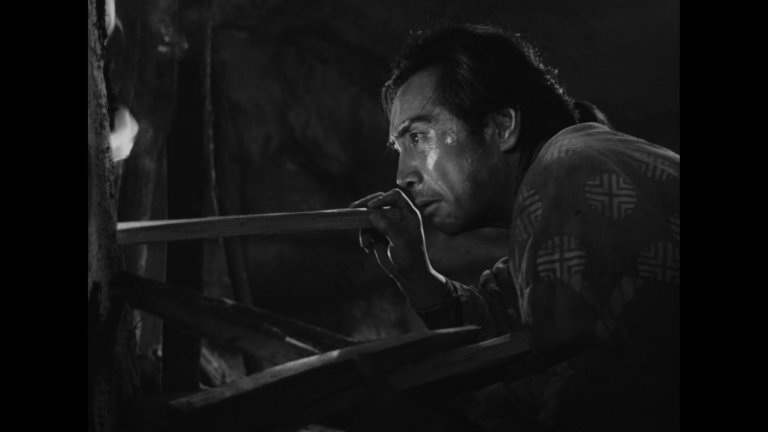
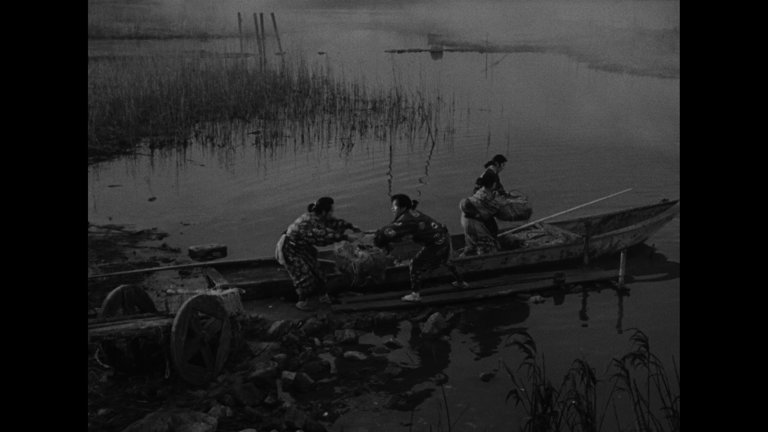
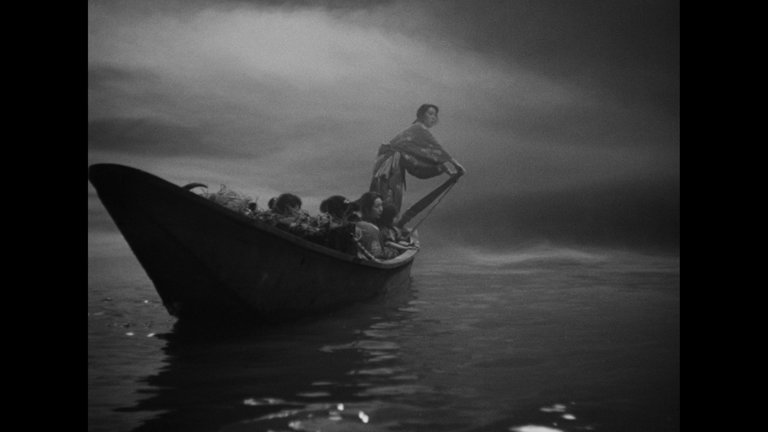
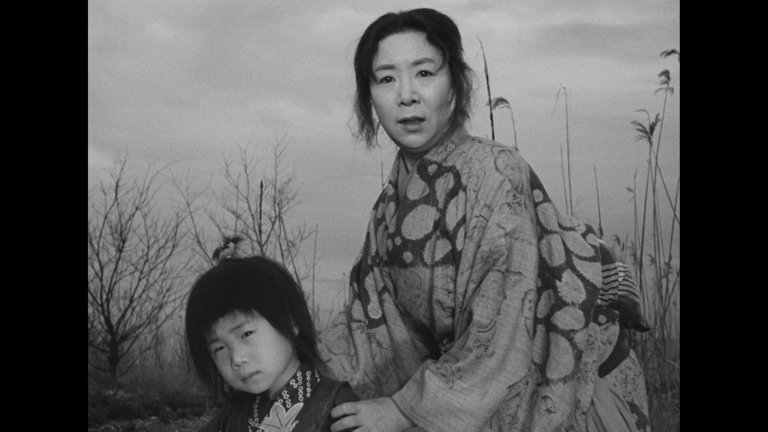
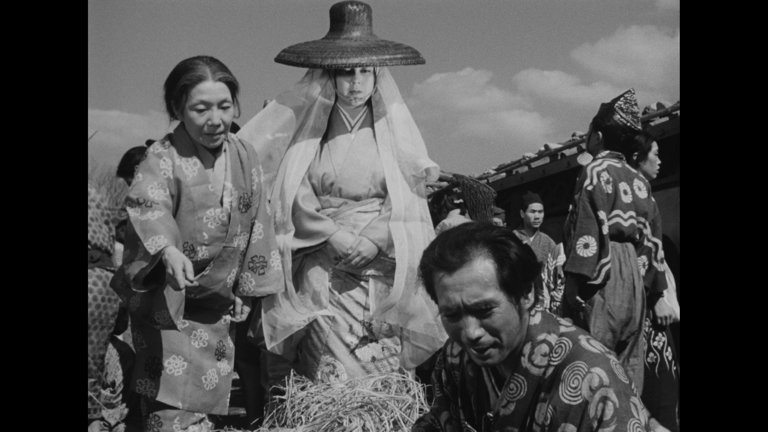
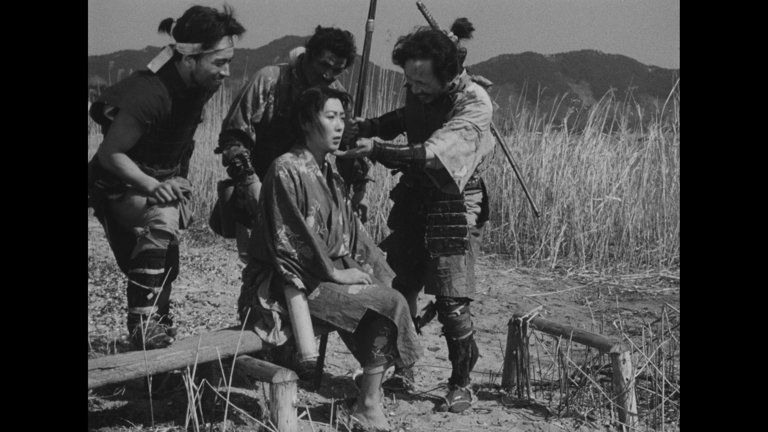
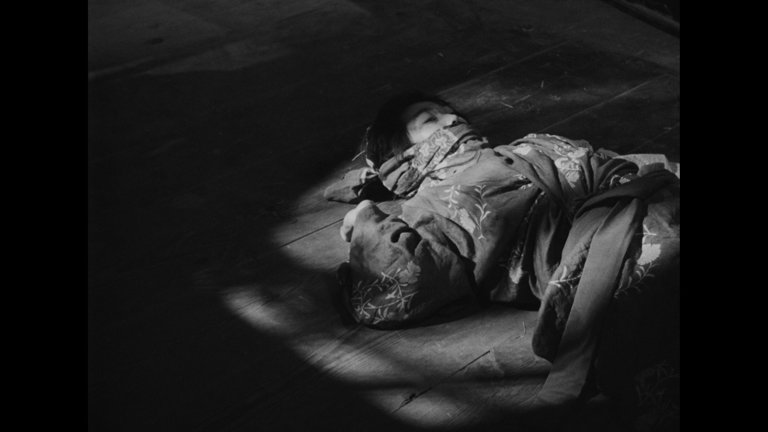
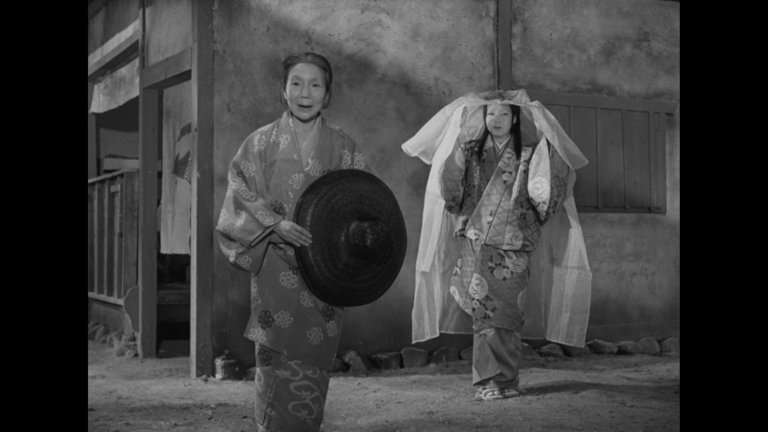
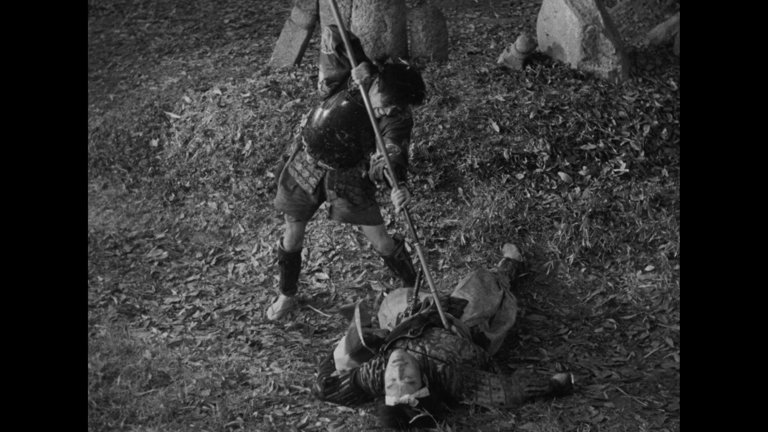
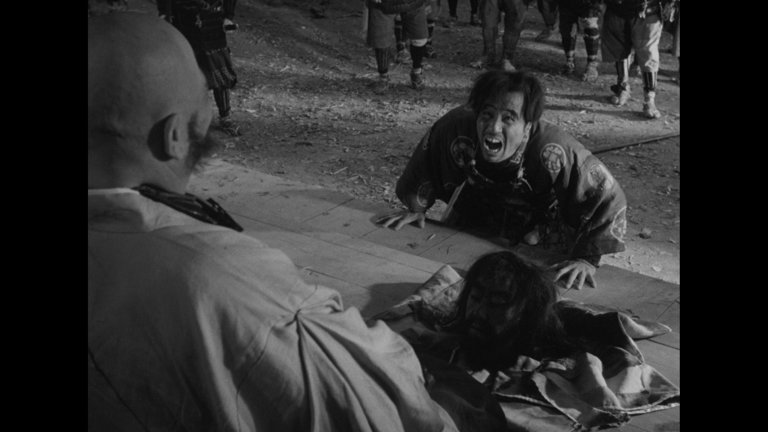
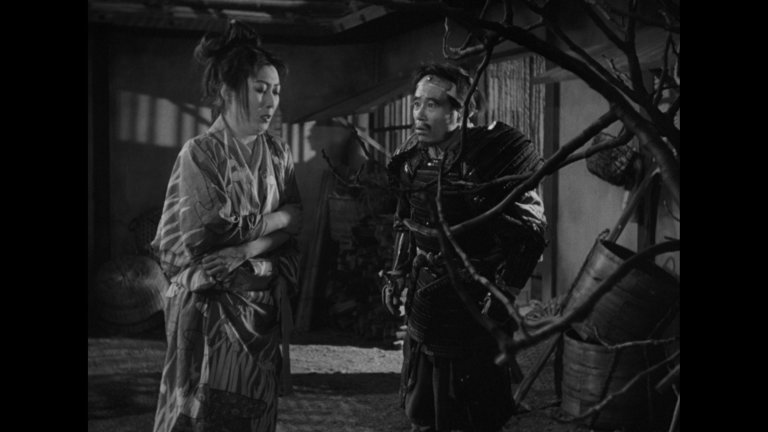
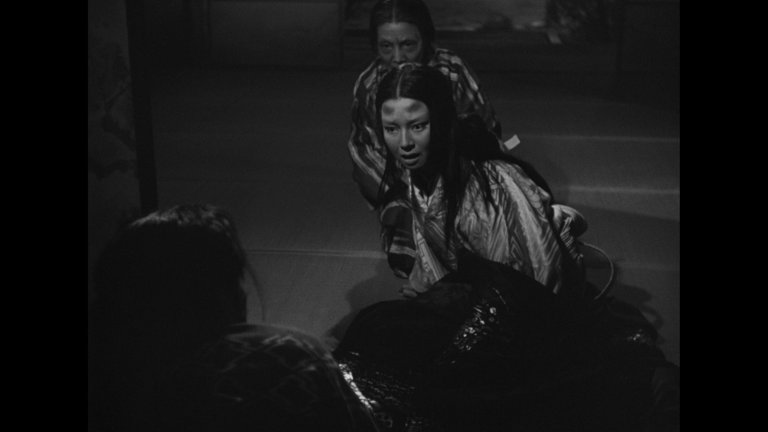
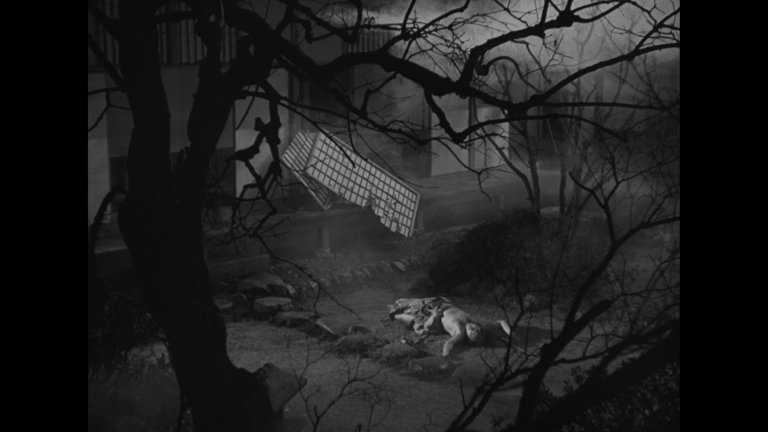
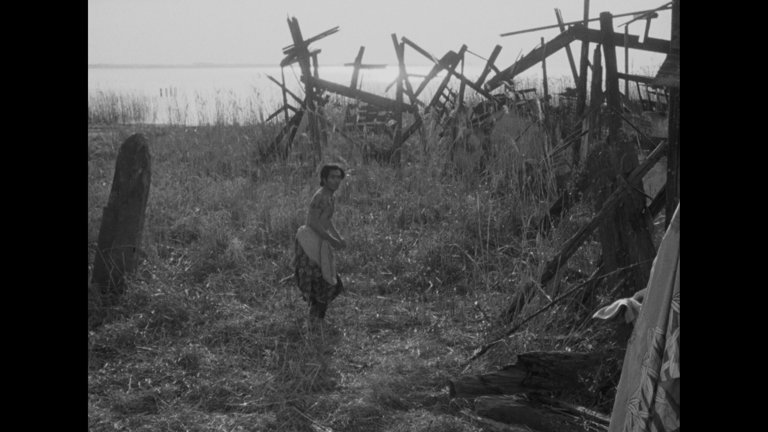
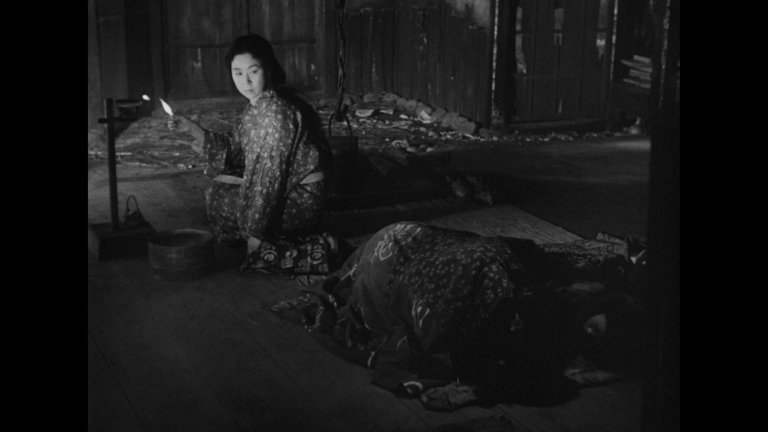
Ugetsu - Screen Captures

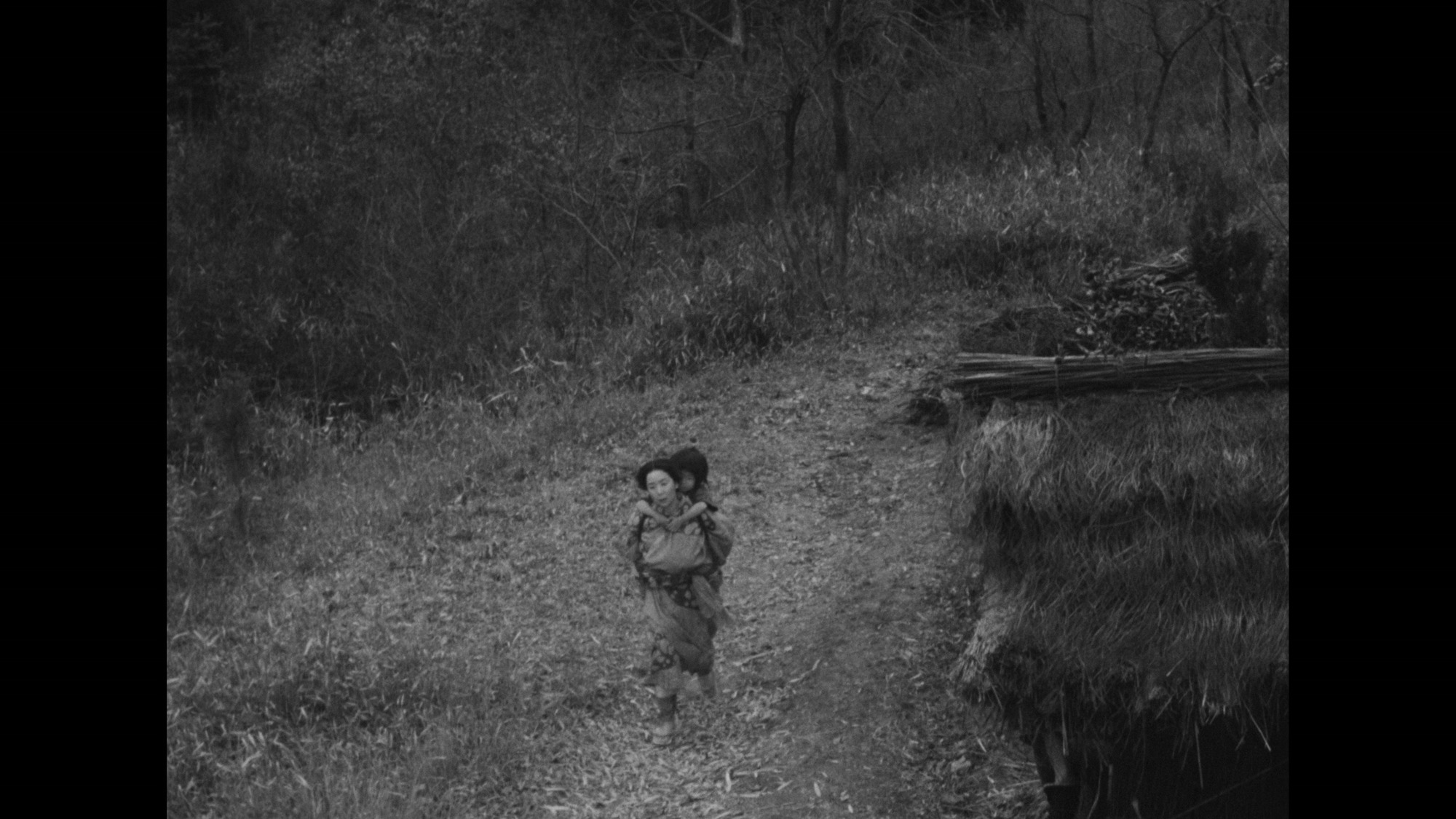
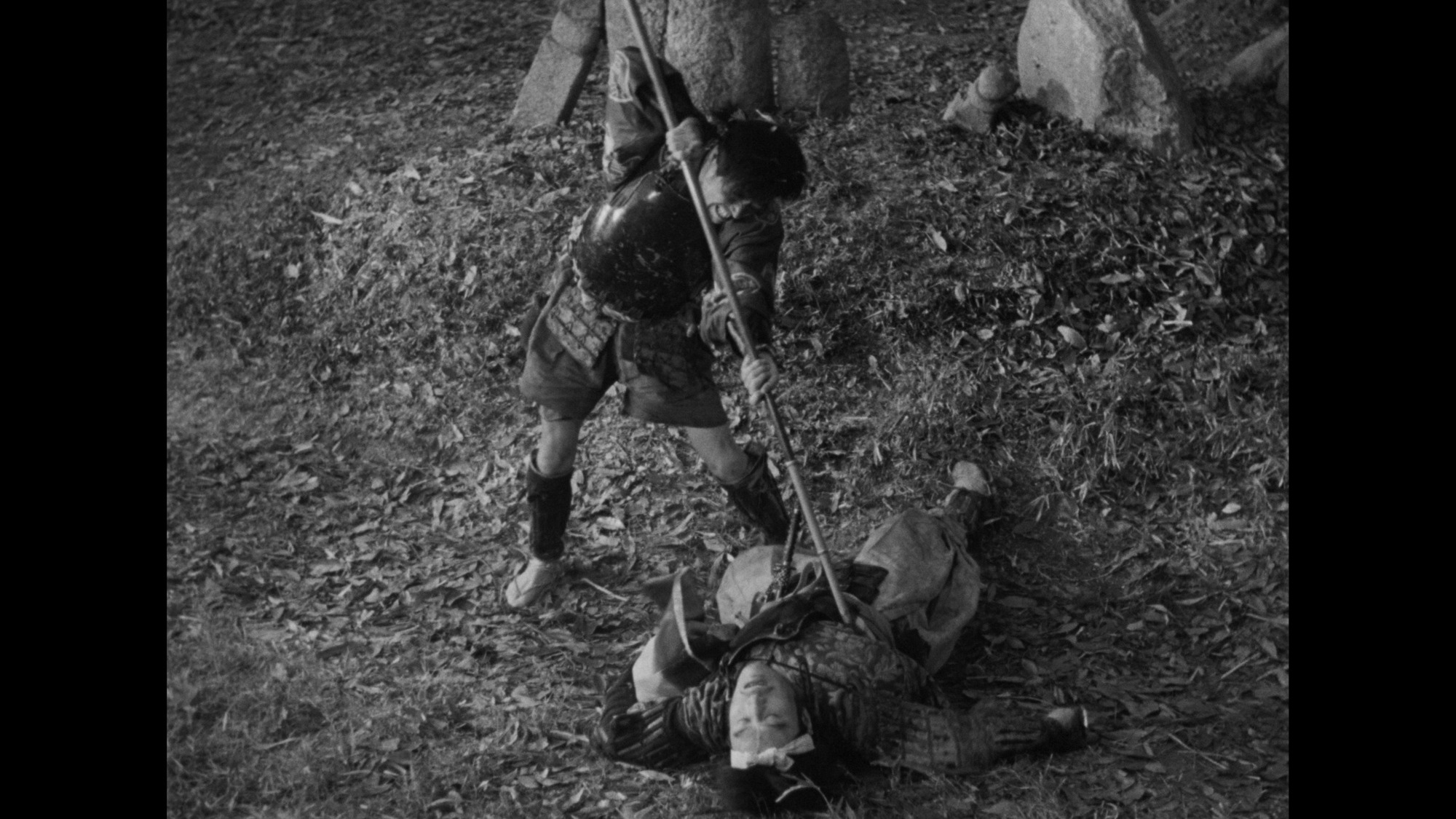
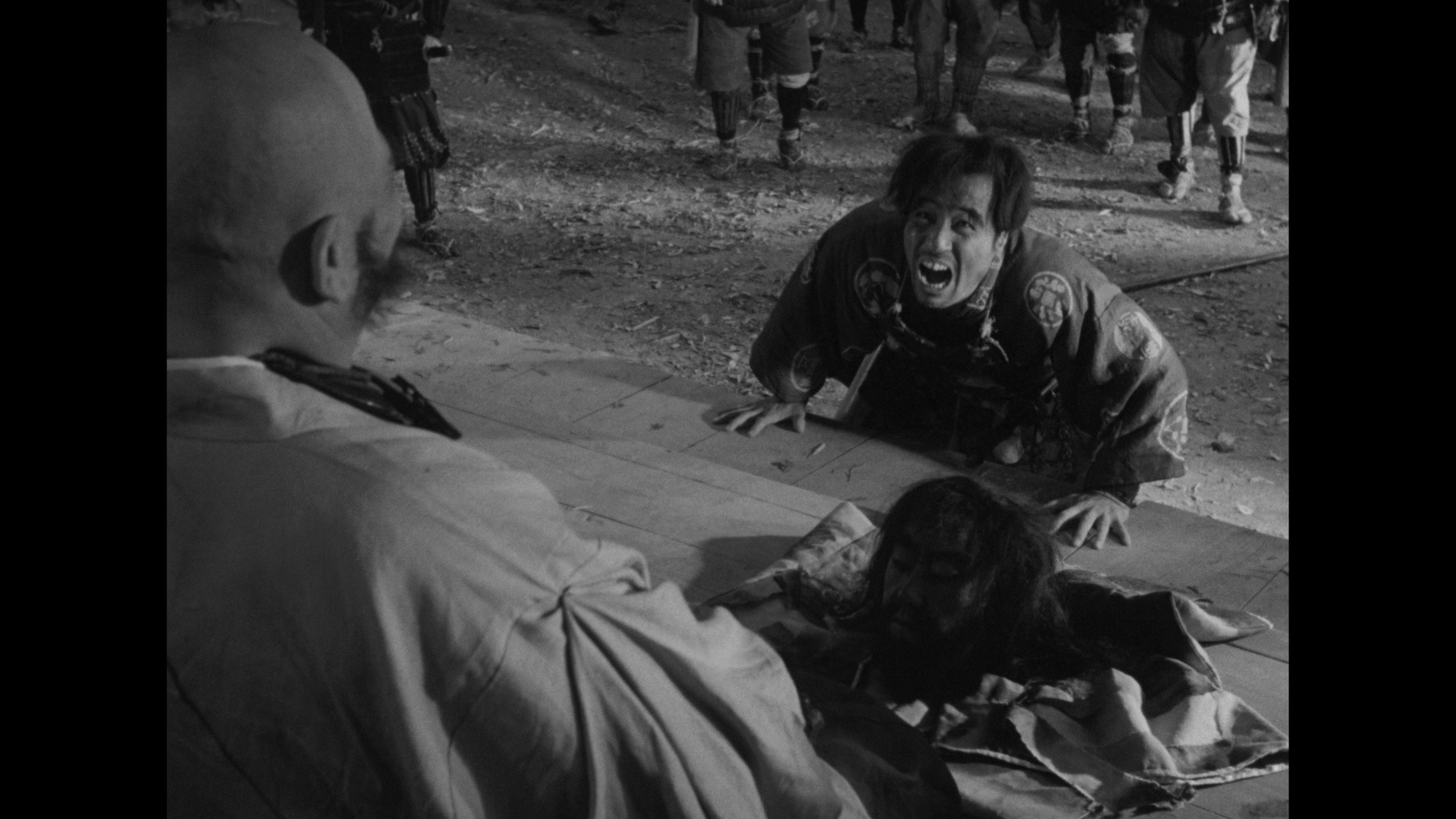
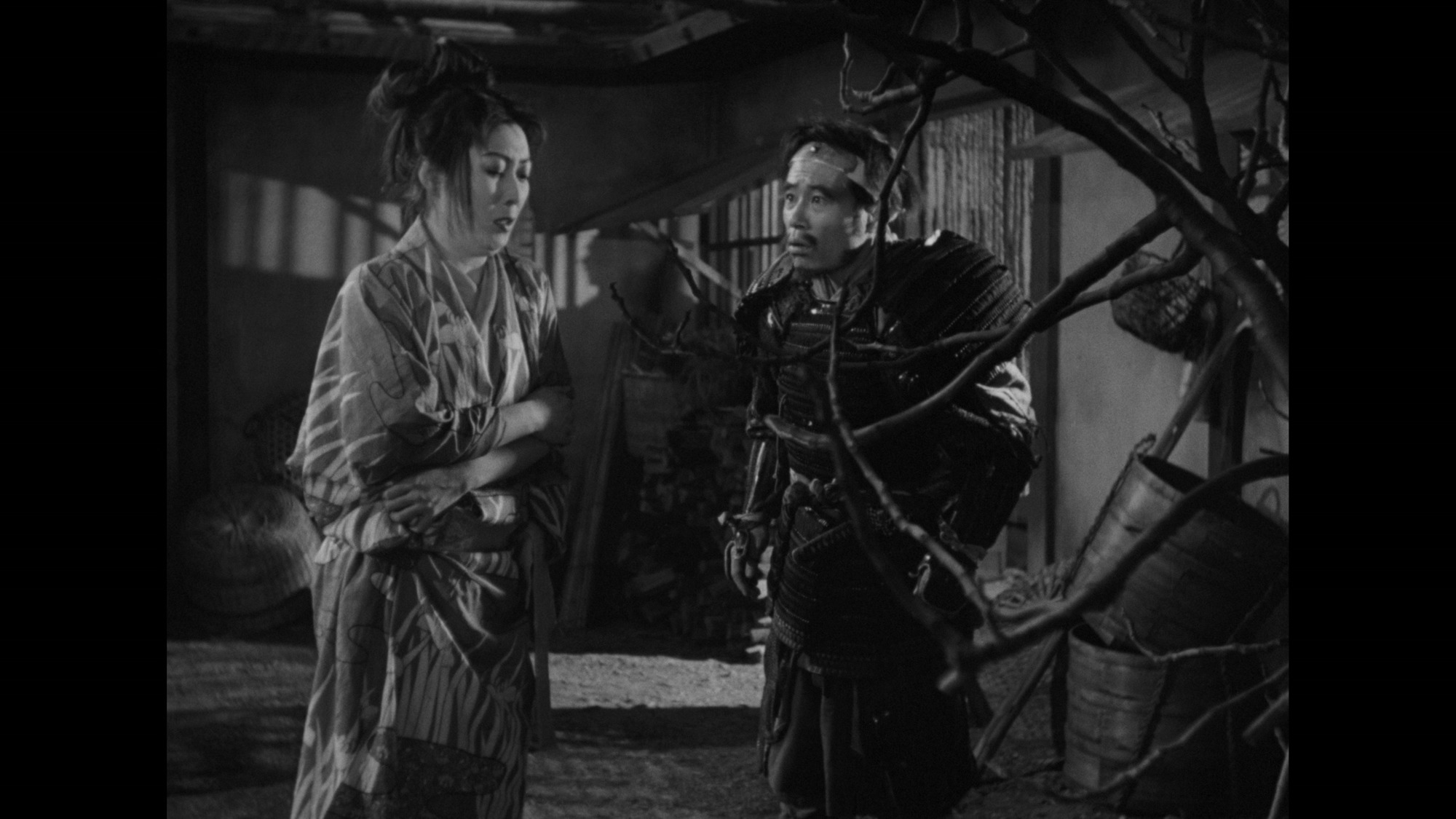
Audio 6/10
The lossless monaural PCM soundtrack appears to be the same as the one found on Criterion’s previous Blu-ray, and I didn’t notice any real difference. That said, it still sounds quite good. It’s been a while since I revisited the DVD, but I recall that track having a slight edge in the higher frequencies, something that doesn’t seem to be an issue here. Dialogue comes through cleanly, with a bit of range, particularly in moments where characters raise their voices, though everything remains evenly leveled overall. There’s no notable damage or distortion to speak of, making for a solid audio presentation.
Extras 9/10
Criterion ports everything over from their previous special editions, which isn’t too surprising given that the Blu-ray included here is a direct replica of the 2017 release. Things kick off once again with an audio commentary by Tony Rayns, originally recorded in 2005 for Criterion’s DVD edition and found on both the 4K disc and the Blu-ray. As usual with Rayns, it’s an incredibly in-depth discussion of the film and its director, Kenji Mizoguchi, covering not just the production but also the literary origins of the story. He explores the three tales the film draws from—two by Akinari Ueda and one by Guy de Maupassant—and offers thoughts on why Mizoguchi likely chose them. He contextualizes the film within the postwar period, explores how Mizoguchi and his screenwriters structured and connected the stories, and places Ugetsu within the director’s larger body of work. As usual for Rayns, it’s a terrific track, dense with detail, well-paced, and never dry.
(Interestingly, Criterion’s old LaserDisc featured a commentary with Donald Richie and others that has never resurfaced in any subsequent edition. I'm unsure as to why that is the case.)
The Blu-ray also includes a solid collection of interviews, starting with a 14-minute segment from filmmaker Masahiro Shinoda, recorded in 2005. This one takes a more academic approach, with Shinoda discussing the film’s lasting impact and the technical elegance behind its construction. He praises the way it blends fantasy and reality and singles out a sequence shot in a single take as a particular standout. He also compares Mizoguchi’s style to that of his contemporaries, like Ozu, and highlights how the film’s use of music diverges from norms of the time. It’s an insightful appreciation, offering both admiration and useful analysis.
Next is a 20-minute interview with Ugetsu’s first assistant director, Tokuzo Tanaka, also recorded in 2005. Rayns touches on the film’s script and production history in his commentary, but Tanaka expands on it here. He discusses the script in more detail, including issues that arose with the screenwriters, and shares memories from the shoot, including the use of a giant water tank for the river sequence, which was an elaborate setup made even more difficult by winter conditions. It’s a technically rich feature that adds depth to the production story.
Even more illuminating is a 1992 interview with cinematographer Kazuo Miyagawa, filmed for Criterion’s LaserDisc release. He talks first about his broader collaborations with Mizoguchi before diving into Ugetsu’s camera work, consisting primarily of crane shots, and how it aligns with the director’s belief that films should unfold like picture scrolls, revealing story through movement. He also shares his distaste for contemporary television and his awe at how much filmmaking technology has progressed. Despite running only 10 minutes, it’s packed with insight.
The disc also includes two trailers: the original Japanese one and an incomplete Spanish-language trailer, the latter of which hints at the film’s broad international appeal.
The most significant inclusion, however, remains the feature-length documentary Kenji Mizoguchi: The Life of a Film Director, directed by Kaneto Shindo and running a hefty 150 minutes. Still presented in an upscaled standard-definition transfer, the documentary explores the director’s life and career through a series of interviews with colleagues and admirers. While I lean toward thinking it might run a little long, I’m honestly not sure what I’d cut. The film does branch out into the Japanese film industry at times to provide context, but the focus always comes back to Mizoguchi himself. The interview subjects include actors Kinuyo Tanaka, Machiko Kyo, and Kyoko Kagawa, as well as longtime collaborators like Miyagawa, assistant director Tadayoshi Yamamuro, and screenwriter Yoshikata Yoda.
Though the documentary’s structure is a bit conventional—relying mostly on talking heads—it avoids feeling like a huge slog because of how personal the recollections are. The stories go beyond Mizoguchi’s working methods or artistic philosophy and get into real relationships, with Tanaka’s being one of the more complicated. There are even a few surprising and funny anecdotes, including the infamous incident where Mizoguchi was attacked by a geisha, one of the wilder stories here. Despite their professional ties, many of the interviewees speak about him as if remembering a close friend, which gives the film a more personal vibe. The structure may not be dynamic, but it’s still a rich and moving portrait of both the artist and the man, making it essential viewing for newcomers.
That wraps up the on-disc supplements. Thankfully, Criterion has also carried over the contents of their previous booklet. Alongside Phillip Lopate’s excellent essay on the film, it again includes the three short stories that inspired the film: “The House in the Thicket” and “A Serpent’s Lust” by Ueda, and “How He Got the Legion of Honor” by de Maupassant, the latter serving as the basis for Tobei’s storyline.
While it would’ve been nice to see some newly produced features (most of this material is nearly two decades old now), it’s still a strong and comprehensive set of supplements, well worth exploring if you haven’t already.
Closing
Criterion’s 4K UHD edition of Ugetsu might not introduce anything new supplement-wise, but the upgraded presentation more than justifies the revisit.
BUY AT: