I Know Where I’m Going!
BUY AT:


See more details, packaging, or compare
Synopsis
Love flourishes in the Scottish Hebrides in this windswept enchantment from British cinema’s most passionate visionaries, Michael Powell and Emeric Pressburger. “I know where I’m going!” declares headstrong, upwardly mobile Joan Webster (Wendy Hiller) en route to her marriage to a wealthy industrialist—until her carefully laid plans are blown away by a raging storm that leaves her stranded on an island off the Scottish coast with a dashing naval officer (Roger Livesey). Shot in ethereal black and white that enhances the almost mystical air of its setting—a folkloric world where legends and curses still hold sway—this beloved romance is one of cinema’s most stirring expressions of the eternal conflict between the head and the heart.
Picture 9/10
Sourced from a new 4K restoration, The Criterion Collection brings Michael Powell’s and Emeric Pressburger’s I Know Where I’m Going! to 4K UHD on a dual-layer, BD-66 disc, presented in its original 1.37:1 aspect ratio with a 2160p/24 Hz ultra high-definition transfer. The release also includes a standard dual-layer Blu-ray featuring a 1080p presentation of the same restoration along with all video-based supplements.
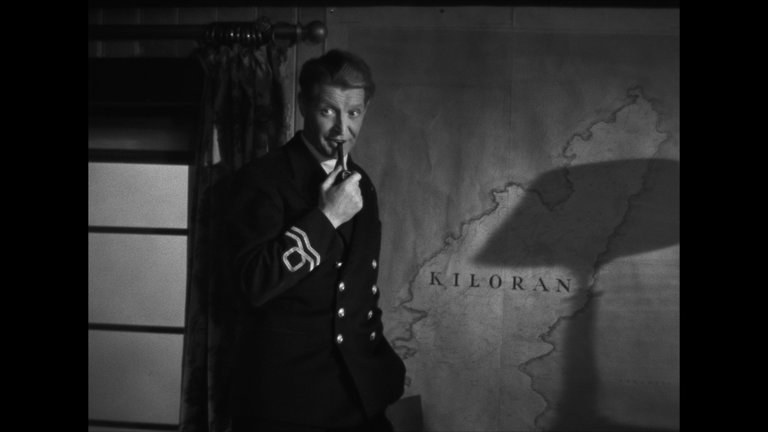
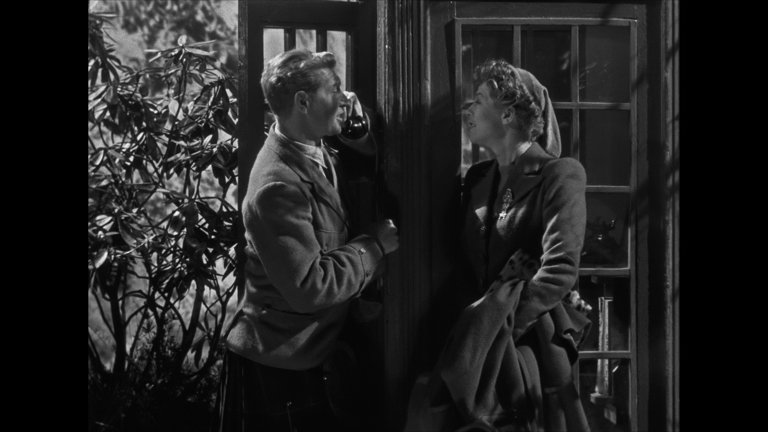
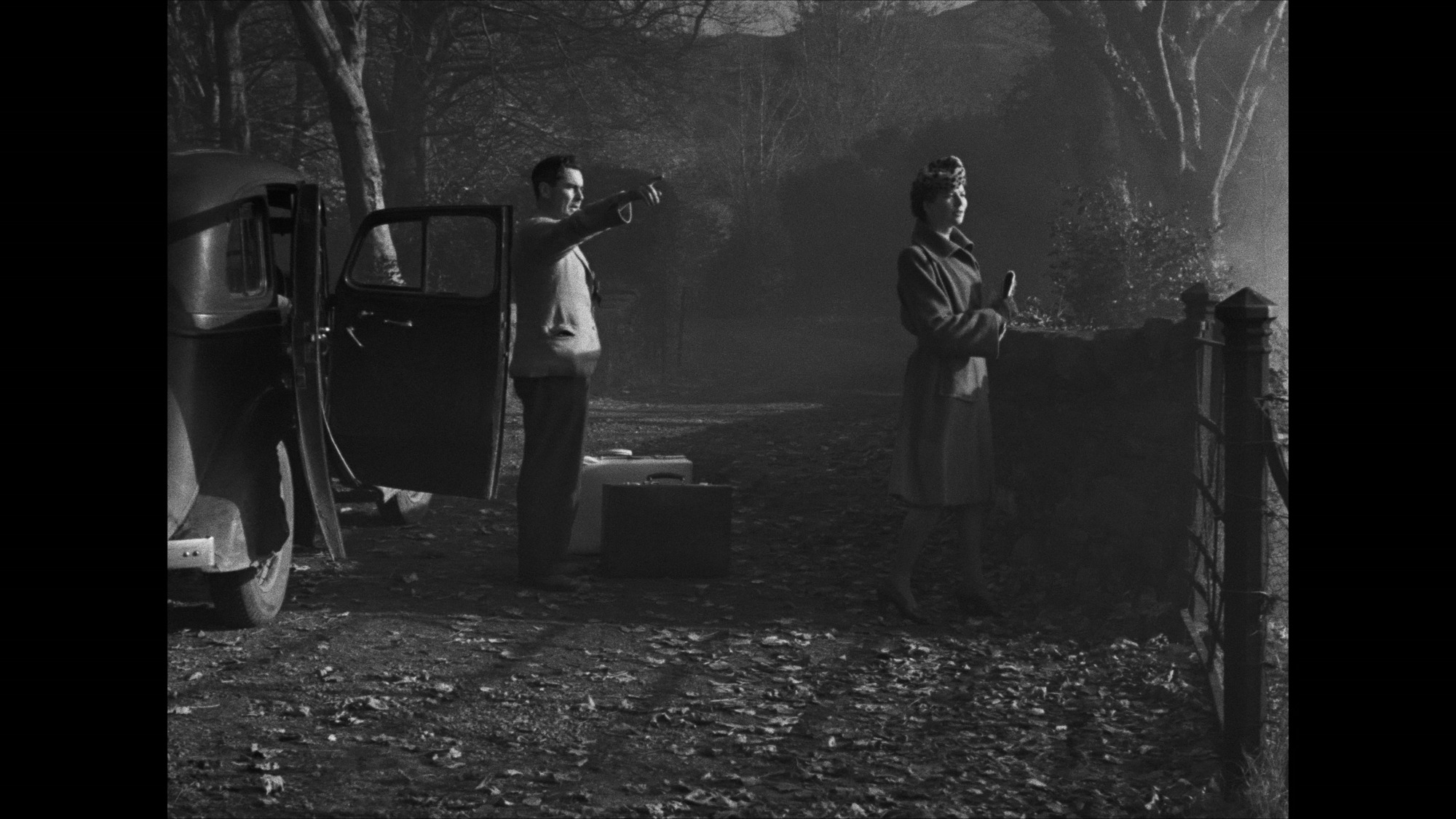
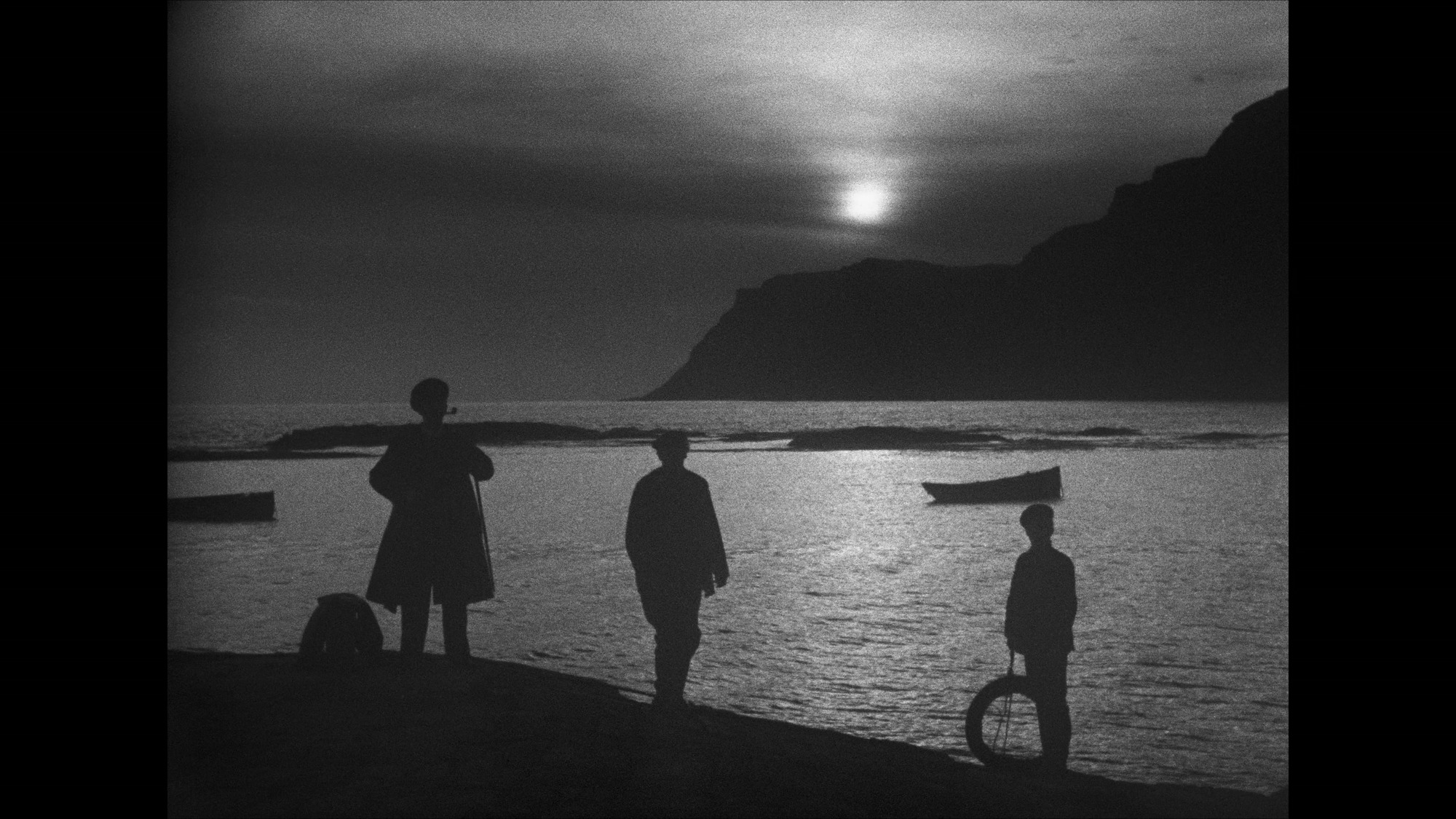
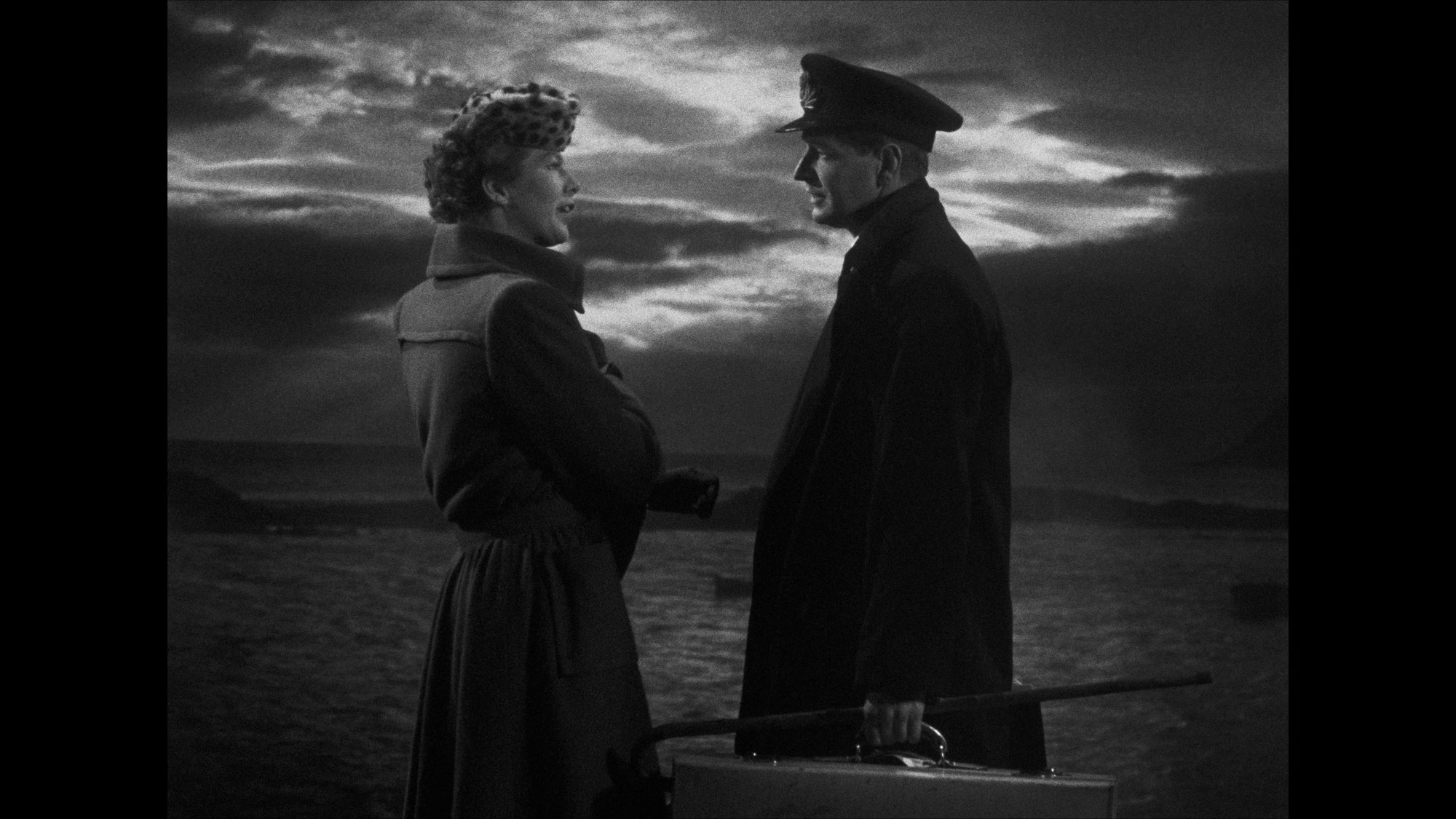
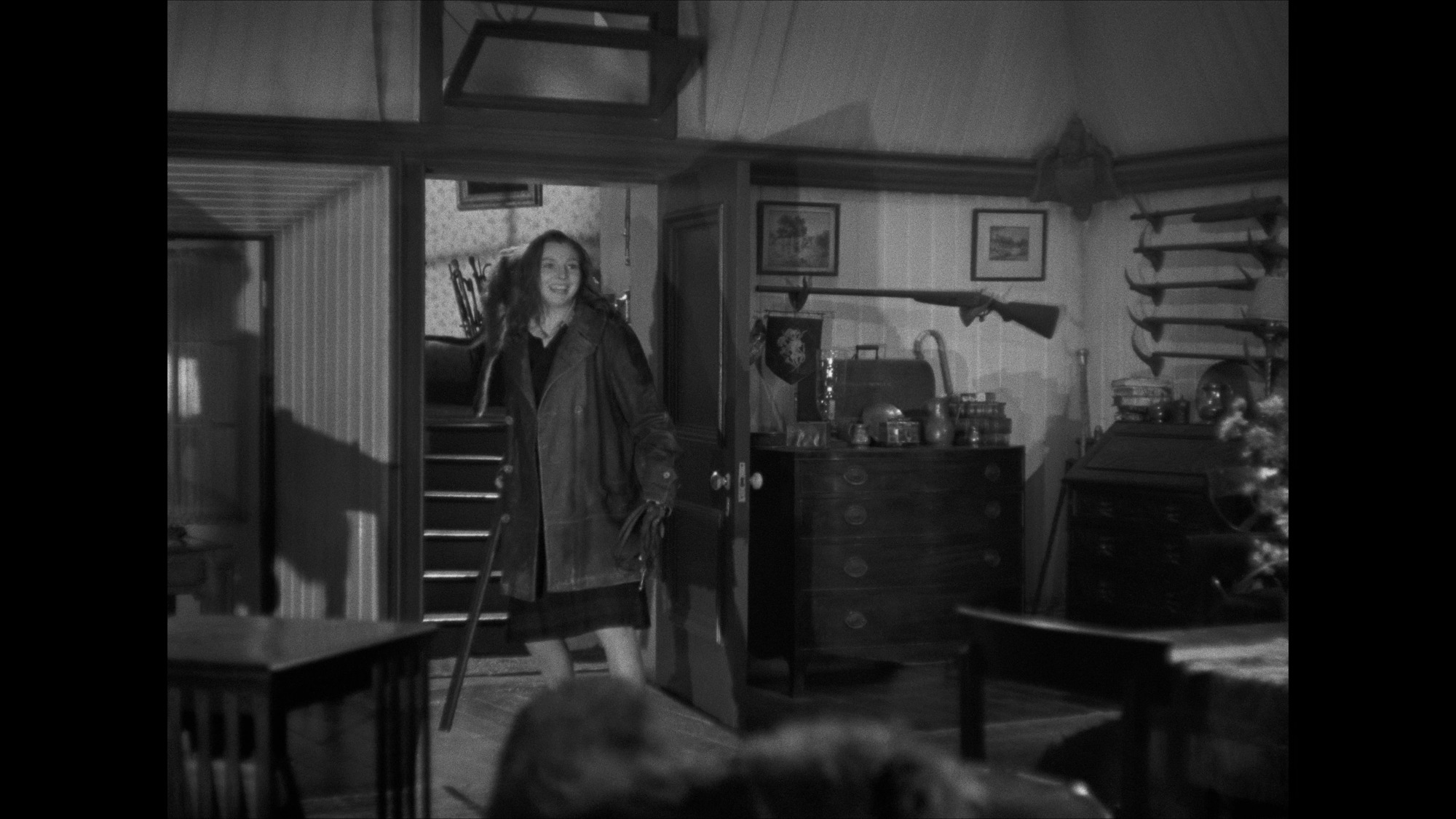
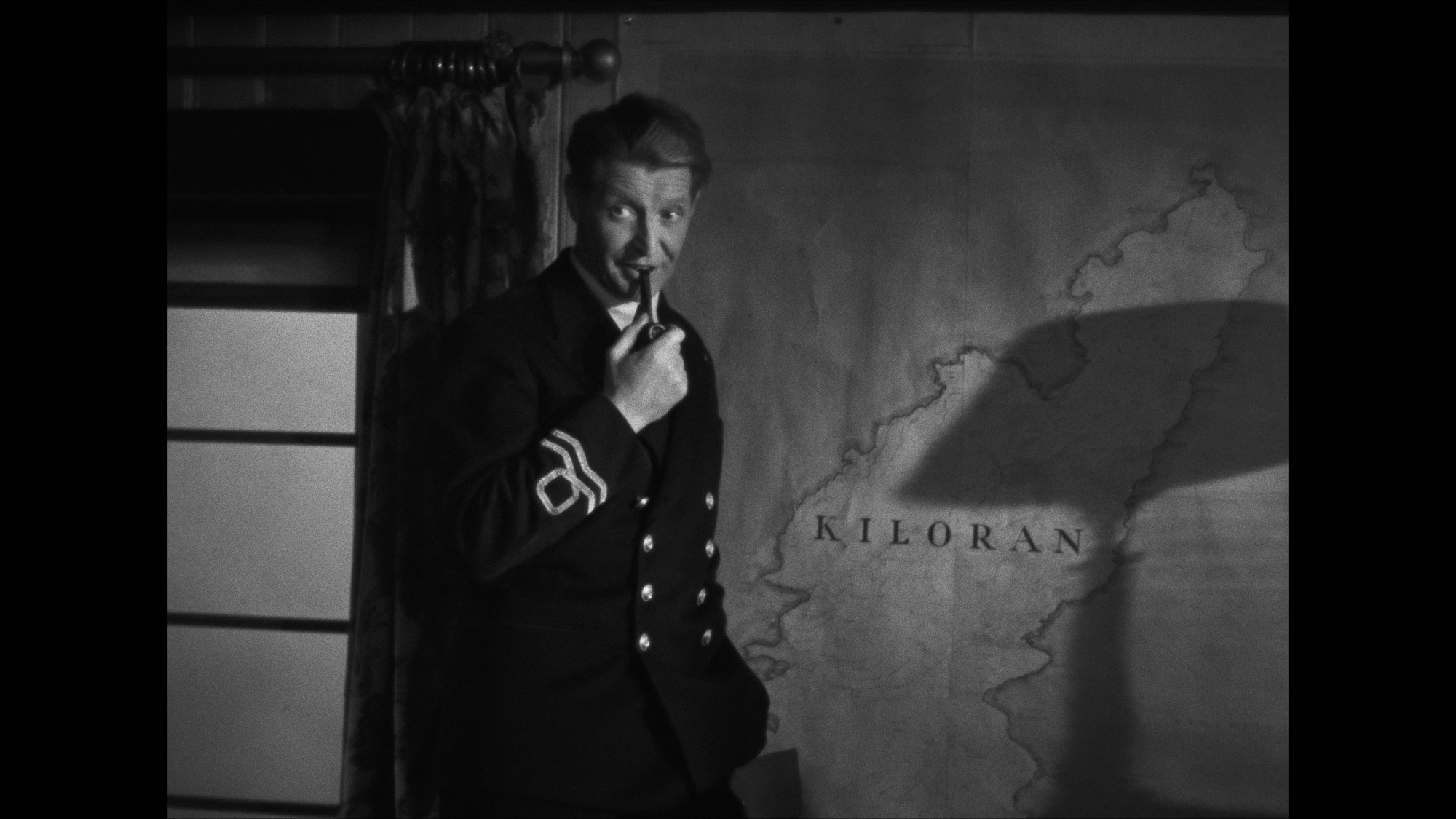
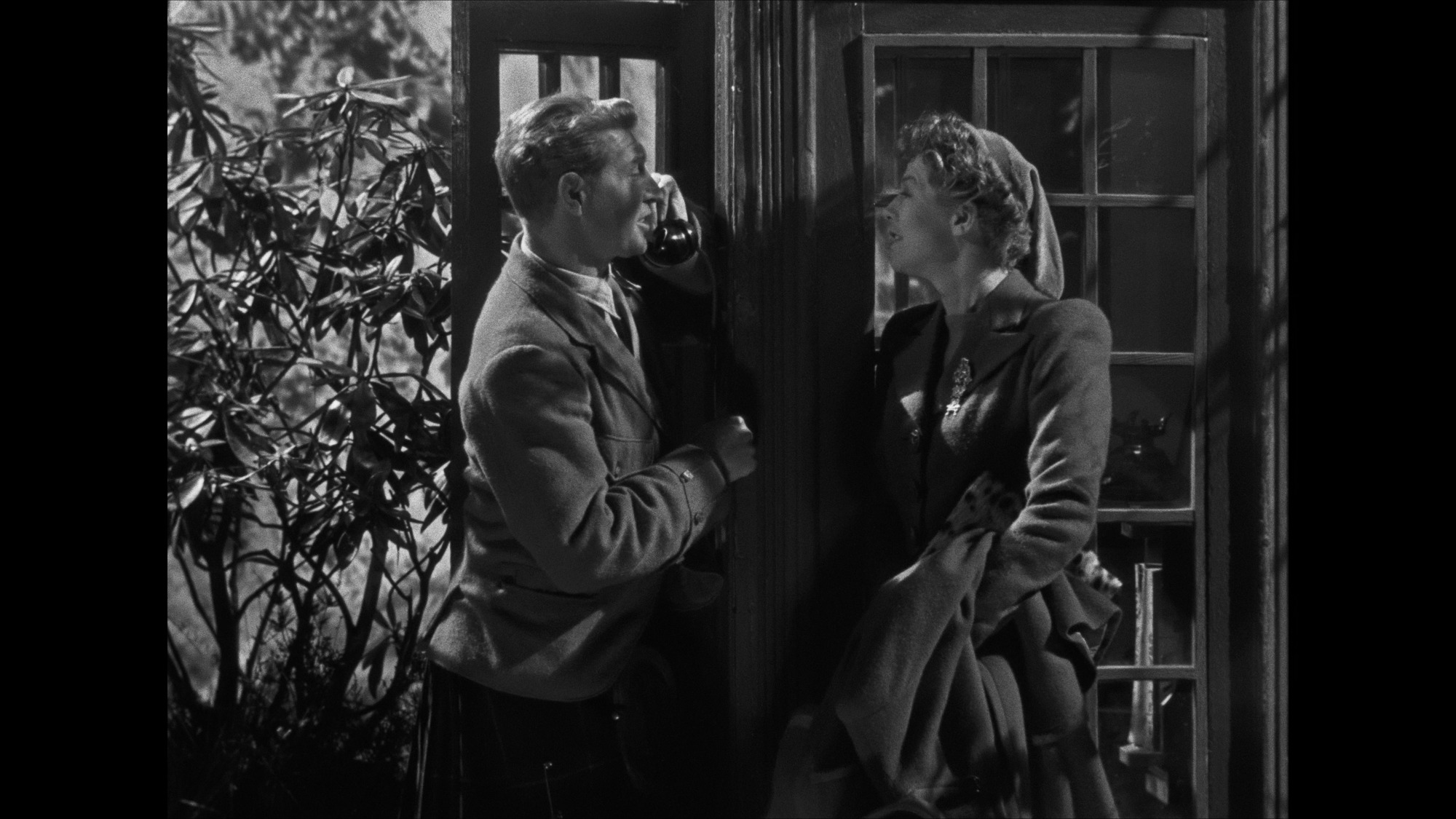
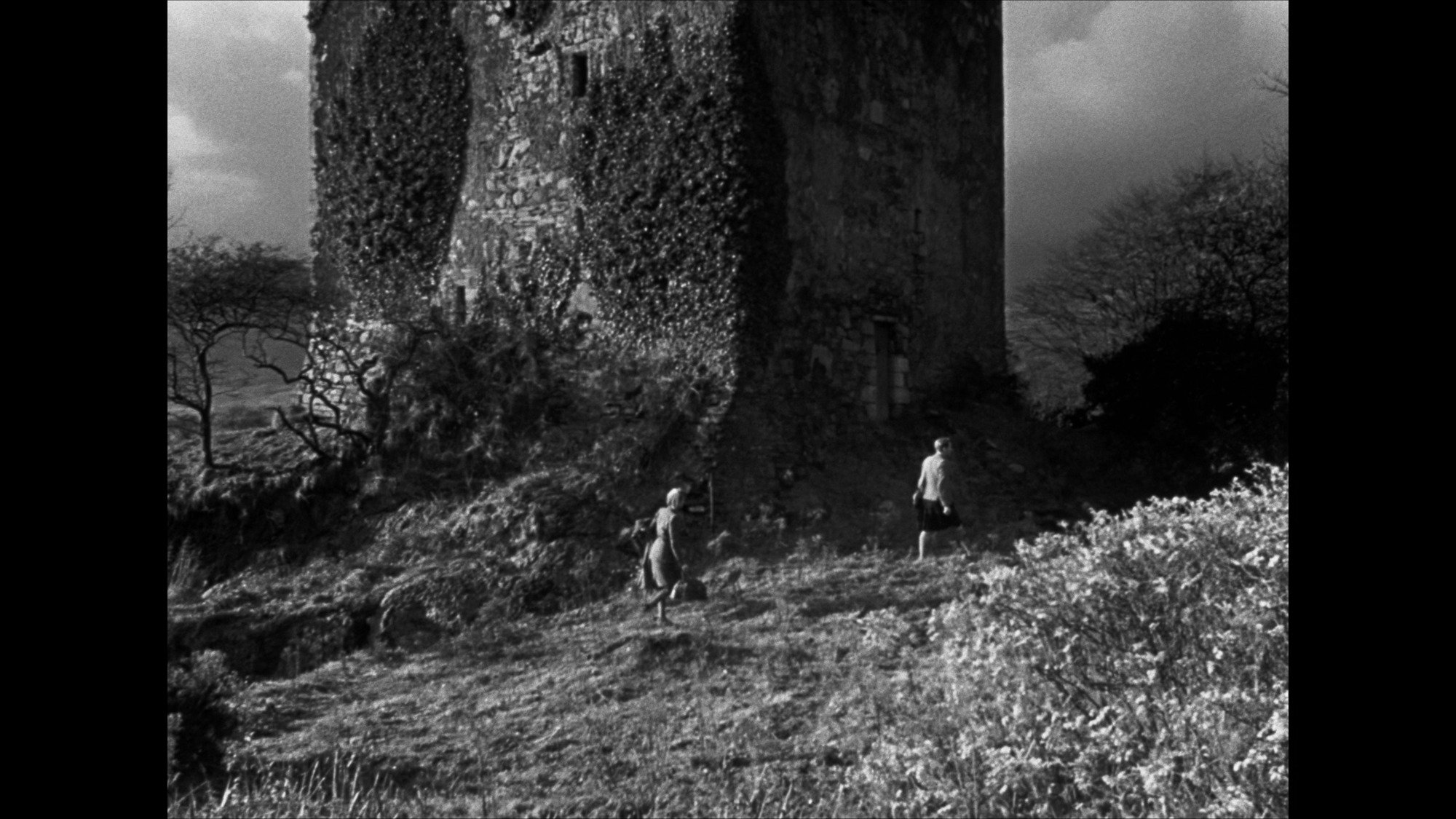
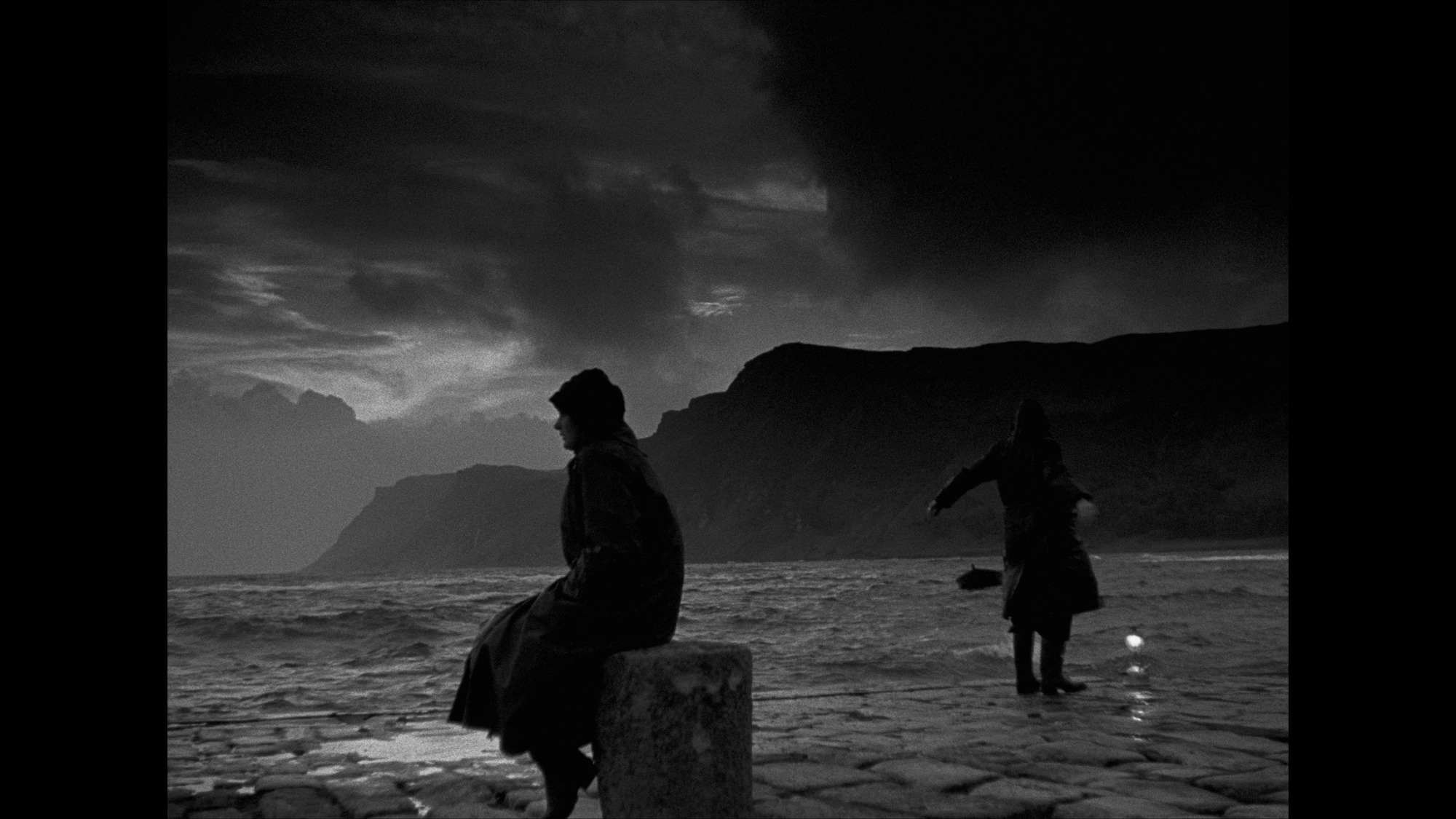
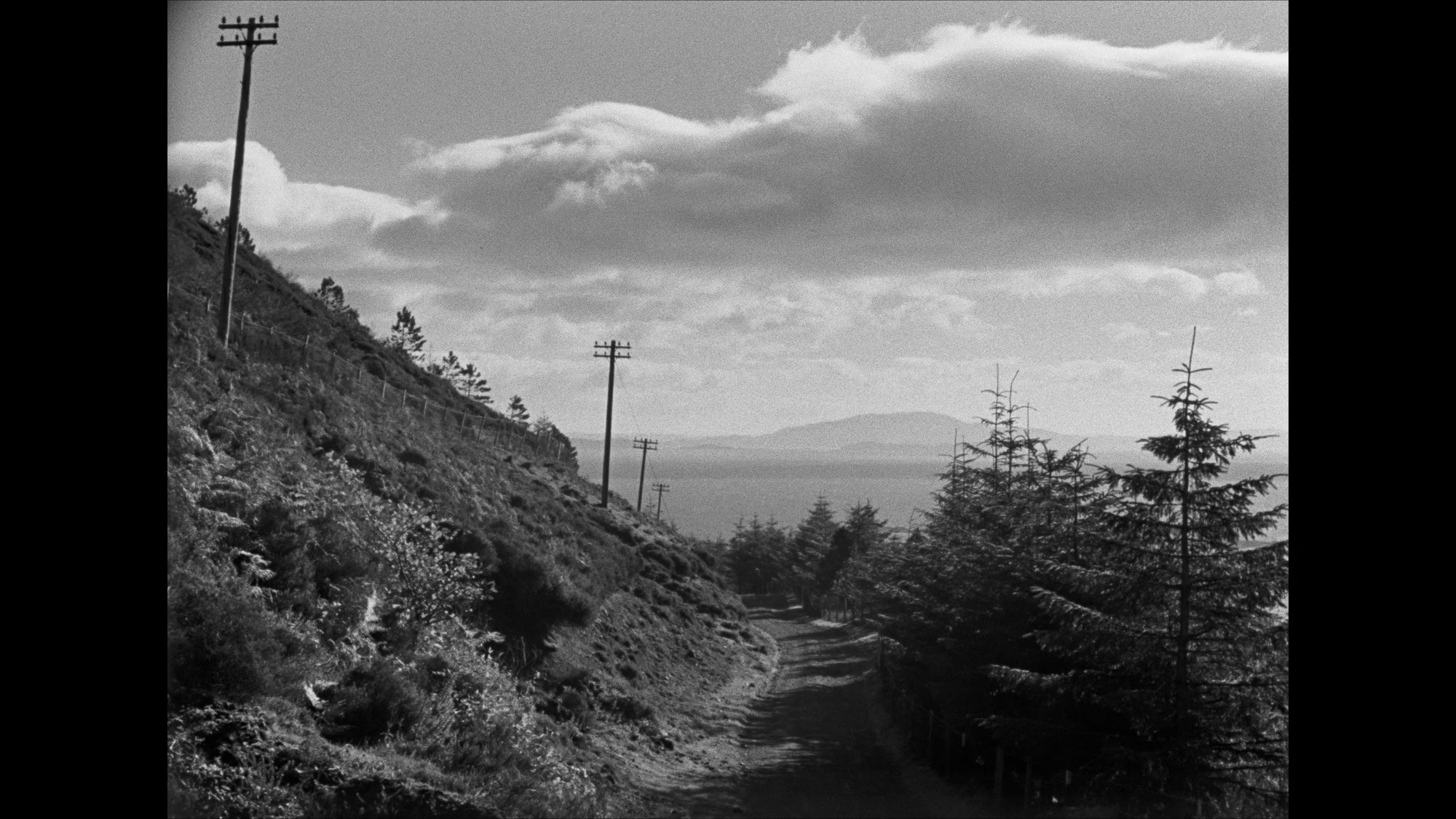
Criterion’s DVD from nearly a quarter-century ago was perfectly respectable for its time, sourced from a restored print created by the BFI using the original nitrate elements, but the limitations of standard definition ultimately did the film no favors. Fine details in the photography of the Scottish isle landscapes were noticeably muted, and the presentation was long overdue for an upgrade and this new 4K presentation delivers that upgrade and then some. Now looking nearly immaculate, the restoration breathes new life into the film, with cleanup efforts that are immediately apparent and leave very little in the way of visible print damage.
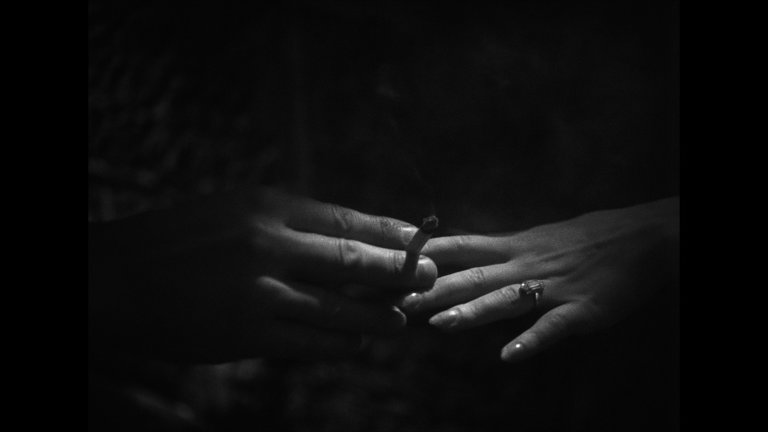
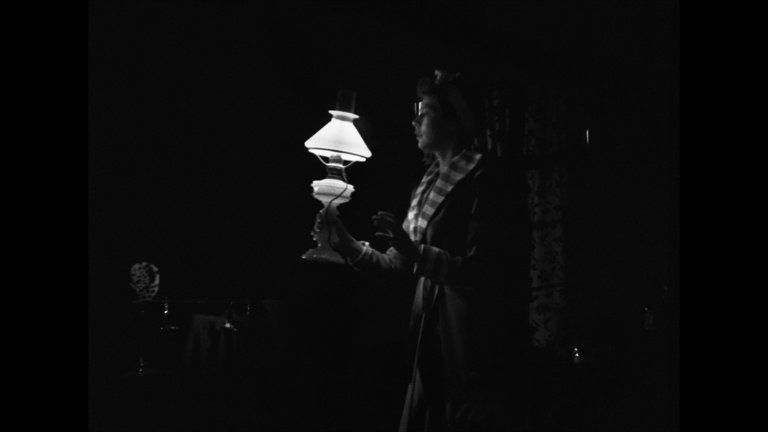
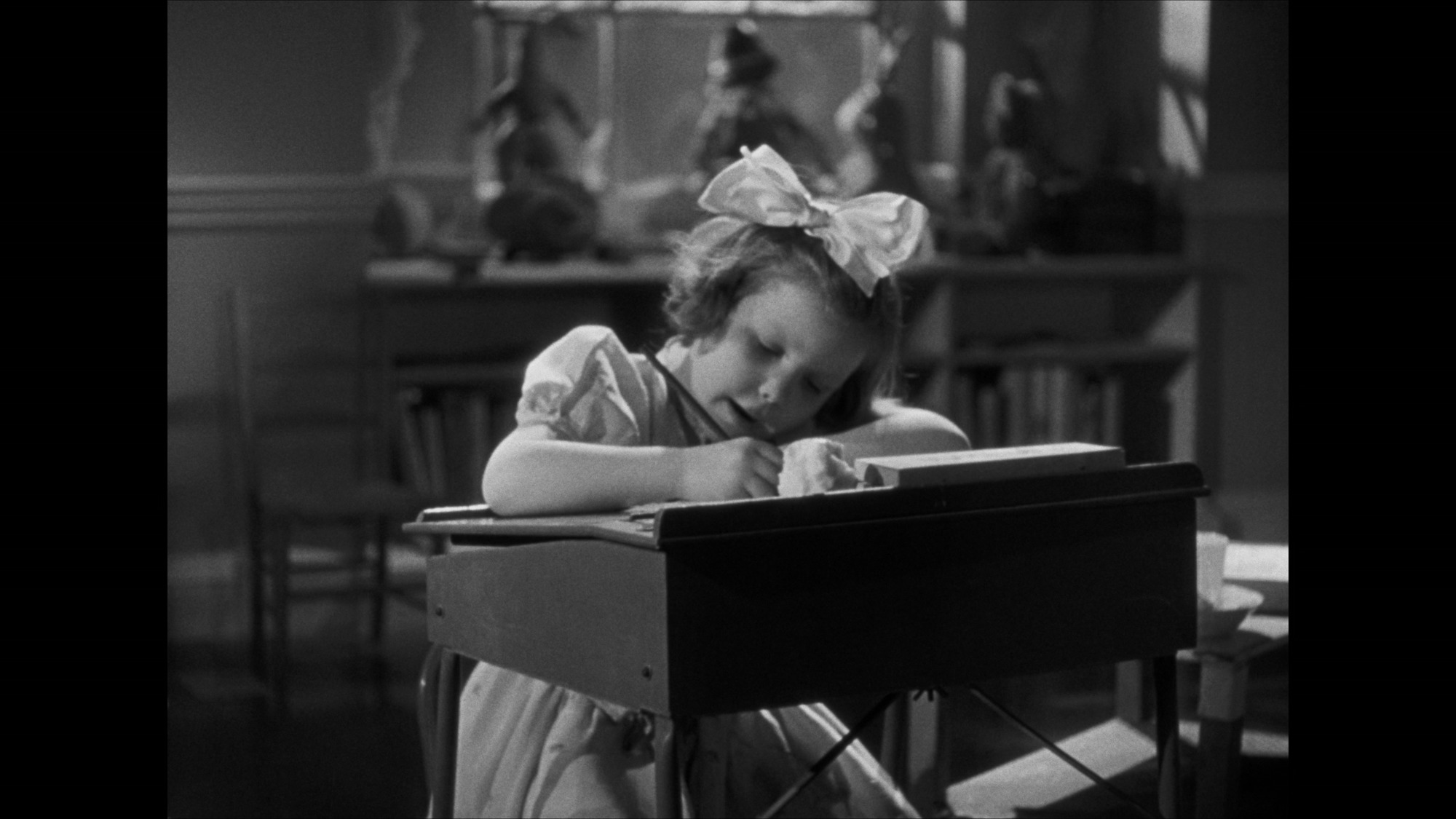
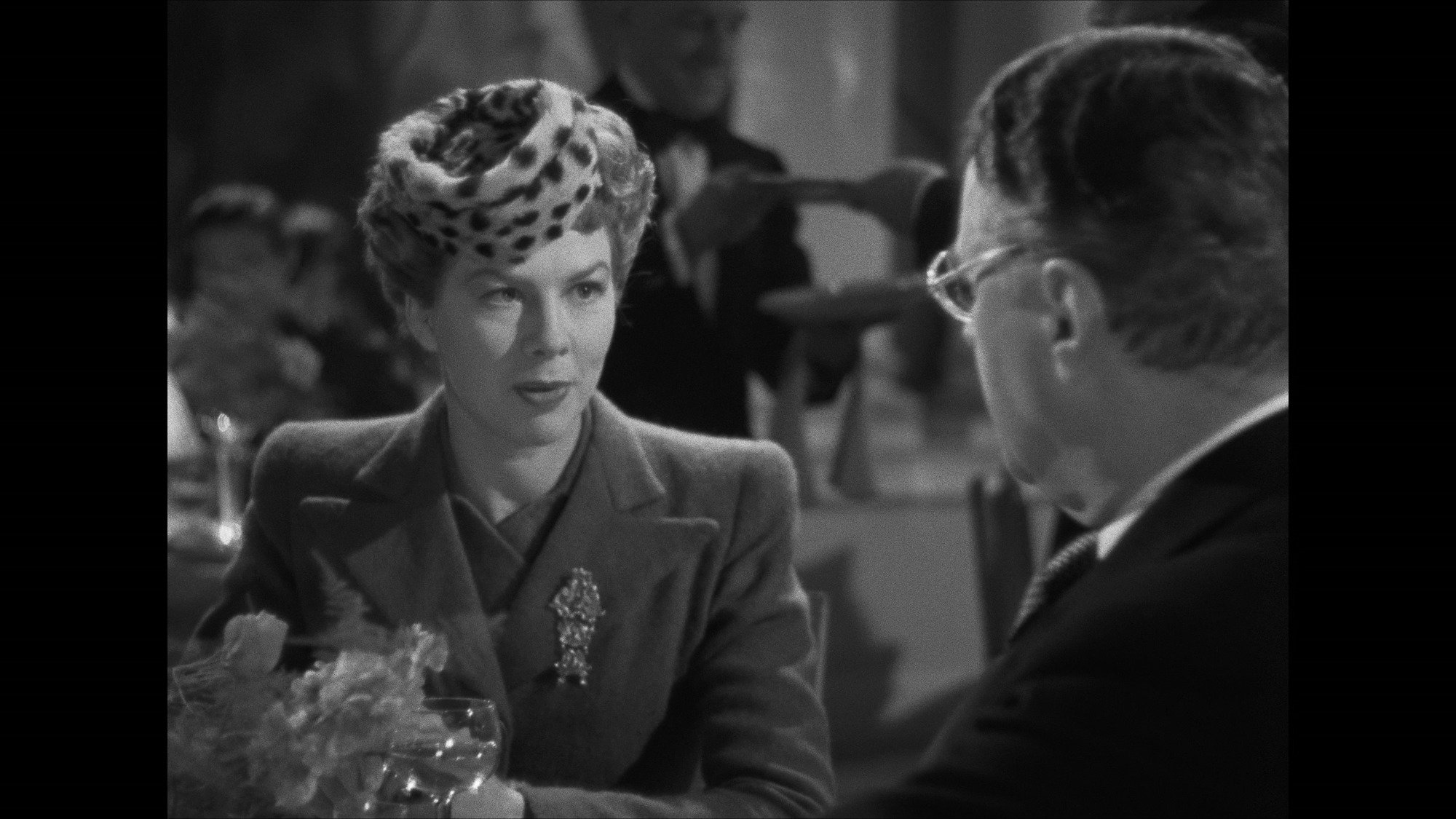
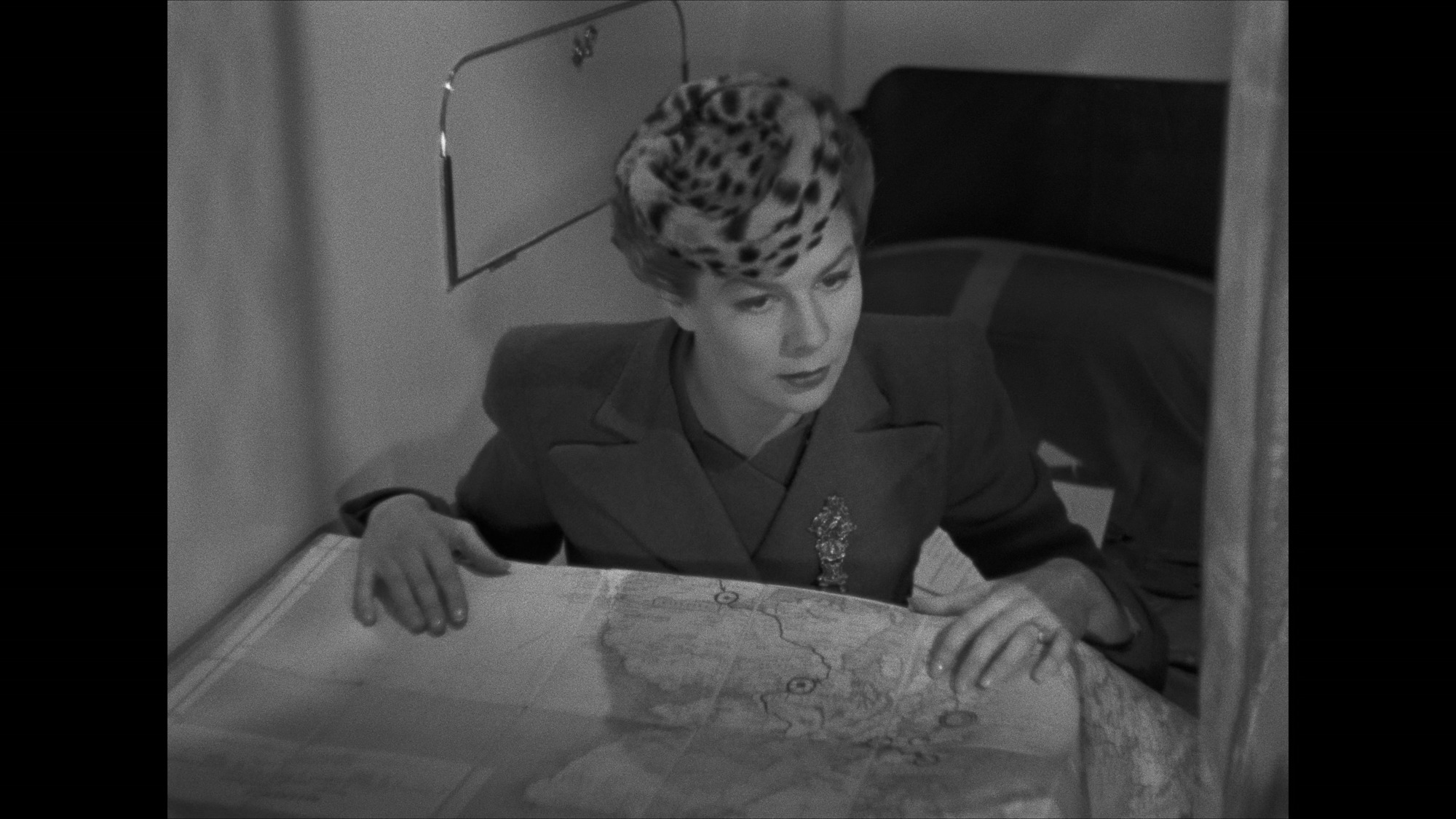
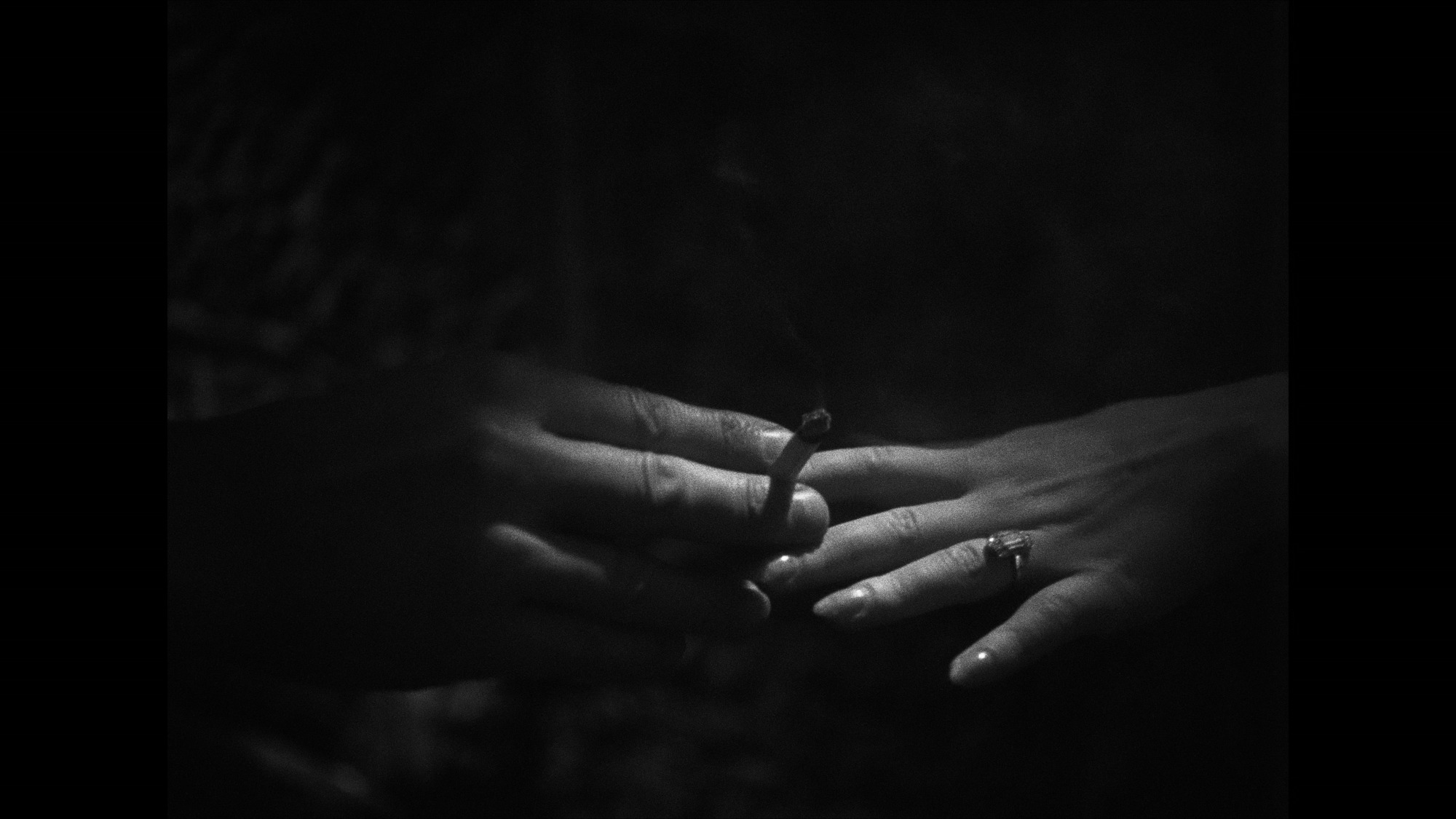
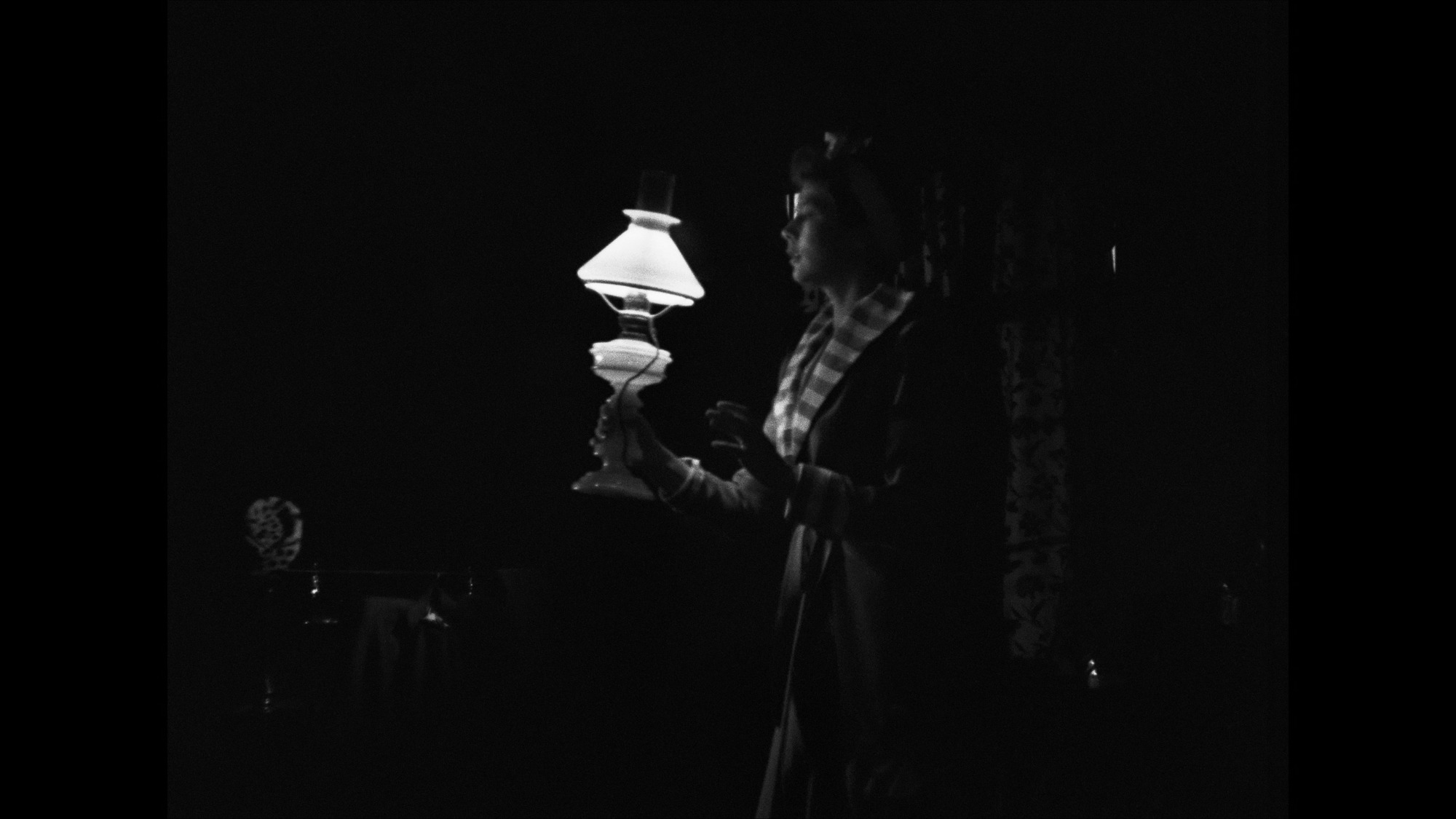
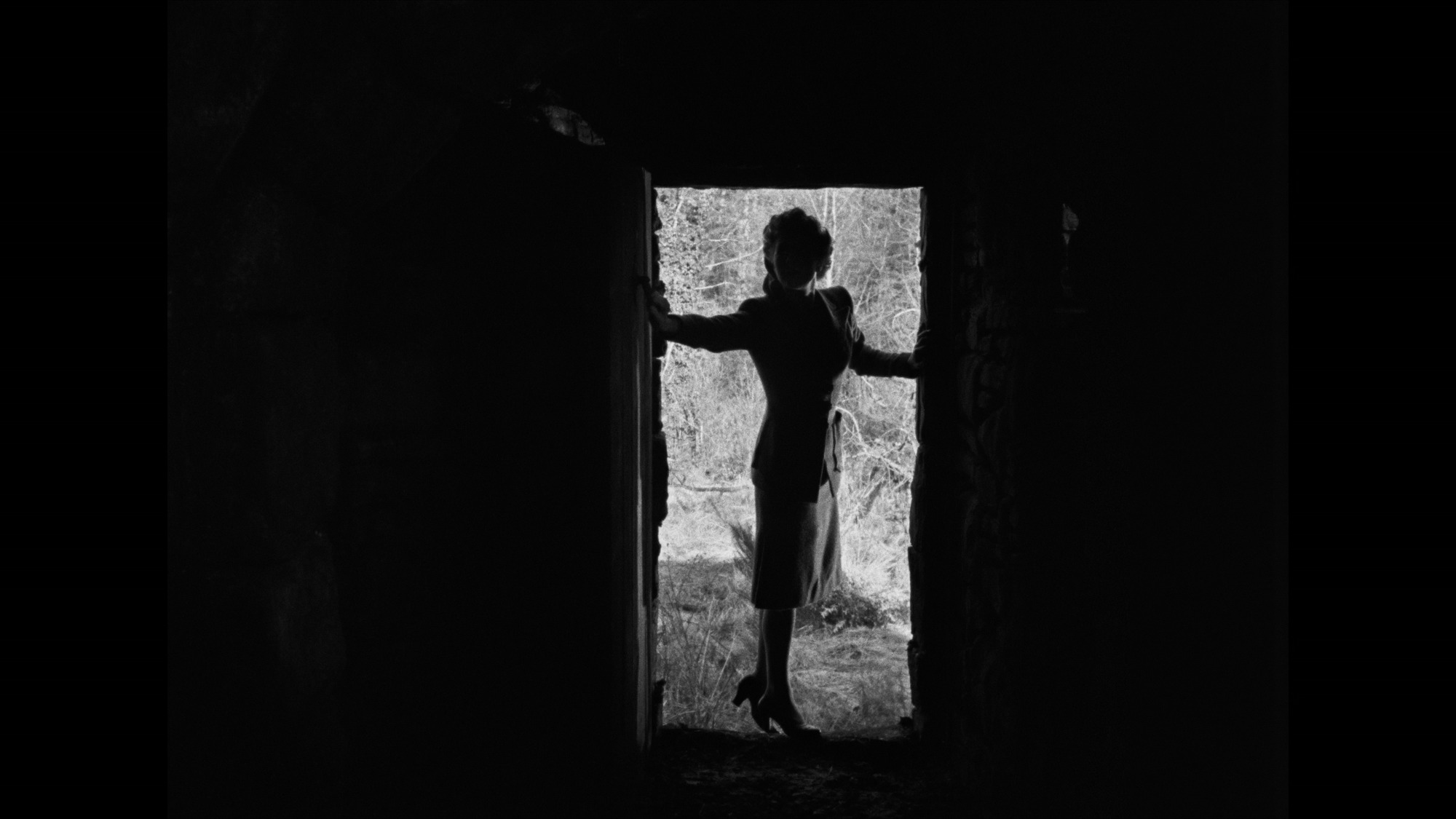
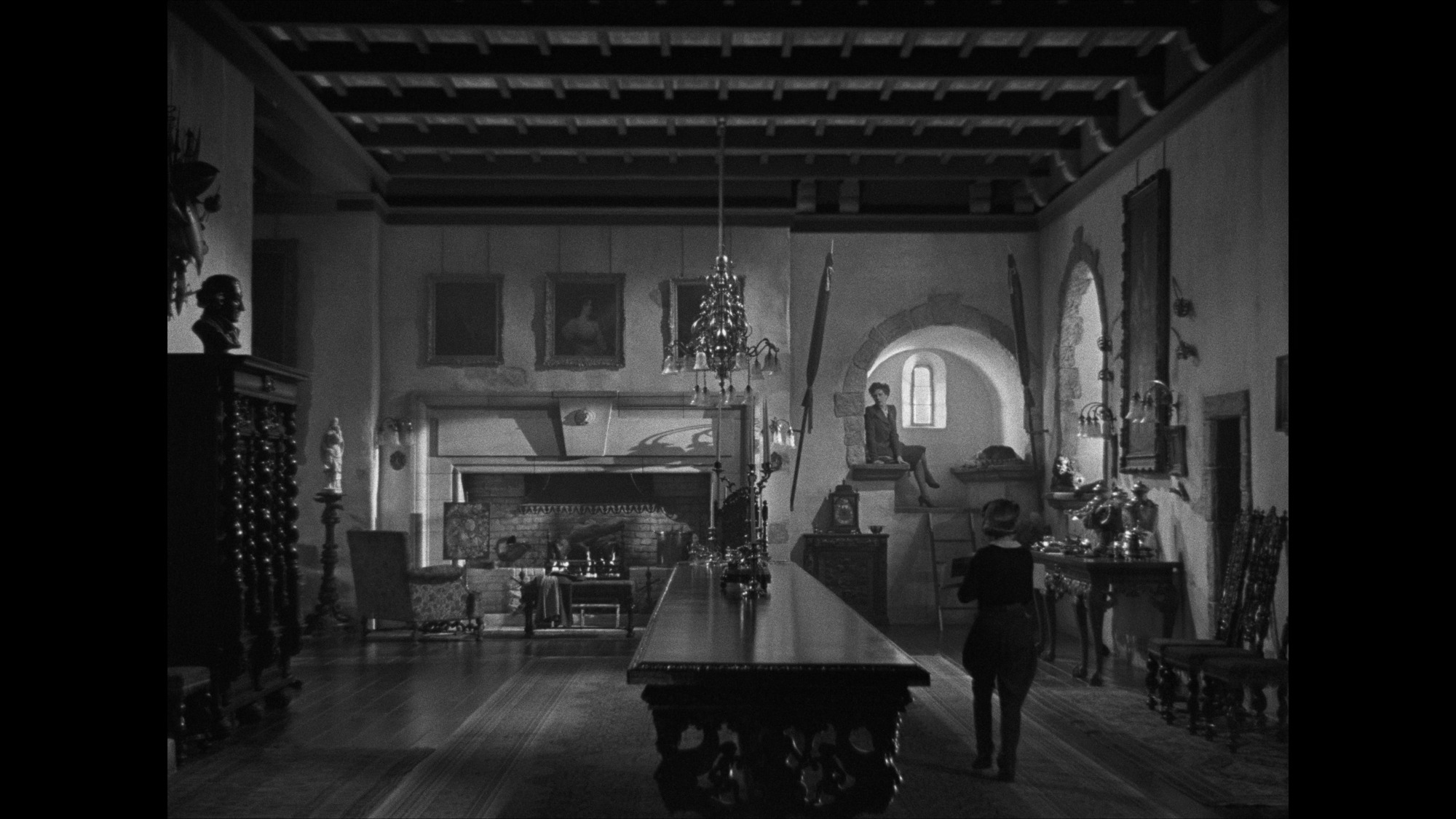
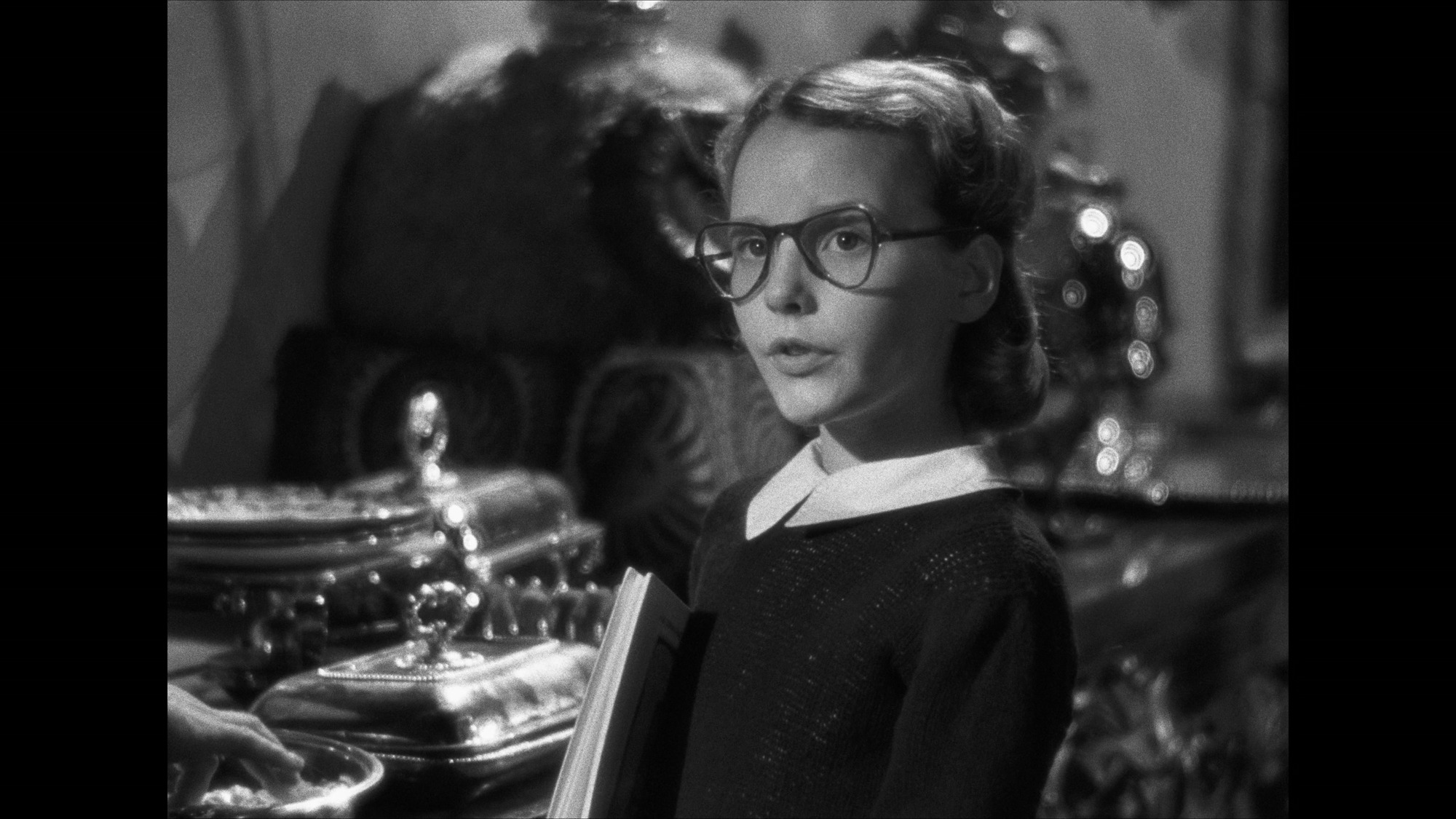
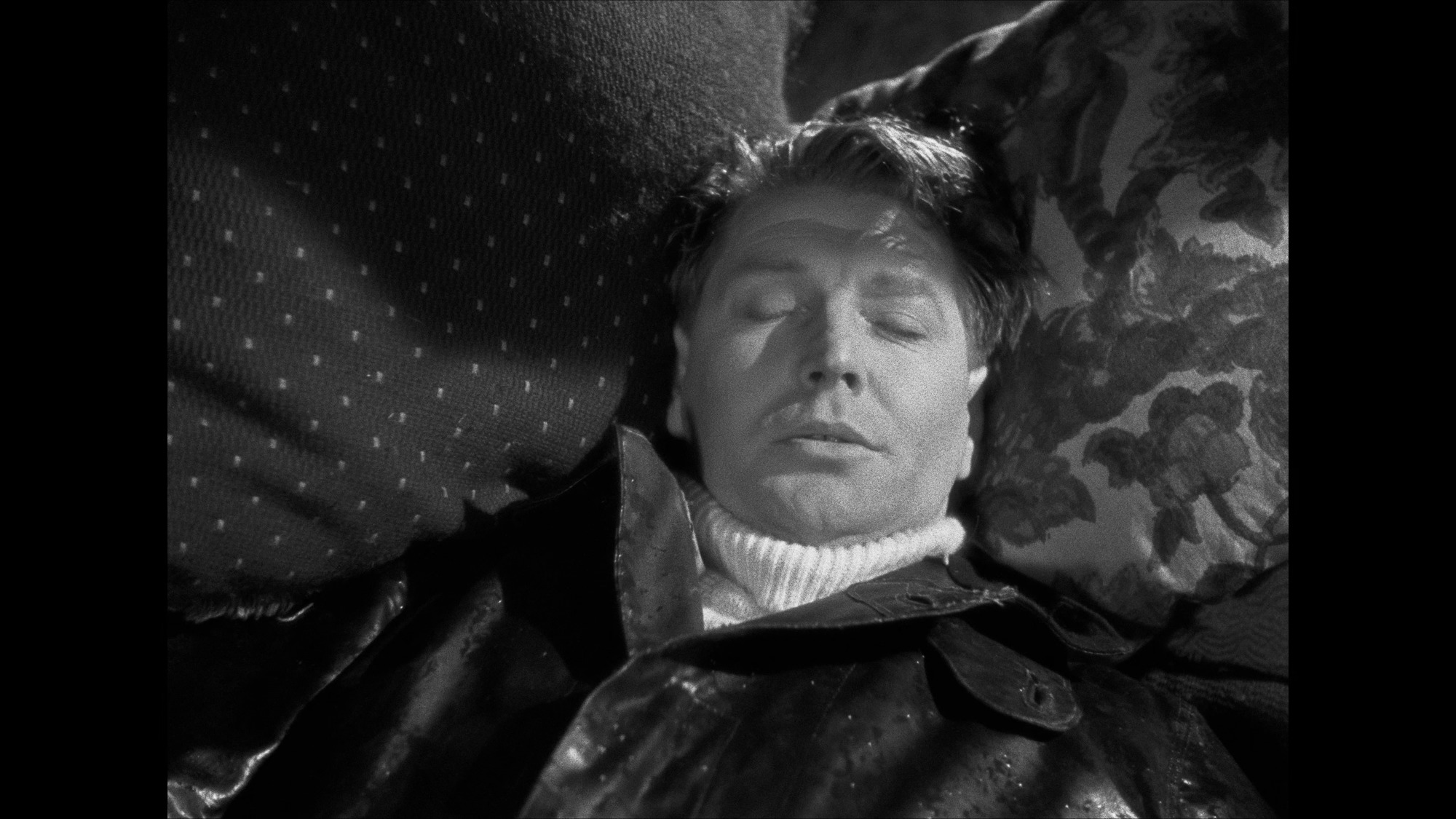
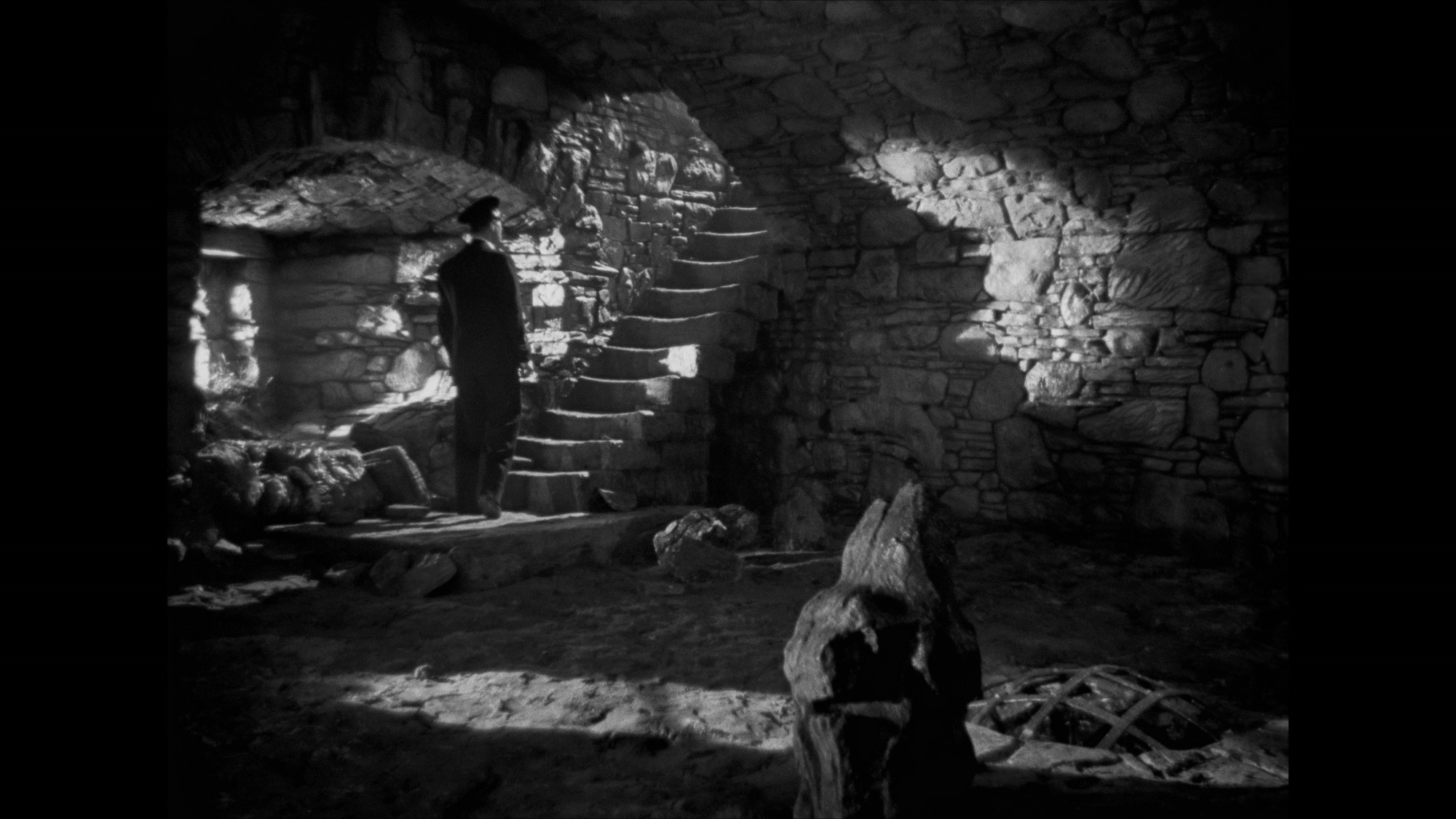
With this being once again sourced from the original nitrate elements (including the original camera negative and positive prints), the image is consistently crisp throughout most of the runtime, with a only handful of shots looking a bit fuzzy, maybe due to being sourced from something other than the negative. The textural detail in the rocky cliffsides and sweeping landscapes finally comes through in a way the DVD simply could never manage in its wildest dreams, and even more impressive are the improvements to grayscale and contrast. The film now exhibits a slightly higher-contrast look, with decent black levels, strong shadows, and rich highlights lending the film a bold look in certain interiors with strong tonal separations that I can only assume was born (even if in a minor way) out of cinematographer Erwin Hillier's apparent influence by Fritz Lang, whom he mentions he became newly familiar with around this time in one of the included supplements. Even then, the grayscale range remains impressively wide, lending terrific depth to the expansive skies that are prominent in a number of exterior shots.
The absence of HDR is a mild disappointment, if only because the added punch might have given the image a more overt “silver screen” quality. That said, the SDR presentation is otherwise excellent and never feels lacking. With a superb encode that resolves film grain naturally and consistently, along with cleanly rendering the heavy fog that is present in a number of shots, this is an all-around gorgeous new presentation and a significant upgrade over Criterion’s earlier DVD release.
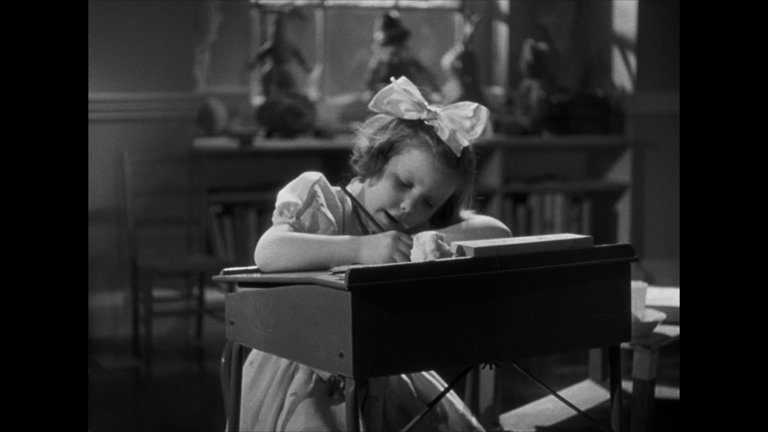
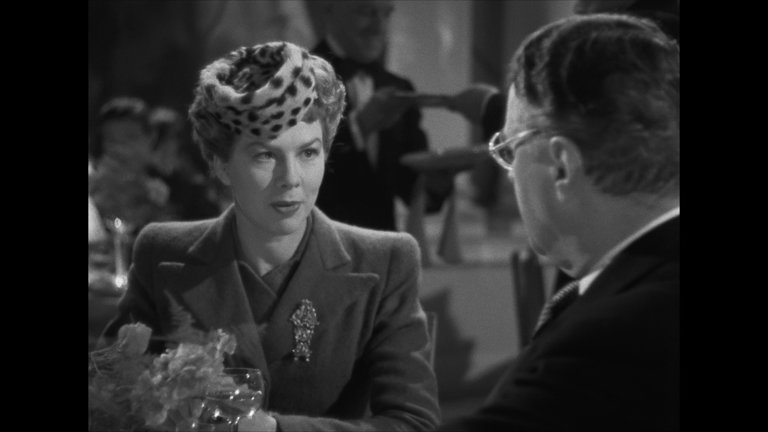
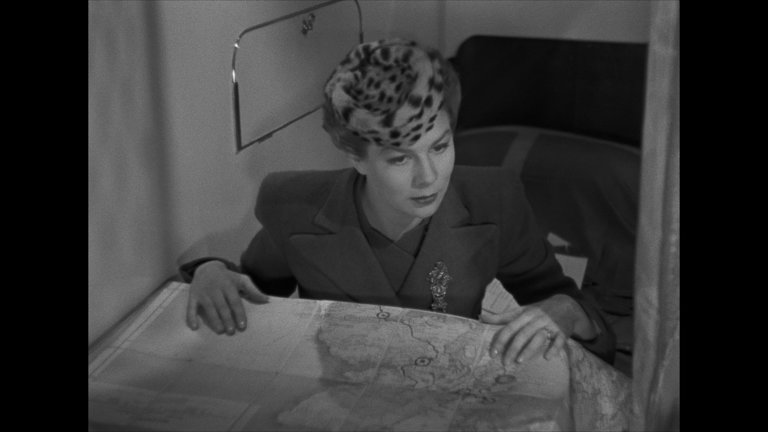
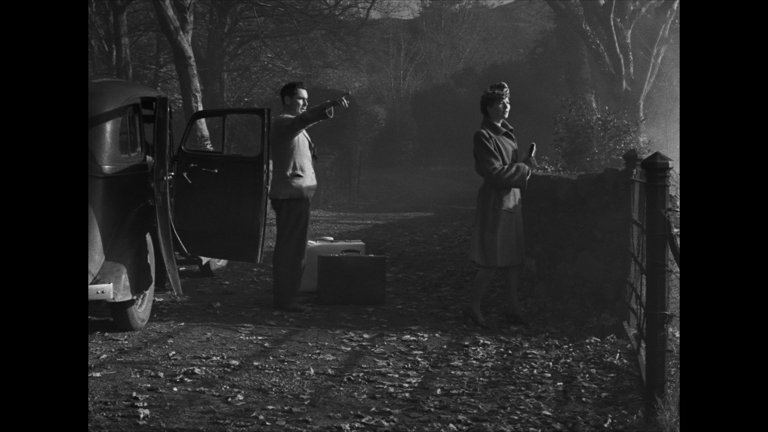
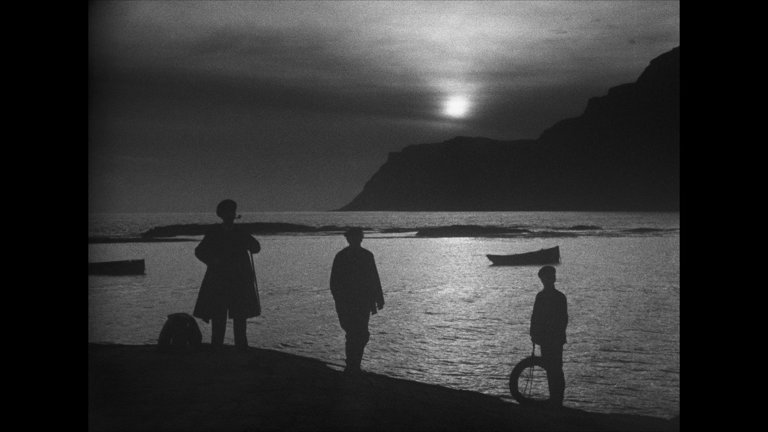
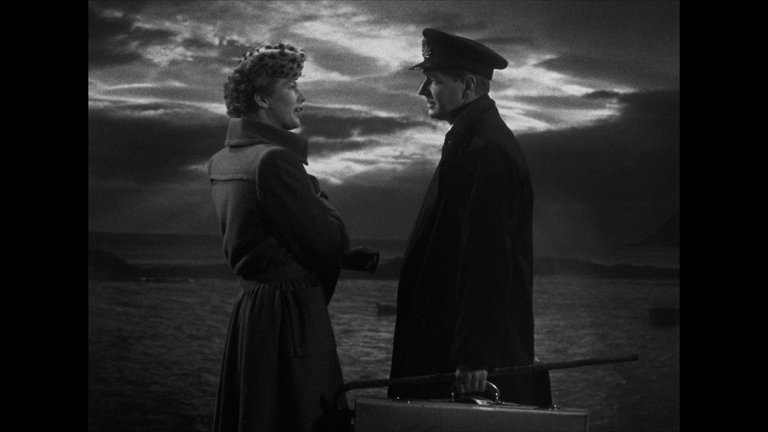
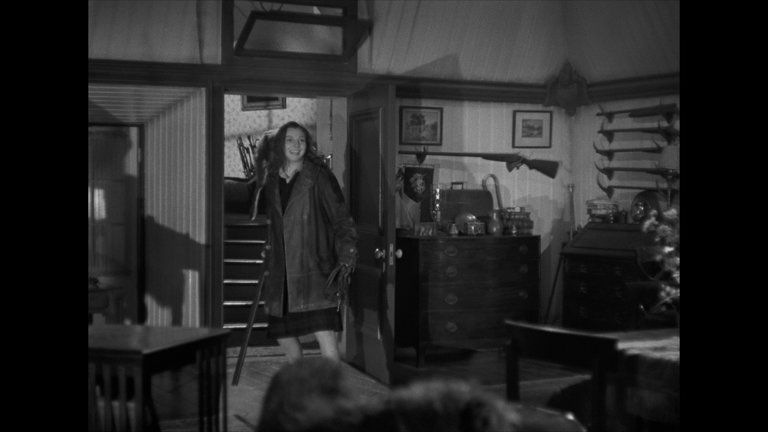
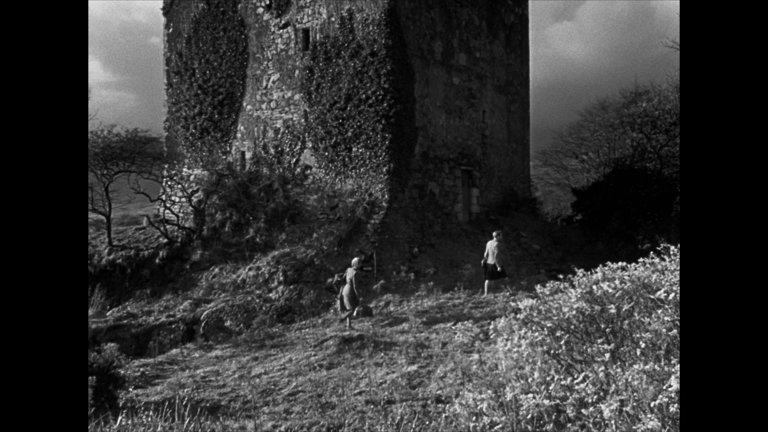
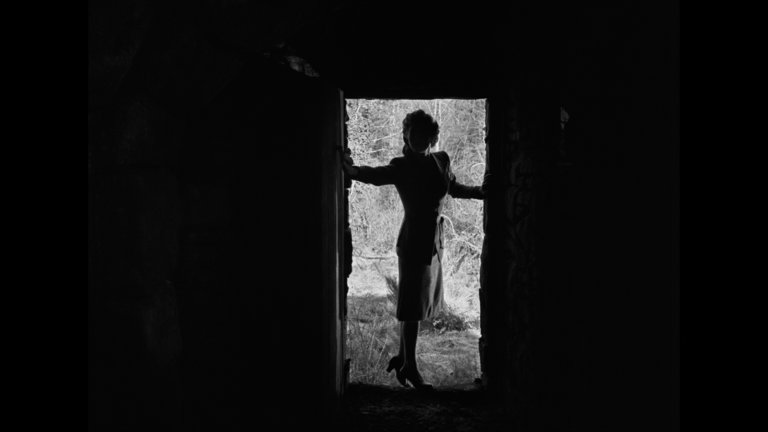
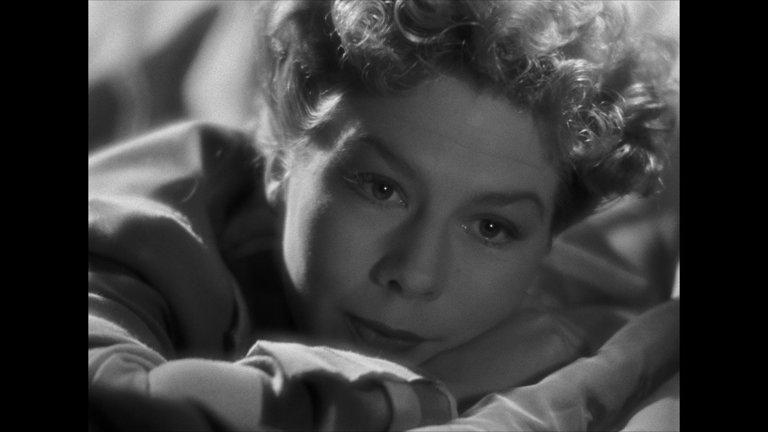
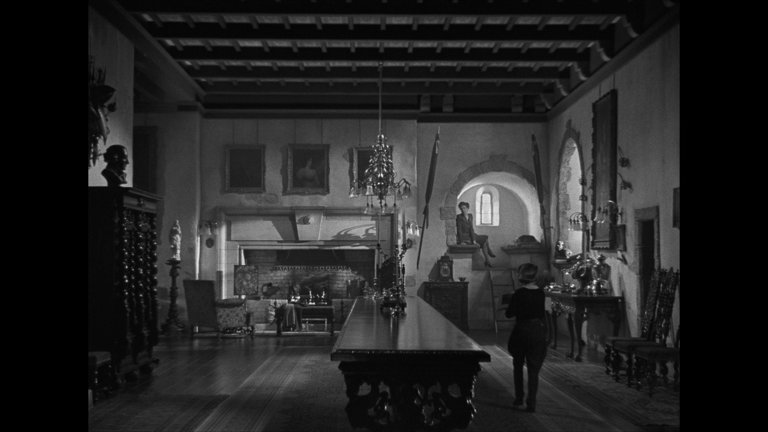
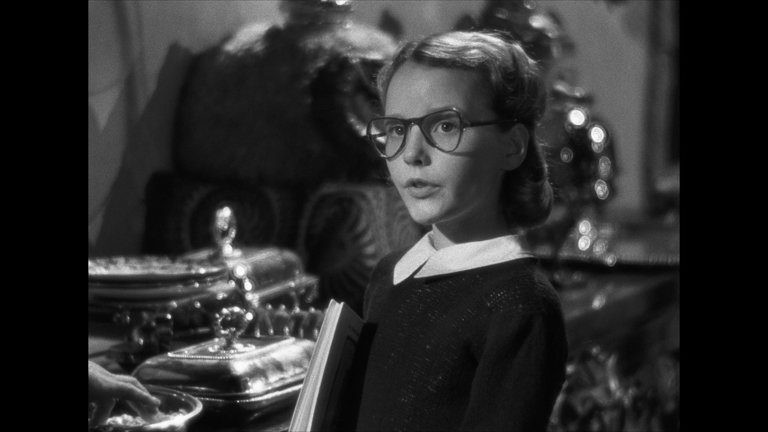
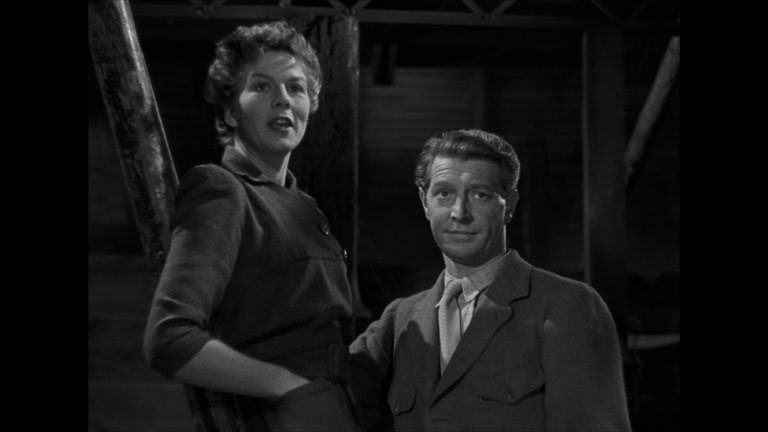
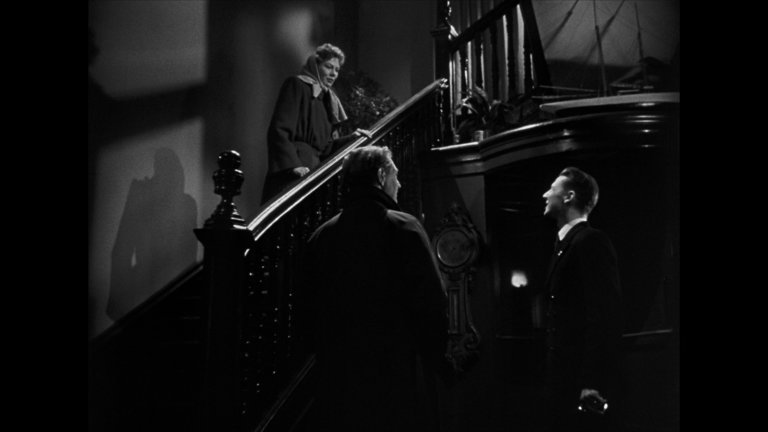
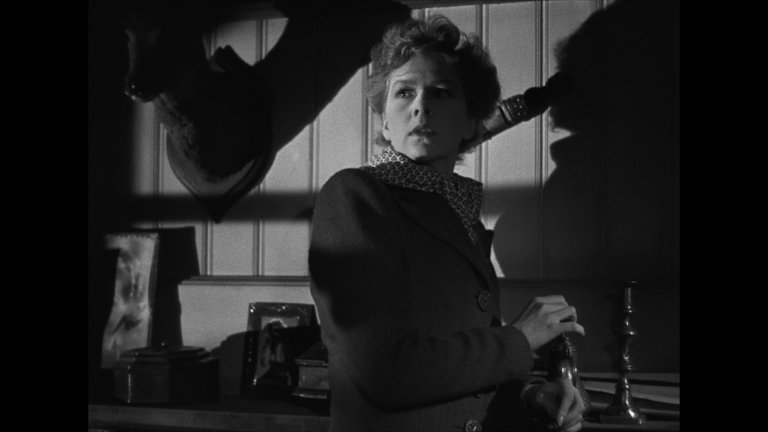
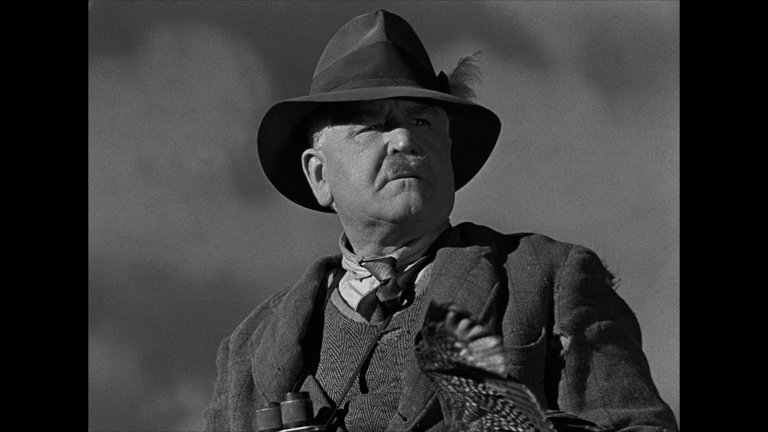
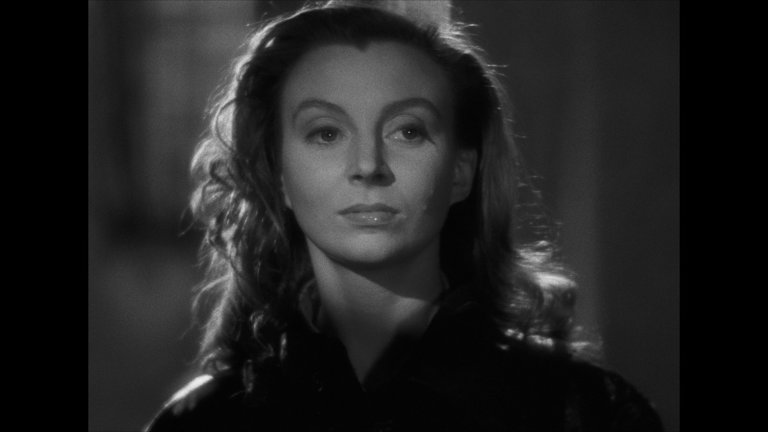
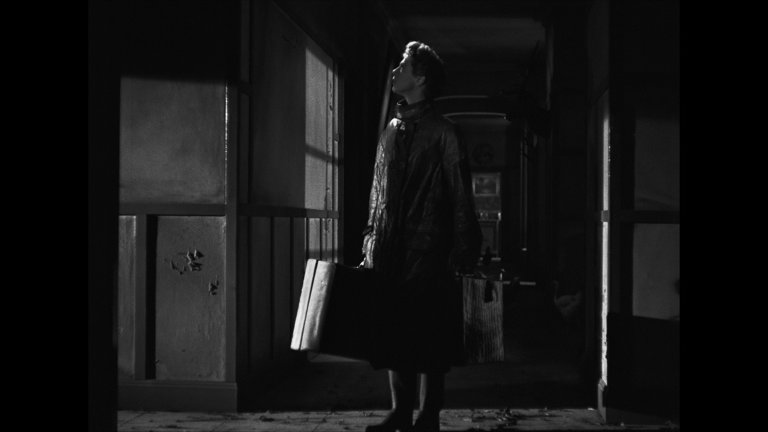
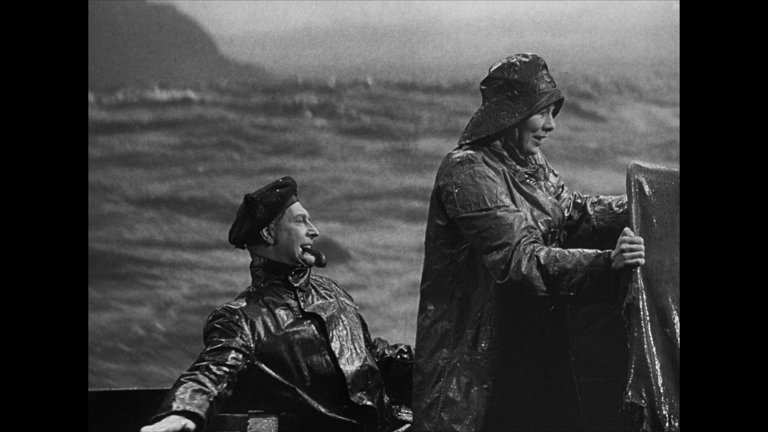
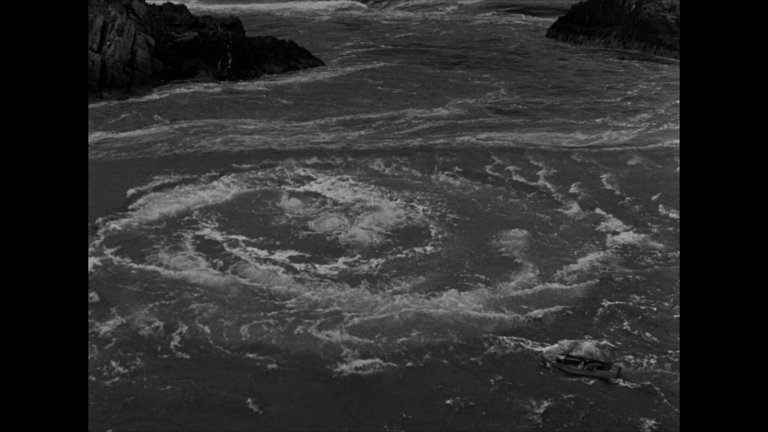
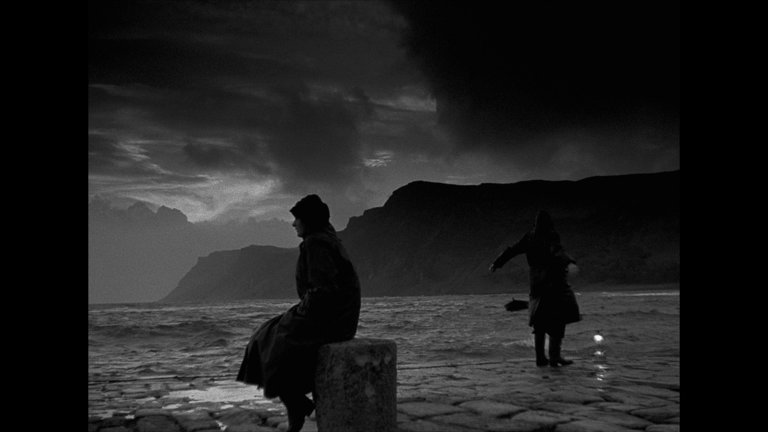
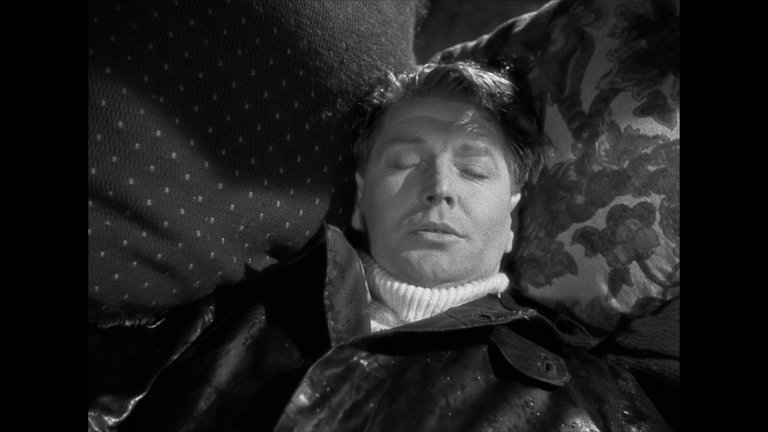
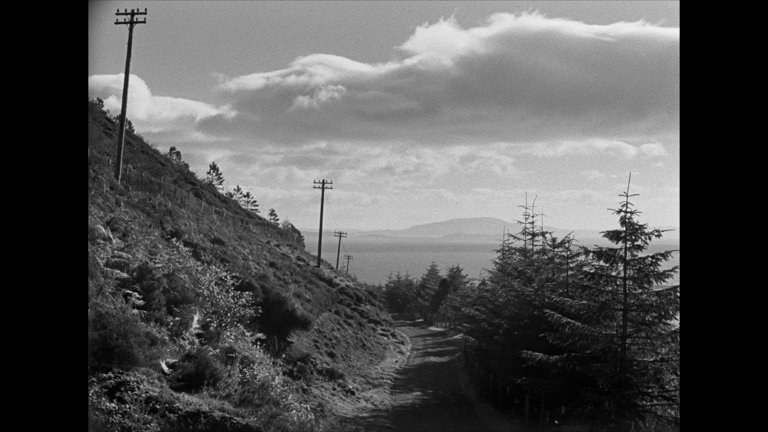
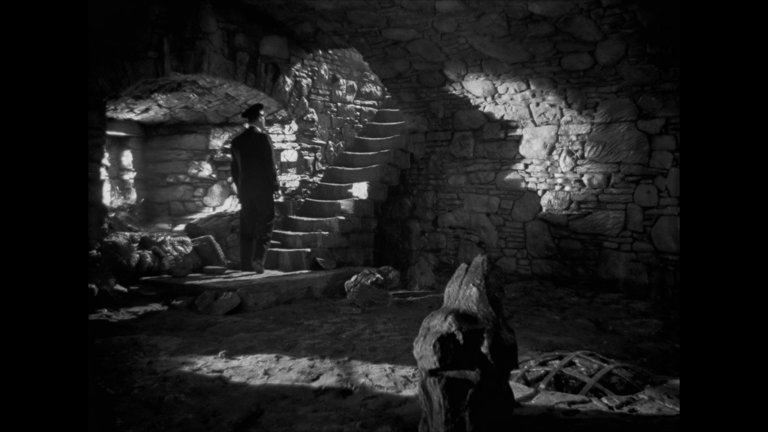
I Know Where I’m Going! - Screen Captures

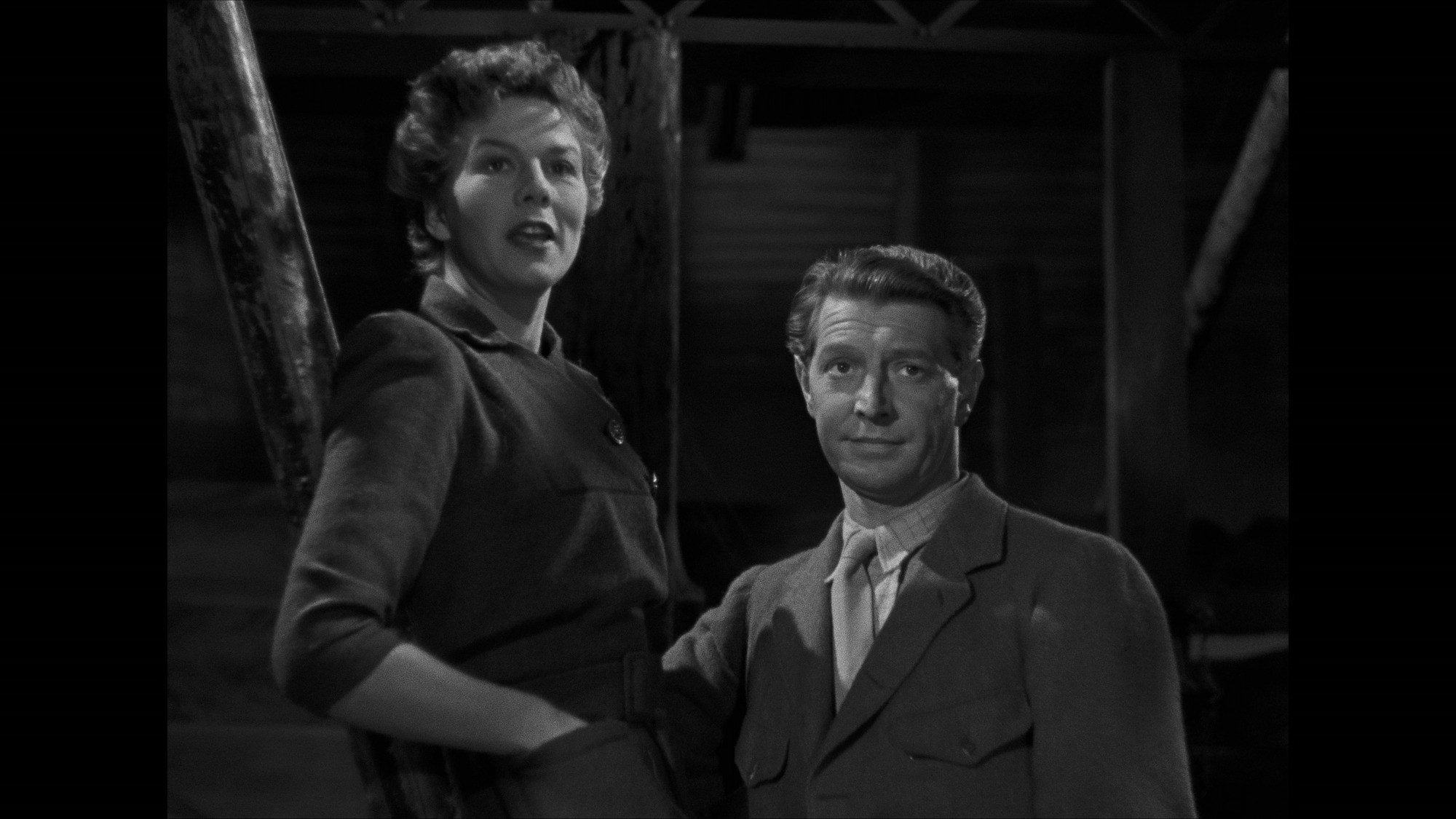
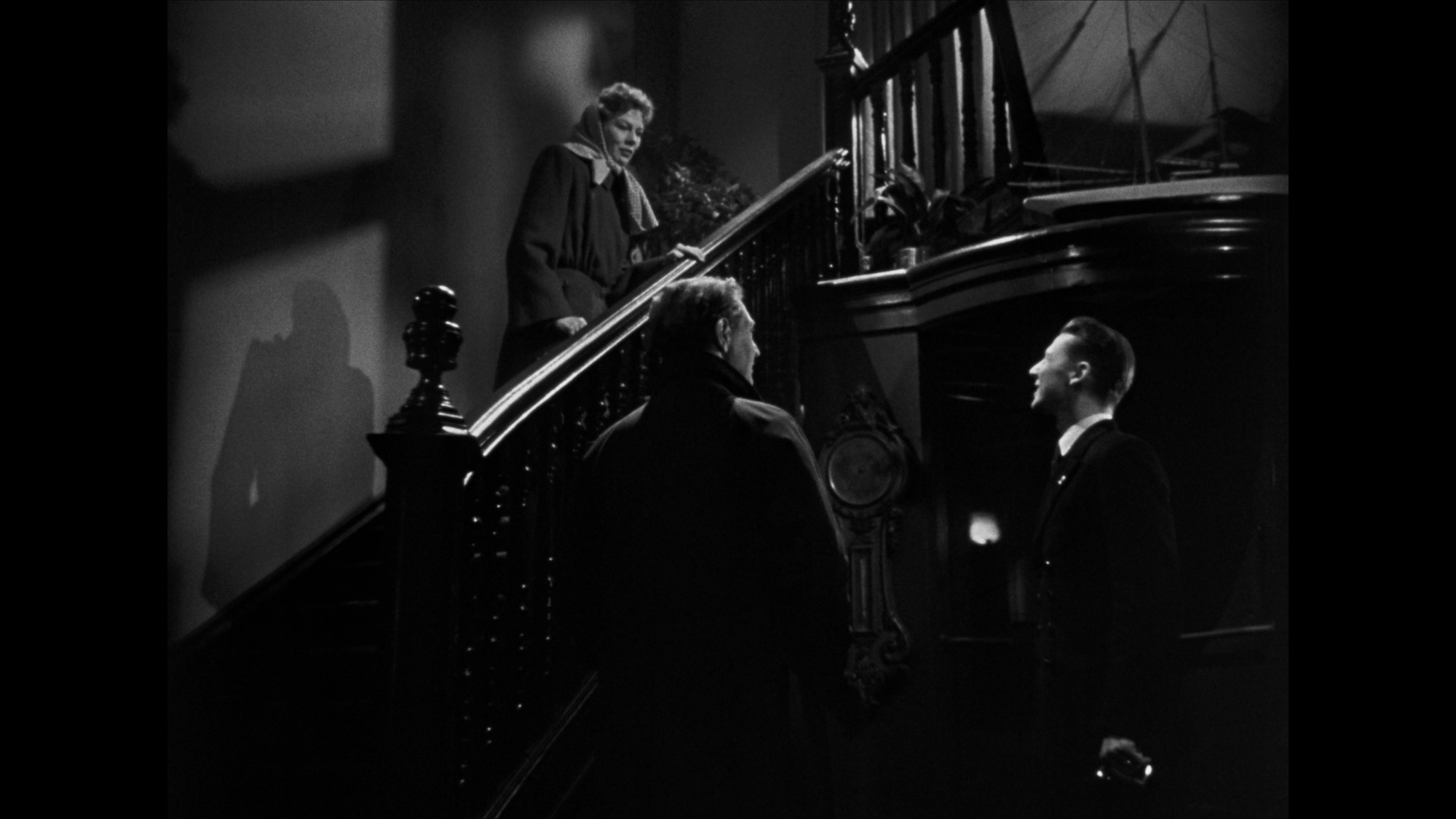
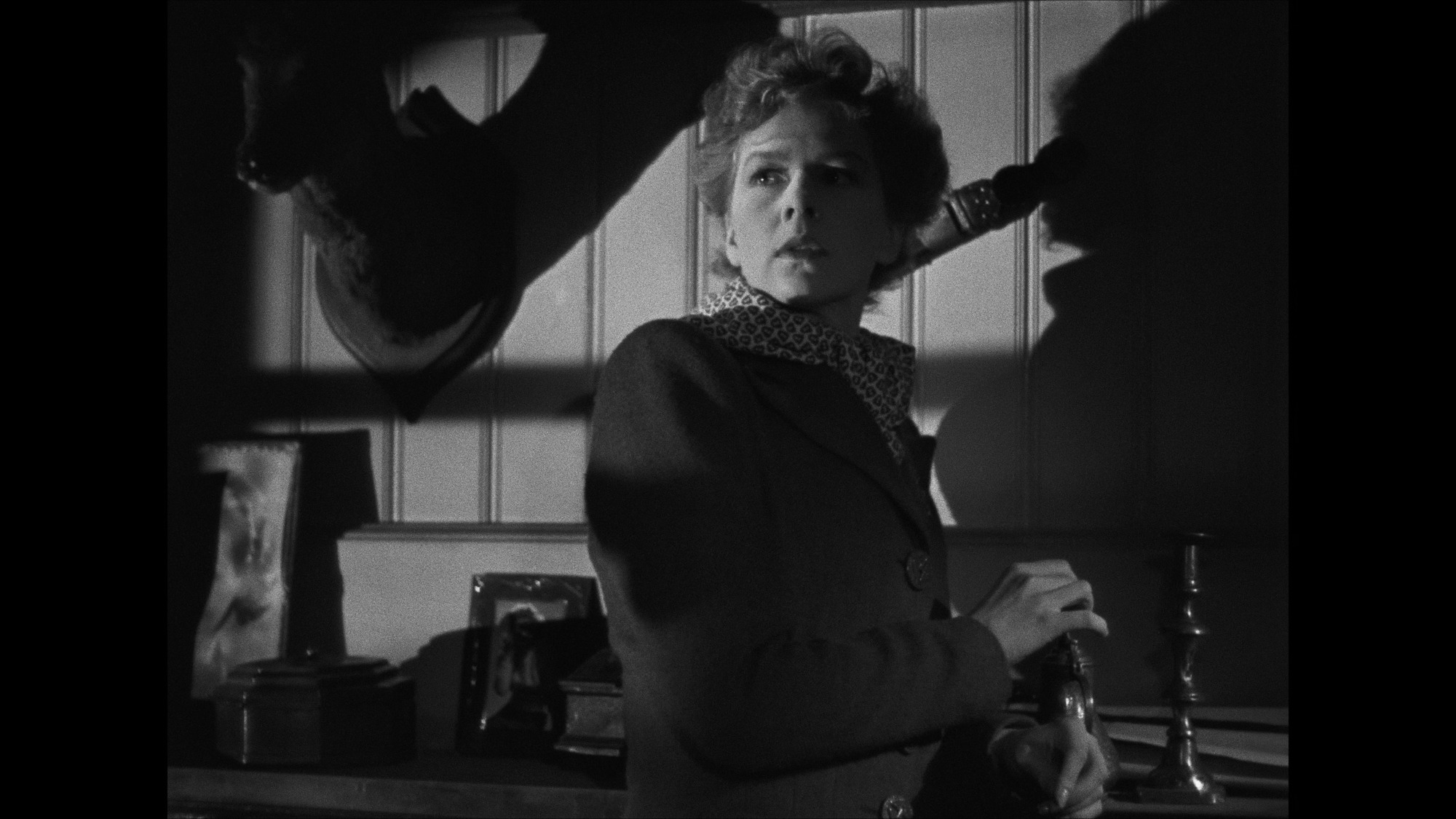
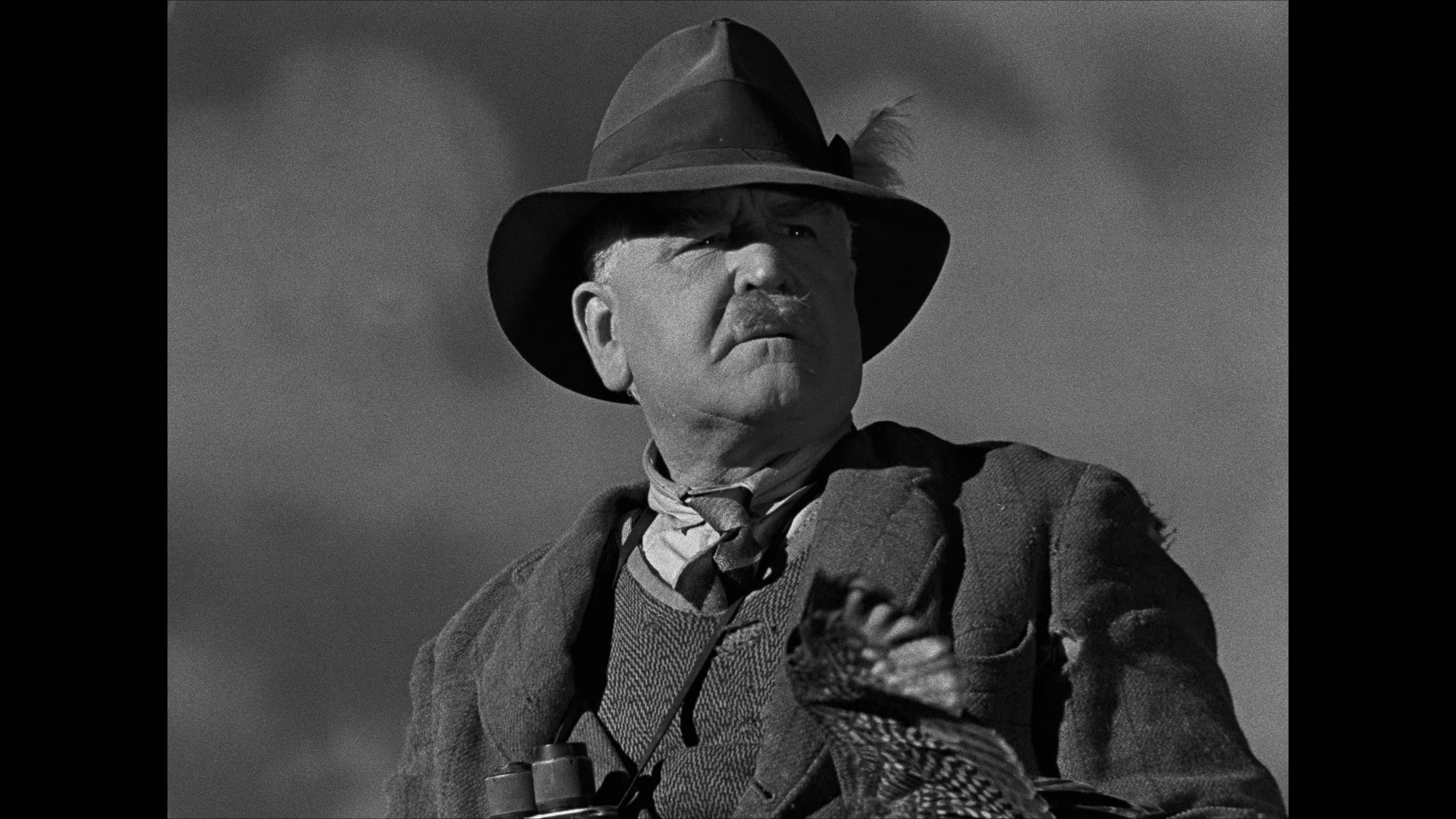
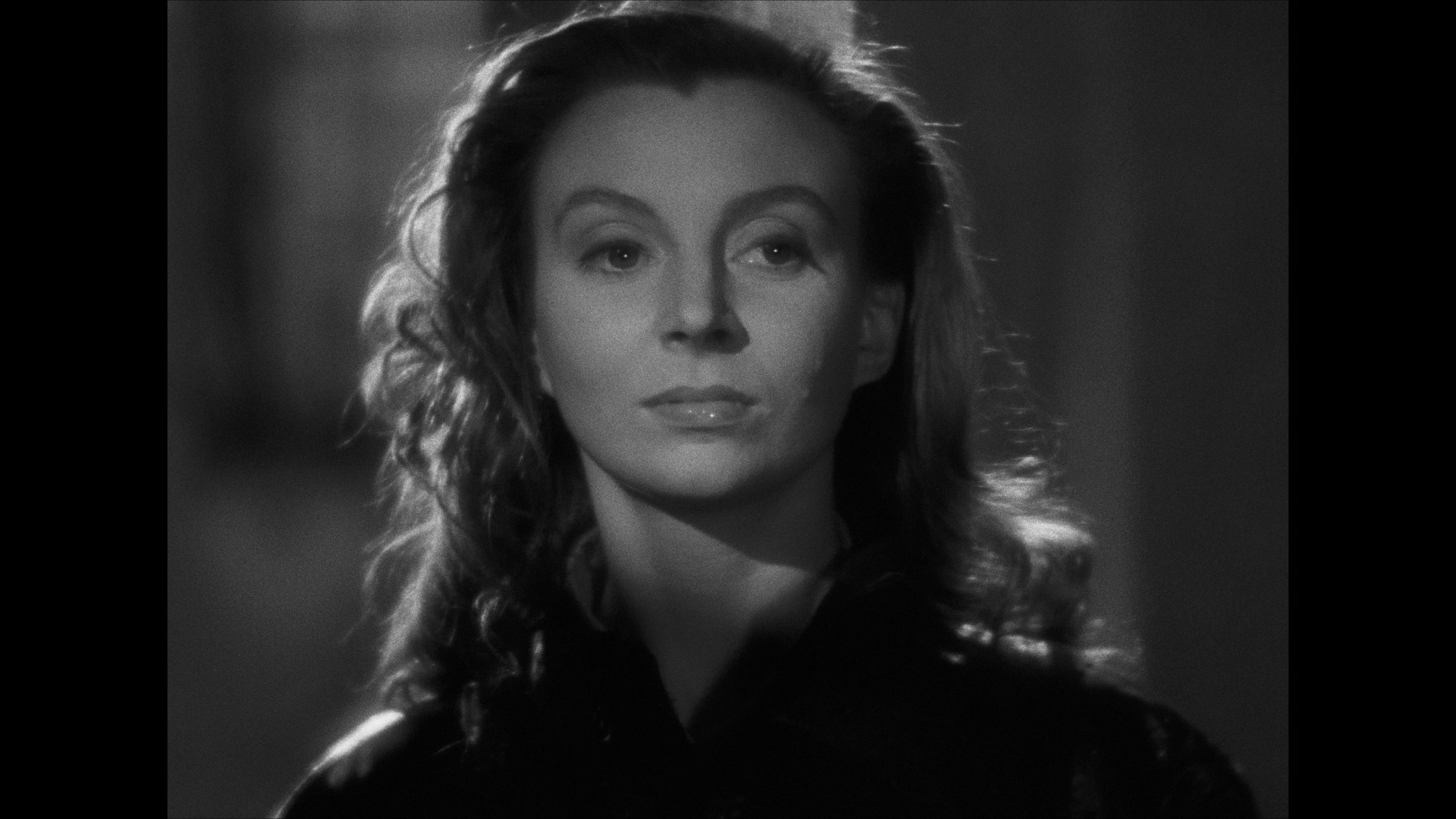
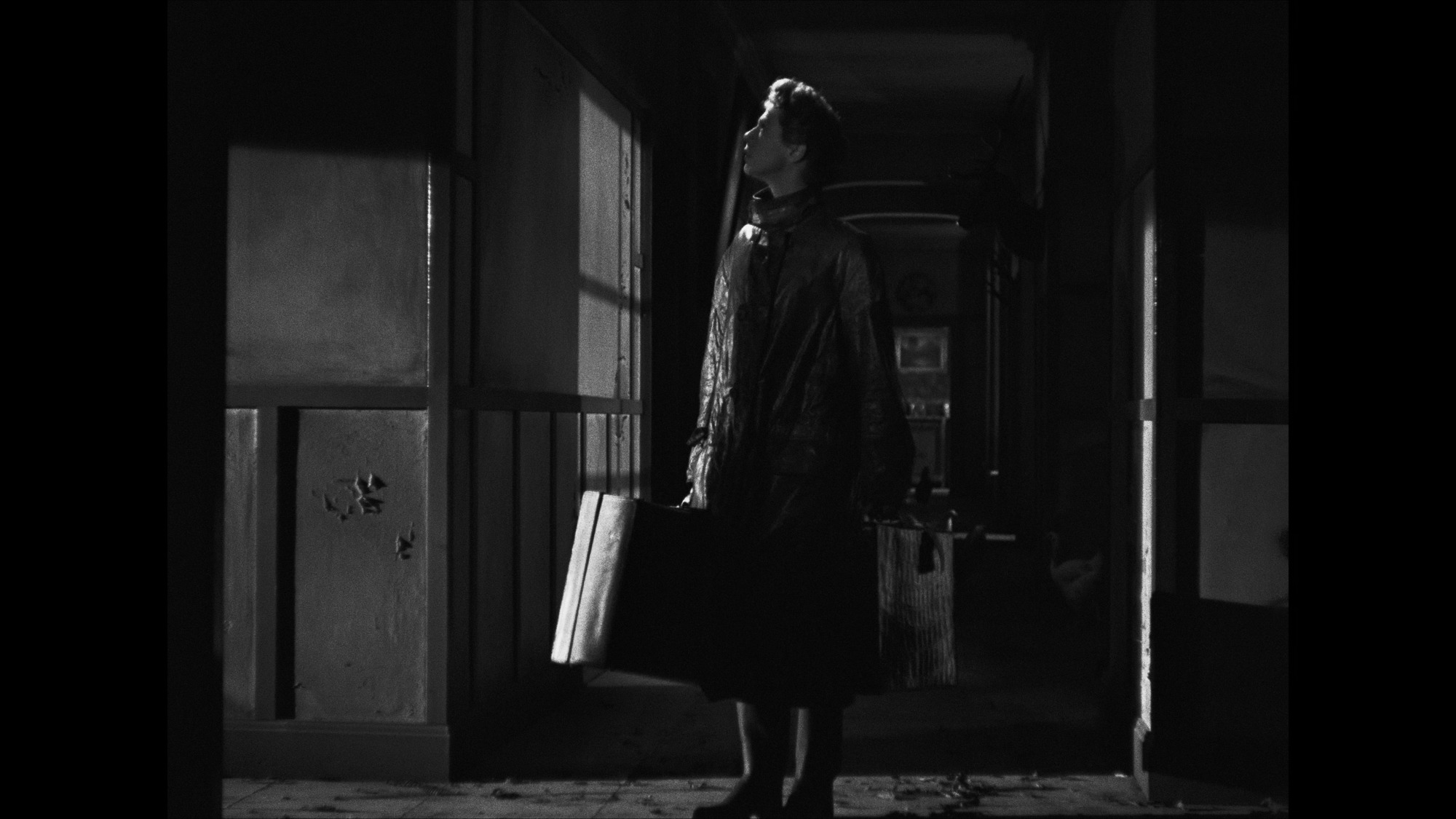
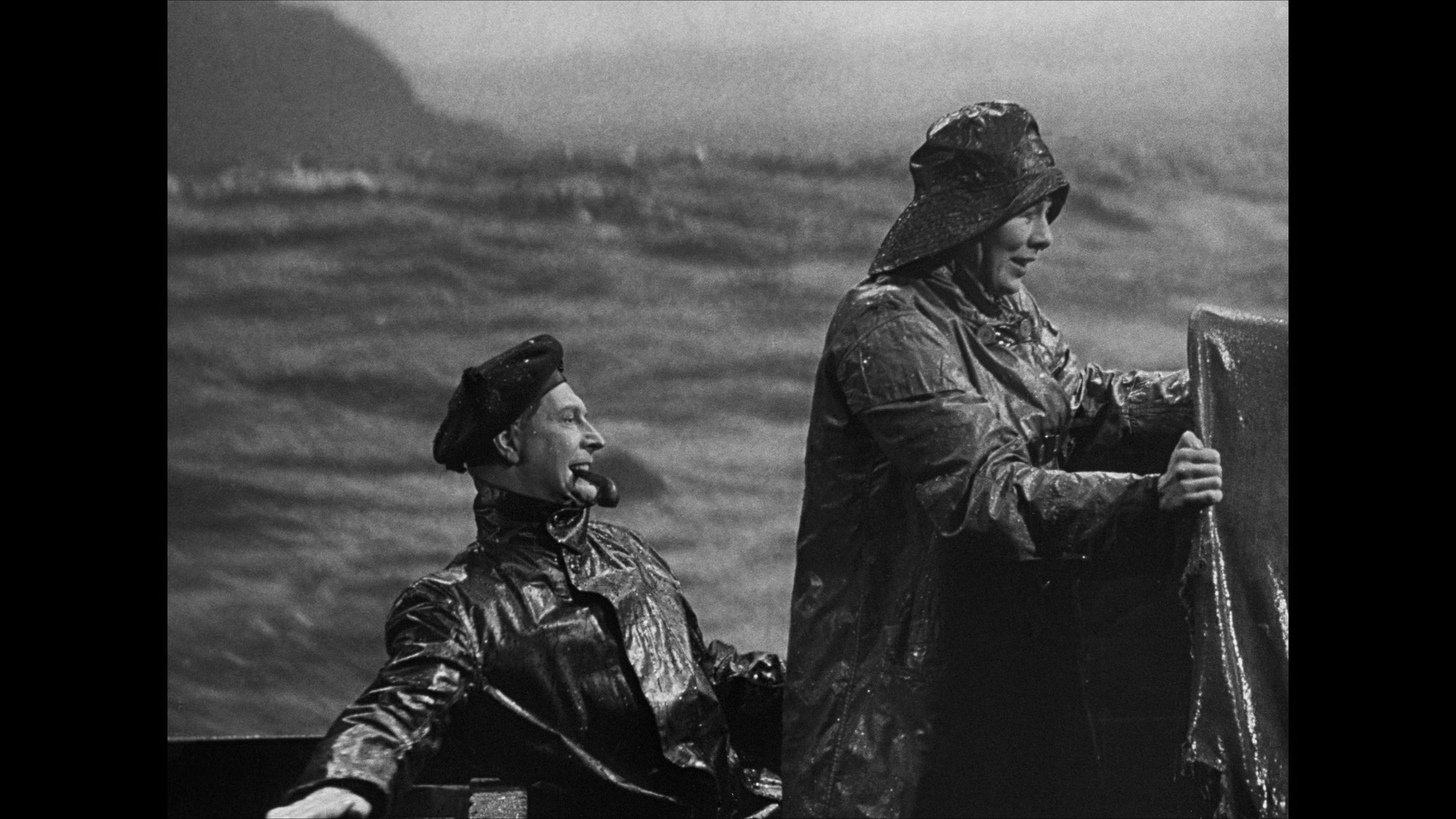
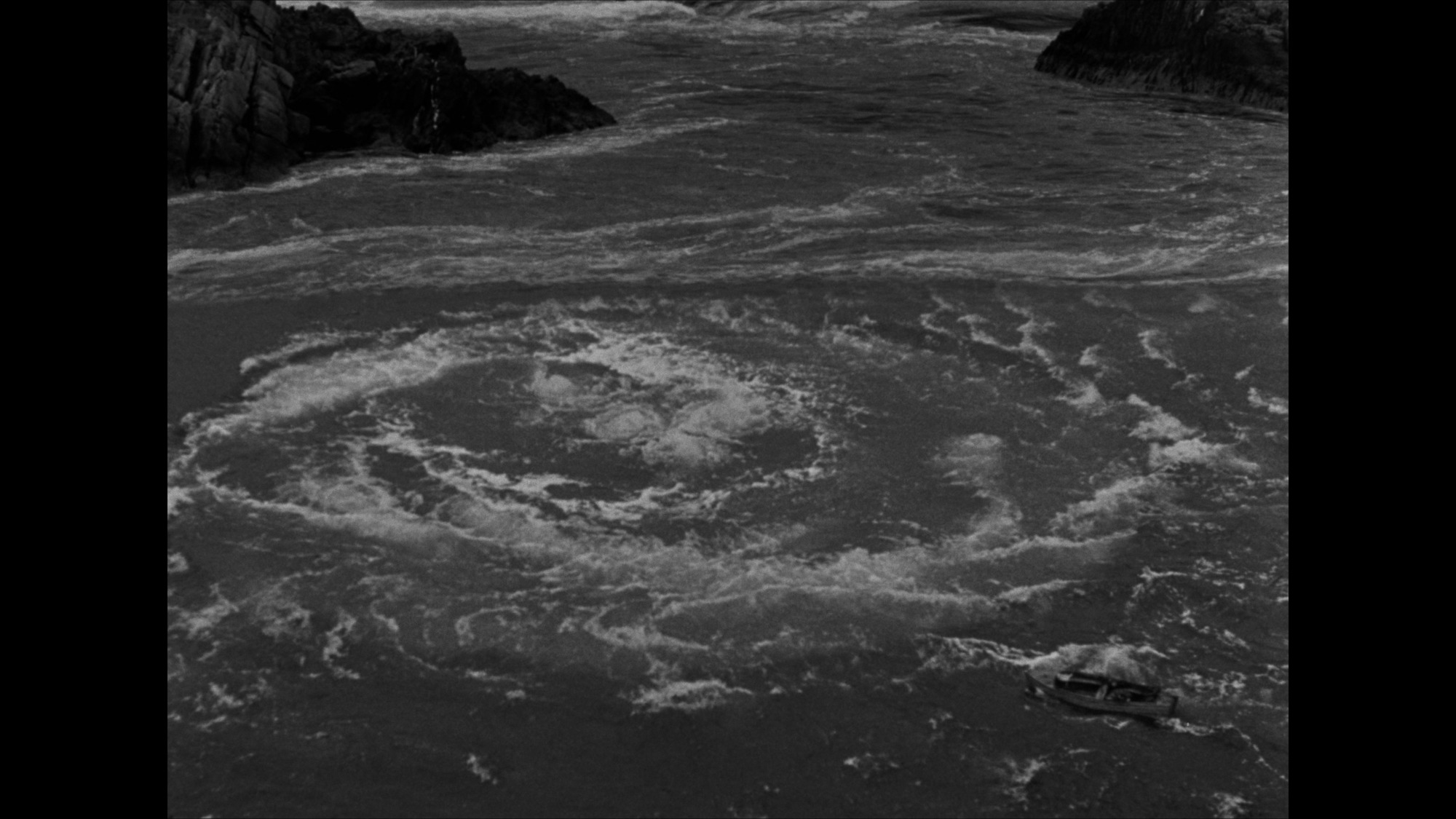
Audio 7/10
The lossless PCM soundtrack also delivers a notable improvement, sounding cleaner with better fidelity and a slightly wider dynamic range. Dialogue, music, and effects all come through sharp and clear, with no obvious distortion or lingering damage to speak of.
Extras 8/10
Criterion ports over nearly all of the material from their original DVD edition, leaving behind just a single feature. They also refrain from adding anything new beyond a brief, five-minute restoration demonstration, which opens with a short introduction by Martin Scorsese before moving into before-and-after and side-by-side comparisons of a few scenes. Somewhat surprisingly, the source materials were already in solid shape, but the restoration has nonetheless removed minor scratches and specks of debris while correcting contrast and improving the grayscale.
Also included with the demonstration is an alternate audio track featuring Thelma Schoonmaker Powell, who (on top of speaking very briefly about the restoration) explains that, at the time of production, the British Ministry of Information required films to support the war effort. She outlines the rationale Powell and Pressburger offered for how I Know Where I’m Going! fulfilled that mandate.
The remaining supplements previously appeared on Criterion’s DVD (and some even earlier on their 1994 LaserDisc), beginning with an audio commentary by Ian Christie, originally recorded for that LaserDisc release. Though clearly scripted, the track moves at a brisk pace, with Christie covering the film’s historical context, speculating on why the subject matter appealed to Powell and Pressburger, and discussing the script’s development, including the eventual addition of elements such as the curse. He also delves into casting, noting that James Mason was originally intended to play MacNeil, with Roger Livesey stepping in, despite Livesey having a stage commitment in London. As a result, Livesey’s scenes were shot entirely on soundstages in London, with a double used for exterior location shots, a trick I must admit I never detected. Christie then broadens the discussion to other films and contemporary portrayals of Scotland, including Powell’s The Edge of the World, before touching on the film’s lasting influence on modern filmmakers, Martin Scorsese among them. While Christie’s commentaries can occasionally feel a bit dry, this one never does, and it remains a consistently engaging and insightful exploration of the Archers’ work.
Next up is Mark Cousins’s 30-minute 1994 documentary "I Know Where I’m Going!" Revisited, which brings together cast and crew members such as Wendy Hiller and cinematographer Erwin Hillier, admirers like Scorsese and New Yorker writer Nancy Franklin, and even individuals who encountered the film’s legacy by chance. One of the highlights of that last point is Cousins’s interview with Sue Fink, then owner of the Western Isles Hotel in Tobermory, who only learned of the film after fans began visiting and asking about its connection to the property. Moments like these give the documentary a more personal, far-reaching quality than a standard making-of, illustrating how the film has continued to resonate with viewers over time.
This enthusiasm for the film is explored further in a nine-minute photo essay created by Franklin for the DVD edition. She recounts her pilgrimage to the filming locations (after literally dropping everything following her first viewing of the film), everything from the village and the crumbling castle central to the story to the hillside phone box beside a waterfall, which I was genuinely surprised to learn actually exists, all of which is illustrated here with photographs taken during her visit and accompanied by her narration. It proves to be a fun little travelogue.
Building on that material are seven minutes of home-movie footage shot by Powell during one of his trips to the area. Schoonmaker Powell provides commentary here as well, identifying locations, discussing Powell’s travels, and pointing out people who appear on camera, along with Powell’s dog, Sweep. This is followed by a narrated gallery of production photos (unfortunately still presented as standard-definition upscales), during which she expands on Powell’s effective use of a double for Livesey and explains how the film’s whirlpool sequence was created using a blend of studio work and real footage.
The included insert then features a new essay by Imogen Sara Smith (Christie's essay from the DVD now gone), who writes about her admiration for the film, touching on its narrative, photography, and “cheeky” ending. It's a great read, though it’s a slight disappointment that she doesn’t appear in a newly filmed interview.
The only material not carried over consists of a feature that presented excerpts from The Edge of the World and a documentary about that film, with an optional commentary by Christie over the film footage. At the time, the inclusion made sense given how difficult the film was to see, but it has since been restored and released on Blu-ray by the BFI. Losing Christie’s comments is unfortunate, but aside from that omission, this remains a strong and worthwhile collection of supplemental material.
Closing
Once again, I wish Criterion would see fit to revisit the supplements rather than relying so heavily on decades-old material. Still, the stunning new presentation alone makes this release well worth picking up.
BUY AT: