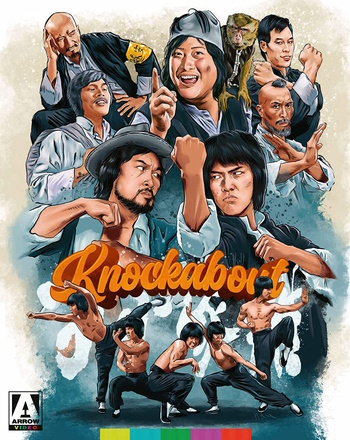
Knockabout
BUY AT:


See more details, packaging, or compare
Synopsis
Having established himself as Hong Kong’s premier action choreographer throughout the 1970s, Sammo Hung ended the decade by directing a non-stop assault of kung fu classics for Golden Harvest, starting with the brutal Iron-Fisted Monk. But it would be his 1979 directorial effort that would finally give his Peking Opera brother-in-arms, acrobatic ace Yuen Biao, his first chance at leading man status: Knockabout!
Brothers and partners-in-crime, Yipao (Biao) and Taipao (Warriors Two’s “Beardy” Leung Kar-Yan), have made an up-and-down career out of being hustlers, conning everyone from bank tellers to casino dealers. One day, they push their luck with the wrong man, martial arts master Chia Wu Dao (legendary Shaw Brothers fight choreographer Lau Kar-Wing), but convince him to reluctantly become their teacher in hand-to-hand combat. But upon learning Chia's dangerous true nature, Yipao turns to another master: a portly blinking beggar (Hung) trained in the ways of the monkey fist. Will this new skill defeat Chia's secret snake style?
Combining Hung’s hard-hitting choreography with the Mo Lei Tau style of humor that was increasing in popularity at the time, Knockabout is a thrill-a-minute action spectacular that would pave the way for later masterpieces such as Hung and Biao's subsequent collaboration, the Wing Chun tour-de-force The Prodigal Son.
Picture 9/10
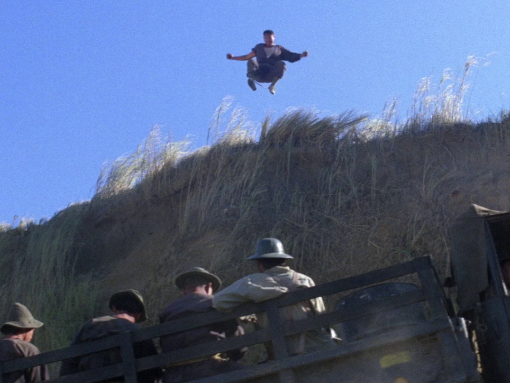
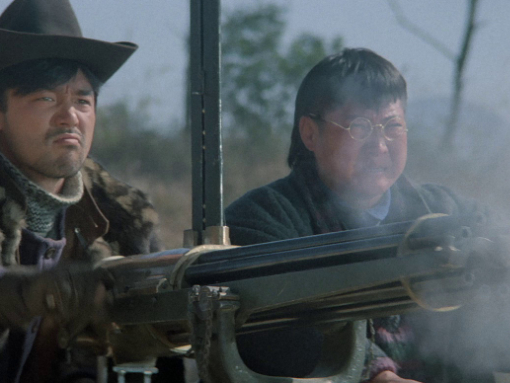
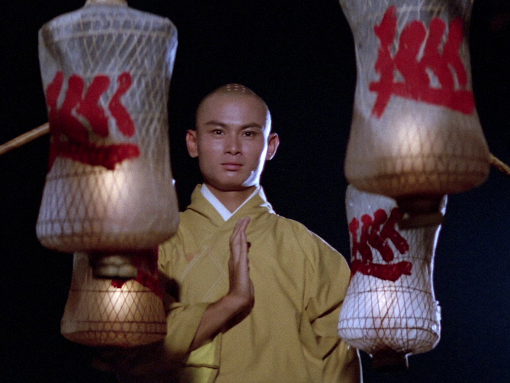
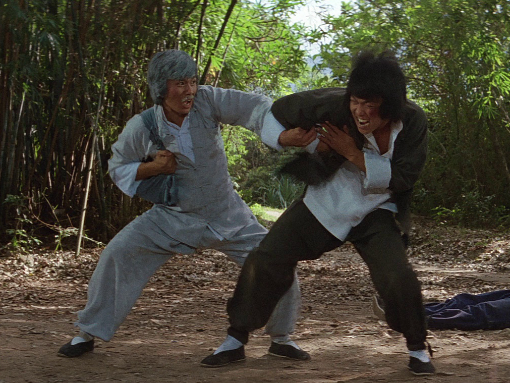
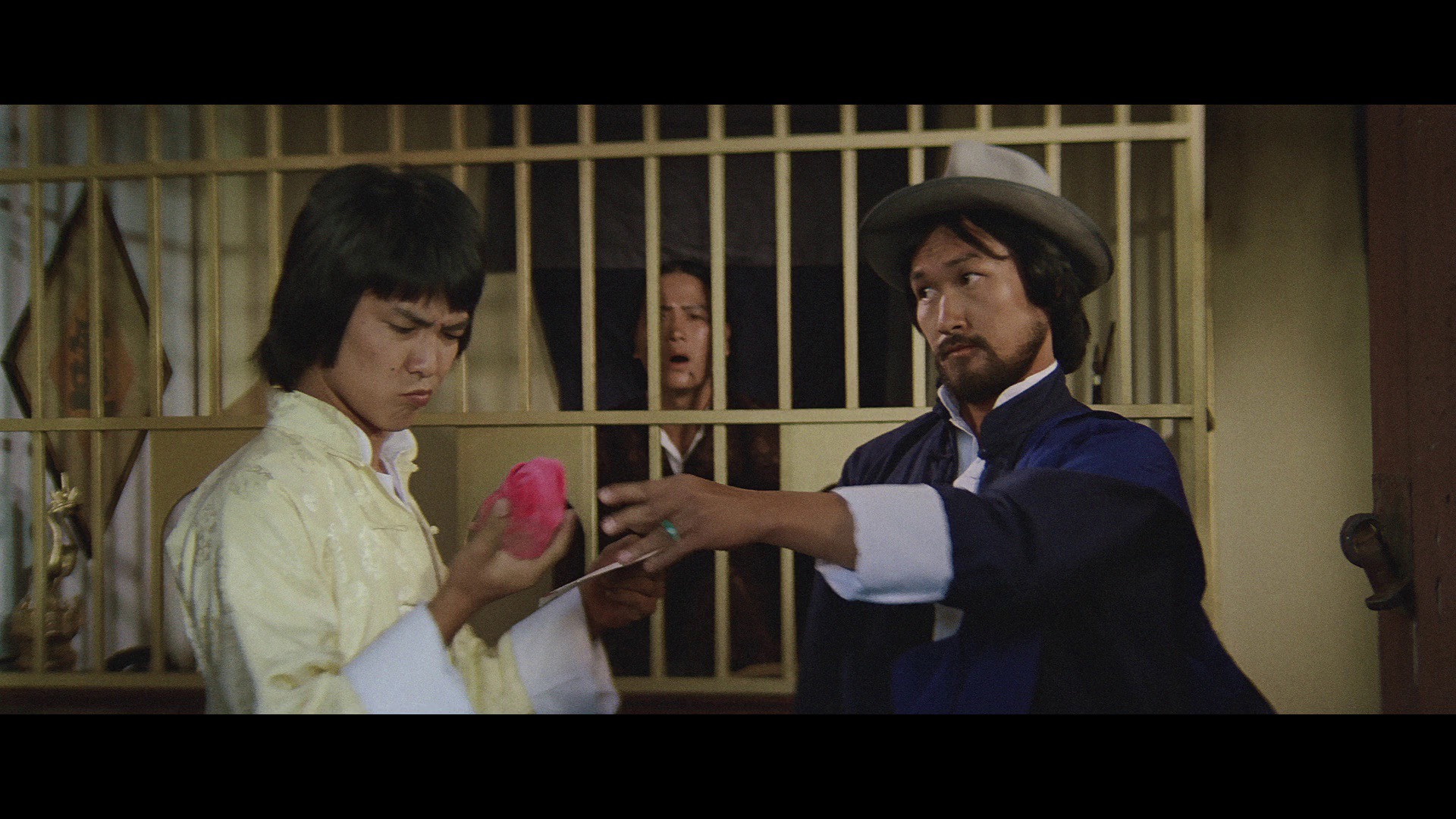
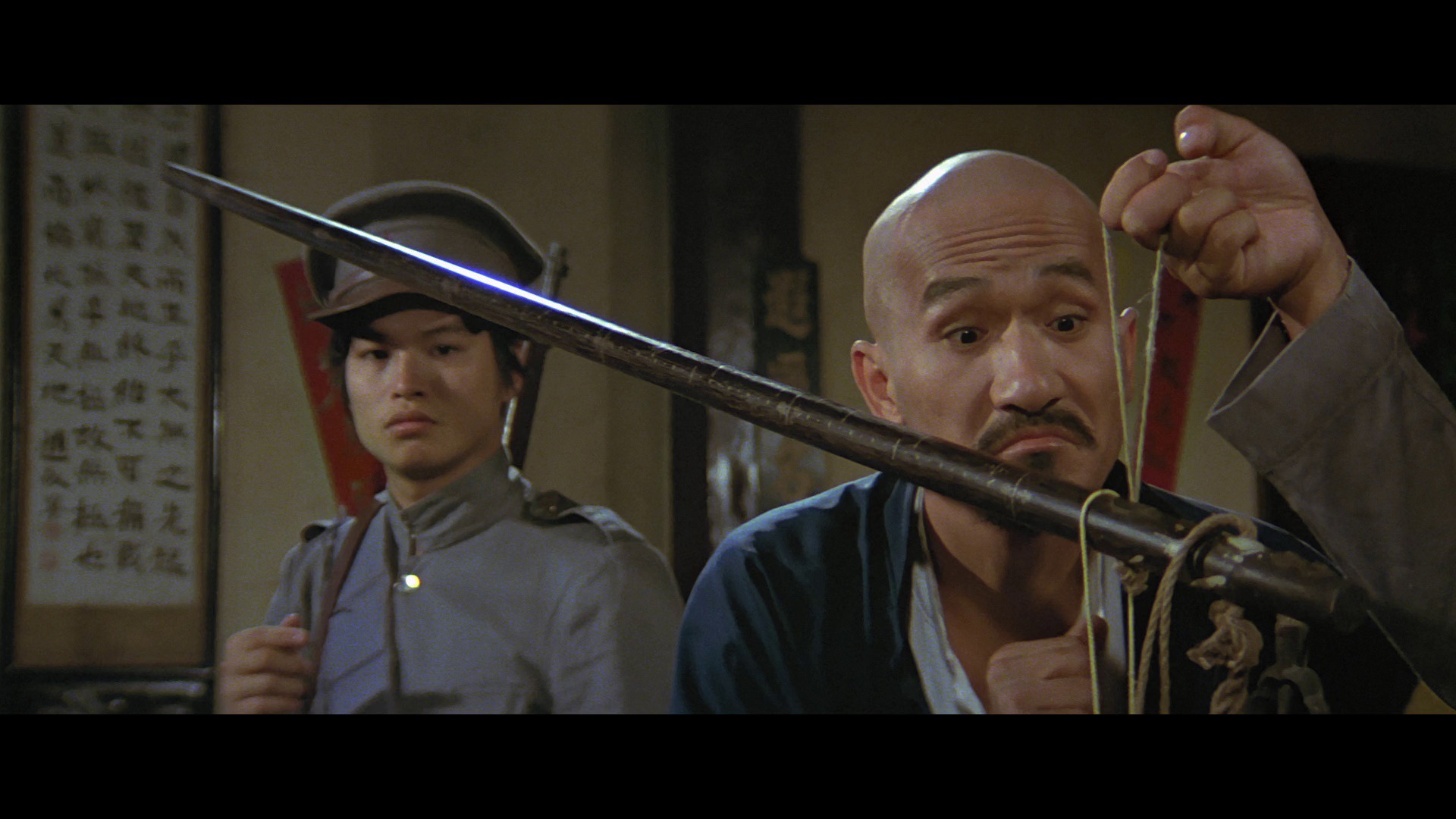
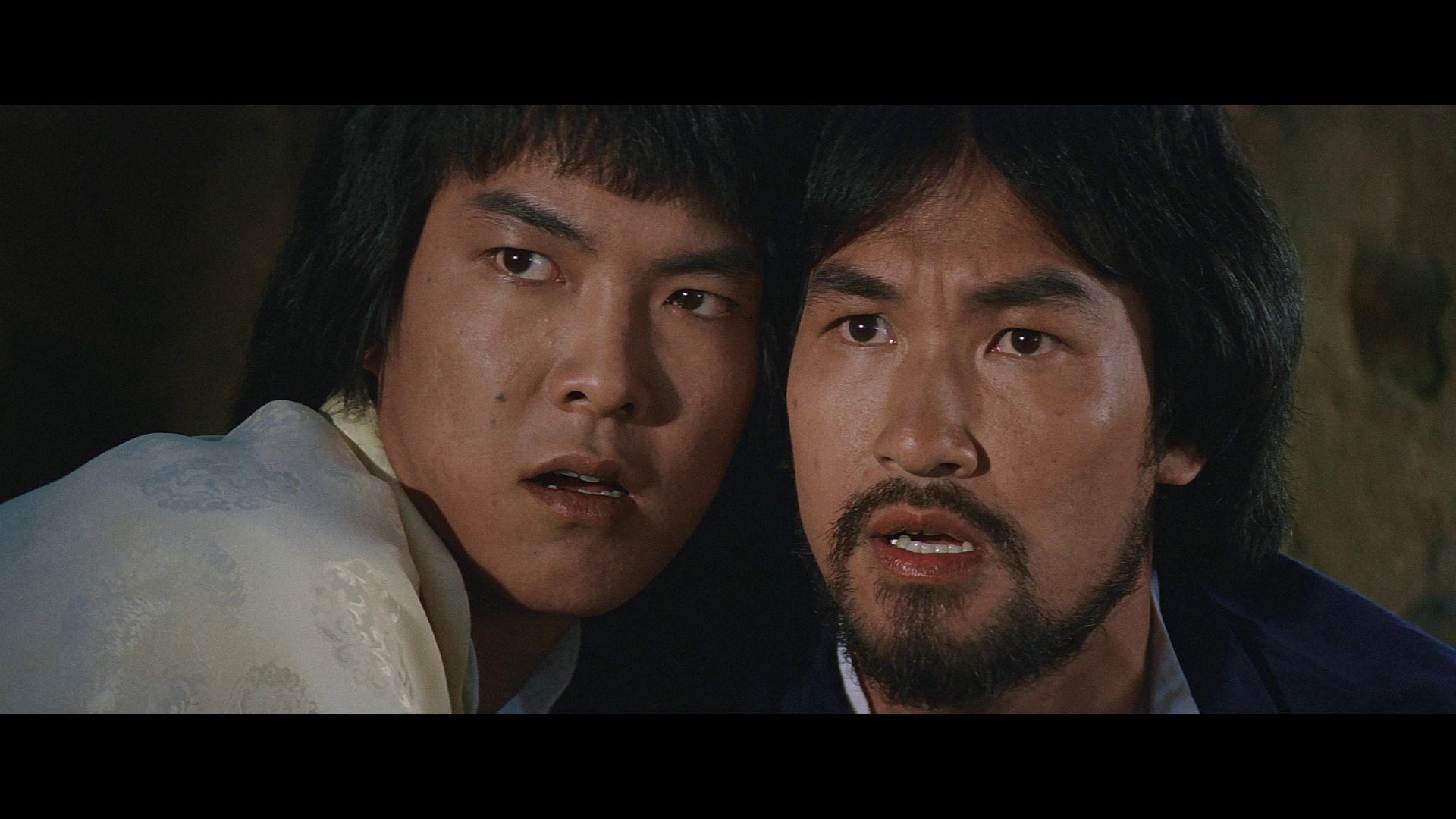
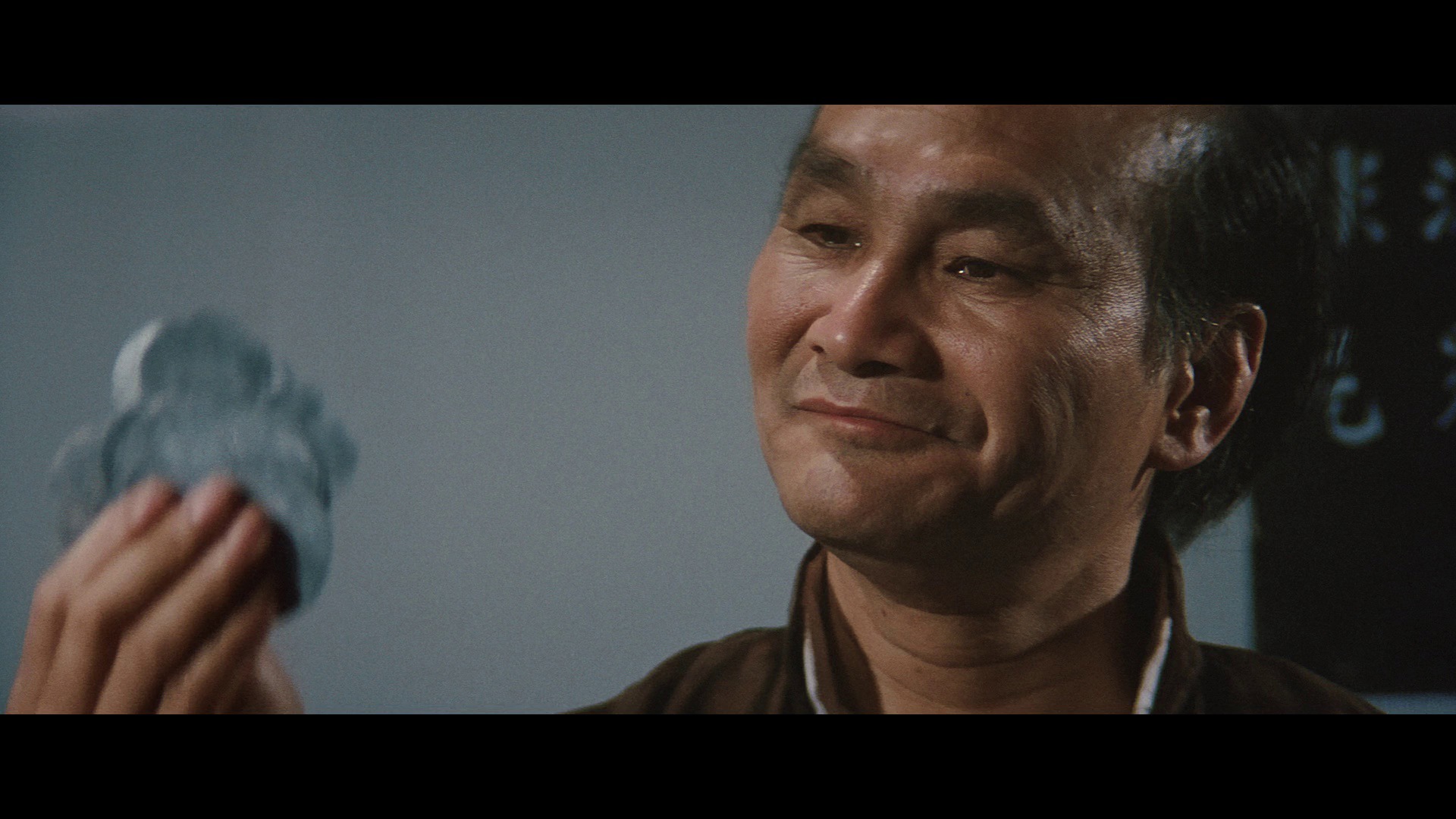
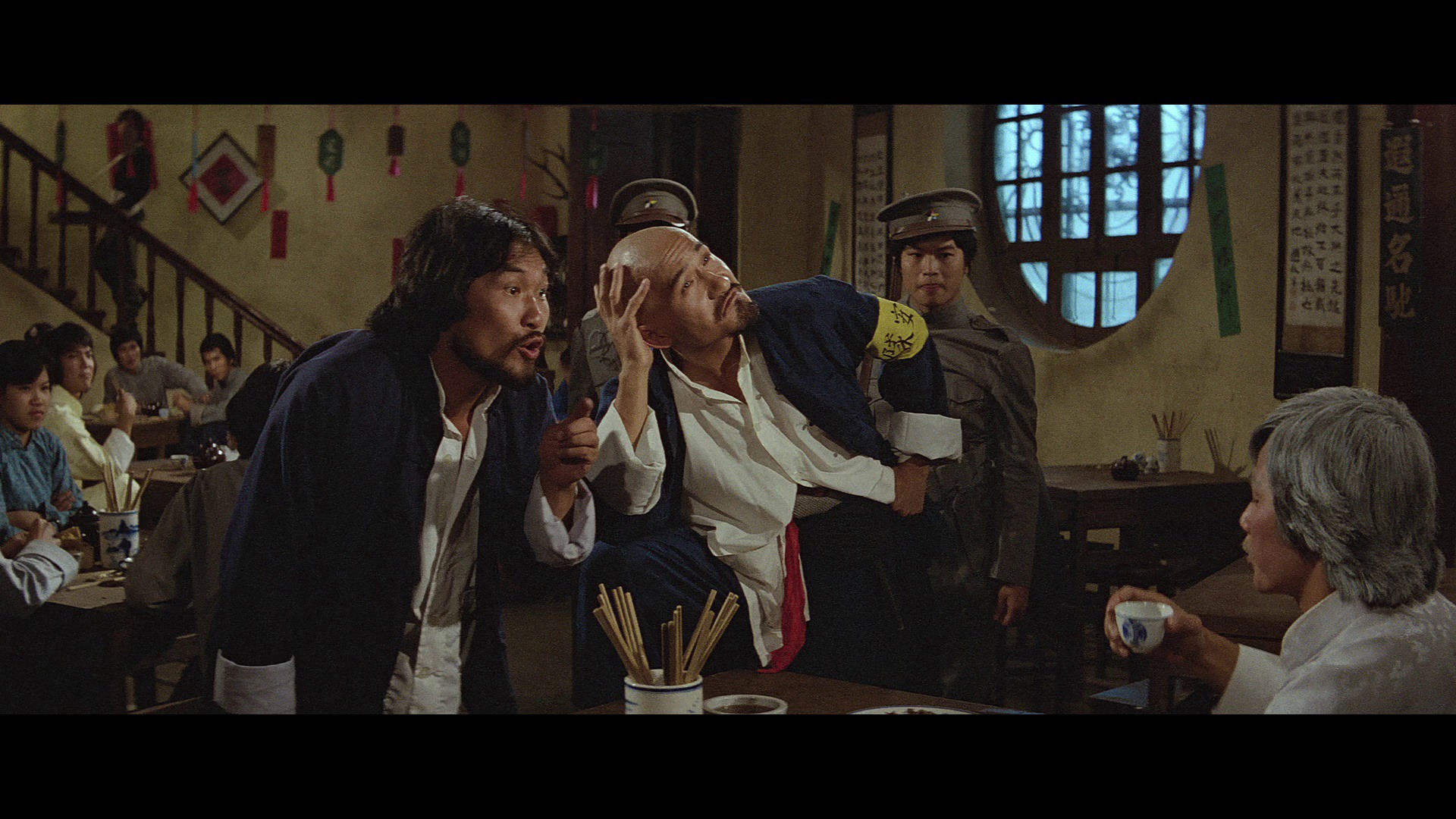
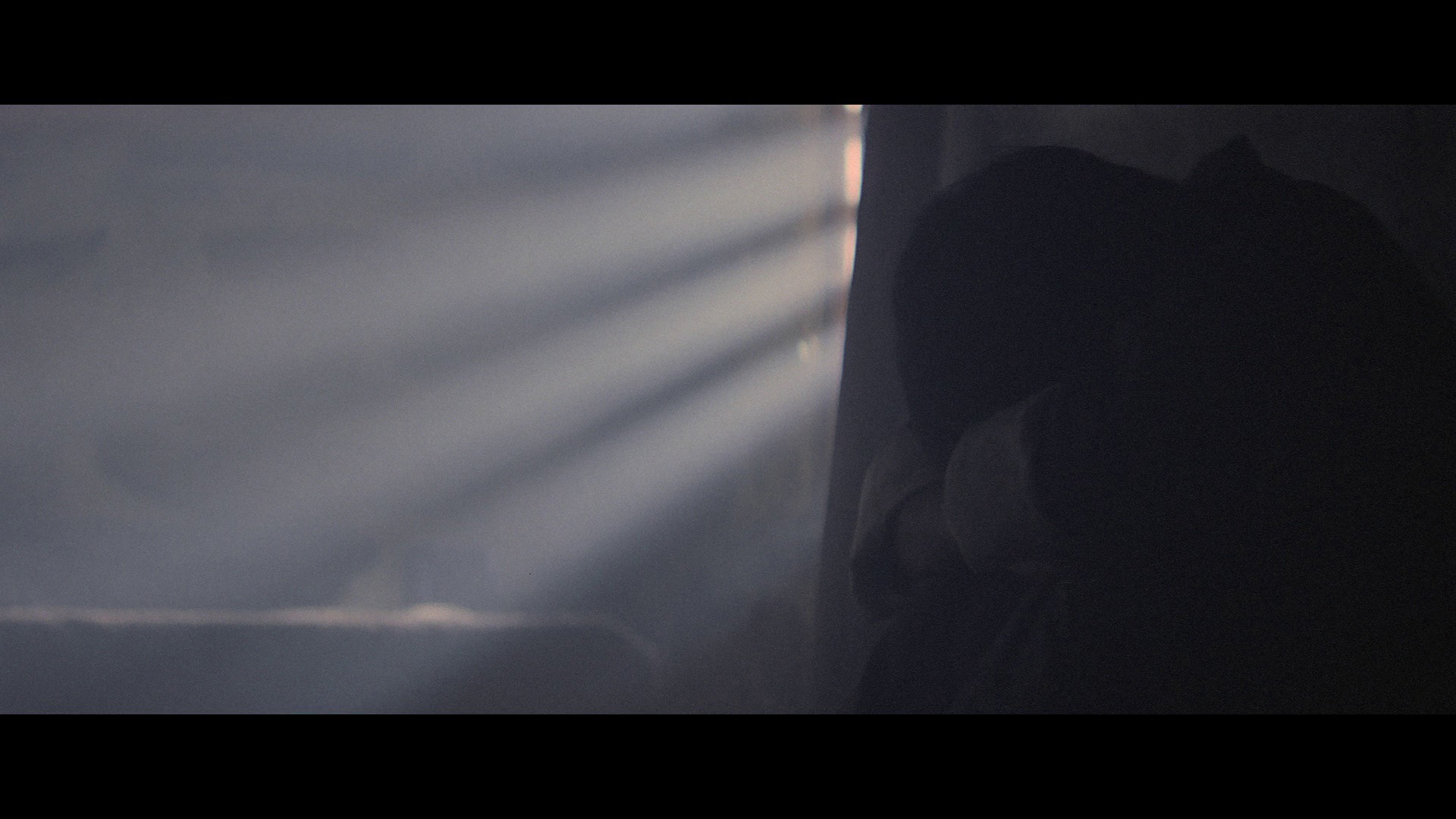
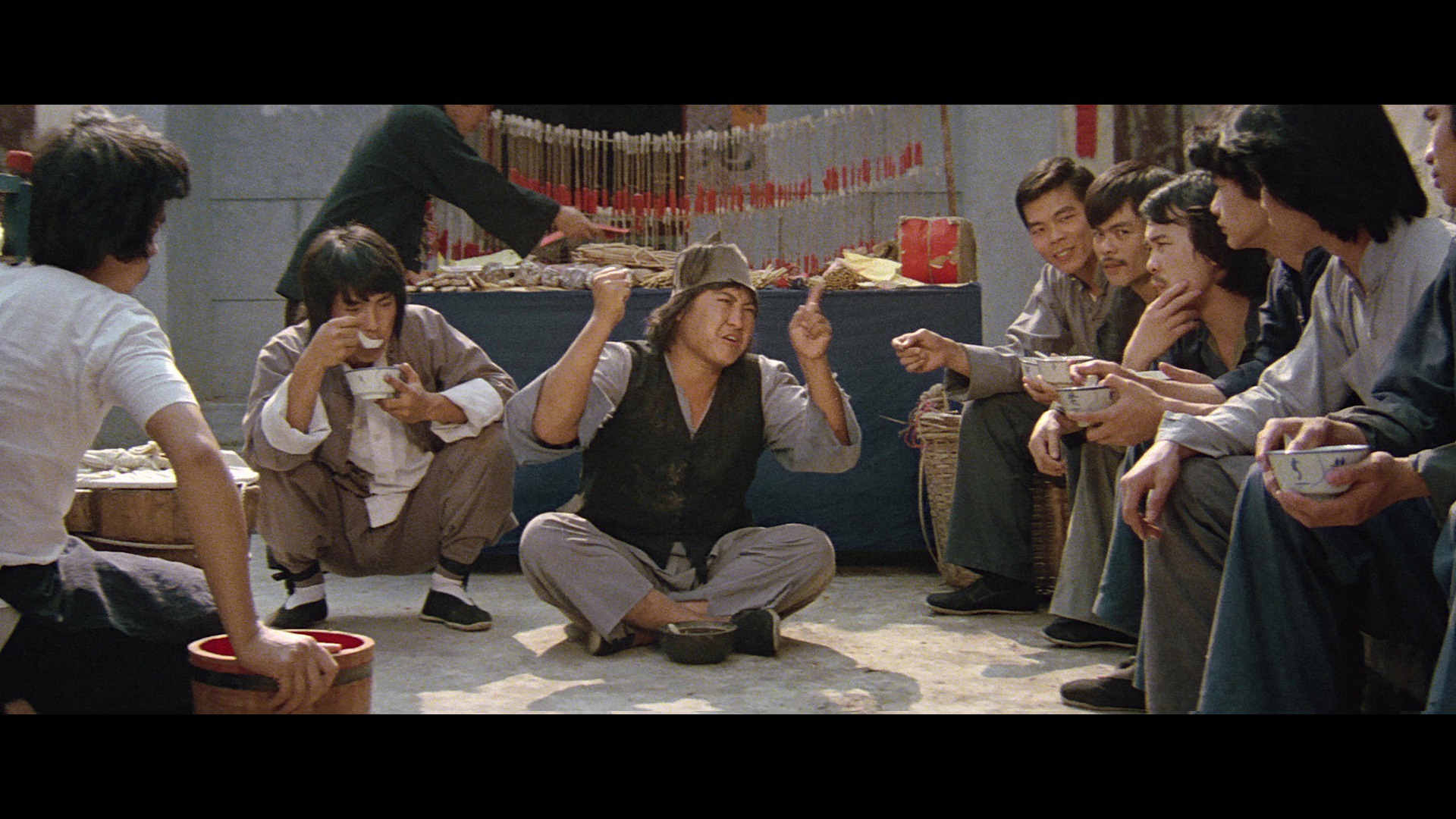
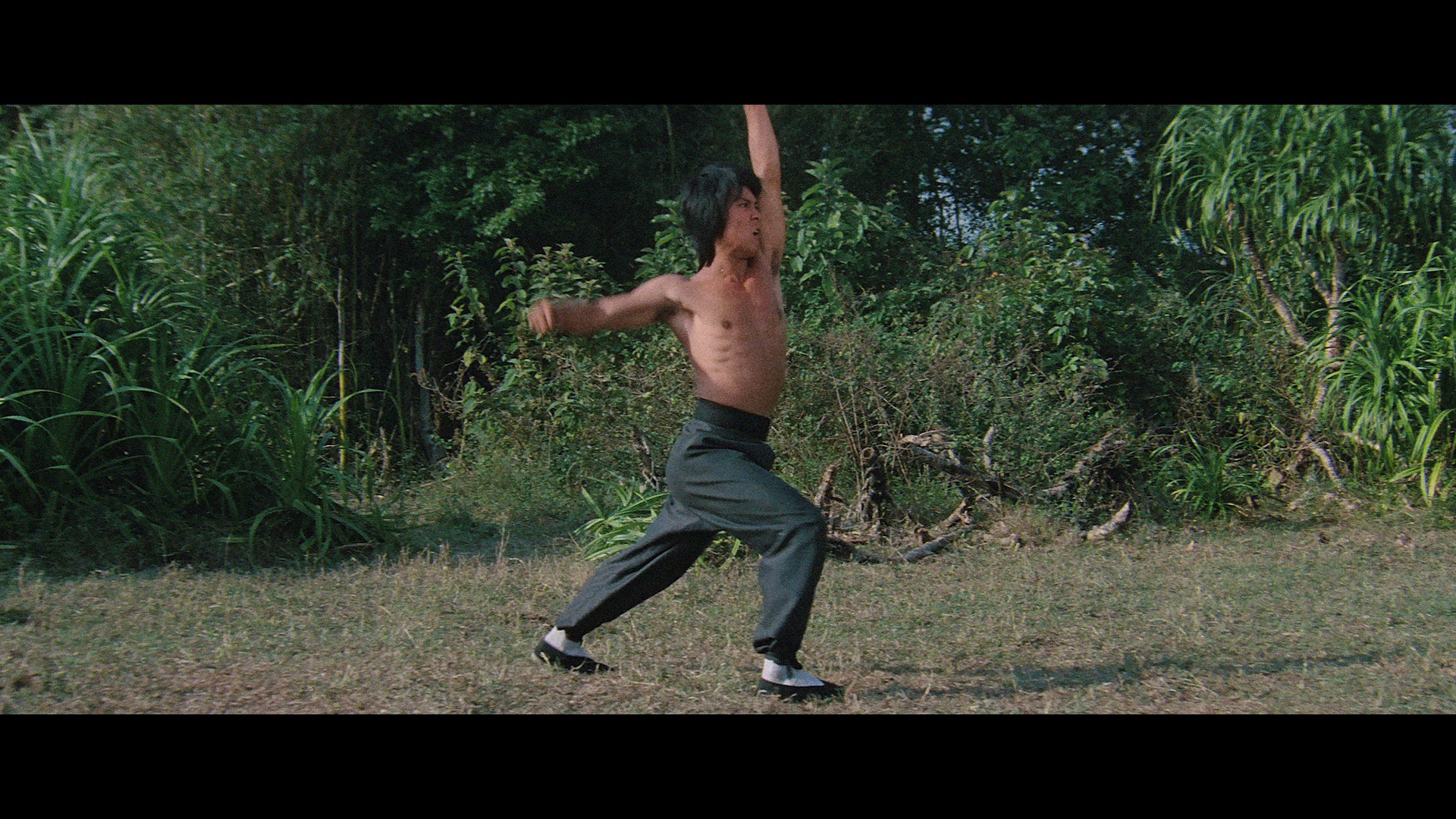
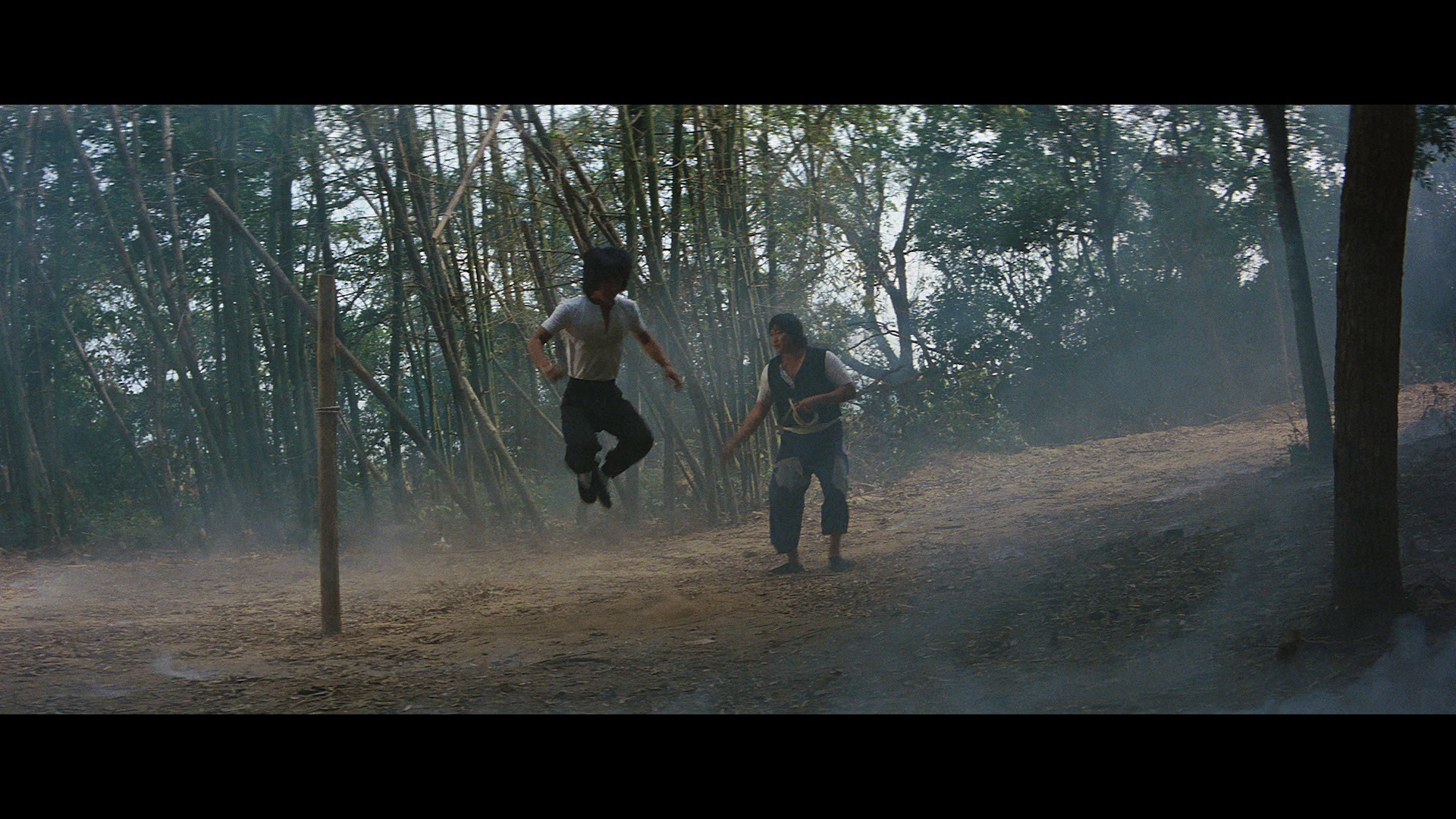
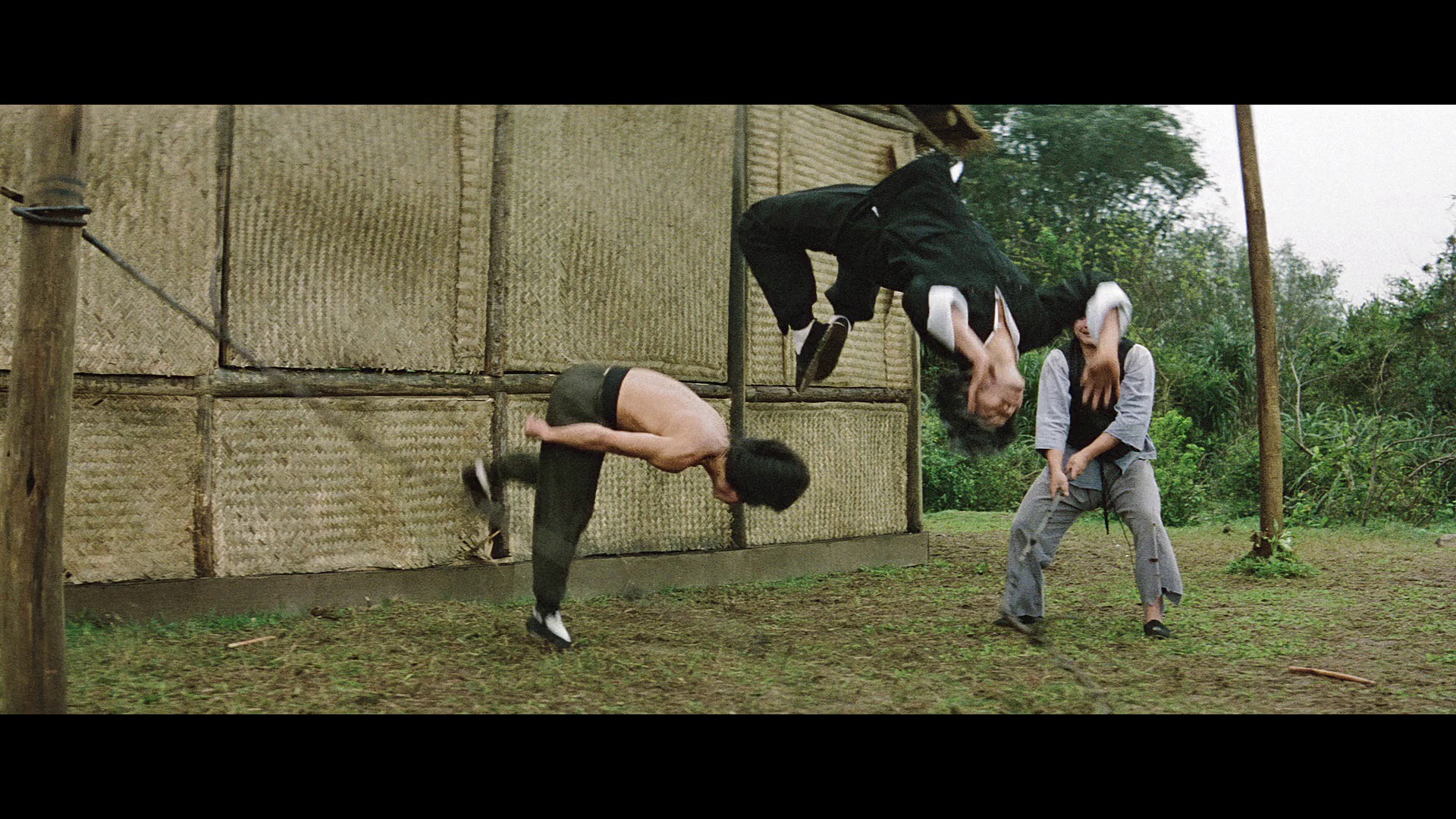
Sammo Hung’s Knockabout receives an all-new Blu-ray edition from Arrow Video. It is presented on a dual-layer disc in its original aspect ratio of 2.35:1 with a 1080p/24hz high-definition presentation sourced from a 2K restoration performed by Fortune Star. The notes only mention that the scan was sourced from the "original film elements," which appears to be primarily the original negative in this case. The disc presents the Hong Kong theatrical cut and the shorter Export version. Interestingly, the two versions come from their files on the disc and are not delivered via seamless branching. The screen captures provided were taken from the Hong Kong version.
There’s been a sort of sameness to many of the recent Hong Kong restorations being made available on home video through the various boutique labels of late (particularly for Celestial and Fortune Star films), where it’s gotten to the point you already know what to expect. Colors will look perfectly fine, as will black levels, but the range found within both will rarely be all that wide, leading to generally flat-looking pictures. Damage is rarely an issue, and grain will be present, yet it’s not uncommon for that grain to be scaled back to varying degrees. Details will be perfectly adequate, but the finer textures will rarely pop. The presentations will look perfectly fine, excellent even, but they seldom stand out from one another. Some of the reason behind that can be linked to source materials, I’m sure (I believe Fujifilm was used primarily for a period), but in the end, whatever the reason being, I can’t say I find myself all that shocked anymore. It’s rare for those expectations not to be met, but it’s even rarer for them to be surpassed, and sometimes it would be nice to be surprised. Shockingly, Knockabout ends up being one of the titles to surprise and exceed those expectations. And by a rather significant margin, too.
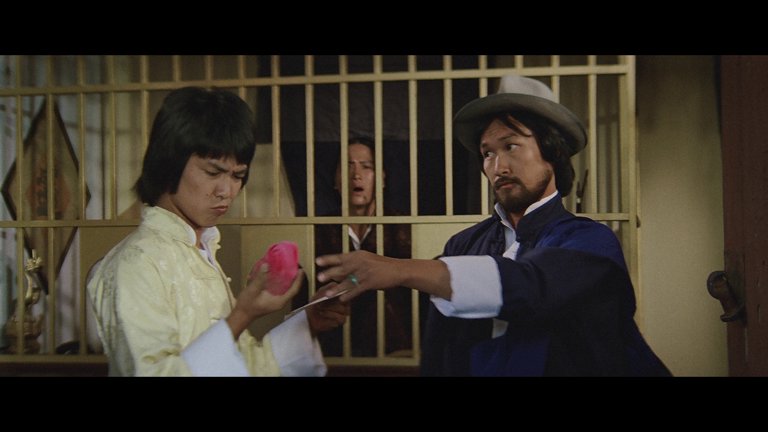
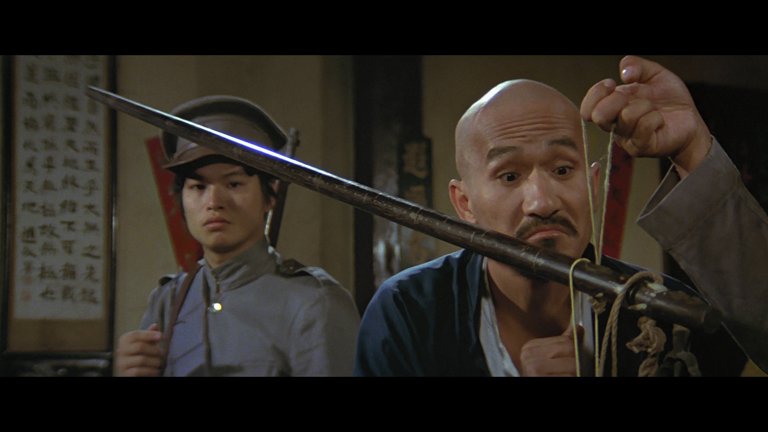
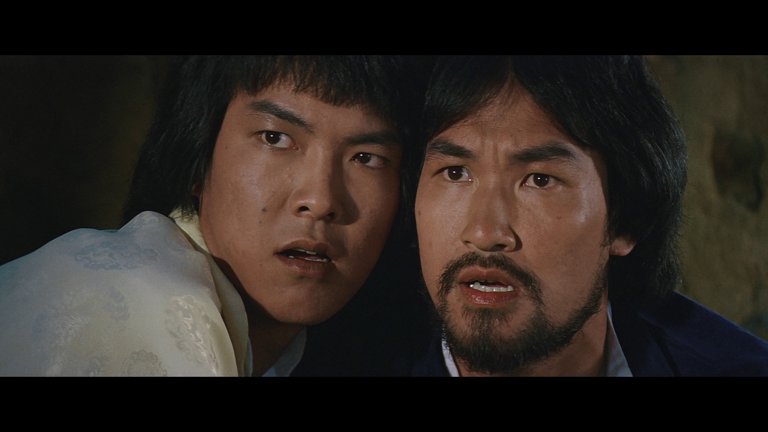
The image is razor sharp and crisp often, and source materials rarely appear to impact the image negatively. Even finer textures and patterns feature a nice pop, and I can attribute that to what seems to be the lack of significant grain management. Grain can be rather heavy, yet it retains a refined, natural look and never comes off looking blocky or noisy. Dynamic range is also surprisingly wide with lovely, rich blacks, allowing darker sequences to expose more detail in the shadows. The image never comes out looking mushy or flat. I was also impressed by a couple of interior shots and how the light from outside comes in, particularly one moment featuring the light coming in and slowly illuminating a room. Range is vast, and the gradients blend cleanly as they mix into the blacks. It looks striking.
Colors are also pretty bold, reds and blues popping nicely (the participants in both included commentaries end up mentioning this), and damage—as expected—is not an issue. No digital artifacts of any sort seem to pop up, either. Overall, it’s a surprise presentation with a lovely film-like texture.
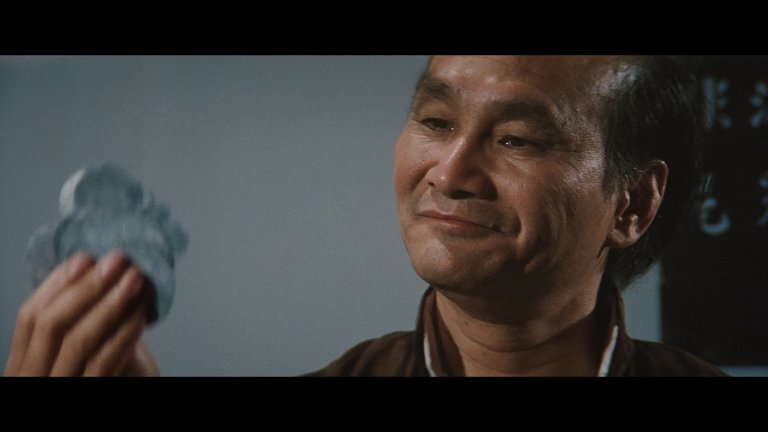
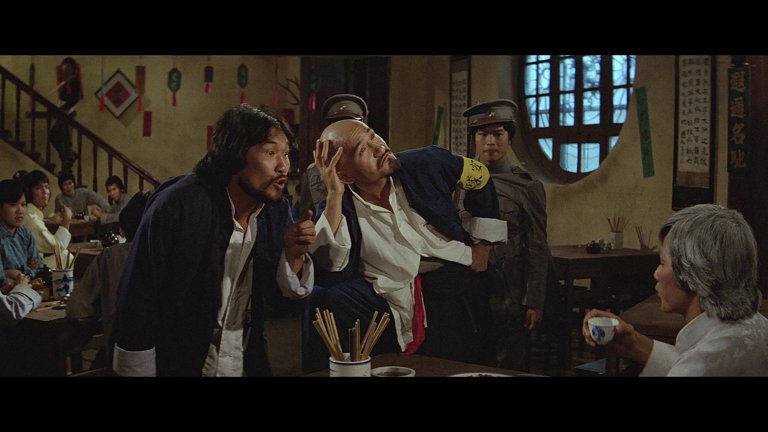
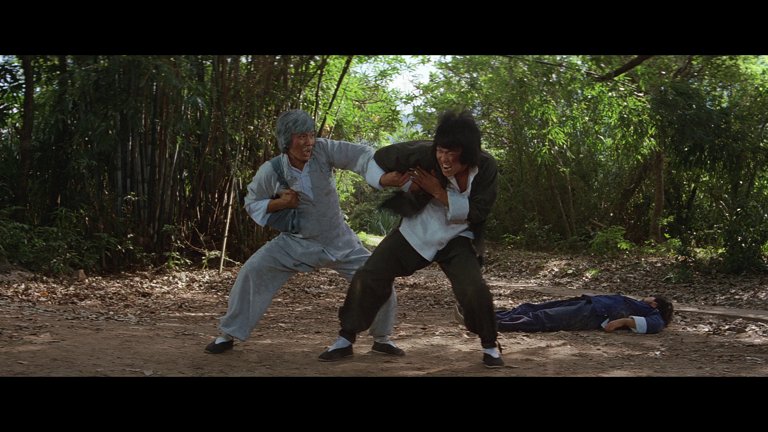
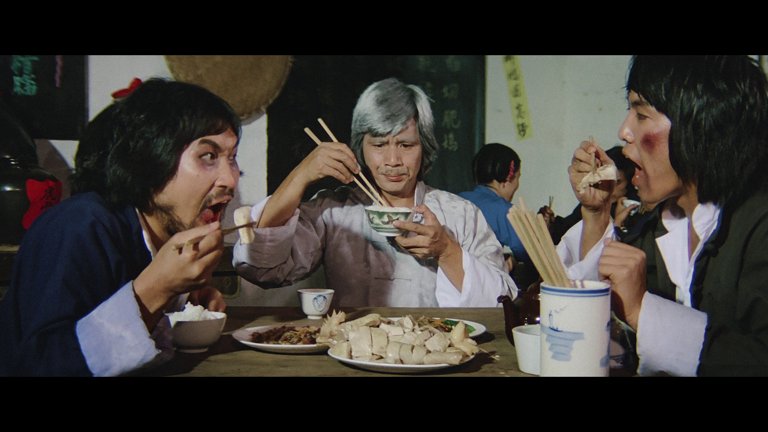
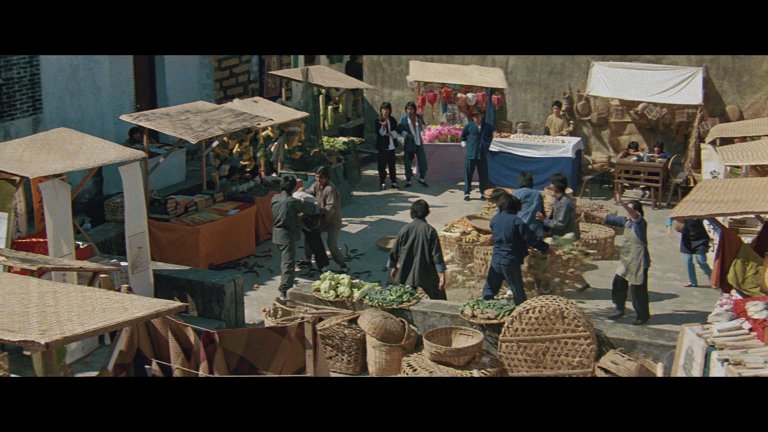
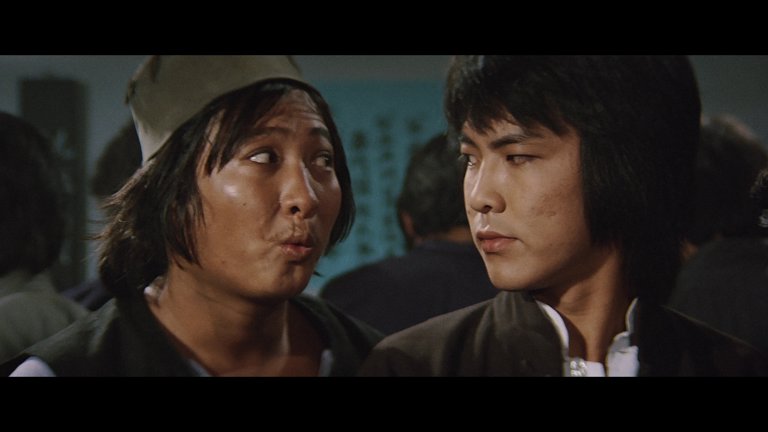
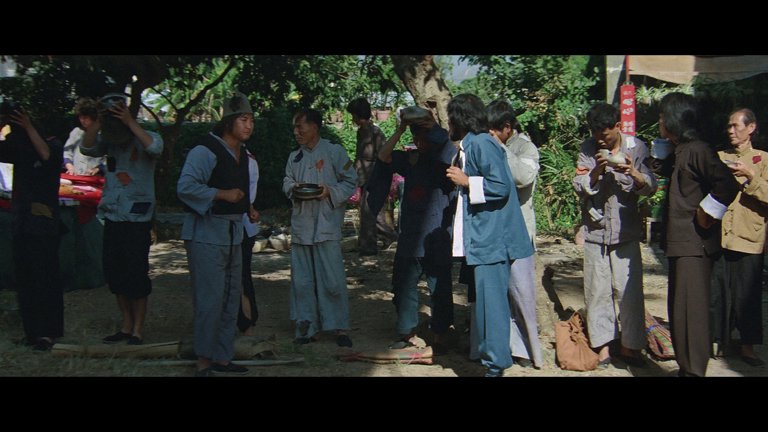
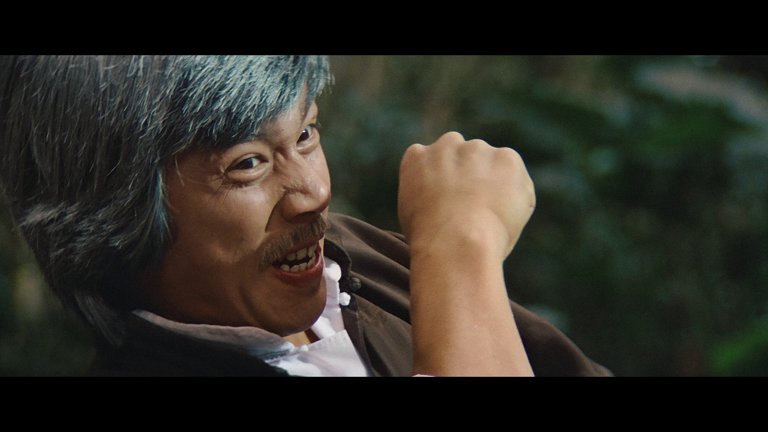
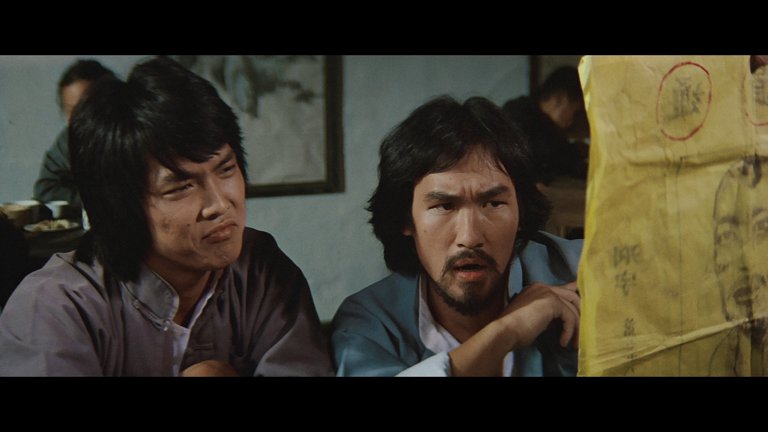
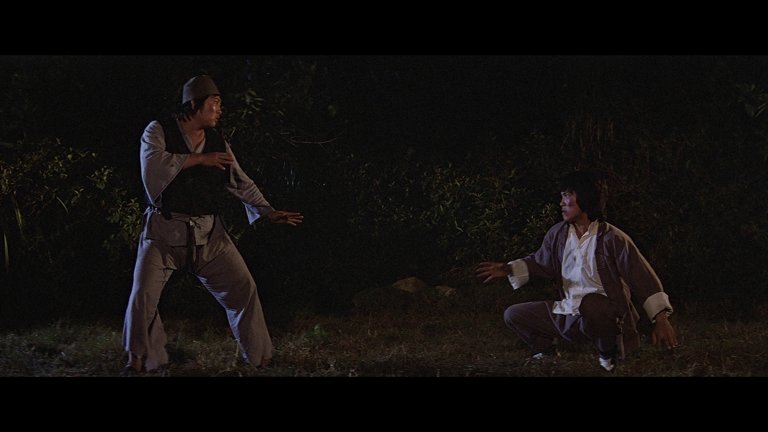
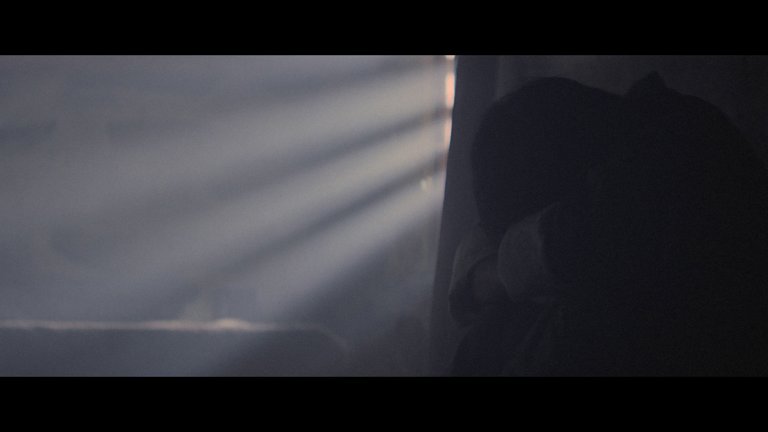
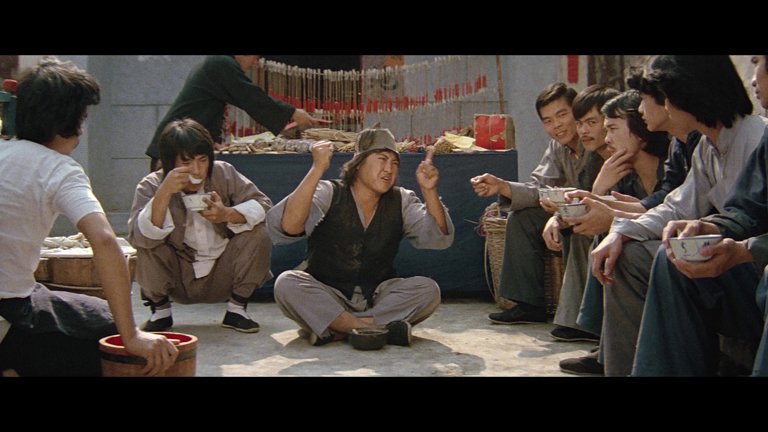
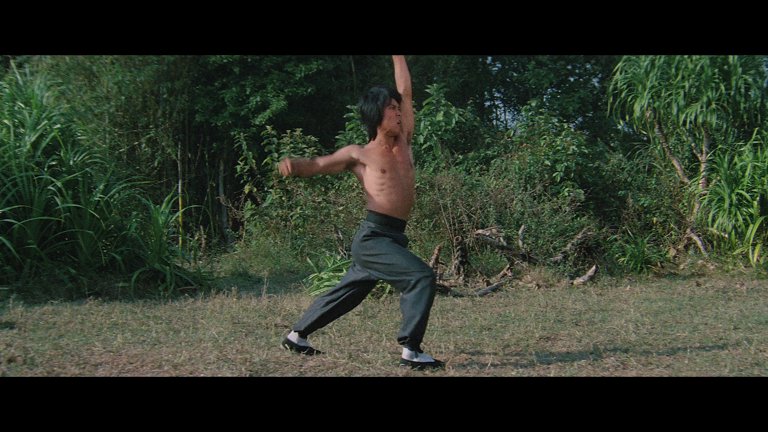
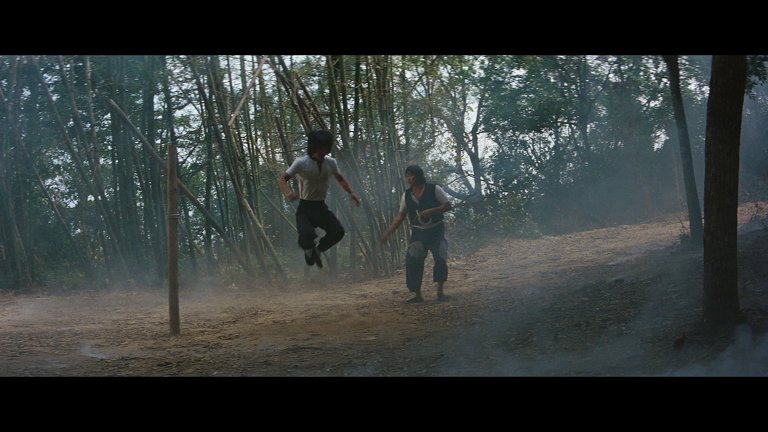
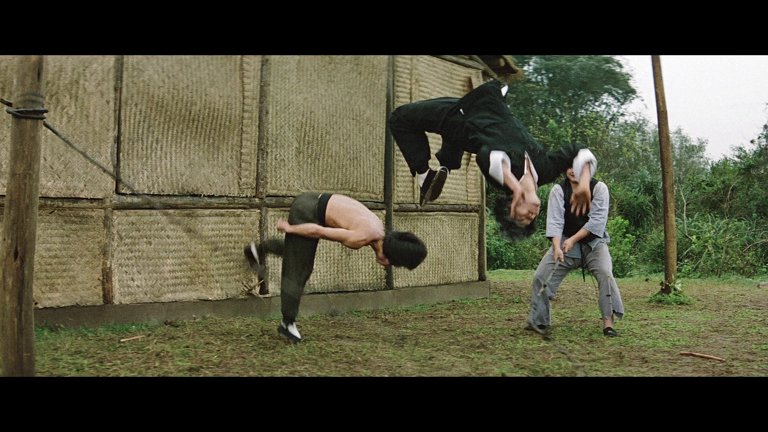
Knockabout - Screen Captures
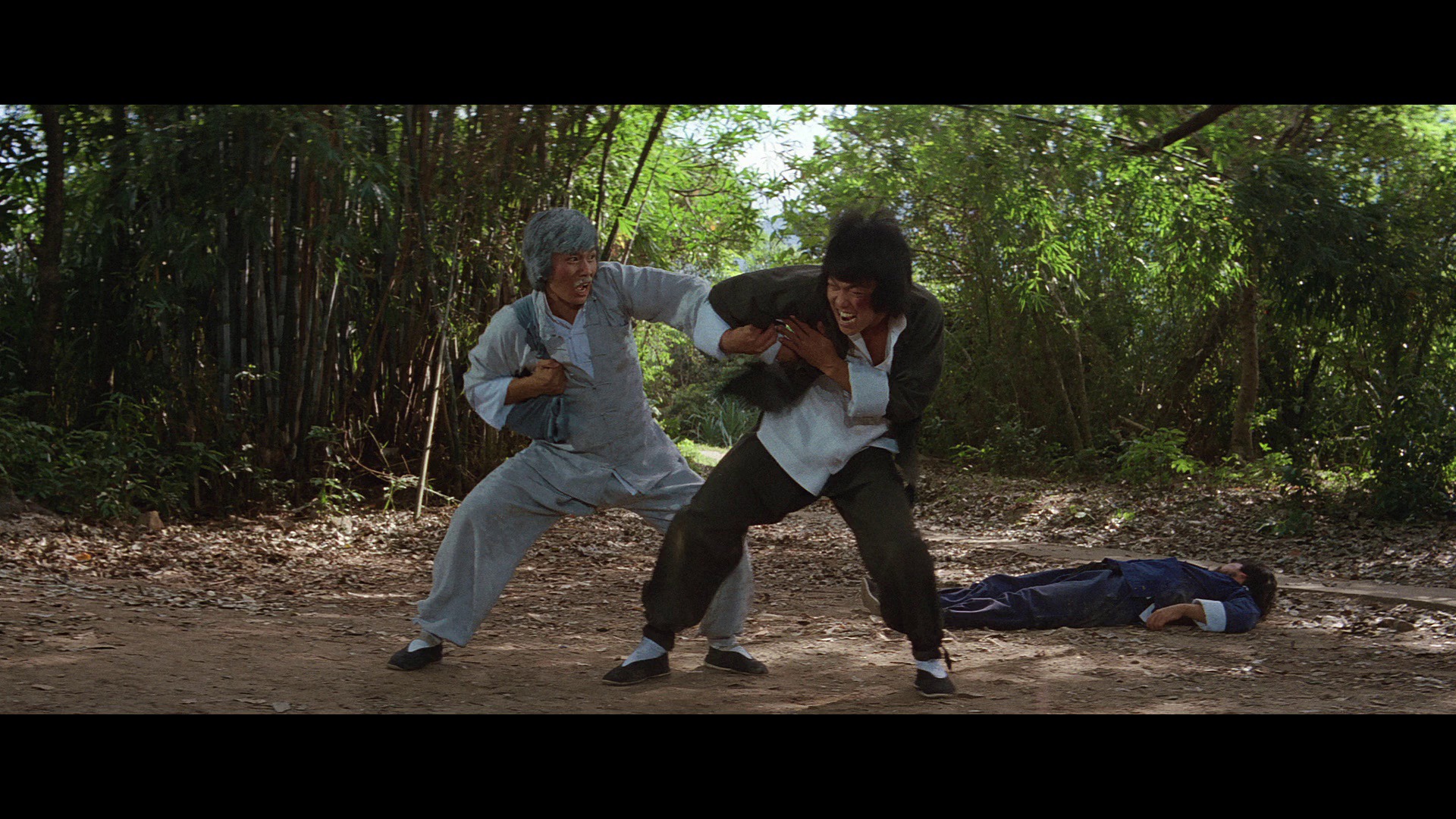
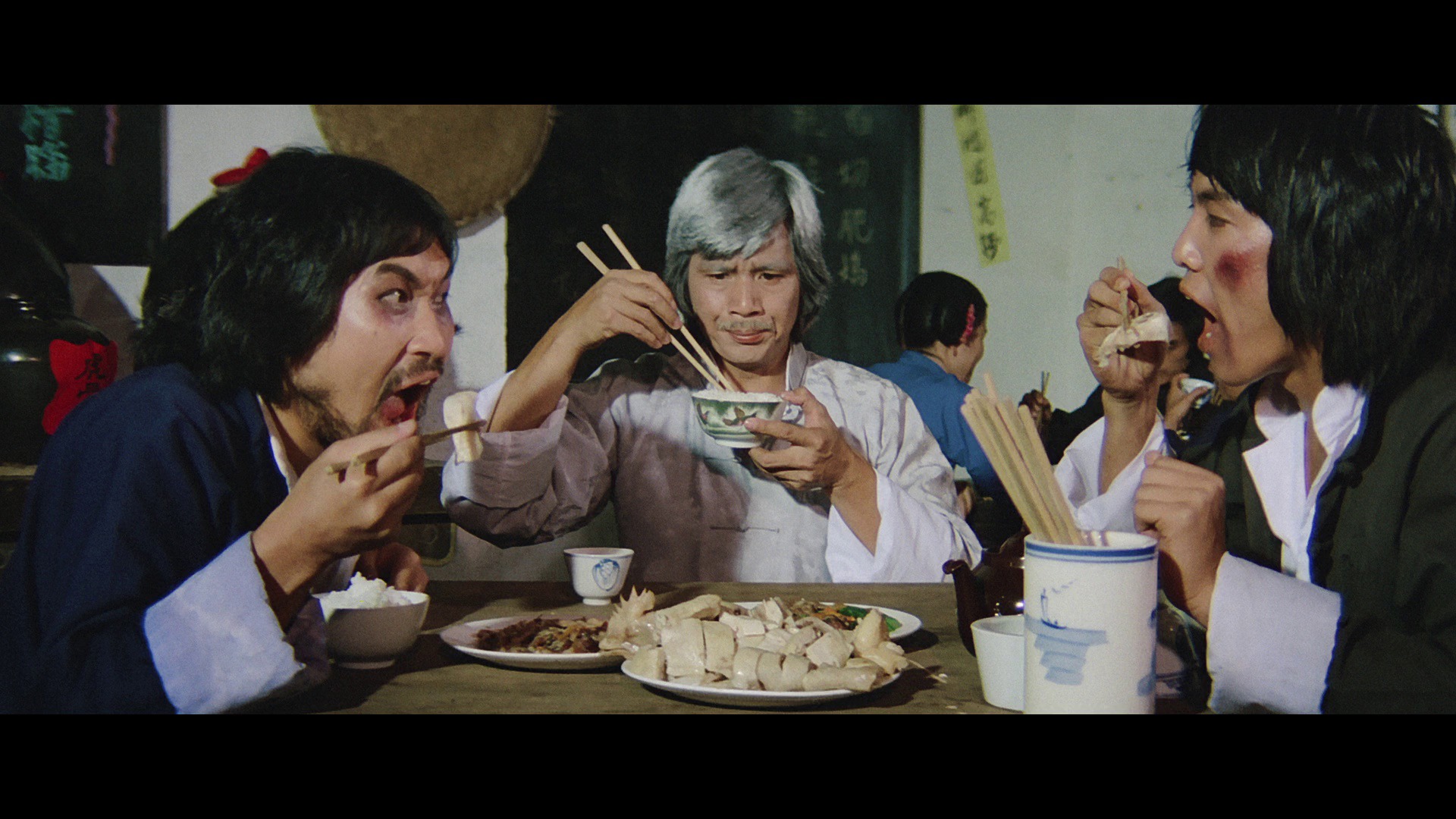
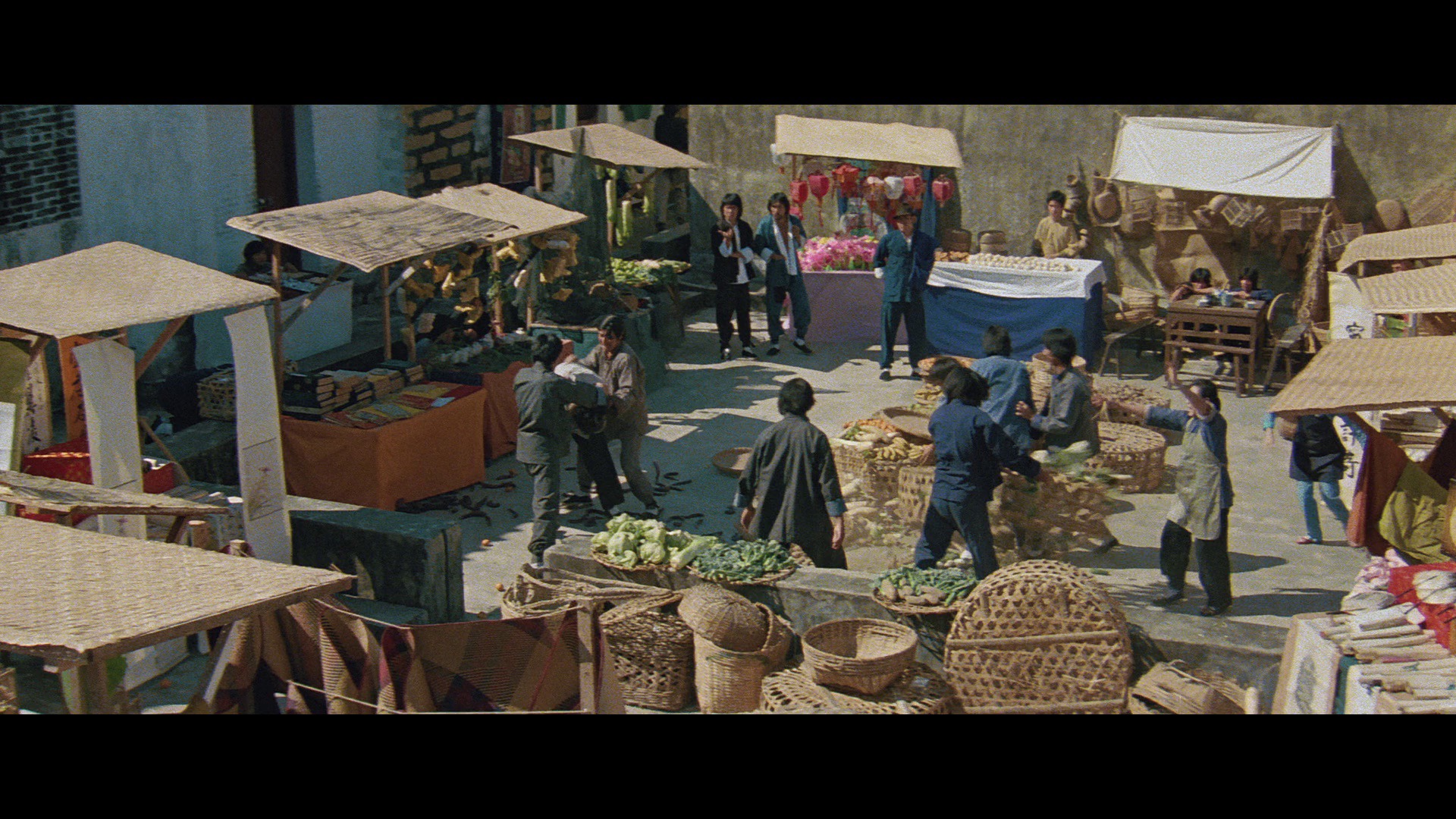
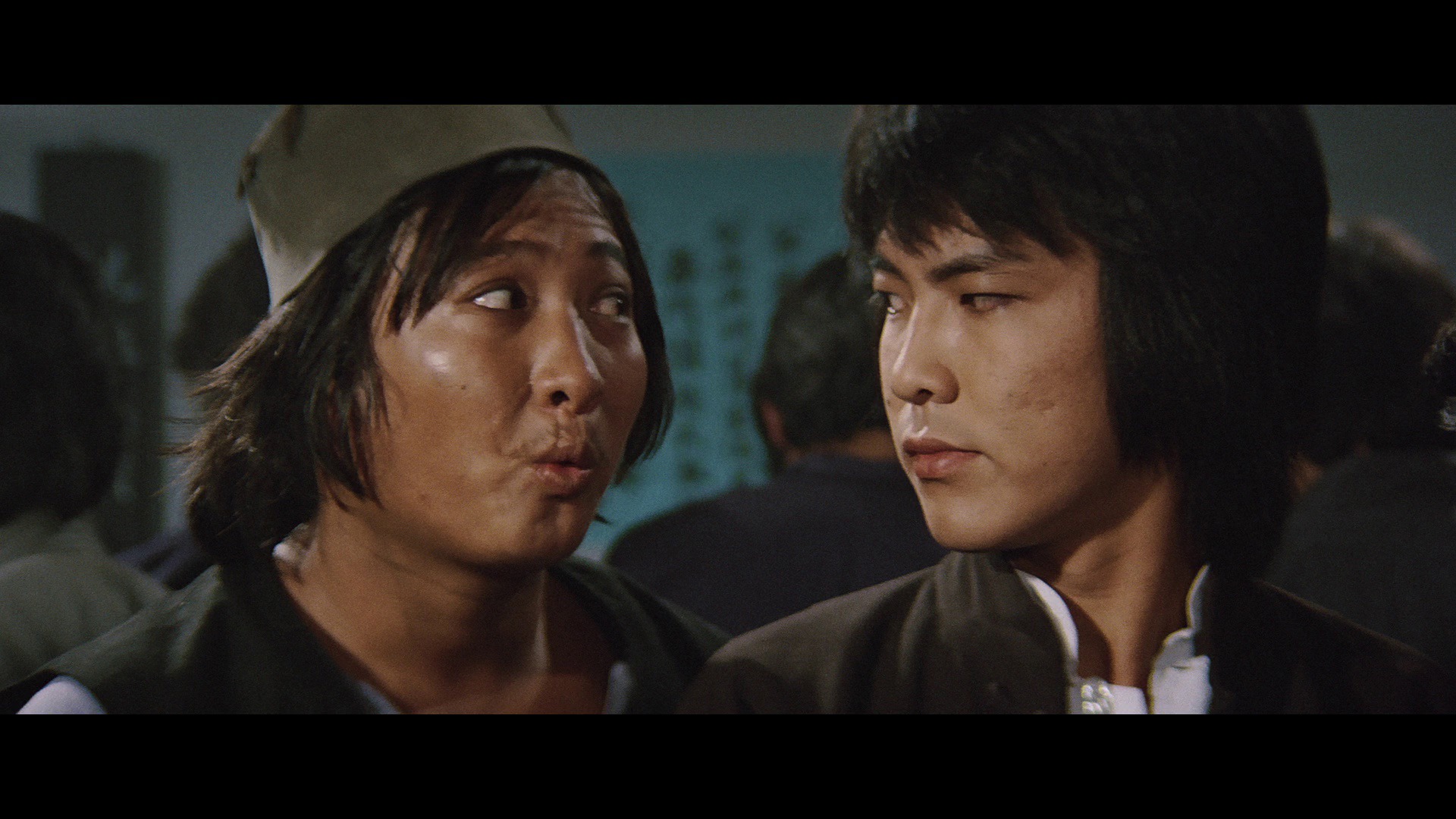
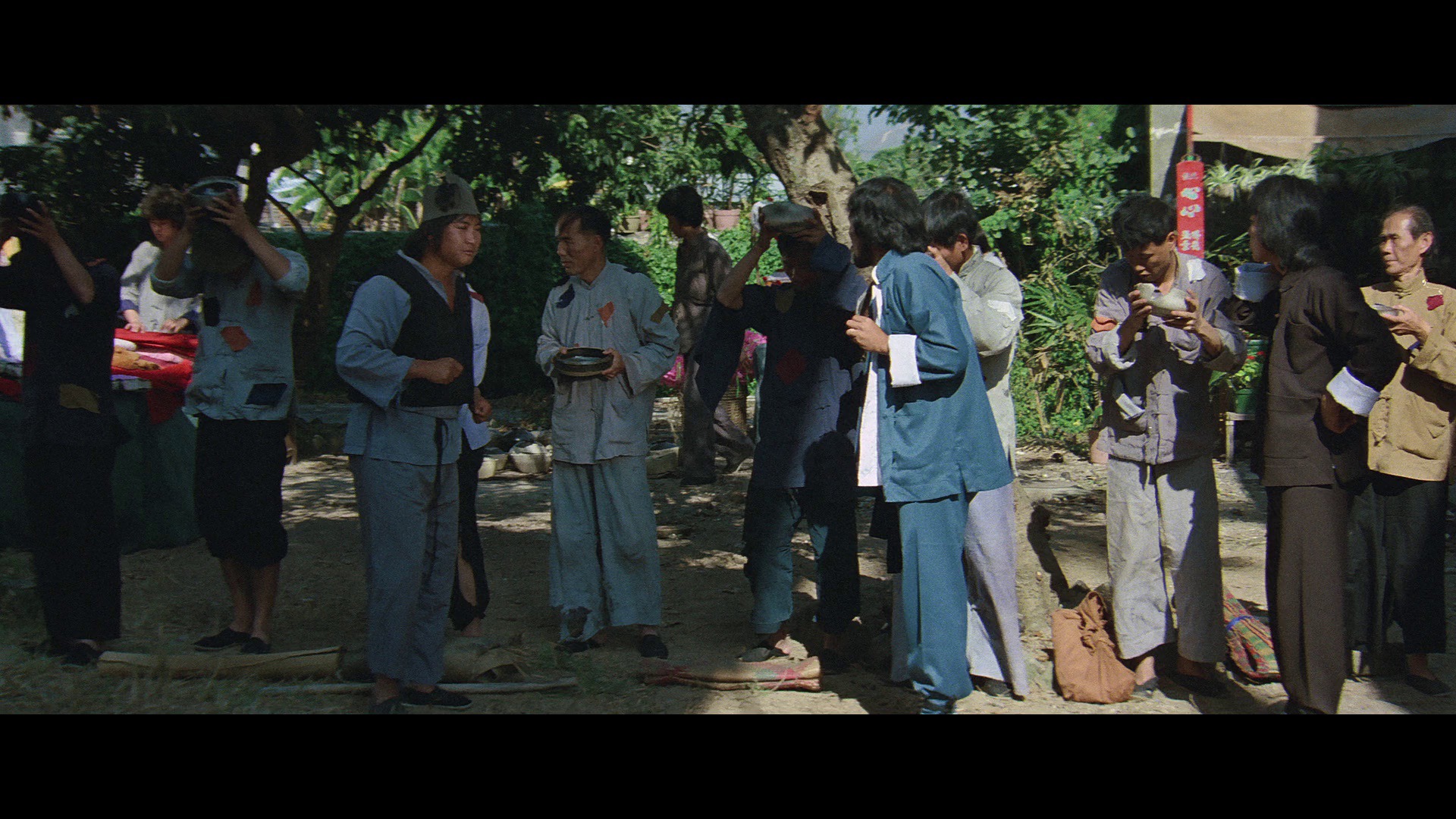
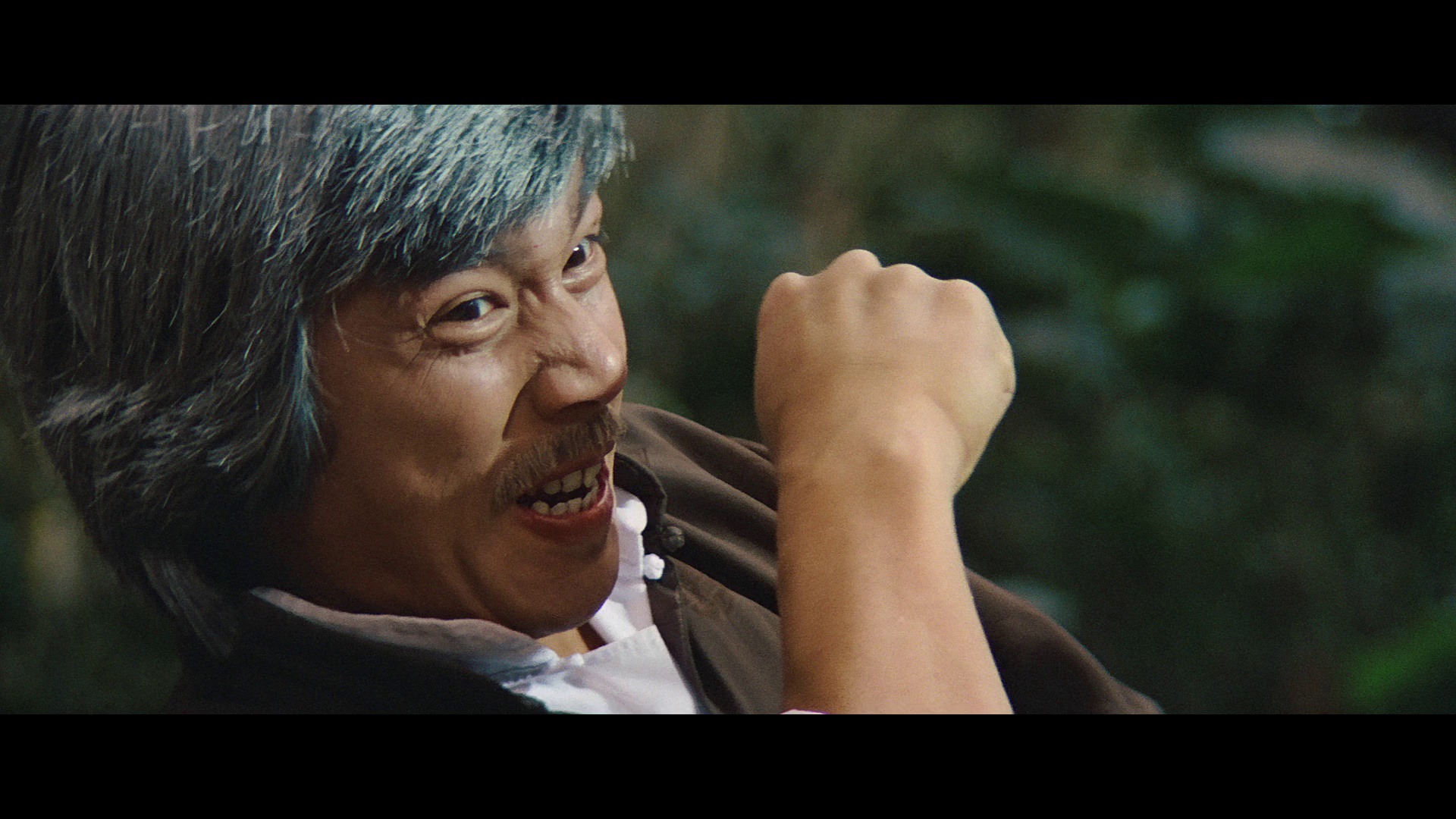
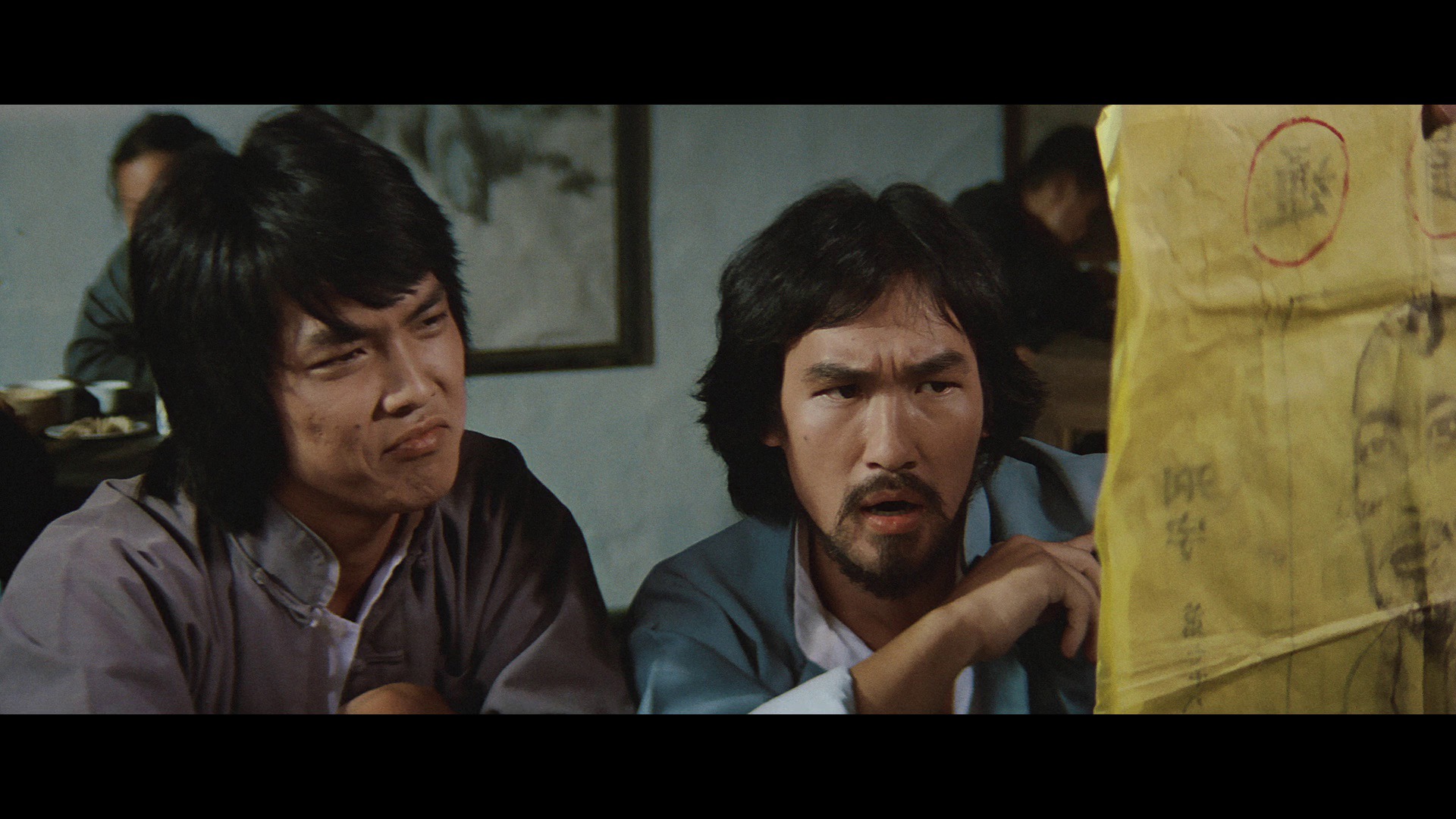
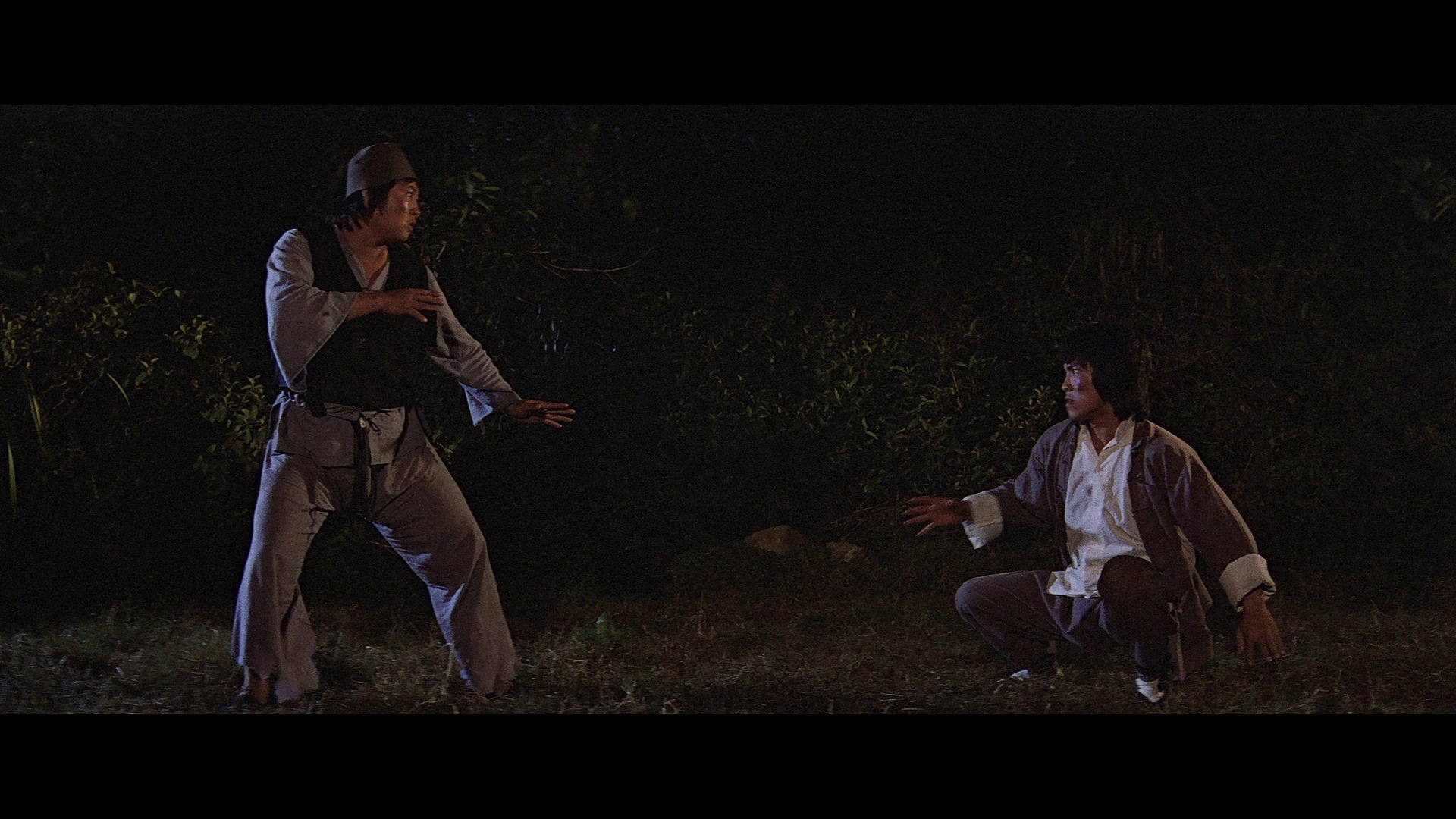
Audio 7/10
Arrow includes four audio tracks: three single-channel DTS-HD MA monaural presentations in Cantonese, Mandarin, and English, along with a remastered 5.1 English surround soundtrack in DTS-HD MA, which was initially created for DVD. I listened to the Cantonese and 5.1 surround presentations and sampled the other two.
(When playing back the Hong Kong version, the English monaural soundtrack switches to Cantonese with English subtitles during the sequences that were cut from the Export version. This proves to be manageable, but there is at least one moment where it switches mid-scene as one character is talking.)
Of the three monaural soundtracks, I found the Cantonese one stronger. It still has a "dubbed" sound since all audio, including dialogue, was done in post-production, but at least it fits better with the visuals. Dialogue and sound effects also sound strong with impressive range and fidelity, while damage is never an issue. The other two soundtracks present a slight edge in the dialogue with a weaker range overall, but they both sound pretty good.
The 5.1 soundtrack, on the other hand, sounds awful. It lacks any depth or actual range; everything sounds to be mixed as loudly as possible. And though all of the soundtracks were technically recorded in some studio setting, this one makes it most evident. Nothing sounds natural to the environment. All of the voices clearly sound to be coming from some recording booth. There's also little to no background noise like the other tracks at least attempt to feature (those tracks make it sound as though the characters are sort of in the environments they're shown), and the sound effects that are inserted (usually when crowds are involved, like in the gambling den) sound terribly unnatural. It's just noise in the background. When it comes to surround use and the mix in terms of direction and such, it is okay, admittedly. Some moments are impressive. Yet every other facet of this soundtrack makes it too obnoxious to take seriously. It's terrible, and I have to assume Arrow is only including it for "posterity" purposes or whatever because I cannot imagine anyone listening to it on purpose.
Extras 7/10
Based on the specifications I pulled from Eureka’s website, Arrow’s edition replicates Eureka’s disc precisely in supplements. This disc again offers two versions of the film: the Hong Kong theatrical cut and the shorter Export version. The export version cuts out over 10 minutes' worth of material. While I get that foreign distributors would cut these films to pick up the pace, the cuts made here do feel rather odd, cutting out one sequence that I felt was pretty crucial around the opening con, followed by another cut to a sequence that features a character begging another to be trained.
Sadly, the cuts aren't explained or reasoned in either of the included commentaries, one of which features Frank Djeng and Michael Worth (on the Hong Kong cut), the other Mike Leeder and Arne Venema (on the Export cut). Djeng’s and Worth’s track is okay, though more laid back compared to some of their other ones. The two talk about this period in Hong Kong film history and how the film represents a shift in tone that was occurring in martial arts films, which was a shift towards comedy (even if this film does take a darker turn in the last act). Djeng also provides context for Western audiences where appropriate (like how a line said by Hung is a comic reference to a popular weatherman in Hong Kong at the time), and the two get into discussions about Hung’s directing style and the fight choreography in this film, and how it all pairs with the camerawork. It’s a well-rounded track and entertaining, but this is maybe the first track I’ve listened to where it felt like the duo was having trouble coming up with material to cover.
Leeder’s and Venema’s track goes a different route, though I don’t know if it was planned. Though it’s still concerning the film, the two end up talking more about Hong Kong culture and how it ends up being represented in the movie, whether it be about the popularity of gambling (which is otherwise illegal), how land rights work, or food and eating out. This leads the two to talk about the culture shock they (and their friends) experienced after moving there. The two still comment directly on the film, even admiring Hung’s ability to capture space and the positioning of characters. Still, it oddly always seems to lead to more discussion about Hong Kong culture. Thankfully it all proves interesting.
(In what I found to be a funny little coincidence, both tracks feature a portion where the participants talk about interviews they have conducted with Hong Kong actors through the years and how shocking it is how little the performers can actually remember about their work. They attribute this to the fact that actors at the time were constantly working with very little time between projects, so it only makes sense that projects would all blend.)
The disc then features three archival interviews, all from 2006: two separate 7-minute ones featuring Sammo Hung and actor Bryan Leung Kar-yan (aka “Beardy”) and a 24-minute one featuring Grandmaster Chan Sau-chang. The Chan interview ends up being a rather insane super deep-dive into Monkey Kung Fu, Chan talking about the style's history before covering what I'm sure ends up being every possible form, from Lost Monkey to Rock Monkey to Agile Monkey and more (apparently Drunken Monkey is the most complex). The only drawback is there aren't many visual examples (most are clips from the film), and it's predominantly a talking-head interview. Still, it proves incredibly fascinating. The other two interviews aren't as involved, sadly. Hung ends up reminiscing fondly about his "brother" (in martial arts) Yuen Bao. Leung talks a little about how he came to become a martial arts actor (despite knowing nothing about martial arts and having never seen a camera before) and landed his first comic role. Interesting, but there isn't anything genuinely revealing about the film.
A 4-minute deleted scene has also been included. It's a bit reminiscent of the Shaw/Lau Kar-leung openings that feature a fighter over a colored backdrop (red in this case), with this segment featuring Yuen Bao showcasing some moves. Eventually, Hung's character comes in, and it becomes clear that, as an abandoned prologue, it foreshadows the training section in the film's last act. Interestingly, this scene was used for advertising the movie in Japan, and I believe this is where the footage is sourced from.
The disc then closes with the film's trailer (which really pushes Yuen Bao's presence) and then a gallery featuring a lot of production photos followed by posters, print ads, and even programs. There is also material featuring alternate titles like "Fearless Master" and "Jade Warriors." The booklet then presents an excellent appreciation for the film written by Simon Abrams, followed by scans from the original program that was also sampled in the gallery. I rather liked this last part and wished Arrow did it more often.
All around, it's a fine set of features though they could be more impressive. The commentary tracks seemed to lack the usual energy or "goodies" of information I get from the other tracks by the same participants, and the included interviews (other than the one featuring Chang) weren't incredibly informative. The most substantial extra ends up being the booklet.
Closing
The features could be more impressive, but the presentation is one of the more stunning ones I've seen for a martial arts film from the period. It has a beautiful photographic appearance, great-looking colors, and incredible range in the shadows.
BUY AT: