Lenny
BUY AT:


See more details, packaging, or compare
Synopsis
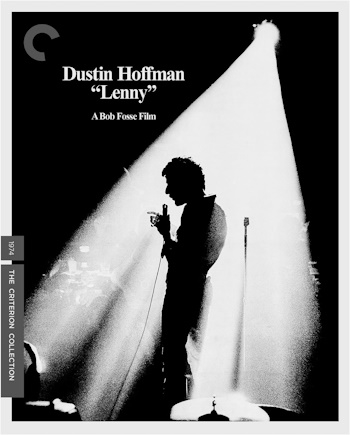
Director Bob Fosse’s nervy, freewheeling showbiz drama tells the real-life story of taboo-shattering comedian Lenny Bruce, the counterculture prophet whose unfiltered style opened up new frontiers in self-expression. Dustin Hoffman brings a live-wire intensity to his portrayal of the motormouthed Bruce as he goes from small-time strip-club emcee to free-speech lightning rod, while Valerie Perrine lends the film its soul with her deeply affecting performance as his wife, Honey, an innocent lost on the dark side of bohemia. A complex portrayal of one iconoclast by another, Fosse’s film makes deft use of stark monochrome photography and kinetic editing to vividly capture Bruce’s smoky, seedy backstage world.
Picture 10/10
The Criterion Collection presents Bob Fosse’s Lenny on 4K UHD, presenting the film with Dolby Vision in its original aspect ratio of 1.85:1 on a triple-layer disc. The 2160p/24hz ultra high-definition presentation is sourced from a new 4K restoration taken from a scan of the 35mm original camera negative. The release also comes with a standard dual-layer Blu-ray featuring all supplements alongside a 1080p presentation of the film.
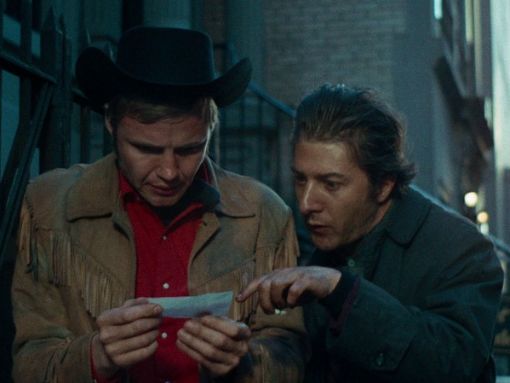
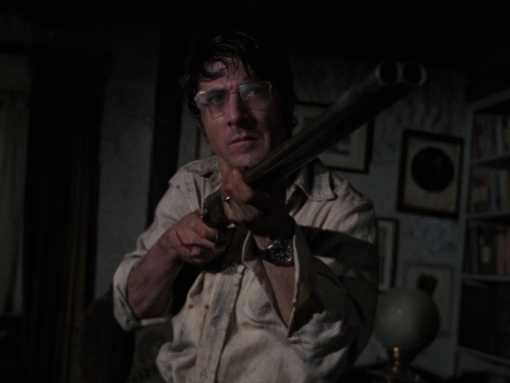
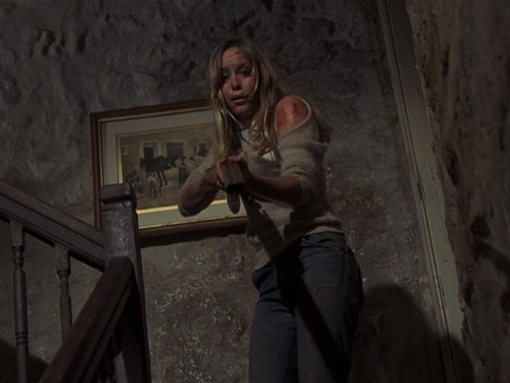
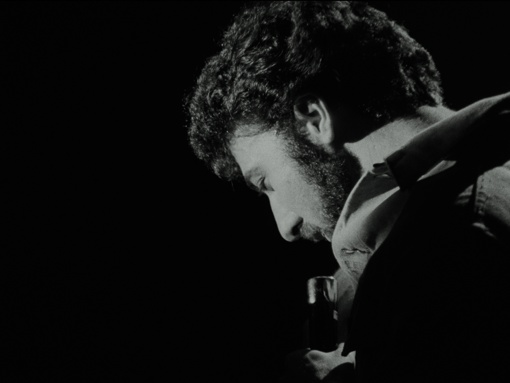
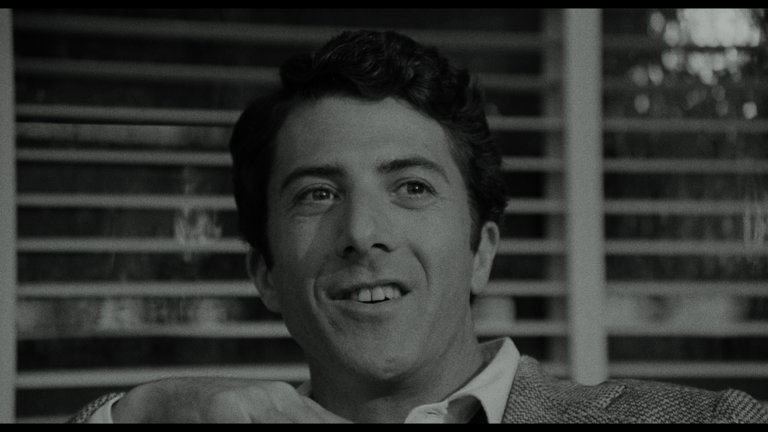
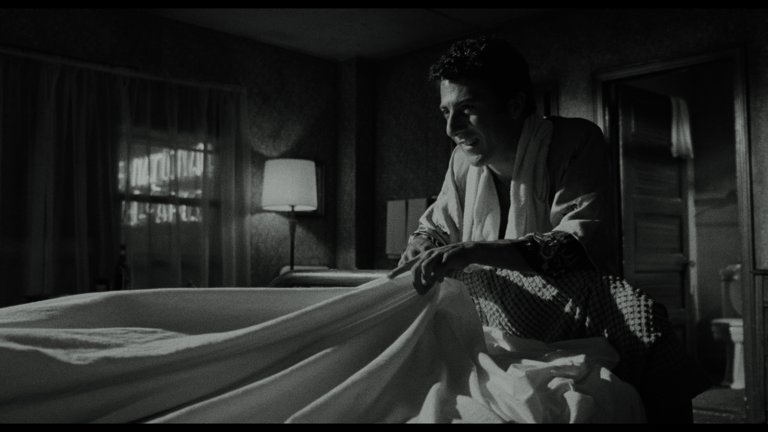
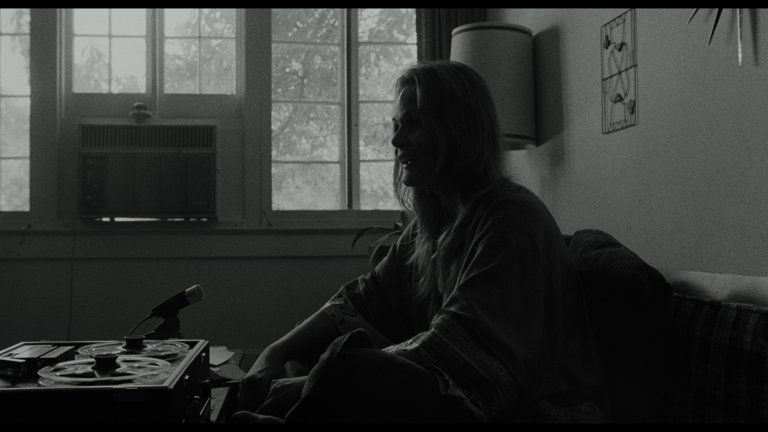
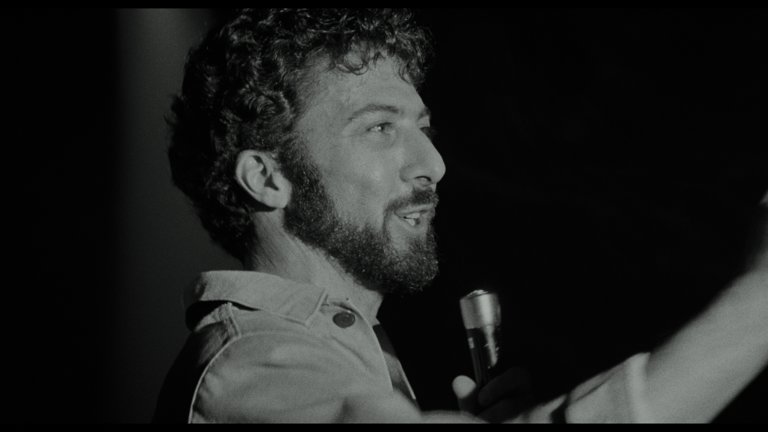
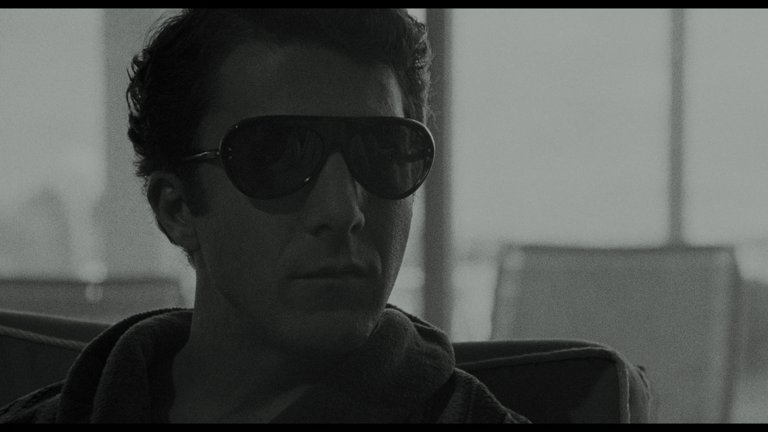
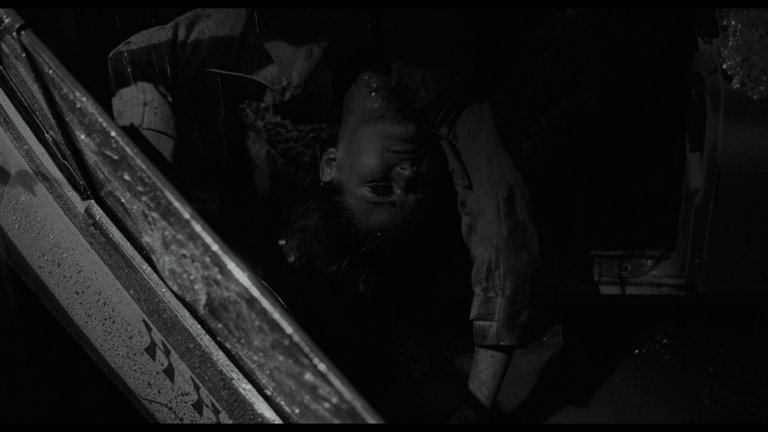
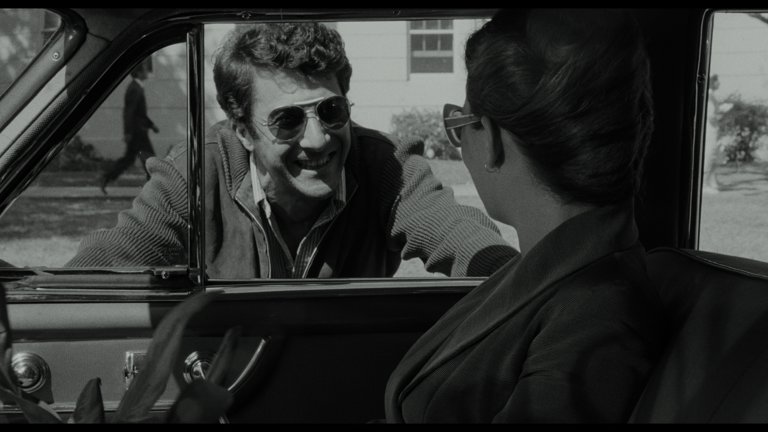
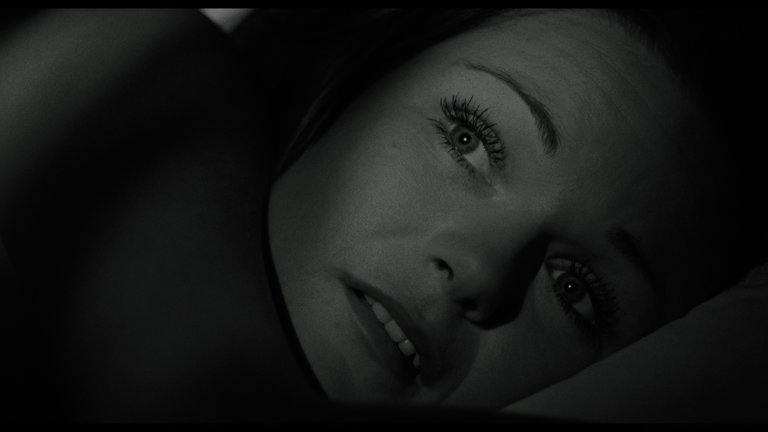
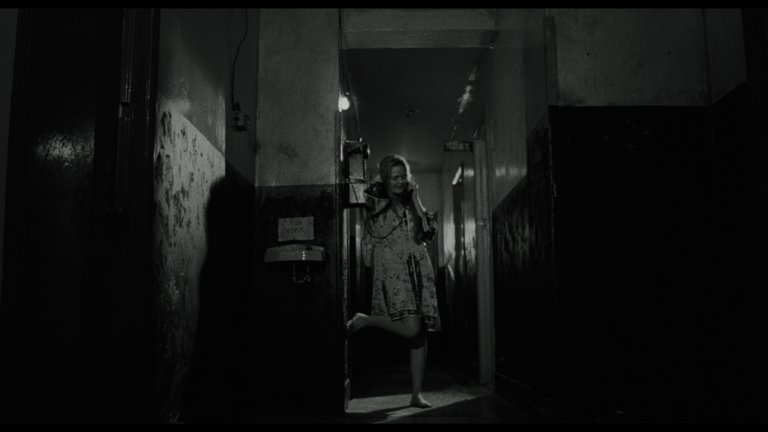
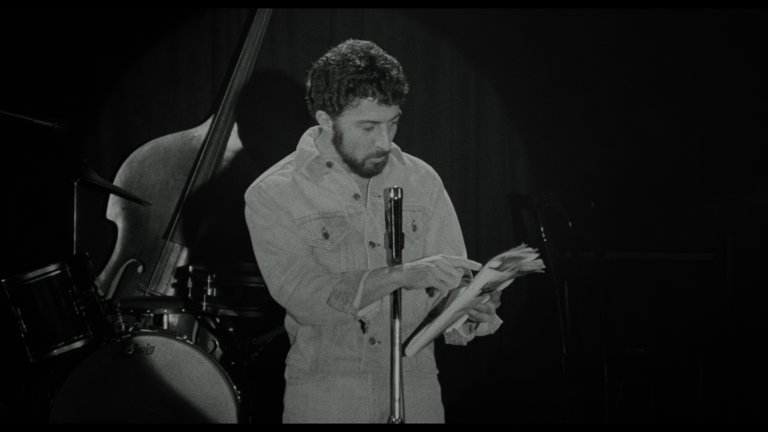
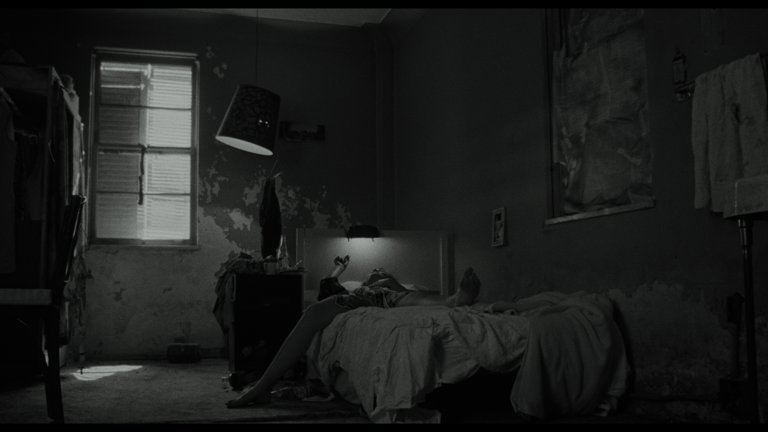
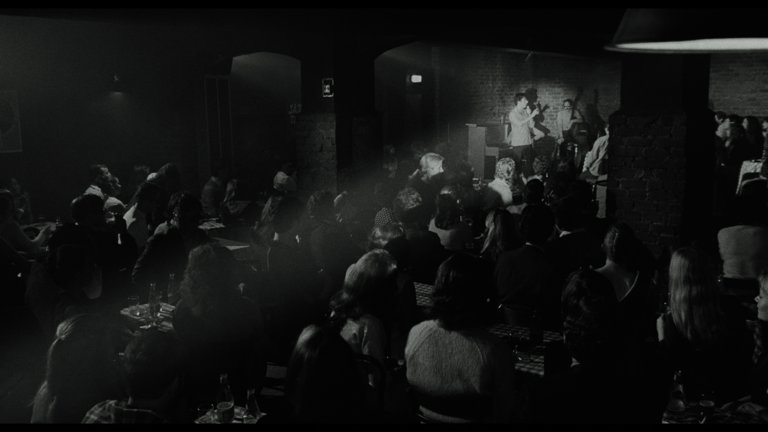
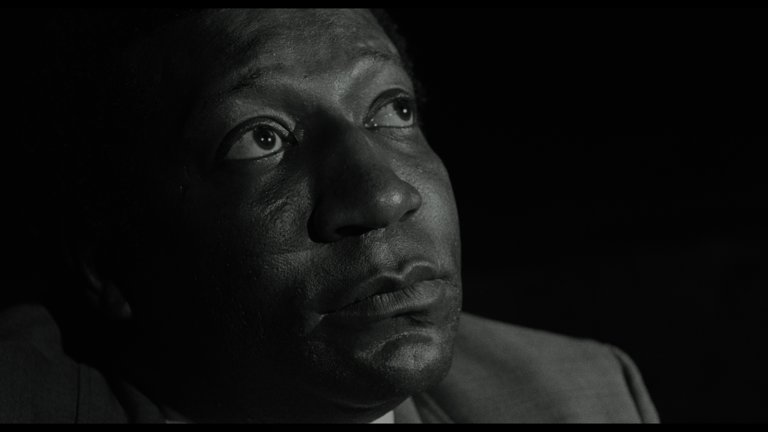
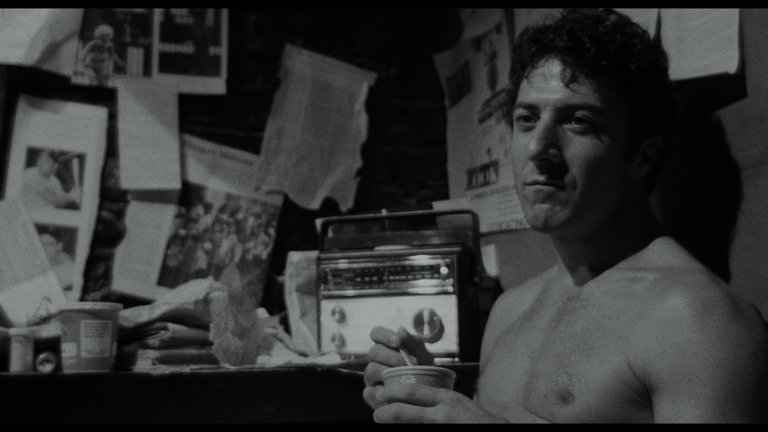
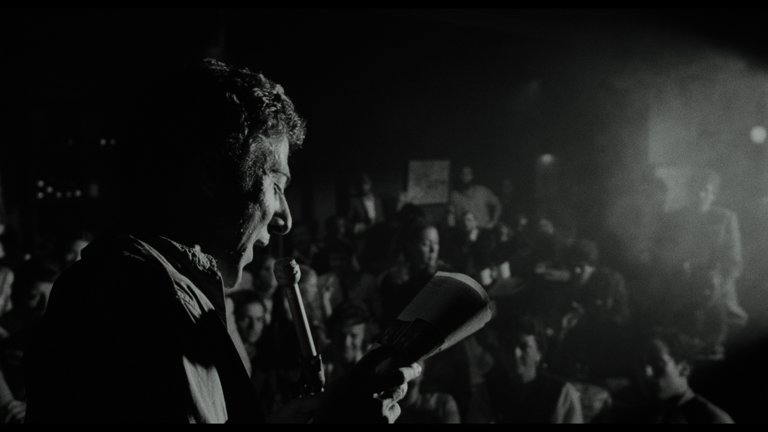
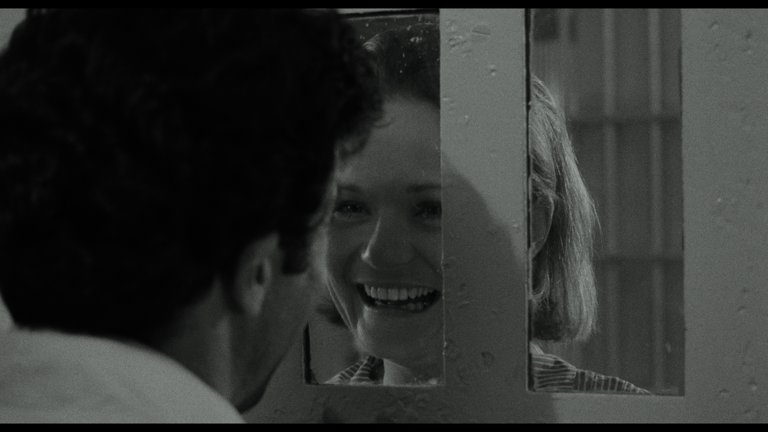
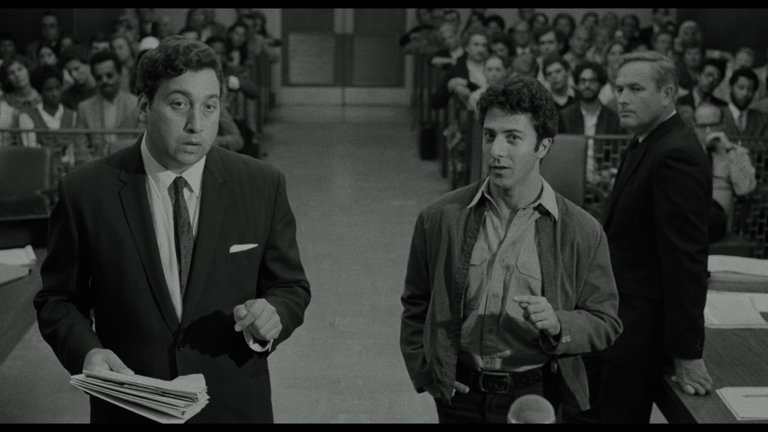
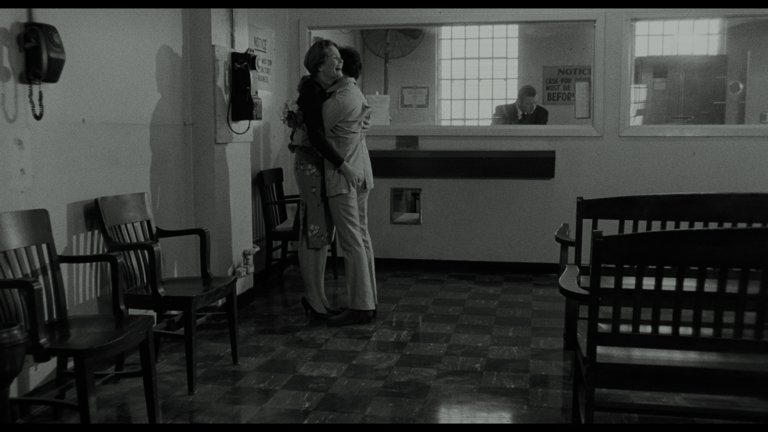
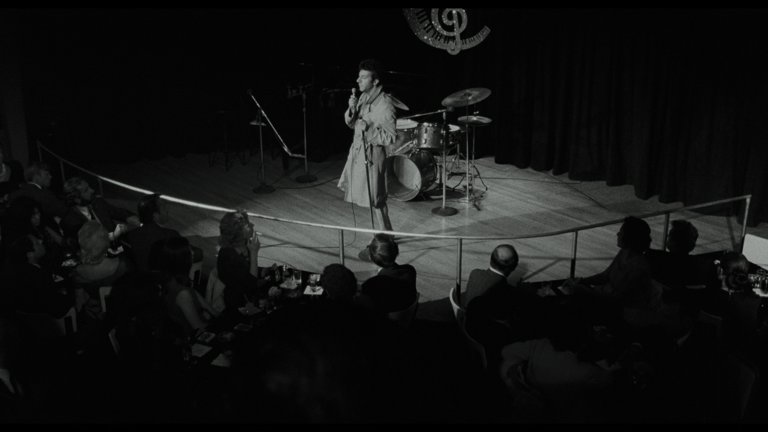
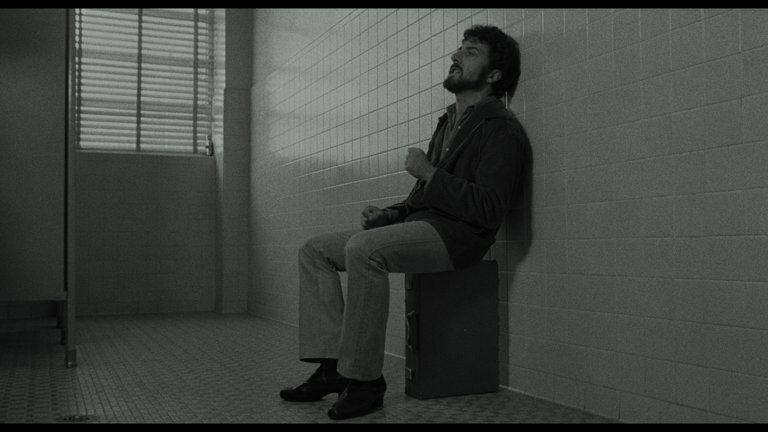
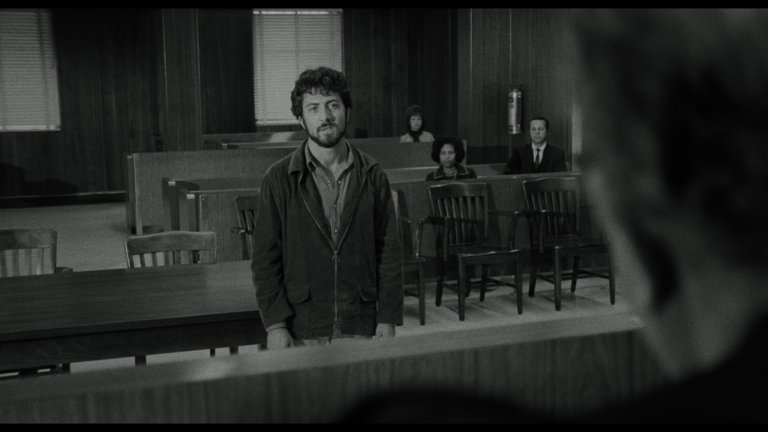
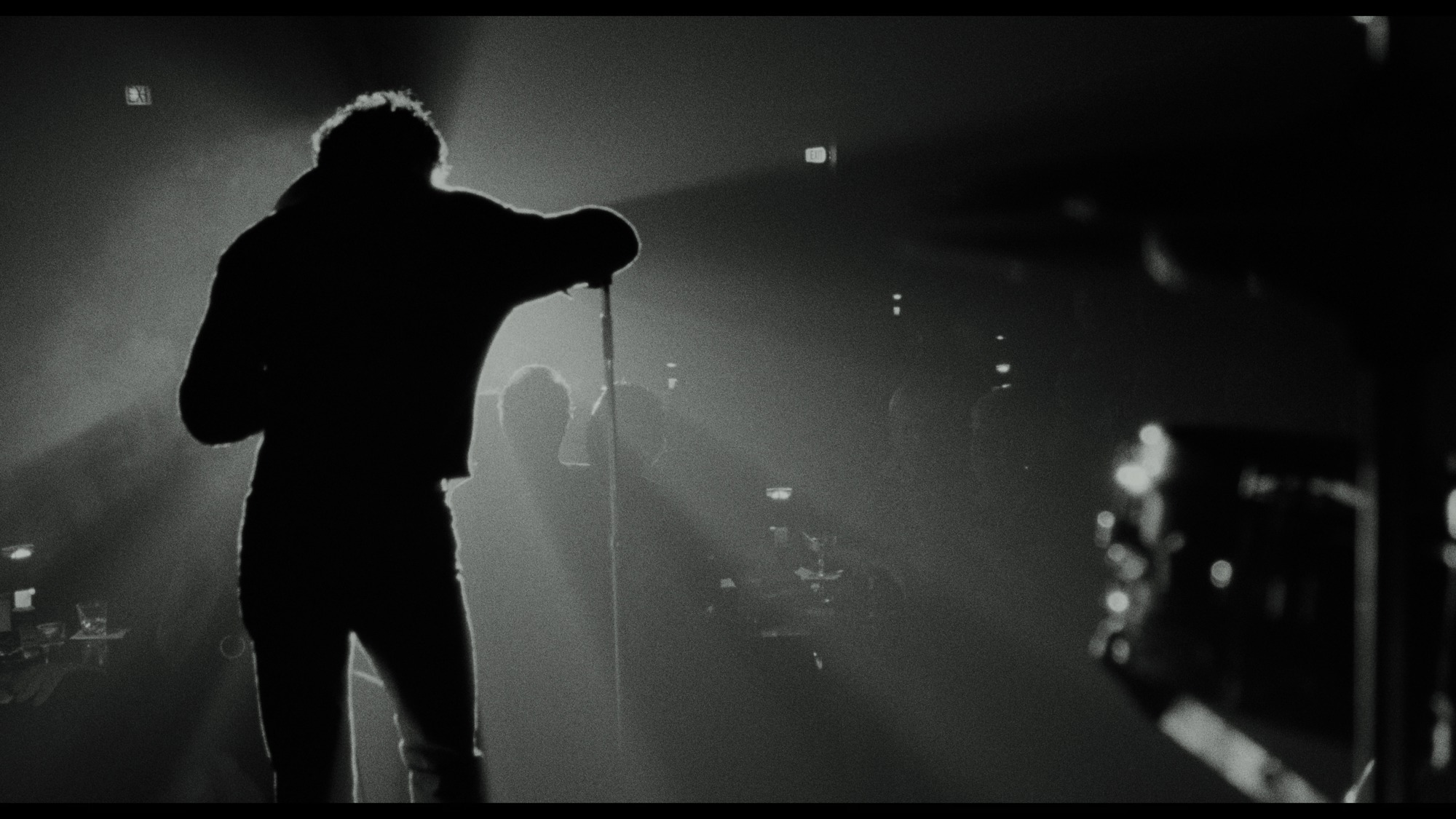
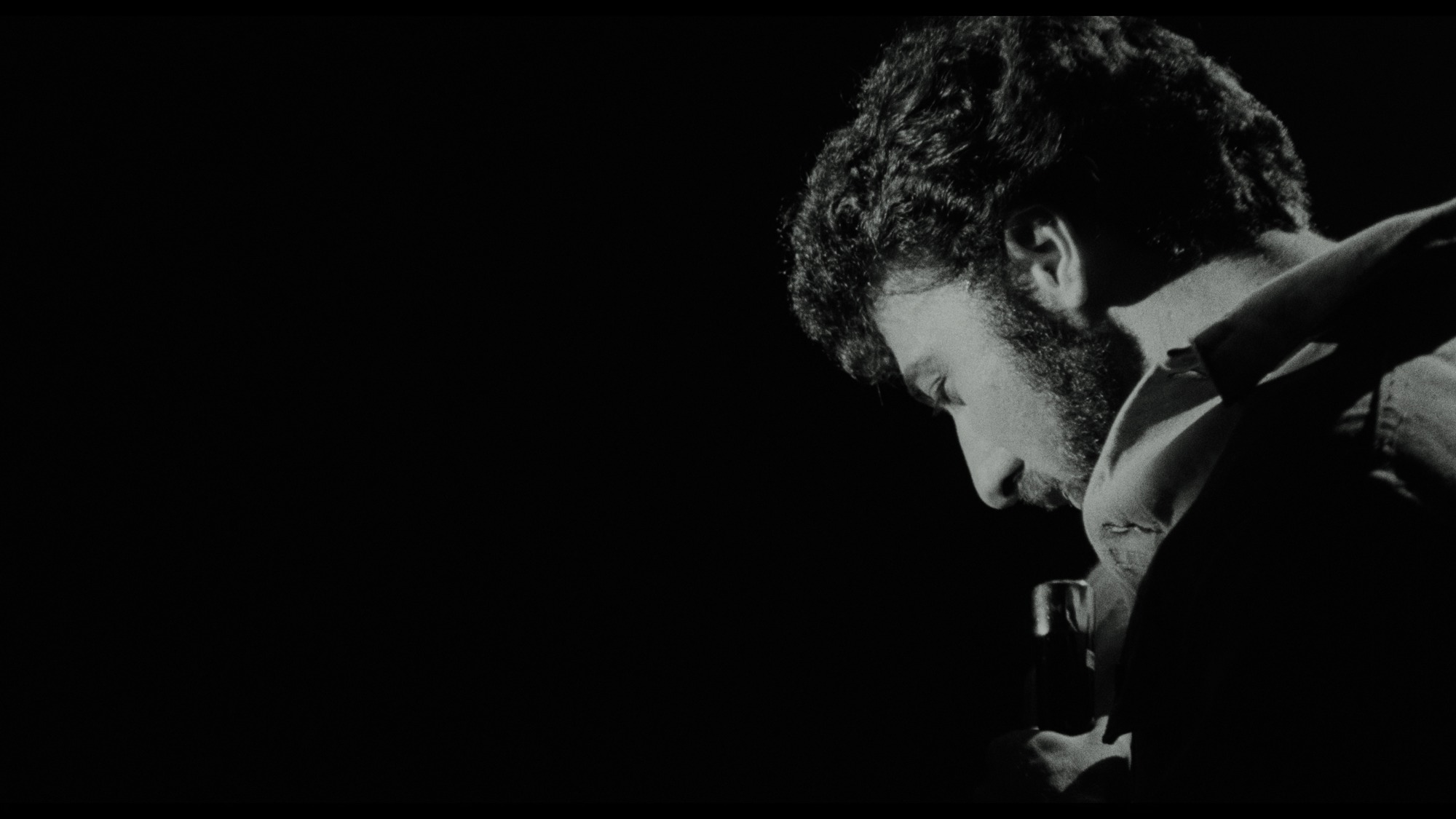
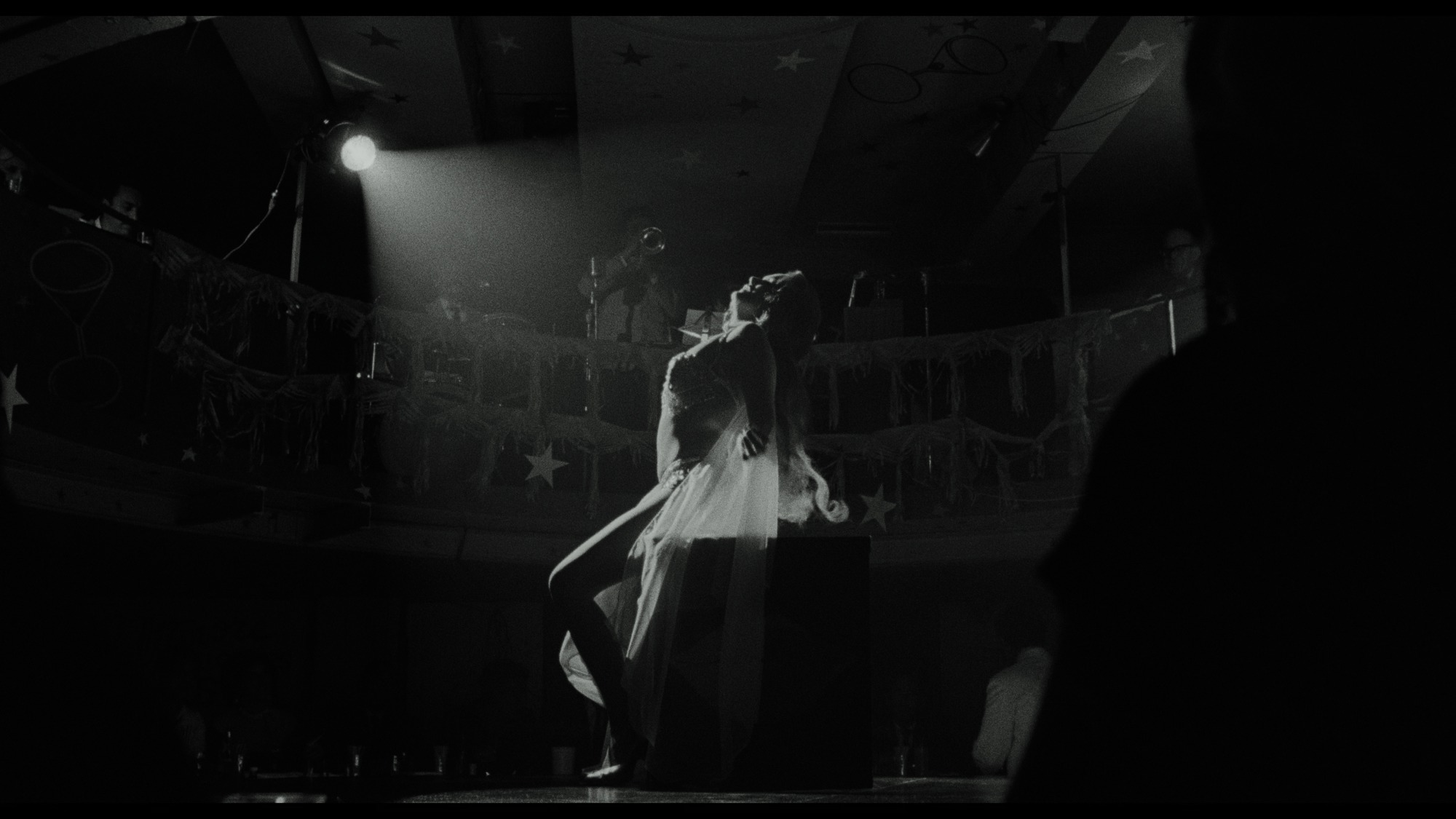
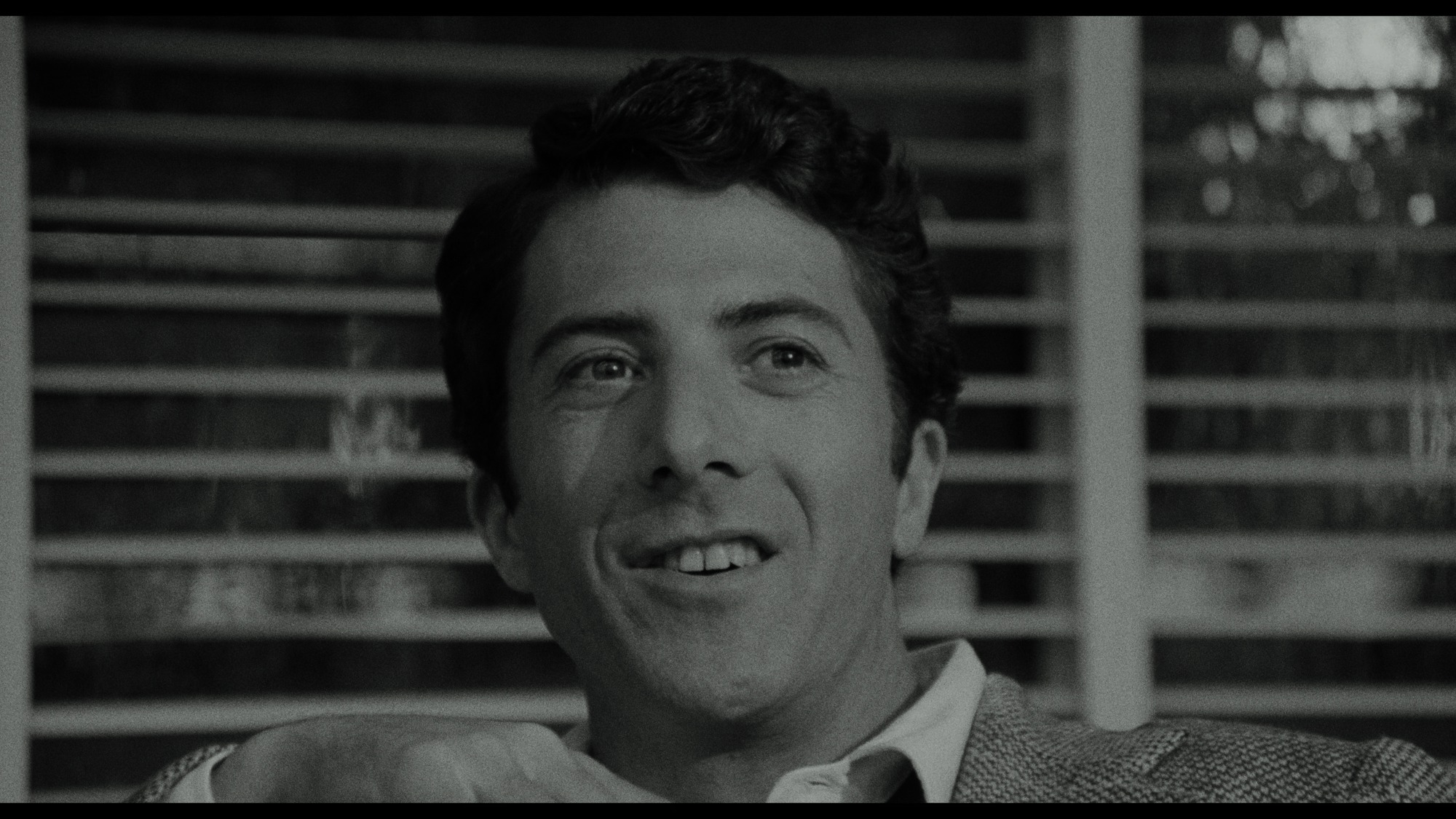
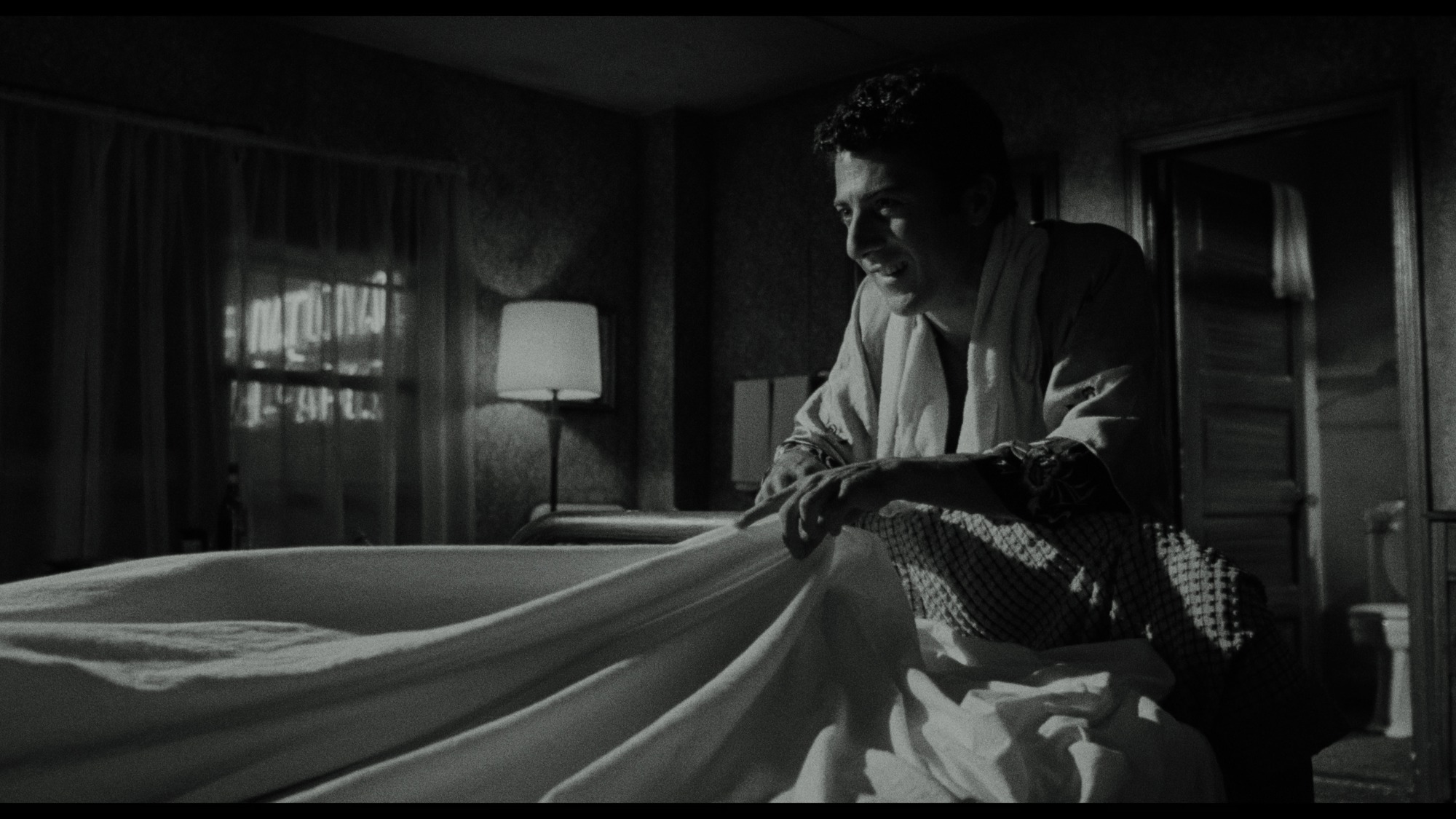
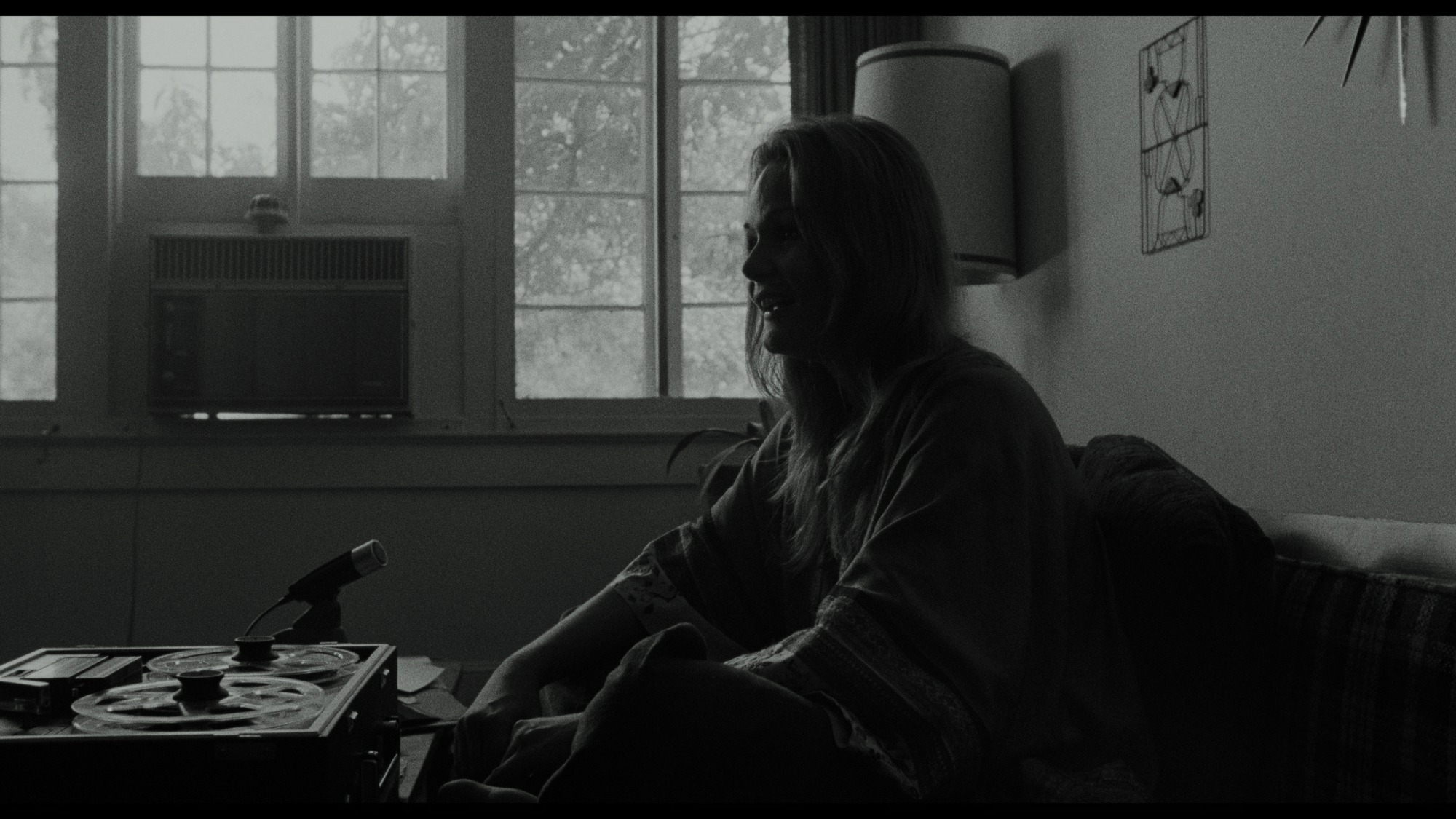
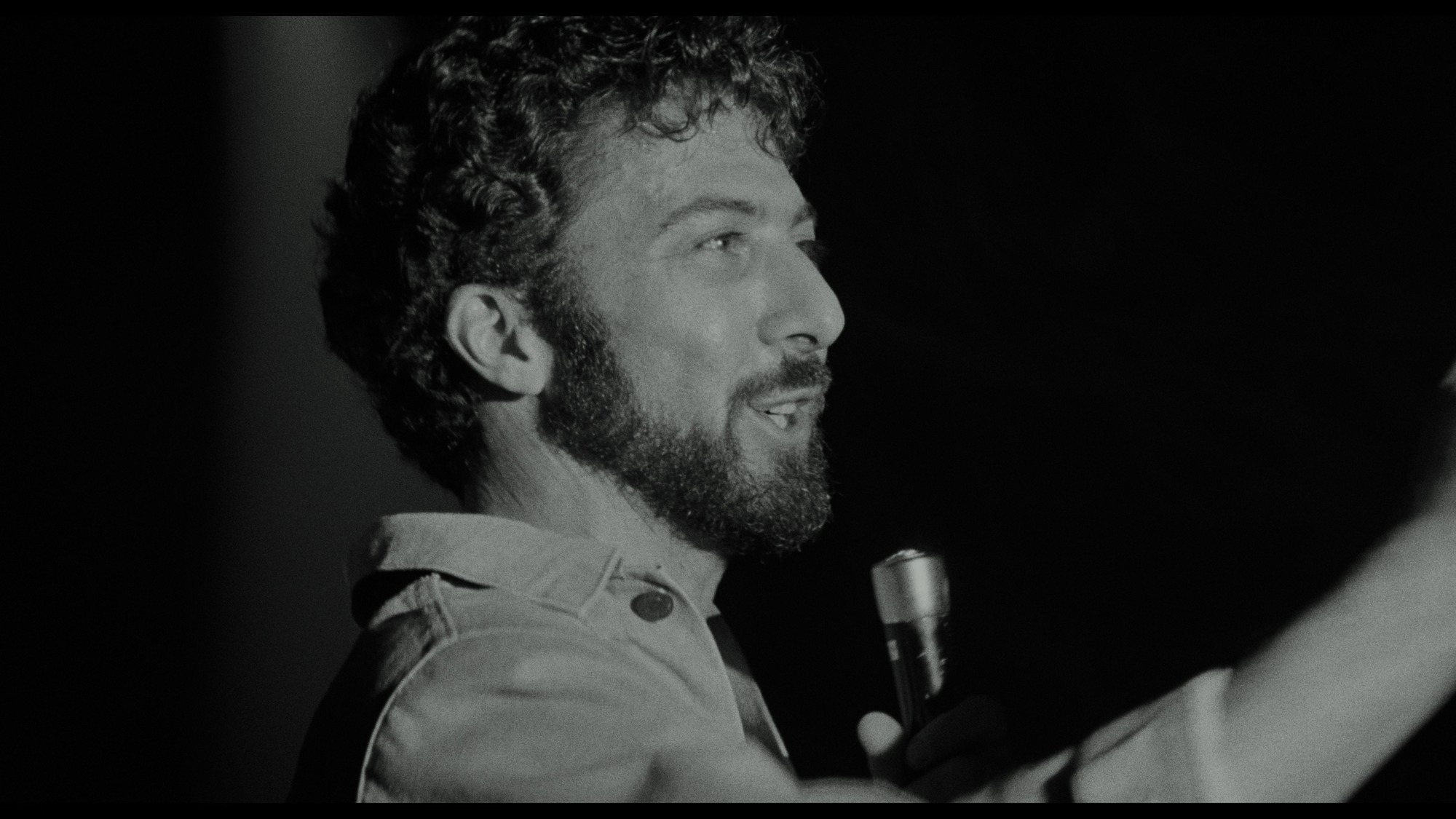
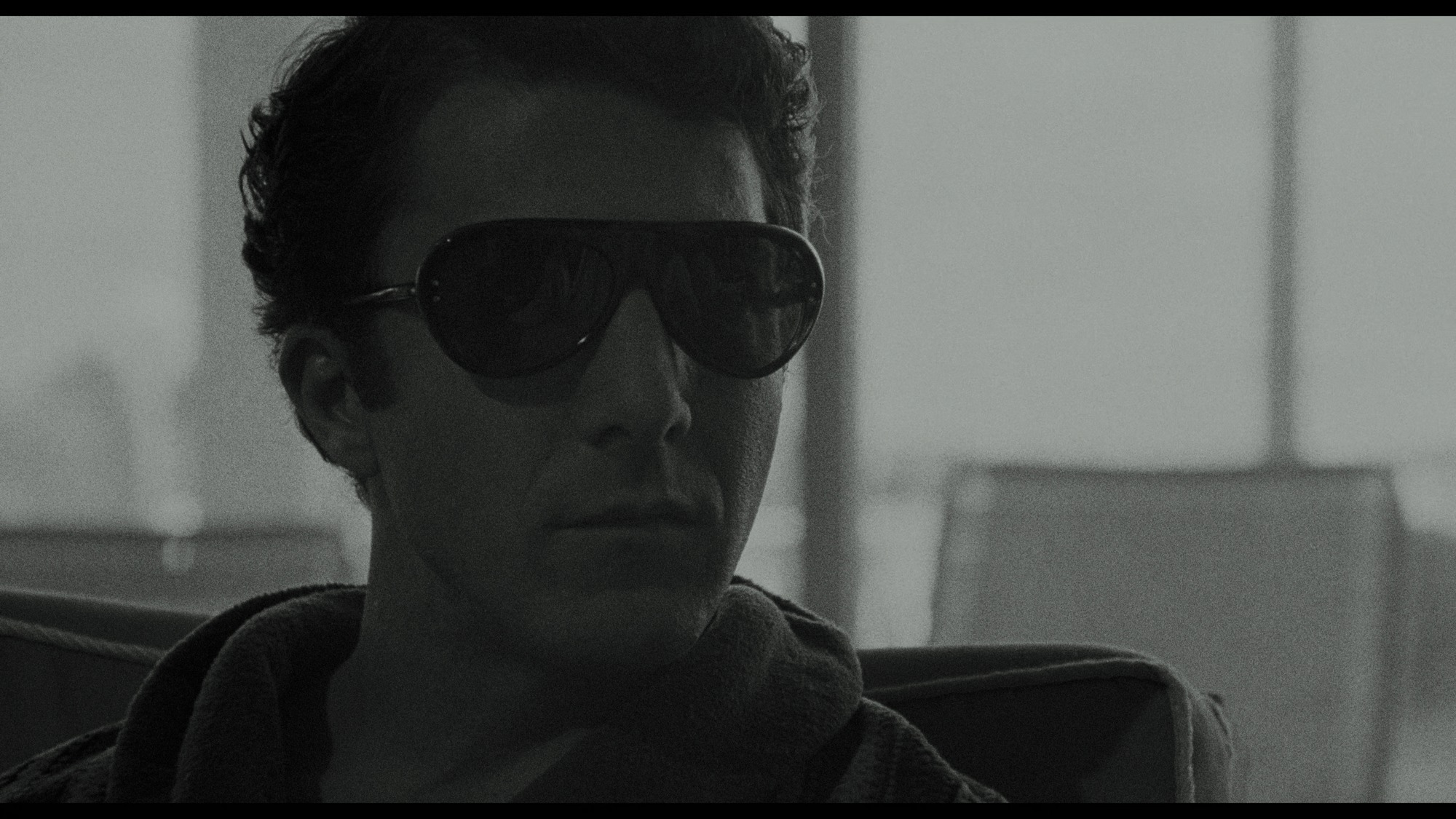
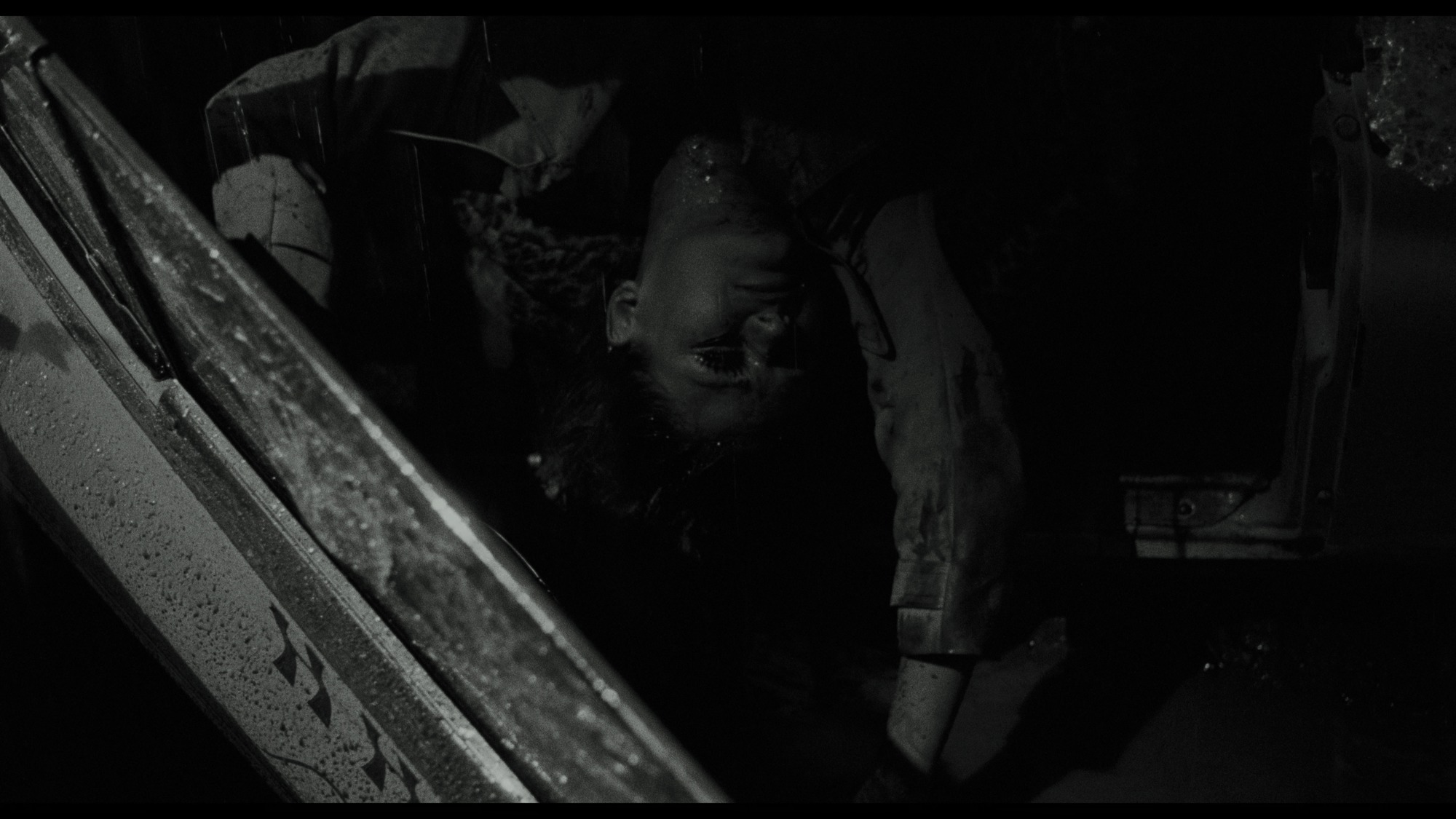
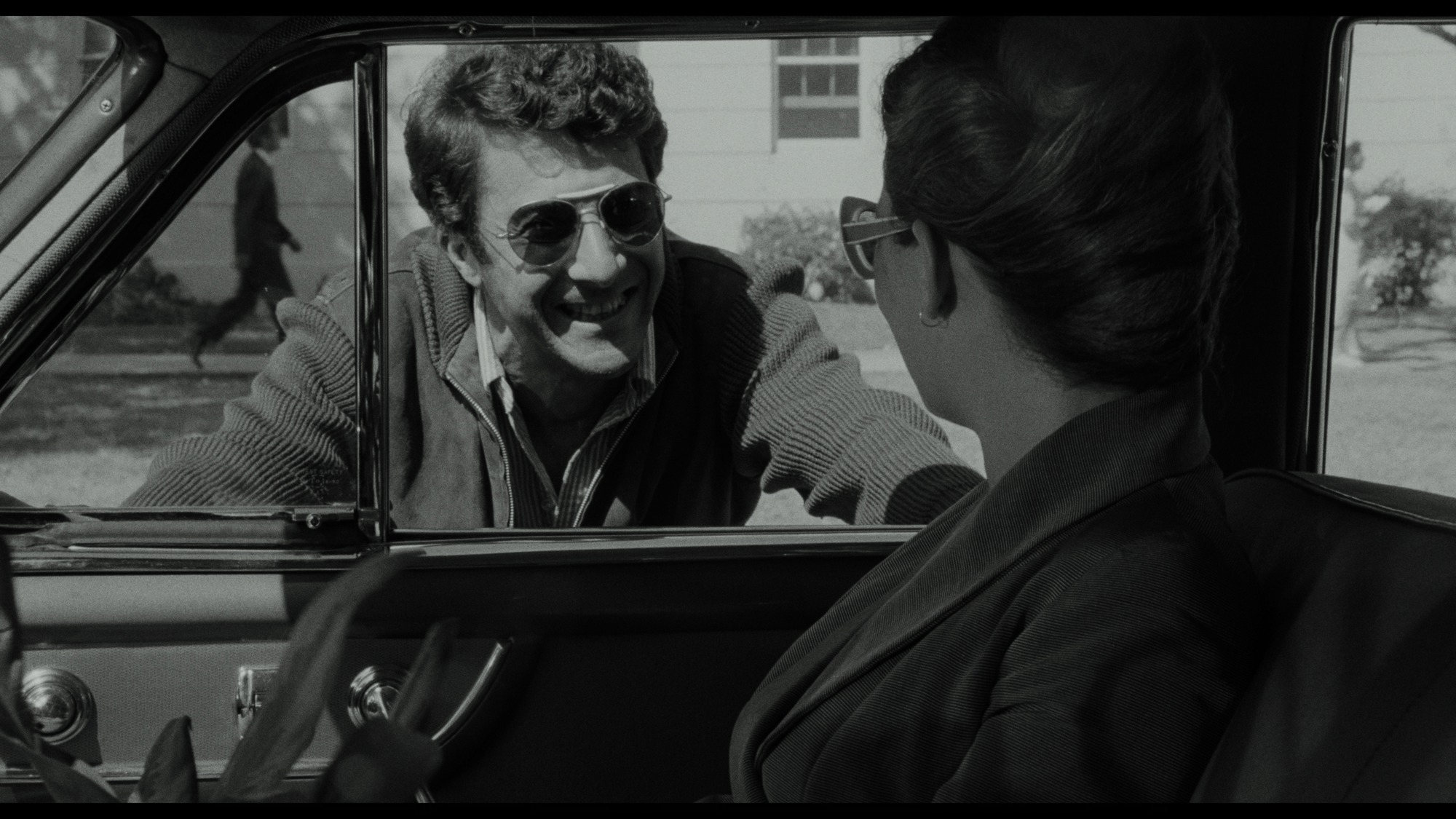
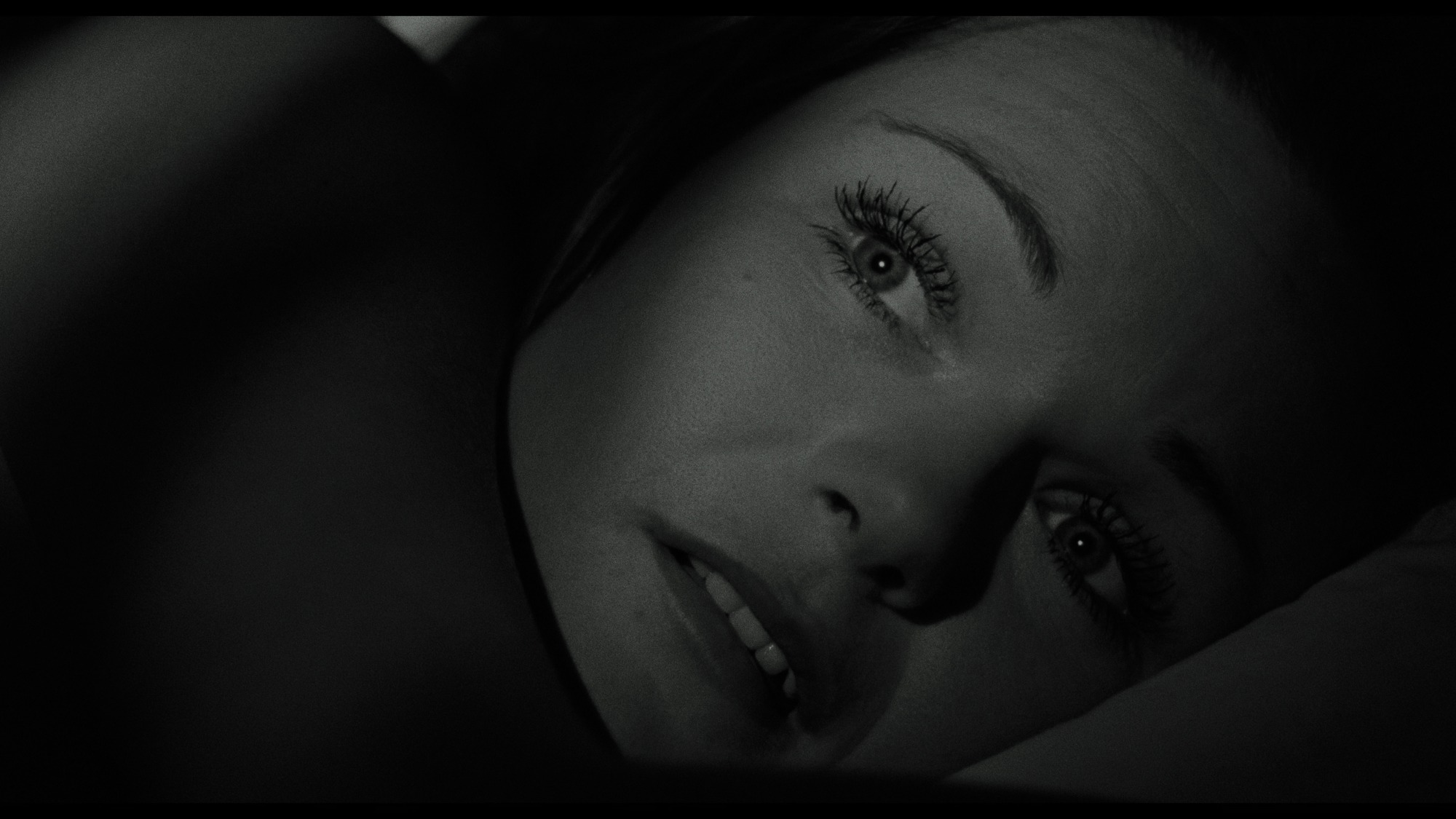
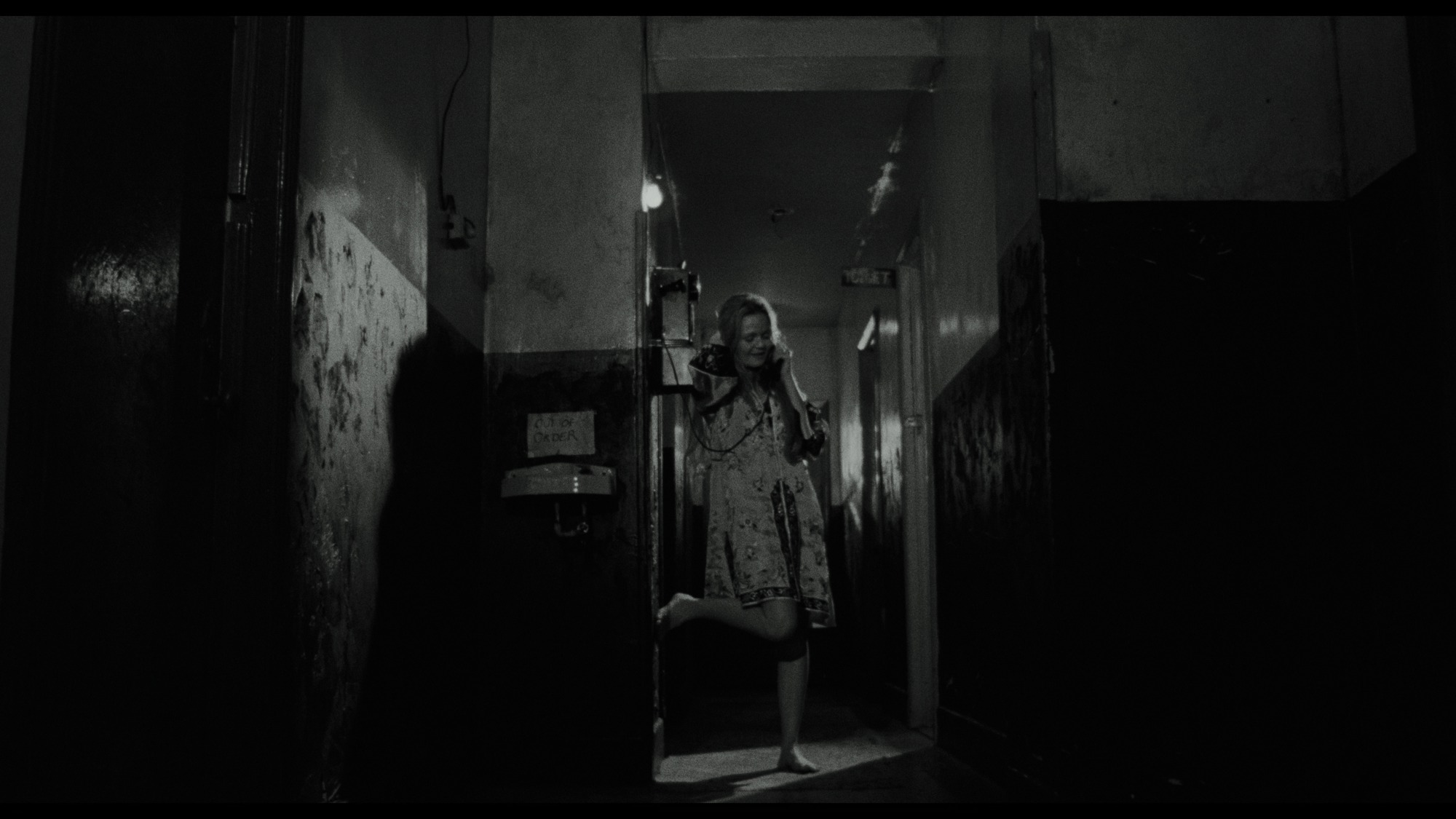
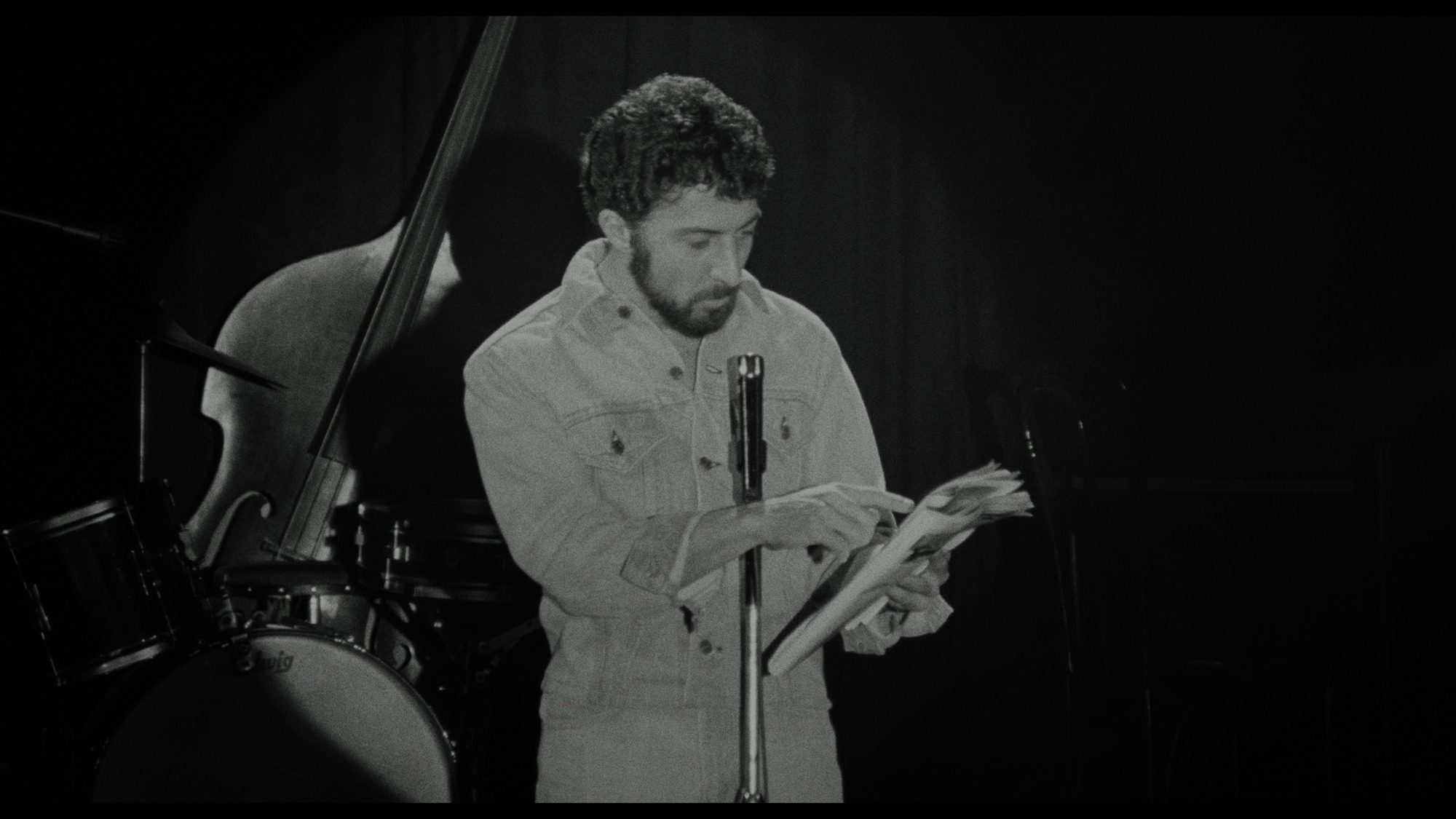
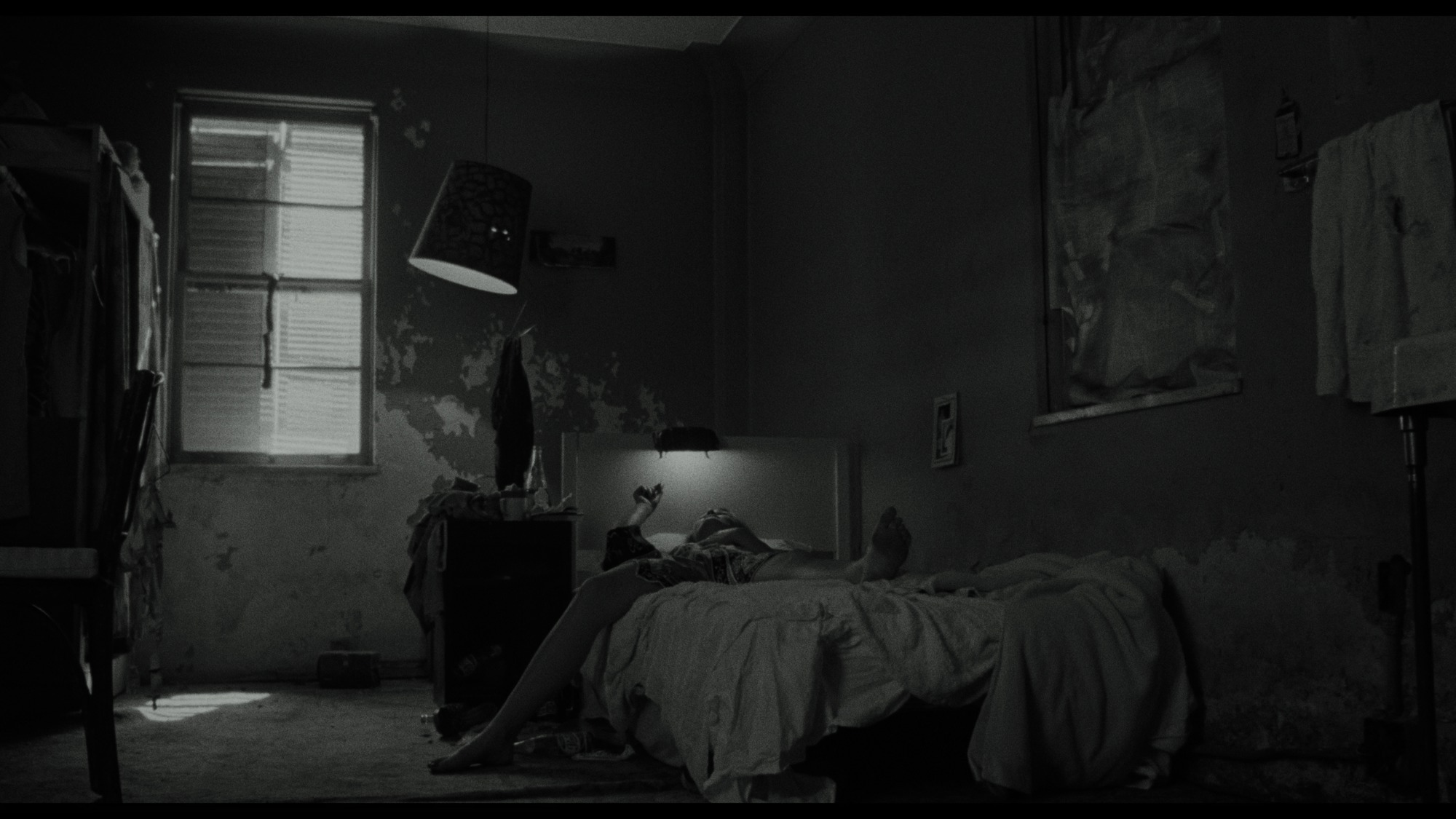
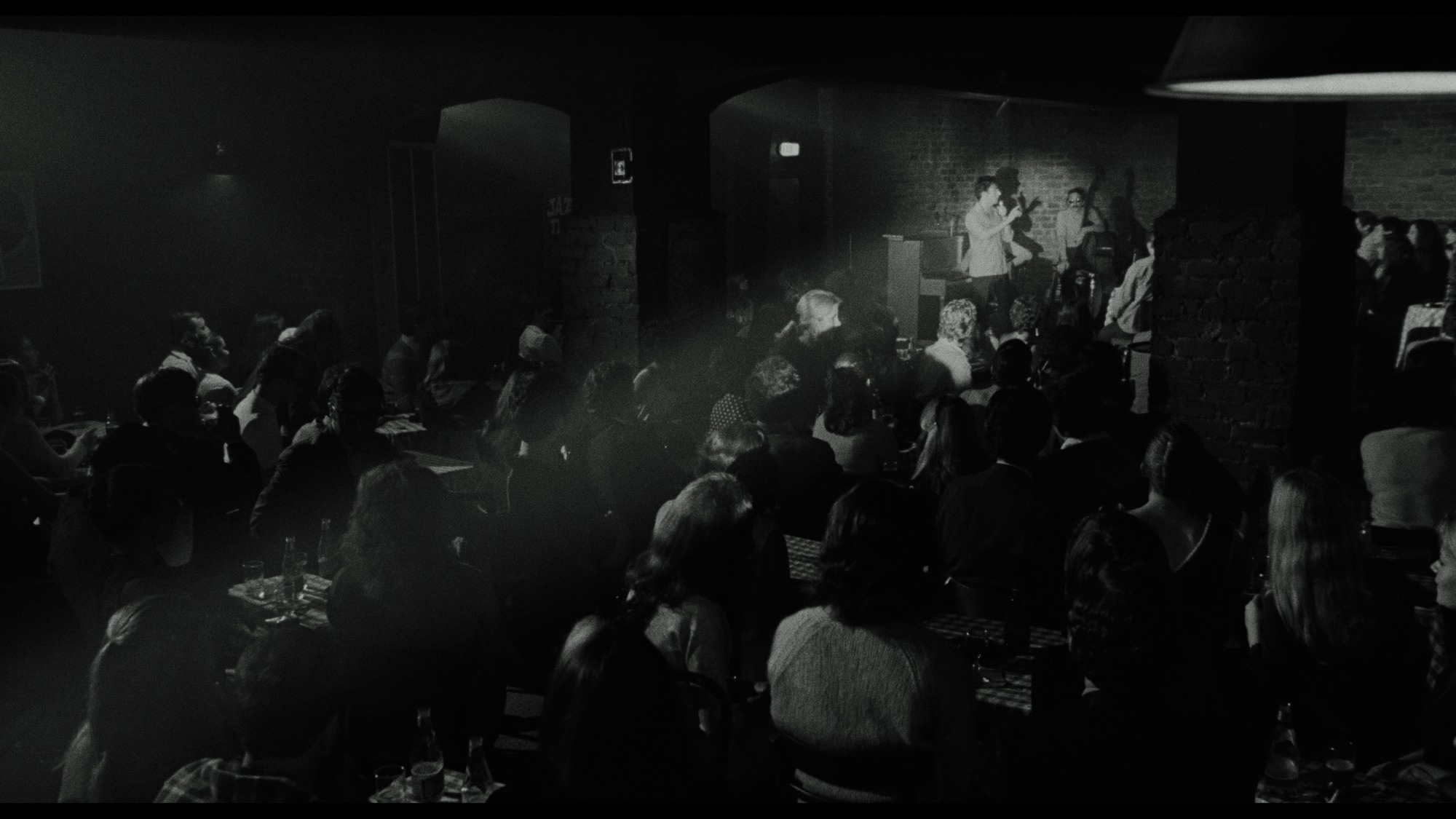
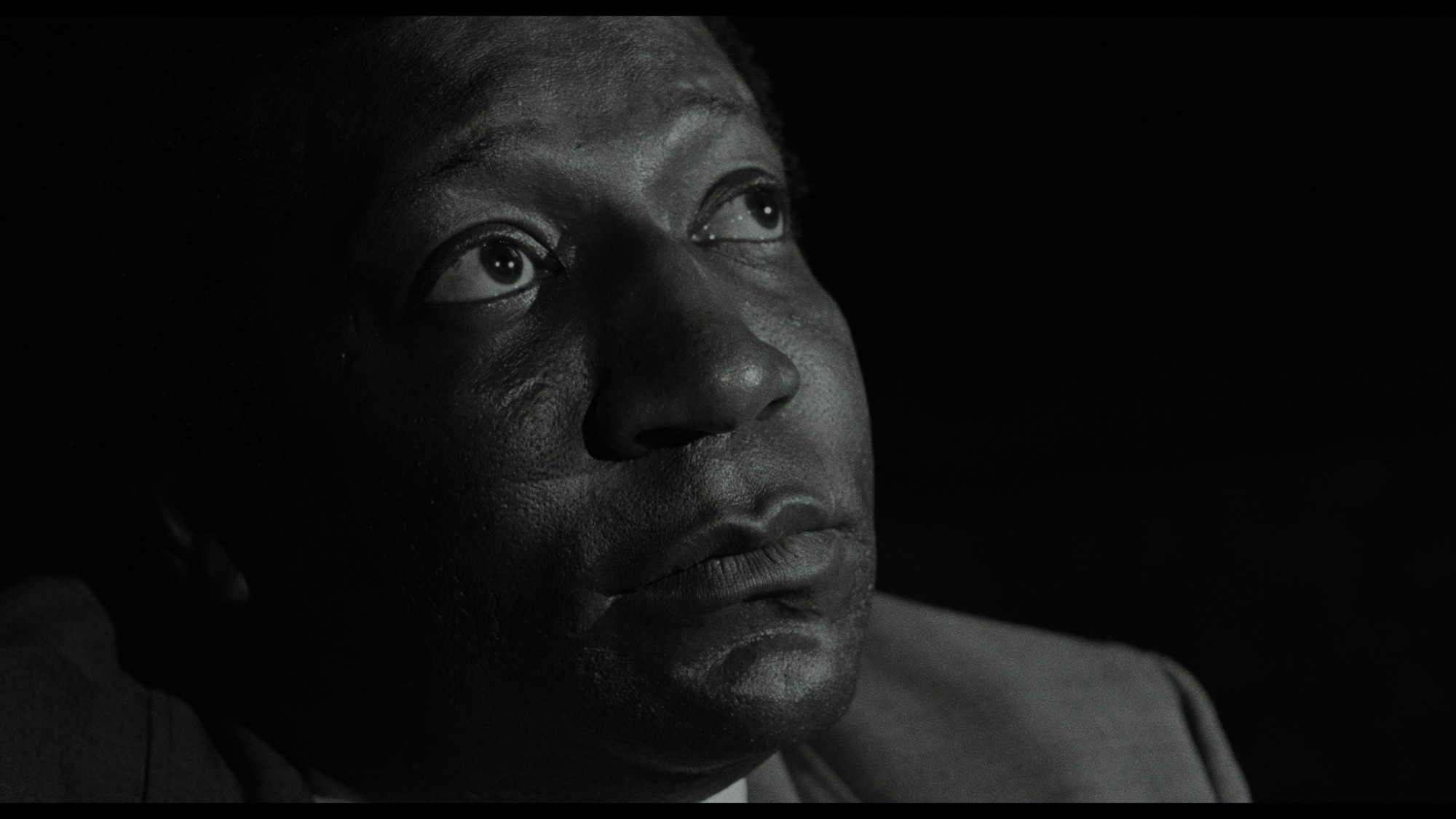
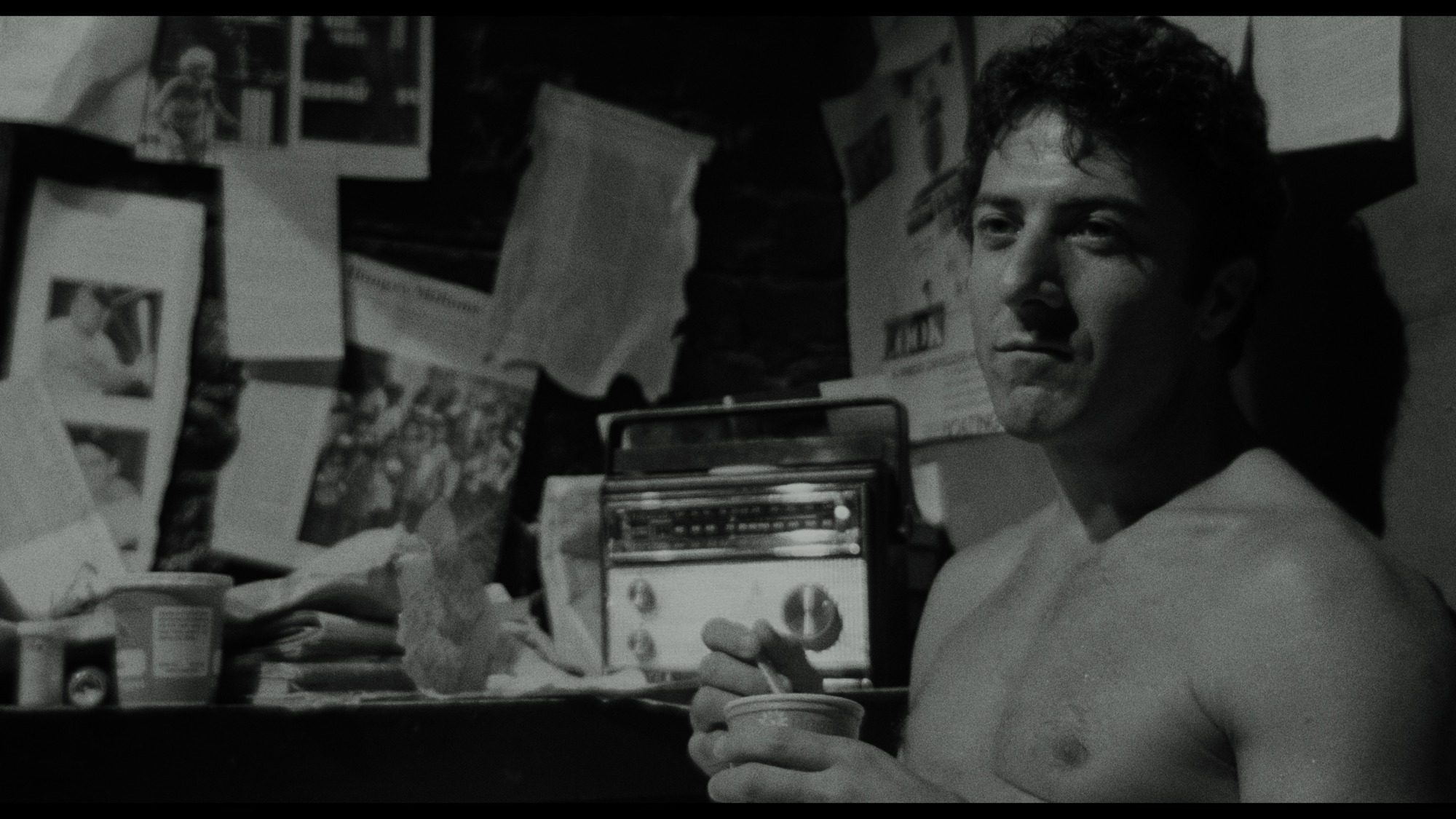
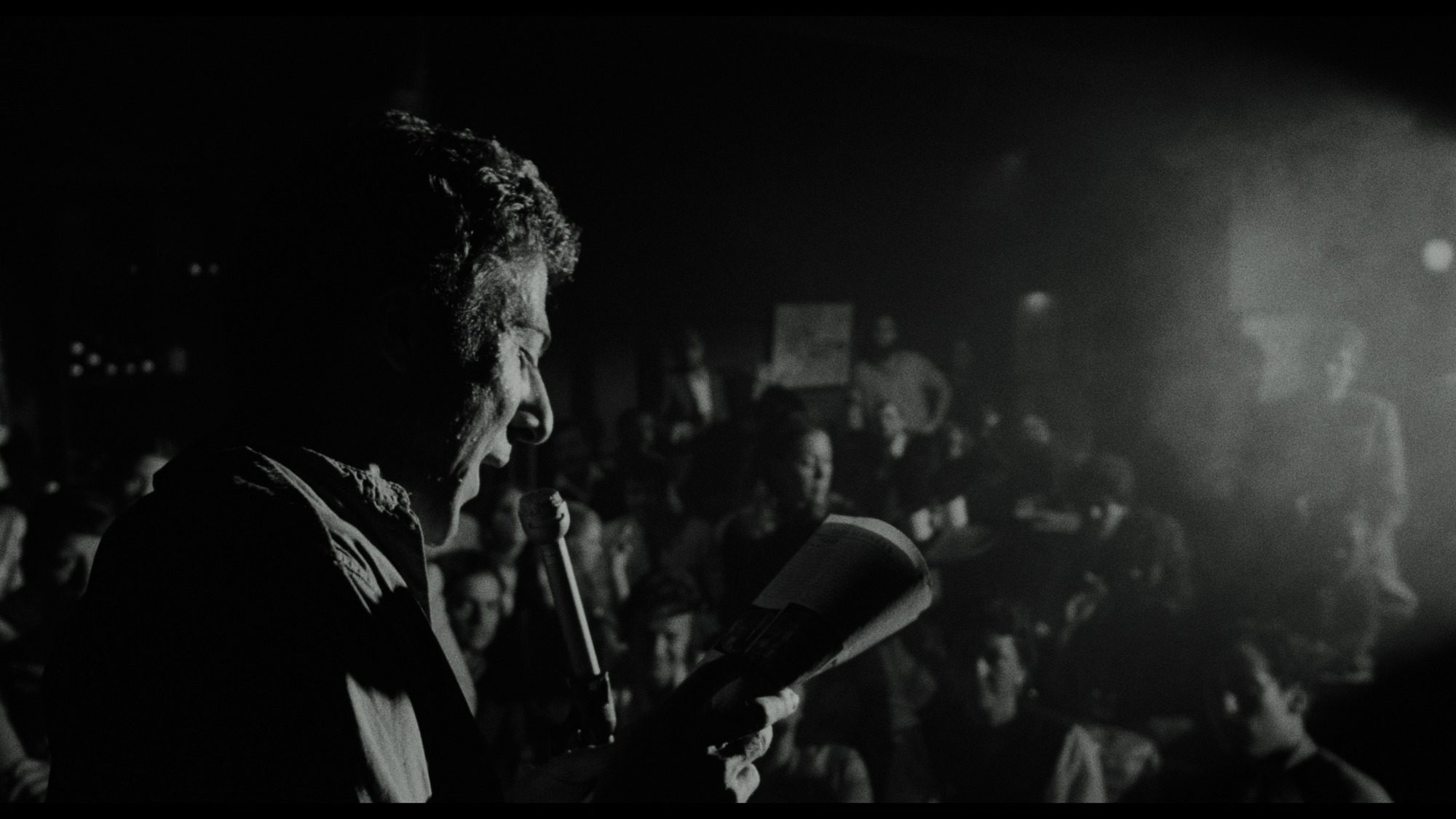
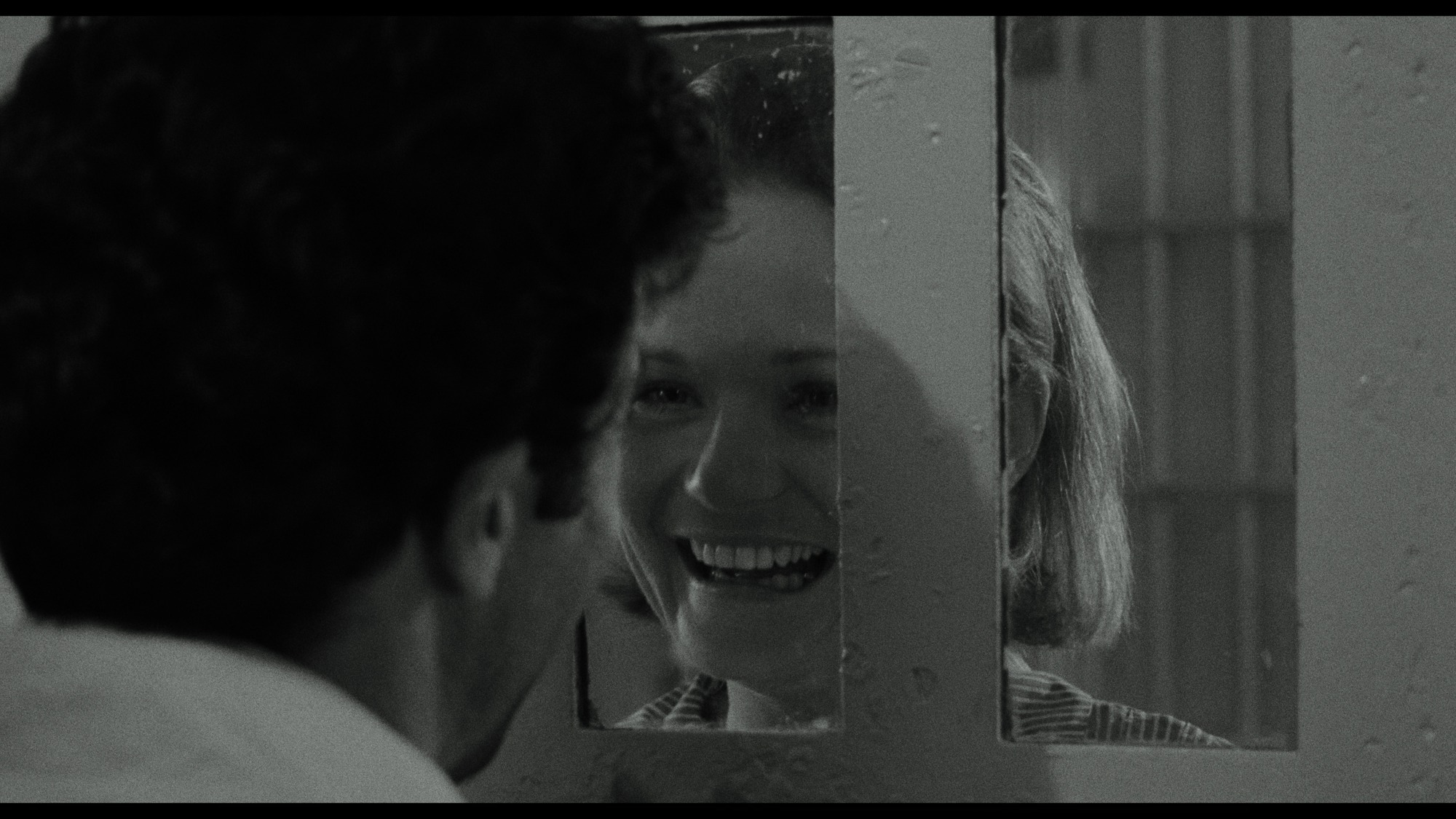
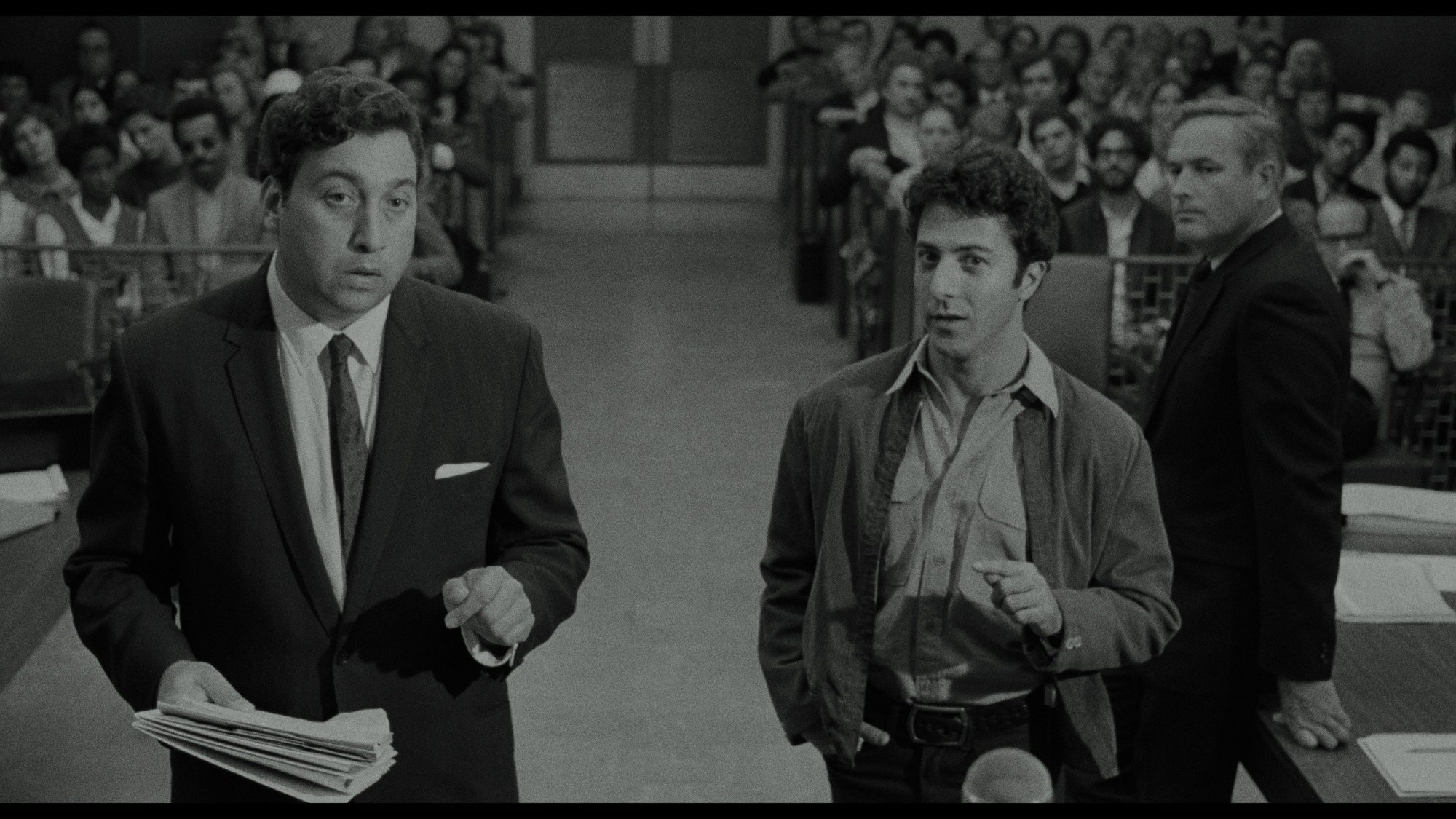
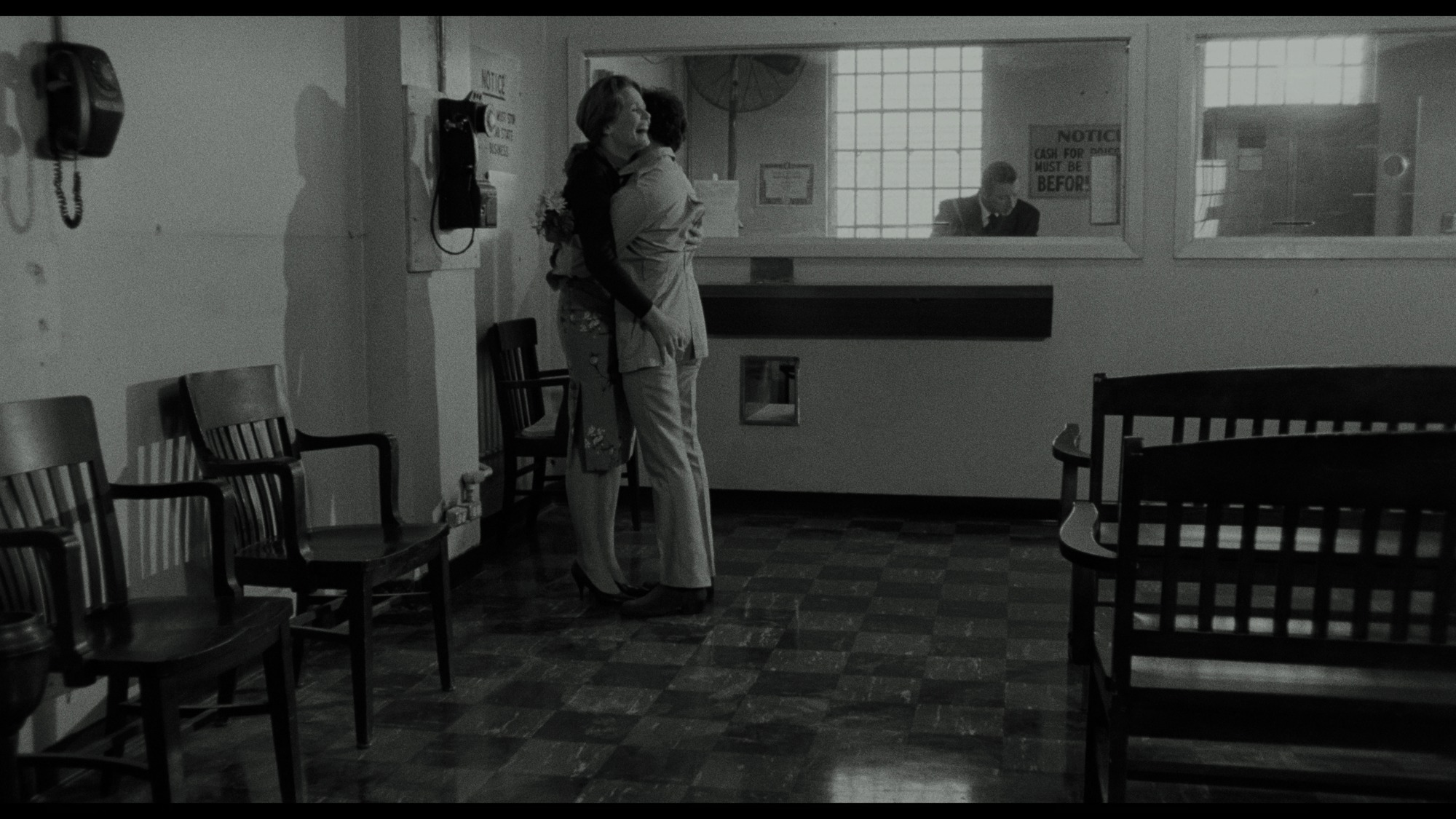
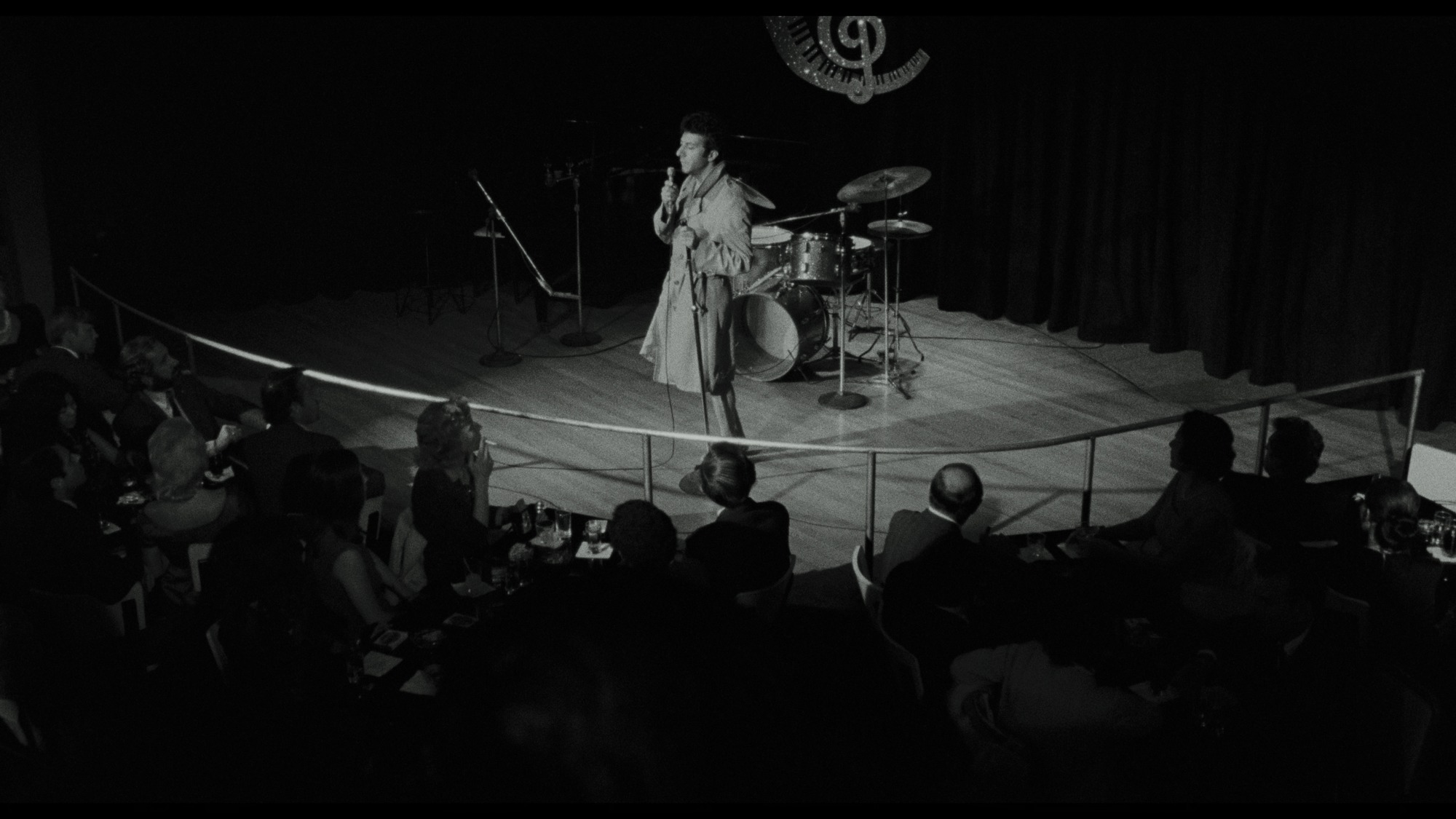
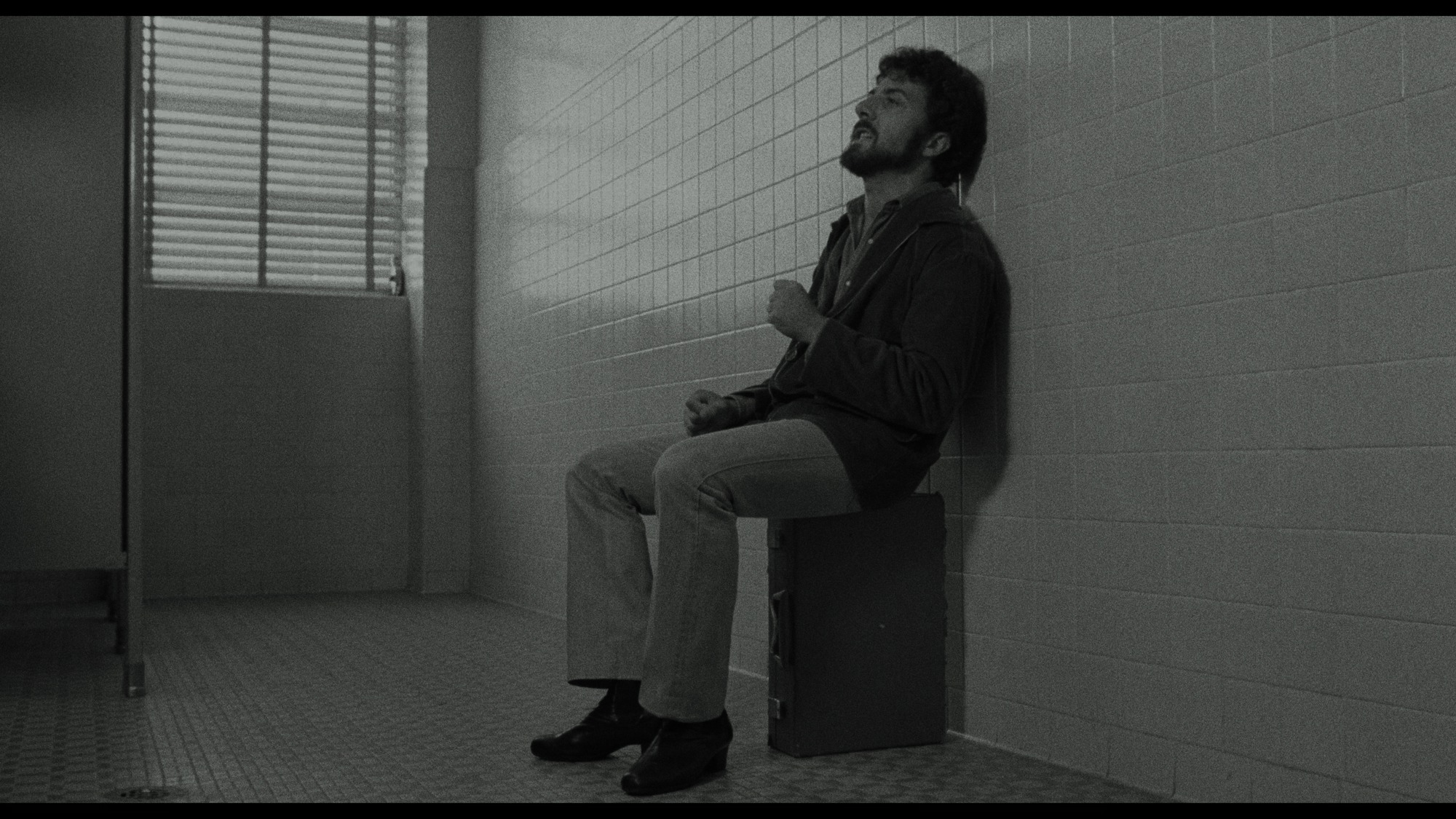
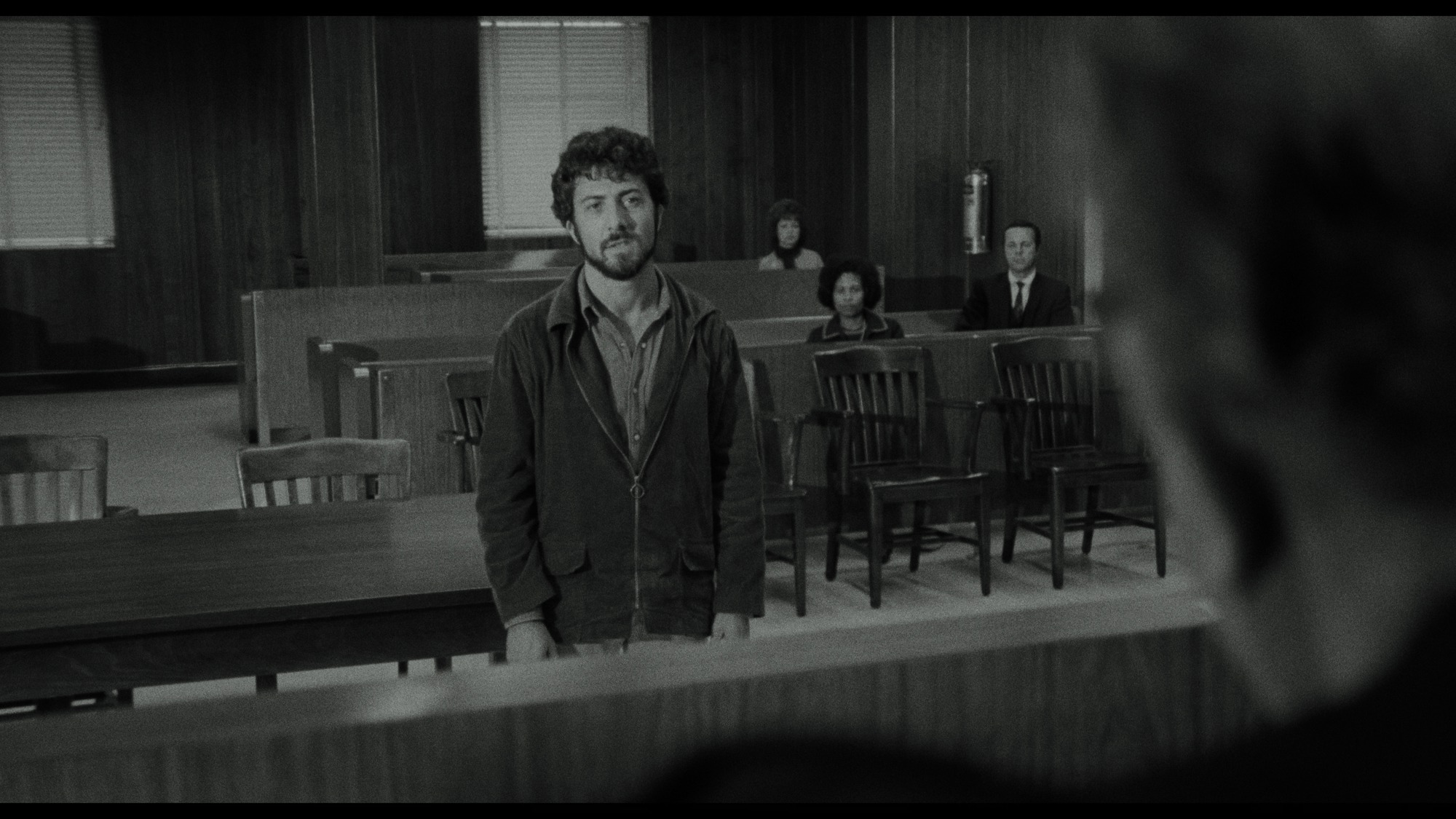
There’s no other way to put it: the presentation looks absolutely phenomenal. Just friggin’ gorgeous, which is wild because I had absolutely no expectations one way or the other as to how this 4K presentation would turn out. Yet it ends up looking incredible, handling every nuance of the image with incredible finesse.
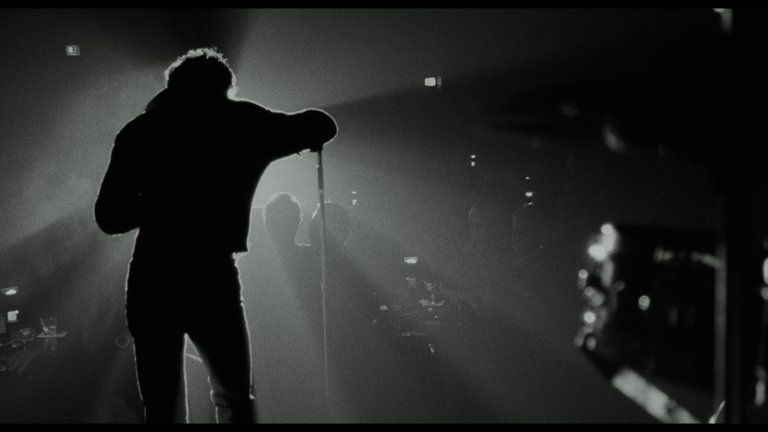
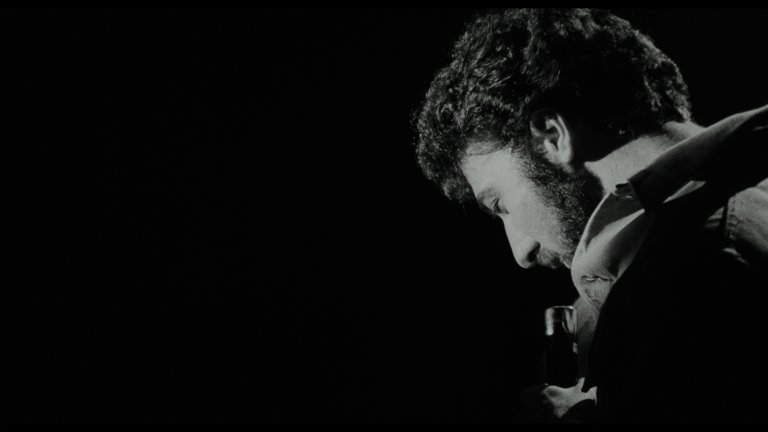
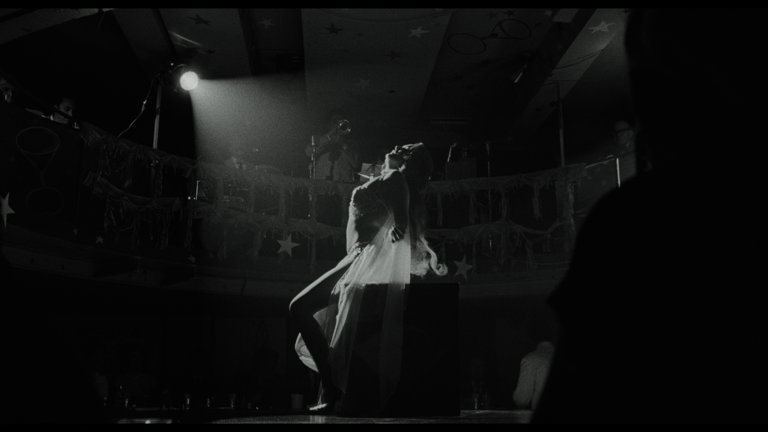
The film has a very high-contrast look, and the presentation really leans into it, delivering deep blacks and bright whites that occasionally flirt with being blown out. Impressively—and this is where HDR and Dolby Vision play a role, I'm sure—none of this ever negatively impacts the presentation. Highlights retain detail with clipping never becoming a concern, while blacks remain deep and inky without turning into mush. Where the wider dynamic range really shines, though, is in everything between those extremes. Gradations are rendered beautifully, with the smoky interiors of bars and clubs proving to be the standout. The smoke is reproduced immaculately, looking perfectly natural and free of any digital artifacts, while the film’s fine-yet-prominent grain structure remains intact throughout. The image has an incredibly photographic look, and when light cuts through the haze the results can be just stunning.
It also helps that the encode is spot-on, another in a long line of solid ones from Criterion over the last few months. Grain never comes across as noise, and I didn’t detect any blocking or compression artifacts in either the brighter or darker areas of the image. The restoration work has cleaned things up tremendously as well, and I can’t recall a single blemish ever drawing attention to itself.
From the restoration to the final encode, this presentation is simply stunning, and alongside Criterion’s release of The Man Who Wasn't There, it is definitely one of the more impressive black-and-white presentations I’ve seen on the format so far.
Audio 7/10
The film’s lossless PCM soundtrack also comes out sounding quite good. Dialogue is clear throughout while range is wide without any edginess during the film's louder moments. There are also no signs of heavy damage or any sort of distortion.
Extras 7/10
Sadly, all of the supplements are recycled from previous editions of the film, starting with the audio commentary featuring Nick Redman and Julie Kirgo, recorded in 2015 for Twilight Time’s edition. Thankfully, it’s a good one, with the two not only tackling the film’s production and Fosse’s choices as a filmmaker, but also discussing Lenny Bruce himself, covering details that the film (not all that shockingly) glances over. And though both clearly admire the film and Fosse’s flair, they do address some of its shortcomings, which may ultimately stem from Fosse not being terribly interested in Bruce as a person, or even particularly interested in working with Dustin Hoffman. Instead, he seems more fascinated by the showmanship aspects of Bruce’s life (a lot of the film takes place on the stage) and by Valerie Perrine (which, as someone who had a childhood crush on Miss Teschmacher from Superman: The Movie, I totally get).
I also enjoyed their observations on the film’s production design, how Fosse distinguishes and represents different periods—which proves more than helpful given the film’s fractured structure—and even how this period of Fosse’s career would later be reflected in All That Jazz. They even manage to sneak in a plug for Criterion’s Blu-ray of that film (which was nice of them considering this commentary was recorded for the Twilight Time disc). All told, it’s a solid track, and I’m very happy Criterion was able to license it for this edition, saving it from being lost.
Criterion also pulls in an interview with editor Alan Heim that appears to originate from Imprint’s 2023 Australian Blu-ray release. He discusses how he first came to work with Fosse, something he desperately wanted after seeing Cabaret, and moves on to their collaborations, Heim noting that they were even in the early stages of planning another project together before Fosse’s untimely death. He regrets not getting the chance to make another film with him, and despite their occasional clashes, he remains proud of the work they accomplished together.
Though the interview is mostly personal, he still manages to get into some decent detail about the film’s editing, like its blending of timelines and narrative threads, or explains the choices behind a handful of sequences, like the lengthy monologue late in the film. He even touches on tensions between Hoffman and Fosse, explaining that Hoffman’s primary concern was how the editing impacted performance, while Fosse felt Hoffman wanted to be liked, which Fosse did not want, and it's this concern that led to some sequences being edited the way they were. It’s a very good interview and another feature I’m glad Criterion carried over.
Also included are the film’s theatrical trailer and roughly six minutes of footage from a 1975 episode of the French television program Pour le cinéma, featuring interviews with Hoffman and, to a far lesser extent, Perrine. Both are dubbed into French, with English subtitles being provided. Perrine is primarily asked about the film’s interview segments and not much else, while Hoffman spends most of his time explaining to the French audience who Bruce was and why it was important to make a film about him.
The included booklet features an essay by Mark Harris, followed by a reprint of a 1975 interview between Fosse and Scott Hornstein. In the latter, Fosse discusses the film, including the difficulties of making it (or any biopic, really) due to the extensive research involved and the conflicting accounts he encountered, describing the process as a “Rashomon situation” when trying to sort facts from fiction.
The booklet is worthwhile, and the supplements themselves remain solid, but it’s still a little disappointing that Criterion didn’t commission anything new exploring either Fosse or Bruce.
Closing
It may recycle previous special features, but the new 4K presentation looks unbelievably good and is more than enough reason to upgrade.
BUY AT: