Love Affair
BUY AT:


See more details, packaging, or compare
Synopsis
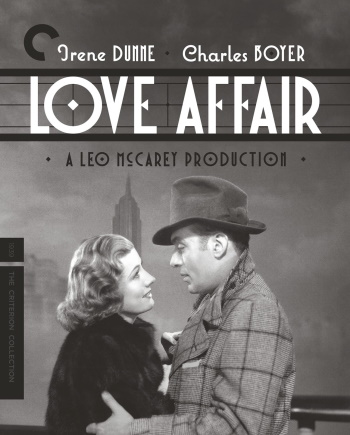
Golden-age Hollywood’s humanist master Leo McCarey brings his graceful touch and relaxed naturalism to this sublime romance, one of cinema’s most intoxicating tear-wringers. Irene Dunne and Charles Boyer are chic strangers who meet and fall in love aboard an ocean liner bound for New York. Though they are both involved with other people, they make a pact to reconnect six months later at the top of the Empire State Building—until the hand of fate throws their star-crossed affair tragically off course. Swooning passion and gentle comedy coexist in perfect harmony in the exquisitely tender Love Affair (nominated for six Oscars), a story so timeless that it has been remade by multiple filmmakers over the years—including McCarey himself, who updated it as the equally beloved An Affair to Remember.
Picture 8/10
Leo McCarey’s original version of Love Affair has received an all-new 4K restoration and is presented here on a dual-layer Blu-ray disc from The Criterion Collection. The film is presented in the aspect ratio of 1.37:1 with a 1080p/24hz high-definition encode.
Considering the stature of the film and the popularity of the 1957 remake (An Affair to Remember, also directed by McCarey) it has always been surprising that there hasn’t been a decent release for it, the film only available (that I know of) on less than stellar DVD editions from bargain-bin labels. My understanding through the years as to why this was the case was due to a.) less than optimal source materials and b.) the film is in the public domain, making it less likely anyone would be willing to fund a full restoration. A feature included on this disc confirms a.) and even goes as far to explain why that is the case, which runs down to, at its simplest, the negatives becoming lost after the remake rights were sold off to Fox, with only dupey 16mm prints made for television syndication being available in the years since.
Luckily for everyone, McCarey had his own personal prints that he eventually donated to MoMA (listed as a 35mm original nitrate print and a safety 35mm duplicate negative in the included notes about the restoration) who have finally got together with Lobster Films to work on this new restoration, the end results of which are simply astounding. The previous DVD I am familiar with was a fuzzy, dark mess littered with source and transfer issues; video tape couldn’t have looked much different. For those that haven’t seen it there is a sample from it (or at least one of the actual 16mm prints) found in a feature on the restoration included on this disc, and it’s beyond godawful, making what Lobster and MoMA have accomplished here all the more amazing; the differences between the two are more than night-and-day.
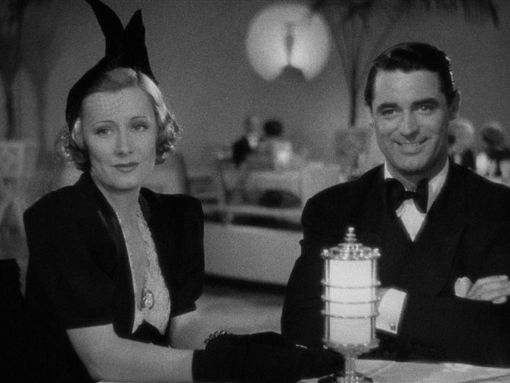
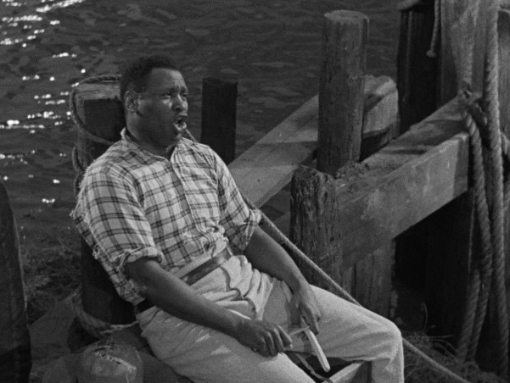
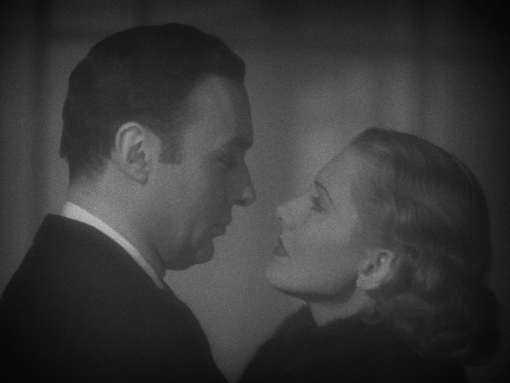
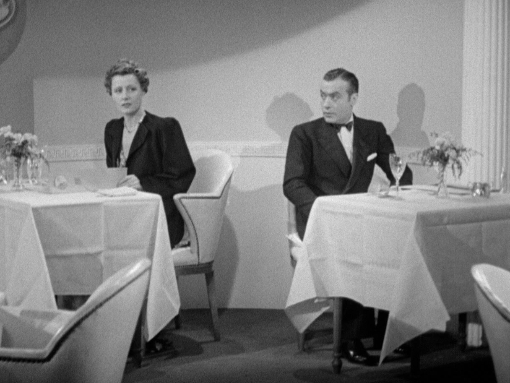
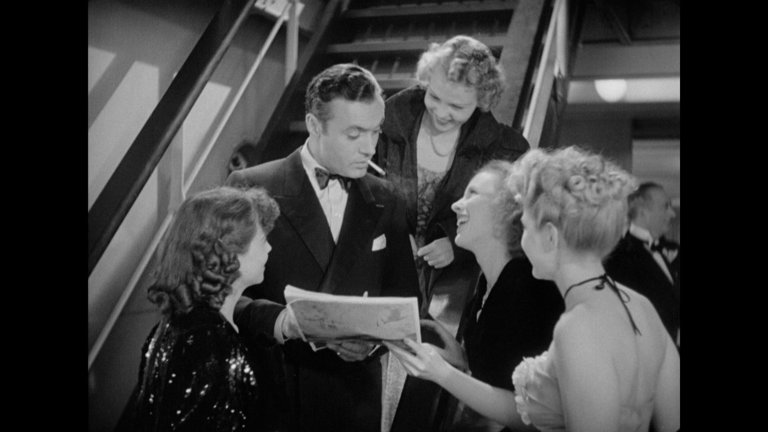
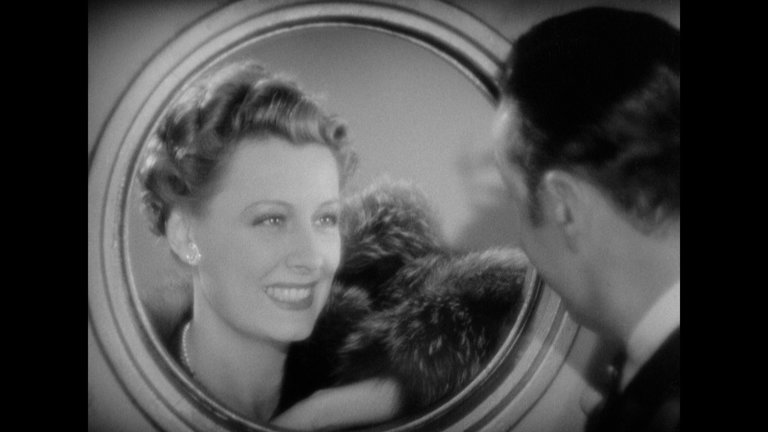
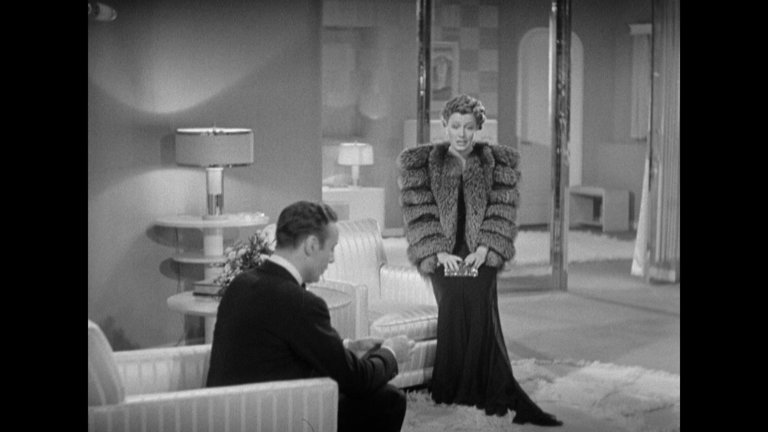
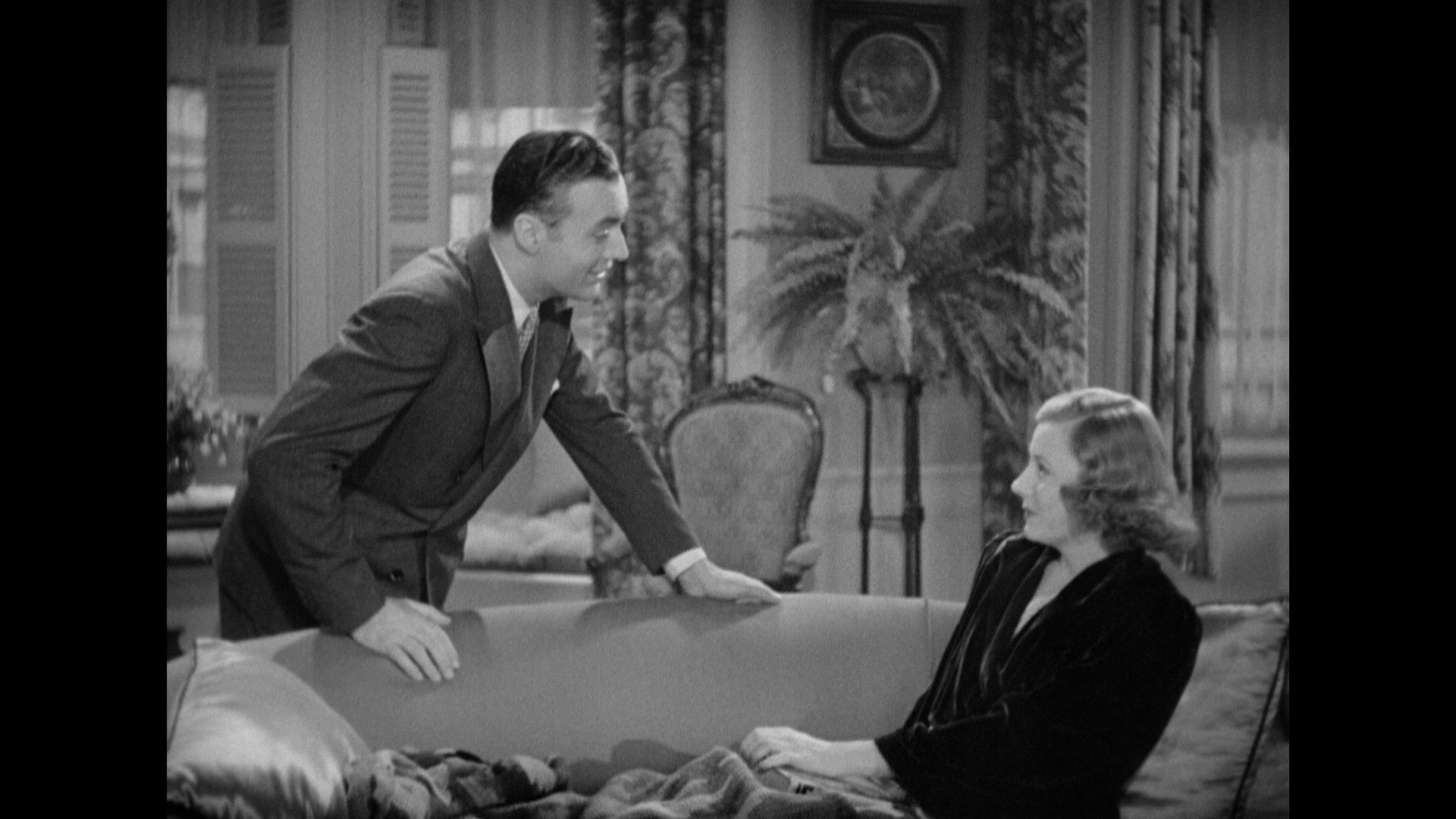
Right off, just the improvement in detail is the most striking aspect about this new presentation. Admittedly, the image is never razor-sharp, more than likely due to the original photography and source materials, yet objects are better defined, nothing ever blending/bleeding into one another, which in turn allows the viewer to make out the finer textures and strands of hair. Patterns on jackets, fine jewelry, rust or imperfections on the ship setting, and even the details found on a fur coat, all of it just pops out so clearly now. The gray levels and contrast have also been vastly improved upon, with cleaner, more distinct gradients found in those grays, and this ends up helping significantly in that foggy shot as the ship pulls up to New York; it actually looks like fog and not the blobby mess it was on that old DVD. Blacks are also not as heavy, leading to more detail in darker shots, and whites are better balanced, though there are a handful of shots where faces can look a little blown out, eating up finer details in the brighter areas, though this could be just inherent to the original photography.
The base scan looks to have picked up the film’s grain structure nicely, and Criterion’s encode renders it very well here; it looks clean and natural, and I never noticed it looking like noise. The clean-up job has also been remarkably thorough, removing most marks and debris, while also stabilizing the image. Some marks and scratches are still present, with some minor fluctuations in places, but they’re all pretty minor in the grand scheme of things, especially when on considers what a disaster the presentation was before this.
In all it’s a shockingly gorgeous looking image and an impressive restoration. It’s really like seeing the film for the first time again.
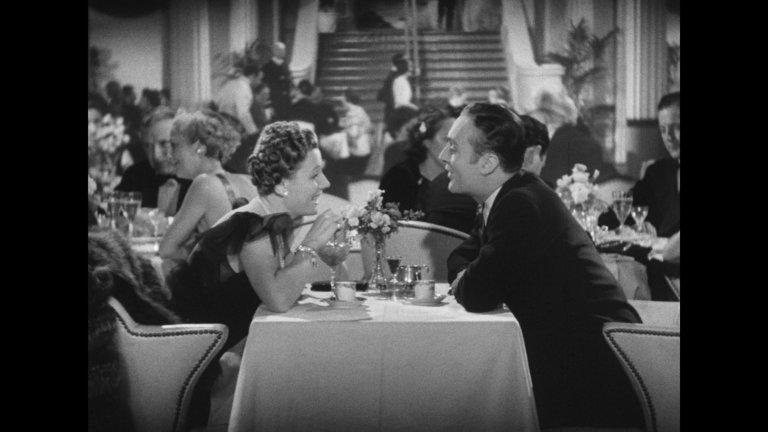
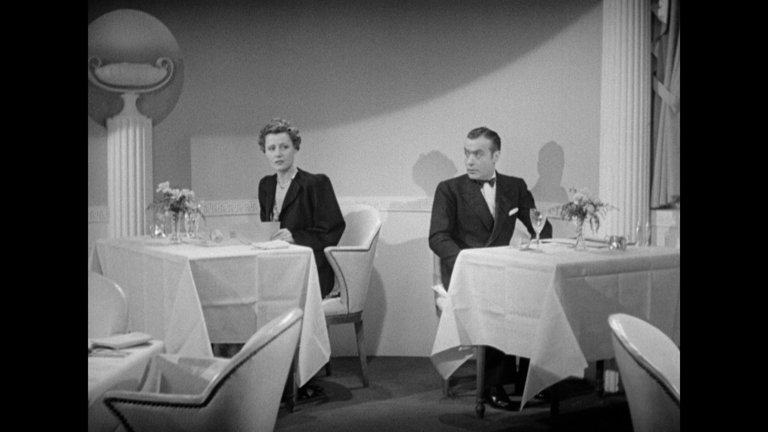
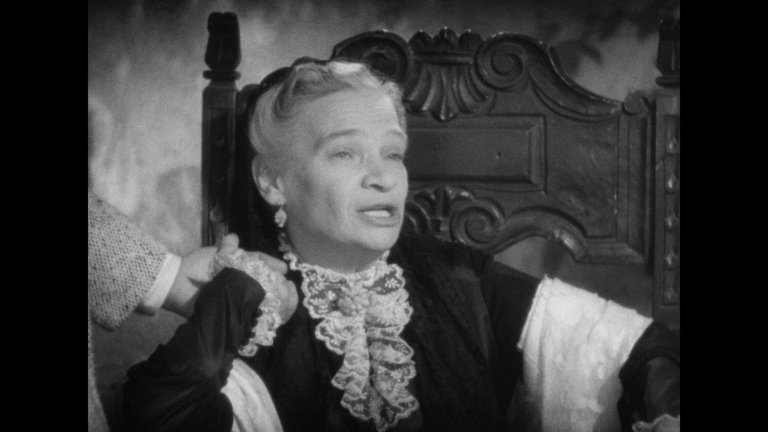
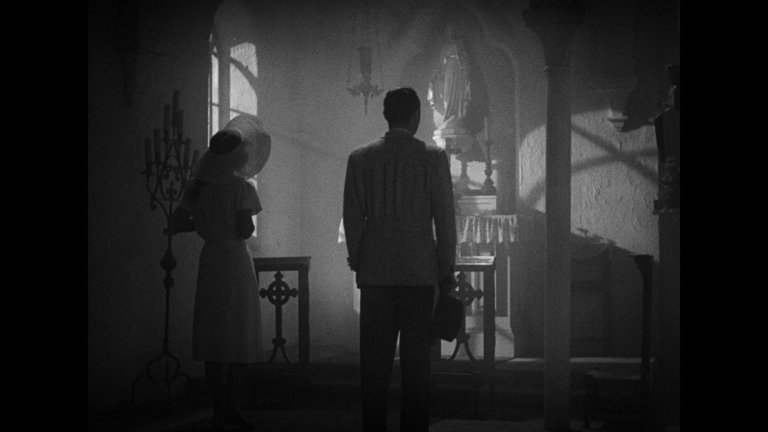
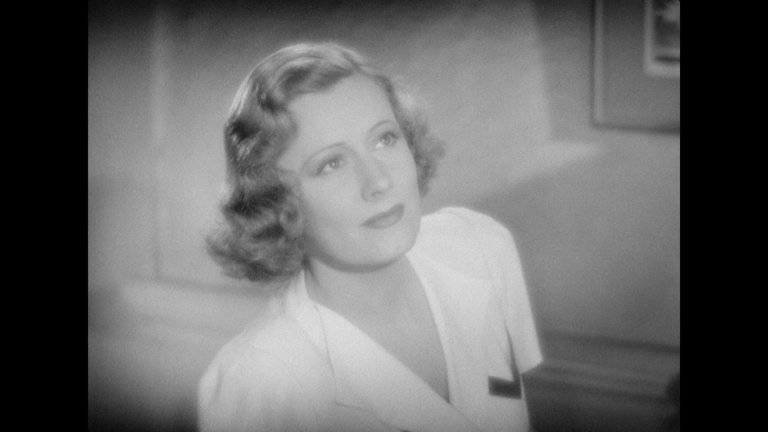
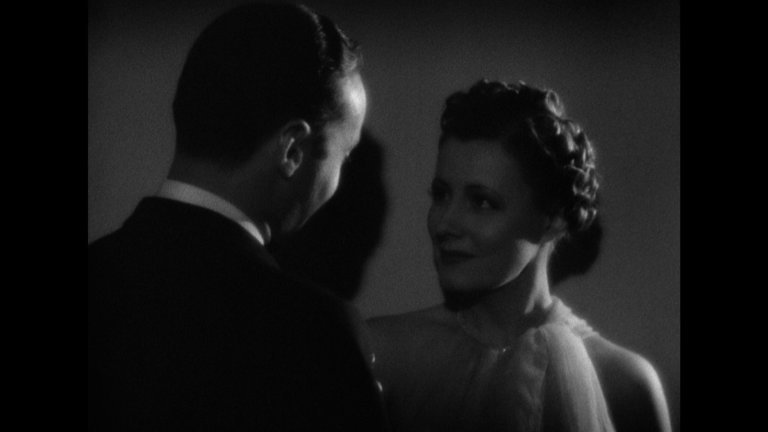
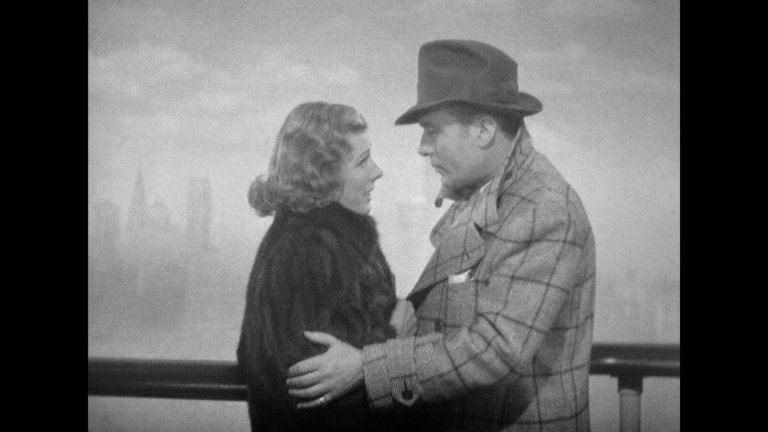
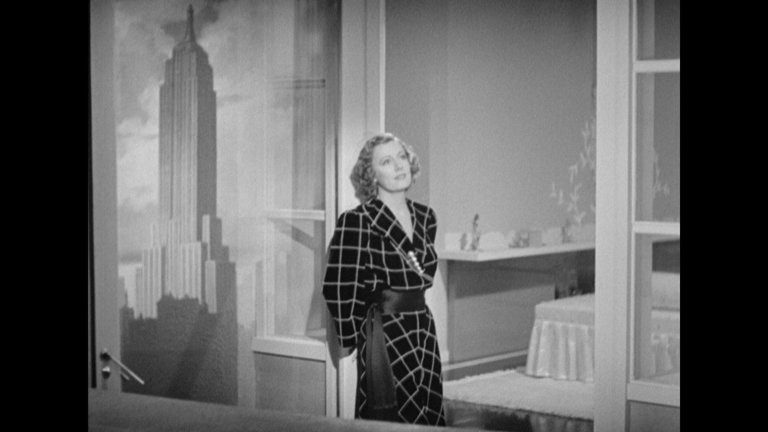
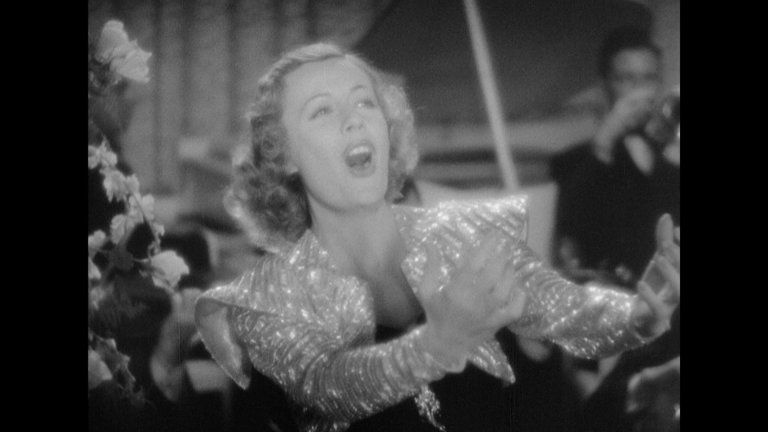
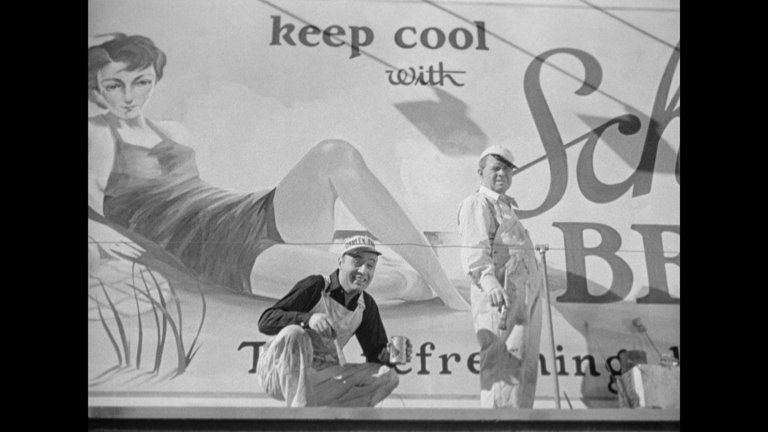
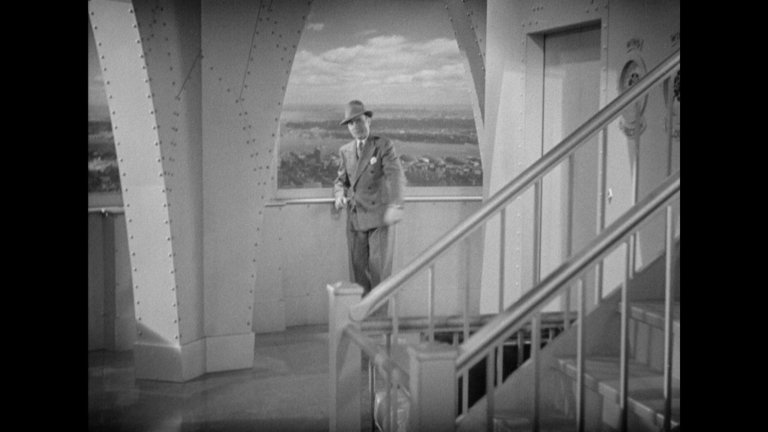
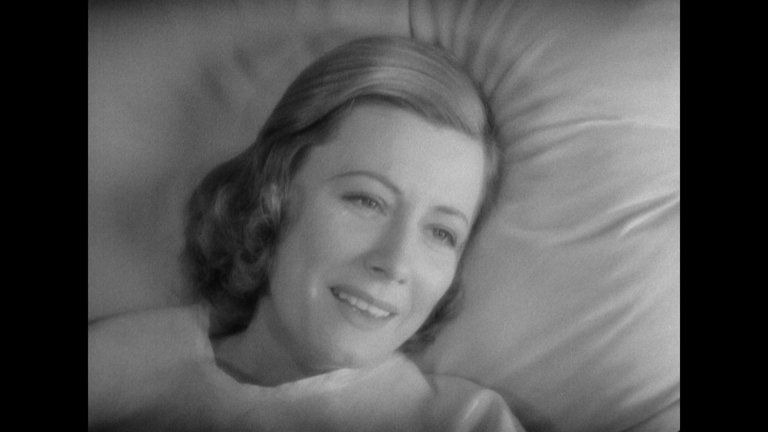
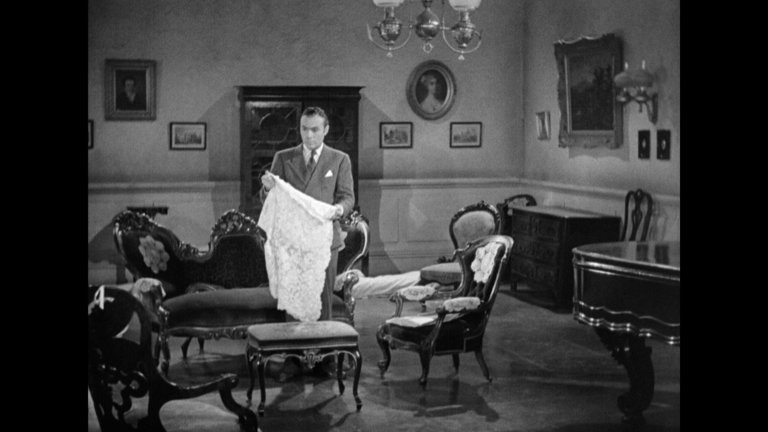
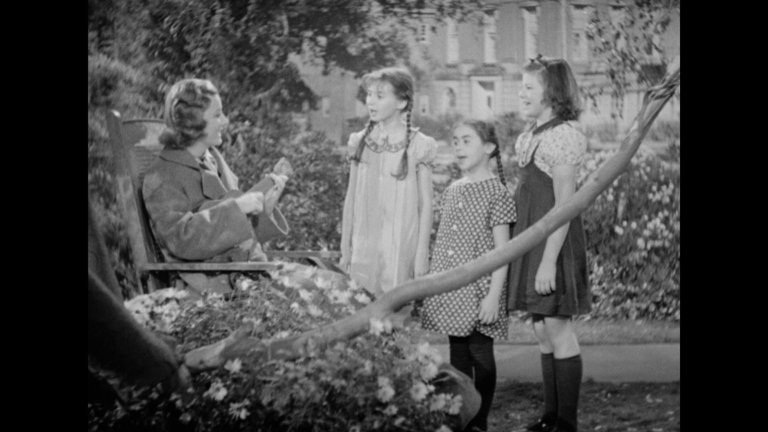
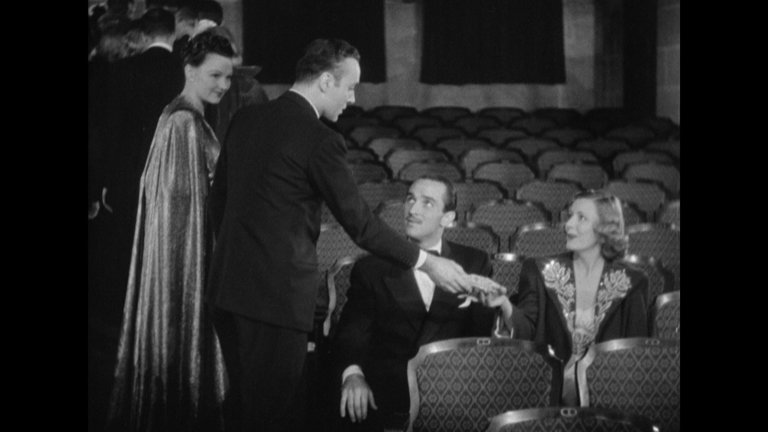
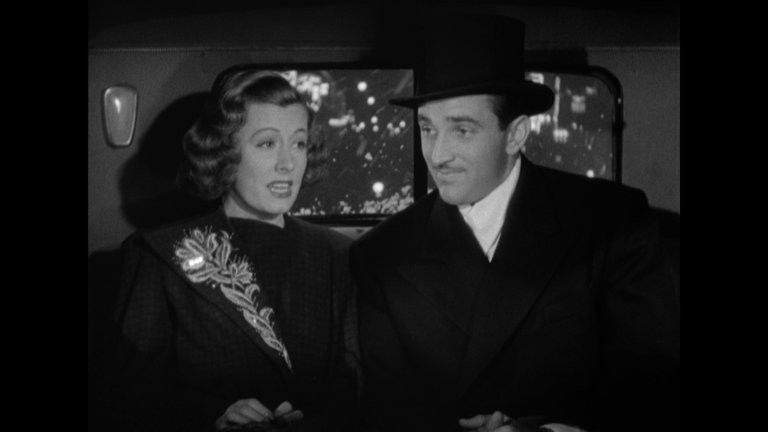
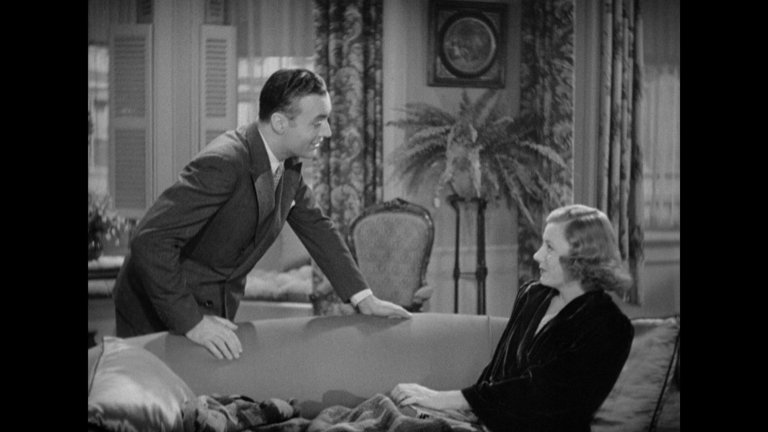
Love Affair - Screen Captures
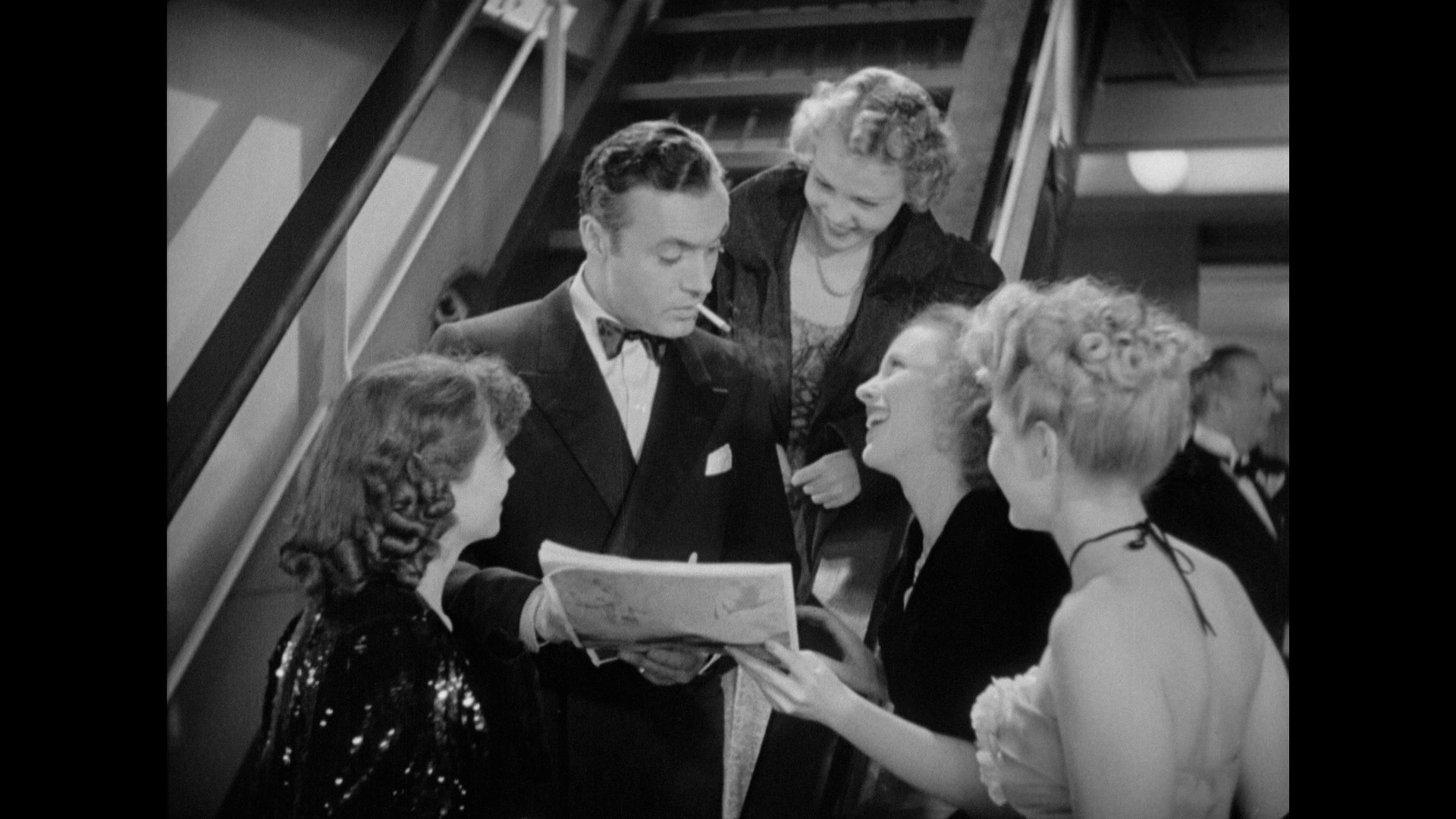
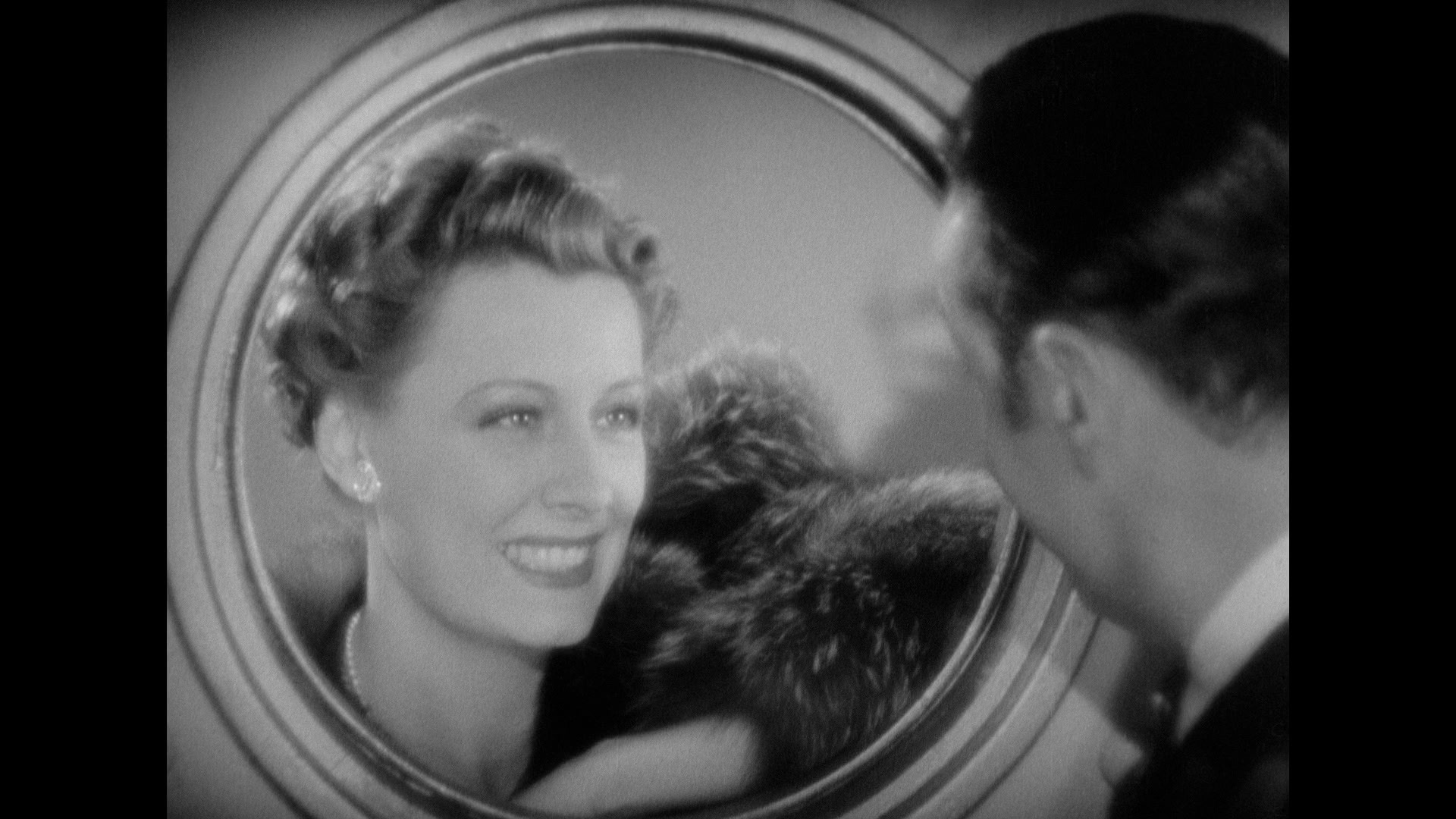
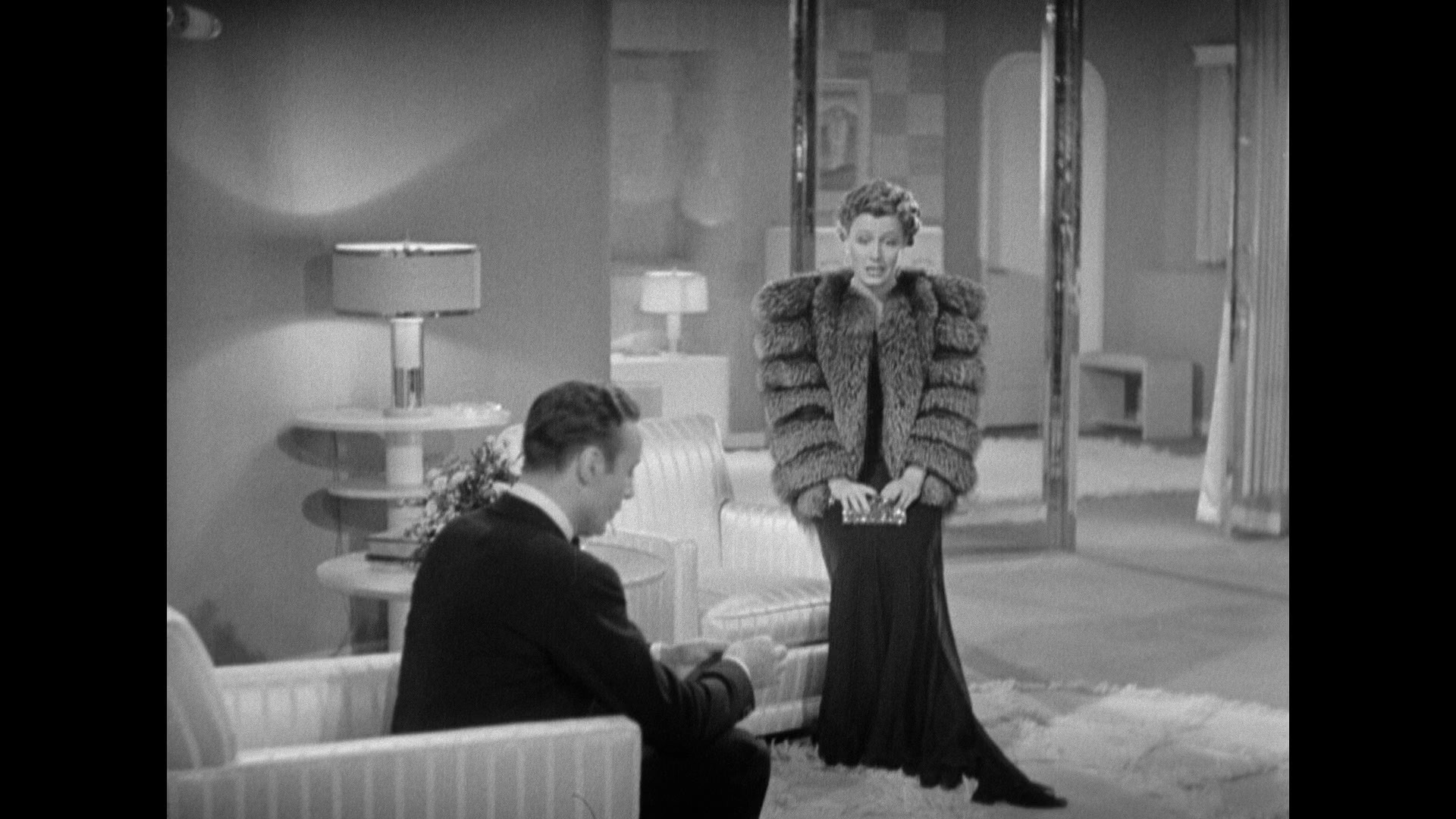
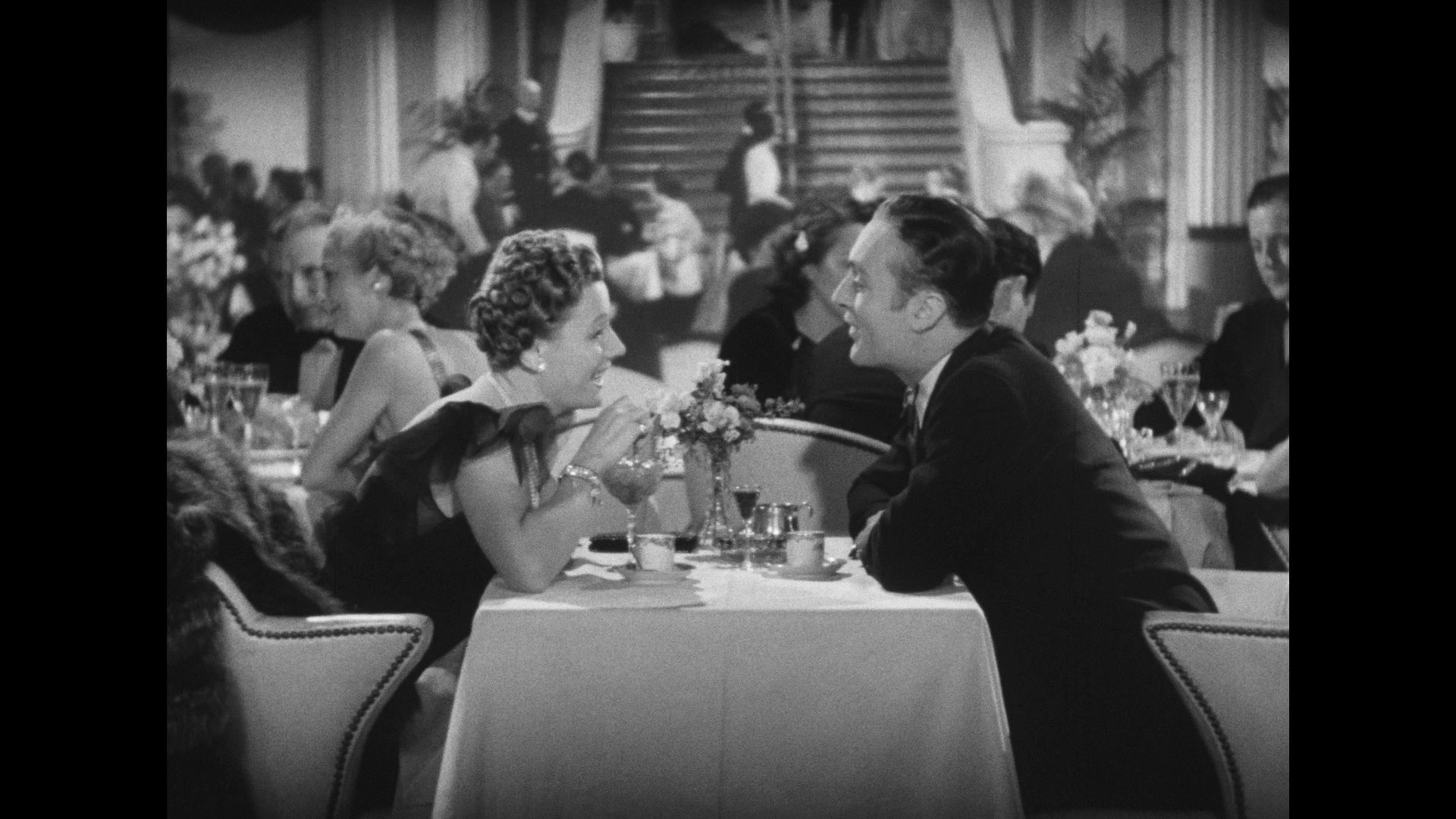
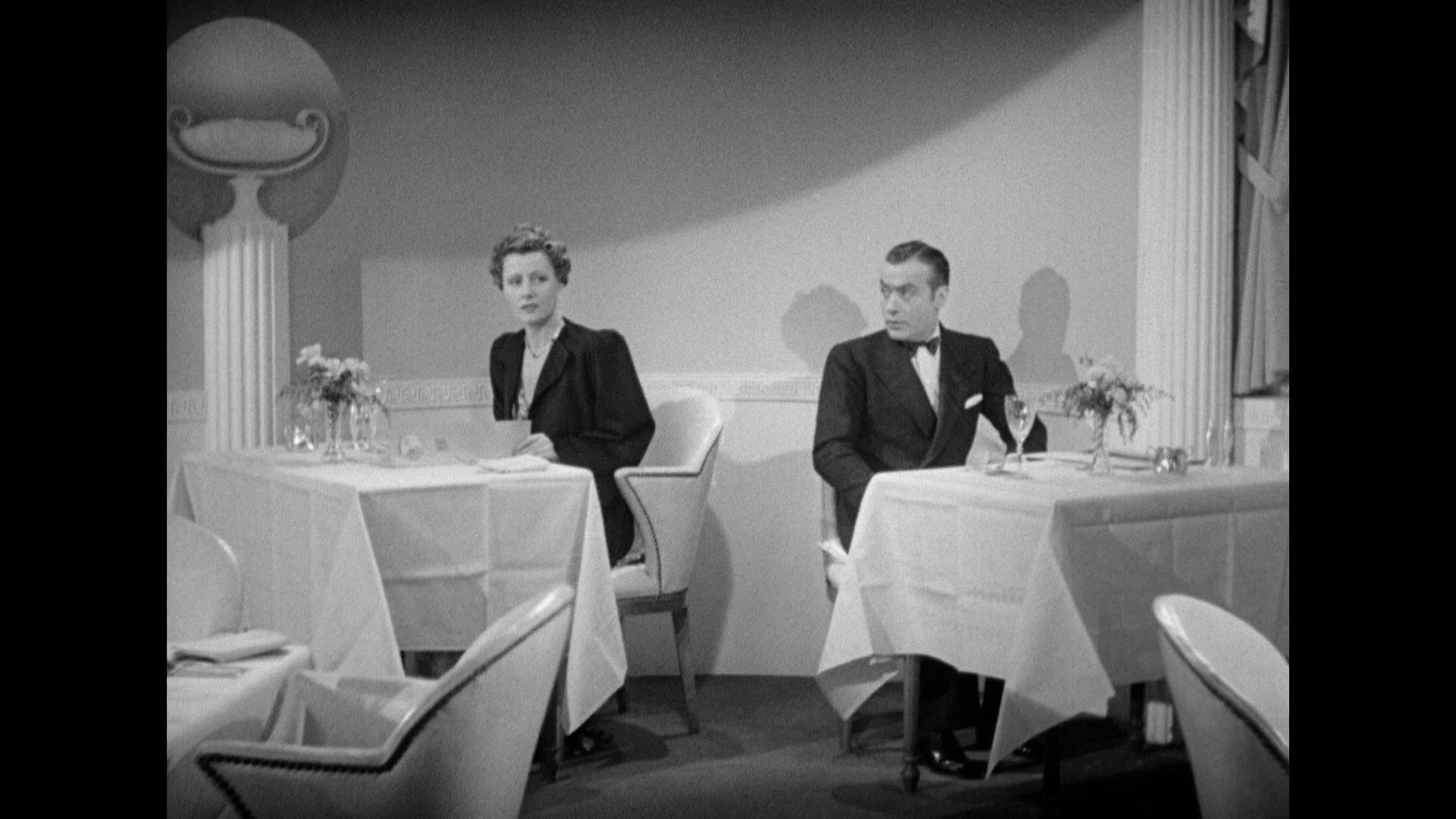
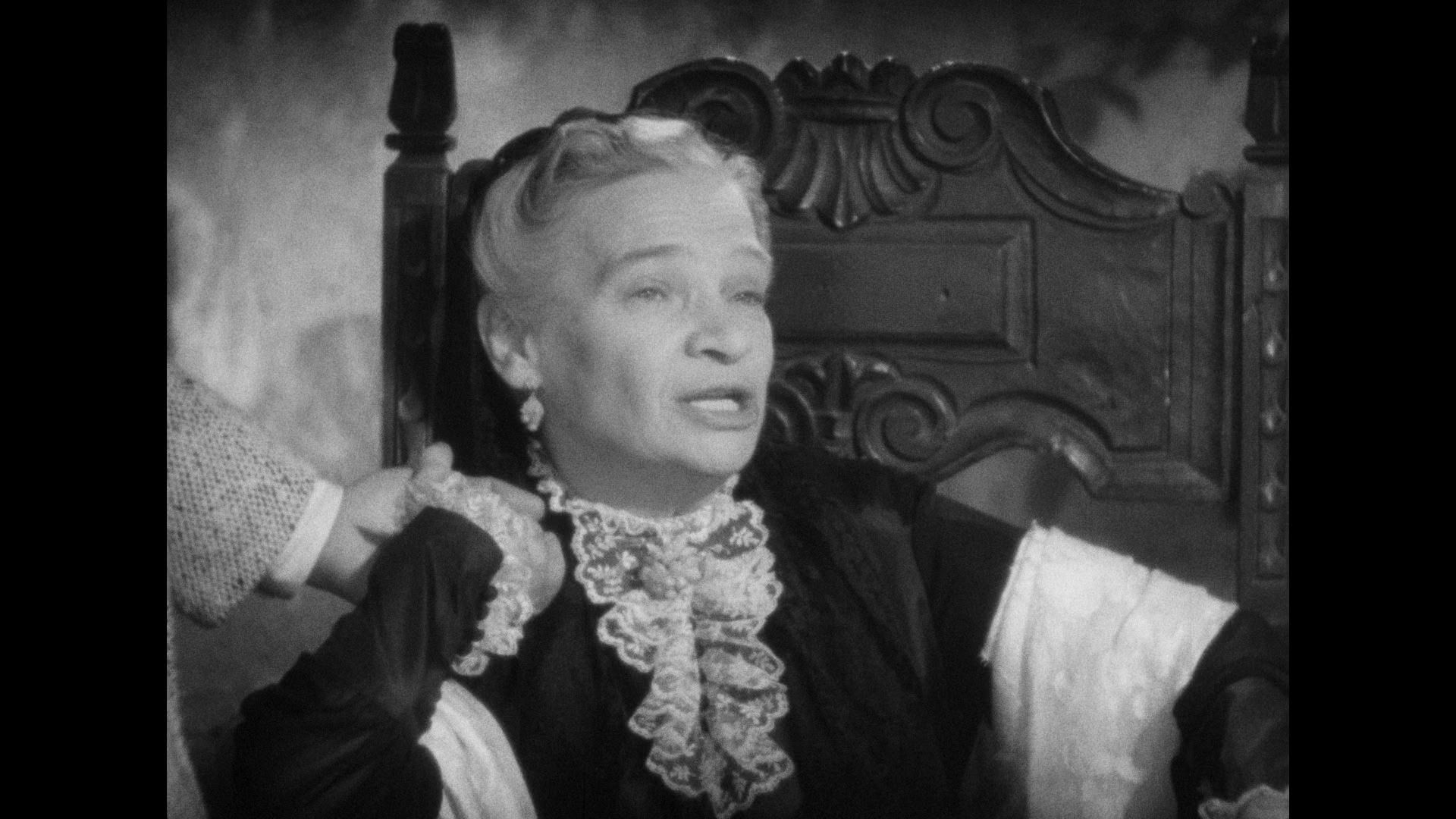
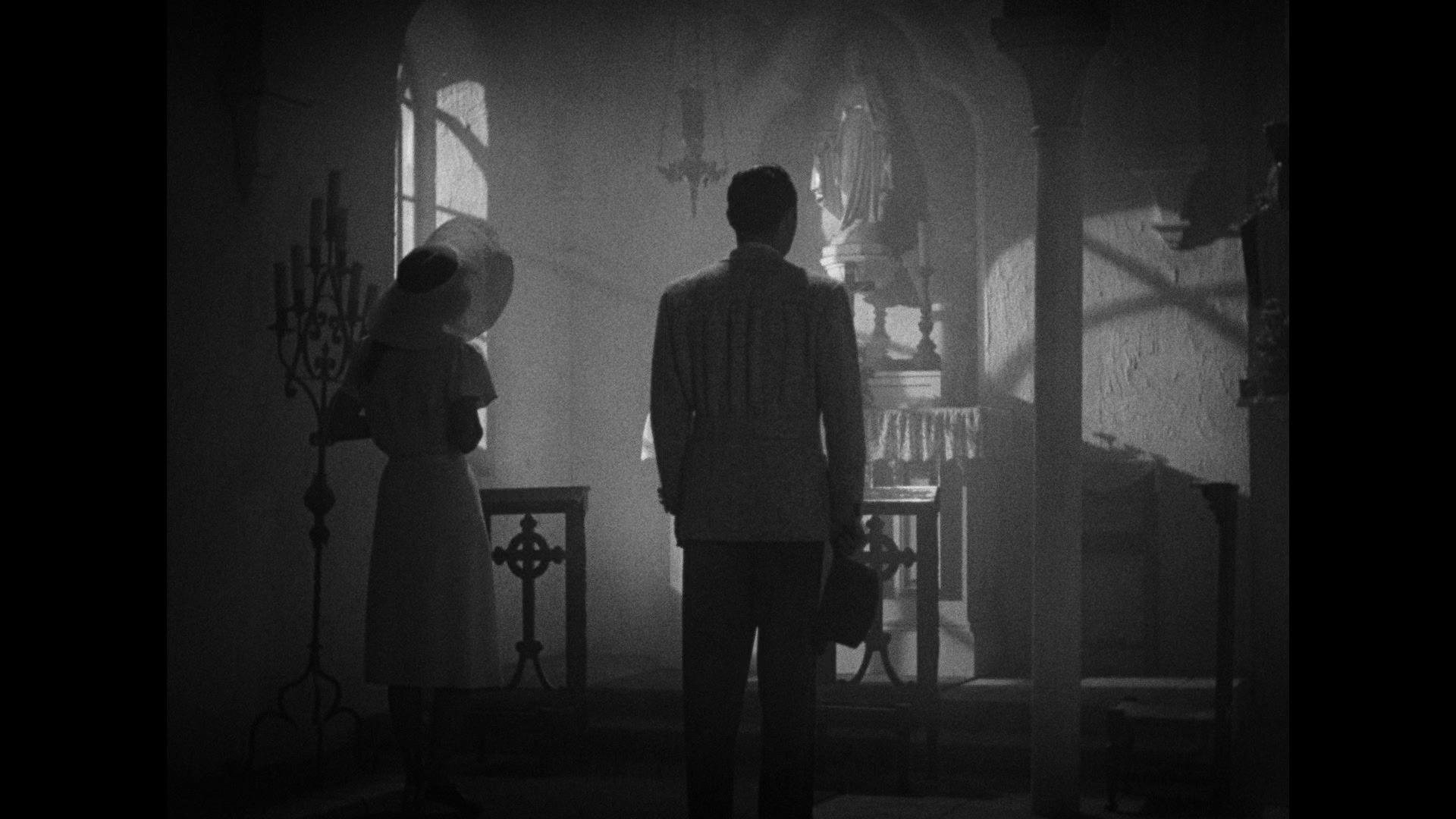
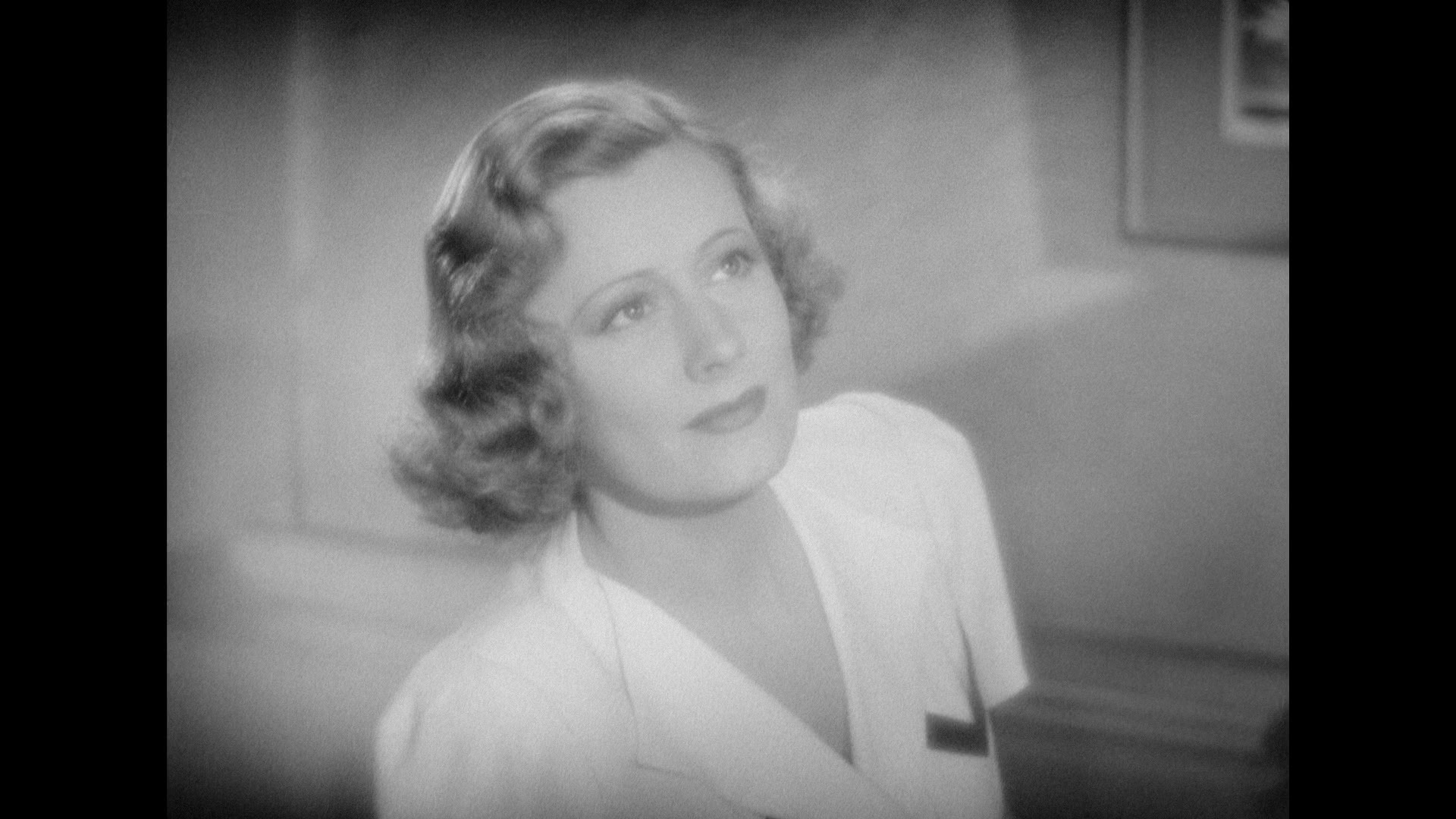
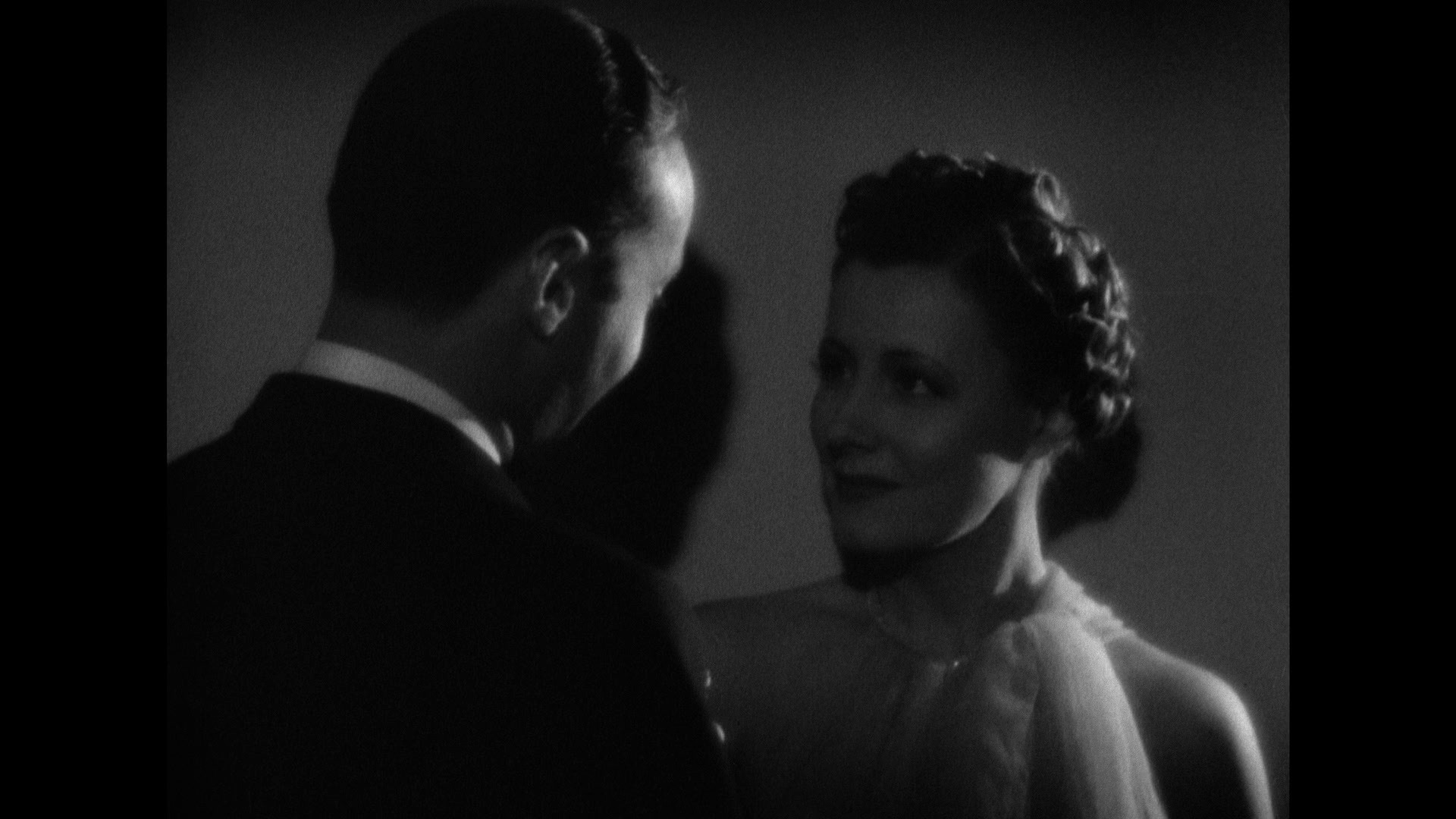
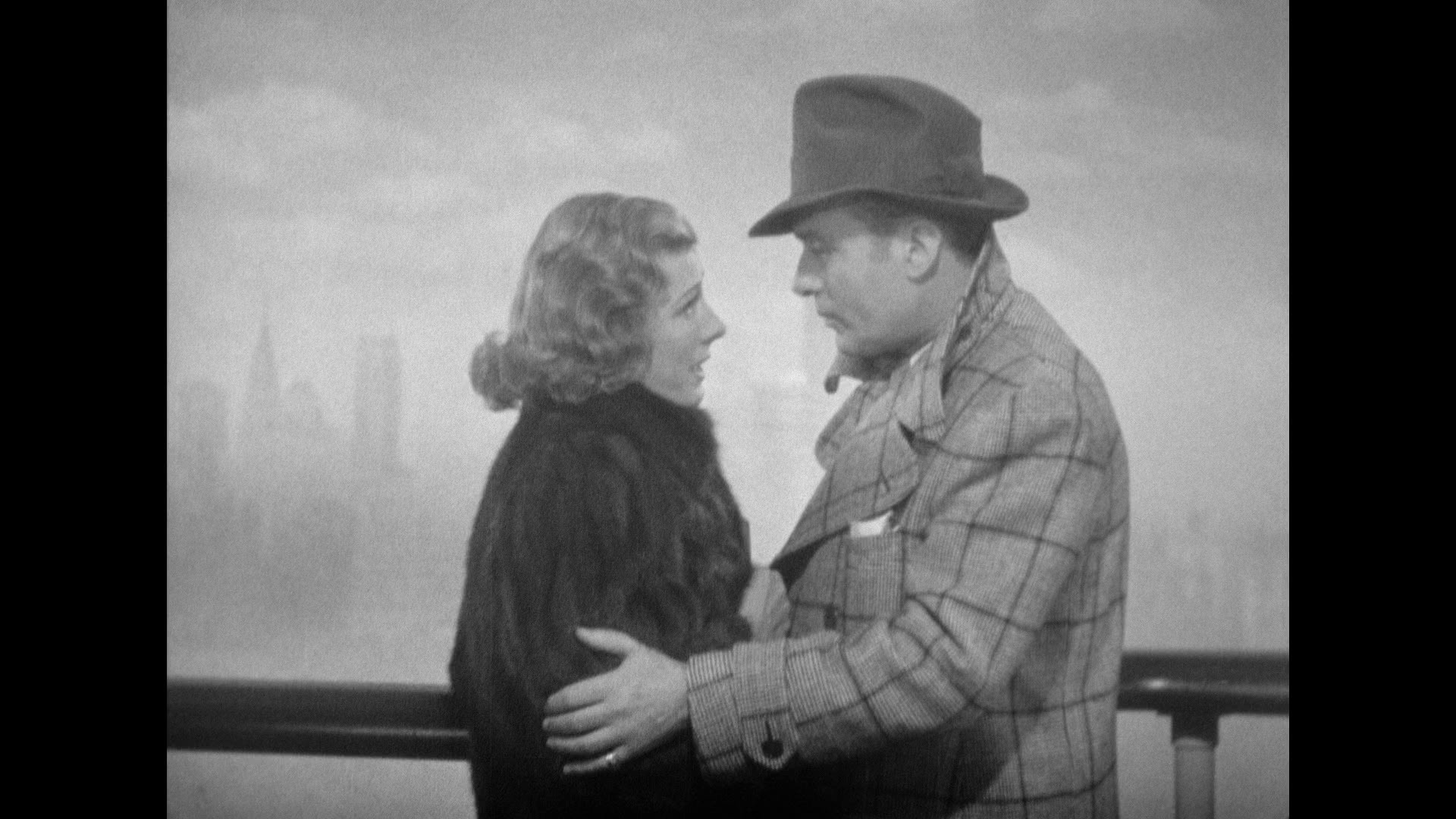
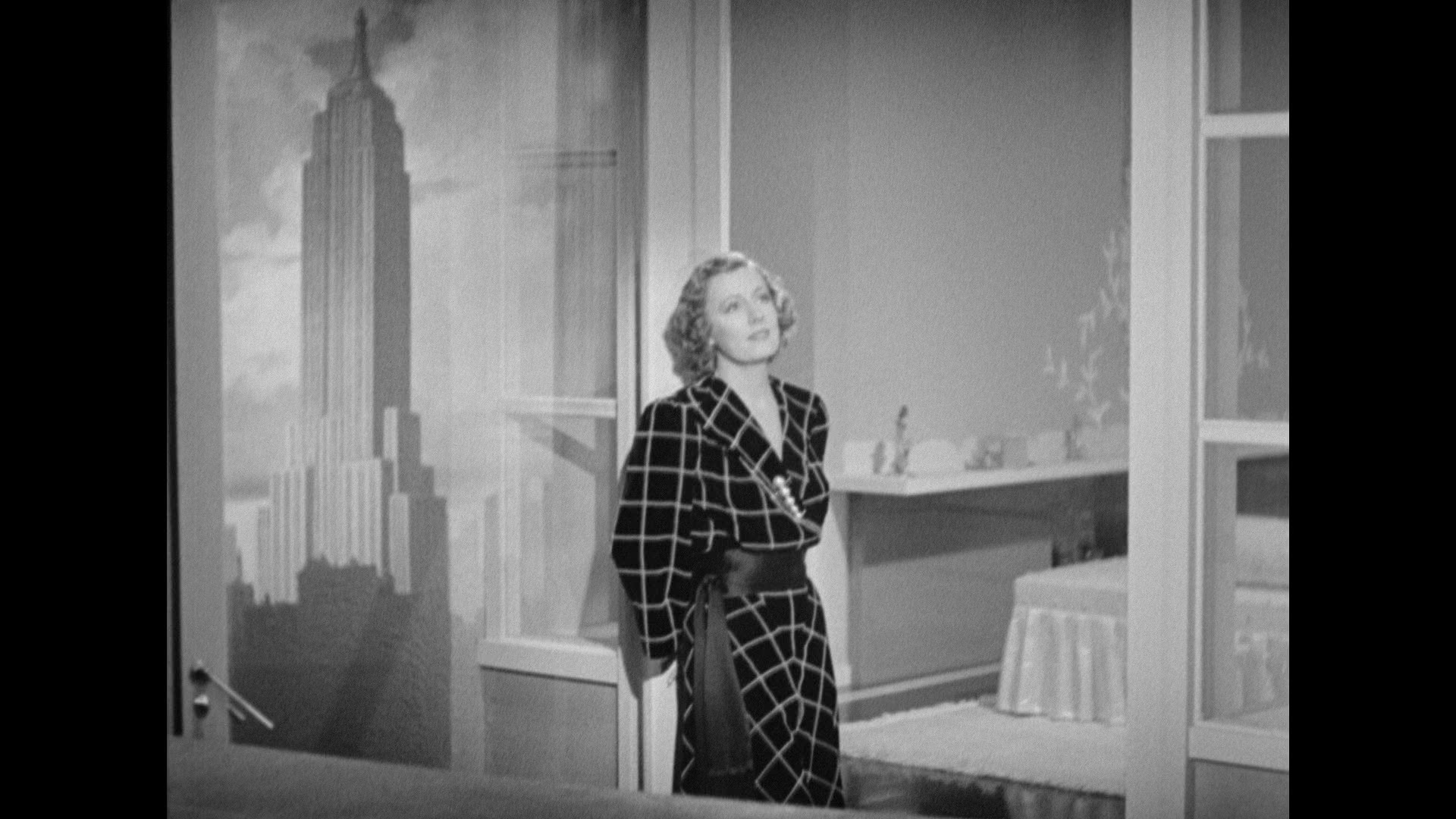
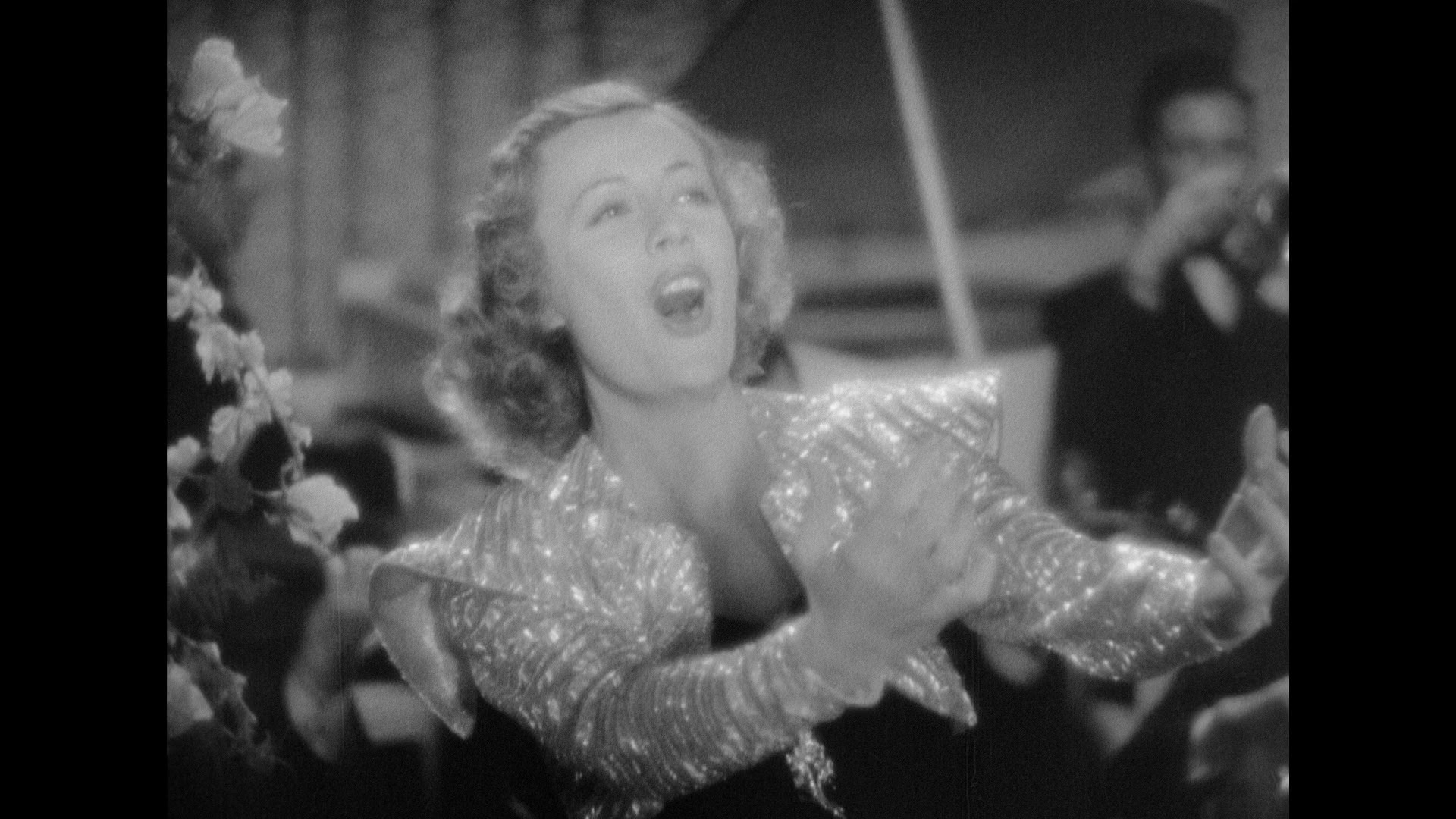
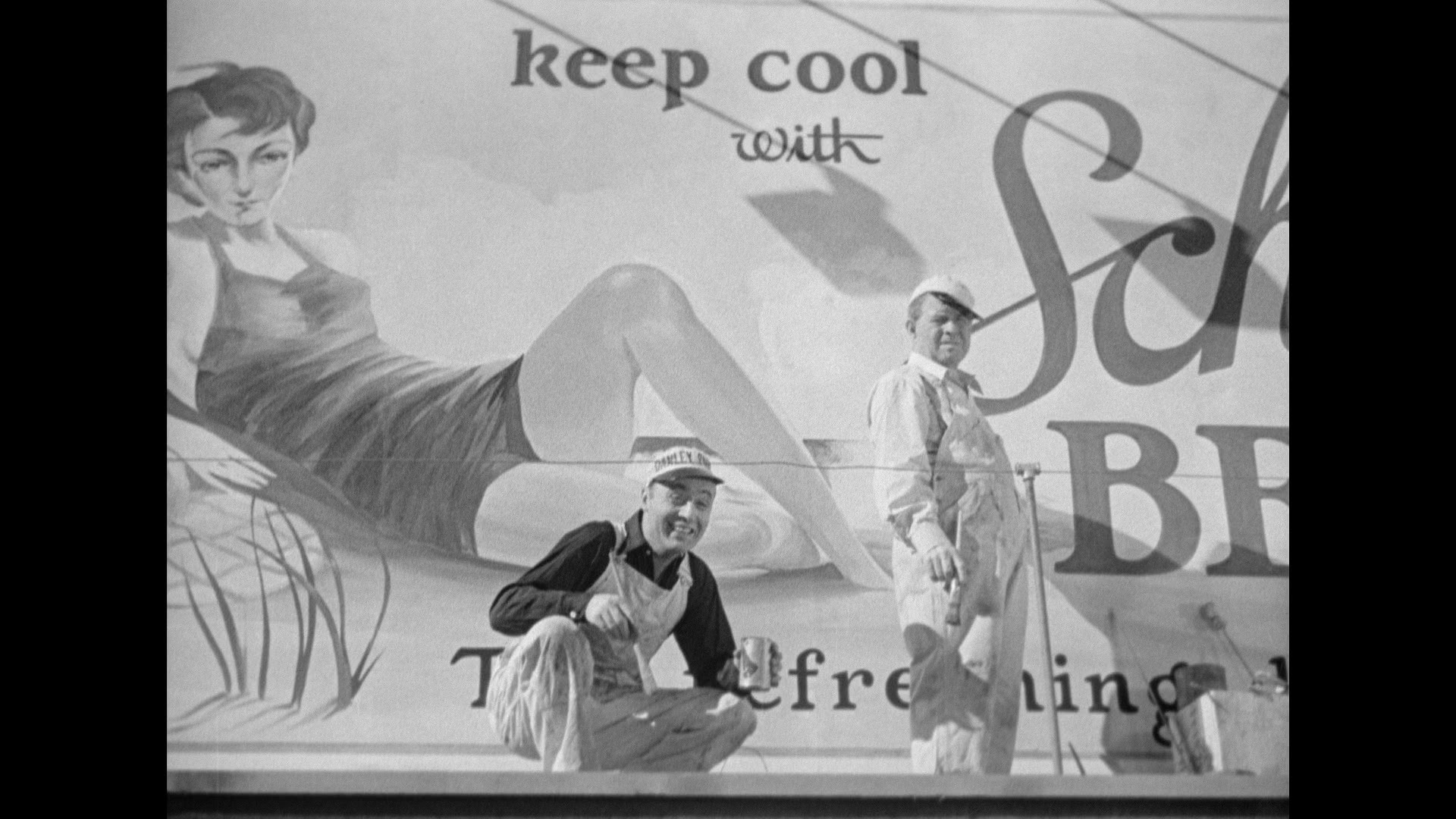
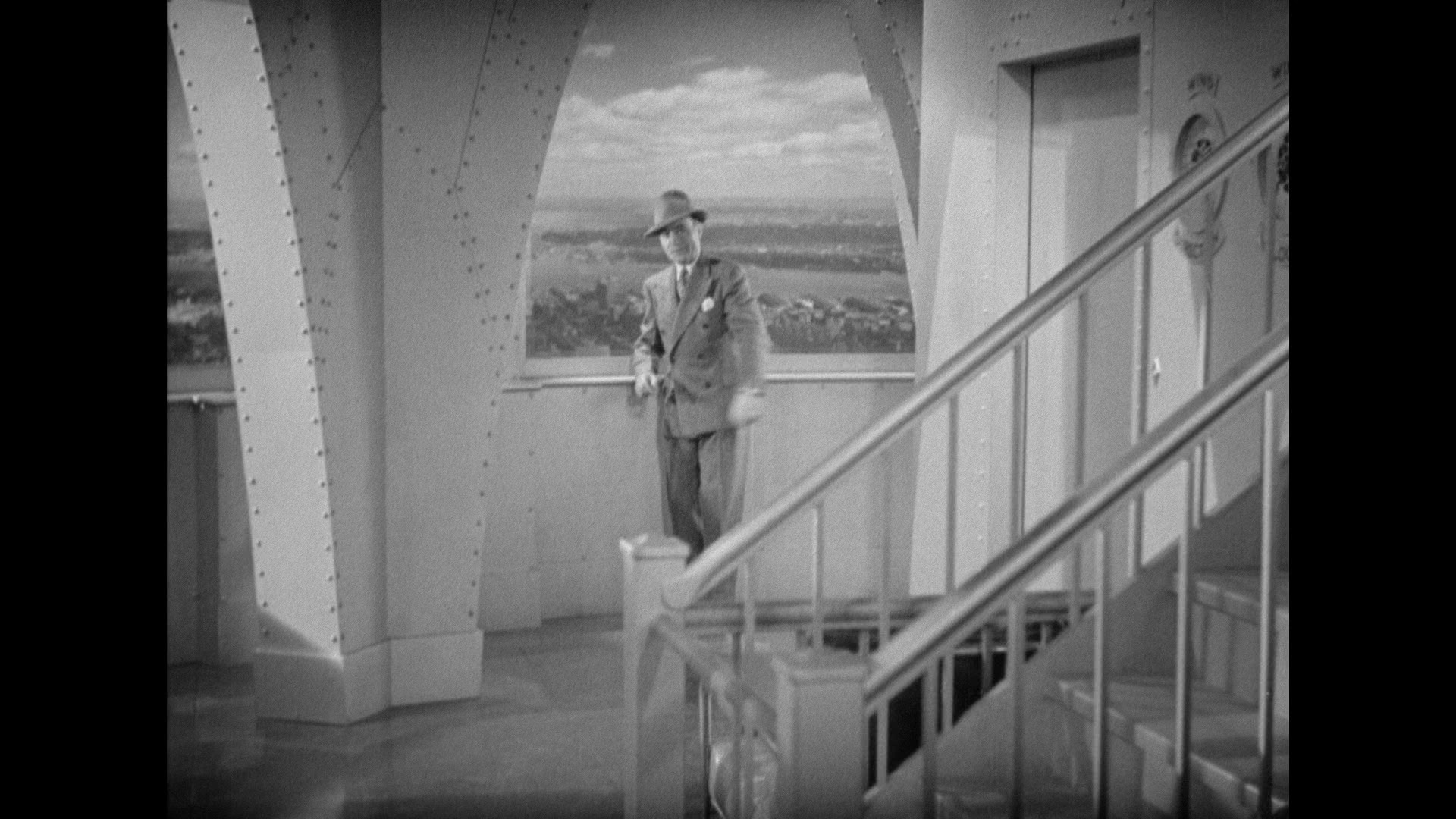
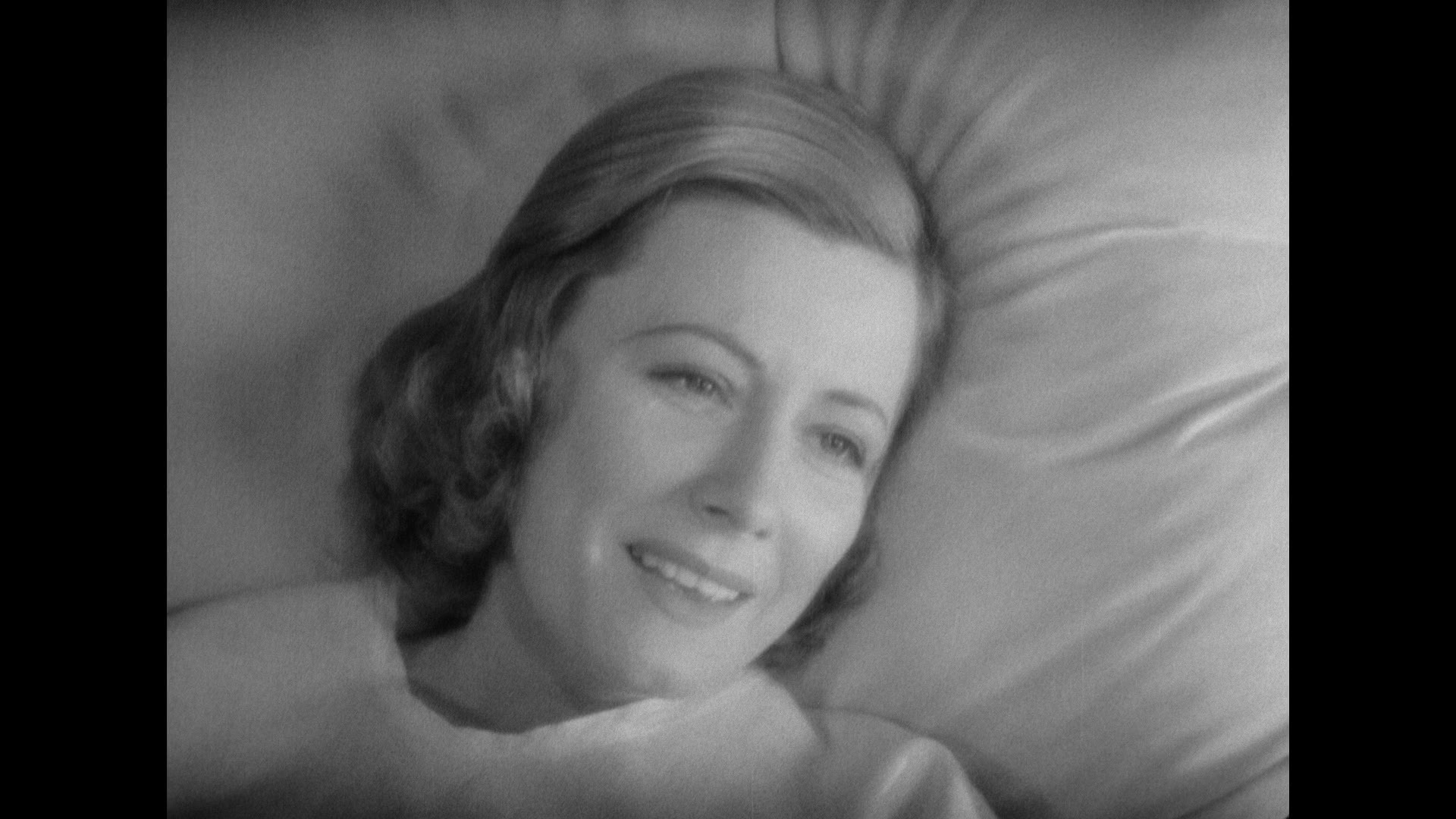
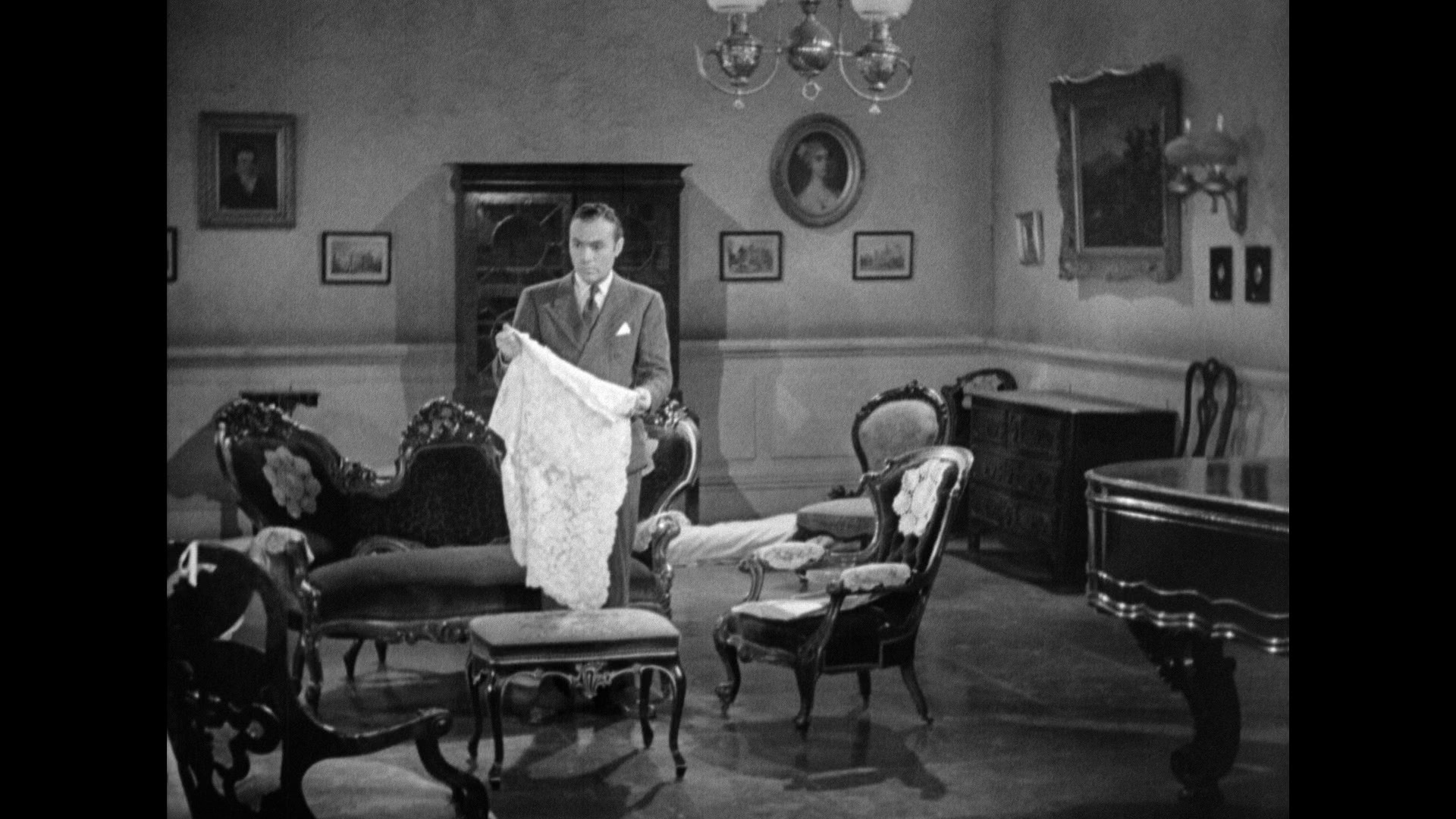
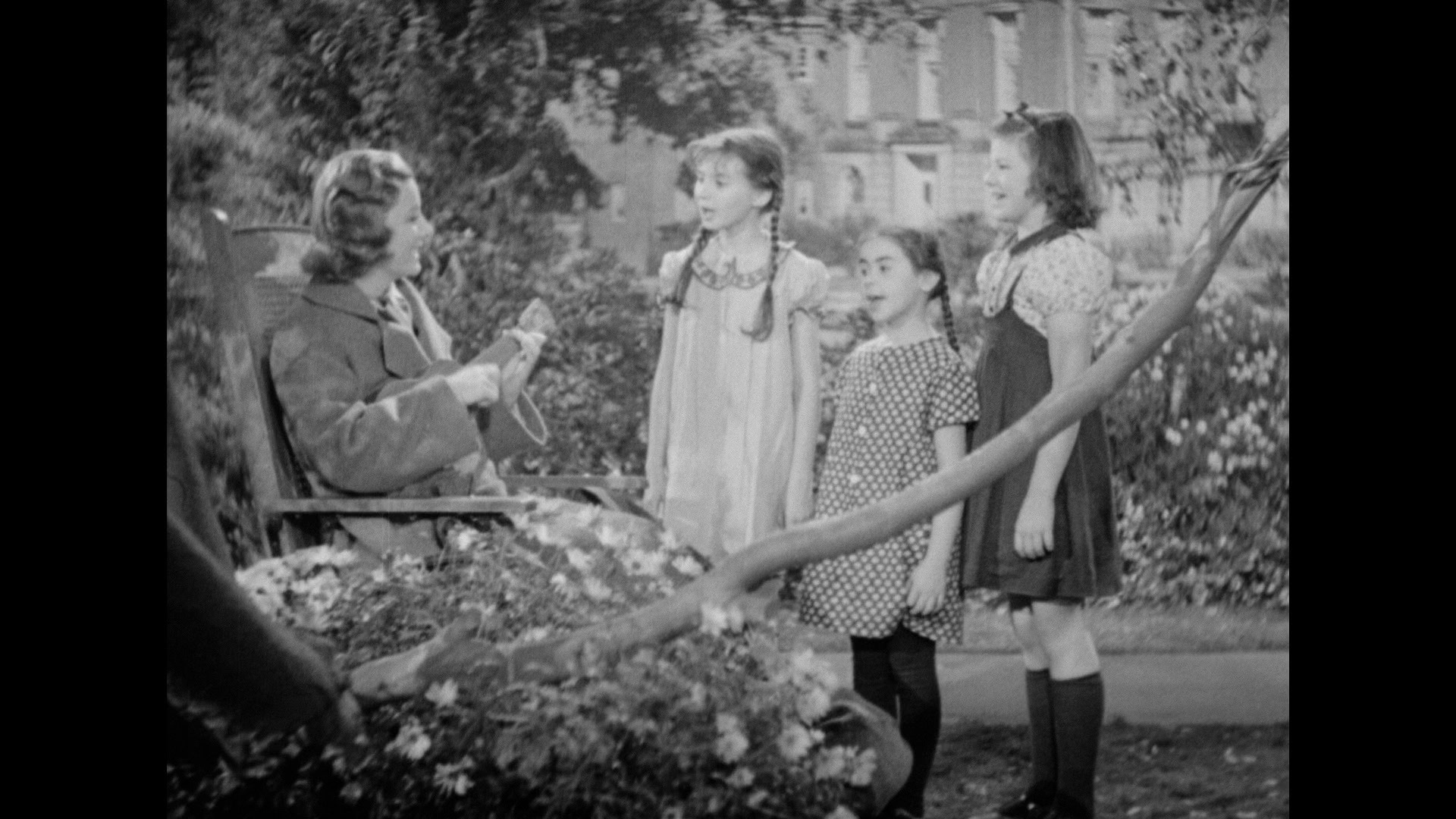
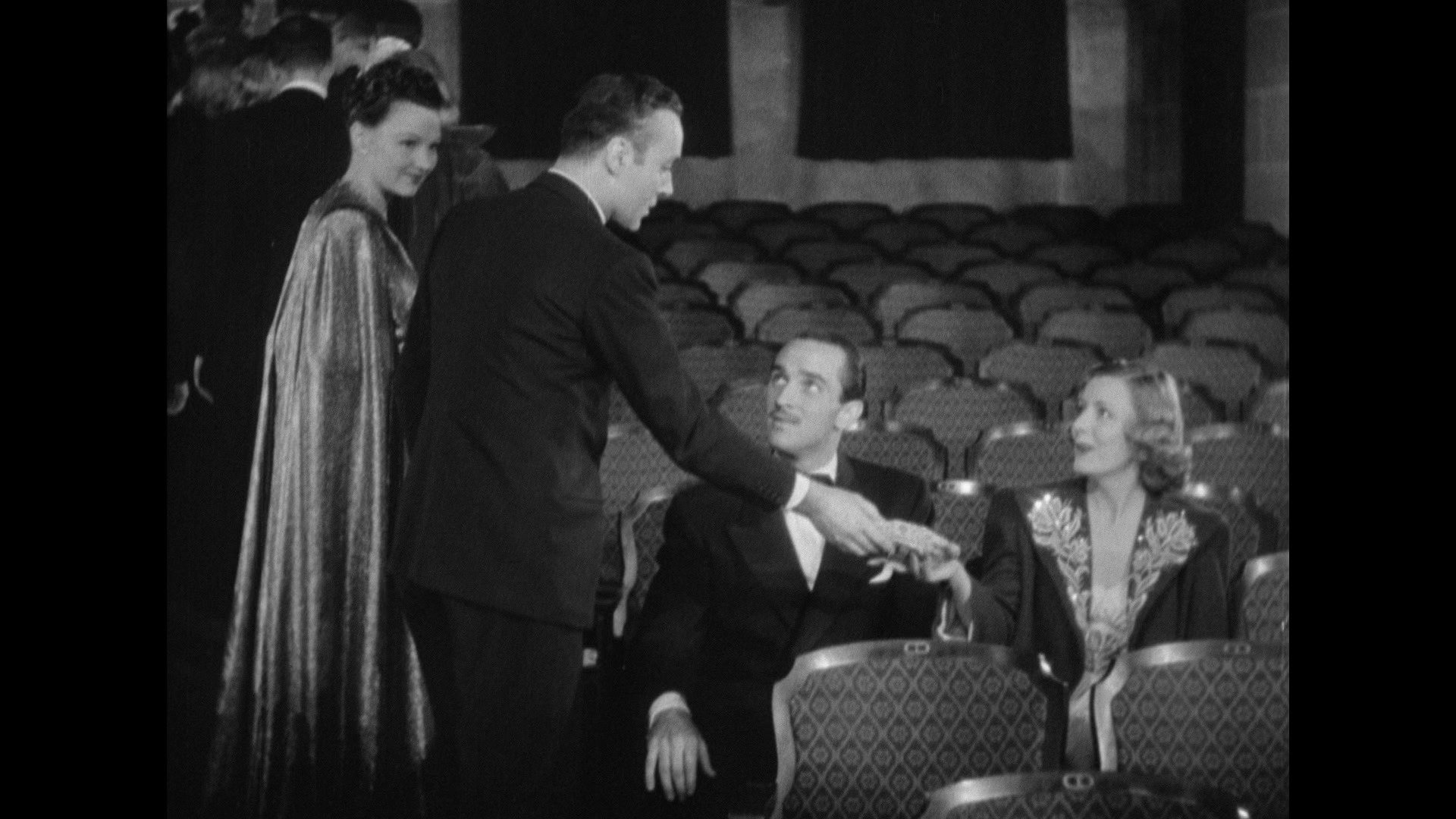
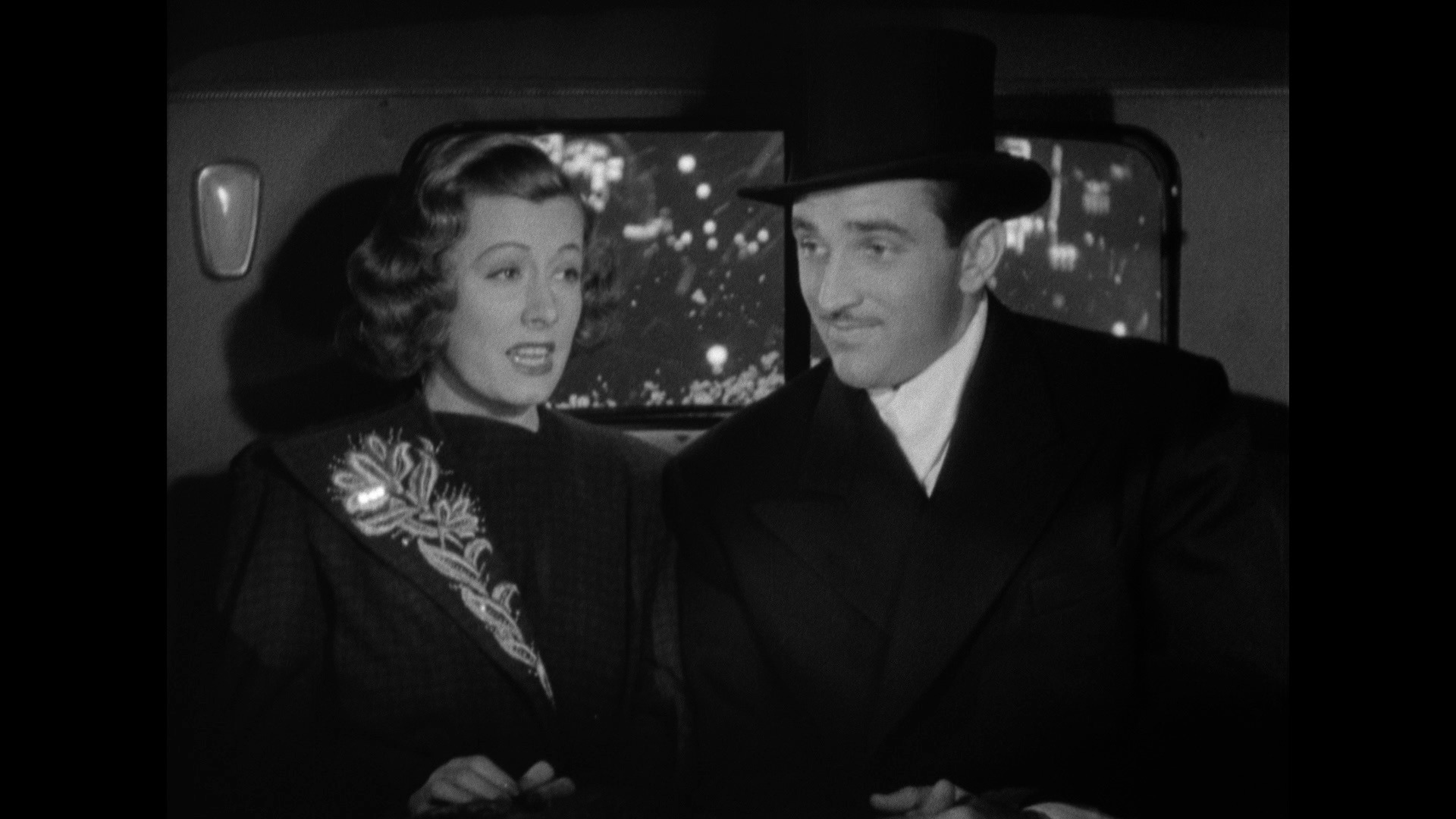
Audio 7/10
I was expecting the image to turn out nice, but the real surprise here is probably the audio. The restoration feature on this disc also provides comparisons of the audio and it really is shocking how much better the lossless PCM 1.0 monaural soundtrack is on this disc. It’s incredibly sharp with excellent range and fidelity, the filtering sounding to have been held back. There is some minor background noise (as expected) but it’s never distracting. More importantly, all clicks, drops, and/or pops have been removed leaving a very clean sounding track. Voices are crisp and clean and even the music shows some surprising depth for the time. It’s an excellent audio presentation.
Extras 7/10
The features end up not being as extensive as I would have expected, but Criterion does throw in some nice features around the film and McCarey. There is the aforementioned feature on the film’s restoration, running 5-minutes and featuring Lobster Films founder Serge Bromberg talking about the project. Criterion has also recorded a new interview with Farran Smith Nehme, the critic talking about the road that led up to McCarey making the film, correcting some myths around the film’s script, including the possibility the story came from an idea by Delmer Daves and was not based on McCarey’s concocting of it while on a cruise. On top of covering the respective careers (up to that point) of the film’s two stars and director of photography Rudolph Maté, she also talks a little about McCarey’s 1957 remake, An Affair to Remember. No mention of the Warren Beatty/Annette Bening outing. A commentary would almost seem to be called for here, but we still get a decent 24-minute summary here.
From the archives Criterion then throws in a couple of Lux Radio Theatre radio adaptations of the film, the first from 1940 featuring Dunne reprising her role opposite William Powell filling in for Boyer (not even attempting a French accent) and the second from 1942 featuring Dunne and Boyer together again. Though their running times differ a bit (running about 48-minutes and 56-minutes respectively) I suspect they’re actually from the same radio adaptation/script, with a few modifications, though I didn’t do a thorough comparison. Both modify some sequences slightly, and even add moments to fully clarify some of the action (like how the two characters handled their respective fiancés), yet both adaptations stick very close to the original story, just moving a bit quicker through the portions on the ship. They’re both nice inclusions and are also in decent condition.
Criterion then throws in two two-reeler silent shorts directed by McCarey and starring silent comedian Charley Chase: the 25-minute Looking for Sally from 1925, and the 22-minute Mighty Like a Moose from 1926. I can’t say I was particularly fond of Sally, despite a decent set-up. In it, a man (Chase) returns from an extended trip in Europe looking to meet up with the girl from his youth, only to confuse a not terribly attractive person for her and looking to flee the scene. He then comes across a young woman (who turns out to be the girl from his youth), becomes smitten before parting ways, and spends the rest of the film trying to track her down. This one ends up being a bit of a slog as it simply becomes a collection of unfunny gags after the set-up.
The second film also makes use of a mistaken-identity scenario, though goes about it in a cleverer fashion. In this one, Chase plays a husband who has been secretly saving up money ton fix his horrendous teeth. Coincidentally, his wife (played by Vivien Oakland) has been saving up money to fix her nose. Both appear to be going through their respective procedures for each other, but after they both get the work done on the same day at the same time at the same location, they run into one another without recognizing the other as their spouse and hit it off. They end up falling for each other (again) due to him apparently being the first man to look directly at her eyes and not her nose, and her apparently being the first woman to not laugh at his teeth, amusingly suggesting that this is how the two reacted when they had originally met the first time. They think they’re going their separate ways (they’re of course going to the same home) but agree to meet up again.
The scenario is of course preposterous (neither look that different and it would be impossible for them not to recognize each other) but the film at least takes the concept to some rather amusing levels of absurdity, like how the two, who of course live together, go to ridiculous extremes to get out of the house without the other knowing, only to go around and meet up with each other on the sly. Things even get more ridiculous when, after a picture of the two together appears in the newspaper following a police raid of a party they were attending, they each try to get around their spouse seeing that scandalous picture in the paper. Again, it all calls for an extraordinary amount of “suspension-of-disbelief,” but it at least gets a bit more creative compared to the former.
Both films have also been supplied by Lobster (with new piano scores presented in Dolby Digital stereo), though with varying levels of restoration. Sally looks to have gone through an extensive restoration, and though it still features a number of scratches and flaws, it looks stable, and the damage isn’t anywhere near as widespread as what one would expect. It doesn’t look like the second film has gone through the same level of effort and may just be a straight scan. Though the scan itself looks good (detail is excellent and there’s a nice film-quality to it) this one features a heavier amount of damage and a less stable image, featuring several jumps that get heavier in the mid-section. It also features a sepia tone.
Both films are also presented interlaced, due to the frame rates, but artifacts aren’t obvious.
The release then closes with an insert featuring a new essay by writer Megan McGurk, who touches briefly on the film’s production and legacy.
Sadly, not as stacked as I would have expected, but the added shorts and Nehme’s contribution are worthwhile.
Closing
Not the stacked special edition I would have expected for McCarey’s film, but the incredible new restoration makes it feel like you’re watching the film for the first time.
BUY AT: