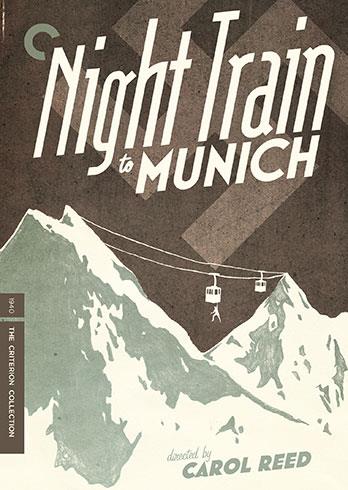
Night Train to Munich
BUY AT:


See more details, packaging, or compare
Synopsis
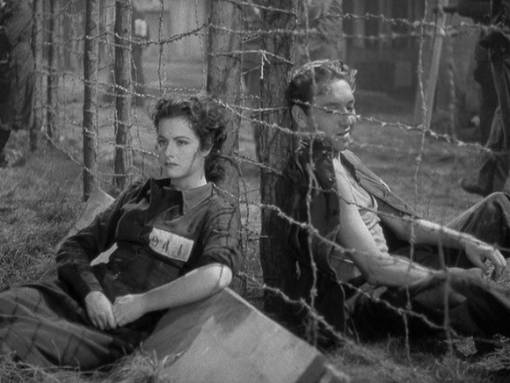
Carol Reed’s Night Train to Munich is a twisting, turning, cloak-and-dagger delight, combining comedy, romance, and thrills with the greatest of ease. Paced like an out-of-control locomotive, Night Train takes viewers on a journey from Prague to England to the Swiss Alps as Nazis pursue a Czech scientist and his daughter (Margaret Lockwood), who are being aided by a debonair British undercover agent, played by Rex Harrison. This captivating, long-overlooked adventure—which features Paul Henreid and a clever screenplay by Frank Launder and Sidney Gilliat, best known for writing Alfred Hitchcock’s The Lady Vanishes—is a deftly concocted spy game that could give the Master of Suspense a run for his money.
Picture 7/10
Carol Reed’s Night Train to Munich is presented in its original aspect ratio of 1.33:1 on this dual-layer disc. The transfer has been window boxed.
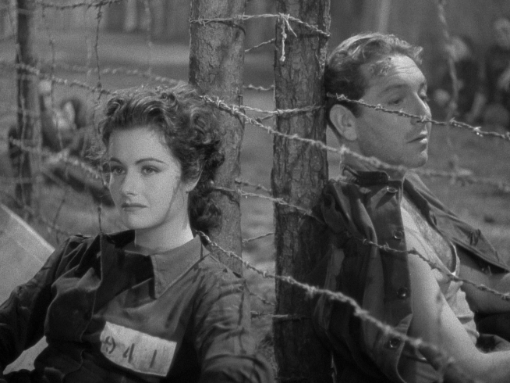
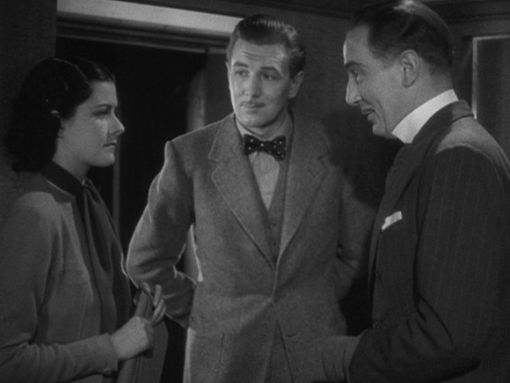
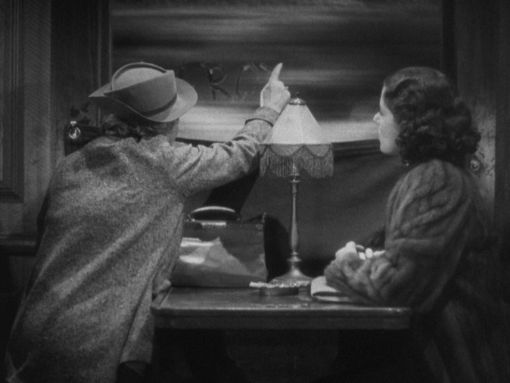
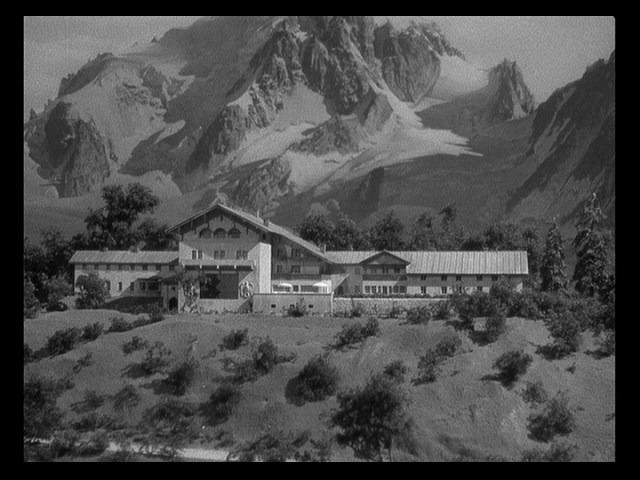
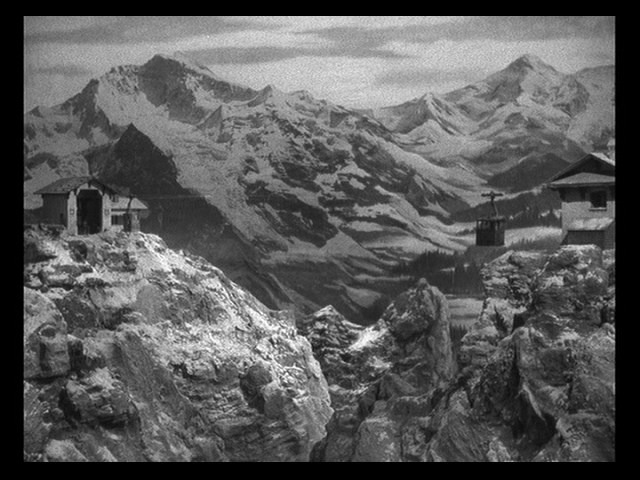
It doesn’t come as too much of a surprise that the transfer looks very good, free of any distracting artifacts or digital problems. Gray levels look solid, and blacks and whites are perfectly balanced. The picture is clear and detailed as a whole, never looking fuzzy or soft unless the source materials go a little out of focus. The print is fairly spotless, with very little in the way of damage; specs of dirt appear from time to time, however they’re never heavy. In the last 1/3 of the film there appears to be some slight bubbling which causes a wave through the image. I tried to capture it in a screen capture below, the eighth one, though didn’t really succeed. It’s noticeable in motion, causing the picture to pulsate, shift and go out of focus in spots, but it does quickly correct itself.
But again the transfer itself is fine, still looking good upscaled. It’s disappointing that Criterion didn’t feel it necessary to release the film on Blu-ray as the transfer would have looked great in high-definition, but that shouldn’t let anyone deter themselves from picking this one up on DVD.
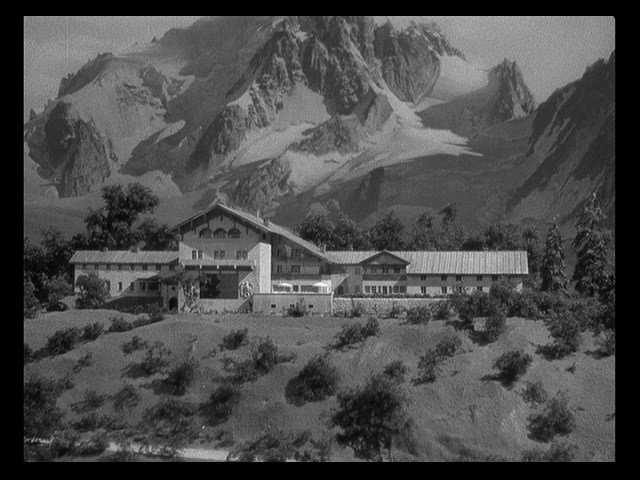
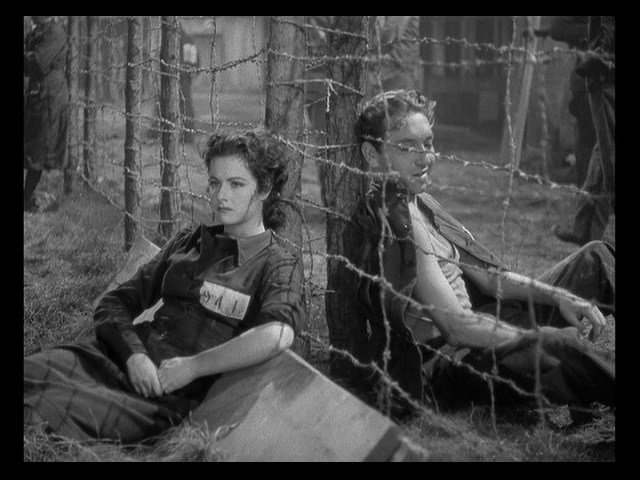
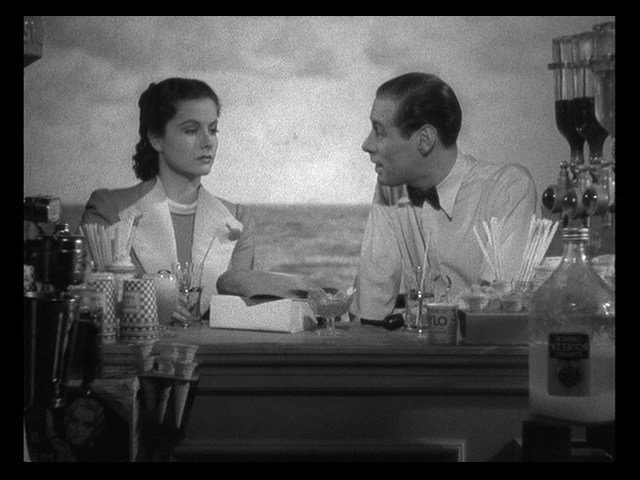
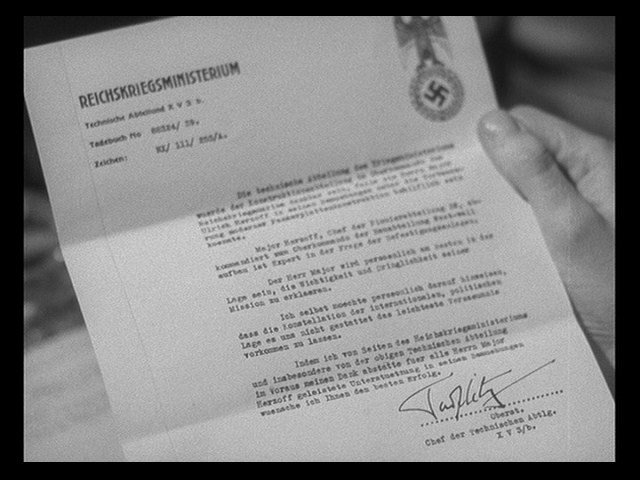
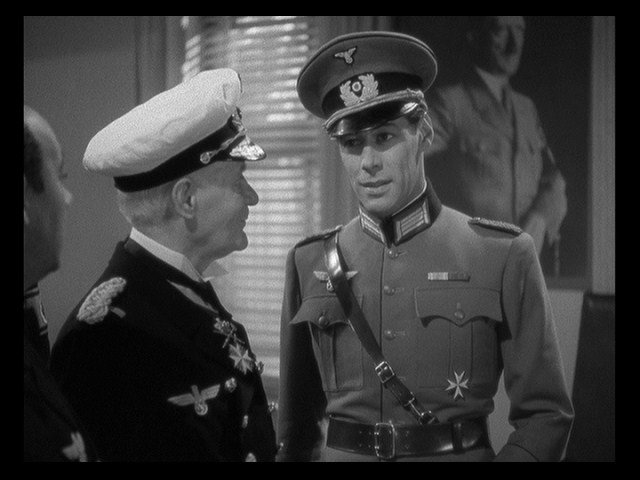
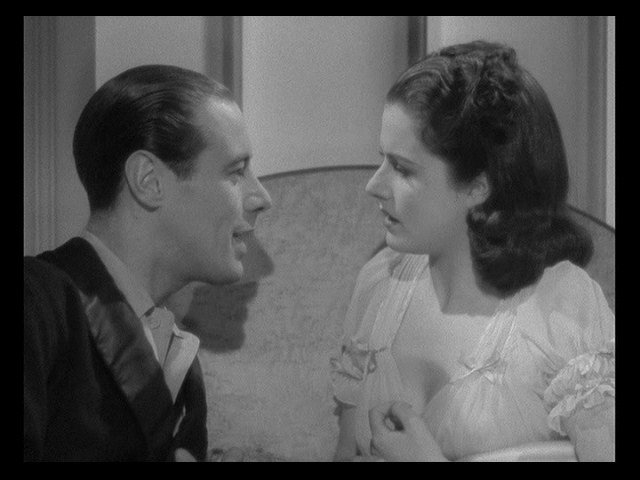
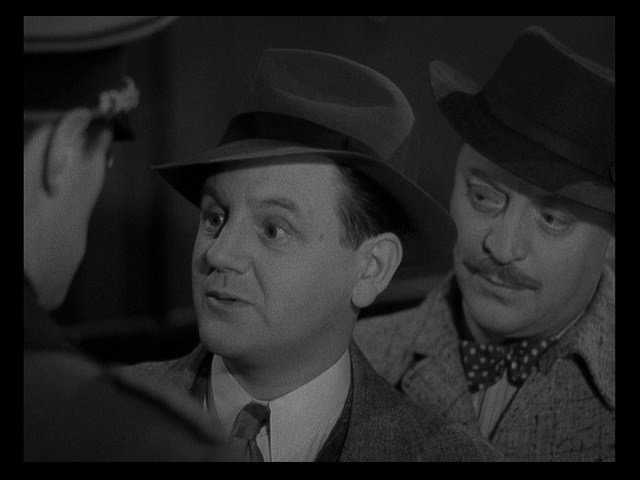
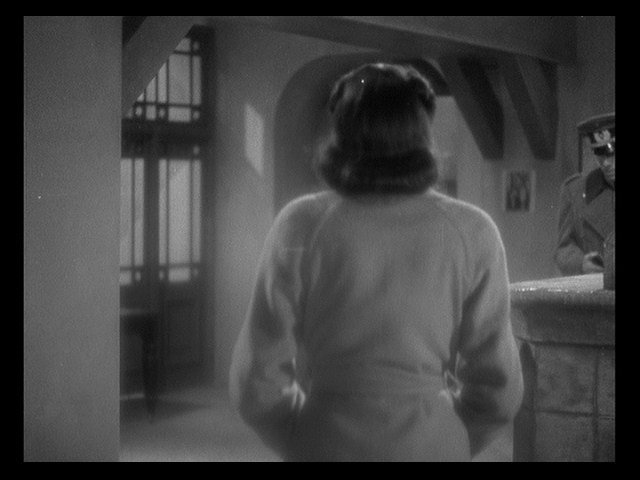
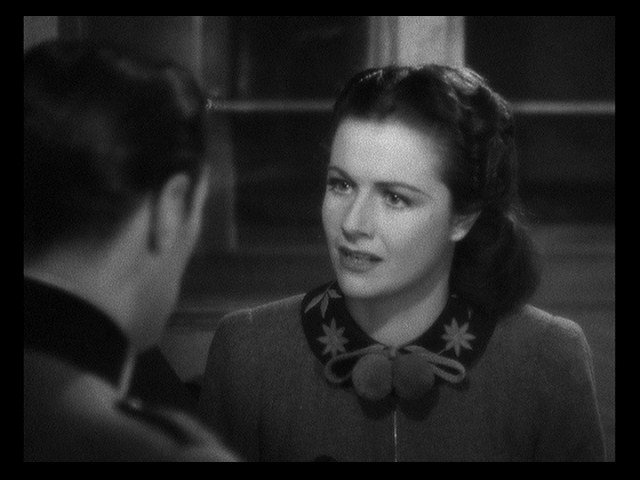
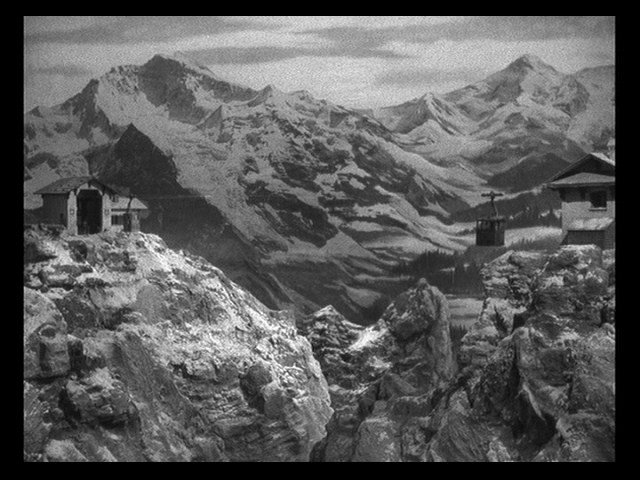
Night Train to Munich - Screen Captures
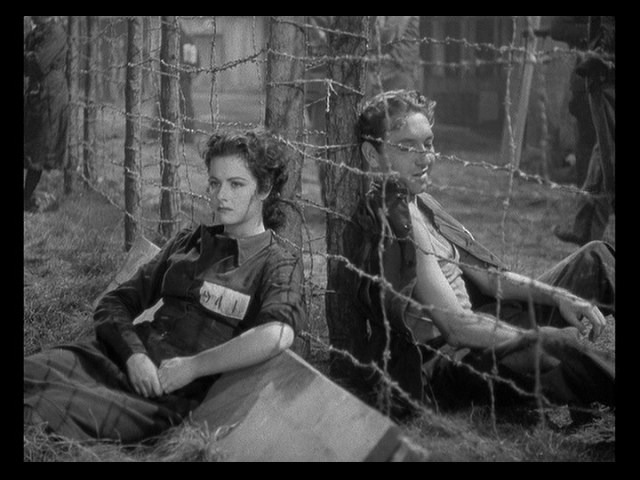
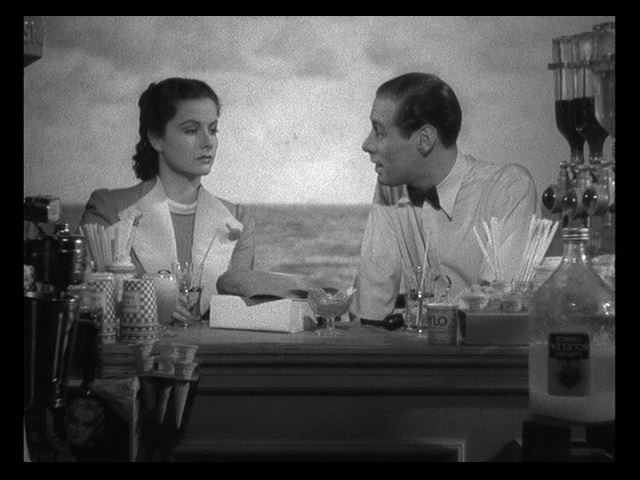
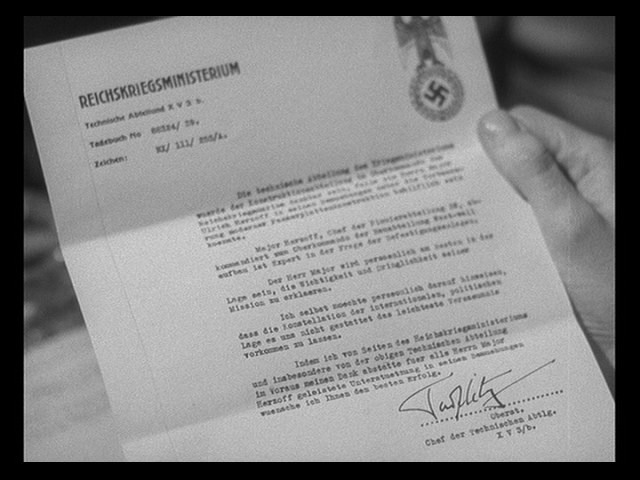
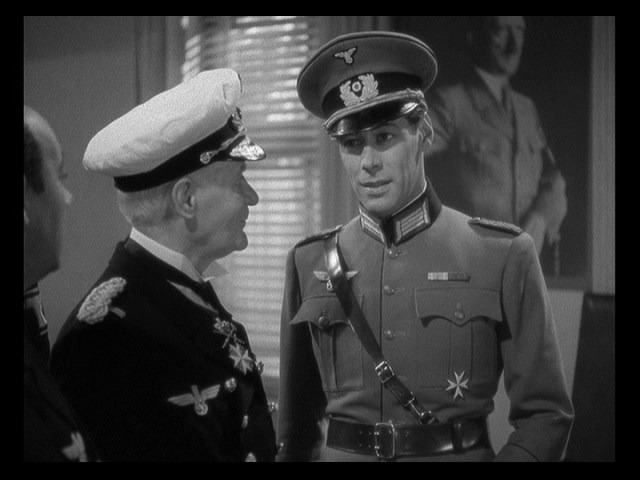
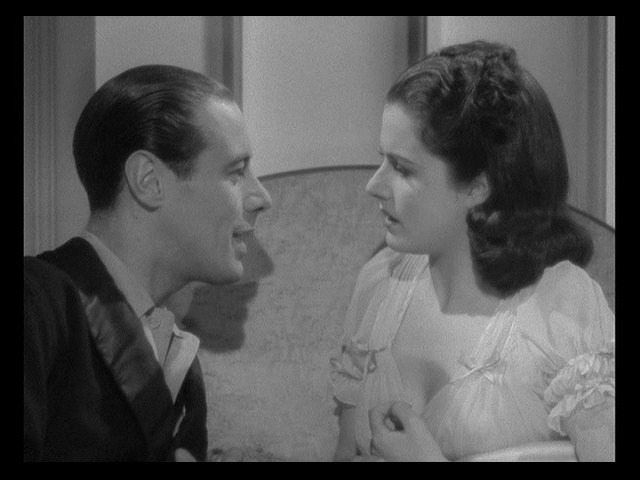
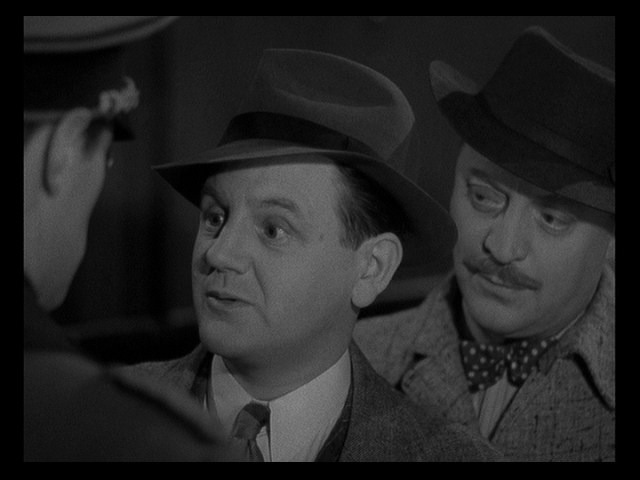
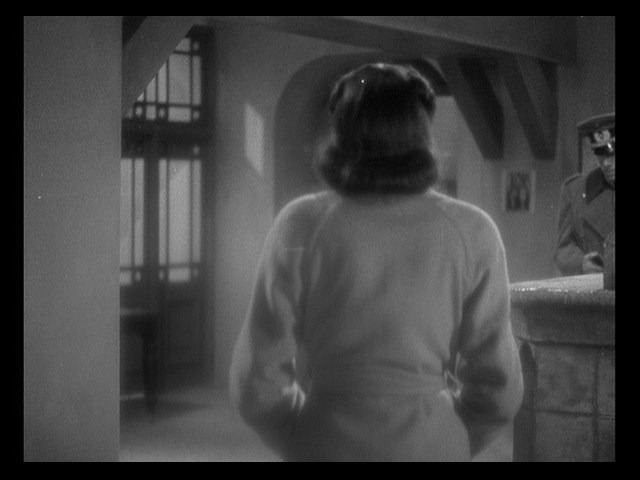
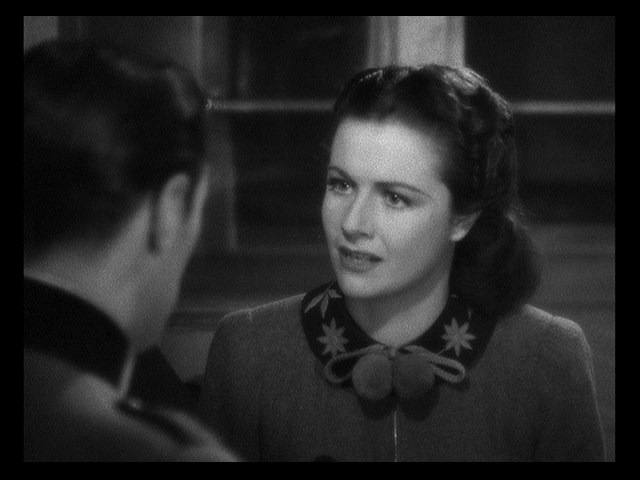
Audio 5/10
The Dolby Digital 1.0 mono track is a little problematic because of the source materials. There some noise in the background that is evident throughout and voices sound a little hollow and edgy, which actually makes it a little hard to understand the dialogue. I had to crank the volume from time to time, though turn it down again during a couple of louder moments. Could be worse but it’s a fairly weak mono track.
Extras 3/10
Disappointingly there is only one feature on here, a conversation about the film between authors Bruce Babington and Peter Evans. It was filmed for this release, and Criterion, possibly trying to get a little more exciting in filming their interviews, films it in a train car cabin. It’s shy of 30-minutes but comes off fairly light. The two carry on a conversation about the film, including its social commentary, presentation of the classes, humour, and it’s historical context. They of course touch on the politics at the time, the war, and defend the rather light presentation of German concentration camps, the true horrors of which wouldn’t become well known until years later. They mention the careers of writers Sidney Gilliat and Frank Launder, who both previously worked on Hitchcock’s The Lady Vanishes, along with director Carol Reed. They make some comparisons between Night Train to Munich and The Lady Vanishes, specifically in the characters, and of course talk briefly about Charters and Caldicott, who were fairly popular characters who appeared in a number of films. While there is some interesting information, and some decent analysis, it’s not truly probing and come off a little light. Apparently this was done in place of a commentary track, which is probably for the better. The material is unfortunately slim and in all honesty I probably could have done without actually watching it.
The booklet included with this edition comes with a short essay by Philip Kemp that repeats a little of what was covered in the conversation piece. Despite this it’s still a good read, and actually gets into more detail about the performers and the careers of the film’s director and writers.
Very slim for a Criterion release, even a lower-tier, it’s one lone supplement being one I could have probably done without.
Closing
Despite the lack of supplements I’m quite thrilled to still have a decent edition of the film on DVD. Even with its short comings, just having a strong transfer is more than enough and on that basis alone I do give this DVD a fairly strong recommendation.
BUY AT: