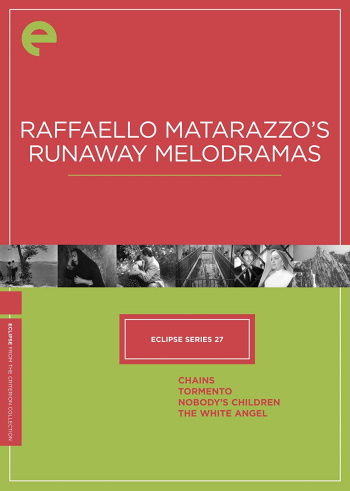
Raffaello Matarazzo’s Runaway Melodramas
BUY AT:


See more details, packaging, or compare
Synopsis
In the late 1940s and early 1950s, film critics, international festivalgoers, and other studious viewers were swept up by the tide of Italian neorealism. Meanwhile, mainstream Italian audiences were indulging in a different kind of cinema experience: the sensational, extravagant melodramas of director Raffaello Matarazzo. Though turning to neorealism for character types and settings, these haywire hits about splintered love affairs and broken homes, all starring mustachioed matinee idol Amedeo Nazzari and icon of feminine purity Yvonne Sanson, luxuriate in delirious plot twists and overheated religious symbolism. Four of them are collected here, chronicles of men and women on long and serpentine roads to redemption, each less restrained and more wildly fun than the last.
Picture 6/10
For their 27th Eclipse set, Criterion presents 4 melodramas from director Raffaello Matarazzo in a box set aptly titled Raffaello Matarazzo’s Runaway Melodramas. The set includes the films Chains, Tormento, Nobody’s Children, and The White Angel over 4 single-layer discs. Each film is presented in its original aspect ratio of about 1.33:1 and none of the films have been window boxed.
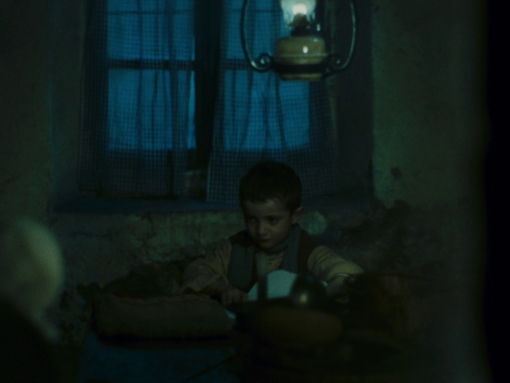
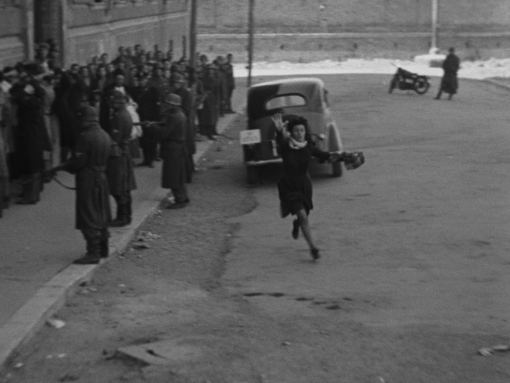
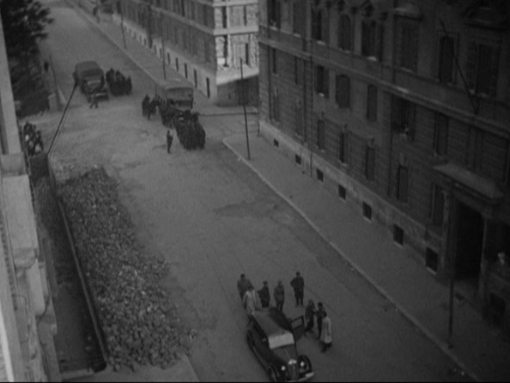
These releases may not have received the vigorous restorations Criterion would usually put towards their releases but they’re still in good shape. All of the films present their own source problems, primarily bits of dirt and debris and what look like splice marks. Nobody’s Children, and to a lesser extent The White Angel, present the most problems. Nobody’s Children looks to have been blown out a bit with whites that can almost wash out most scenes. Blacks are also boosted and come off incredibly dark and scratches are far more prominent here. White Angel presents some of the same problems but is far milder in comparison.
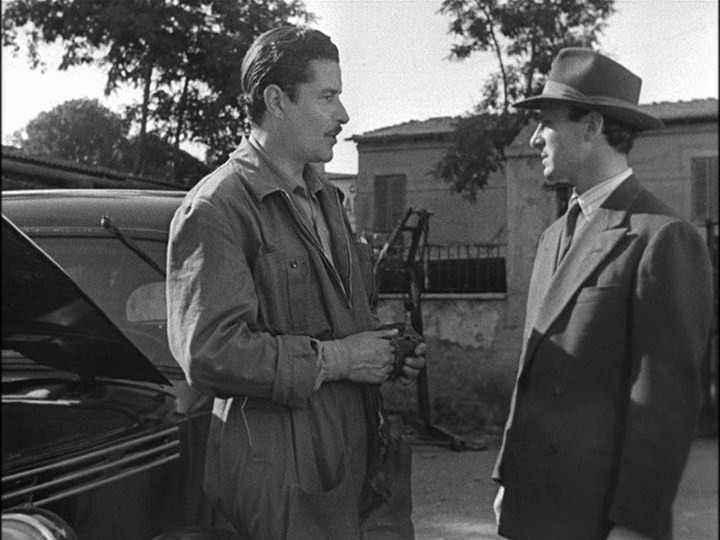
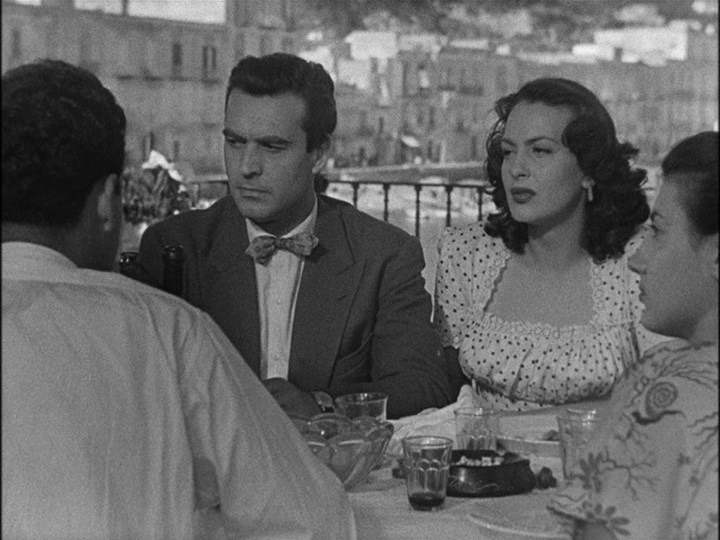
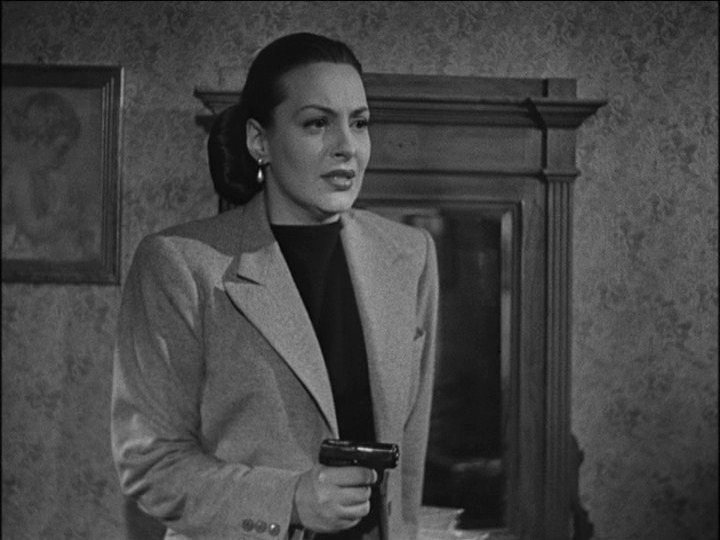
The digital transfers themselves over all 4 films are adequate enough. They present as sharp an image as possible considering the condition of the materials but the transfer does present some artifacts. Compression noise is noticeable on occasion, but far more distracting are the shimmering effects caused by certain patterns in clothing or on walls. These are constant throughout all of the films.
Still, despite these minor issues, upscaled the transfers all hold their own and are more than pleasing.
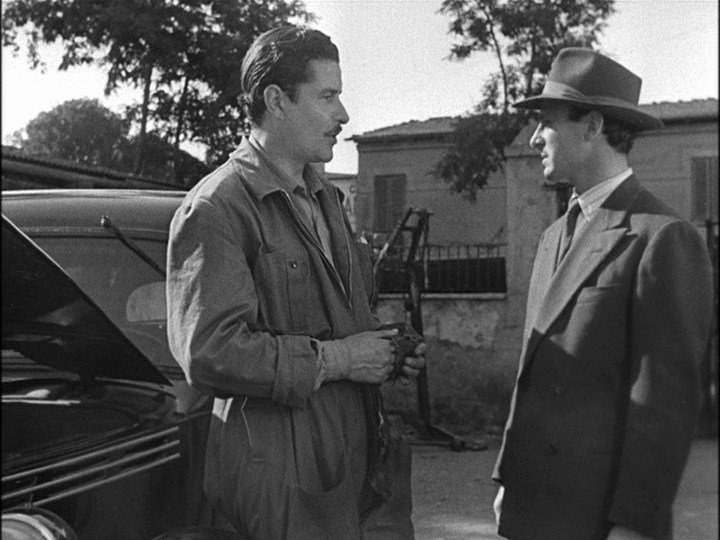
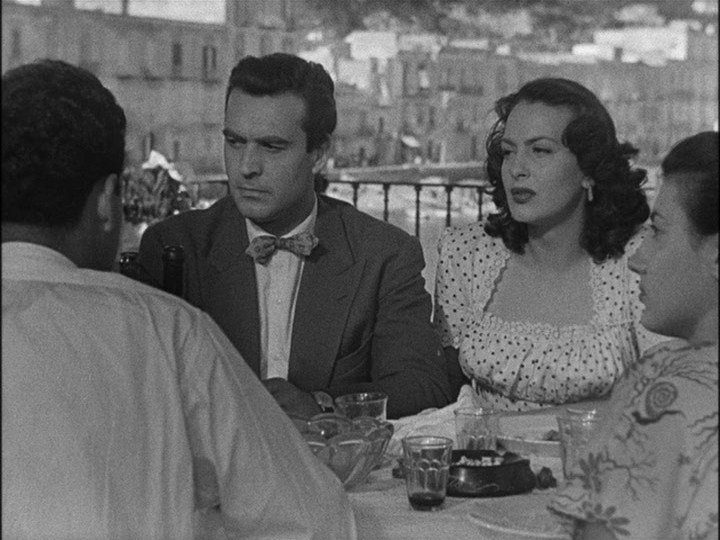
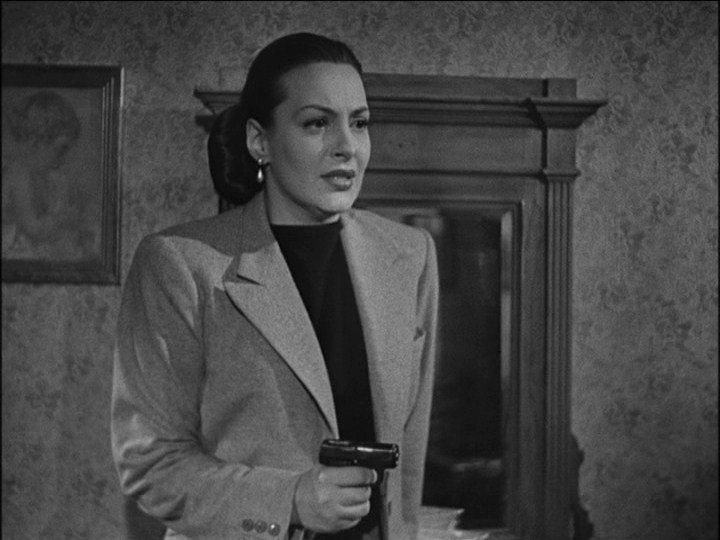
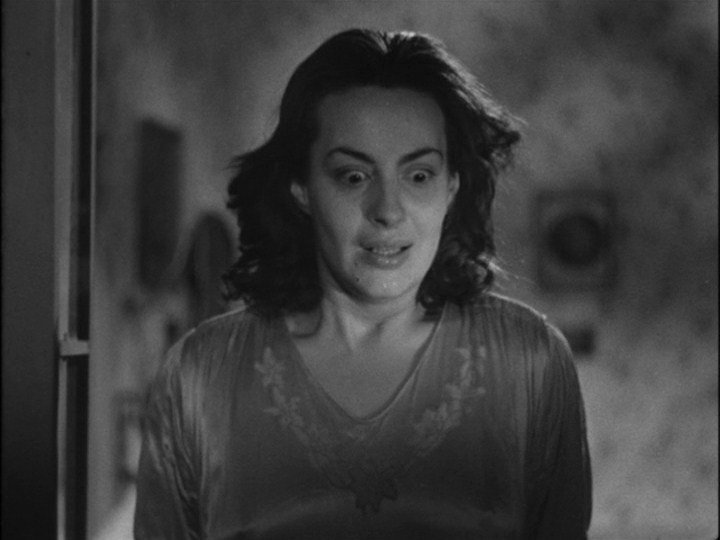
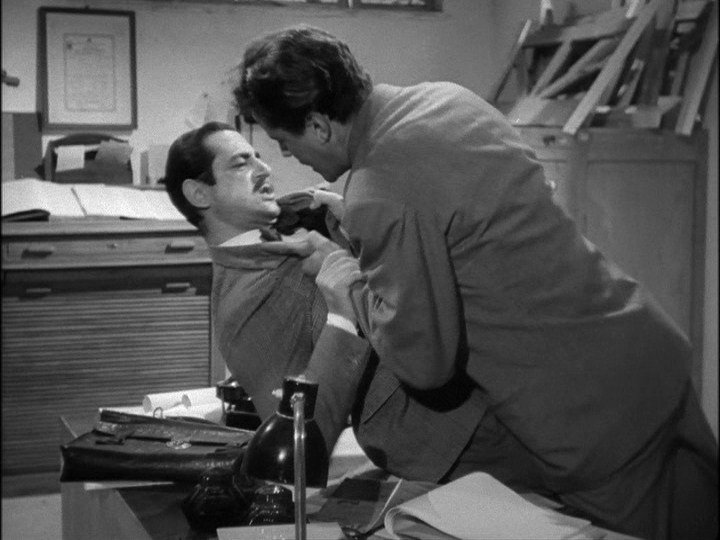
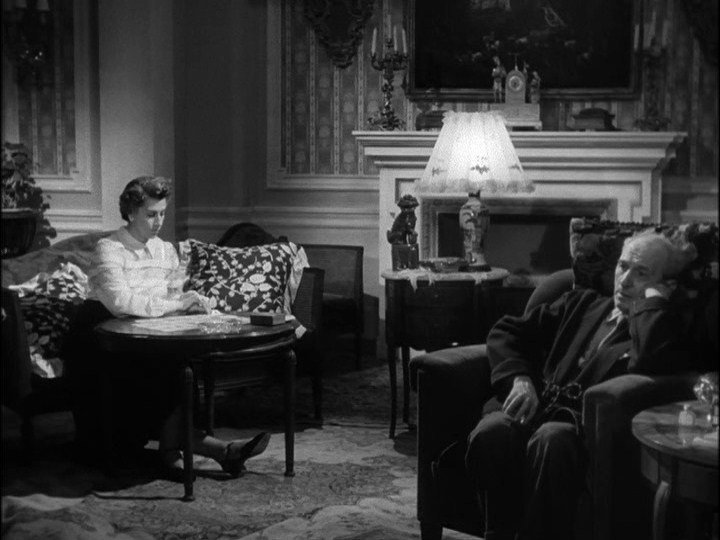
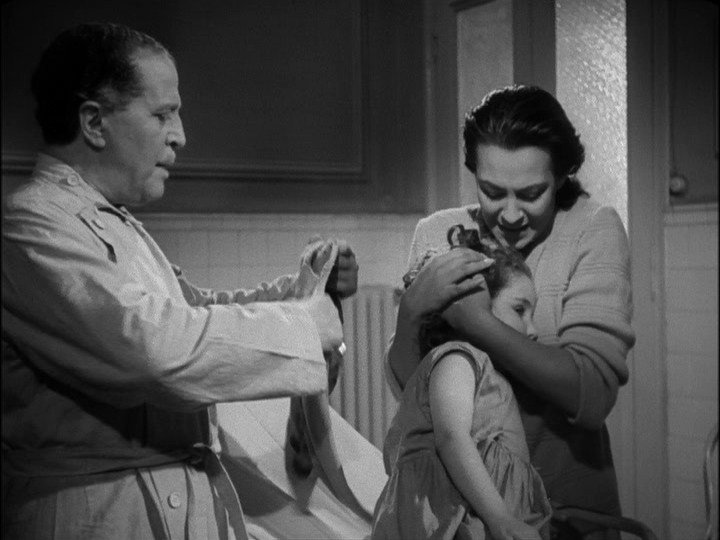
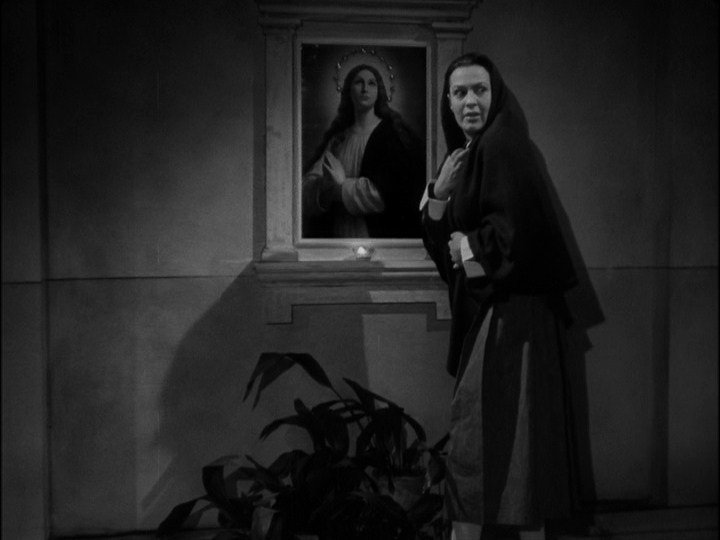
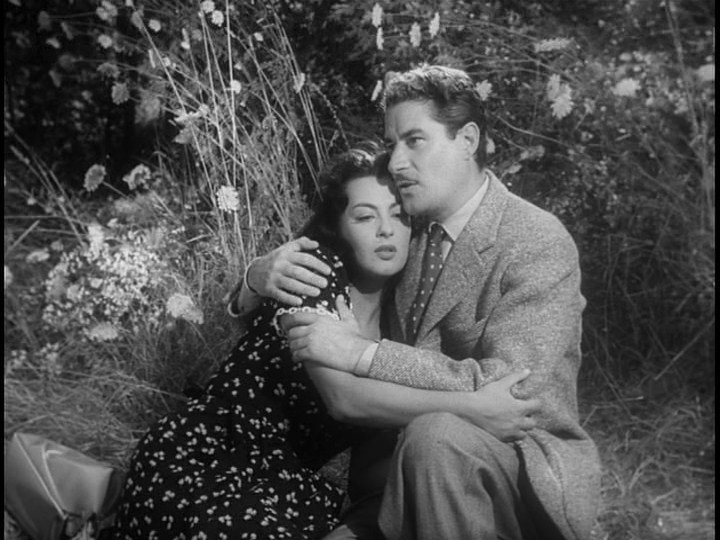
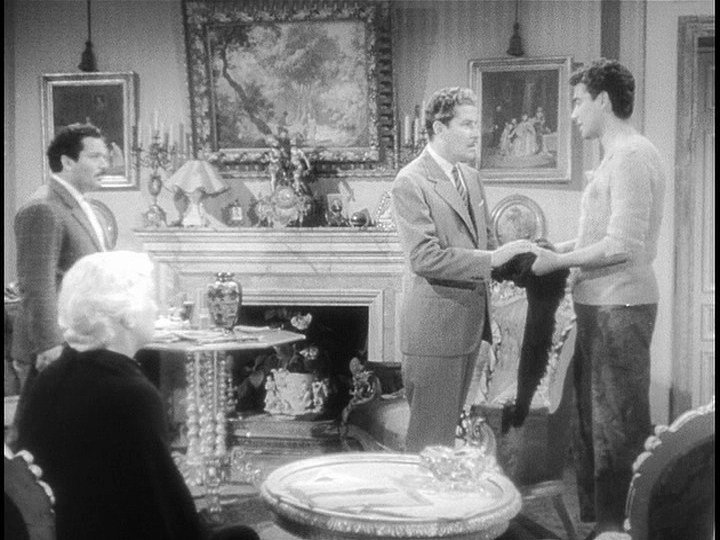
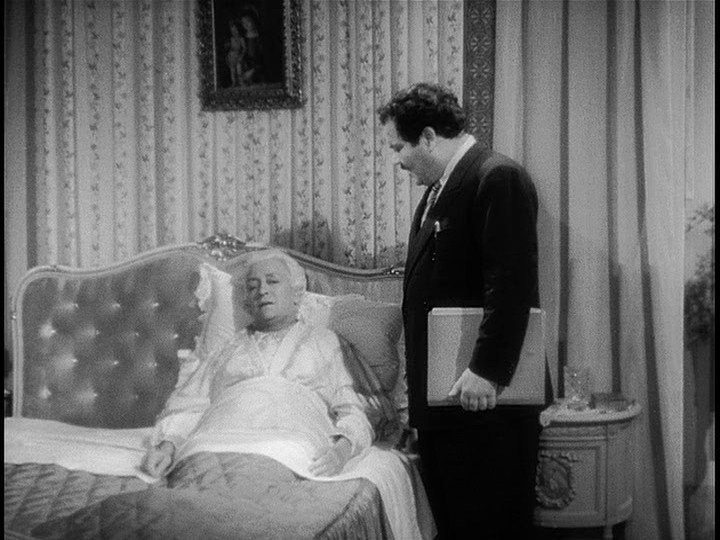
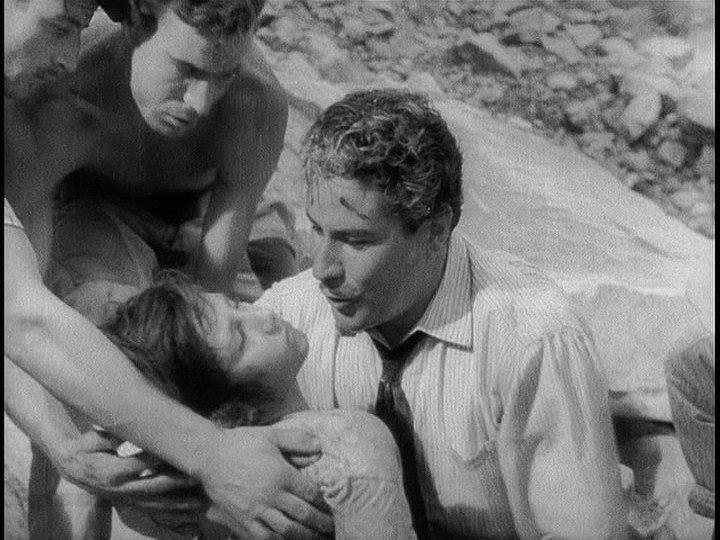
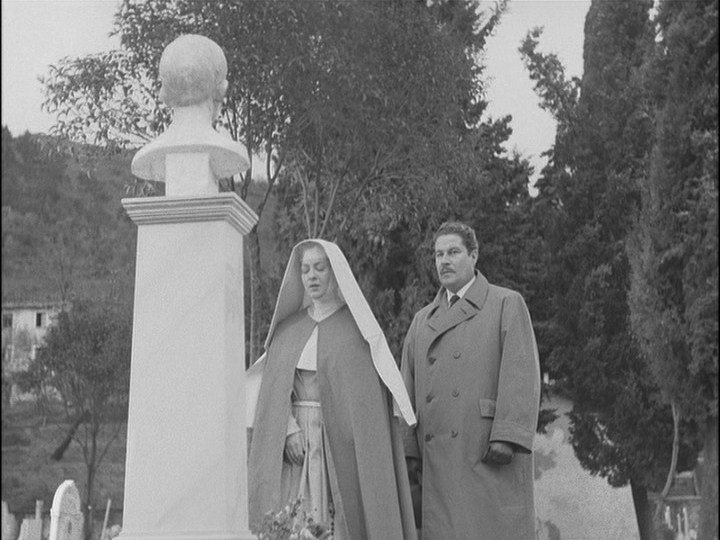
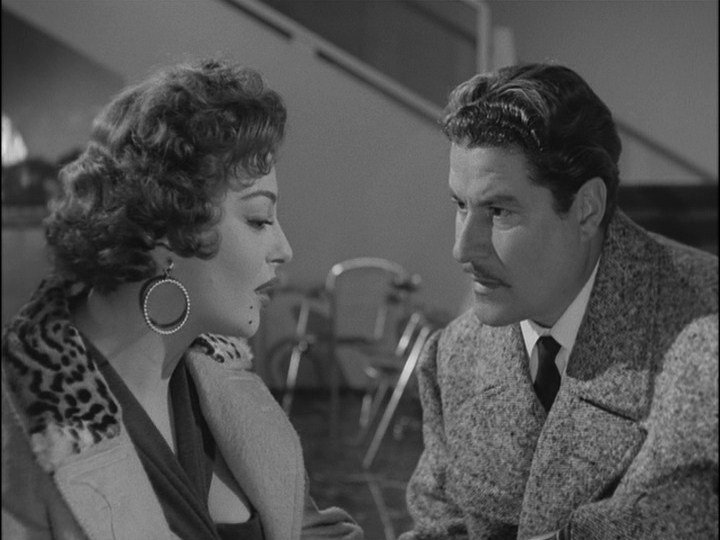
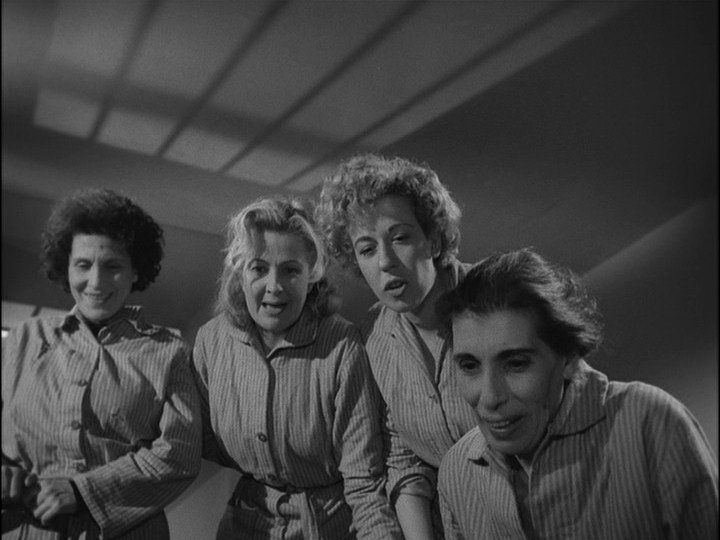
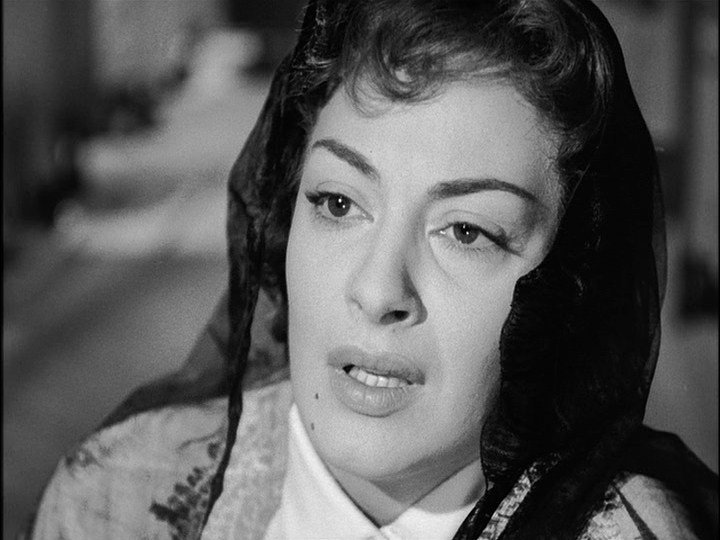
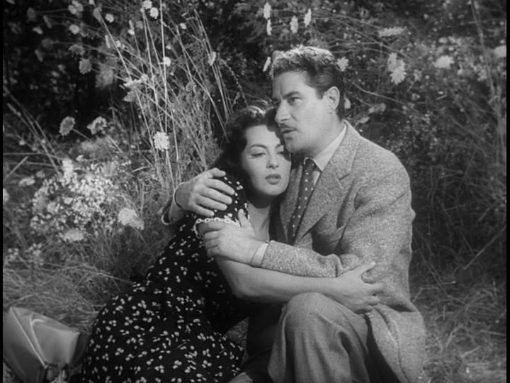
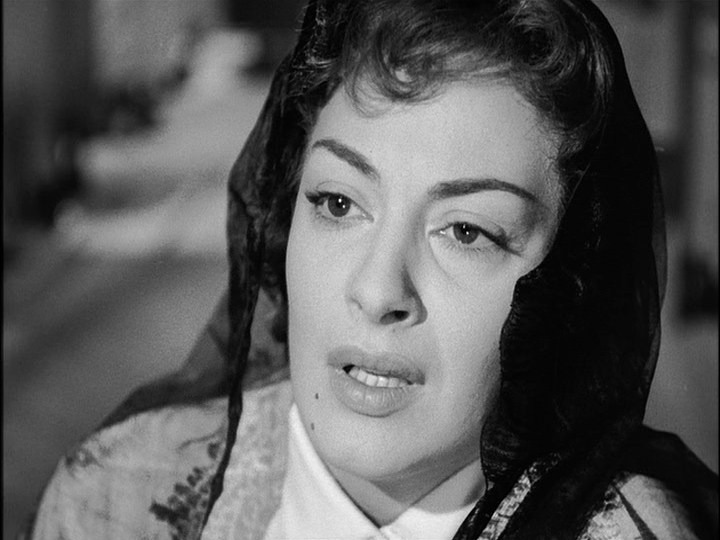
Raffaello Matarazzo’s Runaway Melodramas - Screen Captures
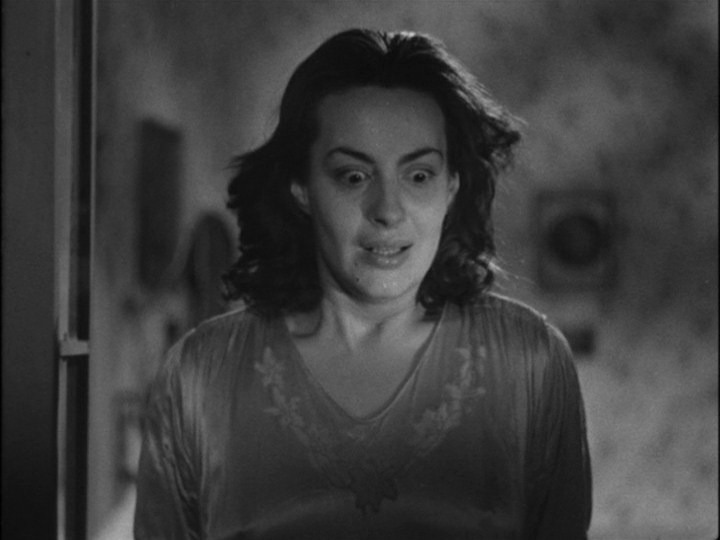
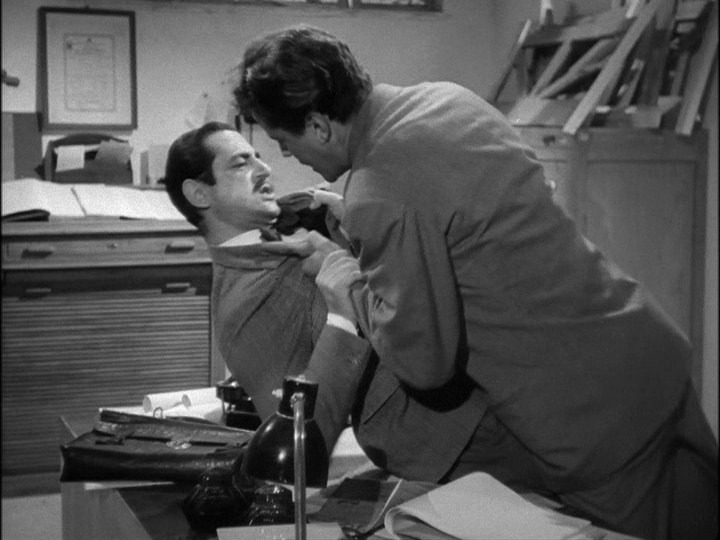
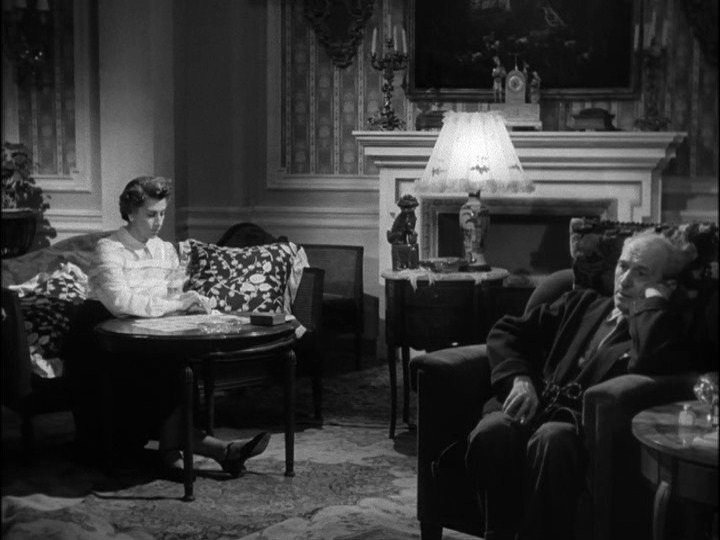
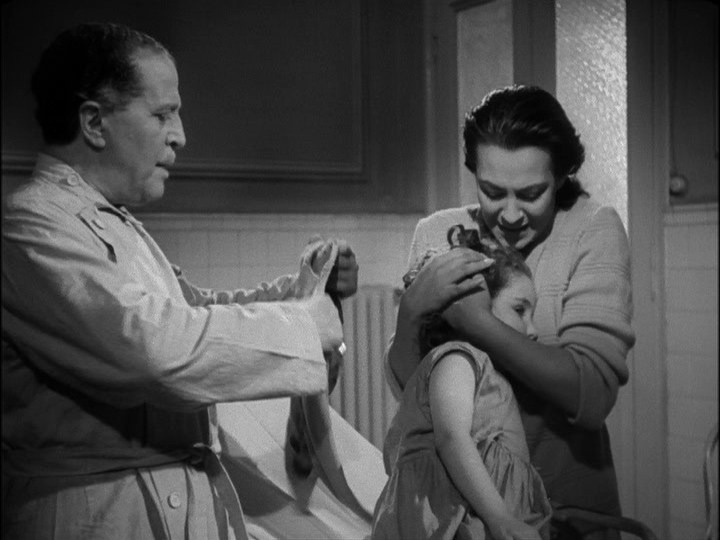
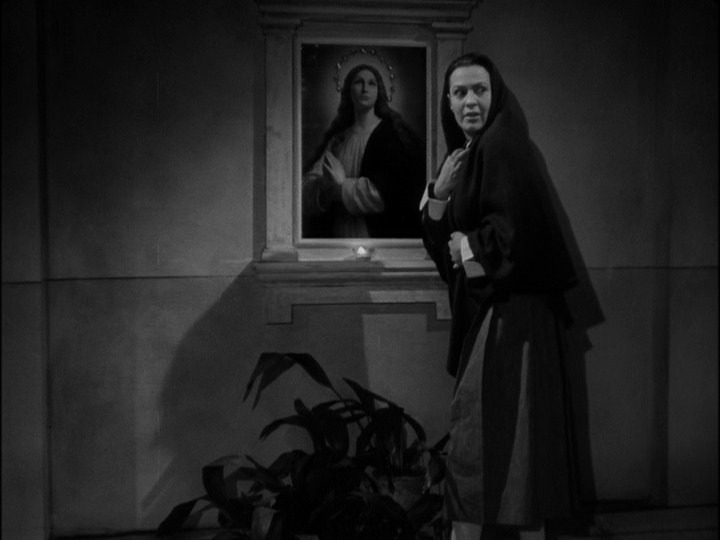
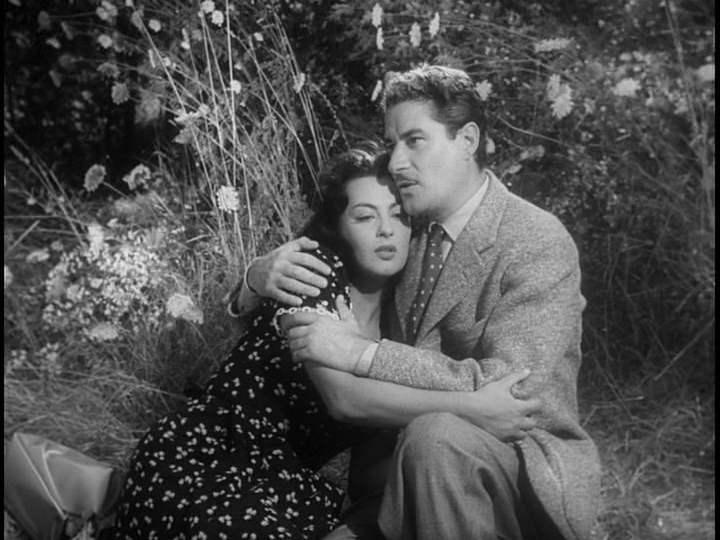
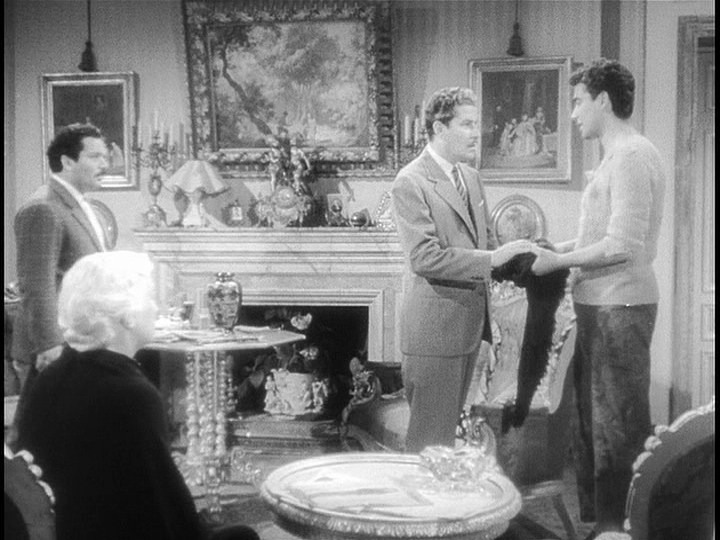
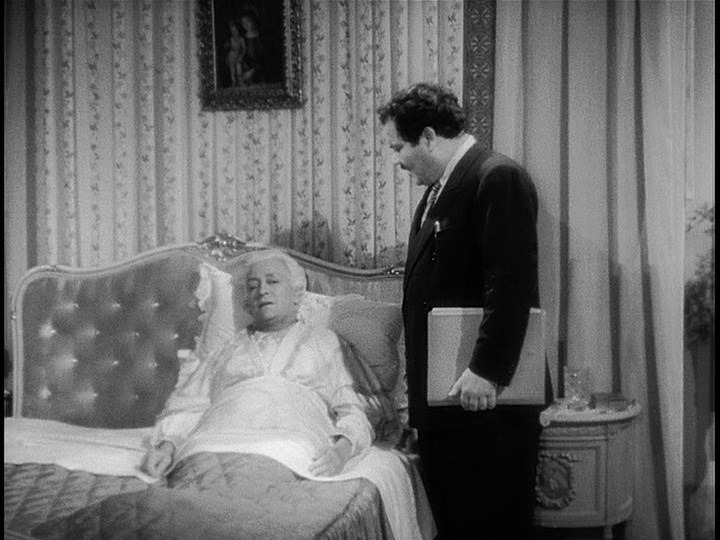
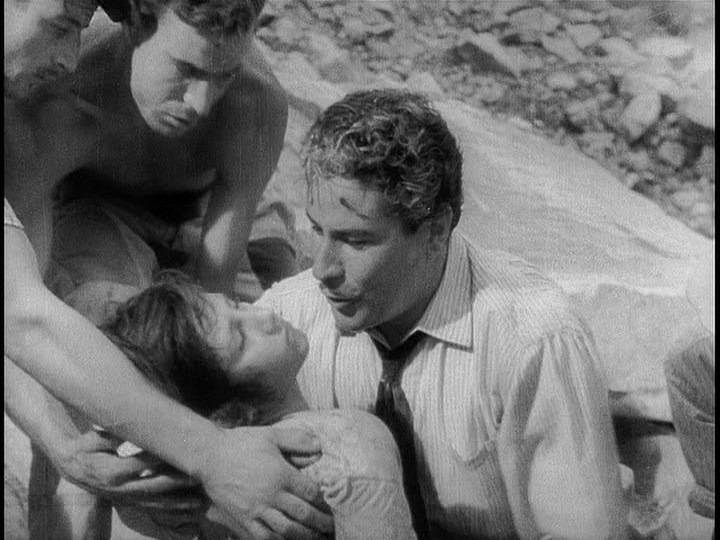
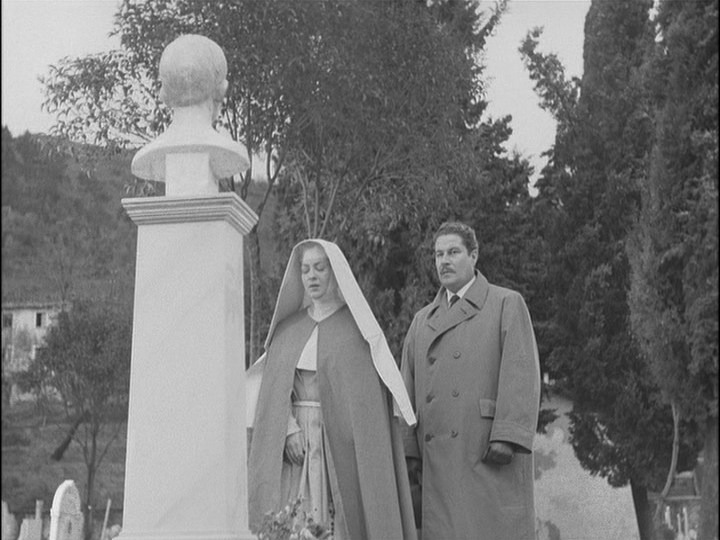
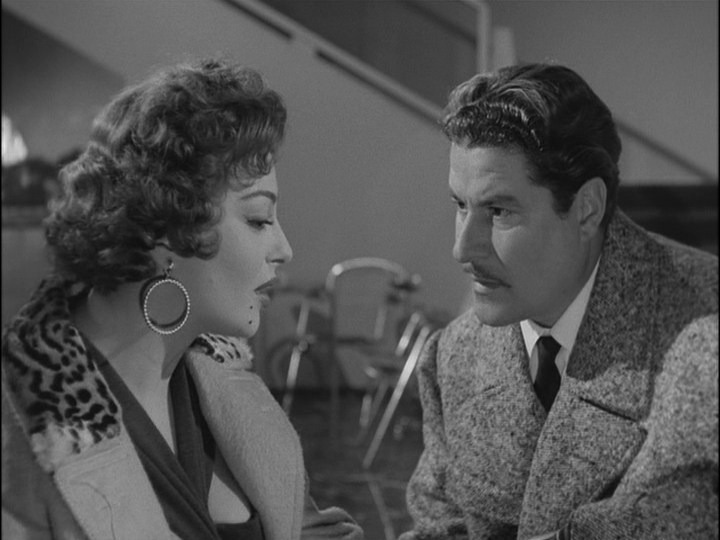
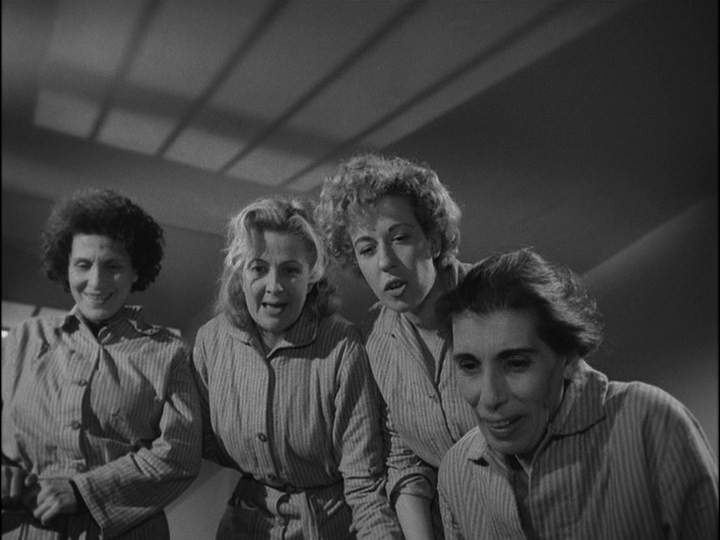
Audio 5/10
The Italian mono tracks are dull and have a faint noise in the background but they seem to present the dialogue fine enough and music, while it can get a bit harsh, has some range to it.
Extras 1/10
Again, similar to all Eclipse titles so far, there are no supplements other than essays covering Matarazzo’s career, Italian cinema at the time, and each of the films in the set. As usual the essays are written by Michael Koresky.
Closing
This set represents why I love the Eclipse line. I had no idea who Raffaello Matarazzo was before this and despite me being wary of melodramas in general this set is a ridiculous amount of fun. All of the films found here are really just wild, and each one ups the ante over the previous one. This is possibly the most fun I’ve had with an Eclipse release since their Nikkatsu Noir release. The presentations for each film are adequate if nothing else but I still give it a hearty endorsement just for the sheer fun of it all.
BUY AT: