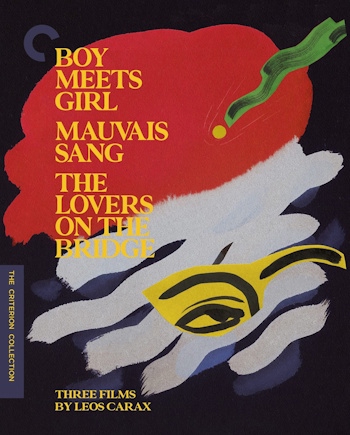
Three Films by Leos Carax

BUY AT:


See more details, packaging, or compare
Synopsis
Burning with stylistic freedom, the first three features by Leos Carax are cinema at its most ecstatically sensorial and deliriously romantic. Built around virtuosic, intensely physical performances from Denis Lavant as three different characters named Alex, these tales of outsiders, criminals, and doomed lovers living on the edge blaze with the whirlwind abandon of youth and the thrilling highs and torturous lows of all-consuming passion. Love letters to the city of Paris, with its streets transformed by cinematographer Jean-Yves Escoffier into expressive dreamscapes, these three films erupt in moments of anarchic euphoria that fuse sound and image to heart-stopping effect.
Picture 9/10
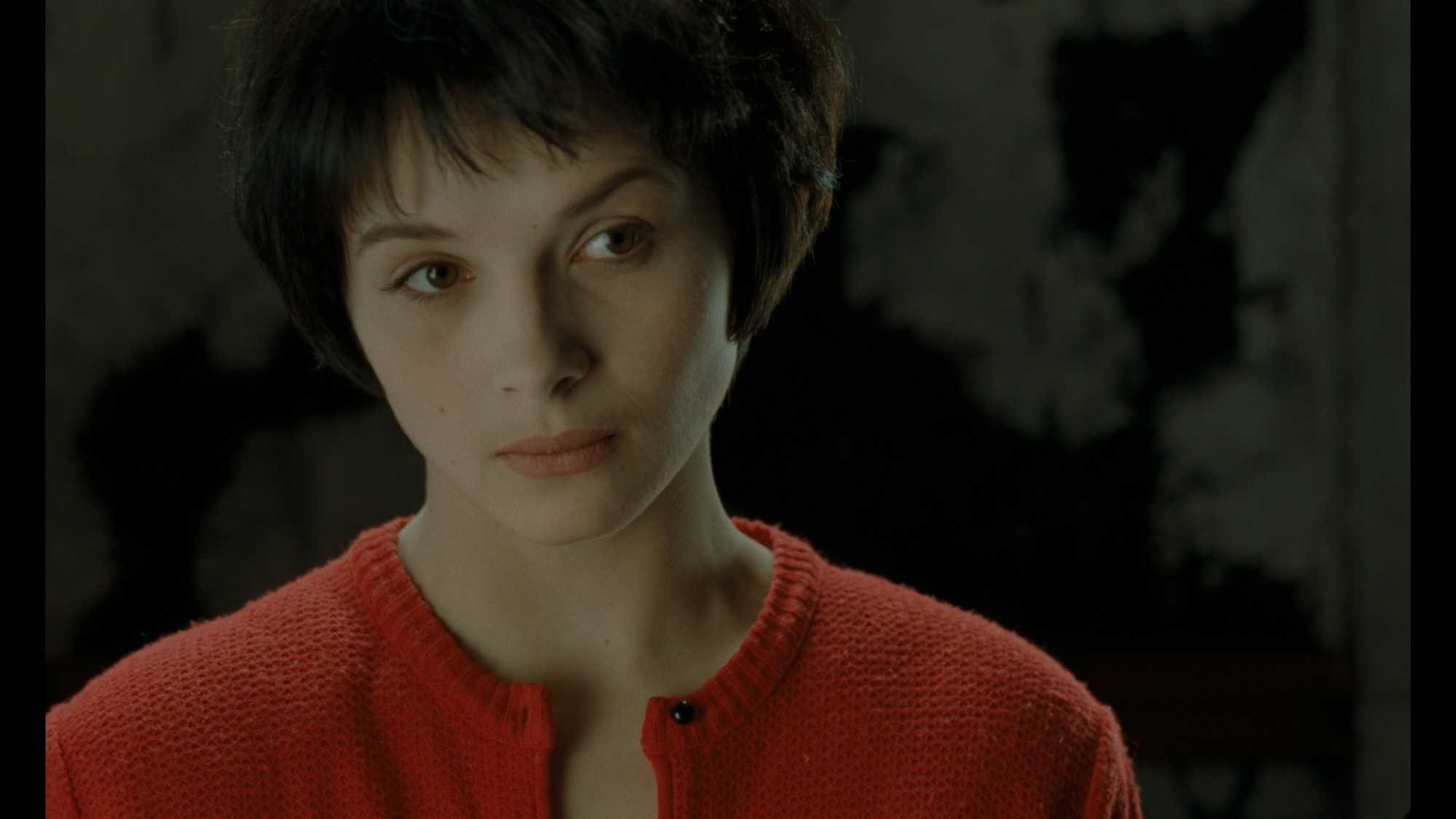
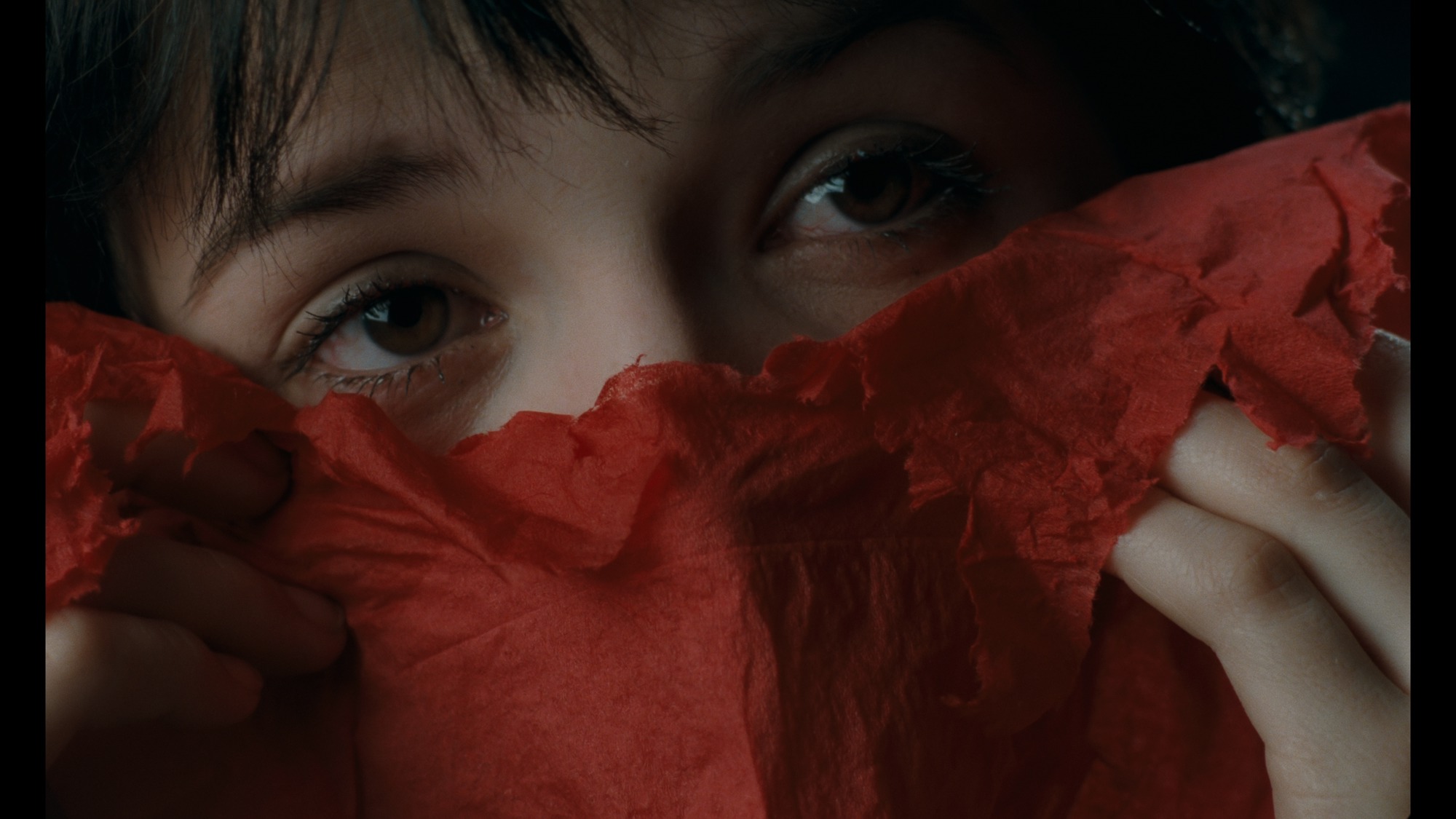
For their latest box set, The Criterion Collection presents Three Films by Leos Carax, featuring Boy Meets Girl, Mauvais Sang, and The Lovers on the Bridge, all in 4K UHD. All three films have received new 4K restorations and are presented in 2160p/24hz in the aspect ratio of 1.66:1. The Lovers on the Bridge also receives Dolby Vision HDR, while the other two films are presented in SDR. Each film has its own 4K disc (Boy Meets Girl on a BD-66, the other two on BD-100s), alongside an individual dual-layer Blu-ray featuring a 1080p presentation and its respective supplements.
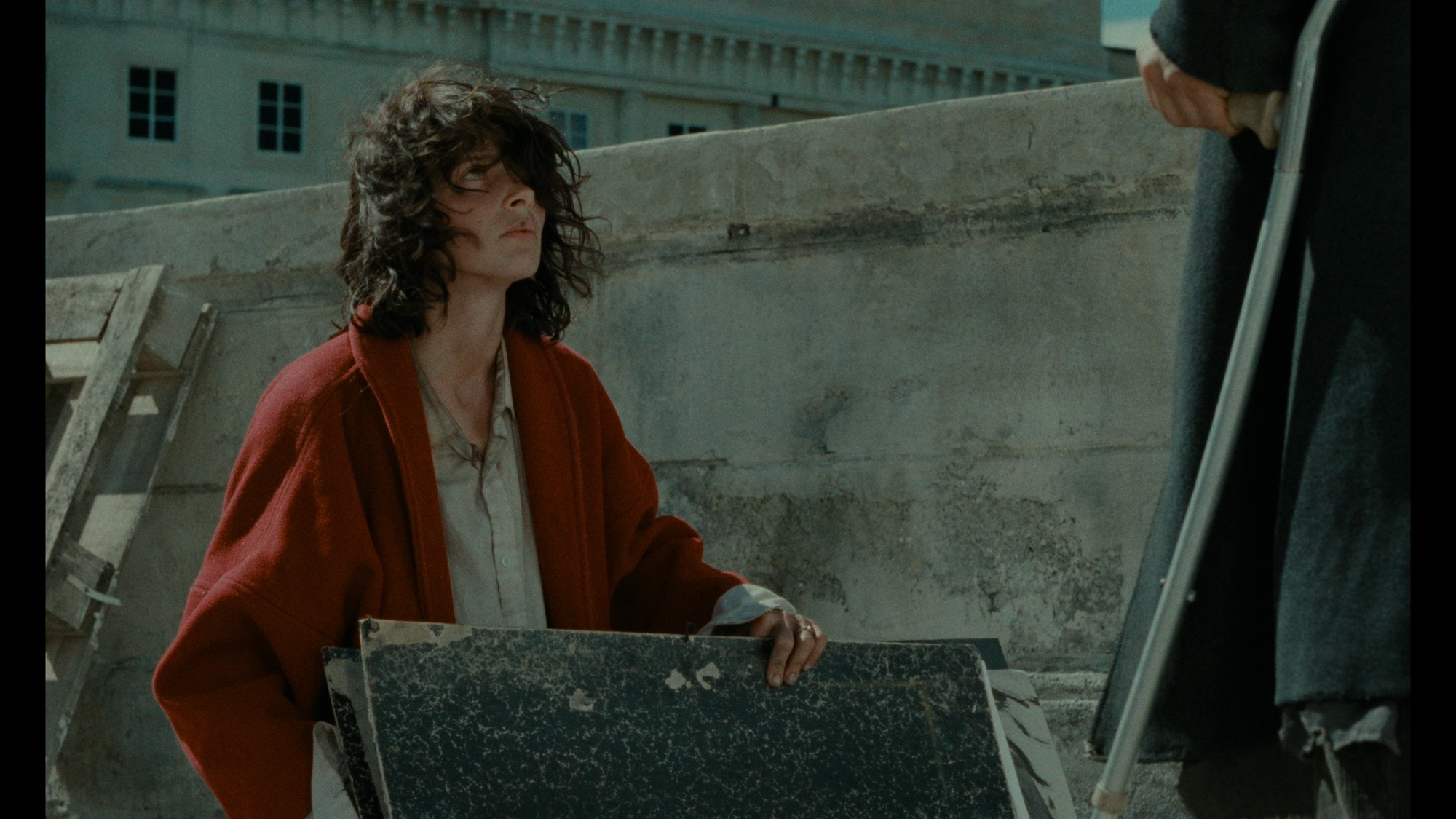
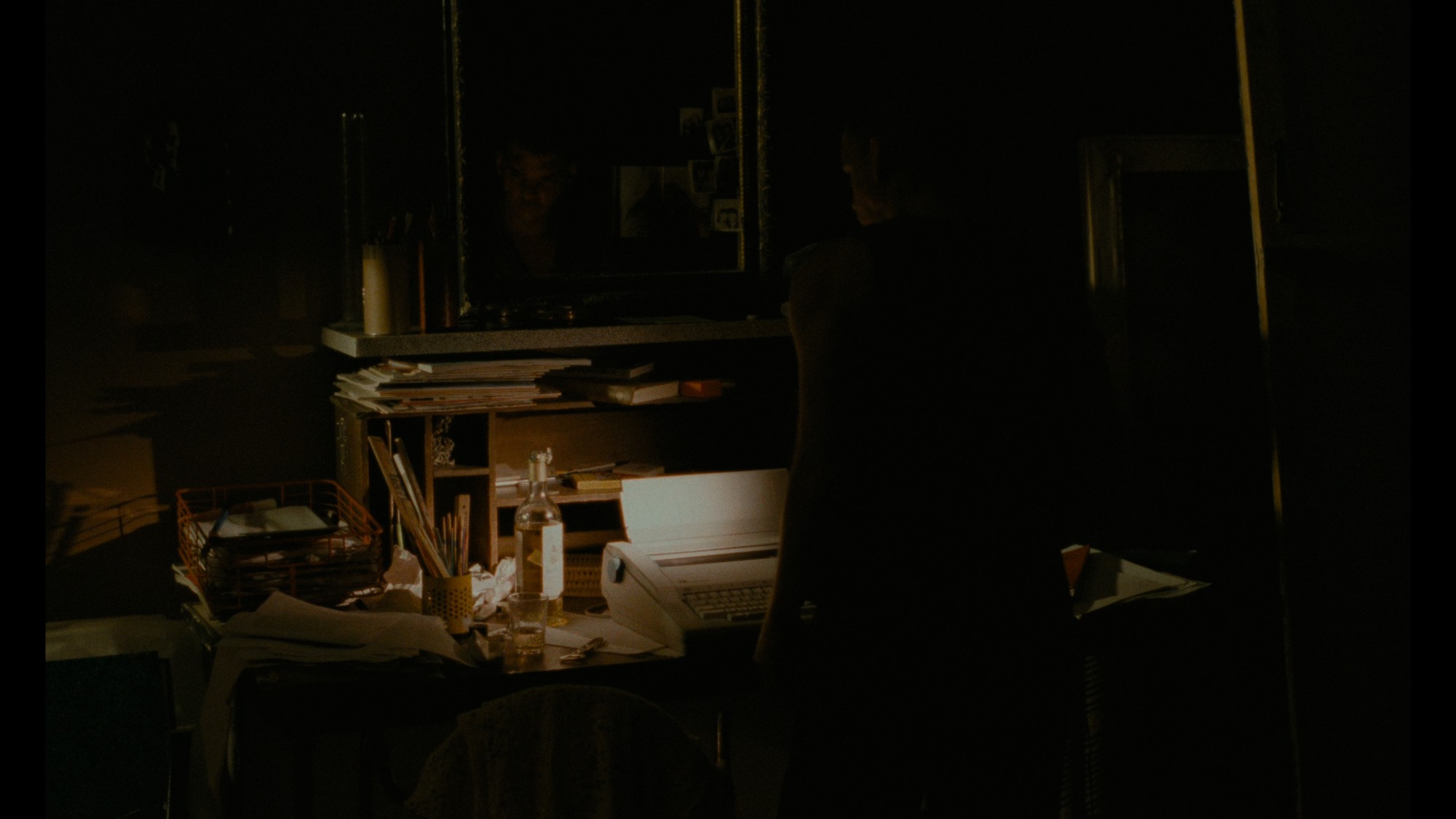
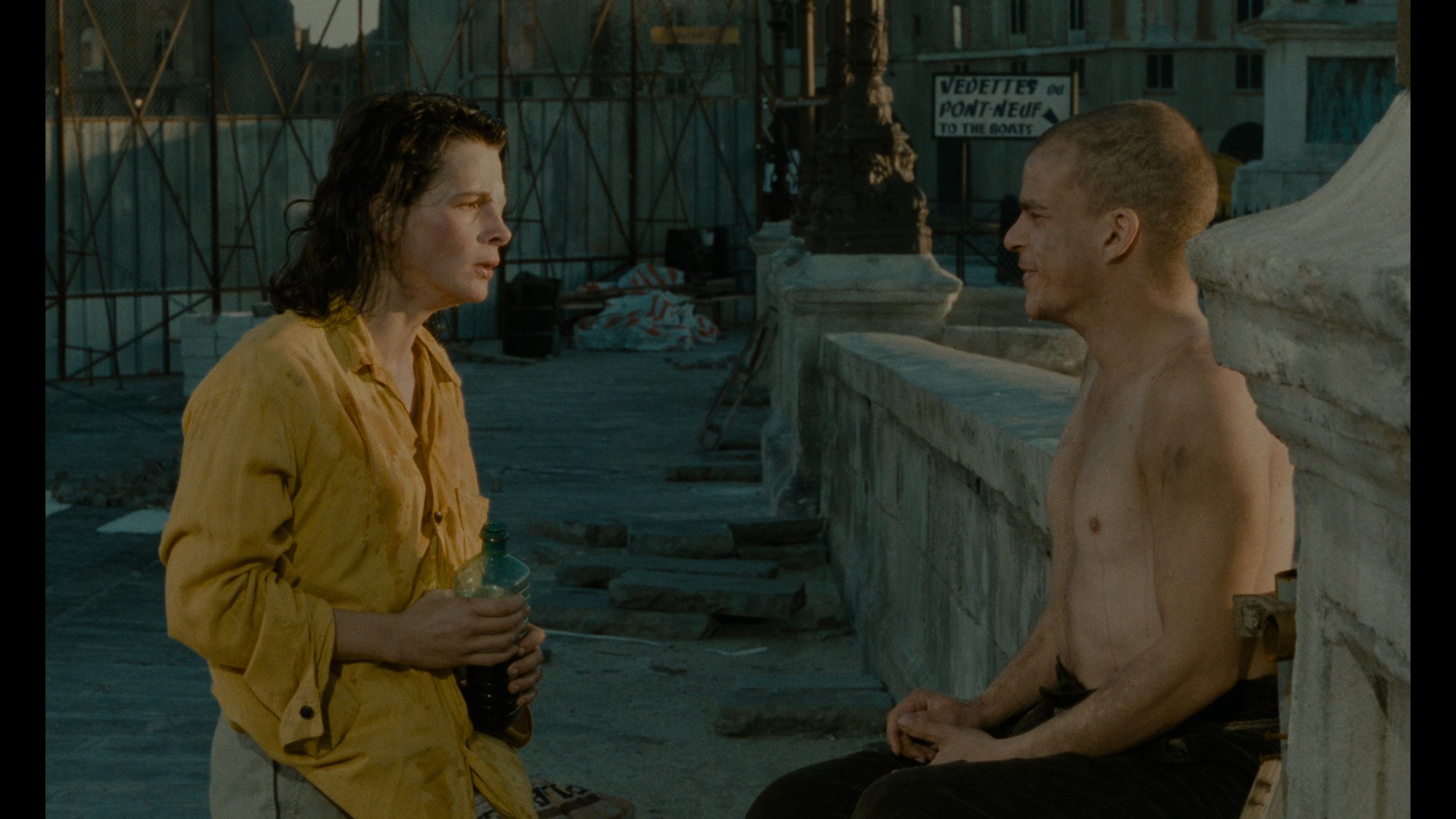
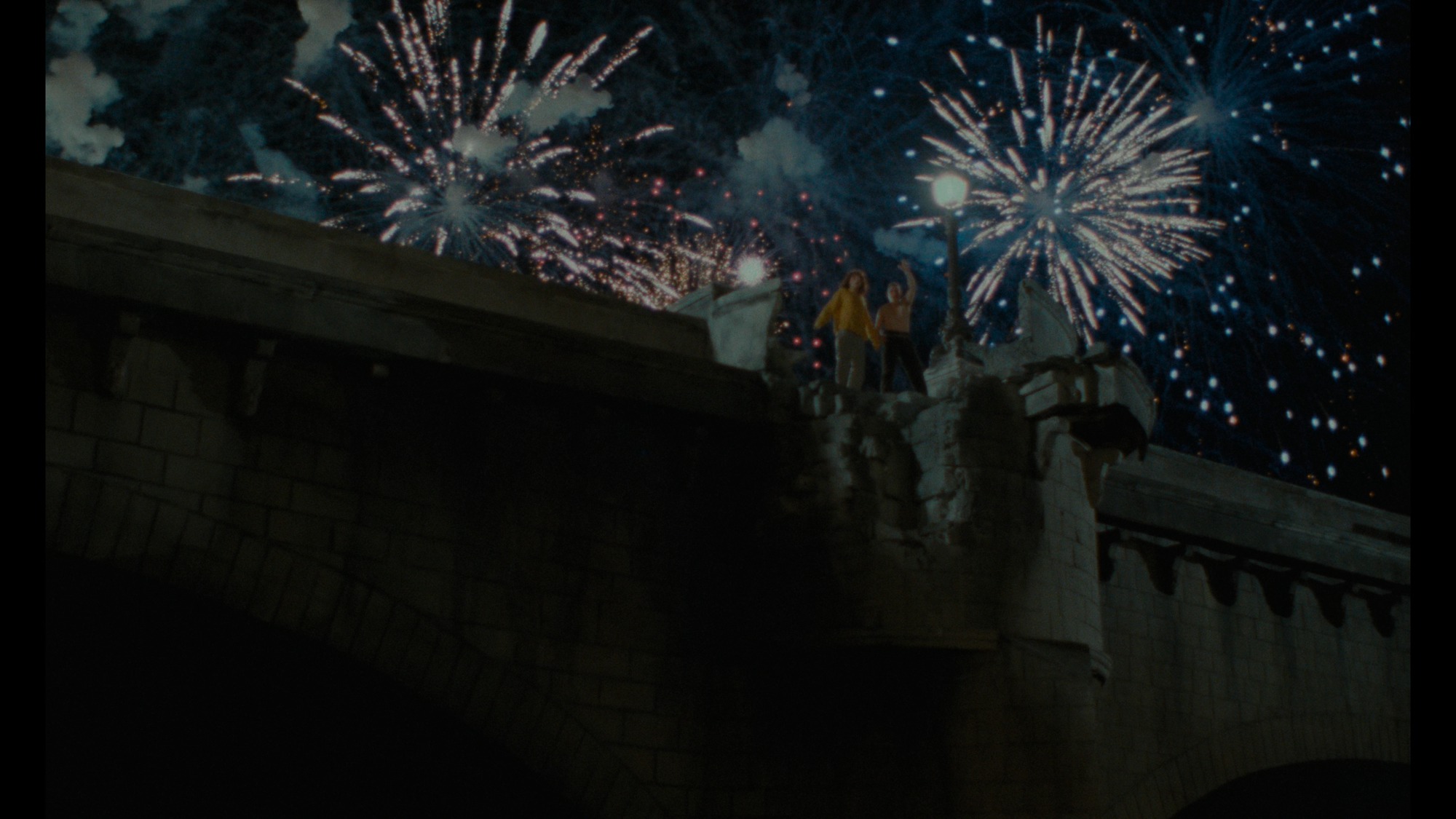
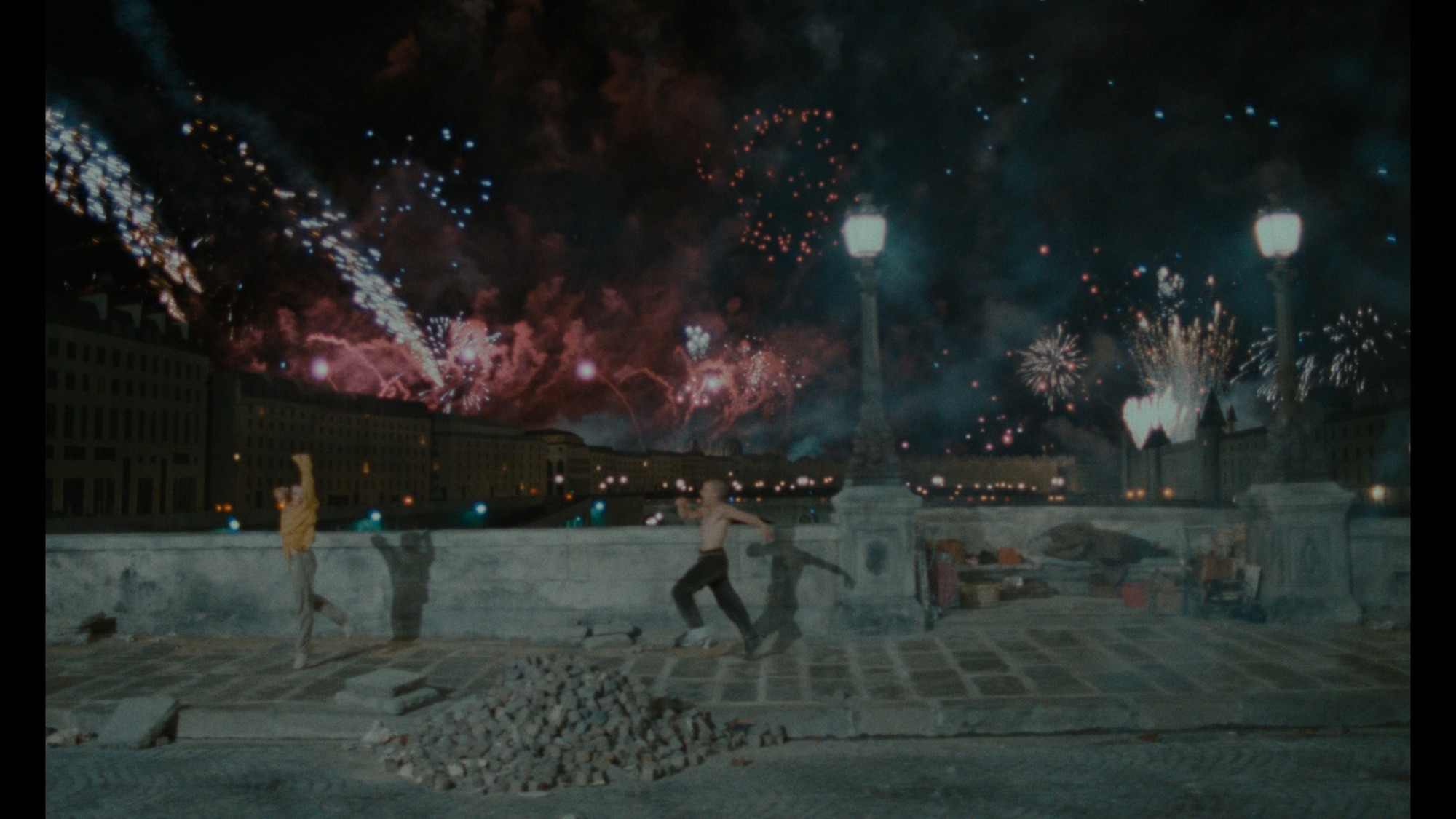
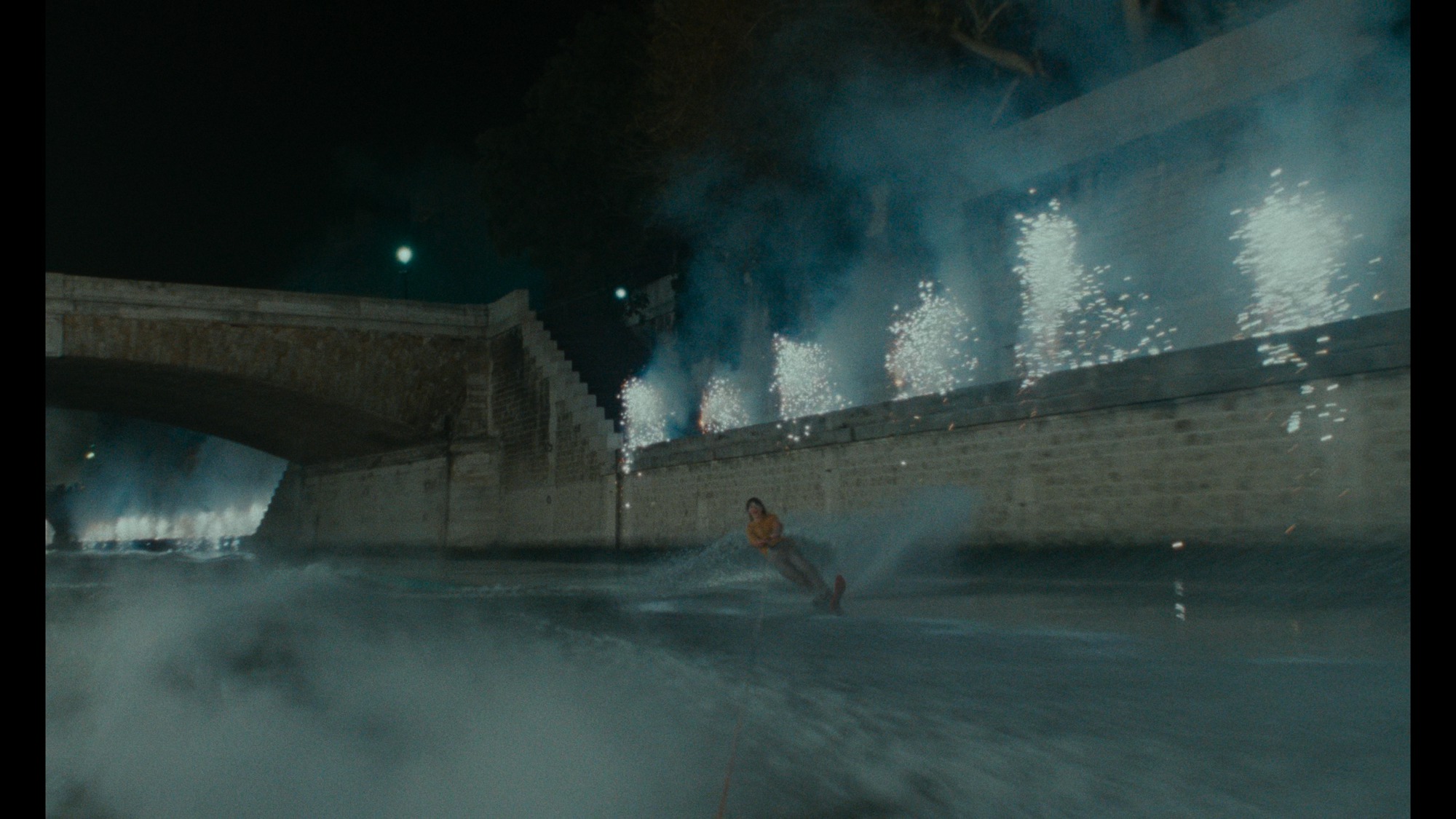
All three presentations look excellent, with The Lovers on the Bridge clearly being the strongest. It stands out with its cleaner encode and greatly benefits from the HDR grade, which really pushes the bright flashes during the fireworks sequence and brings out more detail in the shadows of darker interiors, like the mostly candlelit Louvre sequence. I was also very fond of how the light can break down naturally into the darker areas, while grain remains well rendered throughout, even in smoky shots.
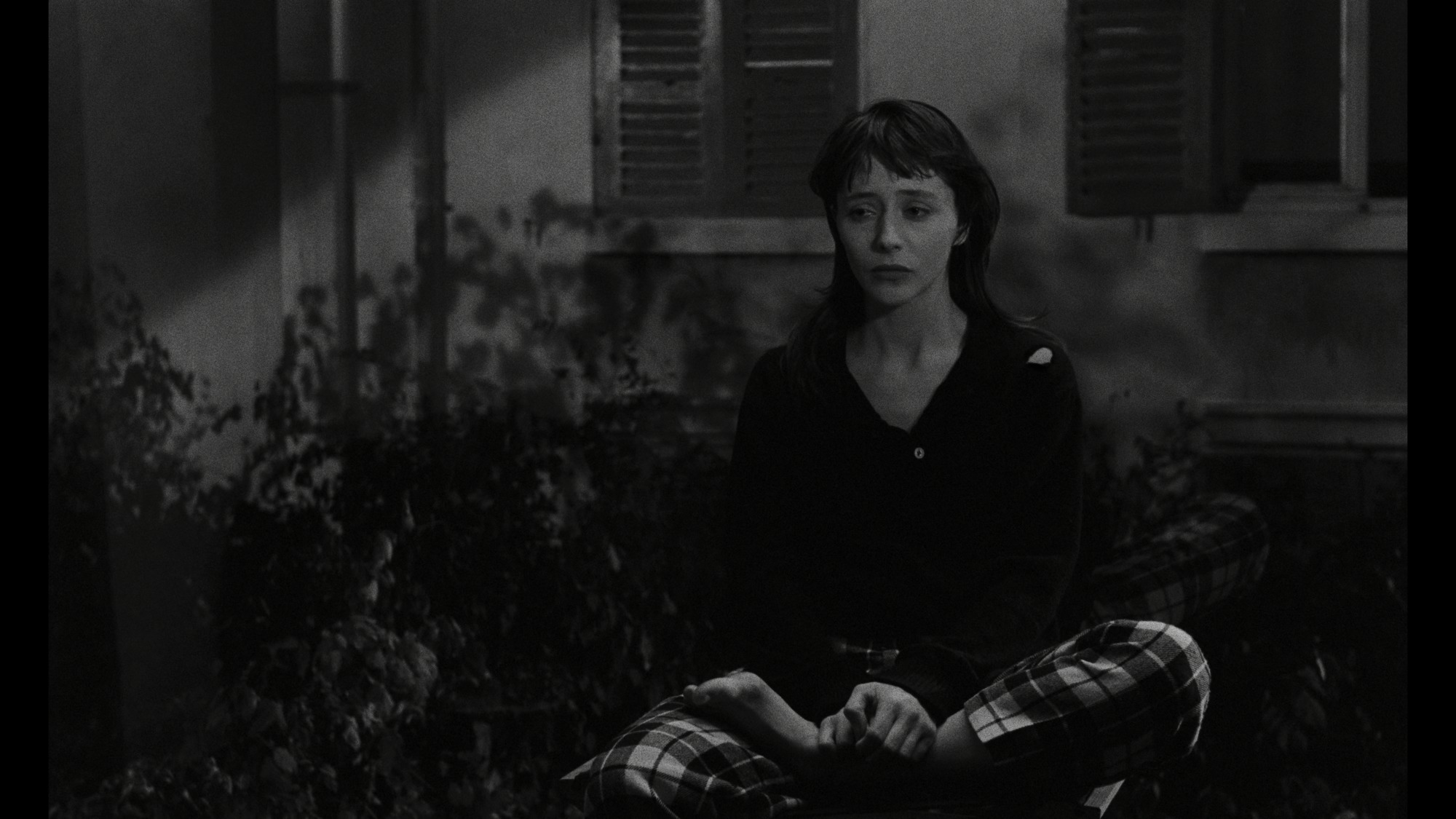
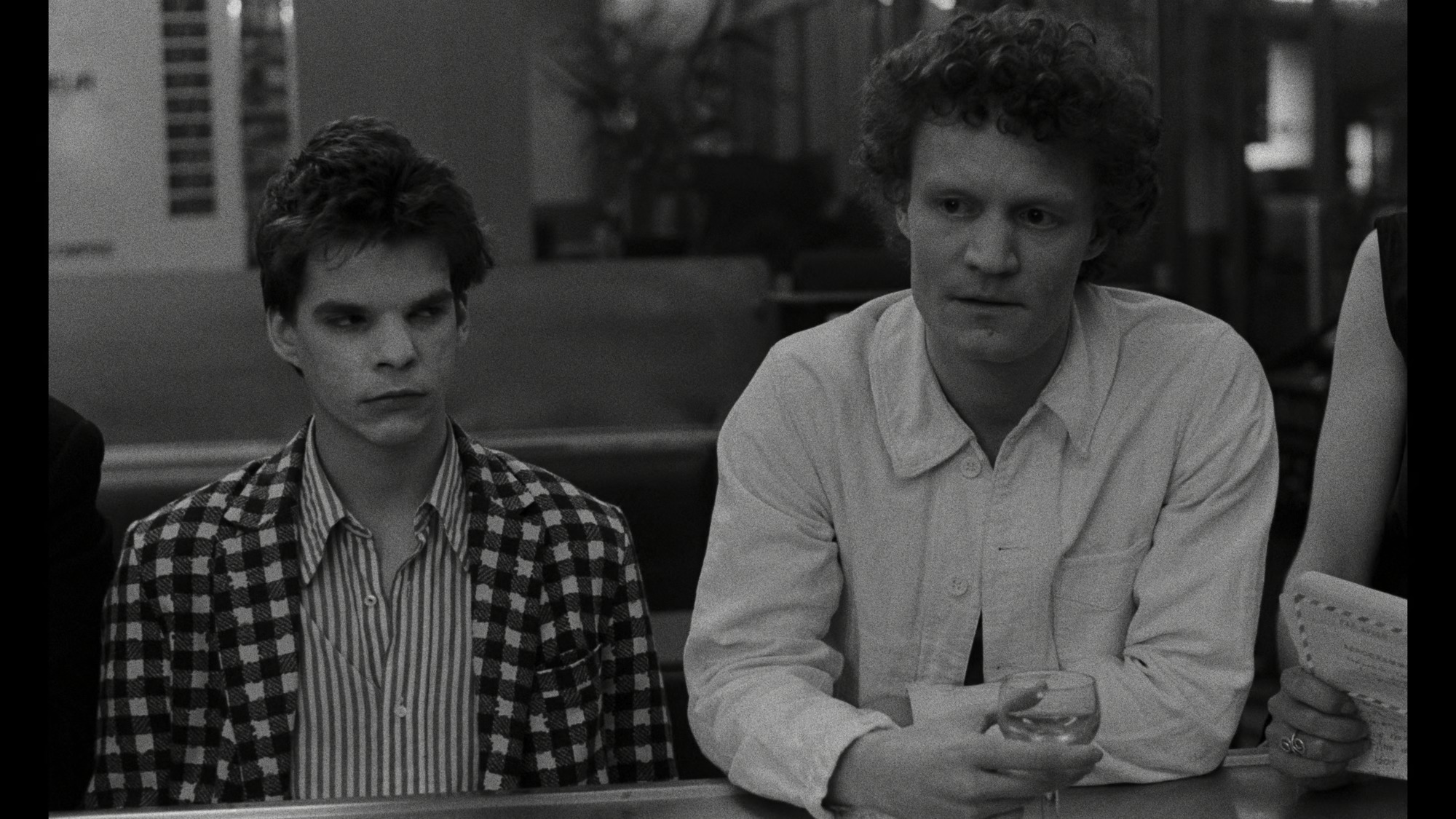
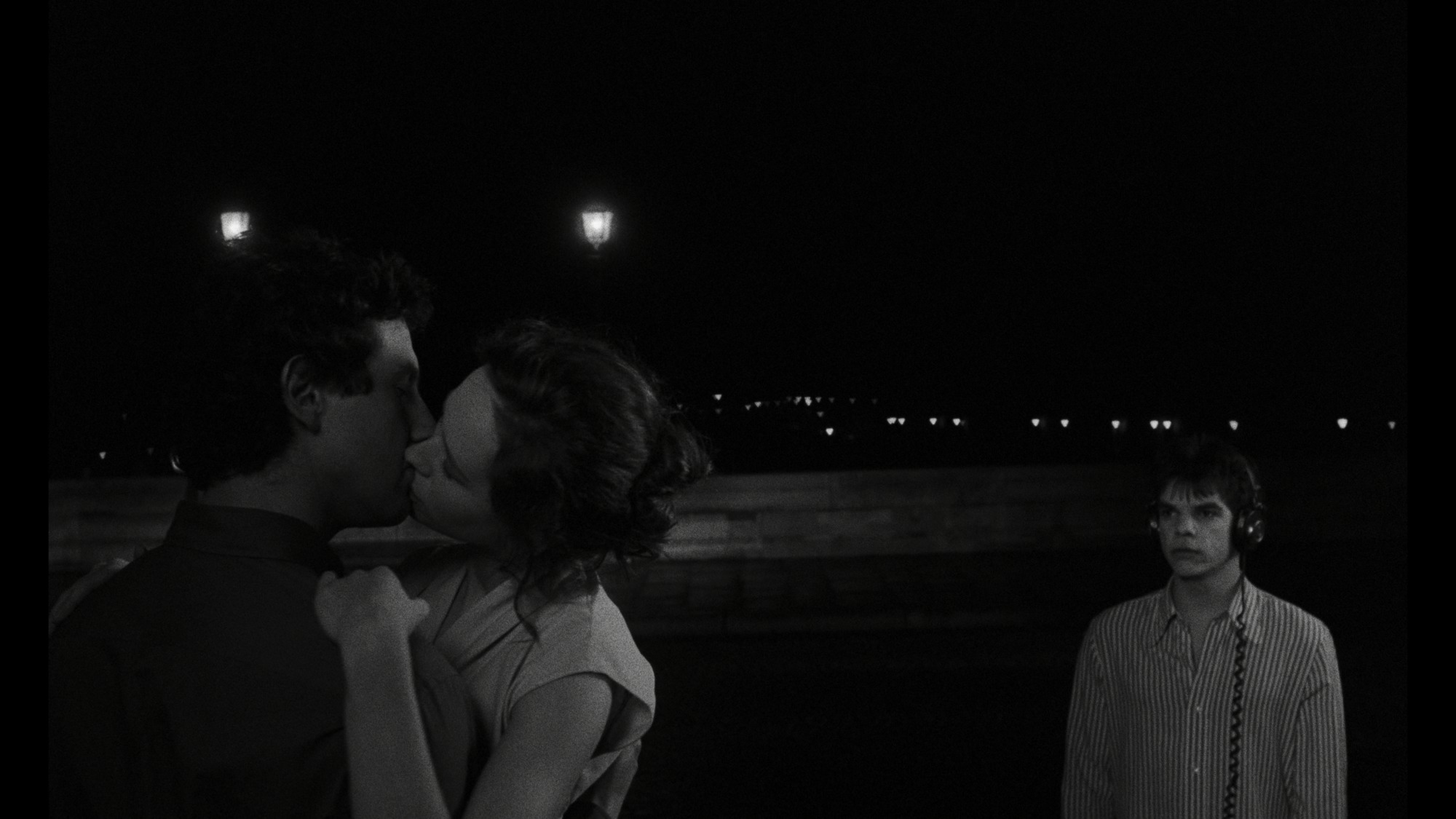
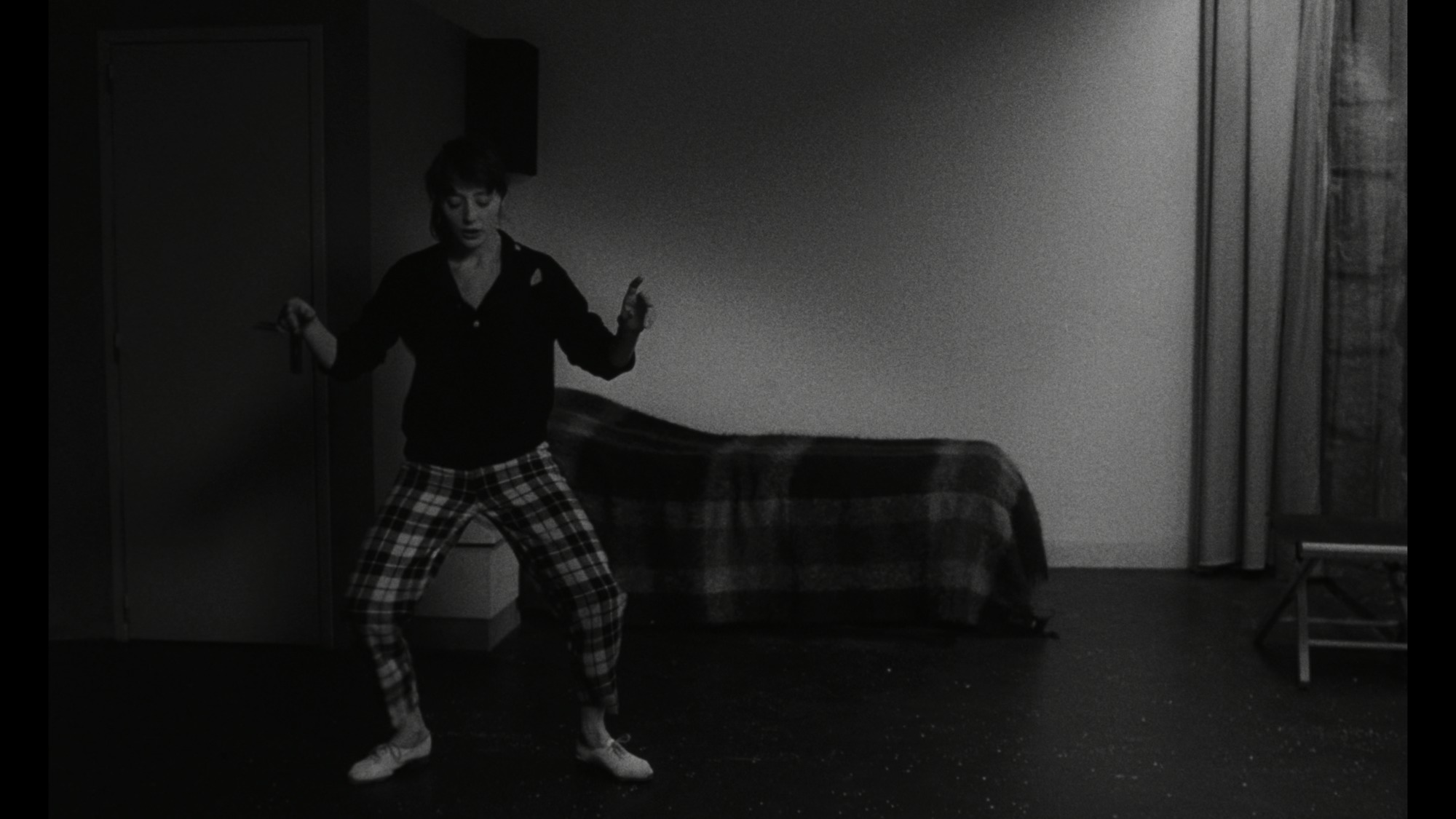
The other two films in the set also deliver strong presentations themselves, though each has at least one minor caveat. Boy Meets Girl shows some very minor macroblocking in the shadows but is otherwise a wonderful black-and-white presentation. And despite the lack of HDR, the grayscale still looks expansive with clean gradations. Highlights are also fairly bright without clipping out detail. Quite nice!
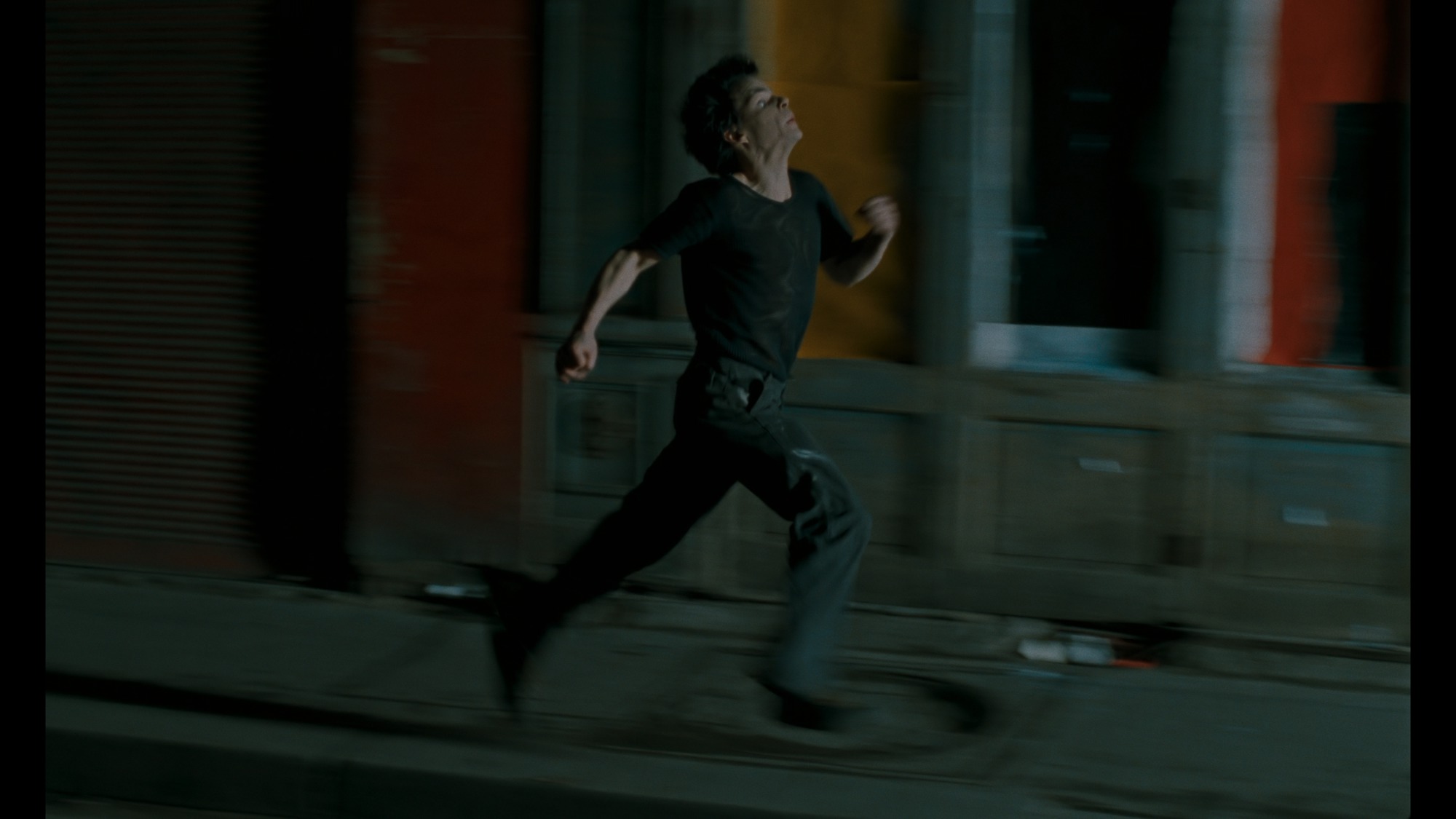
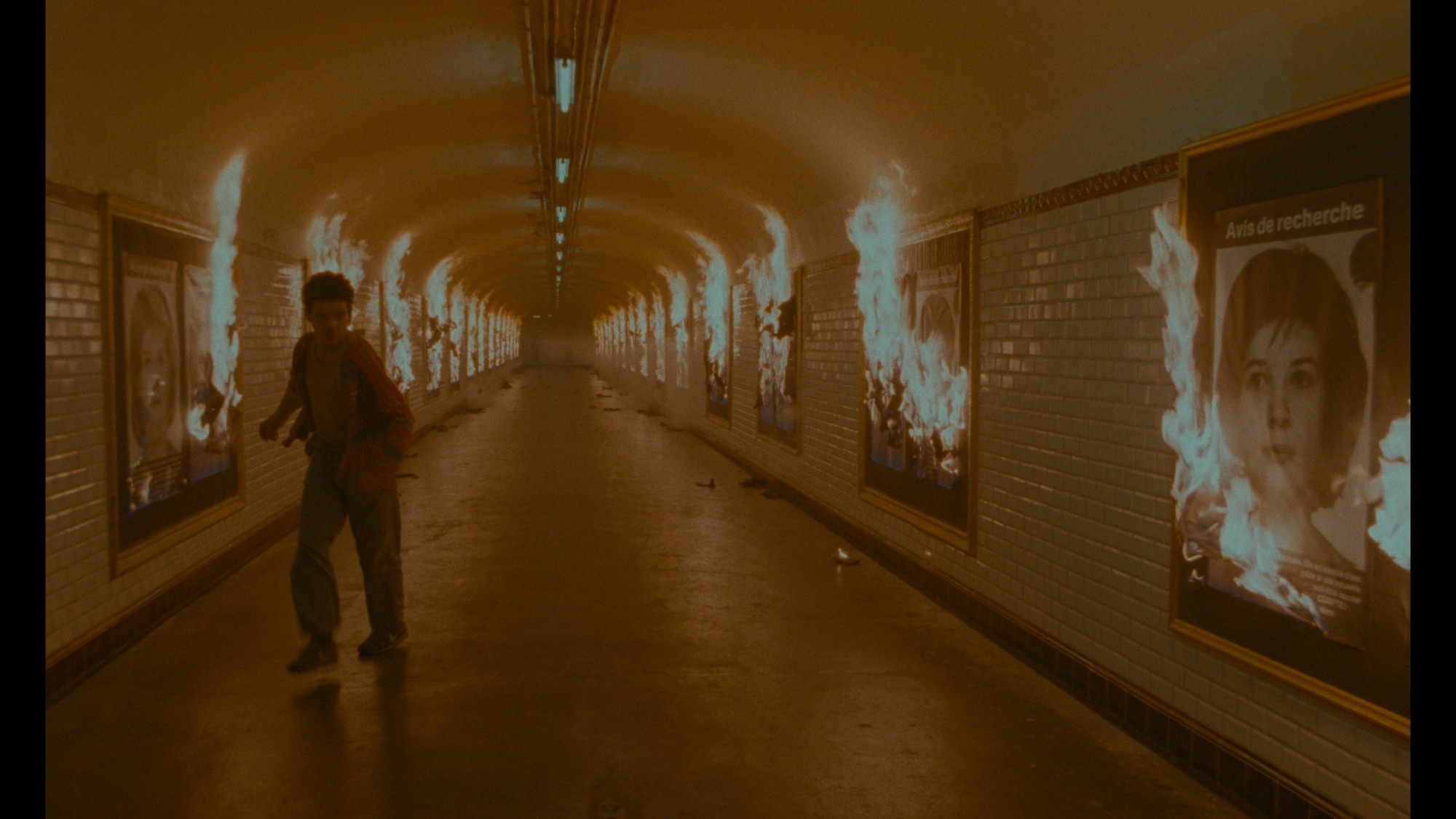
Mauvais Sang also looks great, delivering an incredibly sharp color image with impressive shadow detail of its own, though there are still moments that come off slightly video-like here and there. An HDR grade probably would have brought things up a notch, but it still has a film-like texture overall and decent range.
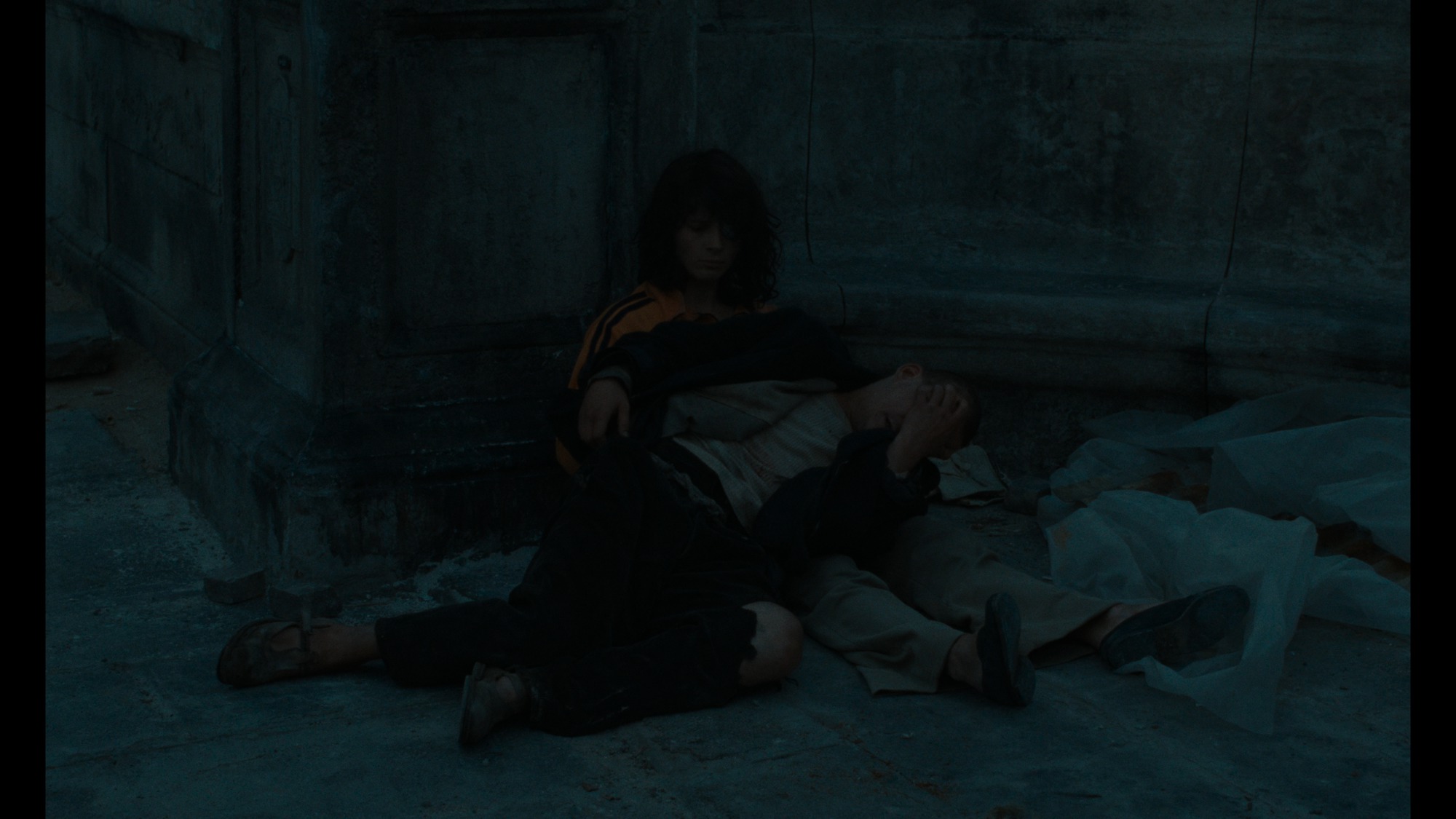
All three scans pick up an impressive amount of detail and texture, including the films' inherent grain, which is rendered well throughout. The restorations have also cleaned things up nicely, with only a few minor blemishes appearing during a slow-motion sequence in Mauvais Sang. The opening homeless shelter sequence in The Lovers on the Bridge is noticeably softer and grittier than the rest of the film, likely owing in part to the Super 16 photography used alongside 35 mm for that portion. Even then, it looks great.
Those minor caveats aside, all three presentations really do look phenomenal. The fresh scans and strong encodes make the films look almost new, like they could have been made recently, and fans should be very happy with what they get here.
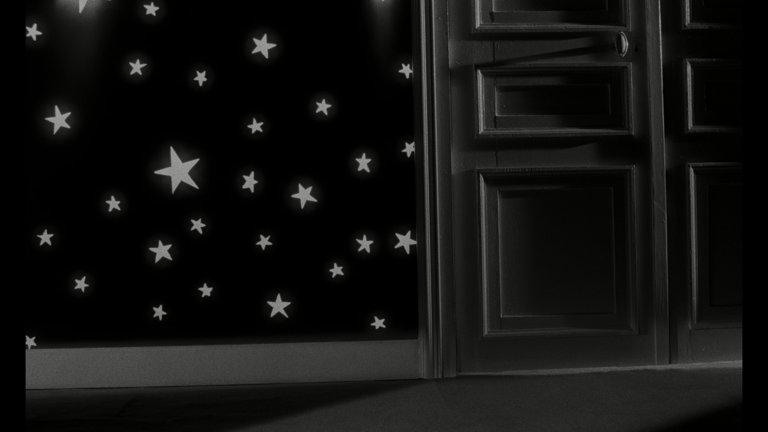
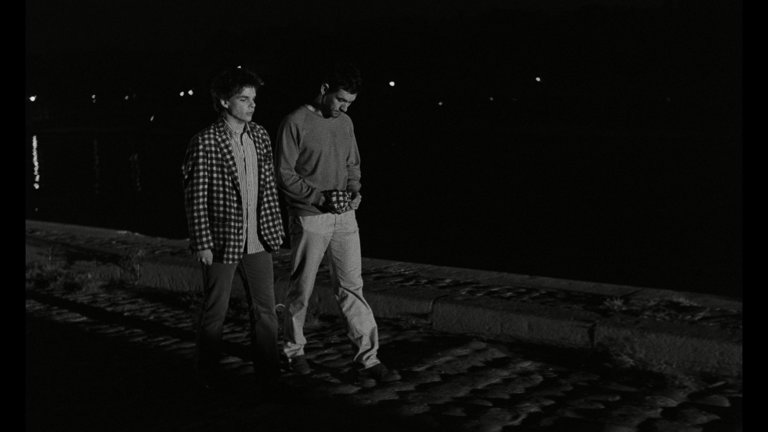
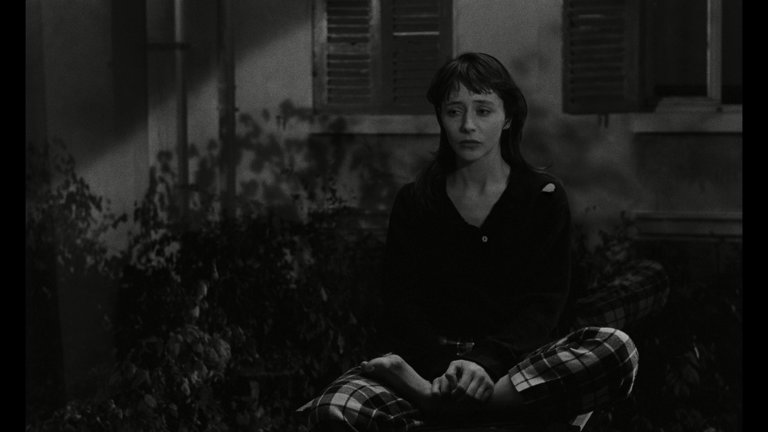
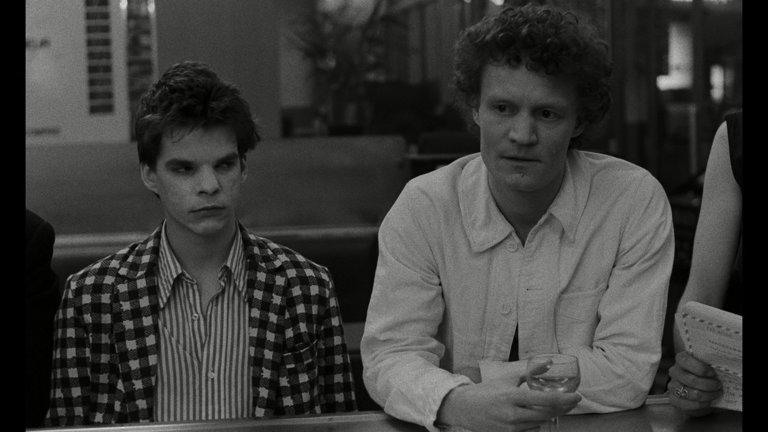
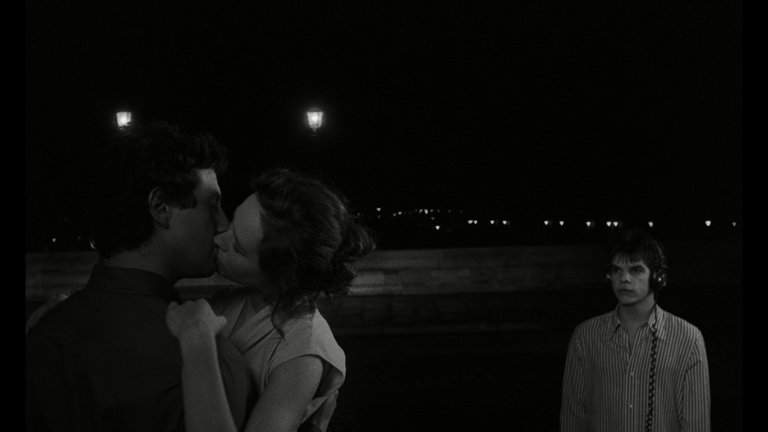
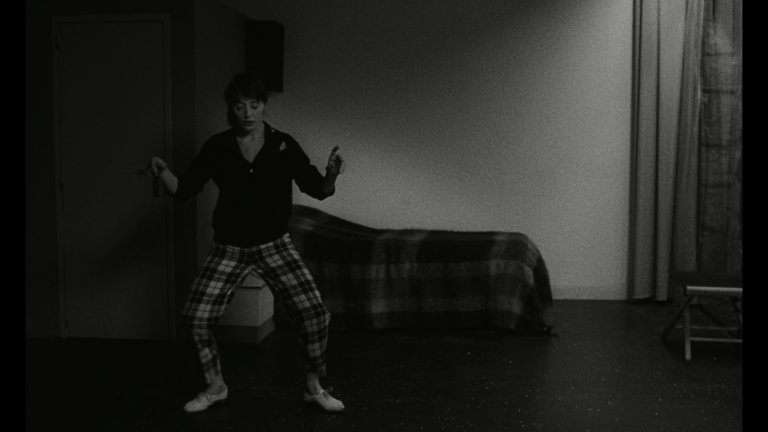
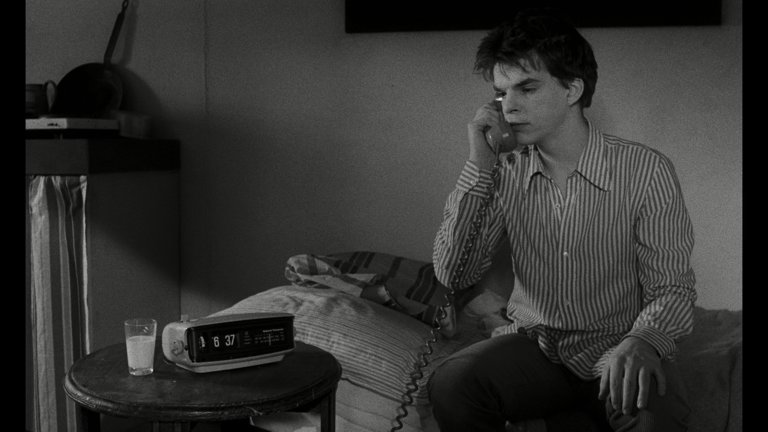
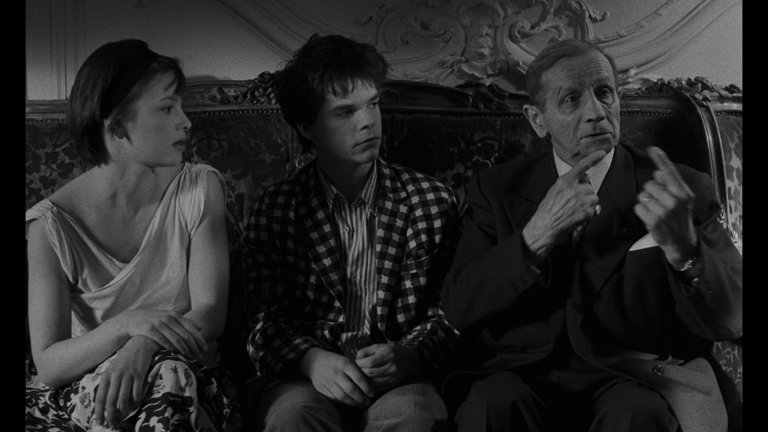
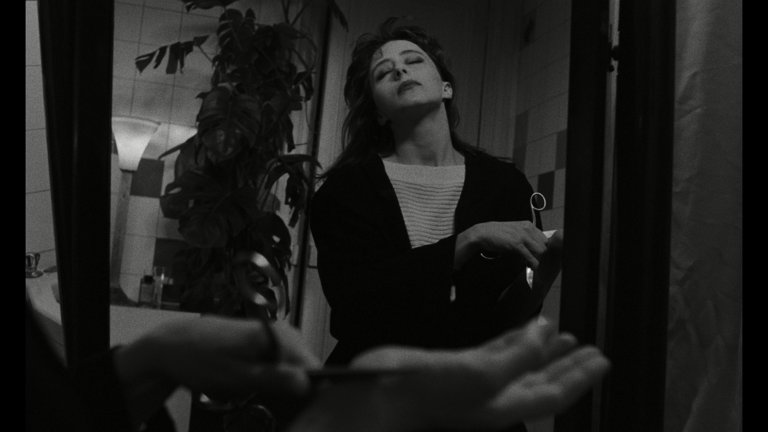
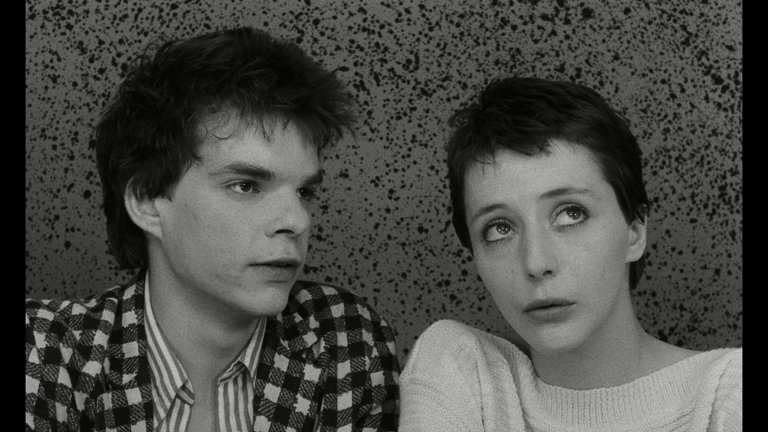
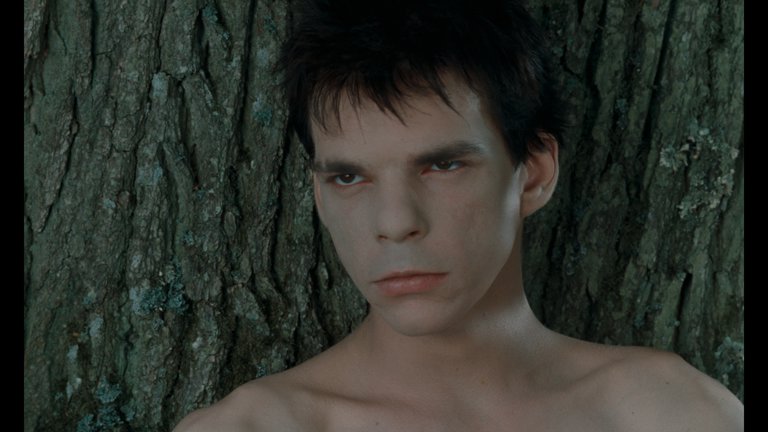
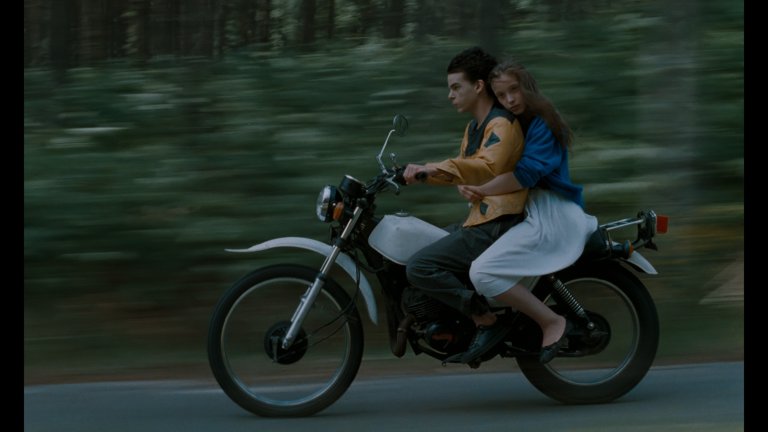
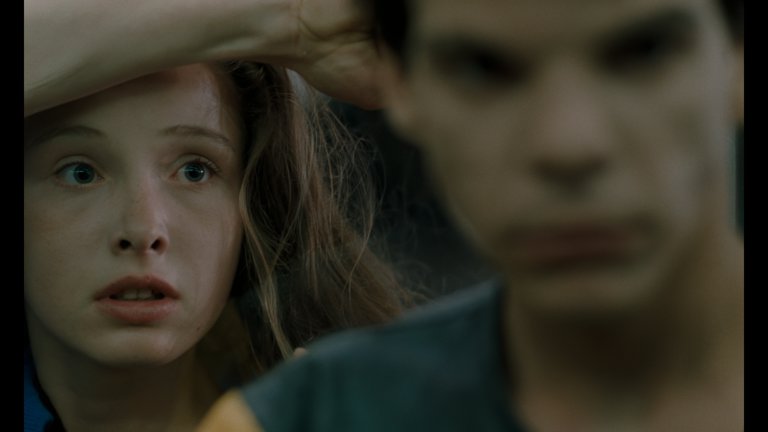
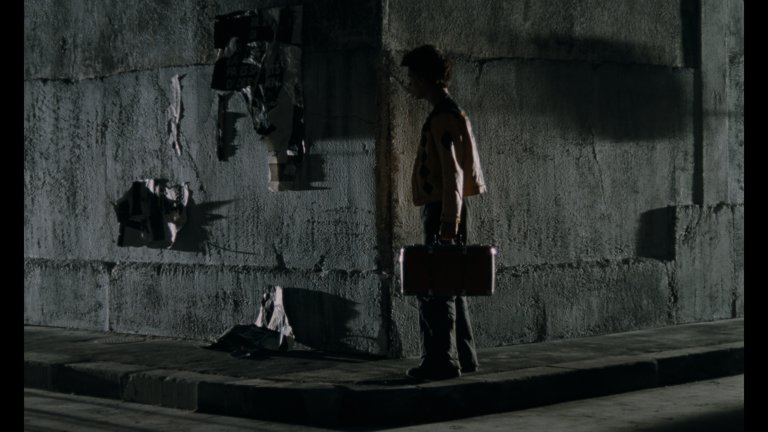
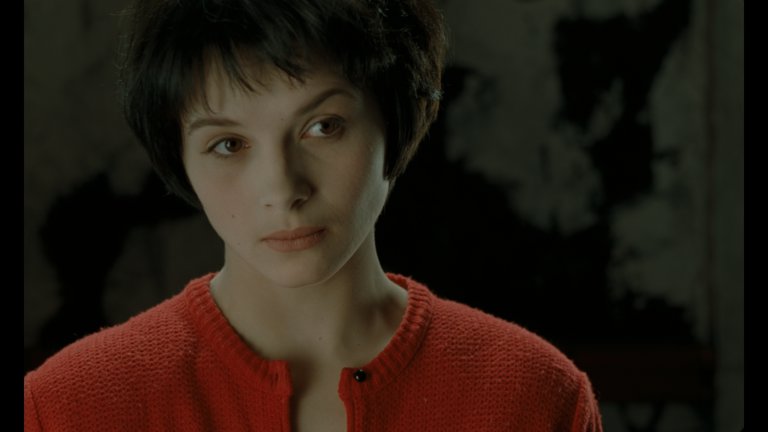
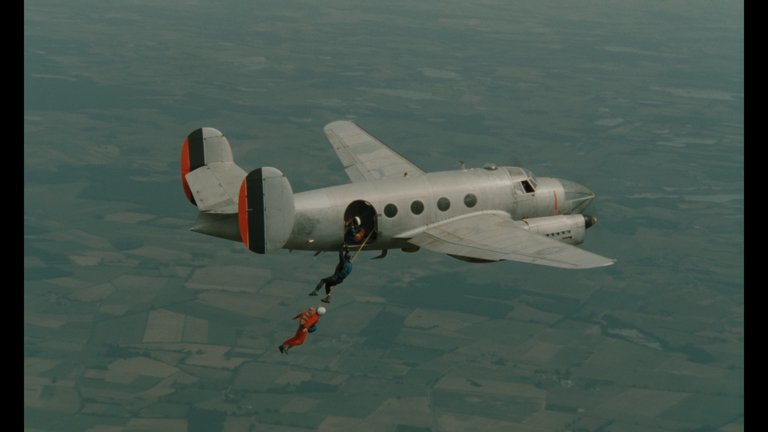
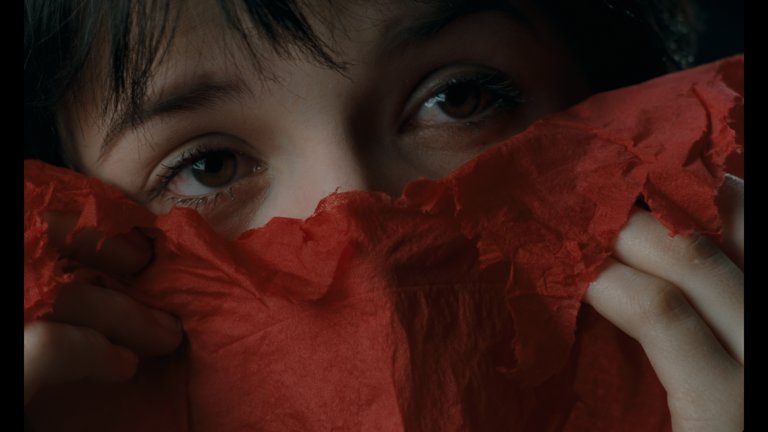
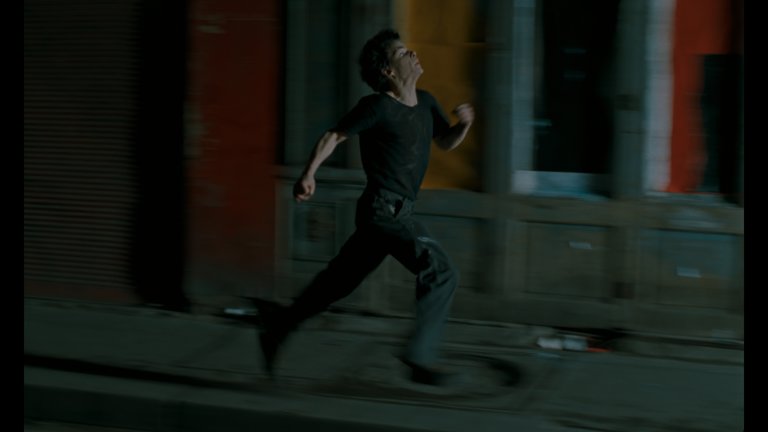
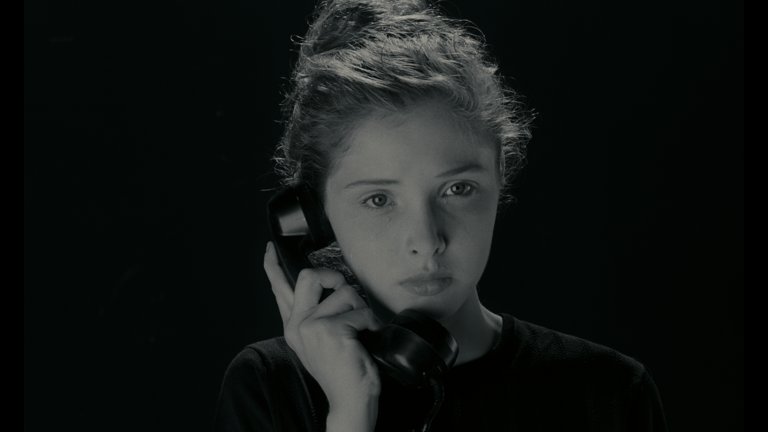
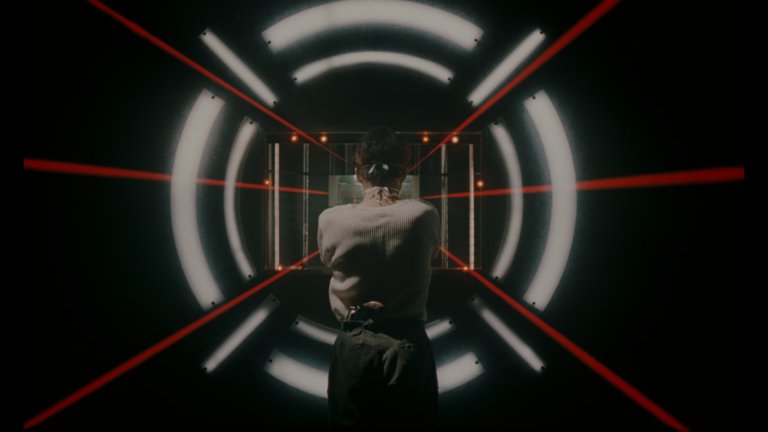
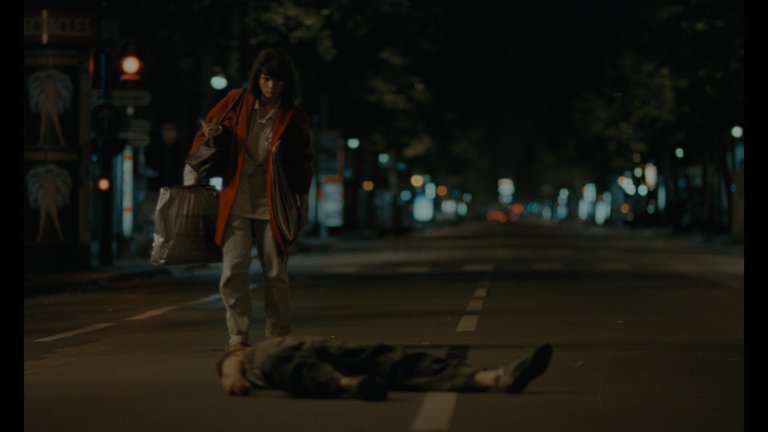
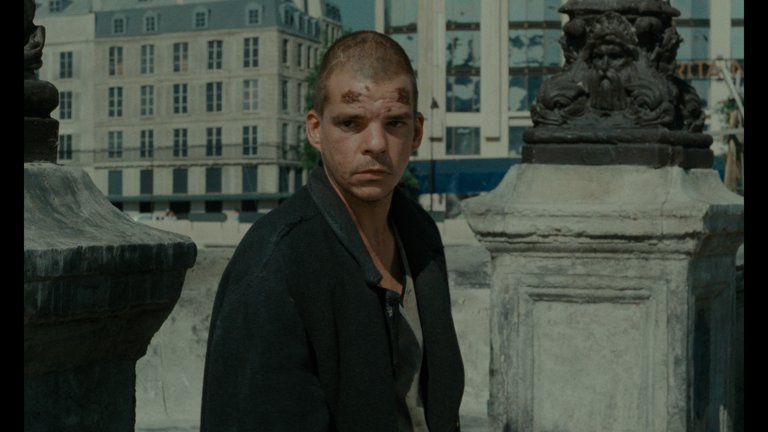
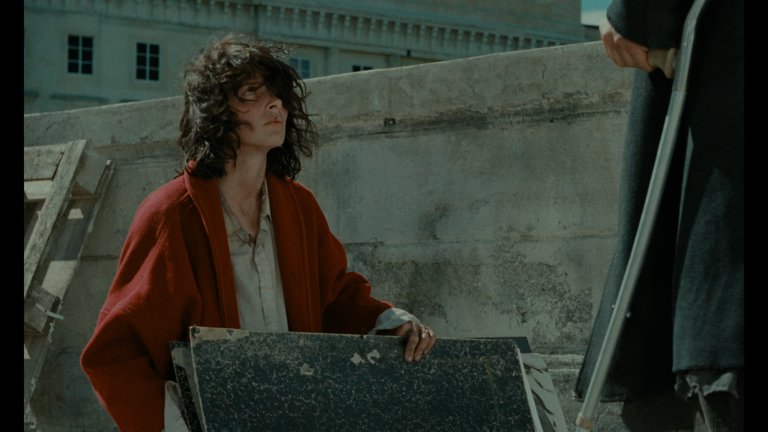
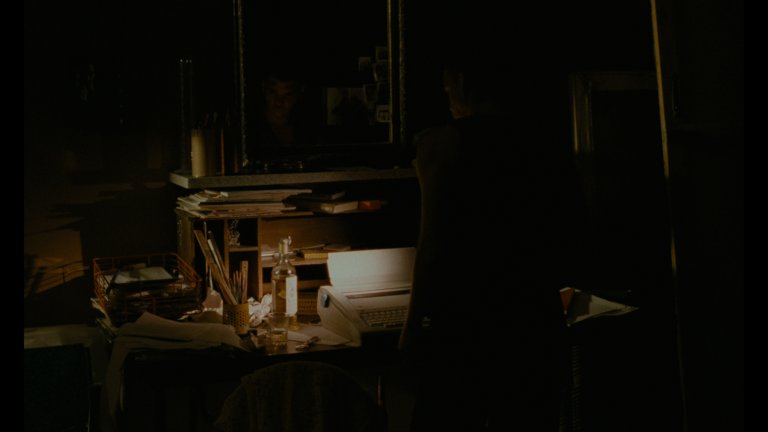
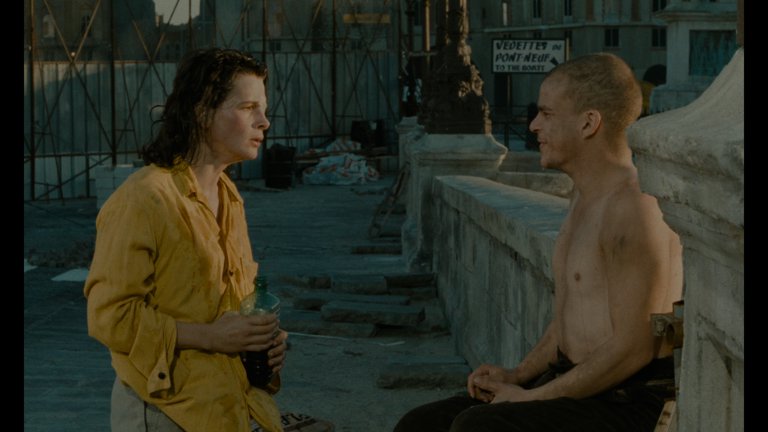
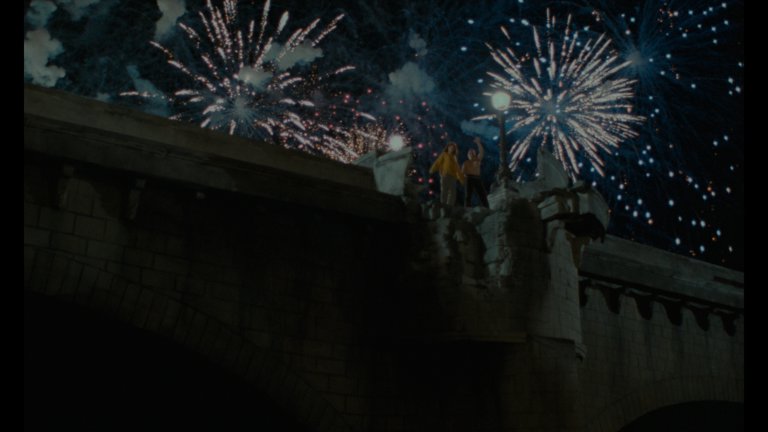
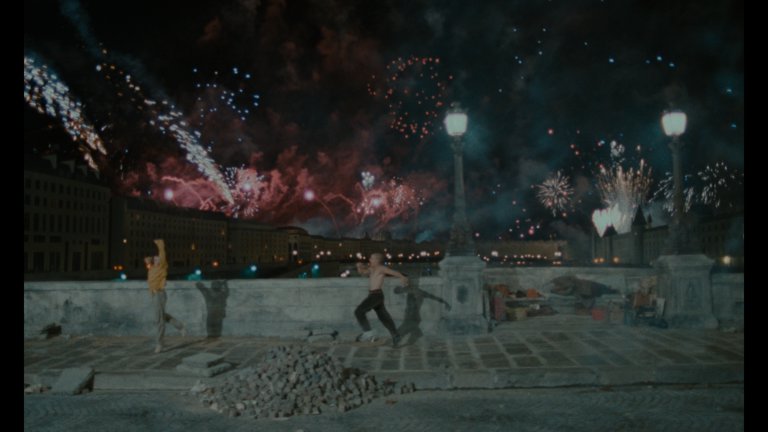
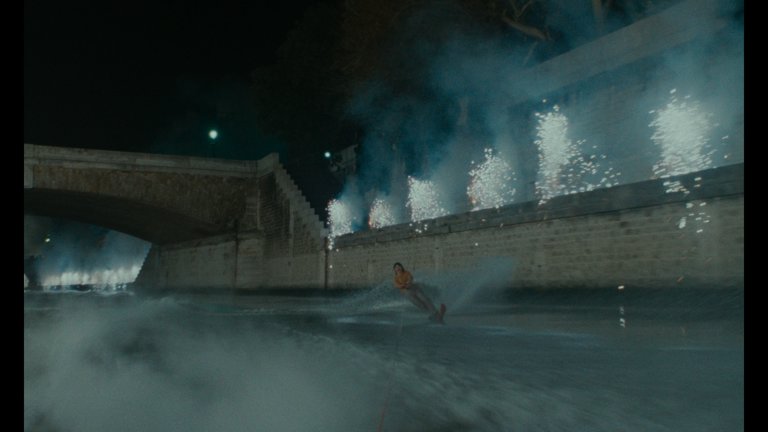
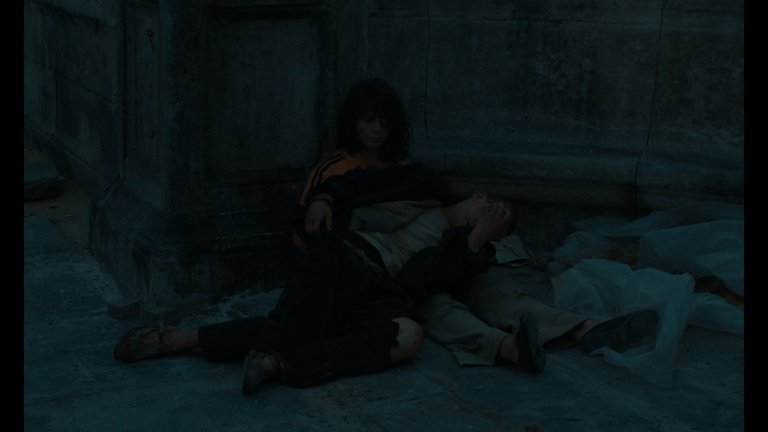
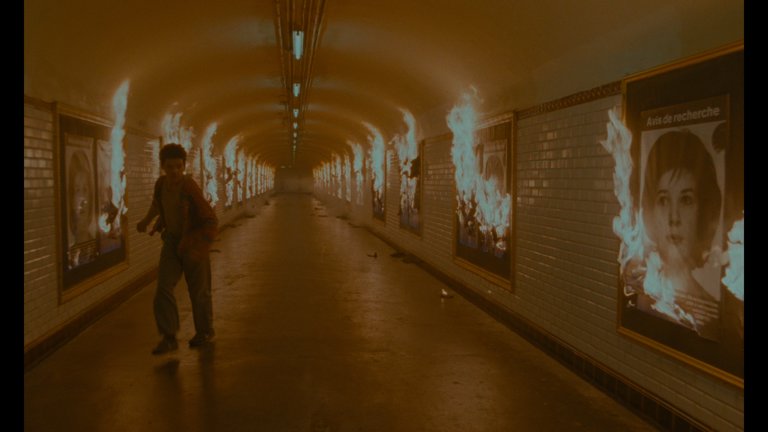
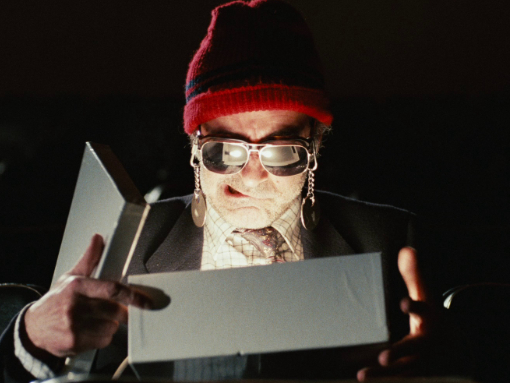
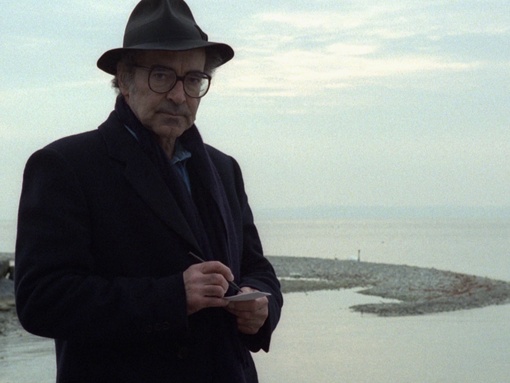
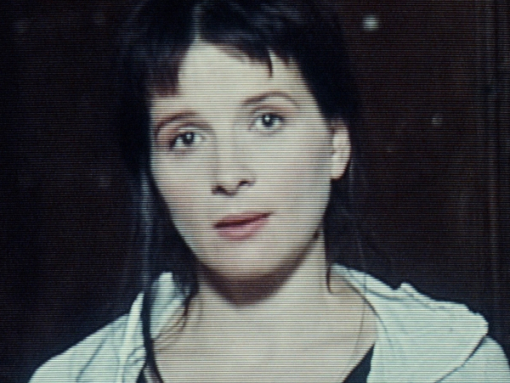
Three Films by Leos Carax - Screen Captures
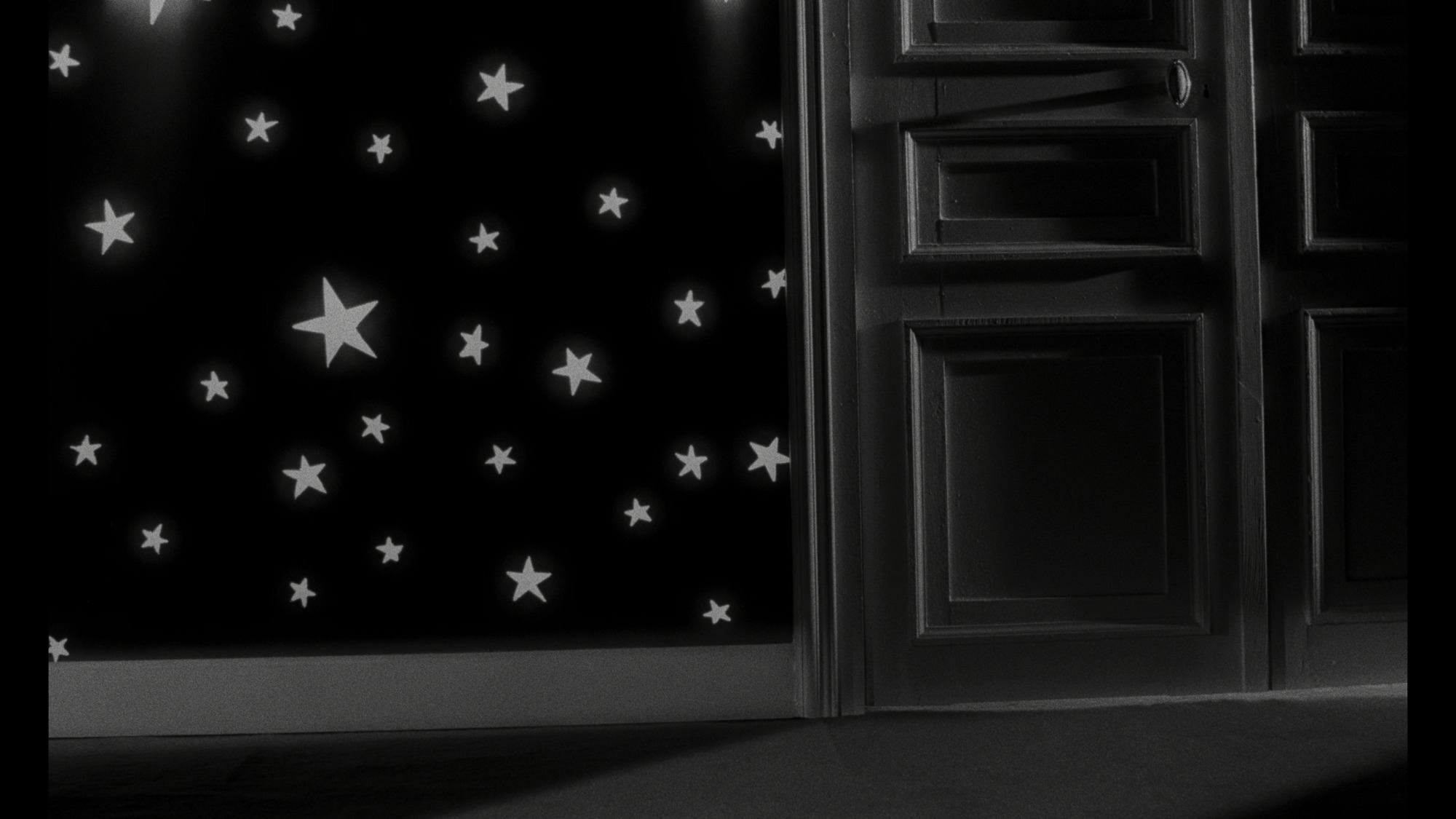
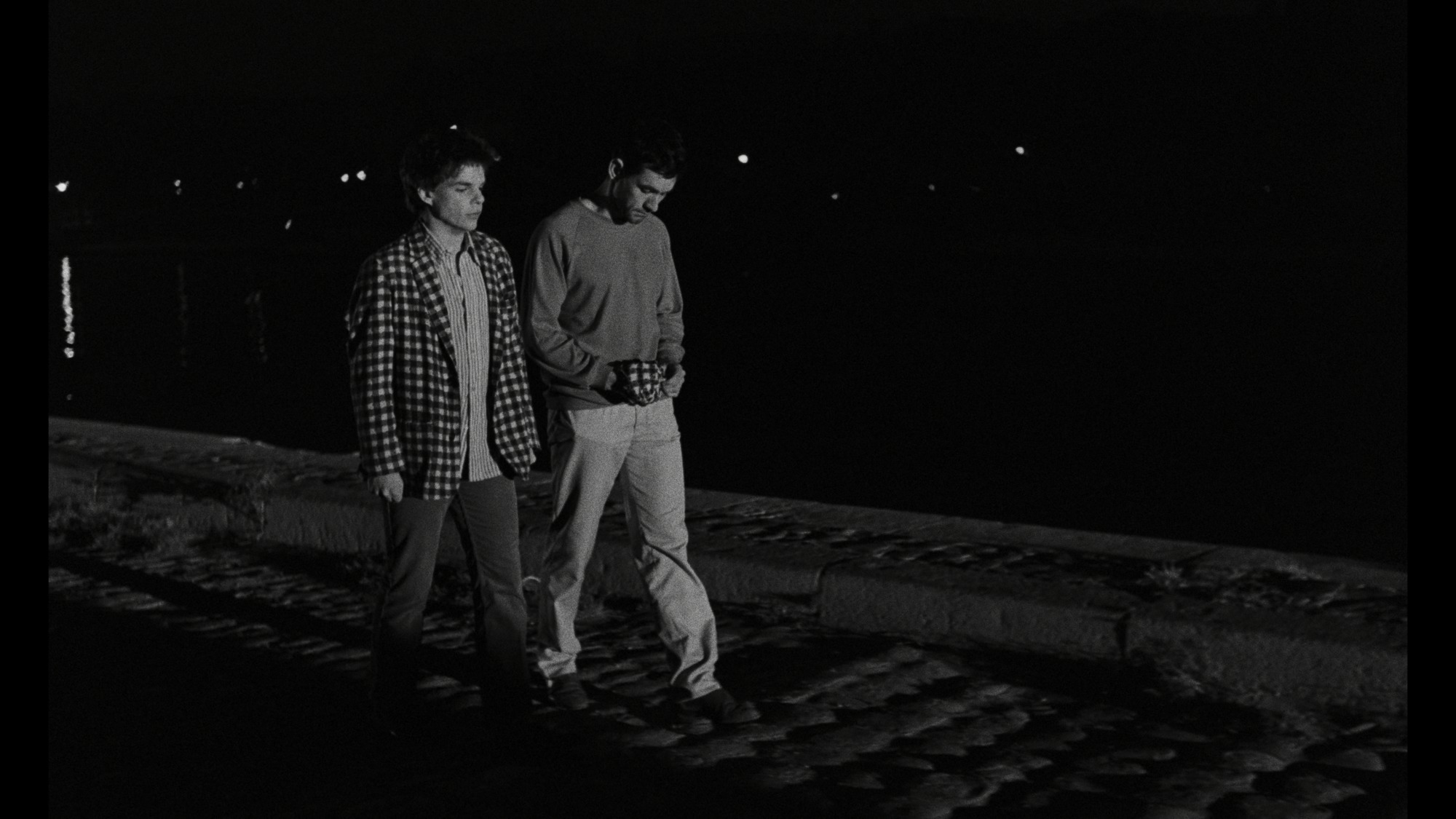
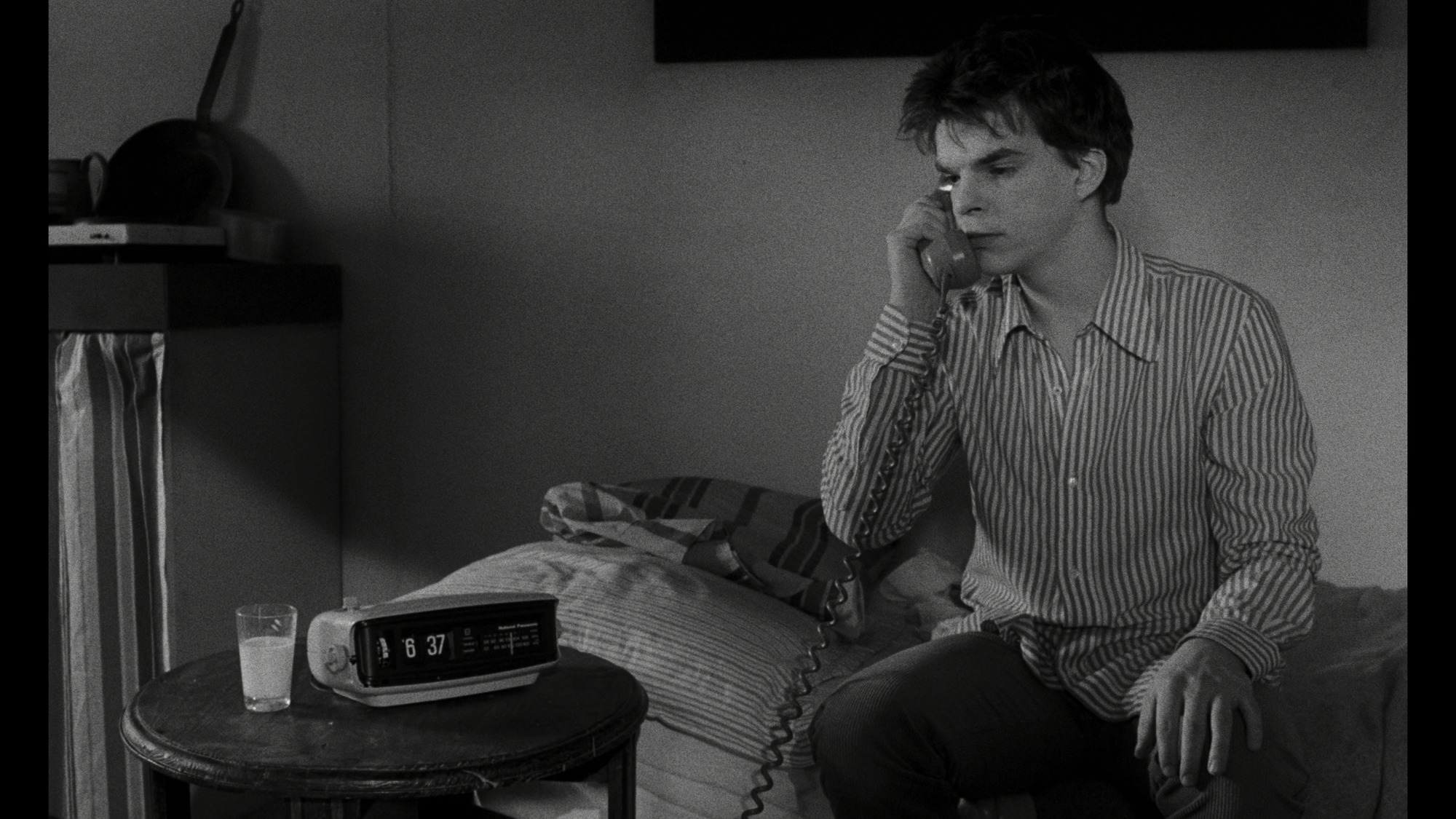
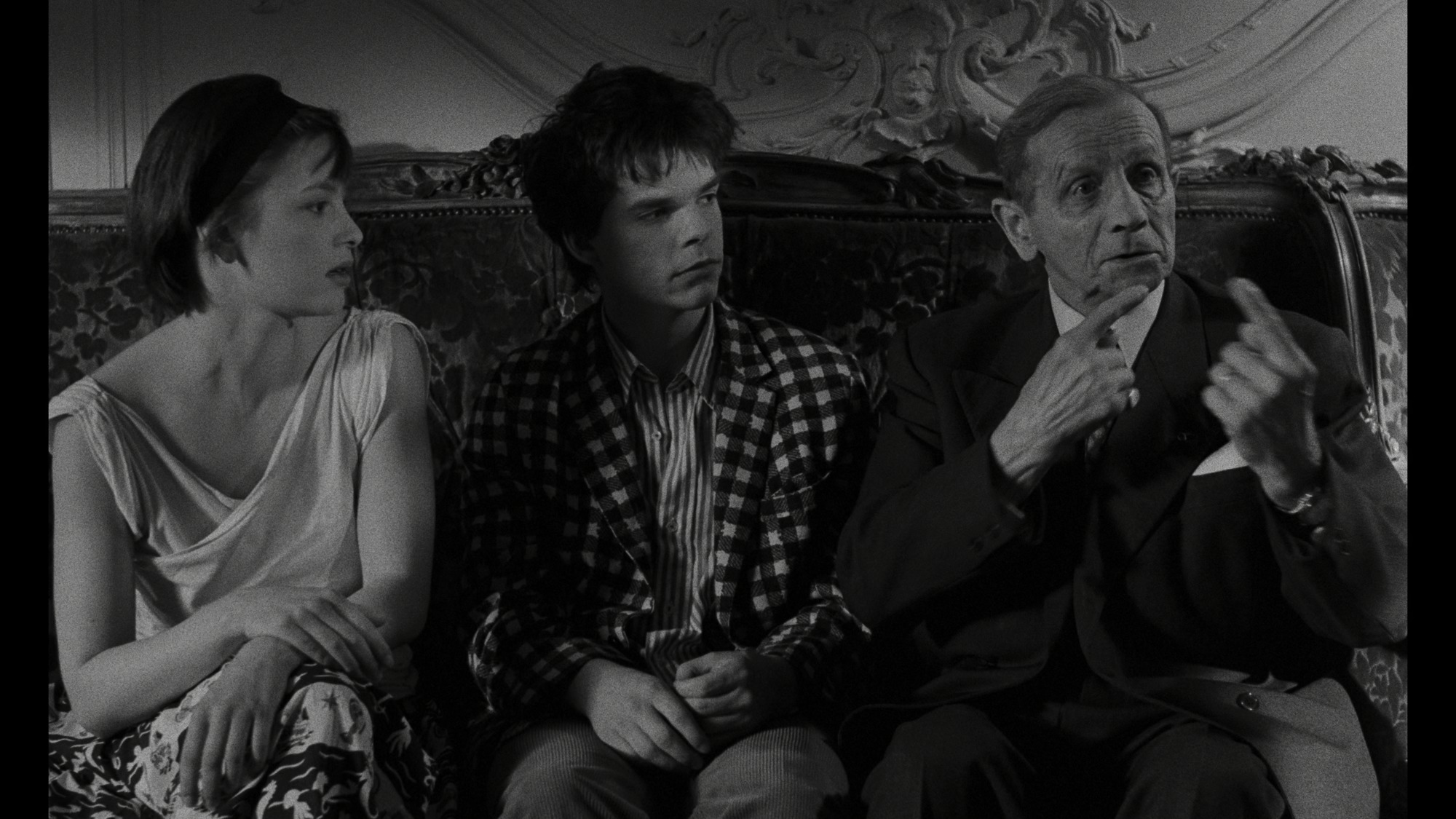
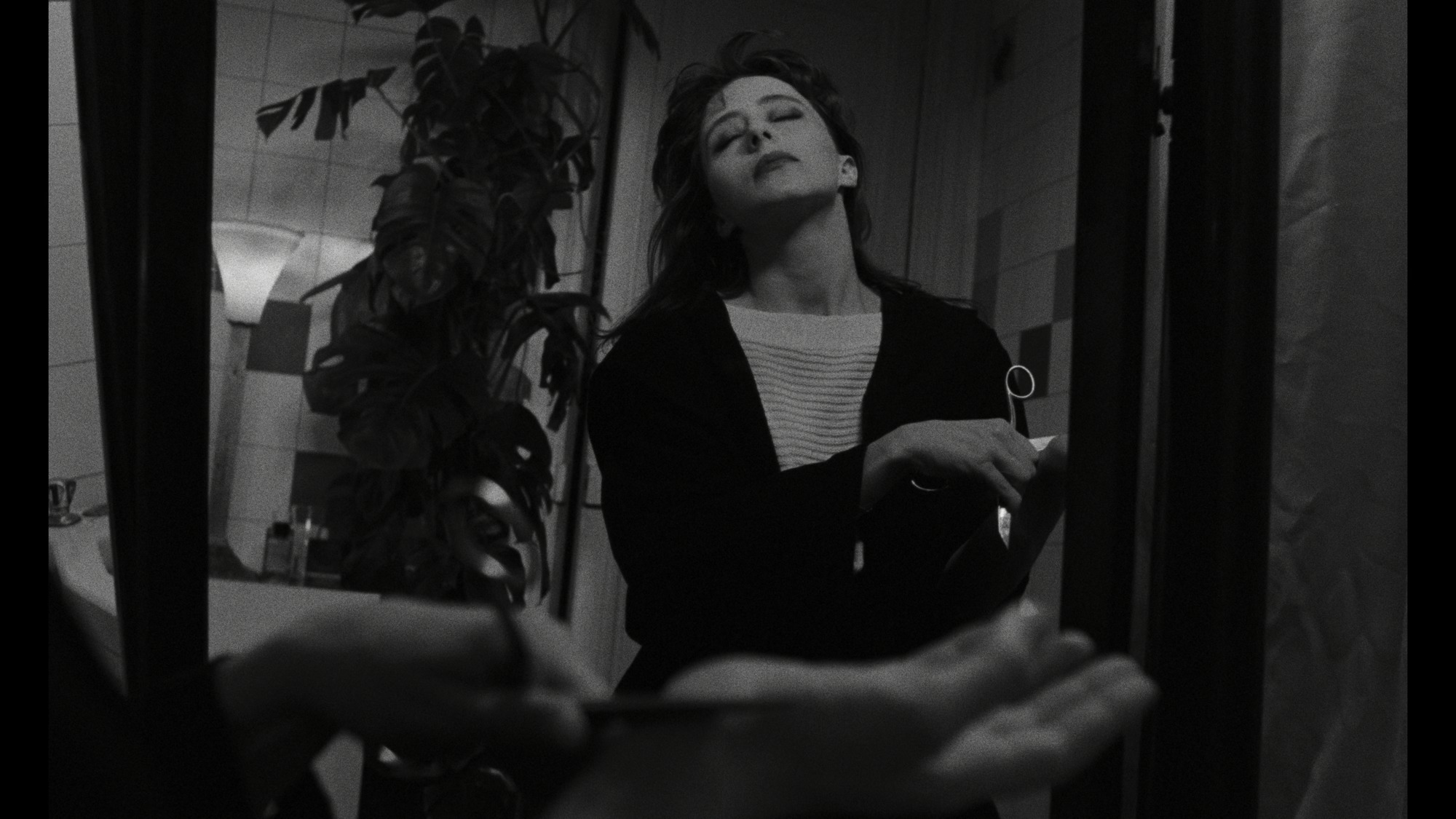
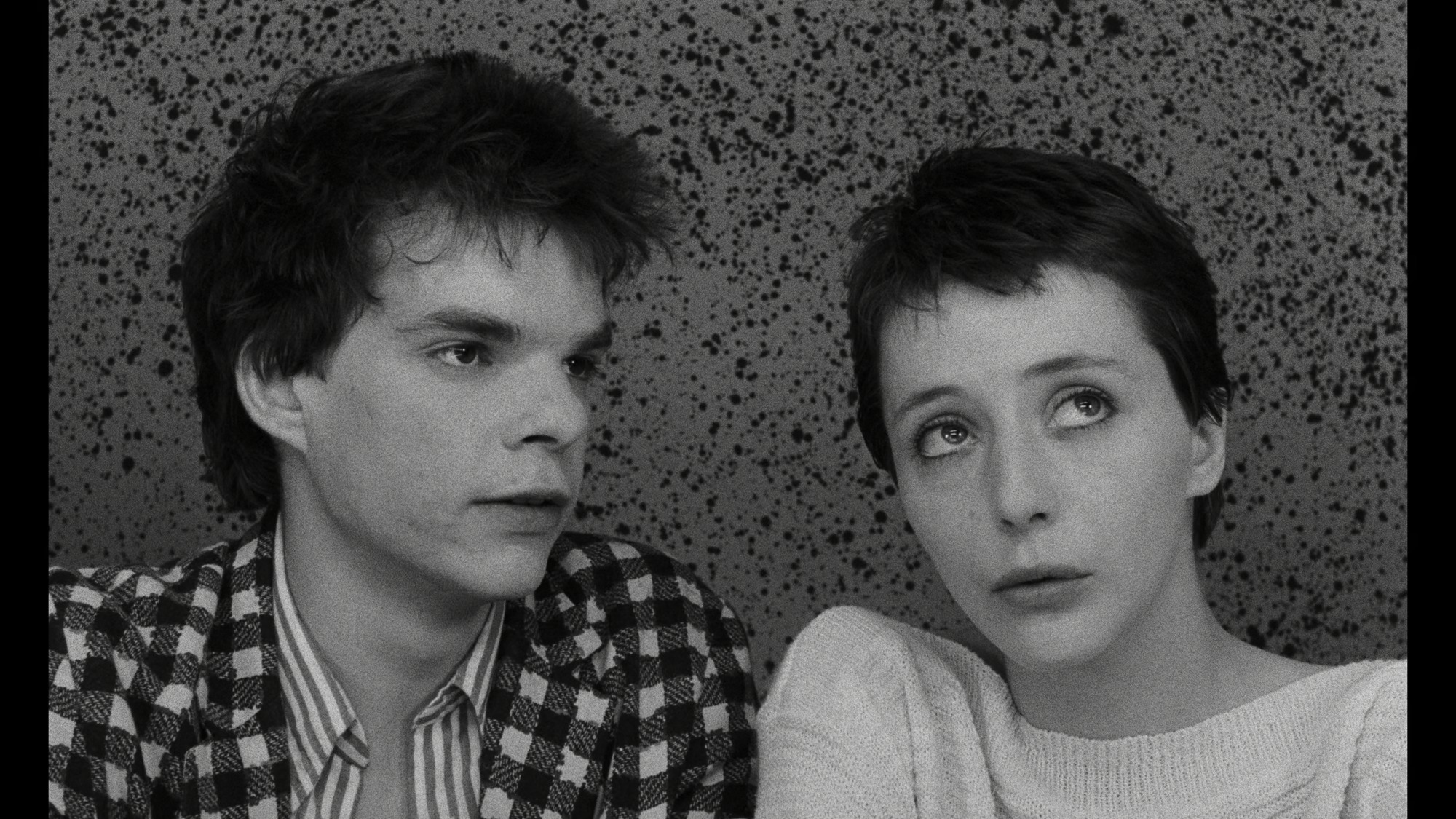
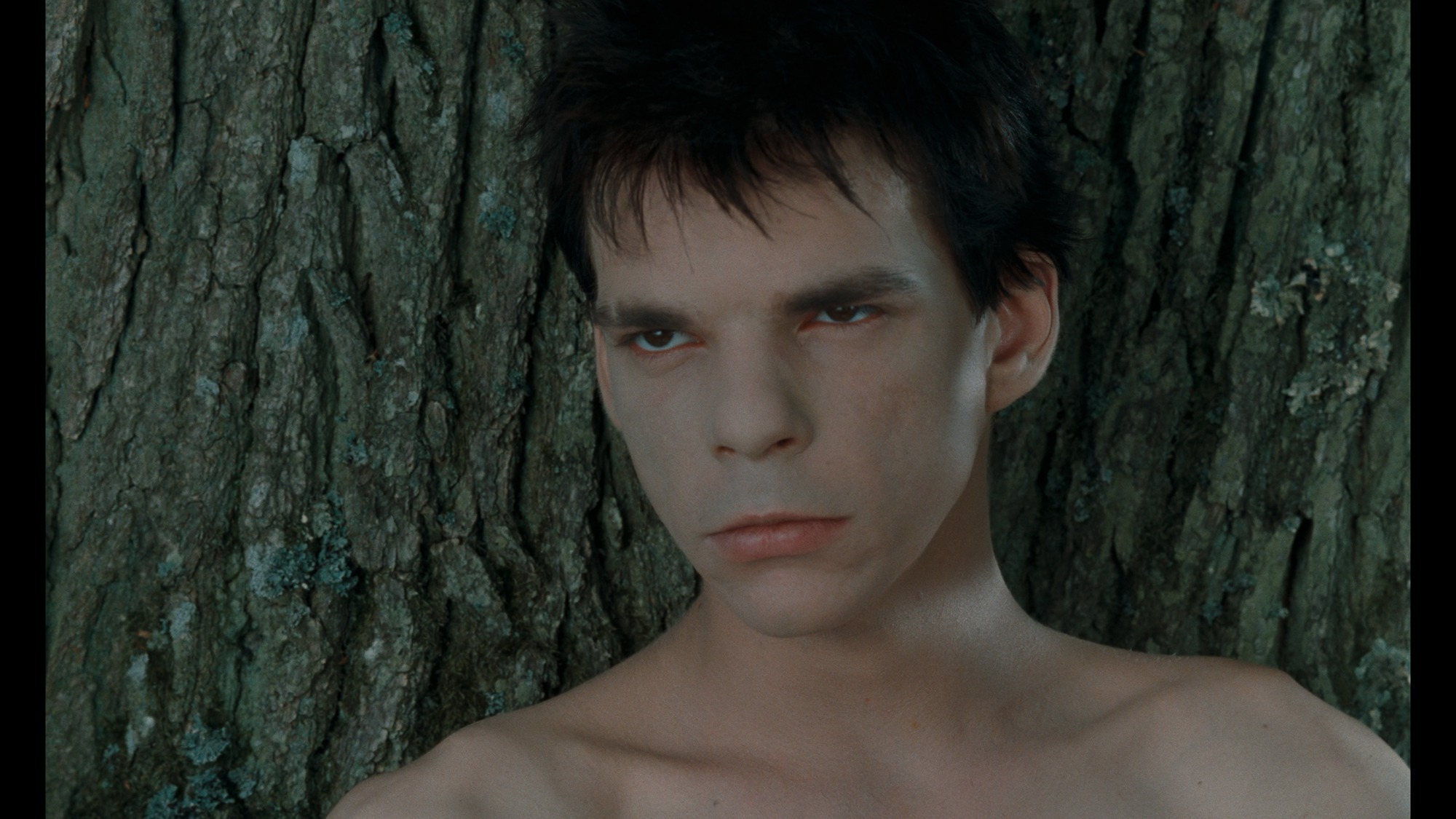
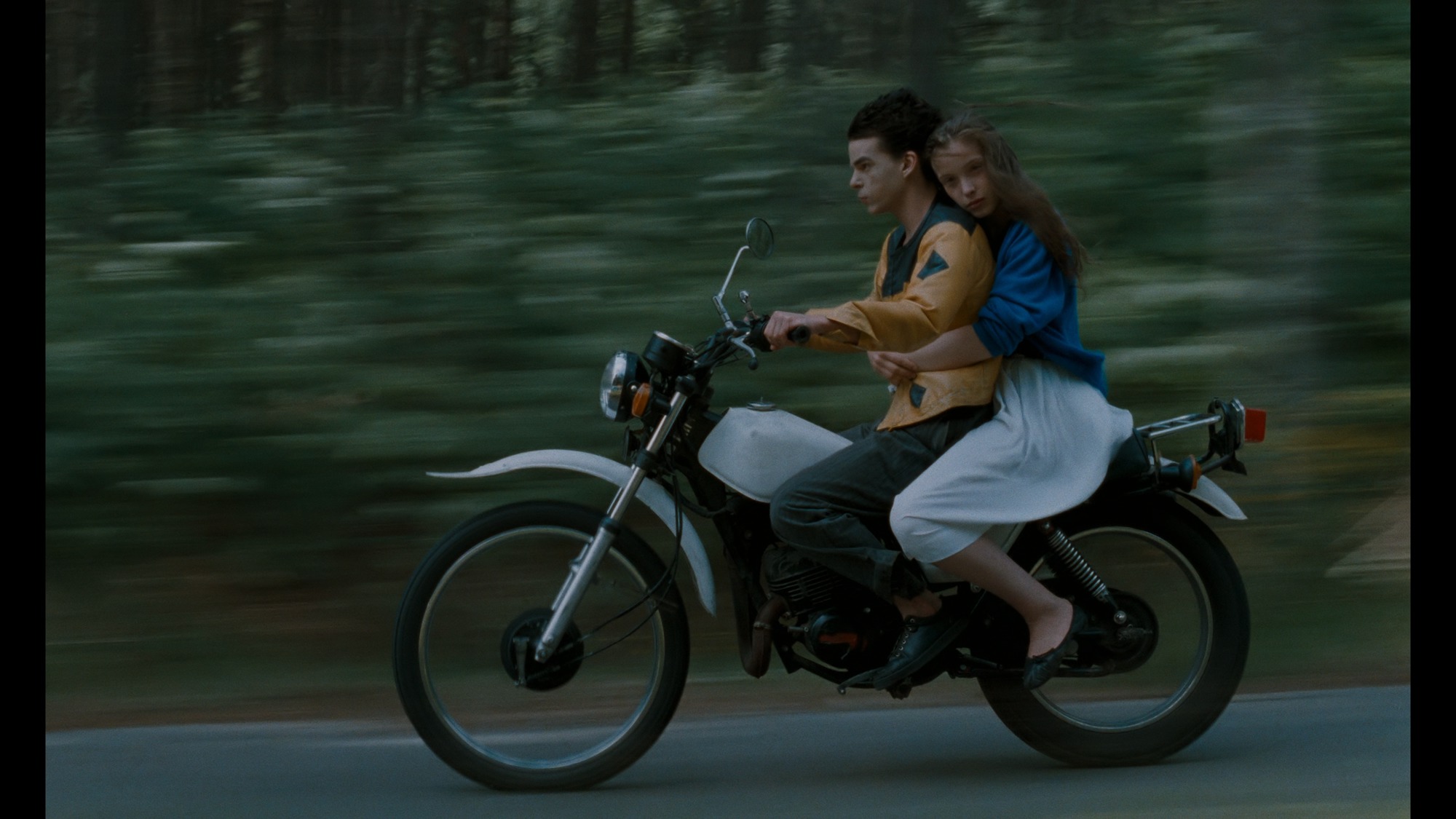
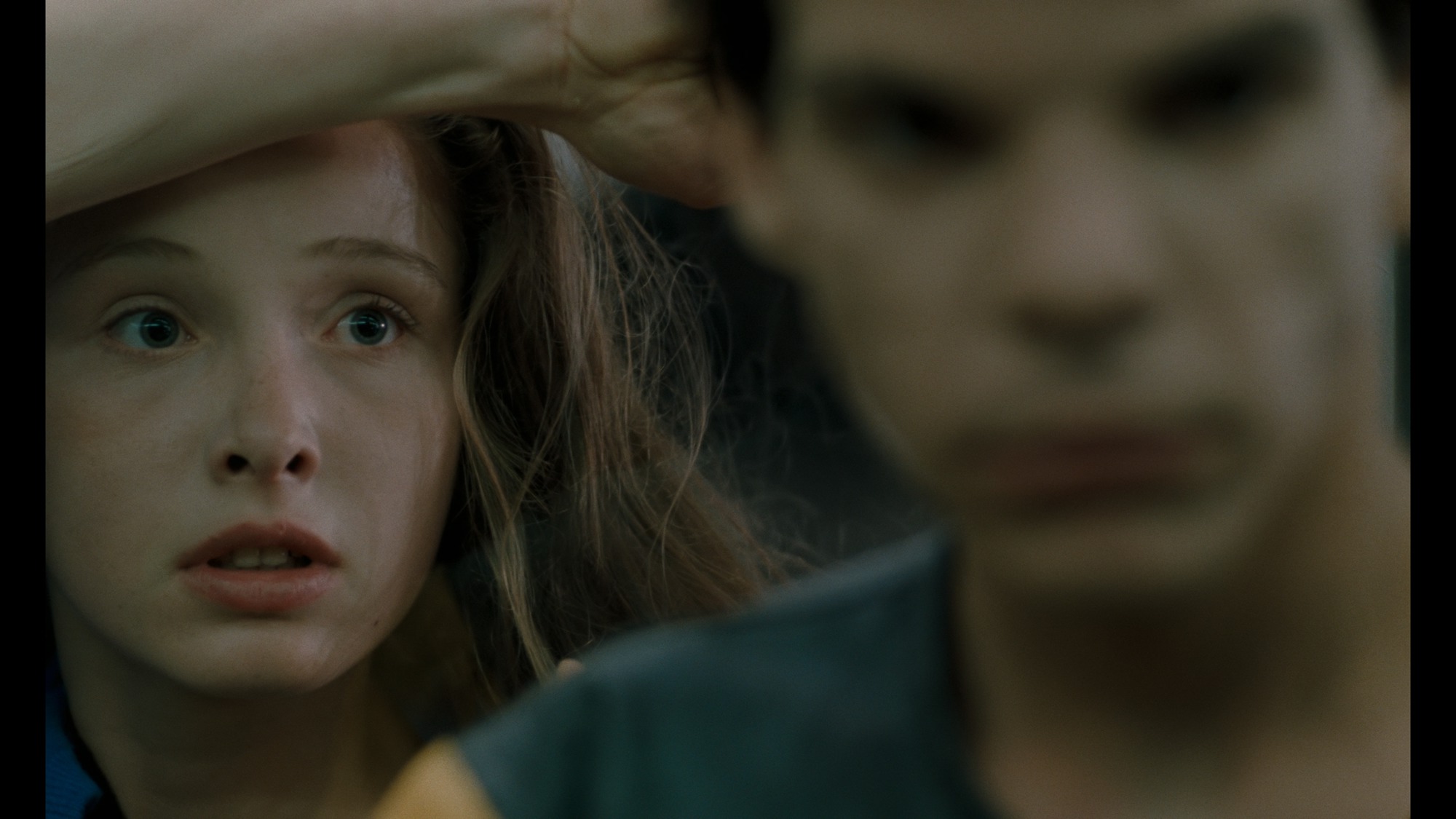
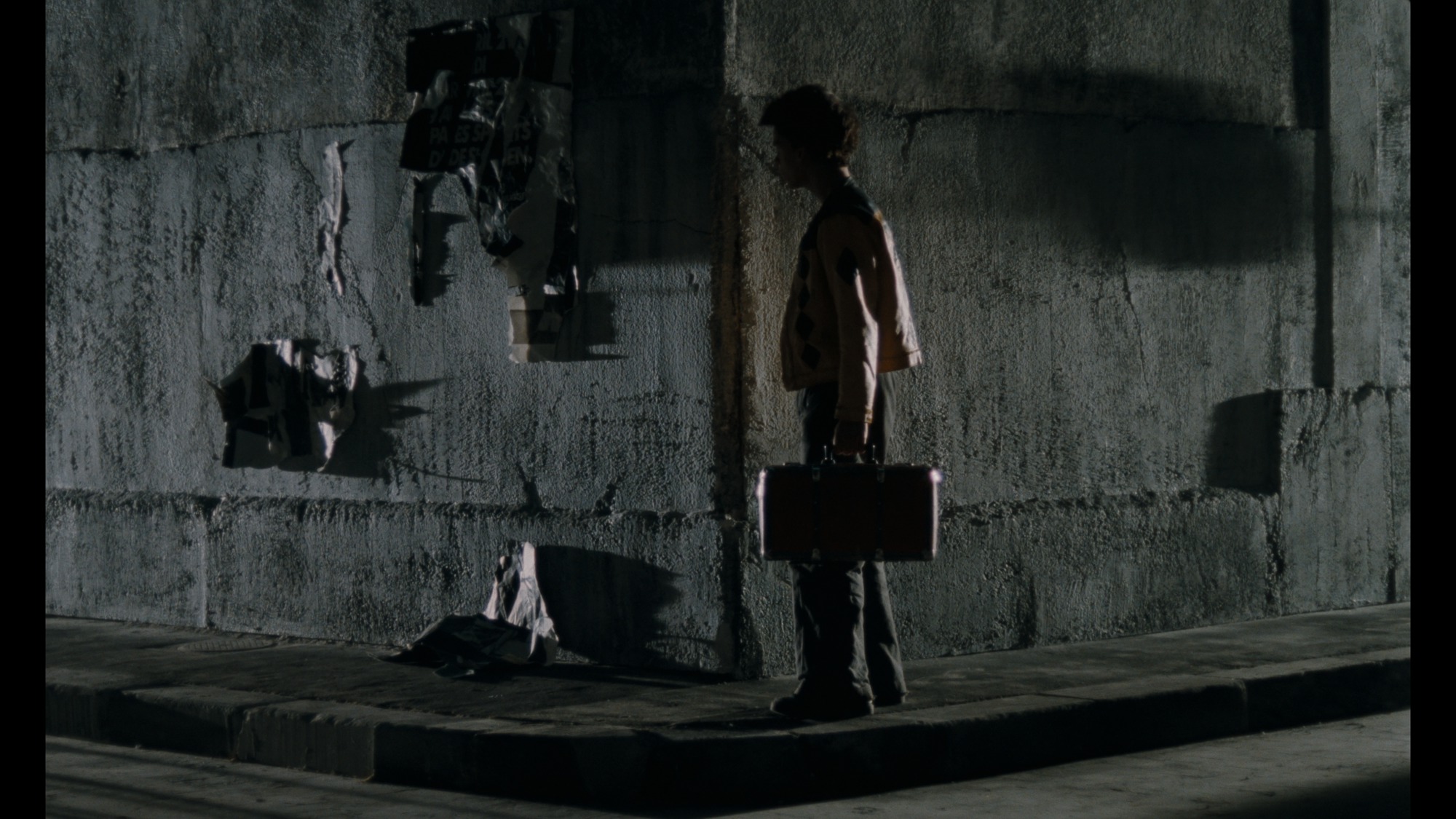
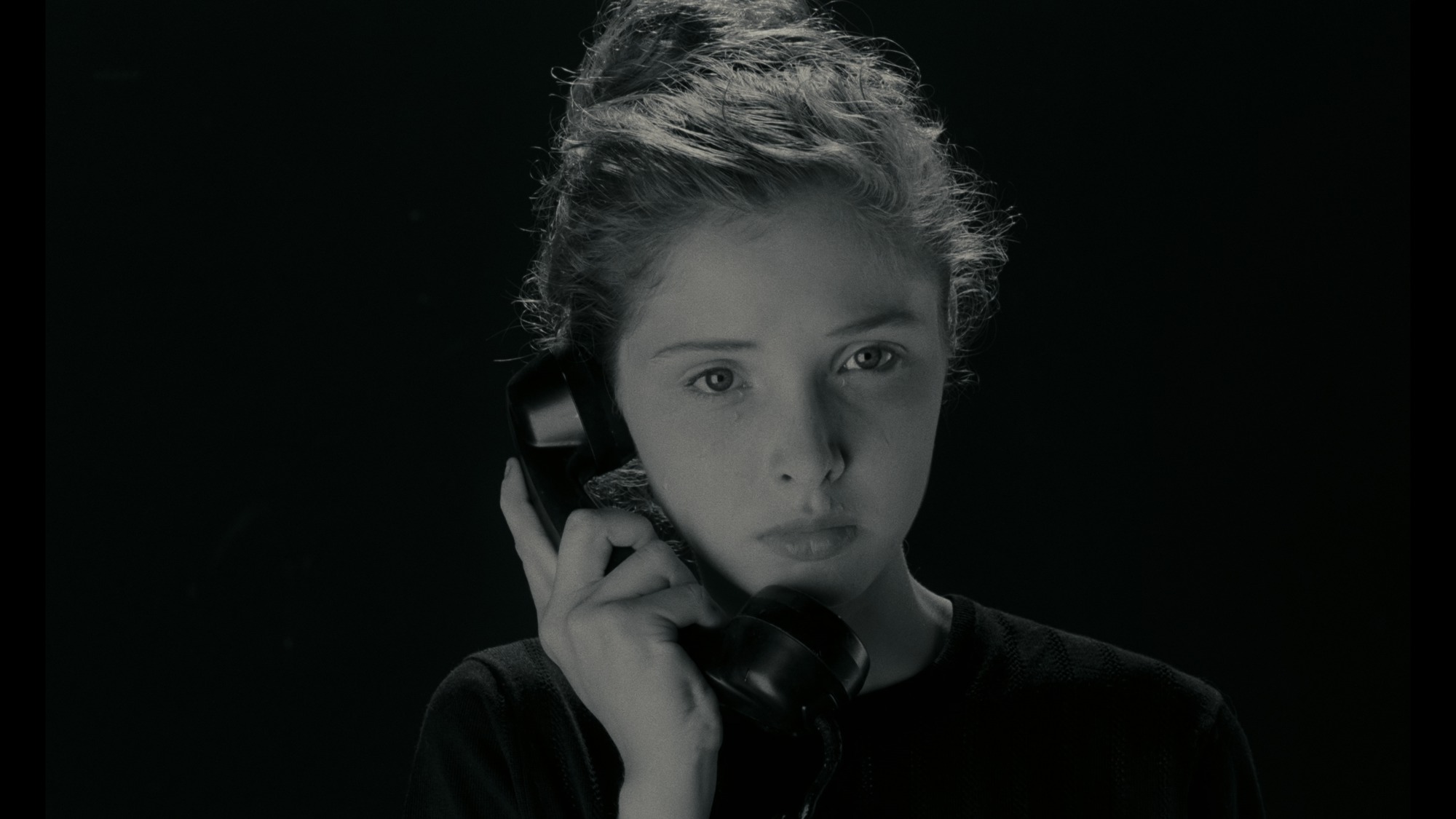
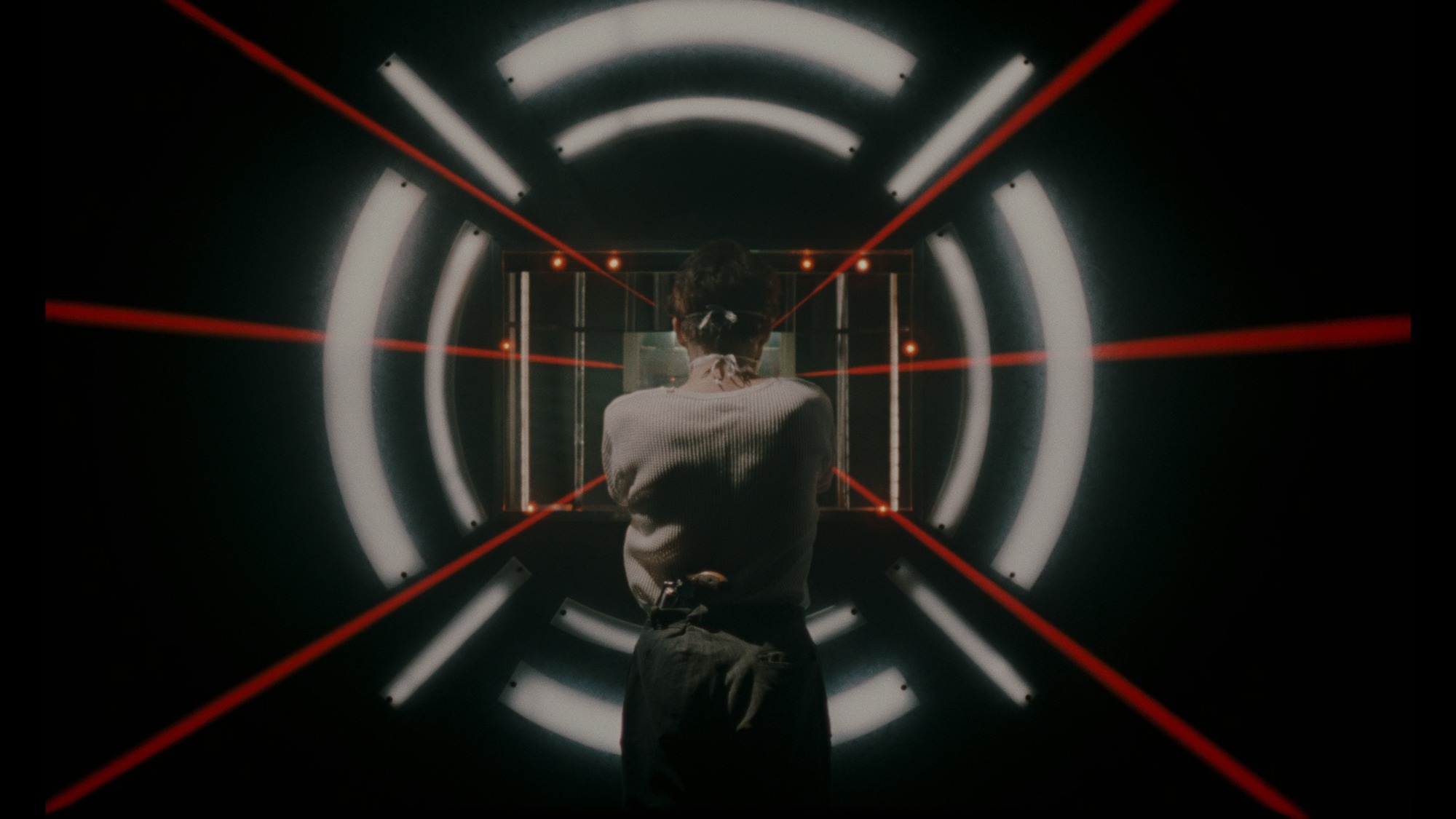
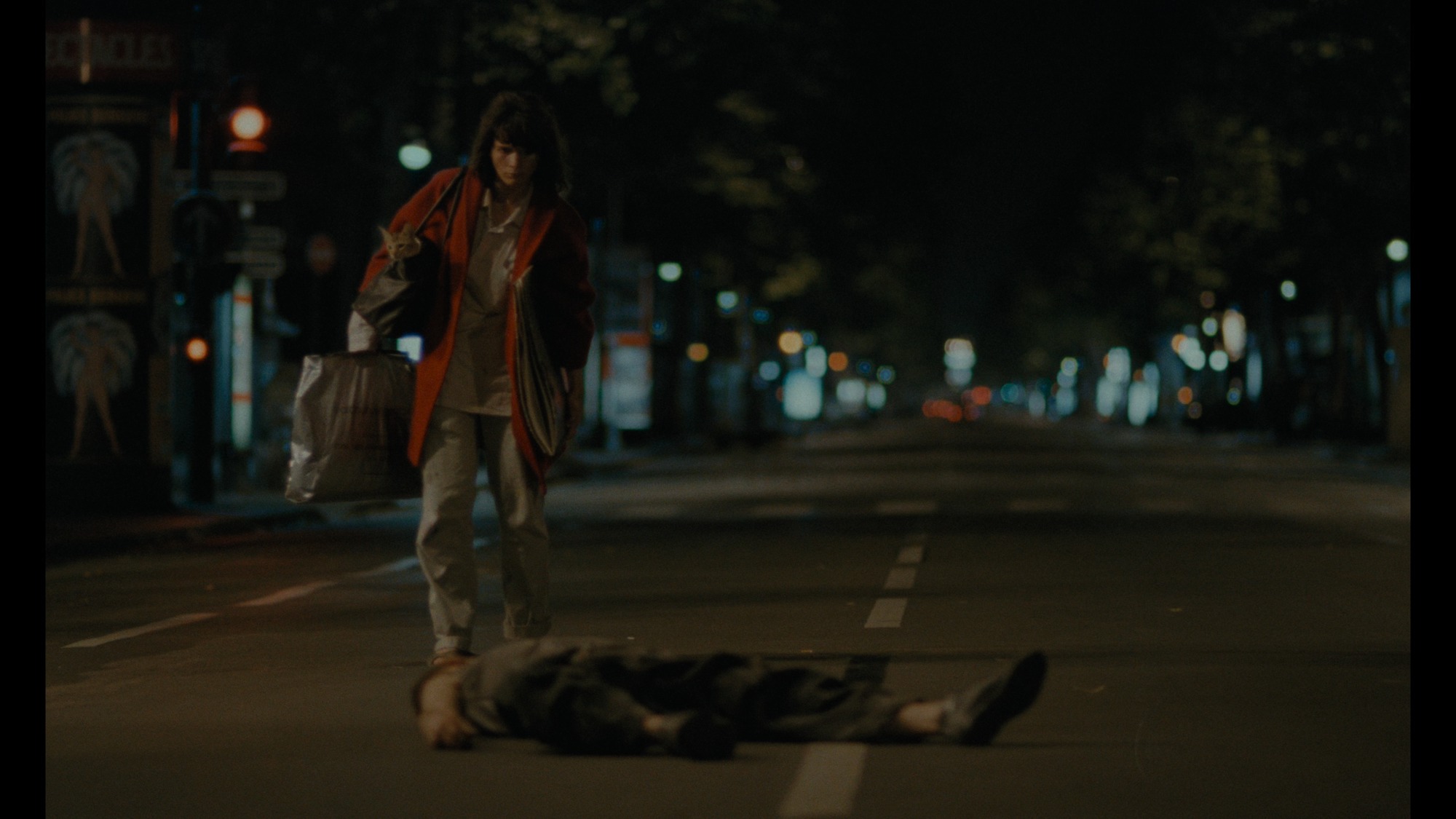
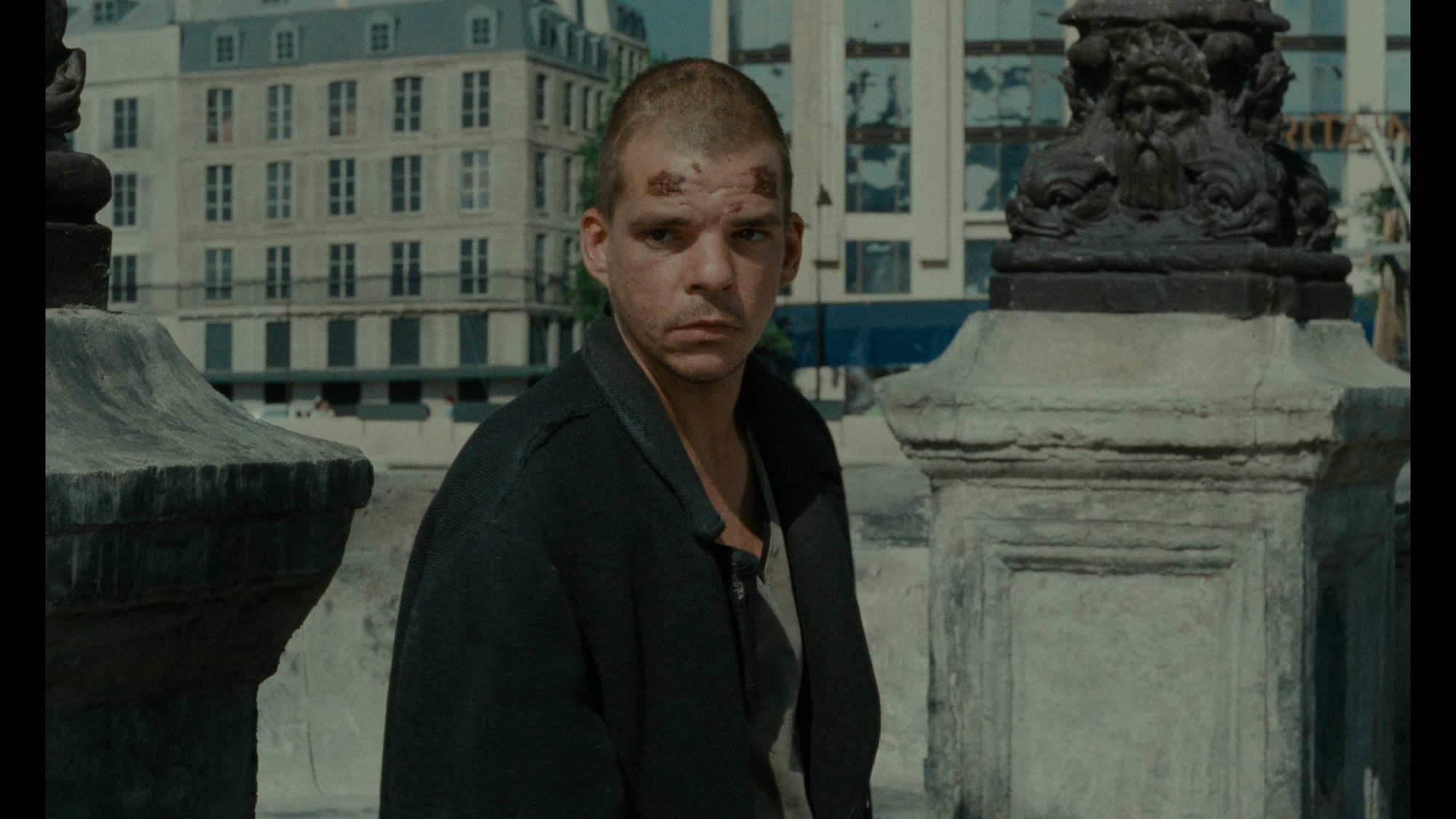
Audio 7/10
Criterion includes a DTS-HD MA 5.1 surround soundtrack for The Lovers on the Bridge, while the other two films come with lossless single-channel PCM monaural tracks. Despite working with only one channel, both Boy Meets Girl and Mauvais Sang can be surprisingly dynamic, especially during their needle drops. The standout between the two is Mauvais Sang’s famous scene of Denis Lavant running to David Bowie’s “Modern Love,” which sounds wonderful. Both tracks are crisp and clean, with no obvious filtering, and have a good level of range overall.
The Lovers on the Bridge has the richer soundtrack, benefiting from a surround mix that sends music and effects through the speakers to good effect. The fireworks sequence is probably the standout, with explosions sounding from all around and the music enveloping the viewer.
All together, these are very clean and effective presentations.
Boy Meets Girl: 7/10 Mauvais Sang: 7/10 The Lovers on the Bridge: 8/10
Extras 8/10
Though there is some good material here the supplements can come off a bit underwhelming considering the films, but it does, at the very least, work as a helpful introduction to the director.
All supplements are found on the included standard Blu-rays, with the Blu-ray for Boy Meets Girl starting with Carax’s 2024 experimental essay film, It’s Not Me. Created for an art exhibit that never happened, the 40-minute short, somewhat in the vein of Godard’s Histoire(s) du cinéma, is ultimately a semi-reflection on his work and the films that influenced him (with plenty of clips from those films), while also reflecting on the current state of affairs in the world. I won’t pretend I got all of it, but it’s a very energetic, playful piece that even has a post-credit sequence that I’d say is worth it on its own. It’s been playing on the Criterion Channel, so you can catch it there, but it’s great to have it on a physical release.
Also pulled from the Channel is a 9-minute interview with Carax, filmed for their Meet the Filmmaker series. It was done in conjunction with the release of It’s Not Me (with Carax offering more background around it here), but it also features the director quickly recalling how he was drawn to filmmaking, bypassing school and simply watching films before finally making Boy Meets Girl. He then talks about some of his other work up to this point, including Holy Motors. It’s sadly too short, but I enjoyed it, and I appreciated how Carax was more than willing to talk about his work.
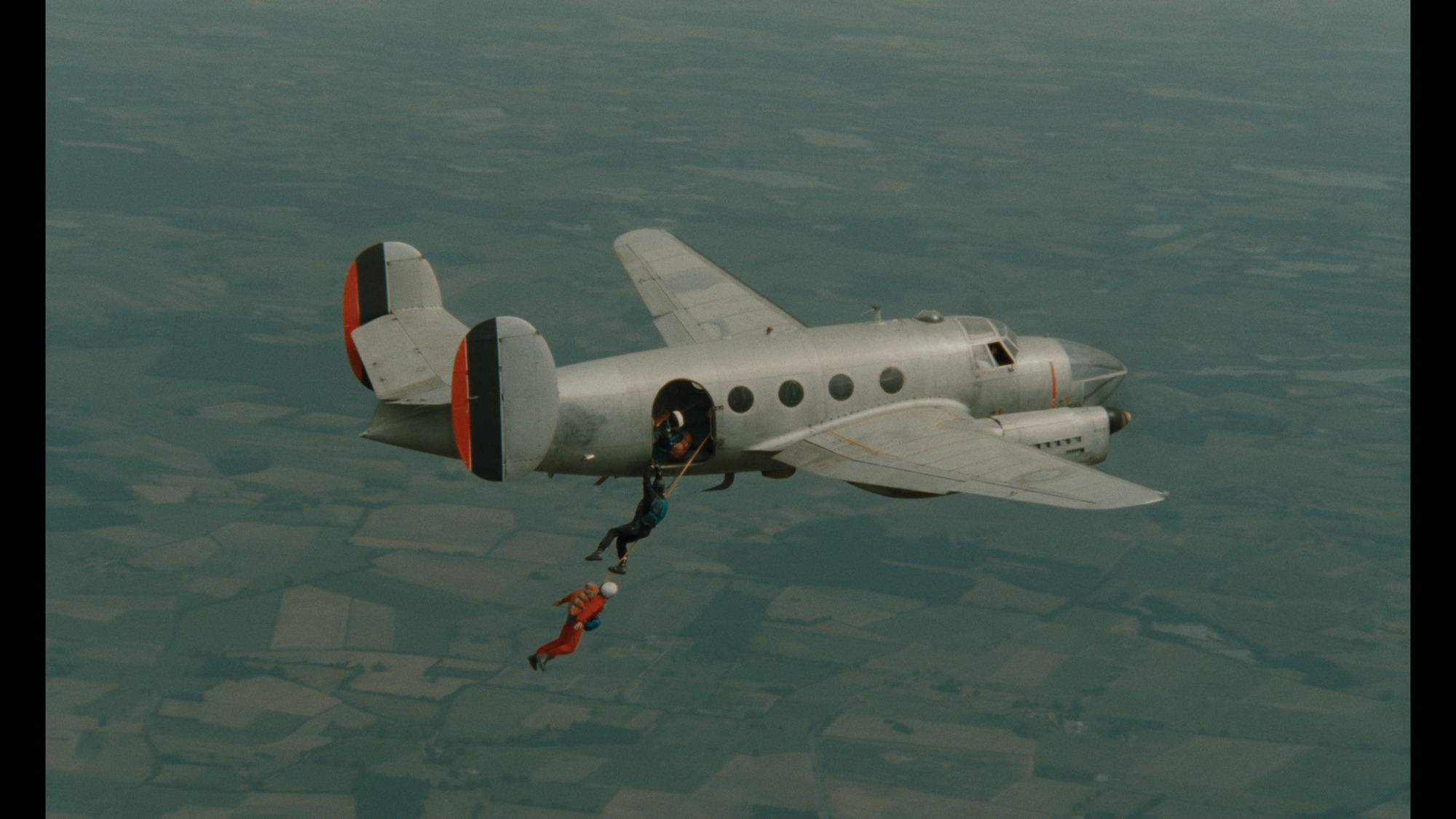
Following that, Criterion has wonderfully also recorded a new 26-minute interview with actor Denis Lavant, who sits down to talk about his broader work with Carax. Not all that surprisingly, it sounds as though he was initially hesitant to do his first film with the filmmaker, possibly because he was more fond of theater, but he recounts what ultimately drew him to the film (mentioning its literary aspects) before talking about the other films in this set, along with Holy Motors. He also recalls a handful of moments, including the skydiving sequence in Mauvais Sang, before discussing his performative style (born out of an interest in the circus) and how that has come into play throughout his work. It’s a really terrific piece, and I’m very happy they got the actor to sit down for this release.
The disc then closes with 17 minutes' worth of behind-the-scenes footage, showcasing Carax’s directing style, along with Lavant’s screen test, where he talks with Carax (off screen) about the character and the film while wearing headphones and listening to David Bowie’s “When I Live My Dream” on repeat.
The Blu-ray for Mauvais Sang then starts with a with a new 19-minute interview featuring editor Nelly Quettier. After giving a brief background, she talks about how she first came to work with Carax, replacing the editor on Boy Meets Girl, before getting into their collaborations, with a particular focus on Mauvais Sang. She discusses the material, how cinematographer Jean-Yves Escoffier shot it, and, of course, how she (and Carax) assembled it all. She touches briefly on The Lovers on the Bridge, mentioning its lengthy production and how she had to quickly edit rushes to show potential financiers. She also expresses how much she loves working with Carax and brings up a frustration she had while working with another director, which led her to vent to Carax by email. She shares his response here, in which he explains why she was such a good editor for his films. It’s an affectionate reflection on their work together, with some good detail around a few scenes. It's the strongest inclusion here.
Criterion then includes the 2014, 70-minute documentary on Carax, Mr. X: A Vision of Leos Carax. Featuring interviews with collaborators, critics, and scholars, it’s a more conventional look at the filmmaker’s work than the quasi-autobiographical It’s Not Me found on the previous disc, and definitely nowhere near as fun. After a brief introduction, it makes its way through his films, sometimes rather quickly (I felt Pola X was skimmed over), throwing in clips and providing those aforementioned interviews. It’s fine, and I enjoyed some of the interviews, with Denis Lavant and Kylie Minogue being standouts and Richard Brody sharing some decent insights into Carax’s work. Yet I think I ultimately expected a bit more than a fairly generic career retrospective.
The disc closes with a 5-minute deleted scene featuring Denis Lavant and Michel Piccoli, followed by 20 minutes of archival footage, both from standard definition sources. The latter appears to consist of behind-the-scenes footage, outtakes, and possibly alternate scenes. Most of it doesn’t have audio, though sound will occasionally pop in, including mid-sequence. The best portions are probably those around the skydiving sequence, including the hot air balloon used to get one shot.
Then finally, we come to the Blu-ray for The Lovers on the Bridge, which only has a couple of items, starting with probably the set’s standout (or one of them at any rate), a video essay about director of photography, Jean-Yves Escoffier, who comes up in the other features found throughout the set but now gets his own focus here. Playing over related sequences from each film and behind-the-scenes material, narrator Tony Sturno reads from an interview Escoffier participated in for the publication New Cinematographers, where he talks about his work with Carax on the three films in the set. He covers working both black and white and color (saying black and white can be “less messy”) and getting the look he and Carax wanted for each one. This also leads to notes specific to each film, like the skydiving sequence in Mauvais Sang, or the many issues that arose while making The Lovers on the Bridge, especially having to recreate the bridge in a different location (and it sounds like insurance ultimately played a big part in this decision). He also explains what he had hoped to do with the later sequence in the Louvre, where he hoped to be able to light it completely by candle light. And while he was able to rig something up, he ultimately lacked the lenses Stanley Kubrick had for Barry Lyndon, so it didn’t go entirely to plan. Filled with terrific technical details and explanations behind all decisions, it’s one of the set’s stronger features, and an incredibly breezy 31 minutes.
But sadly, that’s it for new material, or academic material for that matter, none of the exclusive features from Kino’s edition finding their way here, meaning nothing all that specific to what may be Carax’s most popular film, outside of a documentary on the film’s infamous bridge set, entitled Le Pont-Neuf des Amants. Featuring a lot of home video footage and interviews, the 54 minute piece gets into why the production had to move off location to a set recreating the bridge, and the many delays that arose due to it (and other problems that popped up). I have to say the end product is impressive and if I didn’t know any better I would have just assumed they shot it on location. But before seeing any footage around it I had assumed forced perspective played a large part in this, and I was shocked to see that there wasn’t as much as I would have assumed. I don’t know how to scale it was, but it’s massive and just seeing the construction and finished product here is something. It was also fun seeing the trickery around much of it, particularly around the stone cobble and the stone work, primarily created from foam. Really interesting and worth viewing if you’re curious about this aspect of the production.
Finally, the disc closes with the new trailer touting the new restoration.
The set then comes with a booklet featuring details around each film followed by an essay covering all three of them, written by Amina Cain, followed by a piece written by Carax for a 1991 issue of Cahiers du cinéma covering The Lovers on the Bridge.
Again, as an introduction to Carax and his work the supplements here do a decent job, and I appreciated the features we do get specific to each film, I just wish there was a little more on that front here.
Closing
The supplements could be a bit better, but the new 4K presentations all look incredible, and for that alone this terrific set comes with a very high recommendation. All three films receive wonderful upgrades over their previous releases.
BUY AT: