Sentimental Value
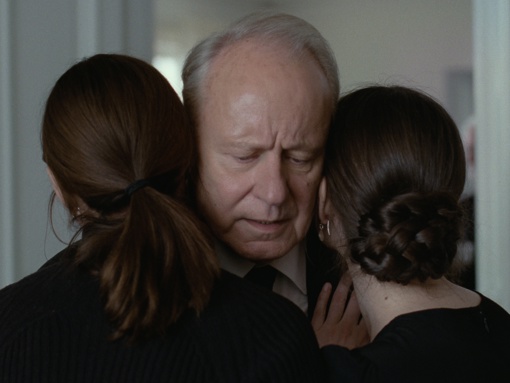
BUY AT:


See more details, packaging, or compare
Synopsis
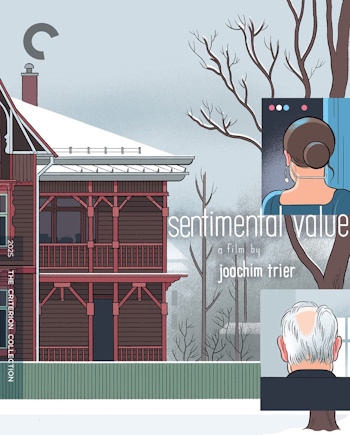
Joachim Trier, one of contemporary cinema’s great humanists, excavates layers of history and memory—both national and personal—for this rich, ineffably moving story of one family’s attempts to come to terms with generations of trauma and healing. After the death of their mother, two sisters must contend with the return home to Norway of their estranged father, celebrated filmmaker Gustav Borg (Stellan Skarsgård). In the case of Nora (Renate Reinsve), an actor, he hopes to reconnect by casting her in his new film—a project that both inflicts fresh wounds and reopens old ones. With a virtuoso ensemble cast that also includes Inga Ibsdotter Lilleaas (in a breakout performance) and Elle Fanning, Trier’s film delicately balances each moment of humor and hurt, conducting a stunning emotional exploration of how the past echoes in the present and art can transform pain into catharsis.
Picture 9/10
Joachim Trier’s award-winning Sentimental Value comes to 4K UHD through The Criterion Collection, presented in its original aspect ratio of 1.85:1 on a triple-layer disc. The 2160p/24hz ultra high-definition master was supplied to Criterion by Neon. The release also includes a standard dual-layer Blu-ray featuring a 1080p presentation of the film alongside all special features.
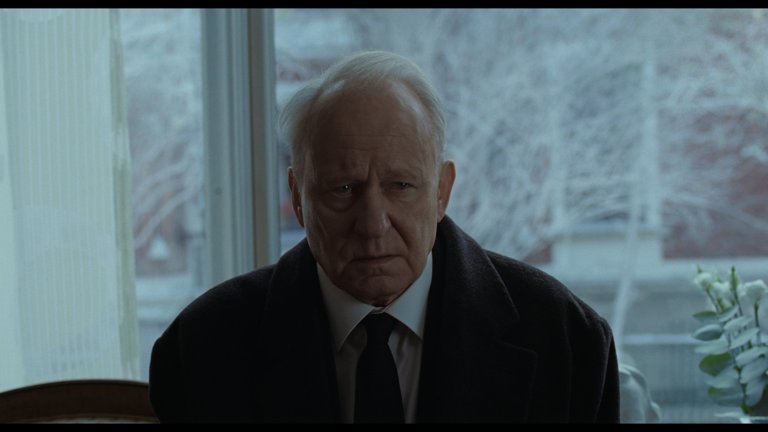
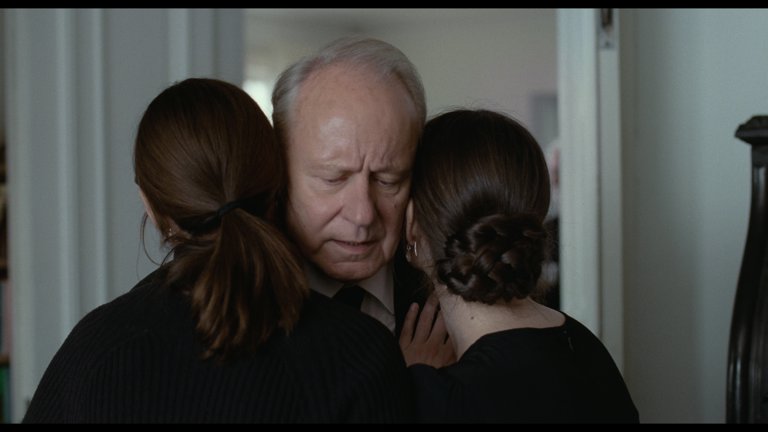
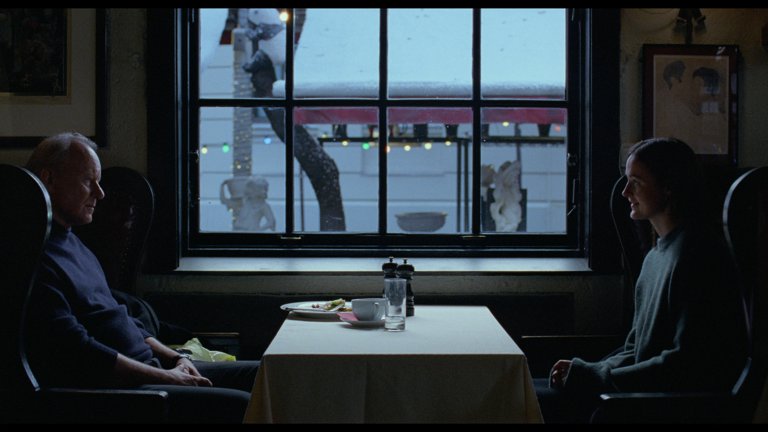
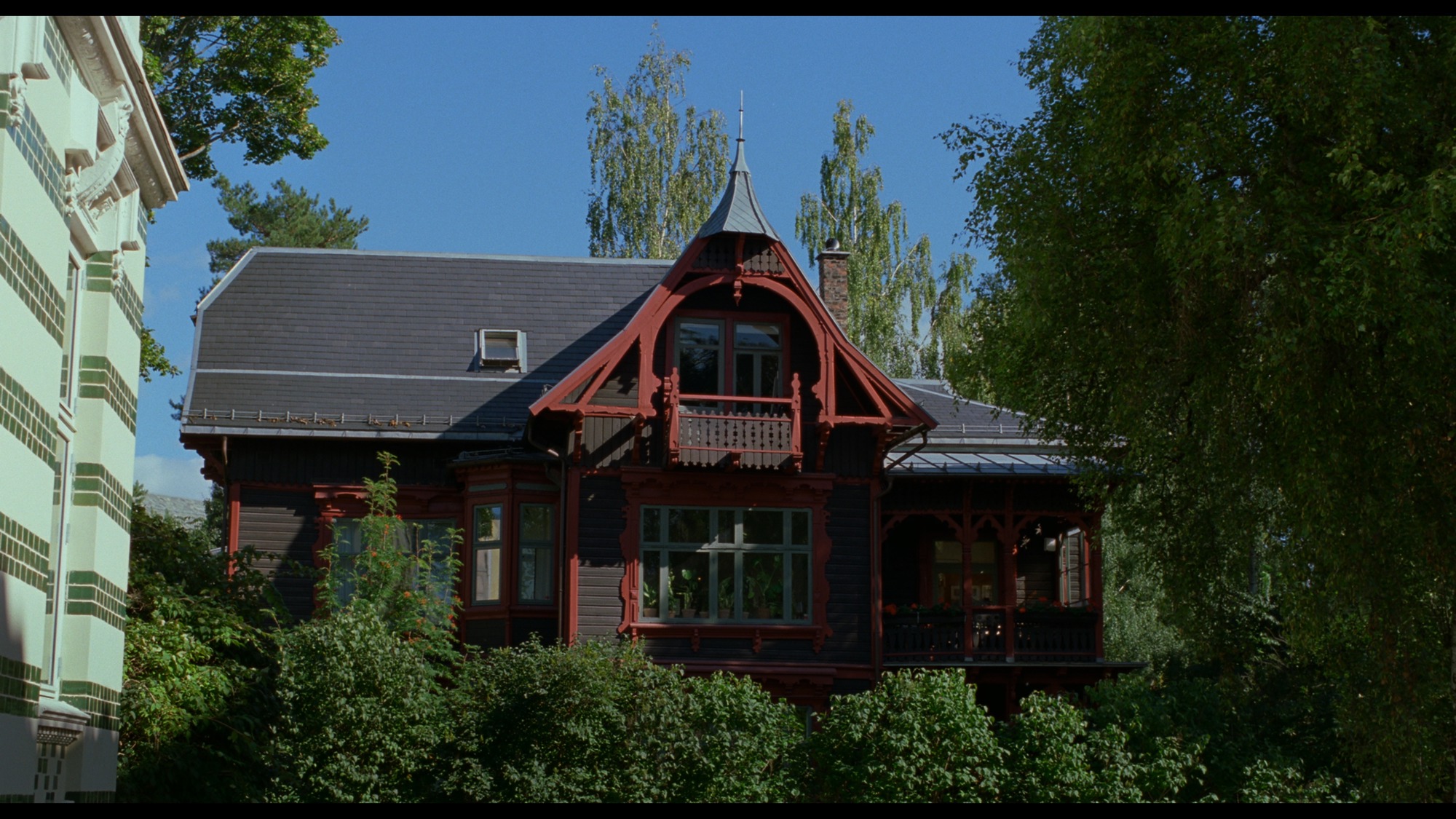
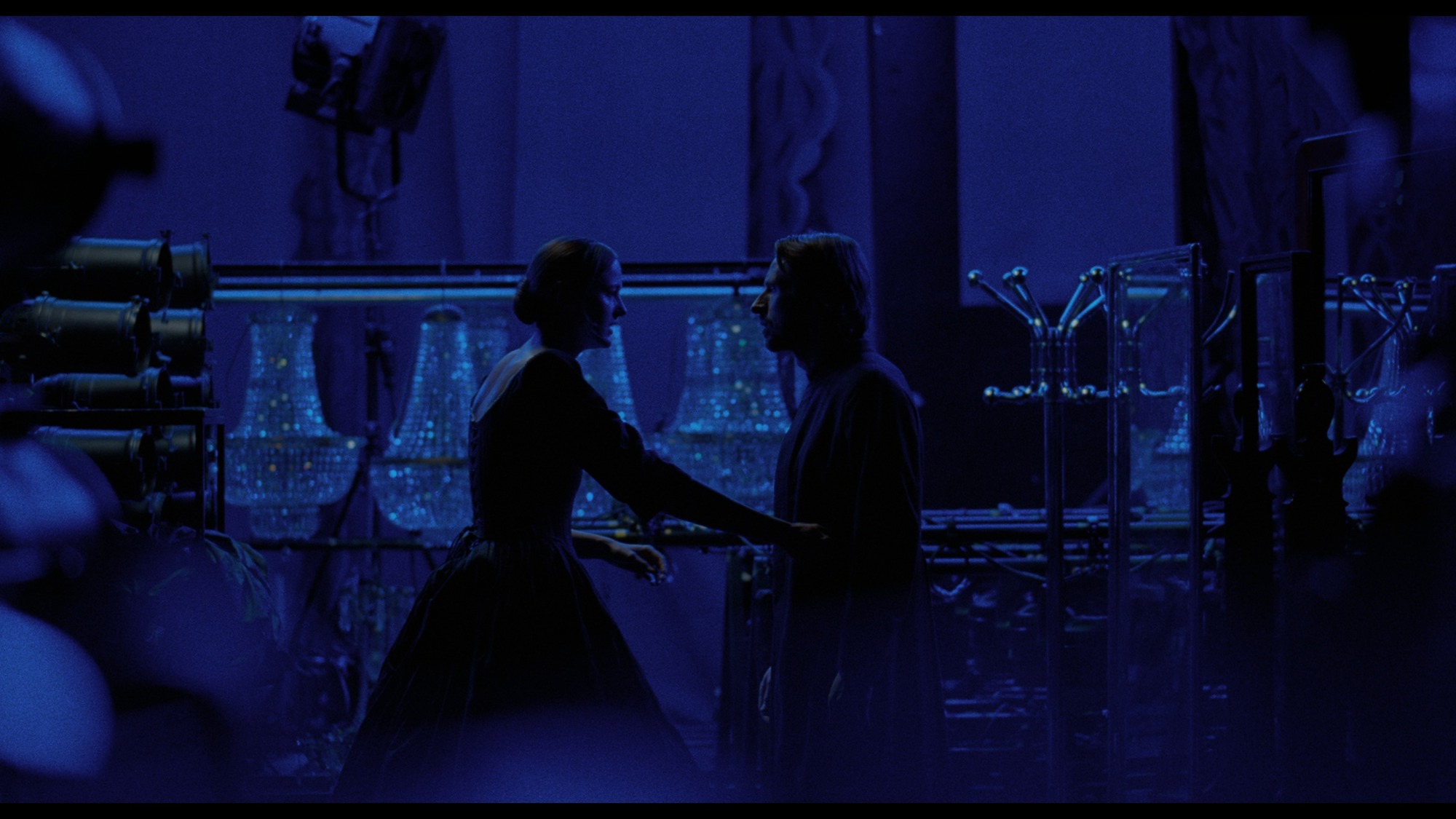
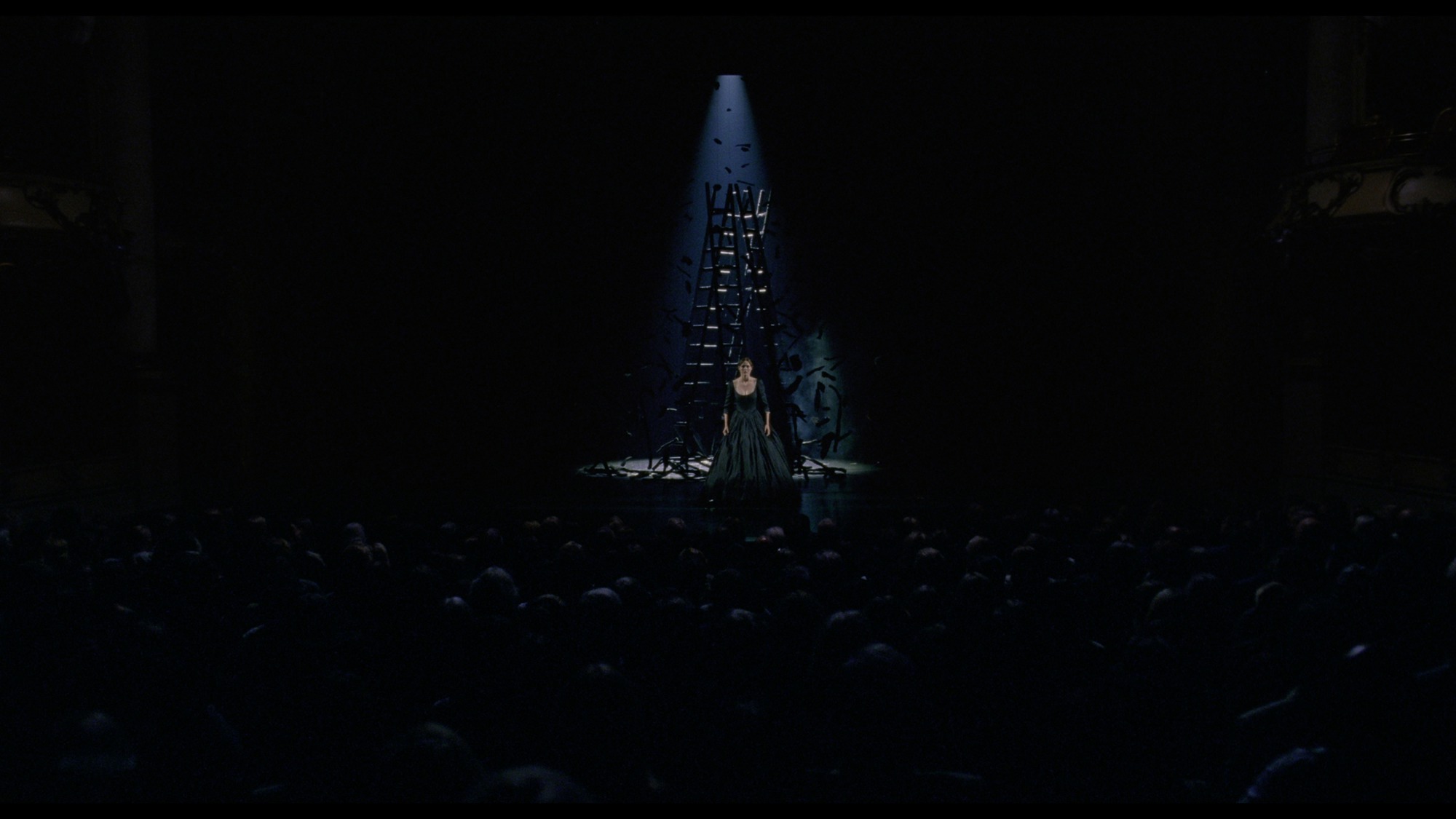
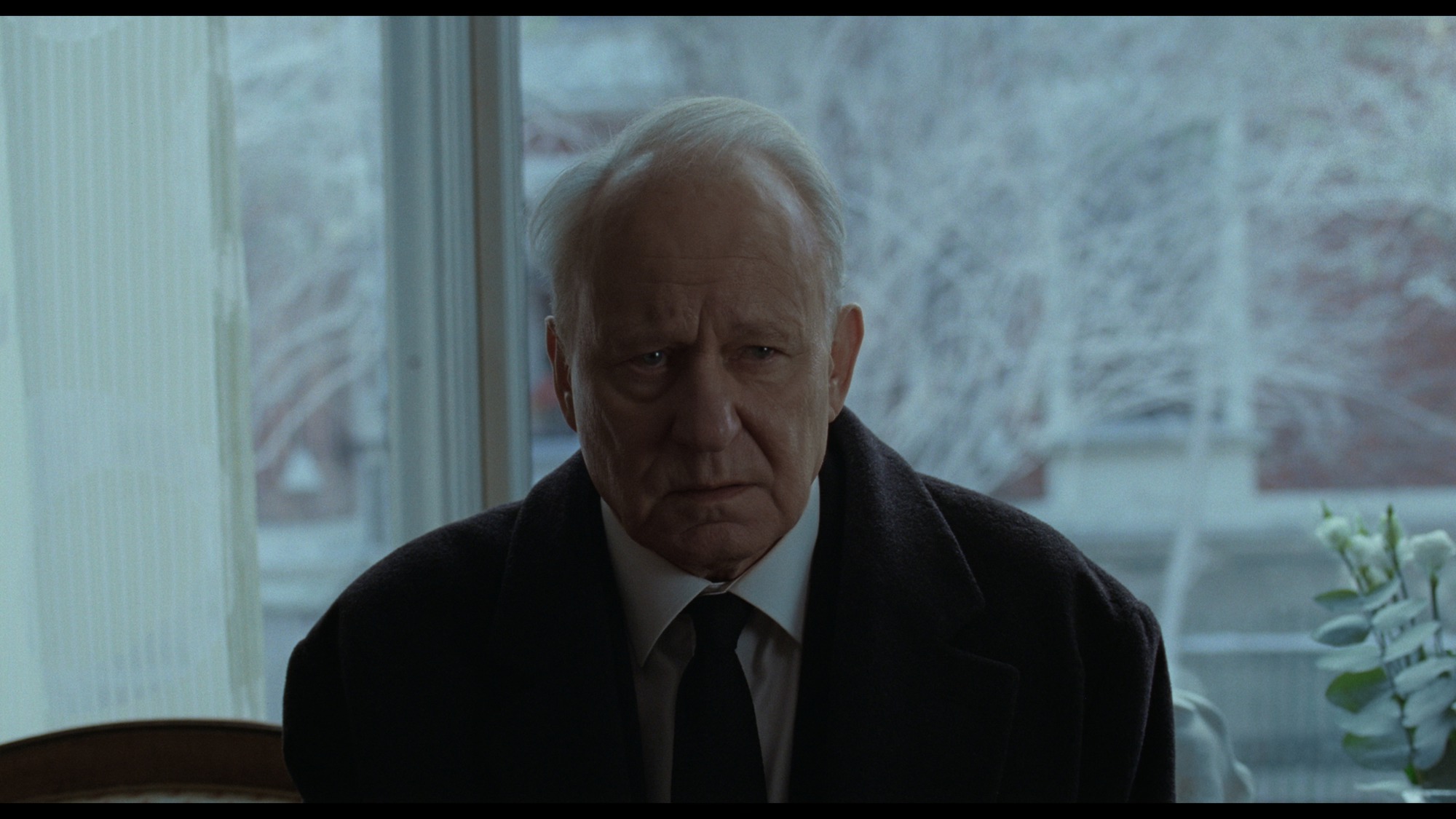
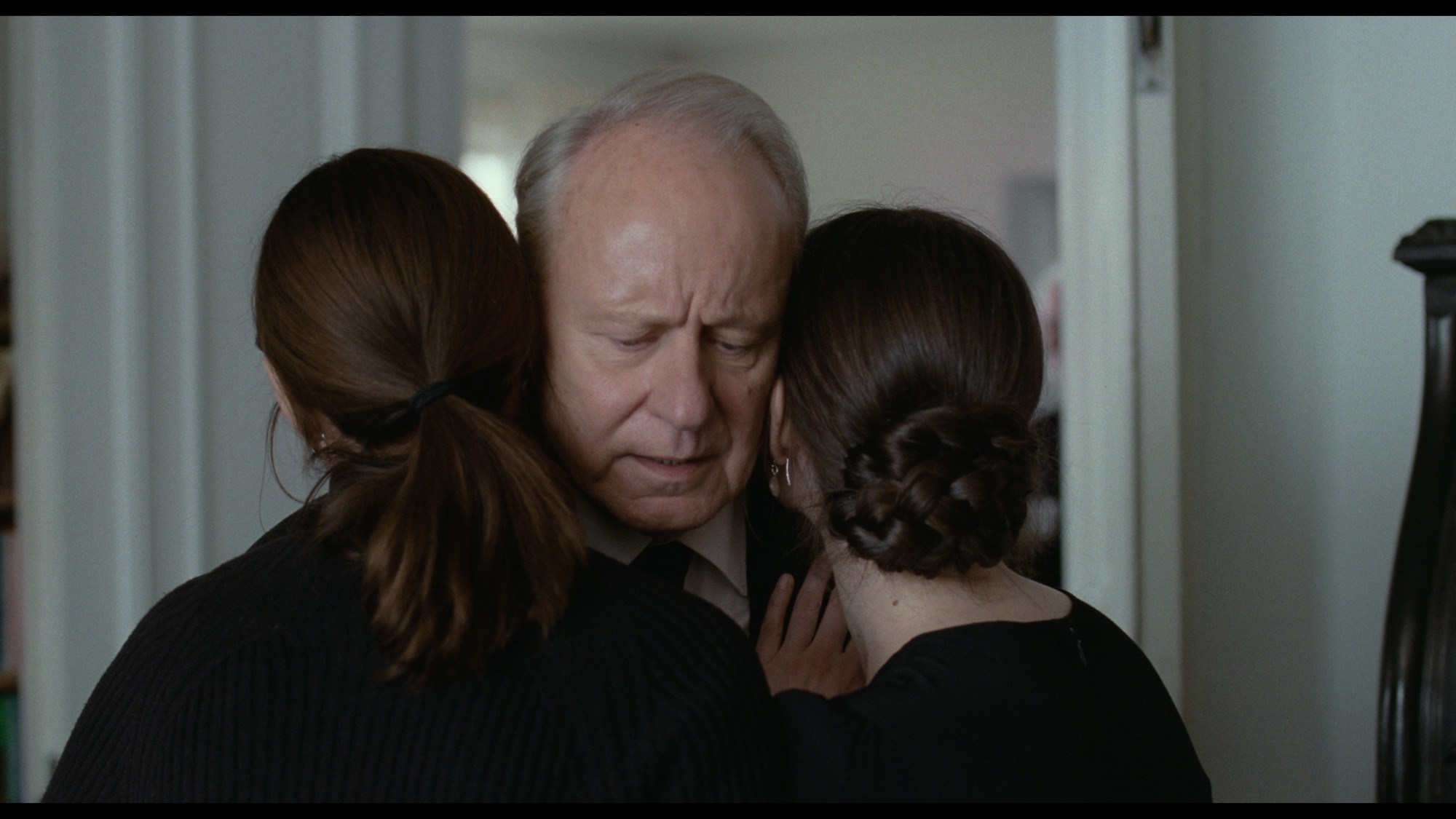
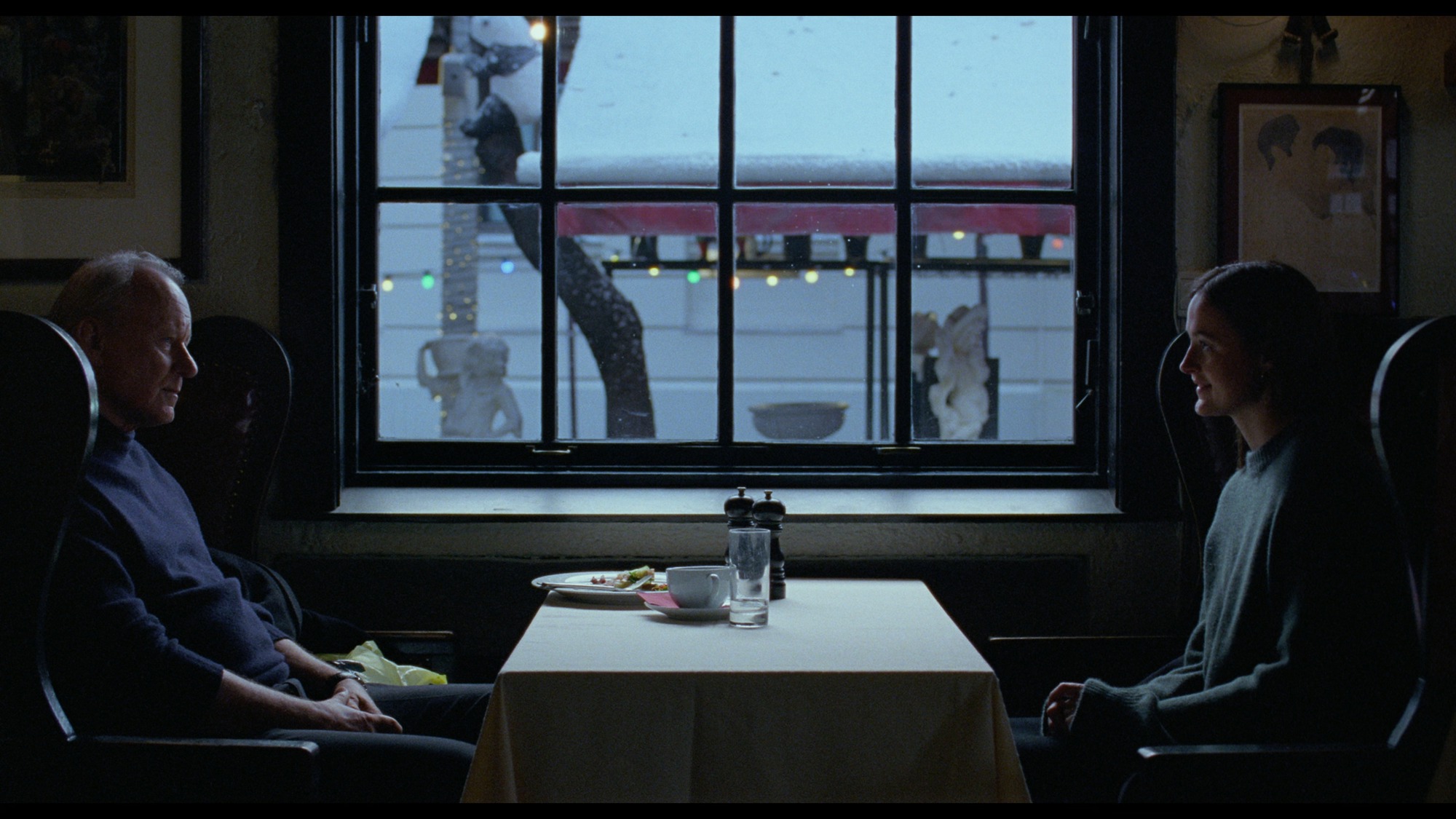
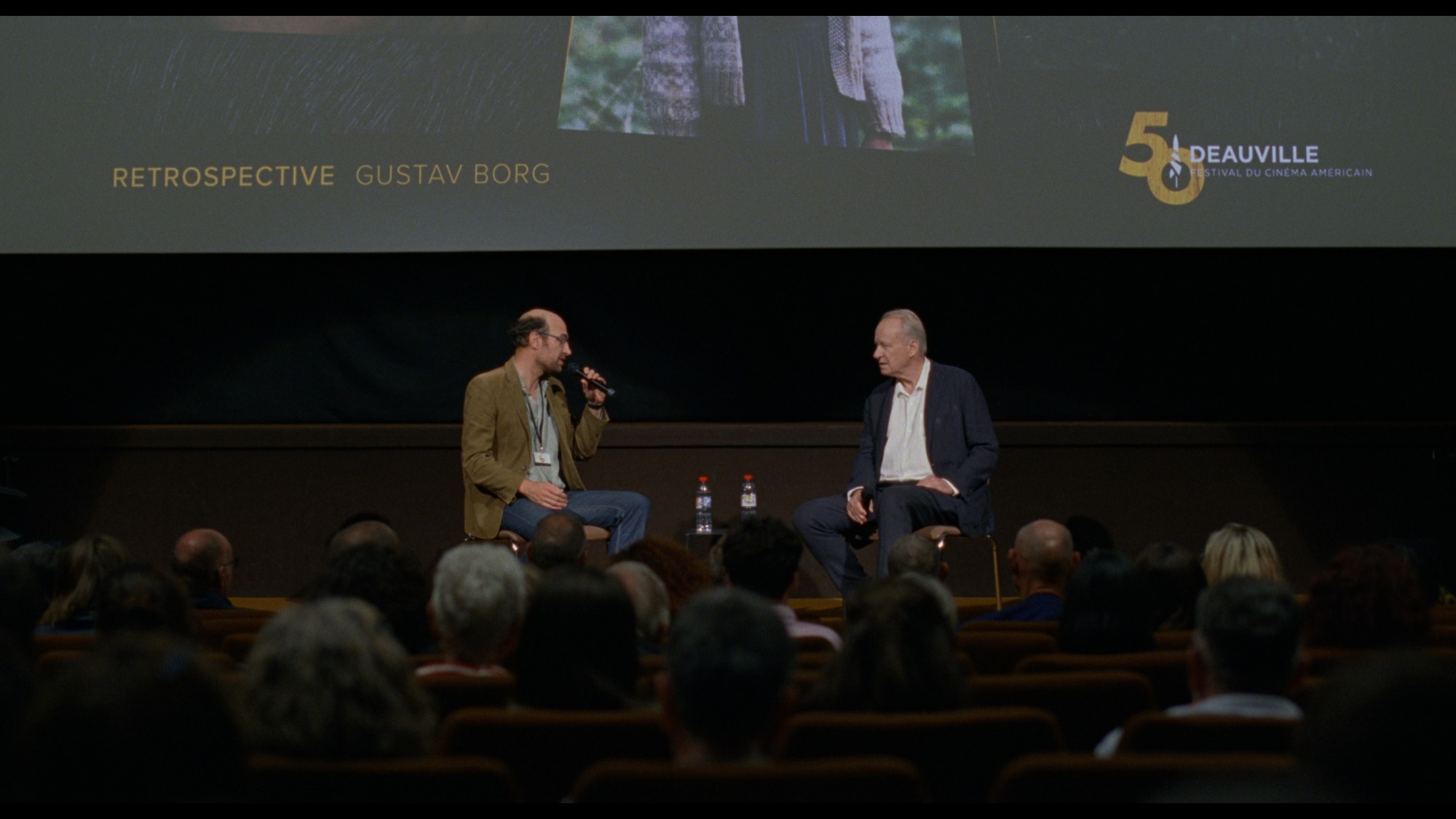
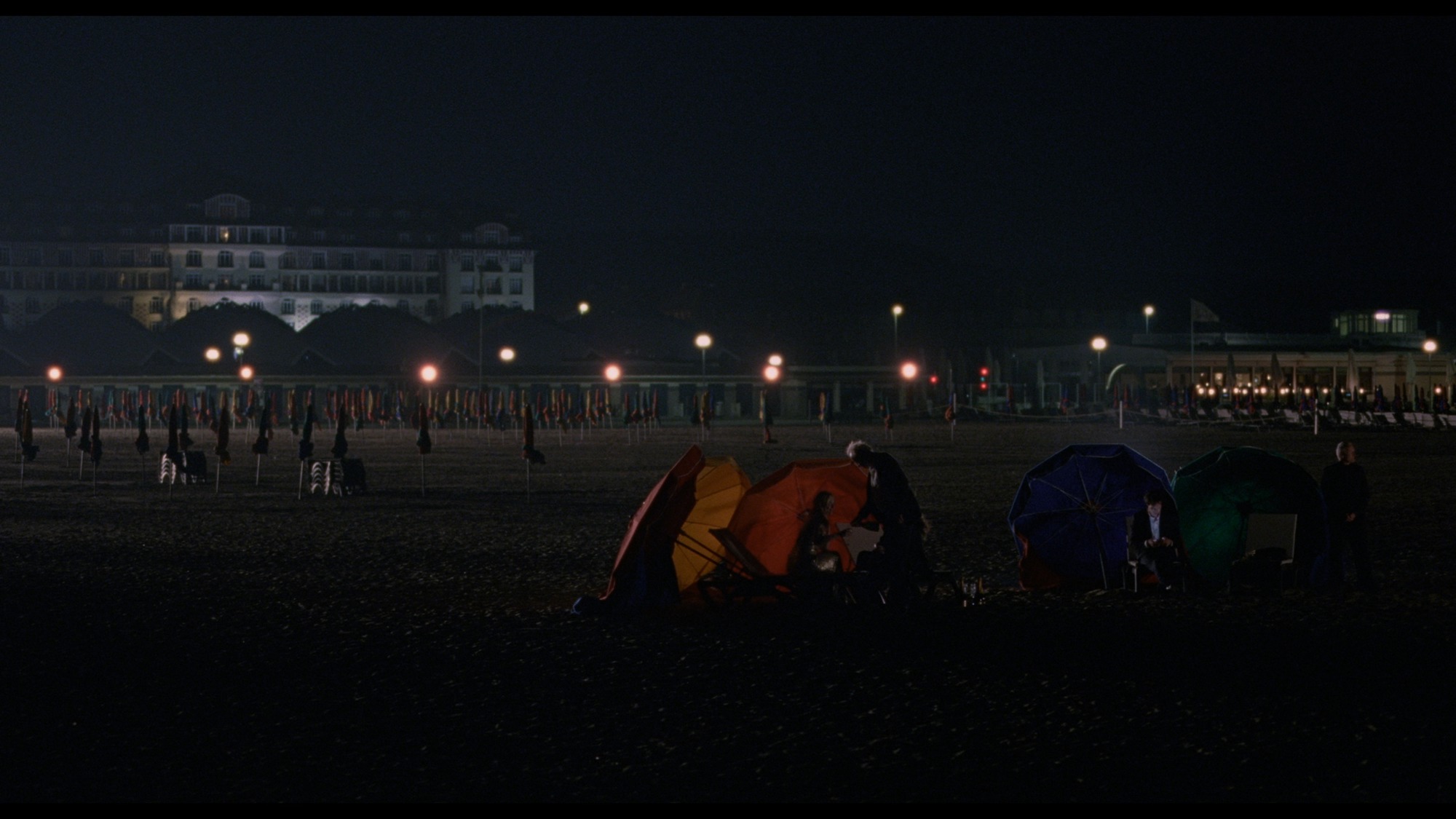
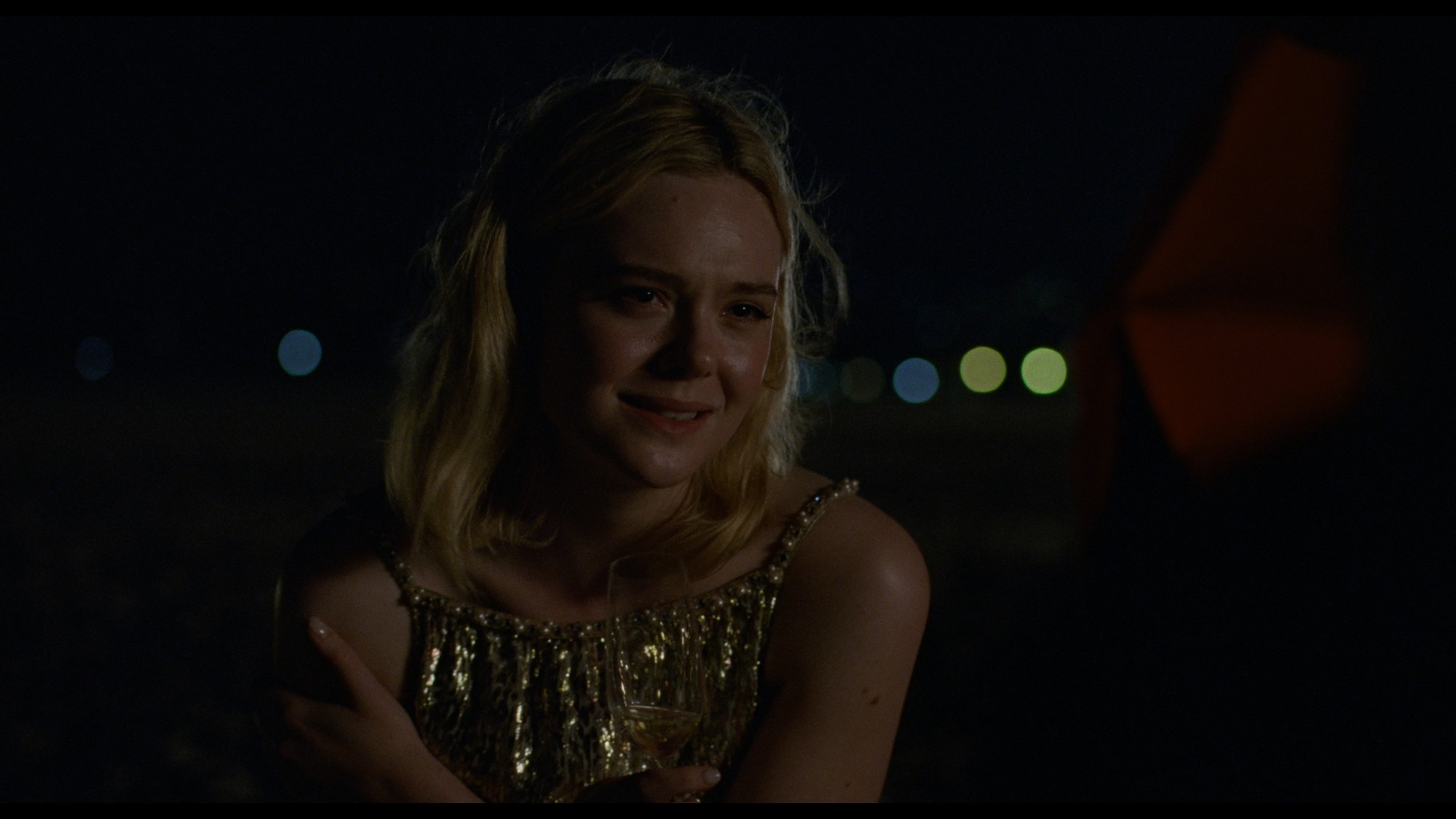
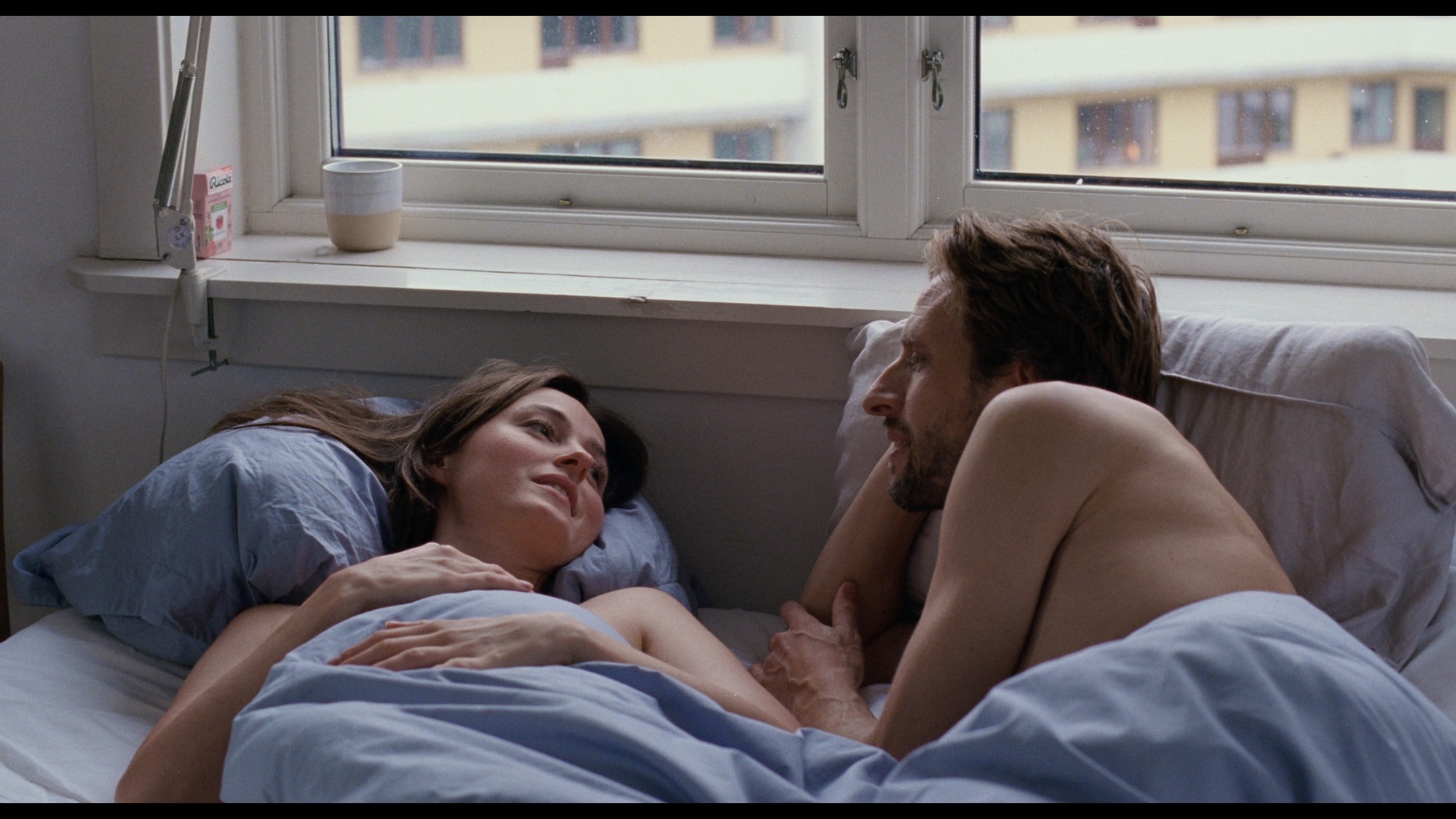
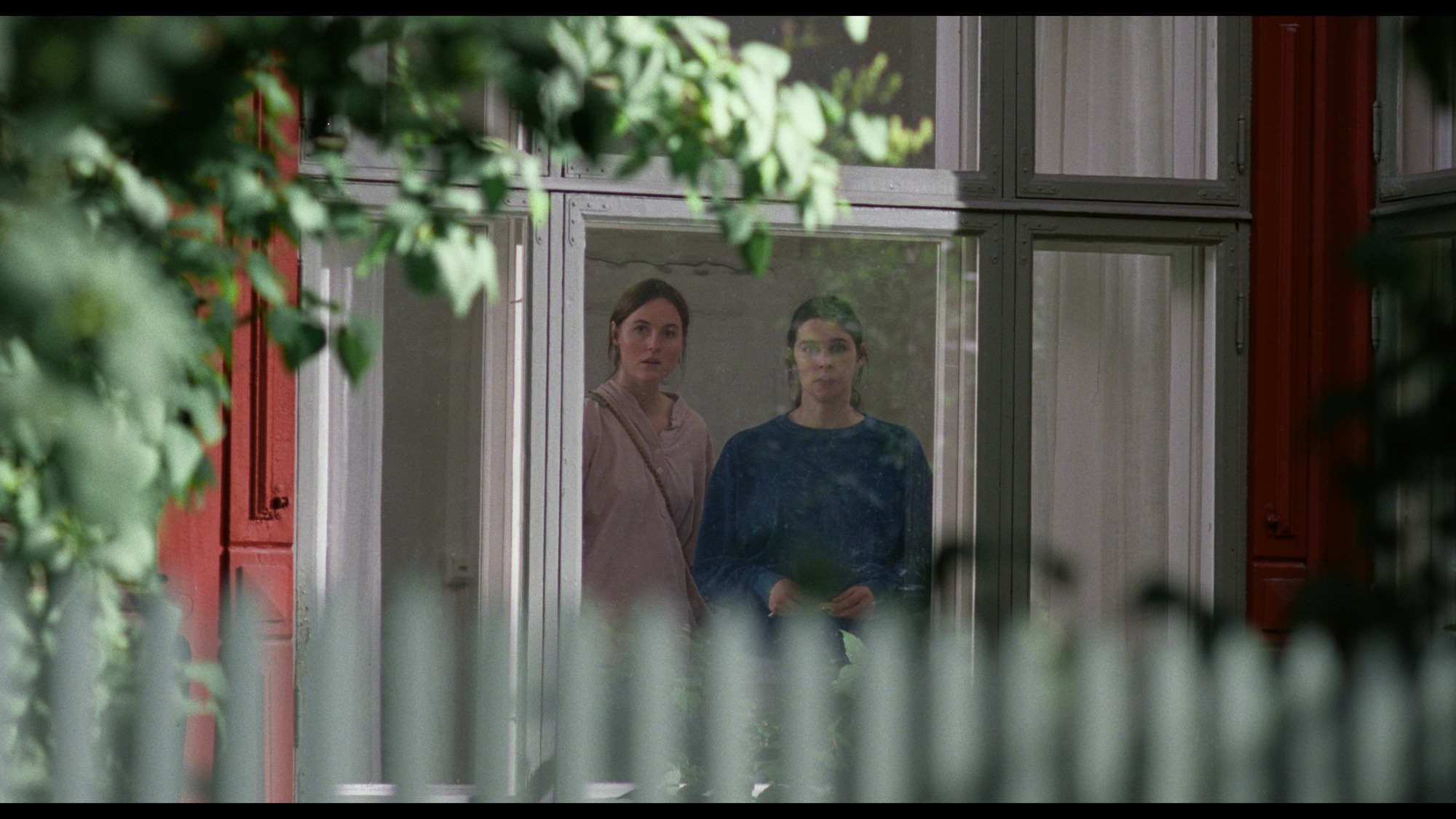
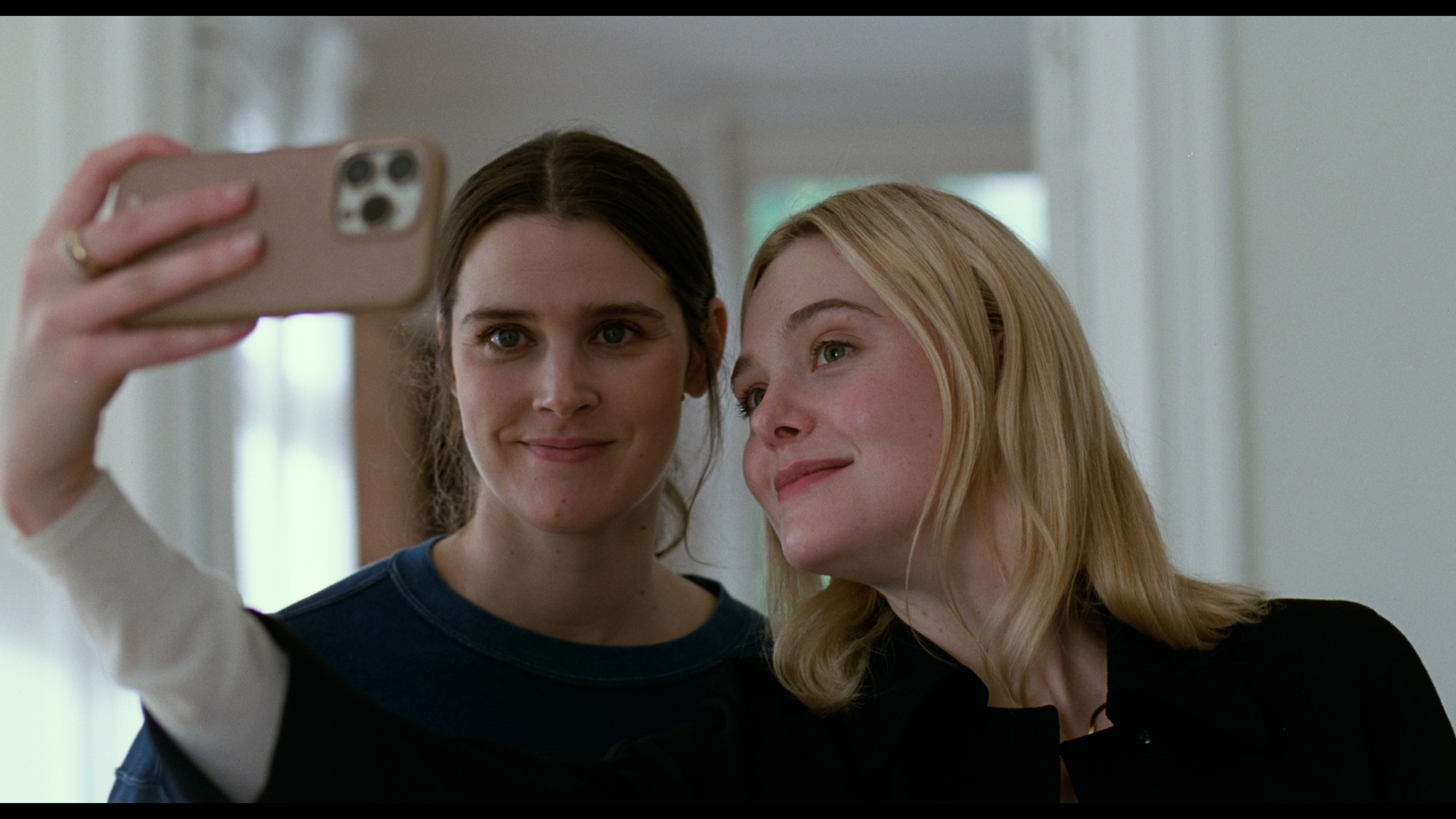
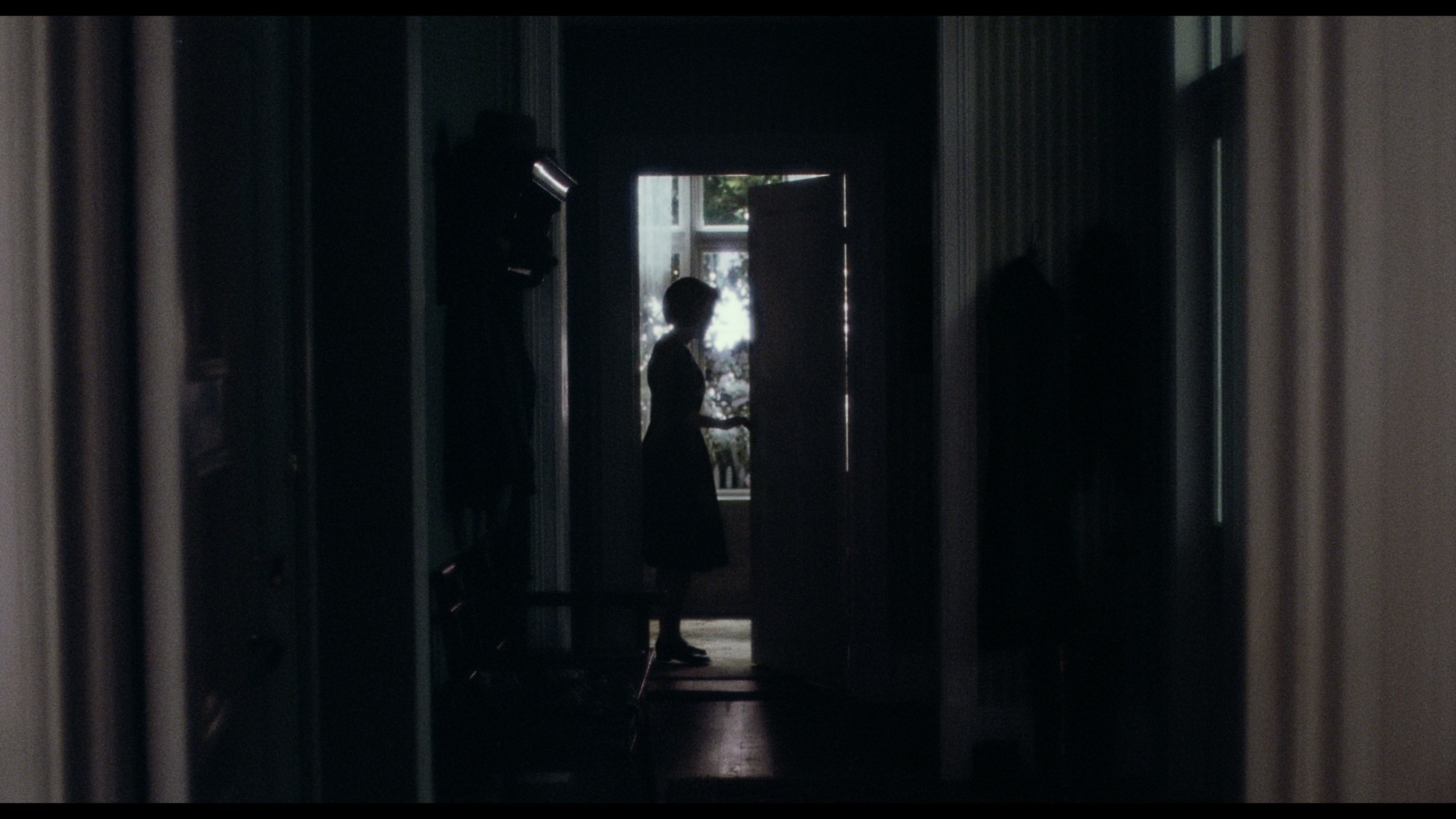
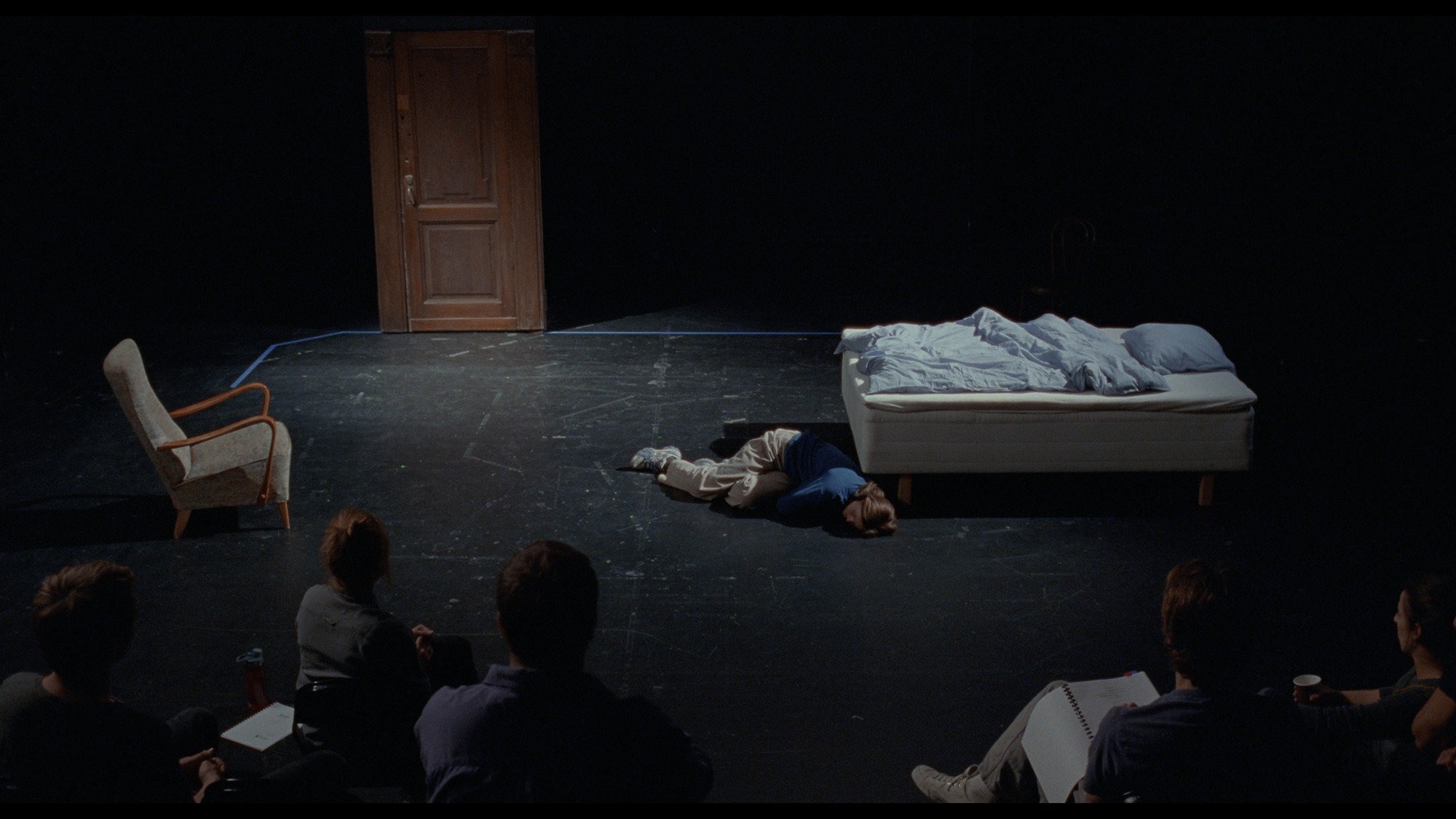
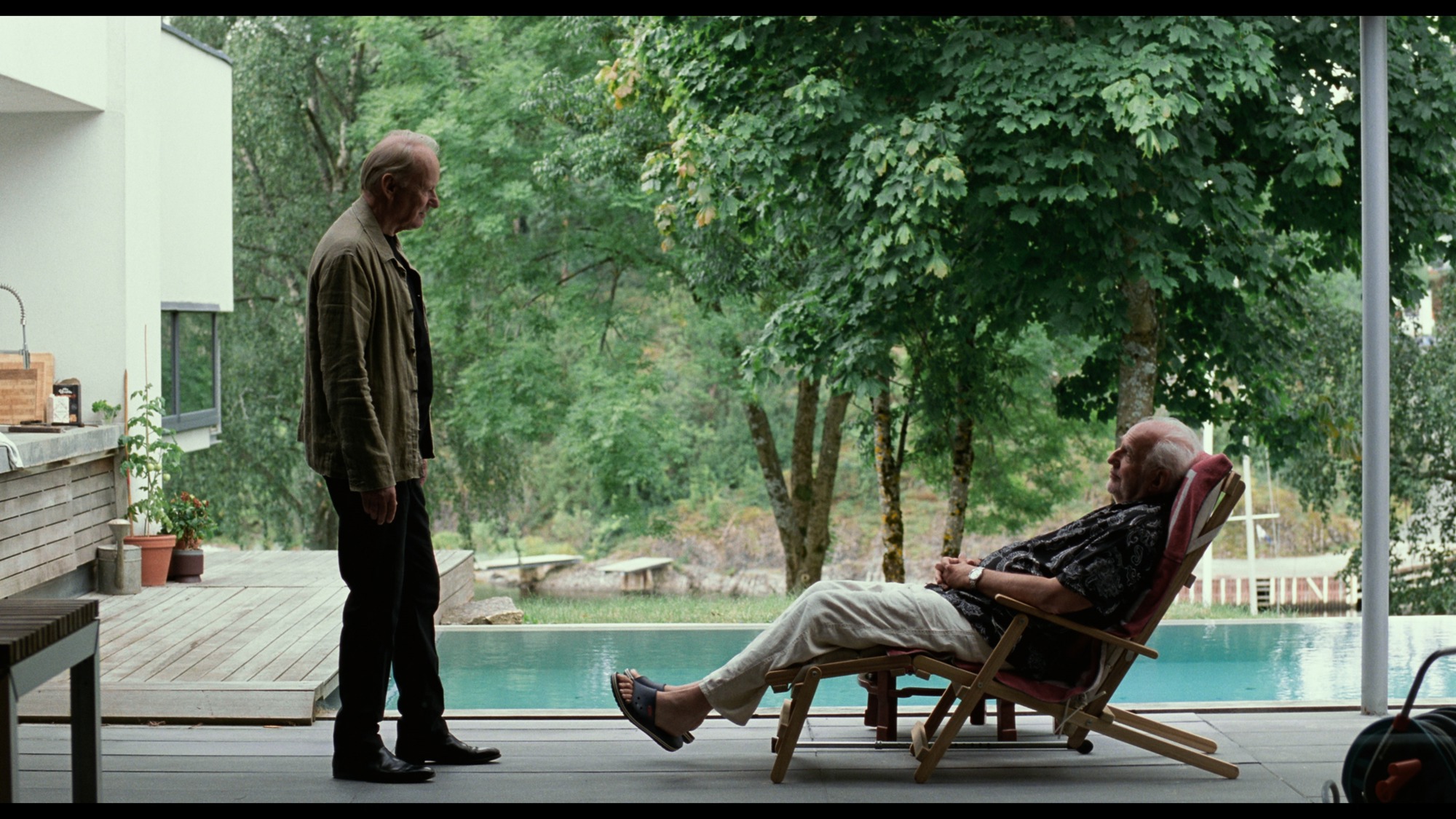
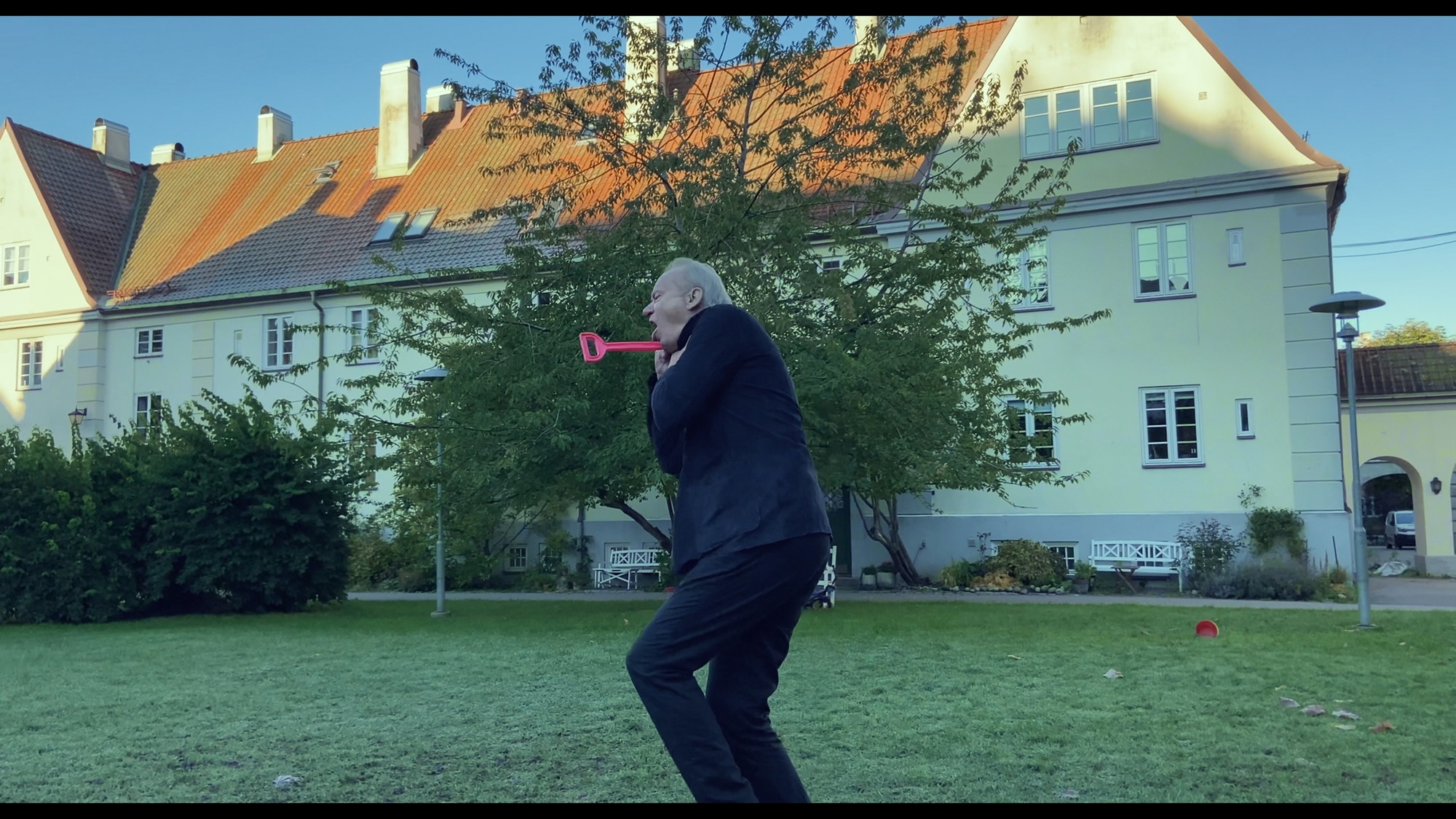
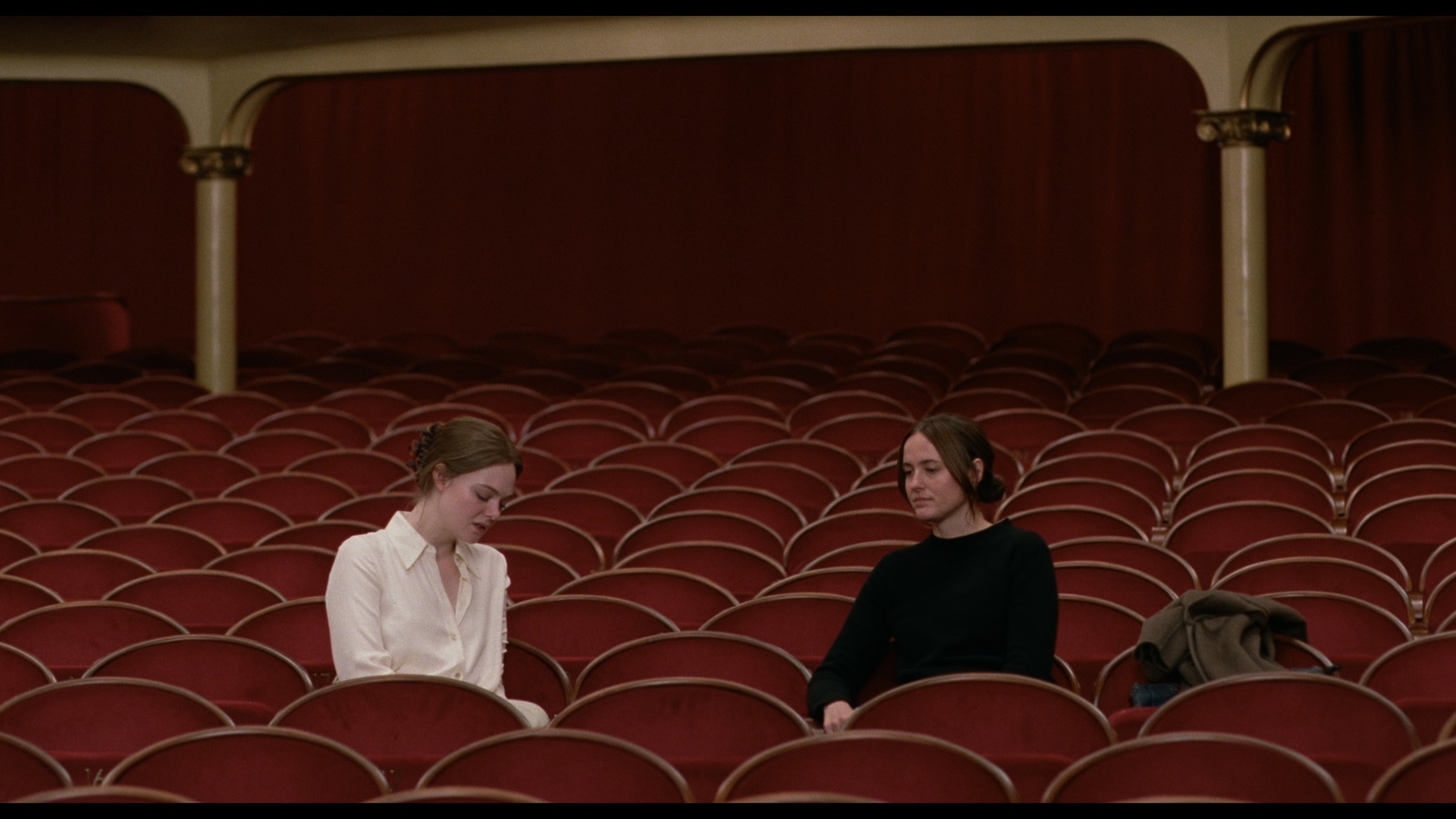
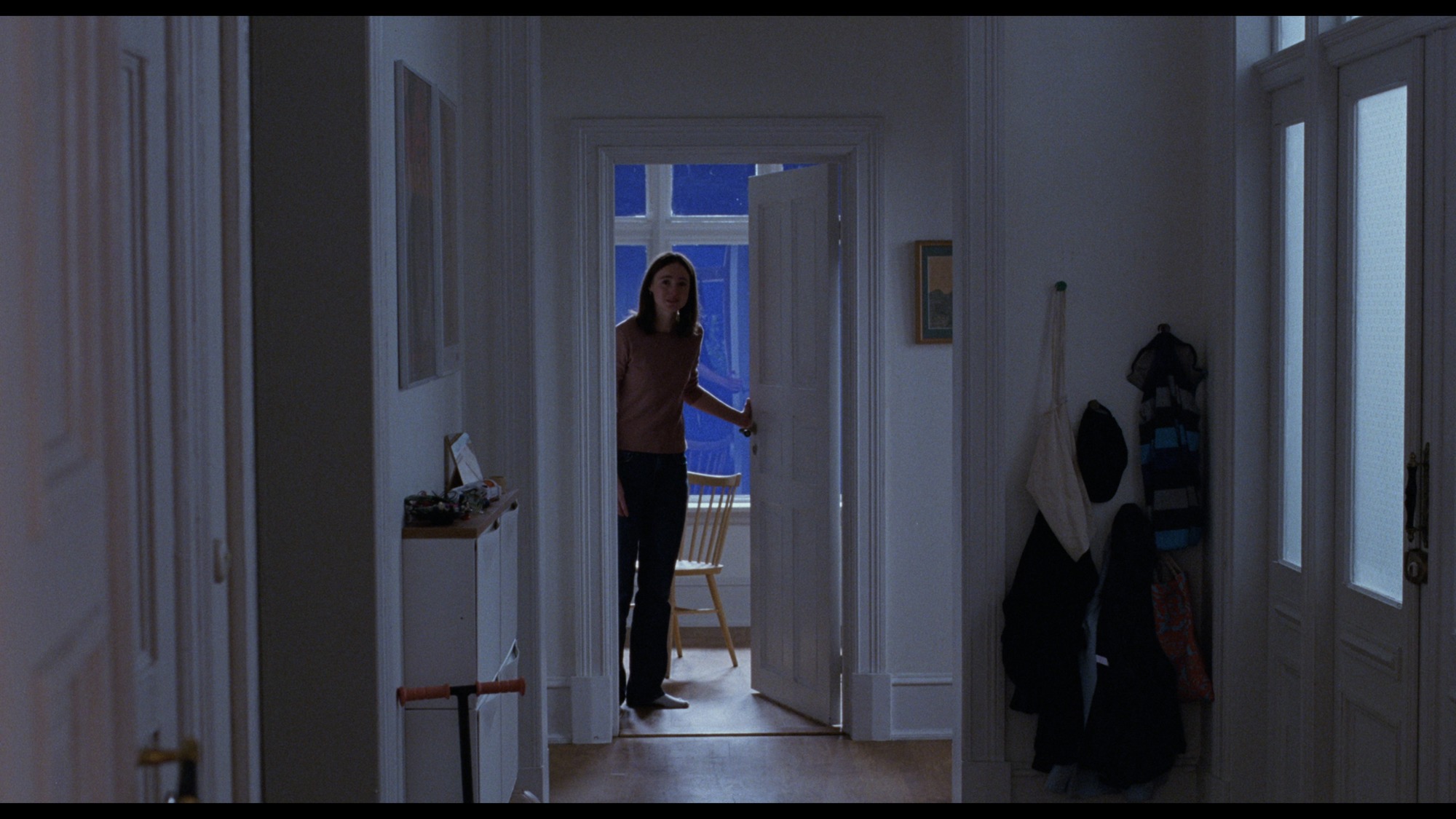
The film appears to have been shot on 35mm film stock before being finished through a digital workflow to a 4K digital intermediate, which I assume served as the basis for this master (though no notes confirm this). In either case, it results in a very strong presentation. The image is sharp and clean with an excellent level of detail throughout. The scan looks terrific, capturing the film grain naturally, while the encode does a fantastic job rendering it without introducing noticeable issues. This lends a wonderful film-like texture, and I never noticed any macroblocking or similar artifacts, even in darker scenes or brighter highlights. Clipping also doesn’t appear to be an issue.
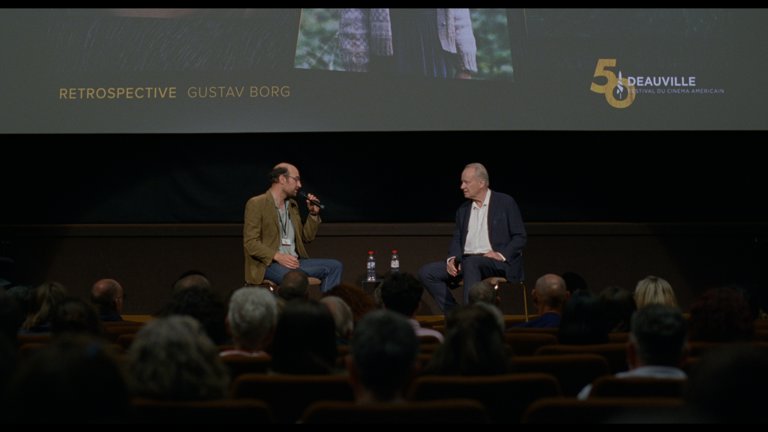
Colors look excellent, as do black levels. Despite the lack of HDR, the range still feels fairly wide, with shadow detail remaining intact and depth looking consistently strong. The only moments where the presentation flattens out slightly are a couple of sequences shot digitally, such as a press junket interview and a scene where Stellan Skarsgård’s character shows his grandson some movie tricks, the latter appearing to have been shot directly on an iPhone. Other than those (intentional) moments, the image is film-like without any notable problems. It’s a clean presentation overall.
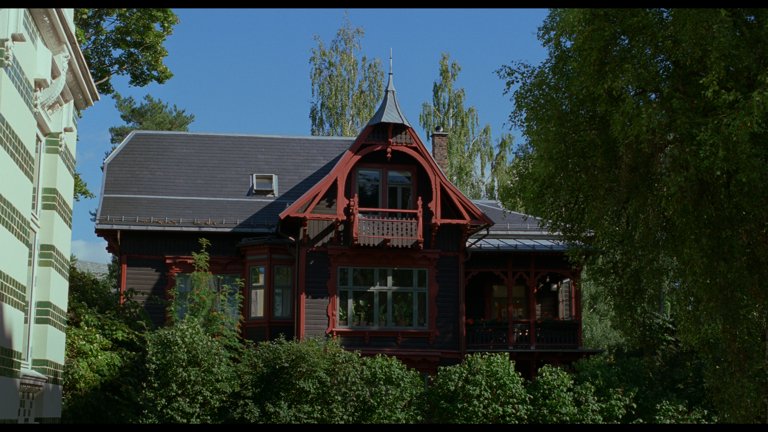
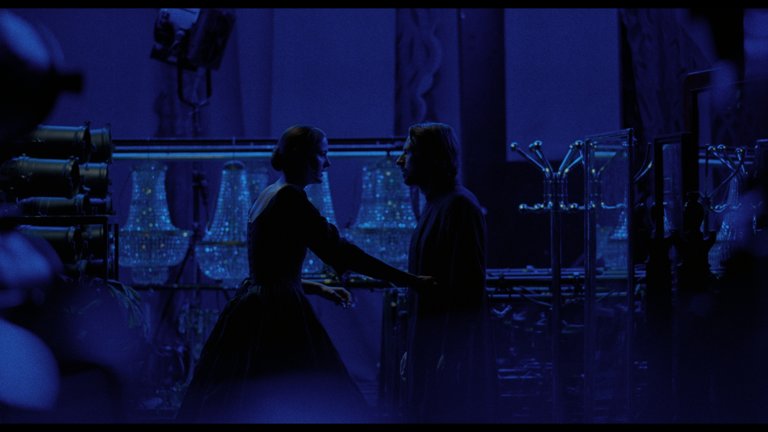
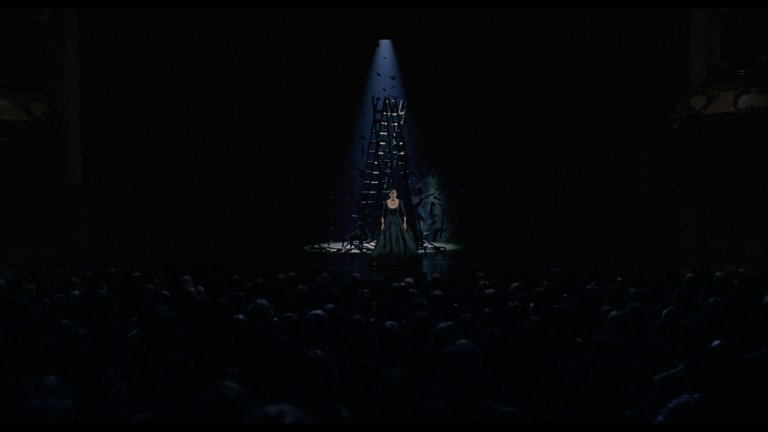
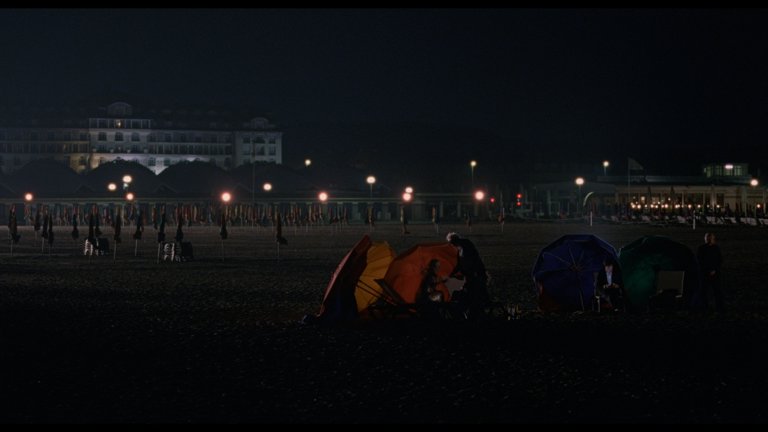
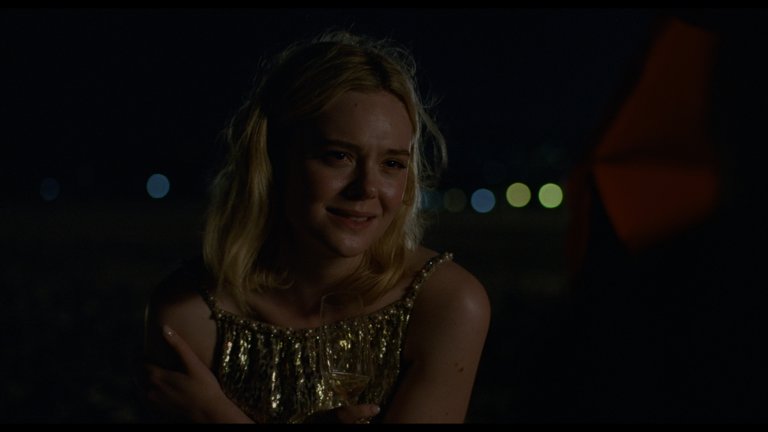
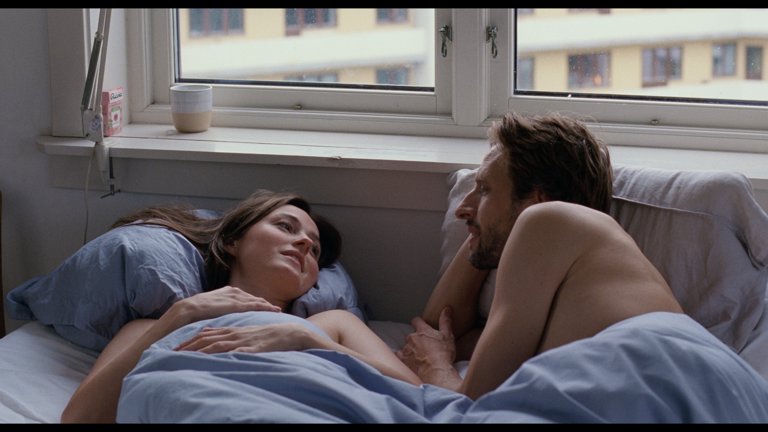
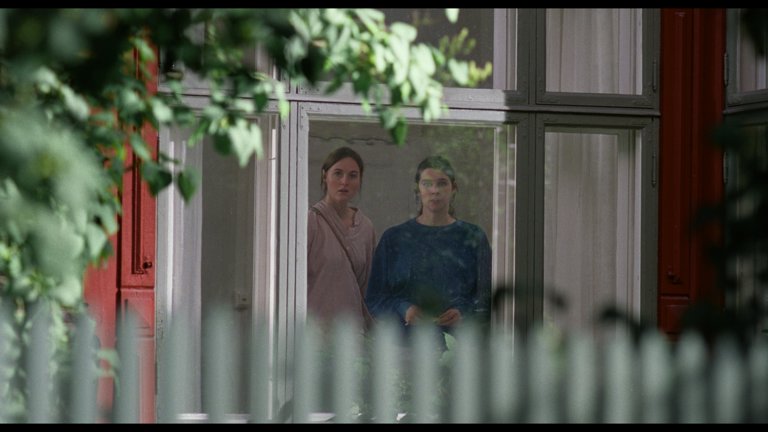
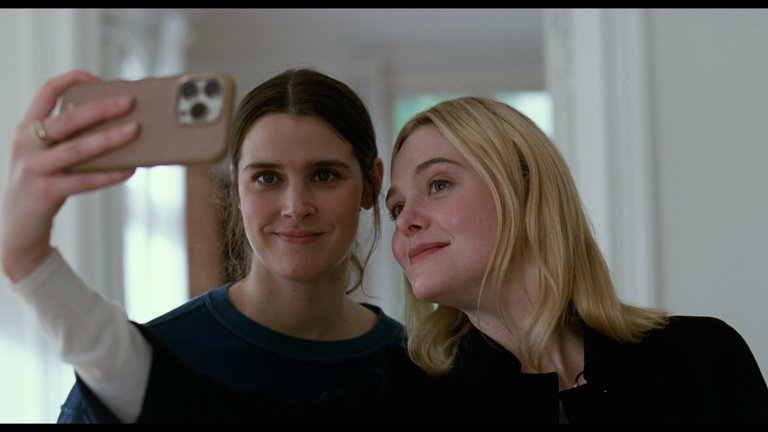
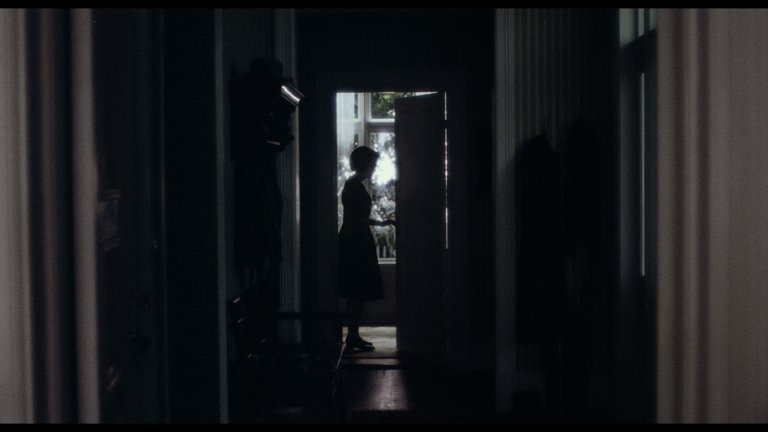
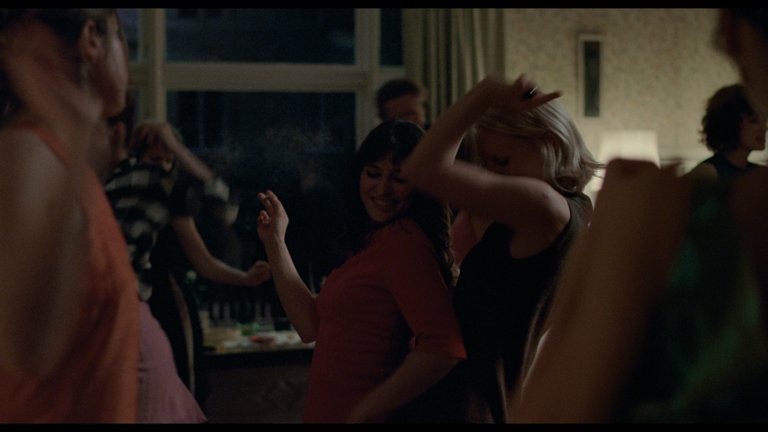
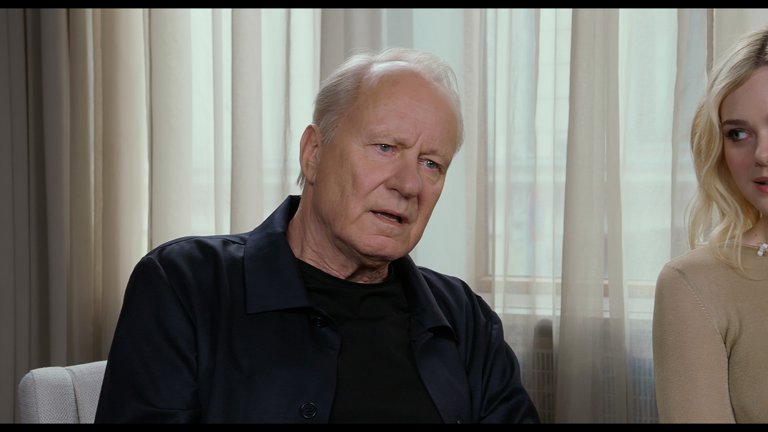
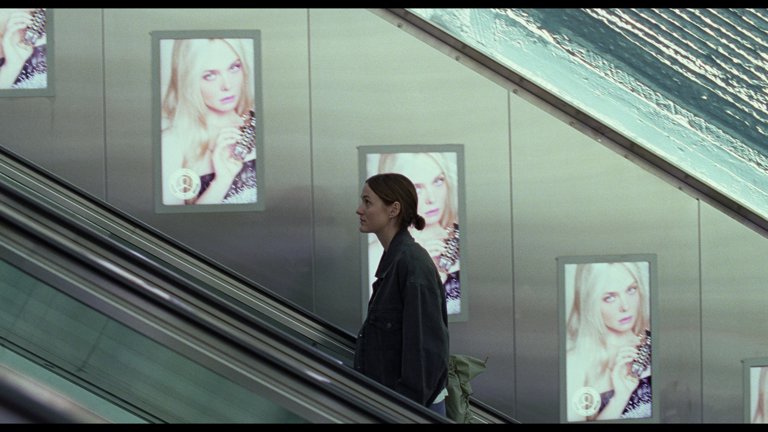
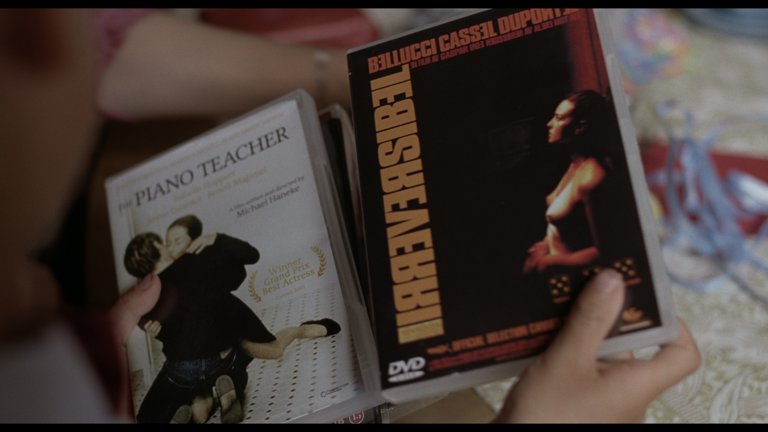
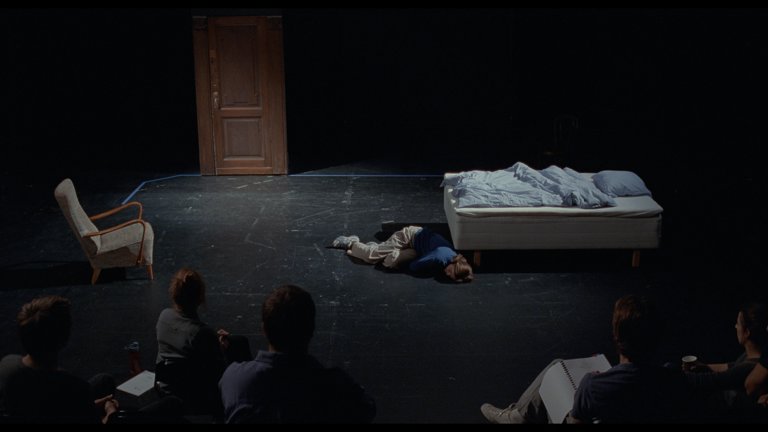
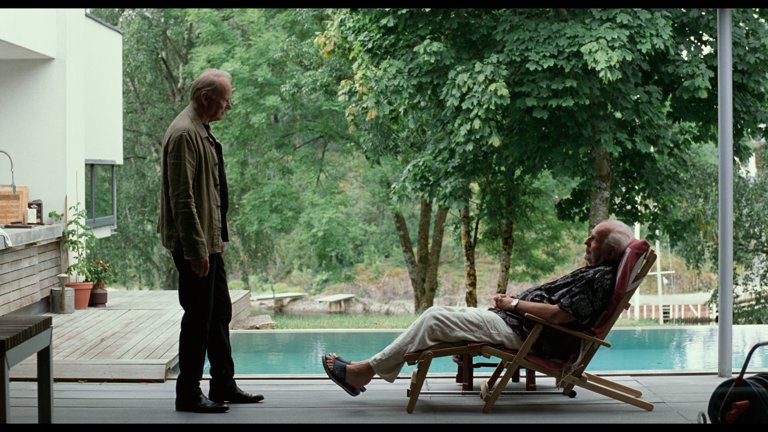
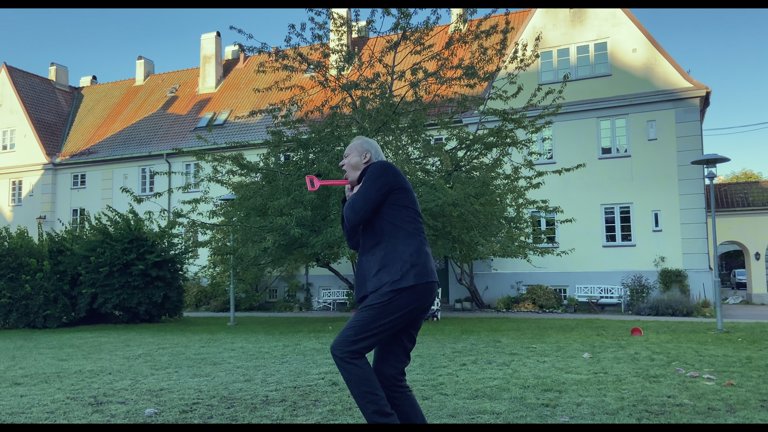
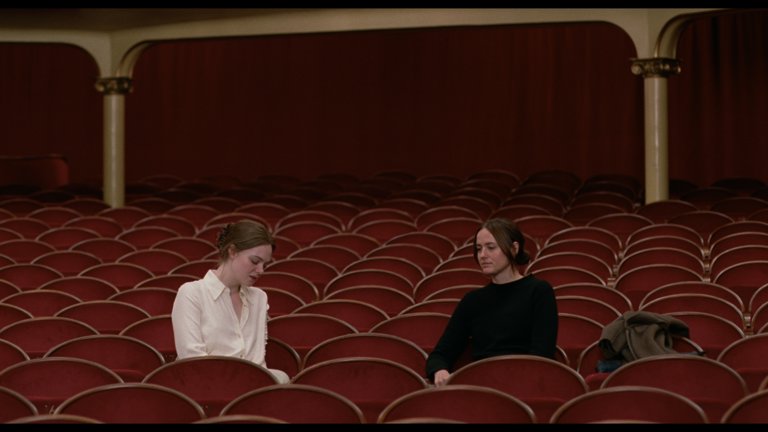
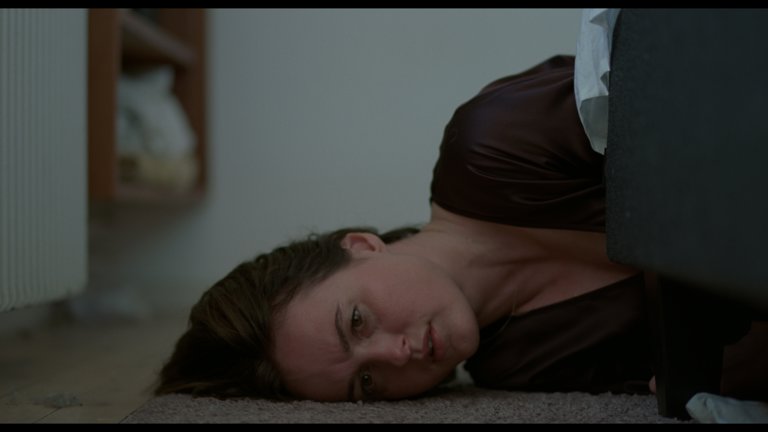
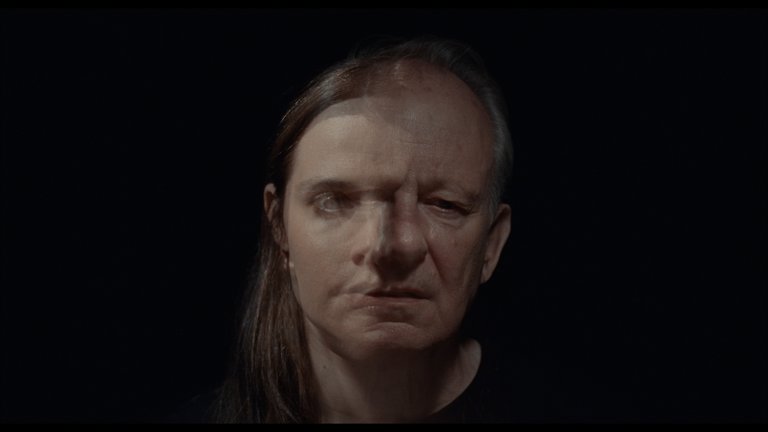
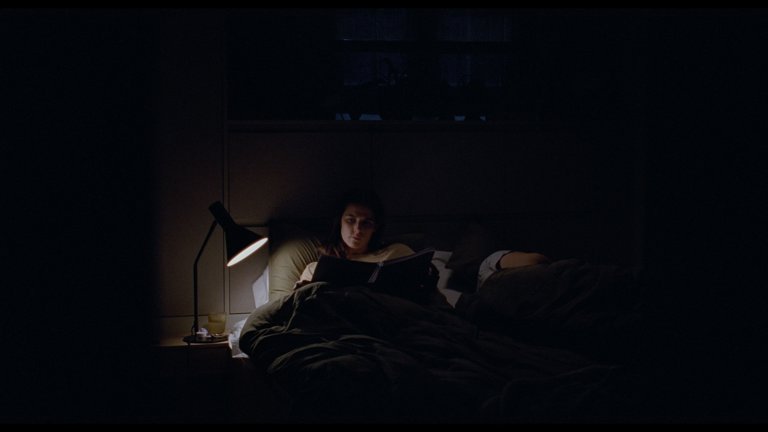
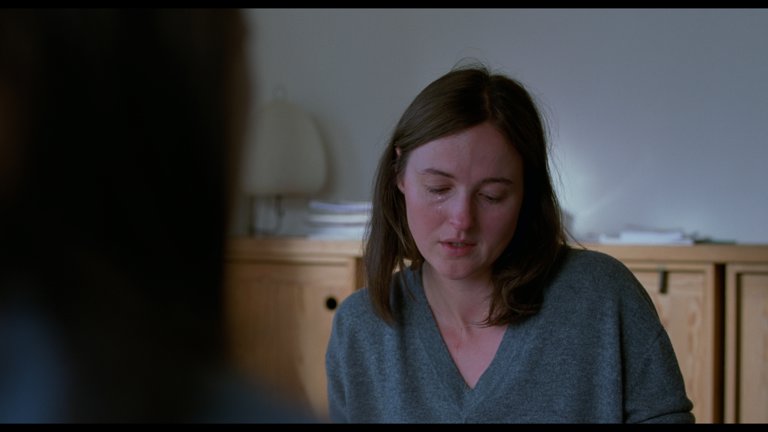
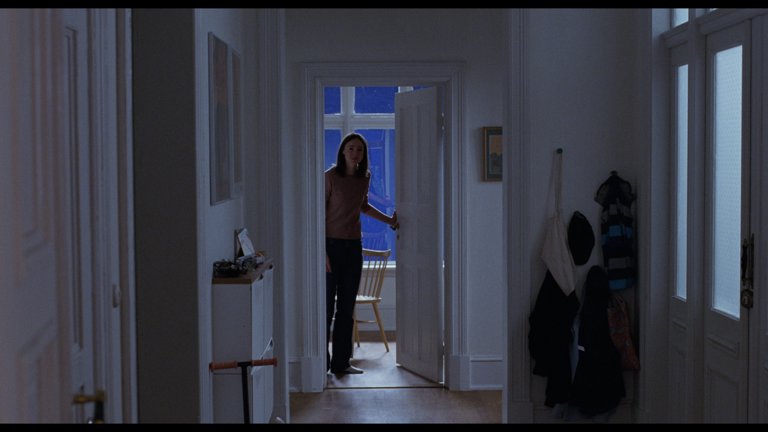
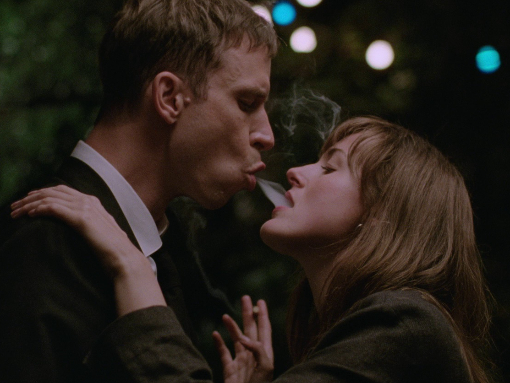
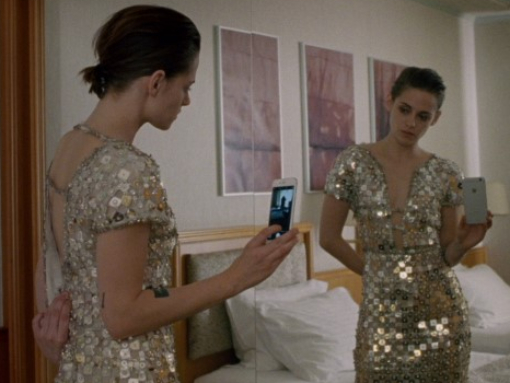
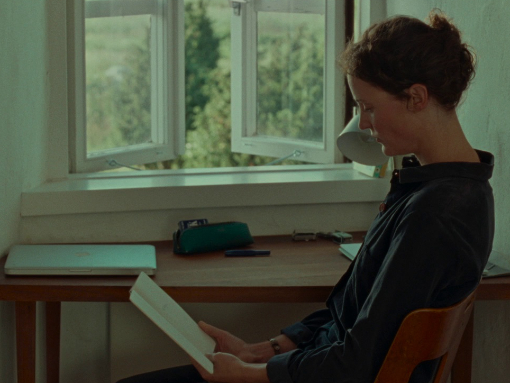
Sentimental Value - Screen Captures
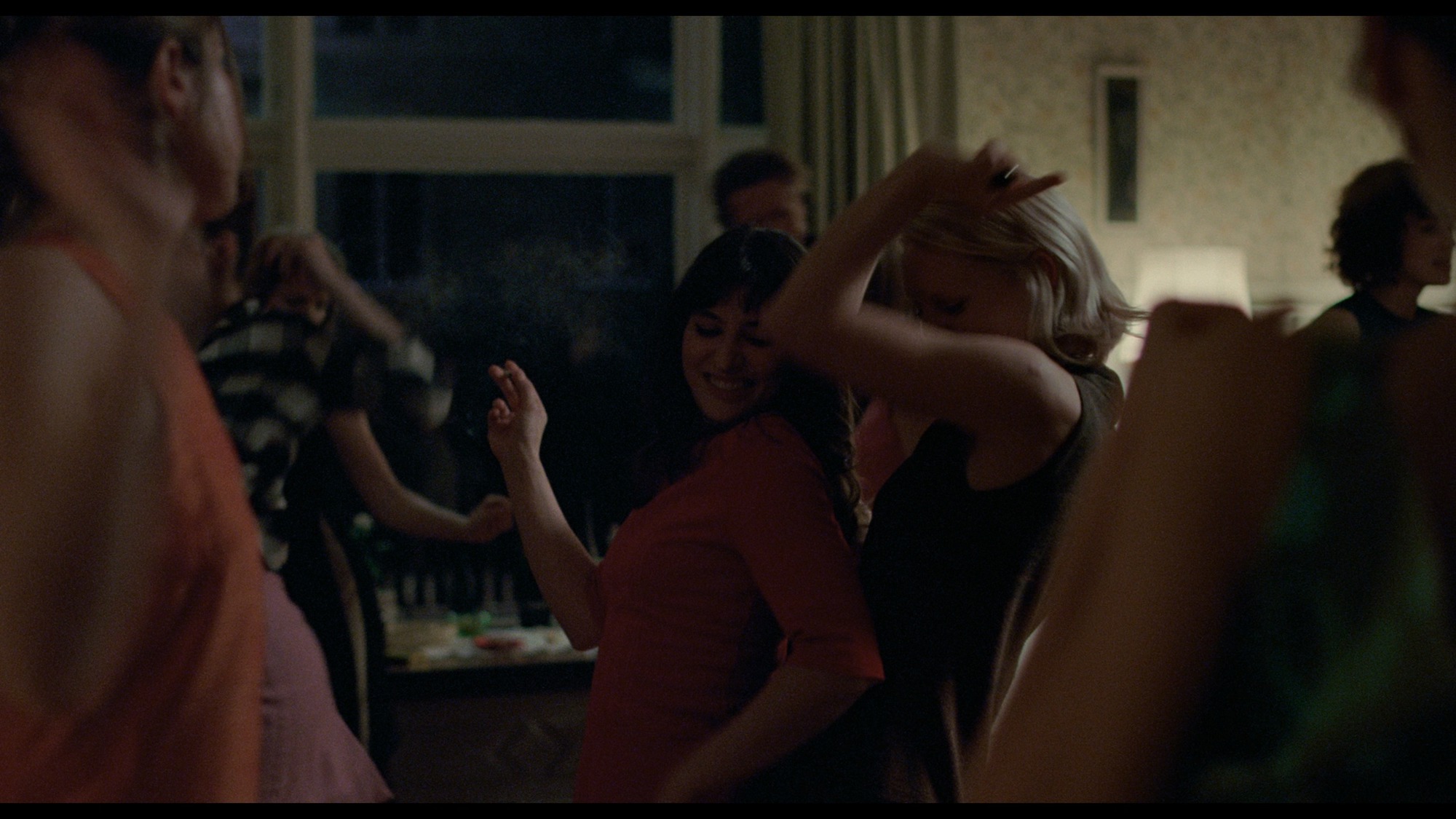
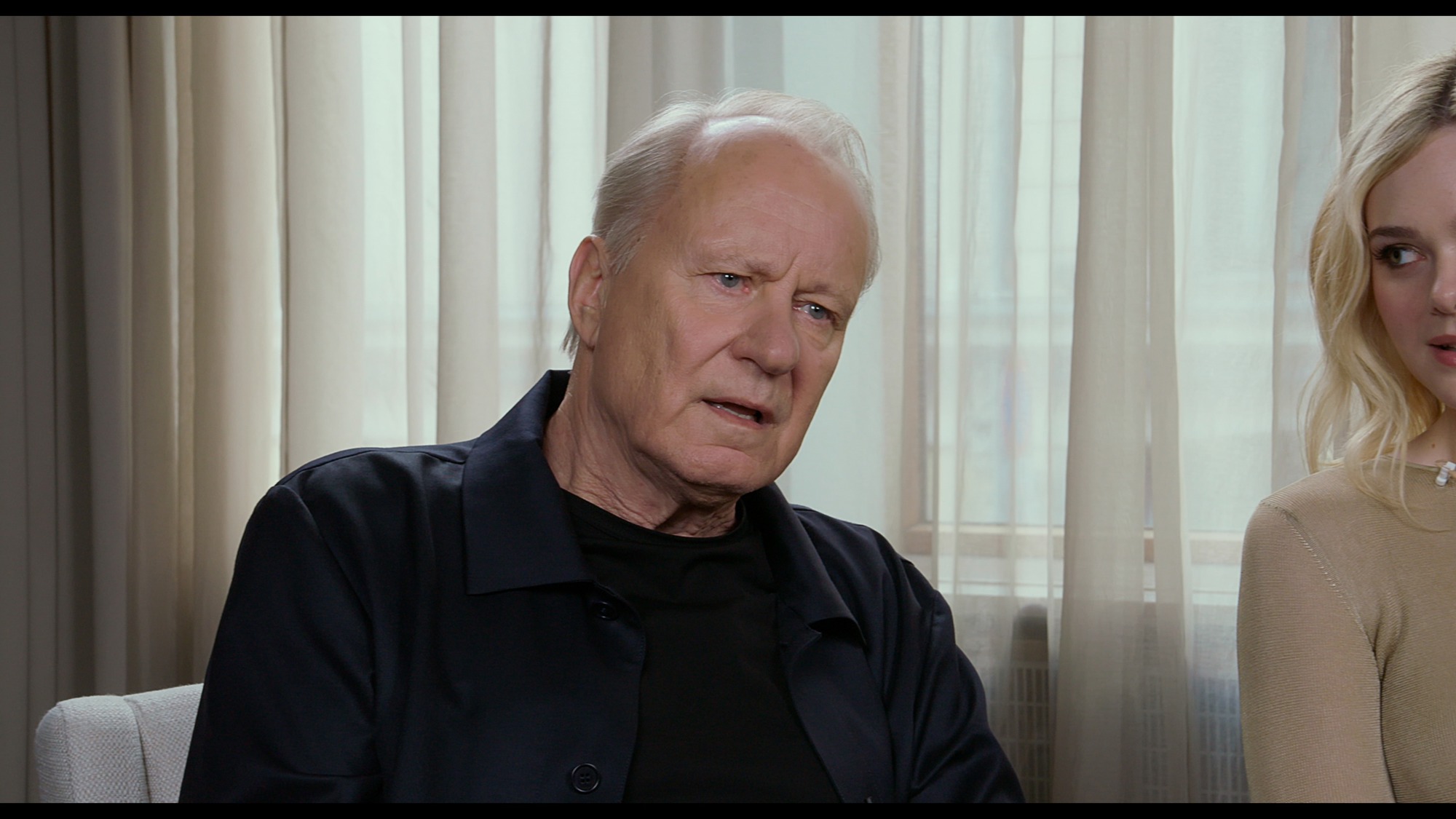
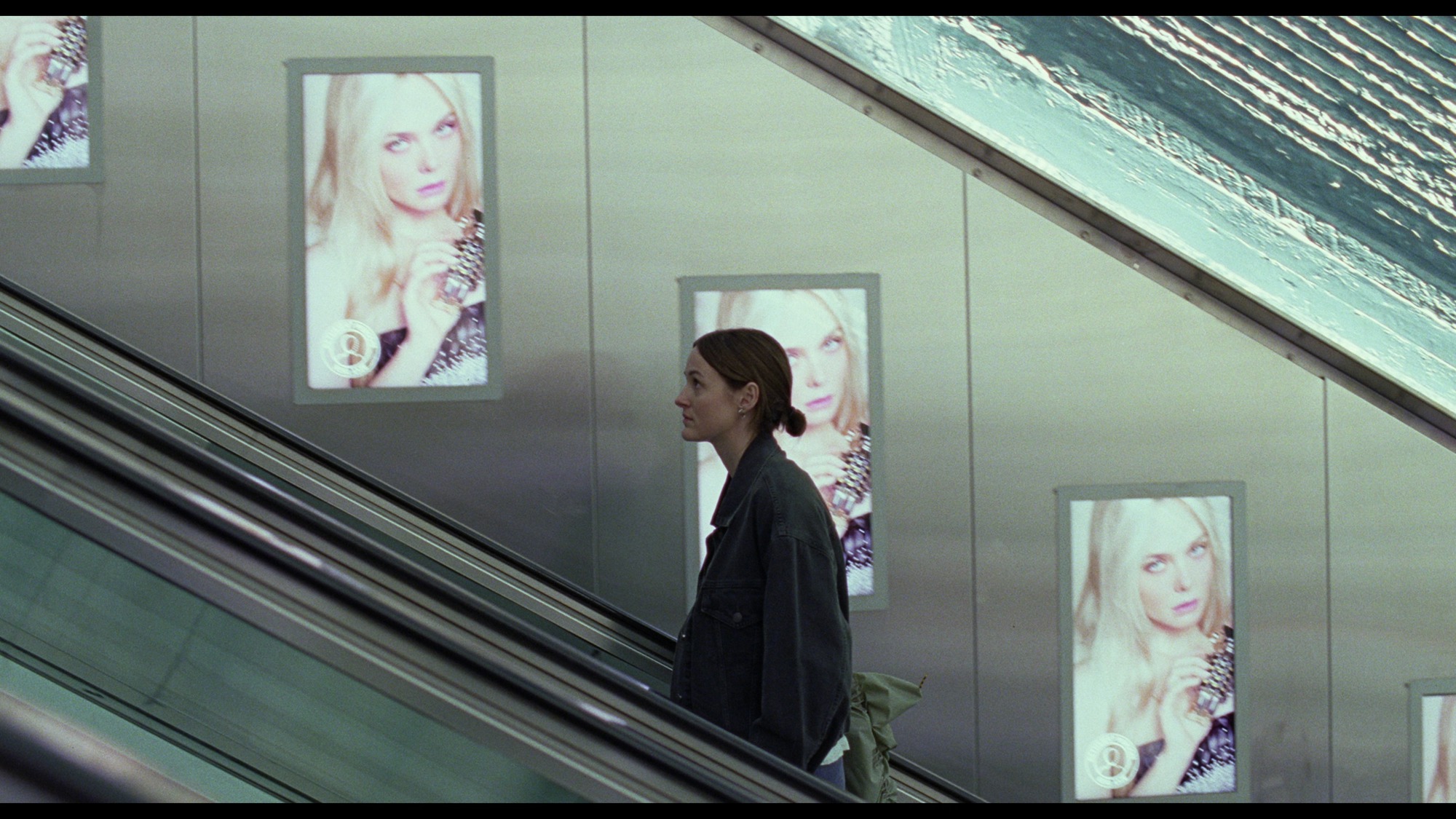
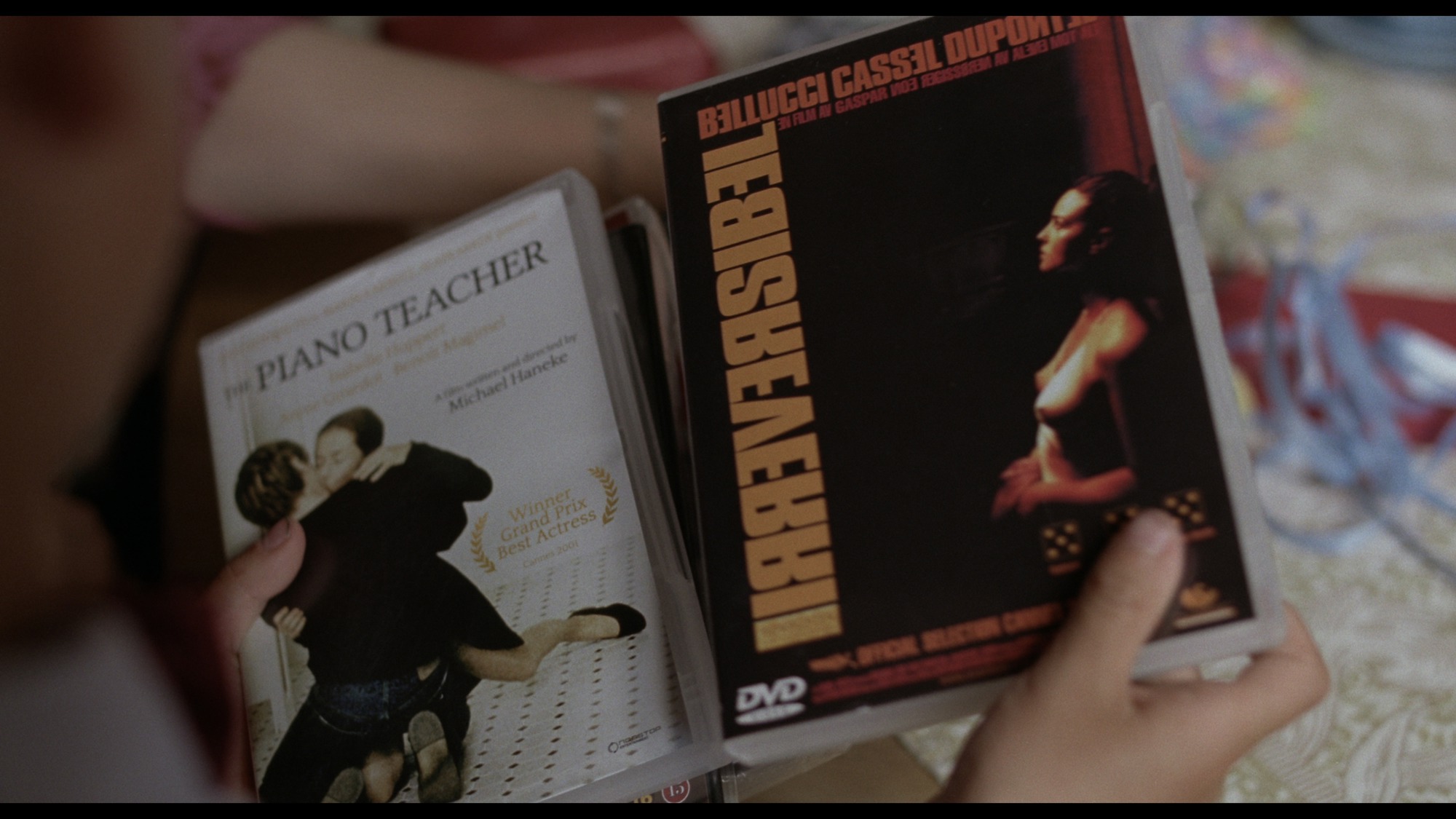
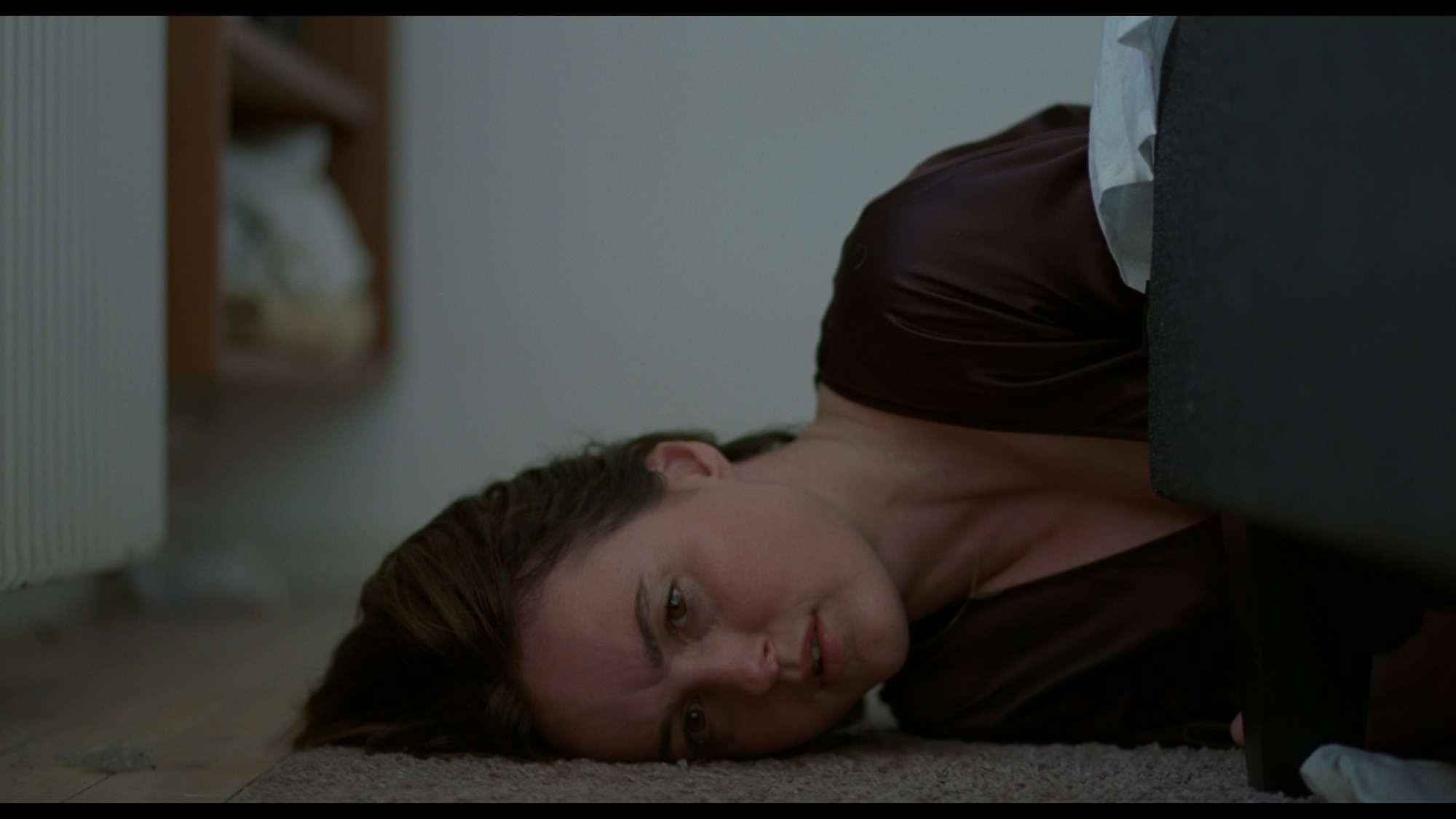
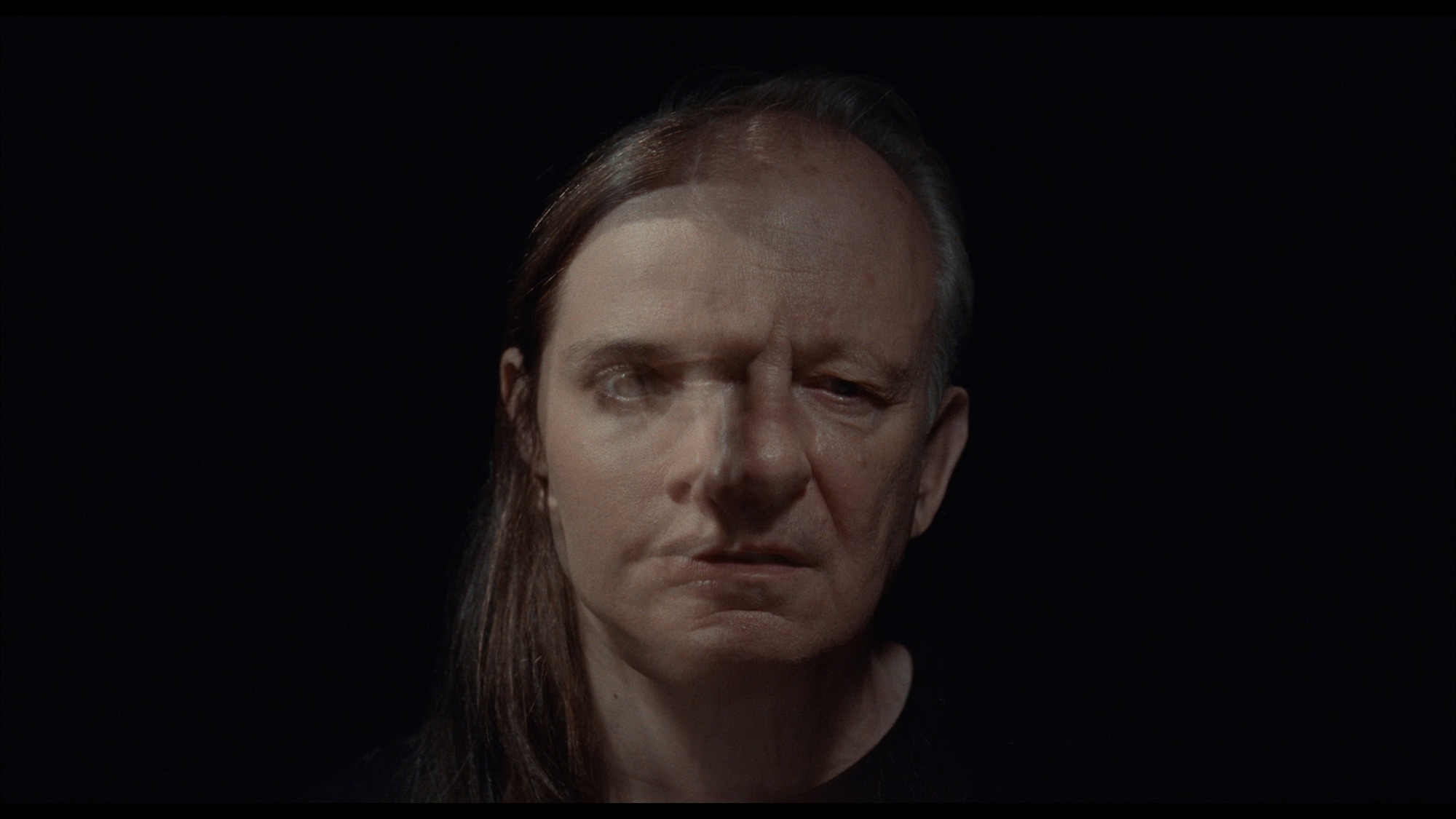
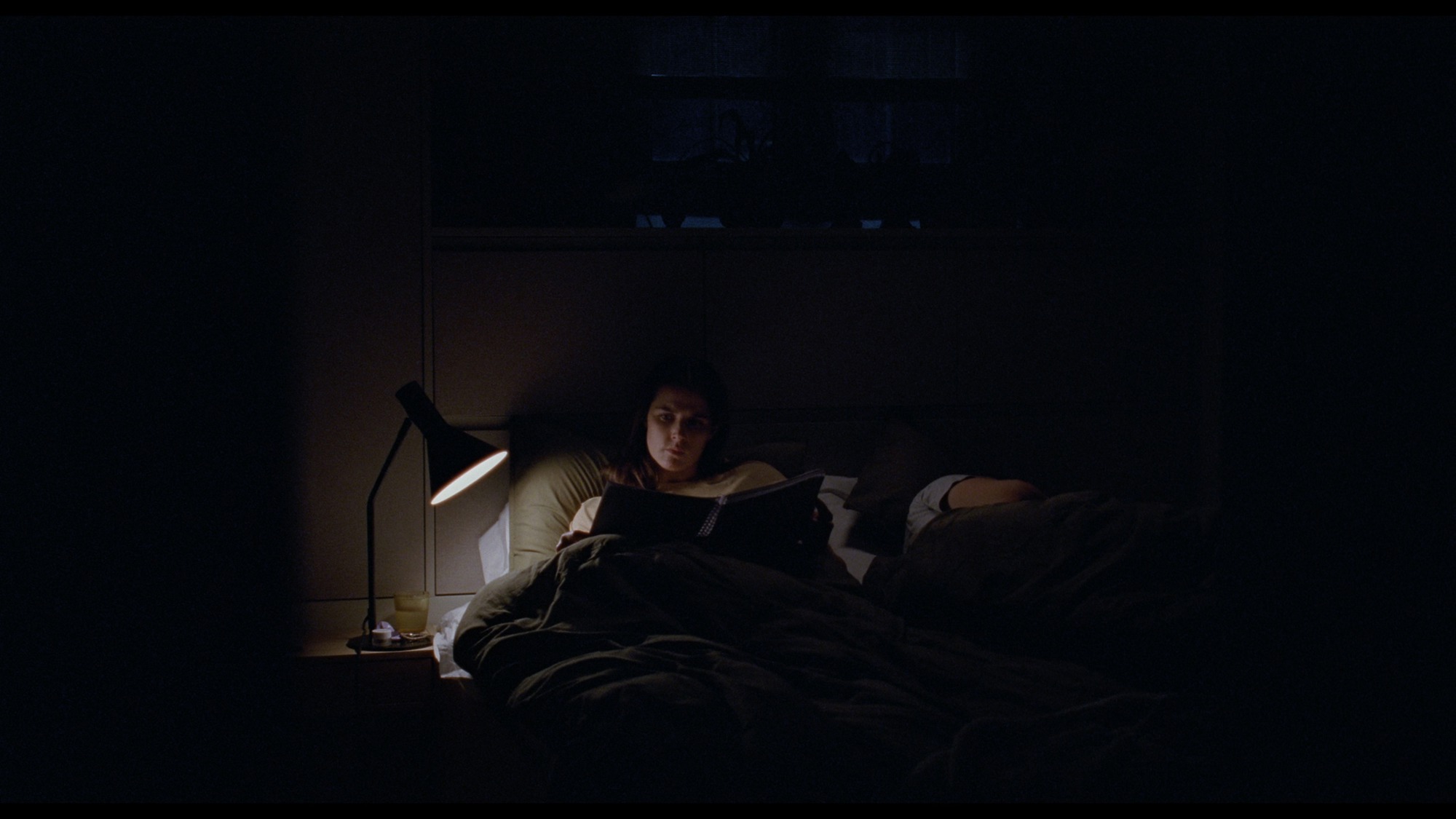
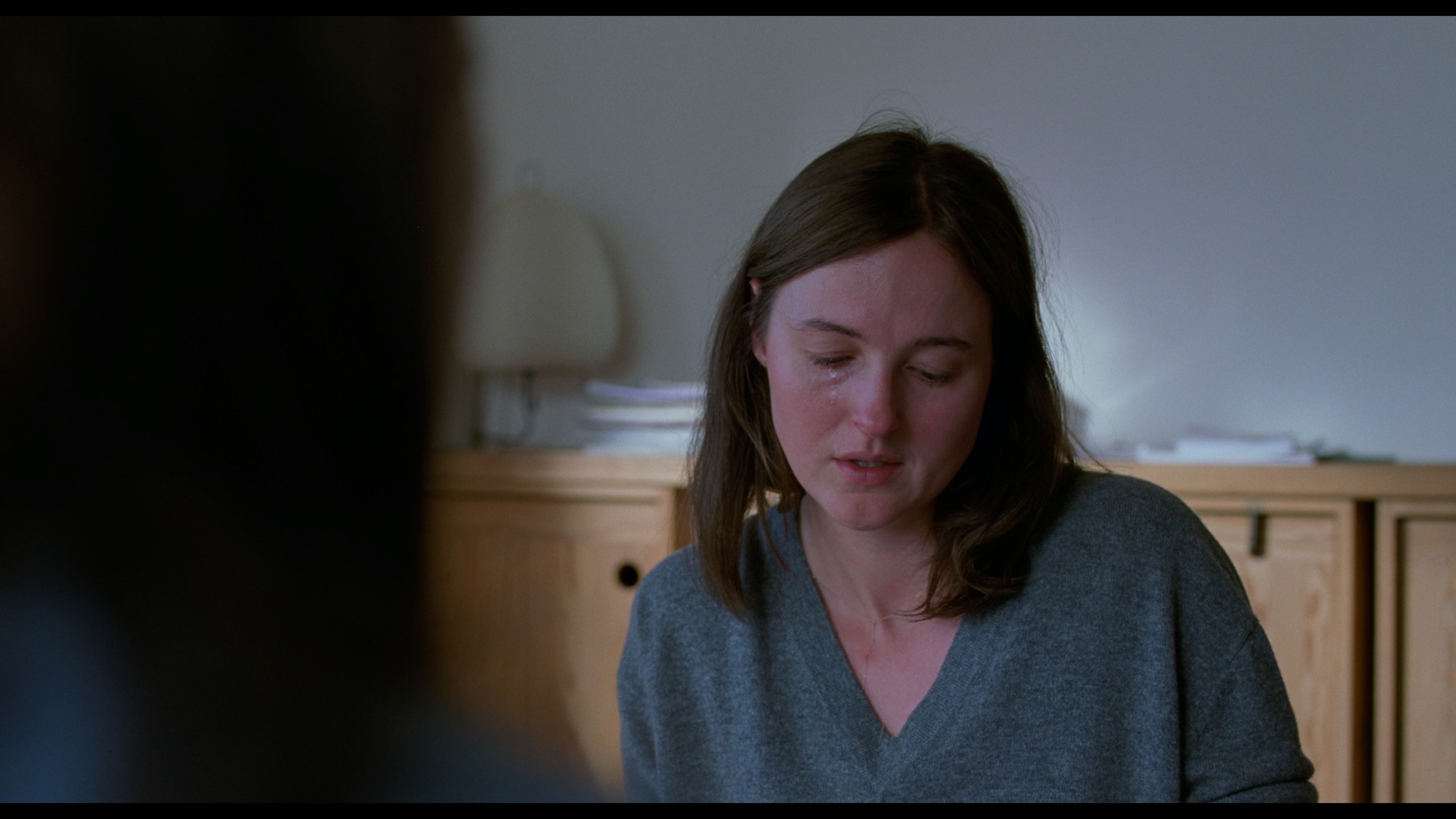
Audio 9/10
The film’s 5.1 surround soundtrack is presented in DTS-HD MA. Though subtle overall, it’s a surprisingly active mix, pushing ambient effects through both the front and rear channels. Street noise, activity within the central house, and chatter from various gatherings all fill out the soundstage nicely, really placing the viewer in the scenes.
Range is also surprisingly wide, with a handful of louder moments (such as a flashback to a lively and swinging ’60s party) without any signs of distortion. Dialogue remains clean and nicely balanced throughout, with excellent fidelity. All in all, it’s a surprisingly busy and very clean mix.
Extras 8/10
Being a newer film, I admittedly wasn’t expecting much from the supplements (all found on the standard Blu-ray), yet to my surprise they’re surprisingly comprehensive, highly detailed, and, most importantly, newly produced by Criterion rather than repurposed promotional material from Neon. The biggest inclusion is a brand-new interview between filmmakers and longtime friends Joachim Trier and Mike Mills. After first recounting how they met, the two dive into the film itself, with Mills asking several questions around the film’s themes (intended or otherwise) before moving into its structure and specific scenes. The conversation also ventures into performances (especially Renate Reinsve’s), with Trier explaining his collaborative working style with actors and how ideas or solutions to problems in the script often emerged during production. Trier also talks extensively about the writing and editing processes, explaining how further discoveries about the story and characters were made during editing. It’s an incredibly revealing look into Trier’s creative workflow, and thanks to the easy chemistry between the two, like old friends catching up, the 48-minute discussion ends up feeling remarkably breezy.
Following that are what Criterion labels “select-scene commentaries,” though I’m not entirely sure that description fits since they often play more like mini video essays hosted by people directly involved with the film. Trier and screenwriter Eskil Vogt handle five of these pieces, each running between 5 and 9 minutes. These come closest to traditional commentaries since they are more scene-specific, but they still incorporate edits, stills, and even cutaways to an English-language version of the screenplay. Topics range from how the house became such a central object within the story to how the actors’ performances solved narrative or emotional problems that Trier and Vogt, as writers, hadn’t fully worked out on the page.
Those pieces nicely expand on Trier’s discussion with Mills regarding their working methods, but I found myself even more interested in the contributions from production designer Jorgen Stangebye Larsen and sound designer Gisle Tveito, running 11 and 15 minutes respectively. Tveito talks about creating a lived-in world through sound, searching for details “that will be like life,” and even explains why certain sounds are present in one scene but absent in another despite taking place in the same location. My favorite of the bunch may actually be Larsen’s piece, though, which focuses on the house itself and how it was dressed throughout the film. The discussion isn’t limited to the present-day material either, with Larsen also covering the flashback sequences, which required entirely different dressings and color palettes. He even touches on some of the invisible effects work and how sets were designed to allow for seamless in-camera edits between time periods.
As terrific as all of those features are, the biggest surprise may be that Criterion was also able to record new, exclusive interviews with the film’s primary cast: Stellan Skarsgård, Renate Reinsve, Inga Ibsdotter Lilleaas, and Elle Fanning. Filmed separately and edited together into a 32-minute program, the interviews cover general stories from production, Trier himself (Skarsgård stating that “nobody can smile as much” as Trier), and the casting process, including the revelation that Fanning was actually recommended to Trier by Mills. The discussions also dig into the actors’ approaches to their characters and how they supported one another during filming. I especially enjoyed Fanning’s thoughts on the challenges of properly portraying her character, along with Skarsgård explaining how he drew from his own personal life and relationship with his children when developing Gustav. I was genuinely surprised by this feature, especially since I initially assumed the interviews would simply be fluffy EPK material produced for the film’s release, which is usually the case for newer films.
The disc also includes five deleted scenes running roughly 11 minutes total, all carrying a “WIP” watermark (I assume “work-in-progress”). One amusing scene features the two sisters watching one of their father’s documentaries, which carries a strong Werner Herzog vibe (Skarsgård killing it in this regard), while another sees the theater manager addressing Nora’s (Reinsve) freak-out early in the film. The most interesting inclusion, though, involves Gustav (Skarsgård) running into Gaspar Noe at a film festival. Sadly, it isn’t the complete sequence Trier references in his interview with Mills, but it’s still a fun little moment.
The disc closes with the film’s trailer (oddly set to Faces’ “Ooh La La”) while the included booklet features a fairly lengthy essay by Karl Ove Knausgård. In the end, the release may not initially look stacked, but there’s actually a substantial amount of material here, and nearly all of it does a wonderful job exploring the film, its production, and Trier and Vogt’s creative process.
Closing
Criterion puts together a rather terrific special edition for the film, anchored by a top-notch 4K presentation and an unexpectedly substantial collection of supplements.
BUY AT: