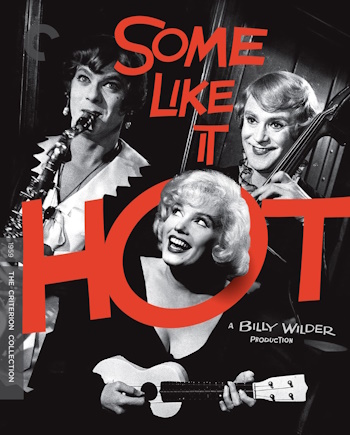
Some Like It Hot
BUY AT:


See more details, packaging, or compare
Synopsis
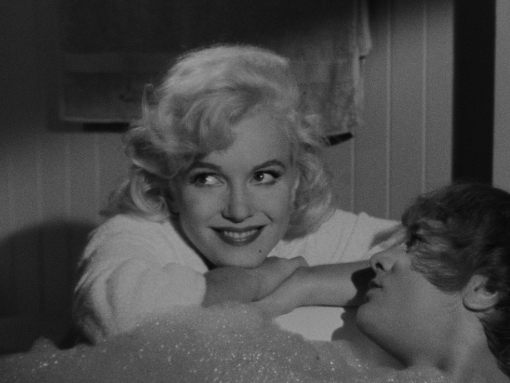
One of the most beloved films of all time, this sizzling masterpiece by Billy Wilder set a new standard for Hollywood comedy. After witnessing a mob hit, Chicago musicians Joe and Jerry (Tony Curtis and Jack Lemmon, in landmark performances) skip town by donning drag and joining an all-female band en route to Miami. The charm of the group’s singer, Sugar Kane (Marilyn Monroe, at the height of her bombshell powers), leads them ever further into extravagant lies, as Joe assumes the persona of a millionaire to woo her and Jerry’s female alter ego winds up engaged to a tycoon. With a whip-smart script by Wilder and I. A. L. Diamond, and sparking chemistry among its finely tuned cast, Some Like It Hot is as deliriously funny and fresh today as it was when it first knocked audiences out several decades ago.
Picture 9/10
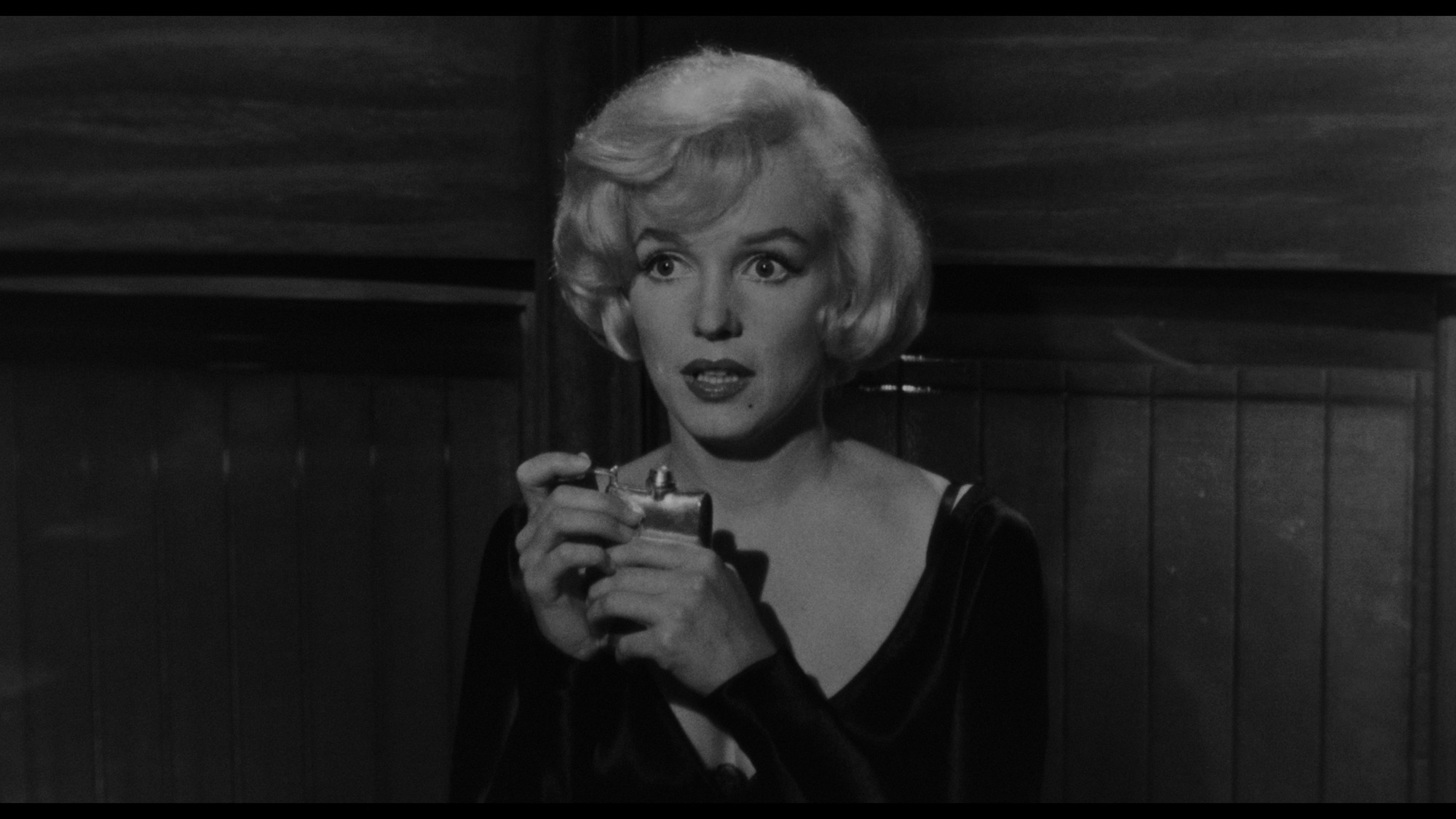
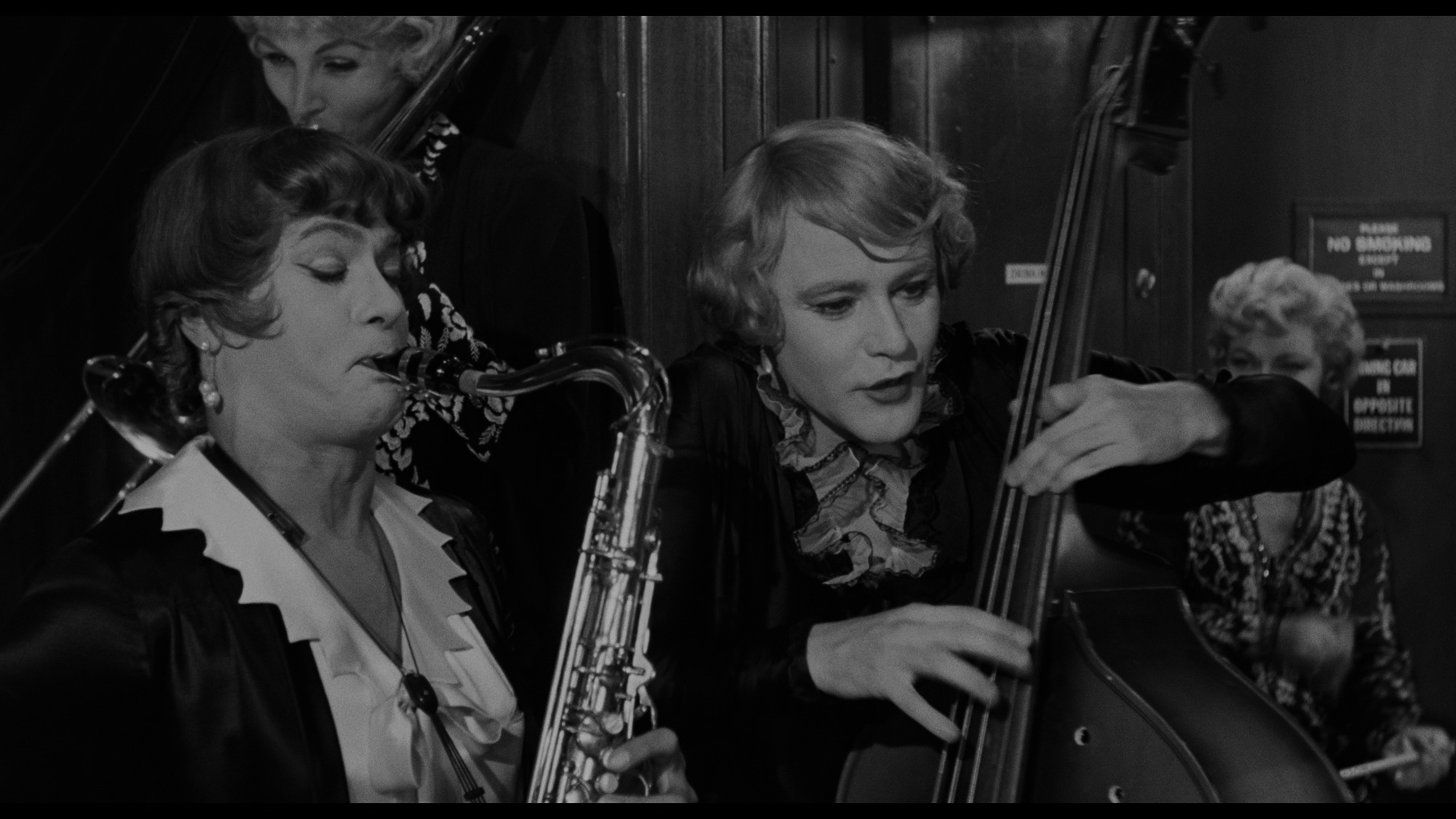
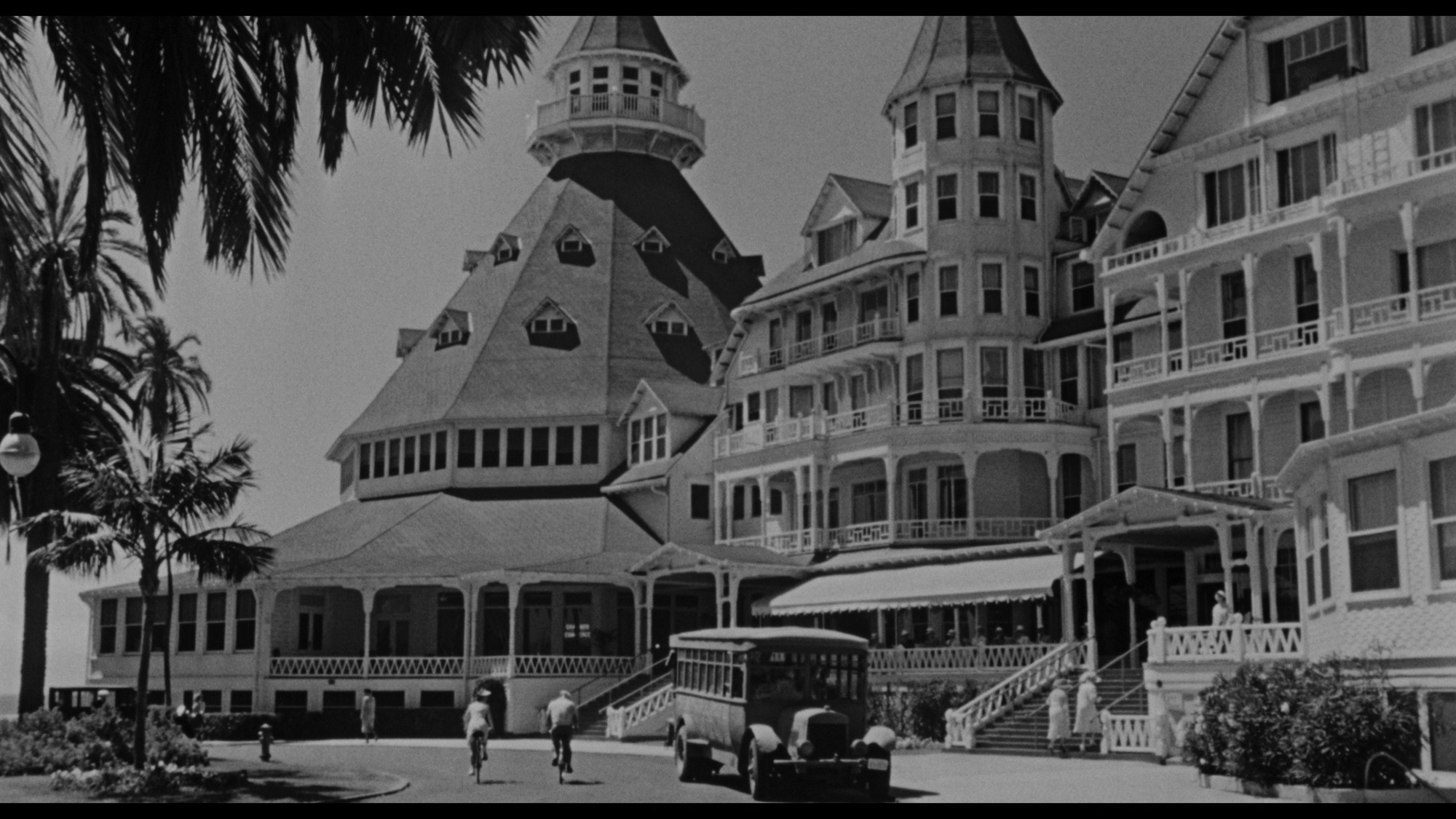
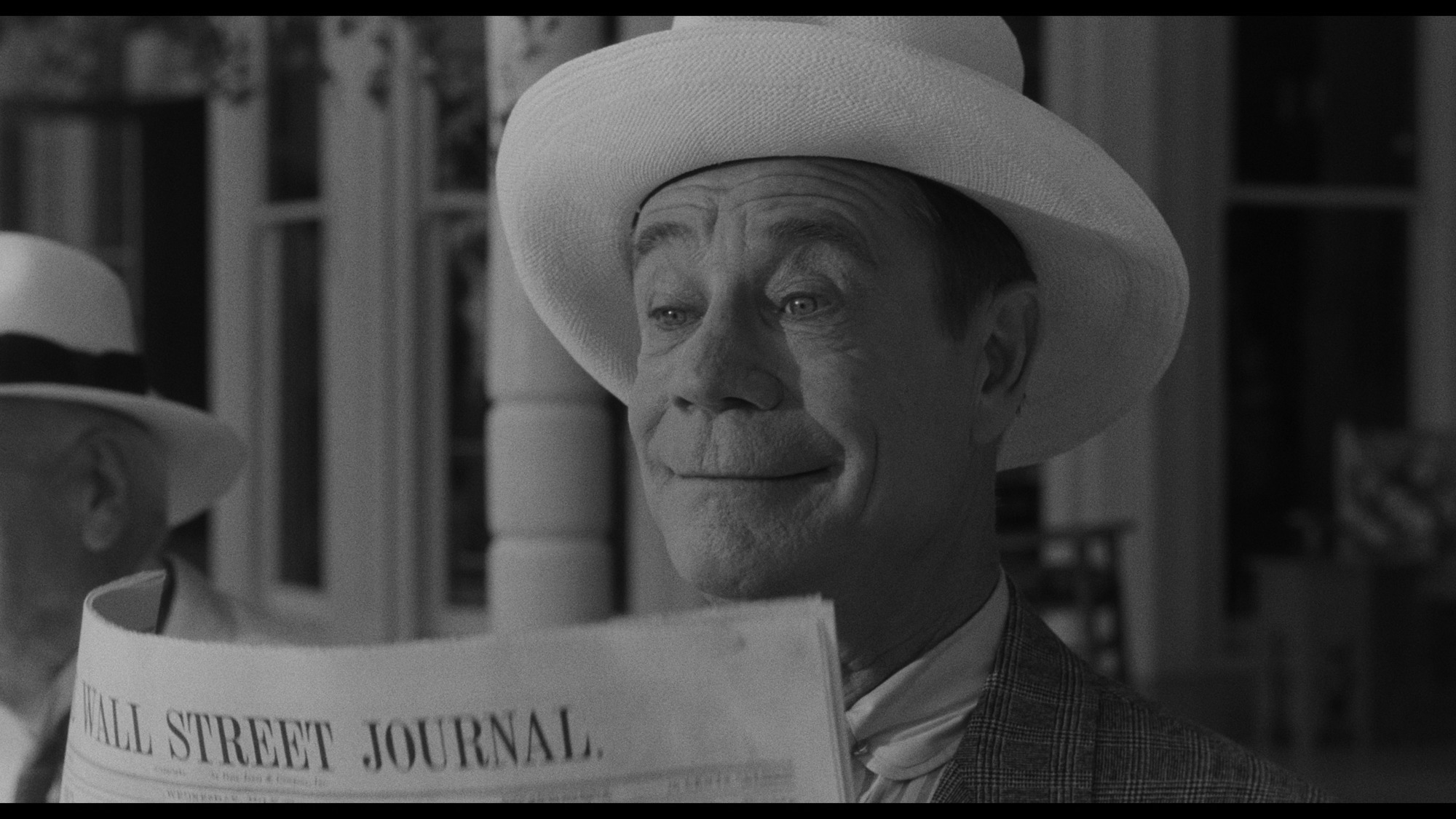
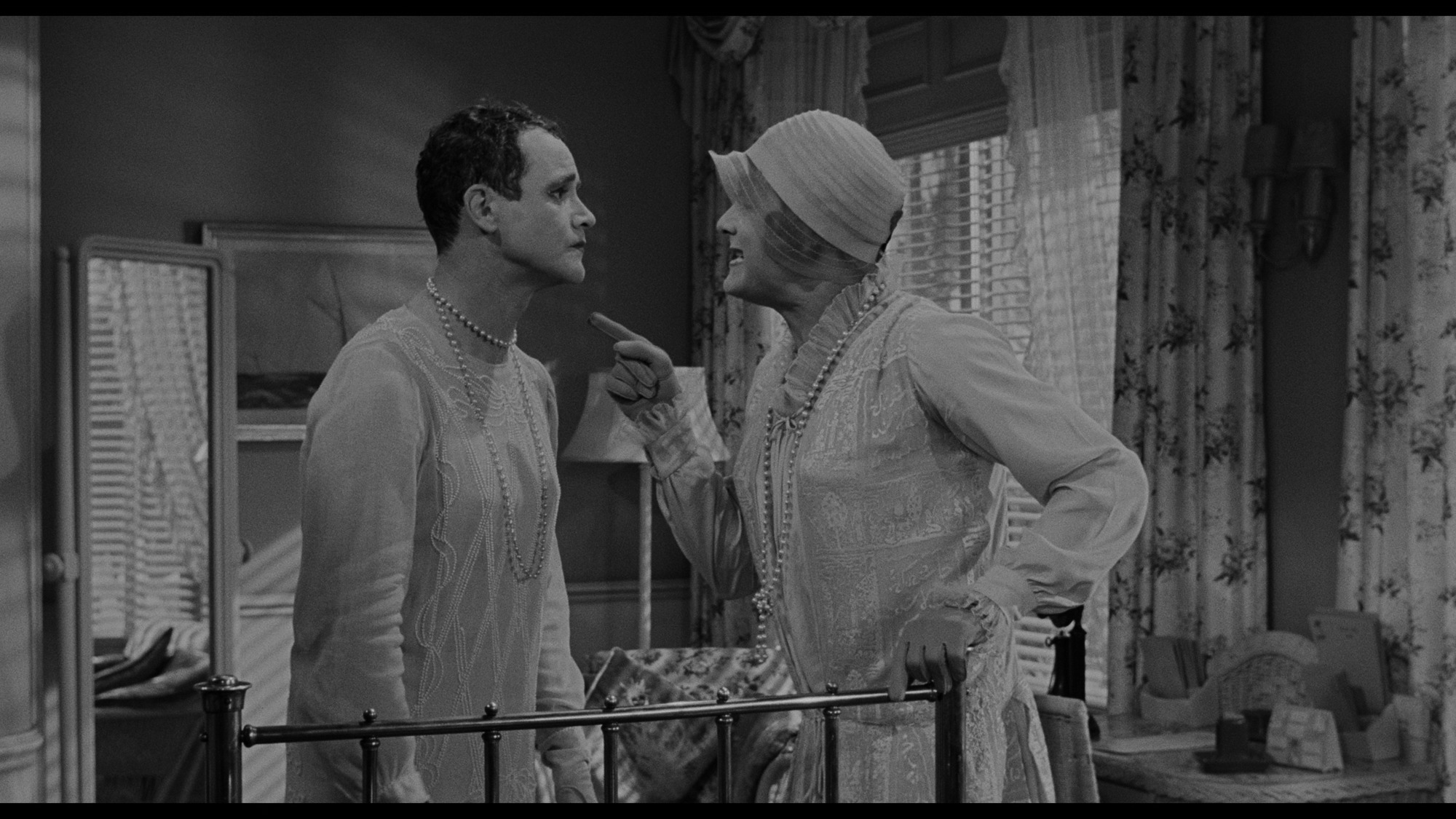
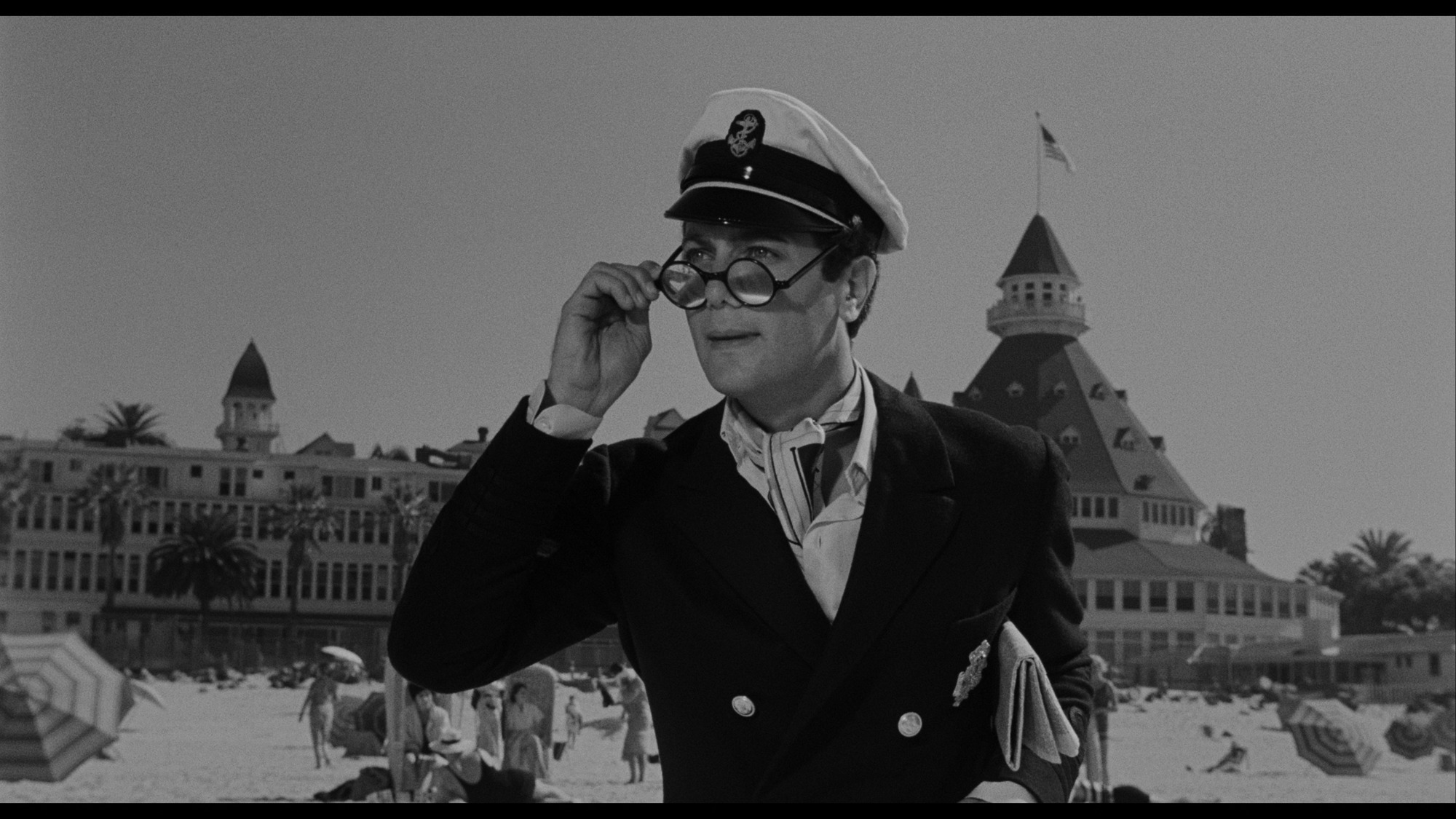
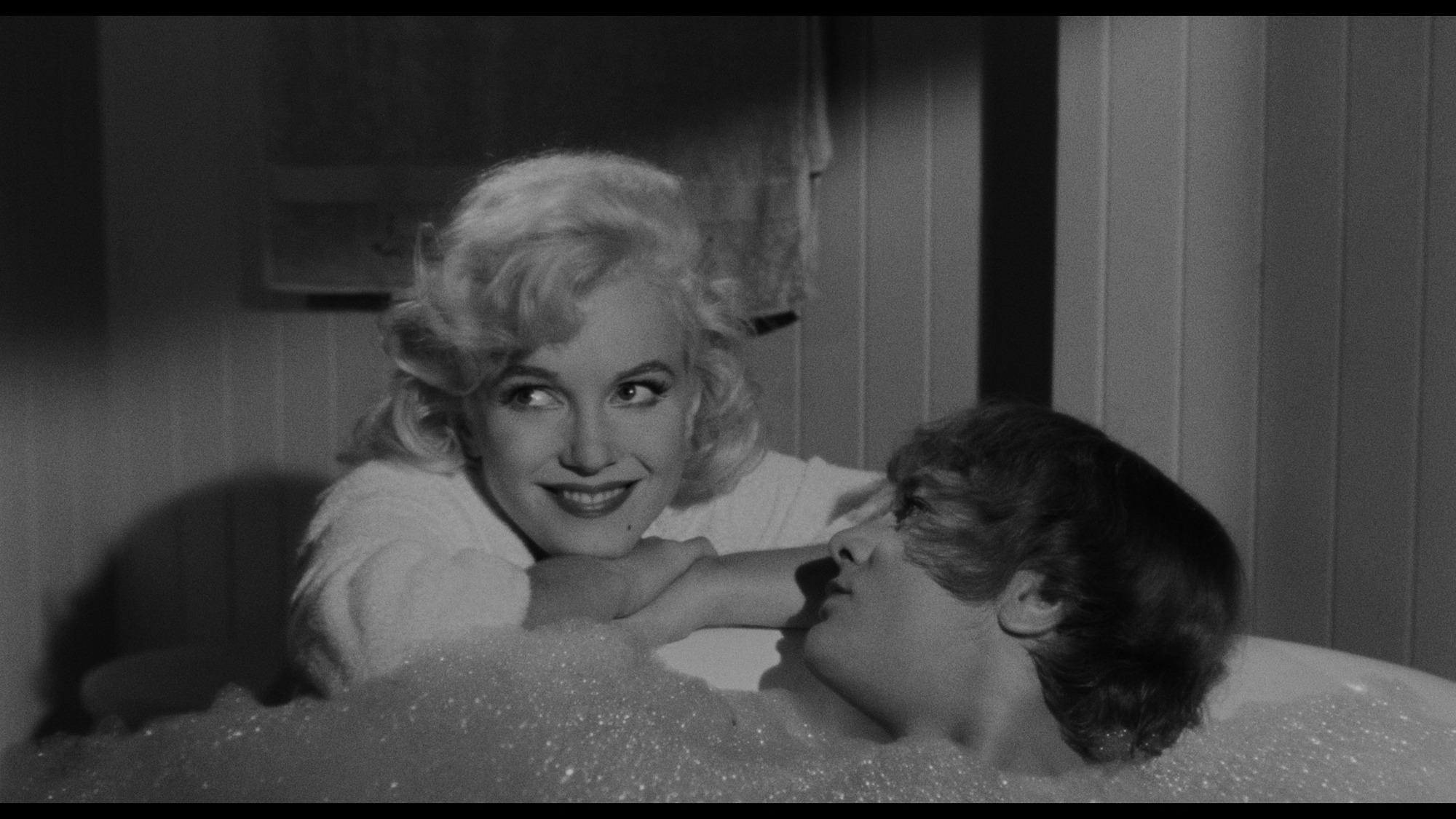
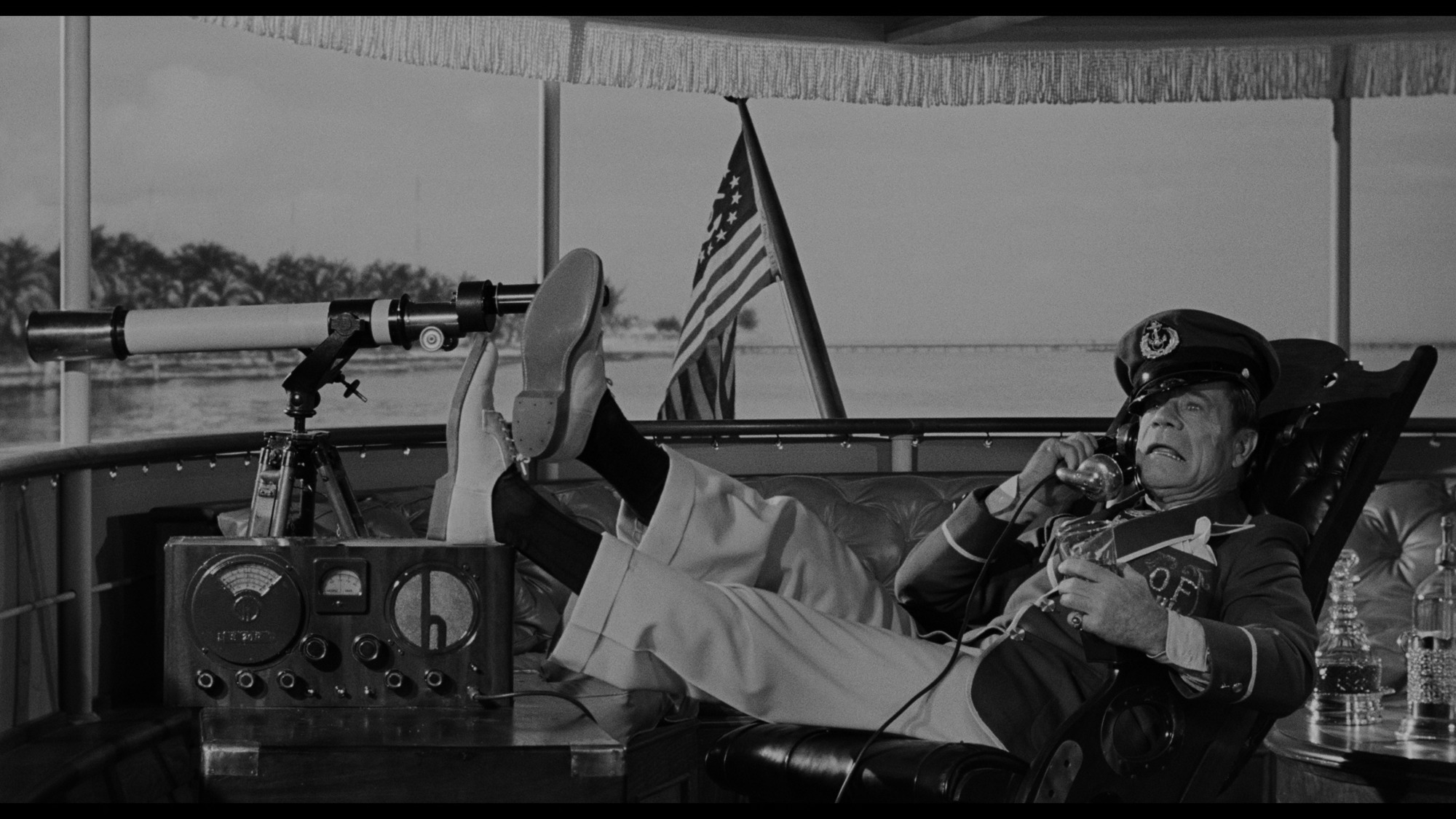
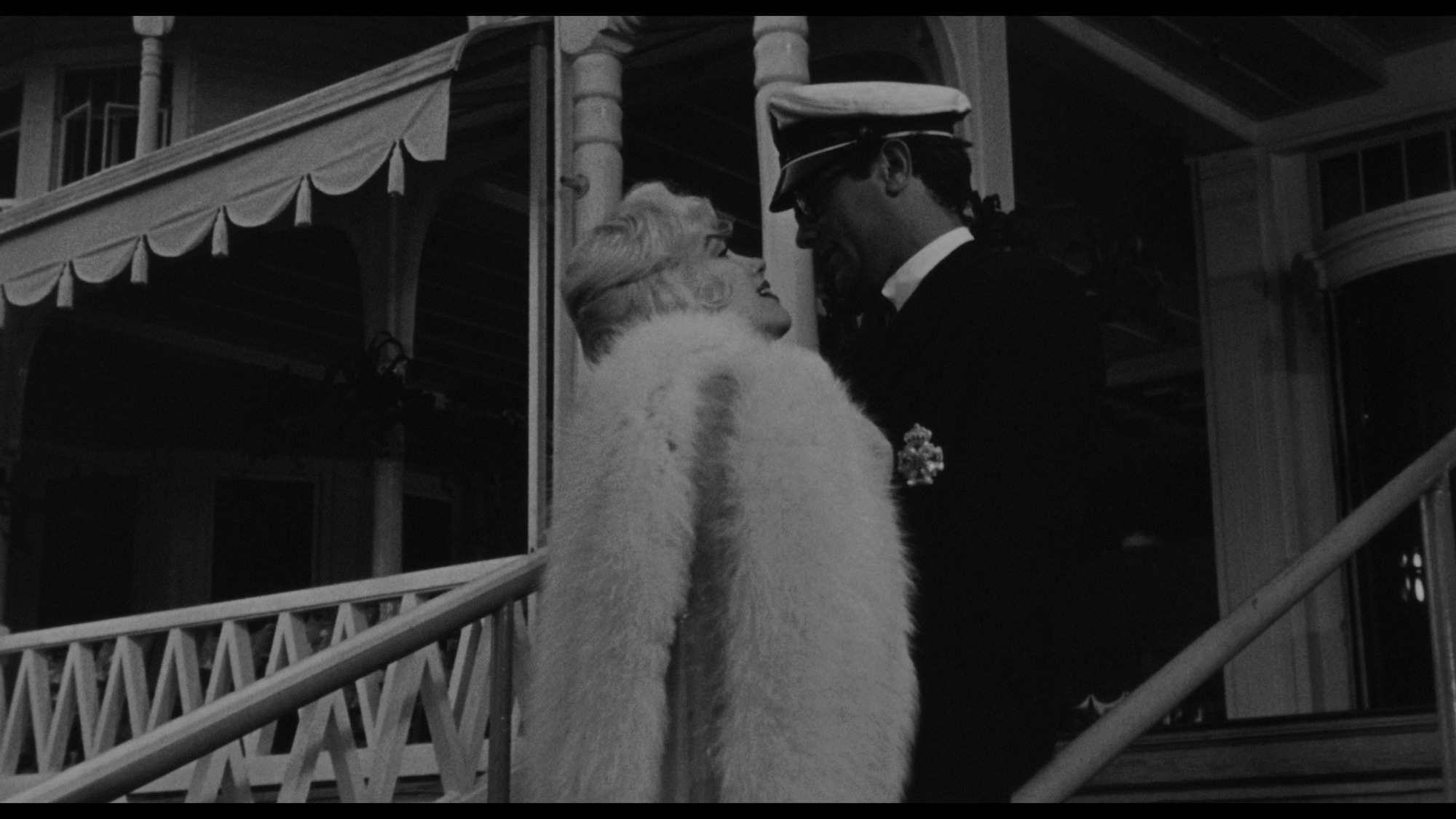
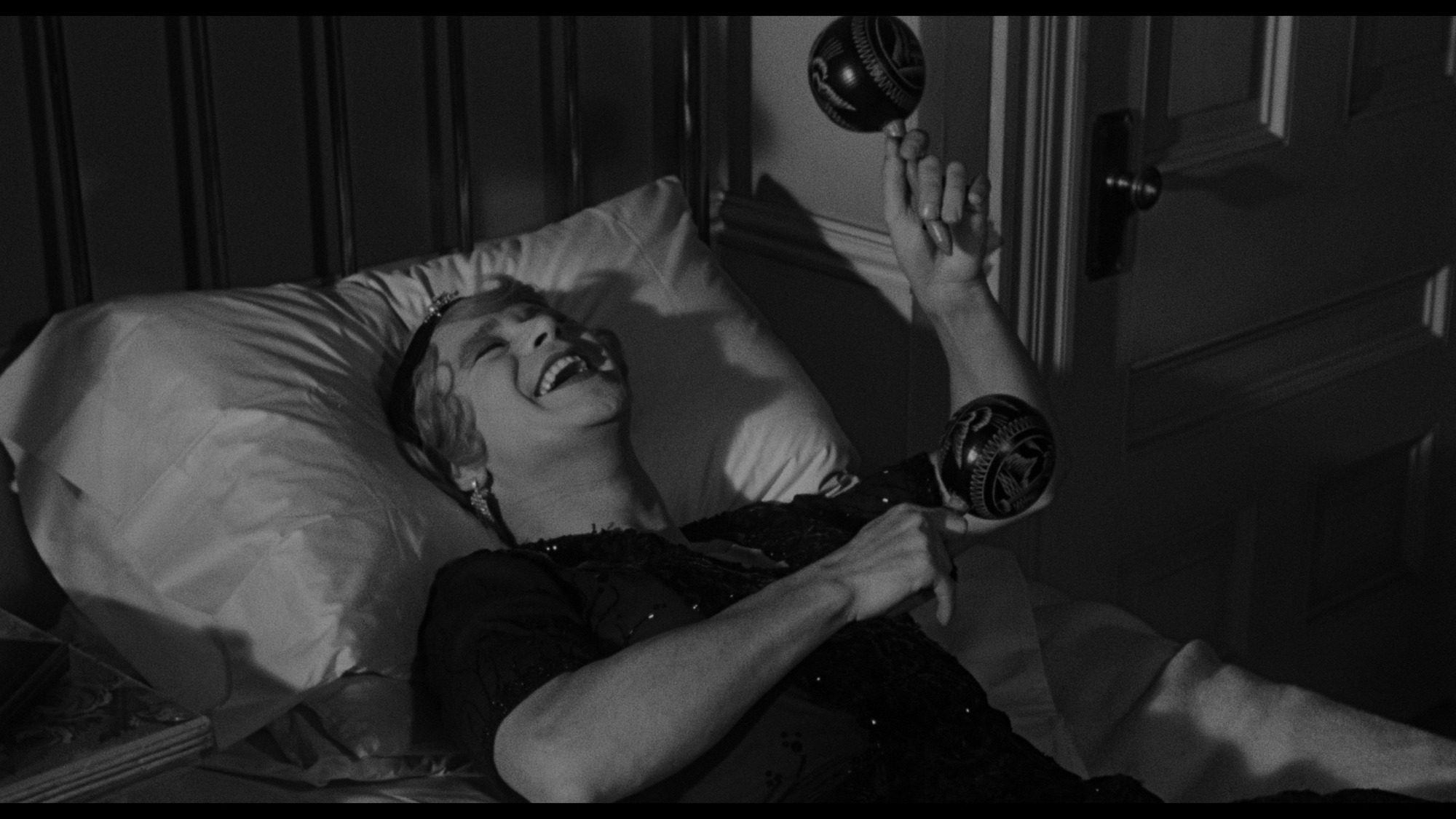
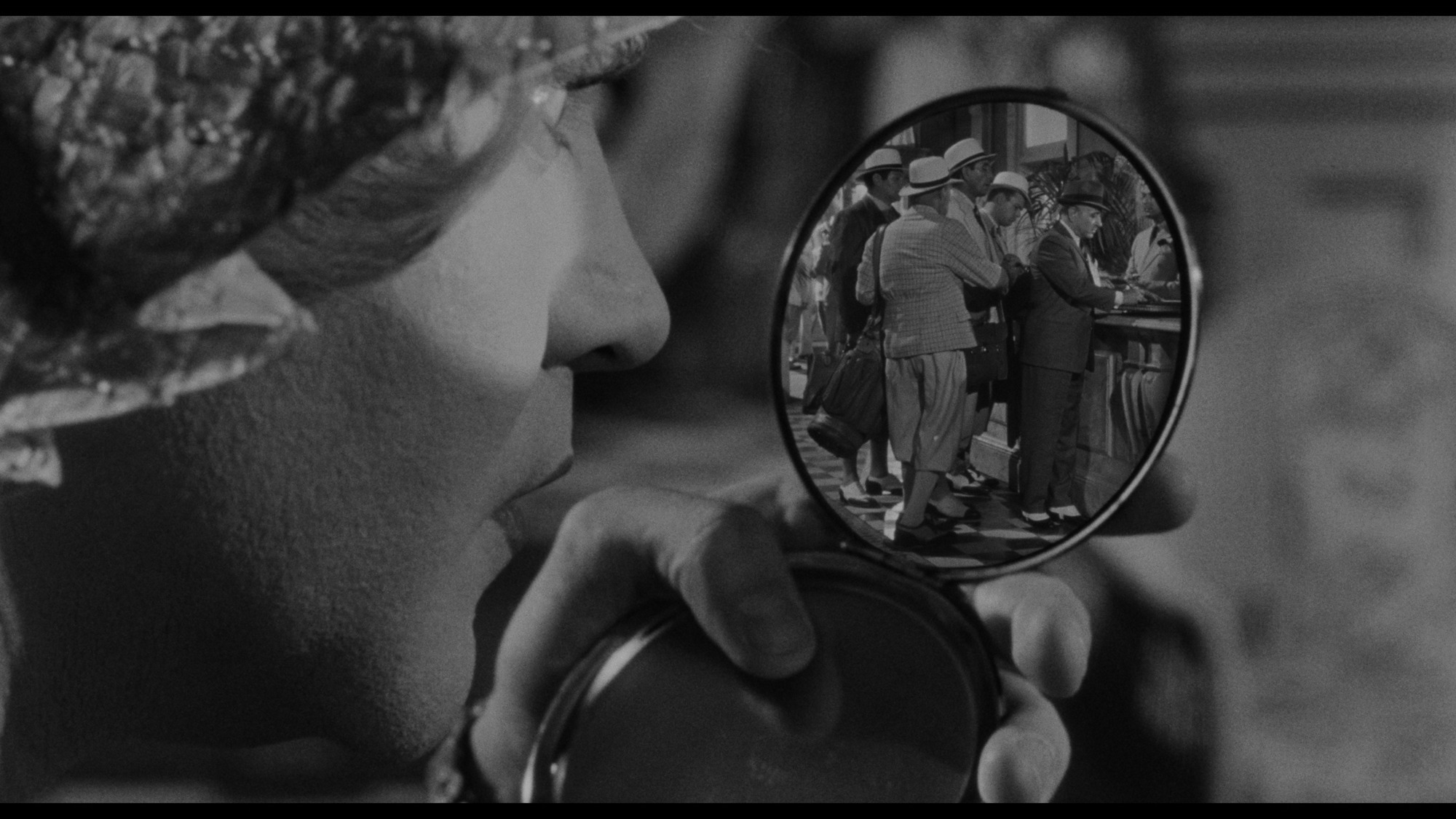
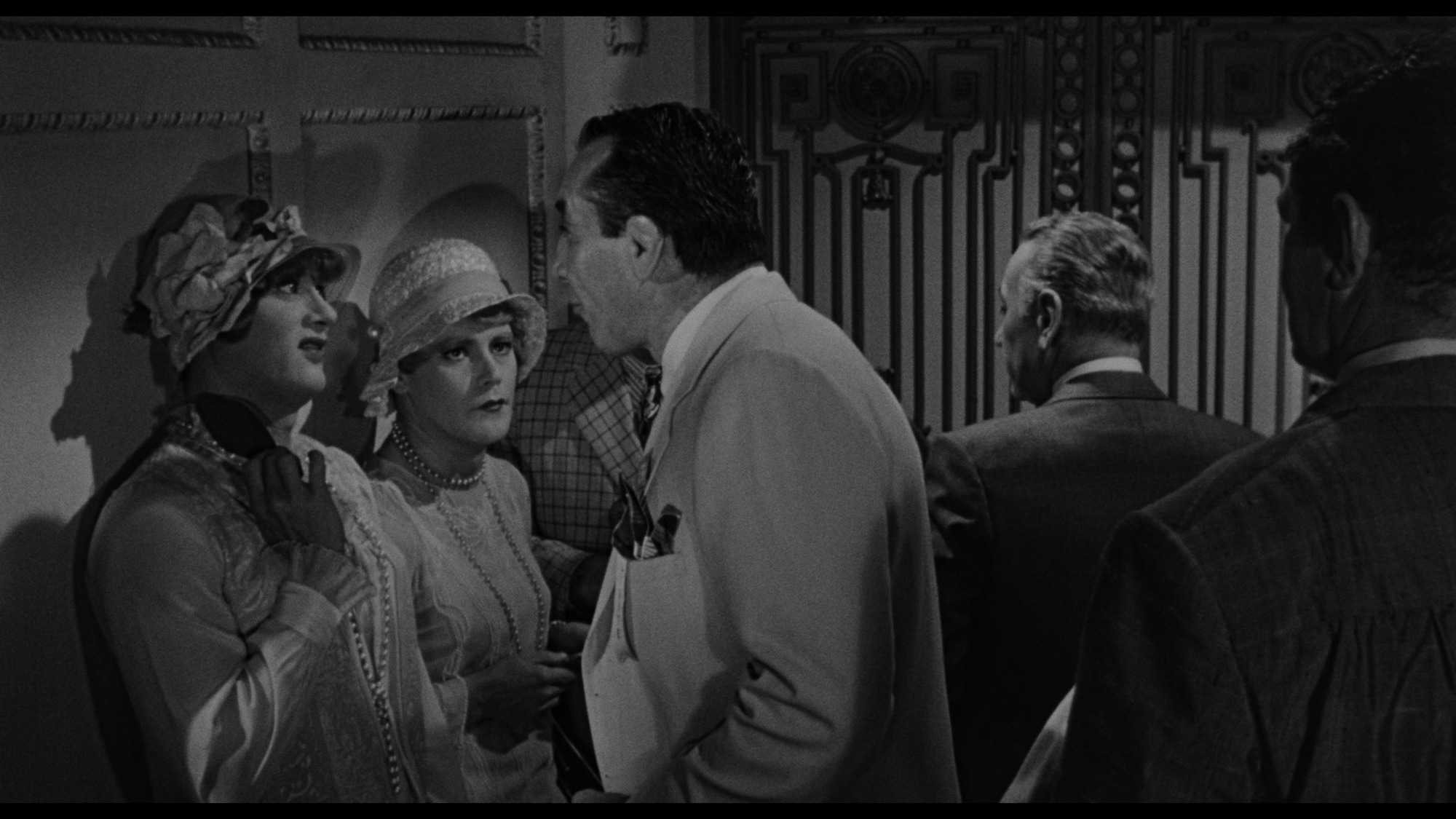
The Criterion Collection upgrades their edition of Billy Wilder’s Some Like It Hot to 4K UHD, presenting the film in 2160p/24hz ultra high-definition with Dolby Vision, framed in its original aspect ratio of 1.85:1 on a triple-layer disc. The presentation is sourced from the same restoration used for Criterion’s Blu-ray, taken primarily from a 4K scan of the 35mm original camera negative. A 35mm duplicate negative and a 35mm fine-grain master positive were used to fill in material missing from the original negative. A dual-layer Blu-ray is also included, featuring a 1080p presentation of the film and all of the video features. Outside of the updated disc art, it’s the same disc from the 2018 release.
I never picked up Kino’s 4K edition (oddly enough, it was one of the few Criterion crossovers I skipped, despite the exclusive Joseph McBride commentary), so I can't offer a direct comparison. However, compared to Criterion’s 2018 Blu-ray, this new 4K edition offers a notable upgrade. While their Blu-ray still holds up decently (its encode could be better), the 4K disc delivers a much cleaner, more refined image: grain appears tighter, and fine details pop a little more.
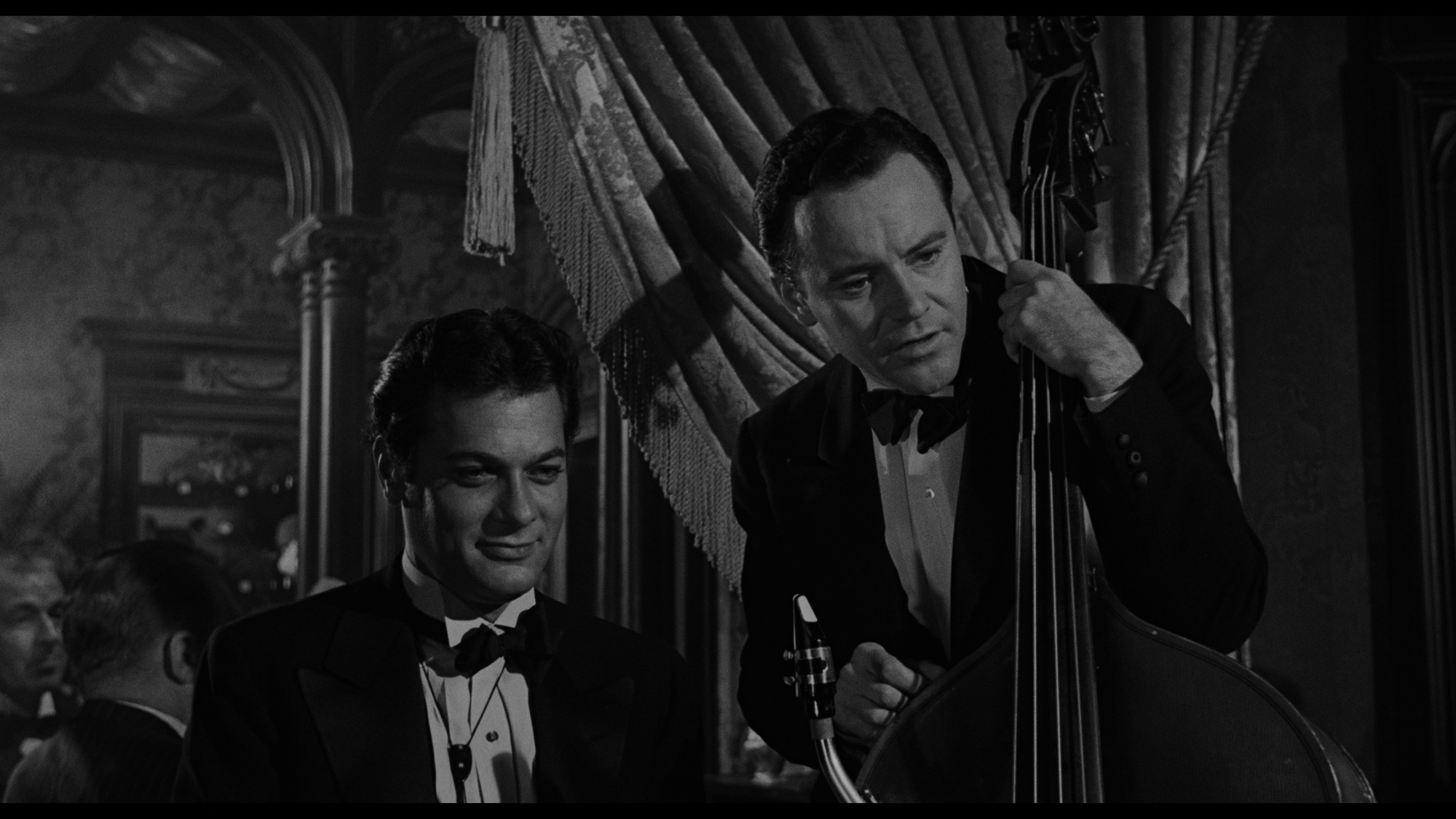
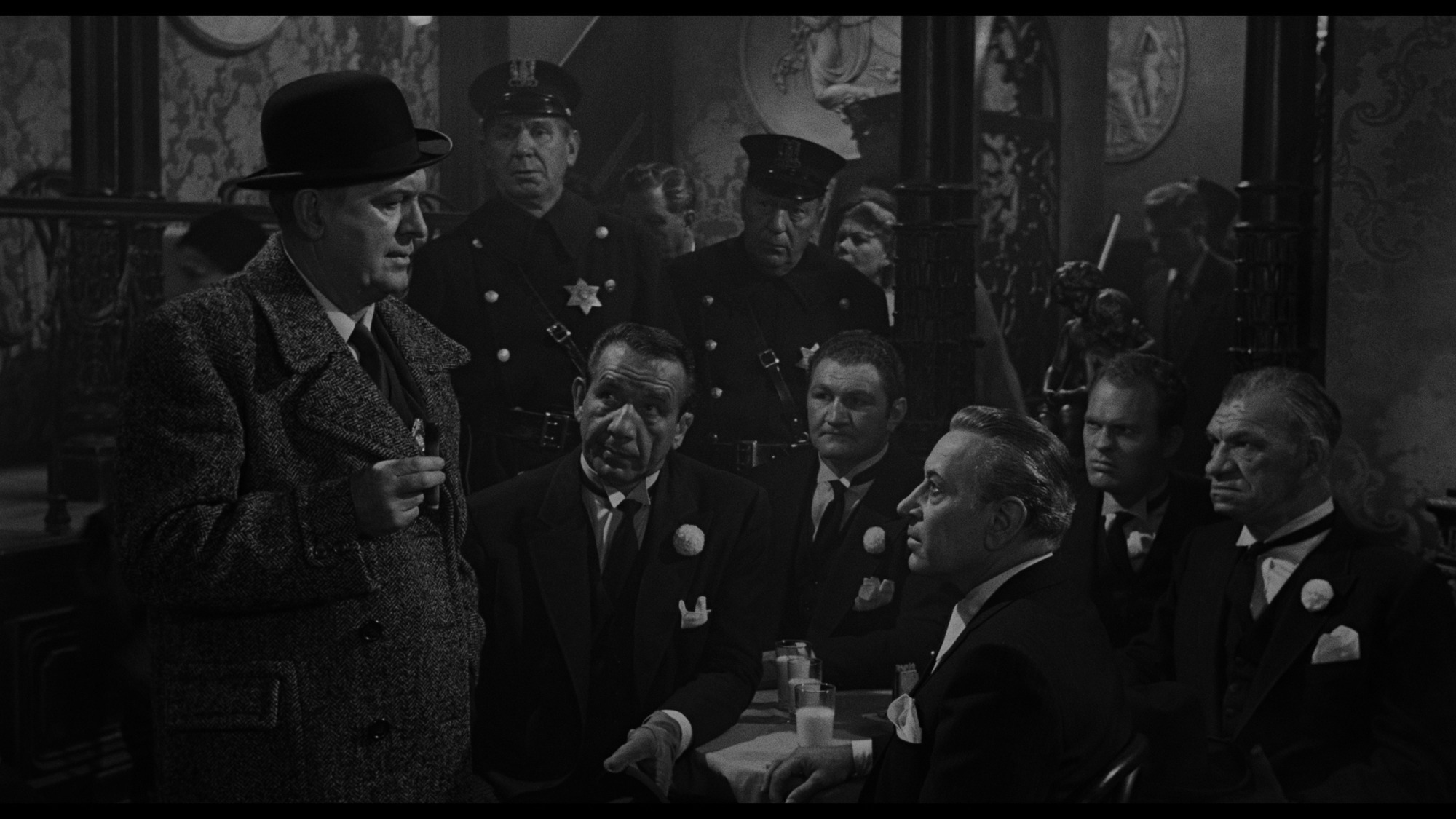
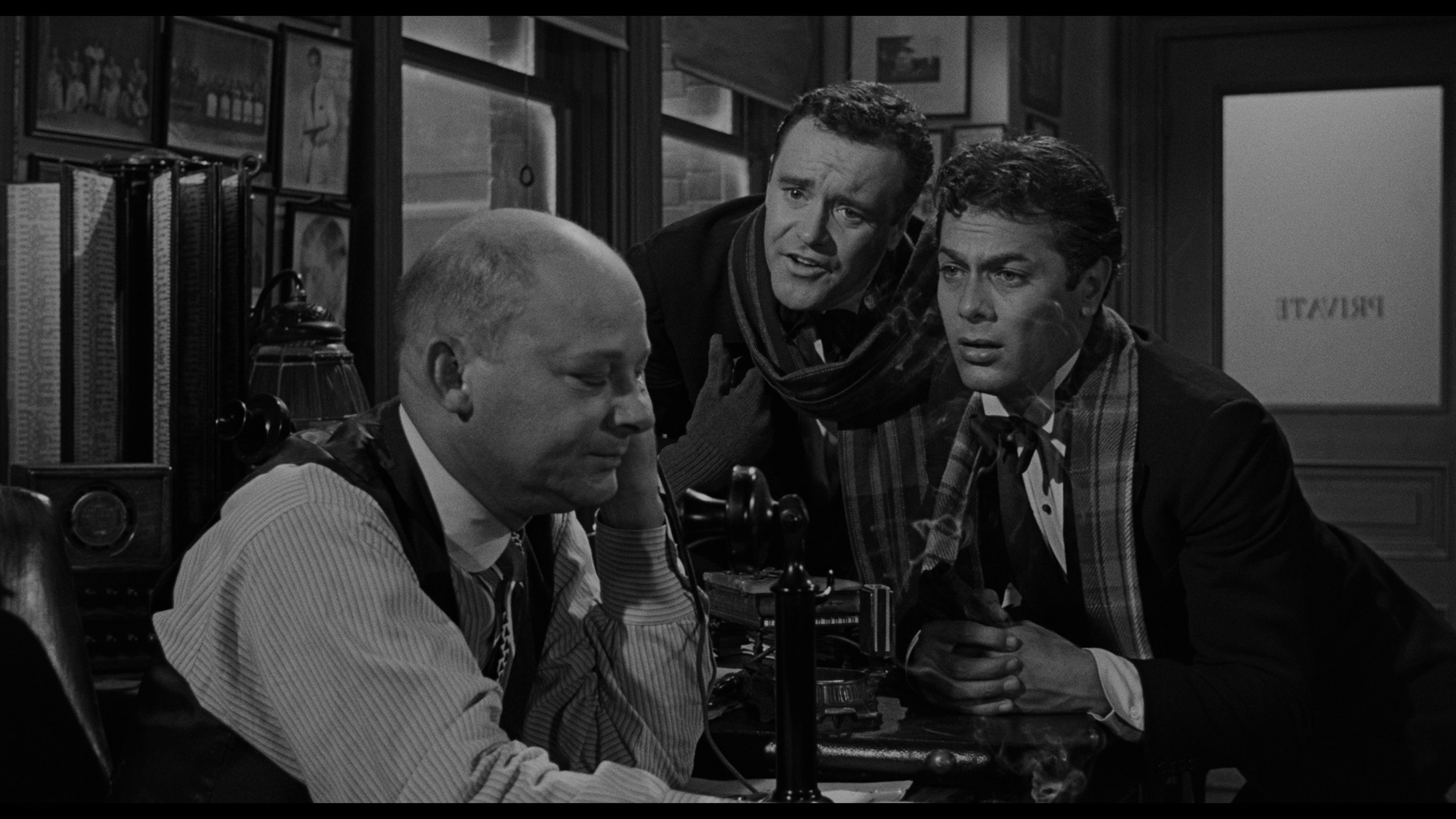
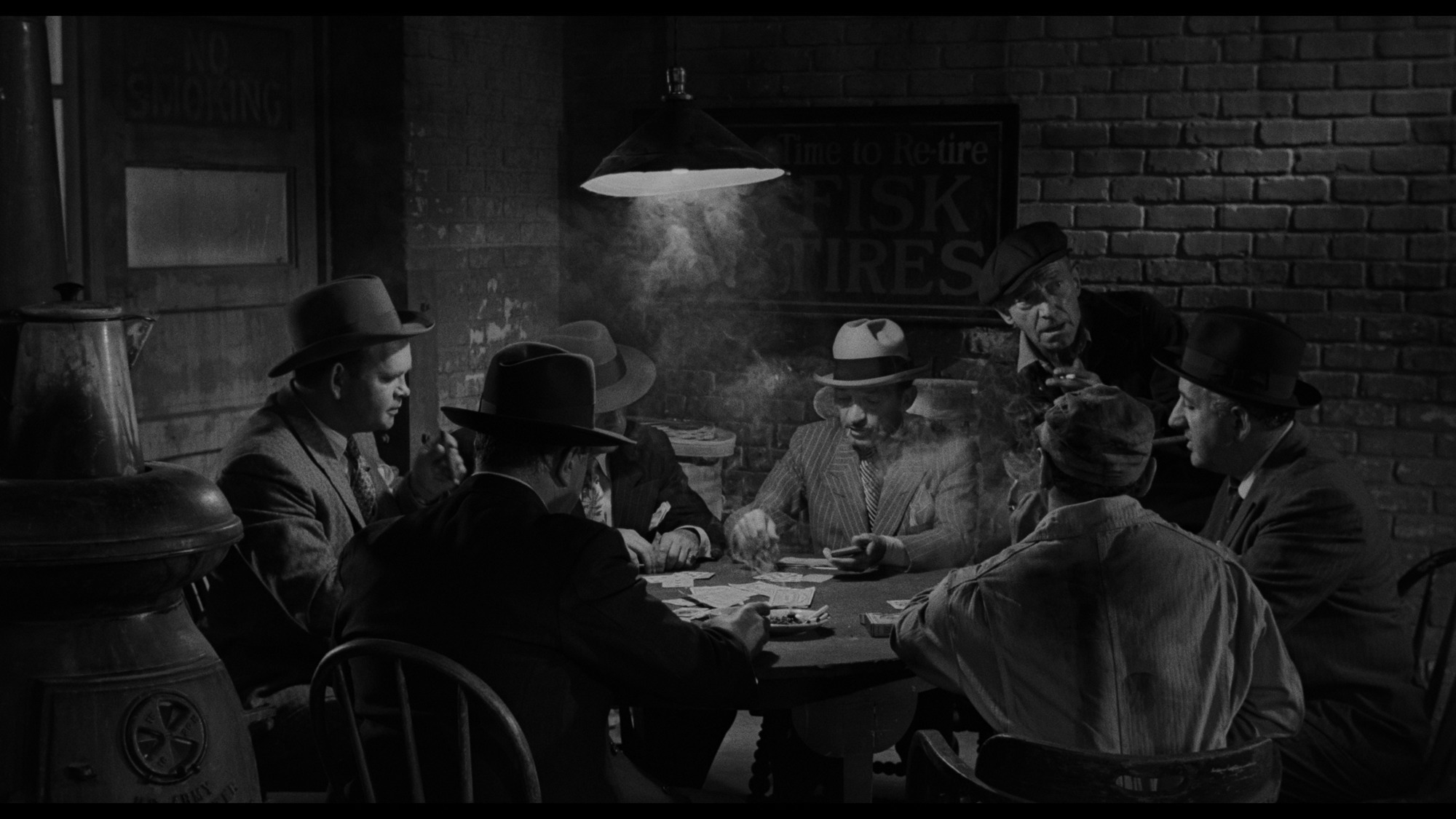
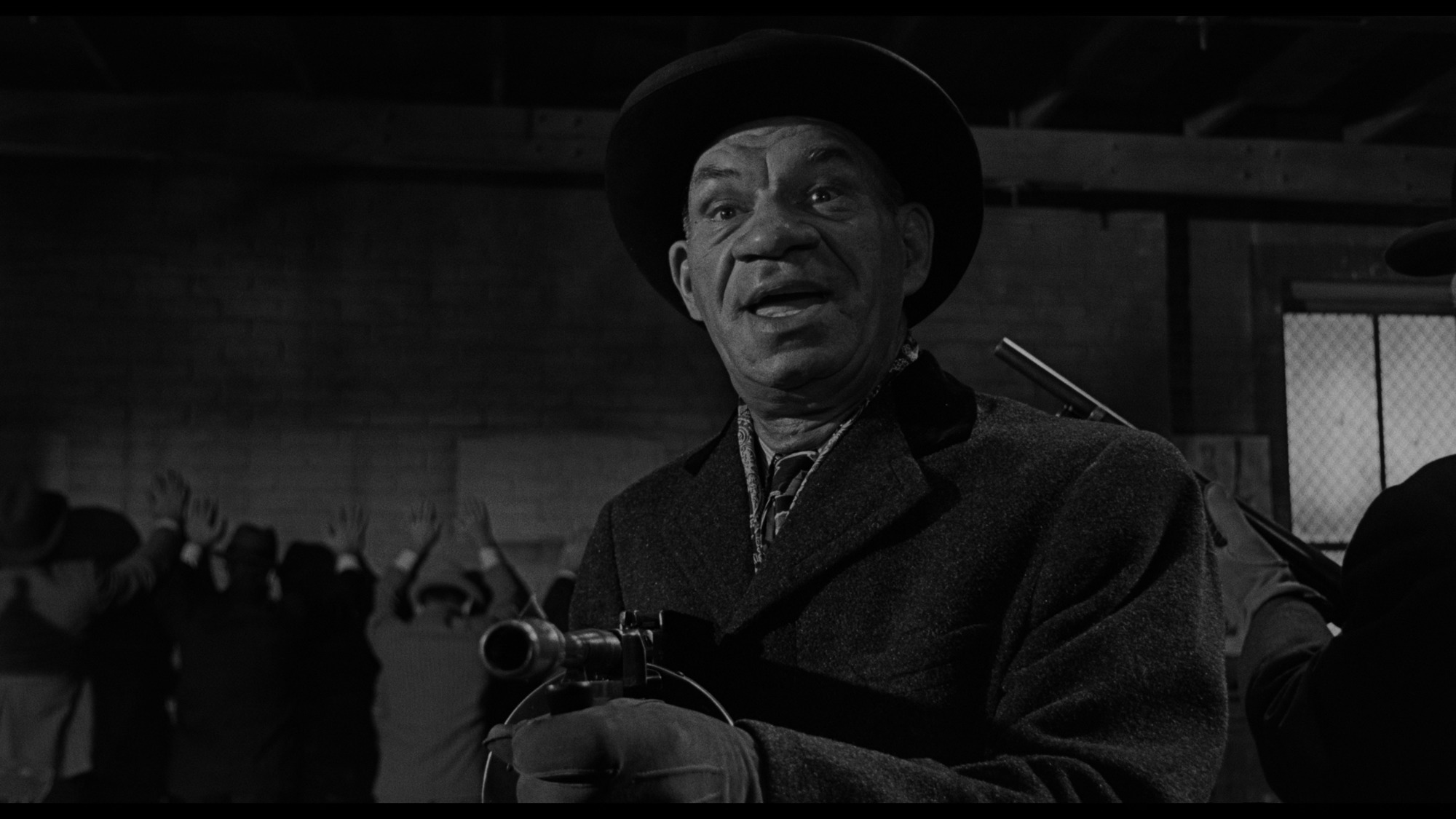
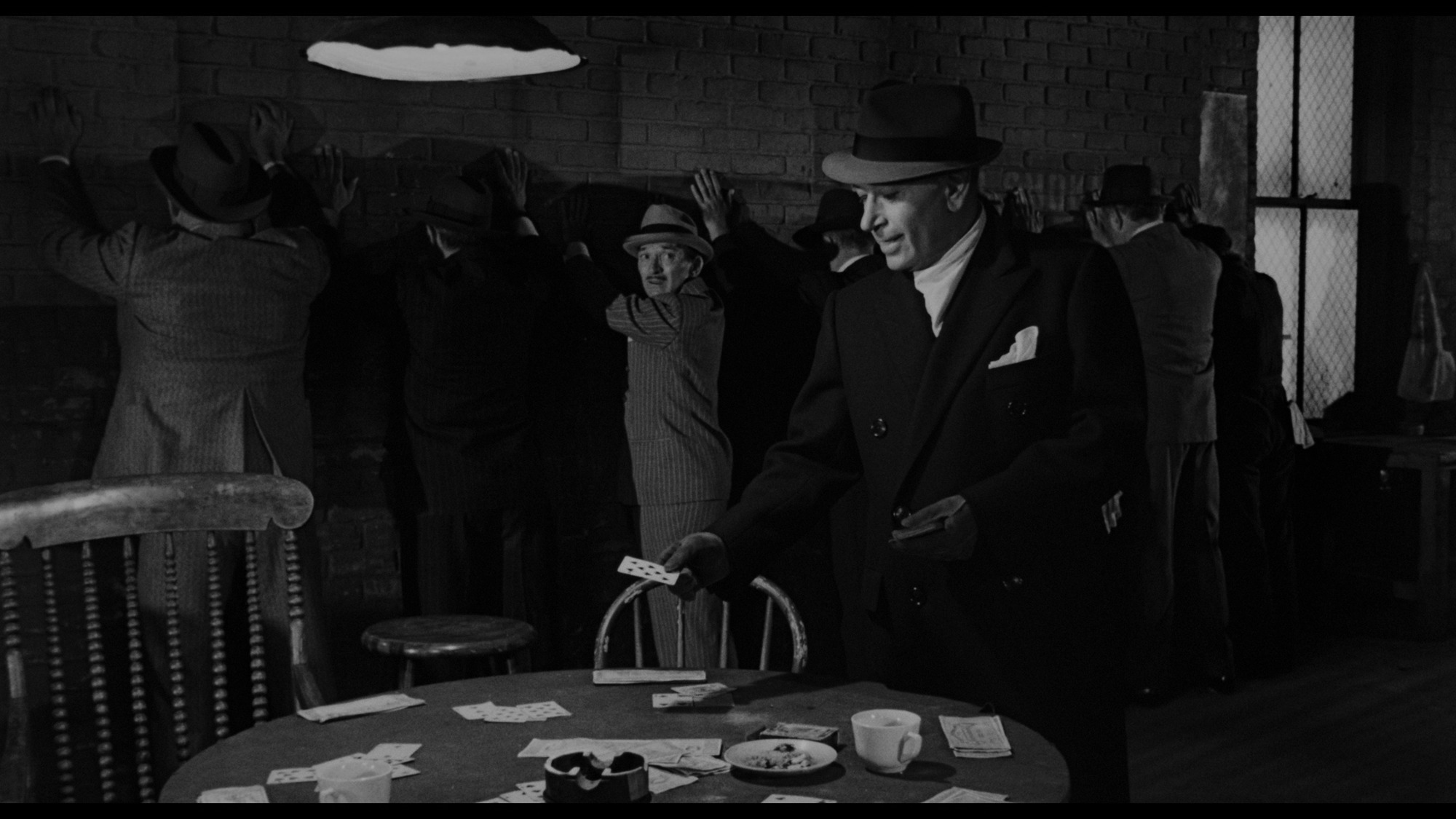
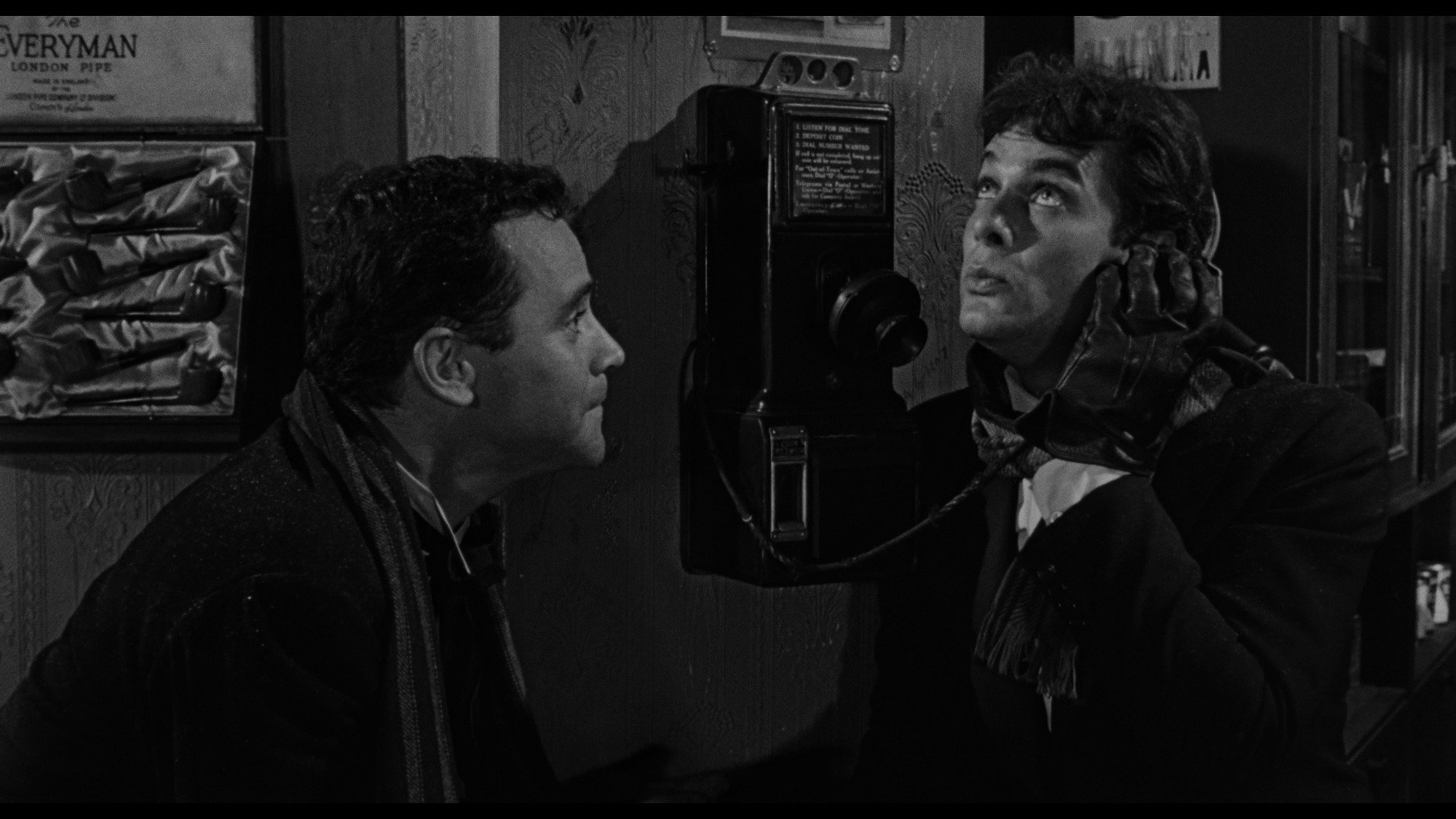
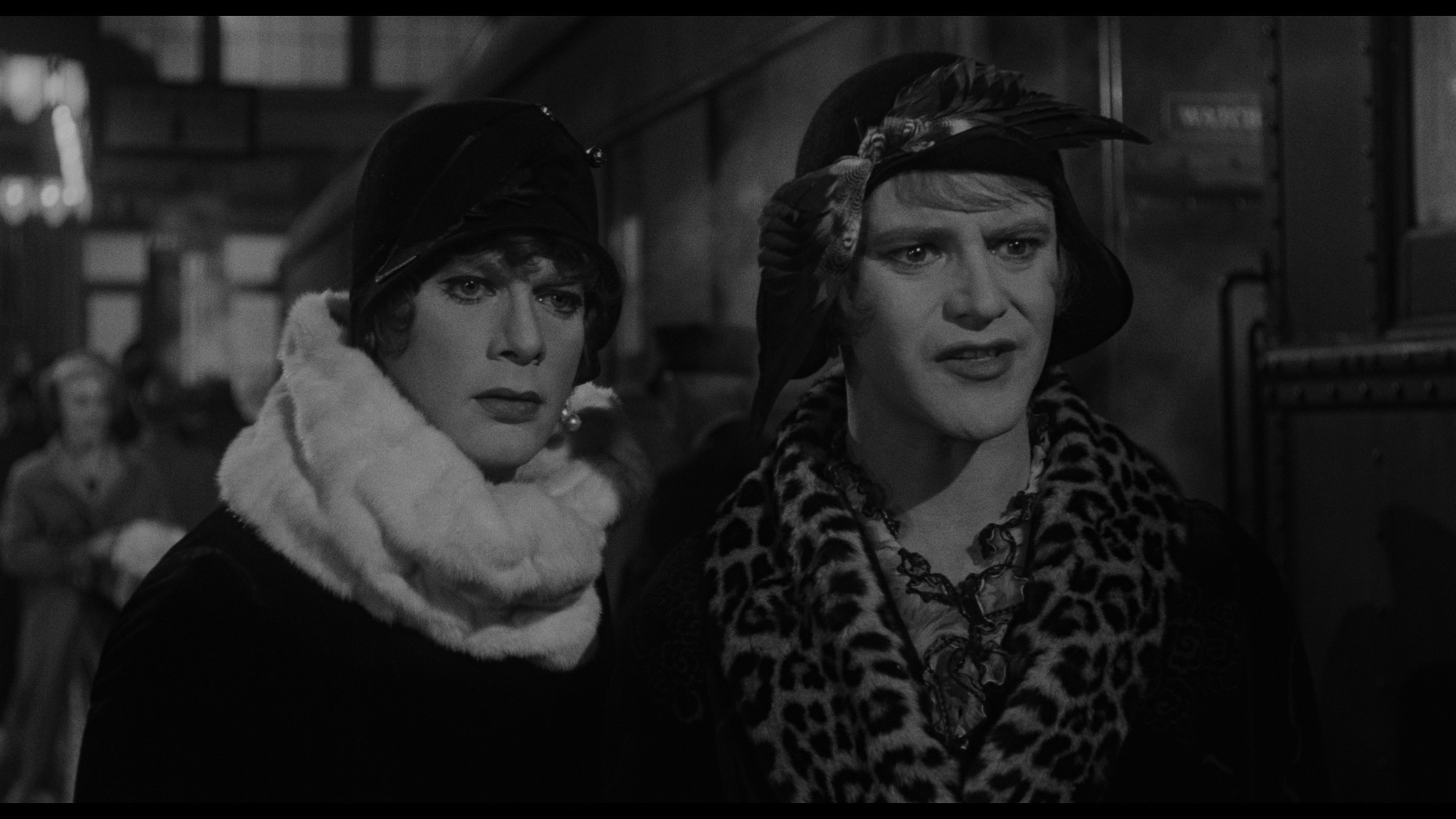
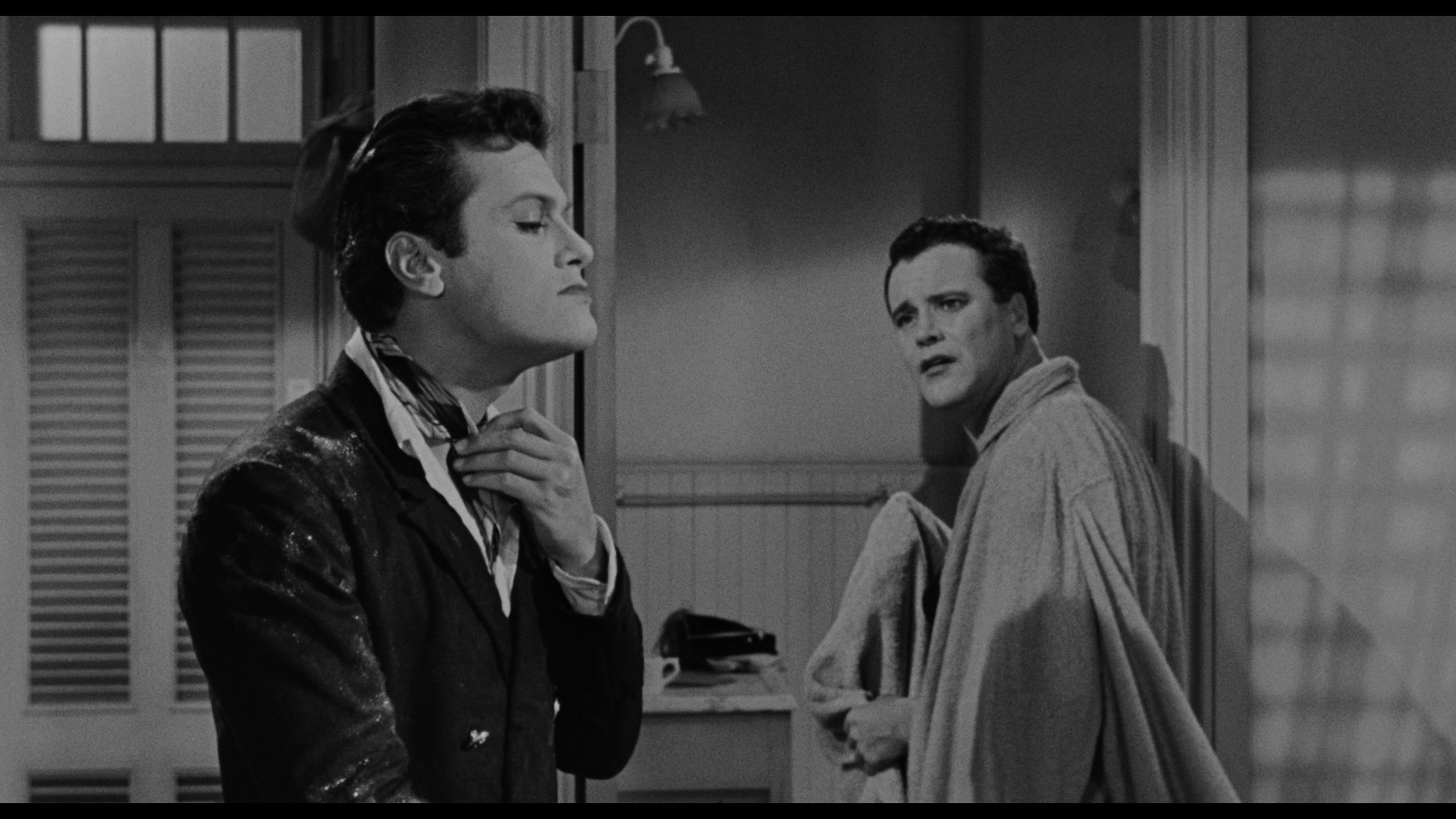
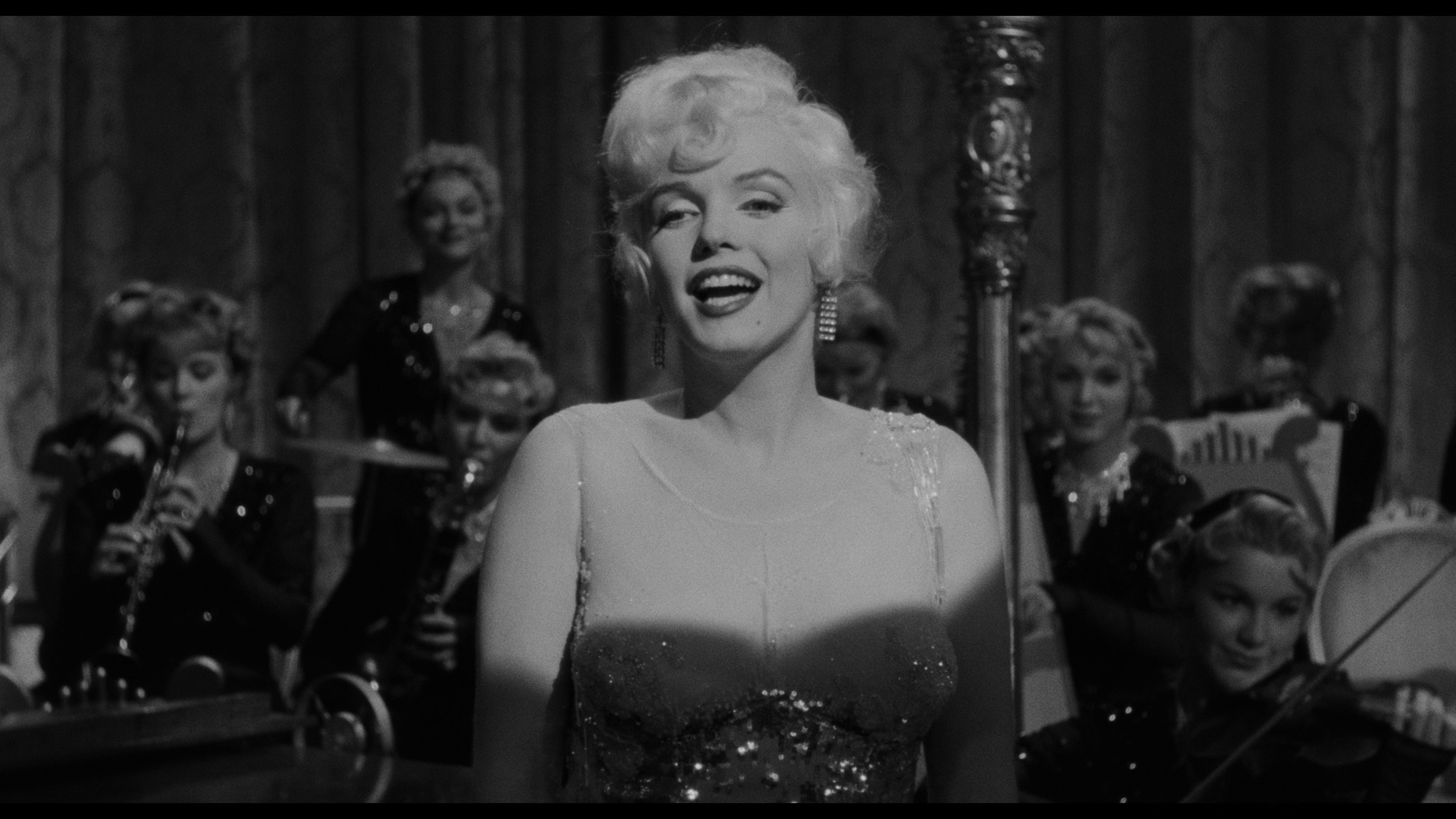
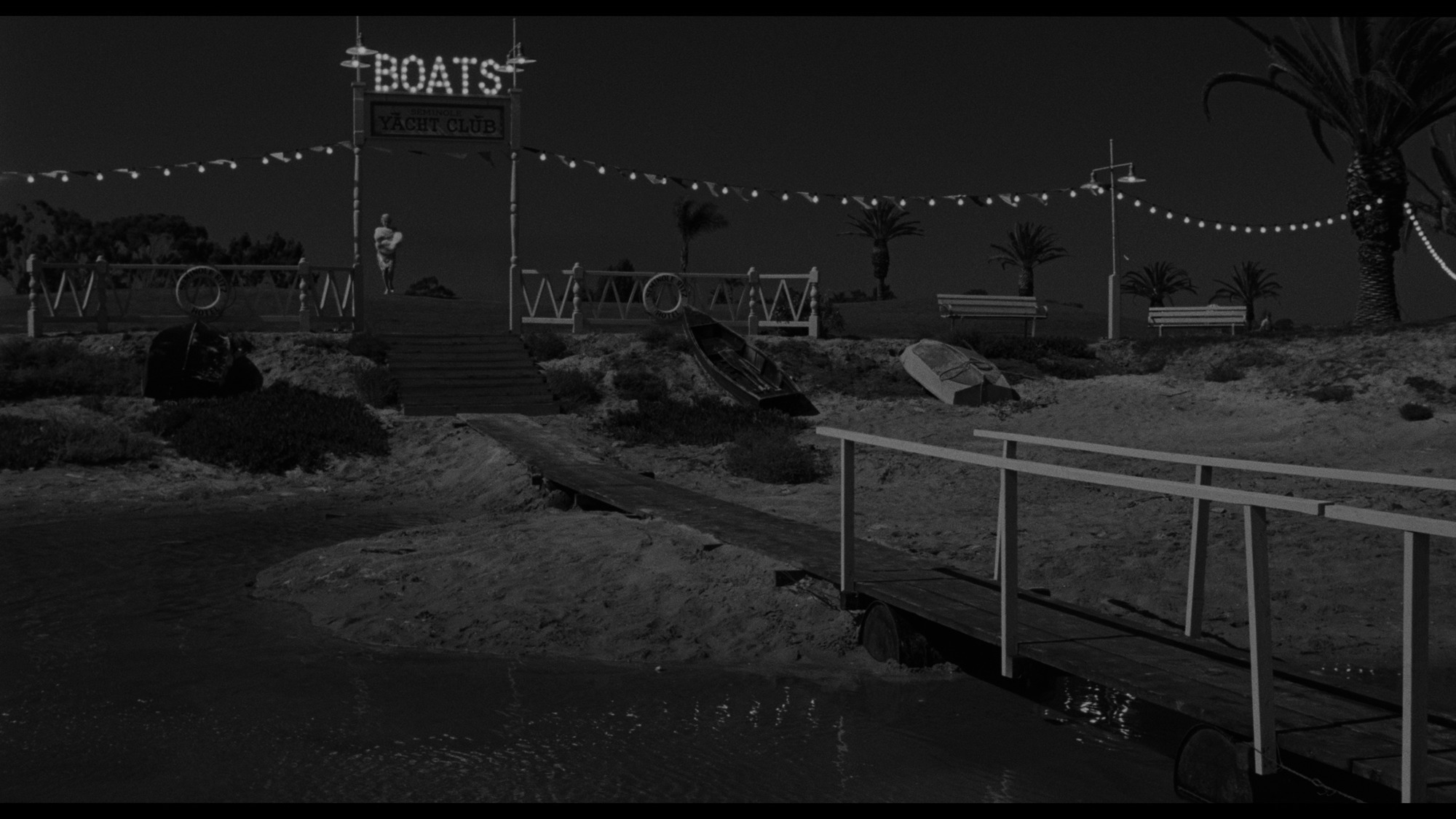
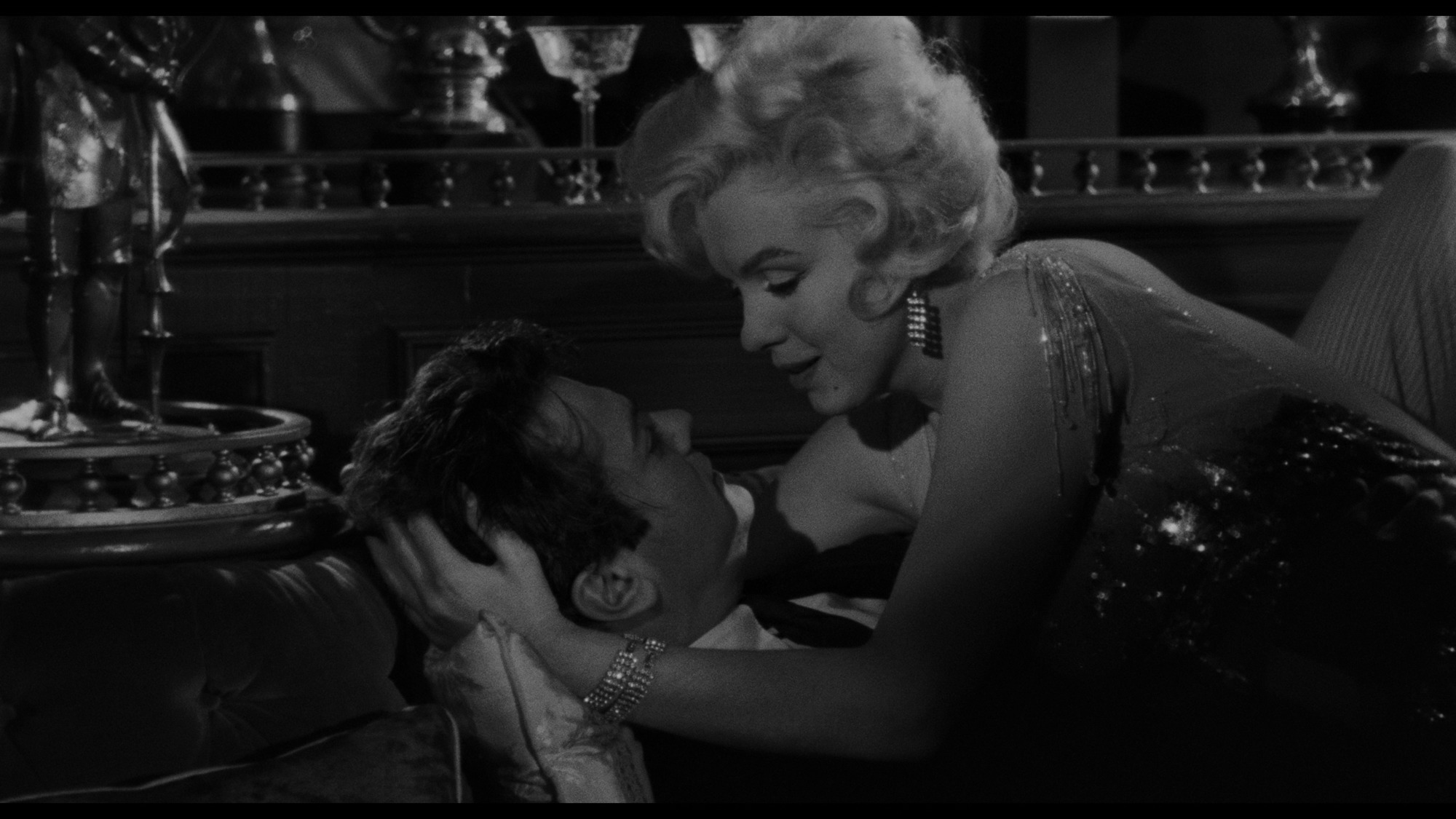
The biggest improvement by far comes from the use of HDR and Dolby Vision, which do wonders for the grayscale. It’s wider and more finely tuned here, with subtler shifts in gray tones that really shine in shots featuring the sky. The broader contrast range also enhances lighting, whether it’s sunlight streaming through windows or the way the dock lights glow at dusk. Black levels are rich and deep, shadow detail is slightly improved, and highlights look stronger compared to the Blu-ray.
The restoration work remains meticulous, as was already evident on the previous Blu-ray, and the image is clean and stable throughout. It’s a little more noticeable now where the alternate duplicate negative and master positive were used—the image can look softer in these sections, and the dynamic range feels slightly more limited. That said, the shifts are never jarring. Overall, it’s a surprisingly strong upgrade.
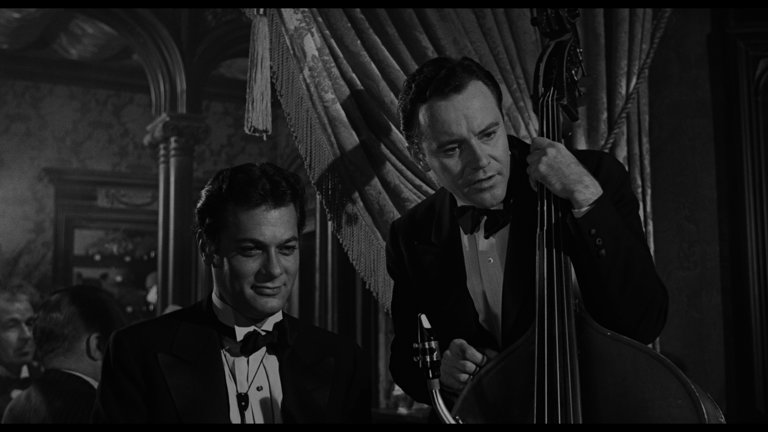
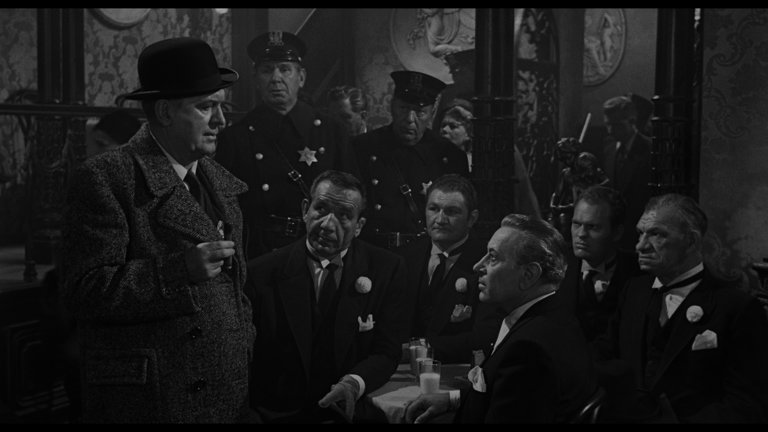
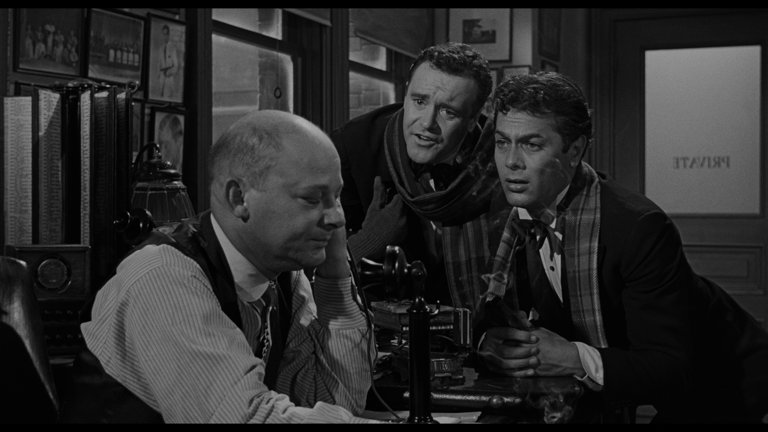
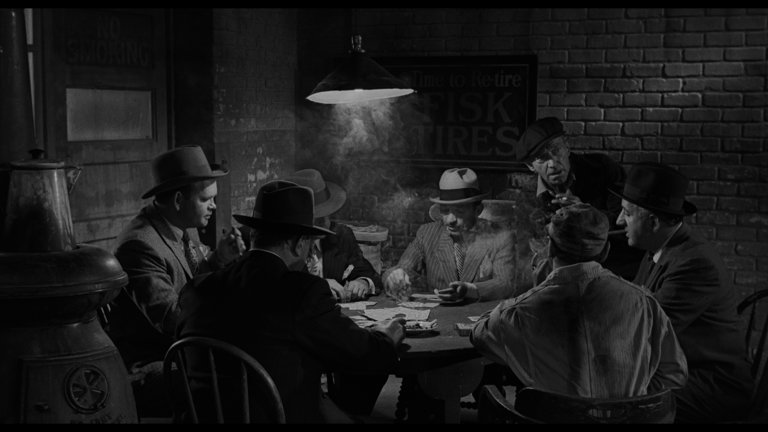
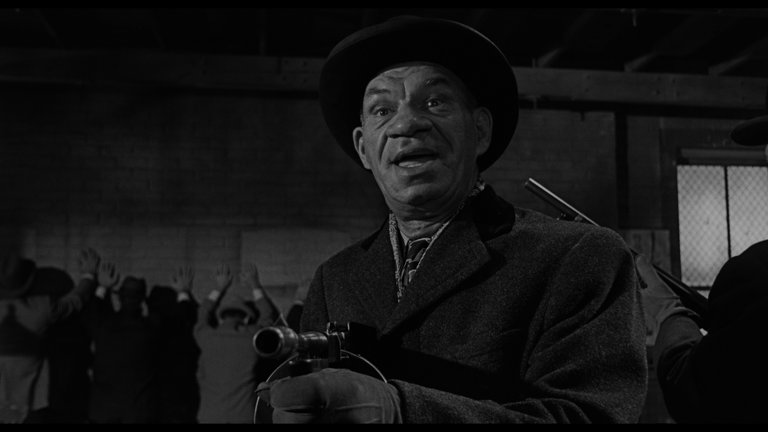
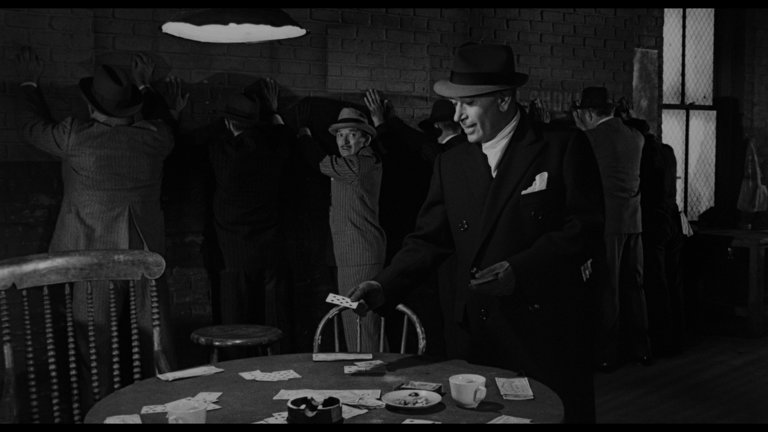
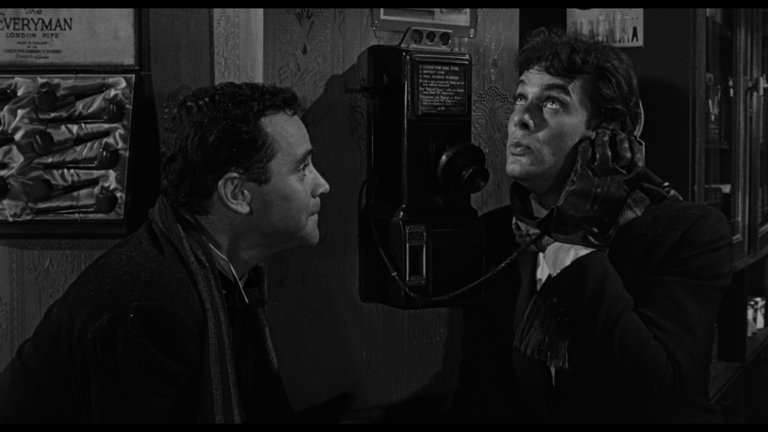
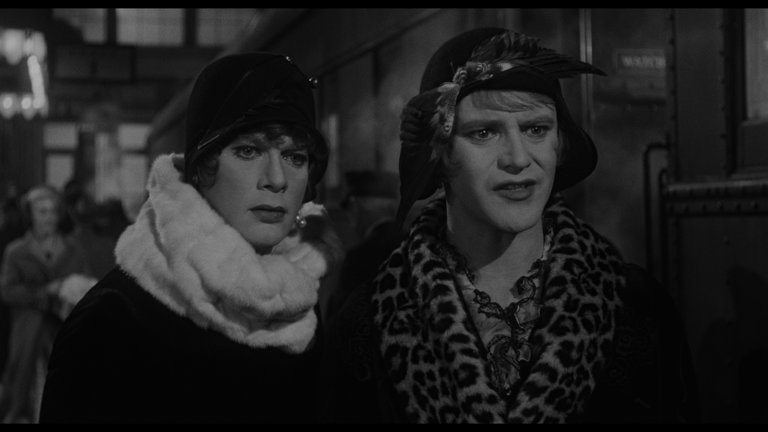
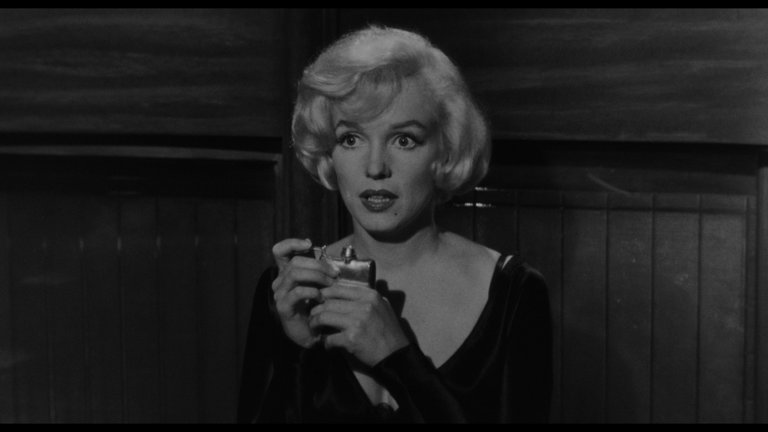
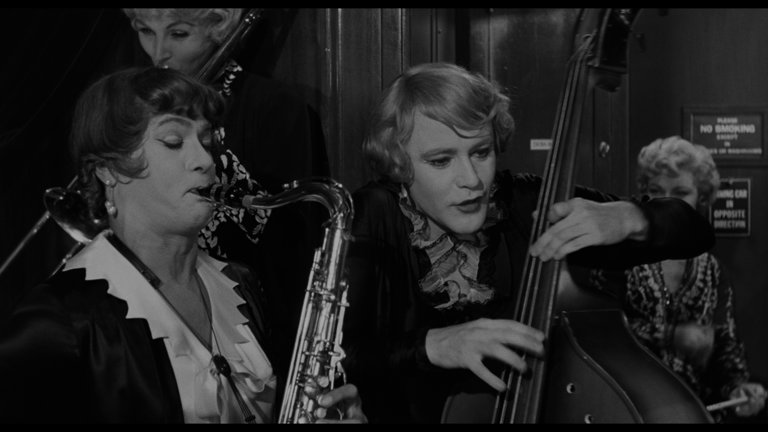
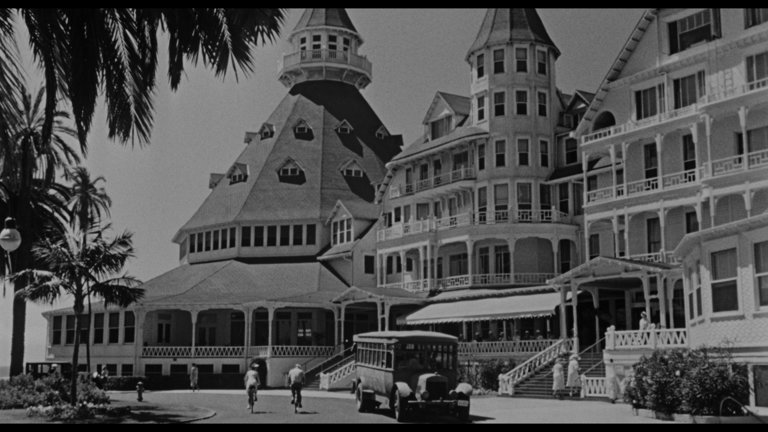
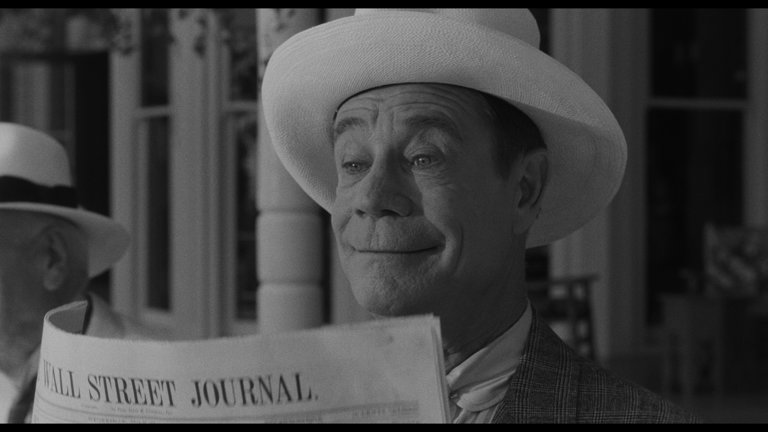
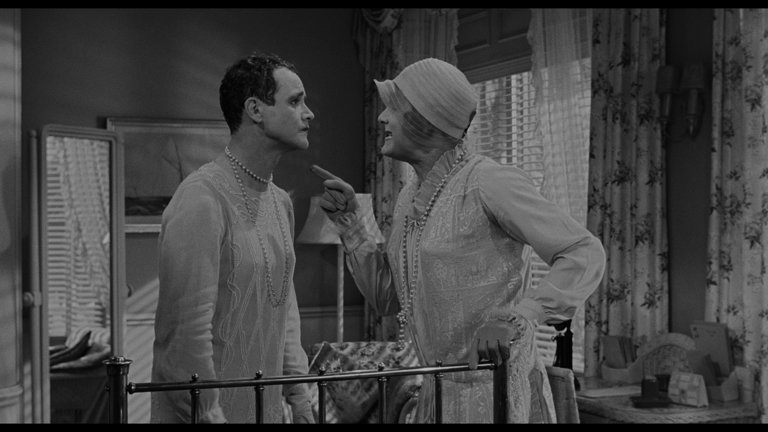
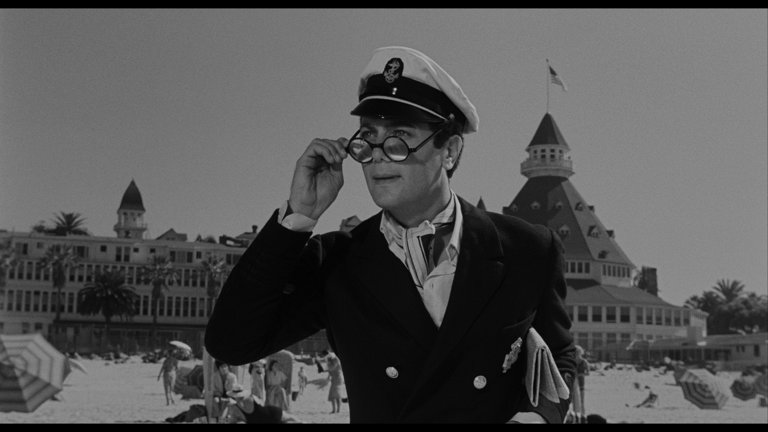
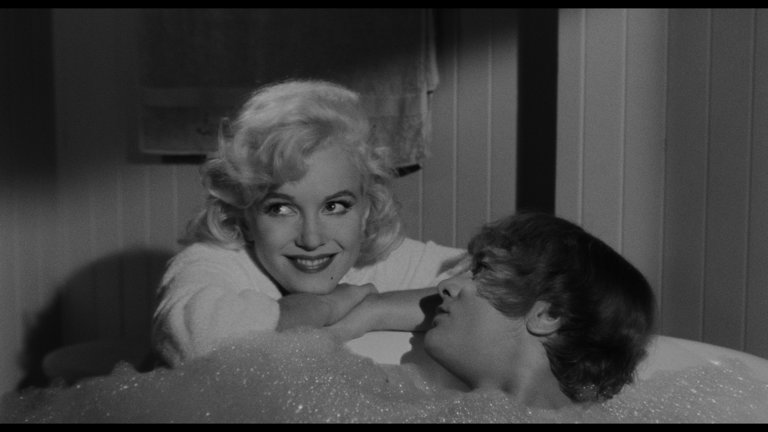
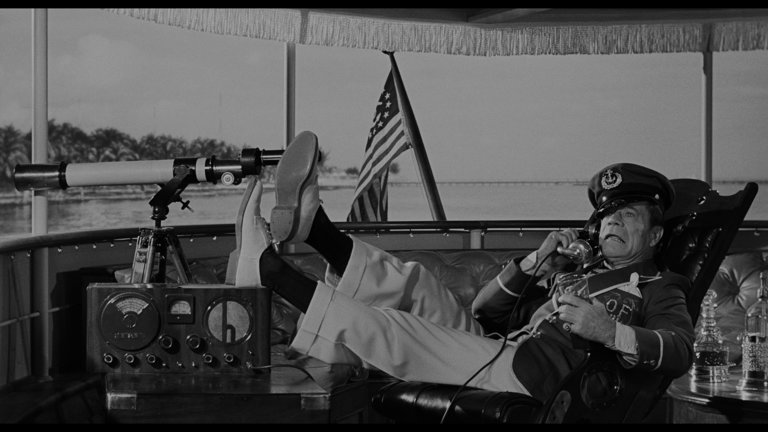
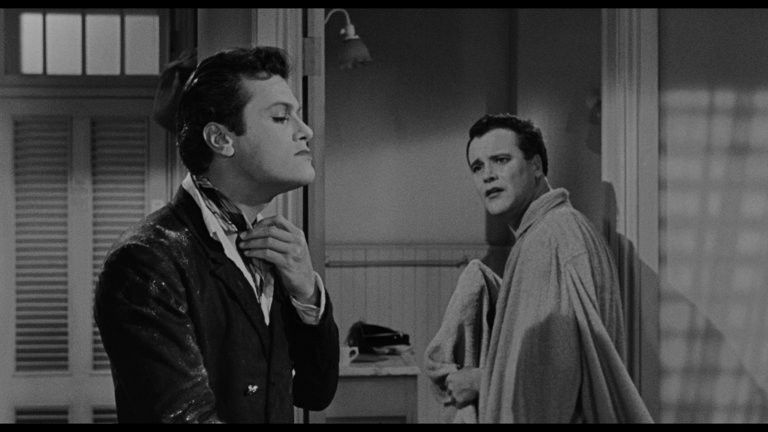
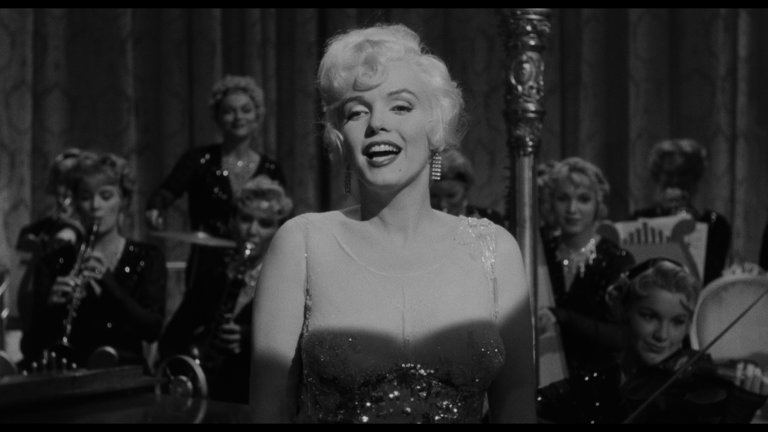
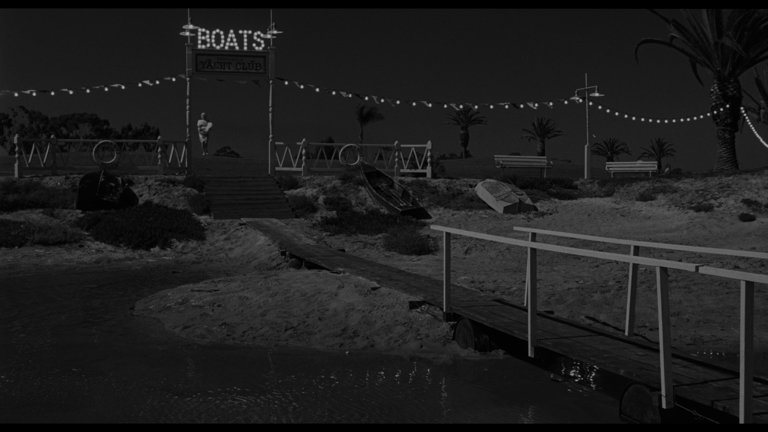
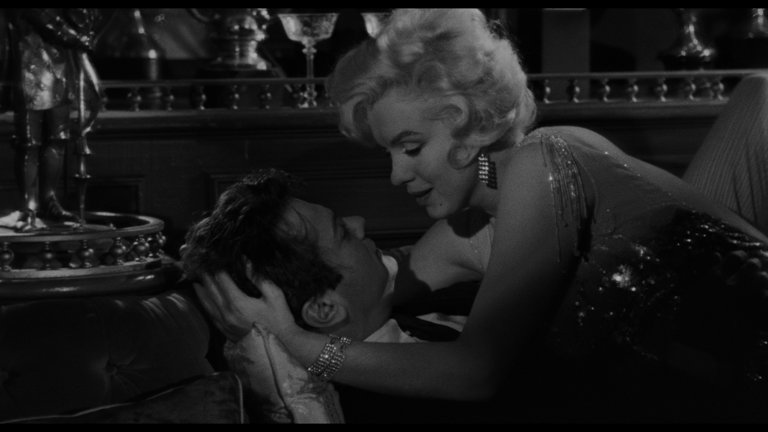
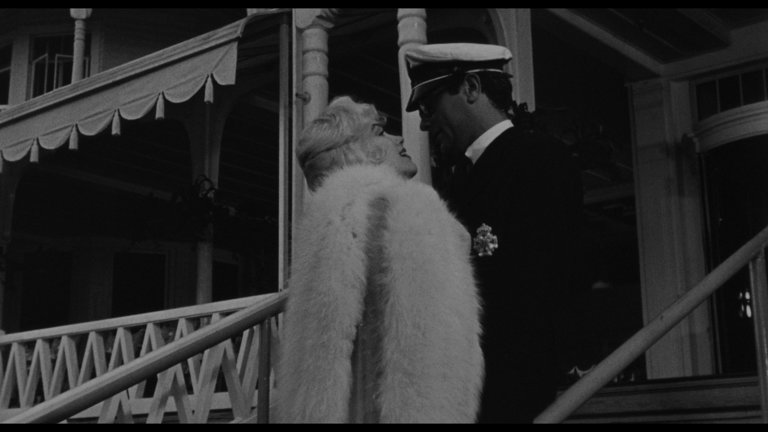
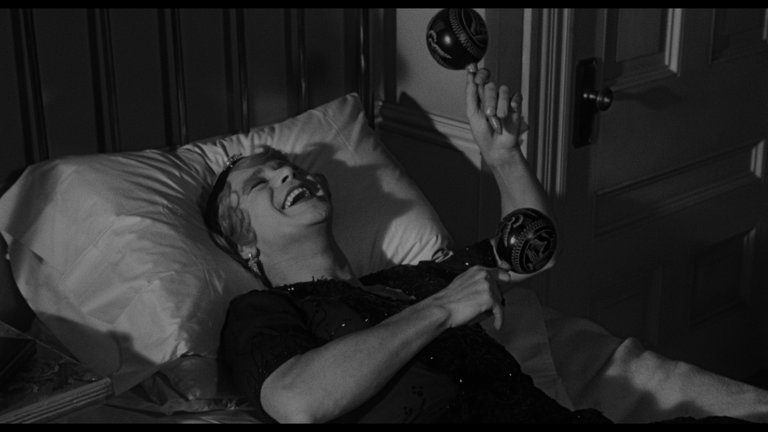
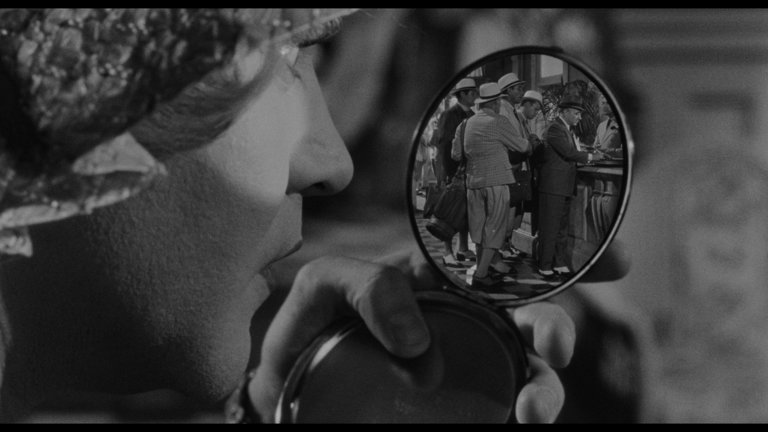
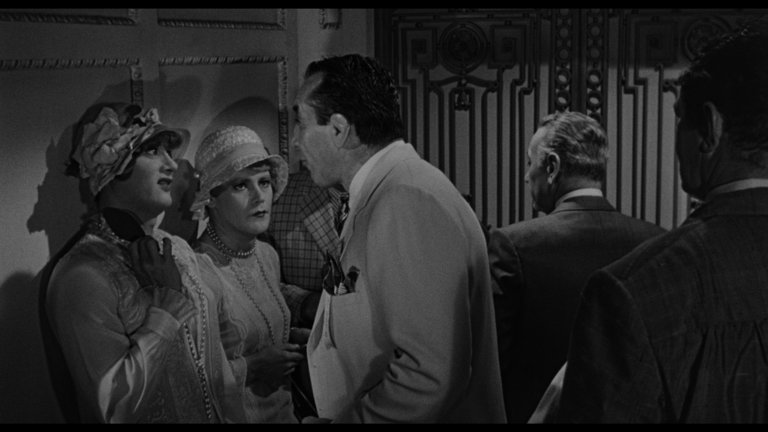
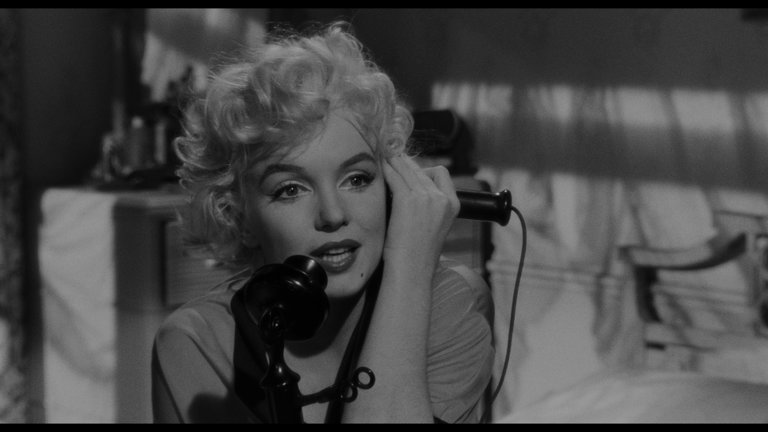
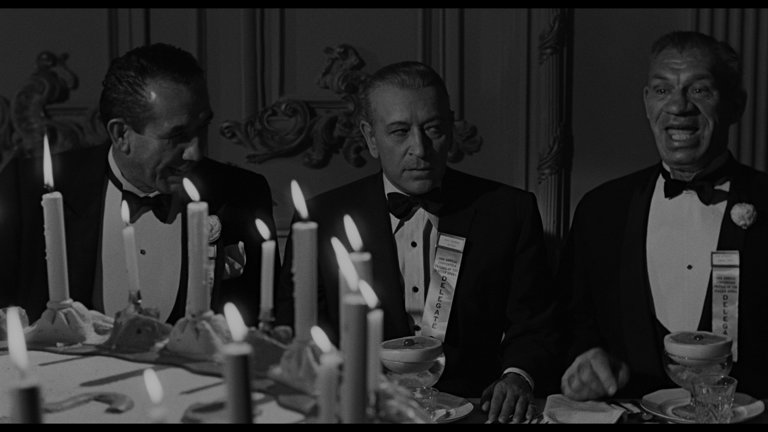
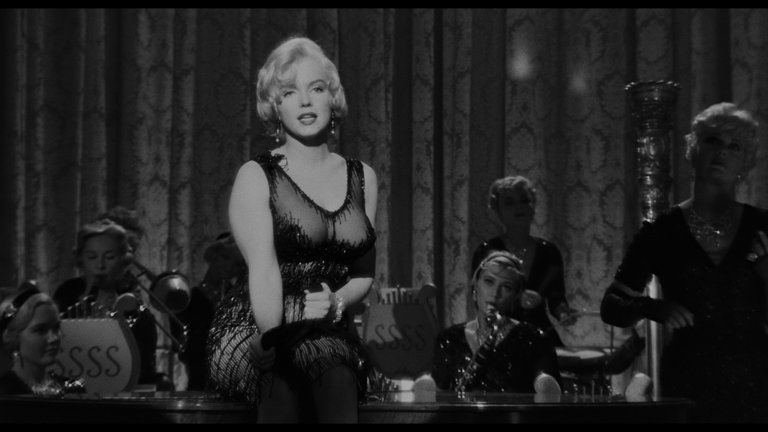
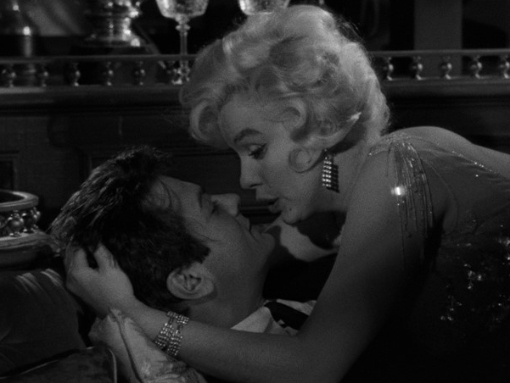
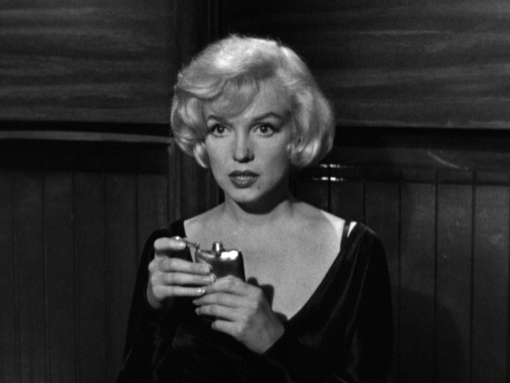
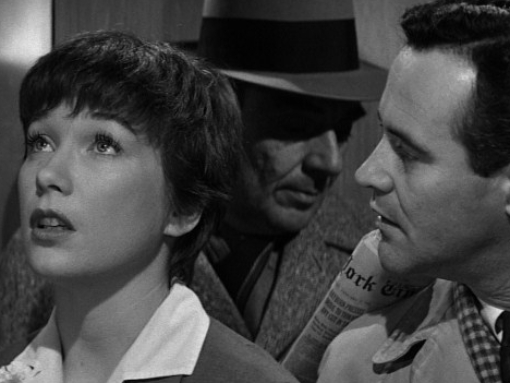
Some Like It Hot - Screen Captures
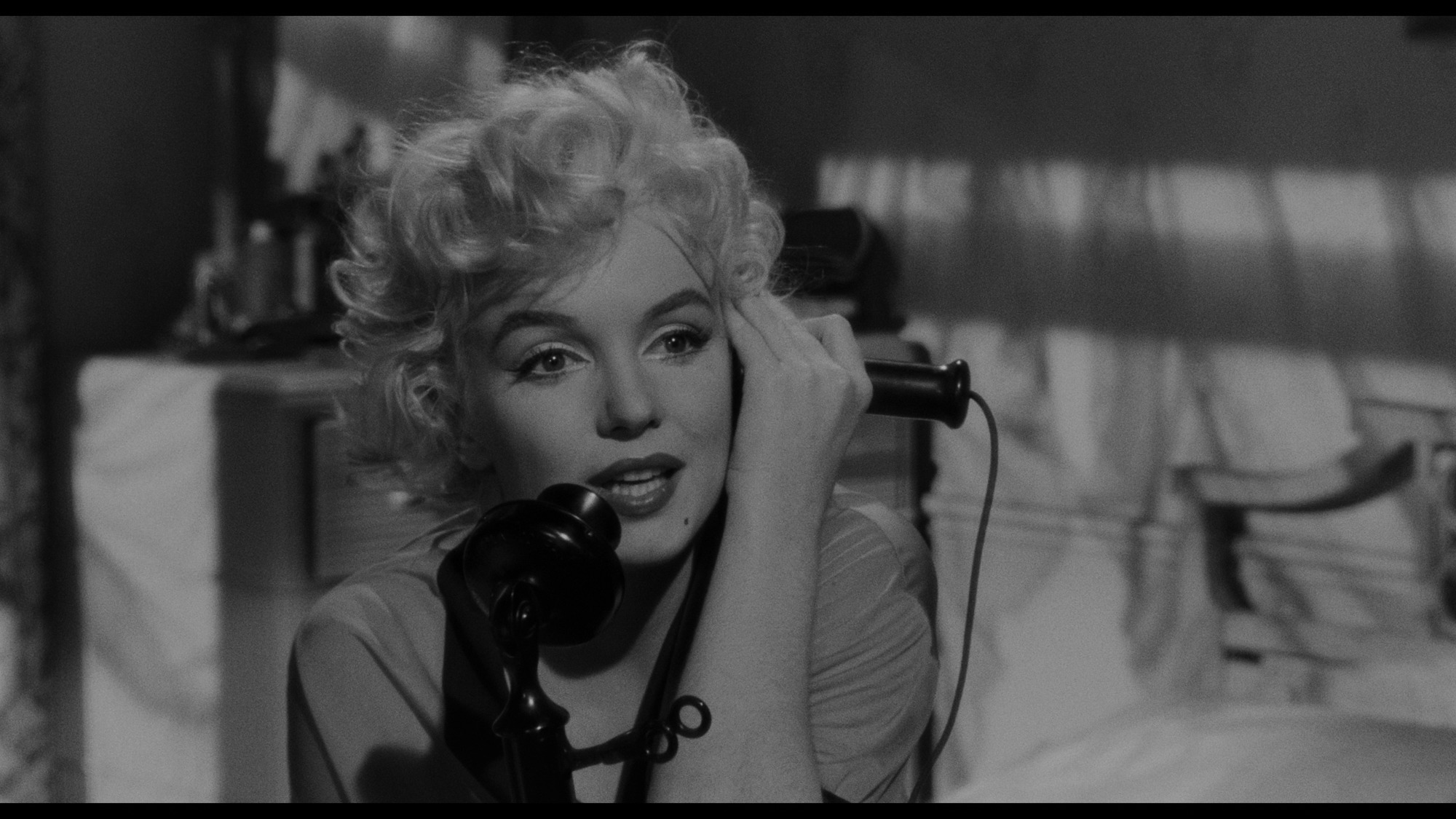
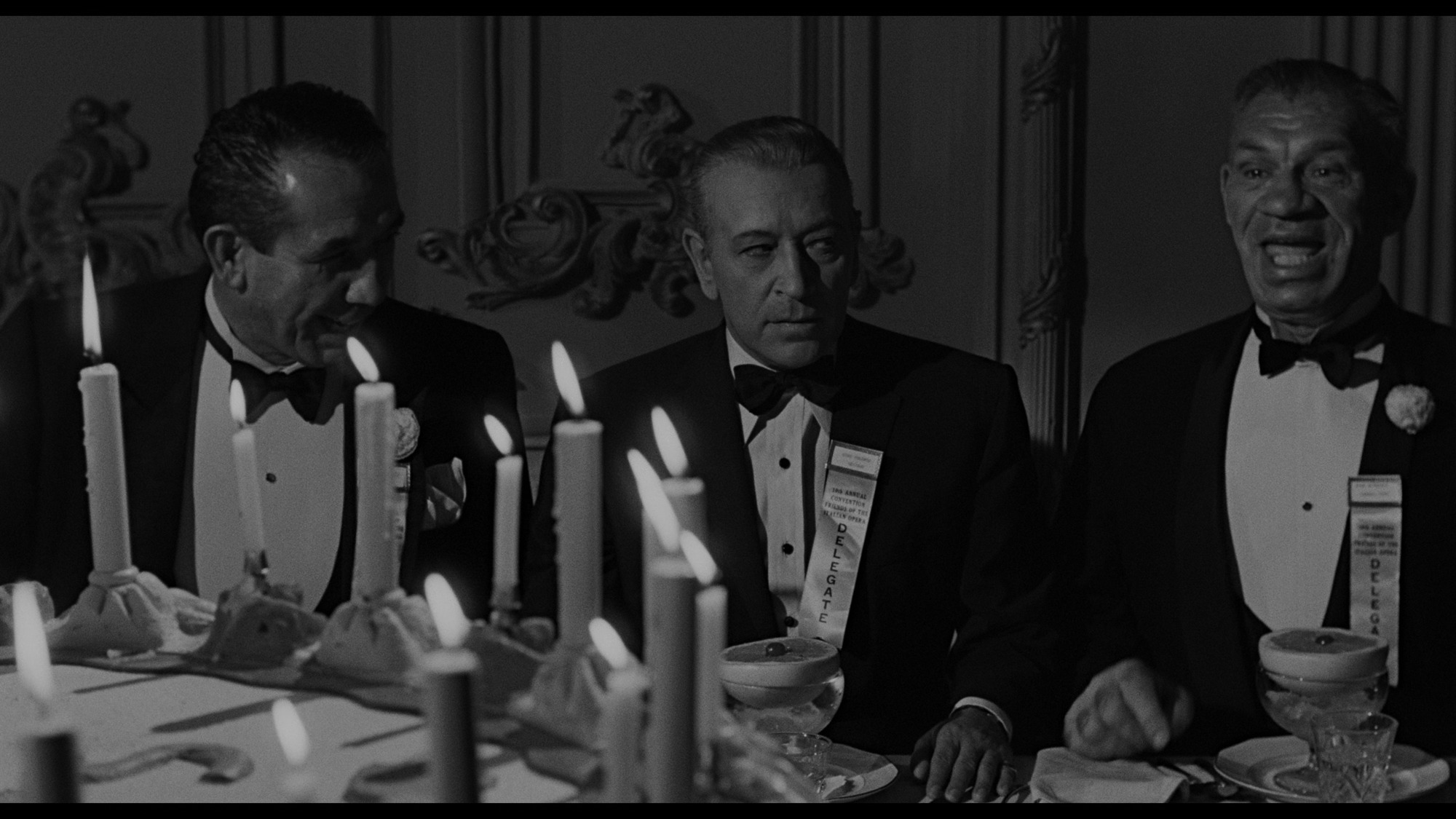
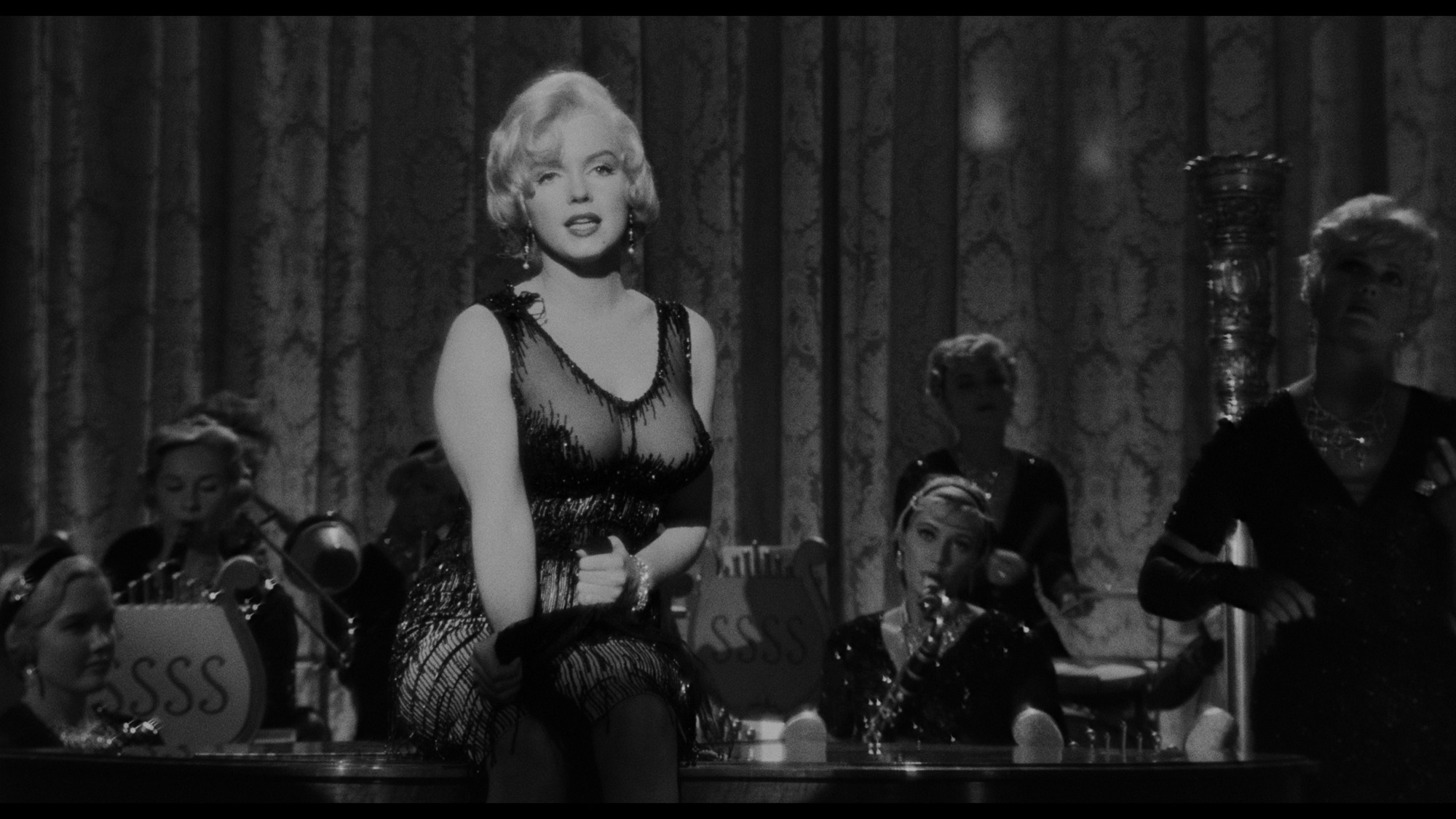
Audio 7/10
Criterion’s previous Blu-ray only included the original monaural soundtrack, dropping the 5.1 mix that had been available on MGM’s Blu-ray. For whatever reason, Criterion brings the 5.1 track back for this 4K edition, presenting it in DTS-HD MA alongside the lossless PCM mono track.
I’m fairly certain the mono presentation is the same one found on Criterion’s earlier Blu-ray, and this time around, it’s clear it’s not as strong as it could be. It sounds a bit muddled in places, though dialogue remains clear and sharp, even if the overall track feels a little flat. I no longer have the MGM disc to make a direct comparison, but I didn’t find the 5.1 mix here all that bad this time around. Most of the audio is still focused across the front channels, with dialogue sticking primarily to the center, but the surround track sounds sharper and offers a bit more range compared to the mono.
Surround activity remains limited and restrained, but it never feels forced or distracting, unlike other MGM 5.1 remixes (such as The Manchurian Candidate). Ultimately, it will come down to personal preference, but I might end up sticking with the surround presentation.
Extras 9/10
All features have been ported over from Criterion’s previous Blu-ray, though nothing new has been added, meaning it still drops MGM’s original commentary (also found on the Kino edition) featuring Paul Diamond, screenwriters Lowell Ganz and Babaloo Mandel, and excerpts from interviews with Jack Lemmon and Tony Curtis. In its place is the audio commentary Criterion recorded with film scholar Howard Suber for their LaserDisc edition of the film back in 1989. Suber’s commentary does cover some of the material brought up in that other track but it is less production-focused and is more academic in nature, spending a lot of time analyzing the structure of the film, how it builds its comedic moments, and how it broke new ground. Cut in every once in a while are interviews Suber conducted with Jack Lemmon, where the actor expands on the production and working with Wilder (Suber notes that both Wilder and Curtis declined to participate). Lemmon also touches on the tensions between Wilder, Curtis, and Marilyn Monroe, though he makes sure to mention that he had no issues working with her. Suber’s analysis is interesting, especially when he works out the film’s rhythms, but there’s a mild creep factor when he talks about Monroe. Thankfully, it doesn’t reach the uncomfortable levels he displayed on his commentary for The Graduate, where at one point he obsesses over whether Anne Bancroft appeared nude in one shot. Getting past that, it’s still a solid track, though I do wish Criterion had also included the MGM commentary.
Criterion also carries over a number of the featurettes MGM produced for their DVD and Blu-ray releases, starting with a 26-minute Making of documentary. It gathers together (for the time) new and archival interviews with Billy Wilder, Jack Lemmon, Tony Curtis, Barbara Diamond, and I.A.L. Diamond, among others. Through these interviews and some behind-the-scenes footage (some of it in color, which inadvertently shows why Wilder made the right call shooting in black-and-white — he feared the drag would look awful otherwise), we get a look at the film’s production history, from inception to release. There’s also plenty of discussion about the difficulties of working with Monroe, with Wilder expressing a lot of his frustrations. It’s fairly typical of the “talking heads” style of documentary MGM produced at the time, but it moves quickly and covers a lot of material.
The Legacy of Some Like It Hot is a 20-minute featurette focused more on the film’s growing influence over the years, its initial reception, and Monroe’s crucial role in its success. It features additional interview clips from Curtis, Lemmon, and Wilder, along with new ones from figures like Hugh Hefner and director Curtis Hanson, who shares a story about meeting Wilder. It’s not an especially deep piece, but it’s fun and celebratory.
Memories from the Sweet Sues is a cute 12-minute featurette gathering together surviving members of the all-girl band featured in the film. They reminisce about working with Monroe (again noting the difficulties), Lemmon, Curtis, Wilder, and their fellow cast members while looking through old photos and watching scenes from the movie.
Criterion then provides one of their newer features: a 19-minute program on costume designer Orry-Kelly. Featuring interviews with costume designer and historian Deborah Nadoolman Landis and costume historian/archivist Larry McQueen, it’s one of the best features here. They delve into Orry-Kelly’s career—how he’s more recognized by insiders than general audiences—and provide an in-depth look at the costumes he designed for Monroe, Lemmon, and Curtis (originally brought in just for Monroe but asked to fix the men’s costumes too). The highlight of the feature, though, ends up being the portion about the famous faux-nude dress Monroe wore on the yacht, which McQueen owns. We gt a look at all the intricate details, including lead weights sewn in to keep the dress form-fitting. There’s even one hilarious little costume detail, not noticeable in black-and-white, that I’ll now have a hard time unseeing. It's one of the better costume-focused features I’ve seen.
Criterion also includes the full 56-minute interview between Billy Wilder and Dick Cavett, recorded for Cavett’s show in 1982. Presented in two parts, it’s an excellent conversation, with Cavett (who admits Wilder was a dream guest) getting the director to open up about his life in Germany, moving to Hollywood, and reflections on many of his films, including Some Like It Hot. Cavett’s interviews are always a treat—his Godard one on Criterion’s Every Man for Himself is a must-watch for film buffs—and this one is no exception. Wilder is witty, honest, and very funny.
For interviews with the film’s stars, Criterion ports over the 31-minute interview between Tony Curtis and Leonard Maltin recorded for MGM’s editions. It covers a lot of the same ground as the Making of featurette (and even reuses material from it), but it’s nice to hear Curtis expand on his experiences, especially working in drag and handling the challenges Monroe presented.
A 10-minute excerpt from the French program Cinéma cinémas, featuring Jack Lemmon, is also included. Lemmon recalls receiving the script, how excited (and scared) he was to take on the role, and again offers a defense of Monroe, explaining her insistence on extra takes and her preparation process.
Criterion even digs up a 9-minute radio interview with Marilyn Monroe, recorded in 1955 before Some Like It Hot was made. Monroe talks candidly about her career ambitions, her frustrations, and handling her fame. The host’s repeated comments about her intelligence are a bit grating, but they do prompt Monroe into addressing the stereotype directly, making for a valuable little piece of history.
The disc closes out with the film’s original theatrical trailer. However, outside of the commentary track, this release still omits the image galleries found on previous MGM editions, as well as the extra material Kino added to their release. Criterion’s original LaserDisc also featured home movie footage of Monroe and Arthur Miller, Curtis and Janet Leigh, and Wilder, which remains absent here. The included insert features the same essay written by Sam Wasson for the Blu-ray.
While it doesn’t gather everything that’s out there, Criterion’s edition still provides a strong, mostly satisfying package of material.
Closing
While it’s not the definitive edition it could have been, Criterion’s 4K release still does right by the classic comedy.
BUY AT: