The Breakfast Club
BUY AT:


See more details, packaging, or compare
Synopsis
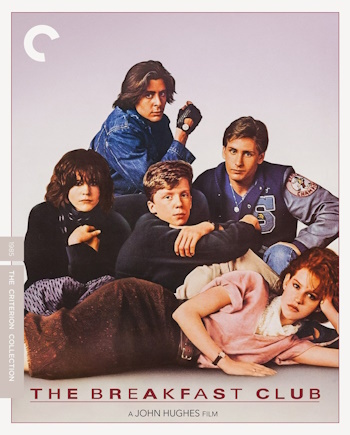
What happens when five strangers end up together in Saturday detention? Badass posturing, gleeful misbehavior, and a potent dose of angst. With this exuberant, disarmingly candid film, writer-director John Hughes established himself as the bard of American youth, vividly and empathetically capturing how teenagers hang out, act up, and goof off. The Breakfast Club brings together an assortment of adolescent archetypes—the uptight popular girl (Molly Ringwald), the stoic jock (Emilio Estevez), the foulmouthed rebel (Judd Nelson), the virginal bookworm (Anthony Michael Hall), and the kooky recluse (Ally Sheedy)—and watches them shed their personae and emerge into unlikely friendships. With its highly quotable dialogue and star-making performances, this exploration of the trials of adolescence became an era-defining pop-culture phenomenon, one whose influence now spans generations.
Picture 9/10
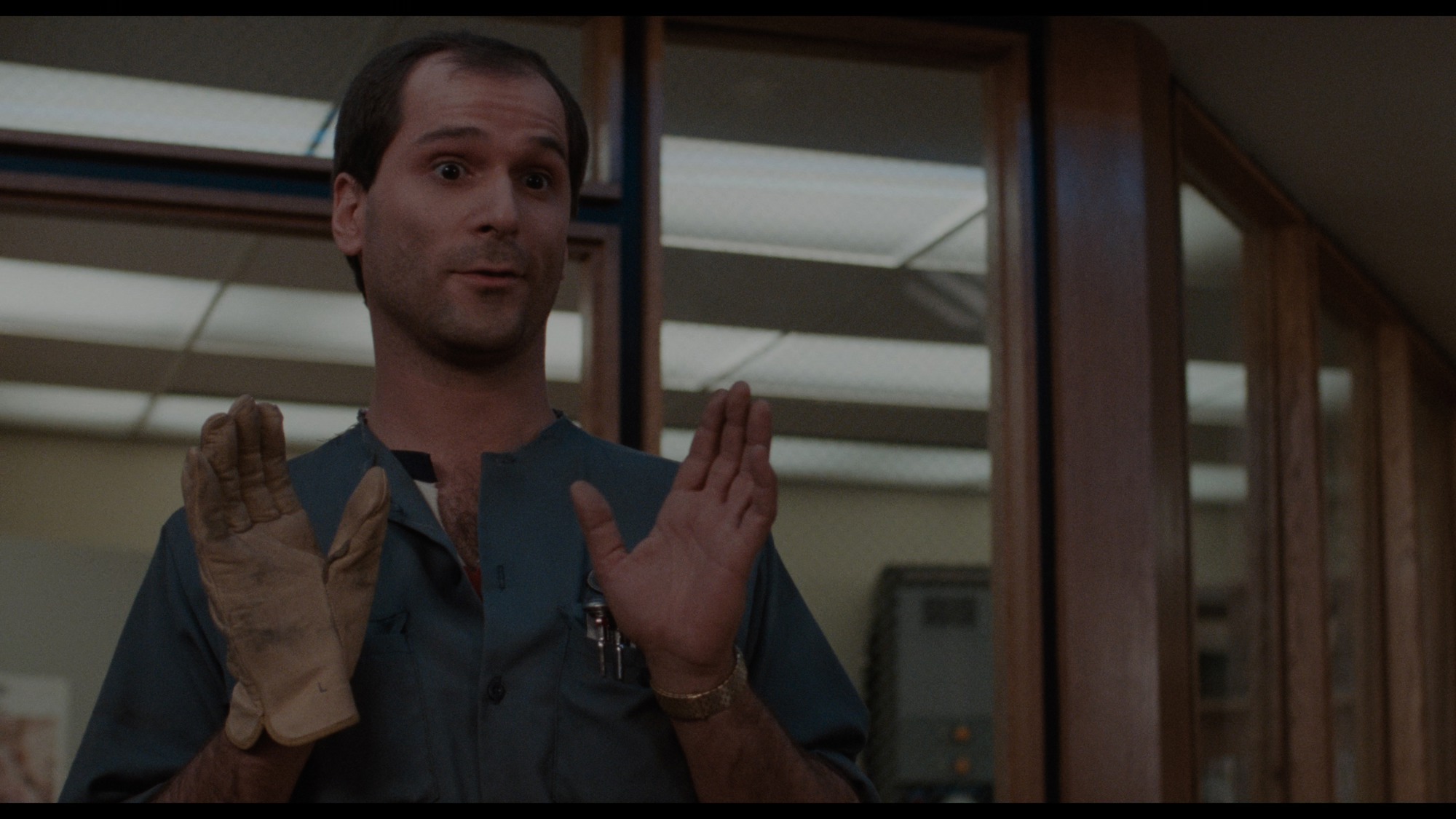
John Hughes’ The Breakfast Club makes its 4K UHD debut courtesy of The Criterion Collection, who present the film on a triple-layer disc with Dolby Vision in its original aspect ratio of 1.85:1. The 2160p/24hz ultra high-definition presentation comes from a brand-new 4K restoration sourced from a scan of the 35mm original camera negative. Criterion also includes a Blu-ray featuring a 1080p presentation.
My expectations weren’t especially high; I assumed this release would simply recycle the 4K restoration Universal created and used by Criterion for their 2018 Blu-ray (the standard Blu-ray included here recycles that disc). That earlier master was fine but ultimately unremarkable, its biggest shortcoming being the noise reduction that flattened textures, an issue that would have only become more obvious in 4K. To my surprise, that’s not the case: Criterion has instead performed a whole new restoration, and the difference between the two presentations is striking.
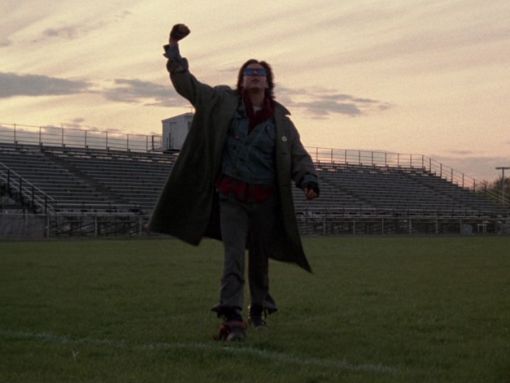
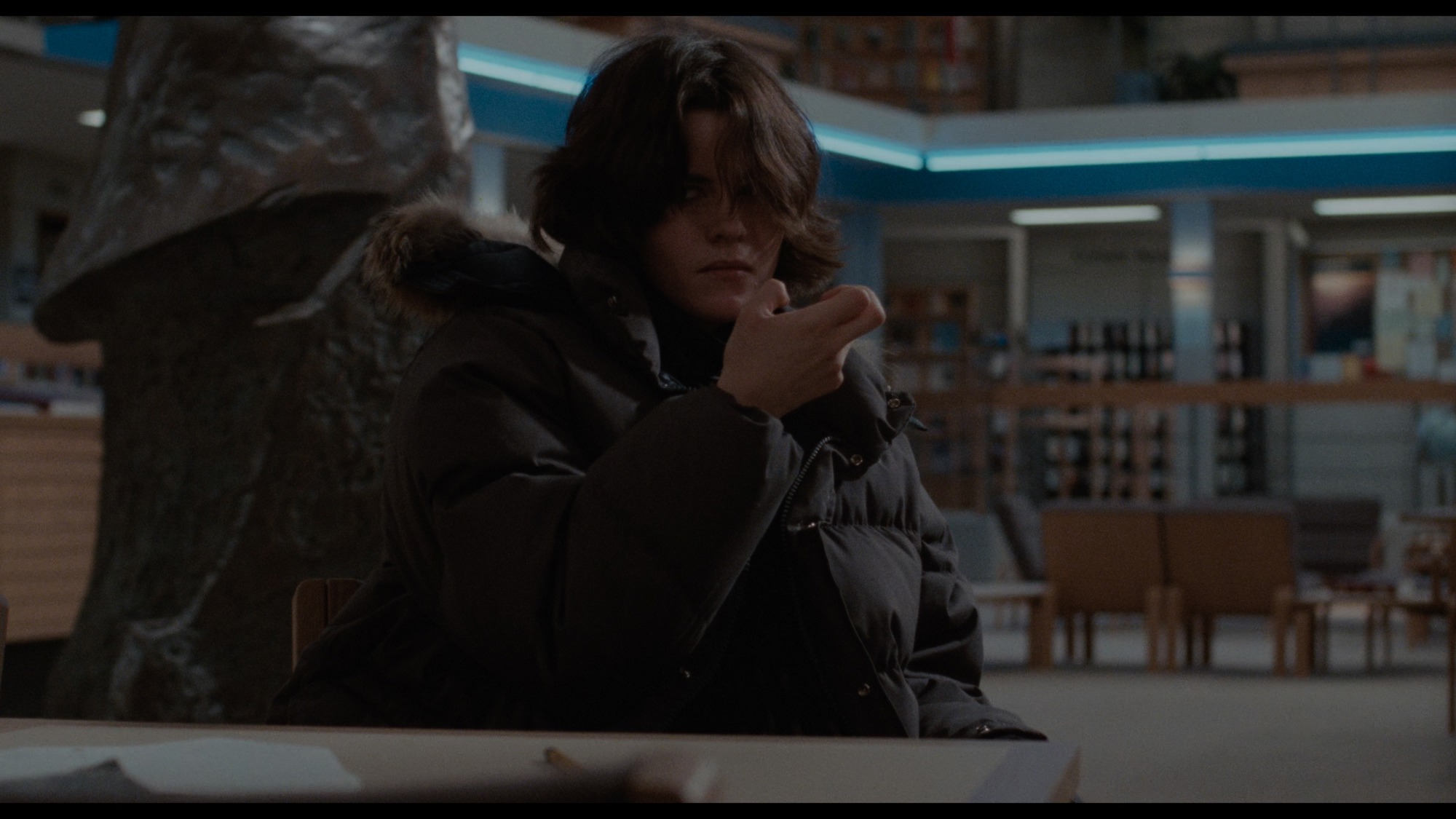
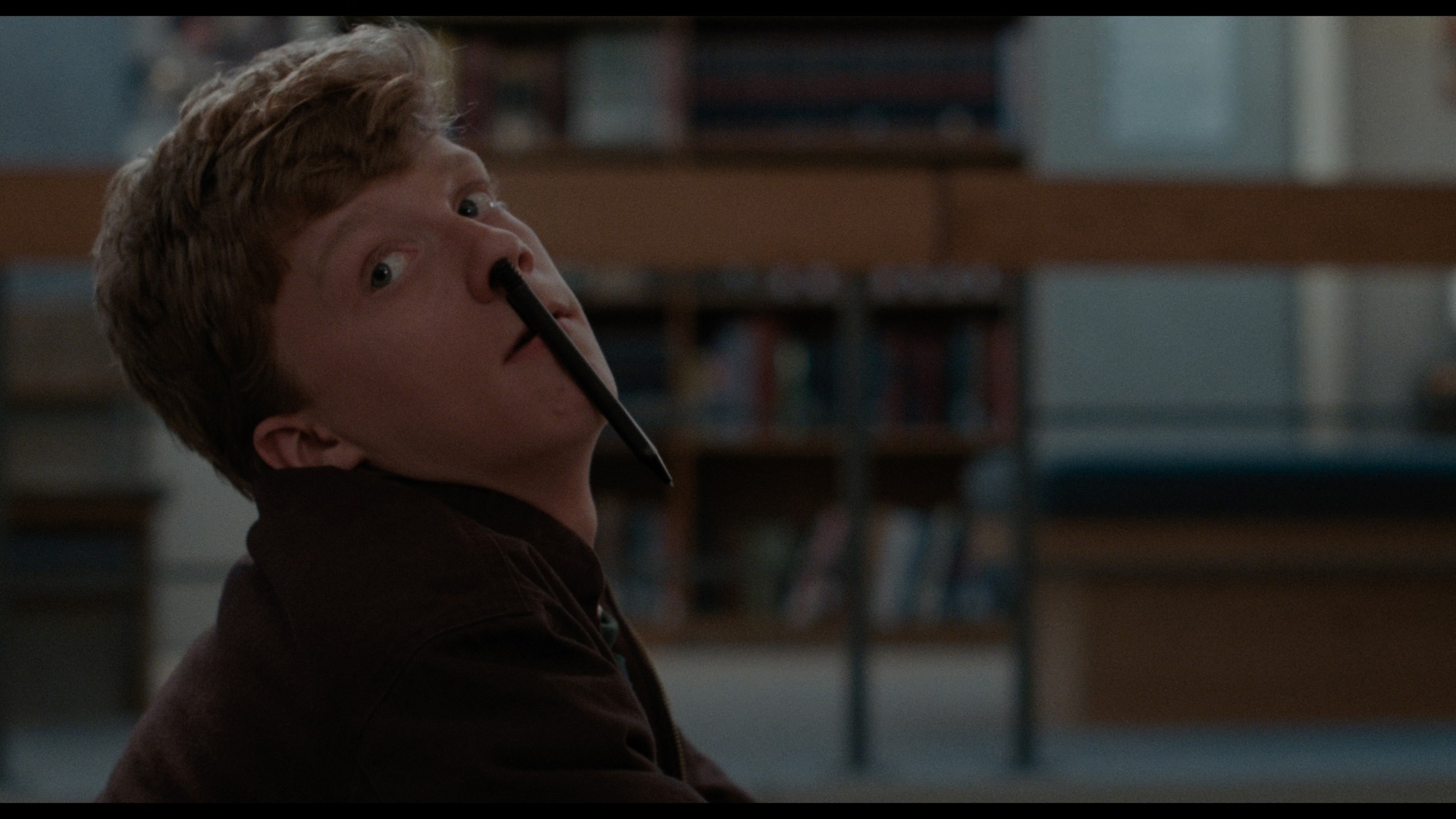
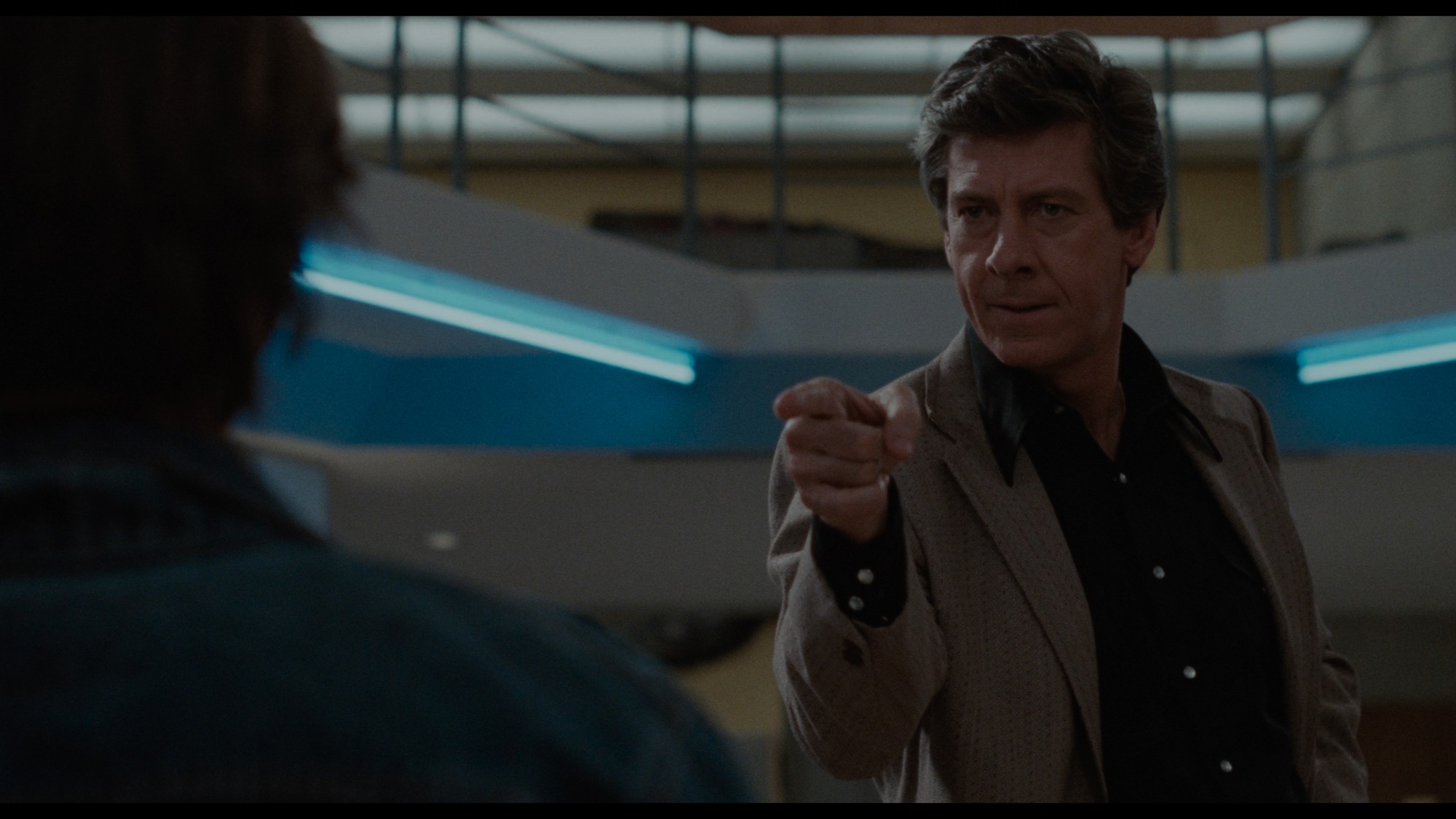
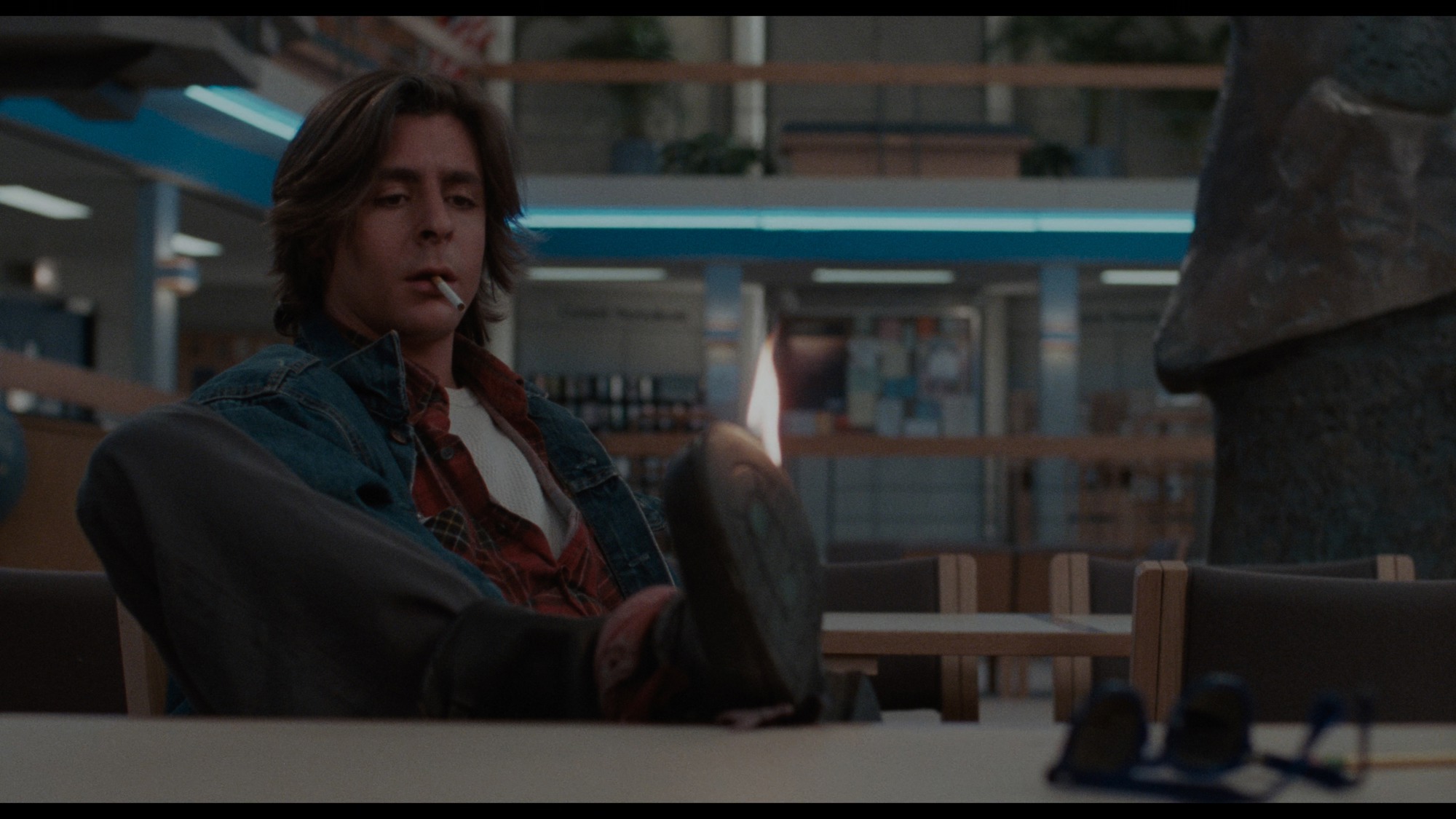
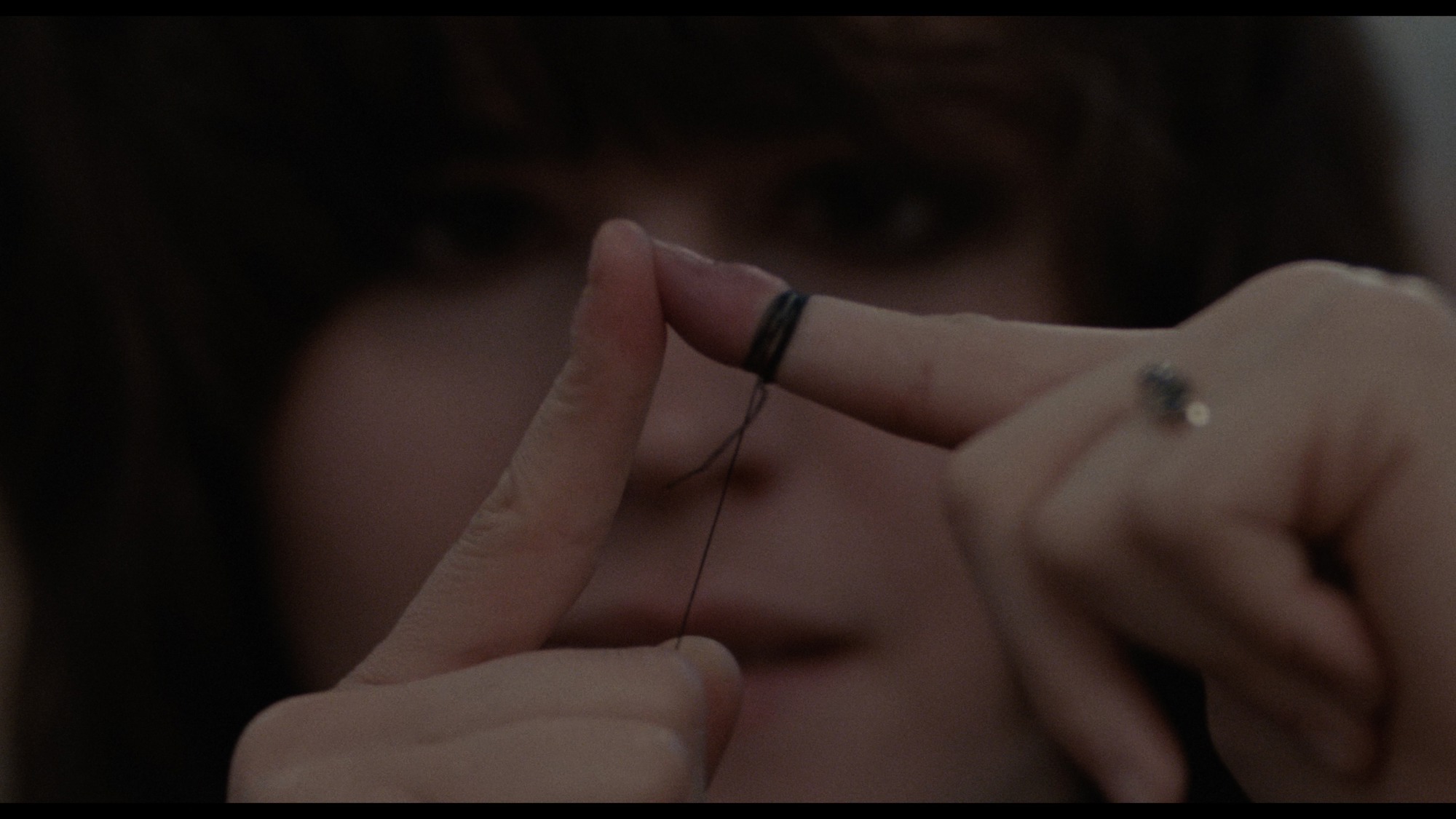
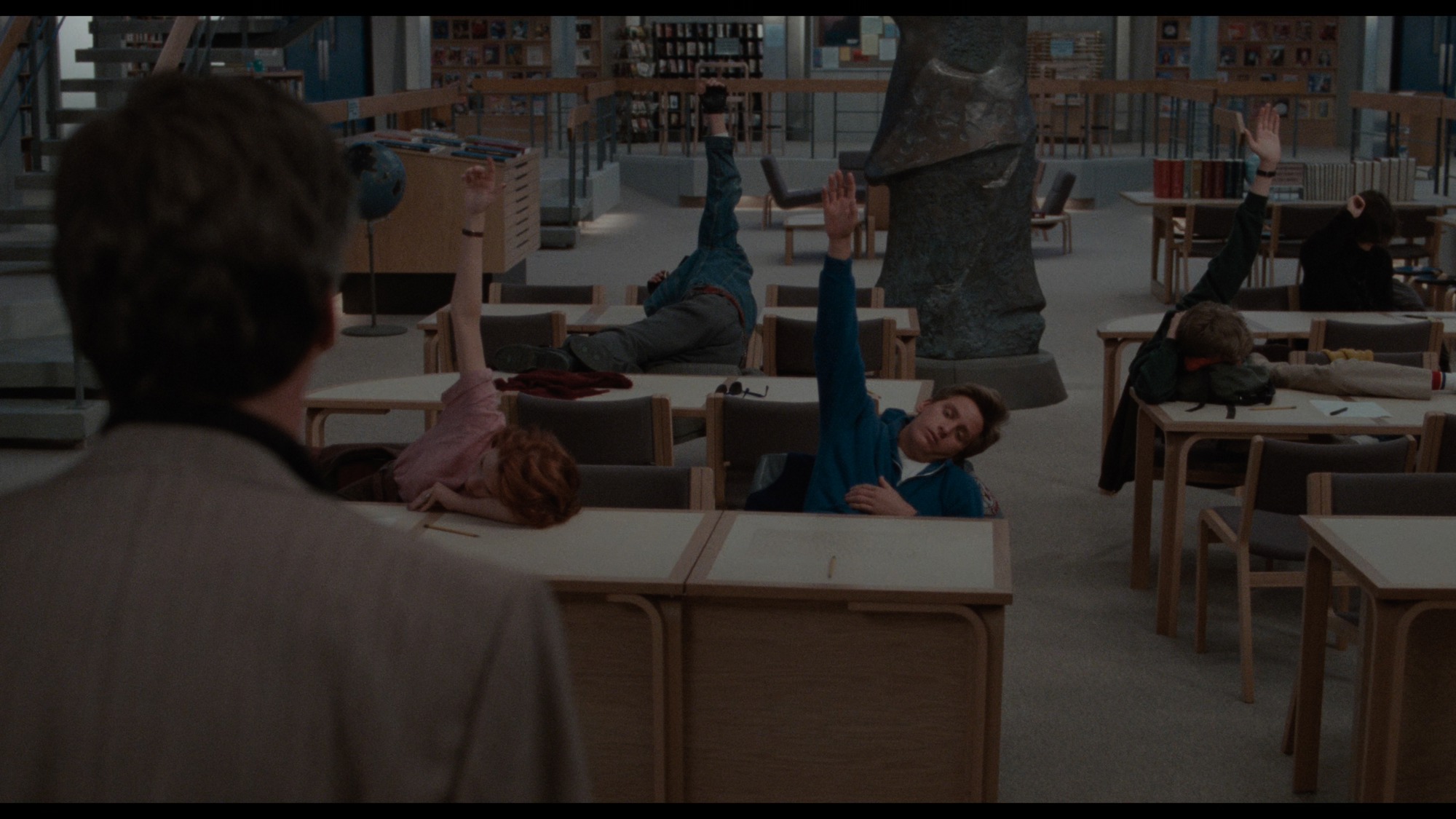
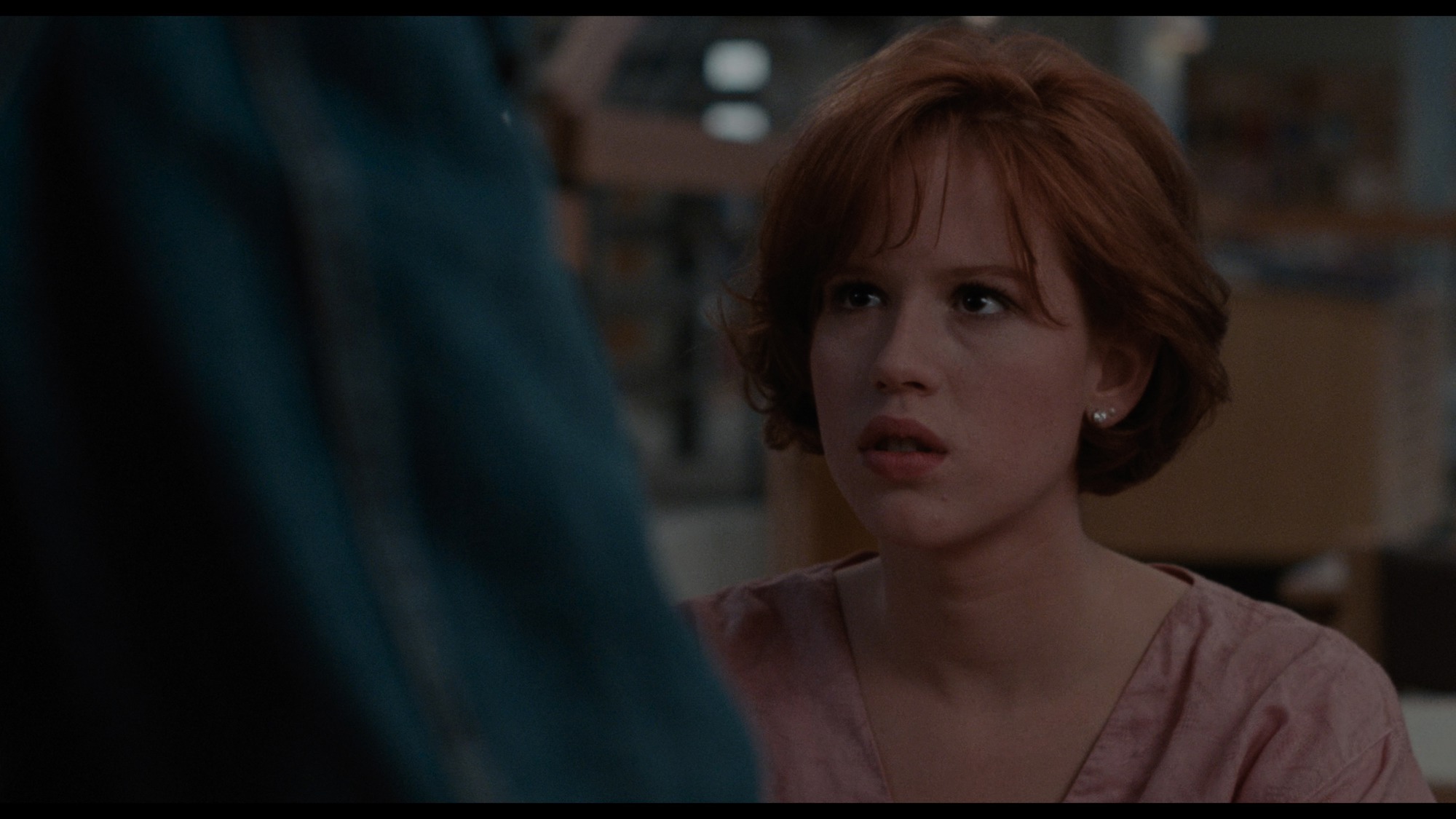
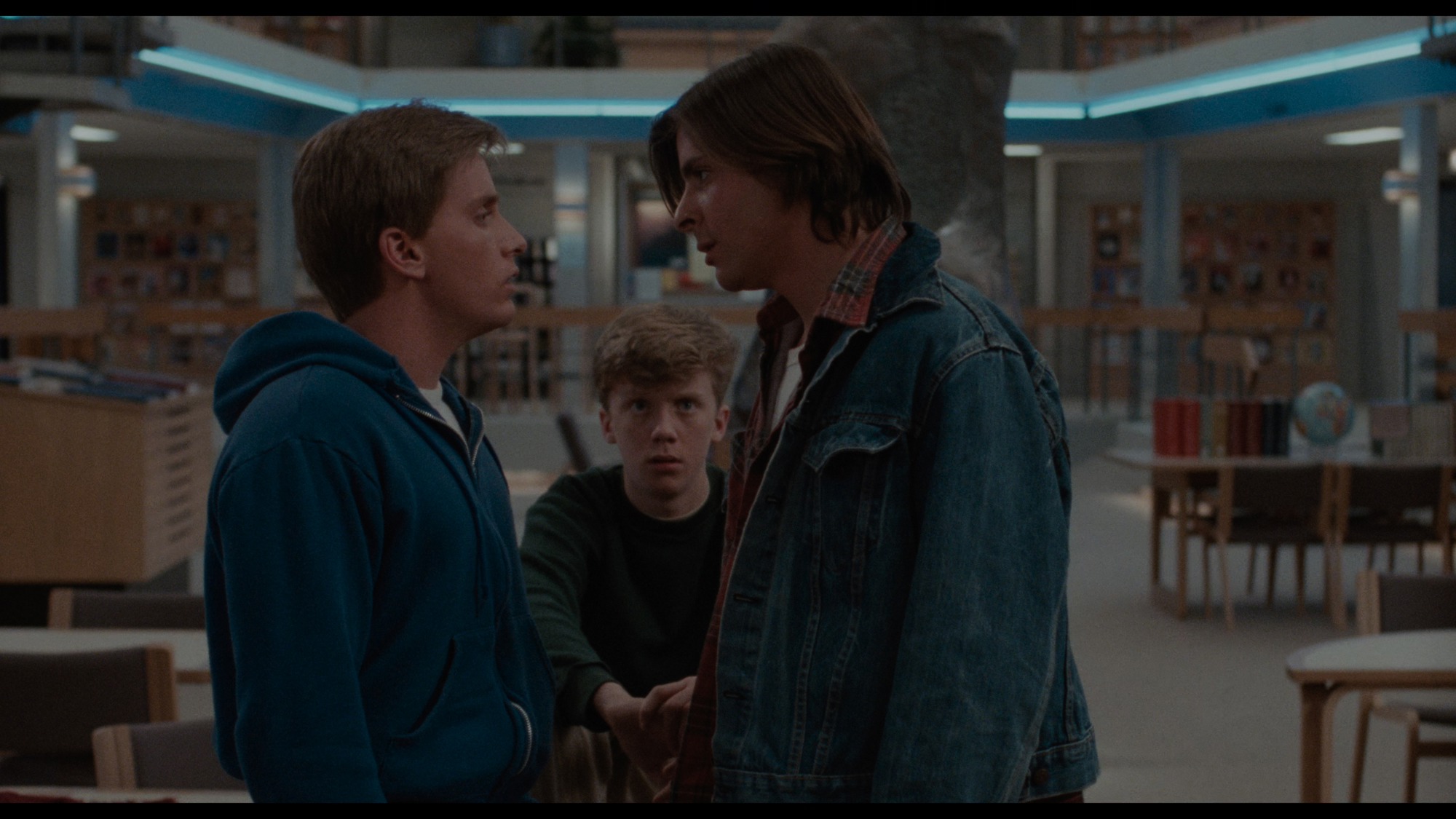
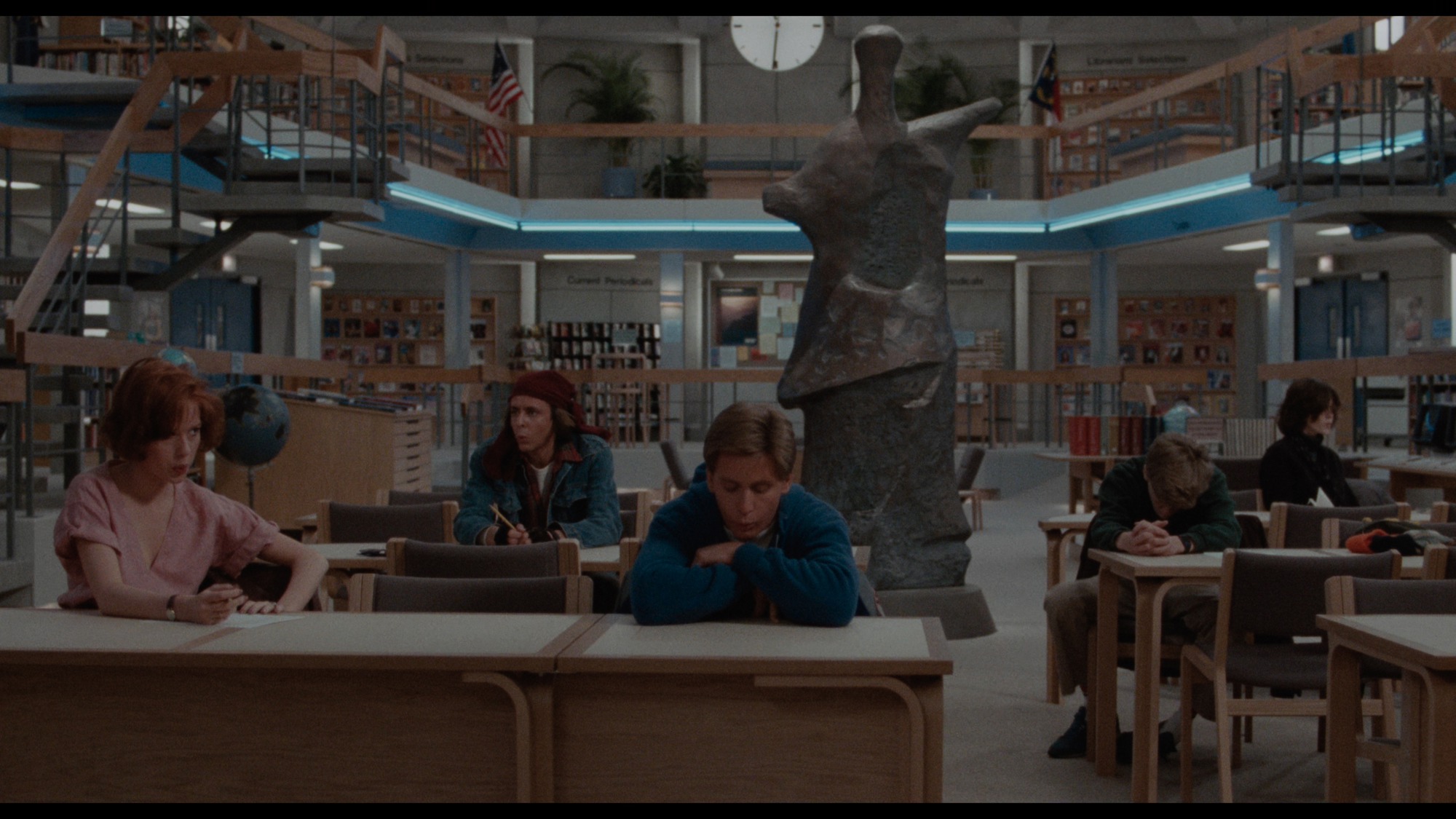
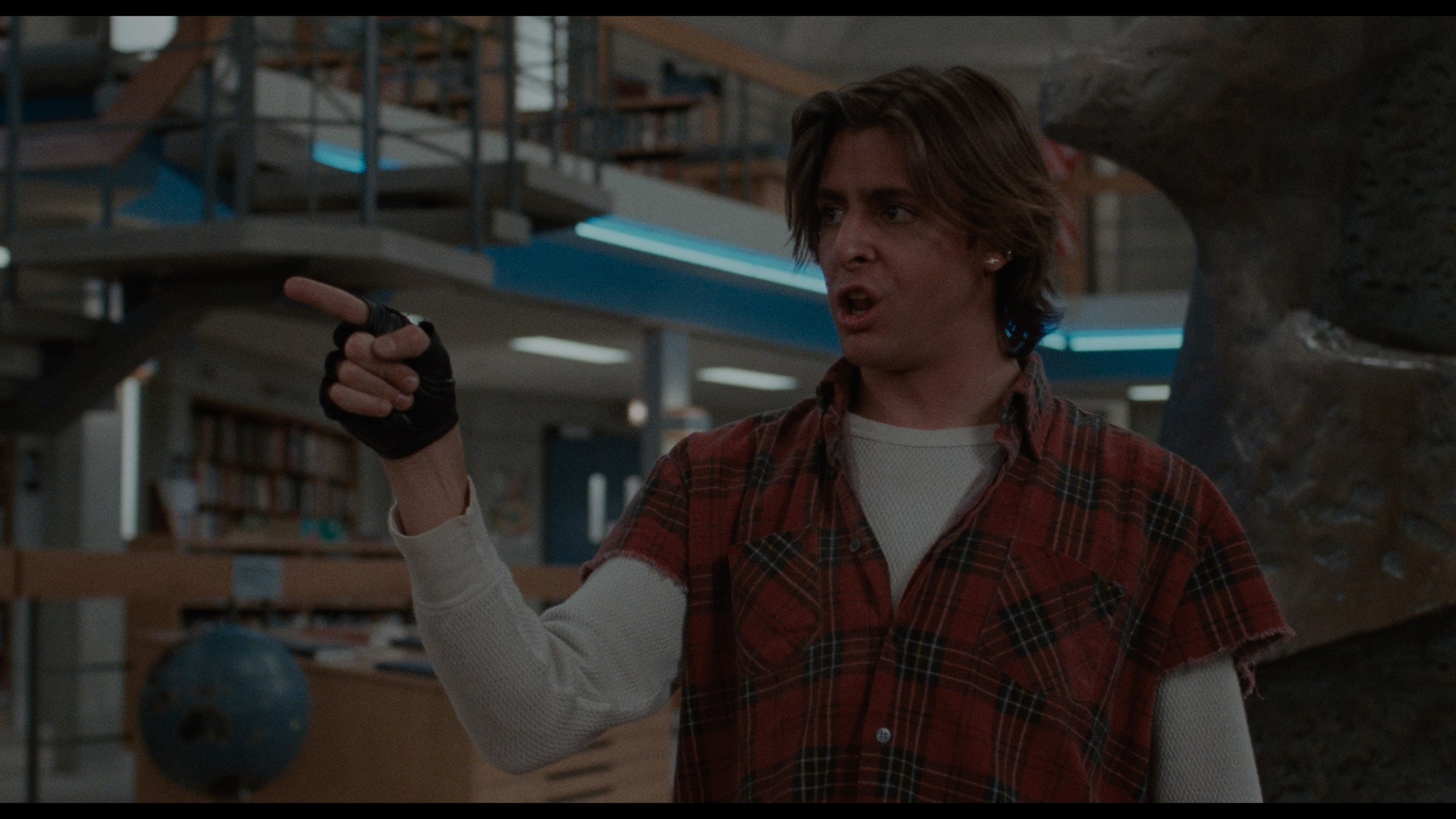
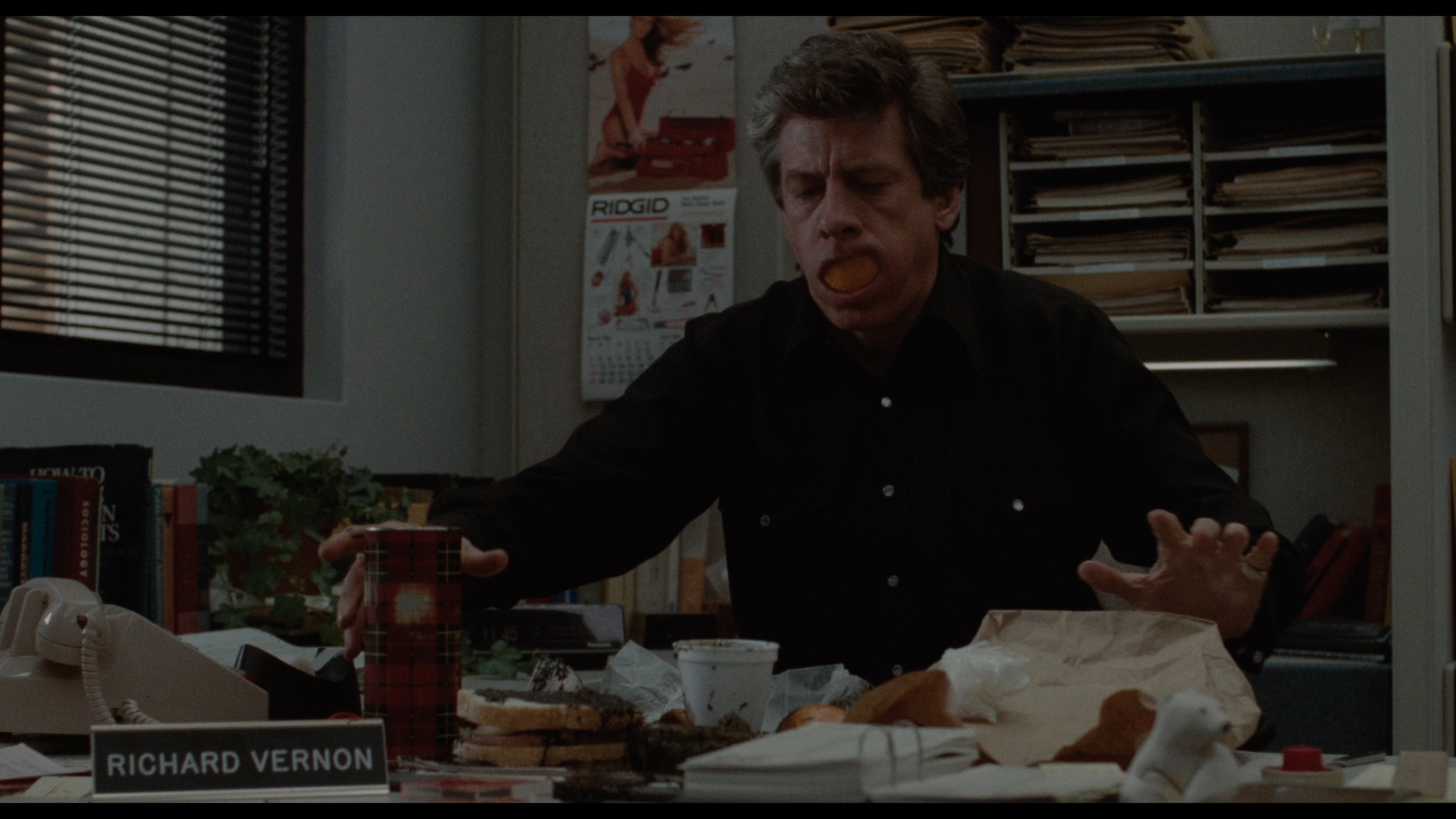
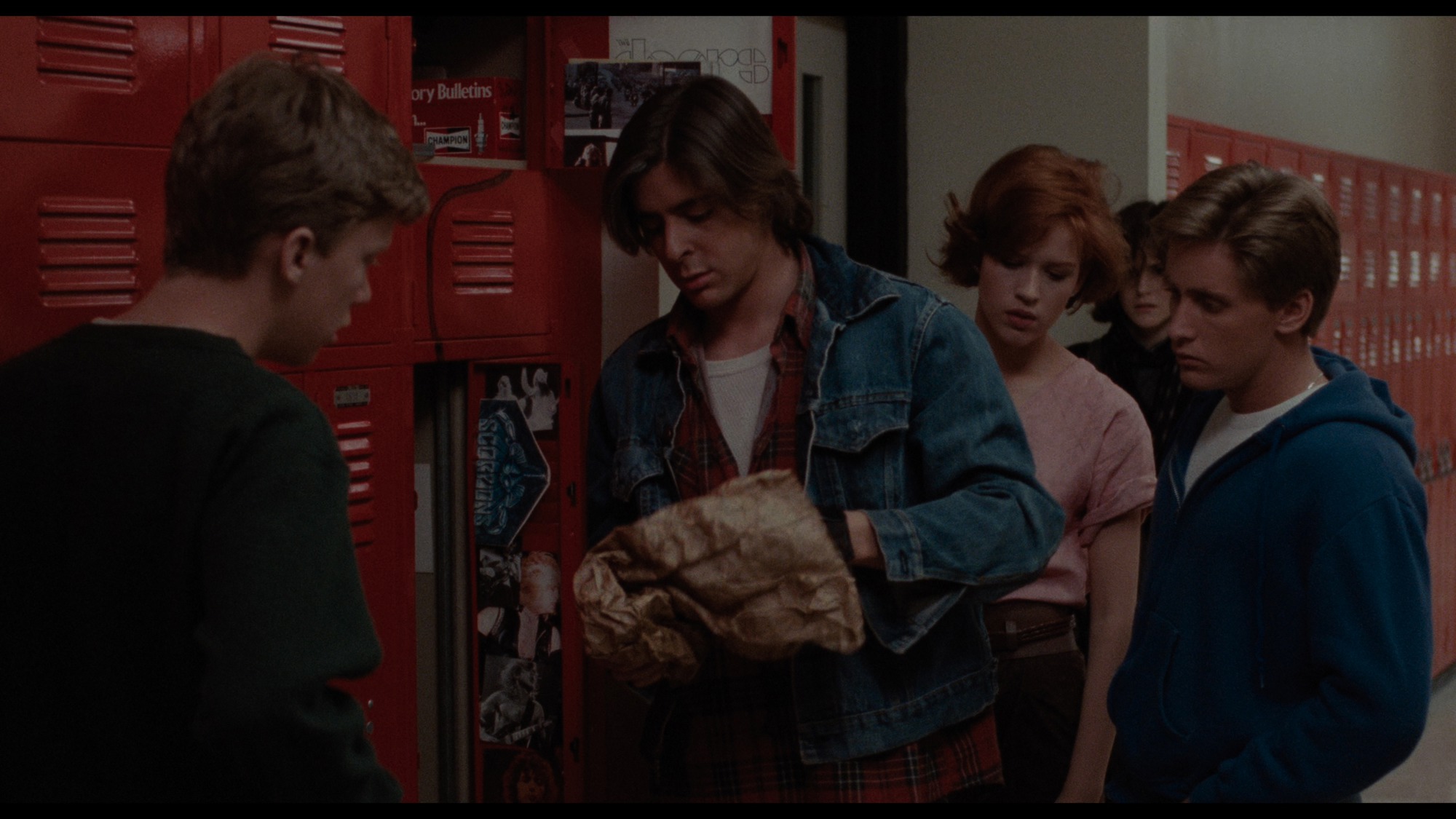
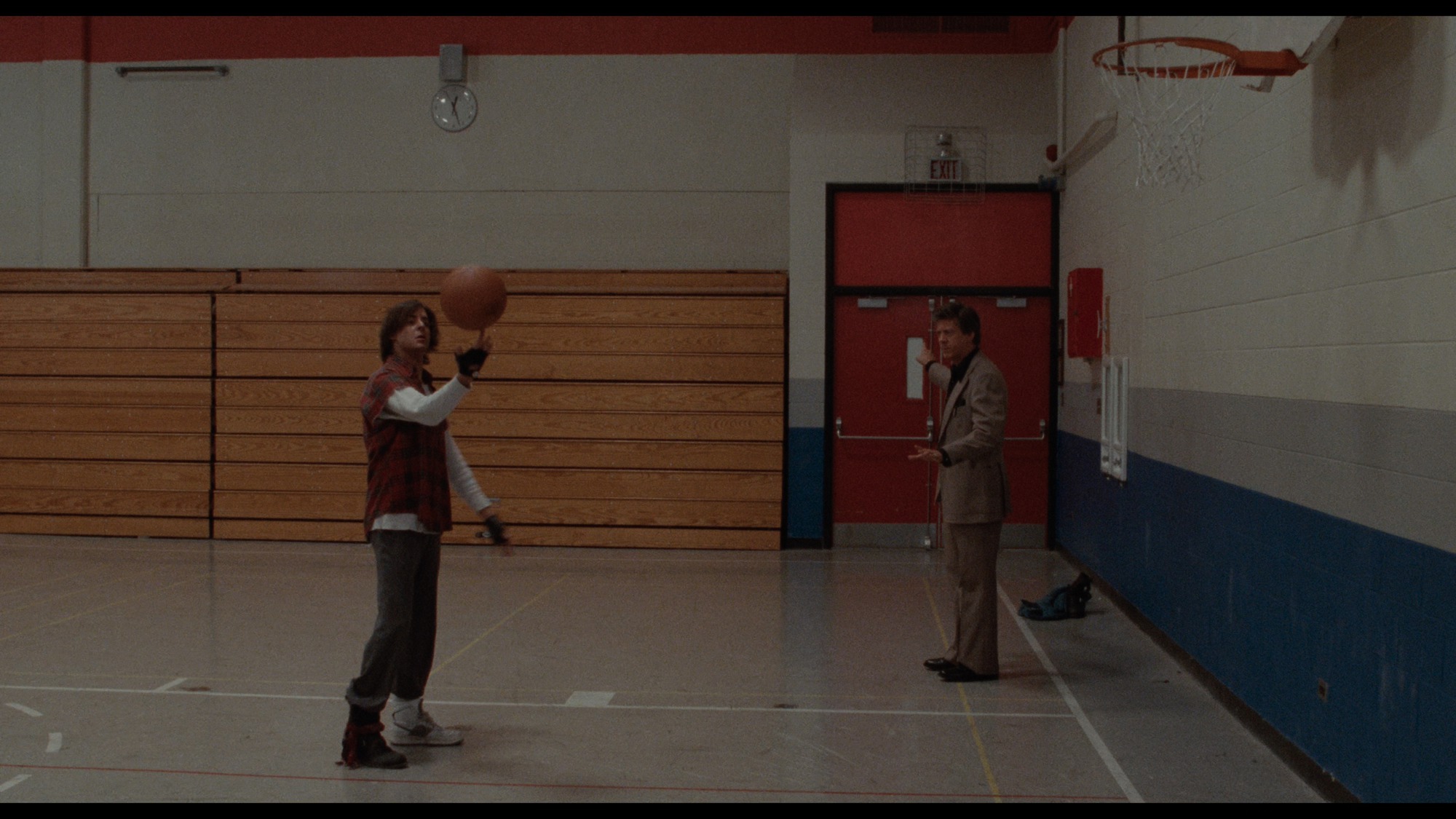
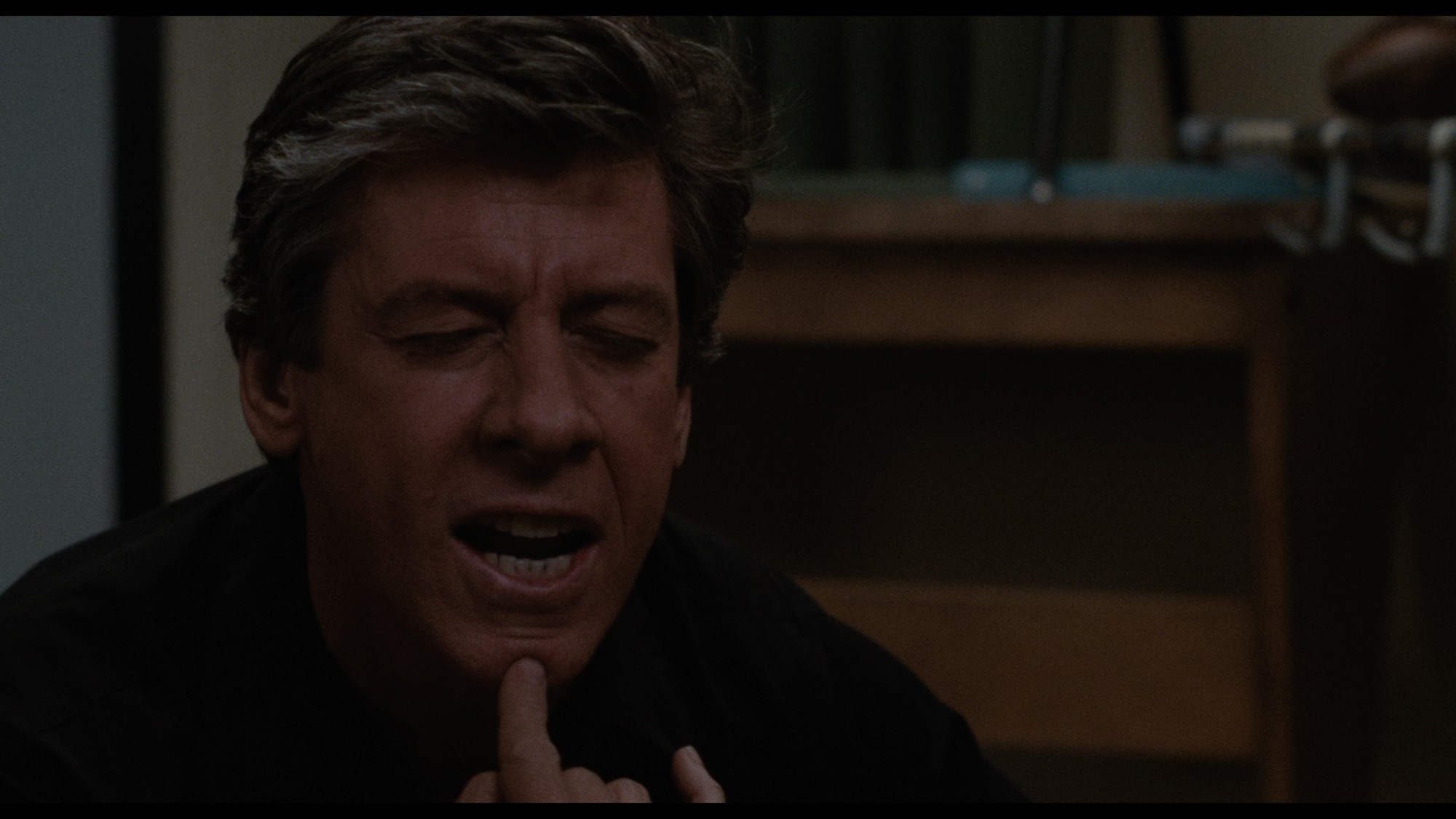
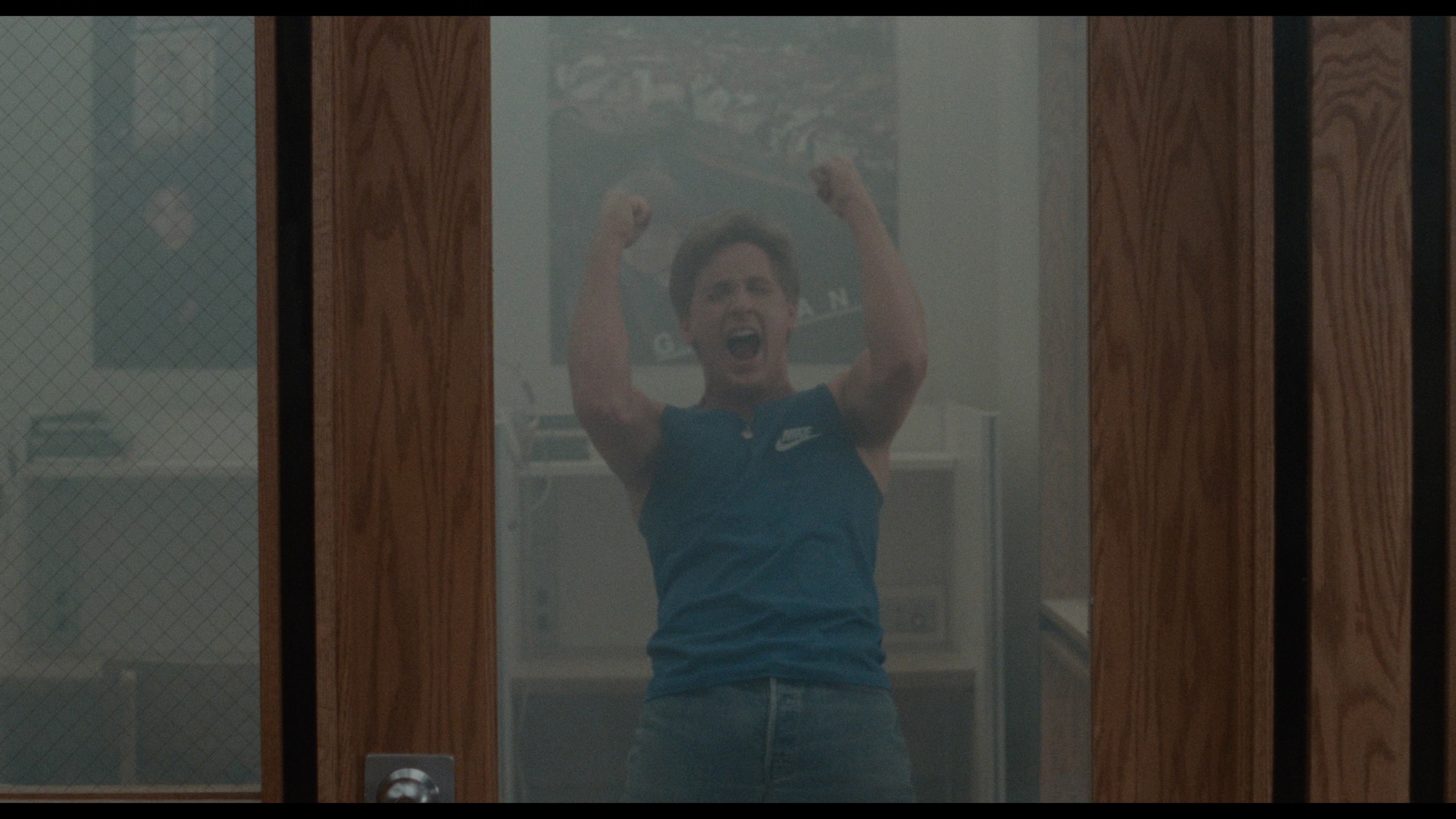
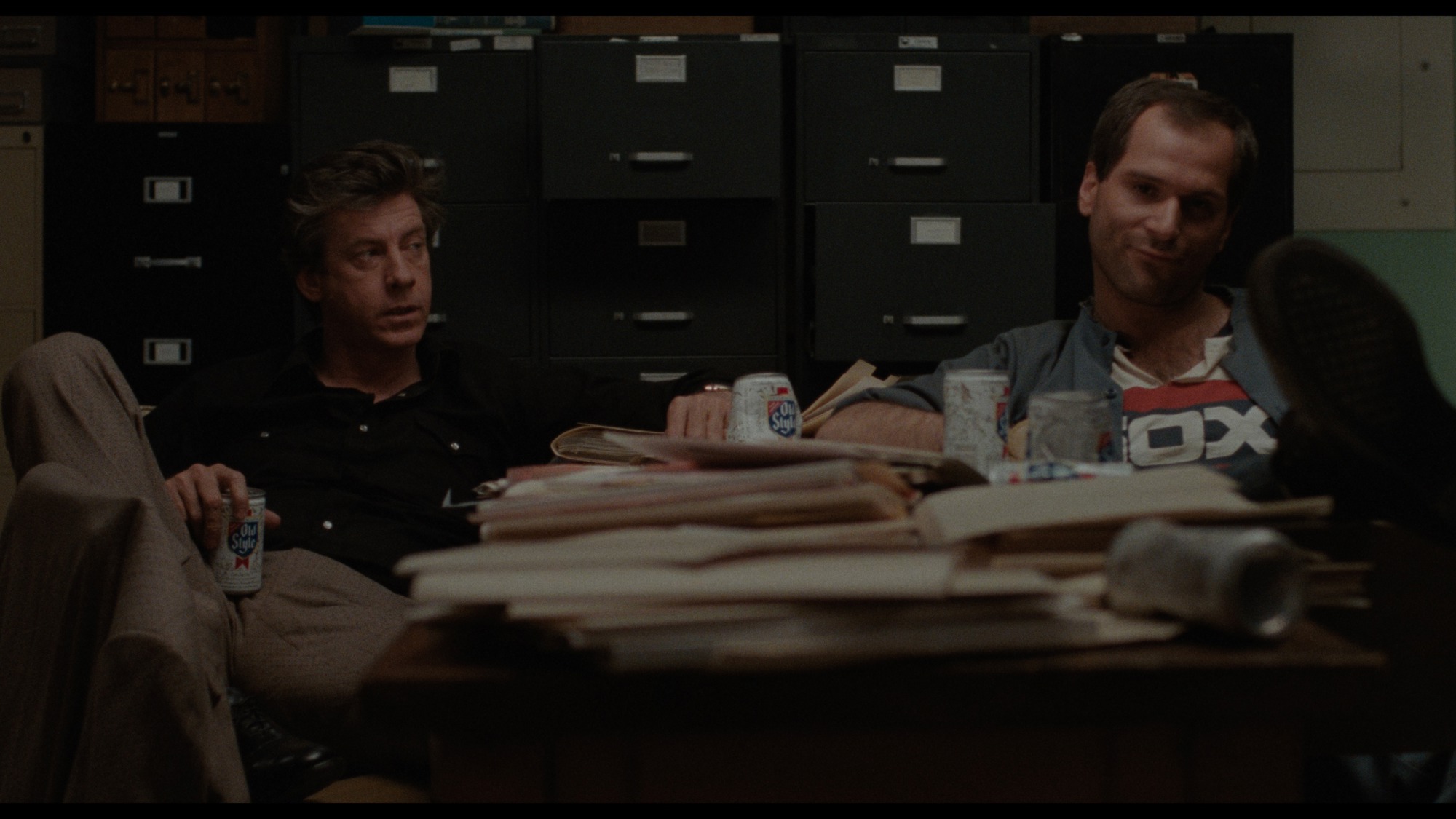
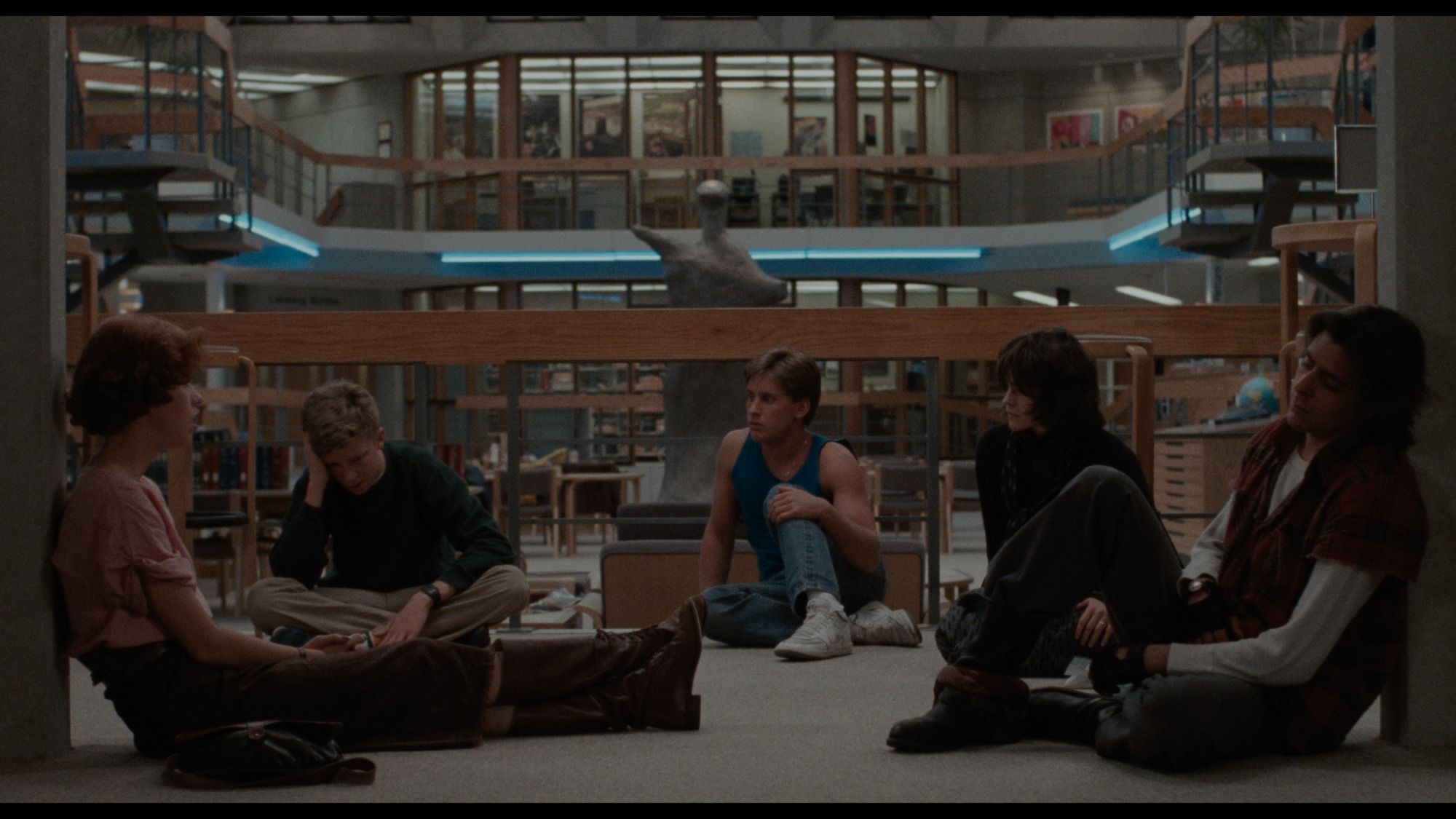
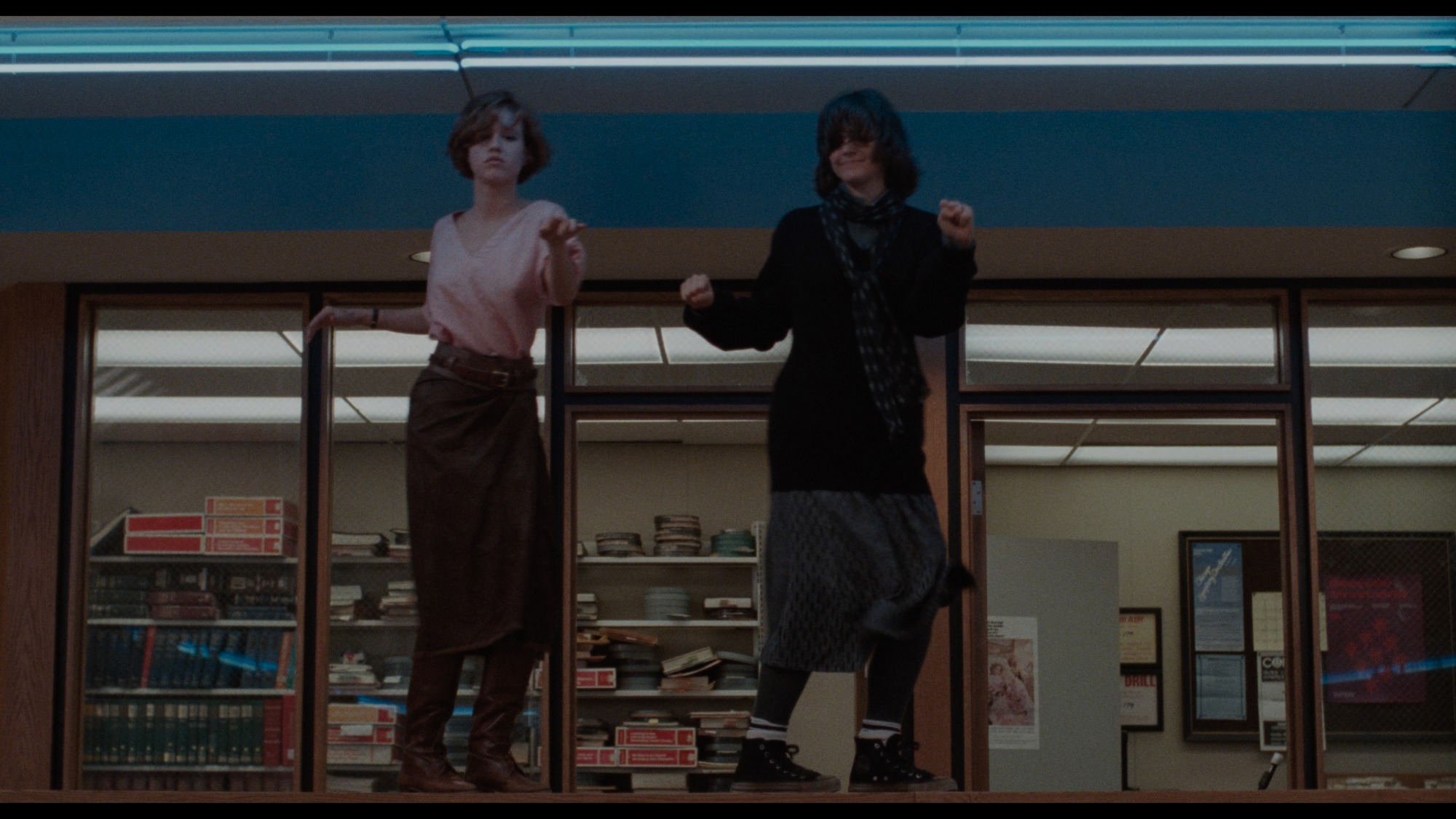
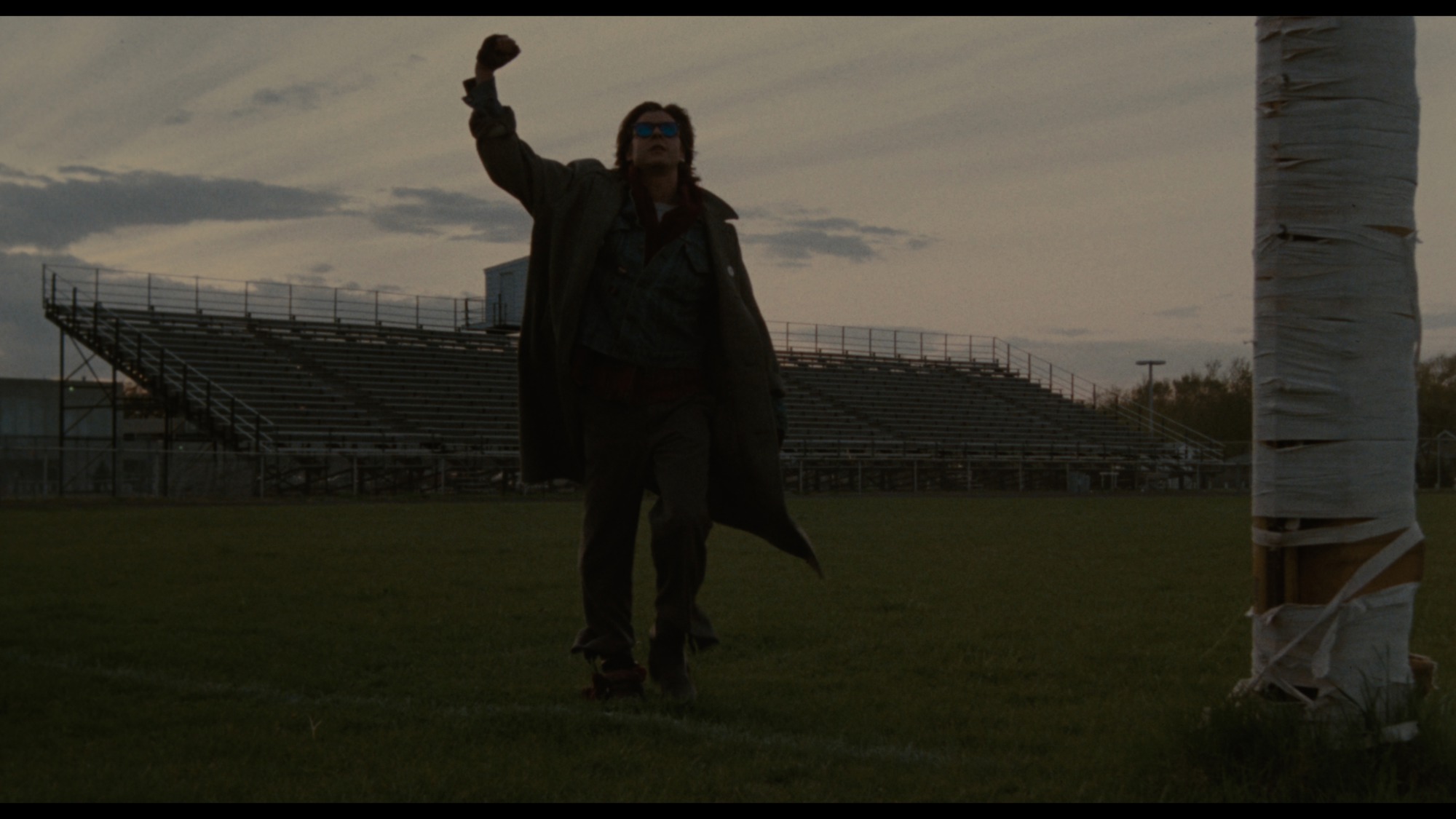
The most immediate improvement is the removal of the noise reduction. Grain is now fully intact and it's far heavier than I expected (perhaps explaining why Universal felt they needed to tone it down), but wholly natural, with Criterion’s encode rendering it cleanly and without artifacts. As a result, fine details and textures look considerably sharper than they ever have on home video, and the overall image now free of the faint haze that softened the previous presentation.
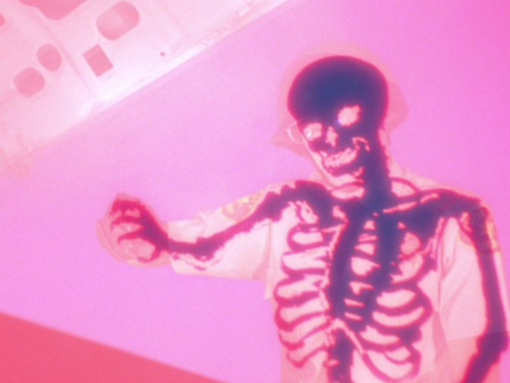
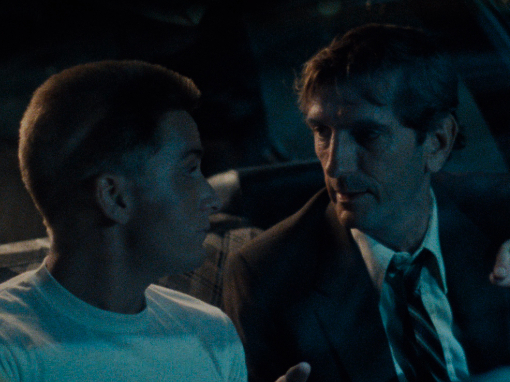
Colors do shift noticeably. The new grading leans a little greener compared to the older presentations, but I ultimately preferred this to that magenta-leaning look that led to hotter flesh tones. HDR/Dolby Vision also manages to give a slight kick to everything. Contrast is far better, leading to deeper shadows and stronger black levels, ultimately lending the image more depth where the older high-def master could look unbelievably flat throughout. Highlights, including the accent lights scattered around the library (which I must admit I had never paid much mind to before) benefit most, appearing bright and clean without blooming.
The restoration work itself is spotless. Damage has been minimal on most home video editions since the remastered DVD, but things manage to look especially tidy here. Taken as a whole, Criterion's new presentation is gorgeous and film-like, besting their previous Blu-ray by a wide margin and delivering the strongest home video presentation for the film.
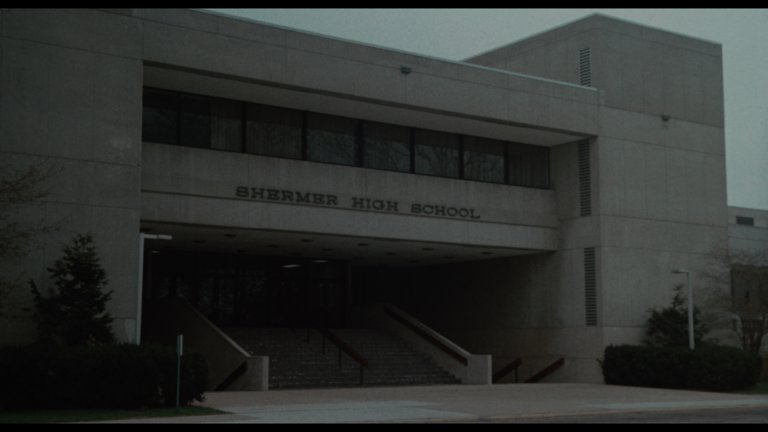
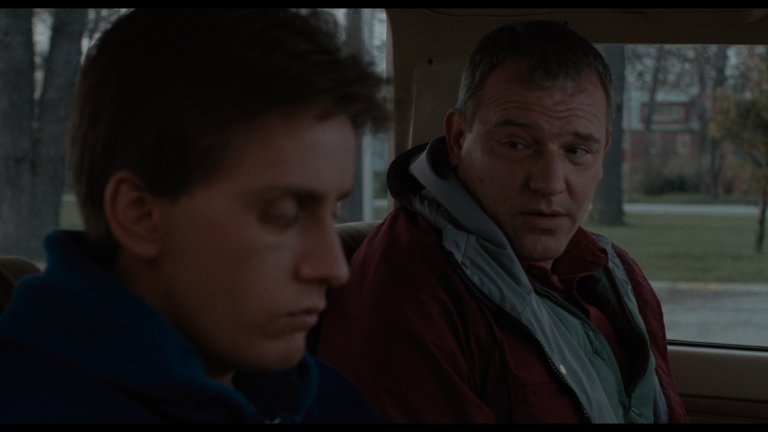
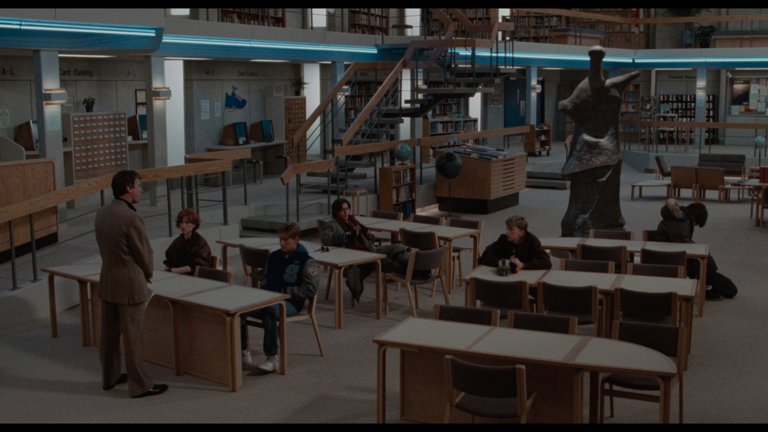
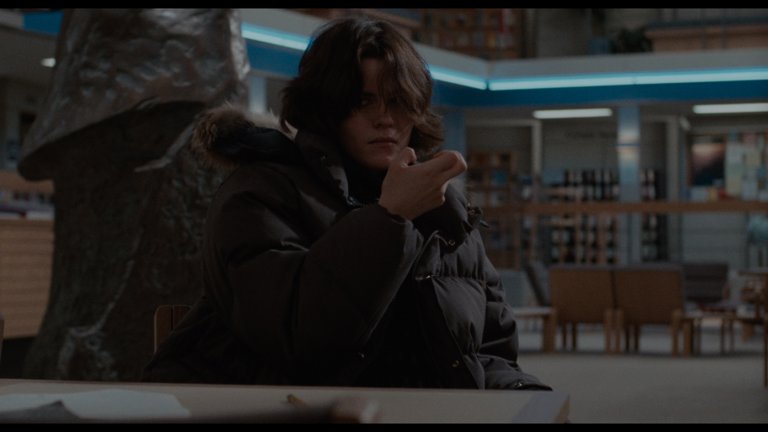
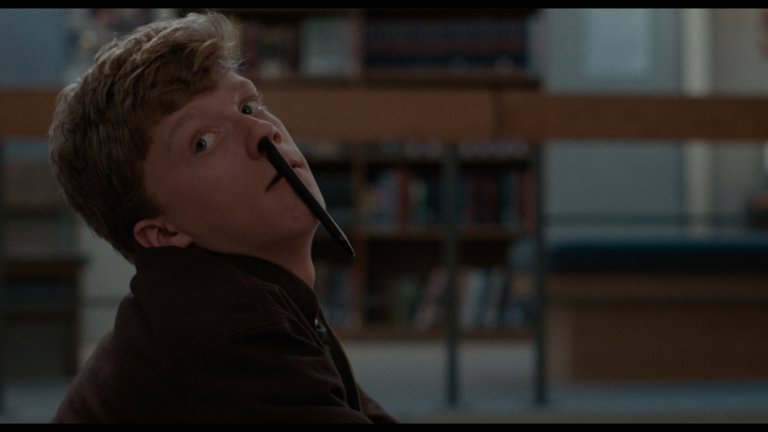
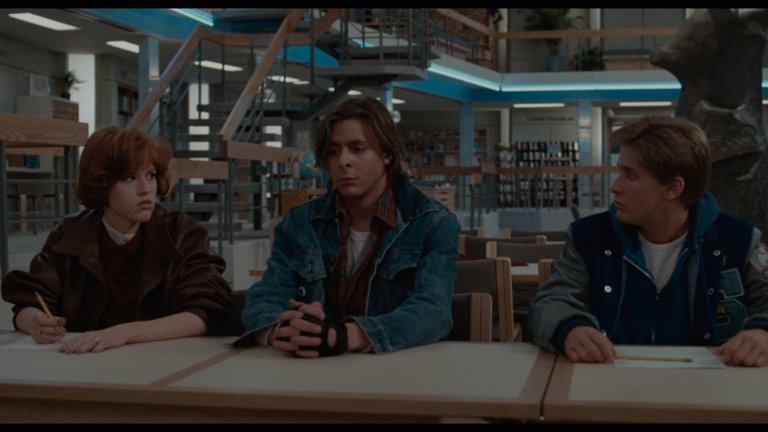
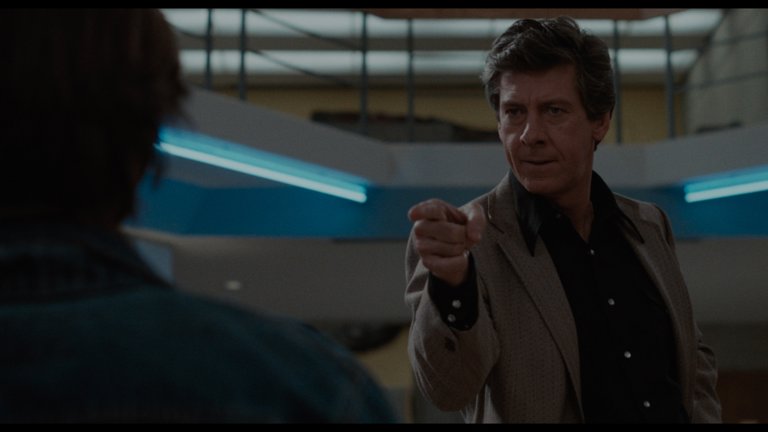
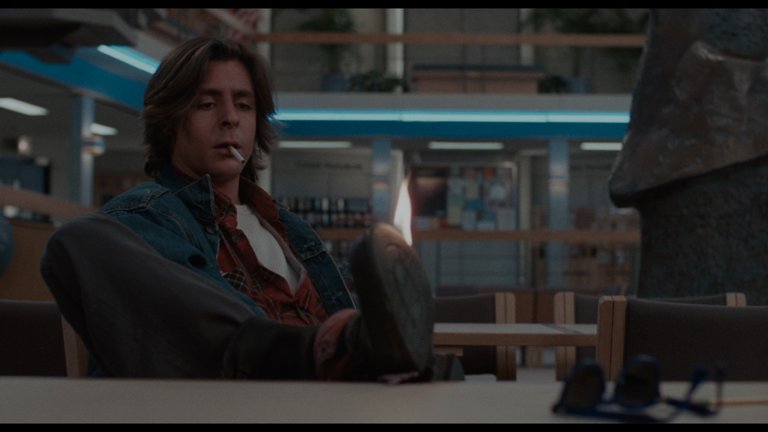
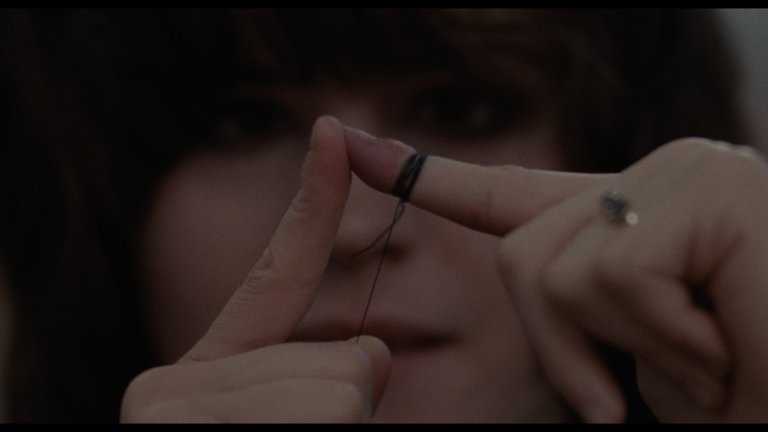
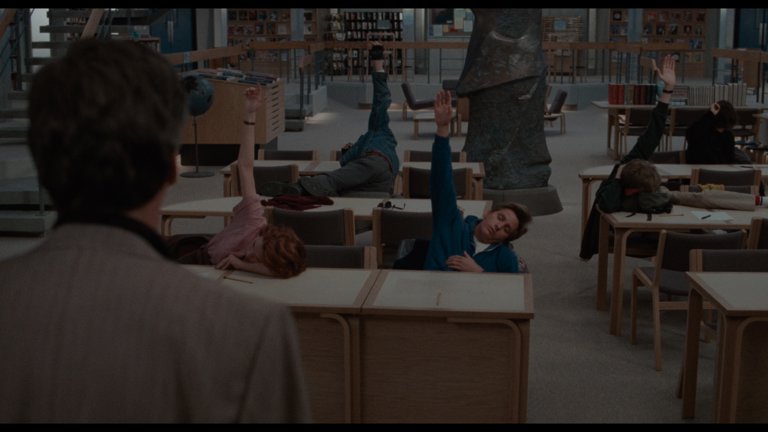
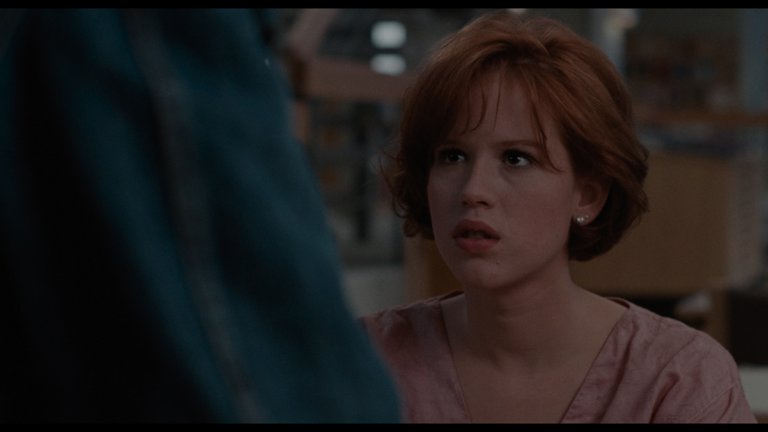
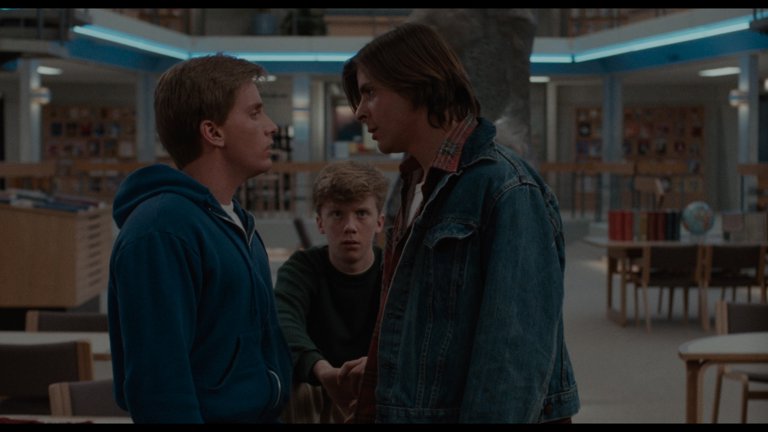
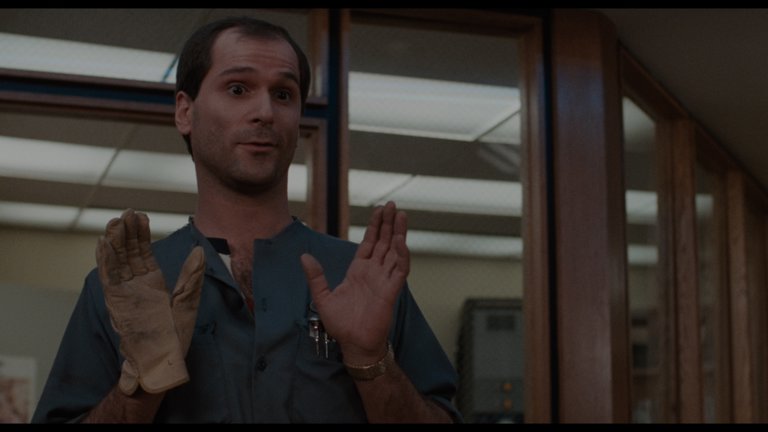
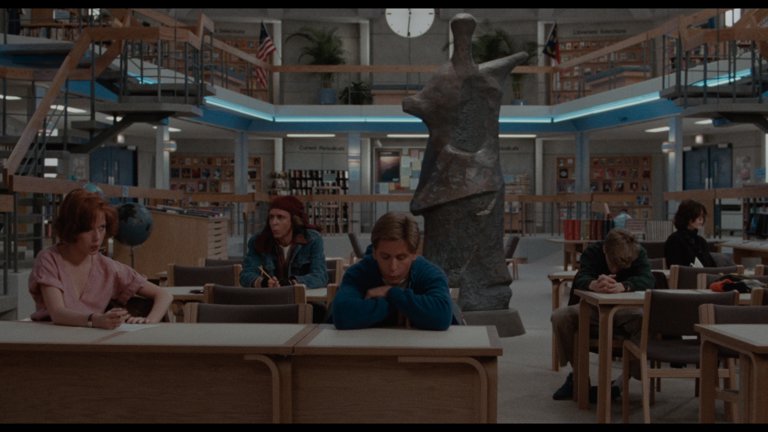
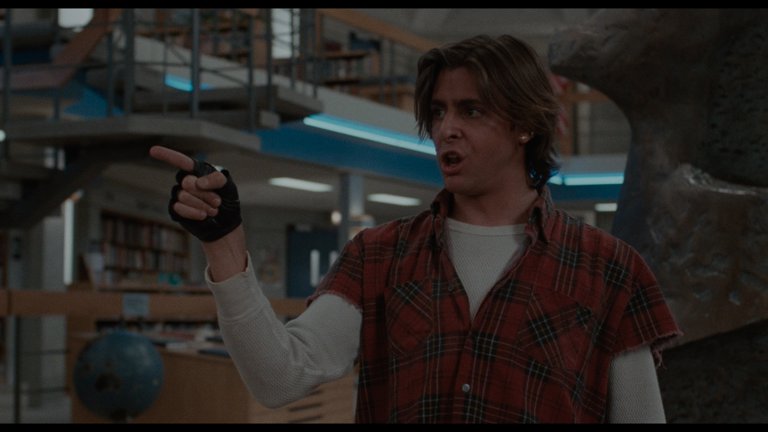
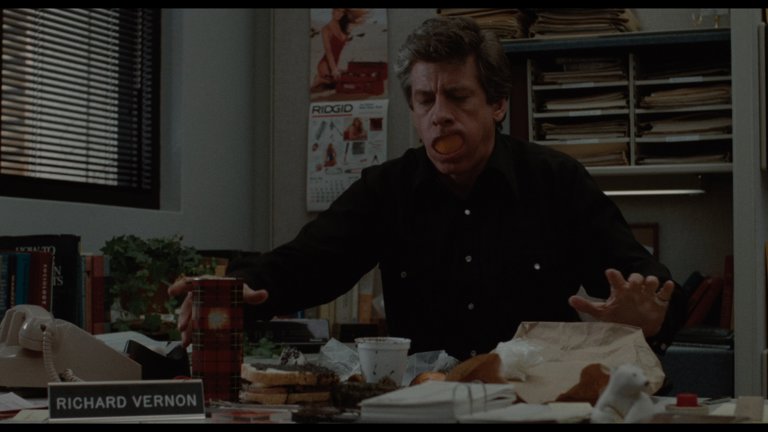
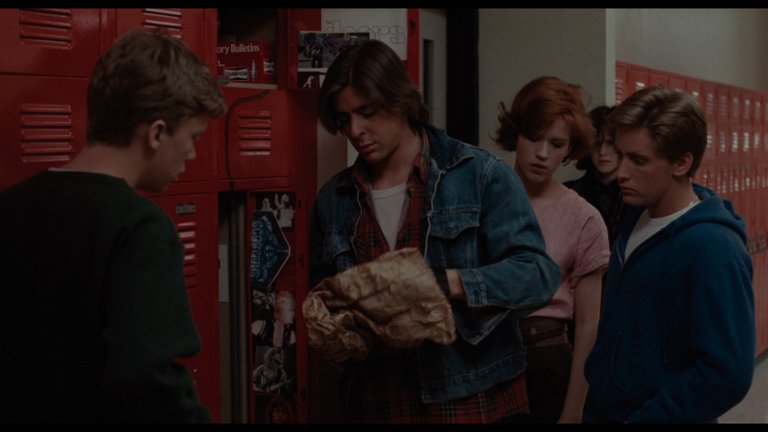
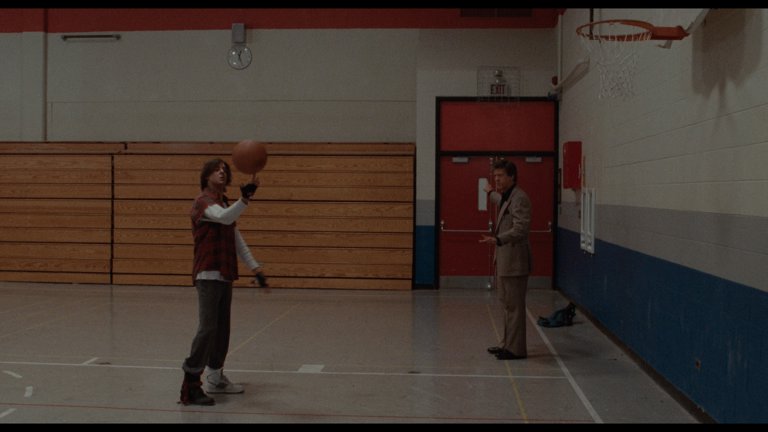
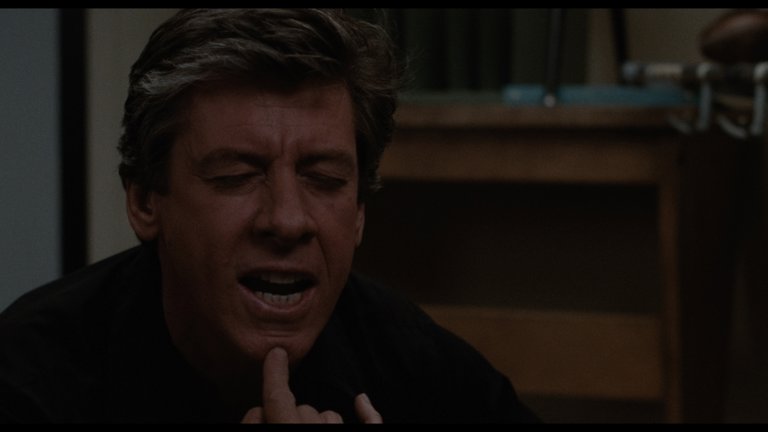
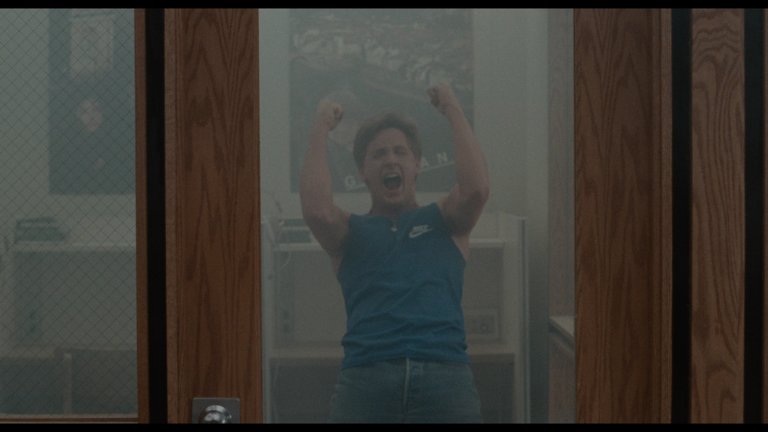
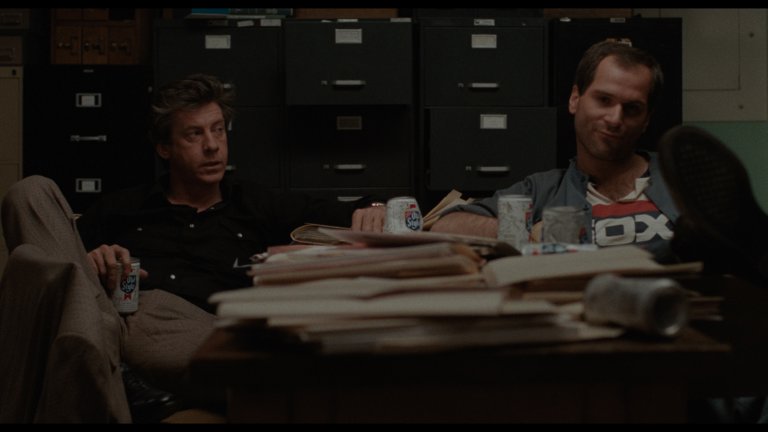
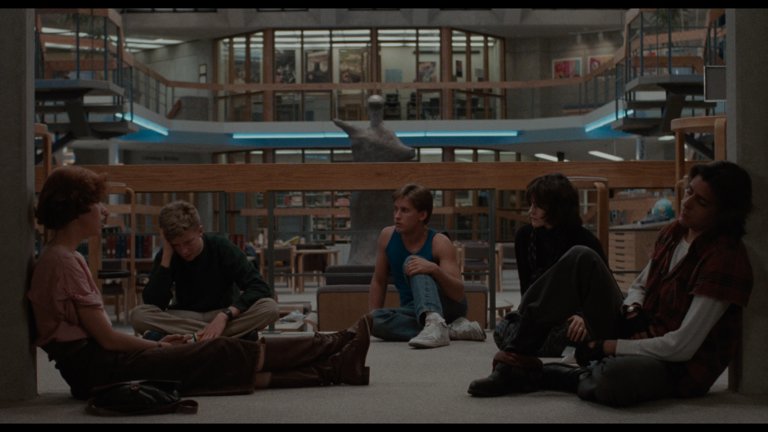
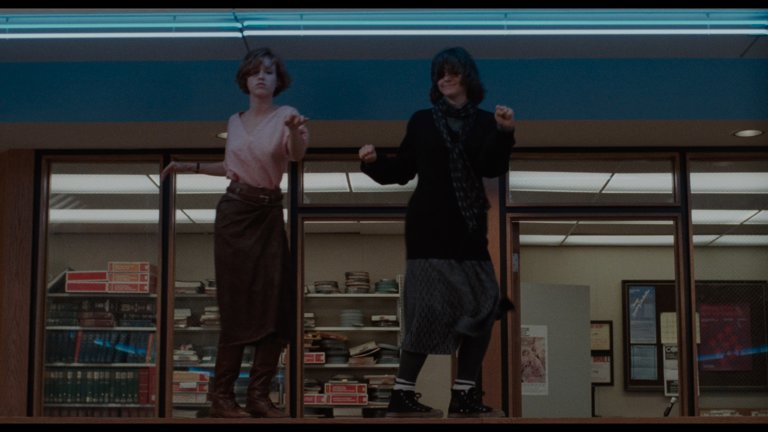
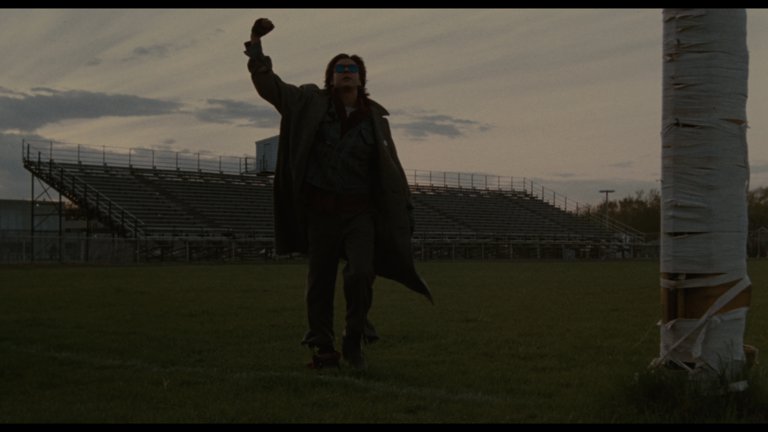
The Breakfast Club - Screen Captures
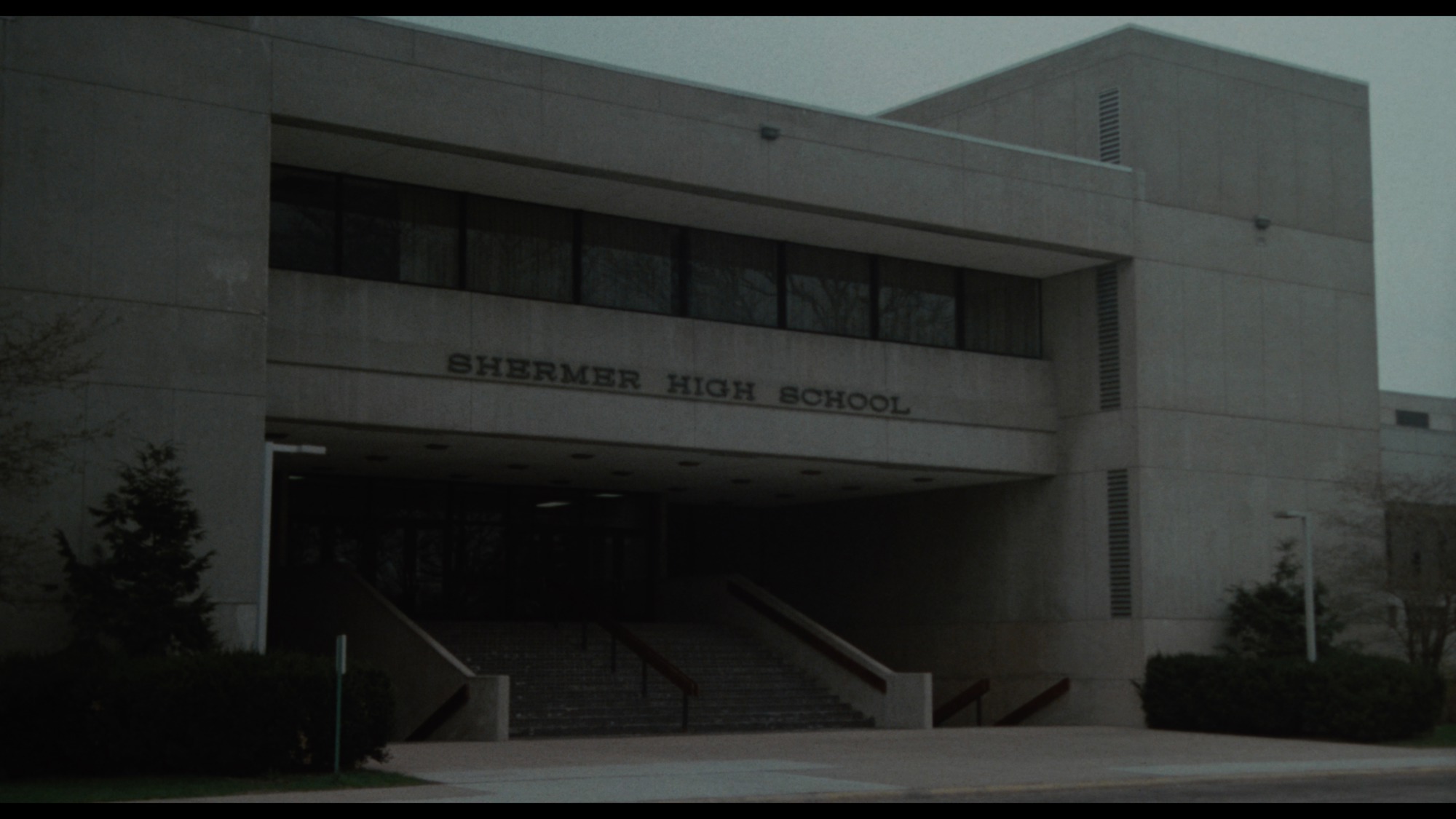
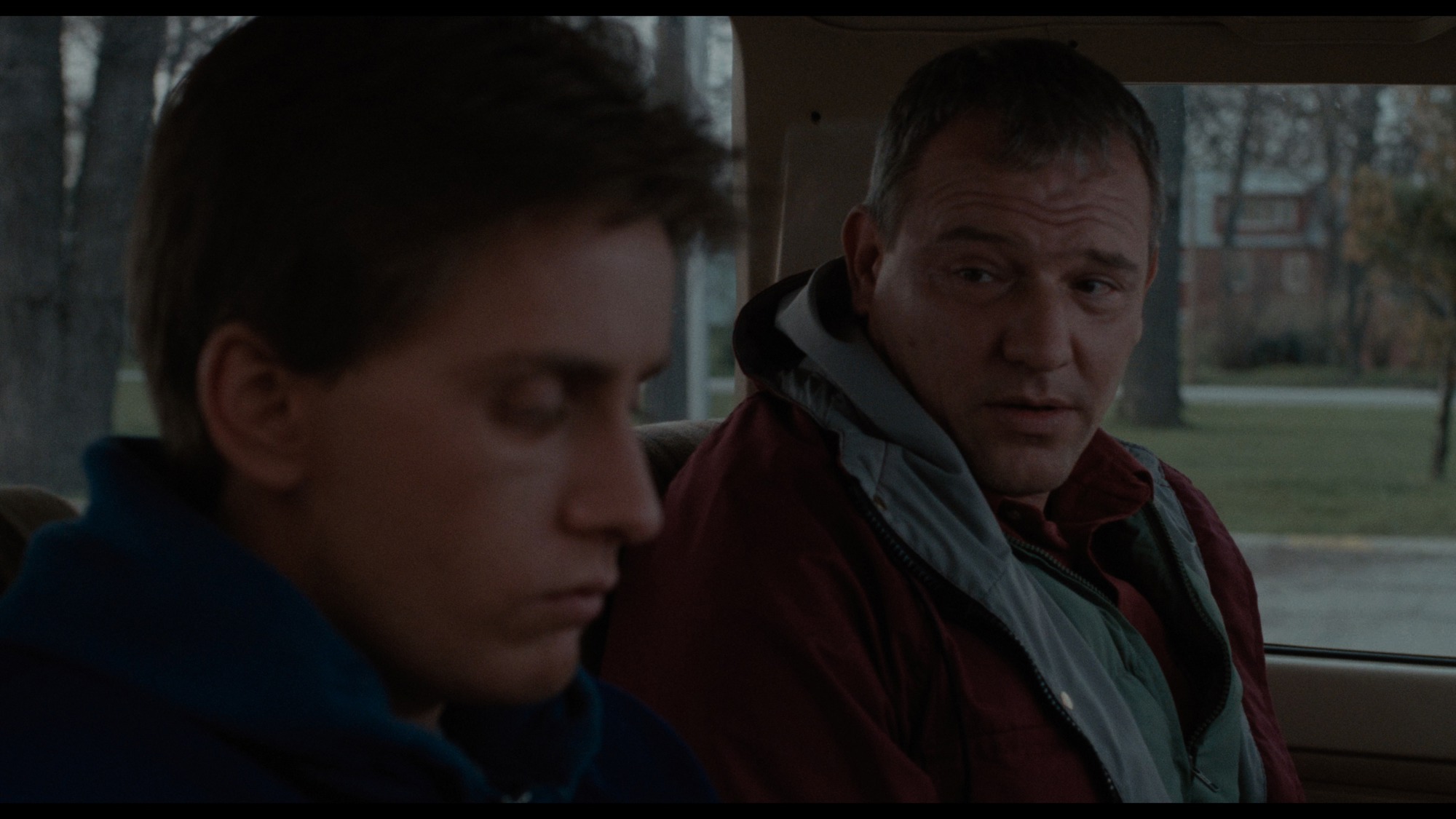
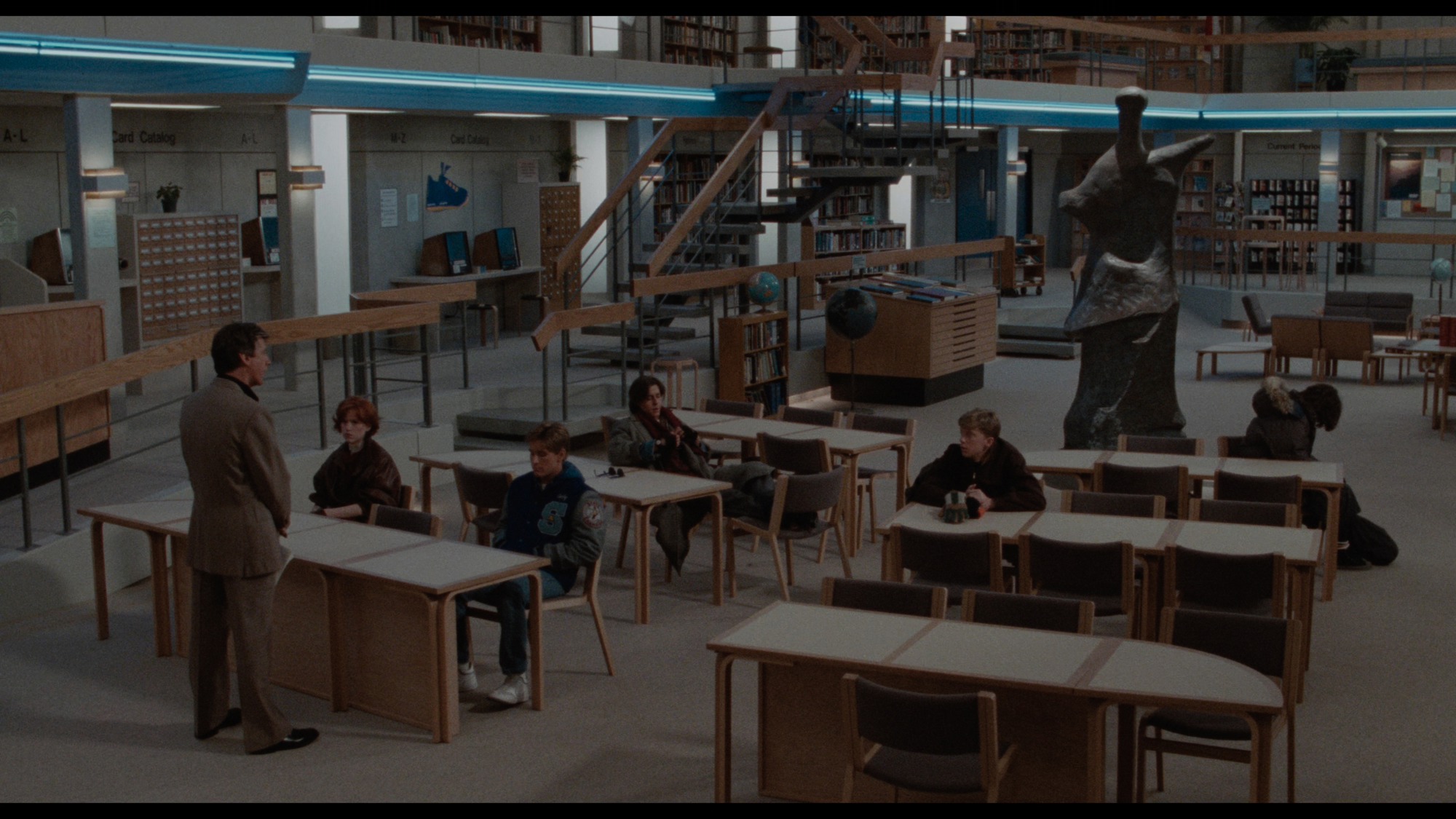

Audio 8/10
Similar to Criterion’s previous Blu-ray, this edition includes both the 5.1 surround remaster presented in DTS-HD MA, and the original mono track in lossless PCM 1.0. The 5.1 mix still feels like overkill for a film that’s almost entirely front-focused. The surrounds pick up some activity during music cues, but even then they’re not prominent. That said, overall quality is excellent, with solid fidelity and range.
The mono track also sounds surprisingly strong, even if the music cues lose a bit of their range compared to the 5.1 mix. Dialogue is clean and easy to hear, while the track as a whole can be surprisingly dynamic.
Both options sound good for what they are, but it will still come down to personal preference.
Extras 8/10
Criterion ports everything over from their previous edition, which already combined much of Universal’s archival material with new content Criterion assembled in 2018. Things begin once again with Universal’s 2008 audio commentary featuring actors Anthony Michael Hall and Judd Nelson, accompanied by the original Universal DVD producer, Jason Hillhouse. It’s a far more loose reflection on the shoot than what I had originally expected (I had only first listened to it through Criterion's Blu-ray), the two recalling what it was like working with Hughes, the camaraderie among the cast, and the almost stage-like atmosphere of the production. The two also take time to compliment each other’s performances, including Hall telling Nelson he probably delivers the best “f*** you” in all of cinema. Initially it sounds as though Hillhouse is there primarily to keep things moving by asking questions, and he does this early on, but eventually he fades into the background. The two carry the track admirably enough, though it dies out a bit later on with some noticeable dead spots. Still, despite that, it’s a solid commentary.
Still exclusive to Criterion’s release—and likely the feature fans were most eager for back in 2018—are the 52 minutes of deleted and extended scenes. All sourced from videotape (and looking rough), the material contains several gems but may also disappoint some viewers, largely because of how it’s presented. A substantial portion of the 52 minutes consists of footage already in the finished film, used here to bookend the actual deletions or to illustrate how an extended moment originally fit in. For example, we get two good deleted bathroom scenes between Ringwald and Sheedy, but they’re surrounded by long stretches of footage already in the film. Another example is John Kapelos’ extended monologue in the library: the supplement includes nearly the entire scene as it appears in the final cut, just with the additional dialogue reinstated. Other instances insert full finished sequences solely to show a slightly different edit or the placement of a trimmed moment. This ends up padding out the running time. Though the notes mention a 150-minute rough cut, it’s clear not all of that material is here.
That said, what is here is still fascinating. The bathroom scenes are strong, Kapelos’ speech is interesting to see in full (if rightly trimmed), and the moments where Brian and Claire reenact their home lives for Bender are terrific. There are even small curiosities, like the original edit for the ending. The inclusion of rough, unedited material, like character entrances, multiple reaction shots of Nelson, Hall, and Ringwald cheering on Estevez’s dance, are also good. In all, it's great some of this material finally surfaced, but knowing more exists is a bit frustrating.
Next is the 51-minute making-of documentary Sincerely Yours, originally produced by Universal. Featuring interviews with Sheedy, Hall, Nelson, and Kapelos, as well as costume designer Marilyn Vance, the piece also brings in fans of the film, including directors Amy Heckerling, Michael Lehmann, Marco Siega, writer Diablo Cody, and journalist Hank Stuever. Although it covers the production and reflects on the film’s resonance with younger audiences, it ultimately feels like a fairly standard studio making-of: pleasant enough, with a few charming anecdotes, but most of this is covered in the commentary.
Criterion then provides a collection of cast and crew interviews, including new ones with Molly Ringwald and Ally Sheedy recorded exclusively for this release. In their 19-minute segment, the two discuss Hughes’ intuitive understanding of teens, his determination to center female protagonists when studios were hesitant (Universal even passed on Pretty in Pink, forcing him to take it to Paramount), and his openness to actor input, sometimes letting them revisit older script drafts to pull material they liked. Their fondness for Hughes is clear, and the interview nicely underscores the freedom the director allowed his actors with their roles.
The remaining interviews are archival, likely filmed during production for promotional purposes. These include Judd Nelson (12 minutes), Sheedy again (15 minutes), tutor Irene Brafstein (9 minutes), and Paul Gleason (11 minutes). The actors discuss their characters, working with Hughes, and the craft of acting. Gleason is particularly surprising; so often cast as a hard-ass, he comes across as genuinely sweet here. The standout here is Brafstein, who talks about the unique needs of child actors on set, the tutoring process, and the complications that often arise with parents or guardians. Her insights are fascinating, I actually still wish Criterion explored this territory a bit more.
Criterion next includes two excellent archival audio interviews with John Hughes: a 47-minute discussion recorded at the American Film Institute in 1985, and a 1999 episode of the radio show Sound Opinions (running about 16 minutes). The AFI interview focuses primarily on The Breakfast Club, the filmmaker covering script development, early financing attempts through A&M Records and Universal, casting choices (he initially considered Virginia Madsen and John Cusack), and the ways he found himself identifying with the younger generation. It’s a great, wide-ranging discussion, even touching on the technical learning curve of filmmaking (with Dede Allen guiding him through editing). Surprisingly, the shorter 1999 interview is even more compelling: Hughes discusses his soundtracks, how he kept up with music, and his philosophy of picking songs based on emotional resonance rather than chart popularity, using the correct music for the correct moments.
The disc then devotes a section to the electronic press kit, containing a series of promotional videos: “Ensemble Profile” (4:01) and “John Hughes Profile” (3:36) overview the cast and director; “Dede Allen Profile” (3:43) focuses on the editor’s past work and the appeal of this film; “Youth Picture” (2:18) and “Roller-Coaster” (1:49) are more standard PR fluff situating the film within youth pictures like Beach Blanket Bingo and Rebel Without a Cause. A longer "featurette" (8:21) combines much of this material, and the section closes with the film’s theatrical trailer.
Criterion also includes two excerpts from Today that aired around the film’s release, running a combined 10 minutes. The first half features Ringwald and Nelson; the second, Sheedy, Estevez, and Hall. This is obviously all for promotion, but it’s still interesting to hear the cast discuss their interpretations of the characters and address comparisons to The Big Chill, which they politely push back on.
The video essay Describe the Ruckus presents Hughes’ notes on the film, read by Judd Nelson over a 12-minute montage. It chronicles Hughes’ thought process as he developed the film, from early character concepts all the way through the various changes that occurred. The level of detail is still rather extraordinary, with Hughes, at one point, realizing the script was reading too much like a stage play. This then led to him coming up with more ways to make it more like a film, even planning on how he would show the passage of time. I still kind of wish this was put together as a gallery one could navigate through, but it's still a nicely assembled piece.
The final feature is the oddest, and perhaps the most unexpectedly affecting: Molly Ringwald recording herself watching The Breakfast Club with her 10-year-old daughter for an episode of This American Life. Concerned that her daughter was one of the few in her class who hadn’t seen the film, Ringwald decided to watch it with her, only to discover that the moments she worried about (mostly the sexual content) sailed right over her daughter’s head. Instead, her daughter responded strongly to entirely different elements. Ringwald also reflects on how her own perspective on the film has shifted now that she views it as a parent. It still feels a bit odd, but it can be fairly funny while also showing how the film works from different angles and perceptions, whether it was intentional or not.
The release is rounded out (yet again) with a booklet featuring an essay by writer and Vanity Fair editor David Kamp, who examines the film’s enduring cross-generational appeal and contextualizes Hughes’ work as a whole.
Maybe still falling a little short of expectations it's still one of the more satisfying collection of supplements put together for the film, and all well worth going through for fans.
Closing
Though the supplements remain unchanged, the new 4K presentation delivers a significant improvement over Criterion's previous Blu-ray edition, offering a noticeably sharper, far more film-like presentation.
BUY AT: