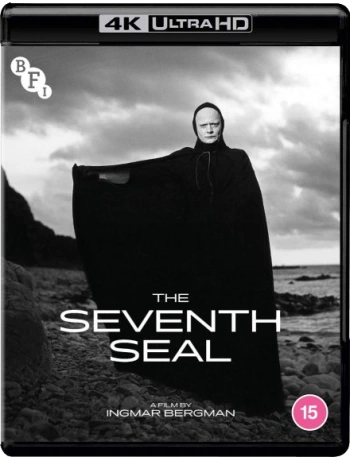
The Seventh Seal
BUY AT:

See more details, packaging, or compare
Synopsis
As the plague tears through medieval Europe, a knight (Max von Sydow), returning from the Crusades, challenges Death to a game of chess in order to postpone his demise.
An allegorical masterpiece asking big questions about faith and superstition, Ingmar Bergman’s iconic The Seventh Seal remains one of cinema’s most important and influential films.
Presented here for the first time on 4K Ultra HD – the BFI’s first ever UHD release – experience Bergman’s timeless classic like never before.
Picture 9/10
For their first 4K UHD release BFI presents Ingmar Bergman’s The Seventh Seal on a dual-layer UHD disc in its original aspect ratio of 1.37:1. The 2160p/24hz ultra hi-def presentation with Dolby Vision is sourced from the 2018 restoration performed by Svensk, which was also the basis for Criterion’s Blu-ray edition included in their Ingmar Bergman’s Cinema box set. Though a UK release, the UHD disc is region free, as should be expected for the format, and will play on North American players. A 1080p version is presented on a Blu-ray, which has been locked to region B. The 4K restoration is sourced from the 35mm original camera negative.
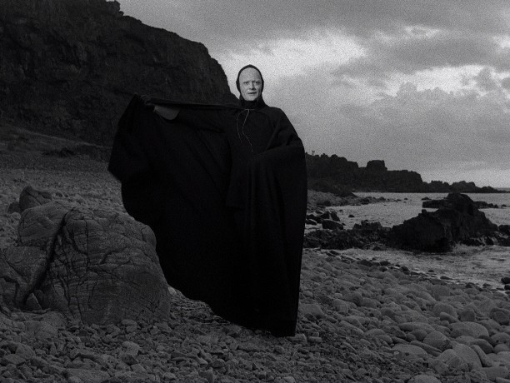
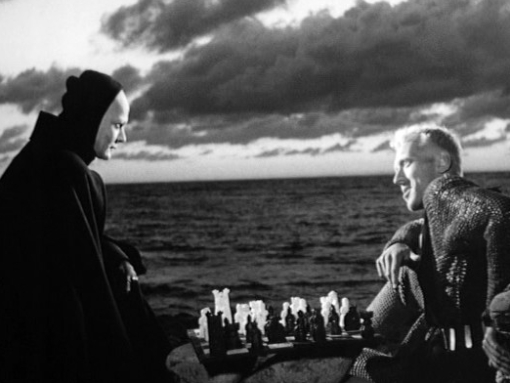
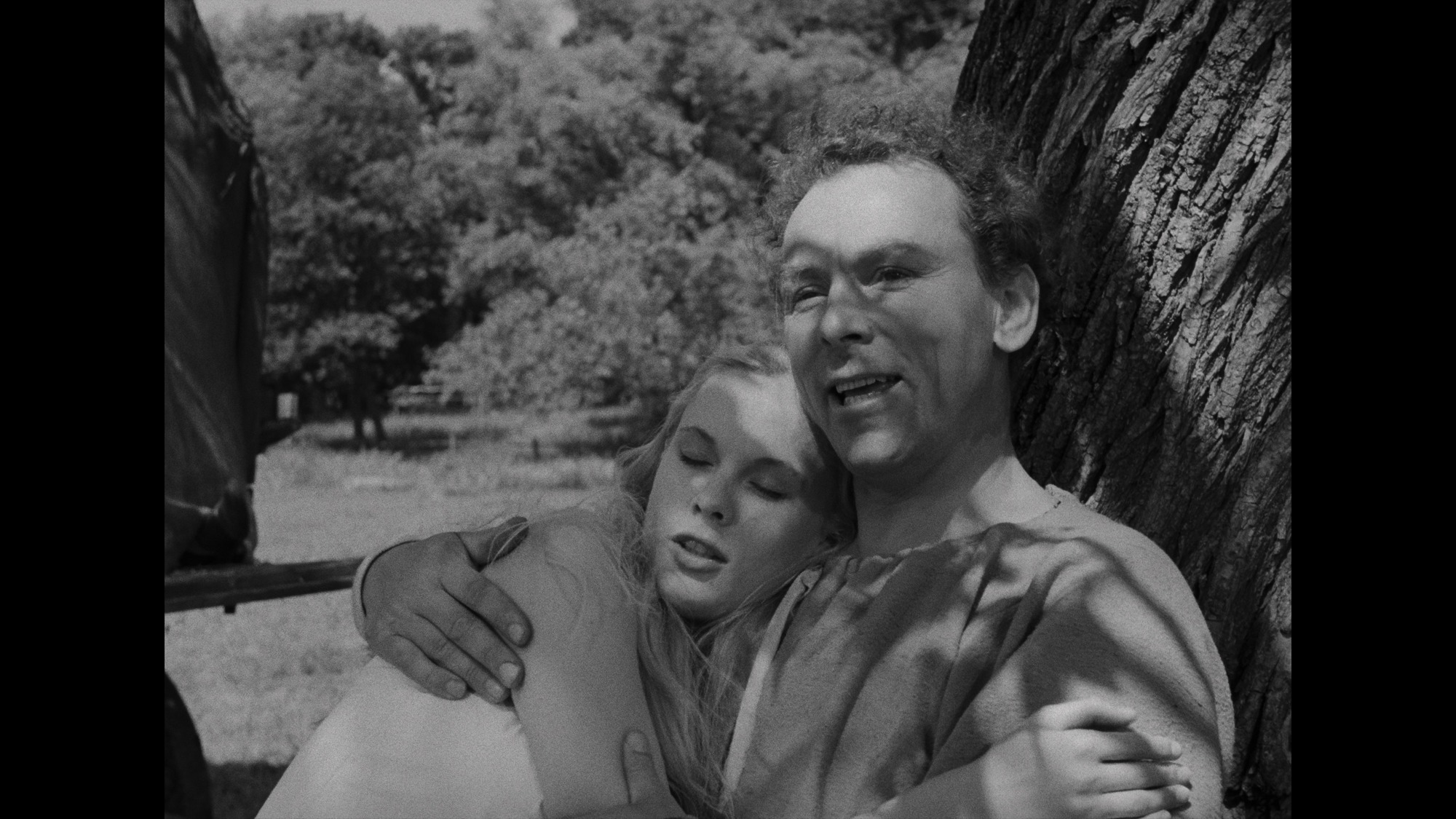
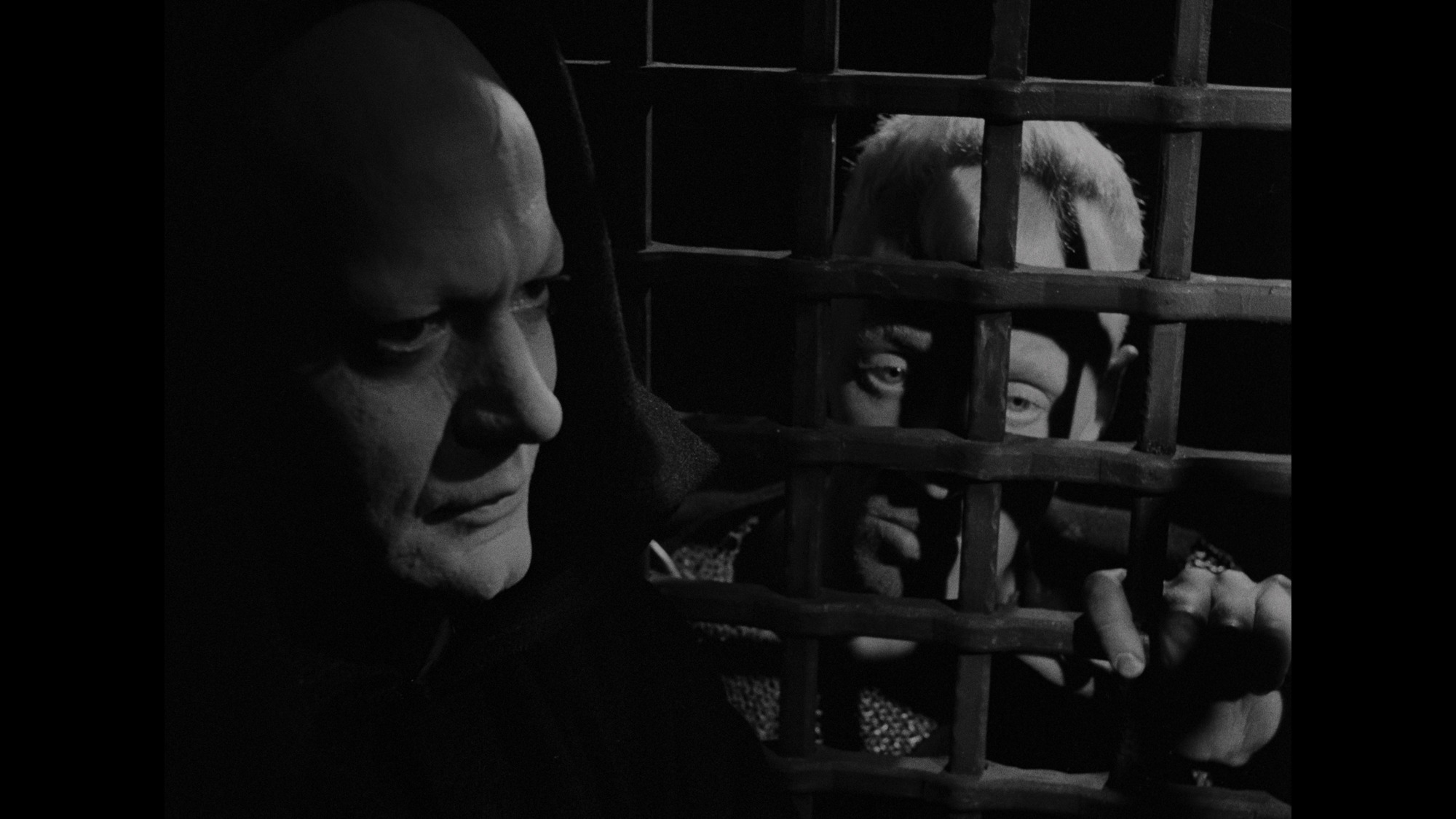
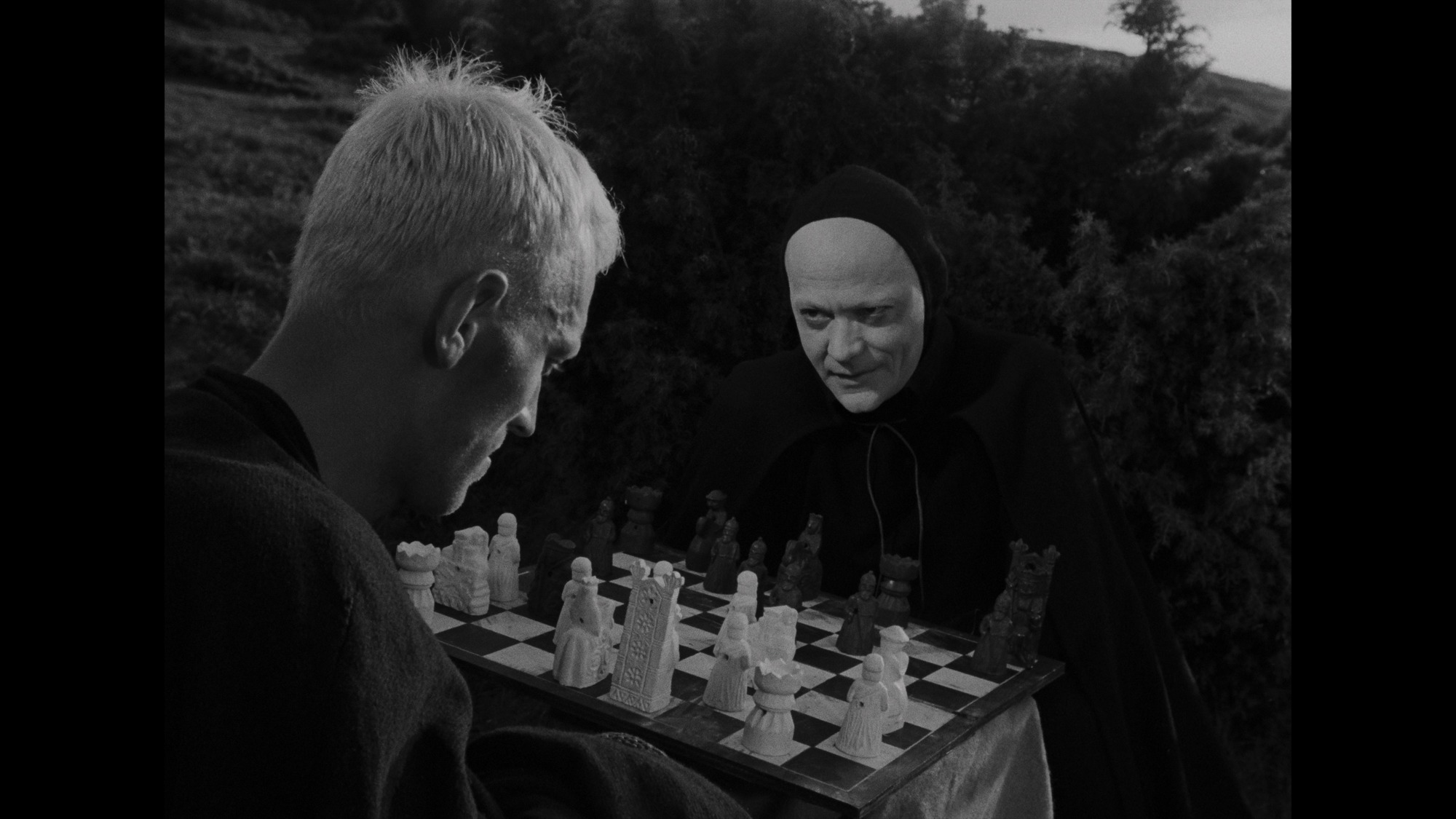
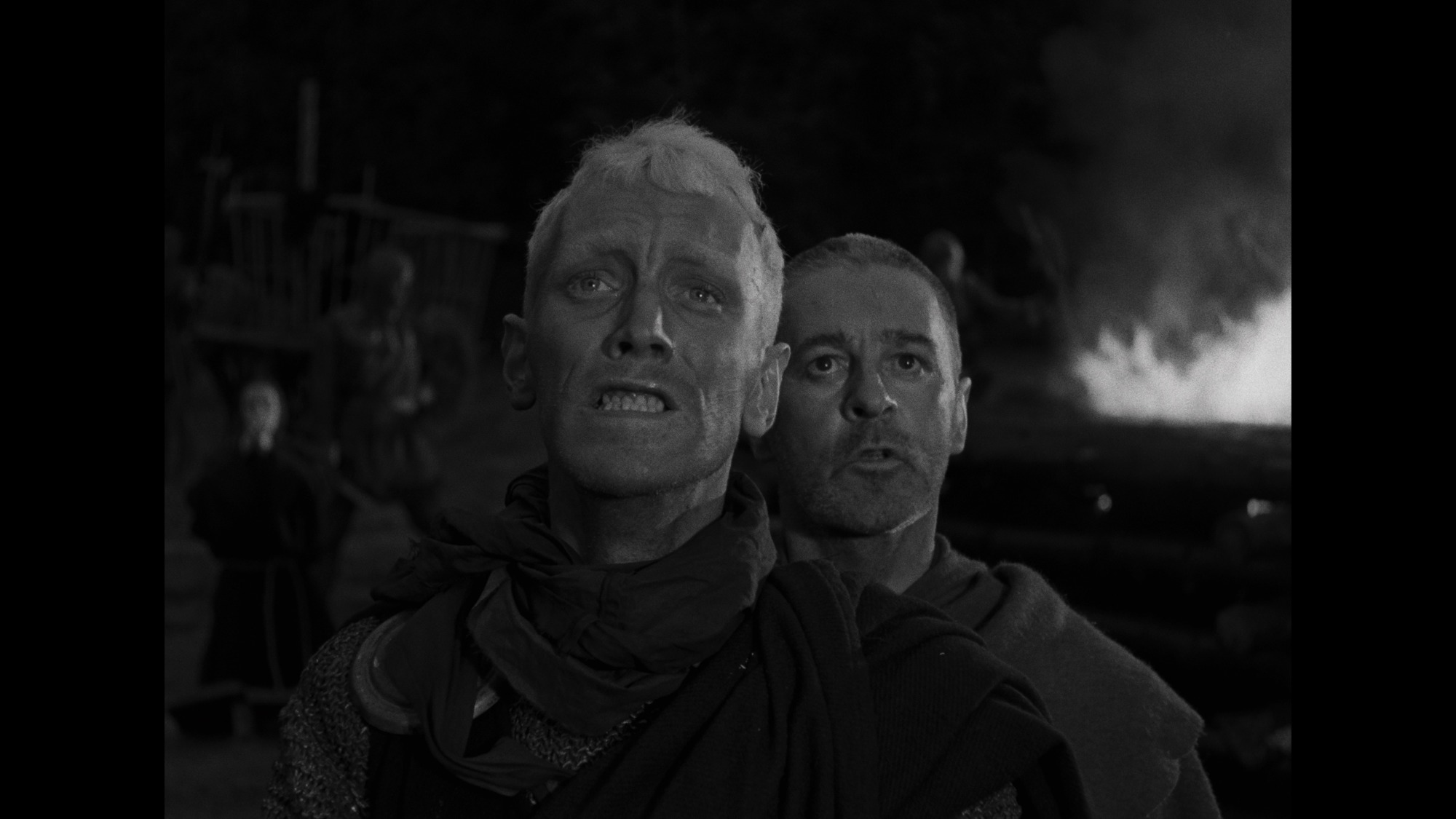
Compared to Criterion’s and BFI’s own Blu-ray presentations for the film (BFI’s available in their upcoming second volume of Bergman films) the full 4K presentation does offer a rather significant upgrade over both of those presentations. I found the improvement in resolution to be clear, specifically in the rendering of the grain. While Criterion’s and BFI’s presentations do a decent job when it comes to grain, it looks far finer and more natural here in comparison, never managed or digital. It’s very clean and film-like, and this ends up leading to better textures and details. Death’s robe, for example, shows more fine threading and details than I noticed in any of the many previous presentations I’ve seen through the years. Even all of the chinks in Von Sydow’s chainmail look cleaner and more distinct here.
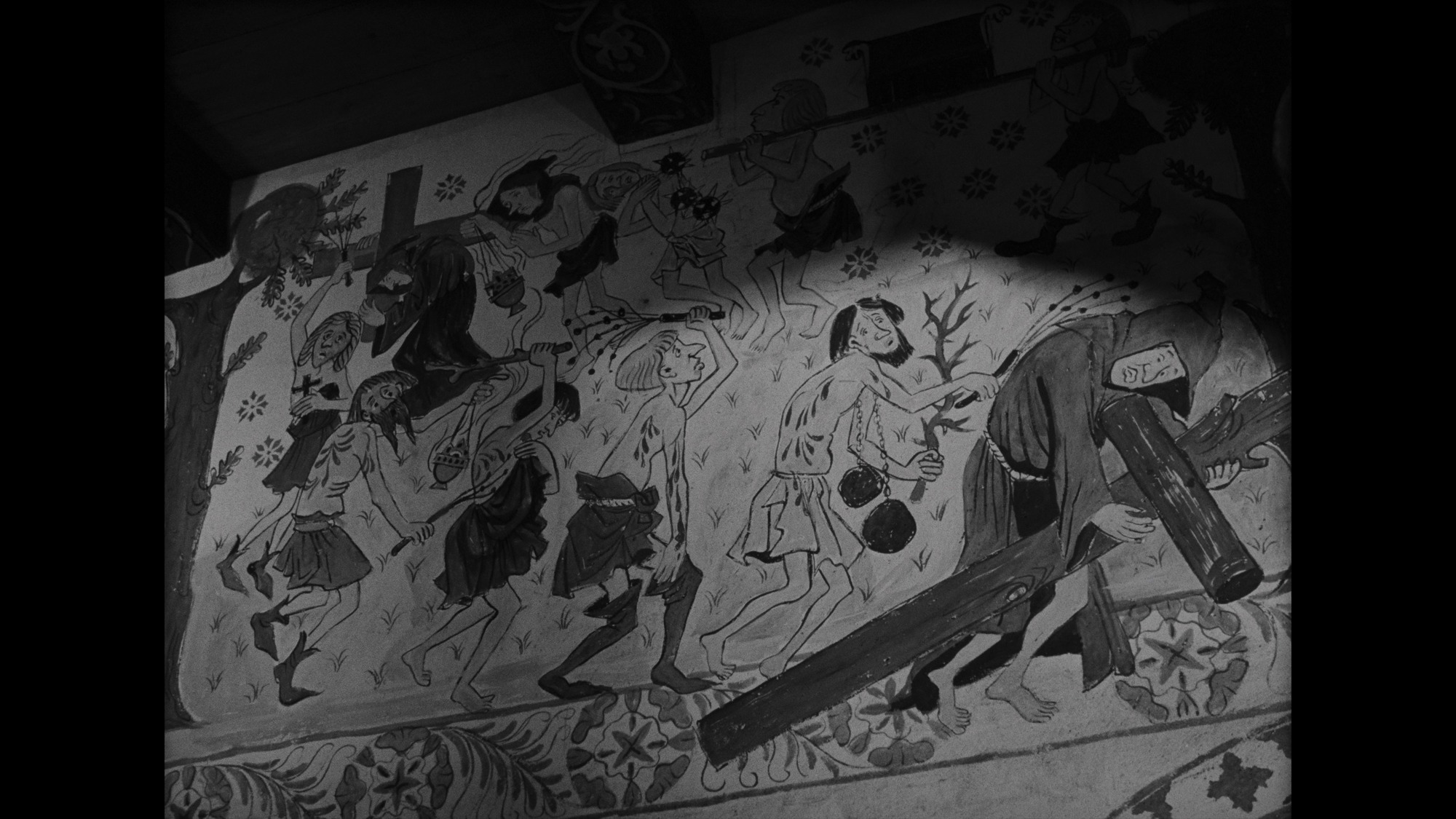
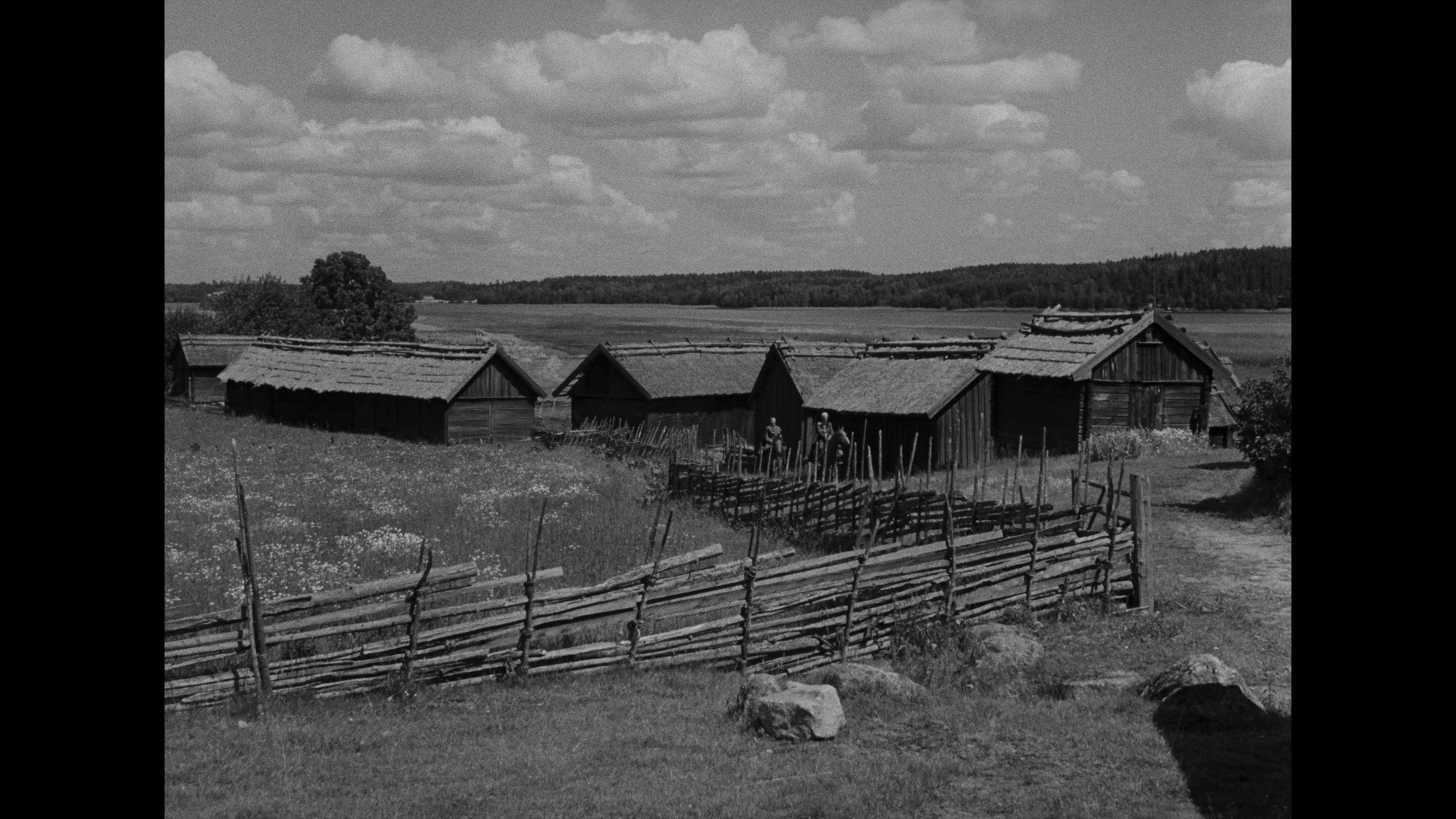
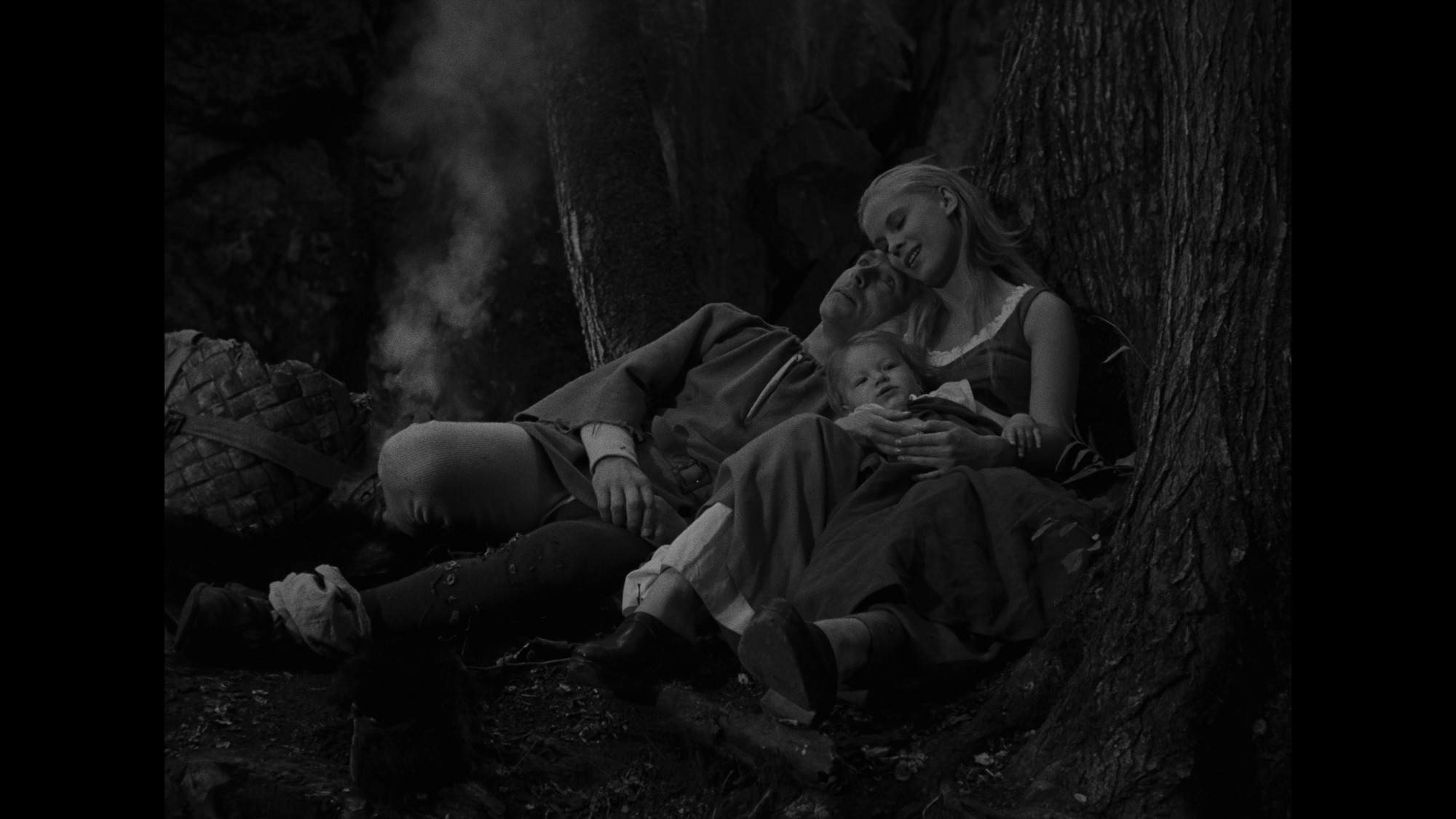
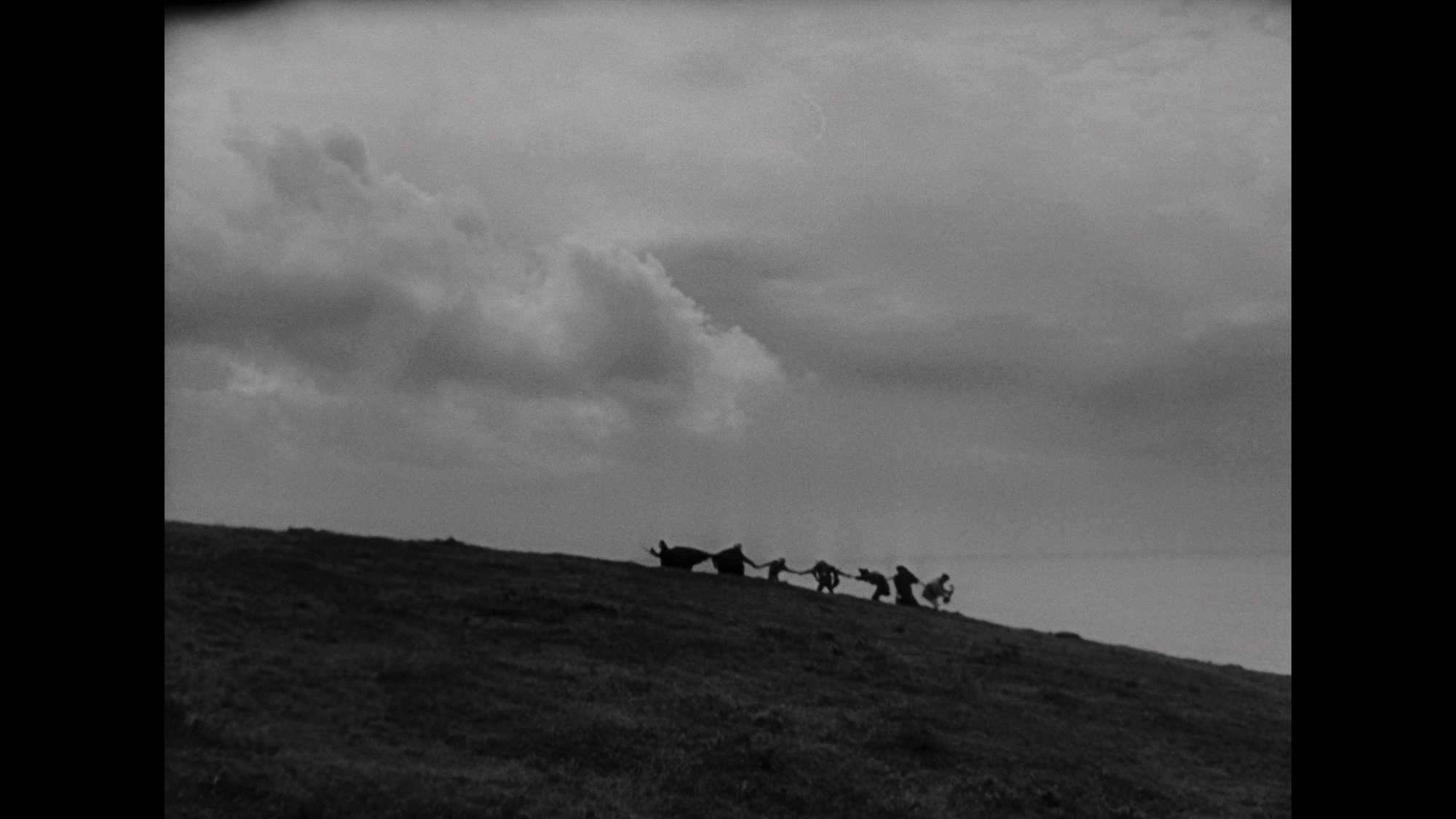
Some of that, especially in the latter case of the chainmail, can more than likely be attributed to Dolby Vision. The wider range and the fine gradients in the shadows, along with sharper highlights, helps substantially with those tiny details. I was also impressed with how nicely managed the grays are in this presentation, particularly in the skies. Previous releases could look a tad blown out at times, or even too dark, but there’s a real nice balance to everything here; it just looks right. The skies keep things even and toned down, which allows more details in the clouds when they pop ip. The opening on the coast also looks the best it ever has; previous releases could be too dark or too blown-out thanks to off contrast, but again the lighting looks just right and the shadows on the rocks are darker while the details can still be made out as the tones shift. The lighting can also be very striking at times, including a moment where one character dies and the sunlight begins to break through to the forest floor to where their body lays. I was most taken by another shot that comes closer to the end of the film, where Death appears in the doorway. The SDR screen grab that I have included here doesn’t truly capture it, but the halo around Death and the sudden shifts in the shadows look wonderful. It’s the most striking this particular moment has ever looked on video. All of this can also be said of the many dank interiors that act as a setting throughout the film, with light seeping in through various openings and cracks, nicely highlighting the smoke and debris when suiting.
Impressively, the temptation to make things very bright have been kept at bay. The brightest moments probably revolve around a scene involving a witch burning, where the flames are bright compared to the backgrounds, but not to a ridiculous degree. They stick out, but you can still make out the shades in the flames, and it's not obnoxiously blinding. It looks really, really good.
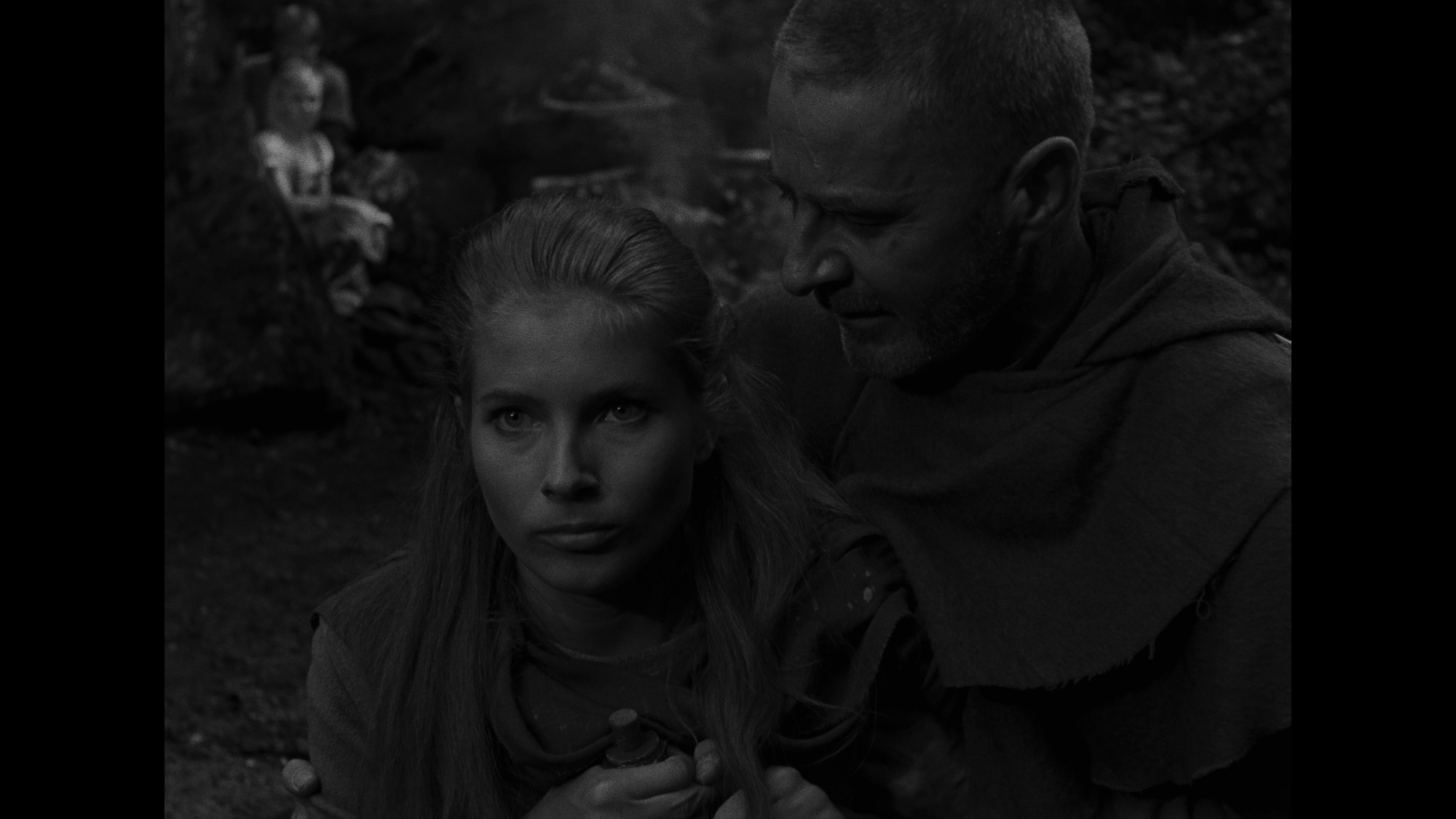
This all leads to nice contrast and solid grays, and though I don’t think things ever reach a true black (maybe a really dark gray) things never look muddy or flat. The restoration has cleaned up most everything, as seen in the previous Criterion Blu-ray, but few minor marks and hairs remain, popping up here and there. Some transitions between scenes also look soft, but this is expected. Everything also appears to be cleanly encoded, the image never coming off digital or noisy.
In the end, BFI have really delivered on their first UHD release. It’s a significant upgrade over Criterion’s, and even BFI’s own, Blu-ray releases, and I think it shows very well how a black and white film can benefit from the format.
(All SDR screen grabs come from the source disc and have been converted to JPG files. They are presented in full resolution and may not properly fit some monitors. While the screen grabs should offer a general idea of quality, they should not be used for reference purposes.)
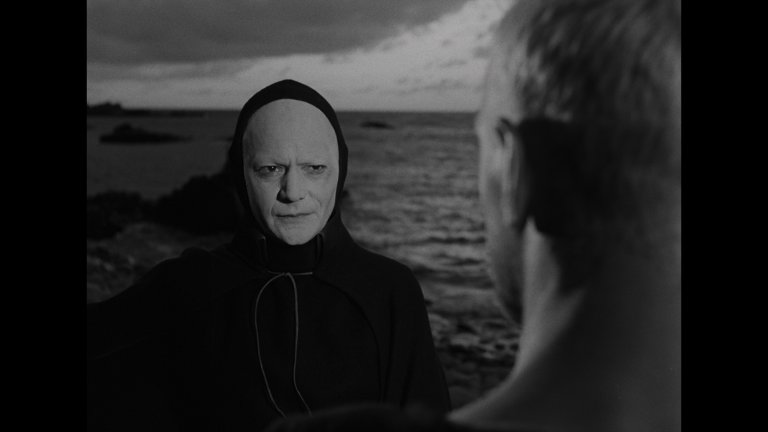
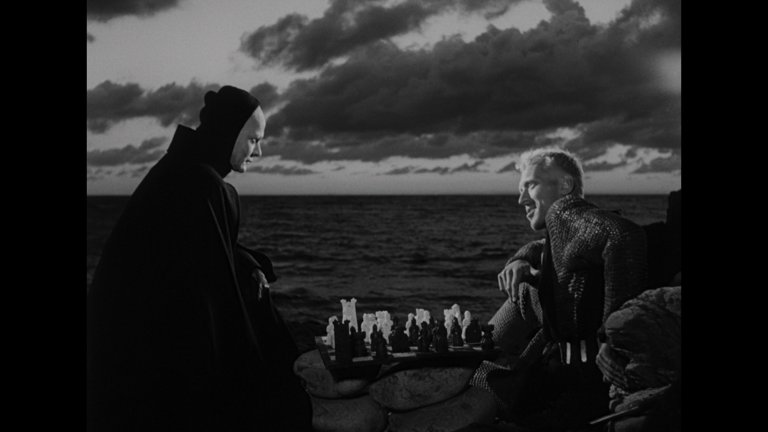
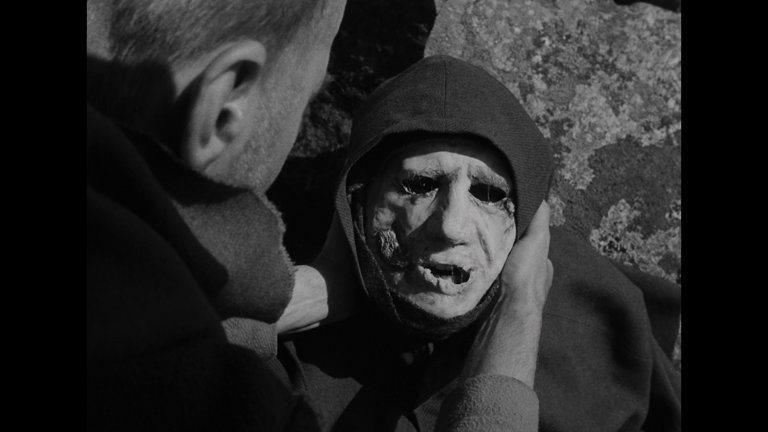
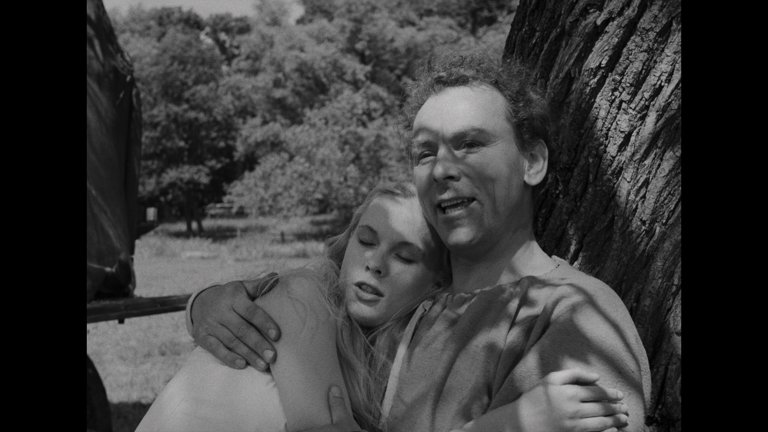
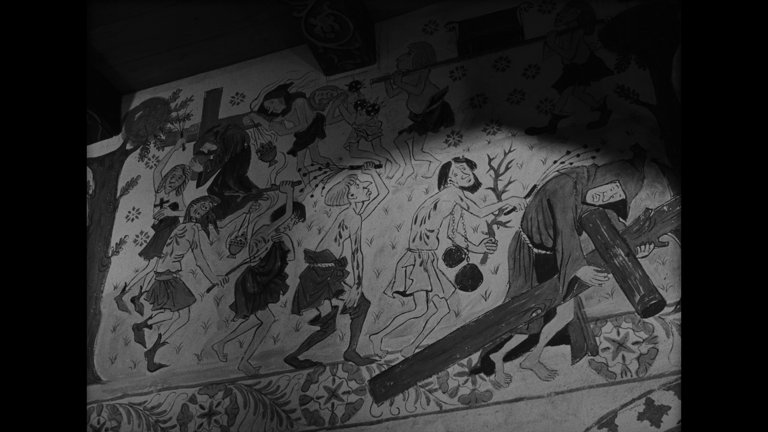
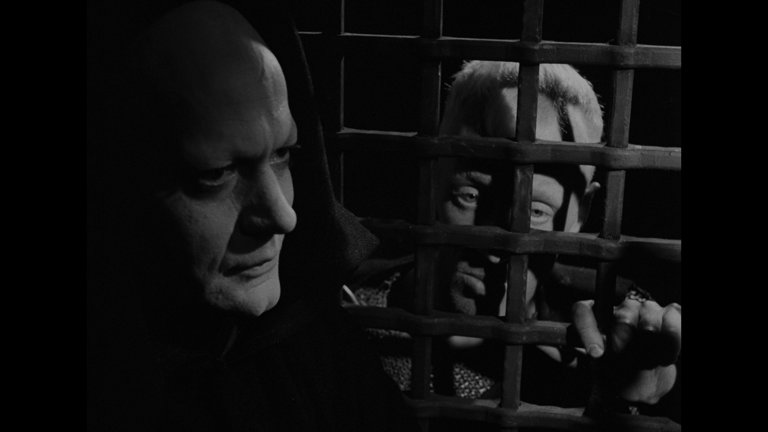
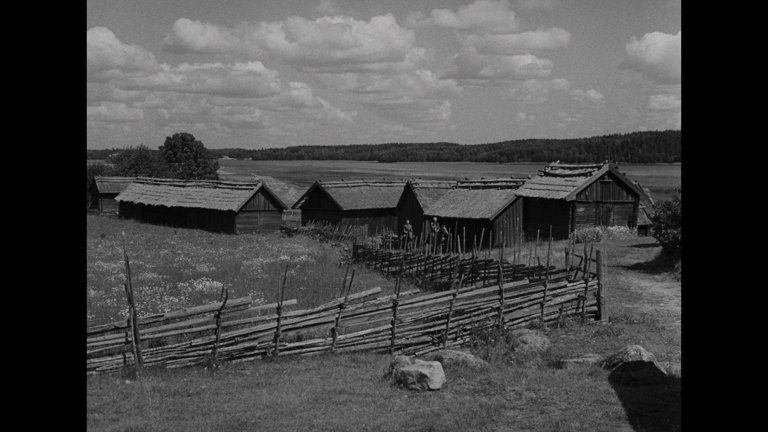
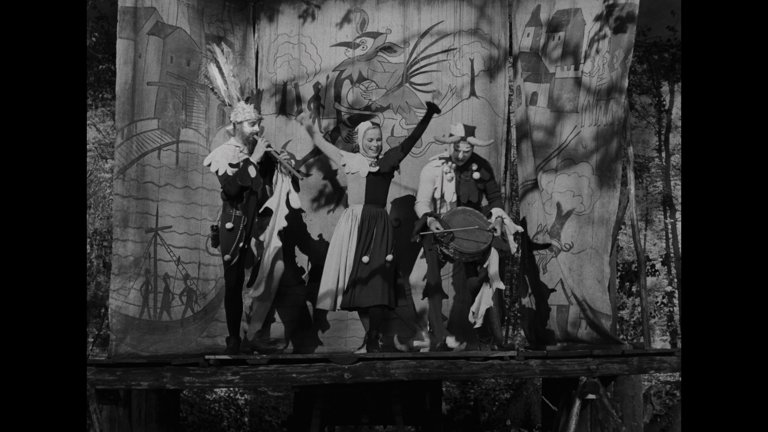
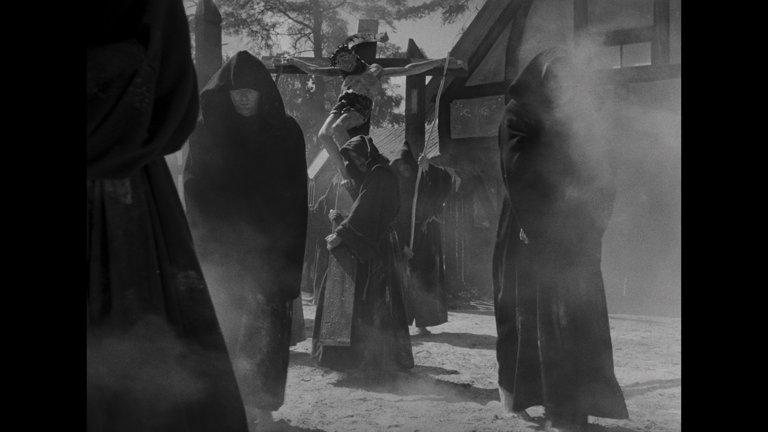
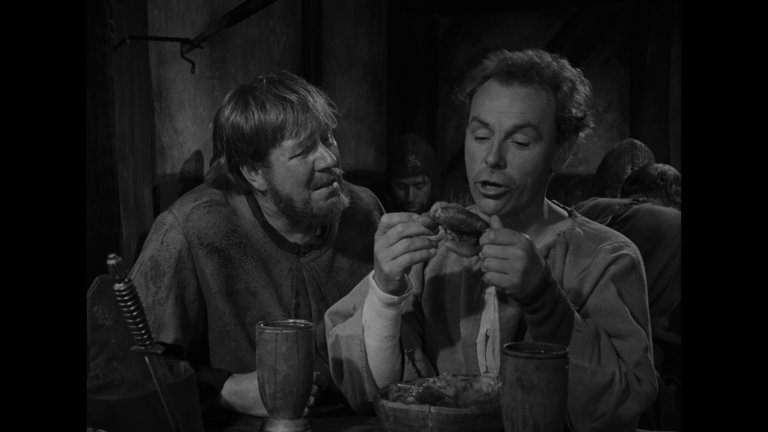
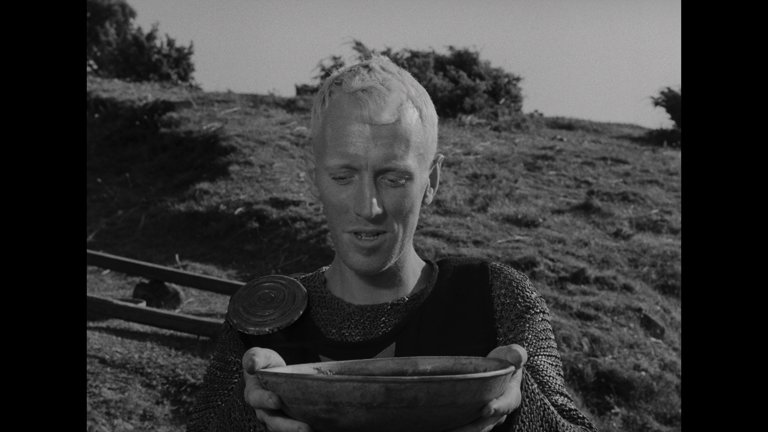
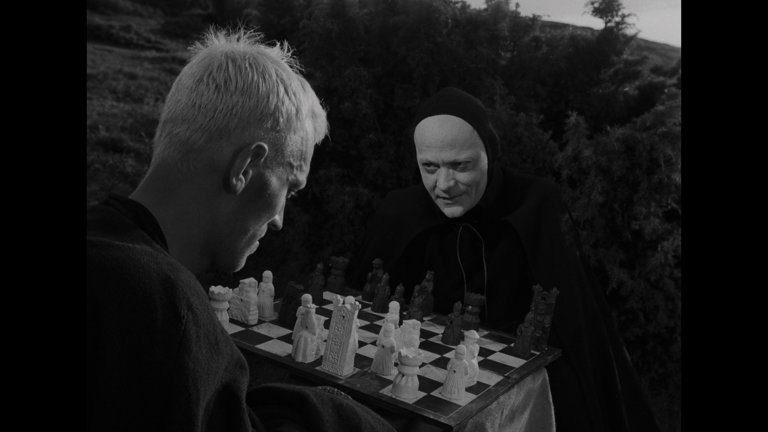
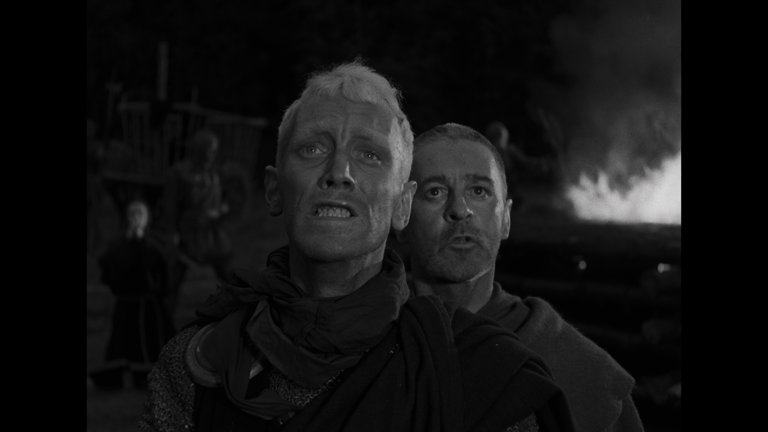
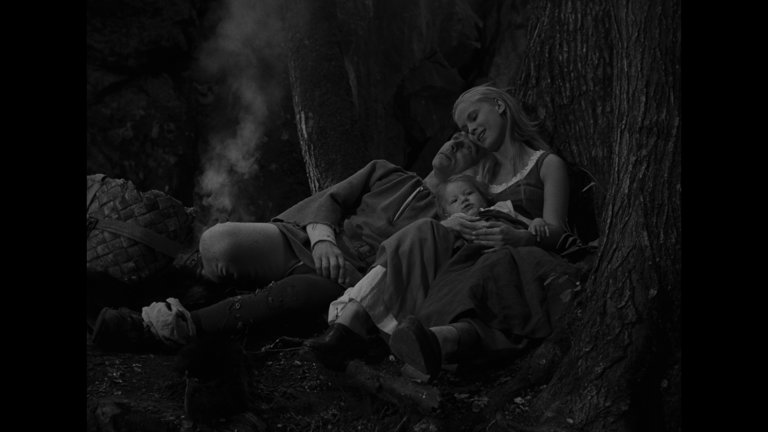
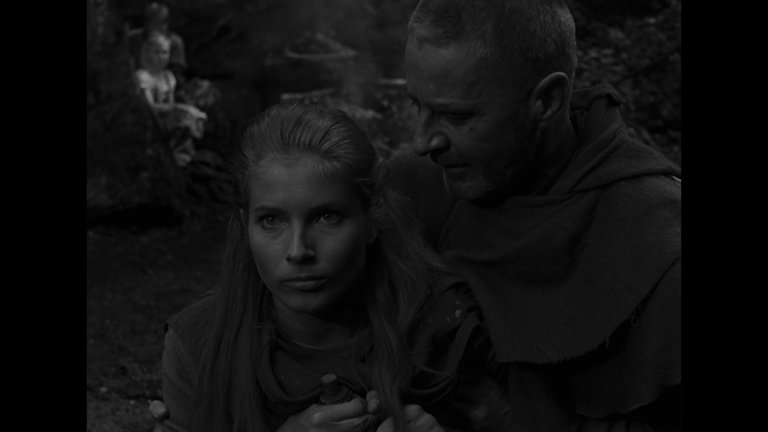
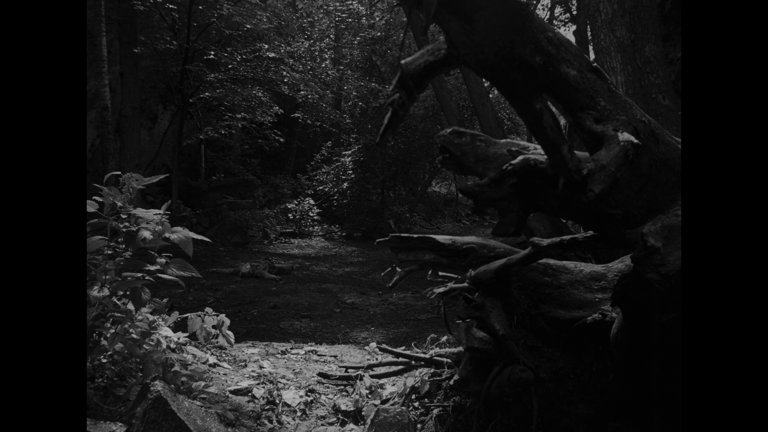
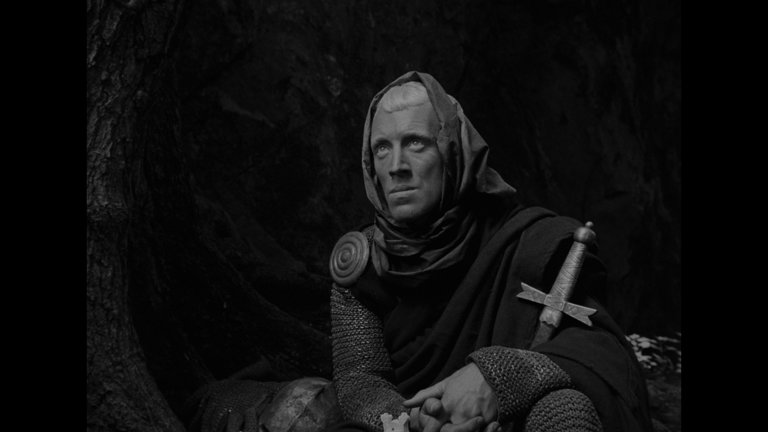
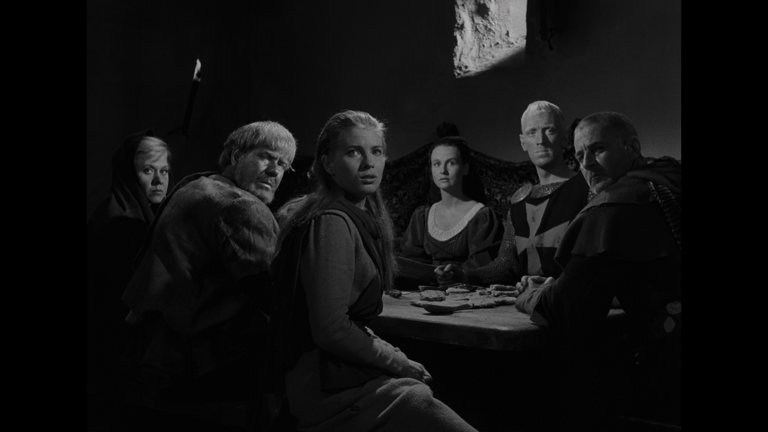
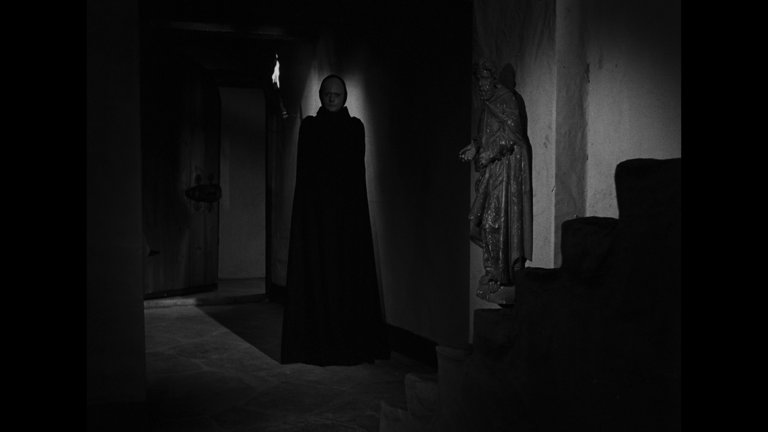
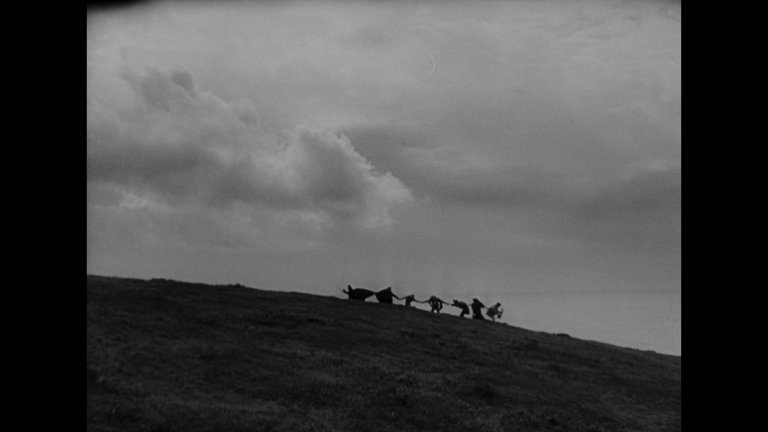
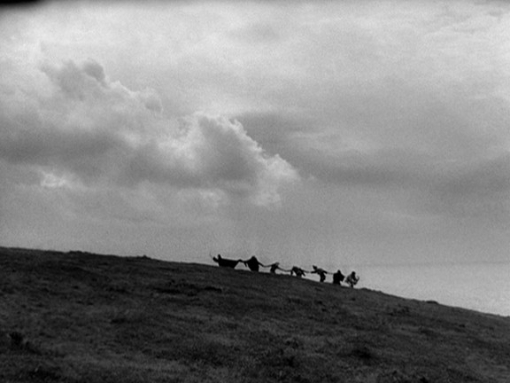
The Seventh Seal - Screen Captures
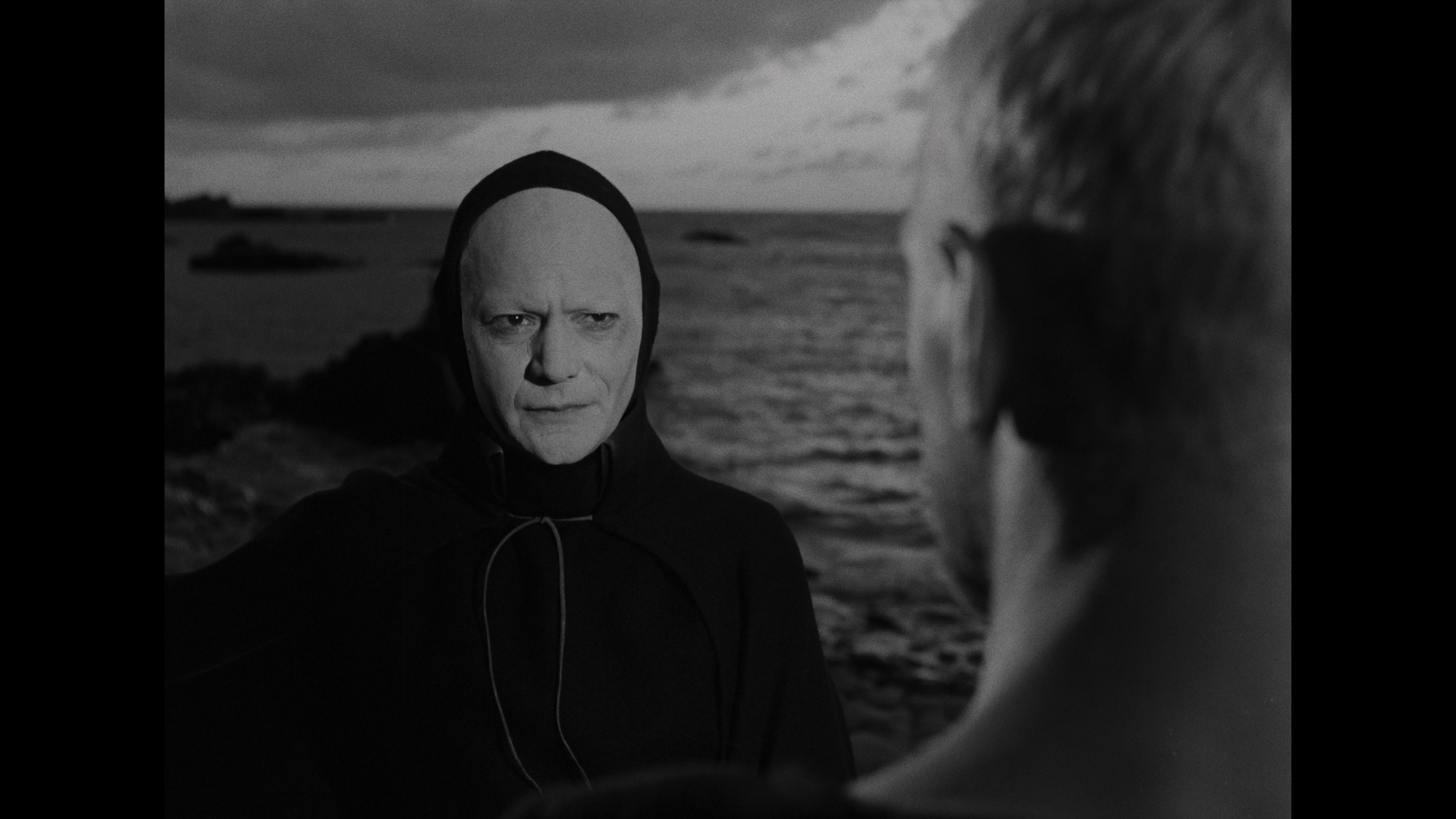
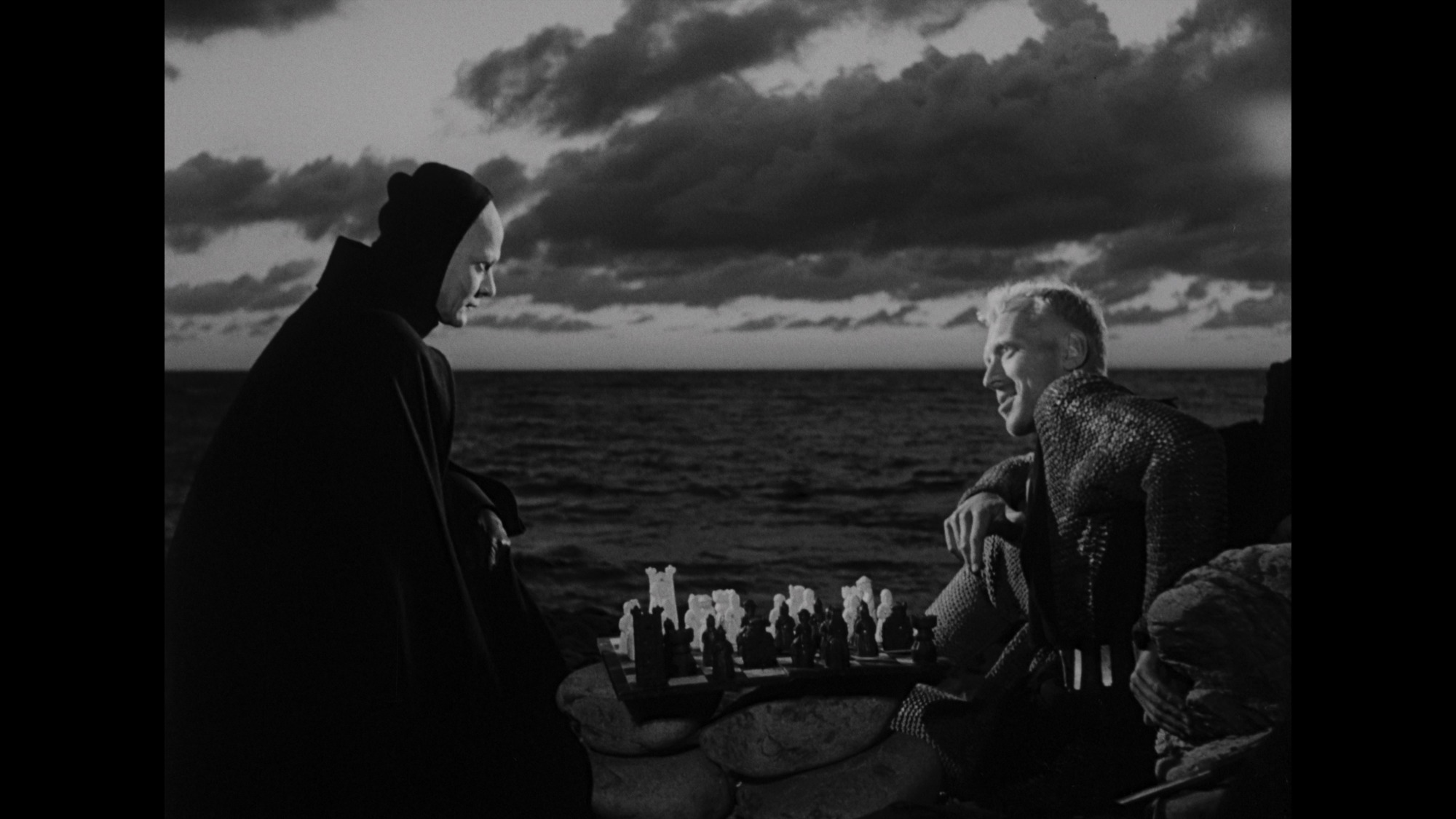
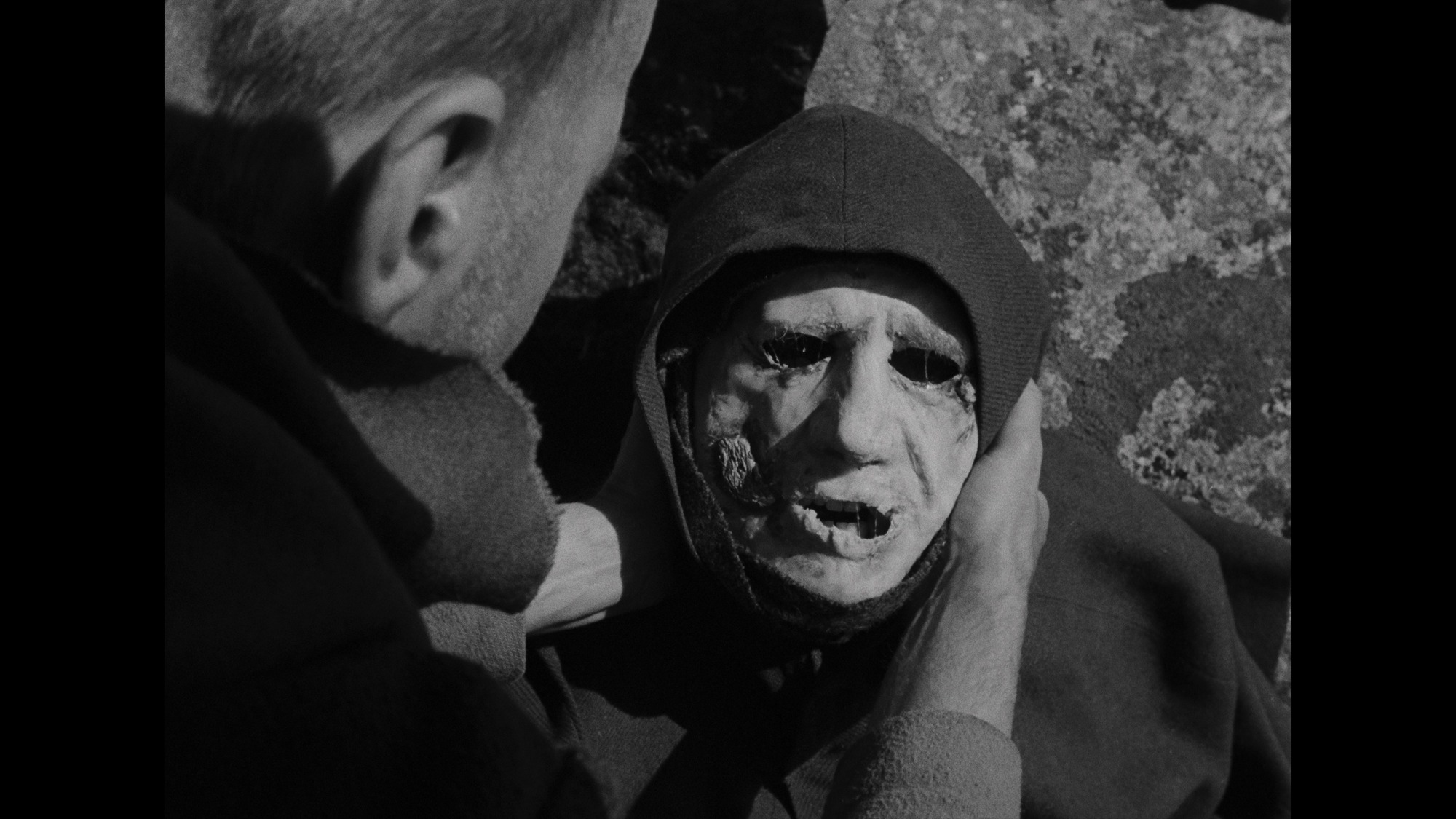
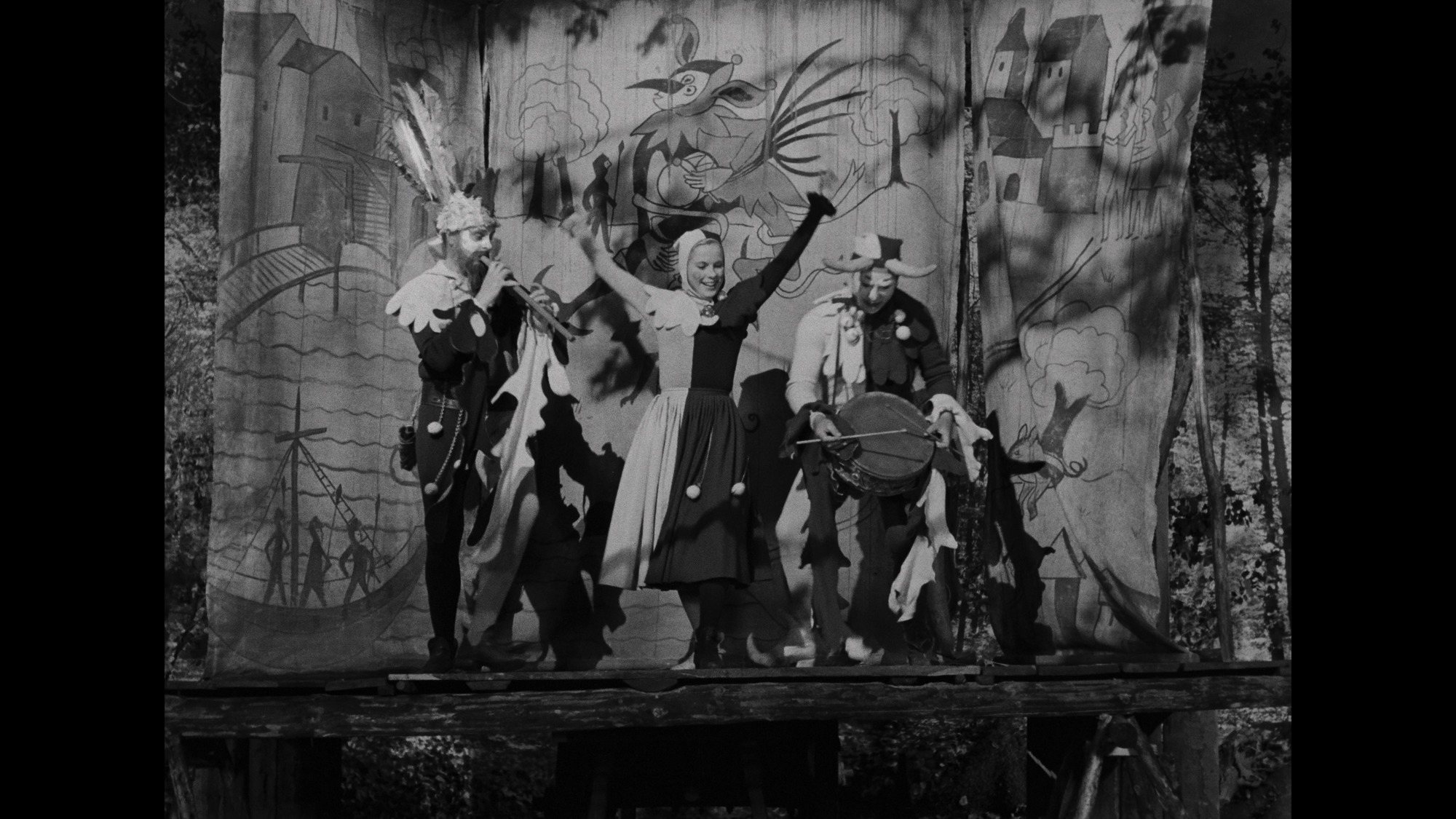
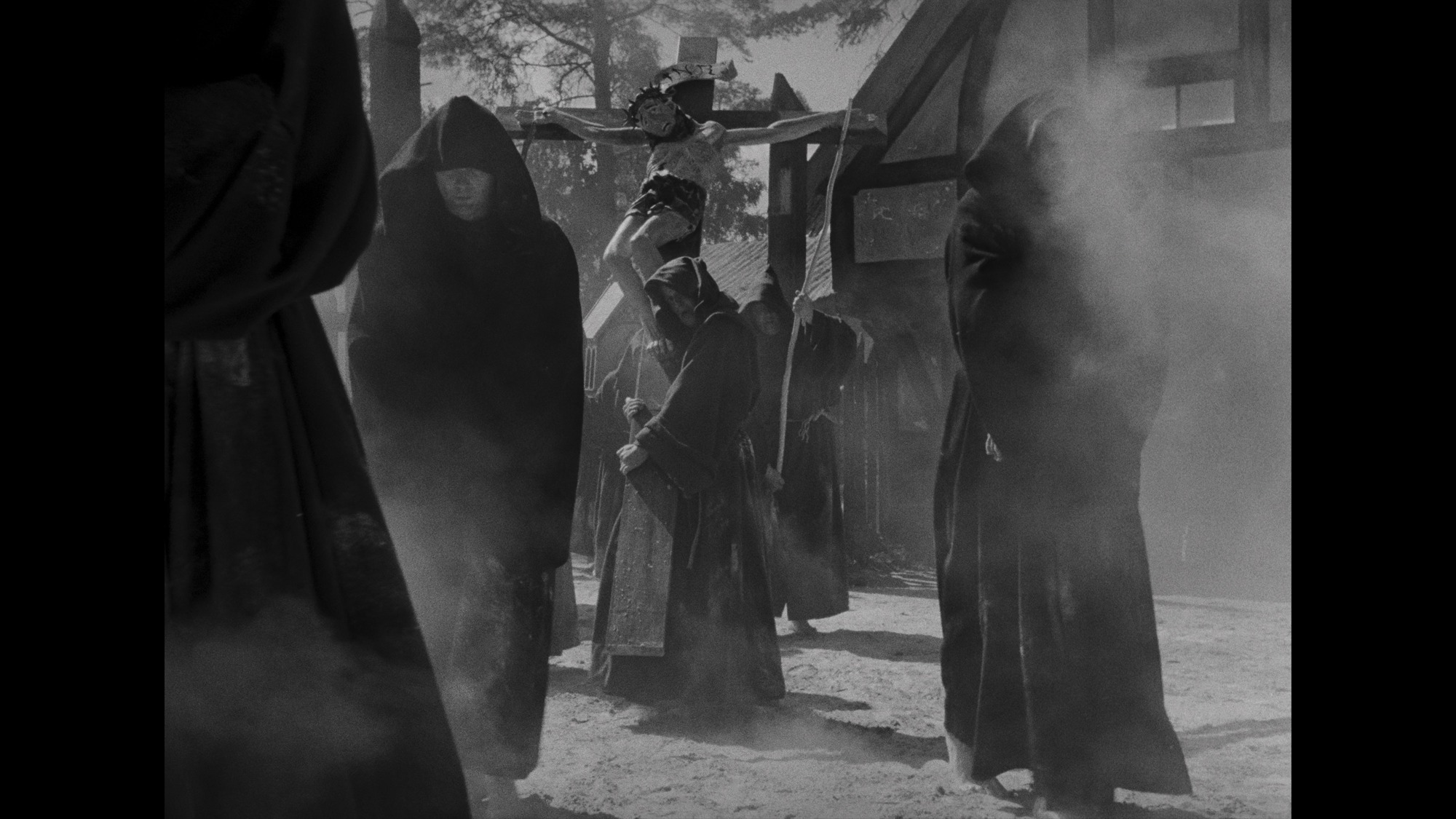
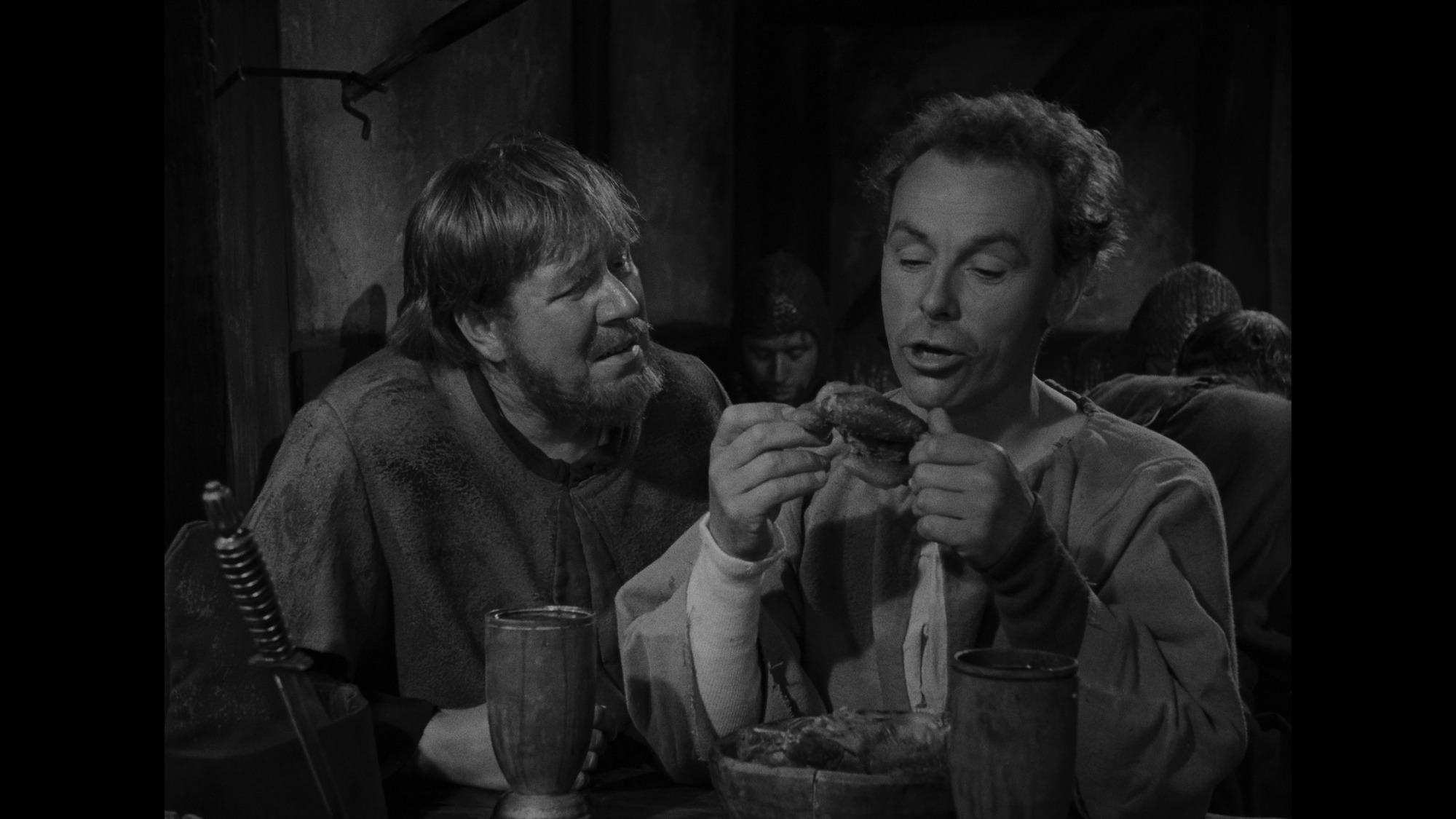
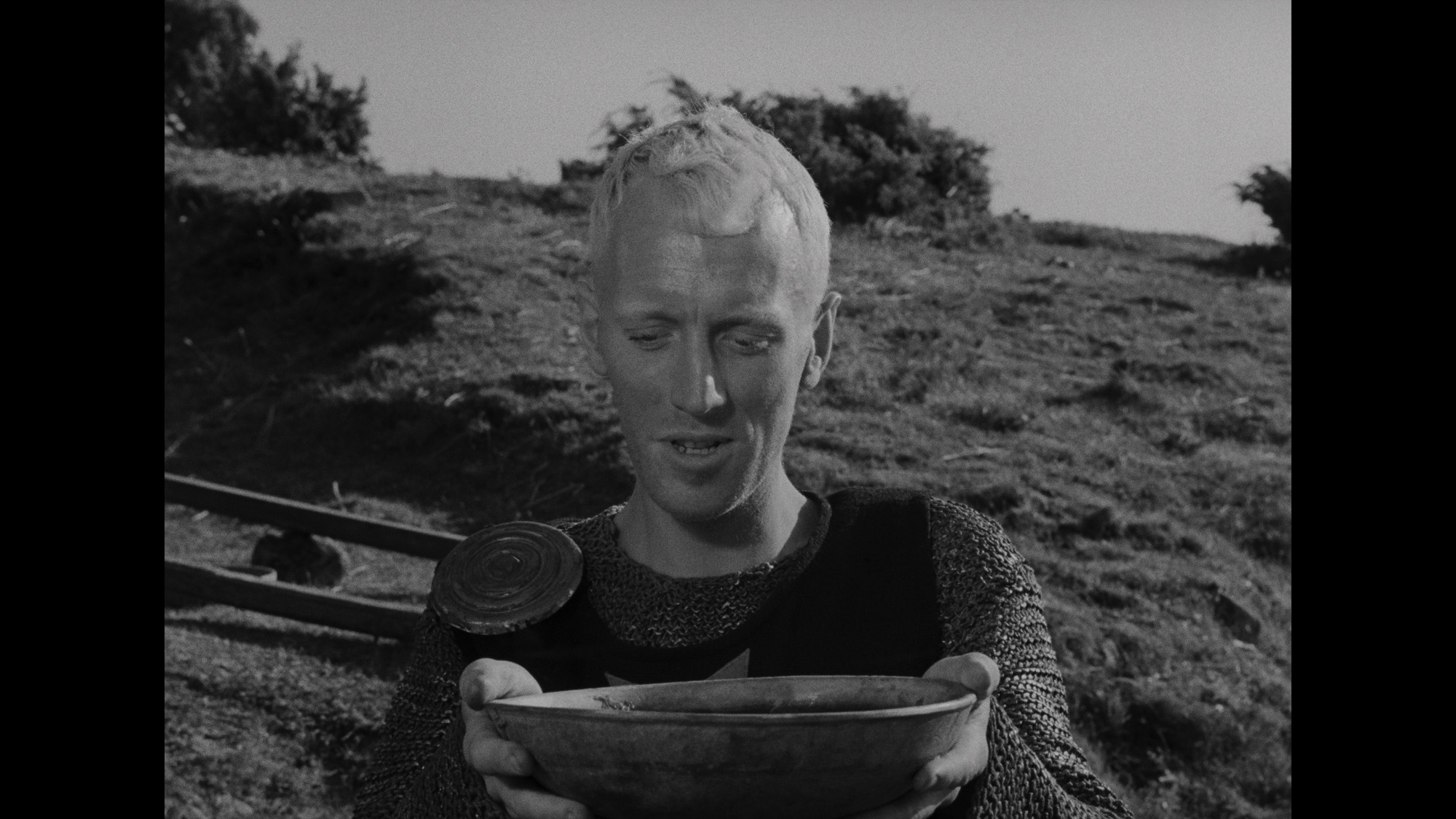
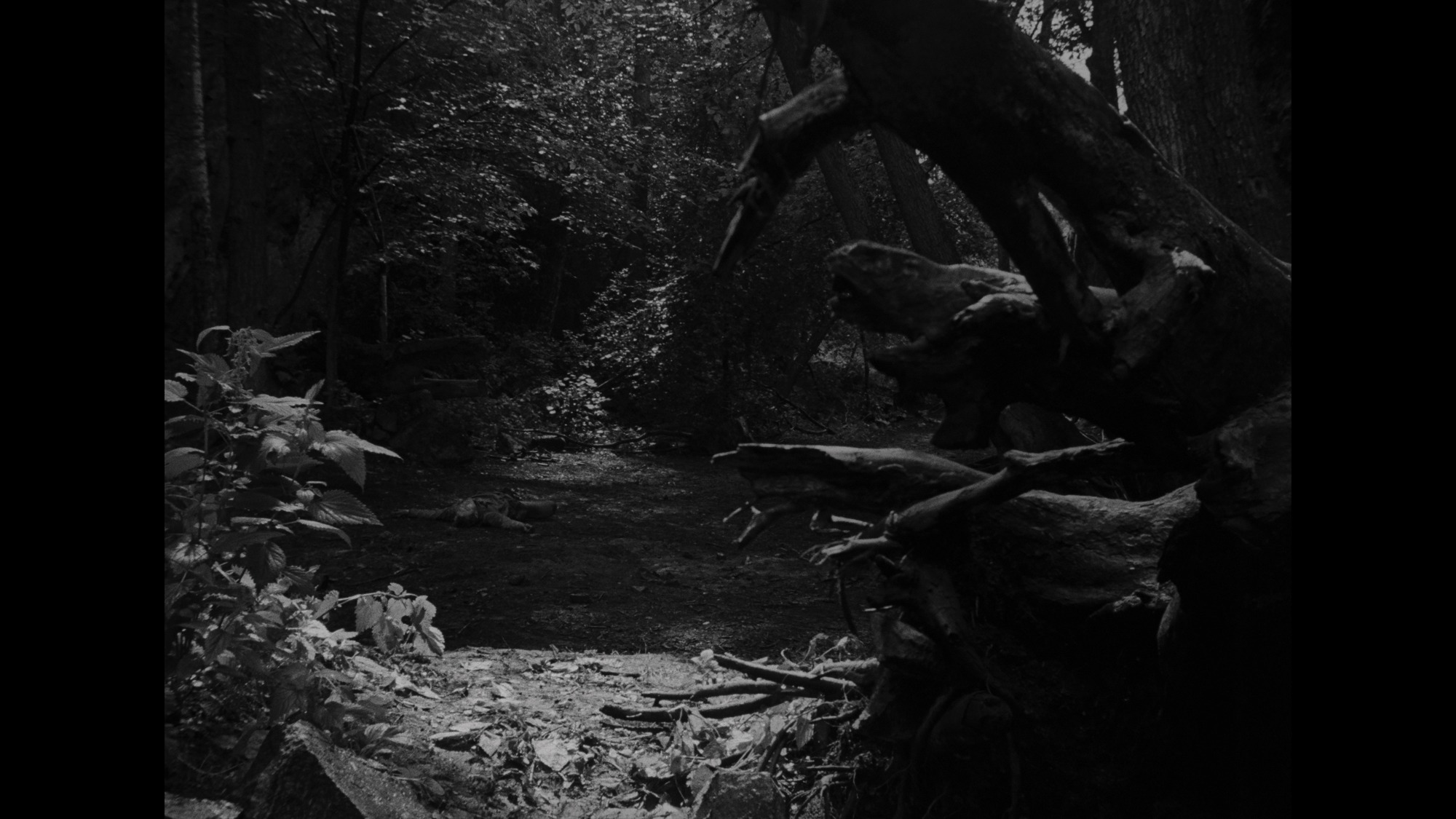
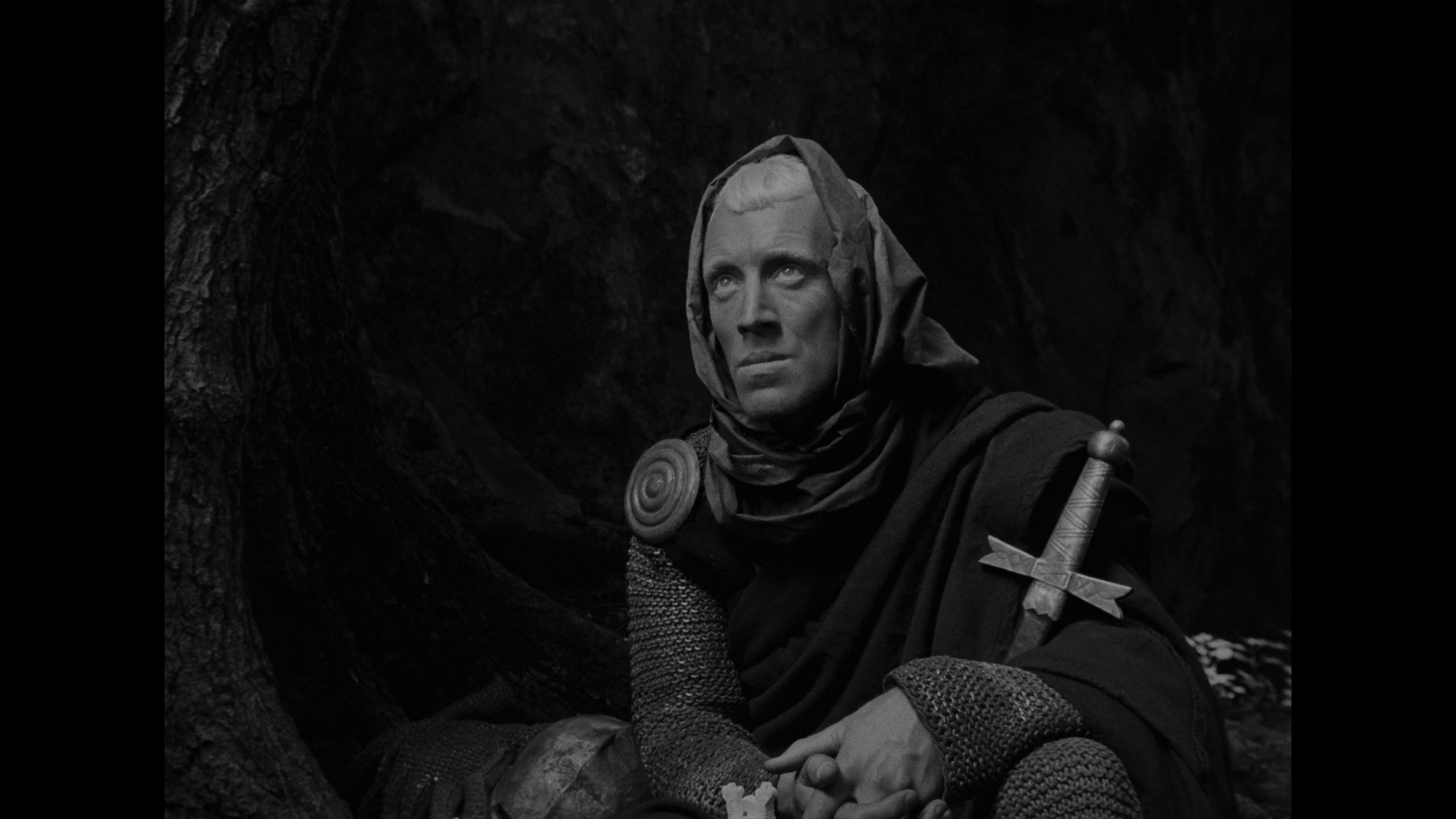
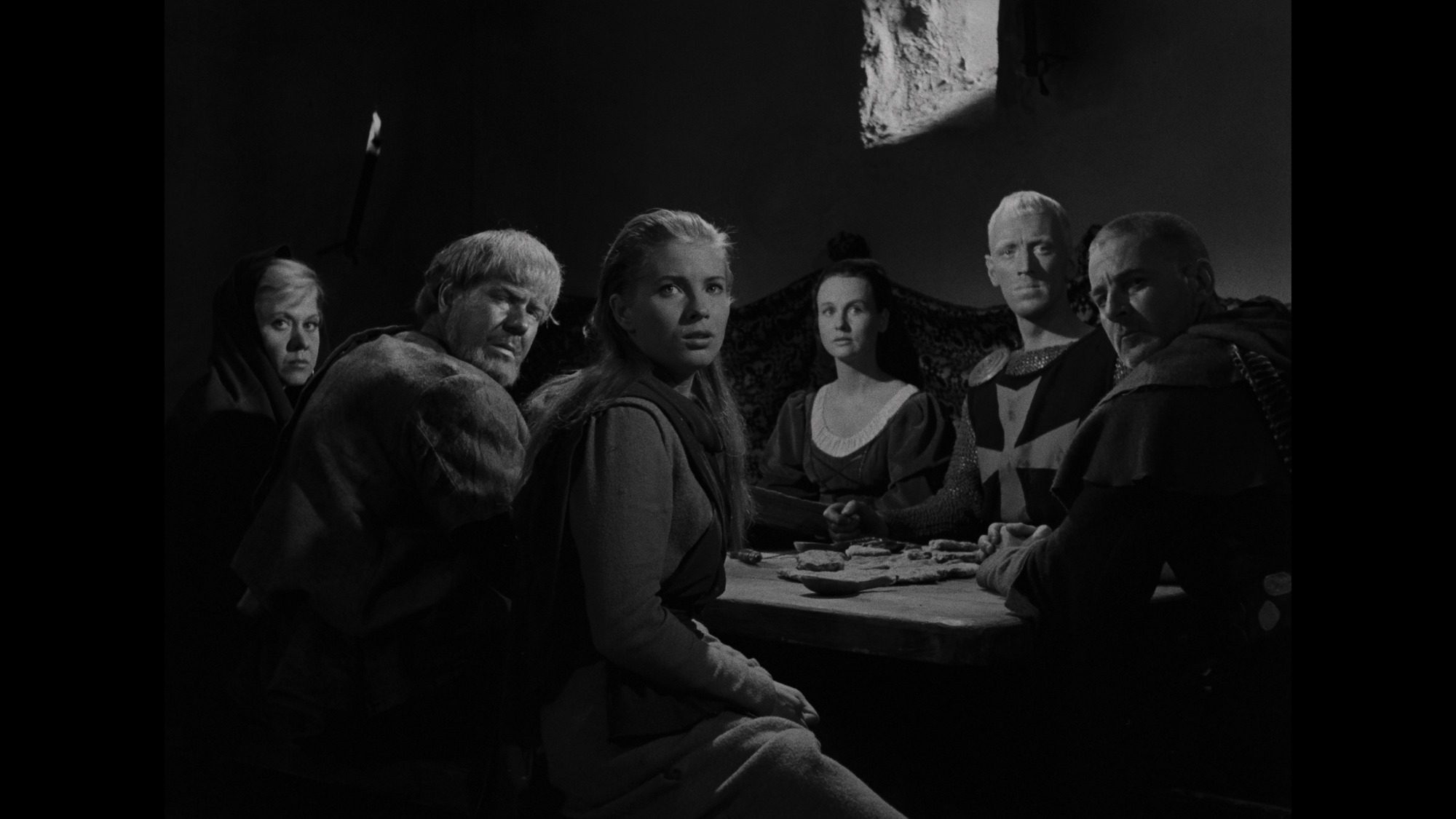
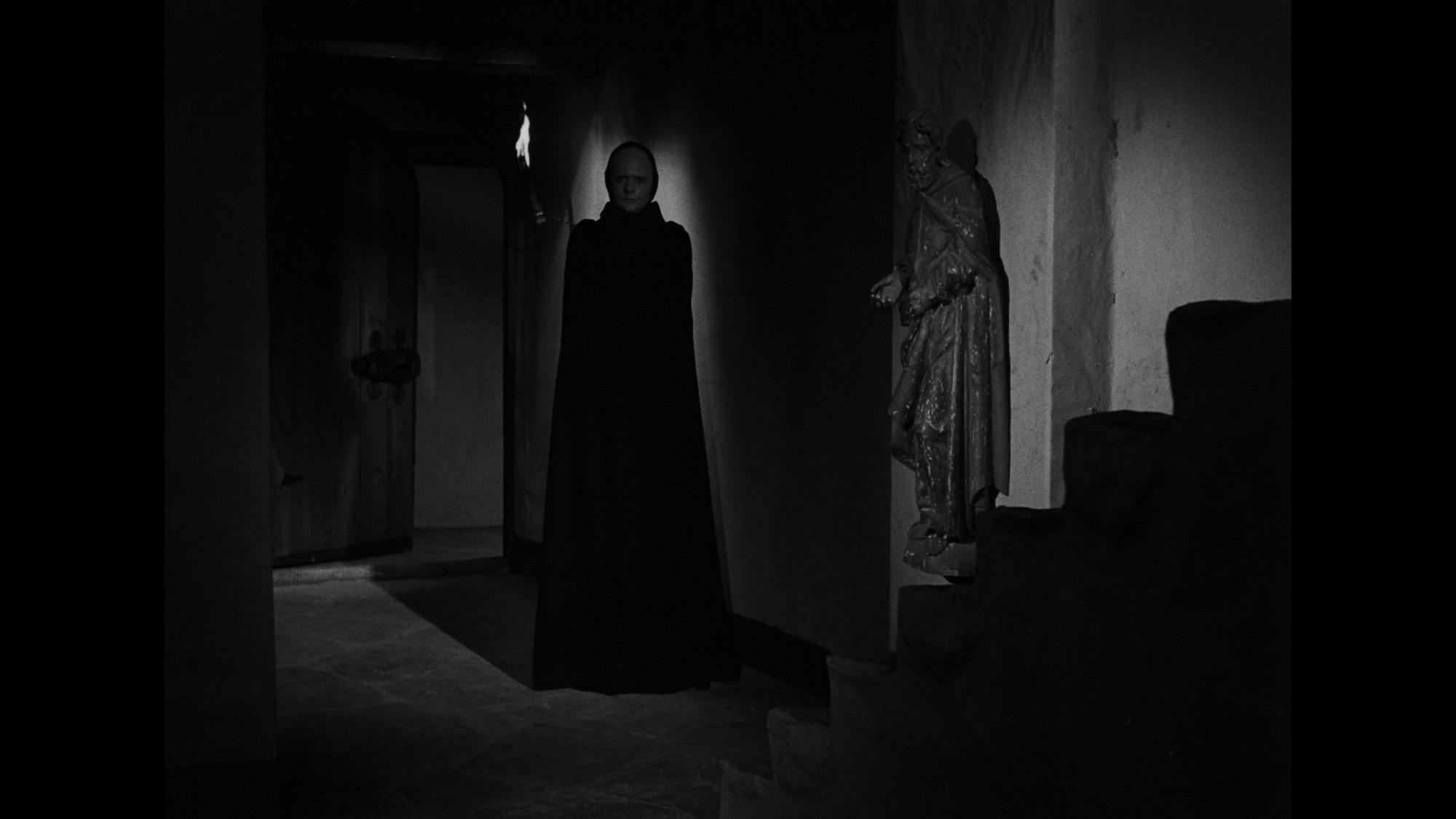
Audio 7/10
BFI only includes the film’s original Swedish soundtrack, presented here in single-channel lossless PCM. The sound quality is, as far as I can tell, about the same as Criterion’s. It’s incredibly clean and sharp with excellent fidelity. Voices even show some range, as does music, though there is a slight edge when it reaches the higher moments.
Extras 7/10
Interestingly, BFI’s edition is basically a port of Tartan’s own Blu-ray edition from 2007, though BFI upgrades one feature and adds another. Starting things off for this edition is the new feature, an exclusive audio commentary by film-critic Kat Ellinger. The only other commentary I'm aware of for the film is the one Peter Cowie recorded for Criterion’s LaserDisc release around 34 years ago, and has subsequently appeared on every one of their editions since. I'm still quite fond of the track, as it’s the first scholarly/academic track I recall actually enjoying. Yes, it’s quite academic with a lot of talk around the philosophical questions Bergman asks and the cinema language of Bergman, but Cowie (the go-to for just about anything Bergman at the time) put a very personal spin on things, clearly relating to the film outside of some theoretical space in film history, even recalling when he first saw the film in his youth (with his mother if I recall correctly), and how it moved him.
That personal aspect can also be found in Ellinger’s track, who comes to the film from a slightly different angle. Ellinger expresses some reservations at how the film is usually approached on a more academic and/or intellectual level, which she points out later as being fair considering the philosophical questions the film raises, along with its many biblical references, but she feels that laser focus misses what makes the film so captivating. She finds the film to be Bergman’s most accessible one, one that a wider audience should be able to relate to on purely emotional or spiritual level, which she argues is what Bergman was aiming to do, referencing quotes from the director. She still talks about the film’s technical aspects, its look, its themes, how it can relate to modern times, but it’s all through that lens. She also talks about how the film even works as a horror film, pointing out its gothic elements and shots, which leads to discussion about Bergman’s own fascination with ghost stories, a fascination he's had since he was a child. And this of course all leads to Bergman’s own father and his strict upbringing, which all somehow plays into the film as well.
She talks a little about Bergman’s other works, and talks a little about the actors, though not all that much, indicating she feels bad about not focusing more on the performances or their other work. I found that all well and good because that keeps the focus on this film and the track doesn’t devolve into some IMDB best-of checklist, something that a lot of commentaries fall into recently. Amusingly, she even recalls how she first came across the film, which was when she first saw Bill & Ted’s Bogus Journey. She says that will more than likely be heresy to some, though honestly, I don’t think that’s too far outside of the norm for my generation, and only further cements the impact the film has had thanks to its universal themes.
I still have soft spot for Cowie’s track, who does address the spiritual nature of the film, but I think Ellinger has put together a fantastic one as well. It’s personal and passionate, brings up some great points, is nicely edited and moves at a good clip. I think it works whether you're new to Bergman or seen every other one of his works.
The 4K disc also includes the original Swedish trailer along with 15-minutes worth of behind-the-scenes footage accompanied by an audio commentary by Ian Christie, both of which previously found on Tartan’s disc. The footage showcases location scouting of the coastal area where the film opens (including the drive there) along with footage of actual filming. There is a very loose, almost jovial feel to the footage, which Christie likes to point out in his track. Christie also comments a bit on the production.
All of this material can also be found on the included Blu-ray disc. The Blu-ray does include one exclusive feature not found on the 4K disc, which is a bit of a bummer for North American audiences locked to region A; the included Blu-ray disc is locked to region B. This disc includes Bergman’s 15-minute short film Karin’s Face, which also appeared on the Tartan disc. BFI upgrades the feature, using the new restoration here, the same sharp looking one found in Criterion’s Bergman box set. The film centers around Bergman’s mother, and the director explores her history, such as details about a marriage frowned upon by her family, through family photos and albums. This also offers a look at Bergman’s own childhood and his father. Another solid inclusion.
The release also comes with a booklet featuring an essay by Jessica Kiang offering her own thoughts on the film (it appears to be the same one that appears in the booklet for BFI’s second Bergman set). Not as stacked as Criterion’s sadly, but the material thrown on here is very strong.
Closing
BFI’s first UHD release sports a spectacular 4K presentation thanks to Dolby Vision and a stunner of a restoration.
BUY AT: