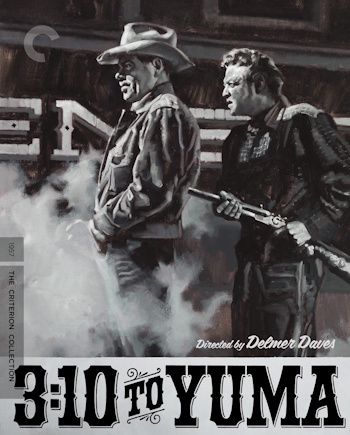
3:10 to Yuma
BUY AT:


See more details, packaging, or compare
Synopsis
In this beautifully shot, psychologically complex western, Van Heflin is a mild-mannered cattle rancher who takes on the task of shepherding a captured outlaw (played with cucumber-cool charisma by Glenn Ford) to the train that will deliver him to prison. This apparently simple mission turns into a nerve-racking cat-and-mouse game that tests each man’s particular brand of honor. Based on a story by Elmore Leonard, 3:10 to Yuma is a thrilling, humane action movie, directed by the supremely talented studio filmmaker Delmer Daves with intense feeling and precision.
Picture 10/10
The Criterion Collection updates their edition of Delmer Daves’ 3:10 to Yuma to 4K UHD, presenting the film with Dolby Vision and a 2160p/24hz ultra high-definition encode on a triple-layer disc in its original aspect ratio of 1.85:1. The release also includes a standard dual-layer Blu-ray featuring a 1080p presentation of the film and all of the special features; it’s the same disc from the 2013 Blu-ray edition.
At first I assumed Criterion would simply be reusing the master prepared for that 2013 Blu-ray, though I eventually realized I had misremembered its origins. That presentation came from a 2K restoration (not 4K), itself sourced from a 4K scan of a fine-grain master created from the original 35mm negative. Revisiting it now, it still holds up reasonably well (certainly better than the restoration for The Last Picture Show from around the same period) but its shortcomings are more obvious today, particularly in contrast and grayscale, with the image occasionally looking a little blown out. So no, this is not a simple repackaging. Instead, Criterion works from an all-new full 4K restoration performed by Sony, taken directly from the 35mm original camera negative (for the most part), and the differences are immediately apparent.
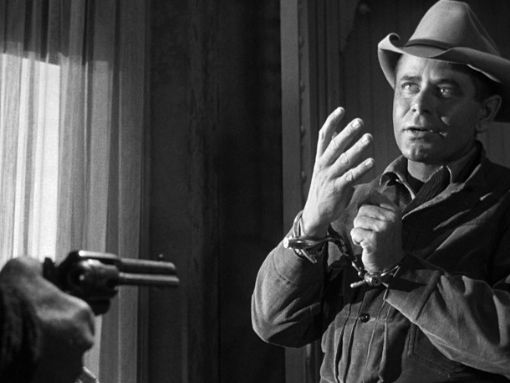
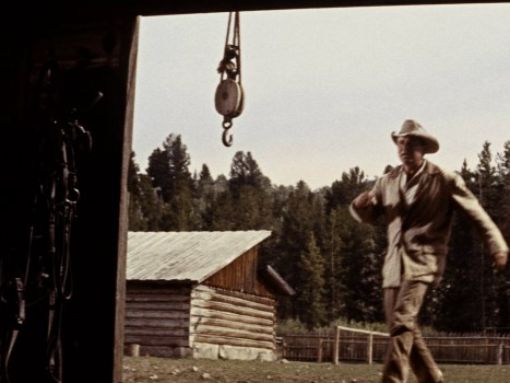
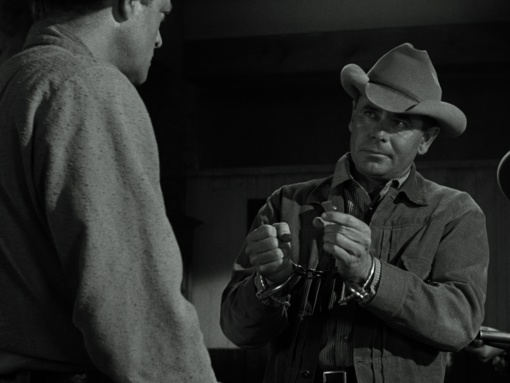
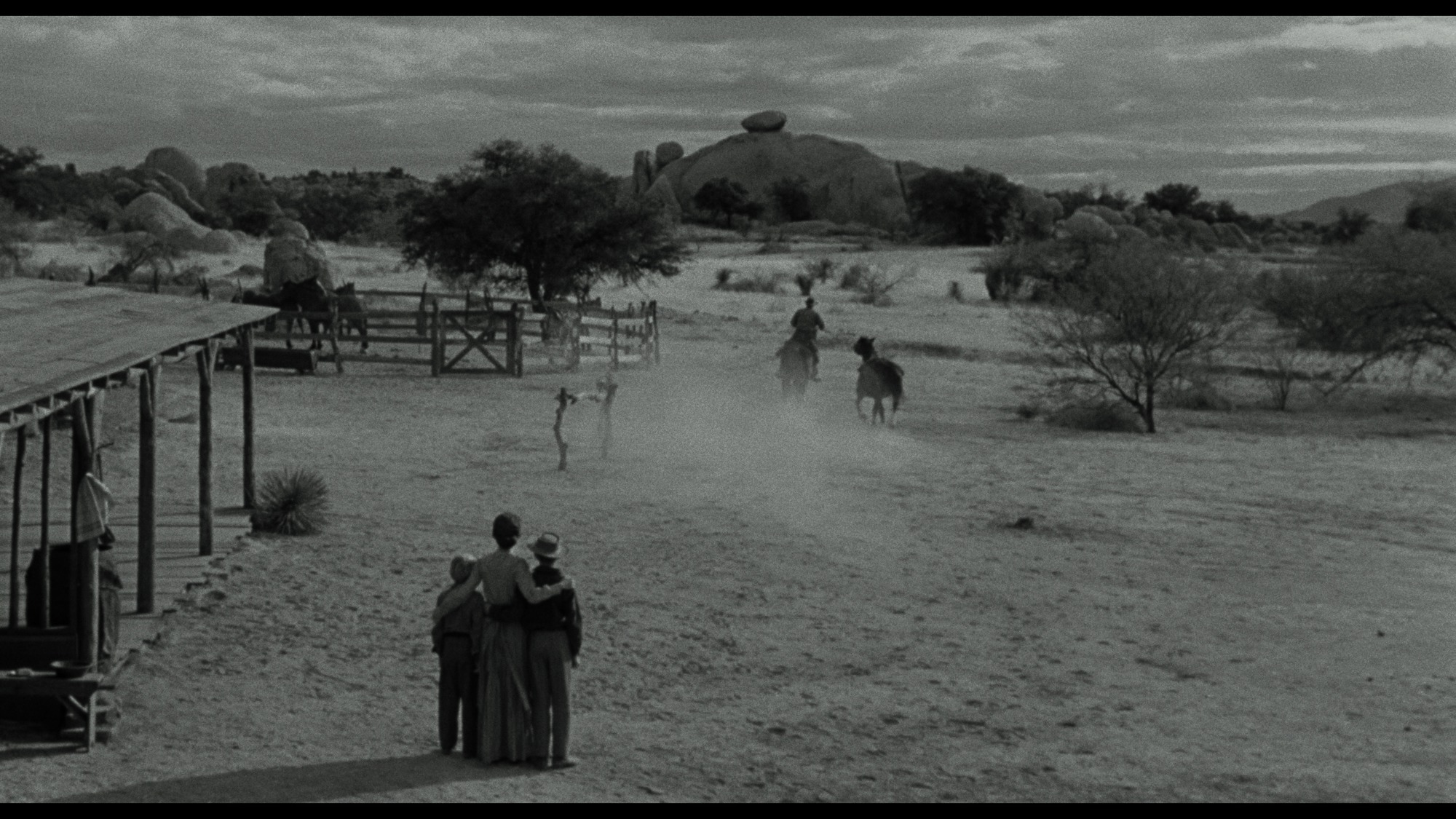
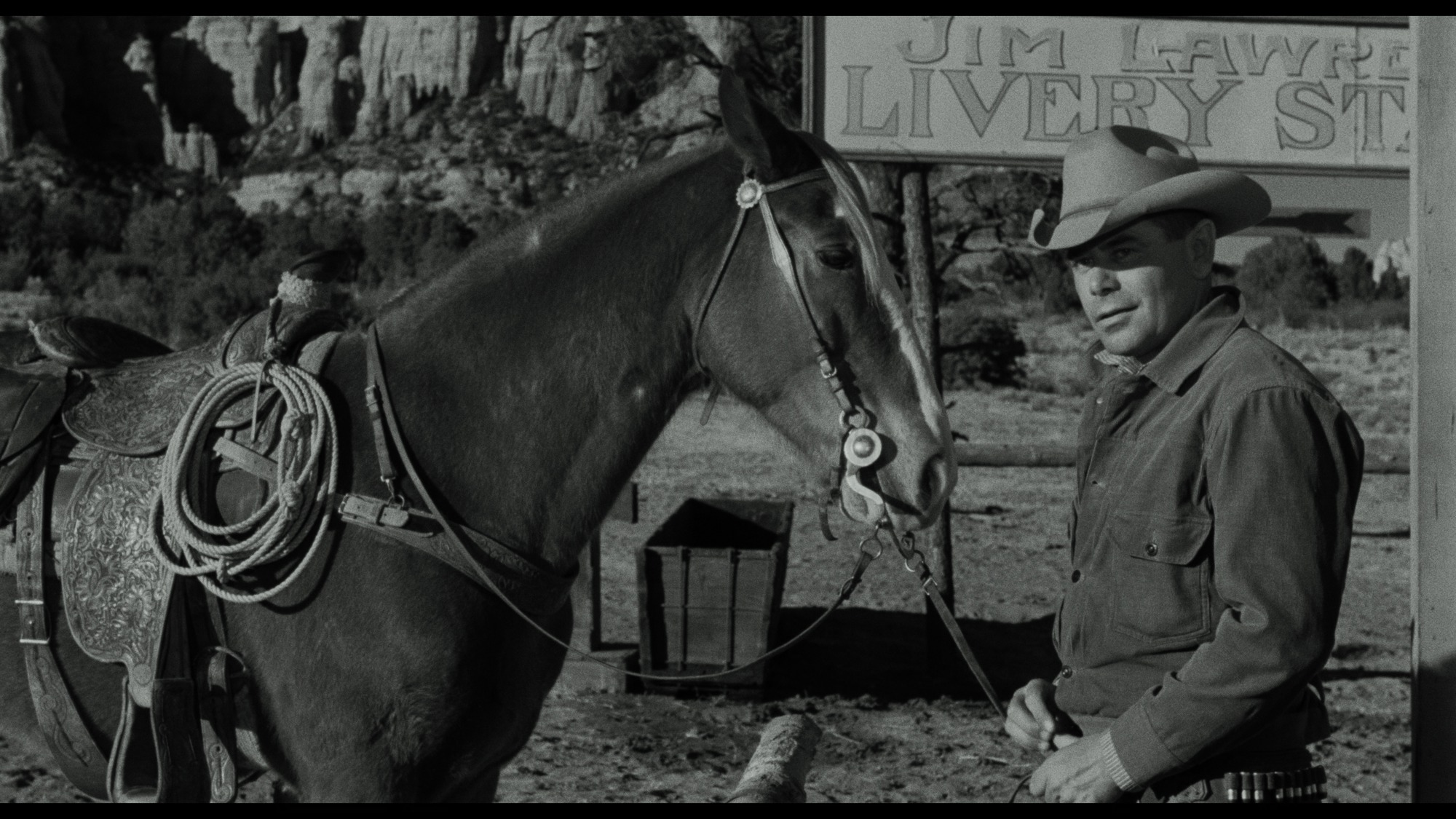
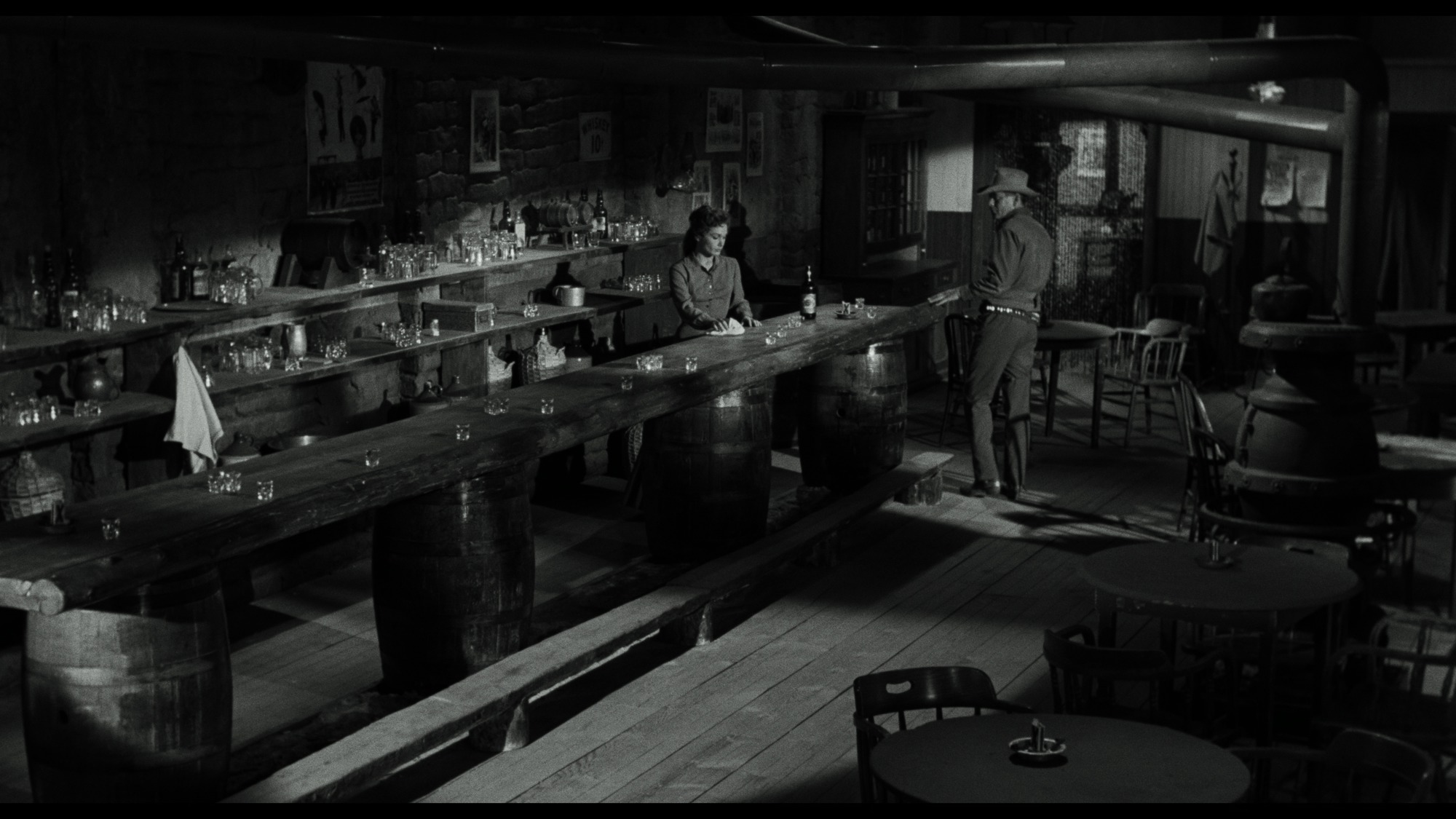
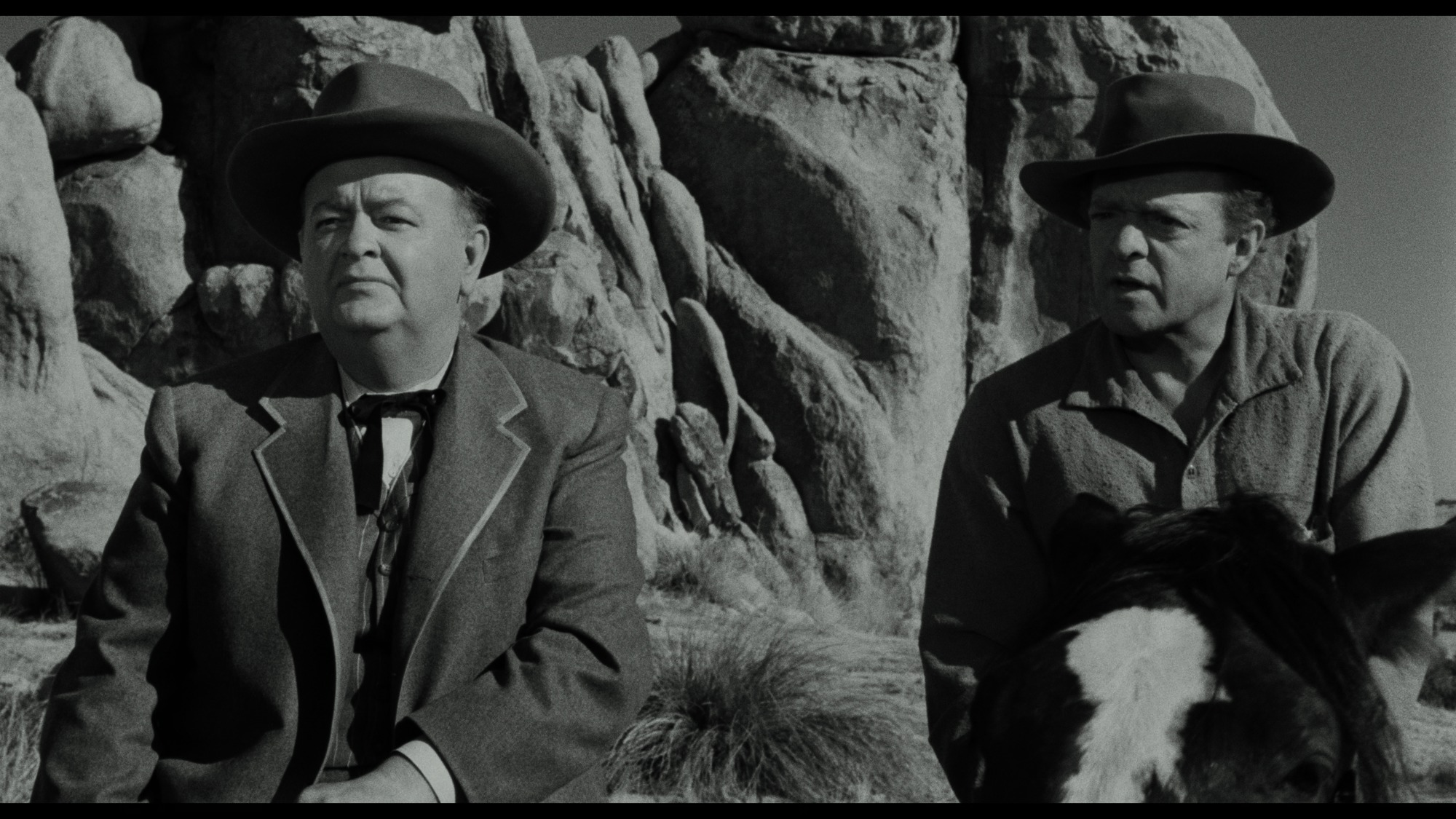
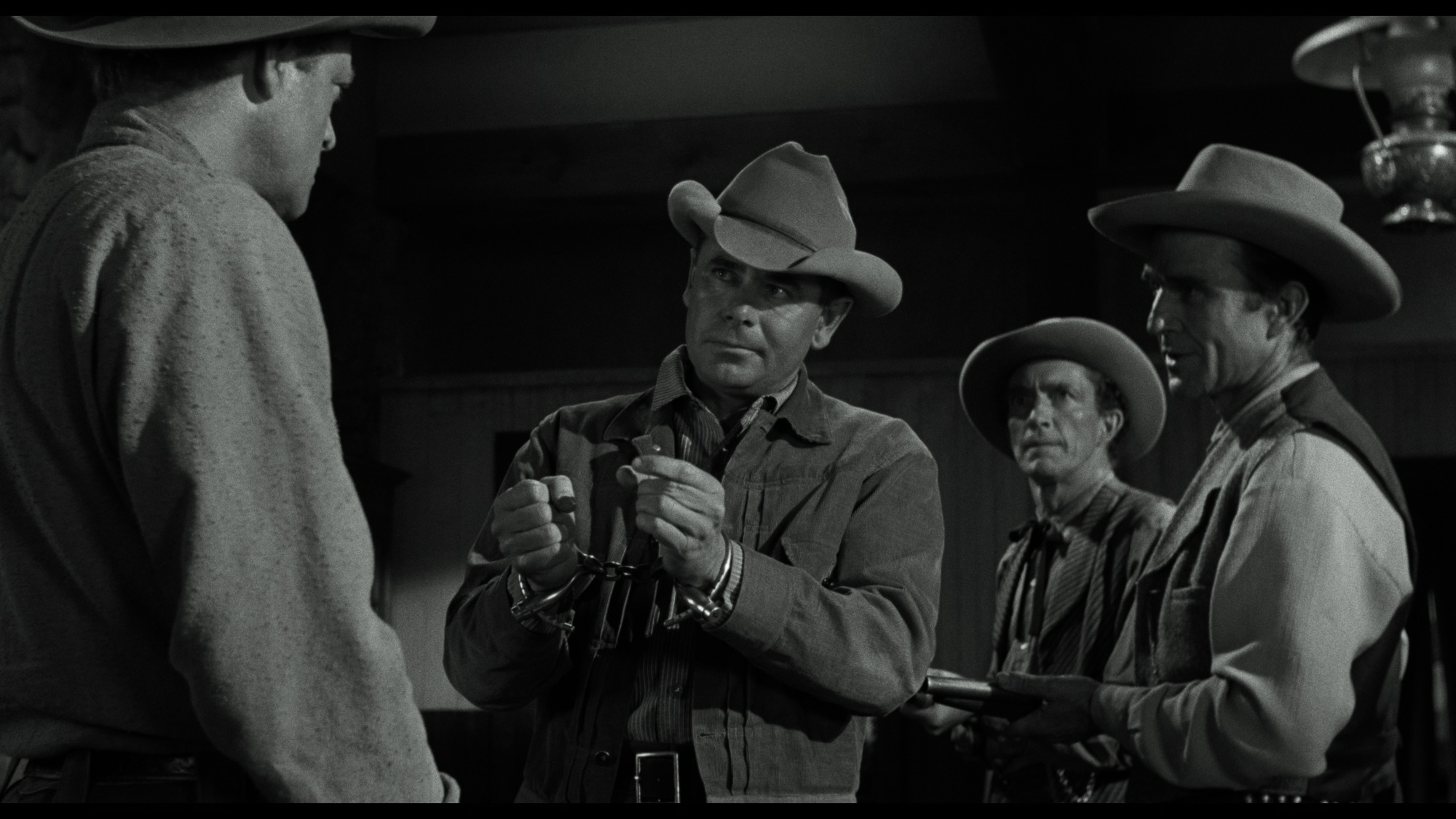
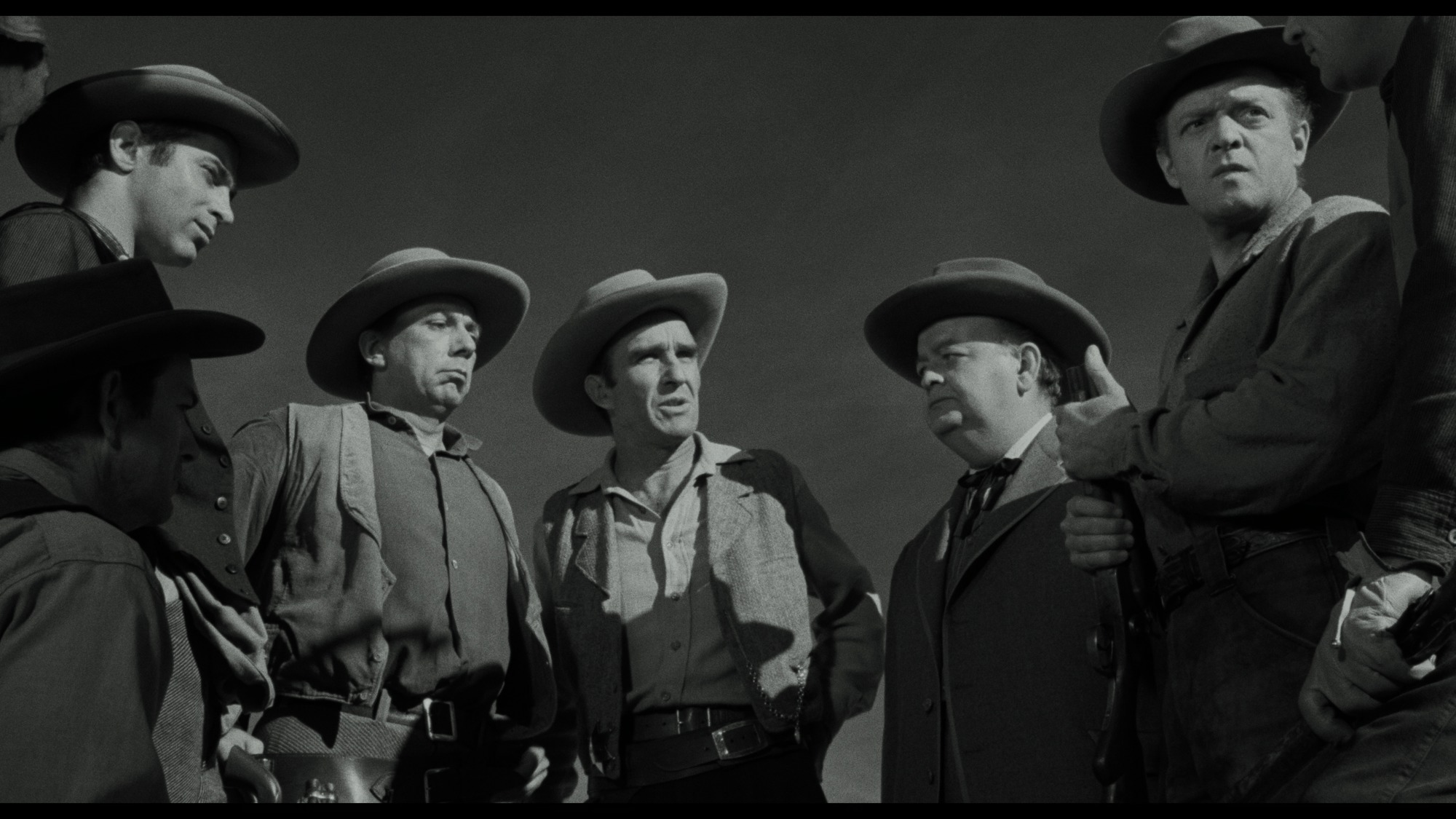
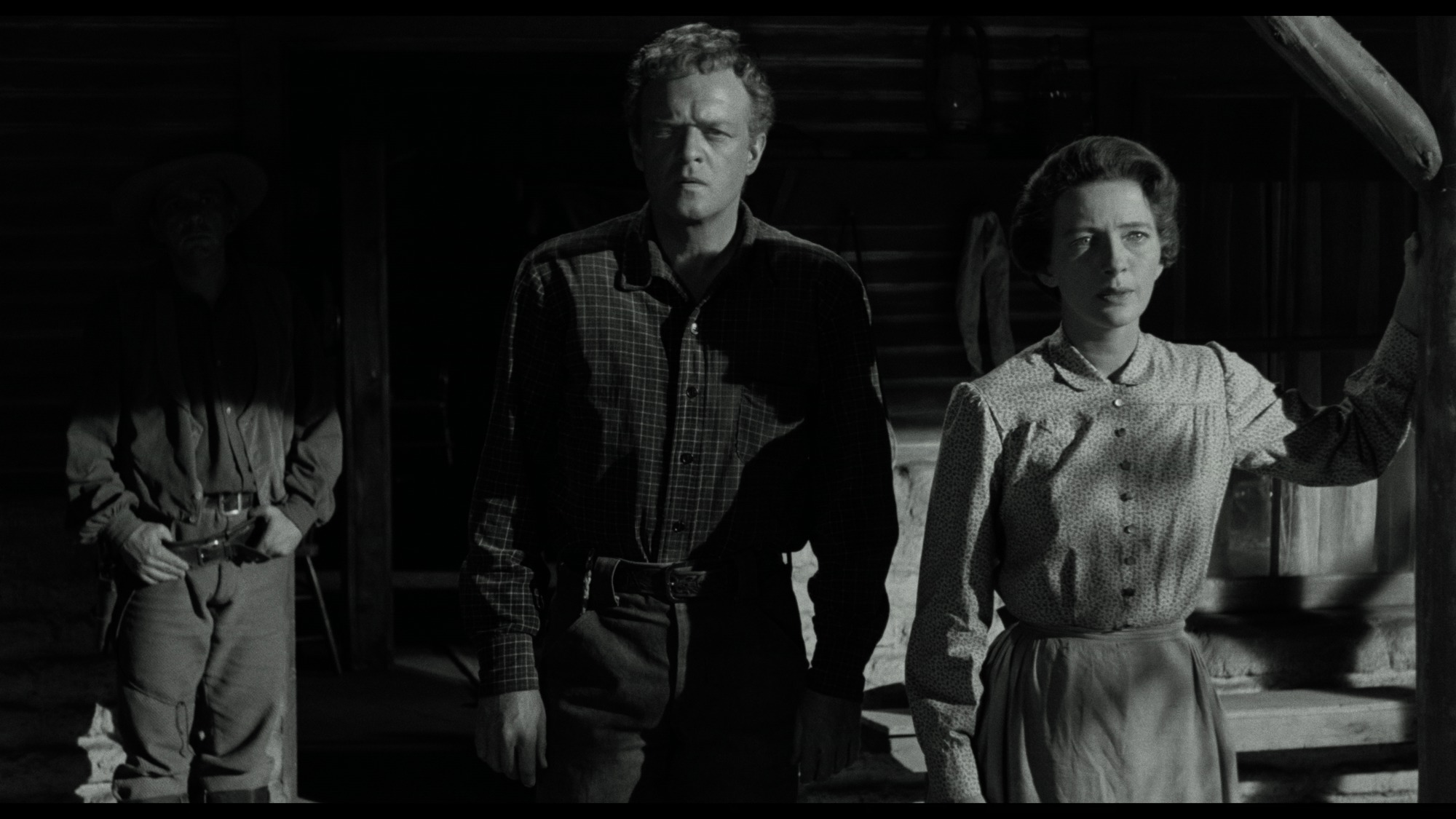
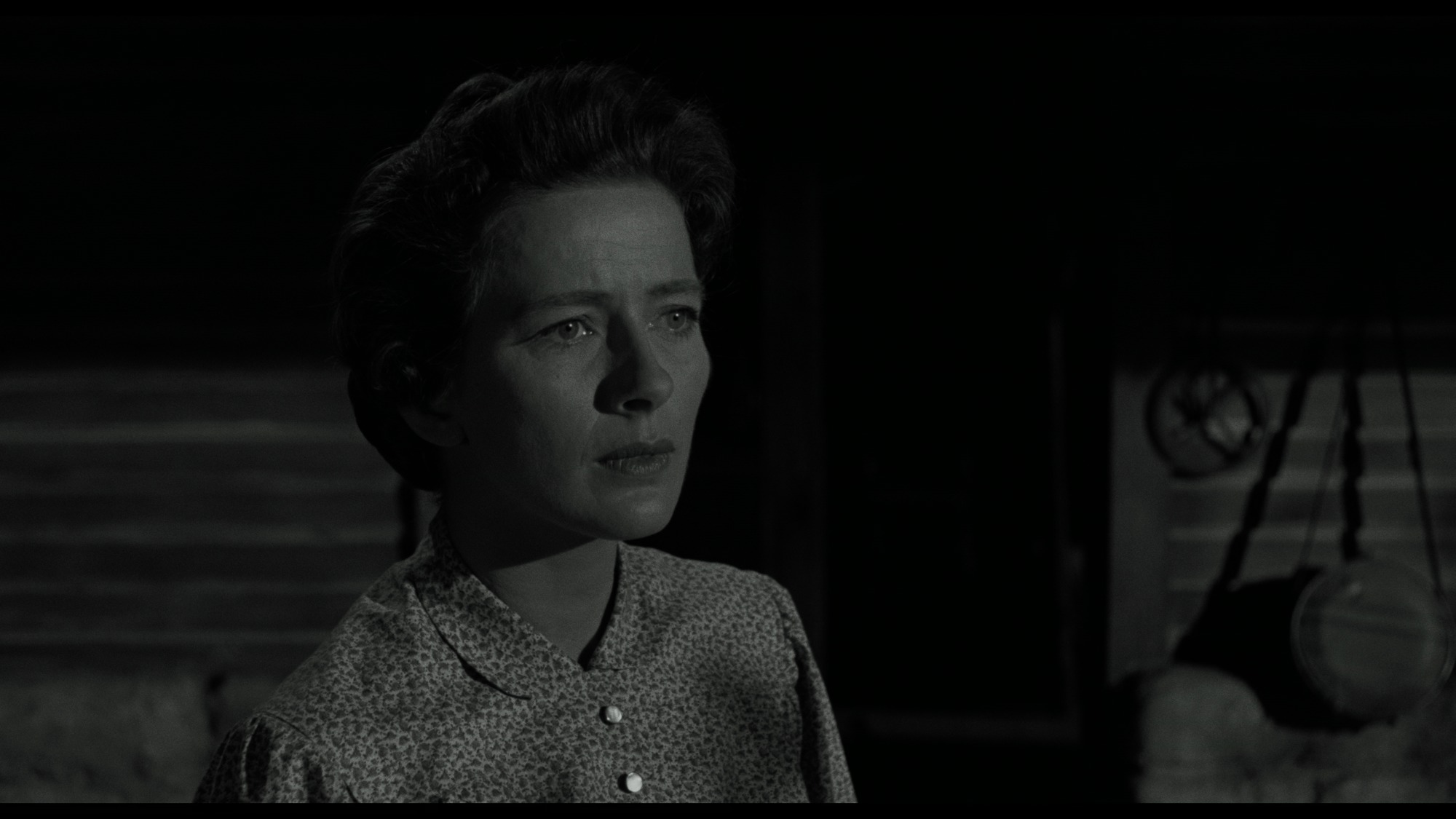
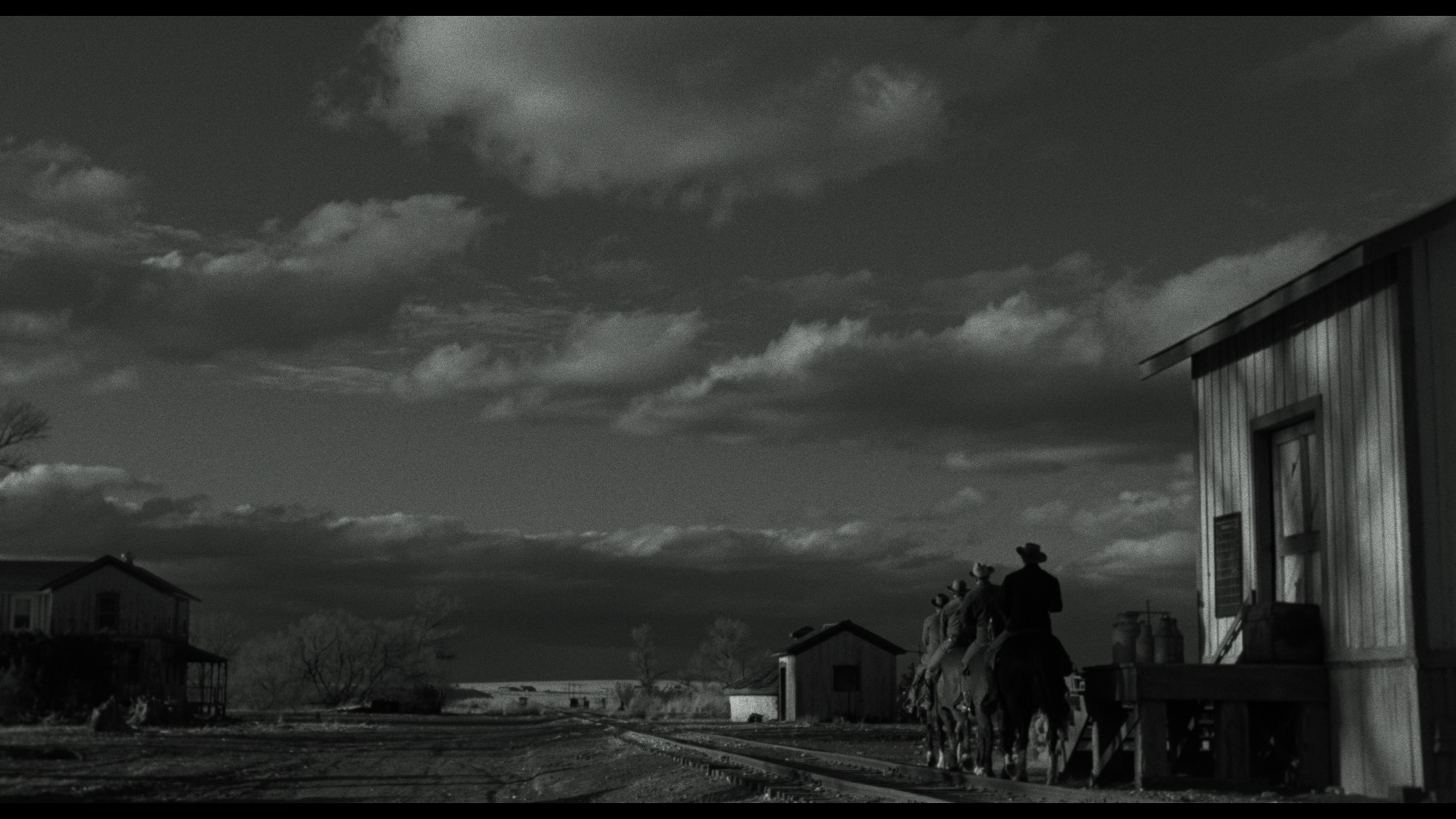
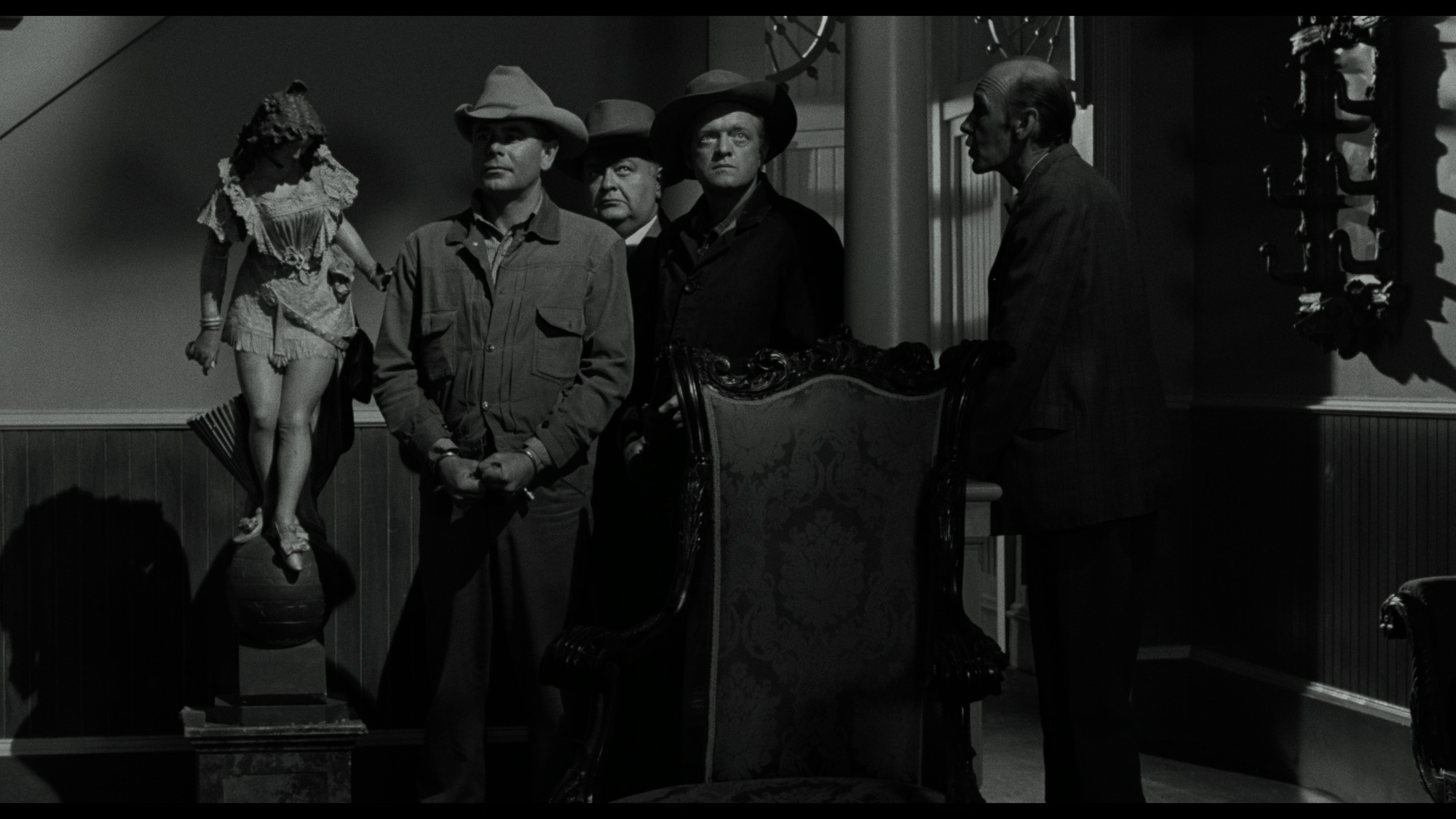
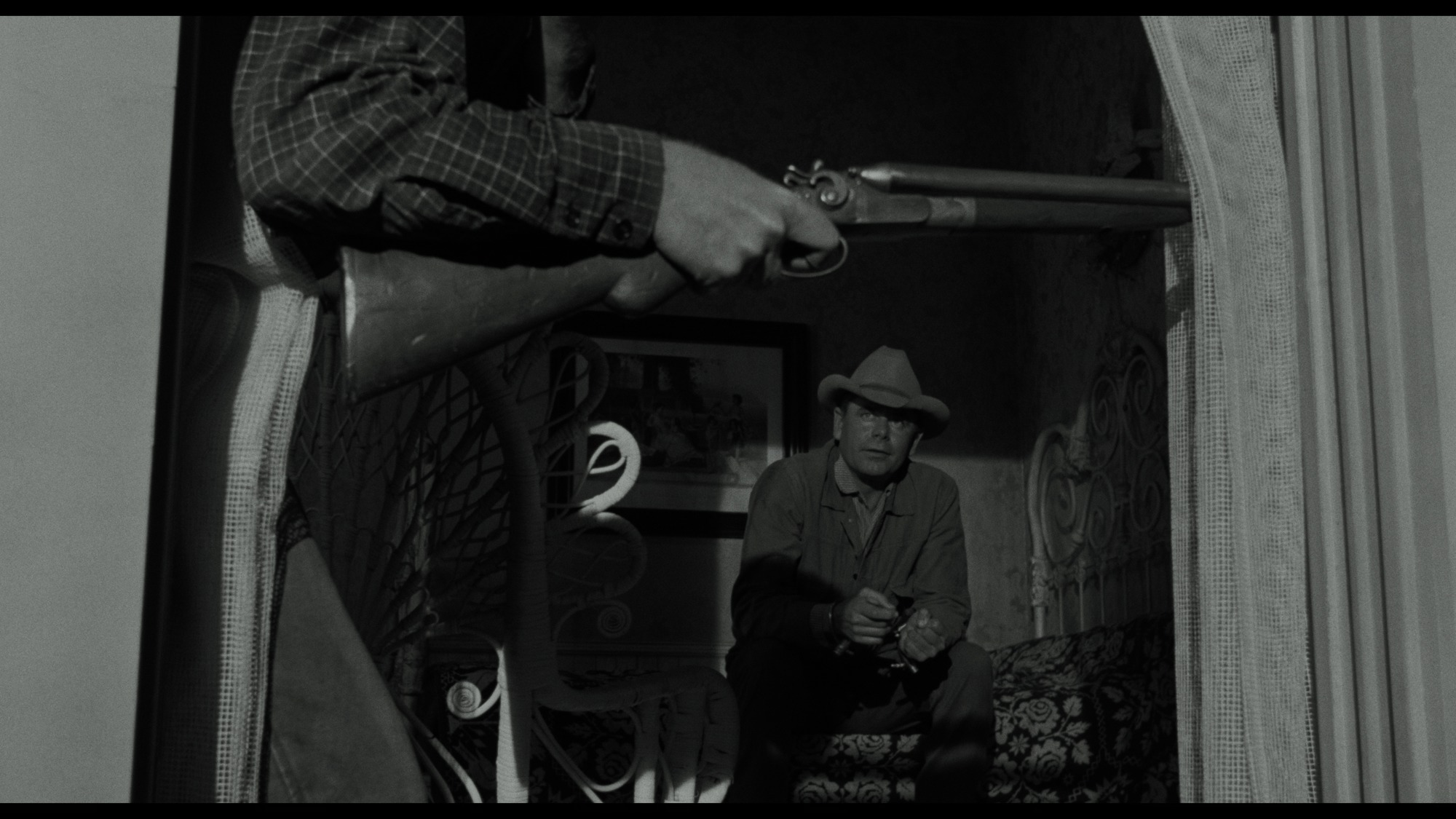
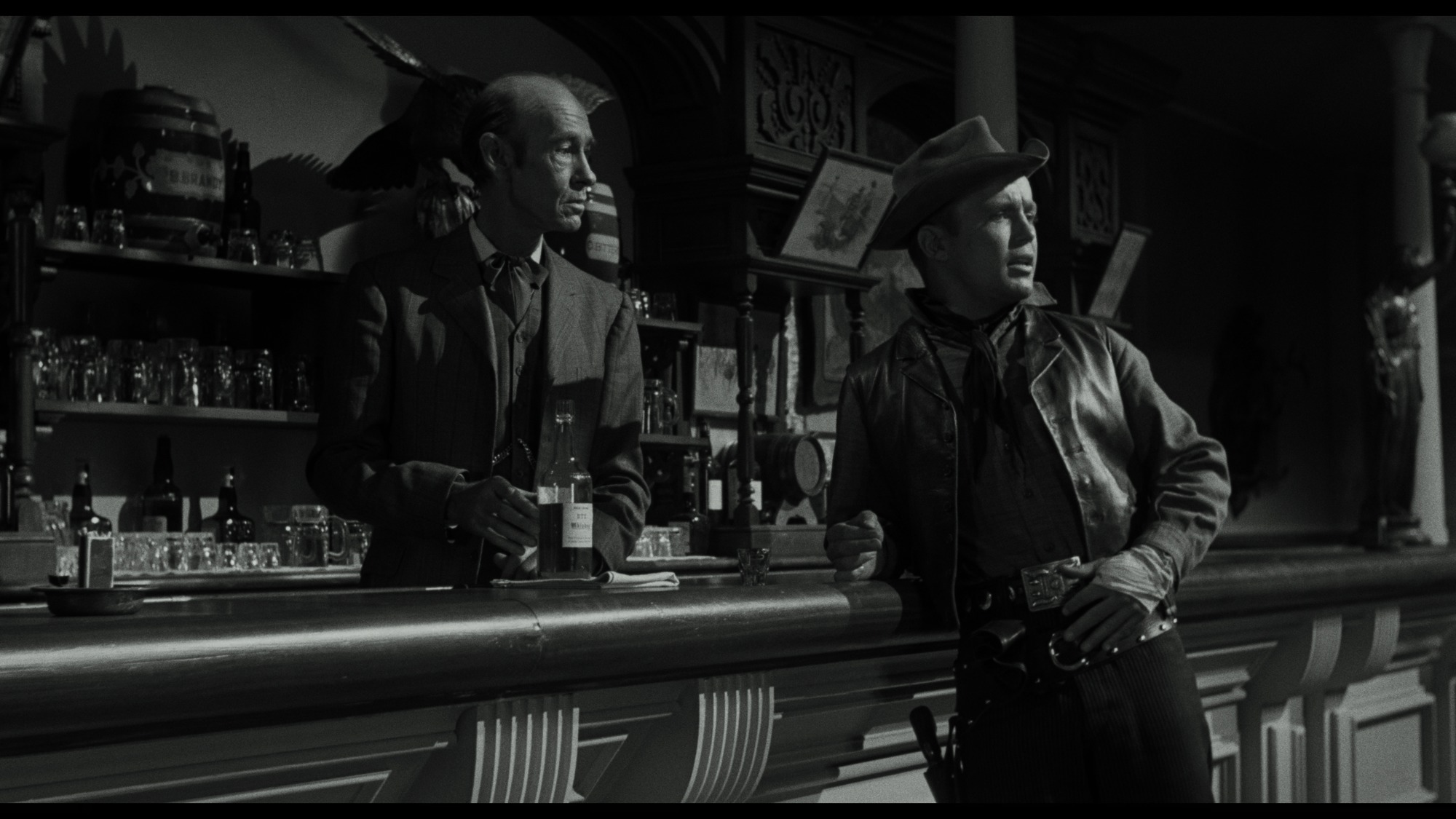
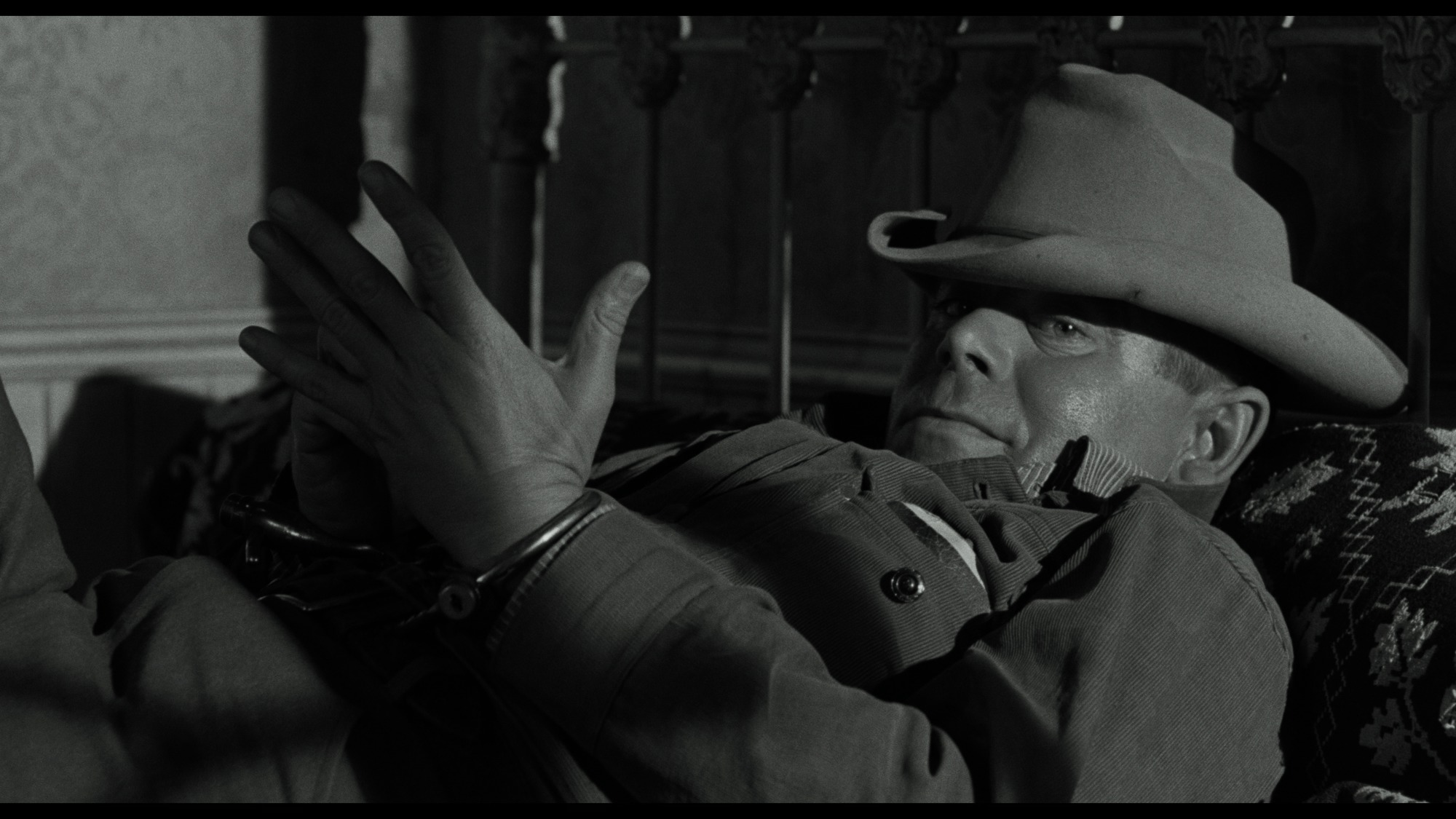
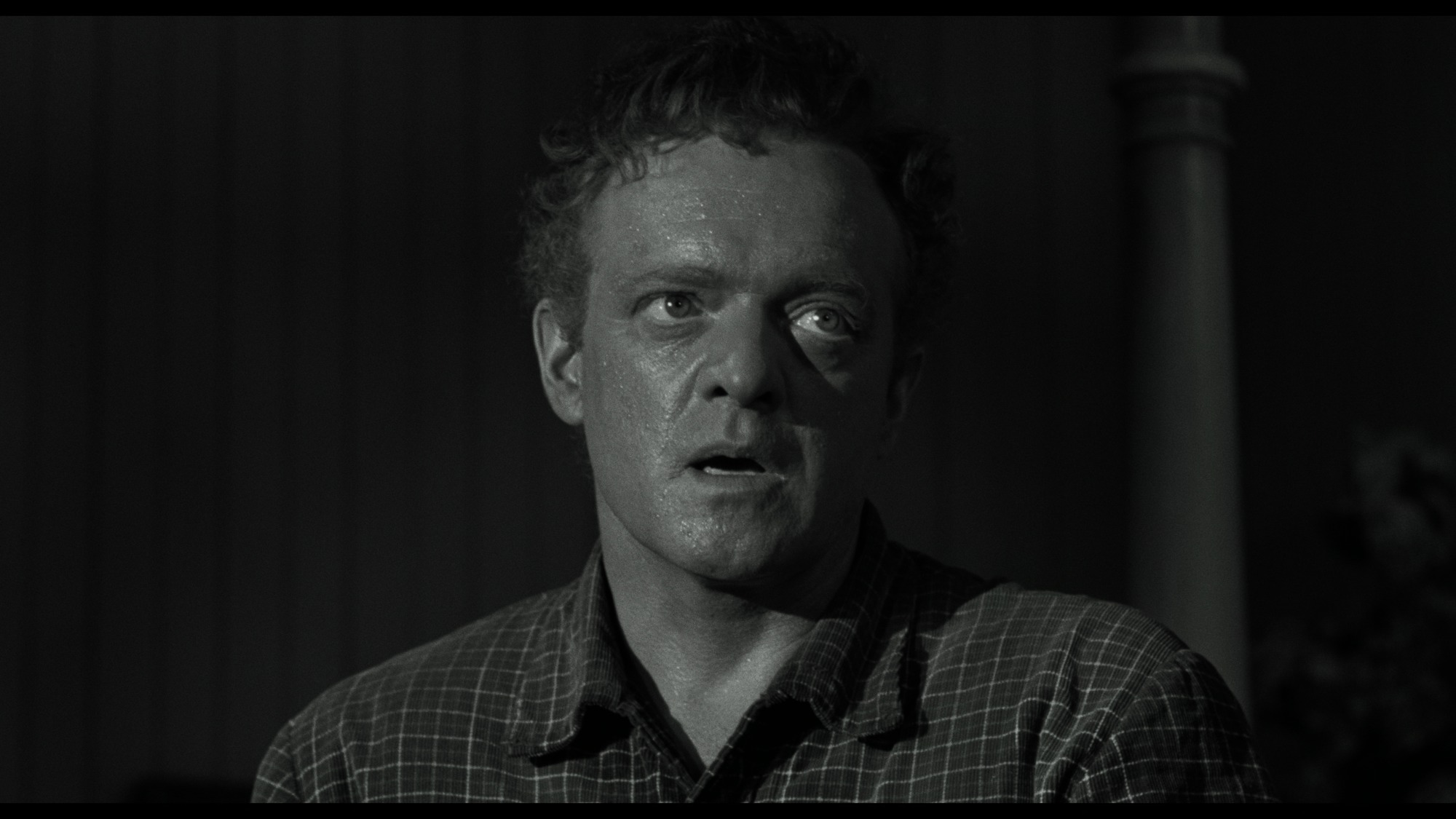
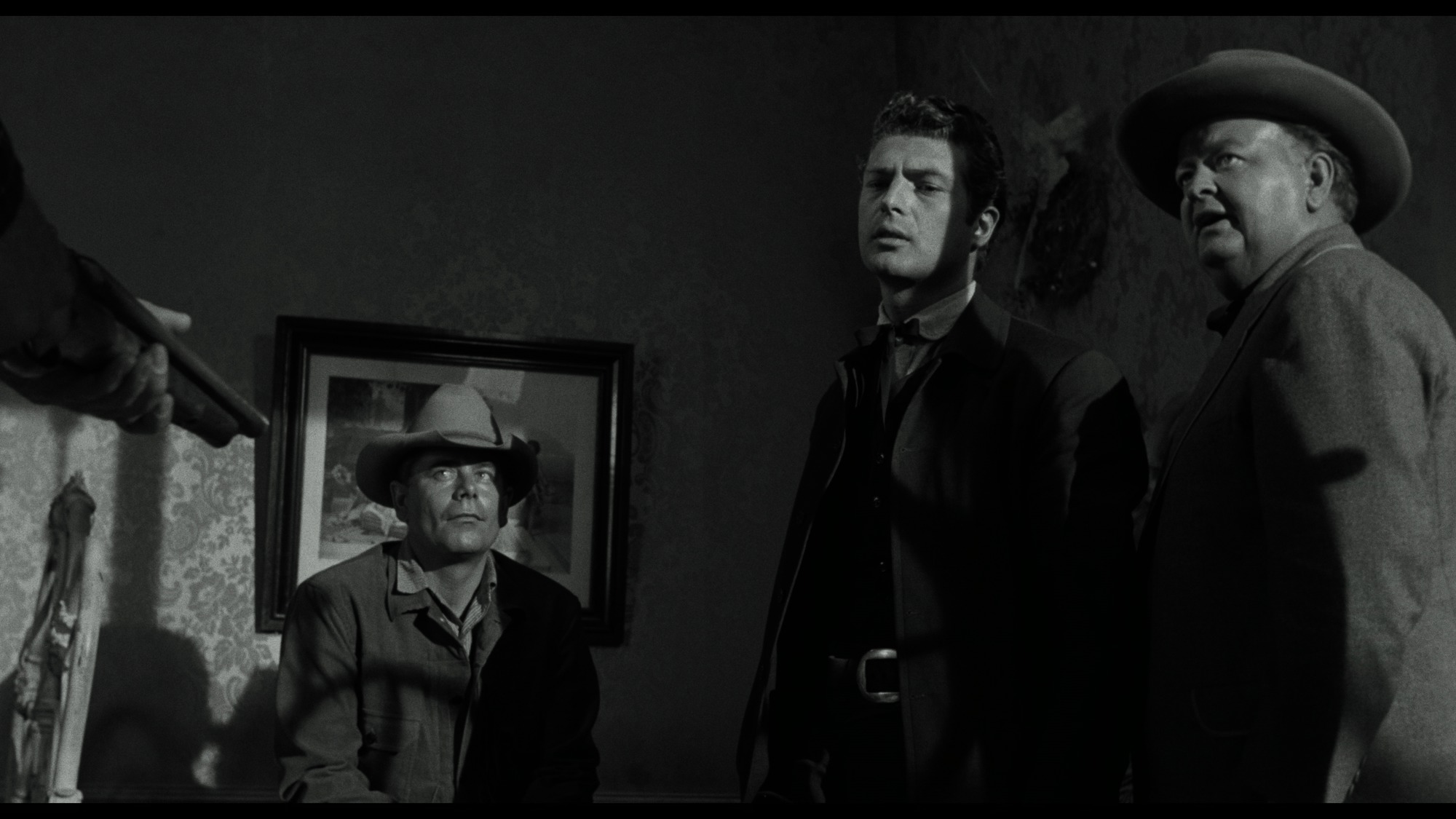
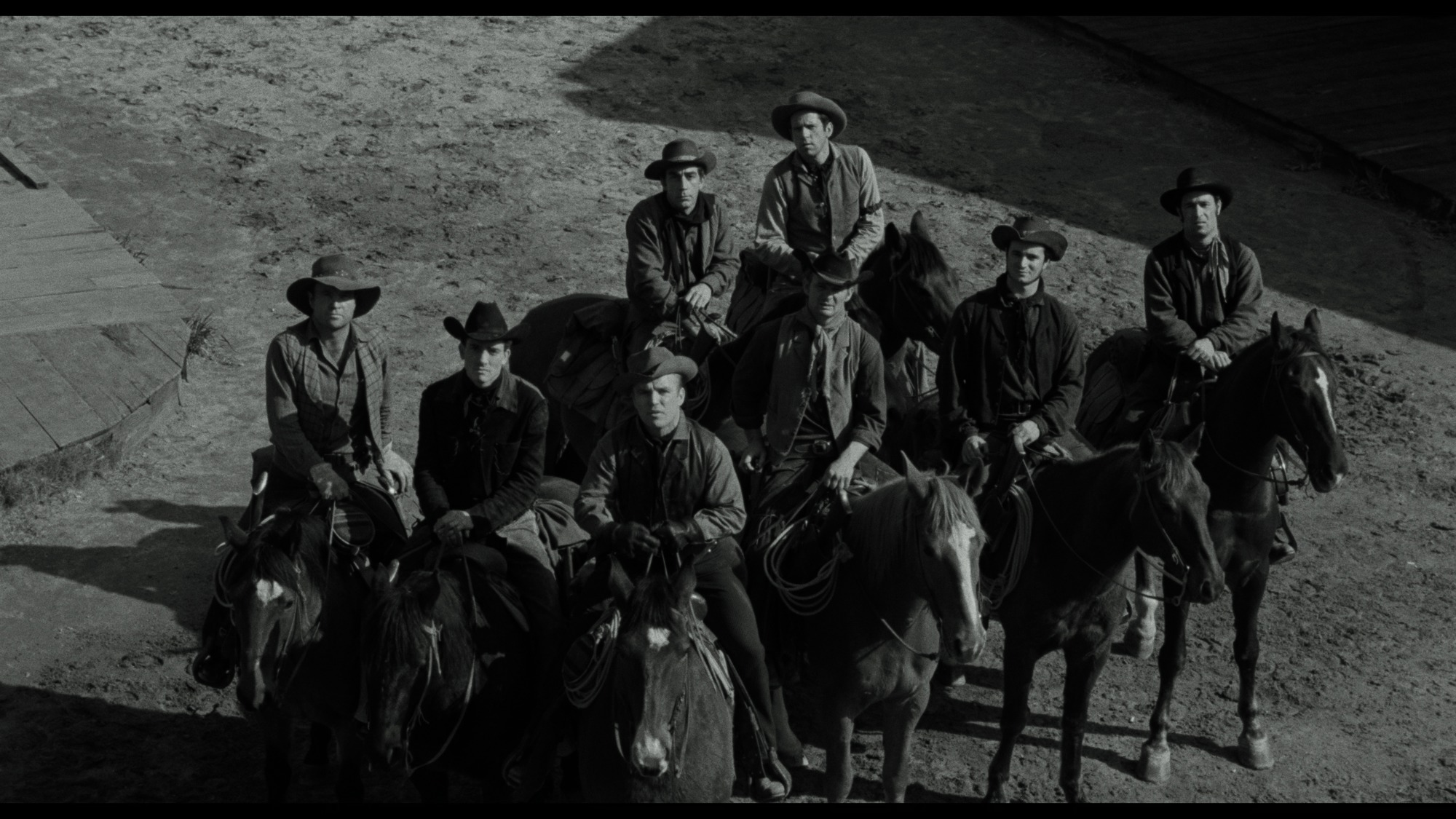
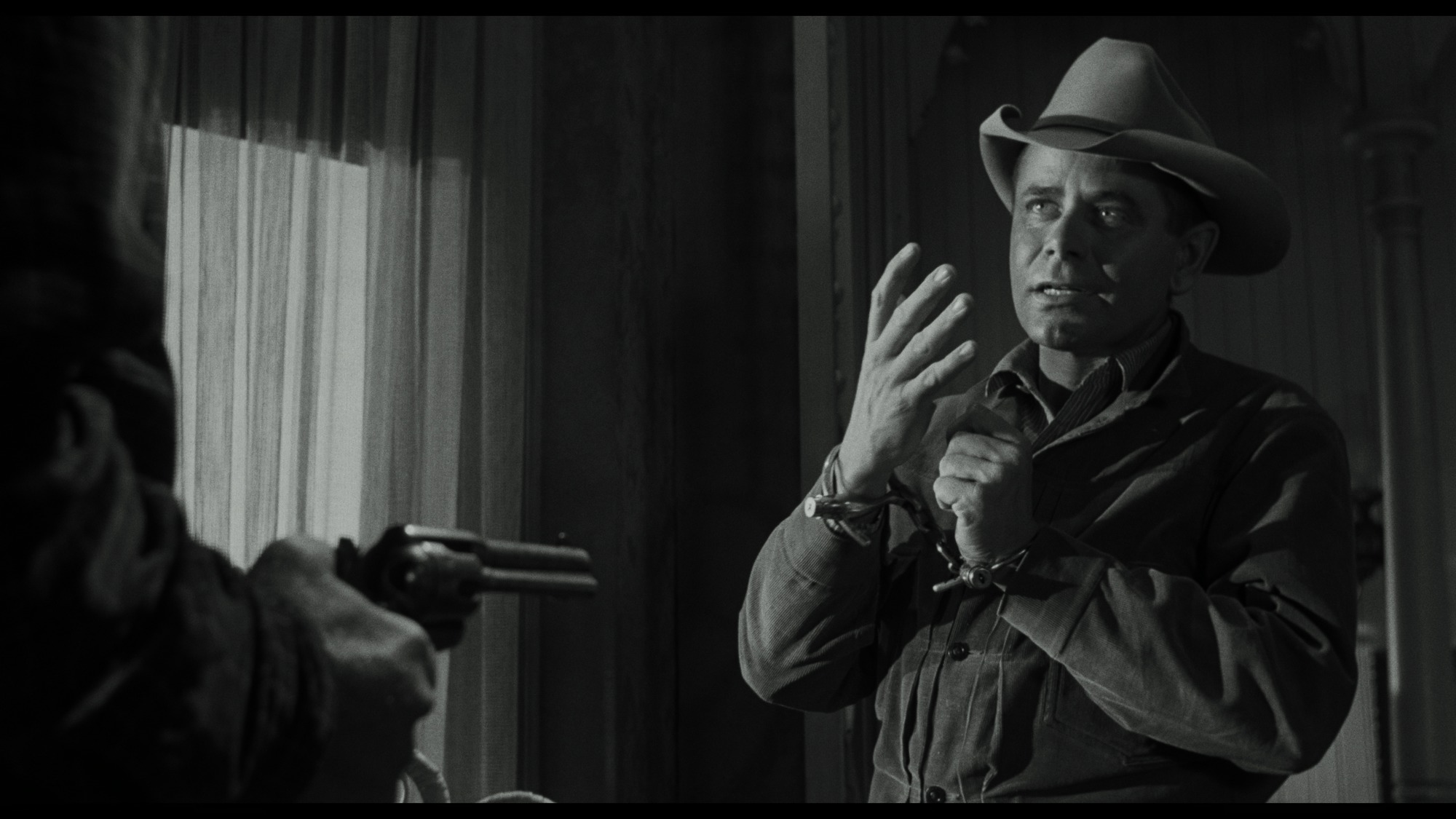
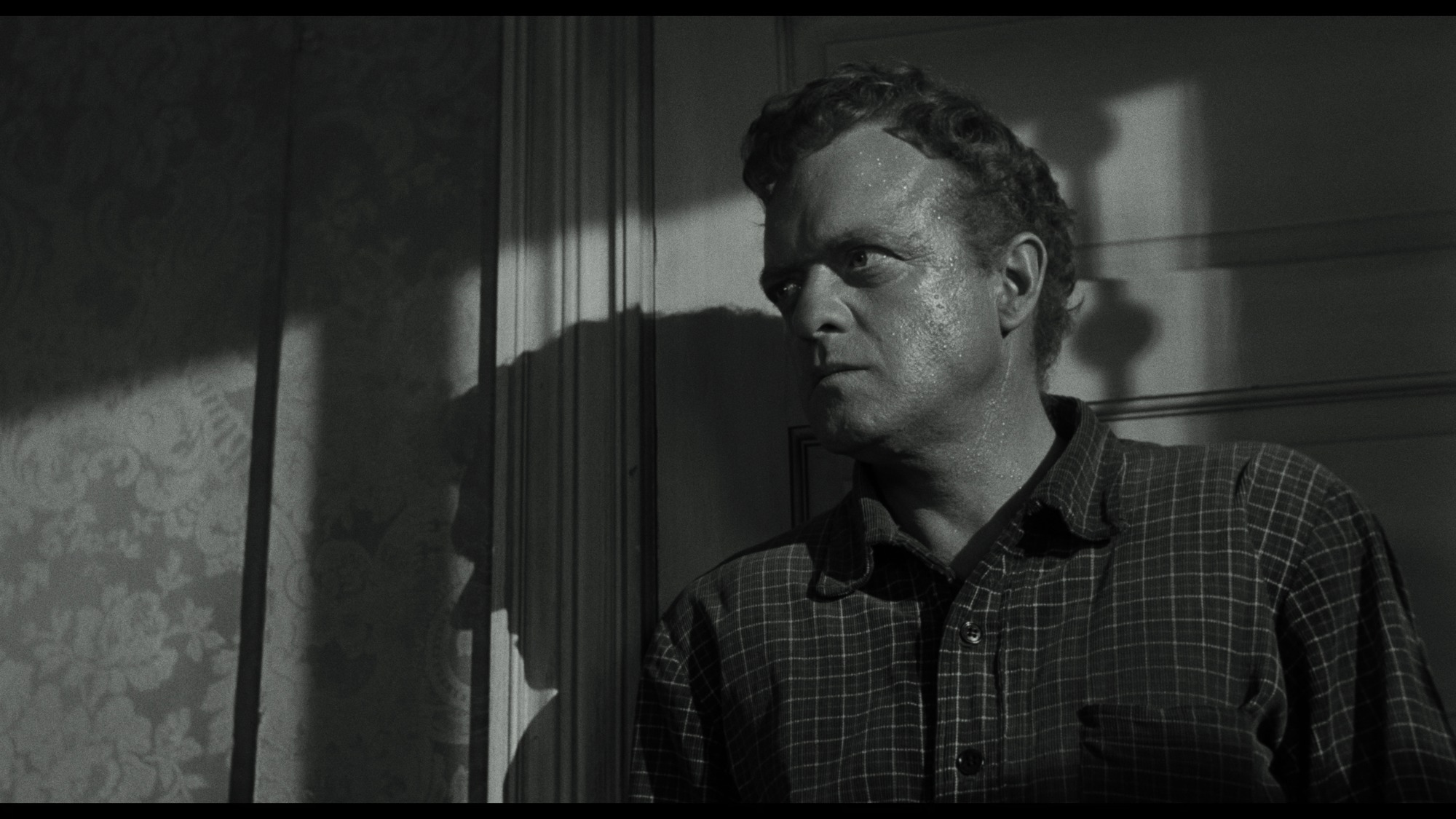
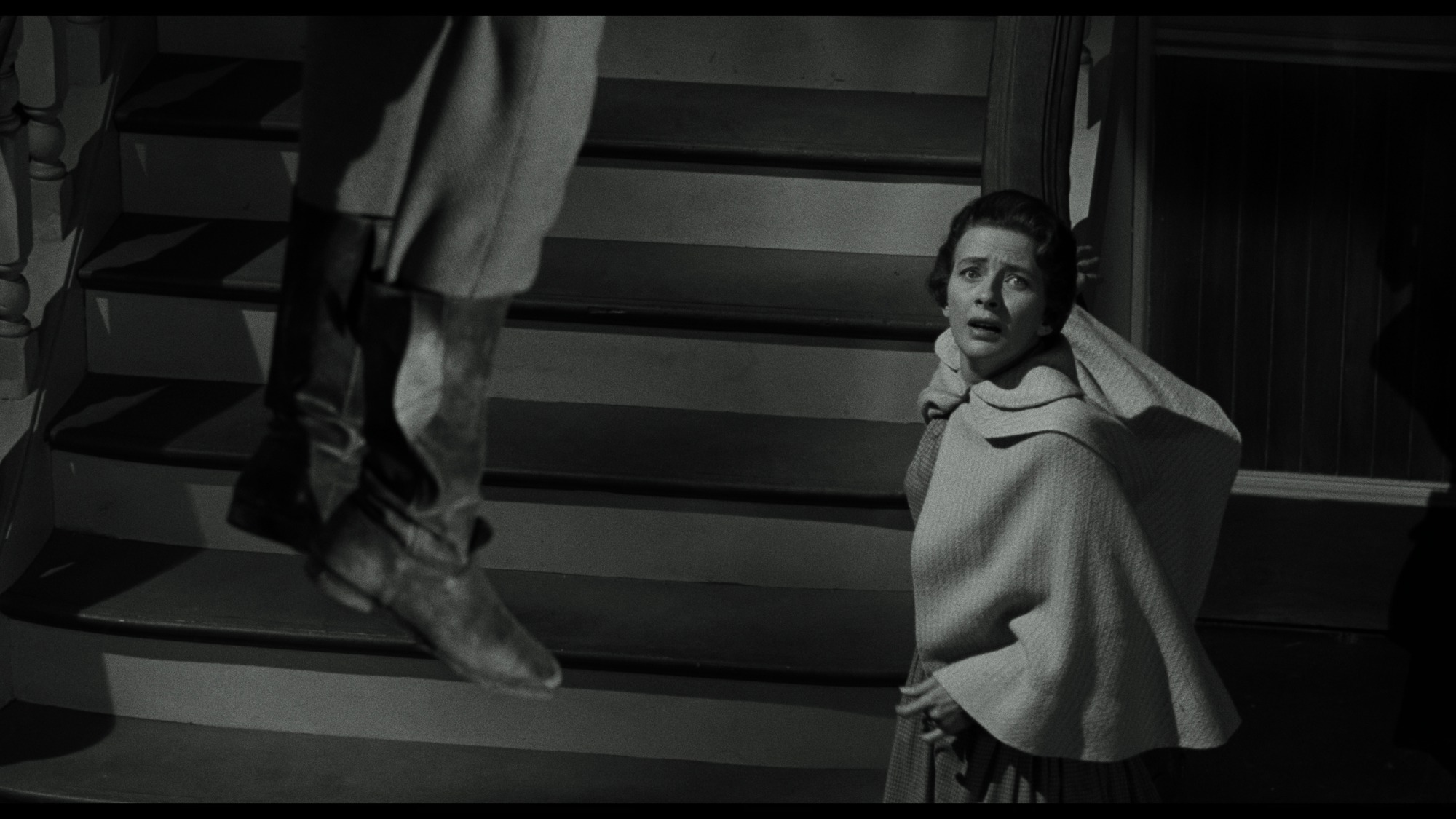
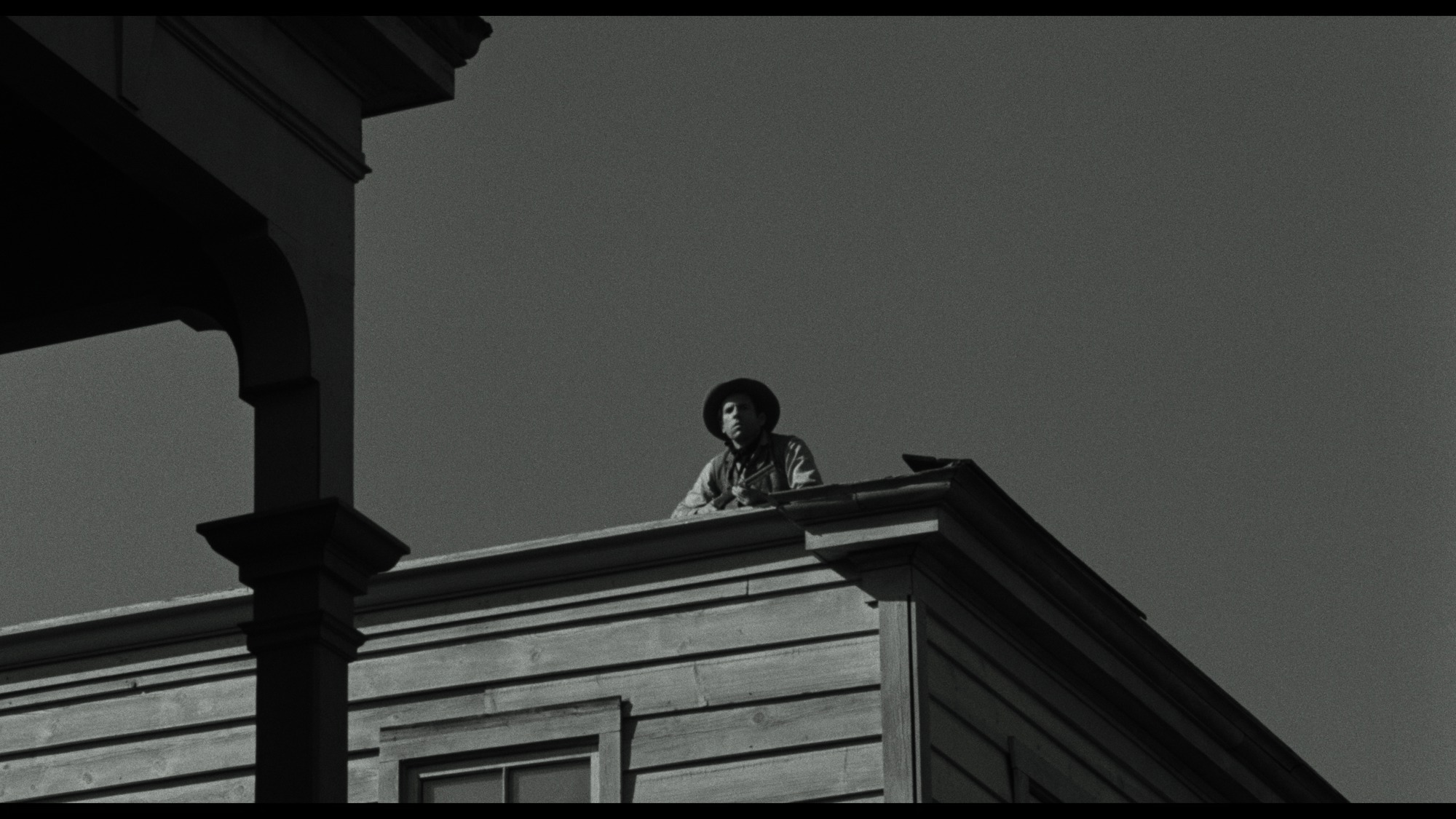
Right away, the most substantial improvement comes down to contrast and grayscale, both of which are far more expansive and nuanced here, in no small part thanks to the new HDR grading. While I wouldn’t call it as revelatory as some other recent 4K restorations I’ve watched (like Withnail & I or House Party), since the old high-def master was at least serviceable in this department, this new presentation looks far more photographic and richly layered when it comes to shadows and depth on top of tonal range. The skies in particular are striking, offering a wide range of grays with clean gradations; clouds pop beautifully thanks to some striking highlights. Darker interiors now deliver richer shadow detail, and the glint that can come off reflective surfaces looks terrific. The expanded contrast range also enhances finer textures (already boosted by the increased resolution) whether in the rugged western landscapes or the denim worn by so many of the characters. Whether it be sweeping long shots or tight close-ups, the level of detail is consistently impressive.
The restoration work itself is excellent, cleaning up the film significantly with no meaningful damage remaining, though the prior Blu-ray was about the same. A few transitions can look slightly dupey compared to the rest of the film, but this is to be expected (and though the notes state the restoration comes from the negative, I’m sure these moments are sourced from elements at least a generation removed). Of course, all of this would be for naught if the encode couldn’t keep up, but it absolutely does, rendering the film’s very fine grain impeccably.
All around, Criterion’s new 4K presentation delivers a substantial upgrade over their previous Blu-ray. It’s cleaner, more film-like, and far better in its handling of contrast. A genuinely lovely looking presentation.
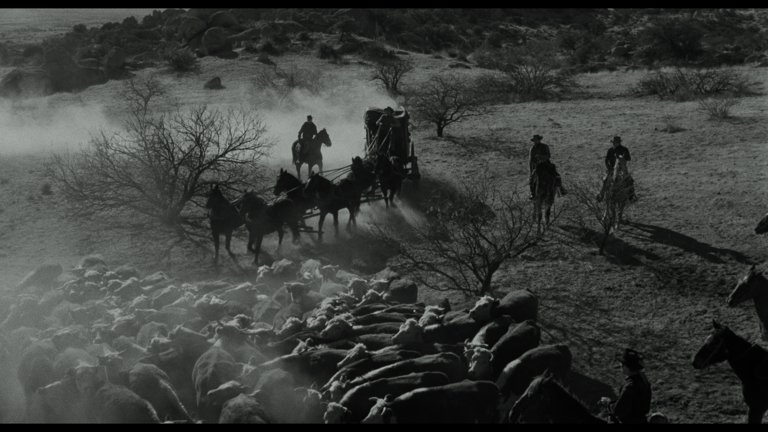
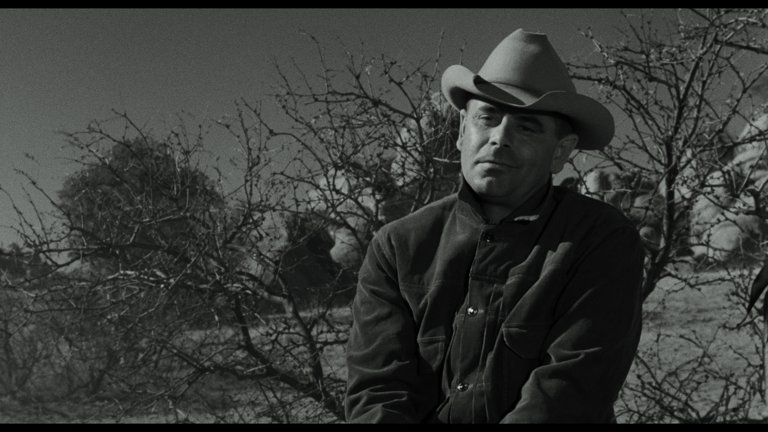
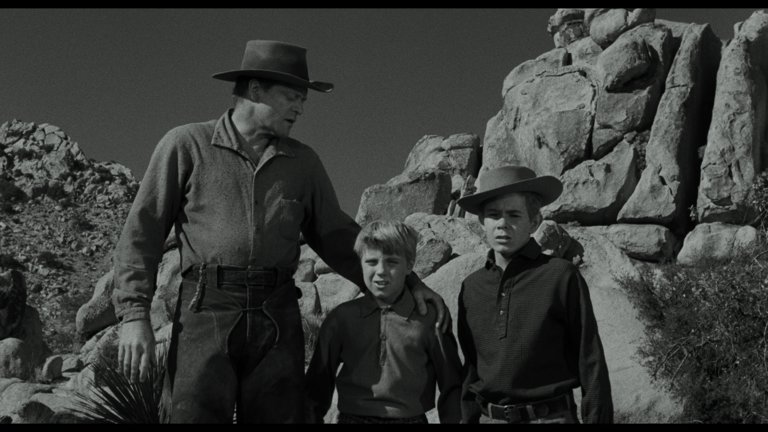
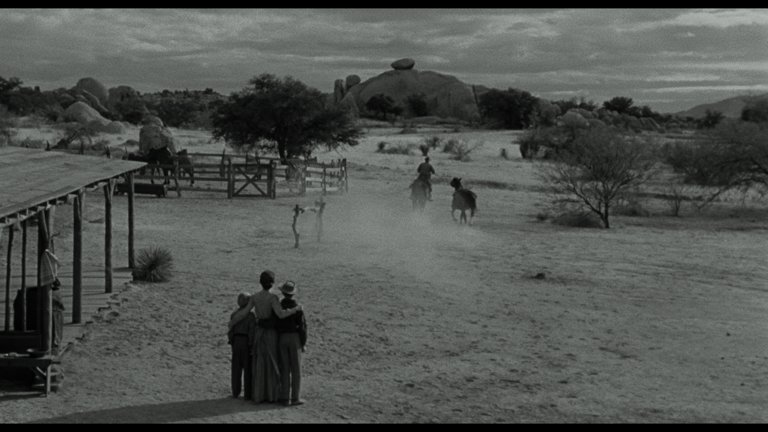
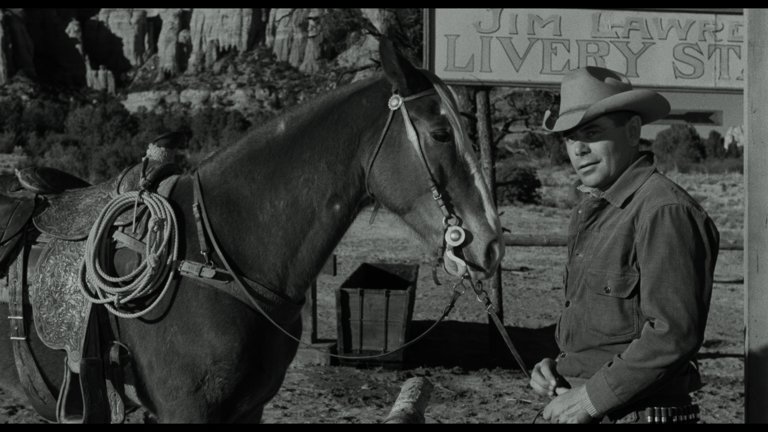
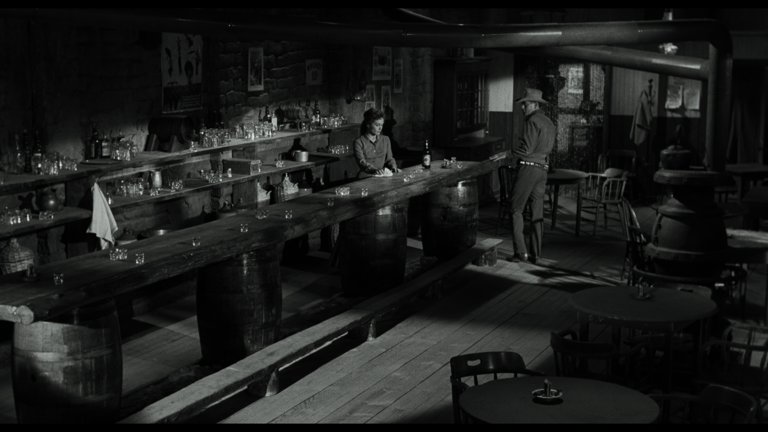
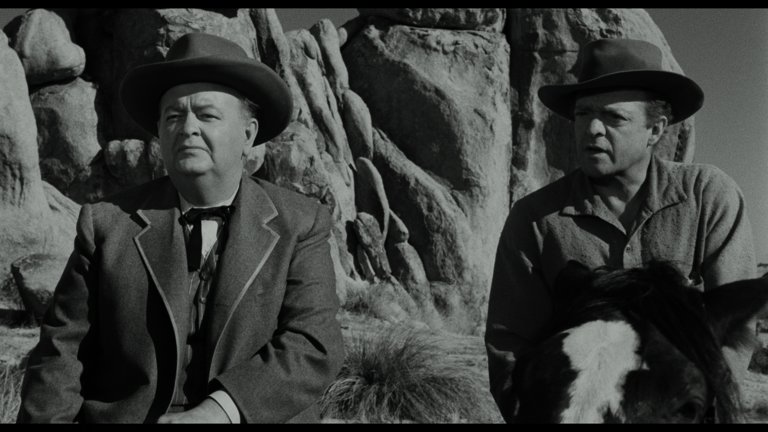
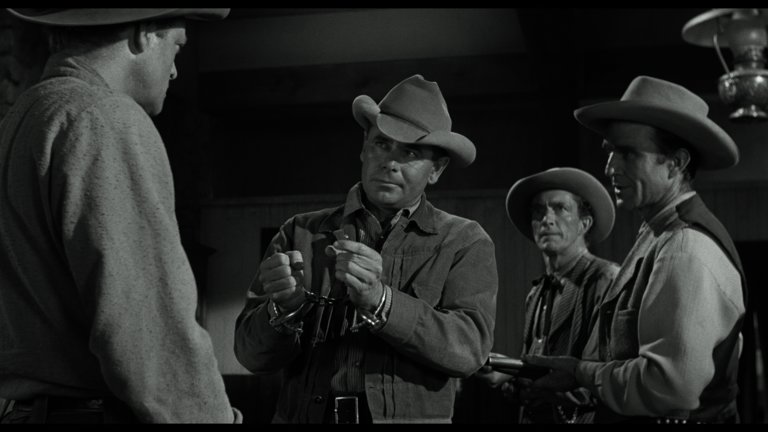
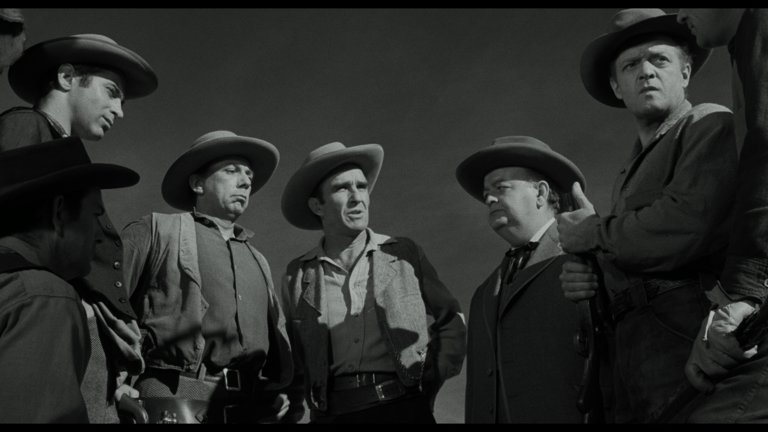
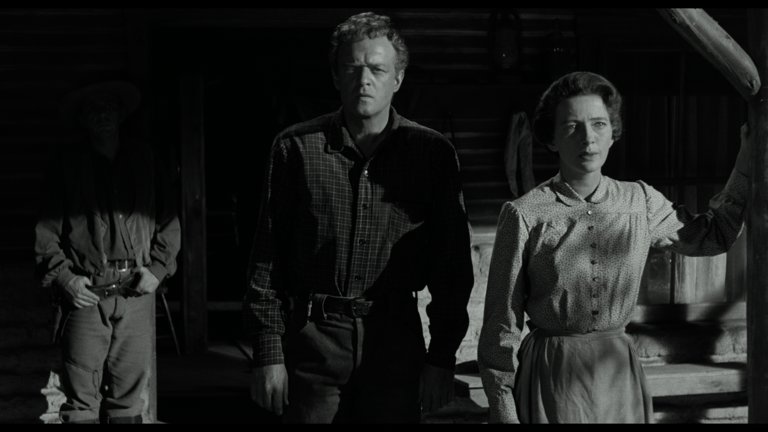
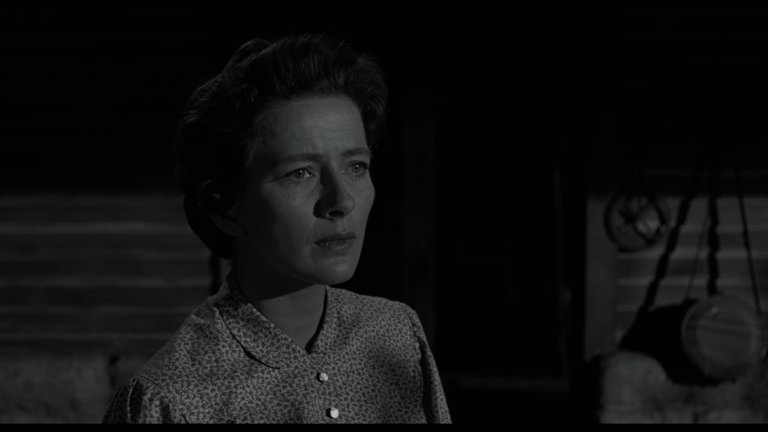
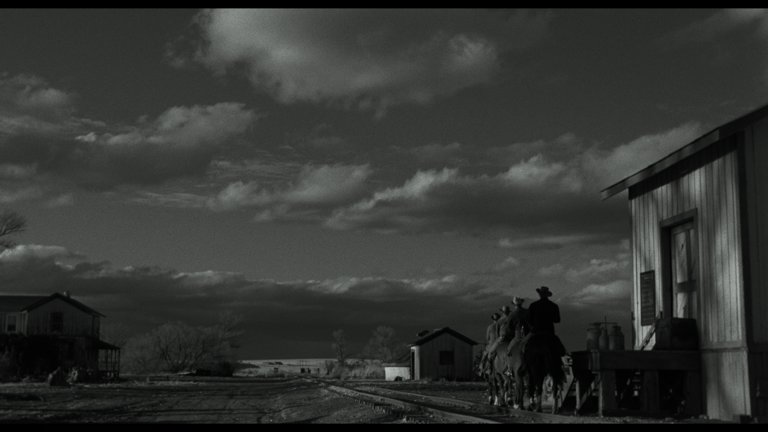
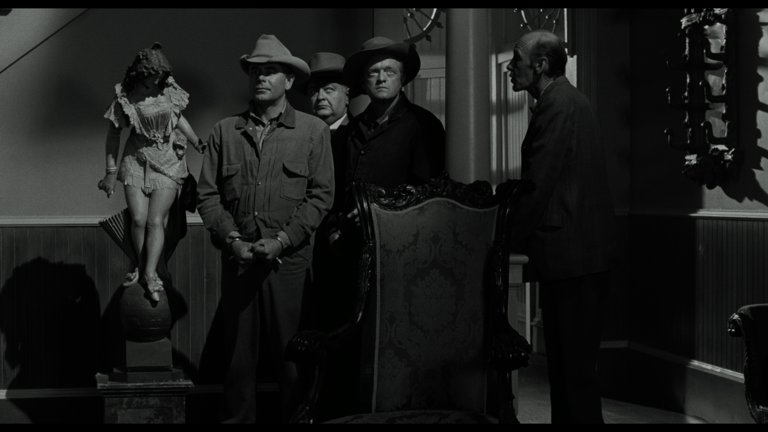
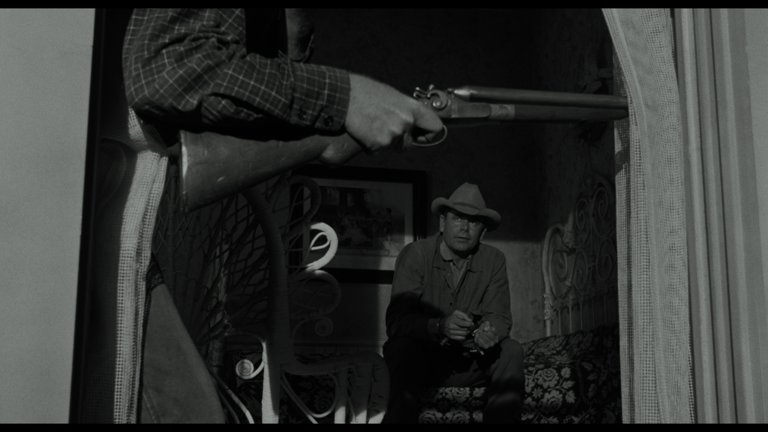
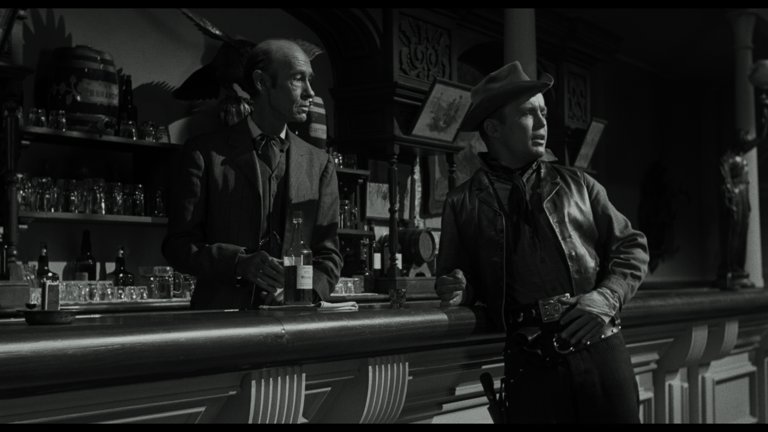
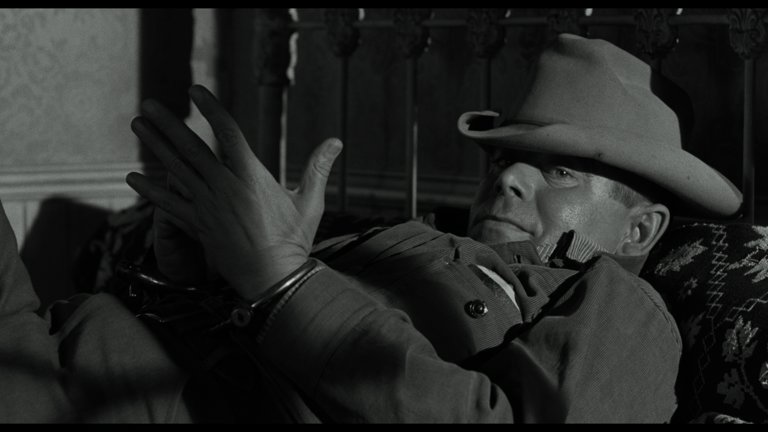
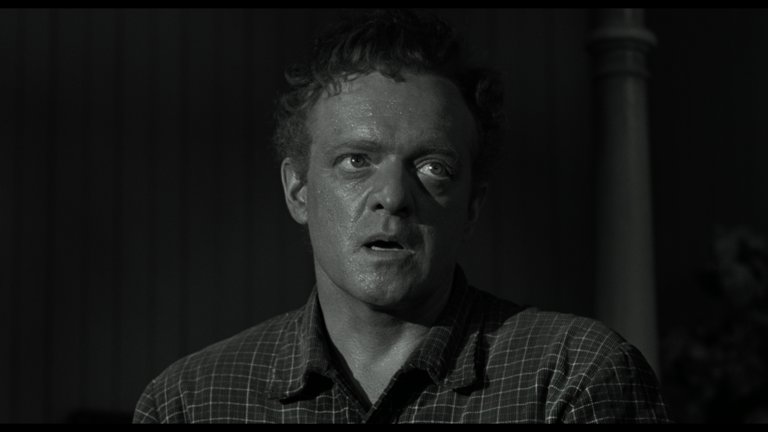
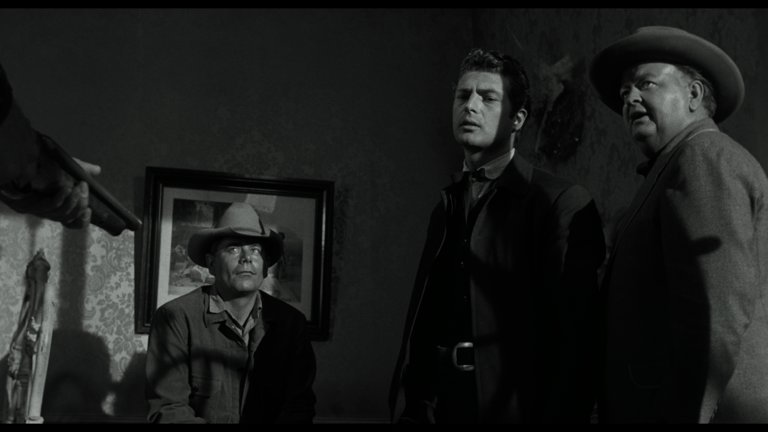
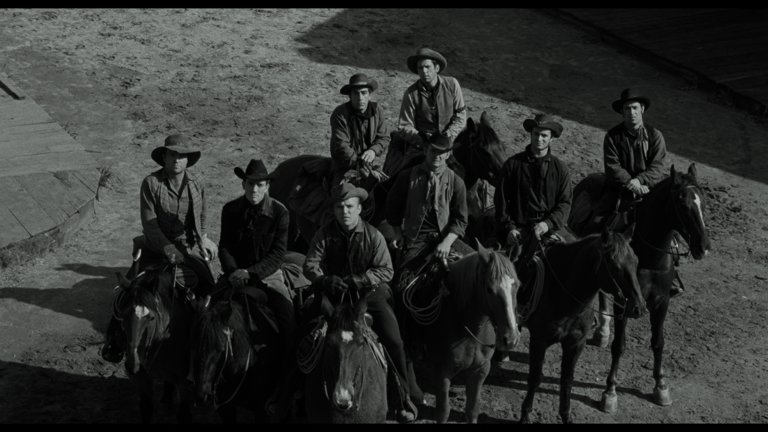
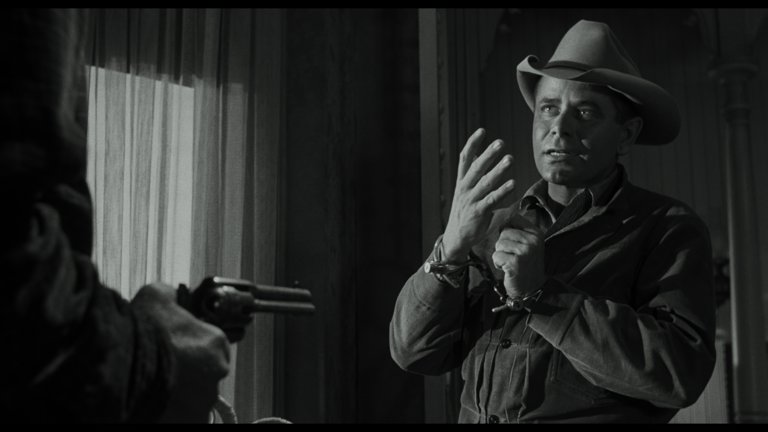
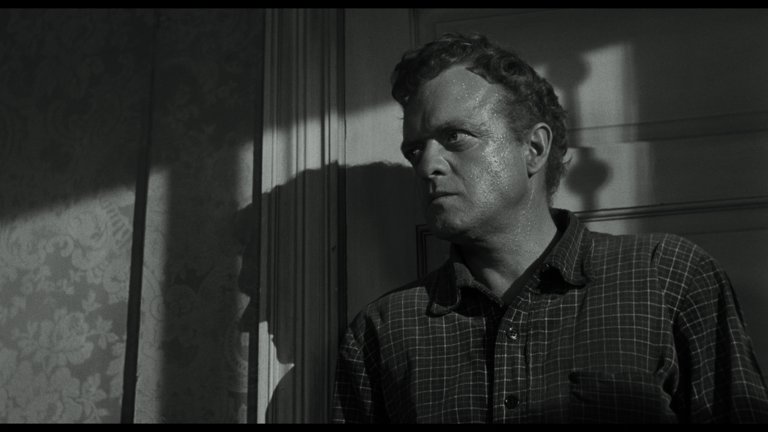
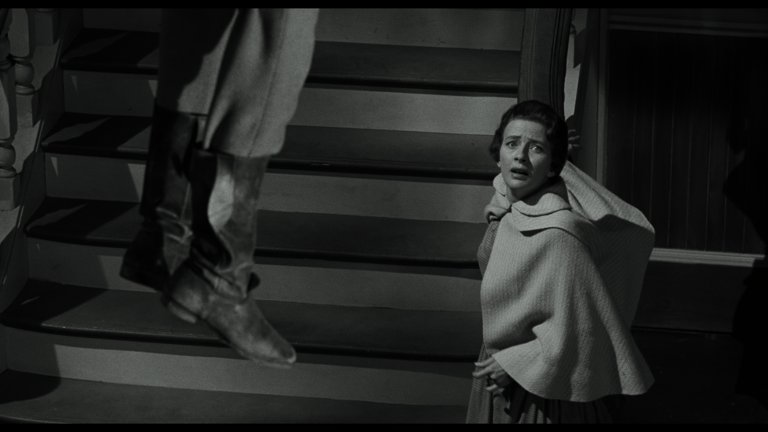
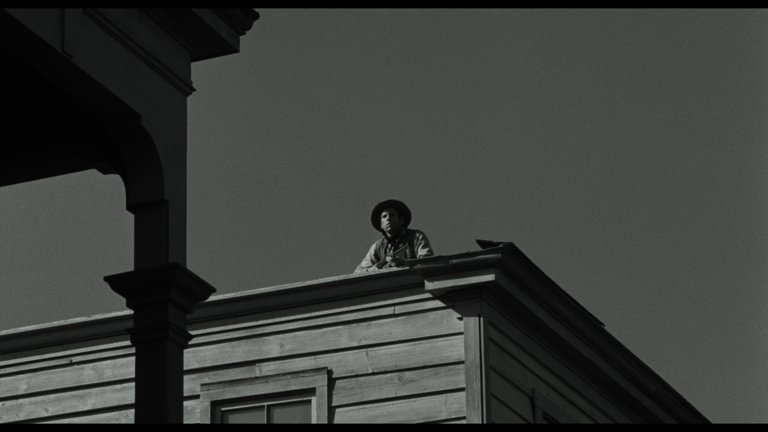
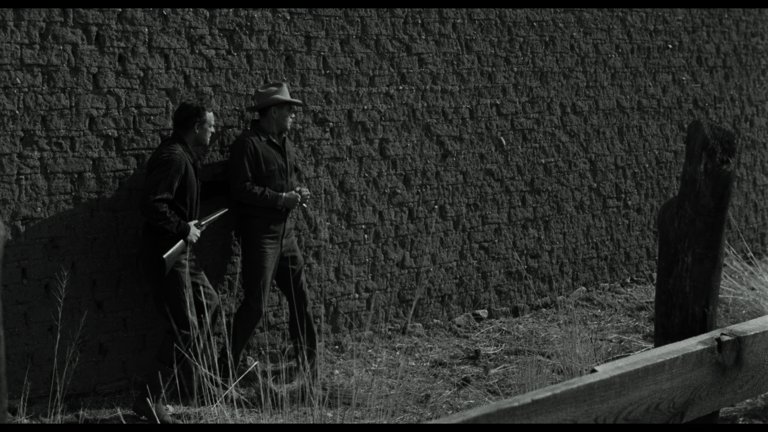
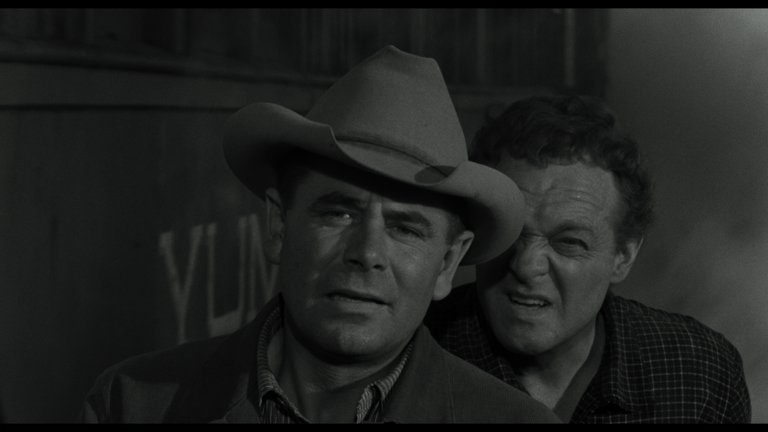
3:10 to Yuma - Screen Captures
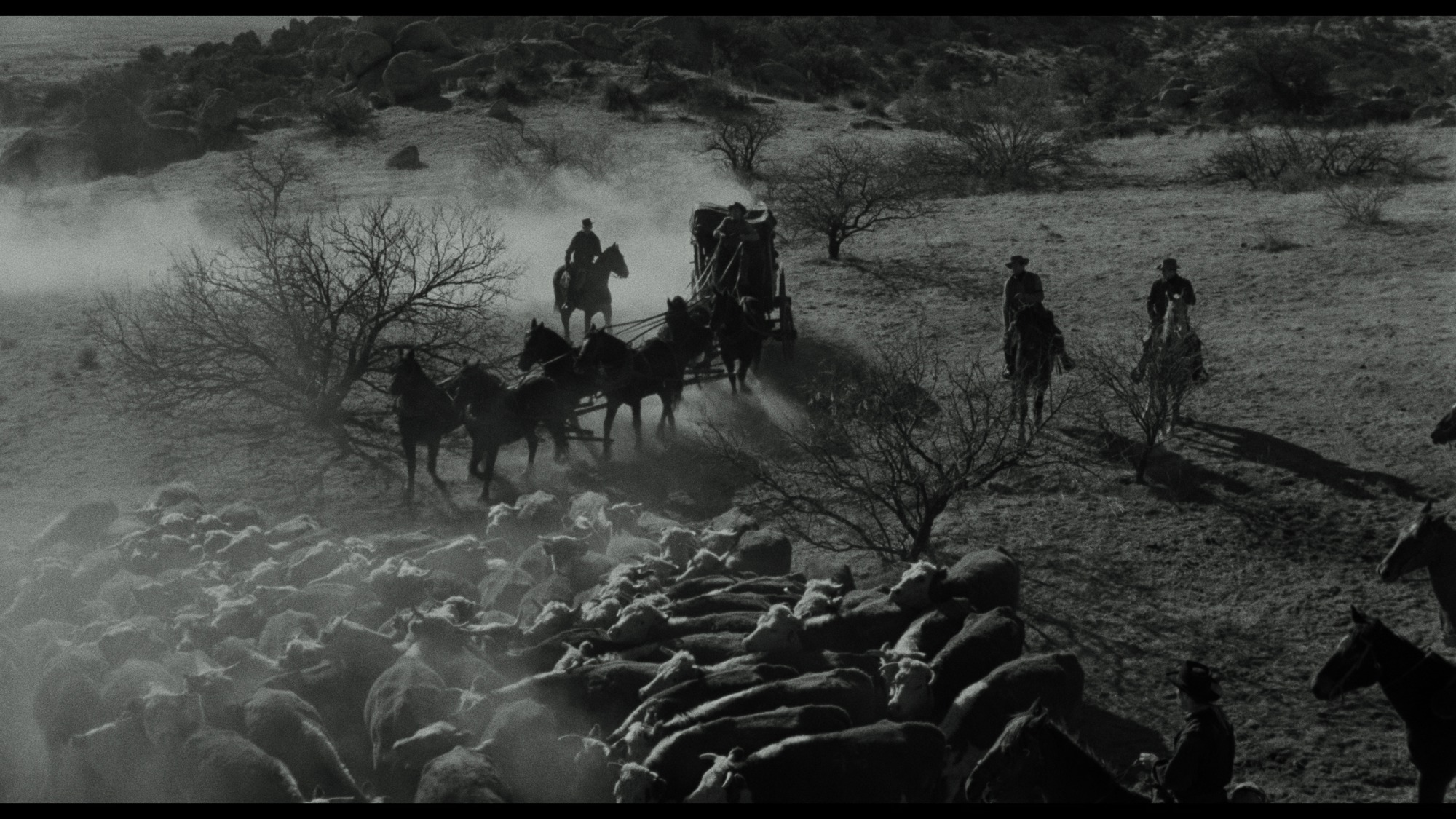
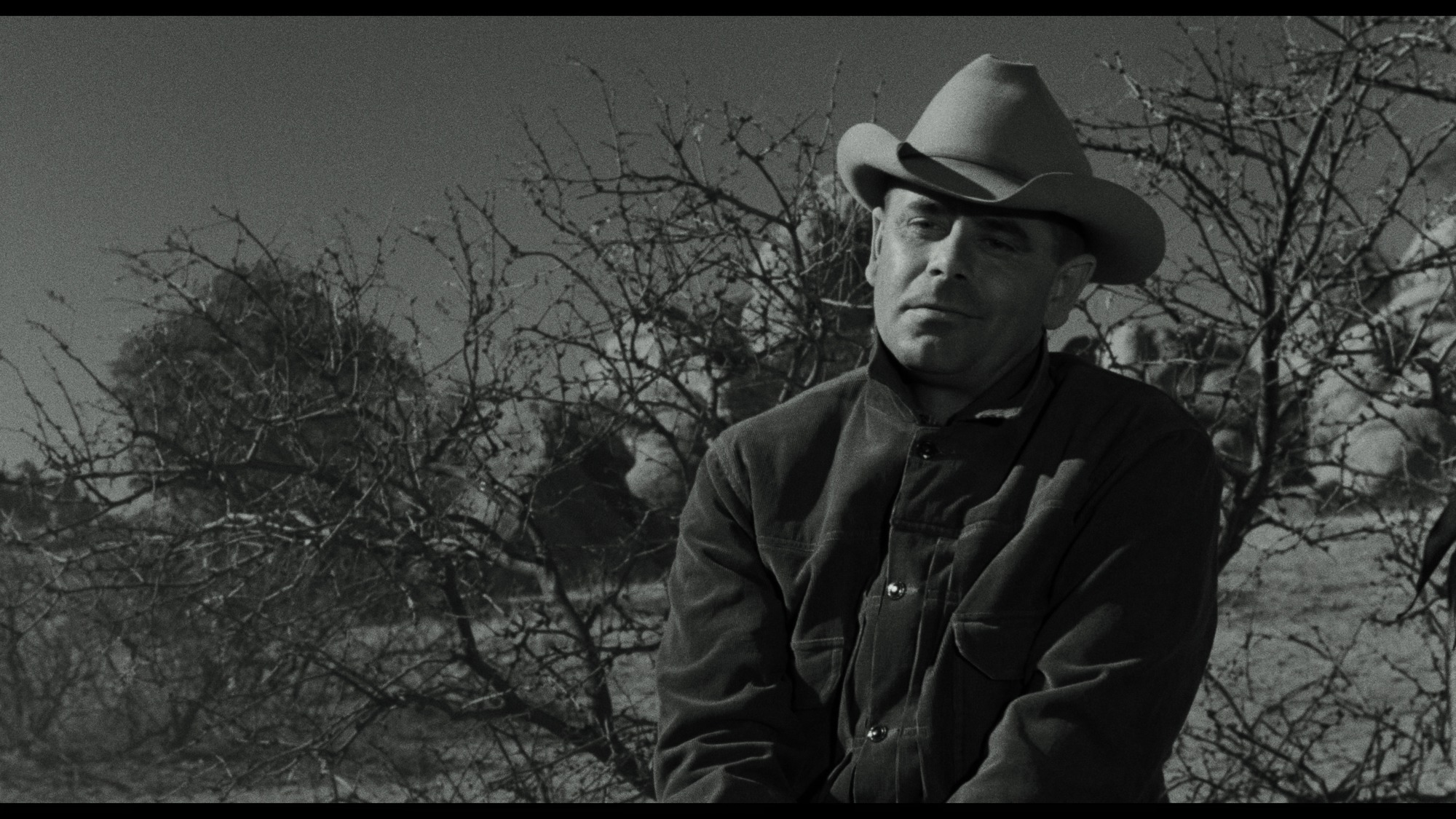
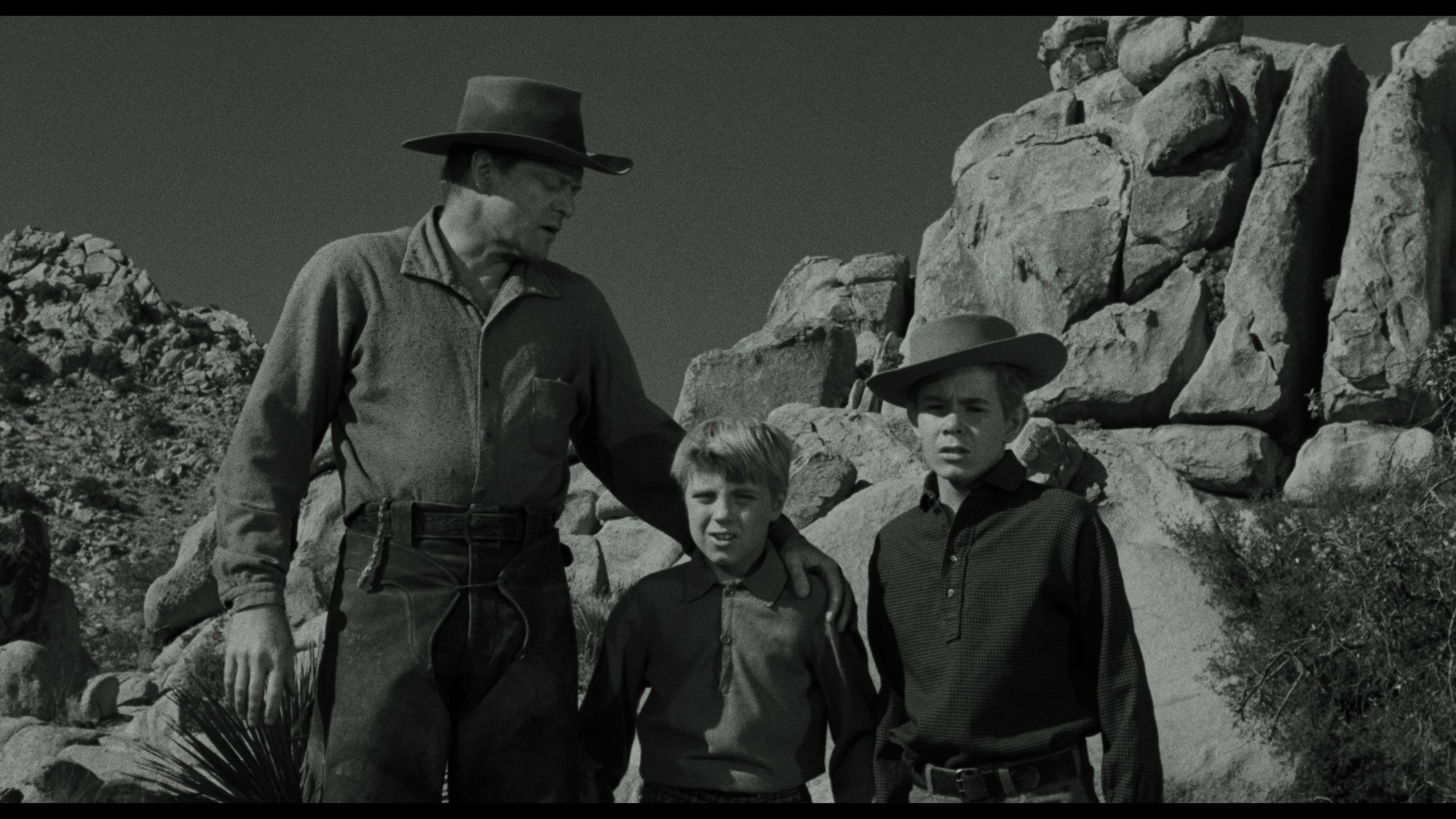
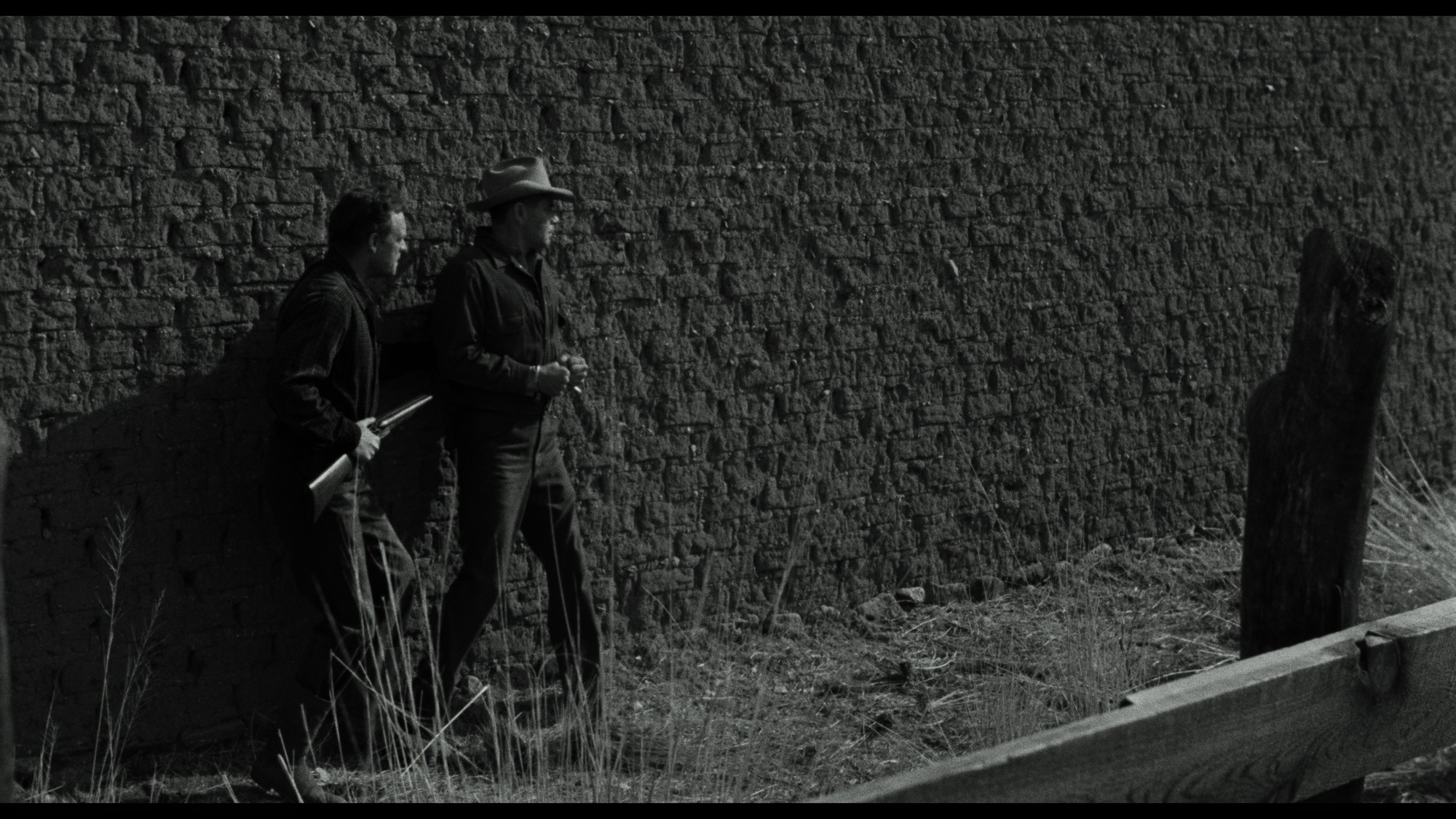
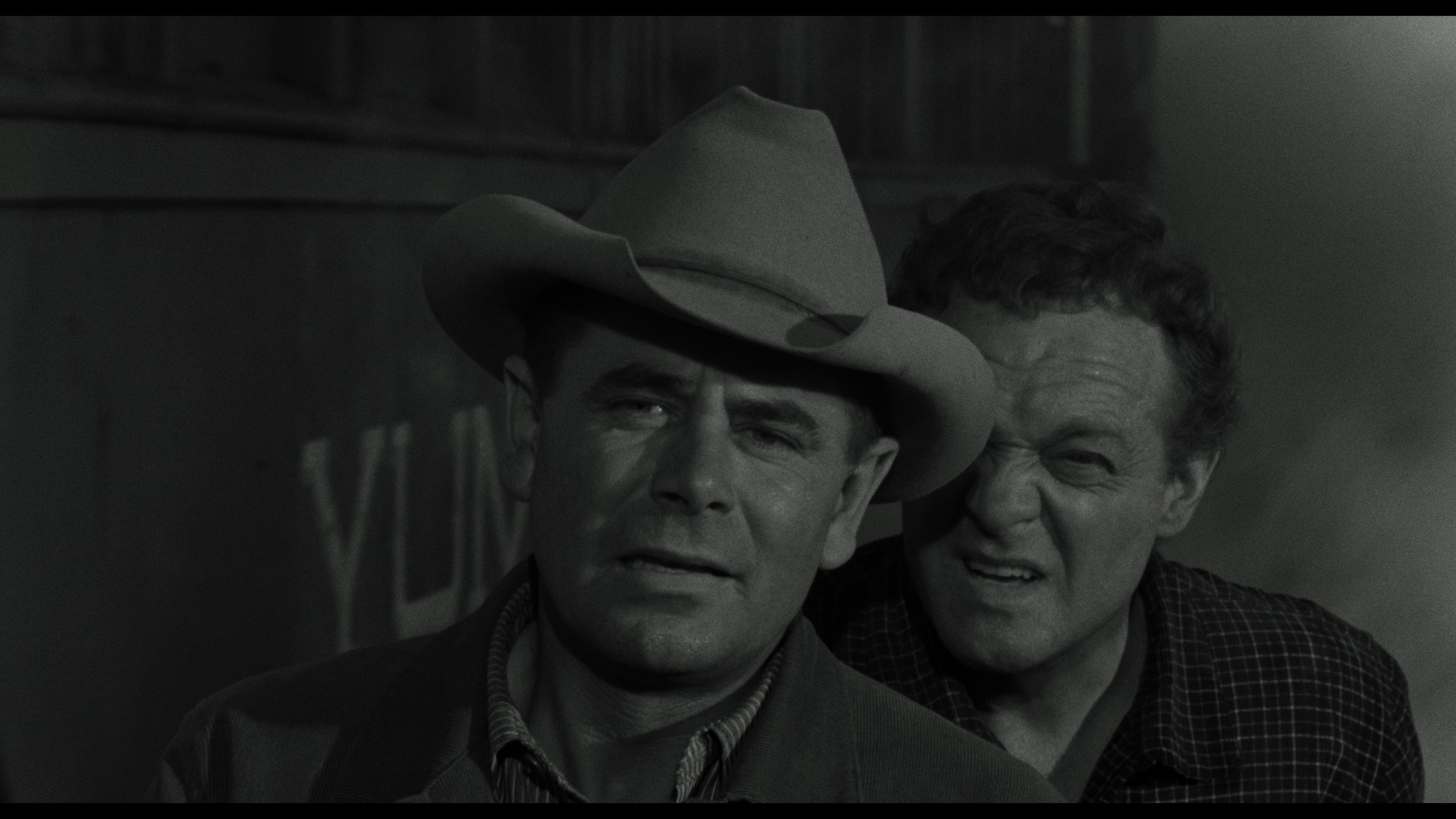
Audio 8/10
Criterion once again includes both the film’s original monaural soundtrack (presented in PCM 1.0) and the remastered 5.1 surround mix (in DTS-HD MA).
As before, I think the monaural track sounds quite good. Fidelity is strong, and the range is wider than one might expect for a track of this age, with gunshots and the film’s score handling highs rather well. It’s clean and doesn’t sound filtered—or at least not overly so—and dialogue remains consistently clear.
I was also (still) pleasantly surprised by the 5.1 mix. I don’t know that it was strictly necessary, but it’s handled with restraint, never feeling showy. The majority of the audio remains anchored to the front channels, filling out that soundstage nicely. The rears are used sparingly, primarily for bits of music and occasional effects. But most importantly, nothing feels gimmicky or detached from the film’s original character, and I didn't notice any odd drops.
In the end, I still lean toward the mono, but the surround mix is far better than one might fear. Best of all, both tracks sound excellent, so it will come down to personal preference.
Extras 4/10
Disappointingly, Criterion has not upgraded the supplements, instead porting over the Blu-ray from their 2013 edition (literally), bringing with it all two extras.
Once again we get just a pair of short interviews. The first is a 13-minute interview with author Elmore Leonard. He talks about how he first got into writing, his work in the western genre, and then turns to 3:10 to Yuma and its two adaptations. Unsurprisingly, he expresses a clear preference for the original Daves version, particularly Glenn Ford’s performance as the story’s heavy. He also touches on his influences, his love of writing, and why he ultimately does it. It’s brief but engaging.
The second interview, running about 15 minutes, features Glenn Ford’s son, Peter Ford, who would later write a biography on his father. Peter reflects on his complicated relationship with his dad, candidly acknowledging their issues while also explaining how he came to admire him as an actor. He discusses his father’s career, focusing on Yuma but also touching on Jubal (including an amusing story about Ford’s disdain for Rod Steiger’s Method approach) and later work like Superman. He also shares a few fascinating anecdotes, including one involving a drunken Orson Welles showing up at their home with a gun after discovering Ford was having an affair with his then-wife, Rita Hayworth. It's ultimately brief, but is surprisingly forthcoming.
Both interviews are genuinely strong inclusions, yet it’s disappointing that this is all Criterion could muster, particularly given how short Leonard’s segment is. Kent Jones contributes an excellent essay in the accompanying booklet (the same essay found in the Blu-ray's booklet), placing the film in context among the westerns of its era, but the lack of additional scholarly material—or any new supplements at all—remains surprising for a title of this caliber.
Closing
The supplements remain aggravatingly sparse, not even totaling 30 minutes, but damn if the new presentation doesn’t look outstanding.
BUY AT: