BUY AT:


See more details, packaging, or compare
Synopsis
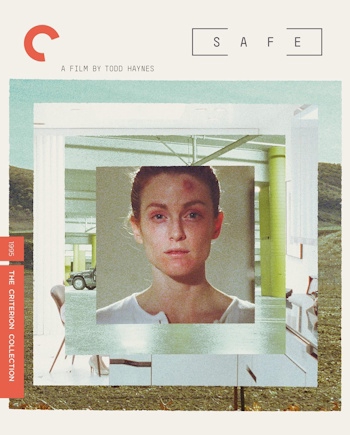
Julianne Moore gives a breakthrough performance as Carol White, a Los Angeles housewife in the late 1980s who comes down with a debilitating illness. After the doctors she sees can give her no clear diagnosis, she comes to believe that she has frighteningly extreme environmental allergies. A profoundly unsettling work from the great American director Todd Haynes, Safe functions on multiple levels: as a prescient commentary on self-help culture, as a metaphor for the AIDS crisis, as a drama about class and social estrangement, and as a horror film about what you cannot see. This revelatory drama was named the best film of the 1990s in a Village Voice poll of more than fifty critics.
Picture 10/10
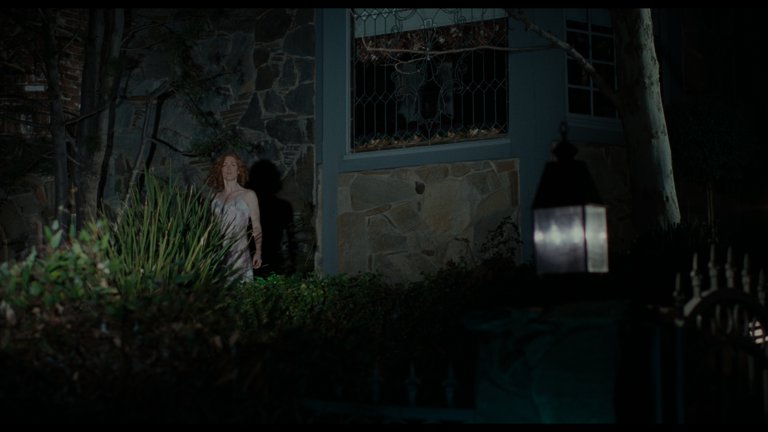
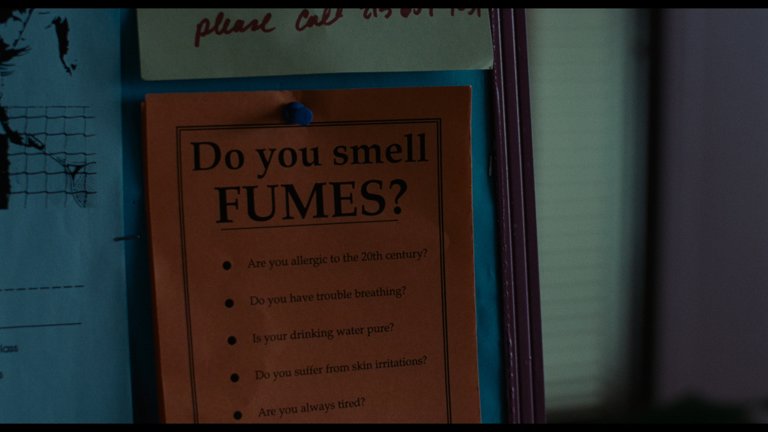
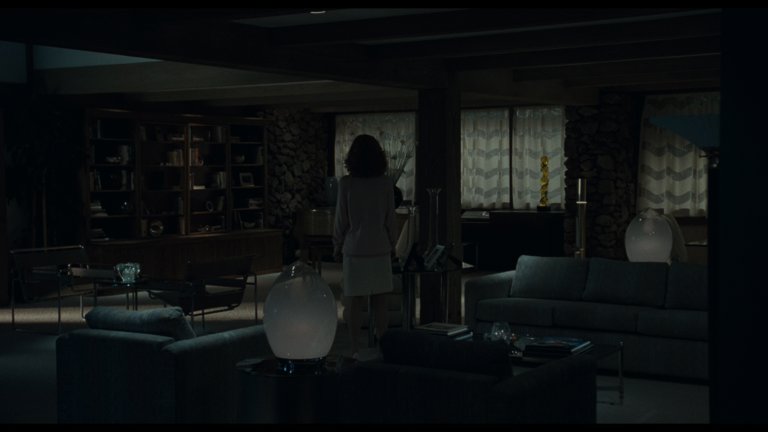
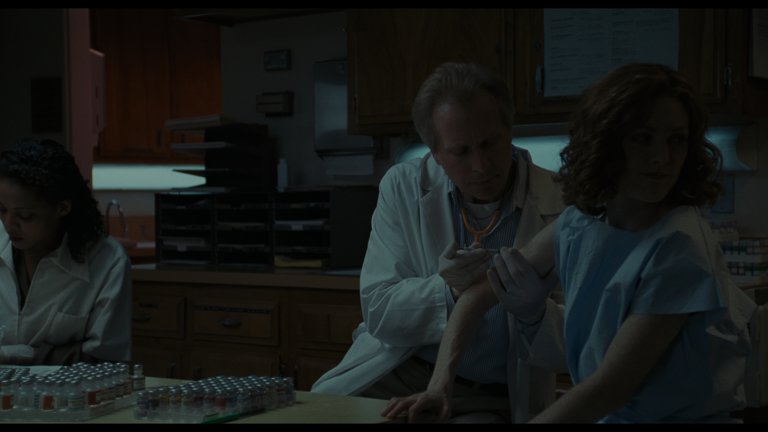
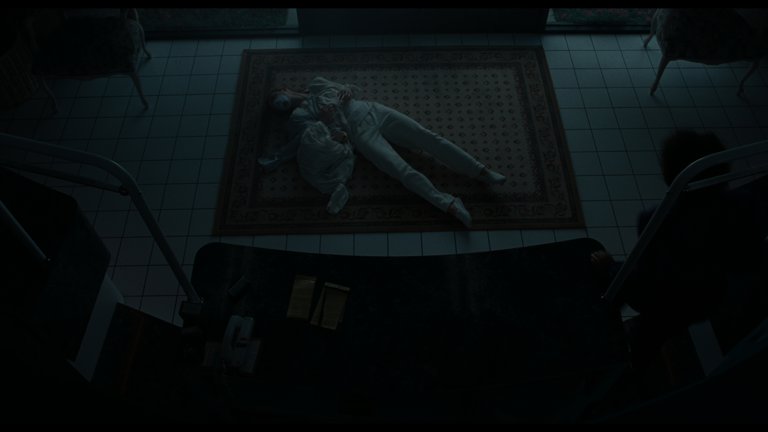
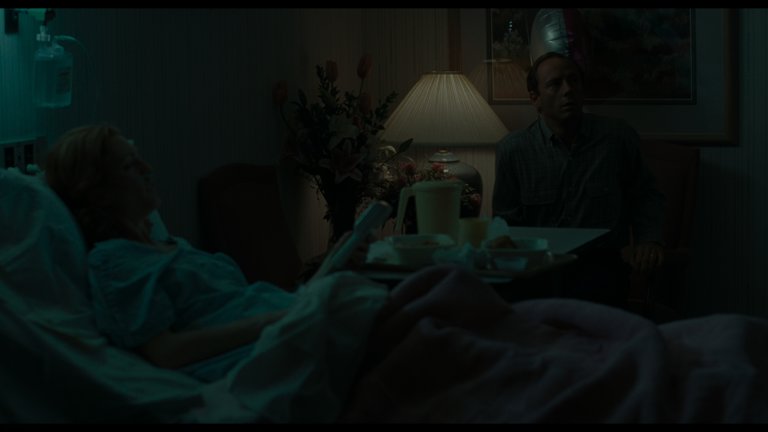
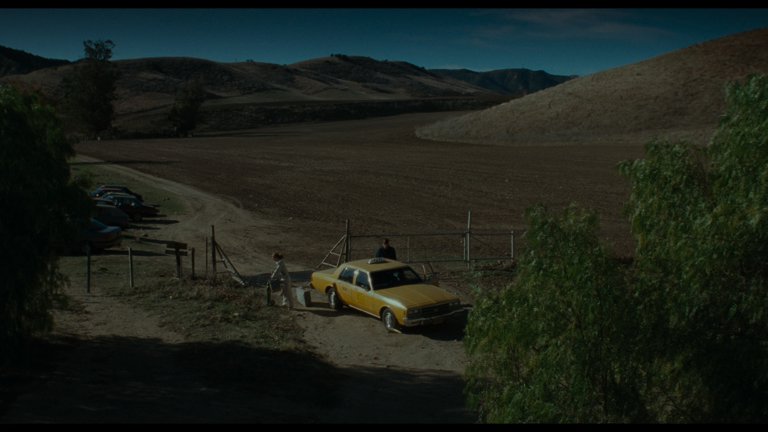
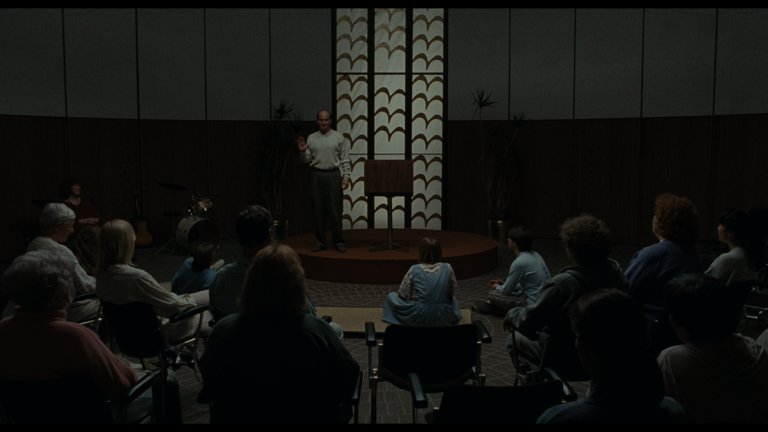
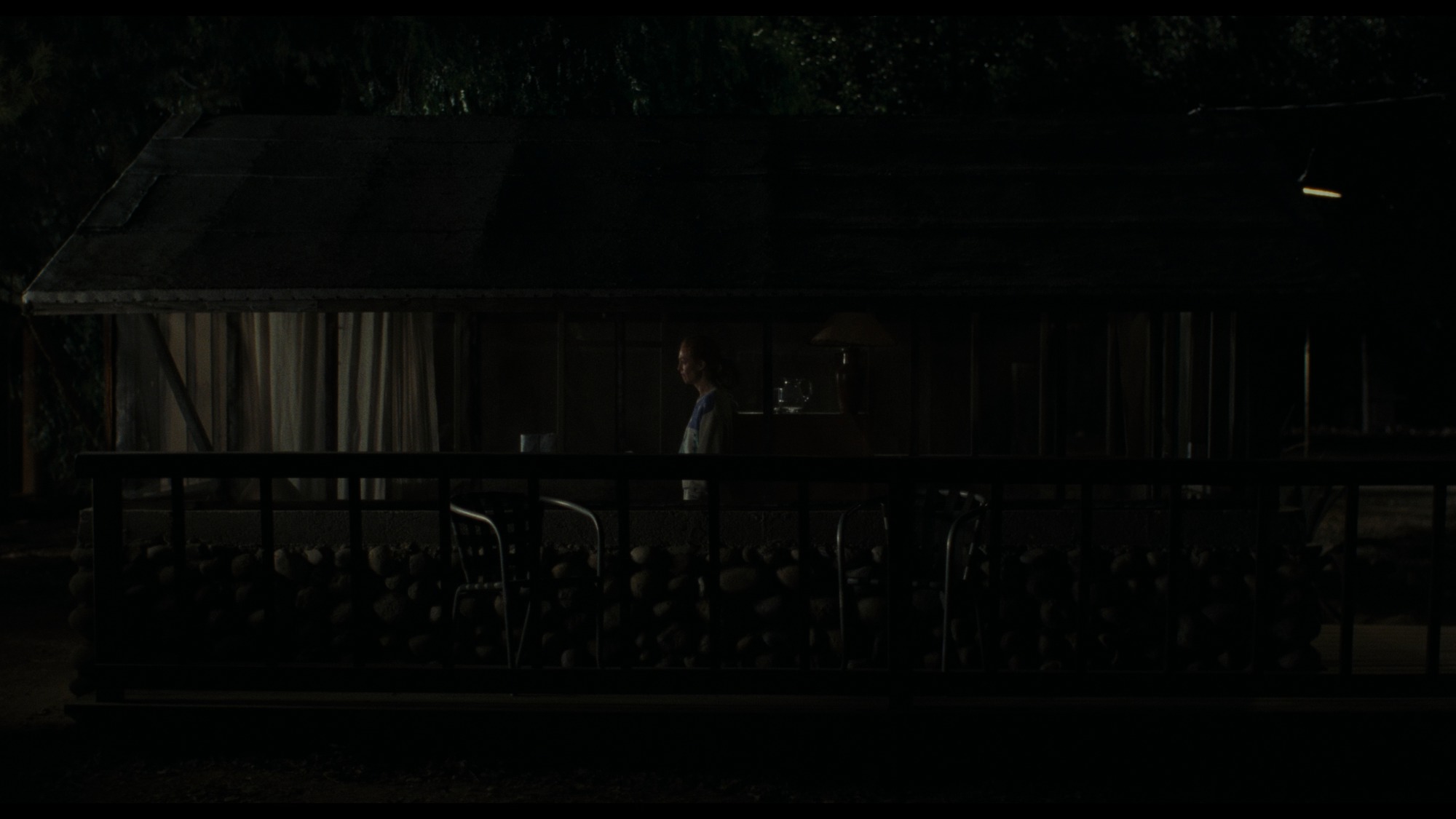
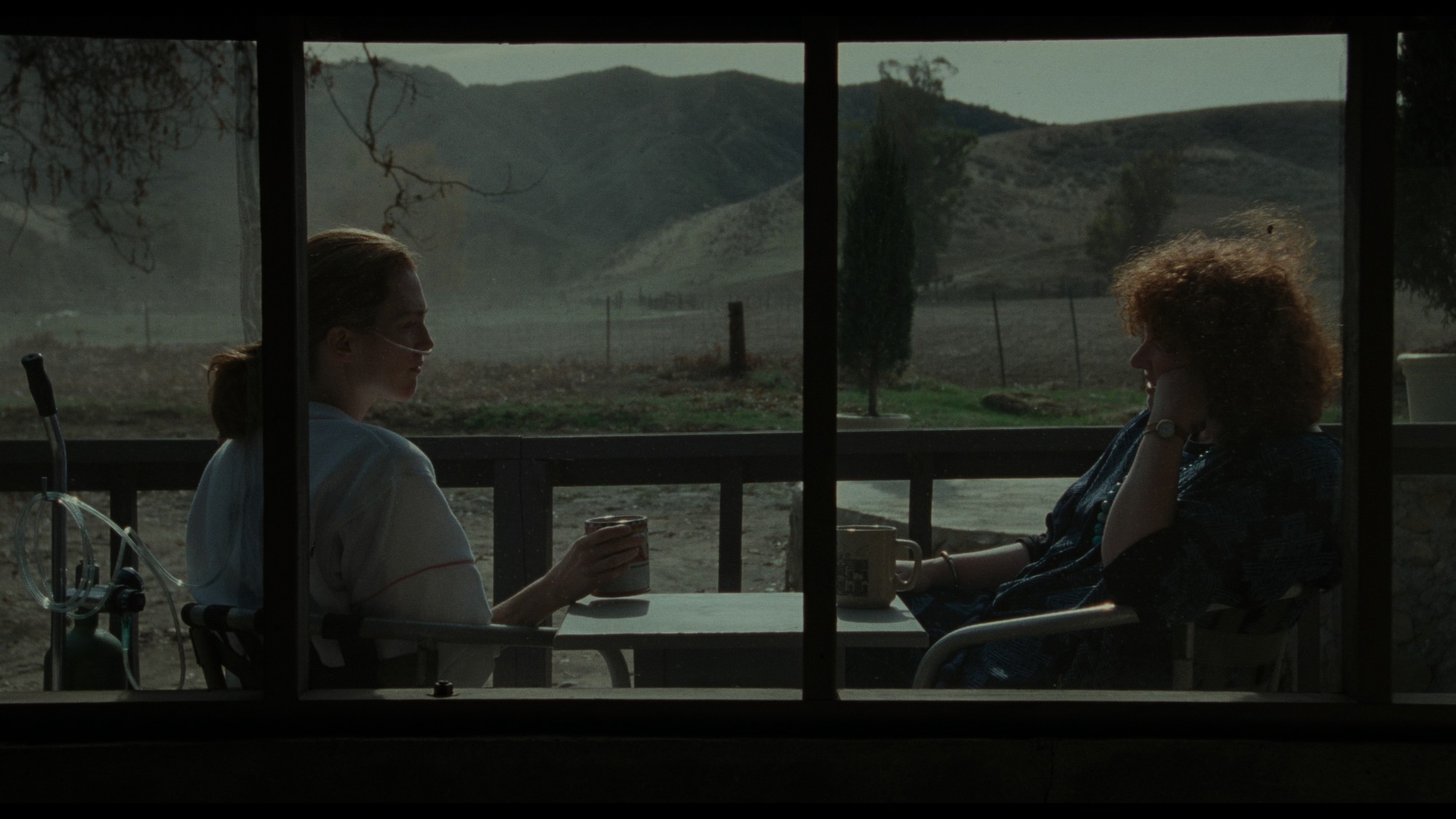
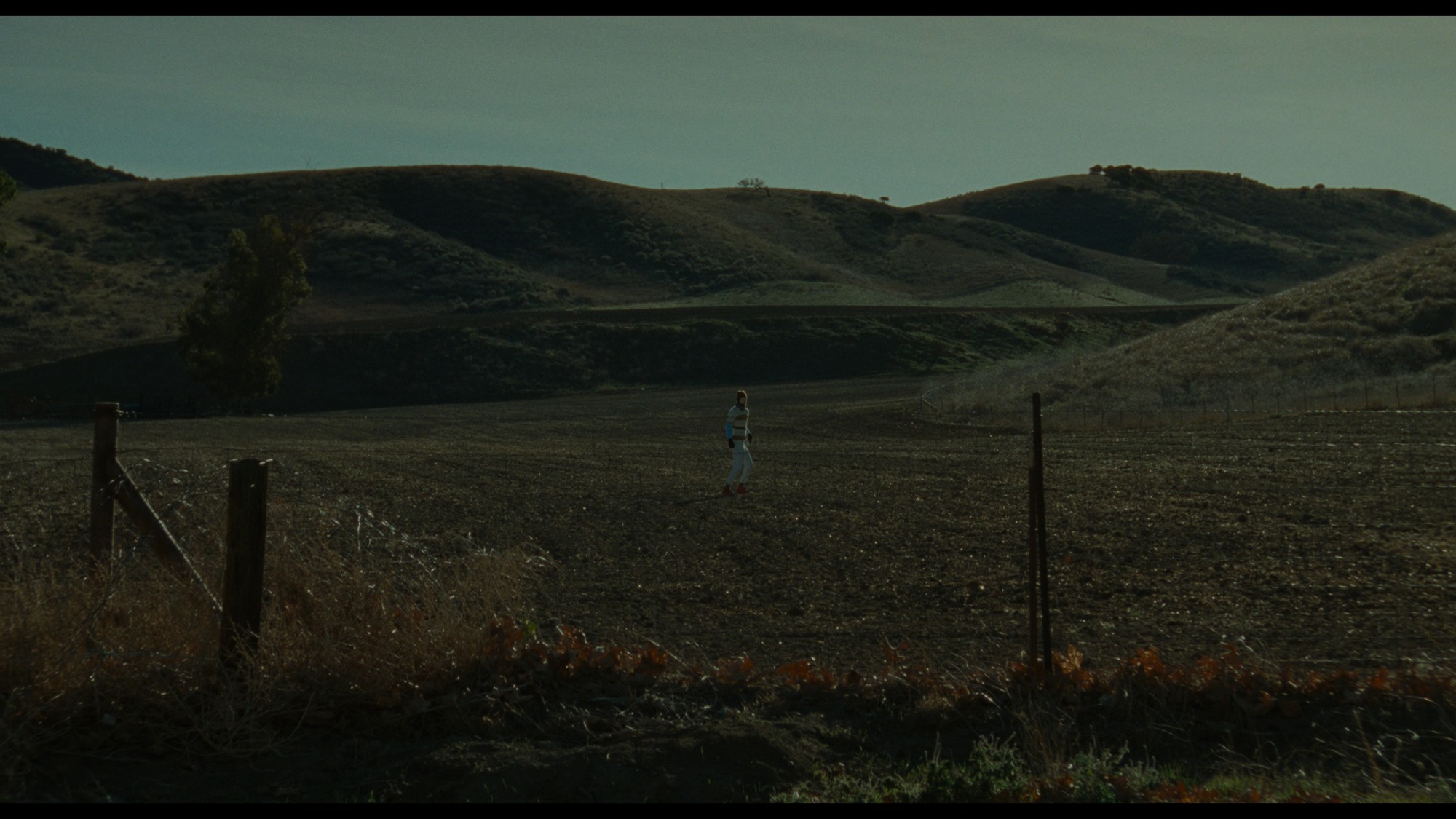
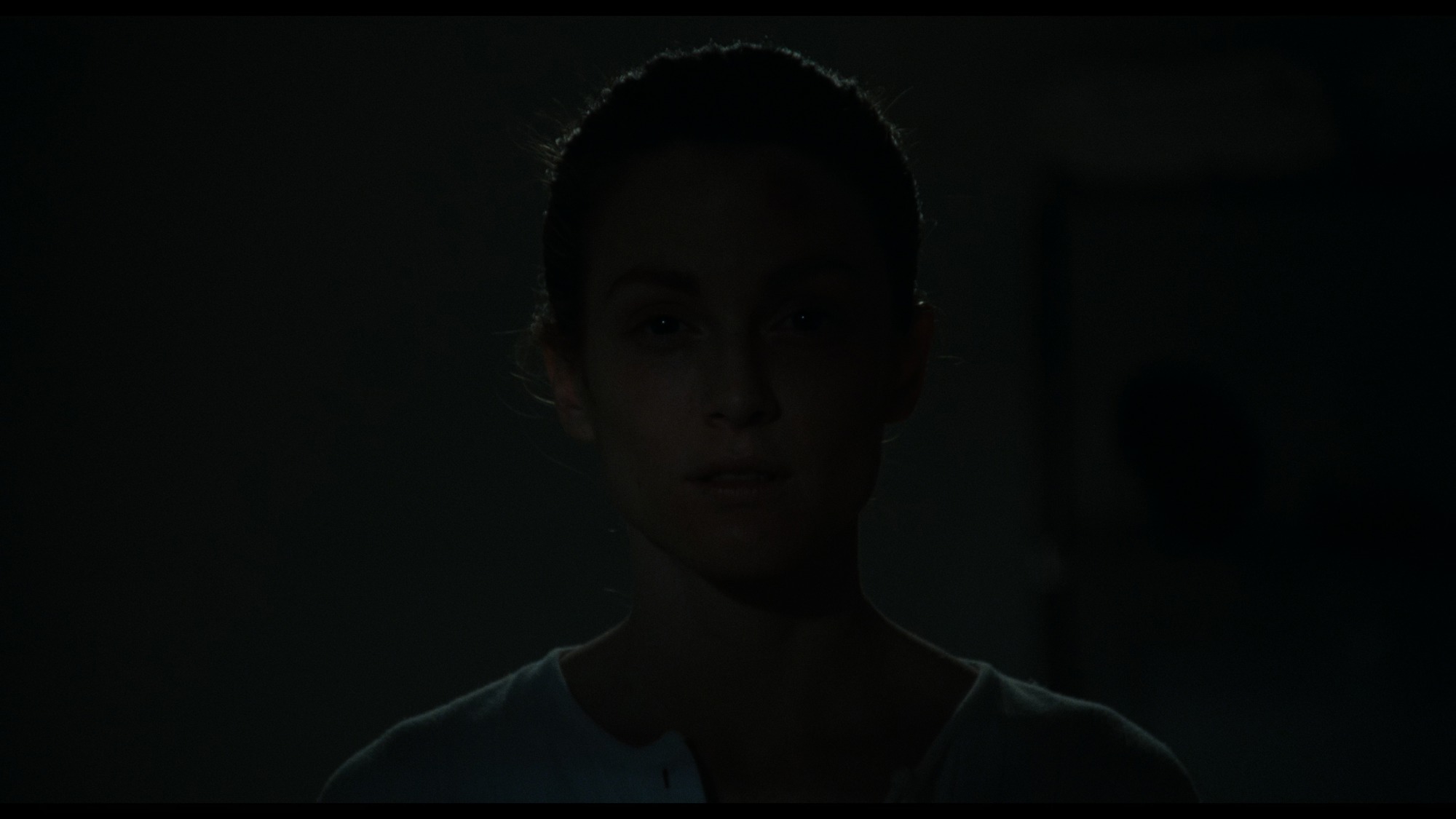
The Criterion Collection upgrades their Blu-ray edition of Todd Haynes’ Safe to 4K UHD, presenting the film with Dolby Vision on a triple-layer disc in its original aspect ratio of 1.85:1. The 2160p/24hz ultra high-definition presentation is sourced from a 4K restoration taken from a scan of the 35mm original camera negative. A standard Blu-ray is also included and replicates the 2014 disc, including its 1080p presentation of the film and all video features.
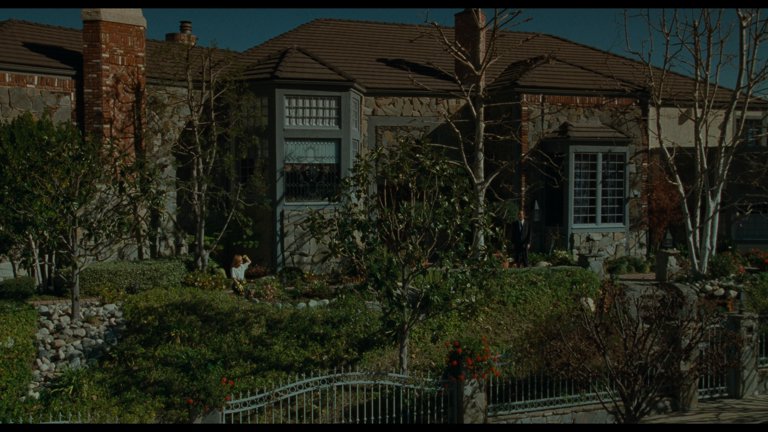
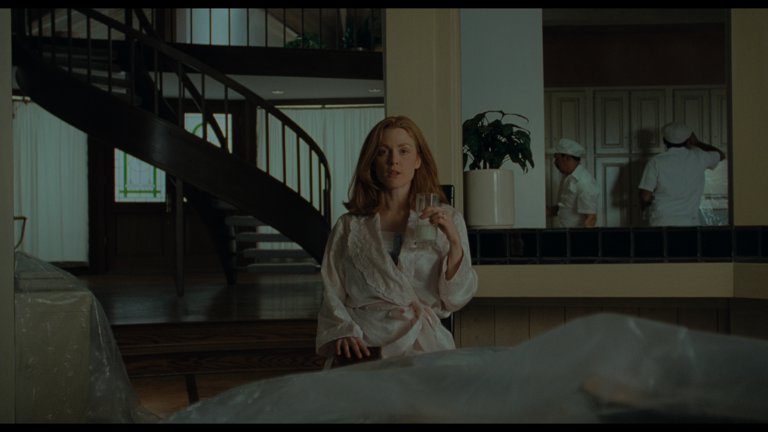
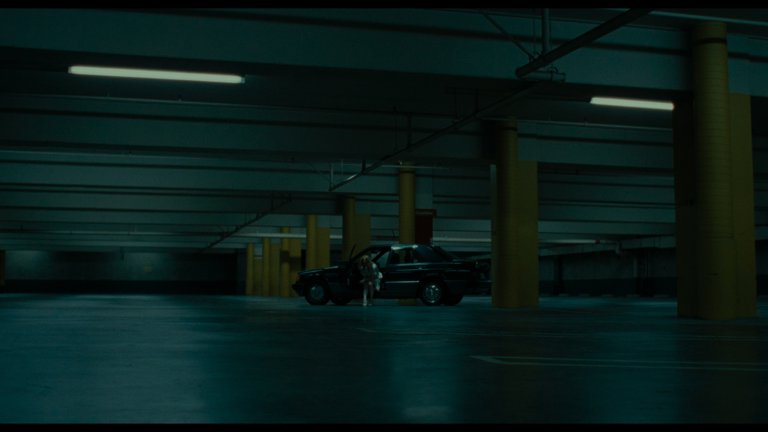
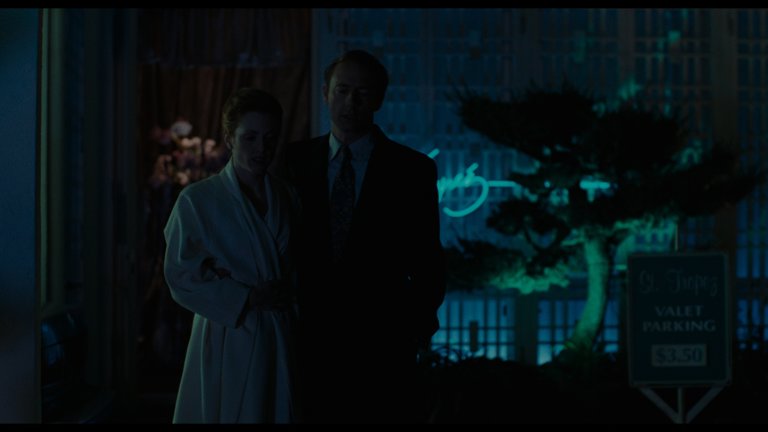
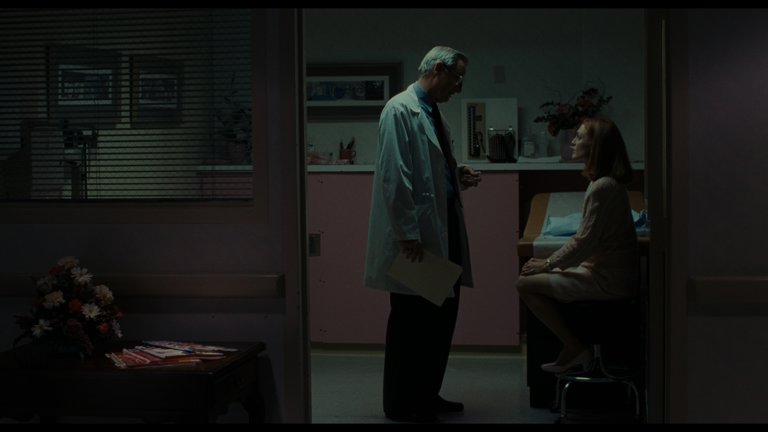
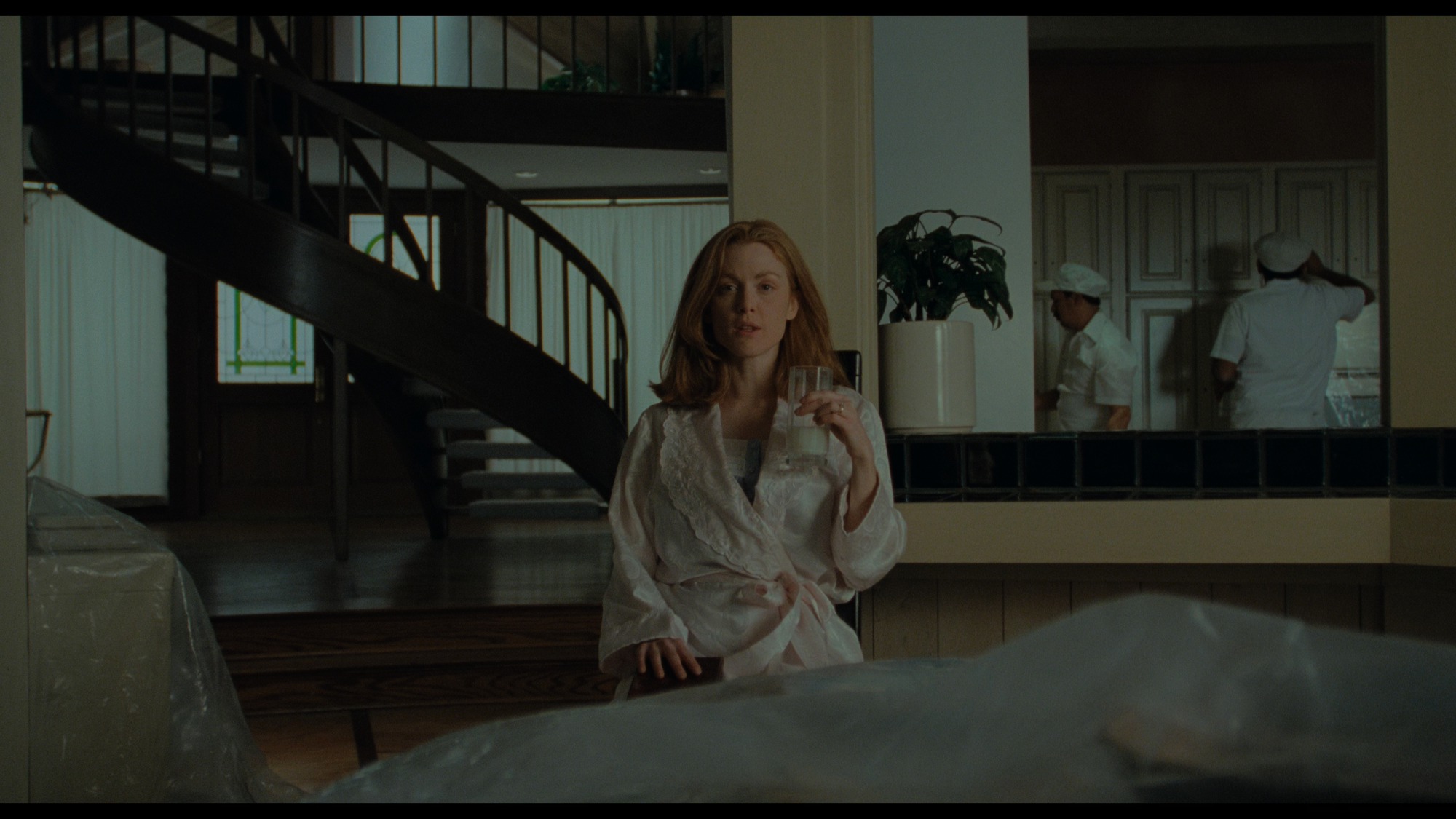
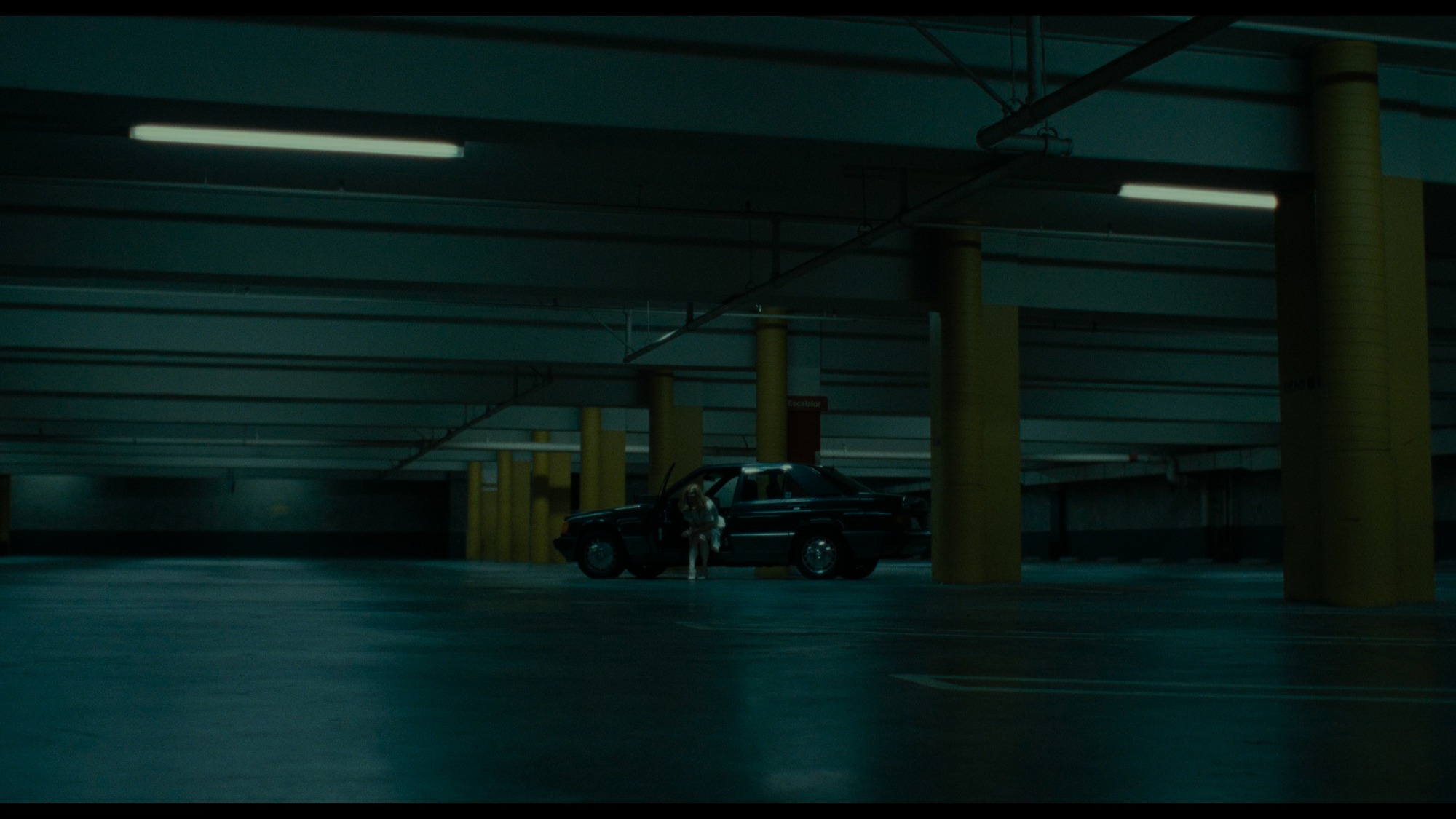
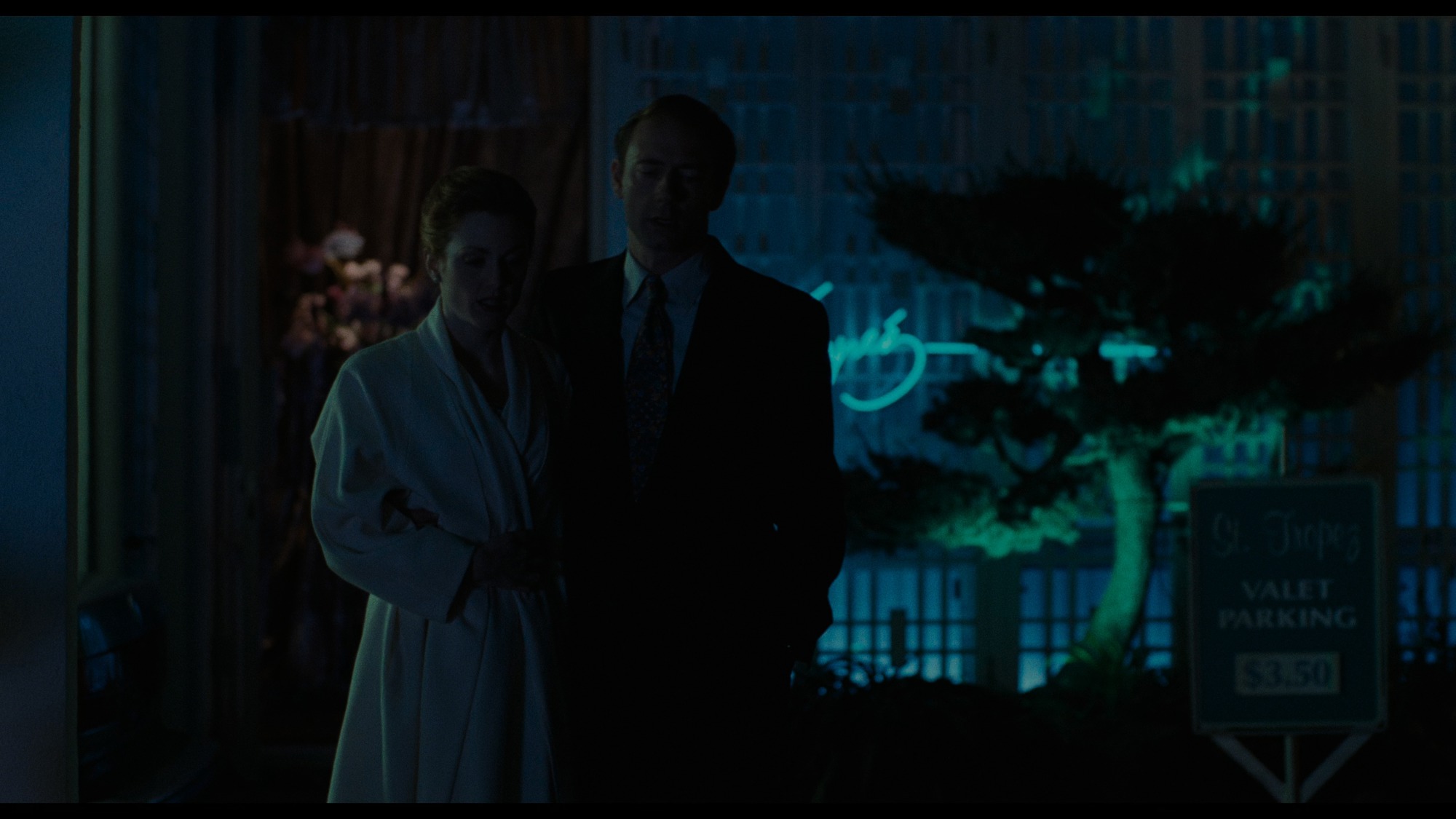
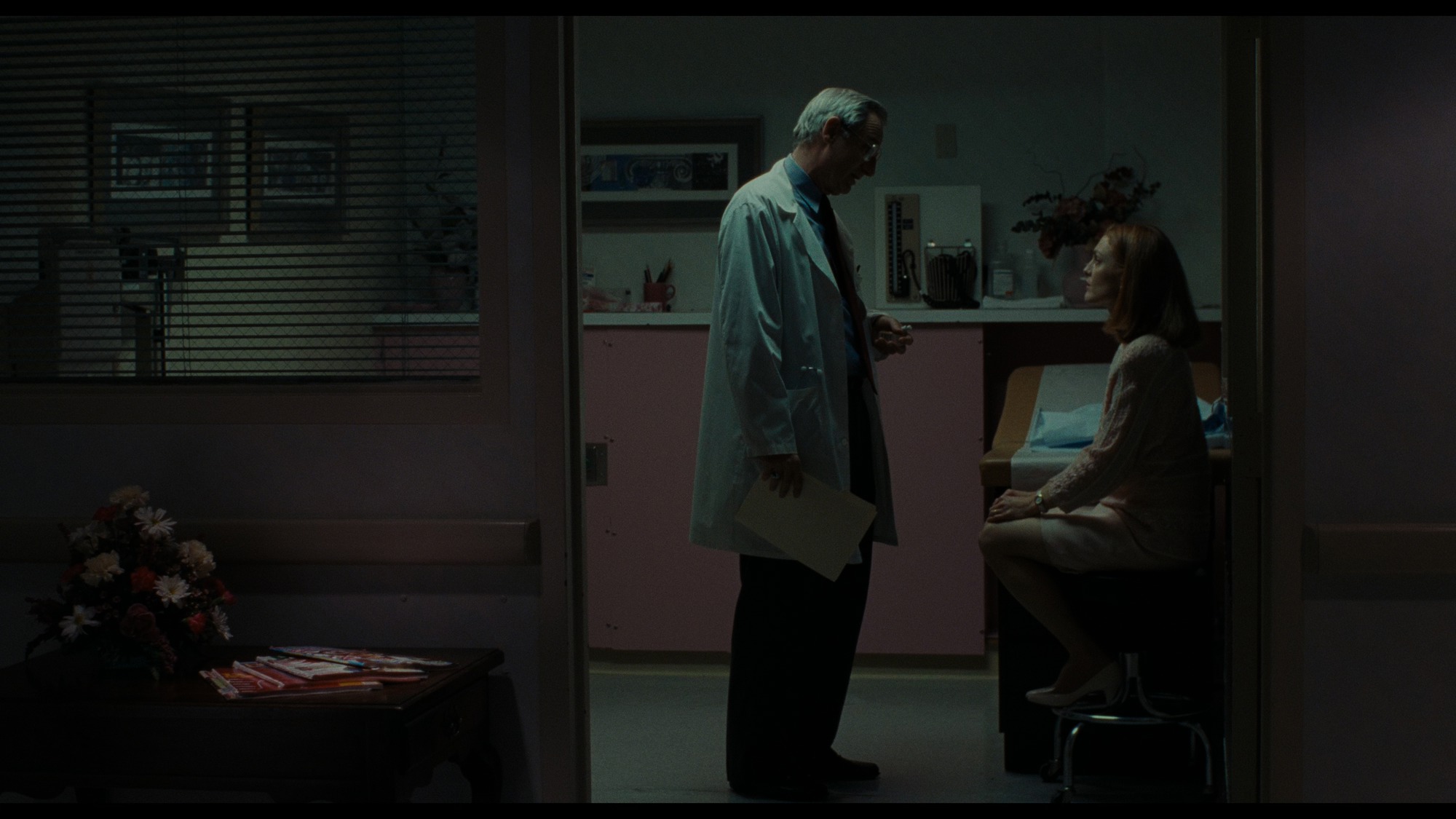
I was a little thrown off by this presentation because I essentially went in expecting it to look pretty similar to the Blu-ray, which was also sourced from a 4K restoration. I figured this would simply be the expected upgrade, with improved resolution, a better encode, and maybe HDR giving things a decent boost. But this actually looks fairly different compared to that previous Blu-ray; not by a huge margin, but enough to be noticeable, and in a good way! The reason for that appears to be that this is actually a new restoration, with Criterion and their lab partner Resillion credited (somewhat surprising since I was always under the impression Sony was pretty strict about handling their own restorations).
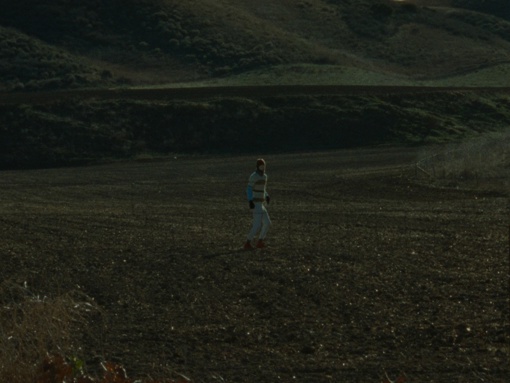
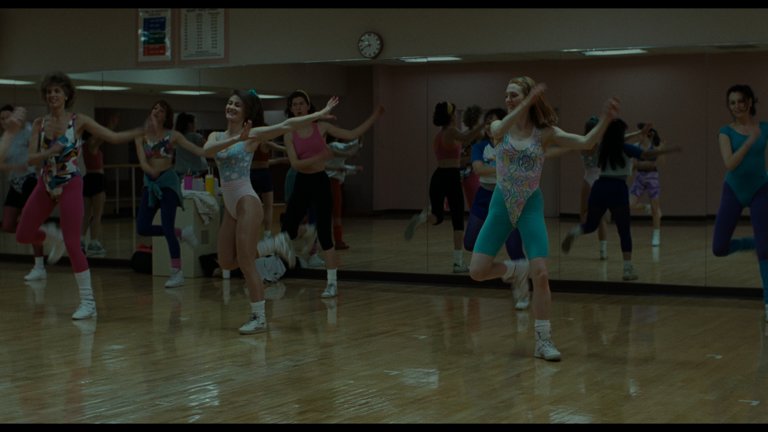
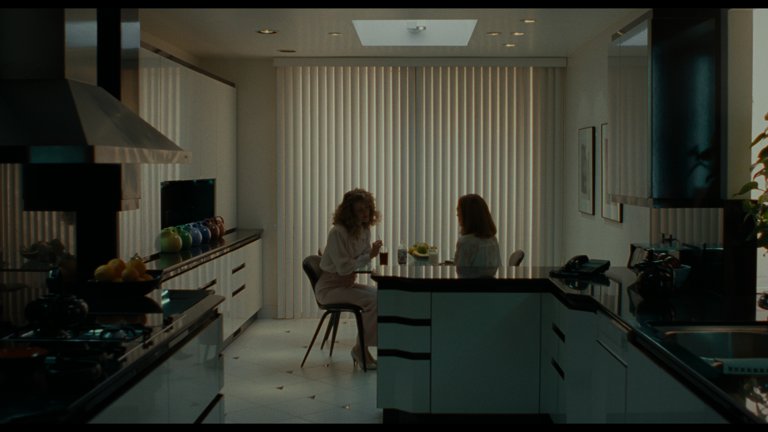
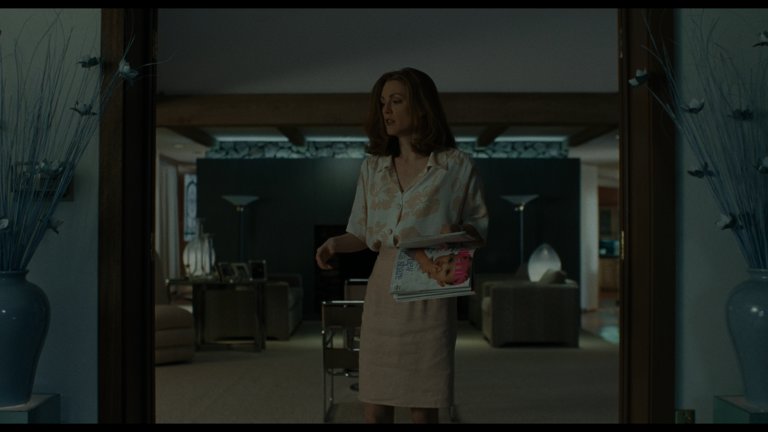
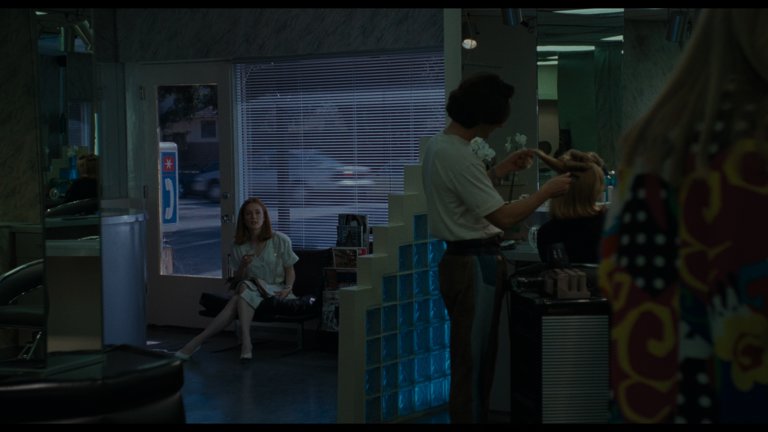
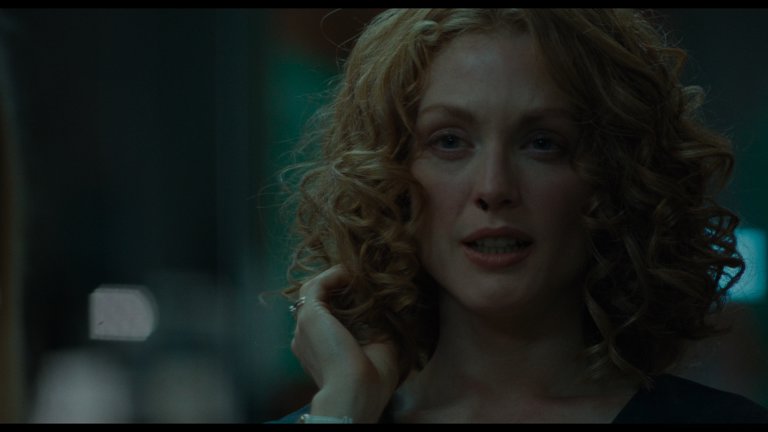
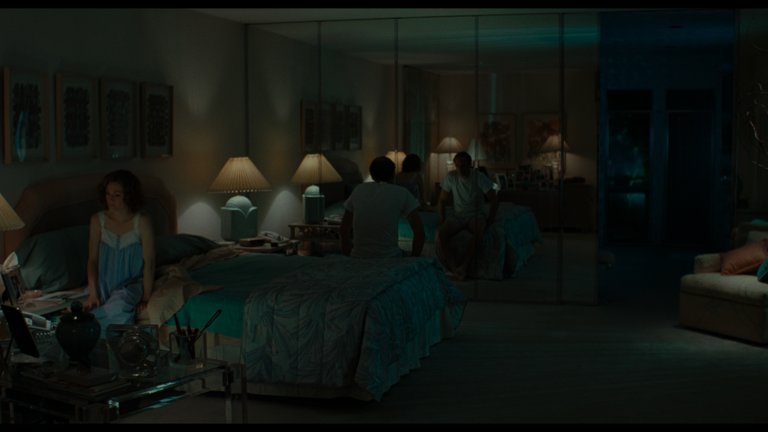
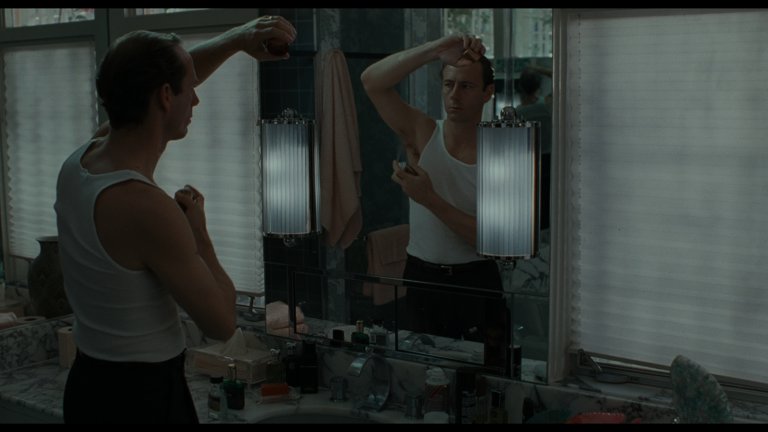
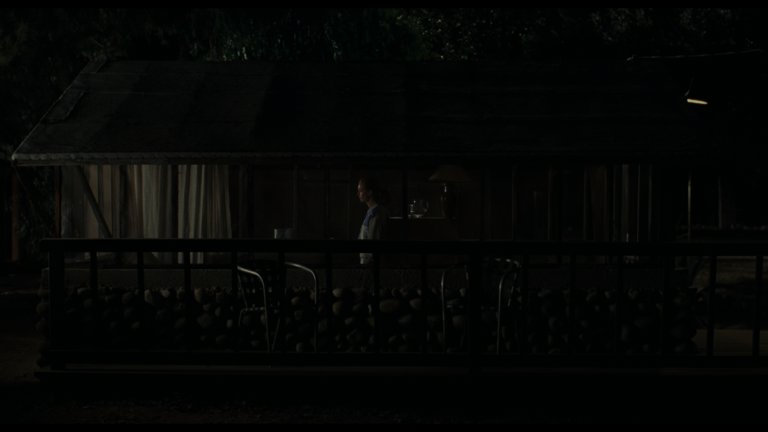
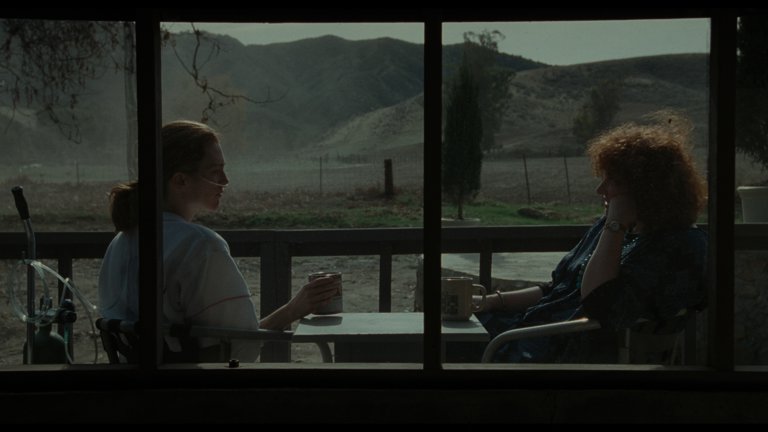
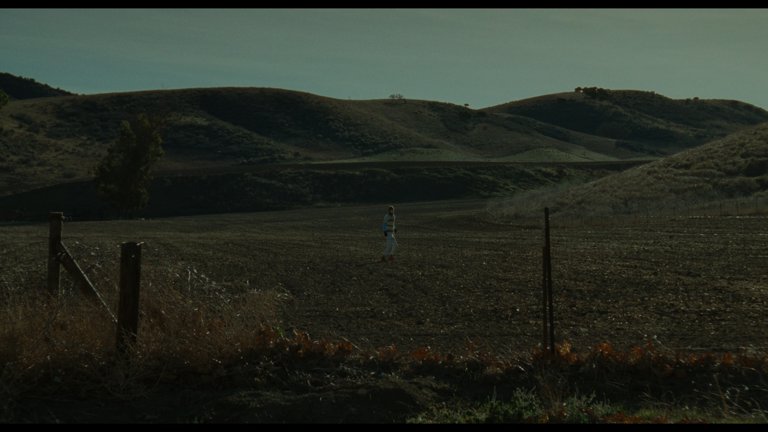
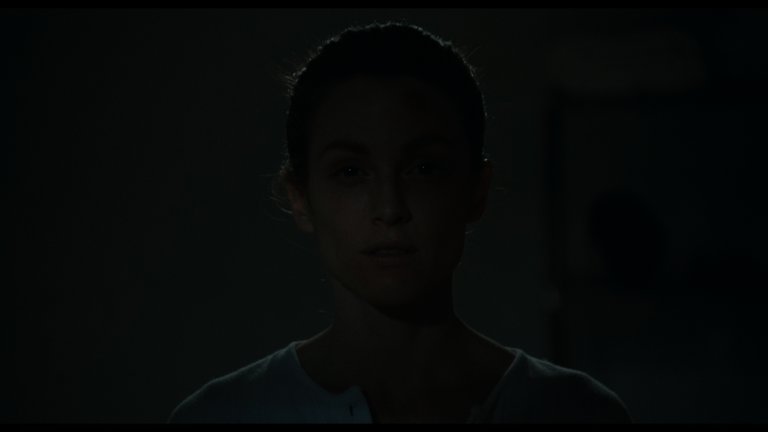
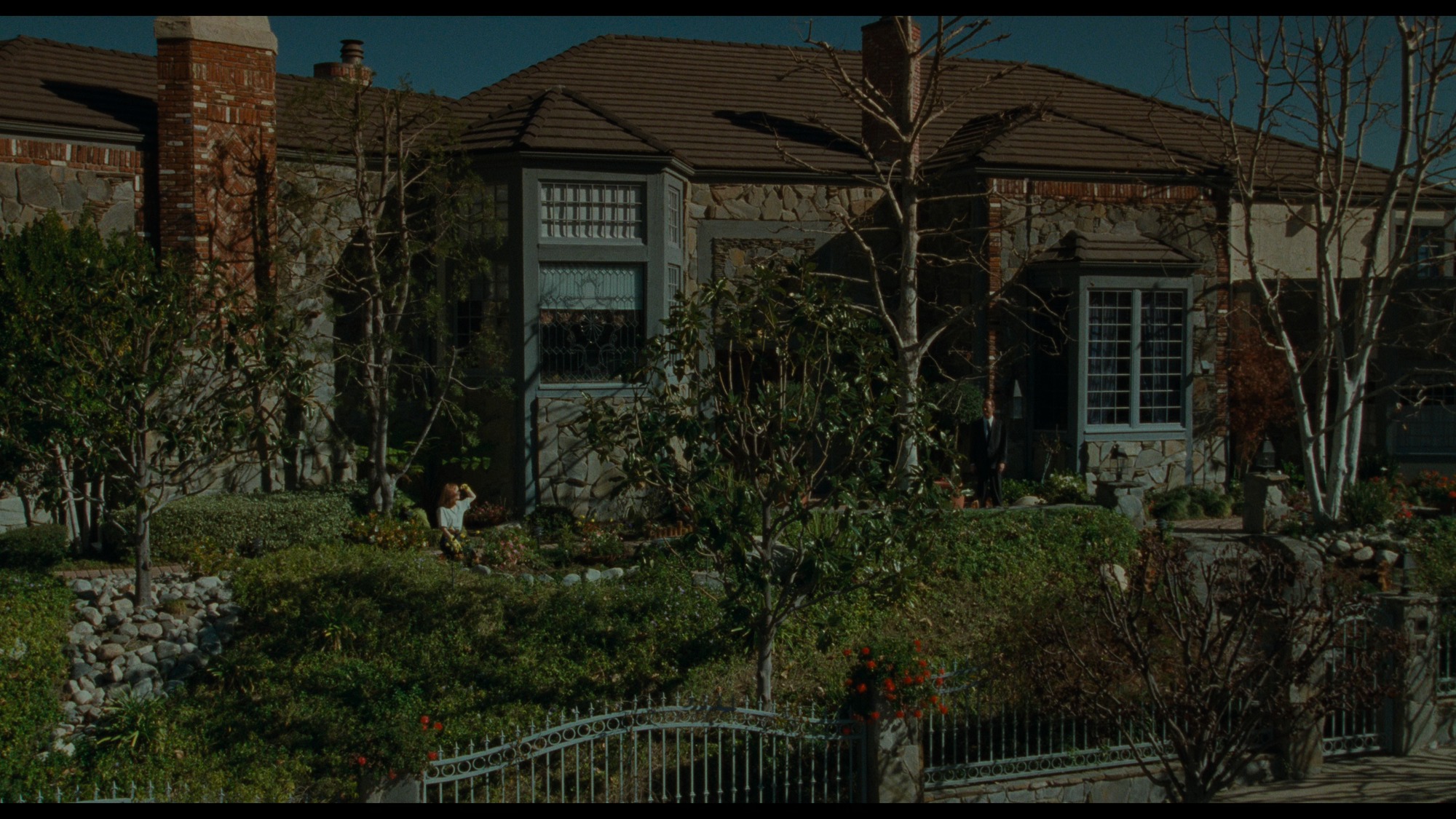
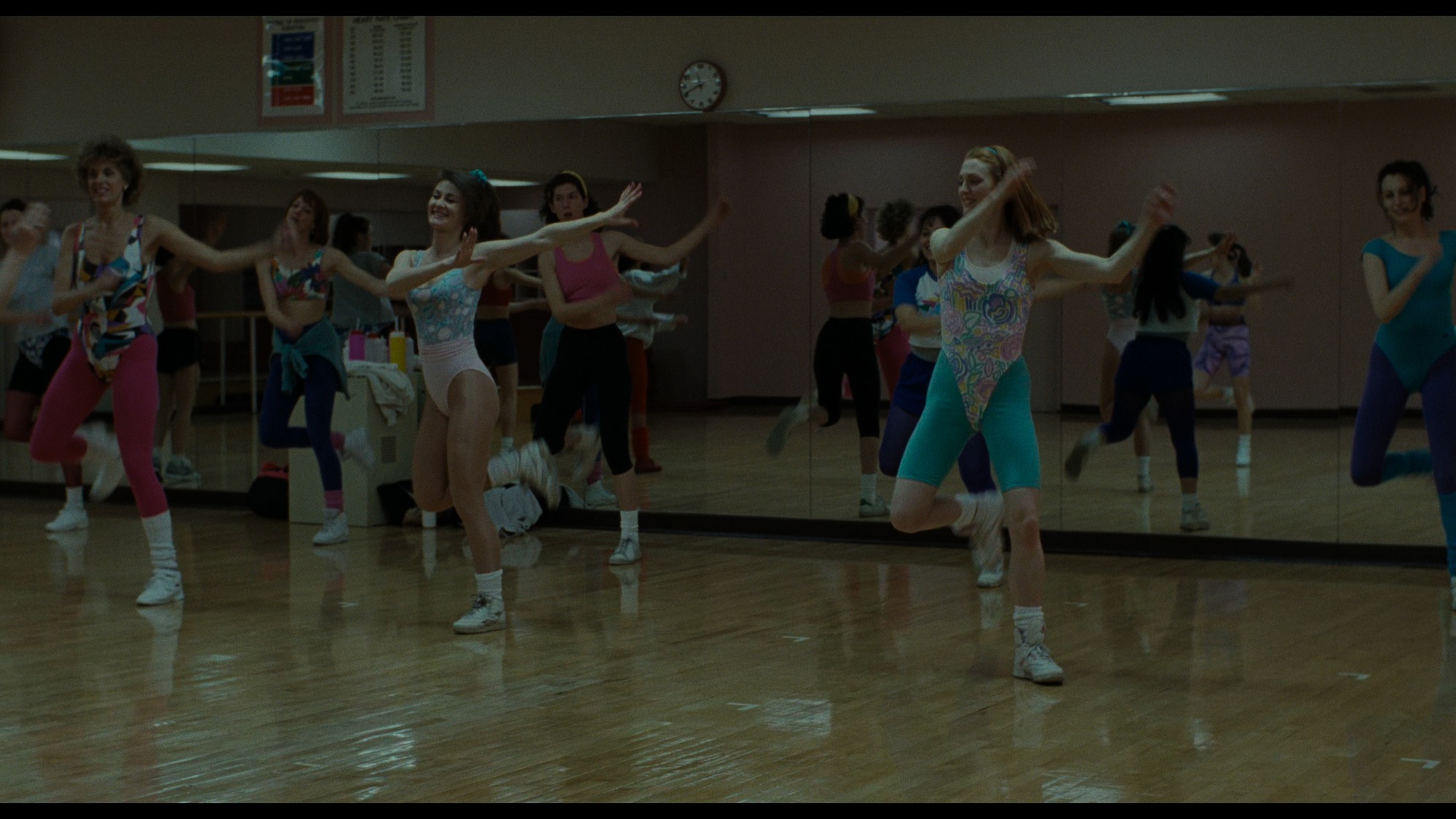
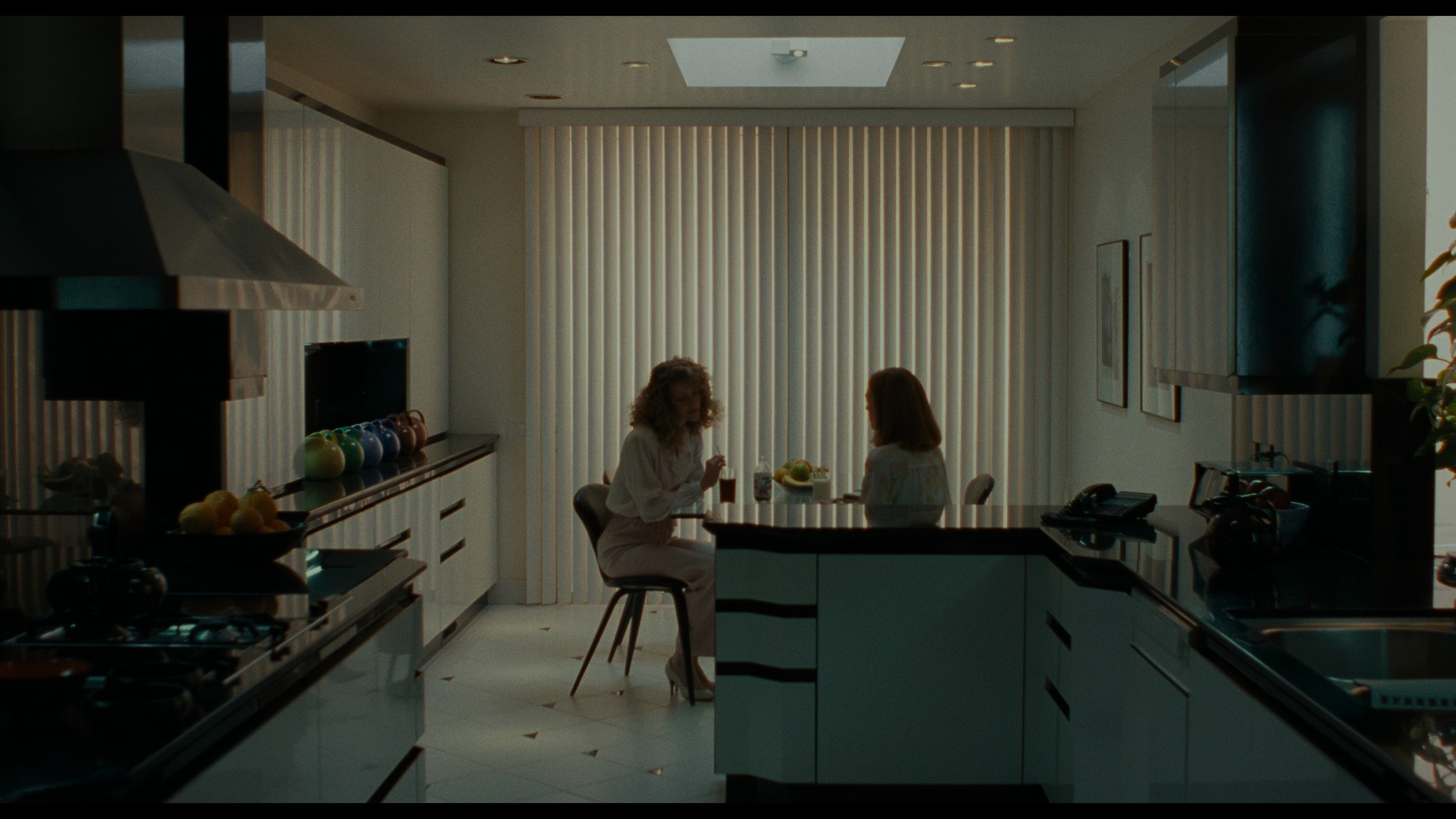
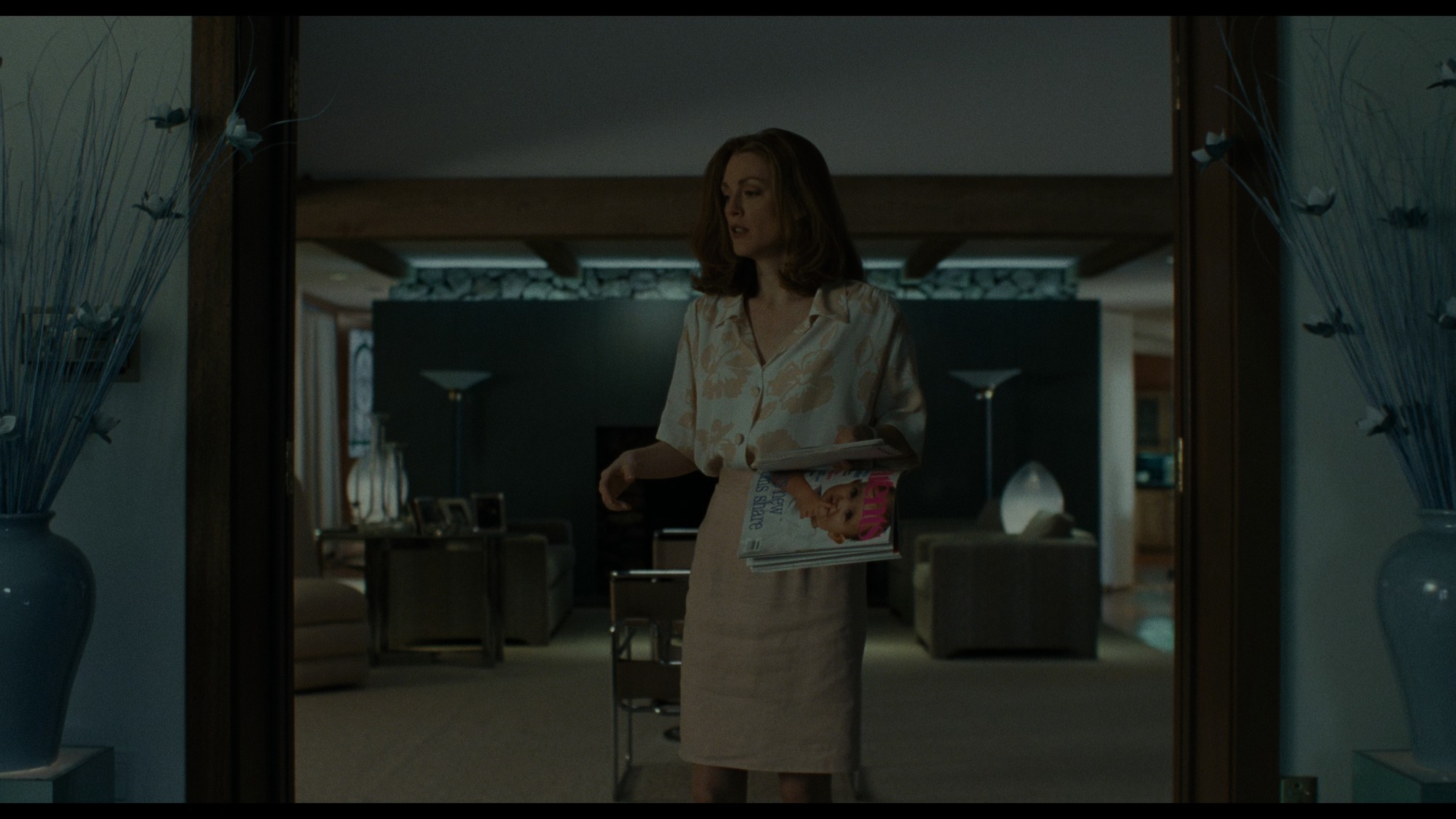
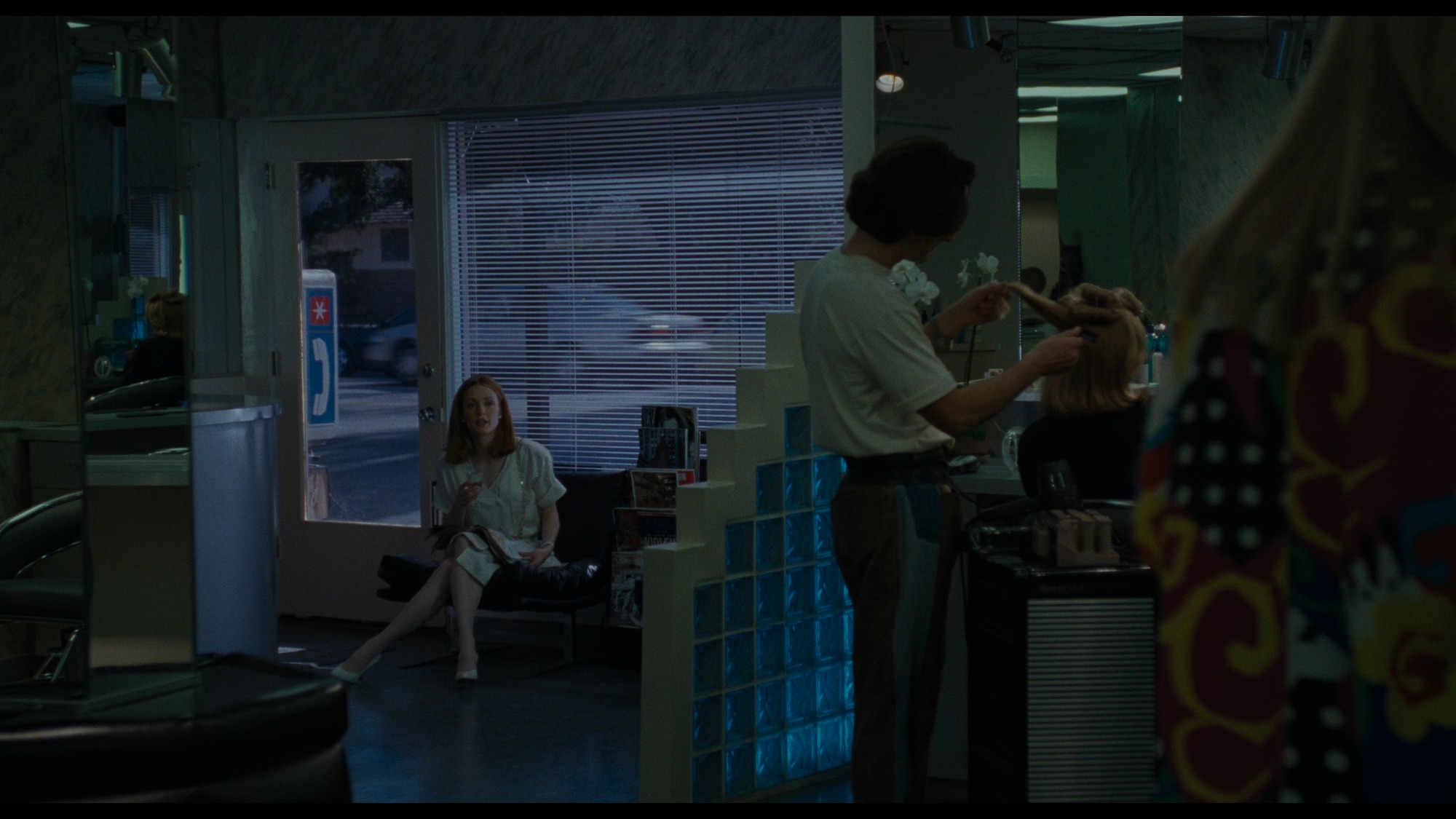
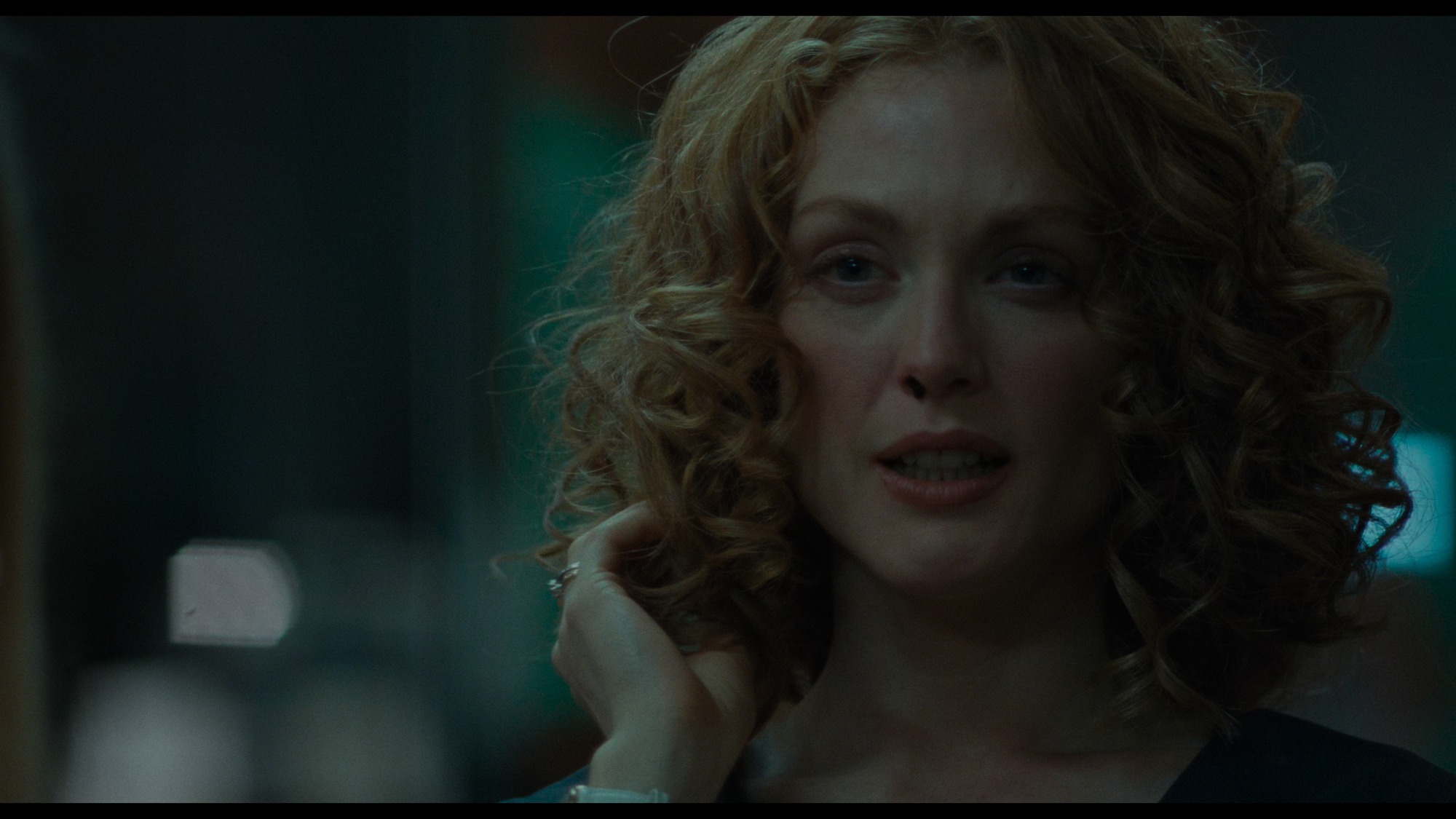
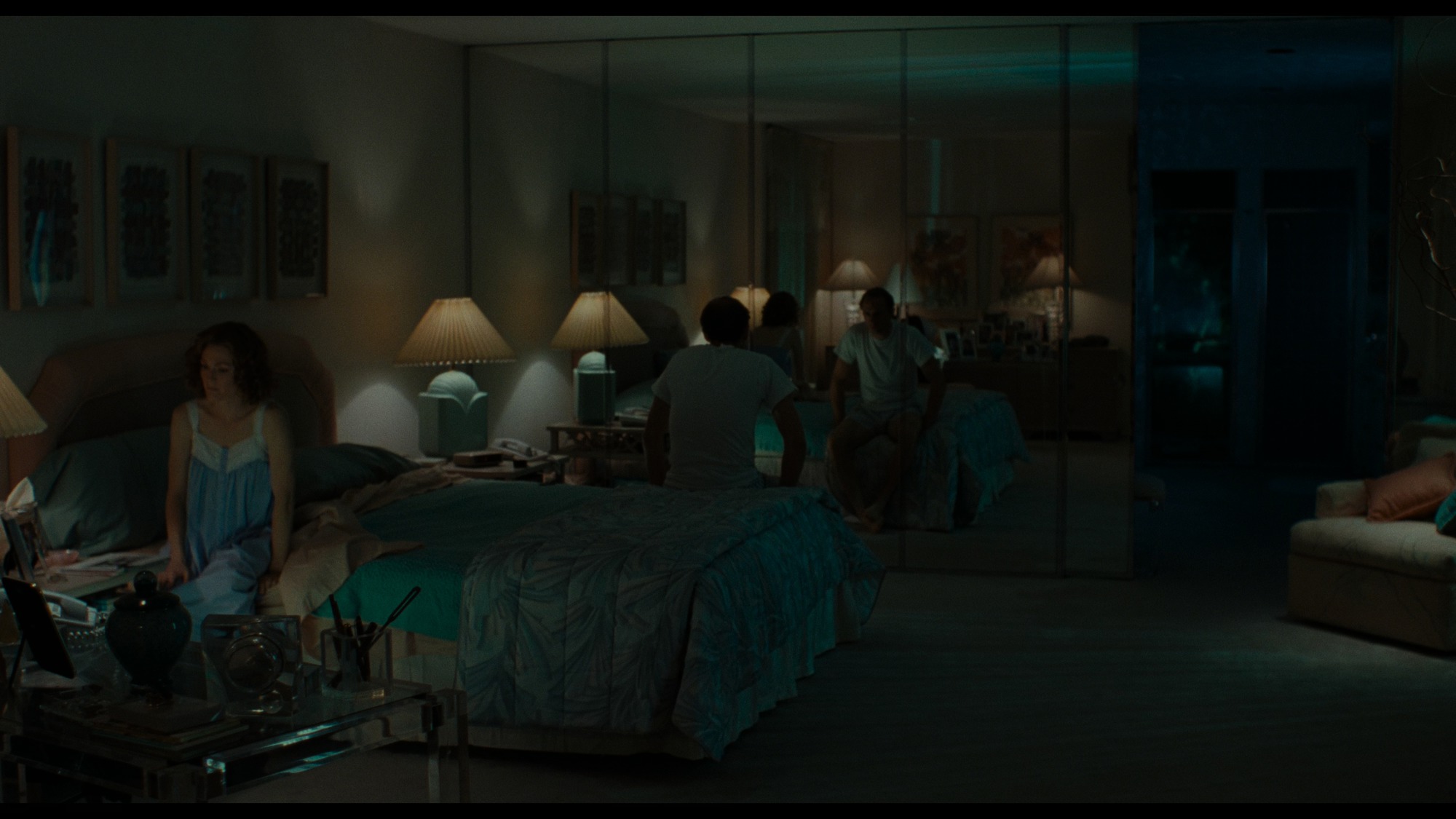
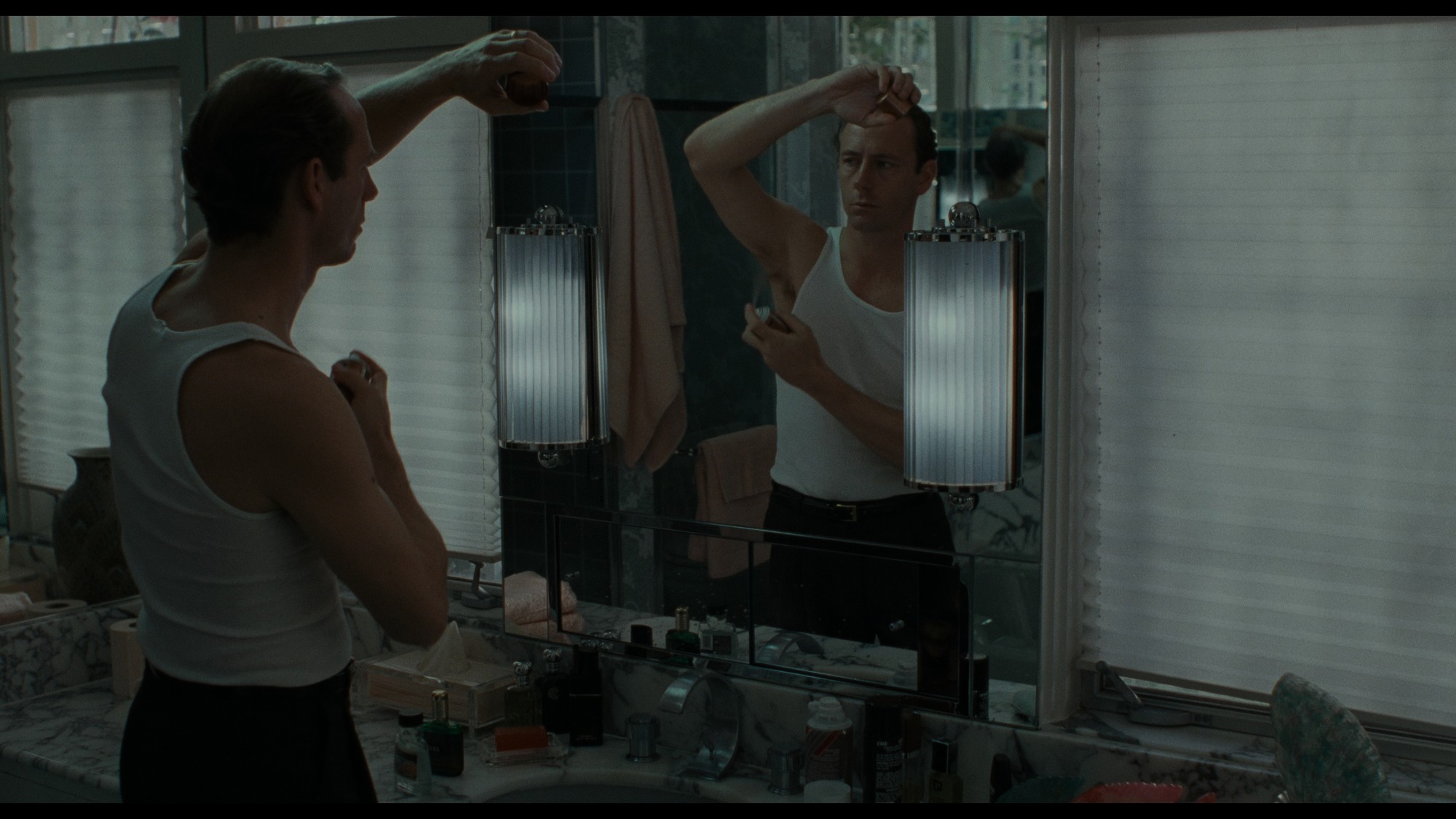
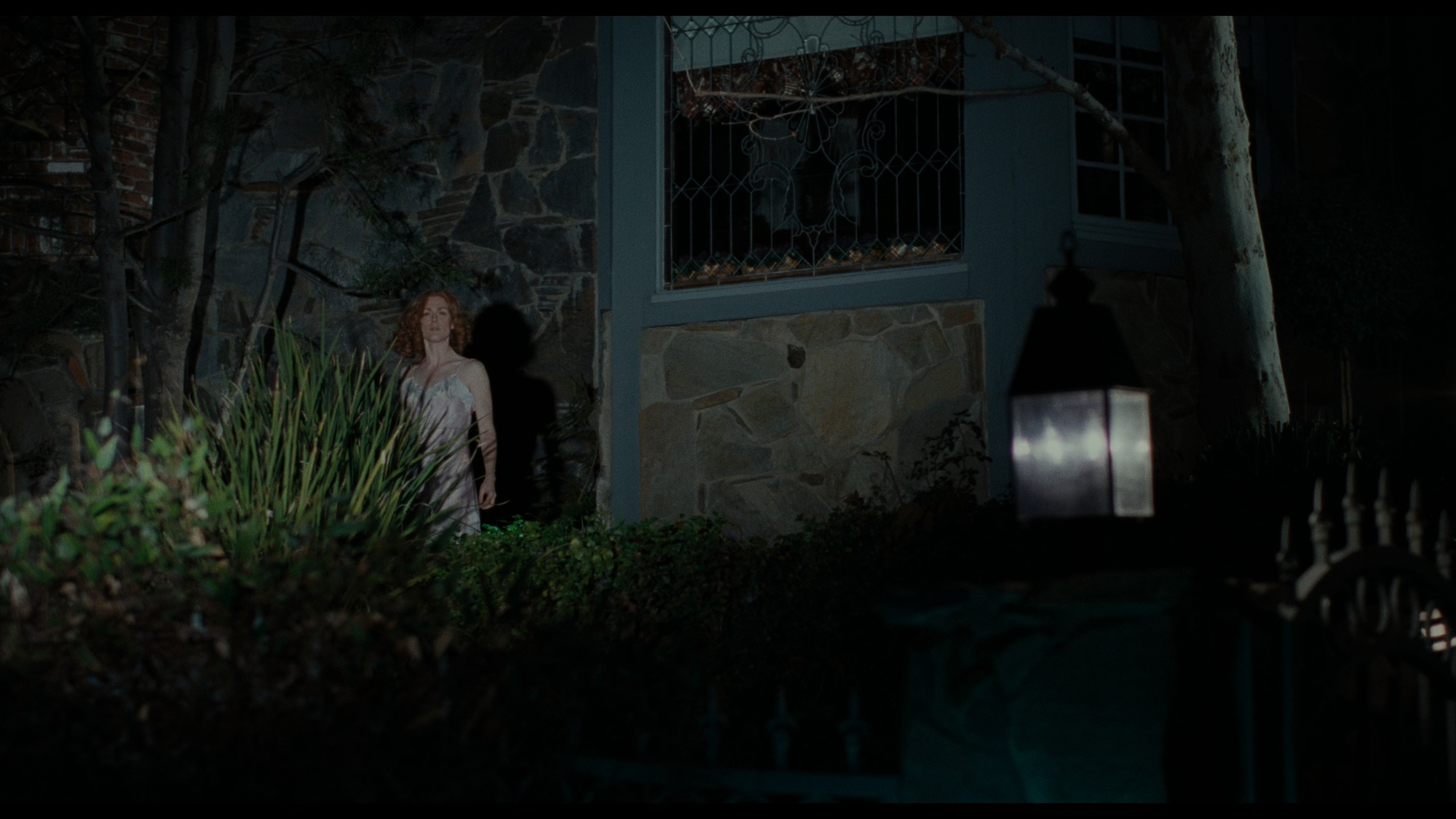
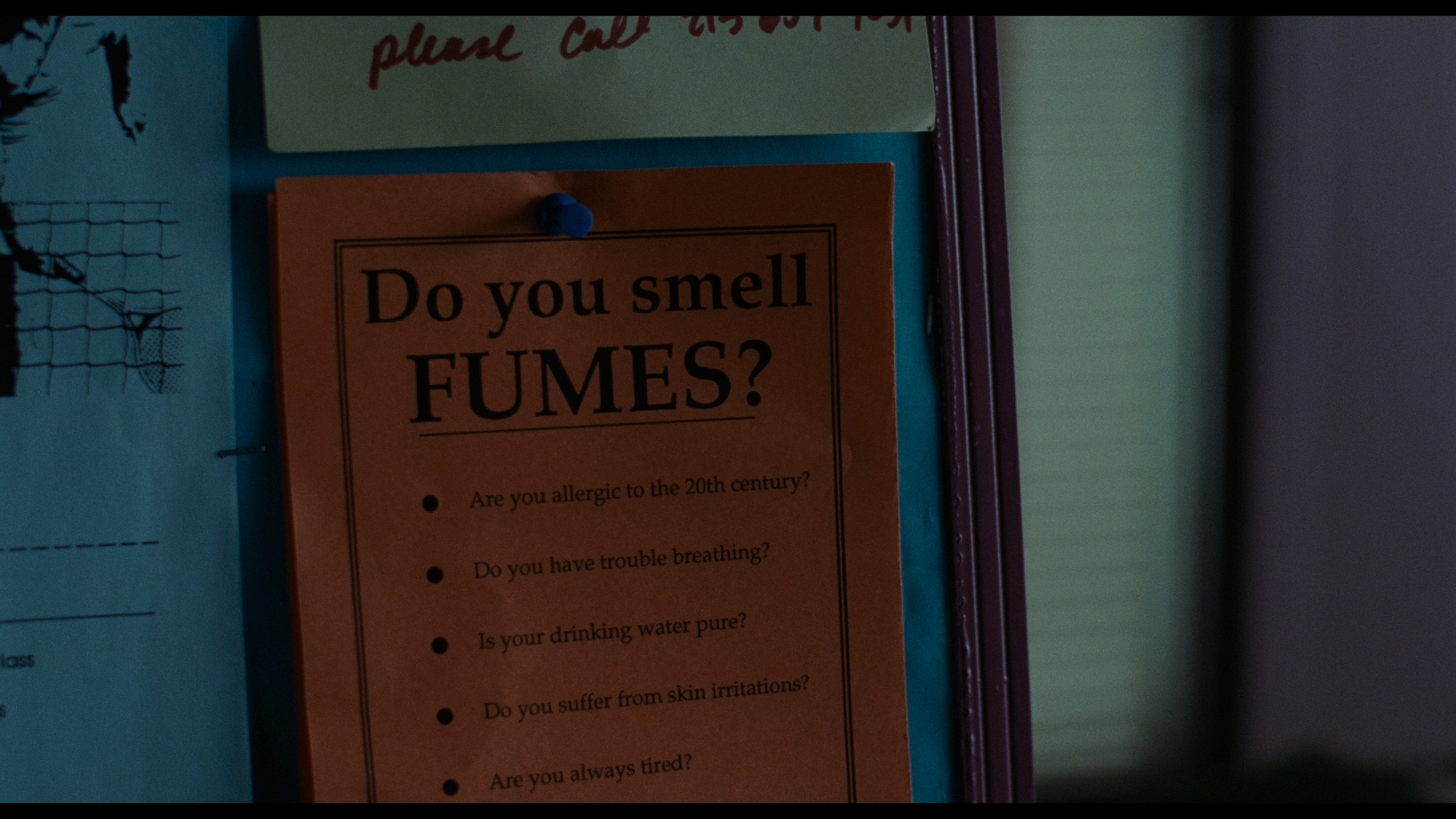
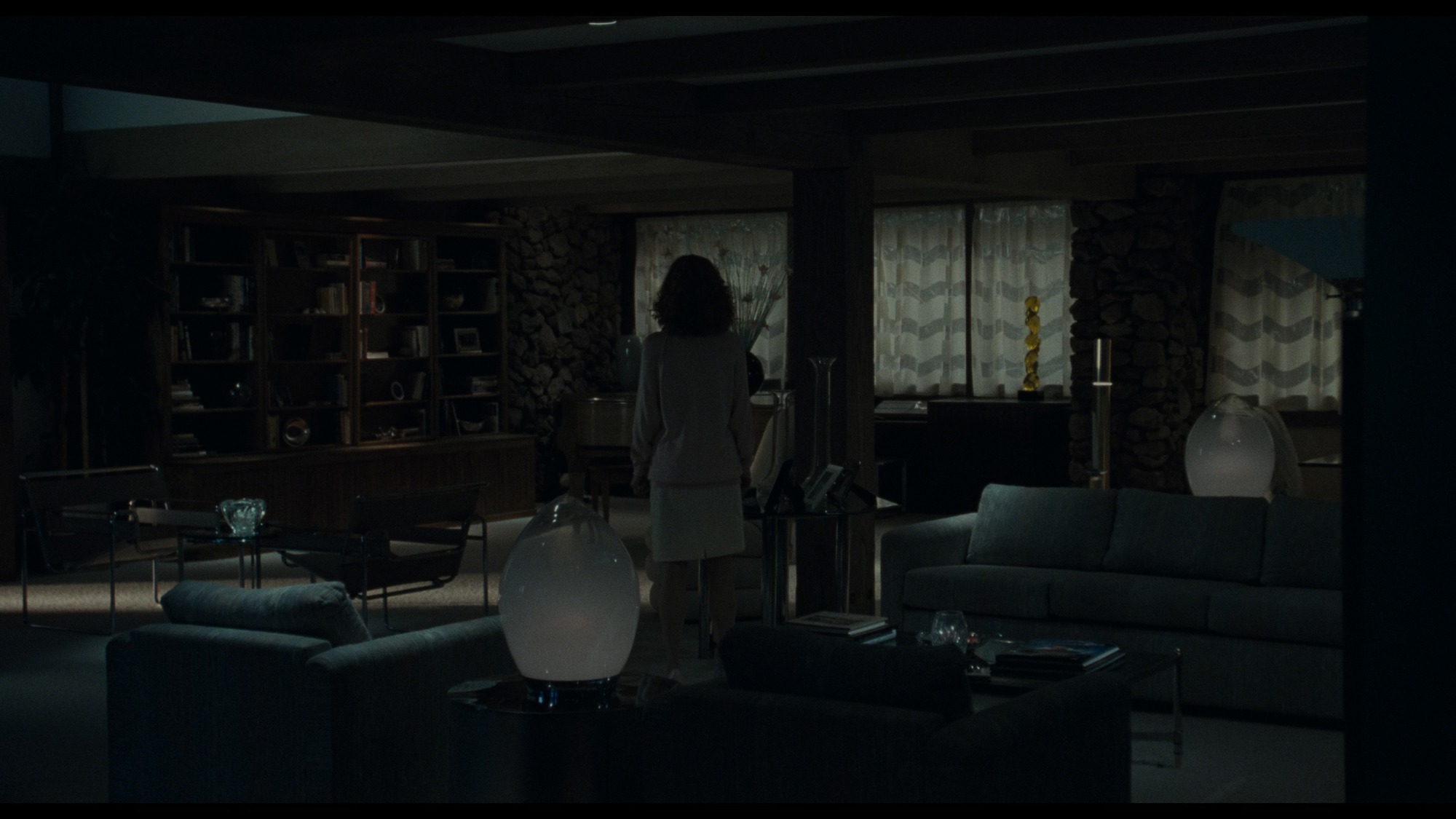
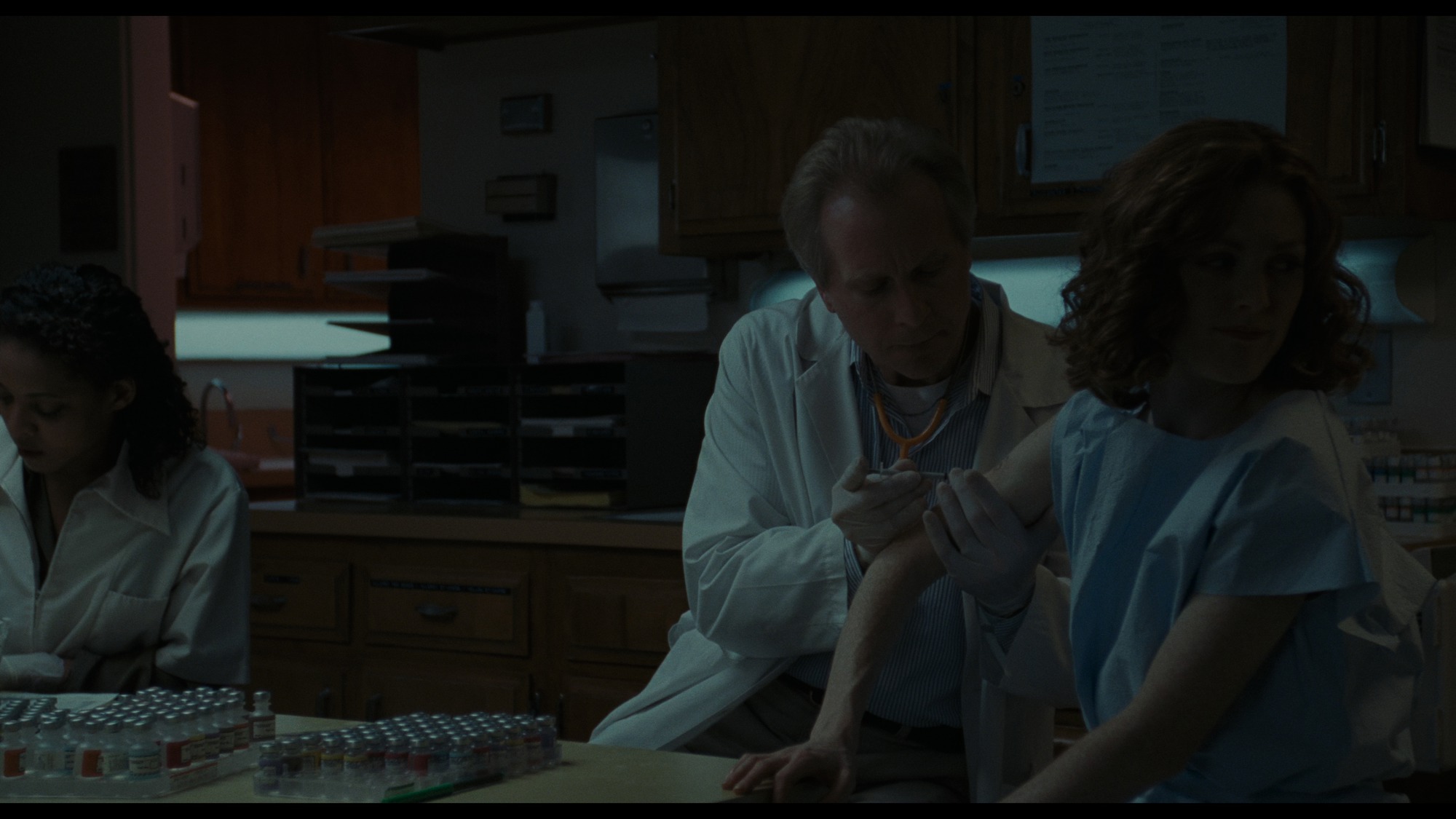
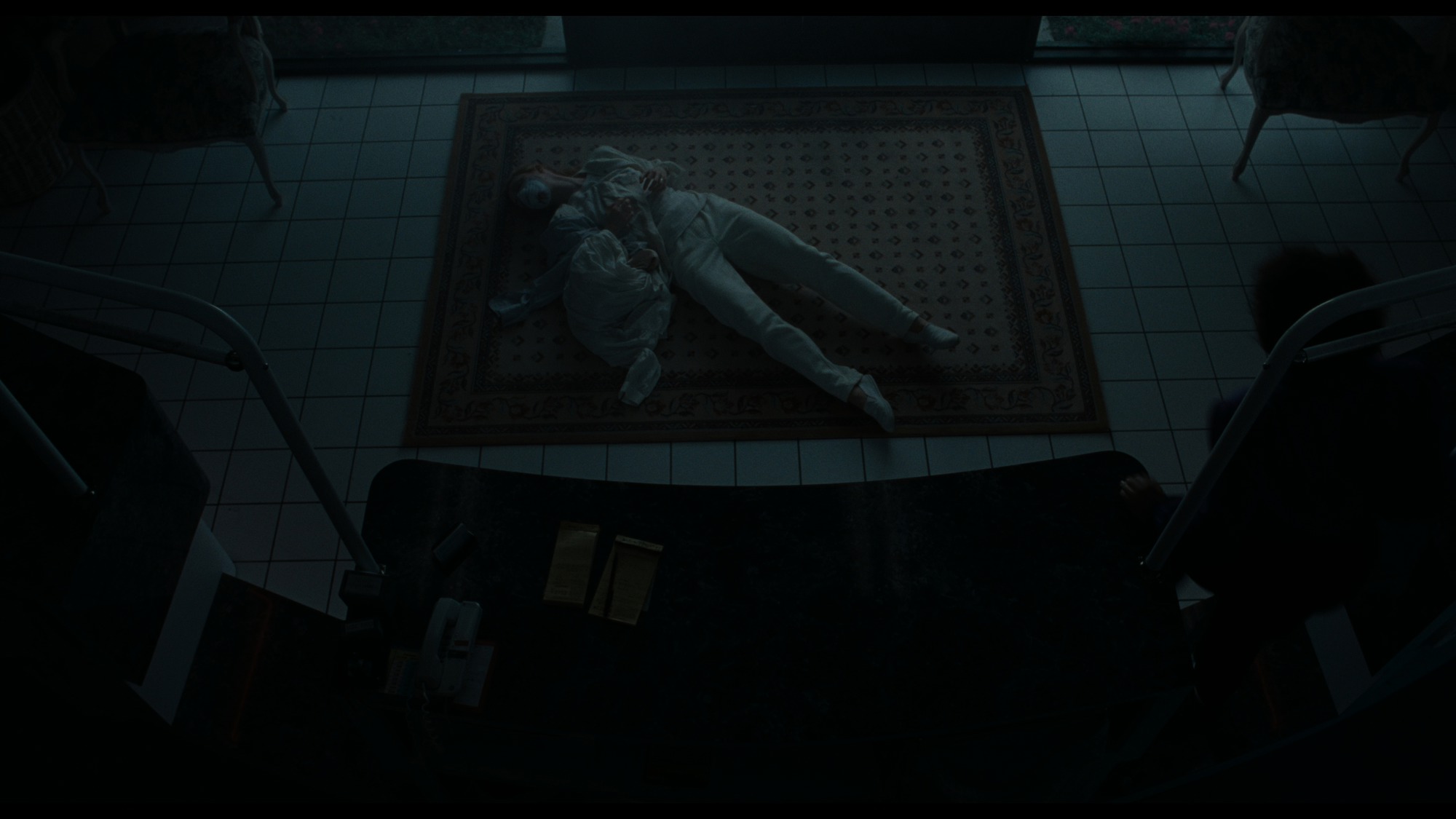
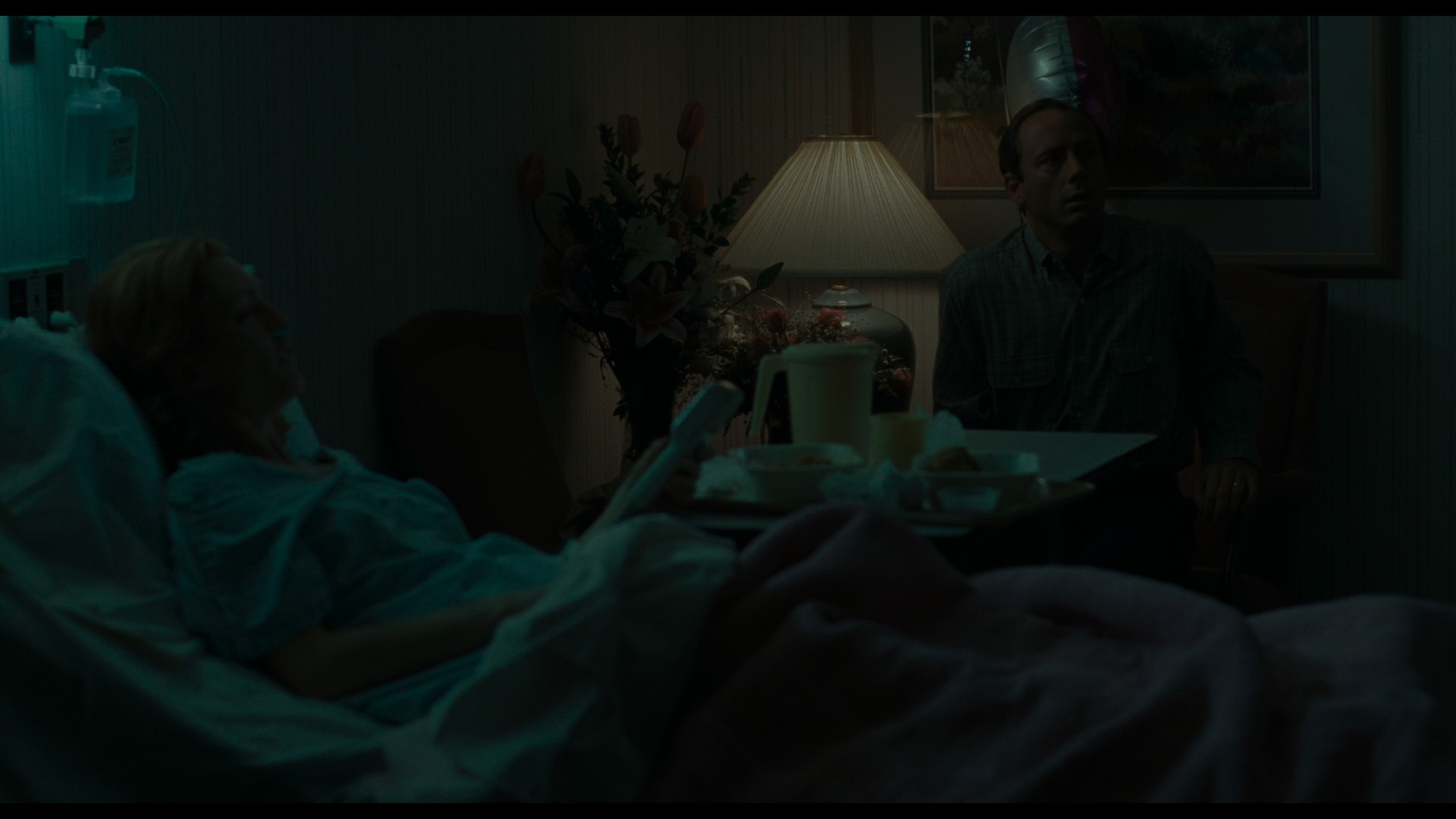
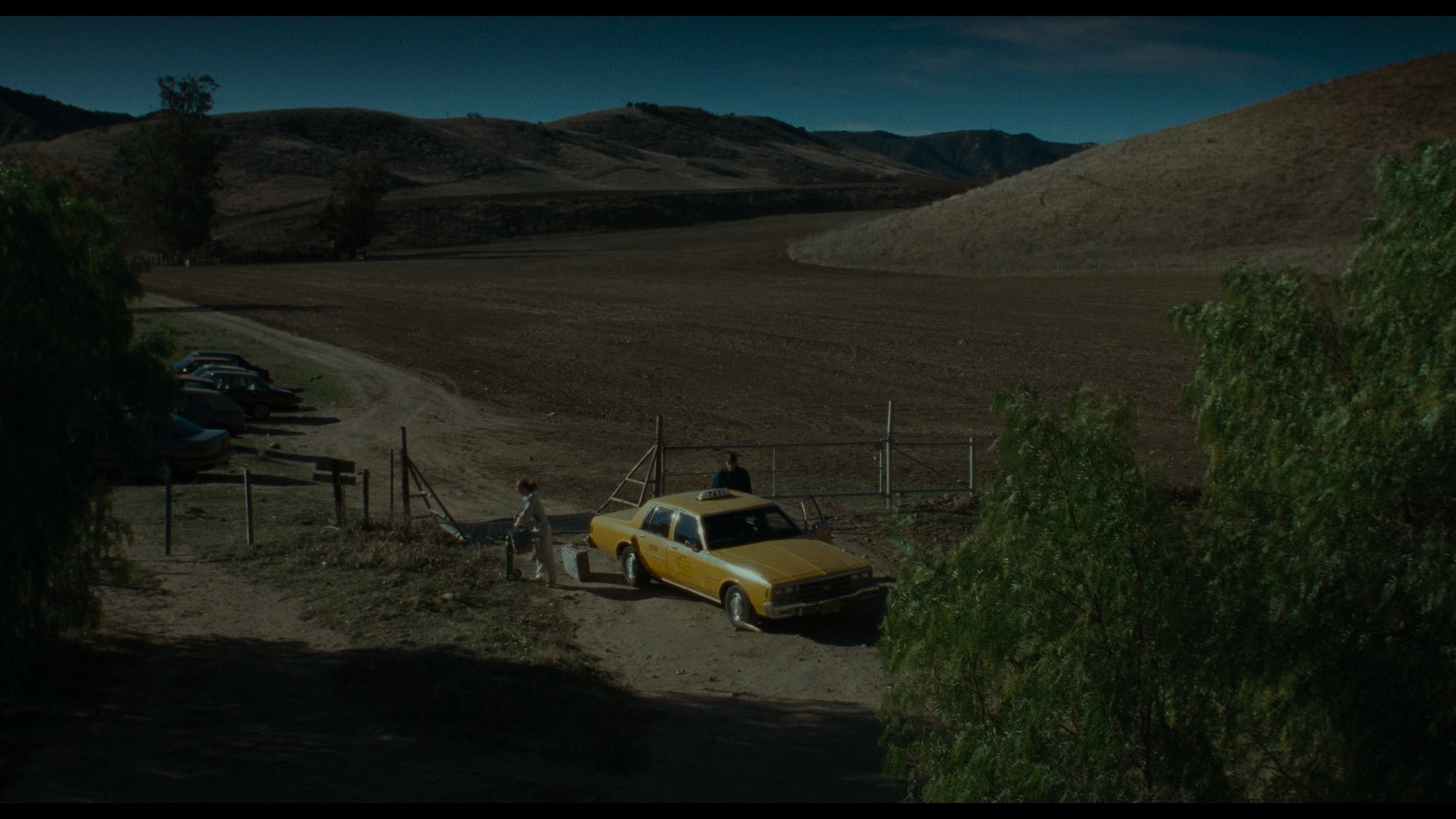
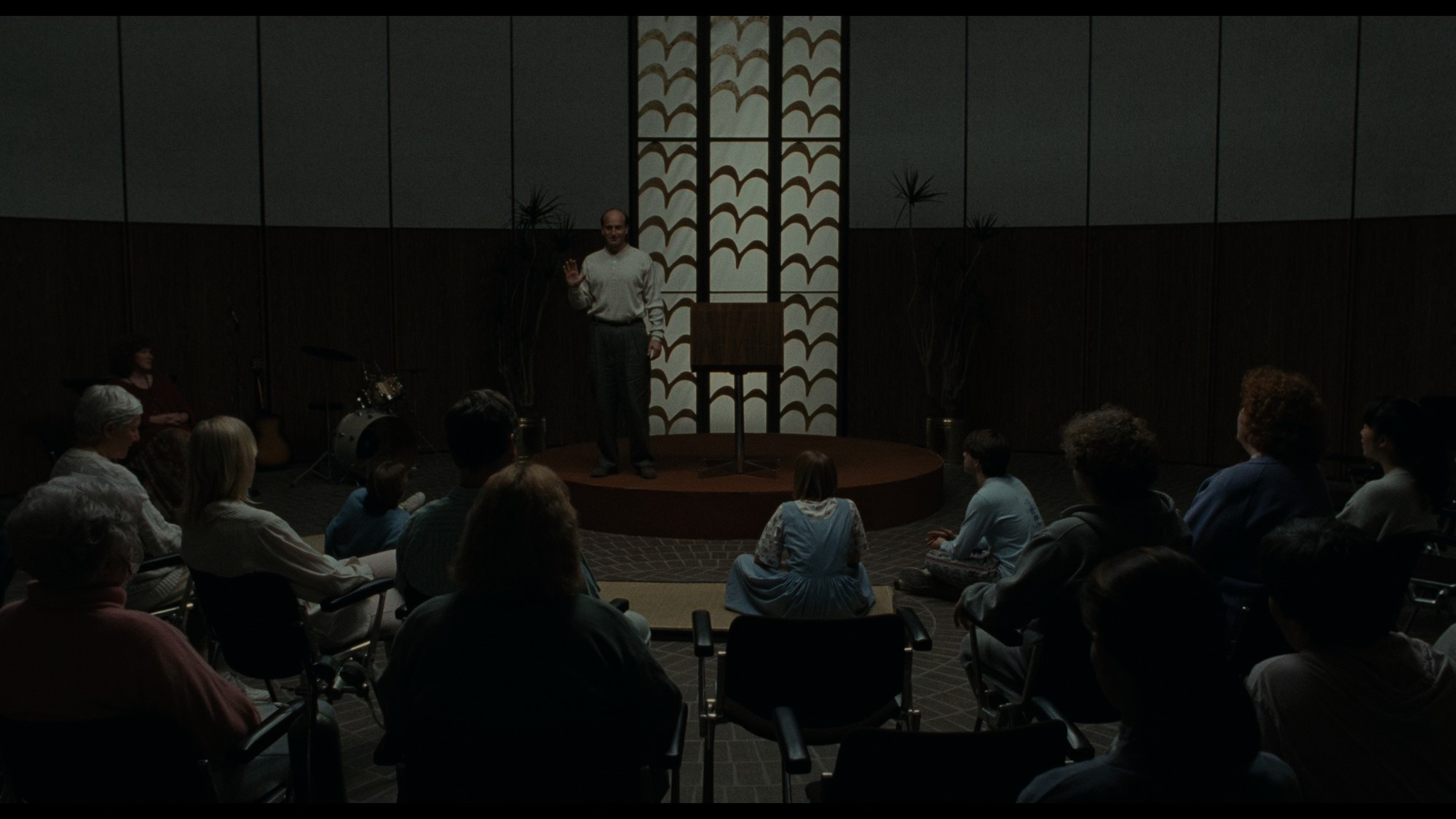
The first notable difference is how much darker the film can be compared to the brighter, more video-like presentation of the previous Blu-ray. Shadows are far deeper here, but the dynamic range is also considerably wider in several sequences, with bright light sources illuminating one section of a scene while the shadows break down smoothly elsewhere through it, Dolby Vision and HDR clearly helping in this regard. Some exterior nighttime sequences are especially impressive, like the scene where Moore’s character is lit up by a police spotlight outside her house. It looks a bit flat on the old Blu-ray, but comes across brilliantly here, retaining detail in the brighter portions while delivering rich shadows and deep blacks in the background. The film’s final shot, which looked rather murky on the Blu-ray upon a revisit, also comes out far richer here with cleaner gradations. In general, the image is significantly sharper and cleaner, with a far more film-like appearance.
I'm also happier with the color grading in this presentation. Compared to the Blu-ray, I guess it does lean a little greener, but the old presentation pushed the magentas more, whereas the grading here has a more natural, film-like appearance. And don’t fret! You don’t lose those awful ’80s aquas and salmon colors; they’re still there in all of their horrific glory, and they’re saturated wonderfully. Skin tones also look better, losing the pink-ish hue found on the previous presentation.
The overall digital presentation is far cleaner as well compared to the Blu-ray, whose encode hasn’t held up particularly well (I gave it a perfect score at the time, but that hasn’t really held up). The encode here does a far better job handling the film’s grain, which remains clean and natural throughout, never appearing blocky in darker areas or highlights. This, in turn, allows finer textures and details to pop out more clearly. It looks wonderful.
Ultimately, this was a very pleasant surprise. The film looks fresh and new, delivering a significant update over the previous Blu-ray. It’s a really quite impressive in the end.
Audio 8/10
The film still only comes with a lossless PCM monaural soundtrack. I’m not sure whether the audio has also been newly restored, though I did feel the range was a little wider, most notably in the film’s score. Voices sound sharp and clear, while the street sounds heard during the early city sequences sport some decent highs.
Again, it’s naturally limited by being contained to a single channel, but it never feels especially constrained by it and ends up being surprisingly dynamic when called for.
Extras 8/10
Since the Blu-ray is a direct port of the 2014 release, all features have been carried over, starting with the audio commentary featuring director Todd Haynes, producer Christine Vachon, and actor Julianne Moore. Originally recorded for Sony’s 2001 DVD, the track can be found on both the 4K disc and the Blu-ray. Haynes and Moore basically have run of the track, with Vachon only chiming in on occasion, but the group as a whole talks about the development of the film, the inspirations behind the story and various moments throughout, and the character of Carol. They also remark on the film’s initial reactions, which weren’t all that great, though its reputation had already improved considerably by the time this track was recorded.
There are also plenty of stories from the set, most of which are amusing, particularly since it sounds as though Haynes shot much of the film at the homes of family and friends. Moore also recalls how she starved herself to look so sickly, apparently celebrating the last day of filming with multiple orders of French toast. I especially liked a section where the group talks about independent filmmaking and how much easier it was during the ’90s to get a film made, while noting that it was already becoming harder by 2001 (and just about impossible now in 2026 I'm sure). Haynes’ and Moore’s thoughts on Carol also prove illuminating, particularly in how Moore appears to know this character. Any references to the previous DVD are still here (it’s charming to hear Haynes be so happy about the film finally being released in widescreen), but they’re easy enough to overlook. It remains a surprisingly entertaining track and is well worth listening to if one hasn’t done so yet.
The remaining features are all found on the Blu-ray, starting with what Haynes called his first “real” film, the 1978 short The Suicide. Incredibly, the film still exists only because a friend of his had held onto a copy, which Haynes was able to get his hands on in 2014 and then included with the Blu-ray edition. Made when Haynes would have been 17 or 18, the film centers around a young boy who experiences severe bullying after his mother moves him to another school. Unable to face much more of it, the boy begins mutilating himself, I assume with the intent of eventually killing himself. It’s not told in such a straightforward fashion, though, instead unfolding in a stream-of-consciousness manner, so to speak. The narrative is severely fragmented, bouncing between the boy hurting himself, his mother discussing the move and his problems with him, basically telling him to more or less suck it up in the most loving way she can, and other events, all presented in a very dreamlike state.
I’m sure the film is very personal to Haynes and reflects actual events he went through, so I don’t want to sound like I’m belittling it in any way when I say that a film dealing with this type of subject matter is something I’ve seen filmed or written about by teenagers many, many times before. But I will add that this may be the most effectively told one I’ve come across. The editing in particular is brilliantly done, especially by someone at such a young age. The opening cuts between shots against the sounds of water drops hitting the sink are quite striking, while the way the film seamlessly moves from one moment to another in a nonlinear fashion is also incredibly effective. Done poorly, this approach could easily lose or confuse the audience, but it all comes together nicely. There’s also some effective imagery and wonderful compositions throughout, and it keeps you involved. For something made by a 17-year-old, it’s beyond impressive, and though obviously experimental in nature, it has a more polished feel than I would have ever expected, as though it were made by someone who had been doing this for a very long time rather than someone about to enter film school. It’s still quite effective and, all things considered, is in surprisingly decent shape presentation-wise.
Next is a conversation between Todd Haynes and Julianne Moore, recorded exclusively for the 2014 release. The 36-minute conversation expands nicely on the commentary and, though it covers some of the same ground, the two get into more detail about Carol, with Moore talking about what attracted her to the character and how she interpreted her. As a bonus, there’s actually some casting footage of Moore (very blurry VHS footage, though) while the two recall how she came to Haynes’ attention and ultimately got the role. They also discuss the film’s release and initial critical reaction (also touched in the commentary), along with how it managed to twist certain tropes in ways that may have confused audiences at the time. Also including some discussion around Far from Heaven, it’s a nice reflection on their collaborations together while offering further insight into Safe’s lead character and themes.
Criterion then presents a 16-minute interview with producer Christine Vachon. While she talks about Safe and how they managed to get the film made, she focuses more on her collaboration with Haynes through the years up to that point, from first meeting him and working on his debut feature Poison, through Safe and all the way up to I’m Not There. She also talks a little about the various reactions audiences had to Safe, particularly from members of the LGBT community who were upset that the film wasn’t about AIDS and that its one homosexual character isn’t presented in the most positive light. This then leads Vachon to talk a bit about “queer cinema” as a movement and some of her other films. Despite its relatively brief running time, it’s still an engaging interview about Vachon and Haynes and their work together.
The disc then closes with the film’s trailer, while the foldout poster insert features the same essay by Dennis Lim found with the previous Blu-ray edition.
Again, the lack of any new academic material outside of Lim’s contribution is a letdown, especially considering the opportunity this new edition presented, but the existing material is still wonderful to go through.
Closing
No new features, but the new 4K presentation has turned out to be a very pleasant surprise, delivering a surprising and significant improvement over the previous Blu-ray edition. Quite impressive.
BUY AT: