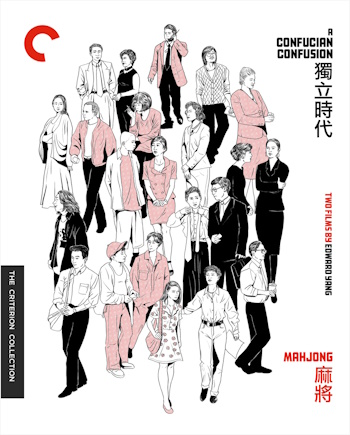
A Confucian Confusion / Mahjong: Two Films by Edward Yang
BUY AT:


See more details, packaging, or compare
Synopsis
In this pair of sharp, sprawling satires, one of Taiwan’s most celebrated filmmakers, Edward Yang, captures the anything-can-happen mood of Taipei at the end of the twentieth century. Made in between his epic dramas A Brighter Summer Day and Yi Yi, A Confucian Confusion and Mahjong find Yang applying a lighter but no less masterly touch to his explorations of human relationships in an increasingly globalized, hypercapitalistic world. These intricately constructed ensemble comedies—one set in a cutthroat corporate milieu, the other in a shady criminal underworld—reveal the absurdity and cynicism at the heart of modern urban life.
Picture 9/10
The Criterion Collection presents two comedic features from Edward Yang, 1994’s A Confucian Confusion and 1996’s Mahjong, together in one Blu-ray release. Each film is presented in the aspect ratio of 1.85:1 and receives its own dual-layer disc. Both have been restored in 4K from the 35mm original camera negatives, with an interpositive used to fill in some missing material for A Confucian Confusion. The resulting presentations are delivered in 1080p/24hz high-definition encodes.
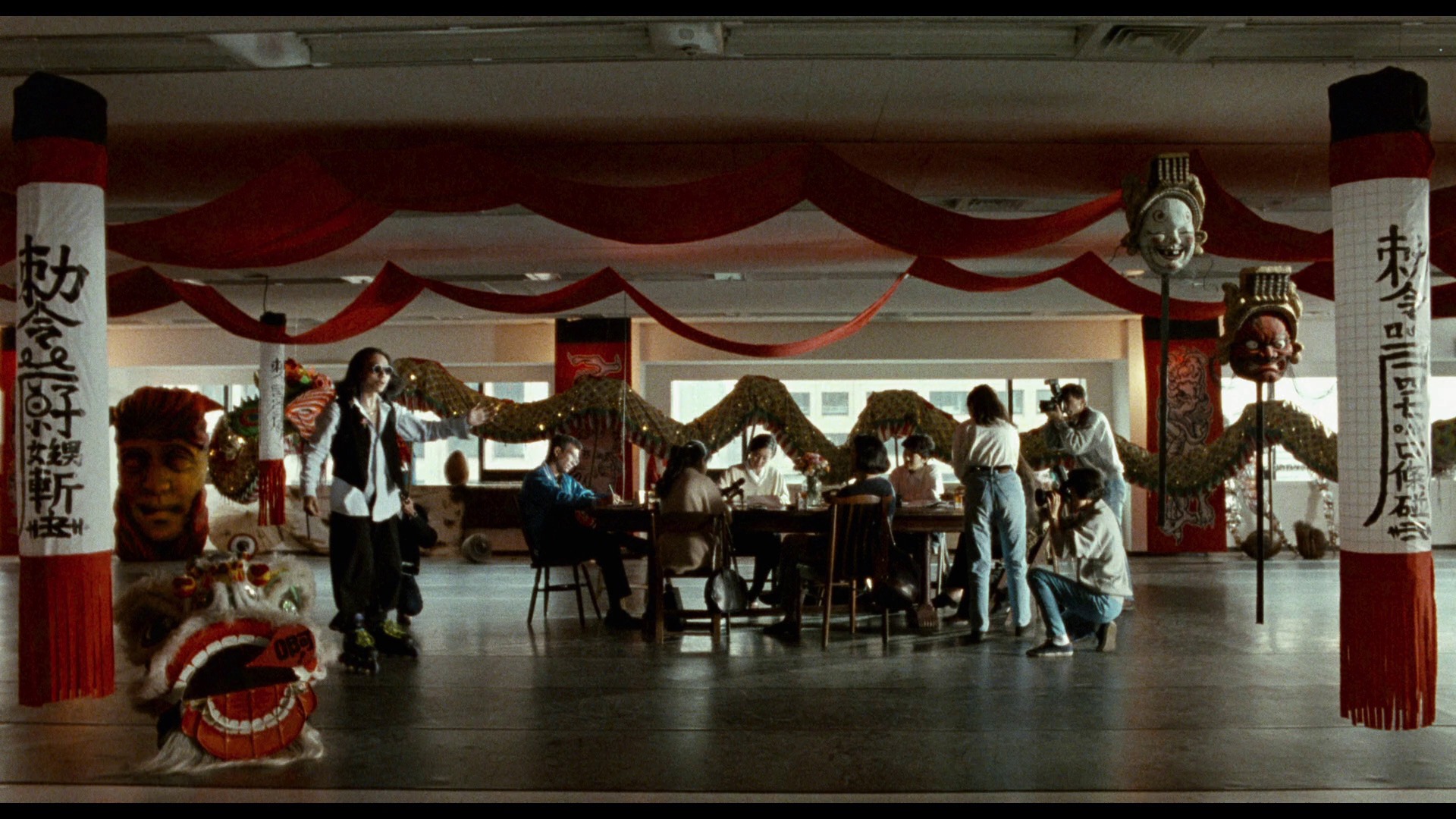
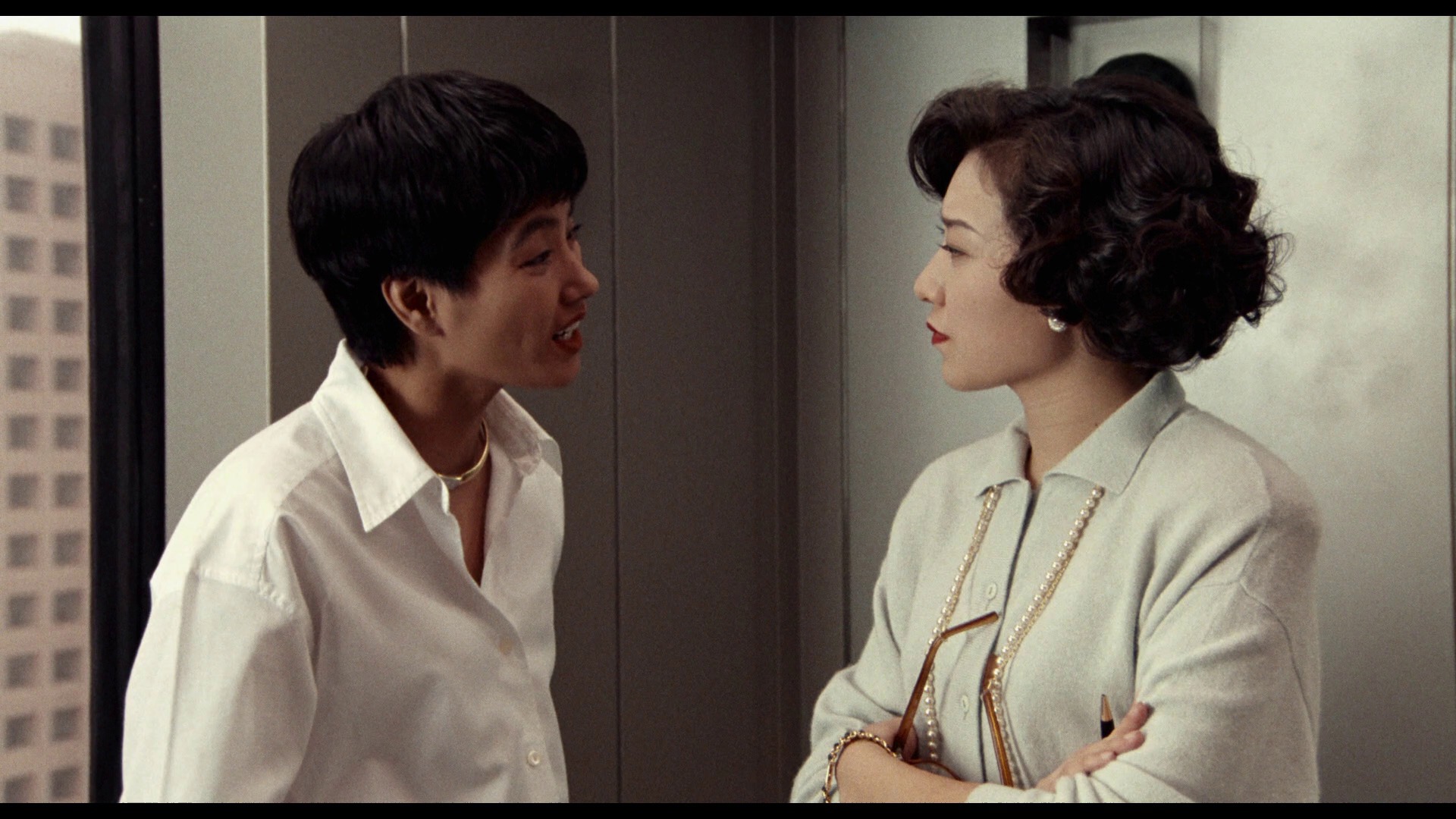
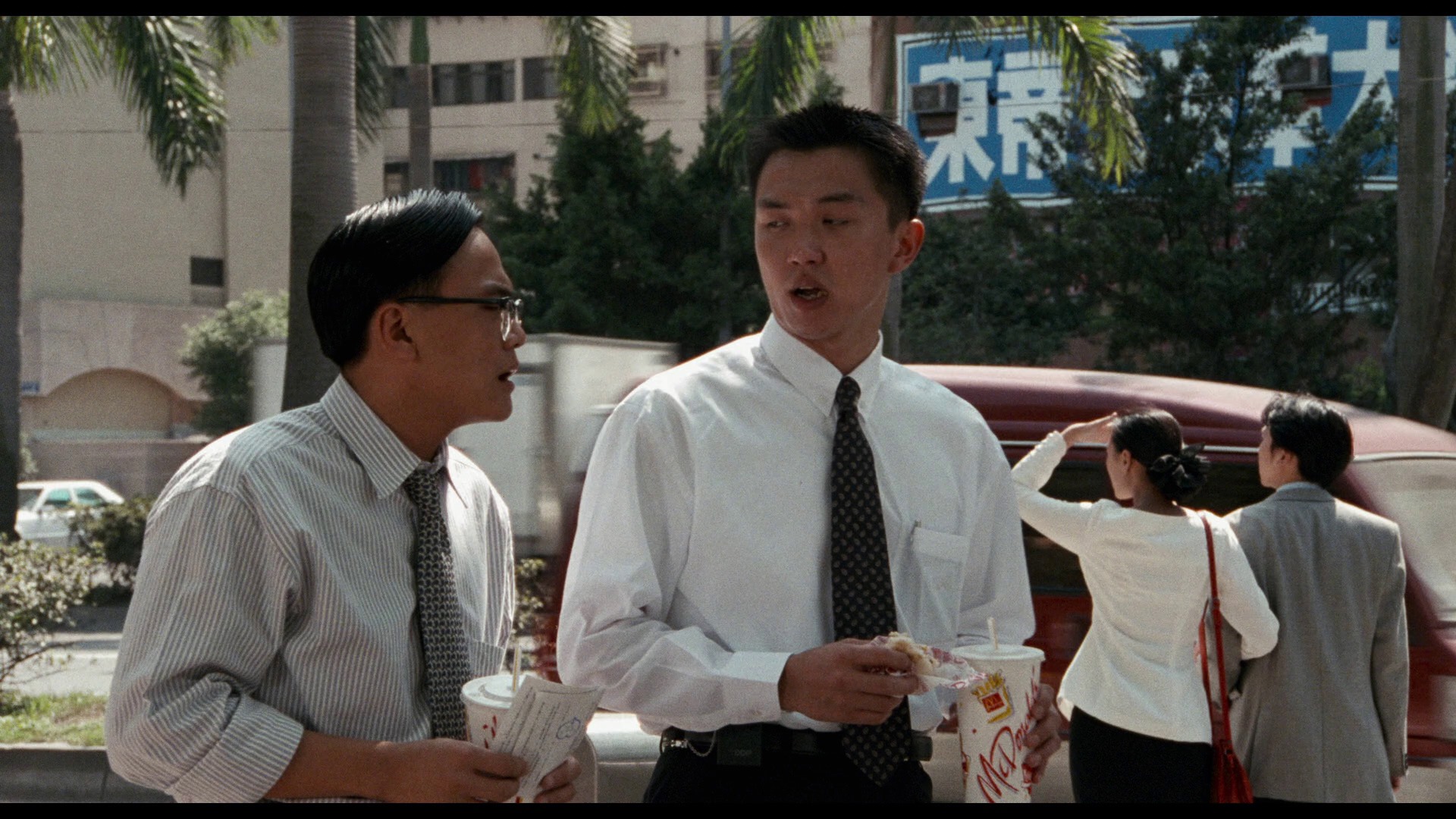
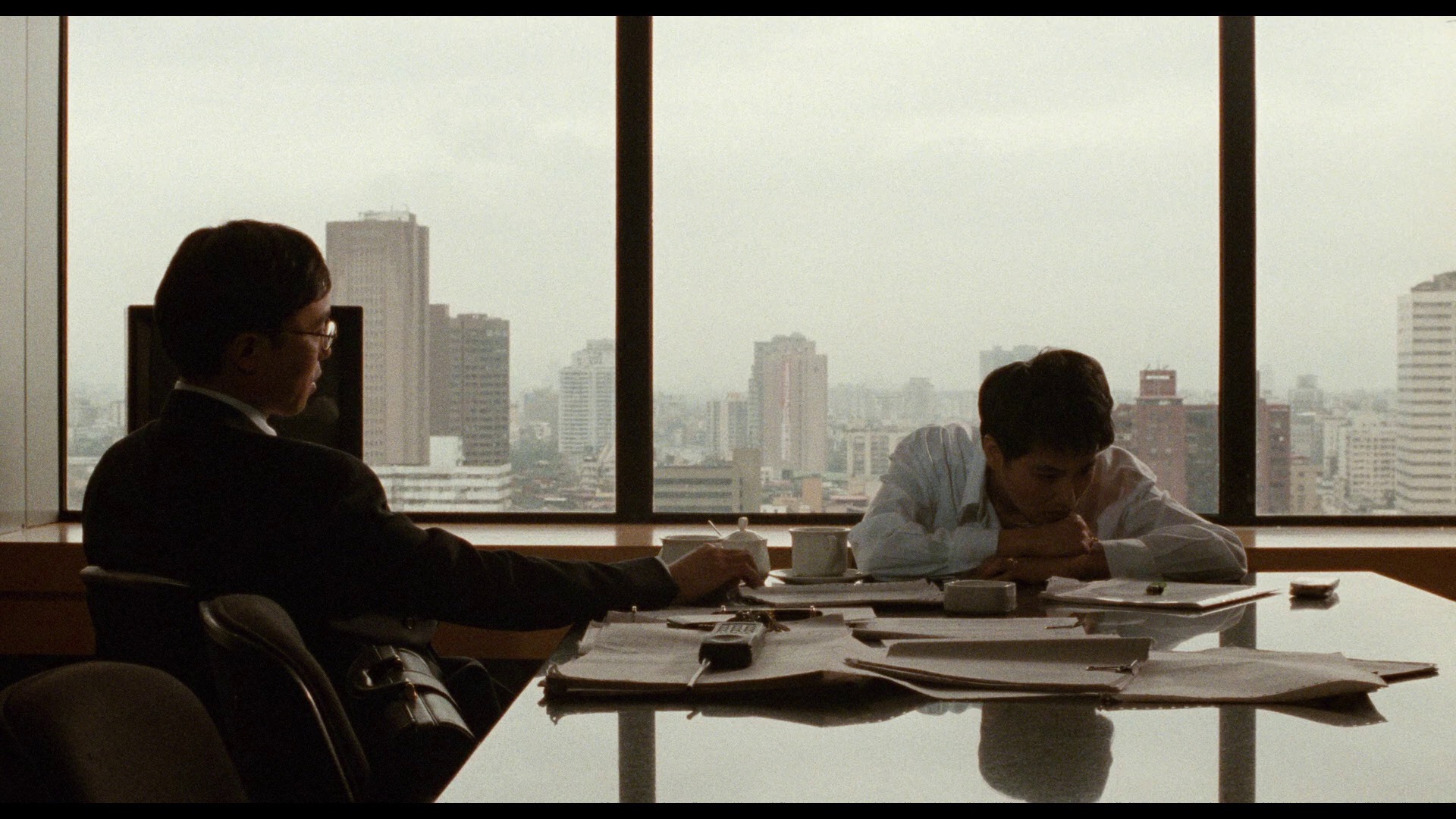
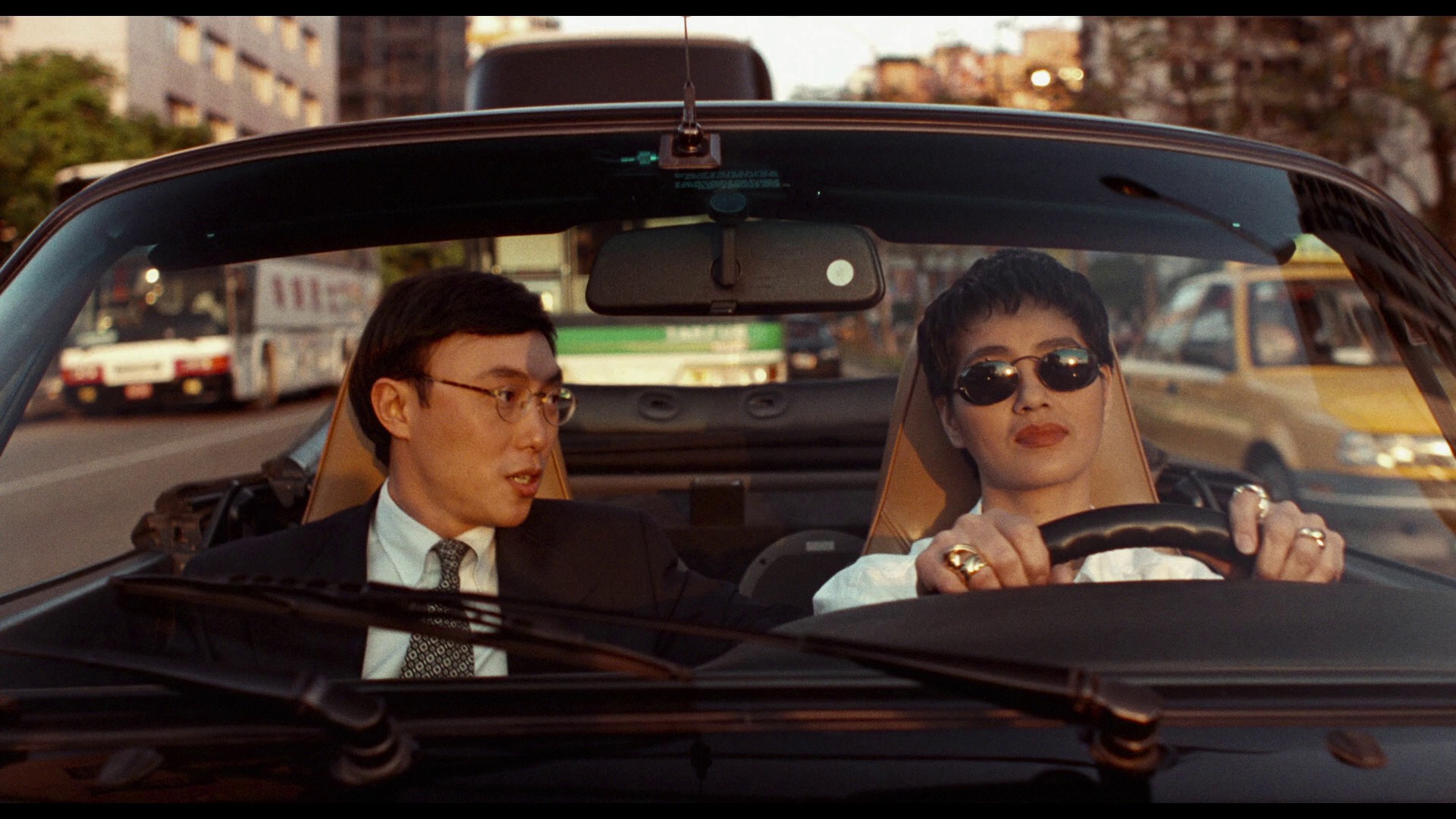
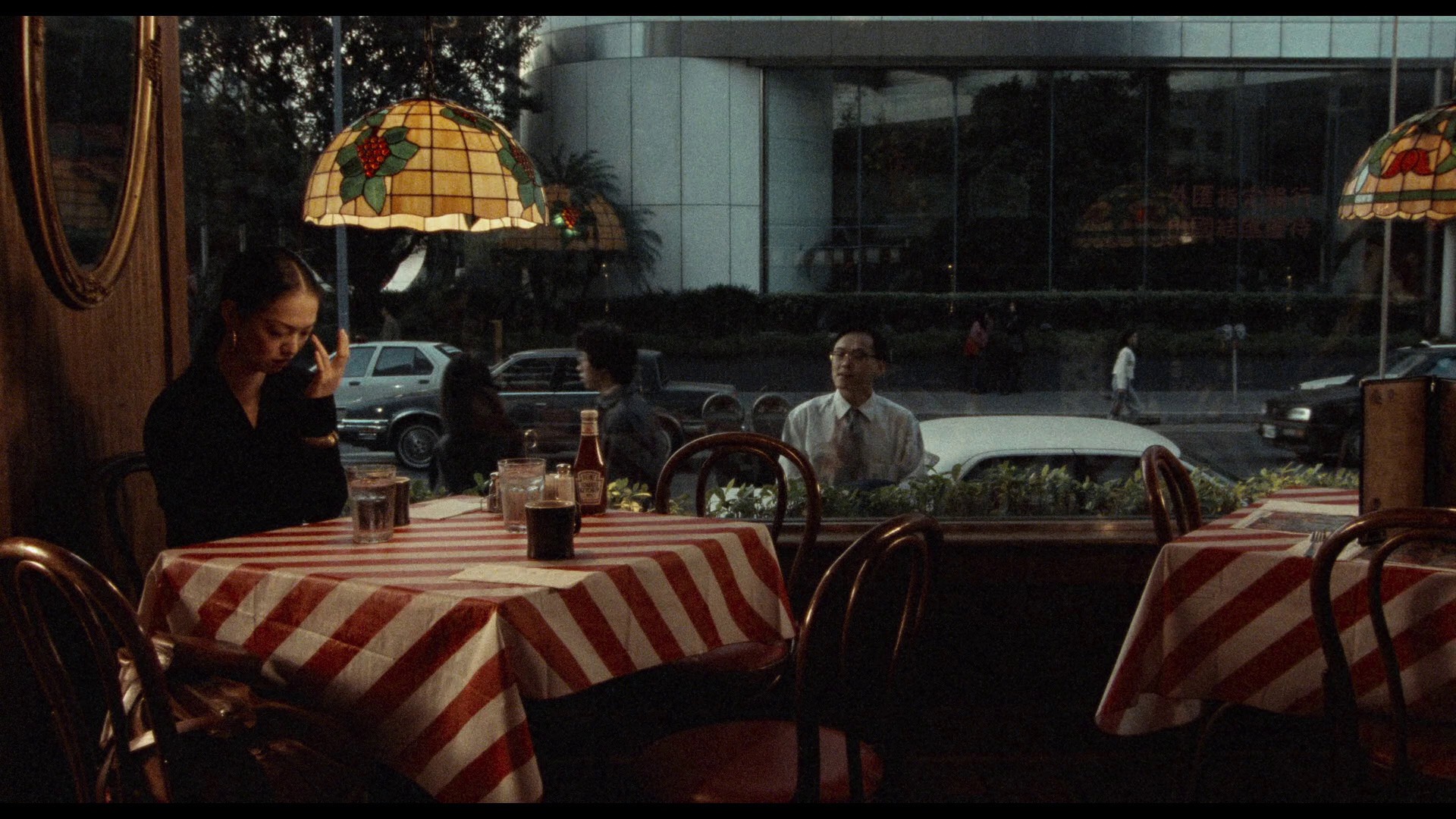
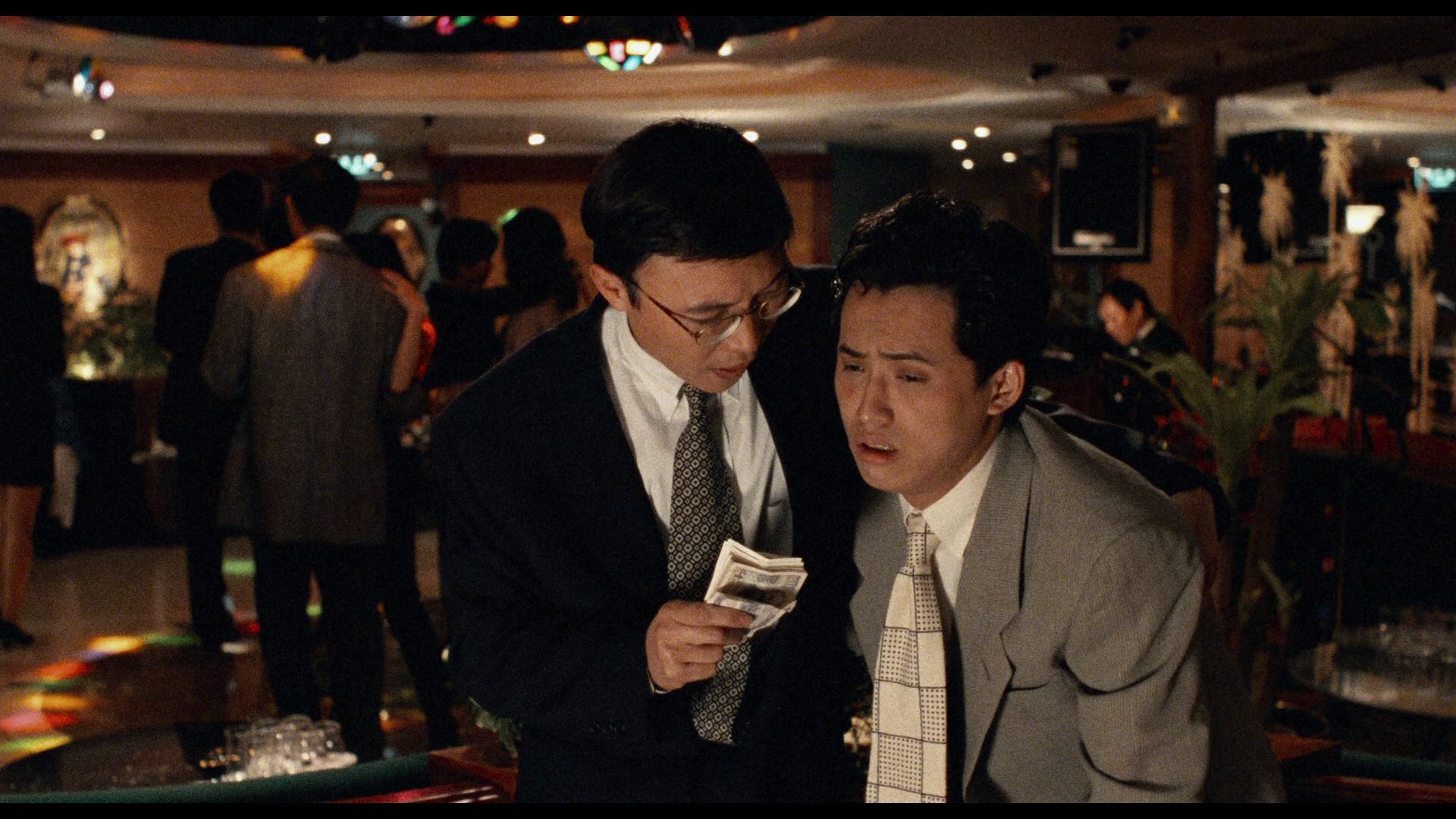
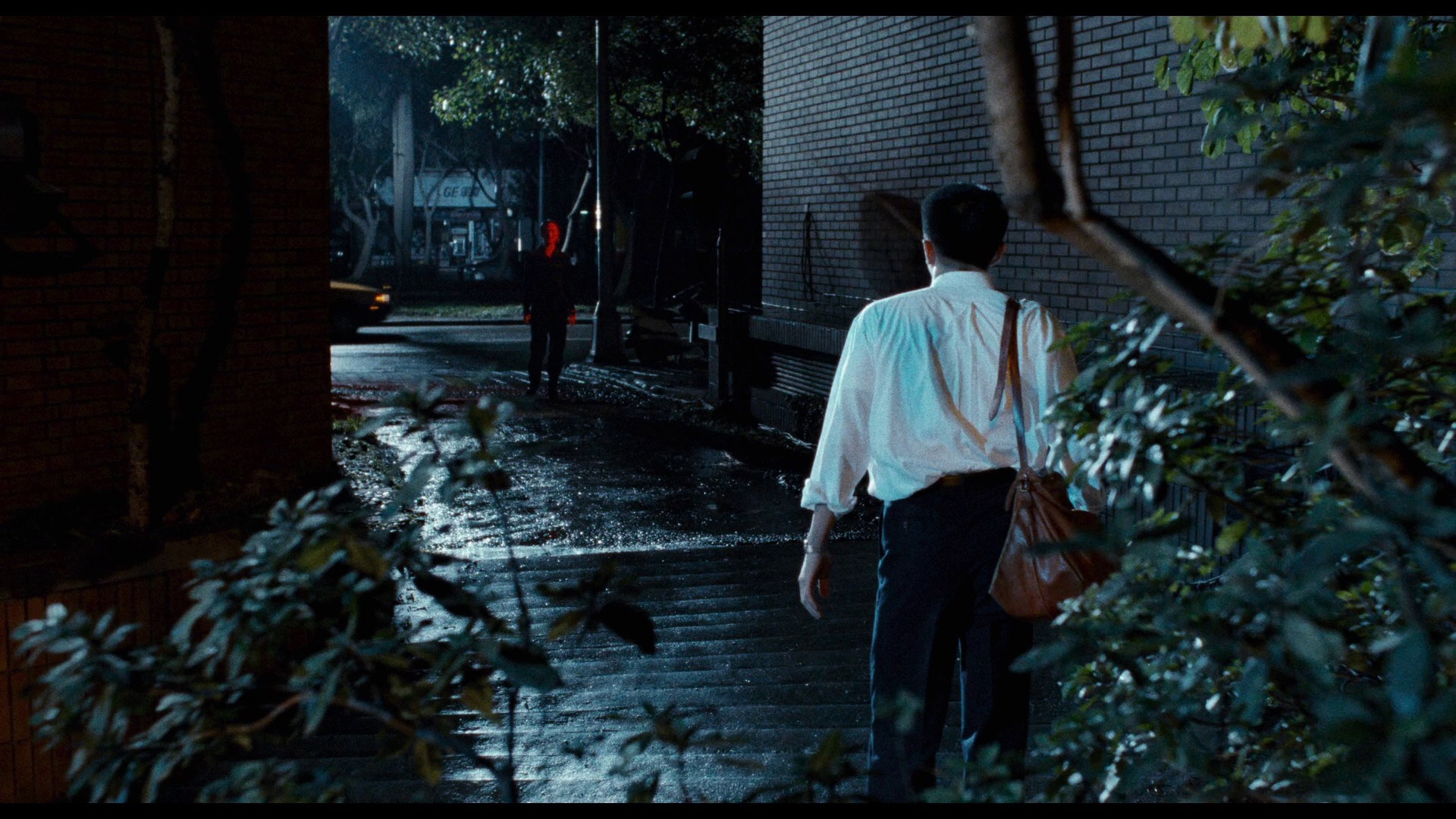
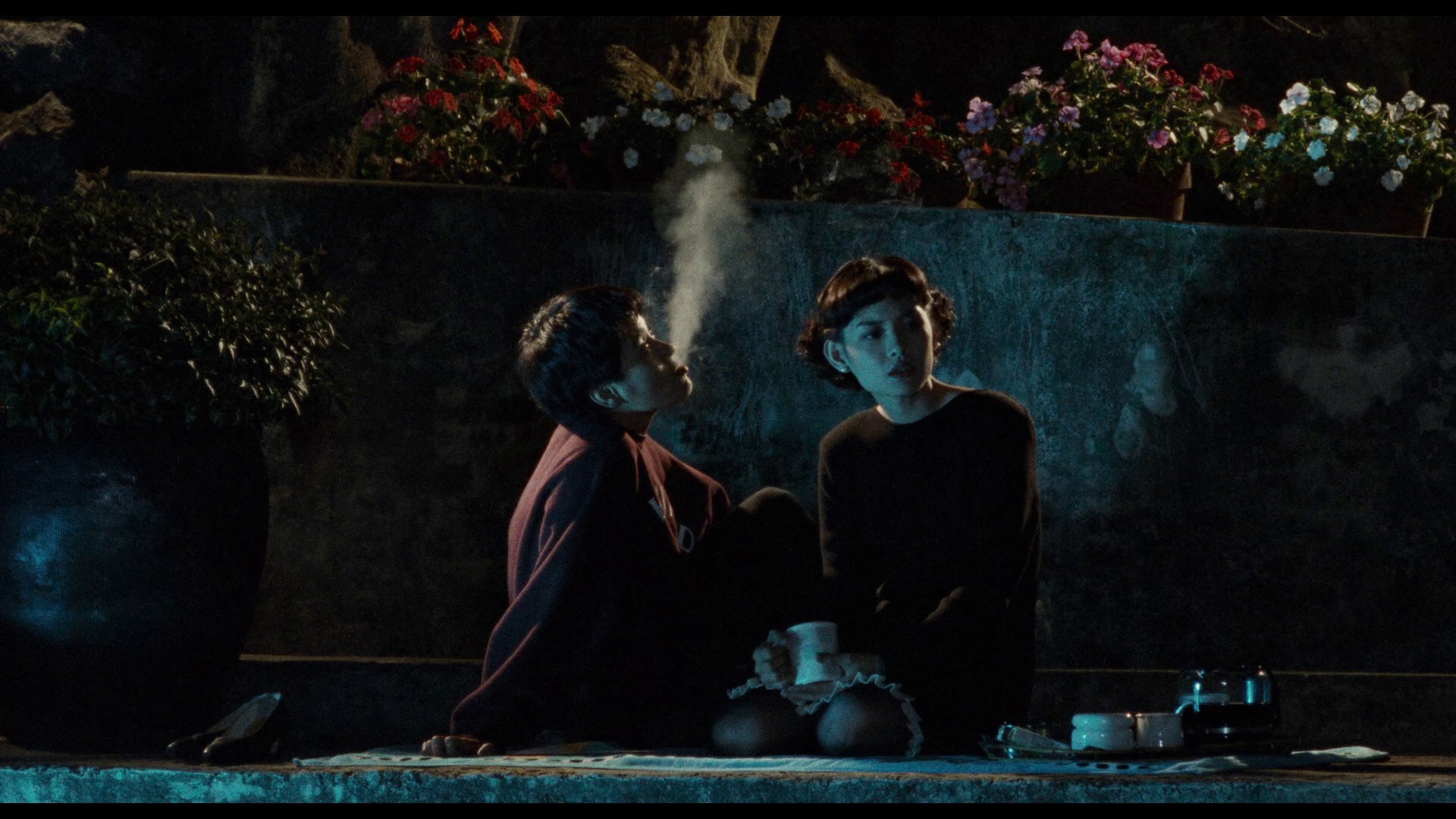
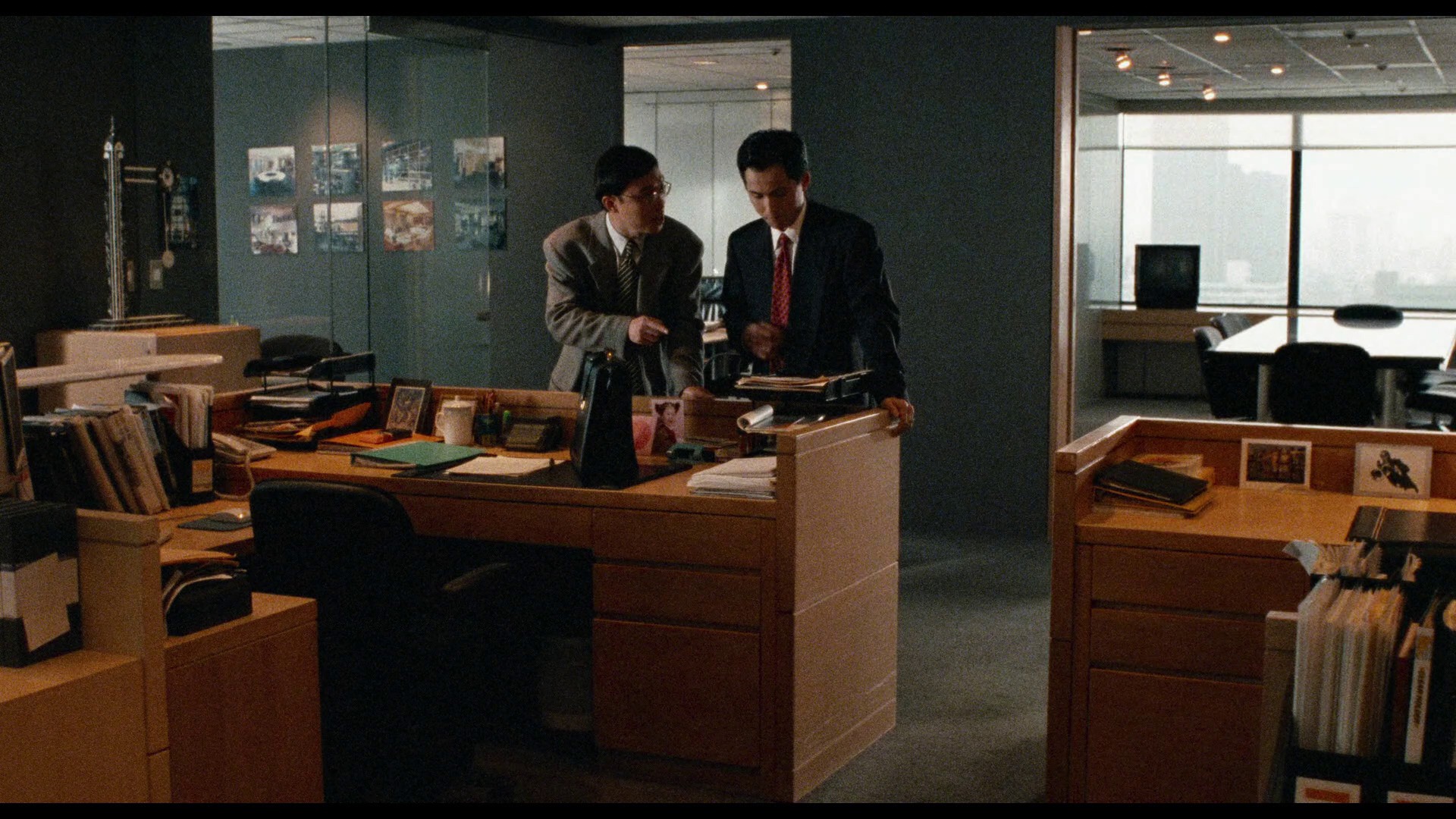
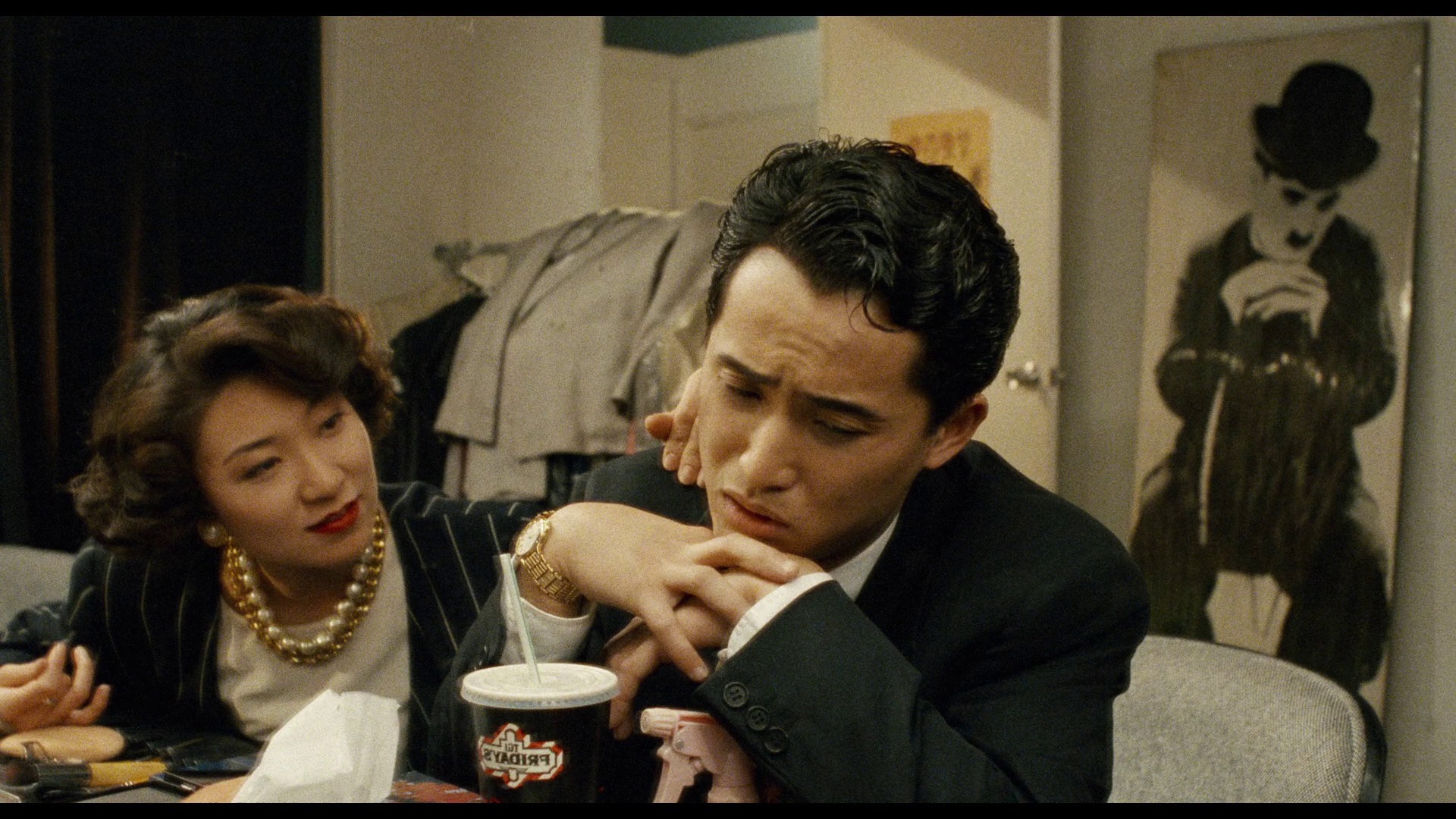
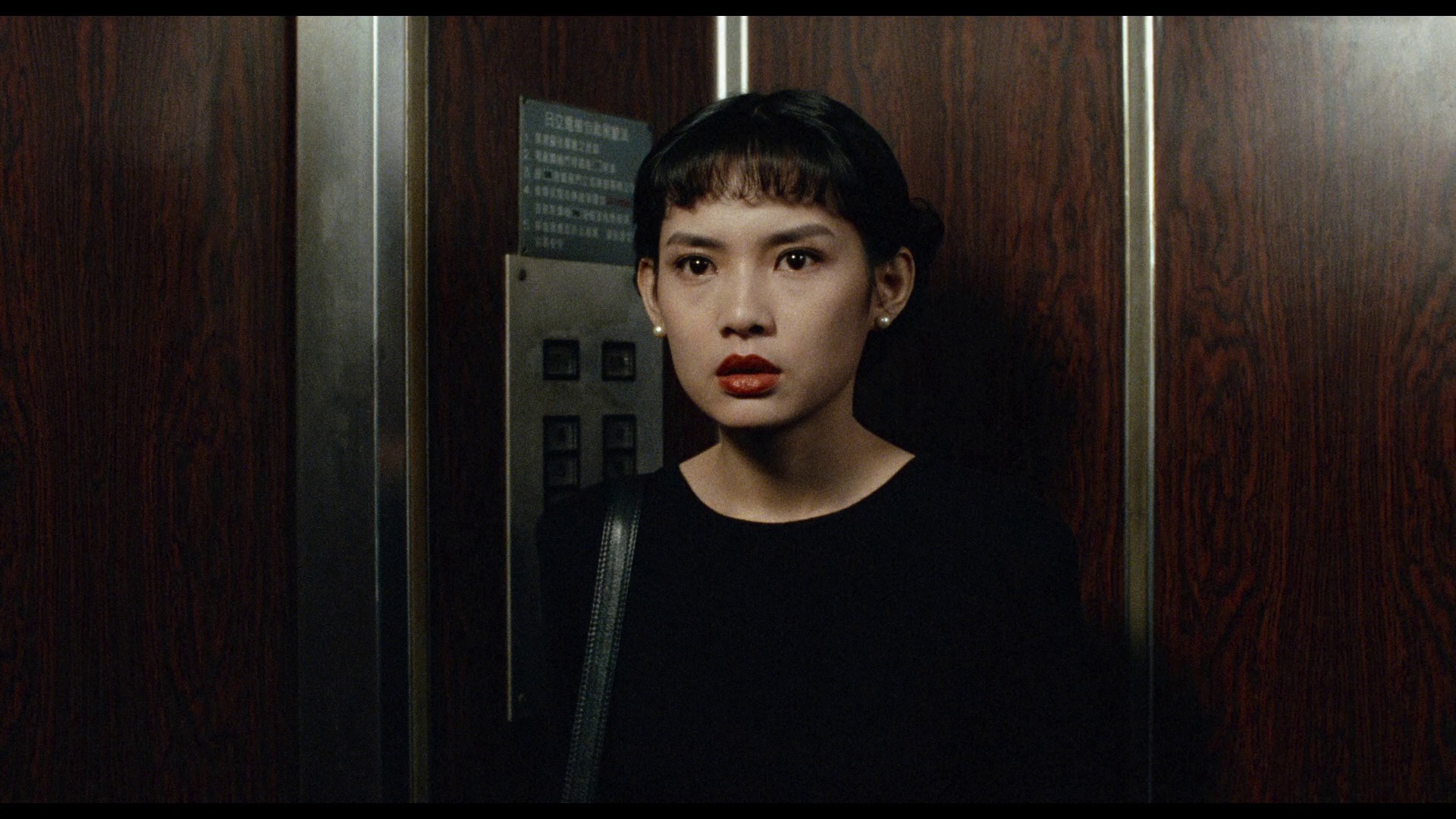
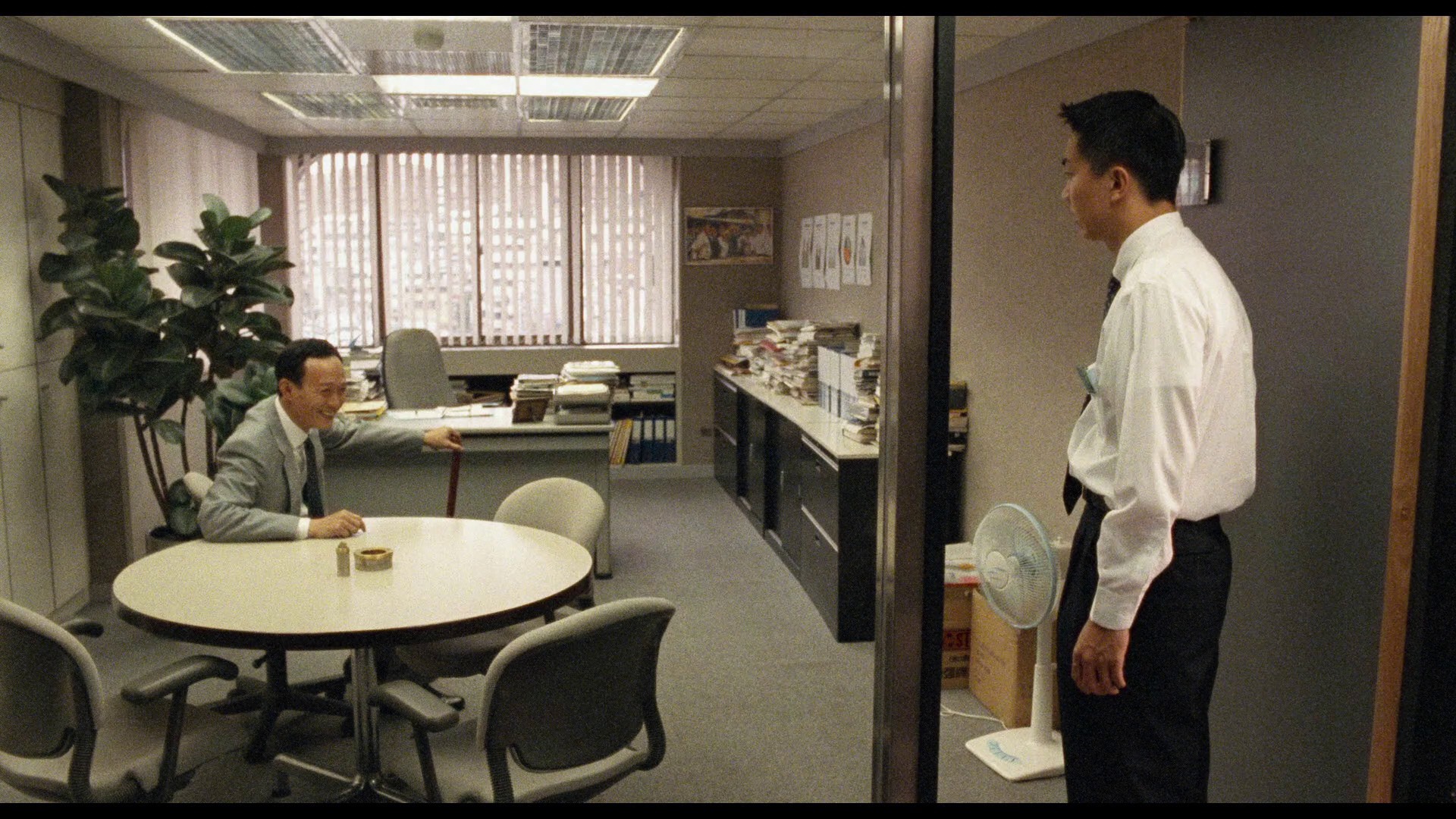
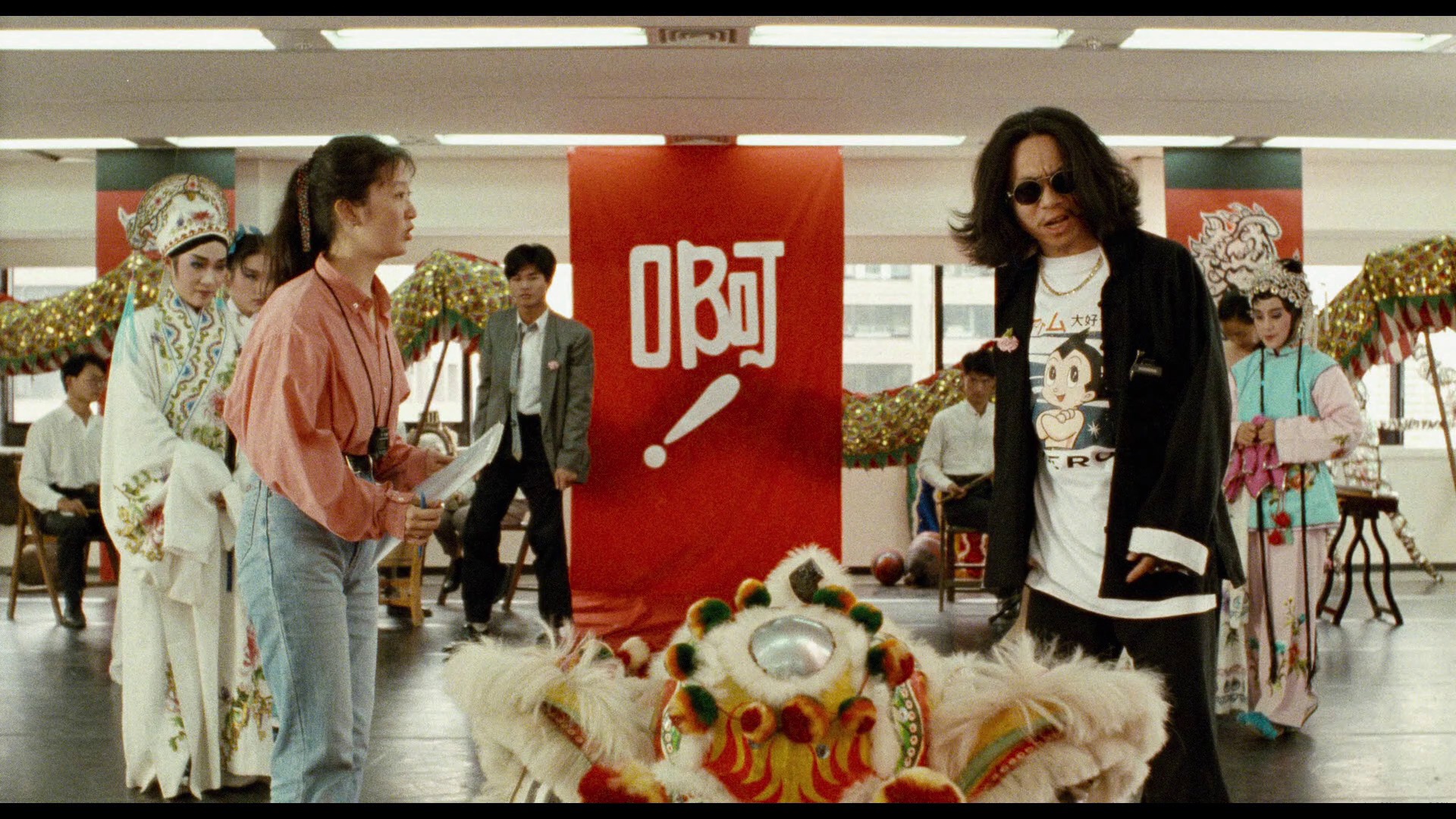
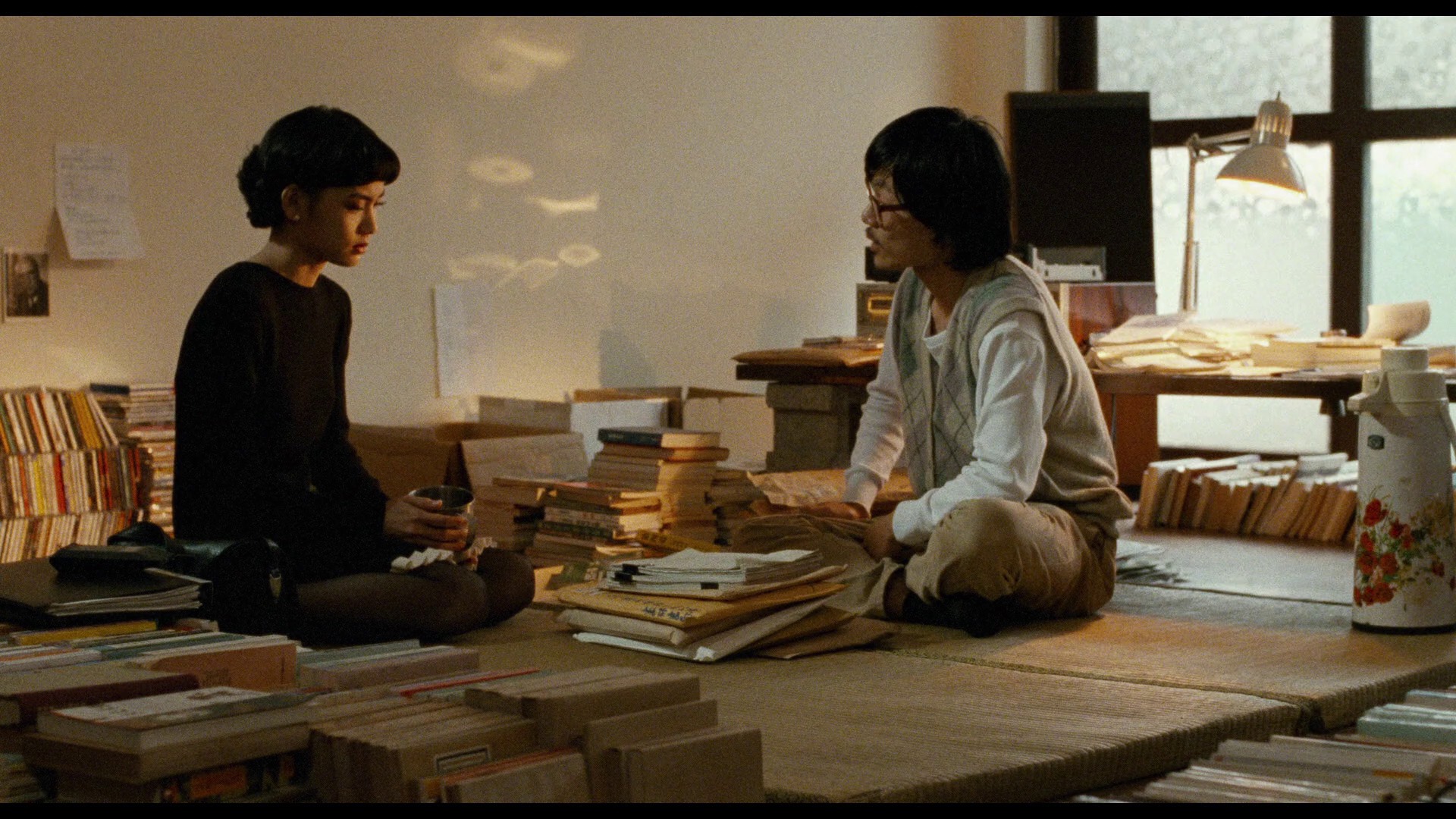
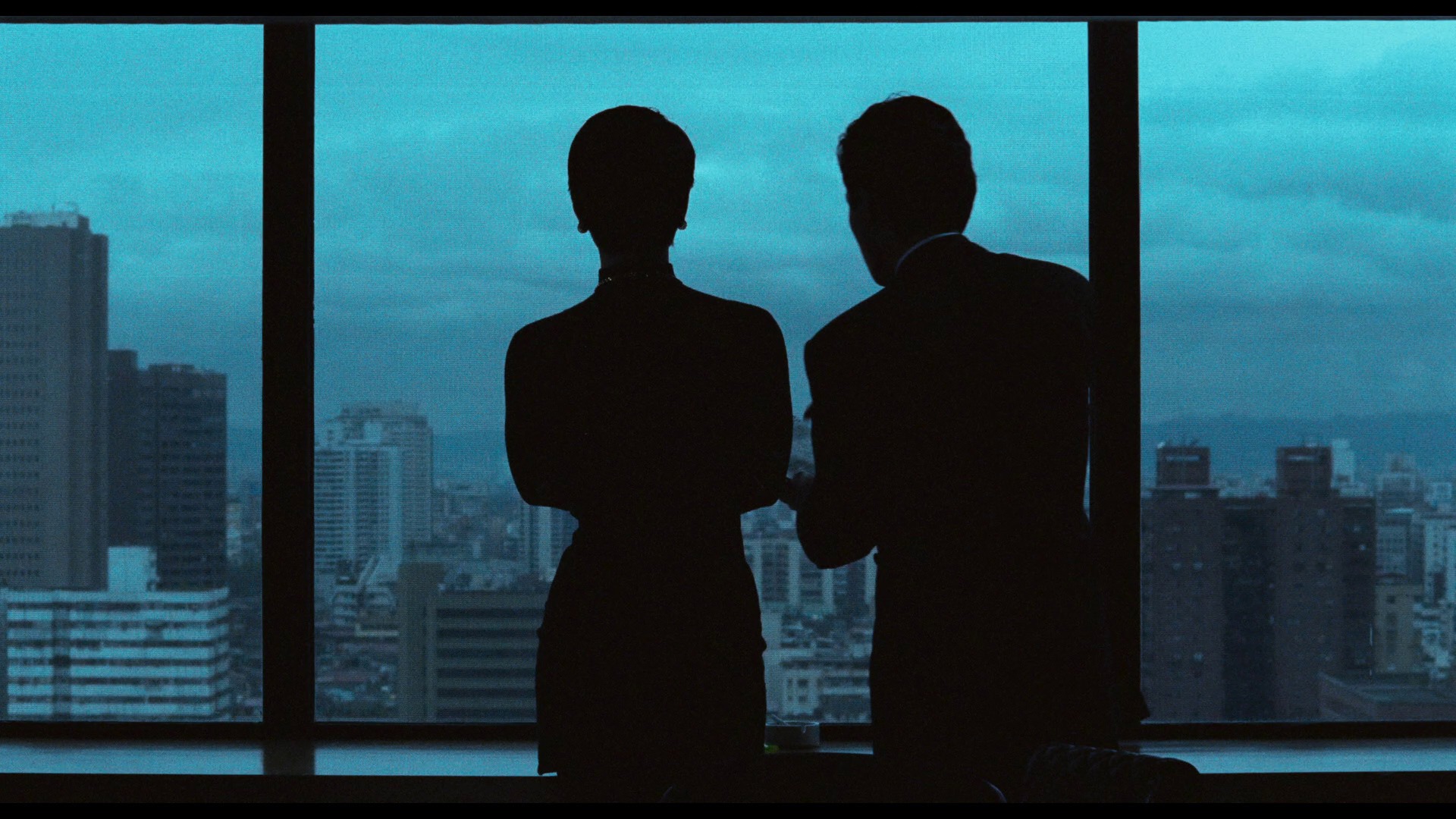
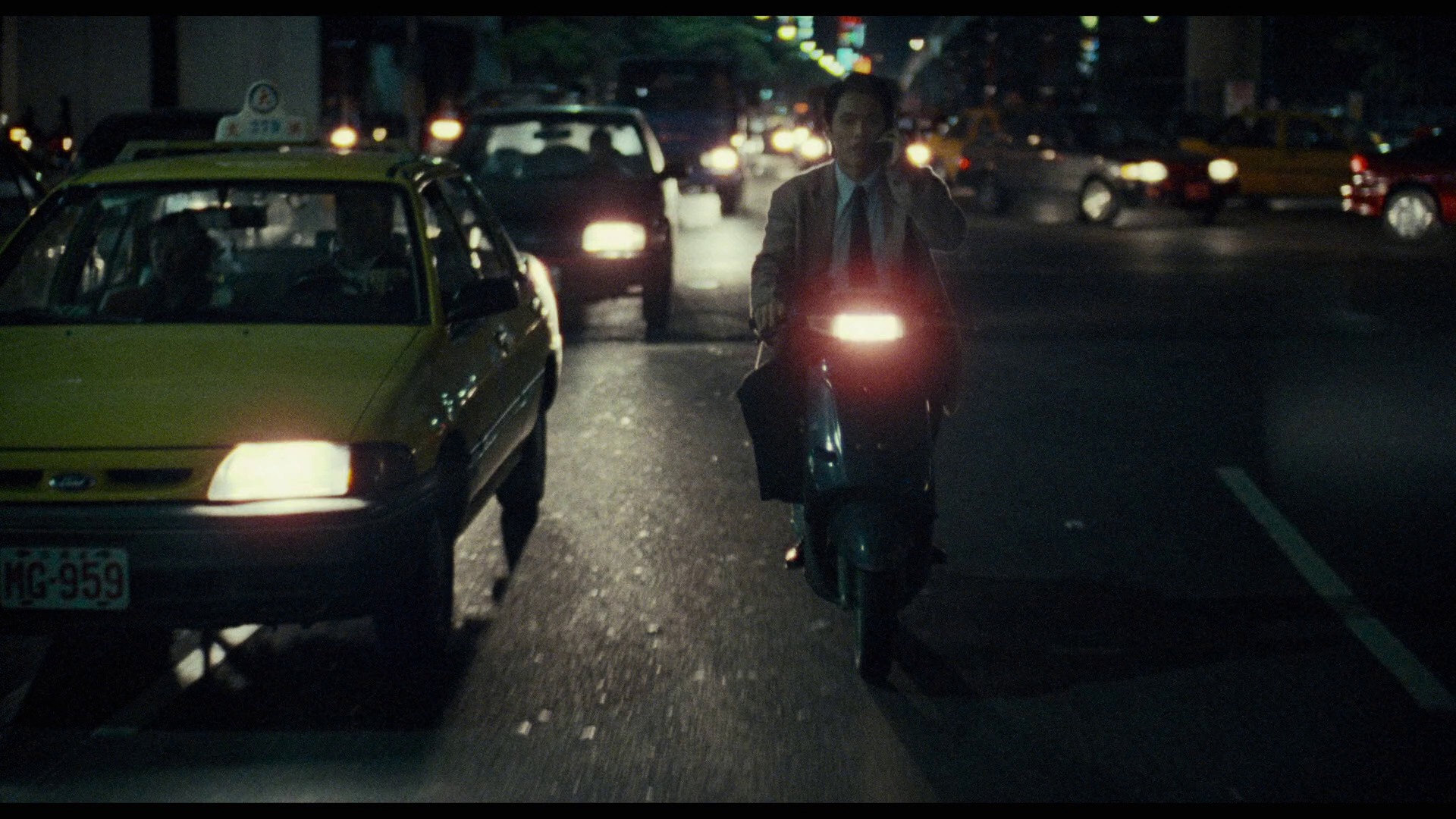
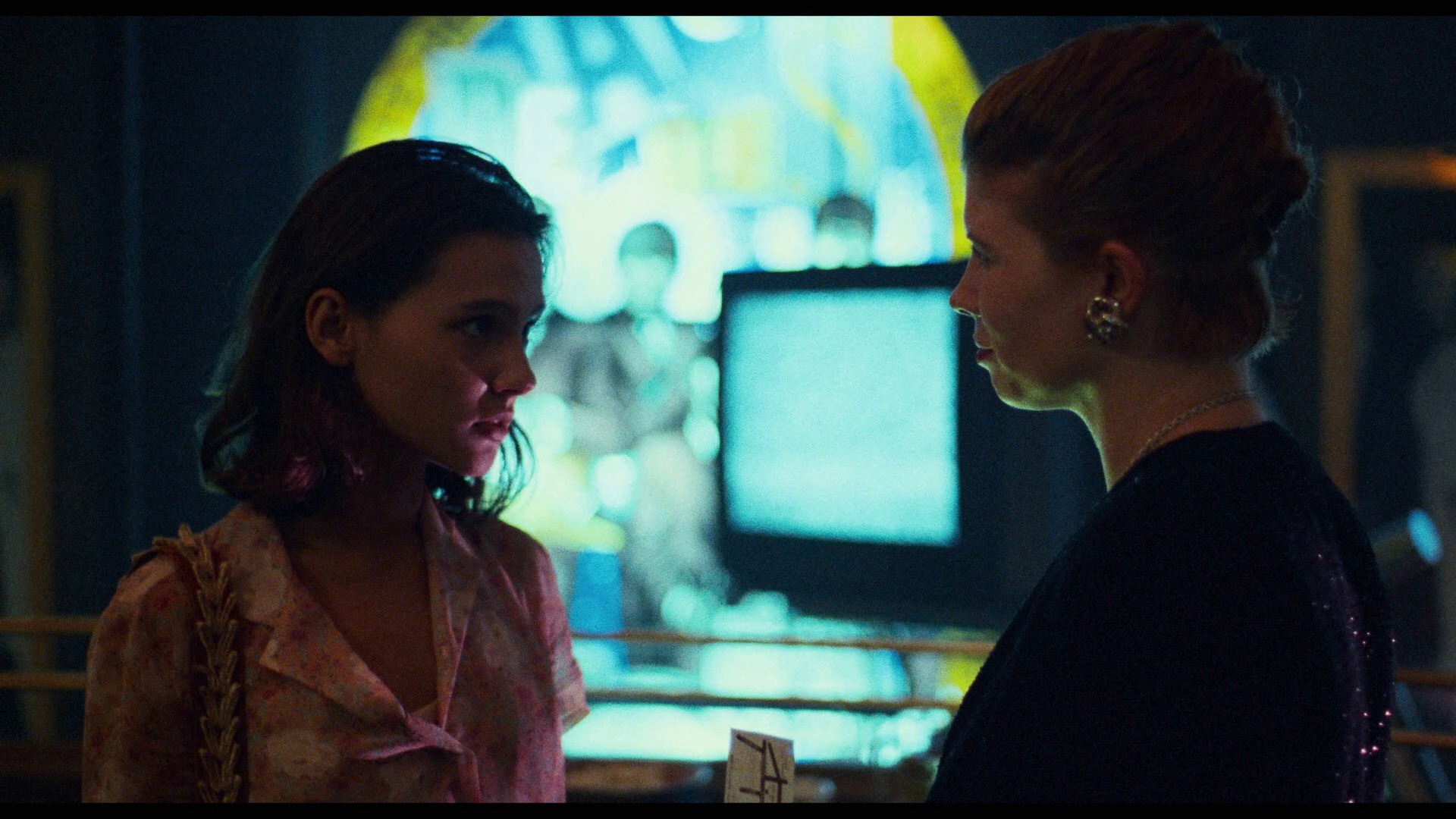
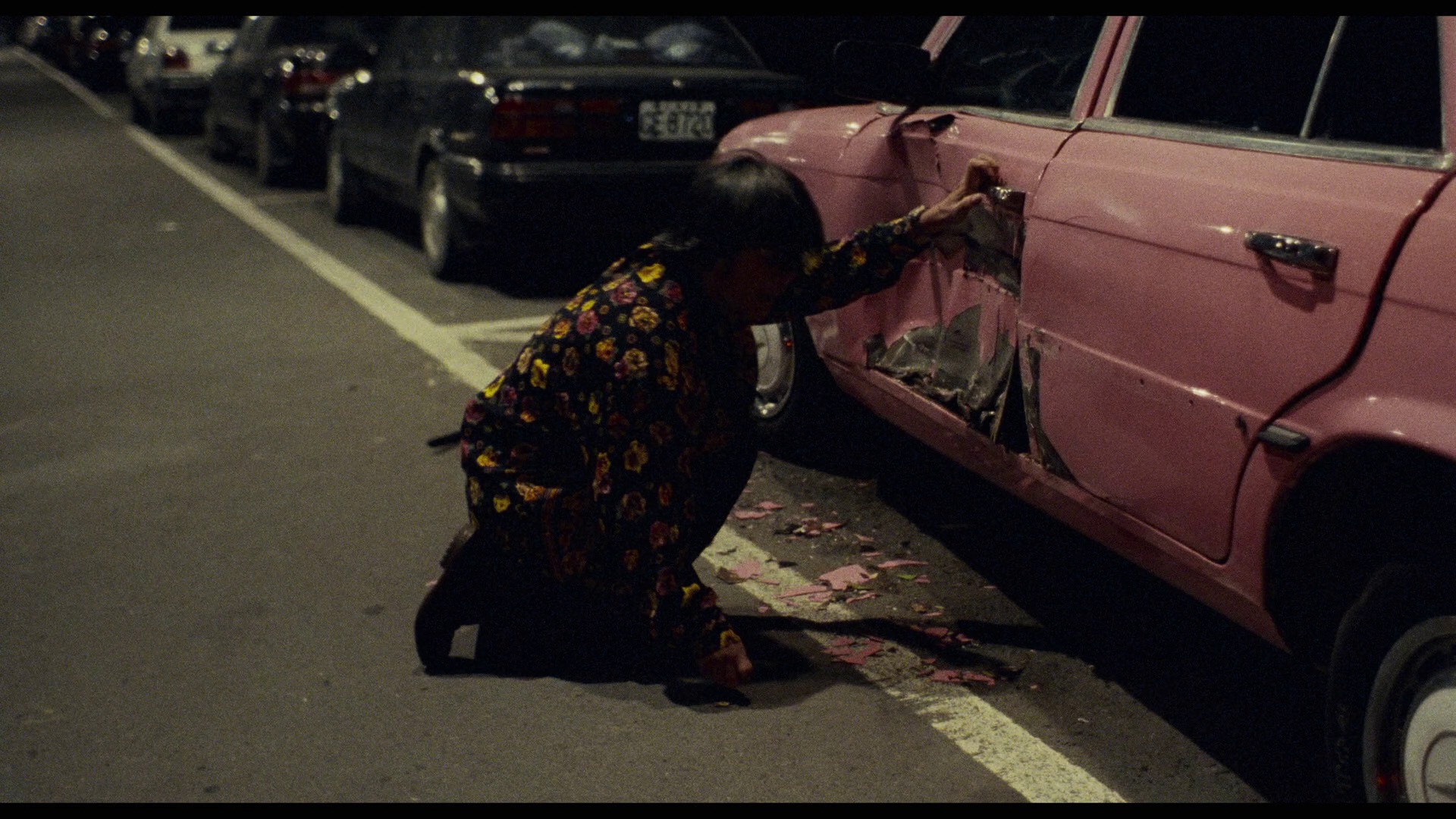
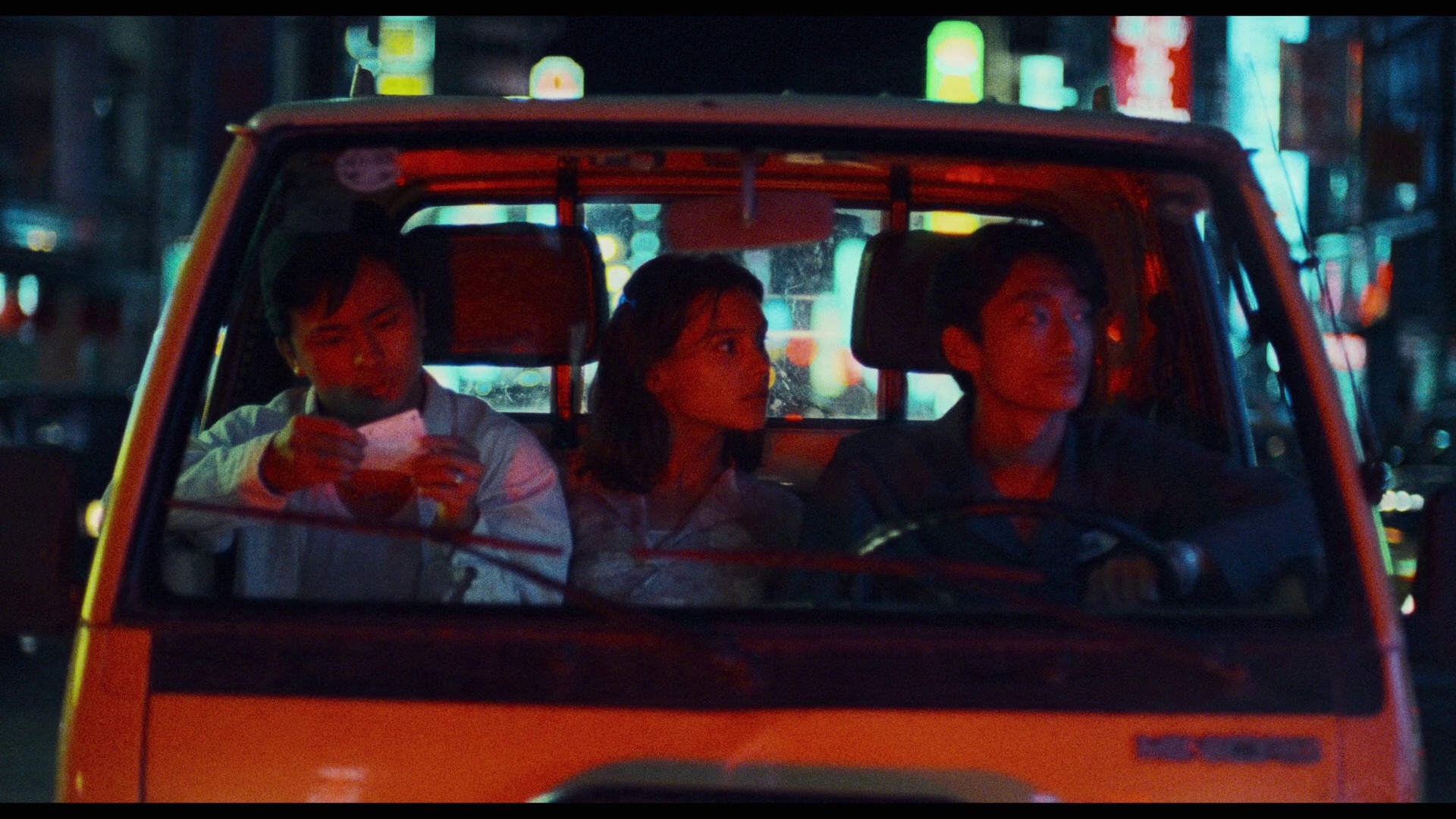
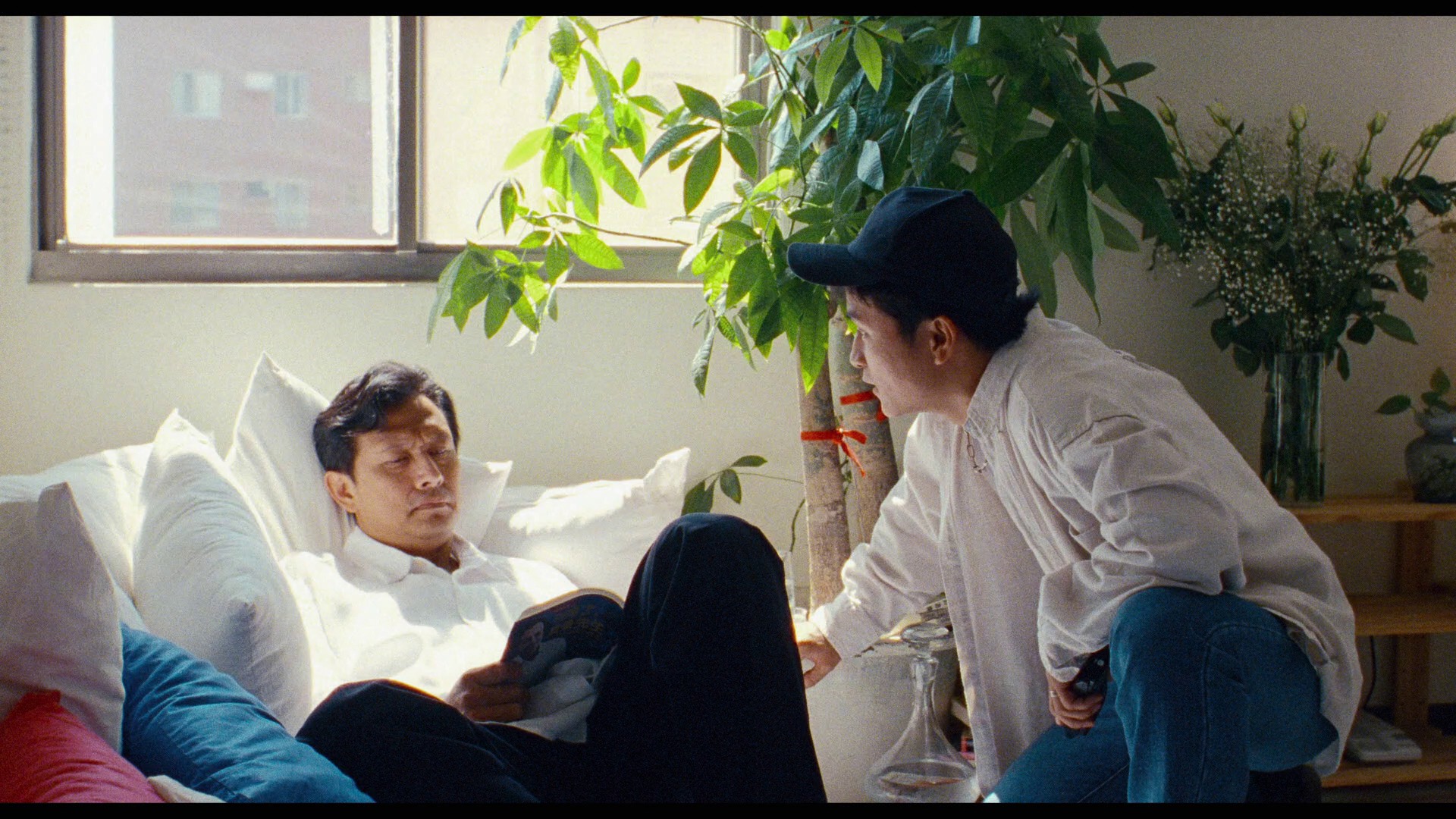
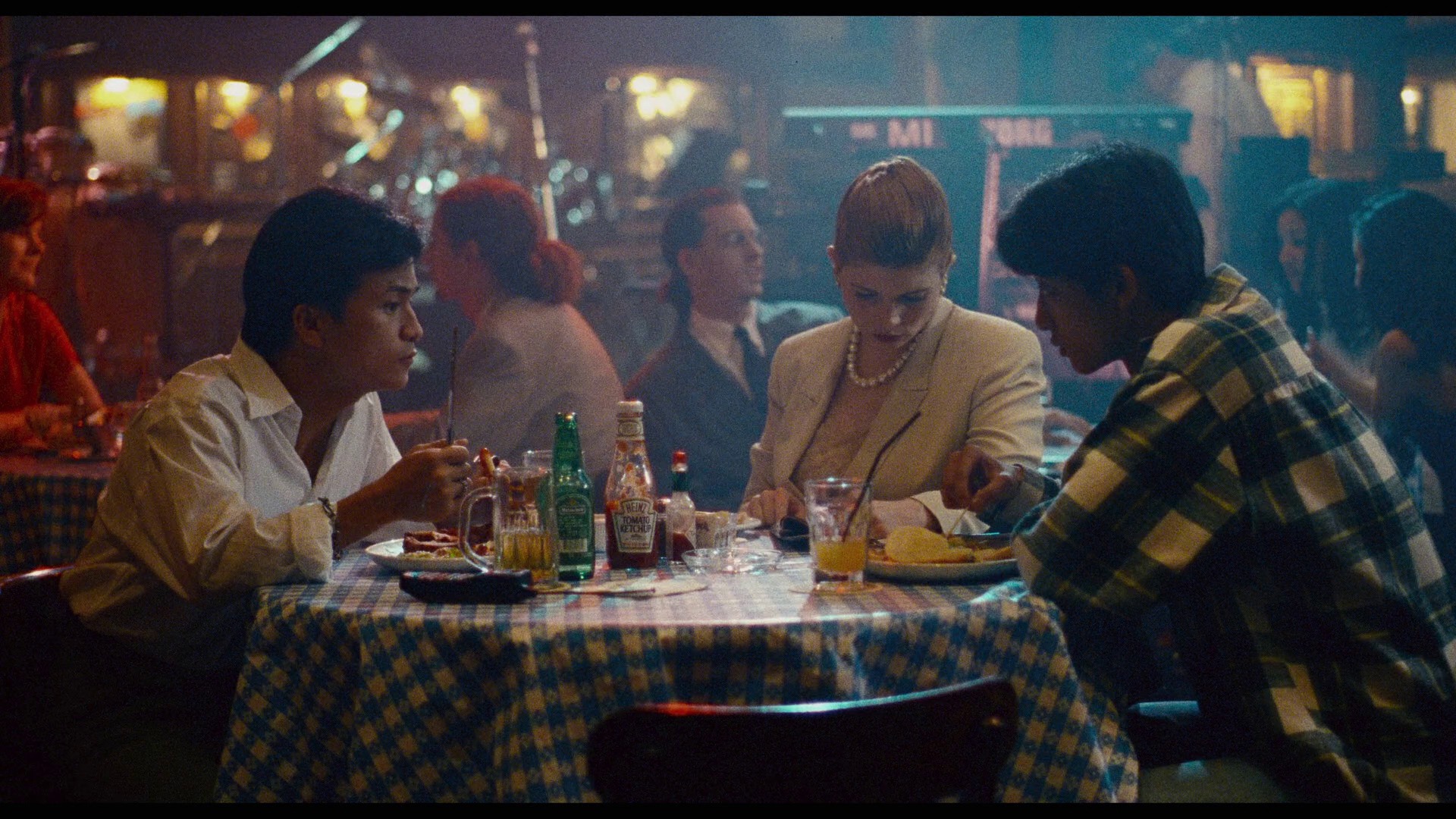
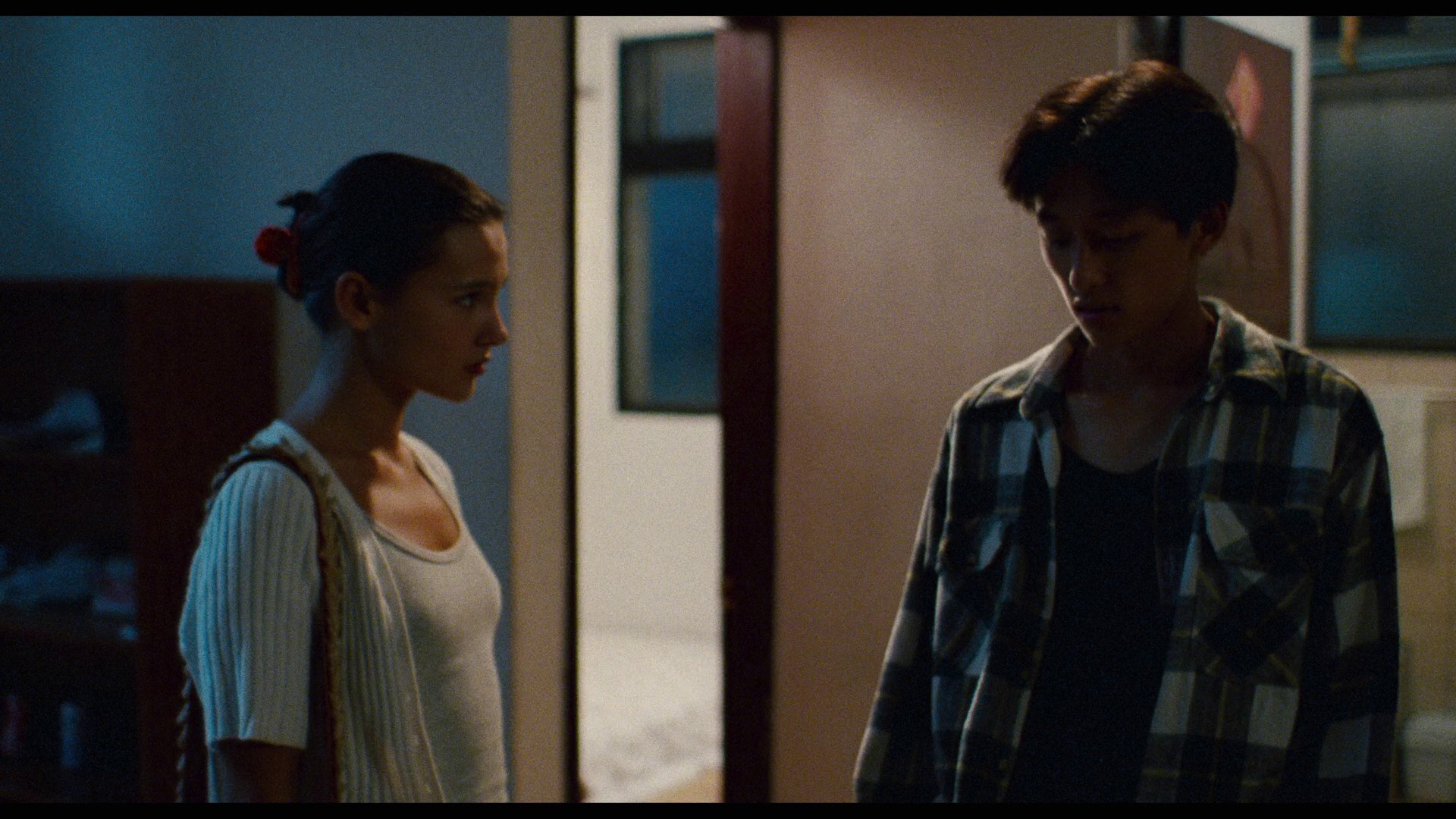
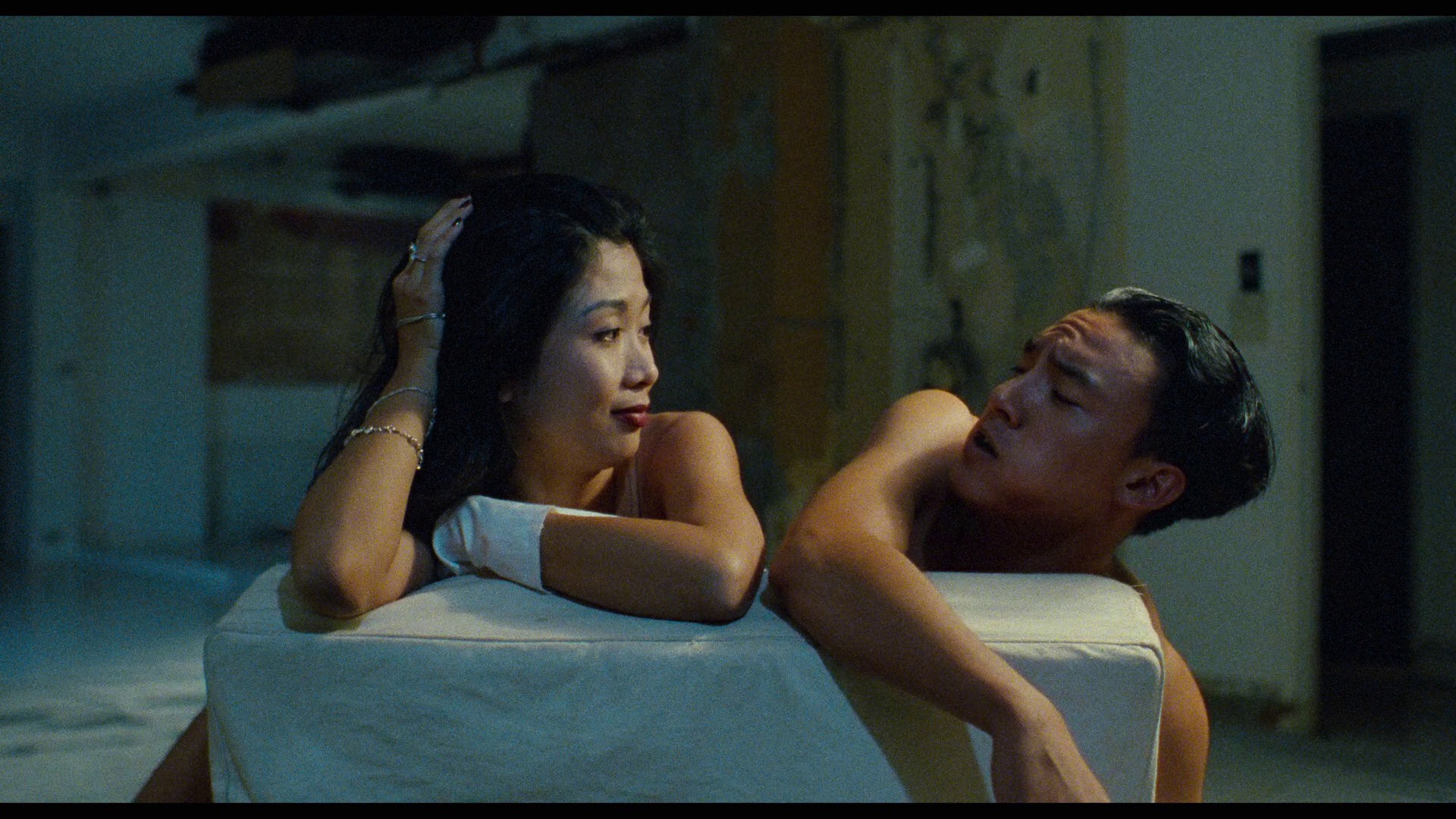
Though it’s not surprising Criterion opted against full 4K UHD editions, it’s still a bit disappointing, mainly because the Blu-ray presentations turn out so well. Even the encodes are generally strong, handling the heavier grain structures in both films with ease, including in the many dimly lit interior scenes. This allows fine details and textures to come through cleanly, lending both films a natural looking film texture.
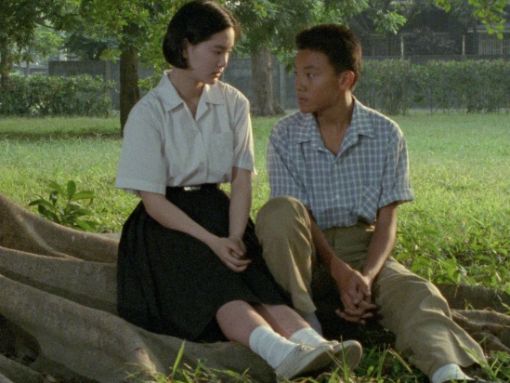
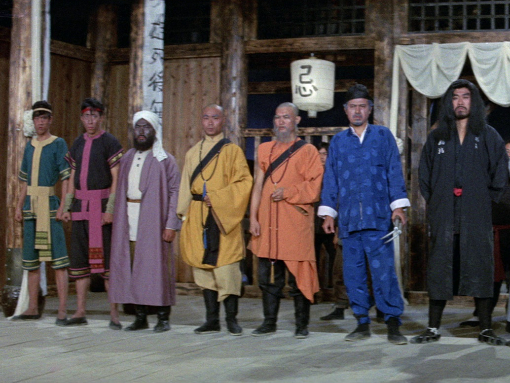
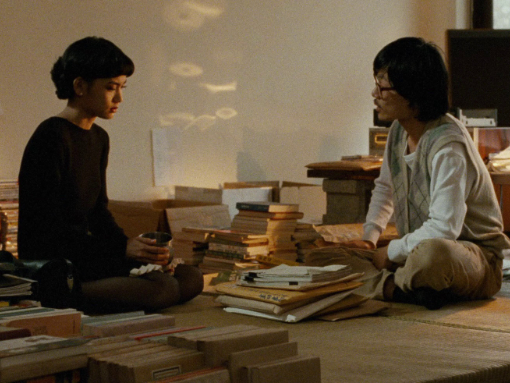
Colors are rendered beautifully, with reds occasionally popping nicely, while black levels are solid, showing good shadow detail and smooth gradations. The image remains consistently clean, with no visible print damage. And despite A Confucian Confusion being pieced together from multiple sources, I never noticed any distracting shifts in quality.
Overall, both films look excellent, and are arguably (with Yi Yi being sourced from an older master, and A Brighter Summer Day compromised by being crammed onto a single disc) the best Yang’s work has looked on the format so far. While I still wish these had received proper 4K editions, as-is, they look quite good.
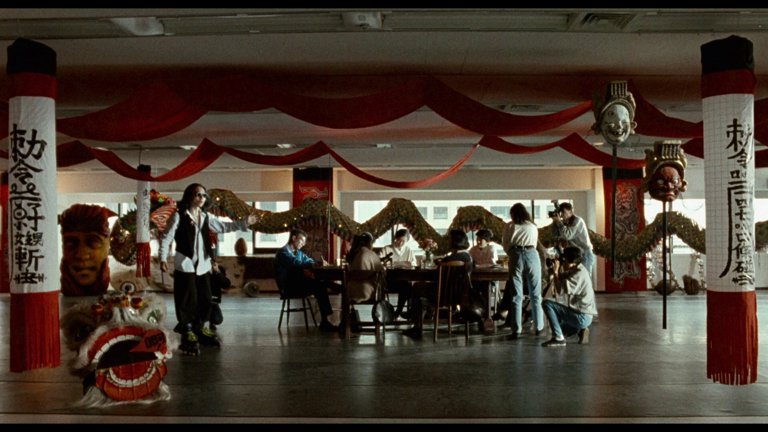
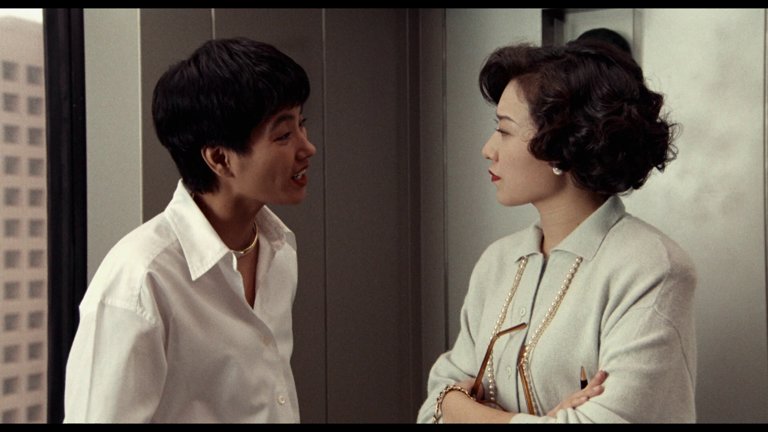
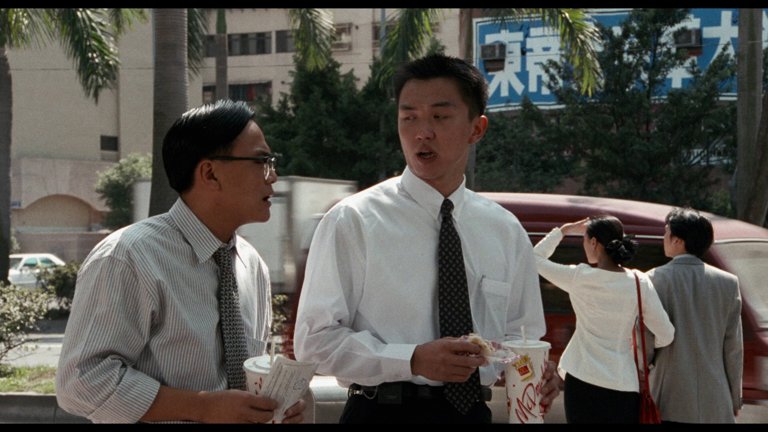
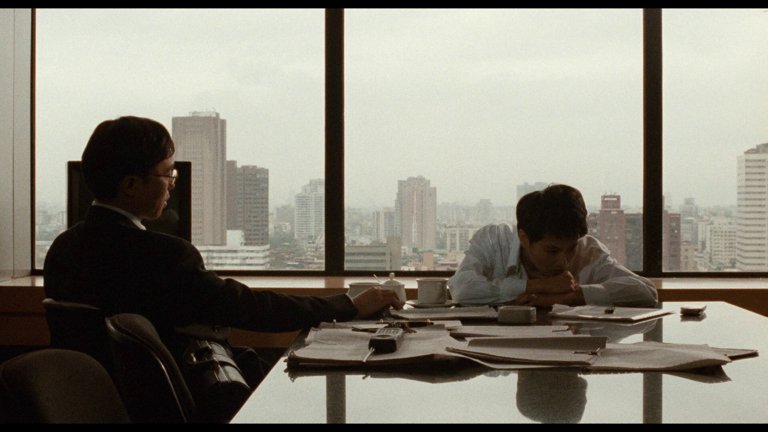
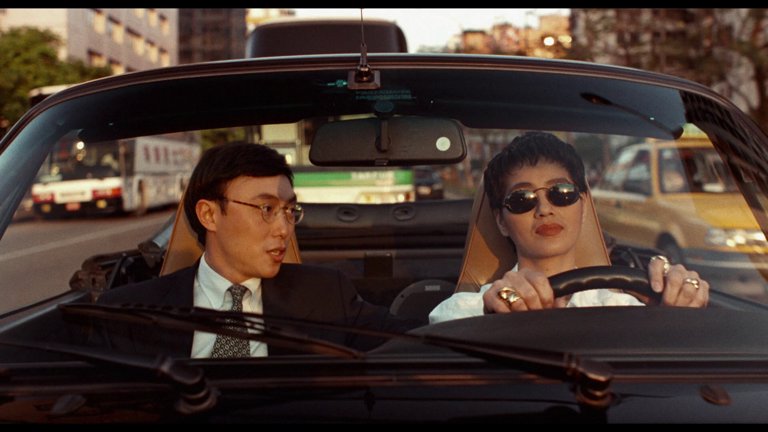
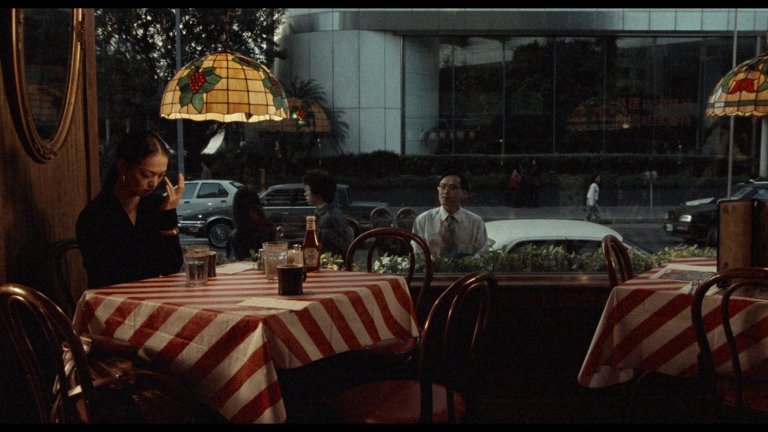
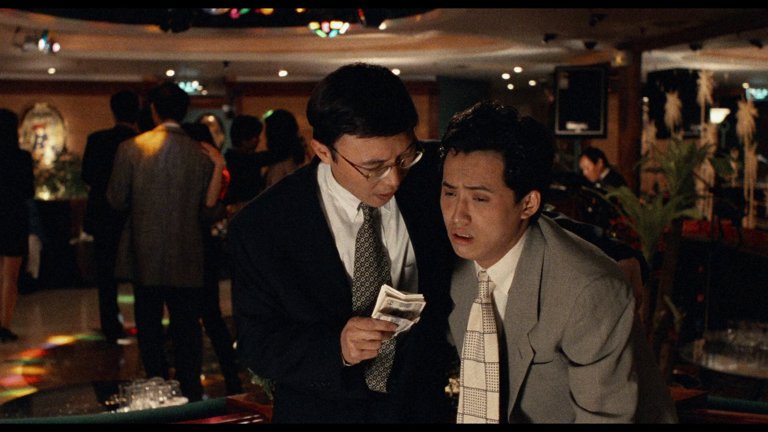
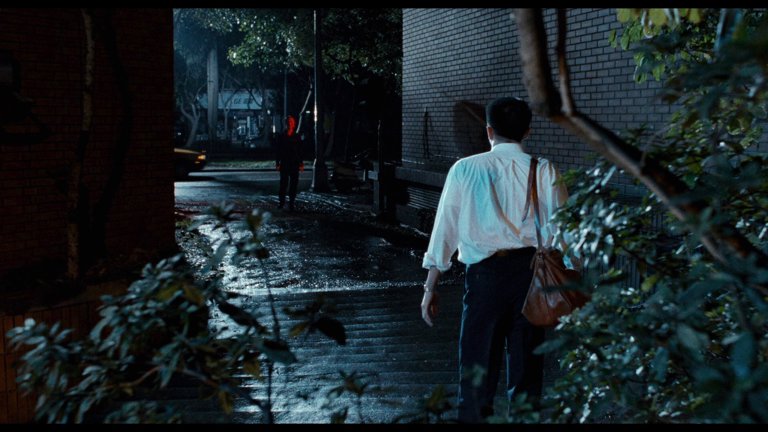
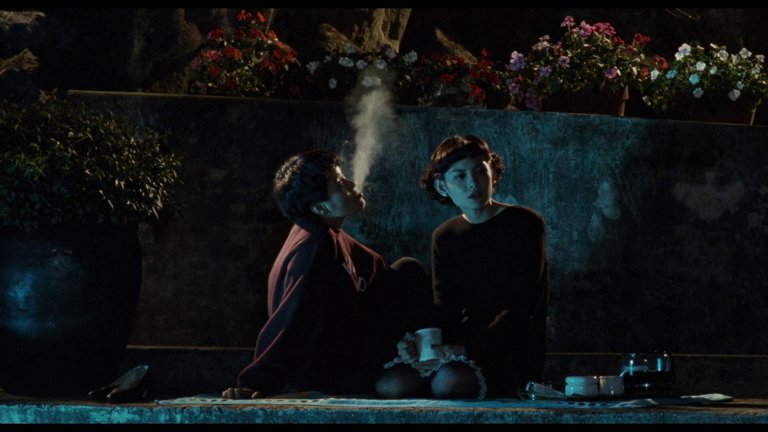
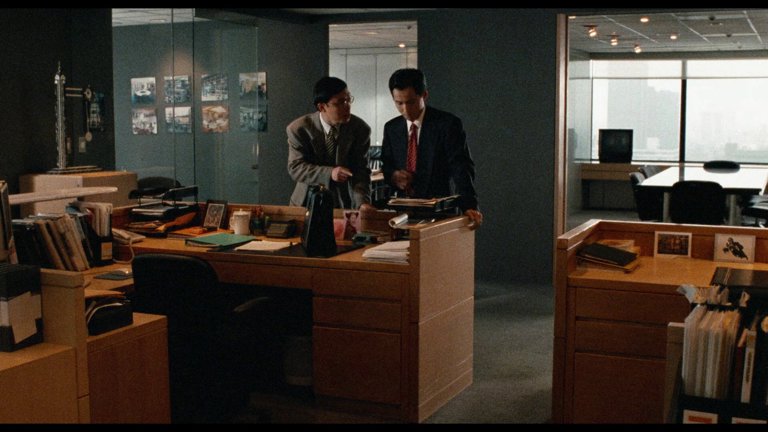
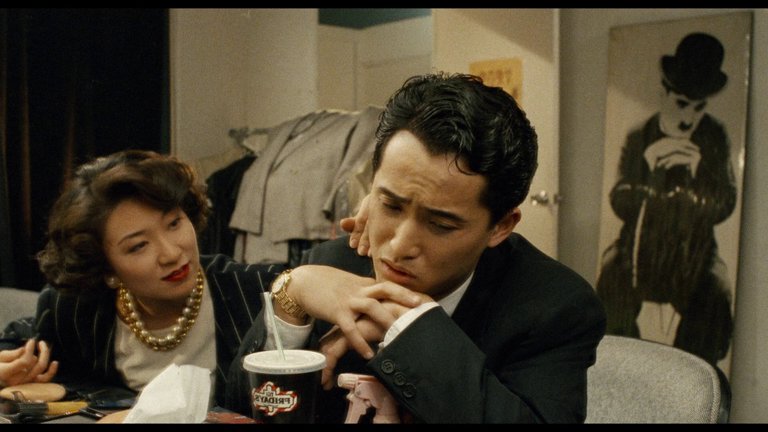
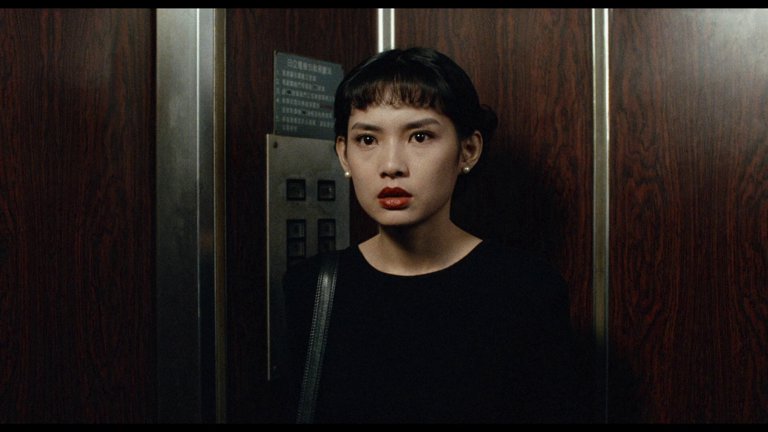
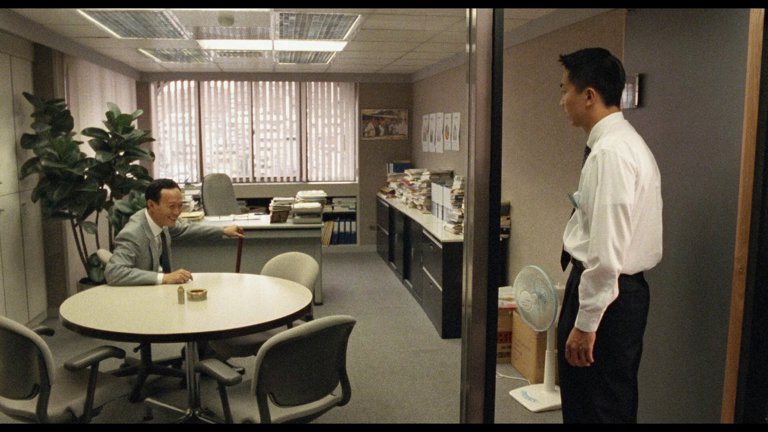
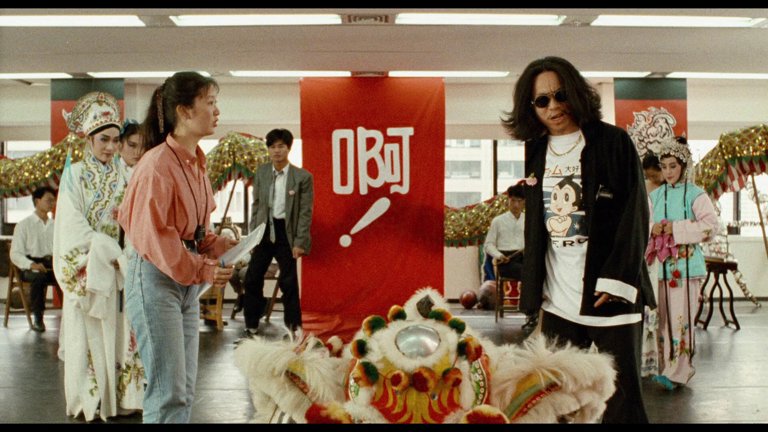
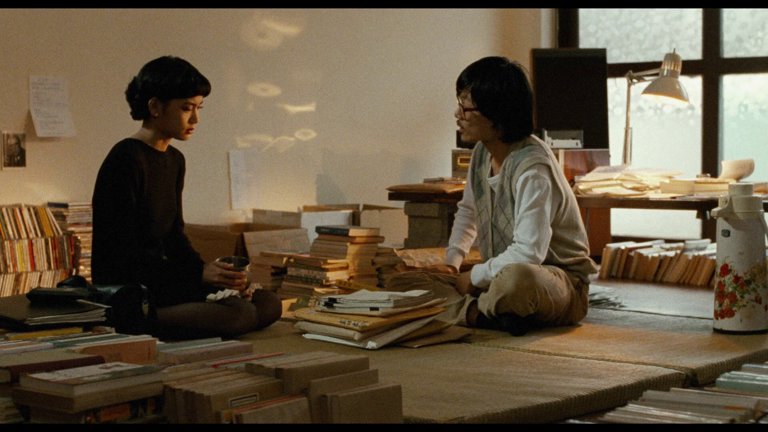
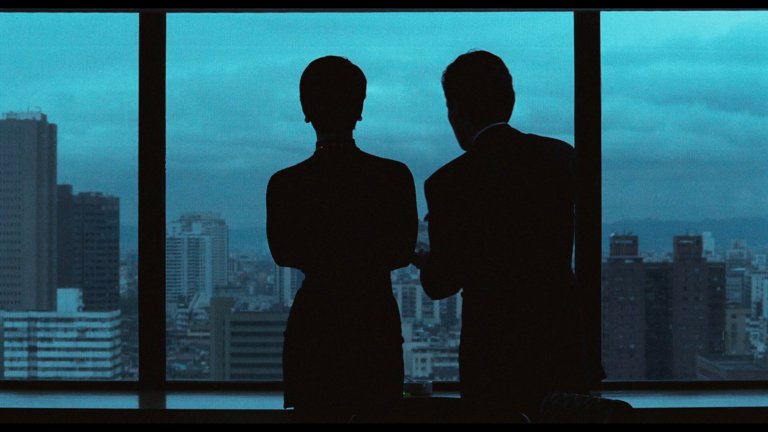
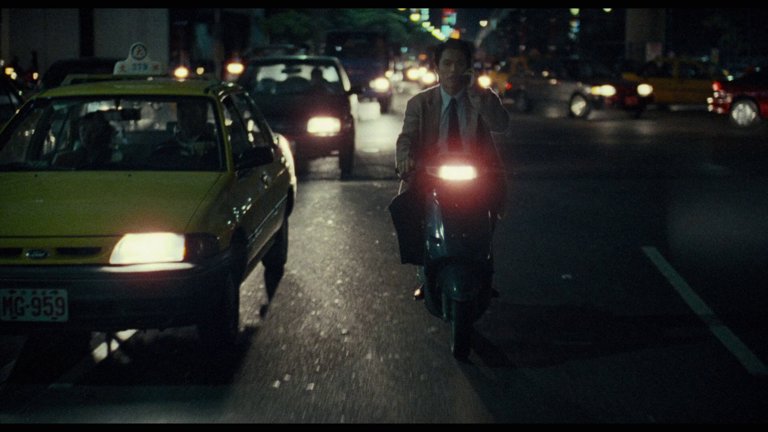
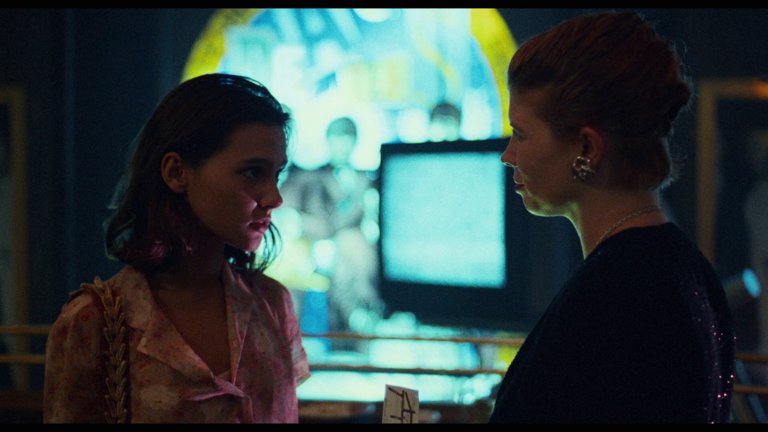
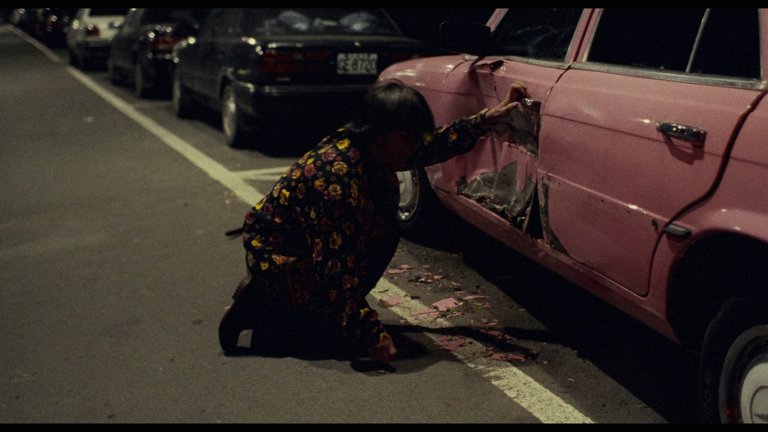
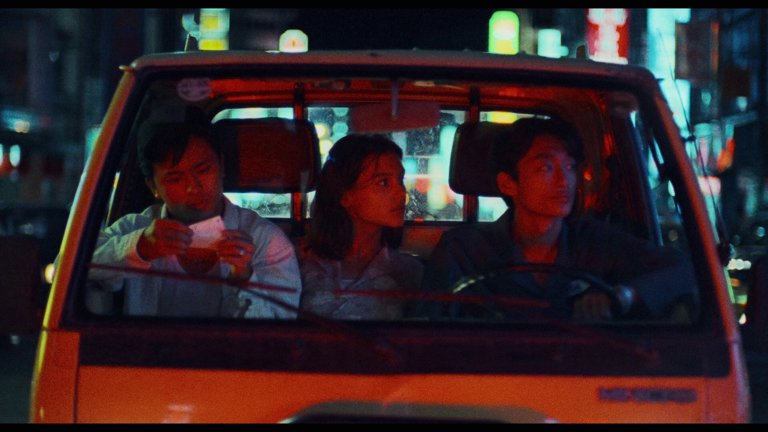
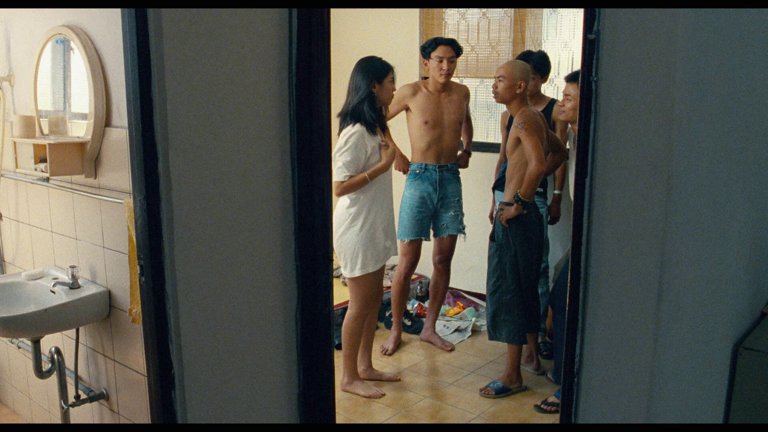
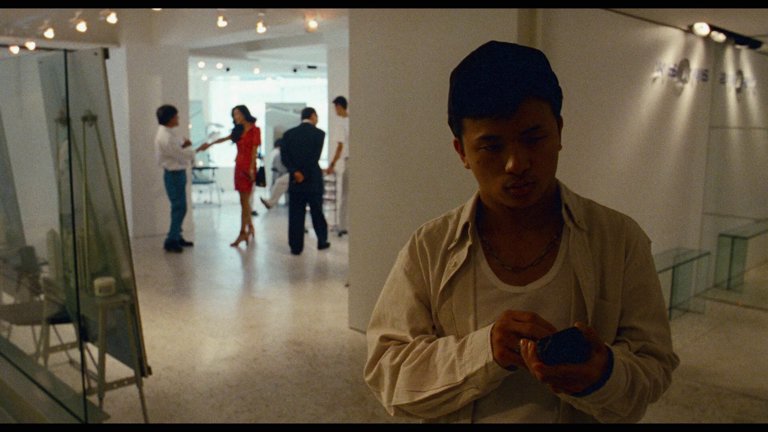
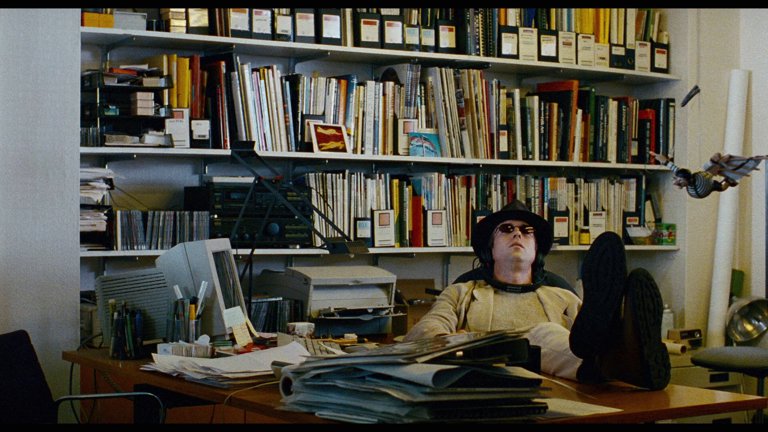
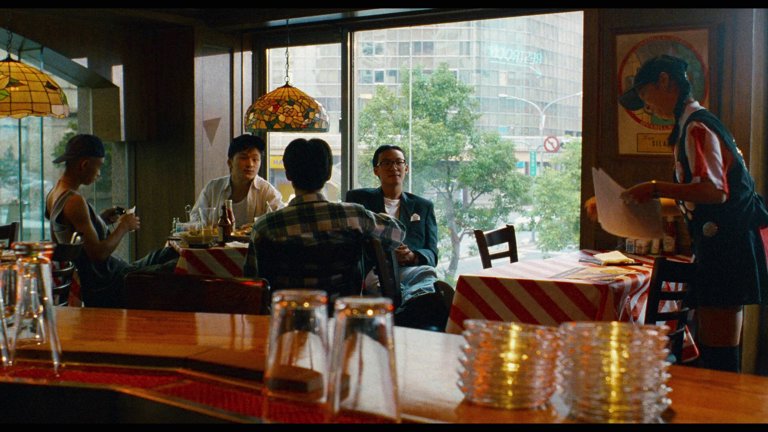
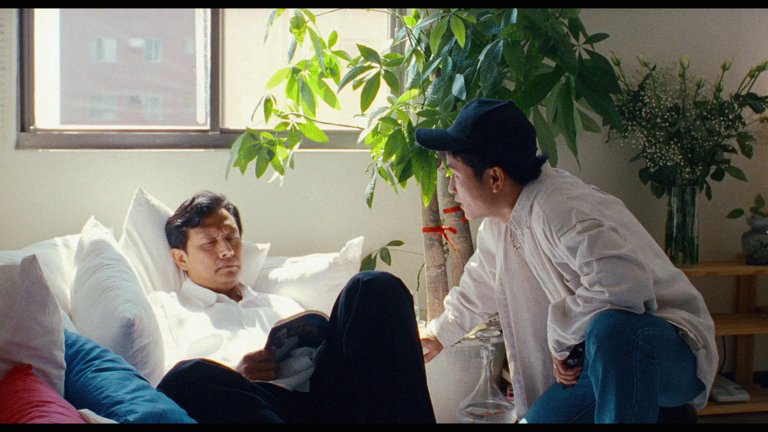
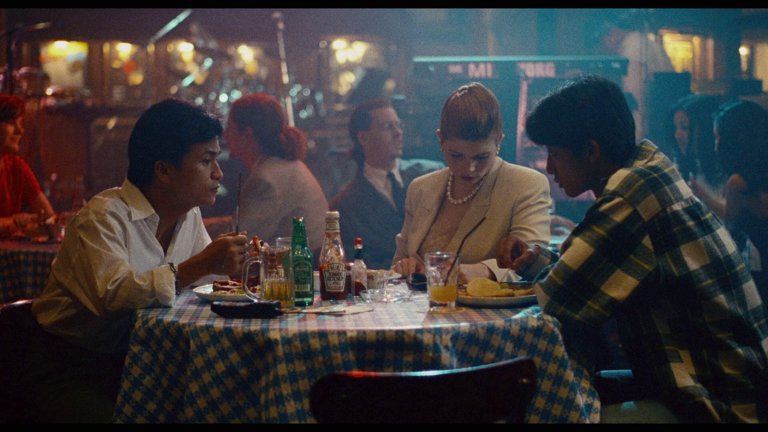
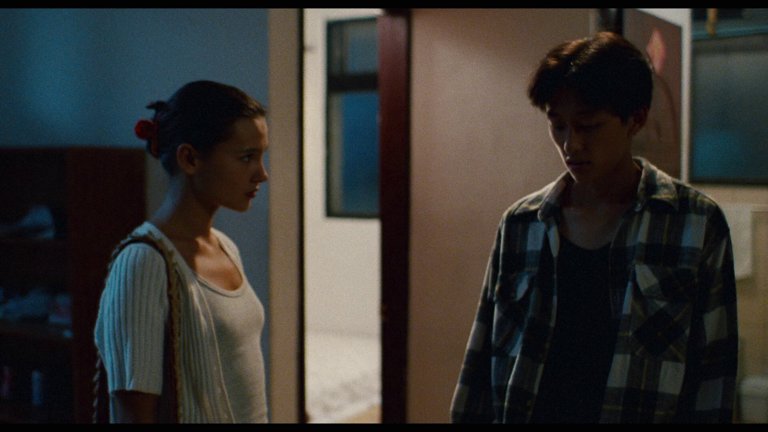
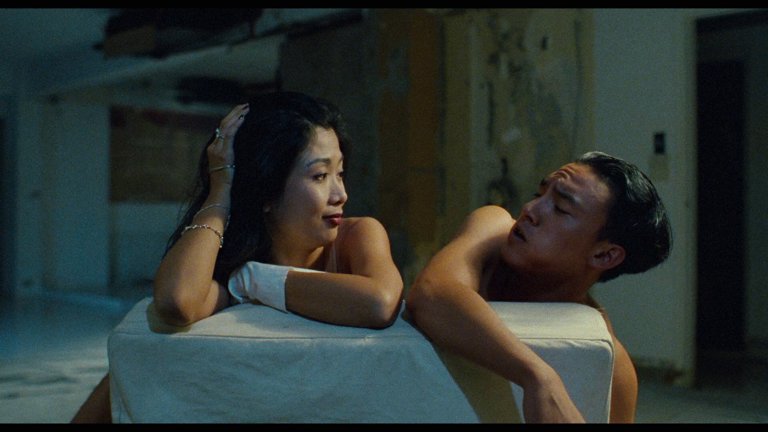
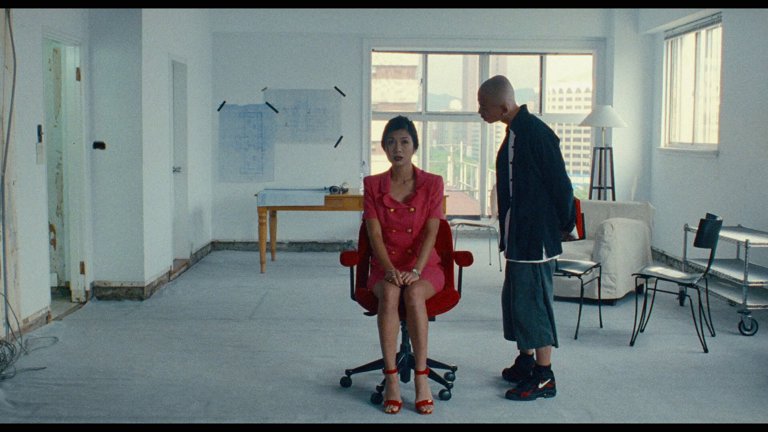
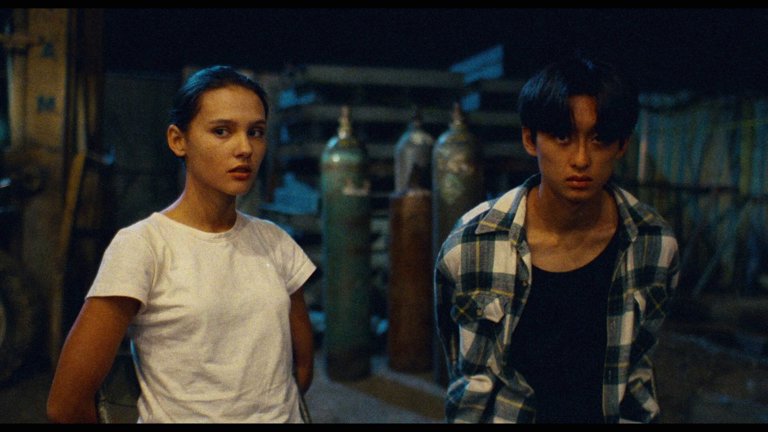
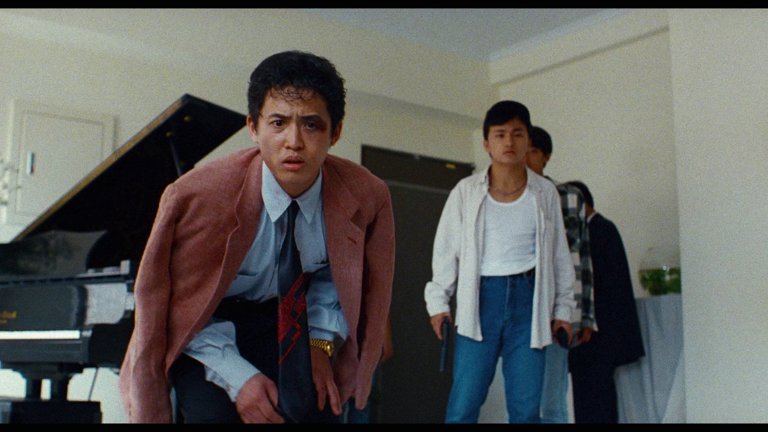
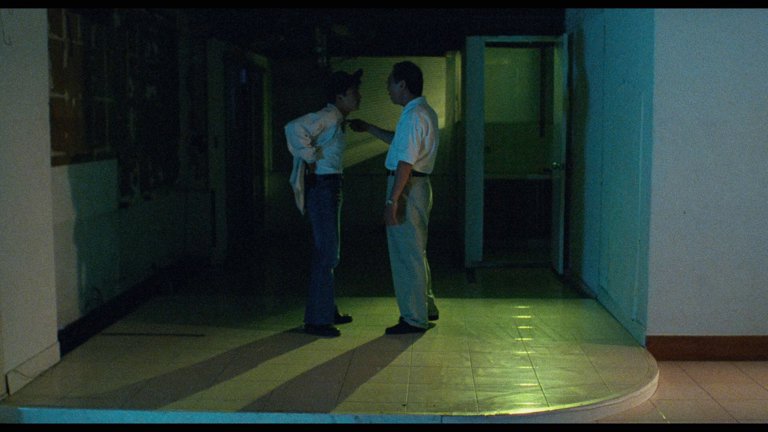
A Confucian Confusion / Mahjong: Two Films by Edward Yang - Screen Captures
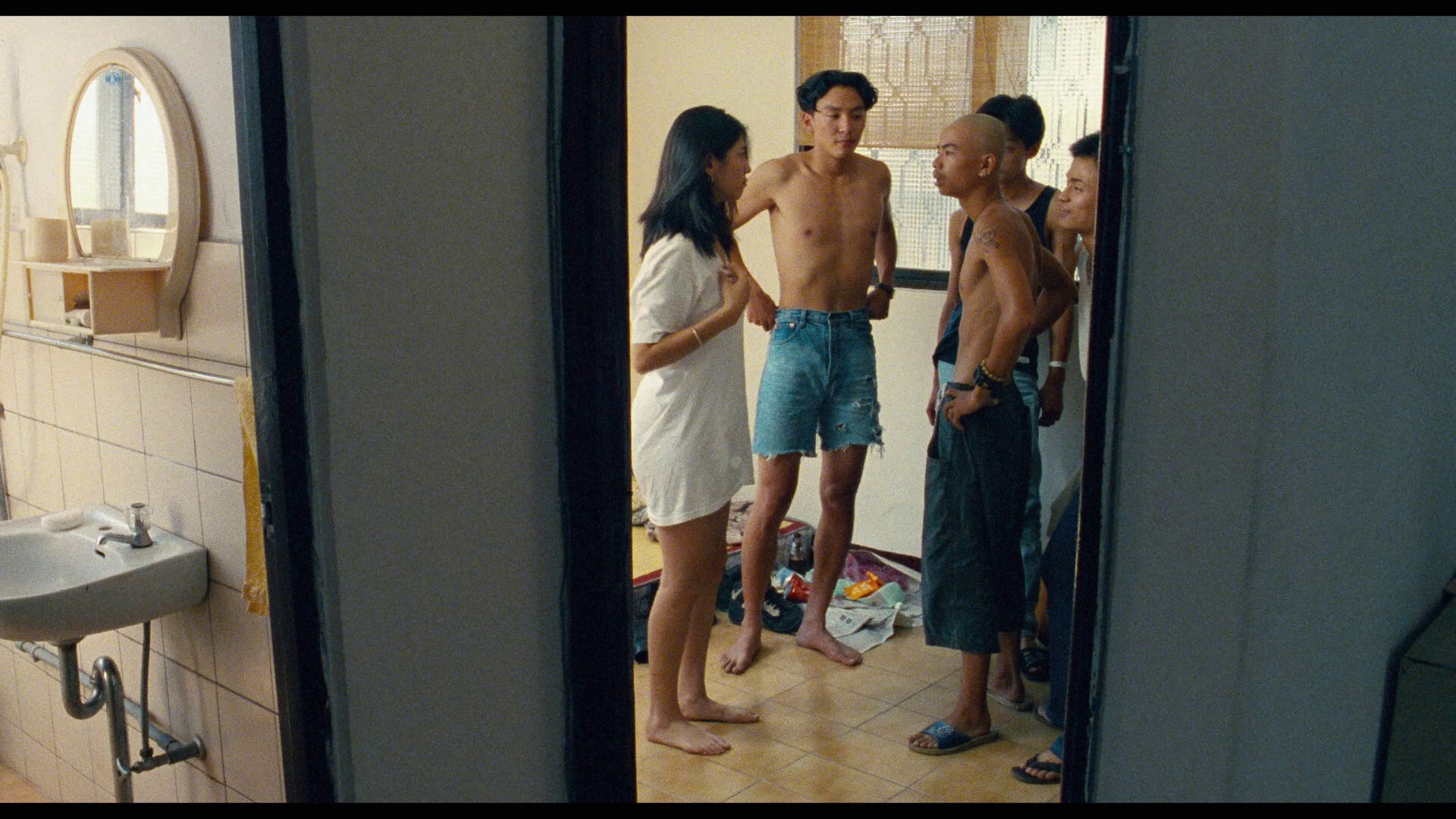
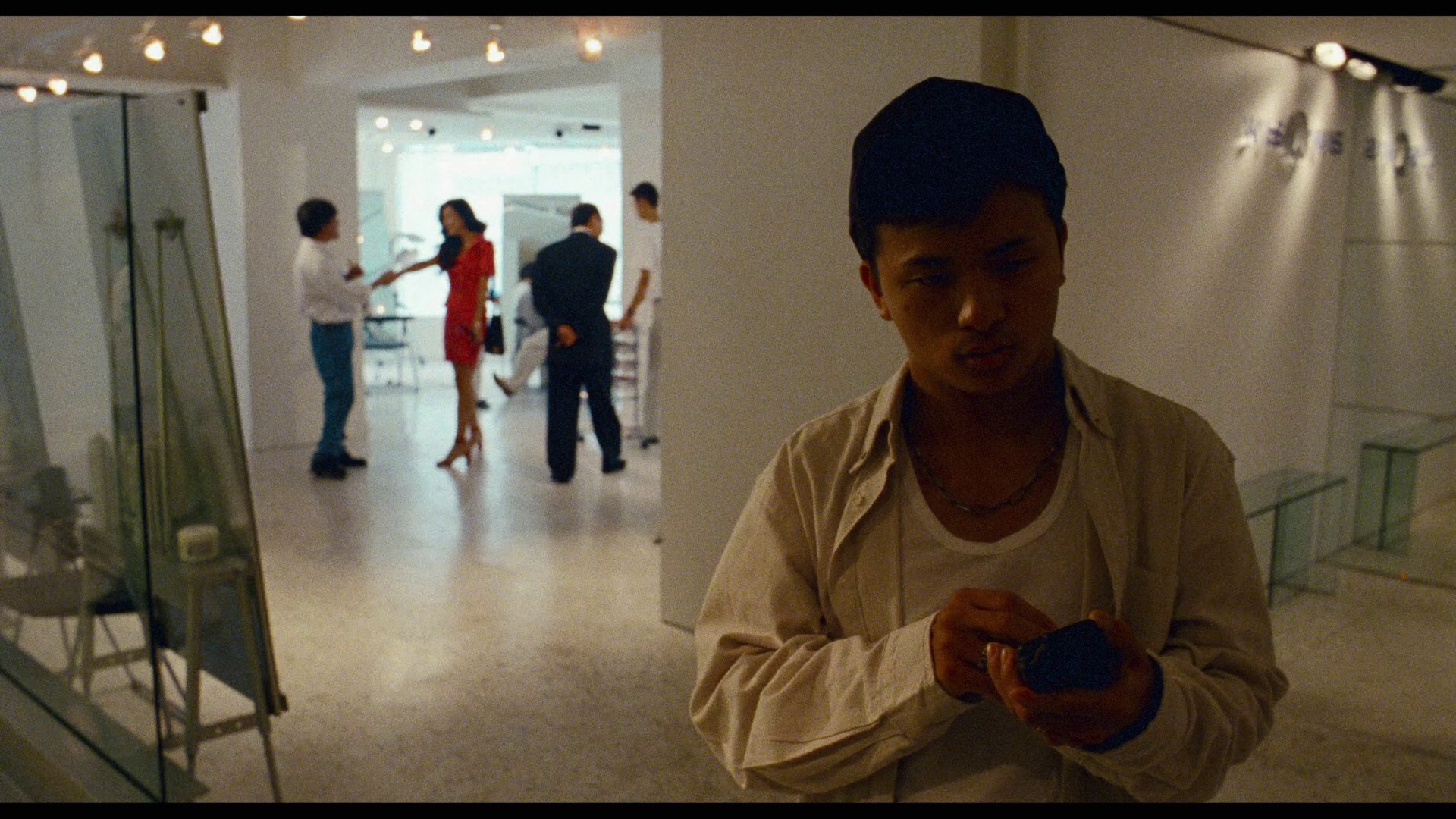
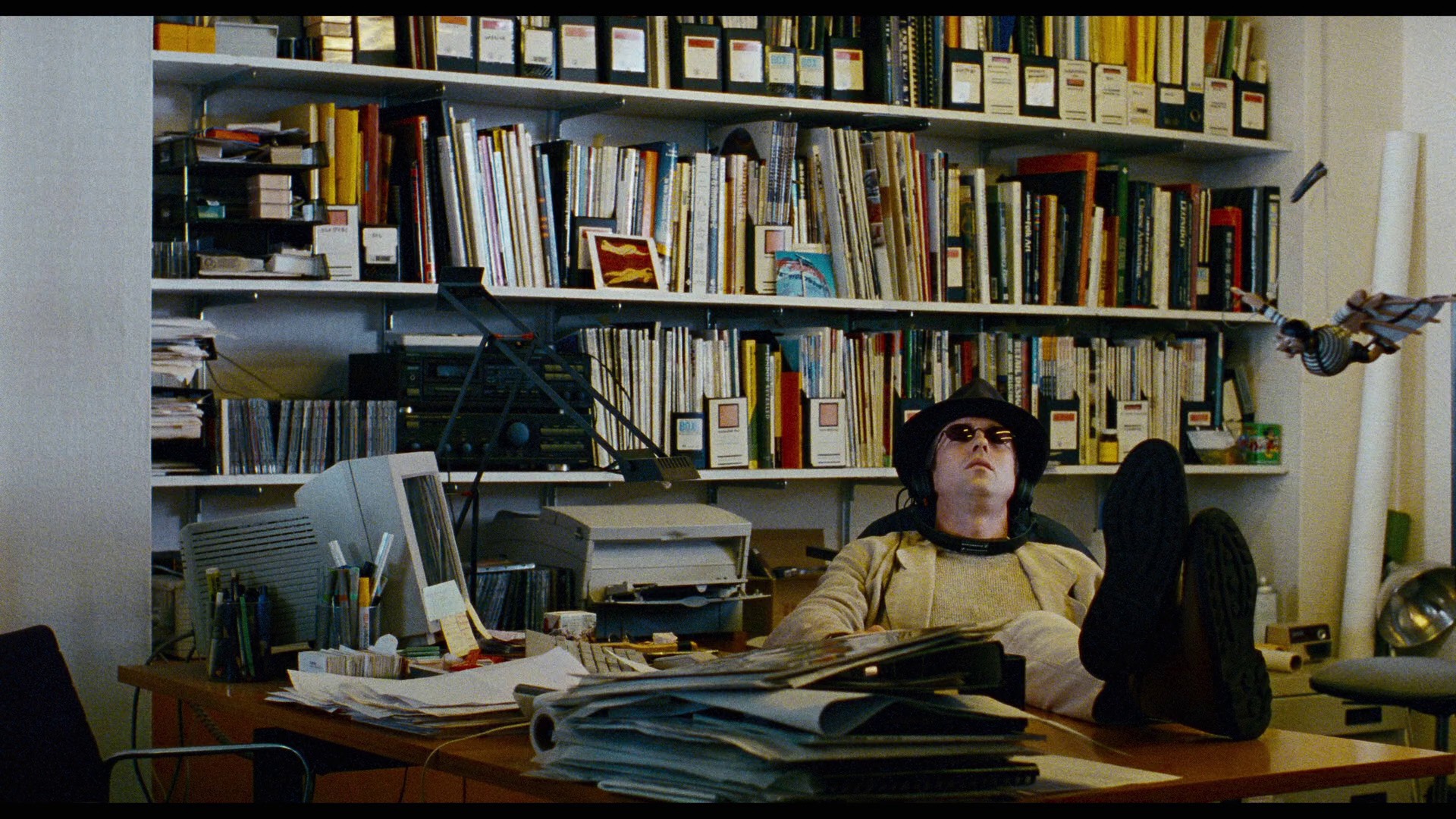
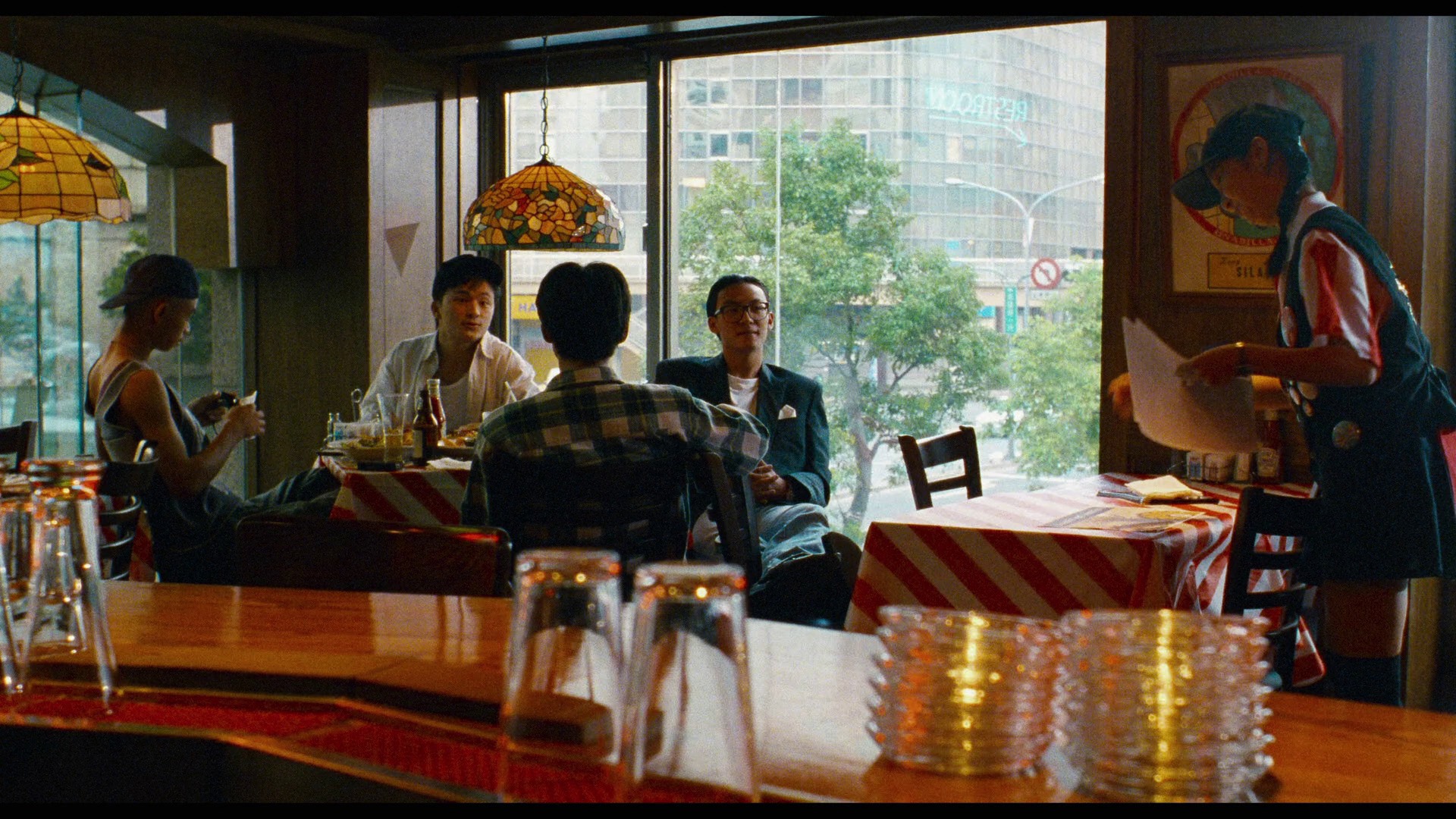
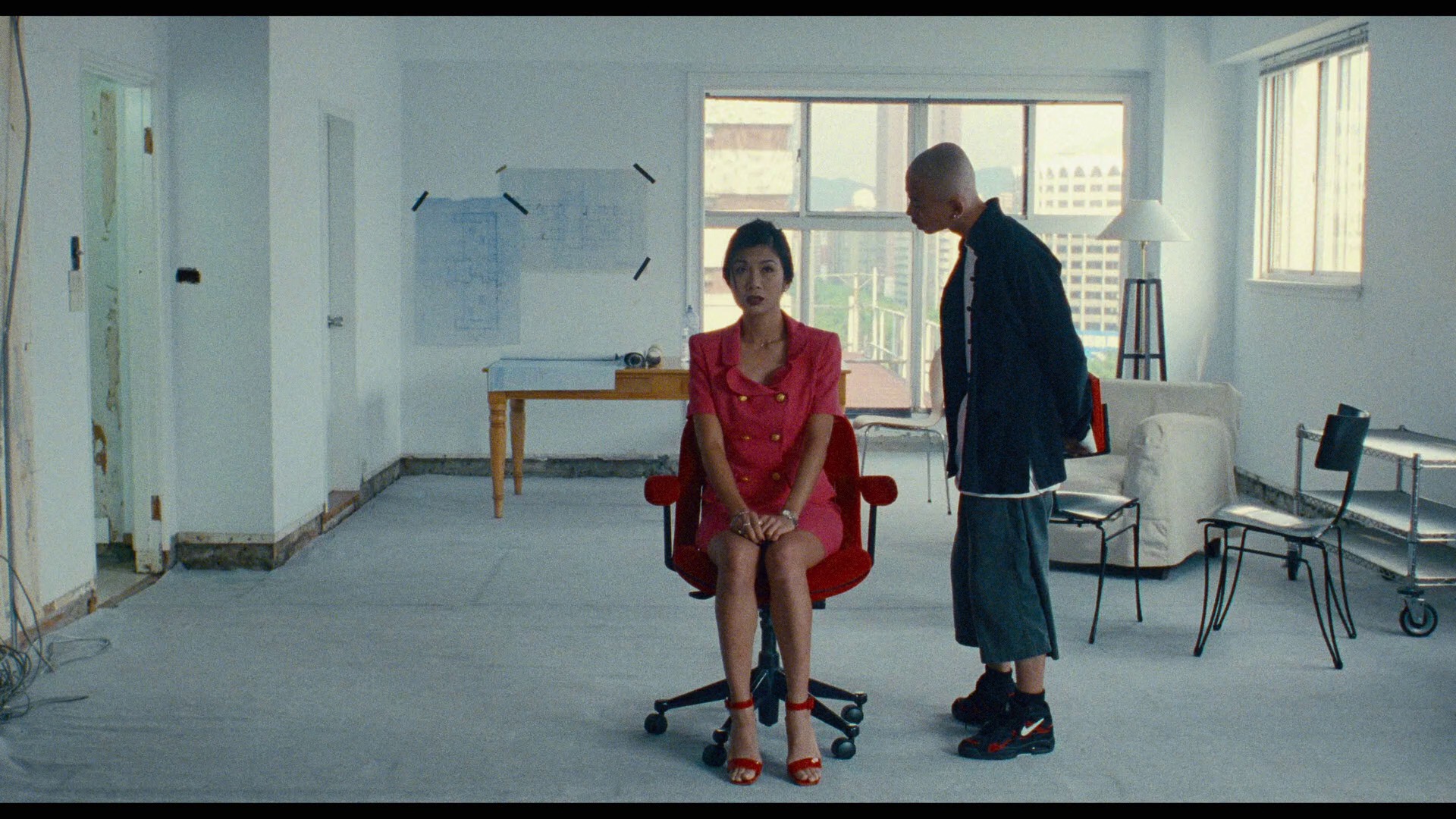
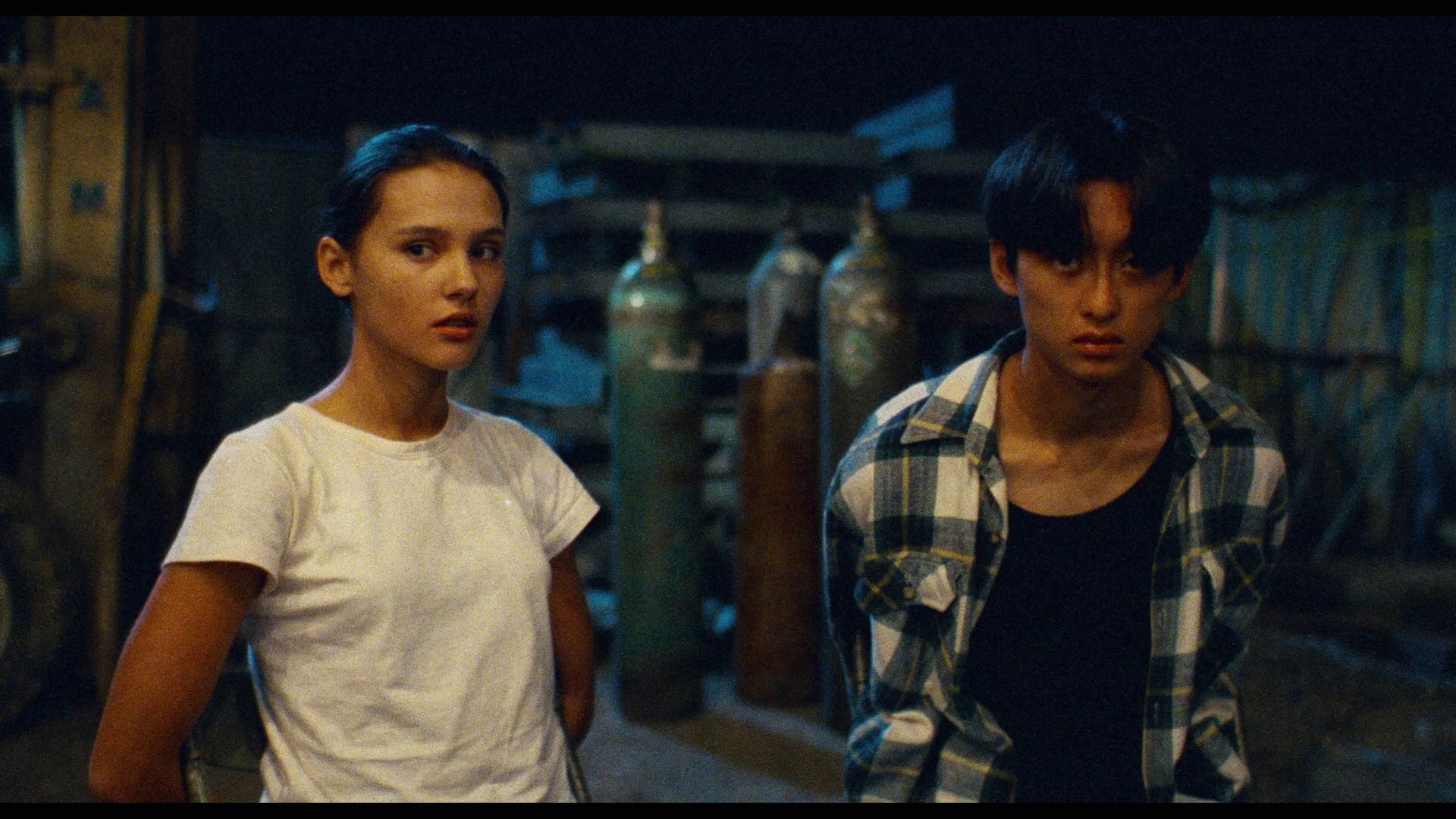
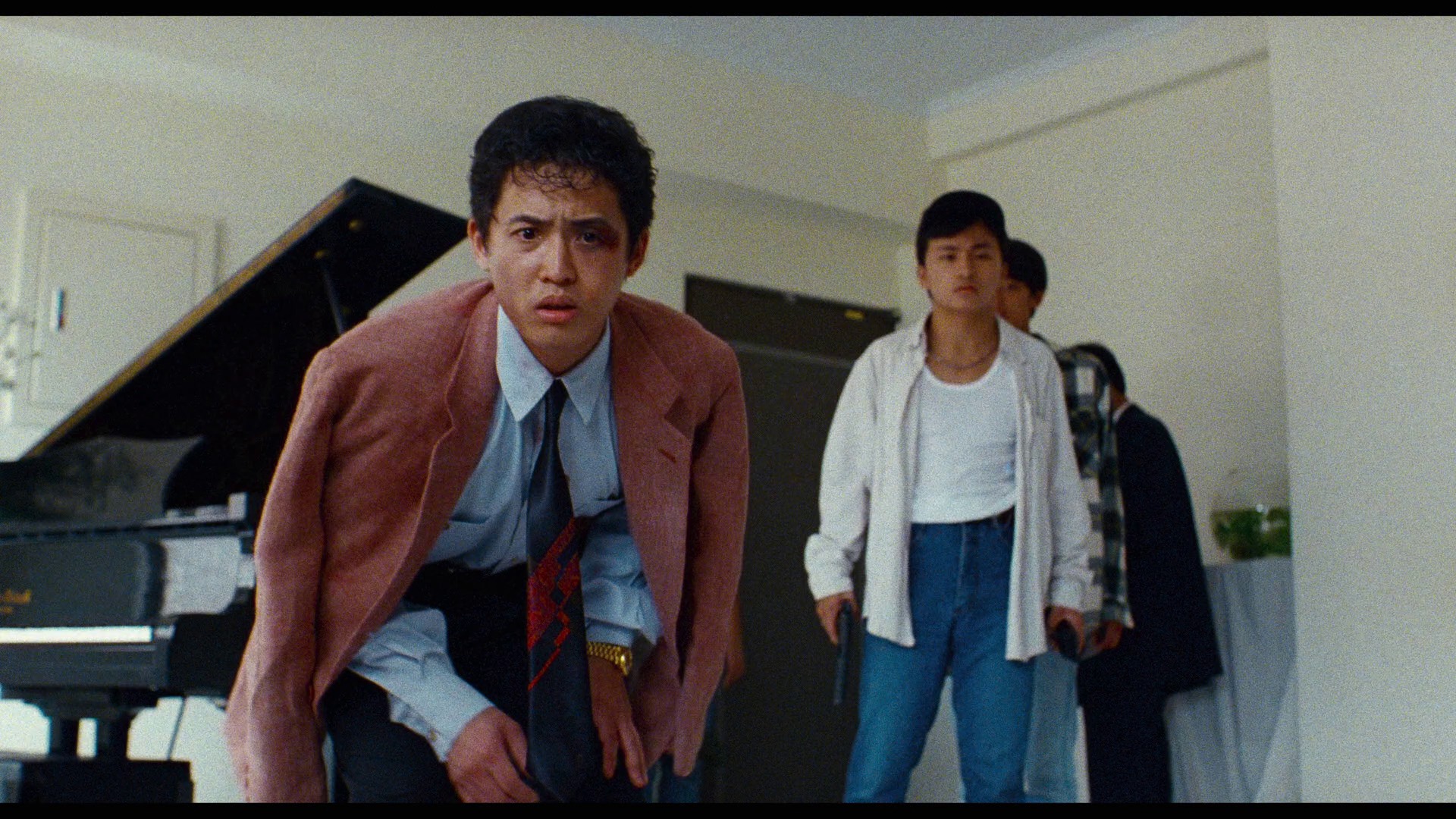
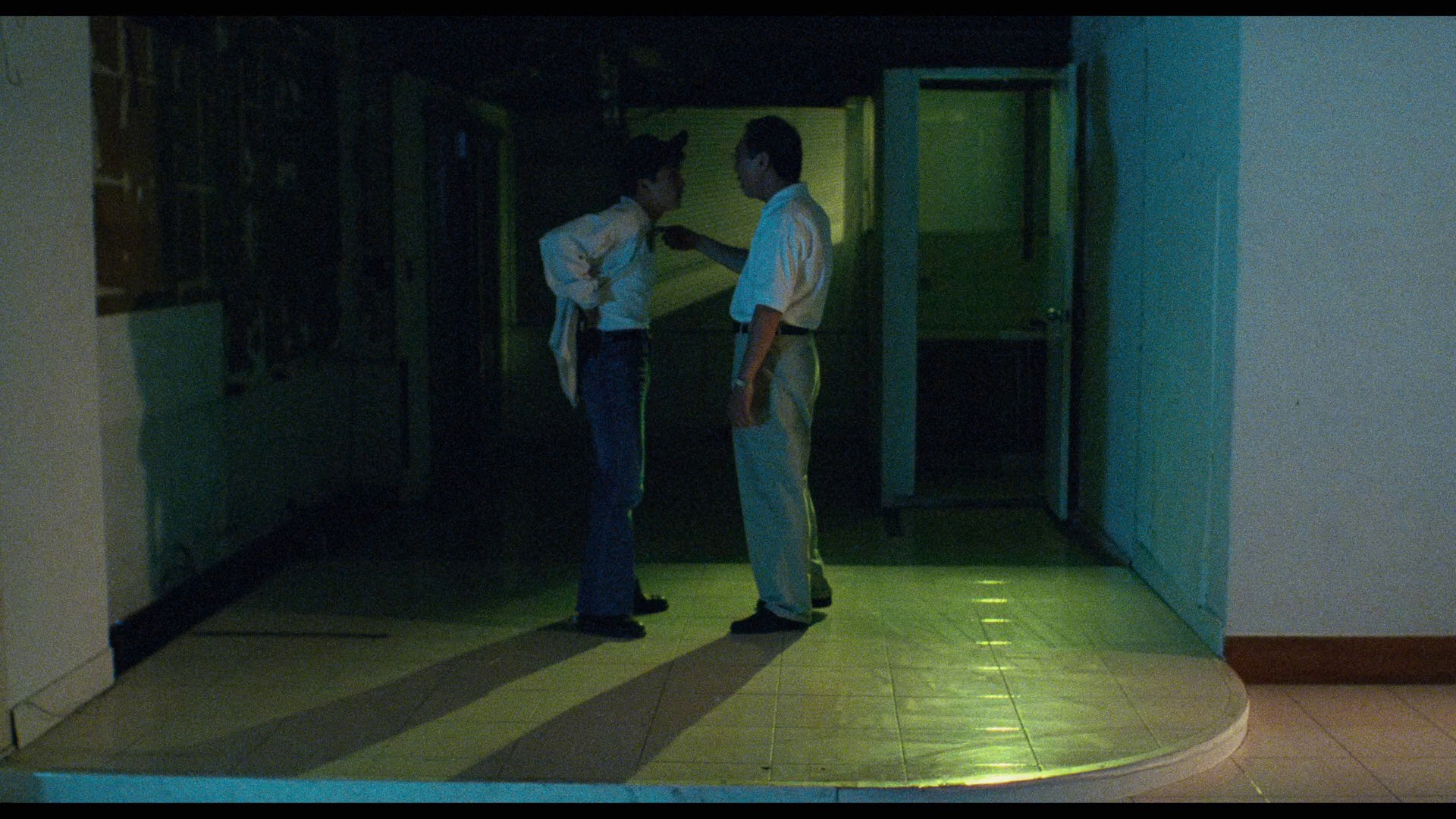
Audio 8/10
Both films feature 5.0 surround soundtracks. While neither mix is especially aggressive, they each offer a few pleasant surprises. Most of the activity is focused across the front channels, particularly in the more dialogue-driven A Confucian Confusion, a fact editor Chen Po-wen lightly laments in his included interview. Still, ambient sounds like street and bar noise are nicely spread into the rear channels, and there are some noticeable directional effects and channel separation throughout. A couple of louder moments also deliver great range.
Overall sound quality is excellent: the audio is crisp and clear, with no distortion or signs of damage.
Extras 6/10
Criterion includes a handful of supplements for this release and surprisingly, a couple of them are new. The first disc, featuring A Confucian Confusion, includes two archival features, starting with a 53-minute Q&A session with Edward Yang from a 1994 screening of the film. Though sourced from somewhat rough camcorder footage, it proves to be an incredibly engaging discussion. Yang covers a wide range of topics, from the film’s title (the literal Chinese translation being The Age of Independence) to the personalities of the characters and even specific details like the use of TGI Fridays as a setting. His other films come up—including A Brighter Summer Day—but much of the conversation focuses on his writing process and character development. Yang insists he doesn’t put himself into his characters, though he’s clearly thought deeply about how each one functions. The moderators mostly step back and let him talk, which results in a remarkably candid and thoughtful conversation.
The second archival piece is a video recording of Yang’s 1992 one-act play Likely Consequence. Its inclusion here makes sense; the humorous tone fits nicely with the two films in this set, and the cast includes actors who would go on to appear in A Confucian Confusion. That said, it’s a bit odd given that Criterion already included this same recording in their A Brighter Summer Day release. The play itself revolves around a married couple trying to figure out what to do with a dead body in their apartment. As they scheme, buried tensions surface, leading to a conclusion that clearly benefits the husband more than the wife. The piece reflects the same satirical edge found in A Confucian Confusion, poking at the social and economic shifts taking place in Taipei at the time. If you haven’t seen it yet, it’s worth watching, though the presentation is still rough due to the condition of the footage and the burned-in subtitles.
The second disc—featuring Mahjong—features the release’s two new supplements. First is a newly recorded 44-minute conversation between critics Michael Berry and Justin Chang. The two discuss Yang’s work more broadly, recalling the first films they saw and walking through the trajectory of his career. They touch on recurring themes and commentary, but focus specifically on the qualities (including the comedic) of the two films in this set, as well as the darker turn Mahjong takes. They place both films in the context of Taiwan’s post–Martial Law period and the subsequent economic boom, even digging into the significance of the recurring TGI Fridays locations (and their reason for being here is actually kind of funny). With some discussion around Taipei itself and how Yang captures it, it turns into an illuminating and thoughtful exploration of both the films and the time in which they were made.
The disc closes with a terrific 26-minute interview with editor Chen Po-wen. He reflects on his working relationship with Yang, noting that while the director had a reputation for being difficult, Chen never personally experienced that. He backs this up with stories about some of the tough decisions made during the editing process, especially on A Confucian Confusion, which he felt was far too talky. In that case he recalls having to convince Yang to tone things down, and notes that the film’s first cut ran close to four hours. The title cards that now break up the film were introduced as a way to reduce the runtime without losing its philosophical backbone. He also discusses the long takes in Yang’s films, revealing that these were often his own editorial choices, choosing to stay on one shot despite Yang having filmed coverage. He brings up examples from both A Brighter Summer Day and Yi Yi. It’s a fascinating and generous interview, and I'm incredibly happy Criterion was able to include it.
That wraps up the disc features. Criterion also includes a booklet featuring a new essay by Dennis Lim, who writes about both films and this transitional period in Yang’s career. It also includes a reprint of a “Director’s Note” that Yang had written for A Confucian Confusion, originally part of the film’s press materials and written in response to the 1993 World Conference on Human Rights at the United Nations. In it, Yang echoes what he says in the included Q&A: that the film is about “us.” The booklet also features Yang’s own artwork and character designs, which are occasionally shown during the video supplements.
While not a packed edition (especially with one feature repeated from another release), I’m still happy with the effort. The material included is well worth going through and provides some welcome context around these two often-overlooked films from Yang’s career.
Closing
Not the comprehensive edition I would have hoped for from Criterion, but it's still a strong one, especially when one considers how hard these films have been hard to come by. The presentations are excellent, and the included features offer valuable context and insight into Yang’s work. A very welcome release.
BUY AT: