A Dry White Season
BUY AT:

See more details, packaging, or compare
Synopsis
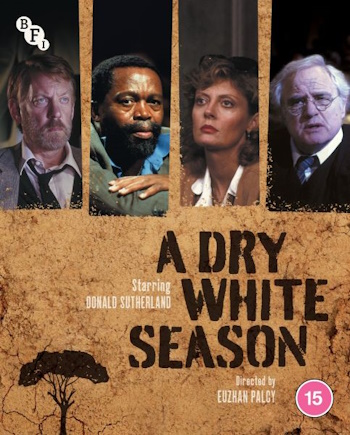
In the apartheid-era of South Africa, schoolteacher Ben du Toit (Donald Sutherland) lives with his wife and two children, wilfully naive to the racism and injustice in his country. That is until the son of his gardener is beaten and killed by white police officers in the aftermath of a protest for better education for Black children. This devastating event forces du Toit's to open his eyes and emboldens him to finally stand up and take action, seeking the help of human rights lawyer Ian McKenzie (Marlon Brando), an isolating endeavour that will change the lives of du Toit and his family forever.
With a superb cast including Donald Sutherland, Zakes Mokae, Susan Sarandon, and Marlon Brando in an Oscar-nominated supporting performance, Euzhan Palcy's A Dry White Season is a thrilling and ferocious portrayal of atrocity and discrimination.
Picture 9/10
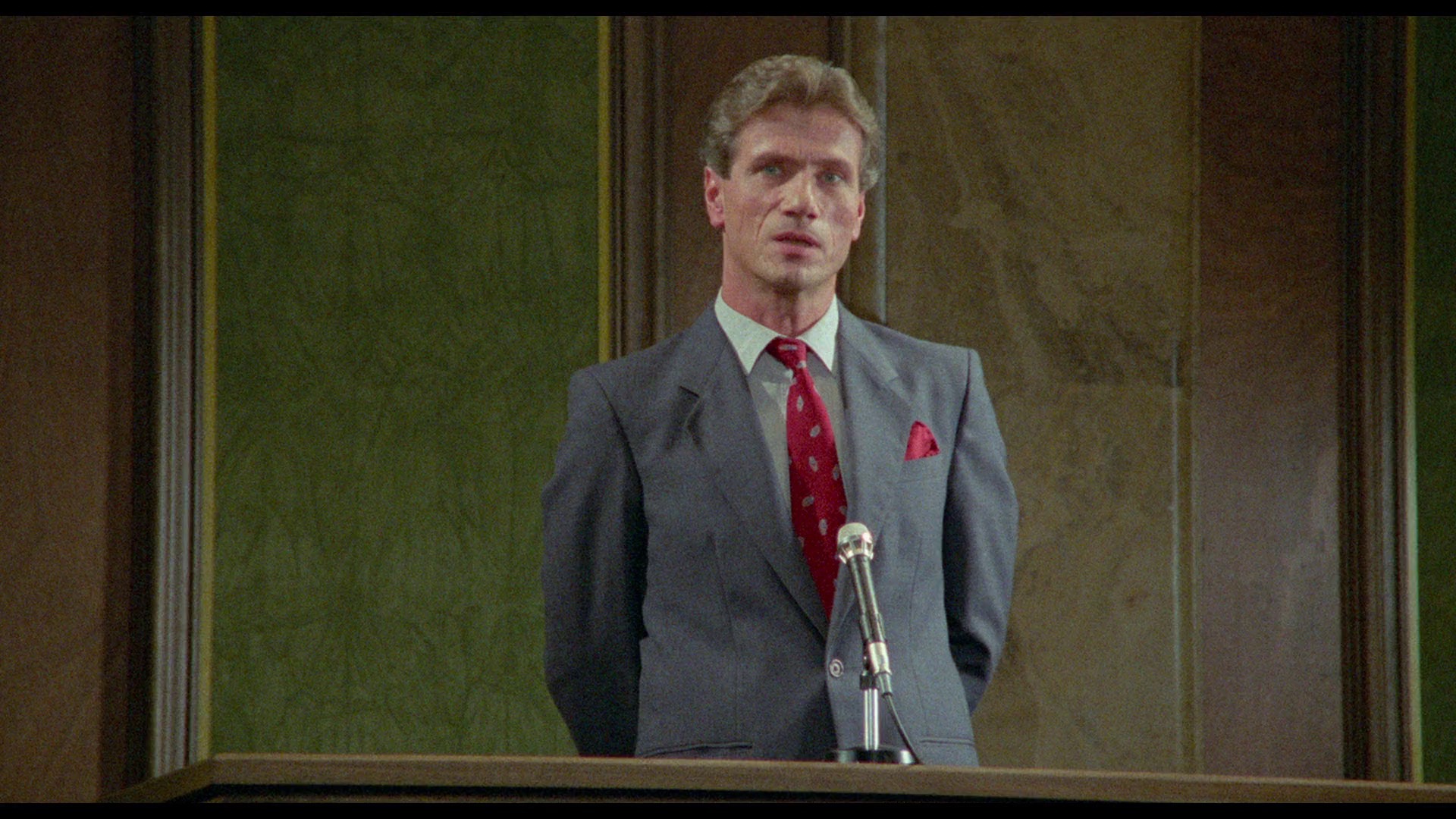
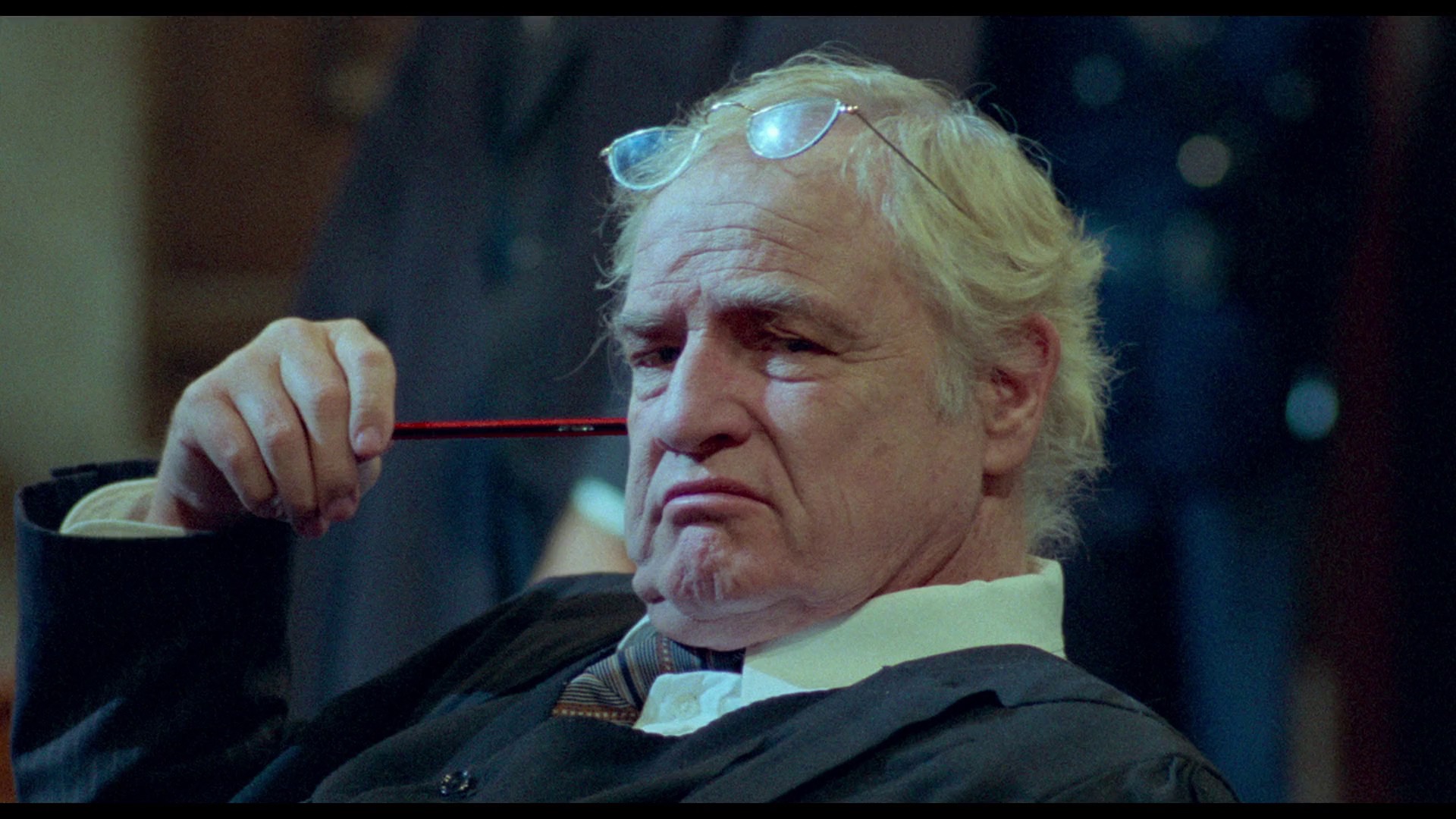
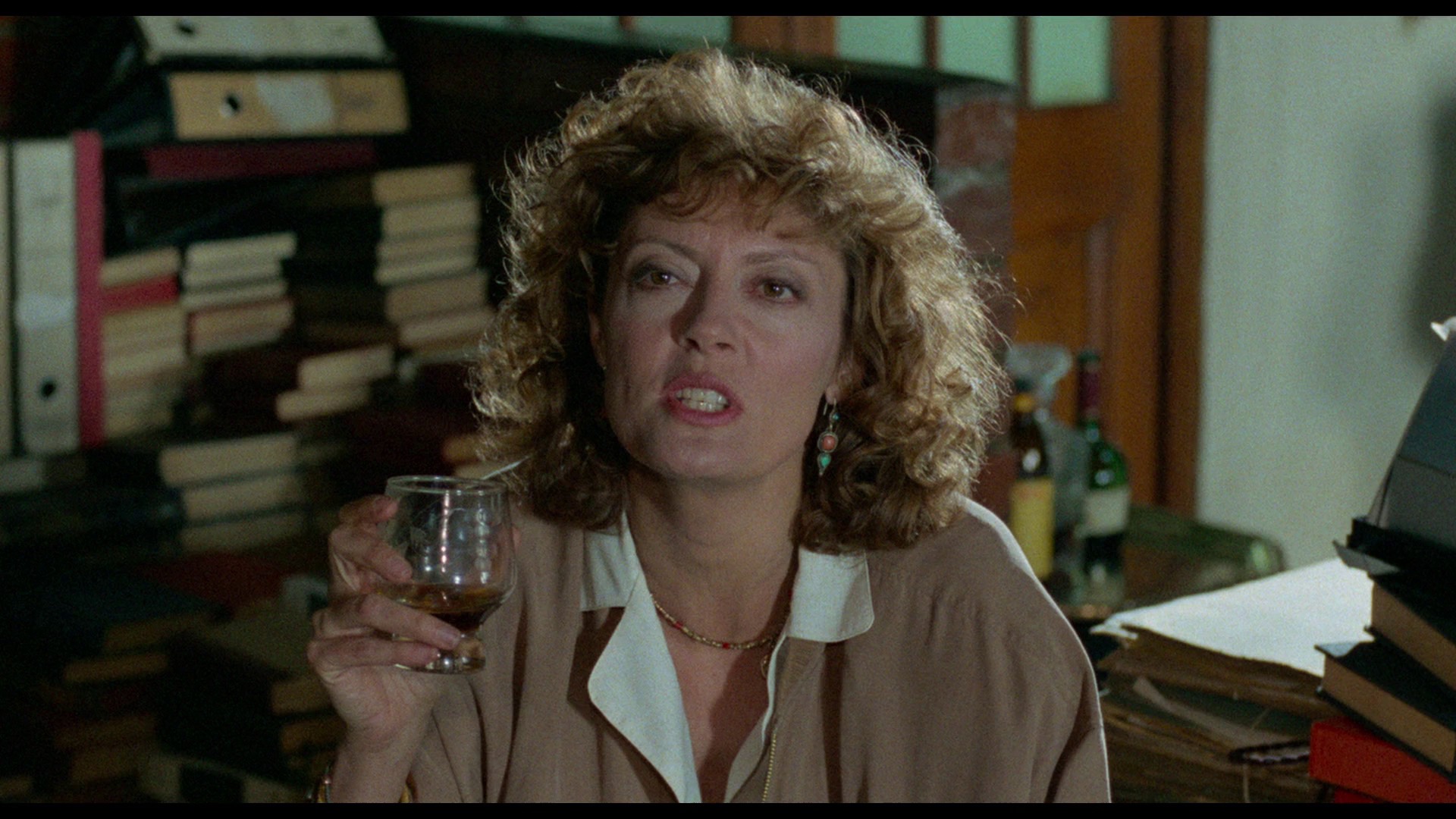
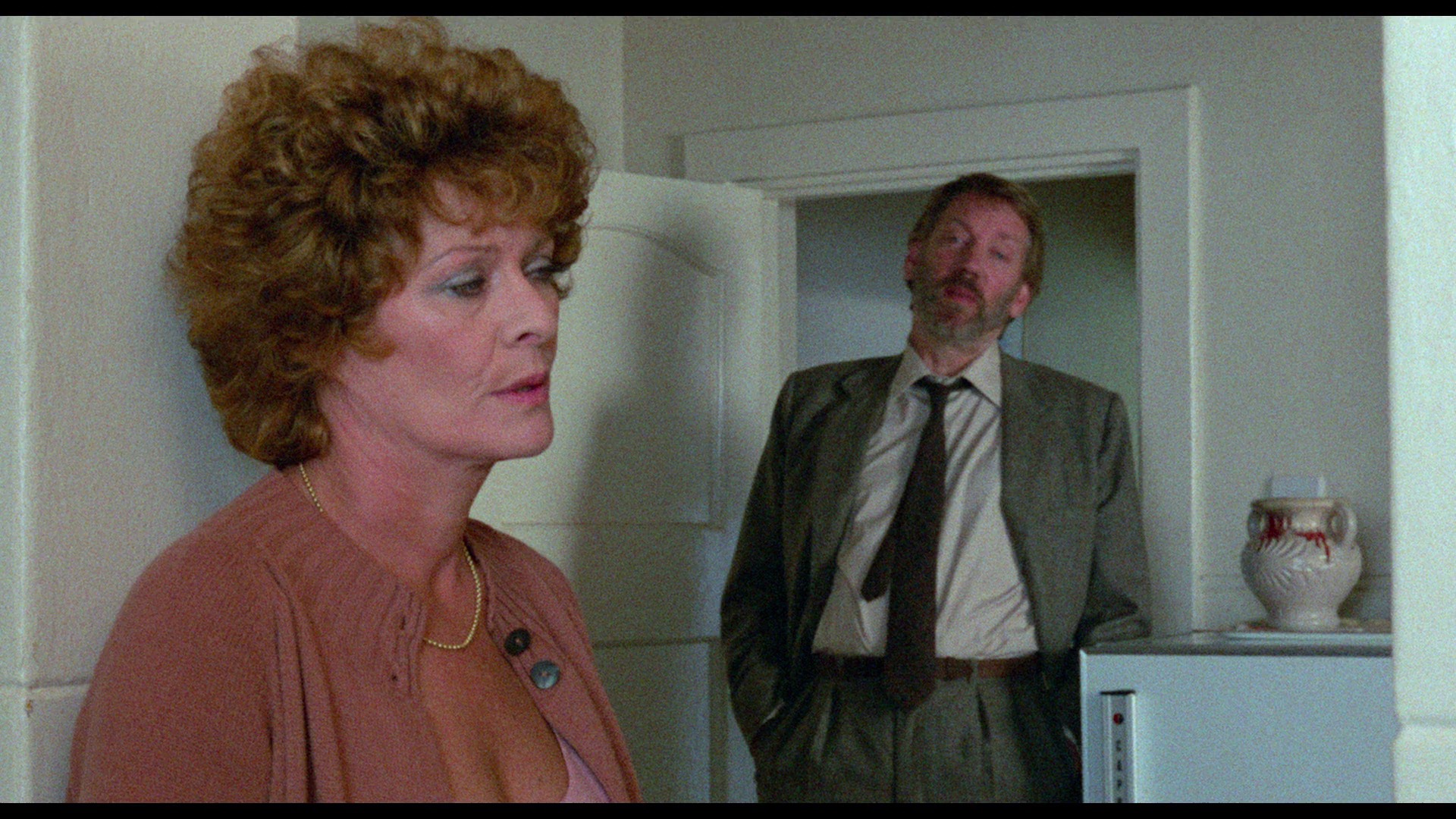
BFI presents Euzhan Palcy’s A Dry White Season on Blu-ray, delivering the film in its original aspect ratio of 1.85:1 on a dual-layer disc. The 1080p/24hz high-definition presentation is sourced from a 4K restoration, scanned from the 35mm original camera negative. Note that the disc is locked to region B.
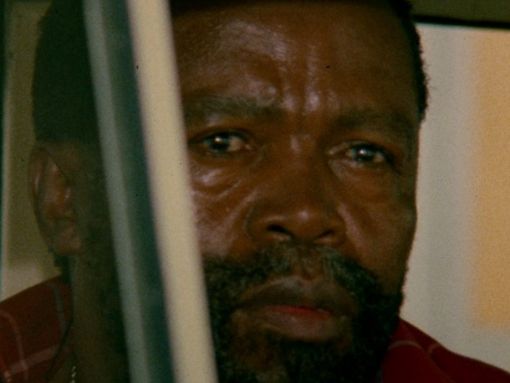
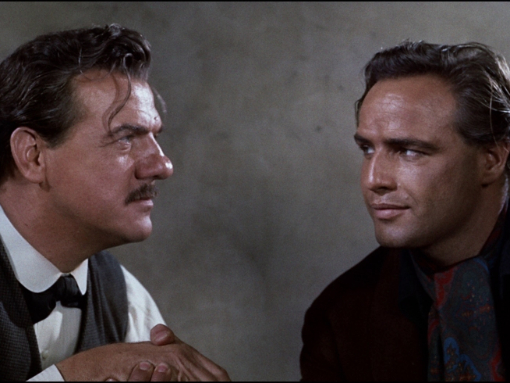
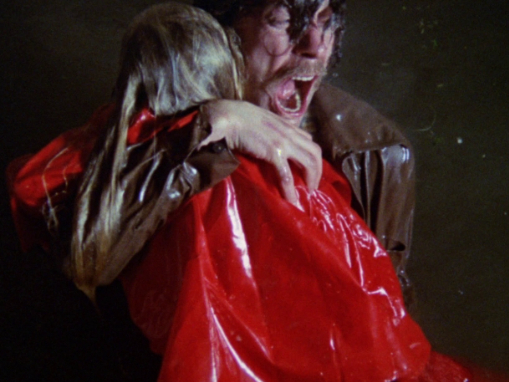
BFI’s presentation appears to be sourced from the same restoration that Criterion used for their 2018 edition, and in most respects, they look similar. The restoration work has been extensive, cleaning up most of the damage. The image is clean and stable with sharp, crisp details that hold up throughout most of the film, except for a still shot used and zoomed in on during the film’s climax. Colors push more towards teal here, though they still look nicely saturated, with the skies retaining a lovely blue hue. Black levels are strong, offering a decent level of range in the shadows, and crushing isn’t an issue
Where things differ is in the encode. I was initially satisfied with Criterion’s encode, though on revisiting, it could use some improvement. It looks fine overall, but grain can appear a bit noisy in places, especially in highlights and open shots of the sky. BFI’s encode, however, is significantly cleaner, resulting in grain that looks more natural. I can’t recall a moment where it appears noisy or blocky. BFI’s presentation ultimately has a cleaner, more film-like texture to it.
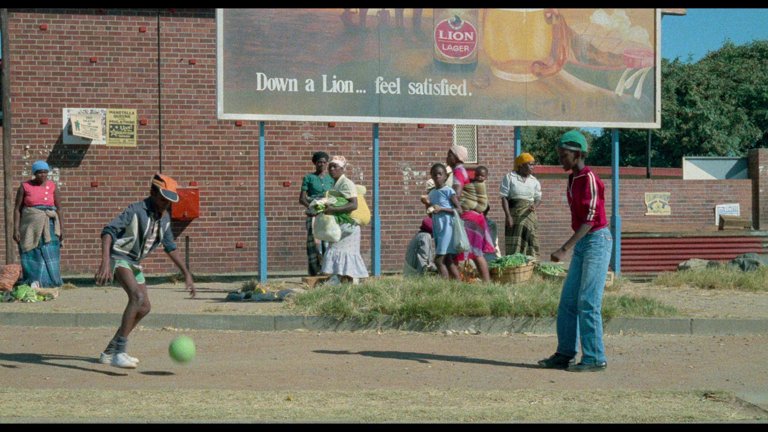
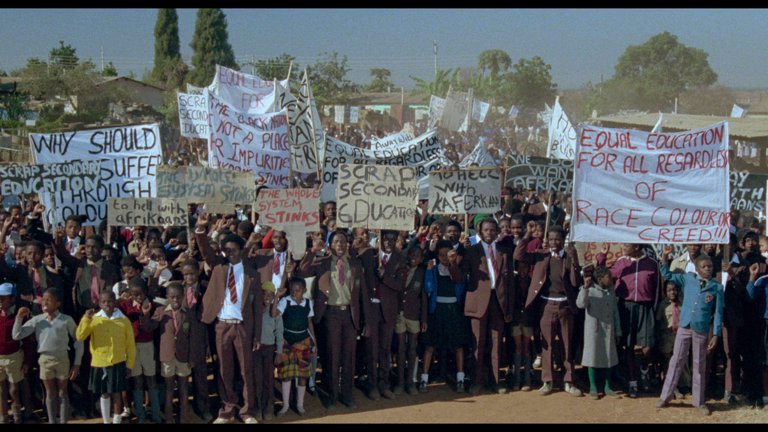
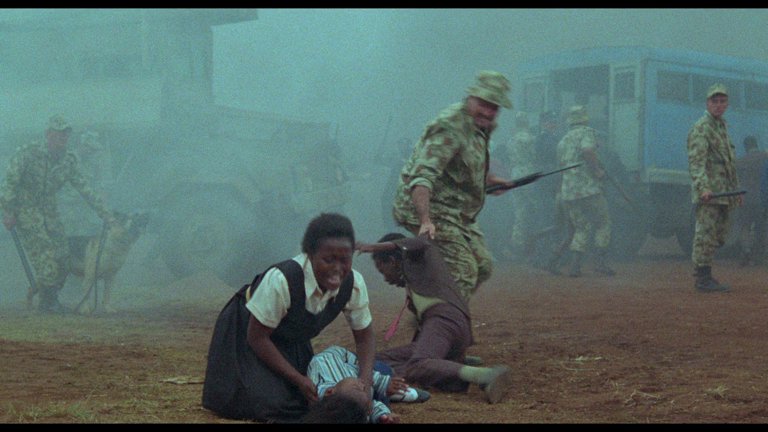
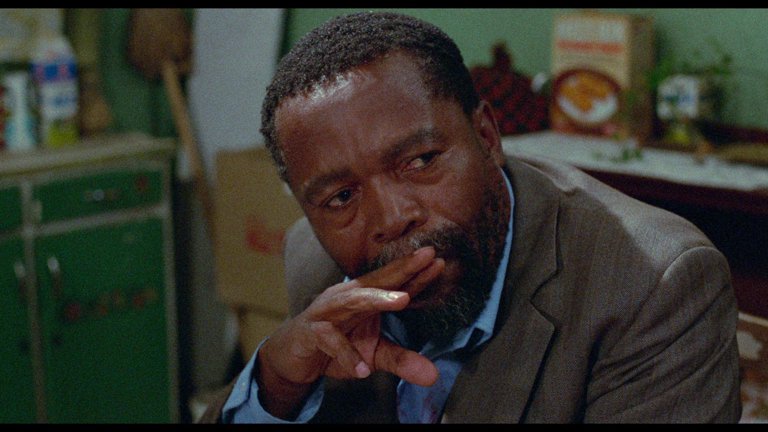
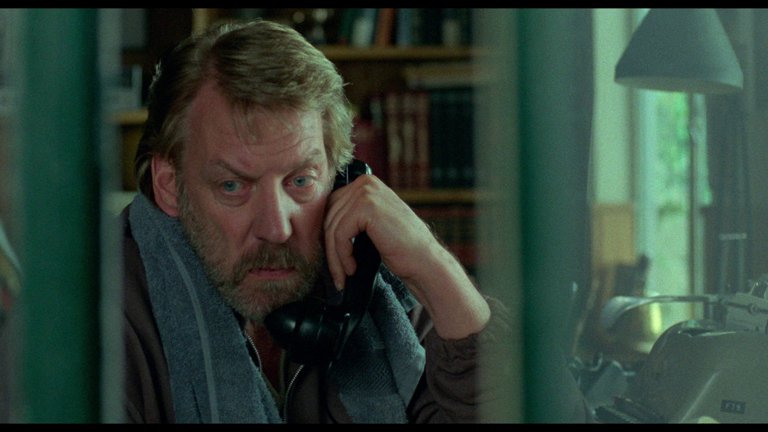
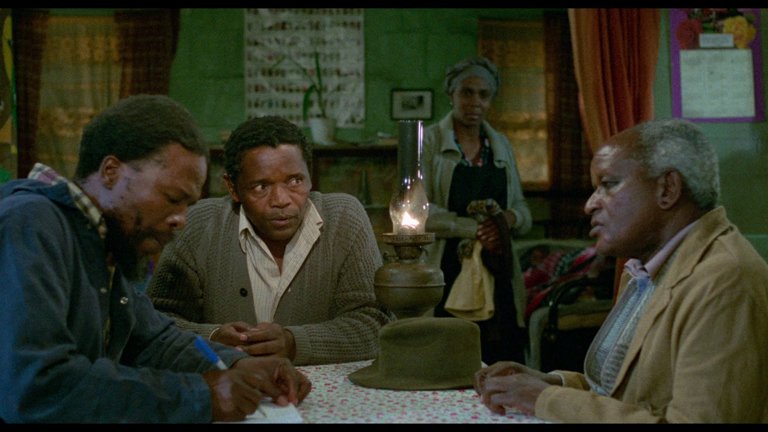
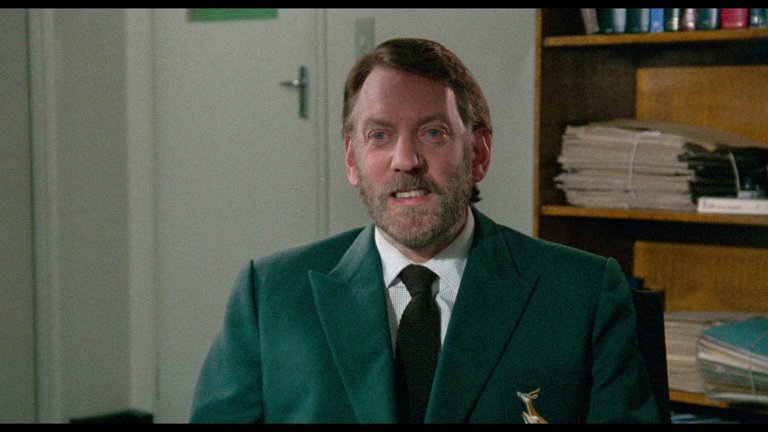
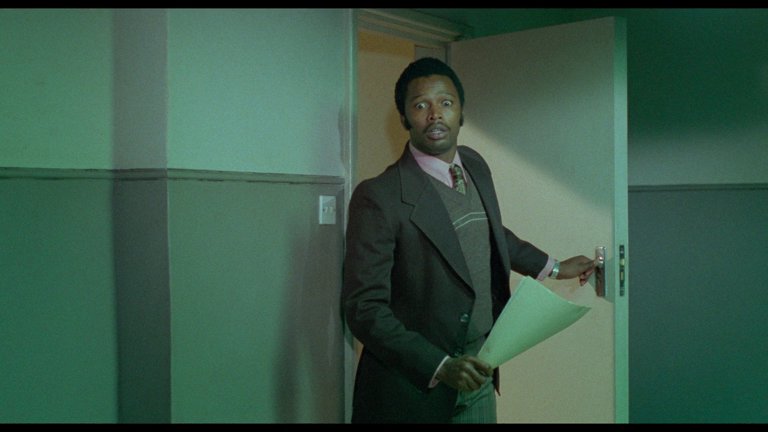
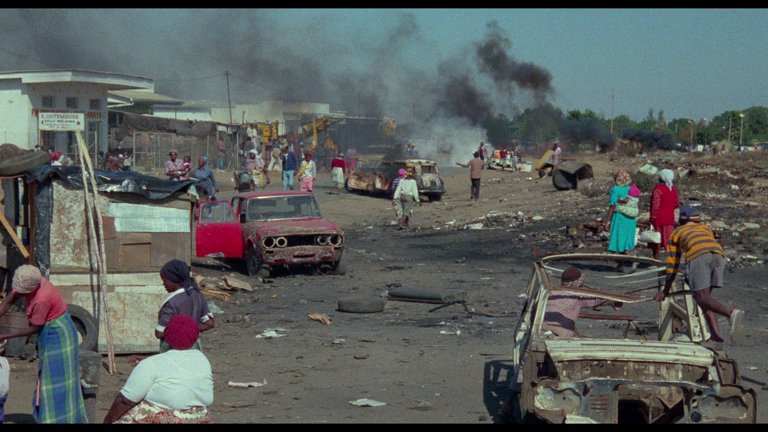
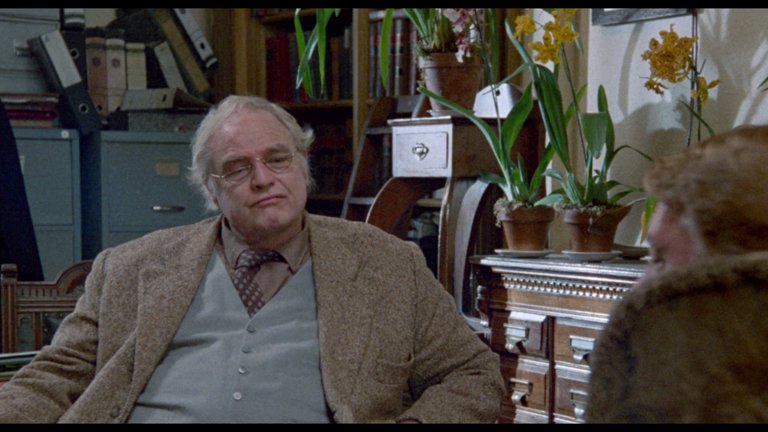
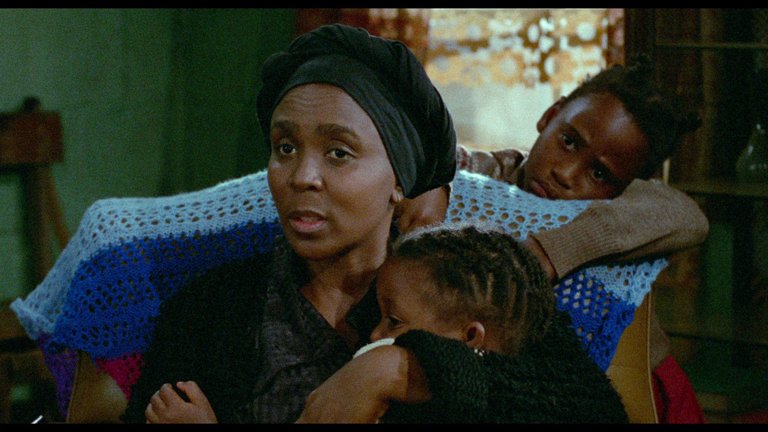
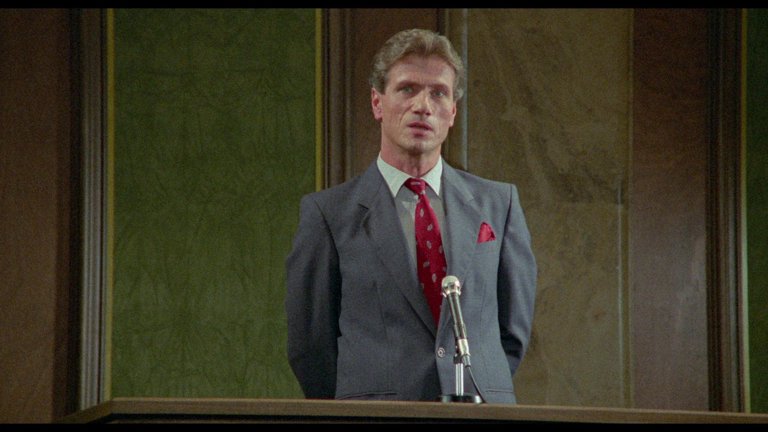
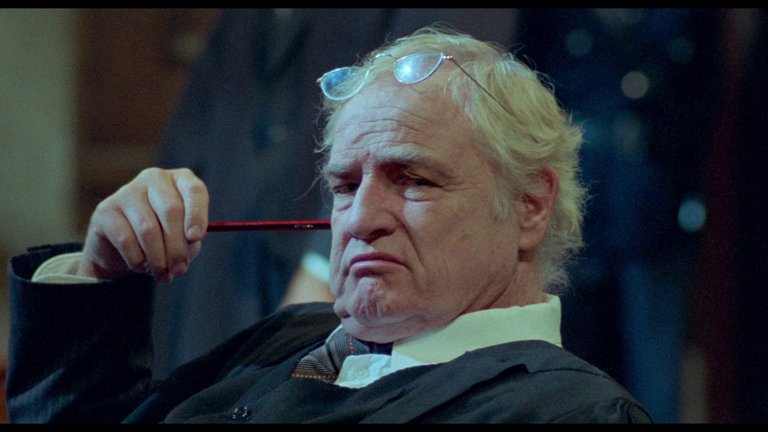
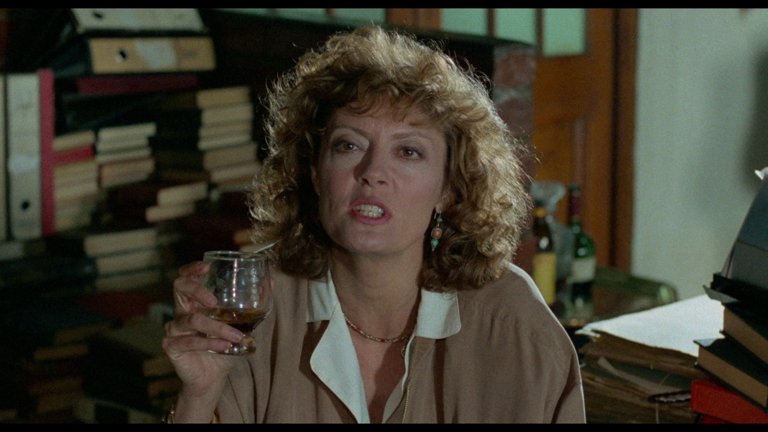
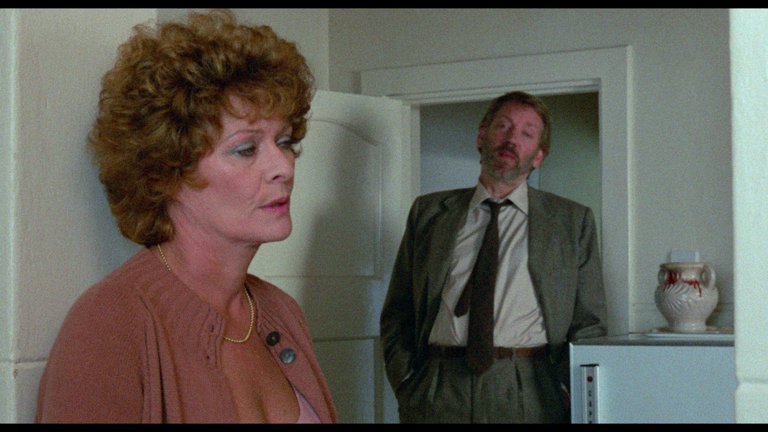
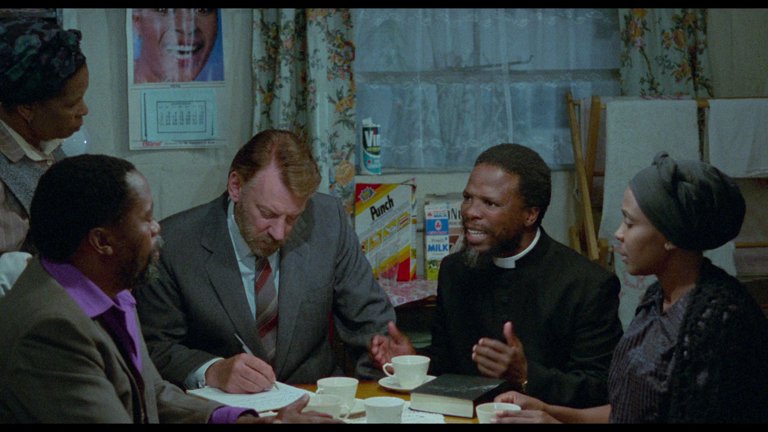
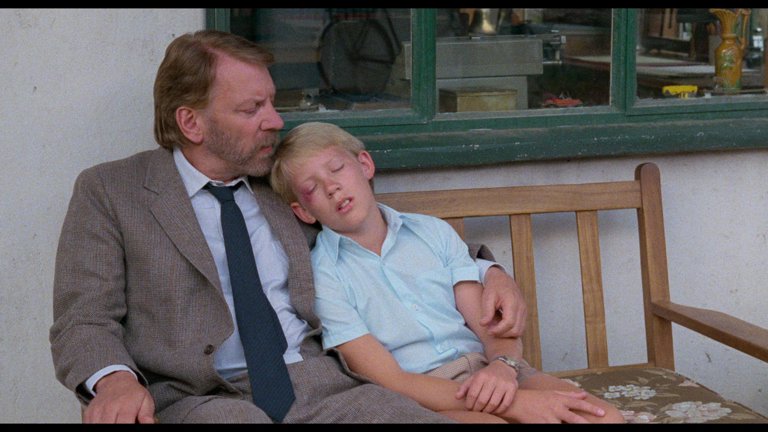
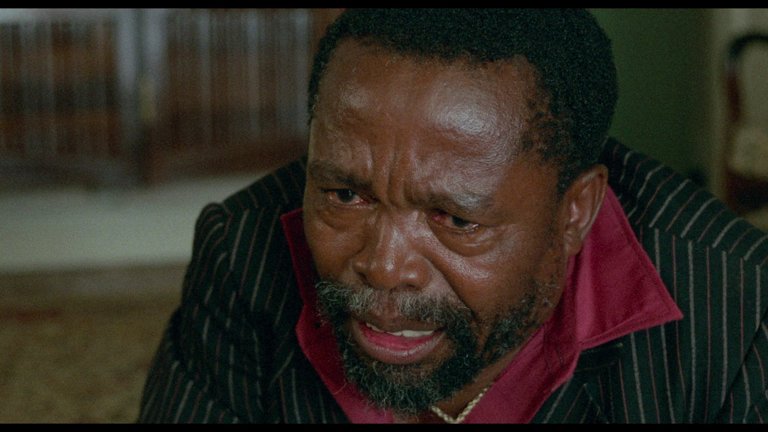
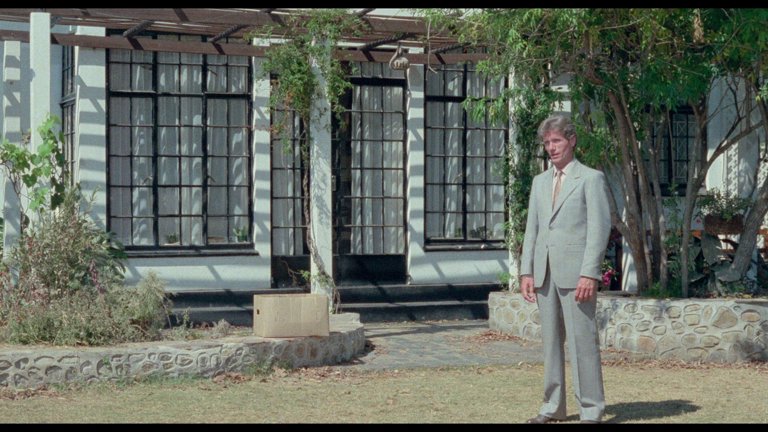
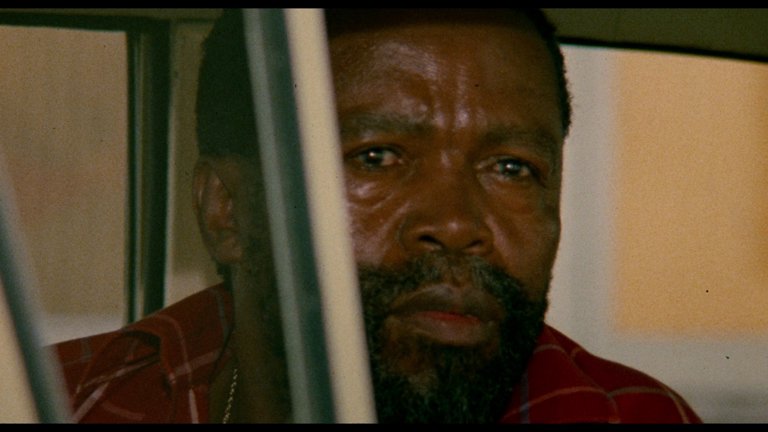
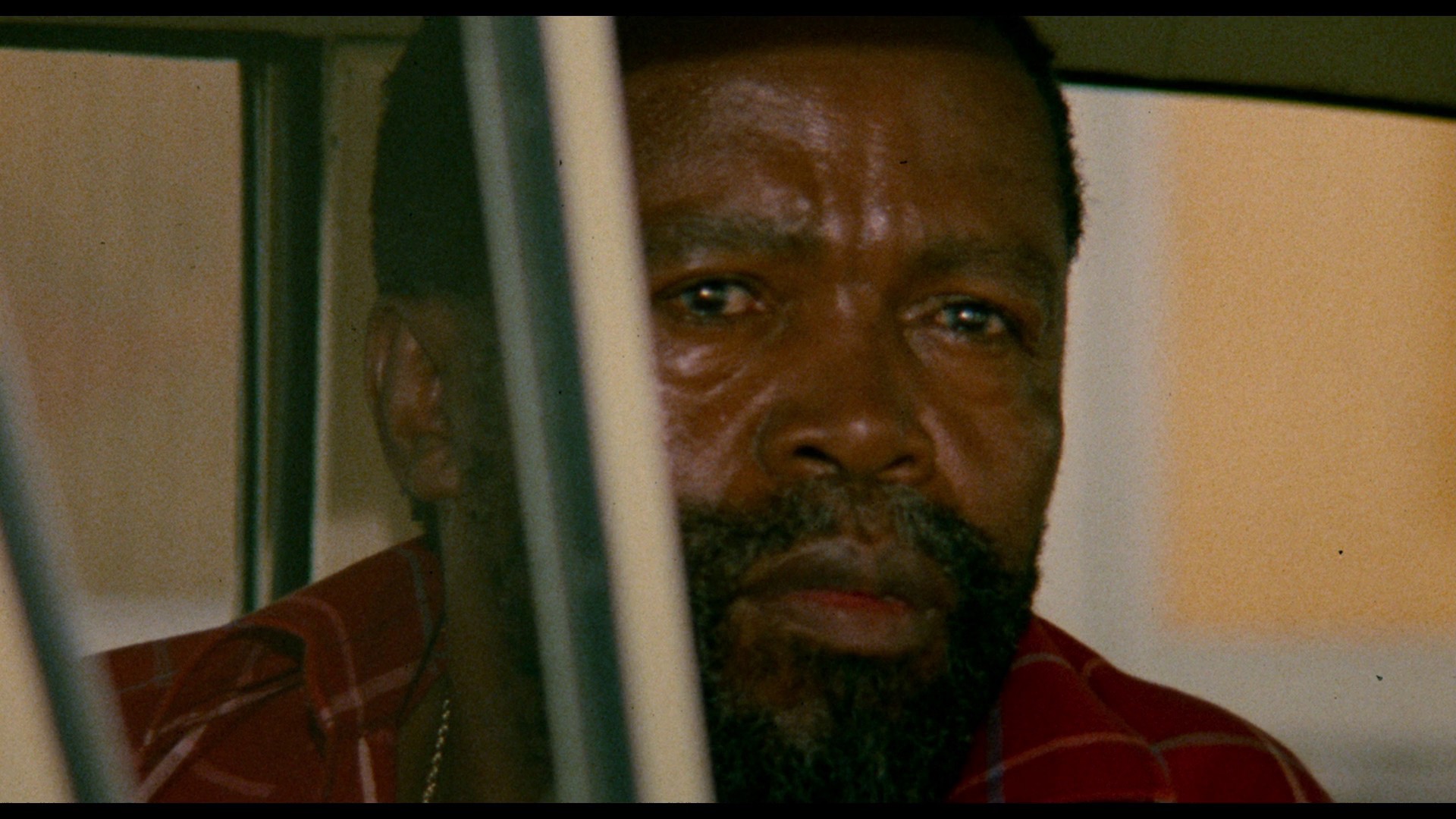
A Dry White Season - Screen Captures
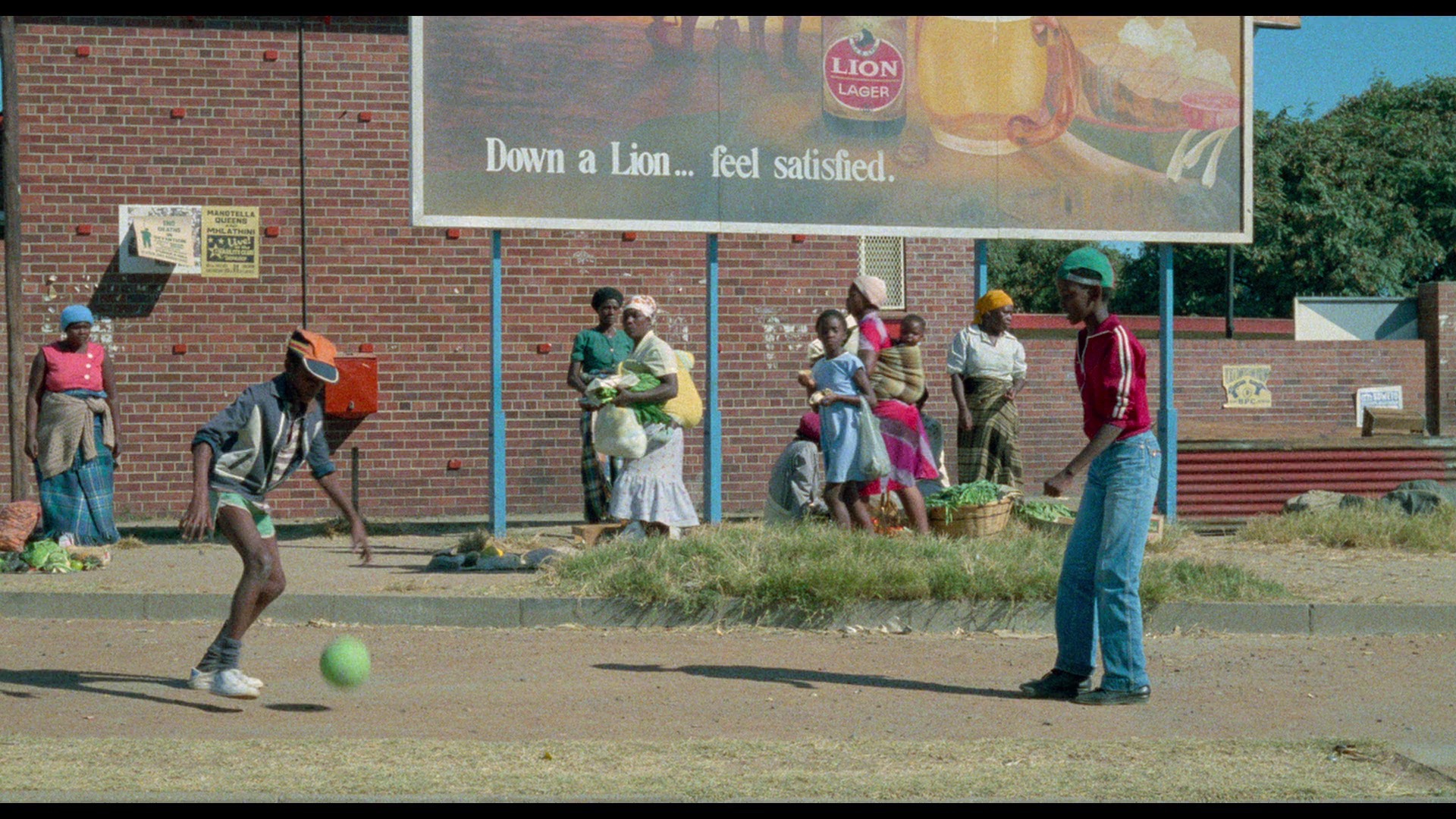
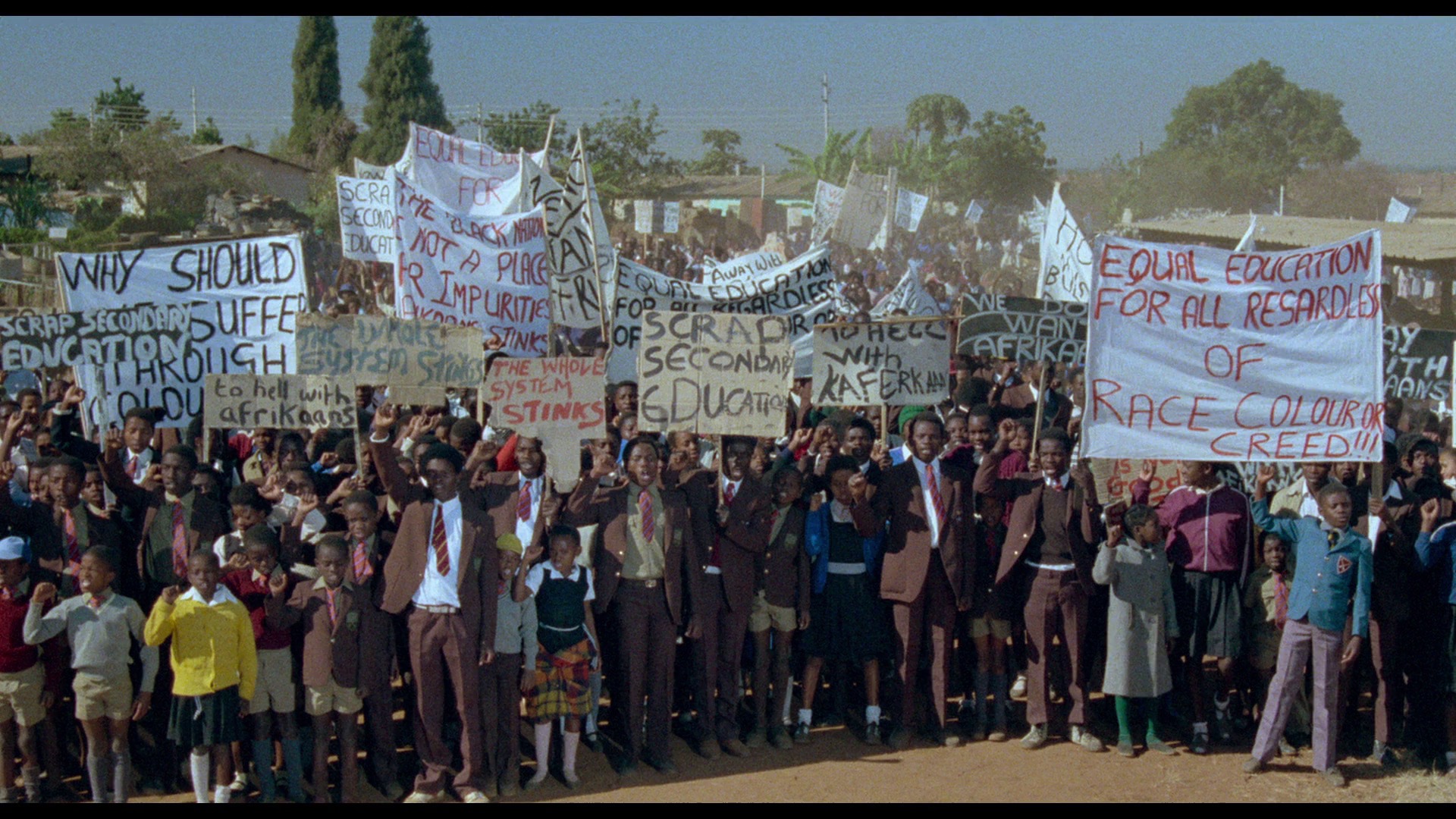
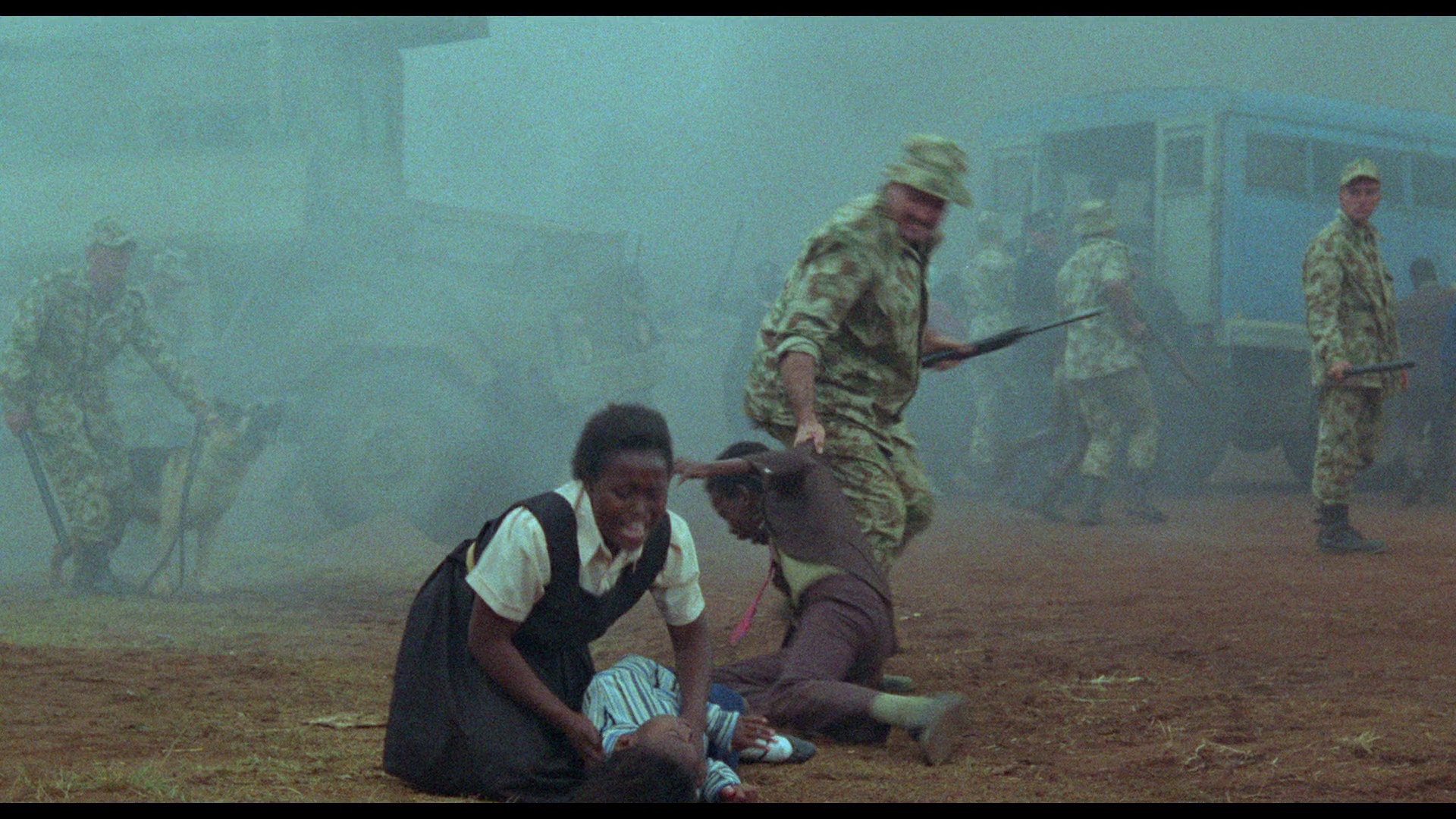
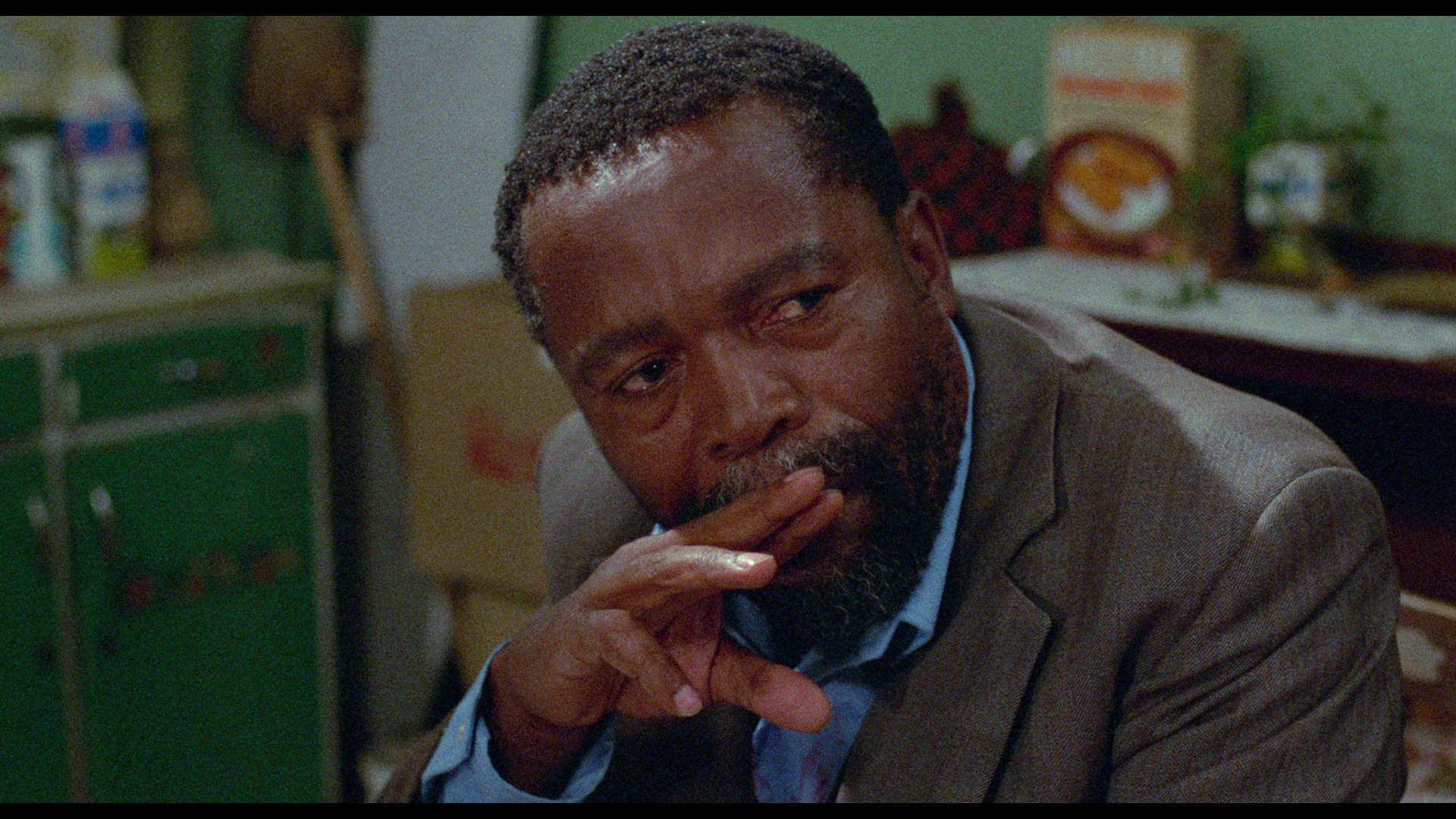
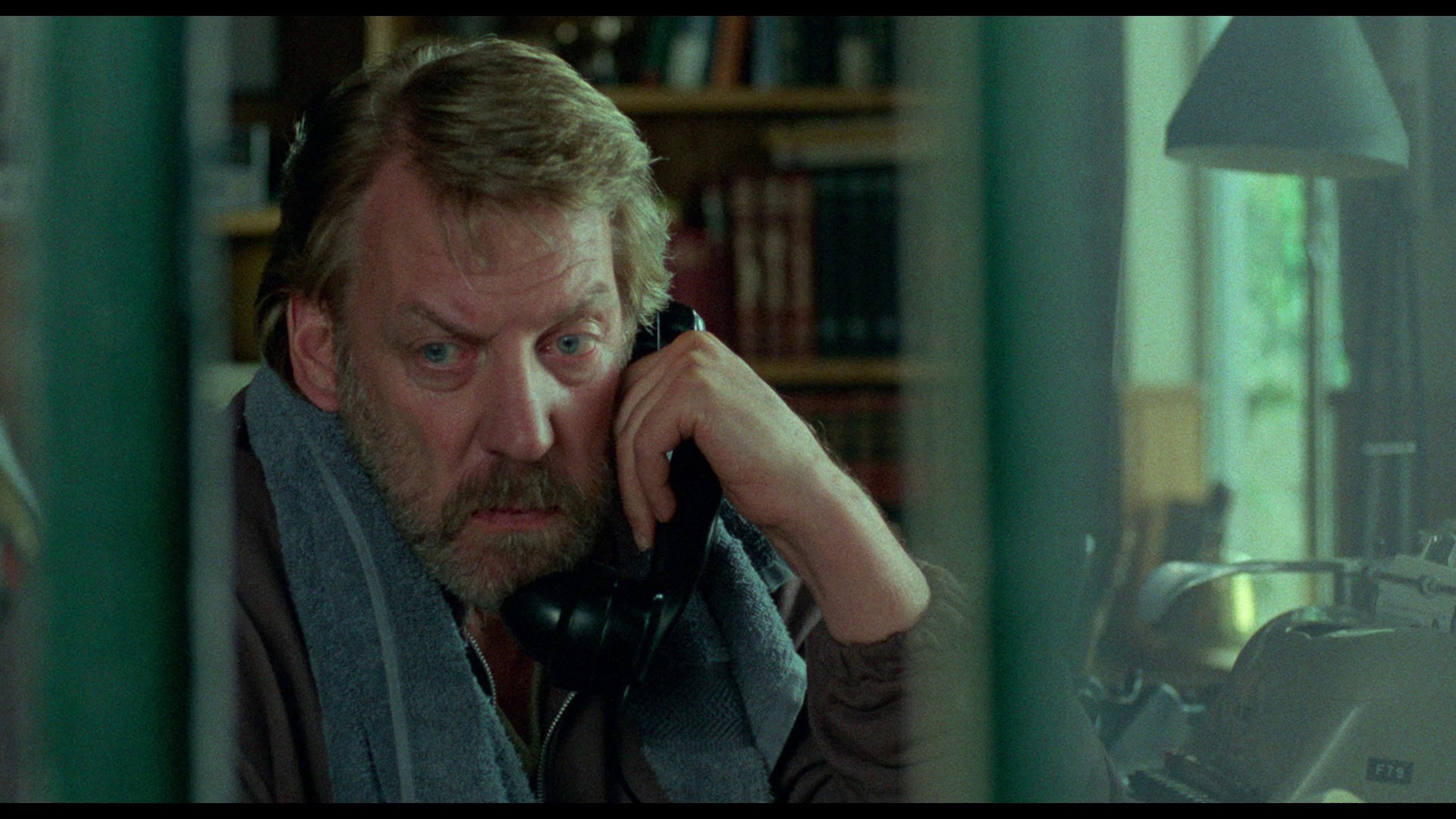
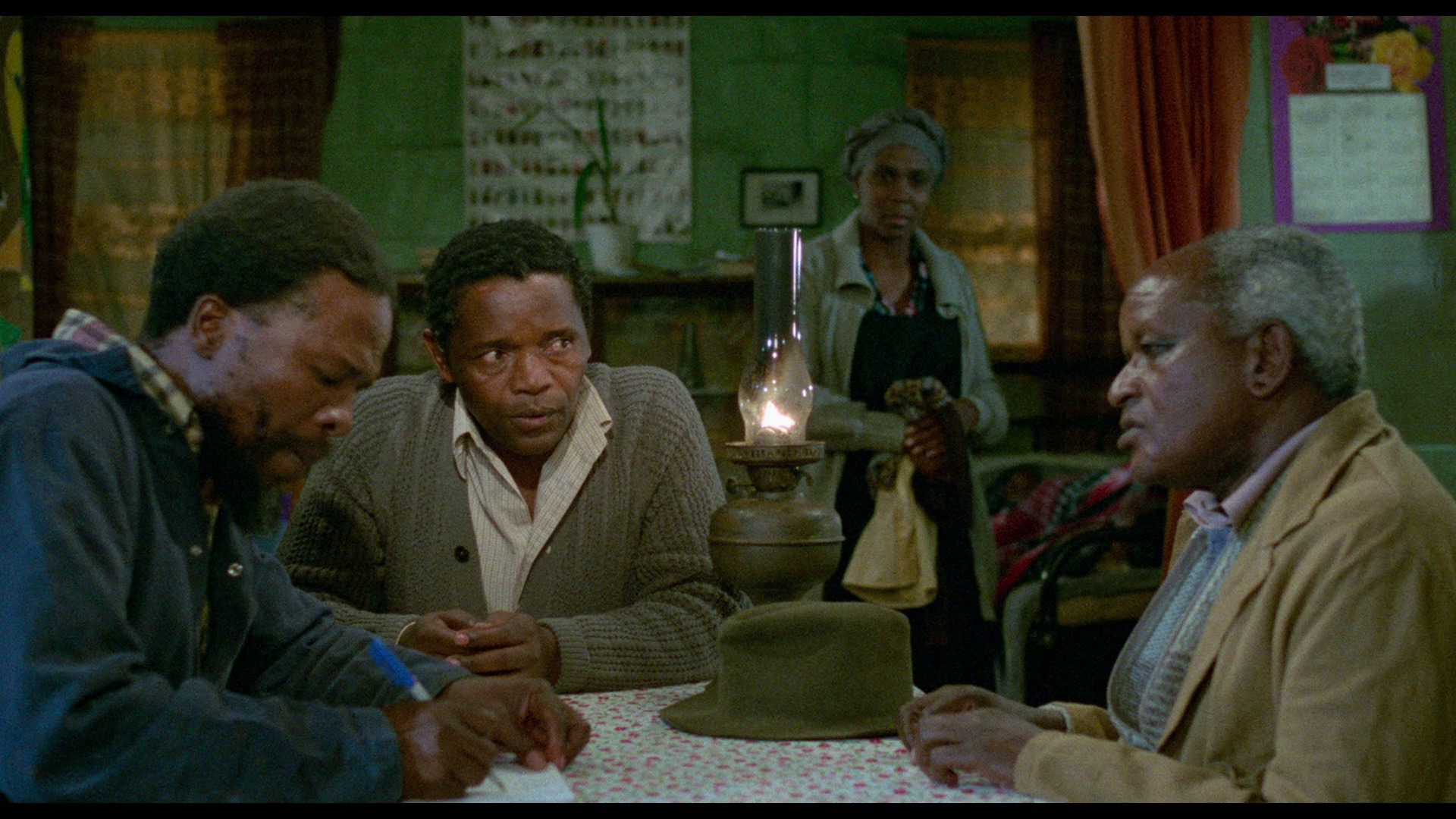
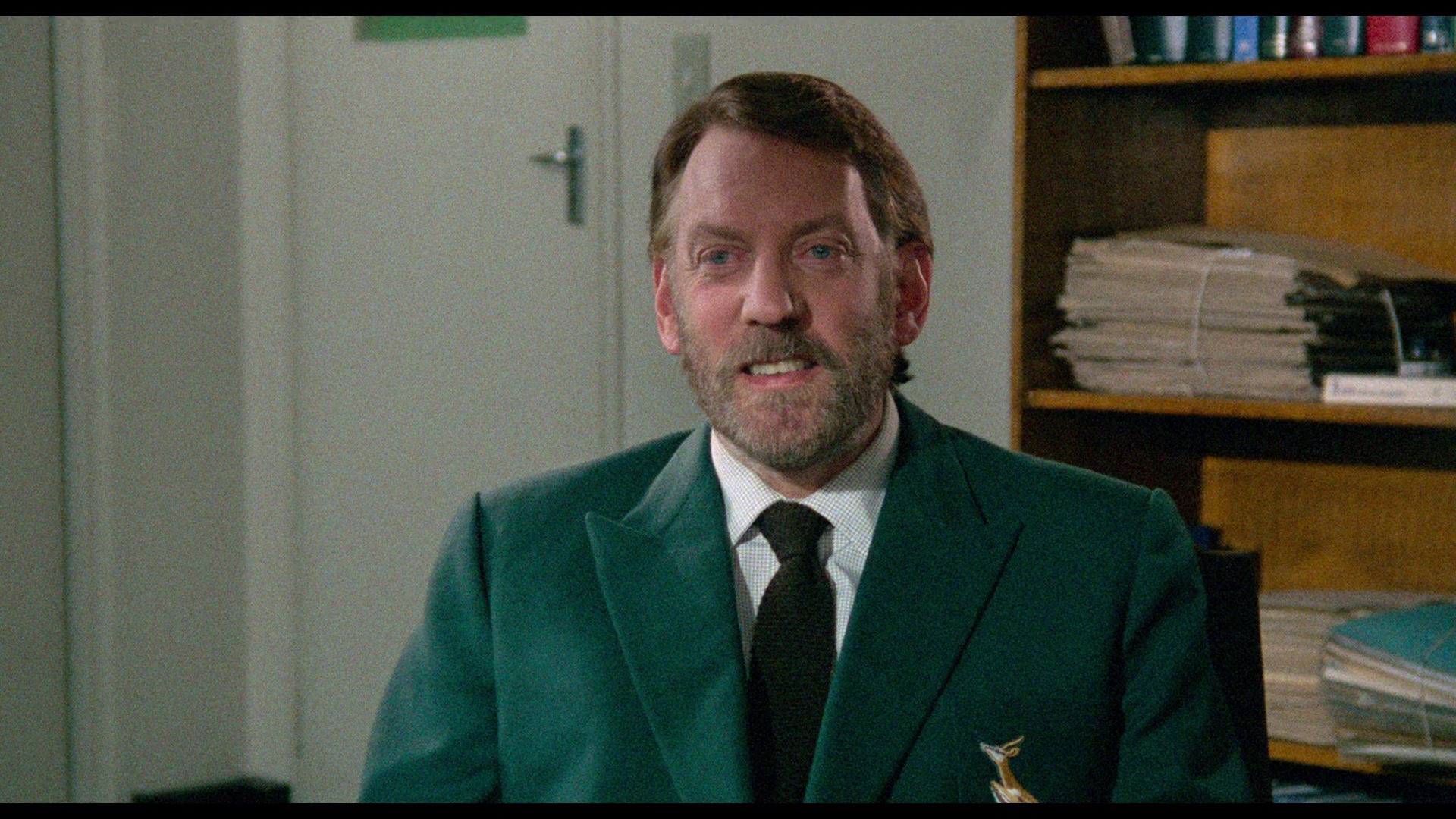
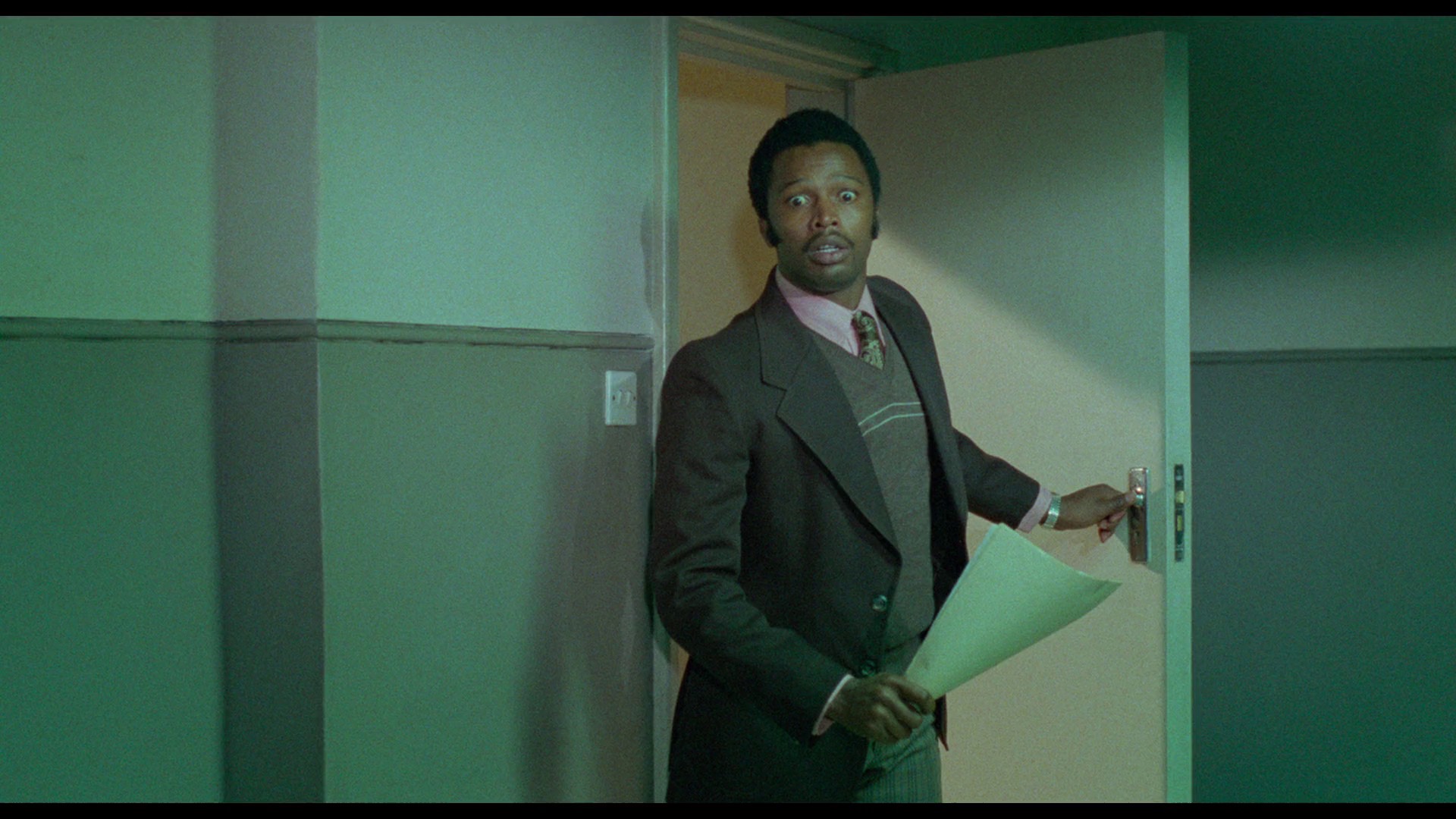
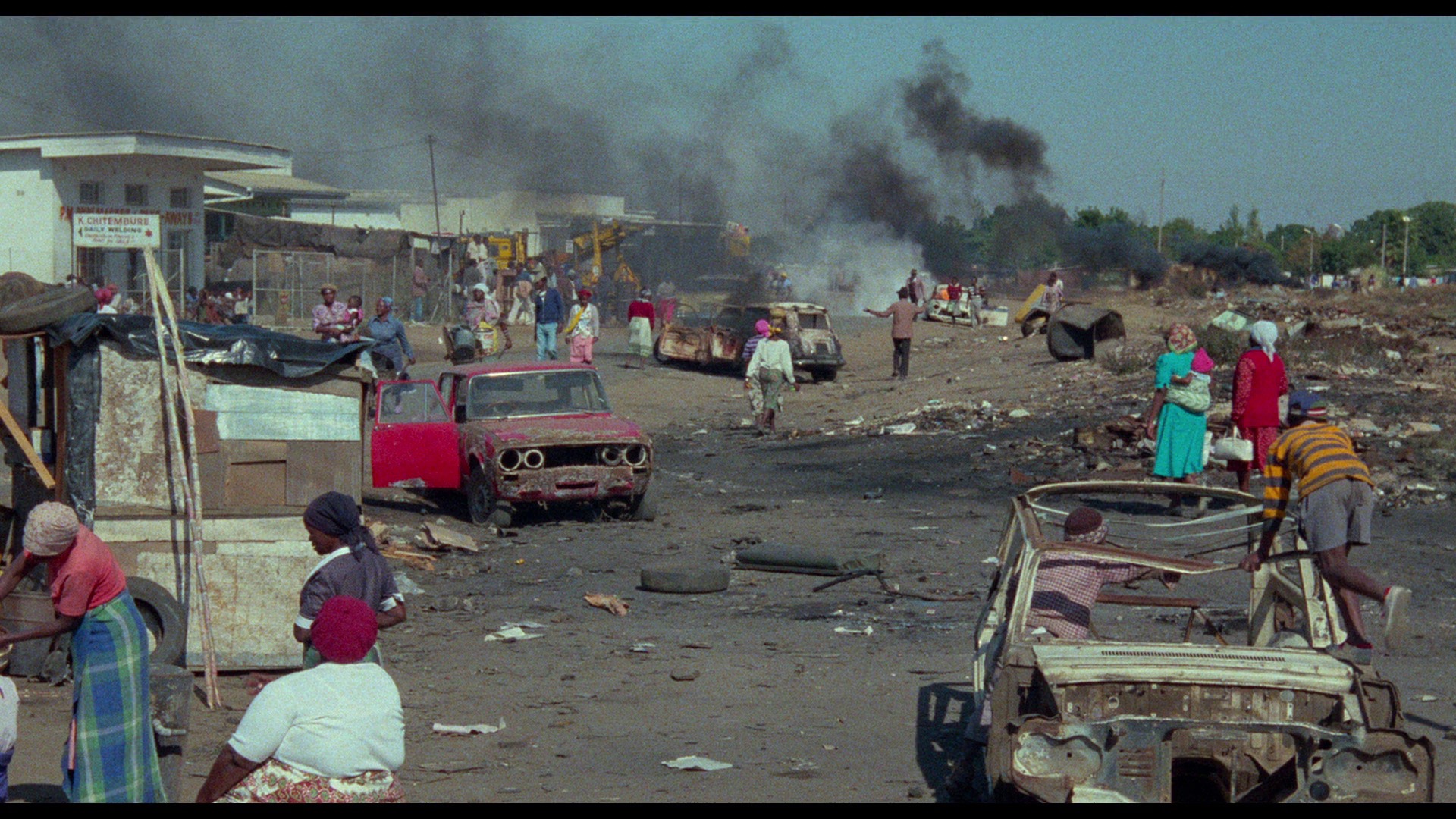
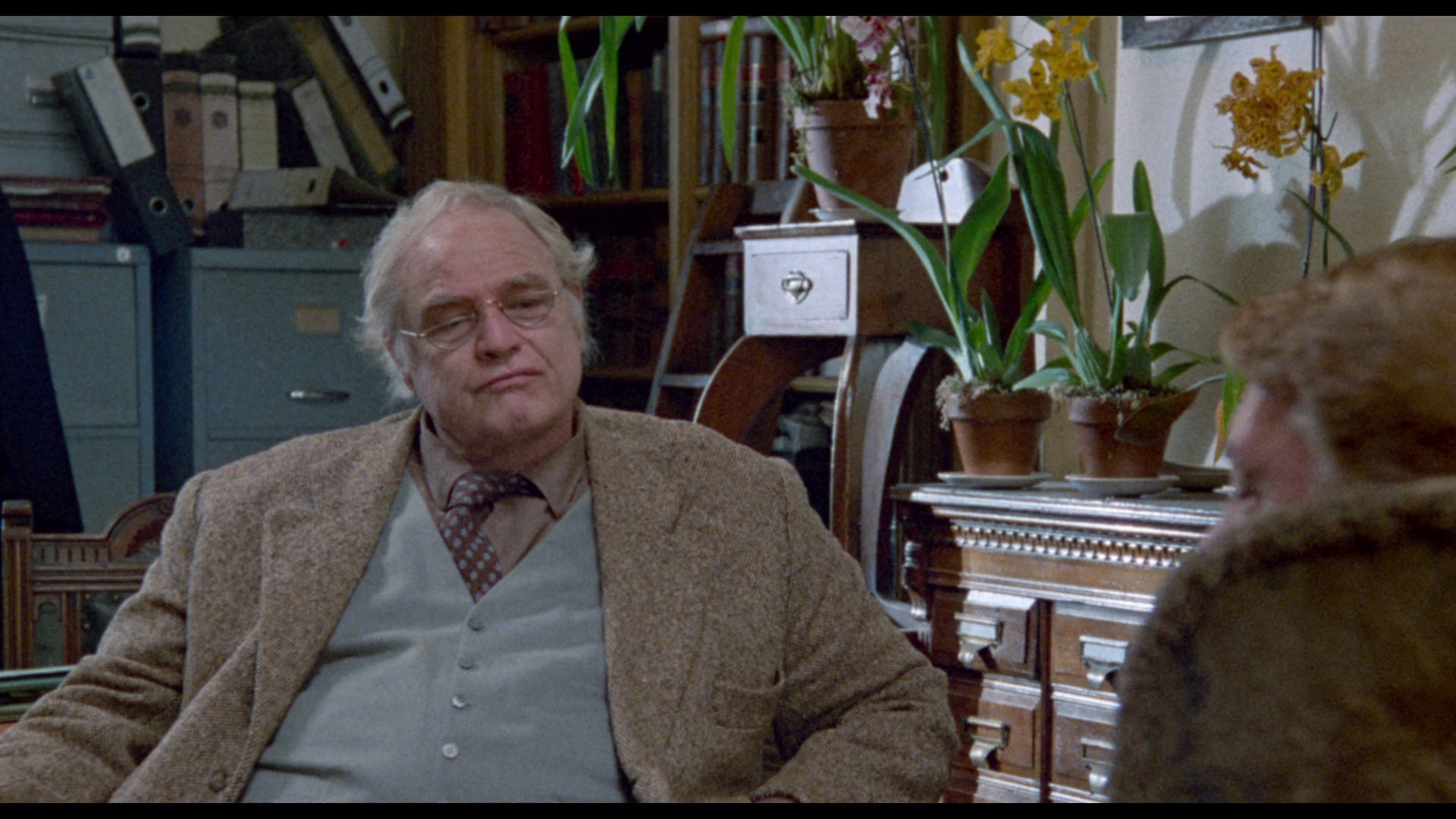
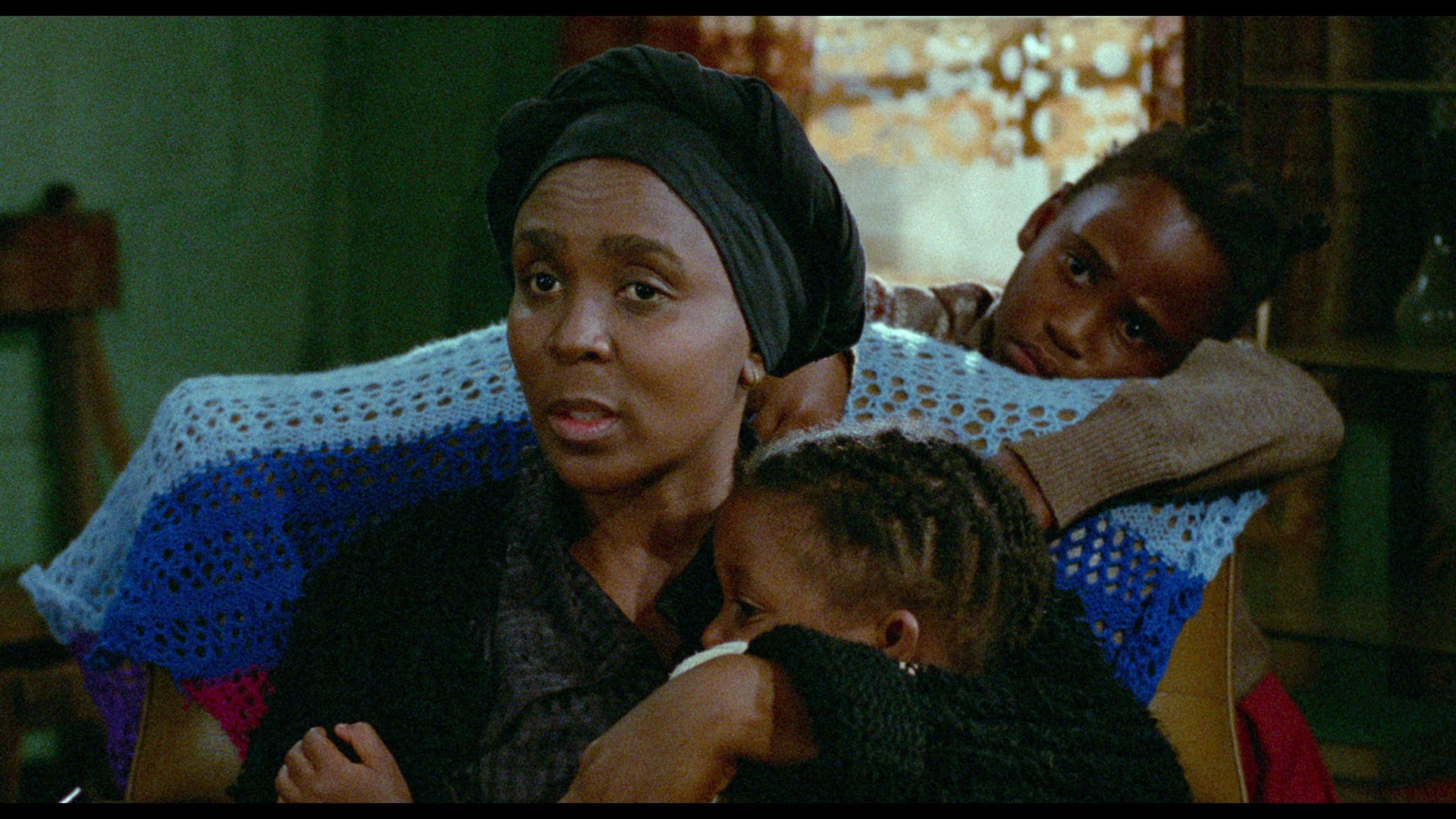
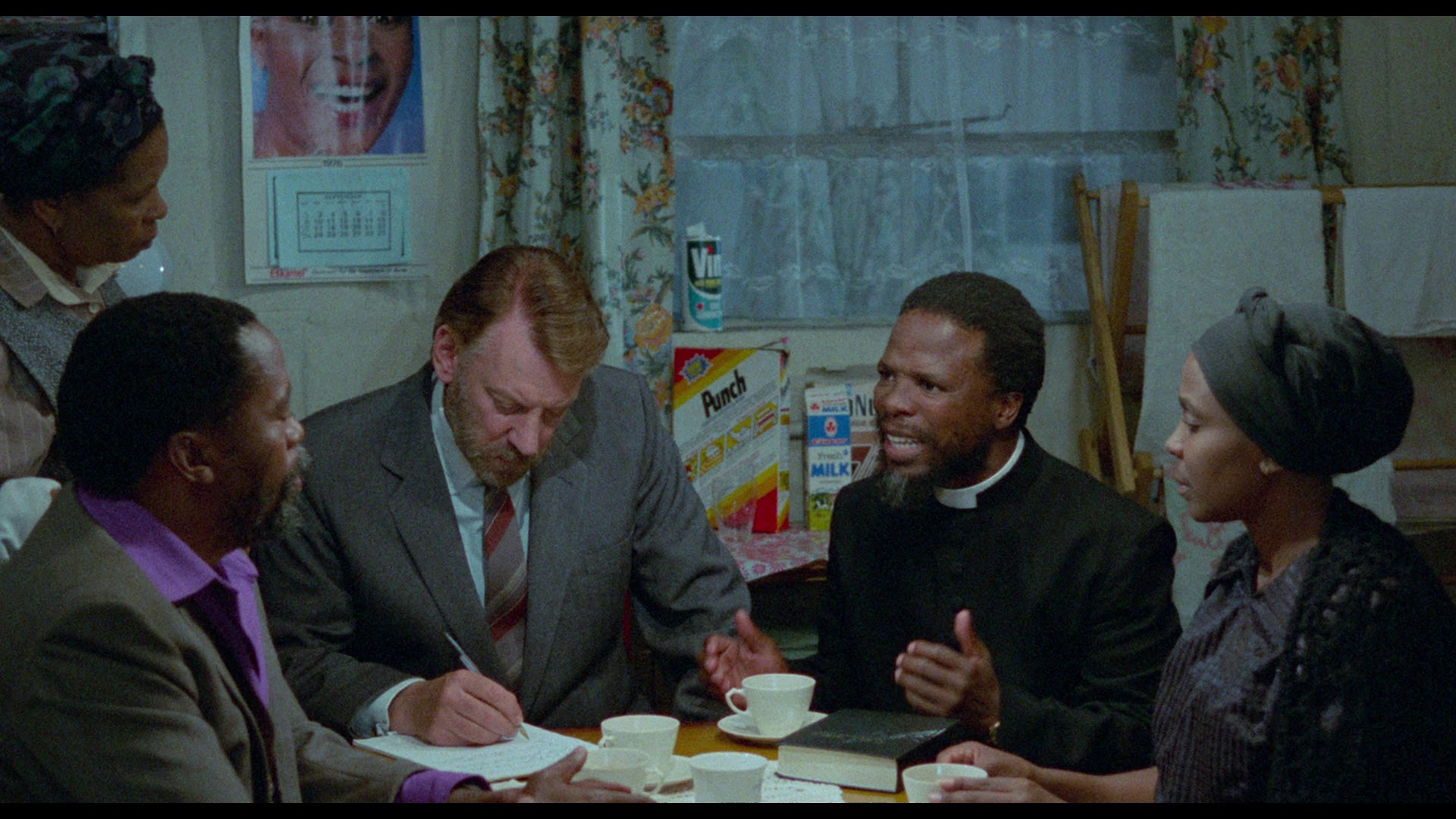
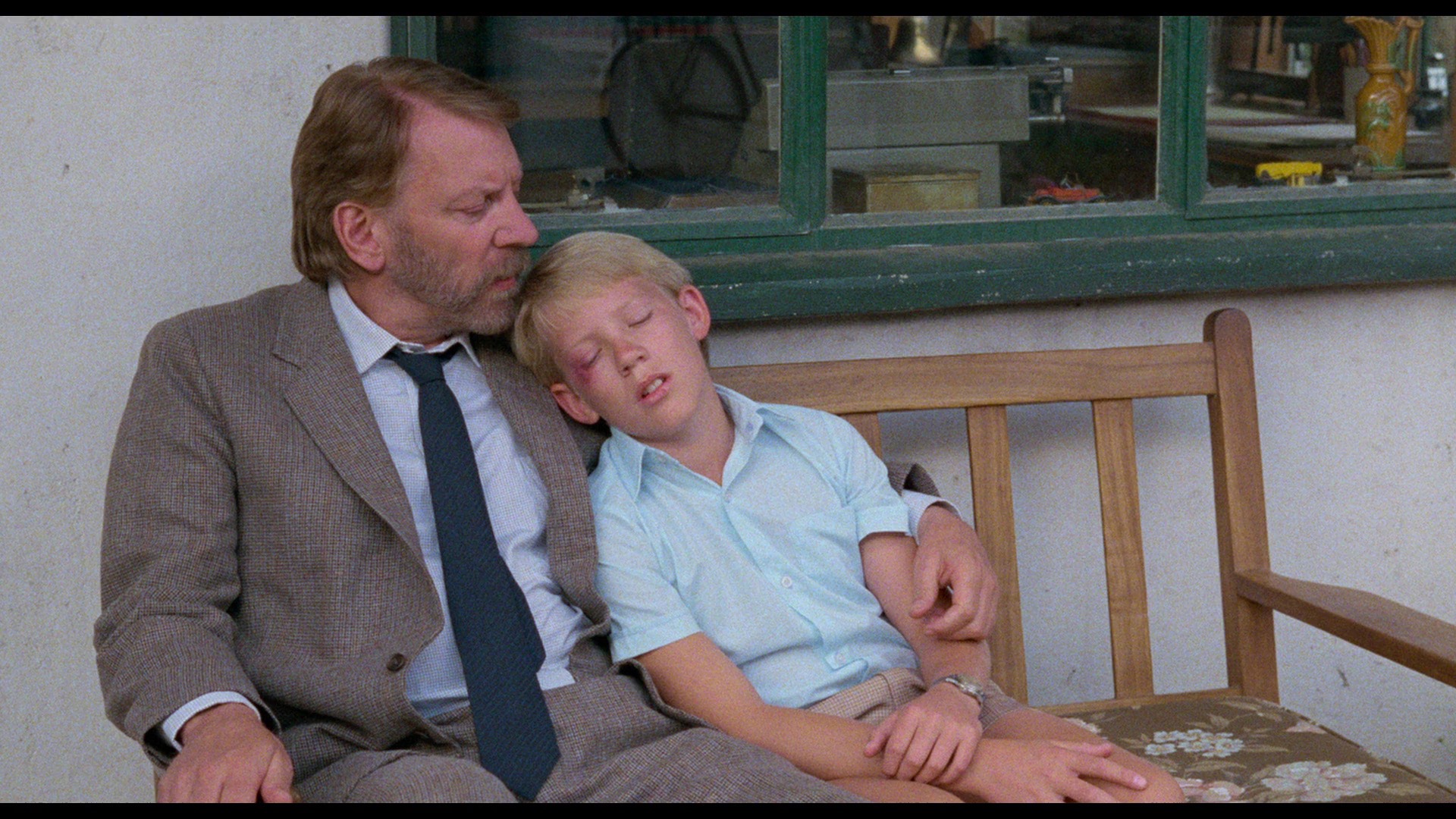
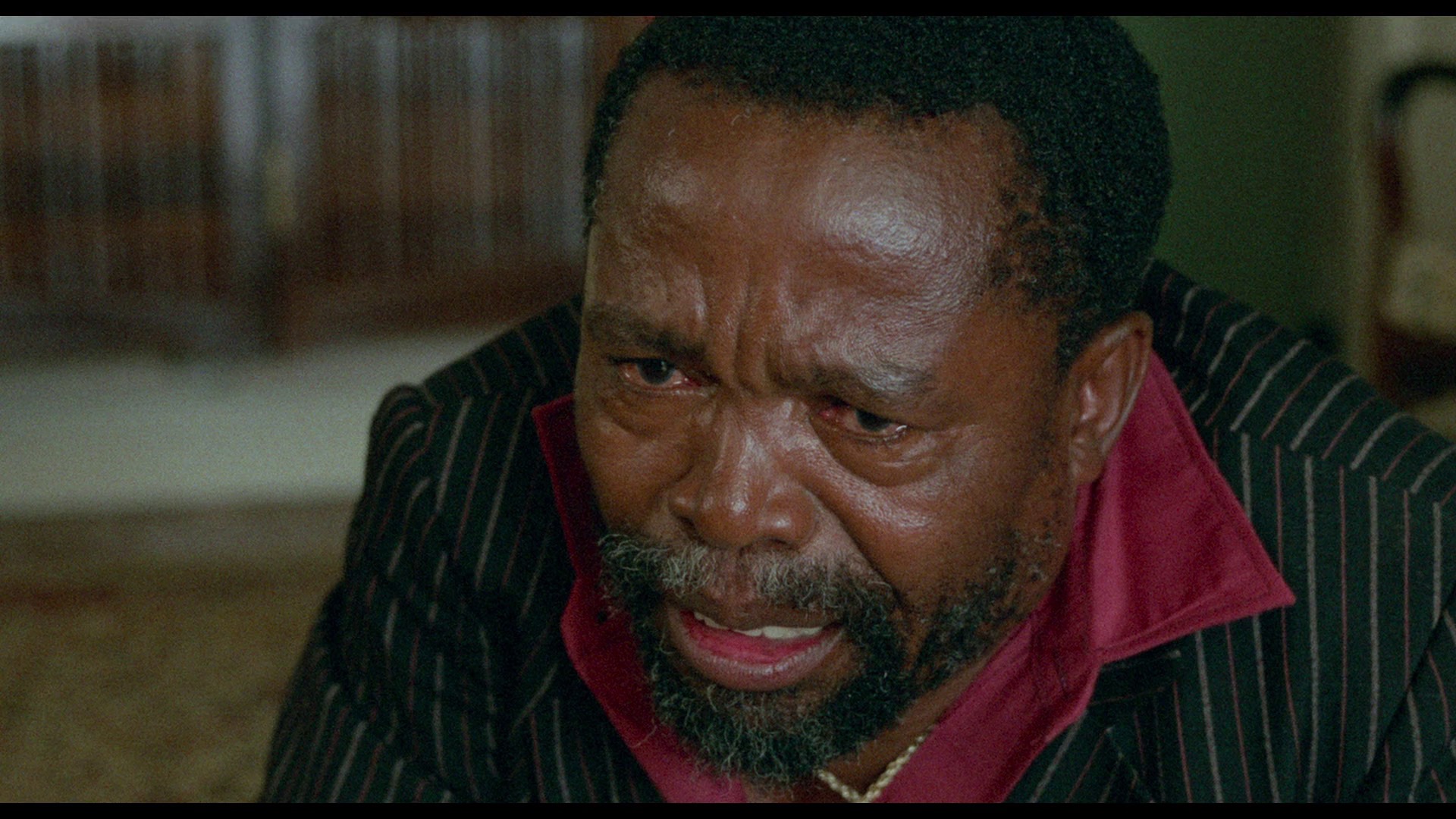
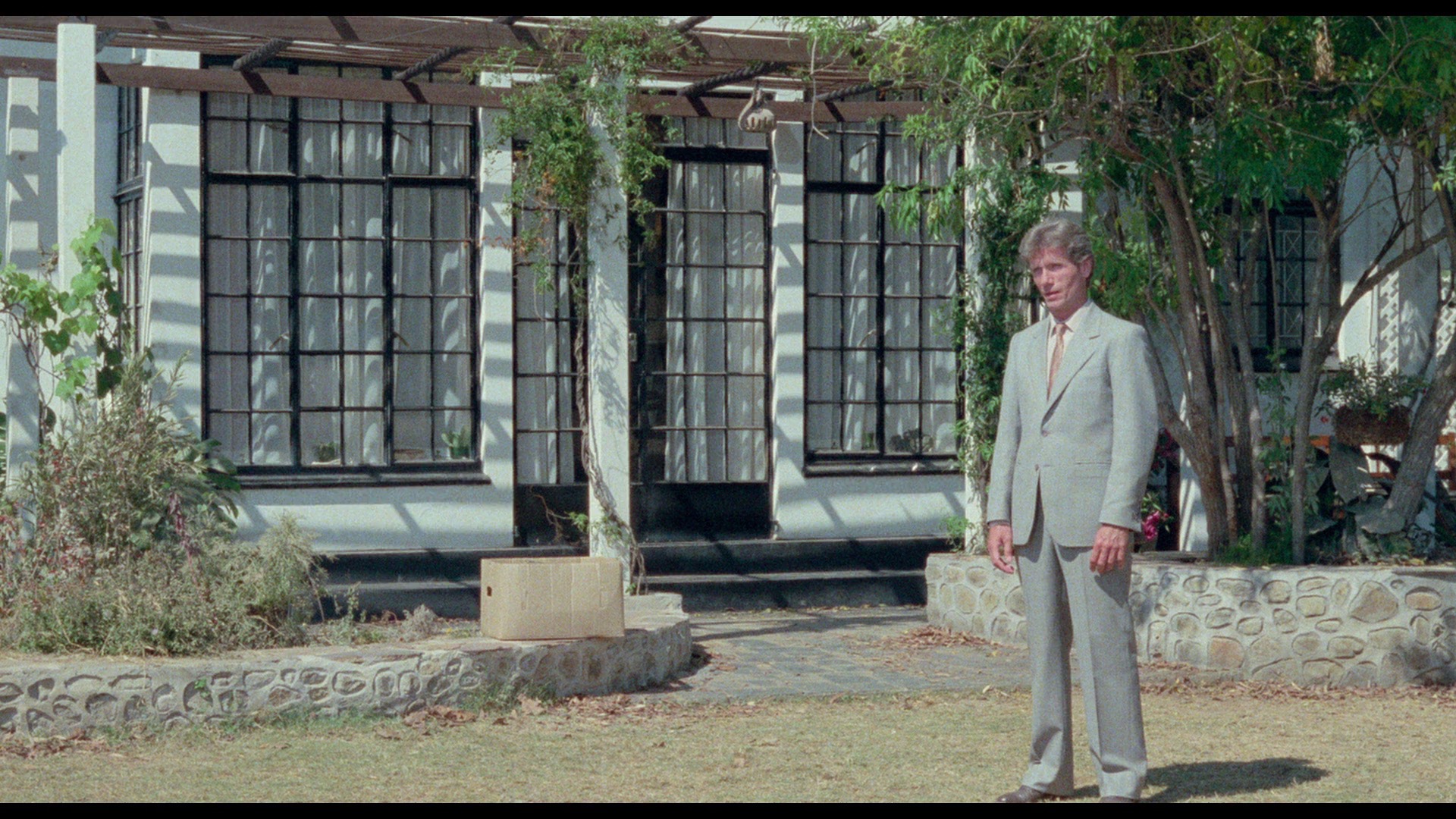
Audio 8/10
The 2.0 stereo soundtrack sounds about the same. The range is quite wide, particularly evident in the film’s more action-packed moments, such as the opening demonstrations. This quality extends to the dialogue, which is always sharp and clear, and the same can be said of the film’s score. Overall, very good.
Extras 6/10
BFI’s edition falls a little short in the supplement department compared to Criterion’s, though there are a few noteworthy additions. First is a filmed intro and Q&A with director Euzhan Palcy and host Lydia Ogwang, recorded at the Toronto International Film Festival in 2019 for a 30th-anniversary screening of the film. Following Ogwang’s introduction, the piece cuts to the “Q&A” portion, although it's more of an in-depth discussion. Palcy recalls her experiences around the film, including convincing a studio to make it (highlighting how studios were reluctant to make films centered on Black characters). She also shares insights into her research process, which involved extensive interviews. This segment runs for 36 minutes.
Despite the absence of a traditional “Q&A,” it’s still a rewarding piece. Another valuable inclusion is a 1990 interview with author André Brink, running 19 minutes. Brink discusses his political evolution (paralleling Sutherland’s character in the film) and the challenges he faced writing the book, which attracted significant attention. He also shares his thoughts on the film, expressing admiration but also discontent with the altered ending (which he understands but doesn't entirely agree with). Criterion’s supplements touch on Brink and the book, but they never included an interview with him, making BFI’s effort to include this especially appreciated.
BFI also includes a couple of short films loosely or directly related to the main feature's subject matter. Lionel Ngakane’s 1966 short Jemima + Johnny explores the friendship between the titular characters, a young White English boy and a young Black Jamaican girl who has just moved to the neighborhood. The two embark on a small adventure, much to the dismay of Johnny’s father, who opposes the rising immigrant population and is seen protesting throughout the film.
The film is charming and impressive, especially for what appears to be Ngakane's first attempt. Its visual storytelling stands out; although there is dialogue, it’s treated as background noise, and the film could almost function as a silent piece. A fun detail is the brief appearance of actor Zakes Mokae from A Dry White Season (Ngakane was also a consultant on Palcy’s film).
The second short film is Stephen Frears’ 1968 piece The Burning. Set in South Africa, it follows a White boy and his family planning a day out with their Black servants. Through the boy’s perspective, we witness the racial tensions (evident in conversations between characters) that escalate when he observes an uprising. The film builds slowly but delivers a powerful punch in the final moments, showcasing Frears’ early talent.
BFI rounds out the package with one of their excellent booklets, featuring an in-depth essay on the film by Kevin Le Grende. The booklet also includes notes on the supplements, providing valuable context and enhancing the overall content, particularly with the excellent interview featuring Brink.
Closing
BFI has assembled a solid edition for the film, with a presentation that betters Criterion’s.
BUY AT: