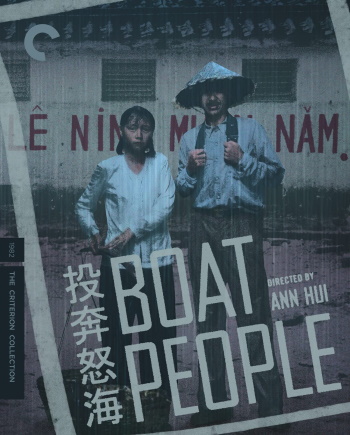
Boat People
BUY AT:


See more details, packaging, or compare
Synopsis
One of the preeminent works of the Hong Kong New Wave, Boat People is a shattering look at the circumstances that drove hundreds of thousands of Vietnamese refugees to flee their homeland in the wake of the Vietnam War, told through images of haunting, unforgettable power. Three years after the Communist takeover, a Japanese photojournalist (George Lam) travels to Vietnam to document the country’s seemingly triumphant rebirth. When he befriends a teenage girl (Season Ma) and her destitute family, however, he begins to discover what the government doesn’t want him to see: the brutal, often shocking reality of life in a country where political repression and poverty have forced many to resort to desperate measures in order to survive. Transcending polemic, renowned director Ann Hui takes a deeply humanistic approach to a harrowing and urgent subject with searing contemporary resonance.
Picture 9/10
The Criterion Collection presents Ann Hui’s Boat People on Blu-ray in its original aspect ratio of 1.85:1 on a dual-layer disc with a 1080p/24hz high-definition encode. The film was restored in 4K by Criterion, scanned from the 35mm original camera negative.
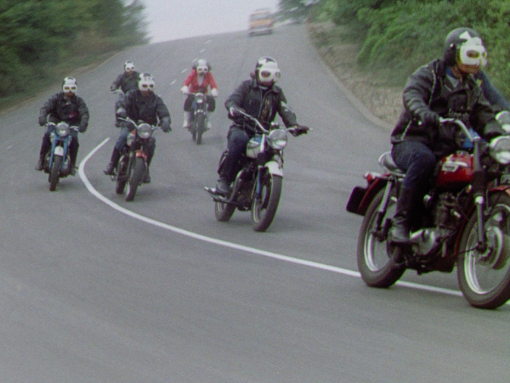
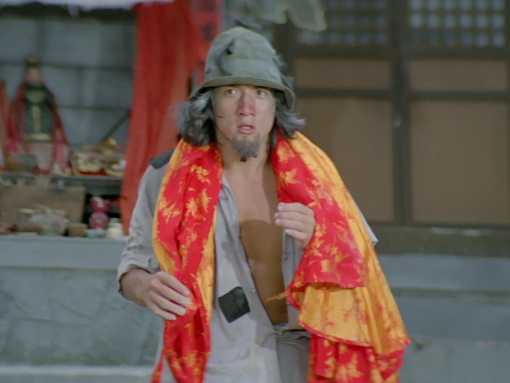
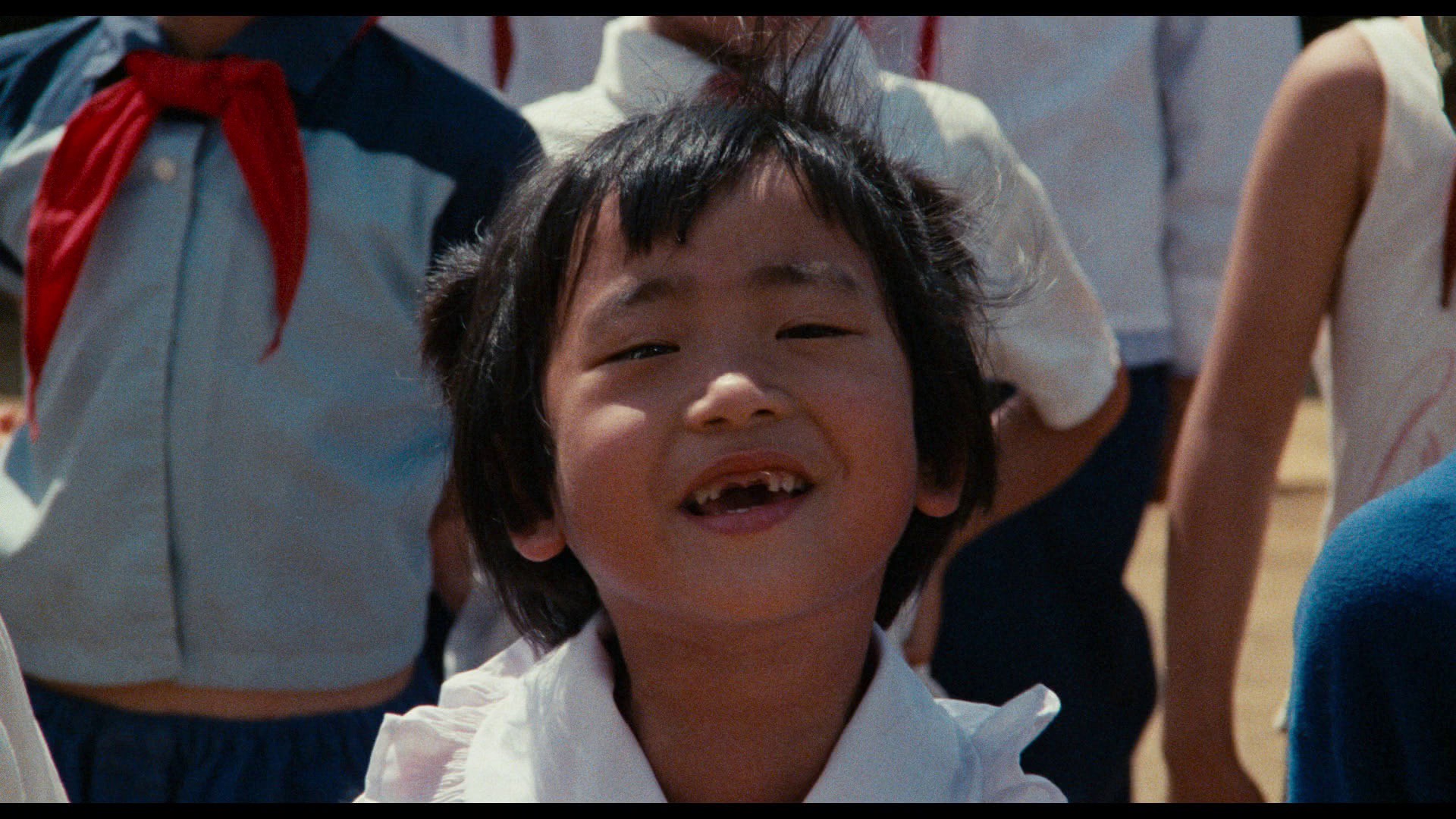
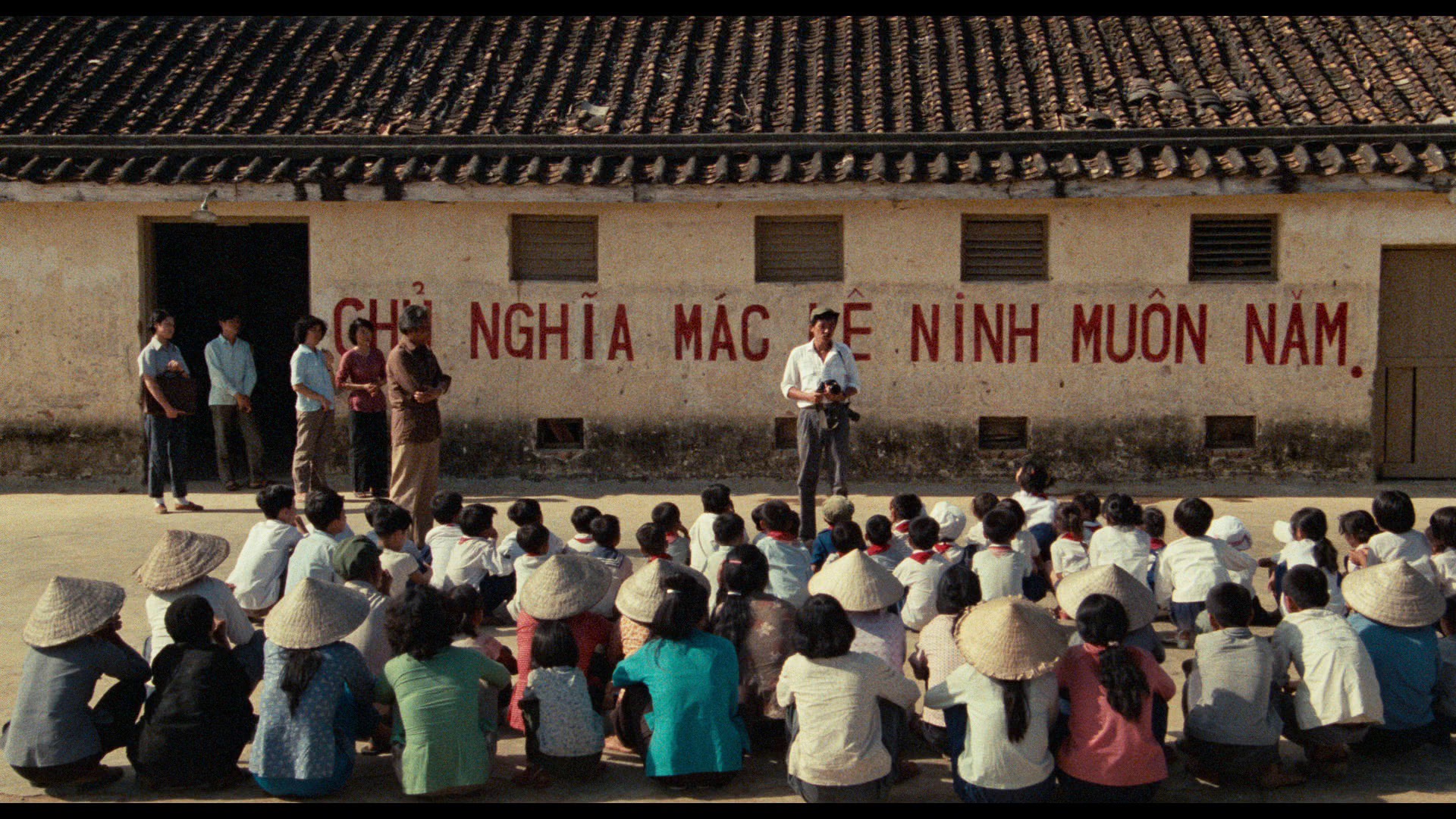
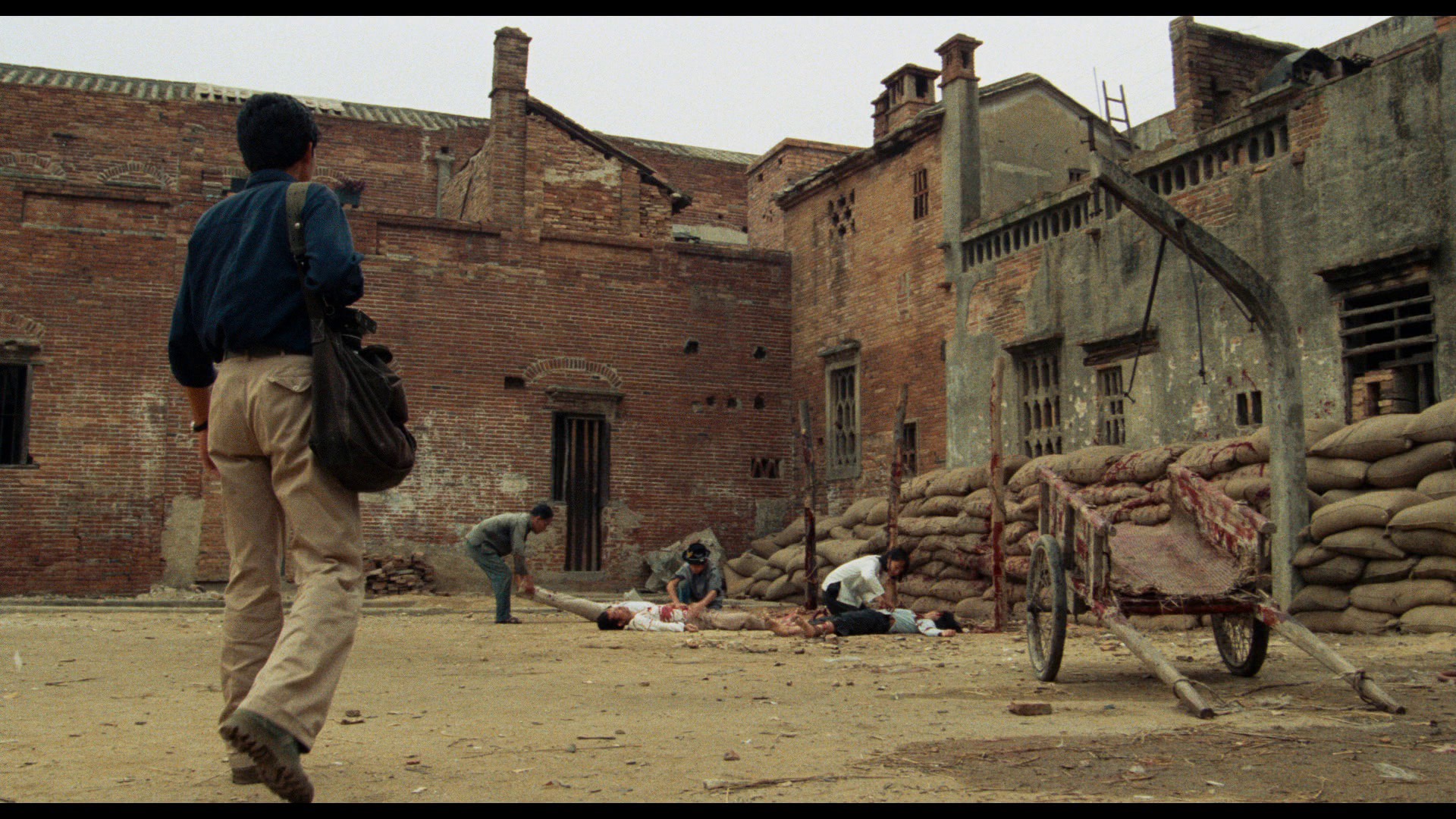
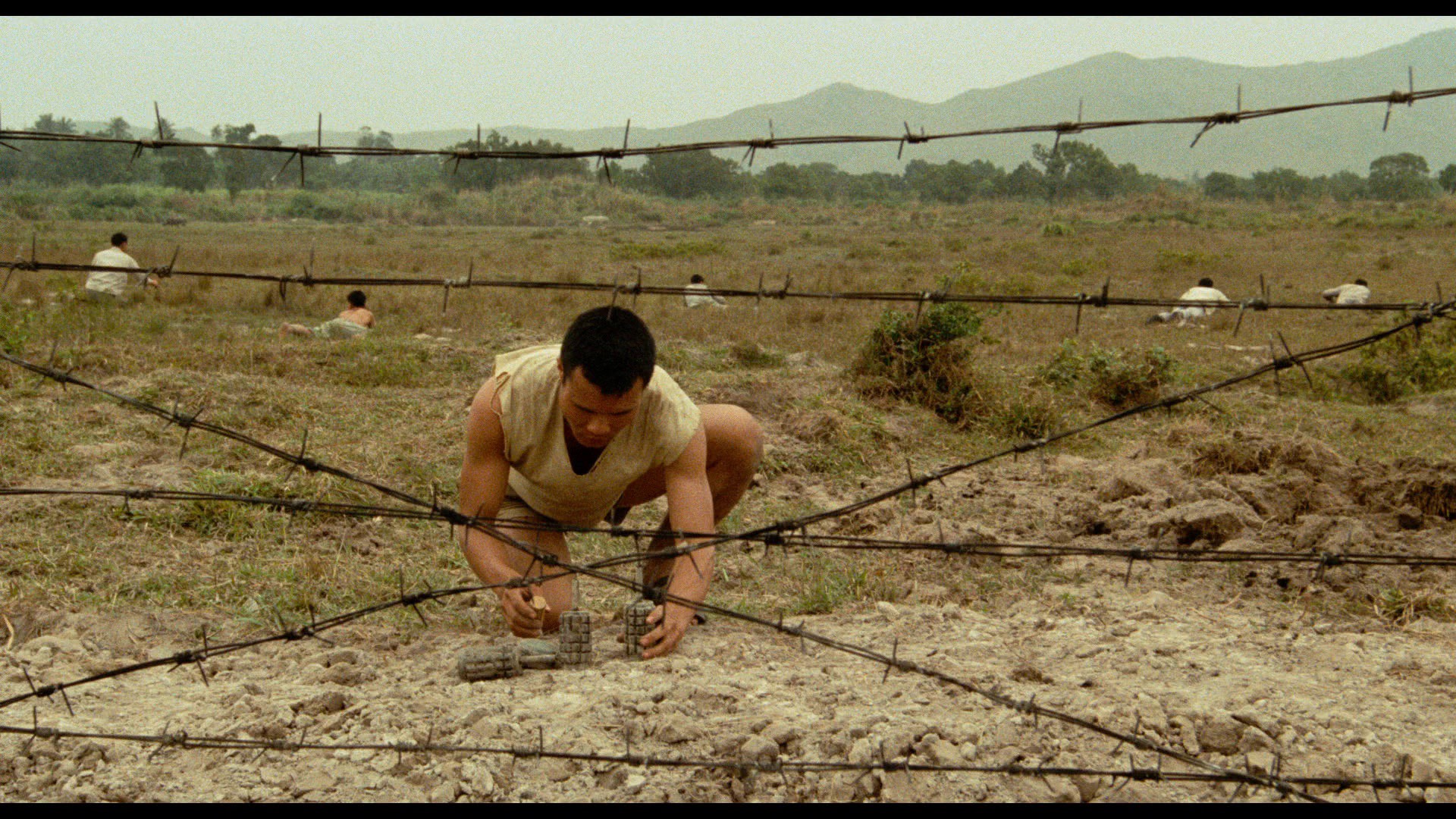
Criterion's presentation comes out looking exceptional when all is said and done, and it is really an absolute shame (though not shocking) it isn’t receiving a 4K release as well. The restoration work itself has been very thorough, and outside of a few minor specs there isn’t much to point out. The base scan looks exceptional, capturing film grain and some of the finer details, feeling as though it was just about able to pick up every blade of grass in a field or brick in a courtyard wall. Outside of a handful of shots that look a bit fuzzy (more than likely due to source materials), the image retains a crisp look throughout.
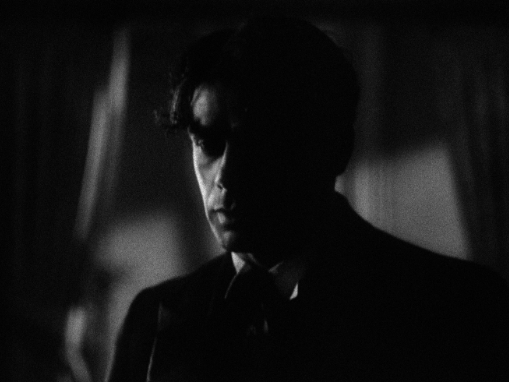
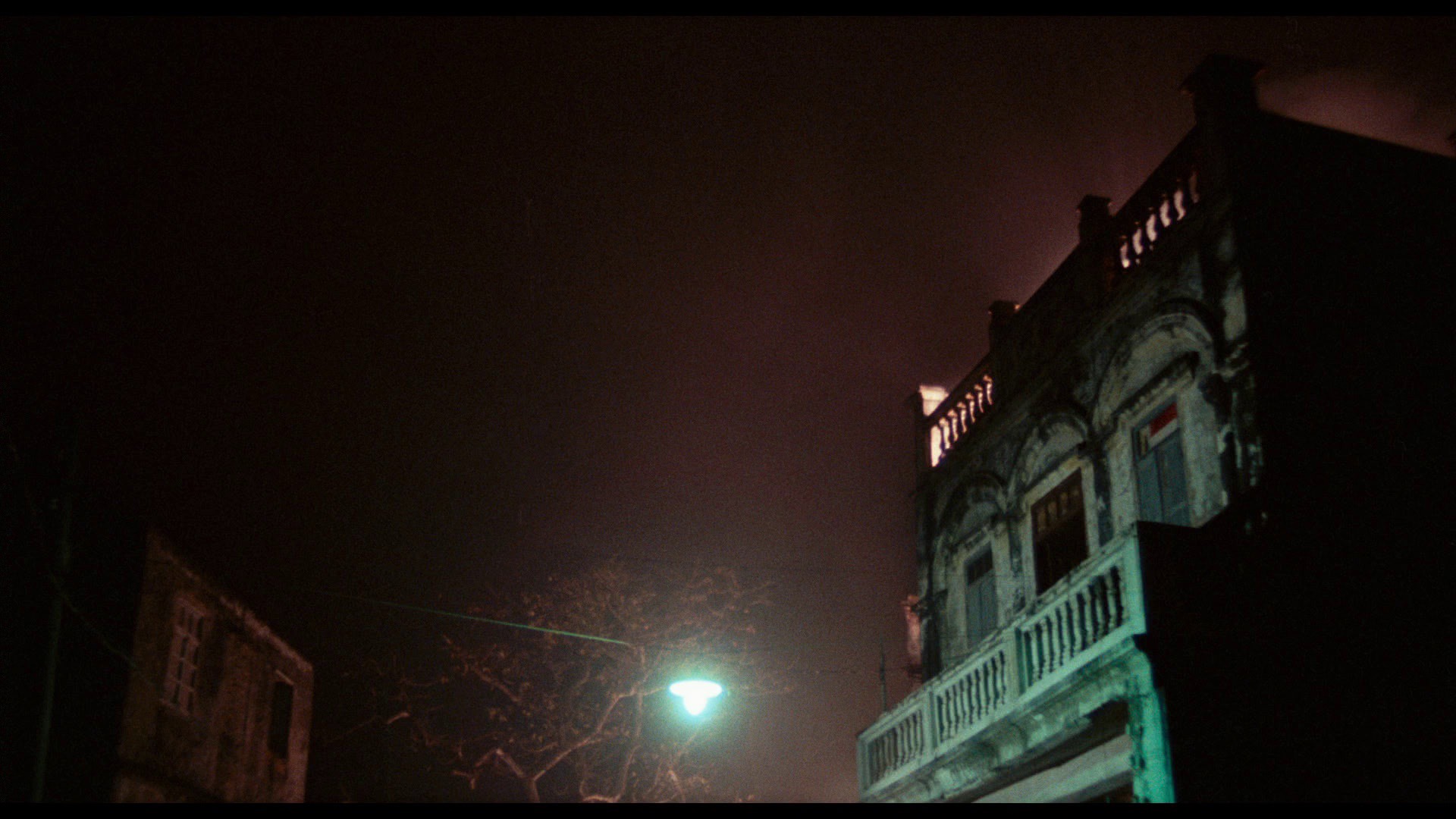
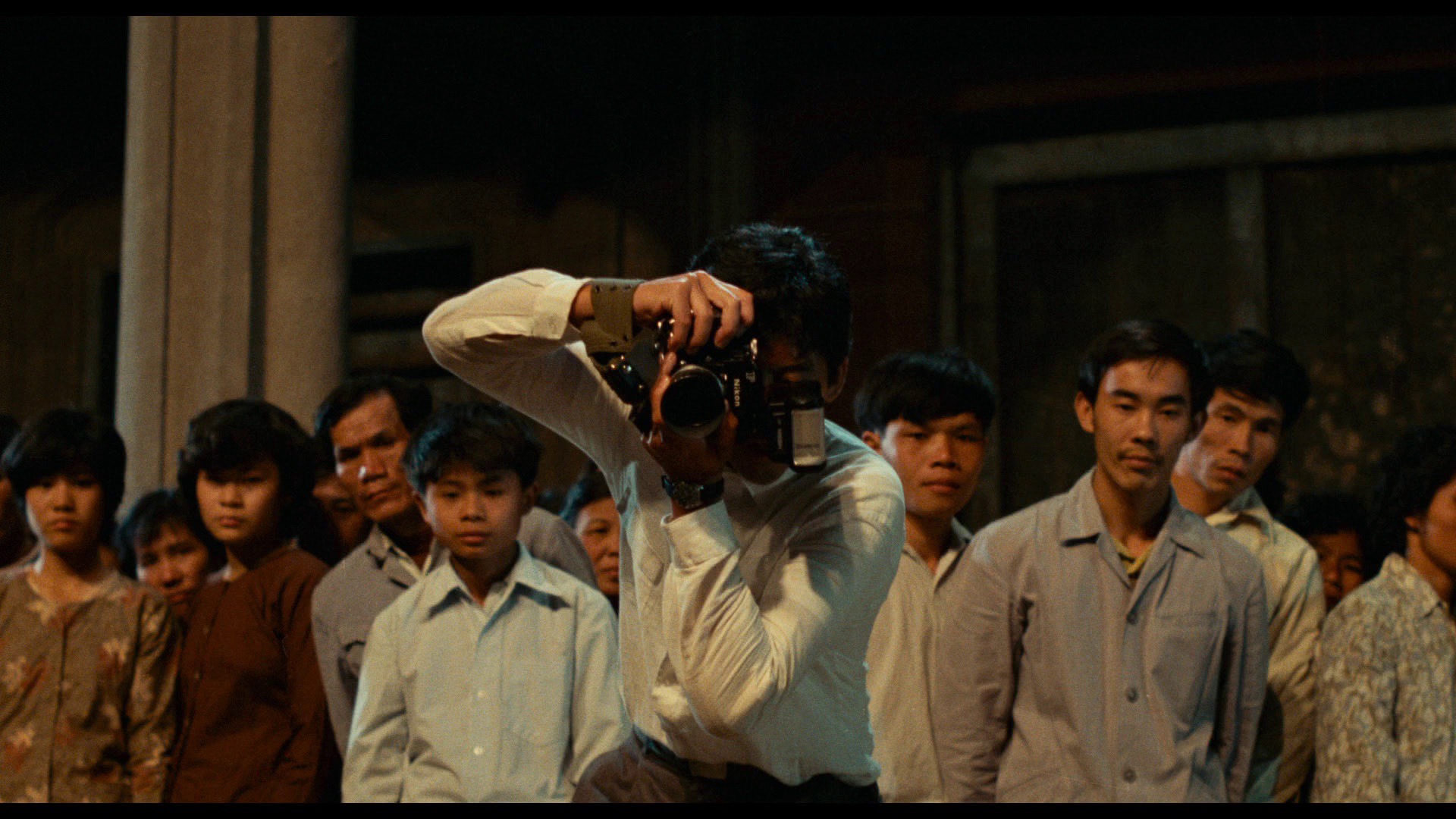
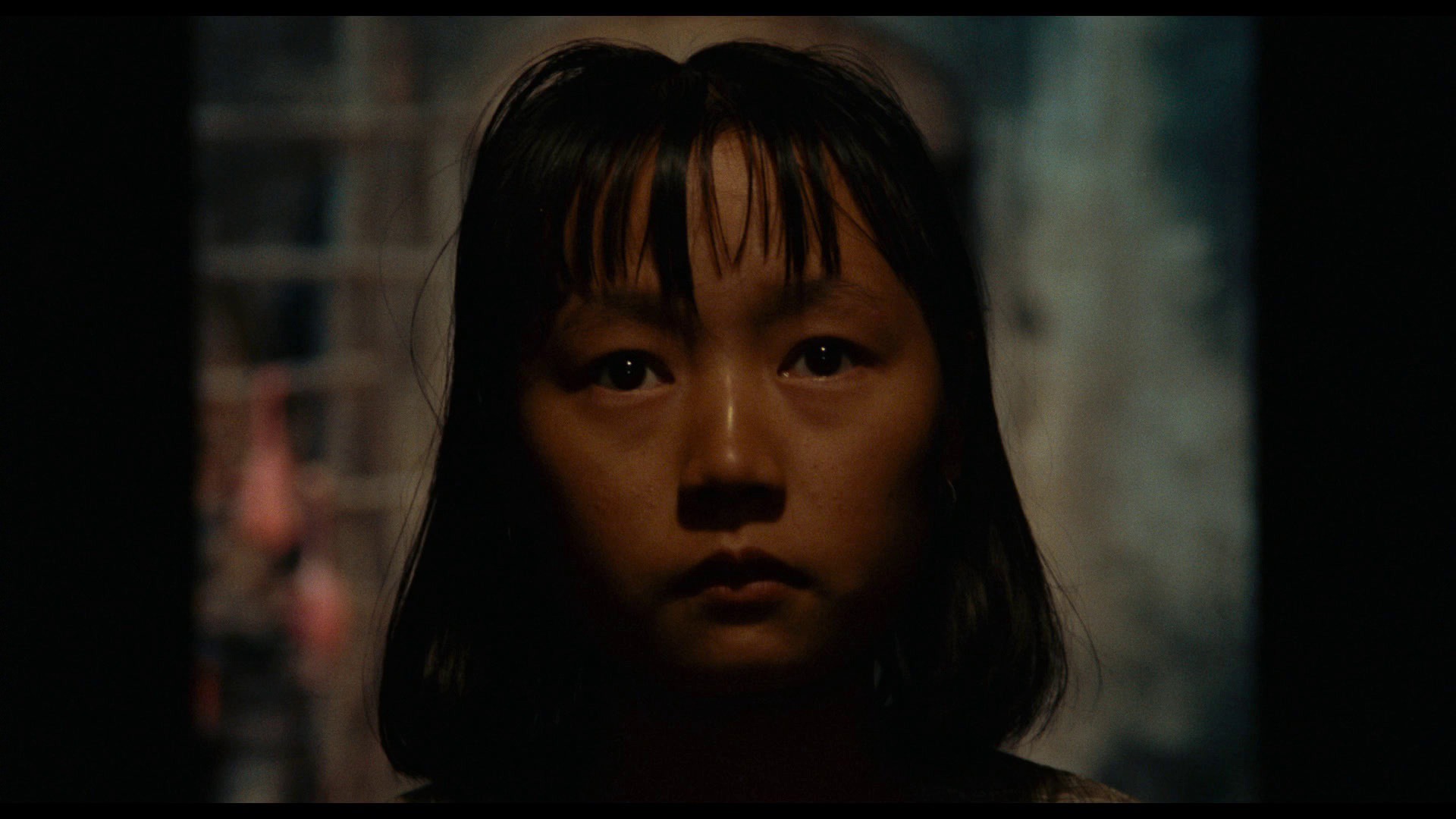
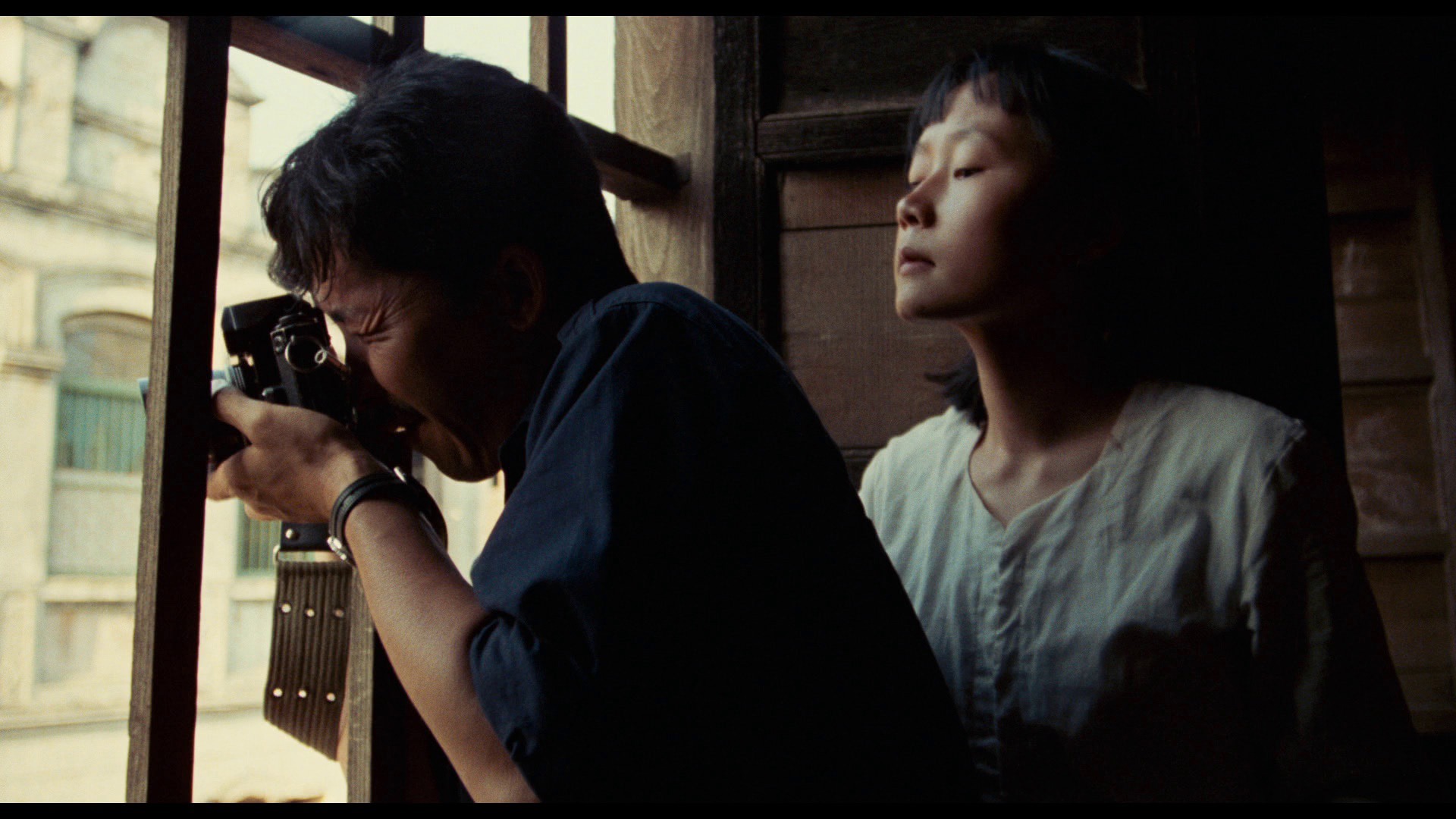
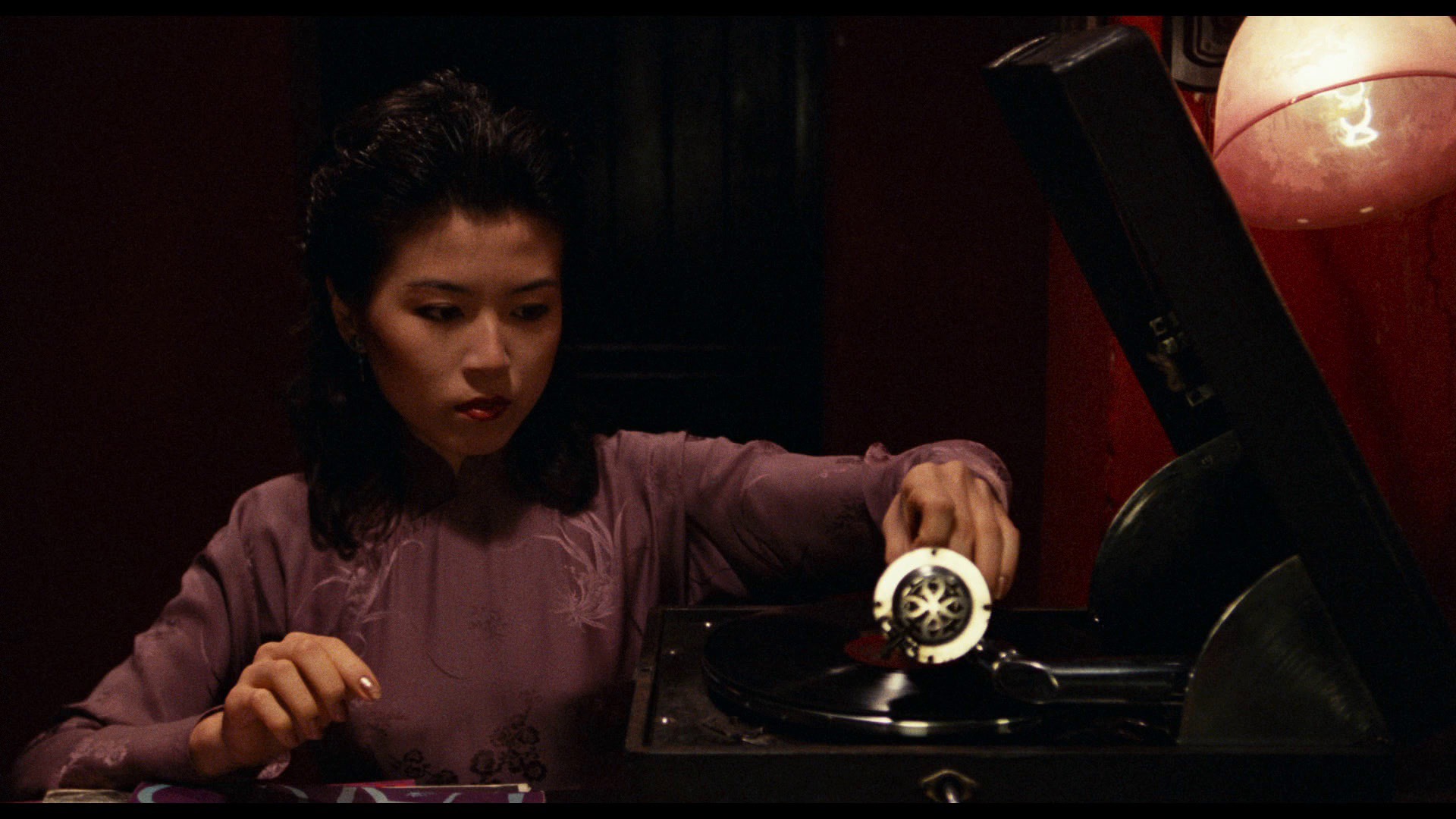
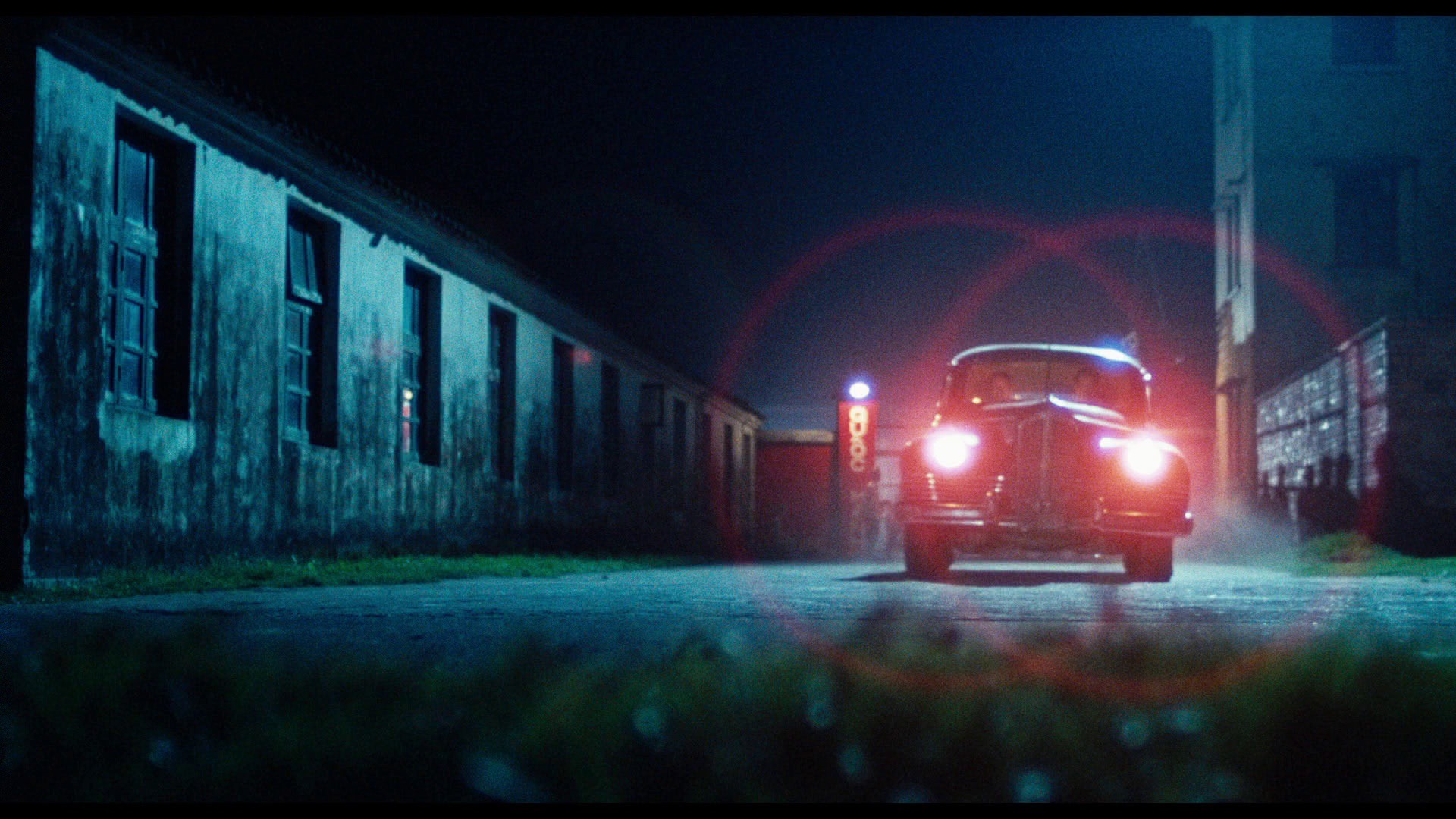
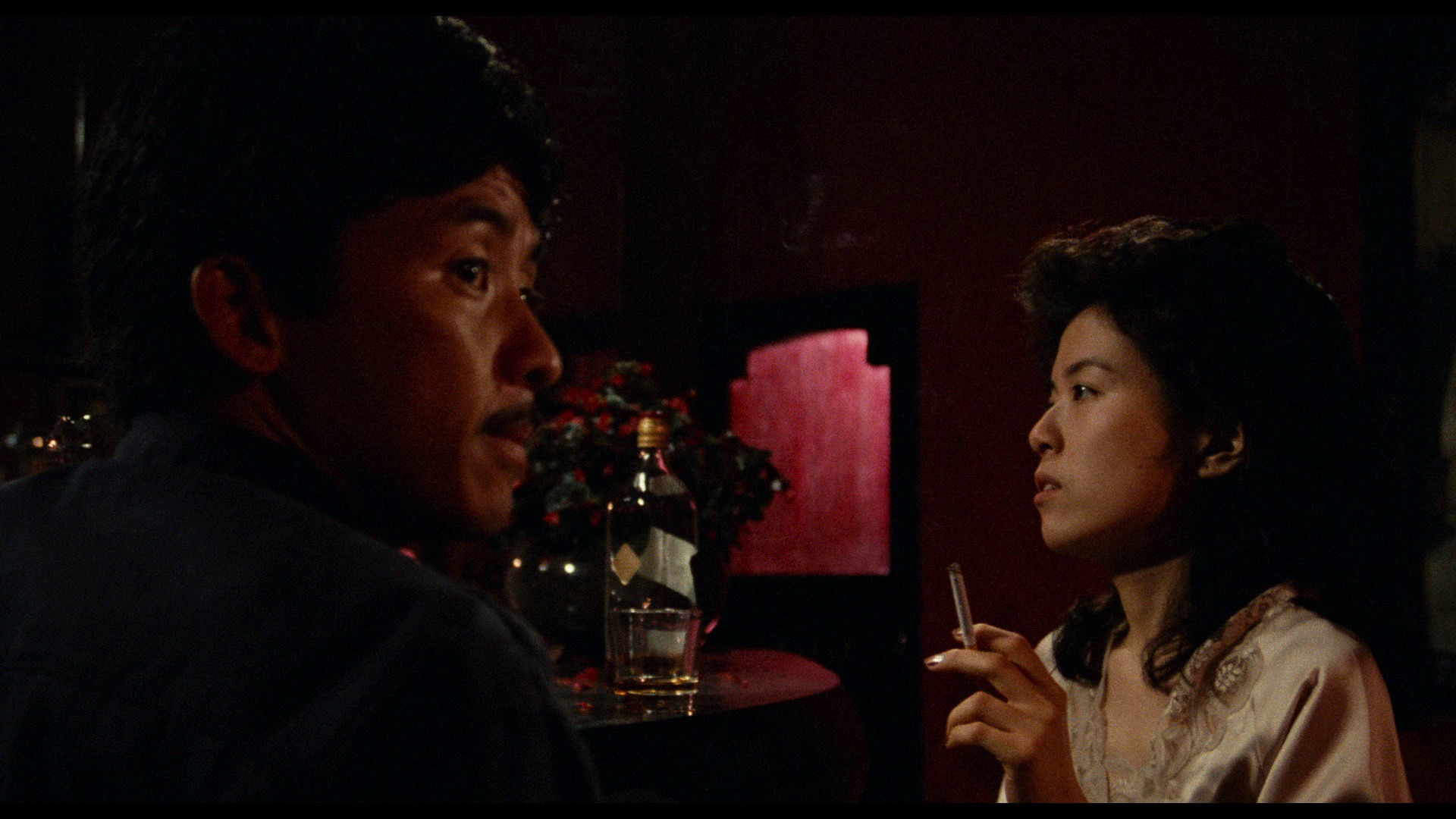
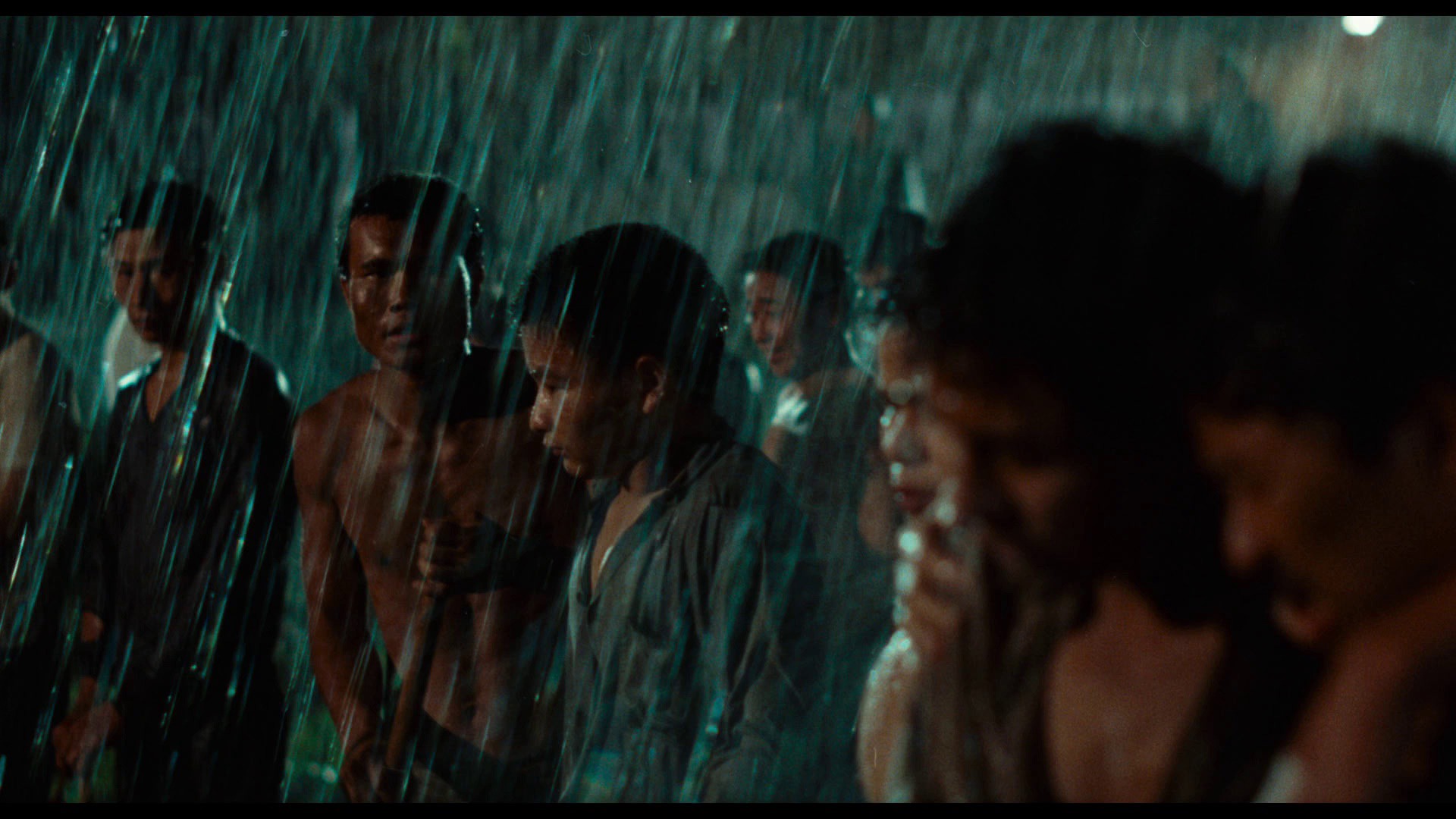
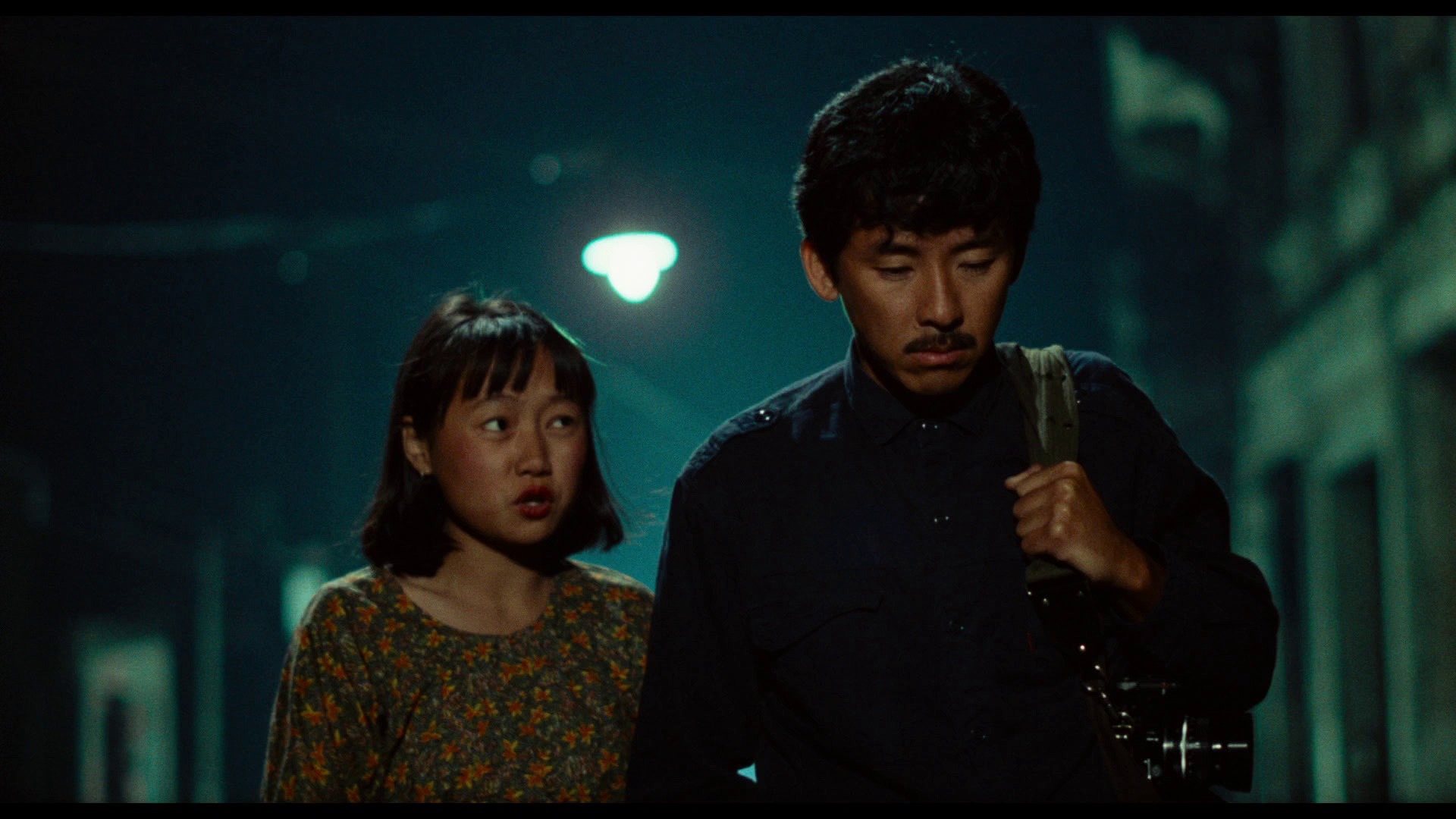
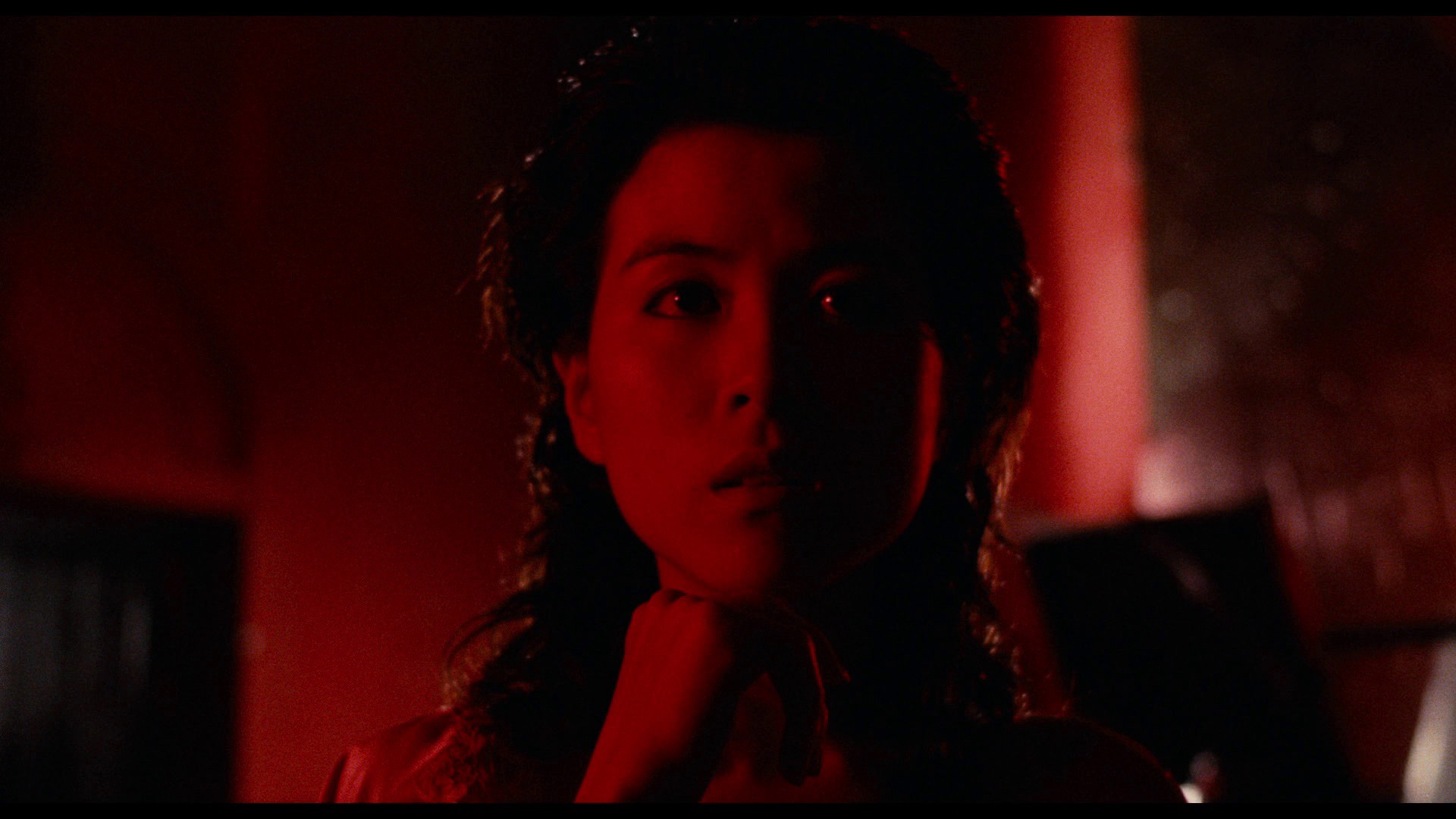
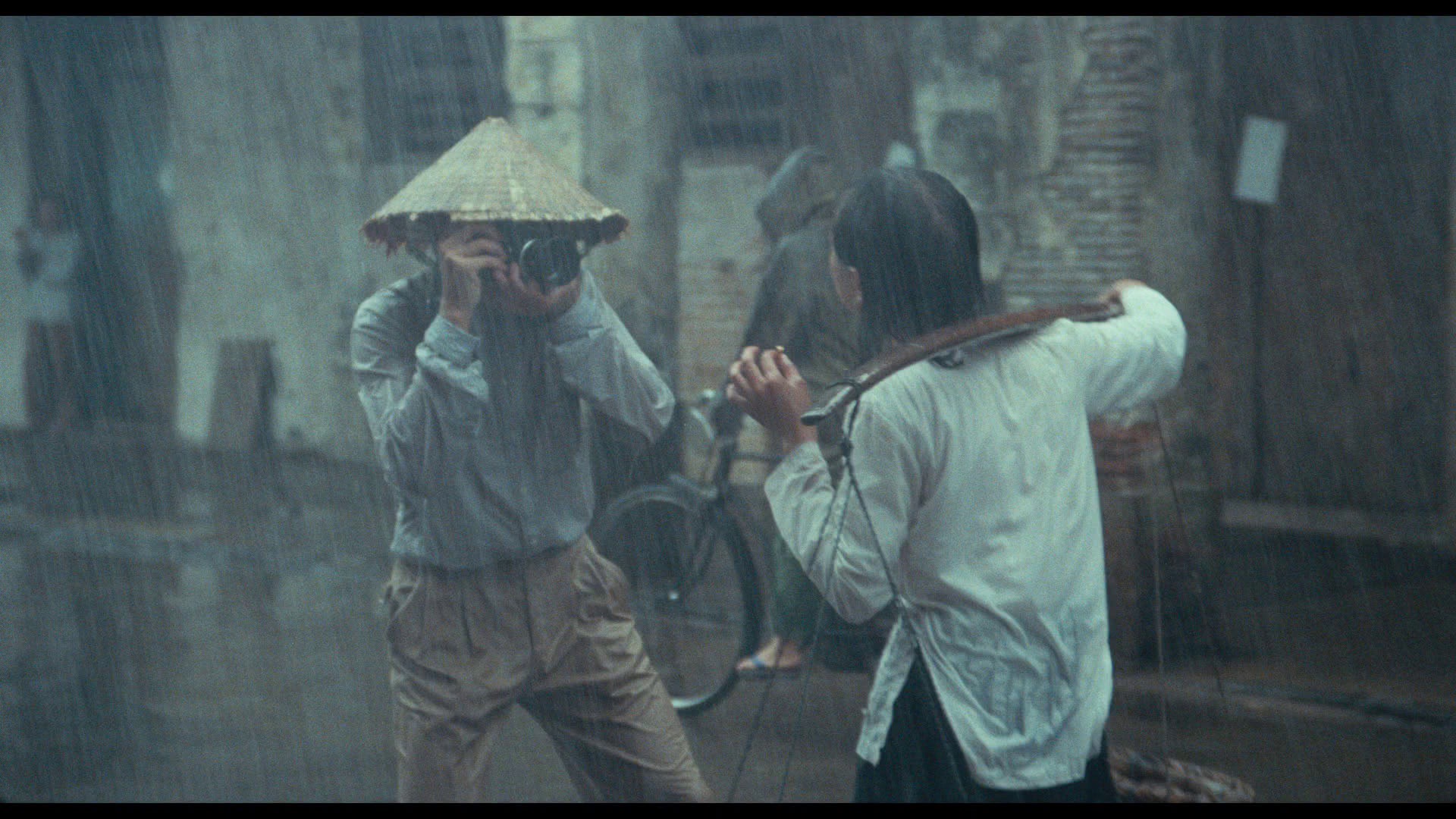
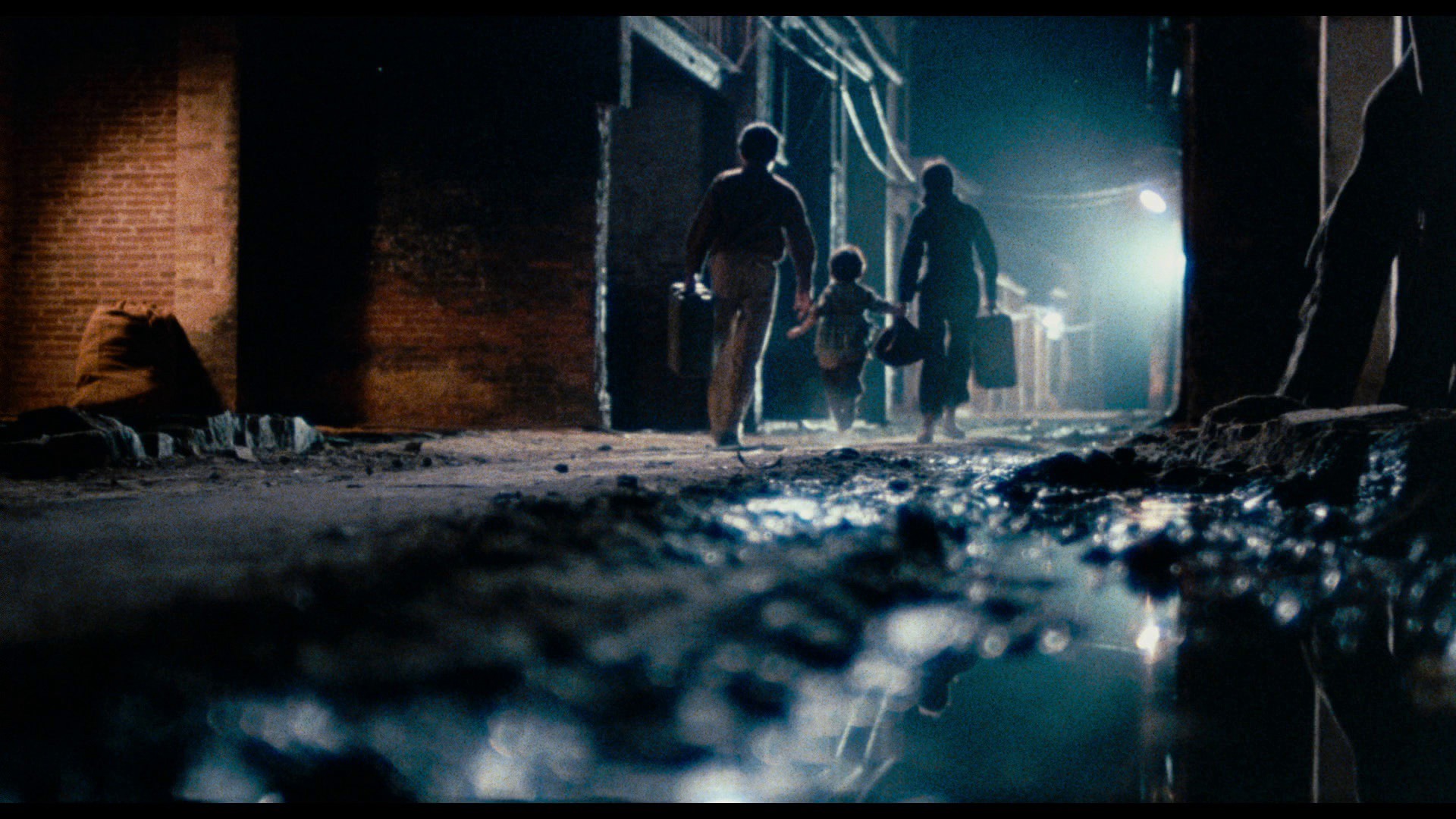
What’s most striking about the presentation, and the primary reason it’s sad this isn't receiving a 4K release alongside this Blu-ray edition, is in how it renders light and shadows in a number of darker sequences. There are many scenes that take place at night or in dimly lit interiors and the high-def presentation does a remarkable job in handling the wider range found in these scenes. The gradients in the lighting and in the shadows transition smoothly, without any sign of banding or similar artifact, and it's probably the cleanest rendering I've seen from a Criterion title in a long while. Highlights also come out sharp, particularly in an extended nighttime sequence in the rain where every raindrop is perfectly delivered. Some details can get lost in the darker portions of a scene and it’s possible that a 4K presentation with HDR would have further pulled those details out, but as it is I still found this aspect of the high-definition presentation impressive, and it feels to push things as far as it can. Some of these benefits can also be attributed to Criterion's encoding, which appears to be better here than usual, even rendering the very fine grain structure cleanly. The screen grabs show that there is still some minor room for improvement, but, like the recent Written on the Wind, it translates very well to the television screen and we get a very lovely film texture in the end.
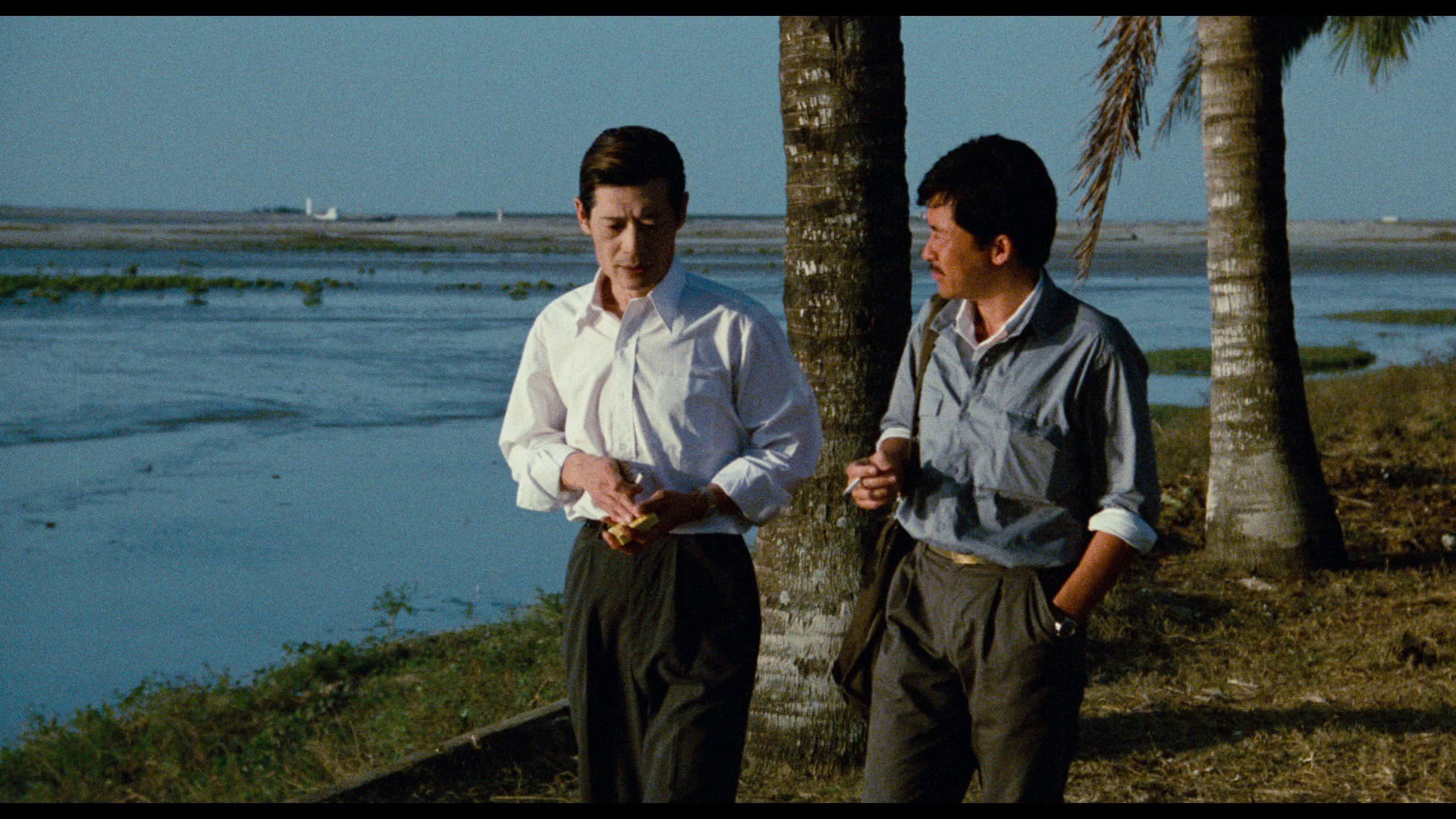
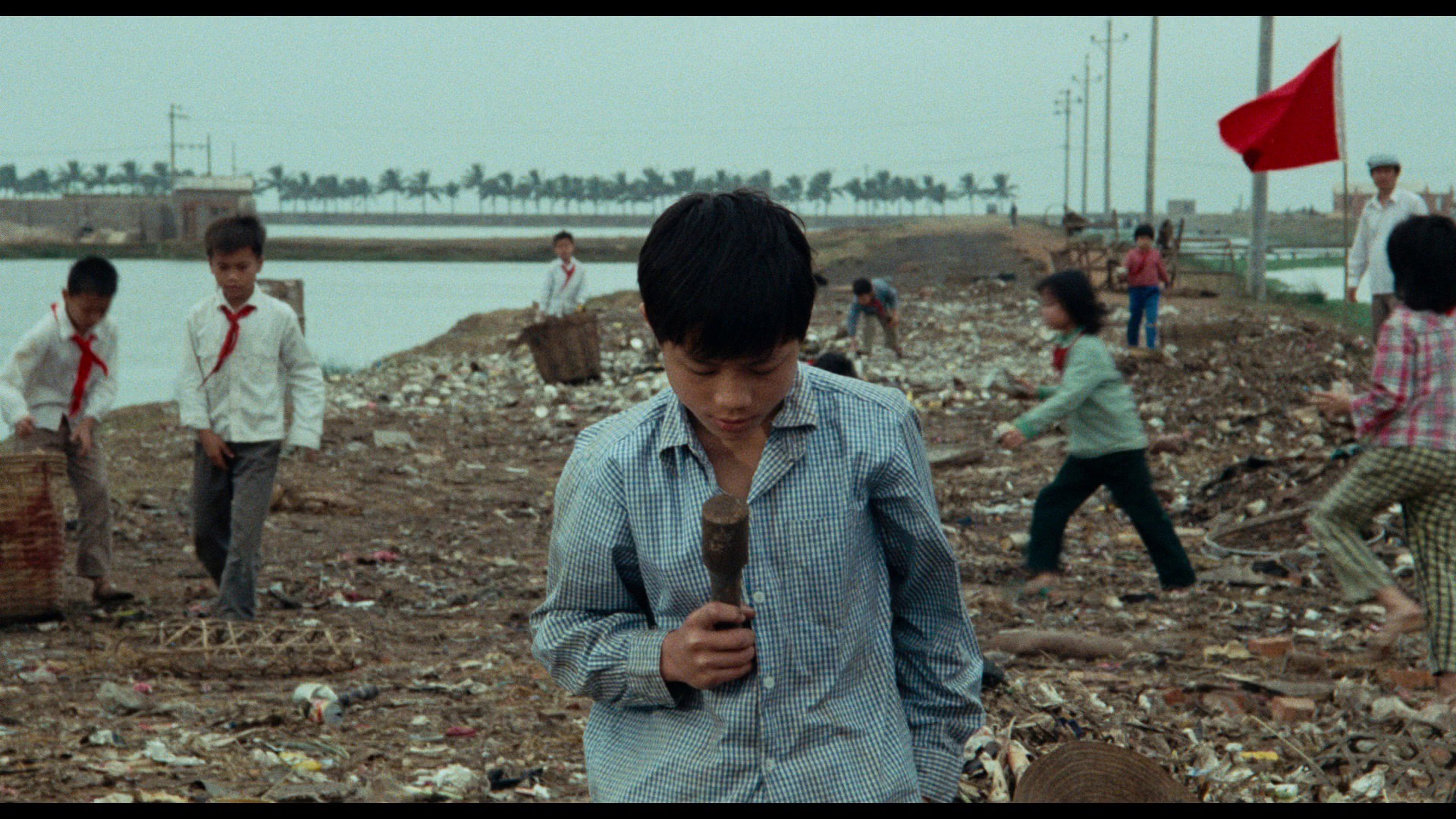
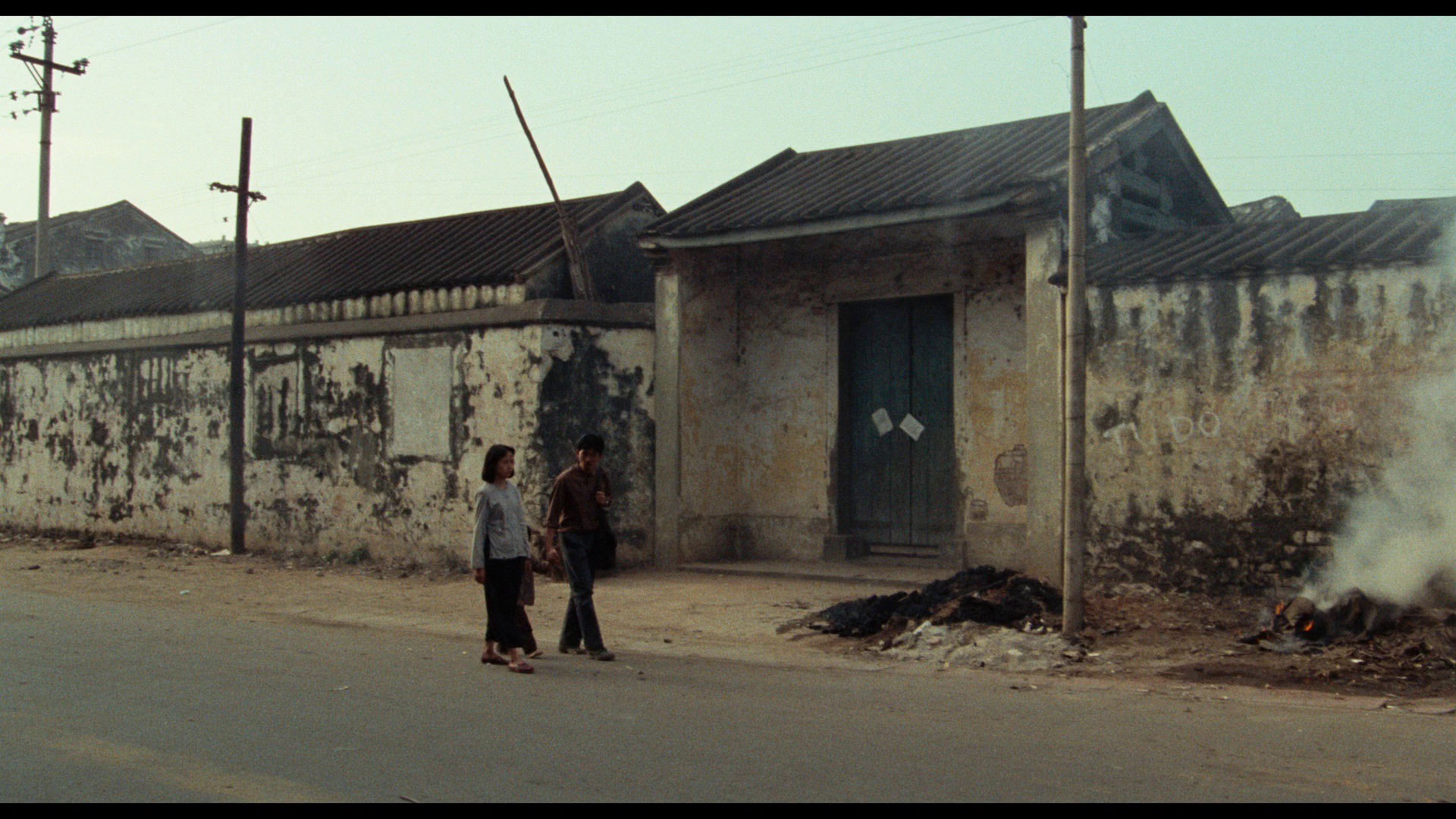
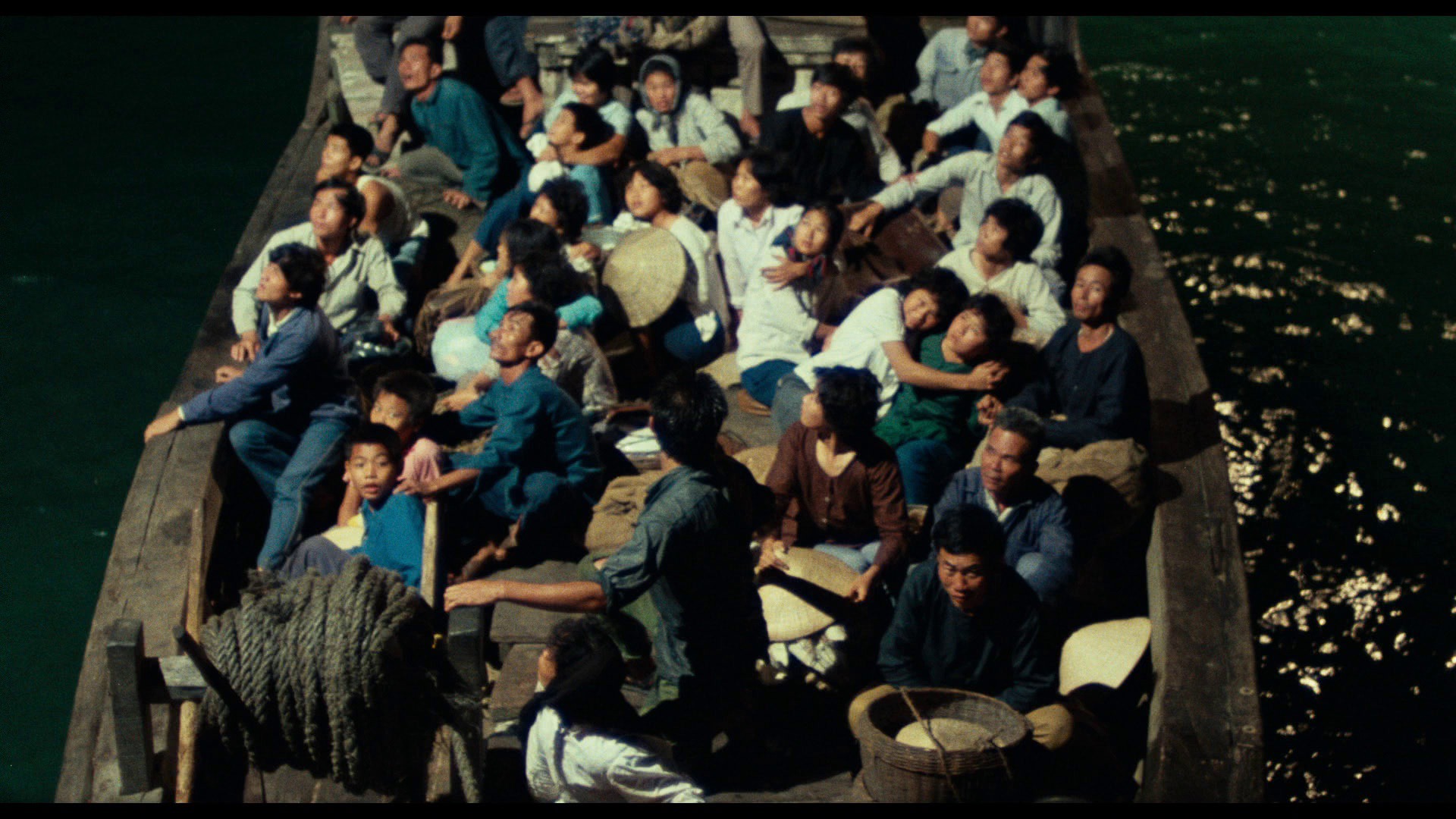
The colours do lean warm overall, though do seem to shift at points, going very hot or much cooler depending on the sequence. Some nighttime sequences can take on a greener tint, though it’s not too bad and does feel intentional. Whites look more along the lines of a warm white a lot of the time, and rarely come off yellow. Blues are also rendered nicely, especially in a couple of waterside scenes, and the blacks don’t appear to have been impacted, which again helps in rendering those incredible shadows in the film’s many dark sequences. Since the colours appear to shift around depending on the sequence it all feels to be intentional, so this didn’t prove to be too big of an issue, especially since none of it impacts black levels or any other aspect of the final presentation. In all, this is one of Criterion's better recent efforts.
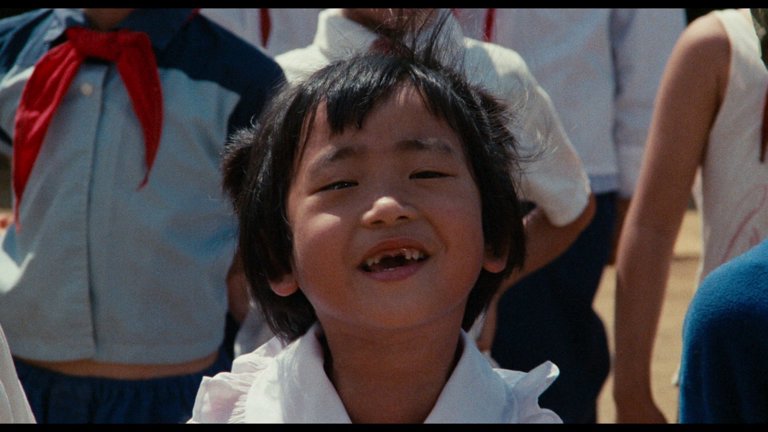
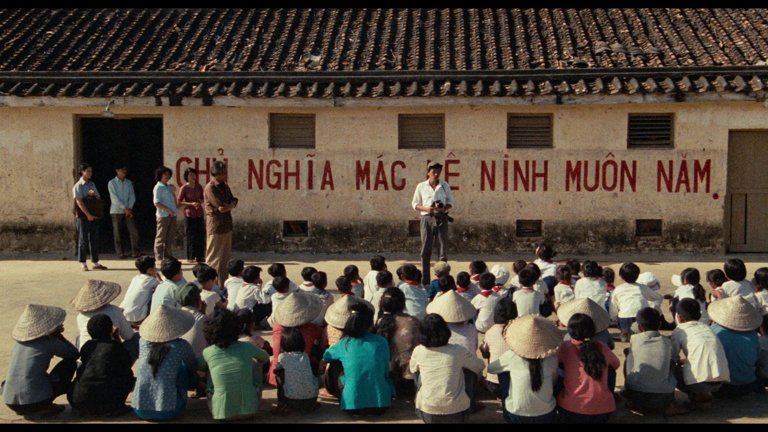
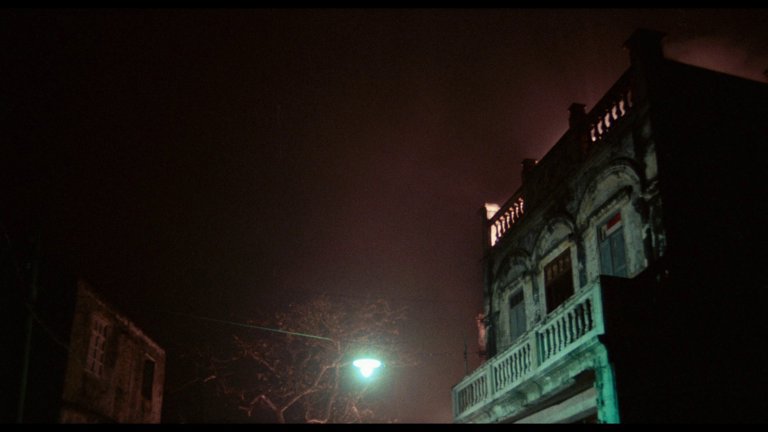
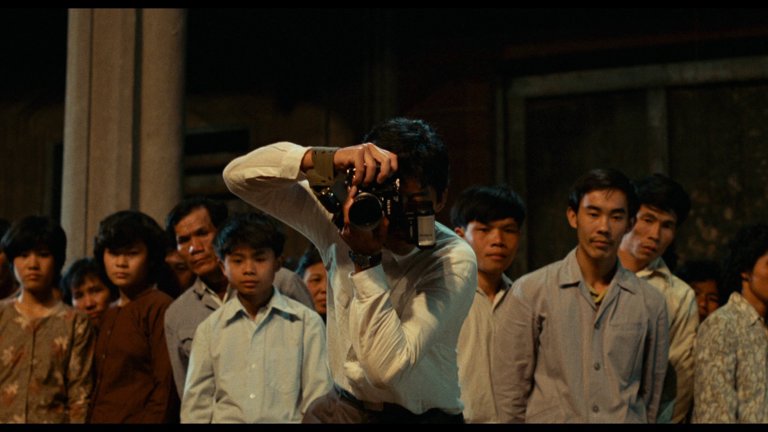
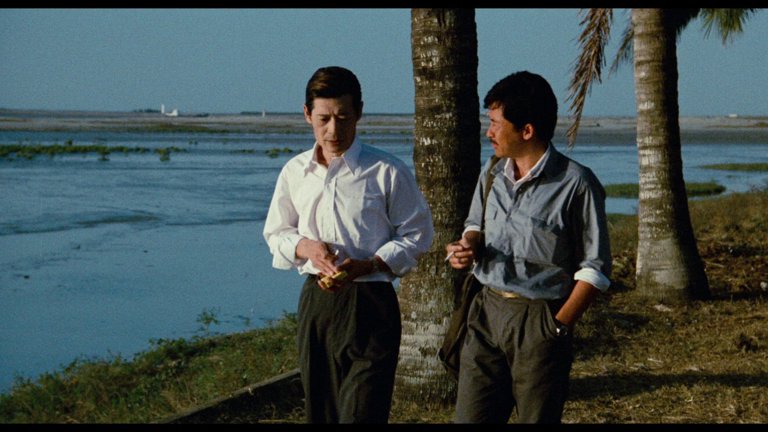
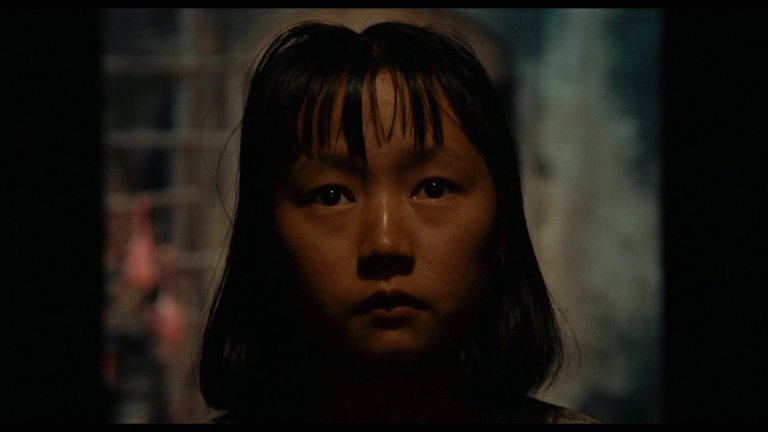
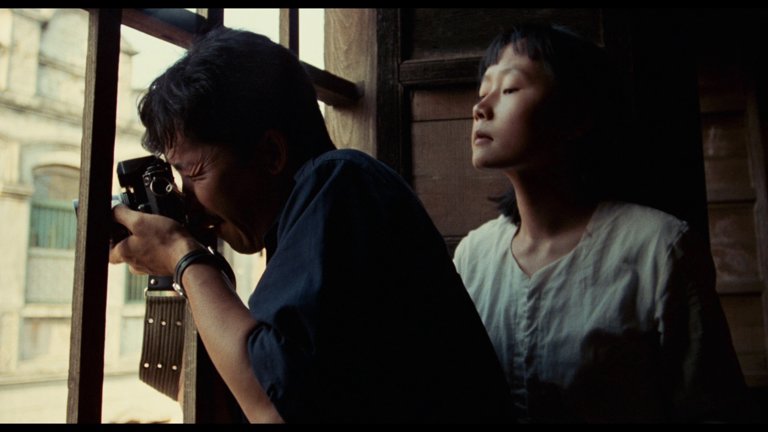
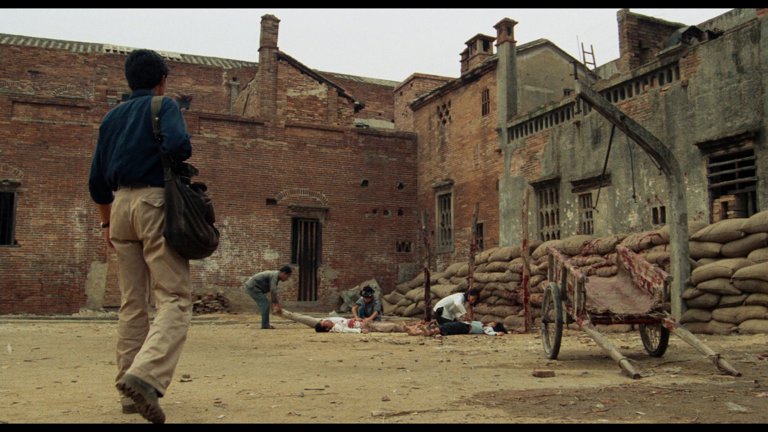
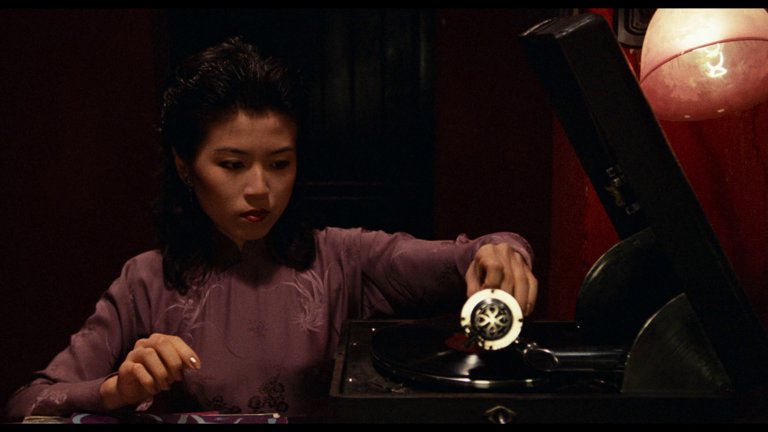
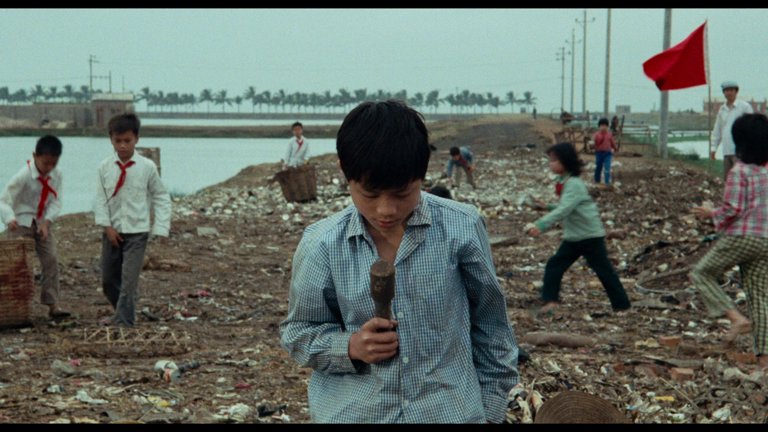
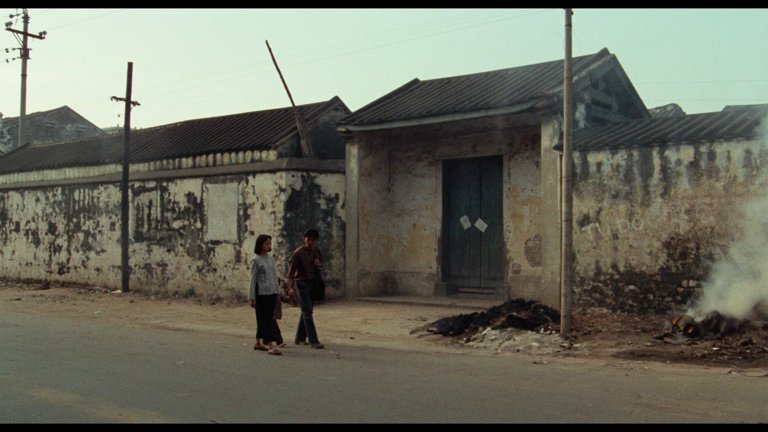
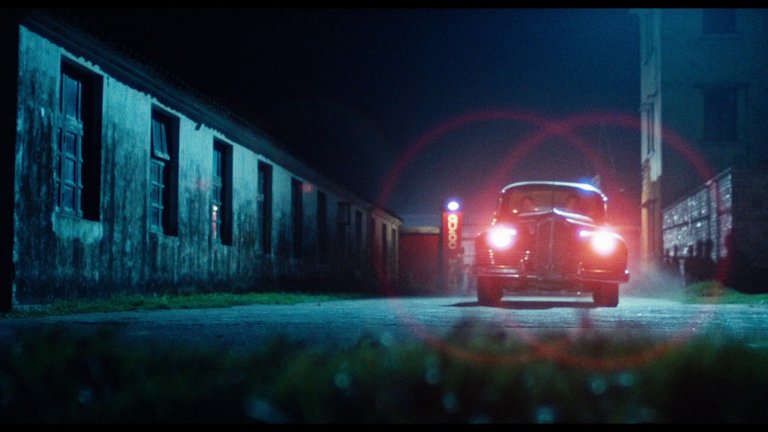
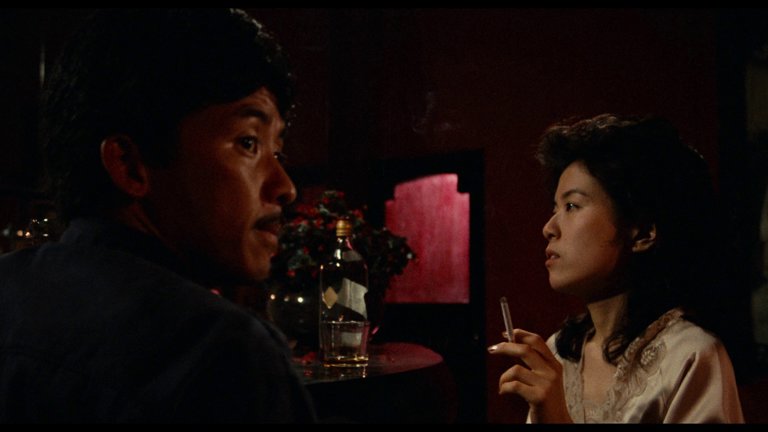
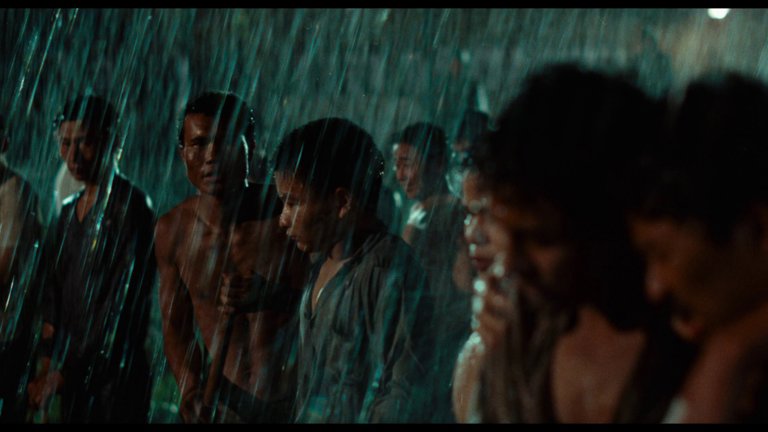
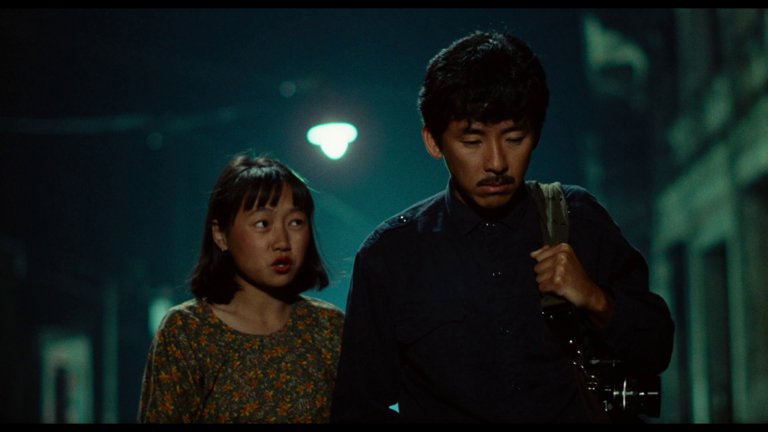
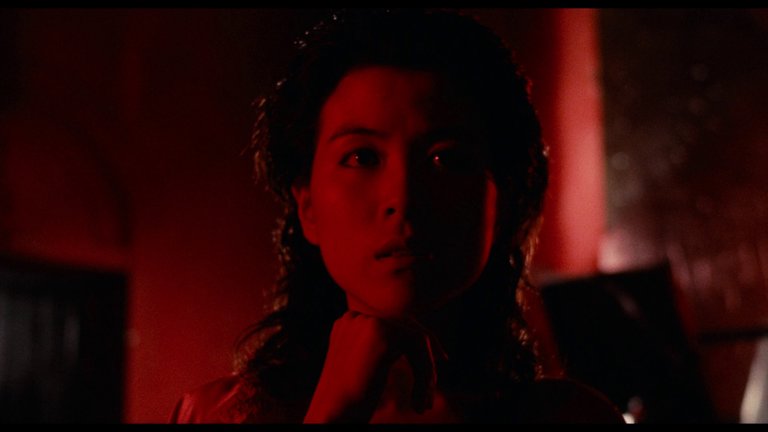
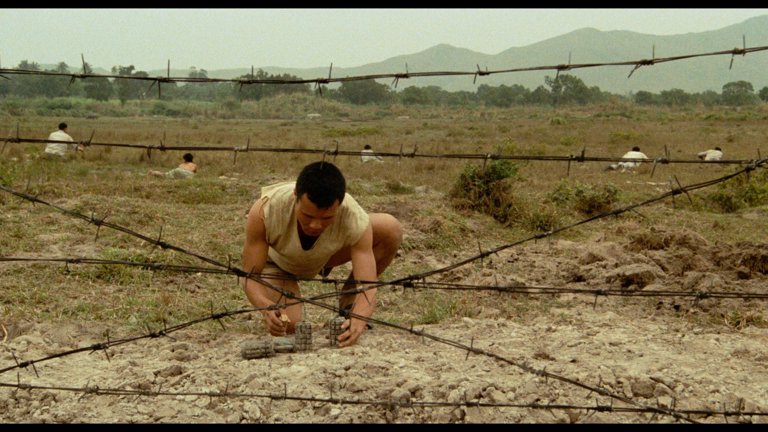
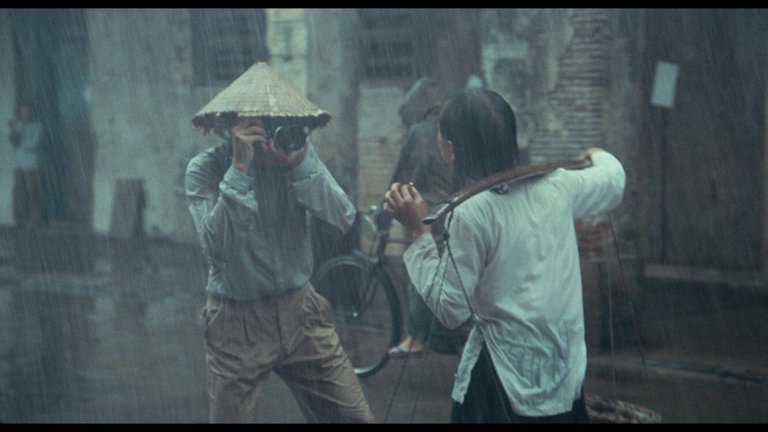
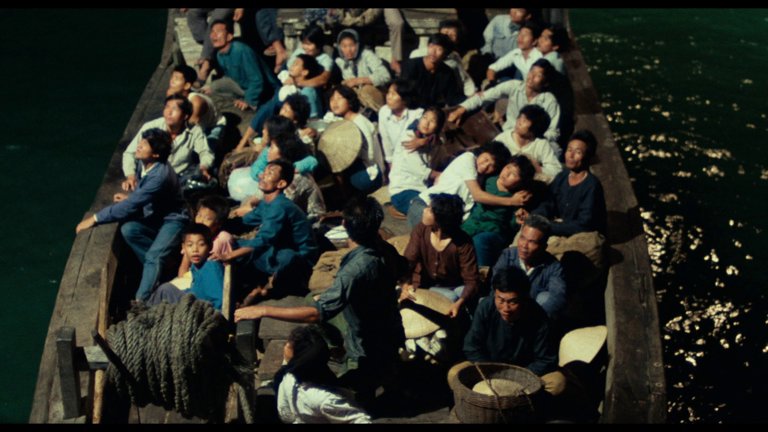
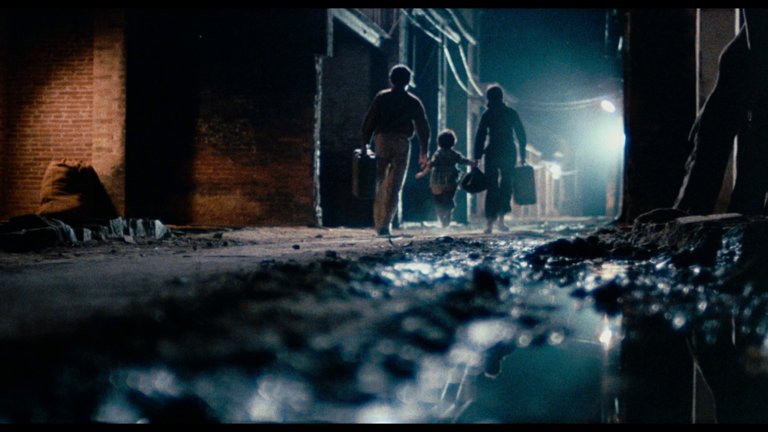
Boat People - Screen Captures
Audio 6/10
The film comes with a lossless PCM 1.0 monaural soundtrack. There can be a bit of flatness to some of the dialogue but on the whole range is adequate and the track is clean, free of any distortion or severe noise.
Extras 9/10
It doesn’t look like there’s much on here with only four features listed, but the material included is extensive, running around 4 hours total.
Things start off with a new interview between director Ann Hui and assistant director Stanley Kwan, running around 27-minutes. The two spend the first portion talking about the film’s production, from fixing up what was apparently a bad script that took place mostly on a boat (the film as it is now only takes place on a boat of some sort for a few minutes) to finding the appropriate cast, with Chow Yun-fat being approached at one point for one of the roles. They then move onto the current state of the film industry in Hong Kong, where it’s harder to find money while also facing increased scrutiny from the government, leading to films that the two describe as not being “playful.”
In that discussion the two also touch upon controversies around the film’s release and its screening at the Cannes Film Festival, where it was eventually pulled from competition. They explain what happened, accompanied by clips from the 1983 conference, but Criterion also thankfully includes the full 29-minute Cannes press conference. The film was protested by sympathizers to the Vietnamese government, leading to France’s government, thanks in part to an allegiance to the Vietnamese government, getting the film pulled. The topic comes up and is addressed briefly here, with one reporter at one point even questioning whether a "Chinese produced" film (despite it being a Hong Kong production) about Vietnam can be viewed in any way other than "suspect." Outside of dealing with questions like that, Hui addresses questions around the story, including why she had a Japanese reporter as the protagonist instead of a Chinese one (there were no Chinese reporters there at the time) and when asked about the Chinese film industry, Hui makes sure to point out she doesn’t know anything about mainland China’s industry, clarifying she’s a Hong Kong filmmaker.
Hui’s identity as a Hong Kong filmmaker also pours over into the two feature-length documentaries about Hui that Criterion has seen fit to include here, starting with her own 1997 reflection entitled As Time Goes By, filmed before the Hong Kong handover to mainland China. Running 60-minutes and part of a Taiwanese series of films called "Personal Memoir of Hong Kong," the film initially feels to be a self-portrait of the director's life and her work, featuring discussions, interviews, and even photos around her life. The film ends up intersecting this all with Hong Kong’s colonial history and what I guess could be called Hui’s feelings of separation from all things Chinese, with stories around how the future filmmaker as a teenager took a very keen interest towards Chinese martial arts stories and films, probably to feel some link to a culture that she felt she wasn't present in Hong Kong. There's the sense she really questioned her cultural identity at the time, further complicated when she discovered her mother was, in fact, Japanese, a revelation that inspired one of her later works, Song of the Exile.
Some of these themes and insights around Chinese and Hong Kong identity are further touched on in the follow-up documentary, the 118-minute, 2020 film Keep Rolling, which features the director later in the film talking about her duty in telling stories about Hong Kong, especially to a younger generation who missed that whole period. But outside of that and some comments around what those around her feel about globalization, this is the more straightforward biography, going into rather painstaking detail about her life and work, covering just about every aspect of both, including her bad chain-smoking habit that becomes a bit of a joke within the film. Alongside forthcoming interviews with the director, both new and archival, the documentary also features interviews with family, friends, and colleagues sharing stories about her and her passion for filmmaking, which are also at times visualized through photos and even little animations at one point. The film also works its way through most of her filmography, including what she calls a disappointing period in the 90’s (she confesses she is always concerned about box office), before focusing on her work today, where the film film follows her as she performs promotional duties, of which she is growing increasingly exhausted by; at one point she tells the person I assume to be her publicist to only book interviews that are “necessary” before going off to grab a smoke. It’s not as interestingly constructed as the previous documentary since it’s a far more straightforward piece, but it’s still a loving tribute to the filmmaker directed by her longtime production designer, Man Lim-chung. It also works as a very thorough introduction for those unfamiliar with the director.
Criterion then closes off the release wonderfully with a 24-page booklet, which starts off with an essay on the film and its director written by film critic Justin Chang. This is then followed by what appears to be a reworking of an essay written by Vinh Nguyen in 2016, with the focus placed on the film’s portrayal of refugees, the writer relating it to his own personal experiences. Both are excellent reads.
And that closes things off. Again, it doesn’t look like there a lot here, but it ends up being hours’ worth of material, and all of it is well worth the effort of going through, especially if its your introduction to the director and her work.
Closing
A lovingly put together edition featuring hours of material around the film and its director alongside a sharp looking presentation. A very easy recommendation.
BUY AT: