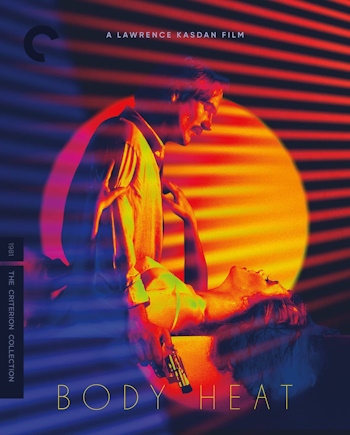
Body Heat
BUY AT:


See more details, packaging, or compare
Synopsis
With his debut feature, acclaimed writer-director Lawrence Kasdan brilliantly updated the conventions of 1940s film noir for the 1980s, resulting in one of the steamiest and most influential erotic thrillers ever made. On the sultry South Florida coast, lawyer Ned Racine (William Hurt) is drawn into a torrid affair with unhappily married housewife Matty Walker (Kathleen Turner, in a star-making performance)—and it’s not long before they’ve hatched a scheme to murder her wealthy husband. Featuring ingenious plot twists, memorable hard-boiled dialogue, and an atmosphere so evocative you can practically feel the humidity, Body Heat is a languorously seductive tale of greed and desire, one that paved a new path for American crime cinema.
Picture 10/10
Lawrence Kasdan’s debut feature Body Heat receives an all-new 4K UHD special edition from The Criterion Collection, presented with Dolby Vision in its original aspect ratio of 1.85:1 on a triple-layer disc. The 2160p/24hz ultra high-definition presentation is sourced from a new 4K restoration performed by Criterion, taken primarily from a scan of the 35mm original camera negative. The release also includes a standard dual-layer Blu-ray featuring a 1080p presentation of the film along with all special features.
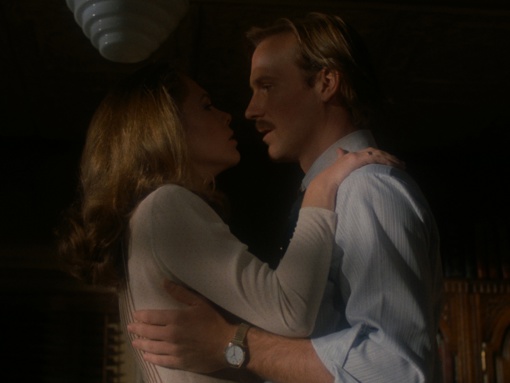
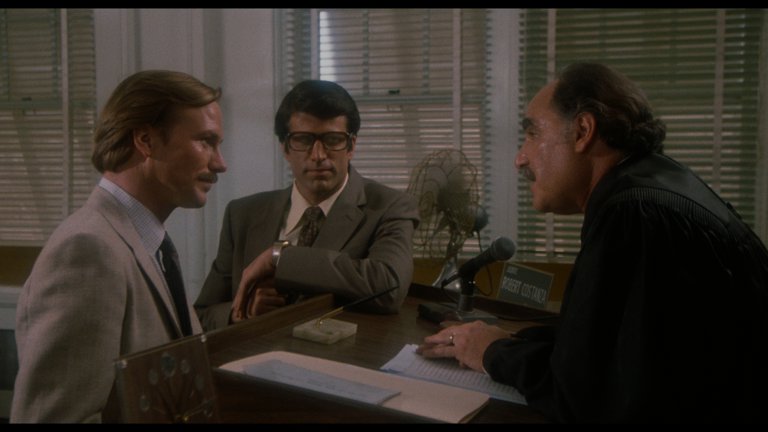
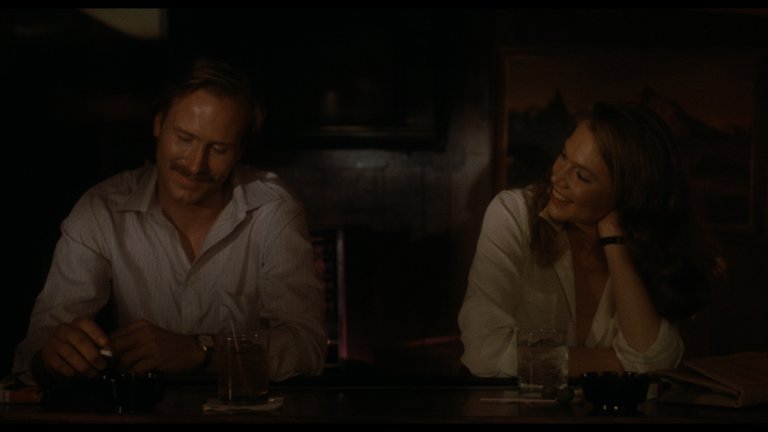
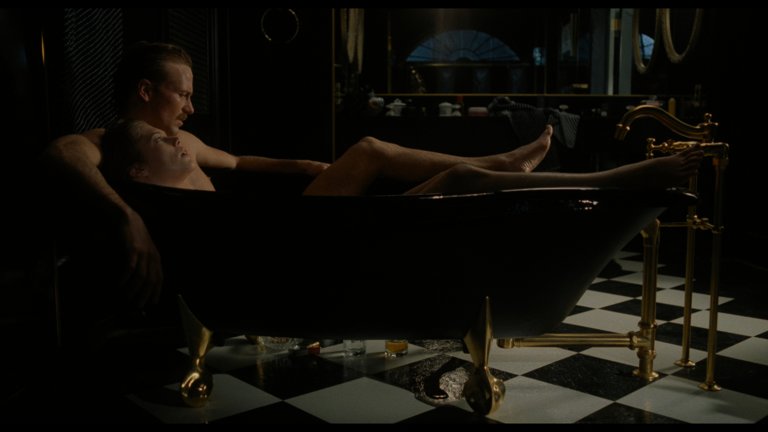
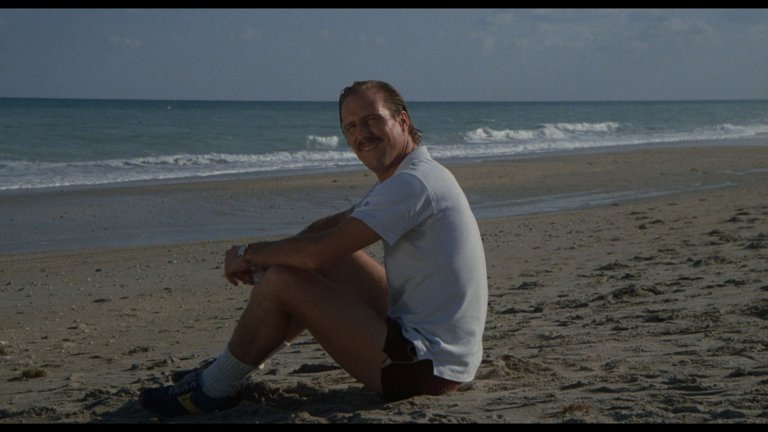
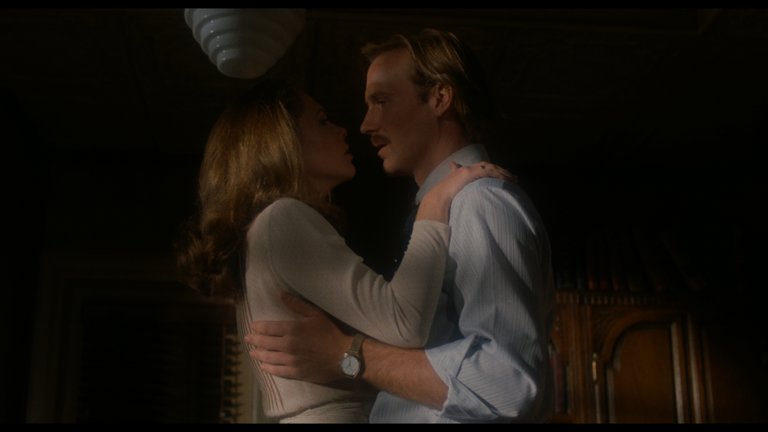
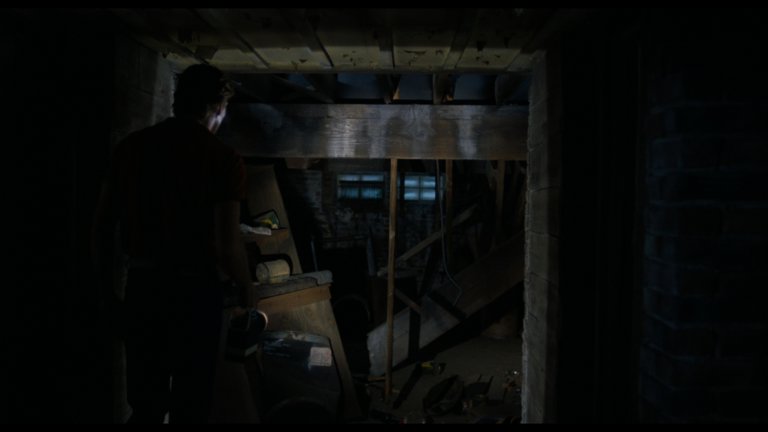
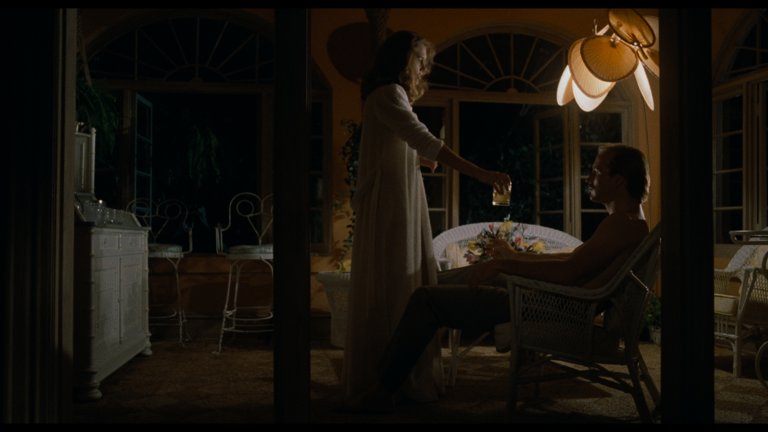
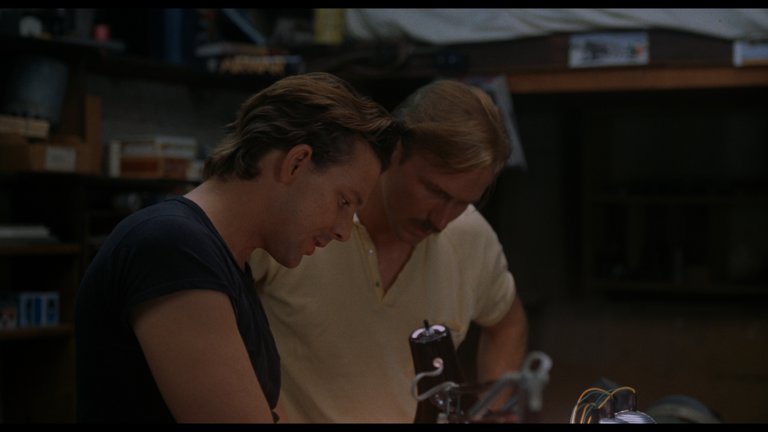
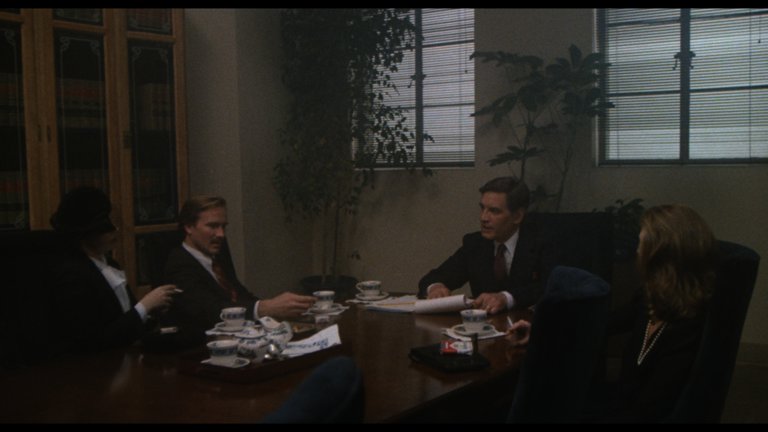
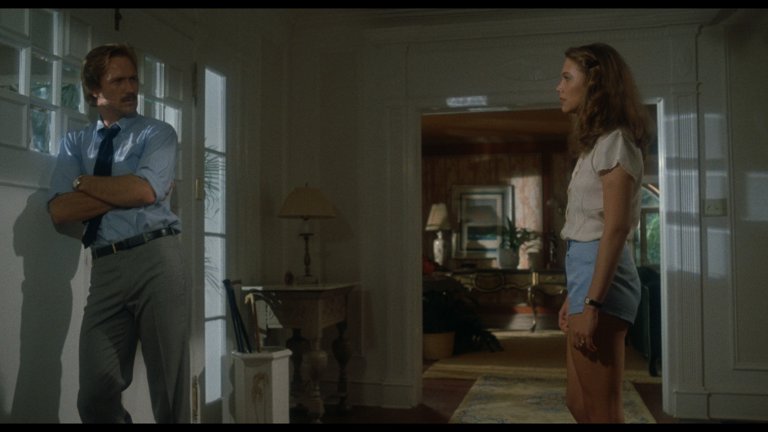
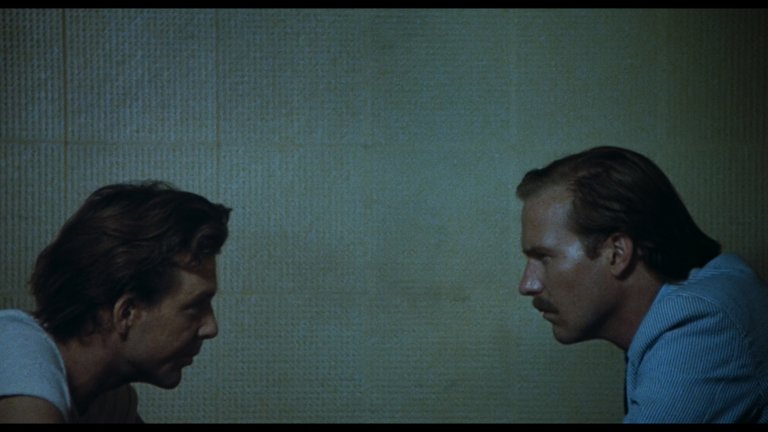
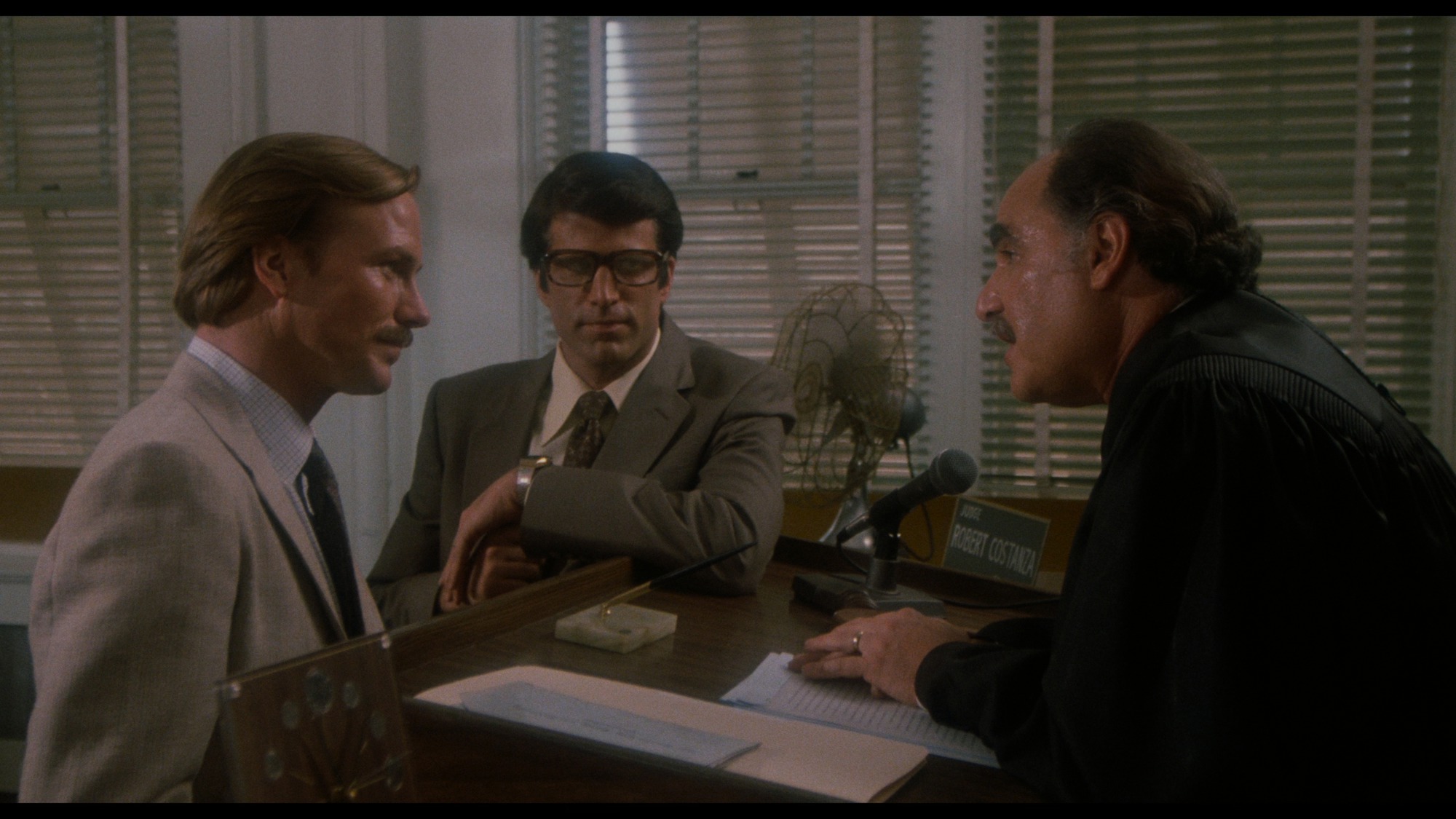
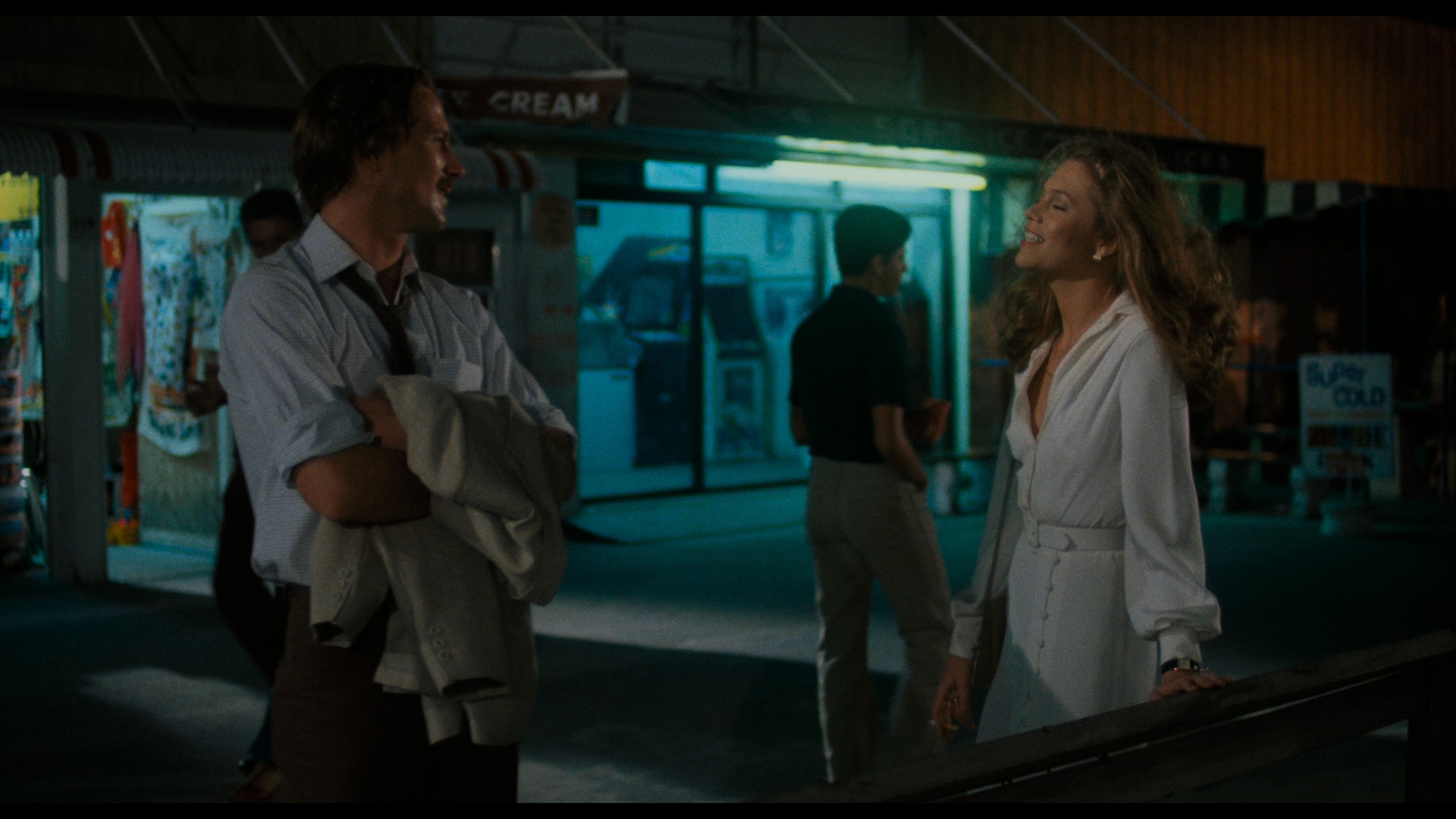
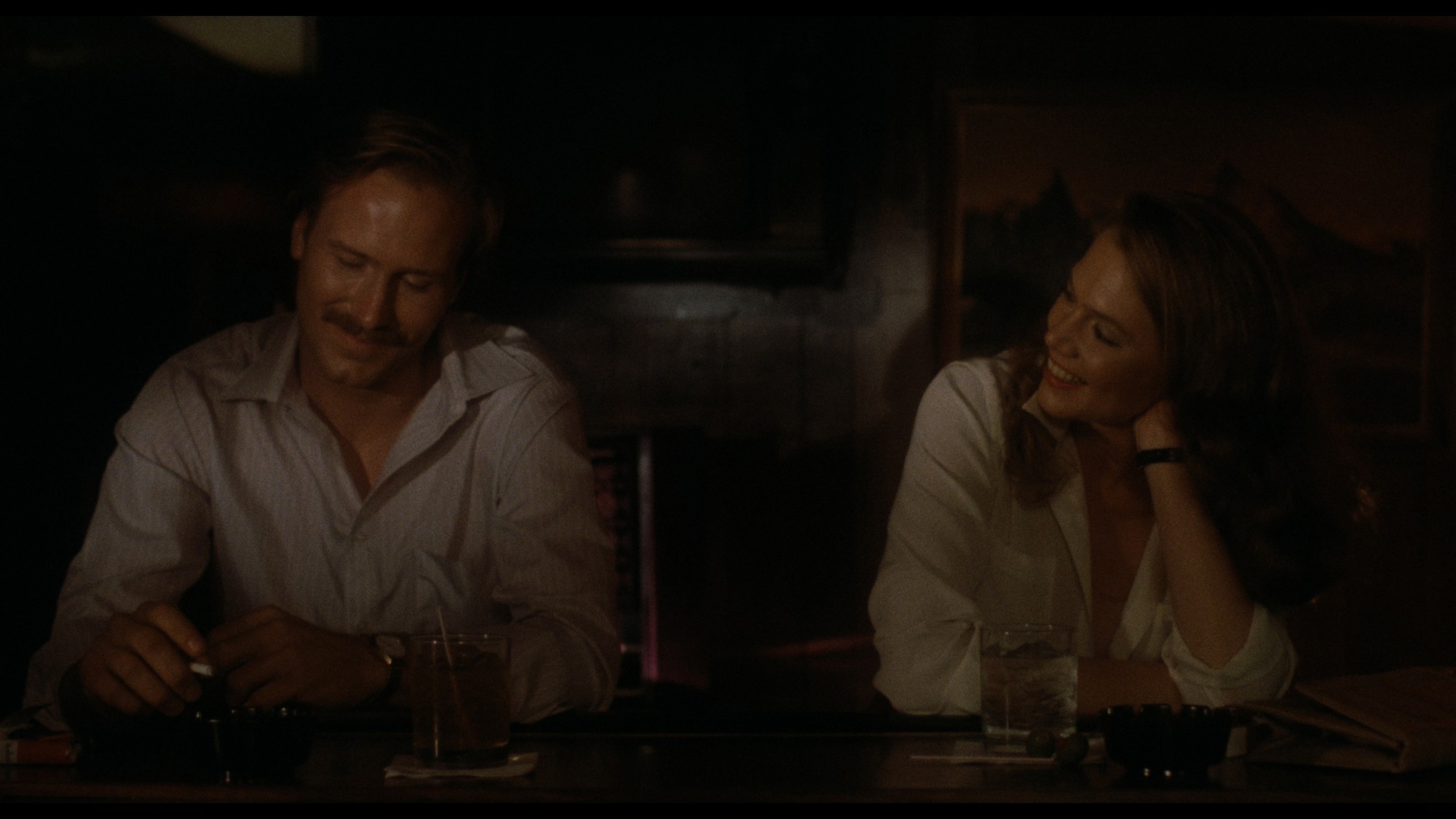
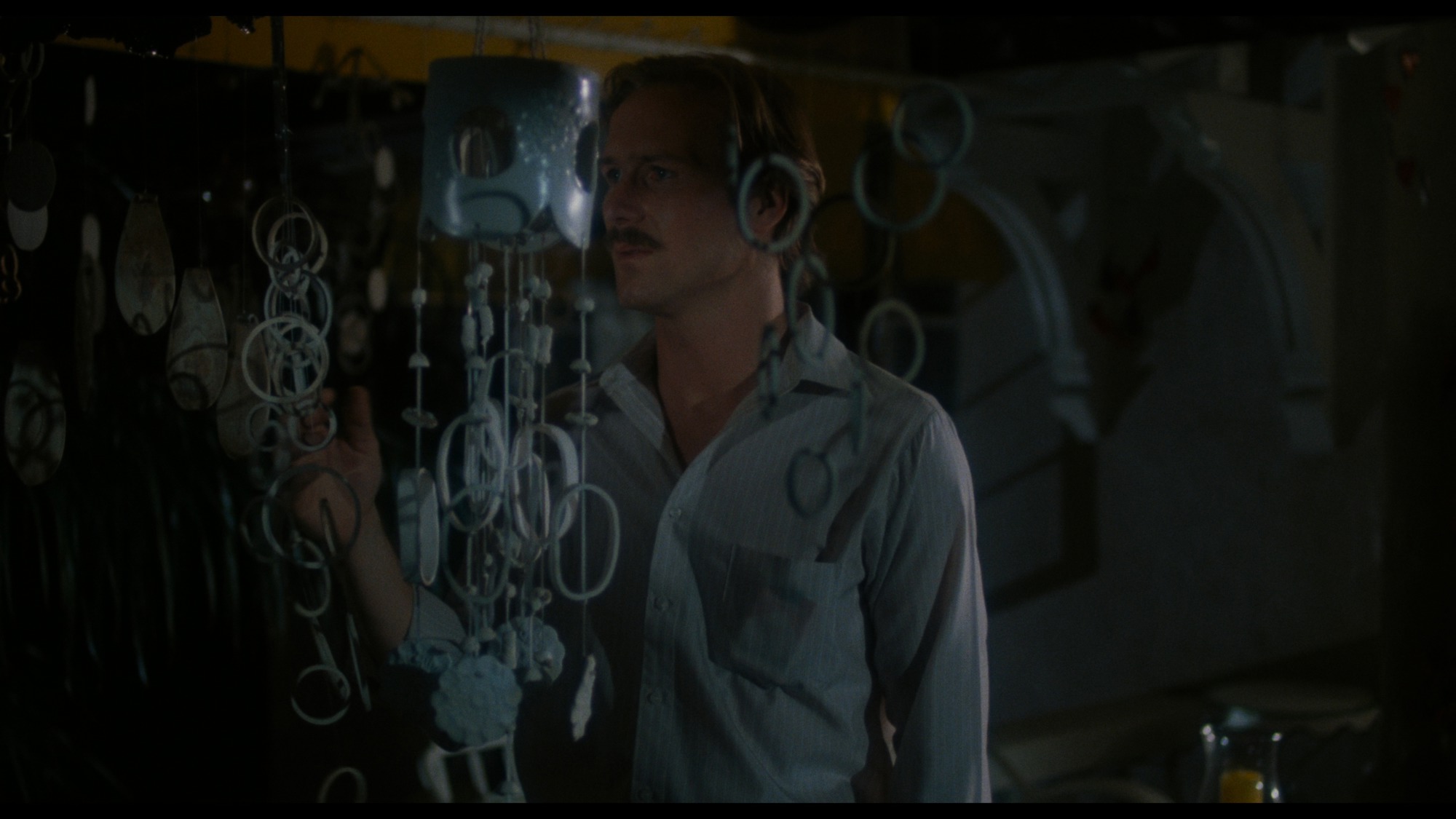
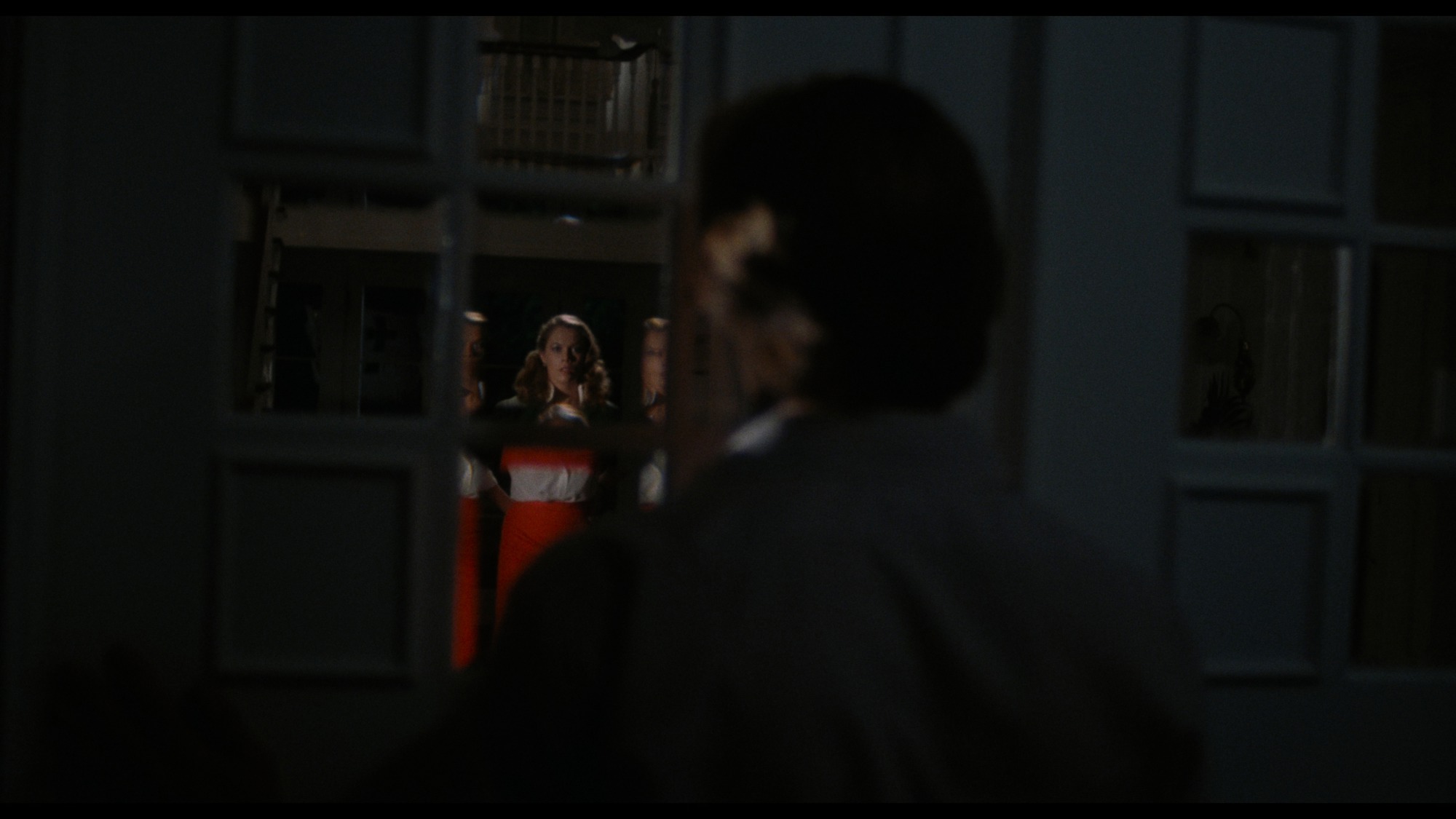
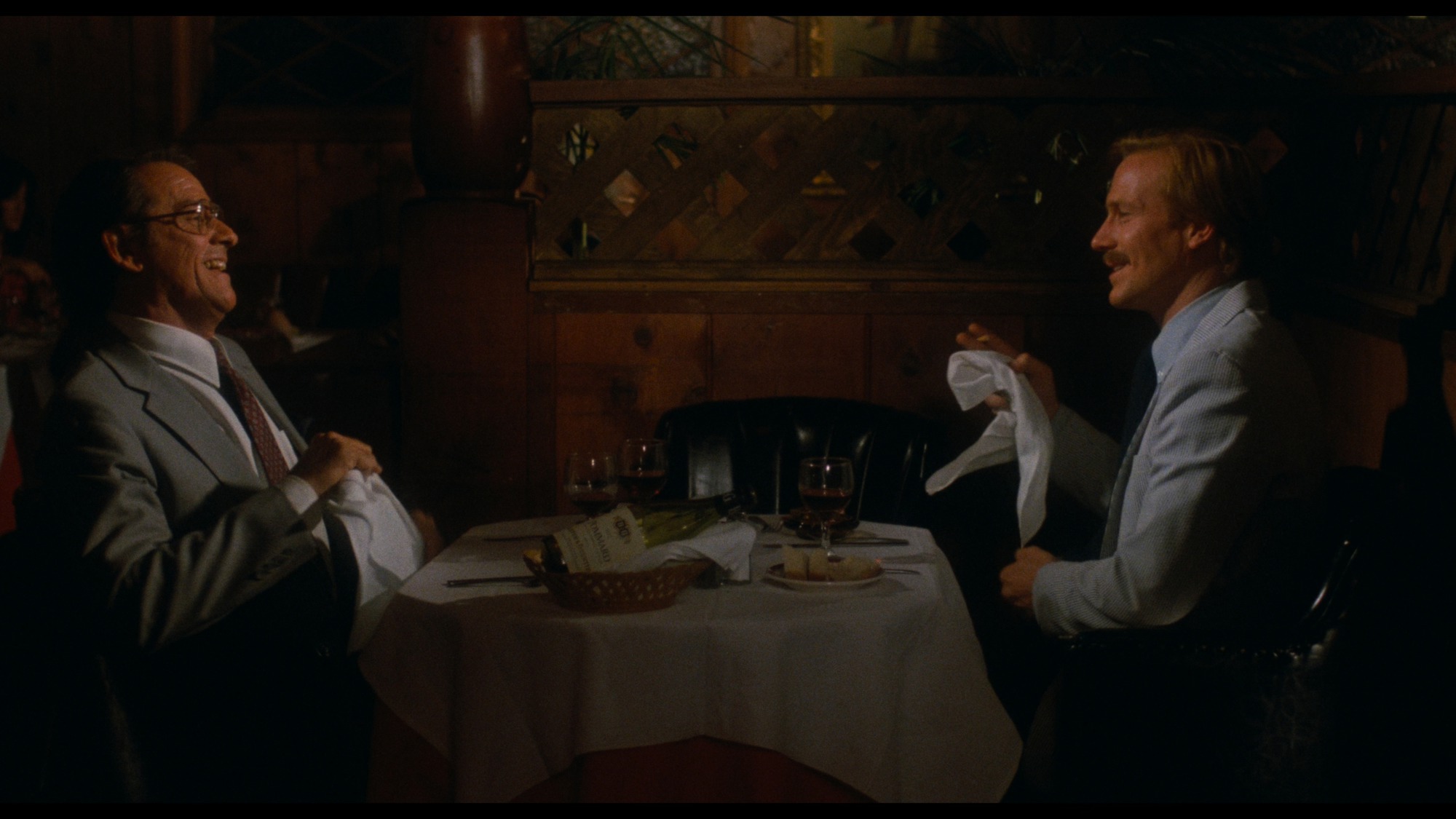
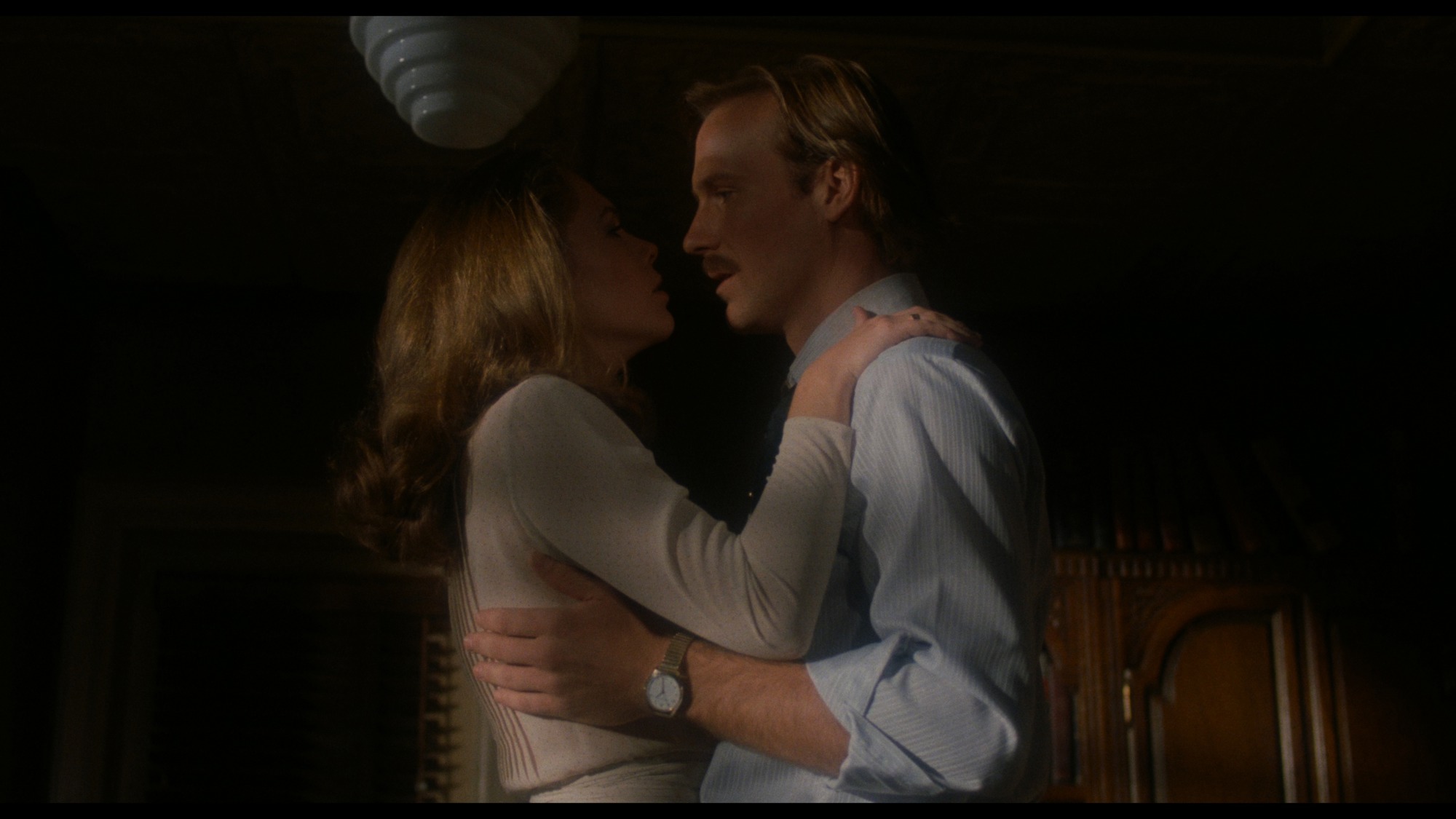
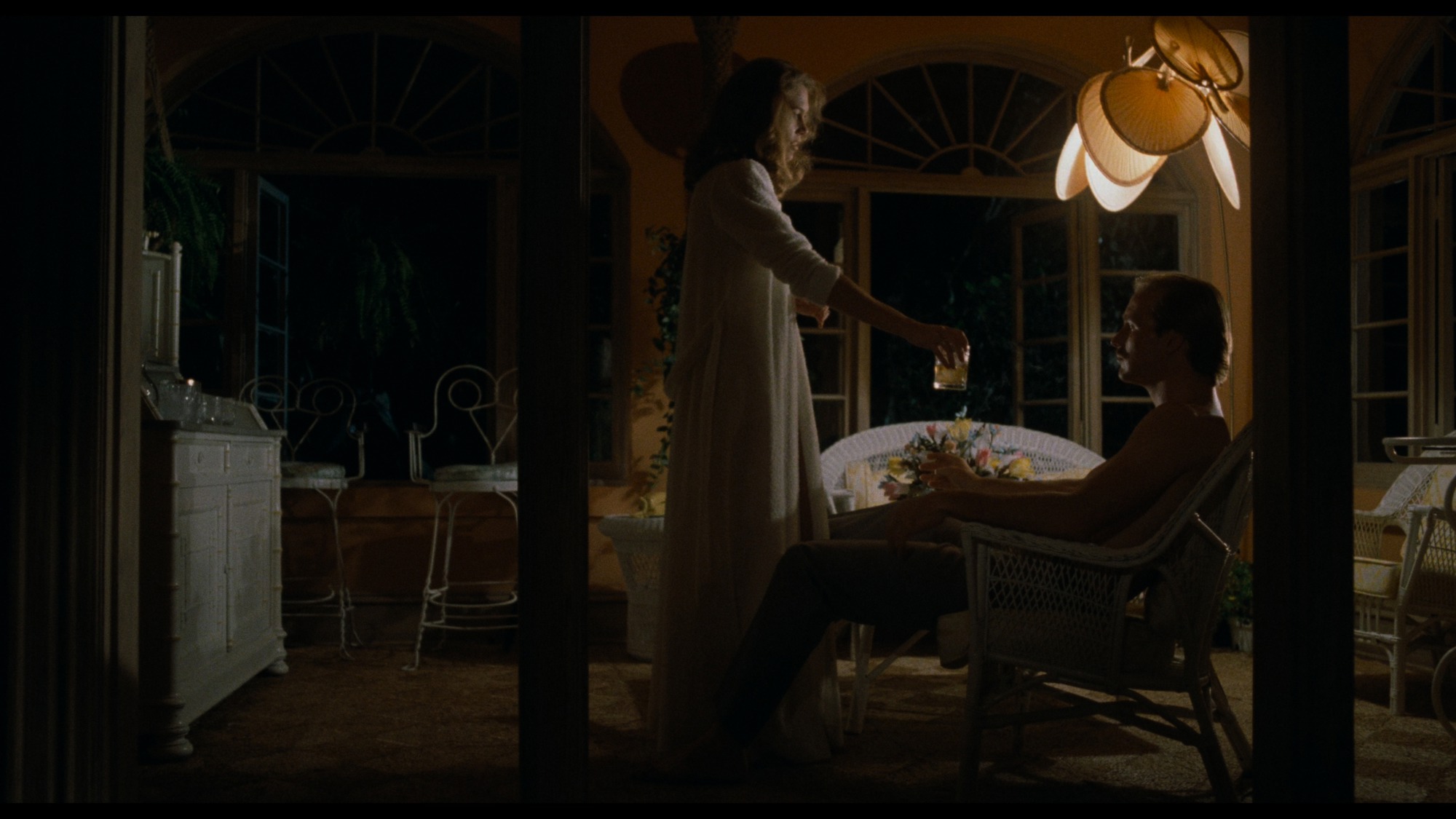
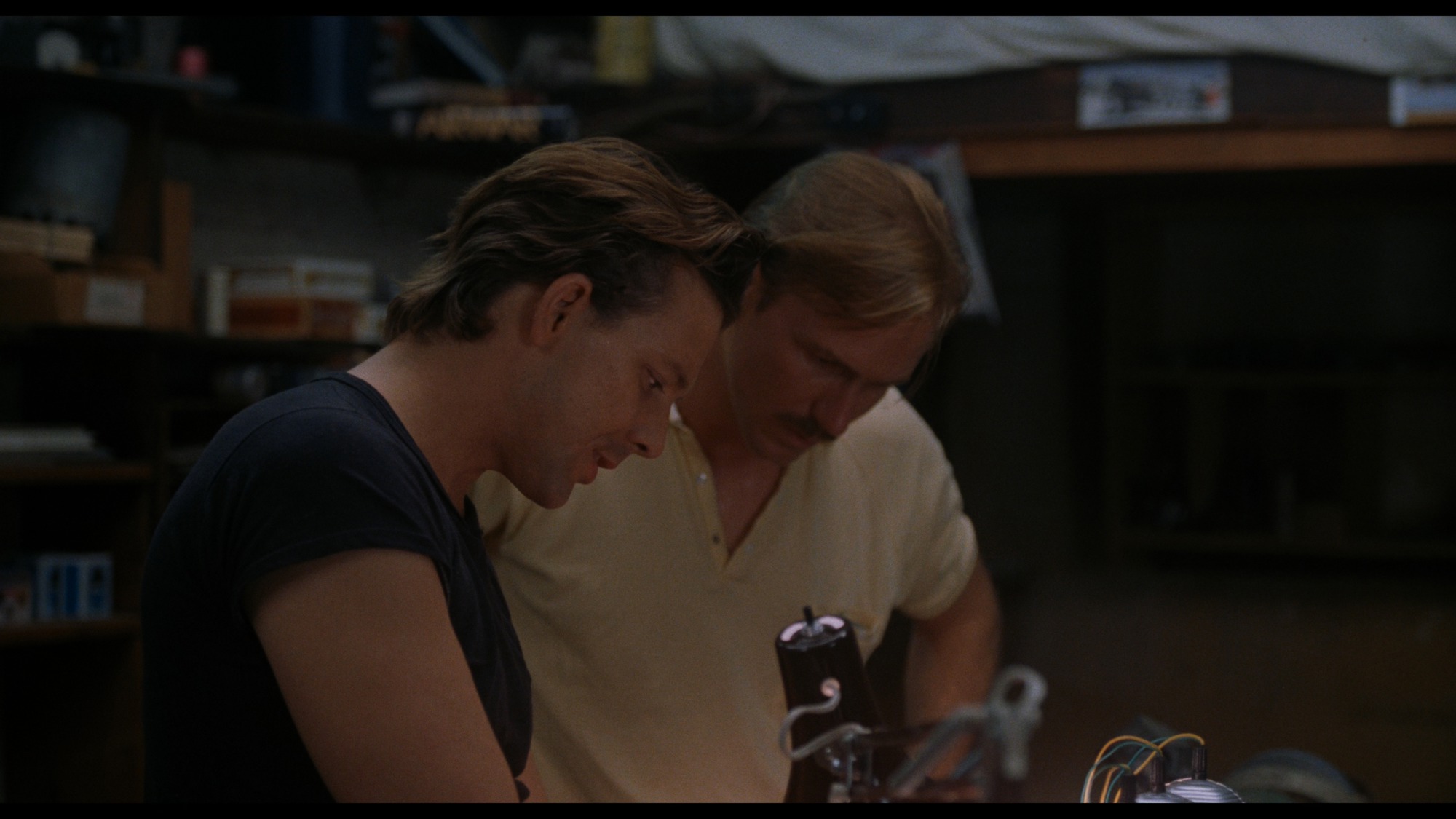
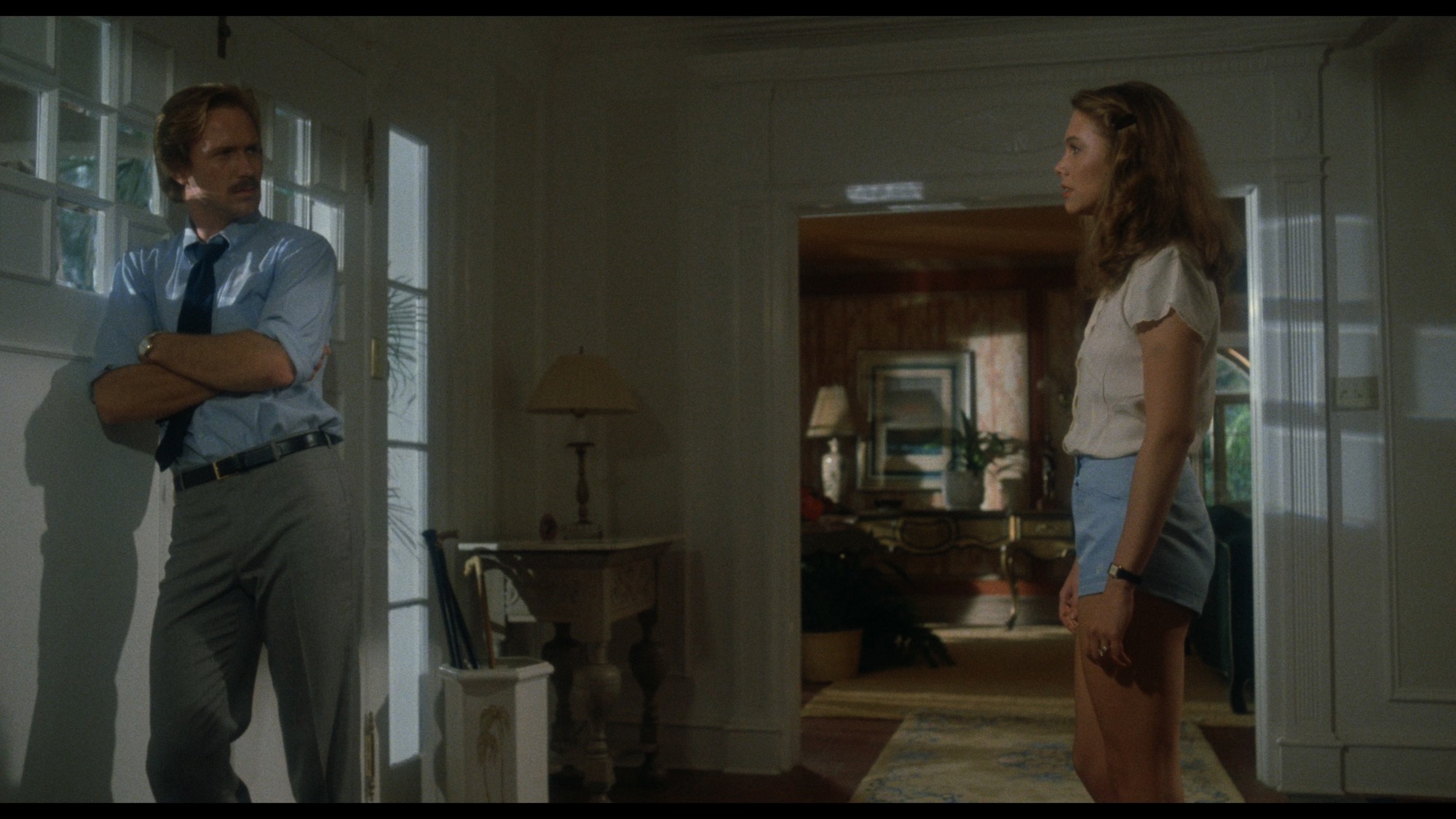
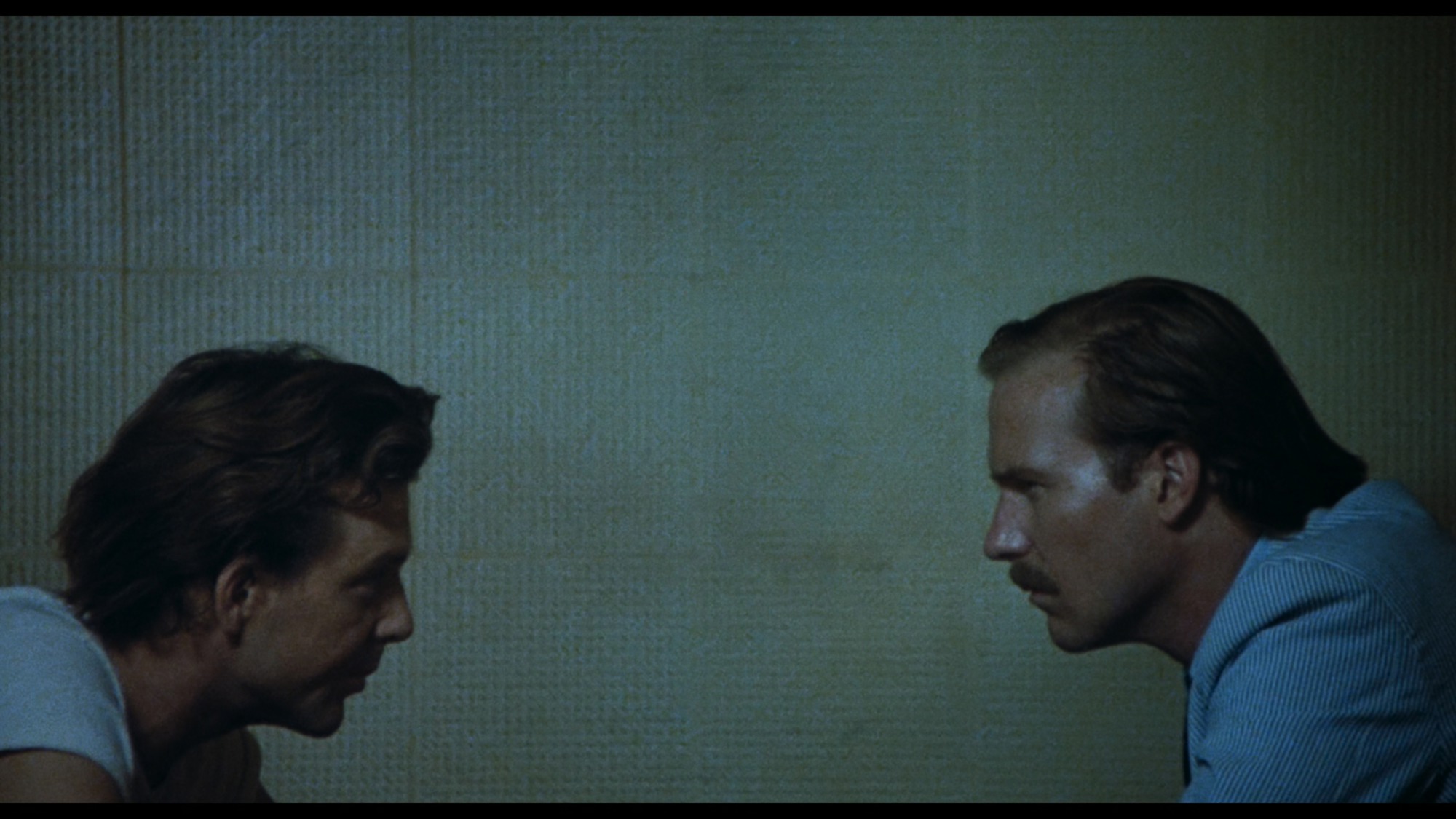
Criterion’s recent 4K presentations, particularly their Warner-licensed titles, have been very much on point the last little while, and Body Heat can easily join that list. Given the film’s noir stylings, especially its shadowy photography, my expectations were very high, but the presentation more than meets them. The restoration itself is near flawless, thoroughly cleaning up the image without scrubbing away its filmic qualities, and I don’t recall spotting a single blemish of note.
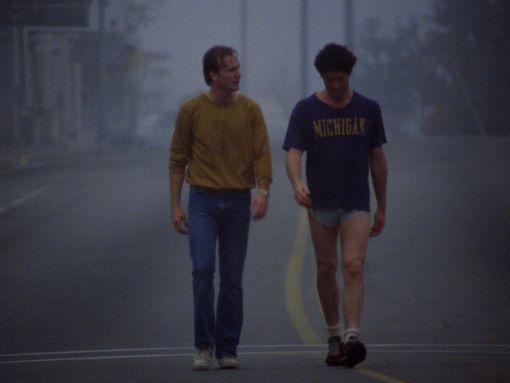
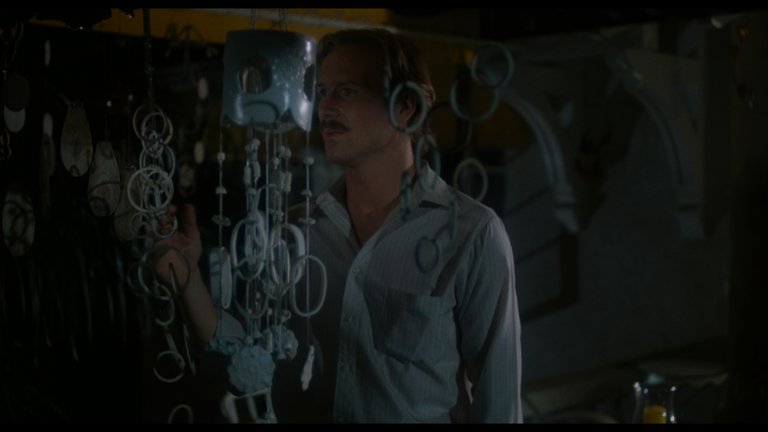
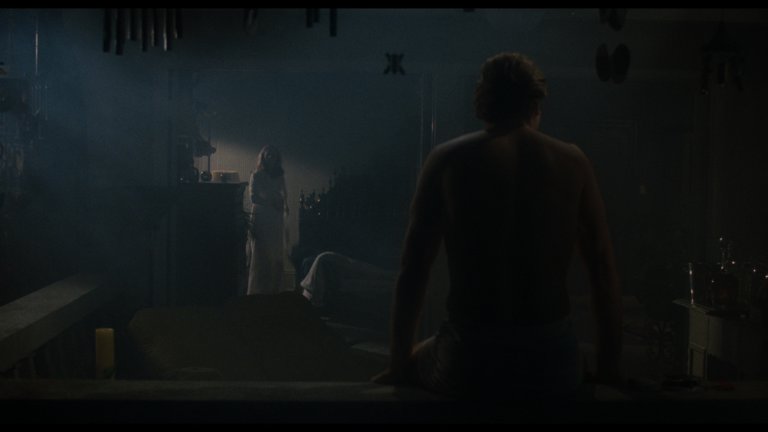
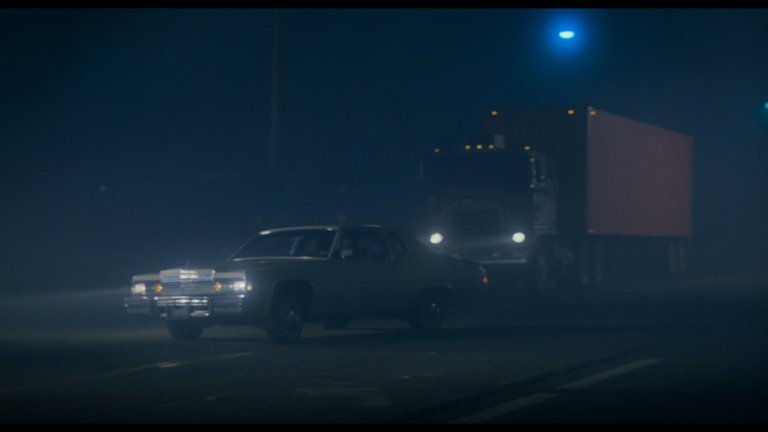
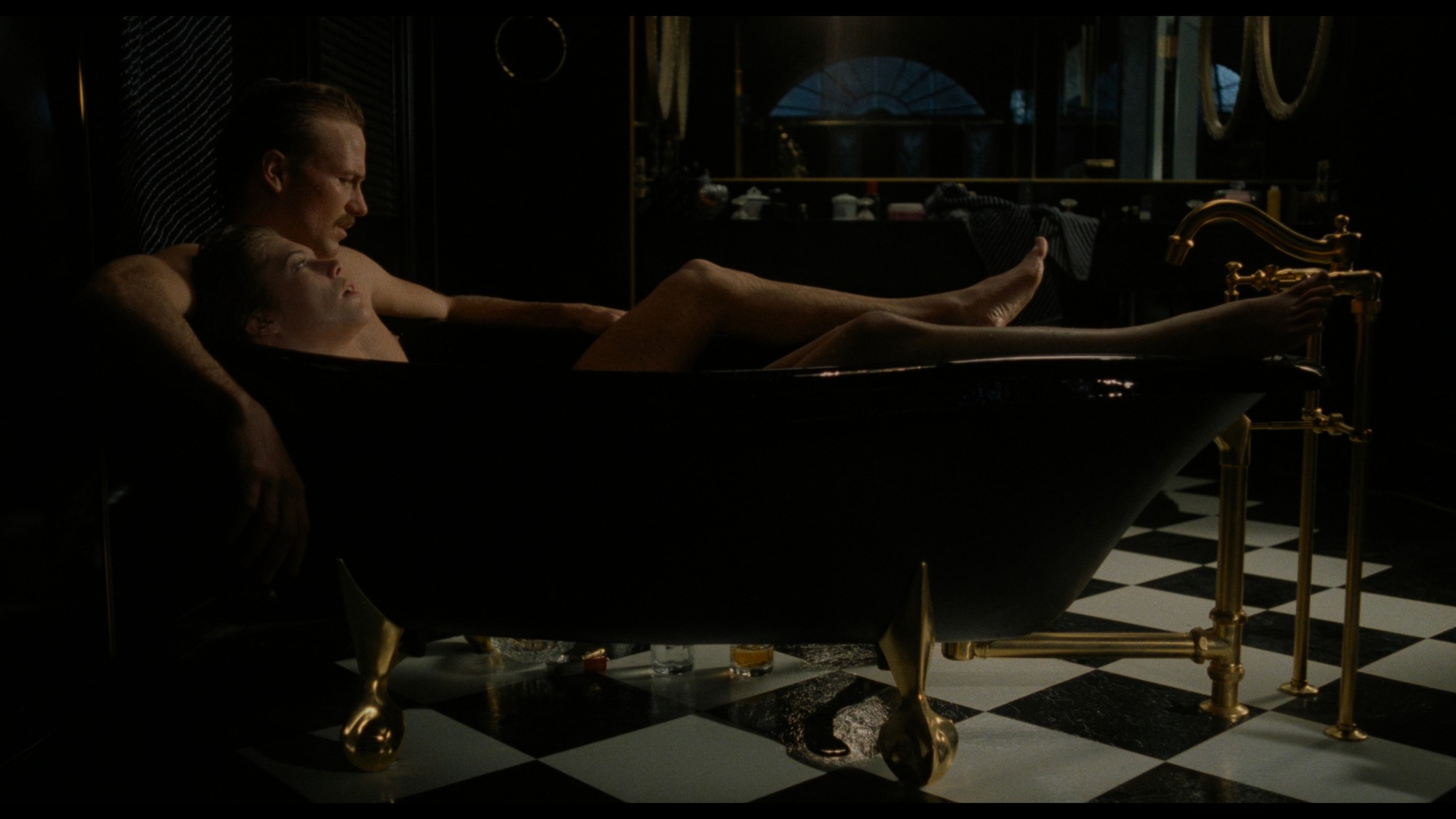
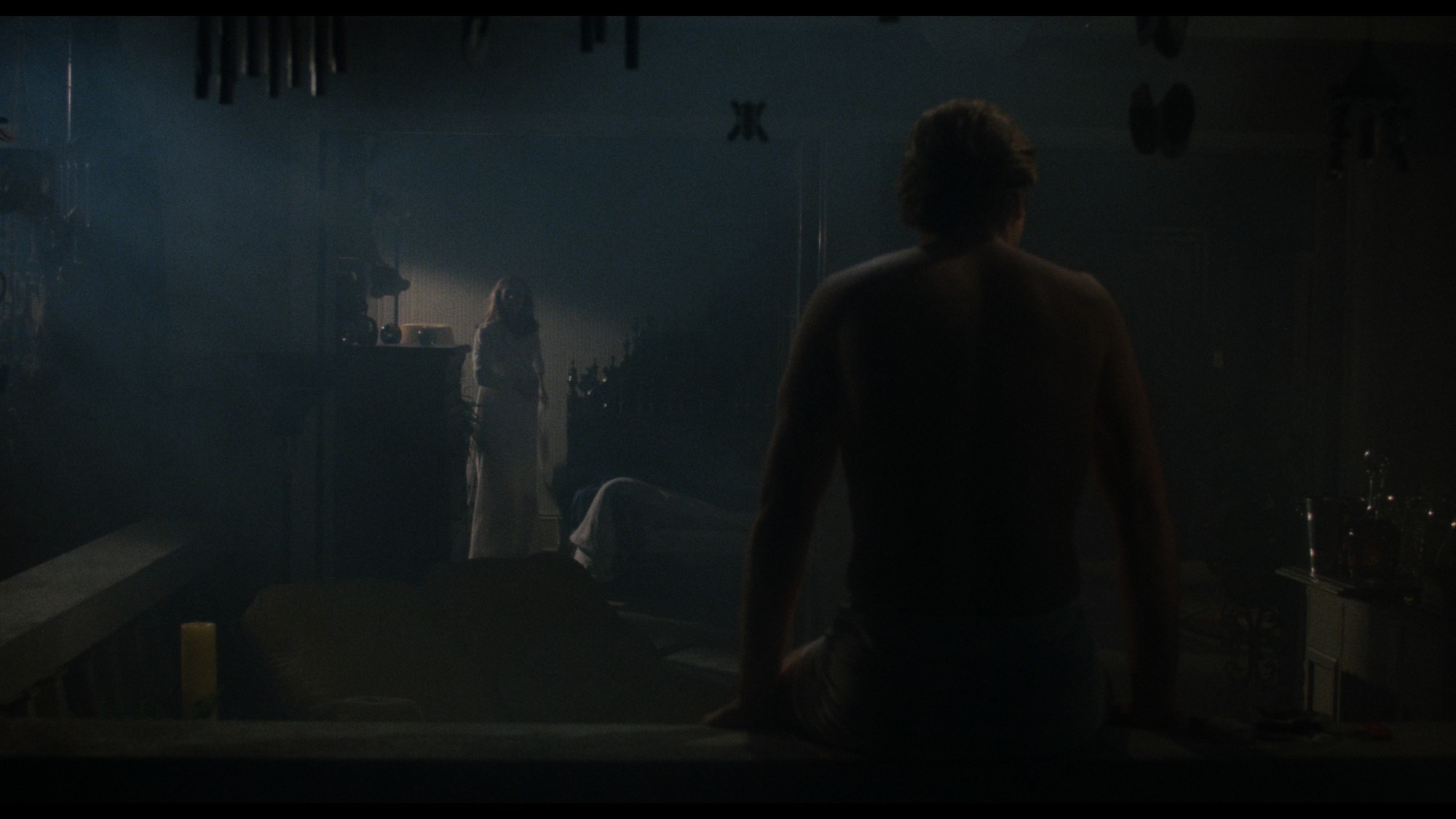
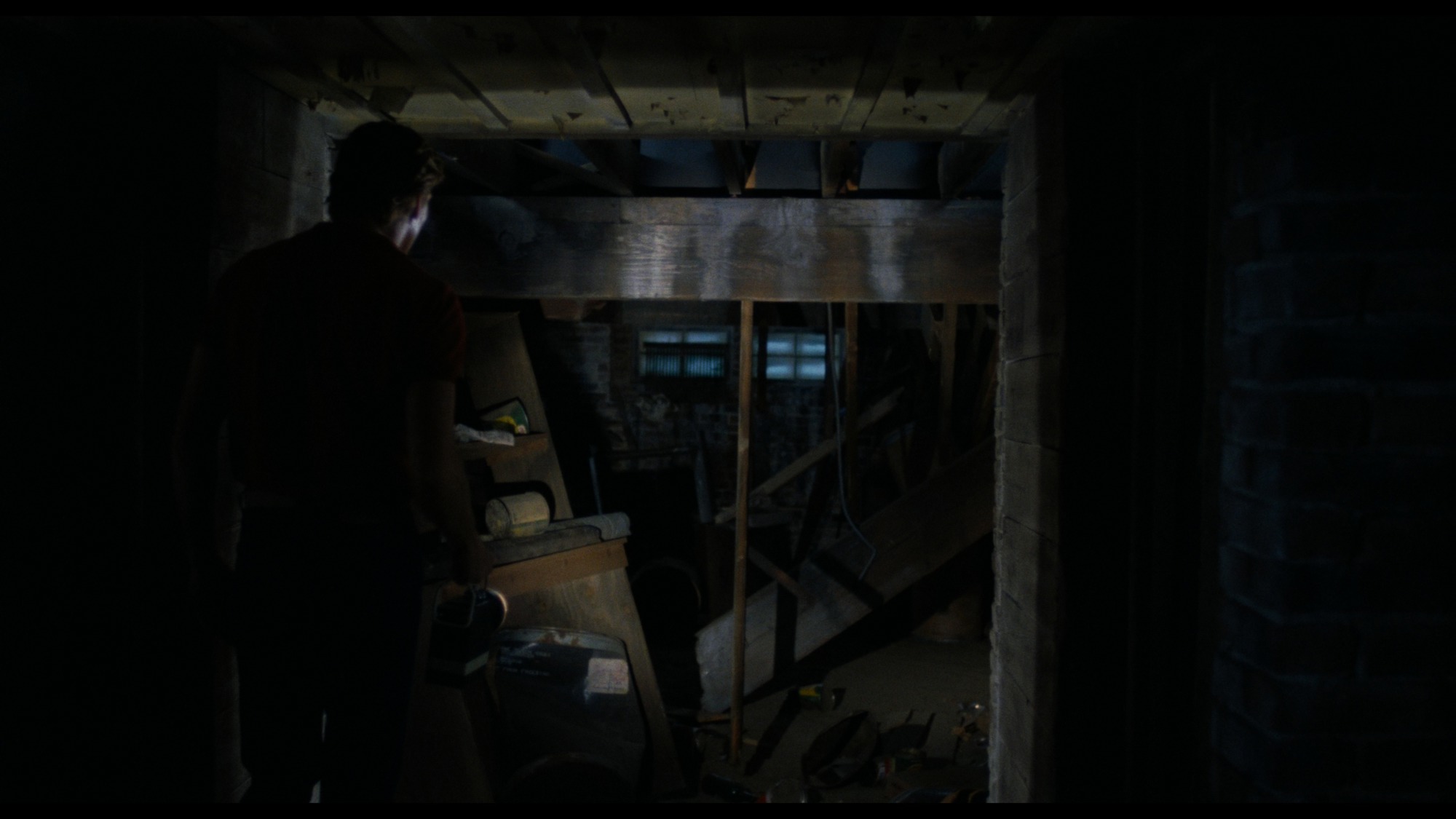
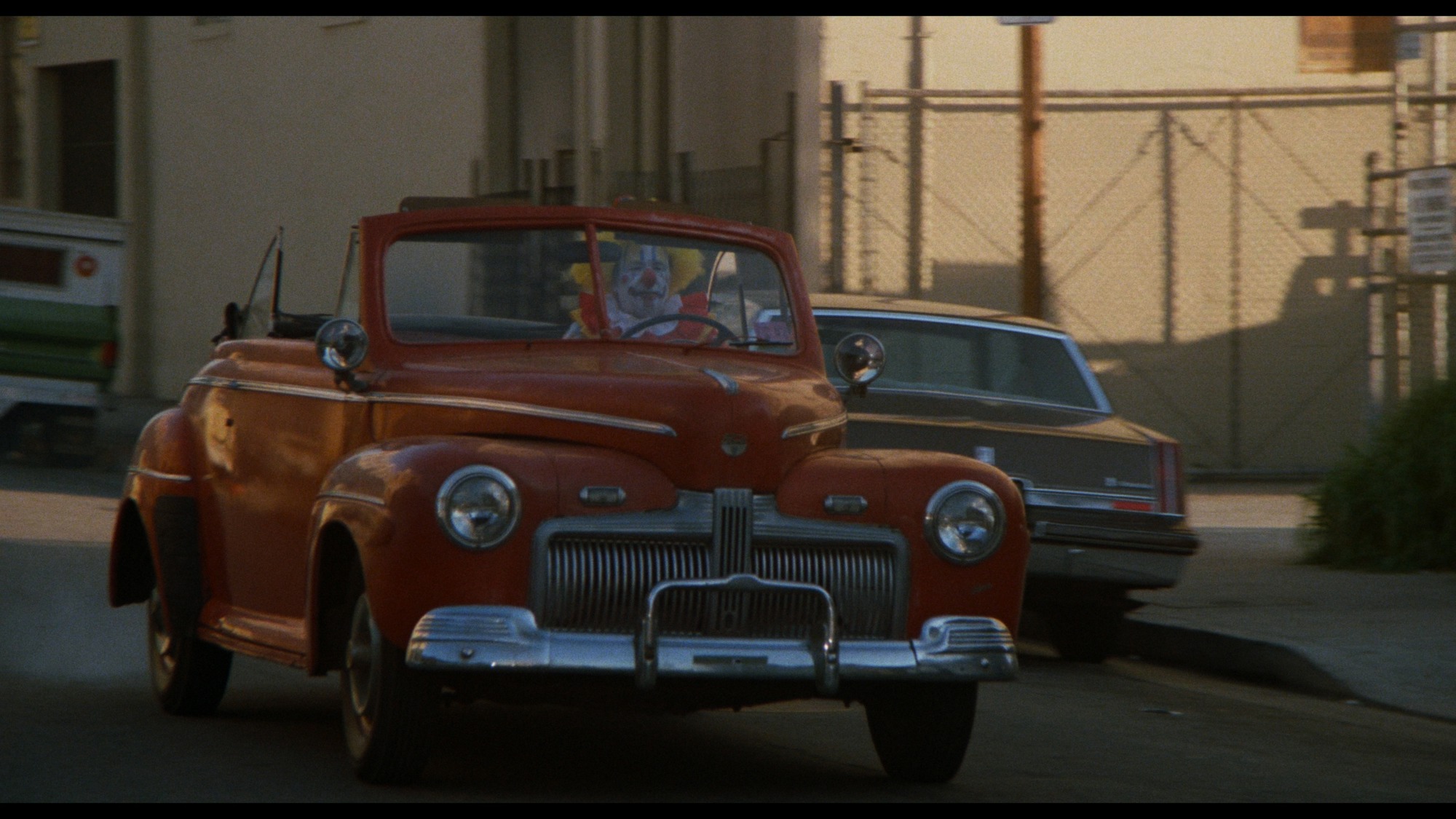
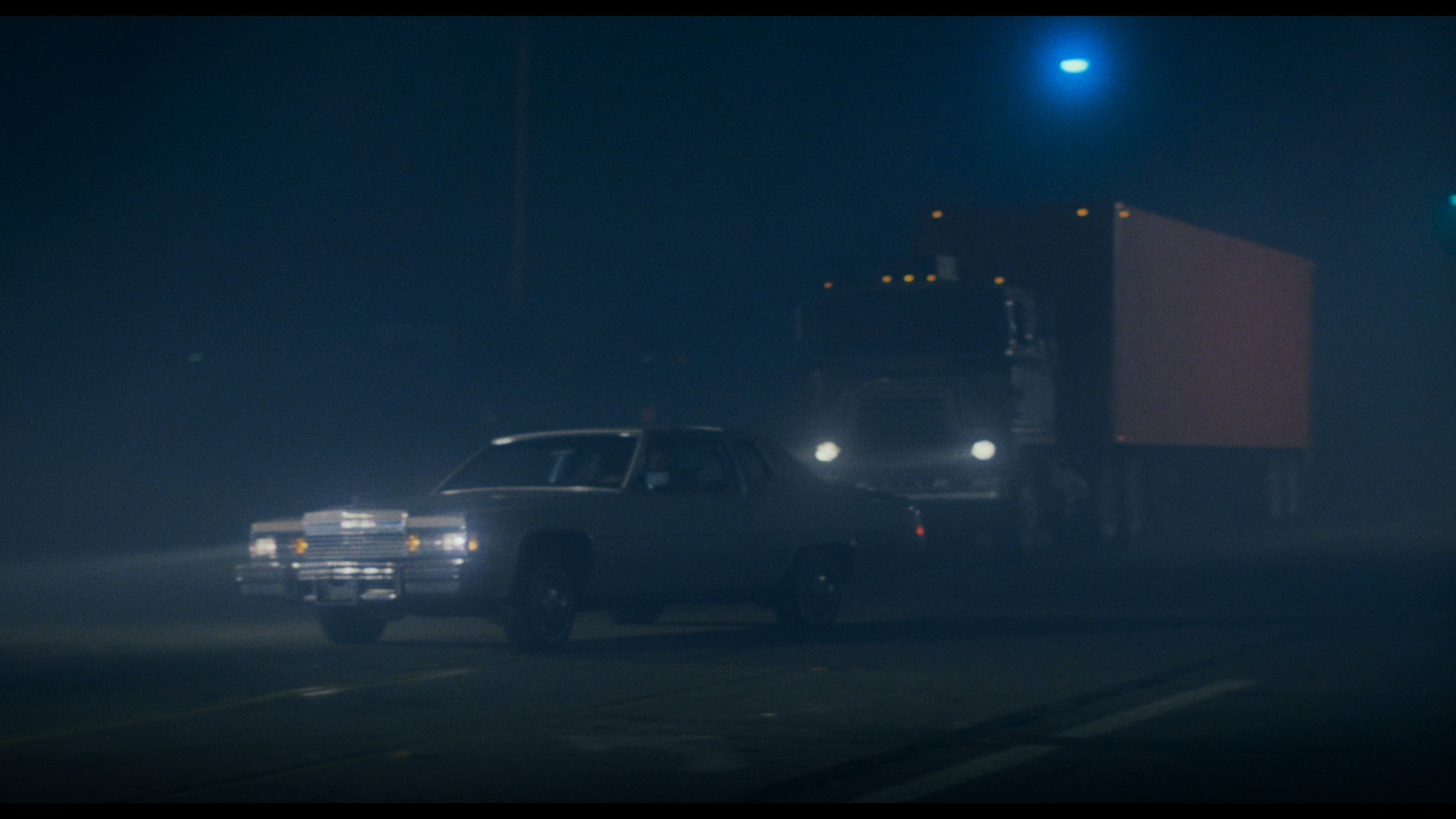
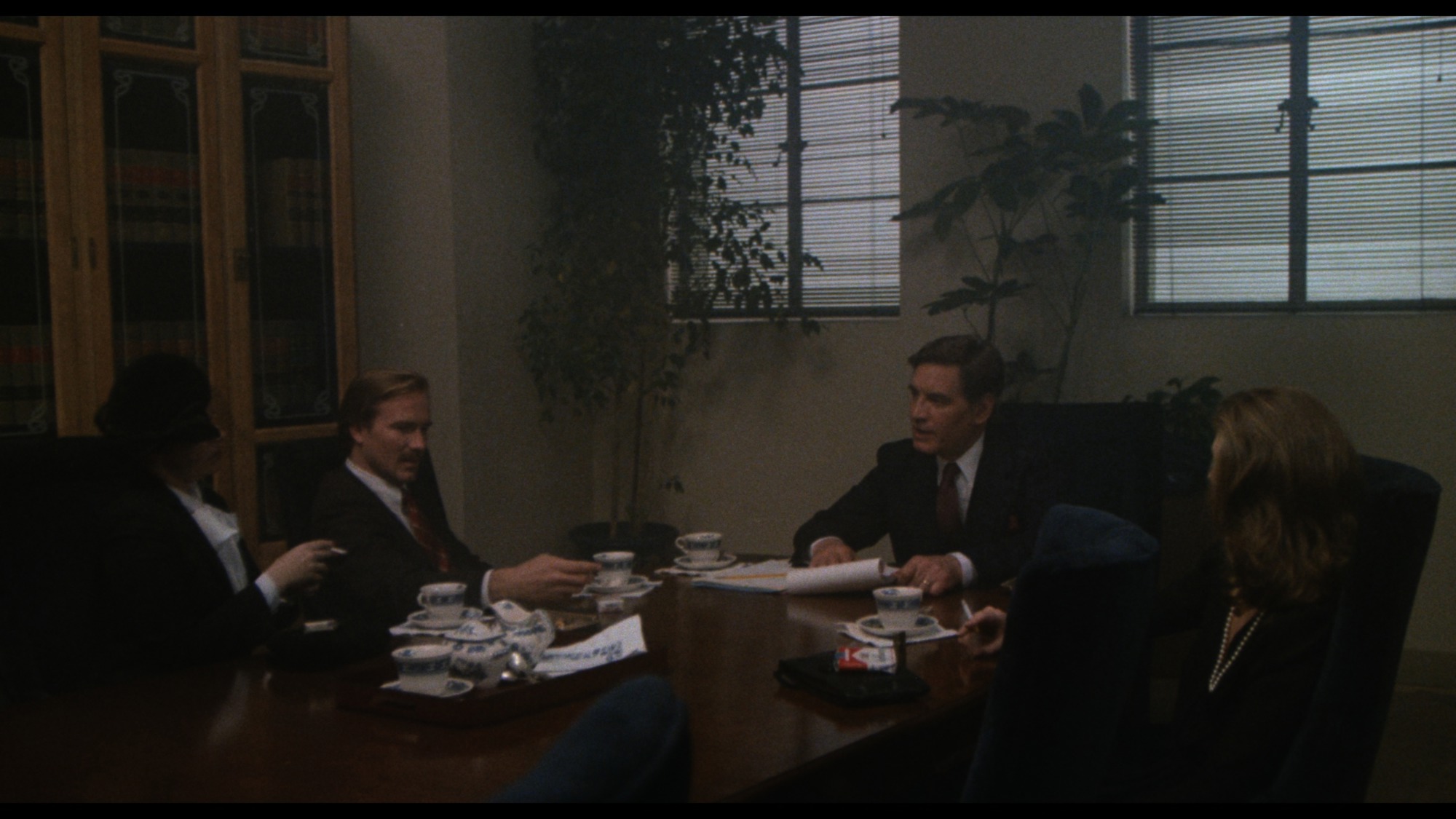
The only real "issue" is that a couple of inserts appear to stem from a later-generation source, with slightly coarser grain and softer detail levels. Outside of those brief moments, though, the presentation is razor sharp, delivering a high level of detail throughout. Film grain is fine yet heavy, rendered naturally and resolved perfectly by both the scan and the disc's encode. Even darker scenes and brighter highlights hold together perfectly without clipping, while the film’s many fog-filled sequences remain clean and stable, looking absolutely natural and photographic.
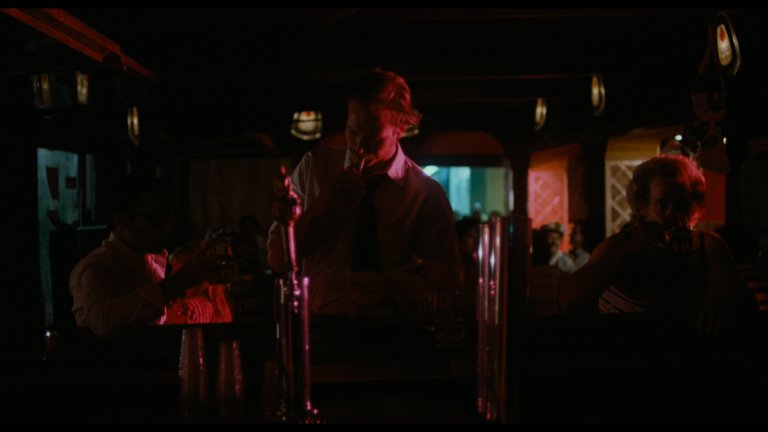
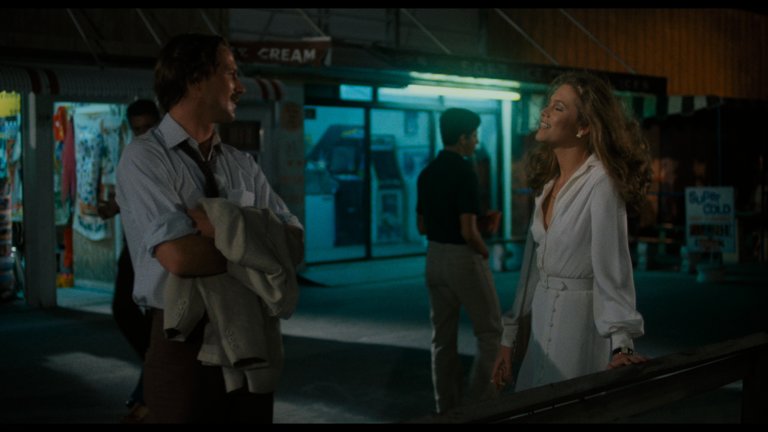
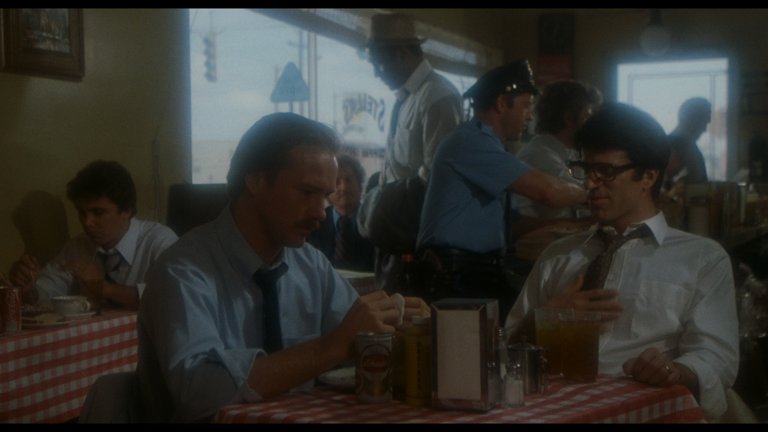
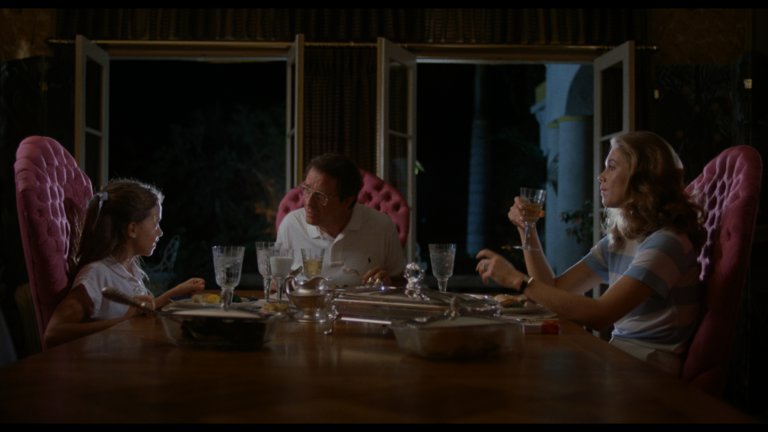
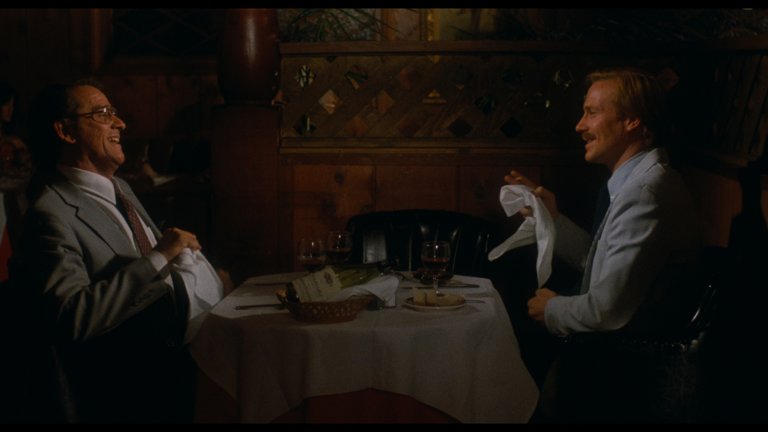
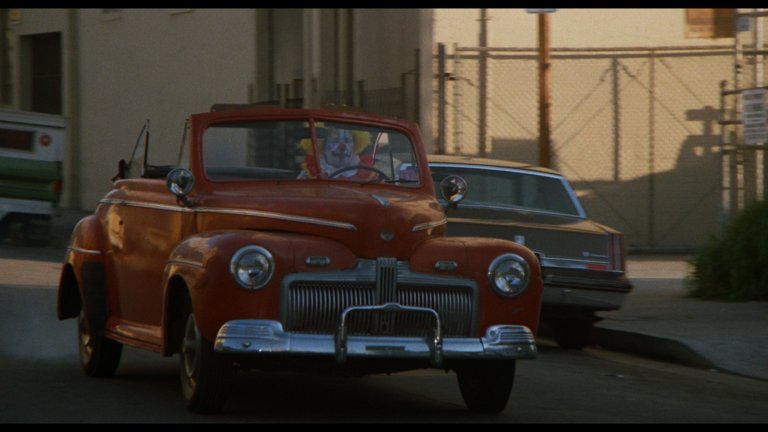
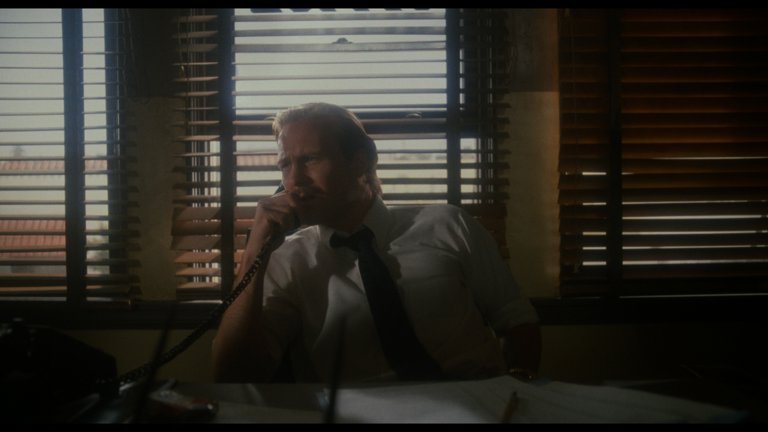
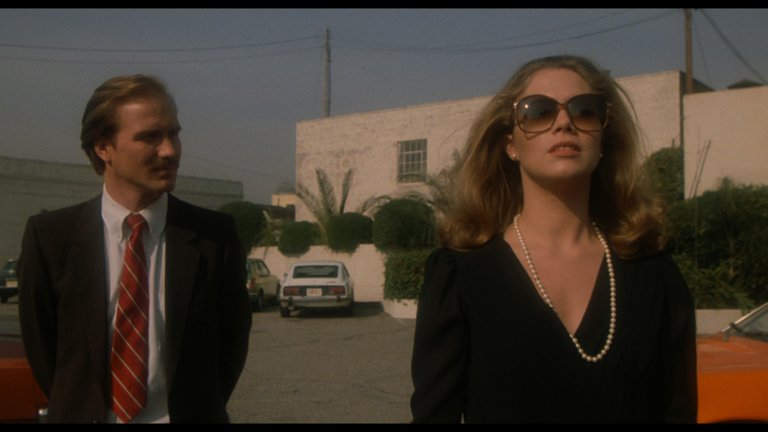
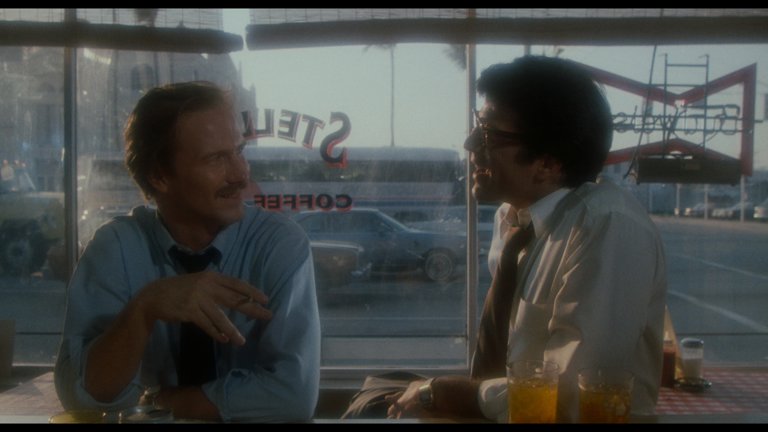
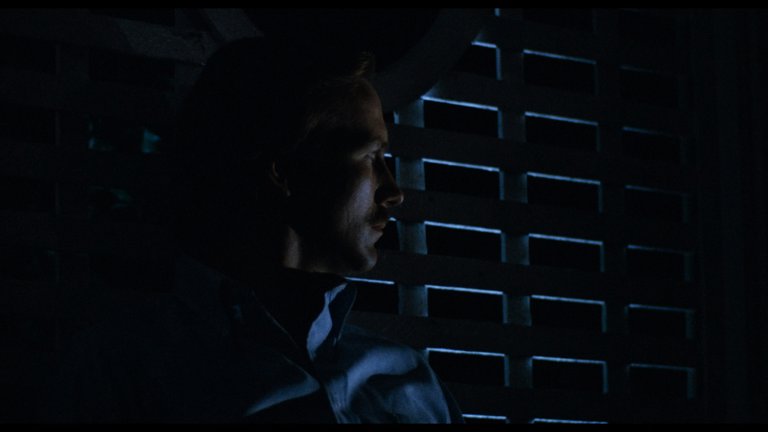
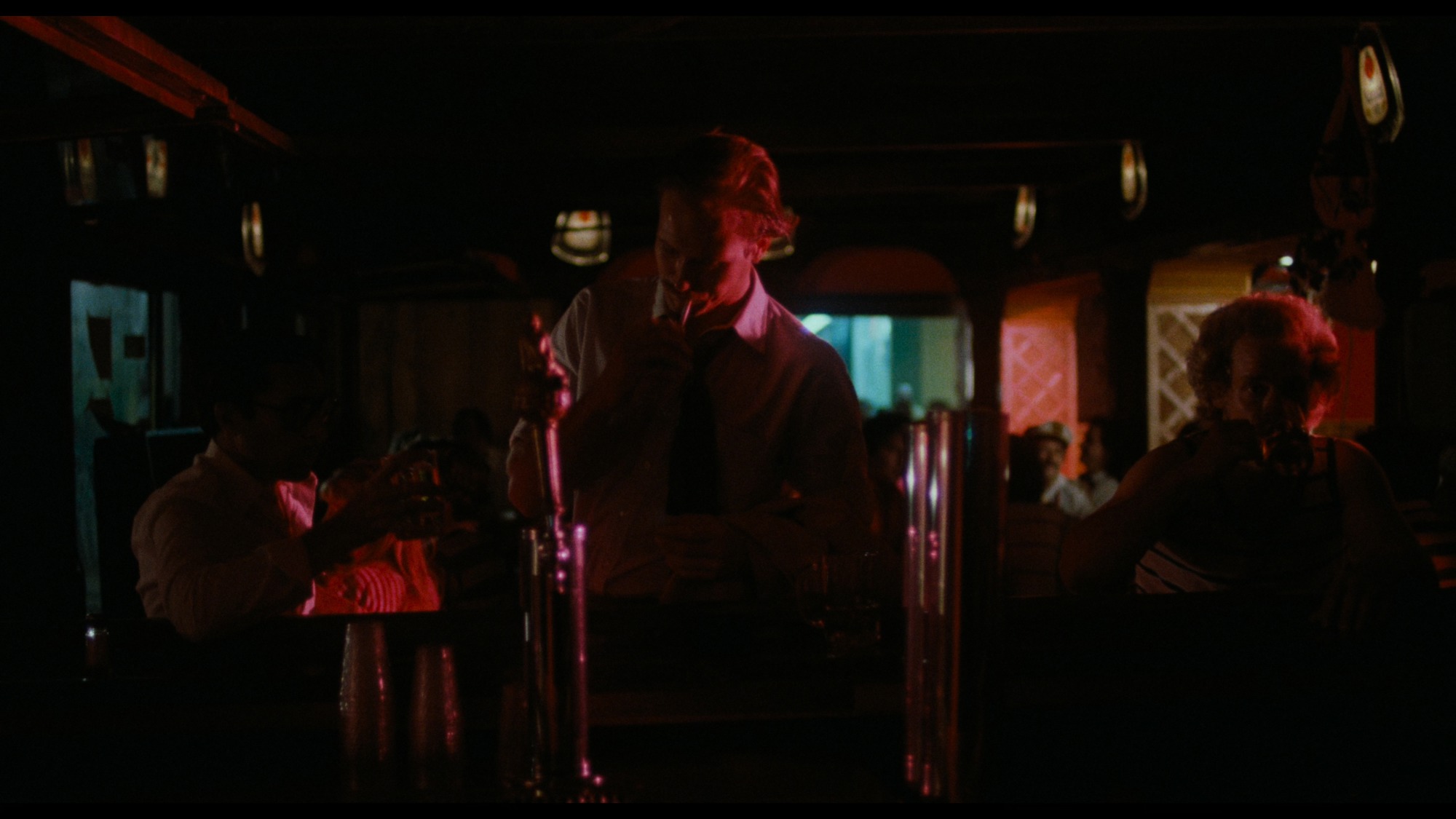
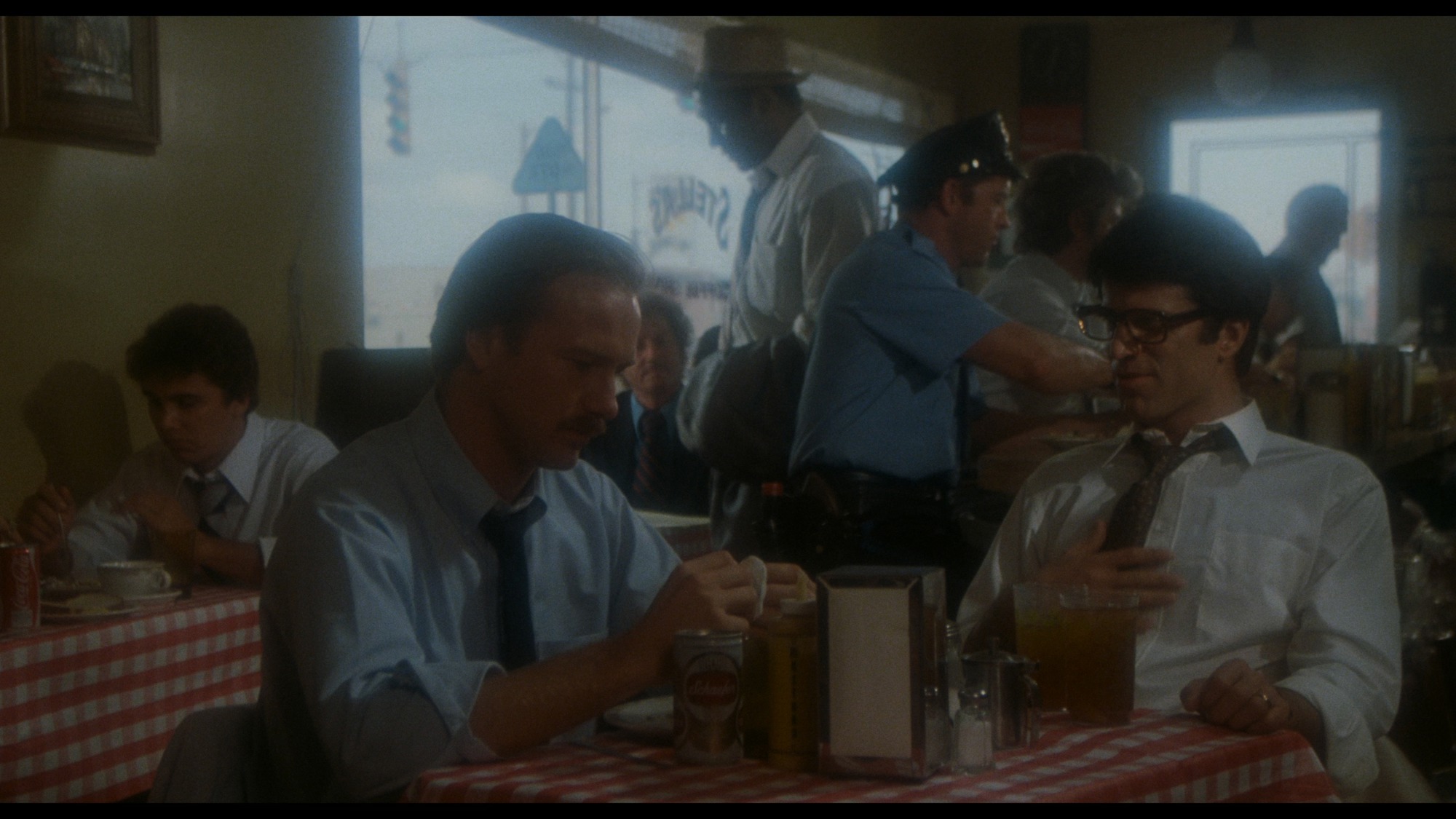
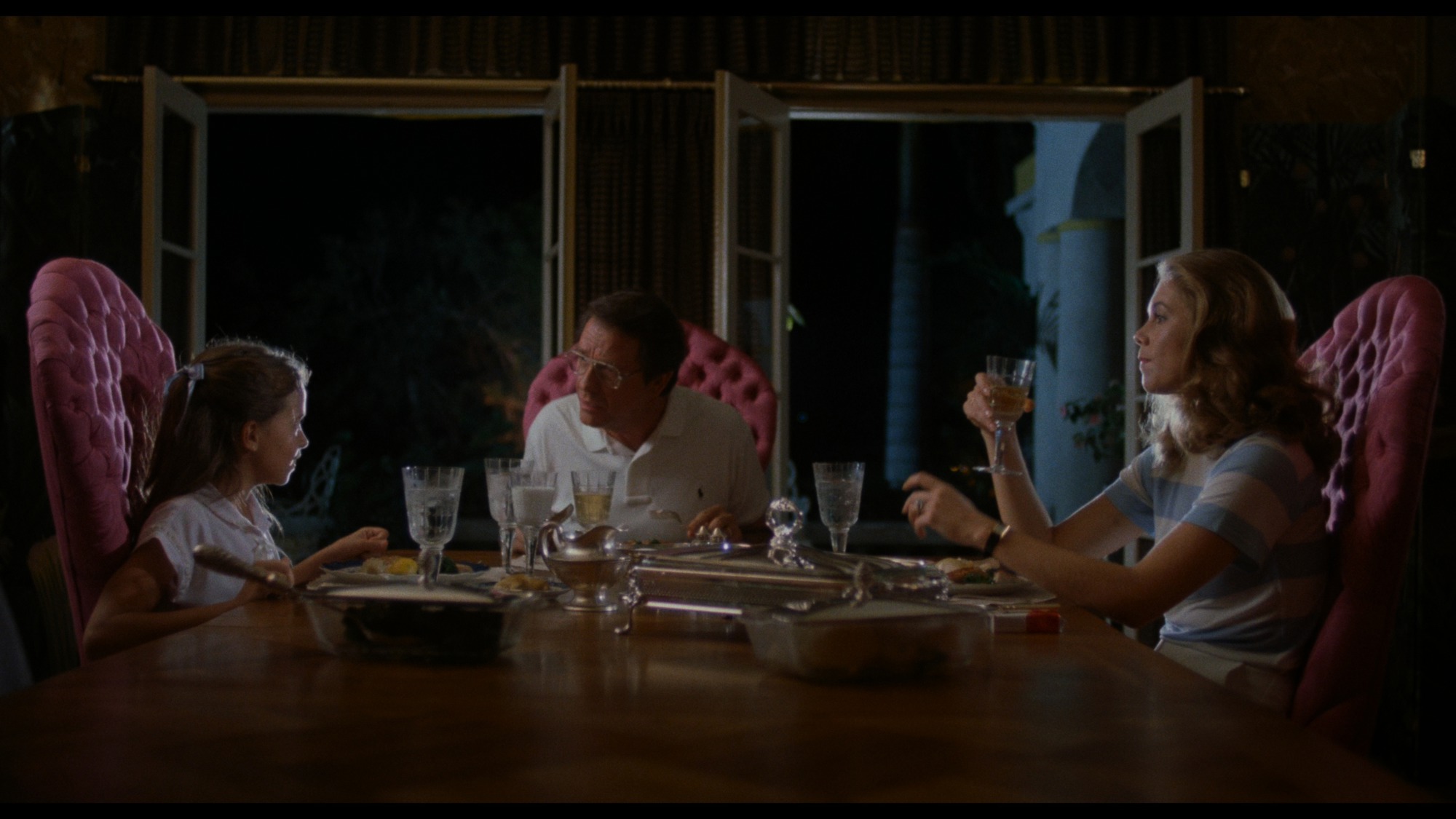
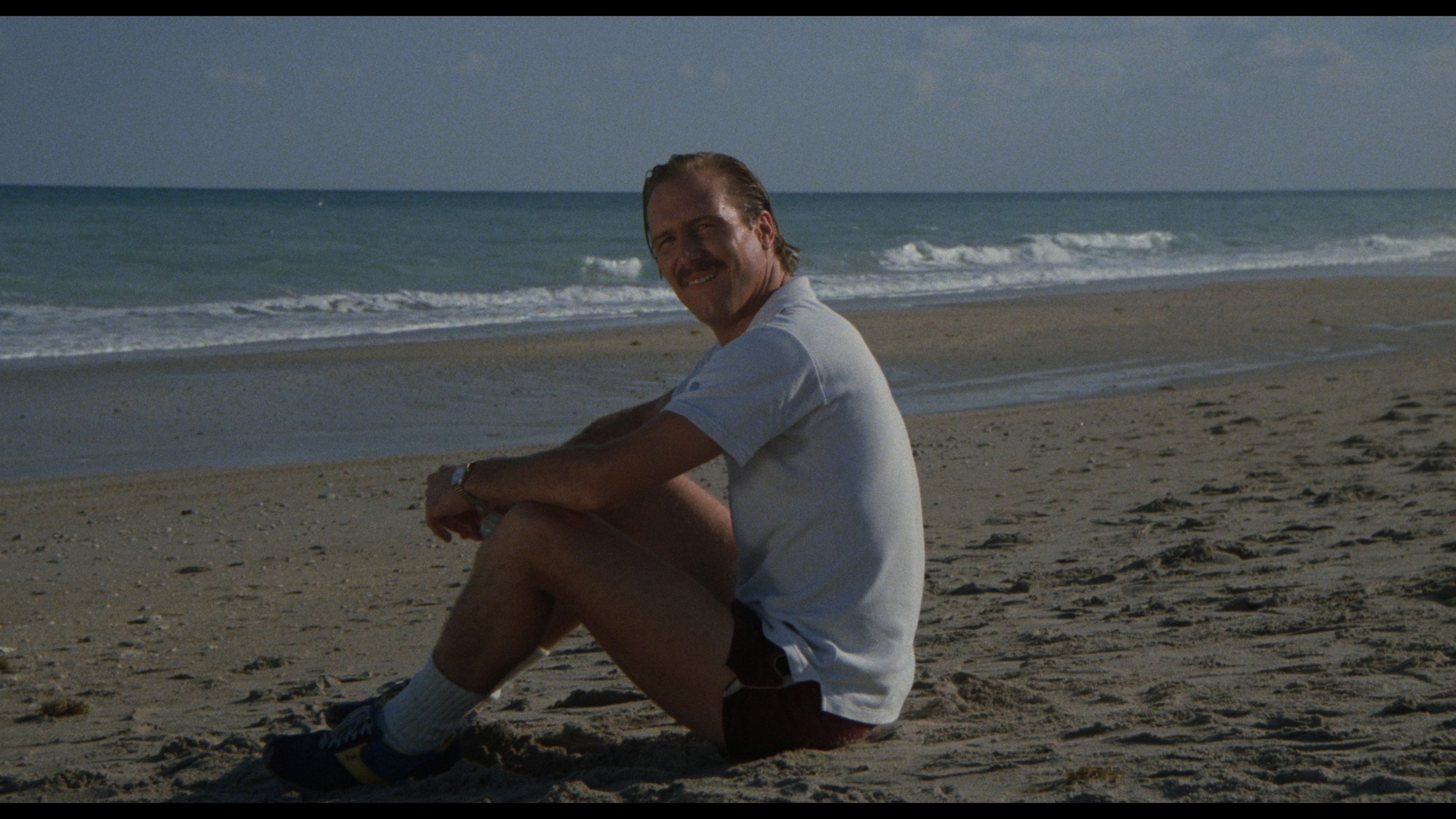
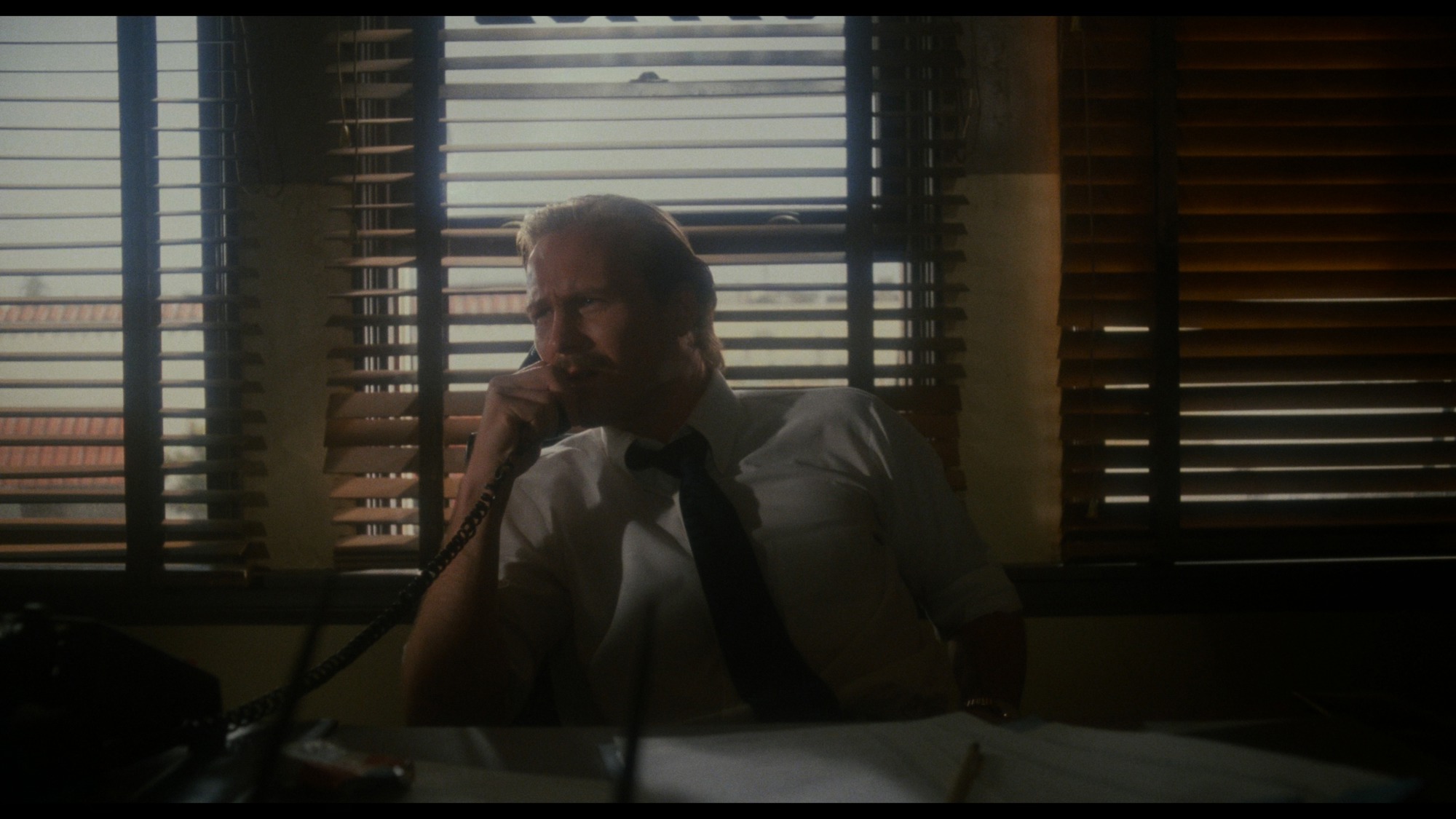
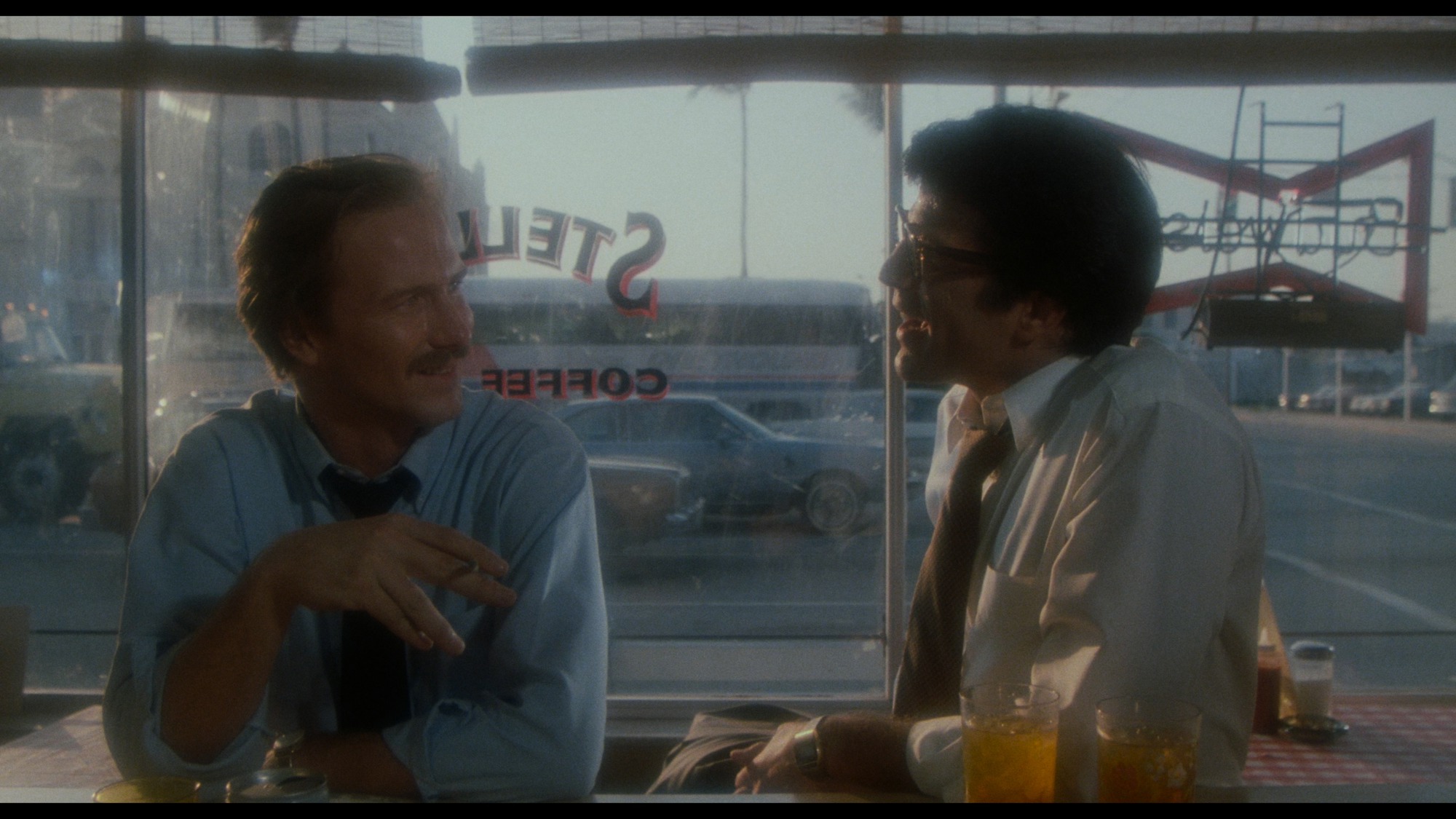
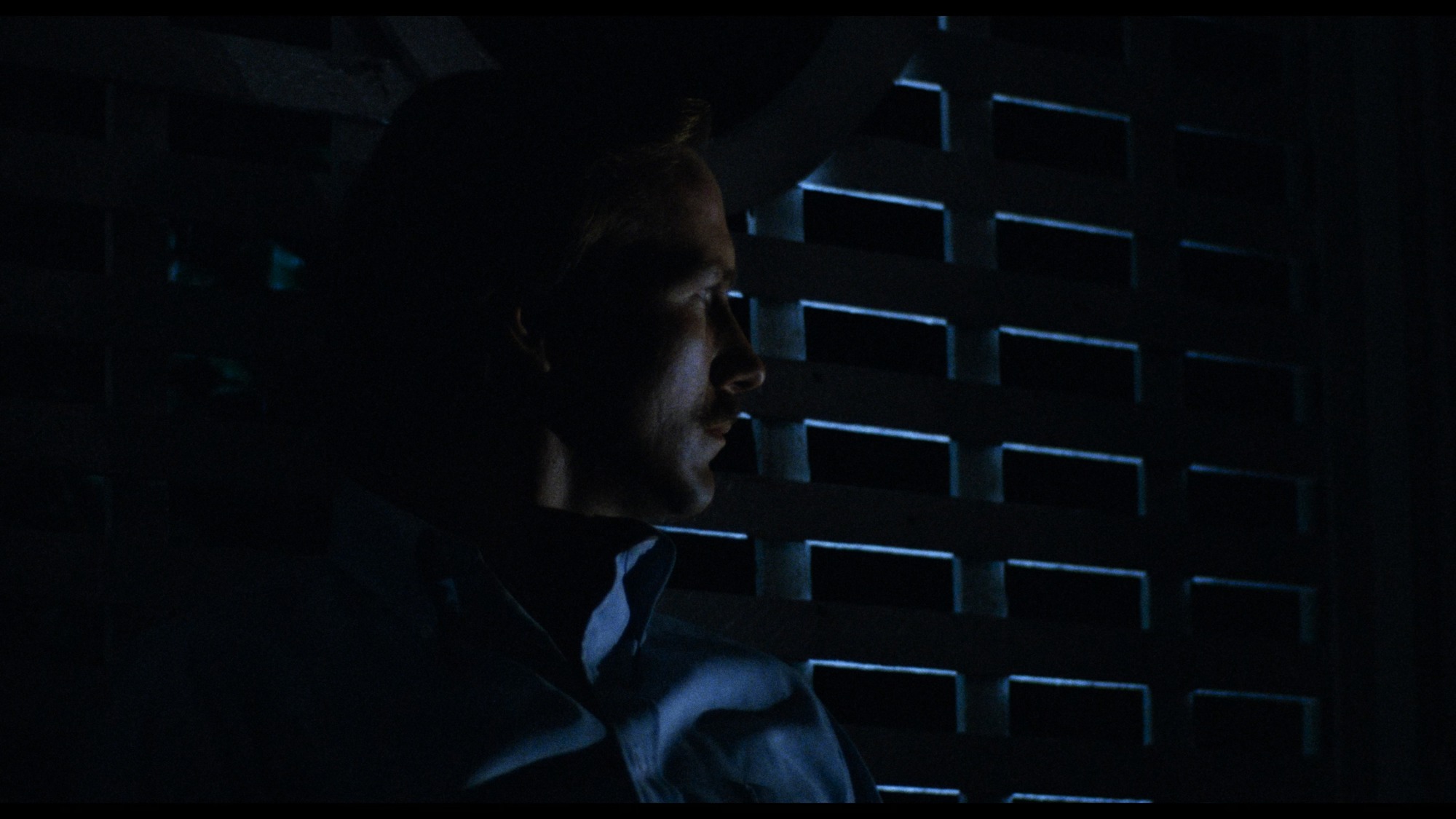
Where I was most interested, though, was in how HDR would handle the wider range in the photography, and it does not disappoint. Black levels are deep and stable, aiding the noir-inspired photography. The many shots of light breaking through window blinds look phenomenal, as do the handful of smoky bar interiors. Daytime scenes also deliver, particularly the sequences in the diner, where sunlight pours in through the windows, further suggesting the oppressive heat-wave that's apparently flooding the area, all while just stopping short of blooming or clipping detail. Even the grain structure remains intact in these brighter moments. HDR also enhances those foggy nighttime scenes that were already rendered impressively, with the occasional headlight cleanly cutting through the haze.
The included Blu-ray handles all of this reasonably well on its own, with a decent high-def encode, but the 4K presentation is on an entirely different level, especially when it comes to shadow detail and smoother gradations. The improvement is substantial.
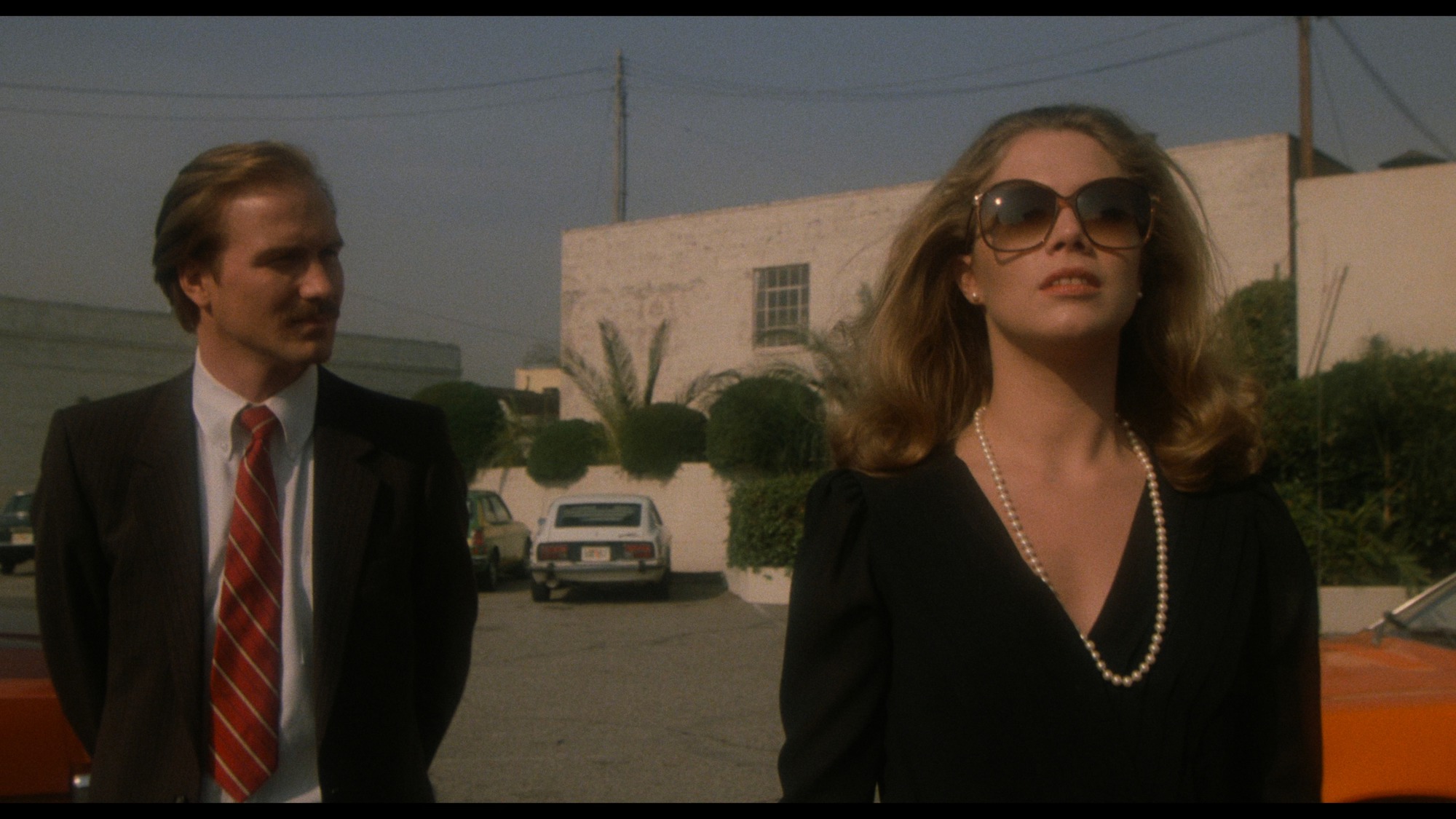
Colors have also been refined compared to the older master, appearing less magenta-leaning and instead taking on a more natural, photochemical appearance that better suits the film and its era. Pops of red and the various neon lights throughout the film stand out beautifully without ever appearing exaggerated. All in all, this is another knockout presentation from Criterion; it’s an absolutely gorgeous one from start to finish.
Audio 8/10
Criterion includes two audio options: the film’s original stereo soundtrack presented in lossless PCM, along with the remastered 5.1 surround soundtrack presented in DTS-HD MA.
I actually found both tracks perfectly suitable for the film. The 5.1 mix doesn’t go overboard keeping most everything in a generally stereo space while steering dialogue primarily to the center channel and spreading John Barry’s score, along with the occasional ambient effect (wind chimes, explosions, etc.), to the rears.
That said, I think I ultimately prefer the original stereo presentation. To my ears it sounded just a wee bit crisper, less filtered, with slightly better range in the voices. Either way, both tracks sound excellent and fit the film perfectly.
Extras 8/10
The film previously received special edition DVD and Blu-ray releases from Warner Bros., and Criterion ports all of that material over here while adding a couple of worthwhile new supplements of their own, starting with a new interview featuring director Lawrence Kasdan. Running a little over 22 minutes, the piece ends up being less about Body Heat specifically and more about Kasdan’s early career. He recounts growing up and discovering films, before getting into his eventual move into screenwriting in Hollywood, landing major assignments like Raiders of the Lost Ark and The Empire Strikes Back after selling a few other scripts. The success of those films and his work on them then put him in the good graces of Alan Ladd Jr., which ultimately led to his directorial debut with Body Heat. Kasdan also talks about the lessons he learned from working with Steven Spielberg and George Lucas, along with the experience of making his first feature. He later recounts how, despite Body Heat’s success, he still struggled to get The Big Chill made. Though the interview does touch on Body Heat, there’s admittedly less discussion of the film itself than I expected, but I still appreciated the broader focus on this early period of his career.
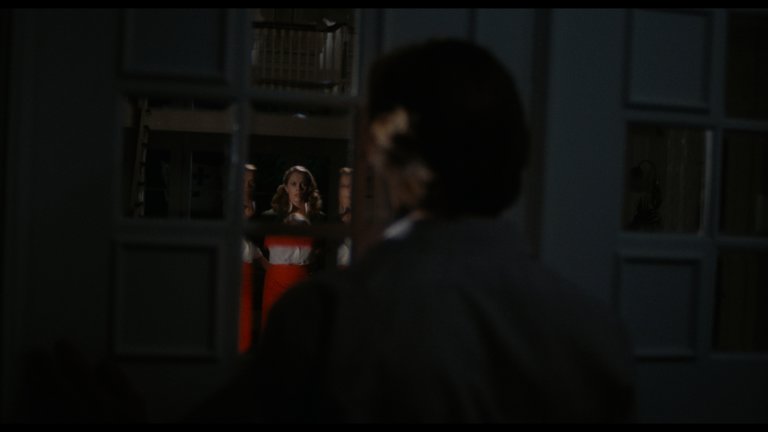
I liked that interview, but by far the best new feature here is a conversation between Bobbie O'Steen and editor Carol Littleton. O’Steen previously contributed a similar piece to Criterion’s release of Risky Business, discussing that film’s editing with Richard Chew, and this follows a similar format. Littleton first talks about her background and how she became involved with the production, Kasdan specifically wanting a woman editor so the sex scenes wouldn’t feel like a “male fantasy.” From there, the two explore how the film evolved in the editing room, with Littleton explaining how she could instinctively sense when scenes weren’t working and explains her process in reshaping them. This led to reworking several sequences, including the first meeting between Hurt and Turner’s characters, and even abandoning some of Kasdan’s original plans when unexpected problems popped up. One particular example involves the scene where Hurt forces his way into the house, which Kasdan originally envisioned as a oner. Due to problems with the developed footage, Littleton had to reconstruct the sequence using reverse shots, which ultimately heightened the tension considerably, and she explains why she feels that is. The two also discuss trims made for pacing, including how sequences originally spread across multiple nights within the film were compressed to feel as though they occurred during a single evening. I thought their general conversation was engaging on its own, but the piece is at its best when they break down the construction of individual scenes and explain why they work. Easily my favorite addition to the disc.
The remaining supplements consist of Warner’s archival material, beginning with a three-part making-of documentary covering the film’s planning, production, and post-production, running 17, 16, and 11 minutes respectively. Featuring interviews with Kasdan, actors William Hurt, Kathleen Turner and Ted Danson, along with Littleton, cinematographer Richard H. Kline, and composer John Barry, it’s an above-average DVD-era featurette. There are a few amusing on-set stories, but the more interesting material concerns the planning stages and how the production adapted to unexpected issues. Wildly, the film was originally supposed to take place in New Jersey, which feels almost impossible to imagine considering how essential Florida’s atmosphere is to the film. It was also surprisingly cold in Florida during shooting, requiring a number of creative tricks to make the environment appear unbearably hot while the actors were actually freezing (they even did the ol’ ice cub in the mouth trick to keep the actors’ breath invisible). I do wish Kasdan or others had recorded a full commentary track instead, but this still serves as a solid overview of the production.
There’s also around 12 minutes of raw 1981 interview footage featuring Hurt and Turner discussing the film, their characters, and working with one another and Kasdan. Rounding things out are five deleted scenes running about 9 minutes total. One amusing sequence has Turner’s character role-playing, feeding into Hurt’s fascination with women in uniform, an aspect of the character Littleton also references in her interview. Still, as fun as it is, it was wisely removed, helping tighten the film’s pacing. The remaining scenes similarly feel trimmed to keep the pace going, though we do get to see the original footage Littleton referenced about the two evening sequences before they were compressed into one.
The disc then closes with the theatrical trailer, while the included insert features an excellent essay by critic Megan Abbott, who covers the film as part of the rising neo-noir movement that followed the more downbeat "noir-inflected" crime films of the 1970s (a topic she also touches on in her appearance in an interview on Radiance Films’ release of Cutter's Way, by the way). I would have preferred a newly recorded interview with her, but it’s still a terrific read.
There may not be a huge amount of new material overall, but what’s here is very strong, with the O’Steen/Littleton conversation easily standing out as the highlight.
Closing
The new 4K presentation looks absolutely wonderful; beautifully rendered while perfectly capturing both the film’s rich noir shadows and oppressive heat. Another standout presentation from Criterion.
BUY AT: