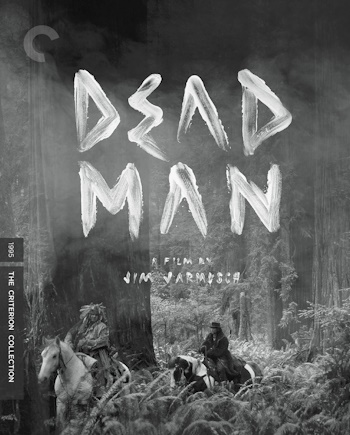
Dead Man
BUY AT:


See more details, packaging, or compare
Synopsis
With Dead Man, his first period piece, Jim Jarmusch imagined the nineteenth-century American West as an existential wasteland, delivering a surreal reckoning with the ravages of industrialization, the country’s legacy of violence and prejudice, and the natural cycle of life and death. Accountant William Blake (Johnny Depp) has hardly arrived in the godforsaken outpost of Machine before he’s caught in the middle of a fatal lovers’ quarrel. Wounded and on the lam, Blake falls under the watch of the outcast Nobody (Gary Farmer), who guides his companion on a spiritual journey, teaching him to dispense poetic justice along the way. Featuring austerely beautiful black-and-white photography by Robby Müller and a live-wire score by Neil Young, Dead Man is a profound and unique revision of the western genre.
Picture 9/10
Jim Jarmusch’s Dead Man receives a 4K UHD upgrade from The Criterion Collection, presenting the film in SDR at 2160p/24Hz in its original 1.85:1 aspect ratio on a dual-layer BD-66 disc. The master is sourced from the same 4K restoration used for Criterion’s 2018 Blu-ray edition, derived from a scan of the original 35mm camera negative. The included standard Blu-ray is a straight port of that 2018 release, offering a 1080p presentation of the film along with all video-based supplements.
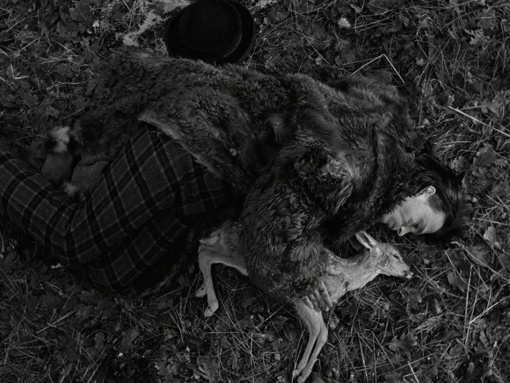
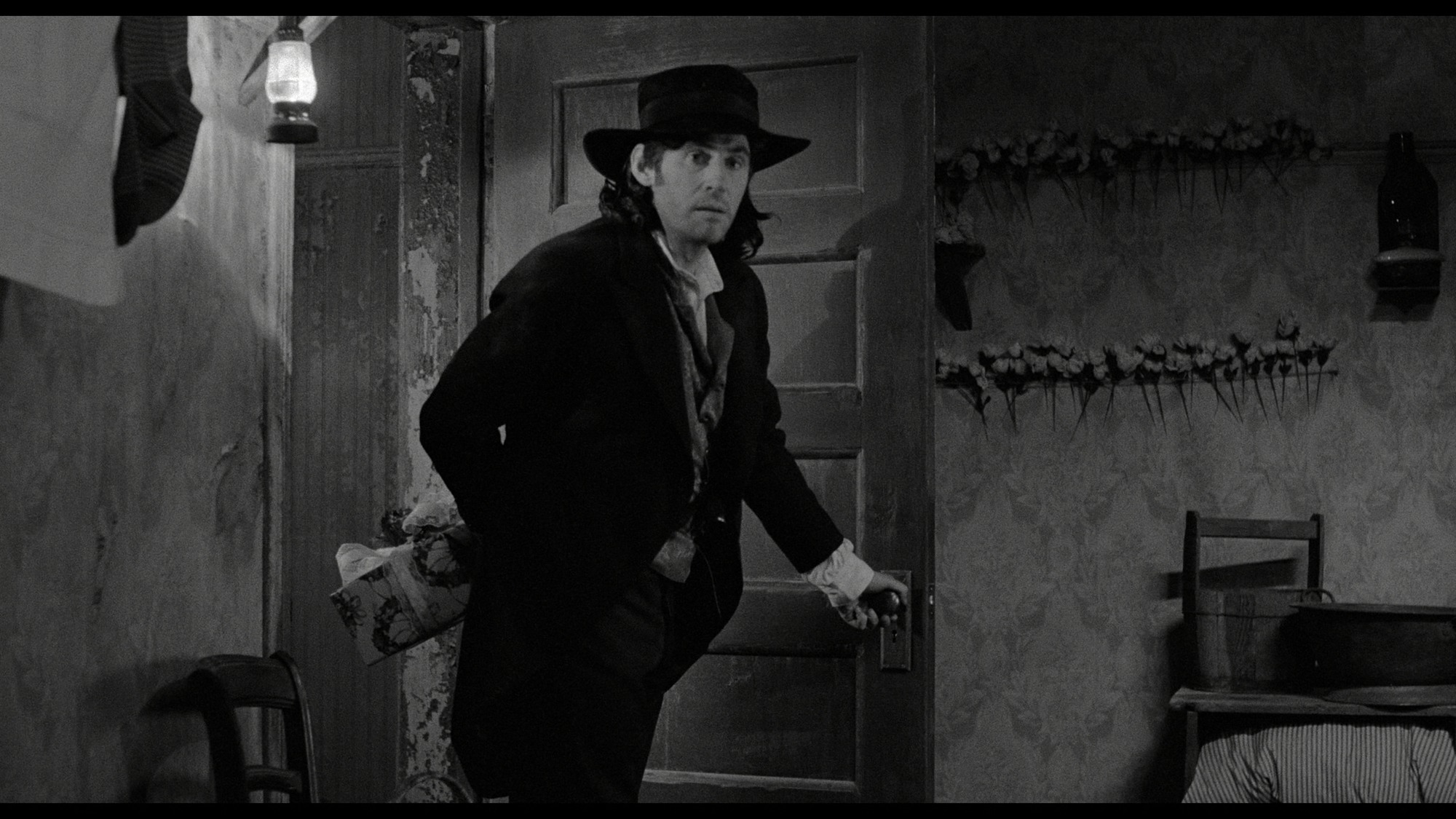
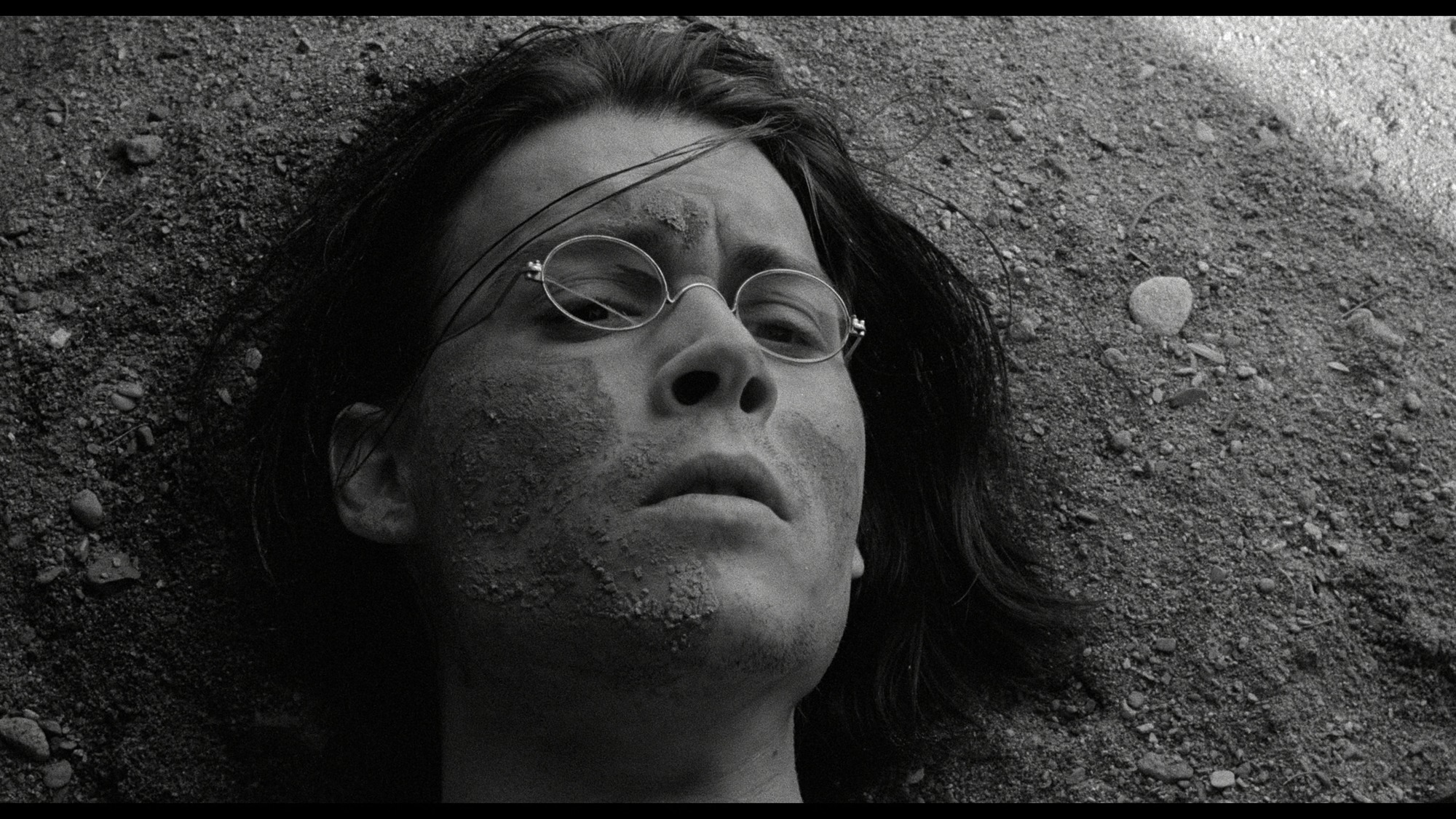
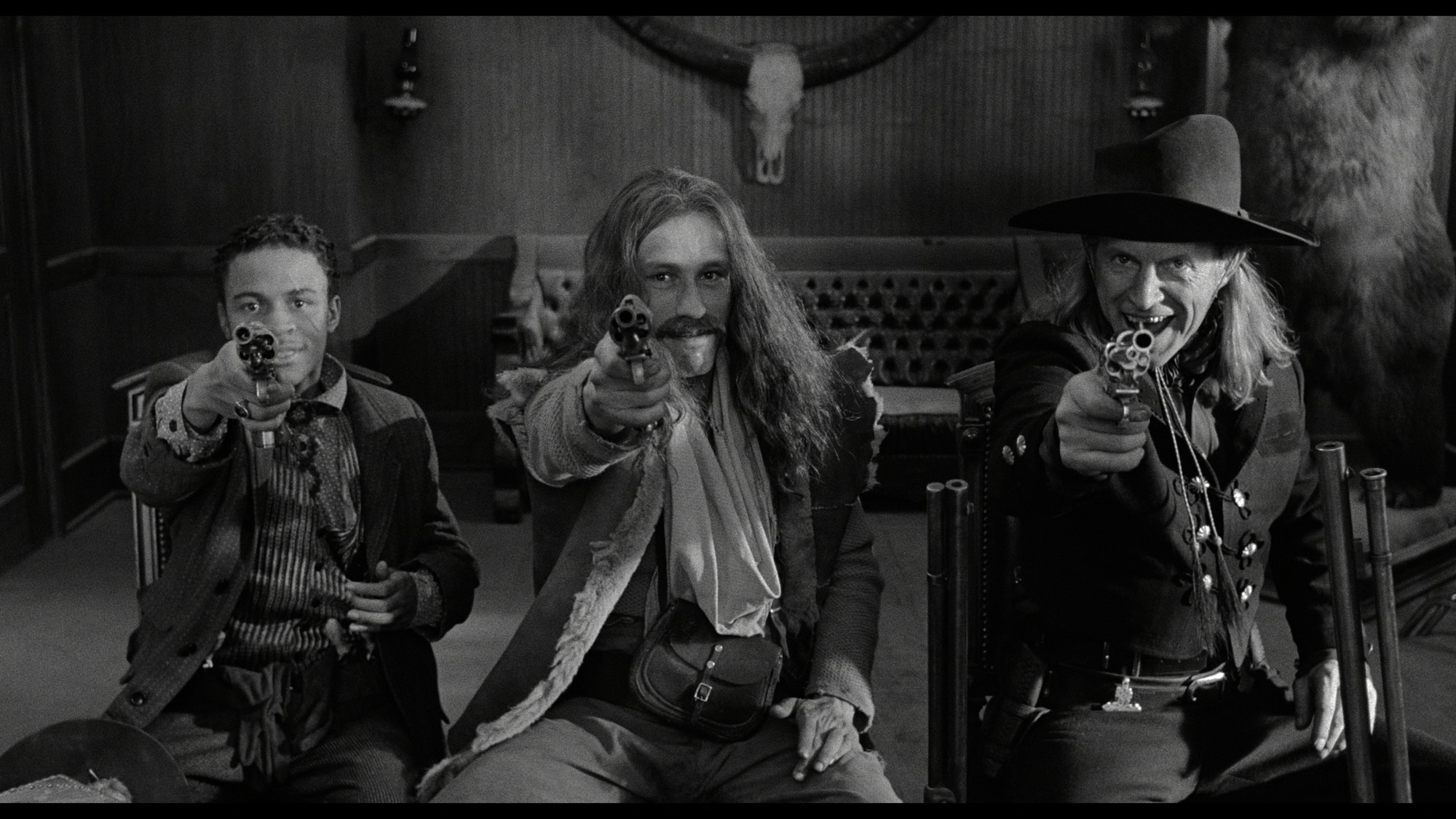
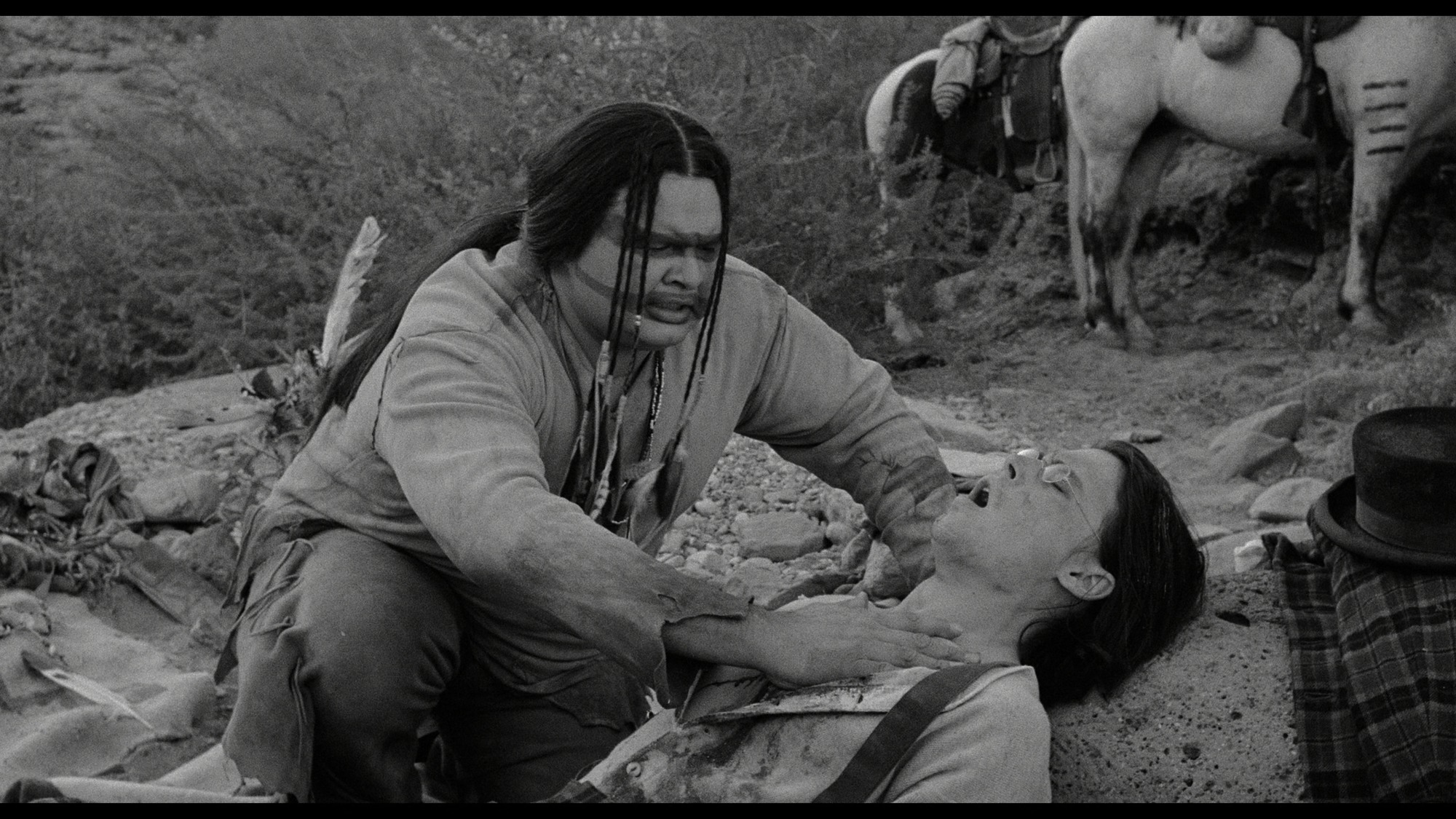
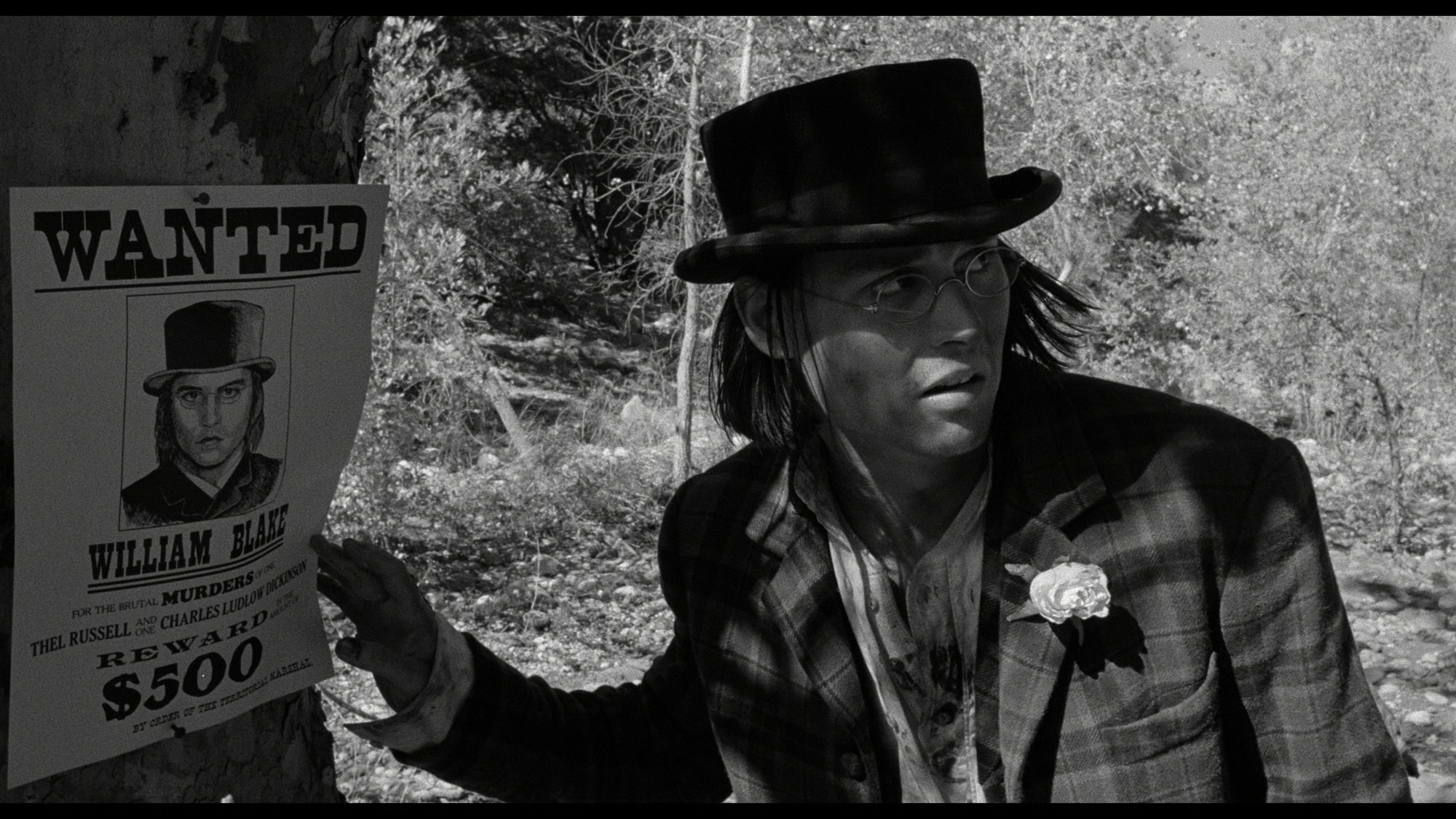
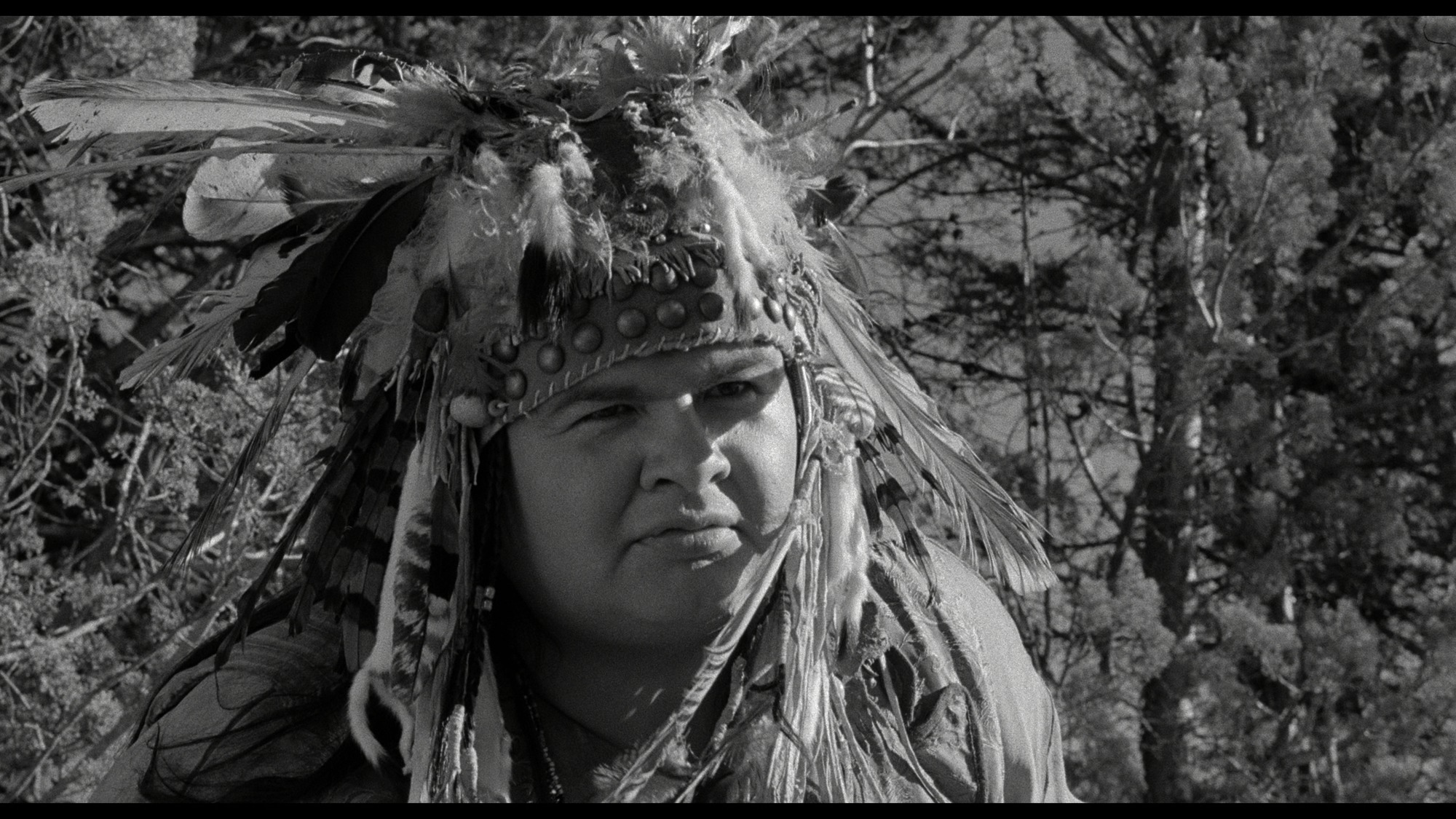
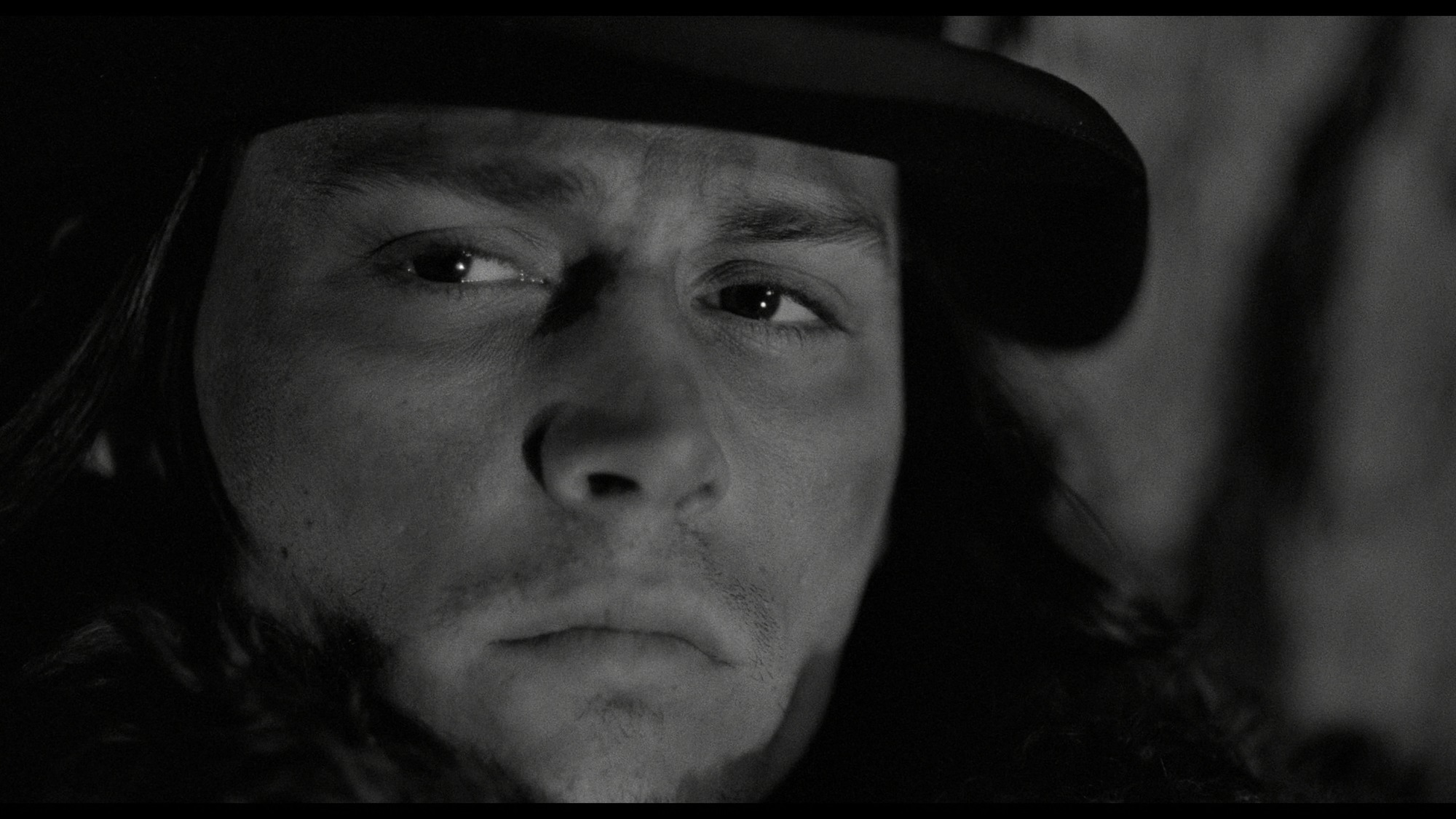
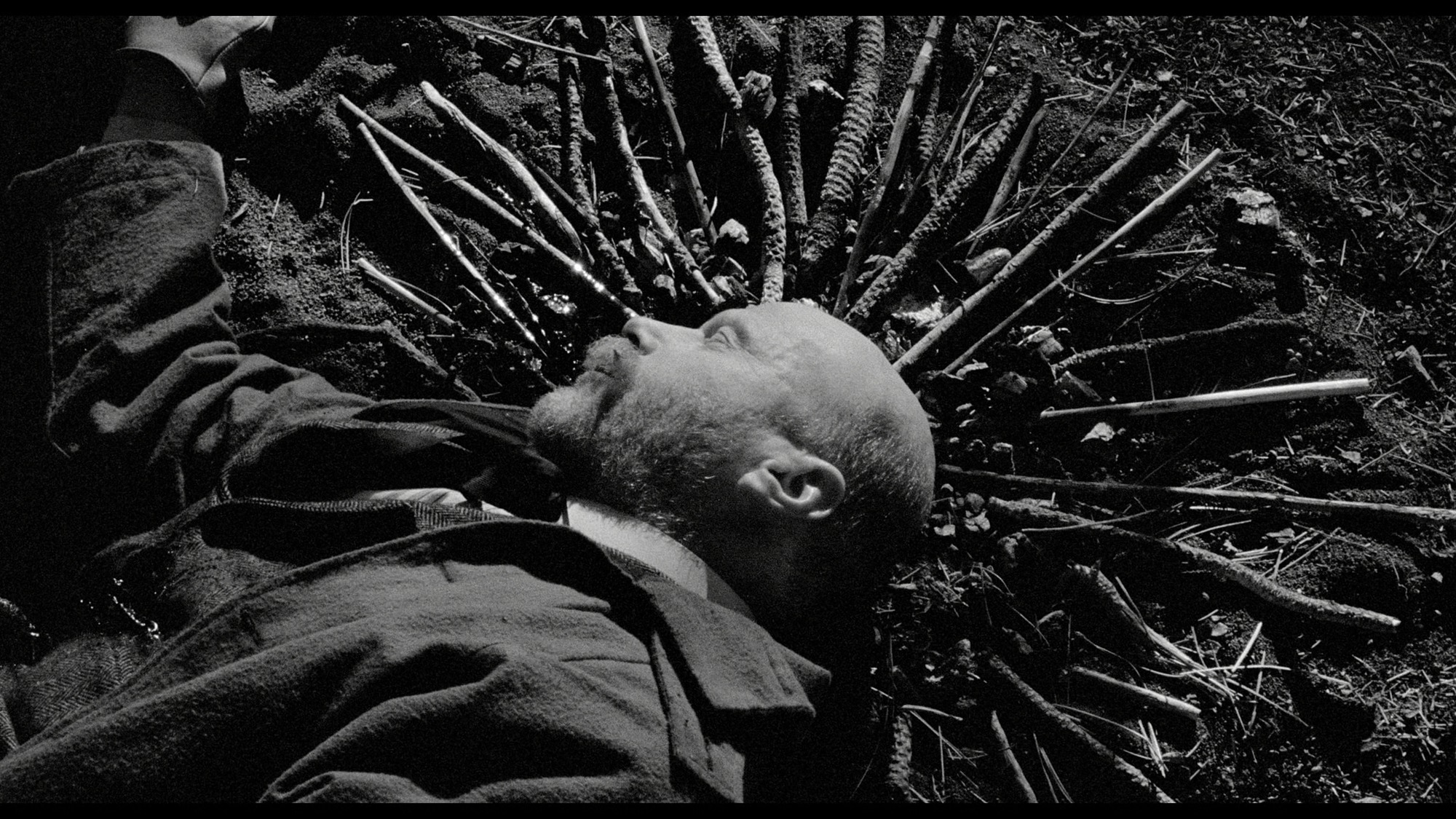
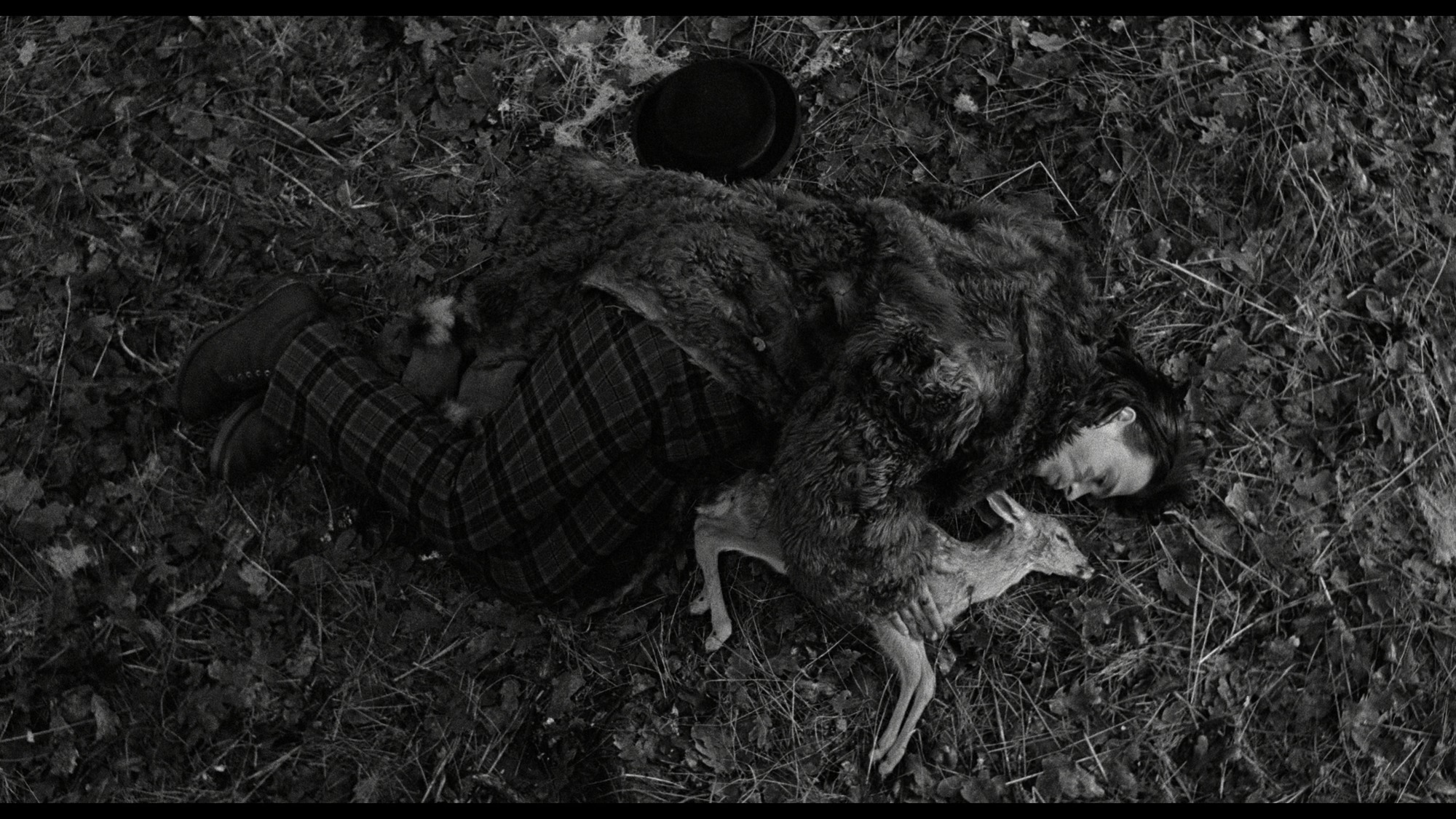
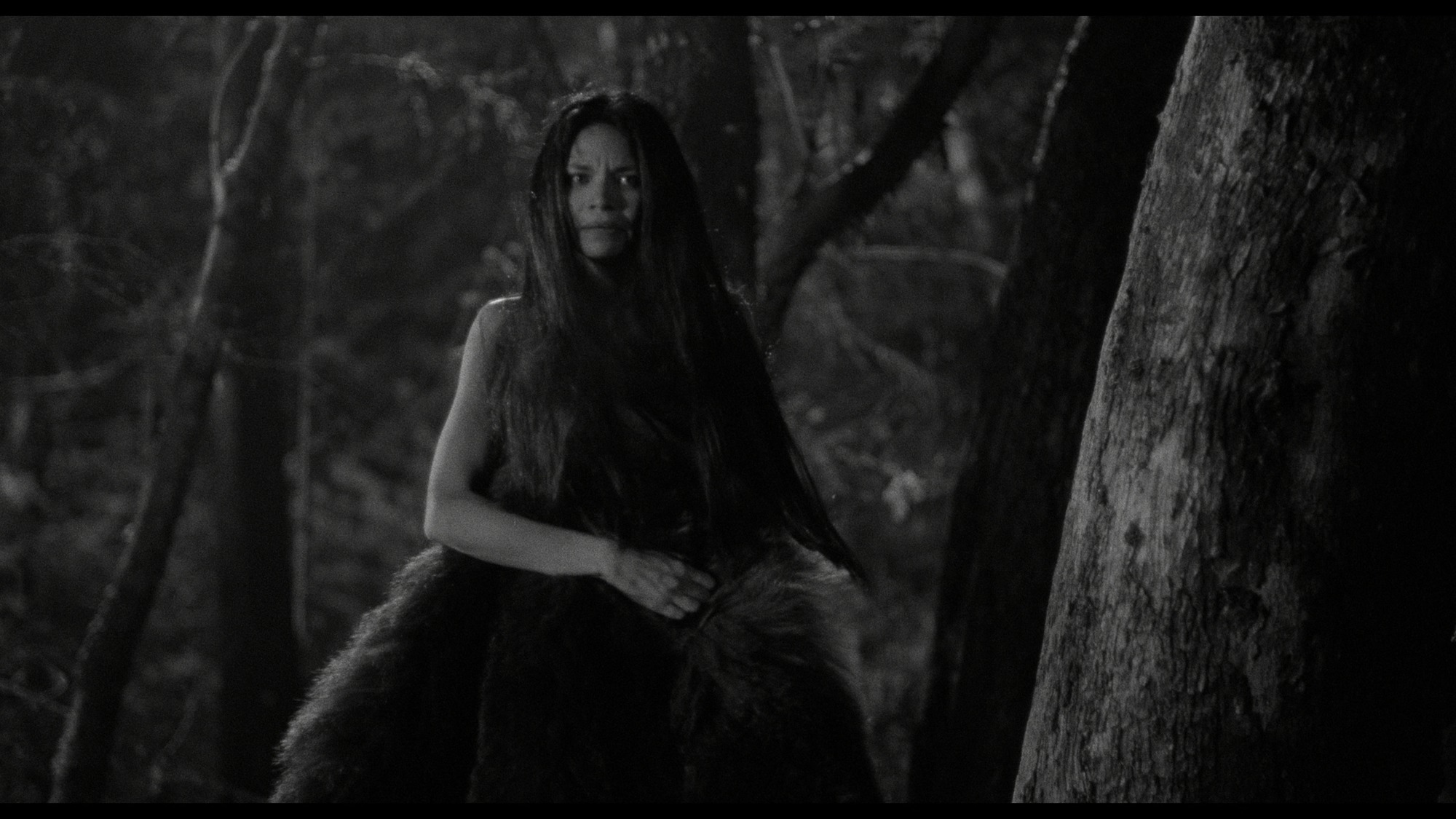
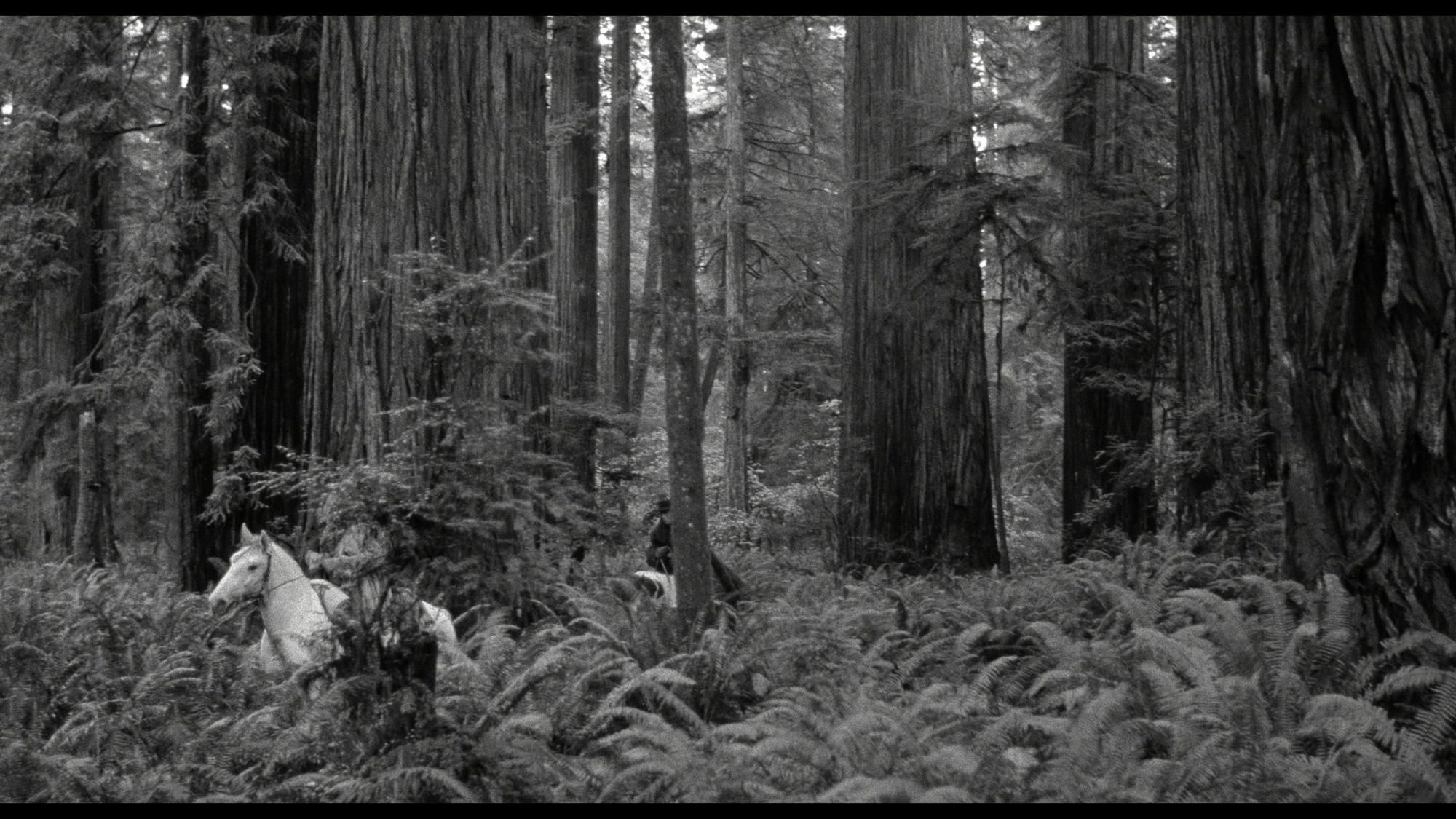
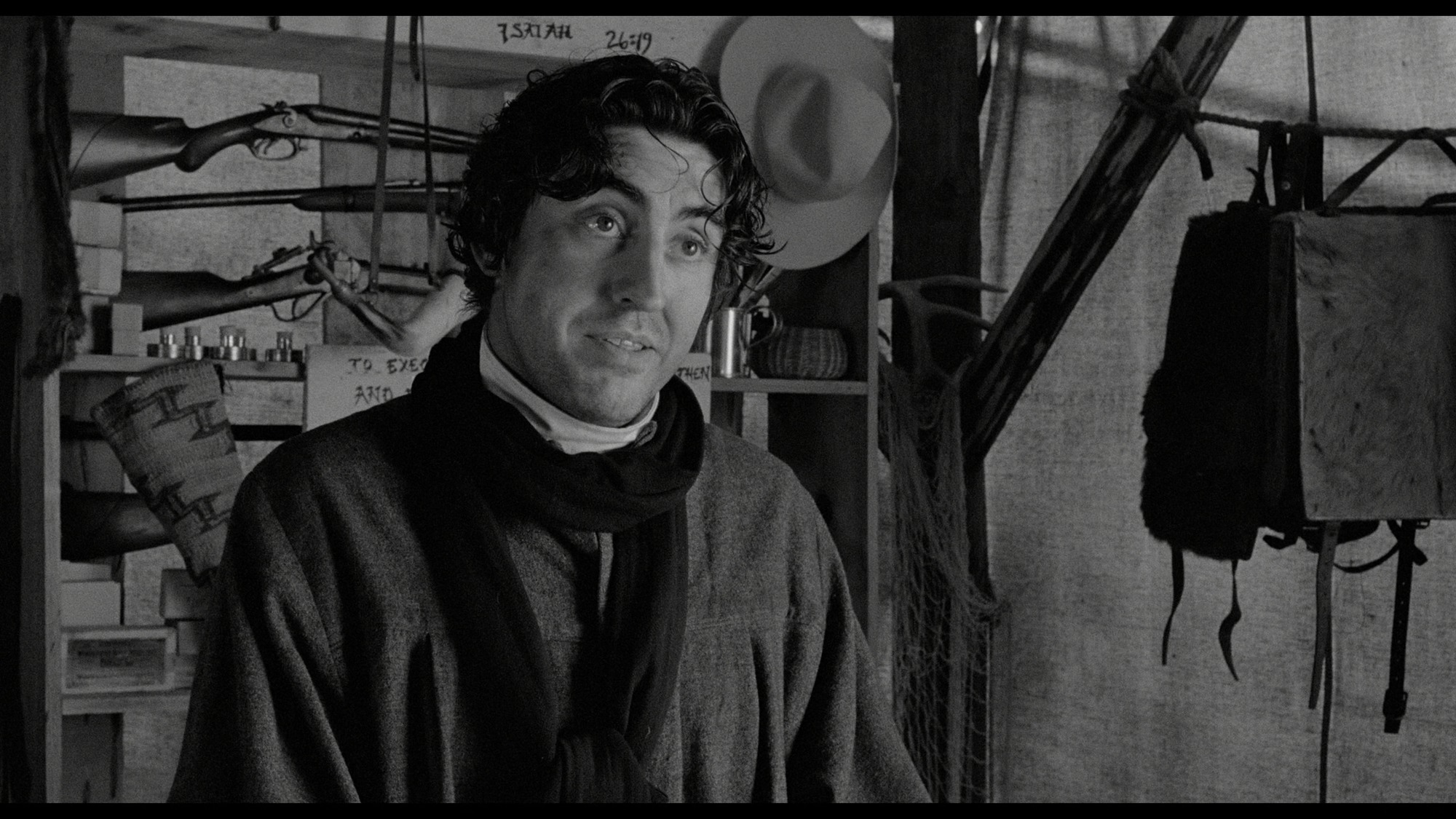
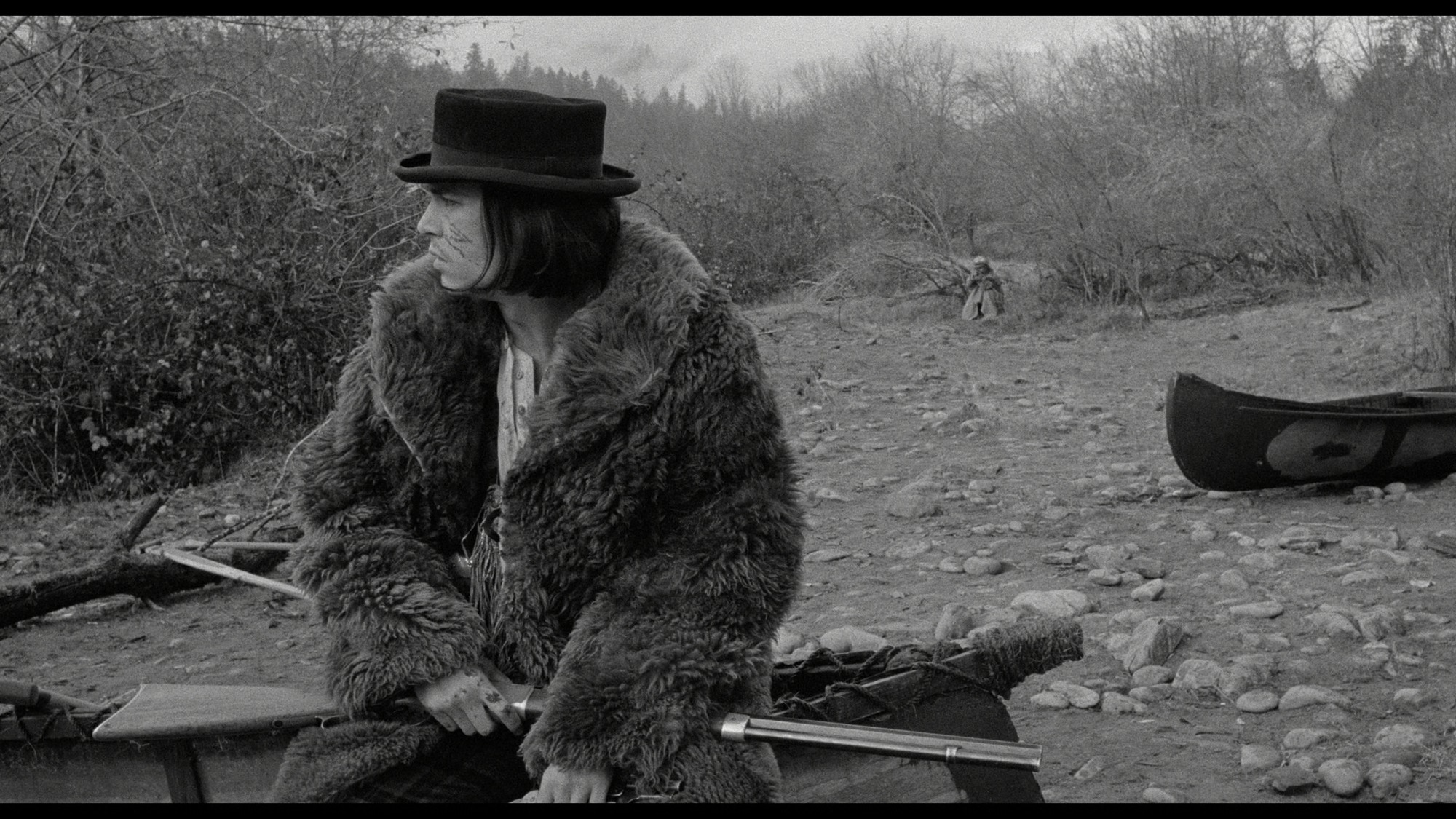
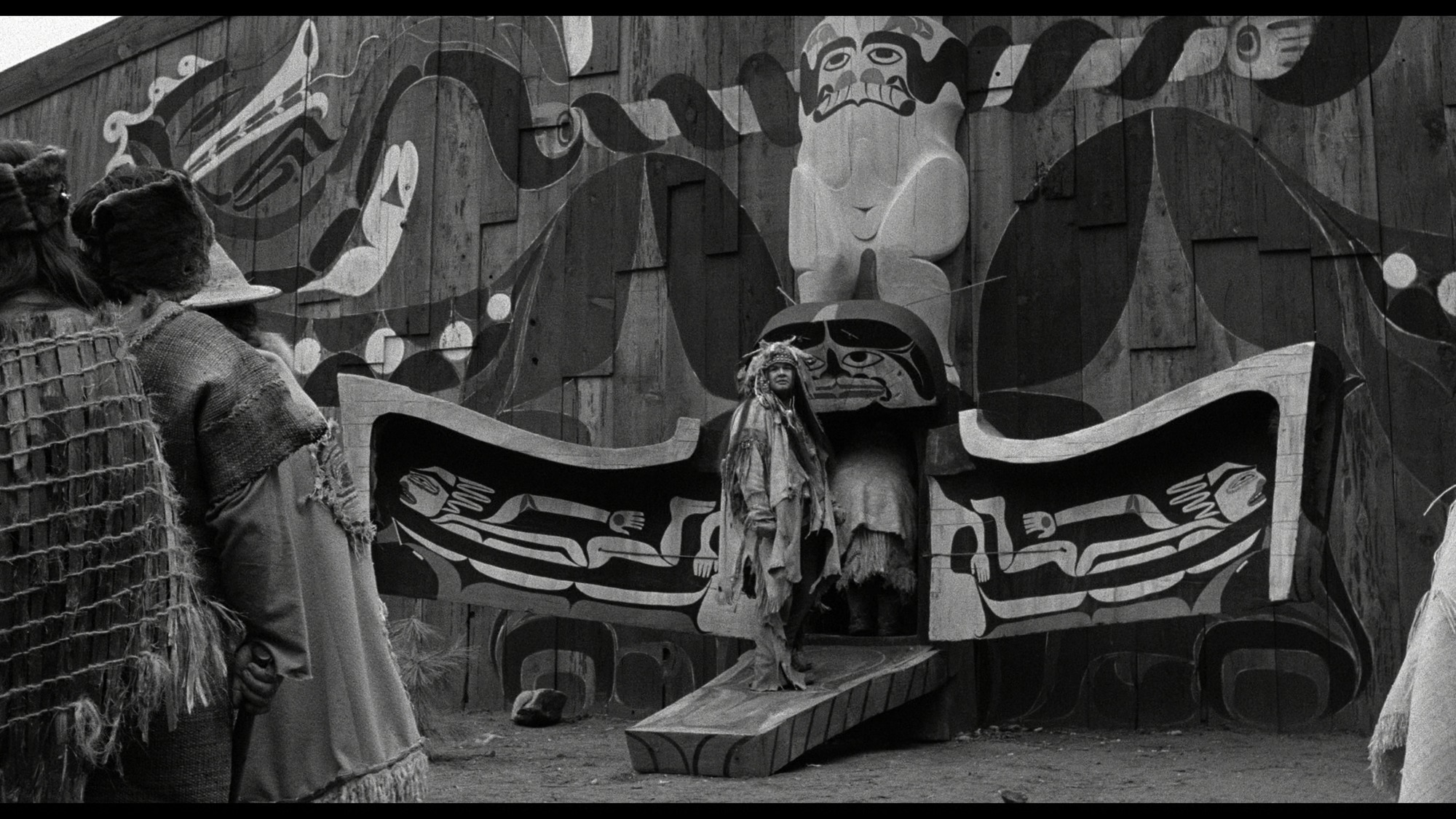
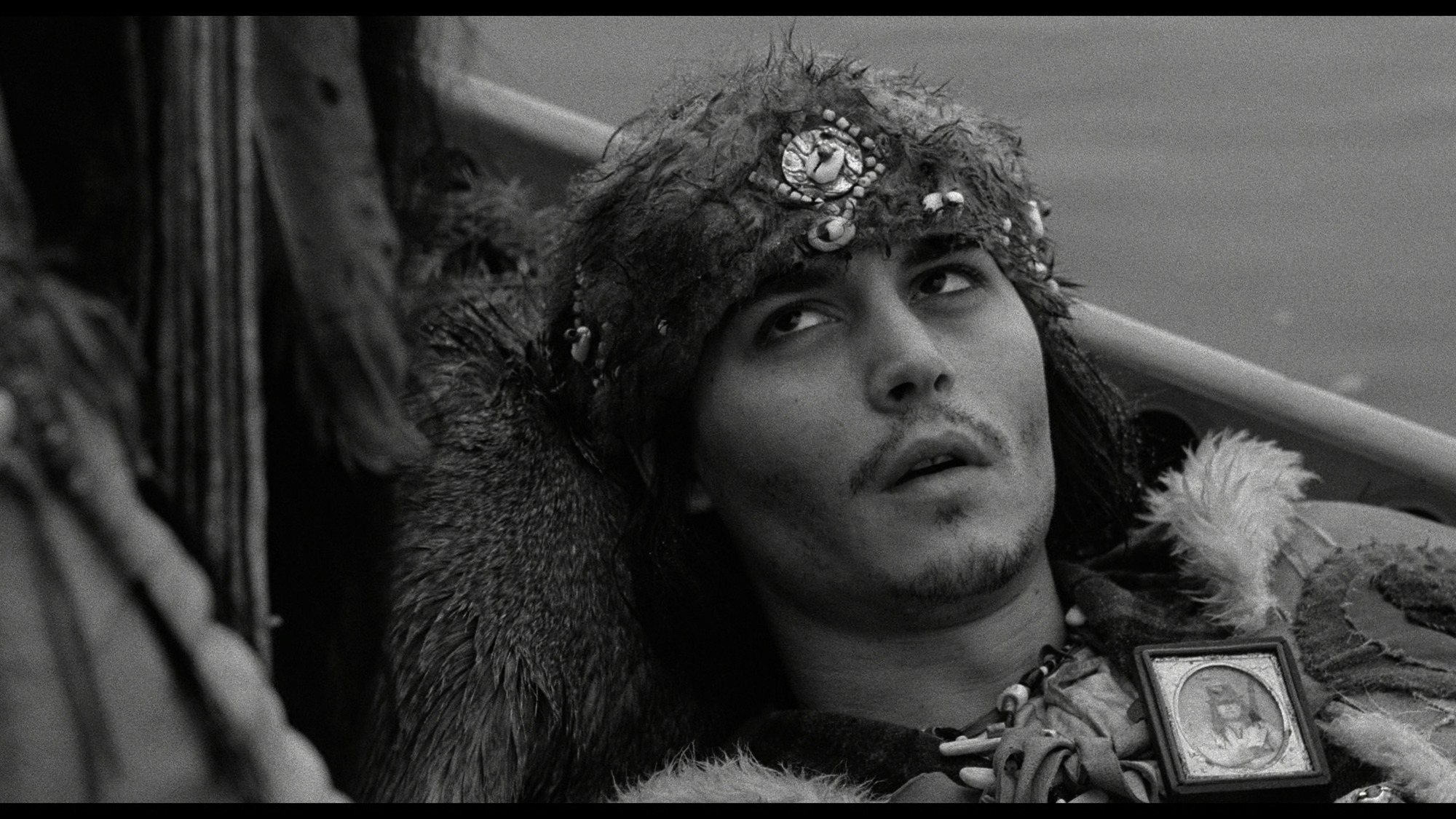
This looks very good overall, though in all honesty the Blu-ray already looked solid enough, and the 4K ultimately delivers only a modest upgrade when all is said and done. The underlying restoration remains impressive, having cleaned up the source extensively, with virtually no damage remaining. The image is razor sharp, with tremendous levels of detail visible across every inch of the frame, and the fine film grain is well captured and generally rendered in a pleasing way.
Where the 4K does improve things is largely in the expected areas. While the Blu-ray still holds up remarkably well, the UHD encode is clearly stronger, despite the somewhat odd decision to author the disc on a BD-66 disc. Grain is rendered a bit more naturally overall, though there were moments where it appeared slightly buzzy, particularly in brighter highlights of the sky. Grayscale also feels subtly wider, with finer gradations and a little more nuance, though it’s hard not to imagine how much further this could have gone with an HDR grade. Sharpness, meanwhile, is noticeably improved, which is impressive given that the Blu-ray was no slouch in this department to begin with.
In the end, yes, it does look better, and this is unquestionably the most pleasing presentation the film has received to date. That said, the improvement over the Blu-ray remains fairly modest.
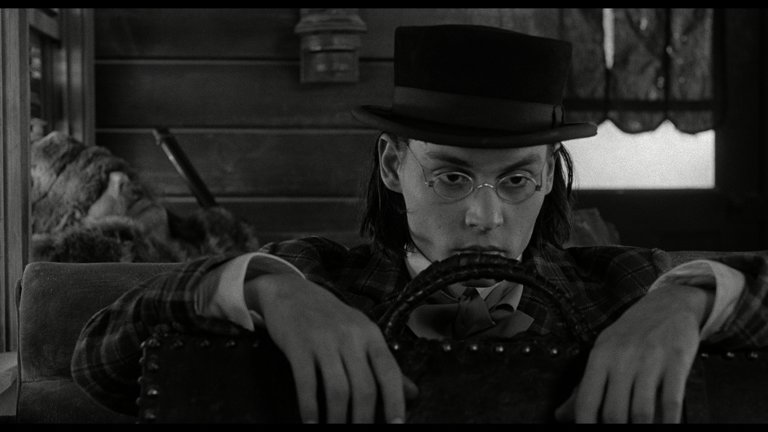
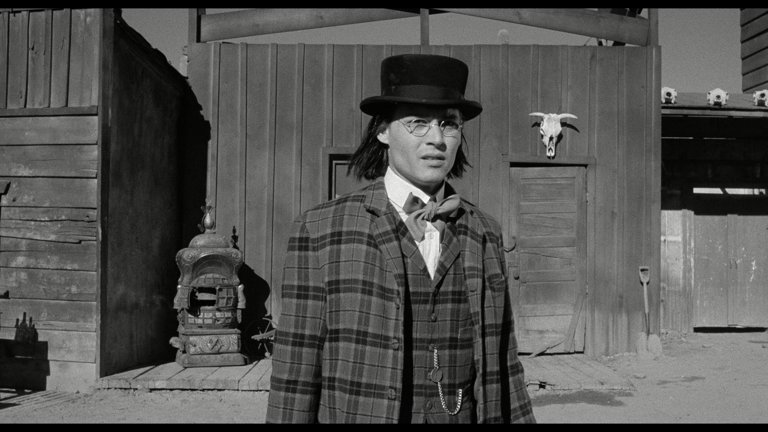
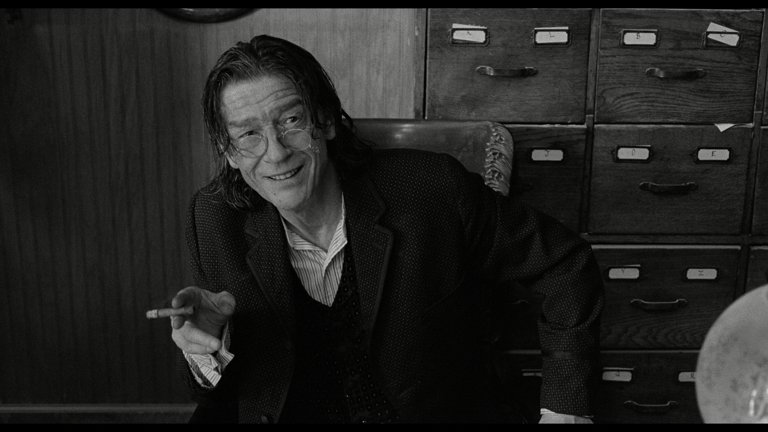
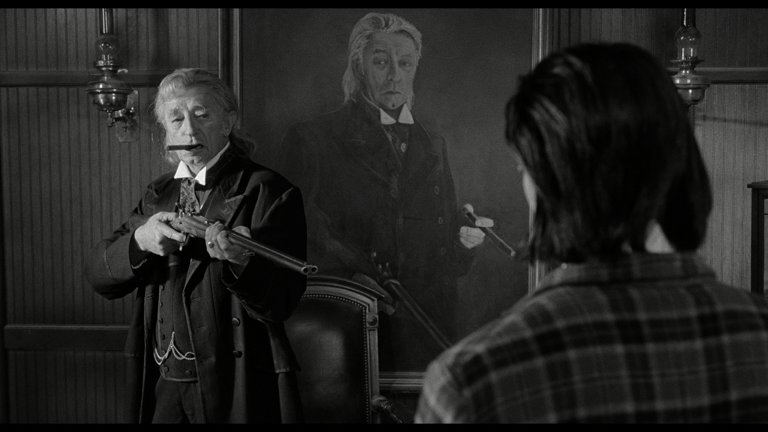
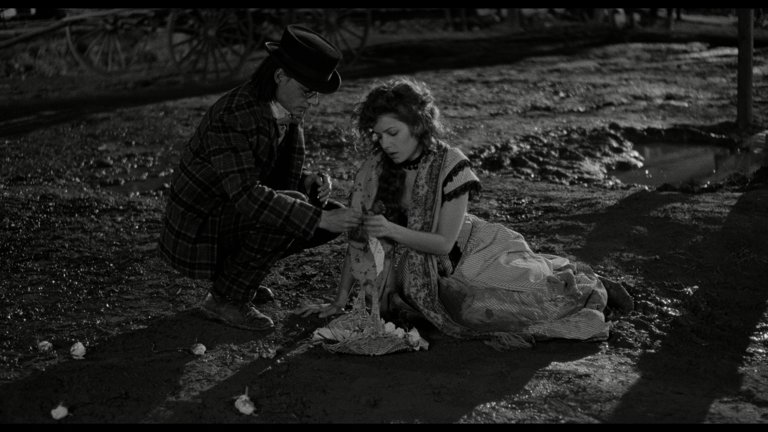
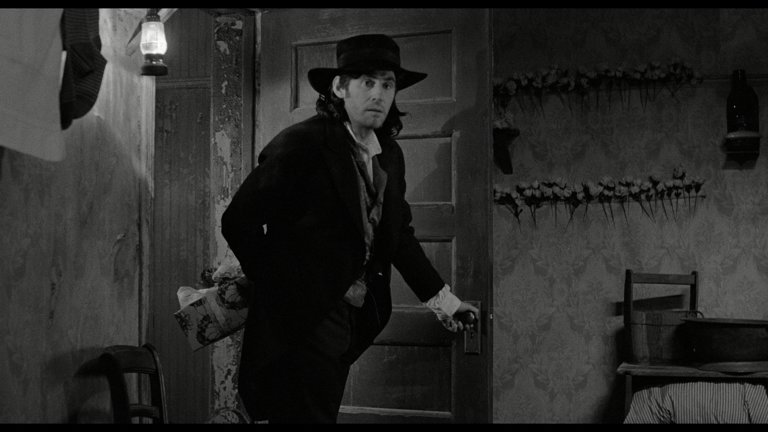
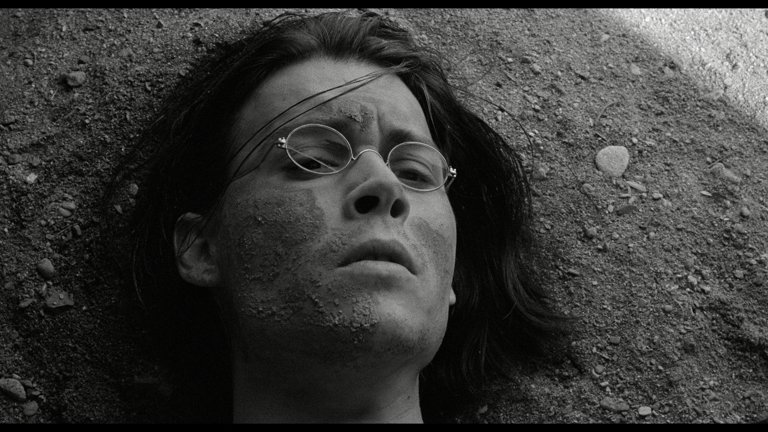
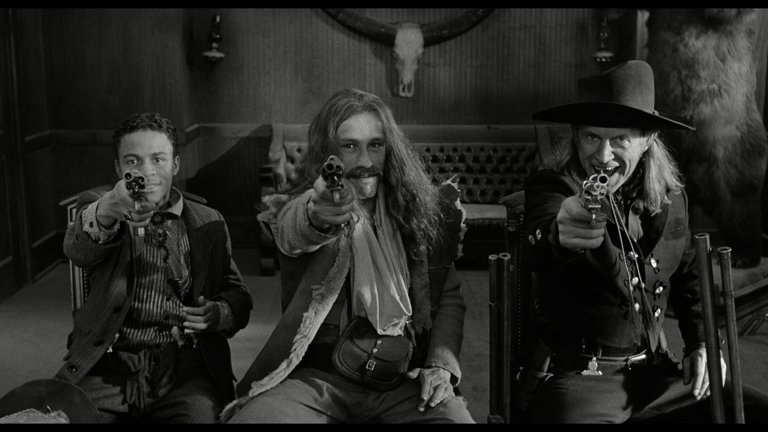
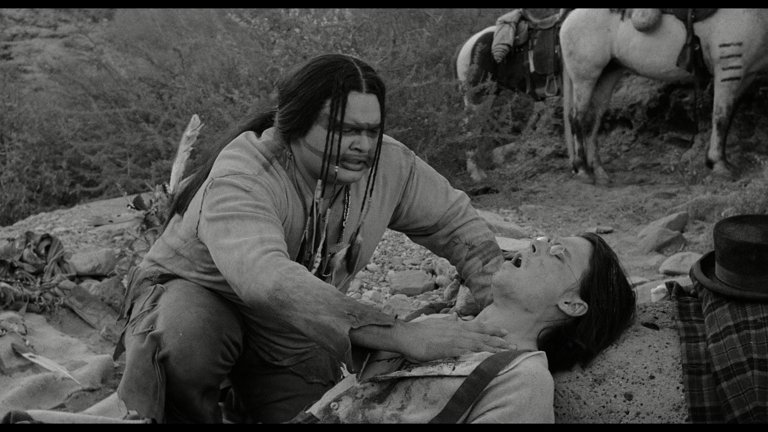
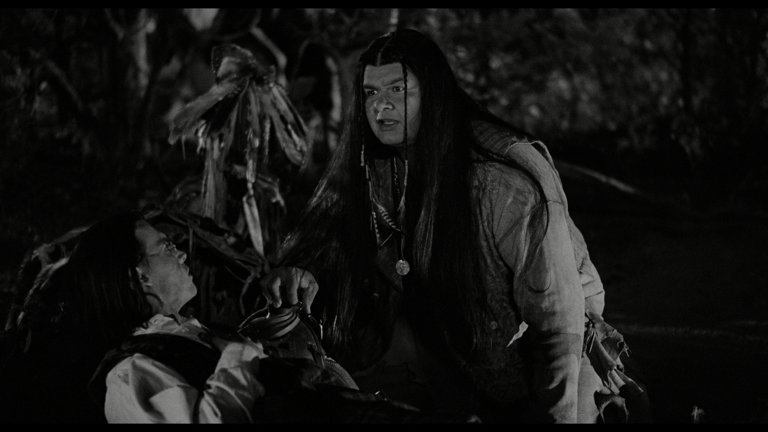
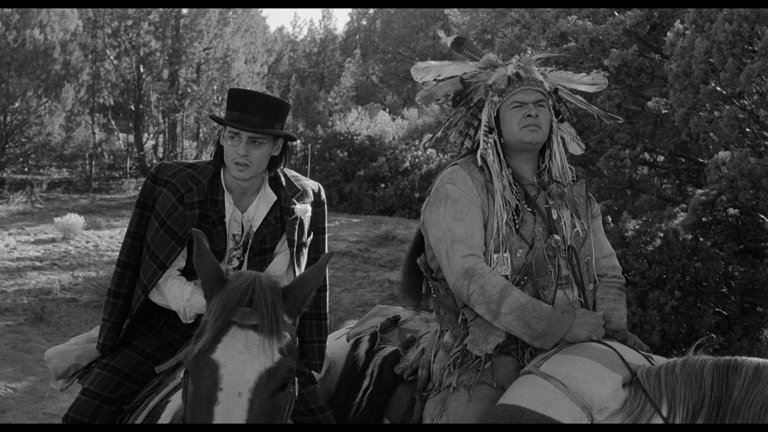
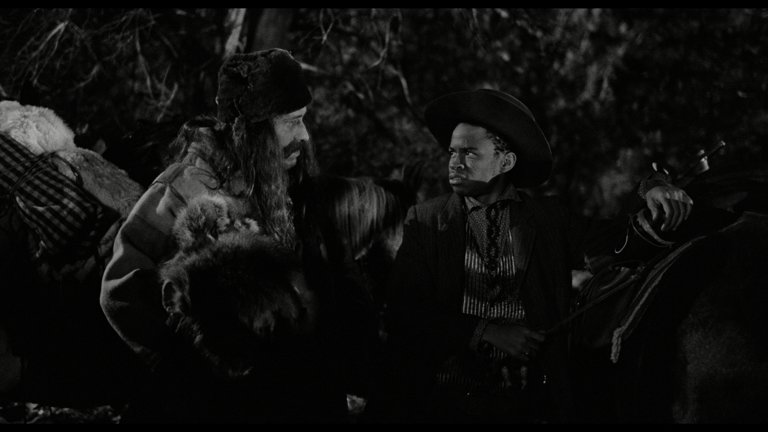
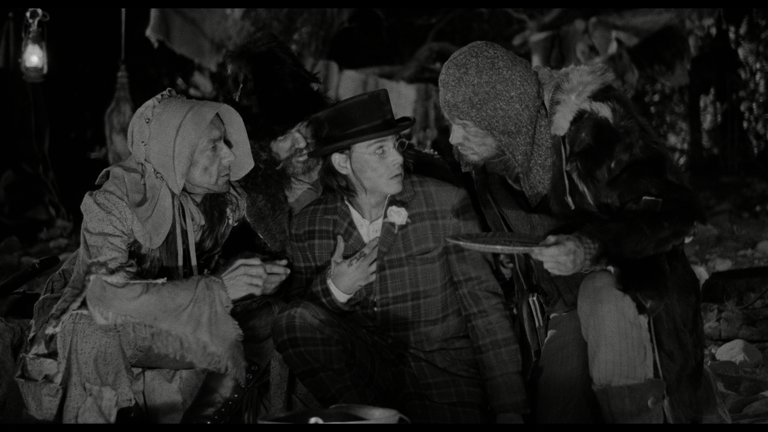
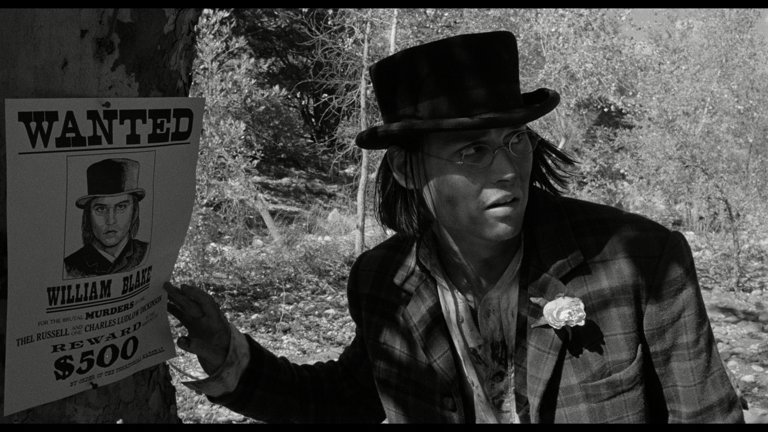
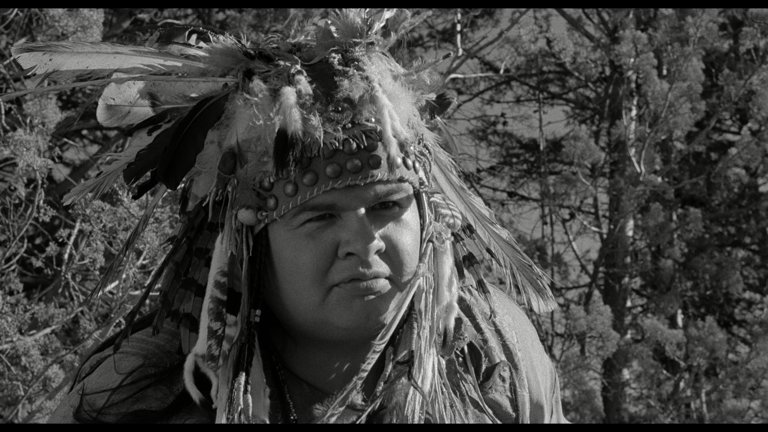
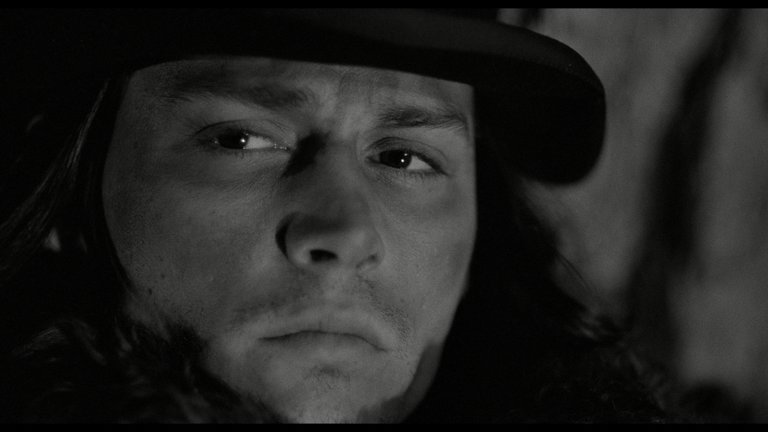
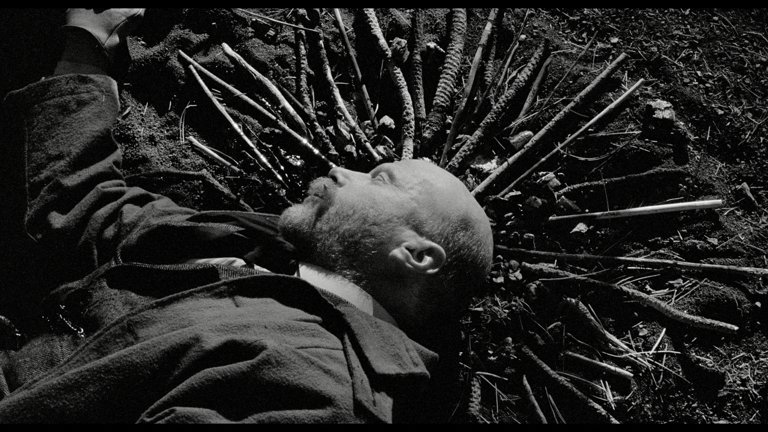
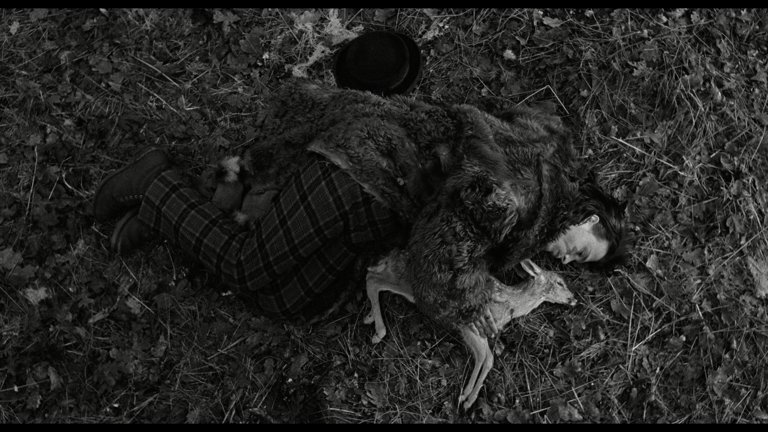
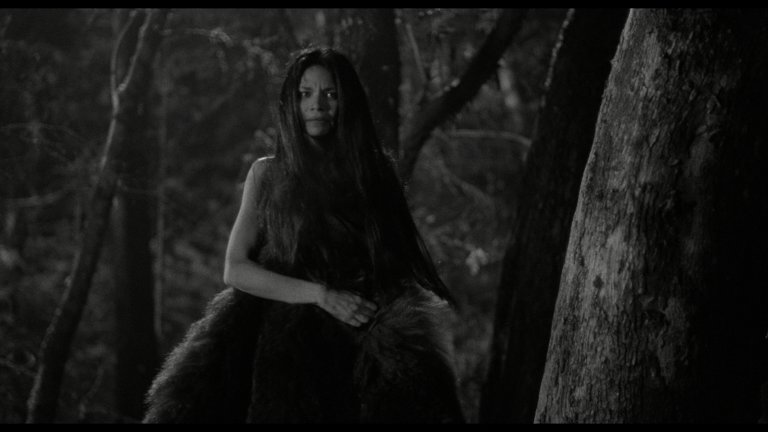
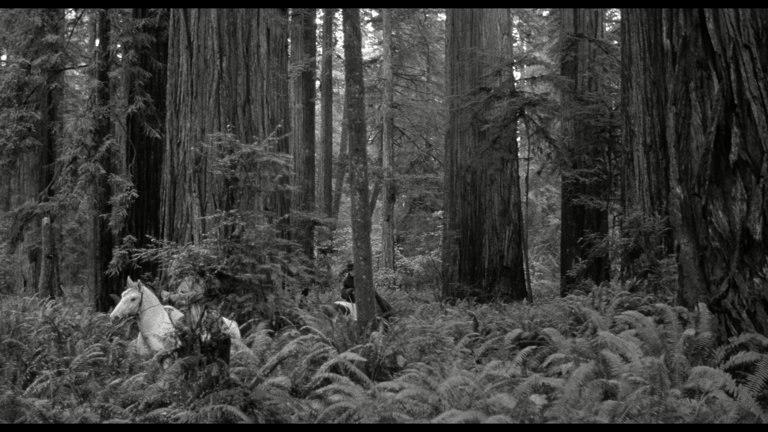
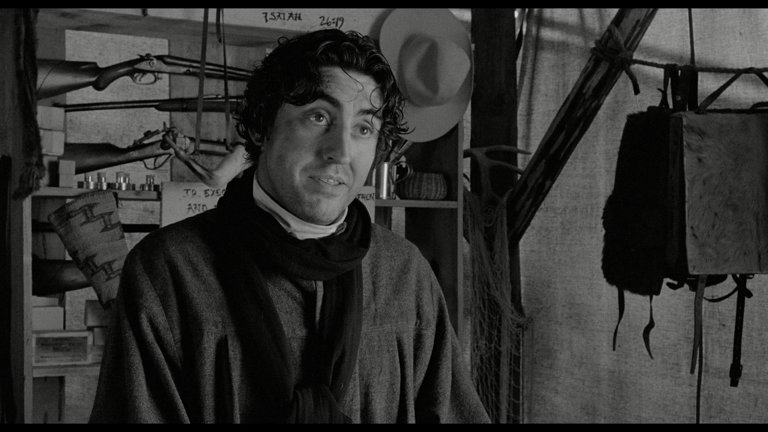
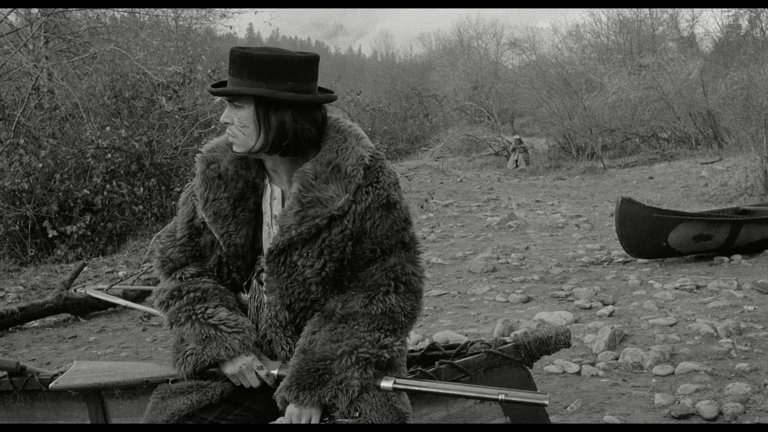
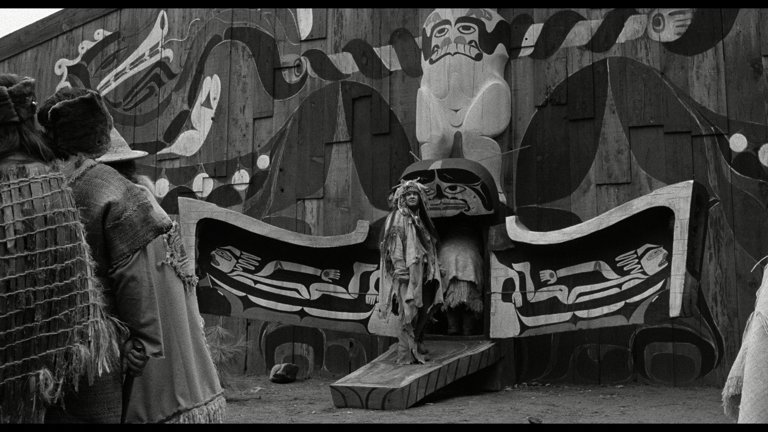
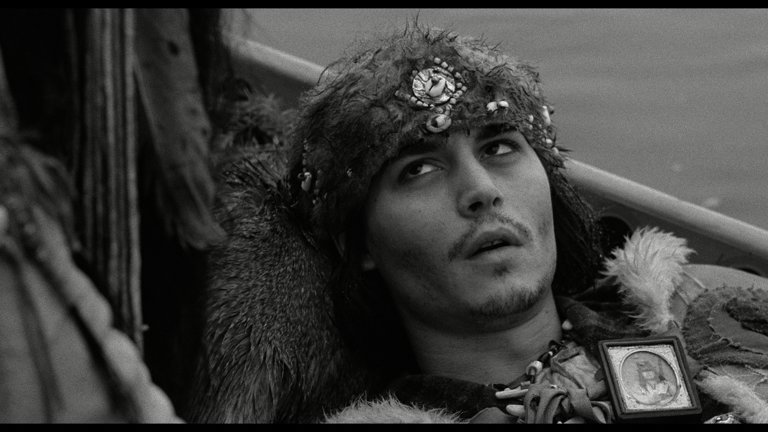
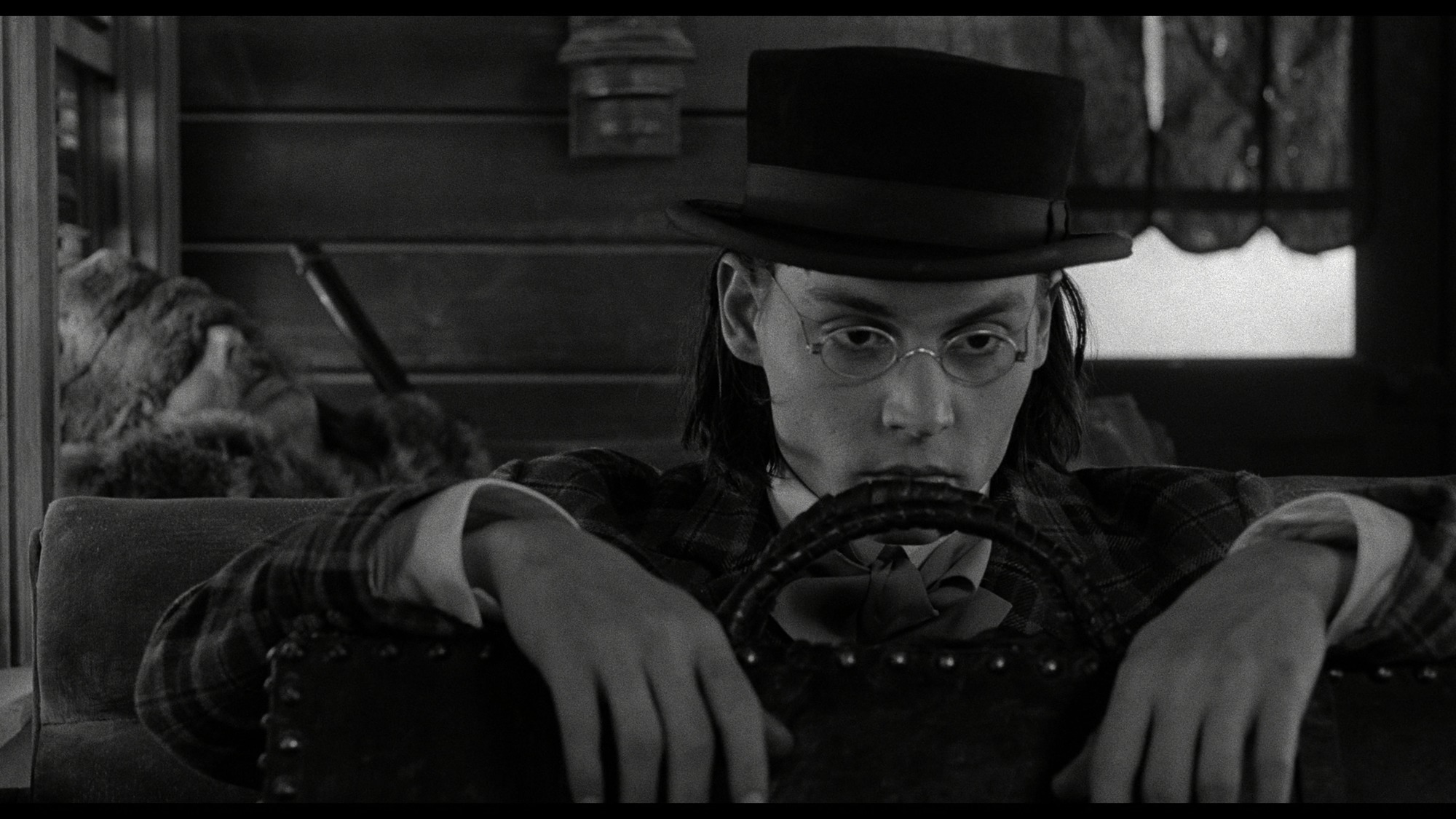
Dead Man - Screen Captures
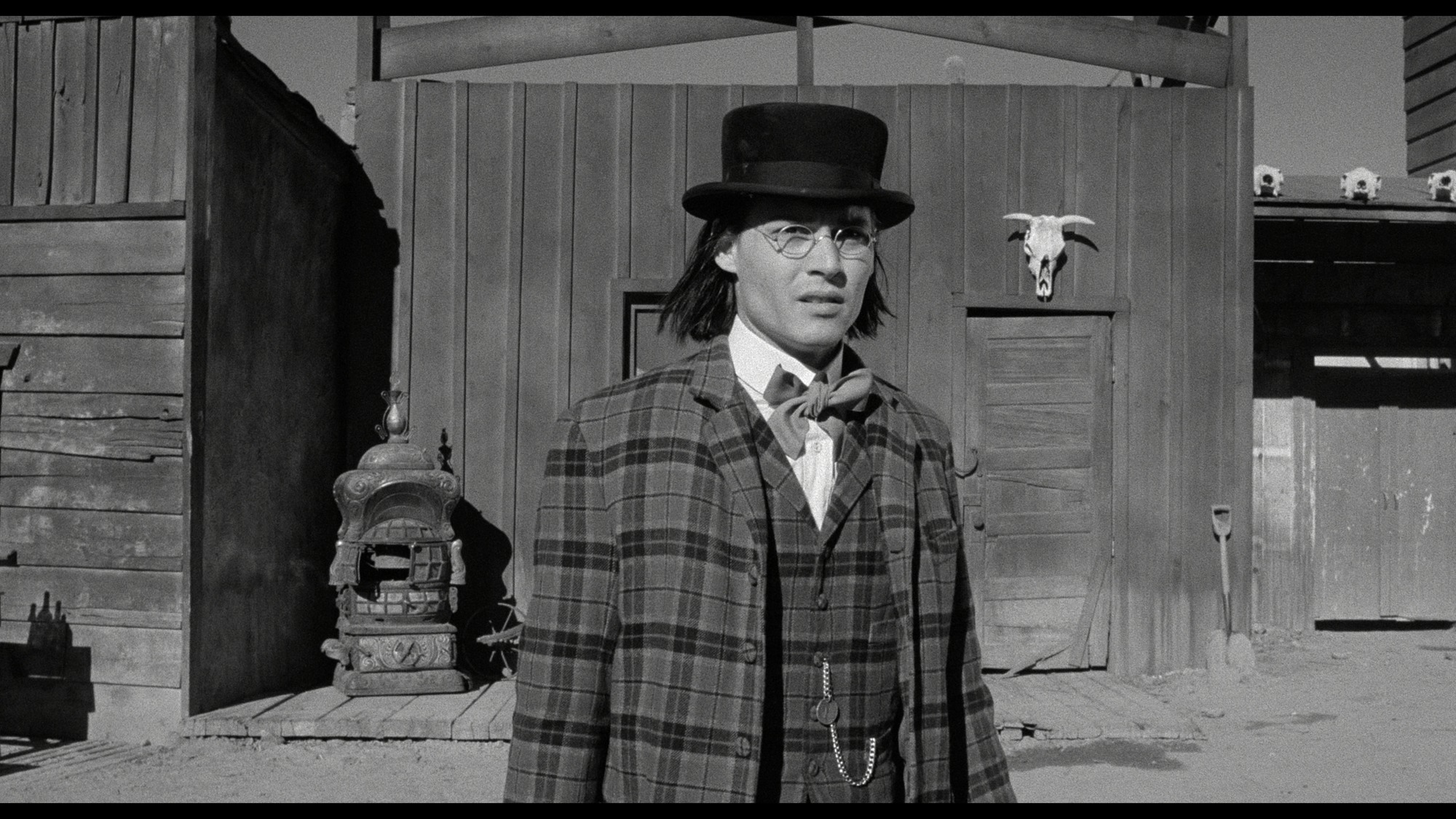
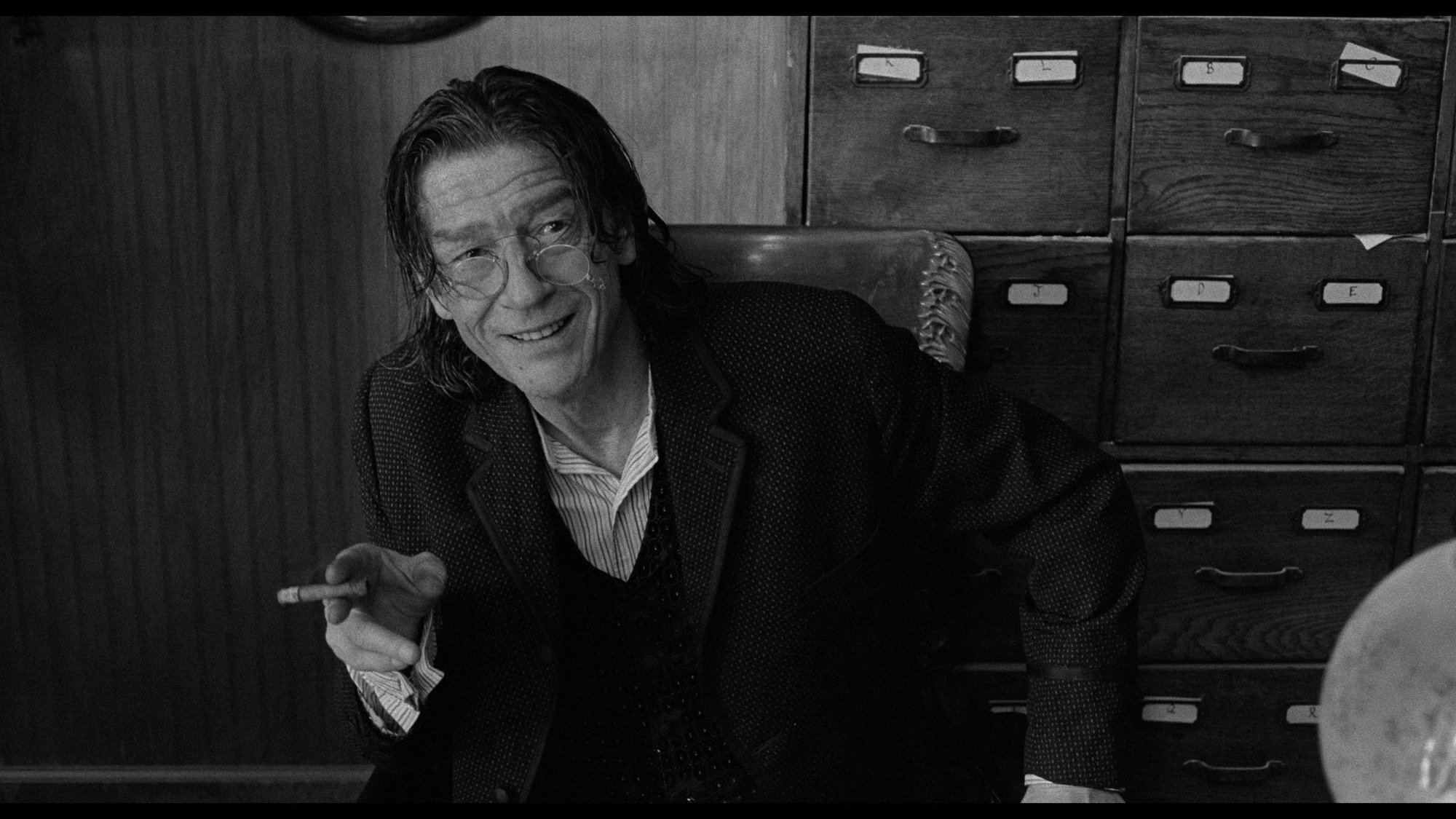
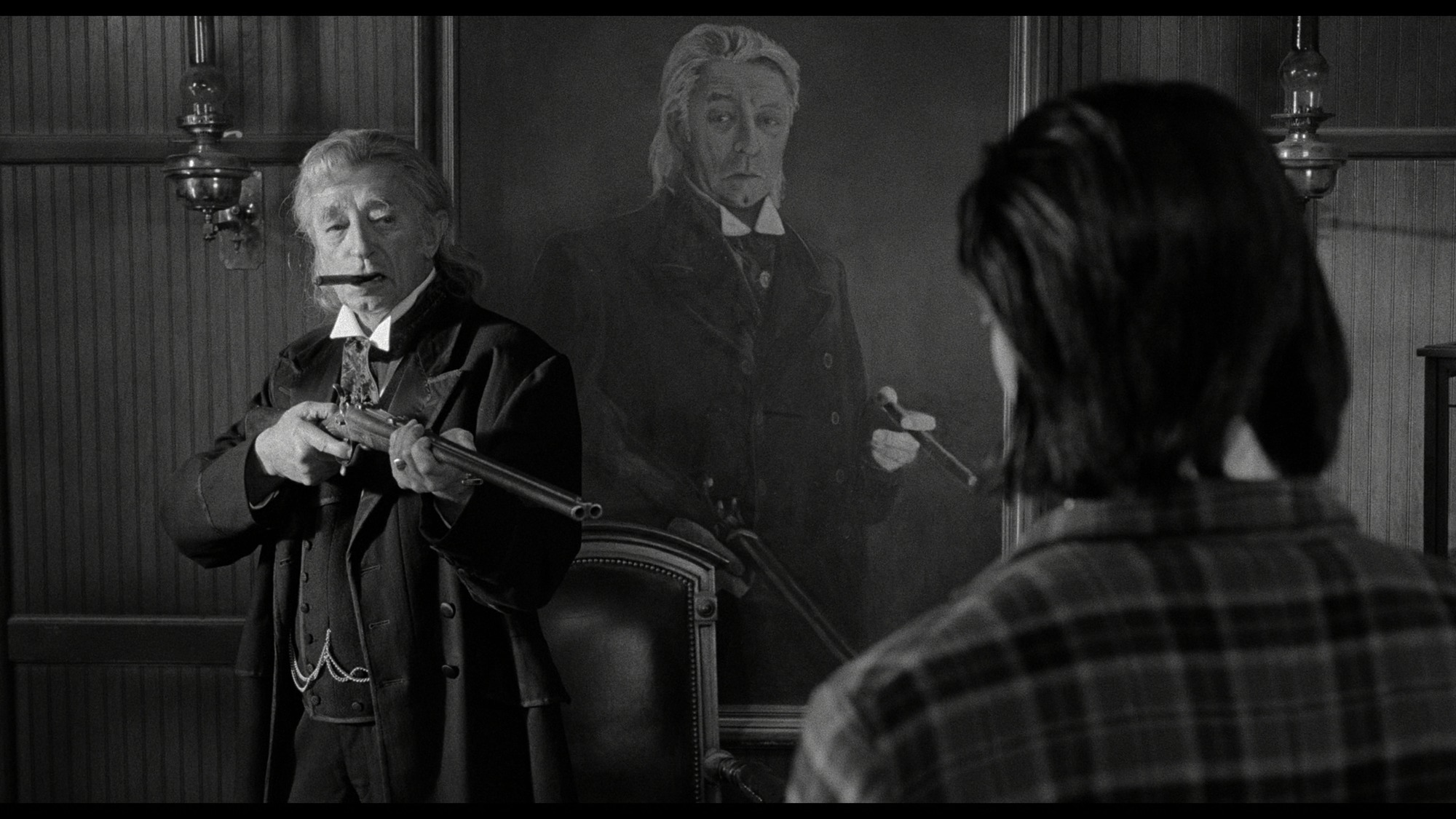
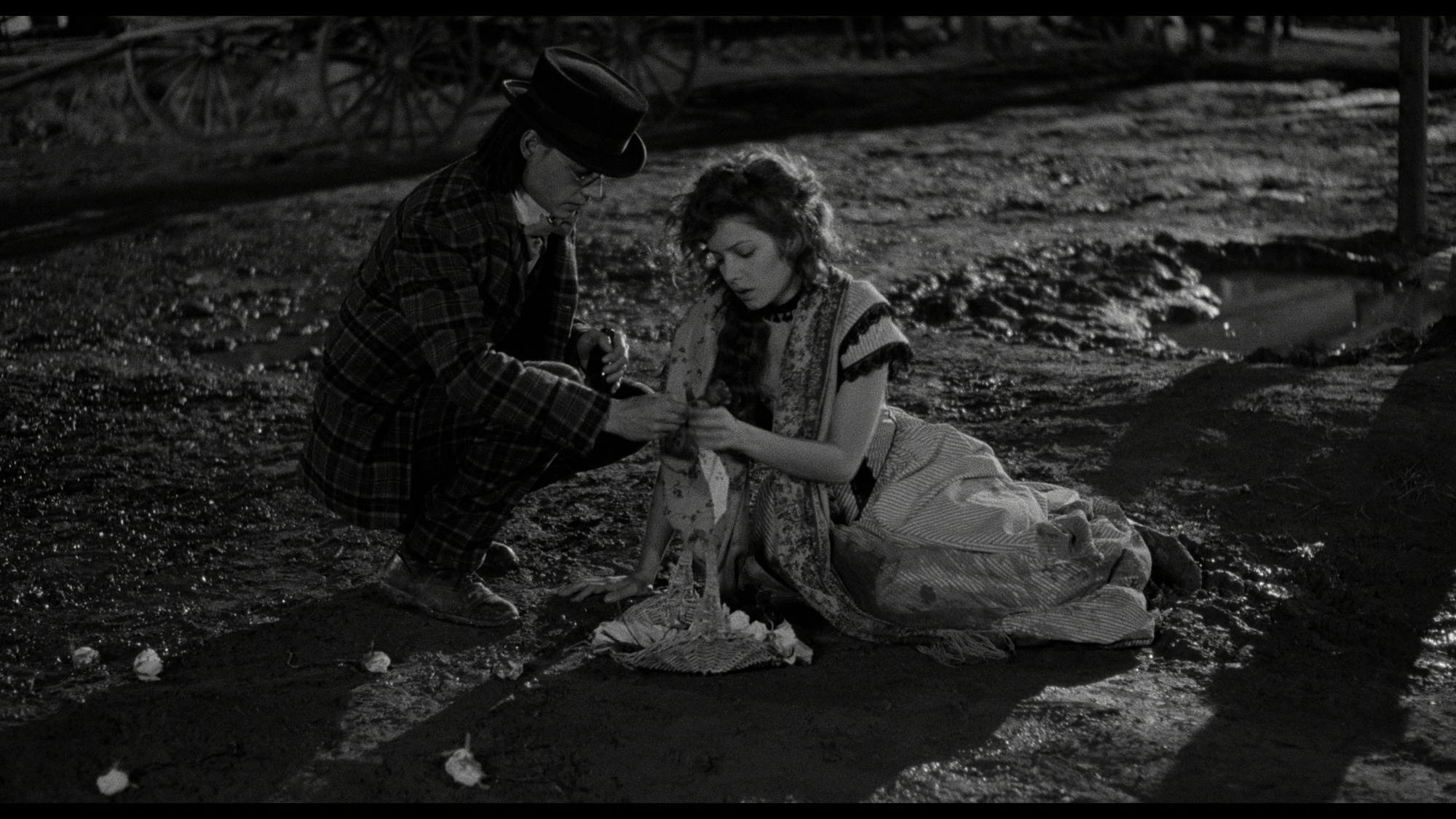
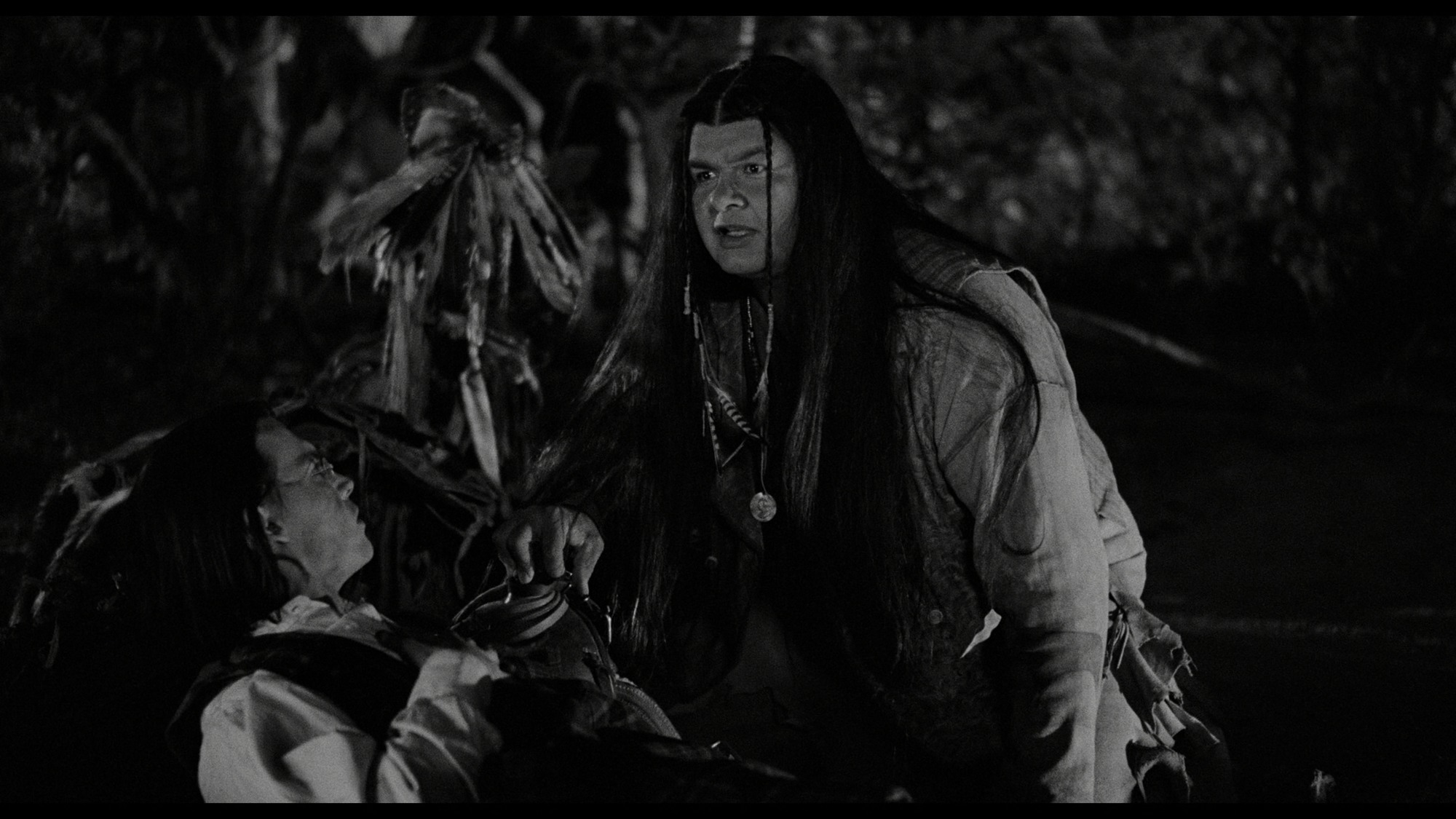
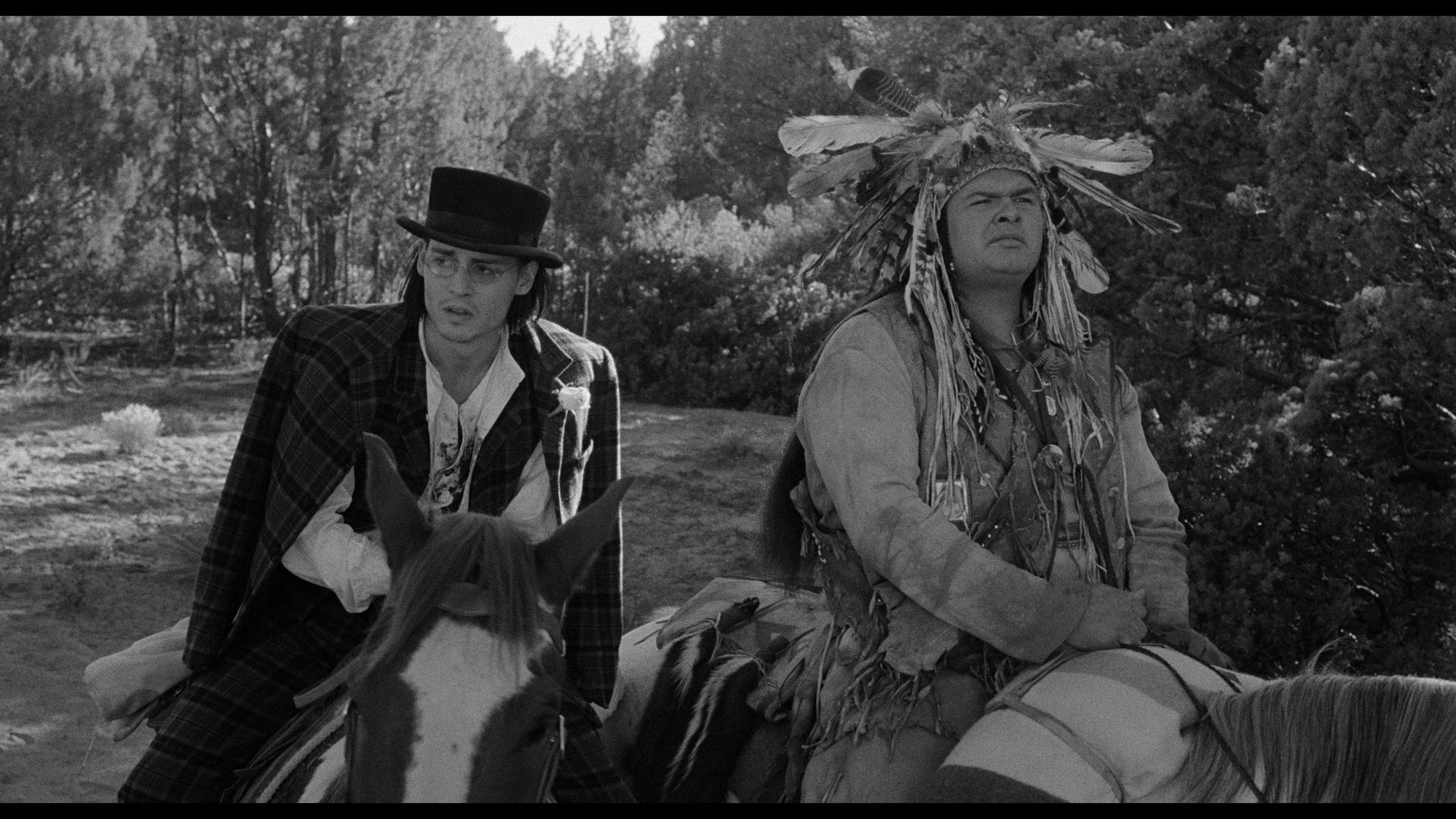
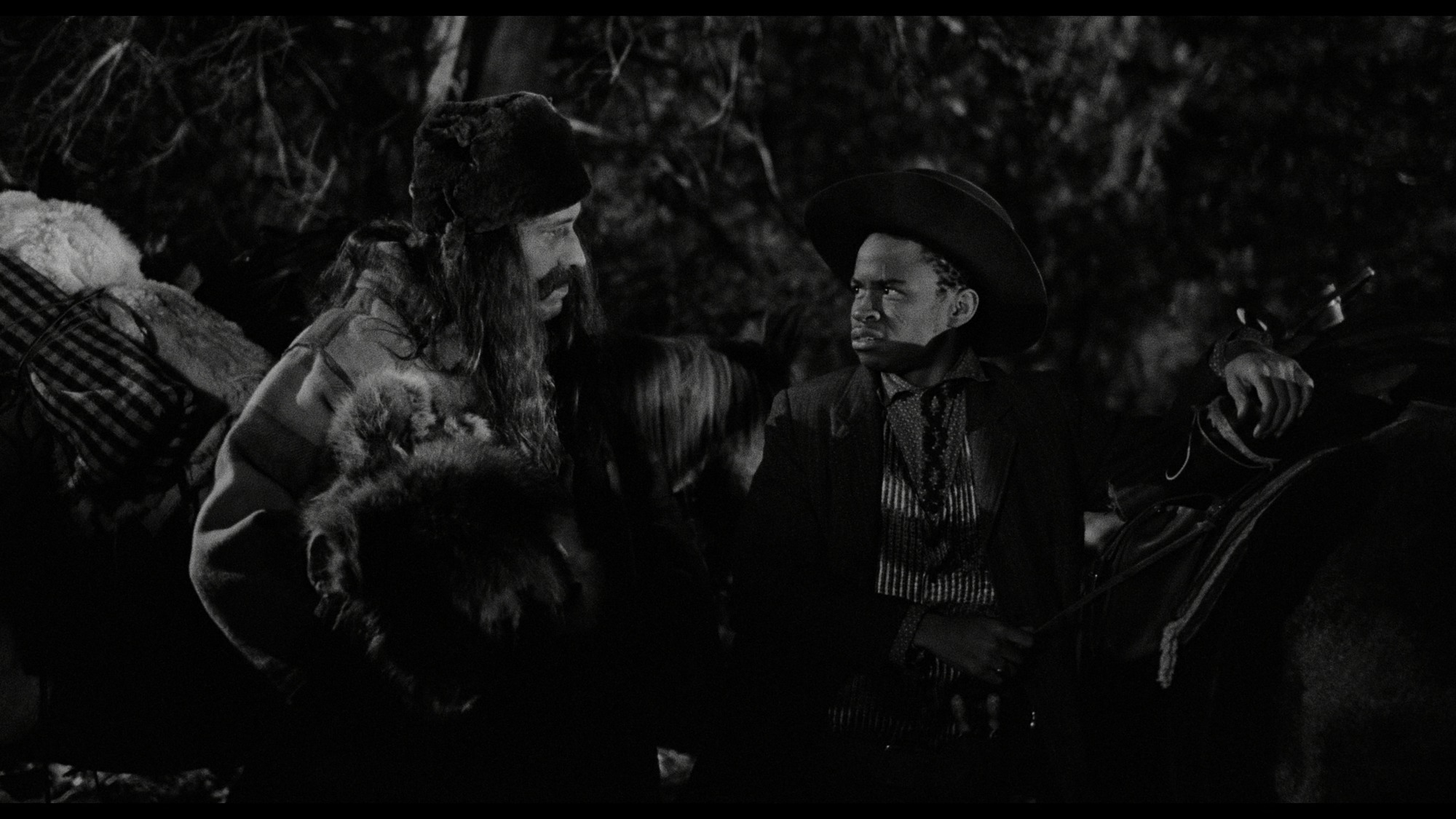
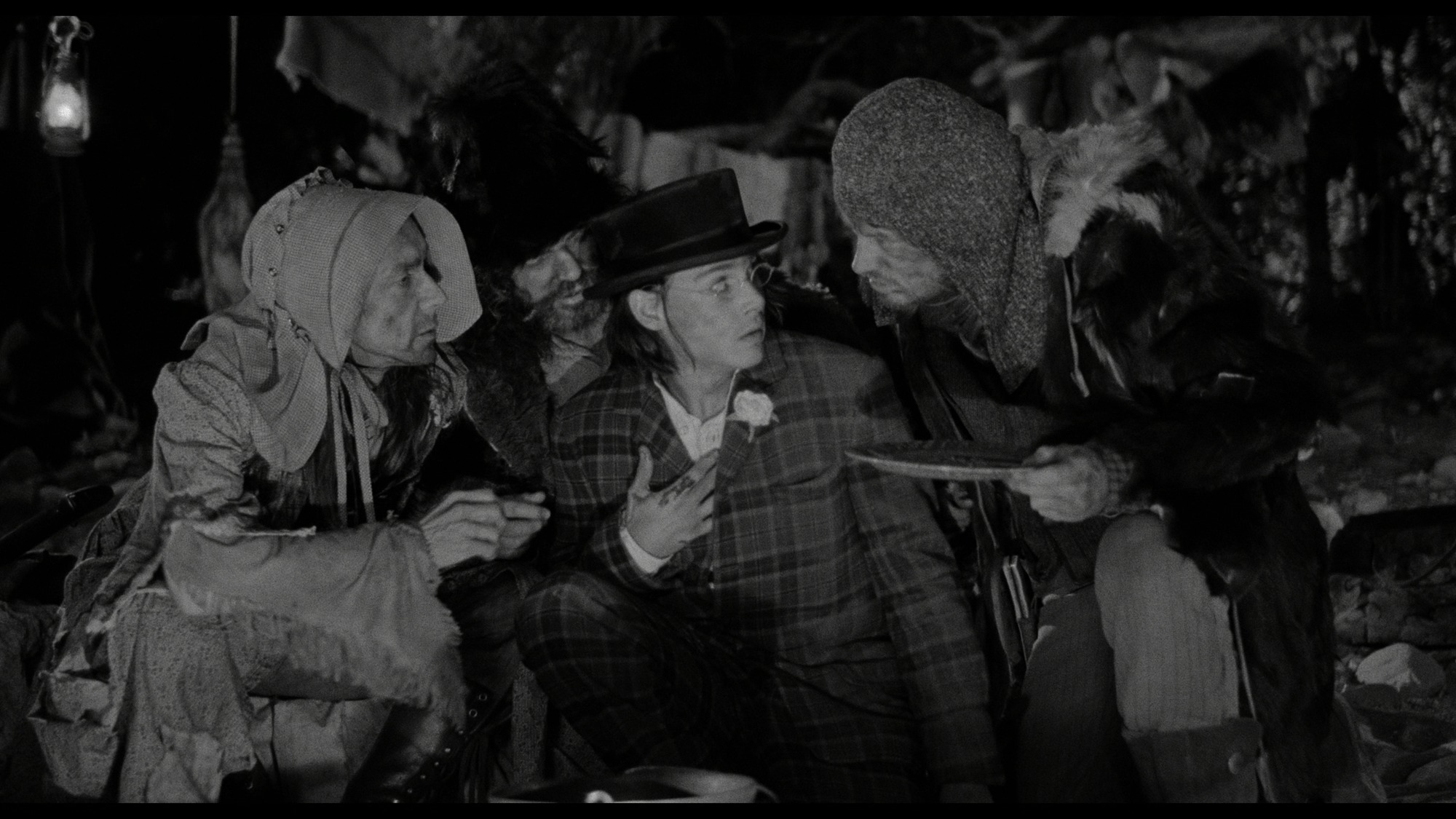
Audio 8/10
Criterion also appears to be using the same 2.0 surround soundtrack from the Blu-ray, again presented in DTS-HD MA. It remains a very strong track, with ample dynamic range and excellent fidelity throughout. Neil Young’s score fills out the soundfield effectively, complete with the same moments of distortion that seem intentionally baked in (and while I don’t entirely disagree with Roger Ebert’s criticism that it occasionally sounds like Young is simply dropping the guitar in the film’s final stretch, it still feels suiting).
Dialogue comes through clearly, gunshots have a satisfying pop, and overall fidelity is excellent. A 5.1 remix almost feels justified, but even so, this 2-channel presentation remains highly effective.
Extras 9/10
Criterion includes a standard dual-layer Blu-ray that is a direct port of the 2018 edition, meaning all previously included supplements have been carried over intact. This includes the select-scene audio commentary (also found on the 4K disc) featuring production designer Bob Ziembicki and sound mixer Drew Kunin, the two apparently recording separately via what still sounds like a video chat, with Ziembicki in Los Angeles and Kunin in New York. While there are some lengthy gaps, the commentary does span the entirety of the film and ultimately has more heft than most select-scene tracks. The two lean heavily into technical observations, discussing set construction, costumes, background details, and the challenges of finding suitable locations, particularly once winter began setting in. They touch on specific design choices, such as the life-size portrait of Mitchum’s character, and point out intended similarities between certain sets (notably how the town of Machine and the Native village were designed to resemble one another), while also addressing the research that went into the film.
Interestingly, the track doesn’t remain purely technical. Ziembicki and Kunin also offer their own interpretations of the film, comment on Jarmusch’s visual style, and even address some of the criticisms that have been leveled at Dead Man over the years, particularly regarding its violence. They explain why they don’t view it as gratuitous and what Jarmusch was aiming for thematically. Before first visiting it back in 2018 I expected a fairly skimpy and narrowly focused commentary given its “select-scene” designation, but it ends up being incredibly perceptive and genuinely engaging. The main drawback is that the dead spaces are (still) not cleanly edited around chapter stops, making it difficult to skip ahead when things go quiet. Some of these gaps can be fairly long, though the participants still manage to speak over most of the film.
Also included on the Blu-ray is Jarmusch’s Q&A feature created for the 2018 edition, in which the director answers questions submitted by fans to Criterion in late 2017. A total of 31 questions are covered over 48 minutes. Several contributors wrote in, including Bill Hader and director Alan Arkush (of Caddyshack II fame), with Hader asking if he could appear in one of Jarmusch’s films, which I'm pretty sure still hasn't happened. The feature is consistently fun, with Jarmusch playing along with joke questions (“have you seen my glasses?”), answering the inevitable favorites (“favorite food,” “favorite Earth, Wind & Fire song,” “favorite Dolemite movie,” etc.), and engaging more seriously with questions about Dead Man’s themes, casting decisions, and creative choices. He also fields questions about Robert Mitchum, recalling fond memories of working with the actor and admitting to being a bit starstruck, as well as addressing Miramax and Harvey Weinstein’s push to cut the film, demands Jarmusch, unsurprisingly, refused. It’s a terrific feature, and a great bit of fun, and I like that, even behind his dry delivery, he comes across as genuinely touched whenever someone compliments his work.
As strong as that Q&A is, the standout supplement remains the interview with actor Gary Farmer, which is still one of my favorite interviews of this type. Running 27 minutes, Farmer covers a wide range of topics, including his early acting career, developing his own creative voice, how he came to work on Dead Man, and his collaboration with Jarmusch. He also discusses meeting Neil Young (and, by the sound of it, helping to get him involved with the film), as well as the ongoing challenges of being a Native actor in the industry, describing how he’s often treated as an “outsider.” He even briefly touches on Ghost Dog, which Criterion would later release in 2020. It’s an honest, funny, and deeply insightful conversation, and still, for me, the absolute highlight of the release.
Criterion also includes three audio recordings featuring Iggy Pop, Alfred Molina, and Mili Avital reading from the work of William Blake over location photographs. Running just over seven minutes, Pop reads from Proverbs of Hell, Molina from The Everlasting Gospel, and Avital from Auguries of Innocence. This is followed by 15 minutes of deleted scenes, sourced from video. While there are some extended moments featuring Depp and Farmer, most of the unused material centers on the bounty hunters played by Eugene Byrd, Lance Henriksen, and Michael Wincott. One particularly lengthy scene shows the full fate of a character whose death is only briefly suggested in the finished film. These appear to be the same deleted scenes included on earlier editions.
Also included is roughly 25 minutes of footage showing Neil Young recording the score. Still fascinating to watch, Young is set up in a warehouse with a rough cut of the film playing across multiple screens, moving from instrument to instrument and improvising the score on the spot, apparently over just two sessions. A music video is also included, combining footage from these recording sessions with clips from the film. An alternate audio track features Johnny Depp reading from Blake’s The Marriage of Heaven and Hell, though Depp doesn’t begin reading until about a minute and a half in.
The disc closes with a photo gallery titled Black and White in Color, featuring a collection of production and crew photos, most presented in color (with Depp’s suit looking even more ridiculous here), followed by the film’s original theatrical trailer. The included booklet rounds things out with two essays: one by Amy Taubin on the film’s poetic style and how it fits within Jarmusch’s body of work—arguing it has more in common with Stranger Than Paradise than any of his other films—and another by Ben Ratliff examining the film’s distinctive score.
One minor complaint worth noting concerns the menus on the 4K disc. They exhibited noticeable lag during navigation, and the font used for notes appears different than usual and doesn't fit the usual aesthetic. It’s hardly a dealbreaker, but it did prove mildly aggravating at times. (Criterion appears to be using Pixelogic for this release rather than NexSpec, which may account for the change.)
While it’s still disappointing that Criterion couldn’t secure any new interviews with additional cast members, this remains a solid and substantial set of supplements overall, well worth going through for anyone who hasn’t already done so.
Closing
A decent upgrade overall, with a very nice presentation, though not a particularly significant one.
BUY AT: