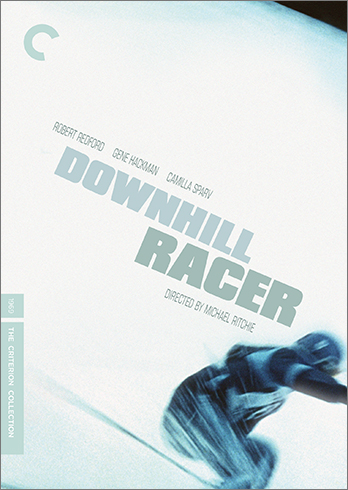
Downhill Racer
BUY AT:


See more details, packaging, or compare
Synopsis
Astonishing Alpine location photography and a young Robert Redford in one of his earliest starring roles are just two of the visual splendors of Michael Ritchie's visceral debut feature, Downhill Racer. In a beautifully understated performance, Redford is David Chappellet, a ruthlessly ambitious skier competing with an underdog American team in Europe for Olympic gold, and Gene Hackman provides tough support as the coach who tries to temper the upstart's narcissistic drive for glory. With a subtle screenplay by acclaimed novelist James Salter, Downhill Racer is a vivid character portrait buoyed by breathtakingly fast and furious imagery that brings the viewer directly into the mind of the competitor.
Picture 9/10
Criterion presents Michael Ritchie’s Downhill Racer in its original aspect ratio of 1.85:1 on this dual-layer disc. The image has been enhanced for widescreen televisions.
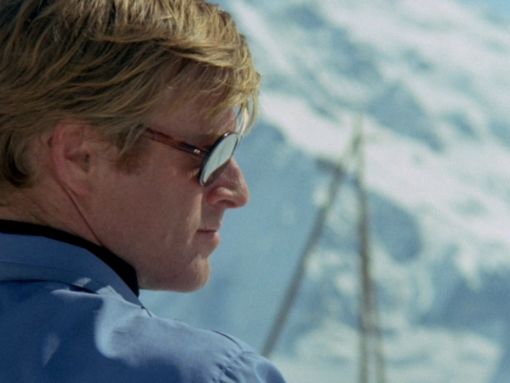
Again Criterion surprises me. The image on here looks rather spectacular, especially for a film that’s forty years old. The digital transfer itself is about flawless, presenting a consistently sharp image with a stunning amount of detail. Colours are bright and vivid, beautifully saturated. The white snow is bright but not overly so, never blooming or blinding.
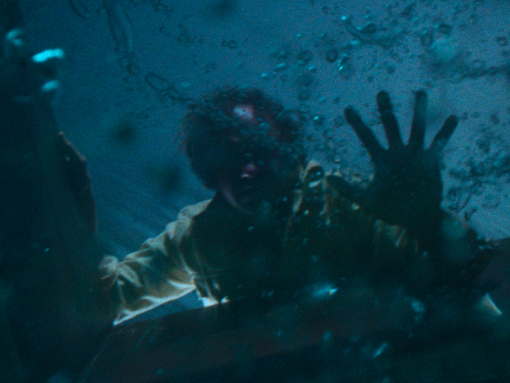
The print is in surprising shape as well, though has a few issues that can probably be blamed on shooting conditions. A majority of the film is clean of debris or marks, but some of the skiing sequences, where snow is being thrown around, present some problems. Large yellow/orange spots appear on occasion and debris can suddenly rain through and then disappear. It’s fairly heavy at the beginning but less common through the remainder of the film. It’s not a big deal and most of the film is clean, but that only makes the occasional flaw stand out more.
Despite this issue it’s a beautiful transfer and it would have looked stellar on Blu-ray. Hopefully Criterion will be able to release it on the format sometime in the future.
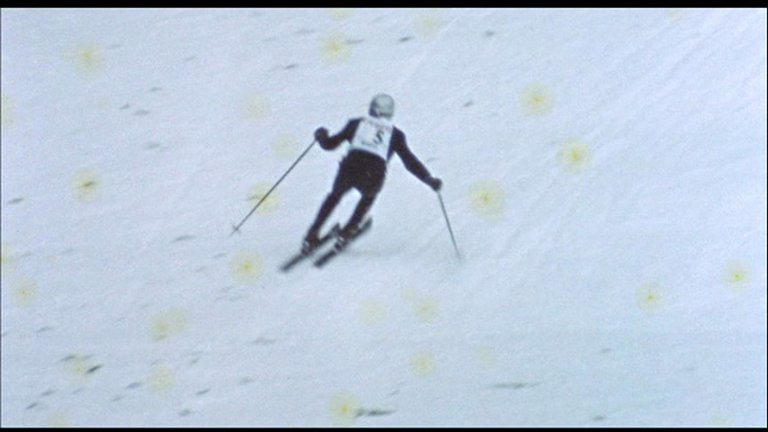
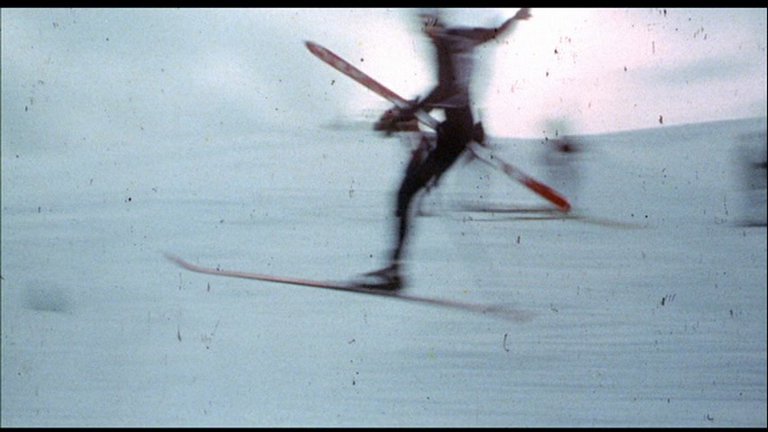
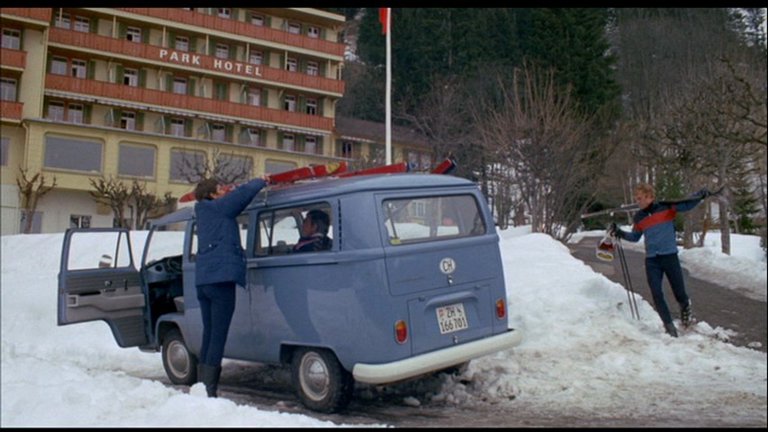
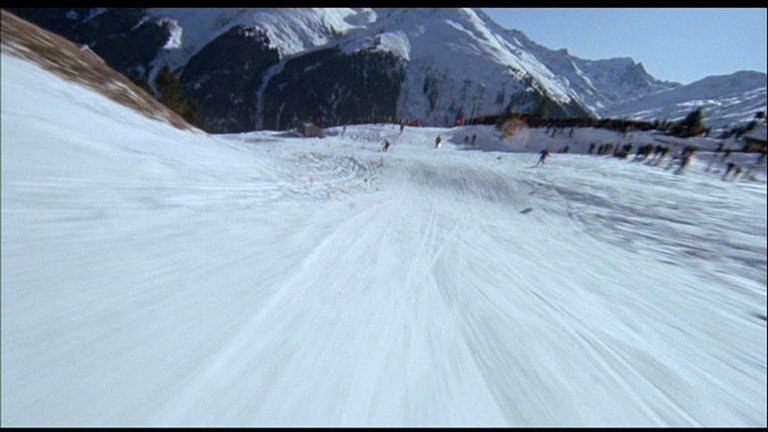
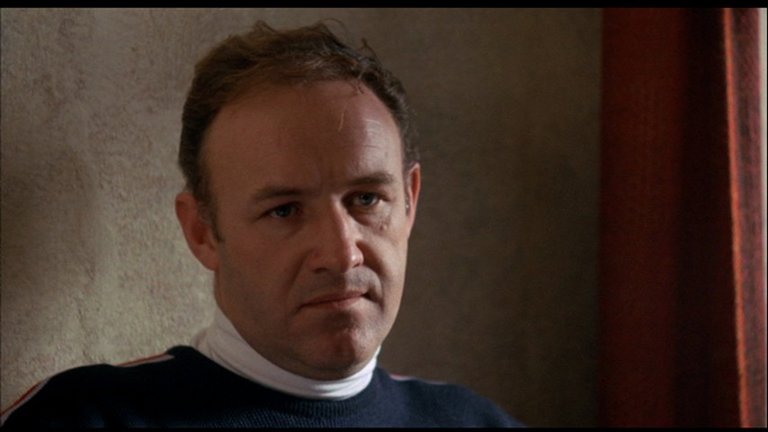
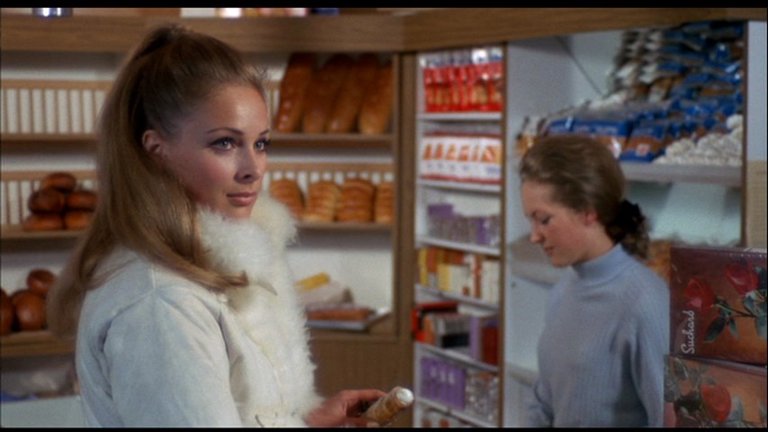
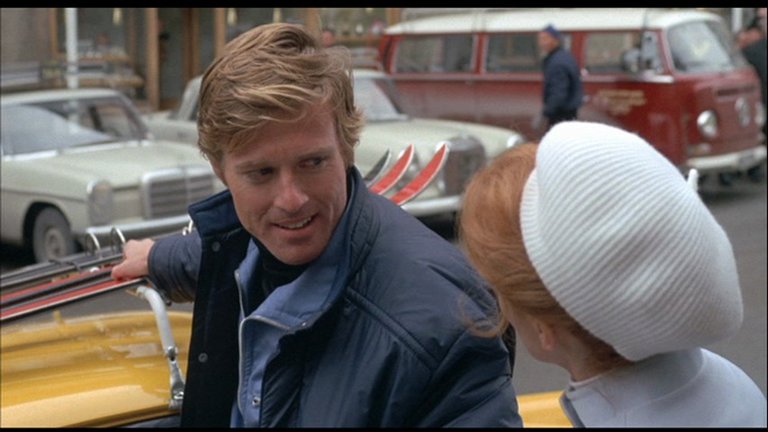
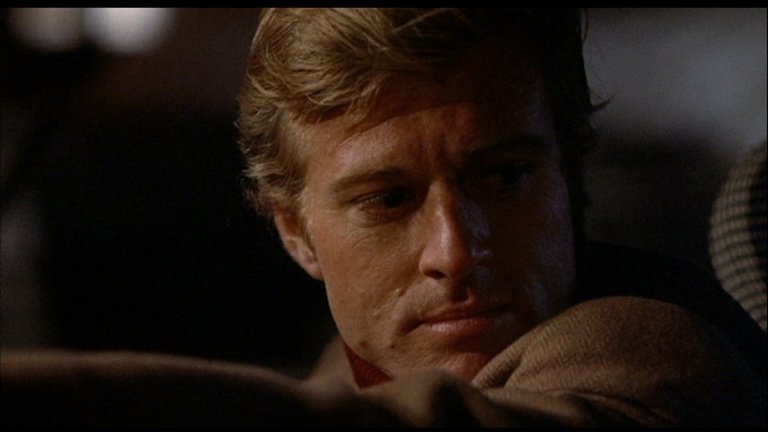
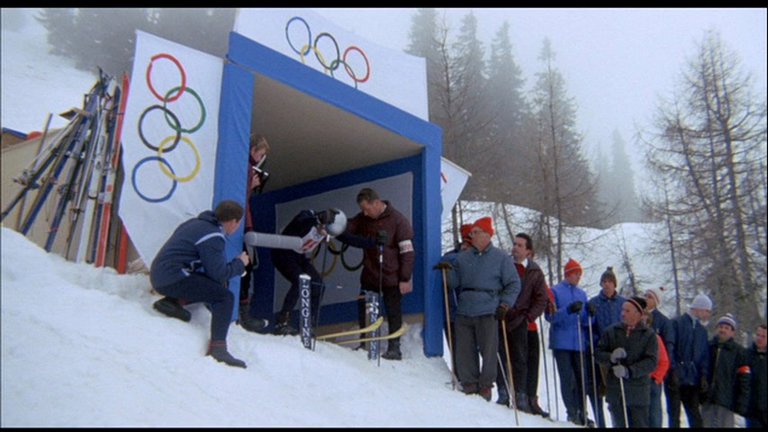
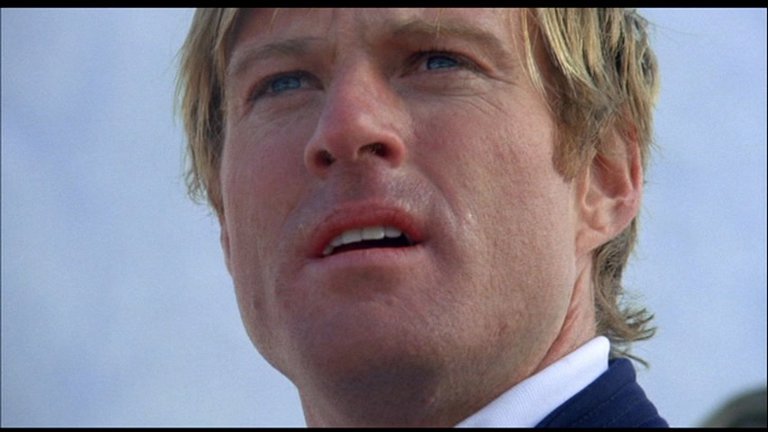
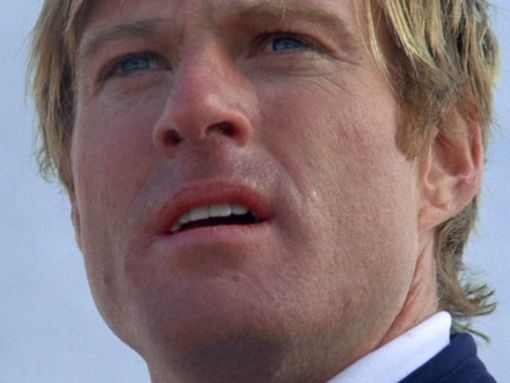
Downhill Racer - Screen Captures
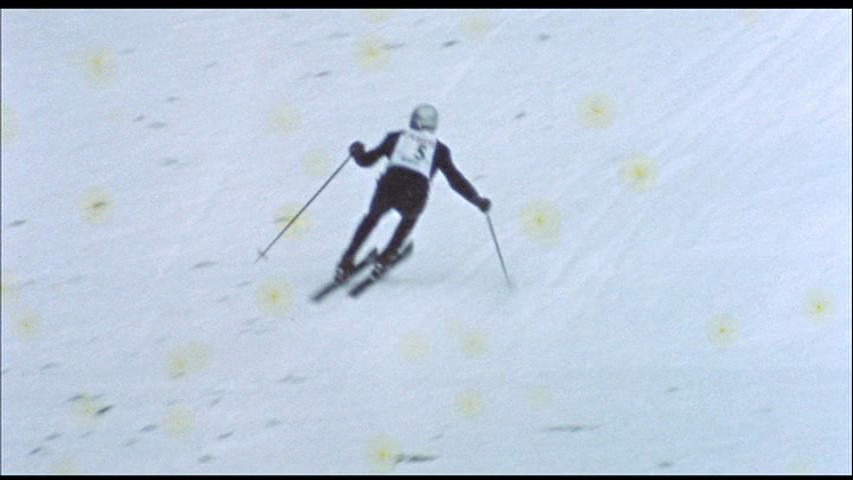
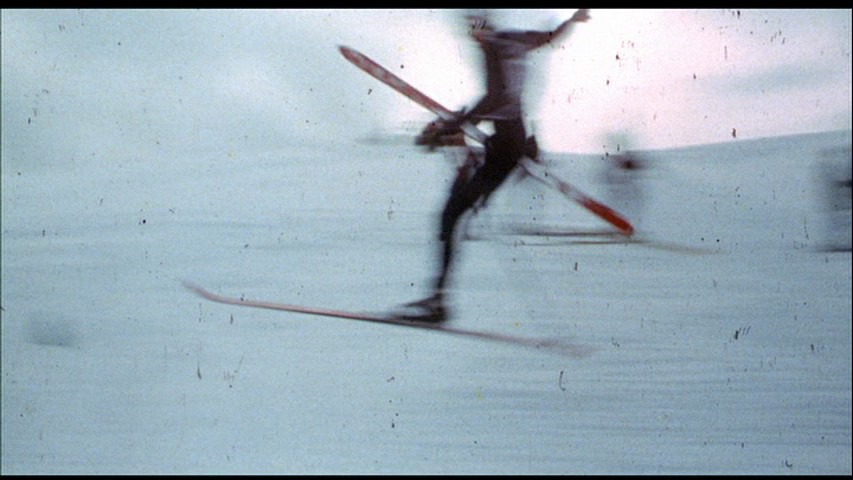
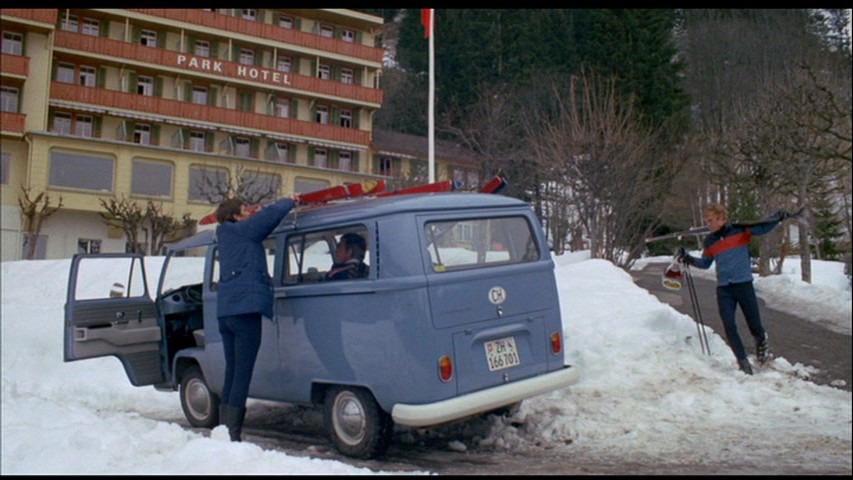
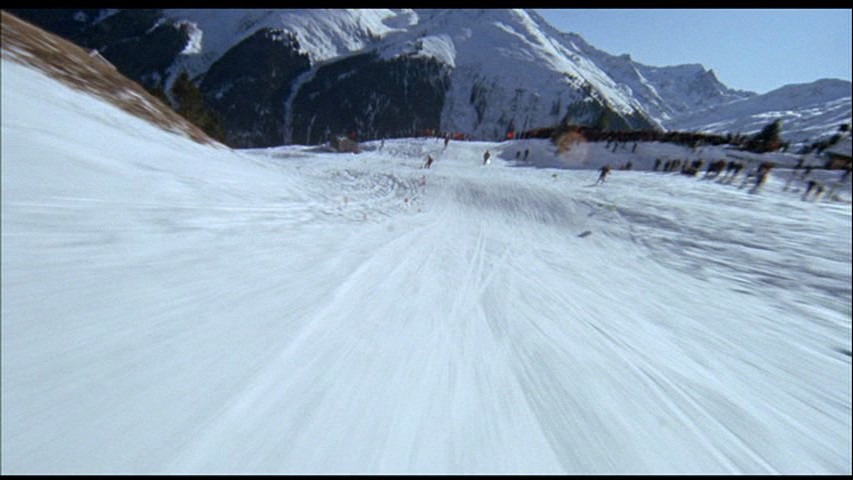
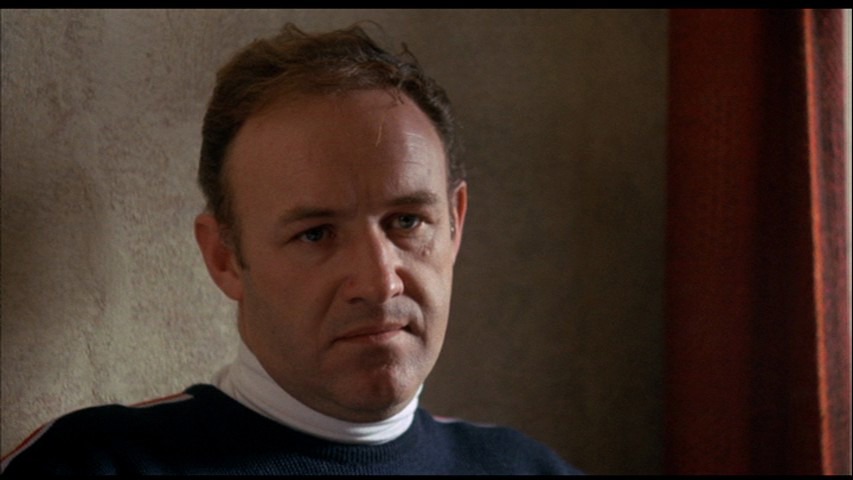
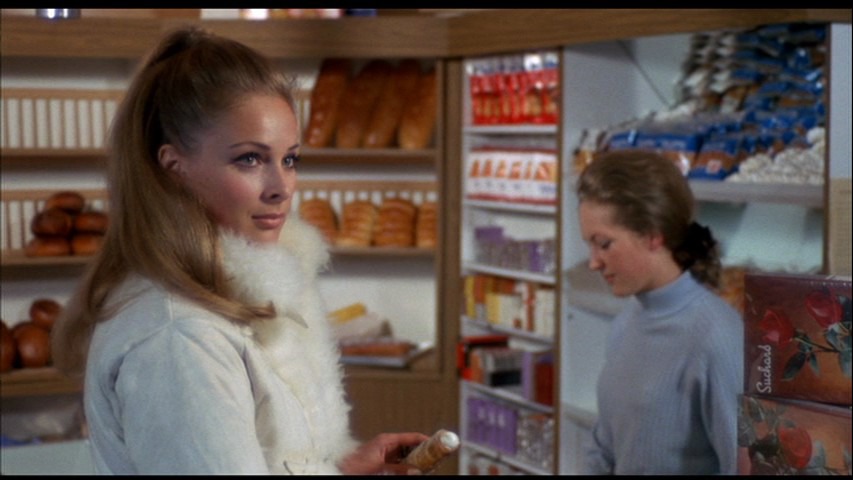
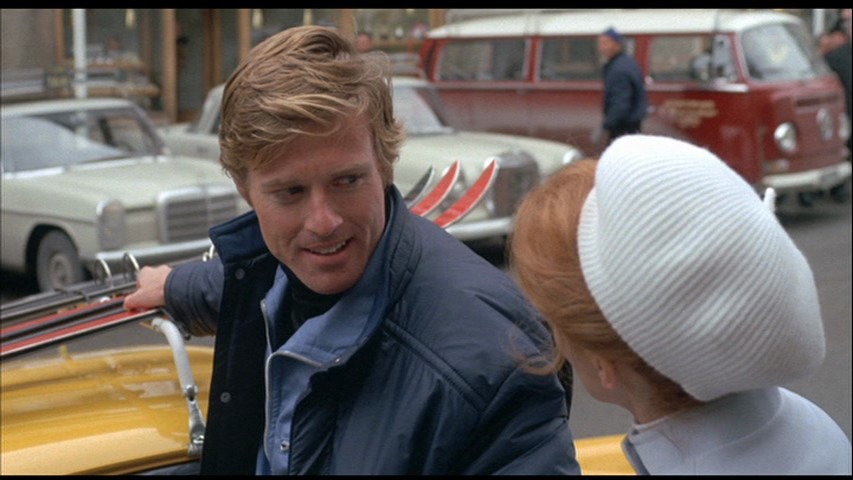
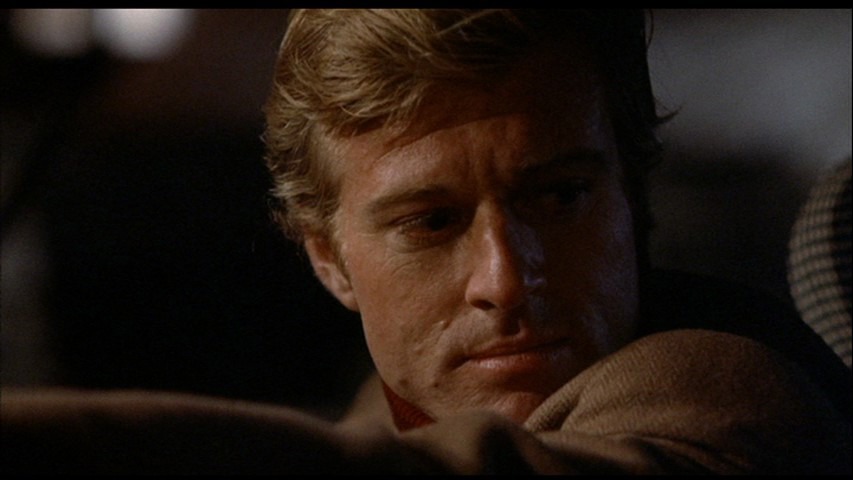
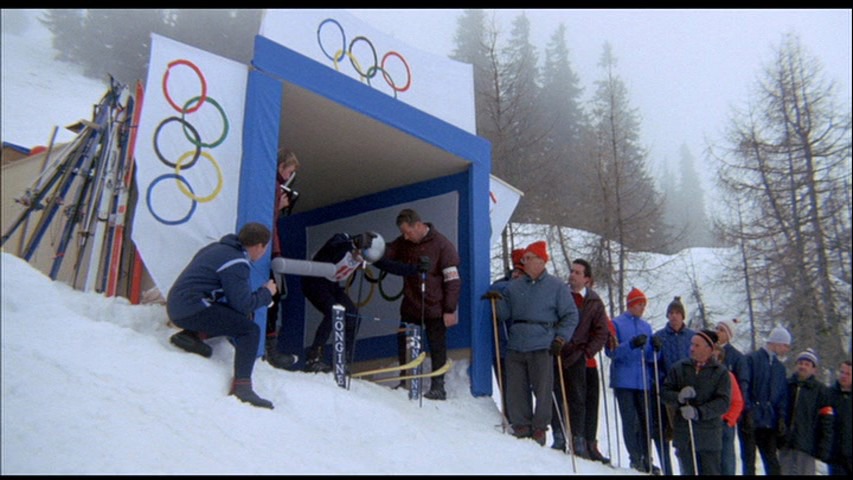
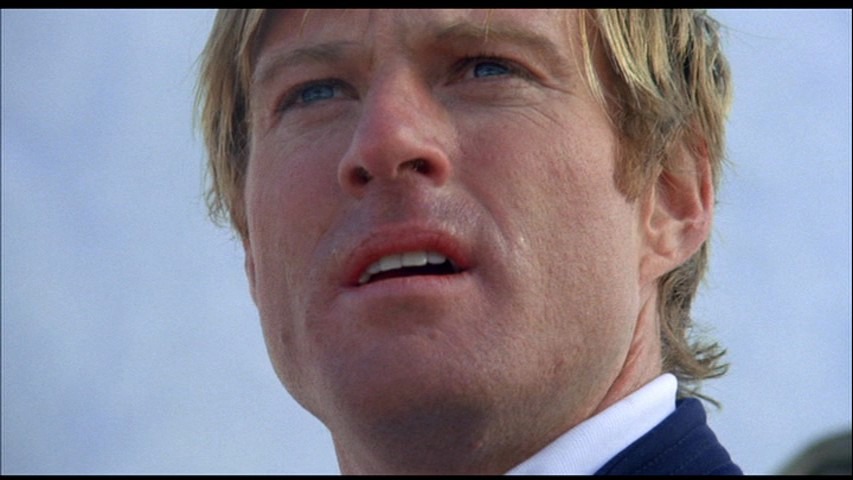
Audio 7/10
The DVD’s Dolby Digital 1.0 mono track is quite nice for what it is. It’s clean and free from noise and scratches, dialogue sounds crisp and clean, as do effects and music, and there’s some great range to it as well. A unexpectedly strong mono track.
Extras 8/10
This is a lower tier Criterion release, only containing a few supplements, but all taken together they create an exceptionally thorough examination at the film.
Up first is a great 34-minute interview with Robert Redford and writer James Salter. This interview covers the making of the film from its early inception to the years of trying to get it made to its eventual release. There are quite a few surprises to be found in here, with mention that Roman Polanski was first considered a possible director, who was working with Paramount on Rosemary’s Baby at the time. He was interested in the film and Paramount was even willing to finally push the film through for Redford if he played the husband in Rosemary’s Baby (the role that eventually went to John Cassavetes.) Redford didn’t like this and eventually all of that fell apart. After some more convincing from Redford, Paramount finally gave in, gave him a budget, and Redford found the perfect director in Michael Ritchie, who had only previously done work for television. Both Salter and Redford talk about the script, the eventual changes (there was quite a bit of improvisation) and the ending, which was changed from the script, though I have to admit I think the new ending (which Redford admits is more commercial) probably works better than what Salter envisioned thanks to how it’s handled, actually adding a little more onto the character Redford plays than the original ending probably would have (even Salter gives a hint he agrees the new ending is probably better.) Redford then reflects on his disappointment at how Paramount just dumped the film. It’s an excellent interview, the best feature on the disc, and it’s nice Redford was able to participate in this DVD release.
The second interview is more technical, a 29-minute interview with editor Richard Harris, production manager Walter Coblenz, and former downhill skier Joe Jay Jalbert. Harris talks about what he focused on when editing the film together, trying to flesh the characters out as best he could, even recalling a story where he was able to fool the powers that be who requested a tighter edit of one scene, and Coblenz offers a bit on the shoot, but it’s Jalbert who has most of the running time, and also offers the more interesting facts about the production. He gets into the details about the stunt work, the ski footage (even breaking down one race sequence, recalling where each shot was filmed – the film’s race sequences were edited together from footage taken from multiple locations) and then his promotion to camera man, where he would help in filming some of the POV shots. It’s unfortunate this is only a “talking heads” piece with very little footage but it’s still a rather good interview segment, further expanding on the Redford/Salter piece. There’s also a sub section found here under Info, which gives a short note on the careers of the participants after Downhill Racer.
A surprising feature are the hour’s worth of audio excerpts from a Q&A session with Michael Ritchie at AFI. In these recordings from 1977 he talks about his early career on television and then his move to film. He talks about how almost all of his films deal with competition, though he insists it’s a coincidence. He talks about films he wanted to get off the ground but never did, including what sounded like a promising film about the murder of the three civil rights activists in 1964, which he said he wanted to make in a similar fashion to Costa-Gavras. He also talks about certain aspects of his films (including the original ending of the Bad News Bears,) his favourite directors (mentioning Ken Loach and Peter Watkins,) and then some of his favourite films (The Third Man and Privilege to name a couple.) Surprisingly there’s only a little about Downhill Racer. It’s a decent, candid session with the director, and a rather nice find by Criterion for this release.
Next are a couple of PR pieces. First is the theatrical trailer, which is typical of the period. And then finally there’s a 12-minute featurette called How Fast?. Redford mentions in his interview on this disc that he had to make a short 14-minute film made up of skiing footage to help convince the heads at Paramount to make the film. I suspect some of that footage is found here but I don’t believe this is the piece he was referring to. With narration by Redford it begins with ski footage and then goes to behind-the-scenes footage from the shoot along with clips from the film. It’s pure publicity but there’s some good footage in here, particularly some of an early attempt at filming the skiing scenes using a toboggan, which was eventually abandoned. It’s a better making-of PR piece than most and worth viewing.
The release then concludes with a booklet featuring an essay by Todd McCarthy, which pretty much encompasses all of the key points found throughout the disc supplements, and then expands on Michael Ritchie’s late career.
No commentary but I was quite satisfied with the supplements here. I was actually surprised by the film, not exactly what I was expecting, and I enjoyed it, but after going through the supplements I found an even better appreciation for it. A very thorough collection of supplements, far better than anything I’m sure Paramount would have bothered with.
Closing
Downhill Racer is an odd film for Criterion to release but they put in the same amount of effort they would with most other films. The transfer, despite a couple of problems, is a stunning looking one, and the supplements were all quite informative and worth the time going through, altogether making for a pleasant surprise.
BUY AT: