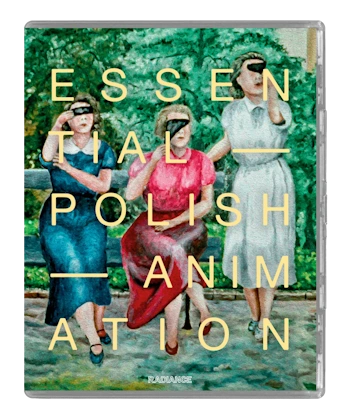
Essential Polish Animation
BUY AT:



See more details, packaging, or compare
Synopsis
Polish animation, influenced by jazz, poster design and collage, took off in the late 1950s when artists found creative freedom in the wake of Stalin’s death. Pioneering filmmakers like Walerian Borowczyk and Jan Lenica would change the form and usher in a golden age of filmmaking that would enable this art form to be appreciated around the world including winning prestigious international awards at festivals such as Cannes, Annecy, Oberhausen and an Oscar for Rybczyński’s Tango. This collection of 27 films spans the breakthrough works of the late 1950s to the close of the classic era in the 1980s, capturing some of the form’s essential films.
Picture 9/10
Radiance Films assembles a wonderful new release exploring the early history of Polish animation with the 2-disc Essential Polish Animation. The set presents 27 animated shorts across two dual-layer Blu-rays, grouped into four eras: “Pioneers,” “The Golden Age,” “The Silver Age,” and “End of an Era” (titles will be listed in the supplement section). The films are presented in various aspect ratios—mostly 1.37:1, with a few in 1.66:1, 1.78:1, 2.00:1, and one in 2.35:1—and all are encoded in 1080p/24hz high definition. Though a UK release, both discs are region-free and compatible with North American players.
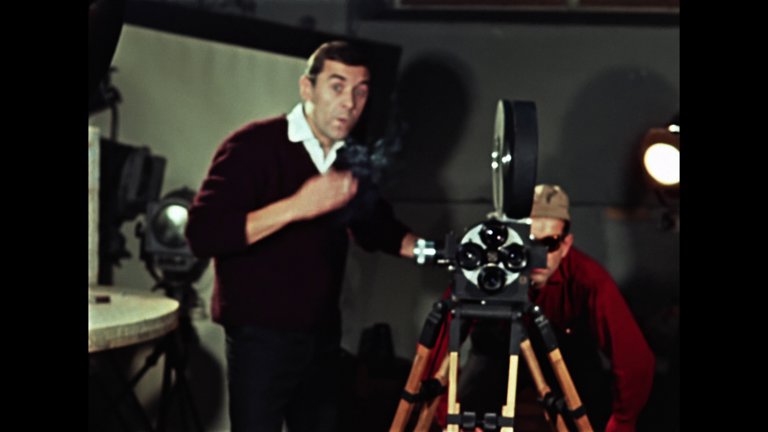
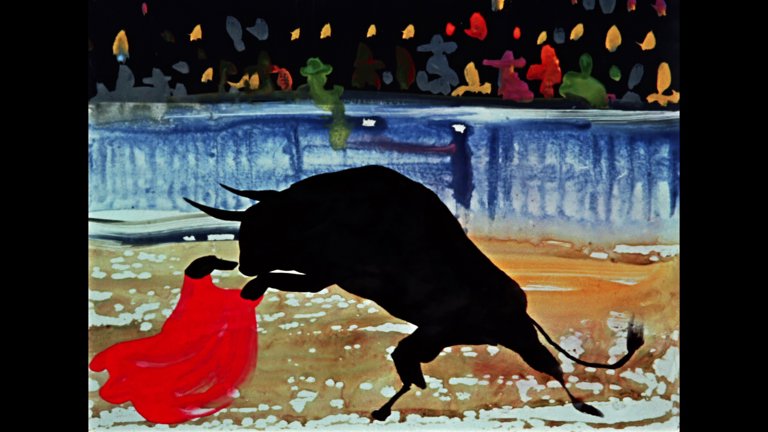
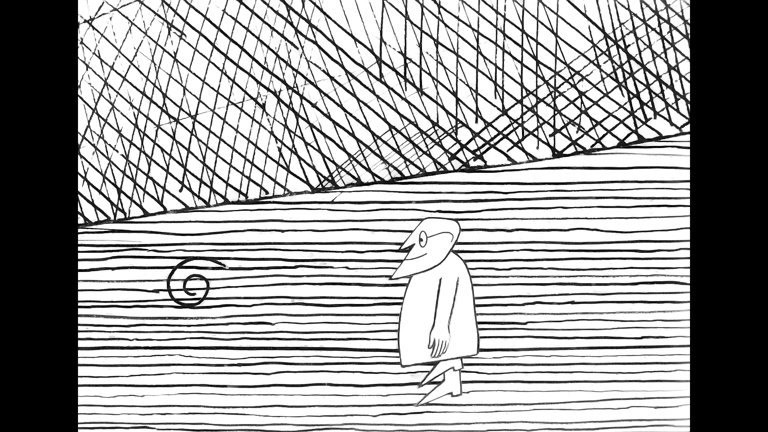
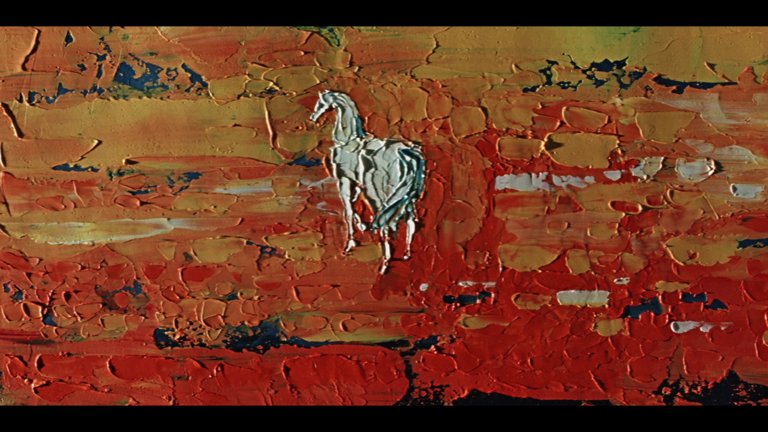
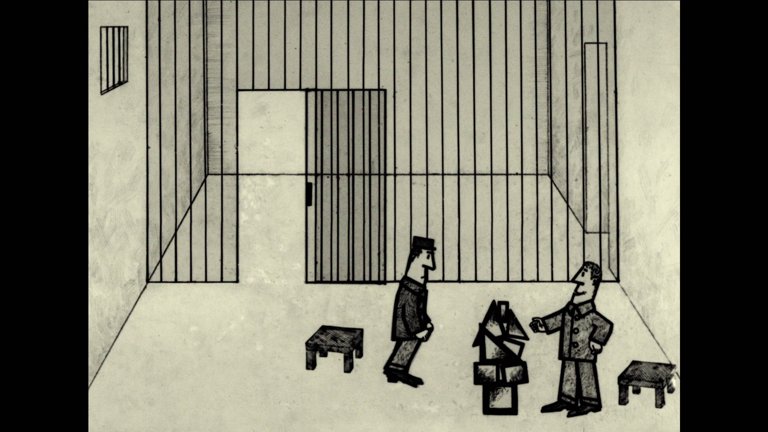
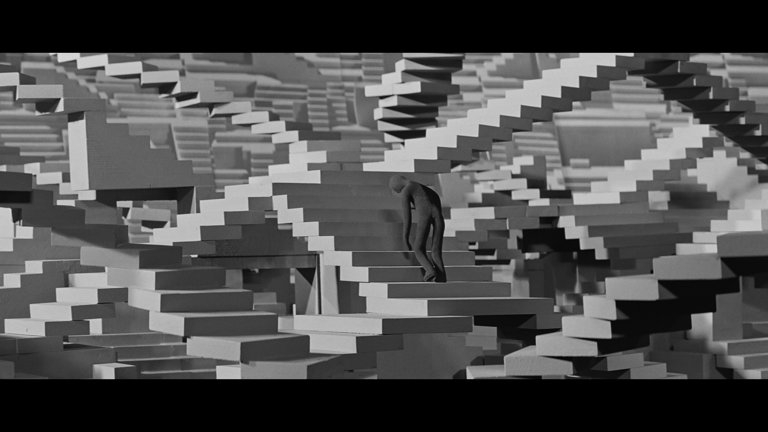
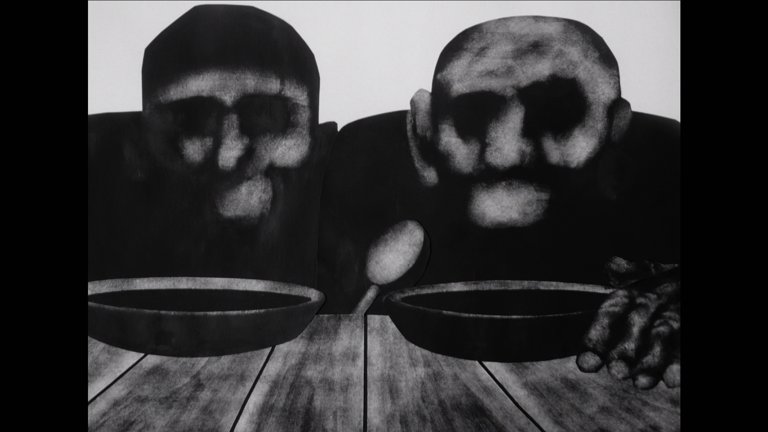
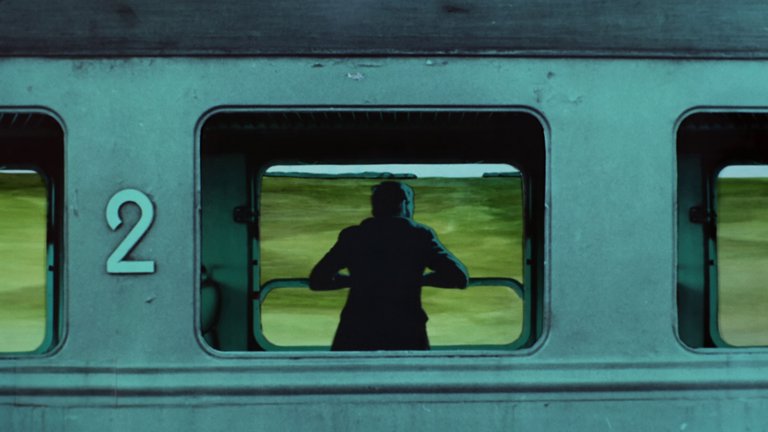
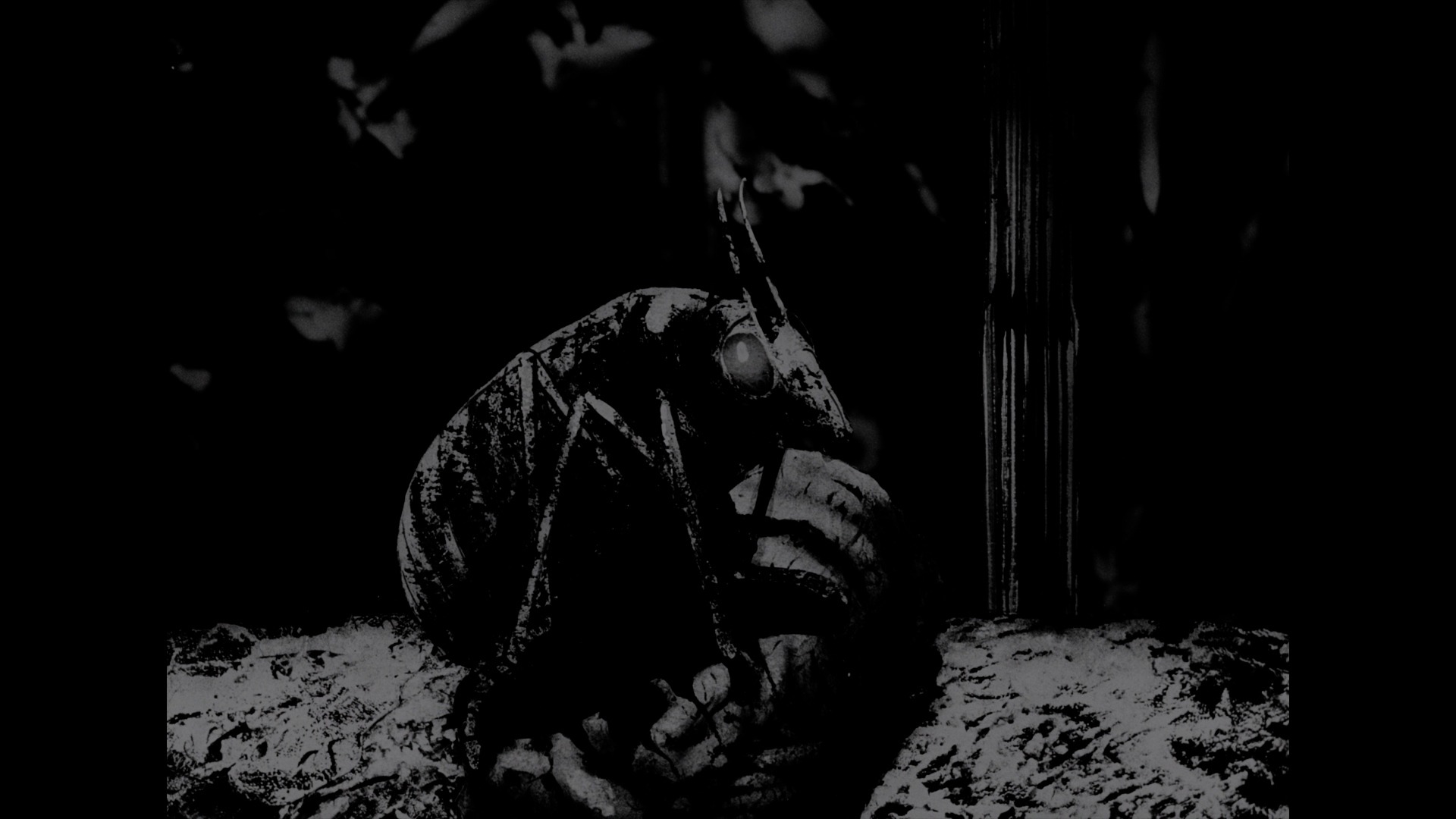
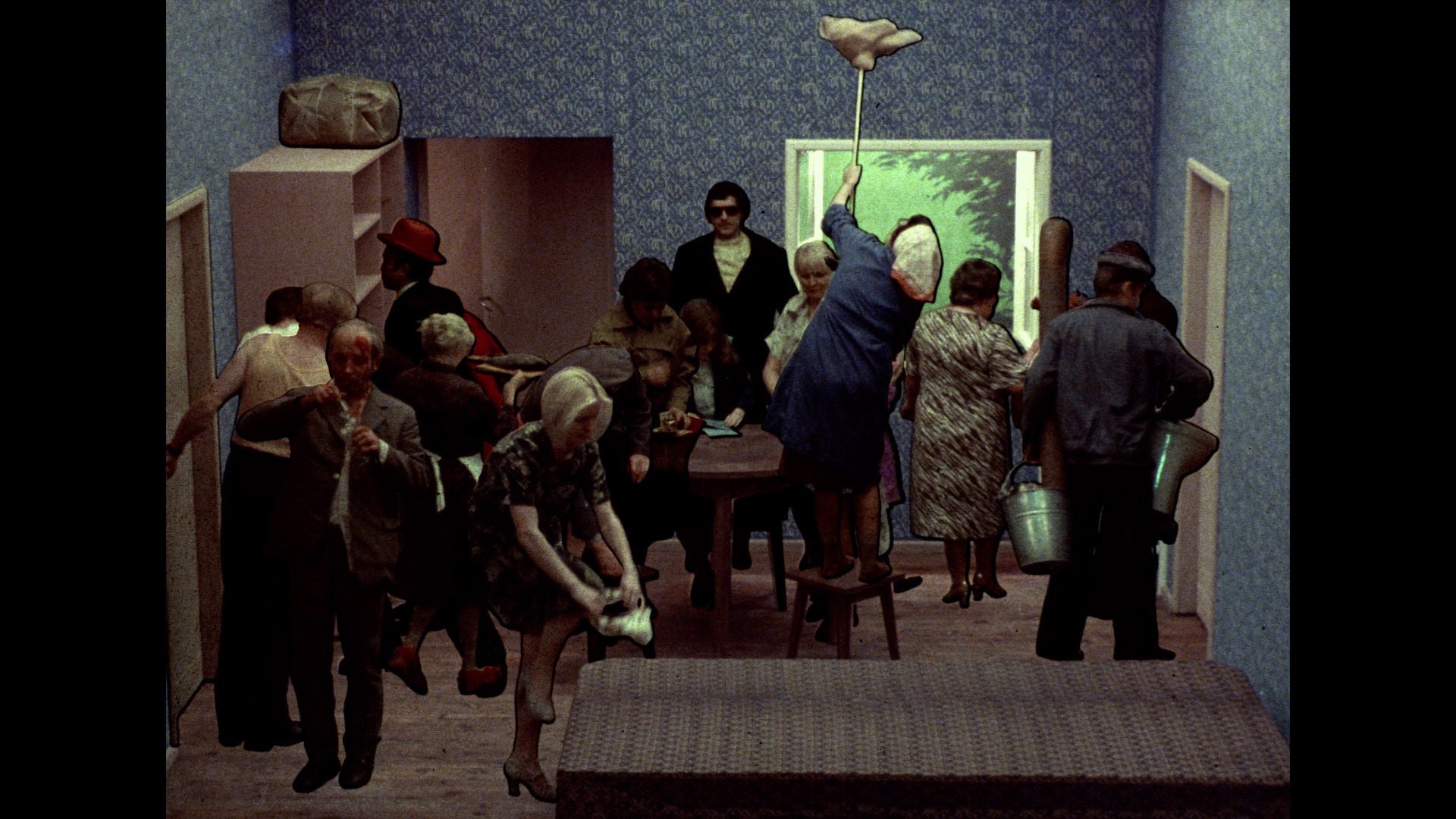
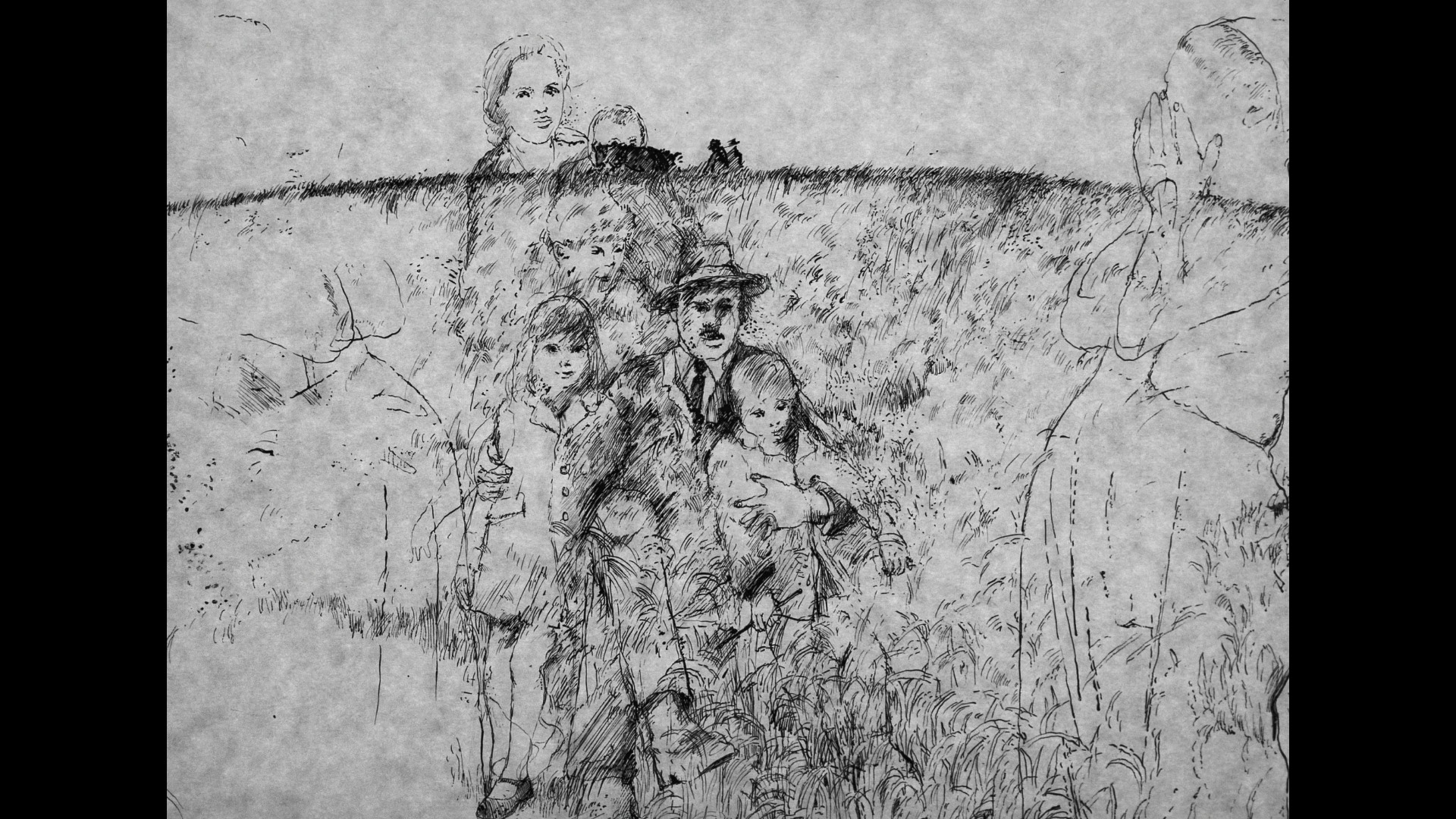
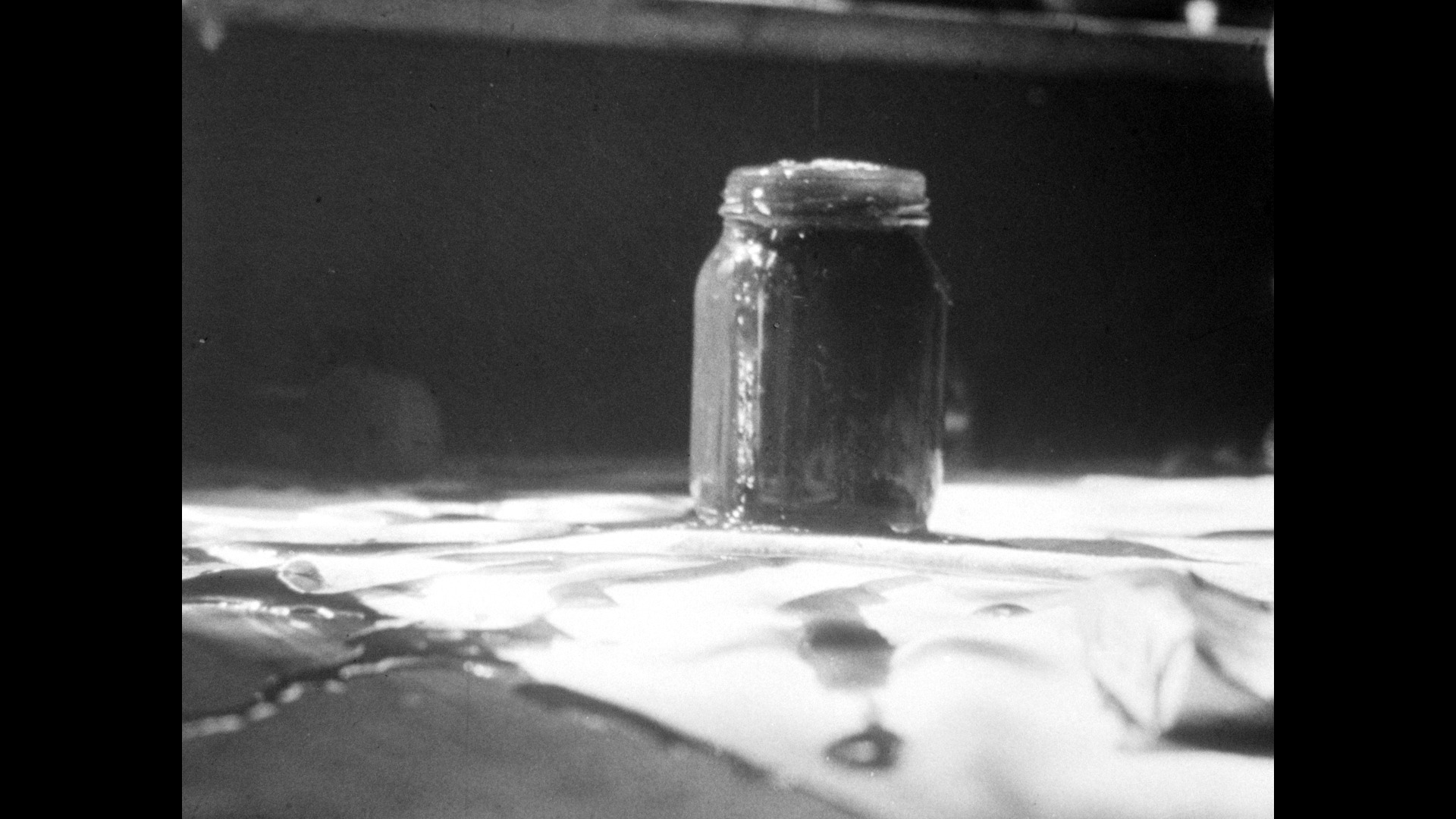
According to the notes, all 27 films were restored and transferred to 2K digital files by Filmoteka Narodowa and WFDiF, with Radiance presenting the results more or less as-is. Thankfully, they look quite wonderful. A couple of titles, like The Source, still show some scratches or mild wear, though in some cases the effect is likely intentional (as in the entirety of Banner of Youth). Otherwise, the restorations are exceptional, with most damage and blemishes cleaned up. Detail levels are frequently outstanding, which helps beautifully render the finer linework in some of the more intricate animations (such as Solo in a Fallow Field). Color and grayscale range are also impressive, especially in the work of Jerzy Kucia, which feature rich black levels, fantastic shadows, and subtle tonal shifts. Even films with heavy optical layering (Tango in particular) look crisp and clean.
Radiance’s encodes are solid across the board, with no notable artifacts. Any issues appear to stem from the source files themselves. For instance, animations with tighter linework, like Everything is a Number, can show some slight shimmer along diagonals, but the effect is mild and never distracting. On the whole, these presentations maintain a pleasing, film-like texture, and digital artifacts aren’t a concern.
Altogether, it’s a terrific set of presentations; beautifully restored and faithfully delivered through excellent encodes.
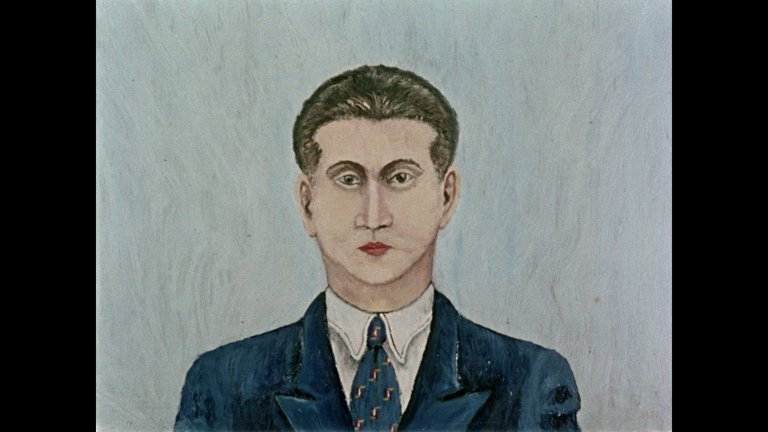
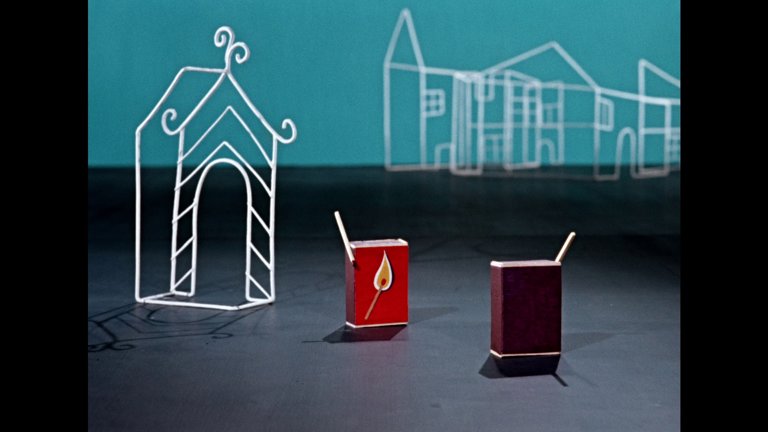
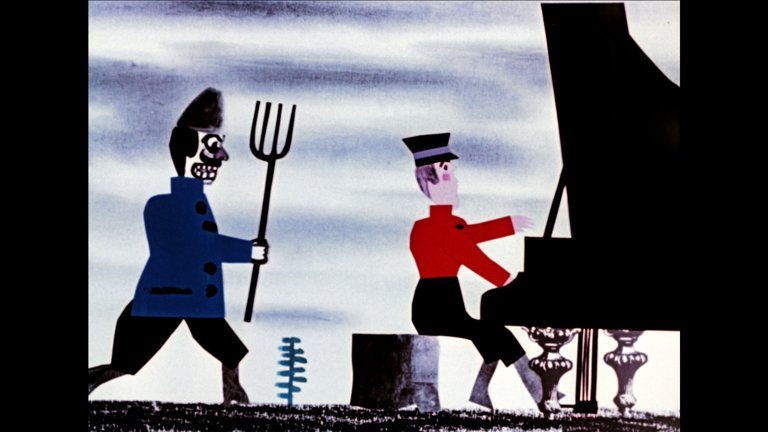
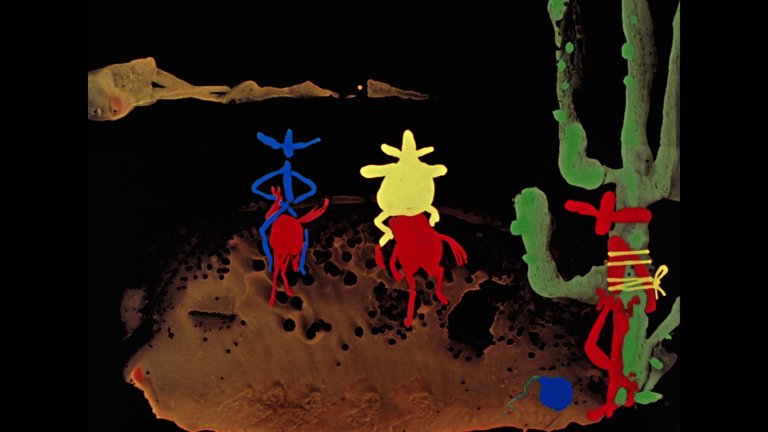
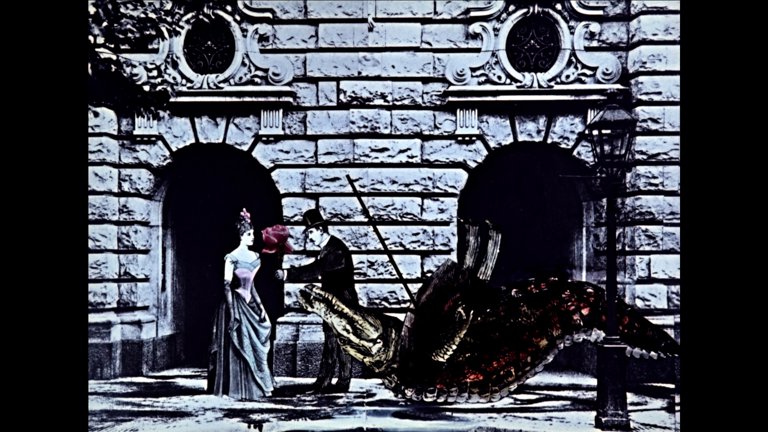
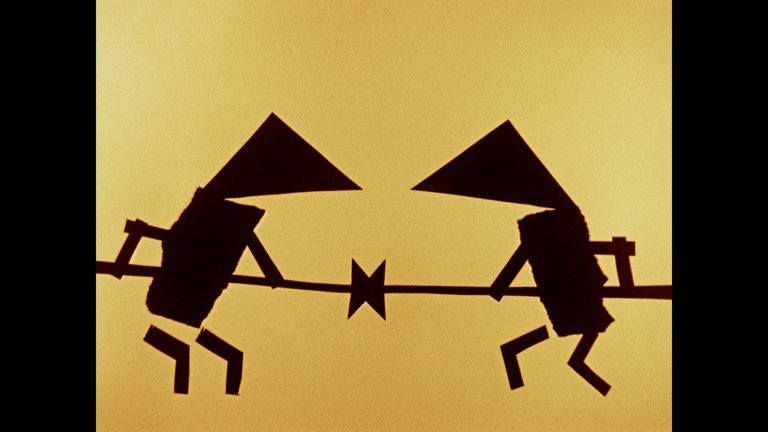
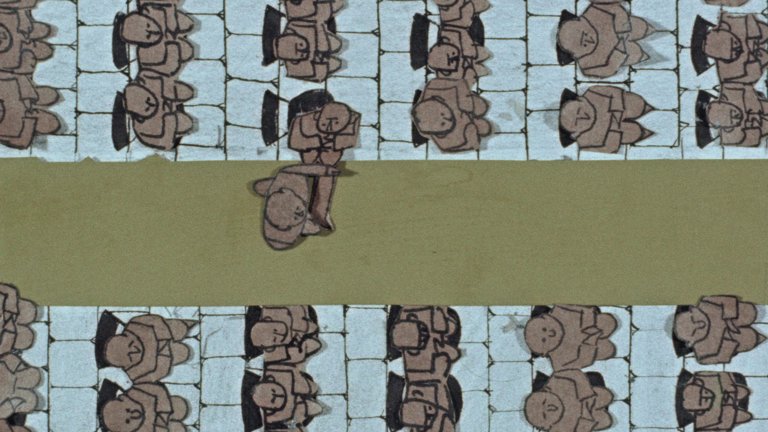
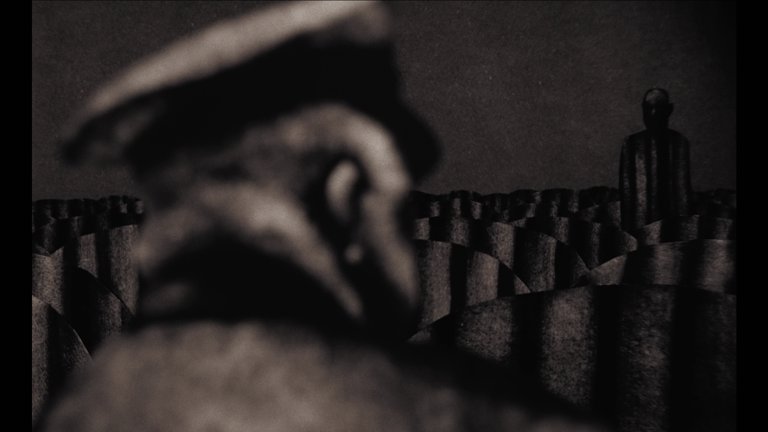
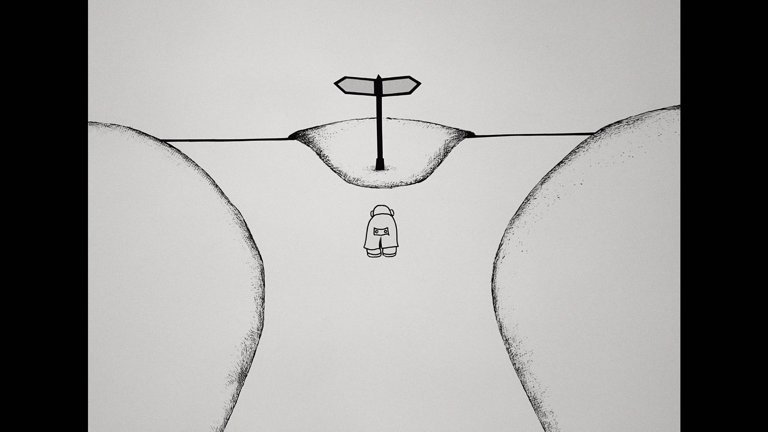
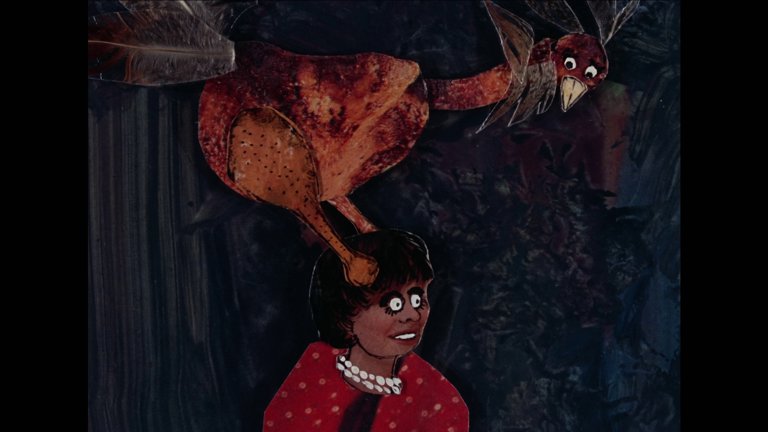
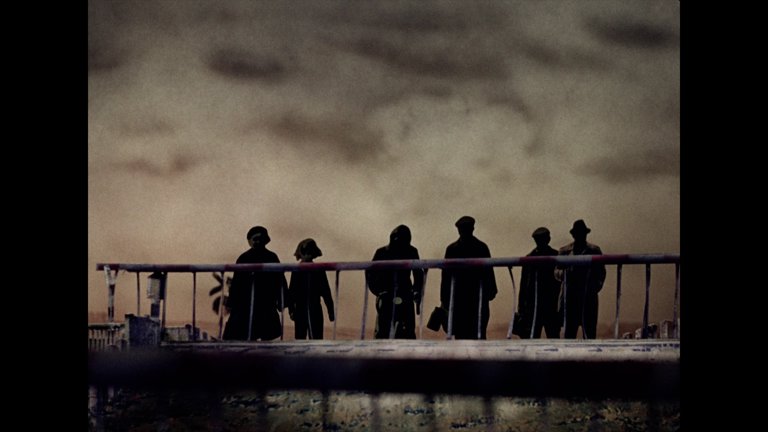
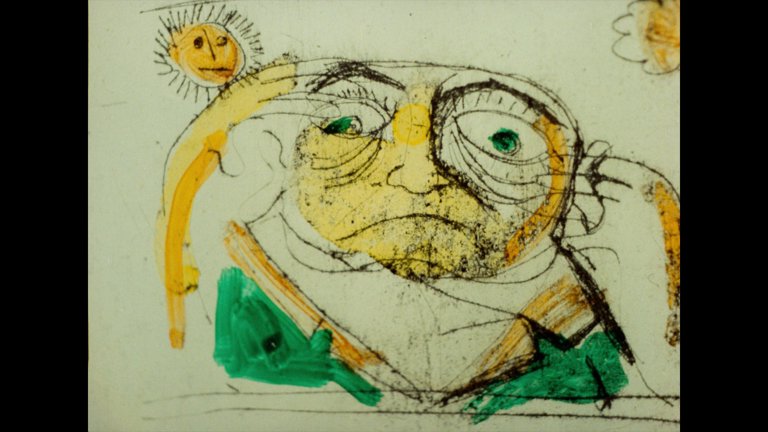
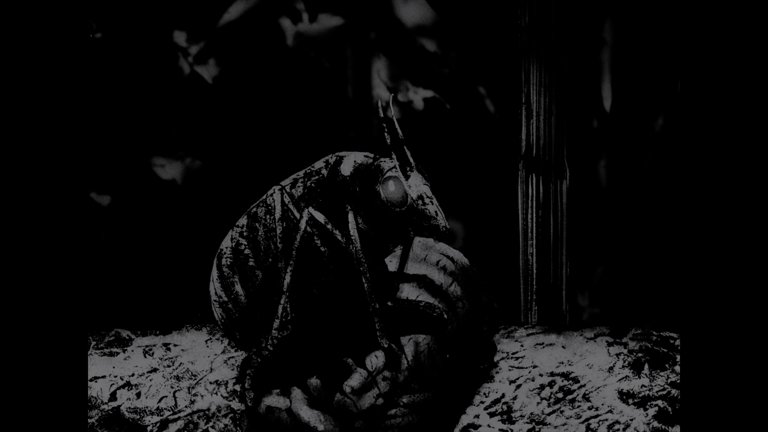
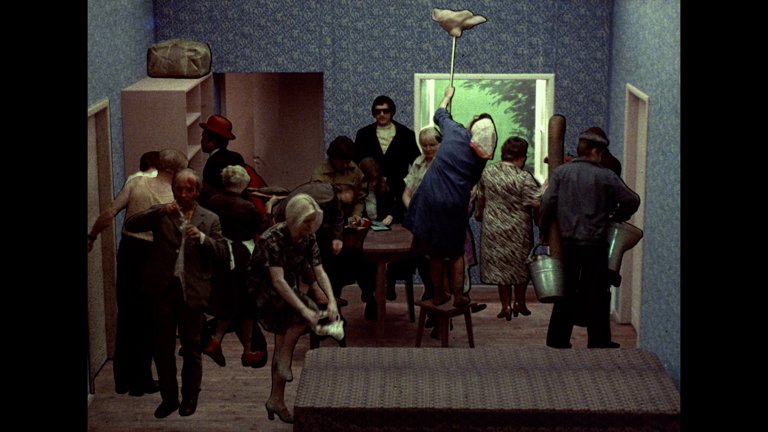
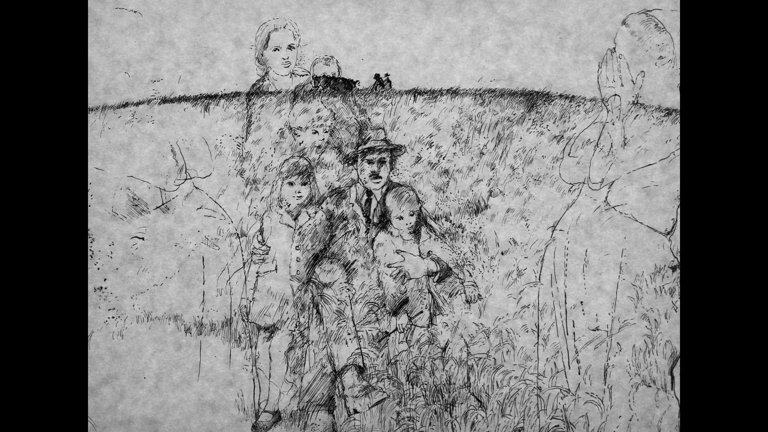
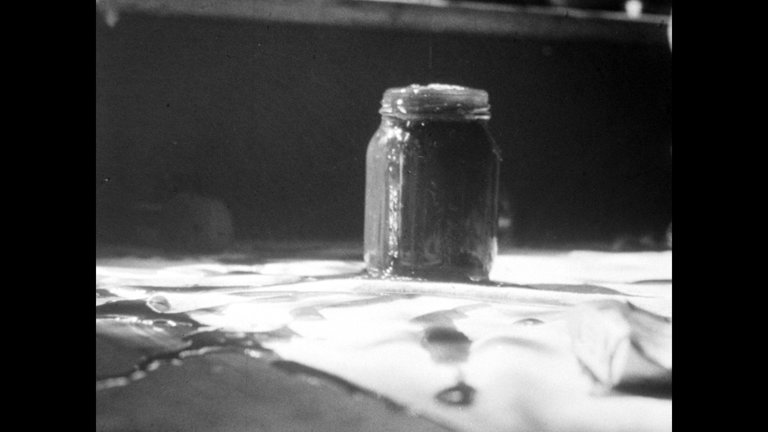
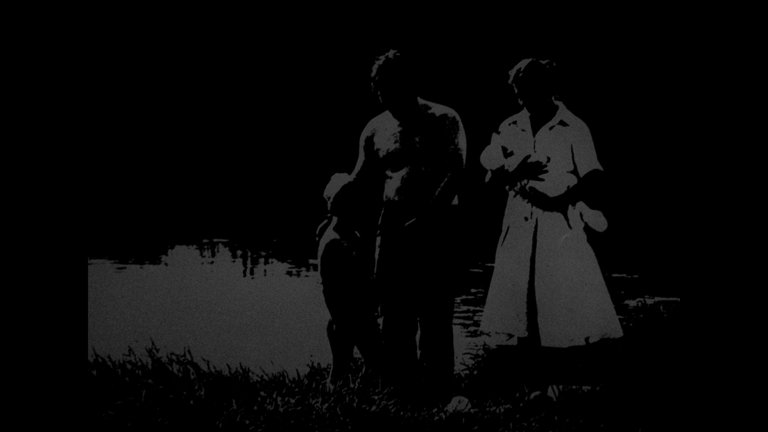
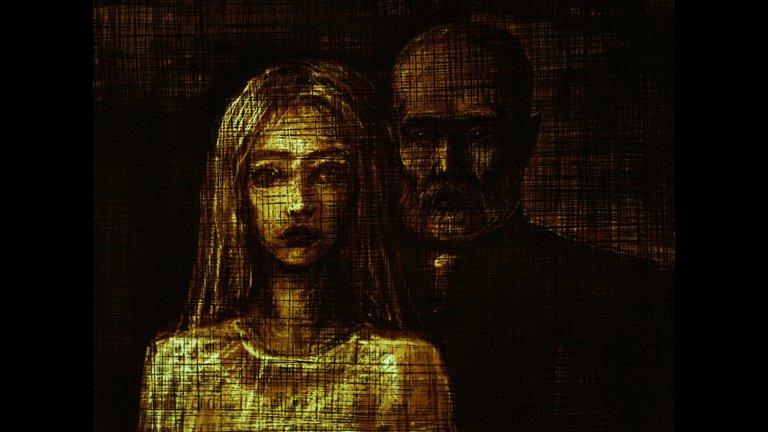
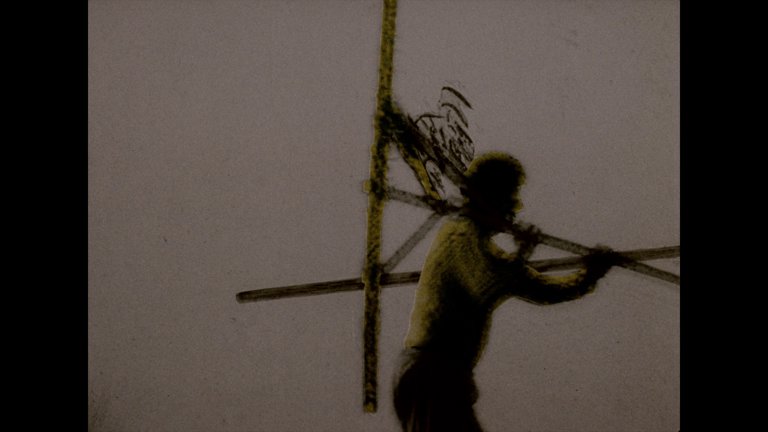
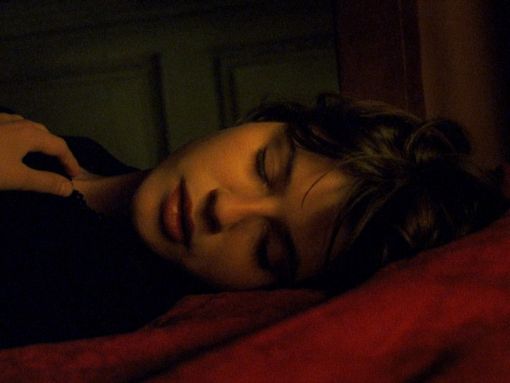
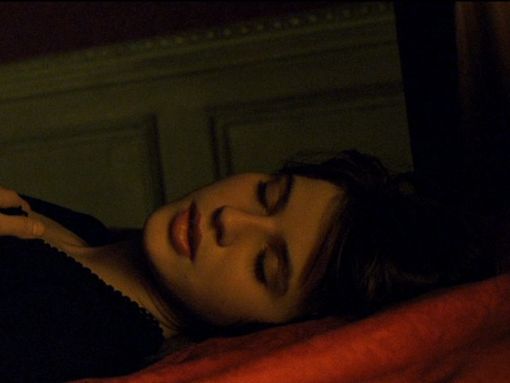
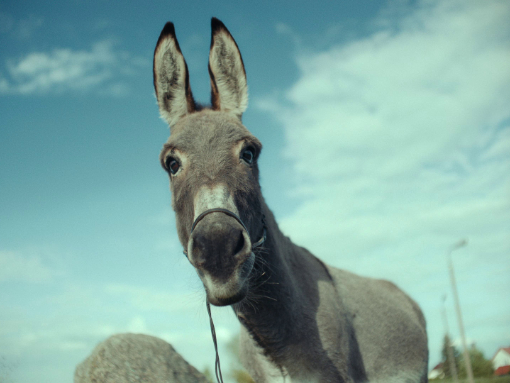
Essential Polish Animation - Screen Captures
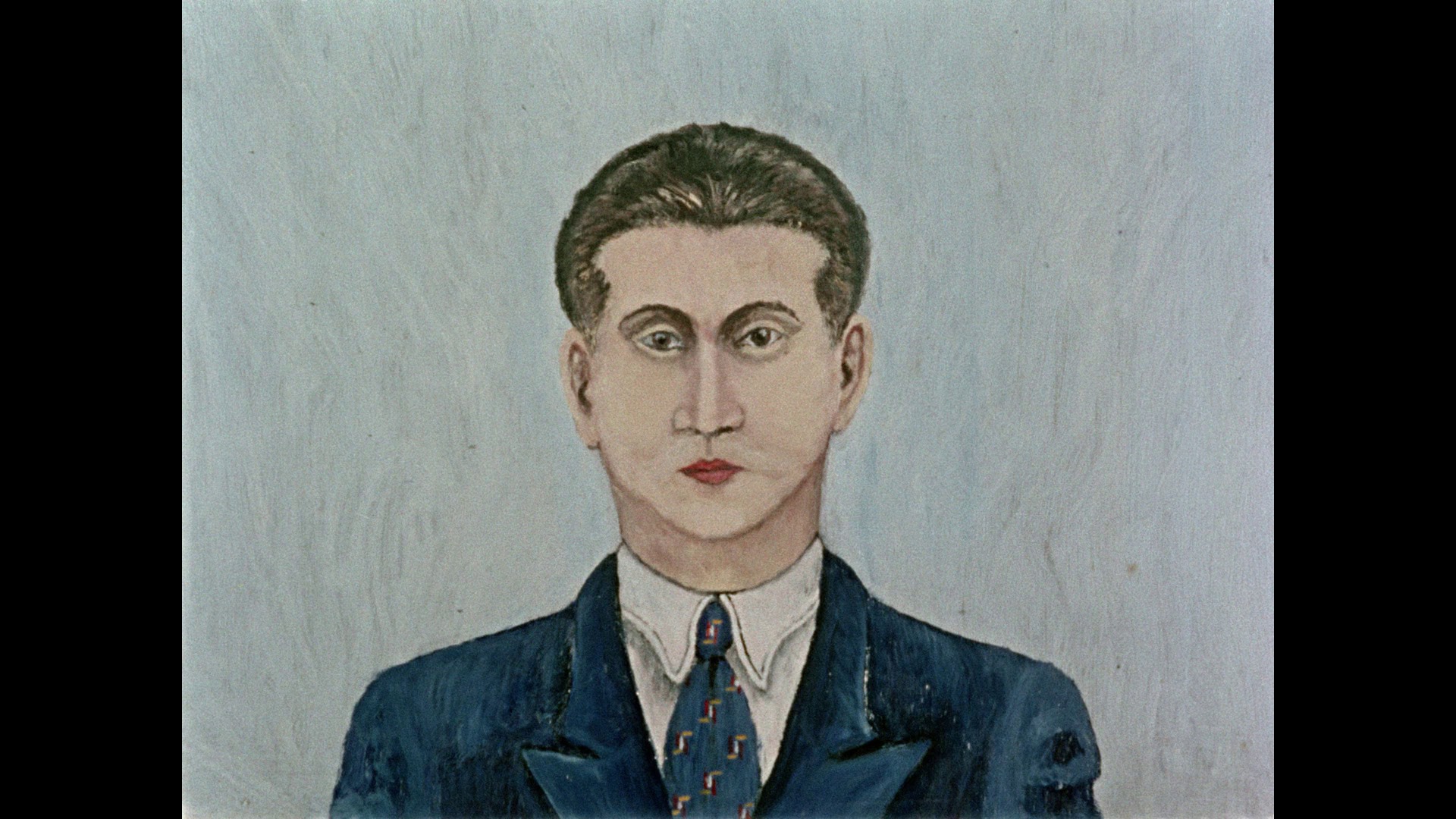
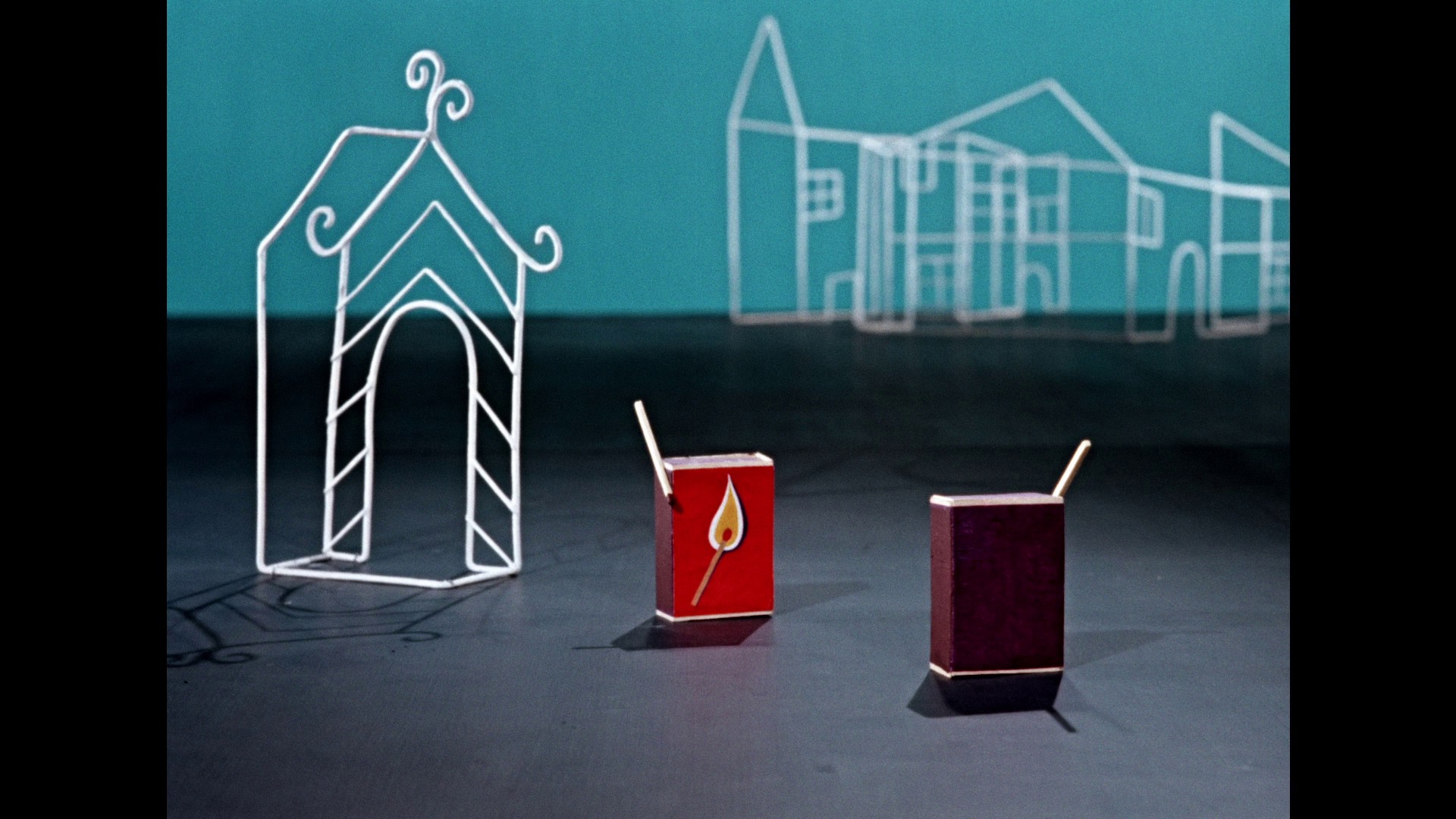
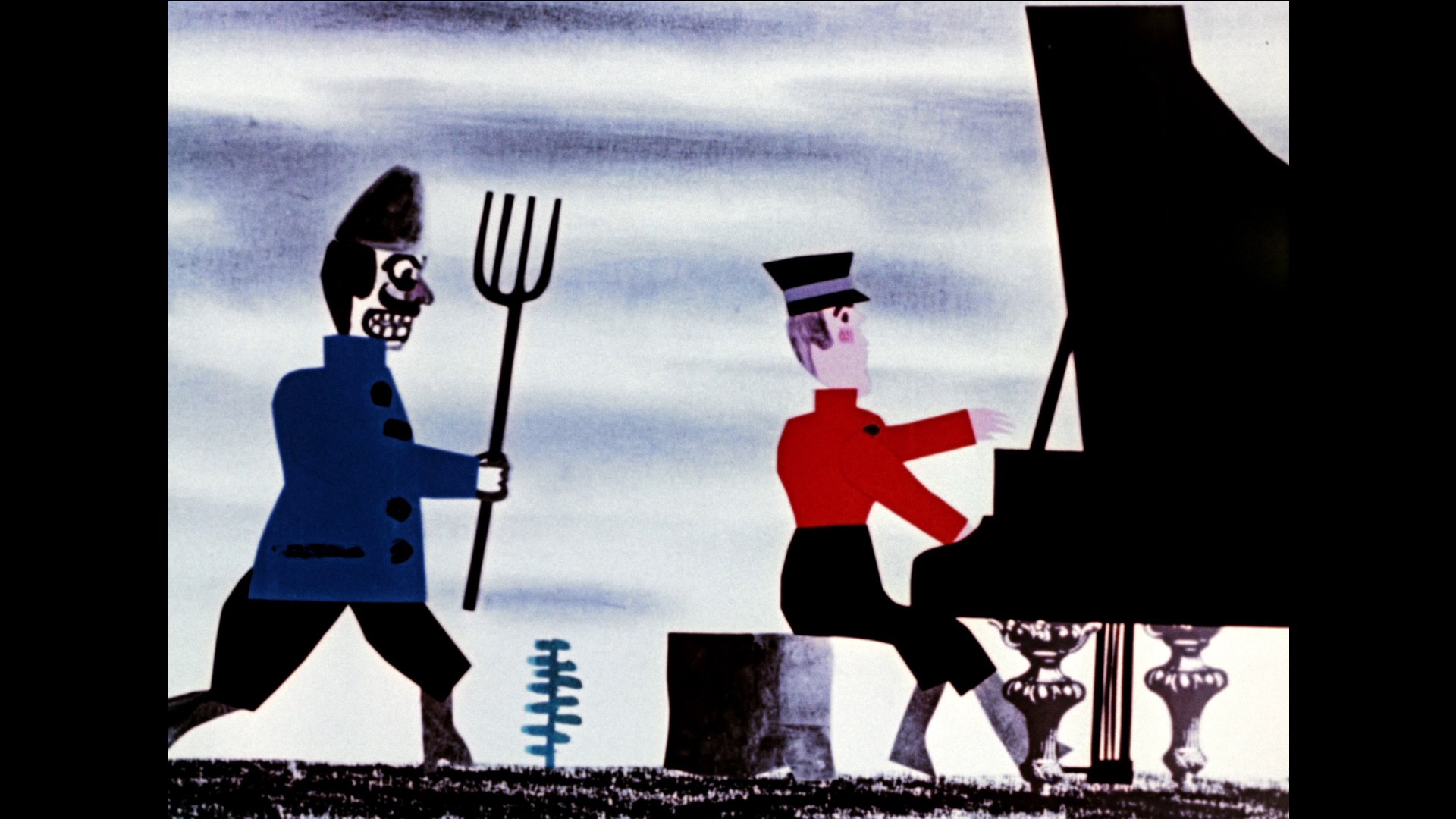
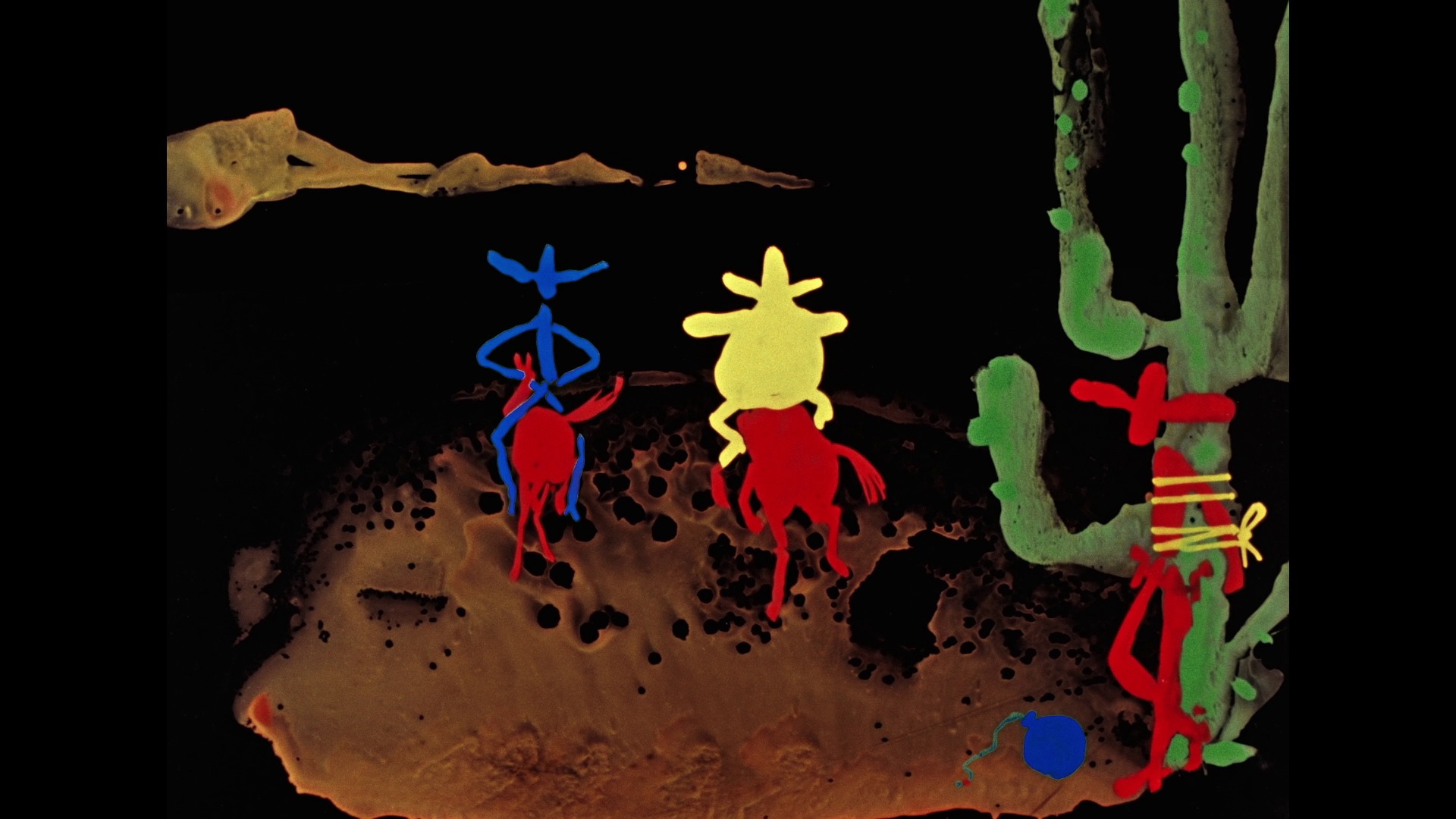
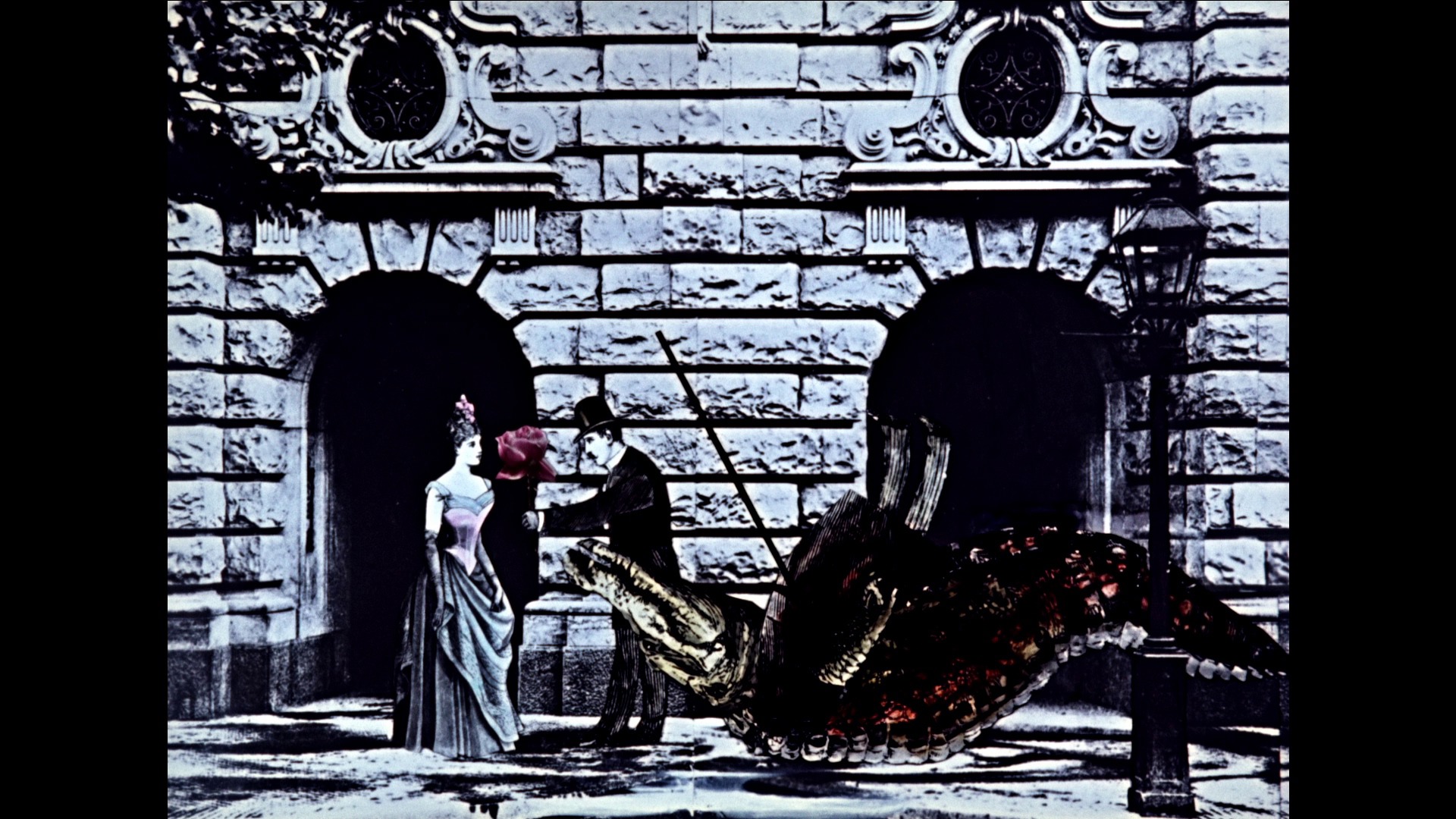
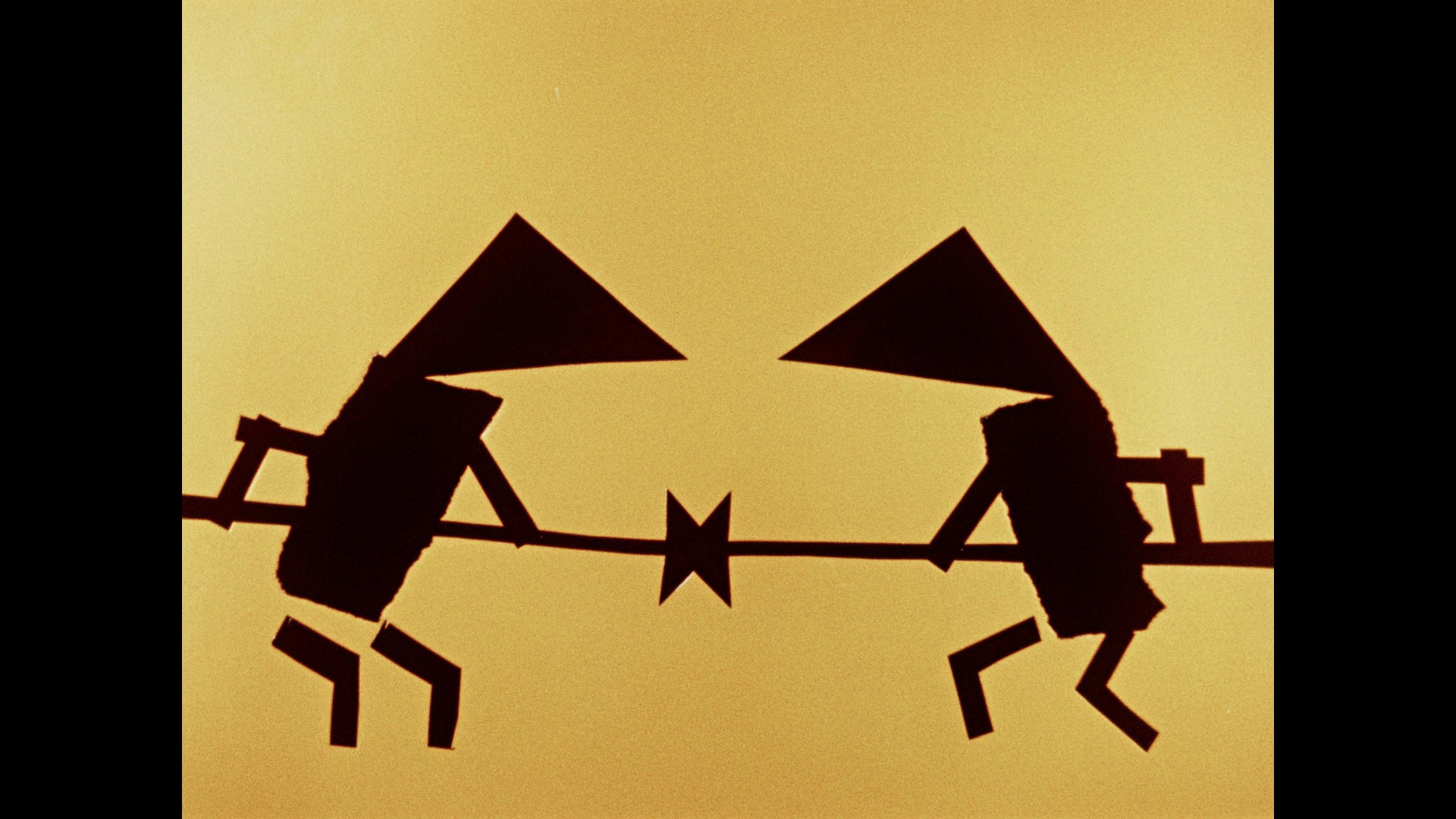
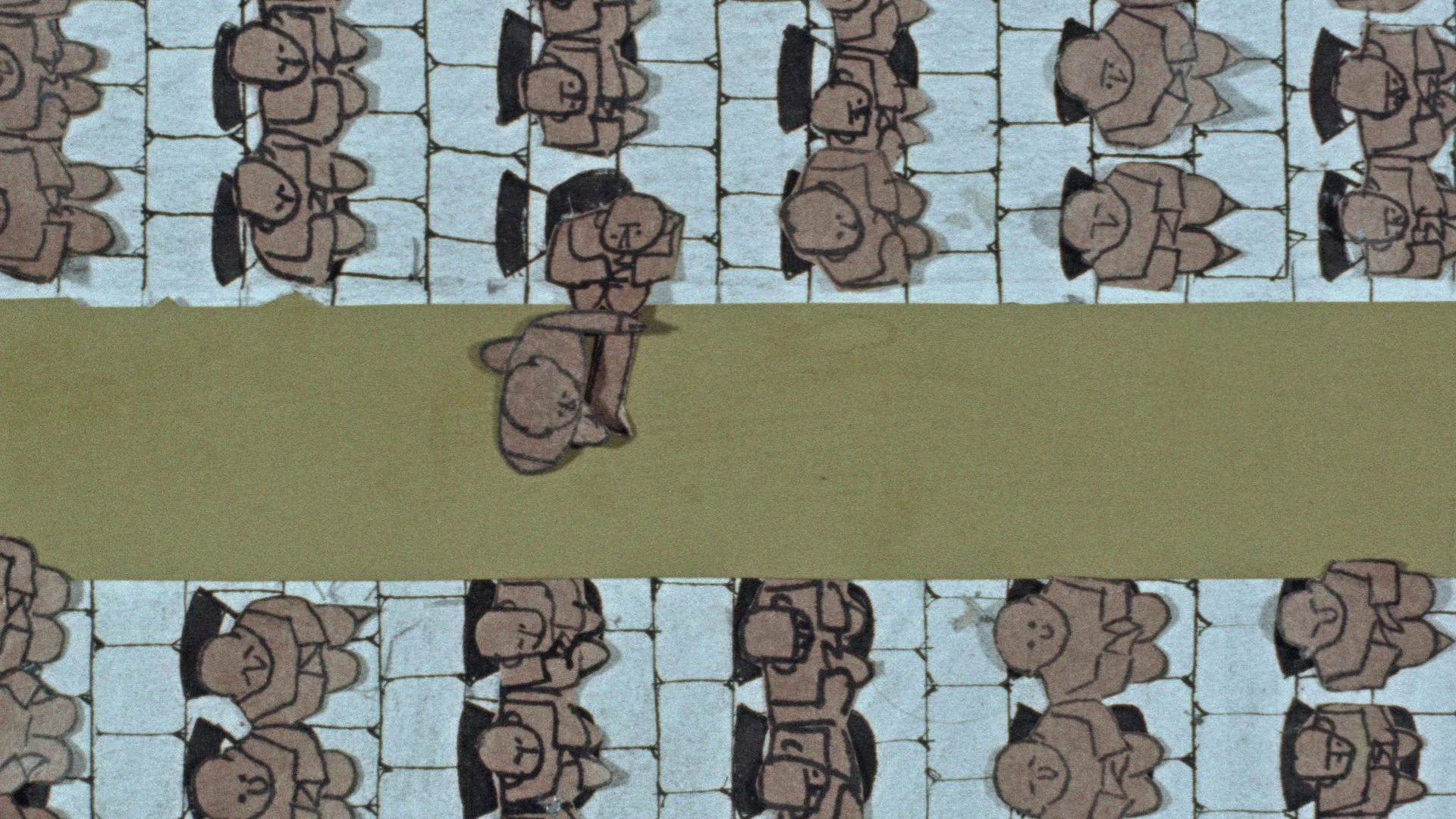
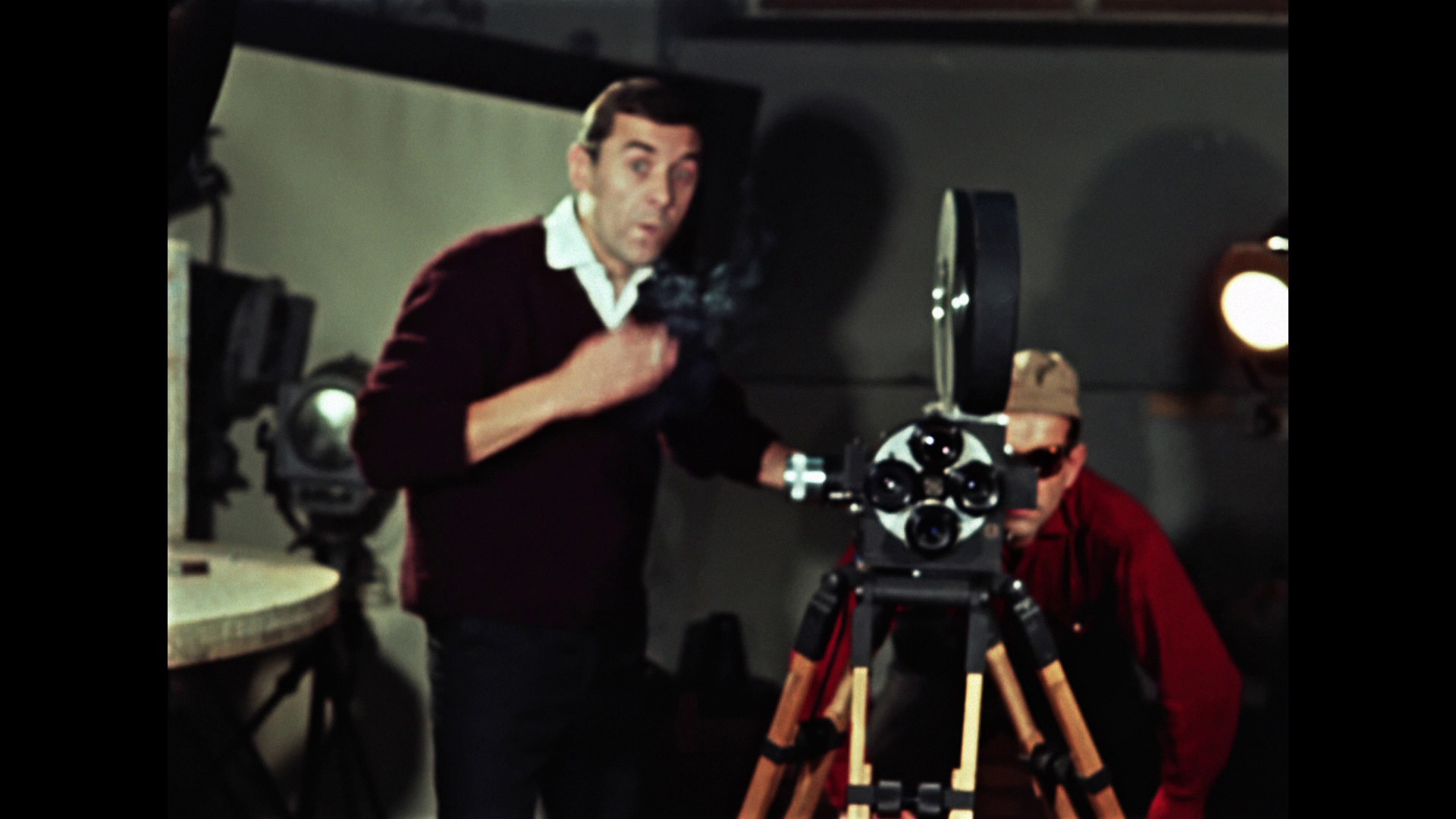
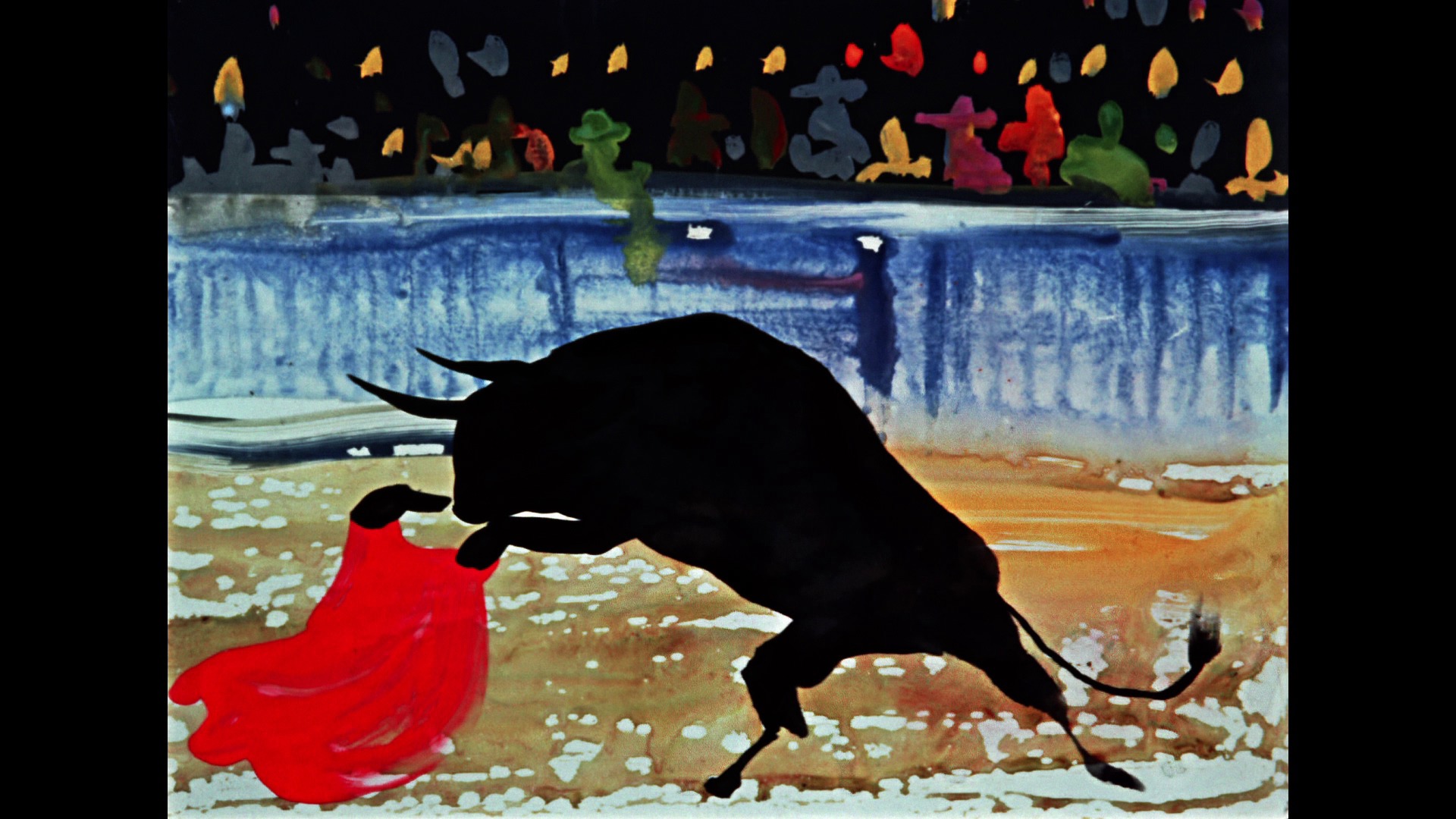
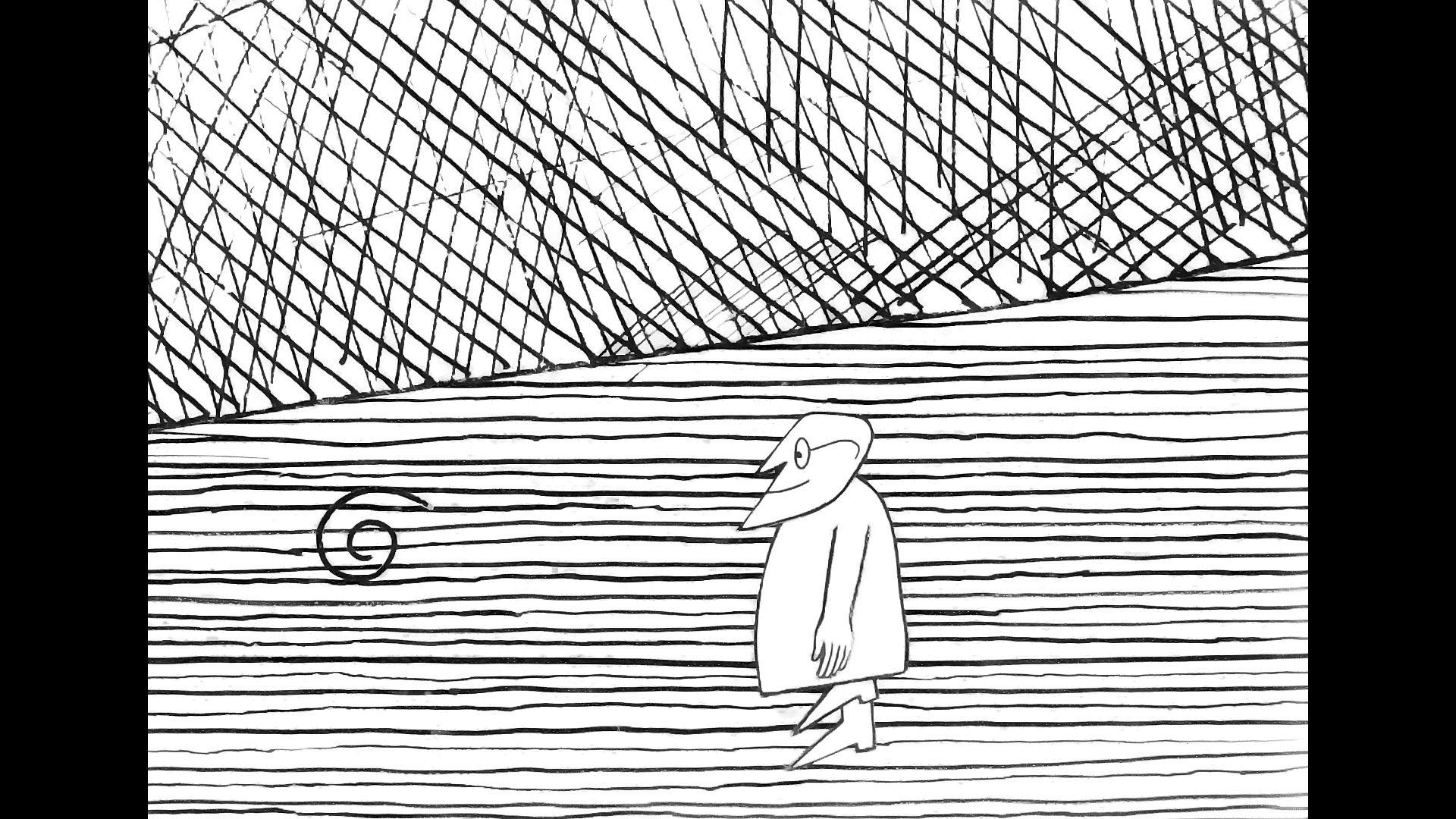
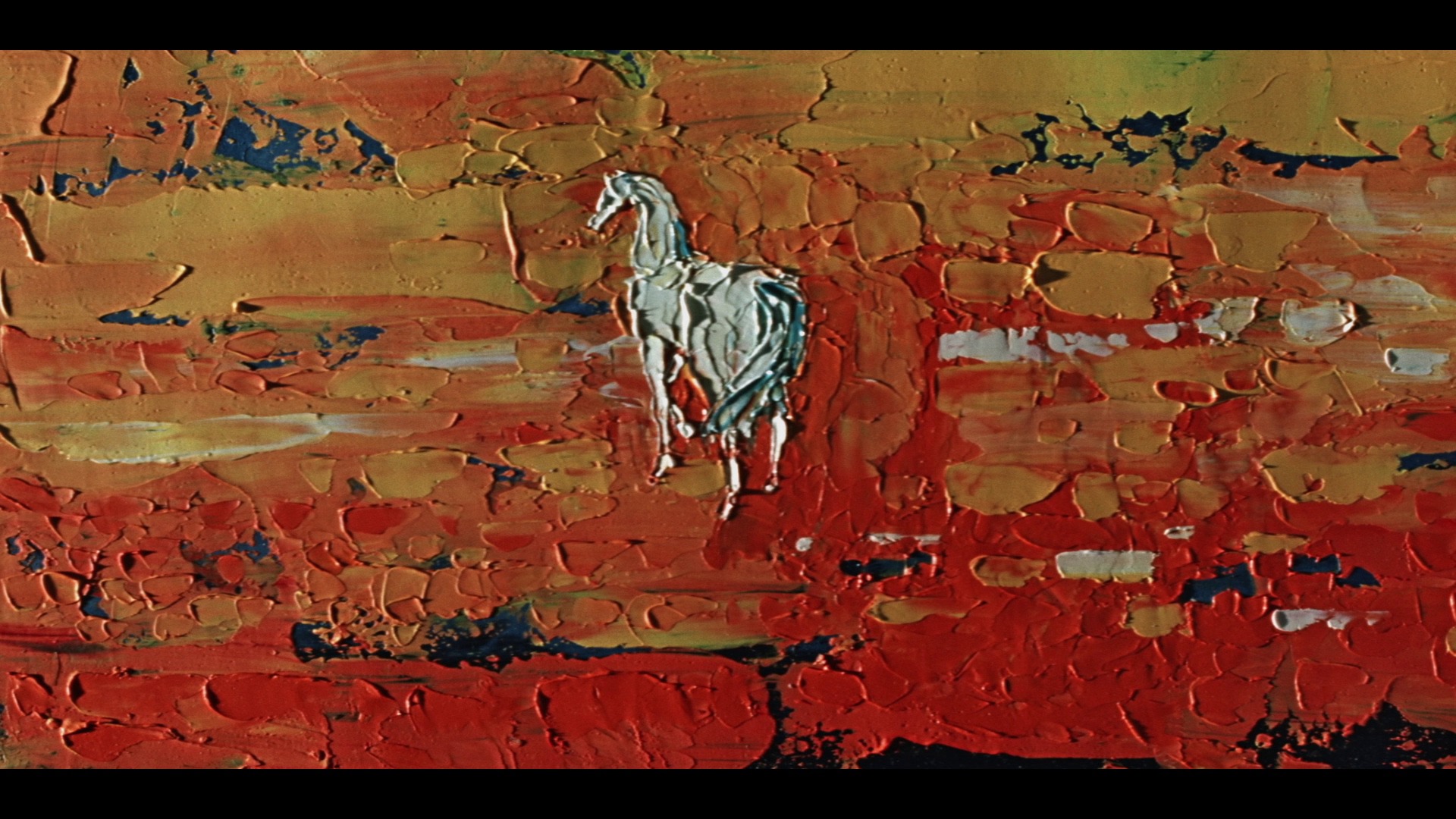
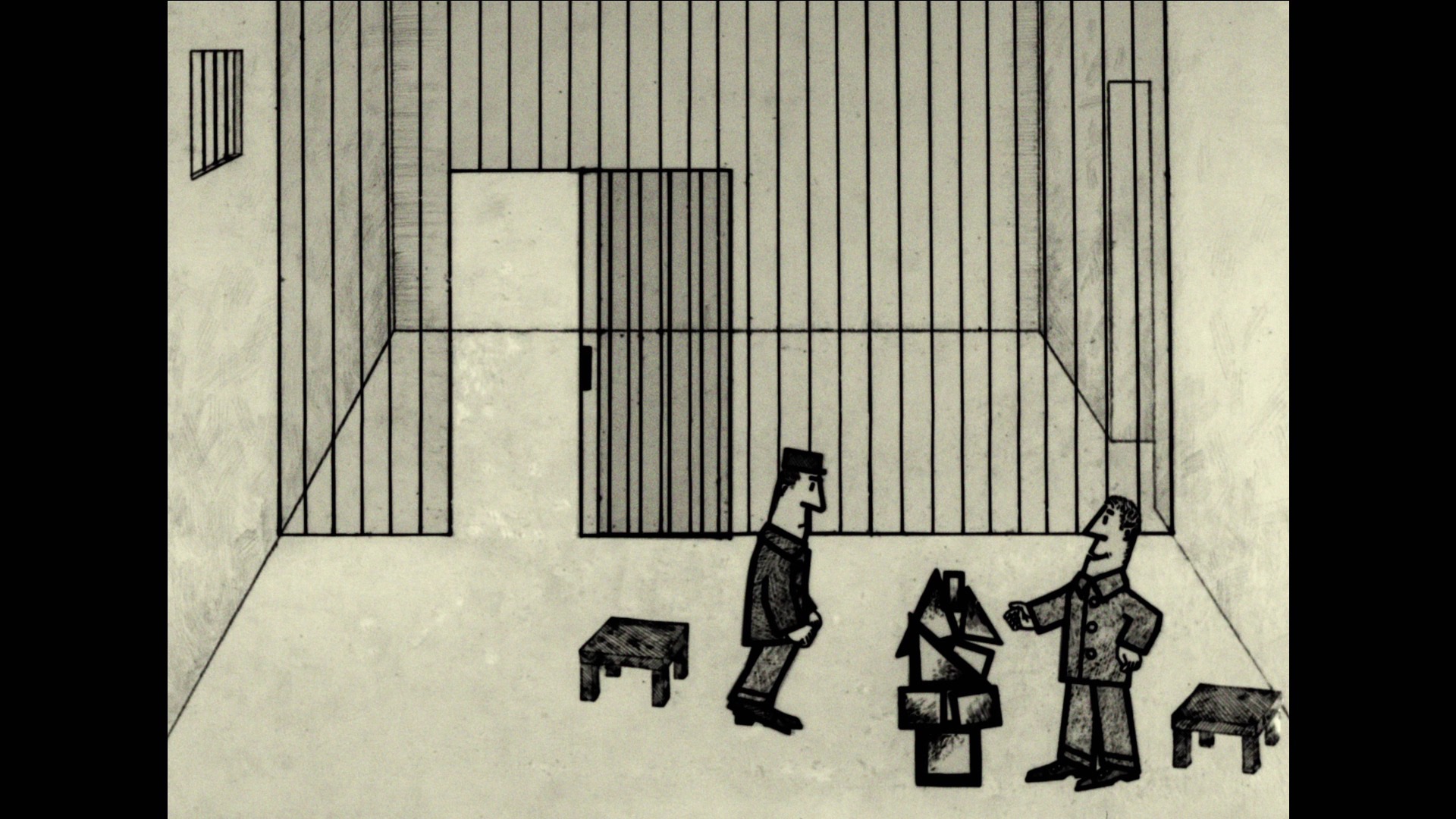
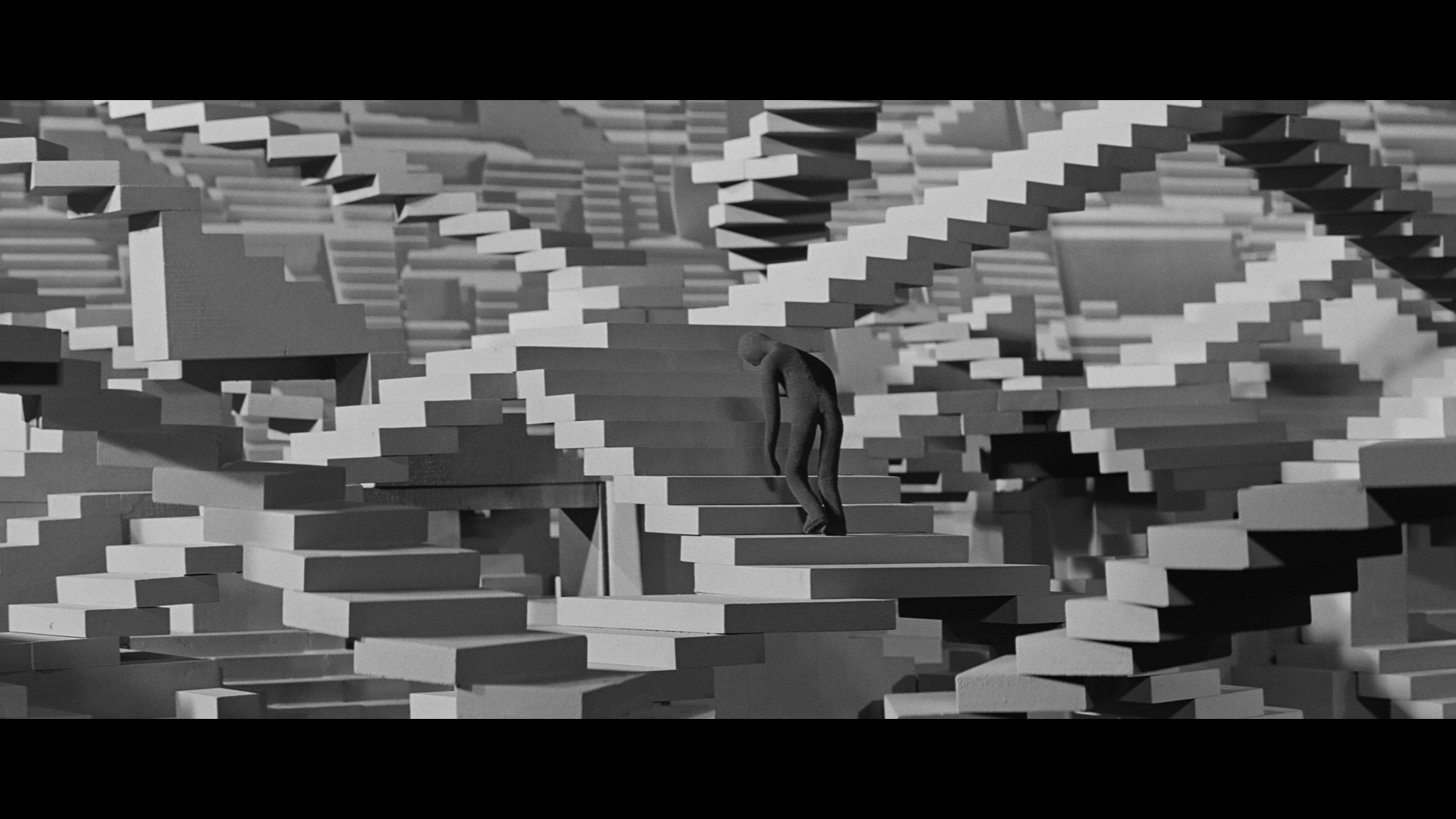
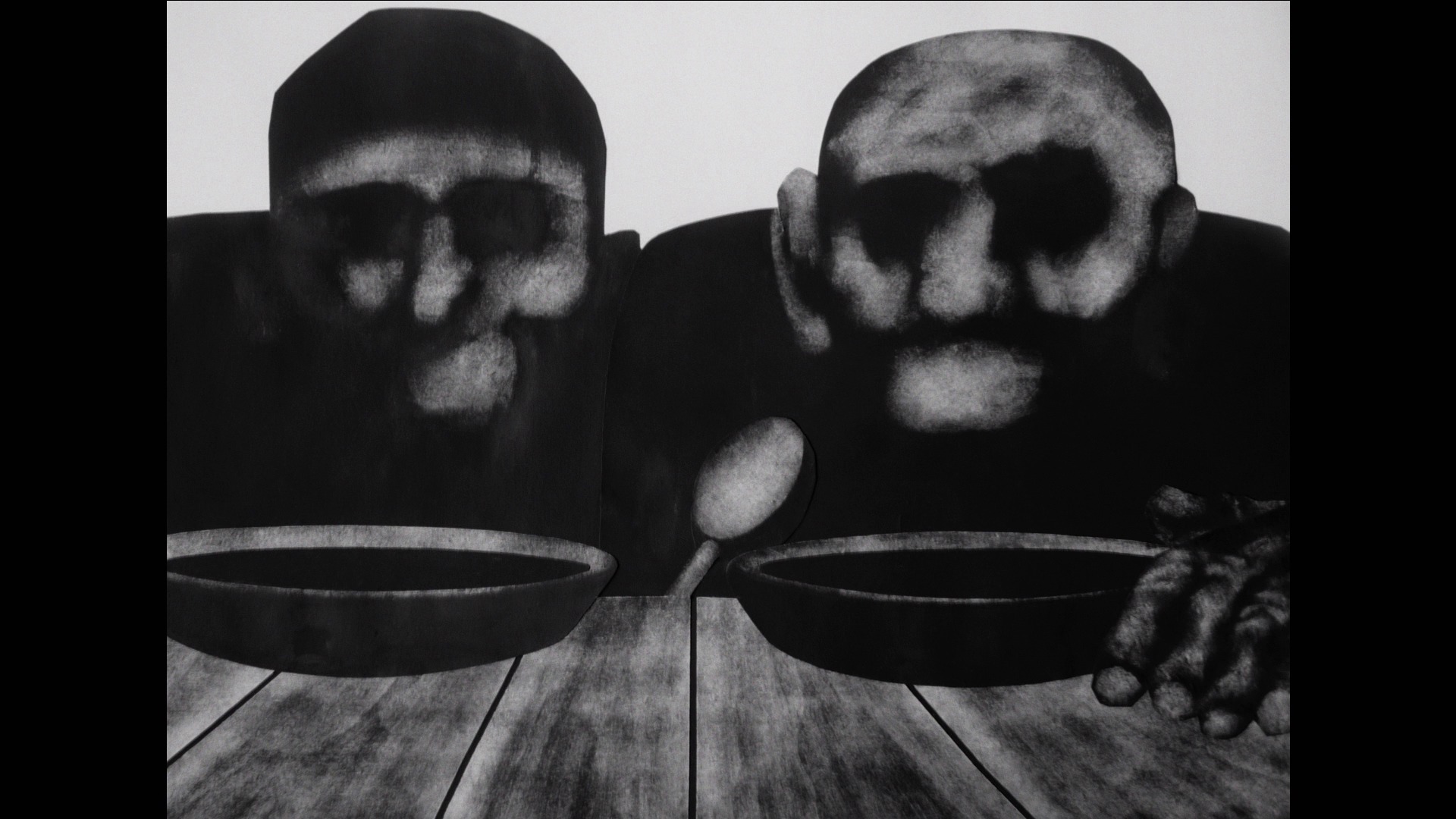
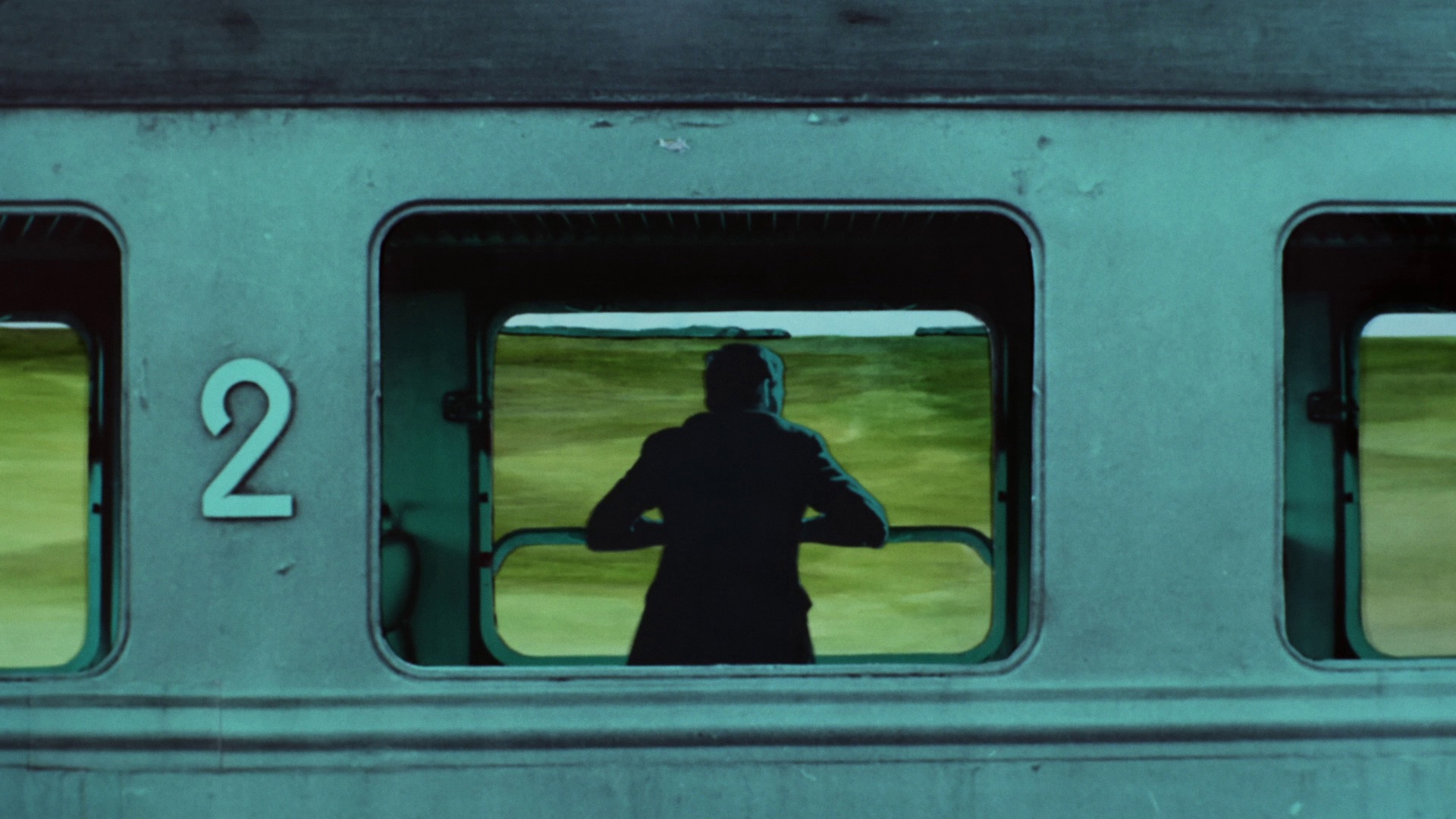
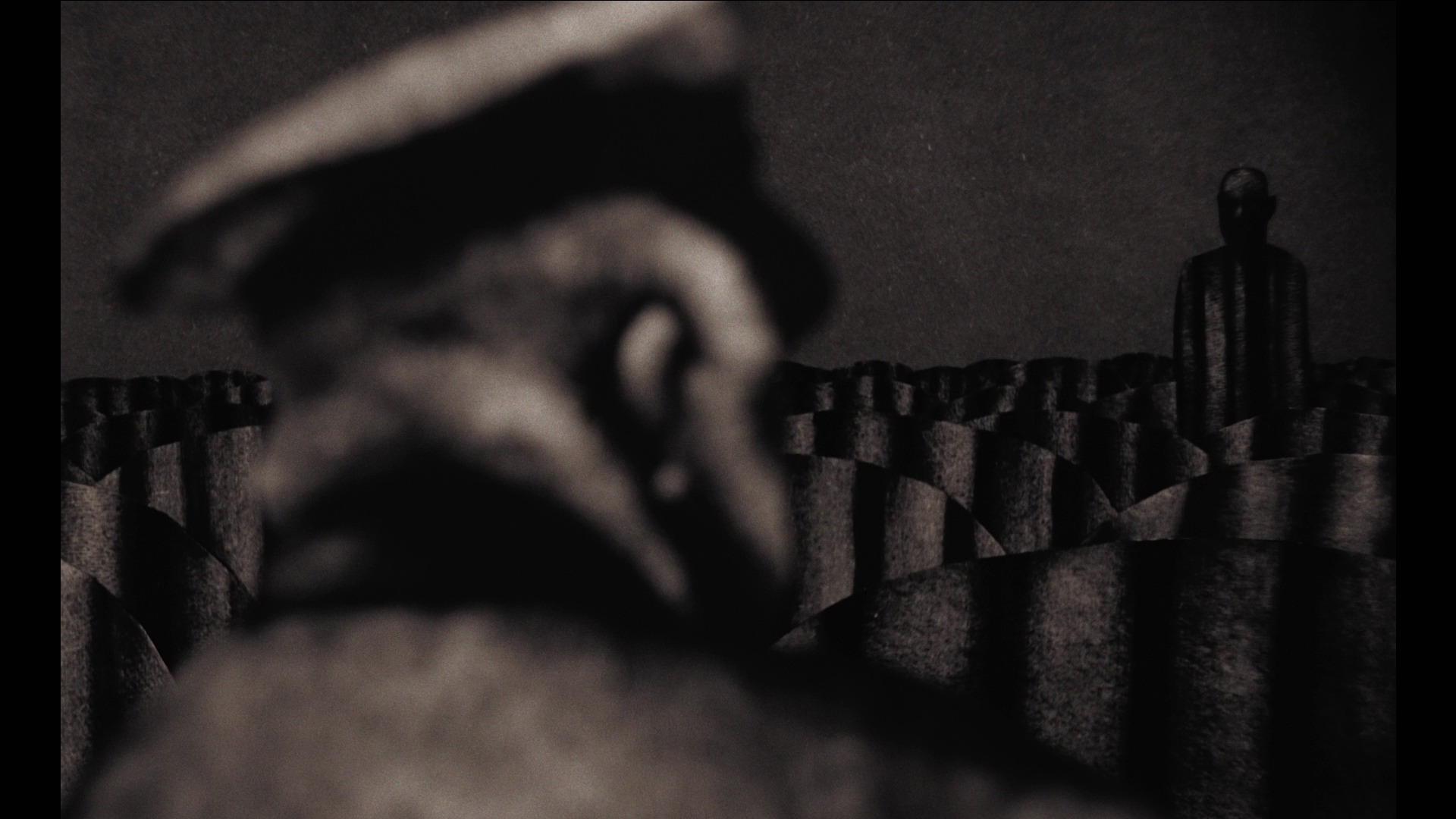
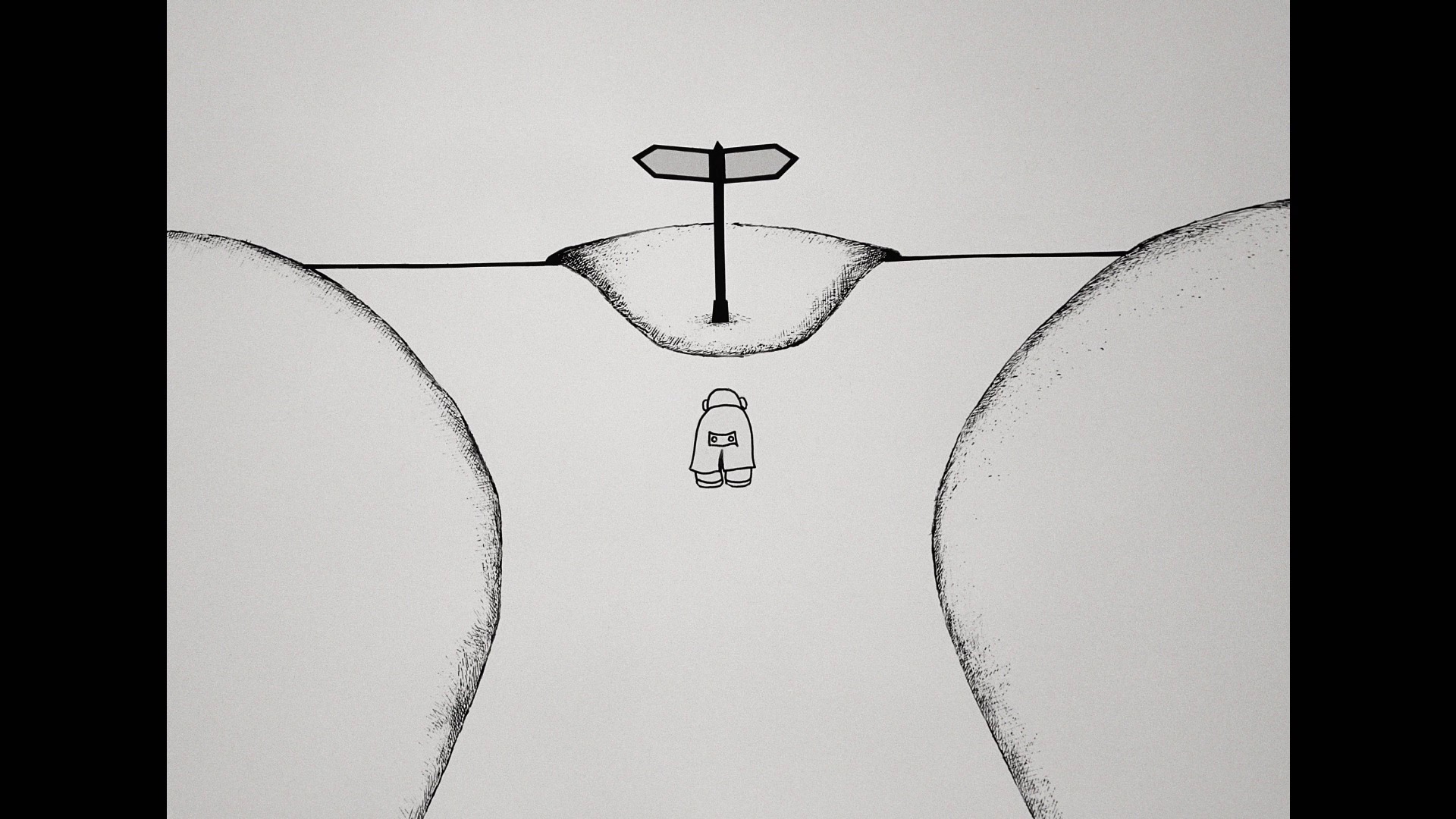
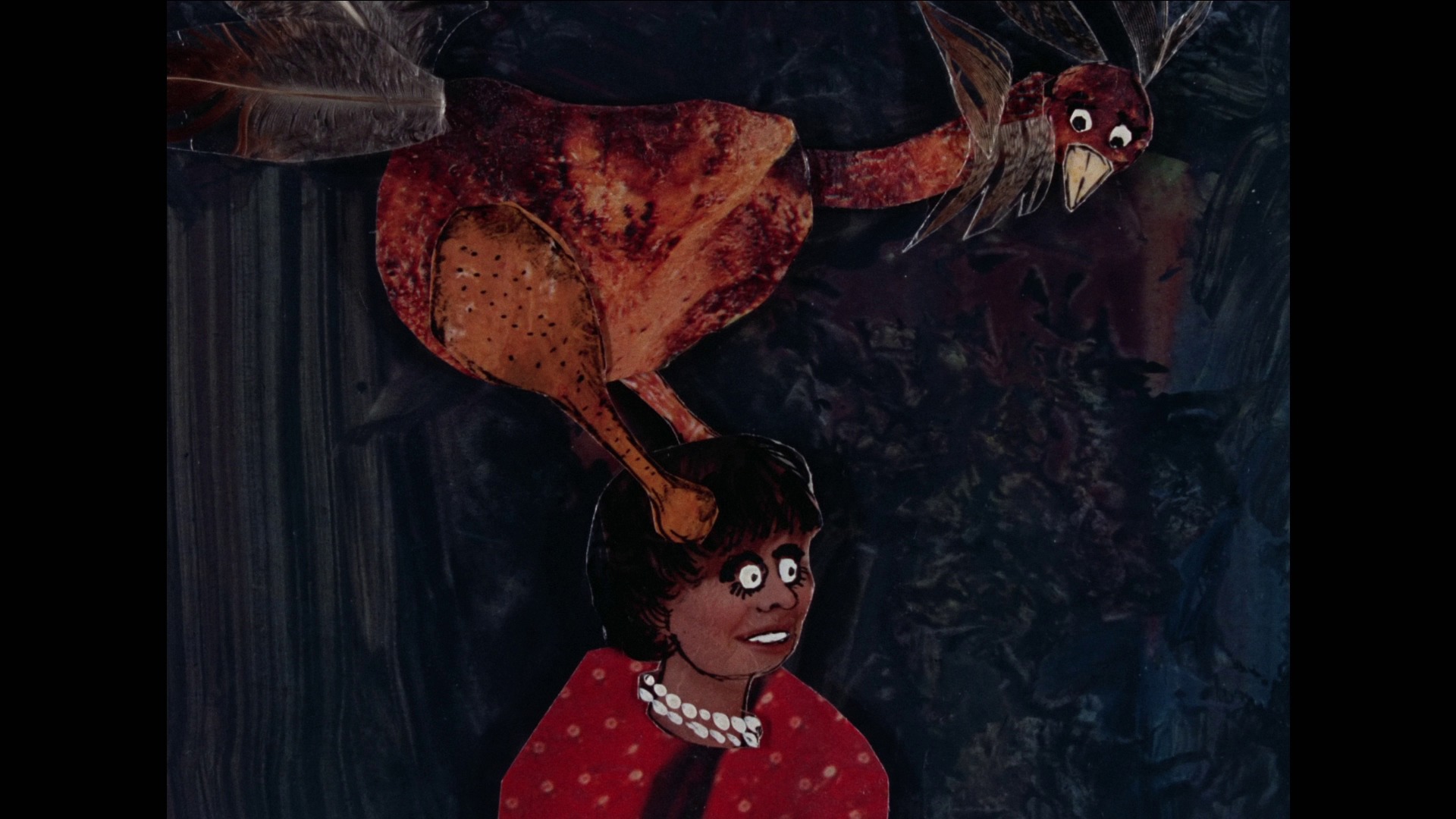
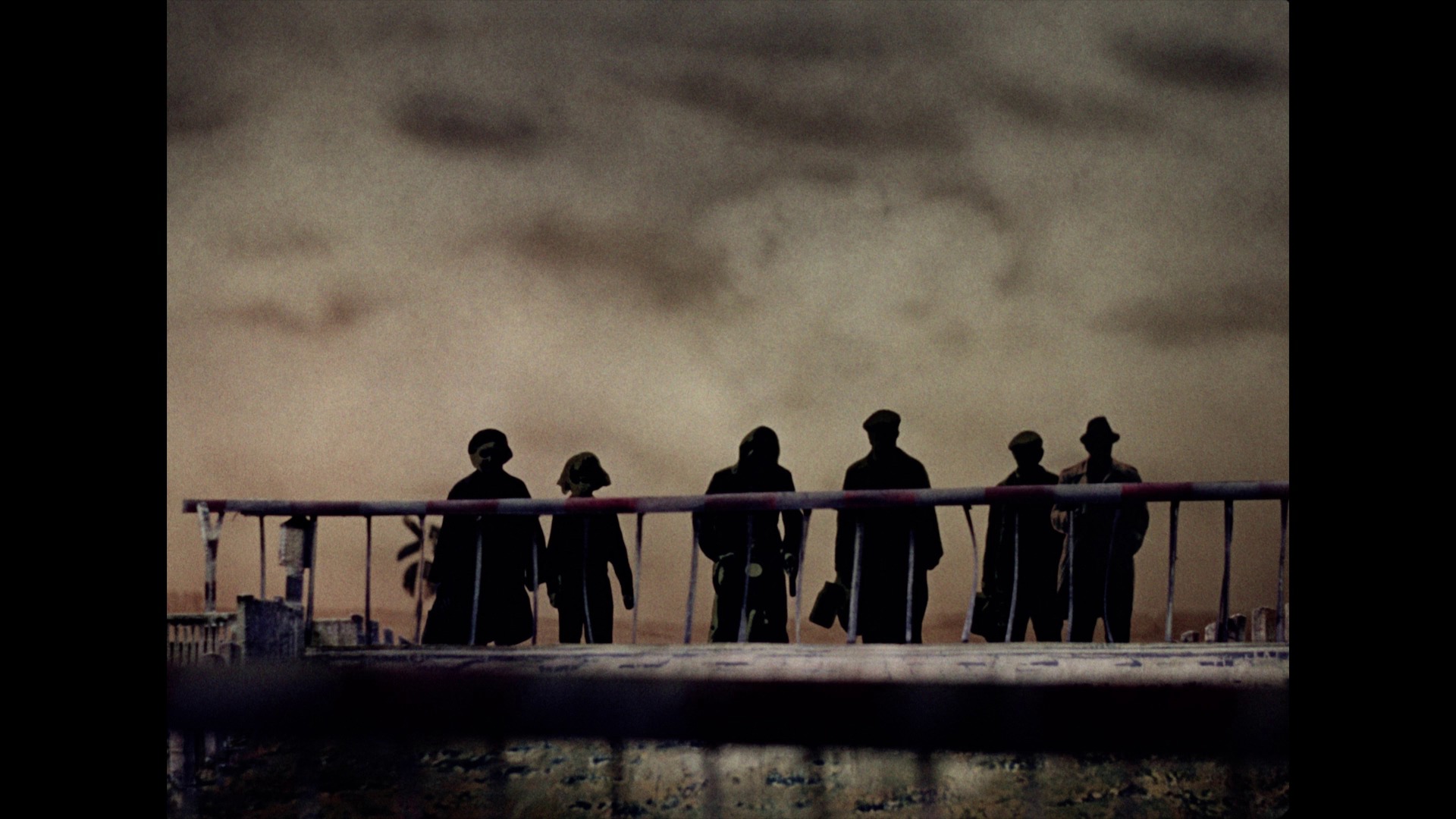
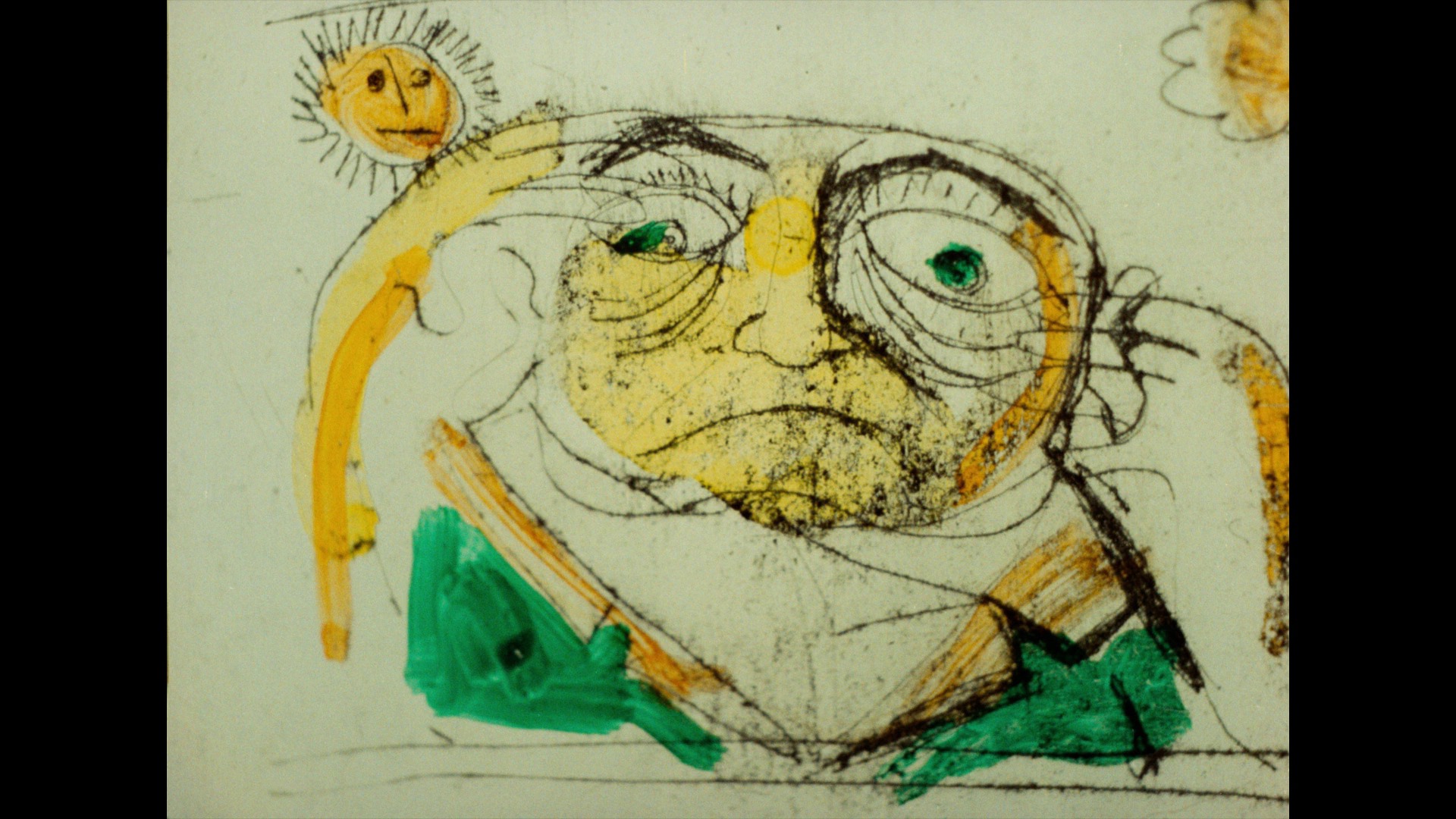
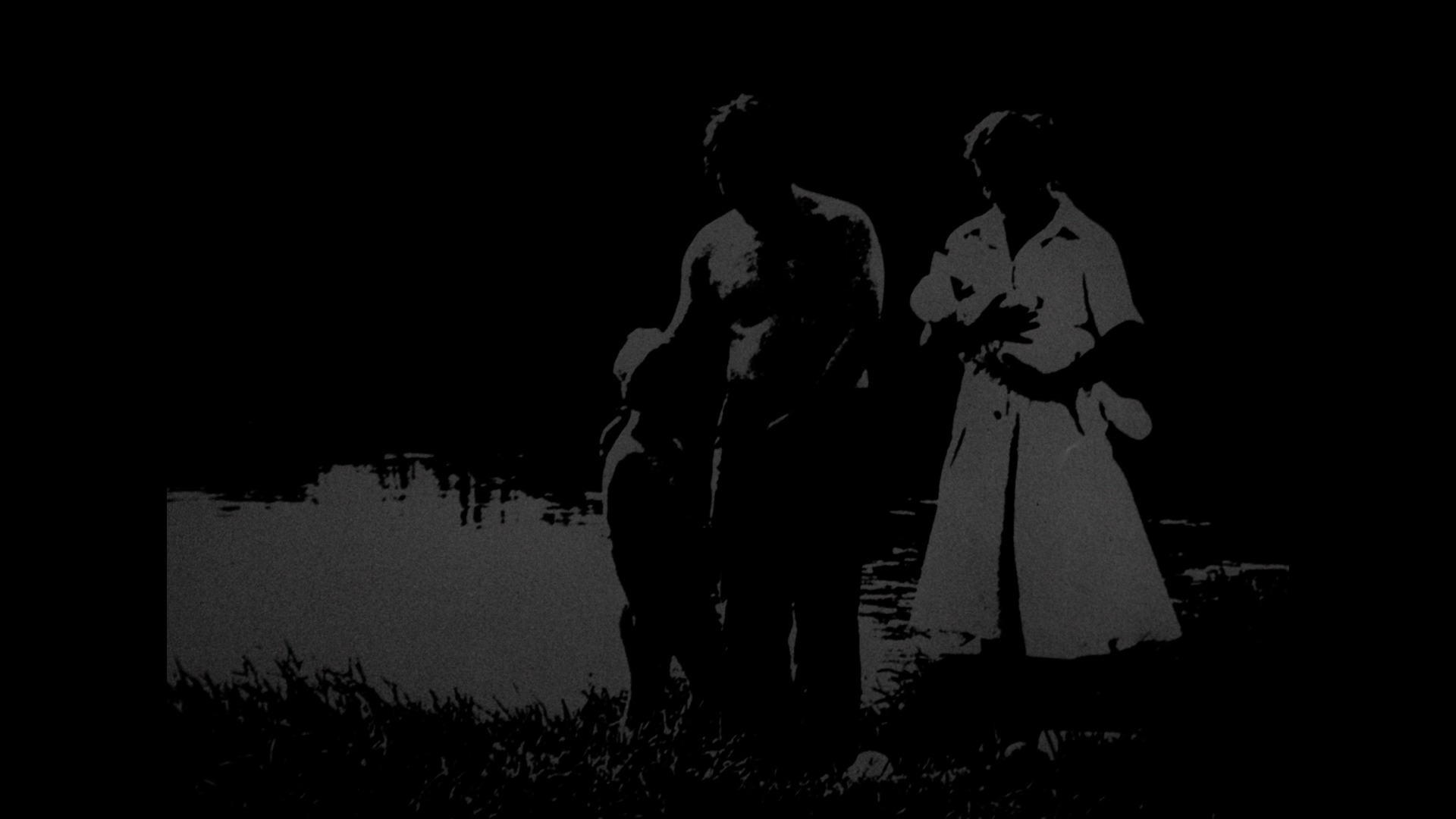
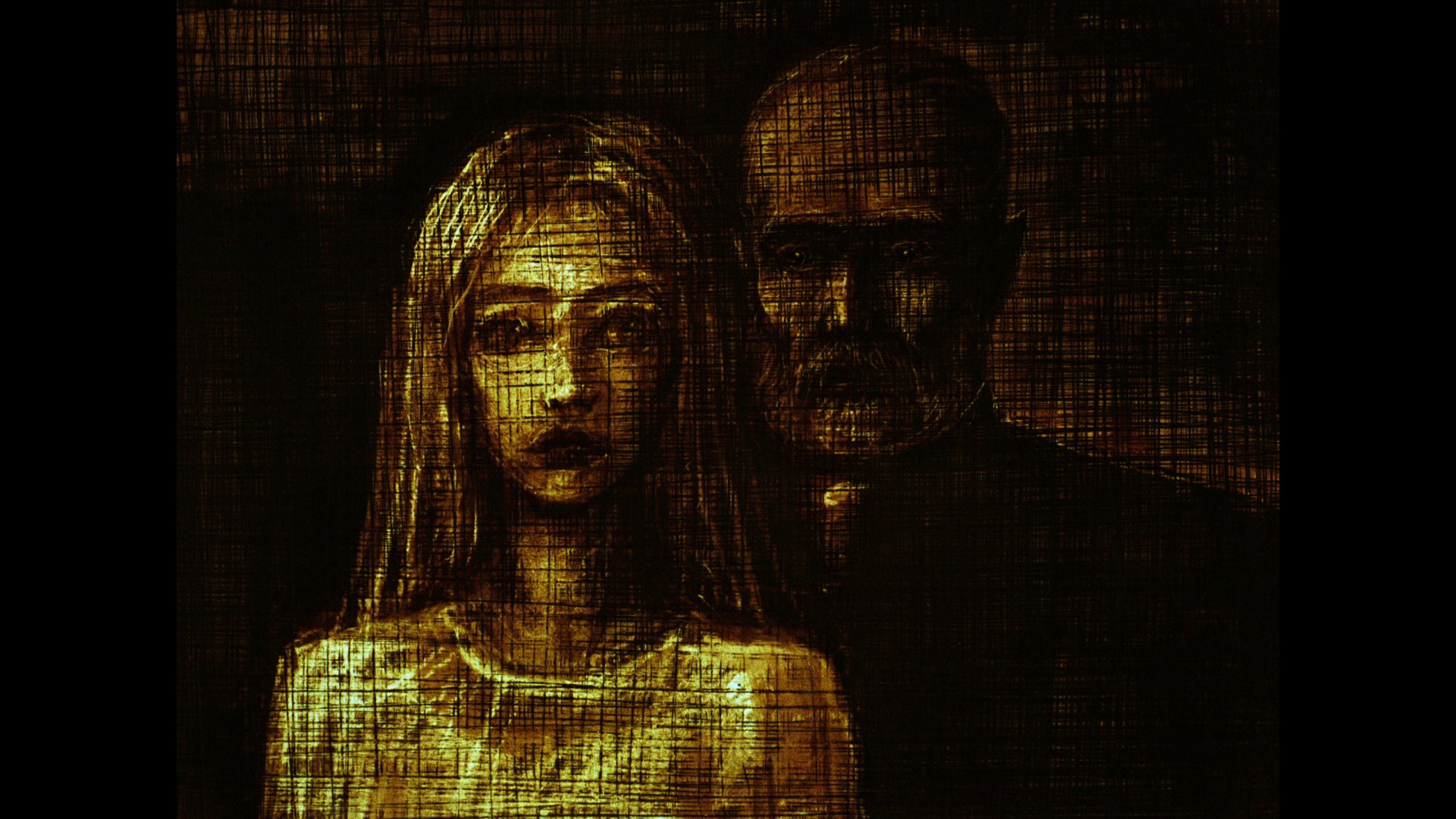
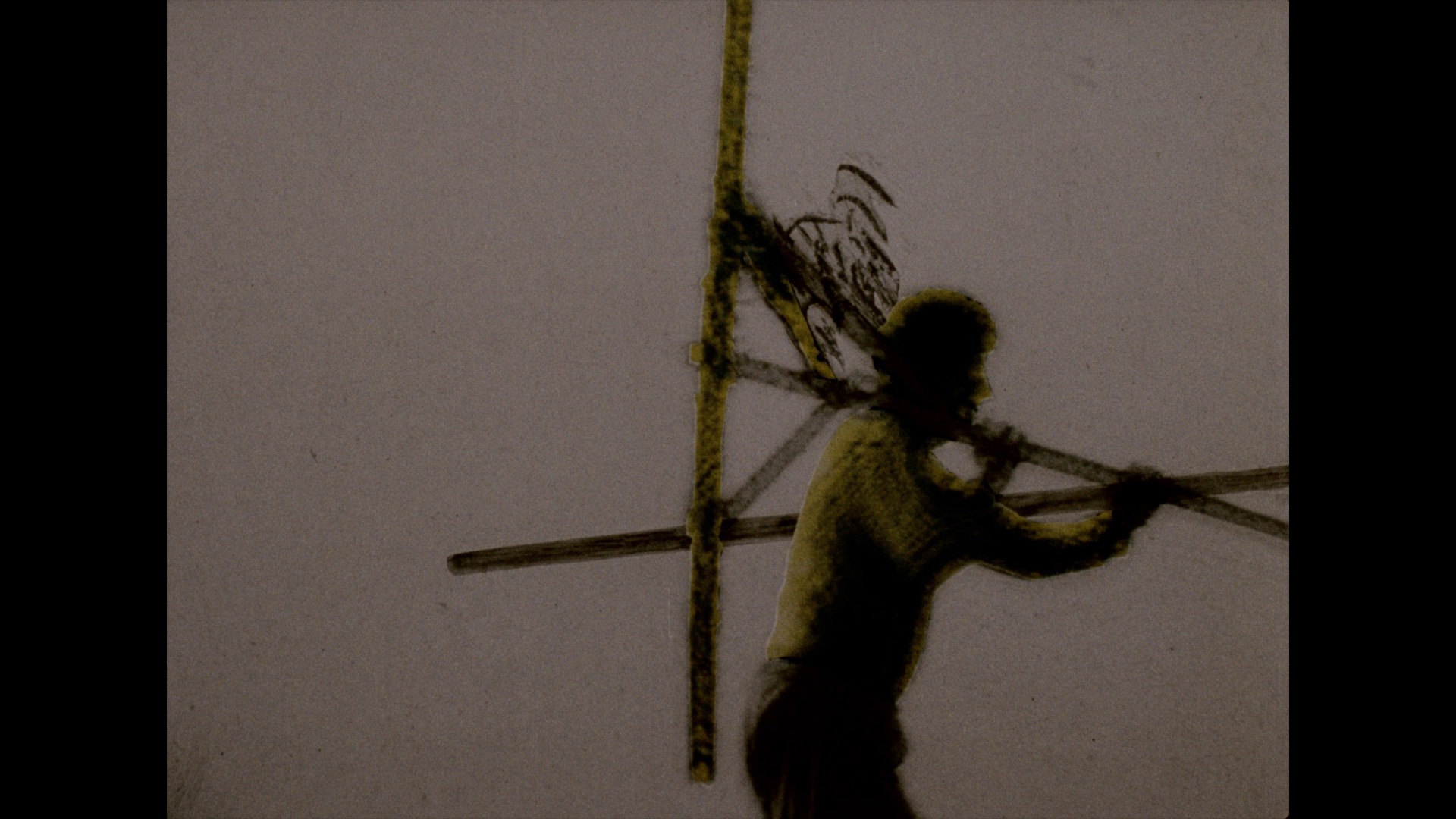
Audio 7/10
All of the films feature 2.0 PCM monaural soundtracks. Dialogue isn’t really a concern, as the shorts primarily rely on music, and they all sound remarkably clean. There's a surprising amount of range between the highs and lows, with none of the tracks ever coming off as harsh or edgy. Damage is also never an issue, and they can sometimes sound newly recorded. Terrific overall.
Extras 9/10
As mentioned, Radiance spreads the 27 films across two discs and organizes them into four eras: Pioneers, The Golden Age, The Silver Age, and End of an Era. Each era can be played in sequence, or the individual films can be selected on their own. The breakdown is as follows:
Disc 1
Pioneers
-
Banner of Youth (Walerian Borowczyk, Jan Lenica, 1957)
-
Love Requited (Walerian Borowczyk, Jan Lenica, 1958)
-
The Changing of the Guard (Halina Bielinska, Włodzimierz Haupe, 1959)
-
New Janko the Musician (Jan Lenica, 1960)
The Golden Age
-
A Little Western (Witold Giersz, 1960)
-
Playthings (Kazimierz Urbański, 1962)
-
Labyrinth (Jan Lenica, 1962)
-
The Chair (Daniel Szczechura, 1963)
-
The Red and the Black (Witold Giersz, 1964)
-
Everything is a Number (Stefan Schabenbeck, 1967)
-
Horse (Witold Giersz, 1967)
-
Cages (Mirosław Kijowicz, 1967)
-
The Stairs (Stefan Schabenbeck, 1968)
Disc 2
The Silver Age
-
The Son (Ryszard Czekała, 1970)
-
Journey (Daniel Szczechura, 1970)
-
Roll Call (Ryszard Czekała, 1970)
-
Road (Mirosław Kijowicz, 1971)
-
The Banquet (Zofia Oraczewska)
-
Barrier (Jerzy Kucia, 1977)
-
A Hardcore Engaged Film. Non-camera (Julian Józef Antoniszczak, 1979)
-
Reflections (Jerzy Kucia, 1979)
End of an Era
-
Tango (Zbigniew Rybczyński, 1980)
-
Solo in a Fallow Field (Jerzy Kalina, 1981)
-
The Source (Jerzy Kucia, 1982)
-
Chips (Jerzy Kucia, 1984)
-
A Gentle Woman (Piotr Dumała, 1985)
-
Parade (Jerzy Kucia, 1987)
In a welcome addition, Radiance includes audio commentaries for a selection of shorts, contributed by four participants:
-
Daniel Bird on Banner of Youth and Love Requited
-
Michael Brooke on those two as well as The Changing of the Guard, The Chair, Cages, and The Stairs
-
Ela Bittencourt on The Banquet, Barrier, Reflections, The Source, and Chips
-
Kambole Campbell on Journey and Tango
Each contributor takes a slightly different approach. Bittencourt devotes much of her time to Jerzy Kucia’s work and background (with The Banquet being the outlier), while Bird focuses on the visual styles of the Borowczyk/Lenica films and their use of repurposed media, especially in Love Requited. Campbell explores the narrative construction of his two selections, digging into Tango’s Oscar win and its legacy. Brooke’s commentaries tend to be more technical, highlighting the challenges the filmmakers faced, like maintaining consistent lighting during the stop-motion animation of The Stairs, while also placing the films within their political and historical contexts, such as during his discussion of Cages.
Though brief, the commentaries are dense and insightful. Brooke also contributes the standout feature of the set: Animated Poland, a 59-minute video essay/interview found on Disc 1. In what functions as an introductory primer, he traces the history of Polish animation from its earliest experiments (including stop-motion using dead beetles) through the films included here and beyond. While the commentaries reference the development of cut-out animation, Brooke goes further, explaining why it became so prevalent (it was fast and efficient) and how it came to define a particular stylistic era. He expands on the work and careers of the included filmmakers and touches on more recent efforts, noting that he's only "tickling" the surface. Despite how he may feel, it still serves as a remarkable and essential overview.
The limited edition also comes with a 26-page booklet featuring an essay by Karol Szafraniec, who further explores the history of Polish animation and the context of the films included here, building upon the material presented in the disc-based supplements.
Altogether, it’s a terrific selection of features, offering a strong introduction to the Polish animation tradition that remains underexplored outside of its native country.
Closing
A wonderfully assembled set that clearly reflects a passion for its subject, Radiance’s release delivers excellent presentations across the board and a terrific slate of features that should prove invaluable to newcomers taking their first steps into the world of Polish animation. Highly recommended.
BUY AT: