Fresh Kill
BUY AT:


See more details, packaging, or compare
Synopsis
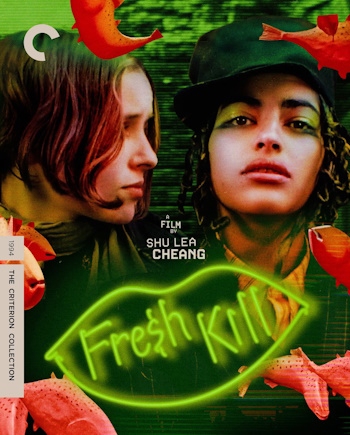
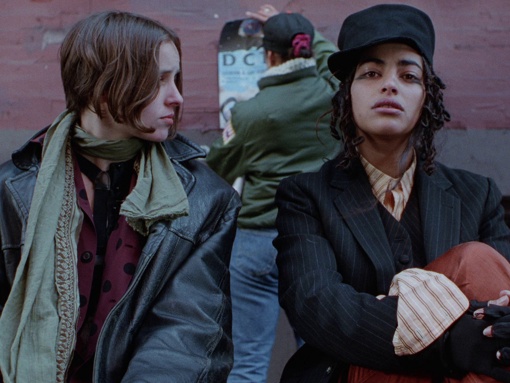
A disturbingly prescient ecofeminist parable and a brain-wave-scrambling cyberpunk fantasia, the debut feature from new-media pioneer Shu Lea Cheang merges a bold vision of resistance with an exuberant early-internet aesthetic. In a dystopian-chic New York where sushi joints and toxic-waste sites exist side by side, a lesbian couple (Sarita Choudhury and Erin McMurtry) turn to the hacker underground to solve their daughter’s disappearance, in the process exposing a conspiracy involving corporate greenwashing and tainted fish. Swinging between outré satire and agitprop, Fresh Kill sounds the alarm about a capitalist system that pollutes everything from our waterways to our bodies to our minds.
Picture 9/10
The Criterion Collection presents Fresh Kill on Blu-ray, presenting the film on a dual-layer disc in its original aspect ratio of 1.85:1. The 1080p/24hz high-definition presentation comes from a new 4K restoration taken from a scan of the 35mm original camera negative.
Admittedly, I wasn't familiar with this film at all, and looking it up (or at least what little information I could find about it) it feels miraculous that the film was even primed to receive any sort of Blu-ray release, let alone a 4K restoration. Though it appears to have maintained a cult following through repertory screenings and word of mouth since its debut, it doesn’t look as though the film ever received proper distribution in the '90s, nor any official home video release that I could find. Yet here it is, pulled from relative obscurity and given a fresh new scan.
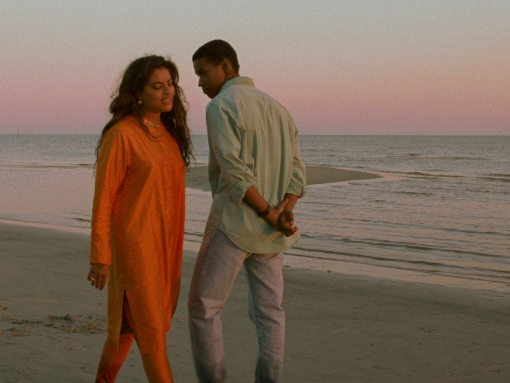
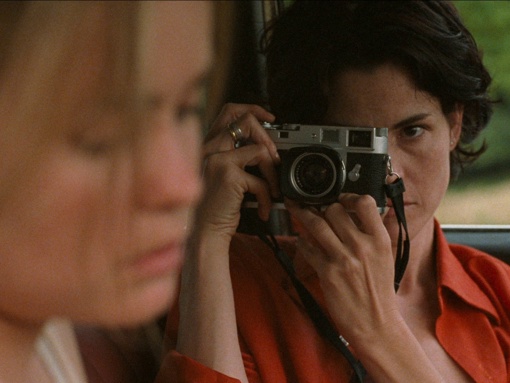
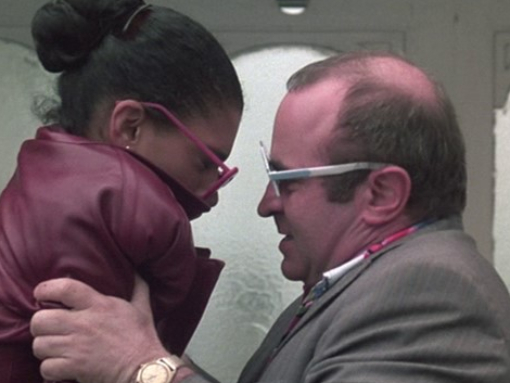
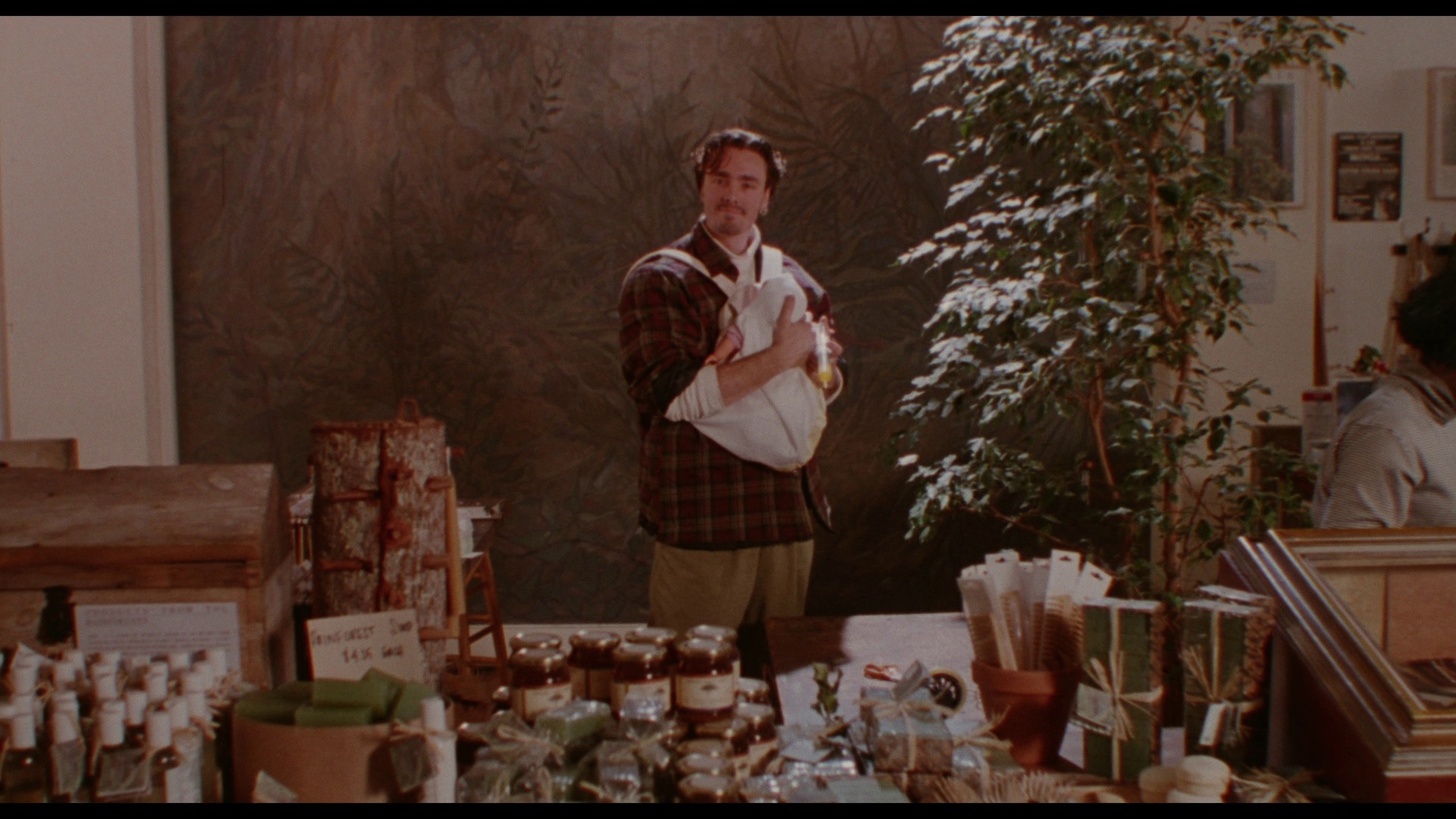
And does it ever look good. The restoration has cleaned things up thoroughly, with only a few minor blemishes remaining. Colors pop nicely, with reds, violets, and neon greens looking especially vibrant, while blacks look rich and deep with clean gradations in the shadows. The encode is also quite strong, handling the film’s grainy appearance cleanly without obvious artifacts. Even insertions sourced from 16mm blow-ups, where the grain becomes significantly heavier, still hold up remarkably well.
This probably would have looked terrific in 4K as well, though it’s admittedly not surprising the film didn’t receive a UHD release. As it stands in high-definition, the film has been given an impressive new lease on life, and Criterion’s Blu-ray represents it very well.
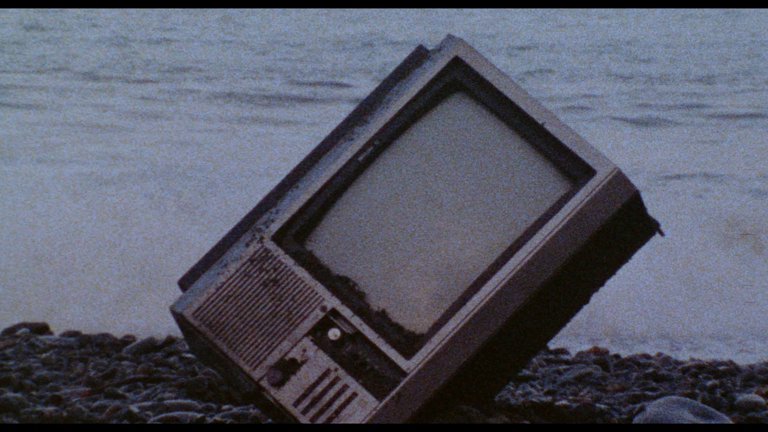
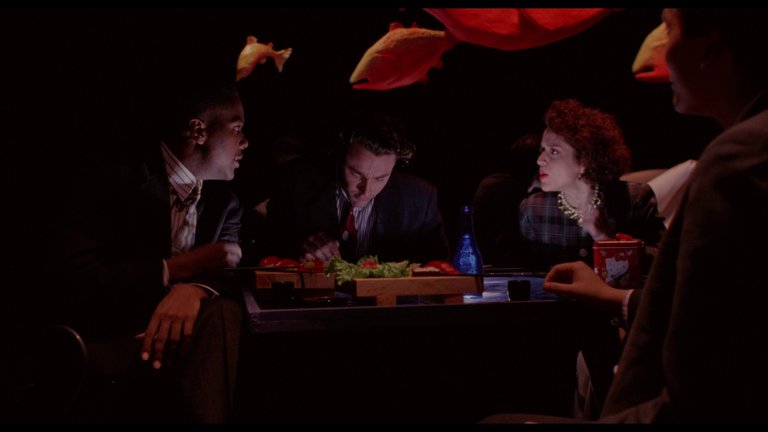
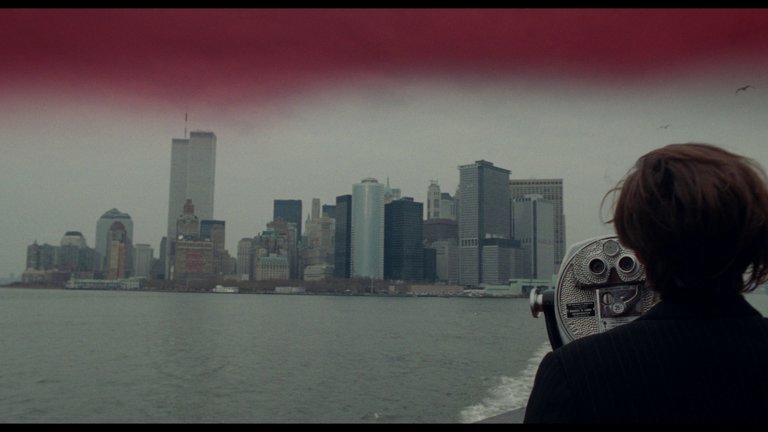
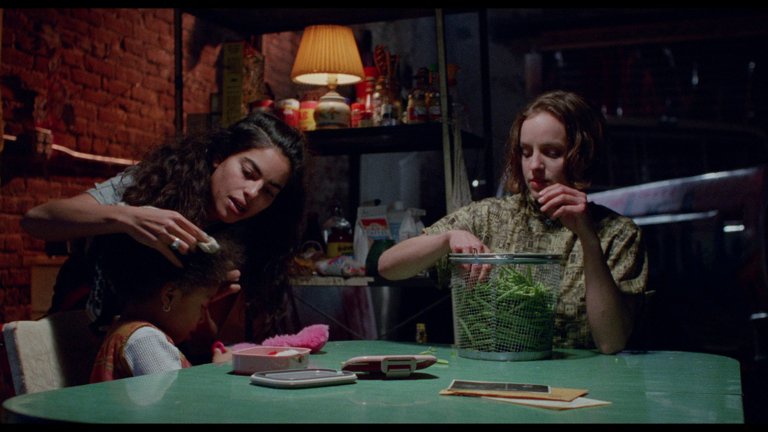
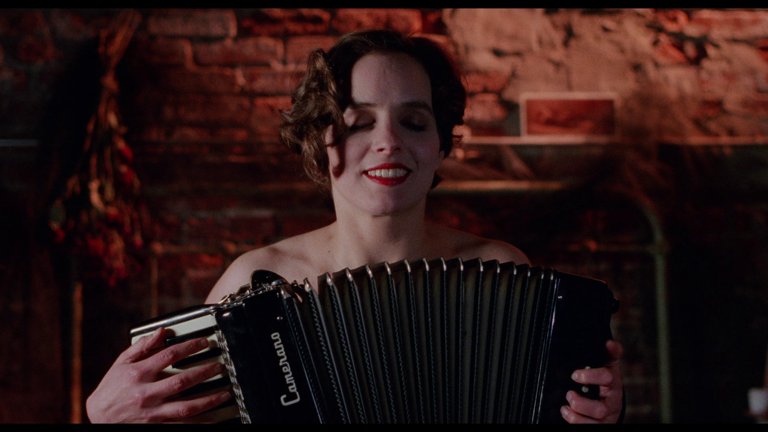
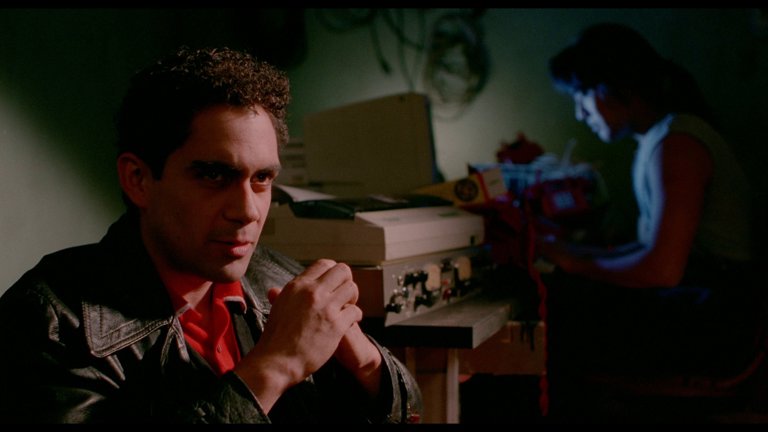
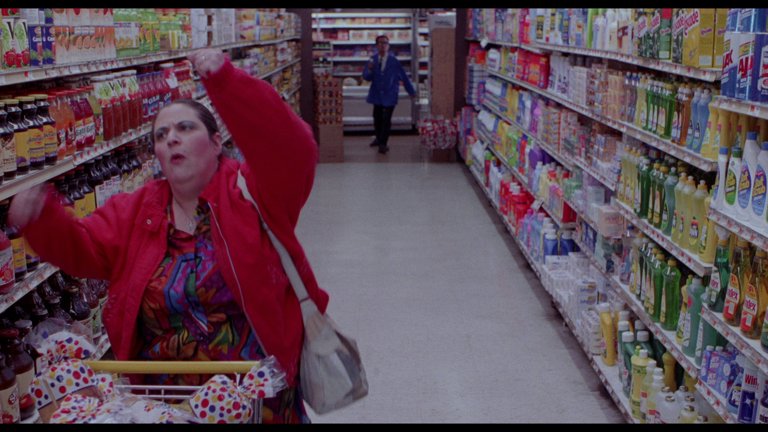
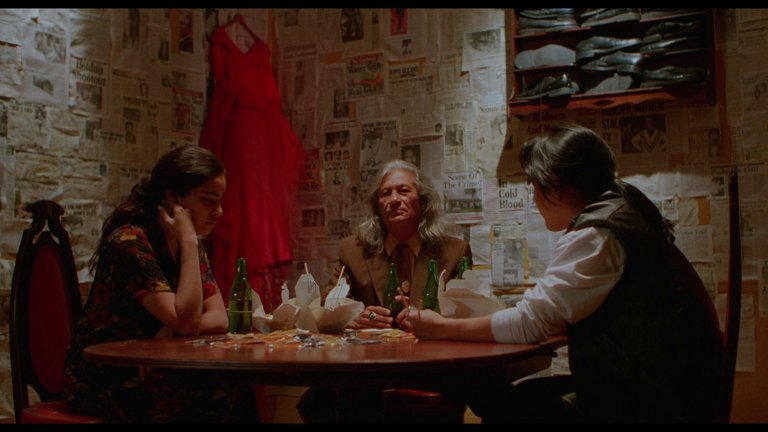
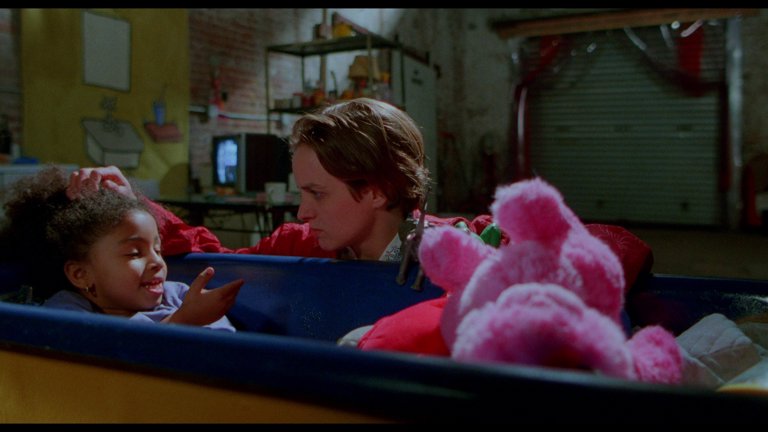
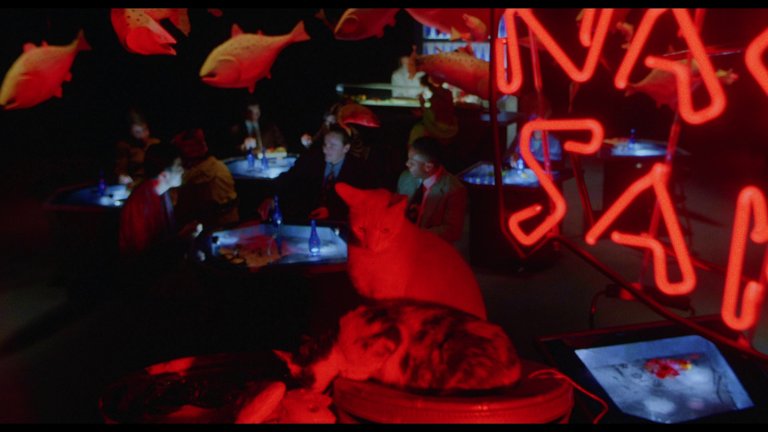
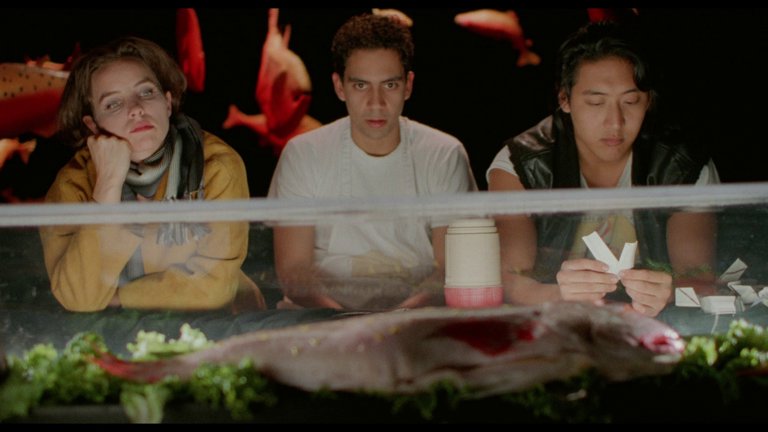
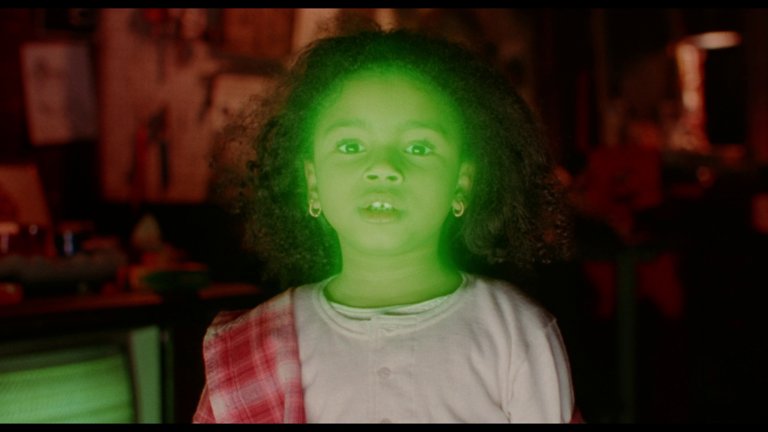
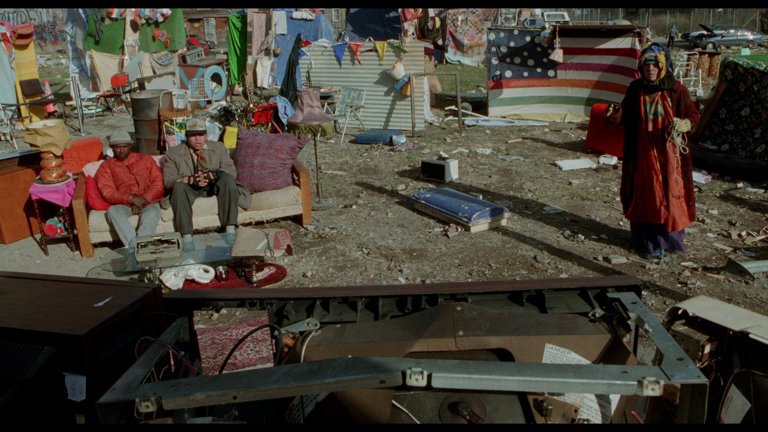
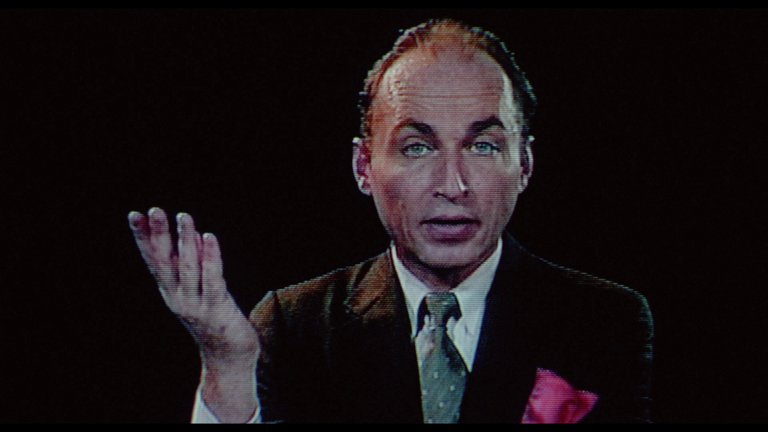
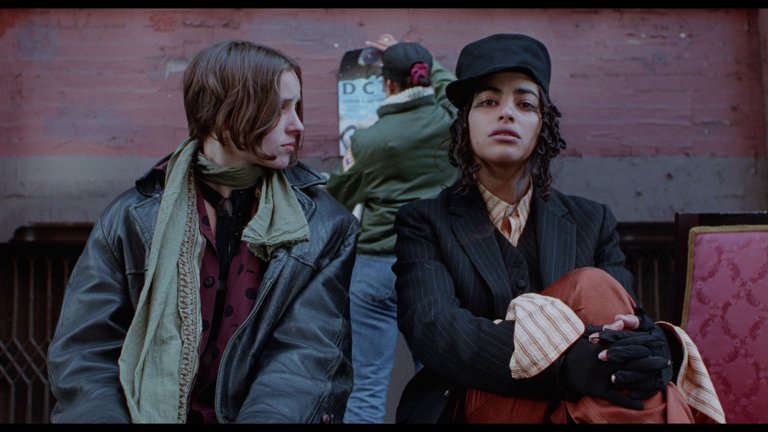
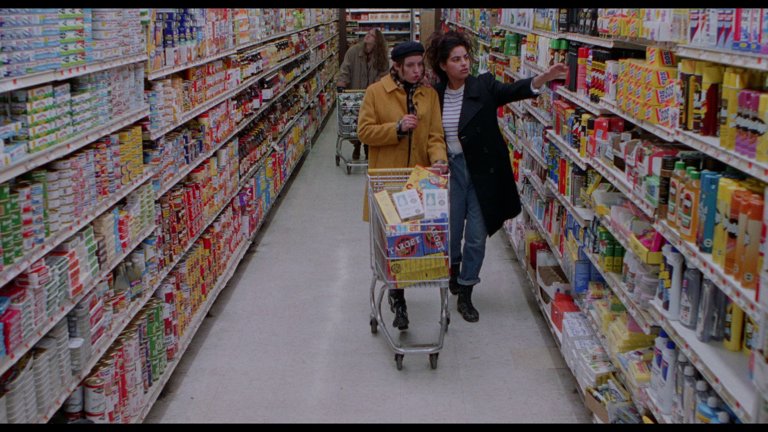
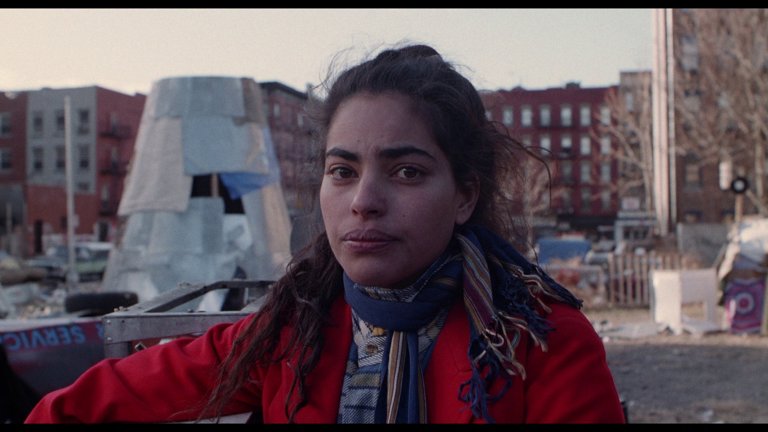
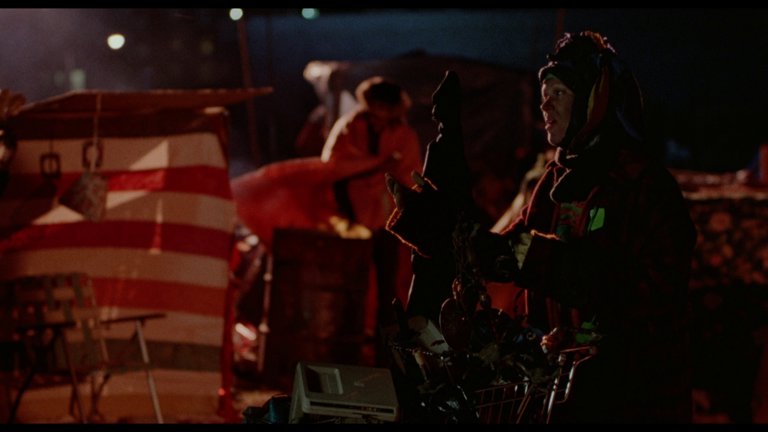
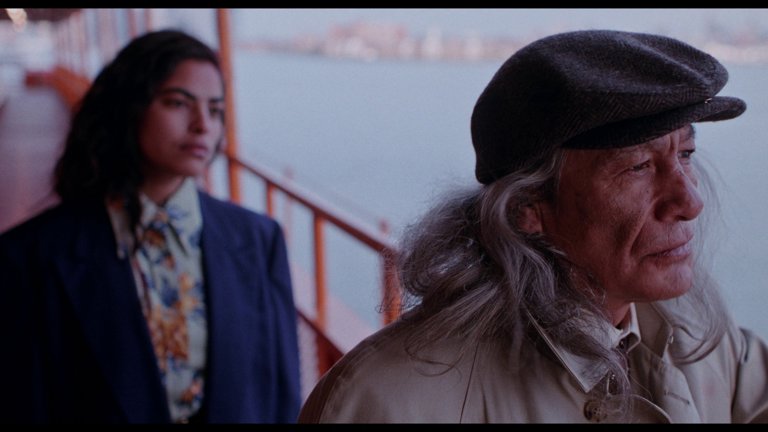
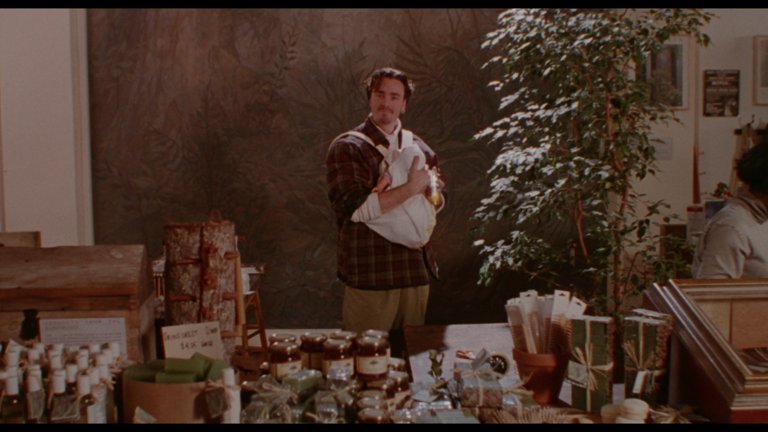
Fresh Kill - Screen Captures
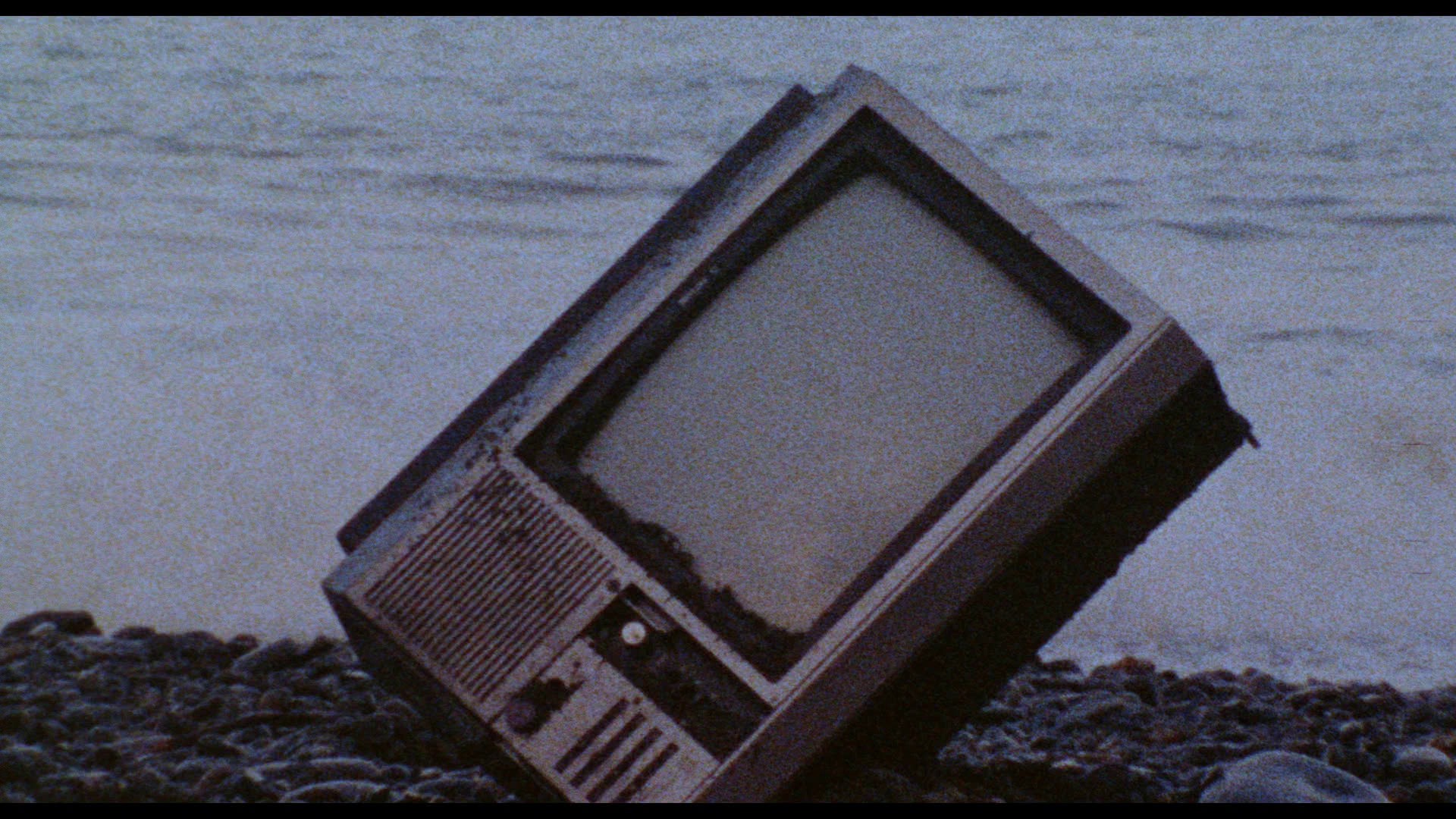
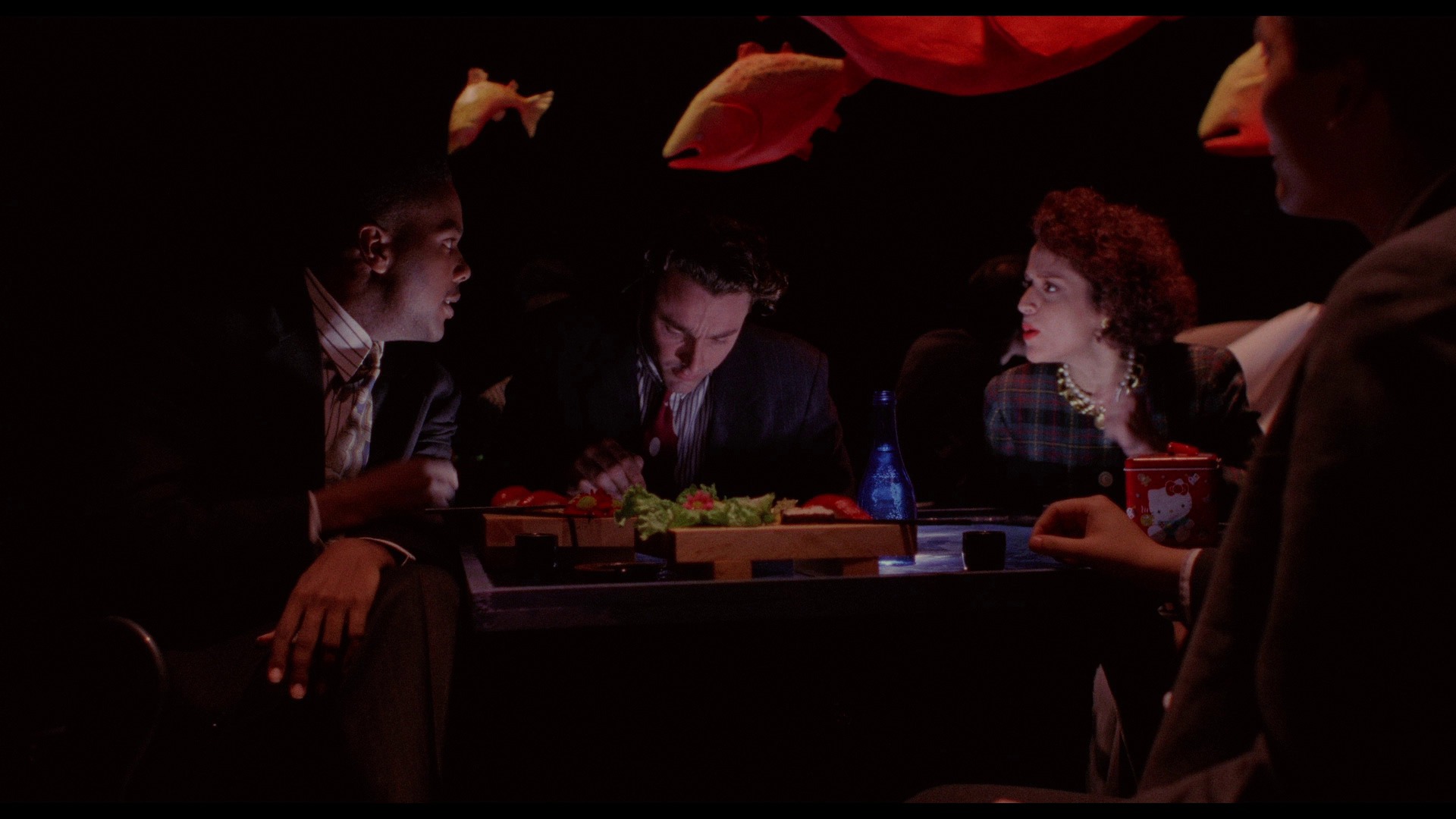
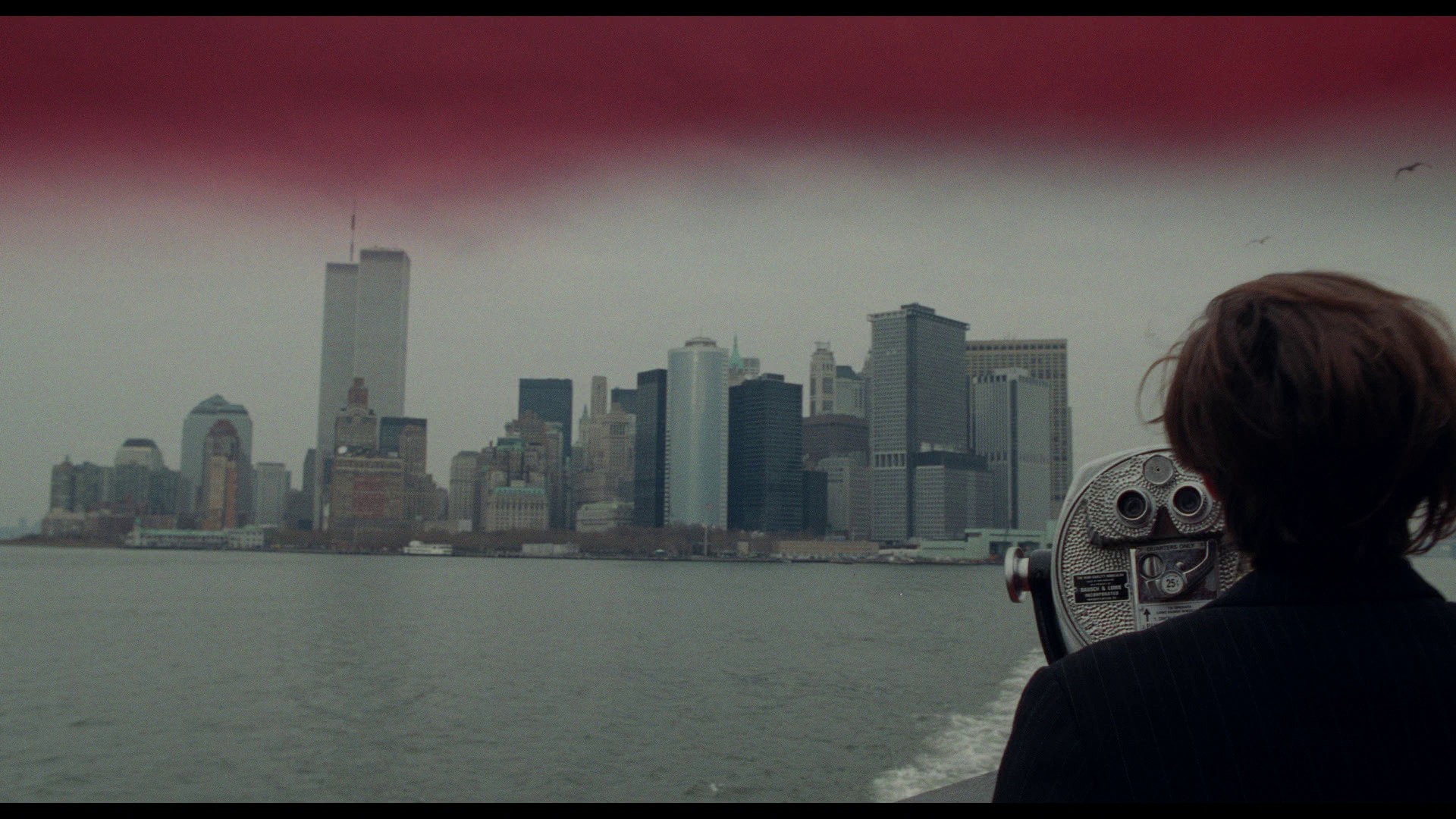
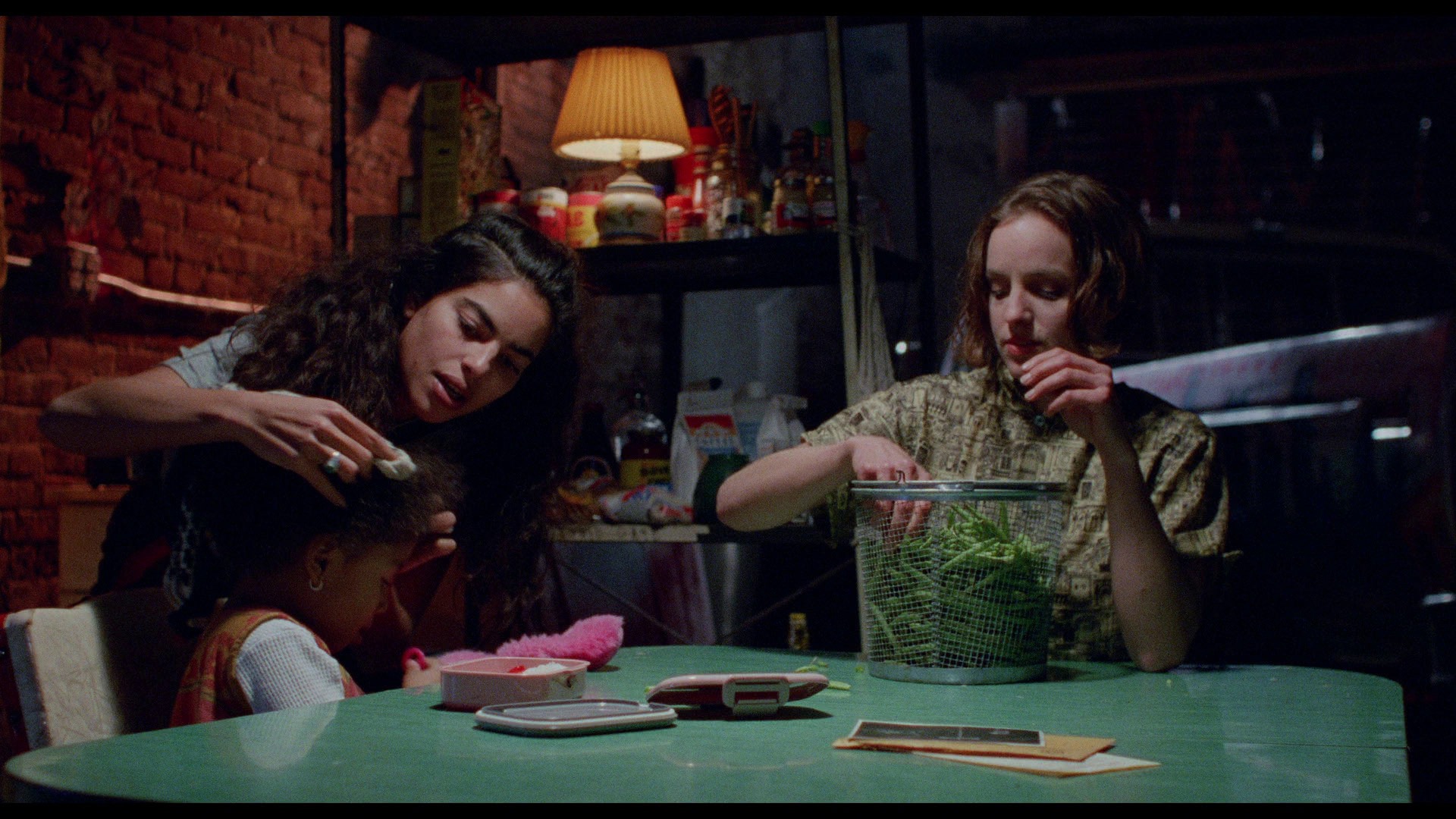
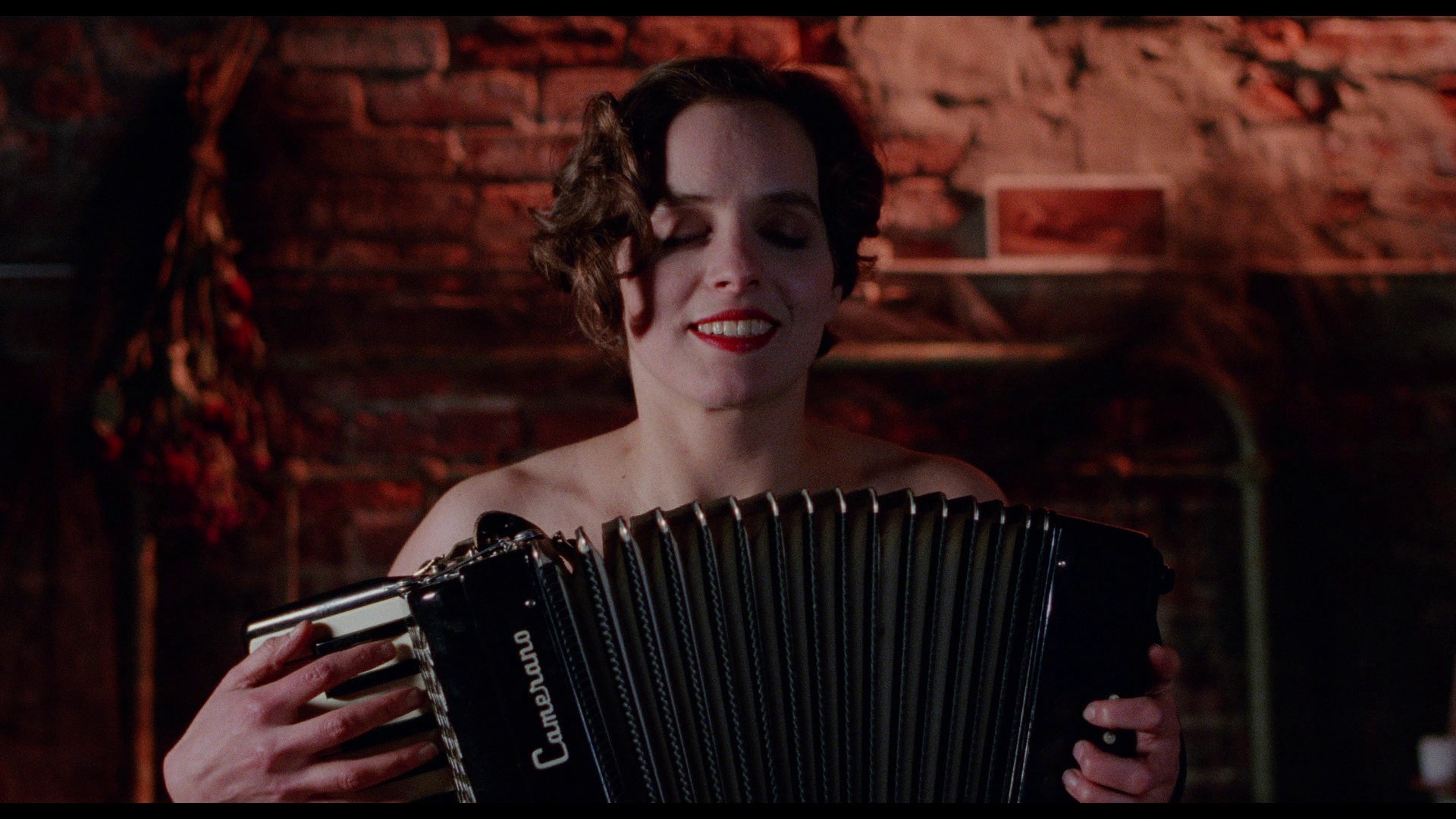
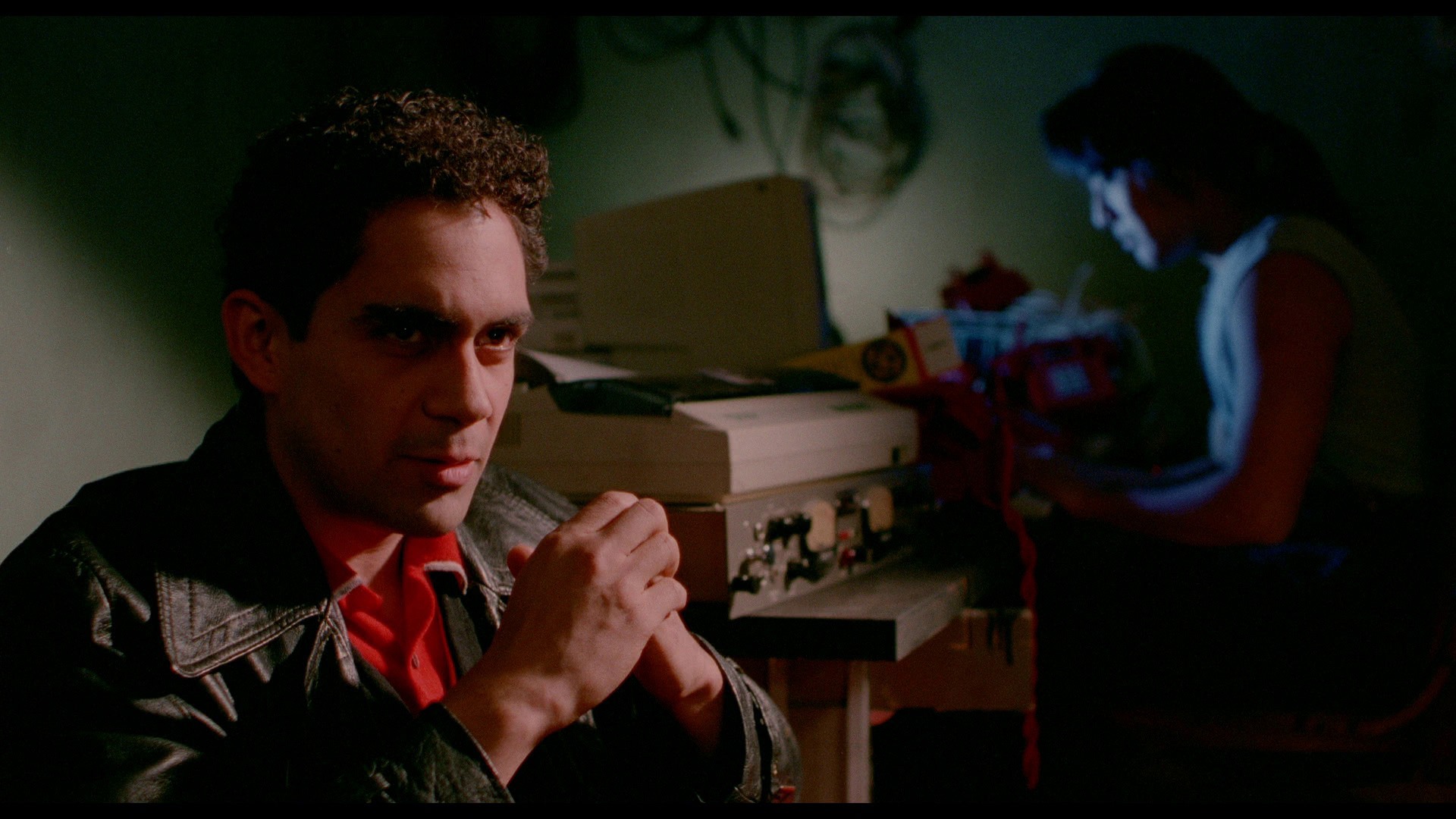
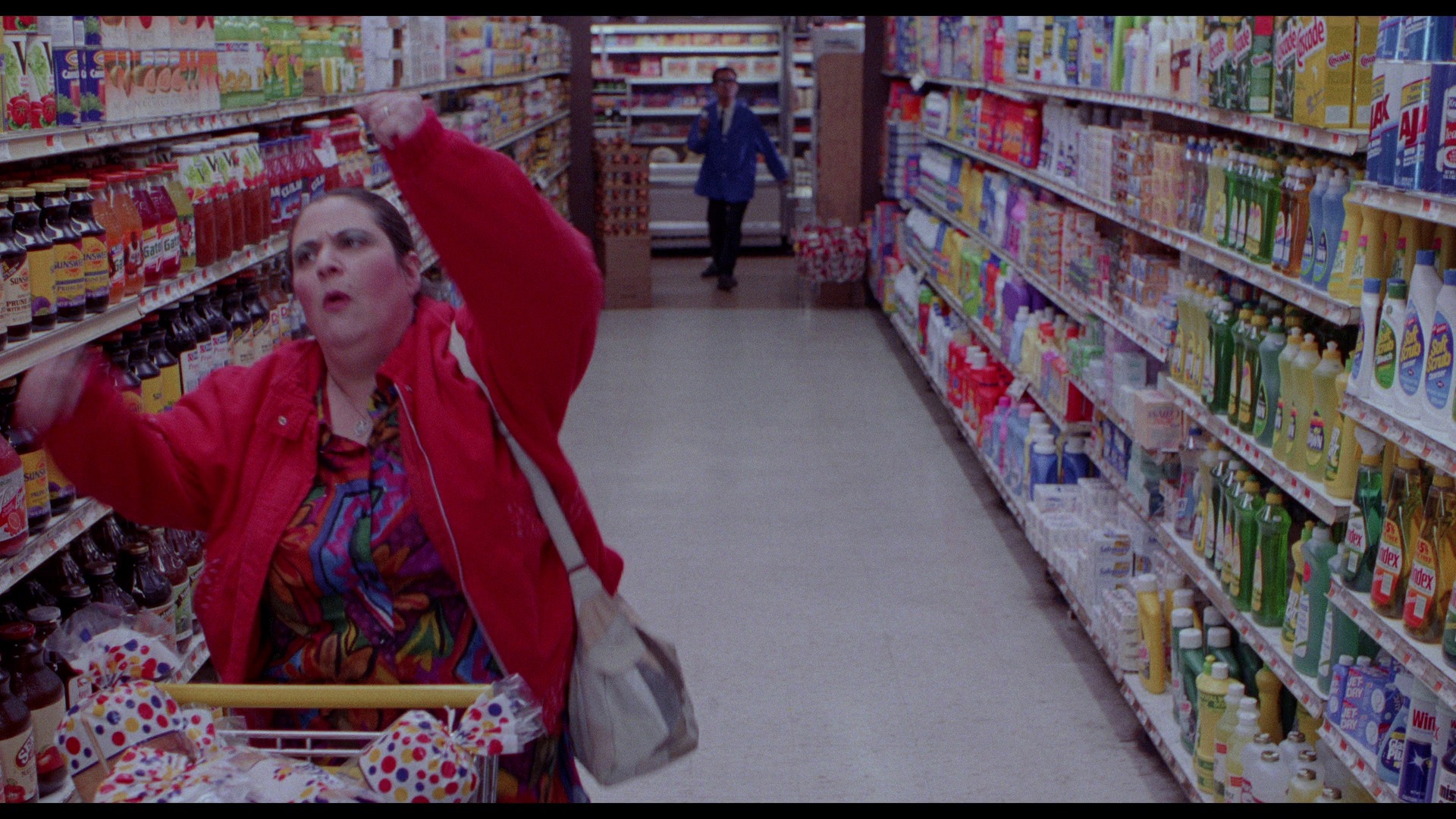
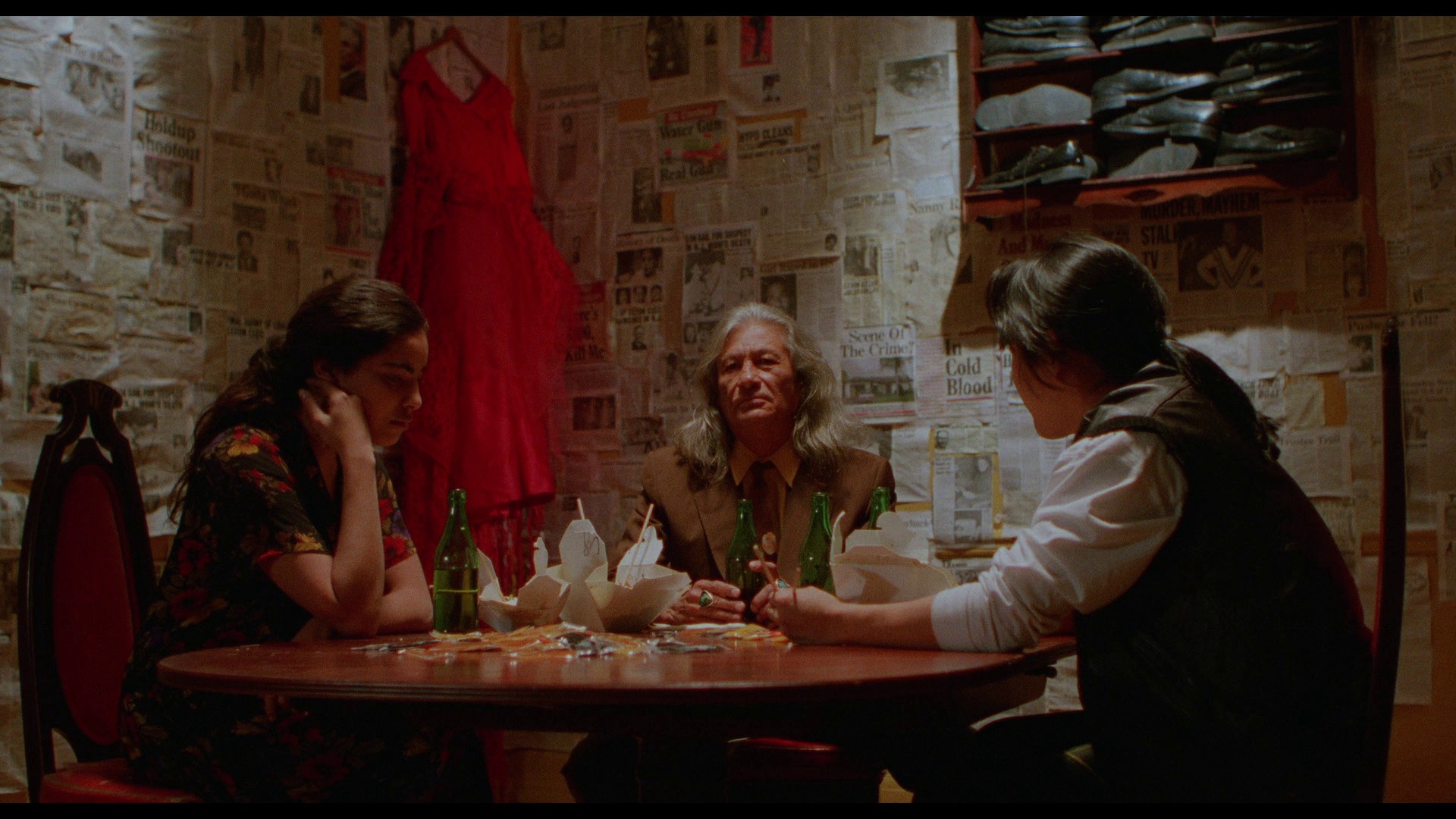
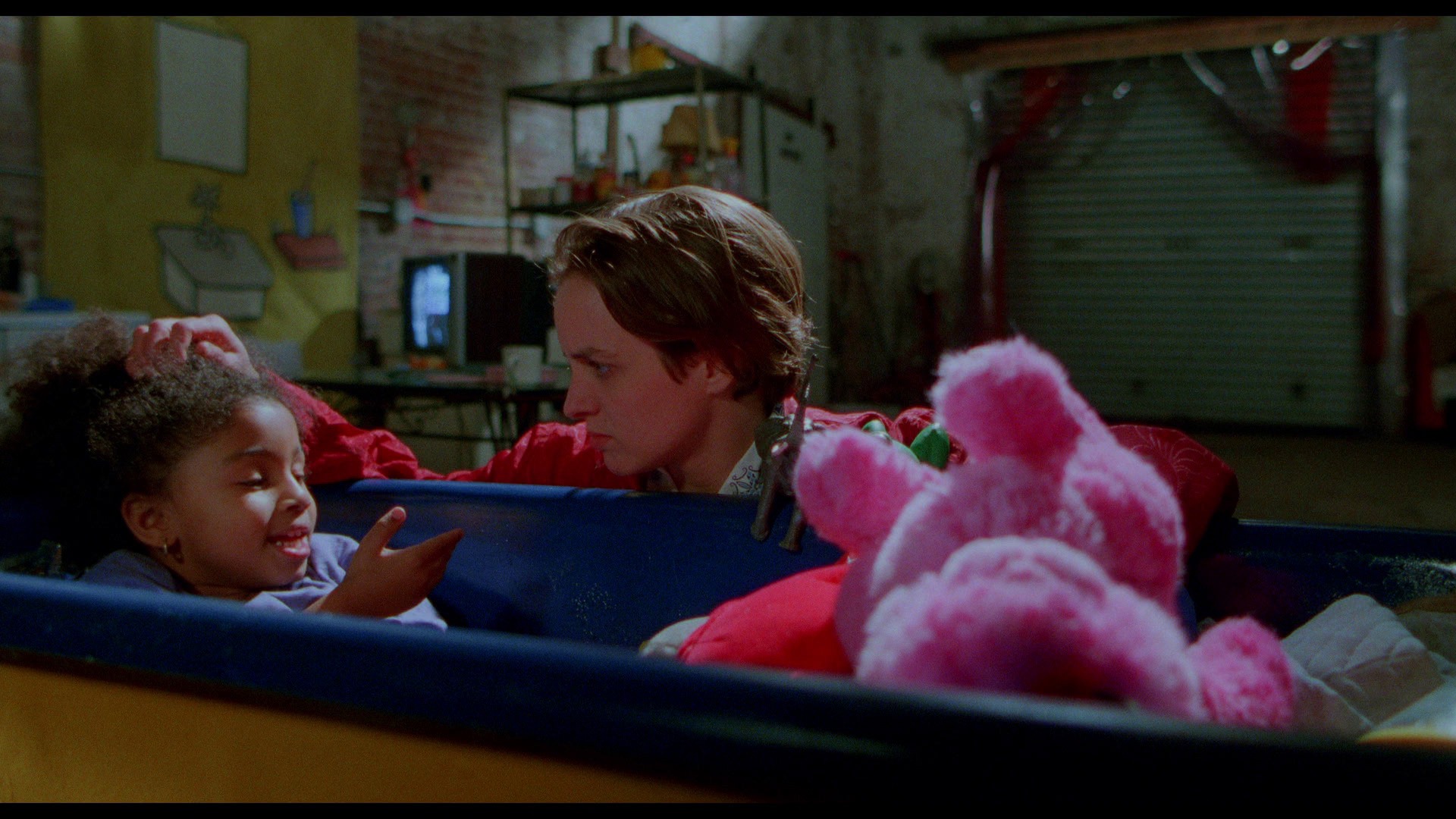
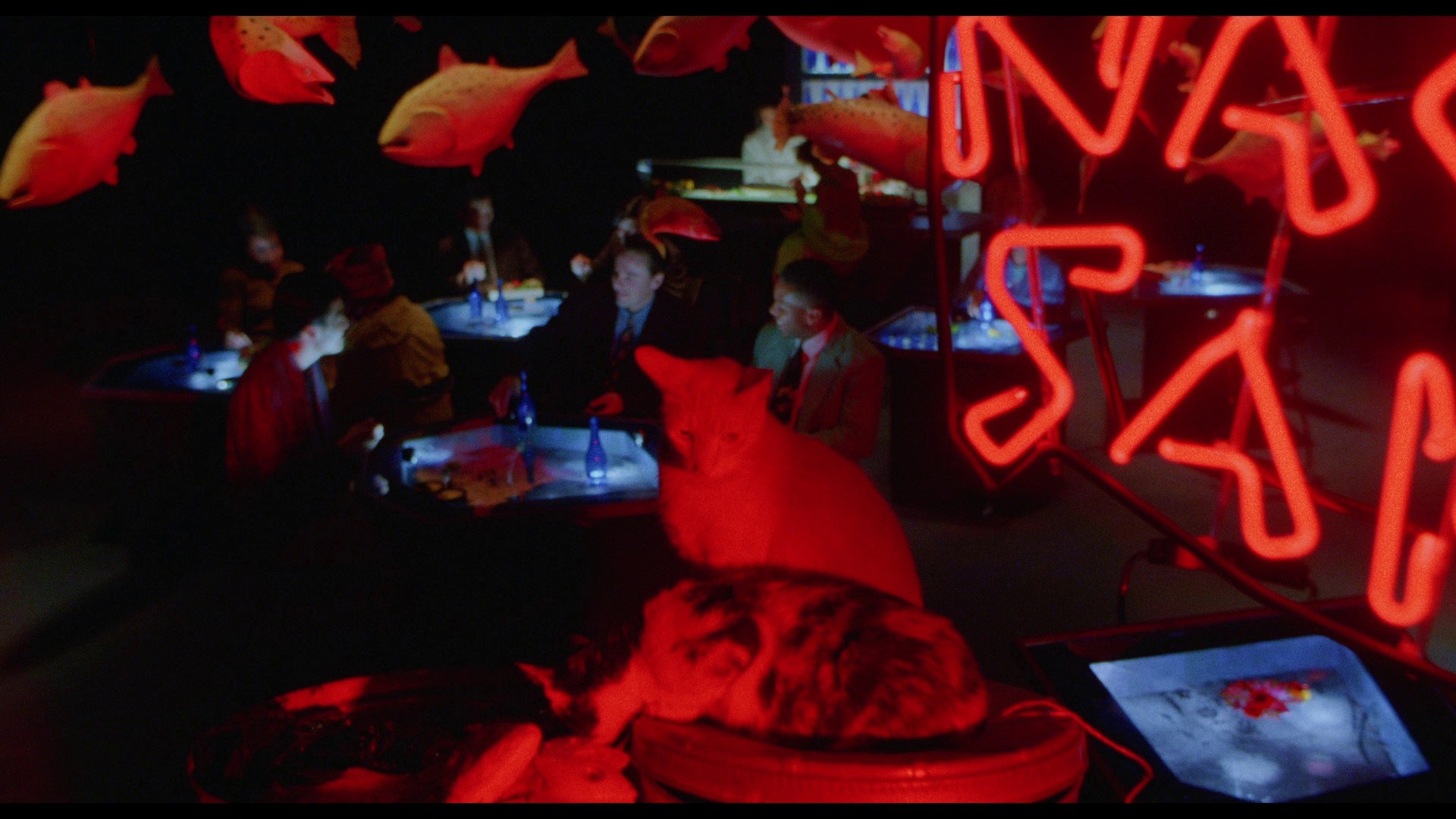
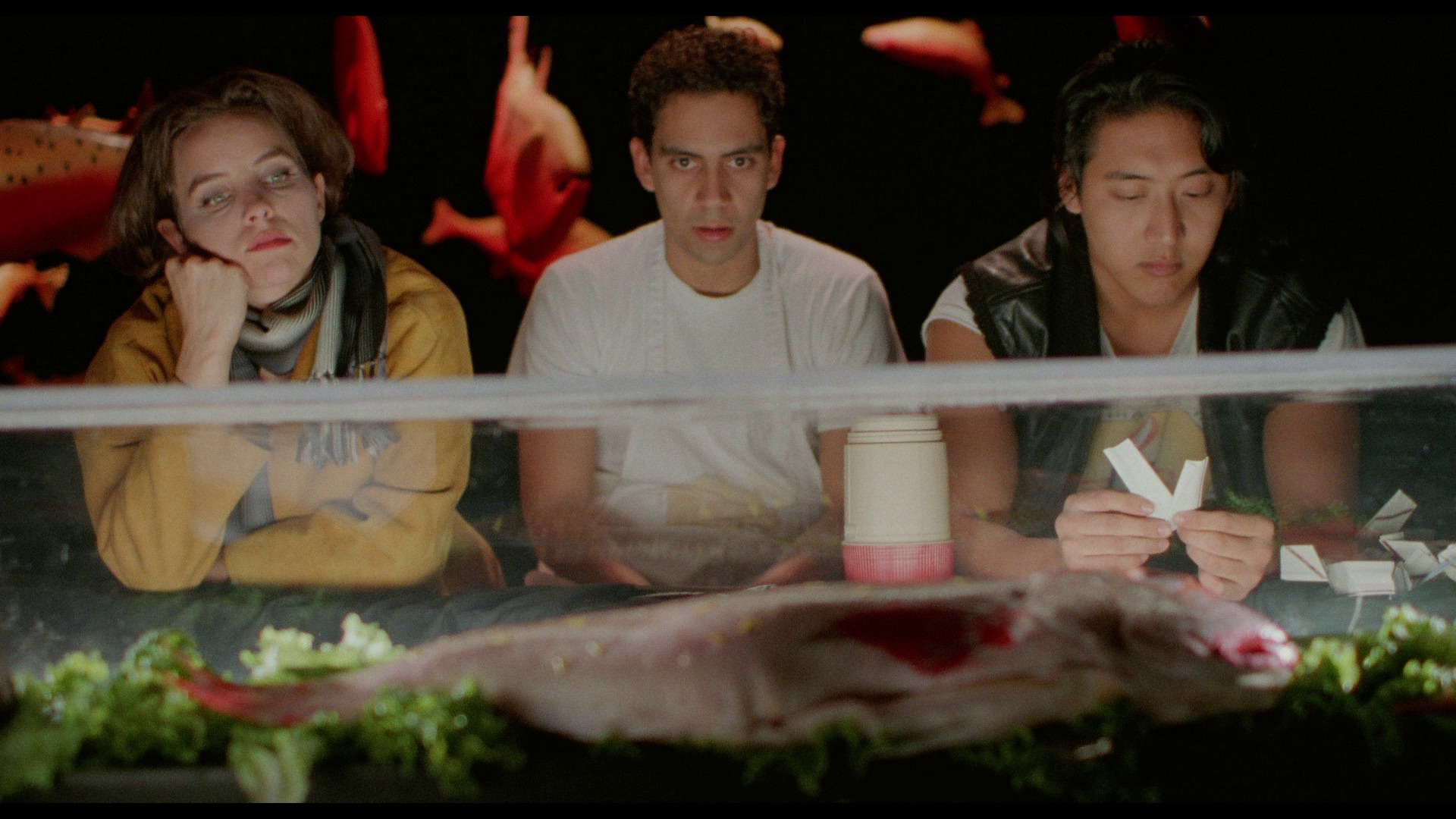
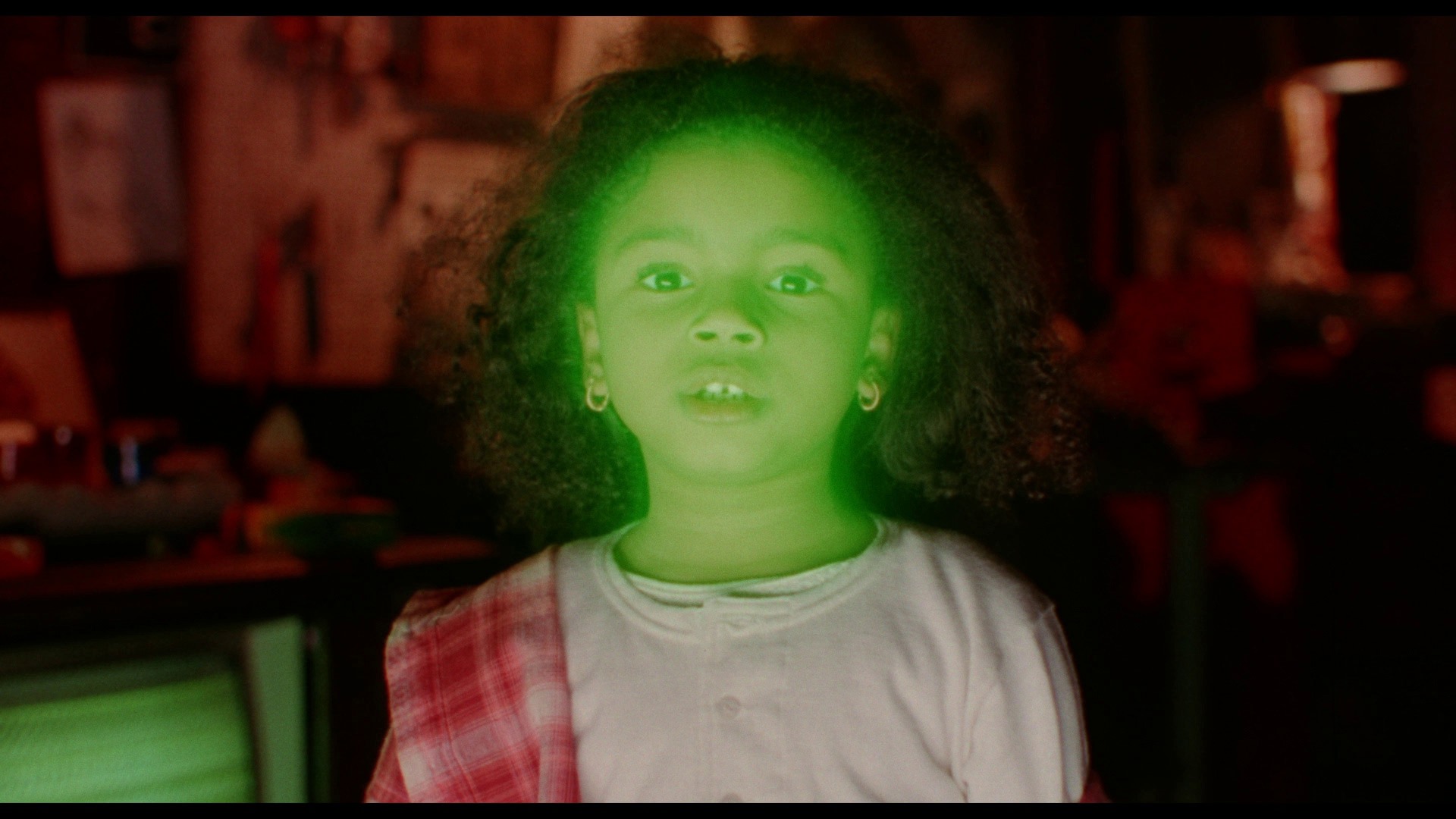
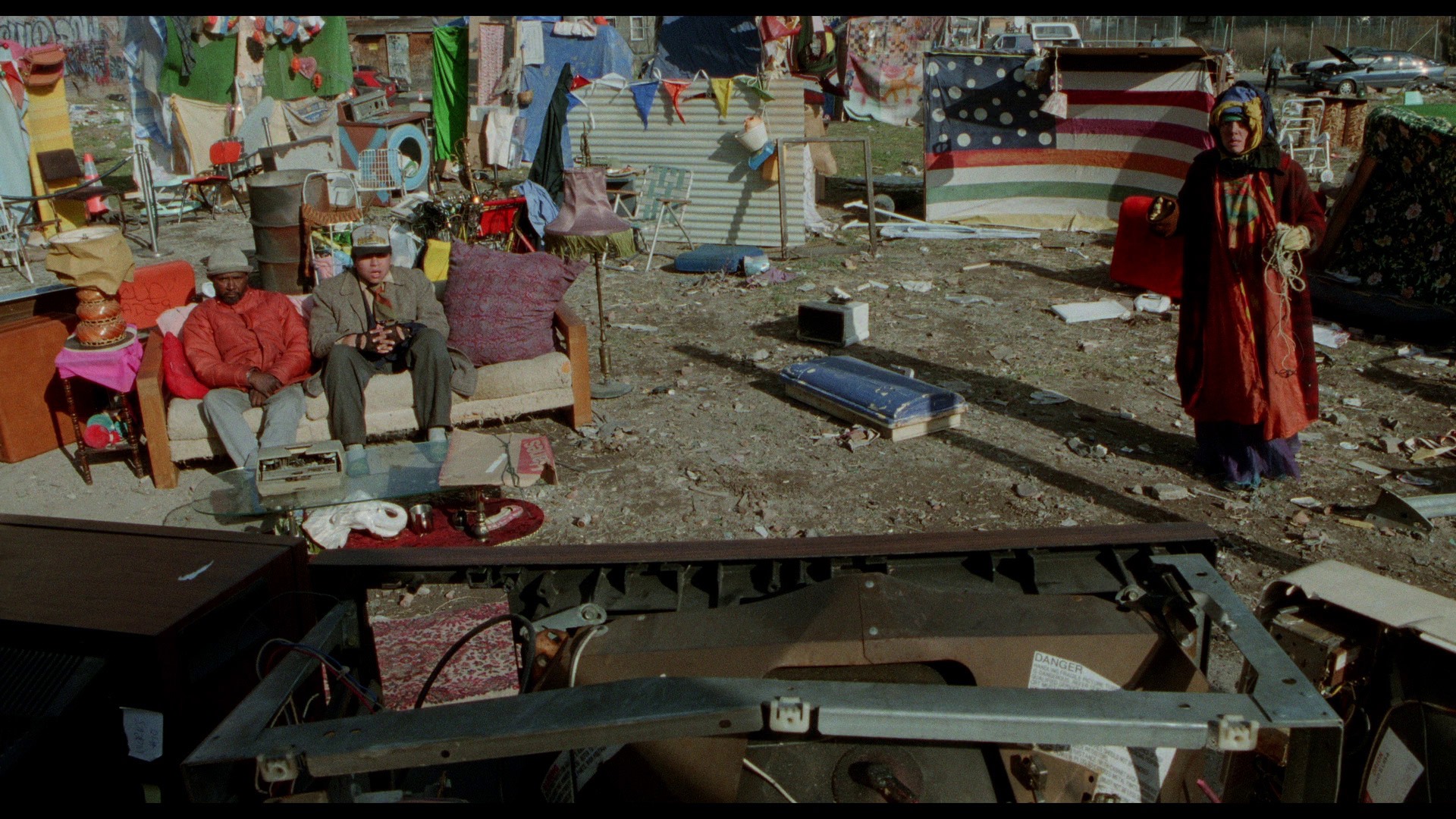
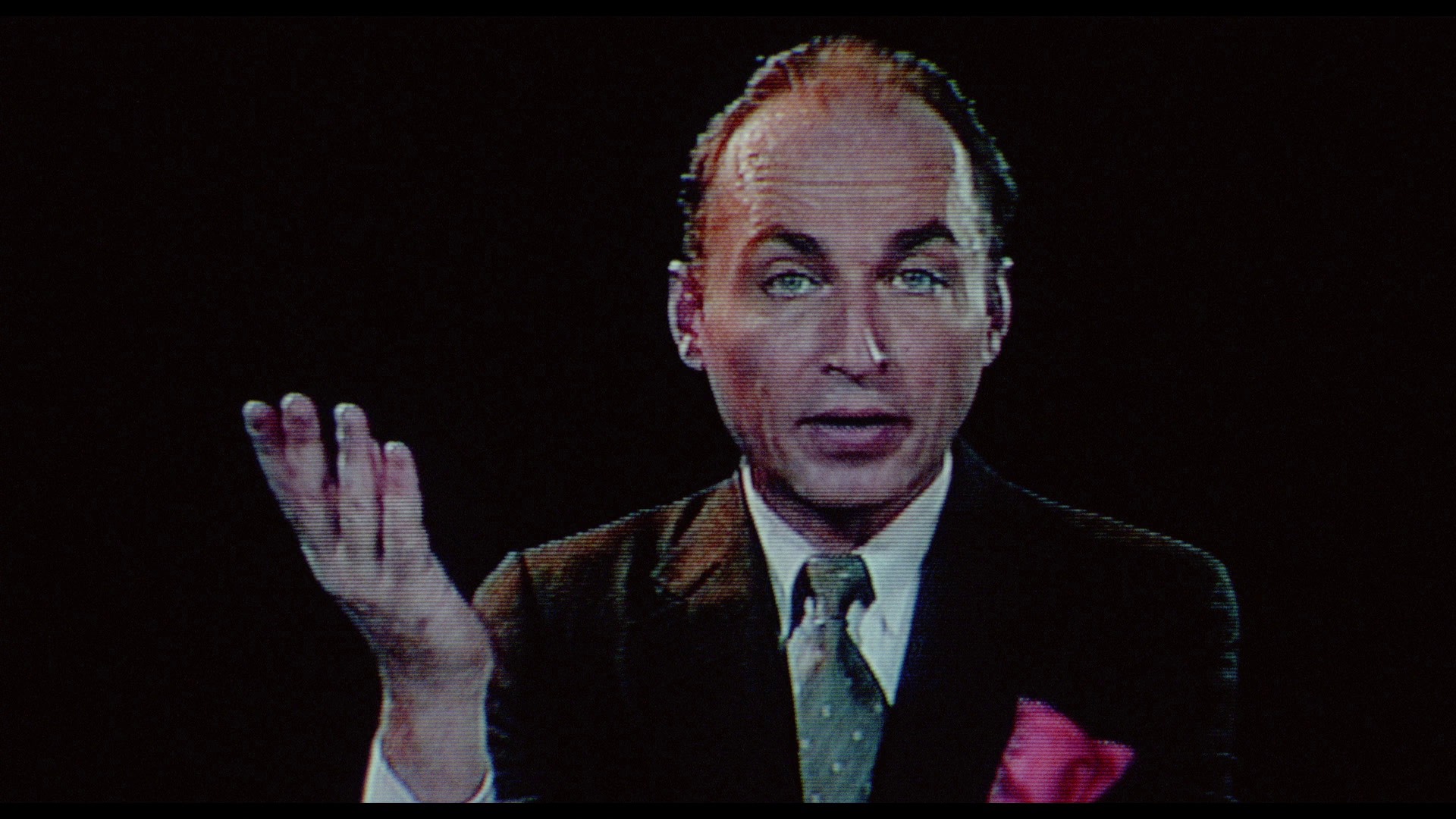
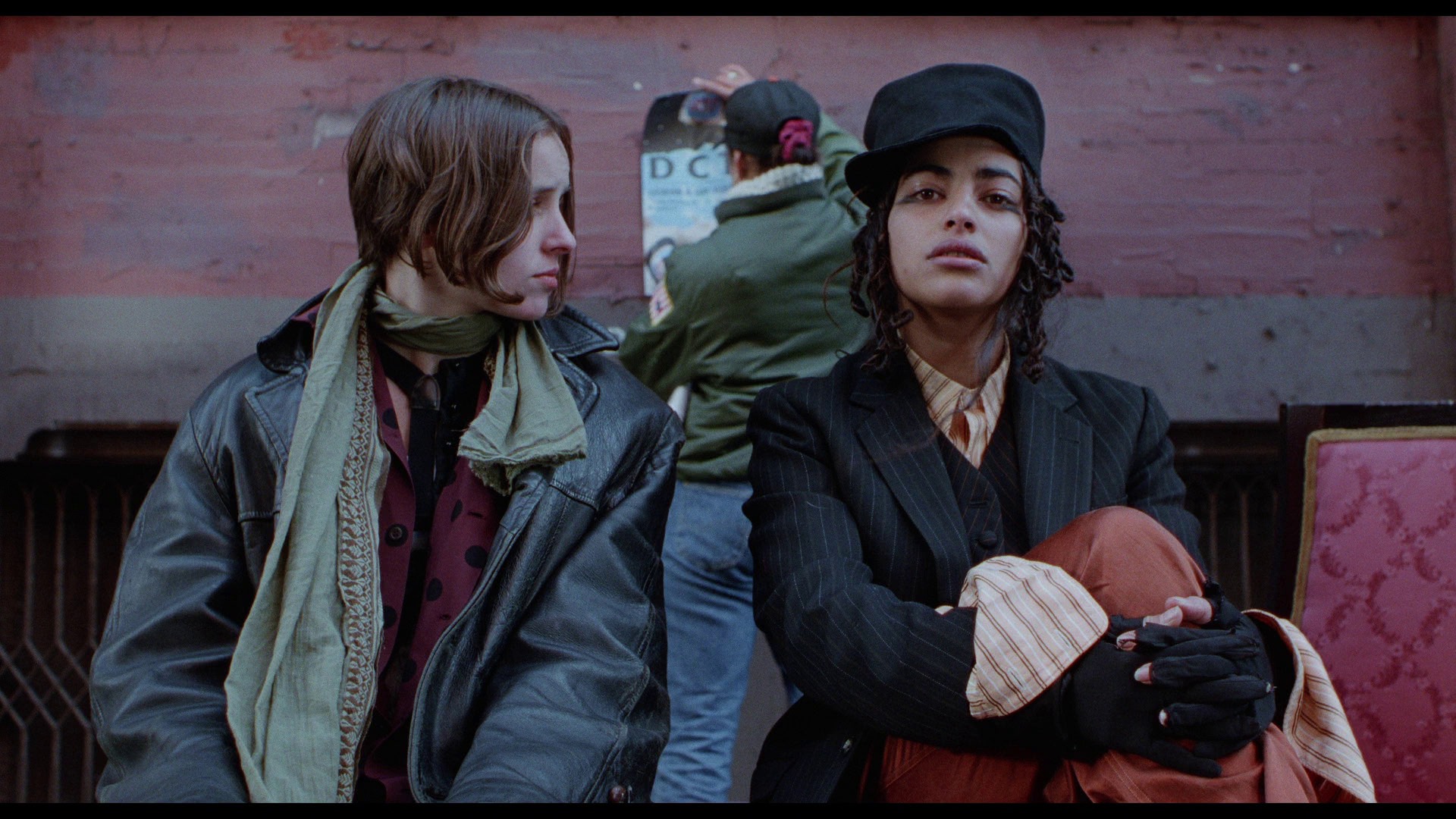
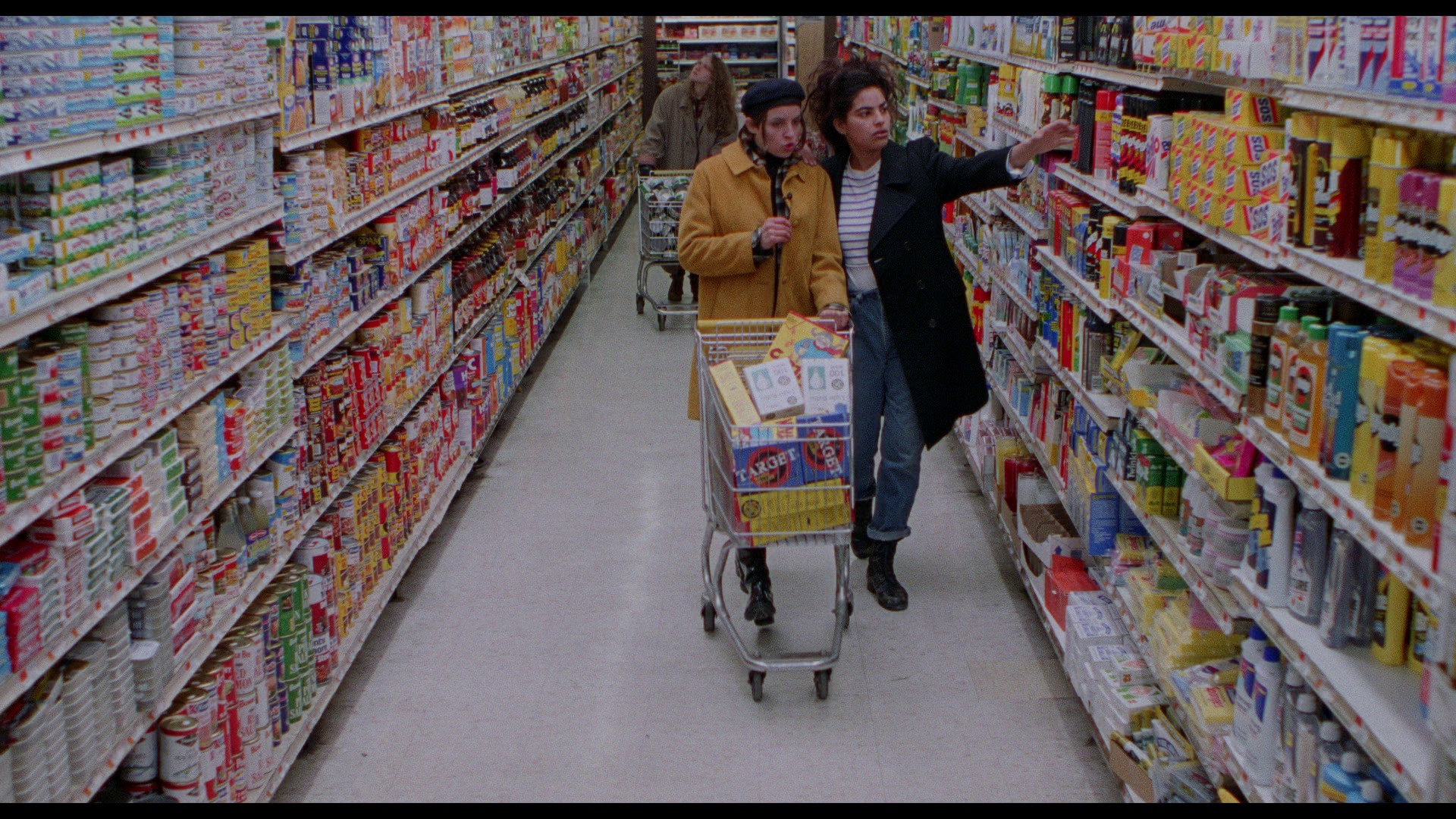
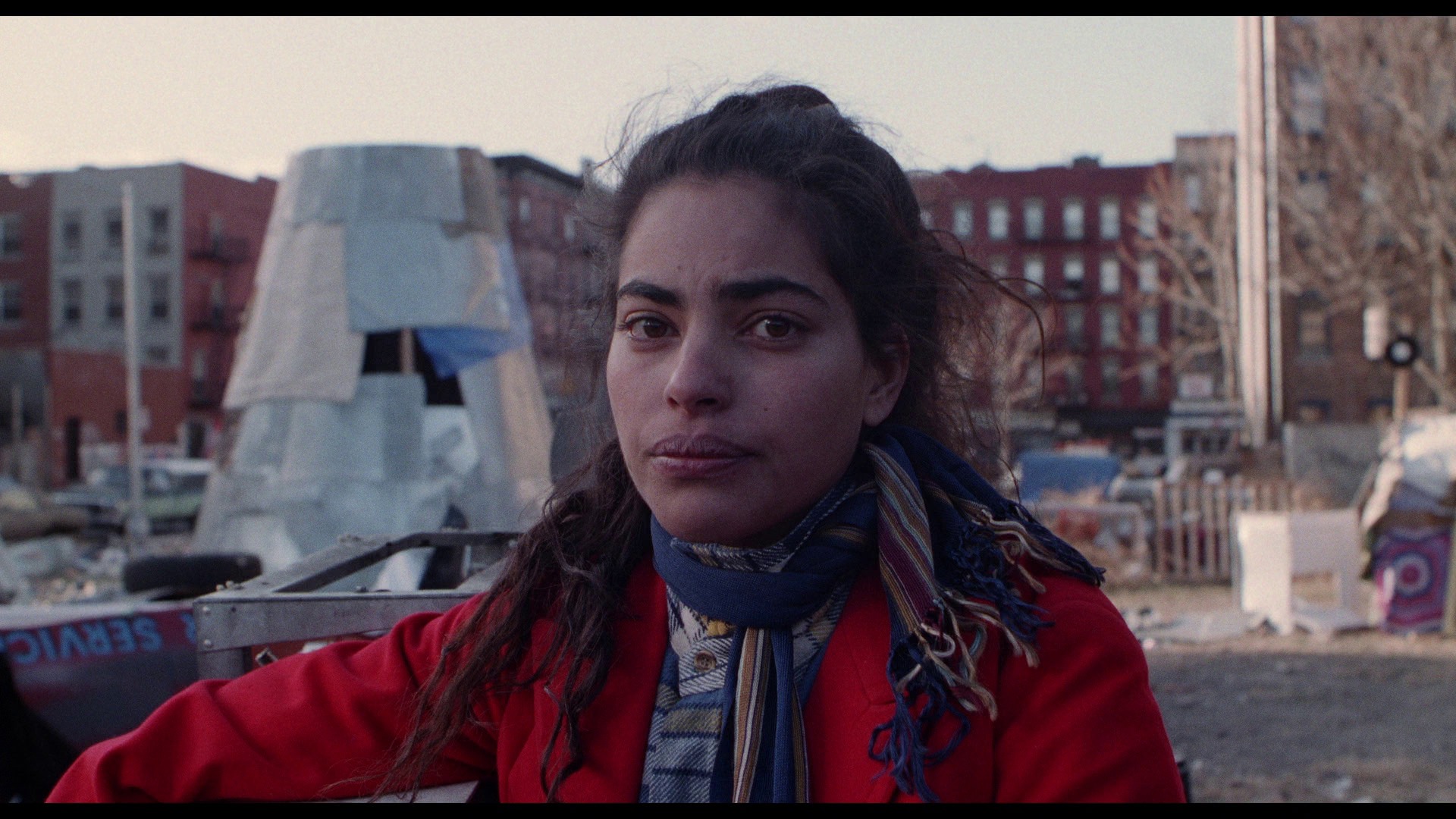
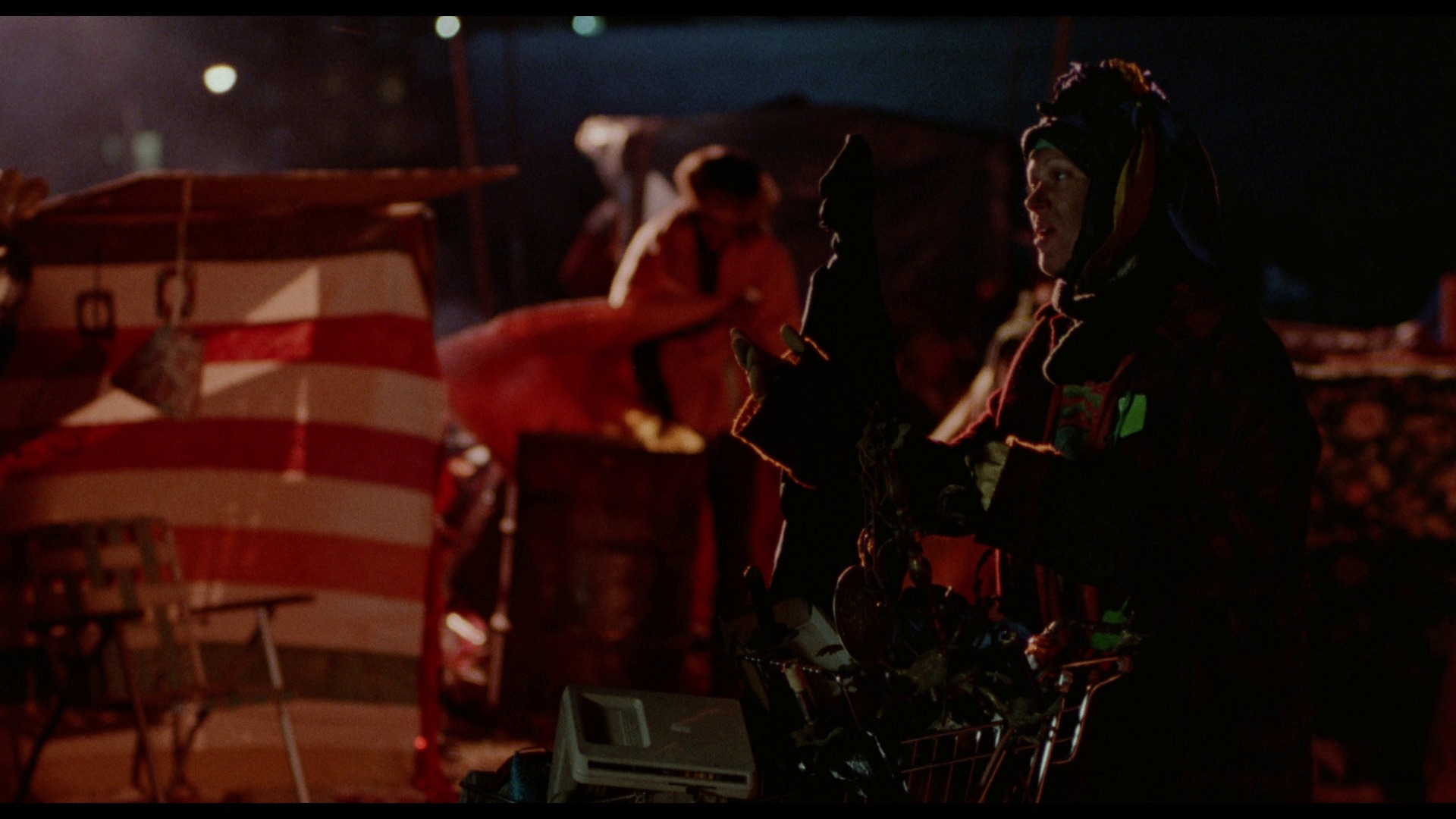
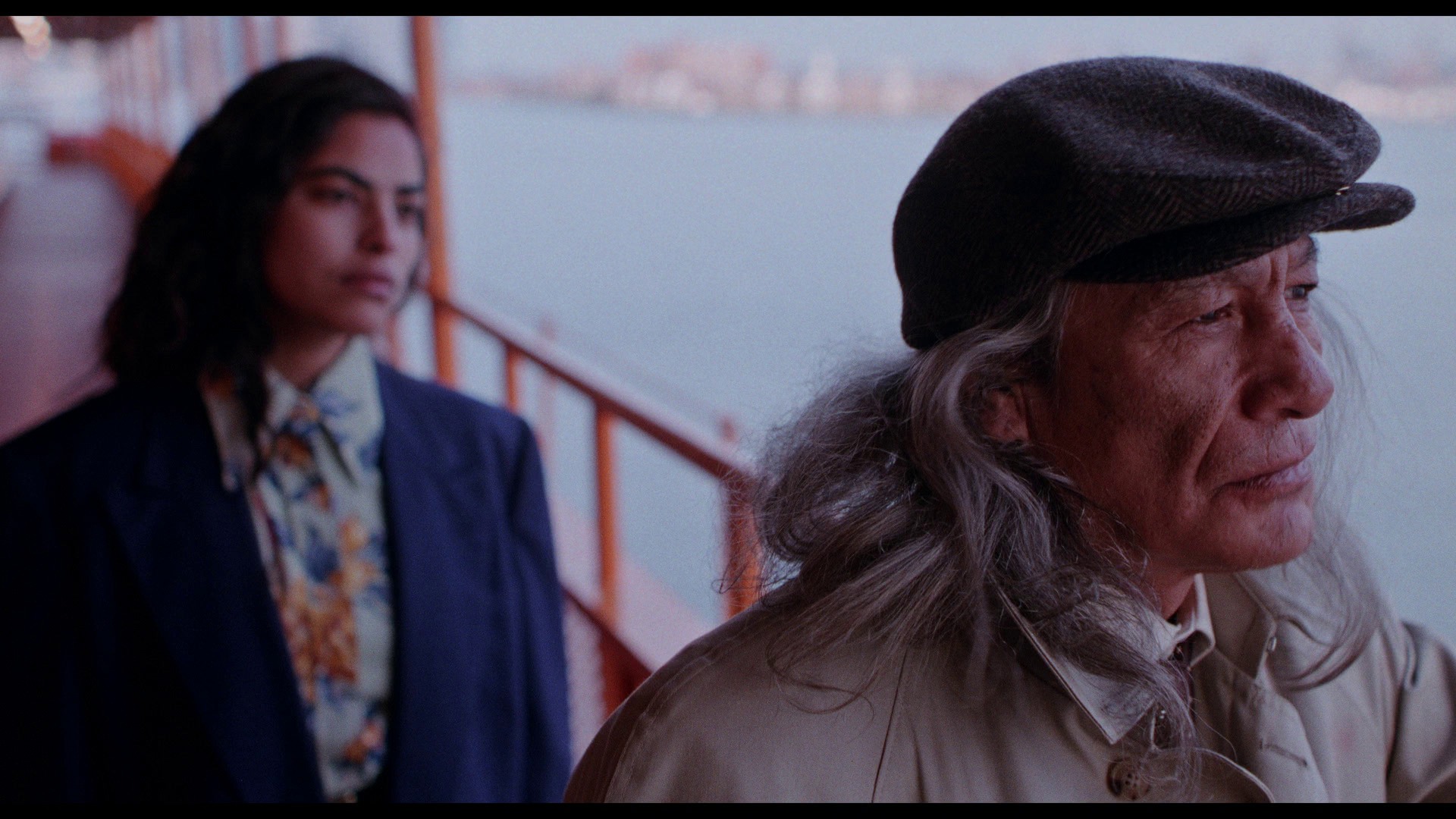
Audio 7/10
The film comes with a 2-channel surround soundtrack, presented in DTS-HD MA. It’s not an aggressive mix, with Vernon Reid’s electronic score and the occasional sound effect making their way to the rears while most of the audio remains focused toward the front speakers. Range can sound a little narrow, though fidelity is still solid, with dialogue coming through cleanly and clearly throughout.
Extras 7/10
Criterion puts together a fairly impressive edition for the film, not only offering a look at the film itself but also its director and her broader body of work. Things start off with a new 14-minute interview with Shu Lea Cheang, featuring the artist and filmmaker discussing her upbringing in Taiwan, her eventual move to New York, and the city’s art scene during the '80s and her mixed media work. This then naturally leads into the film itself and the inspirations behind it, which stemmed from her growing awareness of environmental issues, particularly corporations dumping waste in areas populated by Indigenous communities. She also touches on the film’s depiction of hacker subculture, reminisces about 56K modems, and talks briefly about the restoration.
The interview serves as a terrific introduction and primer on Cheang, something then expanded upon in a couple of the other supplements, including a Q&A session moderated by professor Jigna Desai. Here the discussion expands to Cheang’s larger body of work, New Queer Cinema, her “non-traditional” casting choices, and how the film arguably feels even more relevant today than it did at the time of its original release, particularly in relation to environmental collapse and surveillance culture. Accompanying this is an 8-minute video profile produced by the Guggenheim Museum for Cheang receiving the LG Guggenheim Award, examining her multimedia installations and technology focused artwork addressing race and gender issues, including projects involving monitors embedded in coin-operated washing machines. It admittedly isn’t all that in-depth, and I do wish Criterion had included a newly produced program delving deeper into the subject, but it still works as a worthwhile introduction.
Criterion also includes a new interview with Sarita Choudhury, who recounts that period in her life and career. She first discusses how she found her way into acting after previously working around the film industry in various capacities (including, briefly, with Federico Fellini) before being discovered by Mira Nair for Mississippi Masala. Despite the success of that film (and starring opposite Denzel Washington), she explains that finding new work as an Indian actor proved difficult, leading her to work in New York theater while waitressing on the side. That’s where Cheang eventually found and cast her for the film. Choudhury recalls working alongside the film’s ensemble of New York actors and artists, including Ron Vawter, and describes the excitement of collaborating with them, even if briefly. Unsurprisingly, she also confesses she wasn’t always sure what was going on in the film during production, especially since the hacker and technology themes explored within it were still outside the mainstream at the time. Still, she speaks fondly of the project and seems genuinely happy the film may now find a wider audience. It only runs 14 minutes, but it’s a strong addition.
The disc then closes with a program documenting the new restoration’s tour around the country entitled “Fresh Kill: The Road Trip.” In her discussion with Desai, Cheang touched on the unconventional method they distributed the new restoration for theatrical showings, which involved her and a small crew literally driving the new 35mm print across the United States for screenings at various venues. This 18-minute feature provides snapshots from the trip, including footage from the screenings. It’s quite a bit of fun.
An essay by Mindy Seu, associate professor in the Department of Design Media Arts at the University of California, Los Angeles, rounds out things in the included insert. Seu writes about the film as though it were a pirate television signal stumbled upon a CRT monitor, while examining its intersections of technology, environmentalism, race, and gender. There’s perhaps an academic perspective missing from the video supplements, but the essay fills that gap fairly well.
In the end, the supplements could perhaps be more thorough, but the material still provides valuable insight into the film, its unusual path toward receiving its new restoration, and the larger body of work created by its director.
Closing
Bringing the film to a wider audience, Criterion assembles a solid special edition with a wonderful new presentation.
BUY AT: