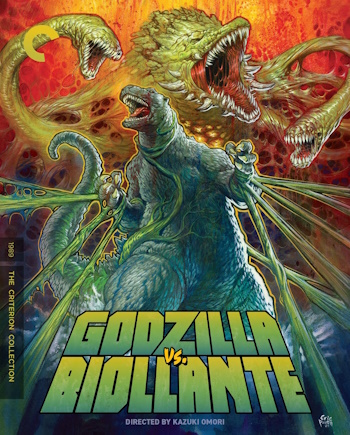
Godzilla vs. Biollante

BUY AT:


See more details, packaging, or compare
Synopsis
Diving into delirious realms of imagination, this second film of the Godzilla franchise’s 1980s resurgence showcased the towering beast for a new generation of fans. This time, Godzilla’s foe is one of the series’ most wondrously strange kaiju creations: Biollante—a mutant plant genetically engineered from the cells of a rose, a renegade scientist’s dead daughter, and Godzilla itself. With a wild plot encompassing spies, psychic children, and bonkers biotechnology—and some of the coolest special effects in the history of Japanese cinema—Godzilla vs. Biollante stands as a high point in the ever-evolving mythology of the King of the Monsters.
Picture 9/10
Appearing to be making their way through the Heisei era of Godzilla films, The Criterion Collection presents Godzilla vs. Biollante on 4K UHD, delivering the film in a 2160p/24hz ultra high-definition encode on a triple-layer disc, framed in its original aspect ratio of 1.85:1. The restoration, performed by Toho, was sourced from a scan of the 35mm original camera negative. Criterion also includes a standard Blu-ray featuring all of the video-based supplements and a 1080p presentation of the film.
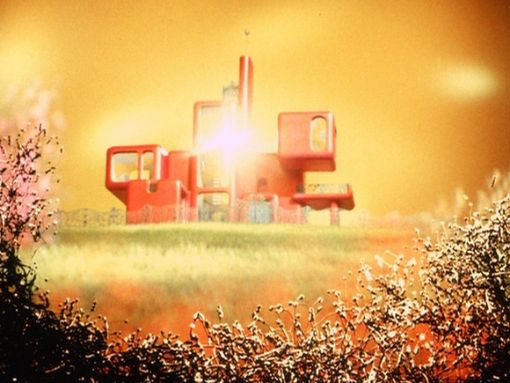
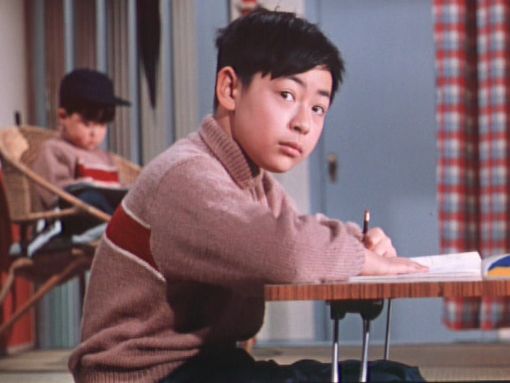
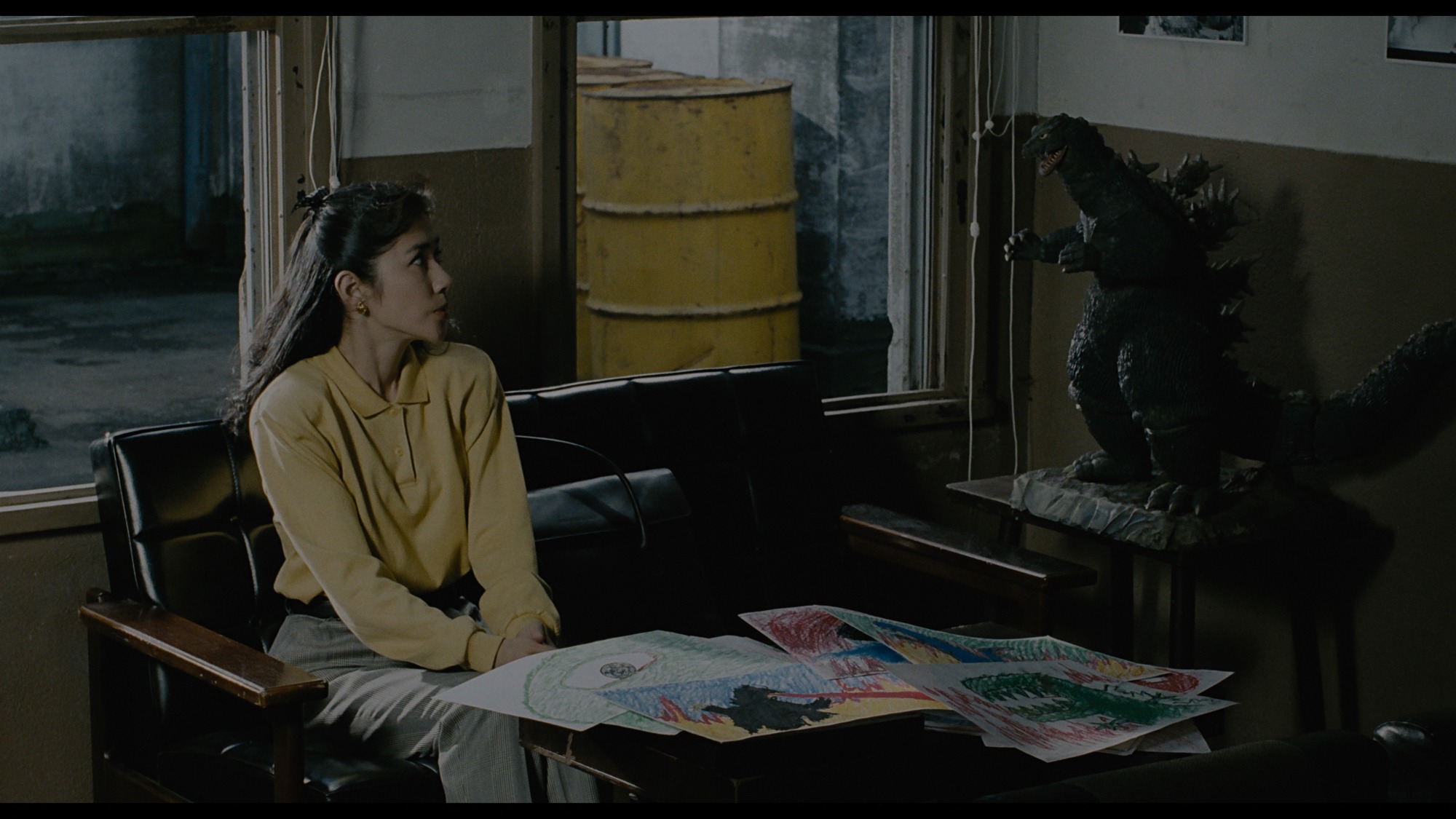
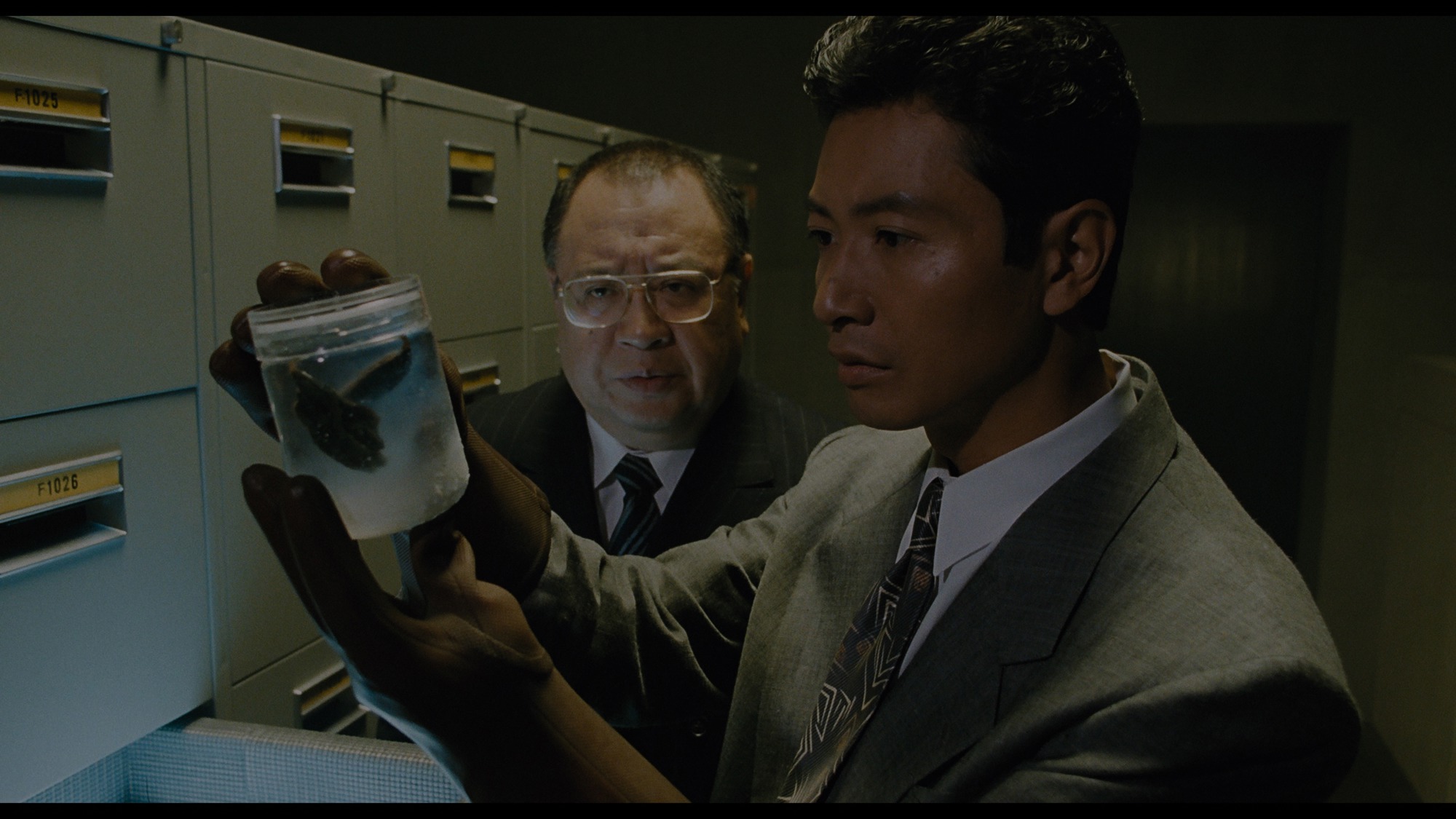
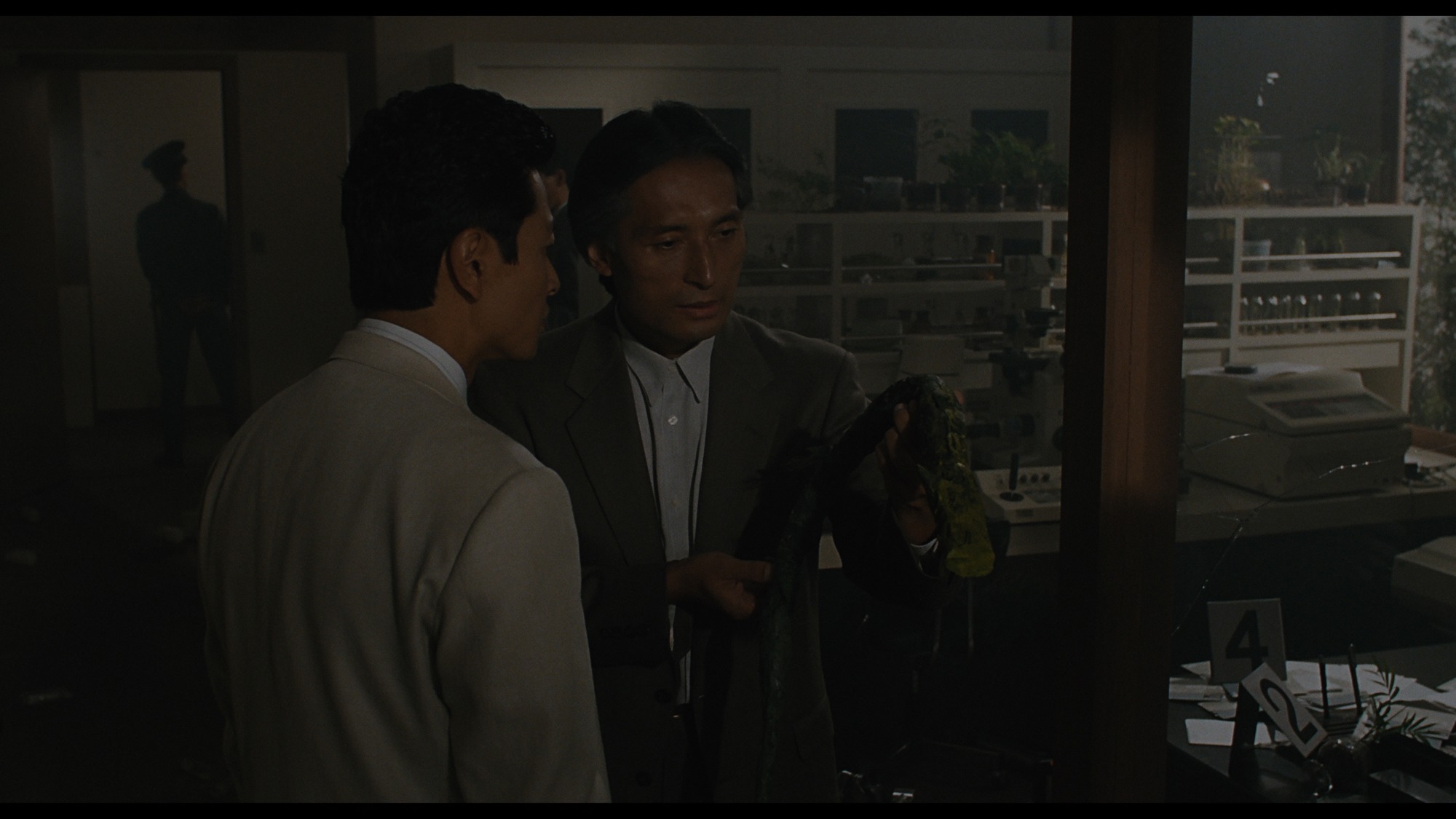
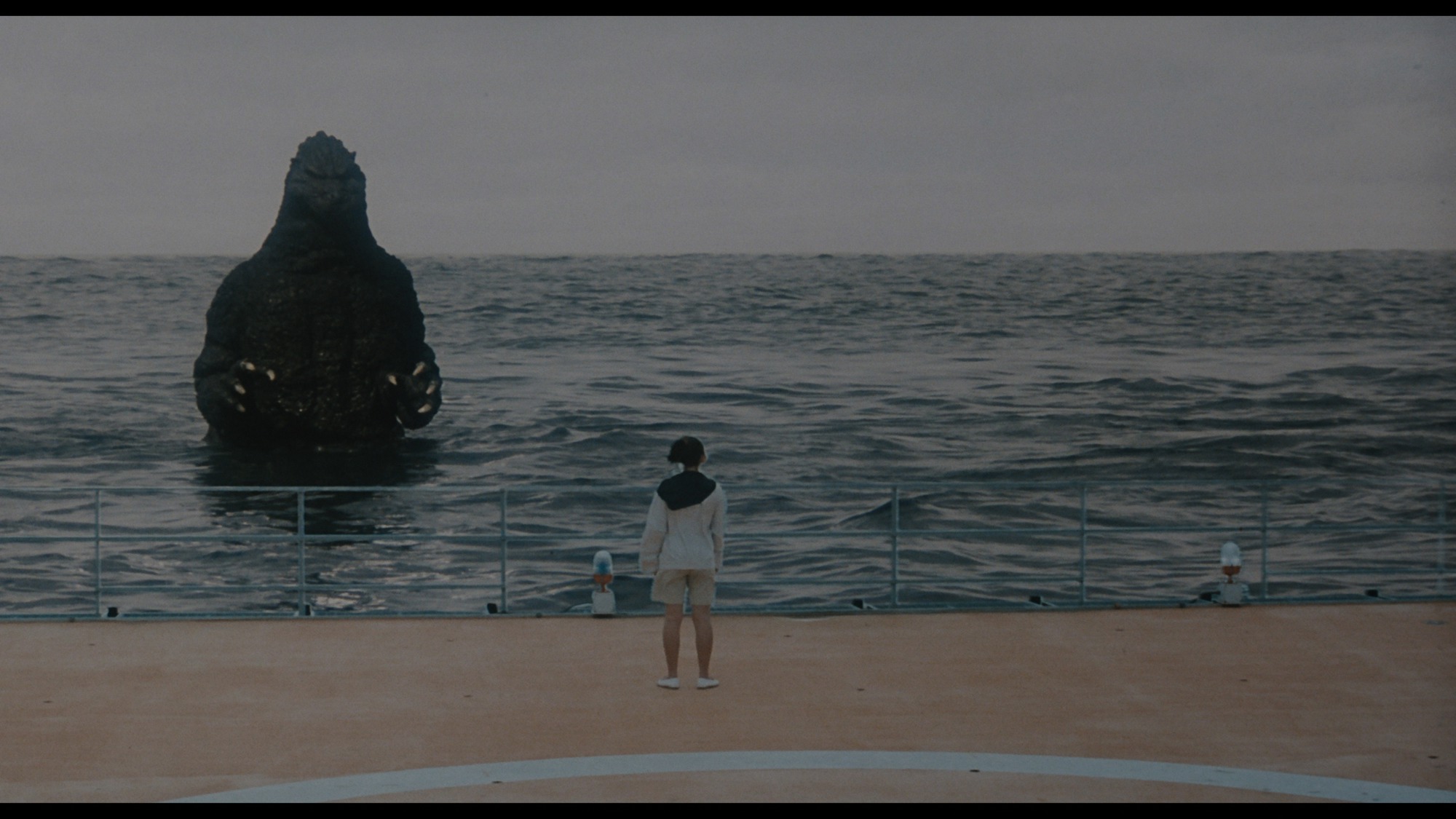
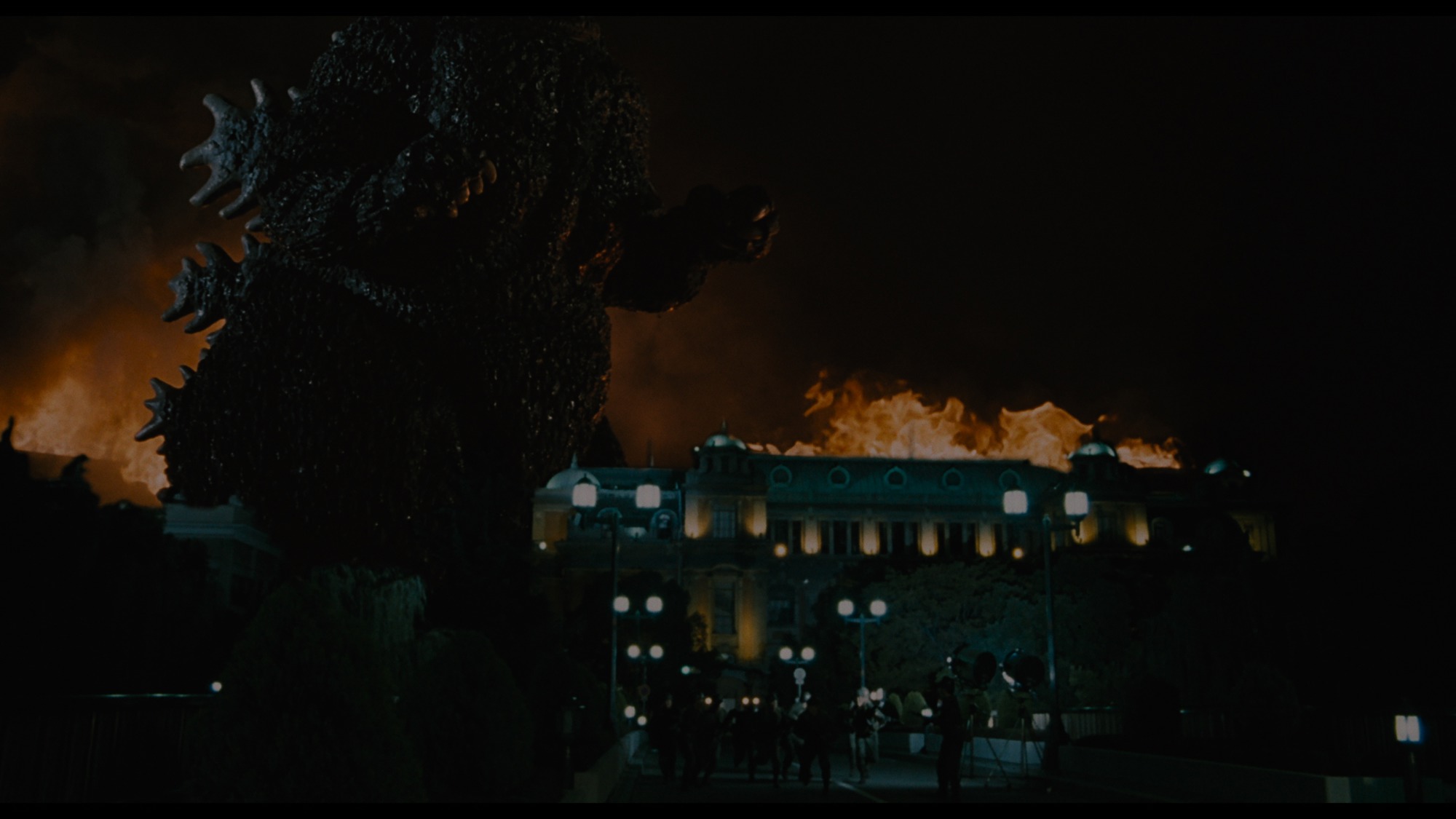
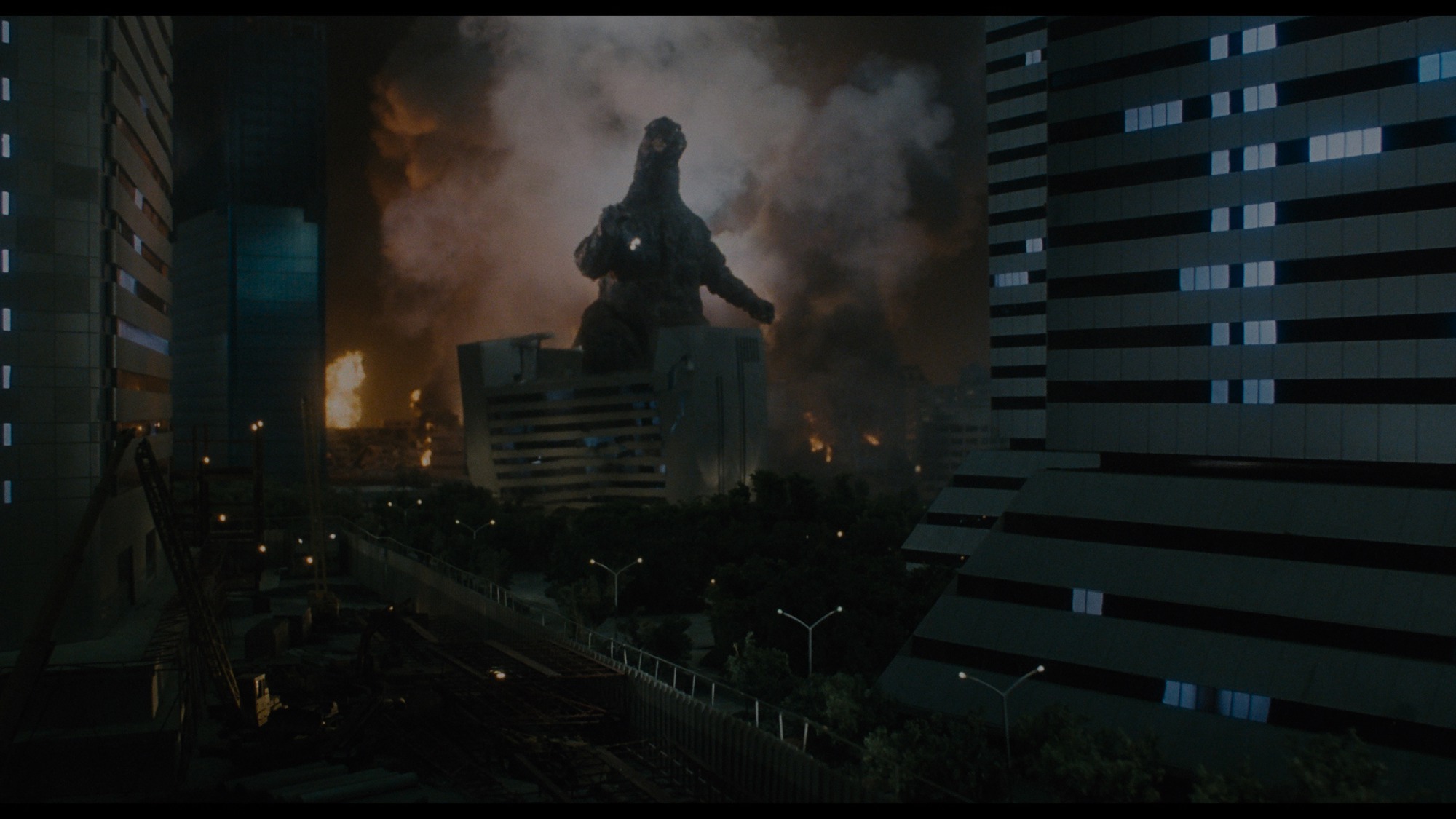
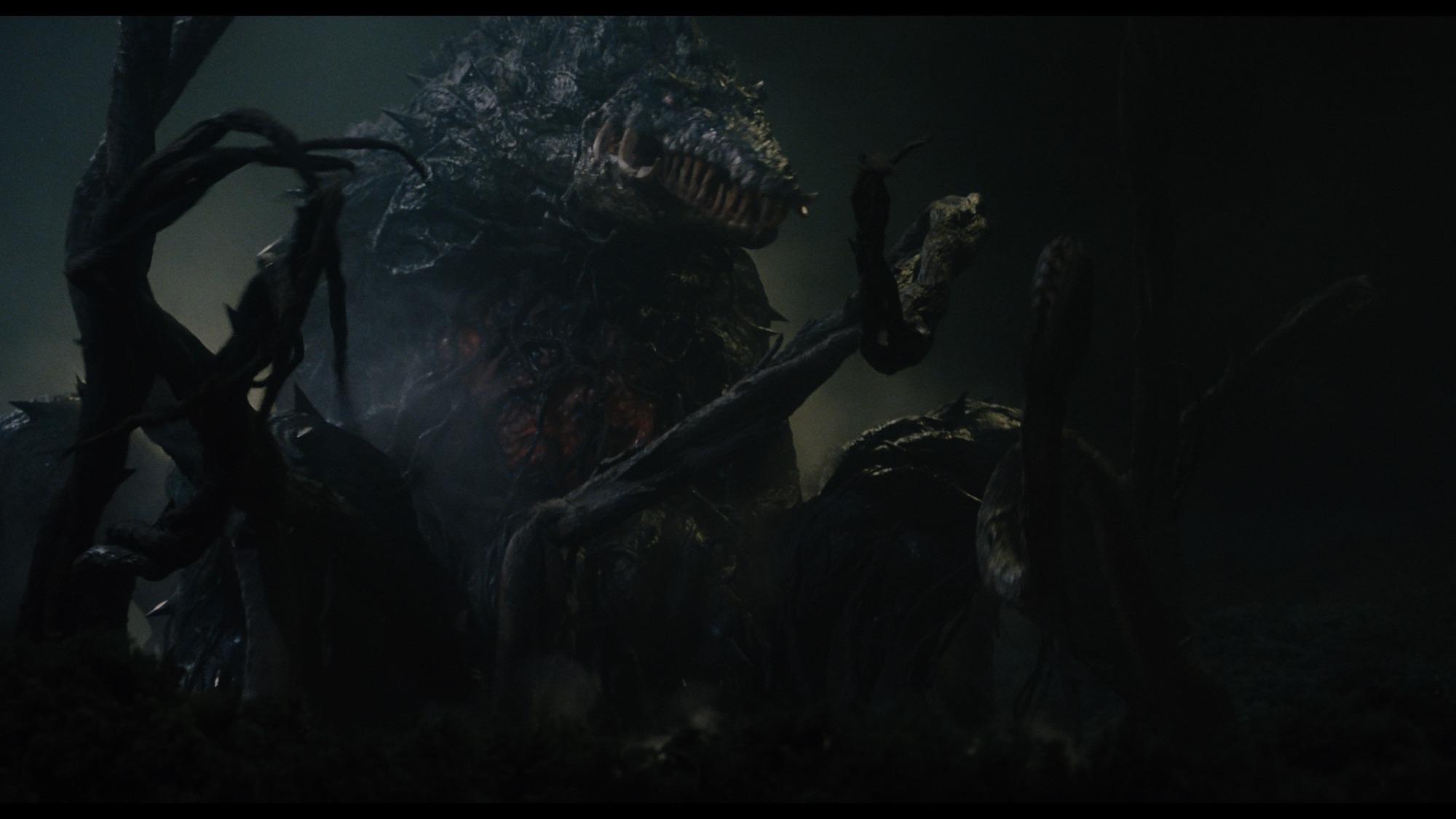
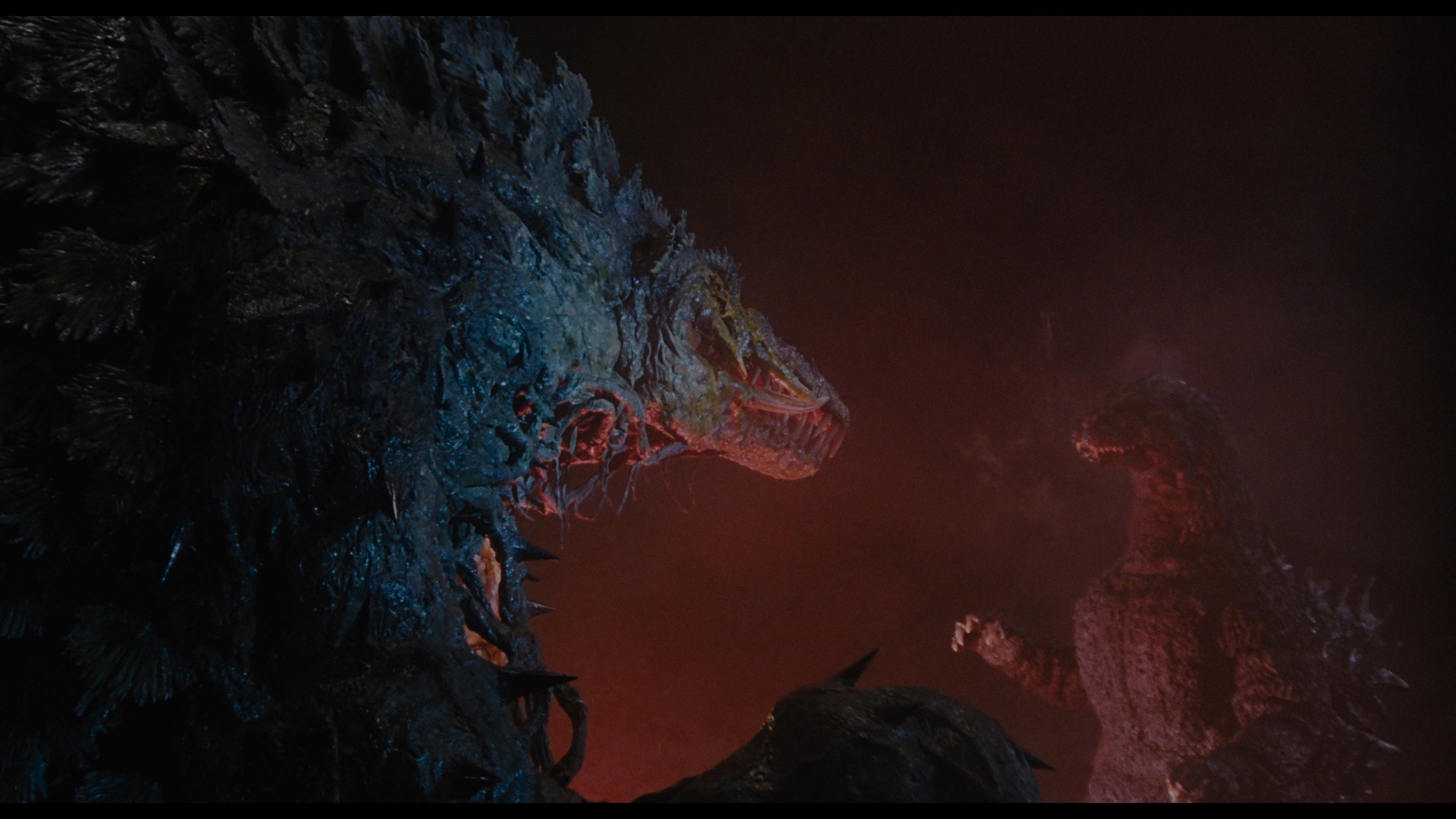
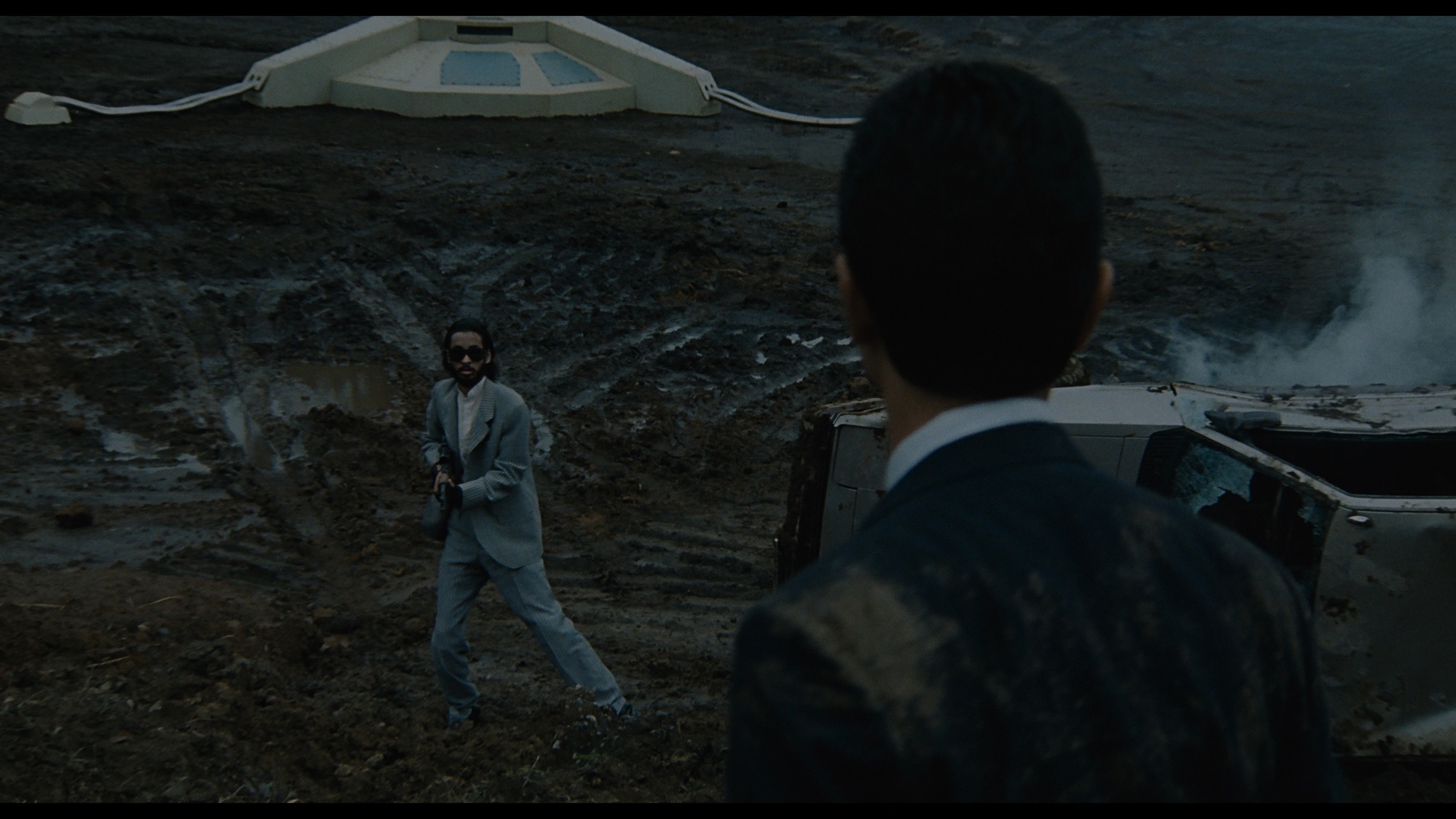
Toho’s restorations can vary in quality from film to film, but I was genuinely pleased with how this one turned out, thanks in part to one pleasant surprise. Overall, the restoration is quite thorough, with the source cleaned up nicely and most signs of damage removed. The image remains sharp and clear throughout, with a healthy level of detail present much of the time. Only a handful of shots, primarily those involving optical effects or burned-in Japanese subtitles (used when characters speak languages other than Japanese), look a little off, but that’s to be expected, and even then the drop in quality is fairly minor. Film grain is retained and rendered well, and looks very clean throughout.
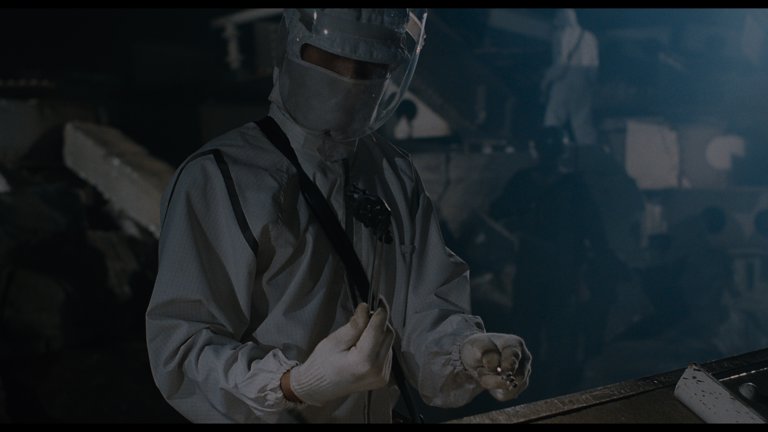
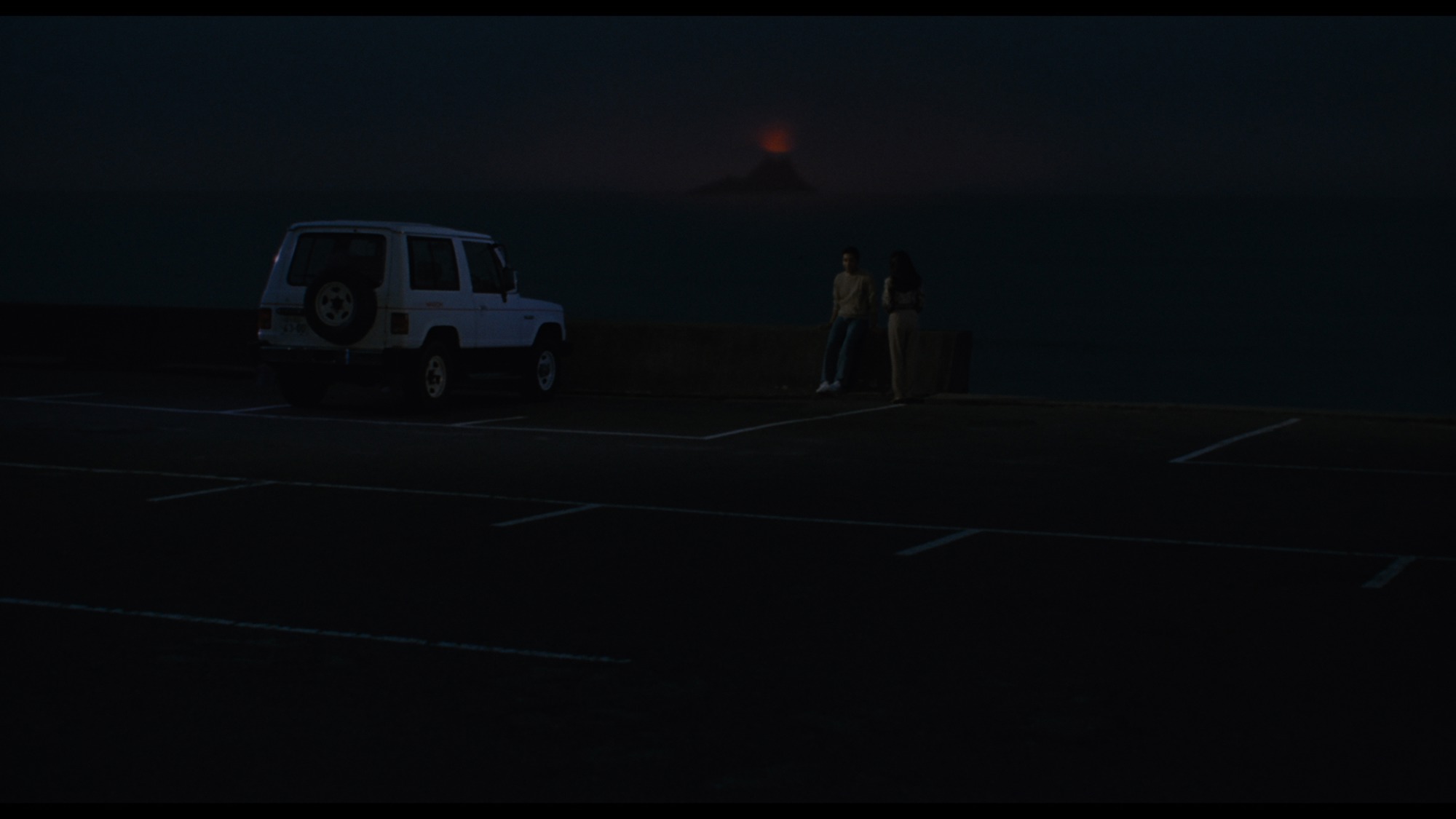
What really gives the presentation an unexpected boost (and is that surprise I mentioned earlier) is the inclusion of HDR, which isn’t listed in the disc’s specifications. I had assumed this would be an SDR presentation, and while the light levels are kept at SDR standards (hovering around nits in the low 100s), the HDR appears to have been employed primarily for its wider color gamut, and it pays off. Reds and greens pop beautifully, especially during the battle sequences where the monsters unleash their various power blasts. It also enhances the nighttime scenes, delivering richer blacks, better shadow detail, and improved rendering of light reflections on water and other surfaces, while also cleaning up smoke and mist effects. It all looks fantastic and the level of detail preserved in these darker sequences is genuinely surprising.
If the HDR application does have a downside, it’s in a few of the daytime sequences, which can appear a bit dimmer than expected. This likely stems from the restrained light levels; in SDR, my TV would probably compensate better for those scenes. That said, the trade-off here is worth it; the wider color gamut and enhanced clarity in the darker scenes more than make up for the occasional flatness during daylight moments, even if the improvements are ultimately on the subtle side.
Despite that minor quirk, I think the presentation looks fantastic overall, and I hope it sets the tone for what we can expect from future Heisei-era releases—assuming, fingers crossed, that more are on the way.
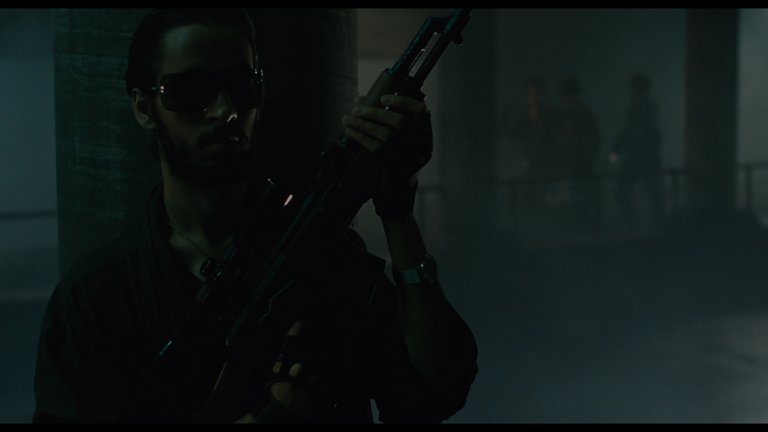
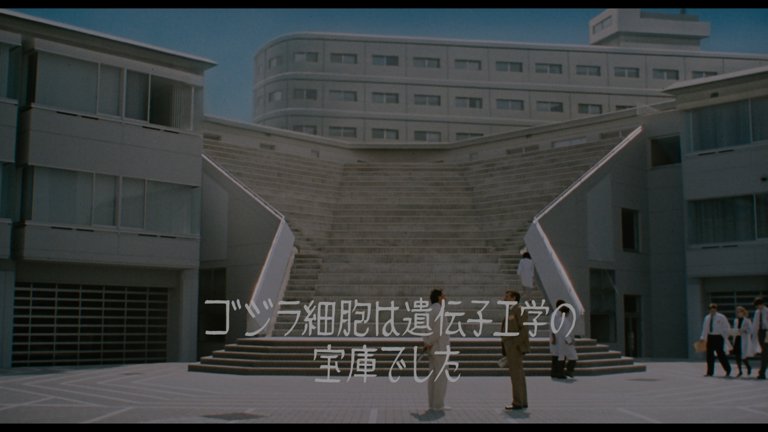
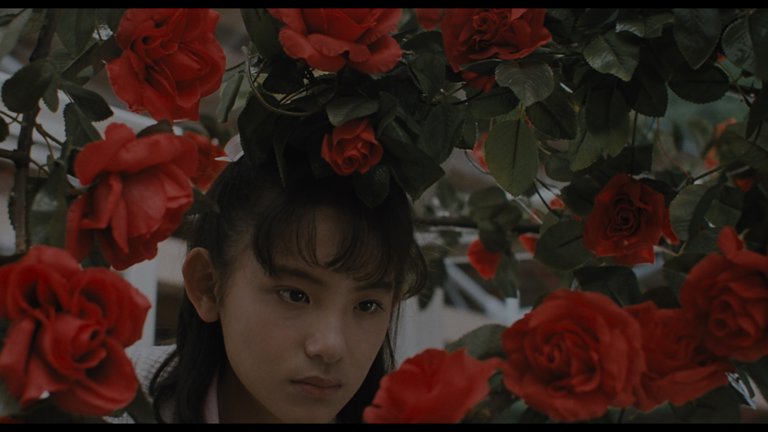
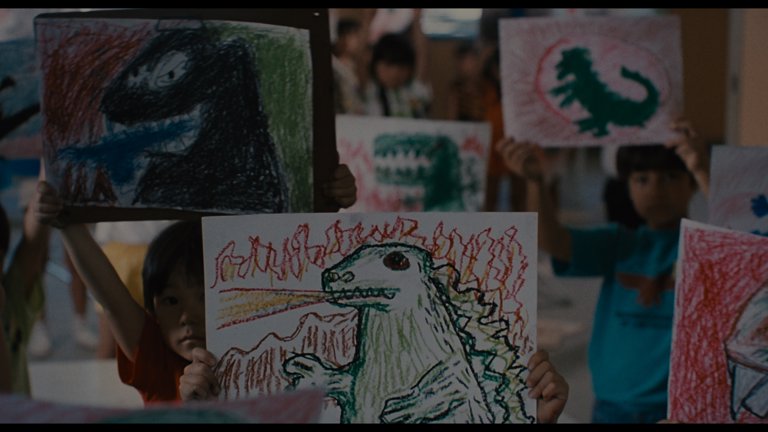
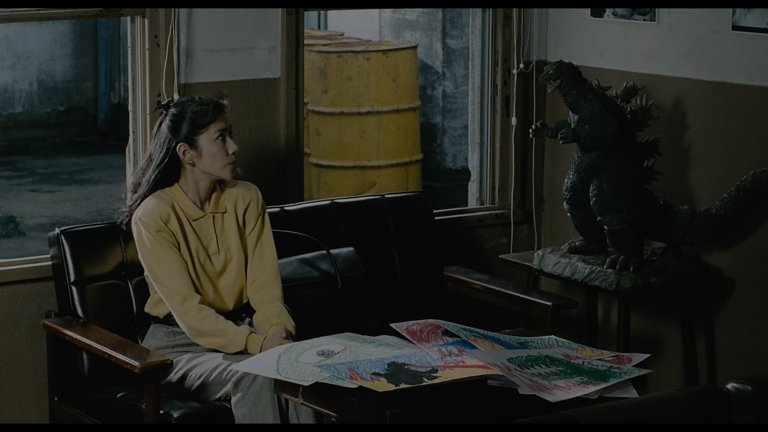
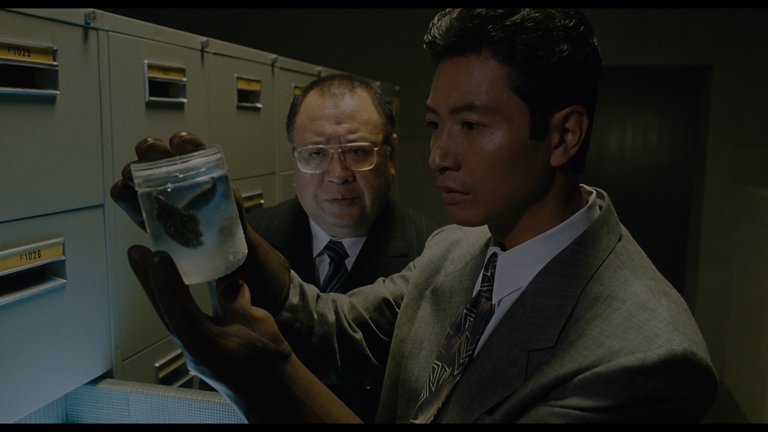
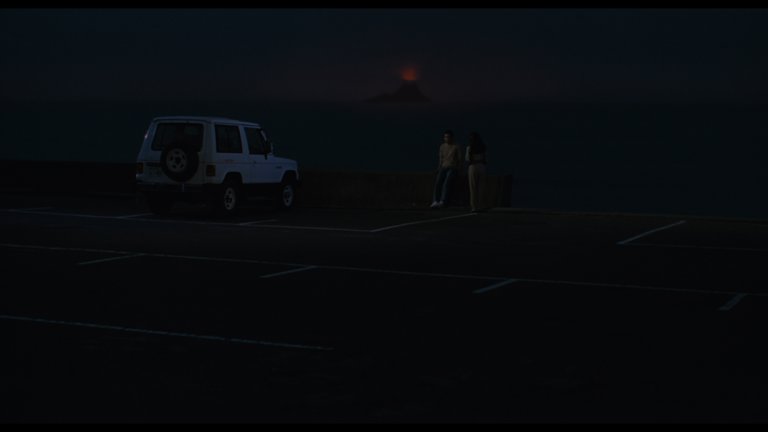
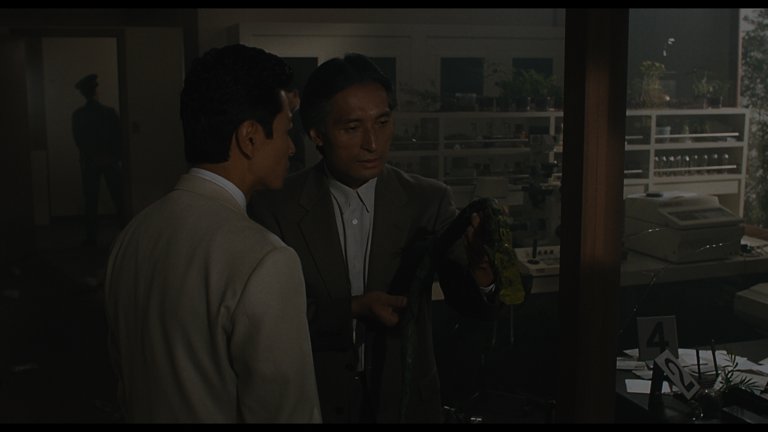
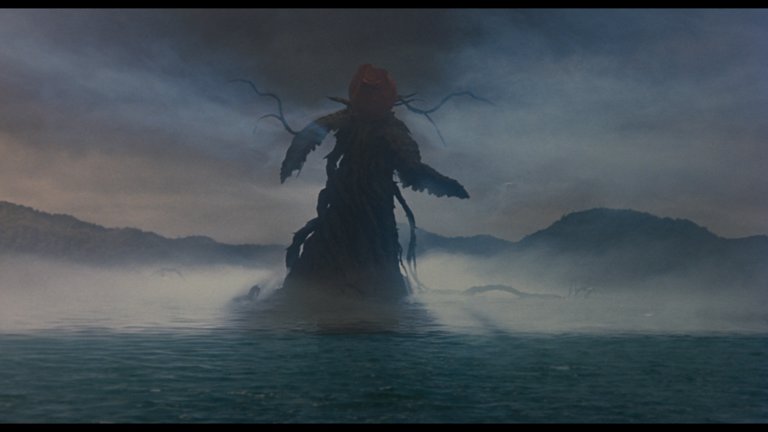
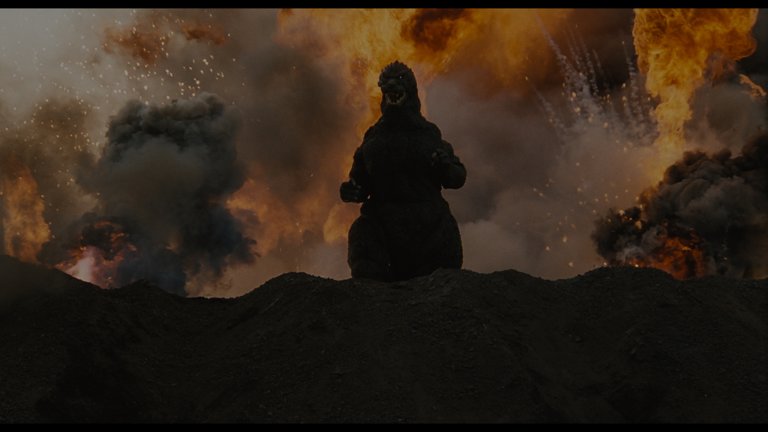
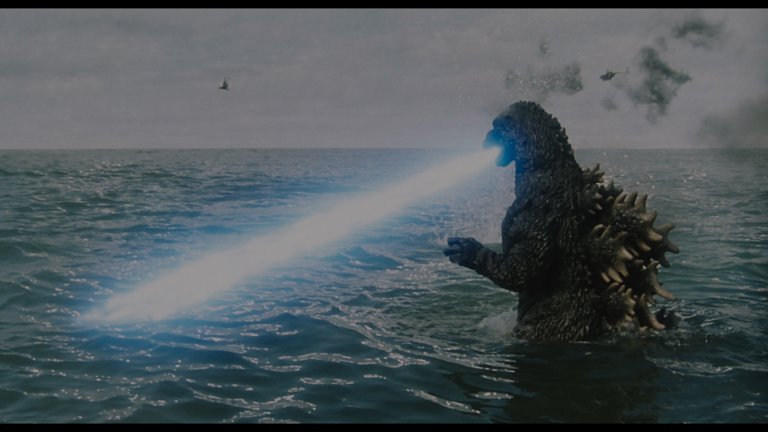
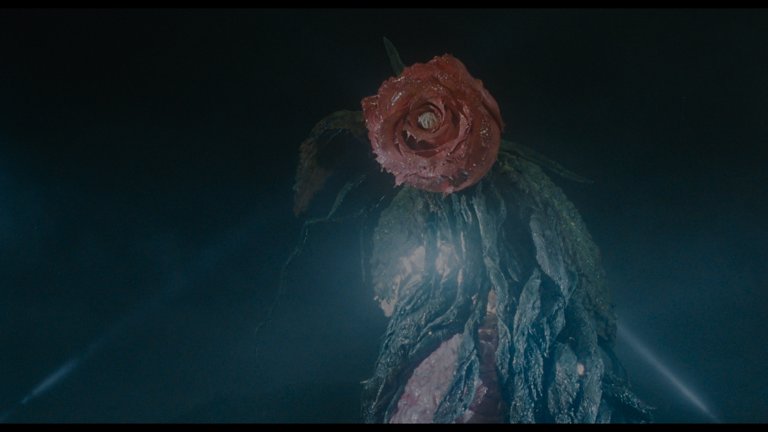
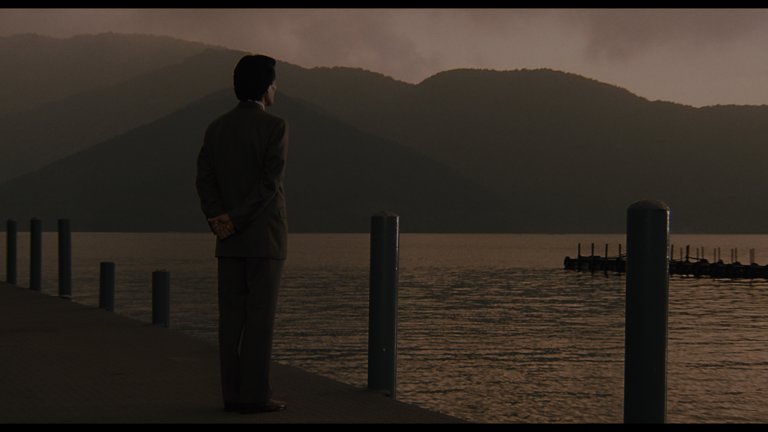
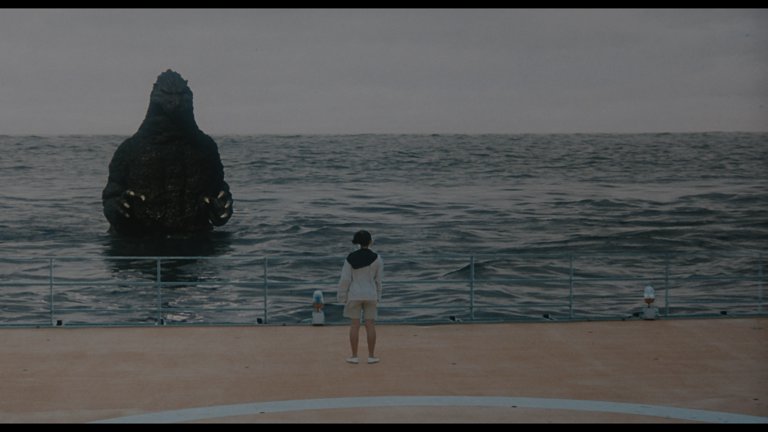
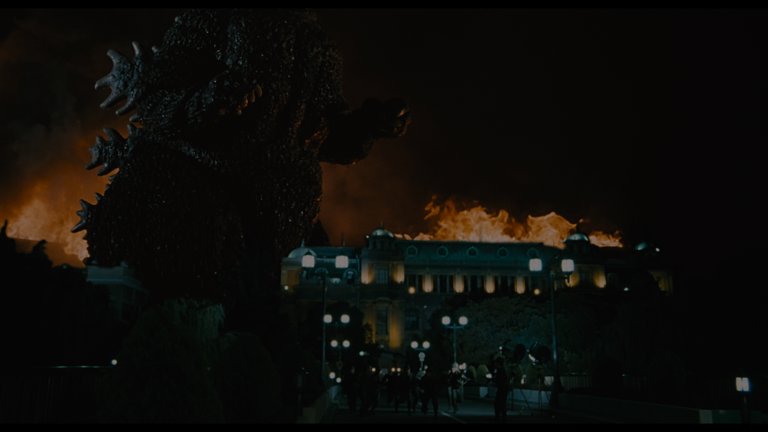
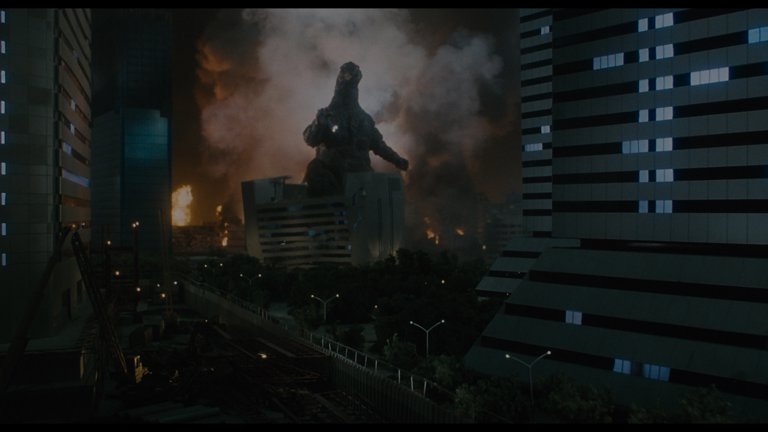
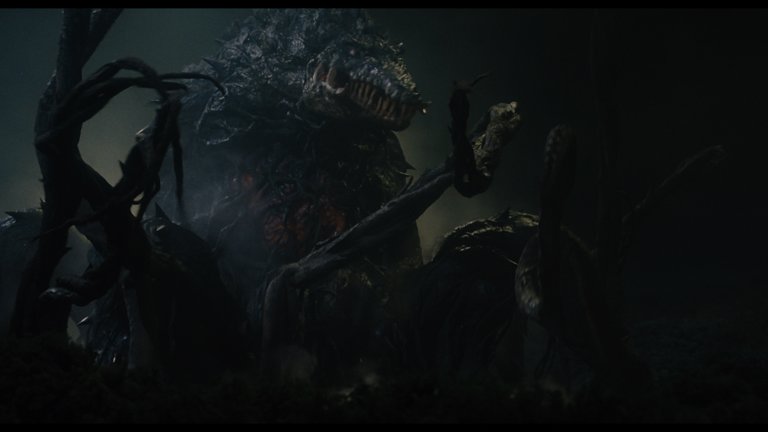
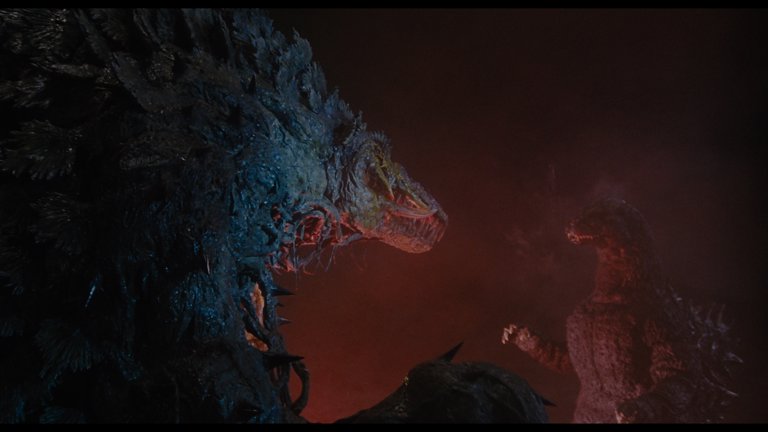
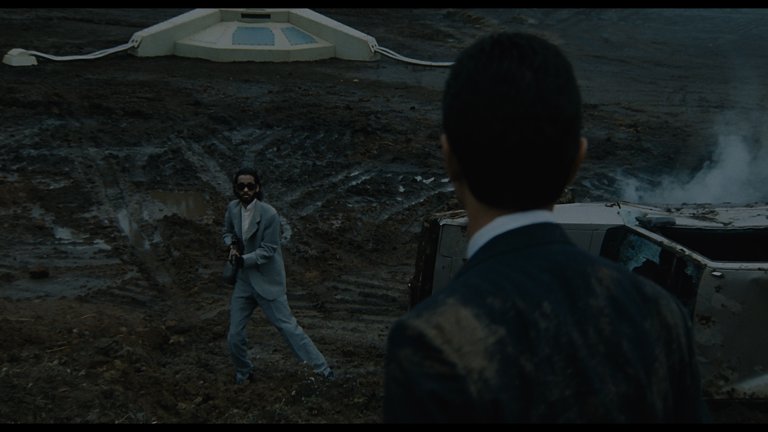
Godzilla vs. Biollante - Screen Captures
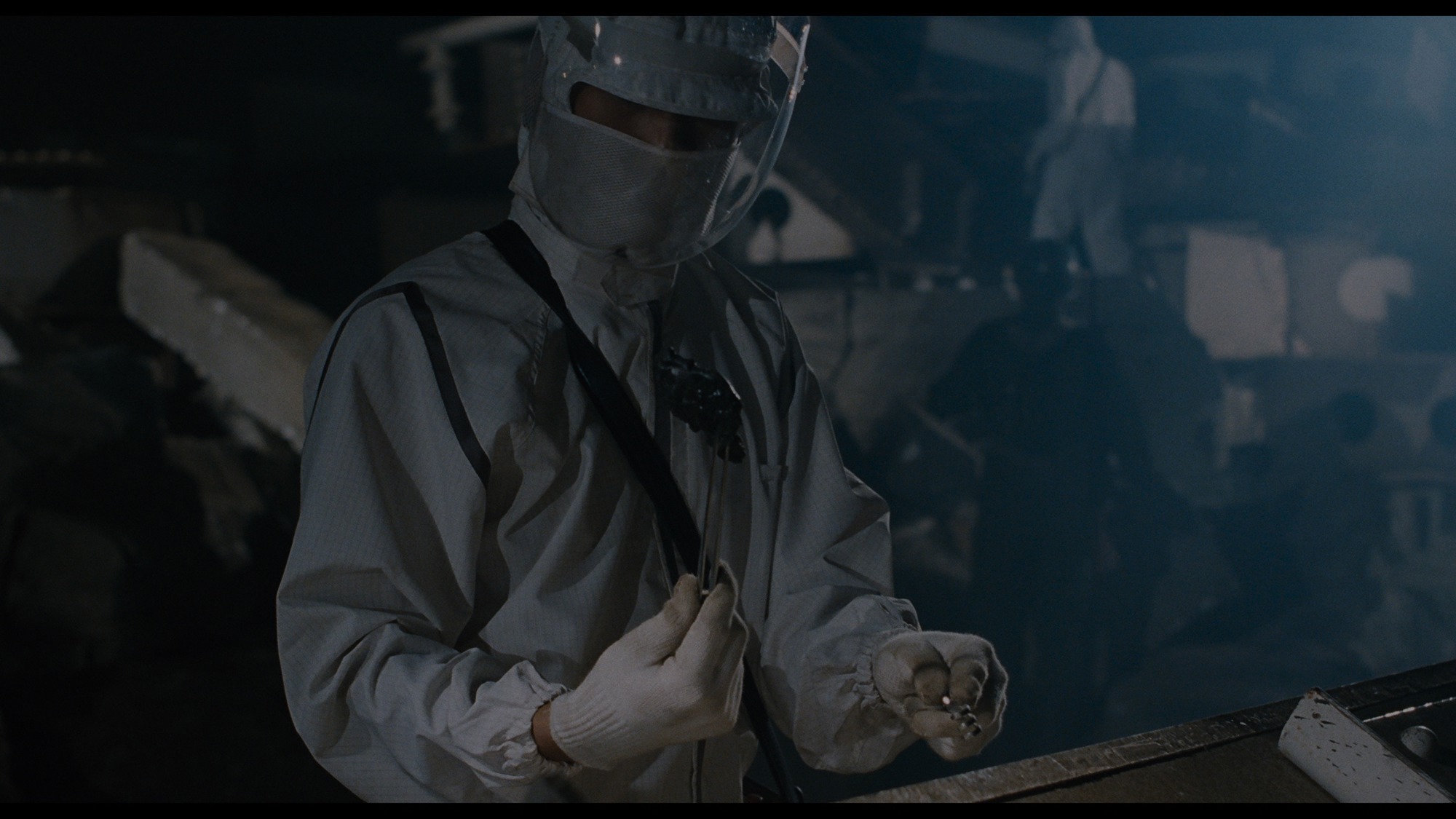
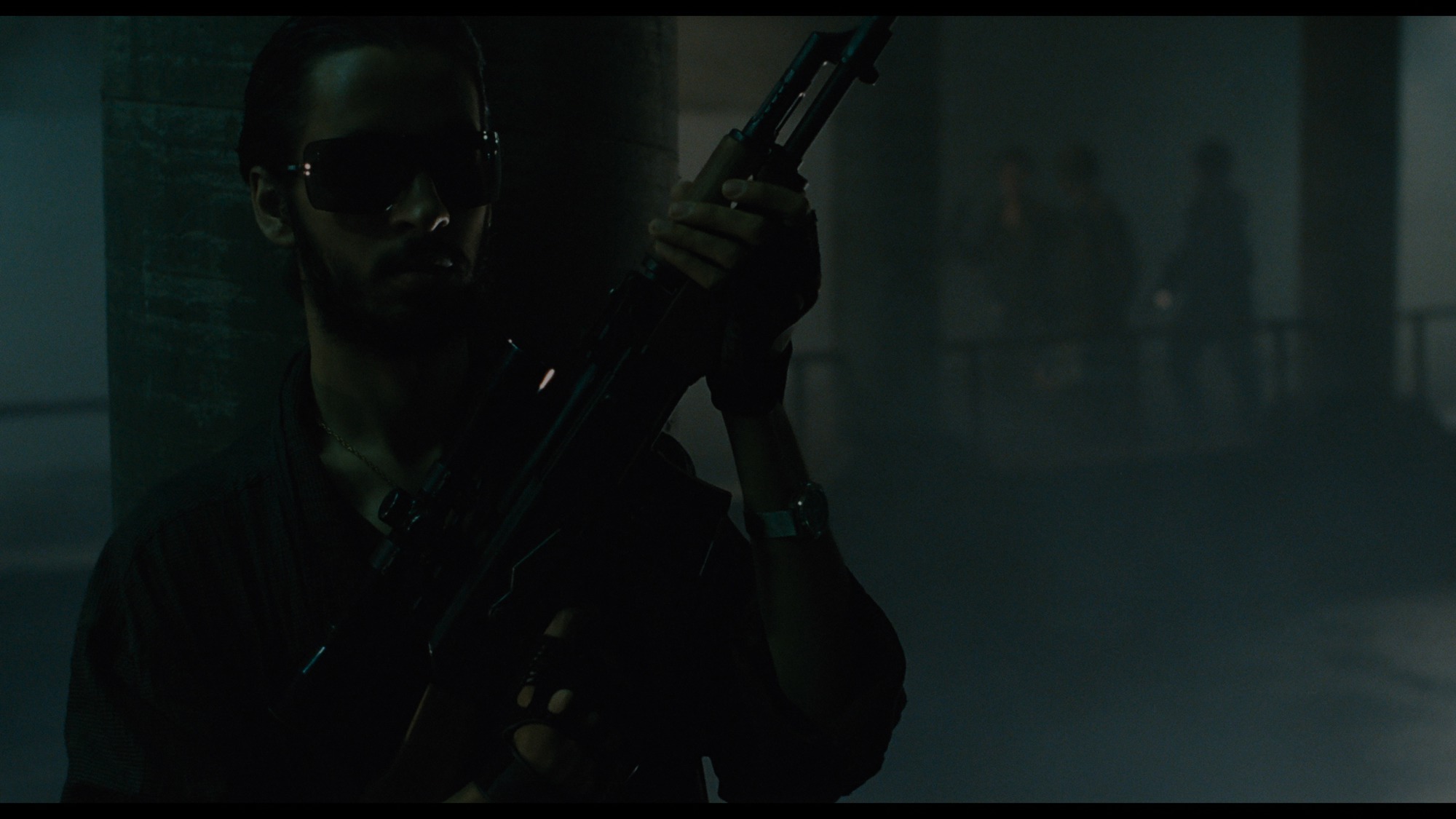
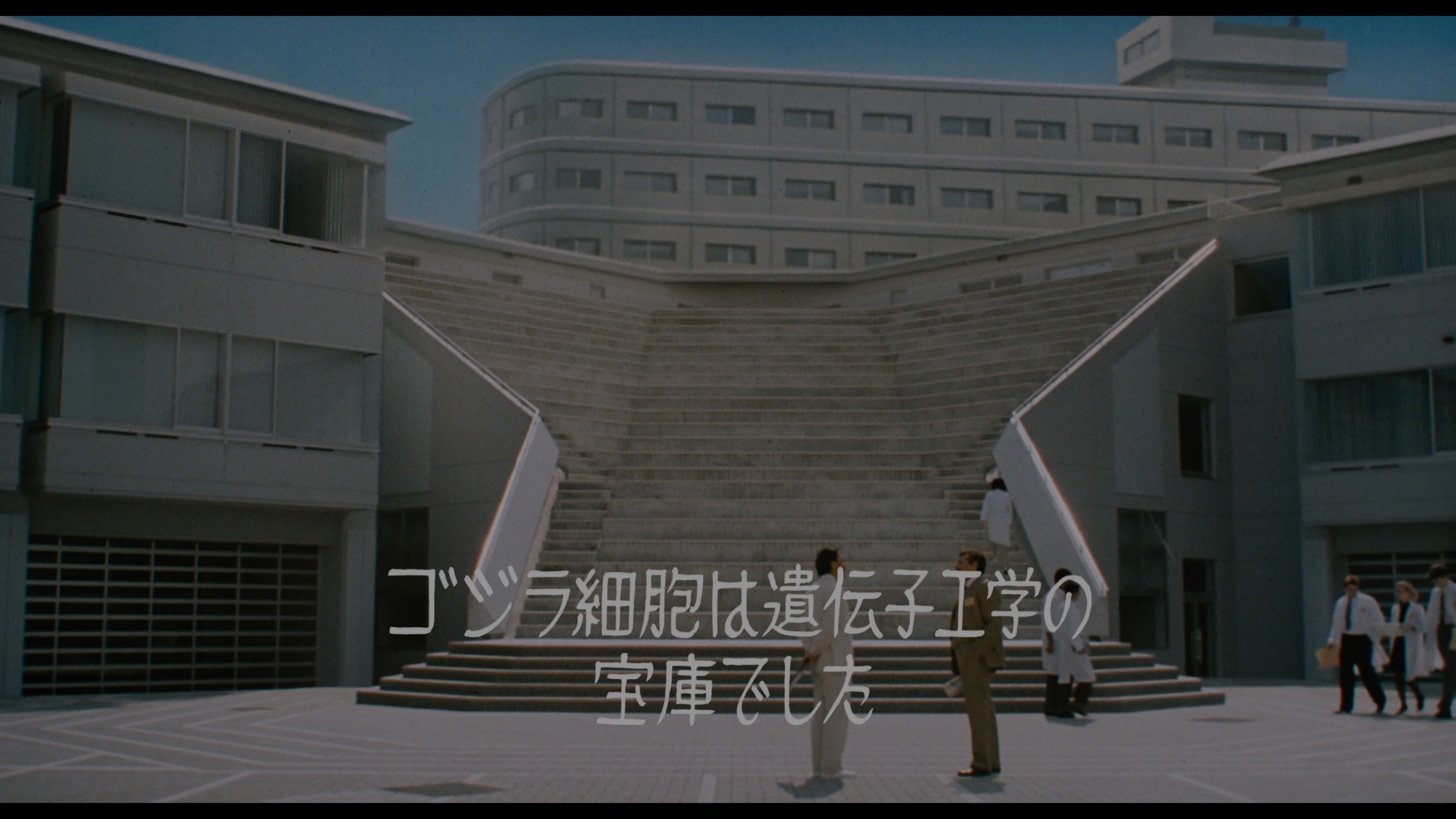
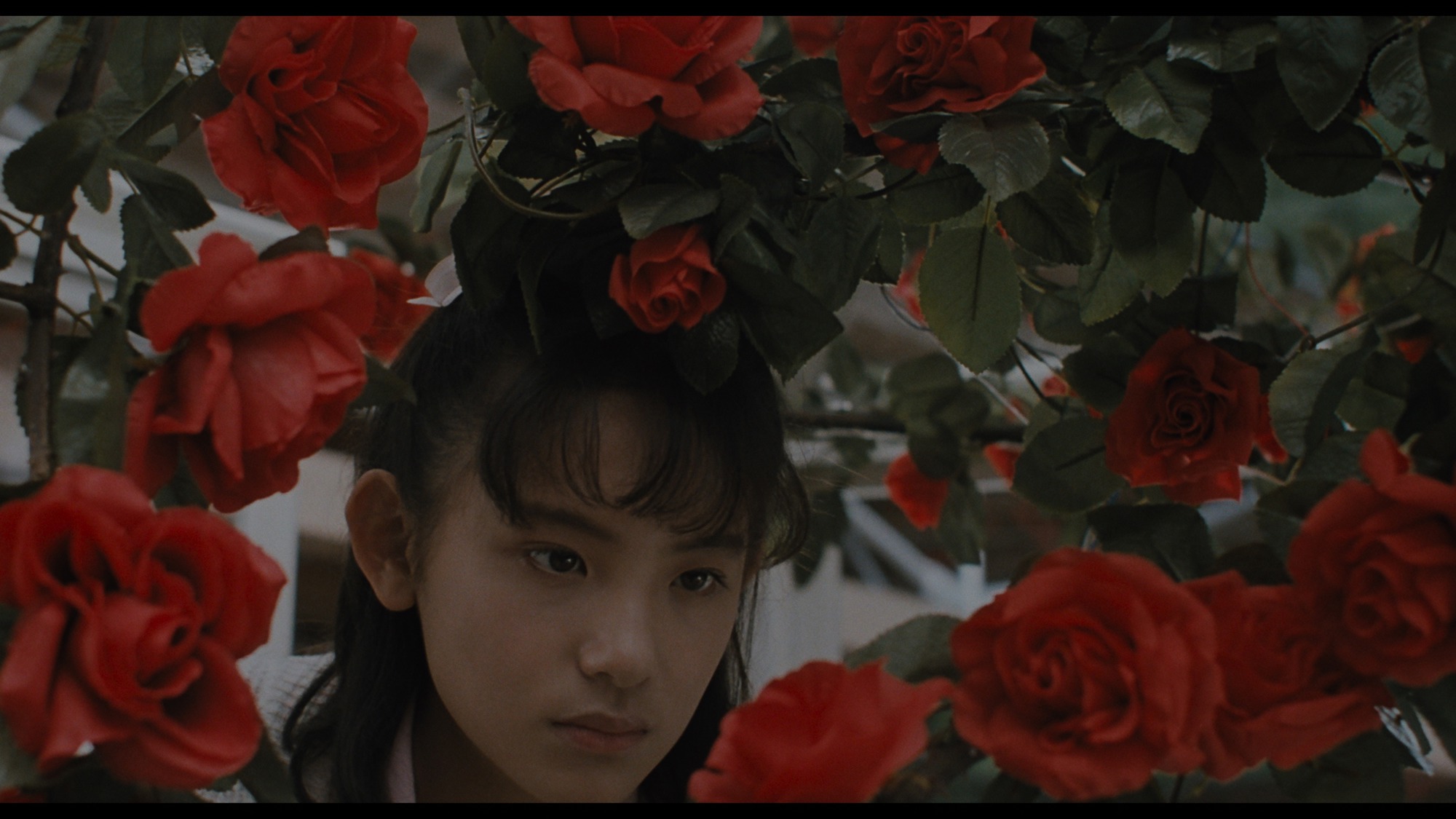
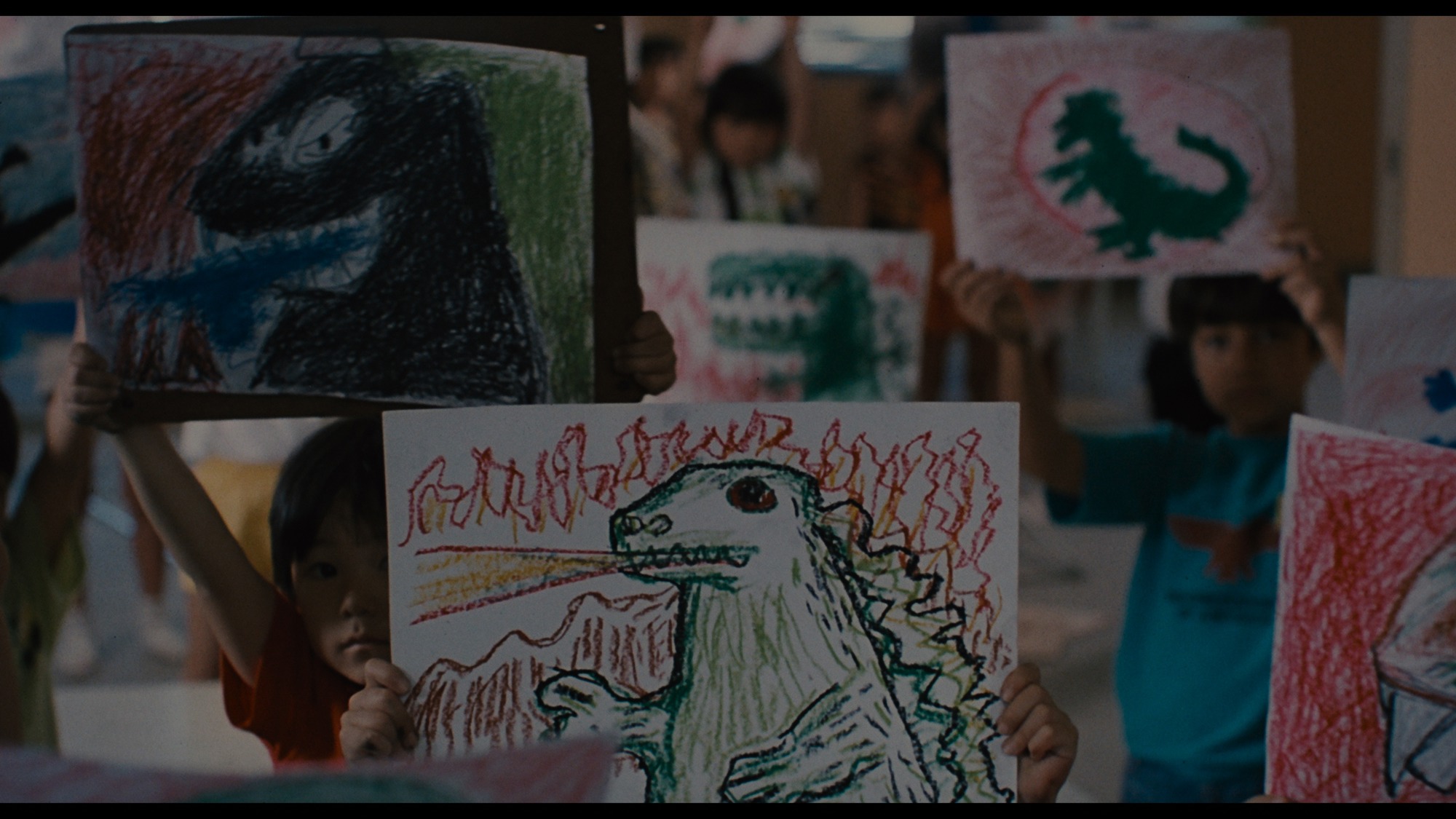
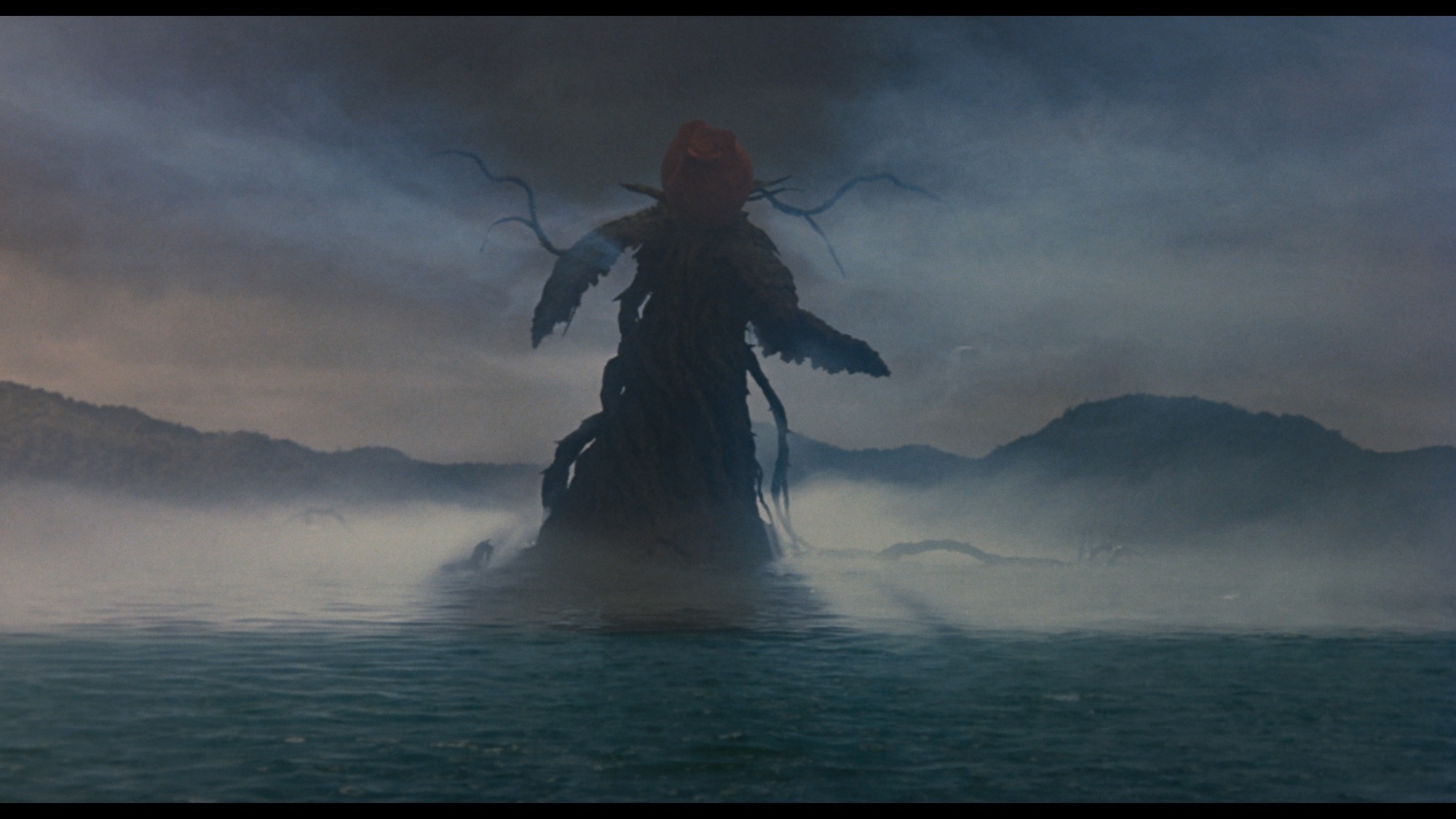

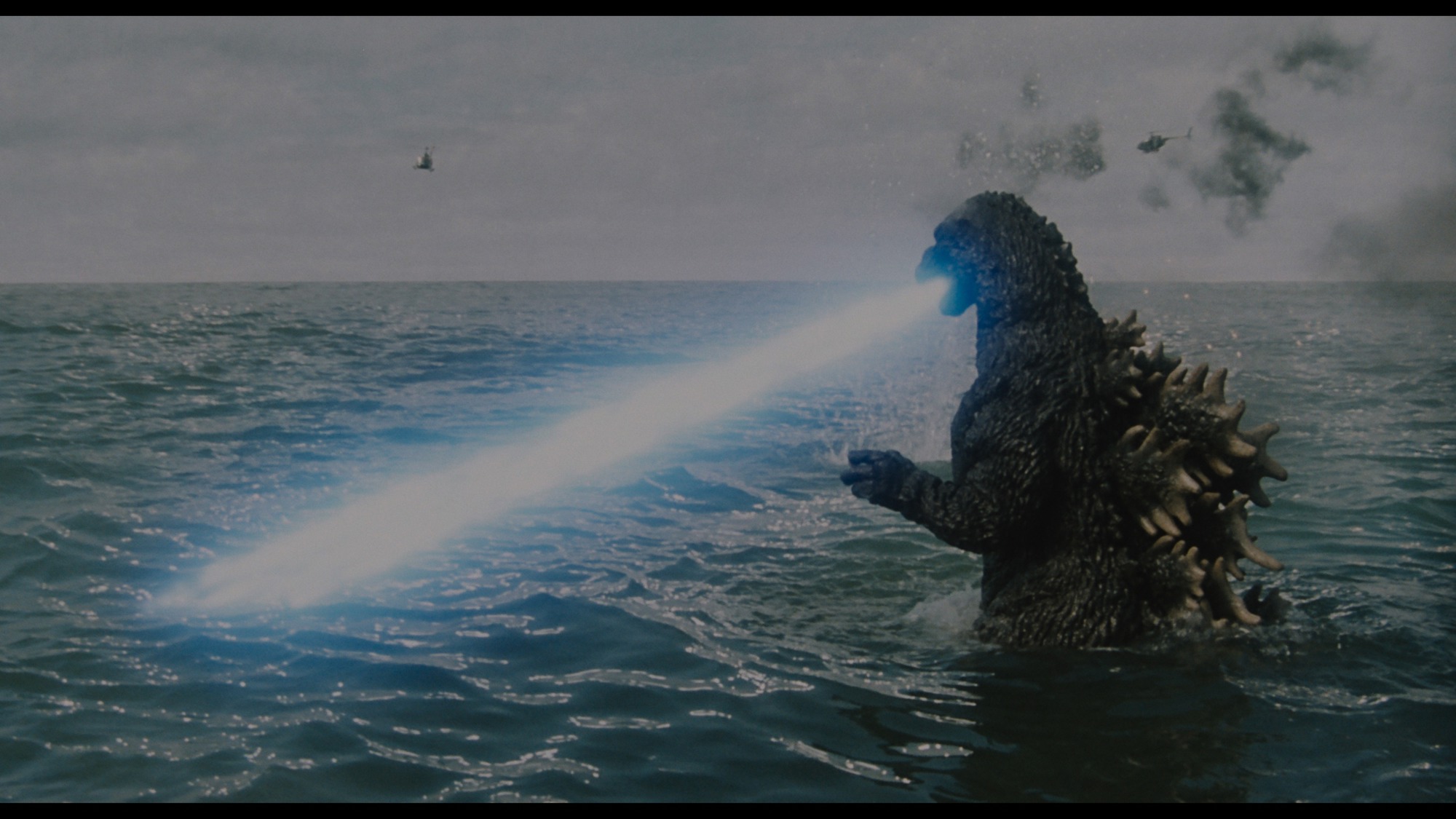
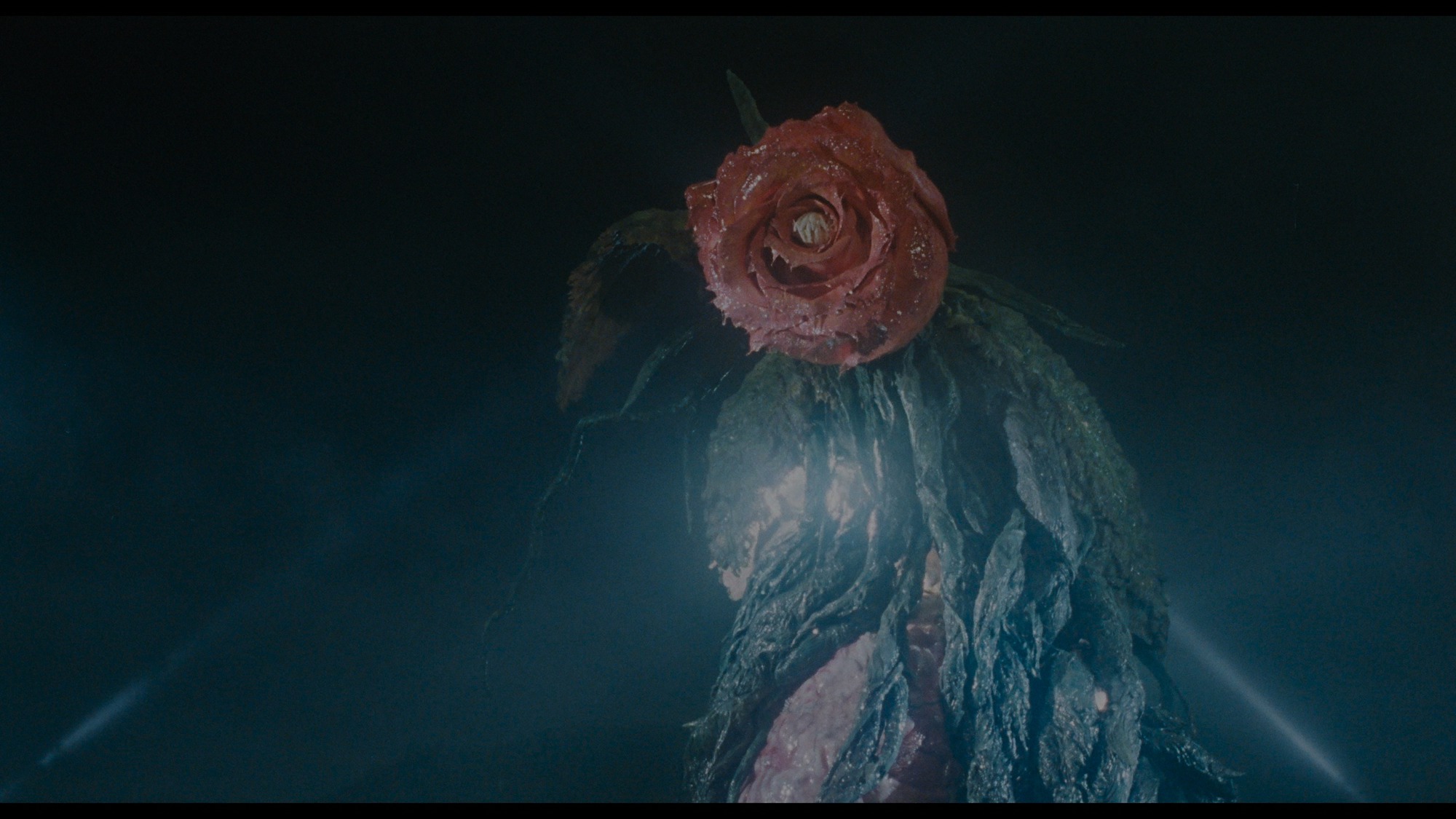
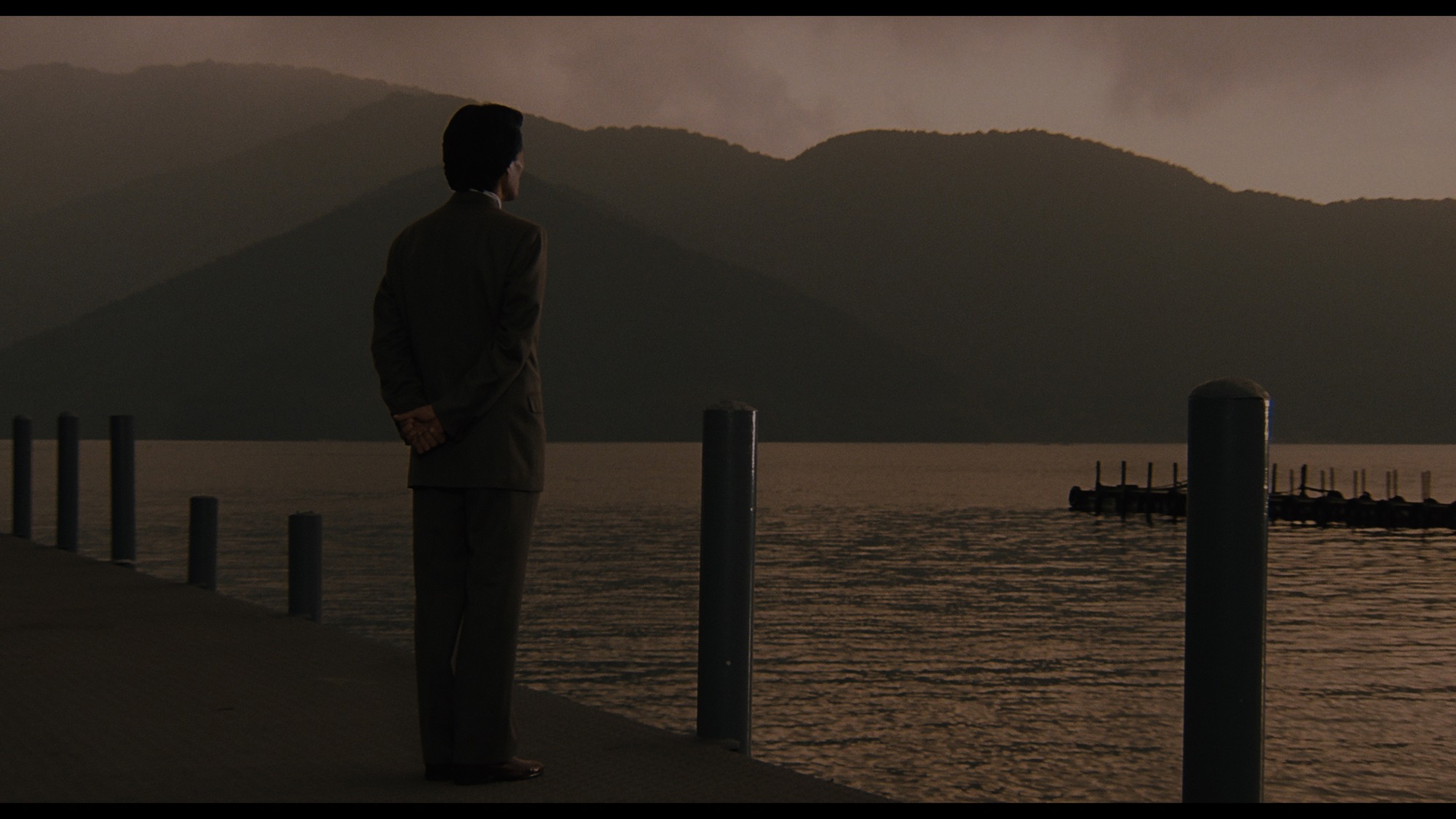
Audio 8/10
The film, sadly, only comes with the original Japanese/English hybrid soundtrack, presented in 5.0 DTS-HD MA surround (in a 5.1 container), and not the English dub. Fans will likely be disappointed by this omission, especially since the original Echo Bridge Blu-ray did include the dub, but the included track at least sounds solid overall.
Dialogue is clear, if not particularly dynamic, while the action—ranging from blasts and explosions to gunfire—is well-mixed across the surround channels with a respectable sense of range. The film’s score is also nicely layered, spreading effectively through the soundstage.
My only real complaint, which I also noted in the video section, is that Japanese subtitles are burned into the image whenever another language is spoken onscreen. Outside of that minor distraction, it’s a well-mixed and clean-sounding presentation.
Extras 7/10
Criterion throws together a modest special edition for the film, though I guess I would have expected a more significant set of features. At the very least, they include a new audio commentary featuring Samm Deighan, who talks at length about what she calls one of her favorite Godzilla films. Though clearly scripted (apparently a requirement from the ever-watchful Toho), the track is fairly passionate as she explores the film’s background and legacy. Following the reboot The Return of Godzilla (aka Godzilla 1985), Biollante aimed to modernize the series and, like others in the franchise, address contemporary fears, in this case, around genetic experimentation and, to a lesser extent, corporate ethics. She even notes how the then-booming popularity of spy films influenced the plot structure. Deighan also provides helpful context around other entries in the series (useful for those, like me, who haven’t seen them all) and discusses how the film’s reputation has grown over time despite a rather disappointing box office. Due to the scripted nature, the track lacks some of the spontaneity I’d prefer, but it’s well-constructed and offers solid insight into the film and the Heisei era overall.
Criterion also includes a 49-minute making-of documentary from 1993—likely produced for the film’s LaserDisc release—which goes over the film’s development in surprising depth. Cast and crew discuss how they didn’t want to simply return to monster-on-monster action, but instead tackle anxieties relevant to Japanese audiences at the time, particularly around biotechnology. Biollante is described as a kind of organic counterpoint to Godzilla’s masculine, nuclear-born terror. The feature also covers the creation and evolution of the creature designs, showing off miniature work and effects, with side-by-side comparisons of raw footage and speed-corrected shots. Test footage of stop-motion animation (ultimately unused) appears as well, alongside a few shots that didn’t make the final cut. There’s even mention of different camera systems tested to find the right aesthetic.
A short 3-minute piece called Behind the Design acts as a companion piece and features effects director Koichi Kawakita walking through the design process of Biollante and the Super-X2 ship, offering a quick but interesting glimpse into the film’s visual world. Also included are seven minutes of newly scanned deleted effects footage, including more of Biollante ablaze and some of that abandoned stop-motion animation that fans have long wanted to see.
The disc wraps with five Japanese TV spots and seven trailers, including teasers, full trailers, and a few English-language versions created for international audiences. The included poster insert—featuring striking artwork of Biollante—rounds things out with an essay by Jim Cirronella, who examines the film’s lasting resonance with audiences.
Again, it’s not an especially stacked set, but it’s a solid collection of material, and I found the new commentary track particularly worthwhile.
Closing
Criterion’s 4K edition of Godzilla vs. Biollante delivers a strong visual presentation and a solid—if not comprehensive—selection of supplements. Hopefully, it paves the way for more Heisei-era releases from Criterion.
BUY AT: