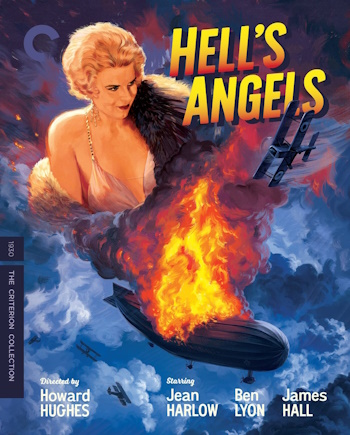
Hell's Angels

BUY AT:


See more details, packaging, or compare
Synopsis
A high-flying feat of adventure filmmaking and a testament to the audacious, spare-no-expense vision of Howard Hughes, this landmark aviation epic remains exhilarating both for its daredevil aerial sequences and its nervy pre-Code punch. With the onset of World War I, two British brothers recruited into the Royal Flying Corps (Ben Lyon and James Hall) find their bond tested by their differing attitudes toward the war and their love for the same woman (Jean Harlow in her bombshell breakthrough). The product of a notoriously long and dangerous production that resulted in the deaths of multiple crew members, Hell’s Angels broke new technical ground, making use of early sound and color technologies, and capturing some of the most thrilling dogfight scenes ever filmed.
Picture 8/10
Howard Hughes’ Hell’s Angels receives a 4K UHD edition from The Criterion Collection, presented in SDR 2160p/24hz ultra high-definition on a triple-layer disc. The film is framed in aspect ratios that vary between 1.37:1 and 1.54:1. This new 4K restoration, performed by Universal, comes from a scan of the 35mm duplicate negative. Criterion also includes a dual-layer Blu-ray featuring a 1080p presentation sourced from the same restoration, along with all of the special features.
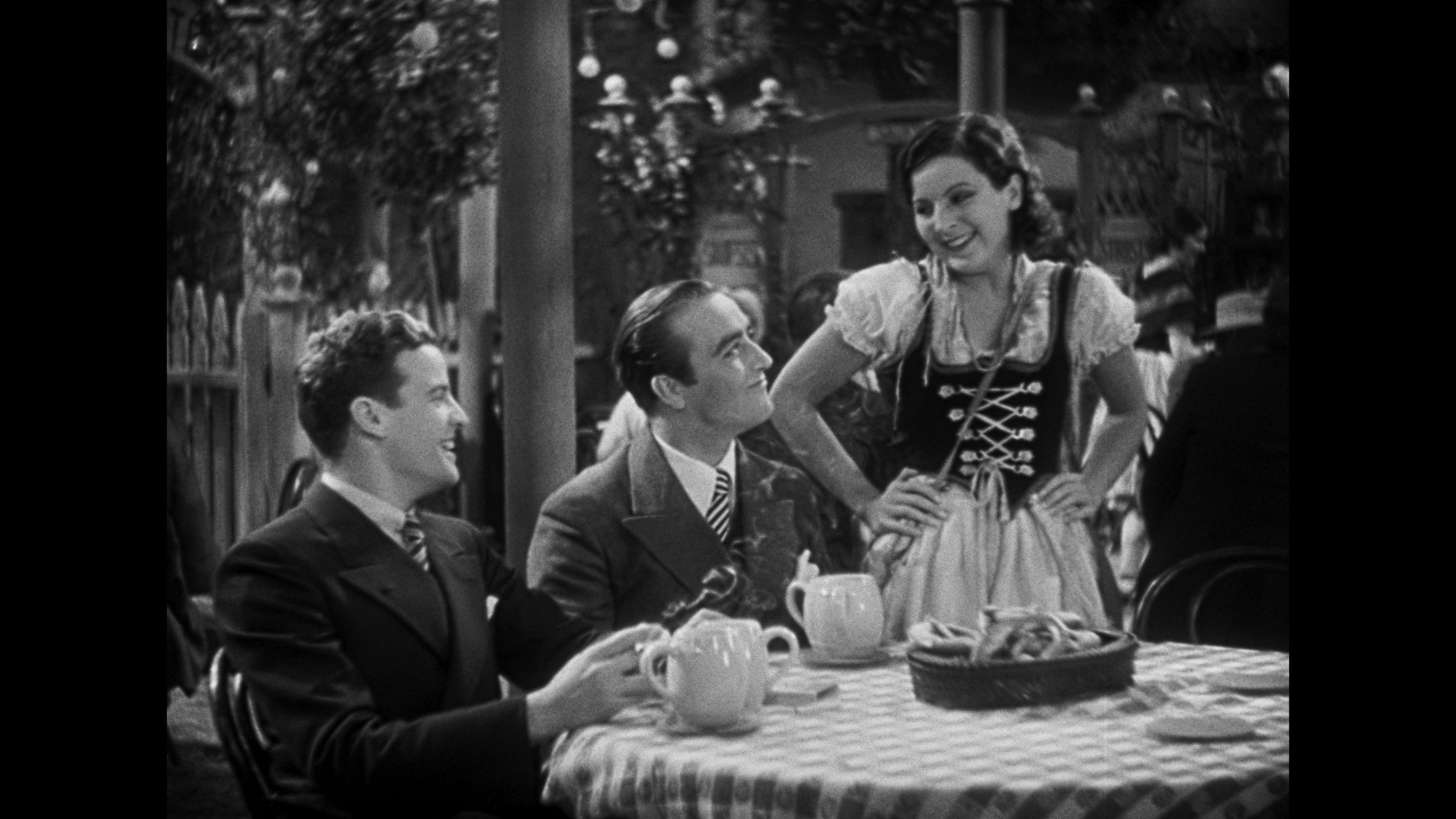
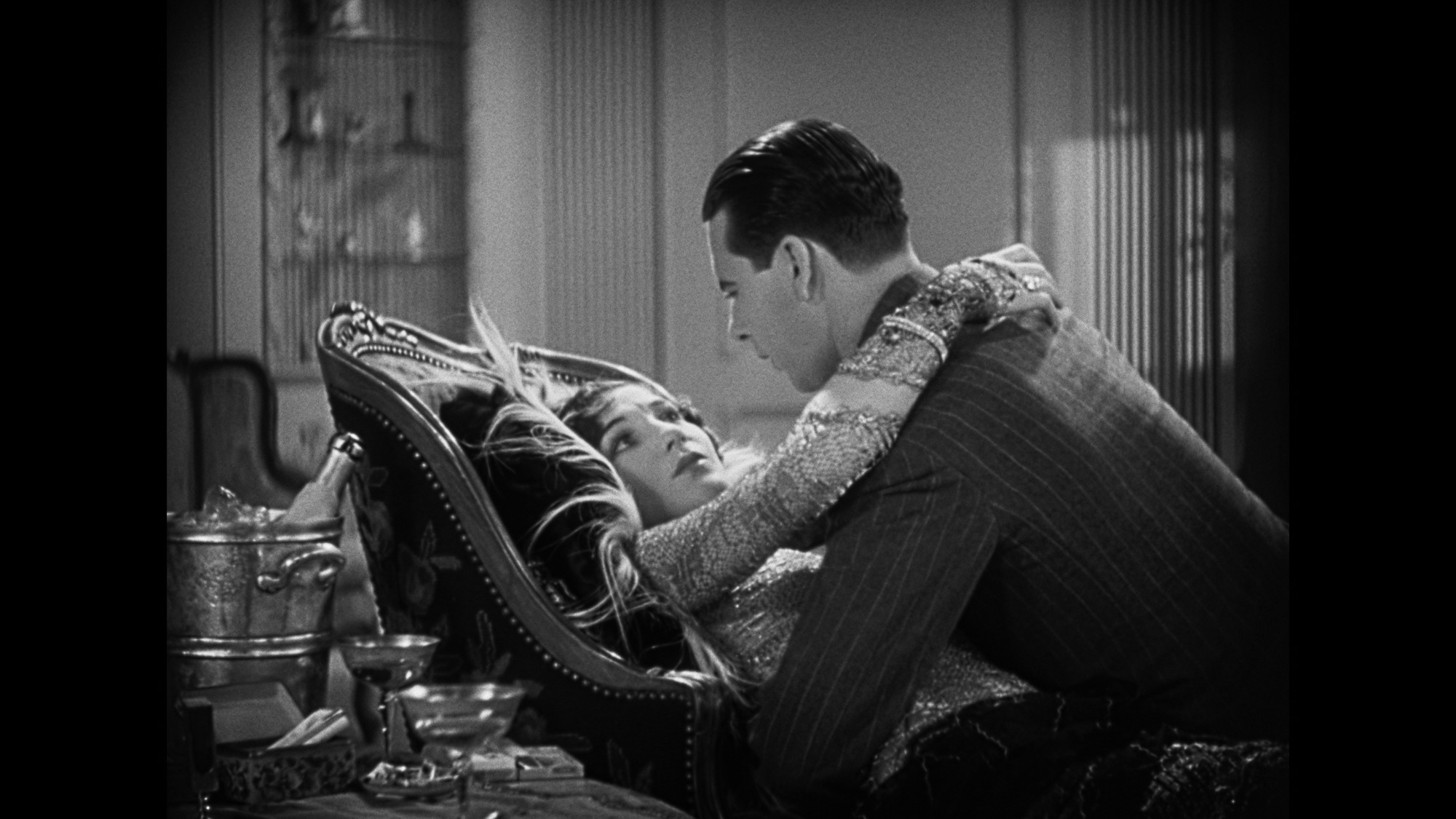
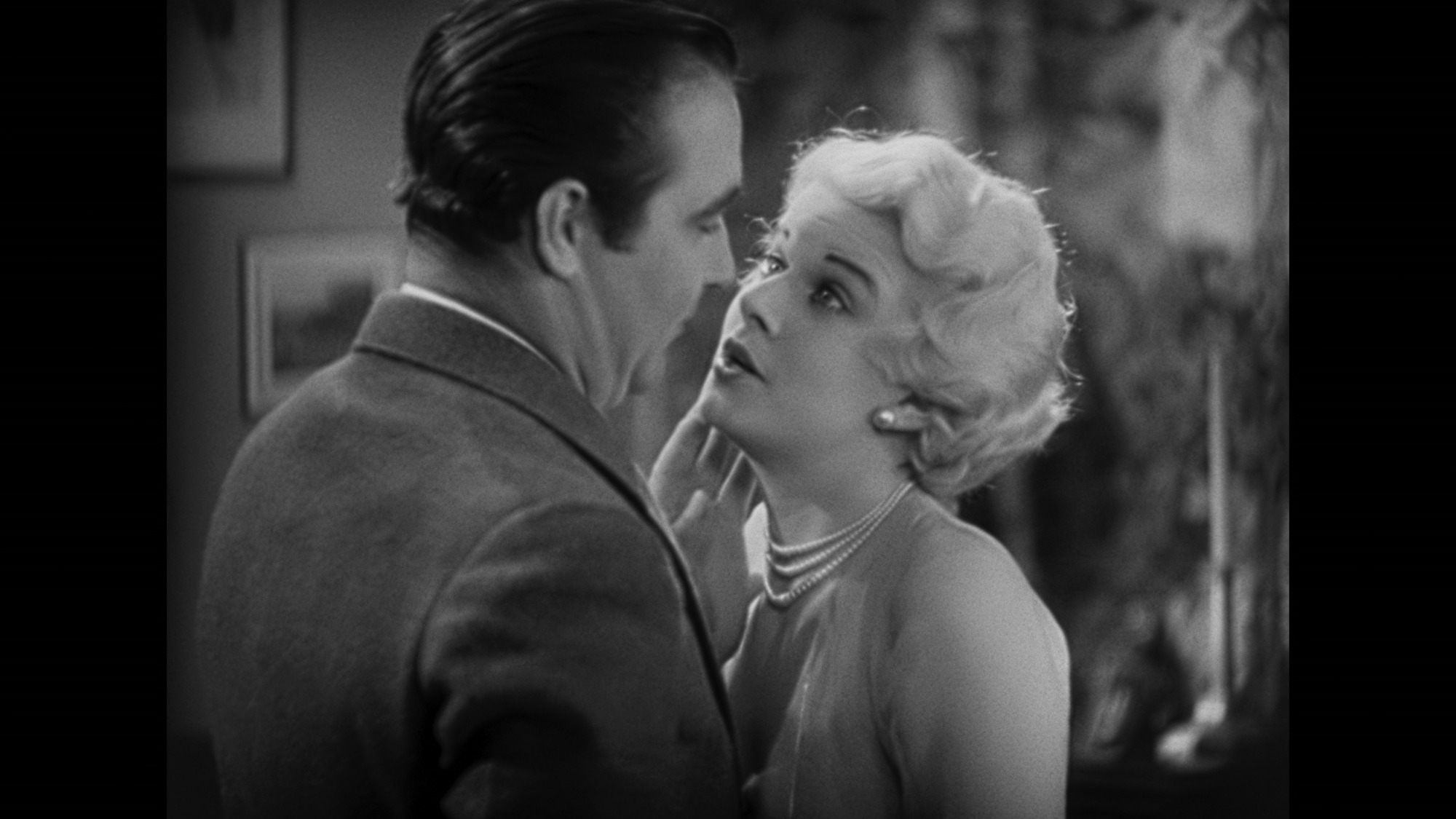
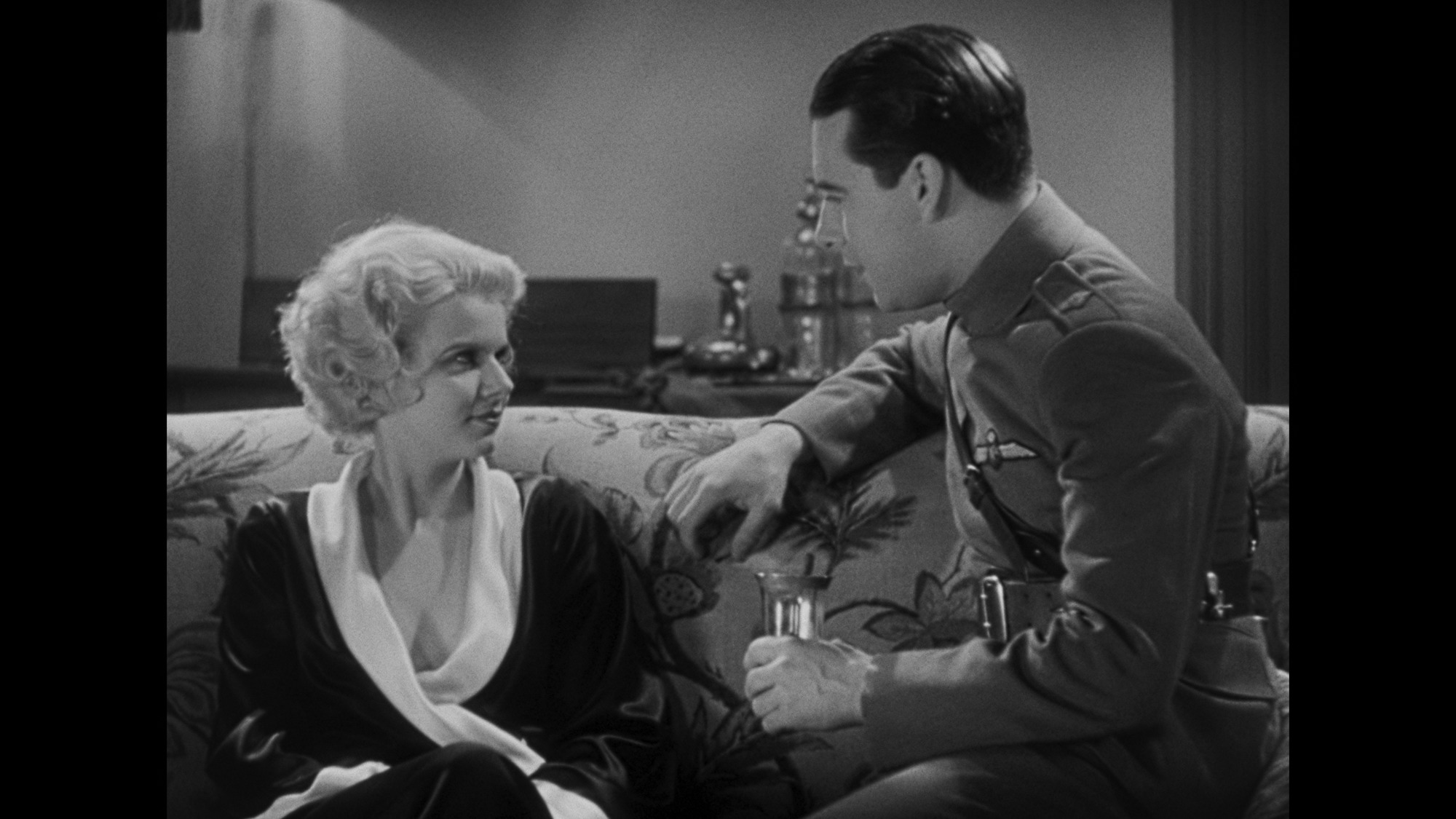
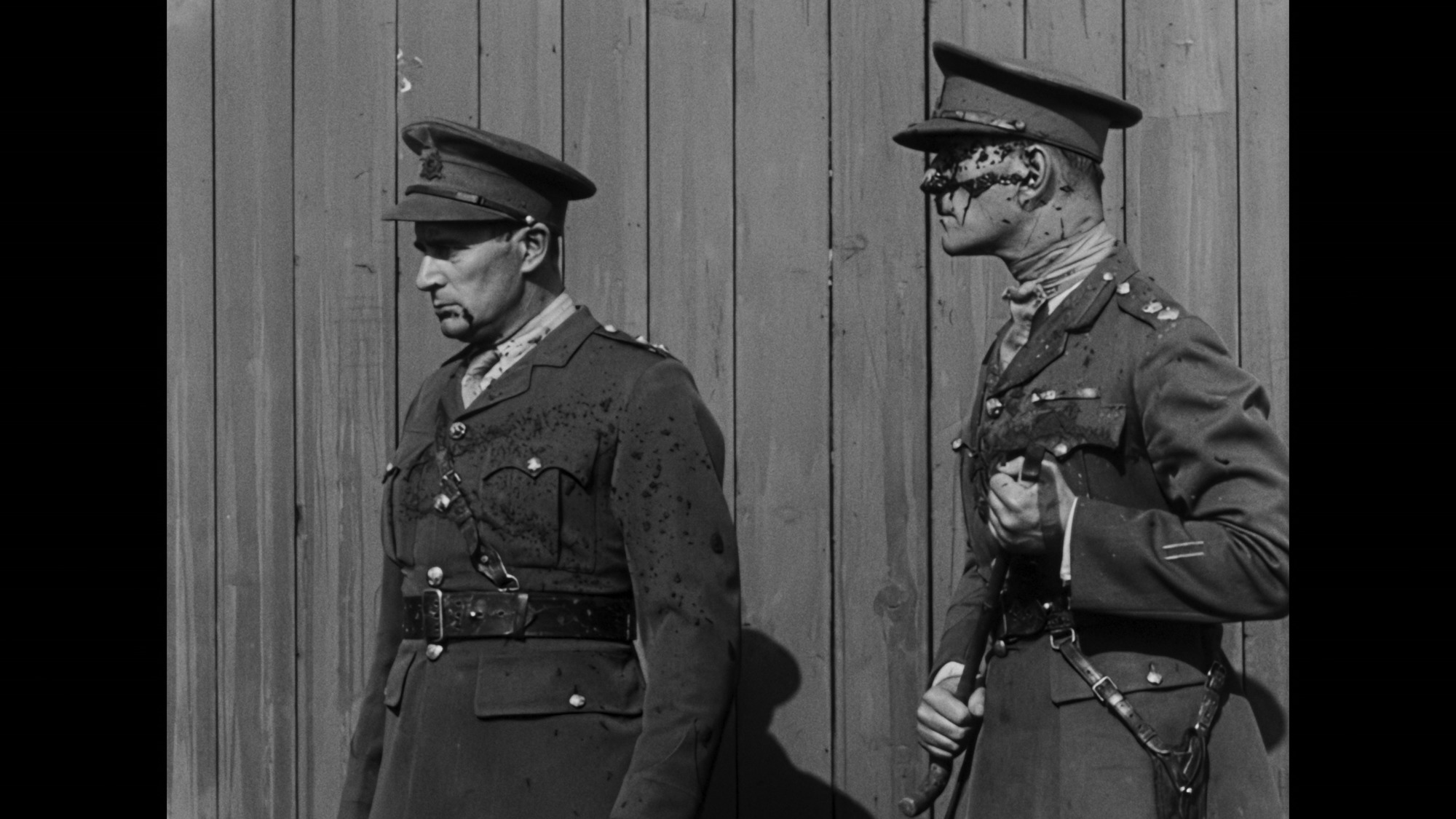
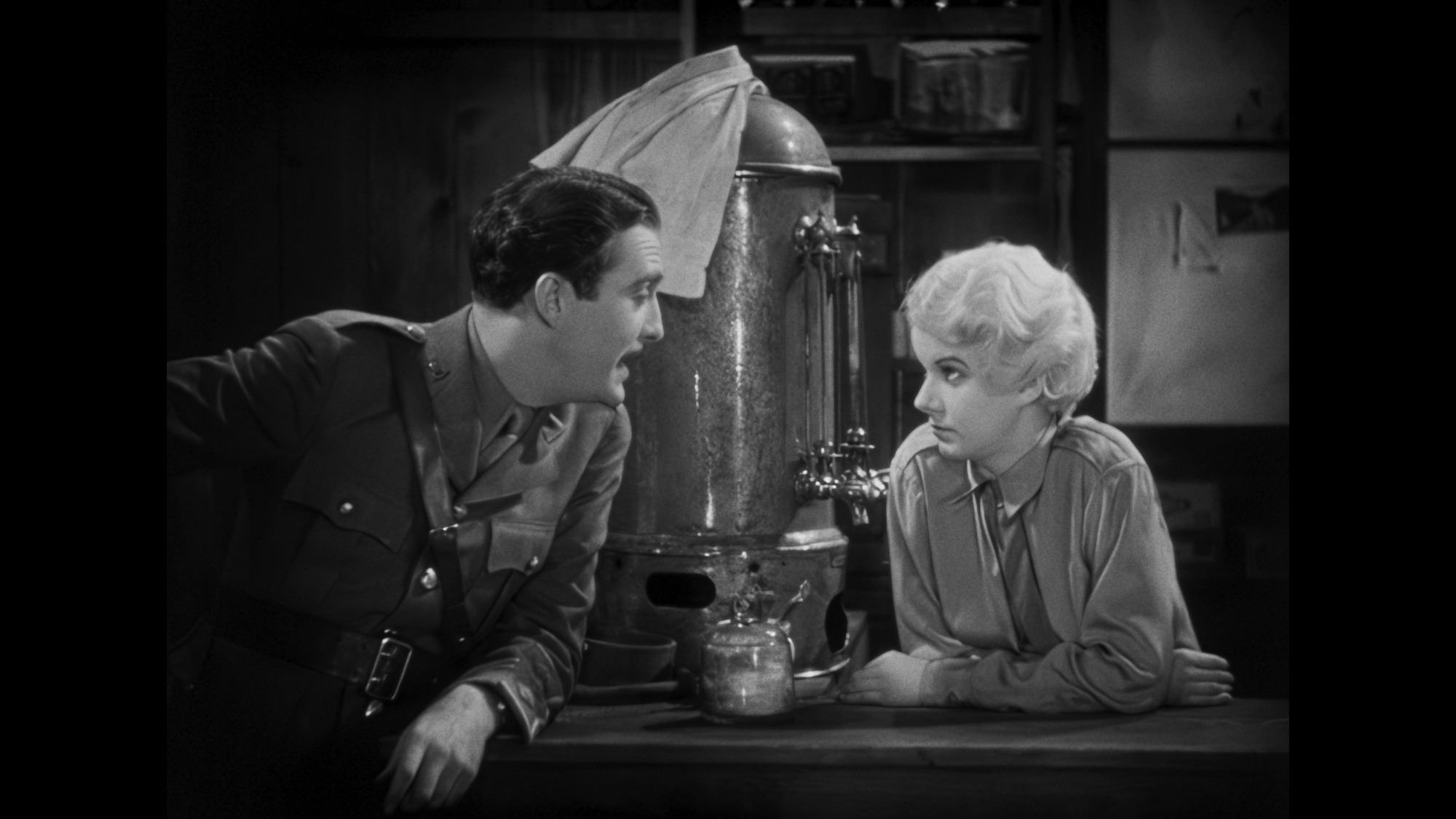
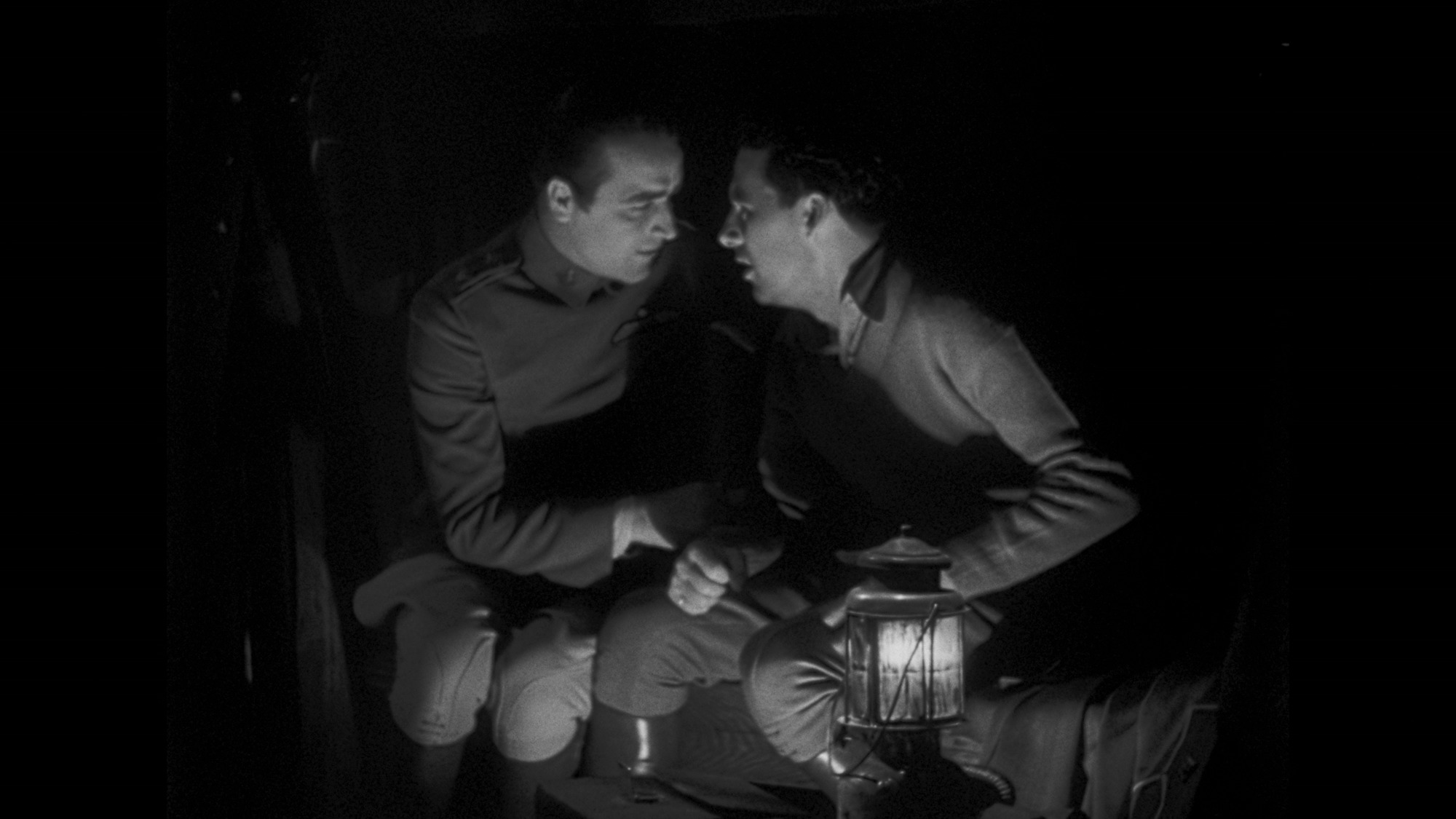
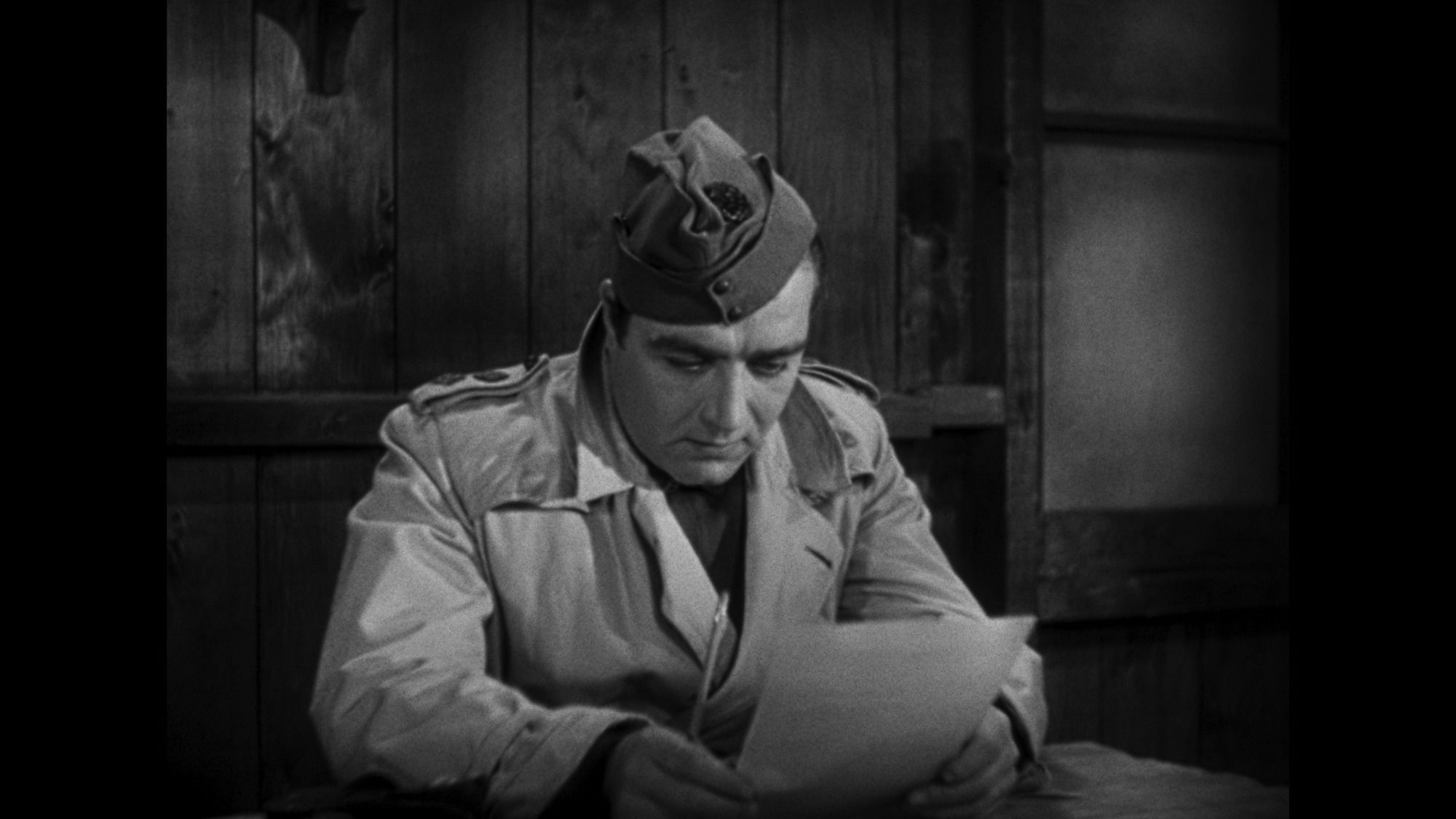
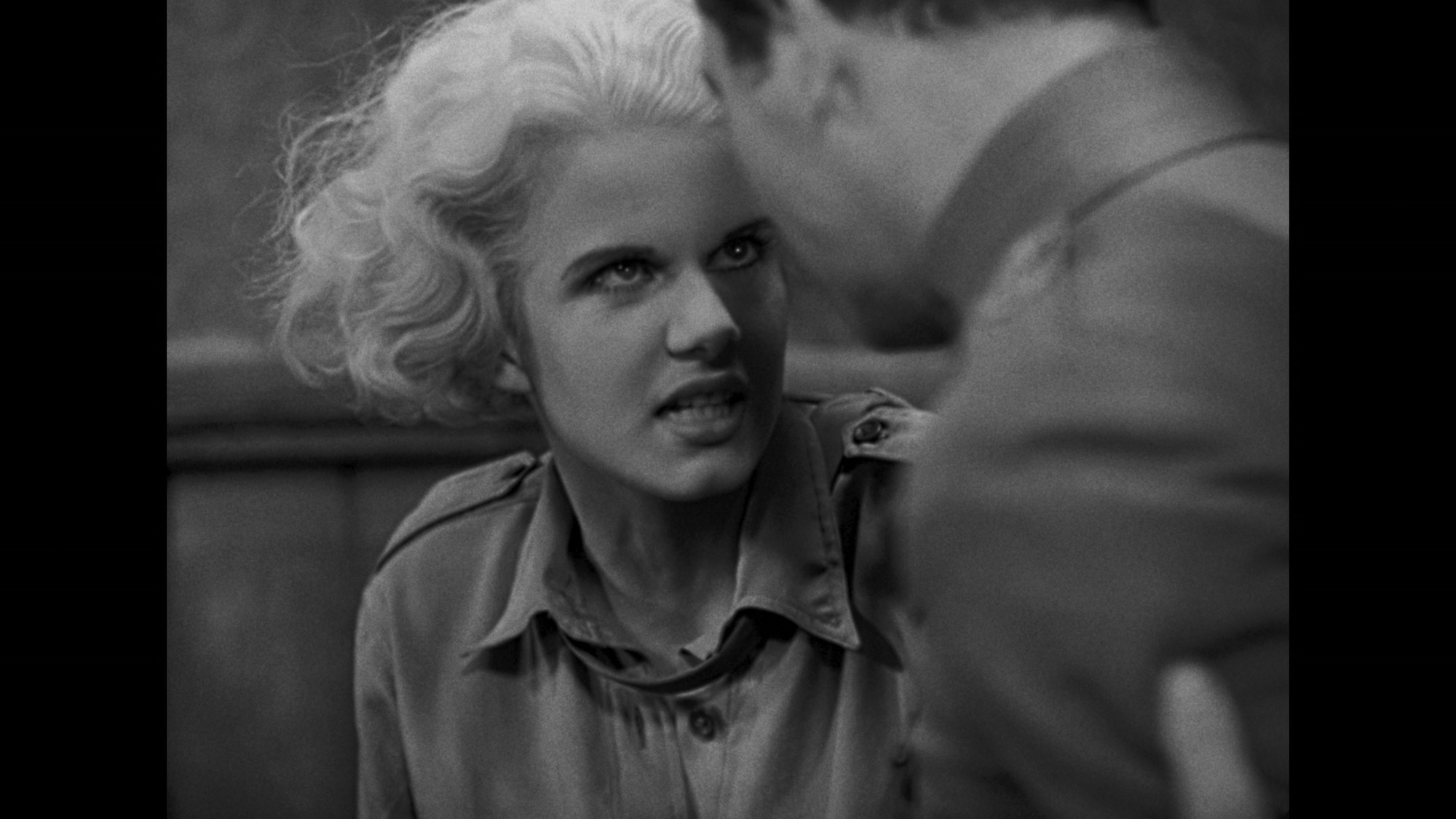
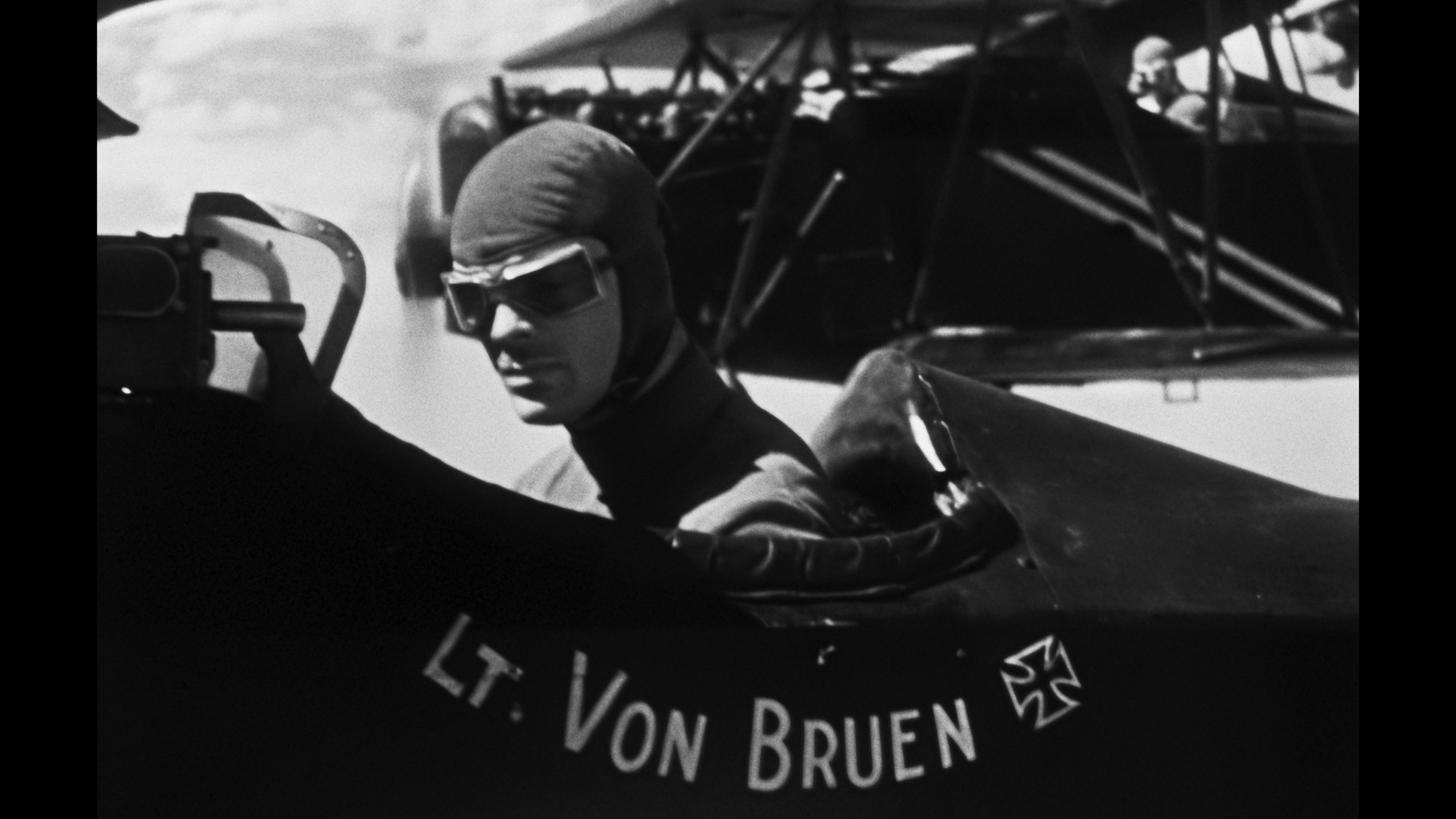
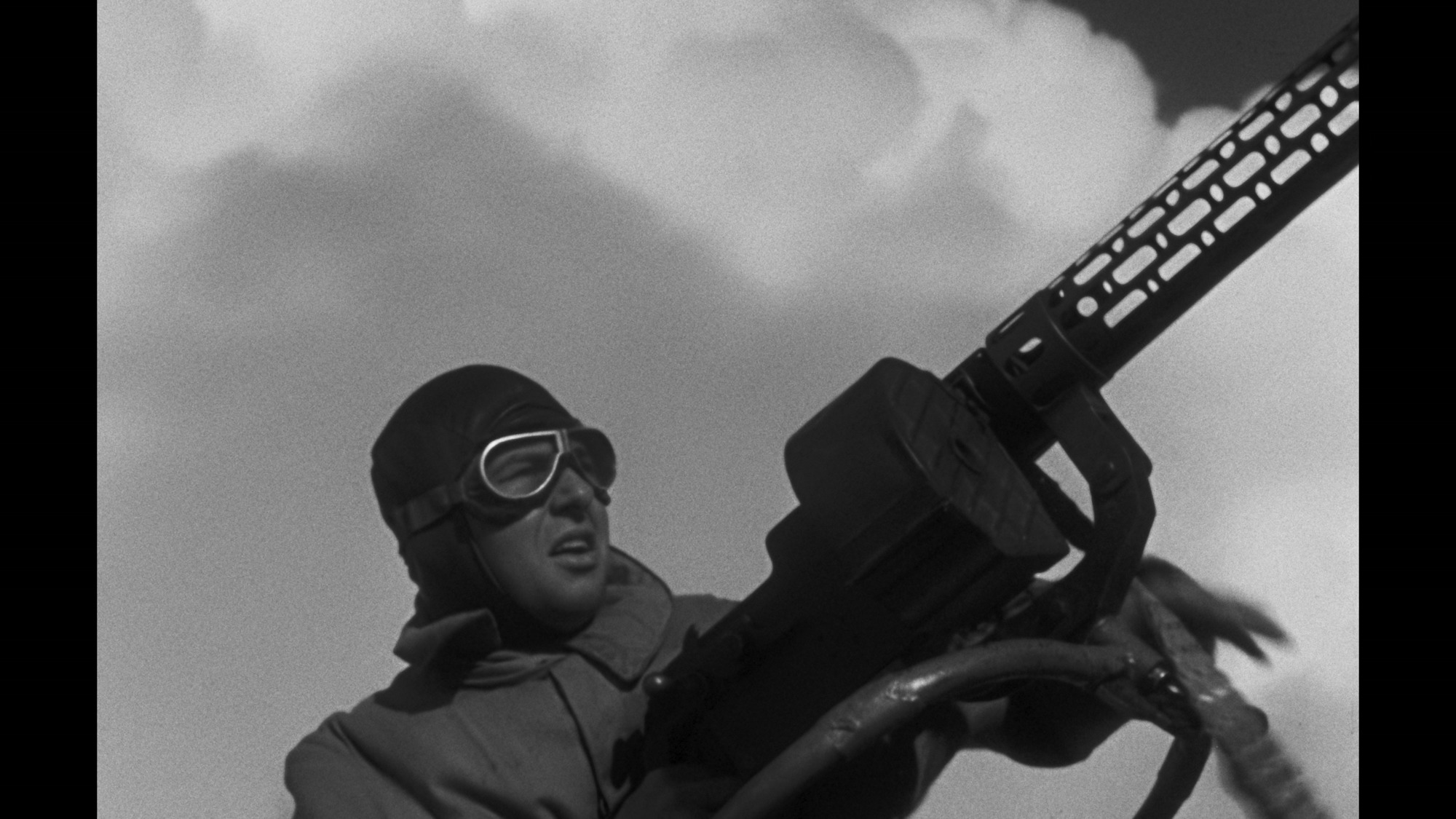
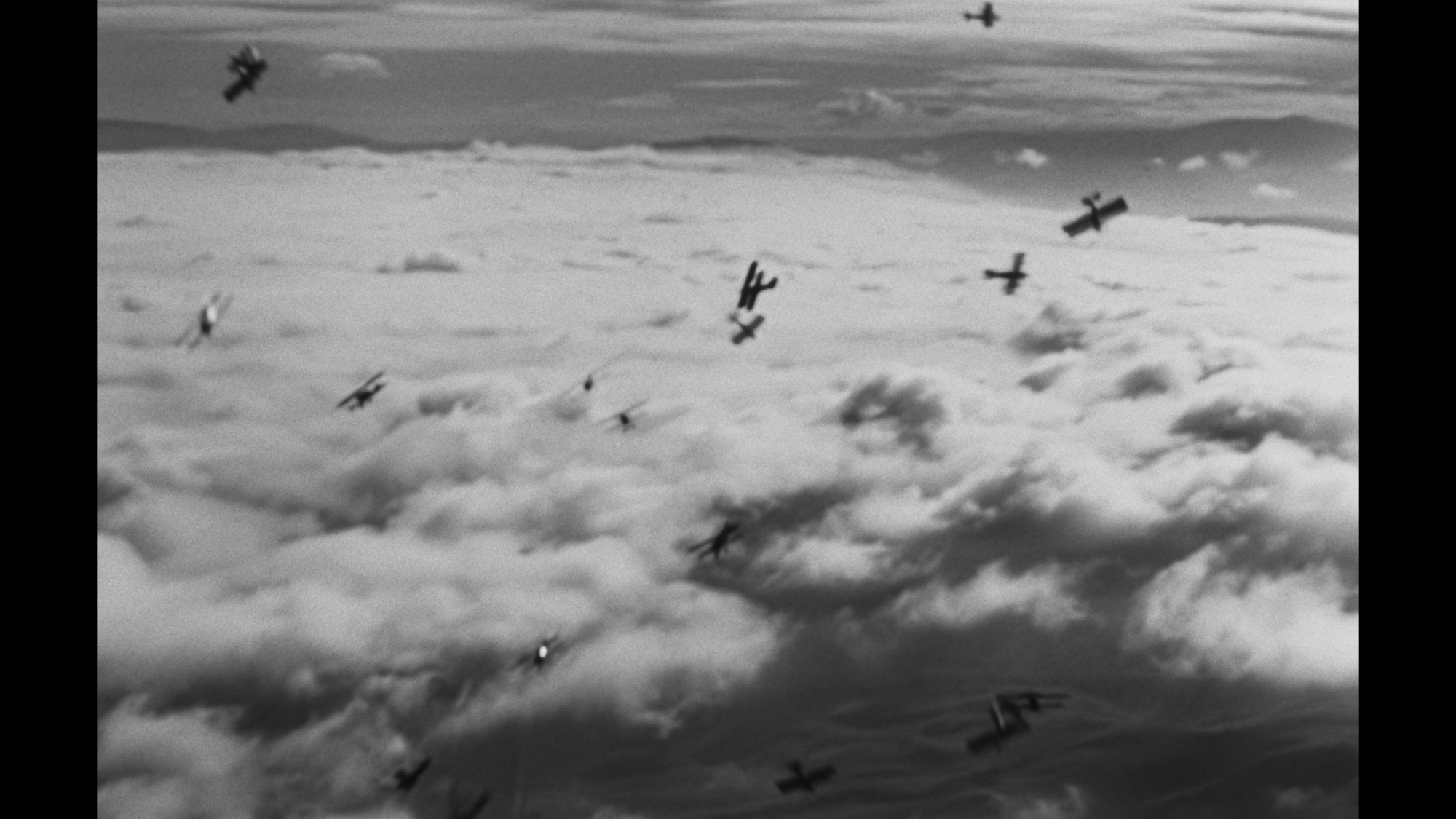
I didn’t have especially high hopes for this one, ultimately expecting it to look fine but still be held back by the condition of the source materials. While that’s true to a degree, the presentation ultimately ends up being quite the surprise. Getting the source elements out of the way first, the materials are in very good condition overall, having been cleaned up quite extensively with little in the way of damage remaining. Detail levels are surprisingly strong for the most part, with fine textures frequently managing to come through. Some sequences can look a little softer, particularly portions of the aerial footage, and there are moments where the lens introduces some distortion, but it’s rarely a real concern.
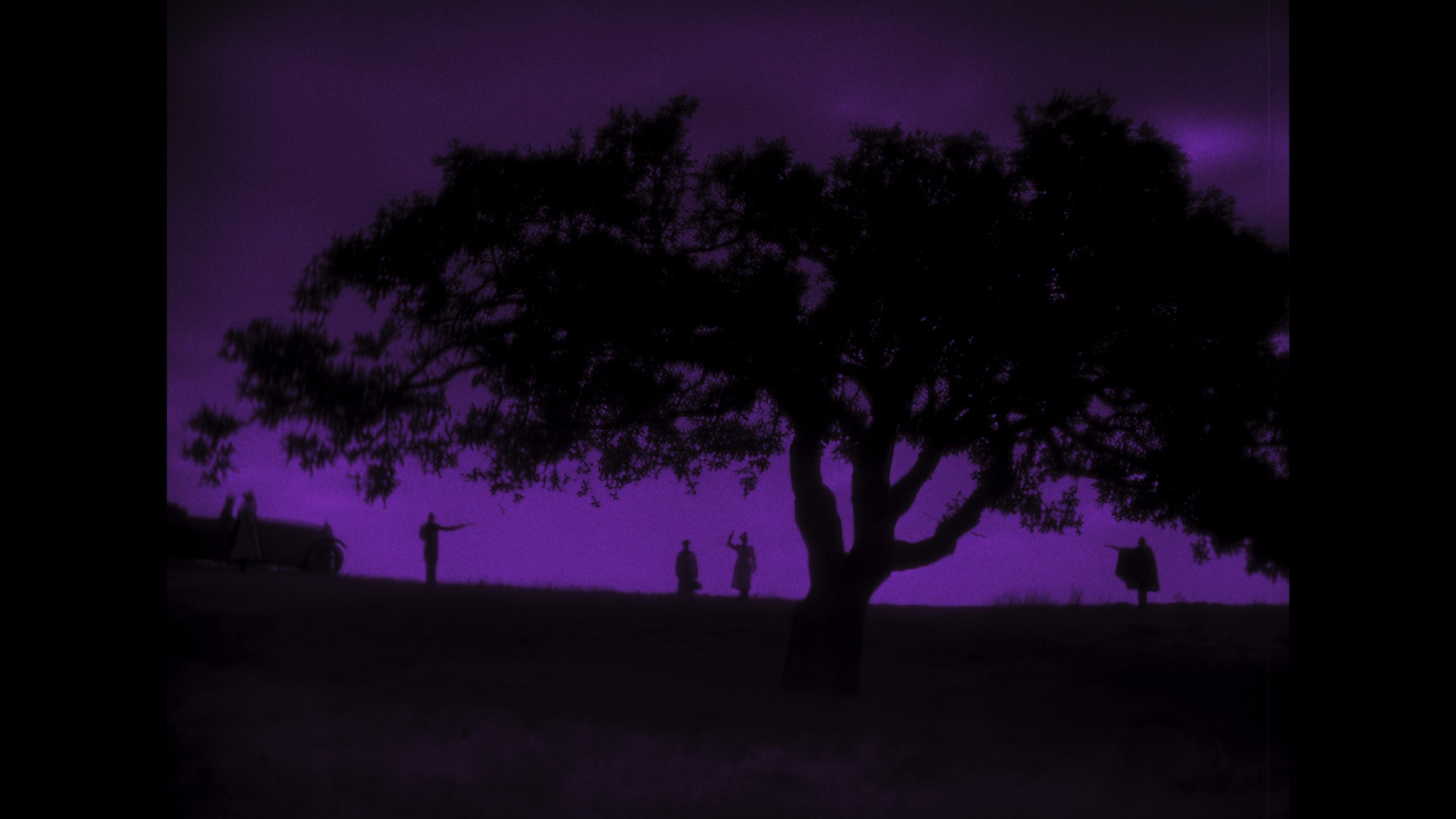
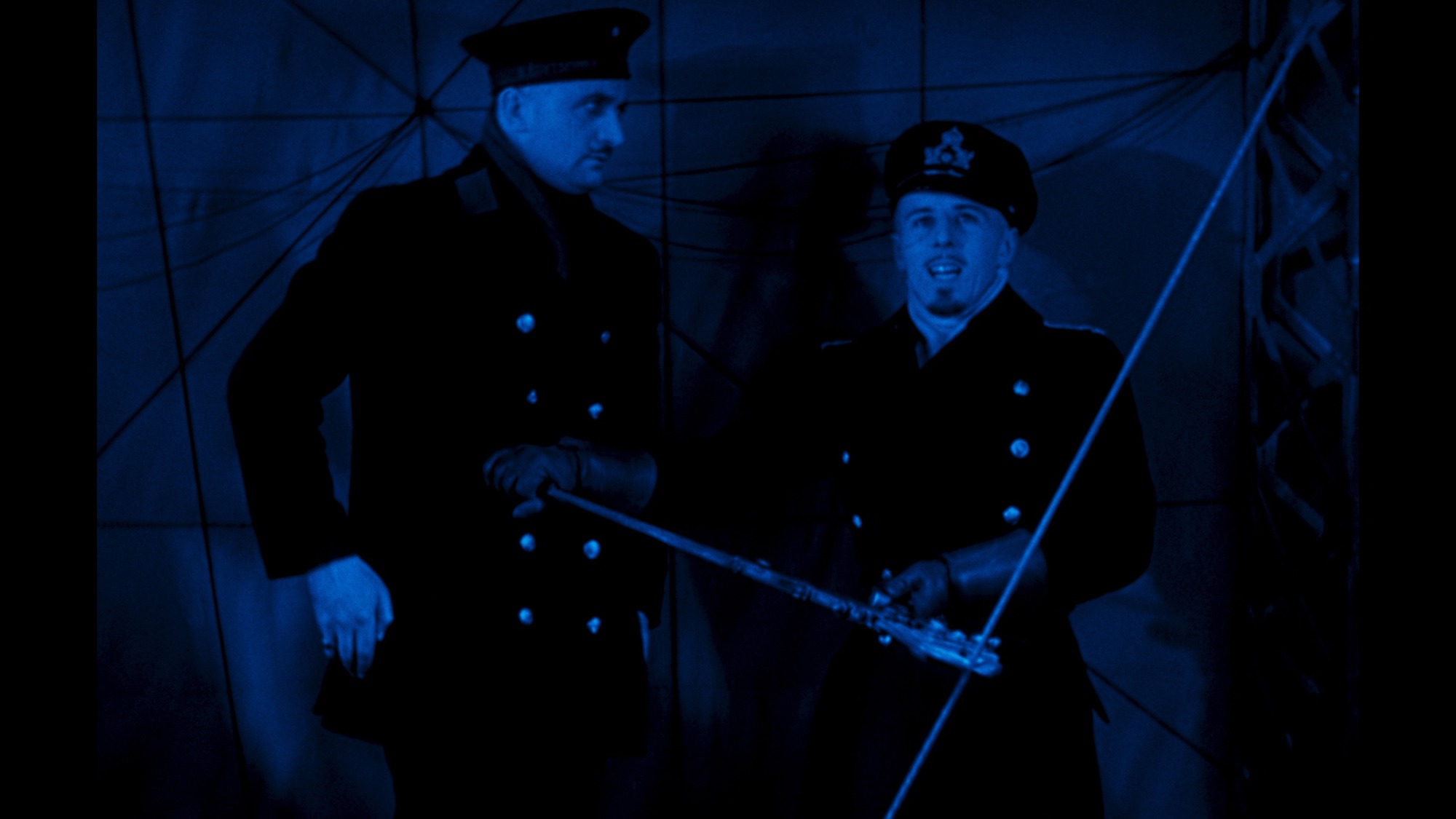
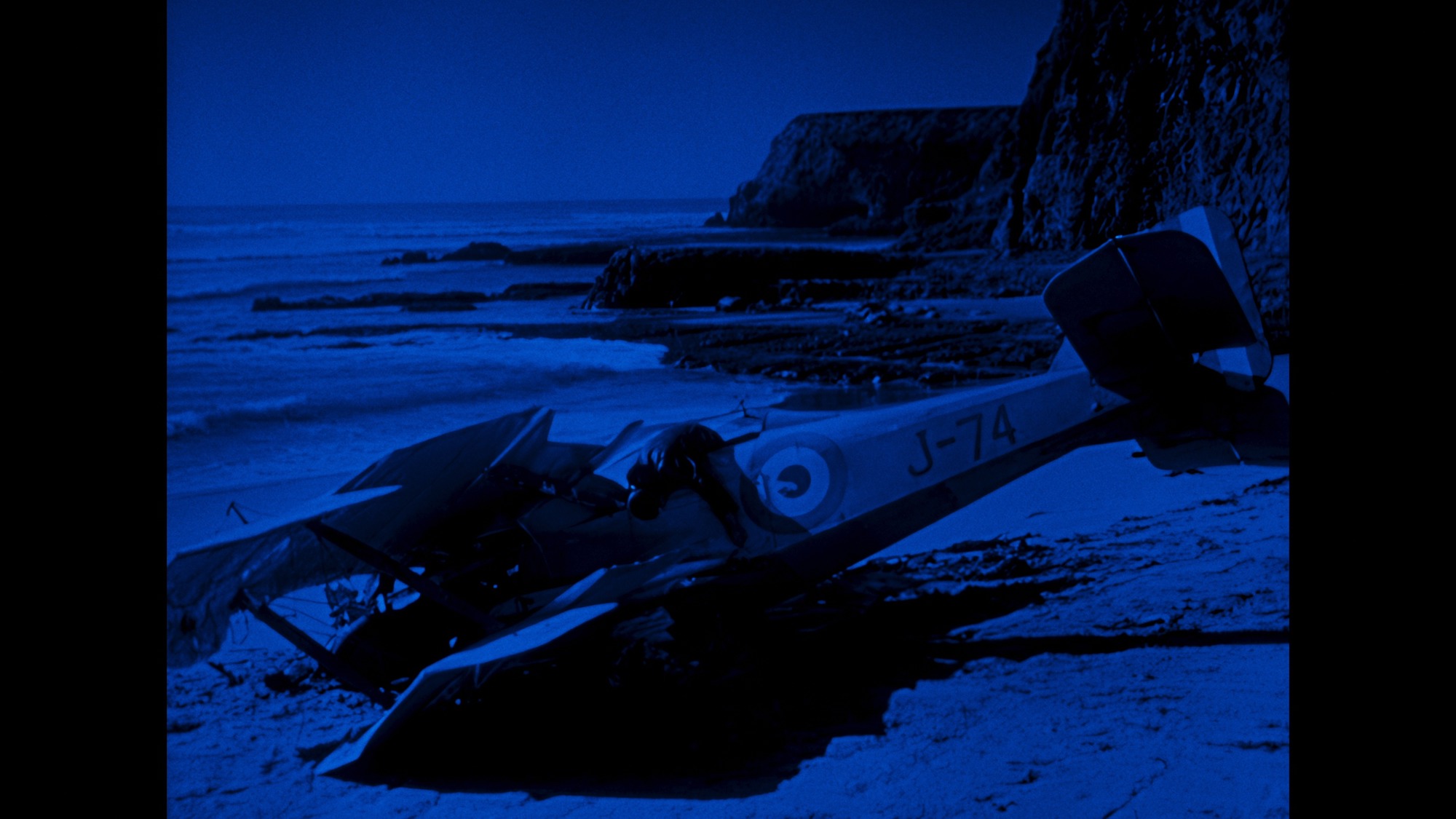
Contrast and grayscale can also vary. The range is a bit more limited during some of the aerial sequences, but overall the grayscale can be quite wide, with solid separation between tones. The same largely holds true for the blue-tinted nighttime sequences, which generally look quite pleasing.
The color sequence (utilizing a two-color red/green process) is perhaps the weakest portion of the presentation. While skin tones actually look fairly natural, the colors themselves appear a bit flat and brown, with details looking somewhat muddy in comparison to the rest of the film. That said, this ultimately comes down to the limitations of the source materials, and I’d much rather see this than an image that’s been artificially boosted.
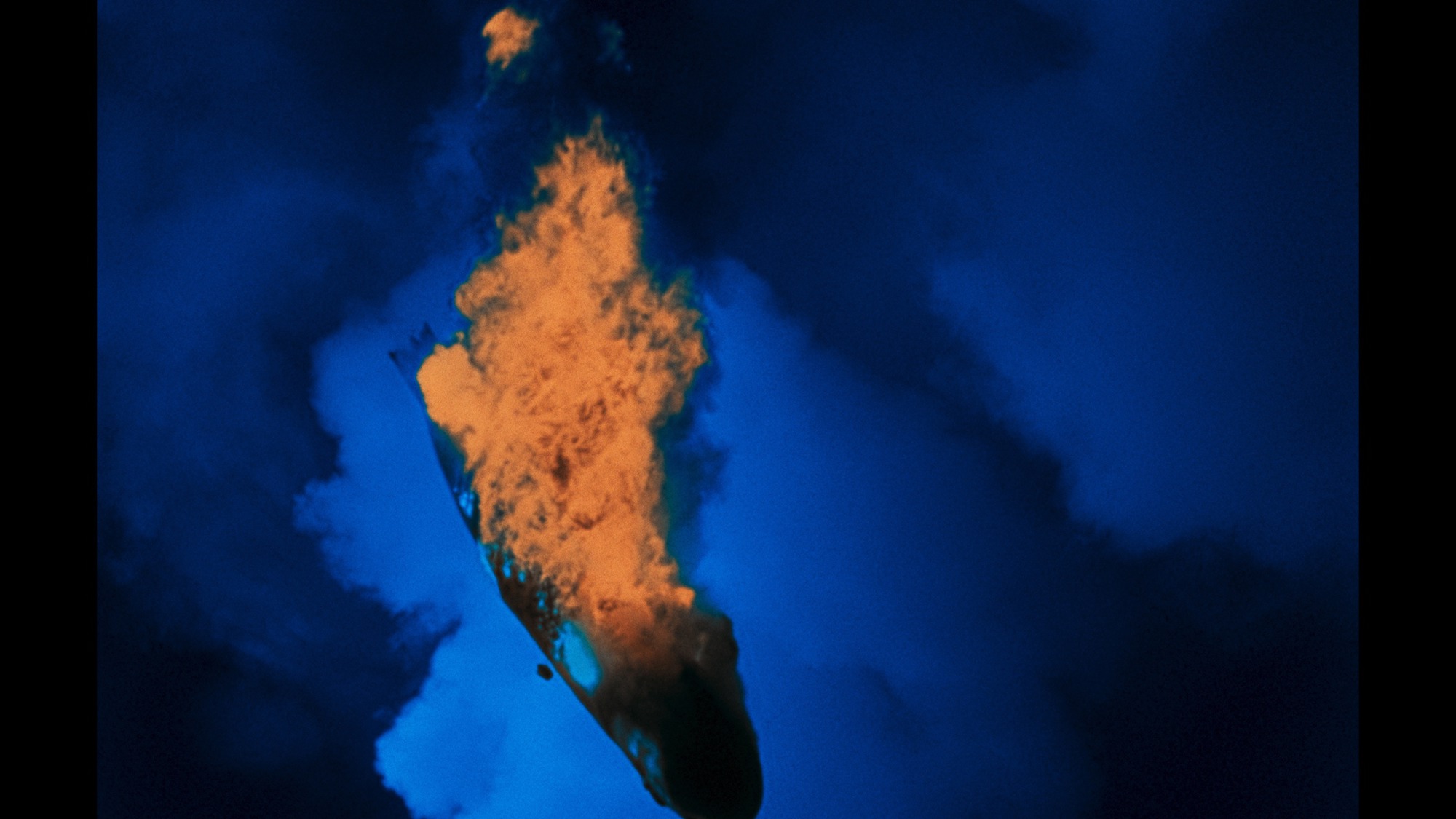
From a digital standpoint, the presentation the presentation continues to impress. The encode is terrific, handling the heavier grain structure beautifully, with no noise or compression artifacts to speak of. The lack of HDR is perhaps the only notable drawback, though outside of a couple of sequences I have to admit it likely wouldn’t have added all that much. There’s still a respectable range in both shadows and highlights (those clouds can look wonderful), and the encode never appears to struggle in those areas.
All in, this looks very, very good, far better than I was expecting. It may not represent a massive leap over the Blu-ray (which is also quite solid), but it’s a meaningful enough improvement to make this 4K presentation easy to recommend.
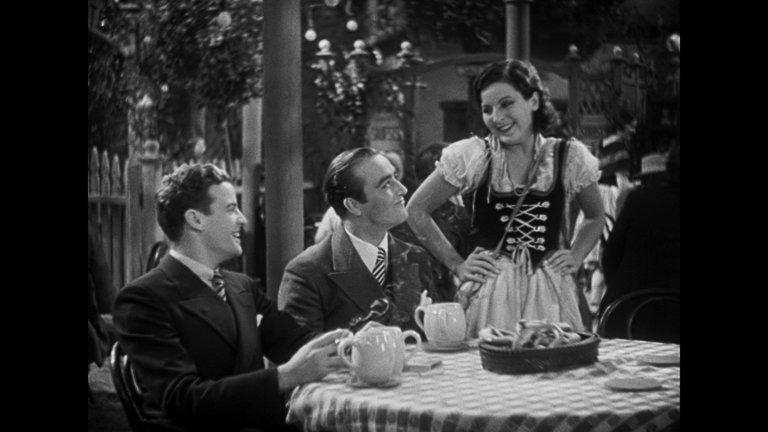
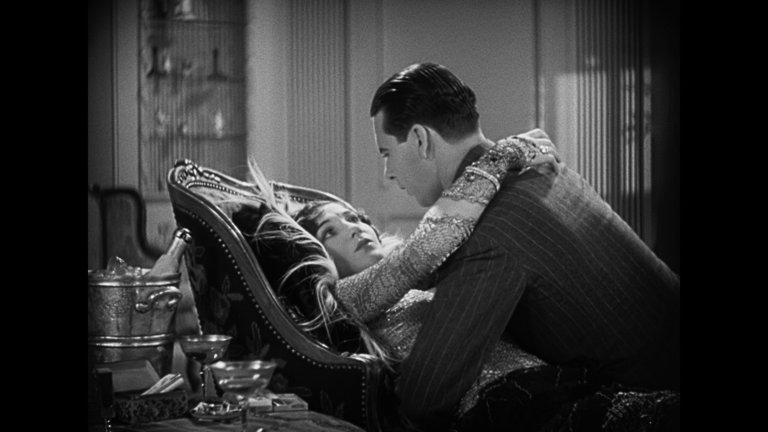
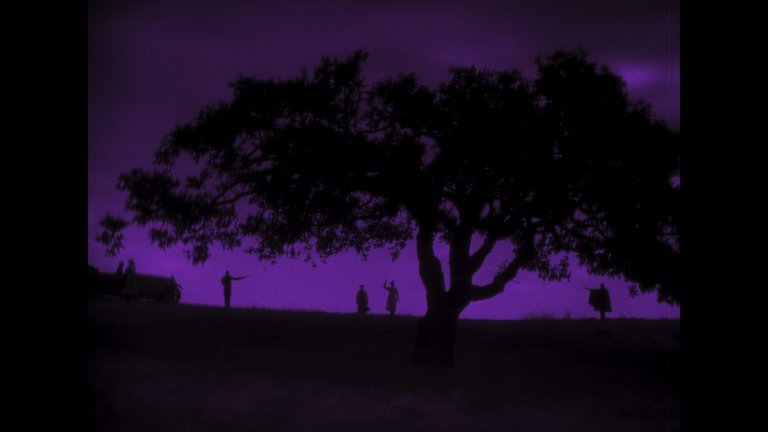
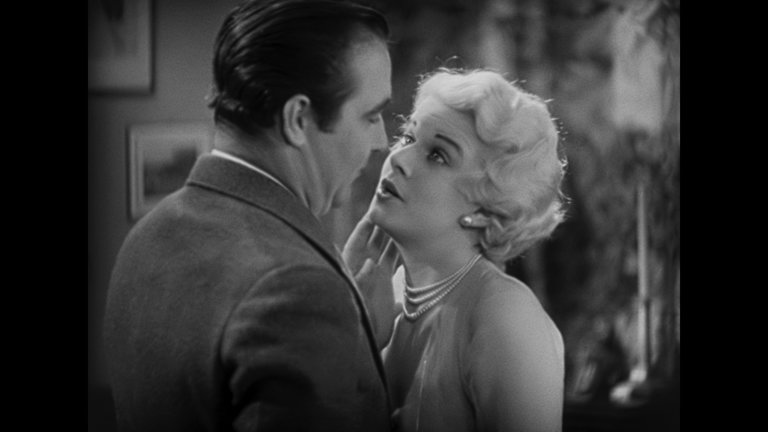
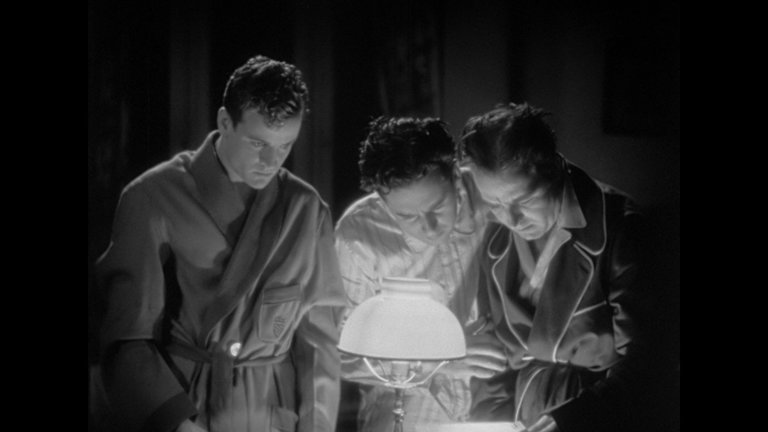
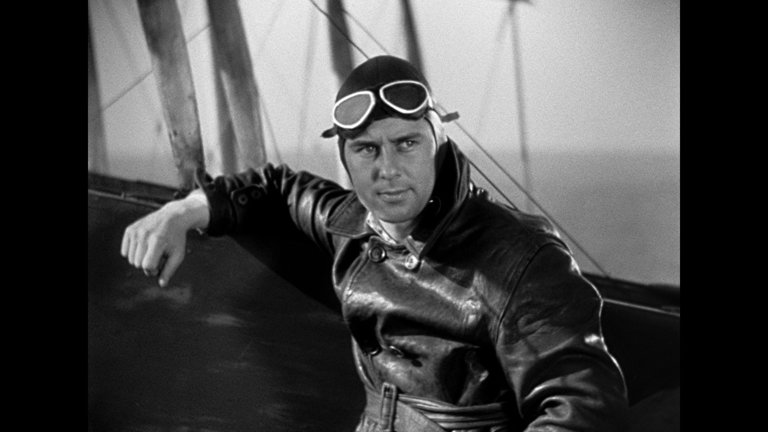
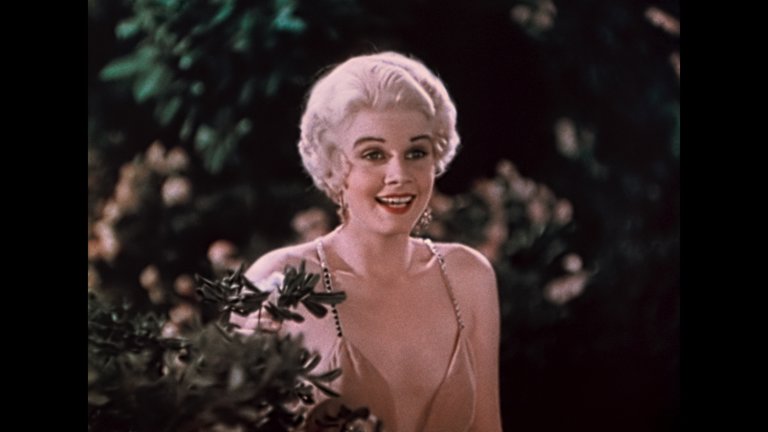
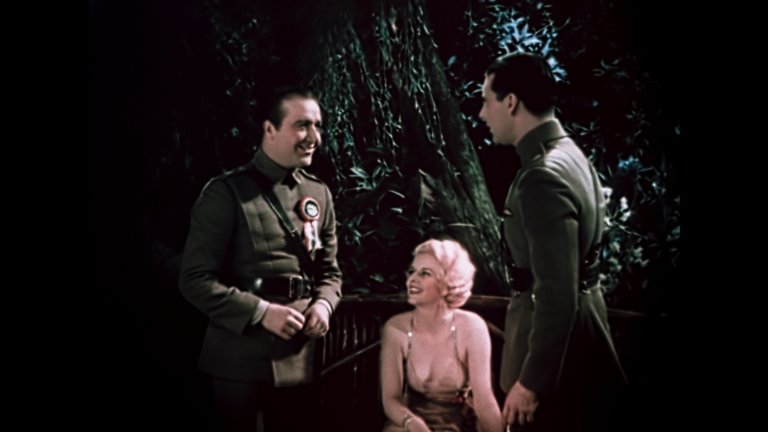
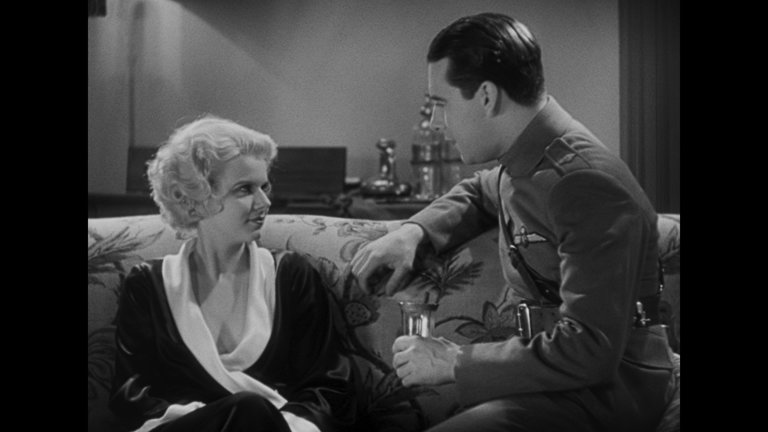
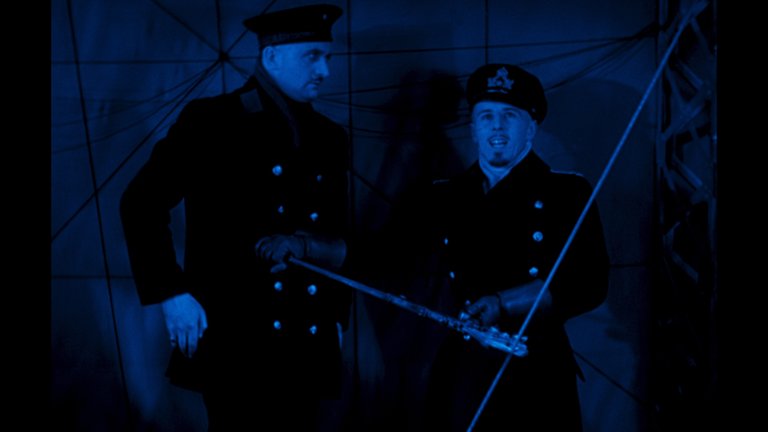
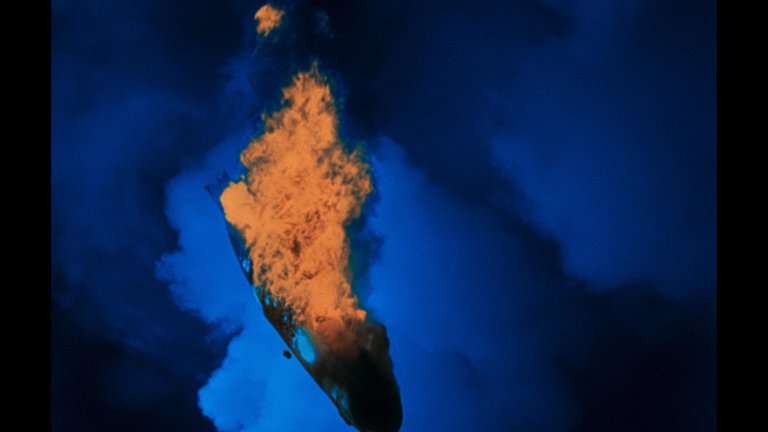
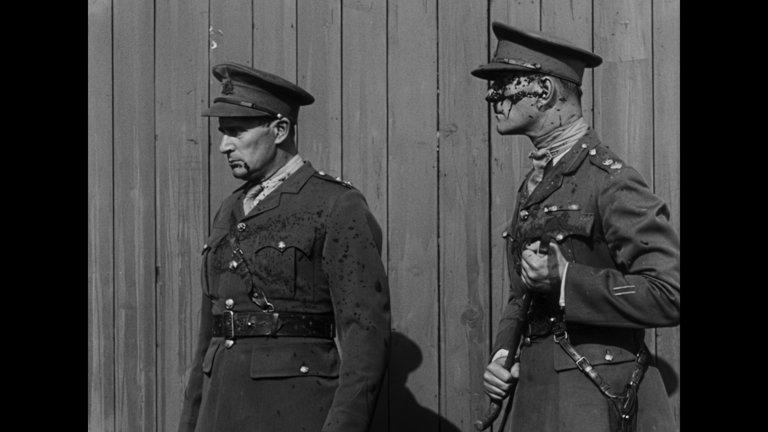
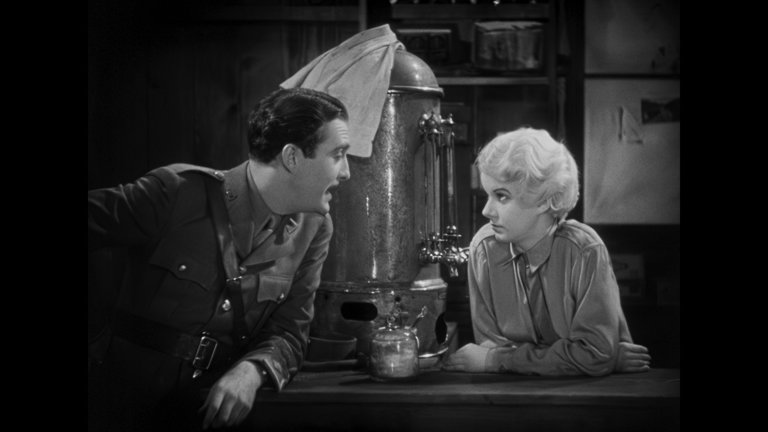
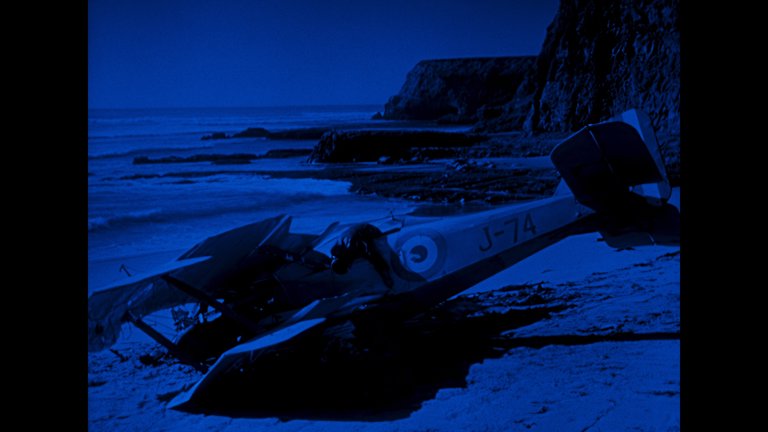
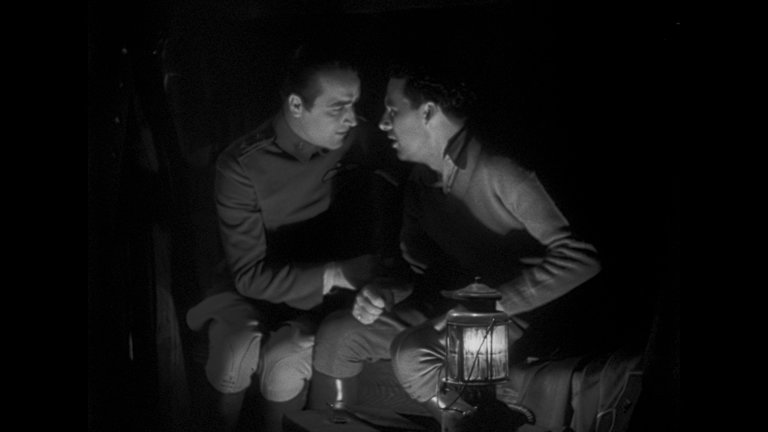
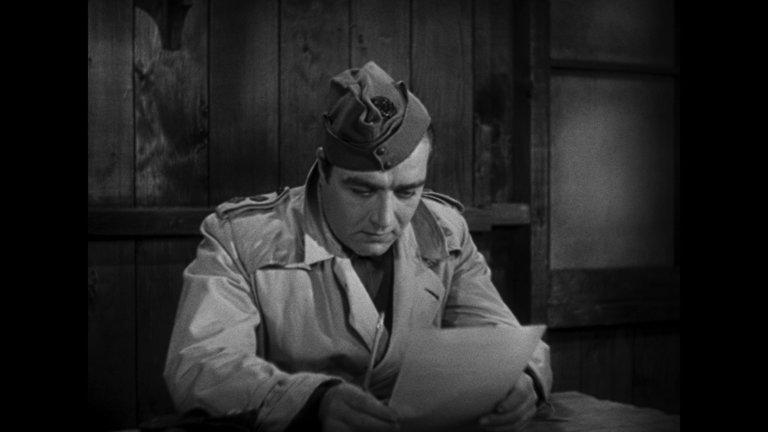
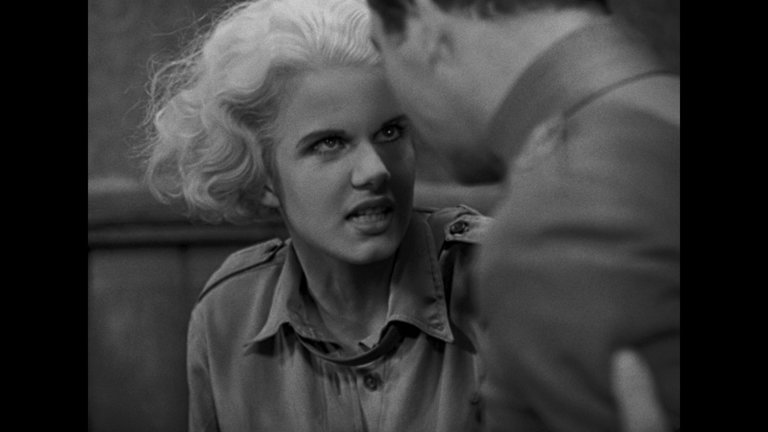

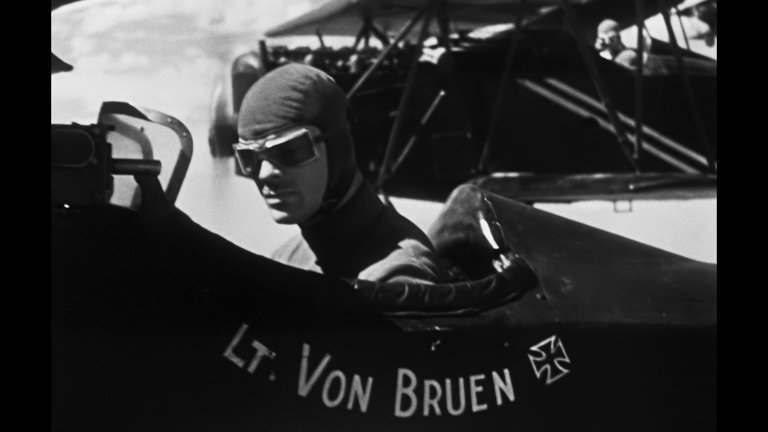
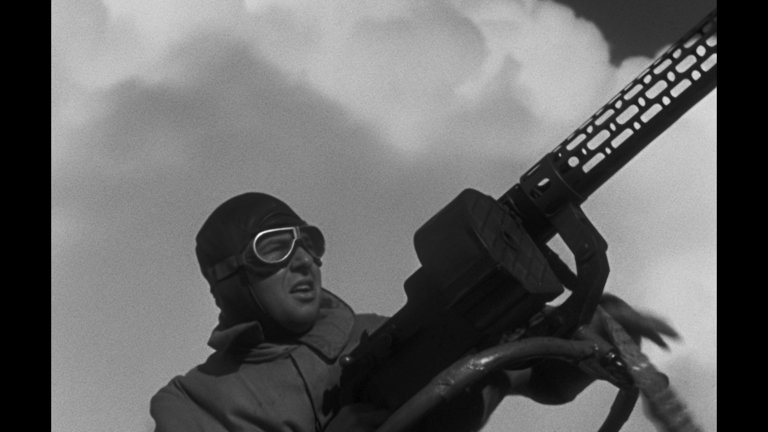
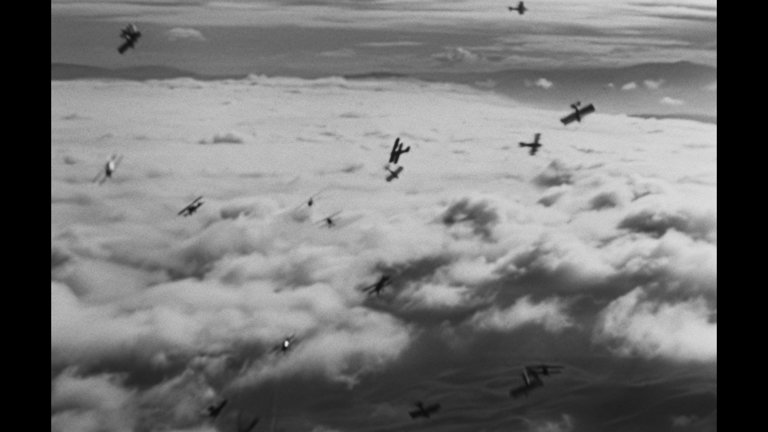
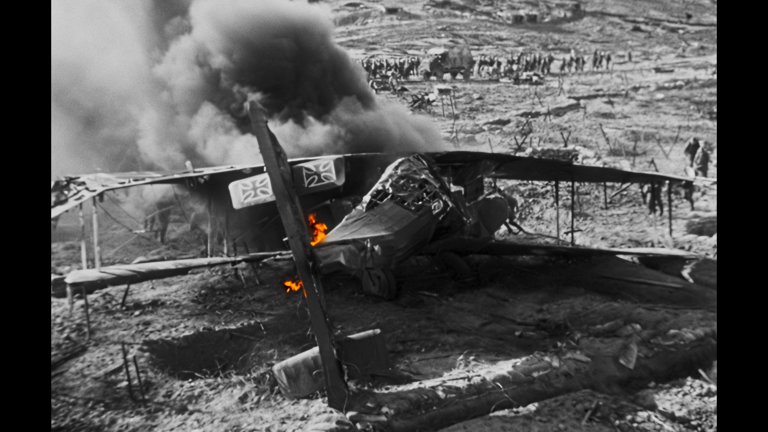
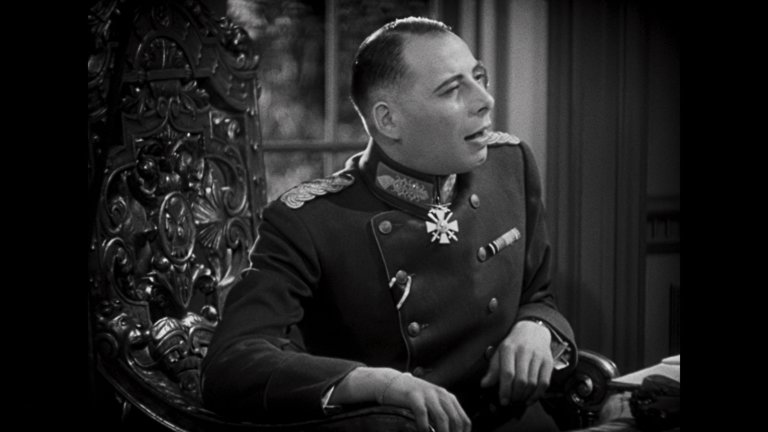
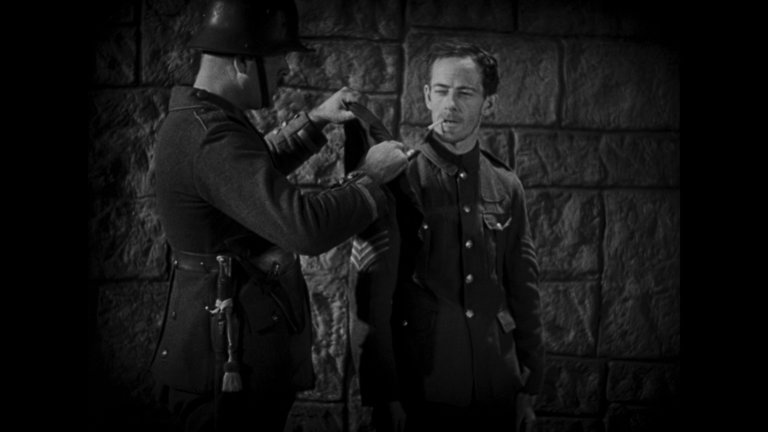
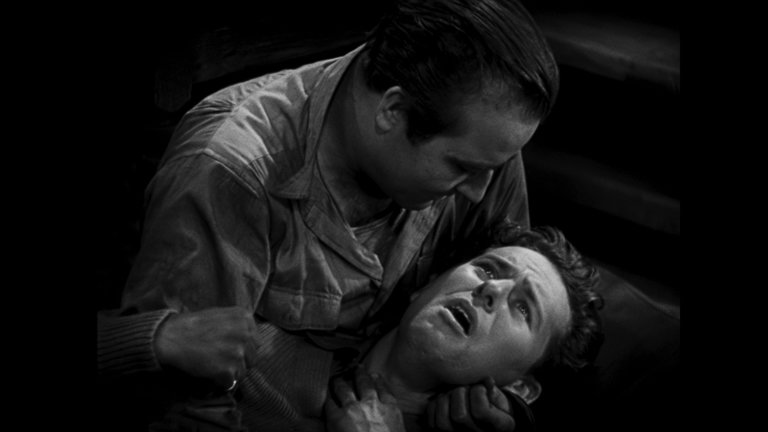
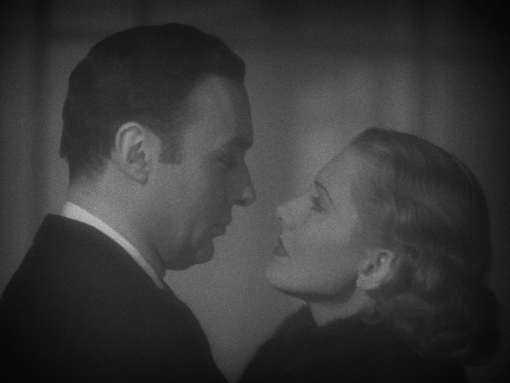
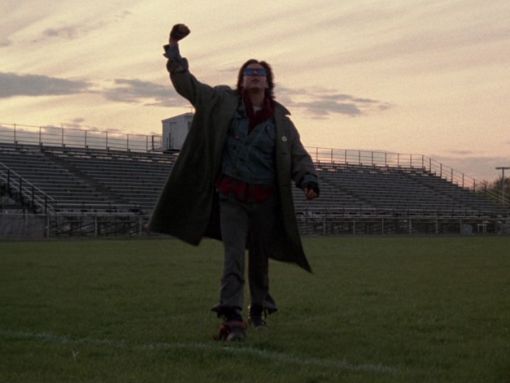
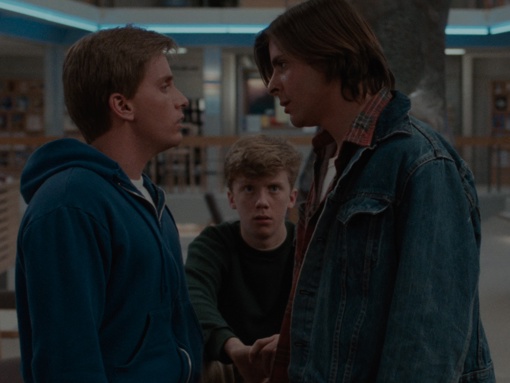
Hell's Angels - Screen Captures
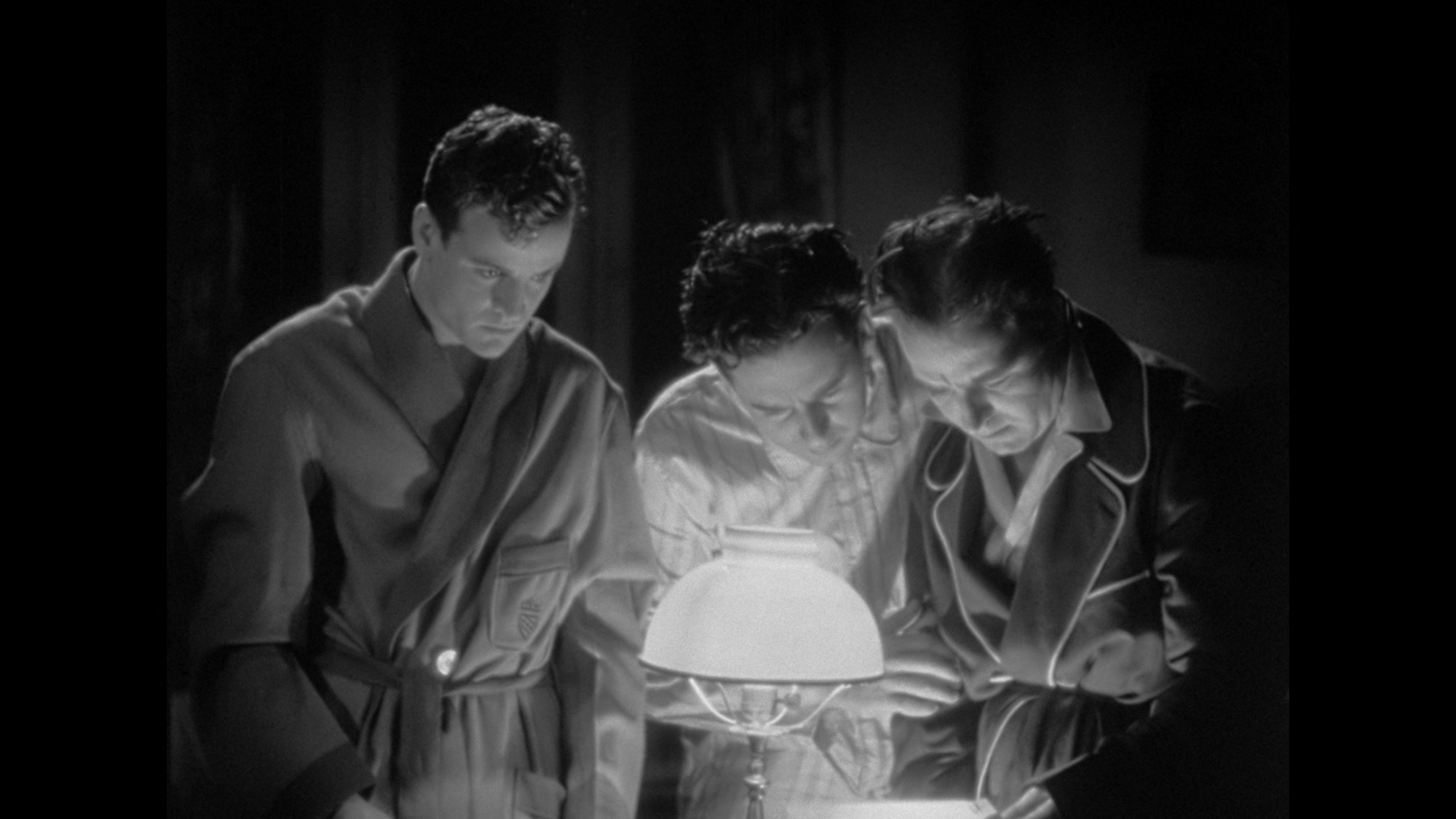
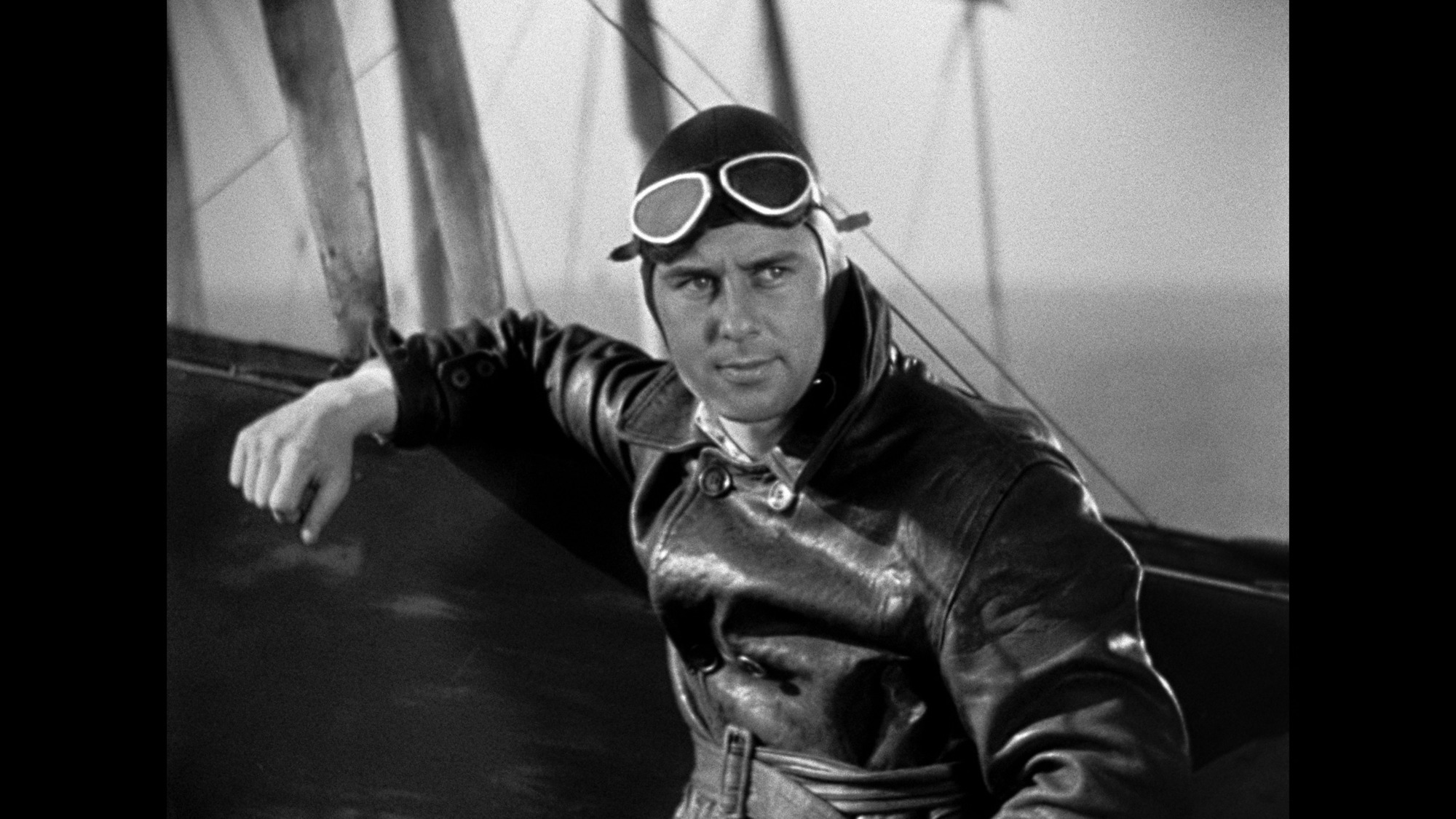
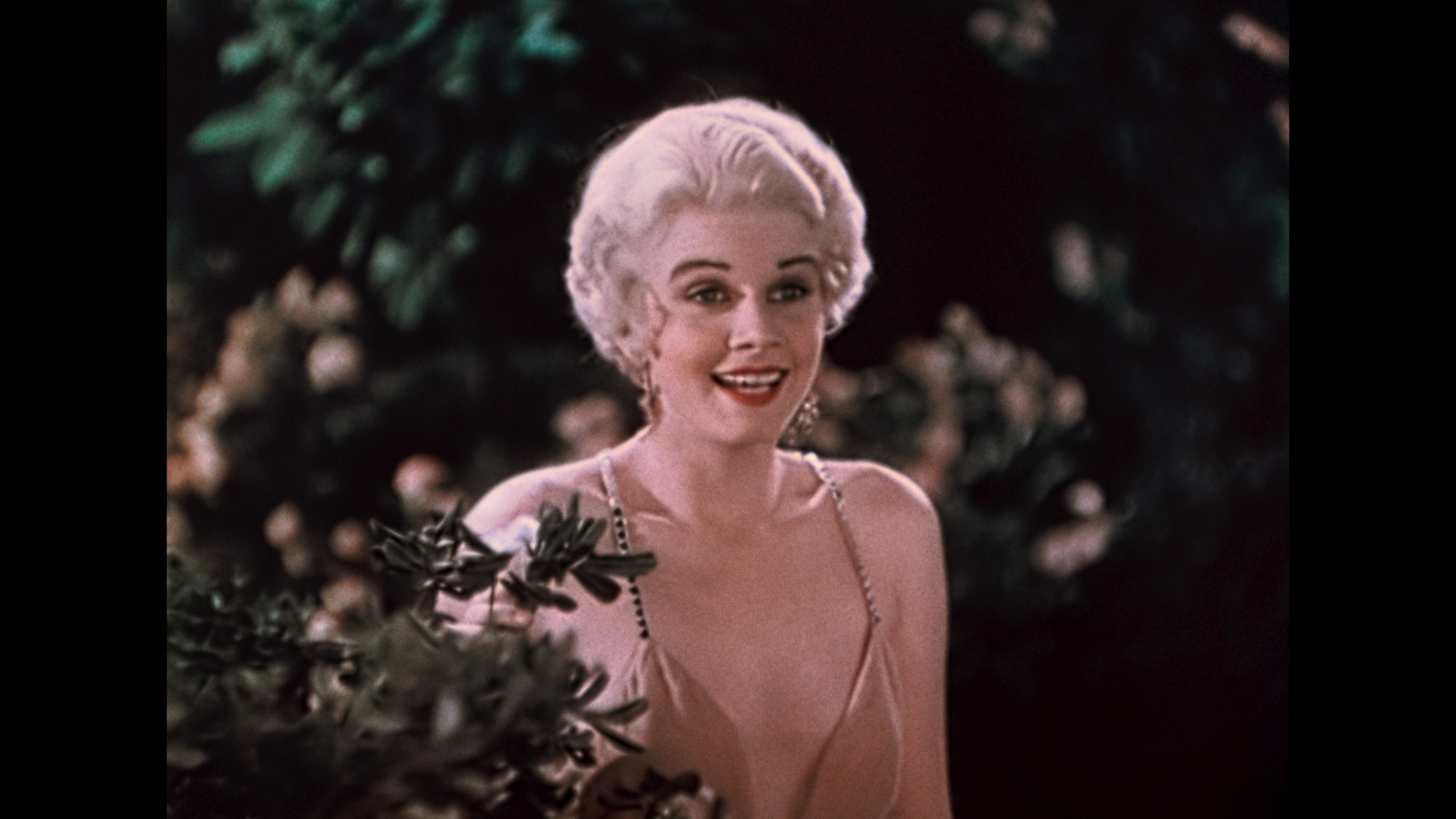
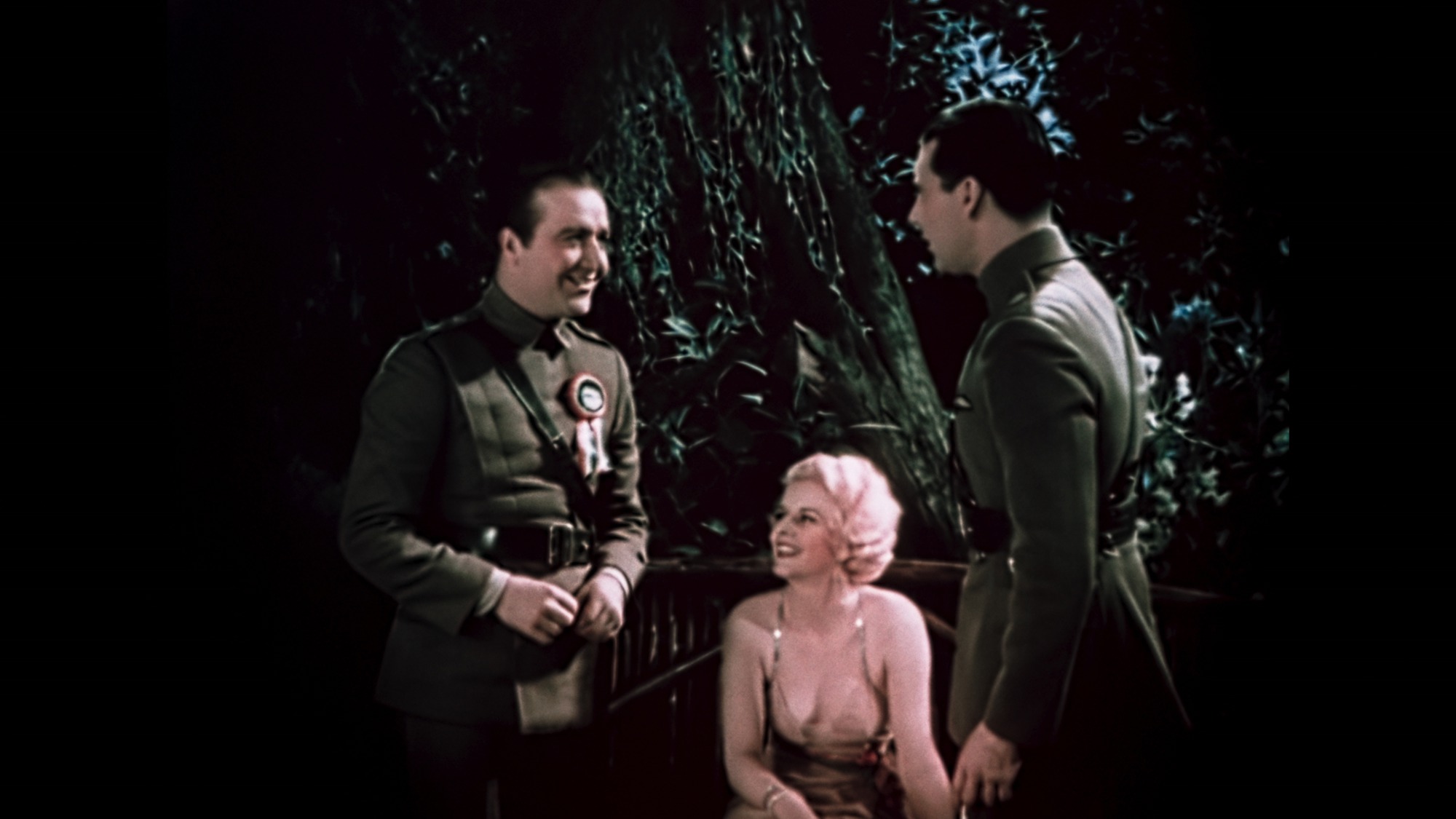

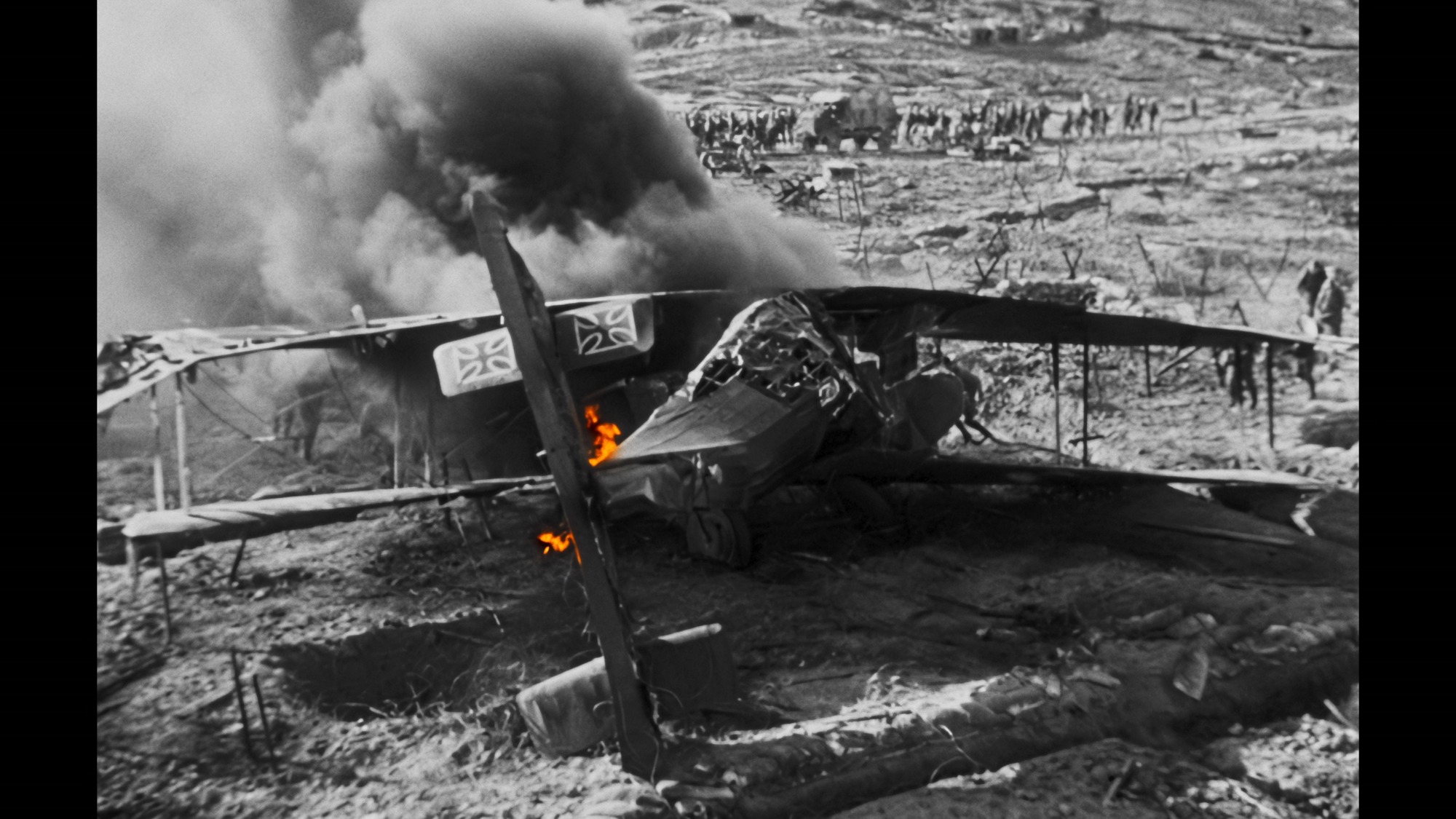
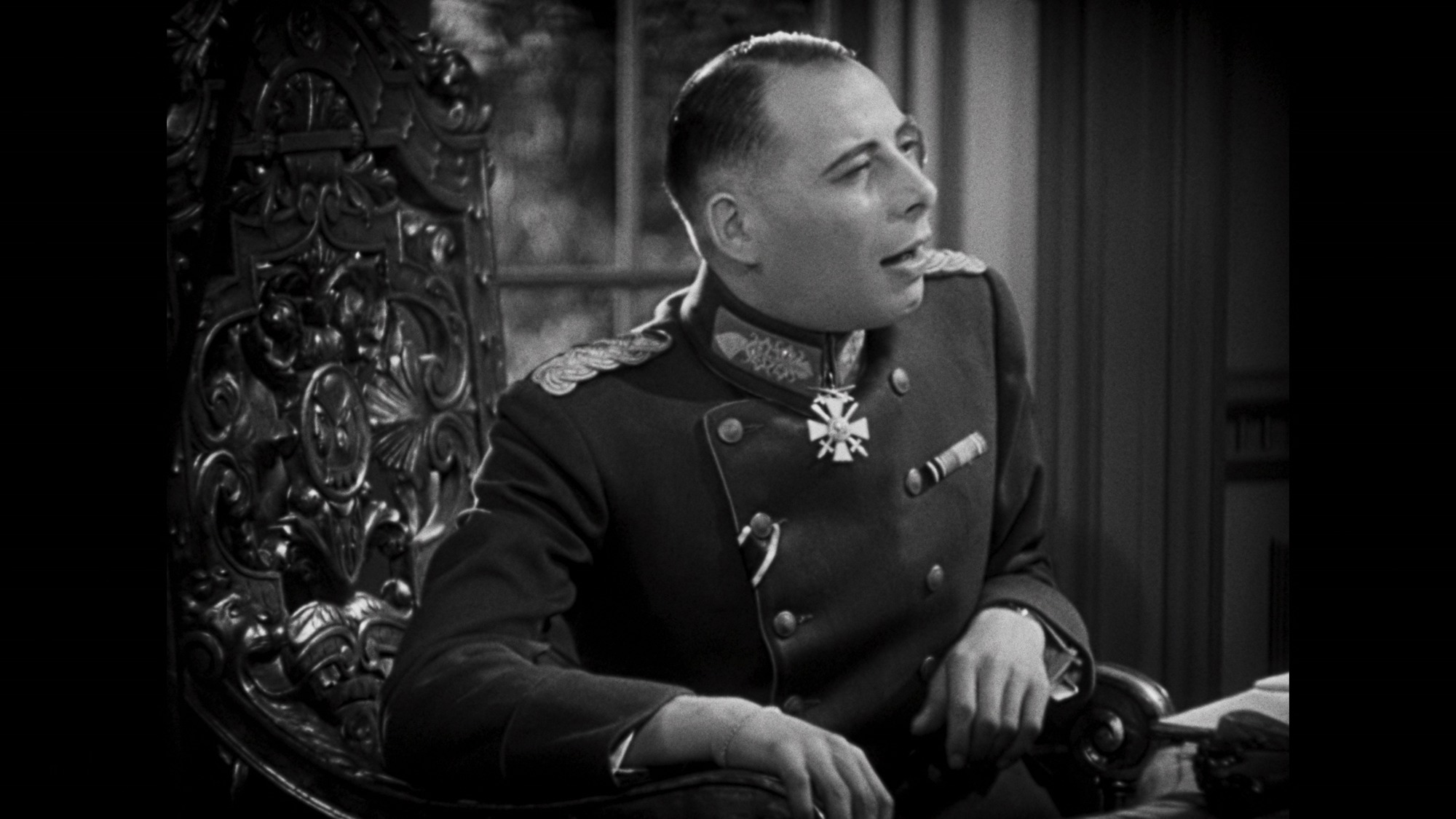
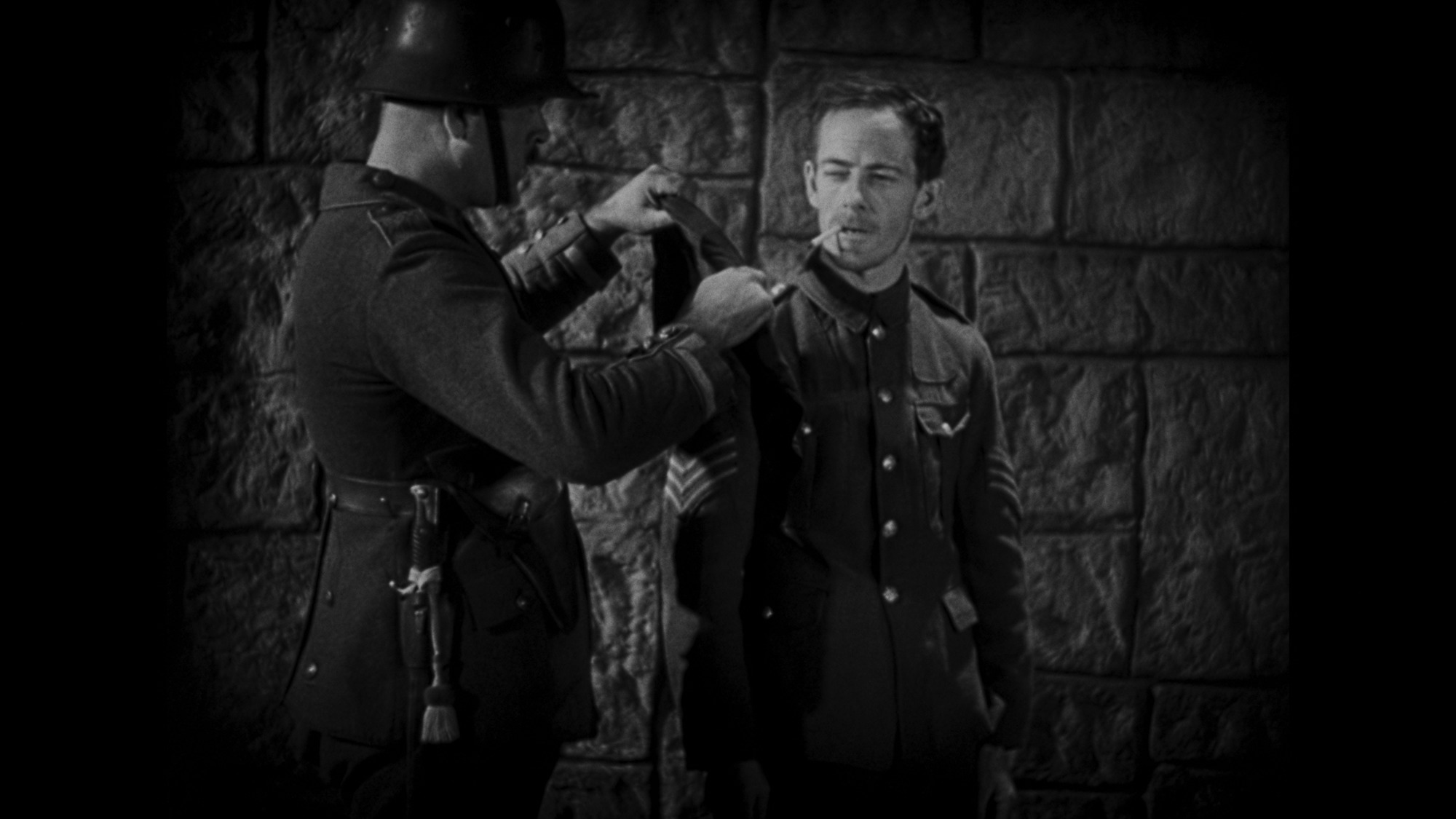
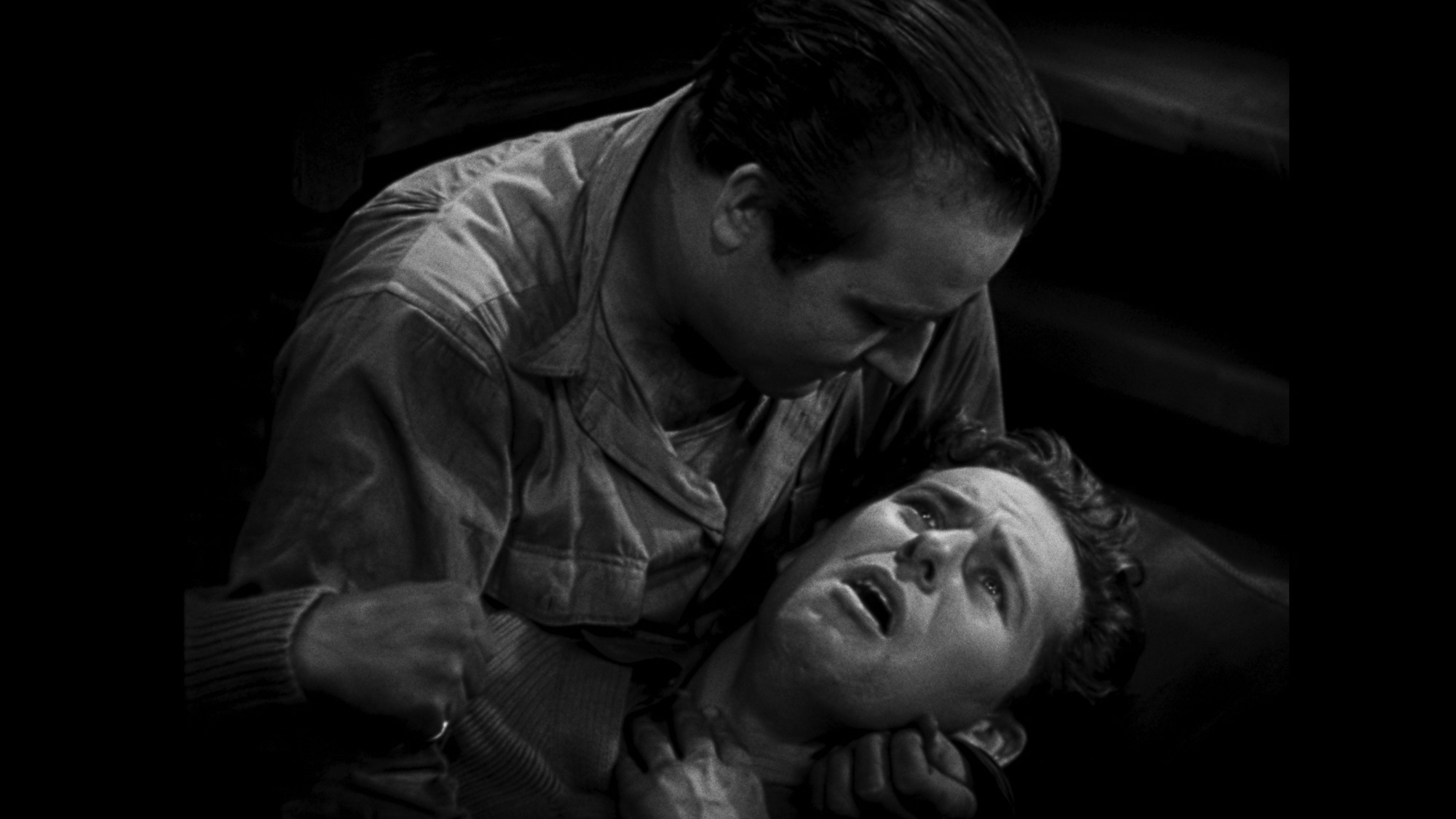
Audio 6/10
As one of the earlier talkies—originally produced as a silent film before Hughes infamously reshot the entire picture as a sound production—the audio is naturally limited, particularly in terms of range and overall fidelity. That said, the restoration work has still done an impressive job. Dialogue never comes across as overly filtered, and some of the explosions and gunfire even manage to carry a bit of weight. There are also no instances of heavy damage, and the track remains very clean throughout.
Extras 4/10
Despite the film’s legacy (and the man behind it) Hell’s Angels has never received anything approaching a deluxe home video release, previously being relegated to a barebones DVD that I swear was released as a bargain-bin staple. Unfortunately, Criterion’s edition doesn’t do all that much to correct this, with only three new features are produced here, running a combined 43 minutes. These include two new interviews: a 12-minute one with The Aviator’s special effects supervisor Robert Legato, and a 27-minute interview with Farran Smith Nehme.
Nehme’s piece focuses on Jean Harlow’s career, digging into her background and eventual discovery before covering her casting in Hell’s Angels, where she replaced Greta Nissen once Hughes decided to reshoot the film with sound. From there, she looks at Harlow’s brief career following the film, how she achieved her iconic look (including the painful chemicals used to bleach her hair), and finally, the possible causes behind her sudden death. It’s a solid appreciation and examination of the star’s short life and career.
Legato’s contribution centers on just how difficult it would have been for Hughes to stage and capture the film’s aerial footage, particularly given how challenging it proved to recreate similar sequences for Scorsese’s film using modern effects techniques and scale models. That’s essentially the entirety of the piece, but it does prove moderately interesting.
Closing out the disc are roughly four minutes of outtakes, accompanied by commentary from Harlow biographer David Stenn, who provides context for the footage as it plays. Interestingly, these outtakes include the earliest known film footage of Hughes himself, seen here directing Harlow on set.
The included insert features an essay by Fred Kaplan that looks at the film and its production. I was actually expecting more on-disc material devoted to the film’s notoriously troubled production (putting it mildly), and I’m surprised by the absence of features focused more directly on Hughes himself. As it stands, the supplemental content is solid enough when each item is taken on its own, but for a title of this stature, I was definitely expecting more.
Closing
Lacks in the way of supplemental features, but delivers a wonderful new presentation of the film that exceeded my expectations.
BUY AT: