Housekeeping
BUY AT:

See more details, packaging, or compare
Synopsis
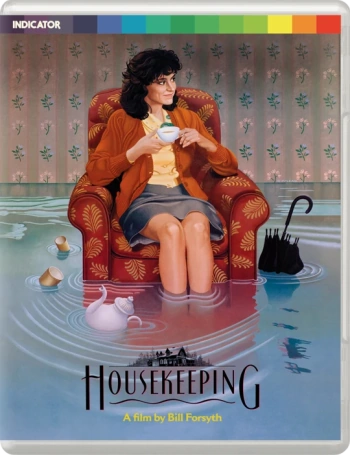
Director Bill Forsyth (That Sinking Feeling, Gregory’s Girl, Local Hero, Comfort and Joy) made his American film debut with this moving and offbeat adaptation of Marilynne Robinson’s acclaimed novel, about two young girls who are sent to live with their eccentric aunt (Christine Lahti).
Picture 8/10
Powerhouse Film’s Indicator line presents Bill Forsyth’s Housekeeping in a new dual-format edition, presenting the film on a dual-layer Blu-ray disc in its original aspect ratio of 1.85:1. The high-definition, 1080p/24hz master was supplied by Sony. This is a UK release but the disc is all-region so it will work on North American players.
There are no additional notes indicating where this was scanned from but wherever it has come from the end result looks stunning. There are a few minor marks like specs of dirt but the image is otherwise clean, free of any other severe problems.
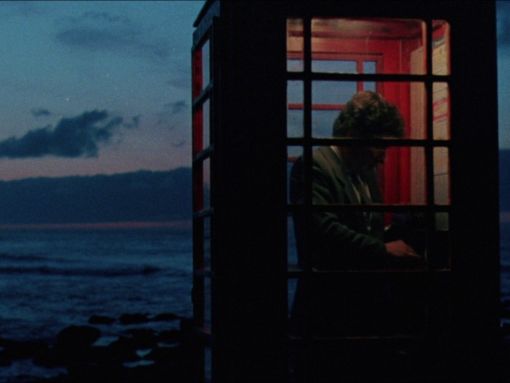
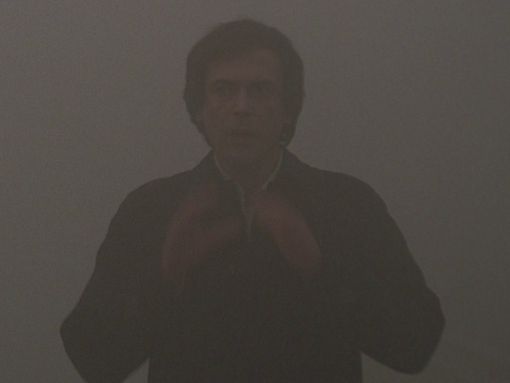
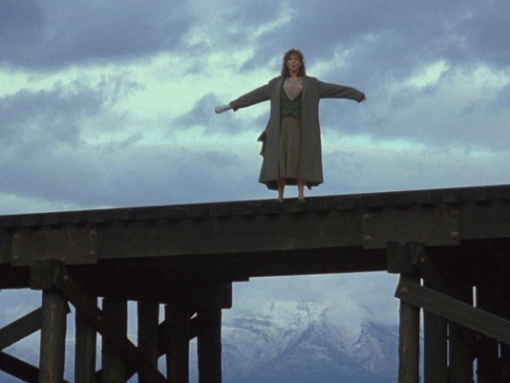
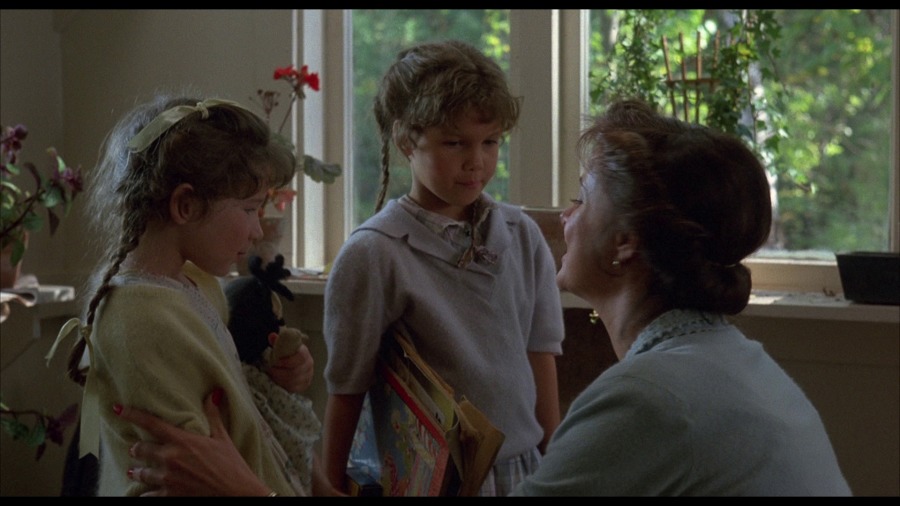
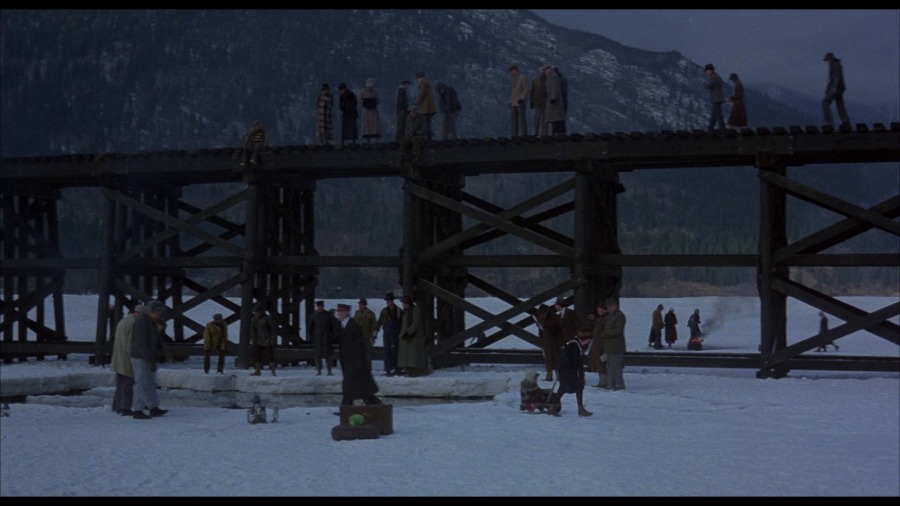
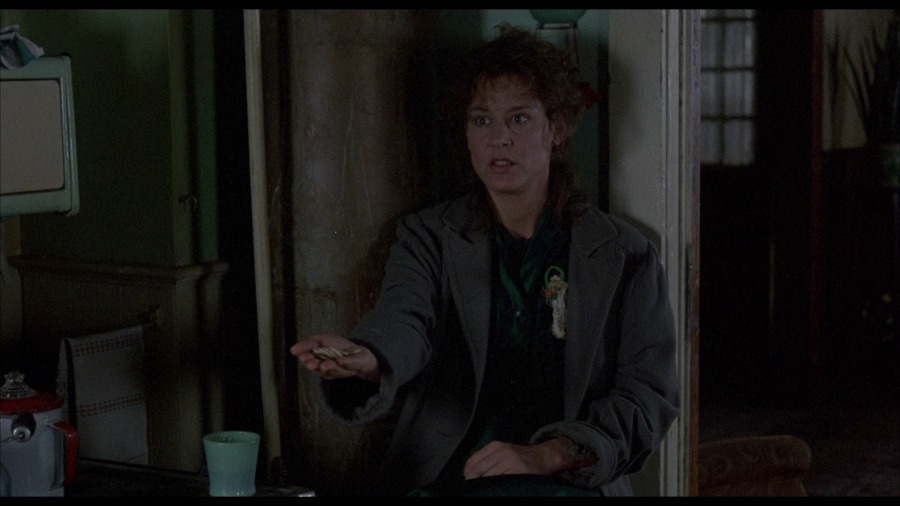
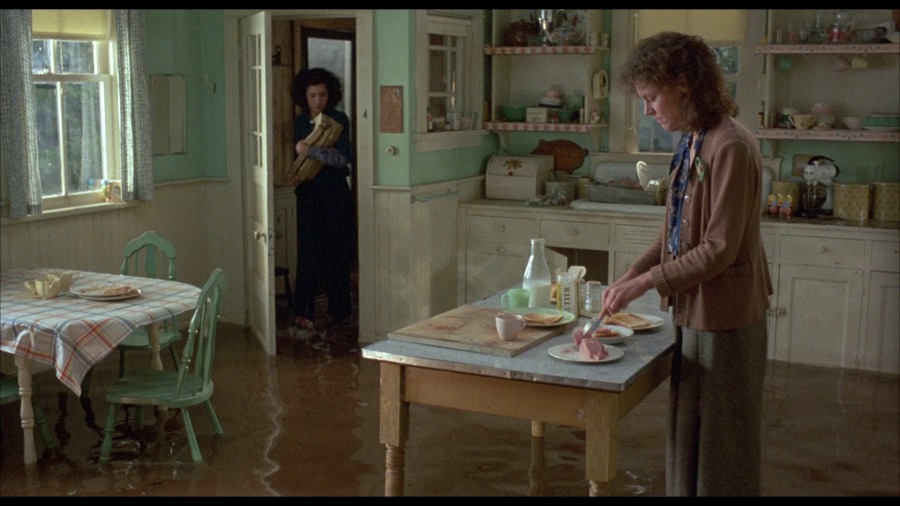
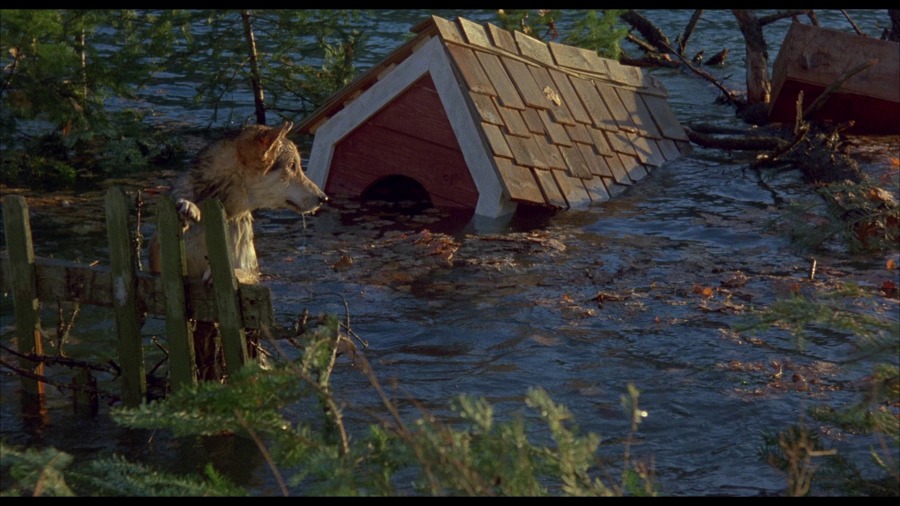
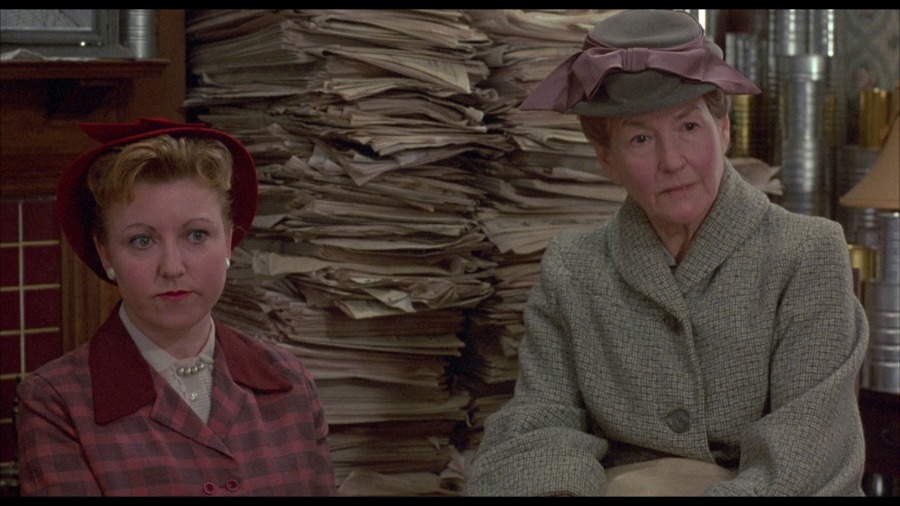
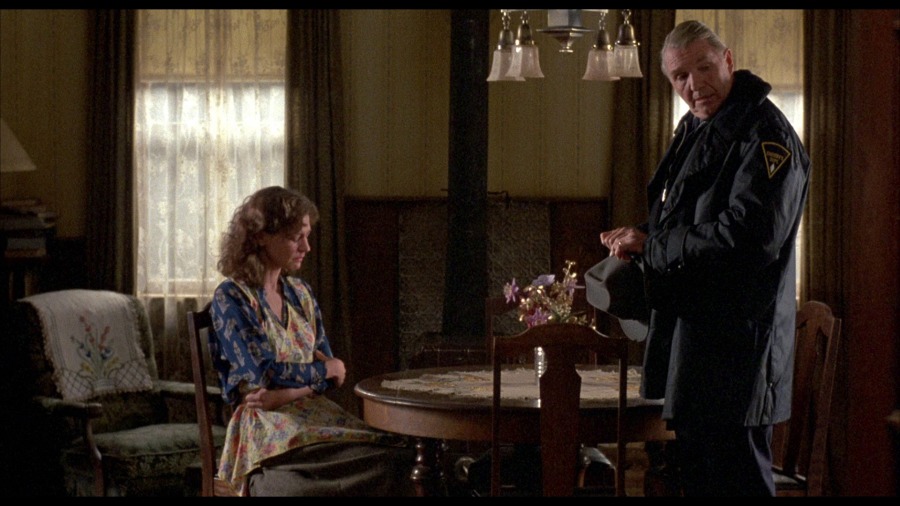
Like with all of the Indicator titles I have come across so far the real selling point to this edition is the encode and digital presentation, which I can’t really fault. It’s a very crisp image, very filmic ultimately, with clean movement and beautifully rendered grain. Details are quite sharp and distinct, with some softness creeping in (more related to photography and the film’s look), and both long shots (like all of the stunning landscape shots) and close-ups look equally good. The film’s colours aren’t all that showy, a bit muted to suit the time I guess, but I still found them to look wonderful. At times they can even be fairly vibrant, with the most striking reds and oranges, particularly in some of those sunrise/sunset shots. Black levels are also good and short of a few murkier blacks in places the blacks are rich and inky, still delivering the details in the shadows.
As I’ve come to expect from Indicator it looks great. As the supplements hint the film has sort of fallen off of the map but despite this fact it looks like real effort has been put into this and the end results are certainly stunning.
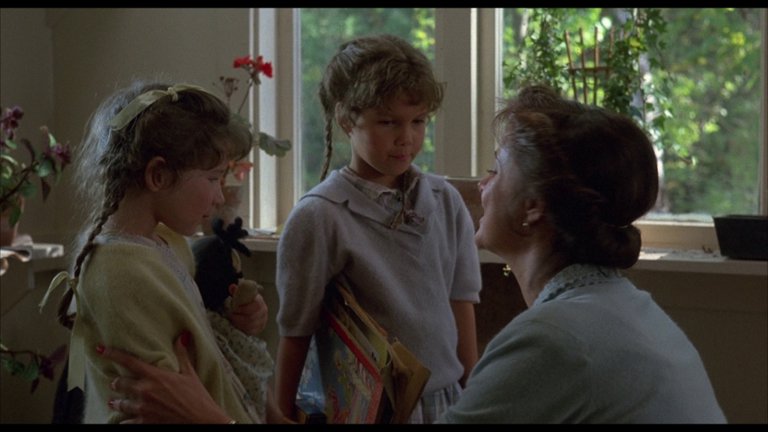
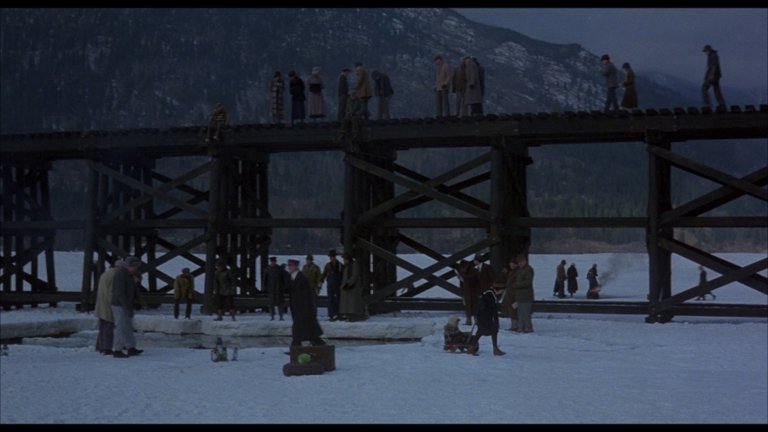
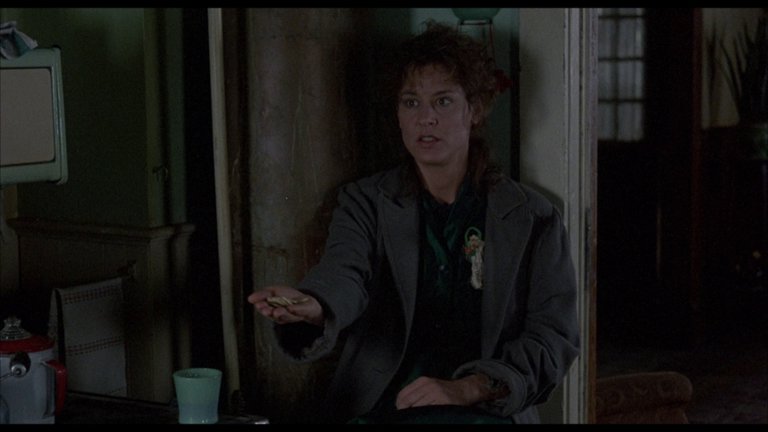
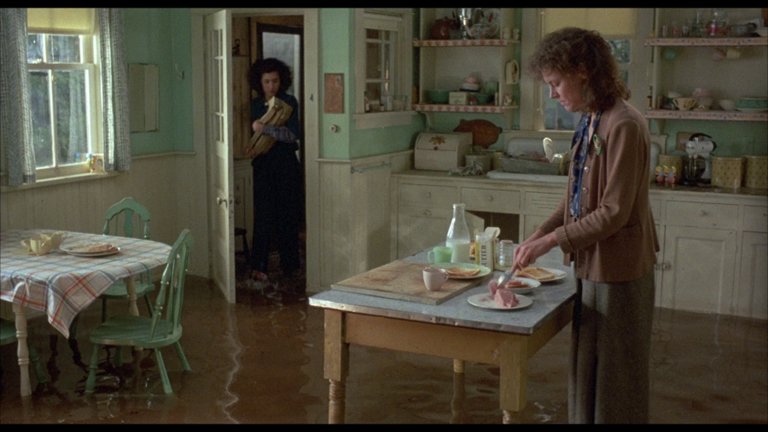
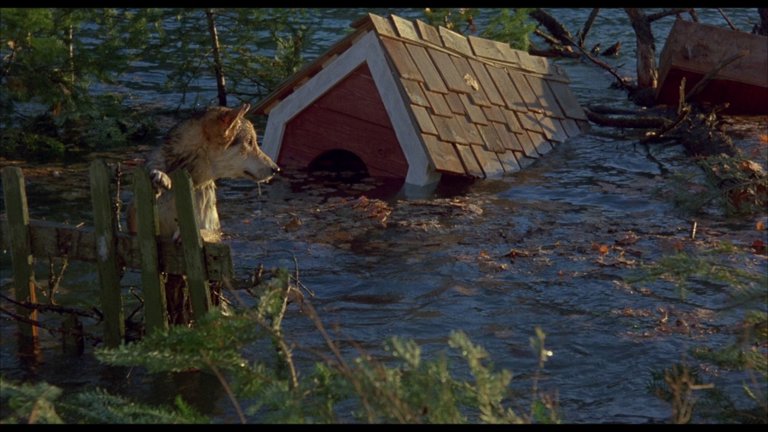
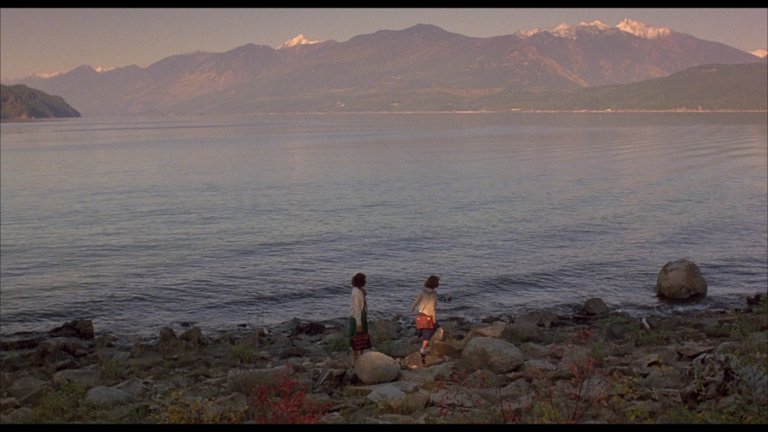
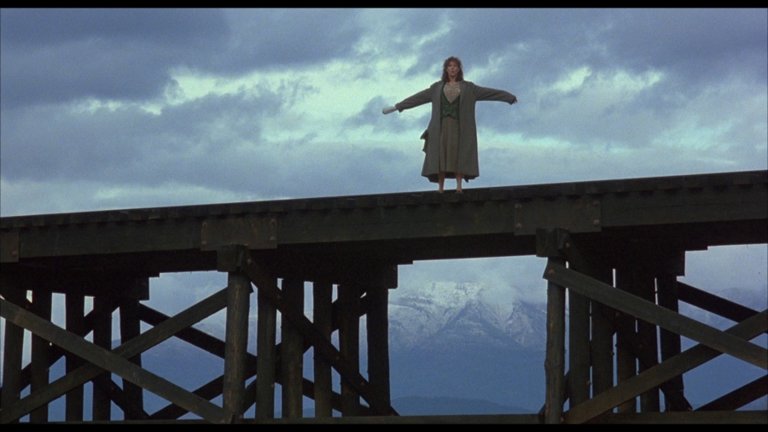
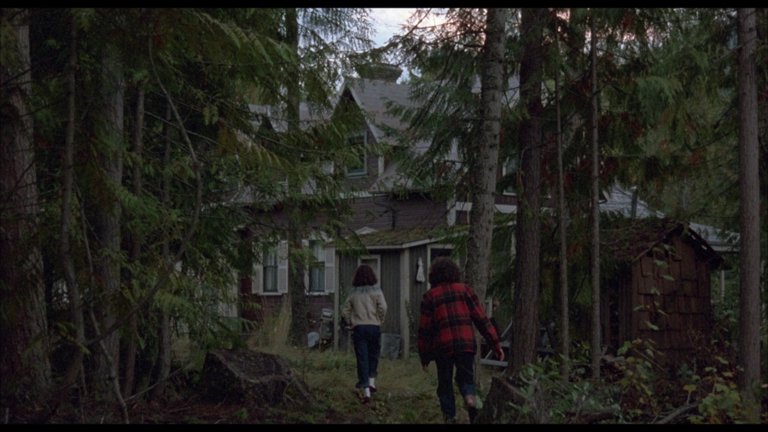
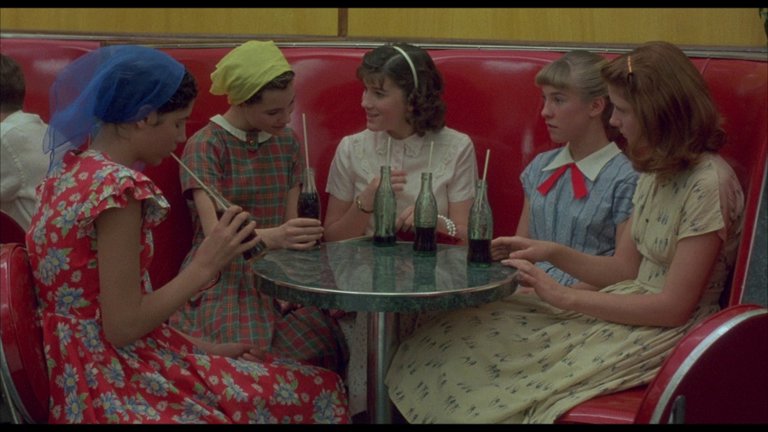
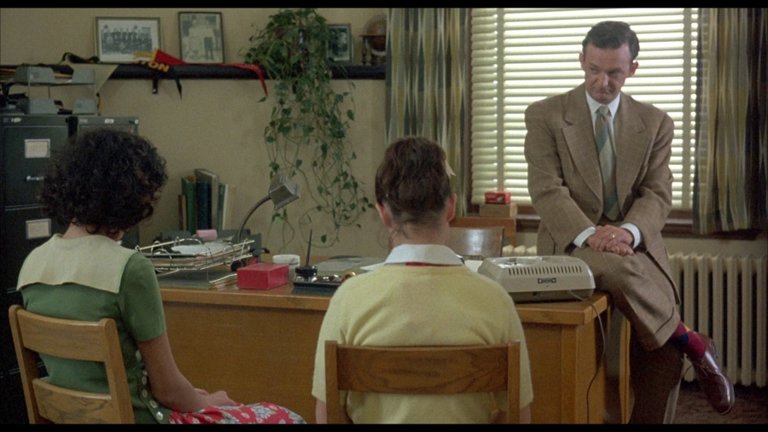
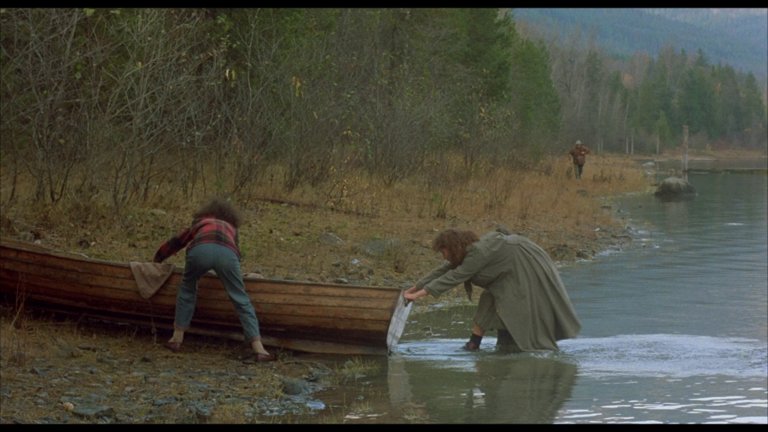
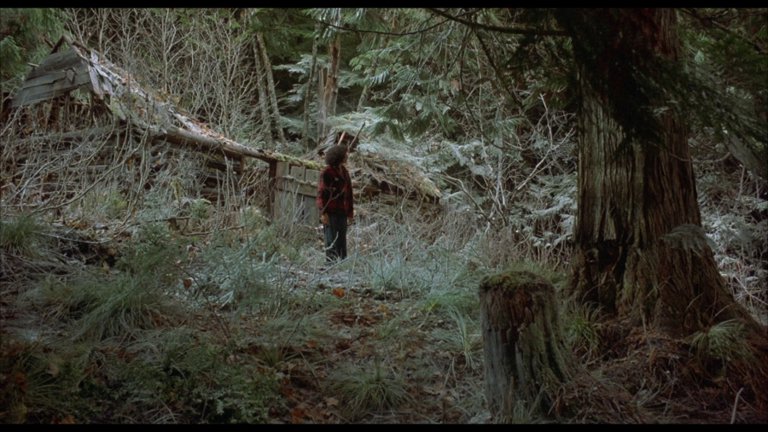
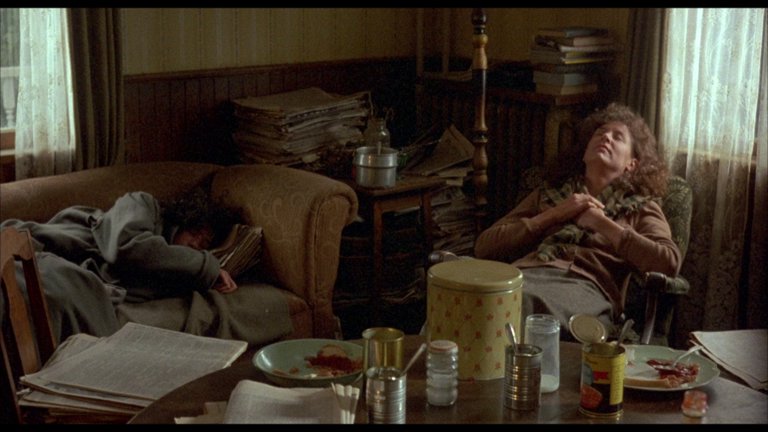
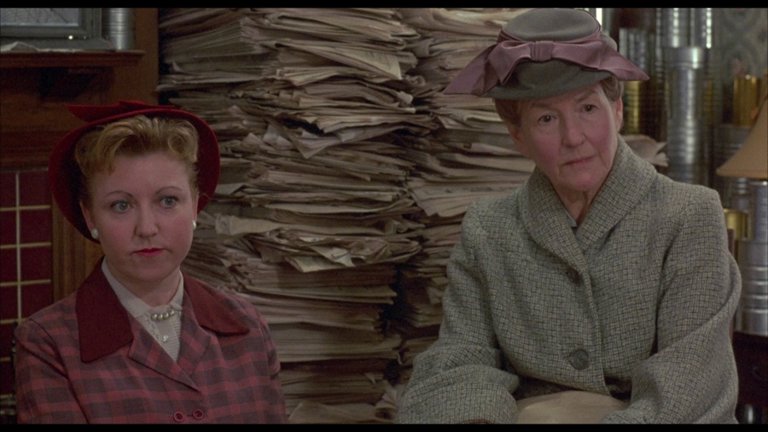
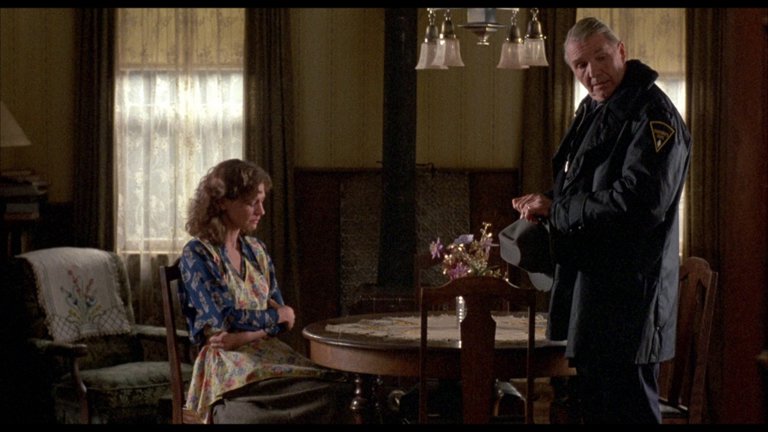
Housekeeping - Screen Captures
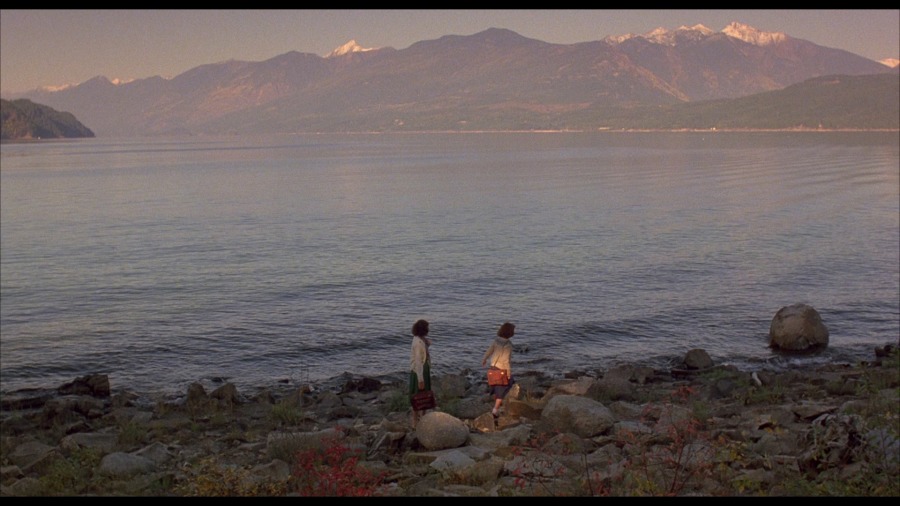
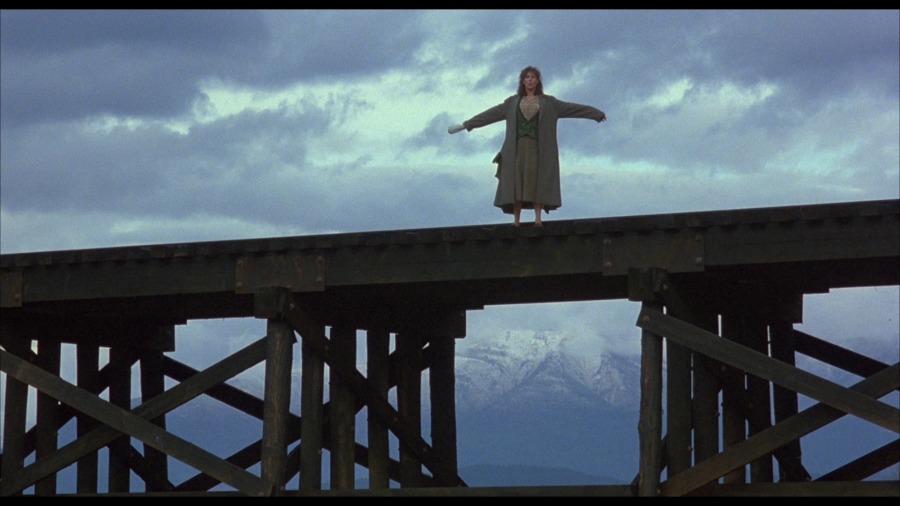
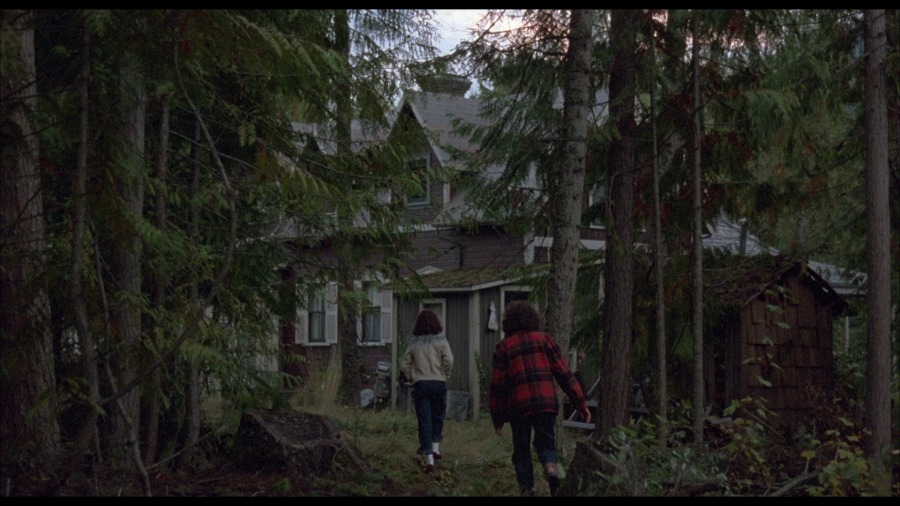
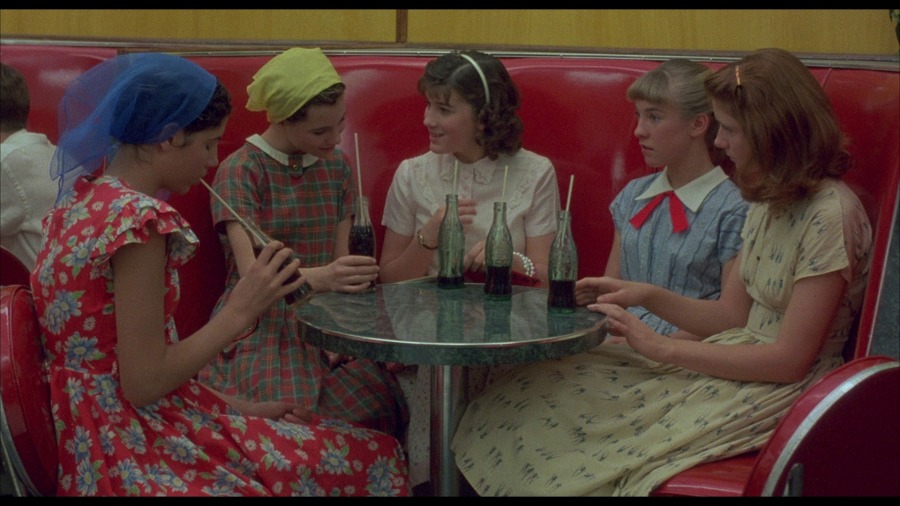
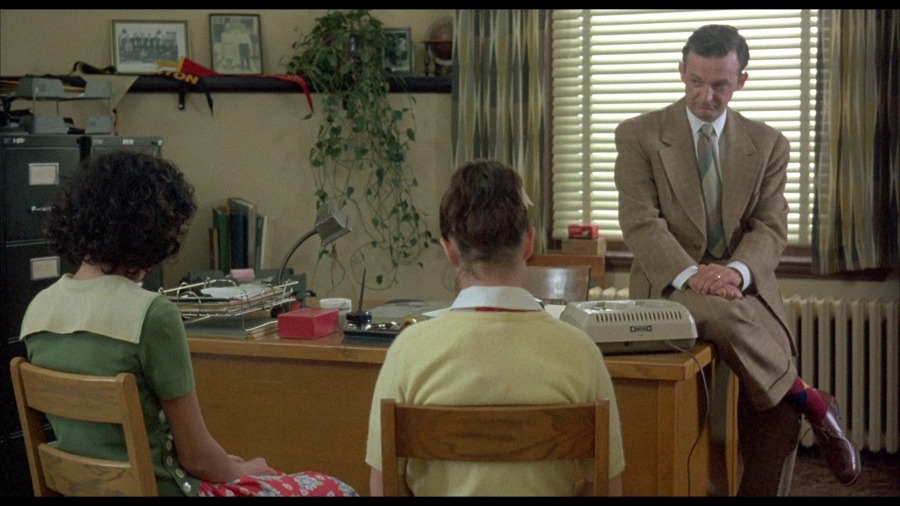
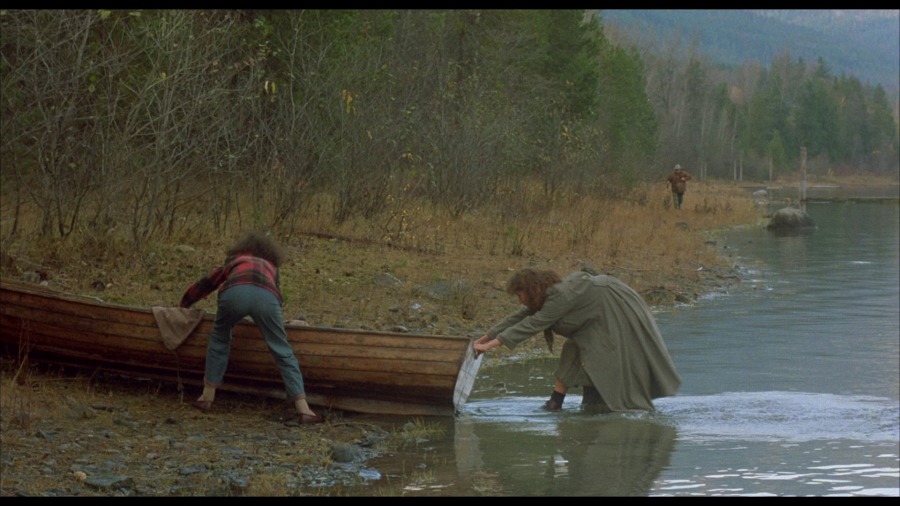
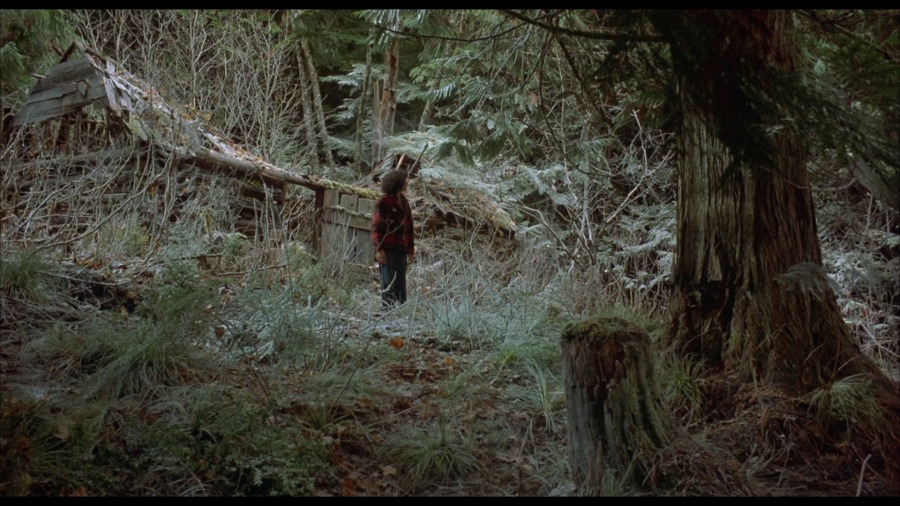
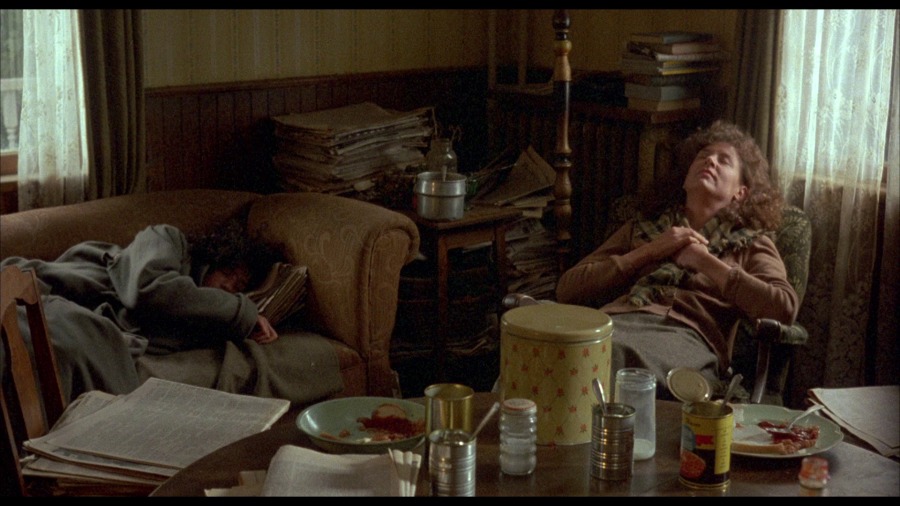
Audio 8/10
The film’s audio is presented in lossless PCM 2.0 stereo. It’s not a showy presentation but it sounds great. Dialogue is crisp and clear, music is rich with some surprising range while filling the environment, and it’s free of any damage or distortion. It’s very rich, with excellent fidelity, never coming off muffled or filtered.
Extras 9/10
Though Powerhouse Films only seems to currently license films from Sony I have to say they put a lot of effort into their releases. Surprisingly we get a number of new interviews here, starting with a 41-minute one with director Bill Forsyth. Though it’s quite static (other than some clips from the film it’s basically just Forsyth’s head on screen for 41-minutes) it’s an incredibly engaging discussion. He talks in great detail about the production, from first coming across the book all the way through its eventual release and quick disappearance from theaters. In between he talks about casting, with Diane Keaton first intended for the Sylvie role (in another feature on here it’s mentioned she dropped out in favour of Baby Boom) before the casting of Christine Lahti, along with what it was like shooting outside Vancouver BC in a town called Nelson (which pleasantly enough looked to be stuck in the appropriate era for the film). What I found most amusing was how he didn’t quite know how a lot of the effects were pulled off in the film, showing he obviously just has good faith in his crew. But the most interesting portion is probably the last 10-minutes or so where he talks about how home video and digital are saving films like Housekeeping, which he is glad to see is getting a new life thanks to this release. Again it’s a really wonderful interview.
We then get some more new interviews: a 13-minute one with author Marilynne Robinson, a 12-minute one with director of photography Michael Coulter, and a 10-minute one with editor Michael Ellis. Both Ellis and Coulter talk about some of their work with Forsyth (Coulter actually talks a bit more in-depth about his work prior to Housekeeping) and recall working on this film, Ellis talking about some of the film’s deleted scenes. Robinson the novel, her reasons for writing it, and then shares her thoughts on the film. Altogether they’re a great batch of interviews.
We then get an archival feature: a 1994 audio recording of a BFI interview with Forsyth, recorded during a Q&A after a screening of the film at the National Film Theatre. Audience members ask questions, though they’re unfortunately hard to hear (so I’m not always sure what Forsyth may have been responding to). But despite that it’s another insightful discussion with the director, who repeats a couple of things mentioned in his other interview here (like the casting of Diane Keaton) but filled with other new goodies around the film. He also talks about what would have been his latest film at the time, Being Human, and the problems he had with the studio over that one. He makes mention of the problems that come with big stars, saying that not getting Keaton was probably a blessing with Housekeeping, and it was getting Williams for his latest film that brought in Warner Bros. and the headaches that came with that. It’s a great Q&A but what I liked most about the presentation is that it’s actually an alternate audio track that plays over the first 34-minutes of the film.
The disc then closes with the film’s original theatrical trailer and a navigable photo gallery featuring a collection of production photos, storyboards, location scouts, and even daily schedules. Text notes are also included with some photos. The release then finally comes with a booklet, about on par with most of Arrow’s and BFI’s own booklets. There’s a good essay by John Archibald on the film and Forsyth’s career (or unfortunate non-career) as of late. This is then followed by some archival material, including a reprint of a great, Sight & Sound article on the film’s production and release along with a collection of statements Forsyth had made about the film through the years in various interviews. They then collect a number of extracts from contemporary reviews on the film, including ones written by Roger Ebert, Vincent Canby, and Tom Milne (and there’s even a footnote correcting Milne’s one comment). It’s an excellent booklet and nicely closes off the supplements.
Closing
The film gets a new lease on life thanks to Indicator’s wonderful release. It sports an impressive audio/video presentation and an excellent selection of supplements. It comes very highly recommended.
BUY AT: