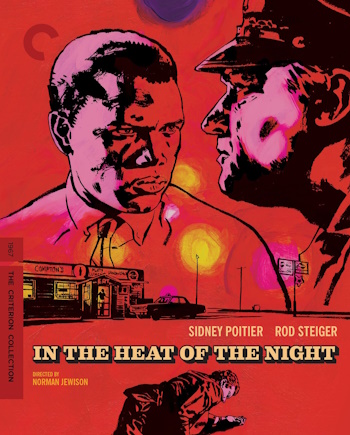
In the Heat of the Night
BUY AT:


See more details, packaging, or compare
Synopsis
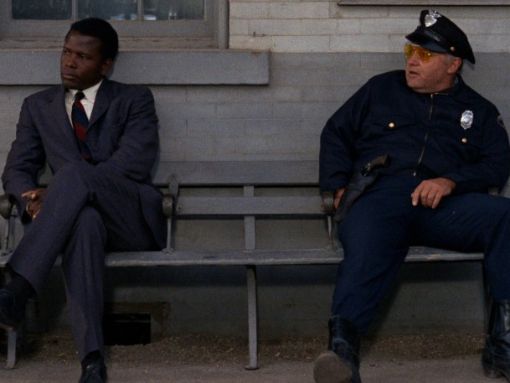
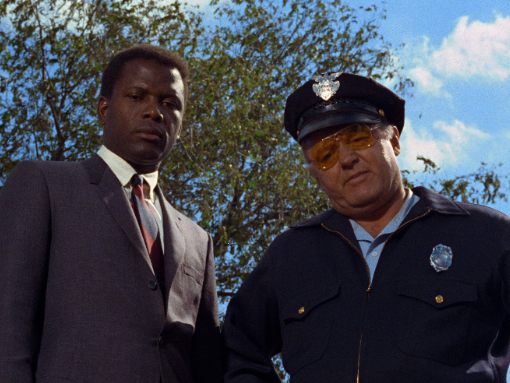
Passing through the backwoods town of Sparta, Mississippi, Philadelphia detective Virgil Tibbs (Sidney Poitier) becomes embroiled in a murder case. He forms an uneasy alliance with the bigoted police chief (Rod Steiger), who faces mounting pressure from Sparta’s hostile citizens to catch the killer and run the African American interloper out of town. Director Norman Jewison splices incisive social commentary into this thrilling police procedural with the help of Haskell Wexler’s vivid cinematography, Quincy Jones’s eclectic score, and two indelible lead performances—a career-defining display of seething indignation and moral authority from Poitier and an Oscar-winning masterclass in Method acting from Steiger. Winner of five Academy Awards, including for Best Picture, In the Heat of the Night is one of the most enduring Hollywood films of the civil rights era.
Picture 9/10
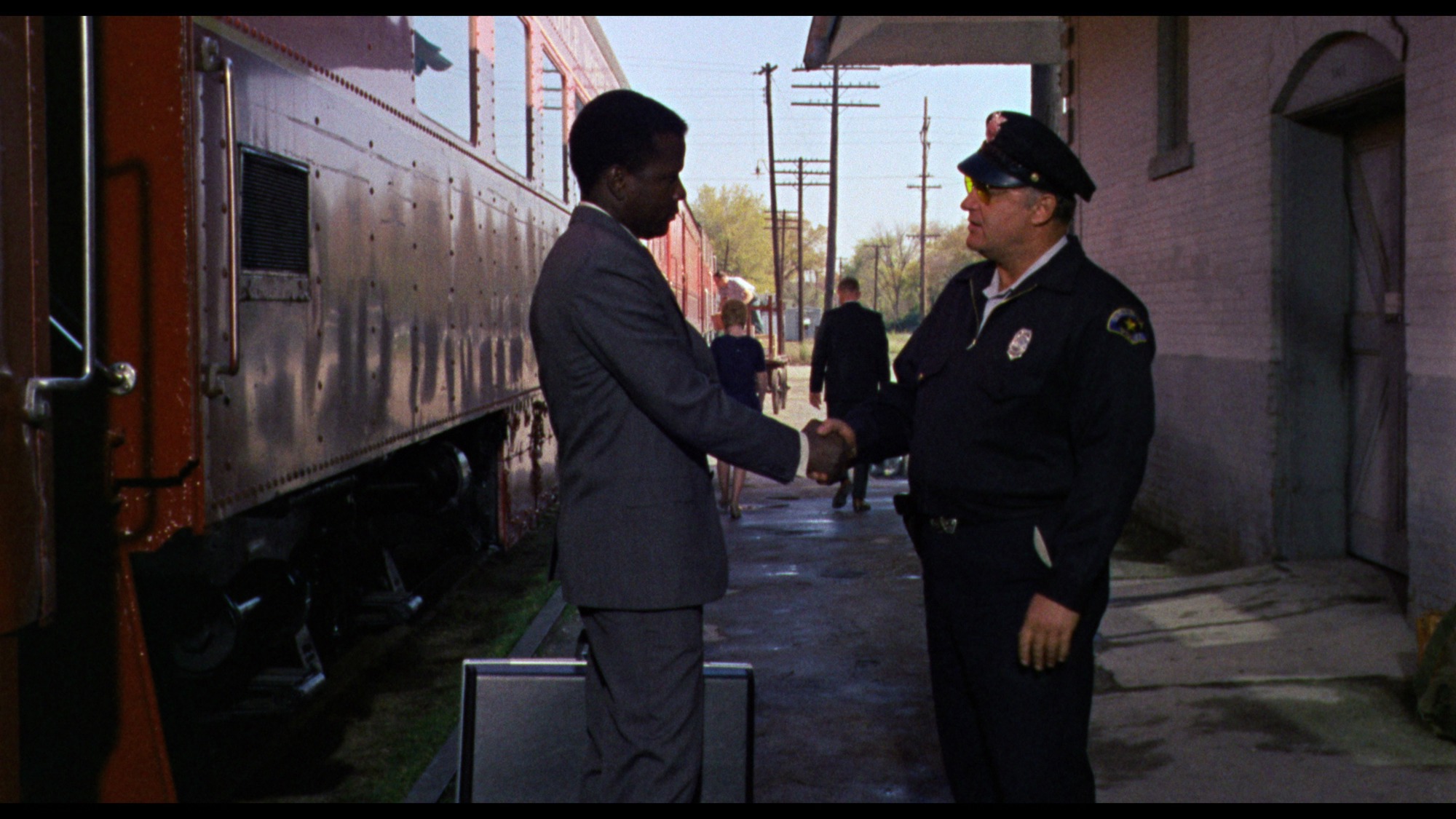
The Criterion Collection upgrades their Blu-ray edition of Norman Jewison’s In the Heat of the Night to 4K UHD, presenting the film in its original aspect ratio of 1.85:1 on a triple-layer disc. The SDR 2160p/24hz ultra high-definition presentation uses the same 4K restoration found on Criterion’s 2019 Blu-ray, sourced from a scan of the 35mm original negative. Also included is a standard dual-layer Blu-ray featuring a 1080p version of the film along with all video-based supplements, effectively replicating that earlier edition.
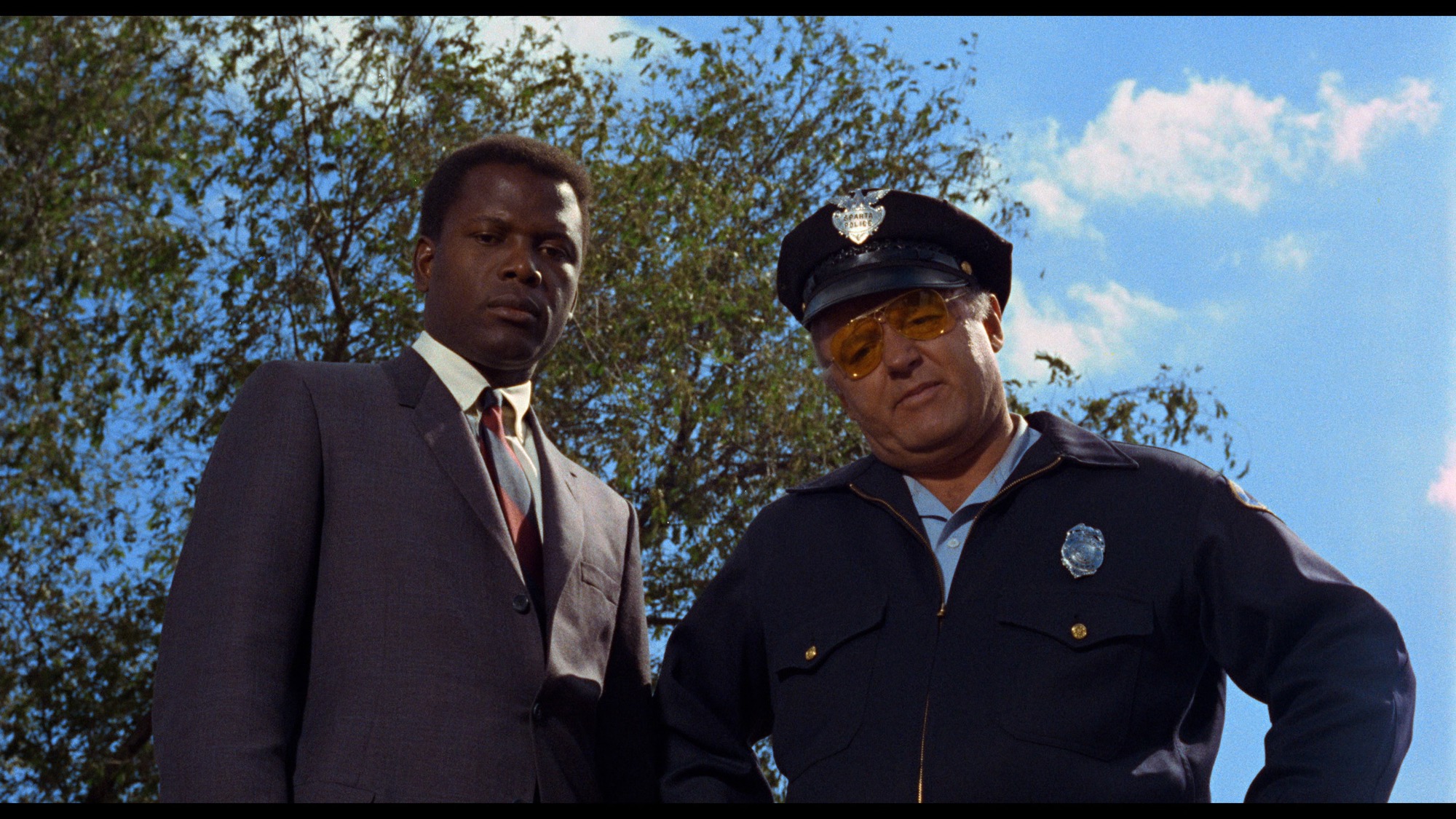
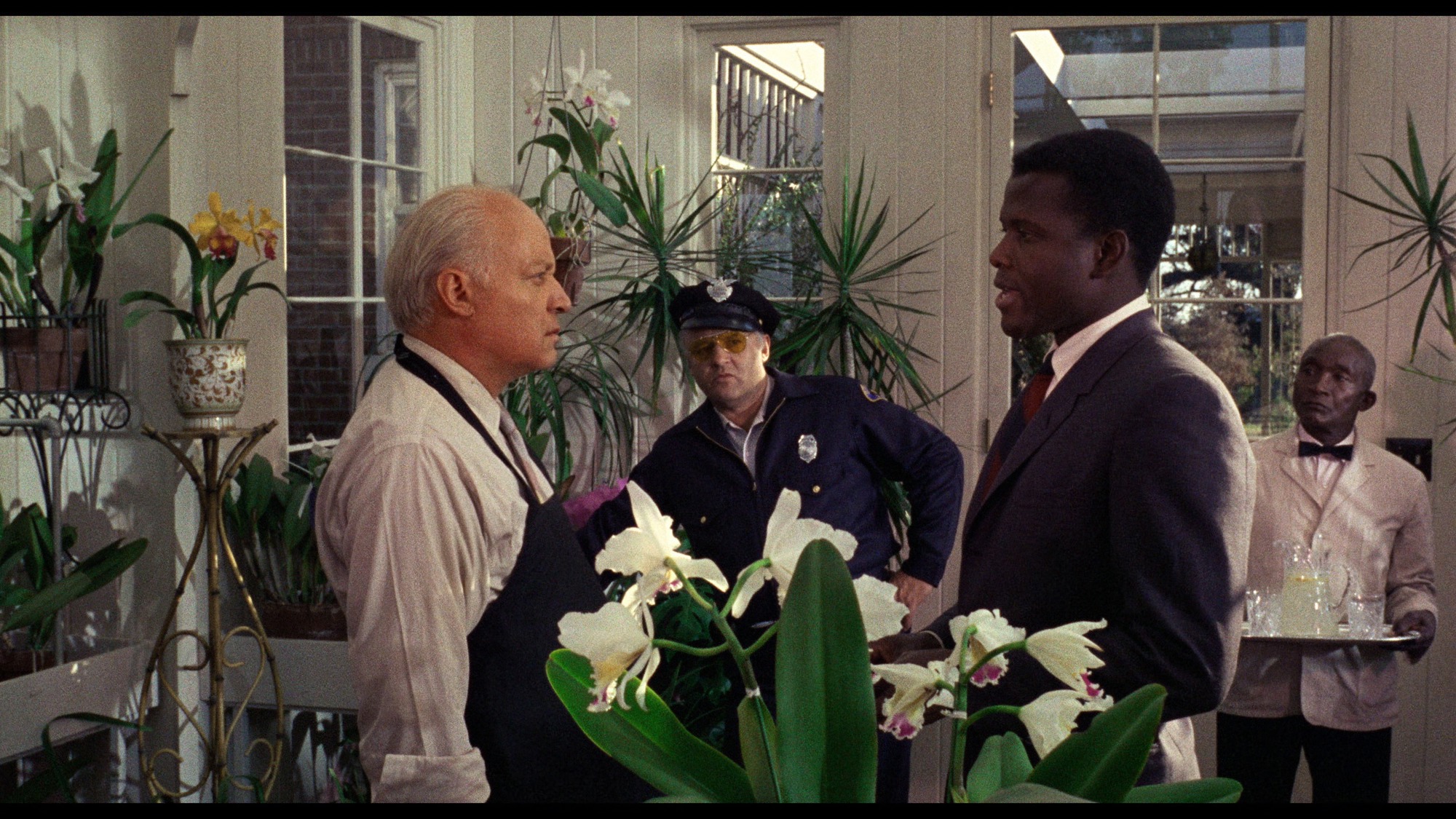
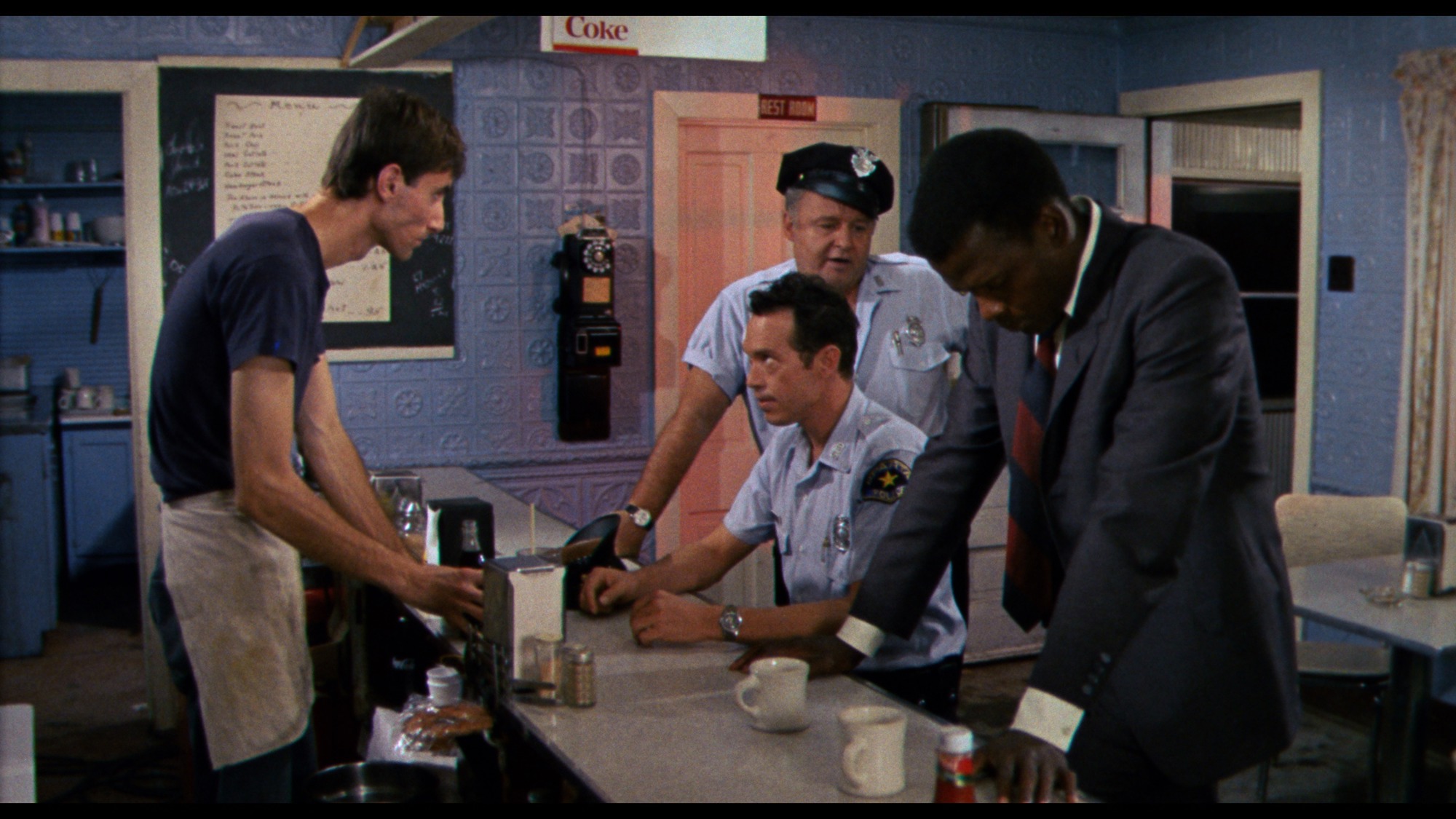
While I wouldn’t call it a major leap over the Blu-ray, the 4K presentation does offer a noticeable improvement. The most substantial upgrade comes in the encode, which is far cleaner here, better resolving the film’s grain and pulling out a touch more detail and texture. The Blu-ray still holds up well (its encode could be better), but the UHD does a better job delivering a more film-like experience.
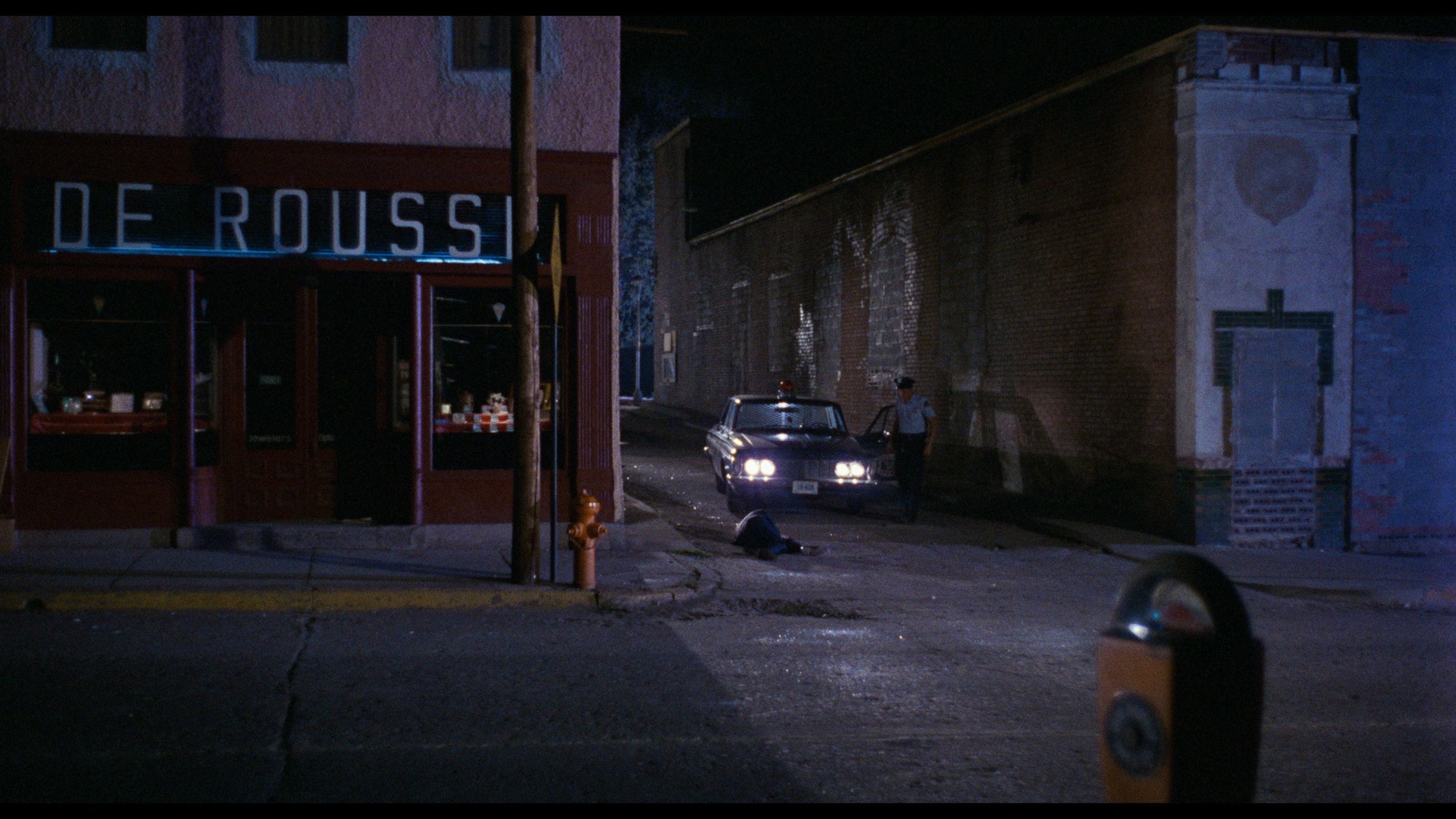
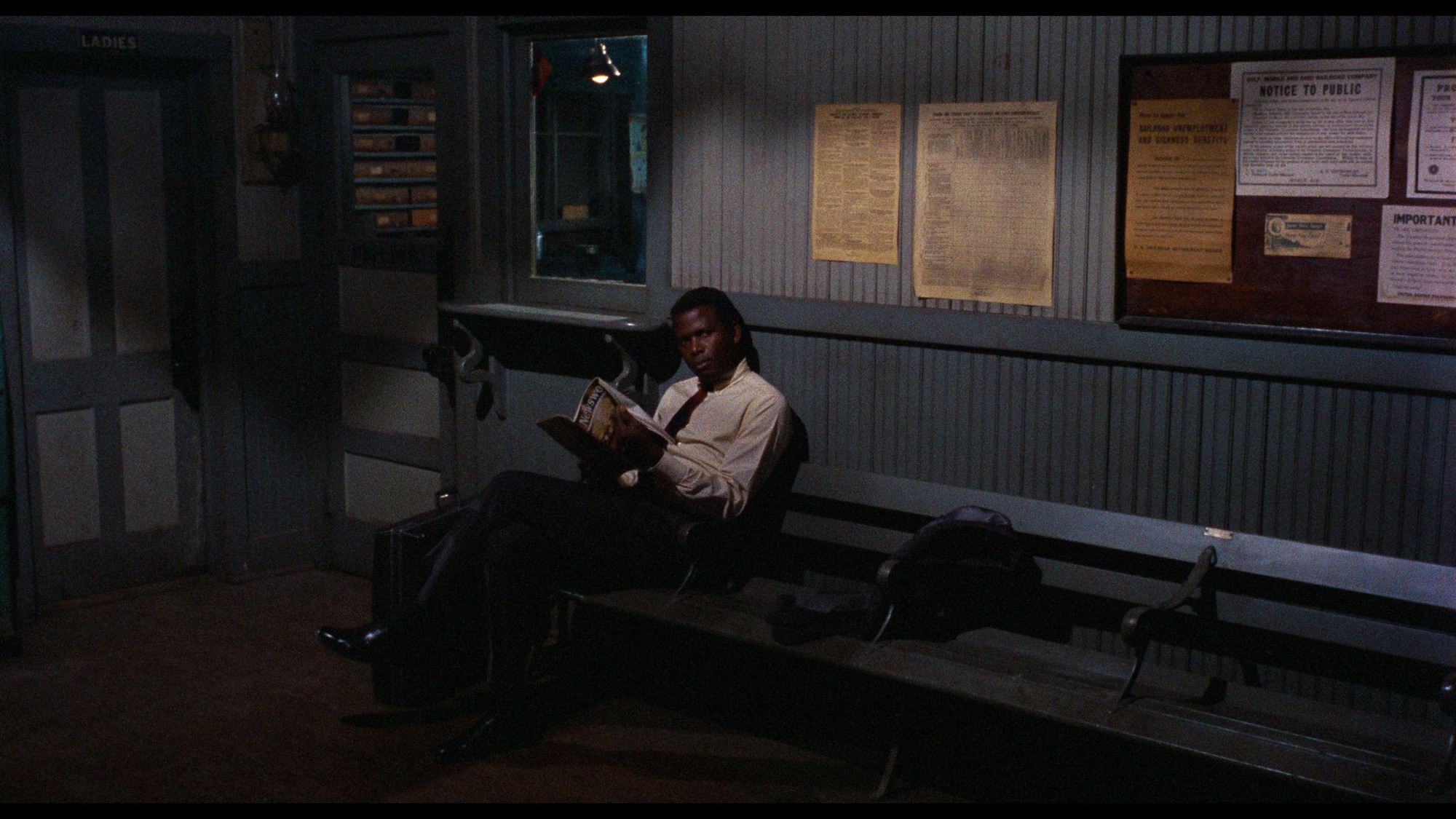
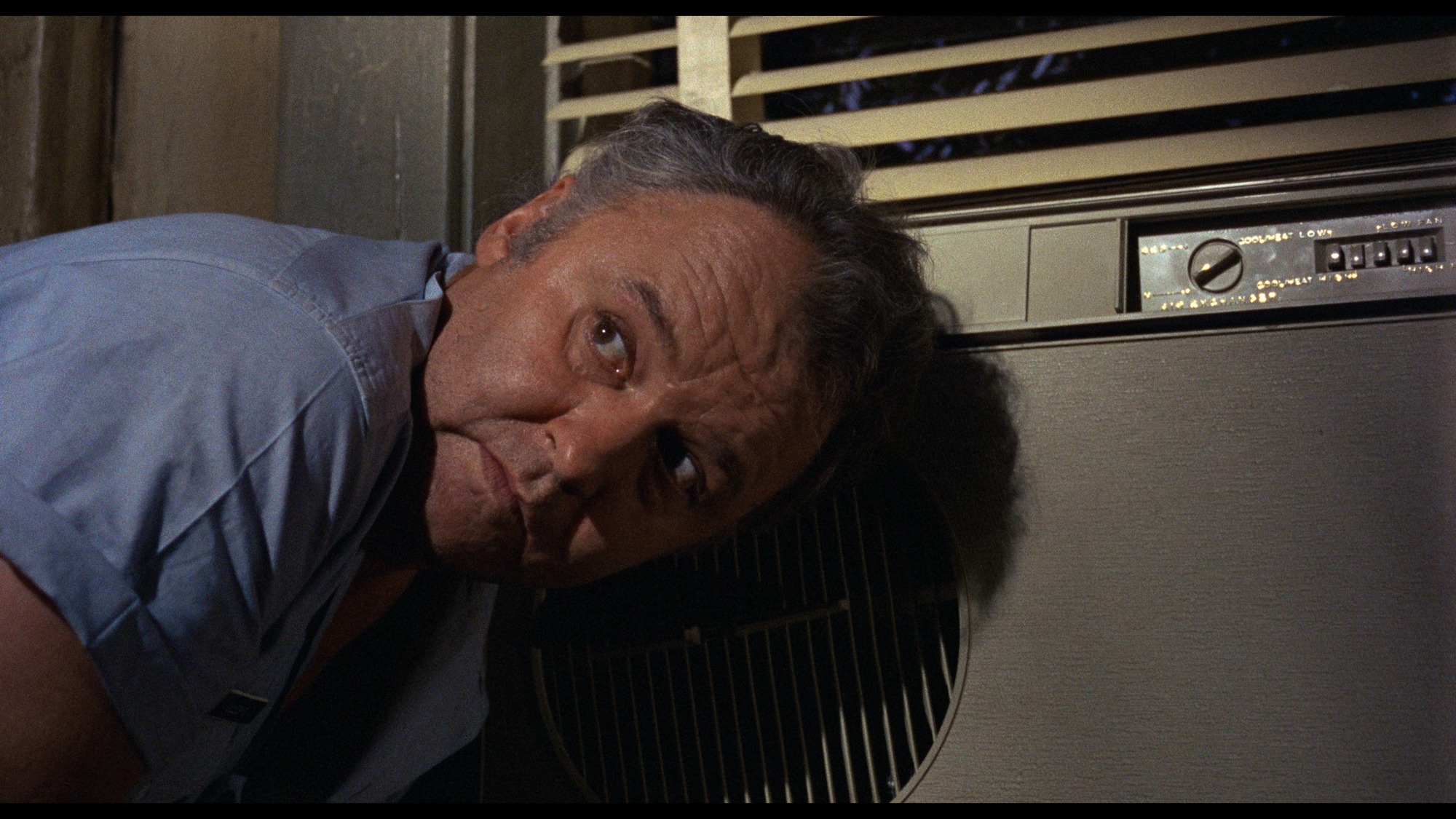
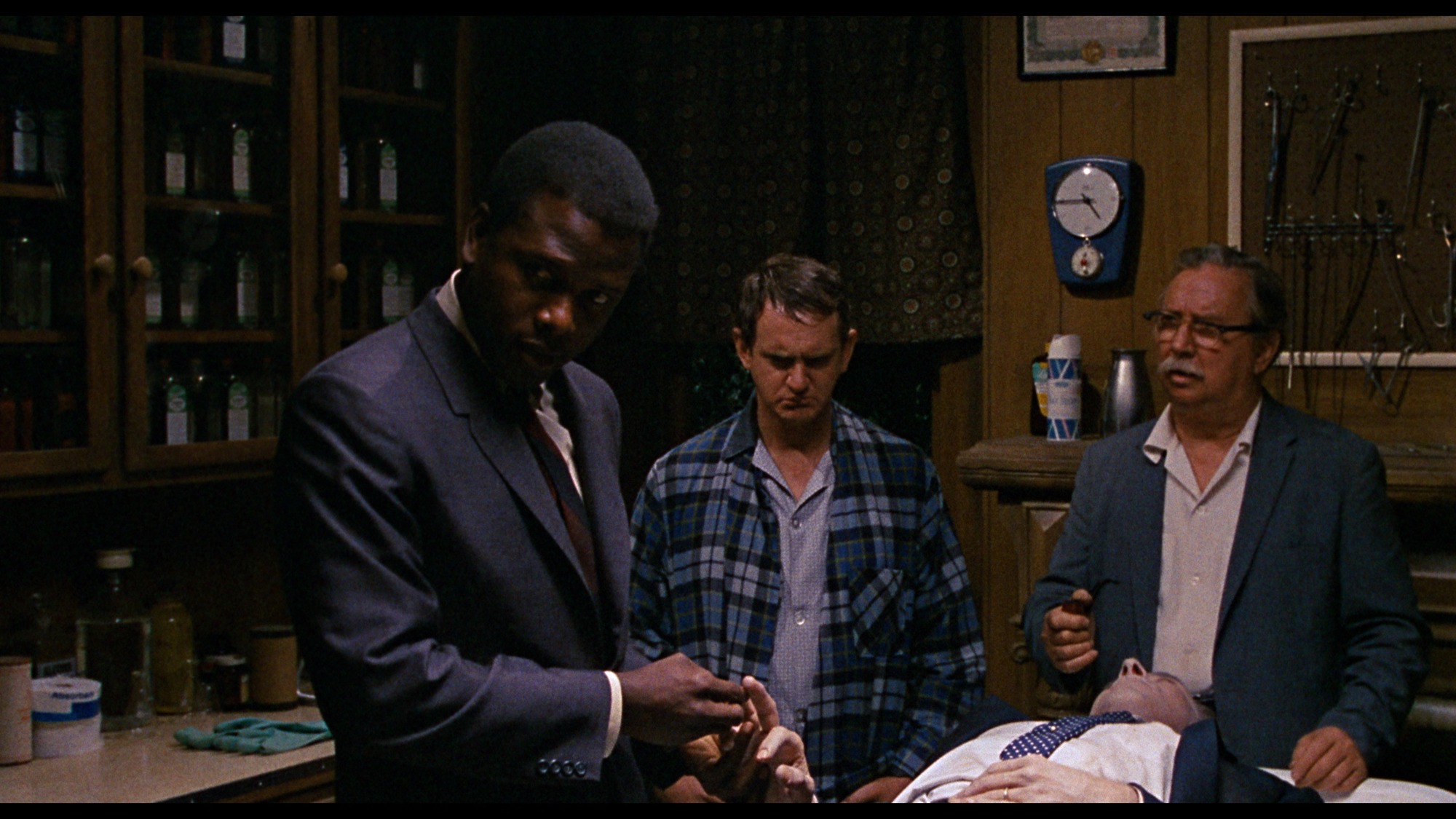
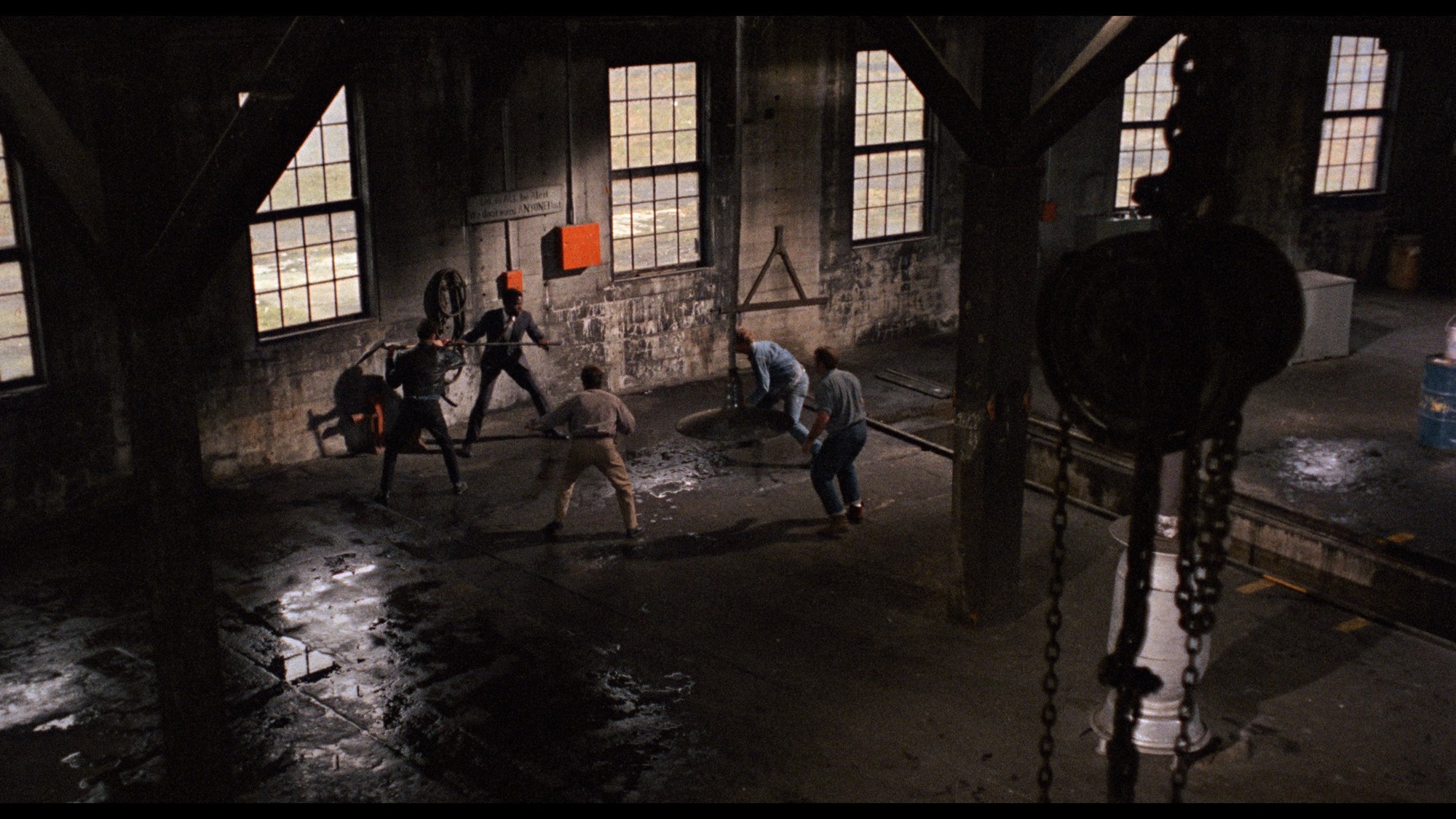
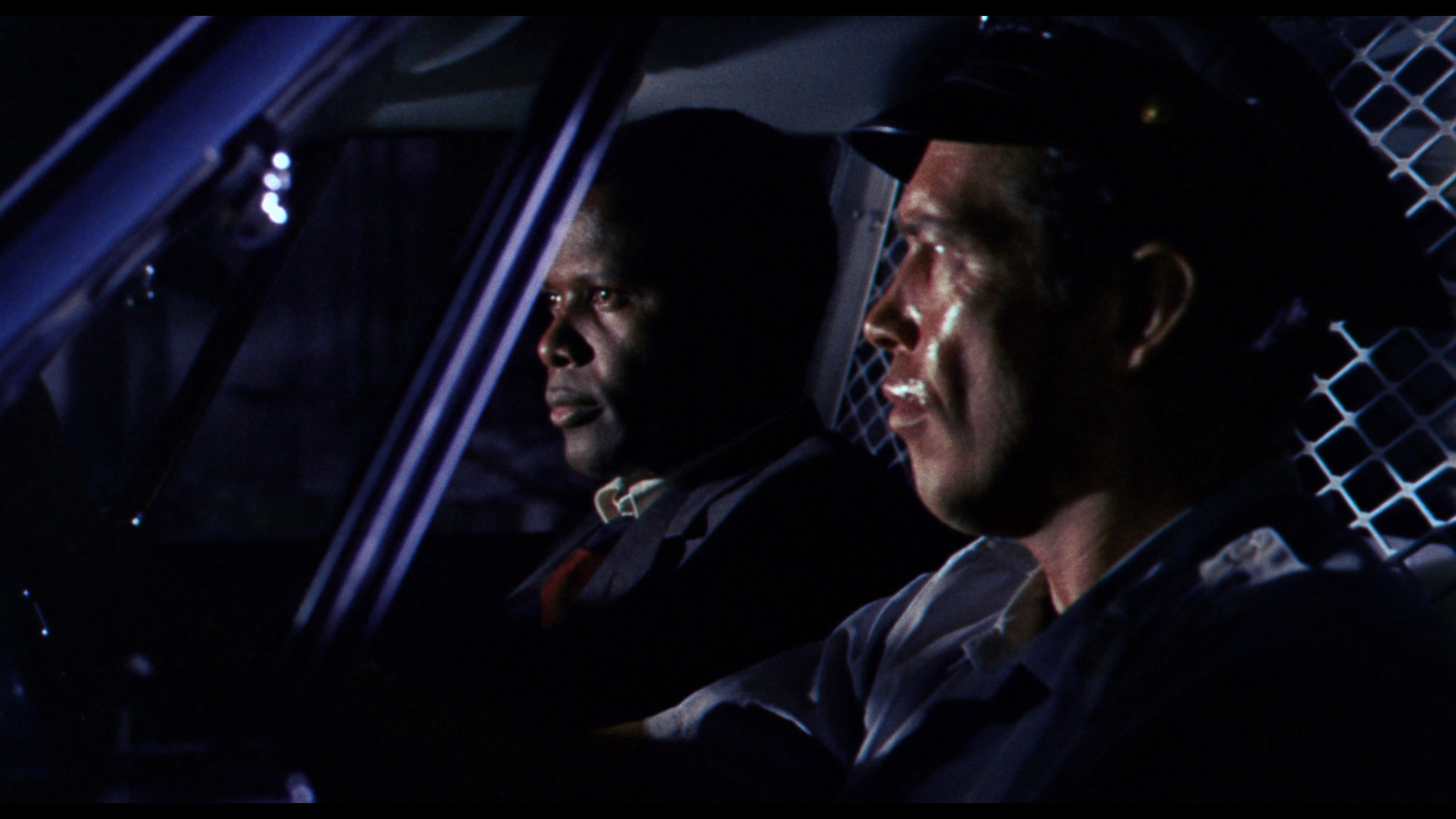
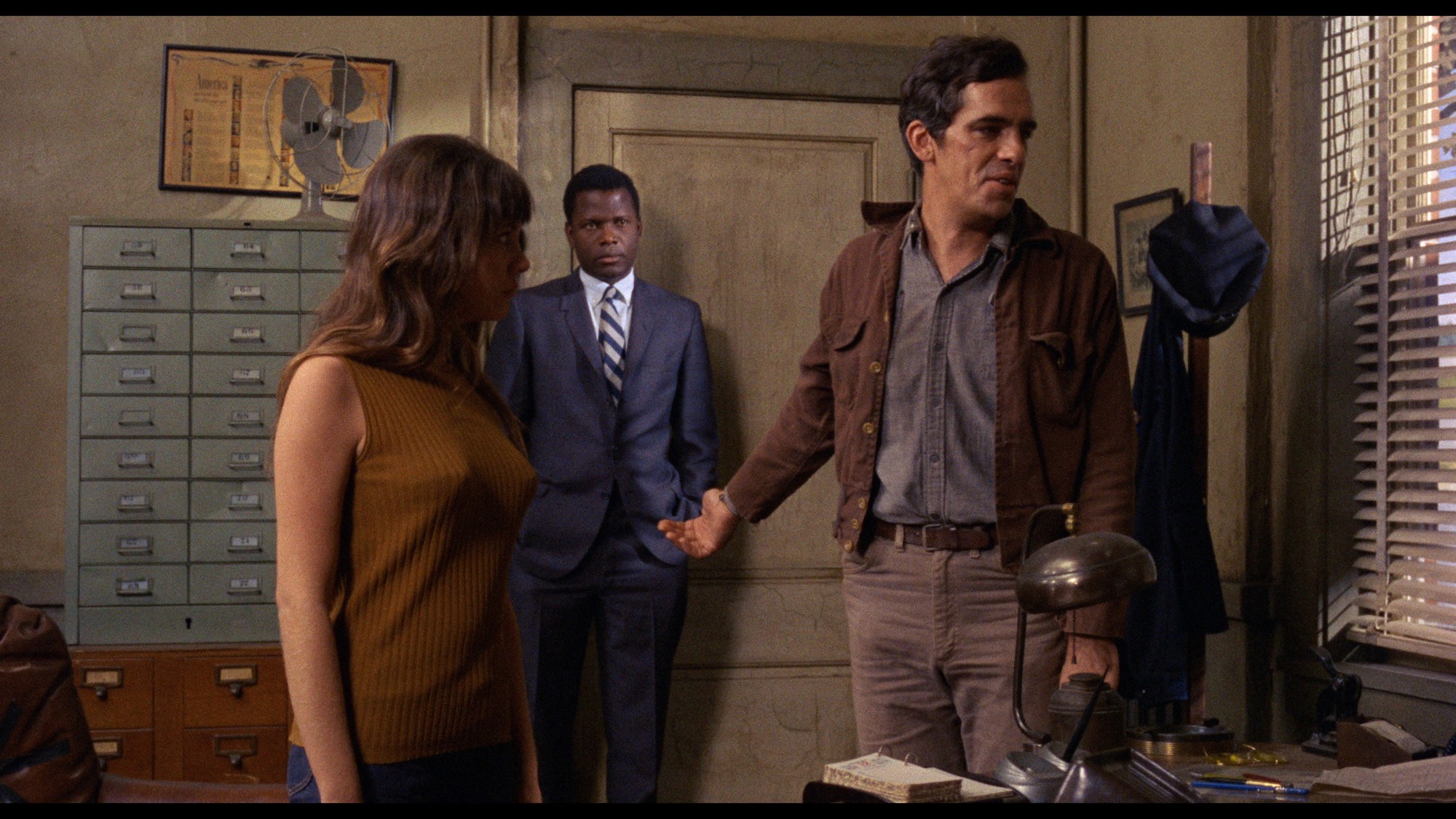
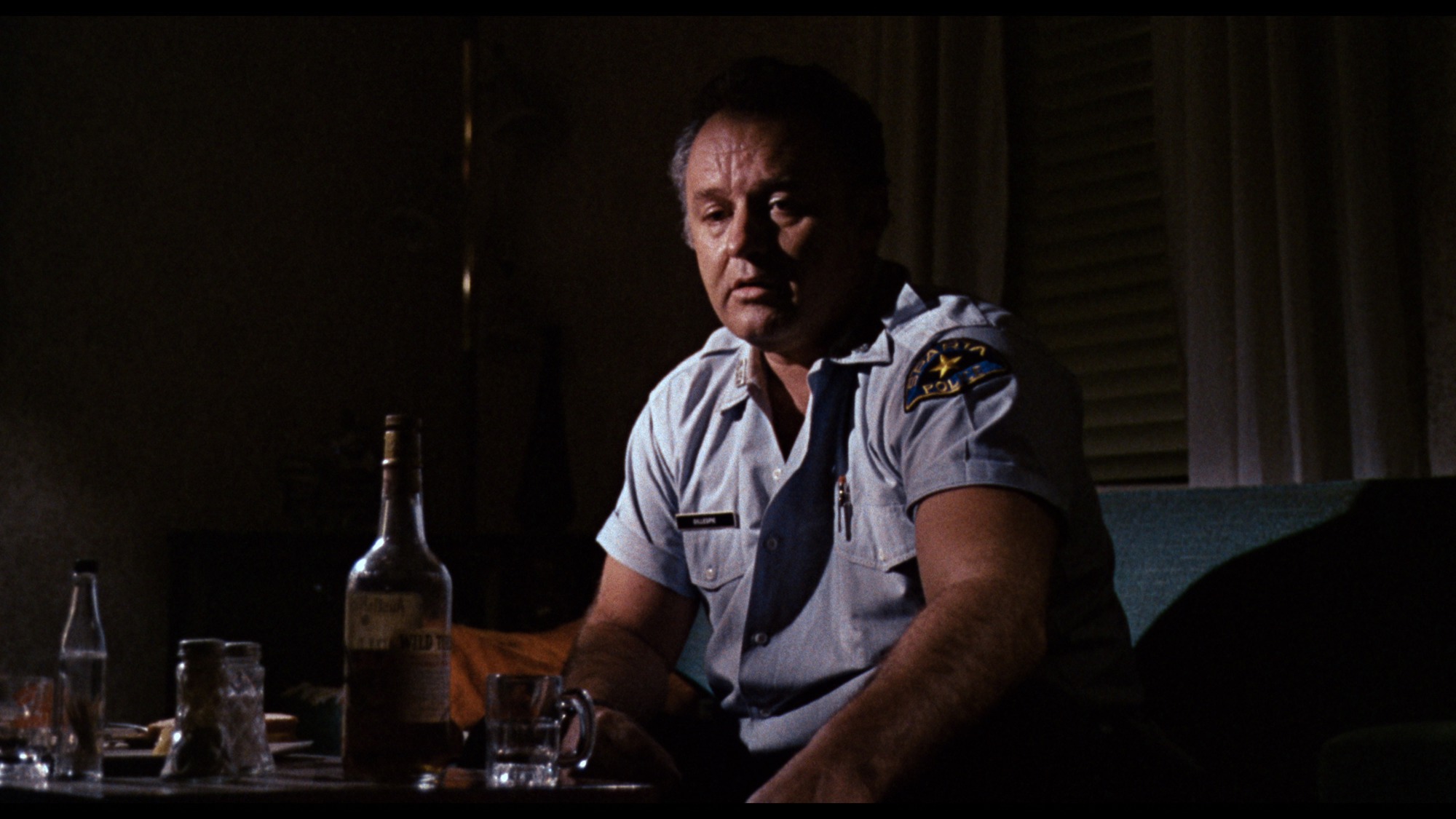
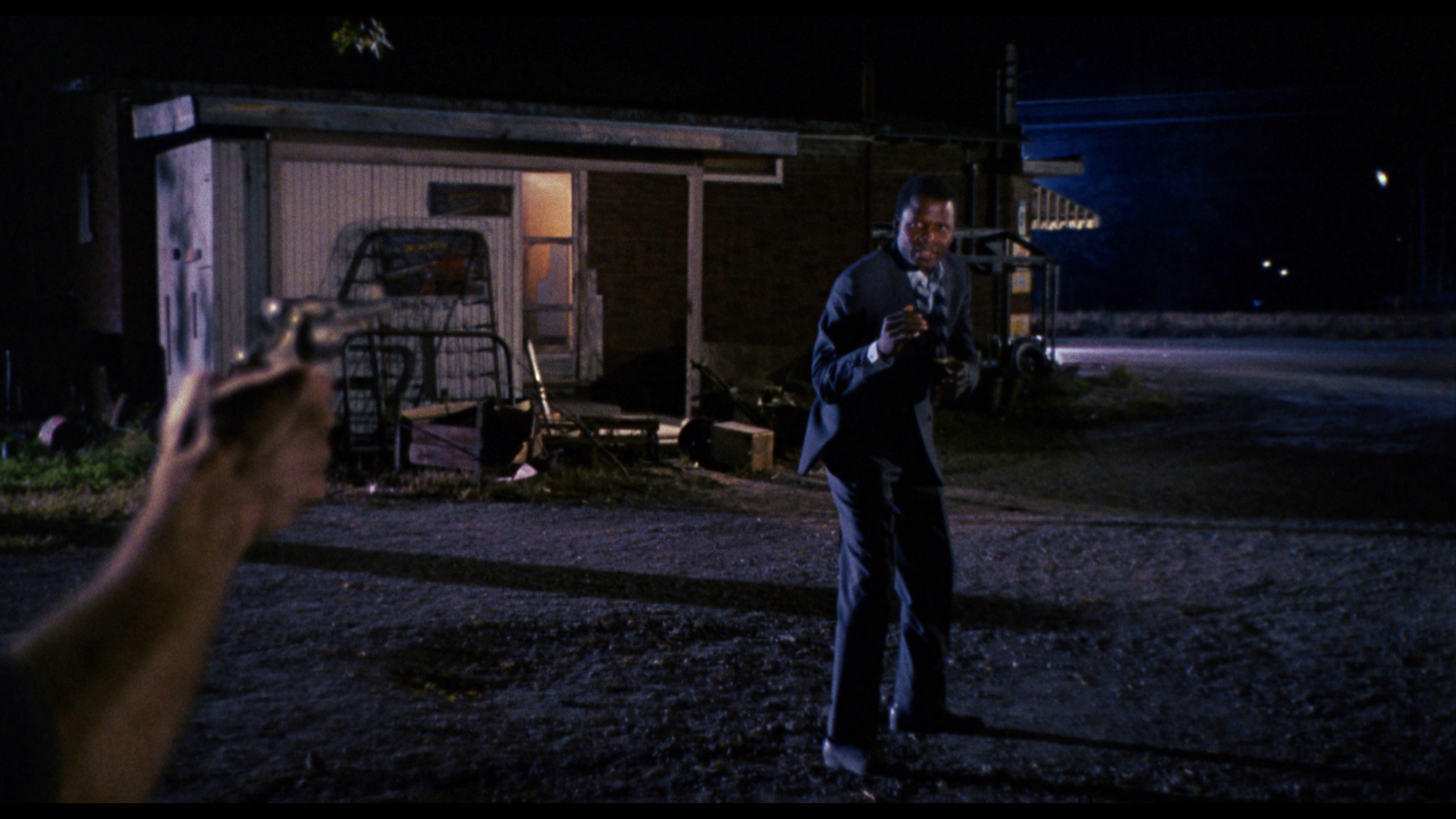
The one area where the disc may disappoint is the absence of HDR. While the image generally looks strong, much of the film takes place at night or in dim interiors, and these moments can look a bit flat, with limited depth in the shadows. This weakness is especially evident during the scene where Sidney Poitier’s Virgil sits in a jail cell with Scott Wilson’s Harvey. This may partly reflect the original cinematography (naturalistic lighting was used in places), but I can’t help but feel that a proper HDR grade could have added some extra nuance.
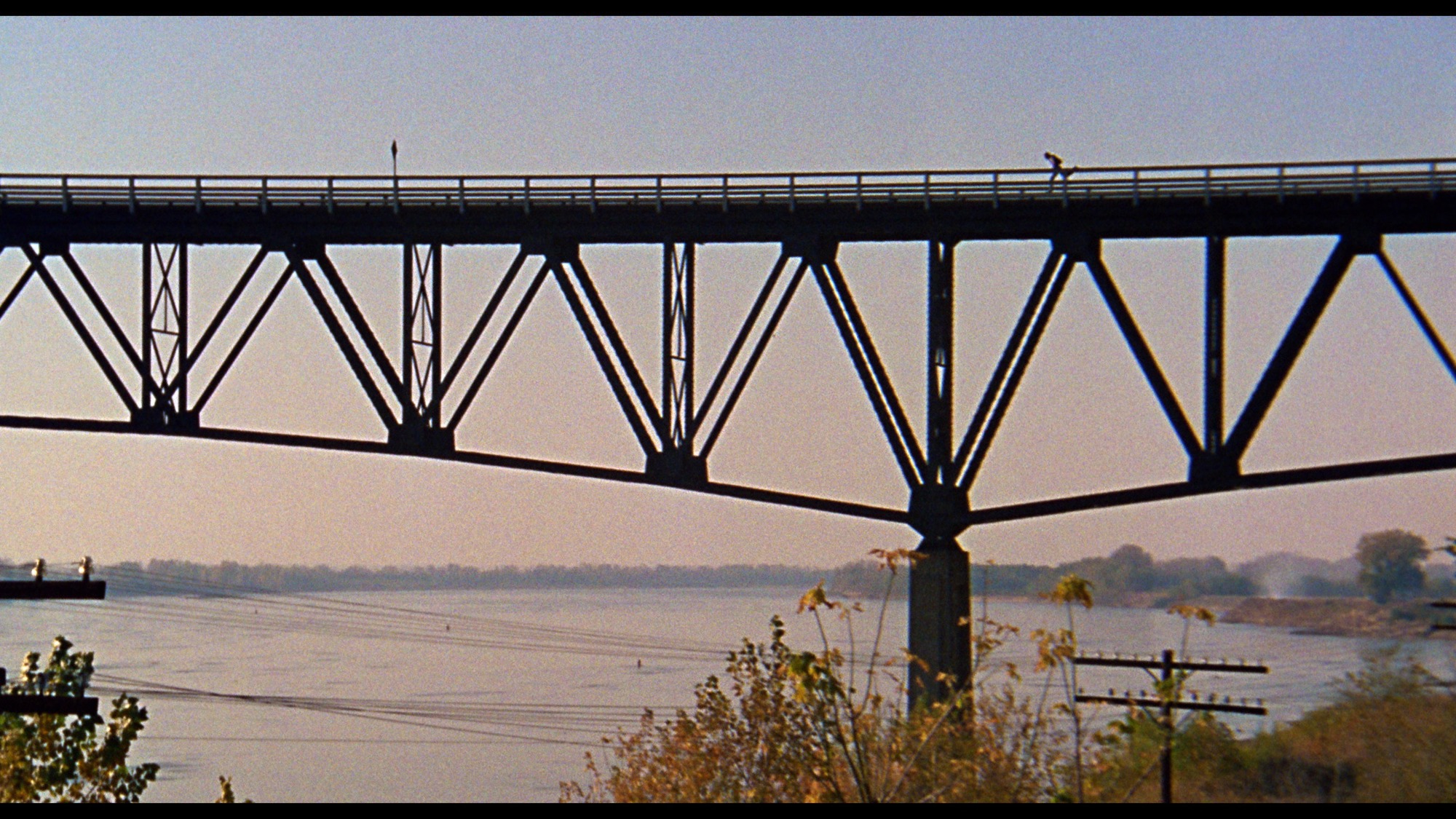
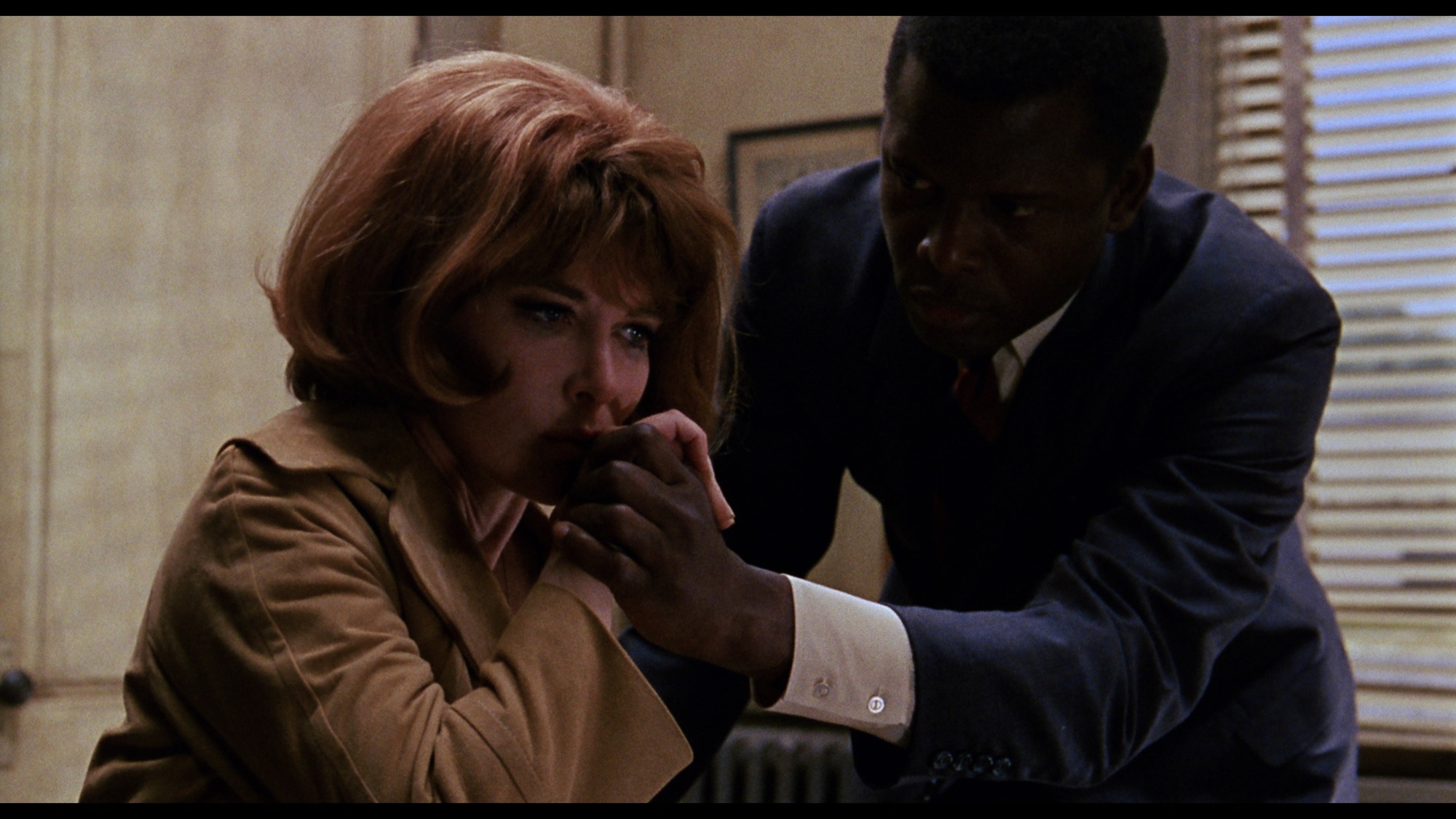
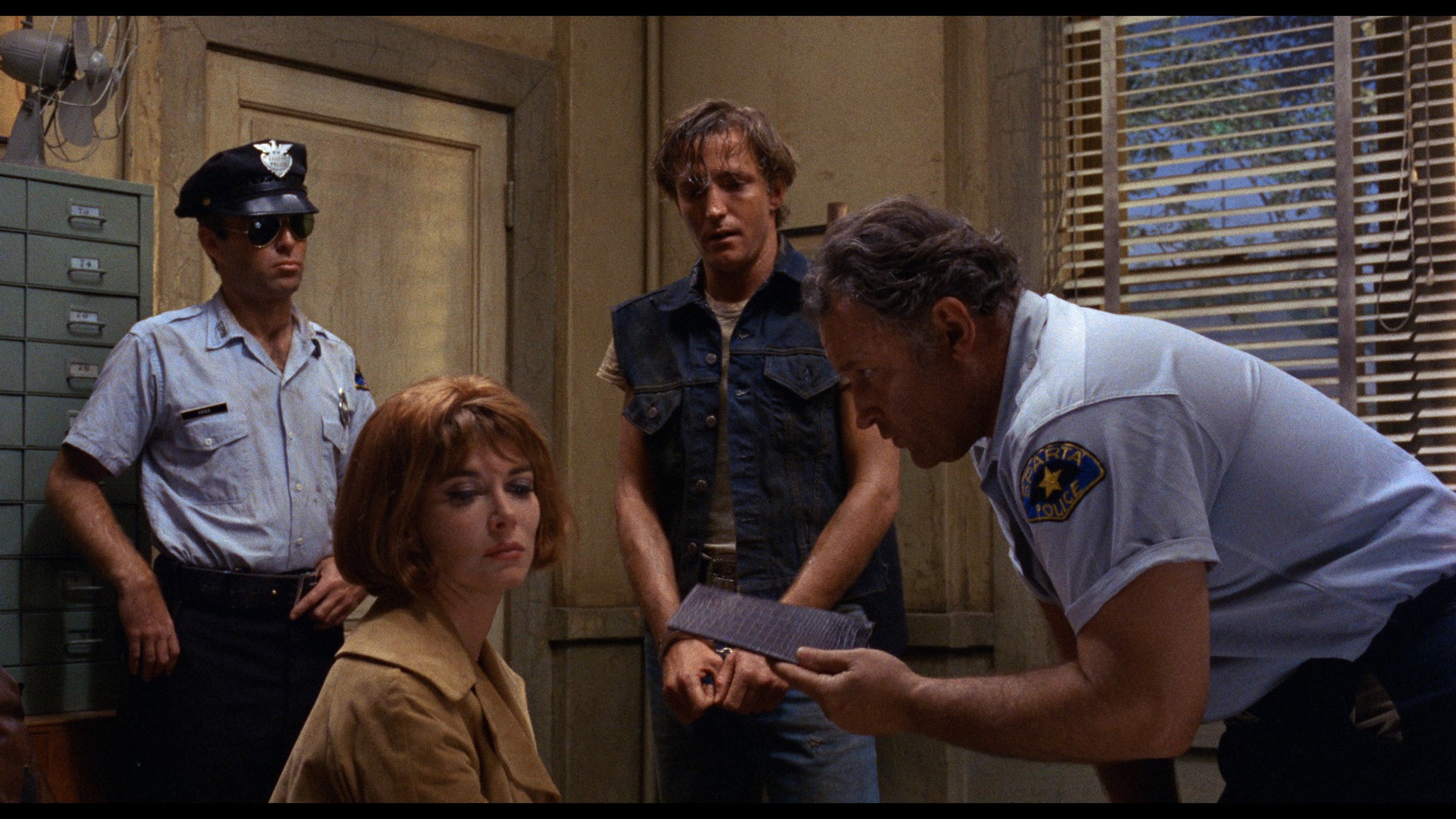
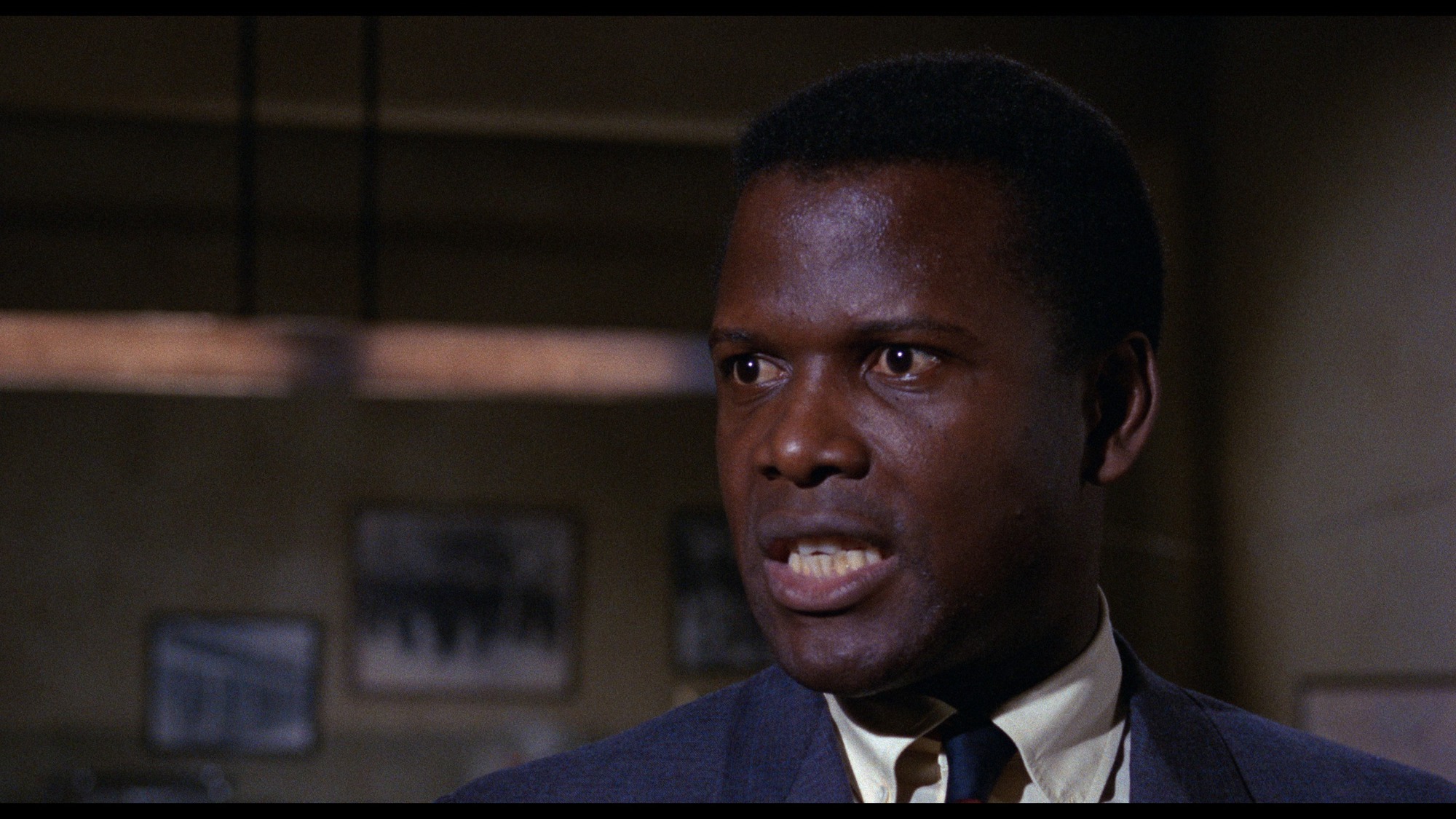
That aside, the presentation is otherwise excellent. A few dupey shots remain, but the image is crisp and stable with a terrific level of detail. Highlights appear clean, dynamic range is still impressive, and I didn’t detect any compression artifacts. As with the Blu-ray, the restoration work is top-notch, leaving the image nearly spotless. Colors are nicely saturated, with a warm leaning that feels true to the film’s period and prior presentations. It doesn’t skew things unnaturally; blues still pop, and blacks look appropriately inky.
All in all, it’s a worthwhile upgrade. Again, I wouldn't say a dramatic one, but enough of a bump to make it feel like a more refined and cinematic presentation.
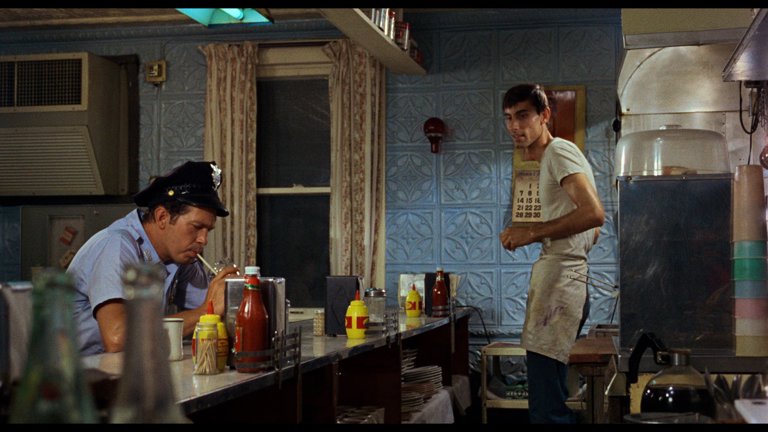
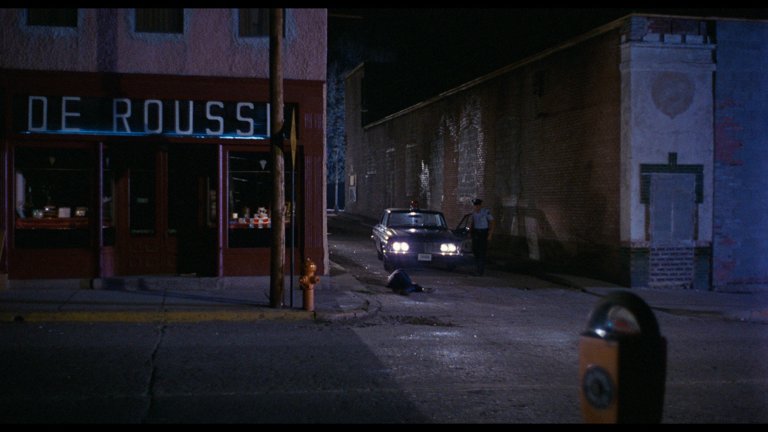
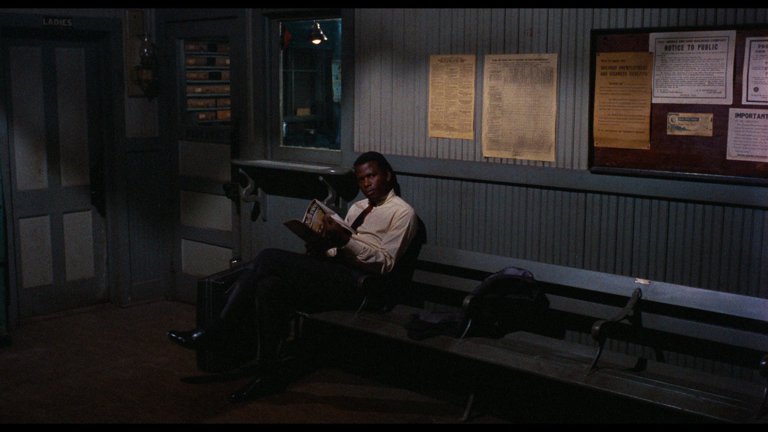
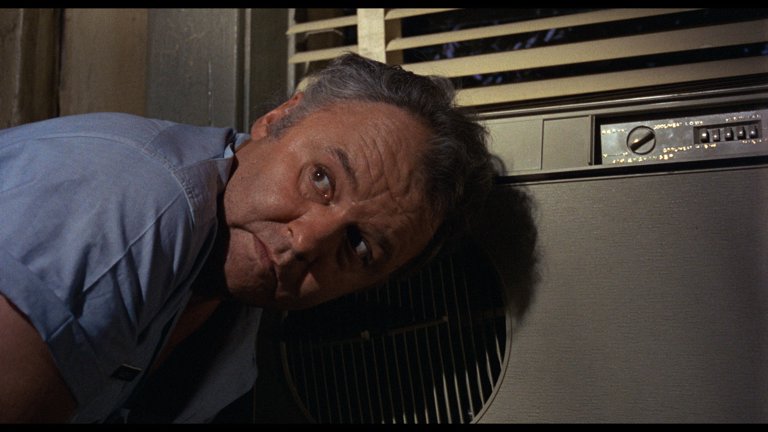
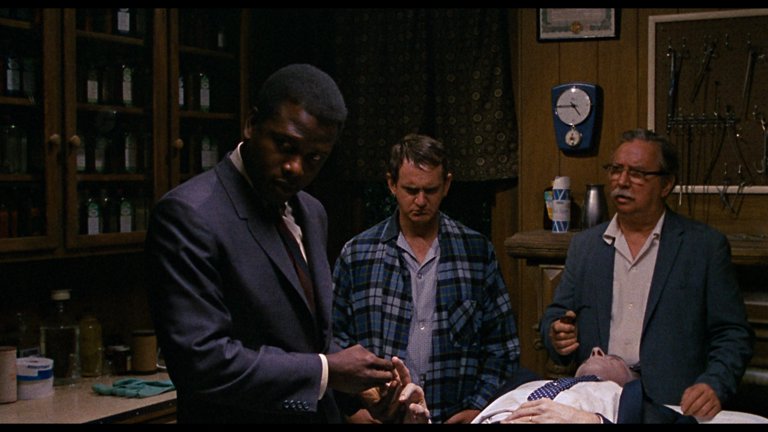
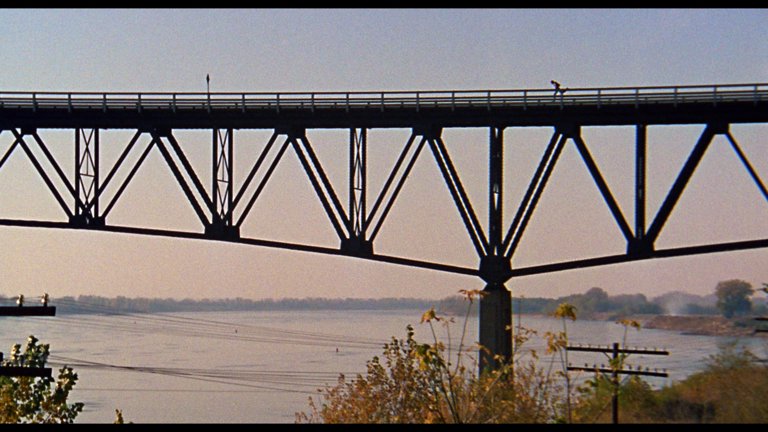
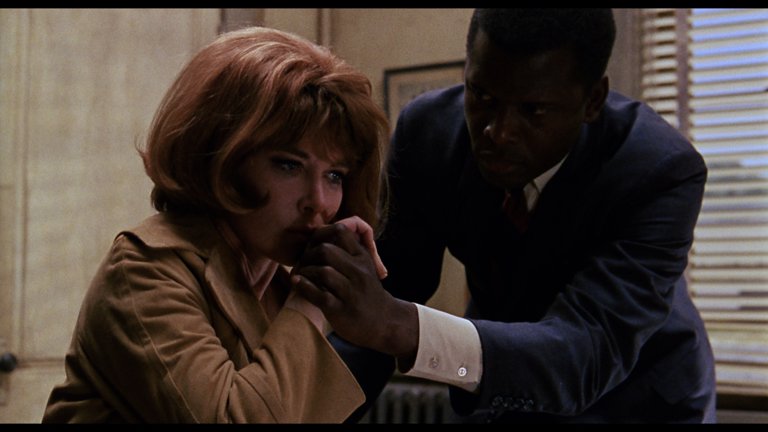
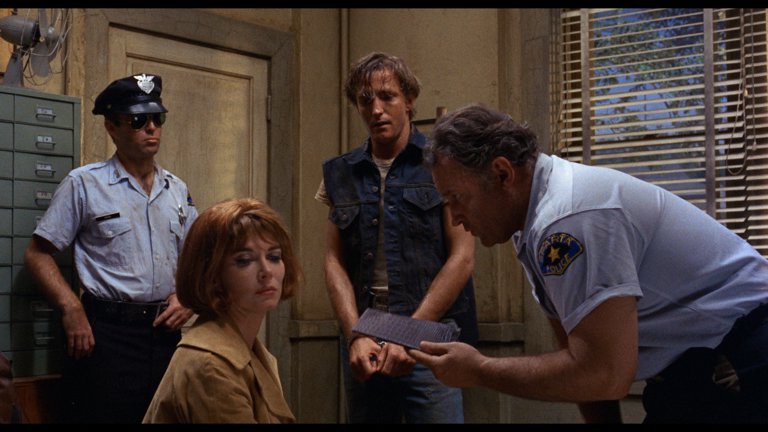
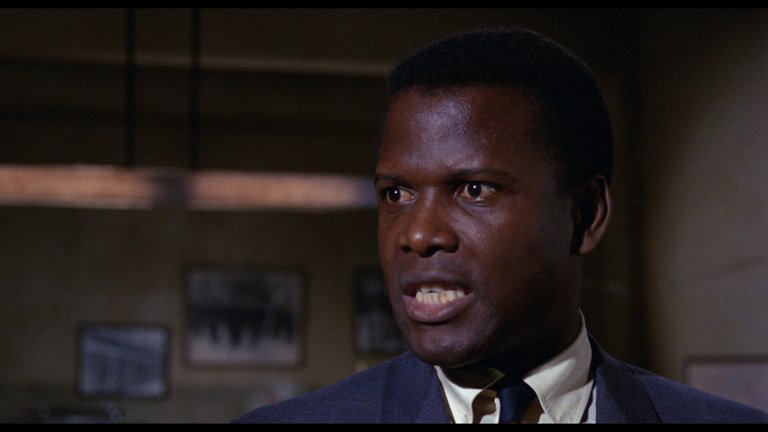
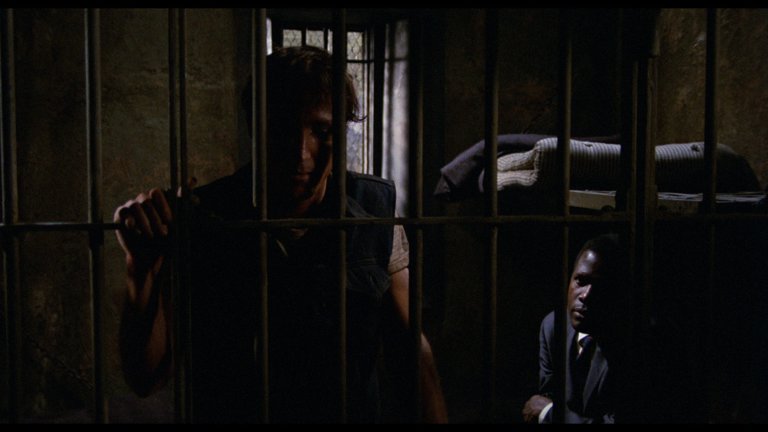
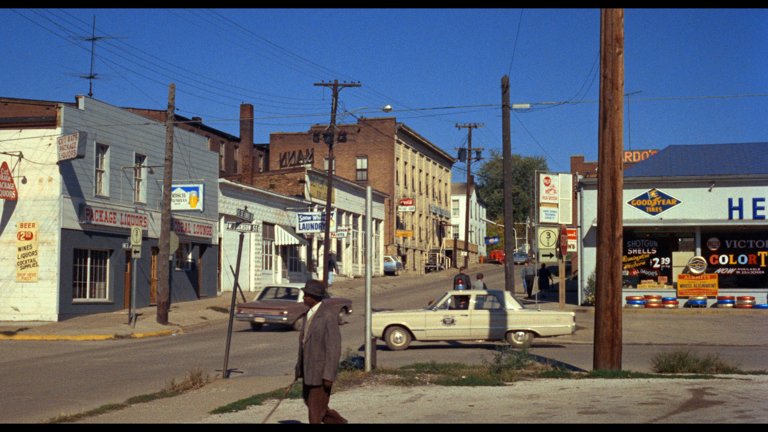
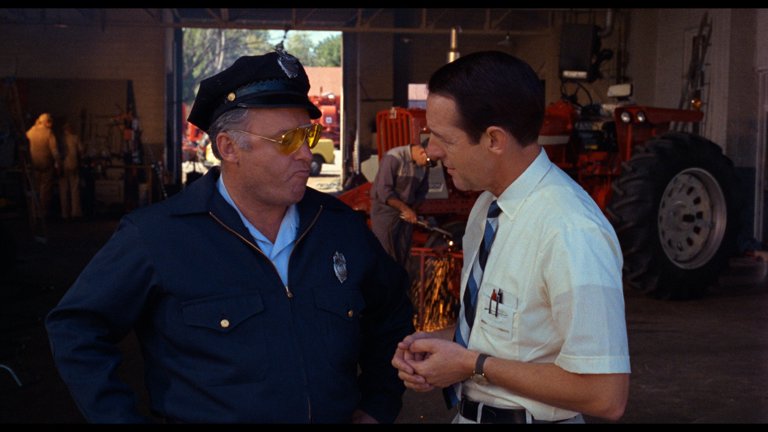
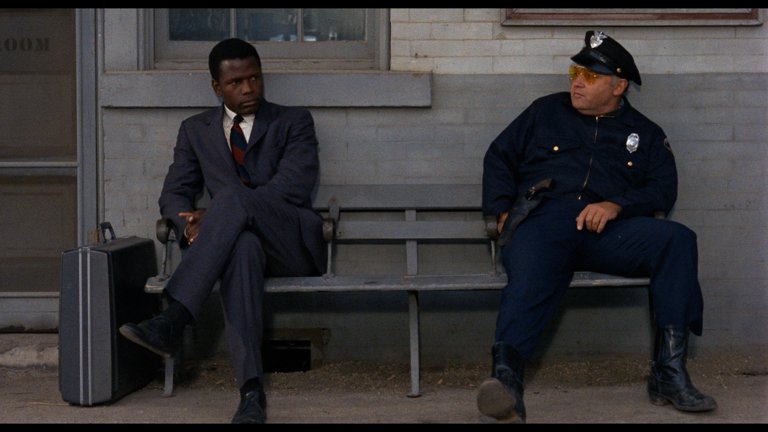
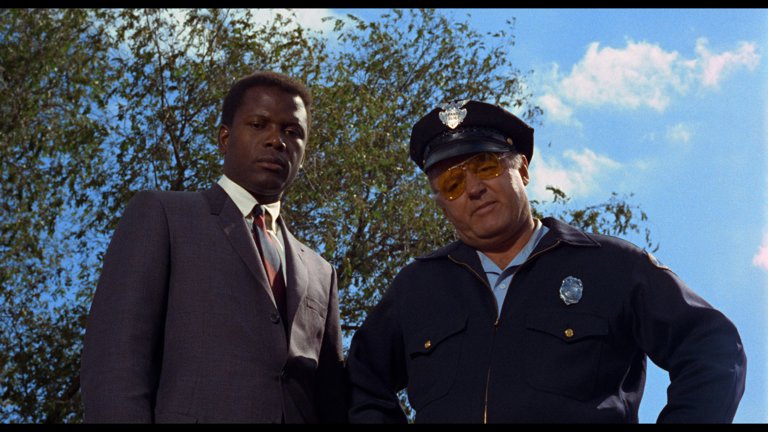

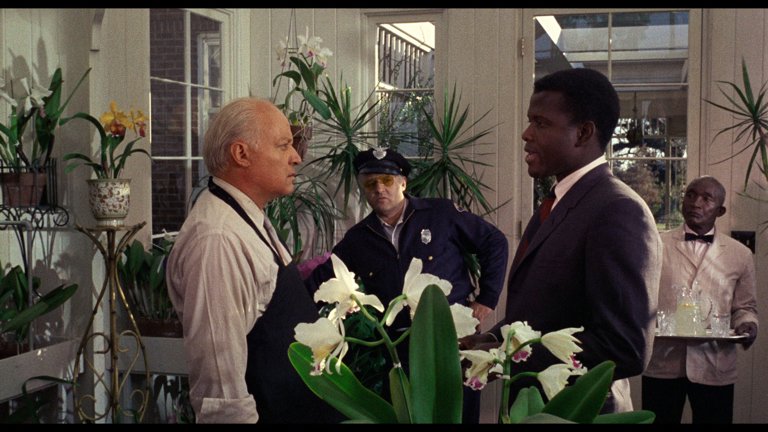
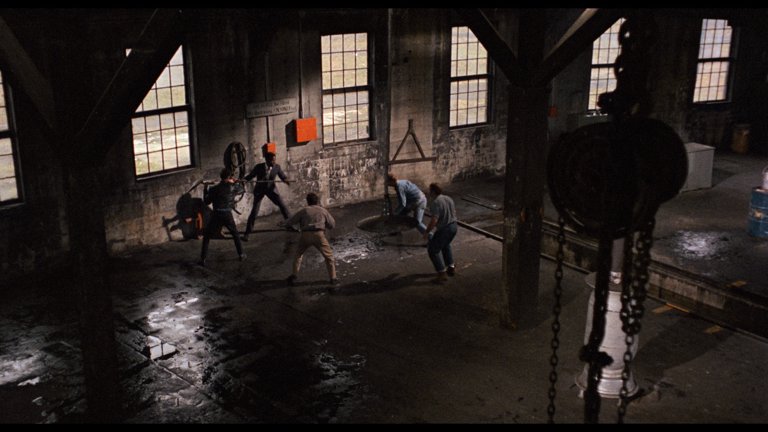
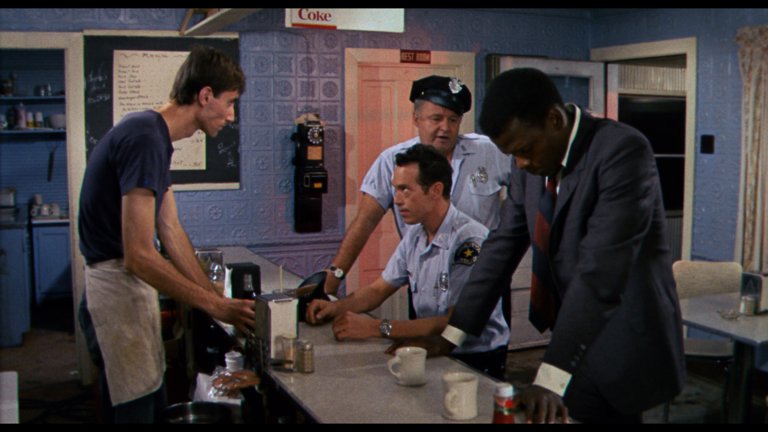
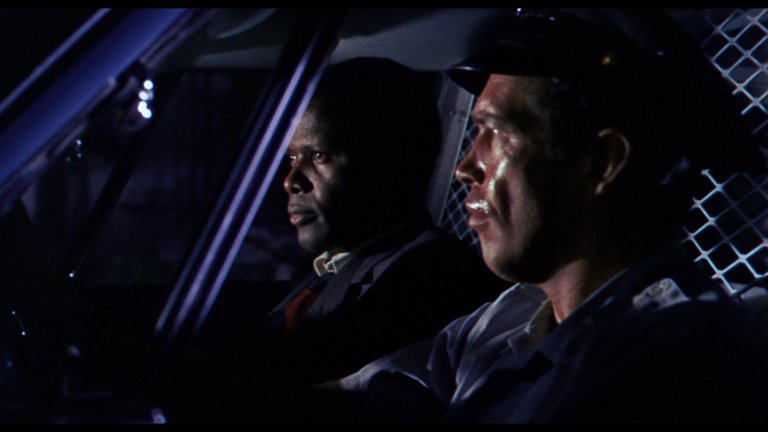
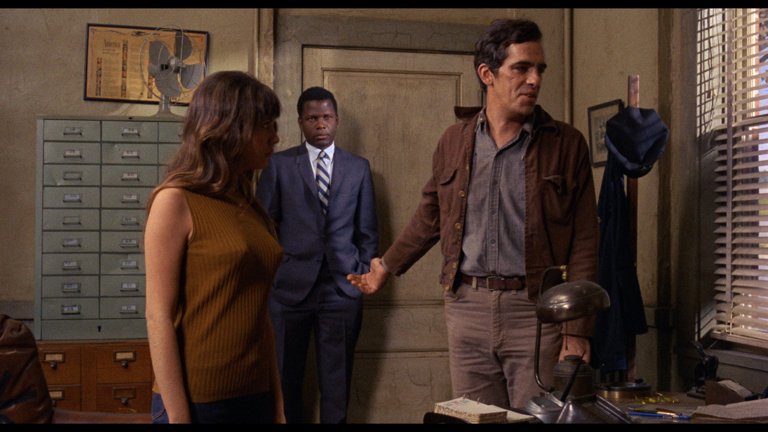
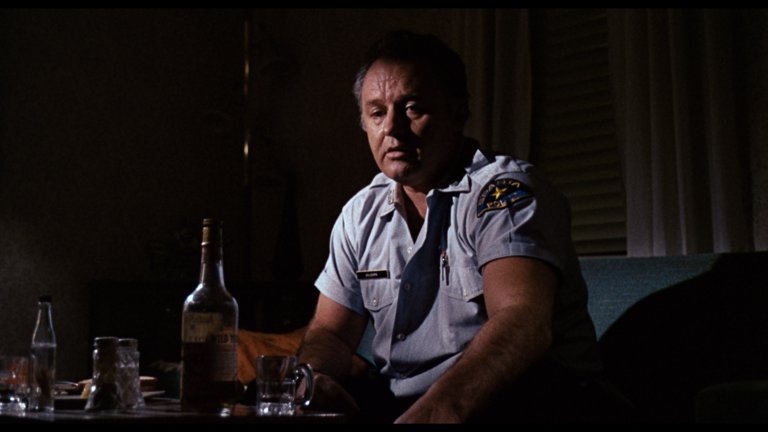
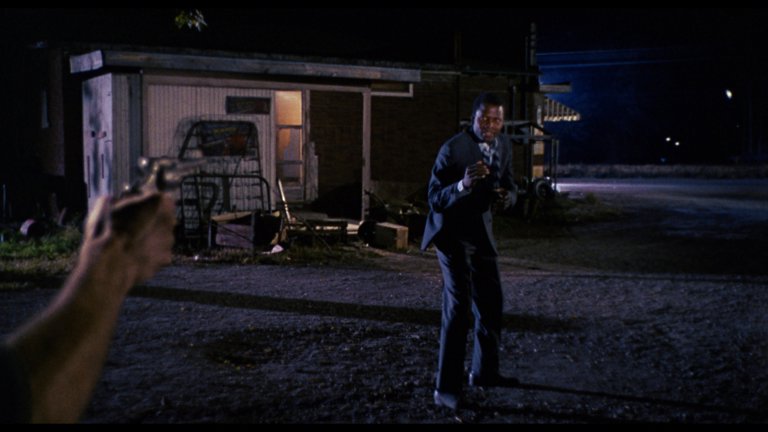
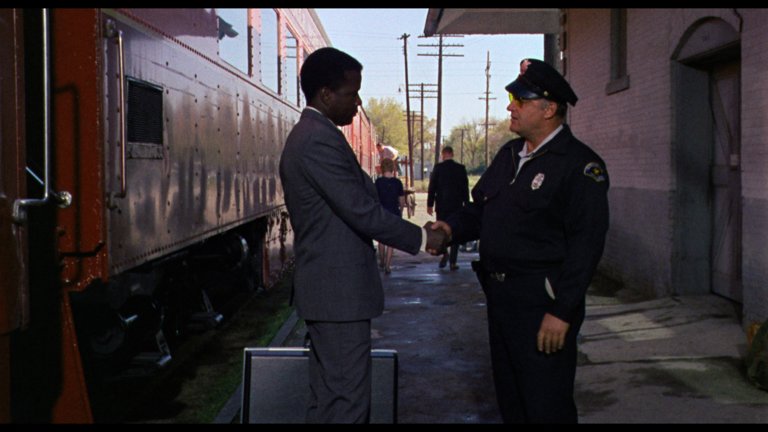
In the Heat of the Night - Screen Captures
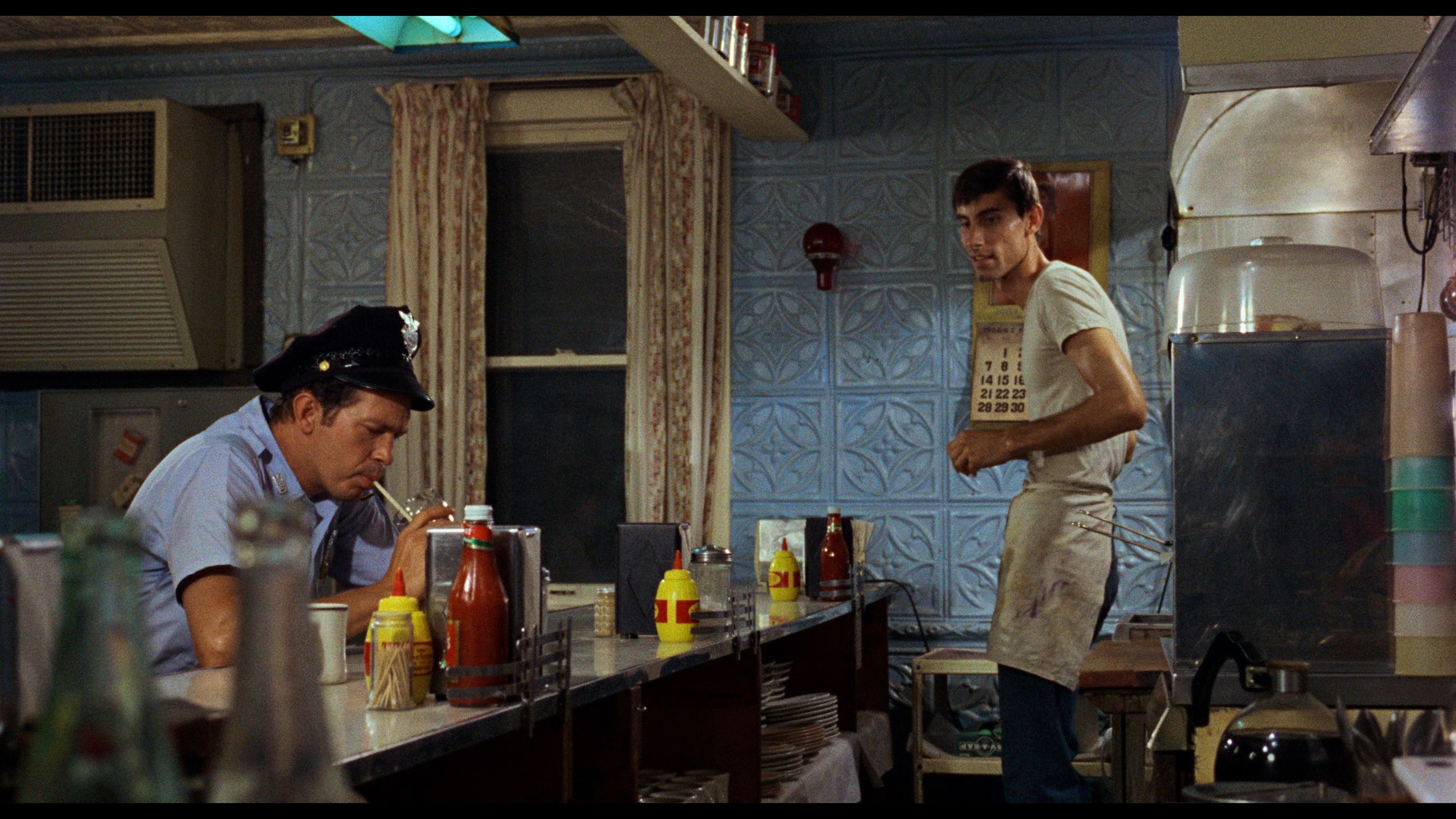
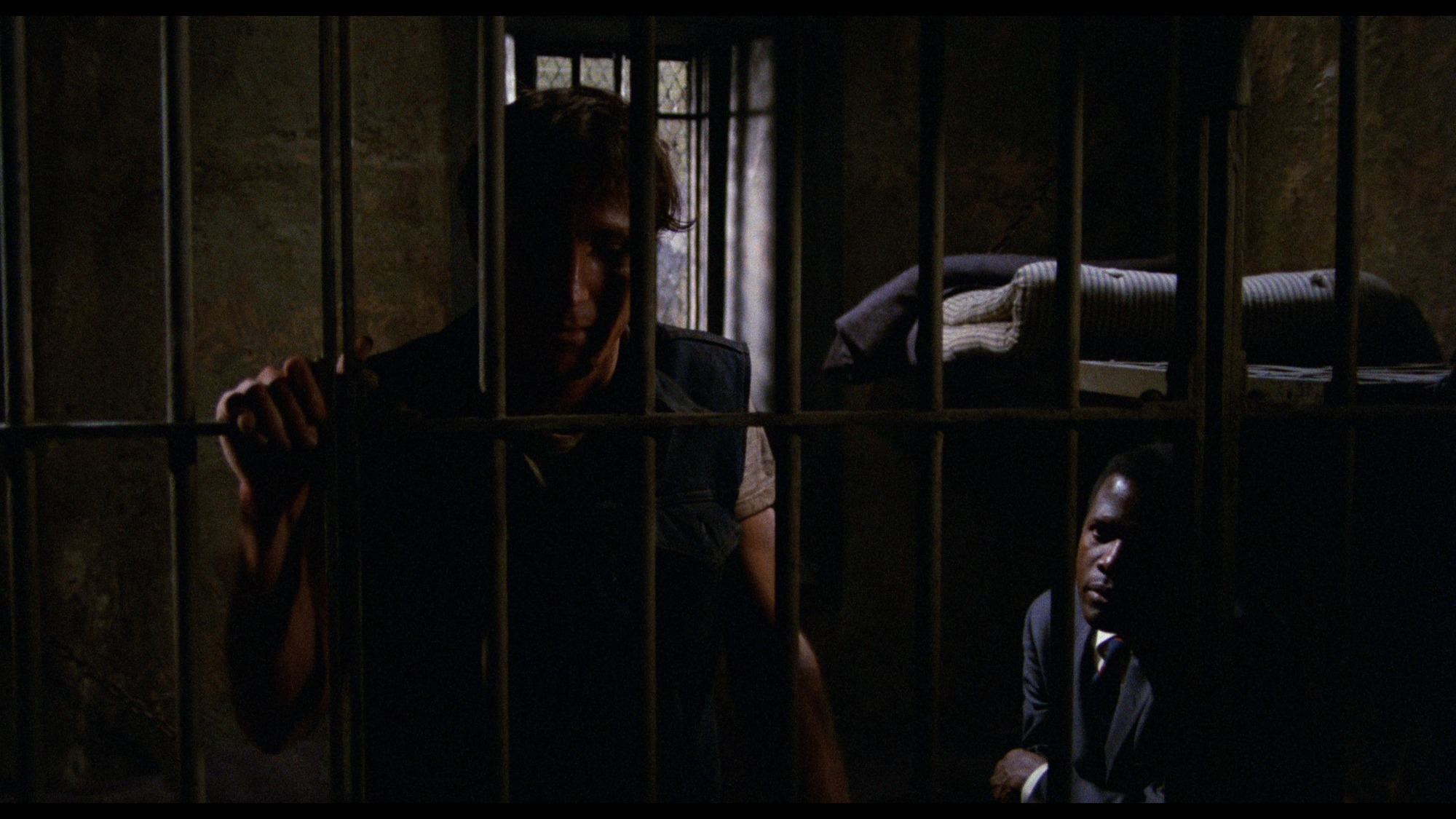
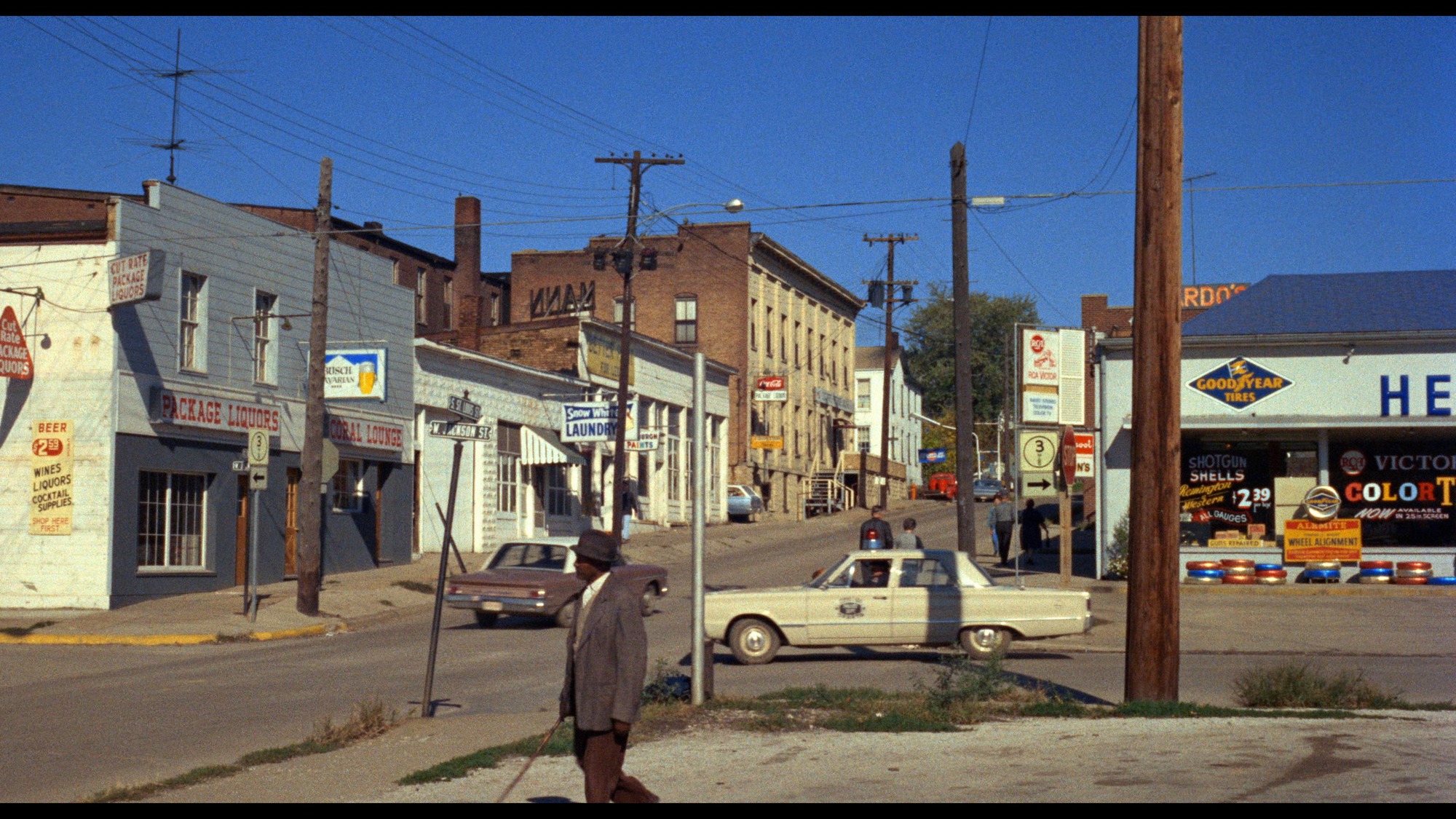
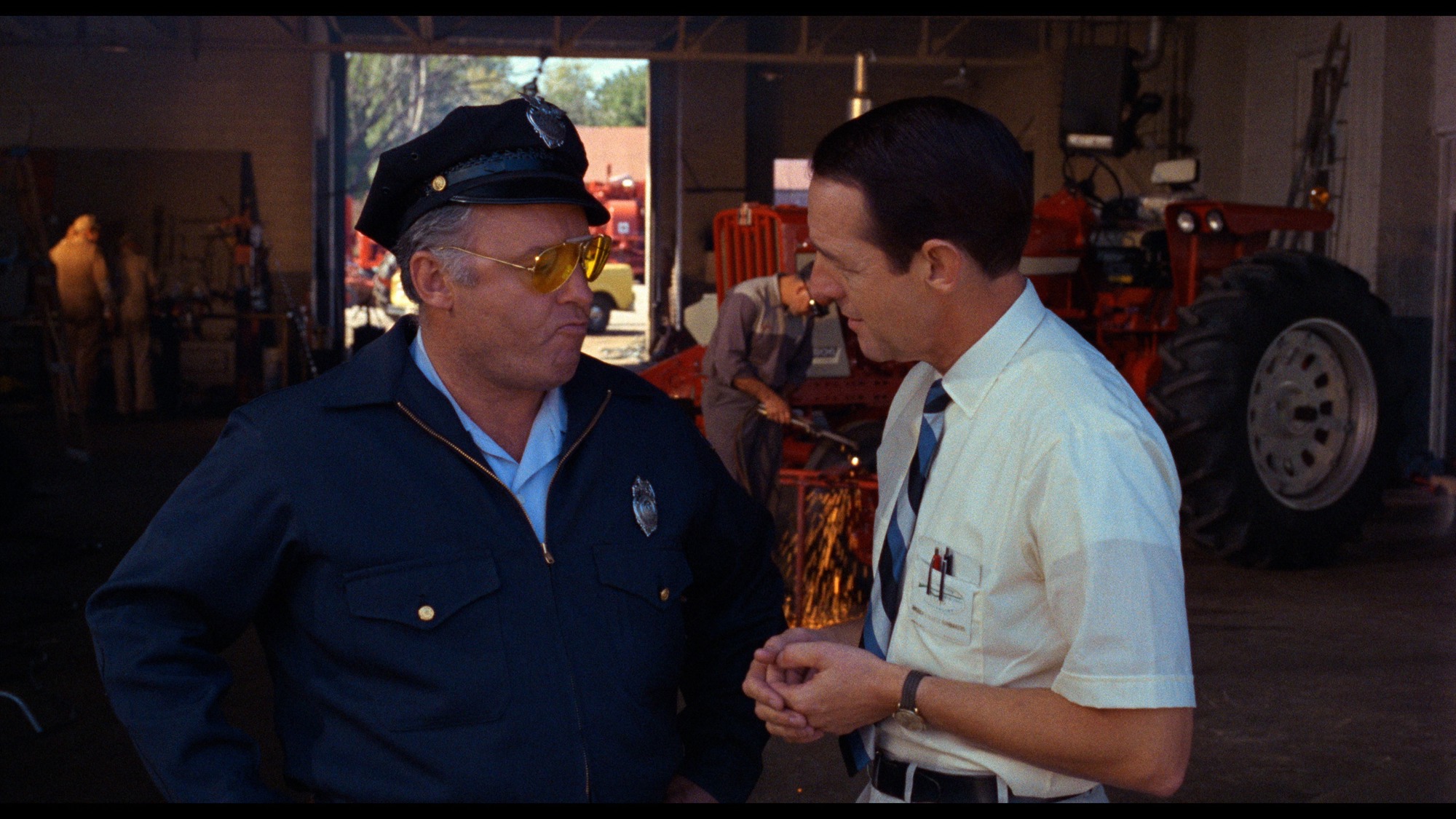
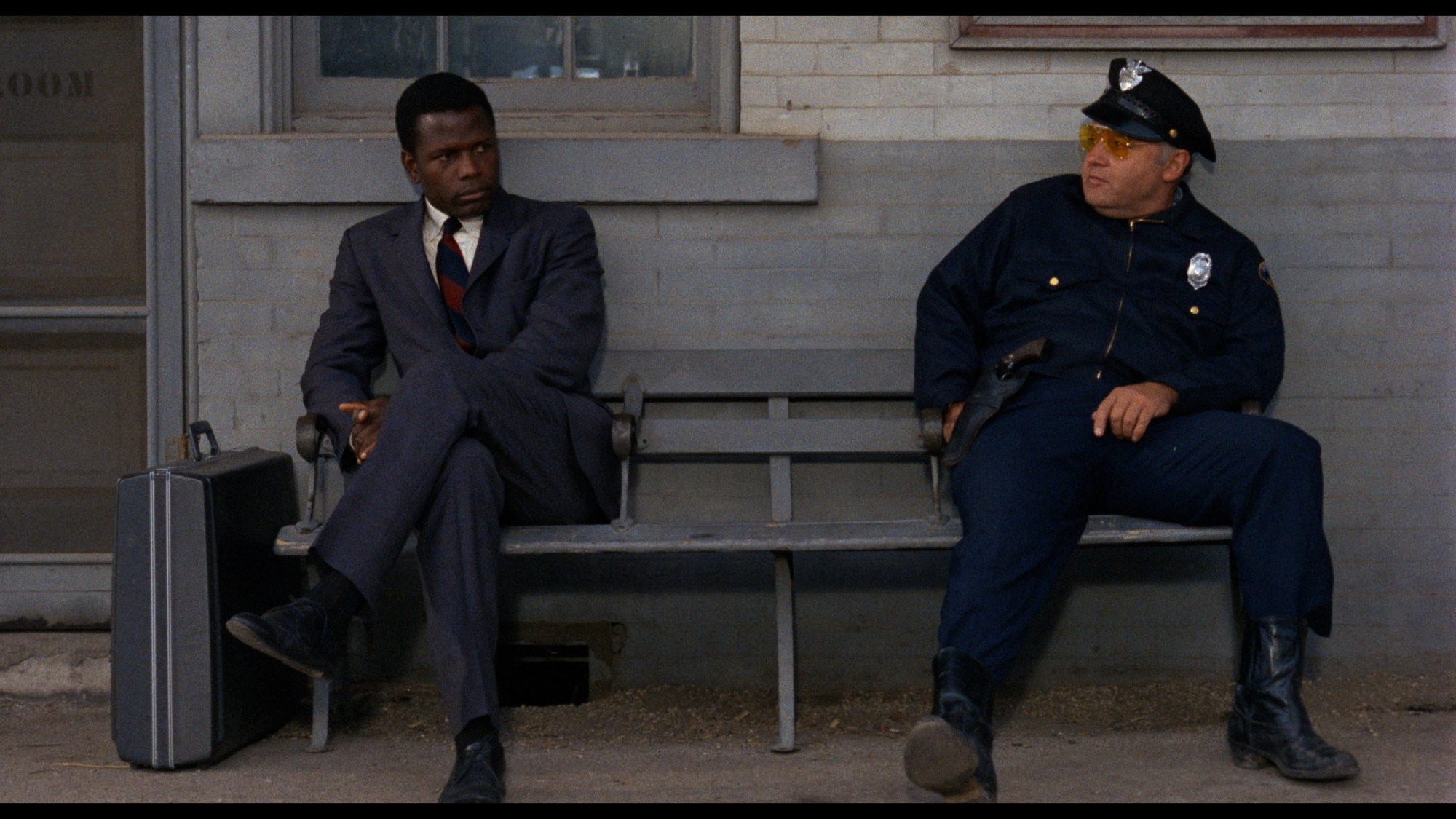

Audio 7/10
Interestingly, Criterion has included the alternate 5.1 DTS-HD MA surround remix on the 4K disc, a track that was omitted from their Blu-ray edition, and is still absent from the Blu-ray included here. I recall not being particularly fond of the 5.1 mix in the past, but I didn’t mind it as much this time around. Most of the audio remains front-focused, but the music and score extend nicely into the rear channels. The track is sharp and clean overall, with solid fidelity.
The original mono track—presented in lossless PCM—also sounds fine, though it’s understandably flatter, with a narrower dynamic range. Dialogue remains clear and crisp, and I didn’t notice any significant damage or distortion.
Extras 8/10
Since the included Blu-ray replicates Criterion’s 2019 edition, all features have been ported over. That includes the original audio commentary (also found on the 4K disc), recorded for MGM’s special edition DVD back in 2008, featuring director Norman Jewison, cinematographer Haskell Wexler, and actors Rod Steiger and Lee Grant. All participants were recorded separately and edited together. It’s a surprisingly technical track, with Jewison and Wexler going into expansive detail about the film’s camerawork and lighting before digging into the editing process and how they worked to get the rhythm—or “beat”—of a scene just right. The bridge chase sequence is discussed in particular depth, with Jewison explaining how the editing was timed to match music Quincy Jones would later compose for it. Grant and Steiger pop in occasionally to reflect on their performances and working with Sidney Poitier, with Steiger also defending some of his more “over the top” moments. There's also a compelling (and often repeated) anecdote about a tense night the cast and crew experienced while filming in Tennessee. Studio commentary tracks can be hit or miss, but this is one of the better ones: technical yet well-edited, with a smooth flow that avoids the dead air common to many such tracks. It reminded me of some of Criterion’s classic-era commentaries.
Criterion also recorded a new interview with Jewison for the 2019 release, and it’s included again here, running about 13 minutes. He expands on material from the commentary, speaking more about the development of the film and the work it took to get Poitier onboard. He also shares insight into the working dynamic between Steiger and Poitier, whose different acting styles sometimes clashed, and expresses his admiration for Warren Oates and Hal Ashby (the film’s editor), recalling that Ashby called the script “just wild, man!” It’s a welcome update to the older material.
Next is an 8-minute excerpt featuring Sidney Poitier from the 2006 AFI program 100 Years…100 Cheers, where he recounts joining the production and the one script change he insisted on; the now-iconic scene where his character is slapped by Endicott.
Criterion also recorded a new 15-minute interview with Lee Grant for their Blu-ray, which is still one of the release's highlights. She discusses her career, her blacklisting (in one of the more absurd cases I’ve heard), and the lengths she went to to revive her career in her thirties. While she does talk about filming a few key scenes with Poitier, the most gripping material is her unfiltered recollection of the blacklist era, her justified anger still evident, dropping multiple F-bombs as she talks about betrayals from people who should have stood by her. It's still a riveting addition.
Author Aram Goudsouzian (Sidney Poitier: Man, Actor, Icon) then appears in an 18-minute segment that places Poitier’s career in historical context. He discusses how Poitier’s rise aligned with the Civil Rights movement, and how he was seen as the “safe kind of sexy” for white audiences. Goudsouzian also addresses the criticisms Poitier faced—particularly from the Black Panthers—and examines some of the more complicated elements of his roles, including aspects of In the Heat of the Night. It’s a thoughtful piece that helps contextualize the film’s place during the period.
Two supplements from MGM’s earlier special editions are also carried over: a 21-minute making-of featurette titled Turning up the Heat and a 13-minute piece on the film’s score, Quincy Jones: Breaking New Sound. Both are solid studio-produced extras. The making-of largely serves as a condensed version of the commentary, touching on the script, production, release, and the surprise Oscar win. The Jones featurette looks at how the composer got involved, how the score evolved, how Ray Charles came to perform the title song, and why other songs were specifically created for the film. Neither breaks new ground, but they’re well worth watching.
The disc closes with the film’s original theatrical trailer, and the included insert again features Austin Collins’ excellent essay, which explores the film’s social politics, how it has aged, and its technical merits.
Criterion has (of course) not included the exclusives found on Kino Lorber’s now out-of-print 4K release, which also bundled the film’s two sequels on a separate Blu-ray.
It’s a solid edition overall, though given the film’s stature, it’s (still) a little surprising that Criterion didn’t commission more new material; something on the sequels, the TV series, or even on the wave of socially conscious studio films of the era would’ve been welcome. Still, what’s here holds up well and offers a strong overview of the film and its legacy.
Closing
Criterion delivers a modest but worthwhile upgrade to In the Heat of the Night, offering a cleaner 4K encode and carrying over a strong slate of supplements, even if the absence of HDR and new material holds it back from being definitive.
BUY AT: