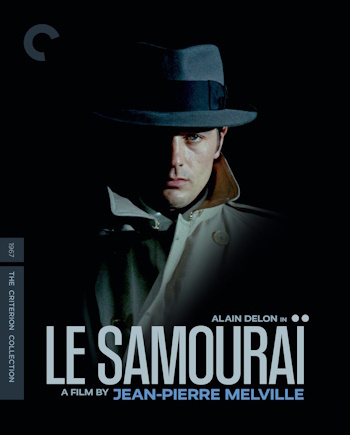
Le samouraï
BUY AT:


See more details, packaging, or compare
Synopsis
In a career-defining performance, Alain Delon plays Jef Costello, a contract killer with samurai instincts. After carrying out a flawlessly planned hit, Jef finds himself caught between a persistent police investigator and a ruthless employer, and not even his armor of fedora and trench coat can protect him. An elegantly stylized masterpiece of cool by maverick director Jean‑Pierre Melville, Le samouraï is a razor-sharp cocktail of 1940s American gangster cinema and 1960s French pop culture—with a liberal dose of Japanese lone-warrior mythology.
Picture 8/10
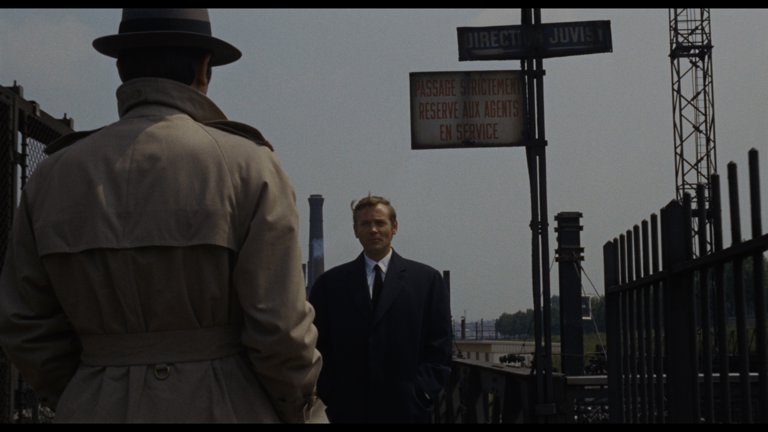
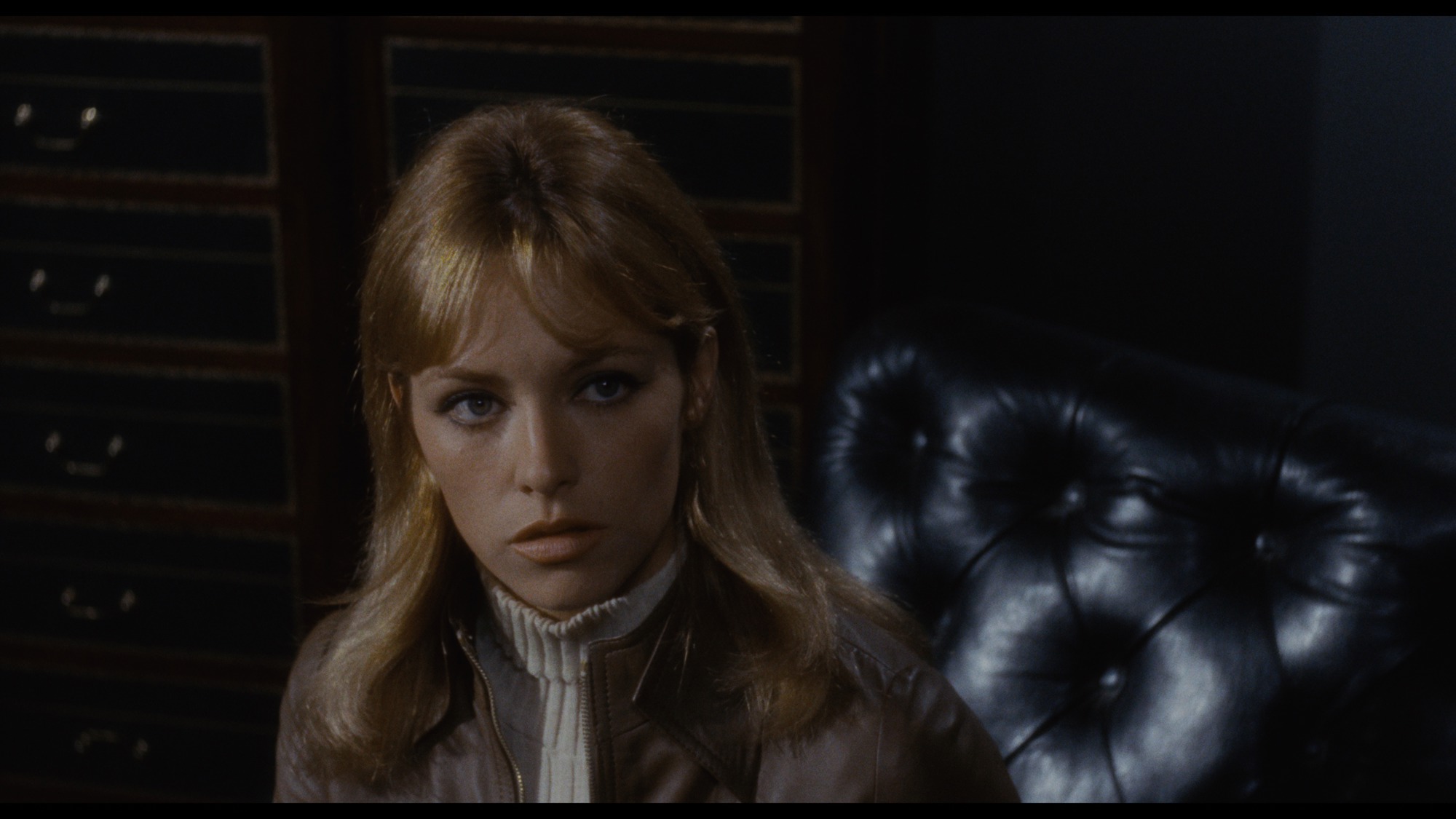
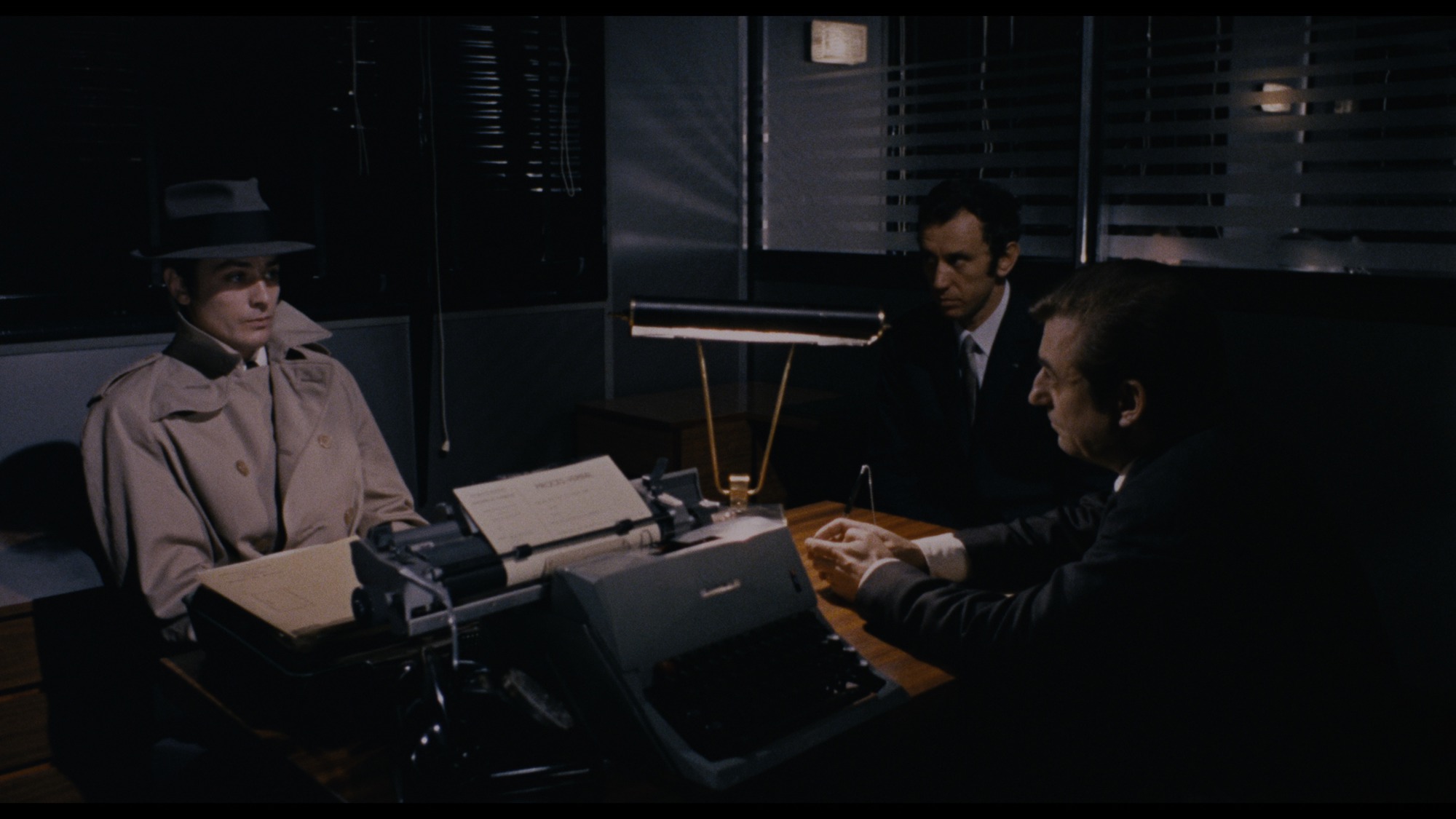
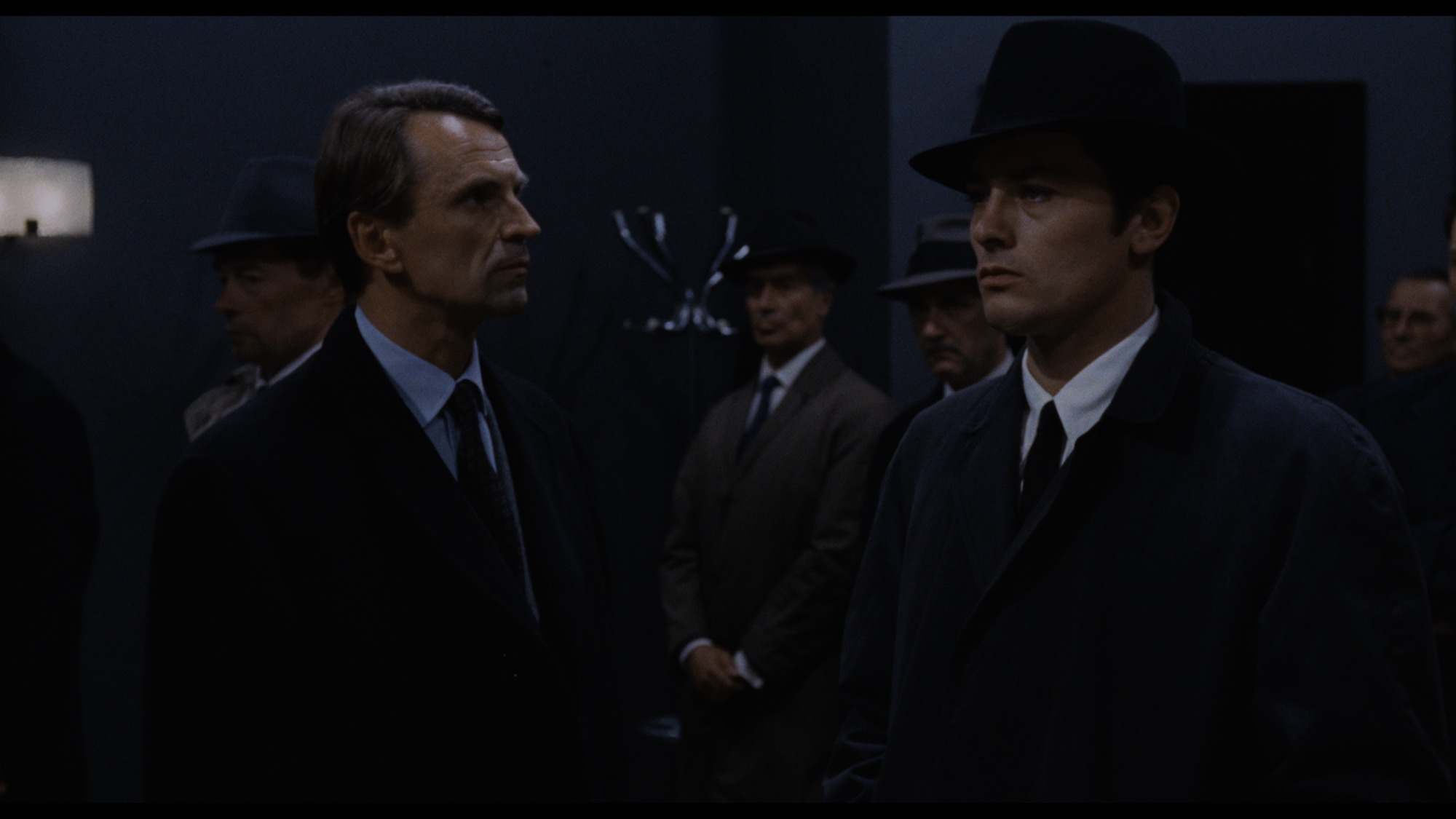
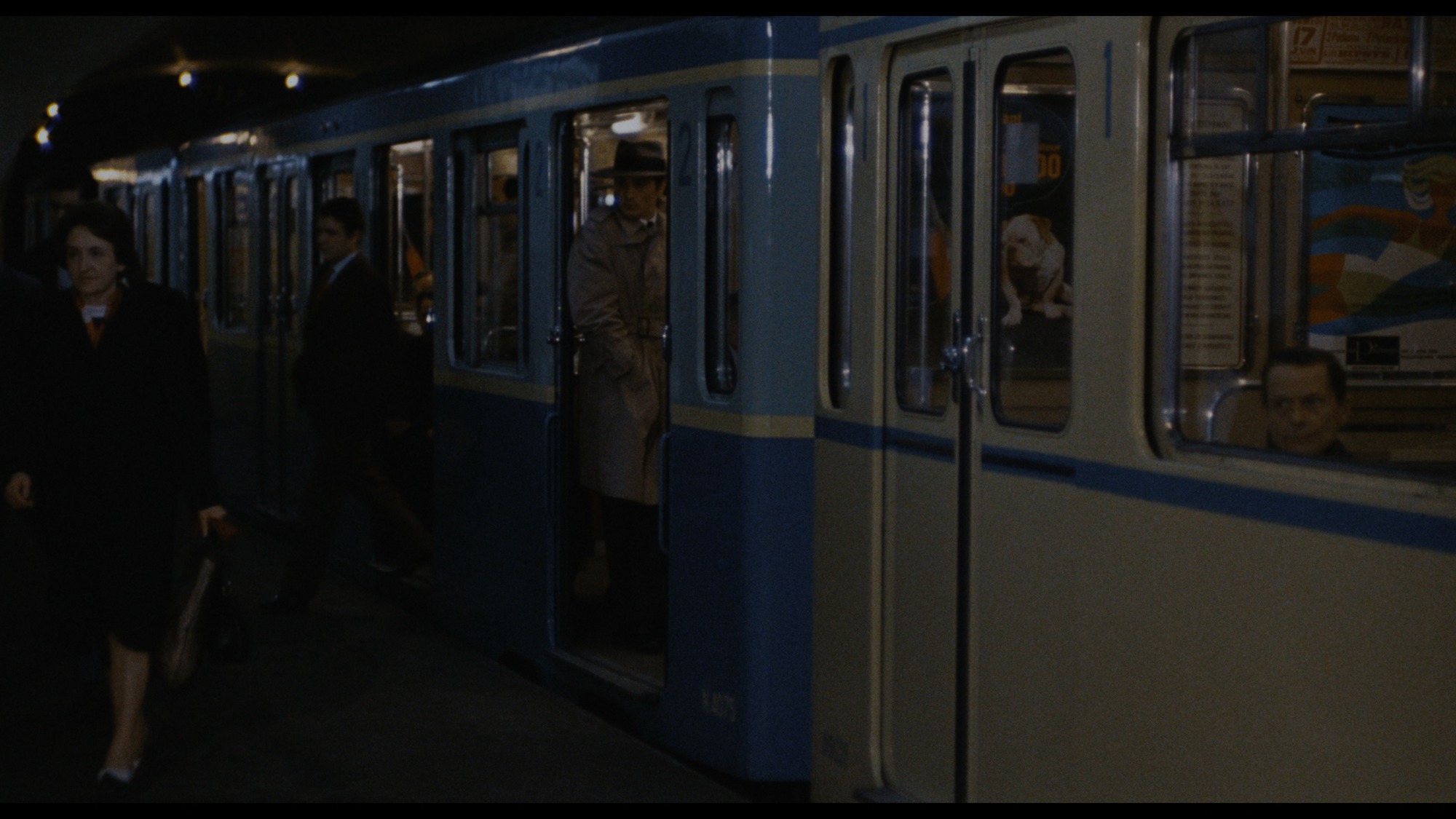
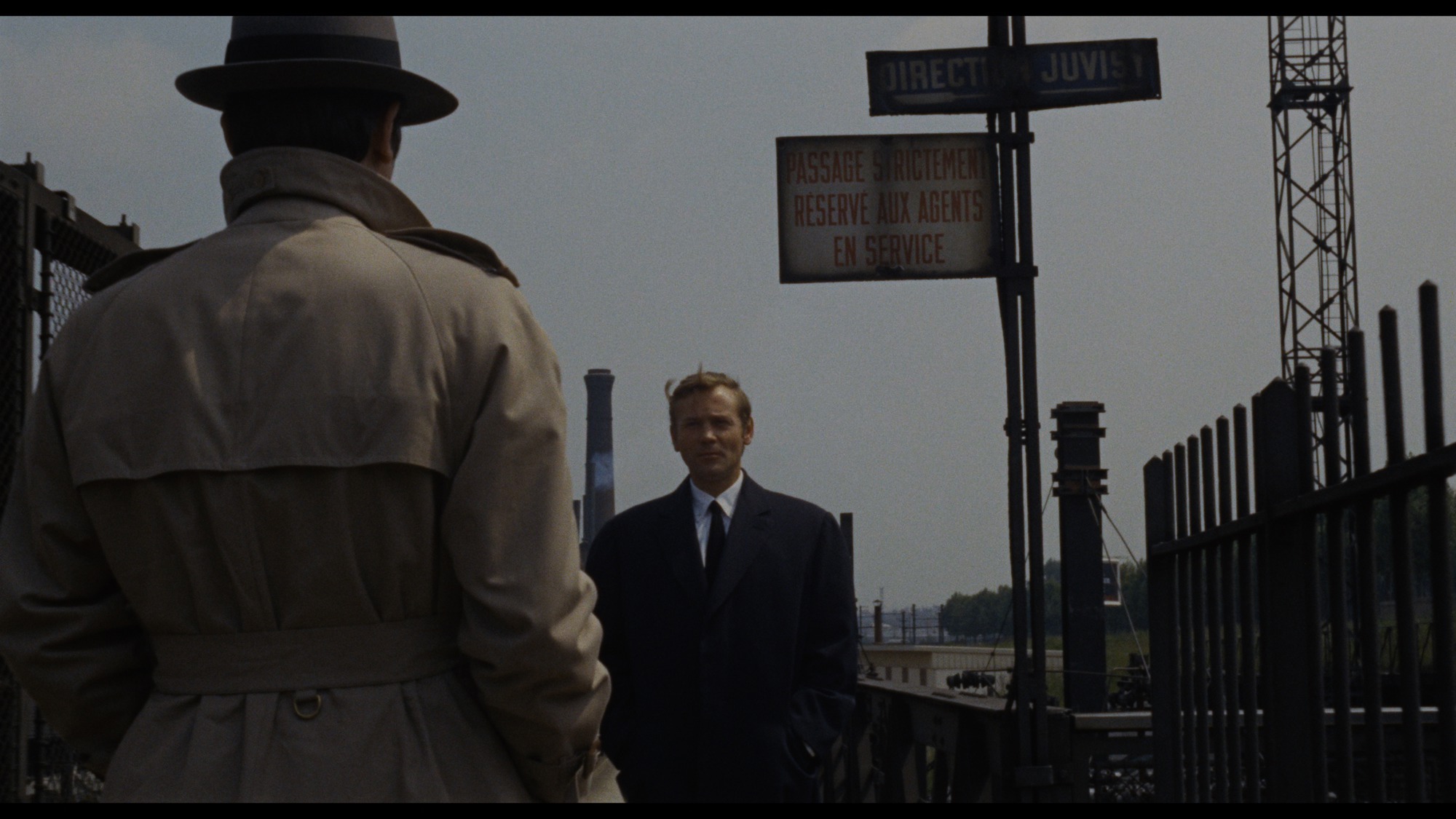
Jean-Pierre Melville’s Le Samouraï receives a 4K upgrade from The Criterion Collection, presented with HDR10 on a triple-layer disc in its original aspect ratio of 1.85:1. The 2160p/24hz ultra high-definition presentation is sourced from a recent 4K restoration, scanned primarily from the 35mm original negative with a 35mm interpositive filling in where needed.
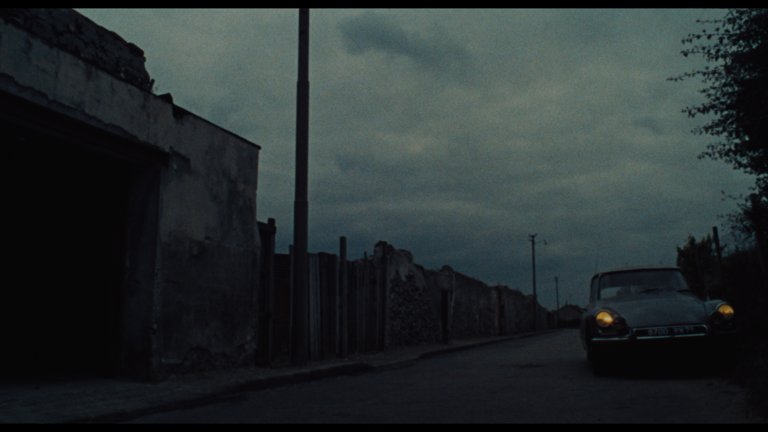
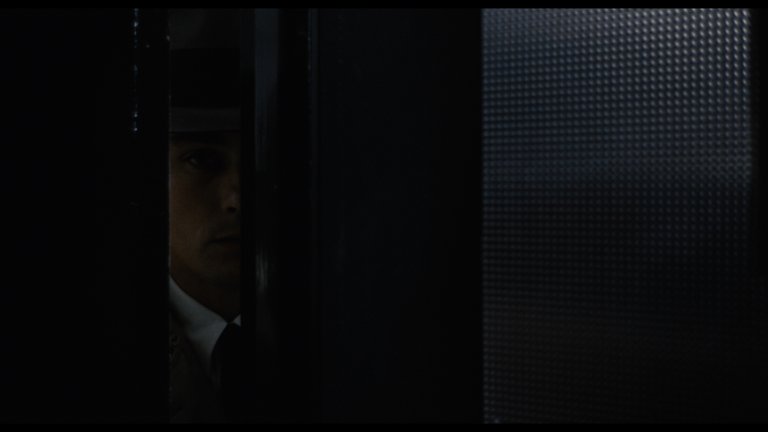
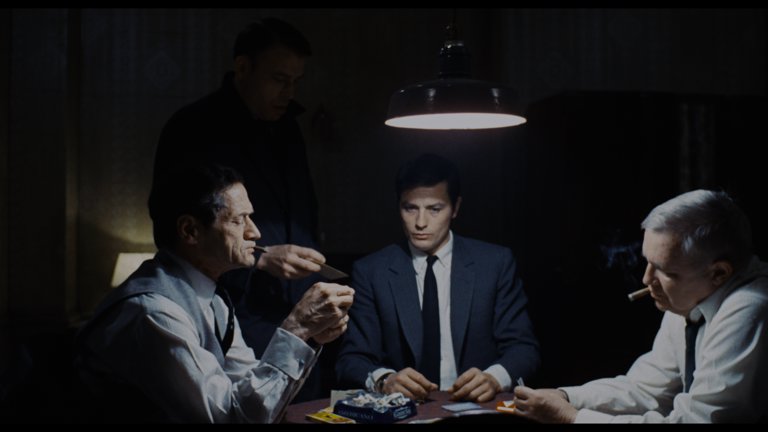
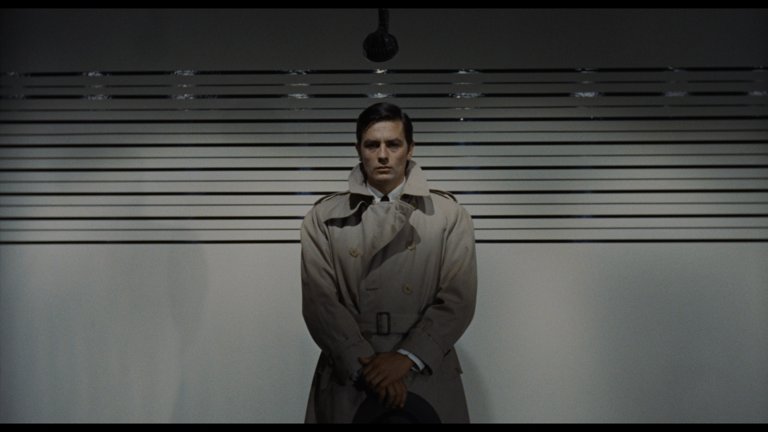
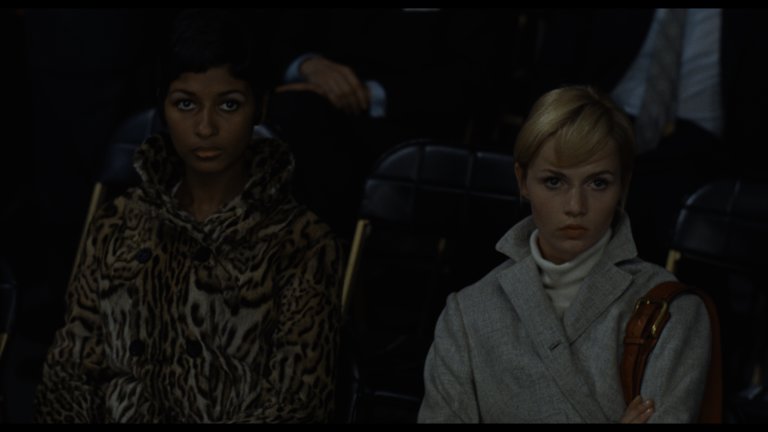
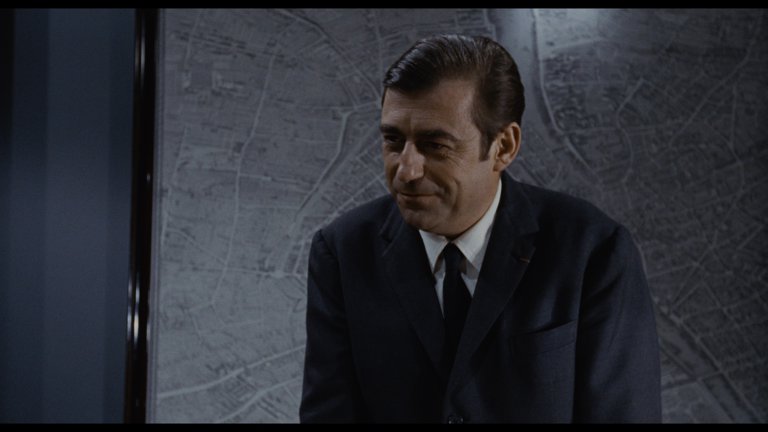
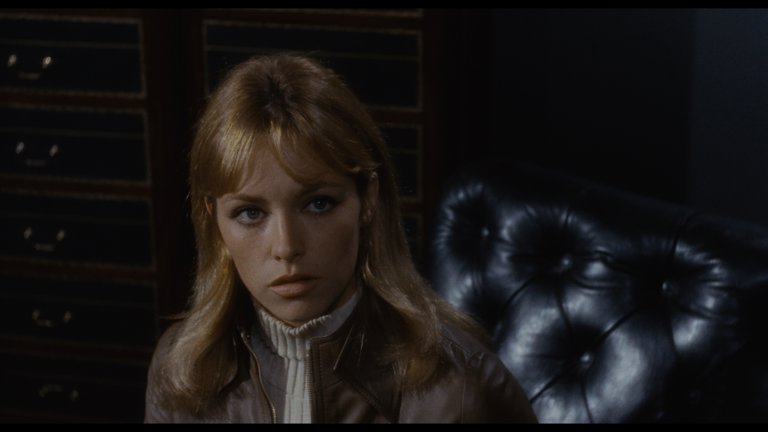
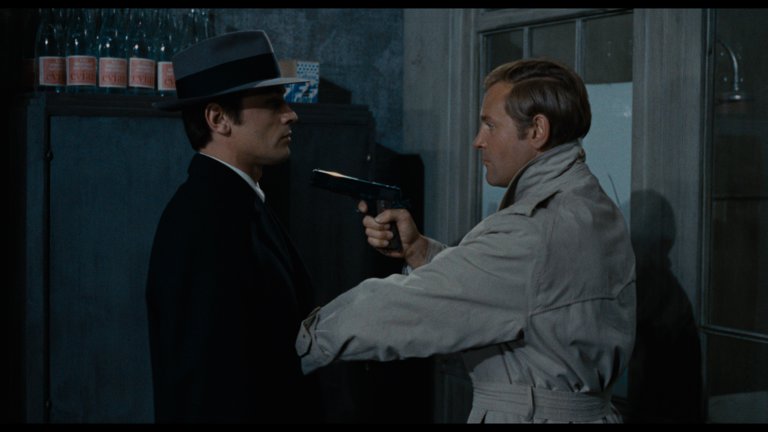
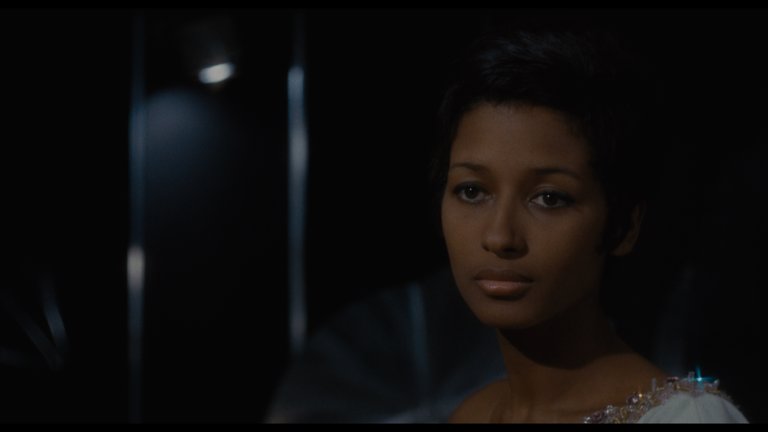
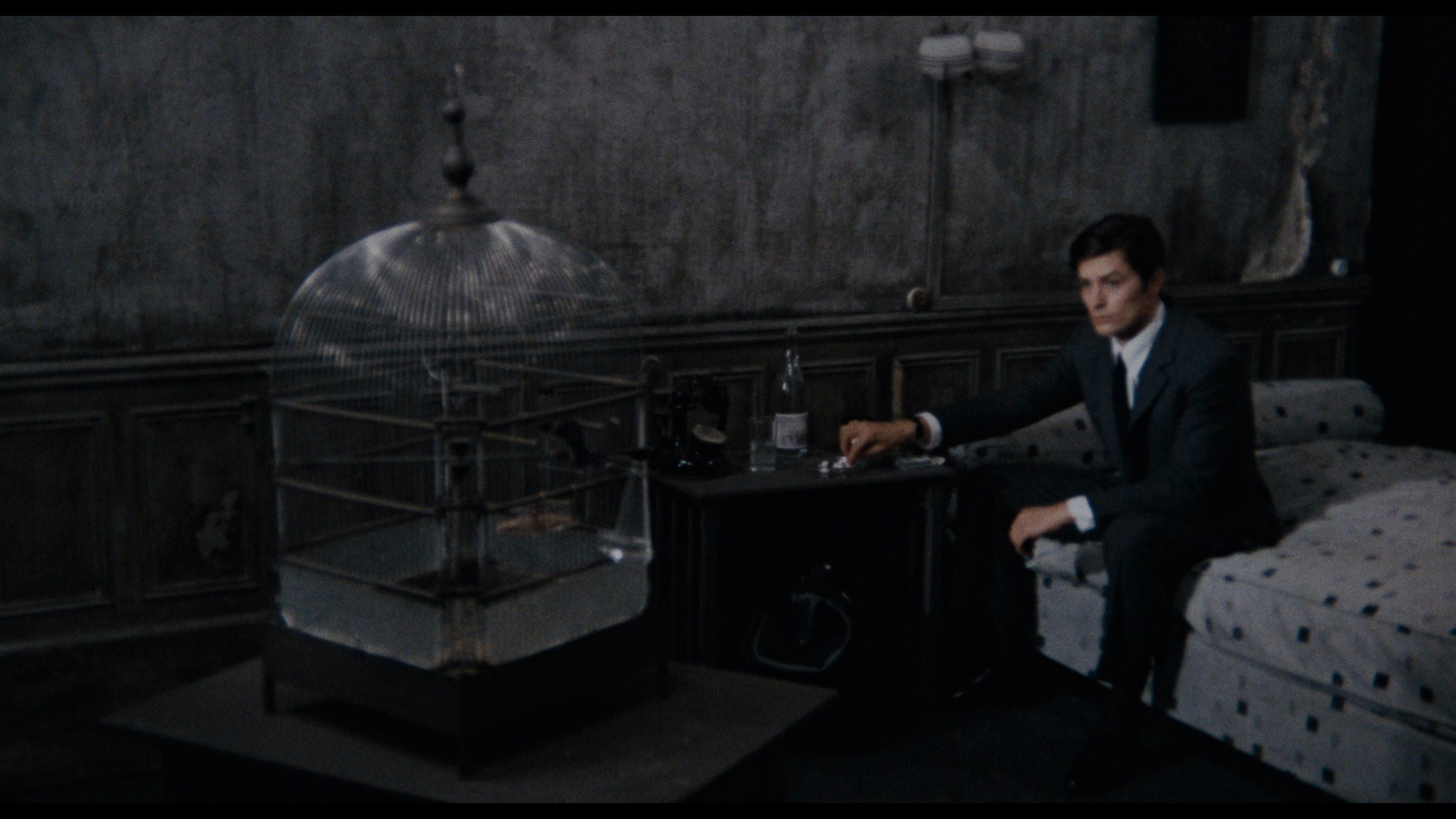
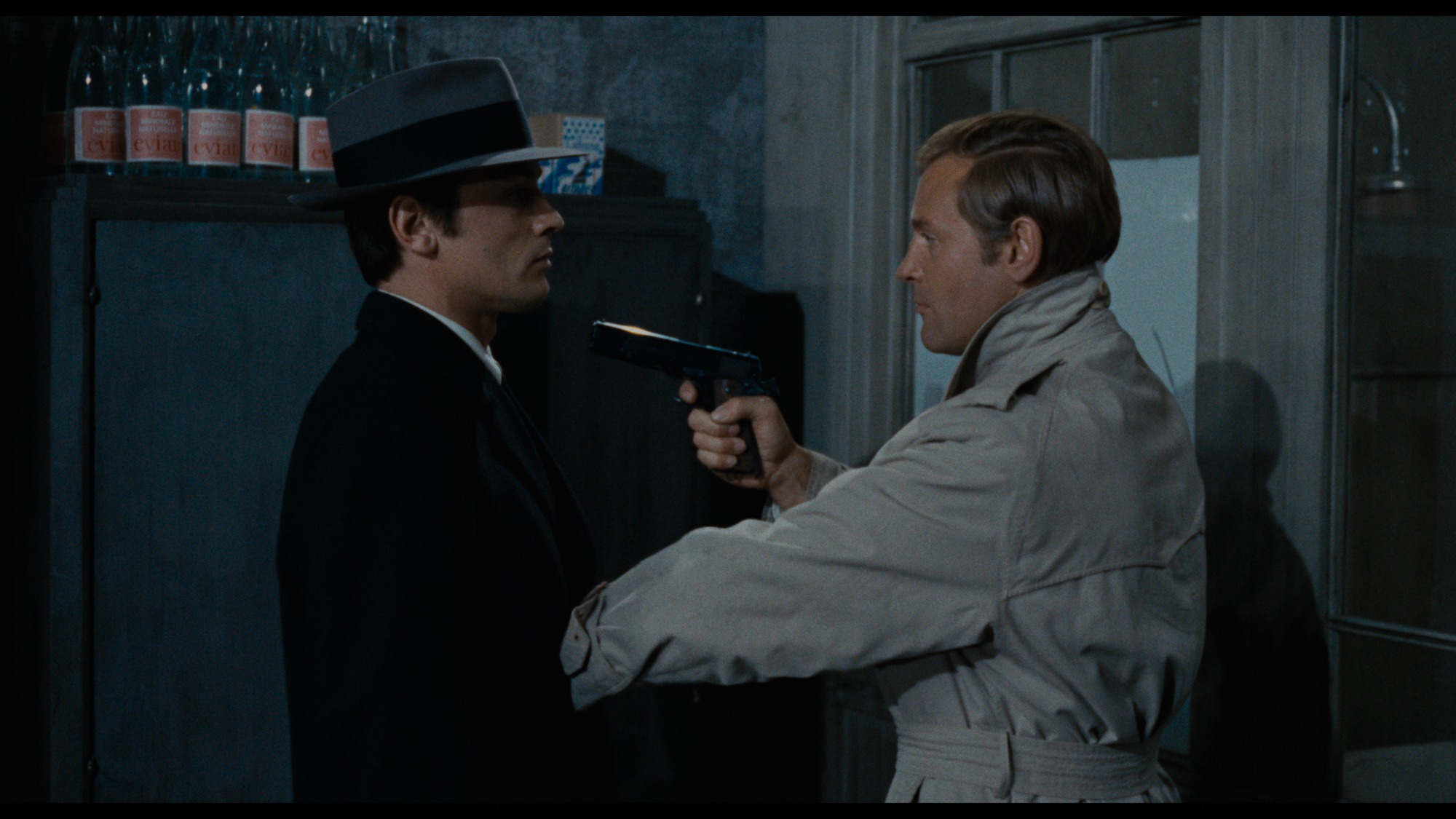
The Criterion Collection’s new 4K UHD edition for the film marks a drastic and clear improvement over their previous Blu-ray, which utilized a high-def master from the DVD era. This new release brings Melville’s classic to life with remarkable clarity and detail, outside of one glaring change. Focusing on the improvements, the image is substantially cleaner and sharper where the source allows, rendering film grain in a cleaner manner that leads to finer details and textures being quite a bit clearer. The image can go very fuzzy at times, which is where I’m guessing the interpositive comes into play, but things still retain a film-like quality, and these instances are few and far between.
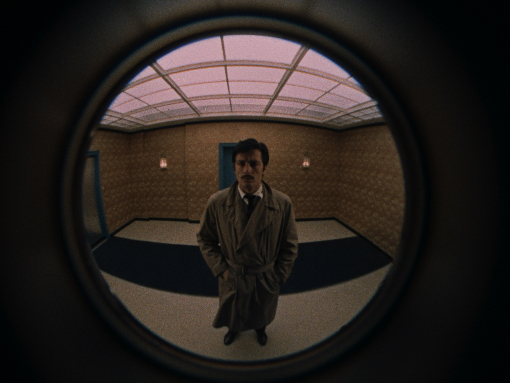
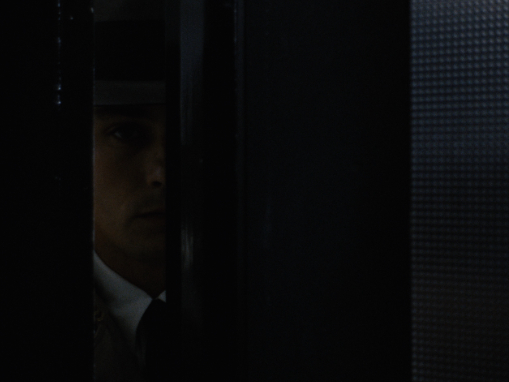
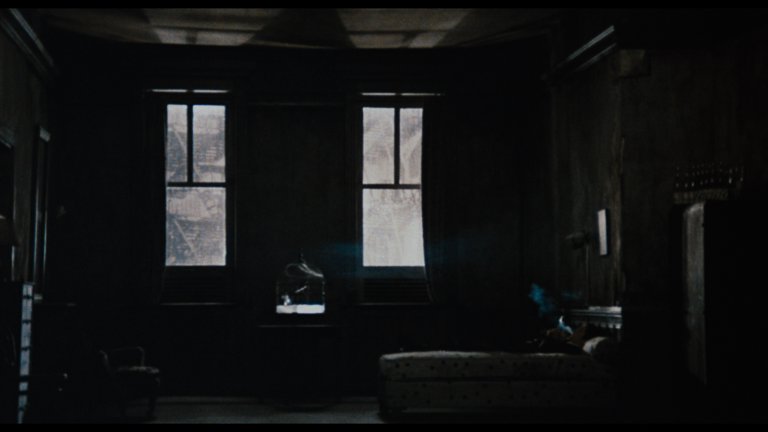
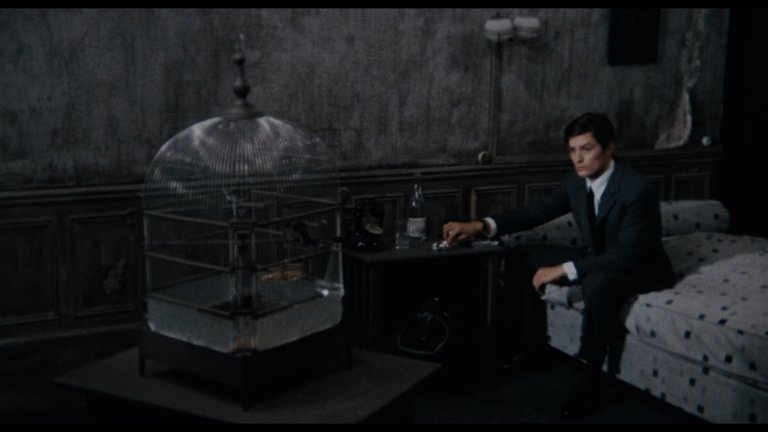
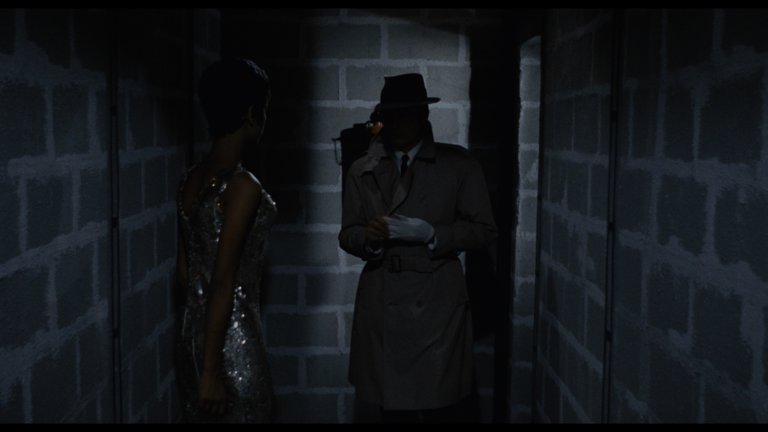
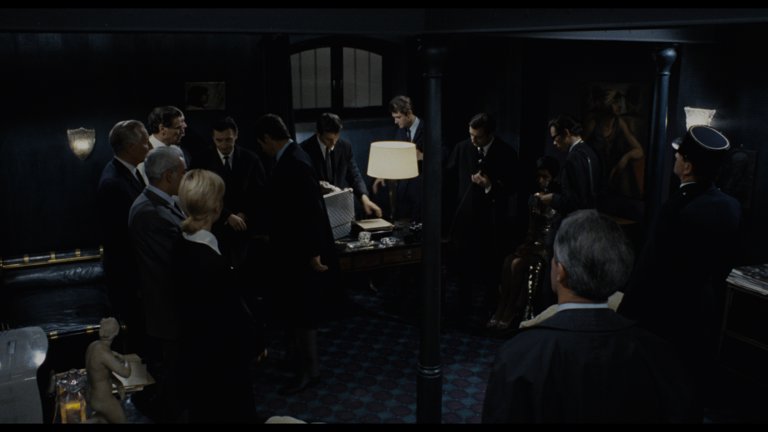
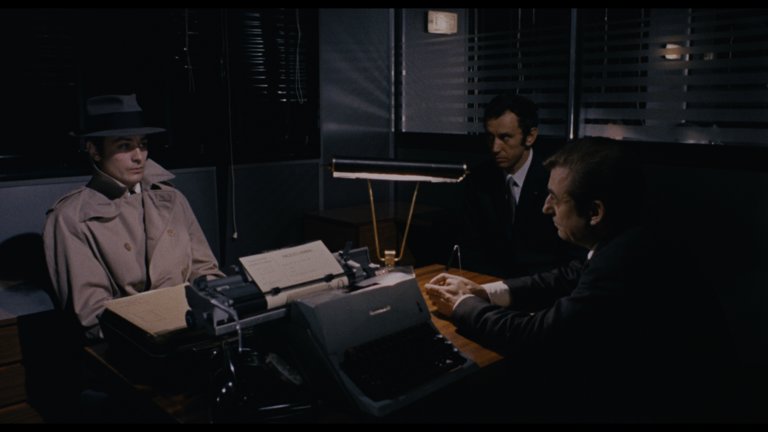
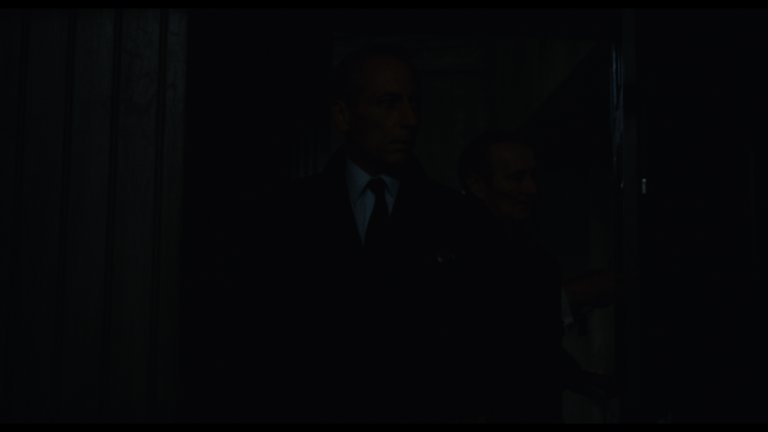
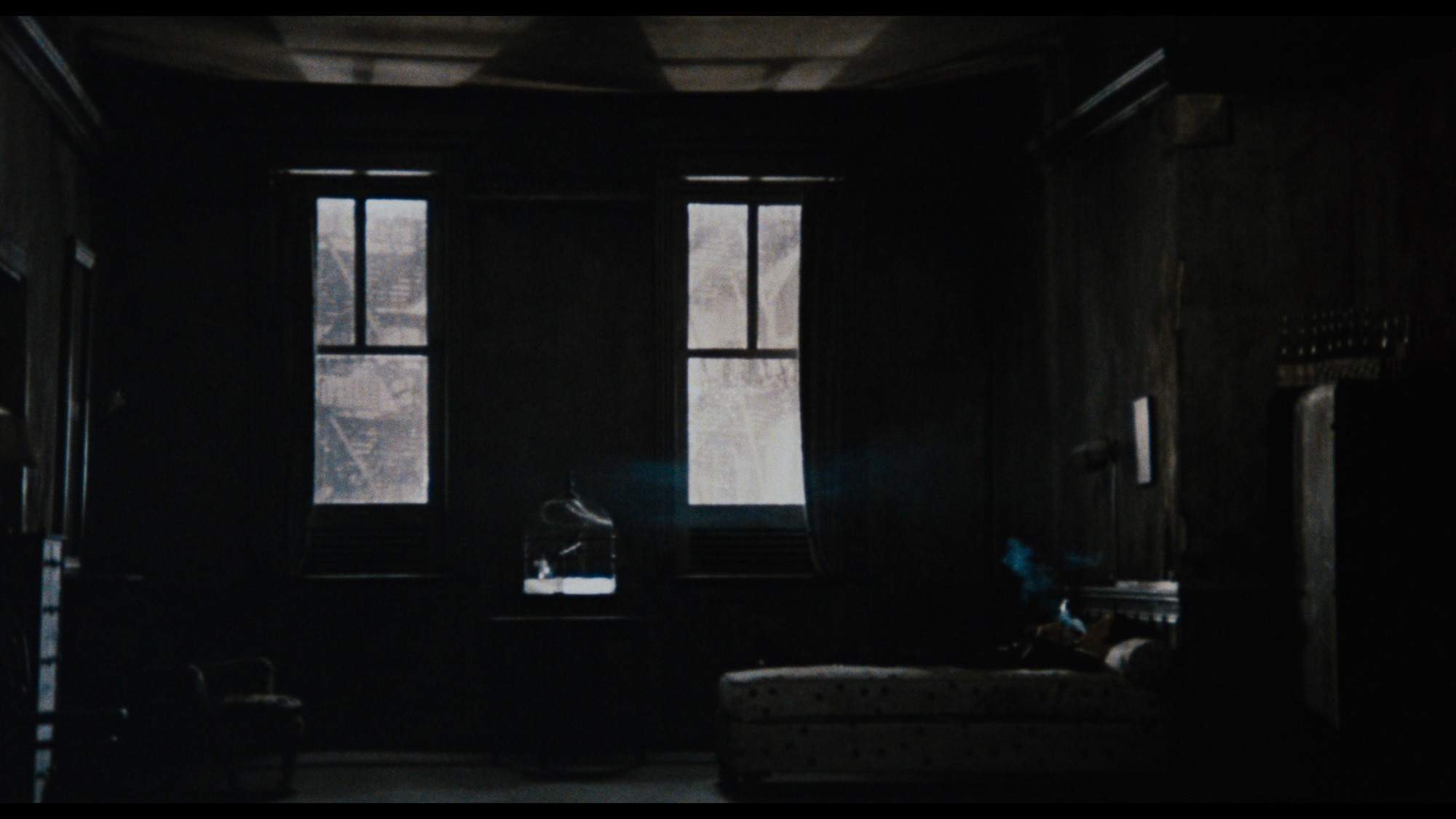
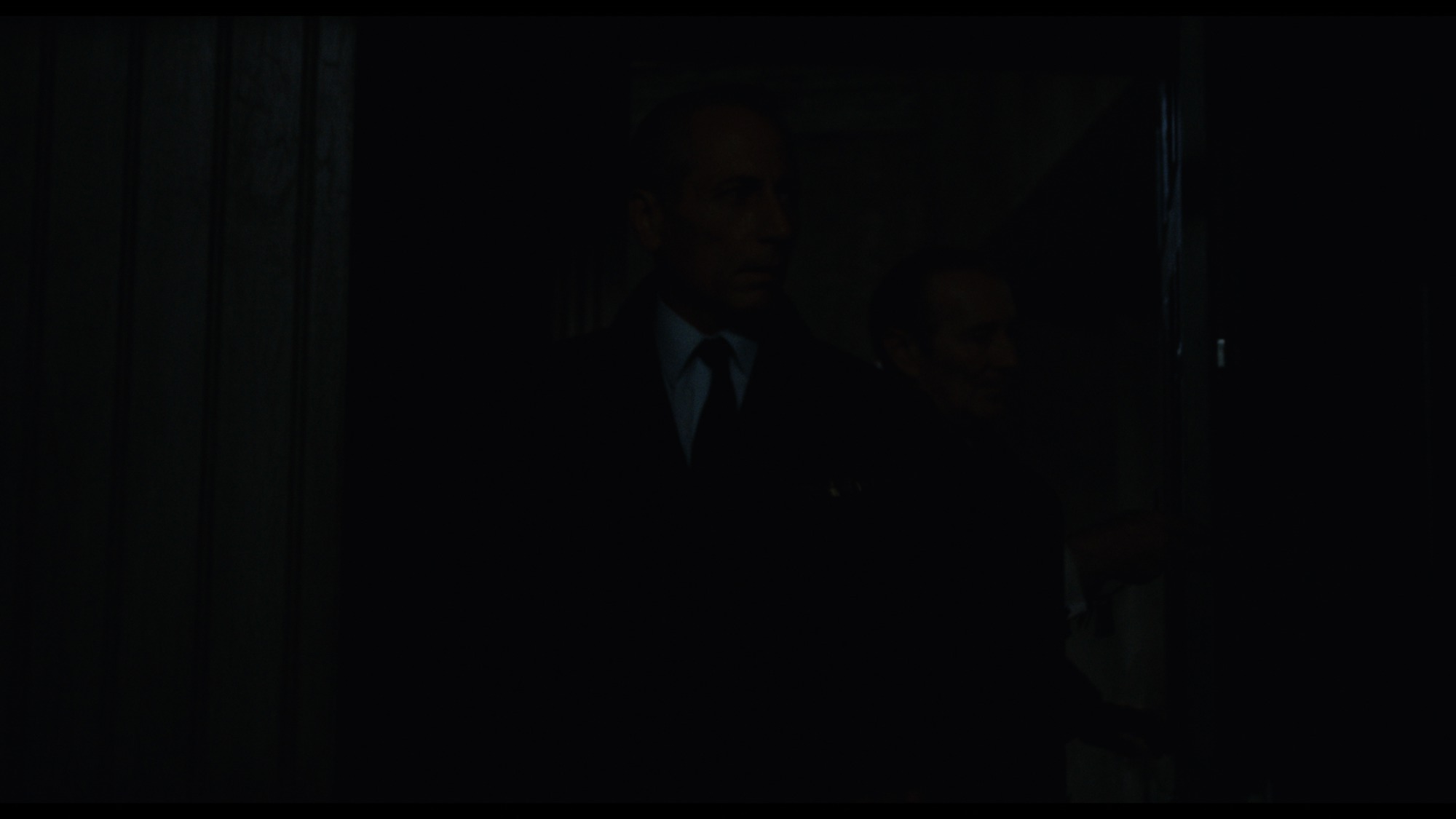
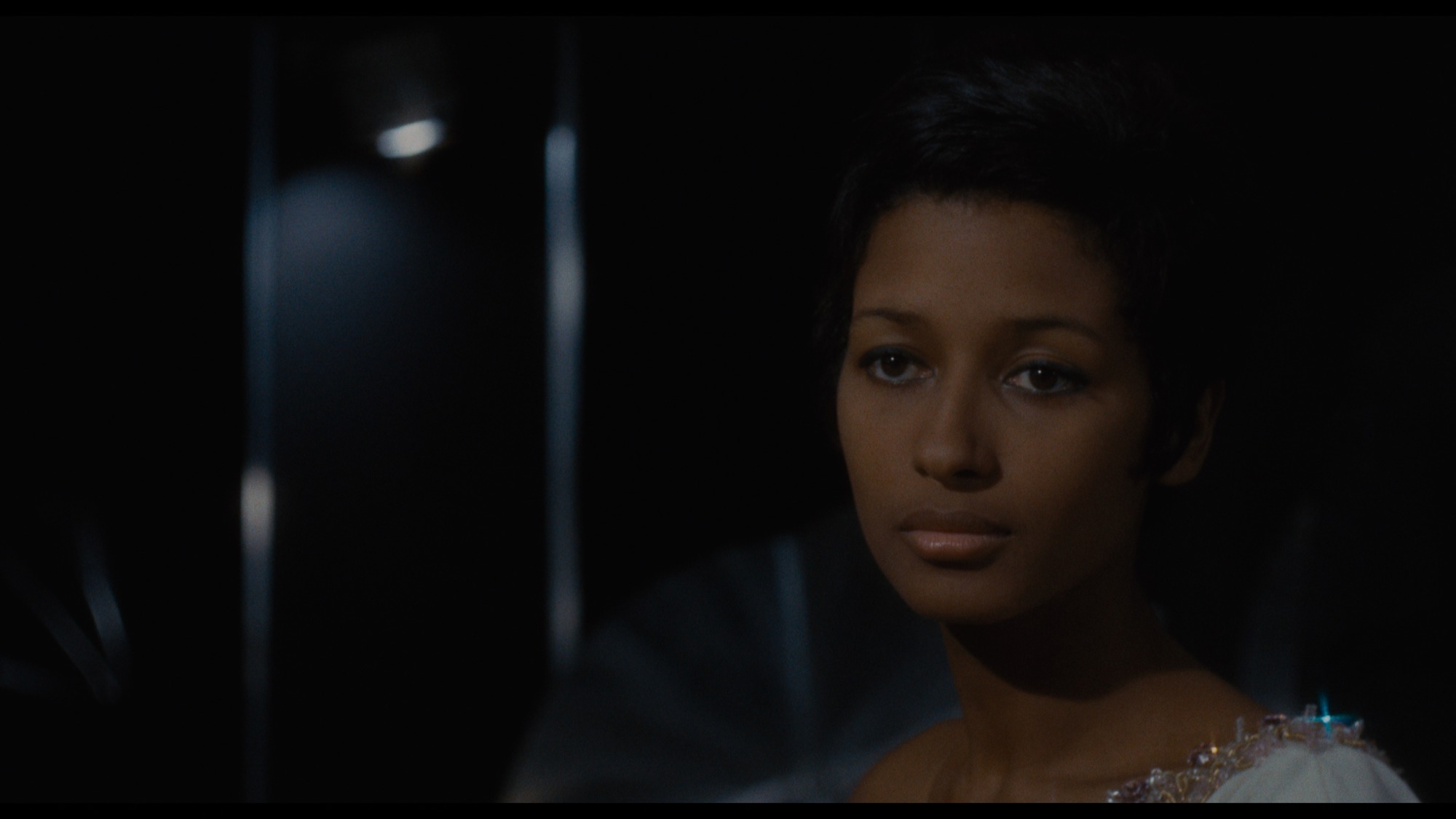
One of the most striking improvements in the 4K presentation is the enhanced brightness and contrast. The old Blu-ray version, optimized for SDR, often flattened these elements to maintain clarity, resulting in some scenes appearing brighter than they probably should be. A notable example is the darkened apartment scene where two cops plant bugs. On the Blu-ray, this scene appears much brighter, looking closer to late afternoon than night. However, the 4K presentation, thanks to HDR, rectifies this by delivering what I have to assume is a more accurate representation. The scene is significantly darker, yet greater depth in the shadows and subtle highlights help maintain visibility without compromising the dimly lit setting. This improvement is consistent across several scenes, including the iconic opening shot of Alain Delon’s smoky apartment. This makes the film substantially darker, but the way the light is rendered provides a far more photographic quality compared to the Blu-ray. I thought it looked absolutely wonderful.
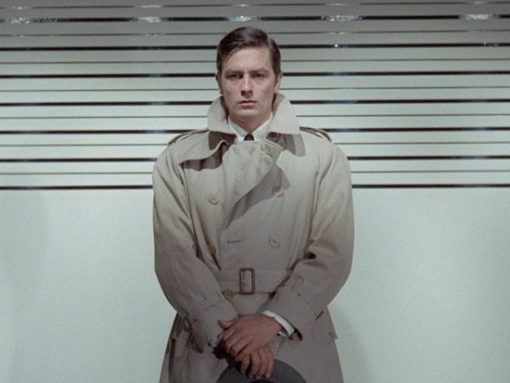
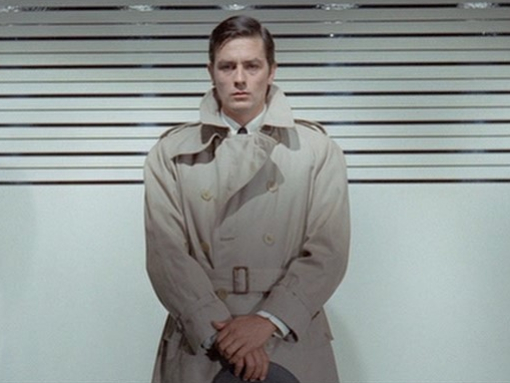
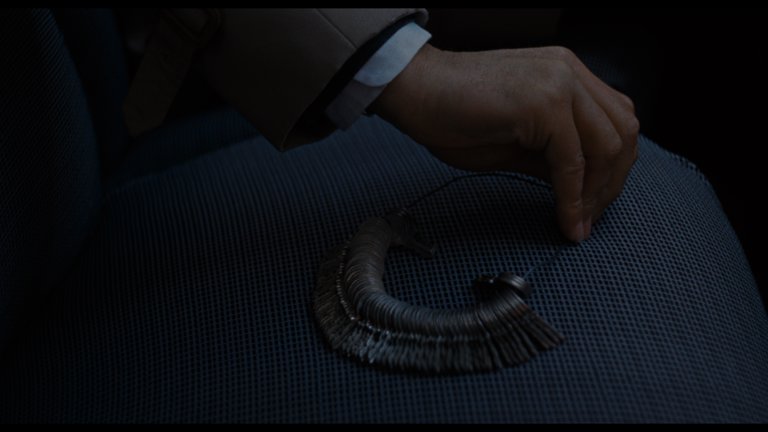
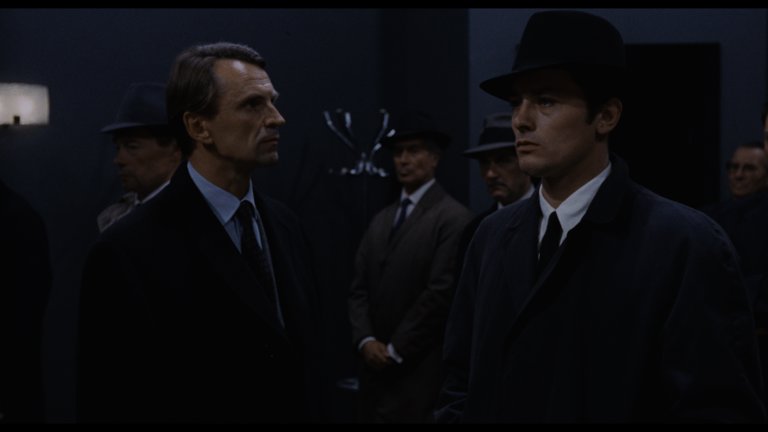
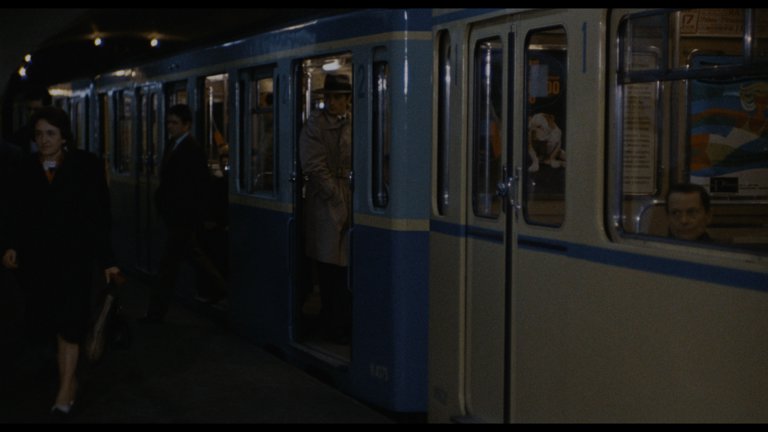
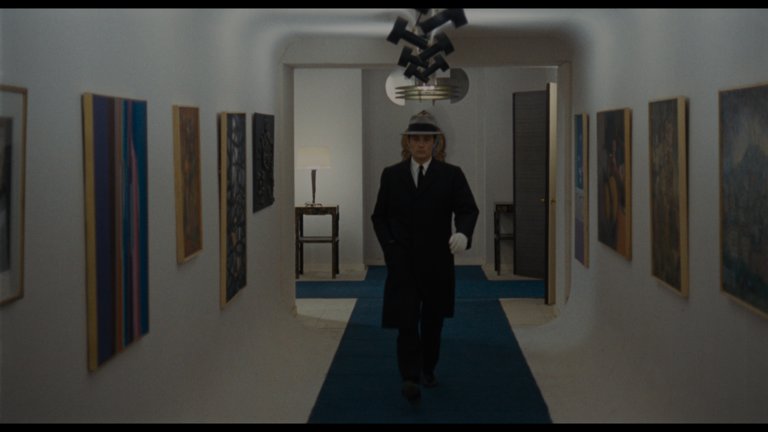
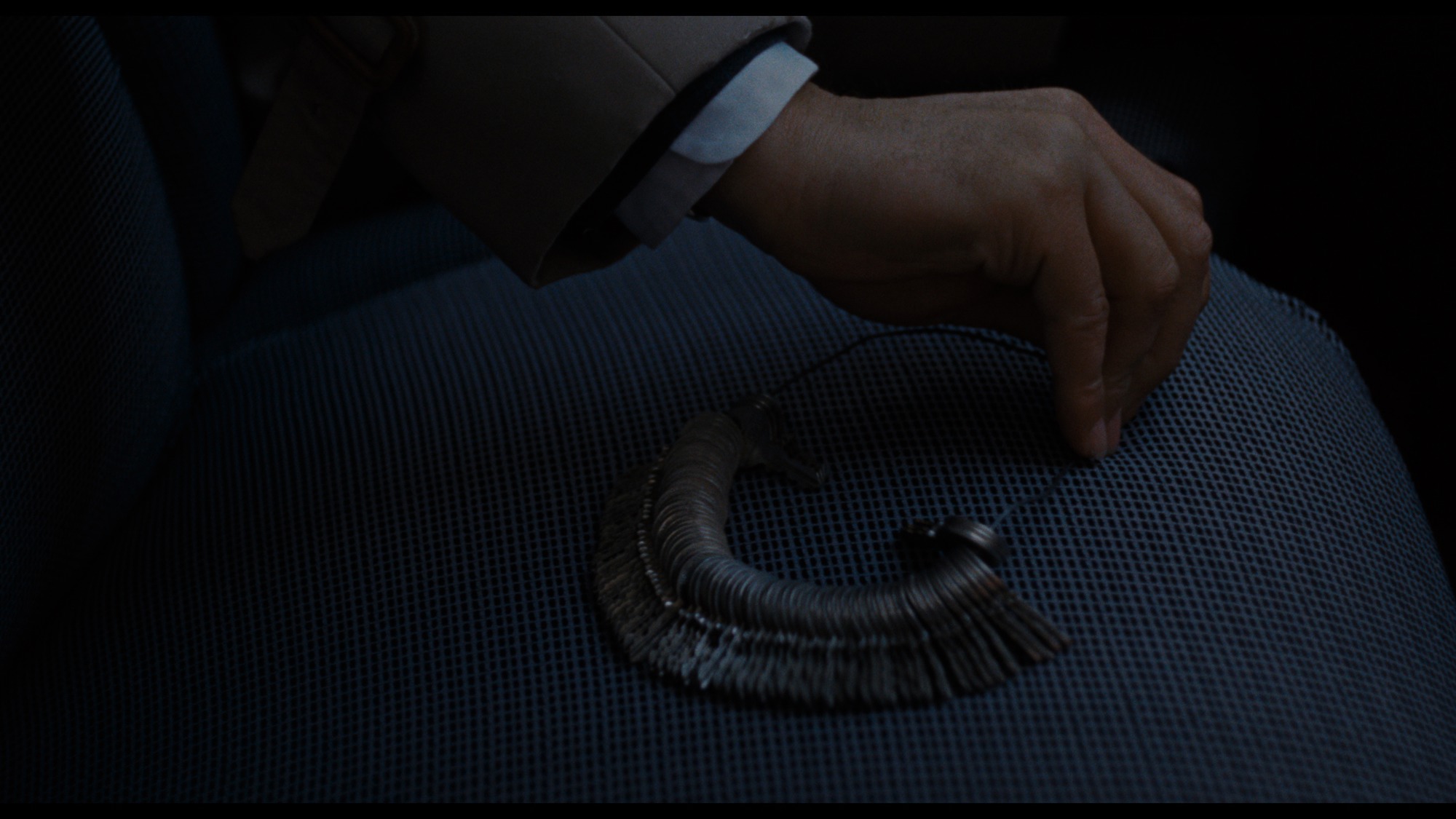
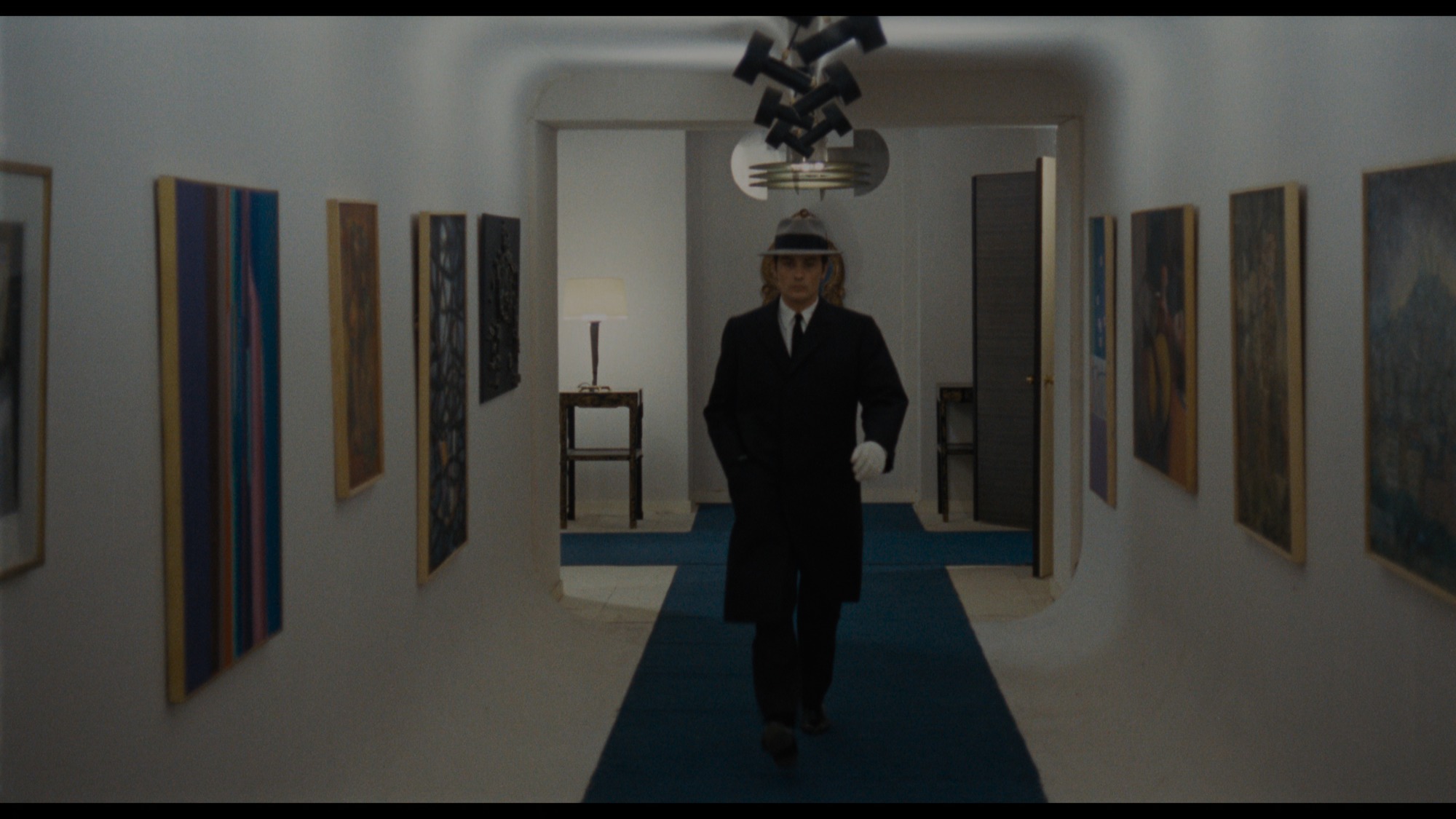
Where things possibly take a turn is in the film’s color grading, which looks far cooler, pushing everything toward blue. The reasoning for this may have to do with Melville’s apparent desire to make what he felt were black-and-white films in color, and one can see evidence of this in some of his other films, including Army of Shadows and Le cercle rouge, even if the jury is still out on how successful restorations for those films turned out. In this case, it ends up being a rather drastic change. Though the previous presentation was also monochromatic in its color scheme, the colors still leaned warmer.
This will probably turn off some, though if I’m being honest, I actually kind of liked it. I think HDR helps in this area as well by expanding the range in those blues and whatever other colors work their way through. The colors looked flat in the old presentation and they come off a bit more vibrant here, with flesh tones looking less pasty. I even thought whites looked pretty good.
I can’t say if this is the definitive version or represents what Melville wanted, but I didn’t find it all that problematic and I think it works. On the whole, I was very pleased with this new presentation.
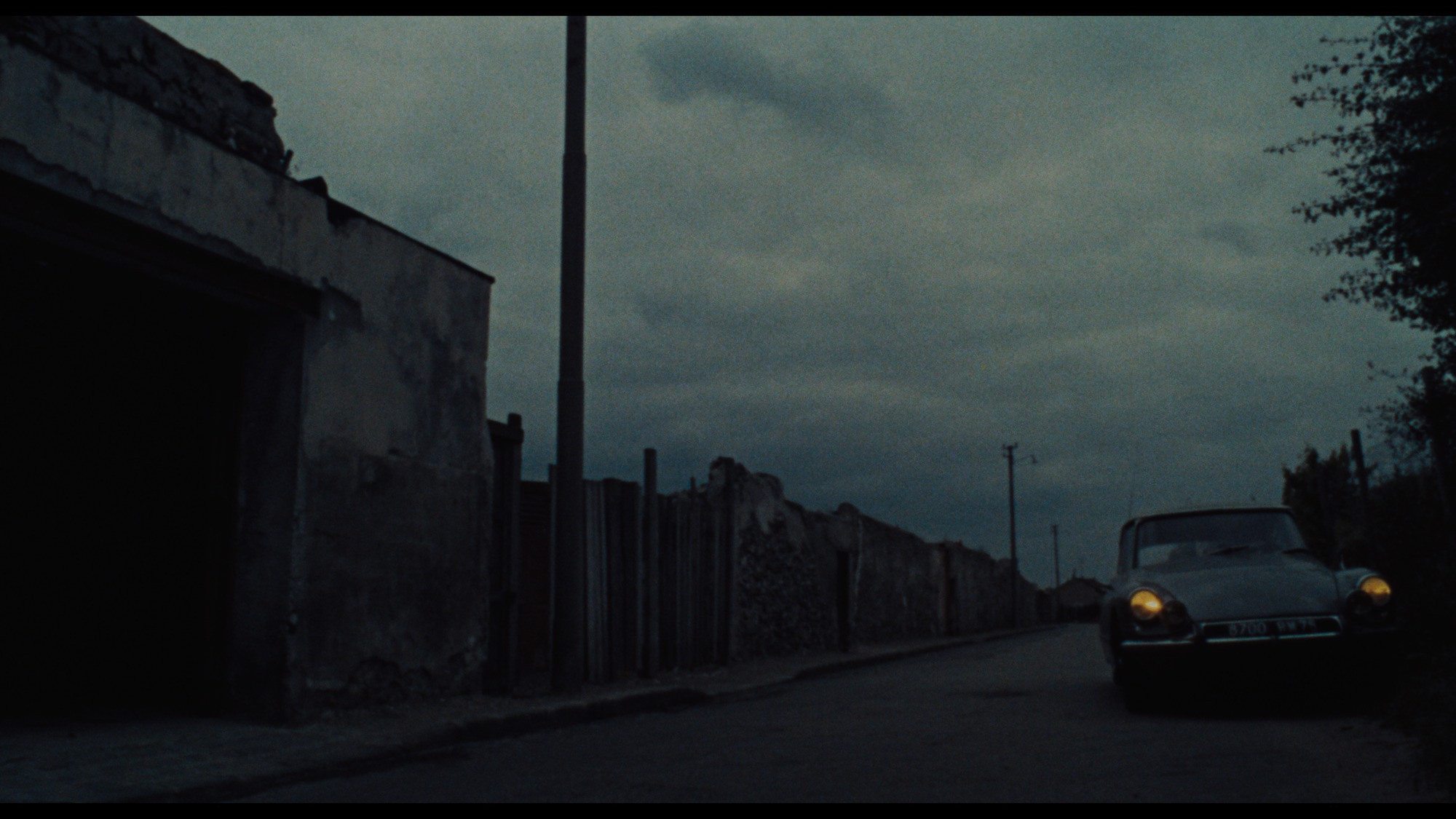
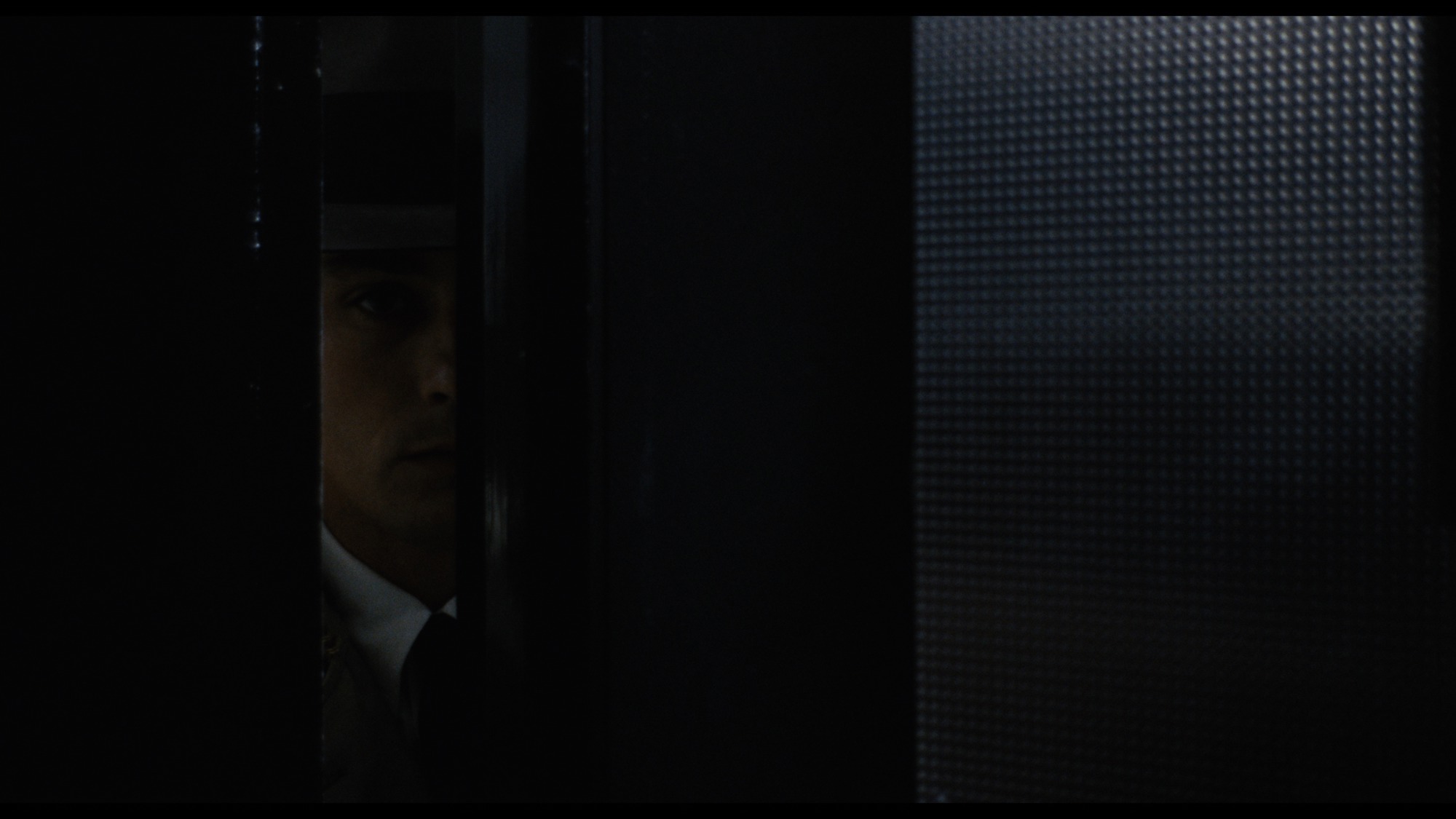
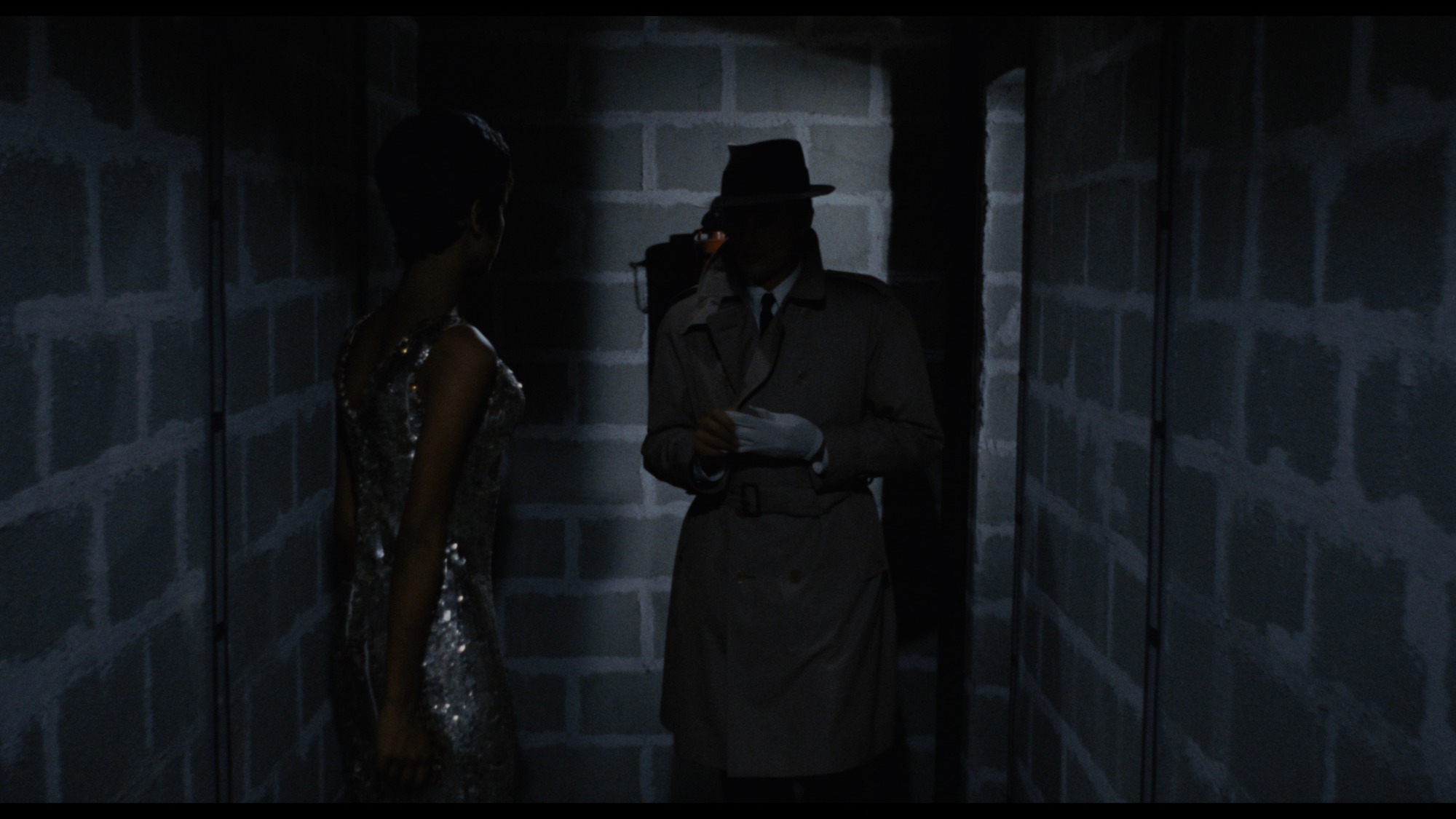
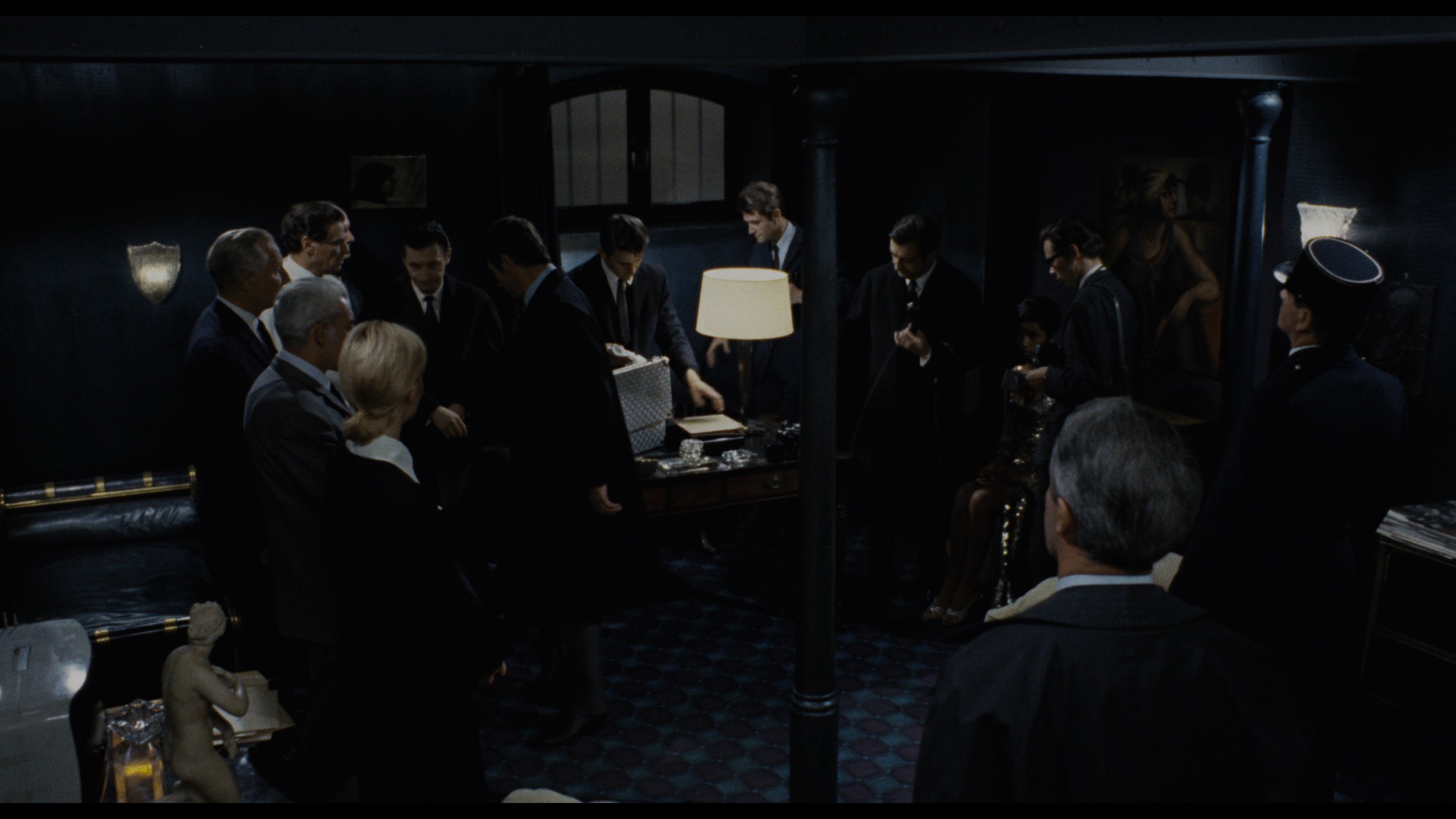
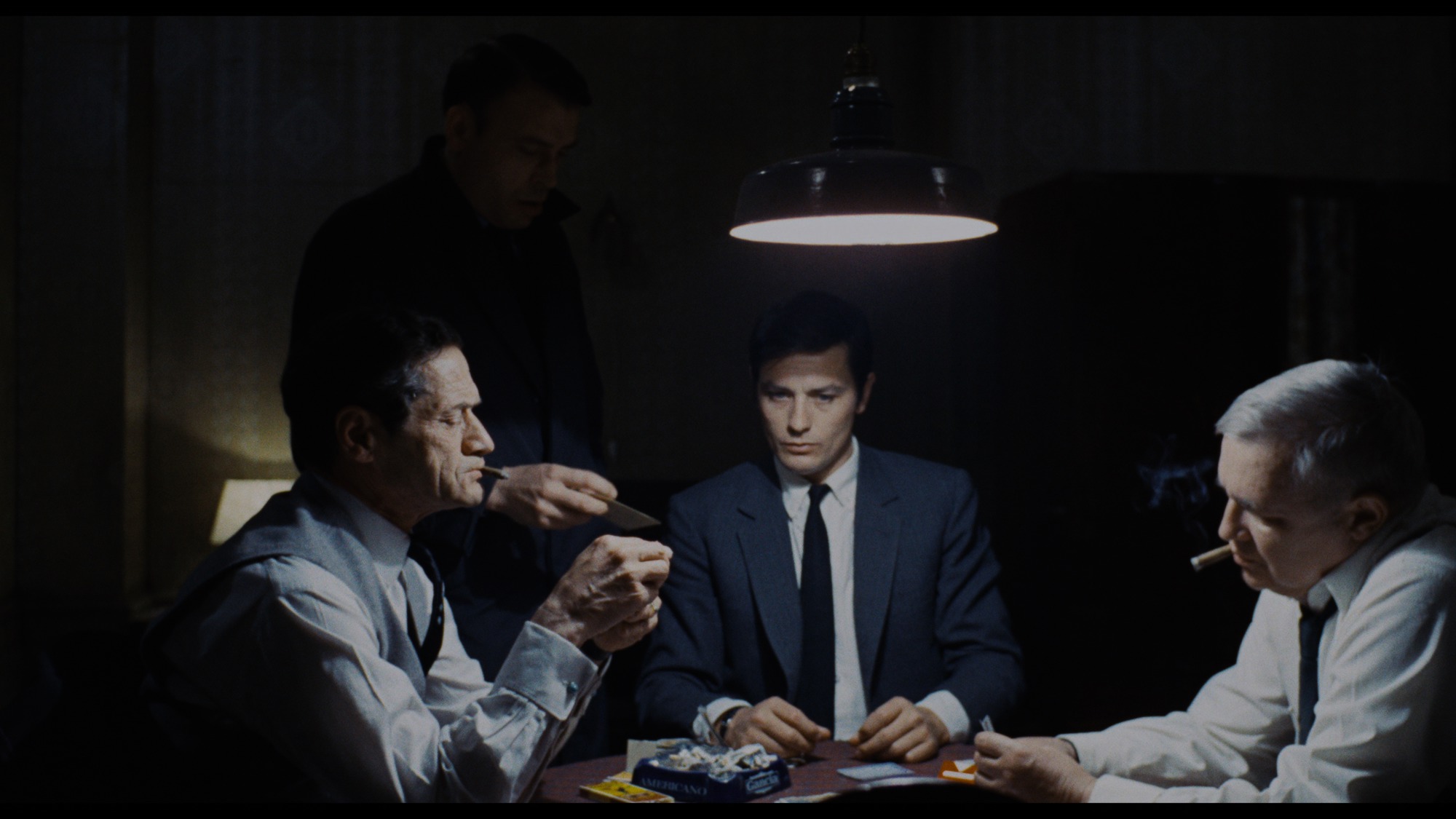
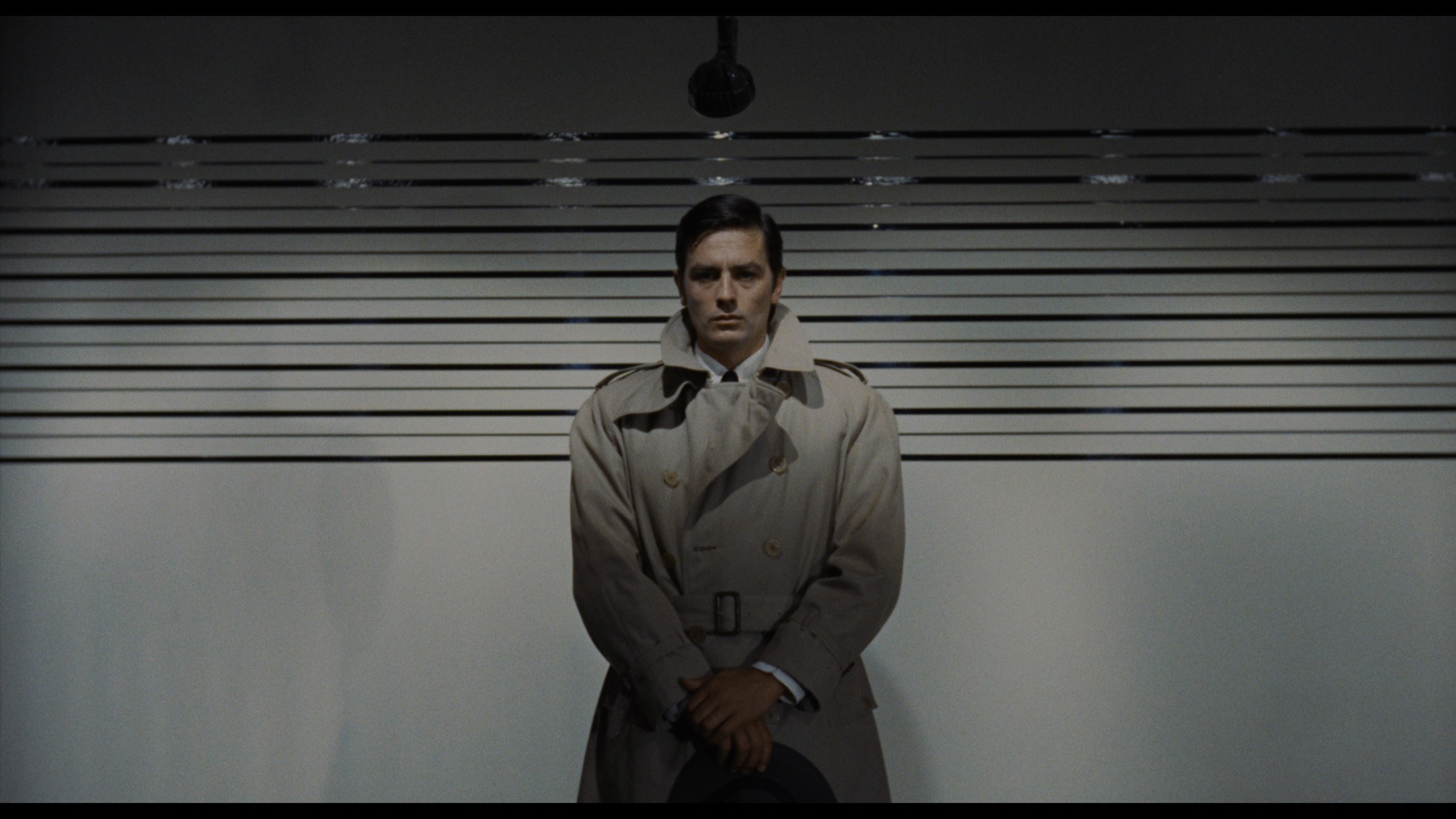
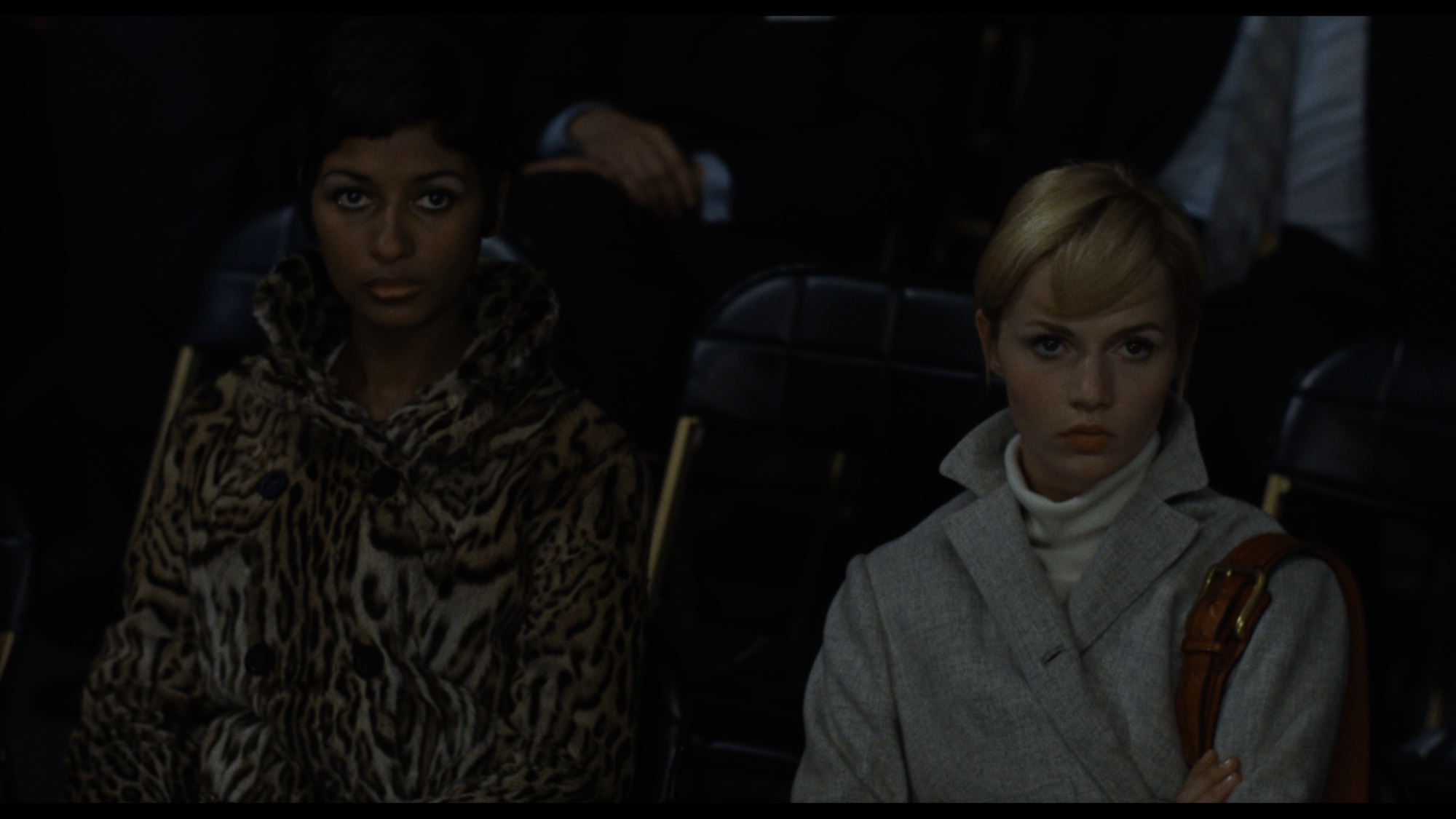
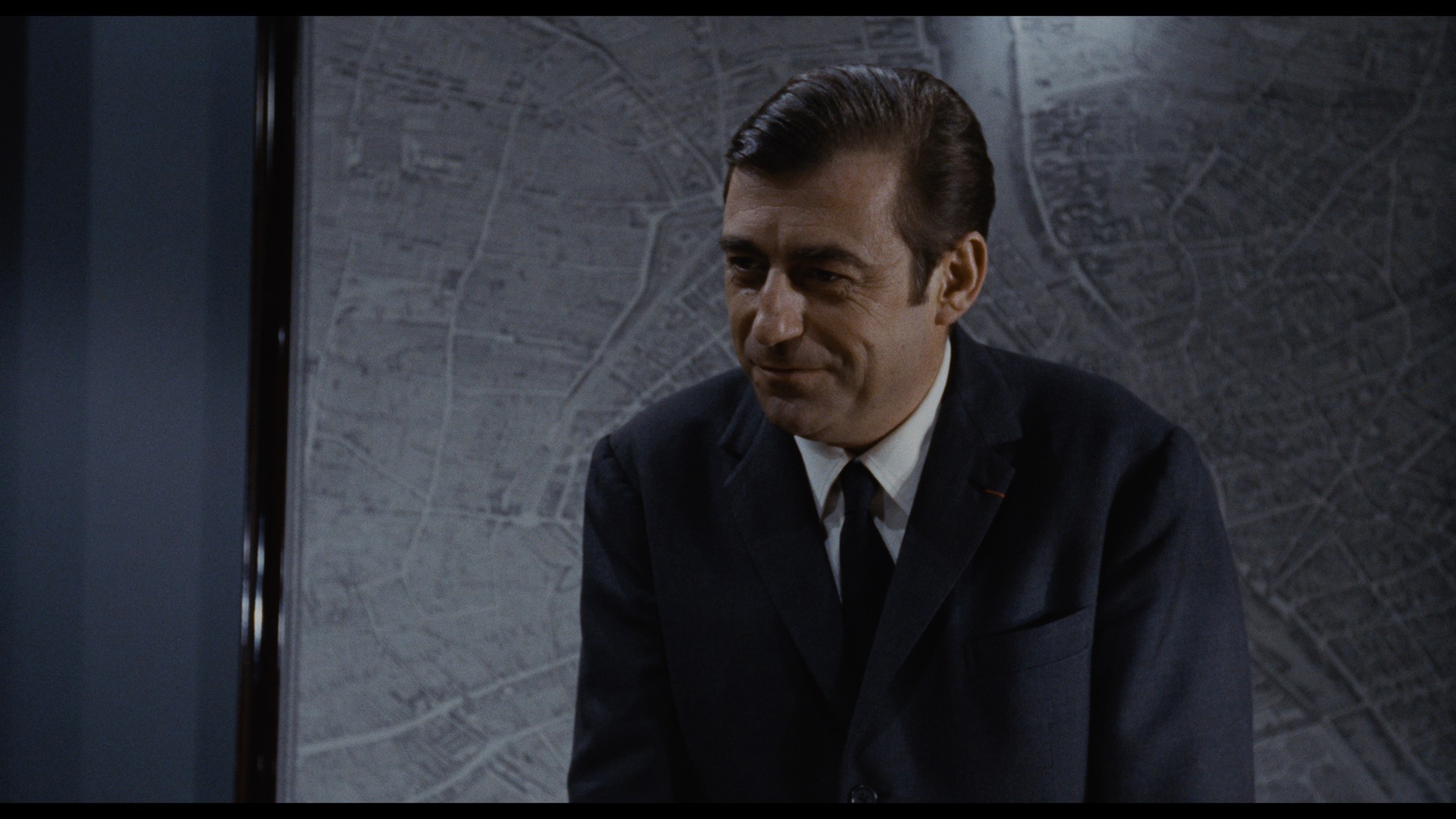
Audio 6/10
The film’s audio, once again delivered in lossless PCM monaural, sounds clean. However, it remains a fairly flat track with limited range, though this seems more by design than anything else. The club scenes and some street scenes exhibit a wider range, but most other scenes are fairly one-note.
Extras 6/10
Criterion includes a standard Blu-ray containing all the release’s features alongside a 1080p film presentation. This disc replicates the 2017 Blu-ray edition, using the older high-definition presentation with the previous color grading.
First up are two interviews under "Authors on Melville," featuring critic Rui Nogueira, author of 1971’s Melville on Melville, and scholar Ginette Vincendeau, who wrote 2003’s Jean-Pierre Melville: An American in Paris. Nogueira, who praises Le samouraï as Melville’s masterpiece, discusses the film’s production and Melville’s broader body of work, including his studio (which unfortunately burned down). Vincendeau’s interview, longer at 19 minutes compared to Nogueira’s 13, is probably more in-depth. She talks about the American films that likely influenced Melville, his work with actors like Delon, Jean-Paul Belmondo, and Lino Ventura, and breaks down a few sequences in Le Samouraï to analyze the editing style. Both interviews are decent, but Vincendeau’s contribution seems to have more substance.
"The Lineup" is a collection of archival interviews featuring Melville, Delon, Nathalie Delon, Cathy Rosier, and François Périer. Périer’s contribution appears to be from 1982, while the others are from 1967, around the time of the film’s release. Rosier discusses the potential of her acting career and her realization that it might be short-lived. Nathalie Delon reflects on her own acting prospects, unsure if it's something she truly wants to pursue, while Delon praises Melville and the film. Melville occupies most of the montage, sharing his thoughts on filmmaking and his work. When asked about actors, he explains that it would be foolish to treat them poorly. Delon speaks highly of Melville in this regard, but amusingly, Périer, in his brief excerpt, describes Melville as an incredibly difficult director who was hard on his actors. These contradictions in supplements feel more honest and add a layer of authenticity.
New to this edition, though carried over from the French Pathé release, is the 23-minute documentary Melville-Delon: D’honneur et de nuit, featuring interviews with Melville’s nephews Laurent Grousset and Rémy Grumbach, Nogueira again, and filmmaker Volker Schlöndorff. Intercut with various Melville quotes, it explores the working relationship between Delon and Melville, with a special focus on Le Samouraï. The nephews share personal stories, adding a personal touch. While fine, it’s not wholly engaging, and I preferred the other supplements. However, for those curious about the Pathé Blu-ray and its poor reputation, there are clips from that restoration here, which, as mentioned above, are absolutely terrible.
The disc closes with the same lengthy trailer found on all of Criterion’s previous releases. This edition also includes a booklet similar to the previous Blu-ray’s, featuring a wonderful essay on the film by David Thomson, a reprint of an appreciation for Melville written by director John Woo, and excerpts from Nogueira’s Melville on Melville with the director focusing on Le samouraï. It’s a great booklet that adds a lot, and I’m thankful Criterion still sees it’s all worthy to over.
Overall, the supplements still feel a bit slim considering the film’s stature, but the content is mostly good.
Closing
Color grading aside, this new 4K presentation is a clear and significant improvement over Criterion's previous presentations. I thought it was a knockout.
BUY AT: