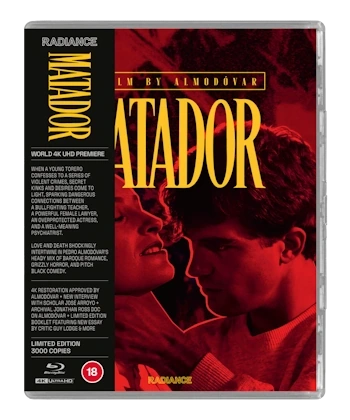
Matador
See more details, packaging, or compare
Synopsis
When a young torero confesses to a series of violent crimes he hasn’t committed, secret kinks and desires come to light, sparking dangerous new connections between a bullfighting teacher, a powerful female lawyer, an overprotected actress, and a well-meaning psychiatrist. Love and death shockingly intertwine in Pedro Almodóvar's heady mix of baroque romance, grisly horror, and pitch black comedy. Inspired by King Vidor’s epic western of sensual passion Duel in the Sun, Matador is among the Spanish director’s sexiest, most provocative films, a striking look at the roots of lust and violence.
Picture 8/10
Radiance presents Pedro Almodóvar's Matador on 4K UHD, presenting the film in its original aspect ratio of 1.85:1 on a dual-layer BD-66 disc. The SDR 2160p/24hz ultra high-definition presentation is sourced from a new restoration scanned from the 35mm original camera negative. The release also includes a standard Blu-ray featuring a 1080p presentation of the film alongside all video supplements.
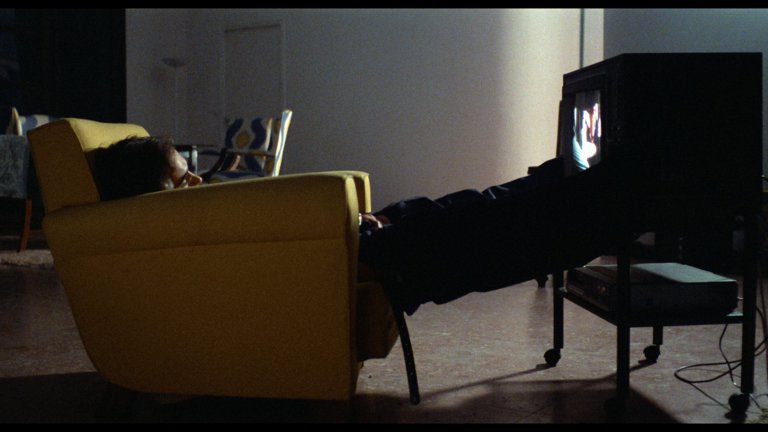
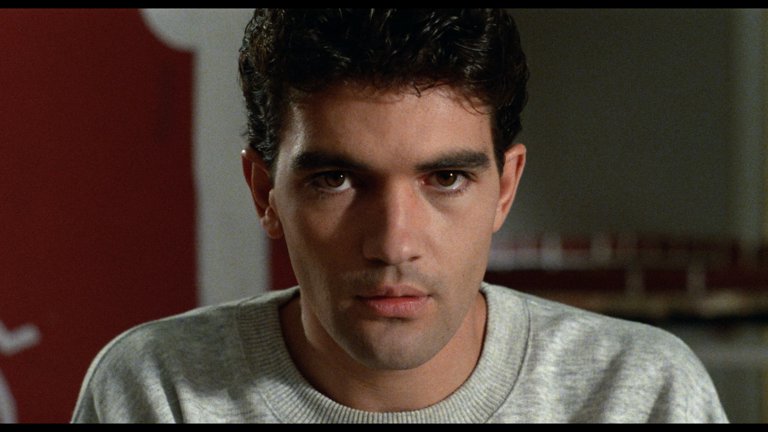
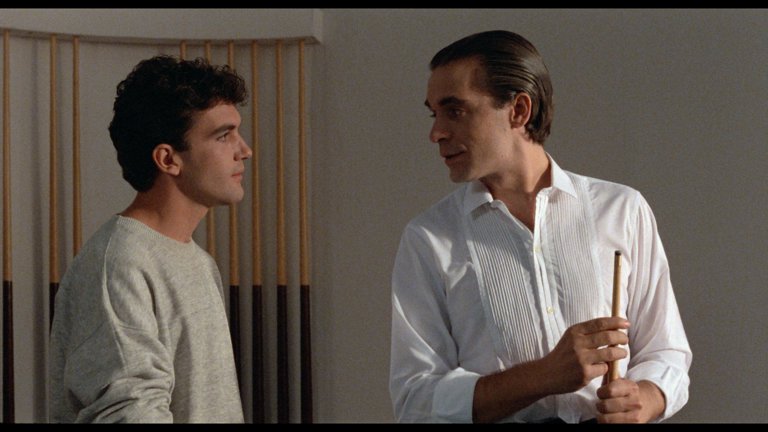
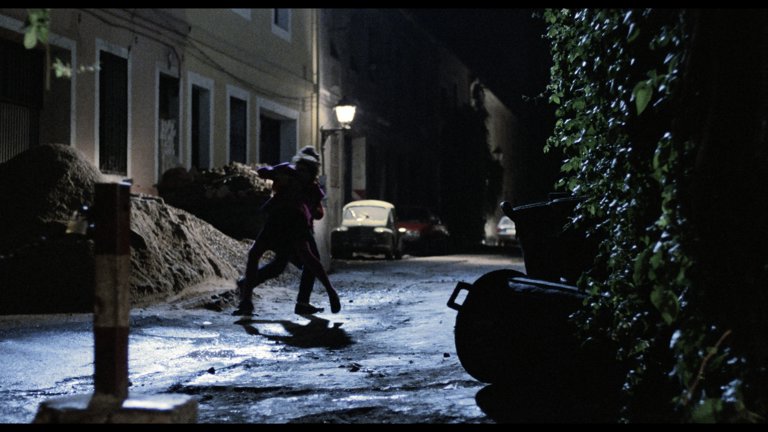
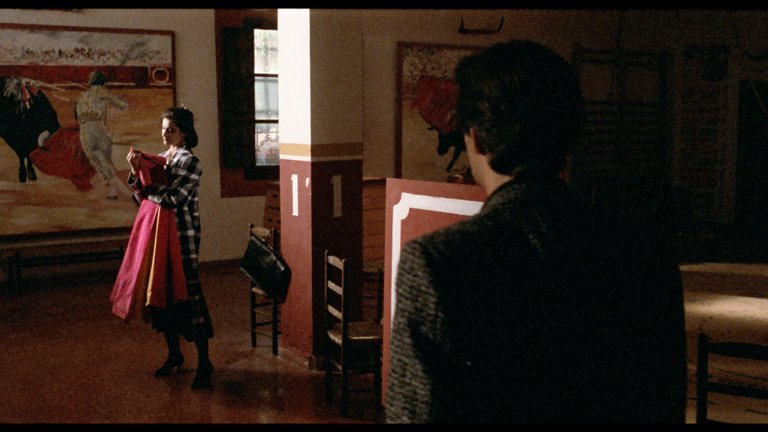
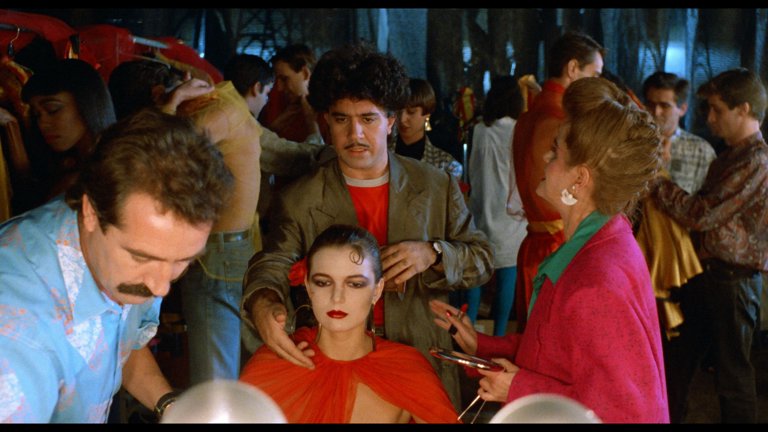
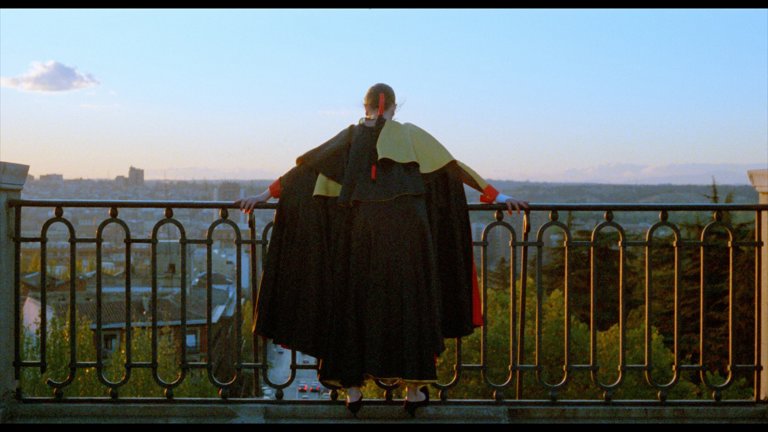
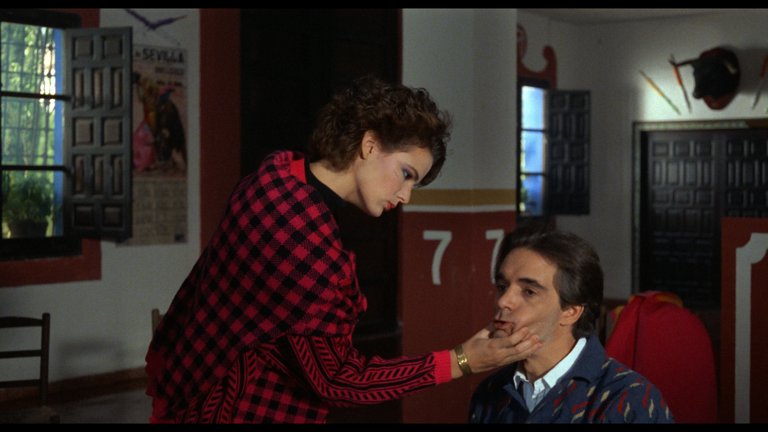
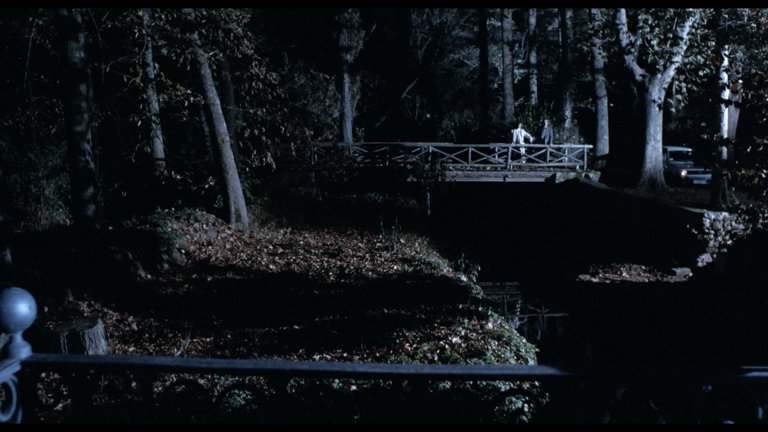
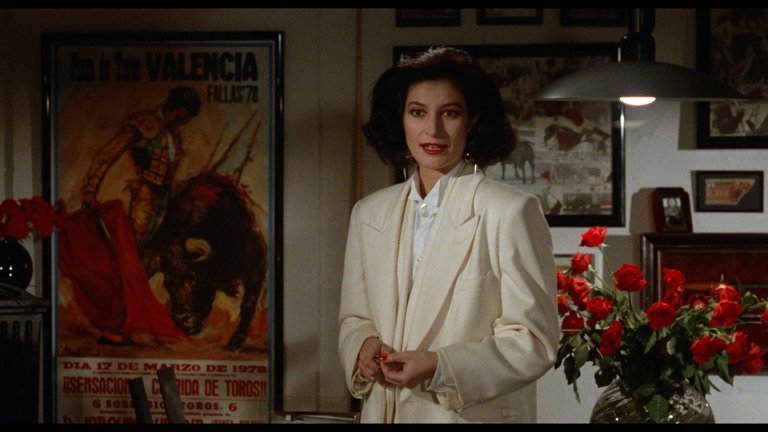
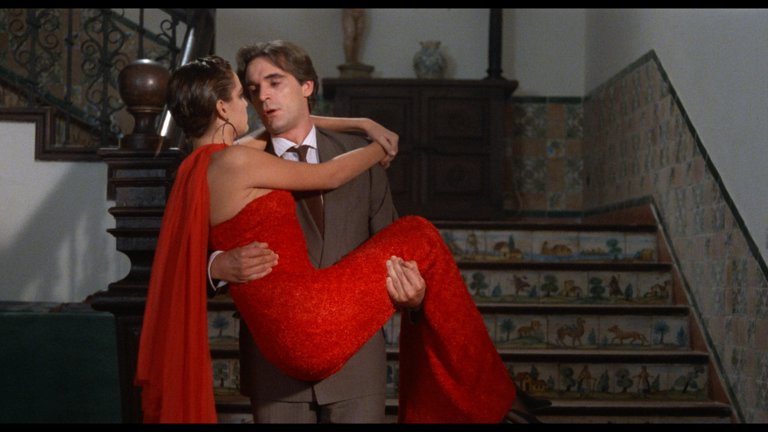
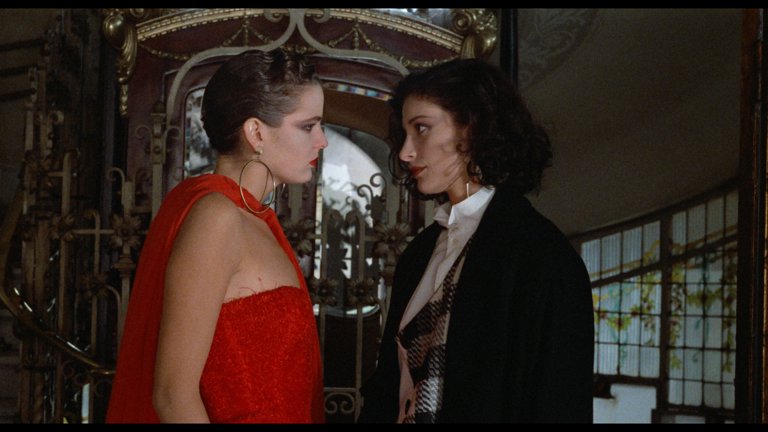
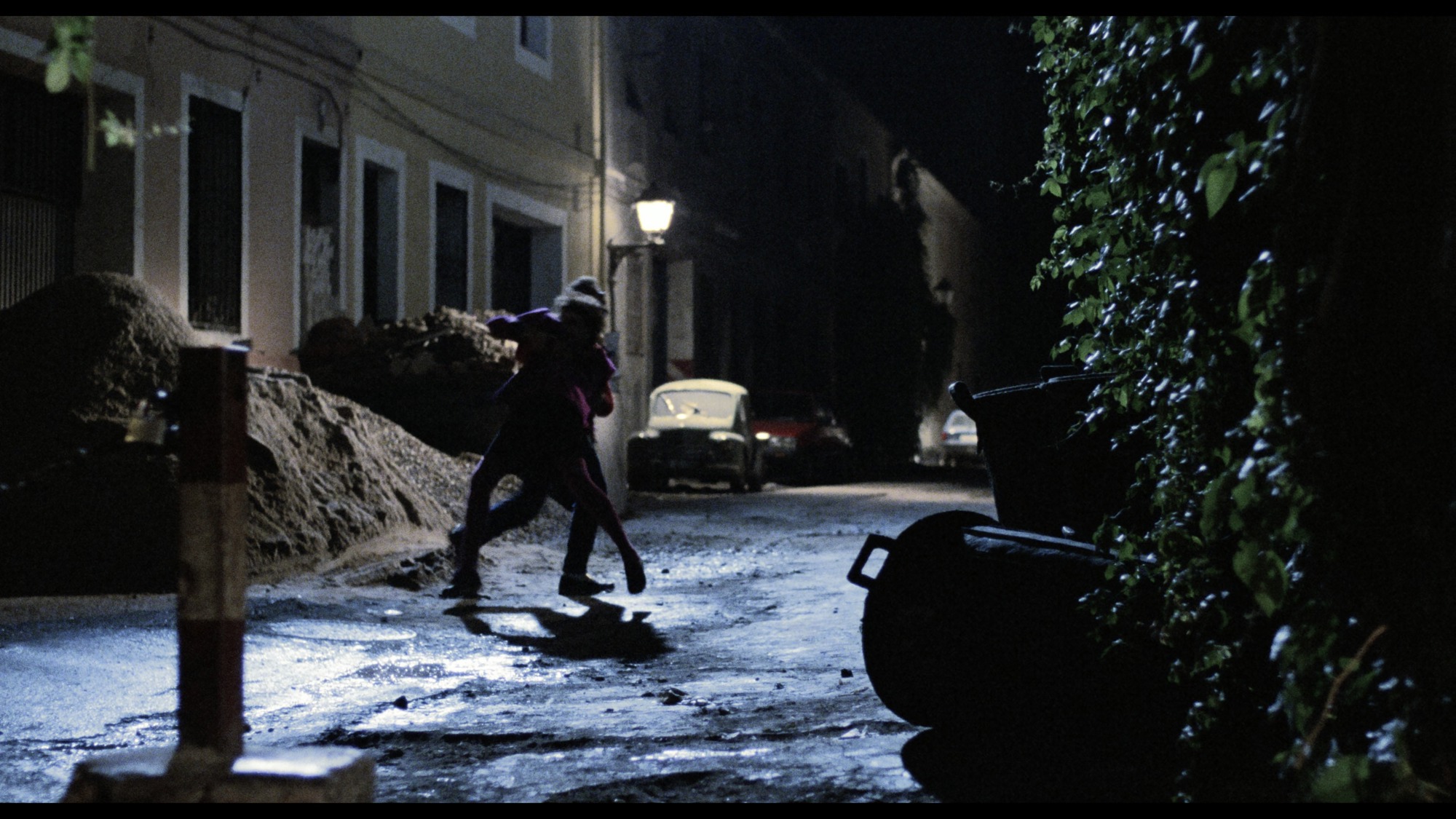
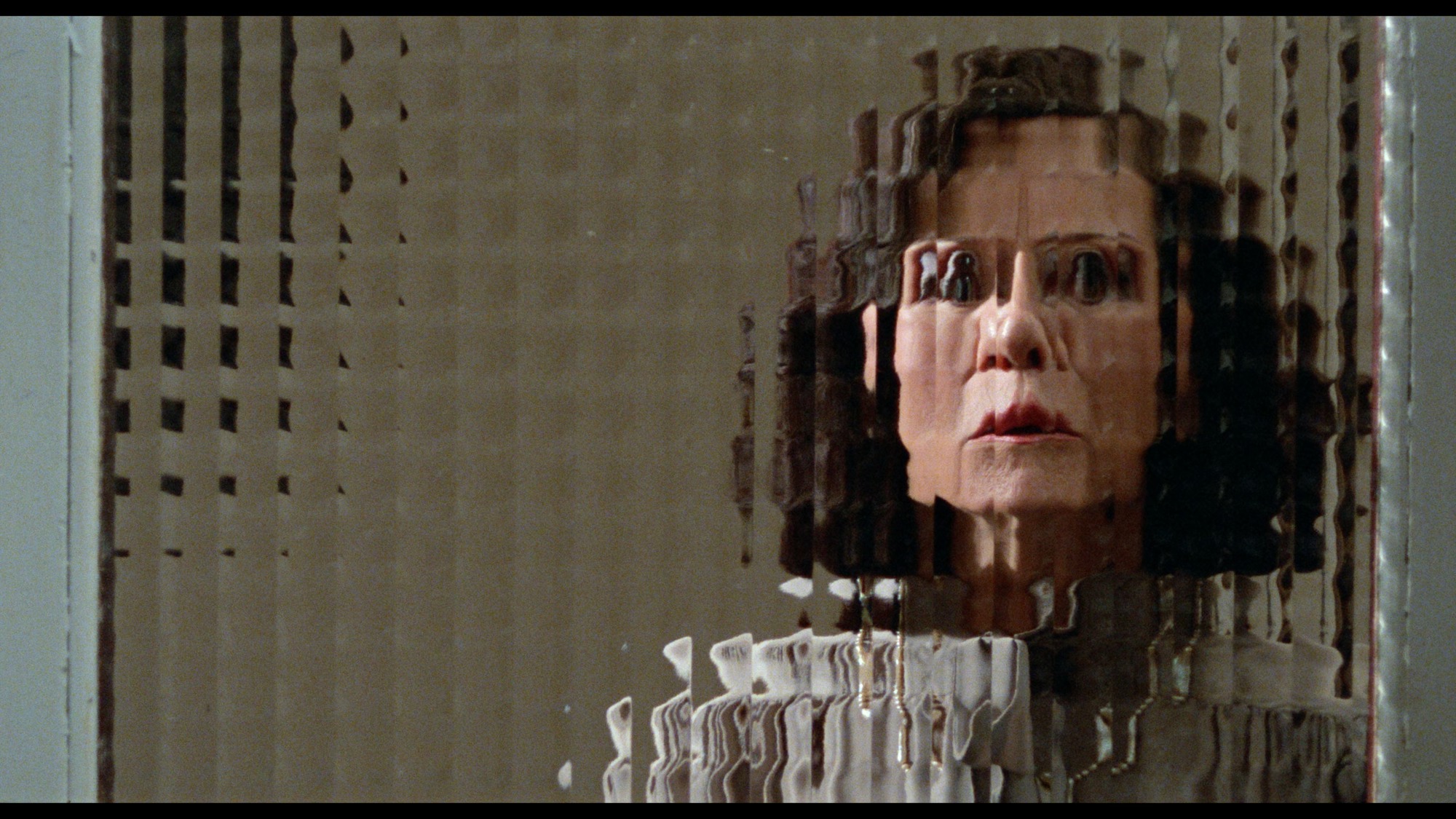
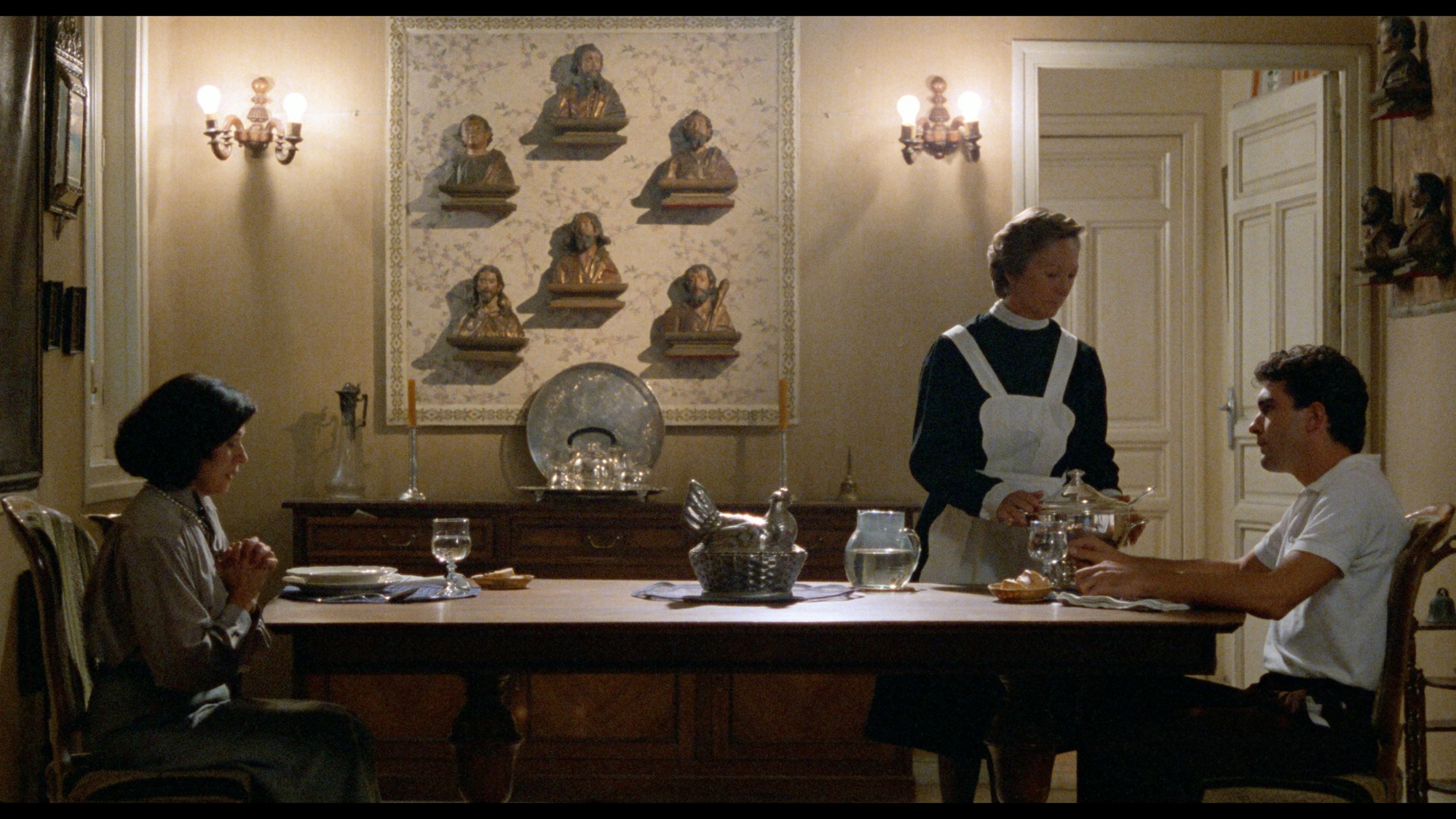
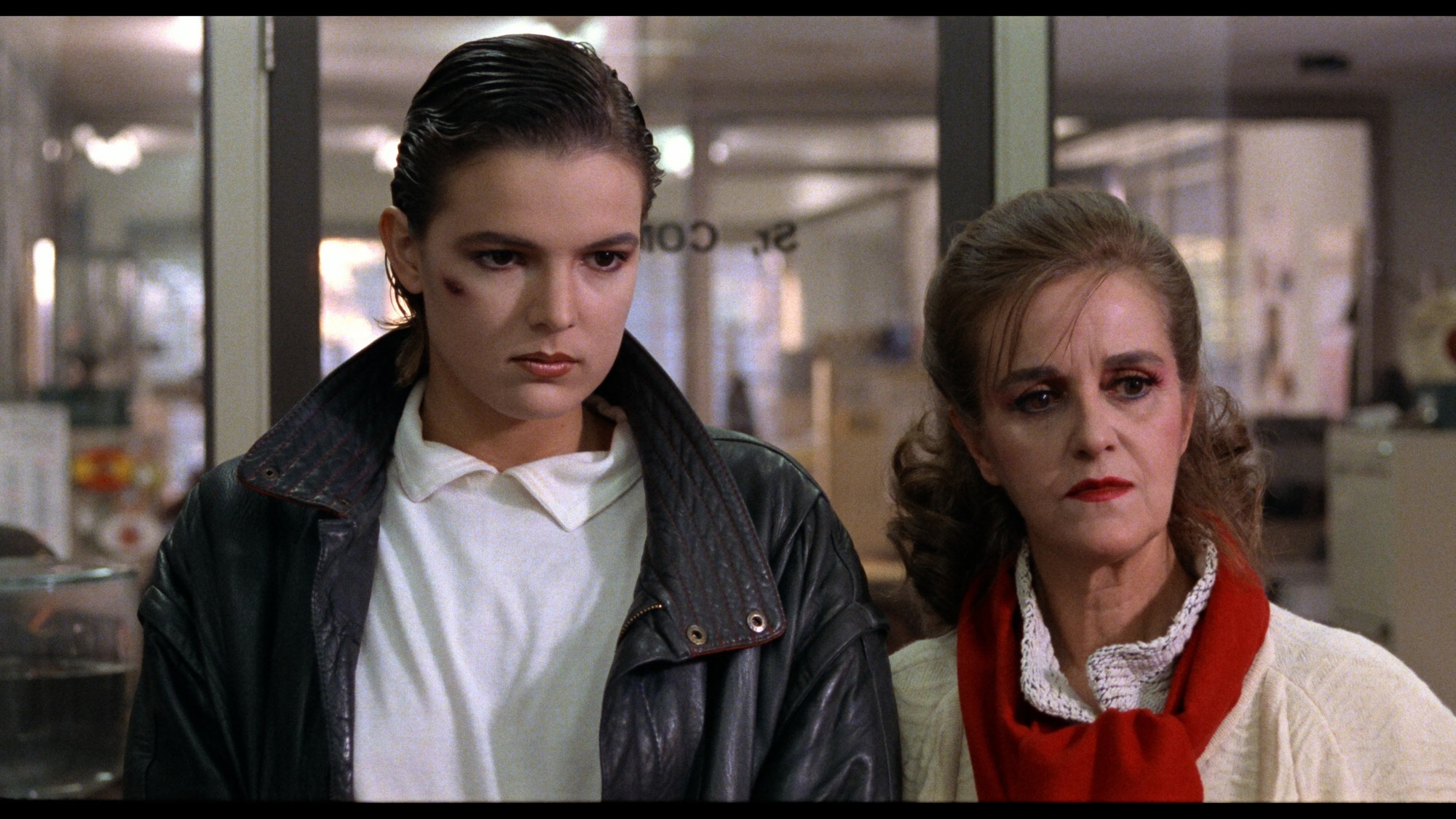
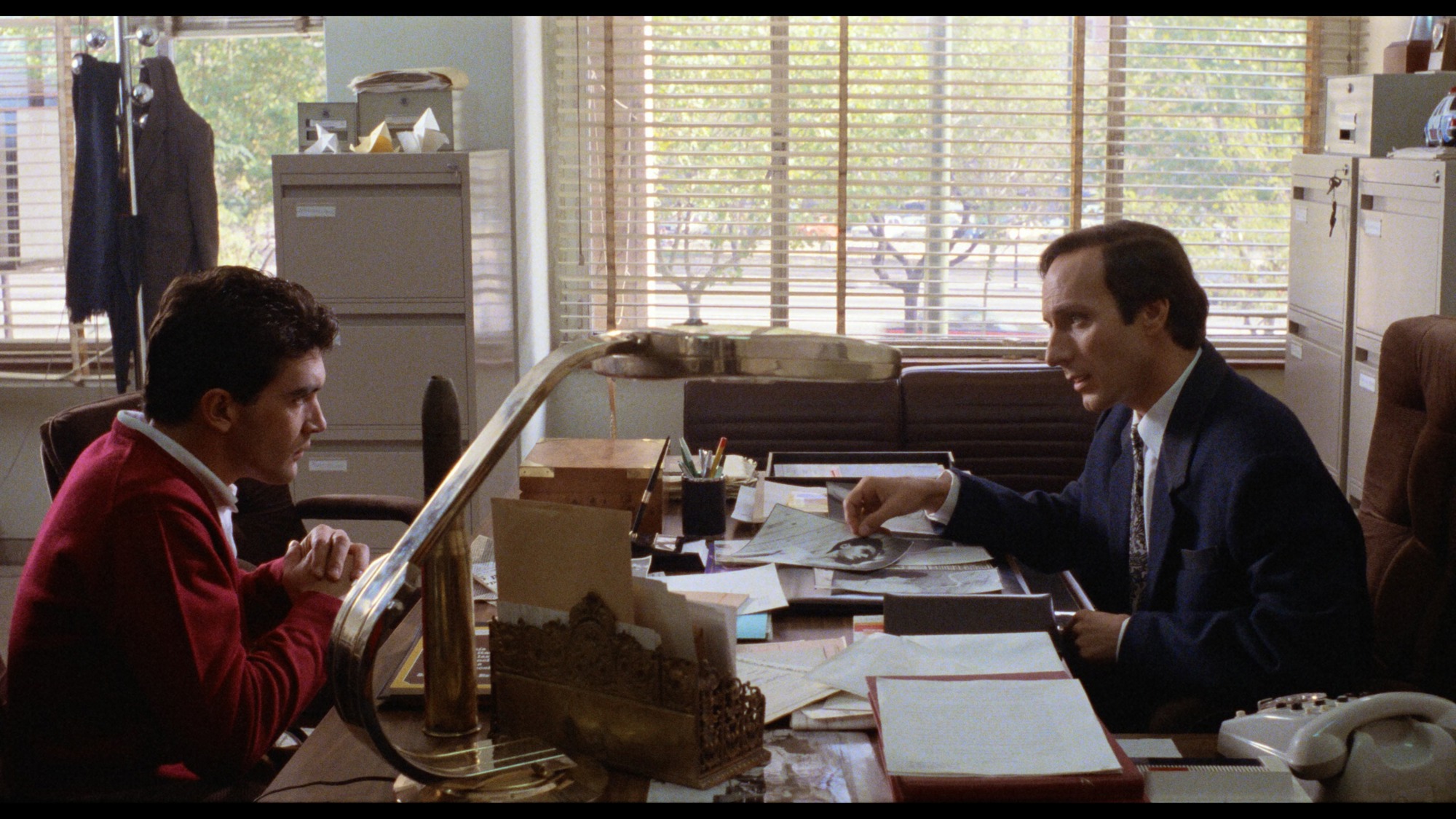
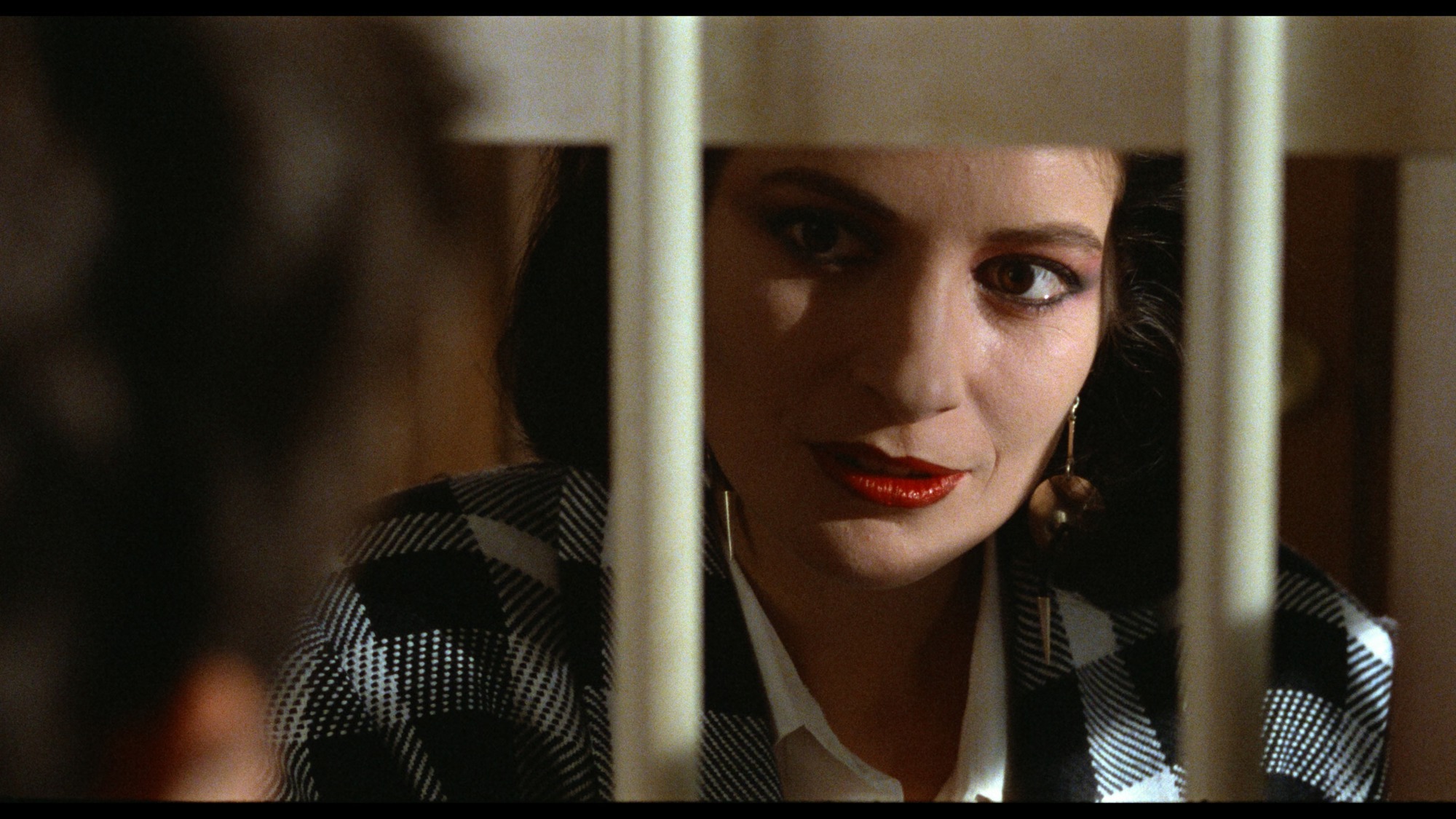
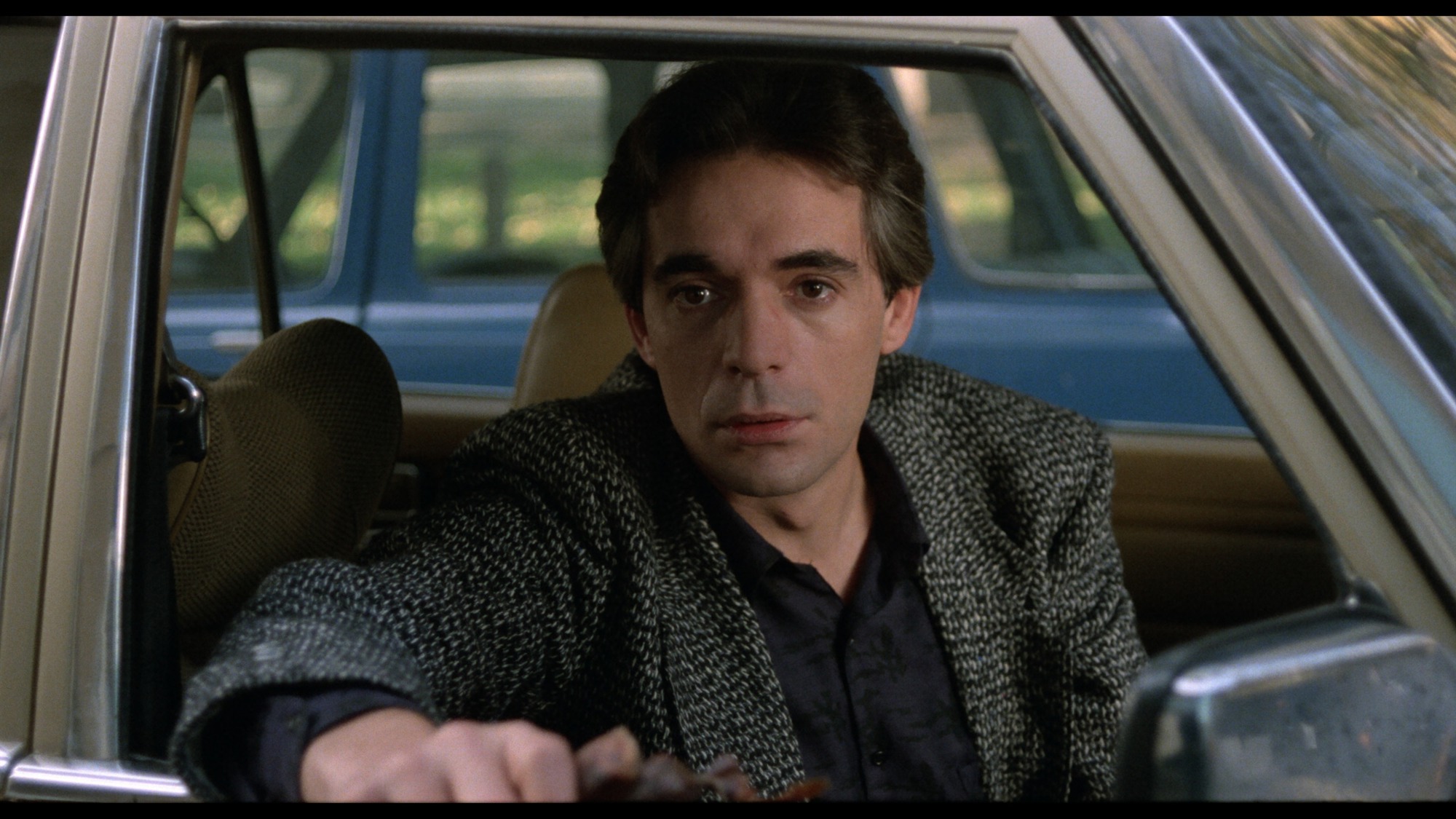
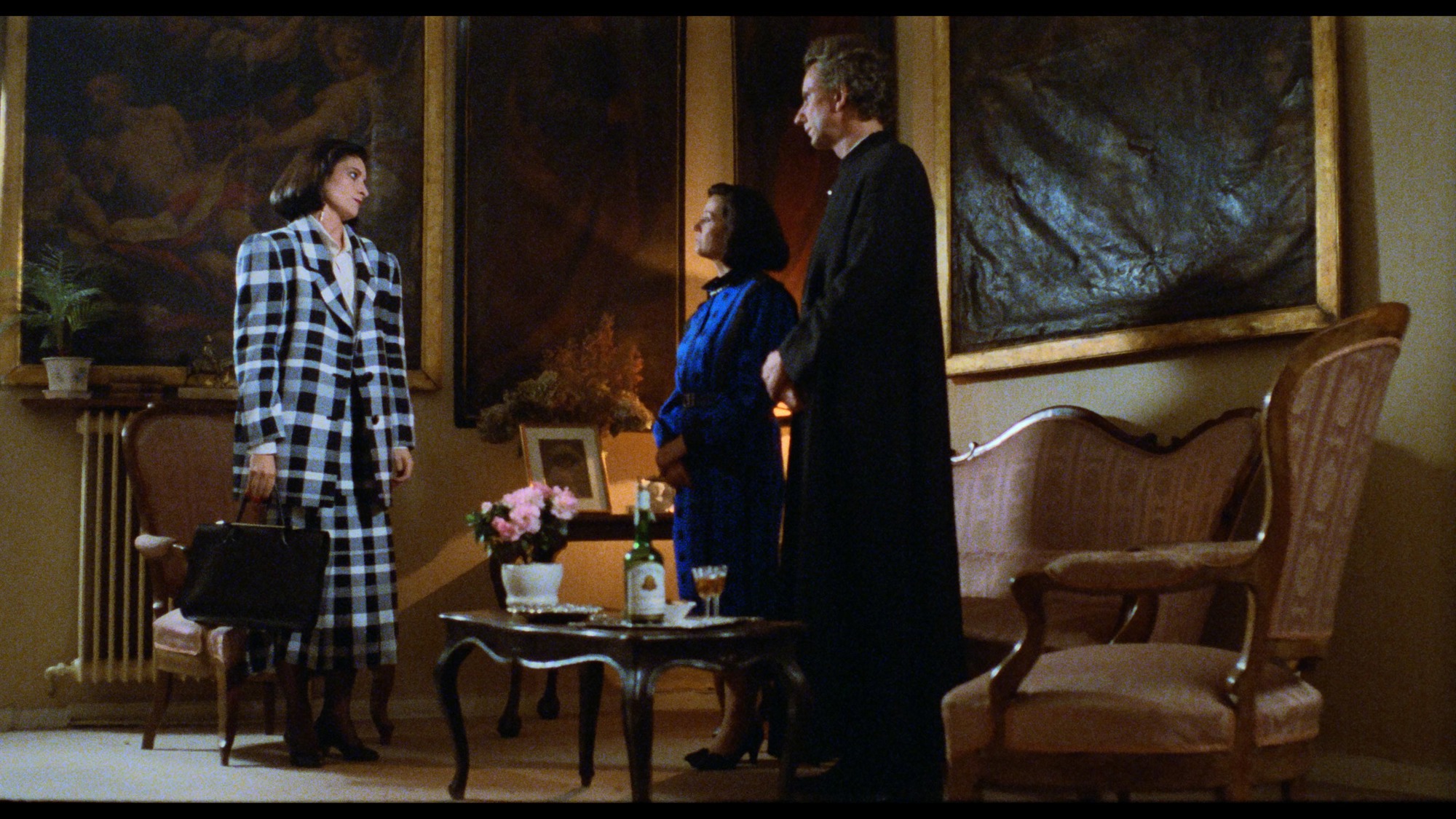
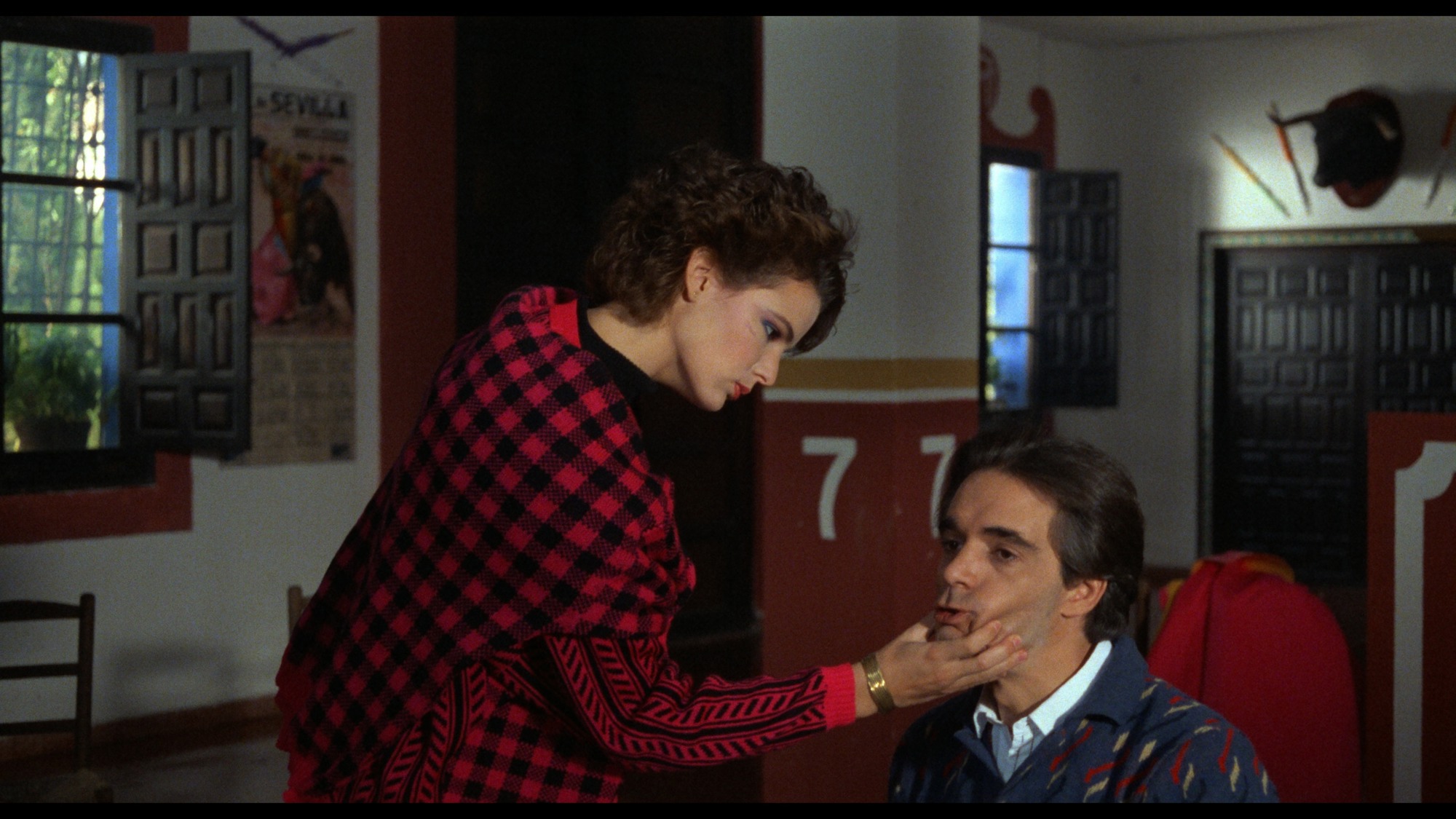
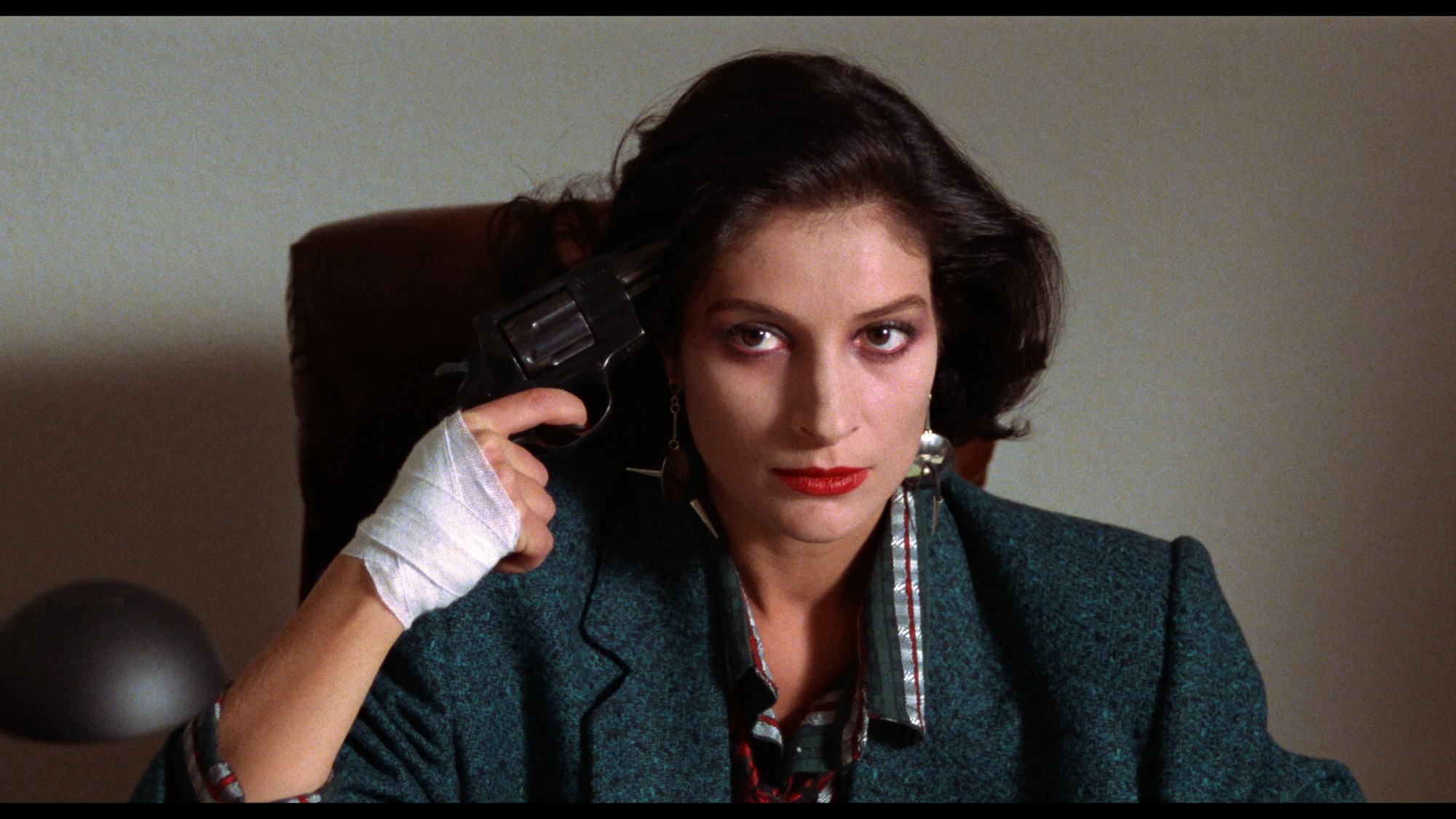
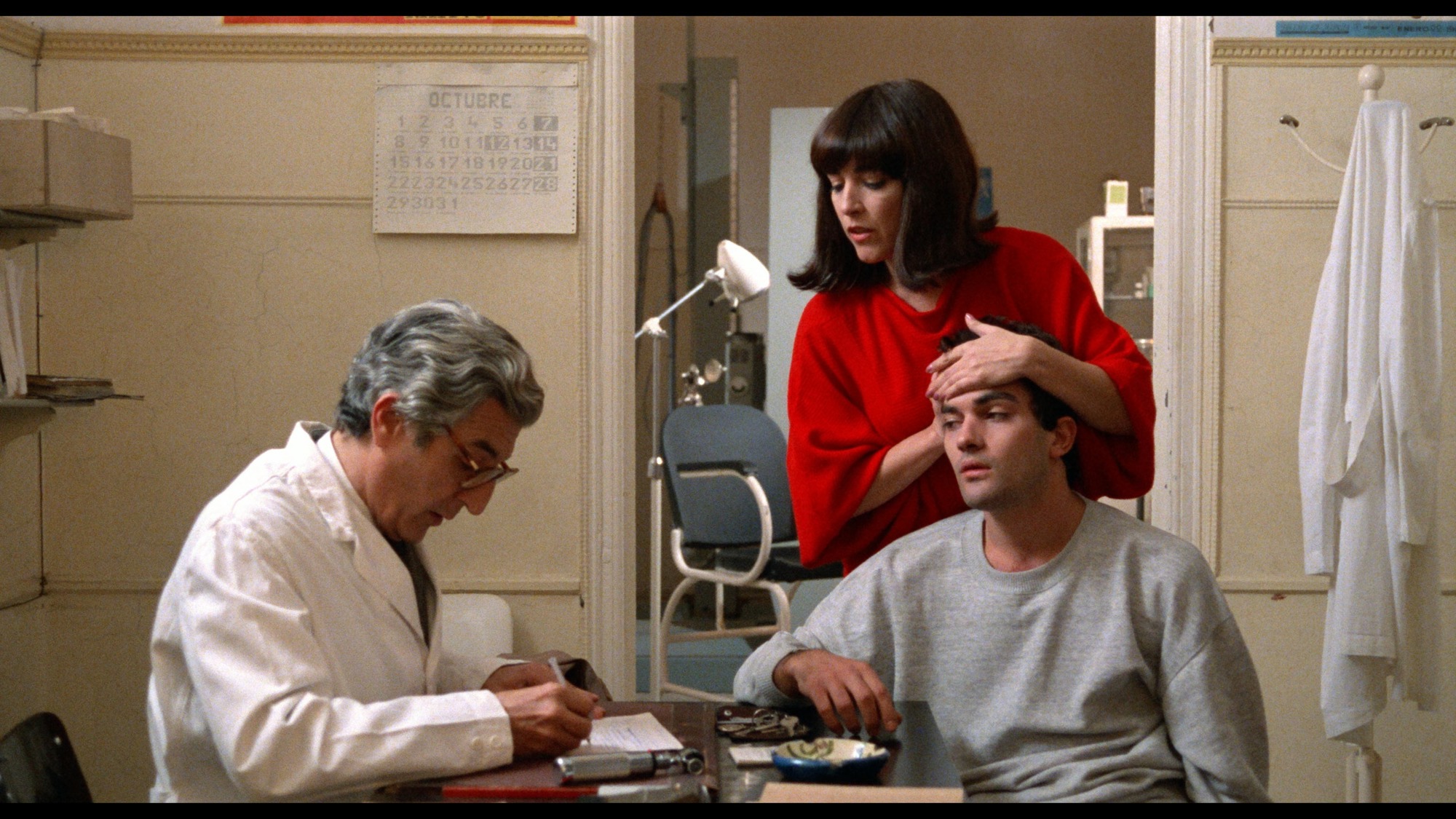
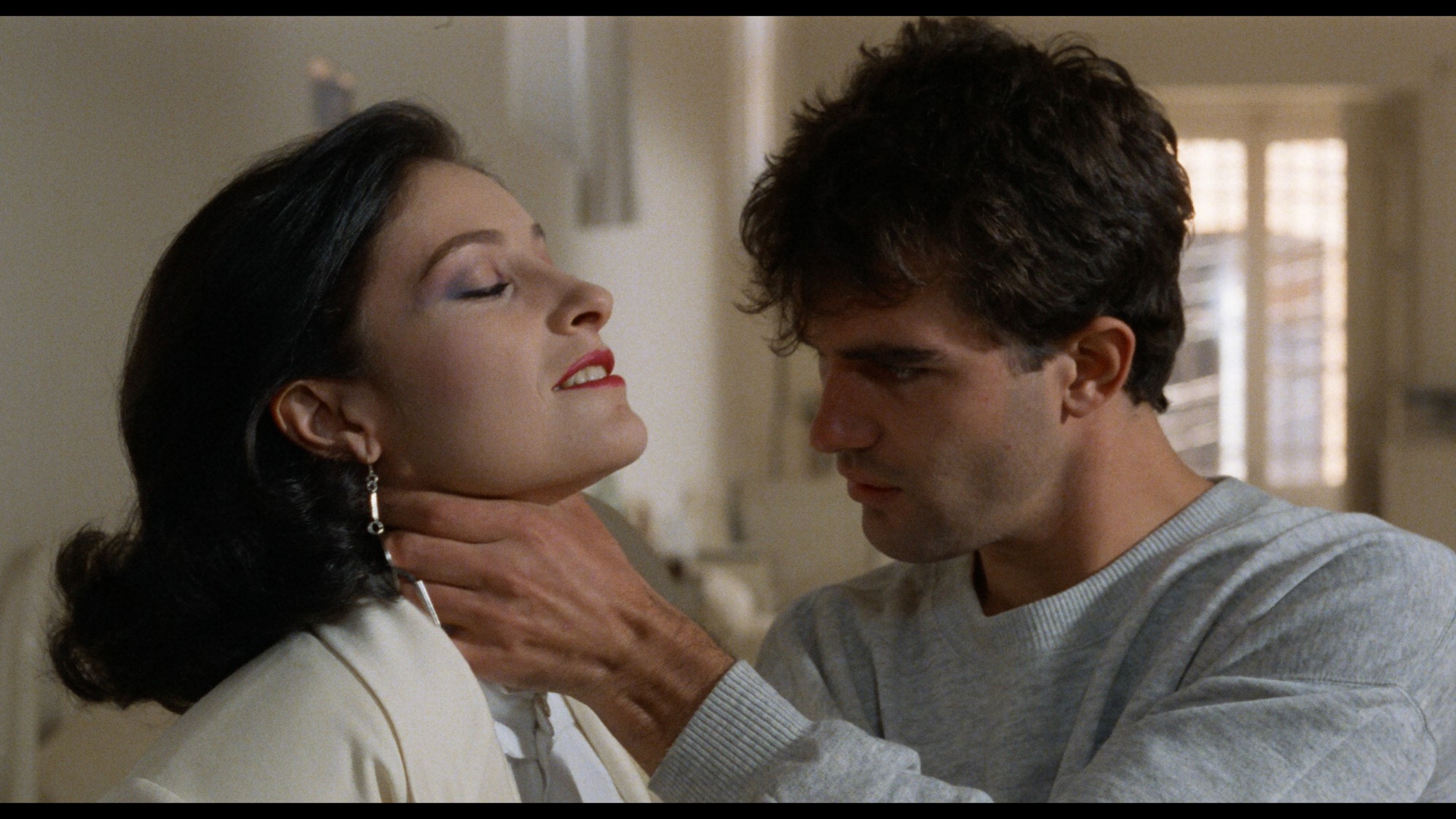
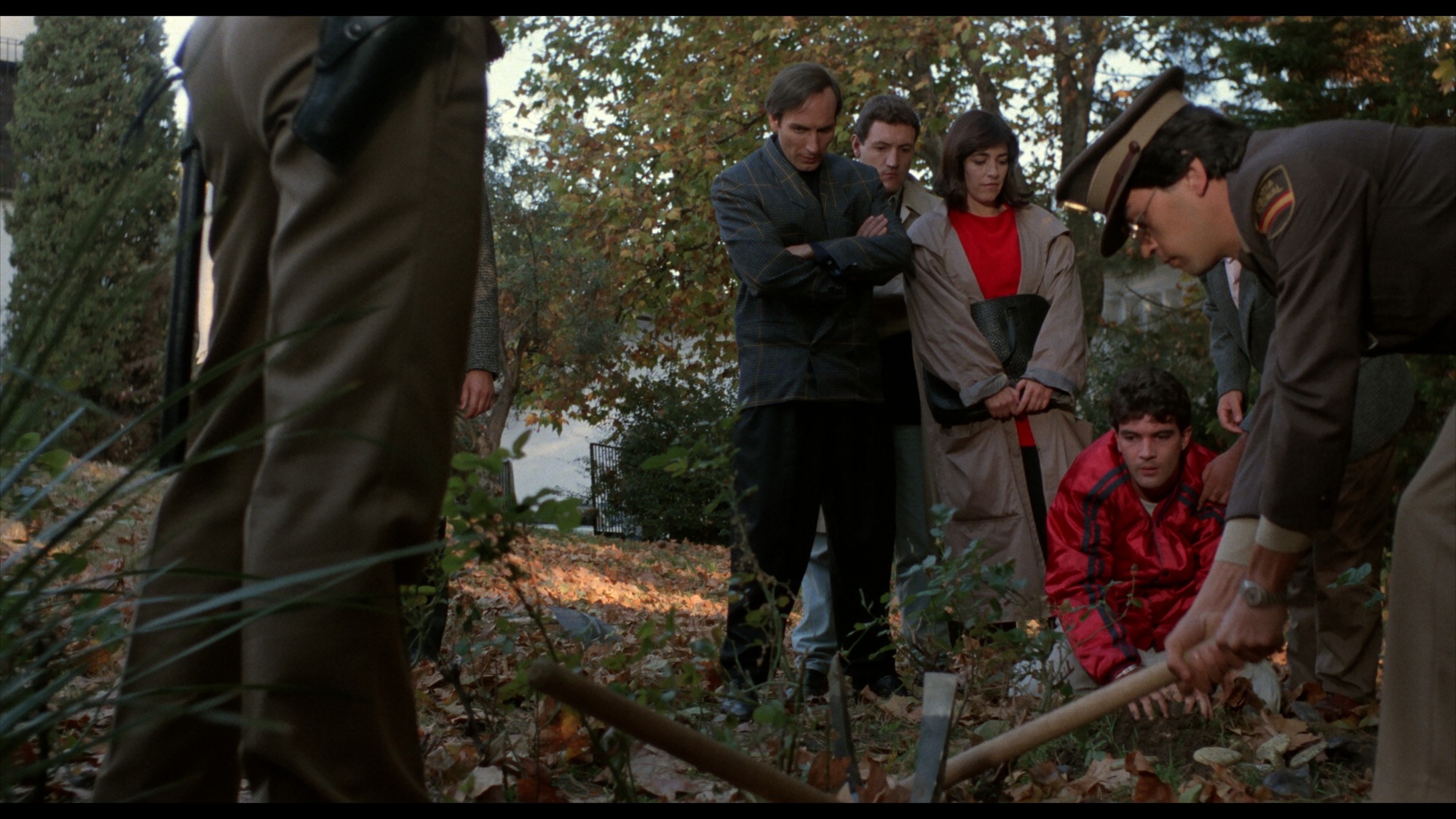
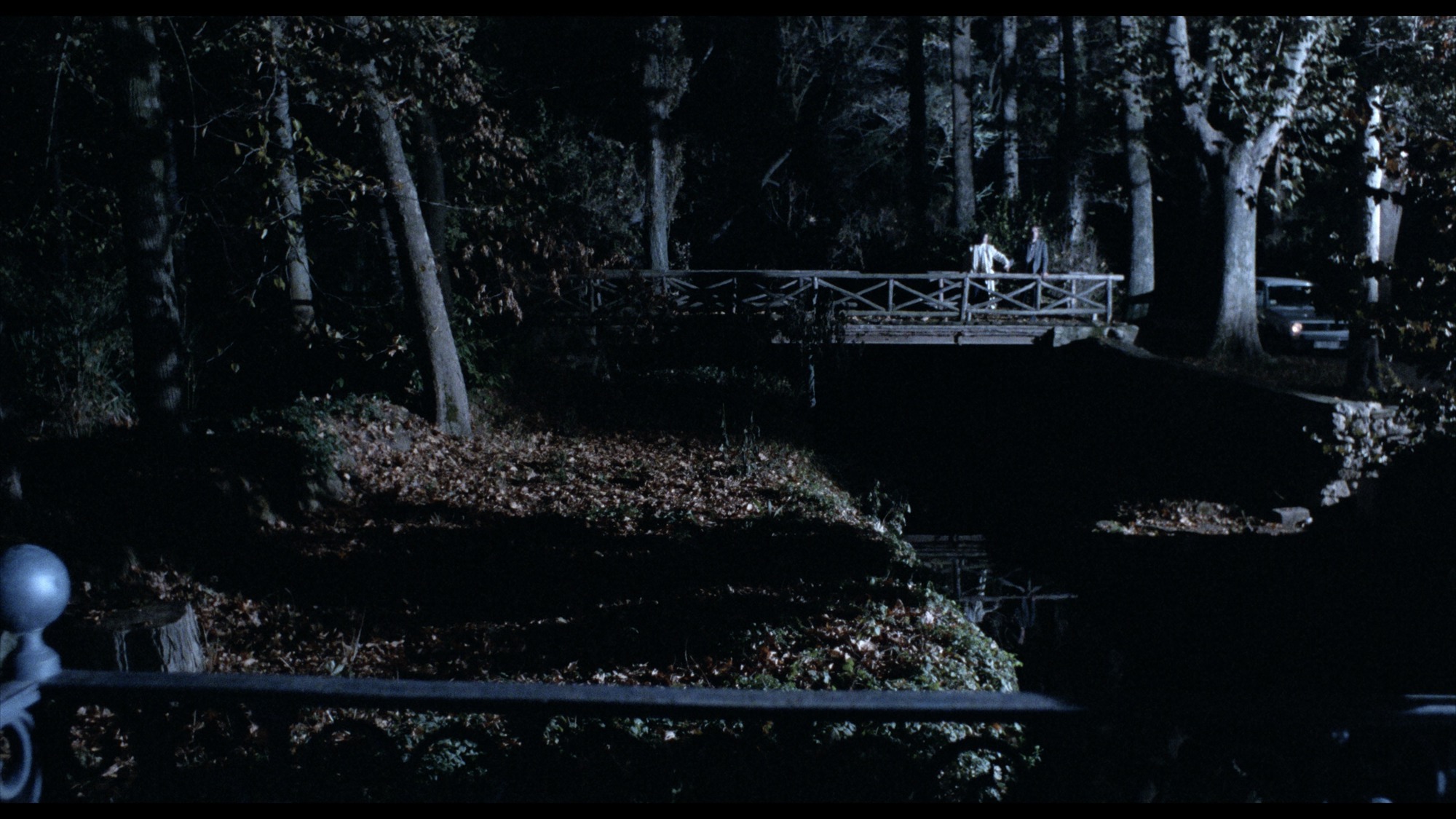
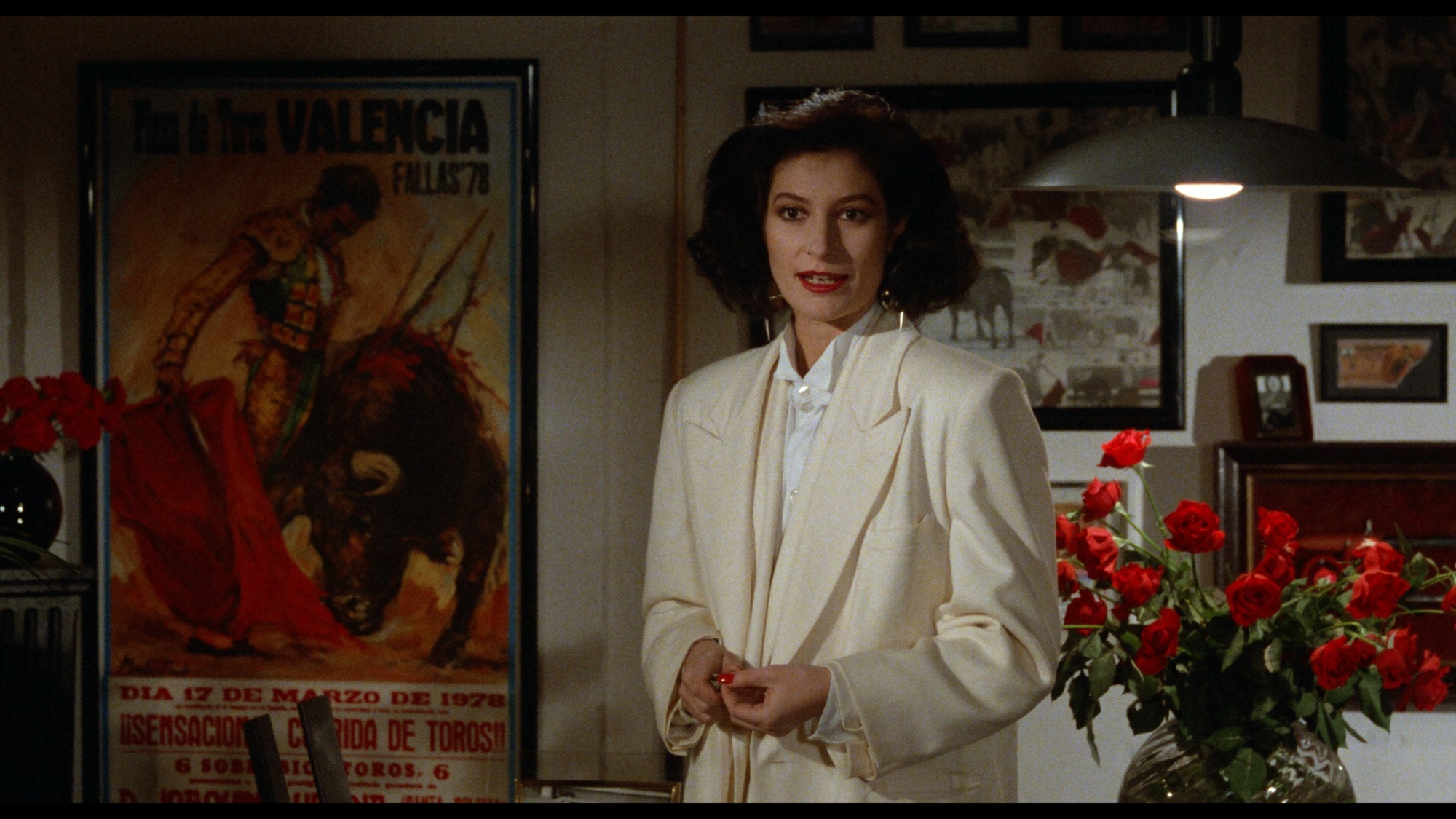
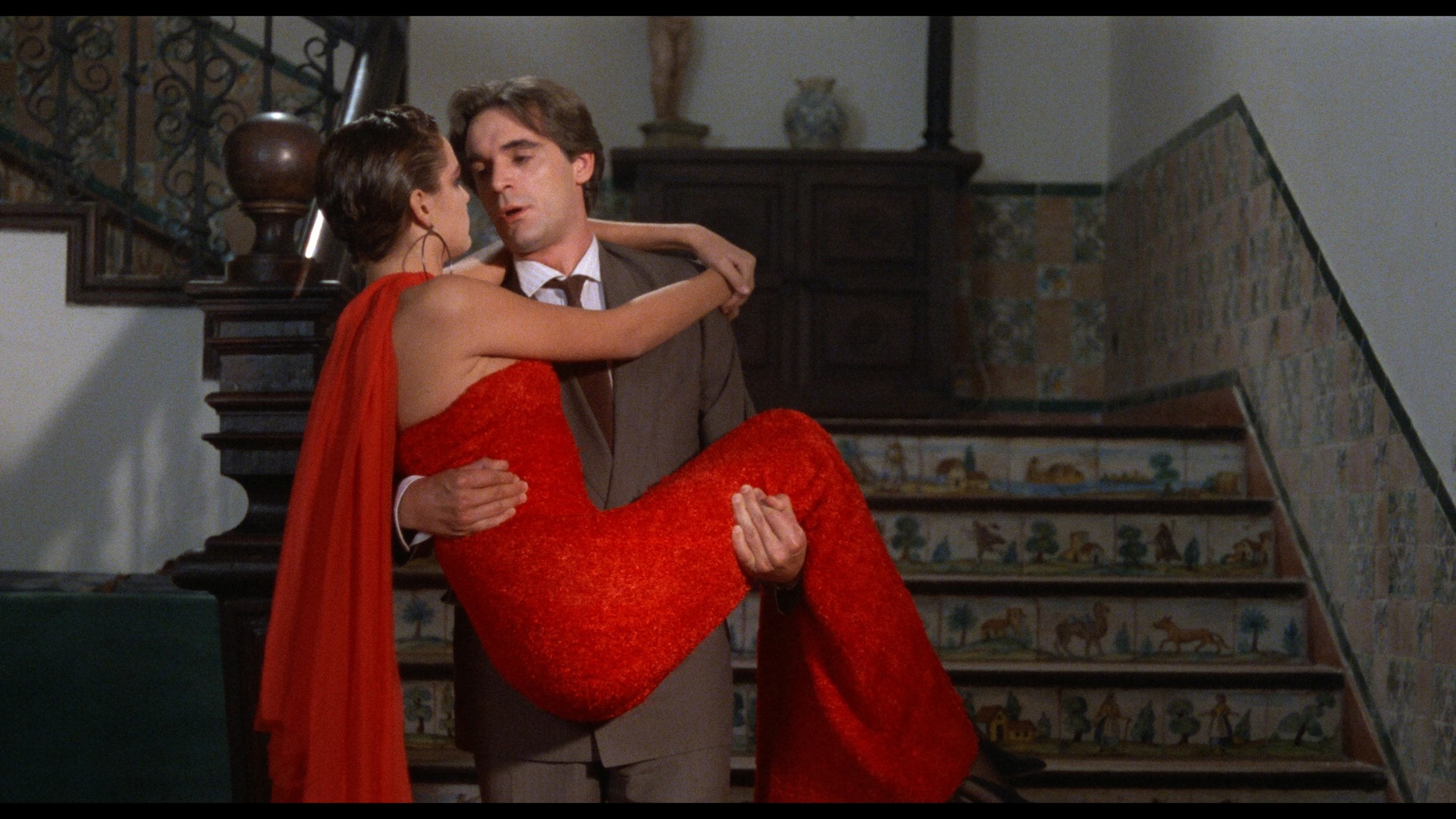
The new 4K presentation is ultimately very strong, with several strengths working in its favor, though I must confess to feeling a tinge of disappointment at times. The base scan has picked up an incredible level of detail, and Radiance’s encode renders it beautifully. Film grain is very fine but rendered in an incredibly clean, natural manner, resulting in a strong film-like texture. The restoration has also cleaned things up wonderfully, with no significant or notable damage present, while the image remains perfectly stable throughout.
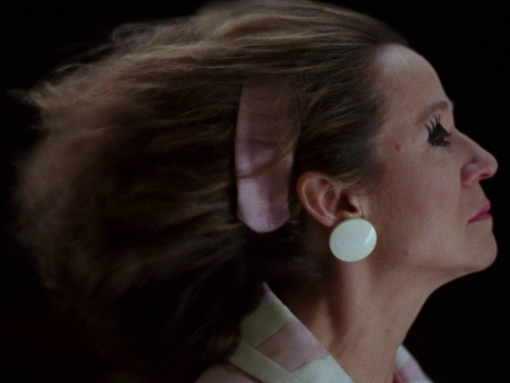
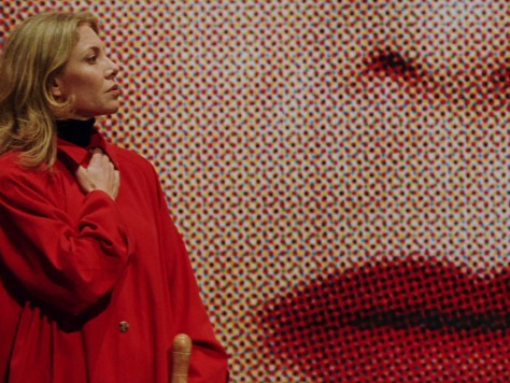
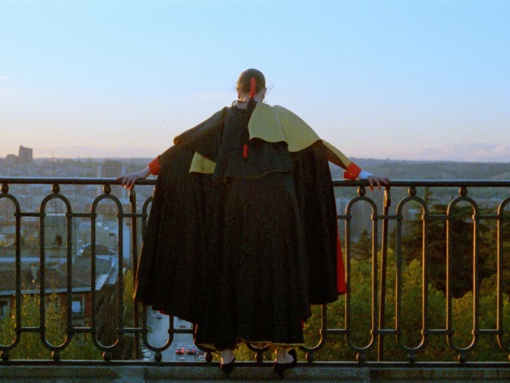
This is a rather dark film, featuring some noirish visuals, though Almodóvar offsets them with terrific splashes of color. Some shots lean into bland beiges or burnt oranges before suddenly punctuating the frame with bursts of red or violet, and those colors look terrific whenever they appear. Blacks can vary depending on the scene, at times looking rich while at others appearing somewhat murky with limited shadow depth. I suspect this is ultimately a limitation of the source materials themselves, so an HDR grade may not have helped much here, but it can occasionally give the image a slightly flat appearance, with some chroma instability rearing its head as well. Highlights, however, look excellent, appearing bright without clipping finer details.
Compared to the Blu-ray, the 4K still offers a notable upgrade, larger than what I felt another SDR Radiance title, Palindromes, delivered, though the biggest gains come through the rendering of grain and finer detail. As well encoded as the Blu-ray already is, the 4K presentation is noticeably cleaner, with the higher resolution clearly benefiting the image.
All around, minor source limitations aside, it’s still a very sharp restoration and final presentation.
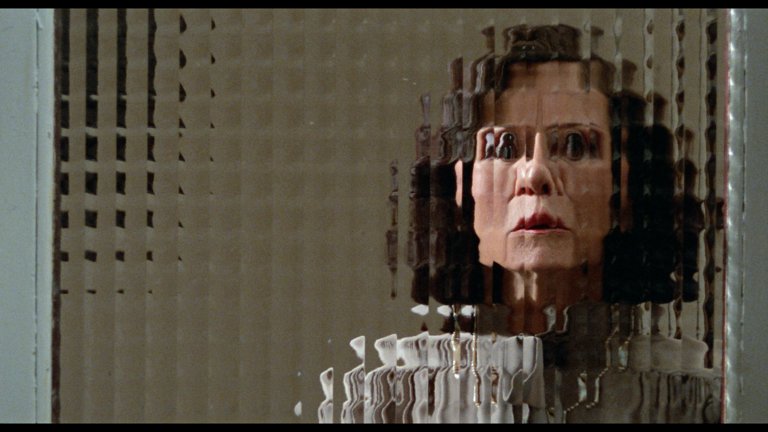
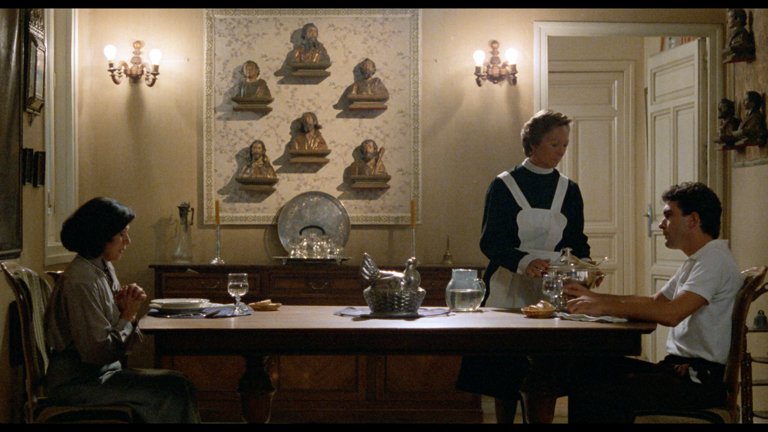
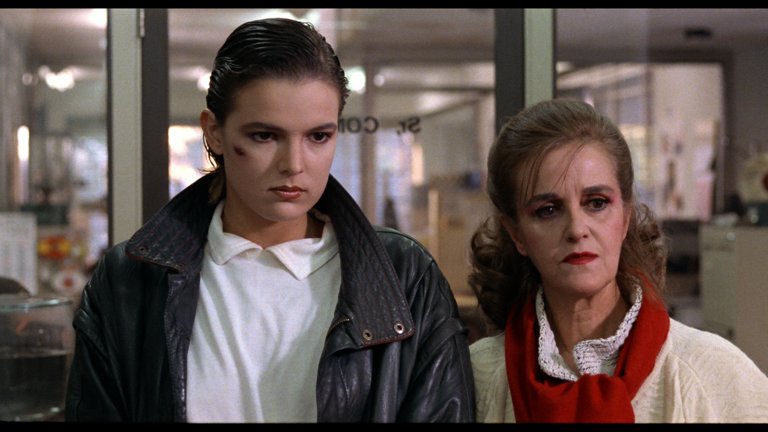
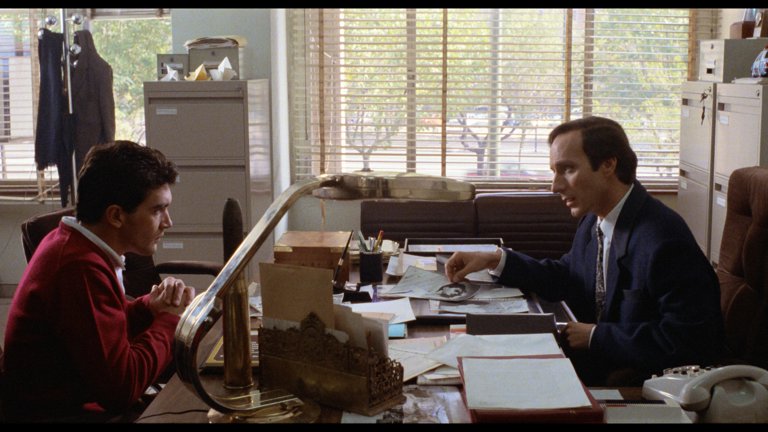
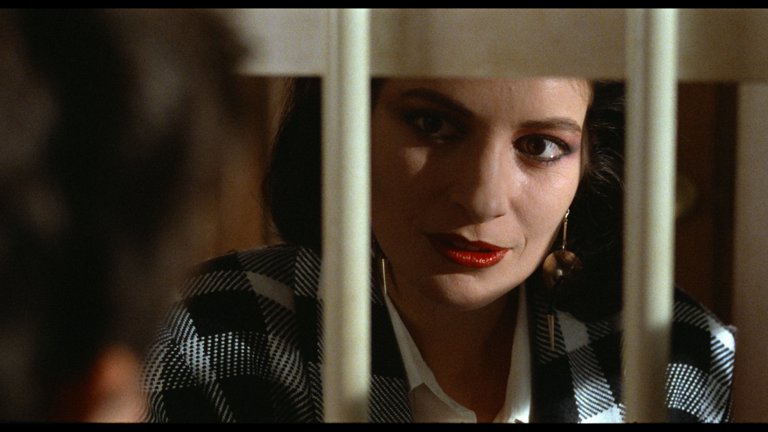
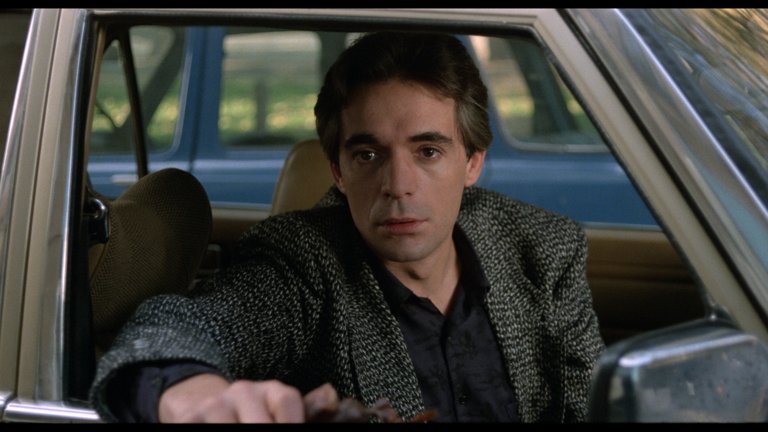
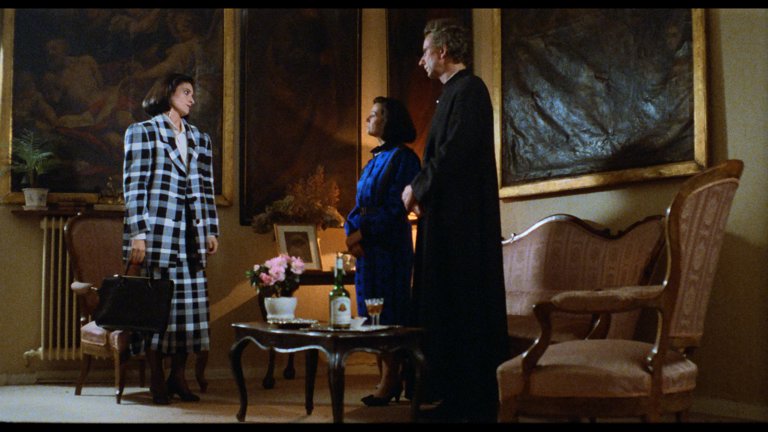
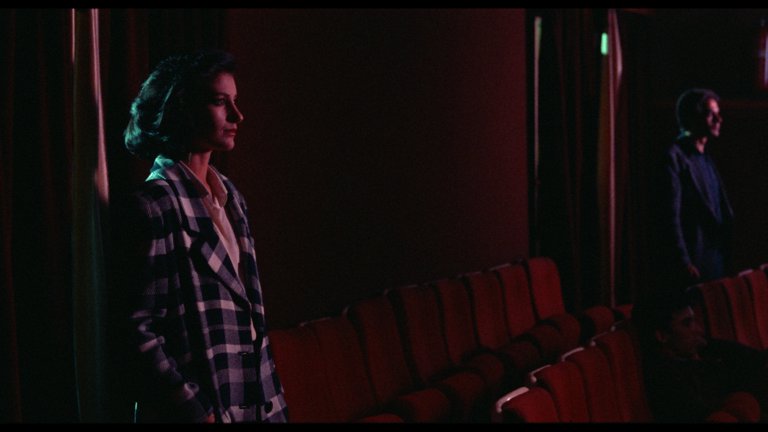
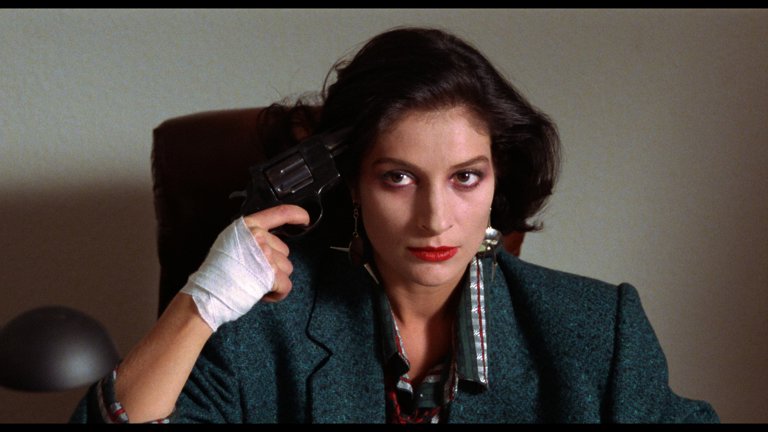
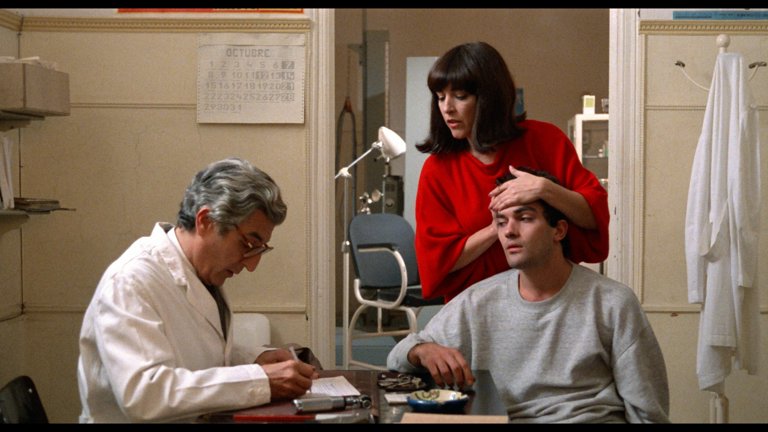
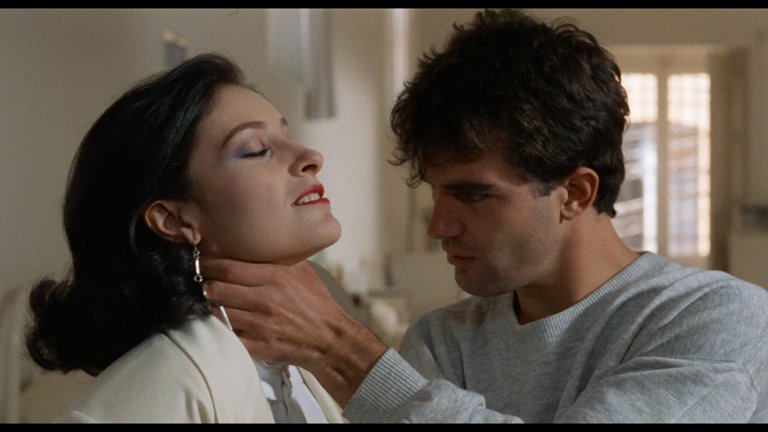
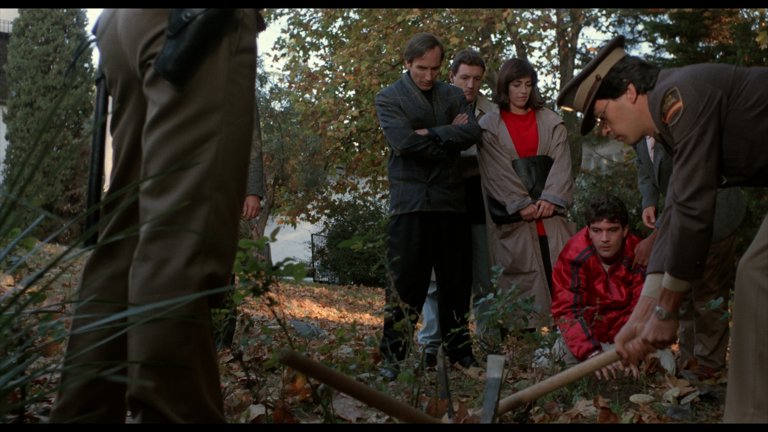
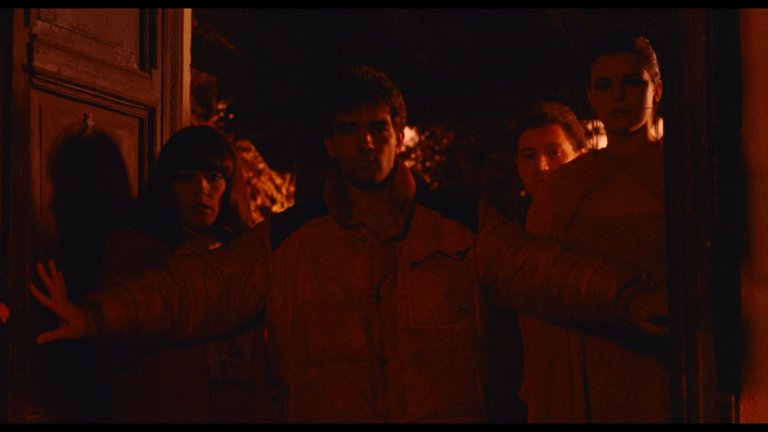
Matador - Screen Captures
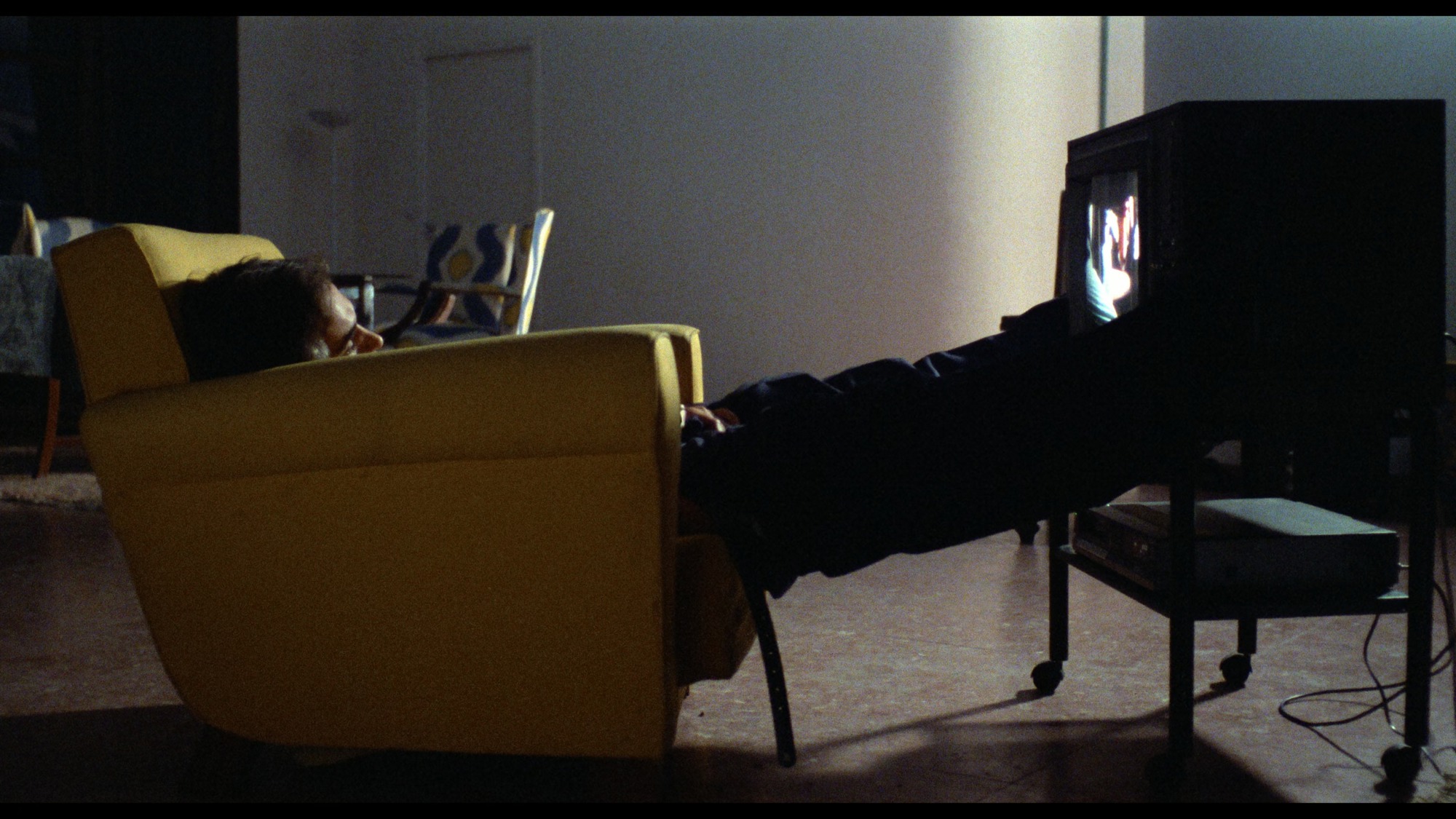
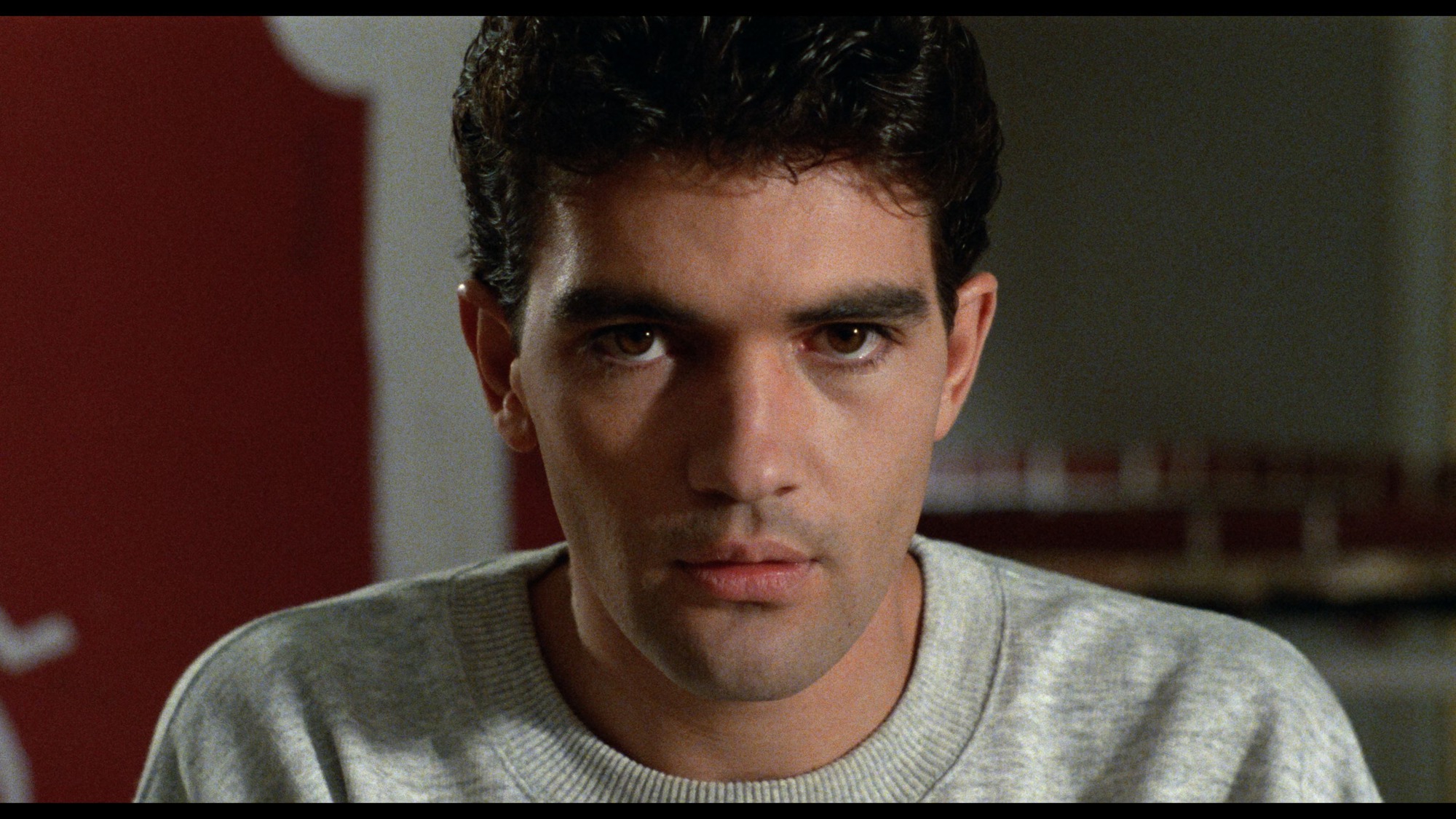
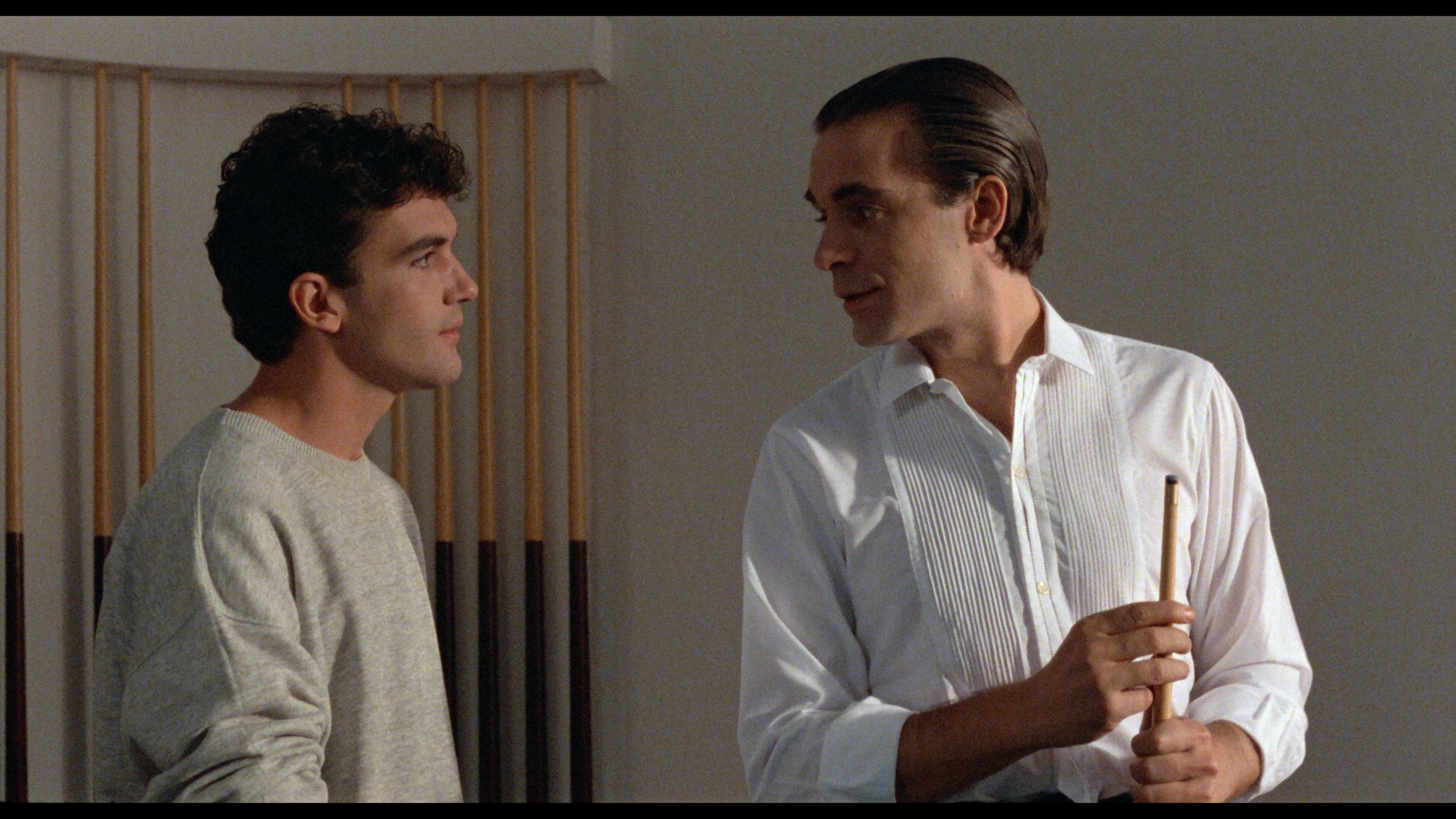
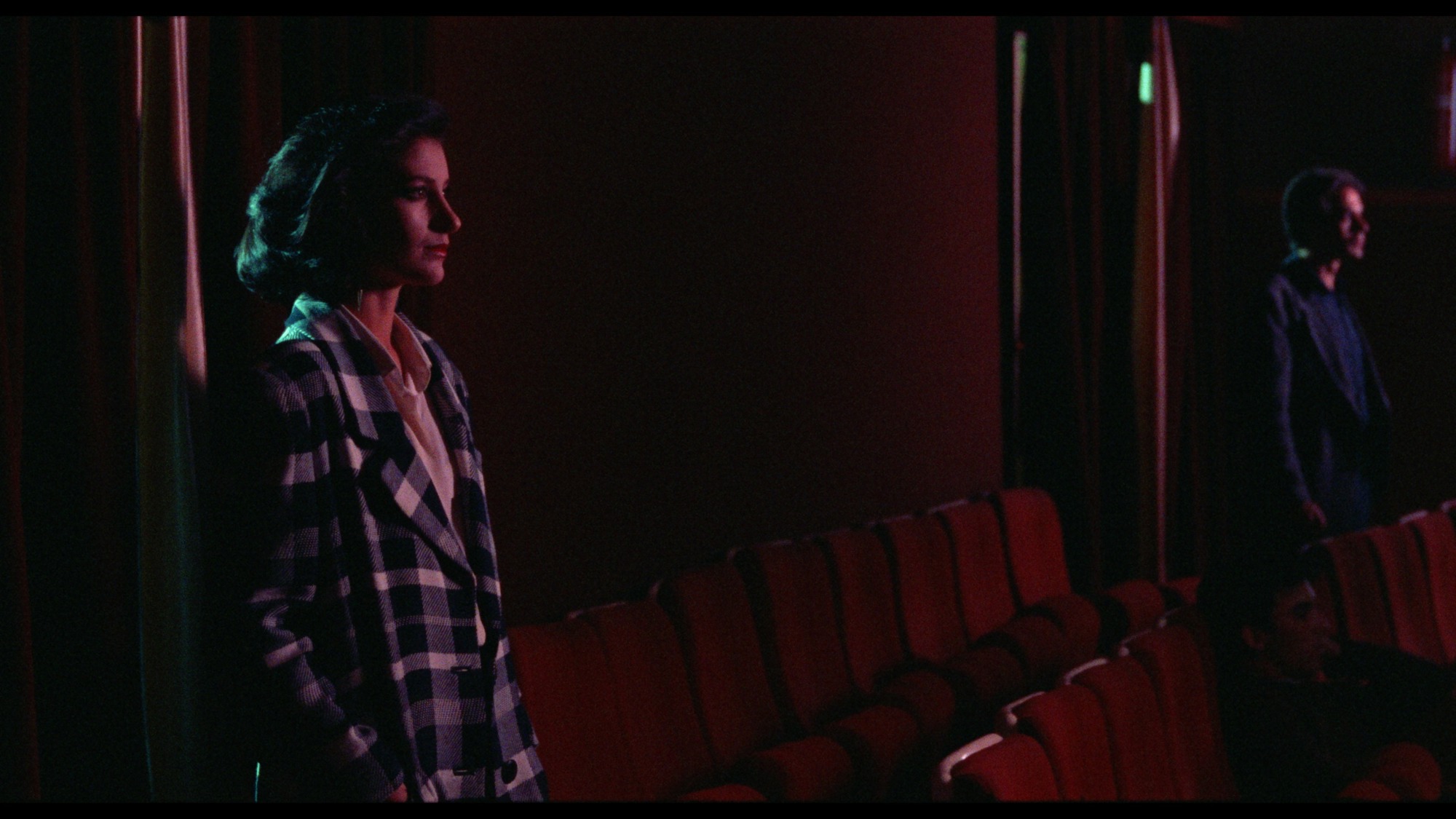
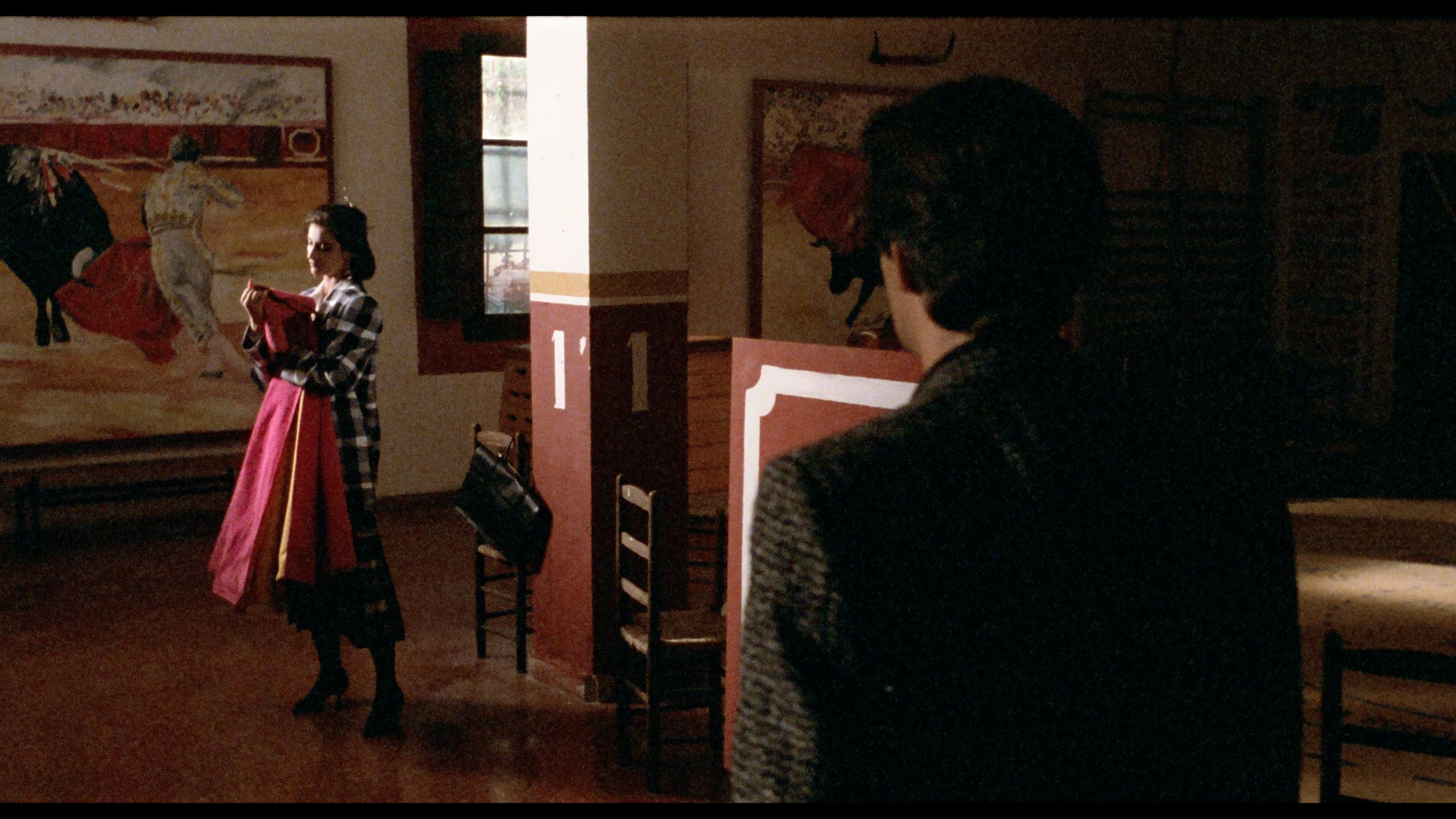
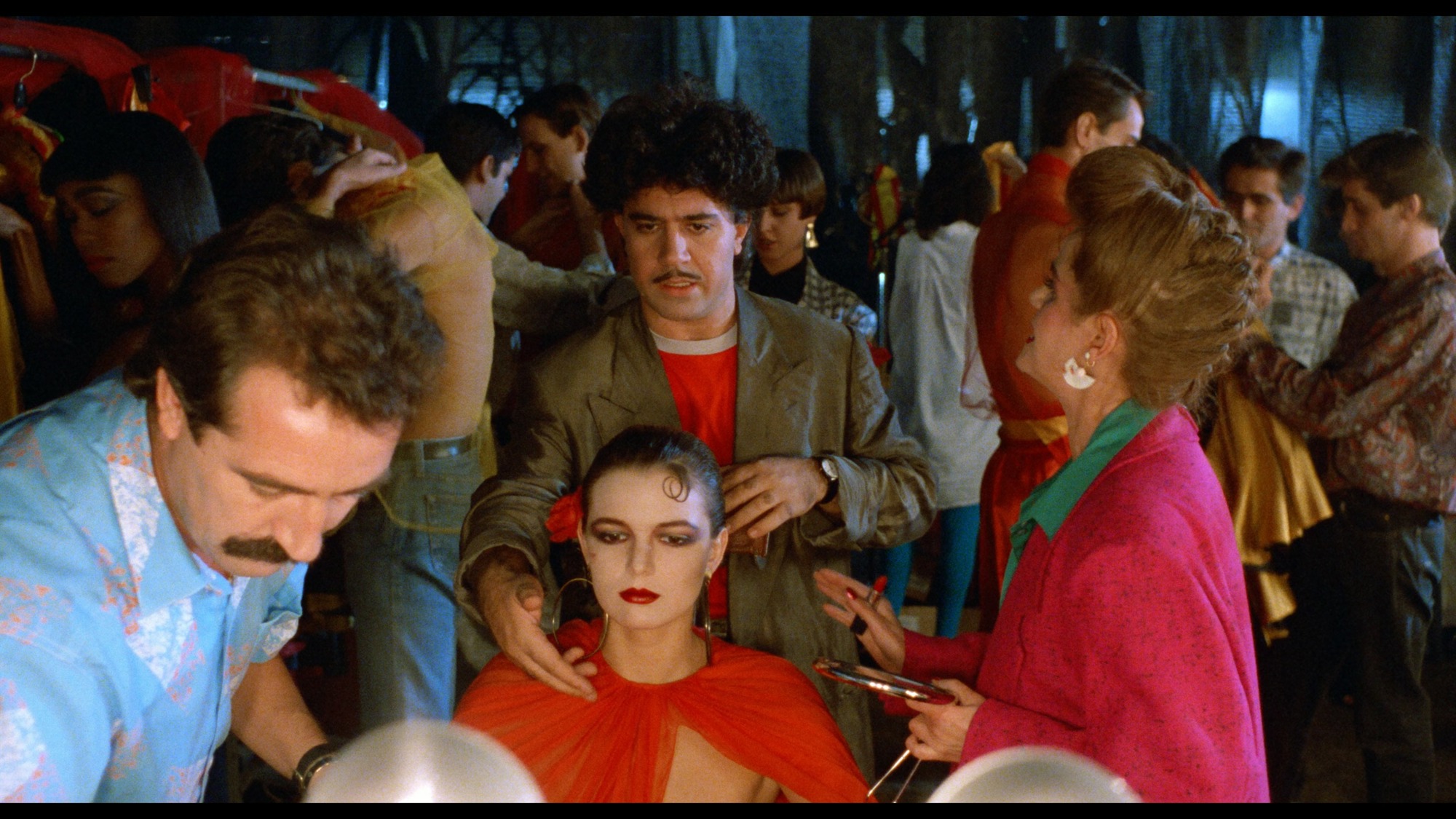
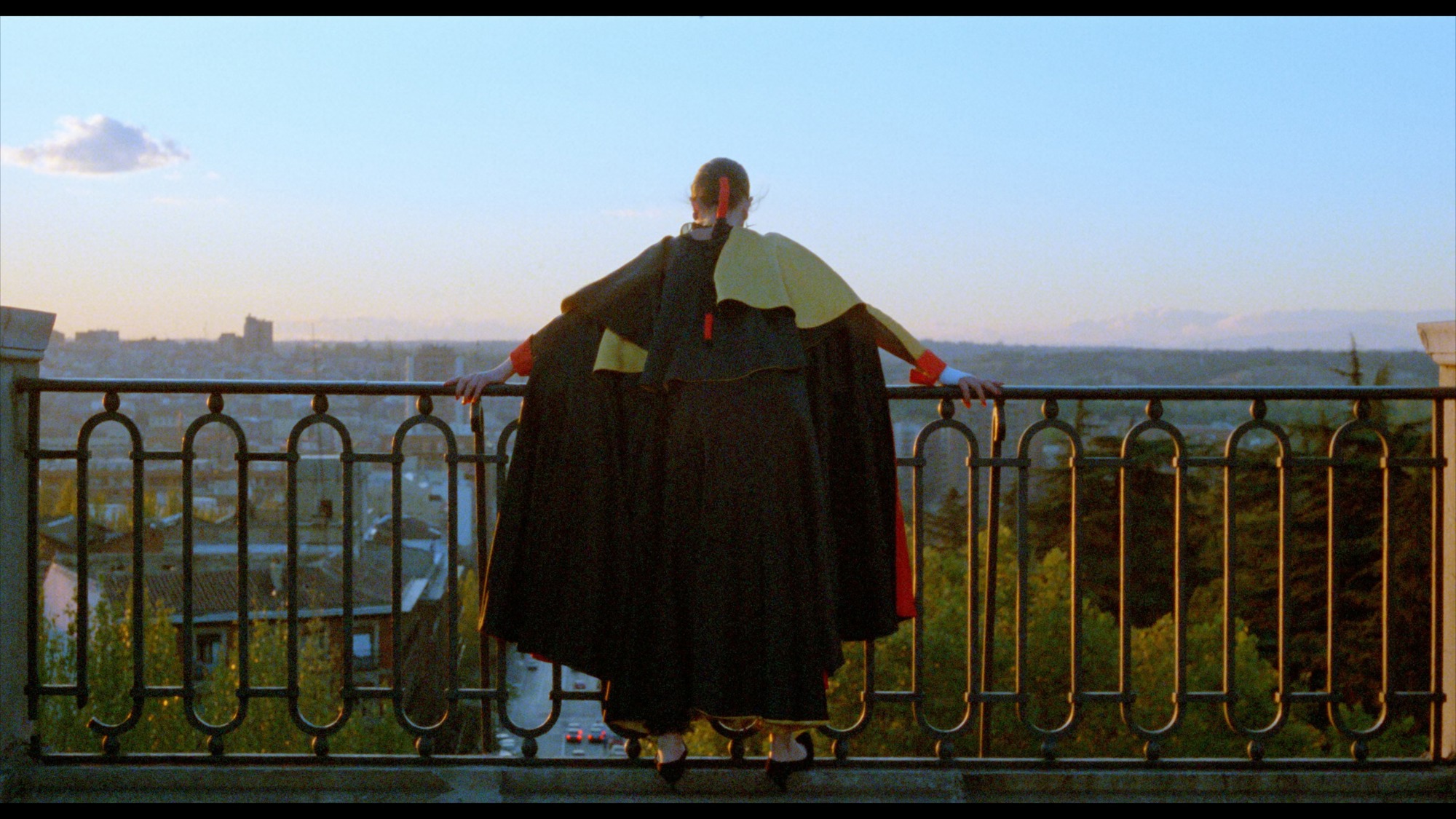
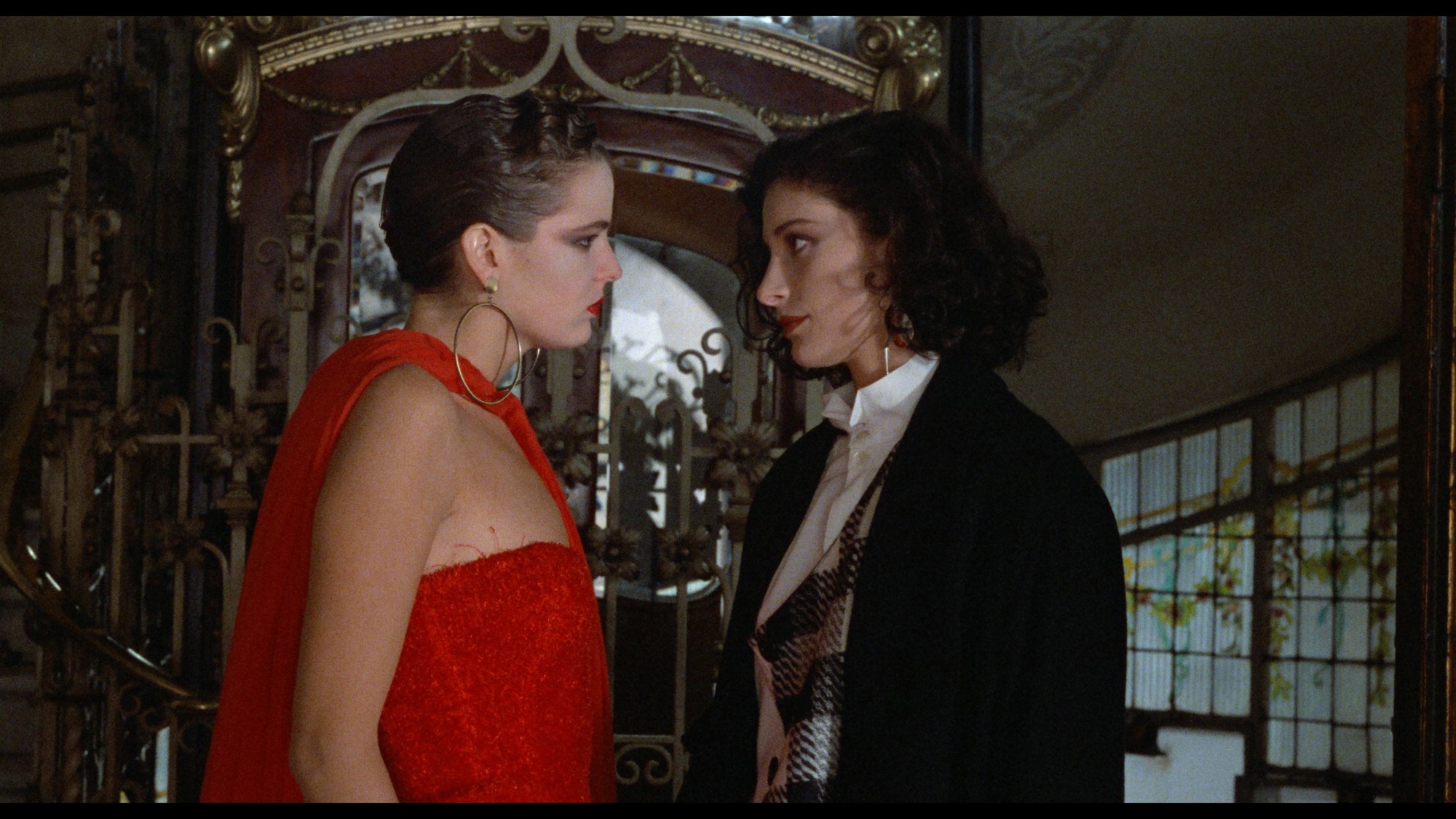
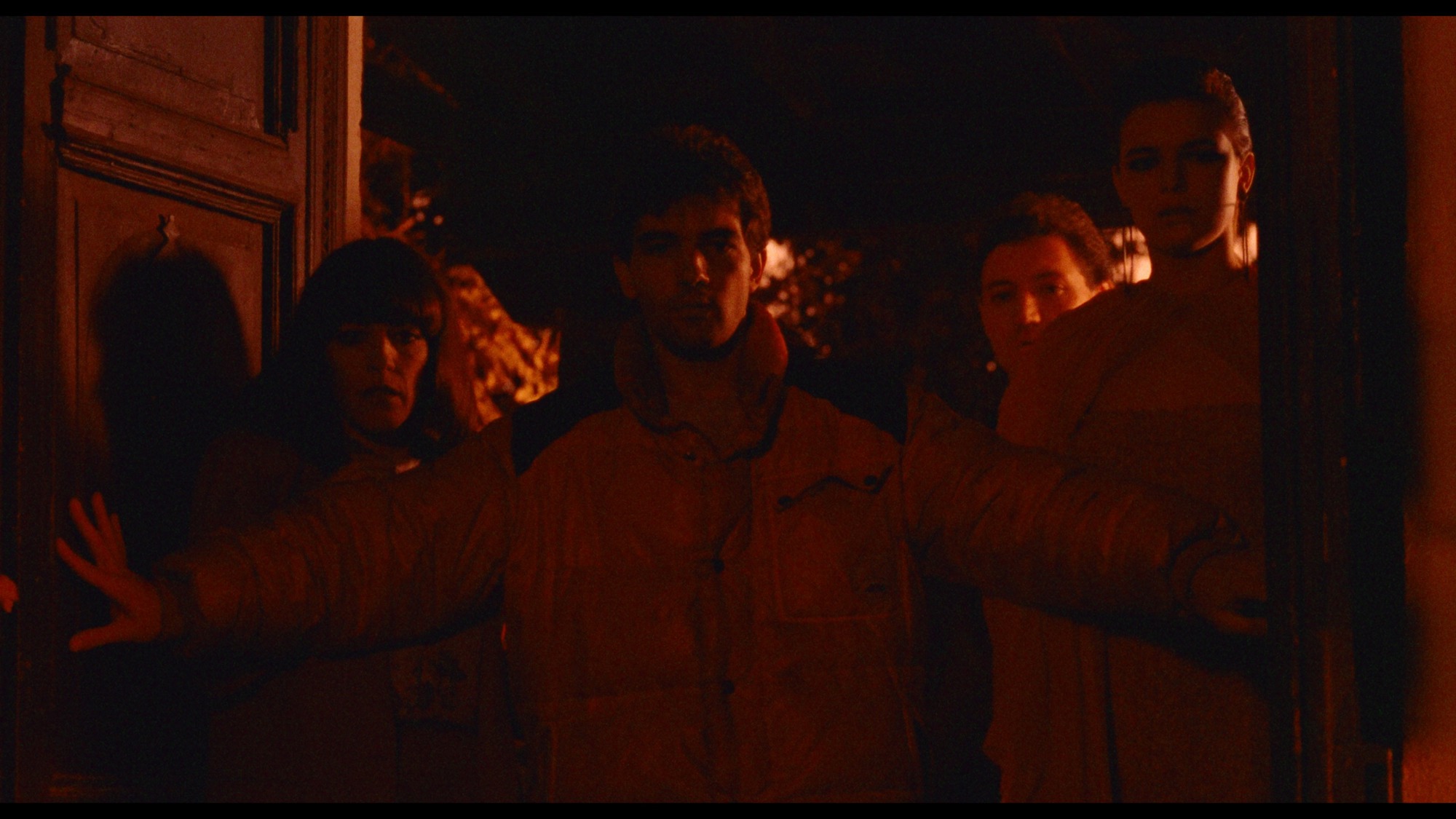
Audio 7/10
The film’s PCM monaural soundtrack manages to surprise a little bit itself. Dialogue can sound somewhat flat overall, but it remains clear, while the film’s music delivers a surprisingly wide range. It's also very clean, free of noticeable distortion or damage.
Extras 6/10
Supplements (all found on the included Blu-ray) aren’t plentiful, but they’re quite good. There’s a new 29-minute interview with Almodóvar expert José Arroyo, who focuses on the filmmaker’s early career, tracing his path from underground Spanish filmmaker to more commercially successful studio director following Franco’s death and the country’s return to democracy, before then turning more extensively to Matador itself. Arroyo acknowledges that the film is rough, with Almodóvar still “honing his skills,” but he examines how the director’s style can already be seen developing here, along with the ways he deliberately presses his audience, getting the film’s more offensive moments out of the way immediately, a way of testing viewers. He also comments on the film’s dark humor, noir-like elements, and use of Madrid as a setting. I initially expected a broader overview of either the film or Almodóvar’s career as a whole, but I ended up really appreciating how Arroyo instead focuses on how the film encapsulates the filmmaker’s work up to that point.
Radiance also digs up a 53-minute episode of Jonathan Ross: For One Week Only centered on Almodóvar, which originally aired in 1991 around the release of Tie Me Up! Tie Me Down!. Featuring interviews with the filmmaker and others (including members of his stock company like Antonio Banderas and Carmen Maura, alongside fans like John Waters), the program explores his career, beginning with his underground films before moving through his studio productions up to his then most recent work. Matador only receives brief coverage, which isn’t much of a surprise (it's not as highly regarded as much of his other work), as the program spends more time on Law of Desire and his breakout film, Women on the Verge of a Nervous Breakdown, with Almodóvar himself admitting he’s not entirely sure why the latter resonated so strongly with audiences. The documentary also touches on his relationships with actors, including the rift with Maura, and the director proves refreshingly open throughout. As with Arroyo’s contribution, it’s a wonderful time capsule of Almodóvar’s early career.
The limited edition also includes a 27-page booklet, opening with an essay on the film by Guy Lodge, followed by an interview excerpt from the 1994 book Almodóvar on Almodóvar by Frédéric Strauss. In it, Strauss and Almodóvar discuss what the author considers the director’s strangest film (Matador), though the conversation does veer into some of the filmmaker’s later work.
It’s not a stacked edition, but I appreciated the focus on this specific period in Almodóvar’s career, while also providing valuable context around the film itself.
Closing
Though not a stacked edition, Radiance’s release of Matador still delivers a couple of engaging features exploring this period of Pedro Almodóvar’s career on top of a sharp 4K presentation, minor source-related limitations aside.