Medicine for Melancholy
BUY AT:


See more details, packaging, or compare
Synopsis
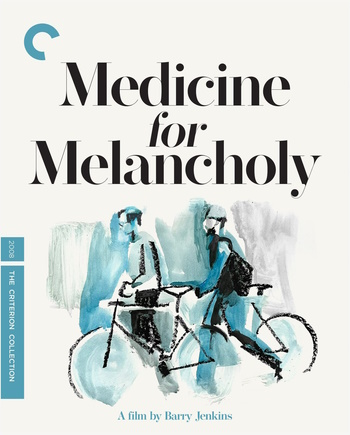
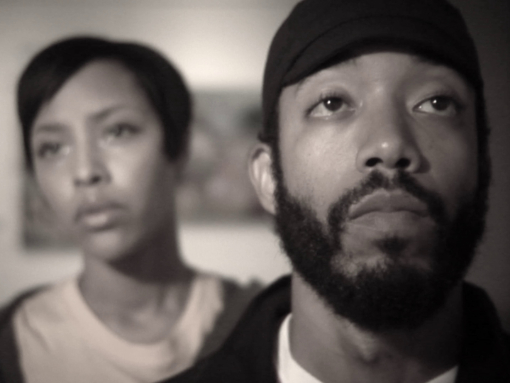
One of the great debut features of the twenty-first century, Barry Jenkins’s captivating, lo-fi romance Medicine for Melancholy unfolds against the backdrop of a rapidly gentrifying San Francisco, where a one-night stand between two young bohemians, Micah (Wyatt Cenac) and Jo’ (Tracey Heggins), spins off into a woozy daylong affair marked by moments of tenderness, friction, joy, and intellectual sparring as they explore their relationships to each other, the city, and their own Blackness. Shooting on desaturated video, Jenkins crafts an intimate exploration of alienation and connection graced with the evocative visual palette and empathetic emotional charge that has come to define his work.
Picture 7/10
Barry Jenkins’ debut feature Medicine for Melancholy receives a new Blu-ray edition from The Criterion Collection and is presented in its original aspect ratio of 1.78:1. The 1080p/24hz high-definition presentation is sourced from the digital intermediate with color grading approved by both Jenkins and the director of photography, James Laxton.
The film fits into the wave of mid-to-late 2000s lo-fi, low-budget films dubbed “mumblecore,” usually shot naturalistically with digital cameras and little else. Jenkins used a Panasonic AG-HVX200 after seeing footage shot by another filmmaker and experimenting with it himself, feeling it would be perfect for the look he was going after.
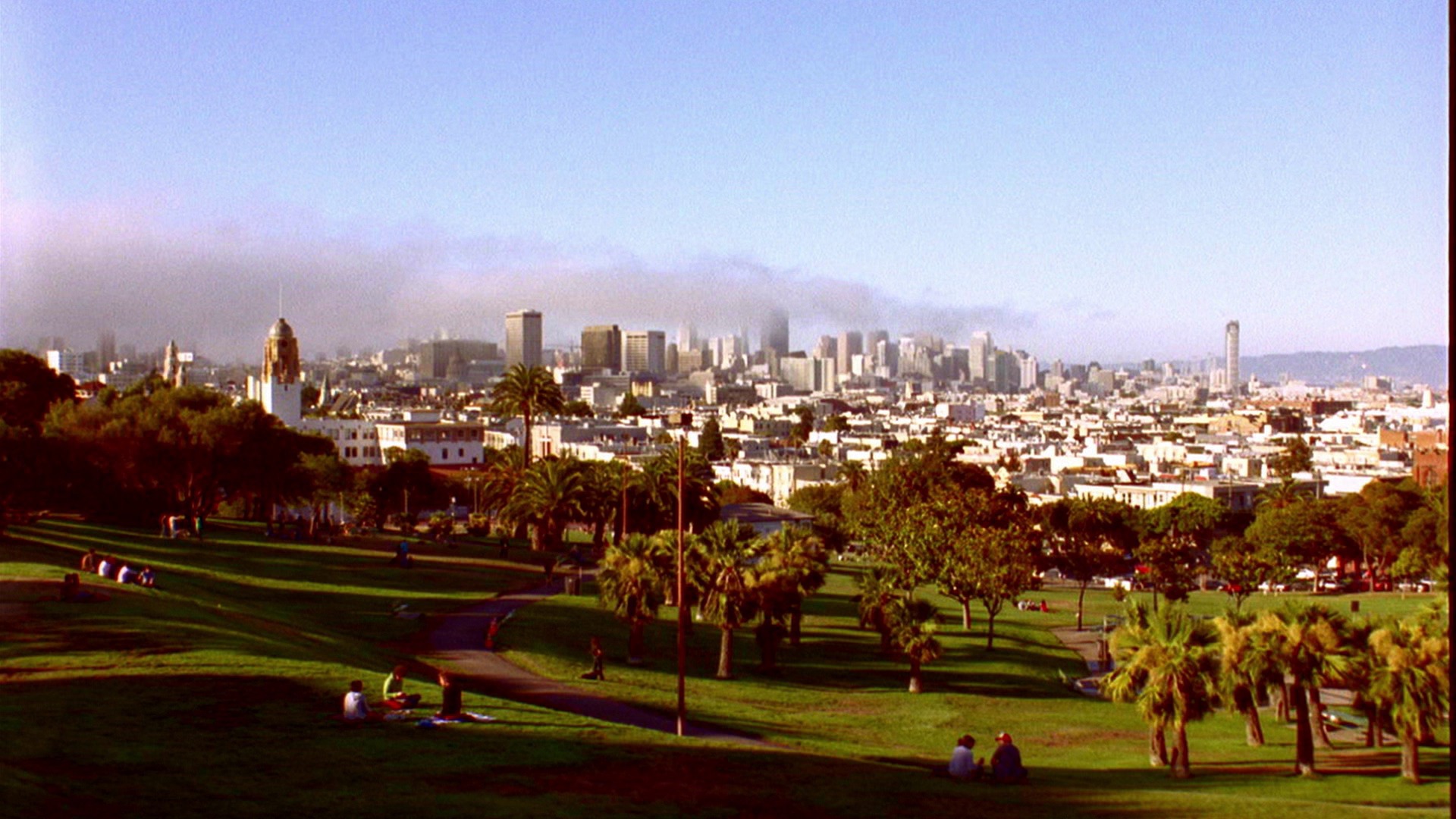
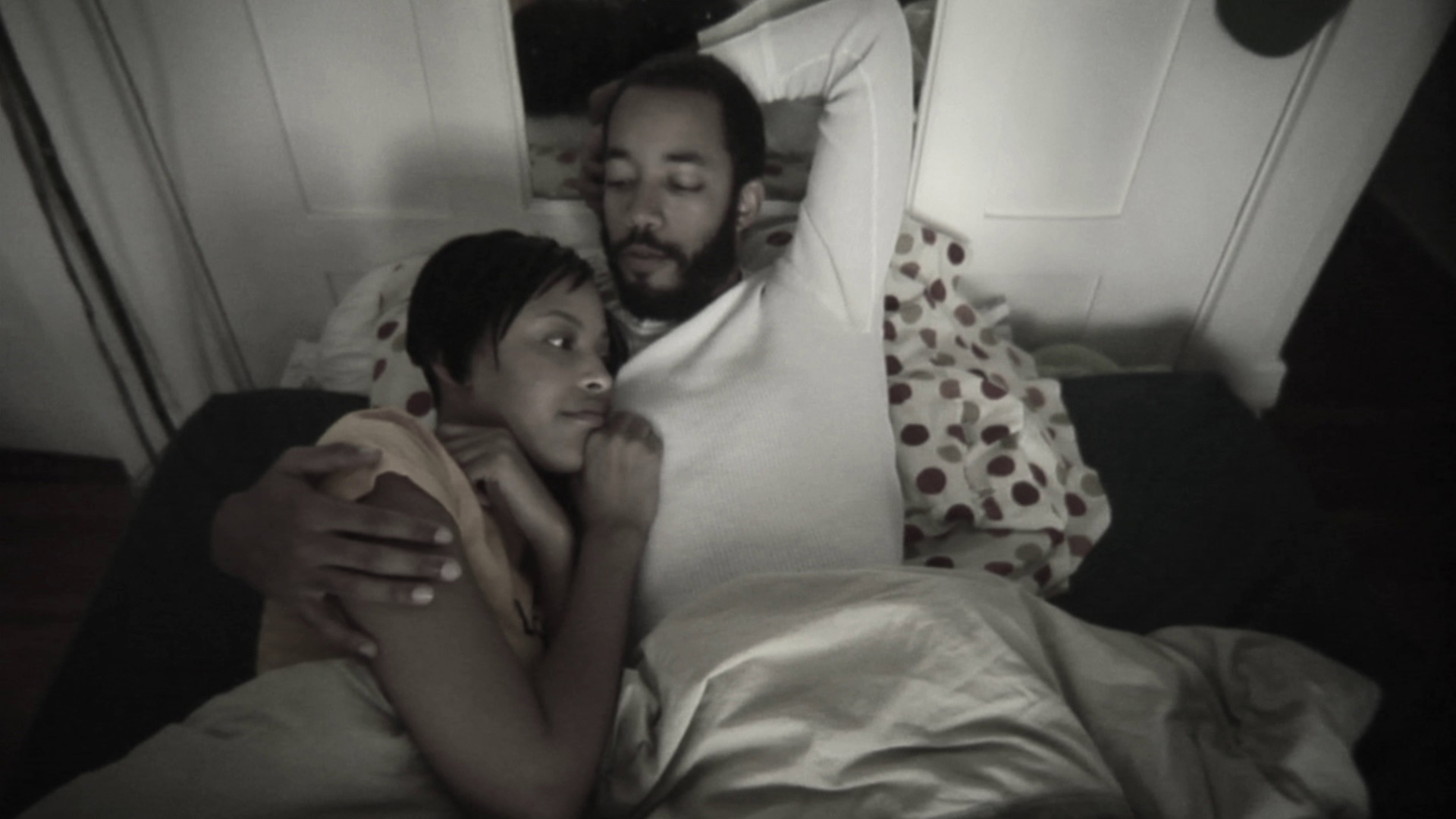
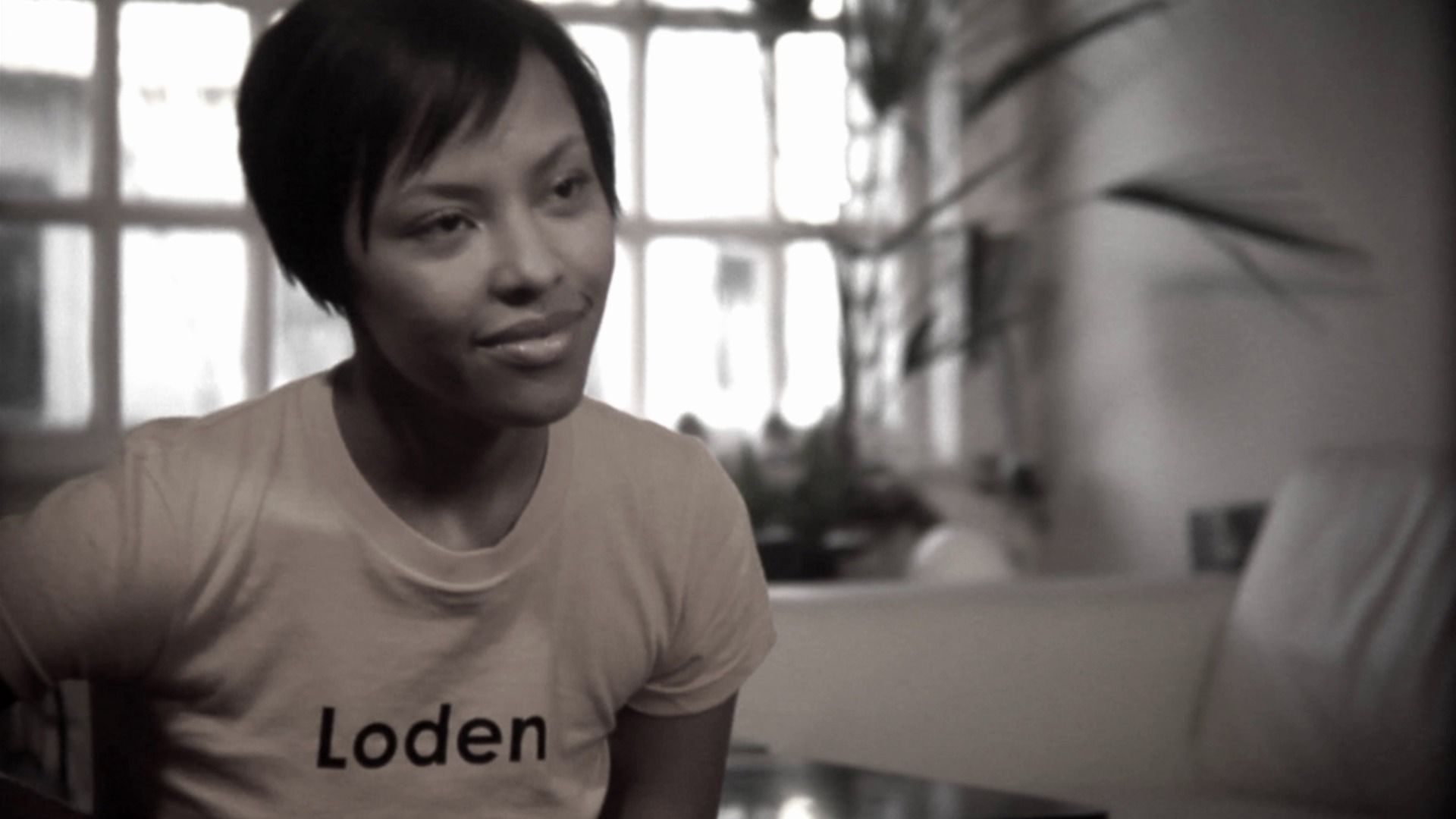
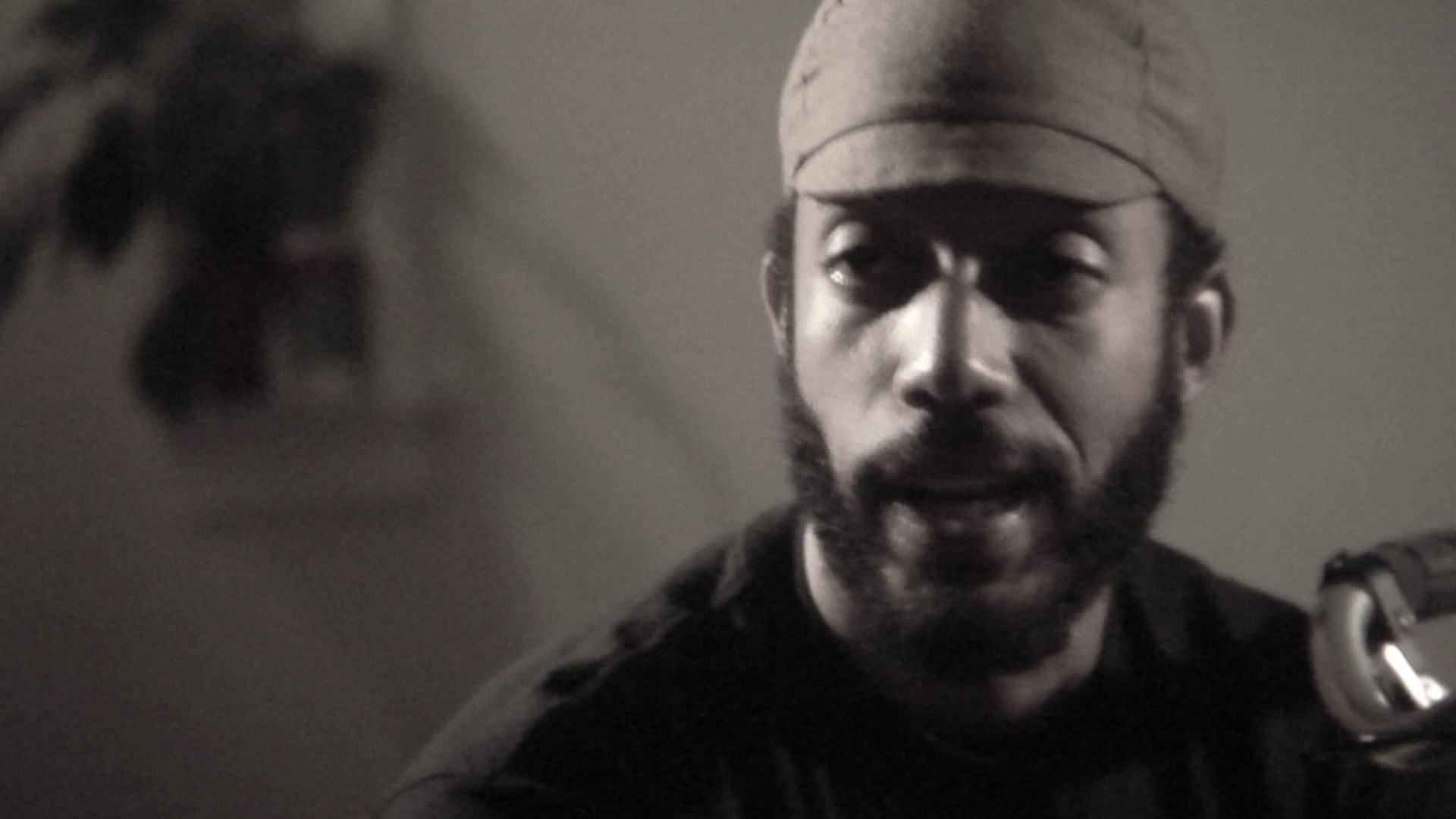
The end presentation is ultimately fine for what it is, but I’m sure it will come as no surprise when I say the image is severely limited due to the source and how the film was ultimately finished and graded. The biggest hindrance is that the camera in question only shot up to 720p resolution, meaning what is offered here is technically an upscale. Because of this, the image does look rather noisy, with more prominent blocky patterns showing on occasion. The picture is also soft and fuzzy much of the time, with finer details getting lost.
Jenkins also desaturated the colors to the point where the picture almost looks black-and-white, yellows and reds being about the only colors that pop in there, though barely. Grayscale is also severely limited, so depth is incredibly weak, with darker scenes being a little harder to see (like in a club near the end). Though again, it’s all baked into the original master and, ultimately, how Jenkins wants the film to look.
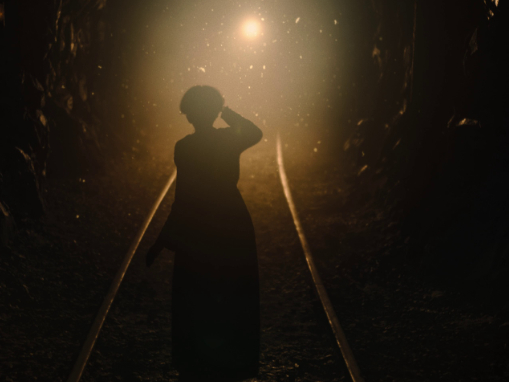
A short sequence was shot on 35mm film, and these images look crisp with bright colors and sharp, if imperfect, grain (I suspect it was ultimately sourced from the digital intermediate and not the original film elements). It’s a vibrant-looking sequence, but the rest is gray and digital-looking.
Ultimately, it is what it is, a byproduct of its filming conditions, and Criterion presents it in the best possible manner they can.
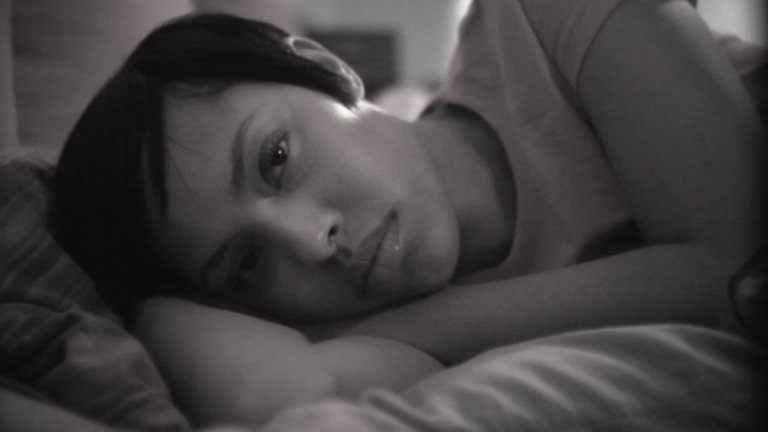
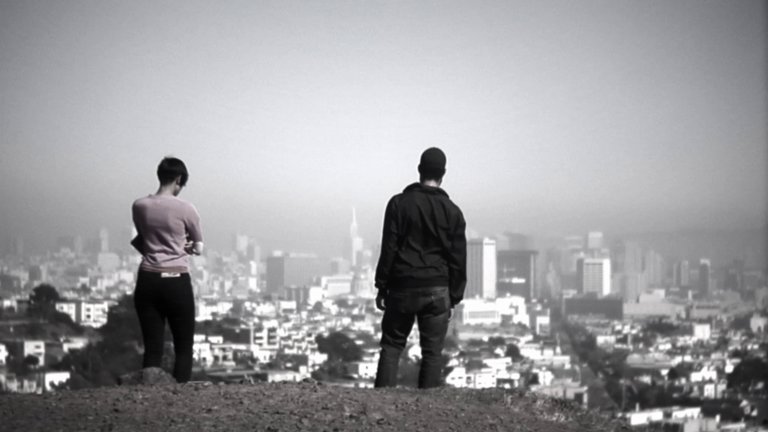
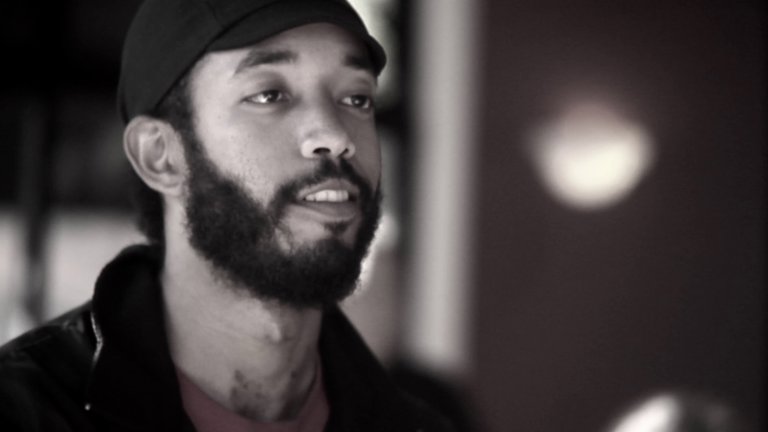
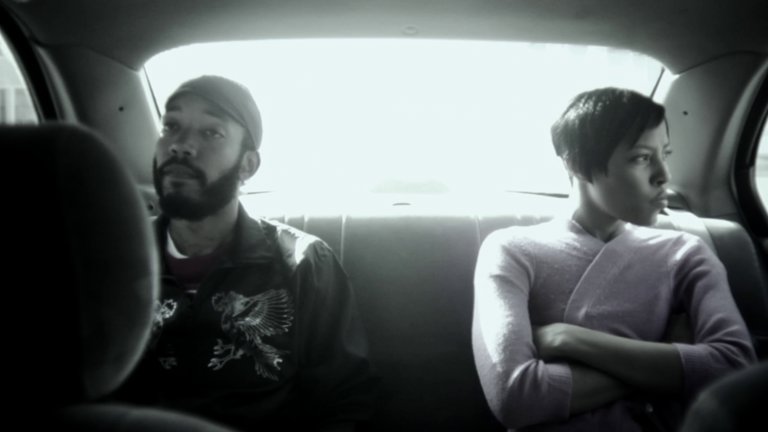
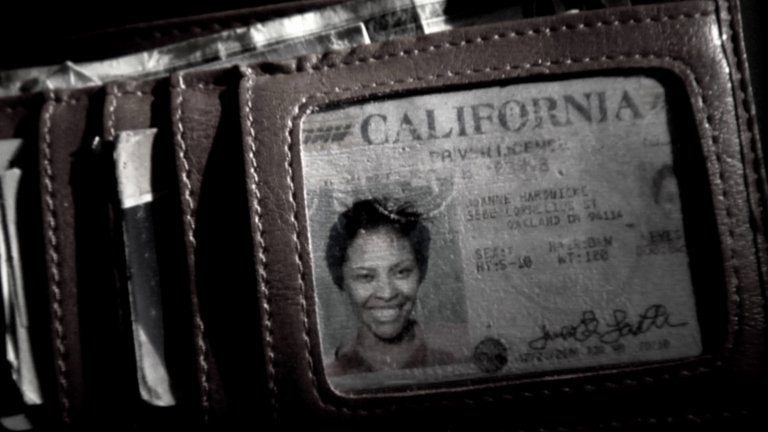
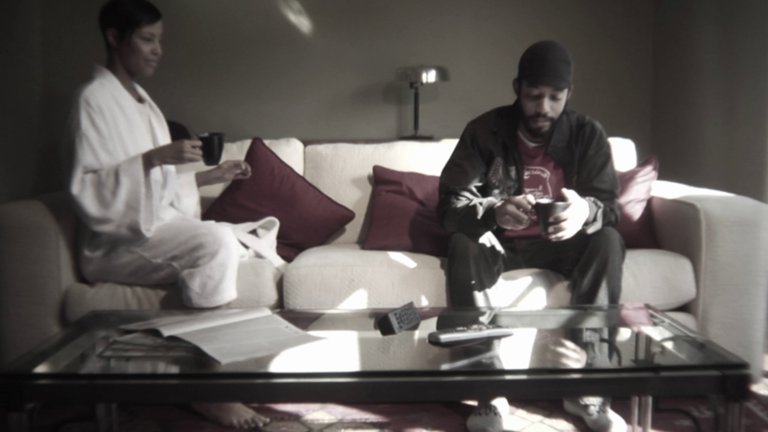
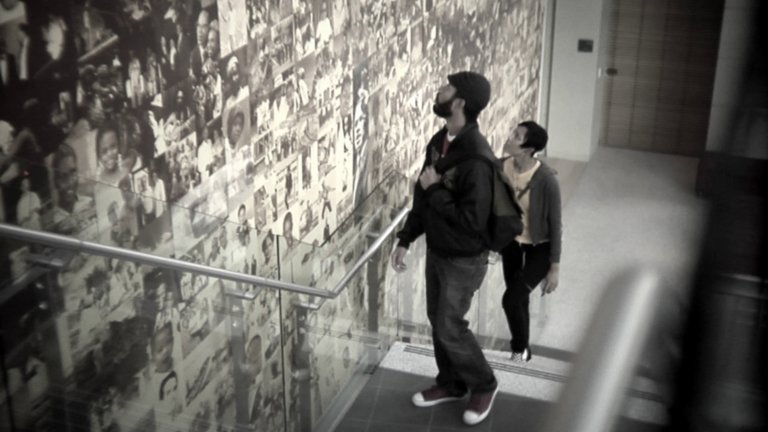
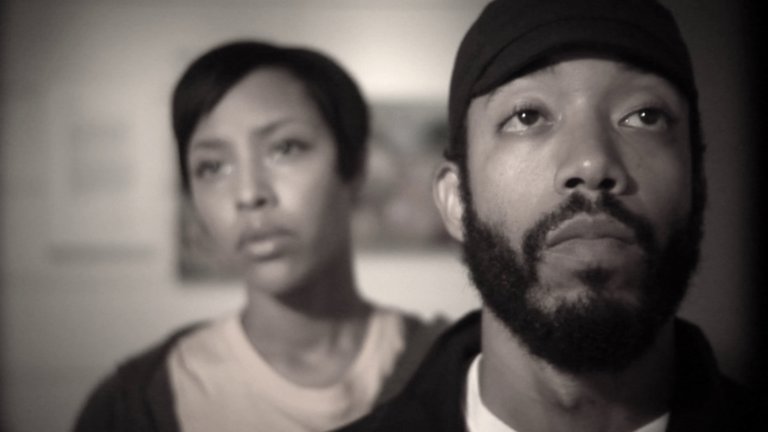
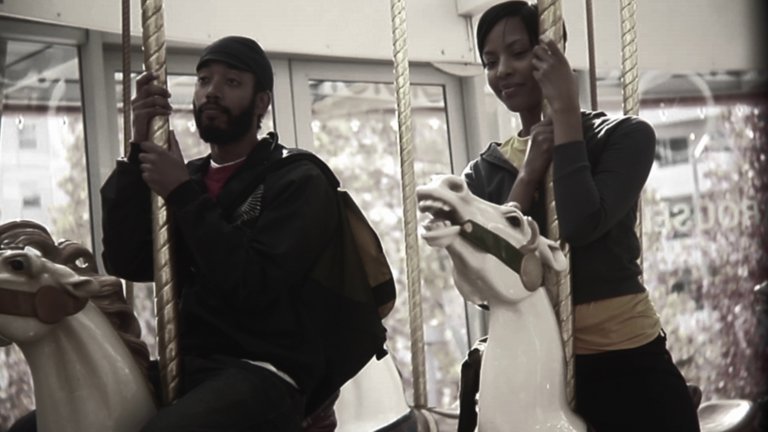

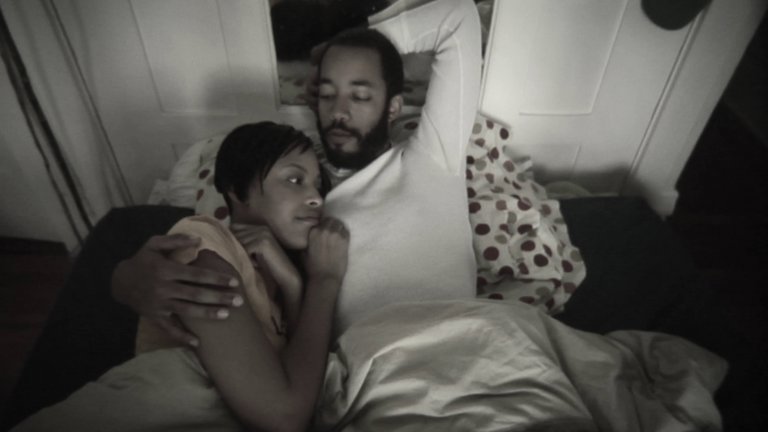
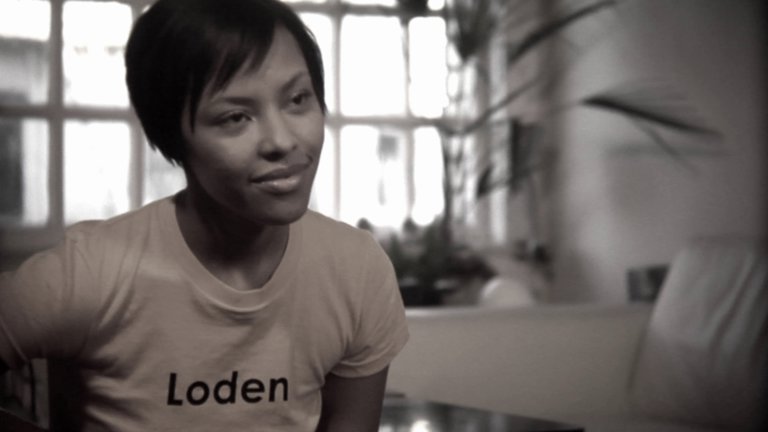
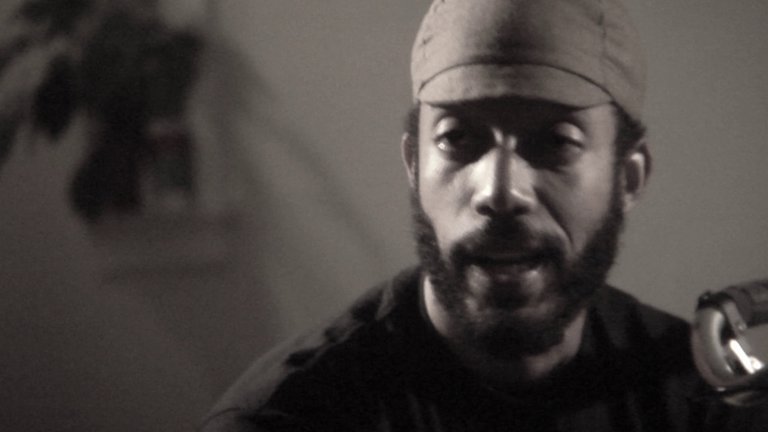
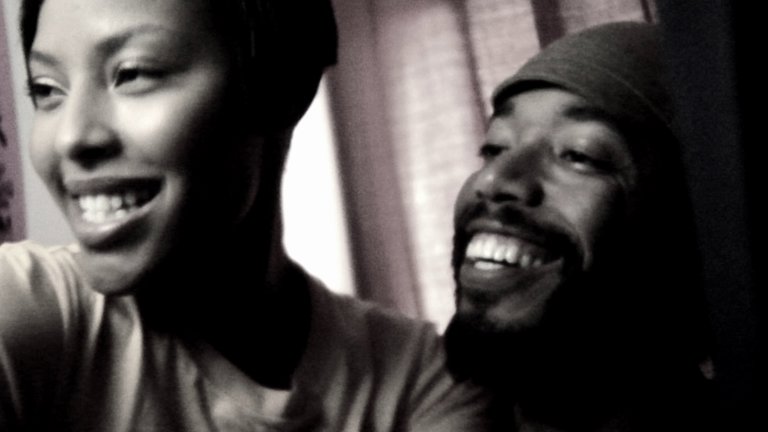
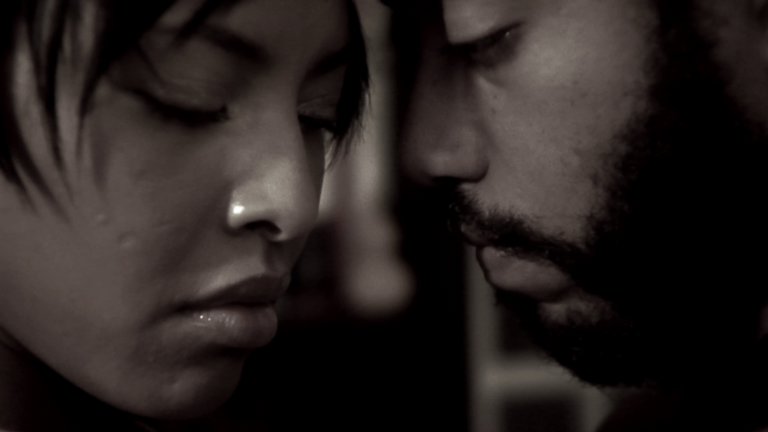
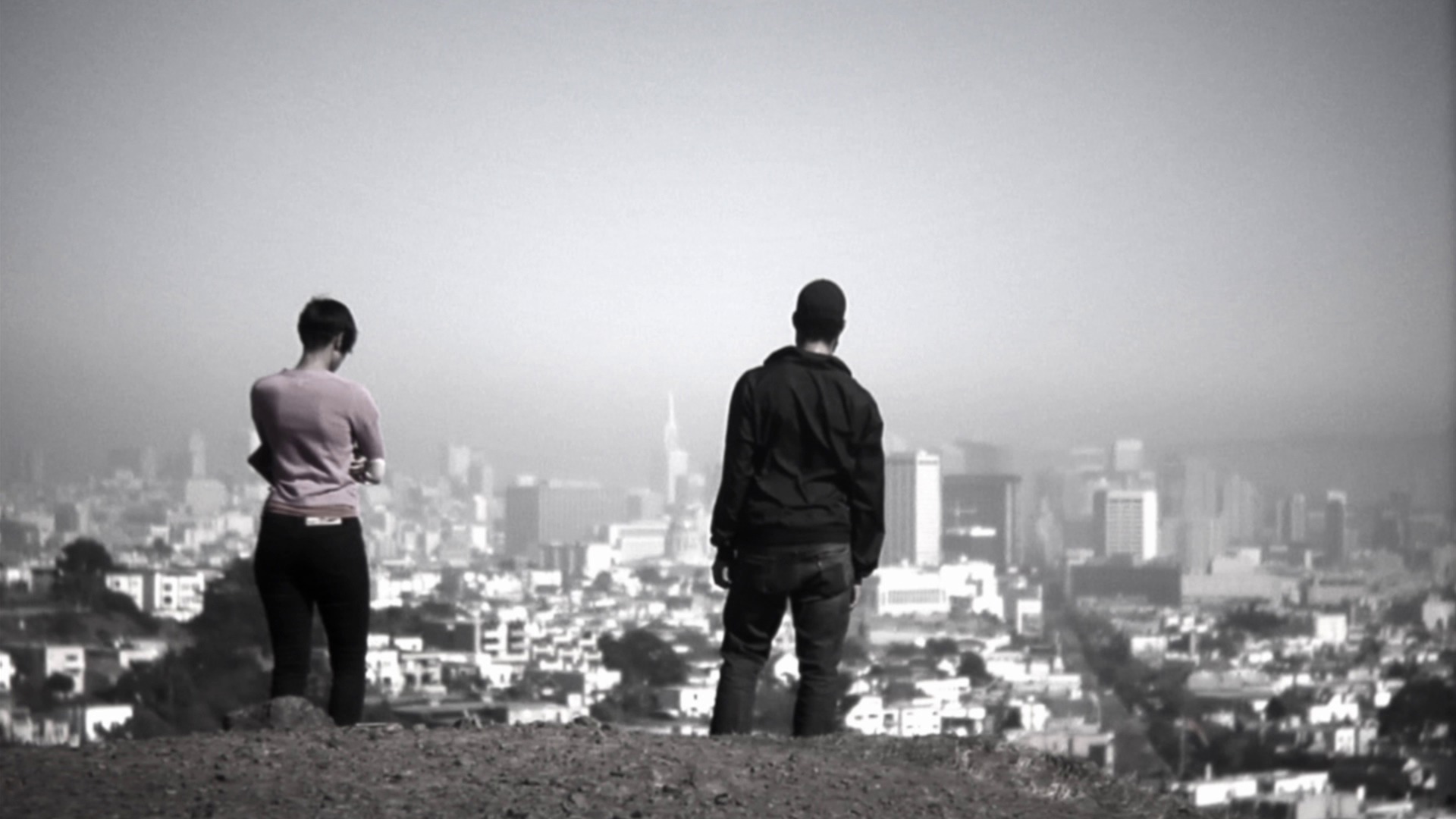
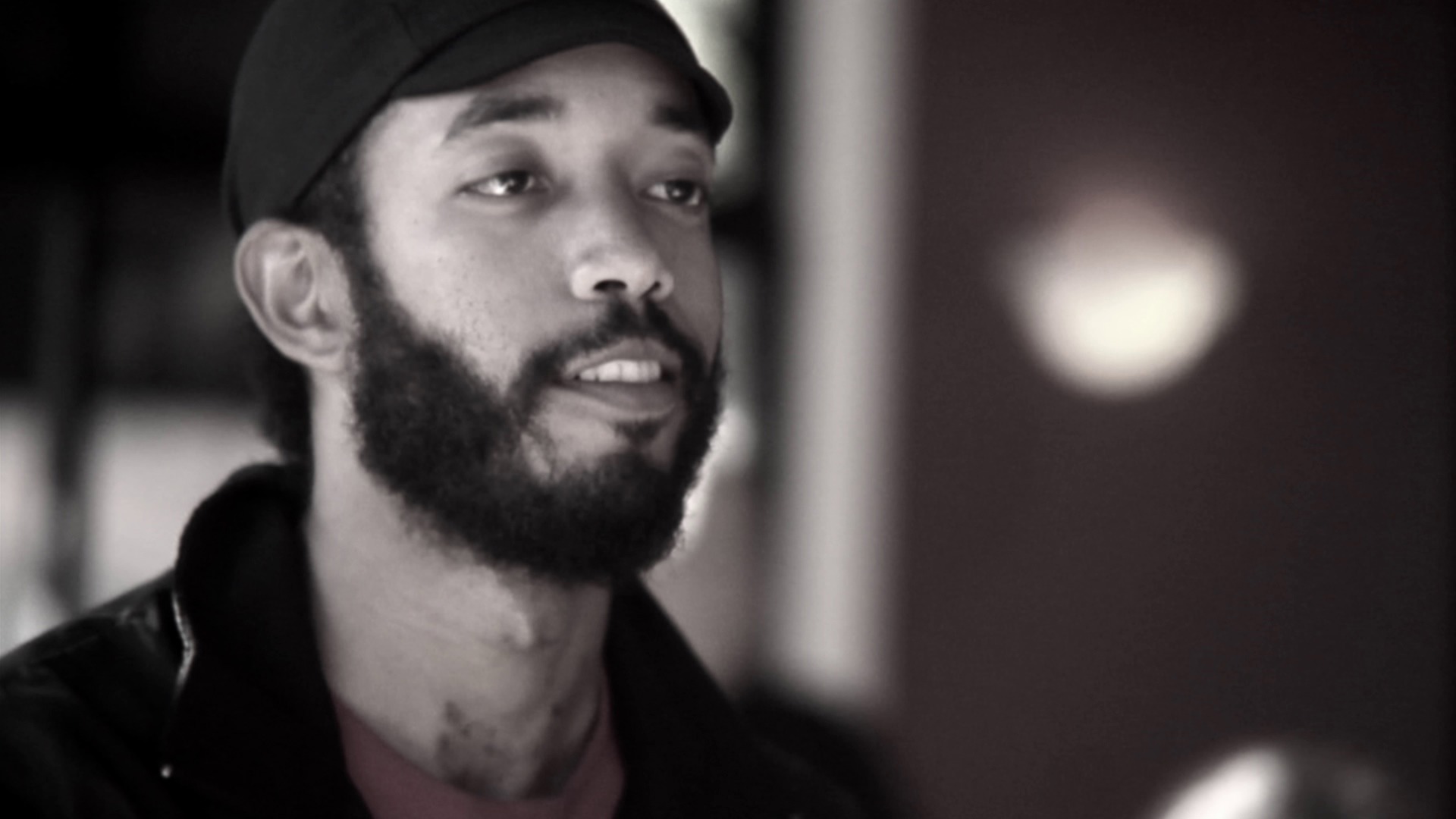
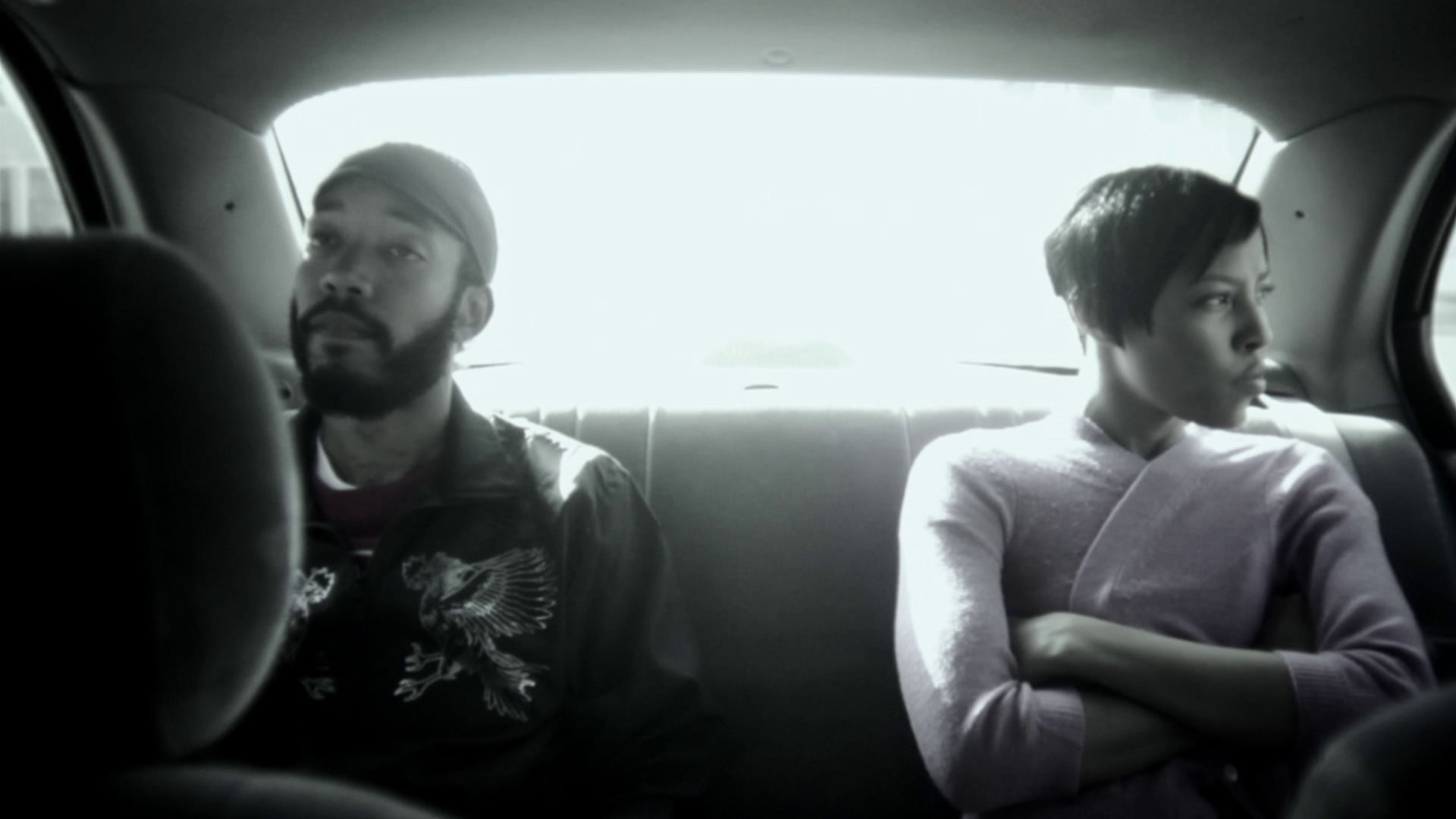
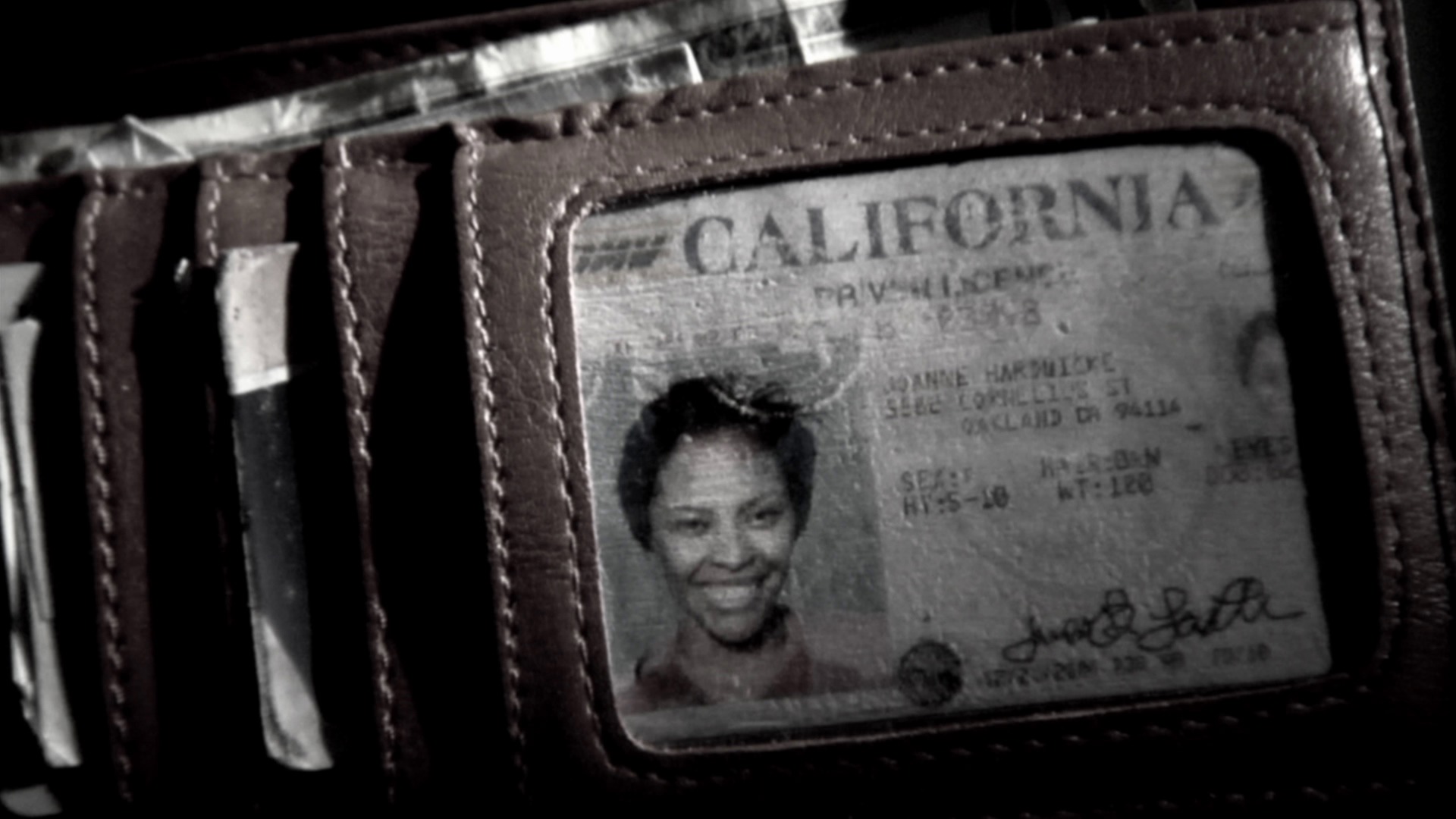
Medicine for Melancholy - Screen Captures
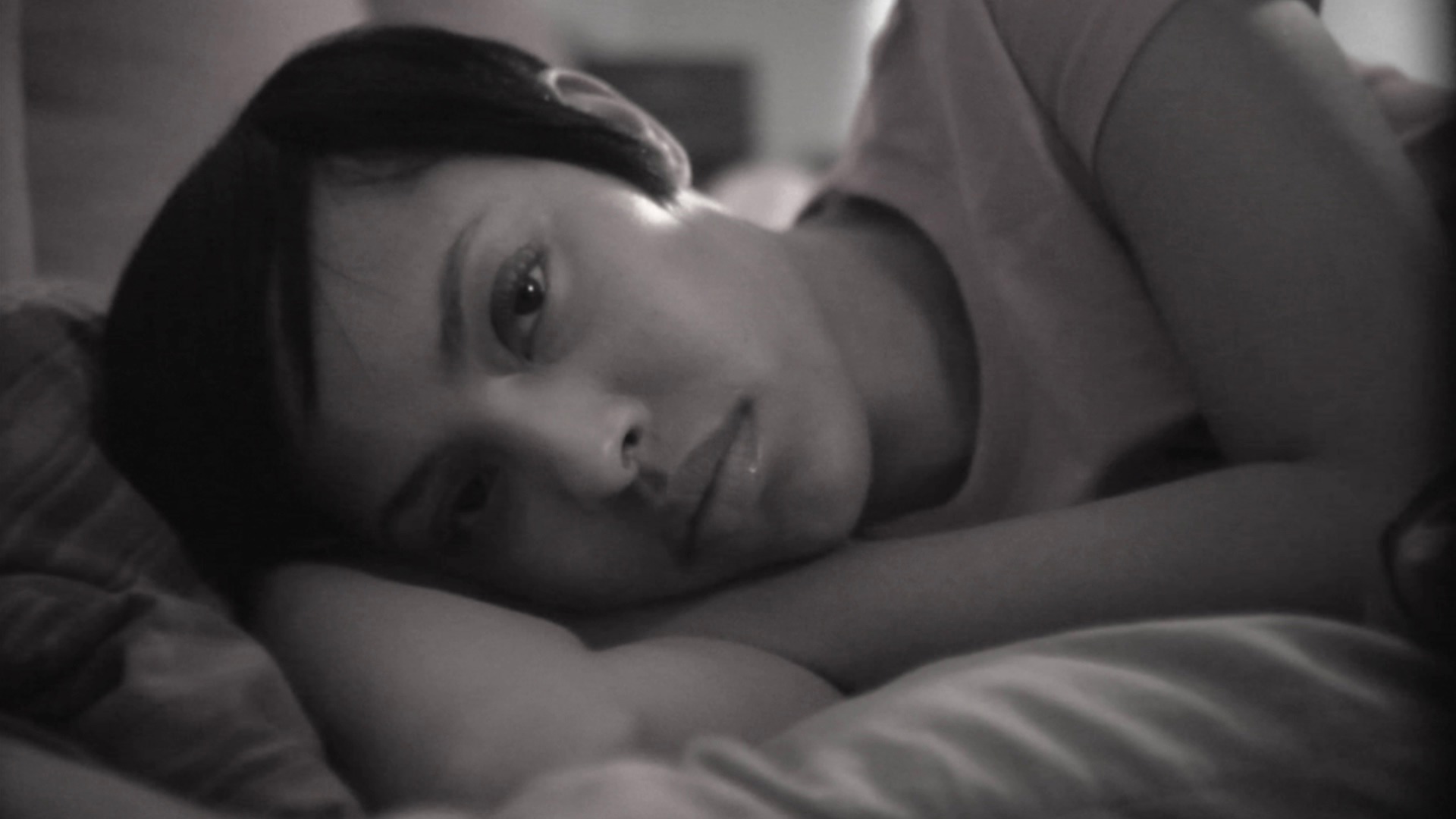
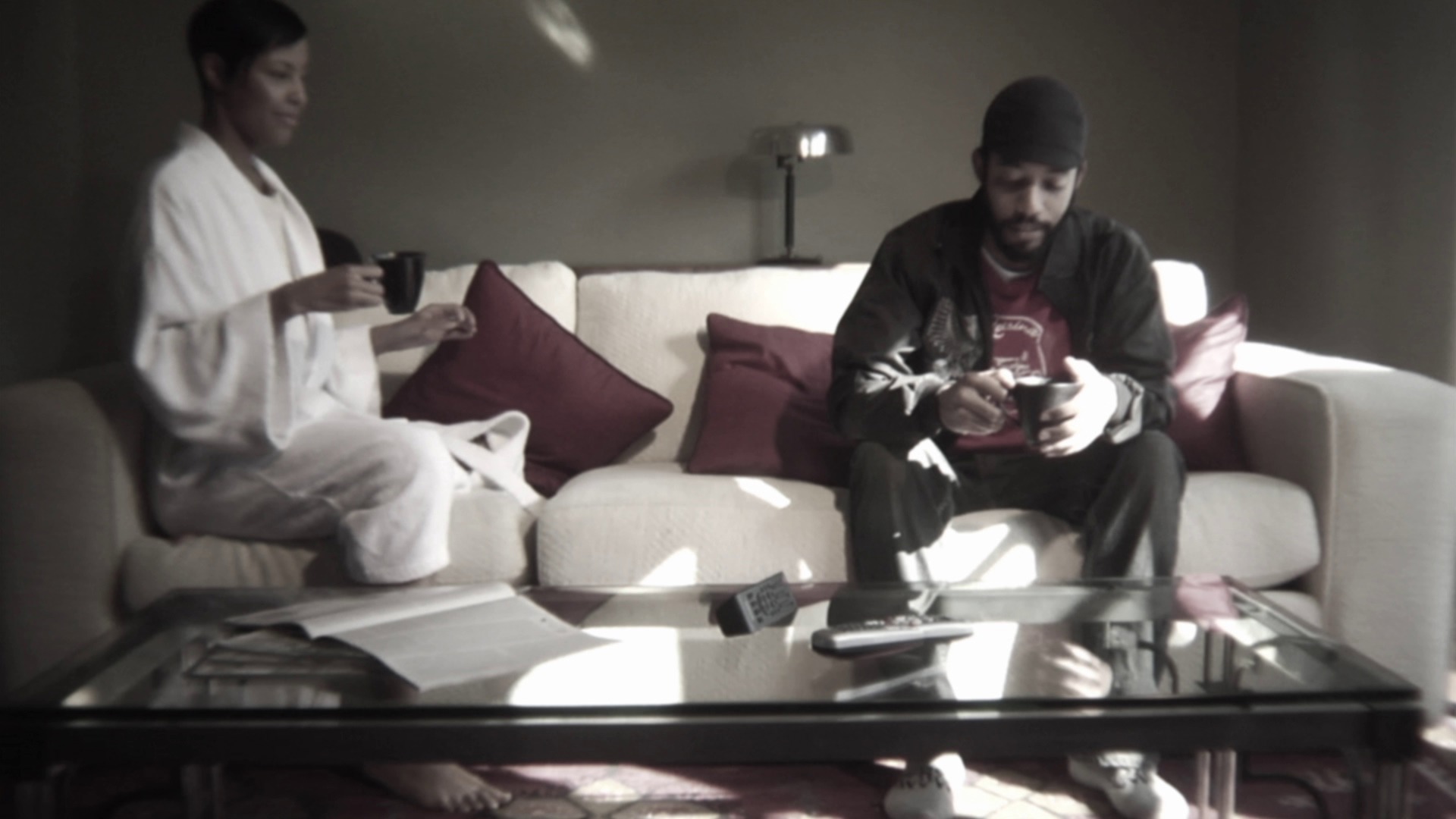
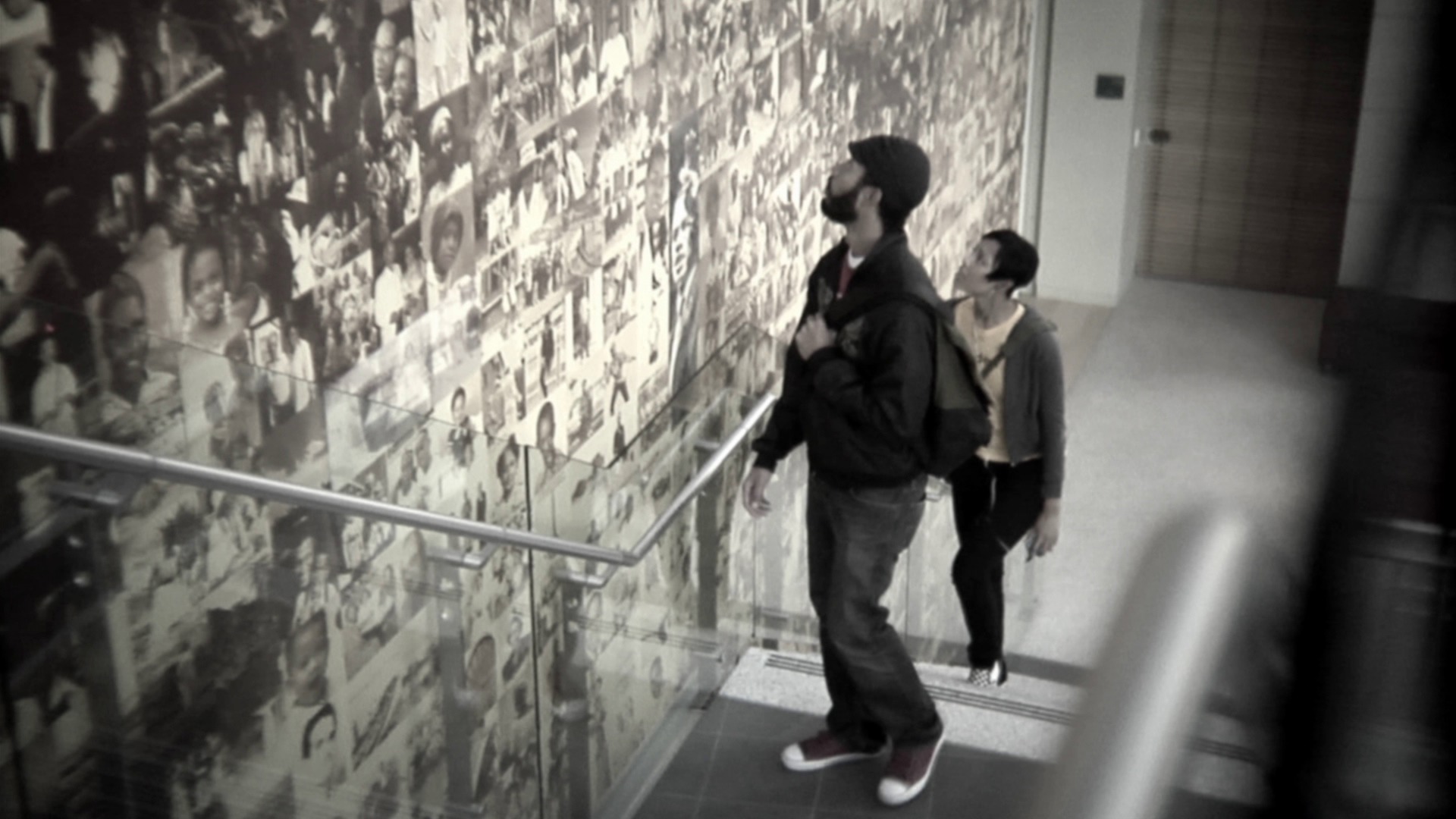
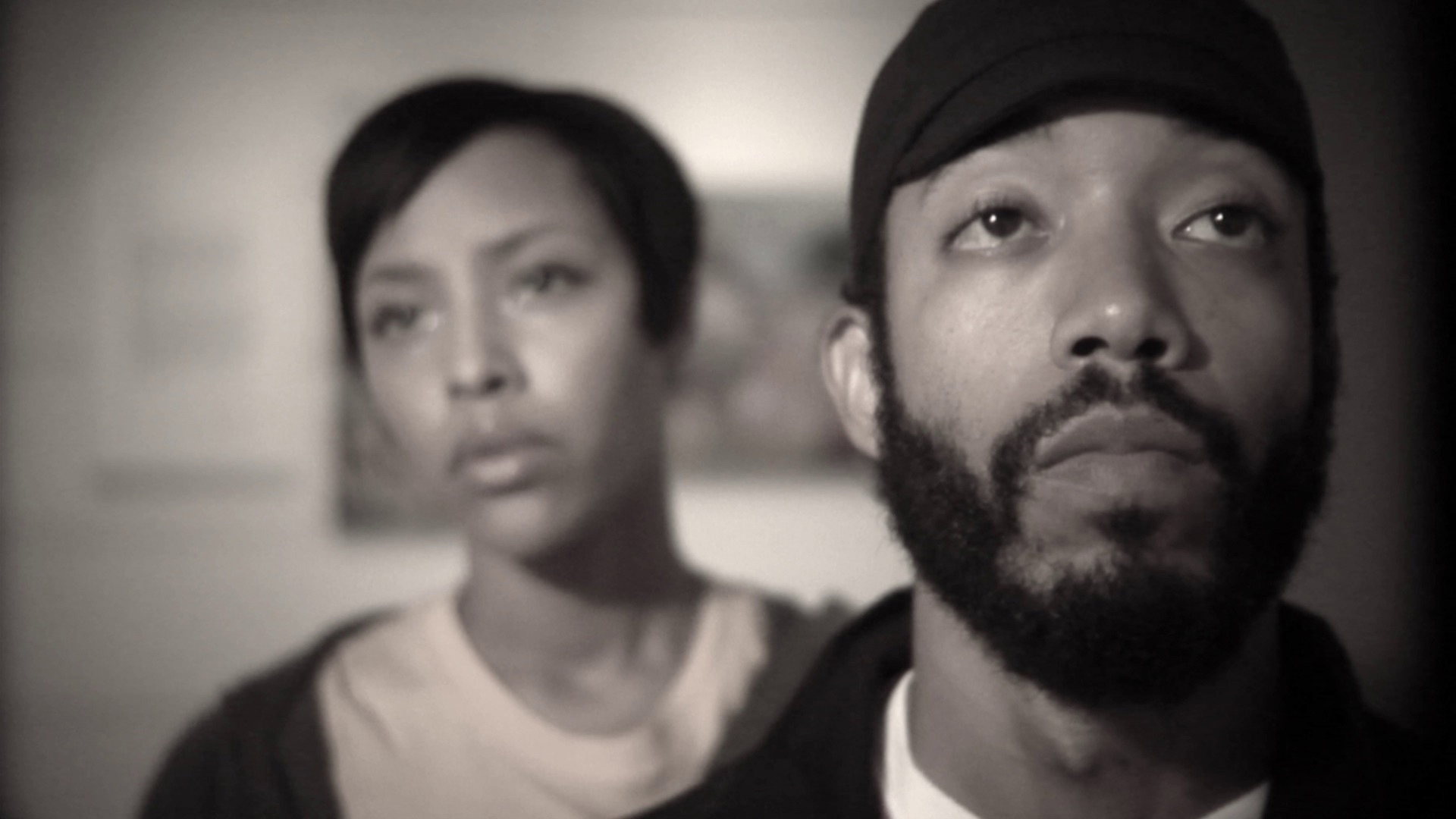
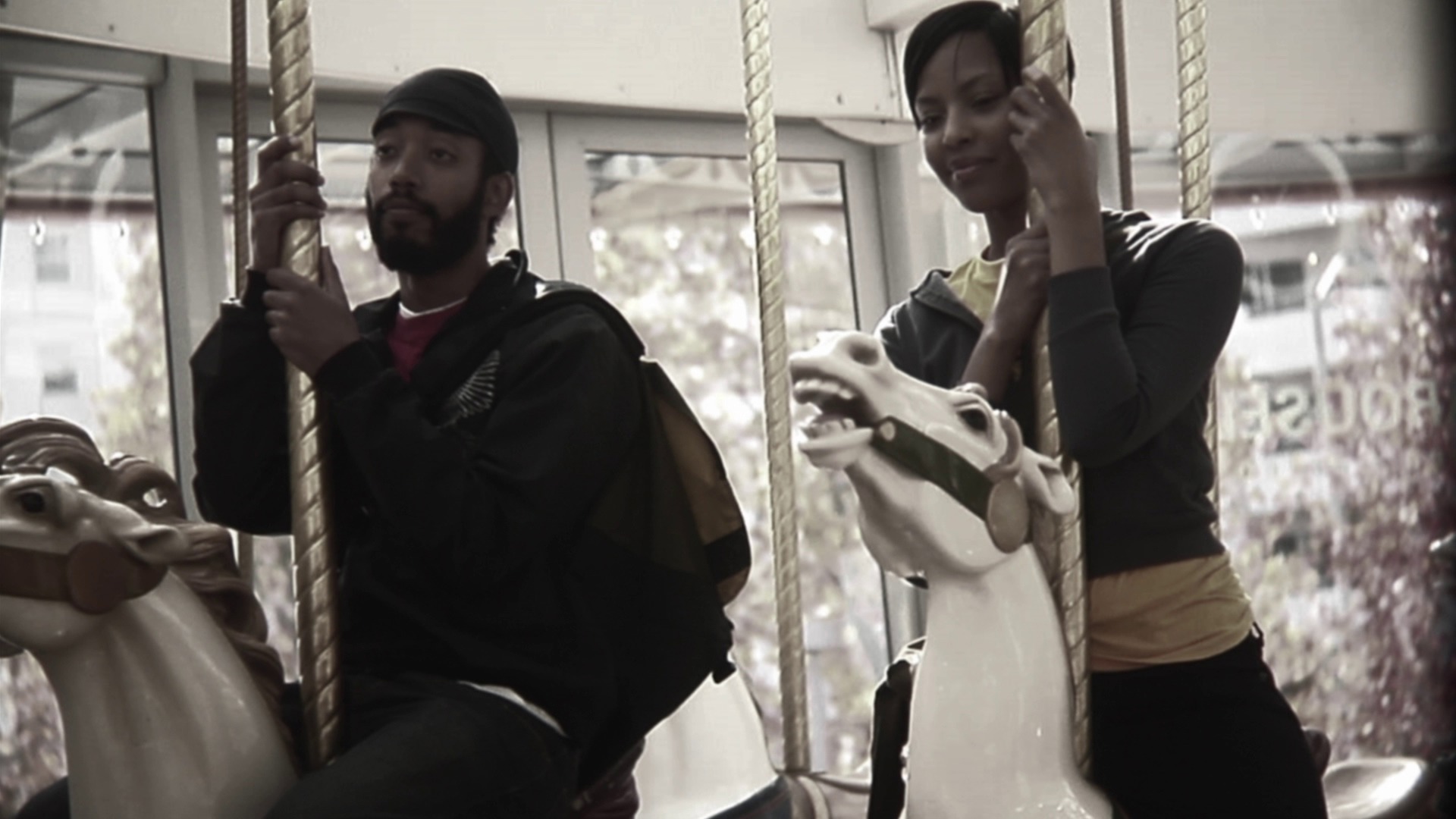
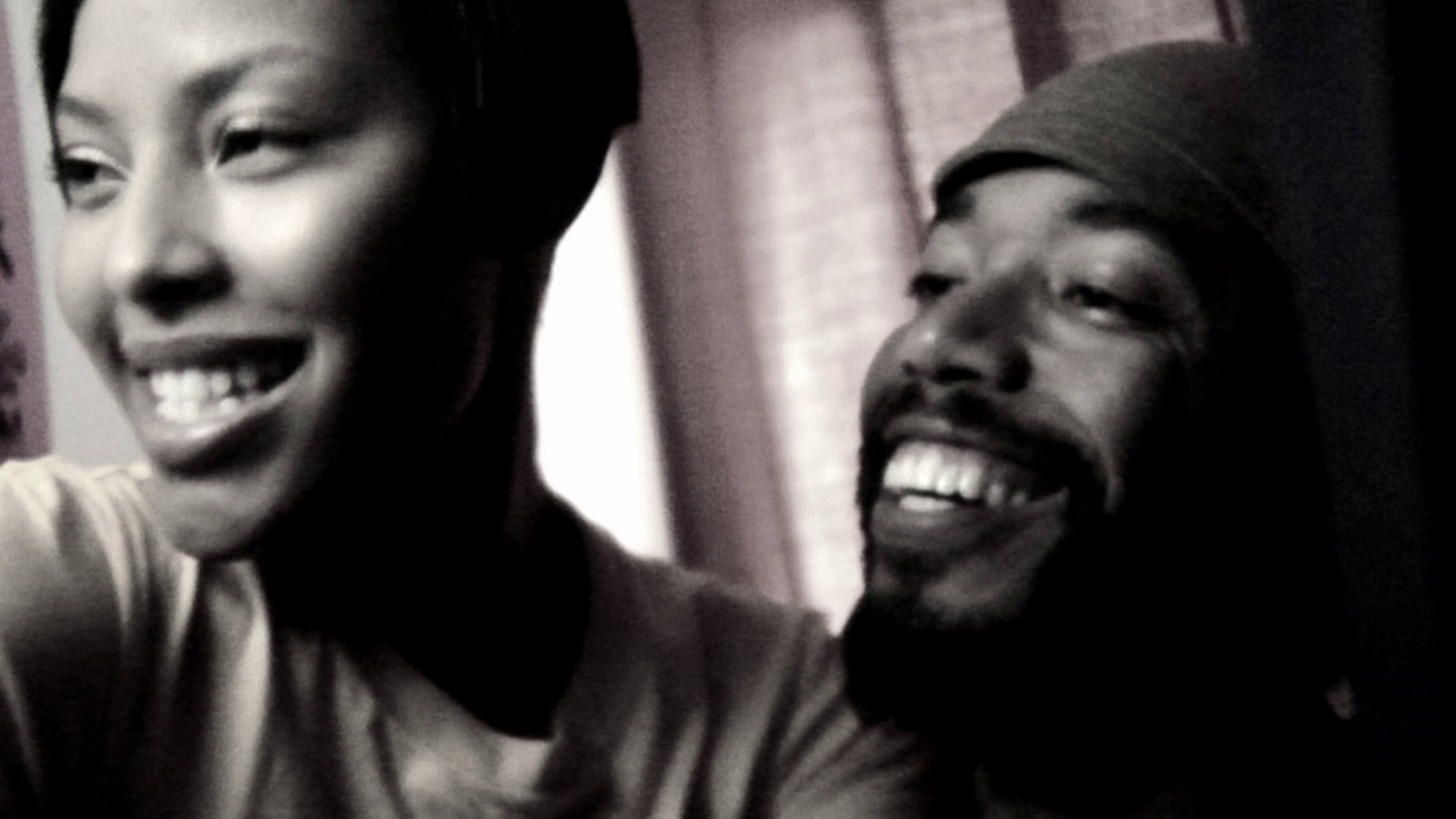
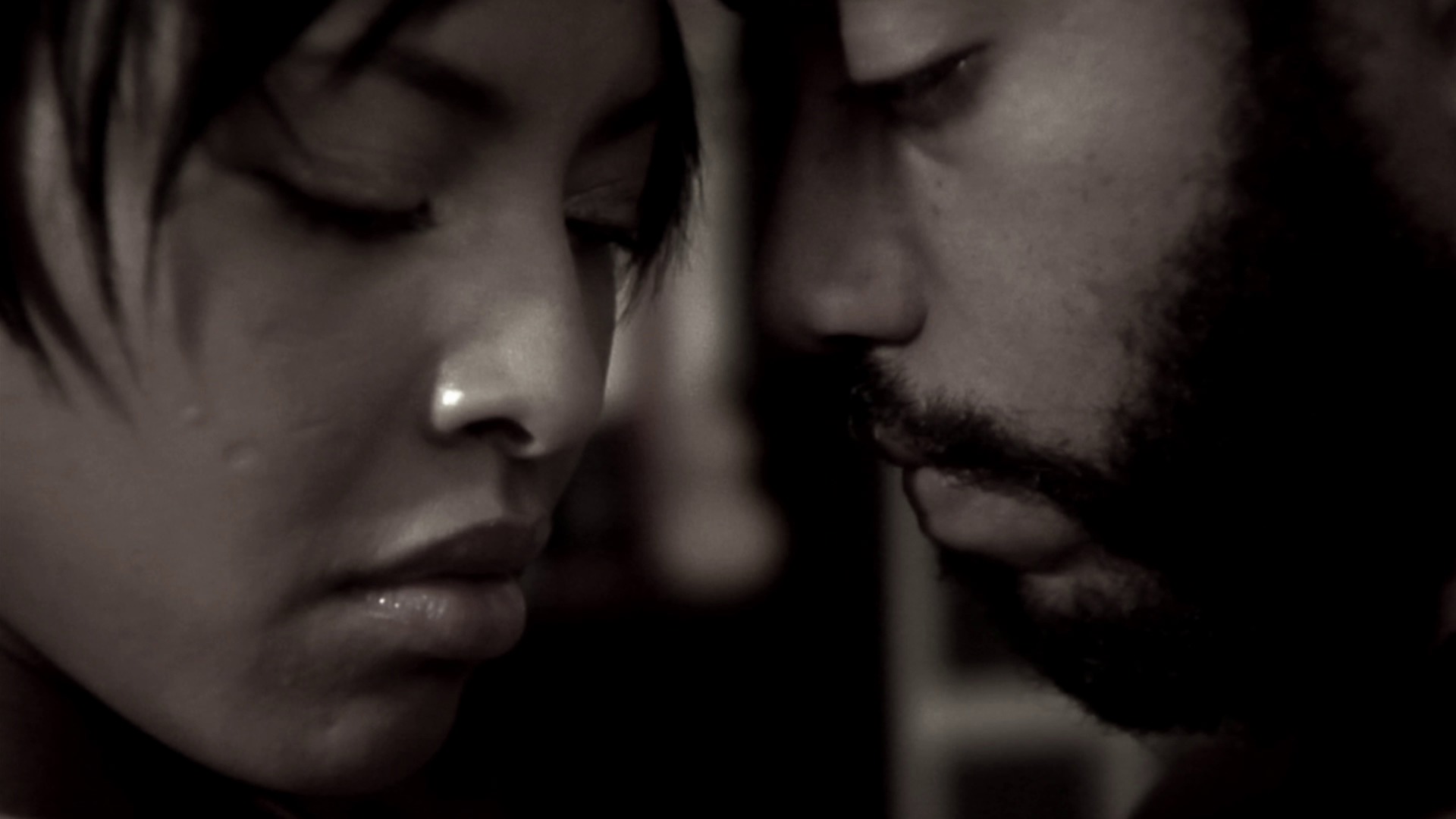
Audio 8/10
Considering the film's lo-fi nature, I wasn’t expecting much from the 5.1 surround soundtrack (delivered in DTS-HD MA), but it surprised me. Dialogue sounds fine enough; it’s clear and sharp, though limited in range. Yet I was impressed with street and environment noises, which move and appear appropriately around the viewer, including a walk around a fountain. Voices are also mixed efficiently between the speakers.
However, the film’s music ends up being the highlight, all featuring fantastic range and bass, a handful of sequences completely wrapping around the viewer. It’s incredibly effective.
Extras 8/10
Criterion manages to pack a few wonderful features, including two audio commentaries: a new one recorded in 2023 and featuring Barry Jenkins, the other from 2008 and featuring Jenkins, editor Nat Sanders, and producers Justin Barber and Cherie Saulter, apparently recorded in the basement of director of photography James Laxton’s home. I tried to find where older commentary would have appeared but didn’t see it as a feature on any DVD, even IFC’s original one. As it turns out (explained by Jenkins in the new commentary), he recorded it following the initial release of the film but was so insecure about it that he decided to hold it from the original DVD release.
It's terrific that it’s here, and I did enjoy it as all participants thoroughly covered the production and all the problems that managed to pop up, like discovering during editing that the proper coverage needed wasn’t shot. That said, I prefer Jenkins’ newer, solo commentary, which benefits from hindsight and his newly found experience as a filmmaker that includes an Academy Award win. He does repeat details covered in the group track, reviewing the project’s inception, writing it, discovering and casting Wyatt Cenac, finding locations (with or without permission), Jenkins working at Banana Republic to support himself, and more. Yet he also talks about making the film in the context of that period in independent filmmaking, addressing how things have changed since and acknowledging his lack of experience and resources then, something I don’t recall him mentioning in the other track. He also expands on some of the subject matter and themes the film tackles, namely the gentrification of San Francisco. He has a few good laughs at the dated elements present (I chuckled at his giggle when Myspace appears in the film) and talks about his surprise at the film’s moderate success, which he never foresaw. He also never imagined it being a part of The Criterion Collection and does a moderate bit of geeking about that.
Both tracks are still worth listening to. Getting the perspective of others involved in the film is beneficial, and there are still plenty of stories that Jenkins doesn’t cover in his new track, like how the cab driver early in the movie was cast, for starters. Still, I found the more recent track the far more valuable of the two.
I was a little disappointed that neither Cenac nor Tracey Heggins appeared in the original commentary. Still, Cenac does appear in a new interview filmed by Criterion for the 19-minute program Be More Bandry, also featuring editor Sanders. Sanders appears in the 2008 commentary and touches on some of the same material here, including how he knew Jenkins through film school. Yet on top of that, he does expand on the editing process and Jenkins’ film language, explaining how the filmmaker developed it after taking a year off of school to watch as many movies as possible.
Cenac, on the other hand, talks about being discovered (his casting really was a fluke) and the script (which he admits he didn’t think would amount to much, but he needed a job), all the while recounting stories about the rather wild nature of shooting the film. This involved a lot of “run and gun” situations (filming in locations without permits and quickly getting out of there) and pulling random people off of the street to appear in it, including the woman that appears in a photo as Cenac’s ex-girlfriend. He also takes the opportunity to express his disappointment that Jenkins hasn’t cast him in anything since (not even his upcoming Lion King sequel). I almost wish he sat with Jenkins for the new commentary, but it’s terrific that he could at least participate in this manner.
Camera tests come up throughout both tracks, Jenkins mentioning he had envisioned a specific look and wanted to make sure he could capture that through the tools he had, and 13 minutes of that footage does appear here. Though heavily compressed, the footage does resemble what we see in the film (it’s taken at one of the locations ultimately used in the movie), with desaturated colors and everything. Audio can be hard to hear for the most part, but we get to listen to a conversation about San Francisco’s weather.
Closing things off are the film’s original trailer and a 3-minute blooper reel featuring a few blunders, chuckles, and uncontrollable events, like a cab pulling into a shot. Criterion also includes an insert featuring an essay by critic Danielle Amir Jackson, who looks at the film in the context of Jenkins’ career following the film.
There was a pretty good opportunity here for some academic material, whether it be about Jenkins’ work, the themes explored in the film, or even “mumblecore” and the movement in general. Still, despite the lack of such material, it does cover the film’s production in a very satisfying manner.
Closing
Though a missed opportunity in some respects, Criterion’s new edition for Barry Jenkins’ debut feature reflects on the film’s production and what it means today.
BUY AT: