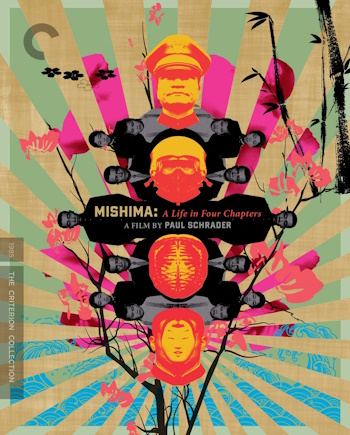
Mishima: A Life in Four Chapters
BUY AT:


See more details, packaging, or compare
Synopsis
Paul Schrader’s visually stunning, collagelike portrait of the acclaimed Japanese author and playwright Yukio Mishima (played by Ken Ogata) investigates the inner turmoil and contradictions of a man who attempted the impossible task of finding harmony among self, art, and society. Taking place on the last day of Mishima’s life, when he famously committed public seppuku, the film is punctuated by extended flashbacks to the writer’s past as well as gloriously stylized evocations of his fictional works. With its rich cinematography by John Bailey, exquisite sets and costumes by Eiko Ishioka, and unforgettable, highly influential score by Philip Glass, Mishima: A Life in Four Chapters is a tribute to its subject and a bold, investigative work of art in its own right.
Picture 9/10
The Criterion Collection upgrades their edition of Paul Schrader’s Mishima: A Life in Four Chapters to 4K UHD, presenting the film in its original aspect ratio of 1.85:1 on a triple-layer disc. Delivered in SDR, the 2160p/24hz ultra high-definition presentation is sourced from the same 4K restoration used for the 2018 Blu-ray edition, which was scanned from the 35mm original camera negative. A standard dual-layer Blu-ray is also included, featuring a 1080p presentation of the film and all of the video features; it’s the same disc released in 2018.
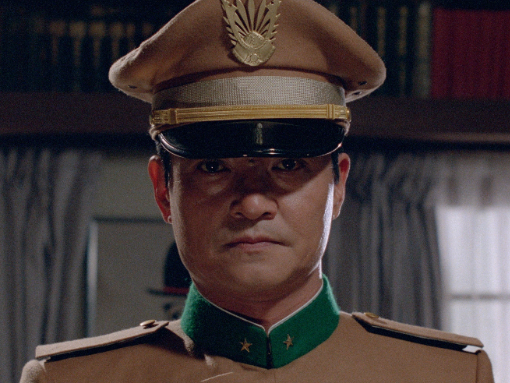
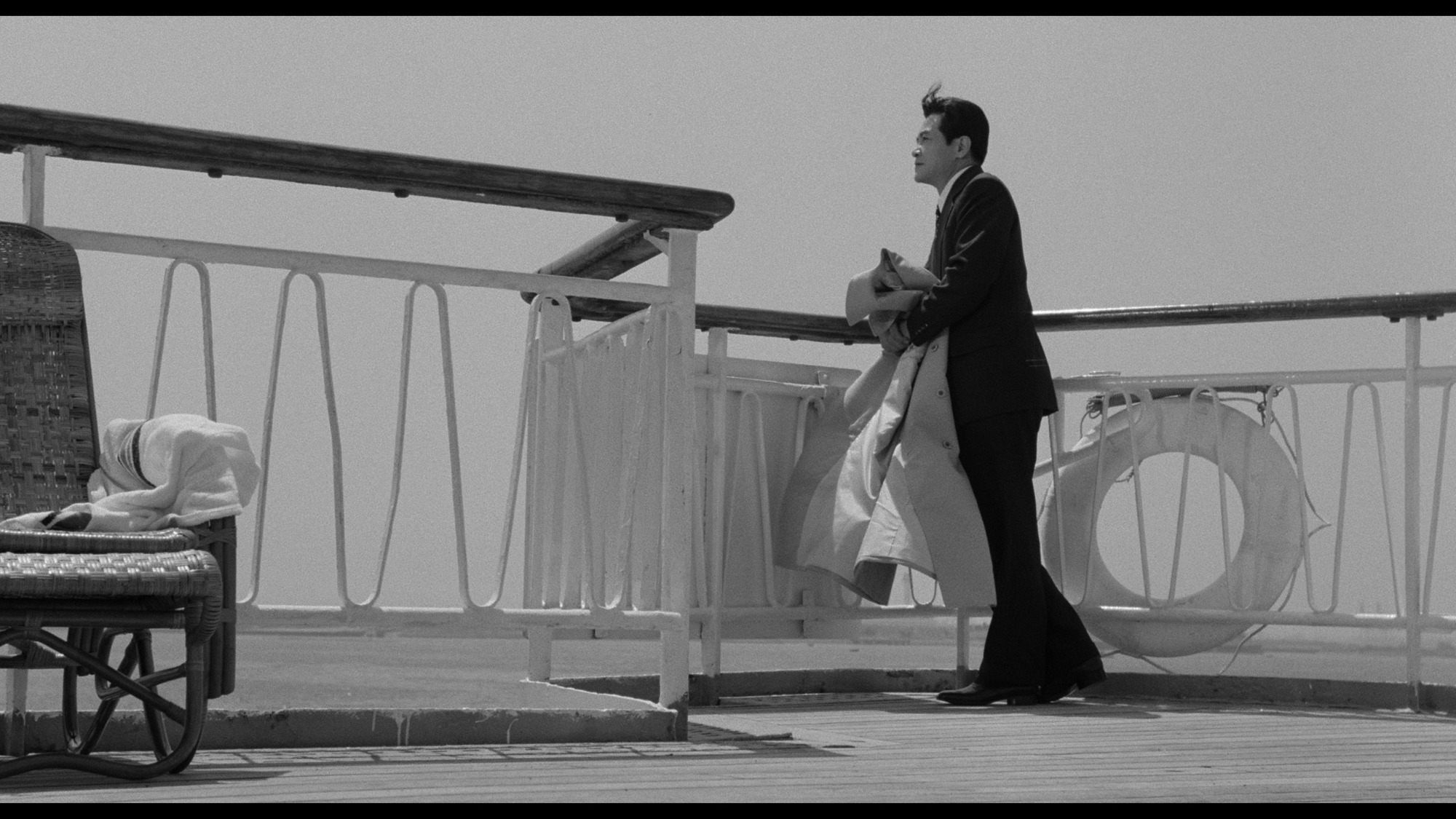
It was a major disappointment to learn the film would not be receiving an HDR master. Mishima’s striking use of shadows and vibrant colors, especially in its stylized segments, cried (cried I tells you!) out for HDR. Even the black-and-white chapters would have benefitted from the expanded range. And considering how strong Criterion’s Blu-ray already was, I didn’t expect the 4K to offer significant gains, but I’m happy to report that, even if it could have gone further, the new presentation delivers a noticeably sharper and cleaner image.
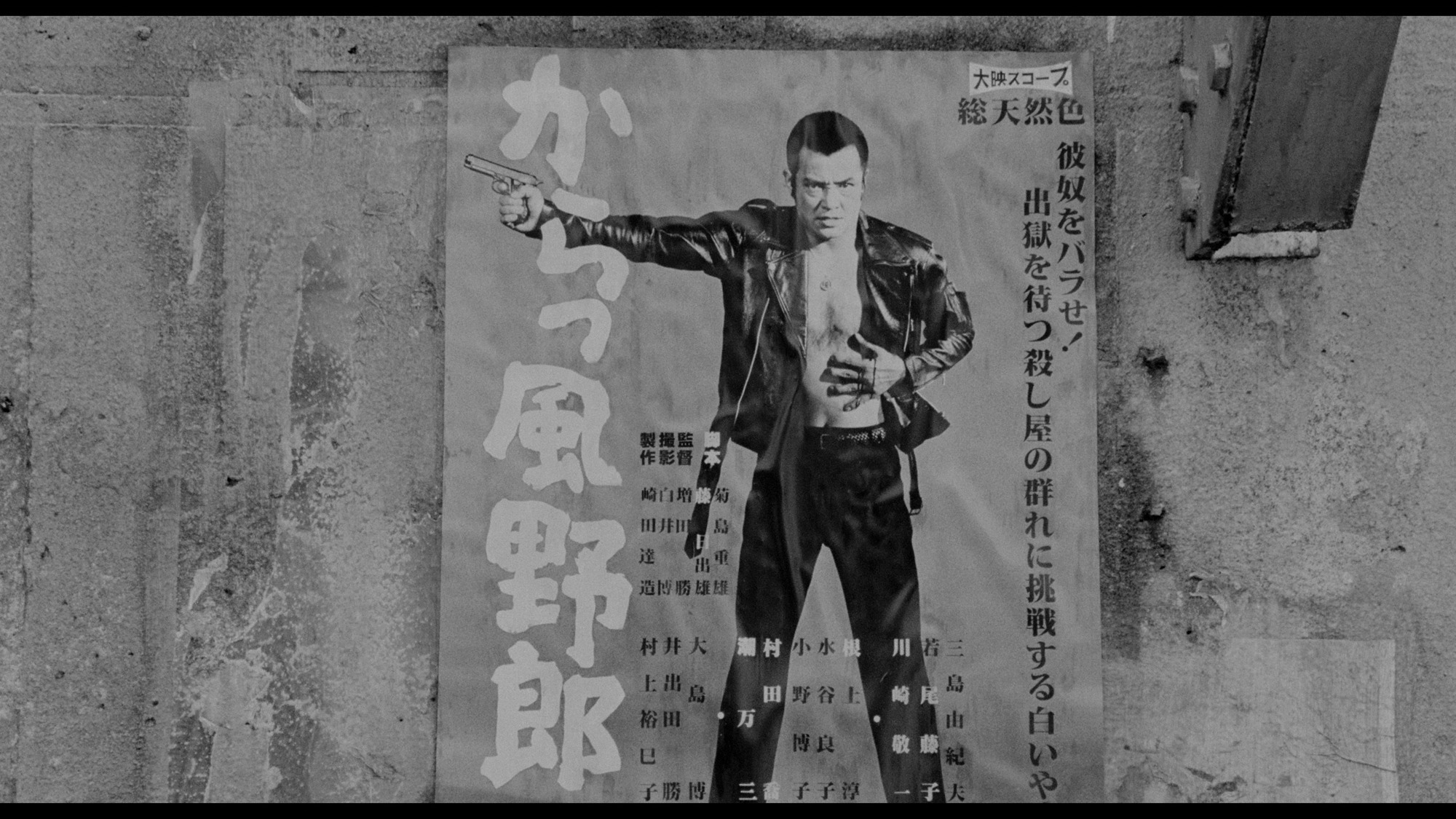
The old Blu-ray’s encode, while serviceable, left room for improvement. The 4K disc resolves that handily, offering a much cleaner encode that renders the film’s grain structure beautifully. It's fine and natural throughout, with some variance depending on the segment (different film stocks were used, at least according to John Bailey in an included interview). Even when the grain gets heavier, the image remains sharp and refined. And thanks to the clean rendering, the resulting level of detail present in the image can be striking, even in long shots (as long as no filters are applied).
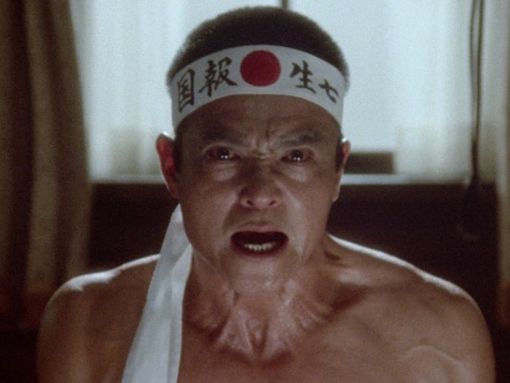
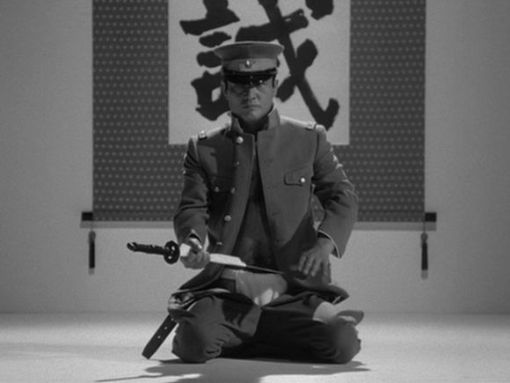
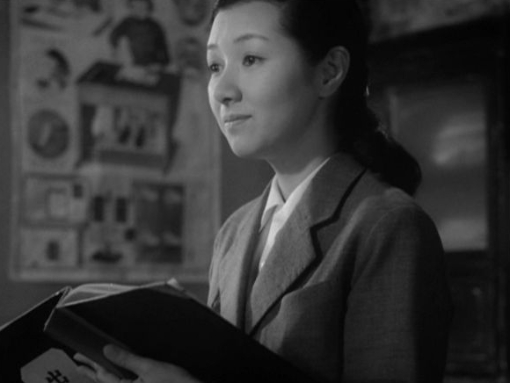
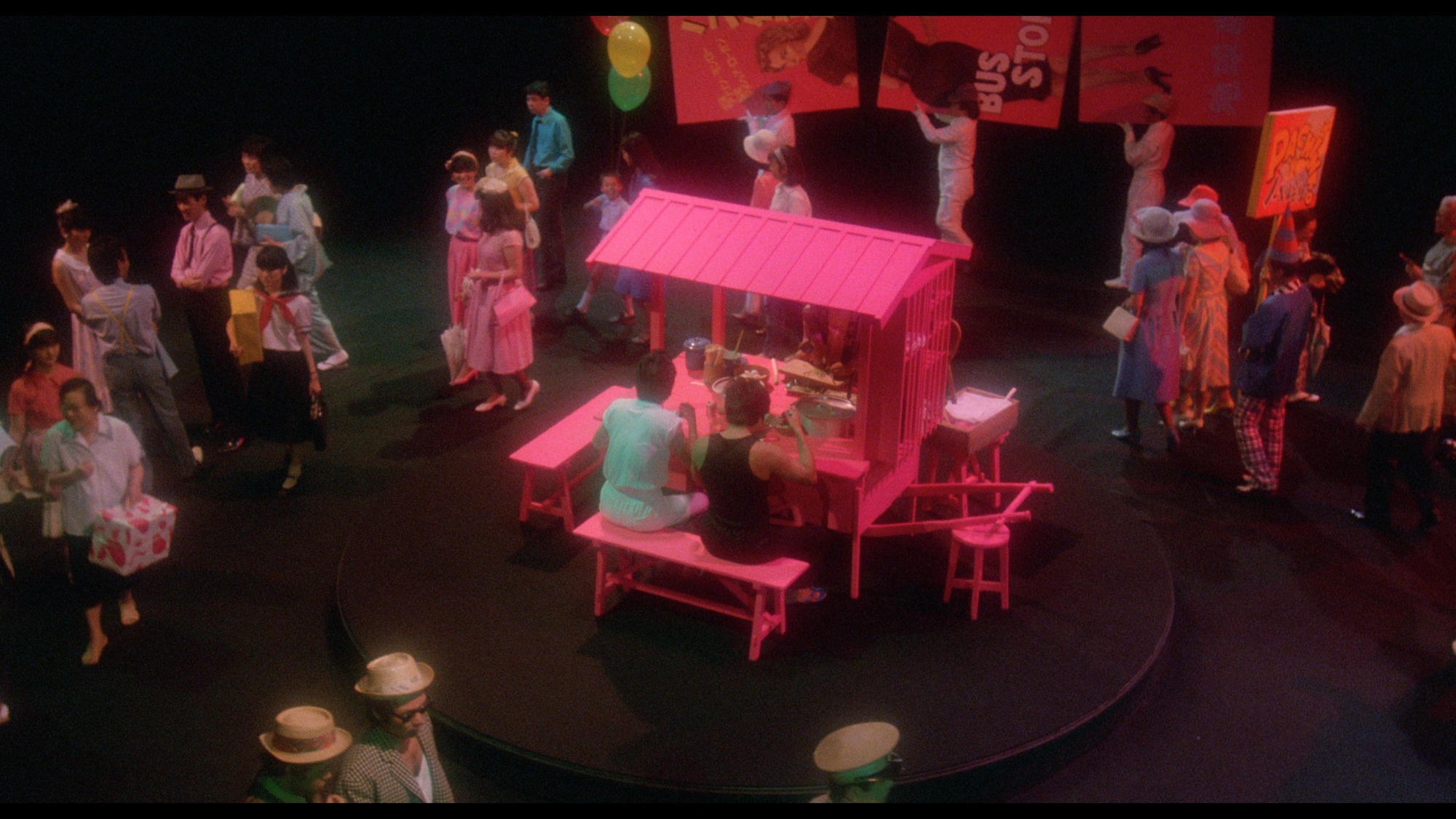
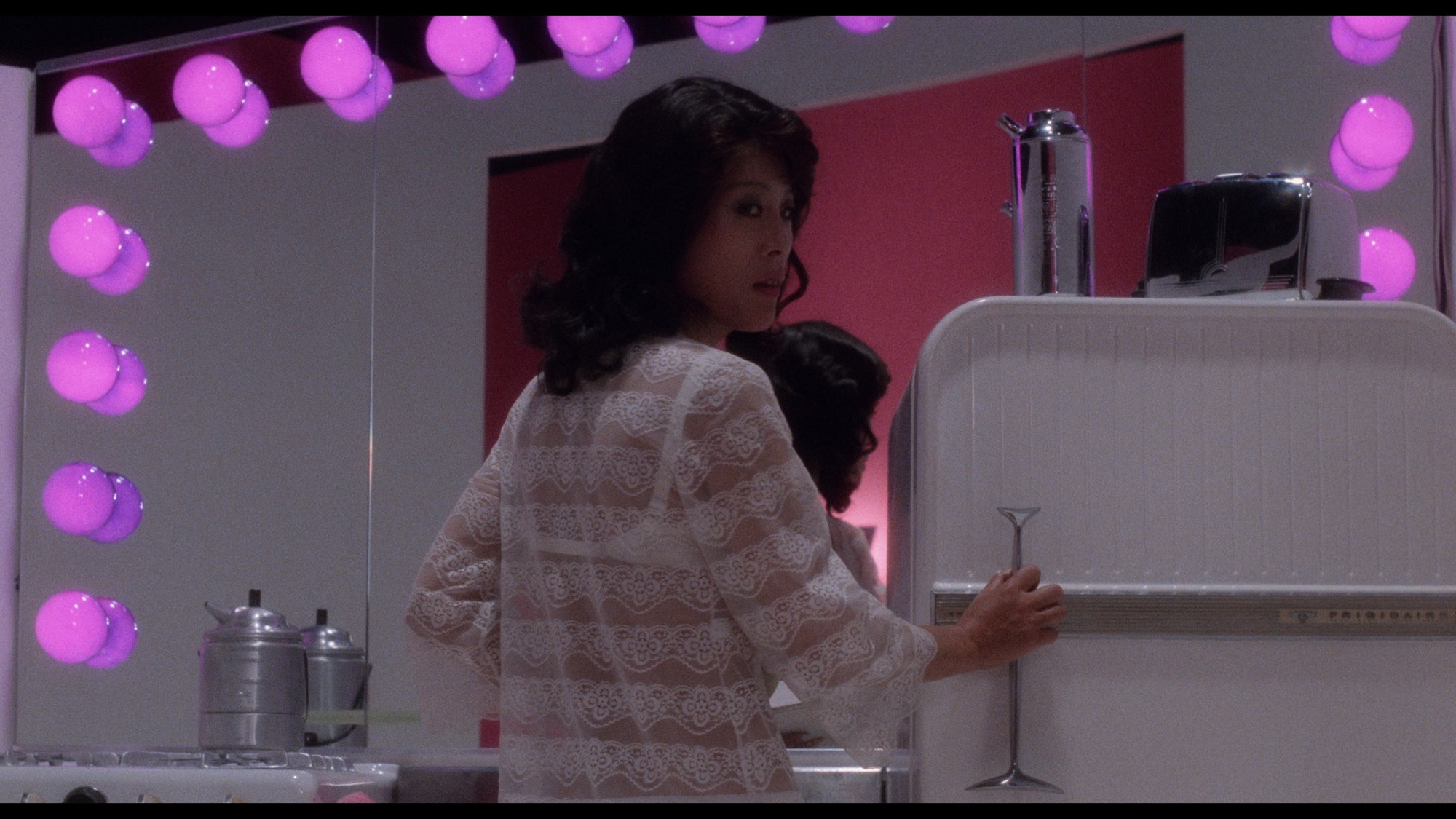
The restoration work remains impeccable, scrubbing away nearly all damage aside from a couple of stray hairs. Where the 4K presentation genuinely surprised me is in its contrast and dynamic range, which do appear a bit broader. Stylized shots with black backgrounds display smoother gradations without visible noise, maintaining a clean, photographic quality. Color range is also impressive, with reds, pinks, and violets popping vibrantly, while black-and-white segments feature excellent grayscale and deep, rich shadows. HDR could have elevated sequences like the Golden Pavilion segment, where light glints off said pavilion's surface, but even without it, there’s no significant clipping, and it still looks terrific.
Yes, I’m still a little irked that HDR wasn’t on the table; I think it could have made the film truly breathtaking. But this is still a notable upgrade over the previous Blu-ray. The presentation looks outstanding, and it’s without a doubt the best Mishima has ever looked on home video.
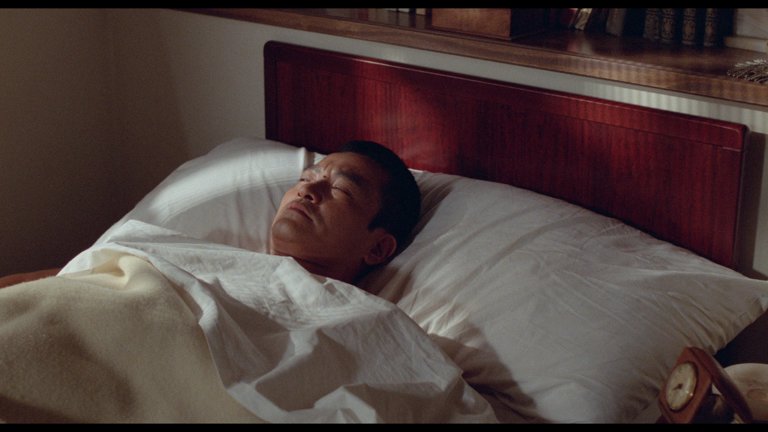
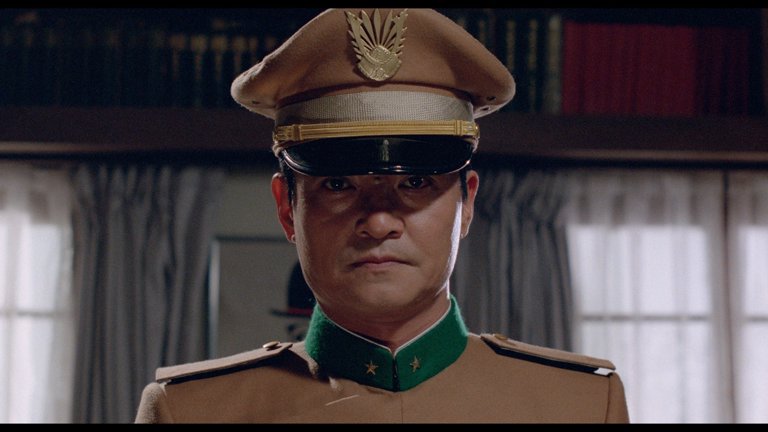
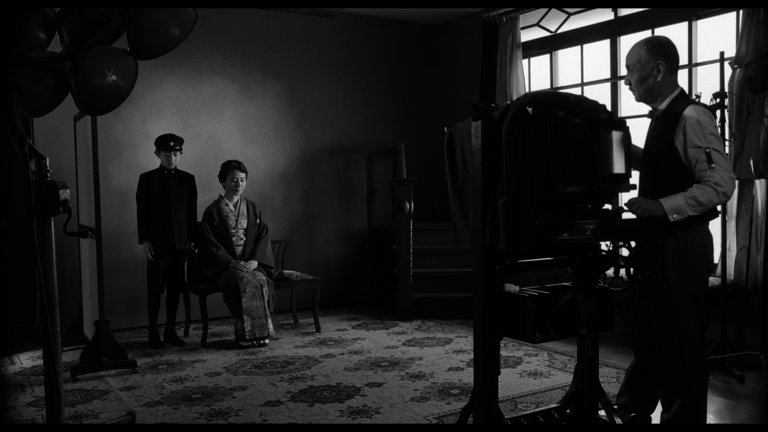
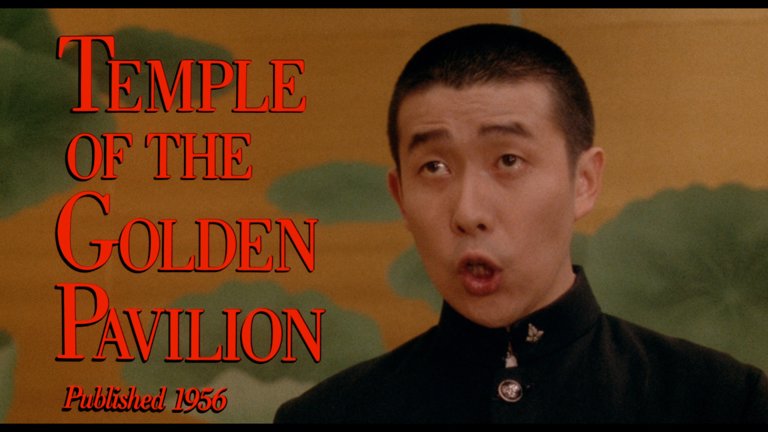
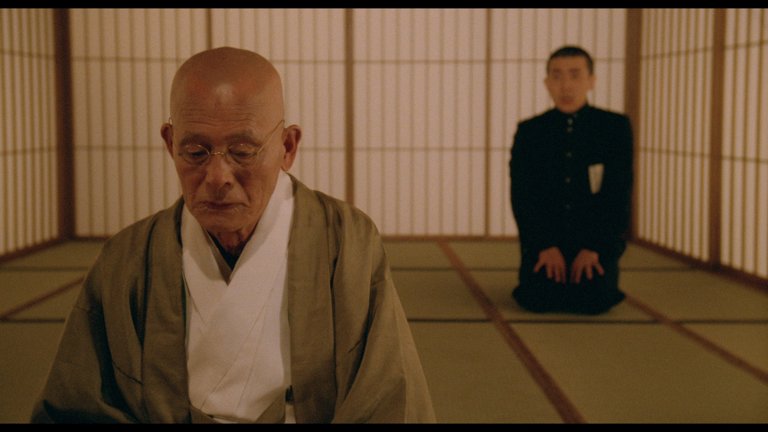
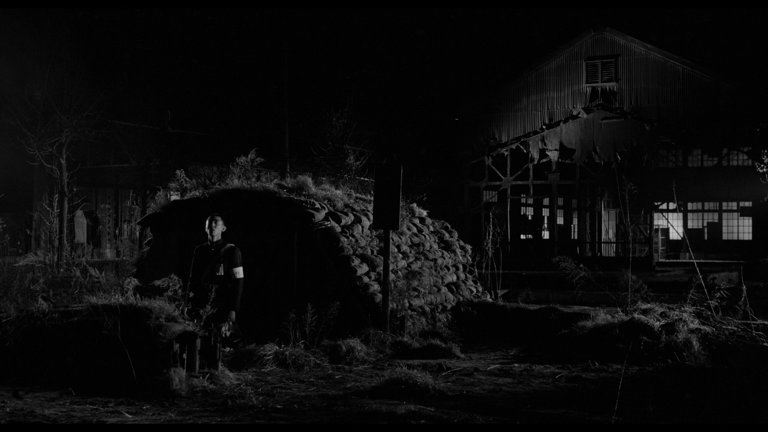
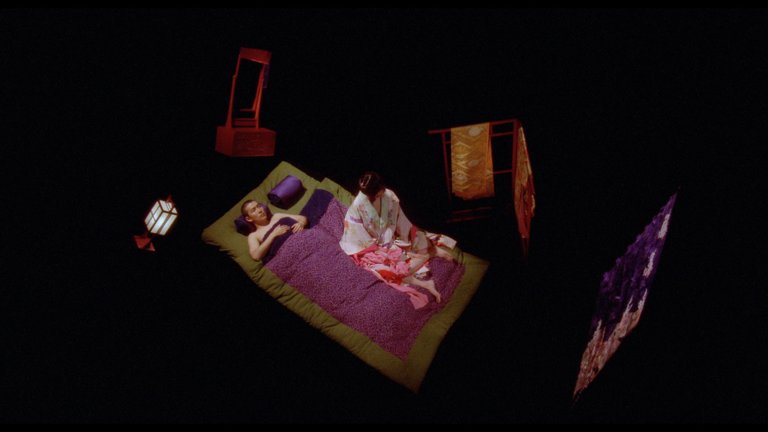
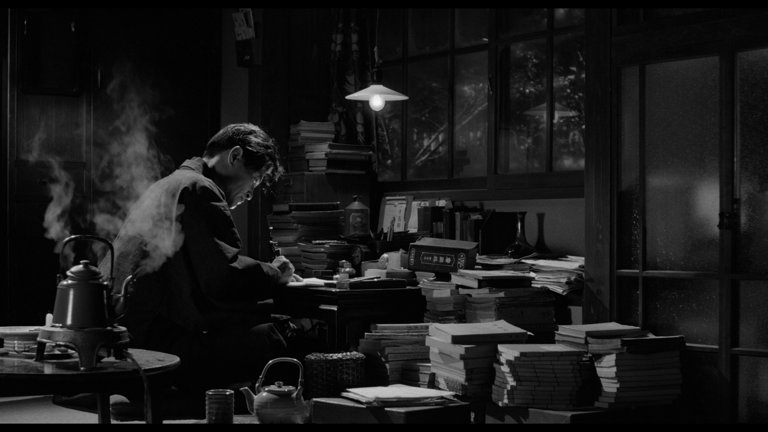
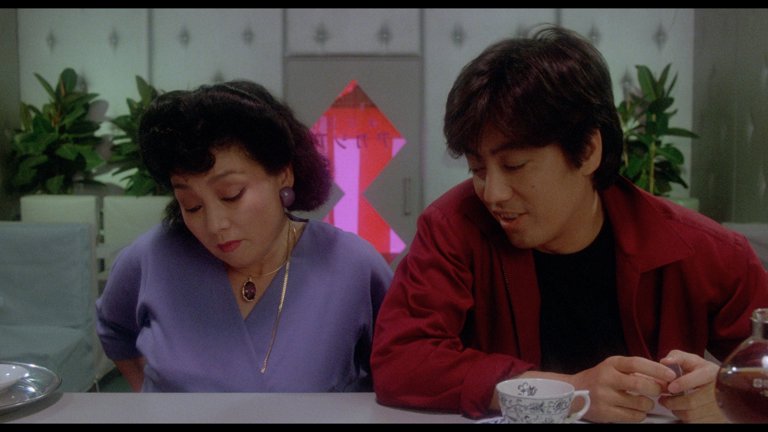
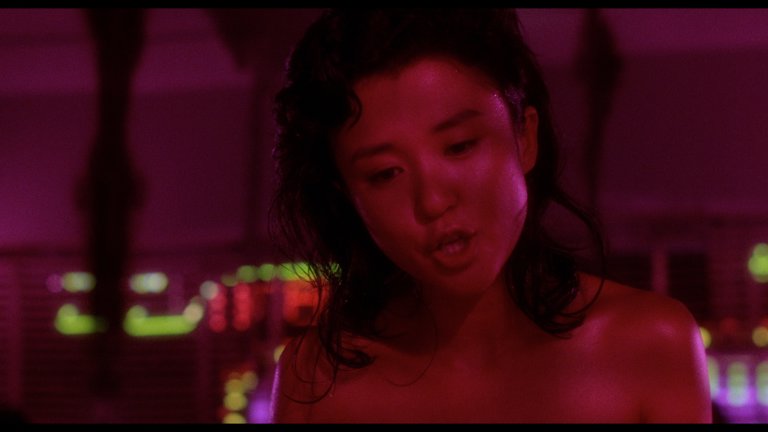
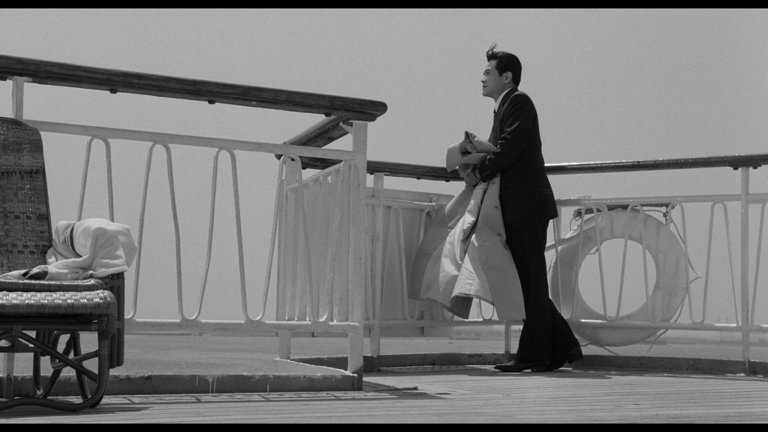
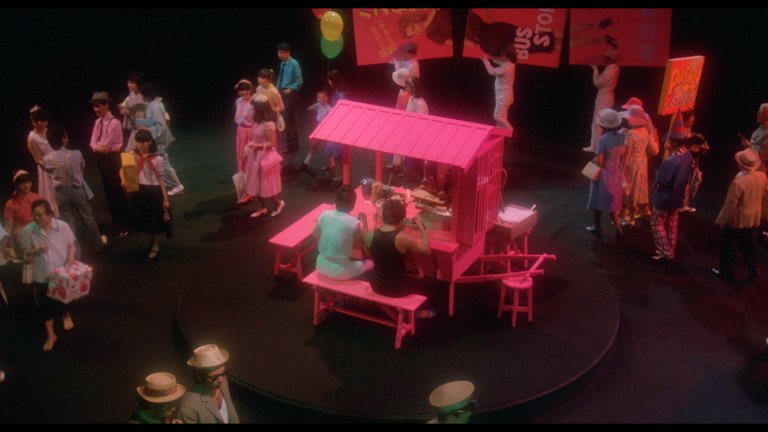
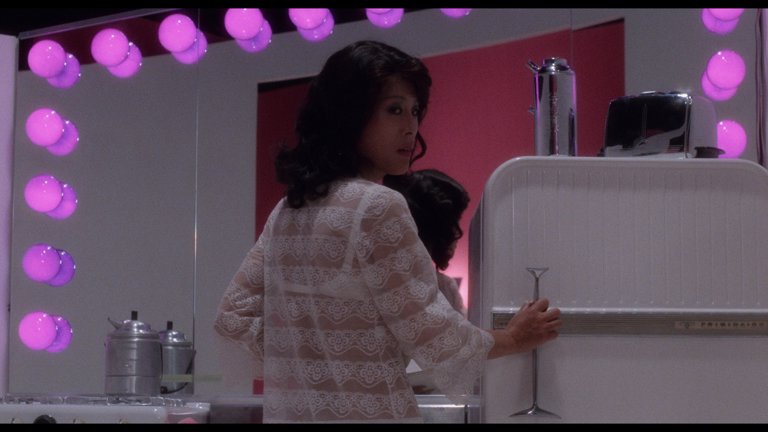
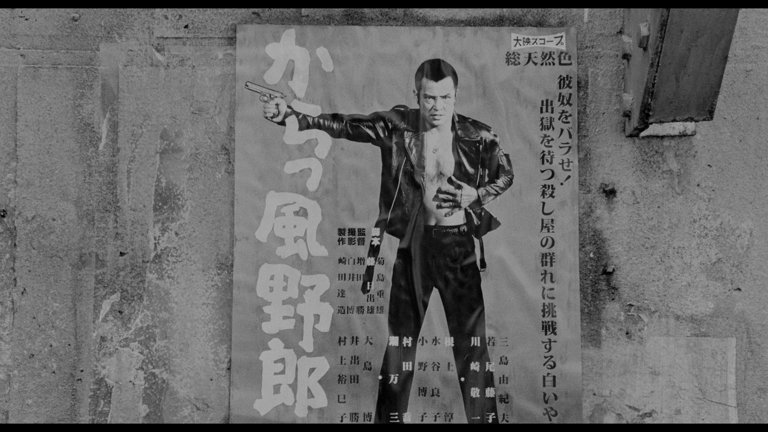
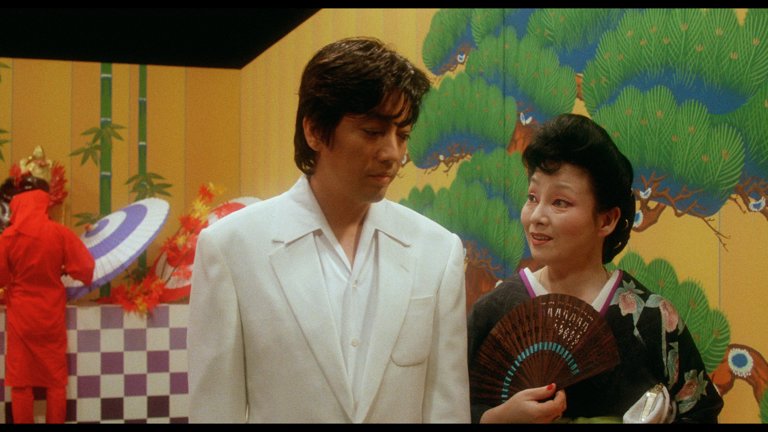
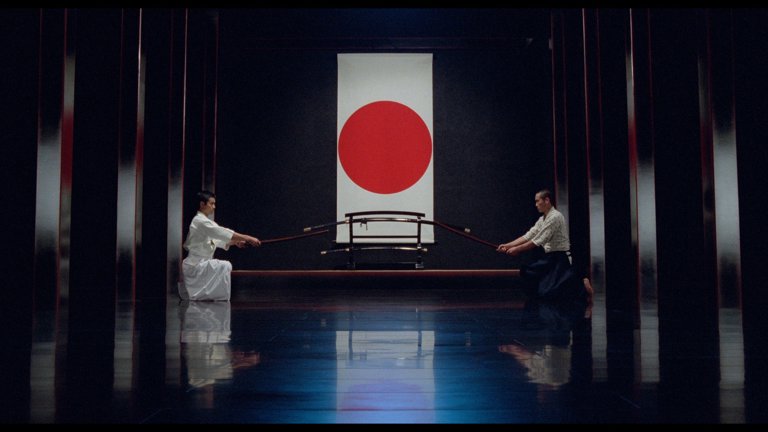
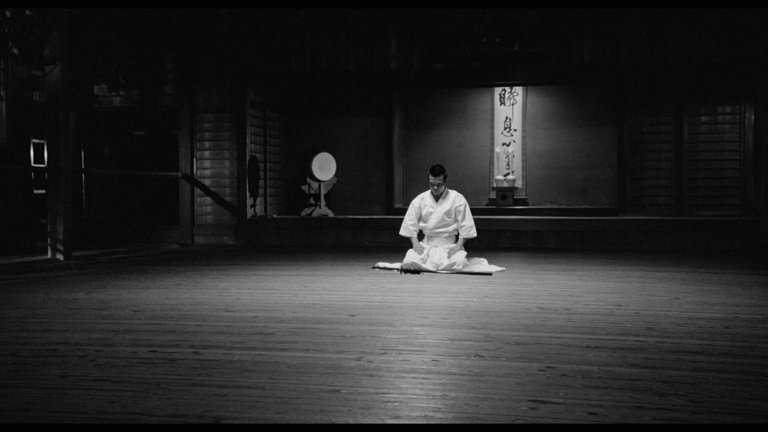
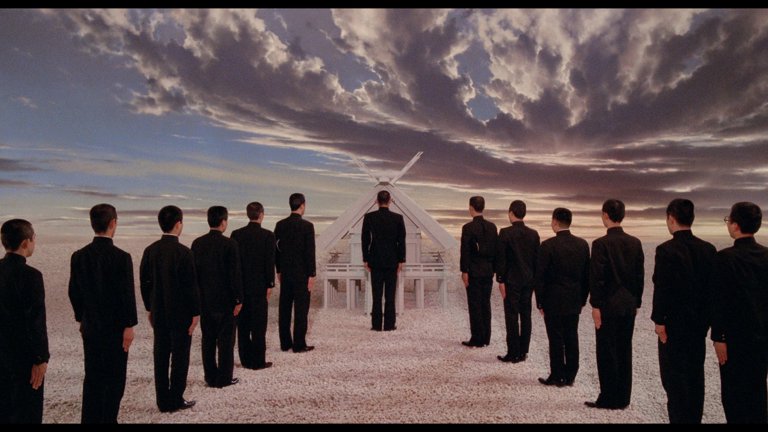
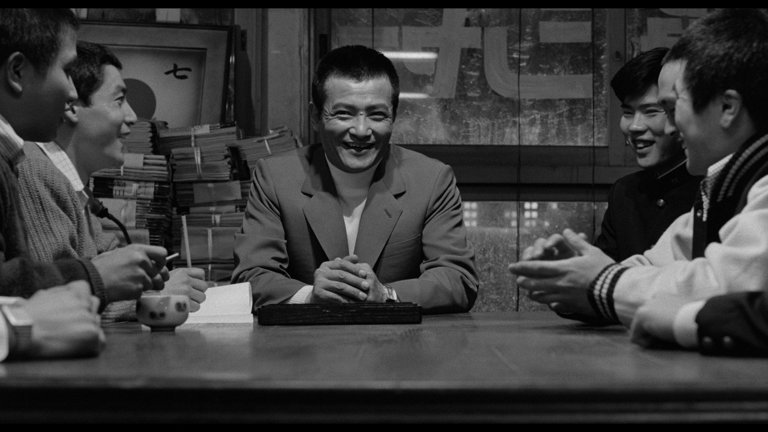
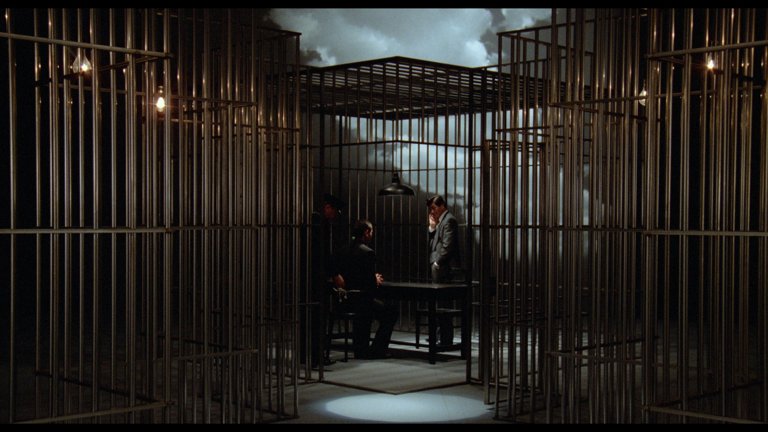
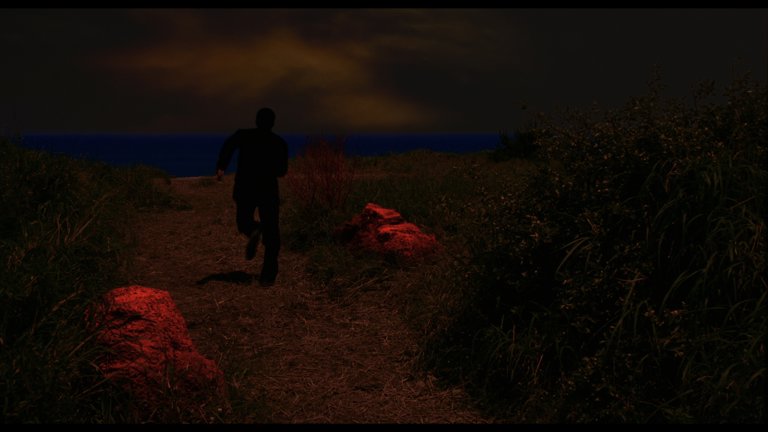
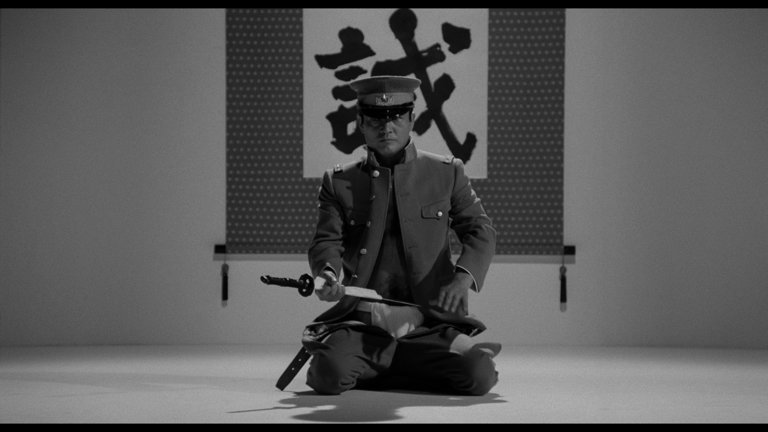
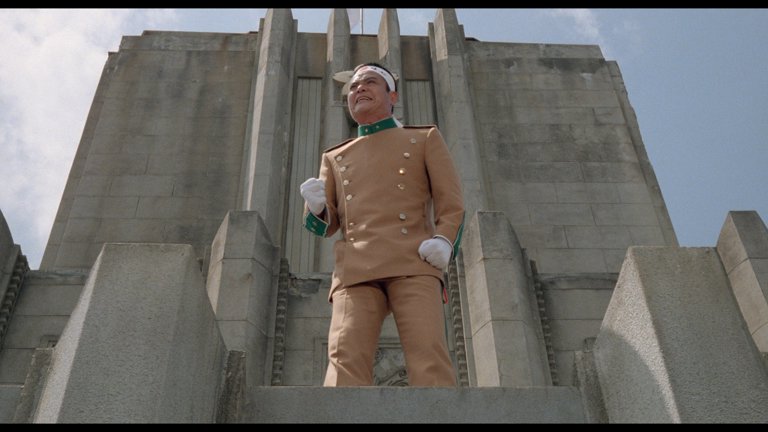
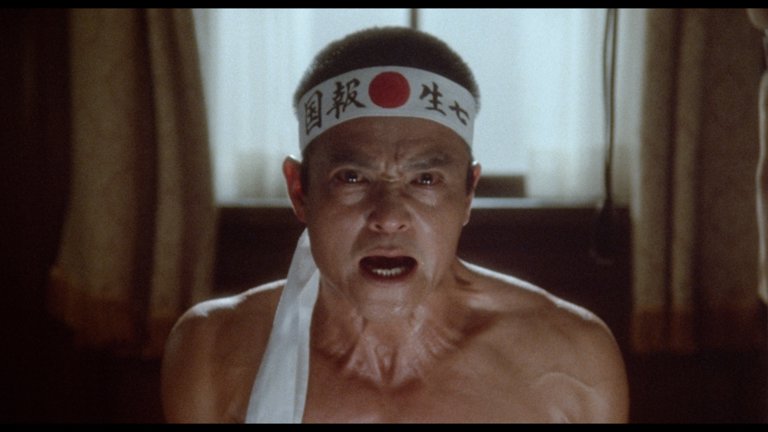
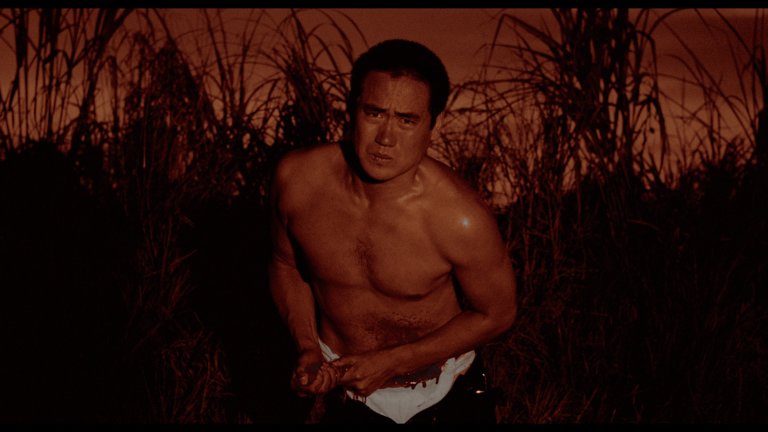
Mishima: A Life in Four Chapters - Screen Captures
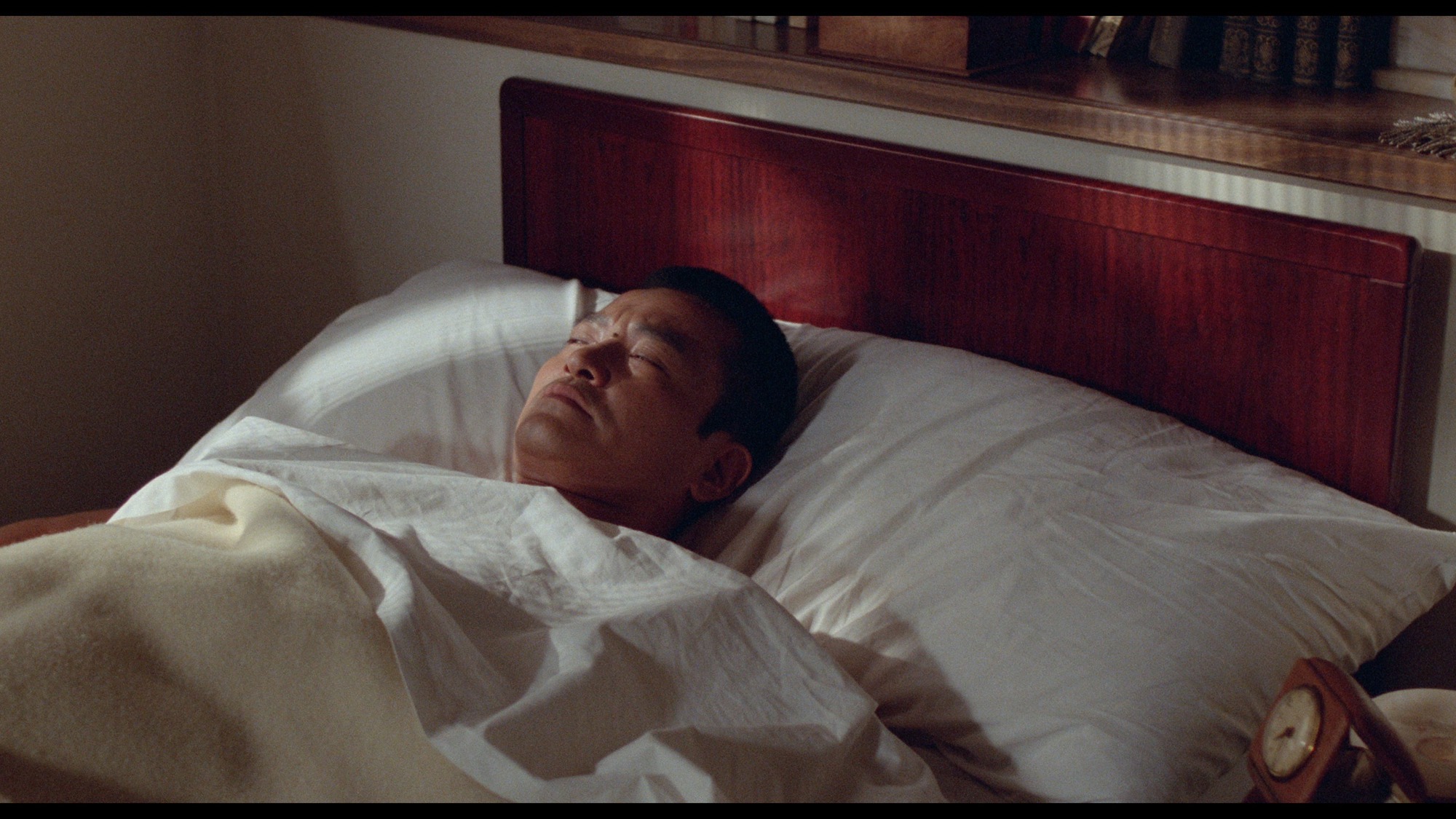
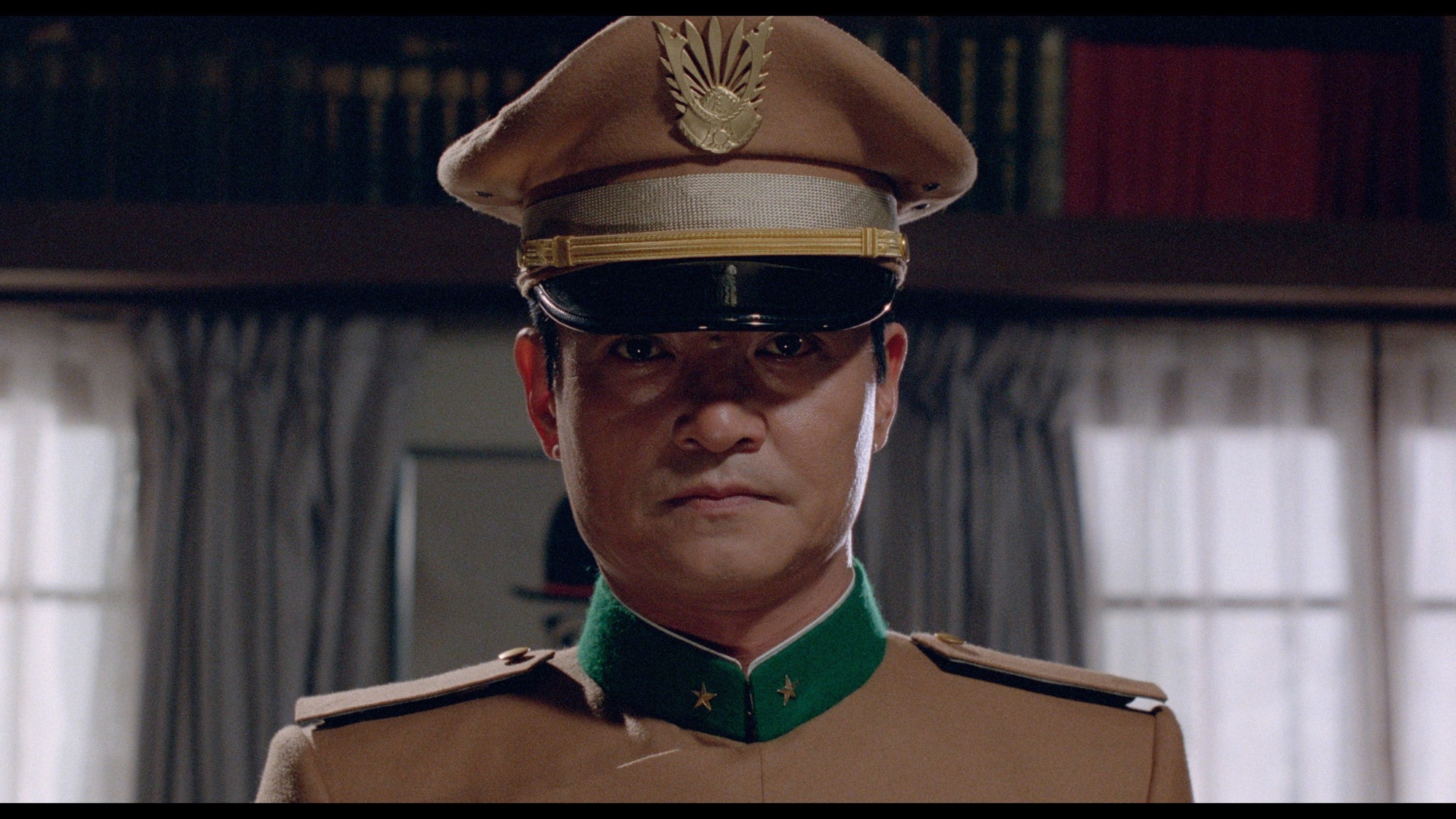
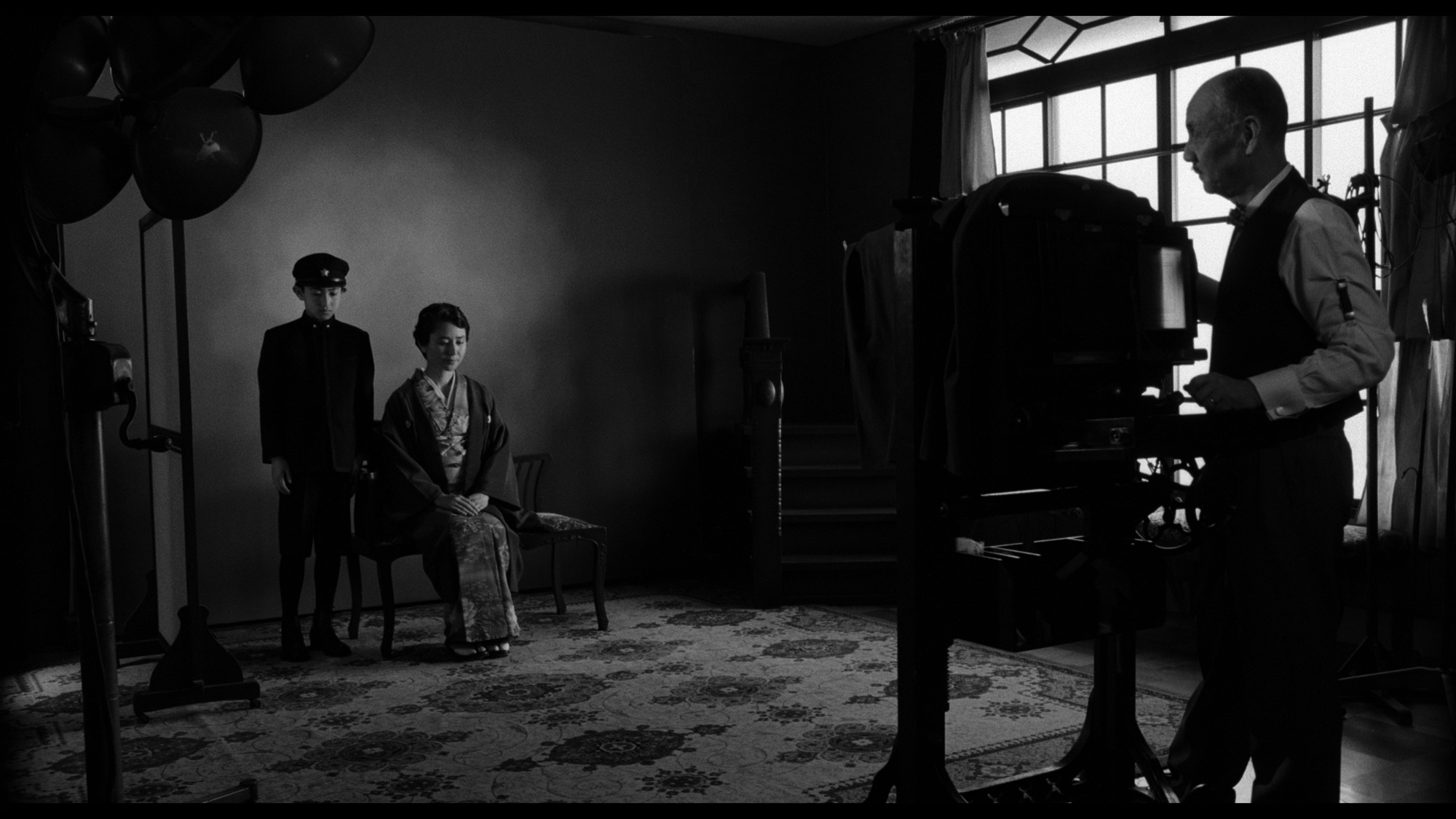
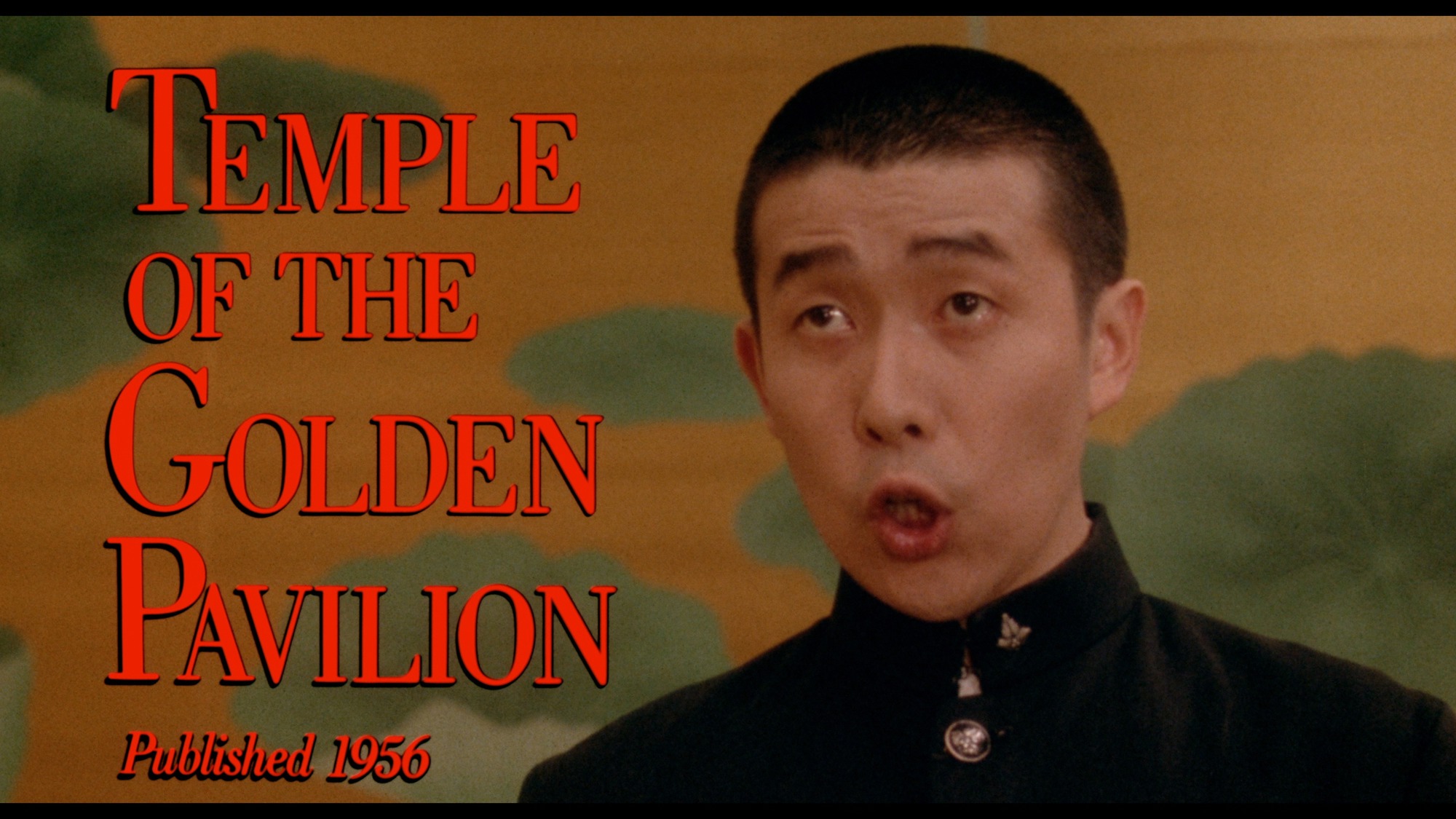
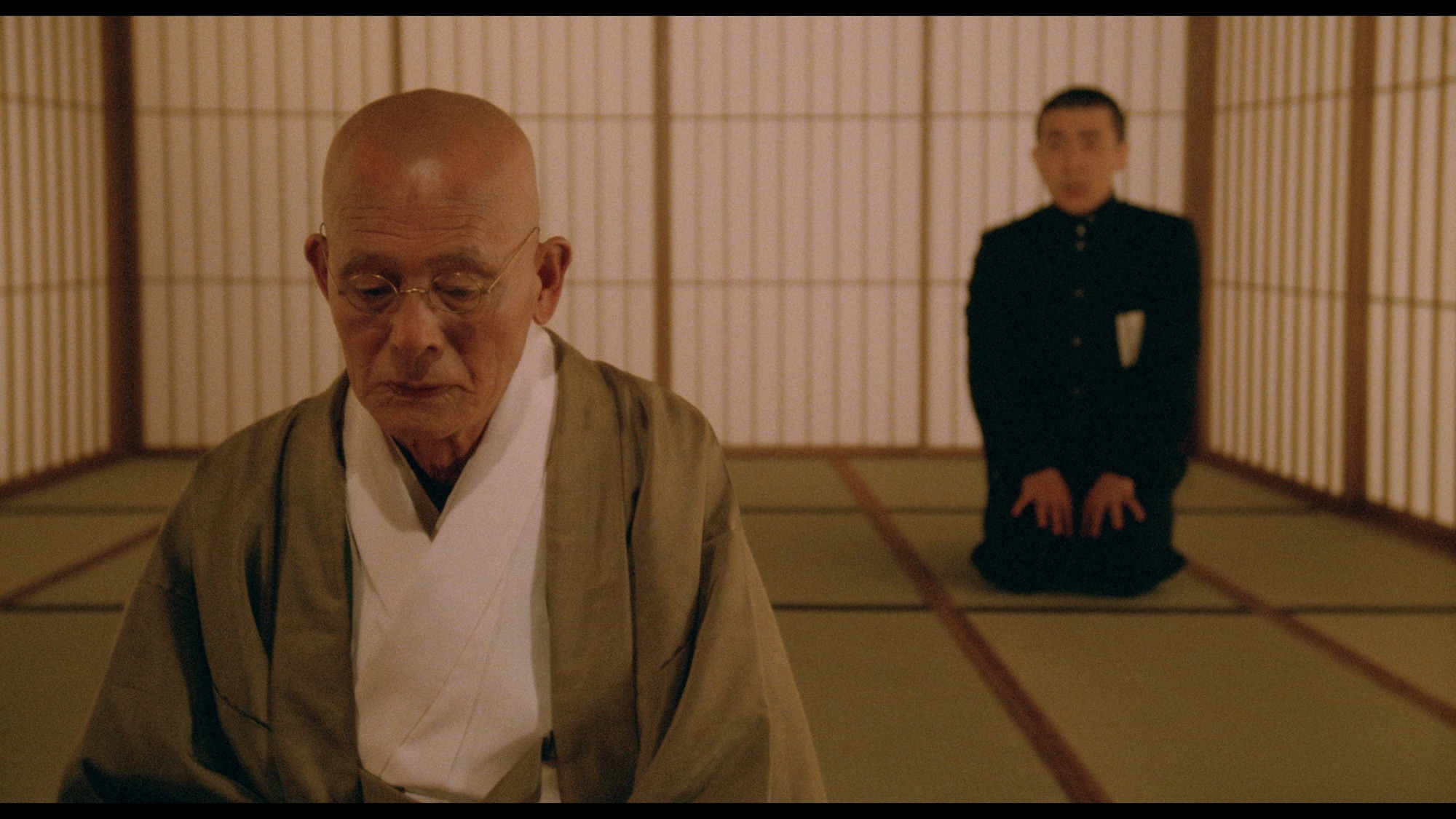
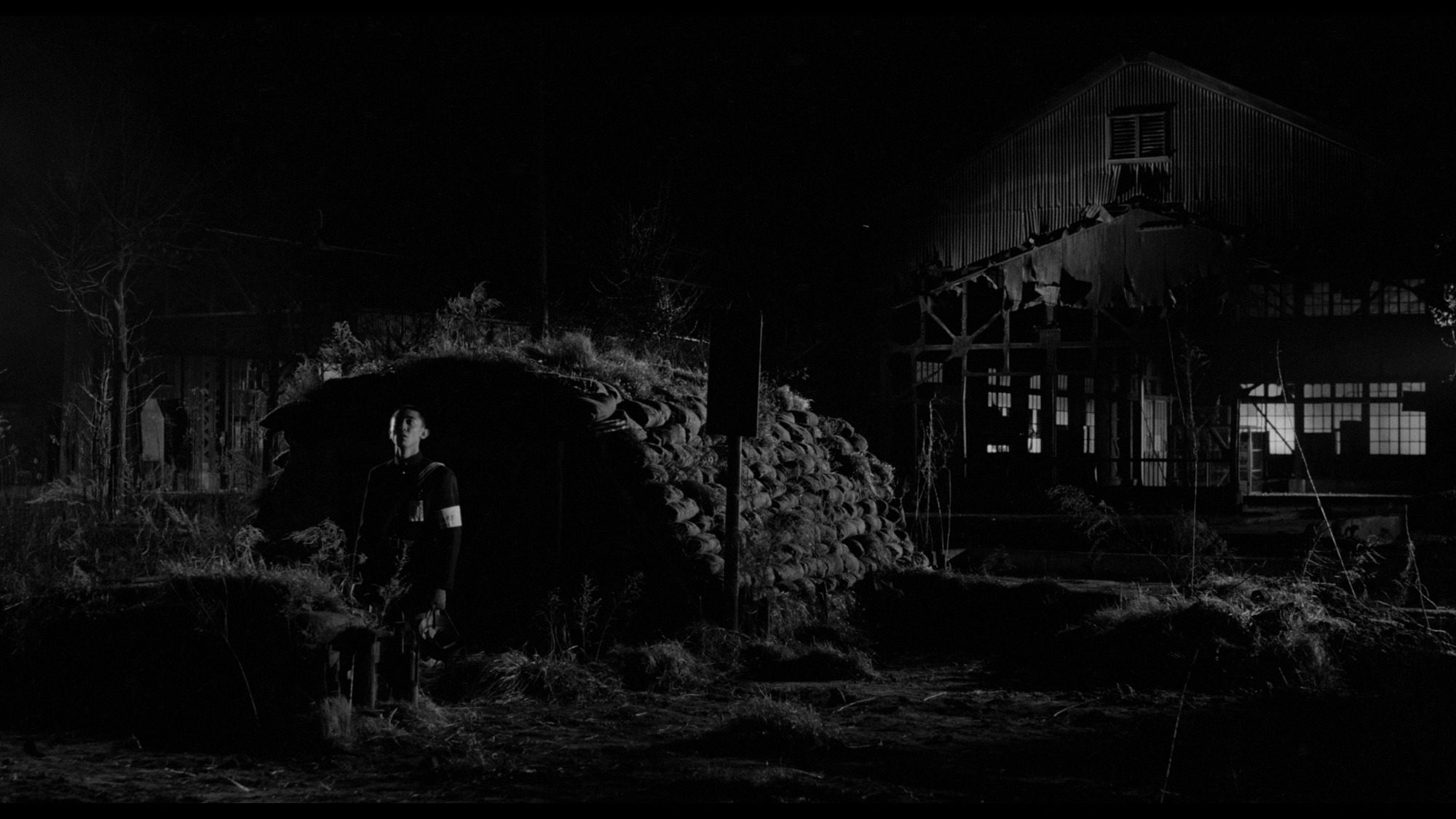
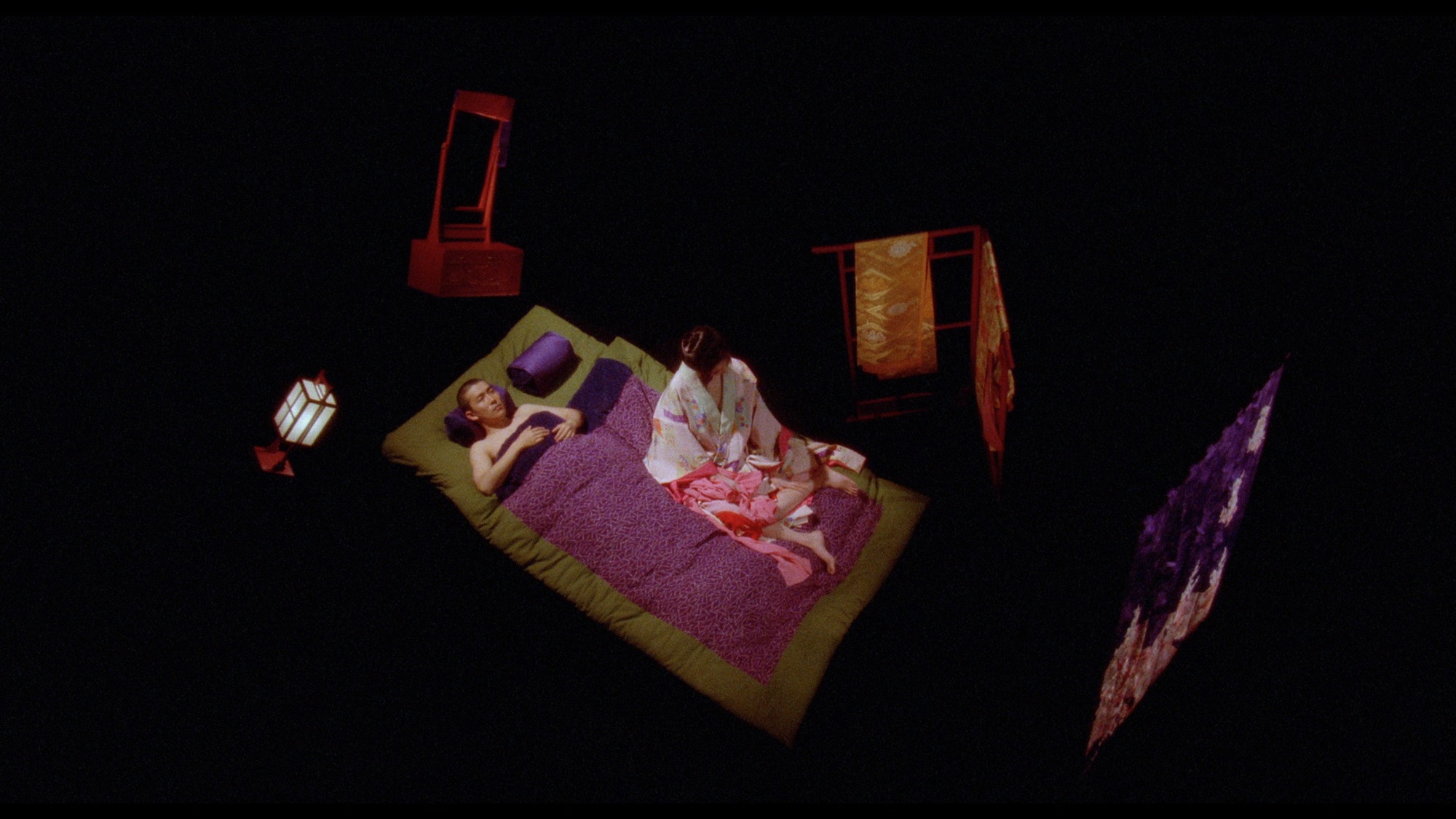
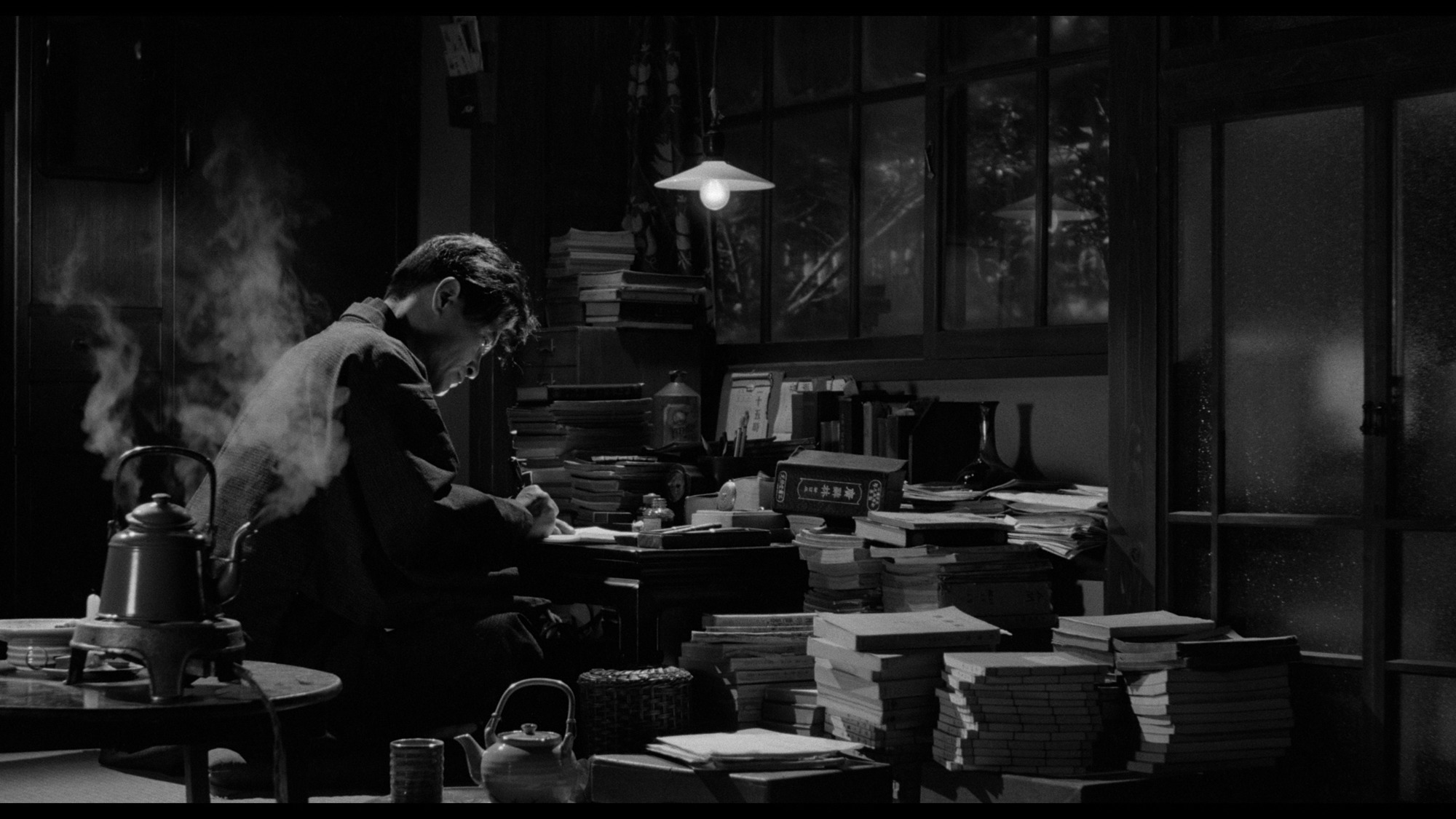
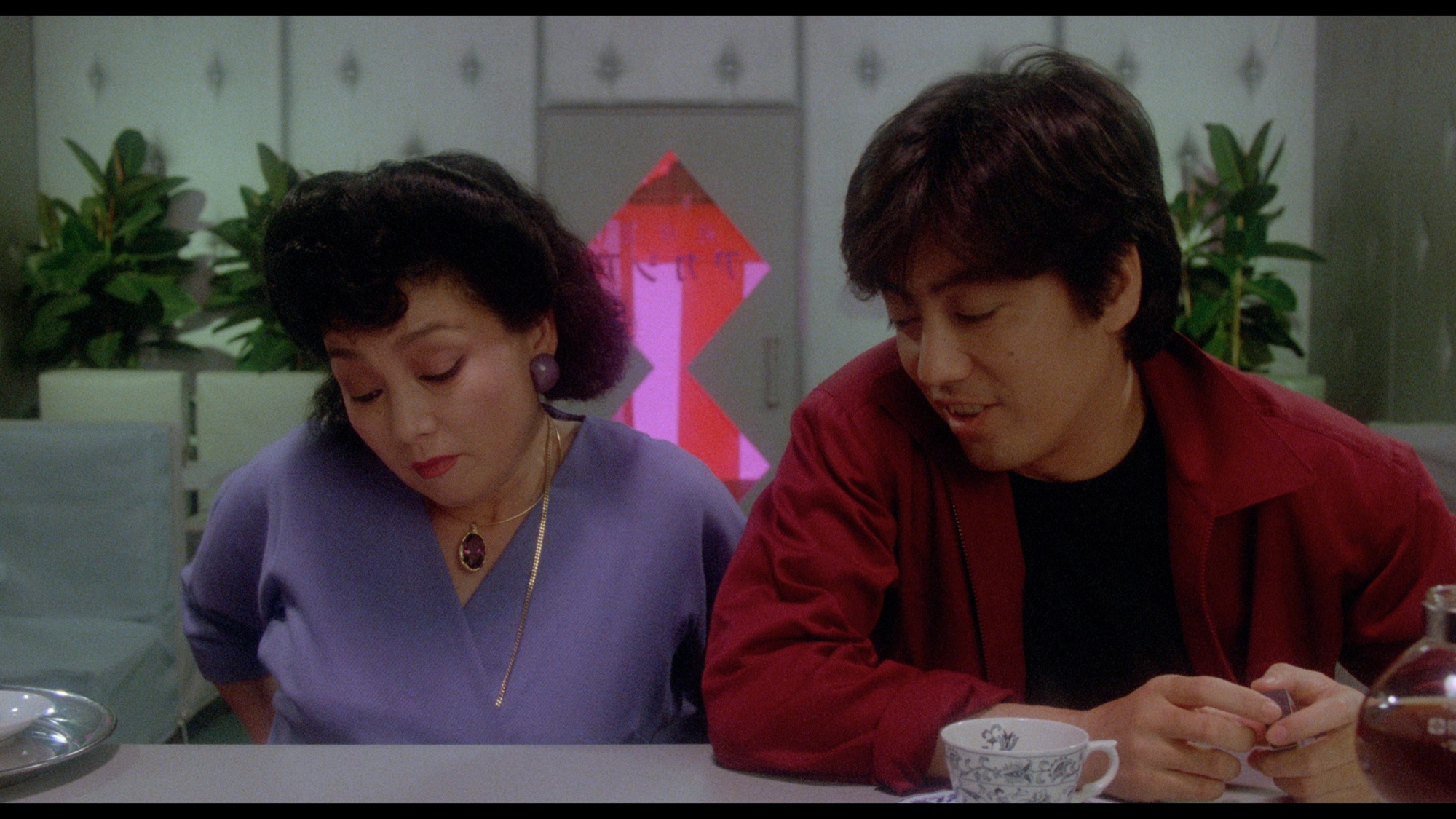
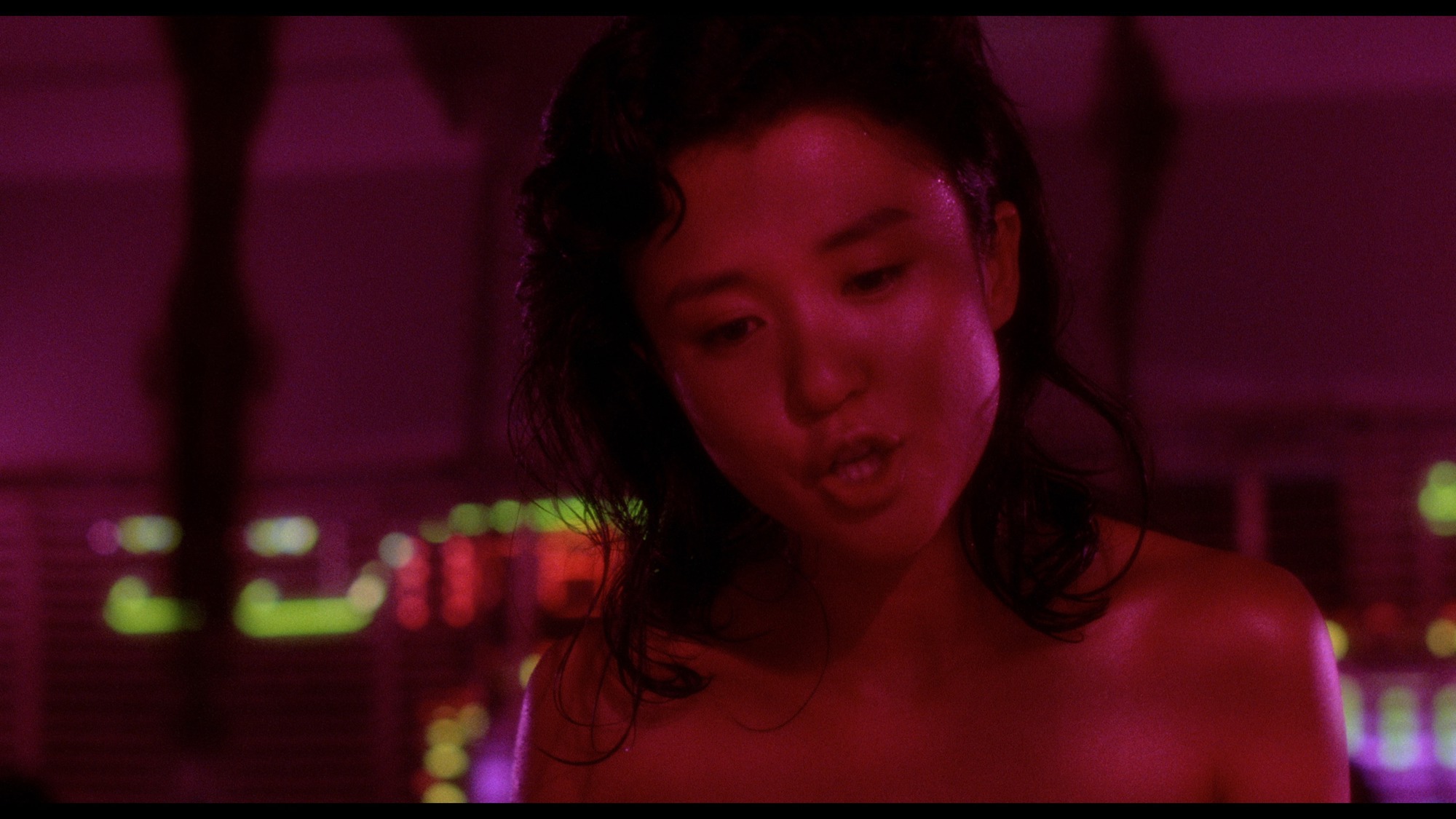
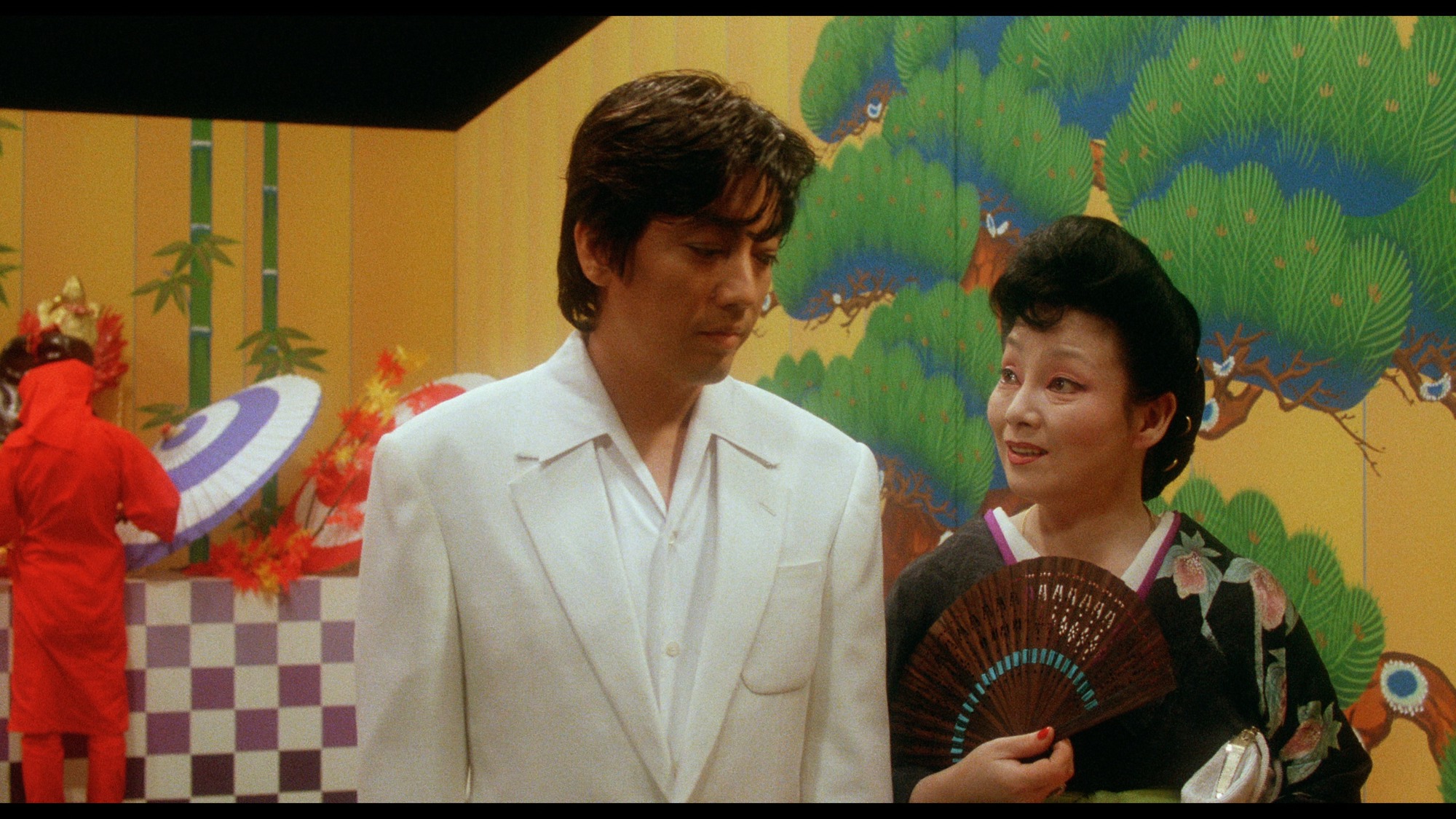
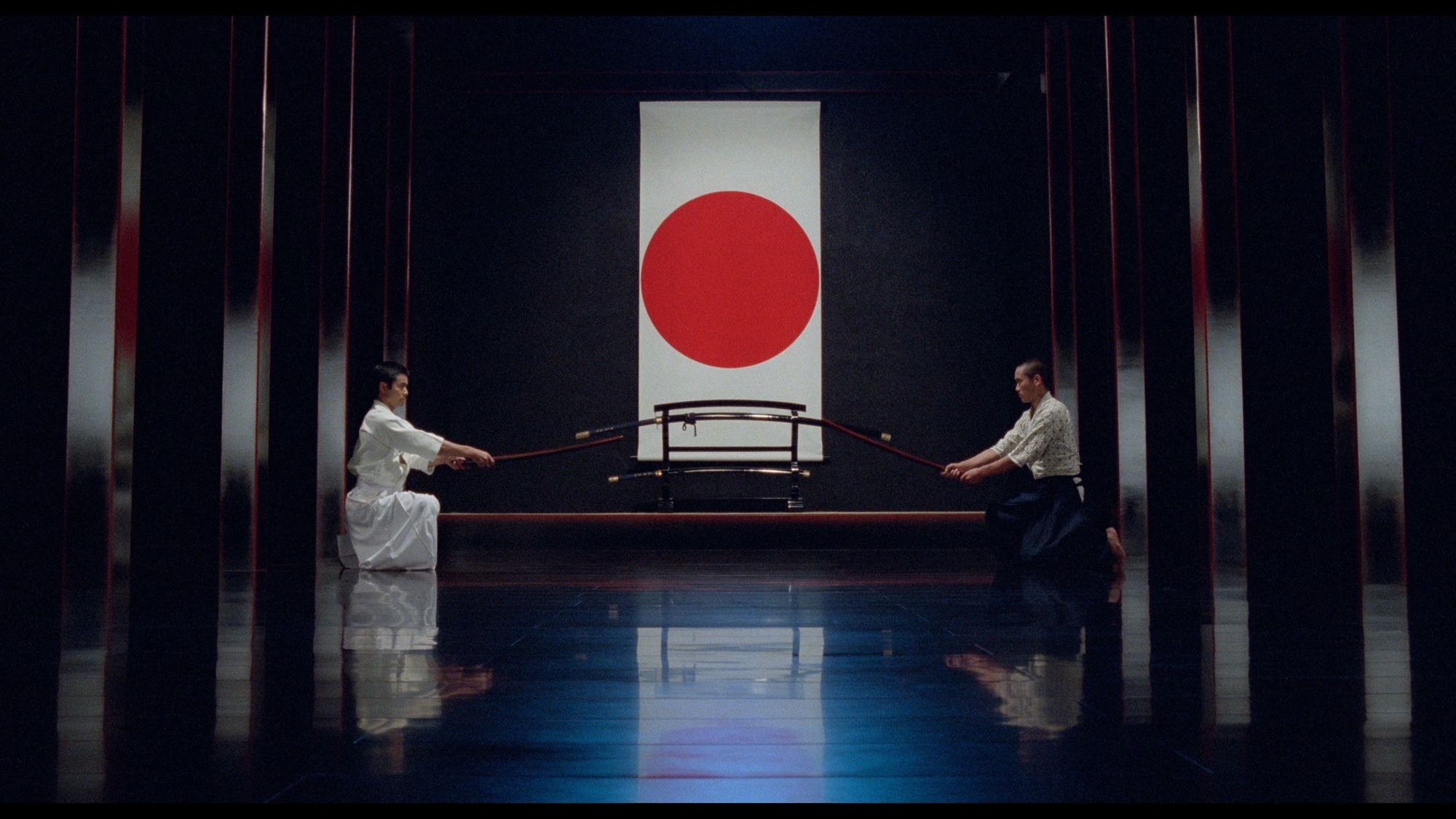
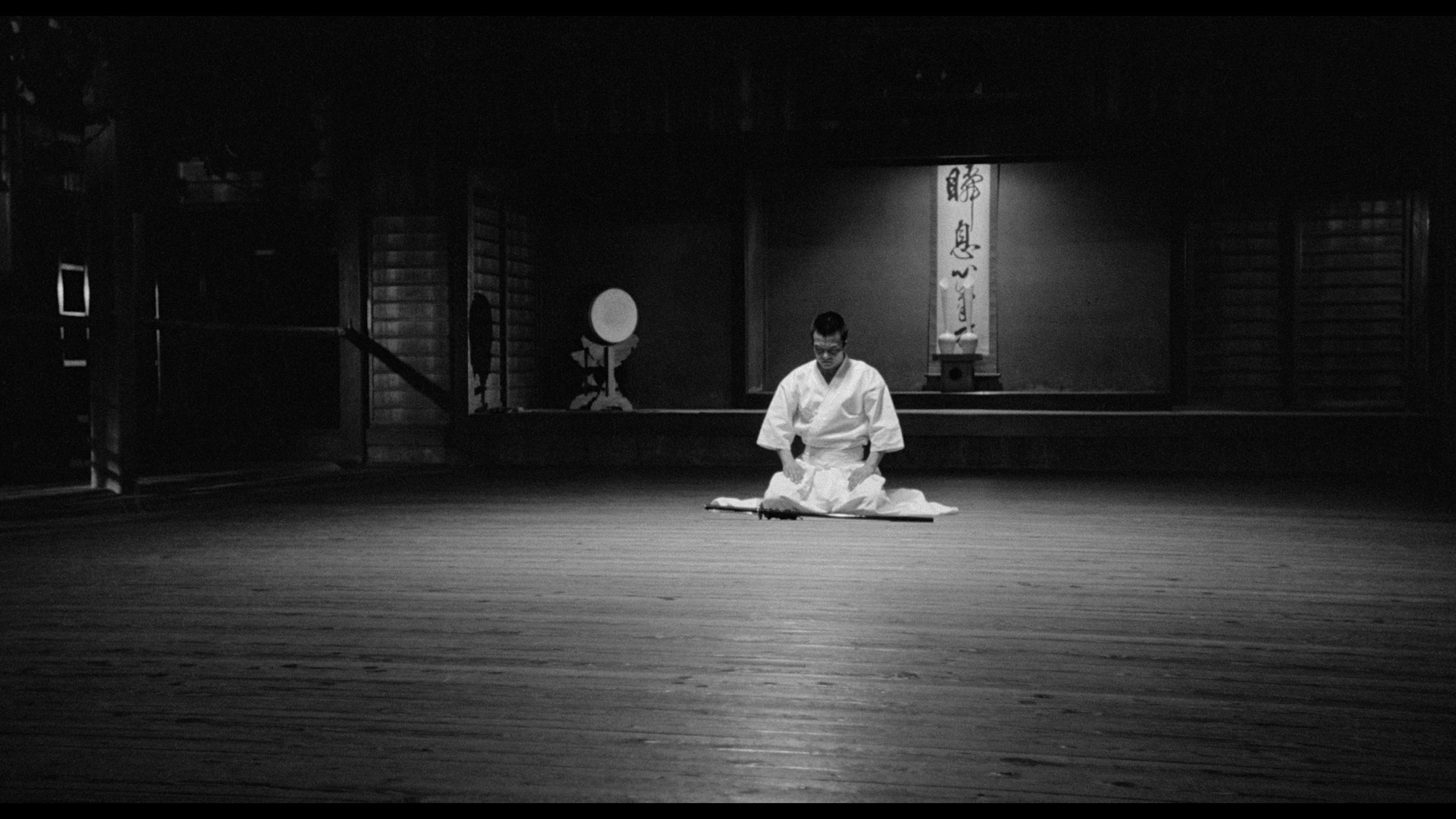
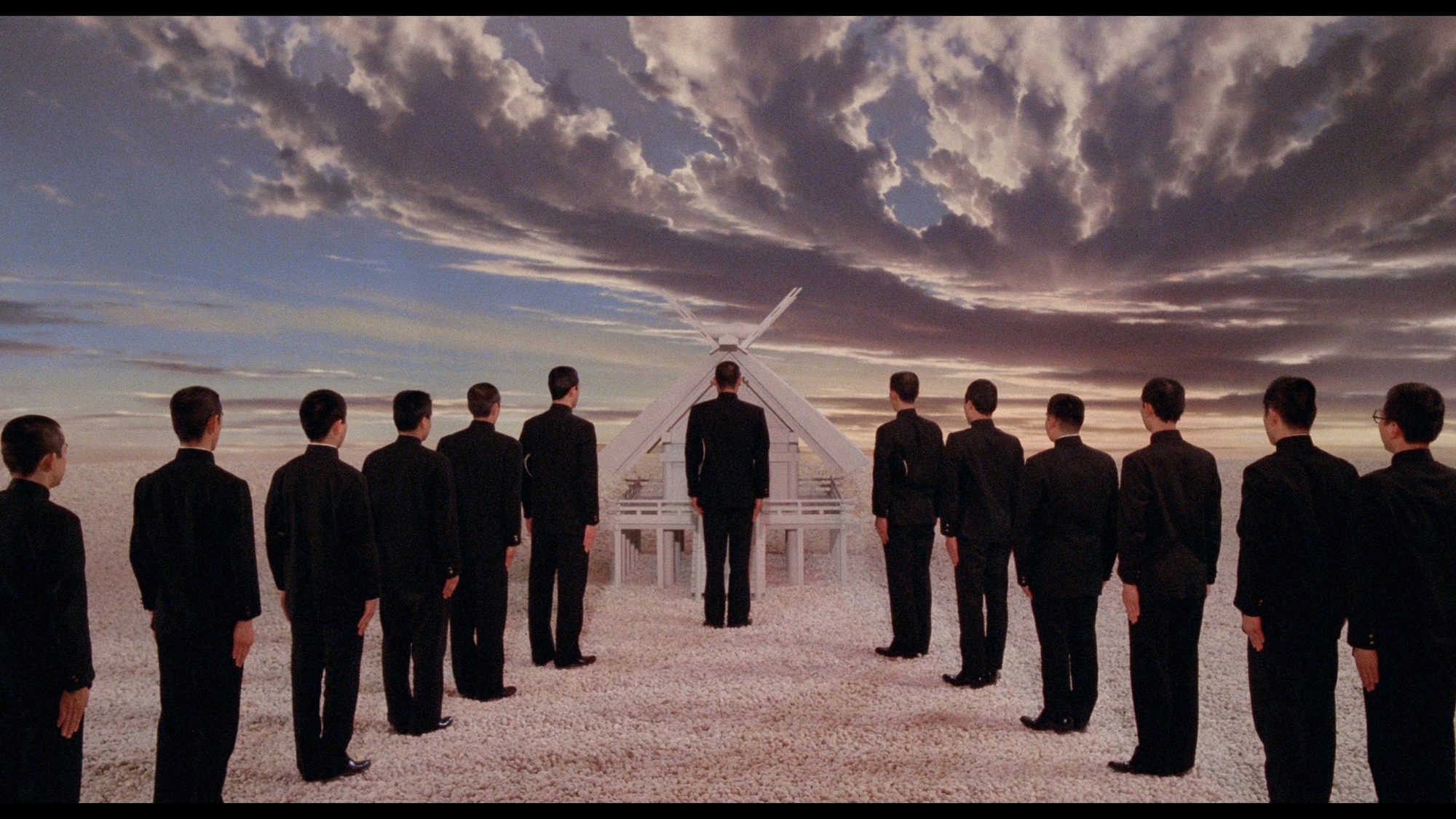
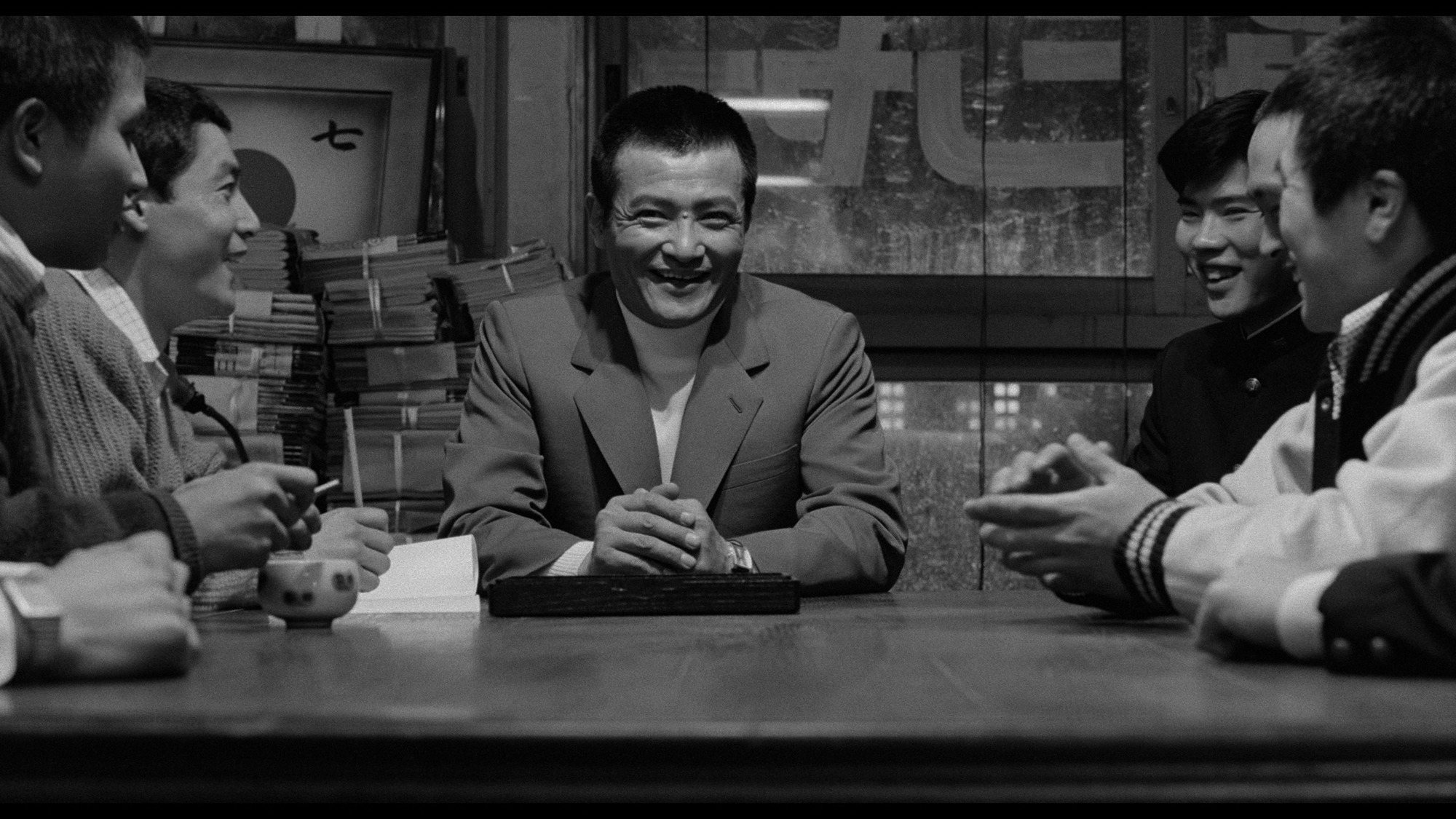
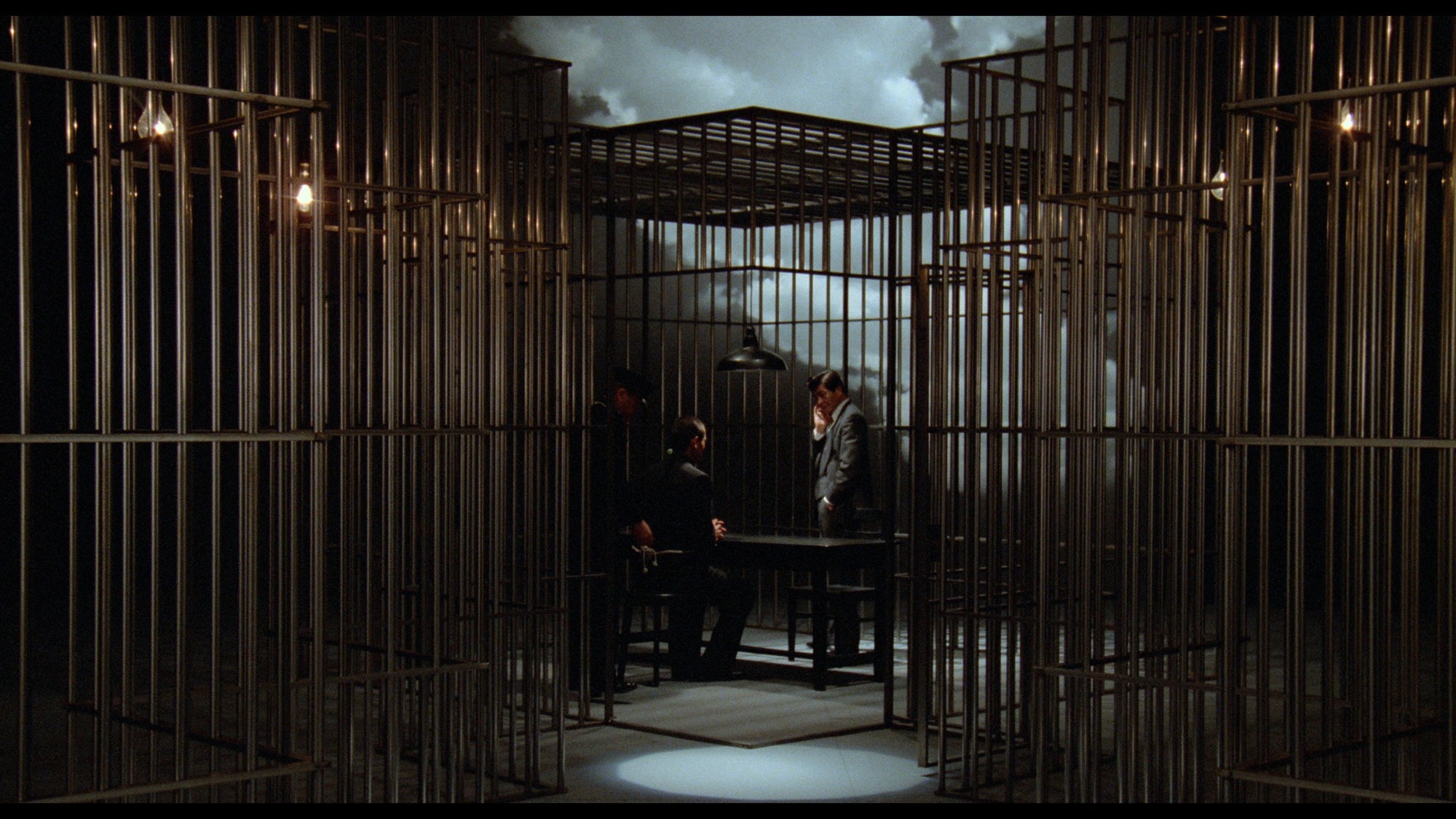
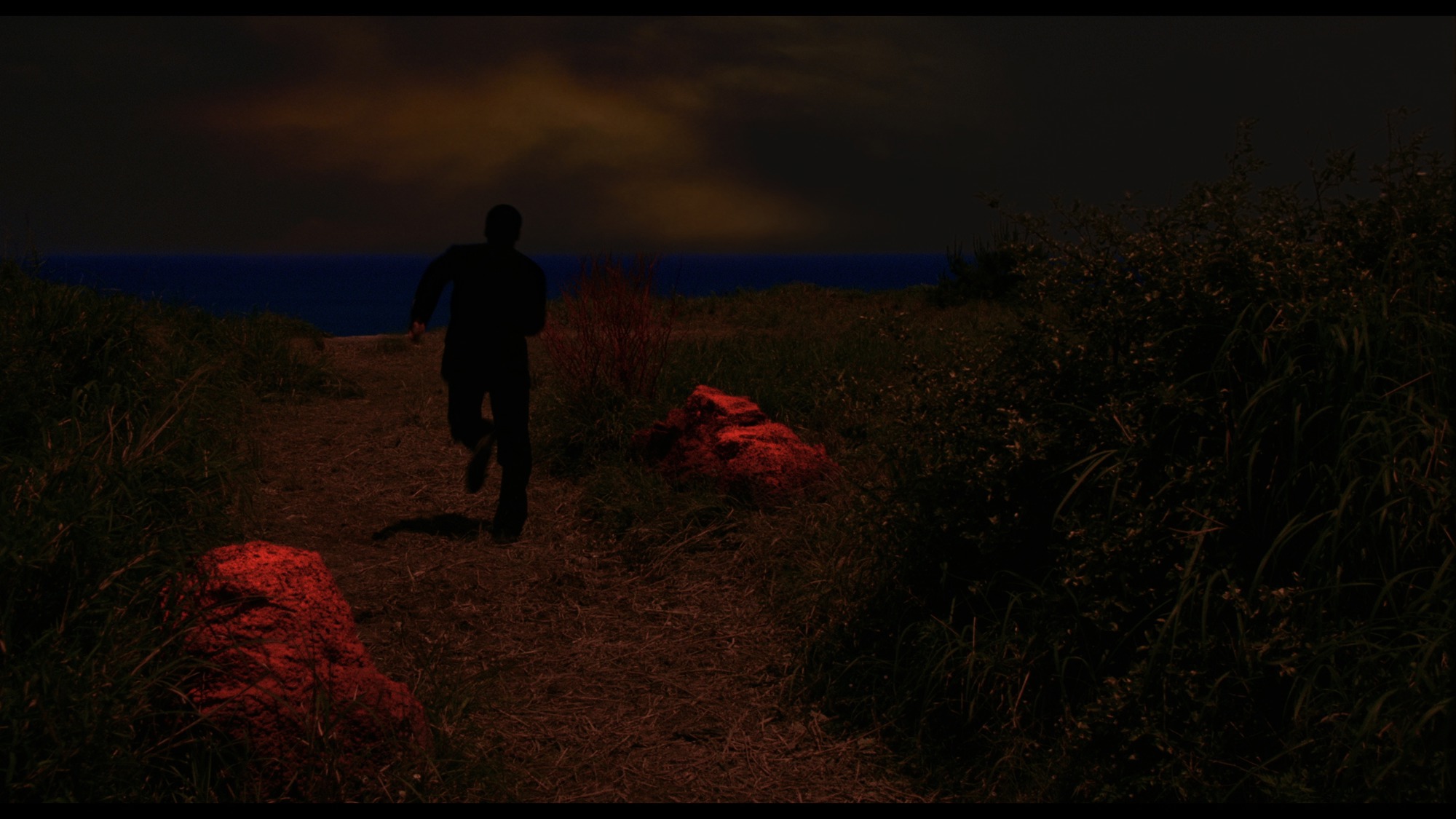
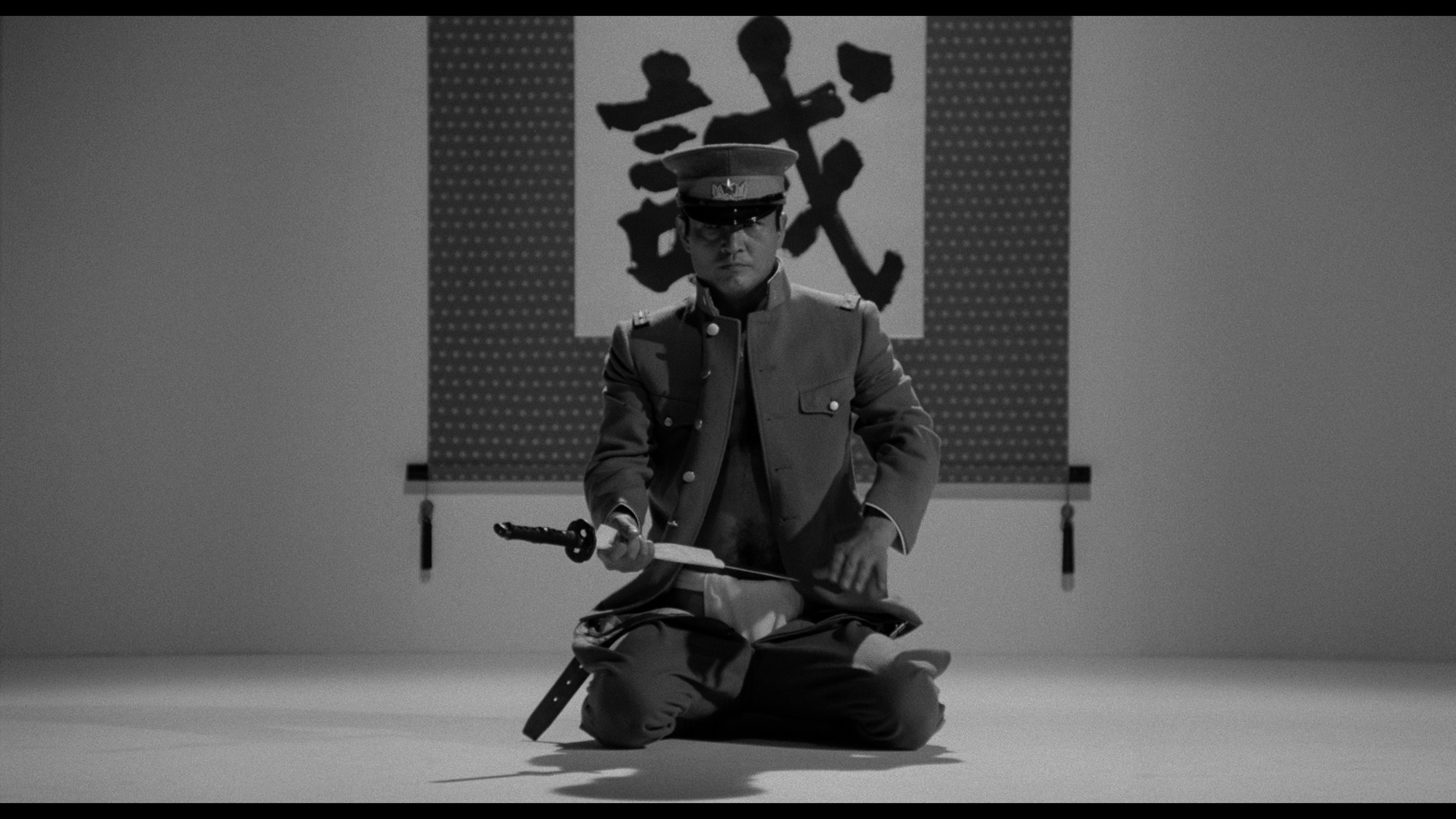
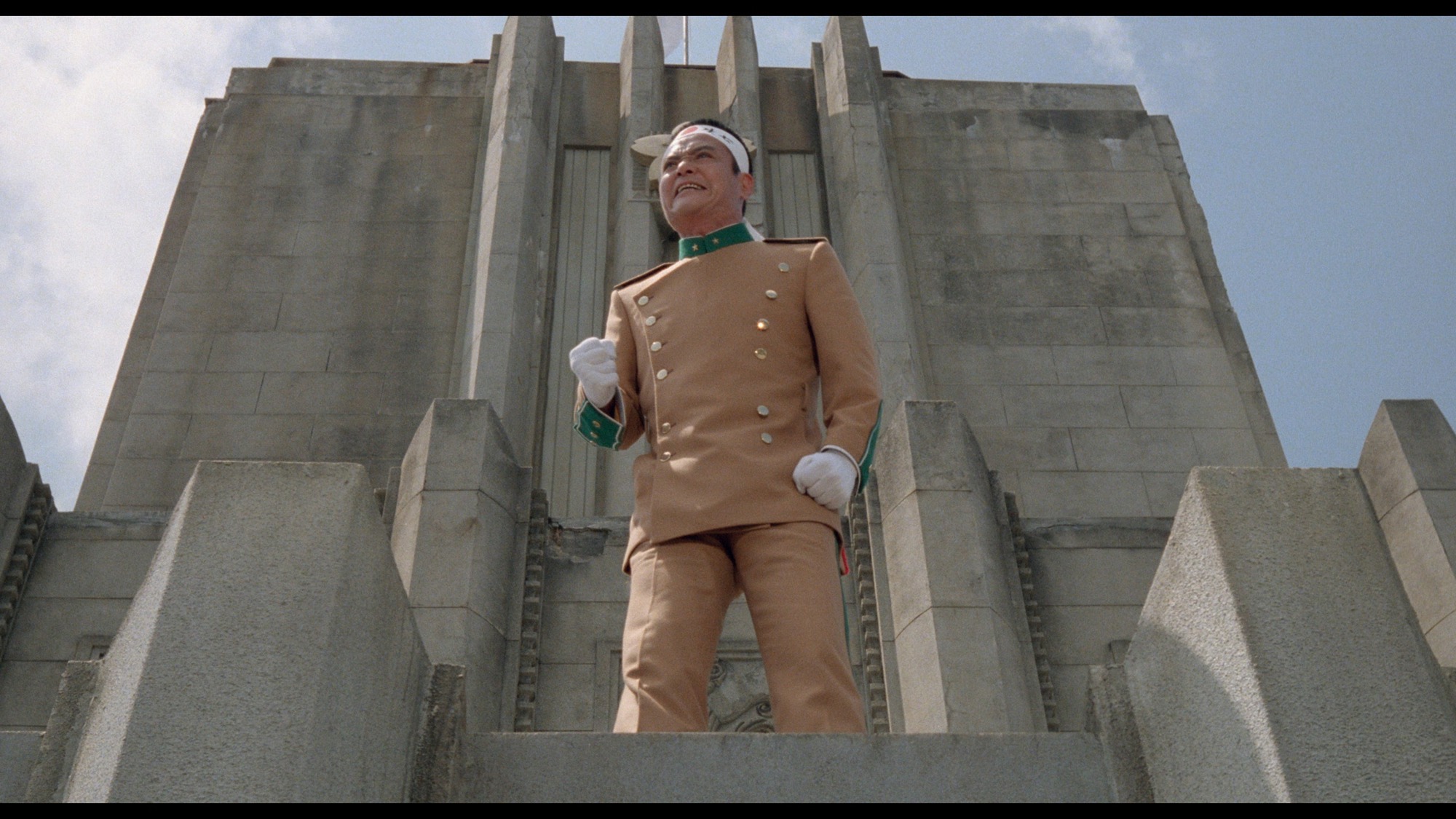
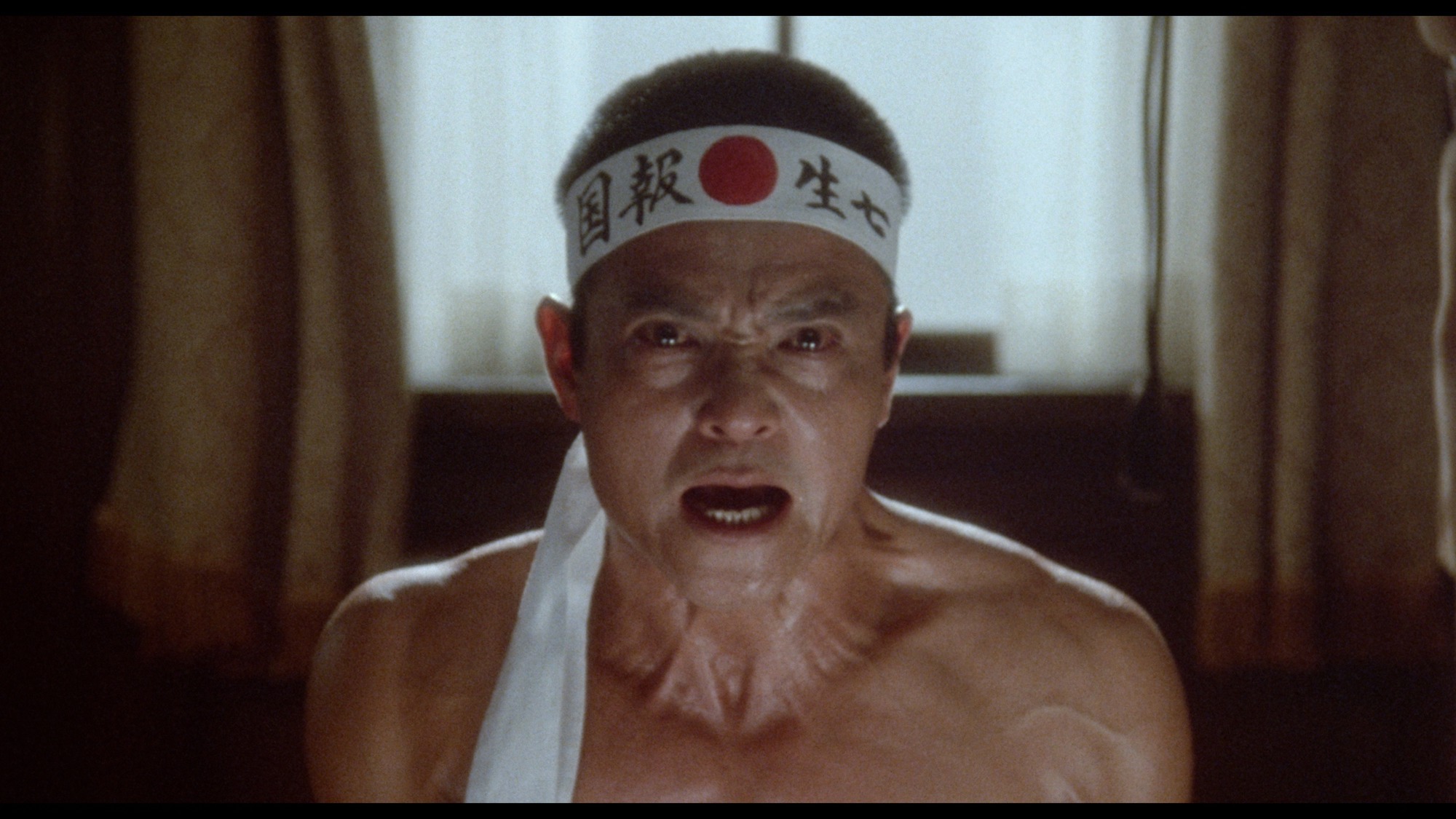
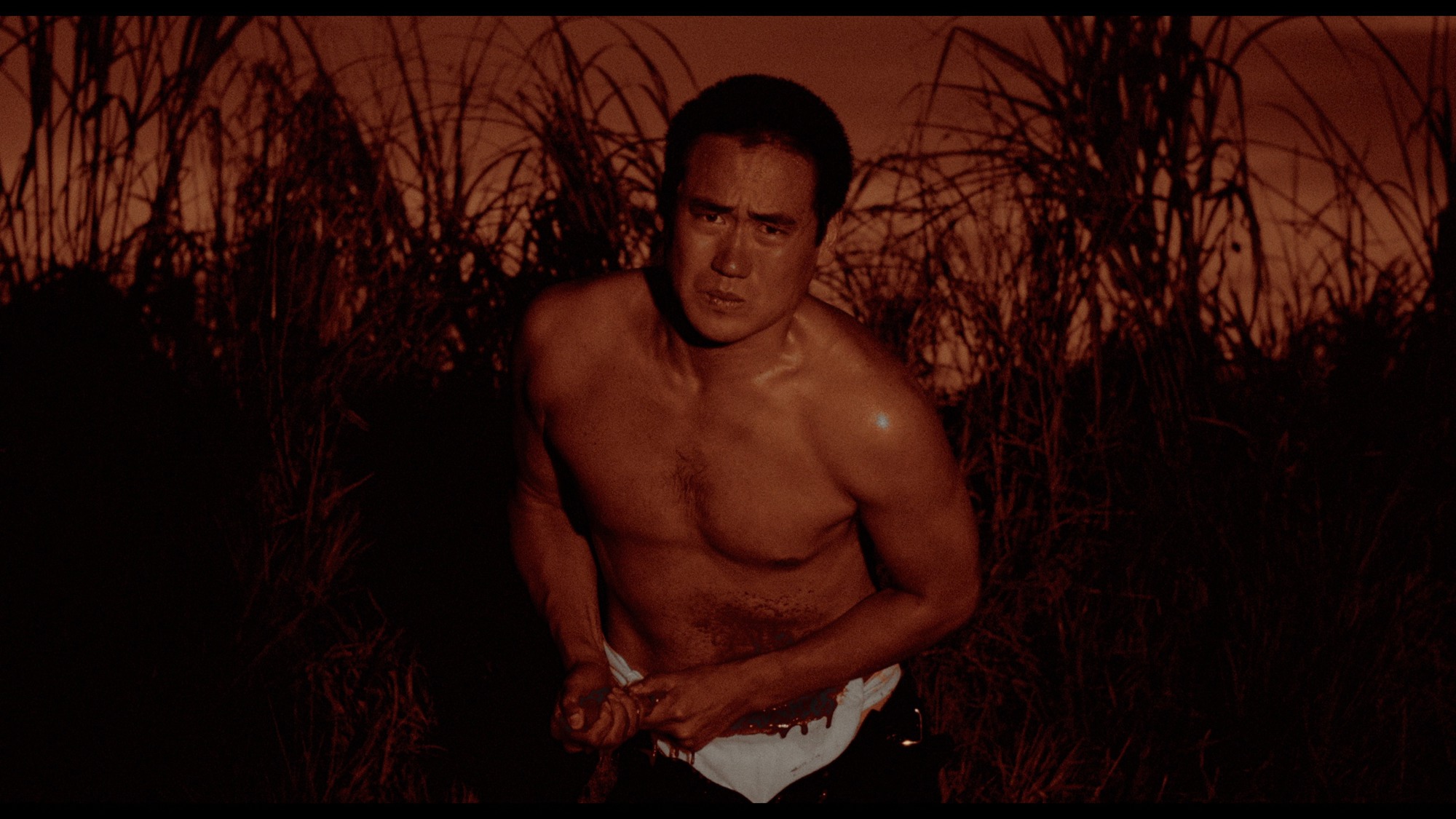
Audio 8/10
As with the previous DVD and Blu-ray editions, Criterion includes three audio options: one featuring Ken Ogata’s Japanese voice-over narration, another with Roy Scheider’s English narration (which Paul Schrader recorded out of concern the film might be too subtitle-heavy), and finally a “Test Track” in English. All three are presented in DTS-HD MA 2.0 surround.
Between the two primary tracks—Ogata’s and Scheider’s—both sound good, but, as with the Blu-ray, the Ogata track has received a more thorough remastering and restoration. Both tracks are crisp and clear, with Philip Glass’ score sounding as impactful as ever, but the Ogata track offers greater clarity and a more dynamic soundstage. It has a wider range between highs and lows, deeper bass, and more noticeable movement across the speakers. The Scheider track has some of these qualities as well, just not to the same extent. I still think the Ogata track just pushes things a bit more.
The “Test Track,” meanwhile (which I've still only sampled, admittedly), is flat and unremarkable. It's still clearly here more as a curiosity. Schrader had it recorded as a guide for pacing Scheider’s narration, and it functions more like a production artifact than a proper audio option. And I'll still note this doesn’t appear to be the same English track included on Warner’s old DVD, which, oddly, didn’t feature Scheider’s narration at all. I don’t have that disc to compare, but in his commentary, Schrader refers to the Warner release as “a mess” and doesn’t acknowledge that alternate English track, which probably says enough.
Extras 10/10
Since Criterion includes the same Blu-ray they released in 2018, all features are carried over. While a few items could maybe use a refresh, this remains one of Criterion’s most comprehensive editions—thoroughly exploring both the film and the man behind it.
As with past DVD and Blu-ray editions, the version of the film presented here is Paul Schrader’s “director’s cut.” It features an added scene not seen prior to Criterion’s original DVD release, along with digital alterations to the final moments of the “Runaway Horses” sequence, where the sky was changed from blue to red to suggest a sunrise. The newer 4K restoration (originally appearing in the 2018 Blu-ray edition) makes further tweaks: one ocean shot now features a bluer tint (the DVD's was closer to black), and the reds in certain areas have been punched up to give the sequence a more fantastical quality. Whether one approves or not, I think it looks good and understand why Schrader did it: clearly these were visual details he wasn’t able to nail down originally and that likely nagged at him for years.
Moving on to the supplements themselves, the 2006 audio commentary by Paul Schrader and producer Alan Poul returns. It predates the Criterion DVD (released in 2008), though Schrader references the company frequently throughout, so I have to assume it was recoreded for them exclusively. At one point, after noting he “lifted” a moment from Nicolas Roeg’s Performance, he not-so-subtly suggests Criterion should release that film (which they finally did just this past year). The track also predates Criterion’s visual alterations: during “Runaway Horses,” Schrader talks about wanting the blue skies changed, unaware that this would be corrected by the time of release (though he notes he is going to talk to Criterion about it).
It’s a solid filmmaker commentary. Recorded just weeks after the death of Schrader’s brother Leonard, whose obsession with Mishima helped drive the film into being, it covers the full production: rights issues, concerns about American filmmakers tackling such a subject, visual stylization, and of course Philip Glass’ score (Schrader mentions that Glass owns the rights and licenses it for other works, including The Truman Show). Poul shares an equal amount of insight, and interestingly, seems to have a clearer memory of many details, often helping fill in gaps when Schrader forgets something (like the chapter titles). Schrader also explains why Scheider recorded the original English narration (he was worried about subtitle fatigue) and confirms that the Ogata Japanese narration was his preferred version, released later on the Warner DVD. While the track might not be as analytical as some might hope, it’s still engaging, and Schrader seems genuinely energized that Criterion was working on the release.
Also included, as mentioned in the audio section of this review, is the English “Test Track.” As described, it was created for editing purposes and used by Scheider to pace his voice-over. I again only sampled it (maybe someday I’ll listen to the whole thing). When Criterion’s DVD first came out, some suspected it was the same English track from the Warner DVD, but comparisons later confirmed it’s not (I don't have the disc to compare). Disappointingly, Criterion still doesn’t mention the Warner track at all.
The rest of the supplements are found under the “Supplements” menu on the disc. First is Making Mishima, a 44-minute documentary featuring interviews with cinematographer John Bailey, composer Philip Glass, and production designer Eiko Ishioka. It’s mostly a talking-heads doc with eight chapter stops, but it’s still quite engaging. The participants go over their work on the film, covering visual design, music, and production challenges. Ishioka (who didn’t particularly care for Mishima as a person) was clearly the film’s artistic center, influencing both the visual style and the score. Her theatrical set designs were crucial to the stylized sequences (she admits she deliberately designed one in "bad taste" and was surprised it was so well received). Bailey discusses playing with different film stocks and lighting techniques to achieve the film’s various looks, while Glass explains how the music was written to represent Mishima’s internal psychology. All three also touch on the difficulty of making the film in Japan, where hostility from local crews and potential protestors loomed large. It’s an informative piece and well worth a watch.
Next is Producing Mishima, a 26-minute feature with producers Tom Luddy and Mata Yamamoto. It opens with a short clip of Francis Ford Coppola speaking at a 1984 press conference before transitioning to the two producers. They recount the hurdles they faced in getting the film made, especially in negotiating with Mishima’s widow, who looms over the entire production and is mentioned repeatedly throughout the supplements. Using Coppola’s name helped win respect from Japanese officials, and they eventually brought in George Lucas to help secure financing through Warner Bros. They also discuss the controversy that dogged the film, including death threats from ultra-nationalist groups. It’s another valuable and candid piece.
Following that is a 26-minute audio interview with Leonard Schrader’s wife, Cheiko Schrader, accompanied by a still image from the Kyoko’s House set. Despite my initial skepticism, this turned out to be one of the more fascinating features. Cheiko discusses how the film came together, revealing that Paul and Leonard were apparently not on speaking terms at the time—Leonard had hoped the project would bring them closer. Her most riveting anecdote involves negotiating with Mishima’s widow (who had turned down offers from others, including Akira Kurosawa). That conversation, apparently full of shouting, sadly wasn’t recorded. This interview adds some more intriguing details about the production history.
Several supplements then focus more squarely on Yukio Mishima himself. First is a 26-minute feature with John Nathan and Donald Richie, both of whom knew Mishima personally. Filmed separately, they offer reflections on his personality, artistic influences, and obsession with death and spectacle, with Richie remarking how Mishima seemed to live life as though casting a performance. They cover his disdain for Hemingway, fascination with suicide, passion for weightlifting, and his short film Patriotism. A decent reflection from a couple of individuals that actually knew the man.
Mishima on Mishima is a short 6-minute interview from a 1966 episode of the French program A la vitrine du libraire, presented in 1.33:1. Mishima, speaking both French and Japanese, discusses his literary style, influences, and thoughts on television. It’s brief and not very deep, but it’s fascinating to see him in an interview context at all.
Outside of the original Warner Bros. theatrical trailer, the final and arguably best supplement is The Strange Case of Yukio Mishima, a 55-minute 1985 episode of the BBC program Made in Japan, offering about as comprehensive biography as one could hope. It begins with footage of Mishima’s real-life final day (showing Schrader caught it just about perfectly) and traces his life from childhood to his suicide. The program covers his upbringing, war experiences, psychological development, fitness obsession, and his writings. Though it hits many of the same beats as Schrader’s film, it does so in a straightforward, documentary format, featuring interviews with friends and scholars. John Hurt reads excerpts from Mishima’s writings throughout (with one brief reading by Mishima himself). It’s an outstanding piece and essential viewing.
Criterion also carries over the thick booklet, which includes an essay by Kevin Jackson discussing both Yukio Mishima and Schrader’s interpretation, along with a piece titled Banned in Japan, exploring why the film remains unseen there. It concludes with photographs of the film’s elaborate sets, introduced by Eiko Ishioka. And again, the two-page spread format breaks images across the spine, which isn’t ideal.
All told, Criterion again delivers an incredibly thorough and thoughtful set of supplements, giving valuable insight into both the making of the film and the real-life figure at its center. For those new to Mishima or the film itself, this material provides a wealth of essential context.
Closing
While the lack of HDR is a missed opportunity—especially for a film as visually stylized and color-driven as Mishima—Criterion’s 4K presentation still marks a notable improvement over their already-strong Blu-ray.
BUY AT: