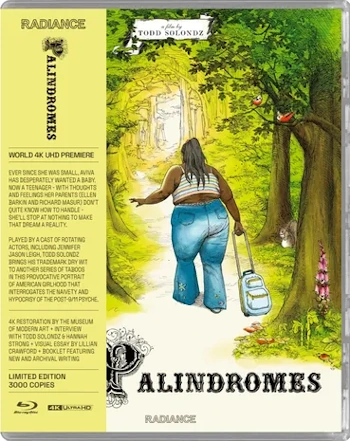
Palindromes
BUY AT:



See more details, packaging, or compare
Synopsis
Ever since she was small, Aviva has desperately wanted a baby. Now a teenager - with thoughts and feelings her well-meaning parents Joyce (Ellen Barkin, Drop Dead Gorgeous) and Steve (Richard Masur, The Thing) don’t quite know how to handle - she’ll stop at nothing to make that dream a reality. Played by a cast of rotating actors, including Jennifer Jason Leigh (The Hateful Eight) and Sharon Wilkins, Aviva’s journey towards motherhood never would run smooth. Bringing his trademark dry wit to another series of taboos, Todd Solondz’s portrait of middle-American girlhood interrogates the naivety and hypocrisy of the post-9/11 psyche that continues to shape US public life and policy.
Picture 8/10
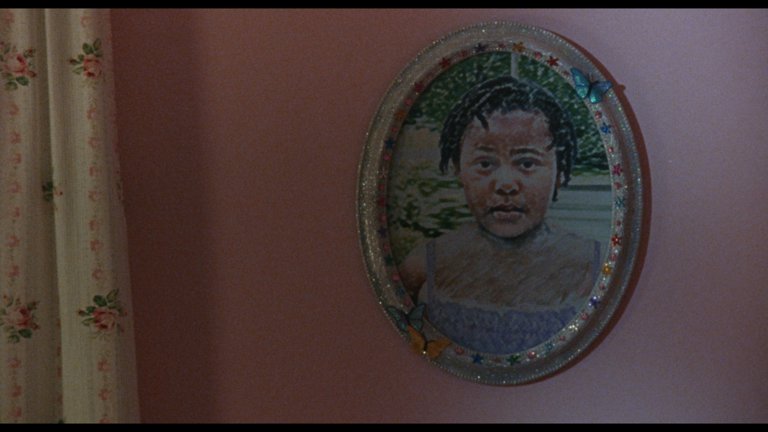
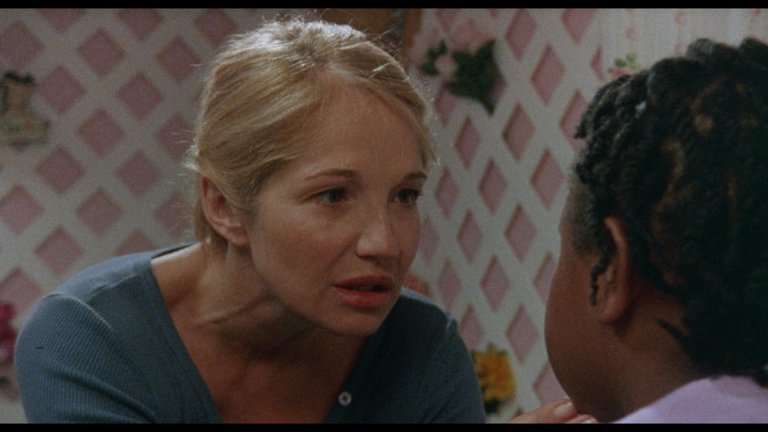
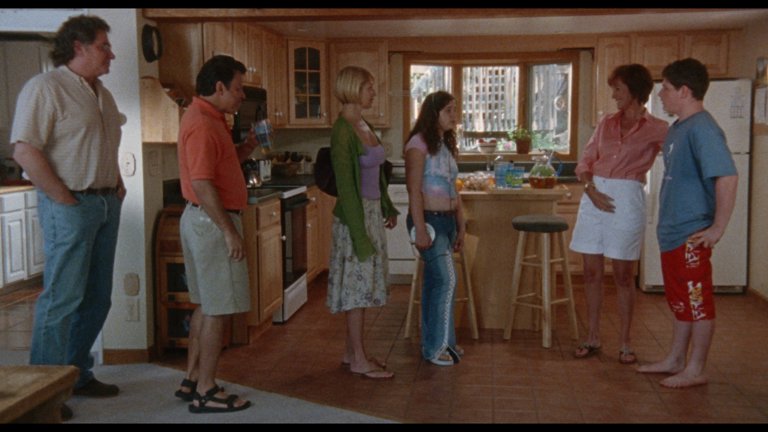
Following the unlikely miracle of Criterion releasing a 4K edition of Todd Solondz’s Happiness, Radiance pulls off something even more improbable by bringing Solondz’s 2004 film Palindromes to 4K, presenting it in its original aspect ratio of 1.85:1 on a dual-layer BD-66 disc with a 2160p/24hz ultra high-definition presentation in standard dynamic range. The set also includes a standard Blu-ray featuring the film in 1080p along with all of the special features.
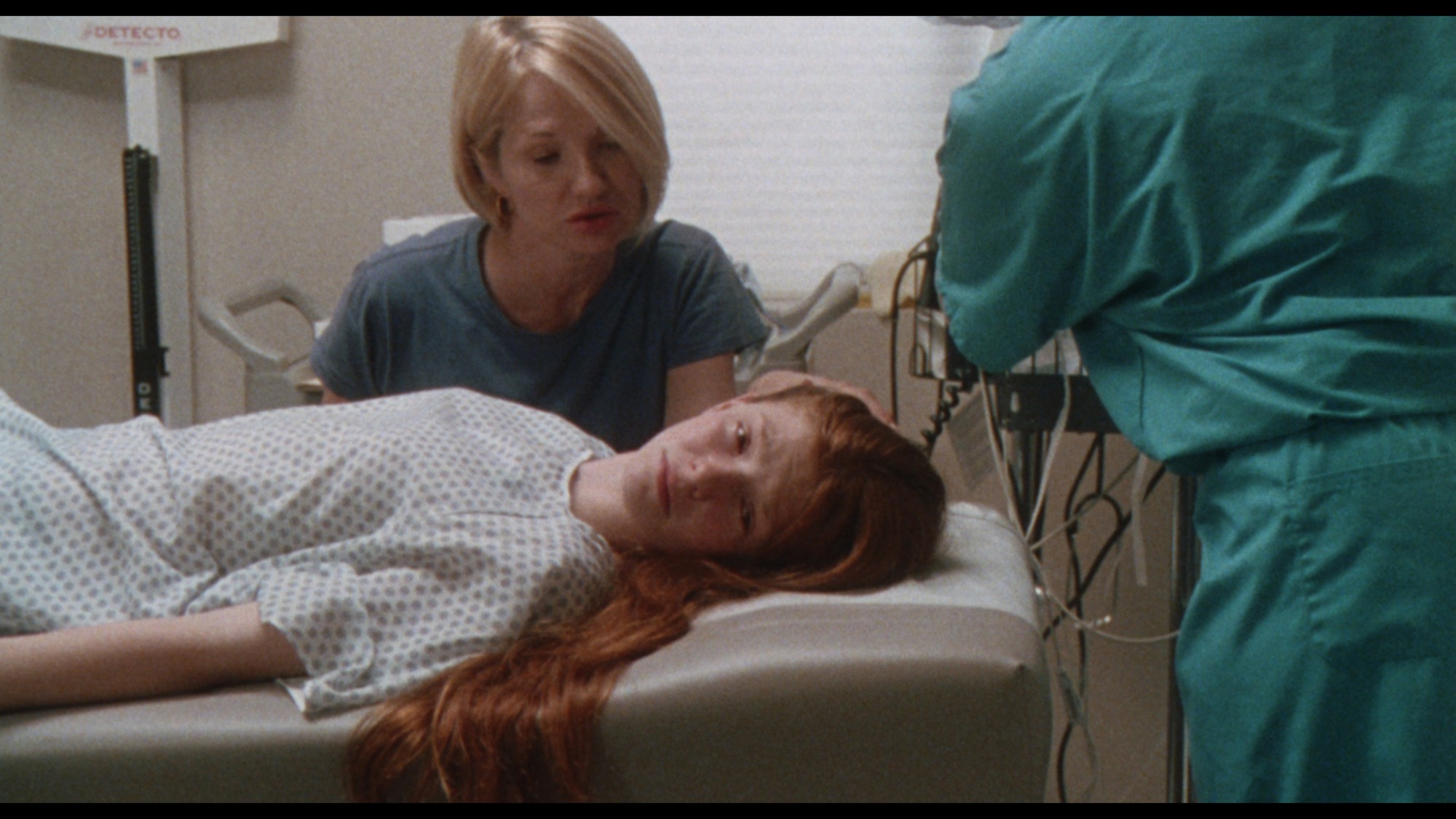
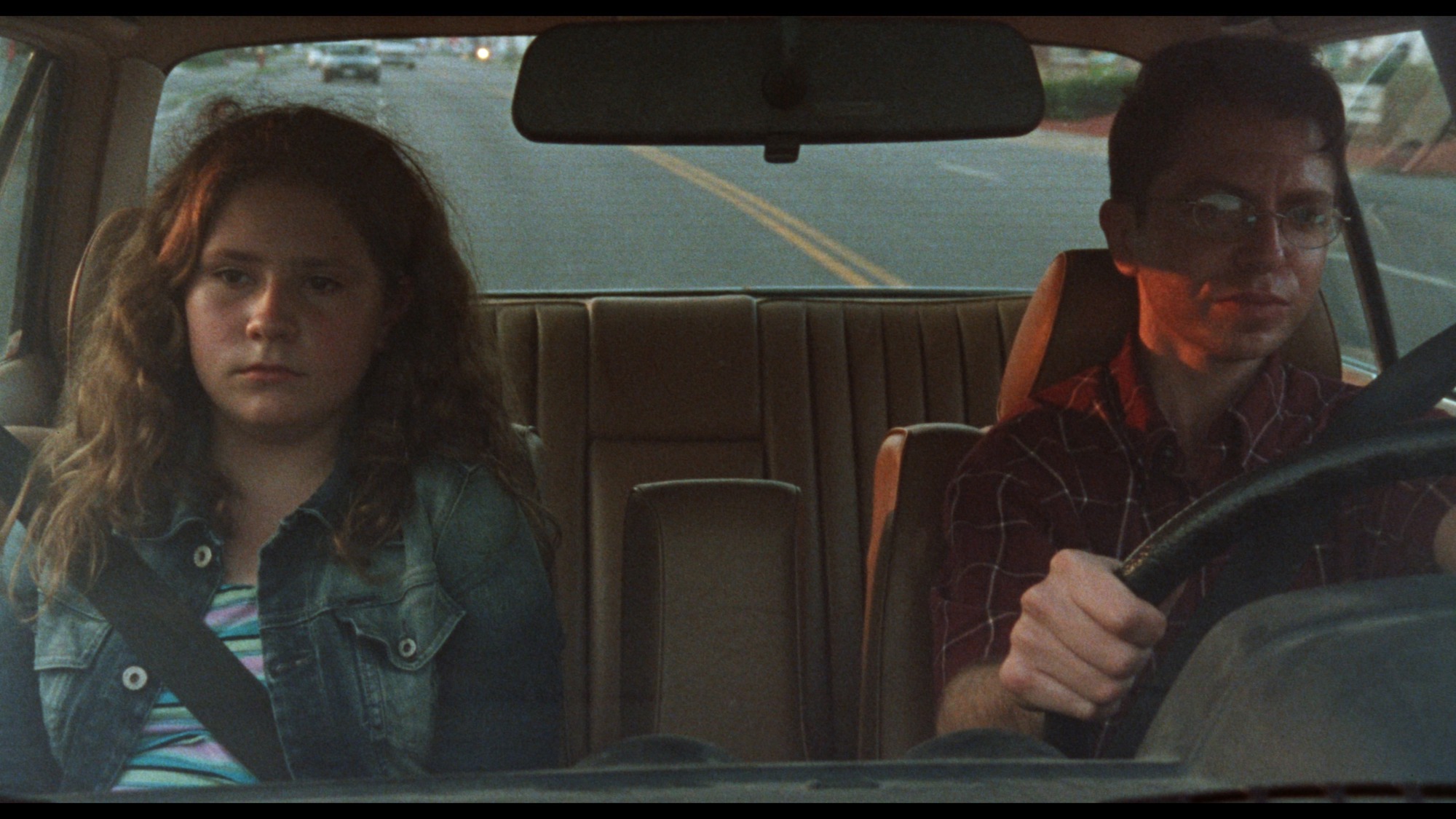
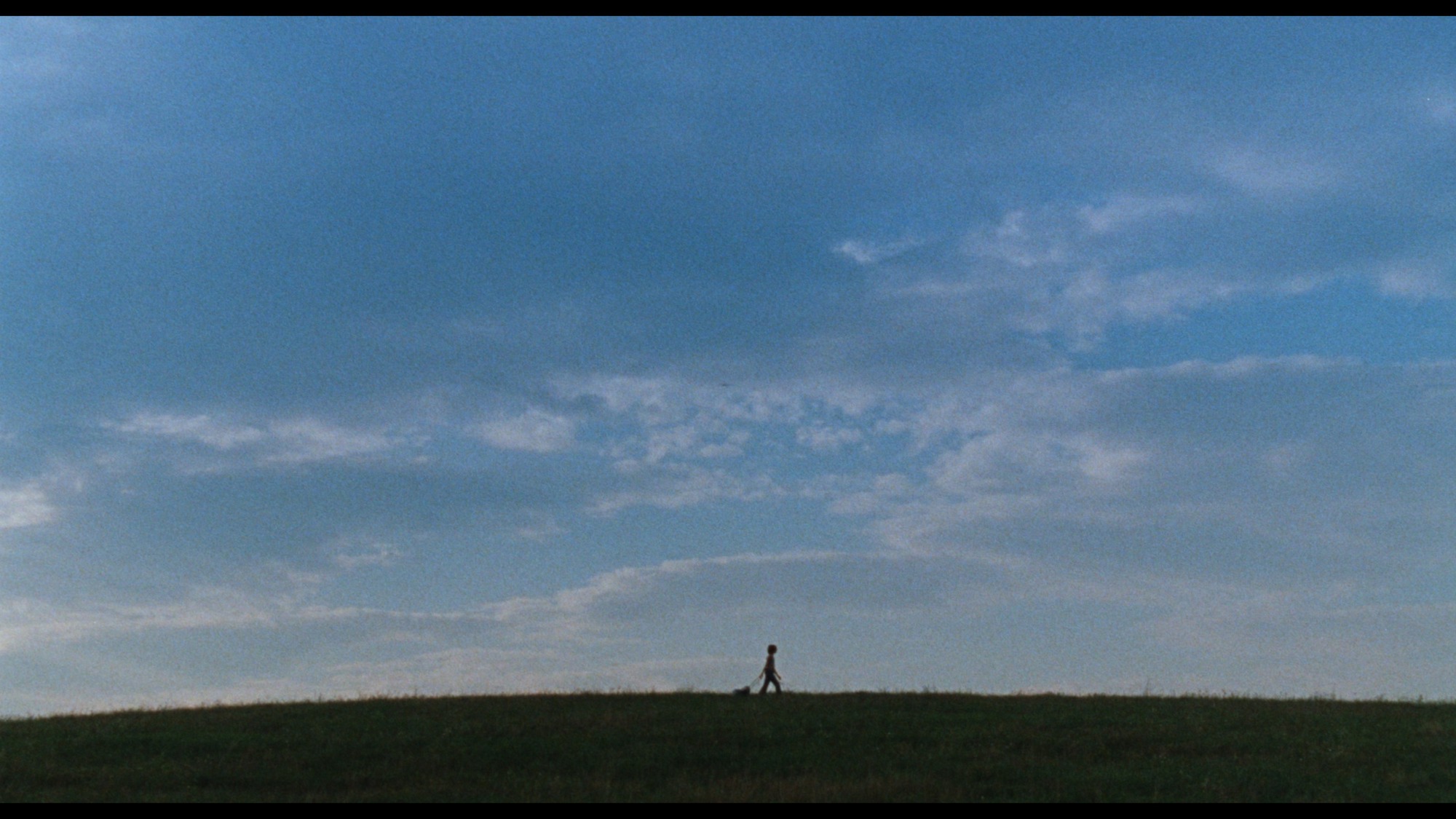
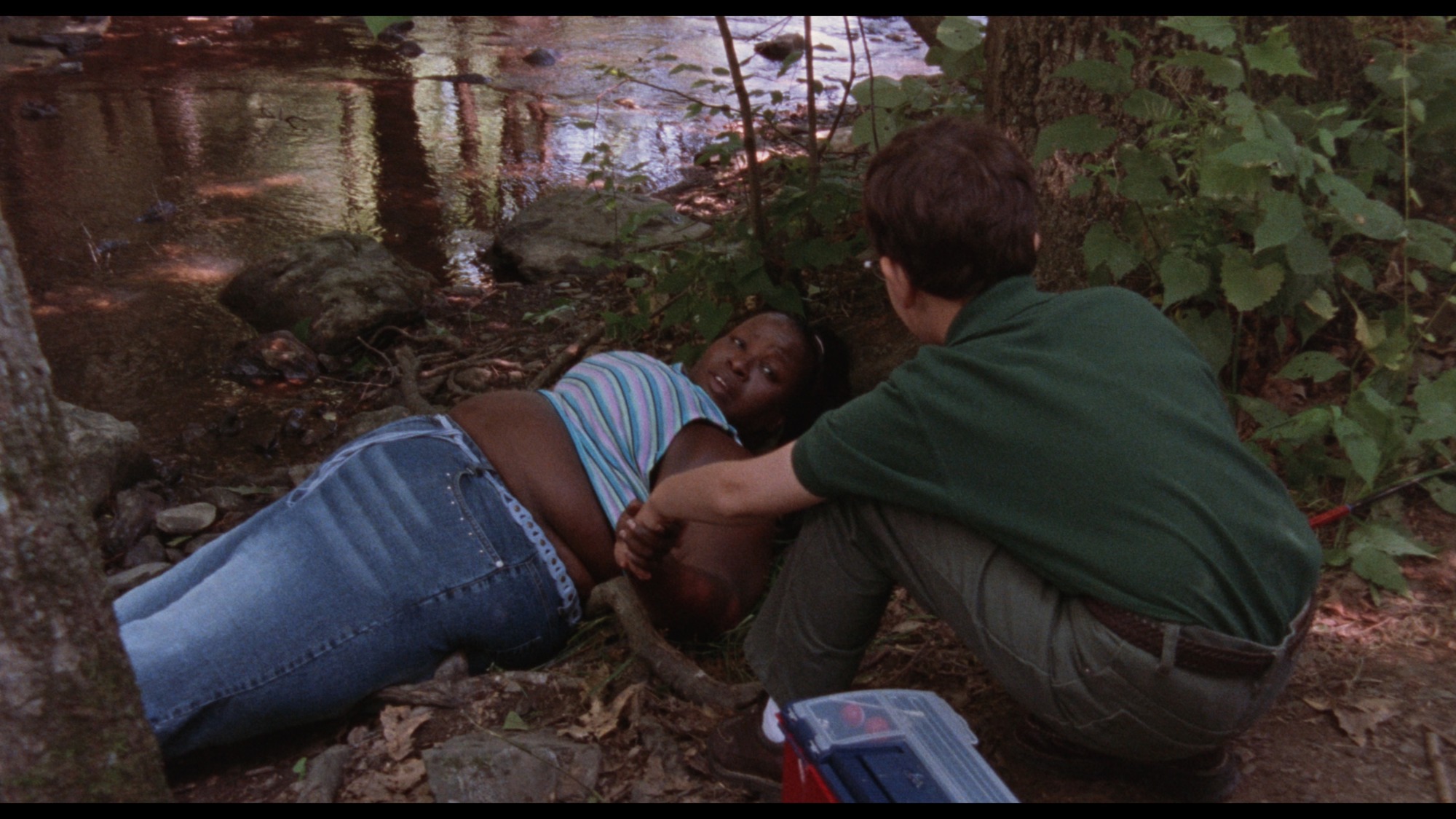
Radiance’s first 4K release looks very good, delivering a clean film-like texture thanks to a solid encode. In that area, I can’t fault it at all. If it’s held back in any way, it’s by the source materials, which appear fine, with the restoration work having cleaned everything up impeccably, but they seem to stem from a later-generation element or a blow-up, possibly an interpositive, at least for the majority of the running time (though I should stress I’m not entirely certain). That’s not meant as a knock in any way as it's a more than valid source, but the image can lean a bit to the softer side, with fine details rarely standing out beyond the heavy grain.
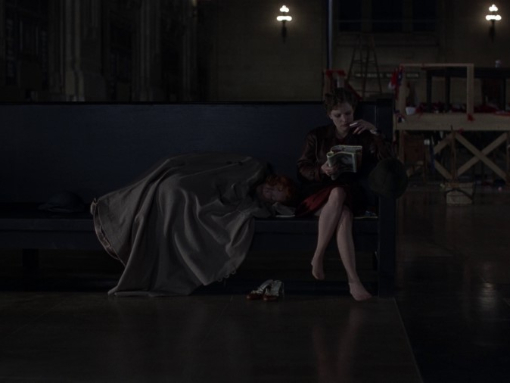
Colors look pretty good on the other hand, nicely saturated and rich. Reds have a nice pop and blues and greens look great. Black levels are mostly strong and there can be decent depth in the shadows, though a coupld of nighttime shots closer to the end come off a bit muddy (possibly baked into the source). An HDR grade could have potentially helped in this area, but as it is it looks good.
Ultimately, it's fine, but the elements just hold it back a bit. And with the presentation in SDR, the upgrade over the already well-encoded Blu-ray is, at best, marginal. Still, it remains absolutely wild that we’re even getting a 4K of this film in the first place.
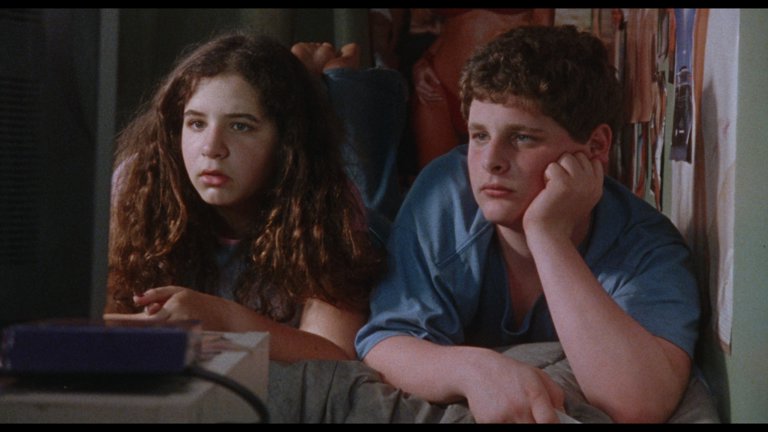
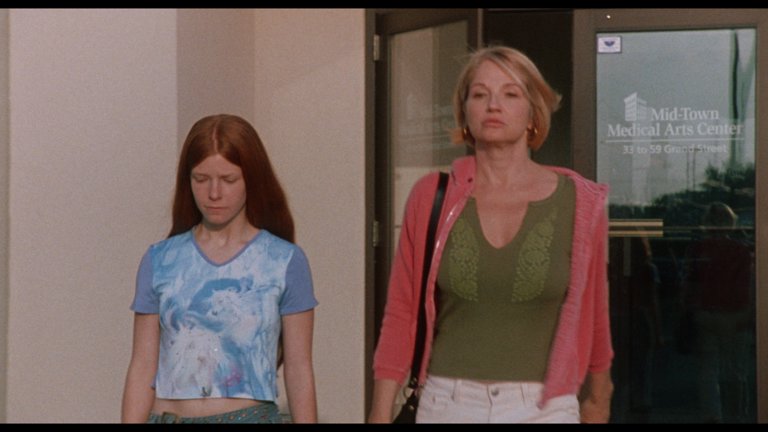
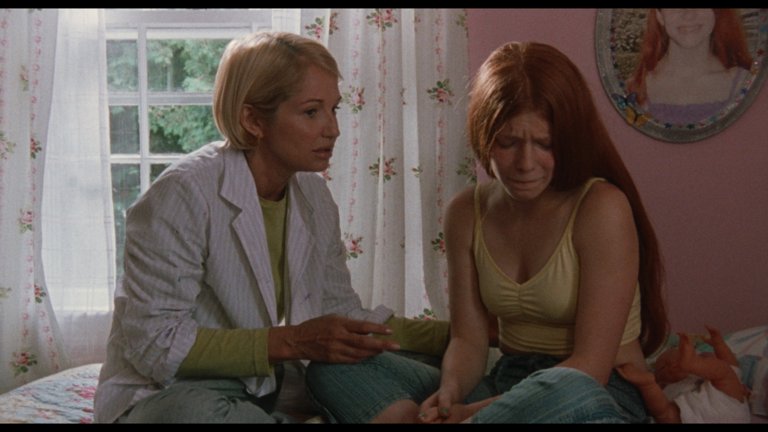
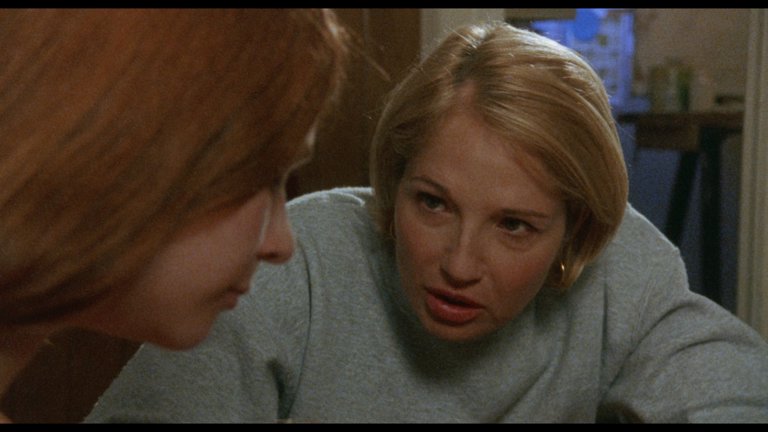
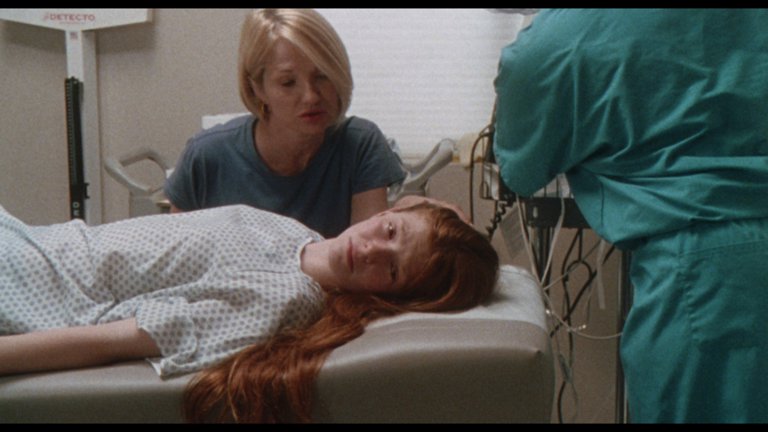
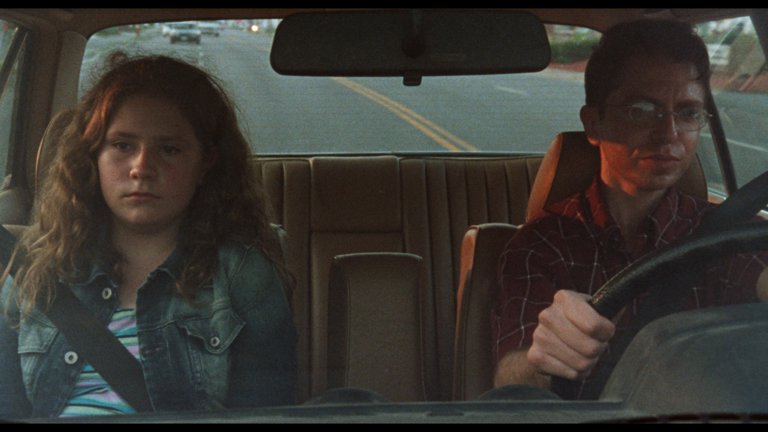
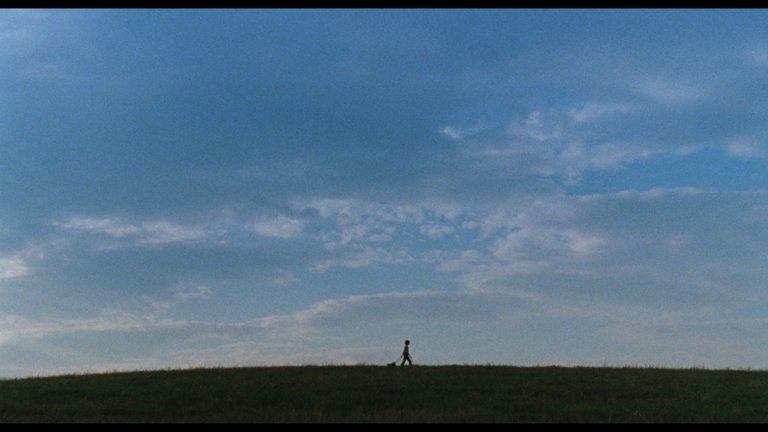
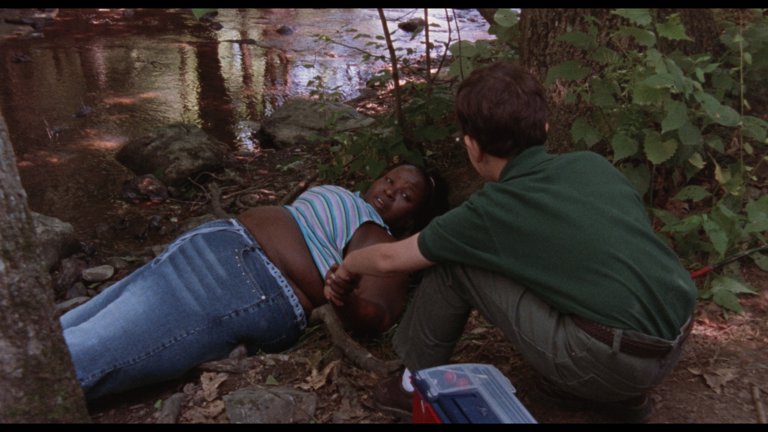
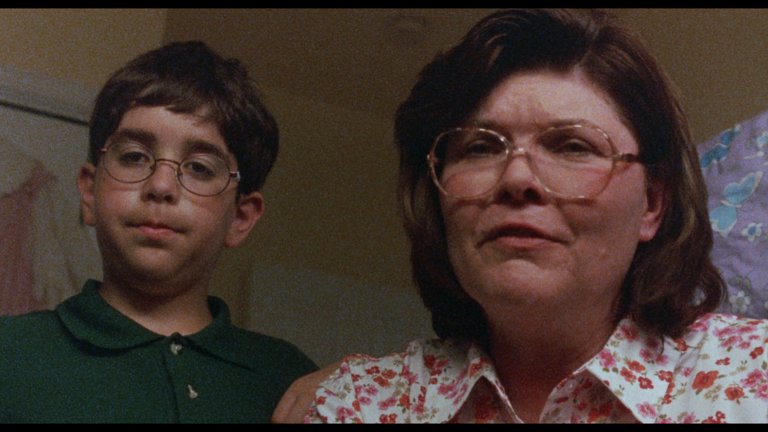
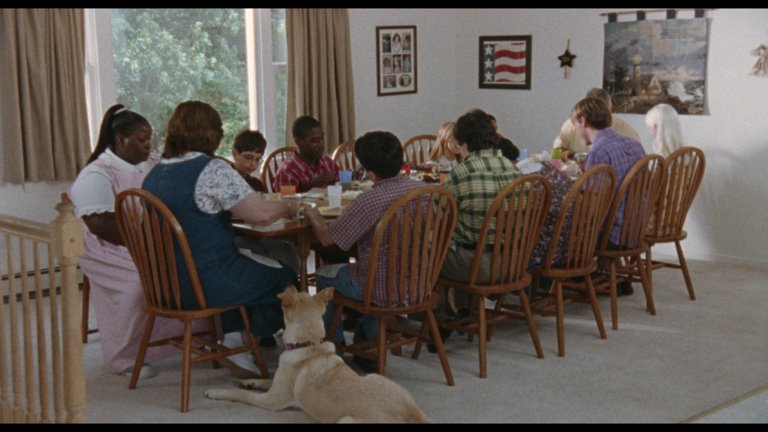
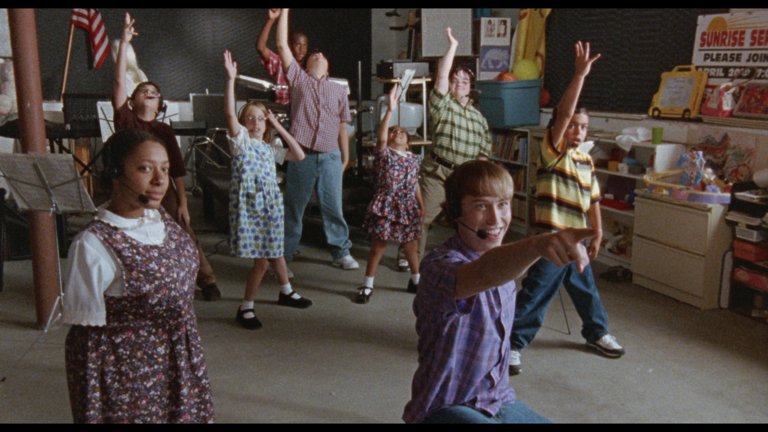
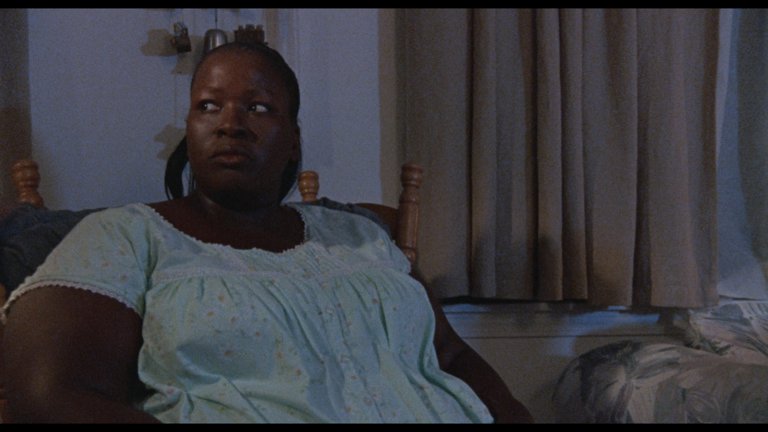
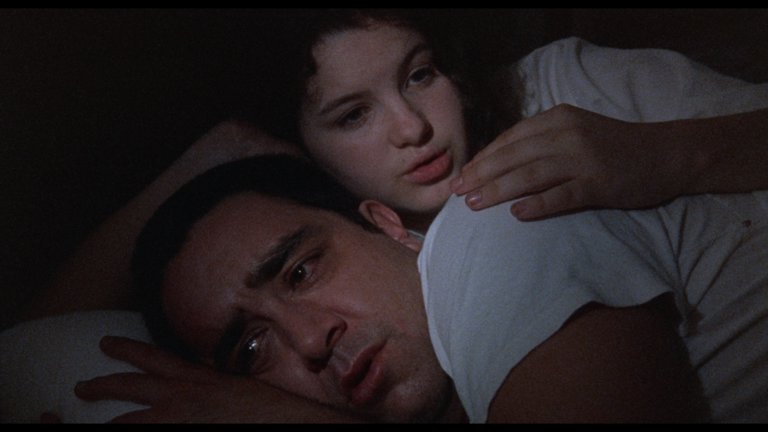
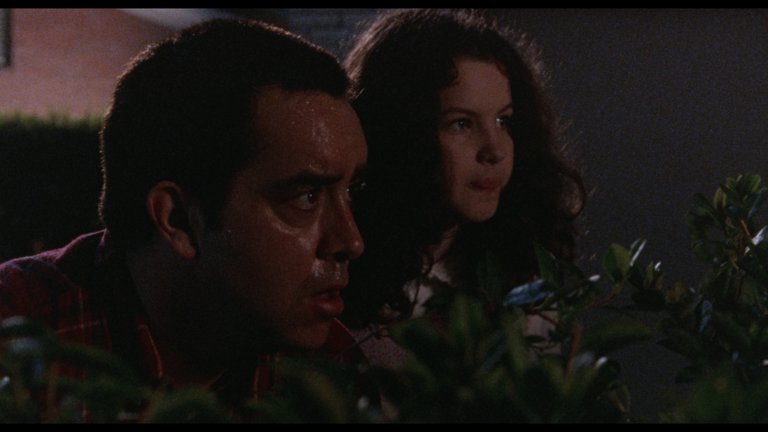
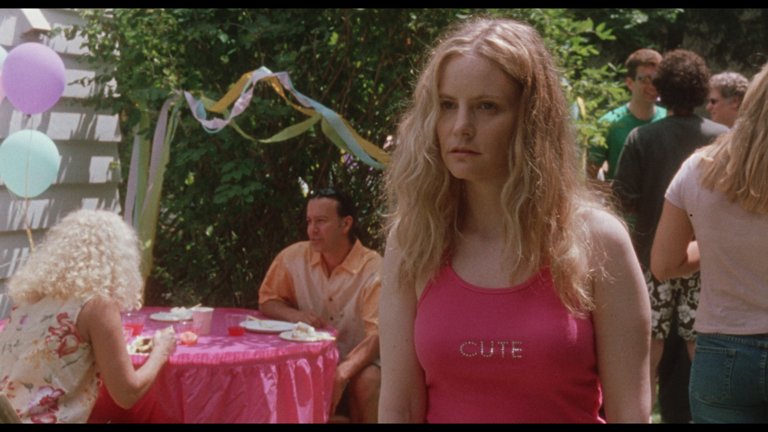
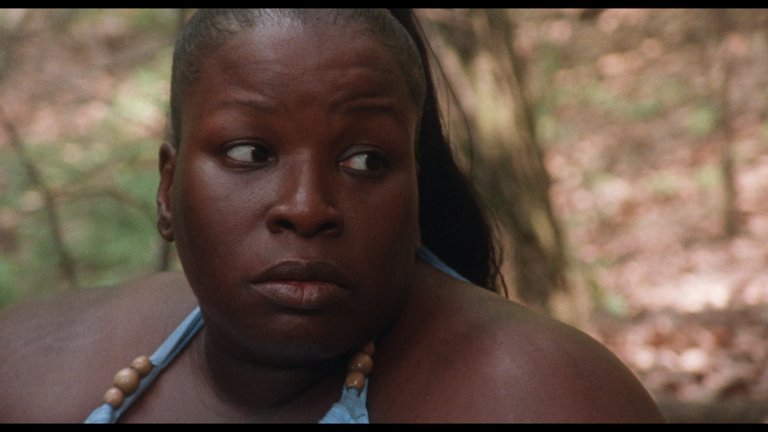
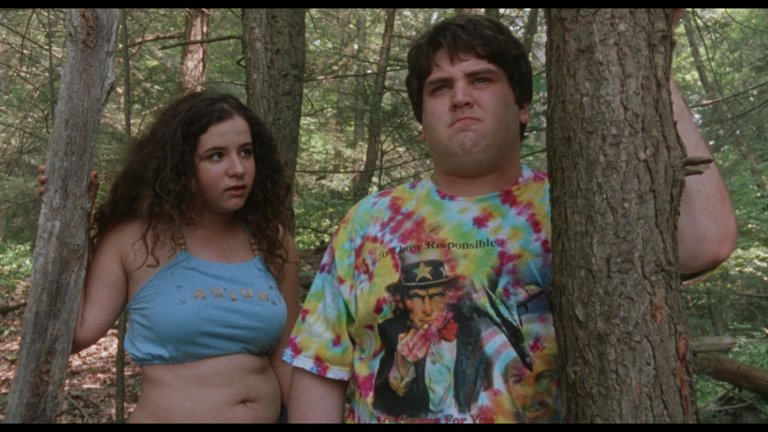
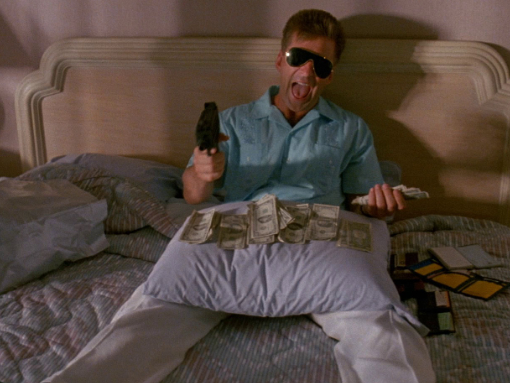
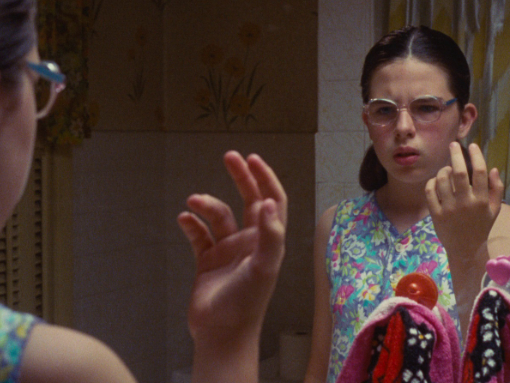
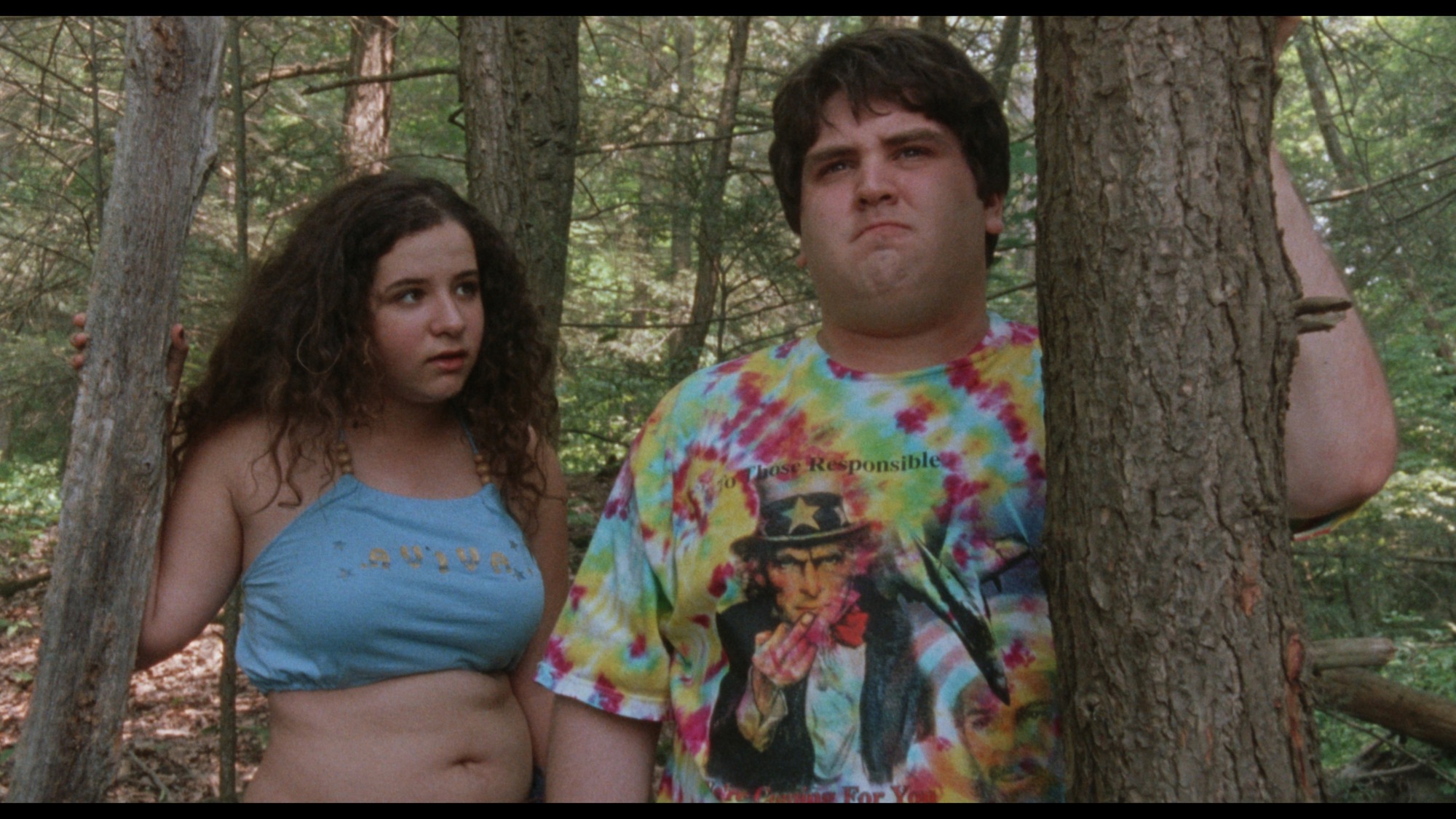
Palindromes - Screen Captures
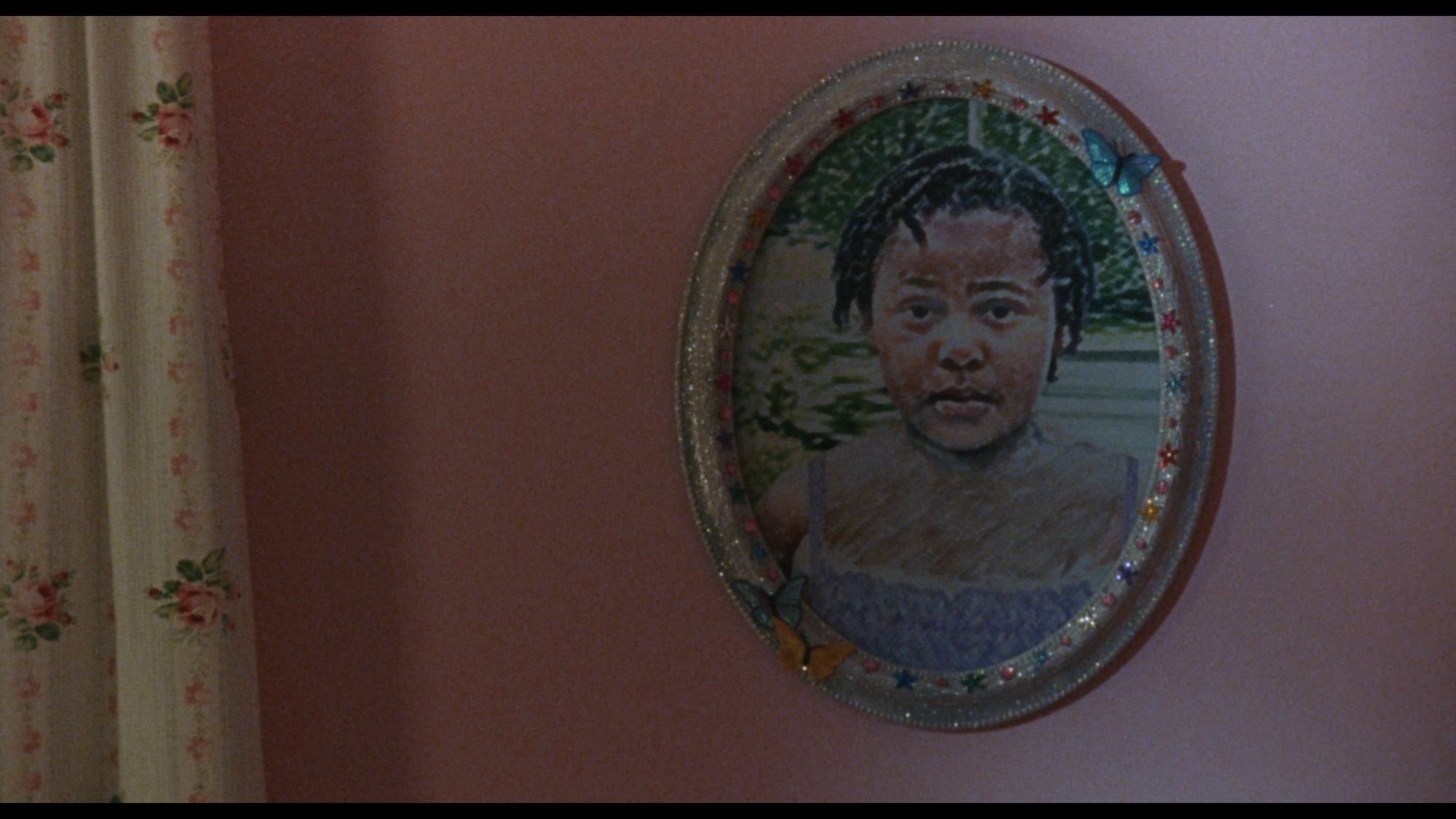
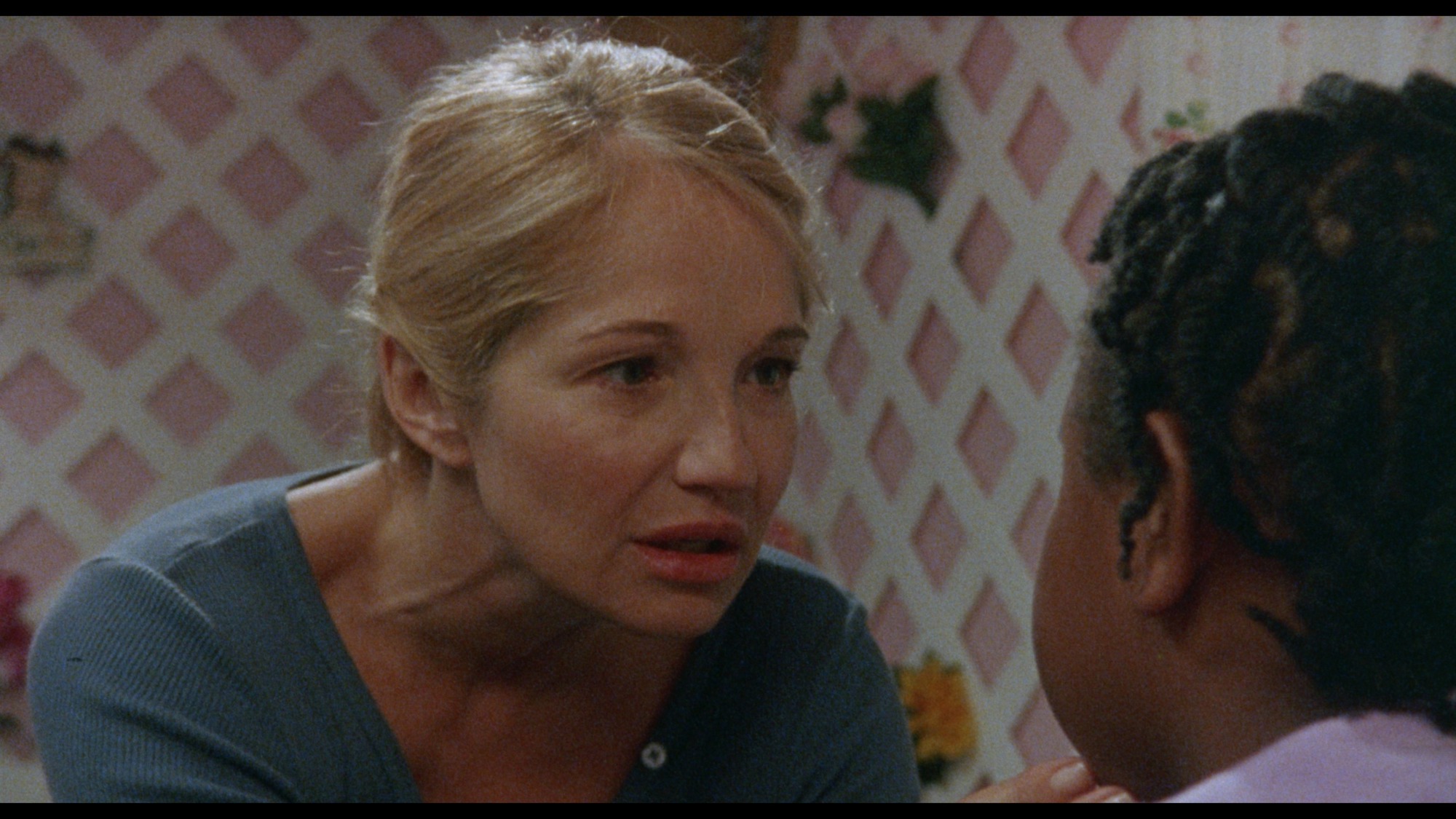
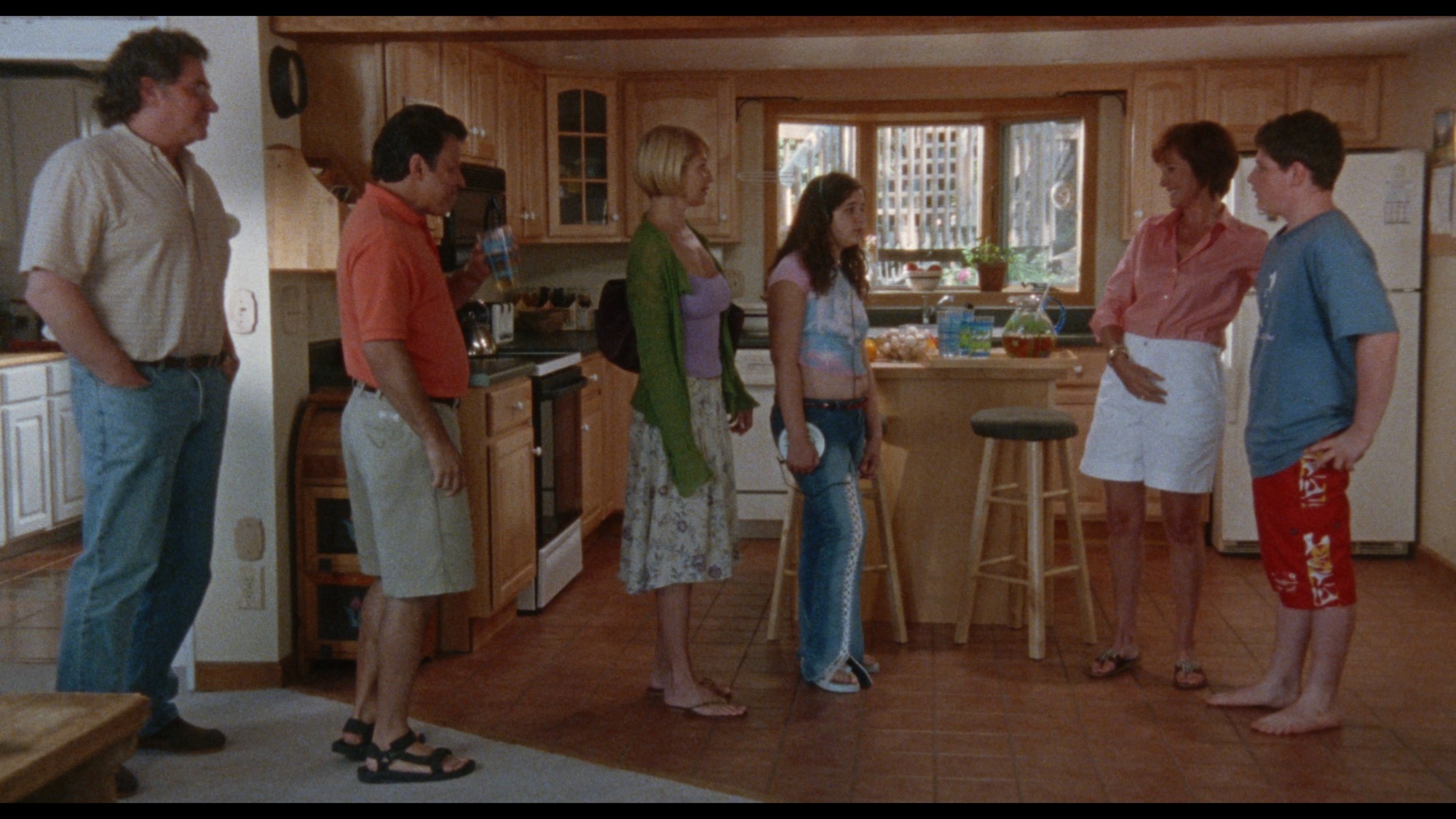
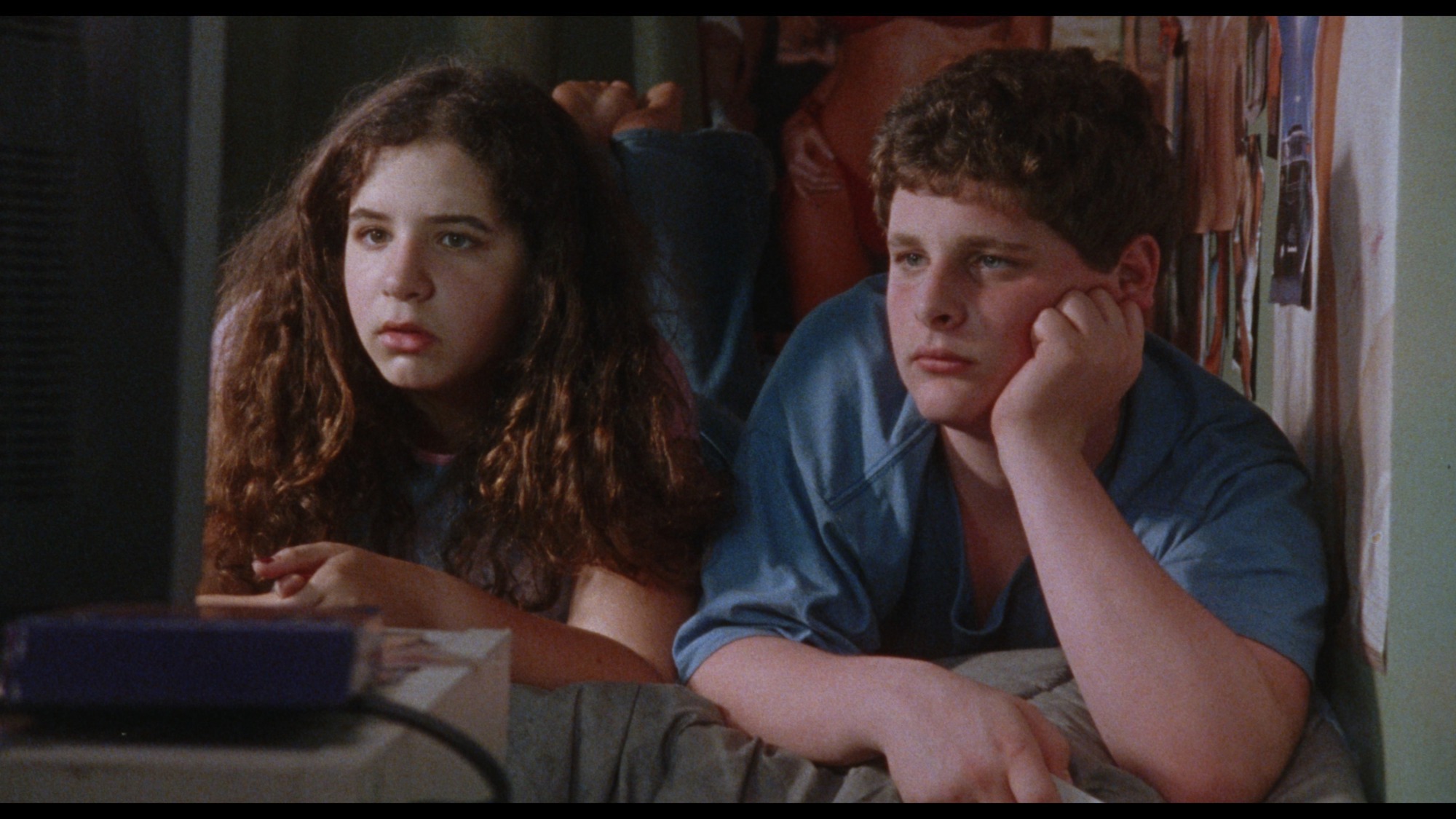
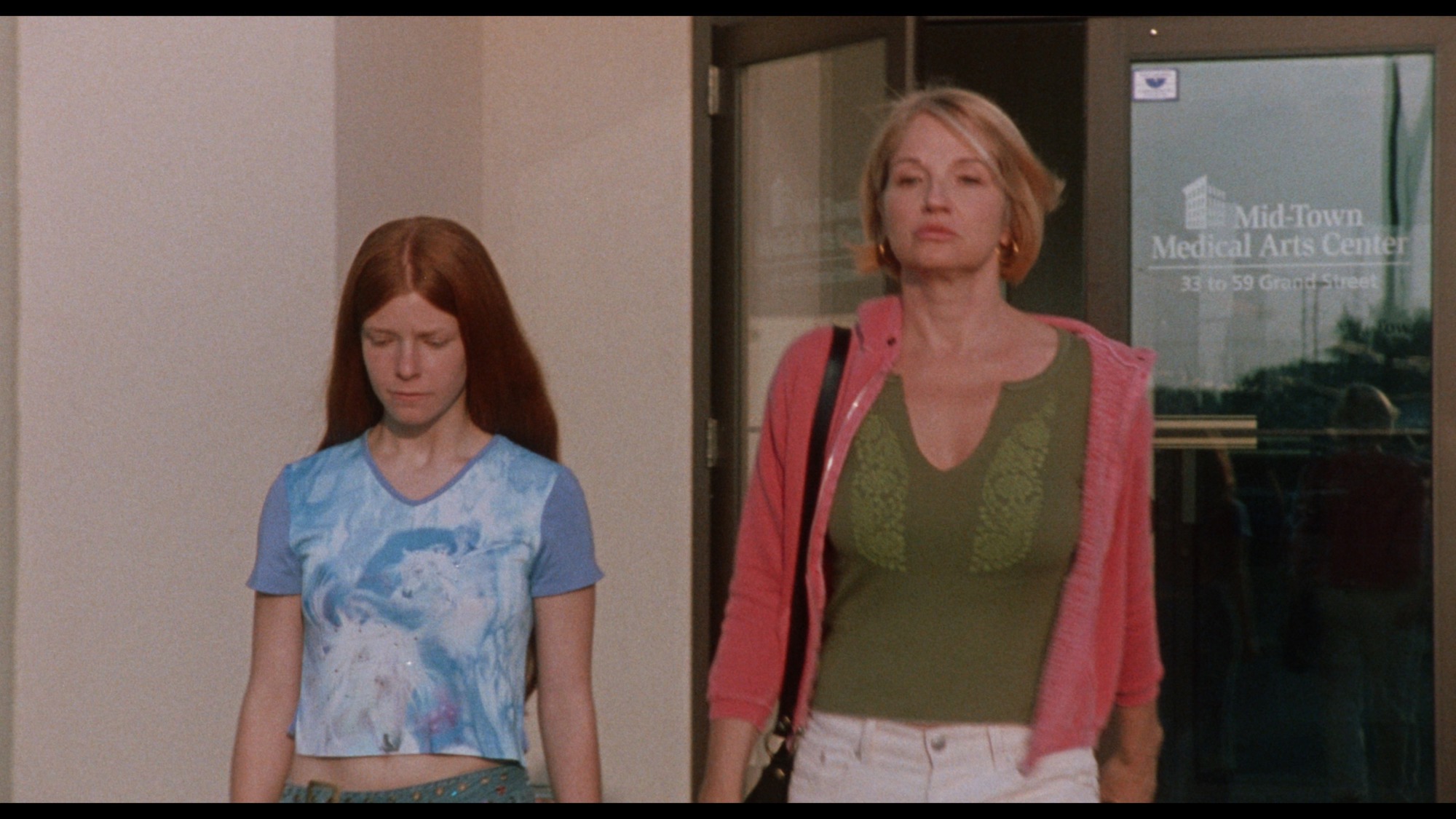
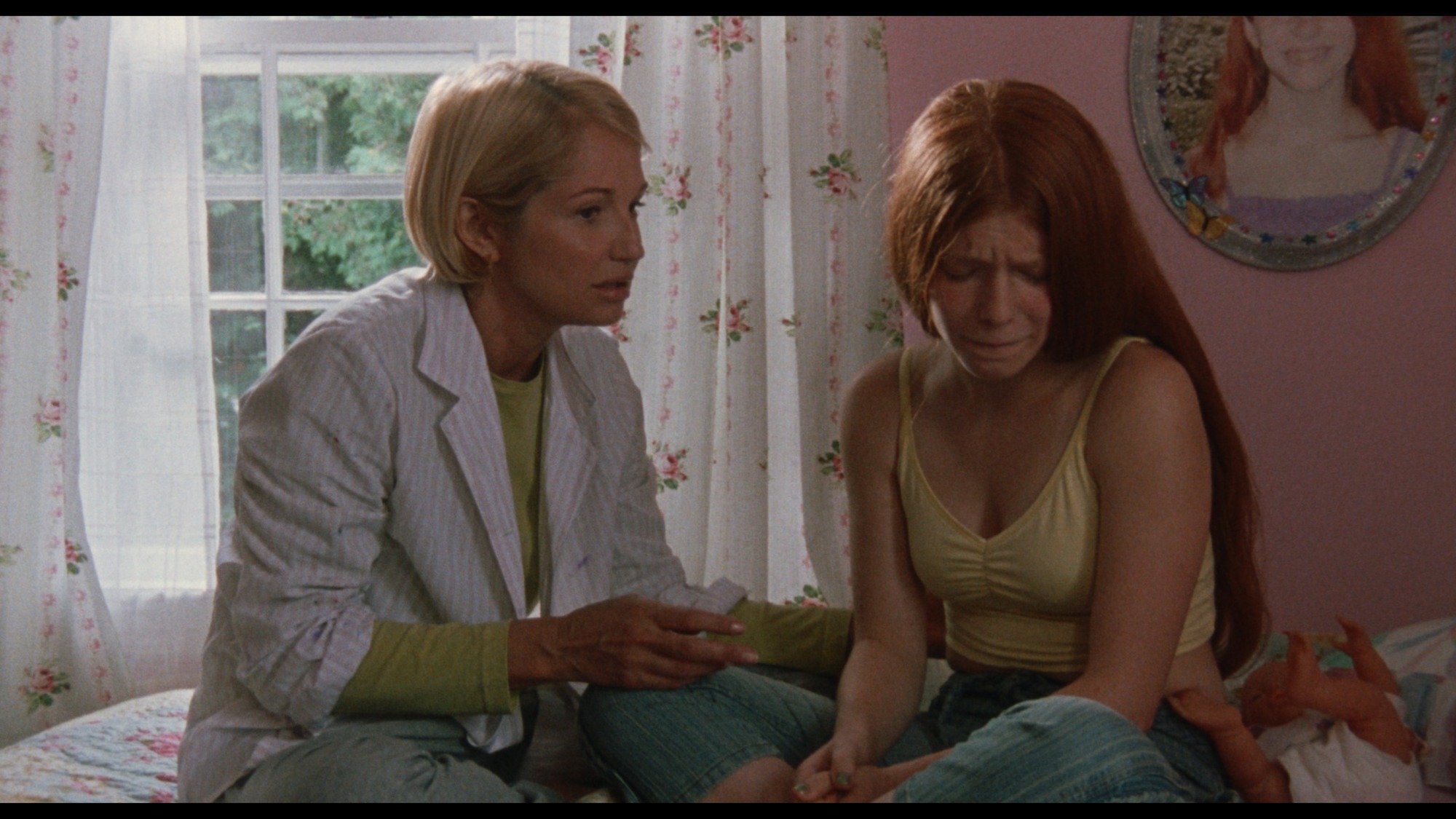
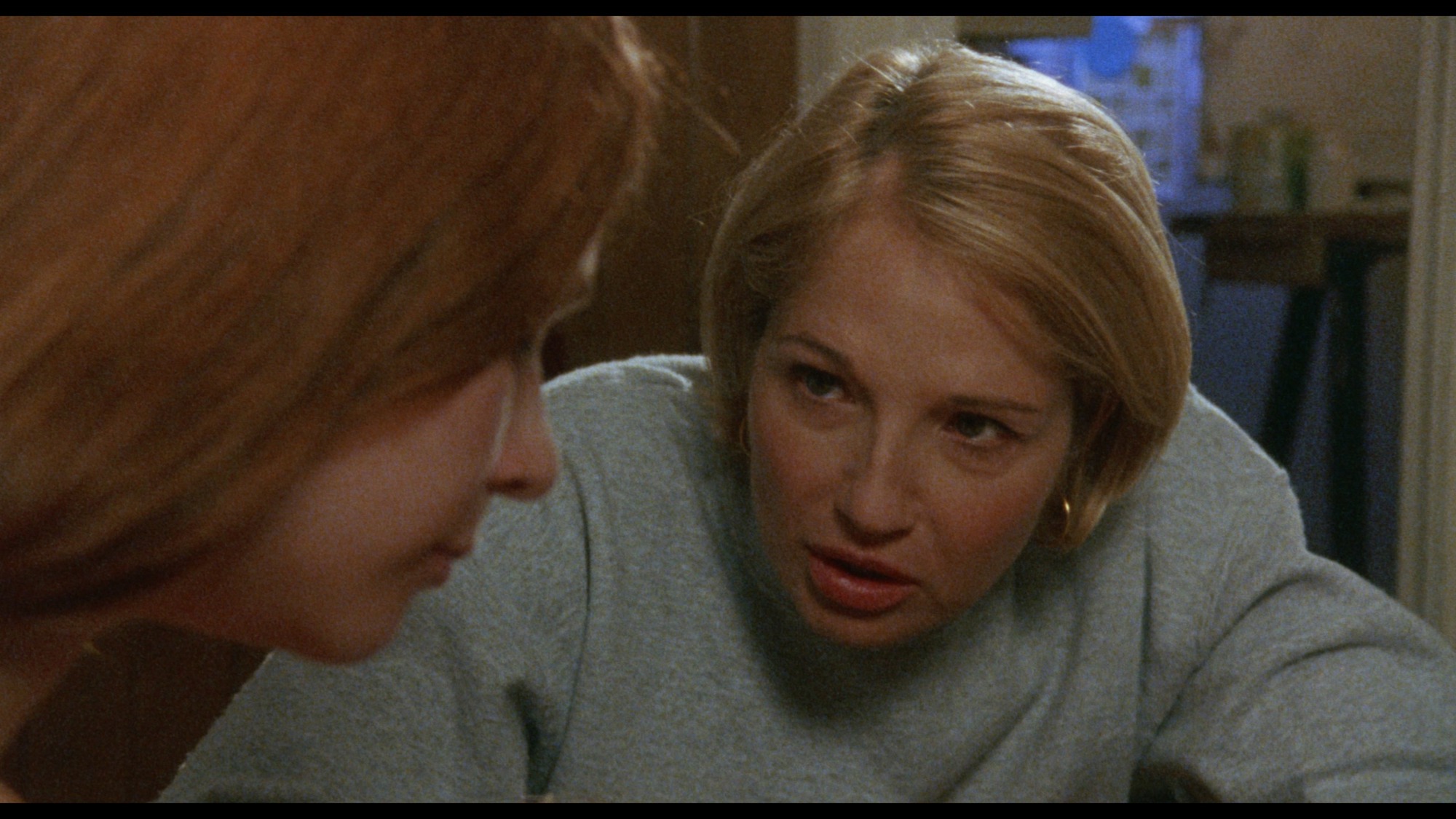
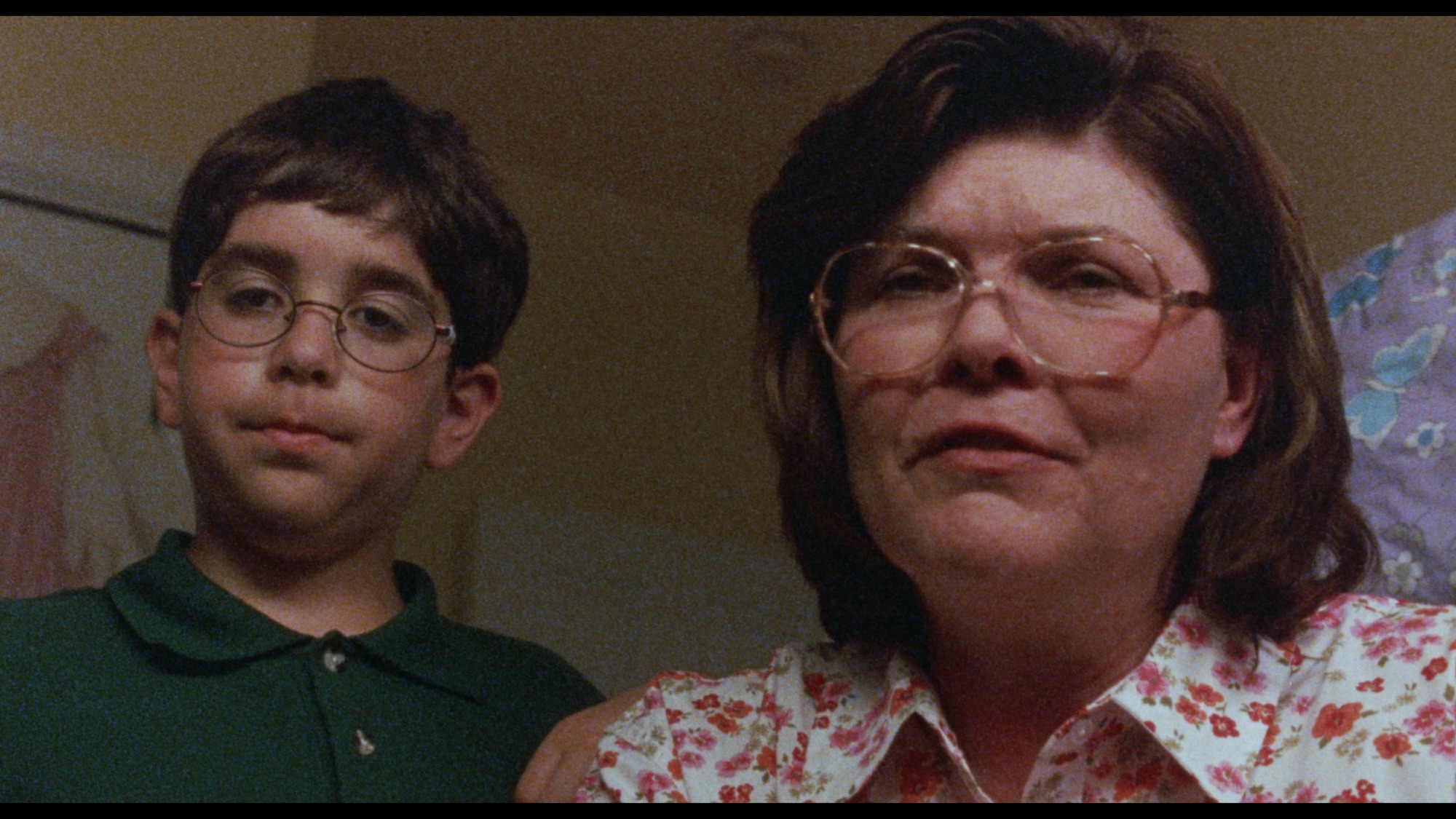
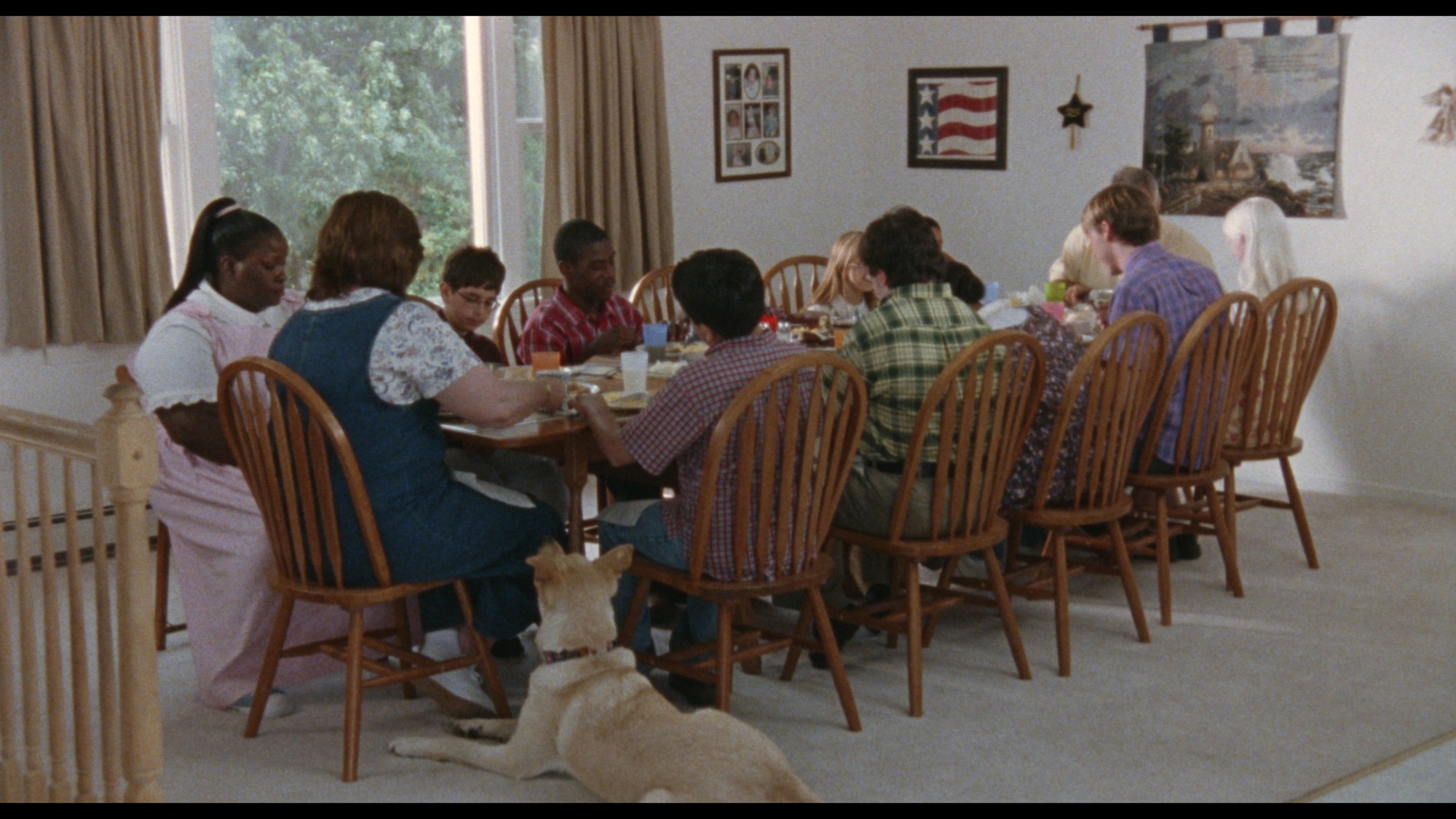
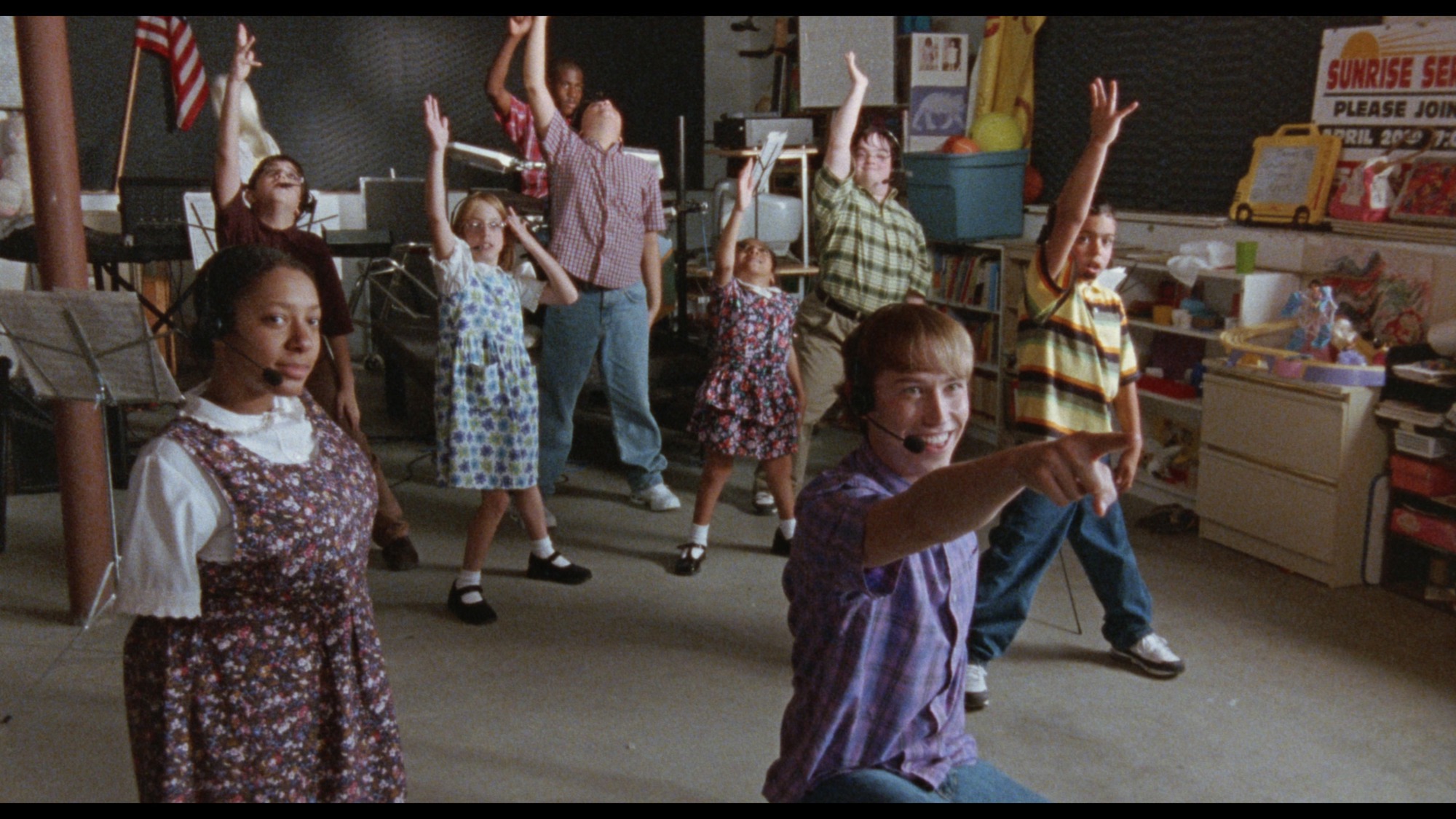
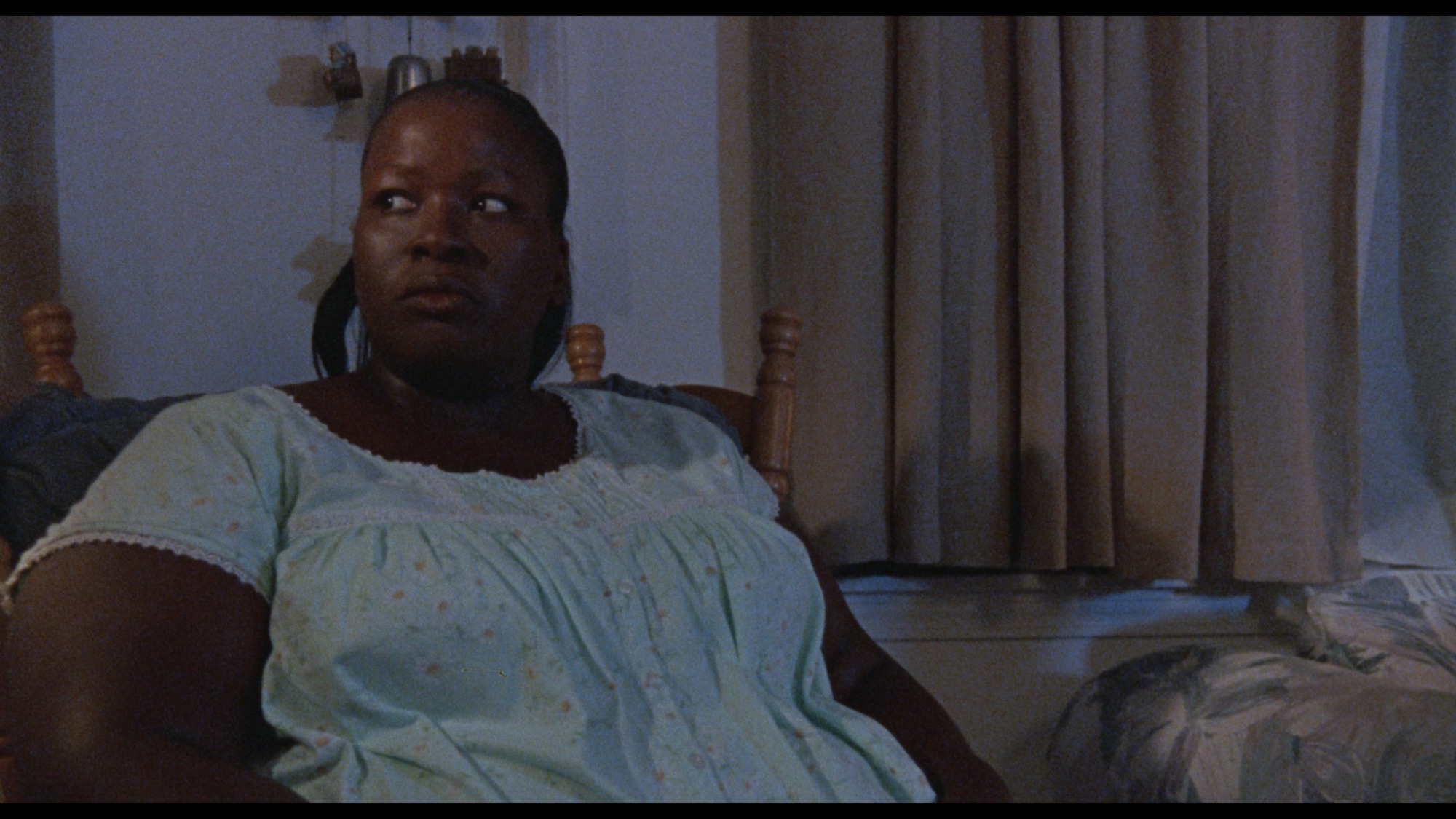
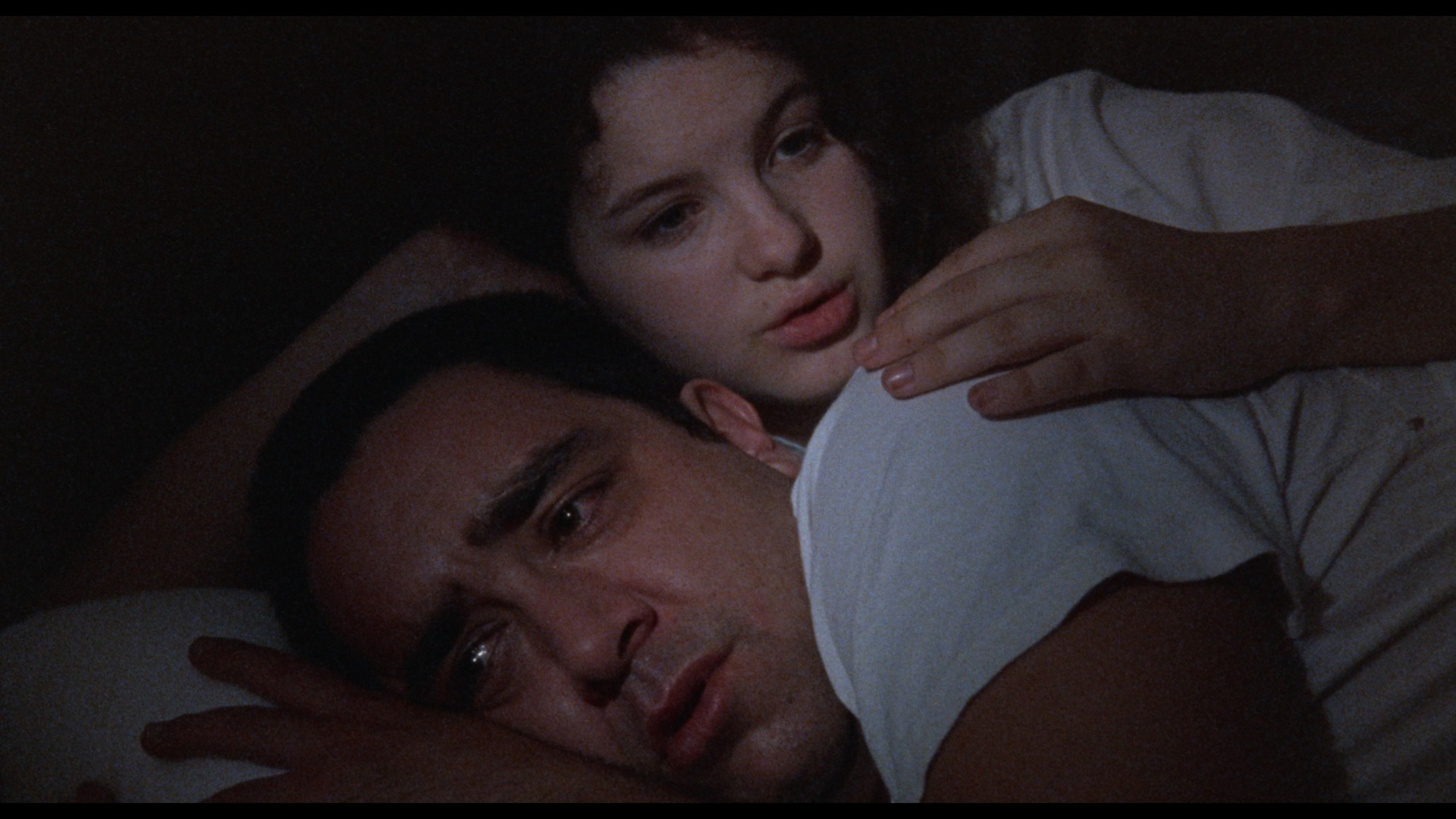
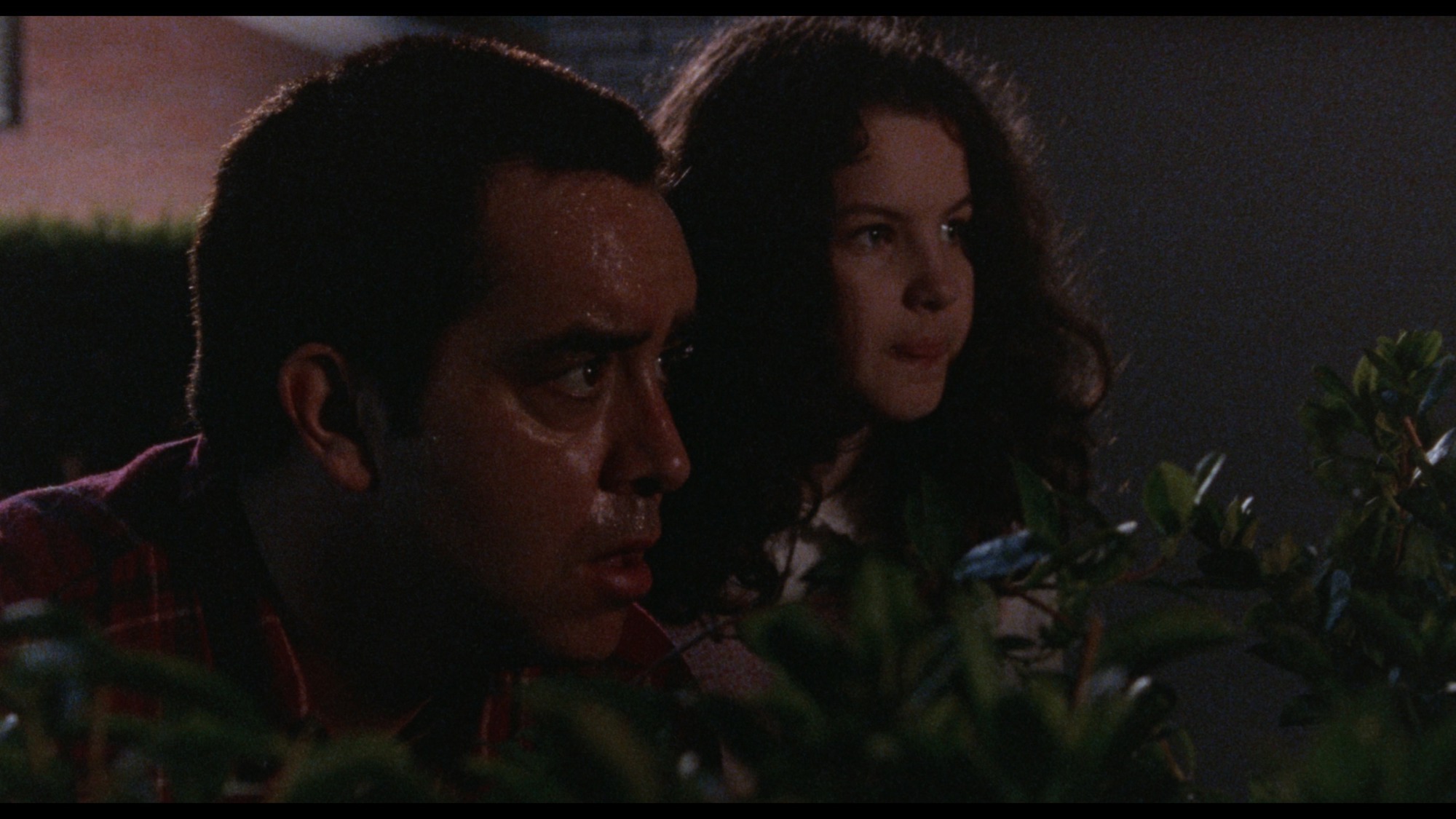
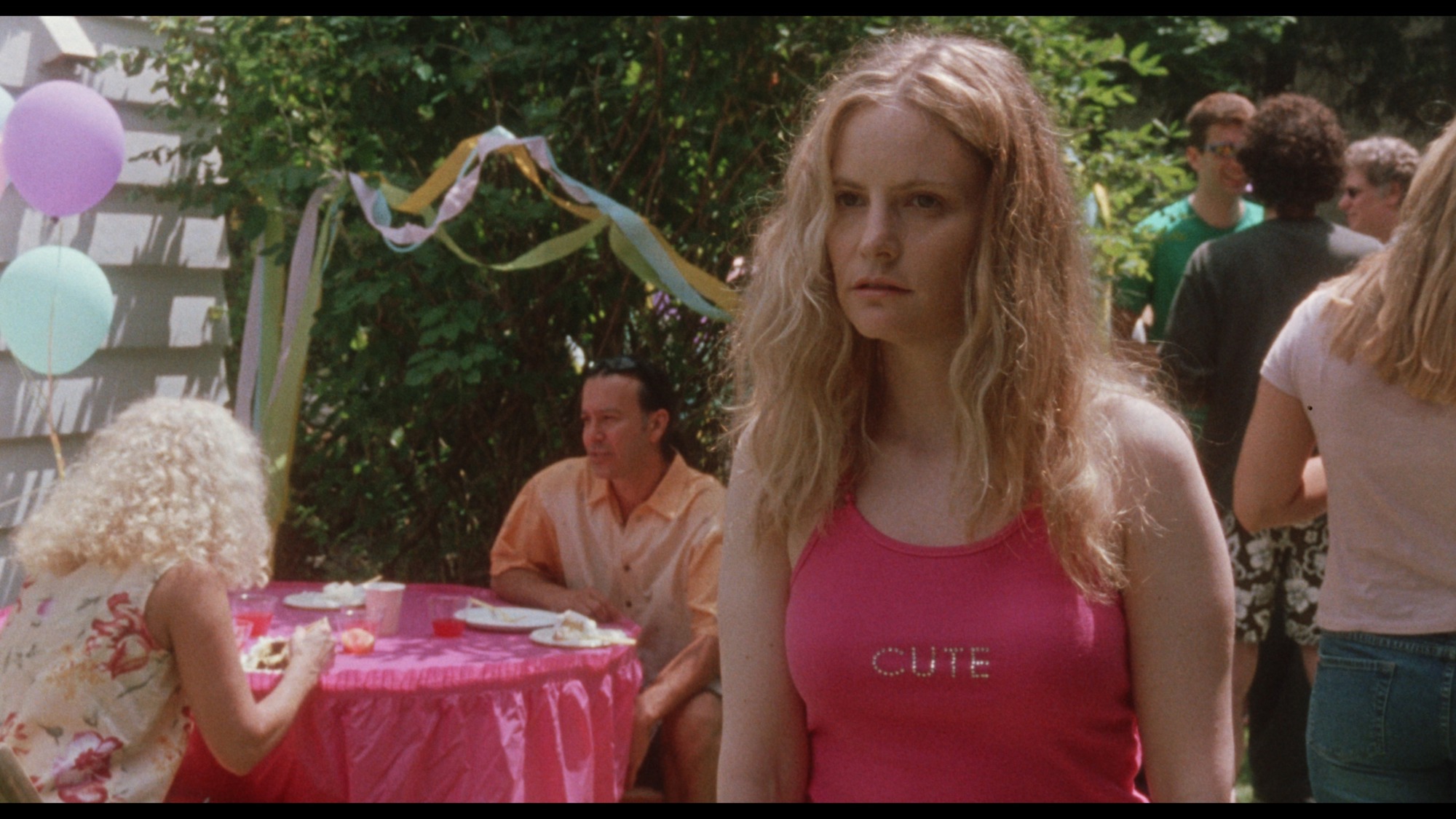
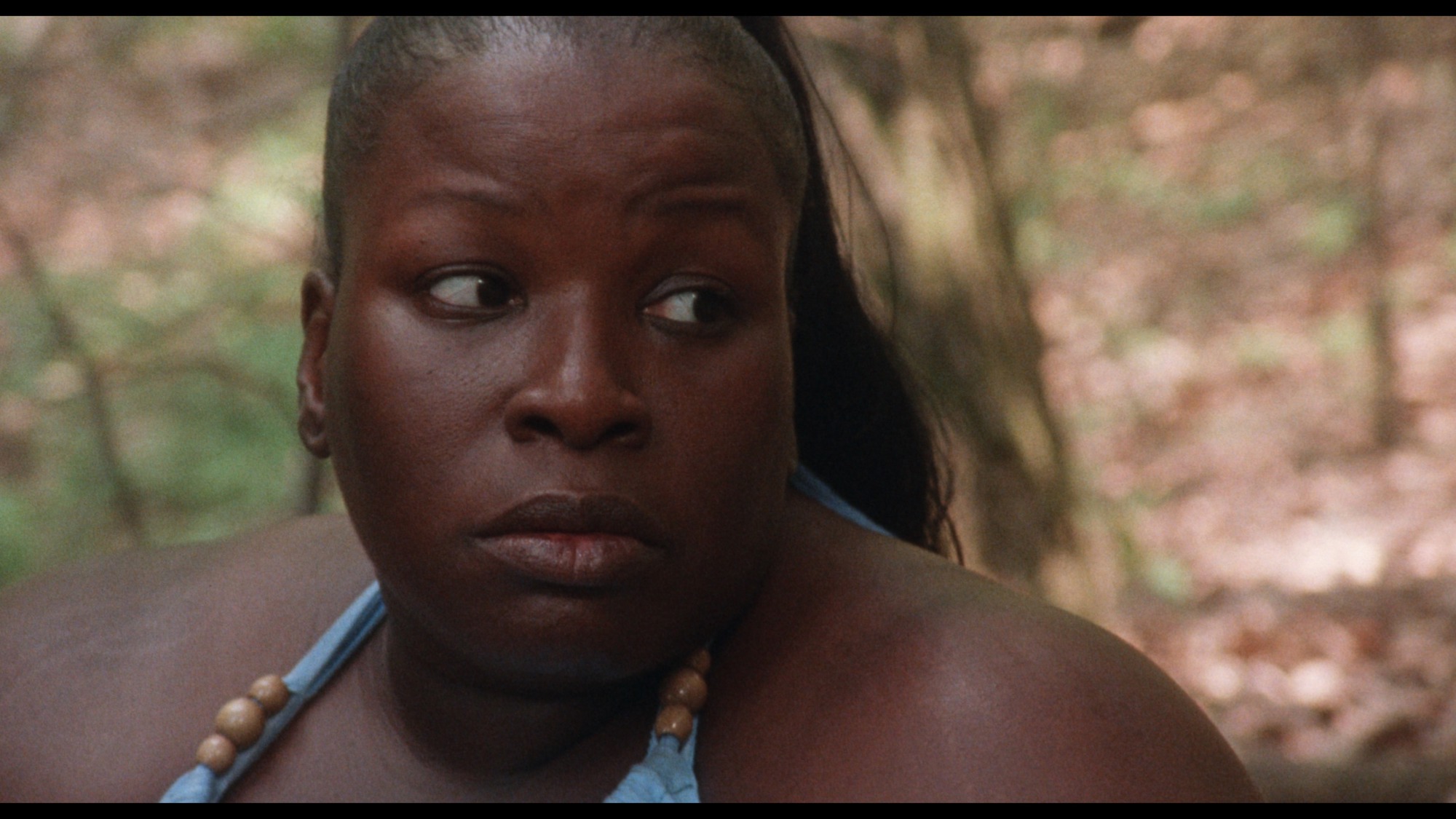
Audio 8/10
Radiance includes the film’s 5.1 surround soundtrack, presented in DTS-HD MA. For what the film is, it sounds great. Dialogue is mostly clear and sharp, with only a few moments where it dips slightly, and there are a handful of louder, more aggressive sound cues in the film’s final stretch. I especially appreciated the wide dynamic range in the music, whether it’s the earnest performance from the Sunshine Singers or the recurring vocal harmony motif that drifts in and out throughout the film. The mix isn’t overly showy, but some of the musical cues do make their way subtly into the rear channels, giving the track a nice touch of depth.
Extras 6/10
Radiance only includes a handful of supplements, though they’re fairly solid, and all found on the Blu-ray. First up is a 26-minute interview with Solondz, conducted over video chat with Hannah Strong—who, as she points out, has a palindrome name as well. Though Solondz can’t recall his reasoning behind some of the film’s choices (like why palindromes play into the theme), that becomes part of the charm and leads to a rather insightful conversation. He discusses how he develops his characters and his desire to understand them, reiterating (as he has in other interviews, if not in these exact words) that he doesn’t like to judge his characters, embracing a kind of moral ambiguity. He also touches on the difficulty he faces (especially now) in financing his films.
He talks a bit about the choice to cast different actors as Aviva—at least as much as he can remember—and shares that he was inspired by the Diahann Carroll-starring television show Julia, where a character was recast without any acknowledgment. (He claims the actor was murdered, though I couldn’t find anything to verify this.)
Despite the shaky camera on Solondz’s end (I suspect he may be holding up a laptop), the interview is quite engaging. Accompanying it is a new interview with actor Alexander Breckel, who played Paul. He was around ten at the time of filming but seems to remember the experience fondly, speaking highly of working with Solondz. Amusingly, he watched Solondz’s other films beforehand—with his parents—and even attended the film’s premiere with much of his family. The interview is audio-only, played over clips from the film. It’s not as substantial as Solondz’s, but it’s still a pleasant listen.
Also included is a new 12-minute video essay by Lilian Crawford titled Todd Solondz and His Cinema of Cruelty. It feels slightly at odds with the tone of the previous interviews, both of which emphasize the empathy Solondz has for his characters. Still, Crawford explores how Solondz mixes horror and empathy in his subject matter, often simultaneously, and how casting different actors as Aviva (as Roger Ebert also pointed out in his review) can shift how the audience interprets each situation.
While Solondz doesn’t really get into that idea during his interview (again, it sounds like he barely remembers the reasoning behind most of his decisions), he does suggest something along those lines in the director’s statement found in the included booklet. The booklet also features additional notes from Solondz and an essay by Bence Bardos, which looks at the film in the grander scheme of Solondz's work, including the whiplash that can occur due to how they can feel both pessimistic and hopeful at the same time. Rounding things out are a reprint of an interview with composer Nathan Larson about indie film scoring, conducted by Jeff Bond, and another with Solondz from the time of the film’s release. As with most of Radiance's booklets, it ends up being the meatier archival addition here.
Ultimately, it’s not a lot, but based on what we’ve seen from Radiance and Criterion’s past releases of Solondz’s work, I suspect it’s not easy gathering material. At the very least, I found everything here worth going through.
Closing
Radiance delivers an unexpected 4K of Palindromes, backed by a solid (if unspectacular) presentation and a small but meaningful selection of extras.
BUY AT: