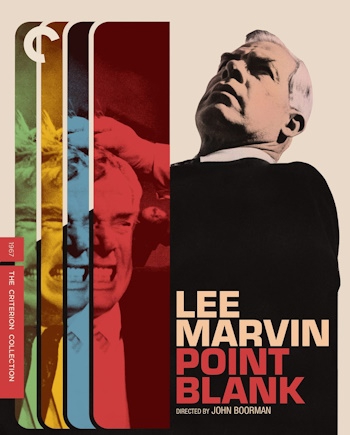
Point Blank

BUY AT:


See more details, packaging, or compare
Synopsis
Director John Boorman brought the gangster drama into new realms of modernist abstraction with this stylized revenge thriller, which transforms hard-edged pulp into a kaleidoscopic psychological puzzle. Lee Marvin is iconically cool as the enigmatic Walker, who, after he’s betrayed and left for dead by his best friend during a robbery, embarks on a brutal quest for vengeance, aided by a jaded ex-moll (a sensational Angie Dickinson) who has her own complex motives for helping him. Capturing Los Angeles locales with a surreal pop-art eye, Boorman locates the existential dread lurking beneath the city’s sunlit surface.
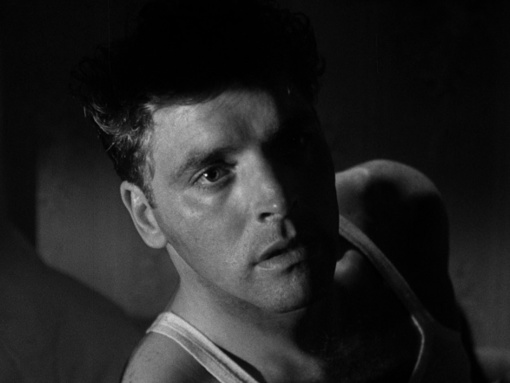
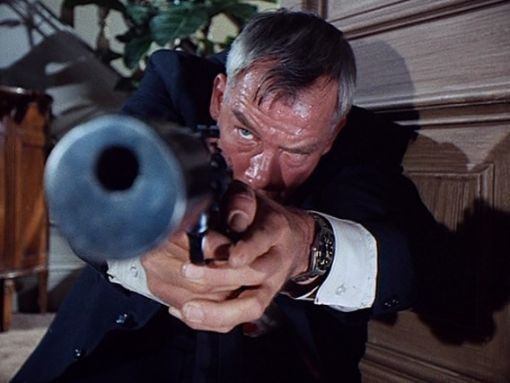
Picture 10/10
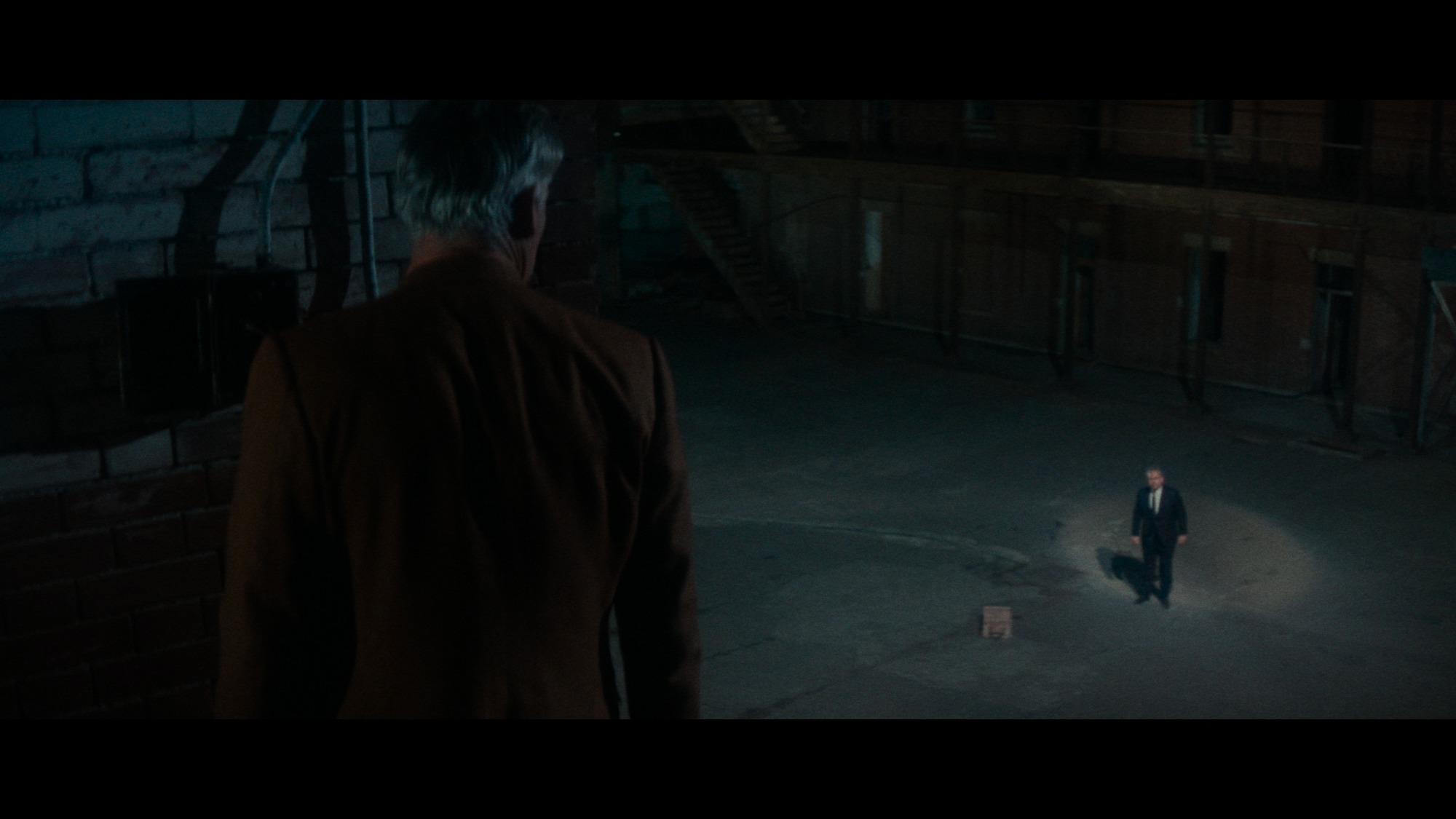
John Boorman’s Point Blank has received an all-new 4K restoration and arrives on 4K UHD from The Criterion Collection, presented on a triple-layer disc in its original aspect ratio of 2.39:1, with a 2160p/24hz ultra high-definition encode and Dolby Vision. The restoration is sourced from a scan of the 35mm original camera negative. The release also includes a 1080p presentation on a standard dual-layer Blu-ray disc.
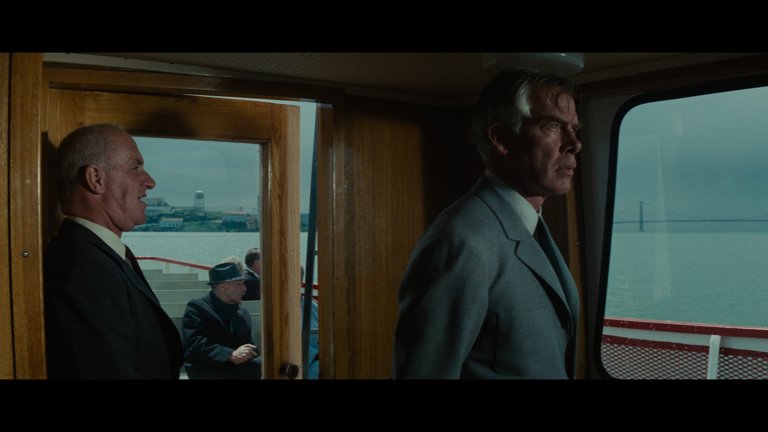
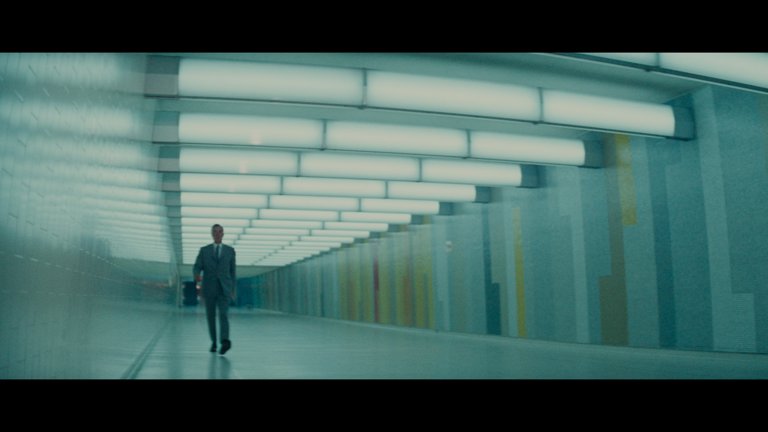
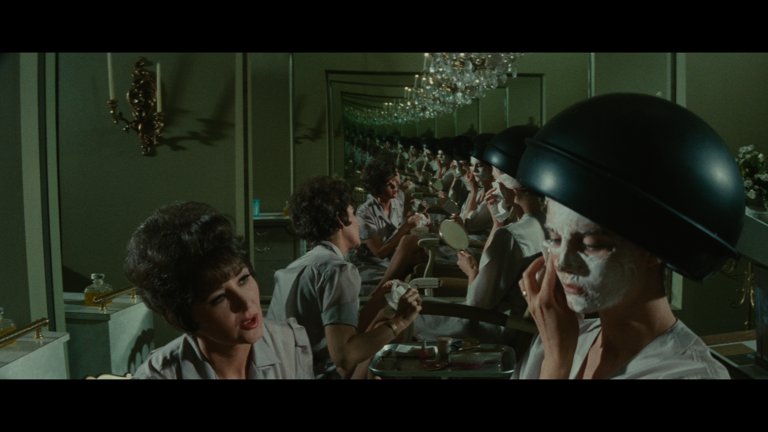
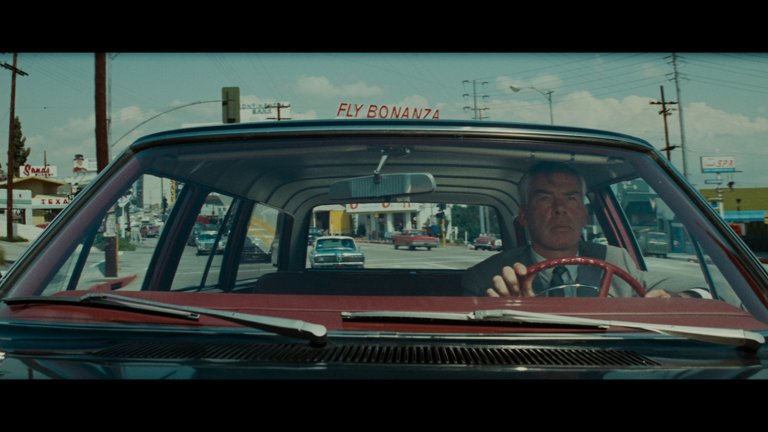
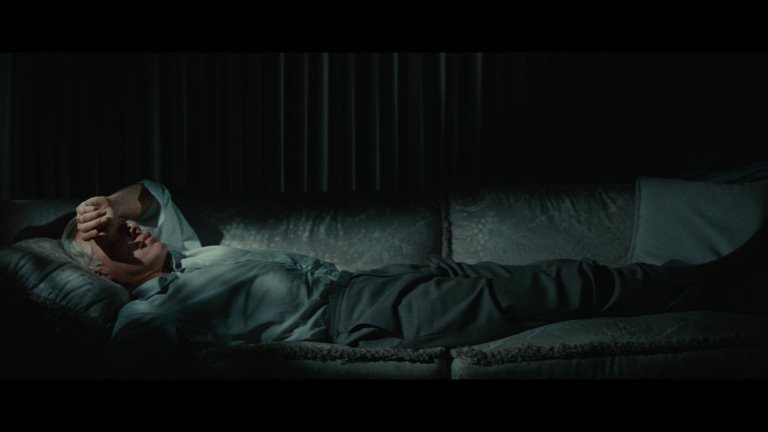
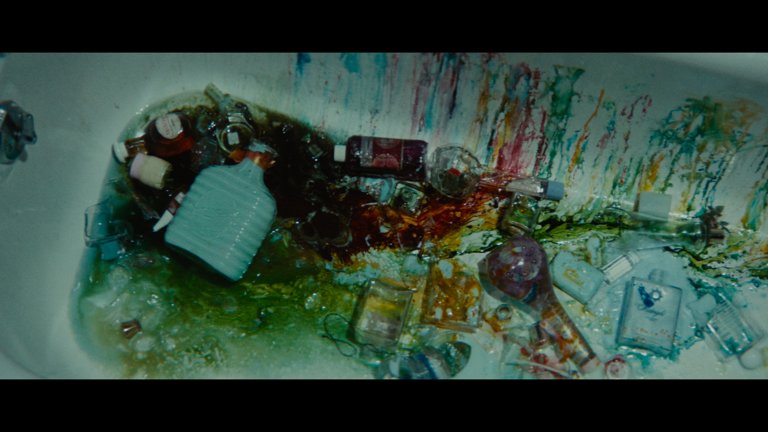
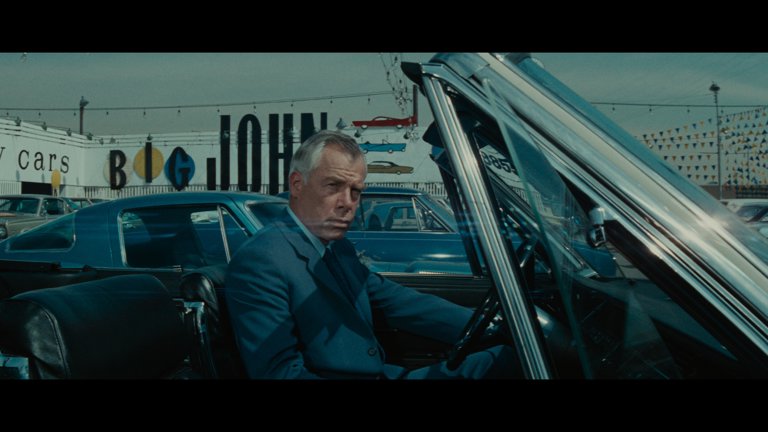
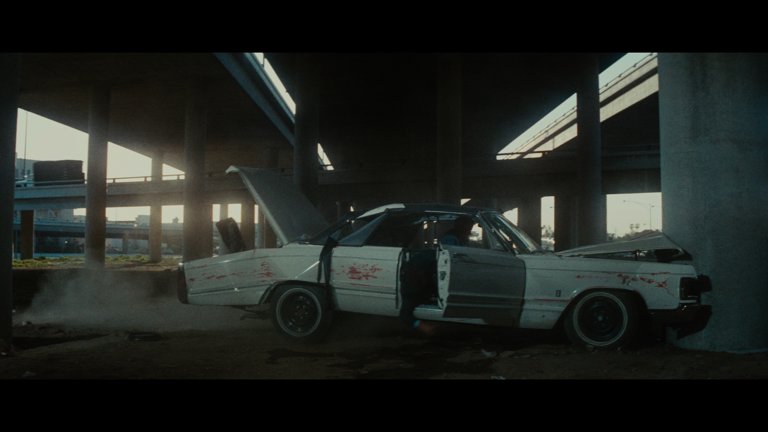
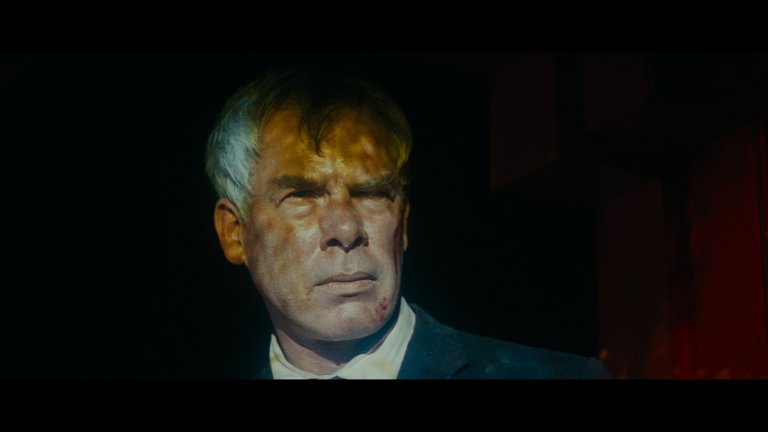
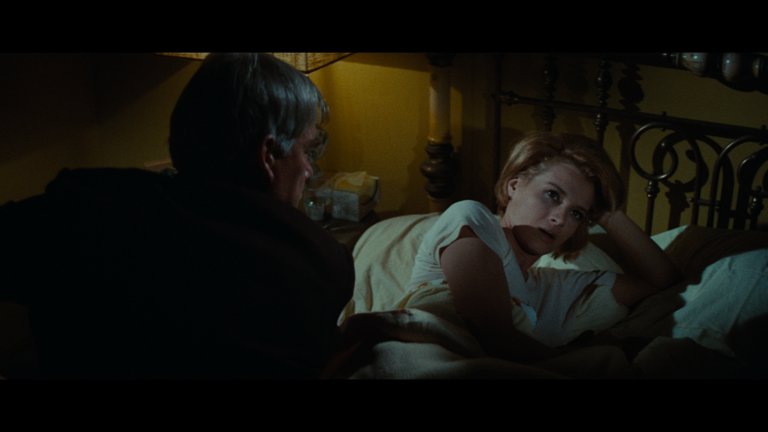
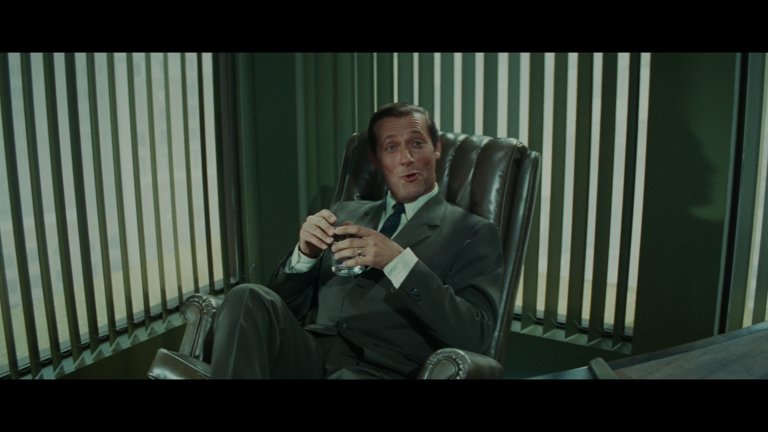
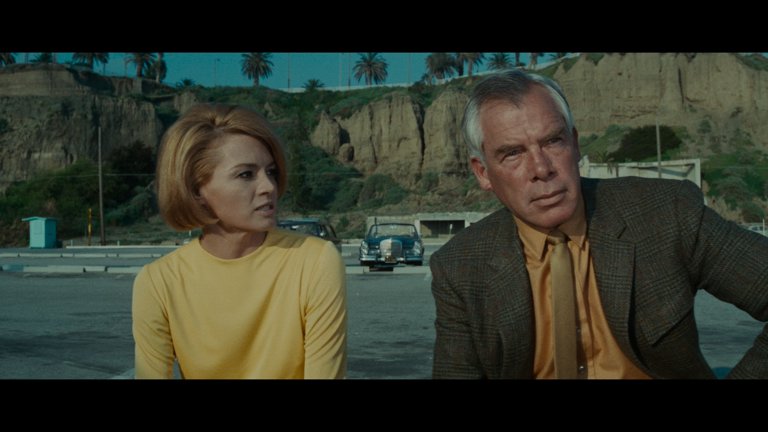
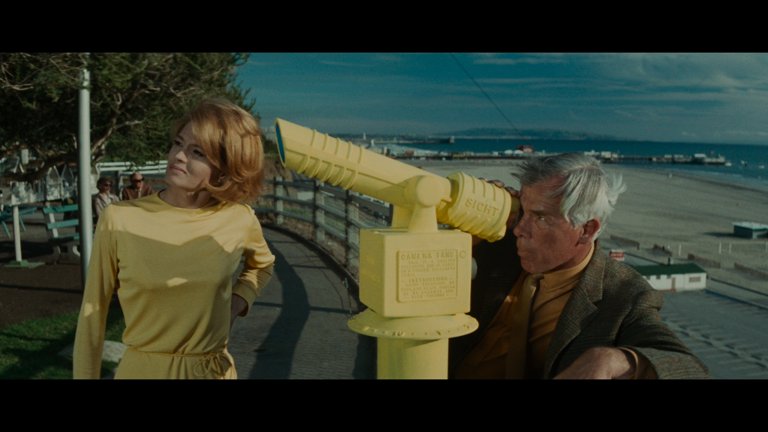
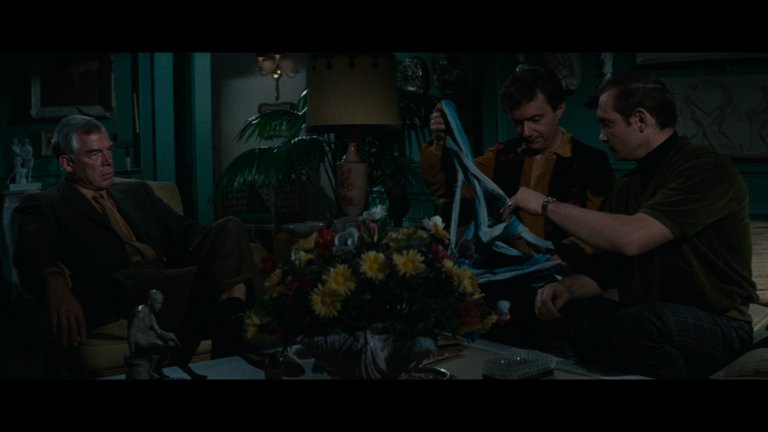
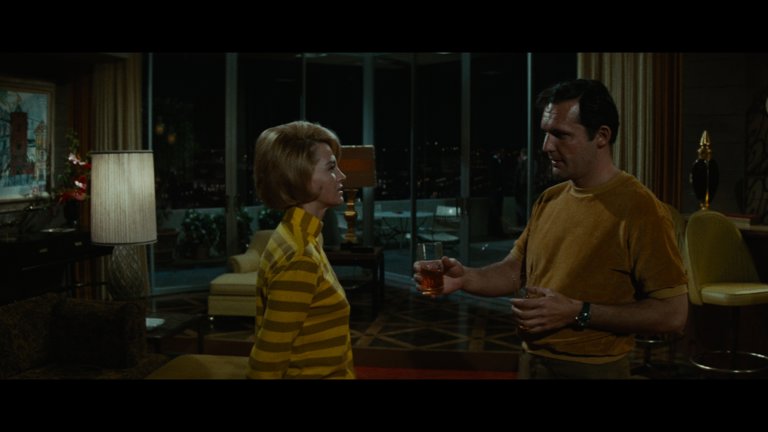
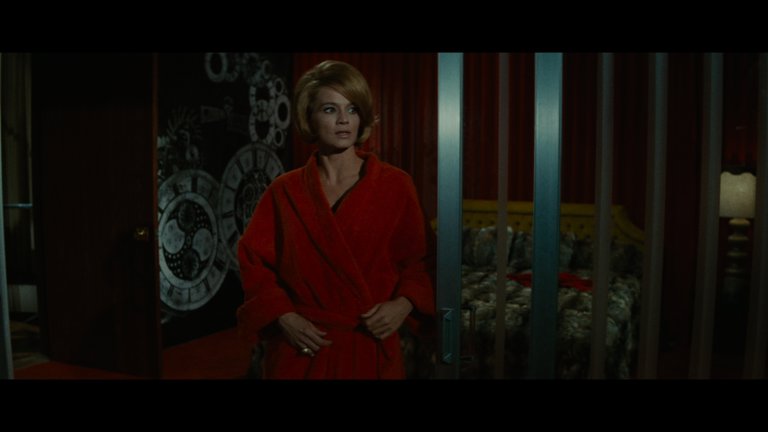
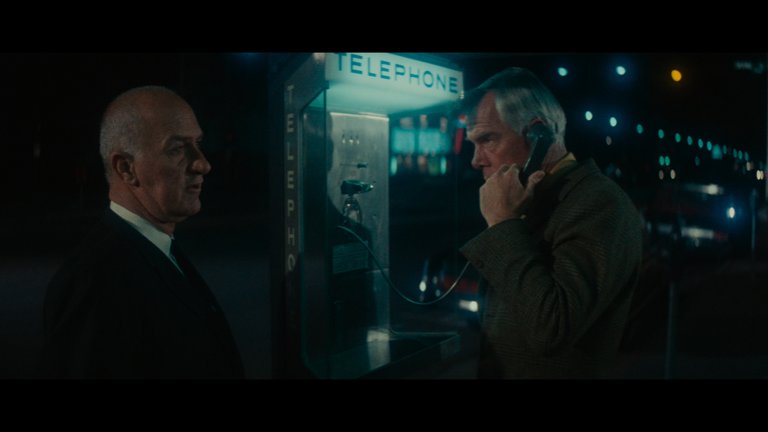
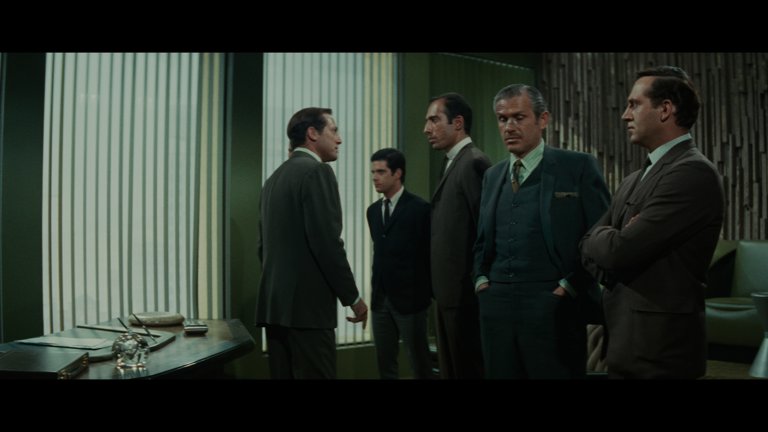
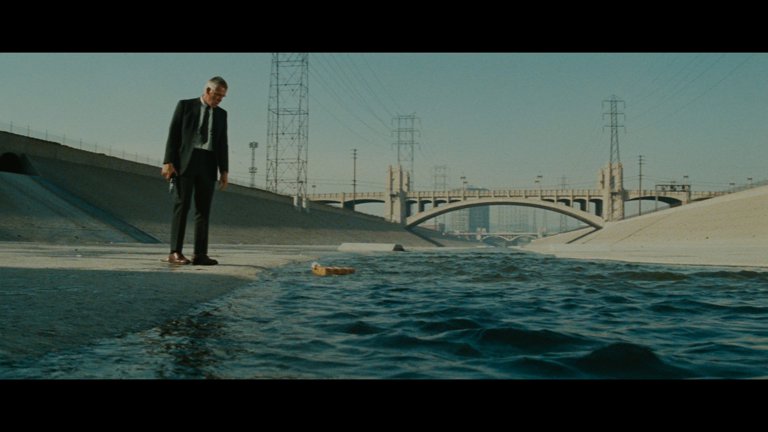
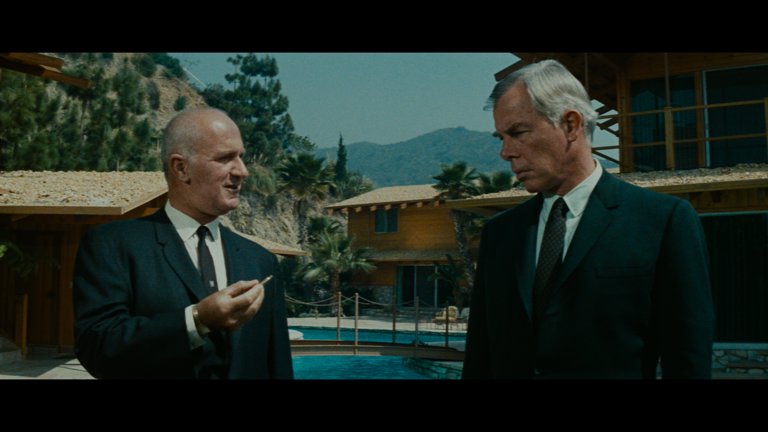
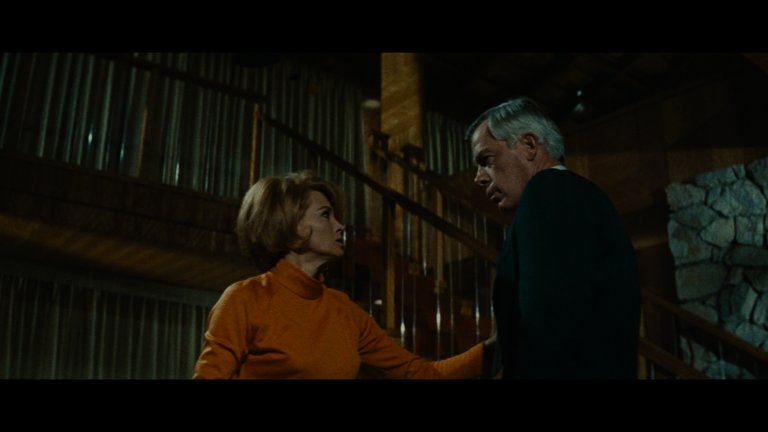
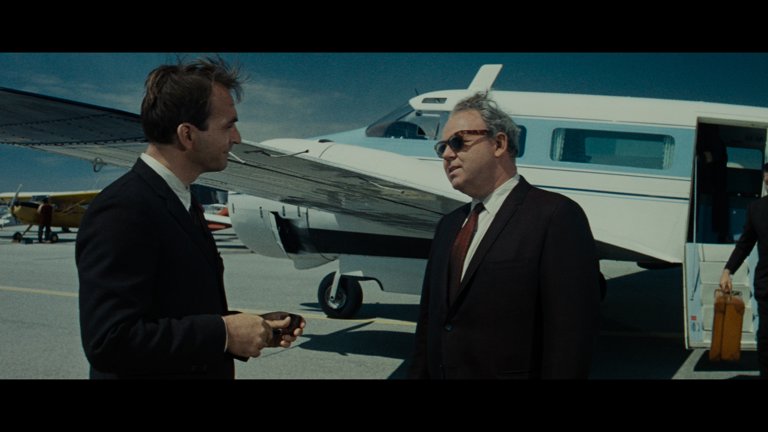
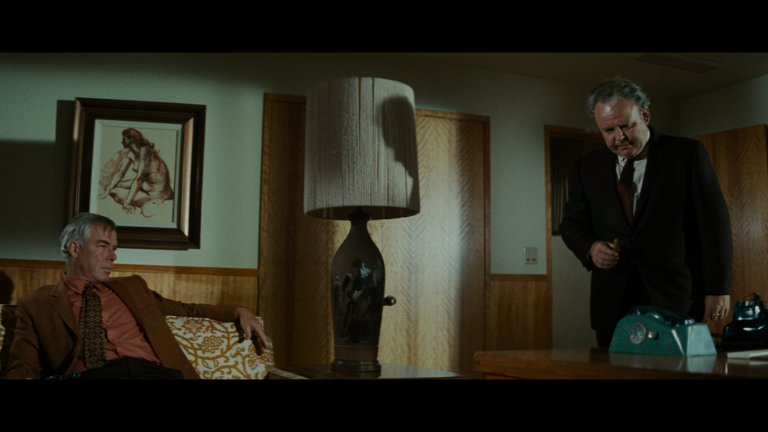
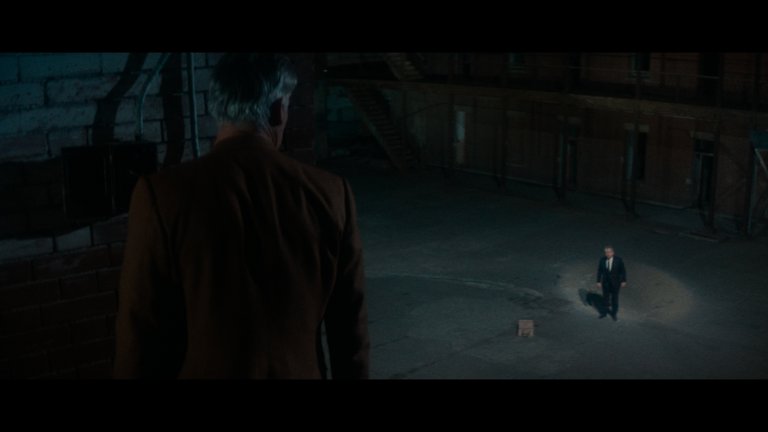
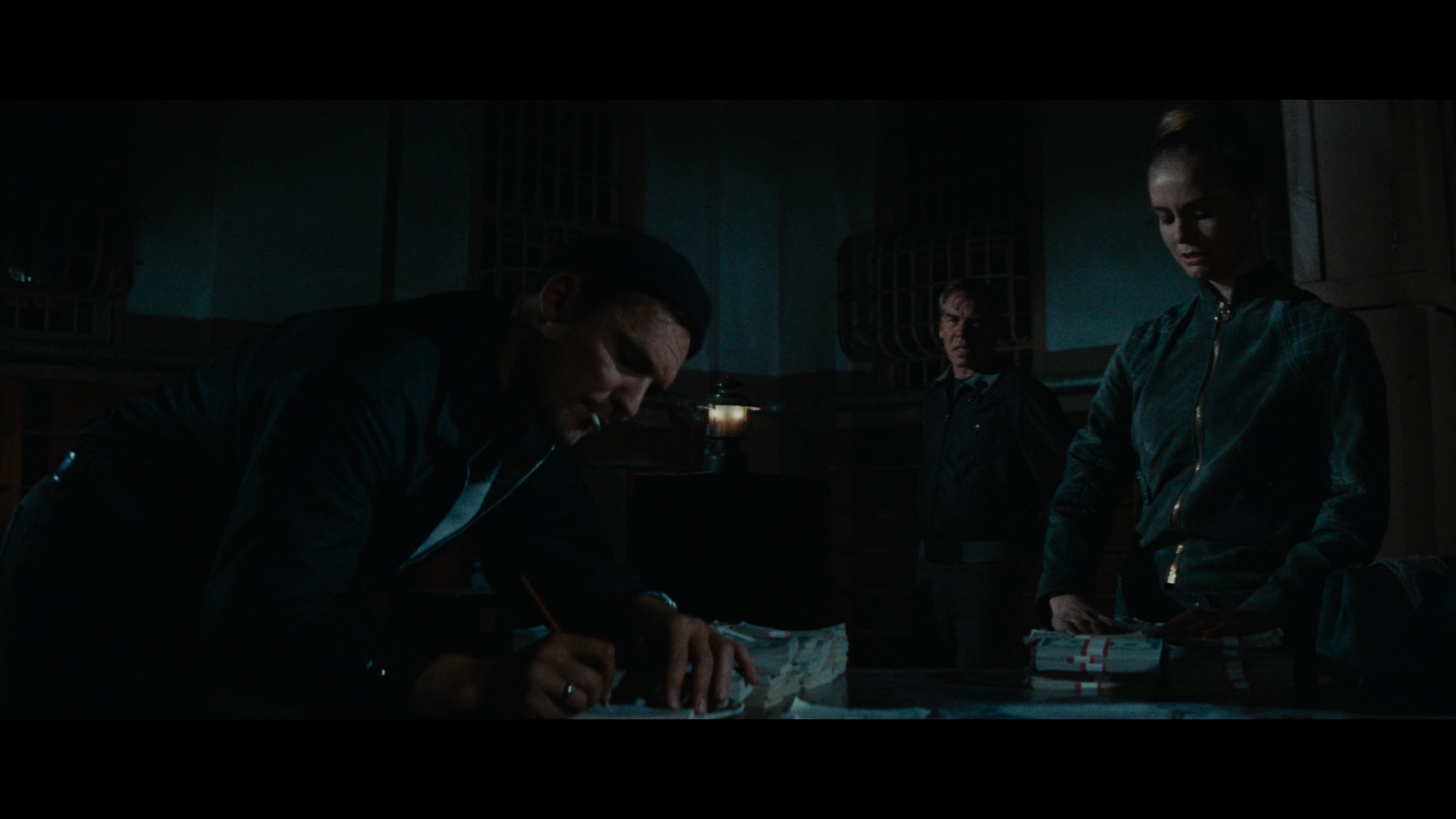
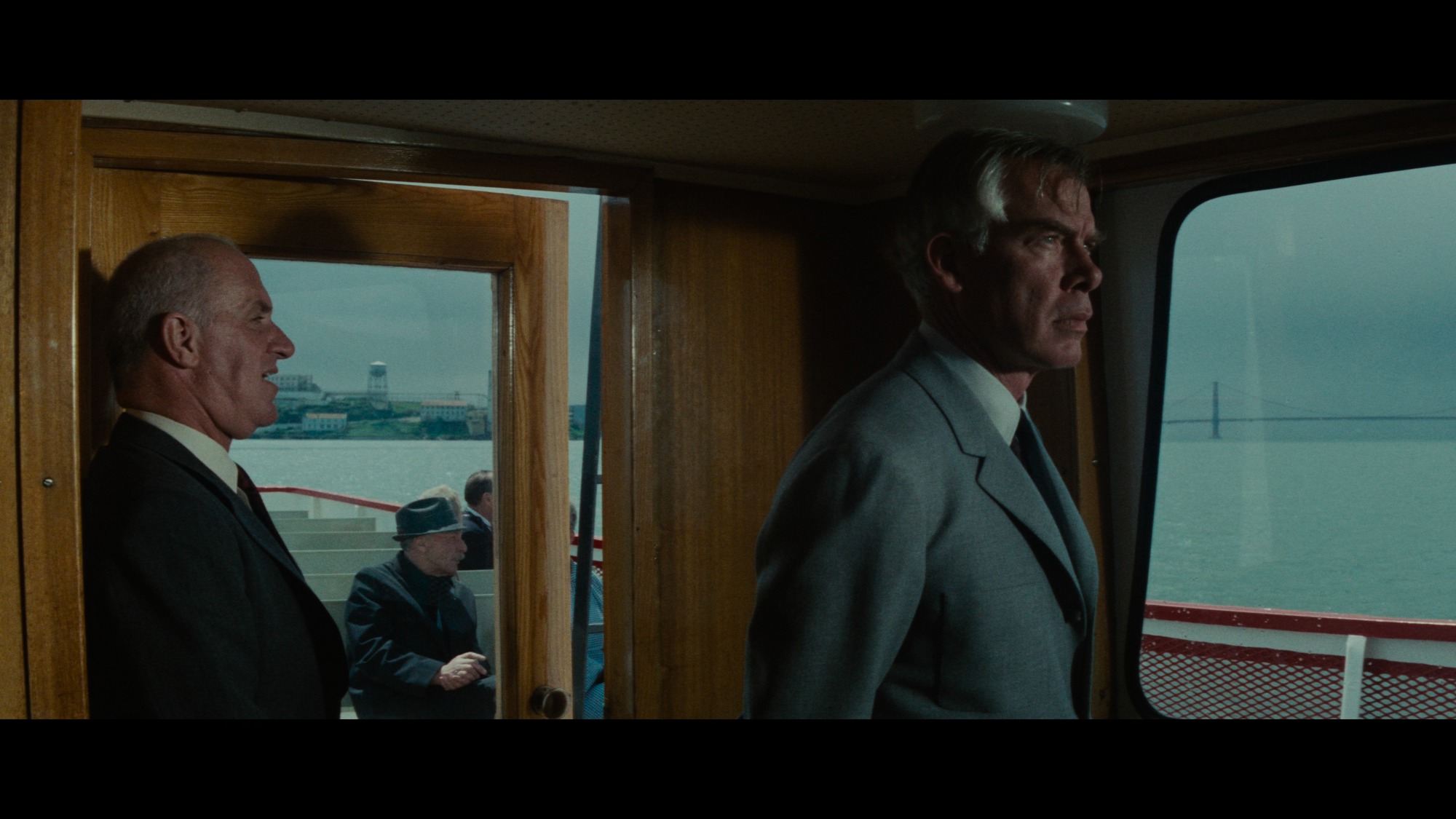
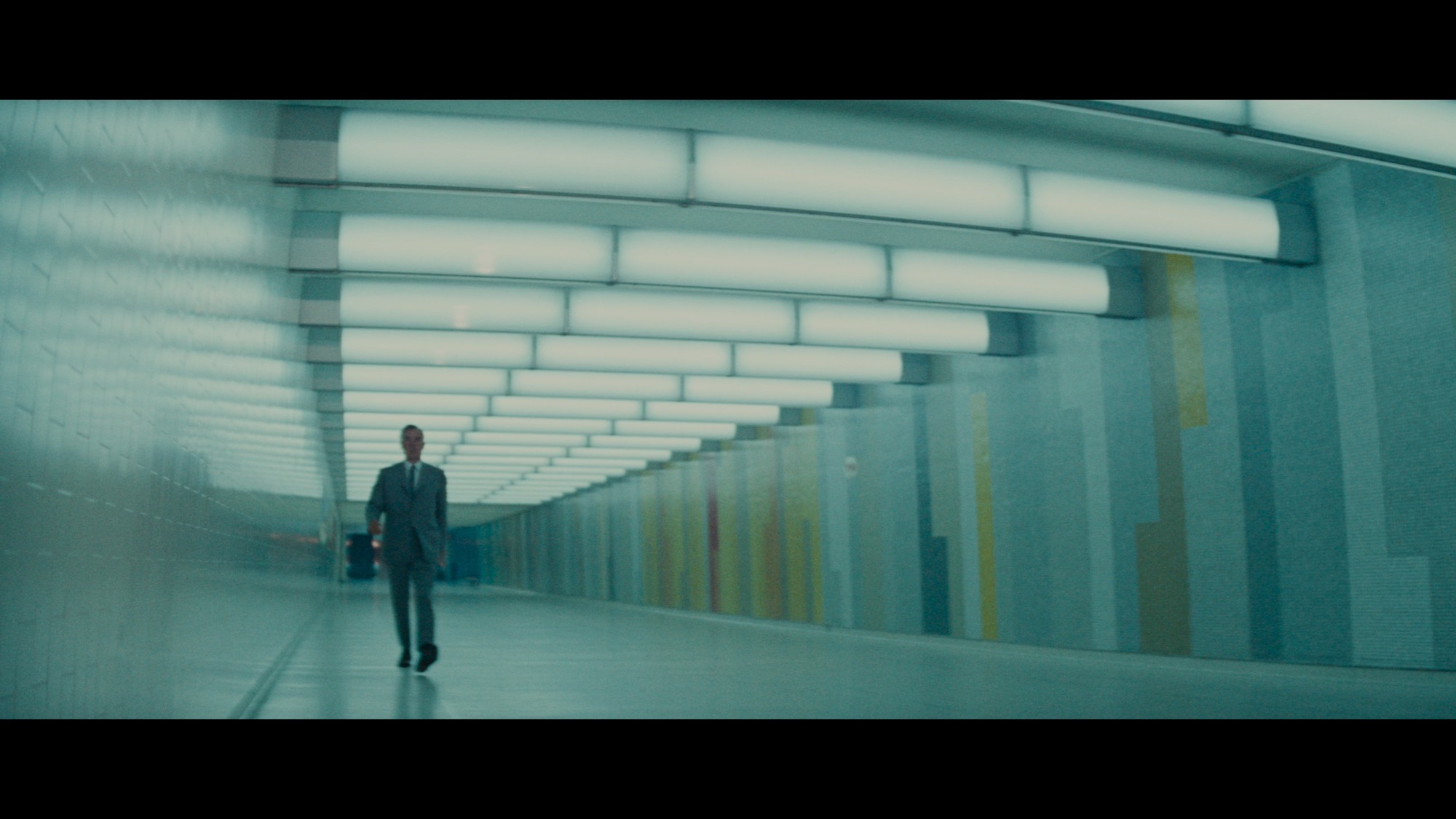
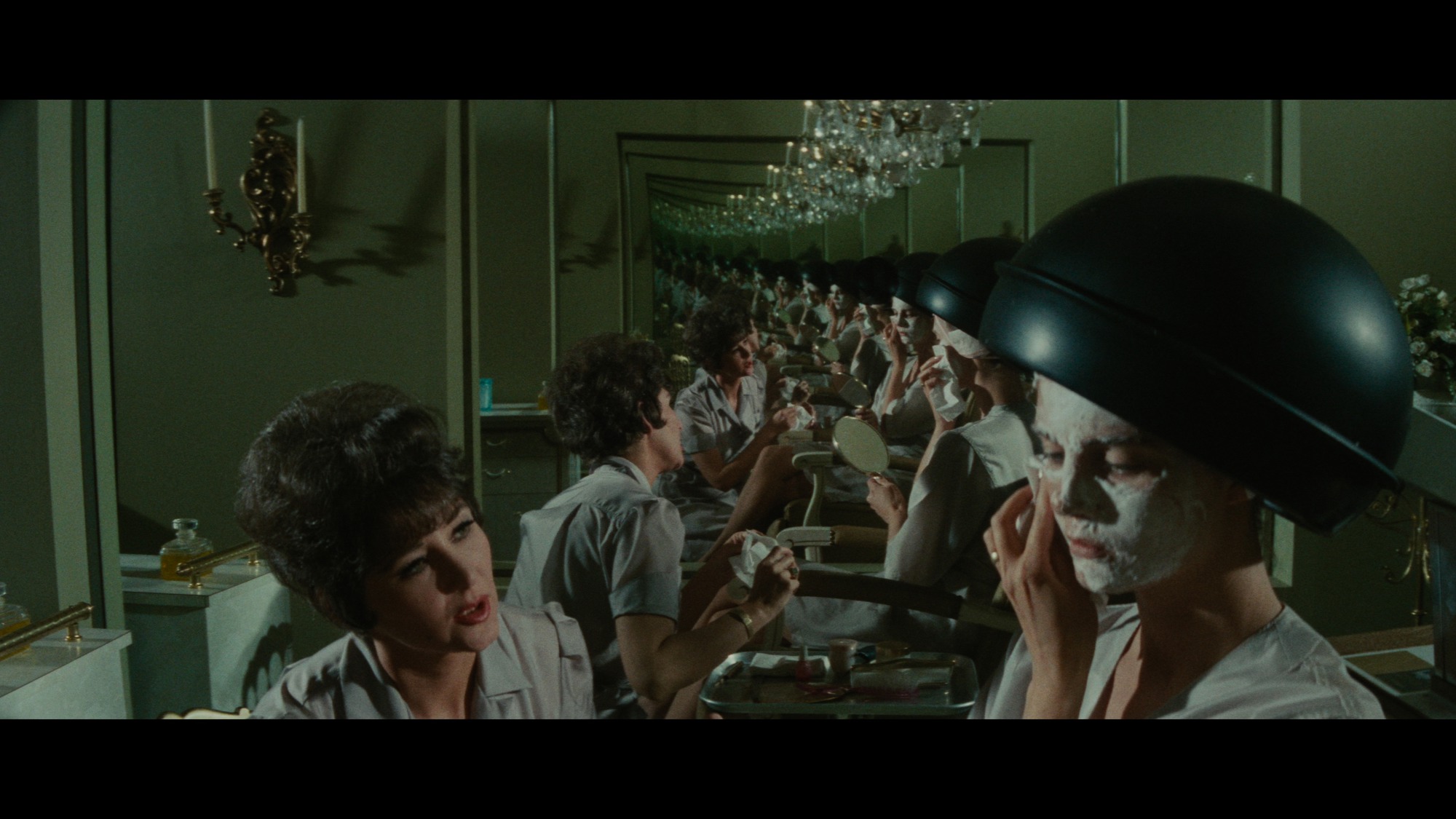
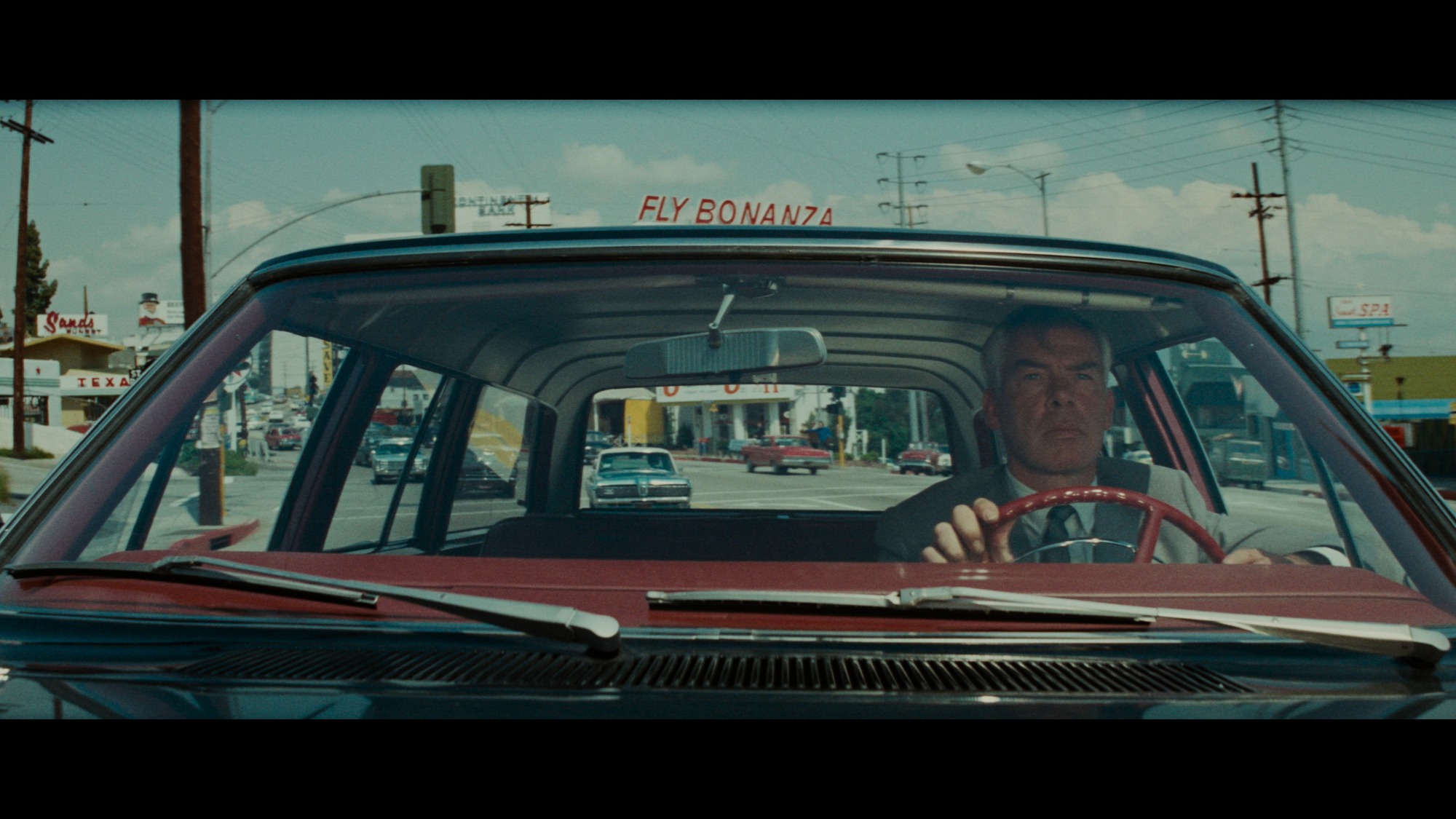
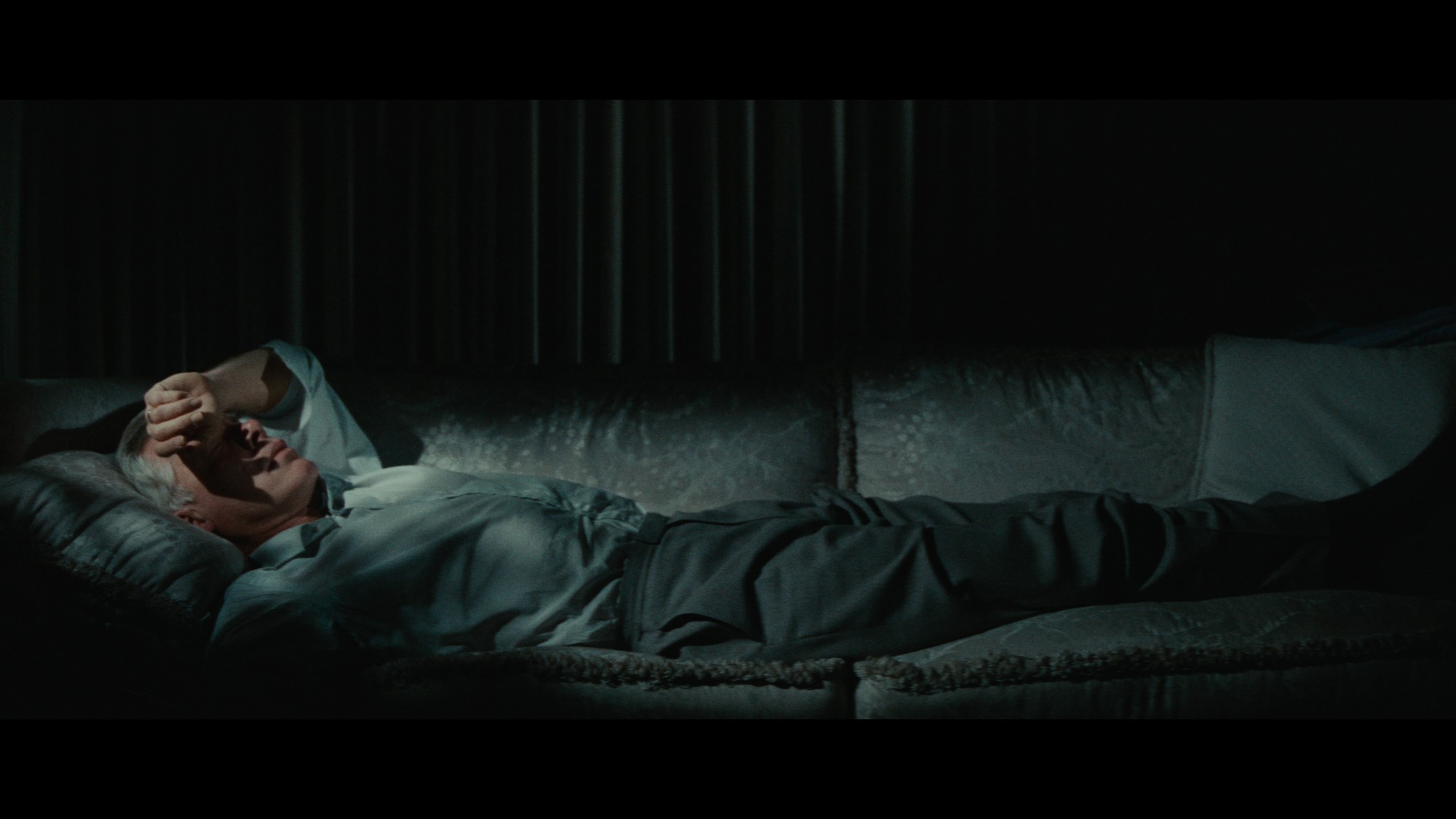
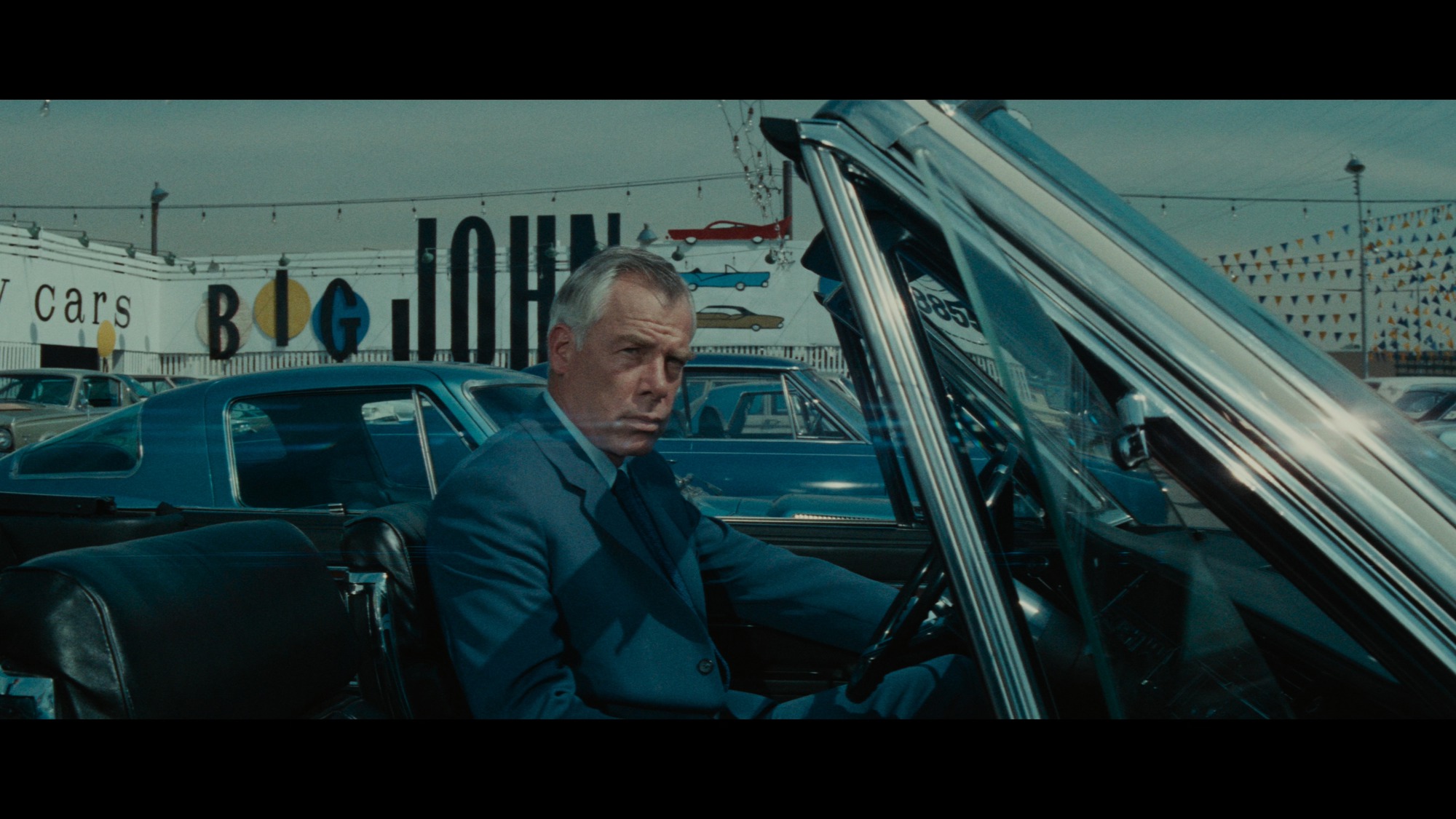
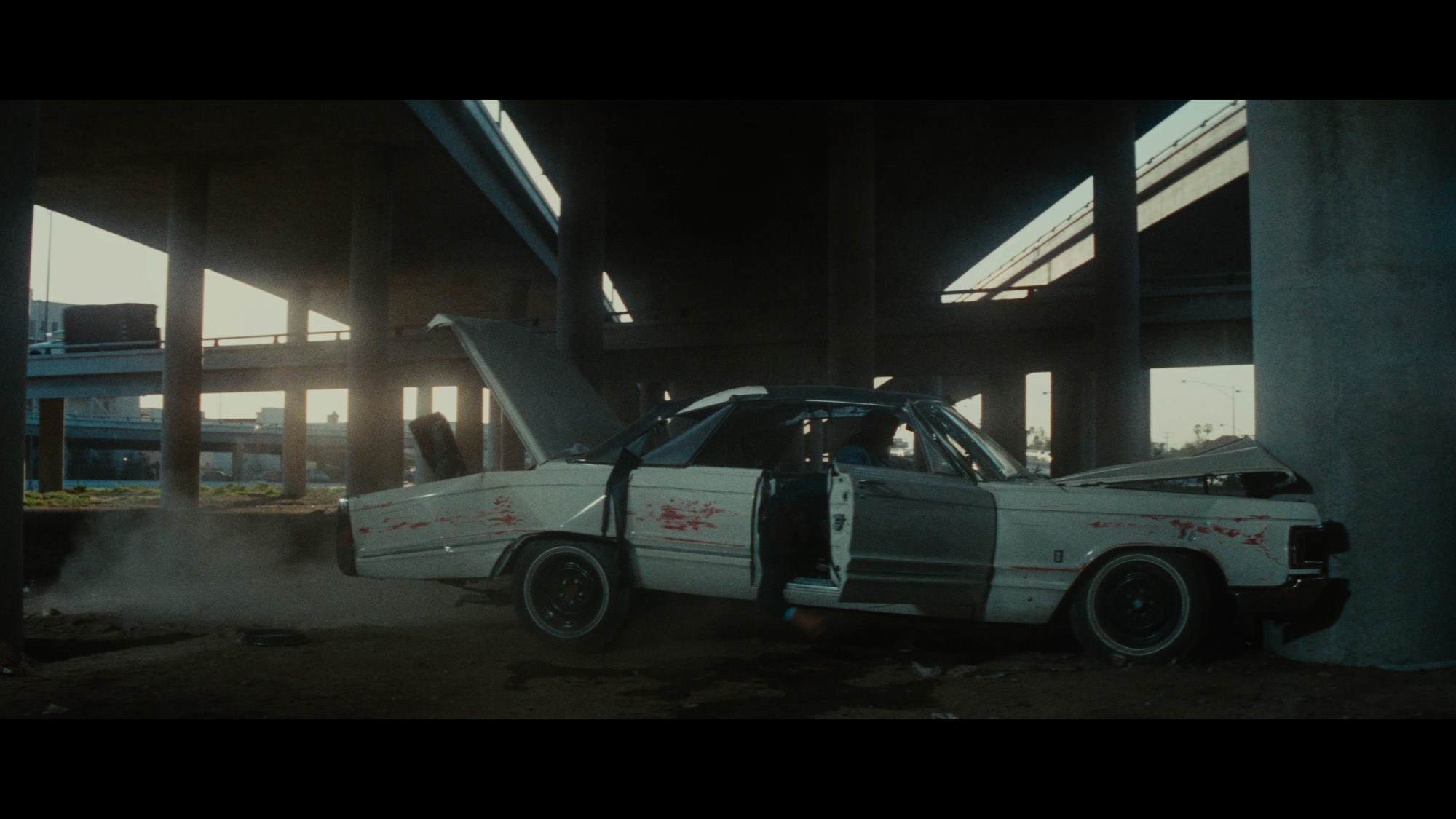
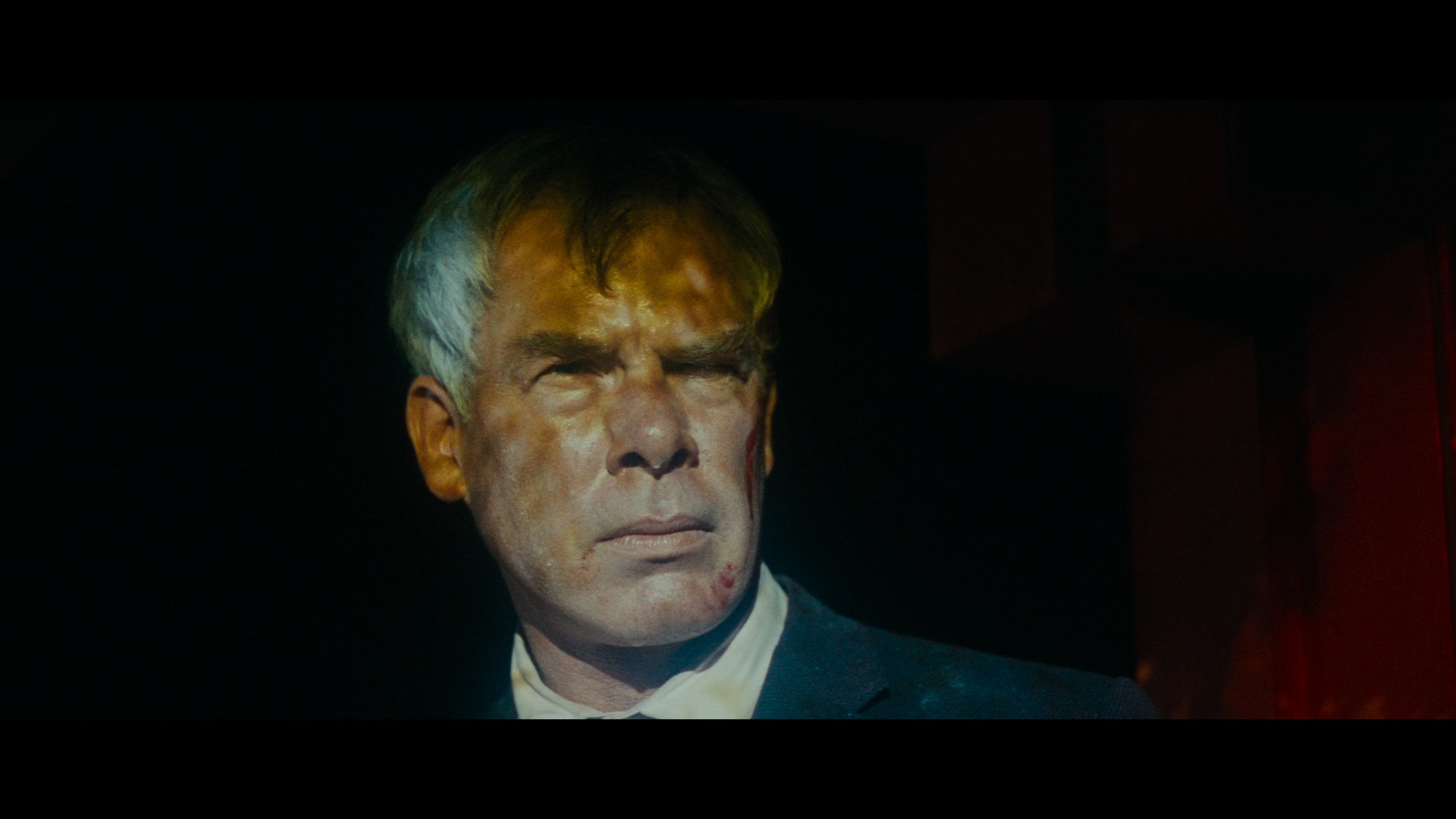
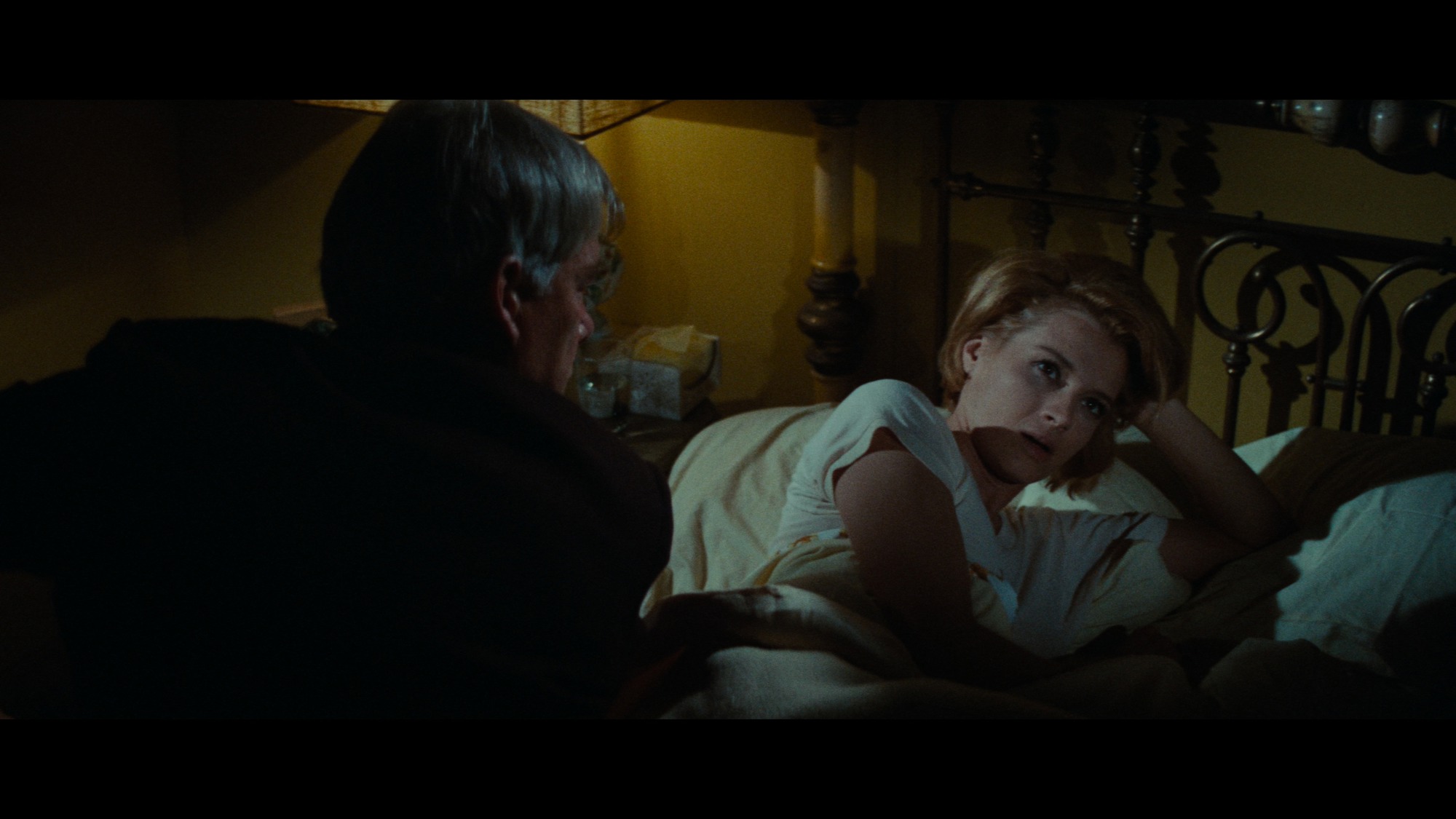
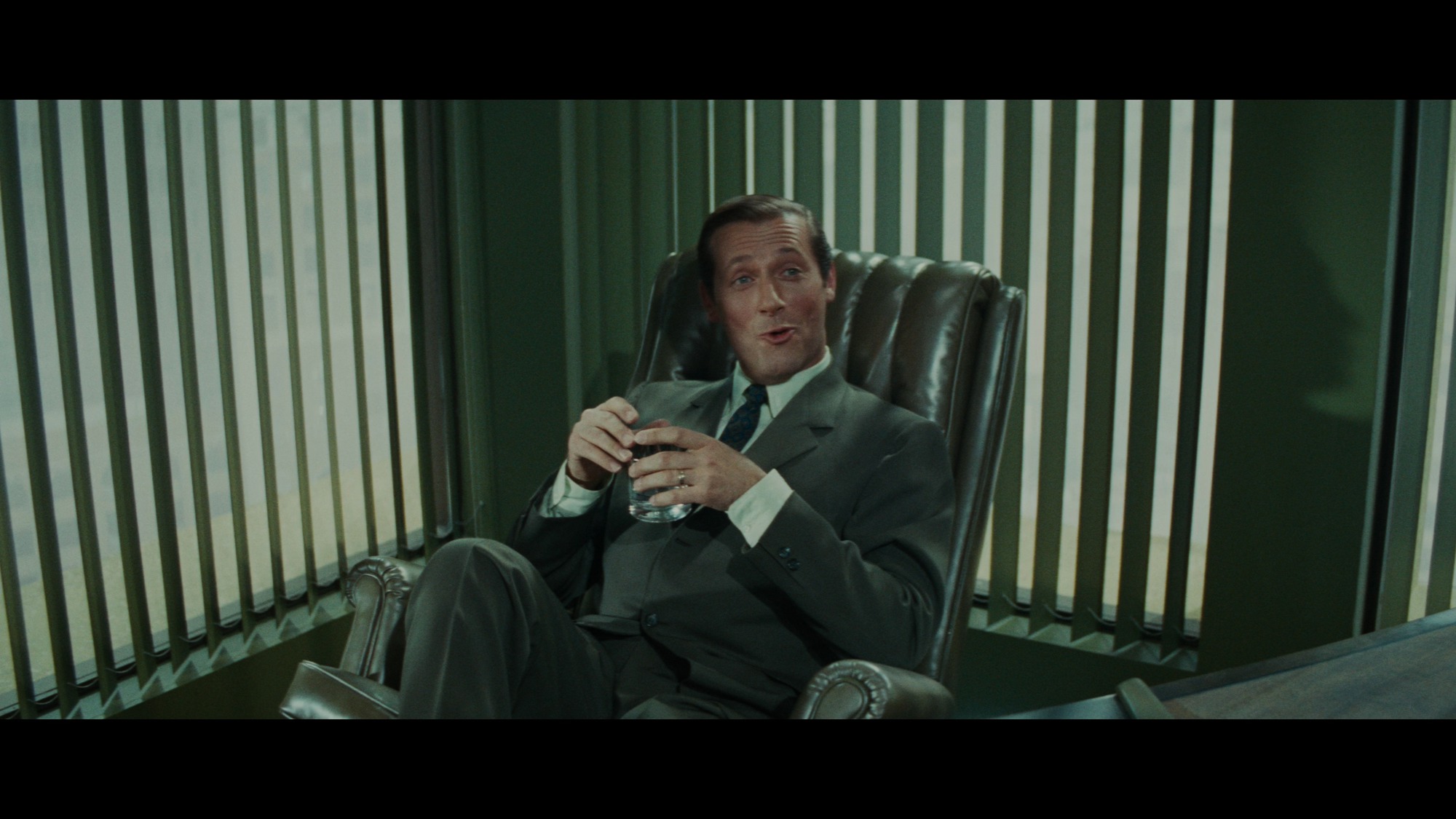
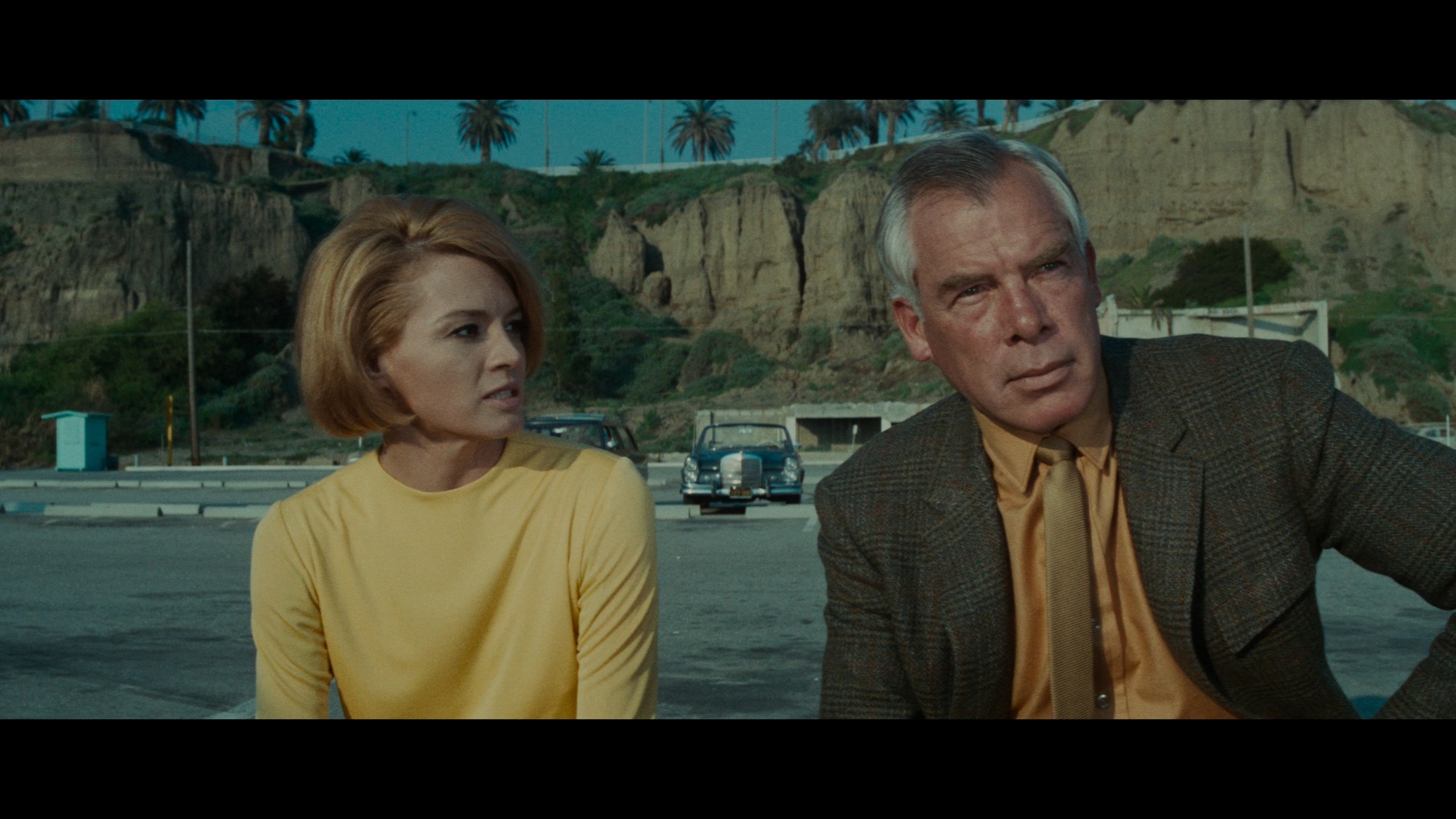
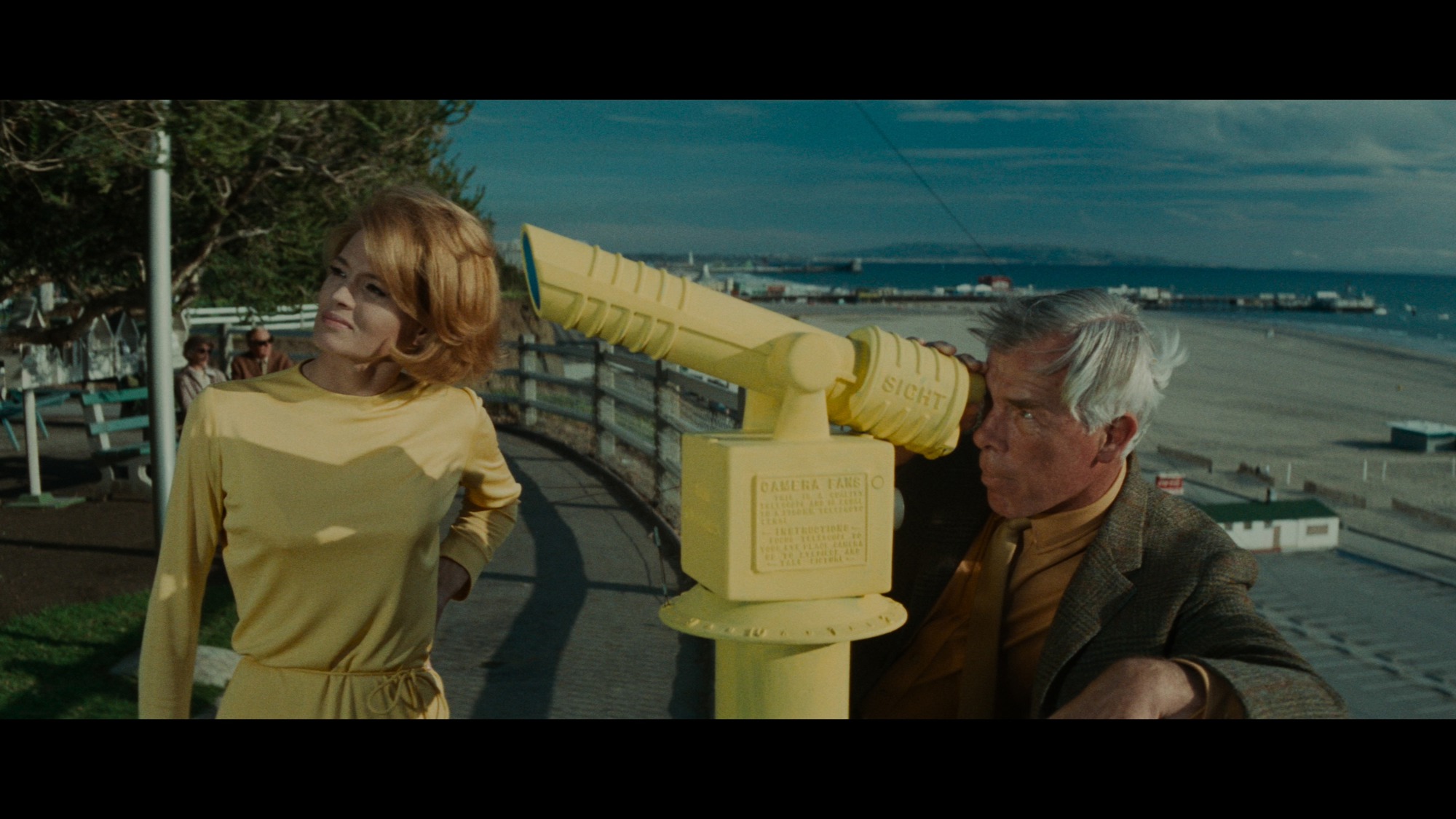
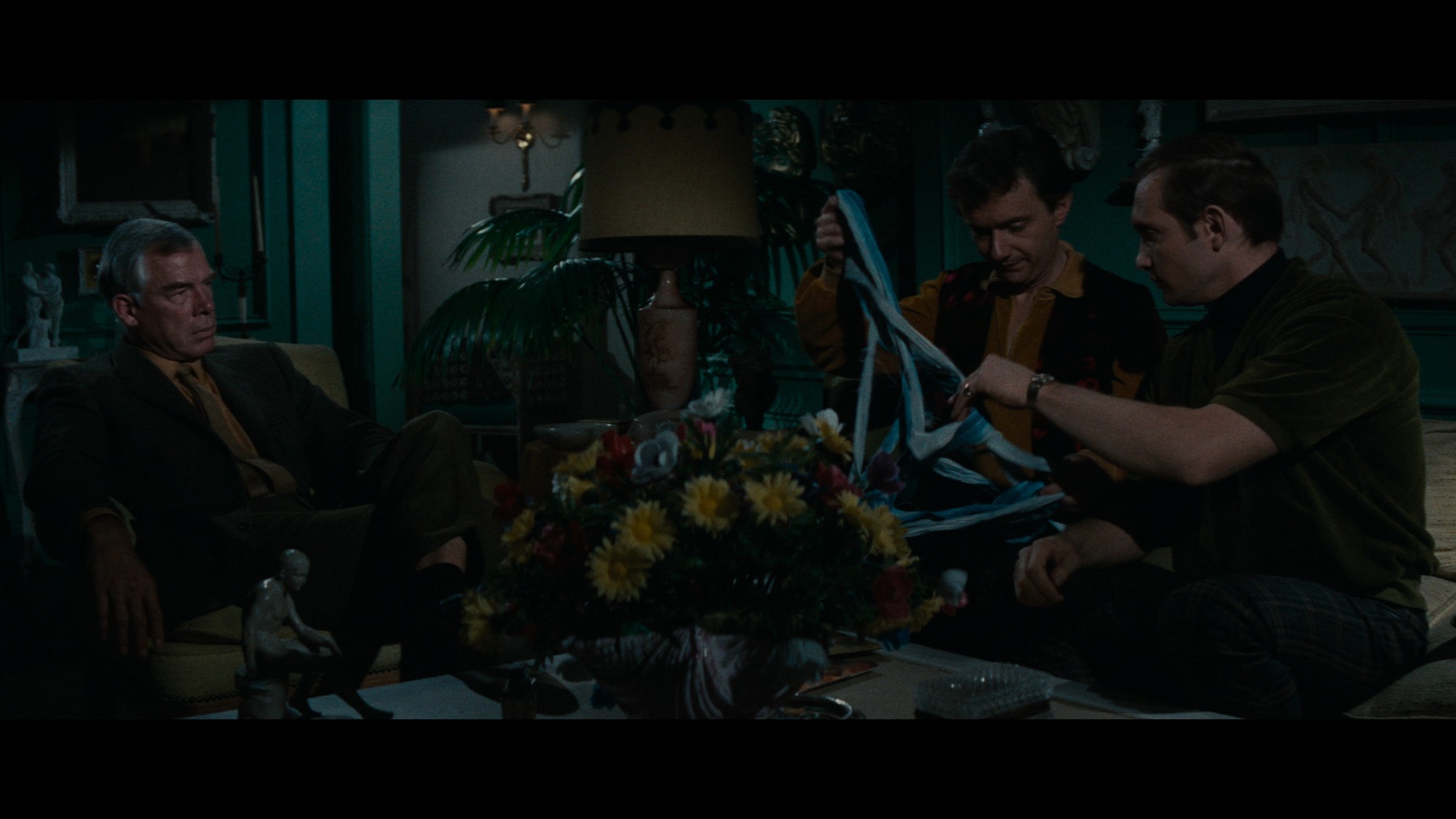
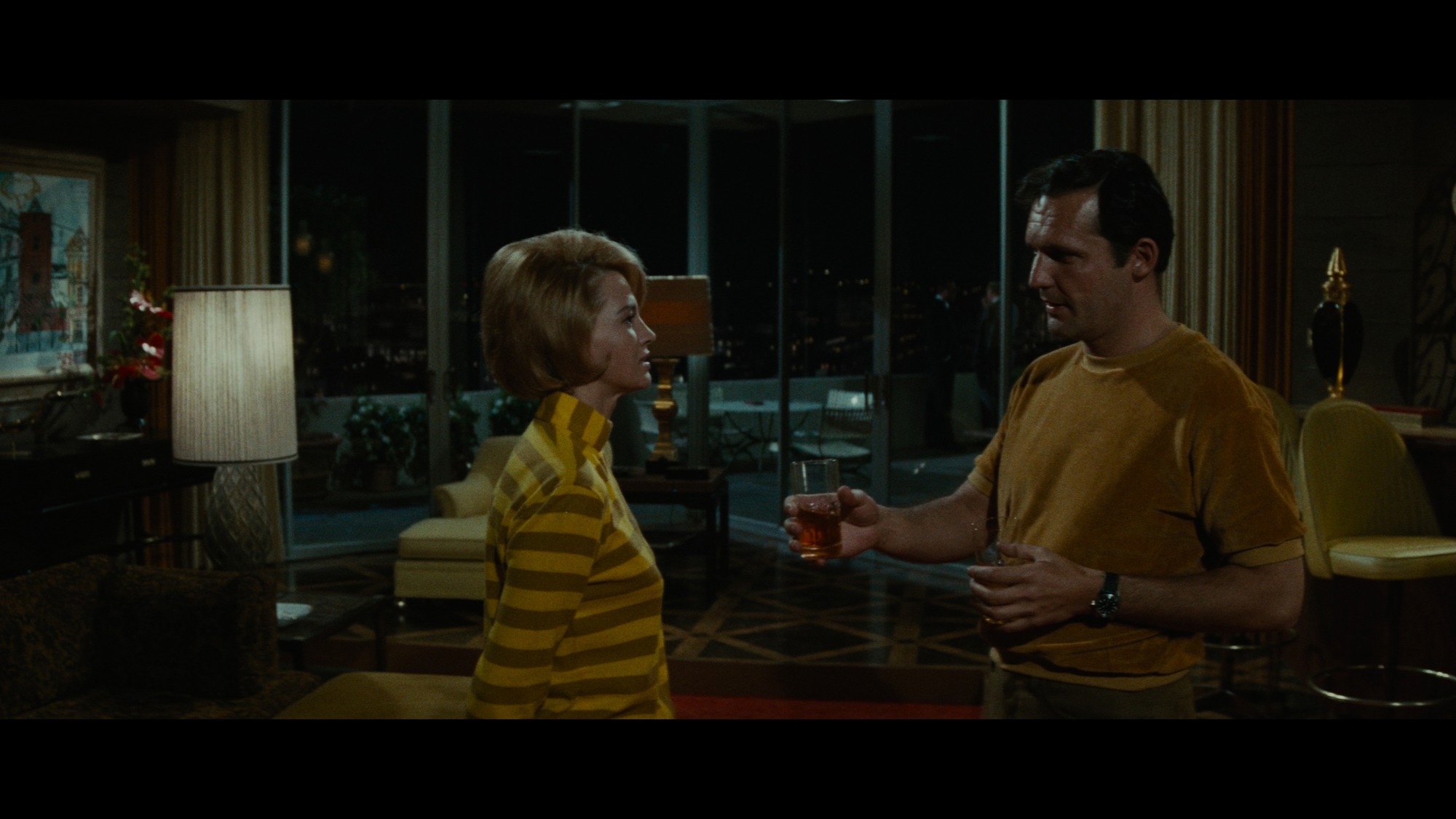
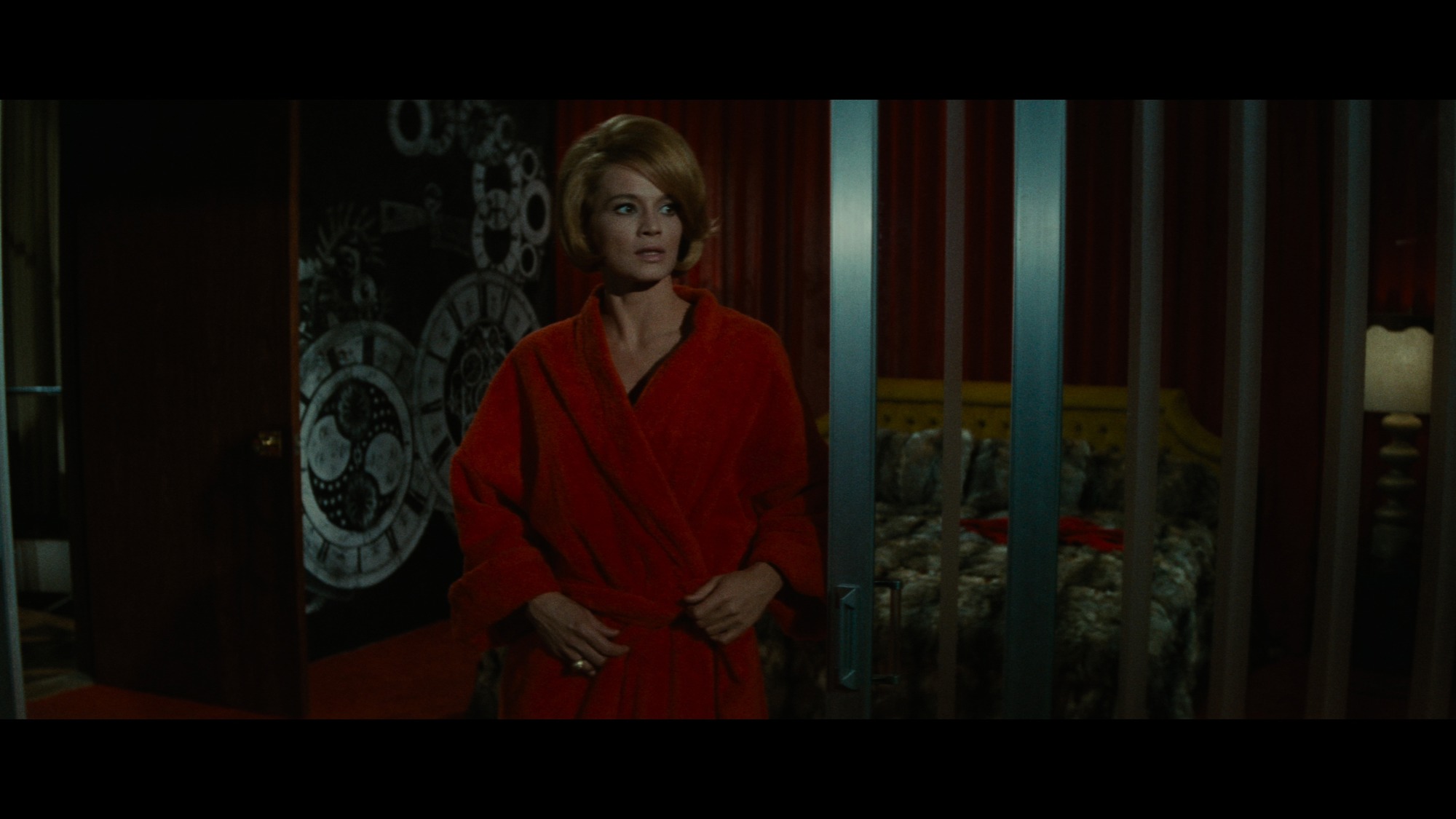
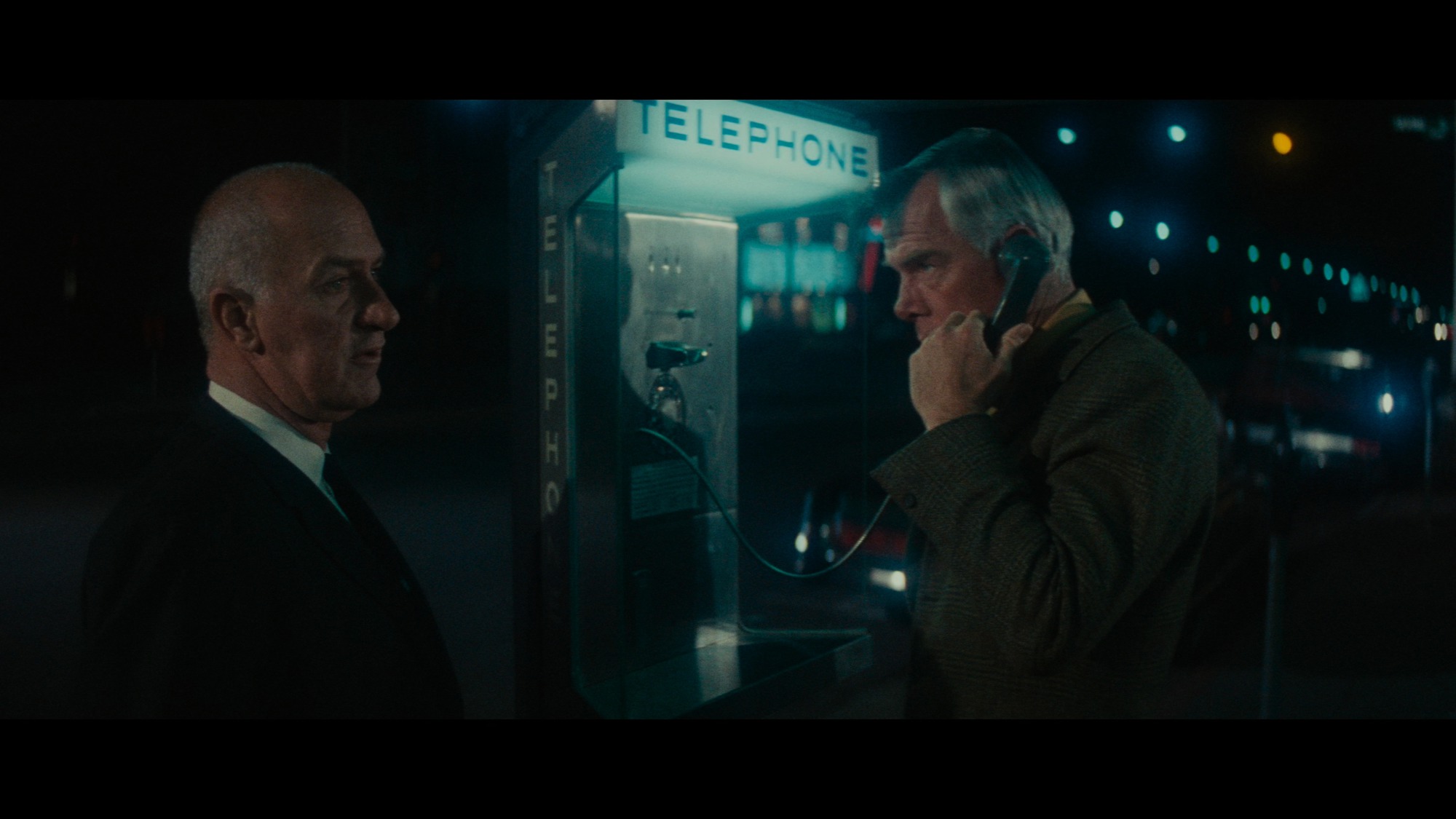
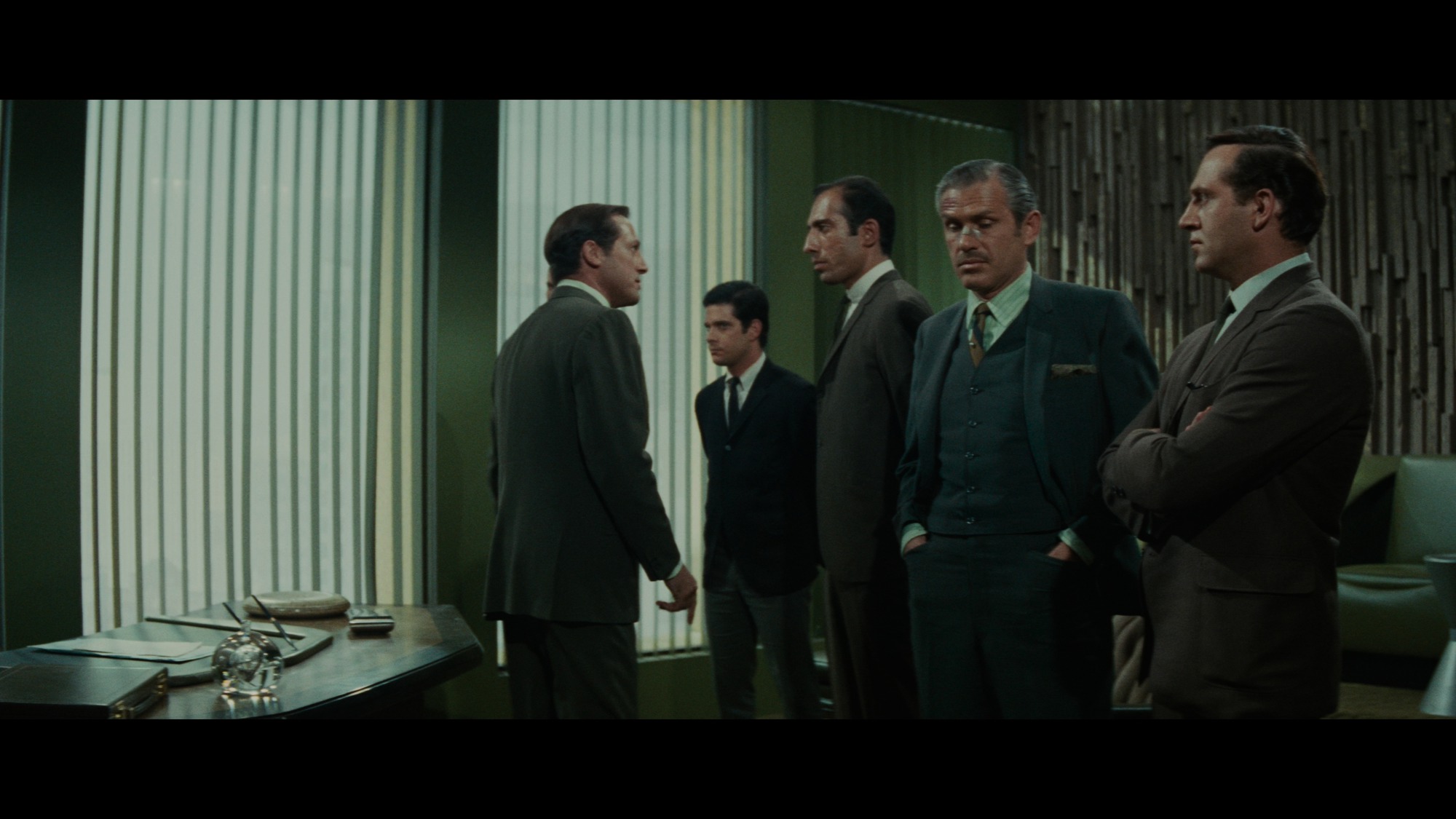
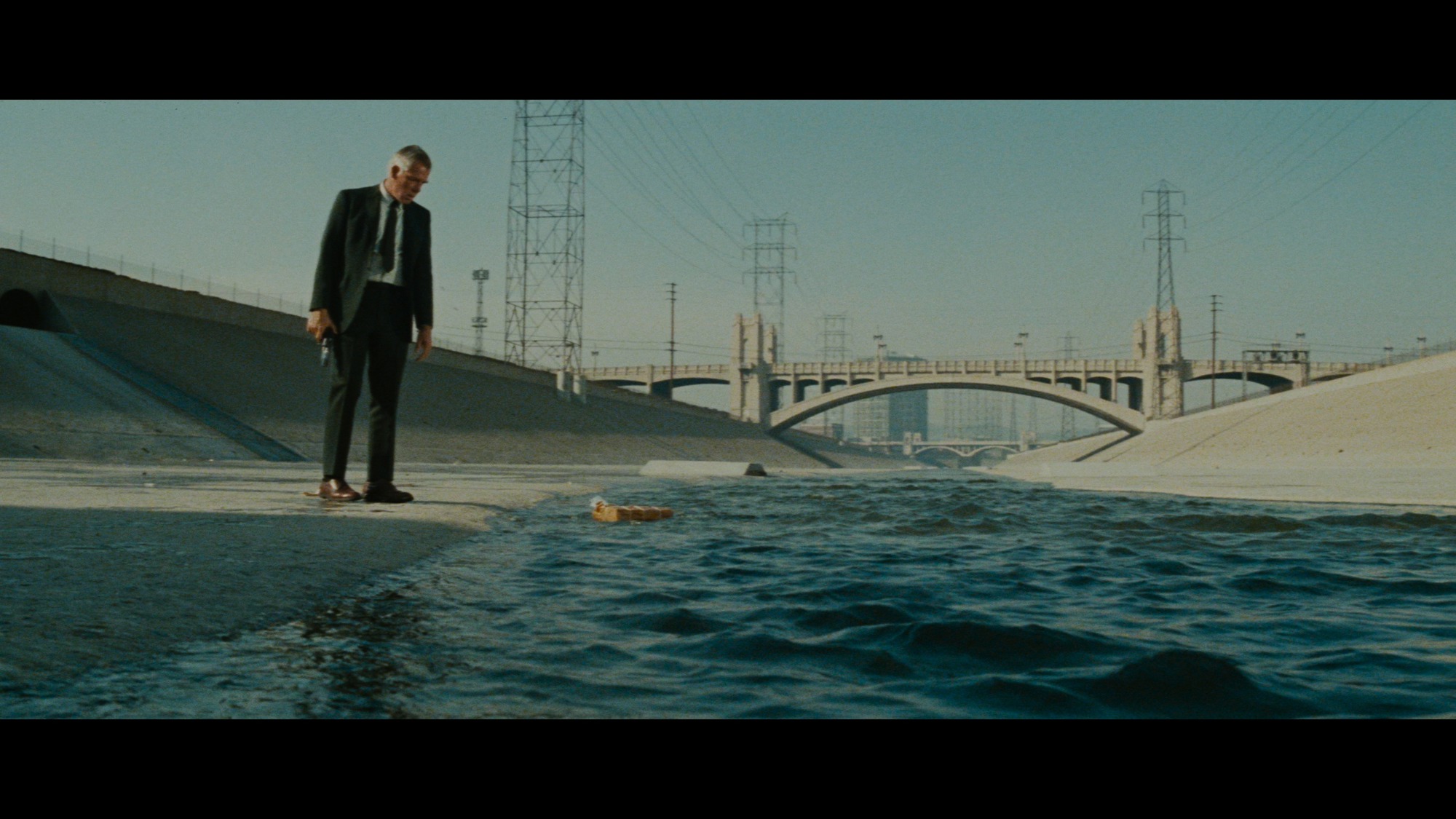
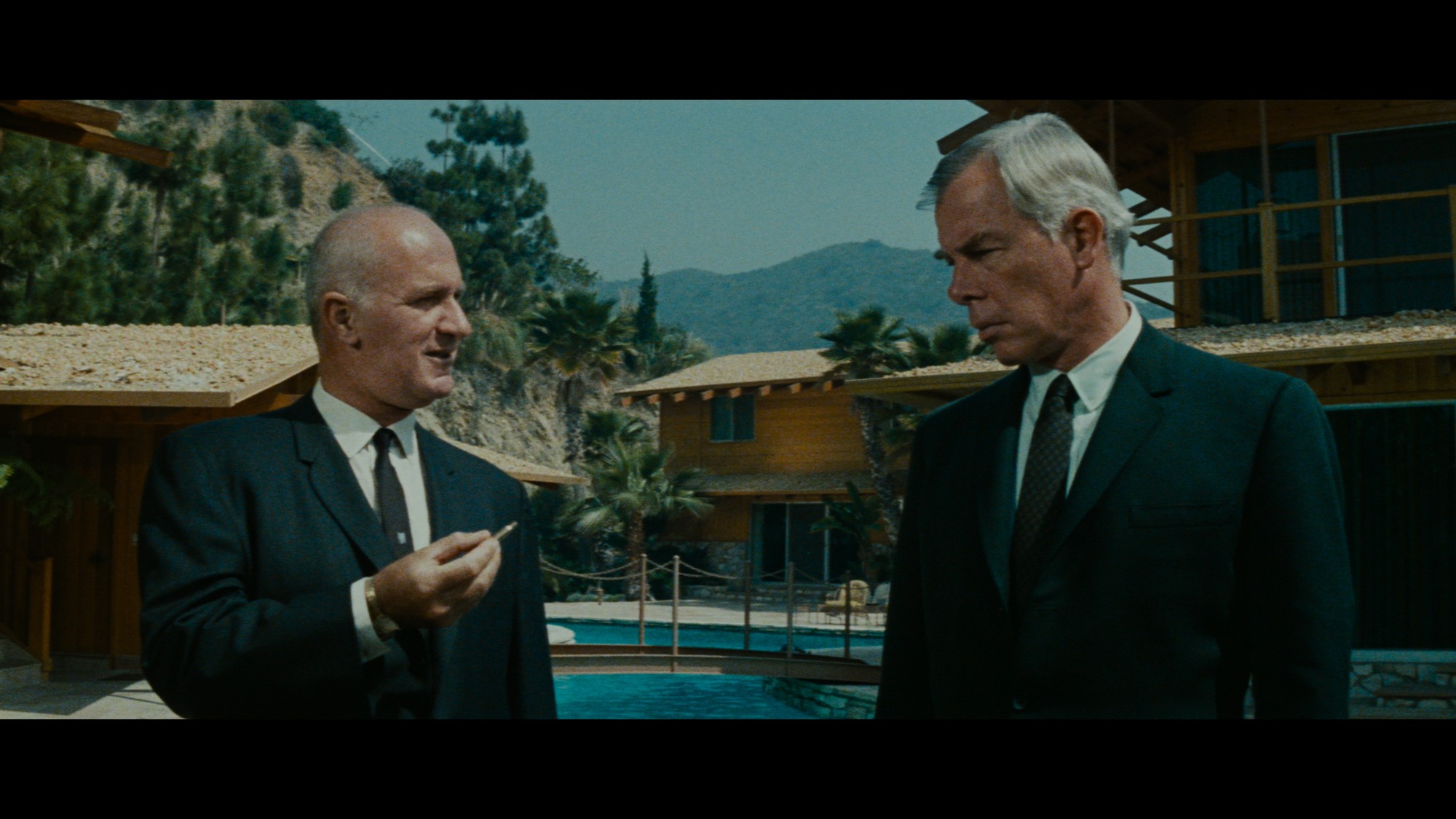
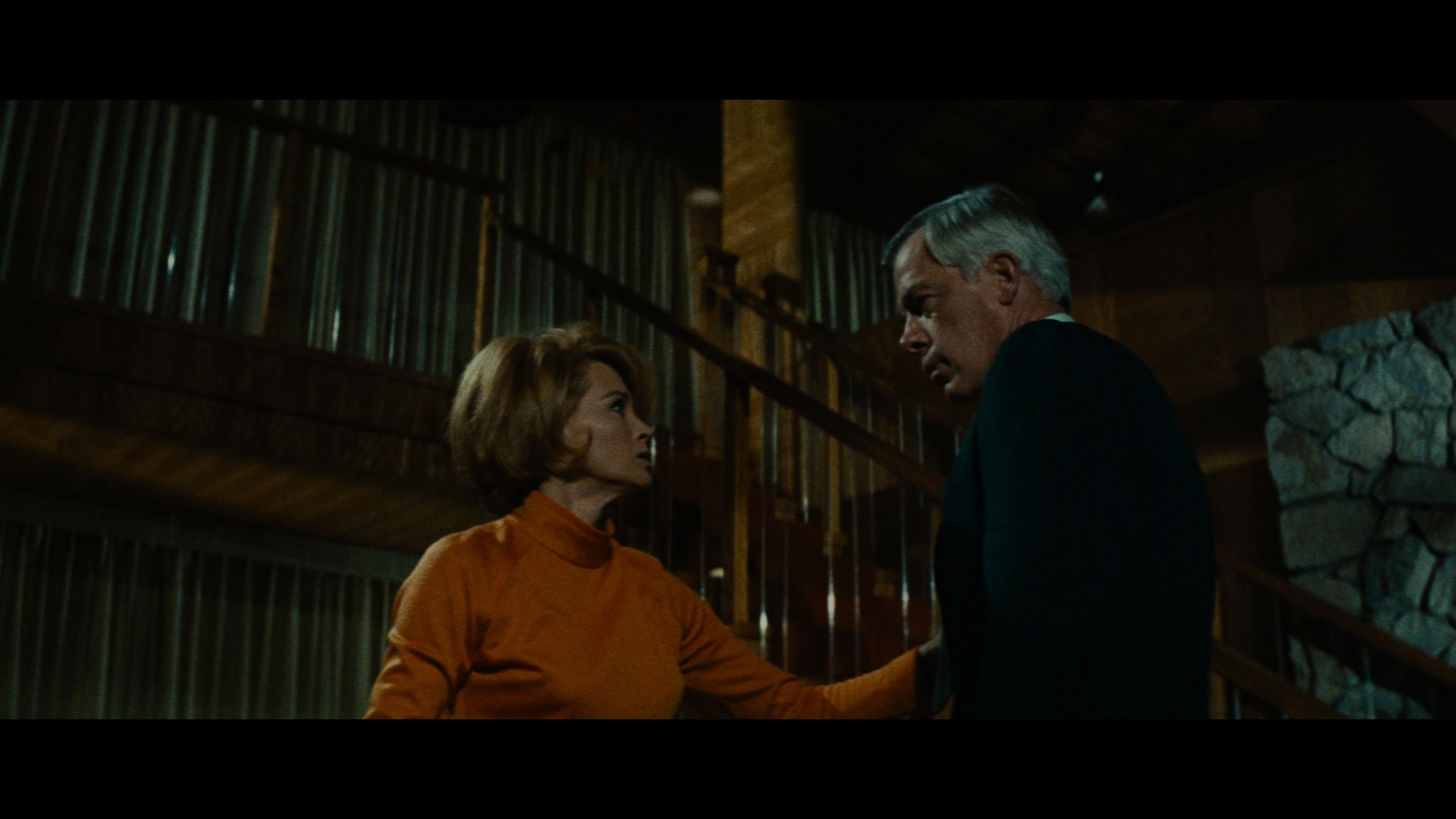
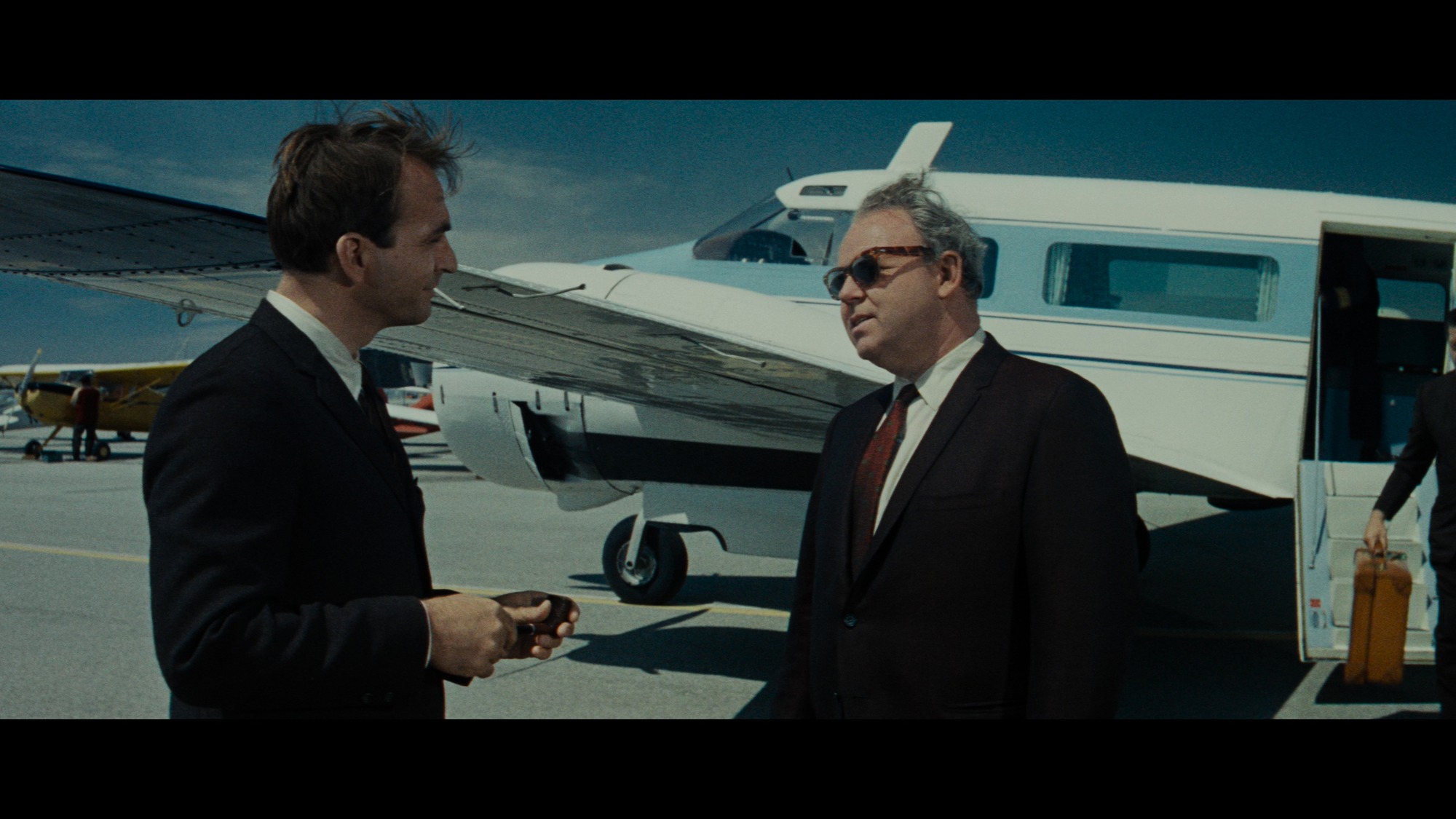
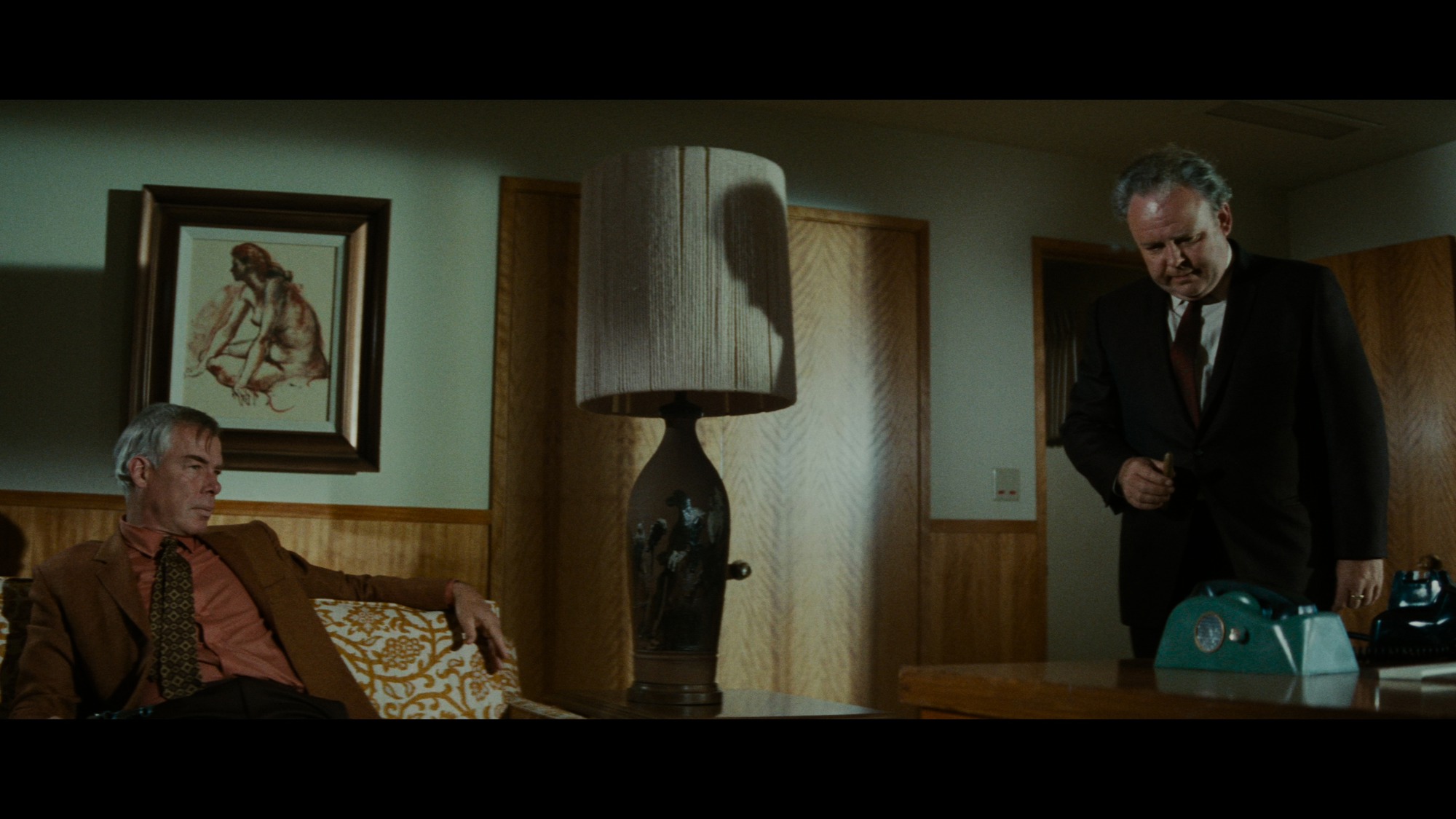
This is about as outstanding a restoration and final digital presentation as one could hope for with this film. Considering its incredibly unconventional look and construction, I have to imagine there were some challenges when going back to the negatives, but everyone involved has pulled it off. The presentation looks phenomenal. The restoration has cleaned things up impeccably, with no obvious flaws, resulting in an incredibly clean image while retaining a heavy yet finely resolved grain structure that’s rendered beautifully. Some longer shots can look a little soft (clearly a byproduct of the original photography and not the restoration), but overall detail is exceptional. Close-ups, in particular, look shockingly sharp, with finer textures and patterns coming through cleanly. Shadow detail is also strong, aided by the HDR grading, which further enhances highlights without any clipping, especially noticeable in chrome car trim and other reflective surfaces.
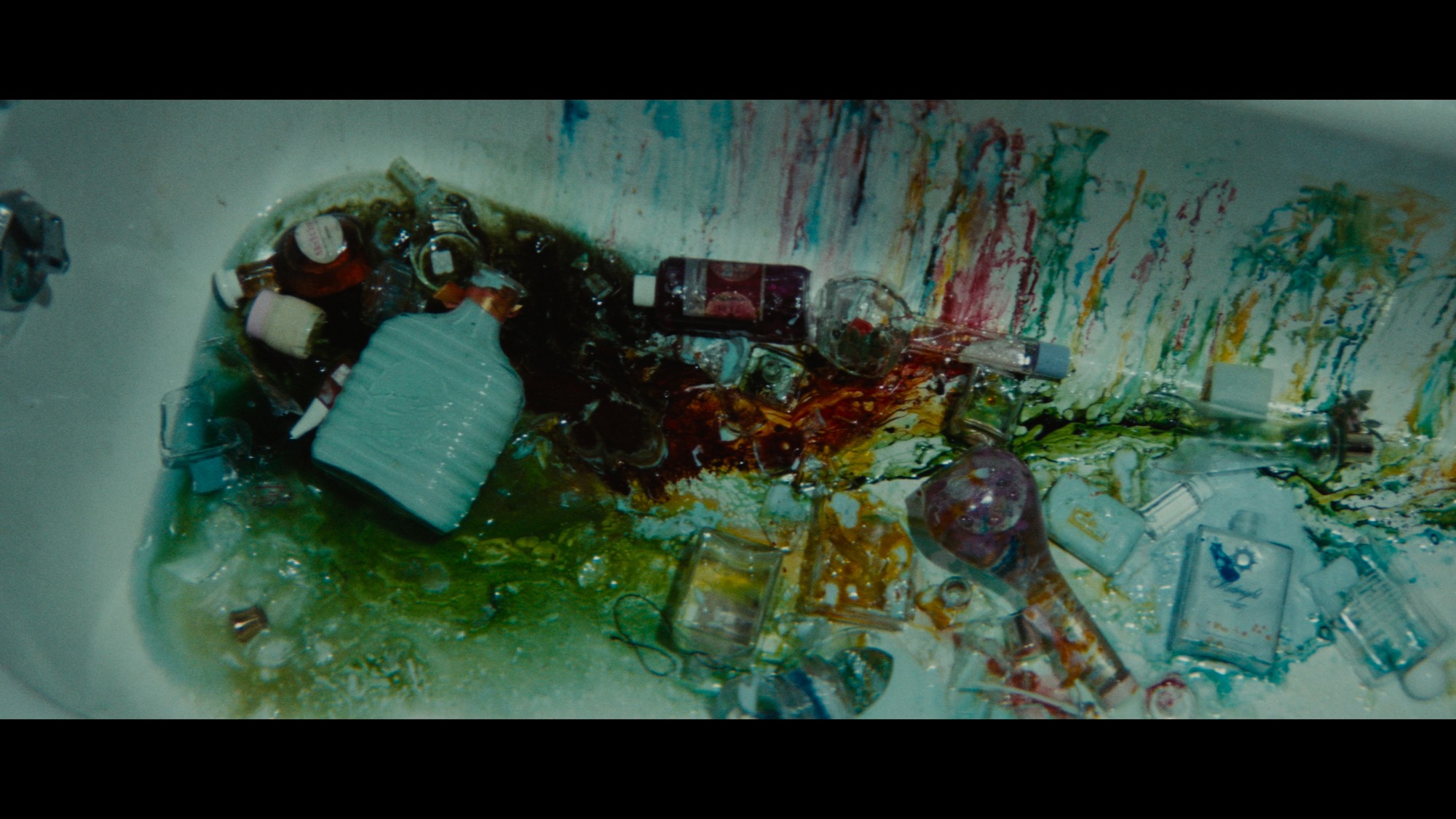
The HDR also benefits the film’s color palette, particularly those sharp pops of red and burnt orange, while offering a wider range across hues. I found the colors overall to look wonderful, though (as has already been noted online) the grading represents a fairly drastic shift from previous DVD and Blu-ray releases, leaning more toward cooler blue and teal tones. I never upgraded to the Blu-ray from the DVD, but it appears both derived from the same older high-definition master, which followed the more typical grading trends of the time, which typically pushed magentas. This is evident in the pinker skin tones and whites of that master, with blues occasionally veering toward violet.
Point Blank has a striking and often intense color design, with scenes intentionally bathed in blues, greens, yellows, oranges, and reds, choices that reportedly caused concern at the time, both from the studio and even those developing the footage. (According to Boorman, a sequence layered heavily in green raised fears the film might be unwatchable.) The older DVD presentation seemed to neutralize some of this, flattening certain scenes into gray, whereas here, those same moments take on a more silvery quality, with HDR further giving a subtle little kick. To my eyes, this grading feels more in line with the period, something that could plausibly have been achieved photochemically, rather than resembling something done by, say, Éclair or Ritrovata adjusting some digital knobs. It also doesn’t hurt that skin tones and whites appear better balanced compared to the older master. This all feels deliberate and carefully considered, not the result of a blanket adjustment.
There will no doubt be those who reject this grading outright, claiming it’s incorrect, based more on familiarity with older masters optimized for the limited color range of CRT displays, than on any real evidence. But watching this presentation, it feels right; truer to both the era and the film’s design. The use of an archival print (supplied by Warner Bros.) as a reference only reinforces this for me, suggesting this is (at the very least) closer to what Boorman intended, especially given how deliberate he was with the film’s color palette (a topic explored further by Boorman and others throughout the supplements). Taken together with everything else here, this ultimately looks like a film, with Criterion continuing their recent streak and once again knocking it out of the park.
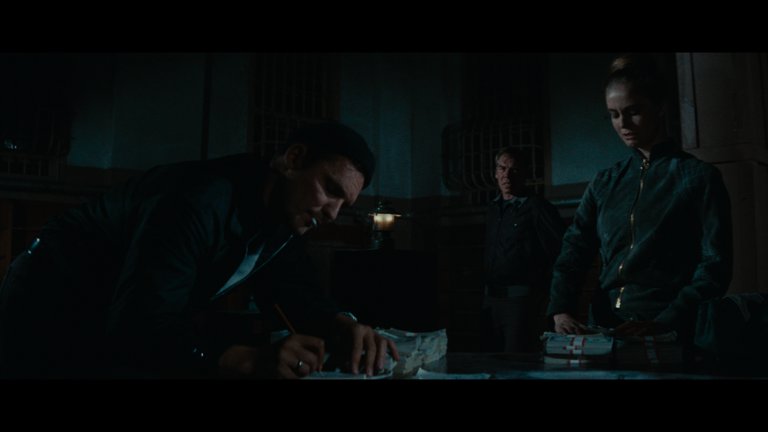
Audio 7/10
The film’s lossless monaural soundtrack also sounds excellent. It’s incredibly clean, with dialogue coming through sharp and clear with terrific fidelity. Range is surprisingly wide, with no distortion evident even during the film’s louder moments. The clacking of Marvin’s heels through the LAX tunnels has never sounded more ominous.
Extras 9/10
Criterion ports over material from Warner’s previous releases while also adding some solid new features, all of which are worth going through. That said, the audio commentary featuring John Boorman and filmmaker Steven Soderbergh, recorded in 2005 for Warner’s DVD, remains the standout. Boorman covers the production, working with Lee Marvin, reshaping the script (noting the original was terrible and closer to the Mel Gibson remake Payback), and the film’s unconventional narrative. But what elevates the track is Soderbergh’s constant curiosity about how Boorman constructed the film. He continually presses for details, like how scenes were planned, technical decisions around color and staging, lens choices and editing, allowing Boorman to really dig into his process. One of the more fascinating anecdotes involves how Boorman intentionally shot the bare minimum, preventing the studio from re-editing the film into something more conventional. Soderbergh also reflects on the film’s influence on his own work, even bringing up The Limey. It’s a terrific track, one of my favorites, and revisiting it here proved just as engaging as when I first heard it nearly two decades ago. Absolutely worth a listen.
The commentary is included on both the 4K and Blu-ray discs, while all video supplements are housed on the Blu-ray. In a nice touch, all interview features are listed using only last names, a nod to the film’s main character, Walker. First up is a 41-minute interview between Boorman and Dyer (John Boorman and author Geoff Dyer), filmed at Boorman’s home in 2023. It’s a good discussion, with Boorman very open, but it ultimately overlaps quite a bit with the commentary, revisiting topics like script development, shooting strategies, and the film’s bold use of color. Even Lee Marvin's shoe size (a size 14) comes up in both. Still, it expands slightly into his early career and touches on the film’s release and later work, including Hell in the Pacific. Worth watching, even if it covers familiar ground.
Criterion then adds several new pieces, starting with a 35-minute interview with Harris (critic Mark Harris). He provides strong context for where both Boorman and Lee Marvin were in their careers at the time—Boorman still early on, Marvin coming off an Oscar win—before diving into the novel’s adaptation and the film’s unconventional structure. He also explores the various interpretations that have developed through the years, along with its visual style and violence in the wake of the loosening Production Code.
That academic angle is complemented by Jarmusch (filmmaker Jim Jarmusch), who delivers a 16-minute visual essay over footage from the film, highlighting key sequences and discussing its influence on his own work. Martino (historian Alison Martino) then contributes a 9-minute piece on the film’s locations and midcentury architecture. I’m not usually drawn to location-based features, but Martino brings enough historical context to make this one engaging.
Carried over from the Warner releases is the two-part promotional featurette The Rock, running 16 minutes in total. As explained elsewhere, the production’s access to Alcatraz, shortly after its closure, was a major selling point, and these pieces lean into that fascination. The first part covers the prison’s history before shifting to the production and a photo shoot conducted there, while the second spends more time on a former inmate recounting his experiences. It’s all fairly entertaining and engaging, but I'm sure this build-up only led to disappointment once audiences learned the island only appears in the film for a few minutes, tops. In a welcome upgrade, both parts have been newly remastered in high-definition and look excellent.
From the archives, Criterion also includes a 22-minute excerpt from The Dick Cavett Show, featuring an interview with Lee Marvin. Filmed four years after Point Blank, the discussion is more career-focused, touching on his Oscar win, his views on violence in film (with The Dirty Dozen as a reference point), and his war record (and war wound). The excerpt then jumps to a closing segment featuring Truman Capote, who humorously dismisses the novel Papillon as a “fraud.” Marvin doesn’t contribute much to that portion, making its inclusion a bit curious, but I'm glad it's here.
The disc is rounded out with the film’s trailer, while the included insert features an essay by Geoff Dyer. I also rather liked the chapter names, which keep things blunt and simple:
- The Rock
- The walk
- The aftermath
- The car
- The club
- The broad
- The penthouse
- The Organization
- The date
- The boss
- The drop
- The color bars
Overall, it’s a strong package, bringing over all of Warner’s material while adding a thoughtful and worthwhile set of new features from Criterion.
Closing
A fantastic release, pairing a terrific selection of new and archival material with a stunning new 4K presentation. Absolutely worth the upgrade, and easily one of Criterion’s best releases so far this year.
BUY AT: