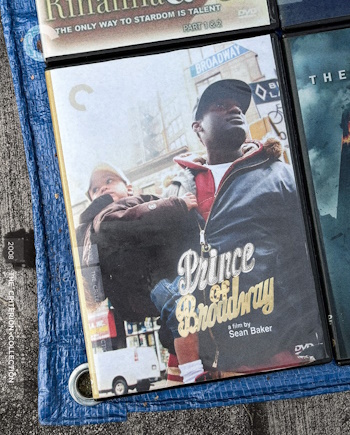
Prince of Broadway
BUY AT:


See more details, packaging, or compare
Synopsis
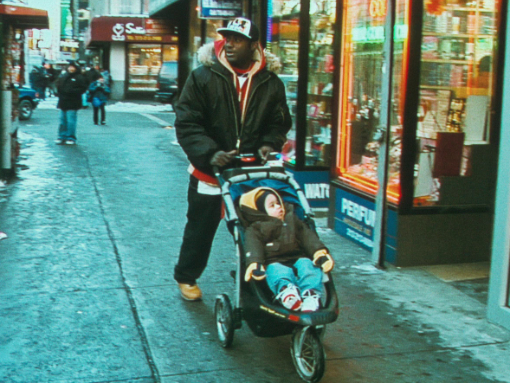
A raw, disarmingly moving slice of neorealism, this early-career triumph from DIY auteur Sean Baker plunges into the world of West African immigrant Lucky (Prince Adu) and his Armenian Lebanese boss Levon (Karren Karagulian), two unlikely friends who peddle knockoff designer goods in Manhattan’s wholesale district. When a long-forgotten ex forces him to take care of a young son he didn’t even know he had, Lucky must figure out how to become a father without losing his edge in the counterfeit-merch game. Capturing the chaos of urban life through expressive handheld camera work, remarkably naturalistic performances, and flashes of manic humor, Prince of Broadway is one of Baker’s most vivid explorations of the illusory nature of the American dream.
Picture 7/10
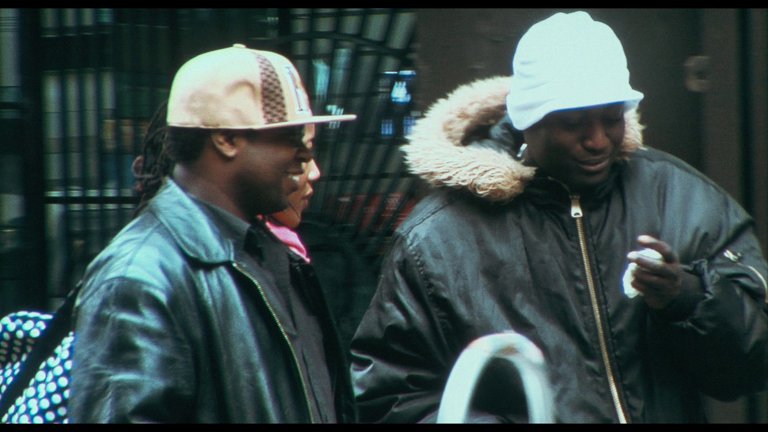
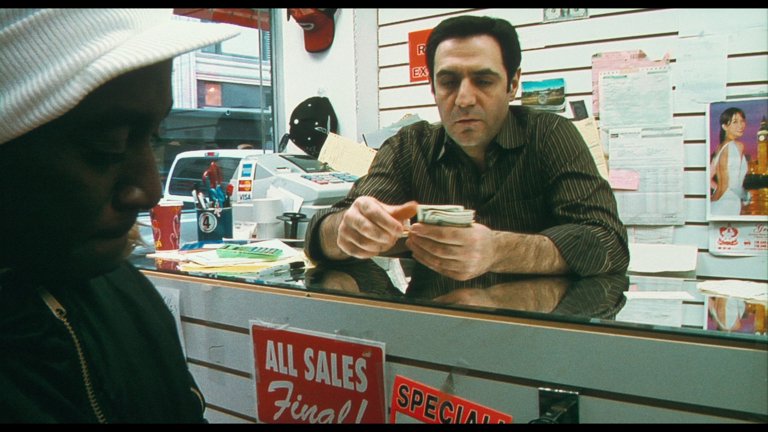
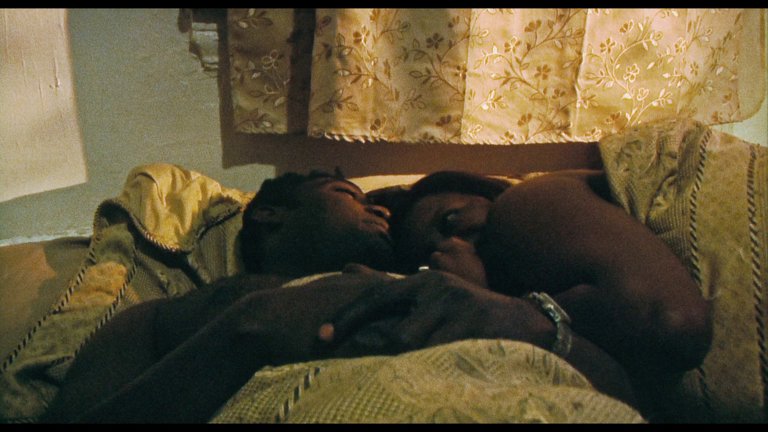
Sean Baker’s Prince of Broadway receives a new Blu-ray edition from The Criterion Collection, presented on a dual-layer disc in its original aspect ratio of 1.85:1 with a 1080p/24hz high-definition encode.
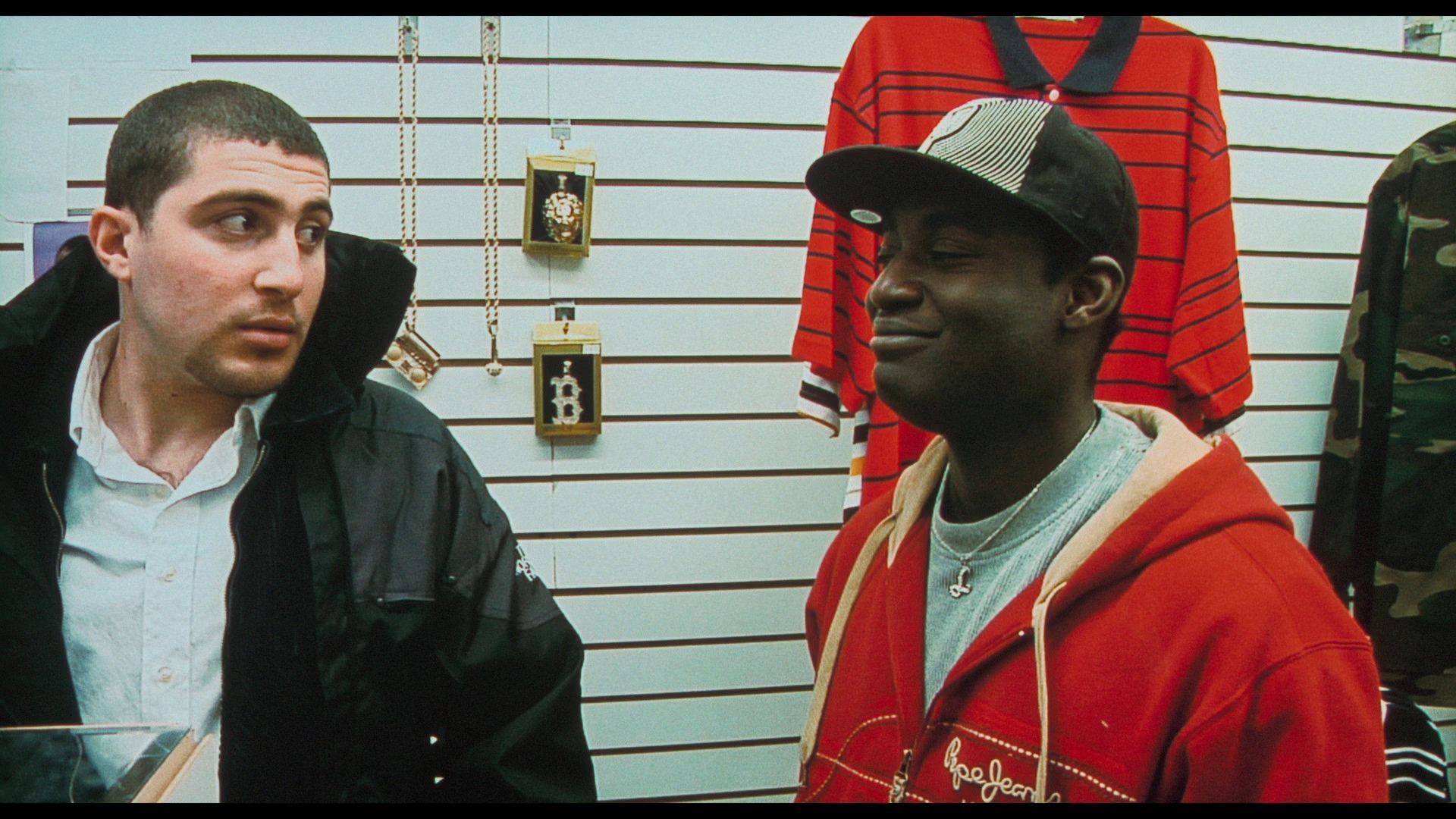
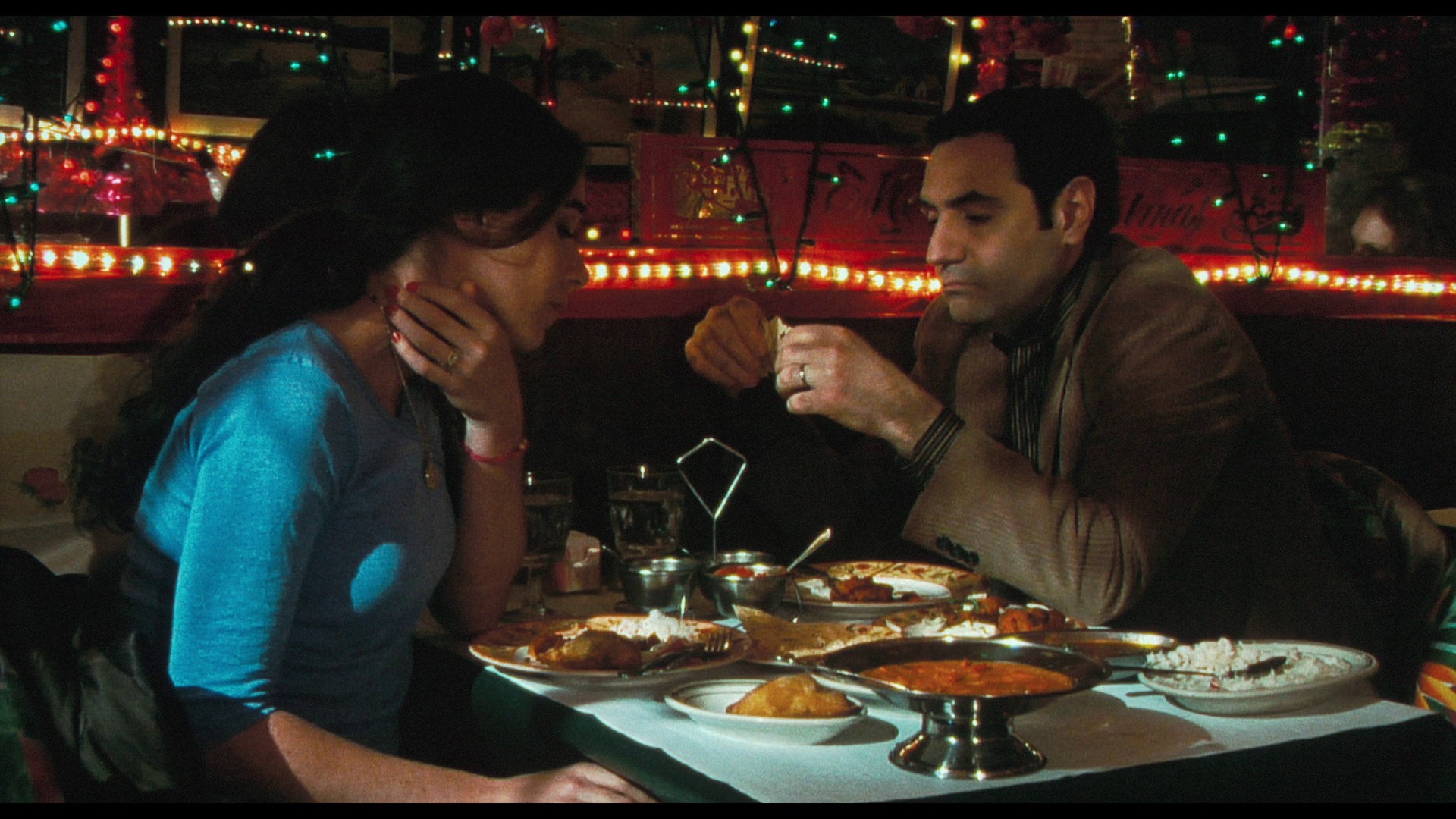
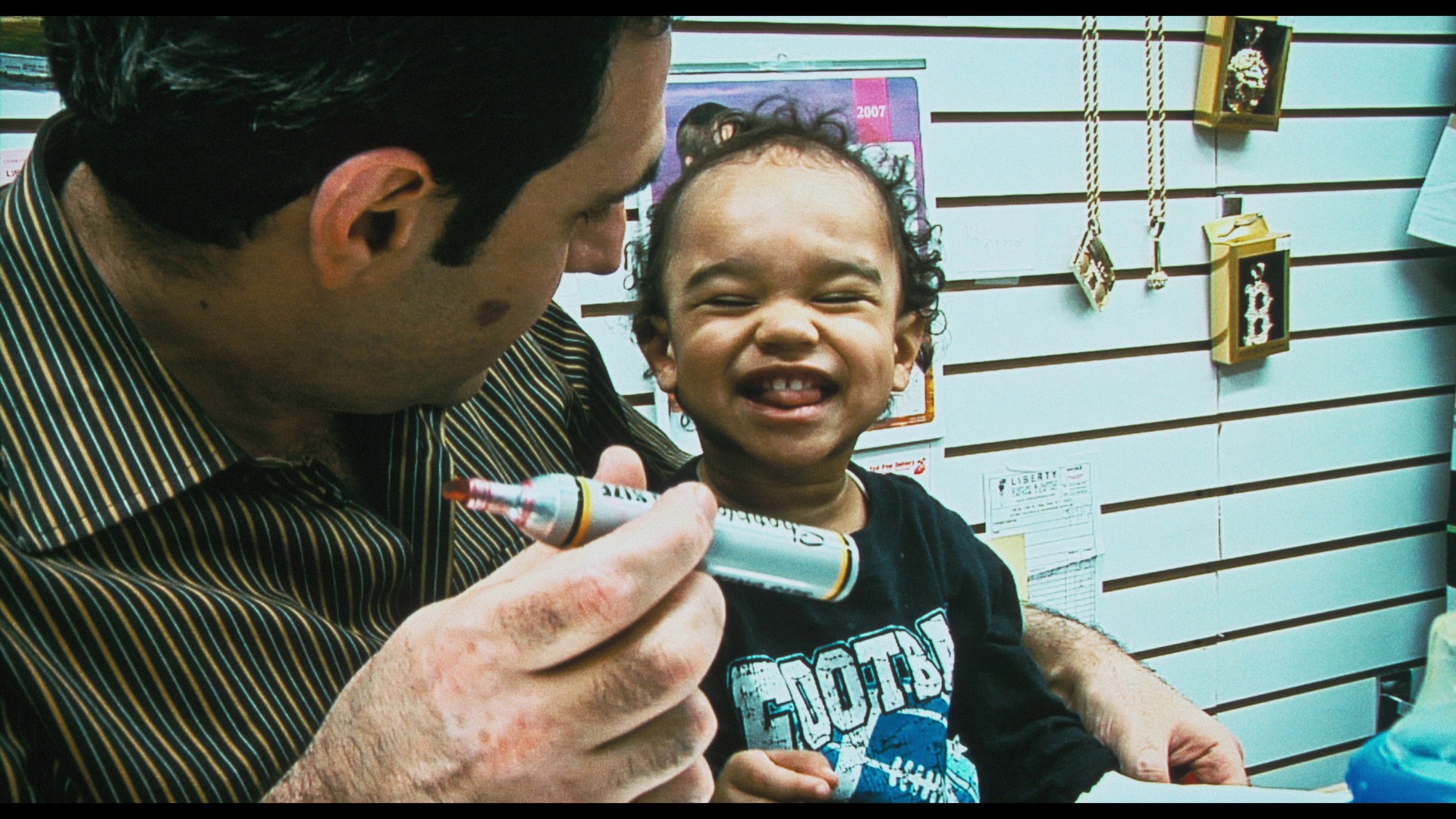
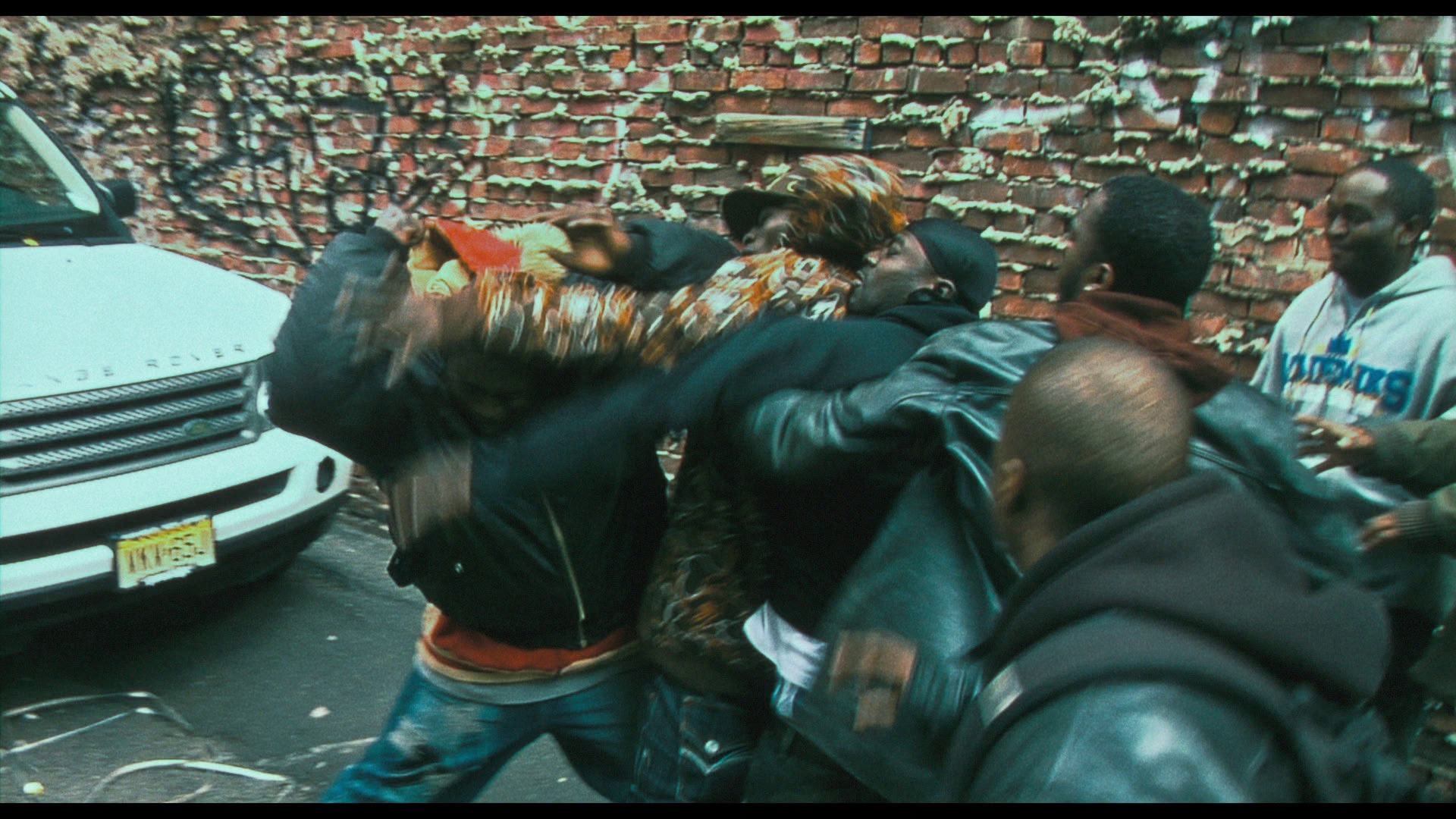
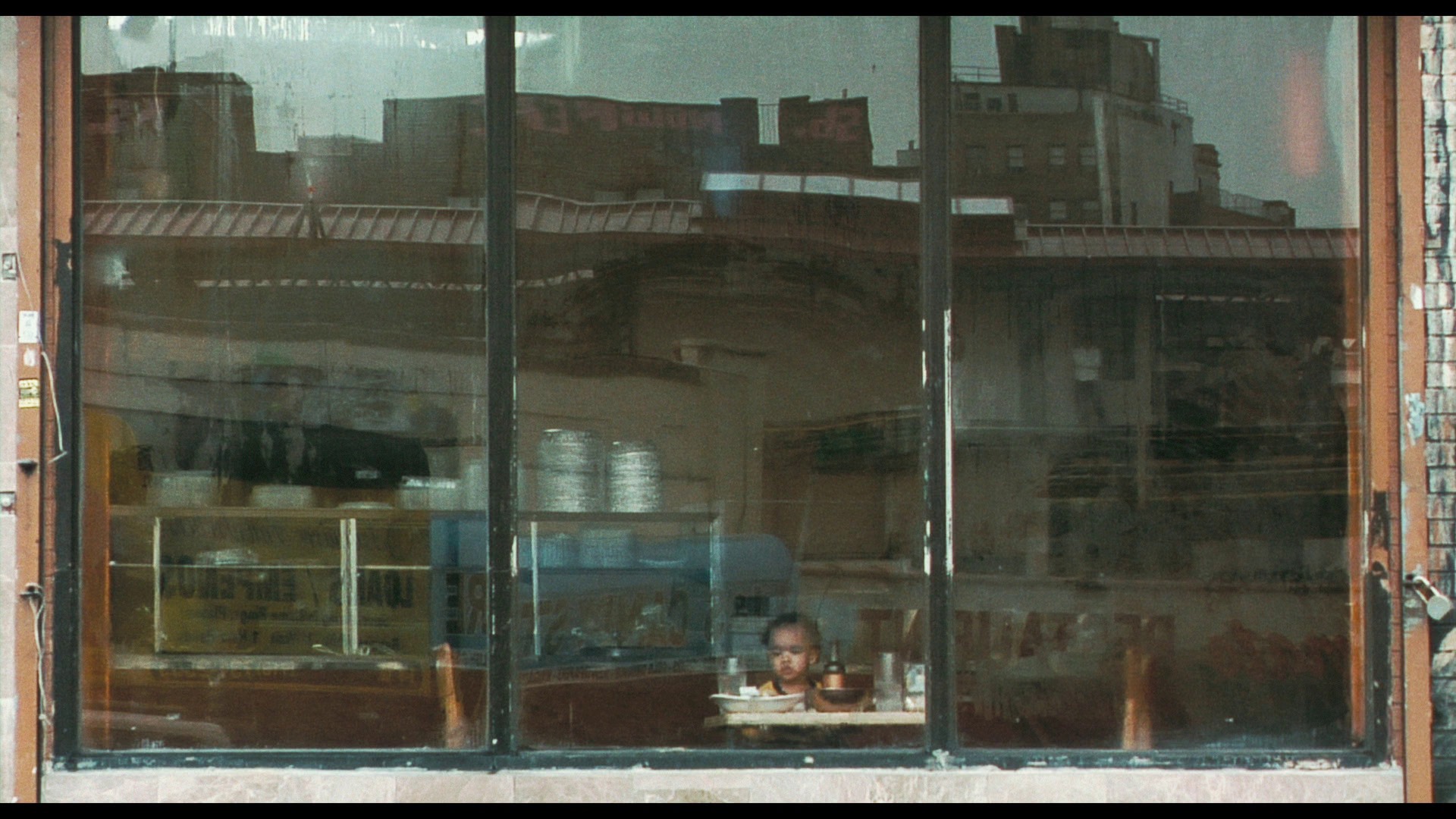
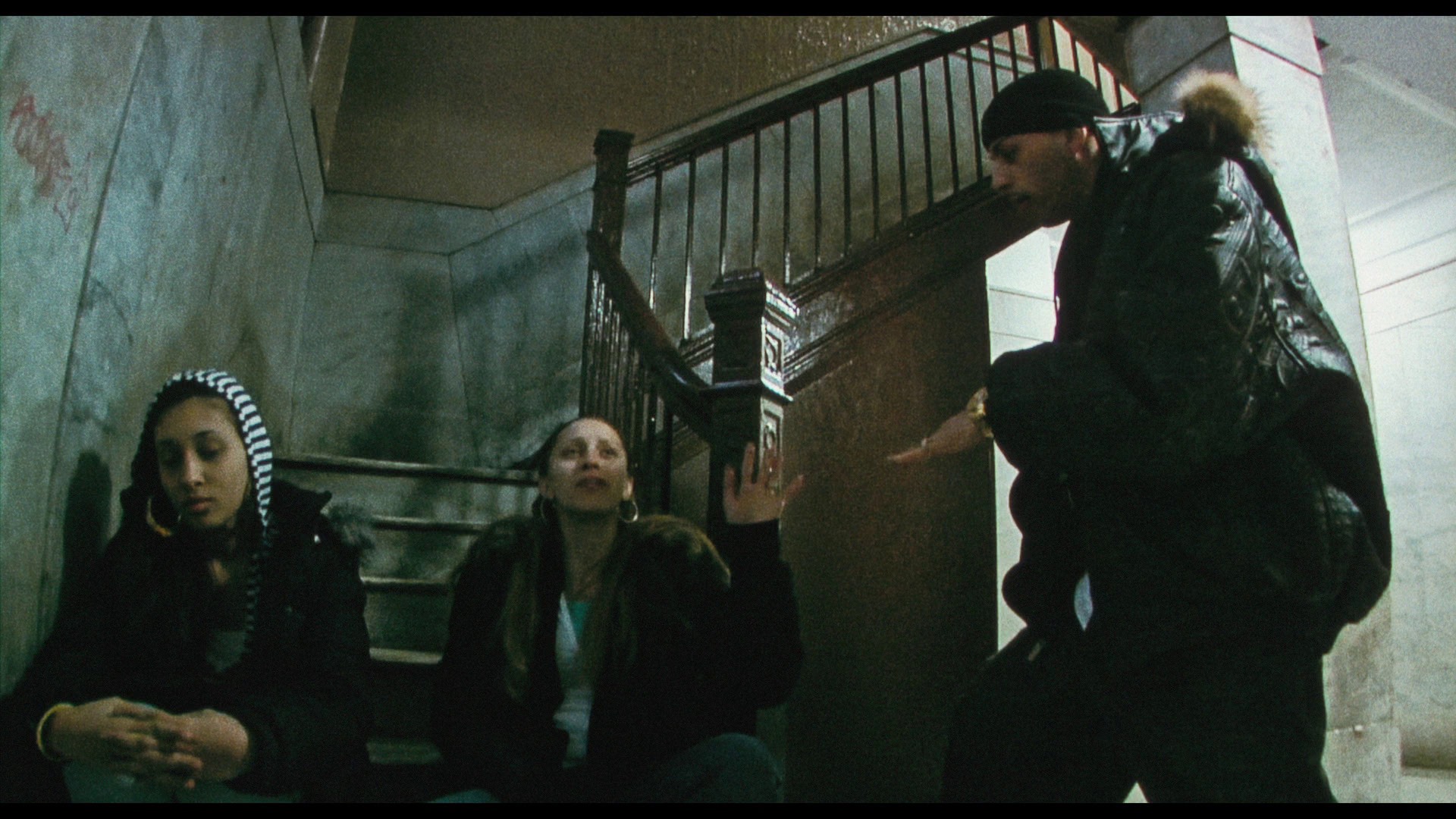
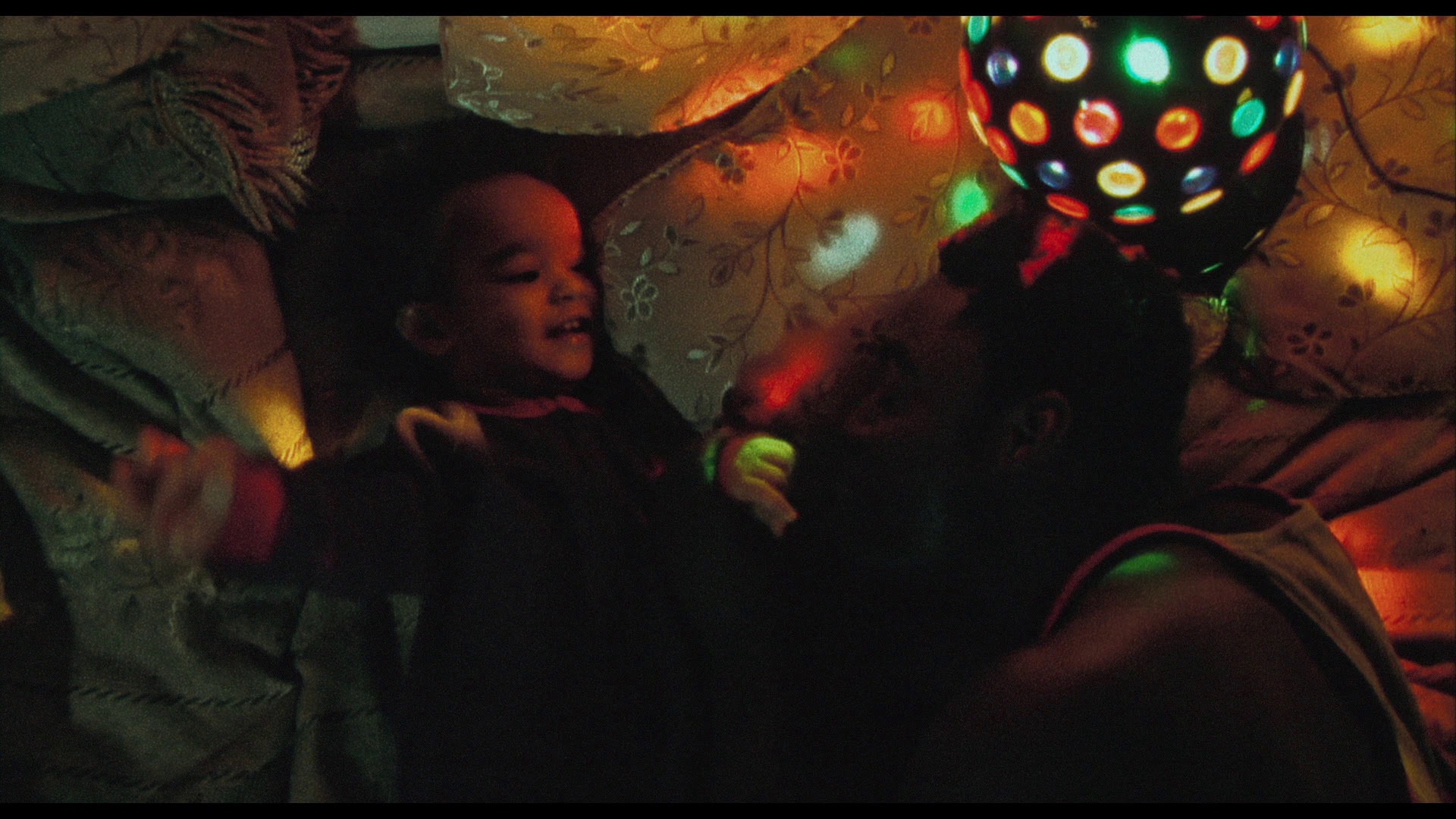
Like Baker’s other early films (including Take Out, also released by Criterion), Prince of Broadway was shot in standard-definition digital, and the limited budget at the time meant Baker couldn’t finish or grade the film the way he had envisioned. This new 4K restoration finally gives him that opportunity. The process mirrors what was done for Take Out: the original QuickTime files were output to film, the resulting negative was scanned in 4K, and from there, the image was properly color graded to match Baker’s original intentions. The final master serves as the basis for this new presentation.
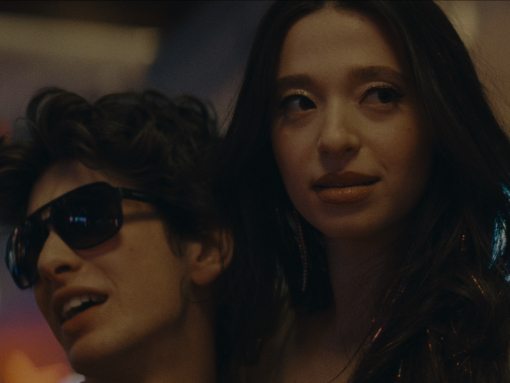
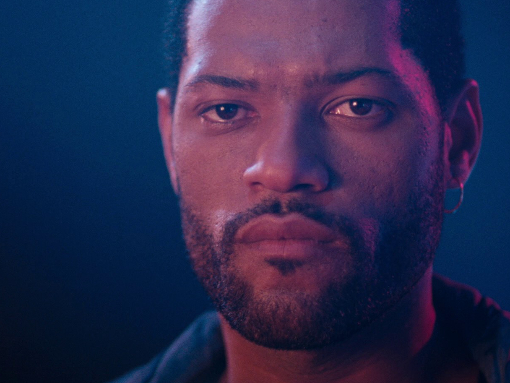
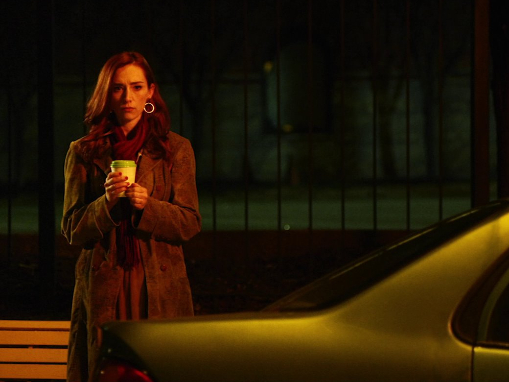
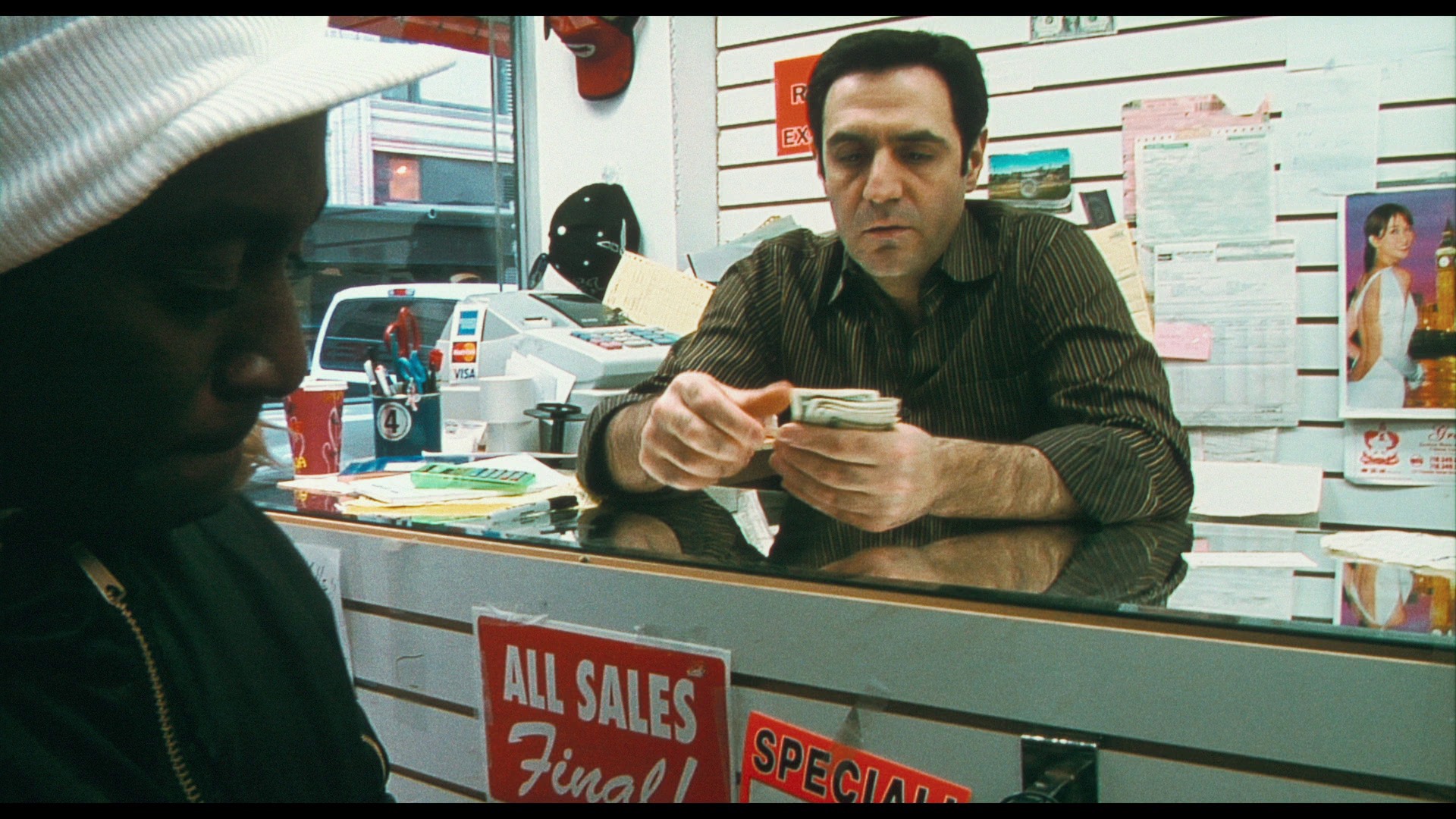
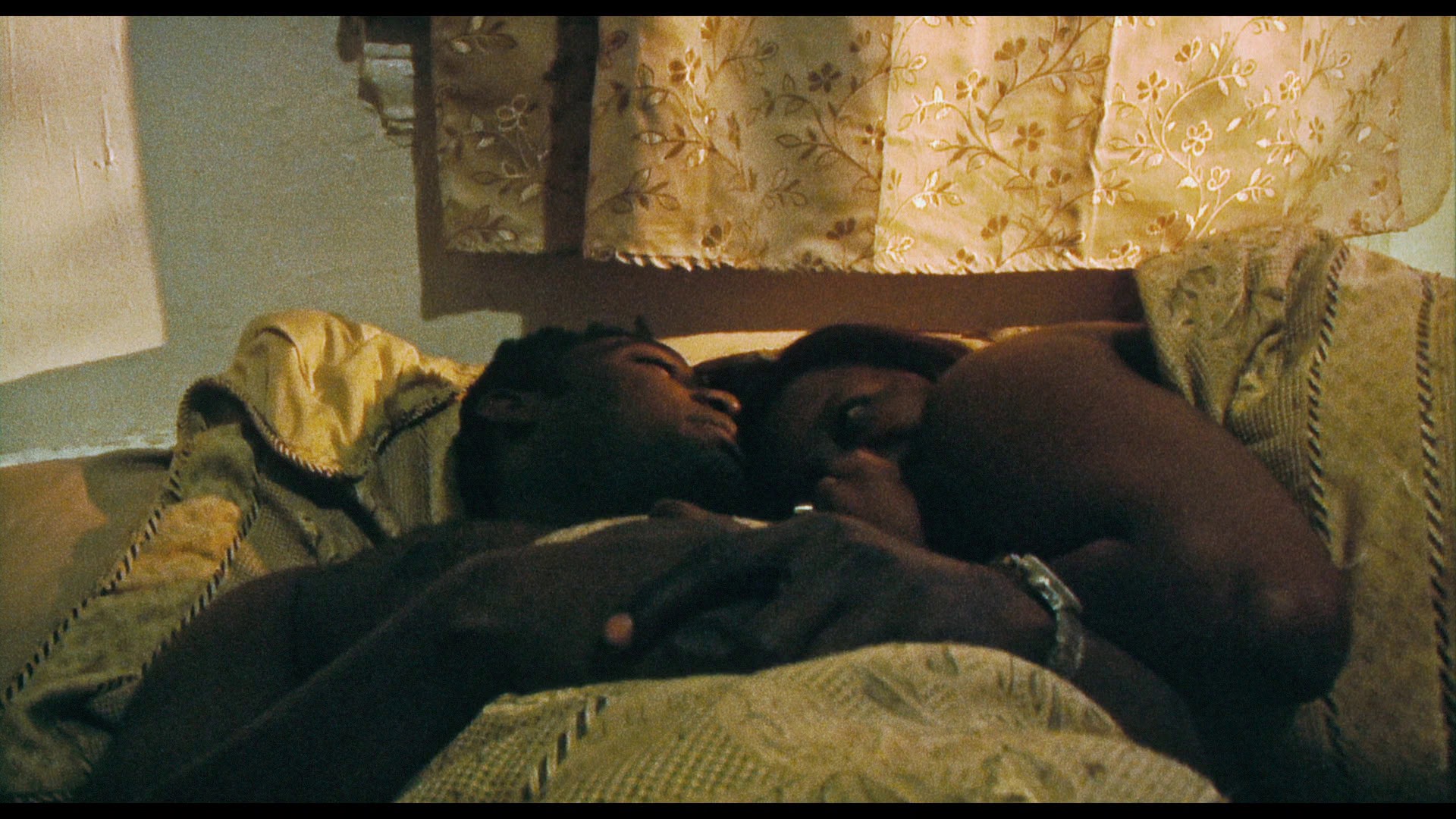
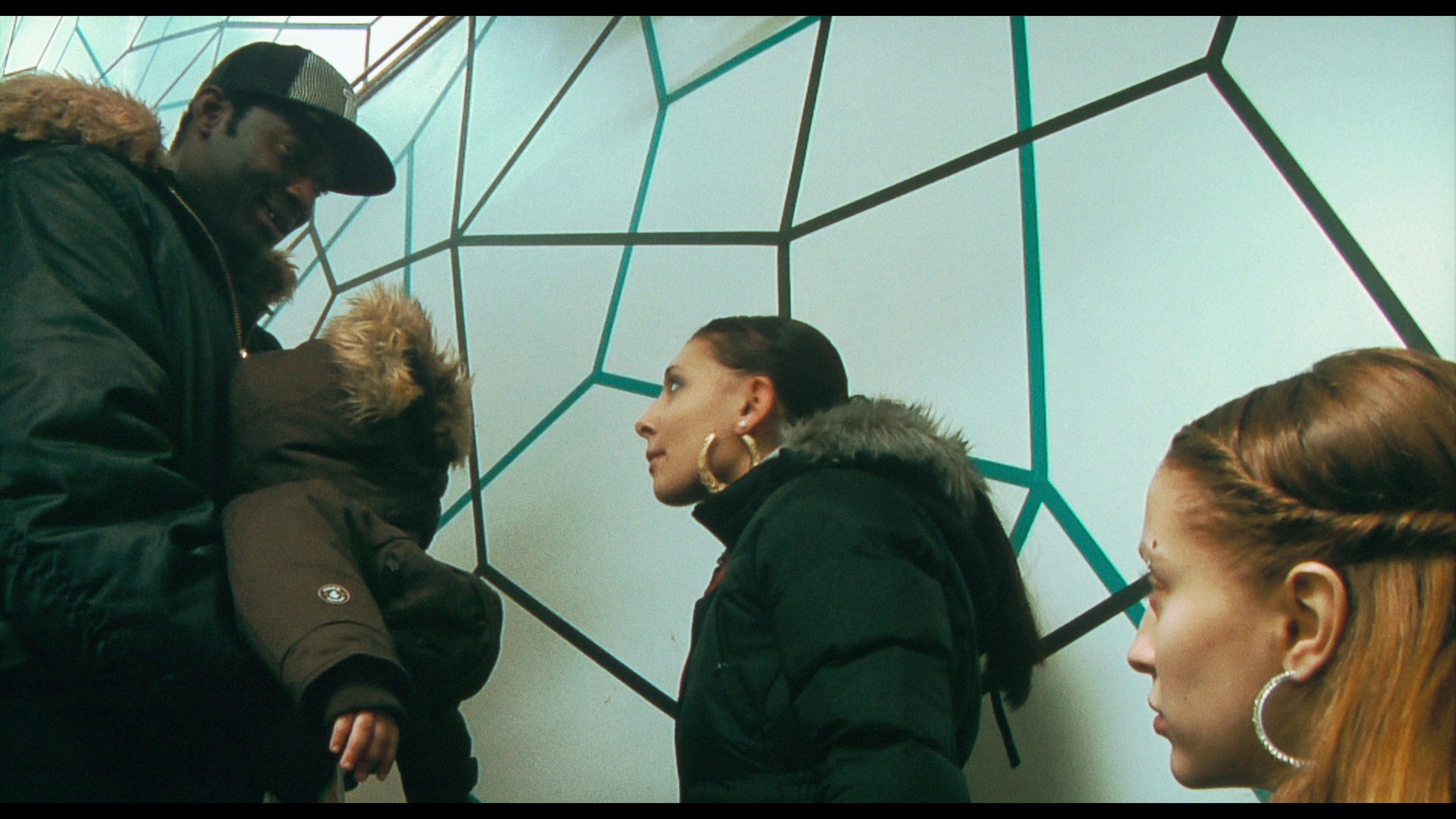
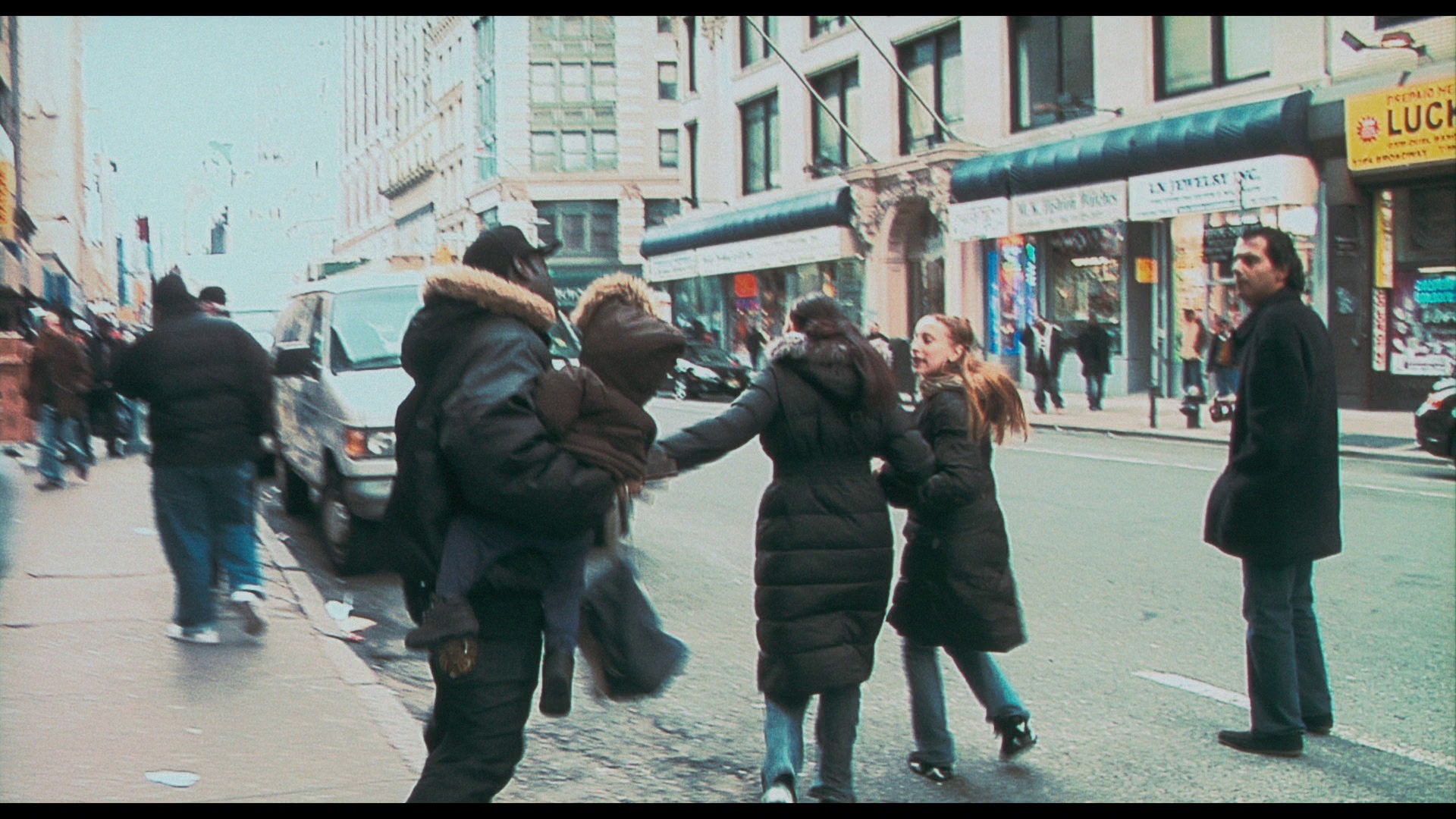
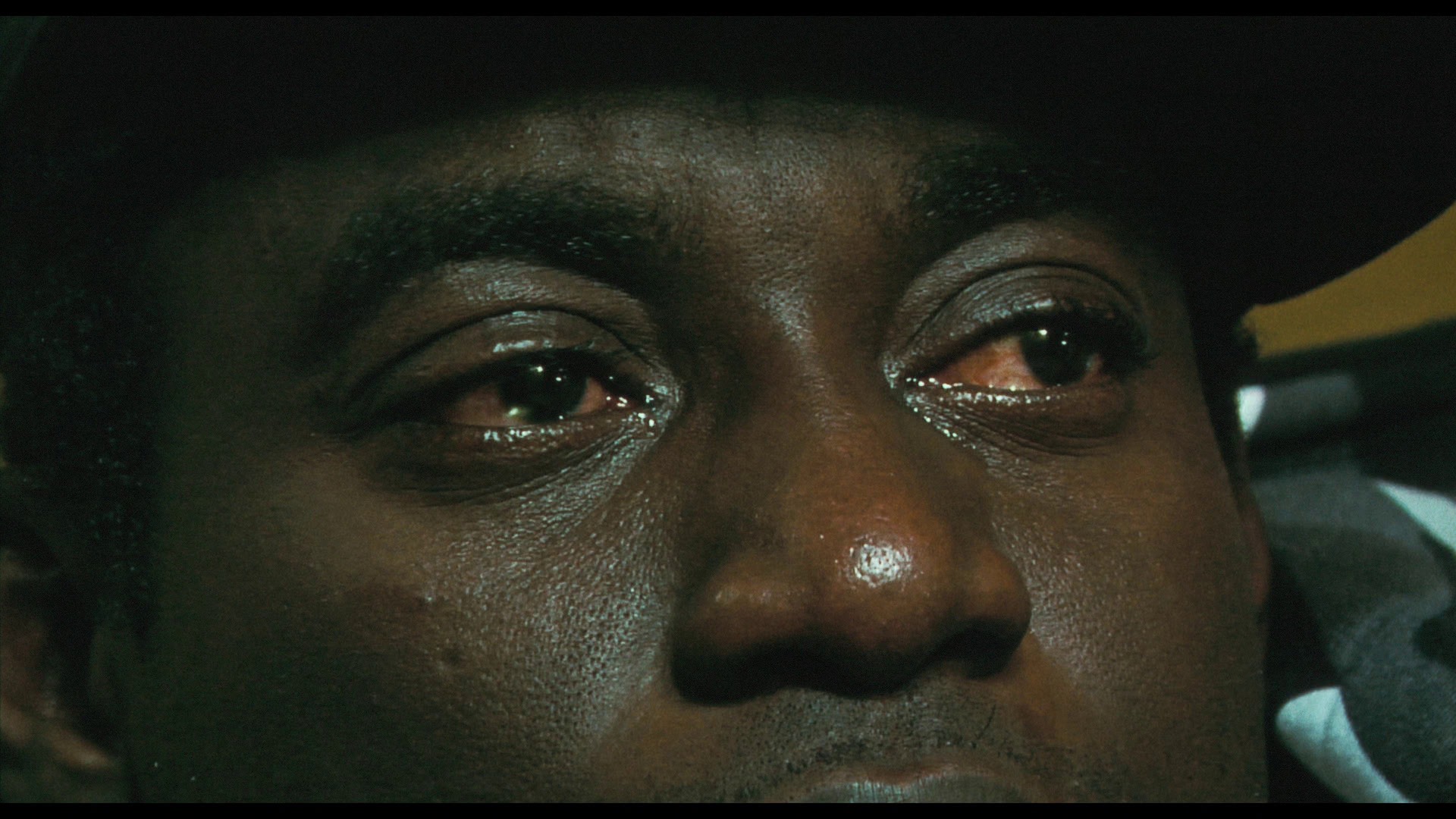
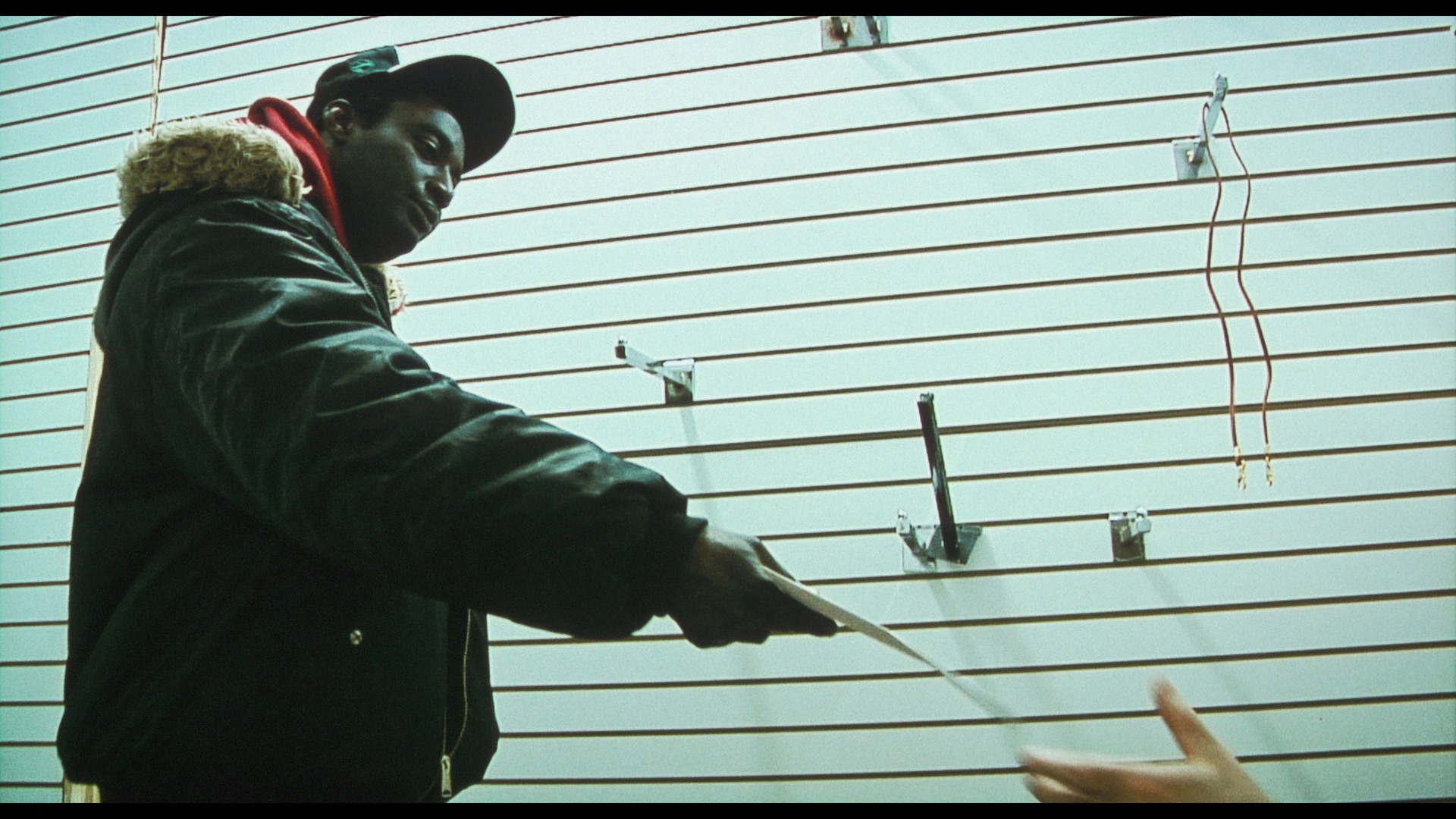
It may sound like a long and roundabout process just to punch up a standard-def digital image, but the results are surprisingly strong, arguably even better than what was achieved for Take Out. Make no mistake: the source limitations are still present, with aliasing, jagged edges, occasional halos, and a general lack of fine detail all creeping in. But these artifacts are generally faint, and the added film layer works wonders. Apparently, they tested different film stocks to find the right look, and what they landed on gives the image a pleasingly gritty texture, with film grain rendered beautifully throughout.
Oddly enough, this results in a rather robust encode, a nice surprise, especially following Criterion’s underwhelming transfer for the color version of Basquiat. Any digital shortcomings here seem baked into the source, not the encode itself, and the handling of film grain is excellent.
That all looks strong, but the most notable improvement is in the color grading. A restoration demonstration included on the disc provides side-by-side comparisons between the original digital version and the new restoration, and the difference is stark. The original has that flat, washed-out yellow-tinted digital look. The new version does lean teal much of the time (which feels appropriate for the film’s colder environment), but colors overall are far richer. Blues in particular now stand out—they were nearly absent in the earlier version—and reds and oranges pop nicely. Black levels are still a bit mushy, but that’s par for the course given the SD digital origins.
In the end, while the limitations of the source are still evident, this restoration represents a significant upgrade. It’s an impressive effort and a strong presentation overall.
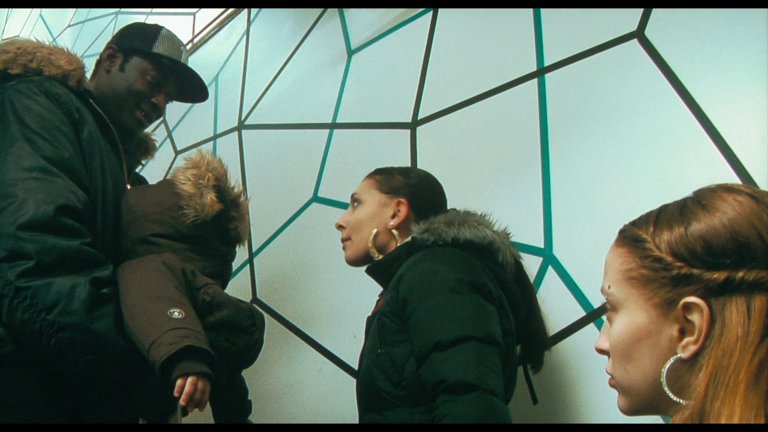
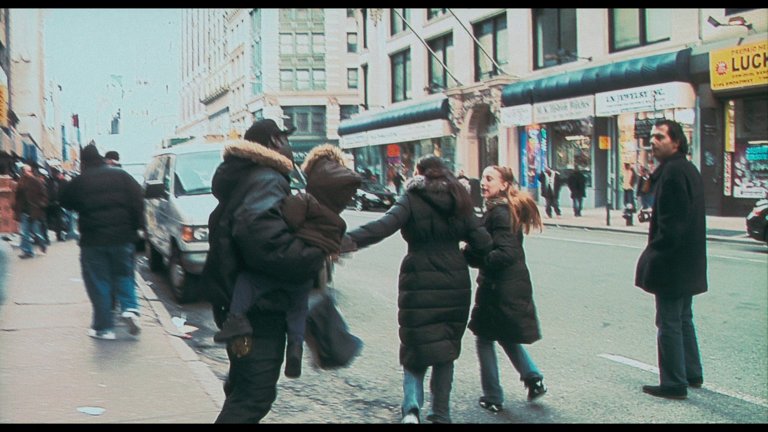
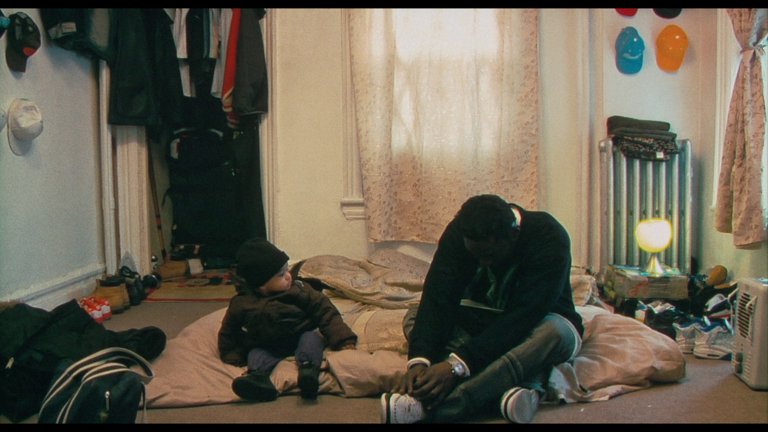
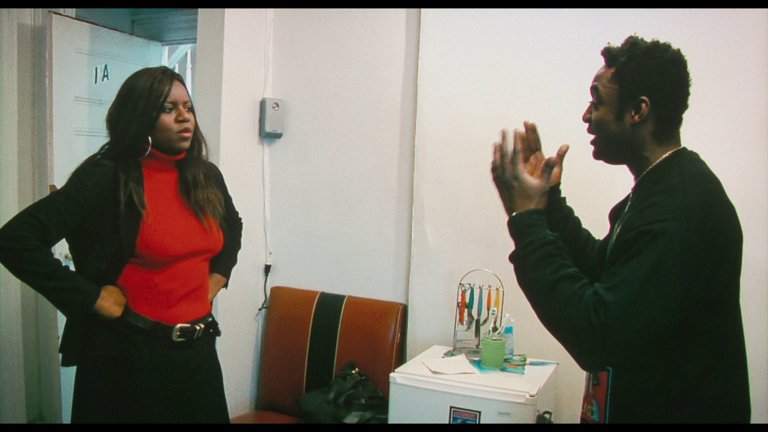
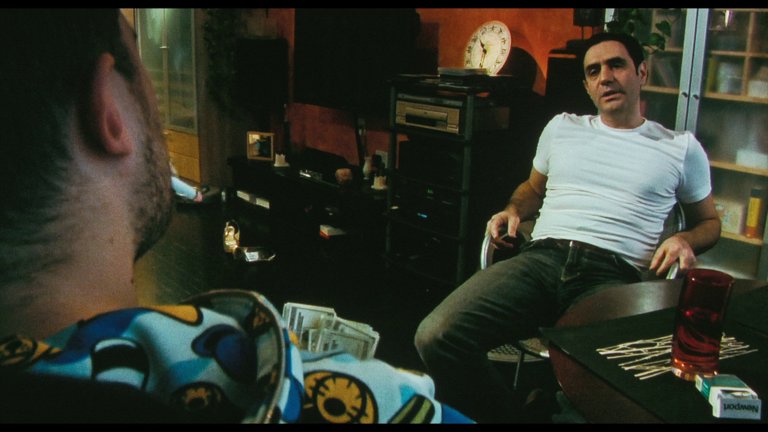
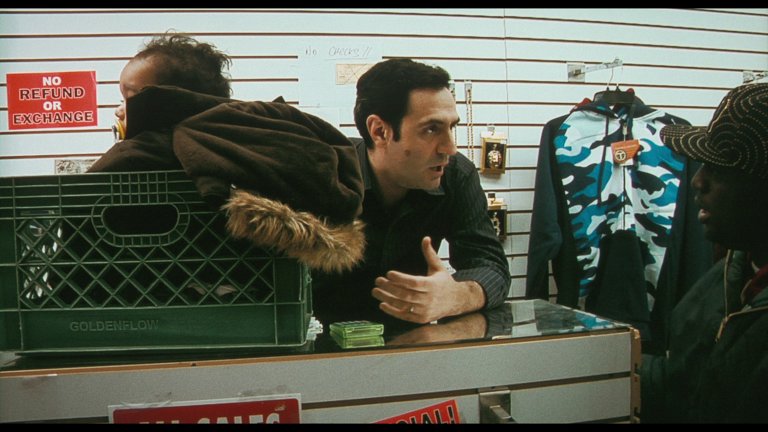
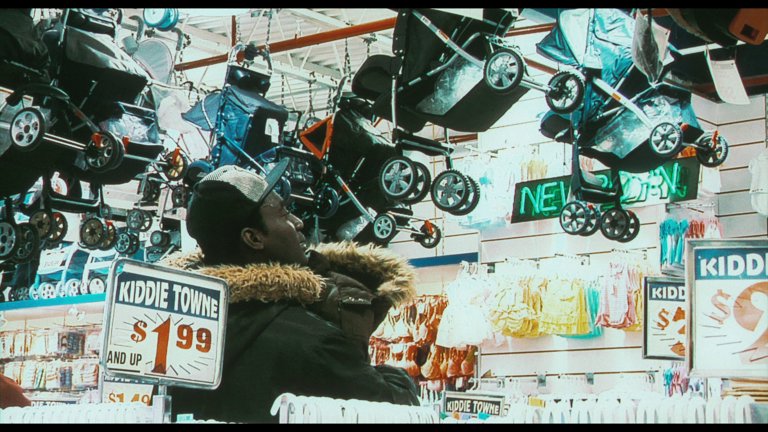
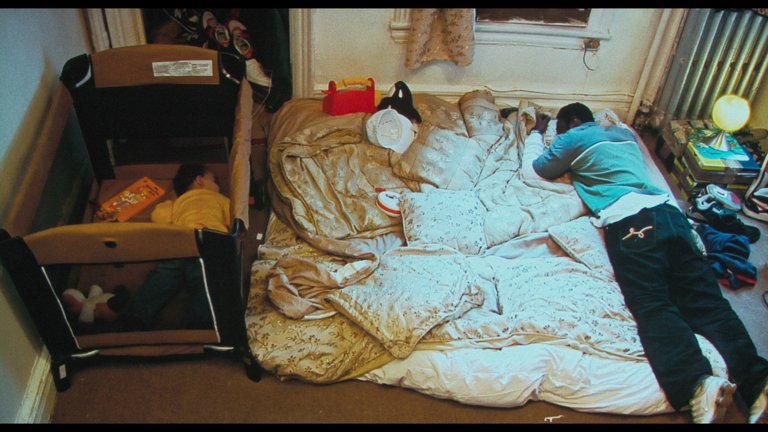
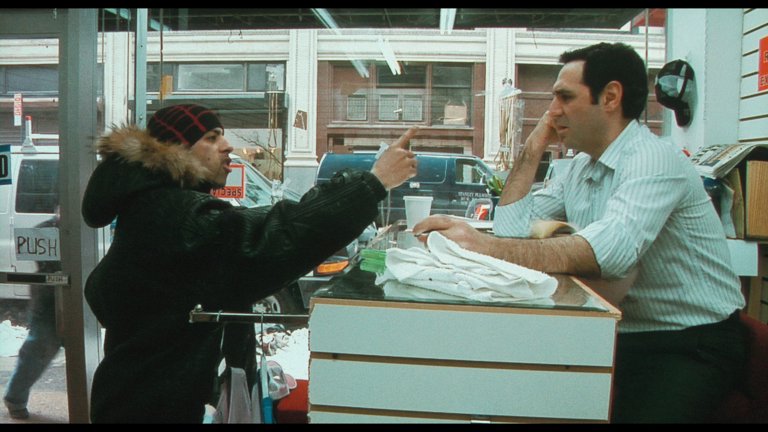
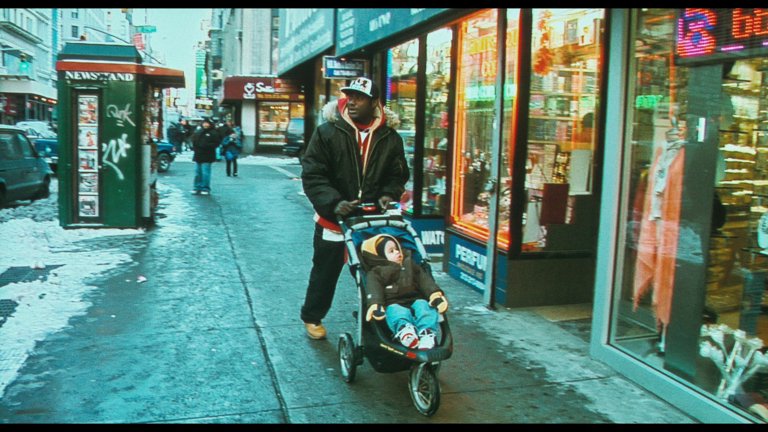
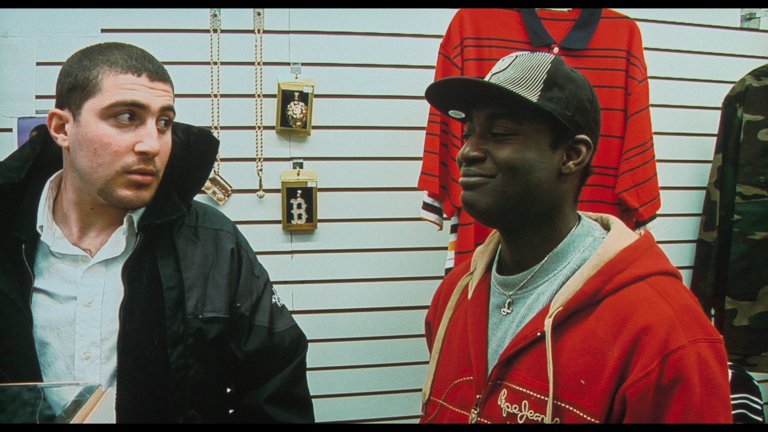
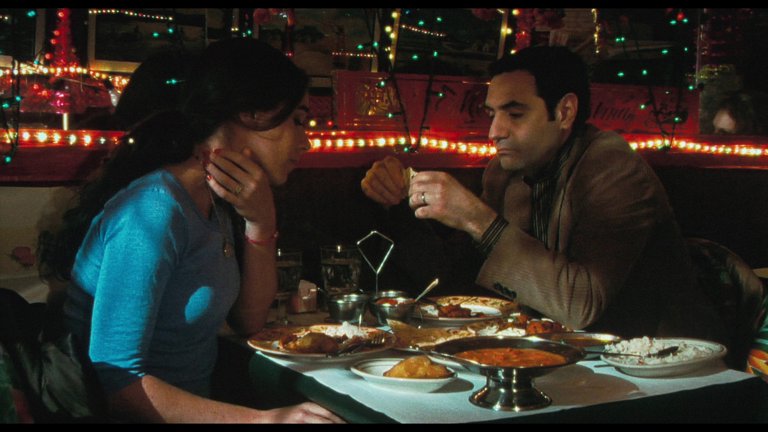
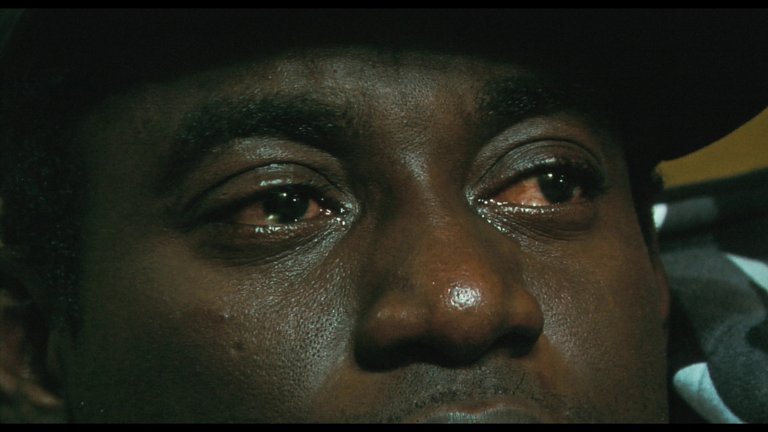
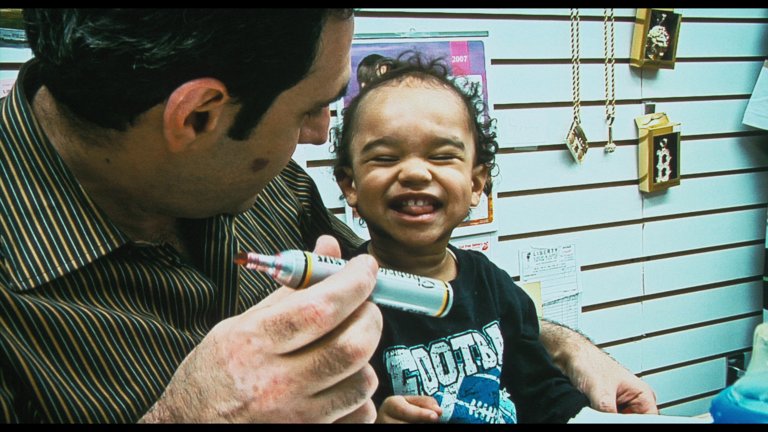
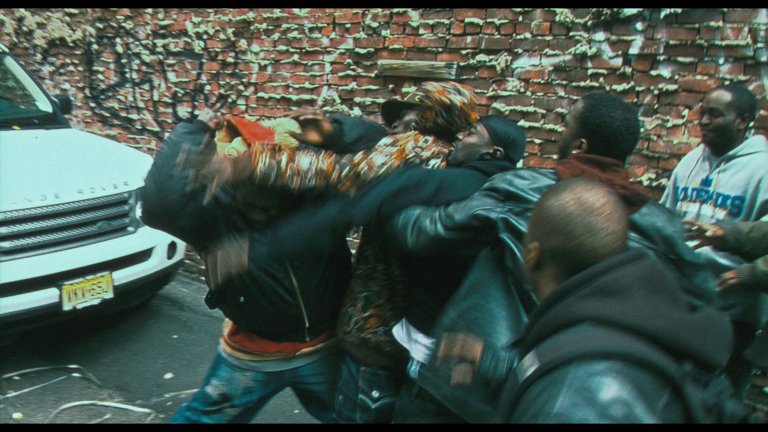
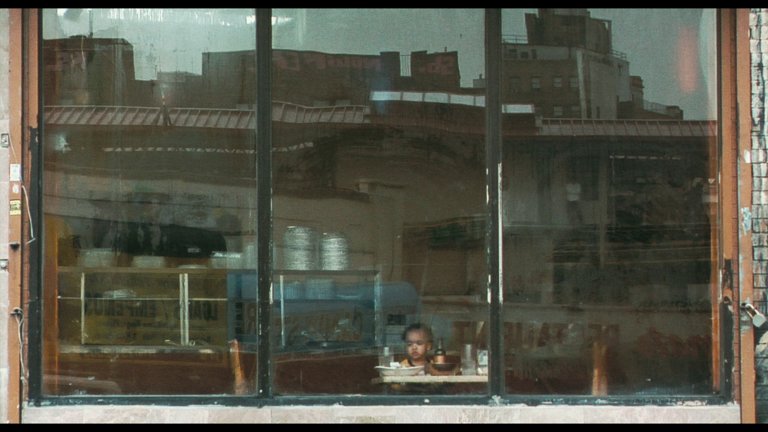
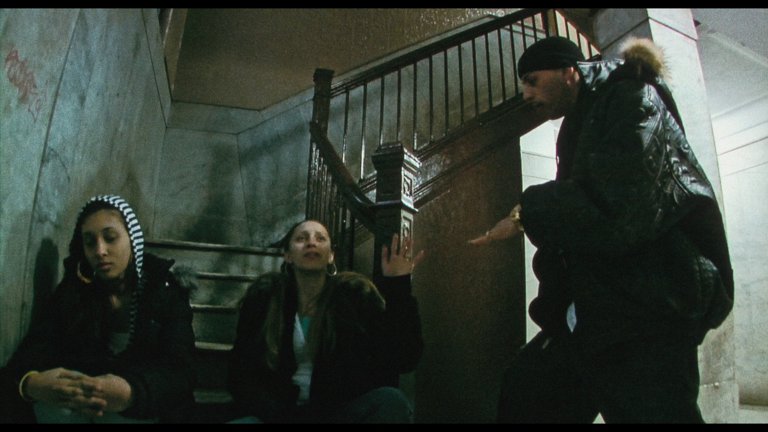
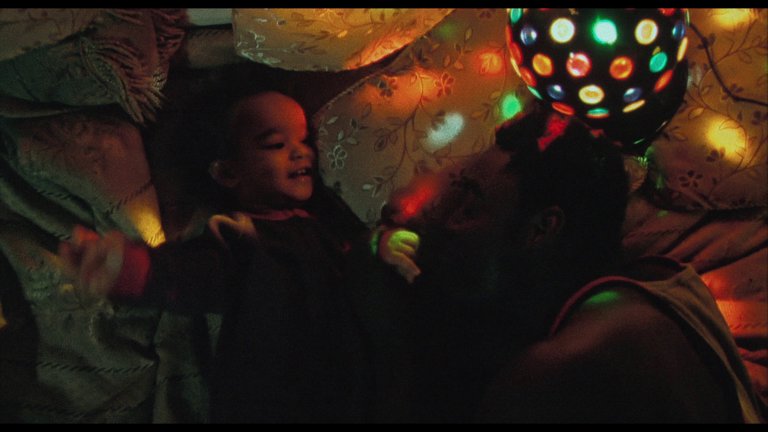
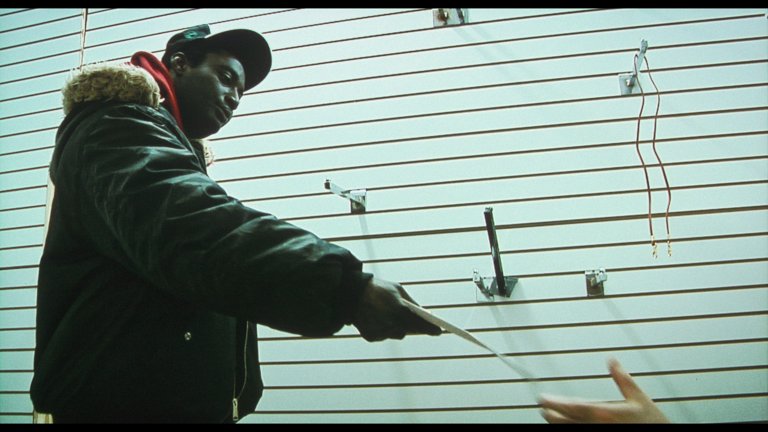
Prince of Broadway - Screen Captures
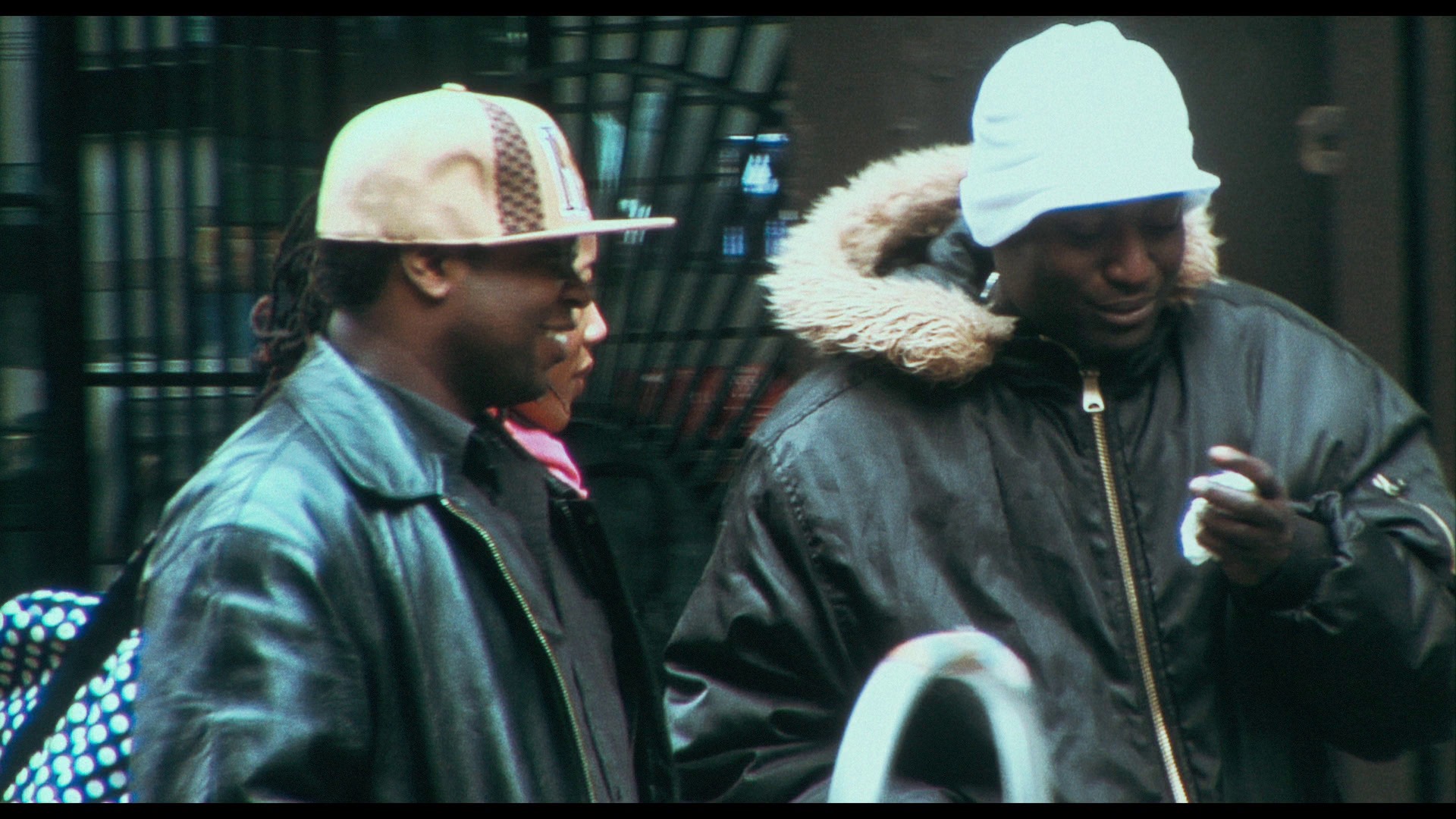
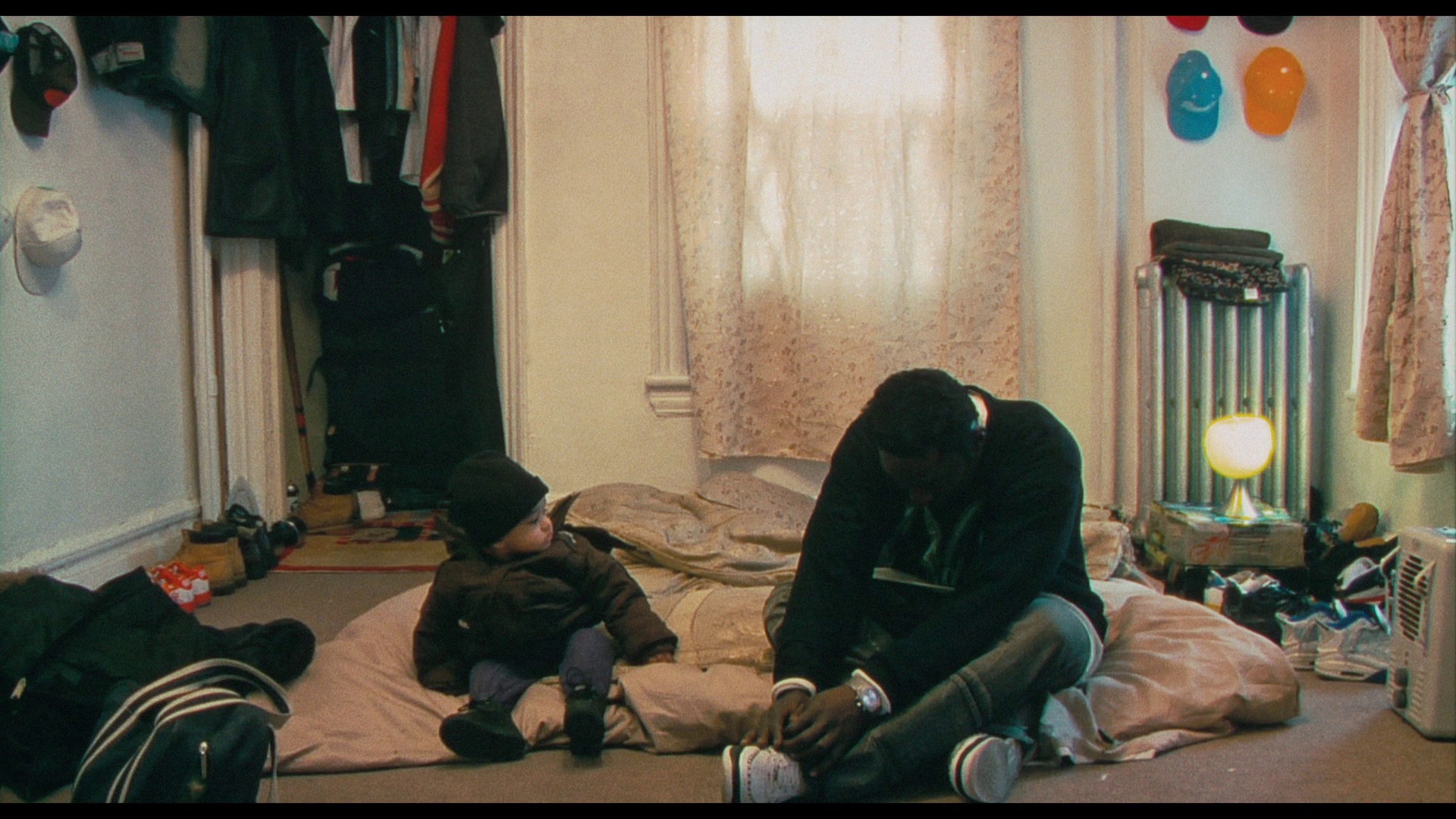
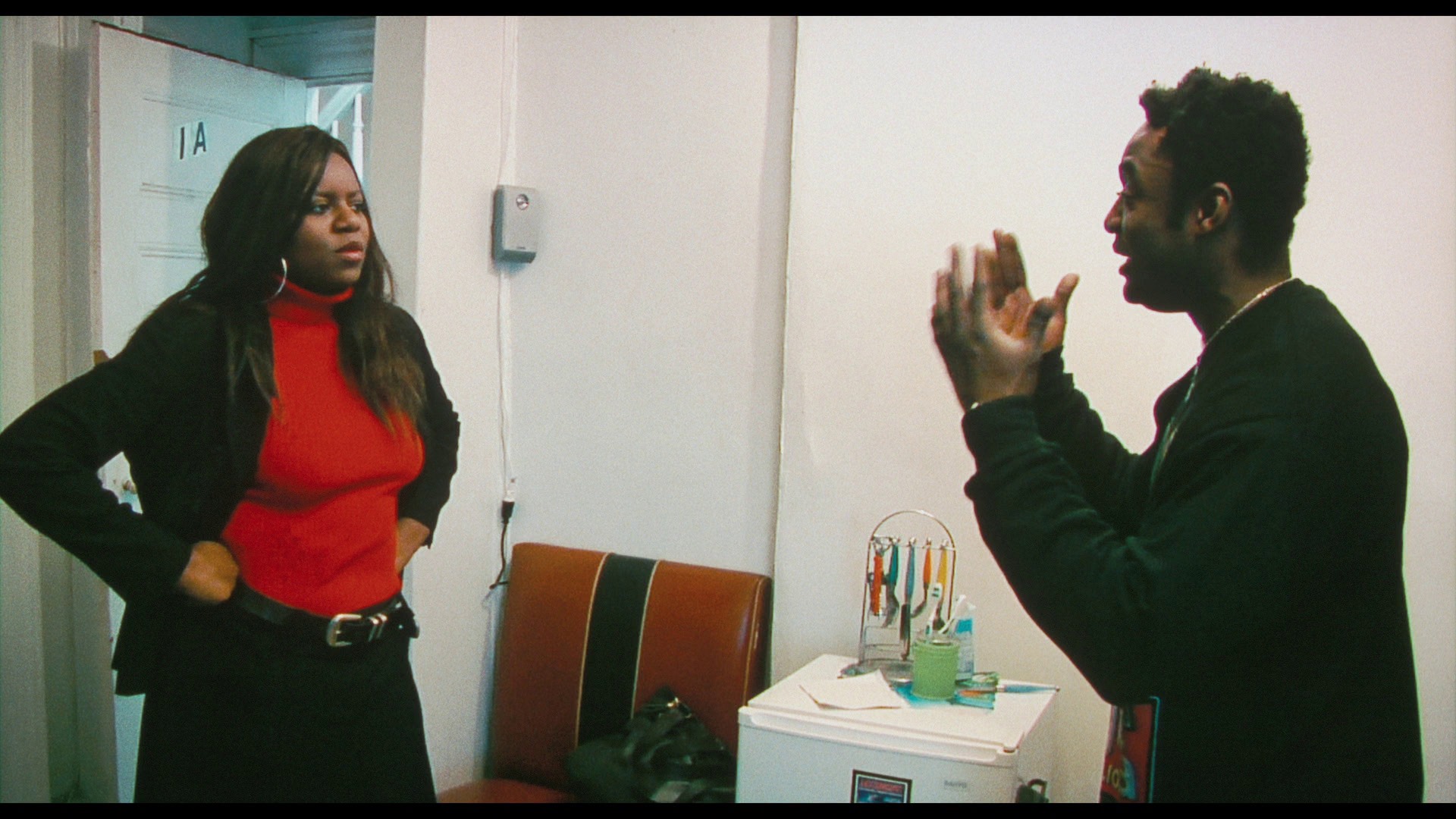
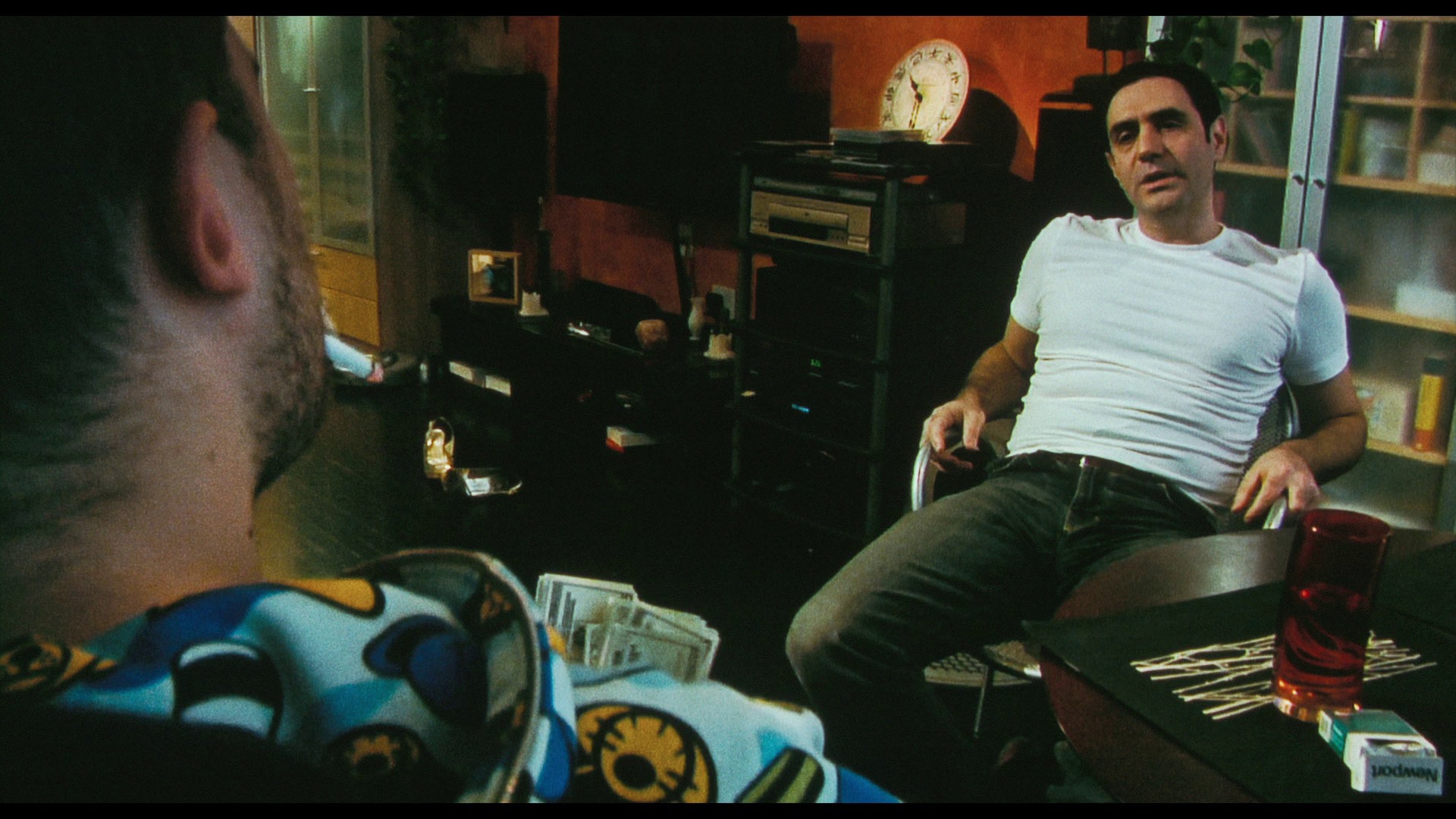
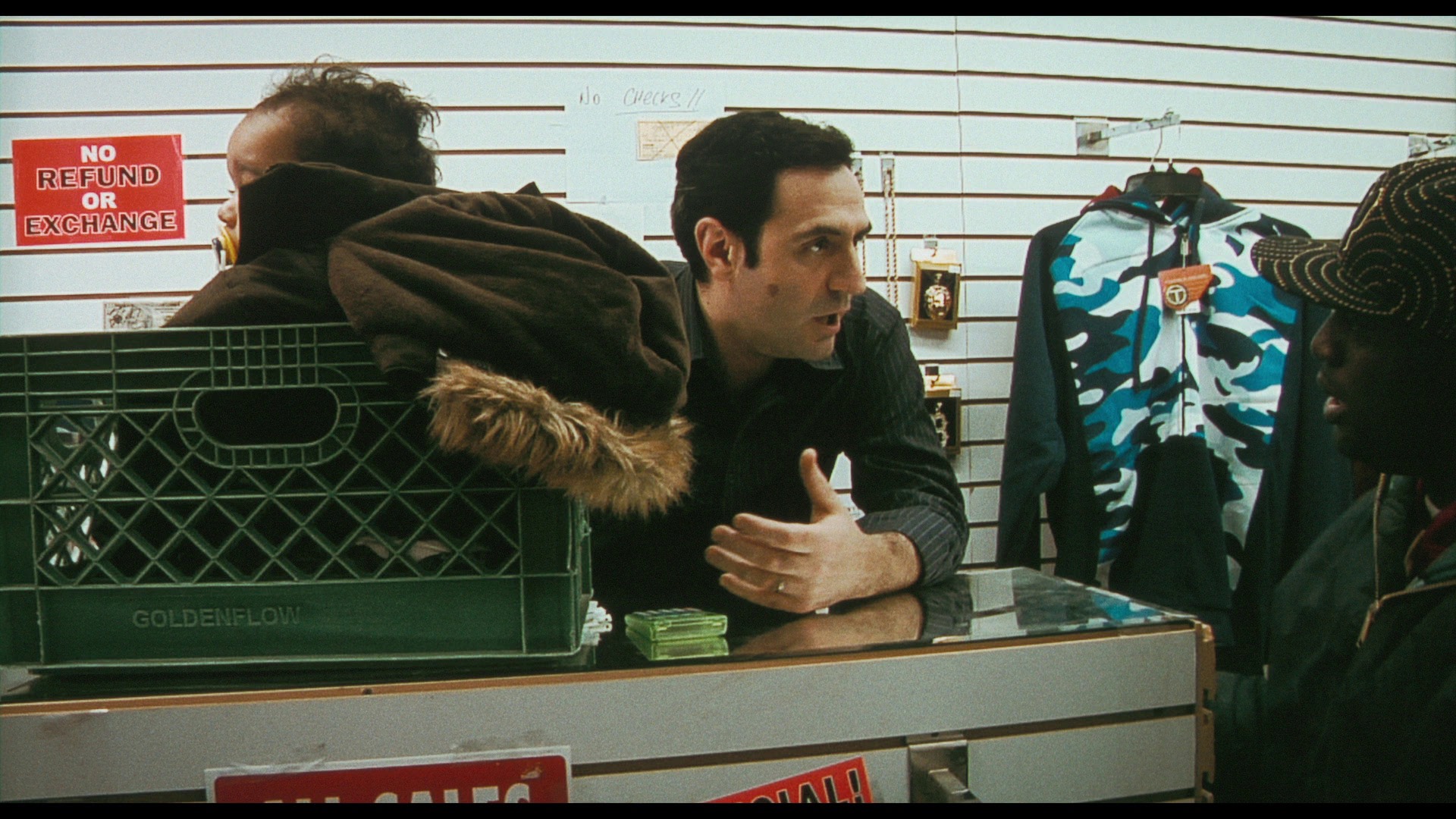
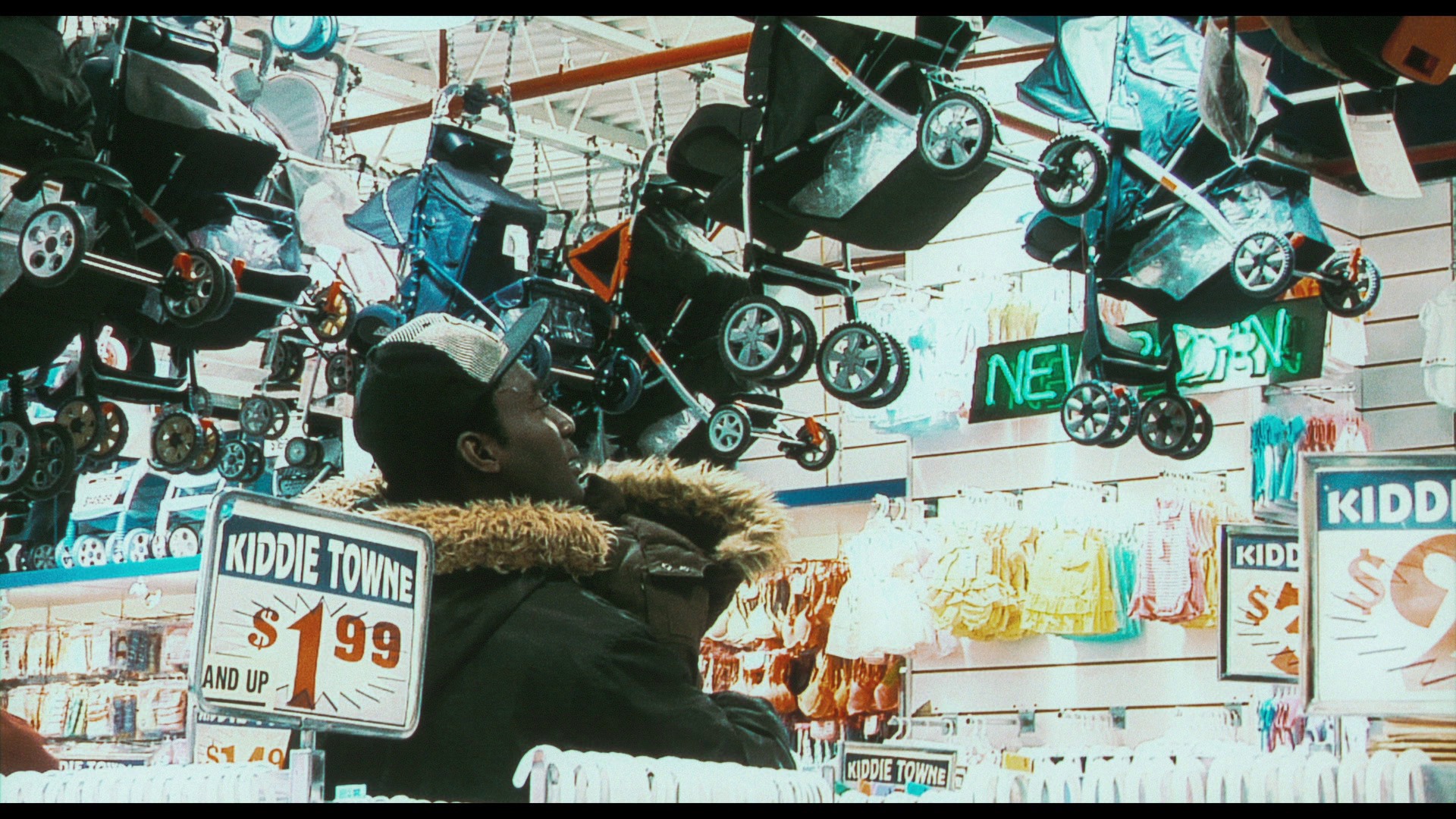
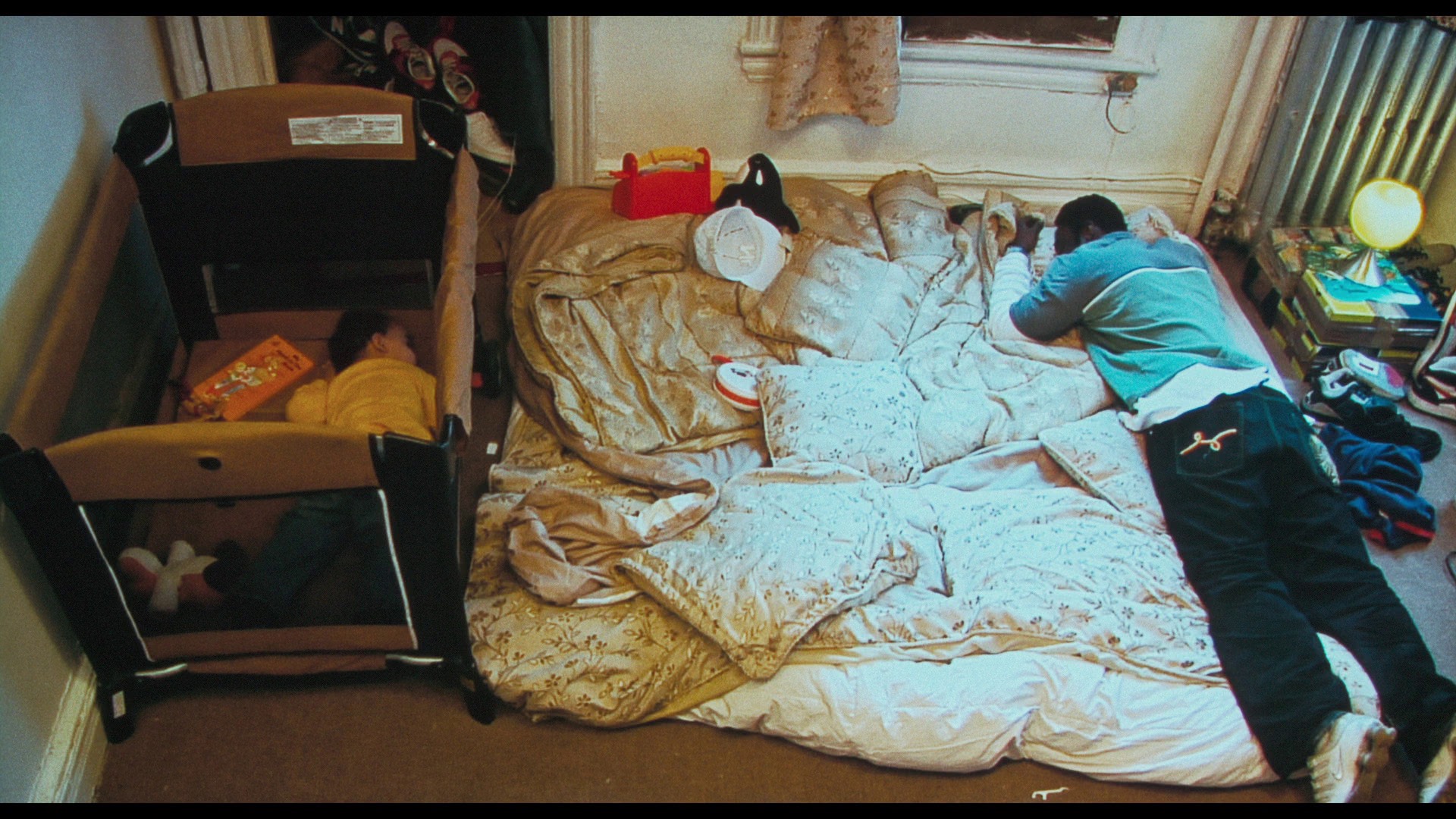
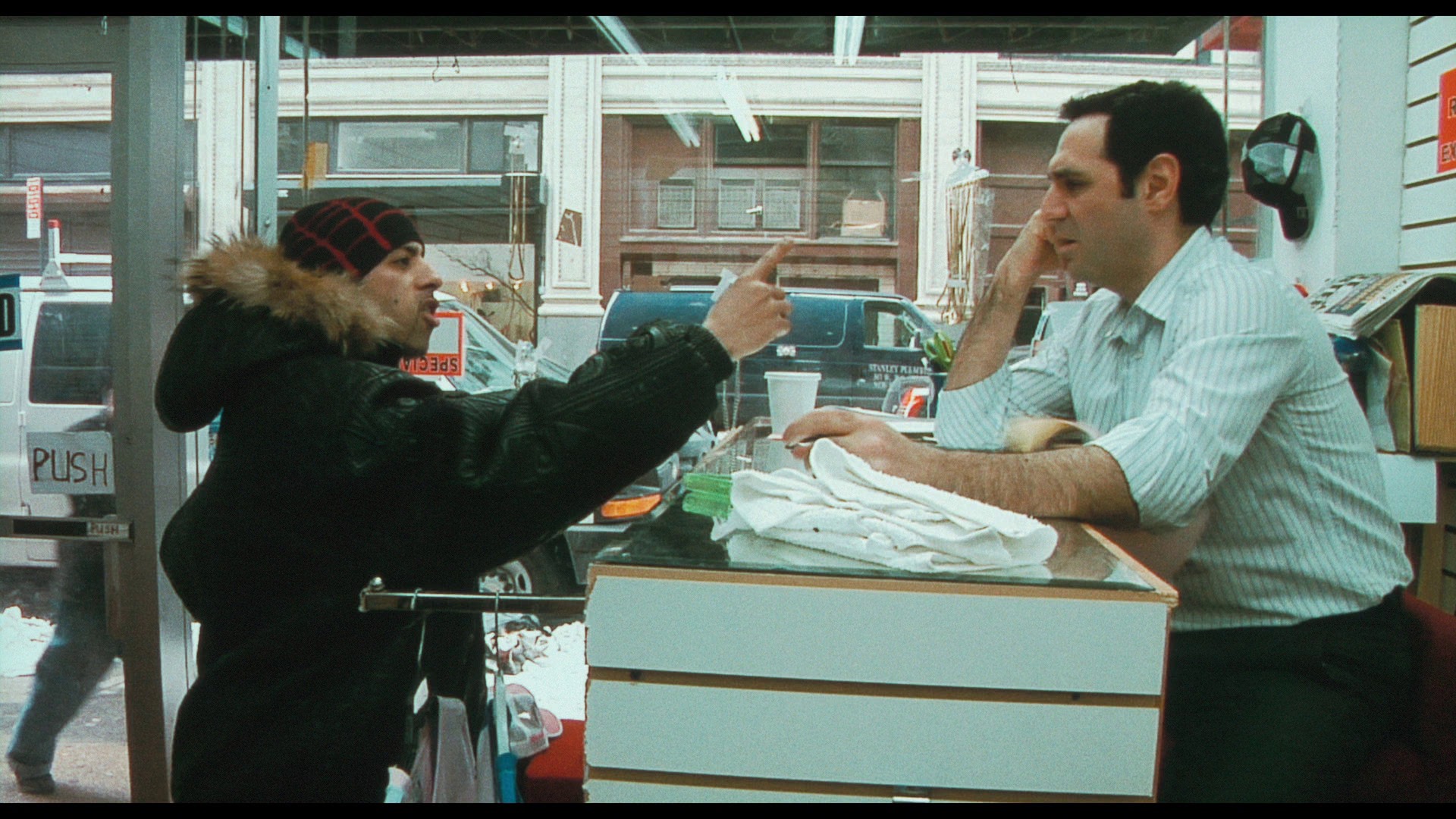
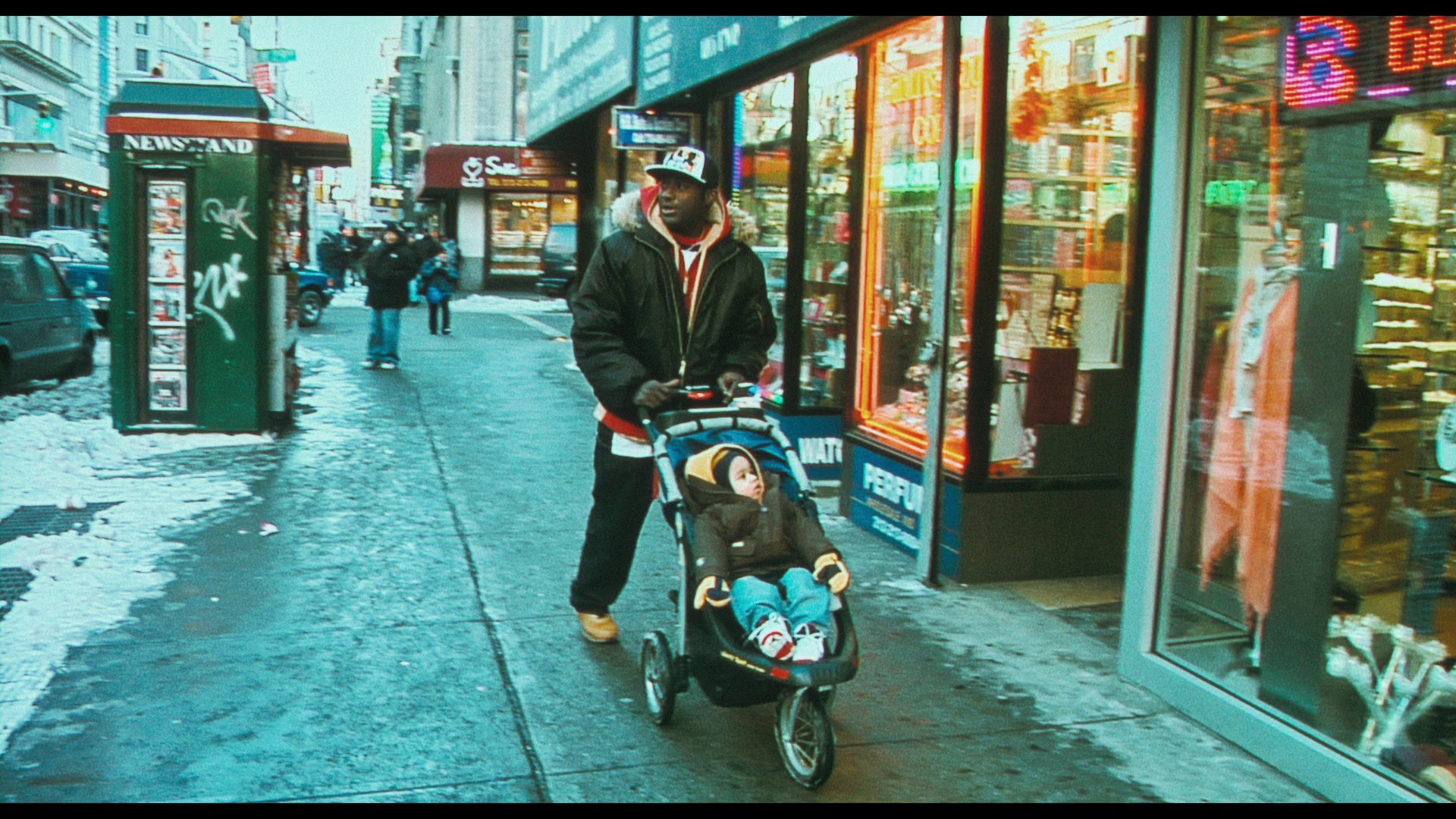
Audio 8/10
The film comes with a DTS-HD MA 5.1 surround sound presentation, newly restored and remixed from the original audio files. The track has been significantly cleaned up: reverb and background noise have been reduced, while street sounds and other ambient effects have been remixed to make better use of the surround environment. Certain sound effects have also been enhanced or added.
The result is surprisingly effective. Despite the changes, the track retains that “live recording” quality, preserving the raw, on-the-street feel that suits the film. The enhancements never feel intrusive or artificial, and they go a long way in making everything easier to hear, especially the dialogue, which comes through with impressive clarity and range.
Extras 9/10
Criterion assembles a nice package for Baker’s film, porting material over from the previous DVD while adding some wonderful new content. First up from the original DVD release are two audio commentaries, both recorded in 2011 in Baker’s apartment. The first features Sean Baker on his own, while the second includes actor Karren Karagulian, producer/actor Victoria Tate, and producer/co-writer Darren Dean (with Baker chiming in here and there).
Baker’s solo track is quite good, despite being recorded under some pressure—he mentions at one point that it’s 4 a.m. and he’s scrambling to get it finished before a looming deadline. He apologizes for any roughness, but it’s largely unnecessary: the track is impressively thorough. Baker covers just about every aspect of the film’s production, from inception to release. He talks about his interest in New York’s knock-off economy and how the story evolved from working with his cast, especially Prince Adu, who not only had acting aspirations but also helped connect Baker with people from the neighborhood. He gets into how locations were secured, including renting out the storefront that served as the central shop so they could shoot there freely, and details the challenges of filming in the streets, including one scene where police showed up during a loud confrontation. He’s open about the production’s flaws, even beating himself up (a bit unfairly) over a continuity mistake he had to edit around. In the end, it’s an honest, insightful, and wide-ranging commentary.
The second commentary, recorded around the same time, is a looser and more conversational track between Dean, Tate and Karagulian. Baker floats in and out, occasionally heard in the background preparing snacks and drinks. The participants share stories from the shoot, with a lot of focus on working with Prince Adu—who had a hand in casting, particularly when it came to who would play his girlfriend—and the film’s very off-the-cuff production style. One anecdote recalls Baker showing up at Karagulian’s day job to get a quick shot. They also touch on the resourceful ways they saved money, like reusing the same pair of sneakers in different boxes (many of which were empty) to simulate inventory. The child actor is praised for his ability to tune out the camera, and the group jokes about how the on-screen stacks of cash were, in fact, real—something Baker seems genuinely stressed about in an included documentary. One major restaurant scene, they admit, came together as a “happy accident.” This track serves as a great complement to Baker’s, offering more stories and perspectives on the film’s unique shoot.
Also ported over from the DVD is a 7-minute featurette with interviews from Baker and Prince Adu, the latter of whom was otherwise missing from the other 2011 extras. Baker discusses how he relied on his actors—most of whom came from the community he was depicting—to help ensure the dialogue felt real. Adu opens up about his own life as a hustler, lending additional context to his role.
The disc also includes a 55-minute documentary from 2011 titled Meet the Hustlers. It covers some of the same ground as the commentaries, especially around Baker’s influences and the writing process, but it’s a valuable addition. There’s a solid focus on the film’s locations and production design, and several of the nonprofessional actors talk about how the experience impacted them. Most were approached directly by Baker or his team while on the street (one lived in the same building as Baker), and they reflect on how meaningful the project became. The documentary includes plenty of behind-the-scenes footage that helps paint a fuller picture of the production.
Criterion adds a new 10-minute introduction by Baker, where he reflects on the film’s release history and setting. He explains how Prince of Broadway came out around the same time as Take Out, even though that earlier film had been finished years before. Because of the delayed release for Take Out, it gave the impression that Baker had dropped two features back to back—a perception he admits he embraced. He also discusses his long-standing fascination with the wholesale district and why it made such a compelling setting.
Another new addition is Reflections on Prince of Broadway, a 35-minute retrospective featuring Baker, Dean, Tate, Karagulian, Prince Adu, Kat Sanchez, Aiden Noesi, Keyali Mayaga, and others. The group looks back on the film and how it affected their lives. Adu is particularly introspective, talking openly about what he was going through during production and his openness to acting again. Noesi, now older, remembers what he can from the experience and says he still watches the film regularly. Karagulian praises Adu’s performance and says this was the film that gave him the acting bug, while Tate shares how her perspective has shifted watching the film now that she’s a mother. It’s a thoughtful, charming piece that adds more depth and perspective to the earlier production-focused material.
A new 4-minute restoration featurette walks through the process of restoring and upgrading the film. Because the original edit was built from QuickTime files, to get the desired look the team had to output them to film, scan that negative in 4K, and then perform the digital restoration and color grading. It’s a short but informative look at how Criterion pulled off the restoration despite the film’s unconventional origins.
The disc closes with the original trailer. An insert includes an essay by Robert Daniels, who explores the film’s social themes and how they echo across Baker’s later work.
Ultimately, it’s a solid set with some wonderful new material thrown in by Criterion.
Closing
Criterion’s edition of Prince of Broadway delivers an impressive restoration and strong set of features that give Baker’s breakout film the treatment it long deserved.
BUY AT: