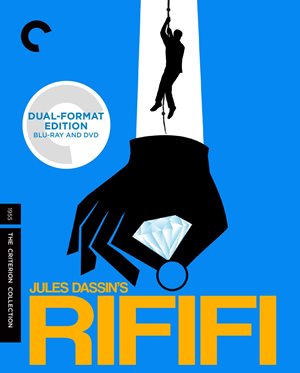
Rififi
BUY AT:


See more details, packaging, or compare
Synopsis
After making such American noir classics as Brute Force and The Naked City, the blacklisted director Jules Dassin went to Paris and embarked on his masterpiece: a twisting, turning tale of four ex-cons who hatch one last glorious robbery in the City of Light. Rififi is the ultimate heist movie, a mélange of suspense, brutality, and dark humor that was an international hit, earned Dassin the best director prize at the Cannes Film Festival, and has proven wildly influential on the decades of heist thrillers that have come in its wake.
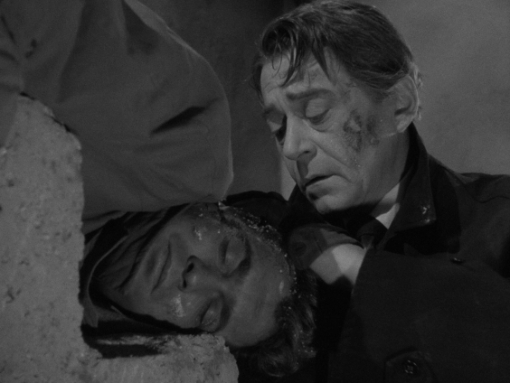
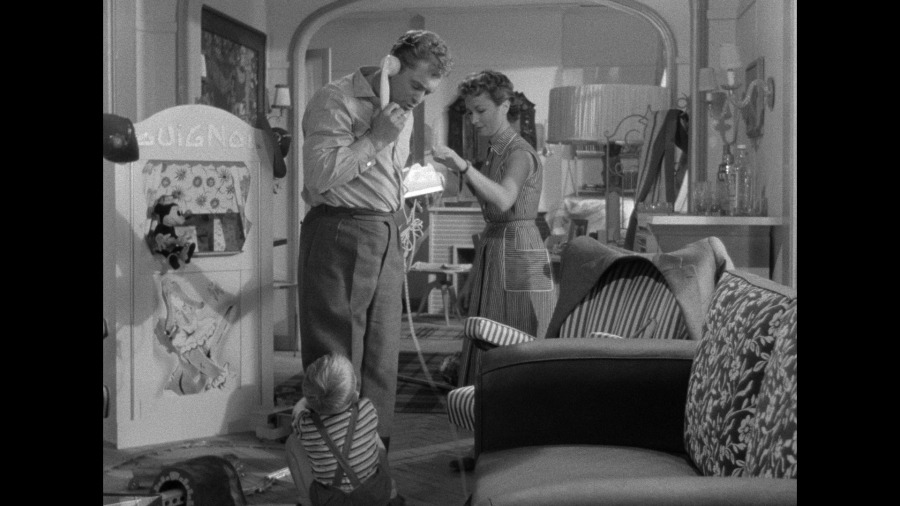
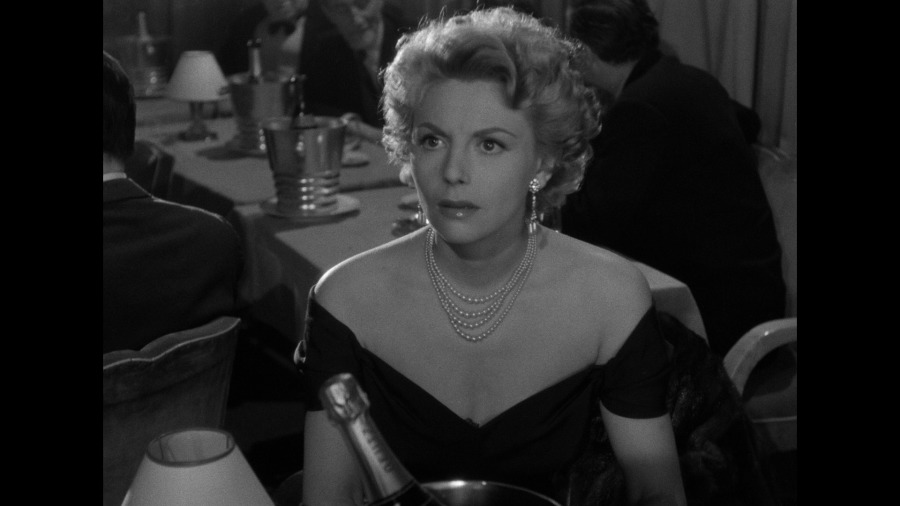
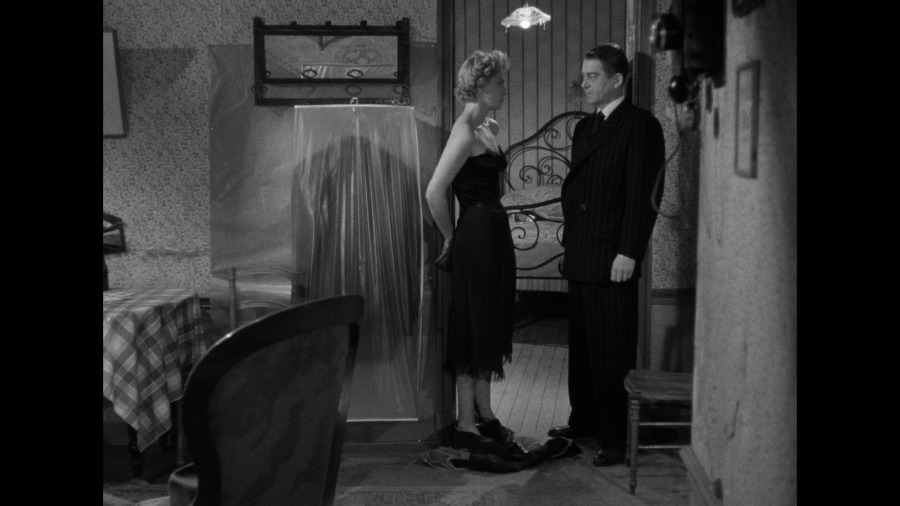
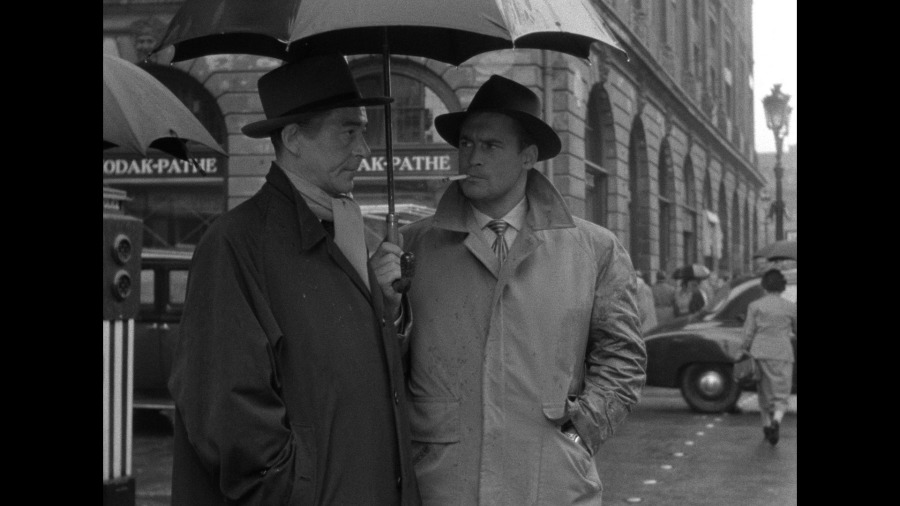
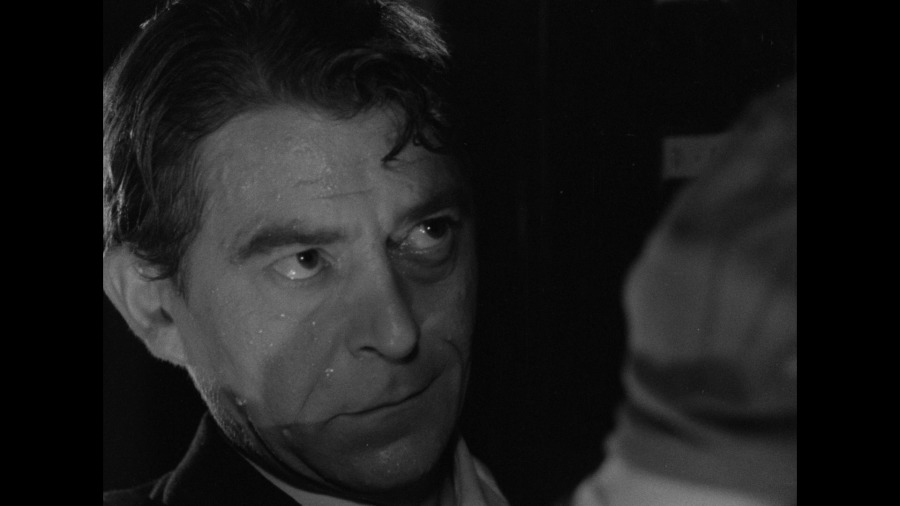
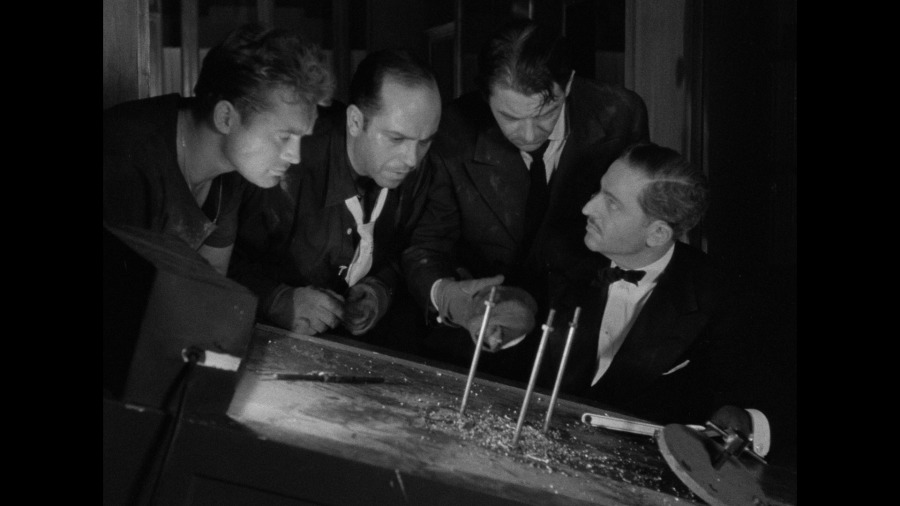
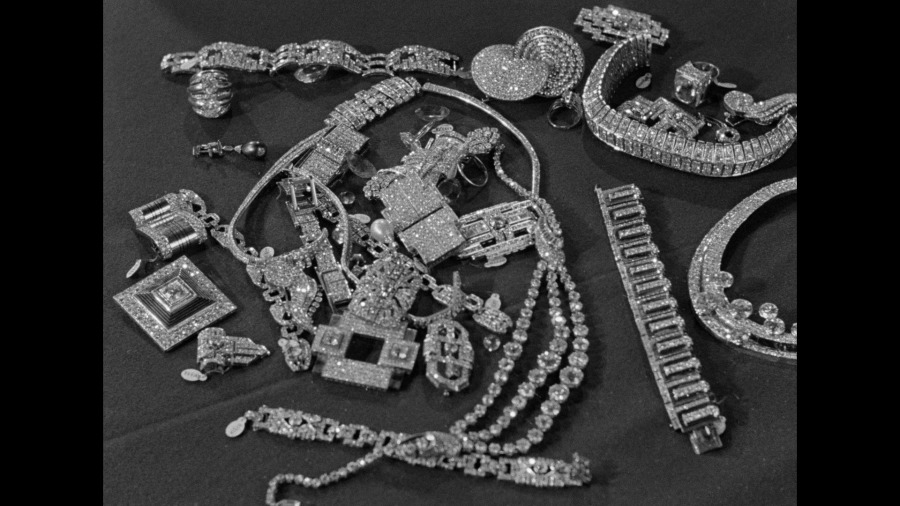
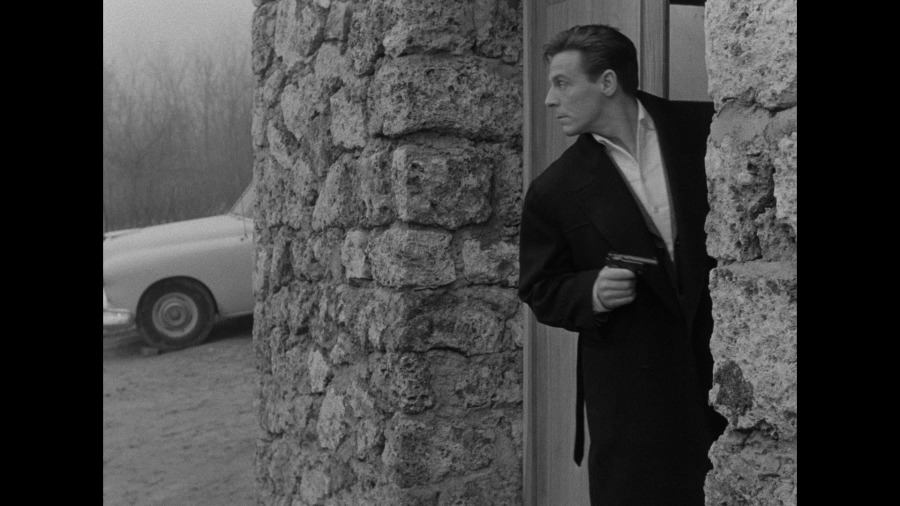
Picture 8/10
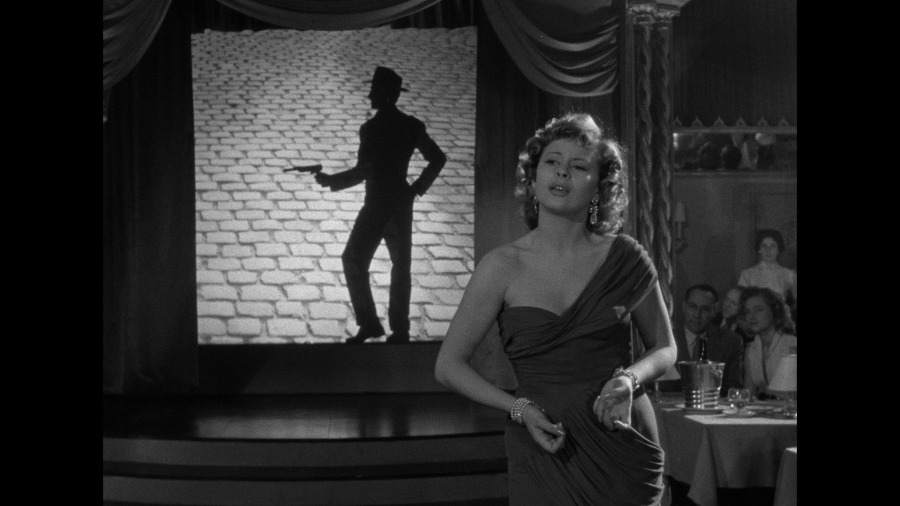
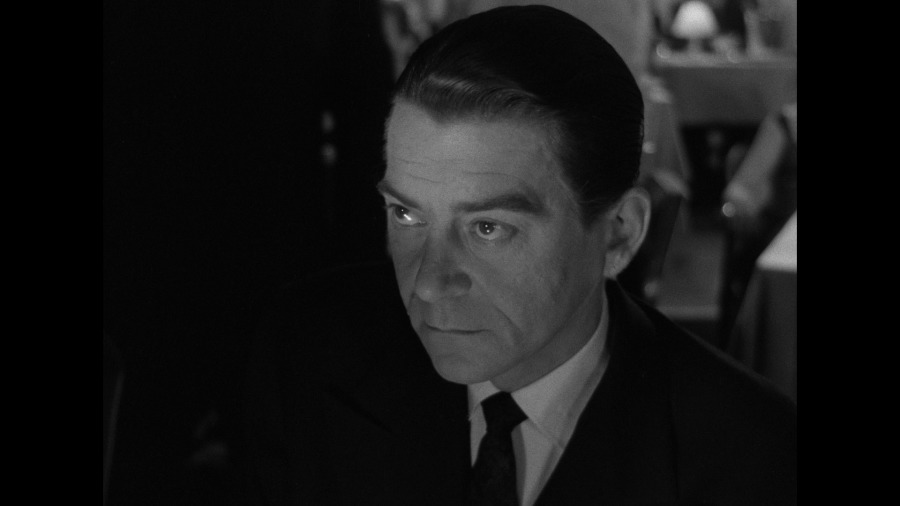
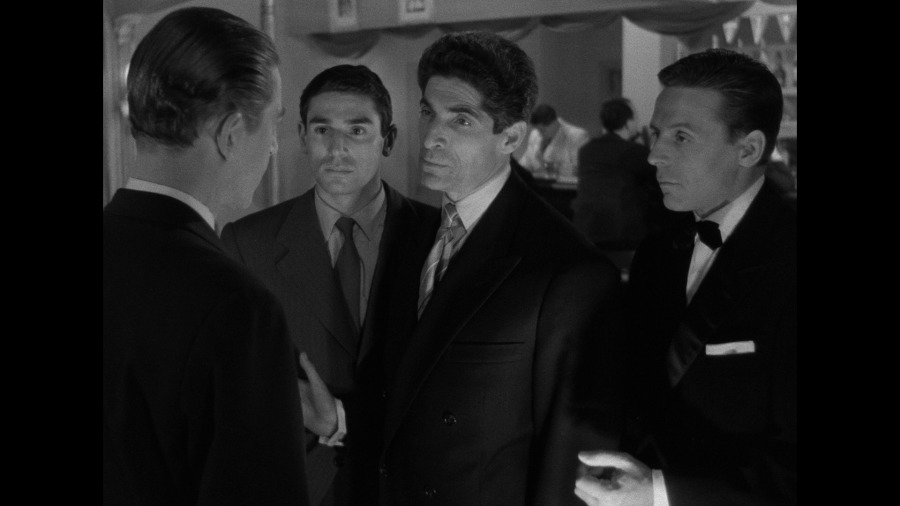
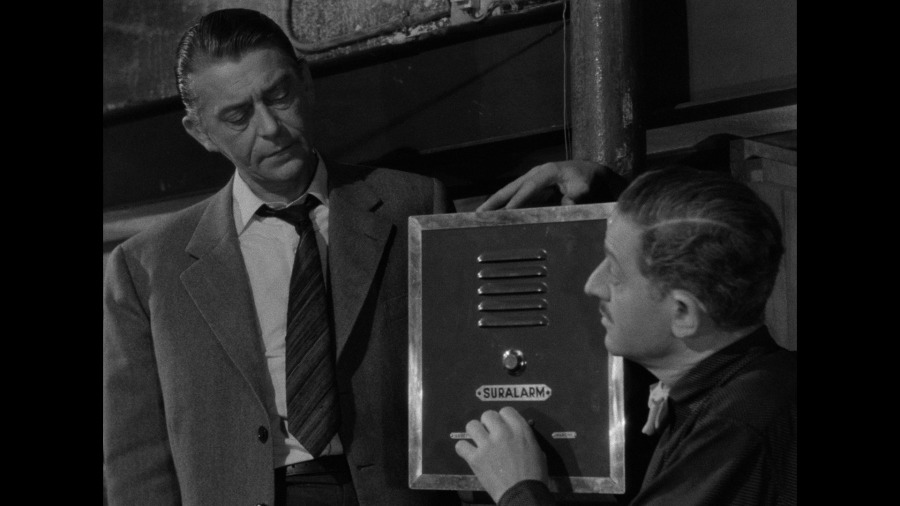
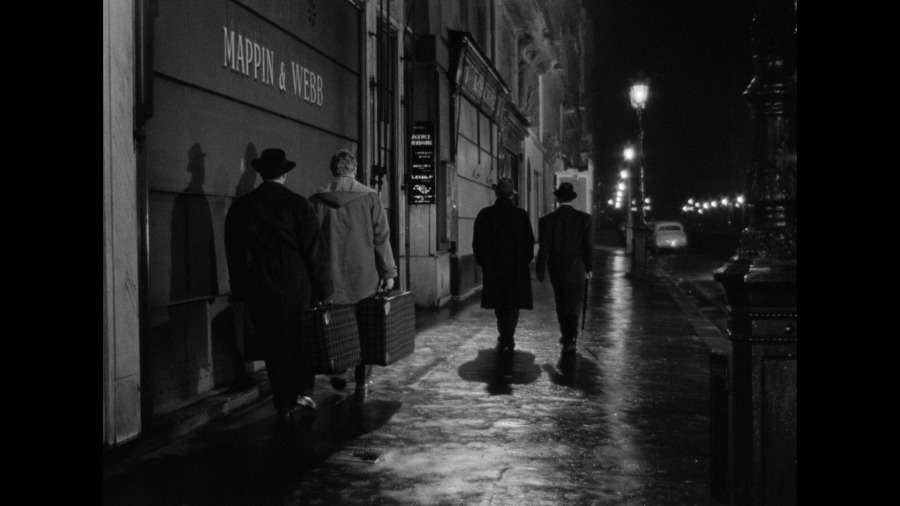
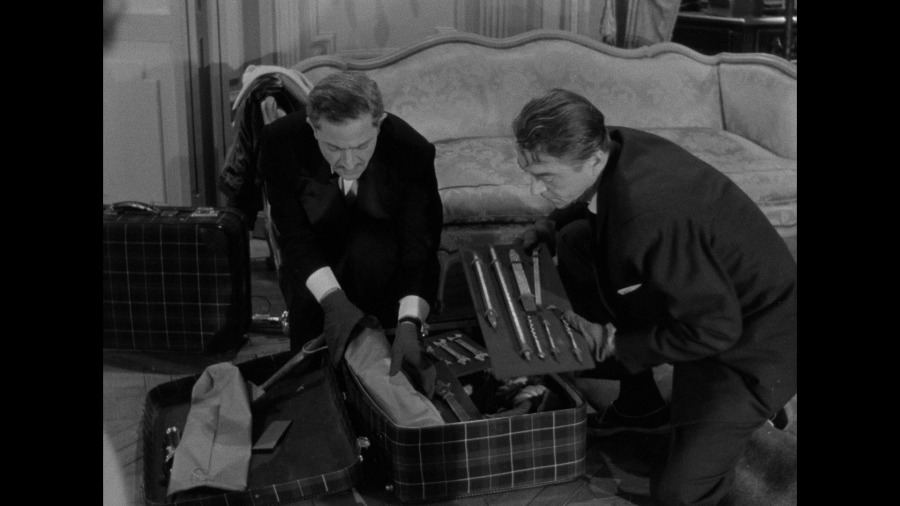
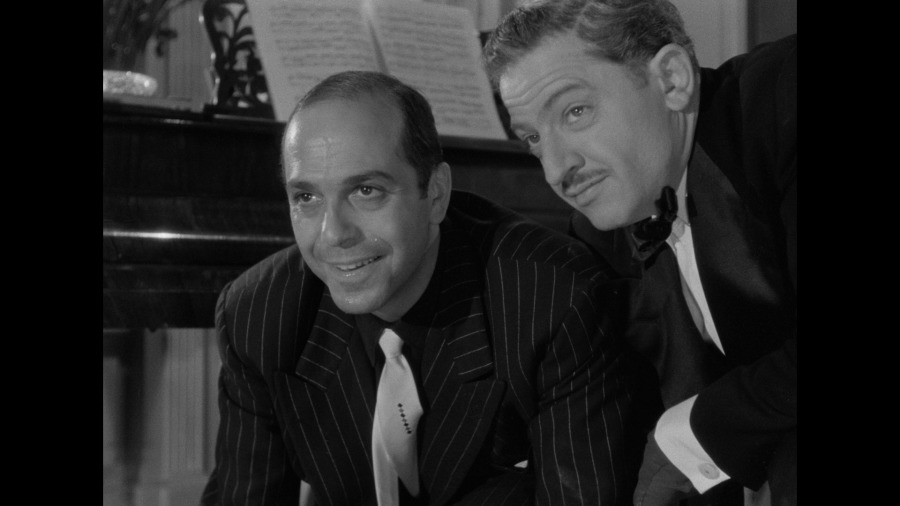
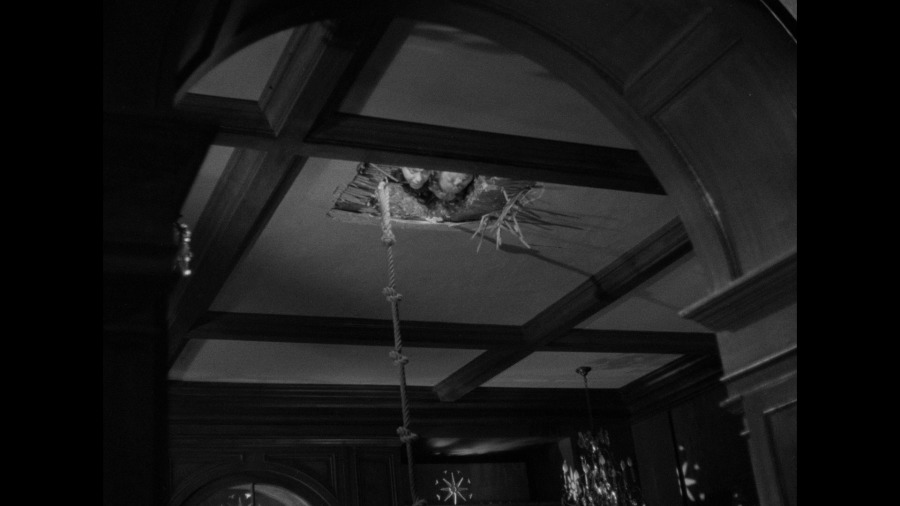
The Criterion Collection upgrades their previous DVD edition of Jules Dassin’s Rififi to this dual-format edition featuring an new high-definition transfer. The film is presented in its original aspect ratio of 1.37:1. The high-definition version, presented in 1080p/24hz, is delivered on a dual-layer Blu-ray disc, while the standard-definition version is presented on a dual-layer DVD. The image on the DVD has not been window-boxed.
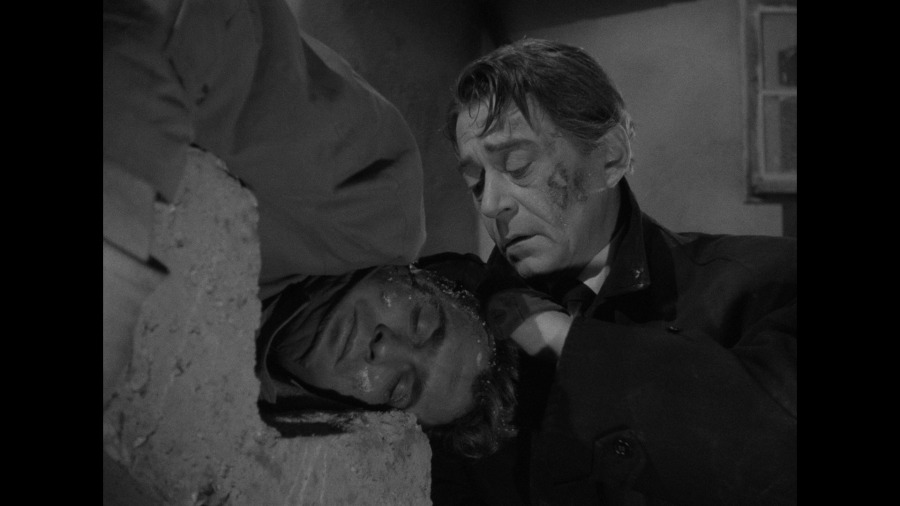
Criterion’s previous DVD had always been a bit of disappointment: interlaced, it delivered a number of digital artifacts and the restoration work still left a little (if not a lot) to be desired. This new transfer improves over that one considerably. The restoration work is far more substantial with only a few minor flecks of debris left over. Sharpness and detail are both good, though I think I was expecting better (I’ll get to that a little later,) but it retains a more filmic look with decent contrast. Blacks are fairly pure and crushing isn’t much of an issue.
Arrow also released a Region B Blu-ray a couple of years ago. It was an excellent release, and its transfer was one of the company’s better ones at the time. I’m not sure if the Criterion transfer uses the same master but it does look a little bit different. For starters Criterion’s is darker, though looking between it and the Arrow release it looks like the Arrow edition actually boosted the brightness a bit as some of the brighter scenes can look a little blown out. Still, details that are easily seen in darker scenes on the Arrow release are harder to make out on the Criterion edition. Likewise, I find the Arrow transfer a teeny bit sharper, but I’m wondering if this may be just an illusion, caused by the boosted brightness. No matter the case, in terms of look I think I may actually prefer the Criterion transfer, but as to which one is more accurate I definitely can’t say.
The DVD delivers a standard-def version of the same transfer. Compression is more noticeable but it’s also a significant upgrade over the previous DVD edition, dropping the interlacing artifacts and delivering a far more stable and clean image. Even if you’re still DVD-only you may want to consider picking this release up.
So overall, whether upgrading to the Blu-ray or to the newer DVD, either version in this dual-format release will give you a significant improvement.
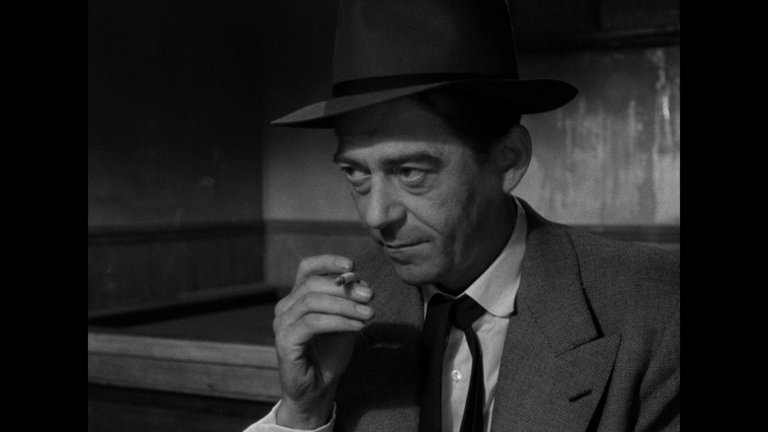
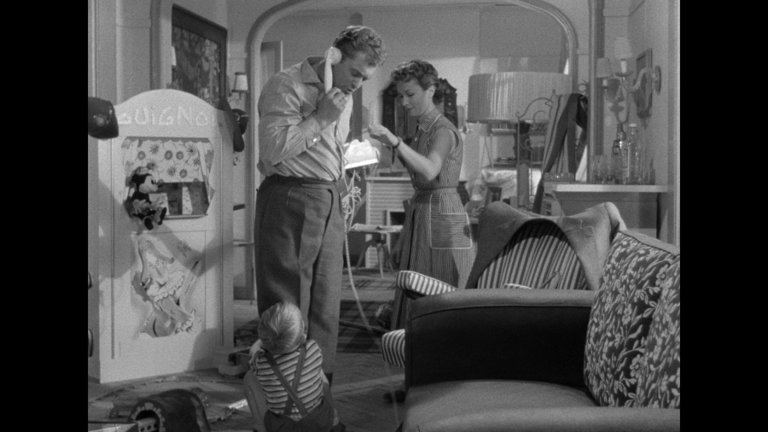
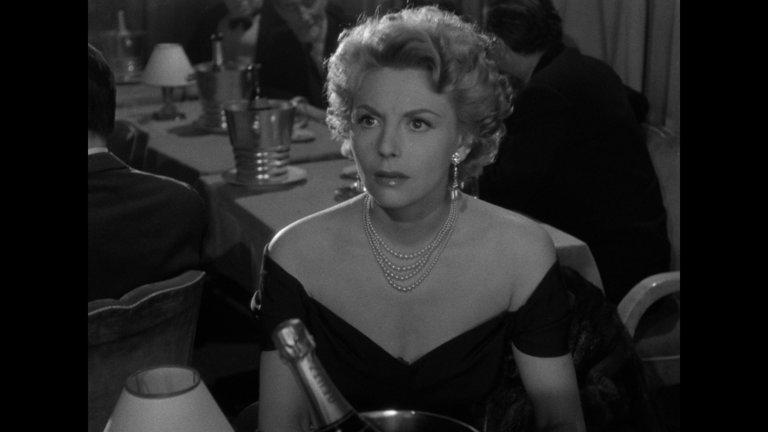
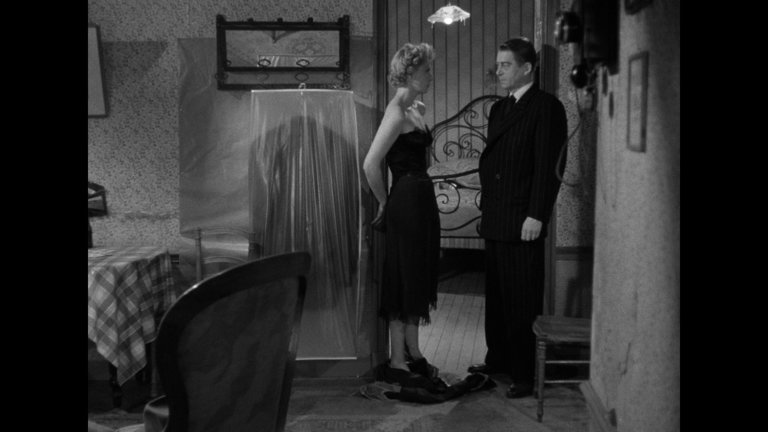
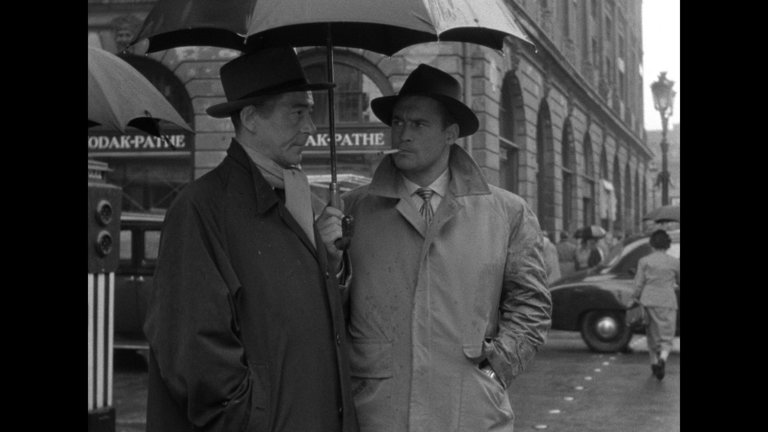
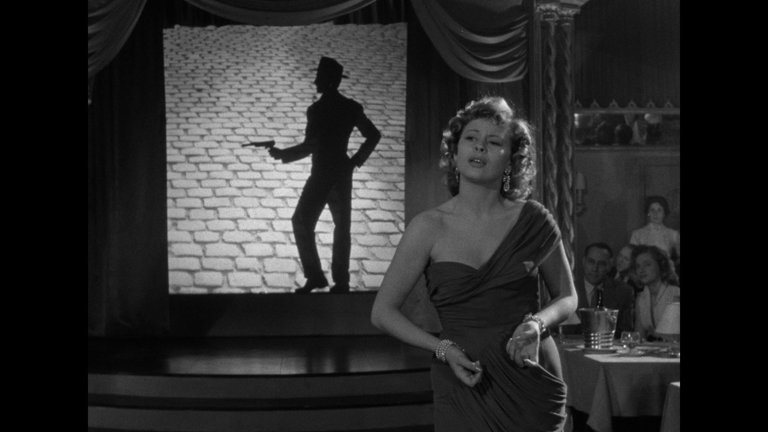
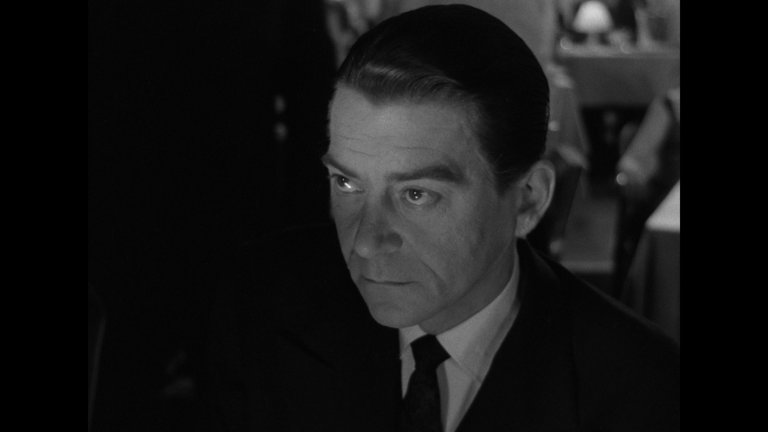
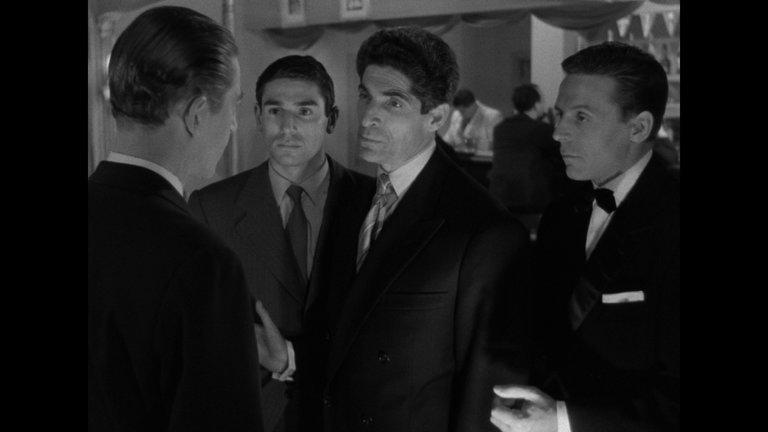
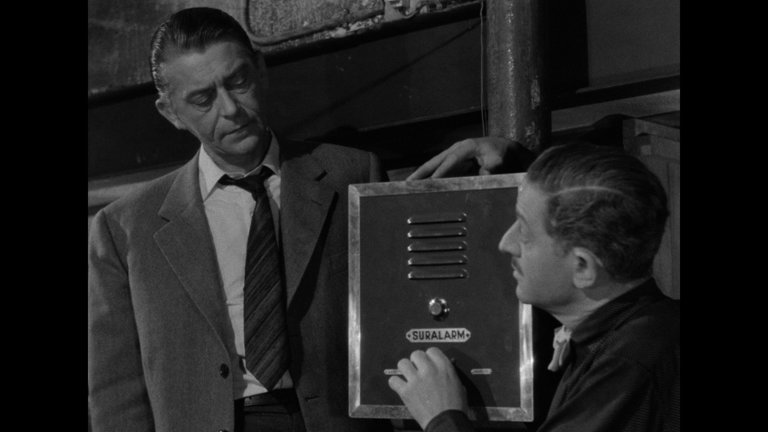
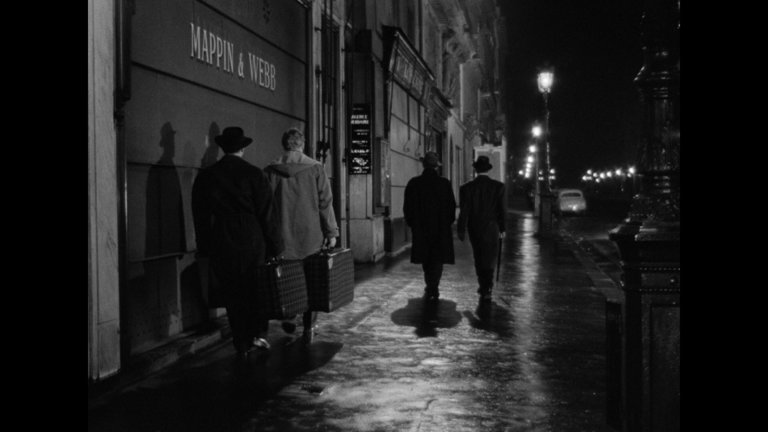
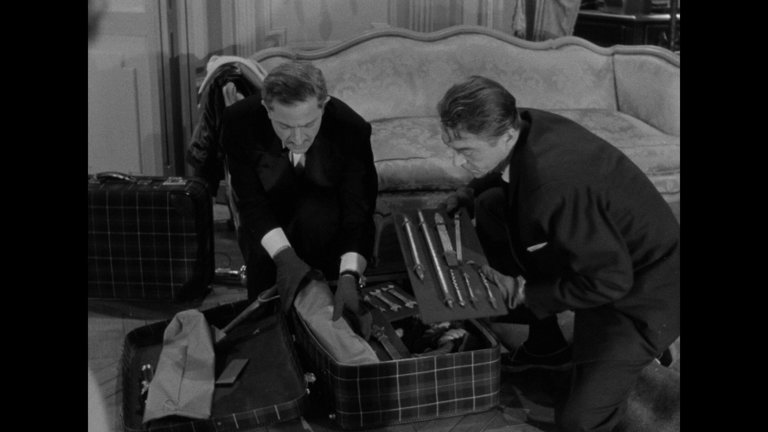
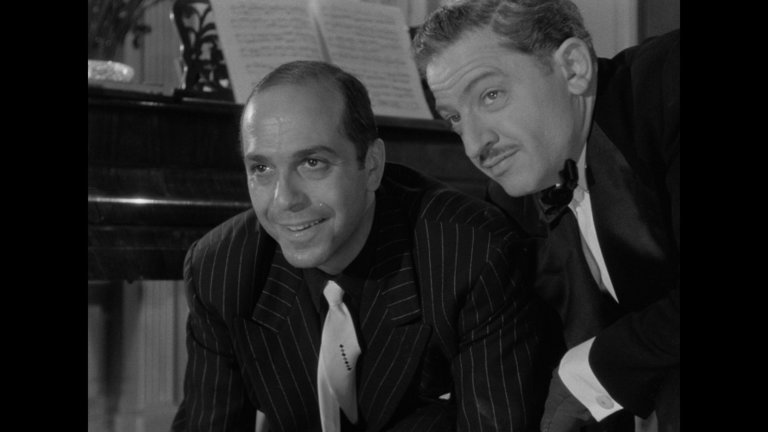
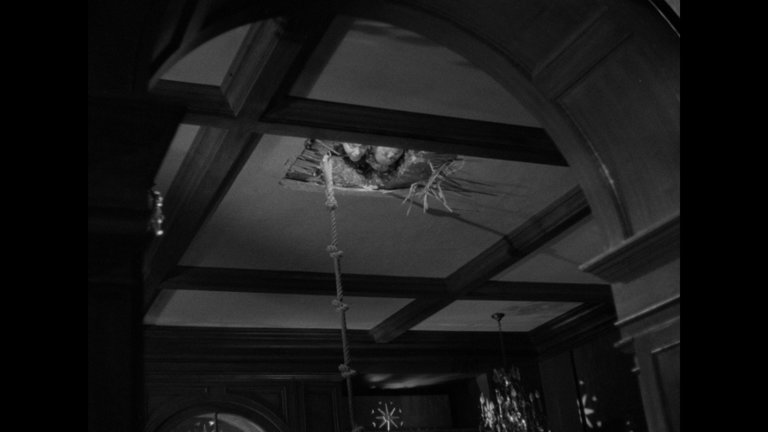
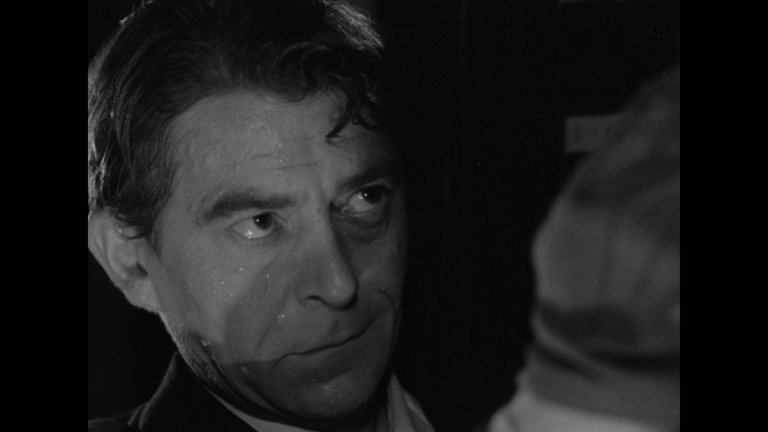
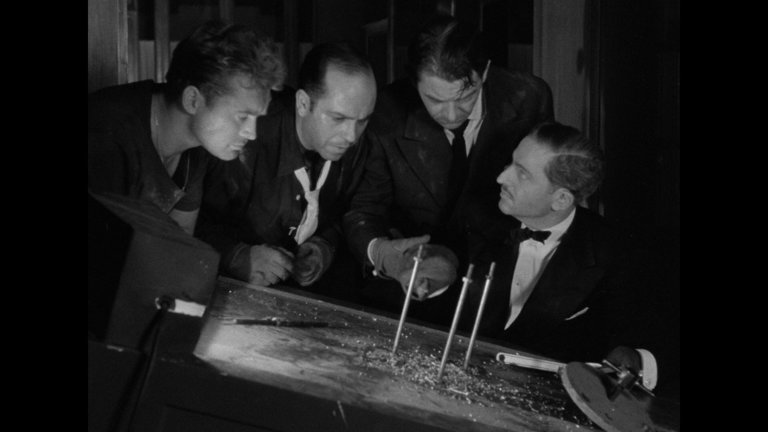
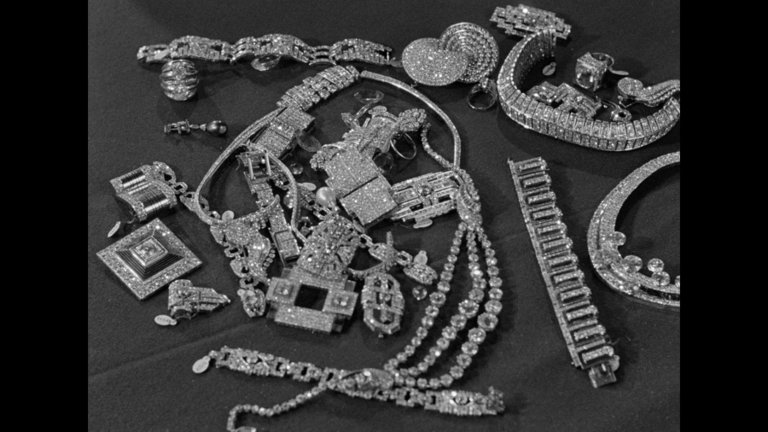
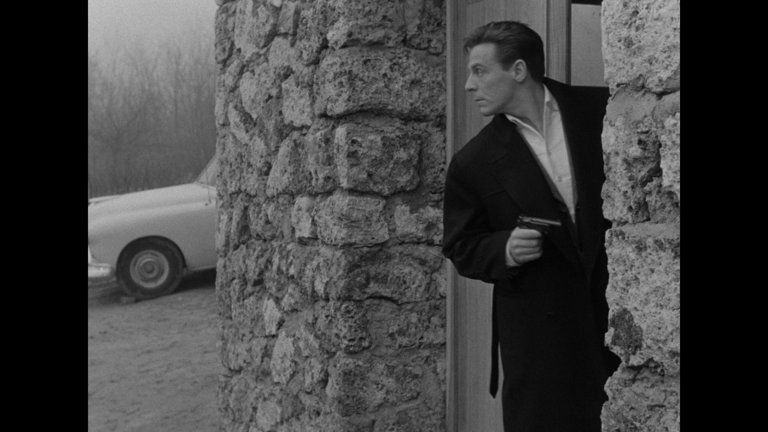
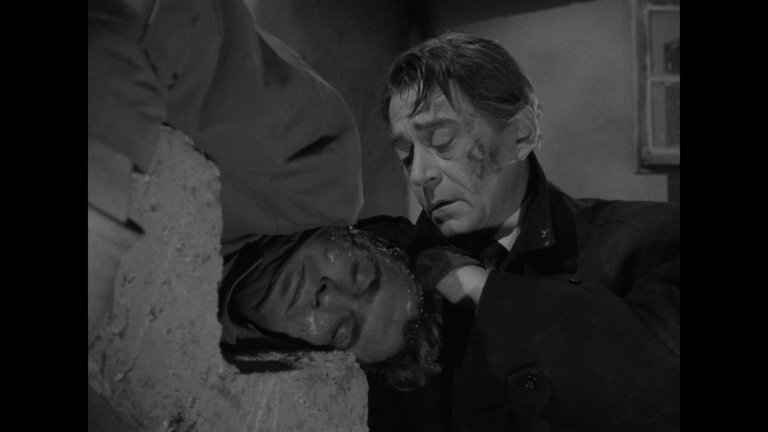
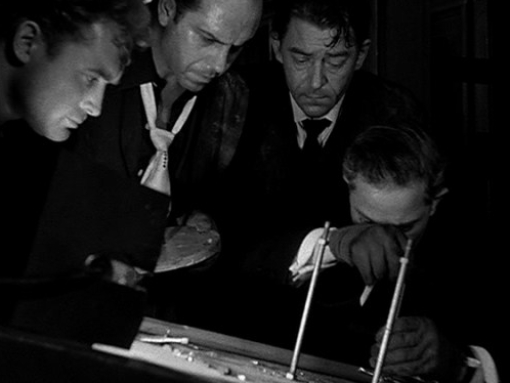
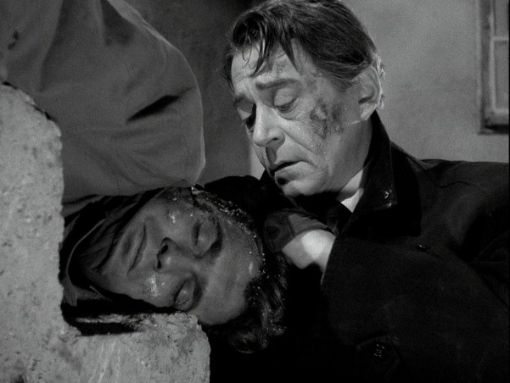
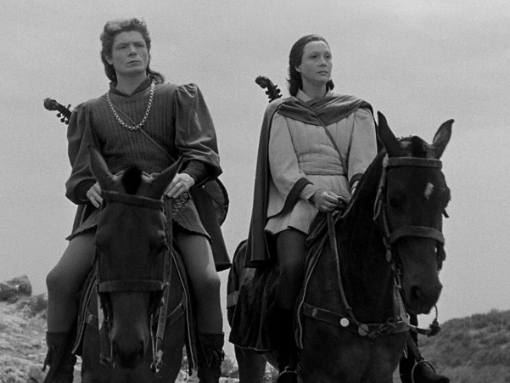
Rififi - Screen Captures
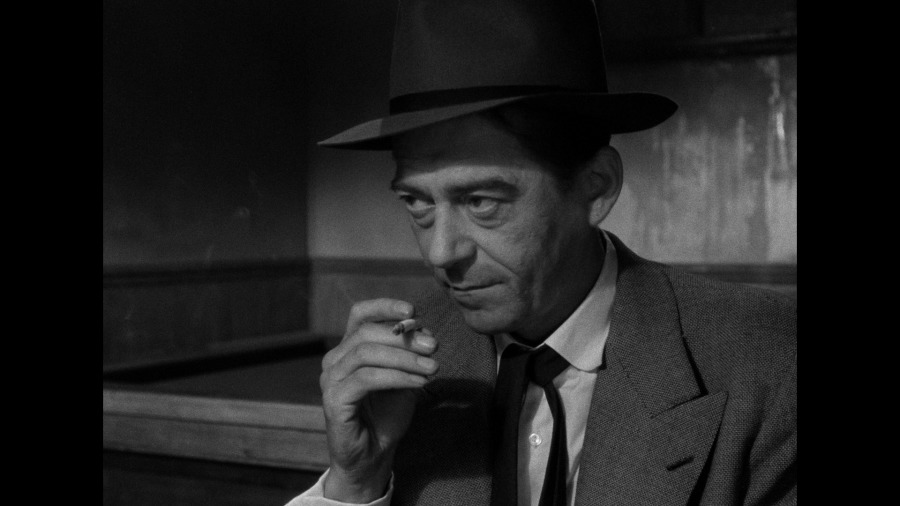
Audio 7/10
The mono track (delivered in 1.0 PCM on the Blu-ray or Dolby Digital 1.0 on the DVD) is fine enough, delivering the film’s dialogue as naturally and clear as it can, and the film’s sound effects (specifically during the key heist scene) with reasonable range and depth. It’s still a bit flat, a product of age and materials I’m sure, but it’s clean and suitable to the film.
Extras 2/10
Disappointingly the supplements don’t get any upgrade. In fact, in comparison to the previous Criterion DVD, the supplements here are a downgrade.
Thankfully they at least carried over the wonderful interview with Jules Dassin that Criterion recorded in 2000. Dassin first opens with a great story about being recruited to play in a studio baseball game (Fox vs. MGM) and then talks about the painful experience of being blacklisted. In this section he doesn’t only talk about his own experiences, which made life difficult professionally and personally, but also shares stories of others, including the effect it had on those people that did “name names”. He talks about the long dry spell where he couldn’t find work anywhere (Hollywood studios threatened to not show films made by overseas studios if they worked with Dassin) until he was finally able to make Rififi in France. The last half of the interview covers the book and the making of the film. It’s an oldy but still a wonderful interview.
Criterion then includes a photo gallery with some head shots of the film’s stars, some sketches and designs, and a few behind-the-scenes photos. Unfortunately Criterion has shrunk the gallery down, dropping many of the behind-the-scenes photos that were on the previous DVD (the galleries are the same between the new Blu-ray and DVD editions in this release.) The supplements then close with the film’s theatrical trailer. J. Hoberman provides an essay in the included booklet.
The supplements are also missing a set of onscreen production notes, which gave a general history of the production and Dassin’s career. Hoberman’s essay actually covers some of these things but not to the same extent. In the past (like with Brazil) Criterion would upgrade some of their former text-only supplements to an interview or a visual essay, but not so here. Instead they just dropped it.
The fact that they just dropped features and then didn’t bother with any new material (Arrow had some great content on their edition) is unbelievably big letdown.
Closing
It’s an incredibly slim release, actually dropping supplements from the previous DVD edition, in turn making one question the higher price point. But in terms of the transfer I think anyone looking to upgrade their old Criterion DVD will certainly want to give this edition a look, whether for the Blu-ray or DVD version.
BUY AT: