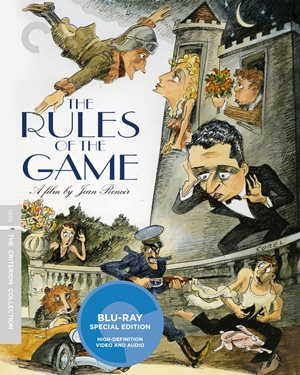
Rules of the Game
BUY AT:


See more details, packaging, or compare
Synopsis
Considered one of the greatest films ever made, The Rules of the Game (La règle du jeu), by Jean Renoir, is a scathing critique of corrupt French society cloaked in a comedy of manners in which a weekend at a marquis’ country château lays bare some ugly truths about a group of haut bourgeois acquaintances. The film has had a tumultuous history: it was subjected to cuts after the violent response of the premiere audience in 1939, and the original negative was destroyed during World War II; it wasn’t reconstructed until 1959. That version, which has stunned viewers for decades, is presented here.
Picture 7/10
Criterion upgrades their previous DVD edition of Jean Renoir’s The Rules of the Game to Blu-ray, presenting the film in a 1080p/24hz transfer in its original aspect ratio of 1.33:1 on this dual-layer disc.
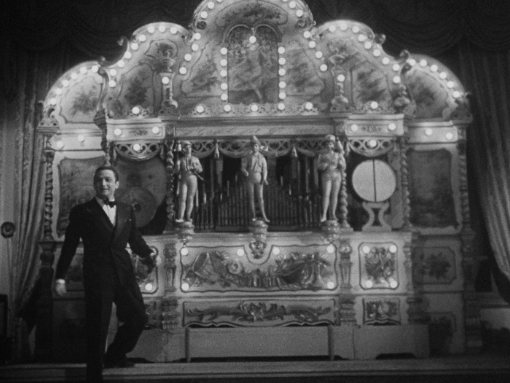
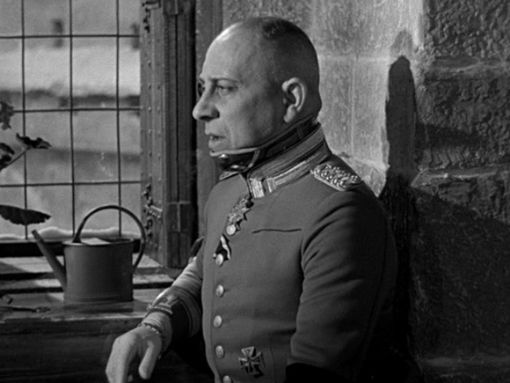
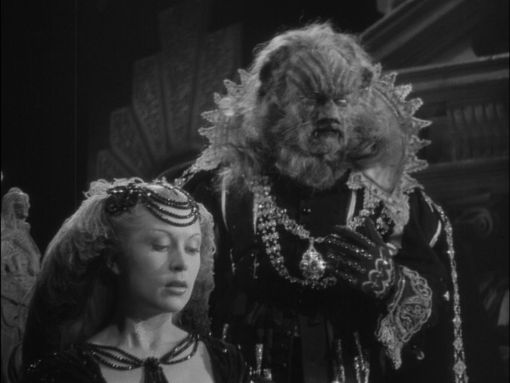
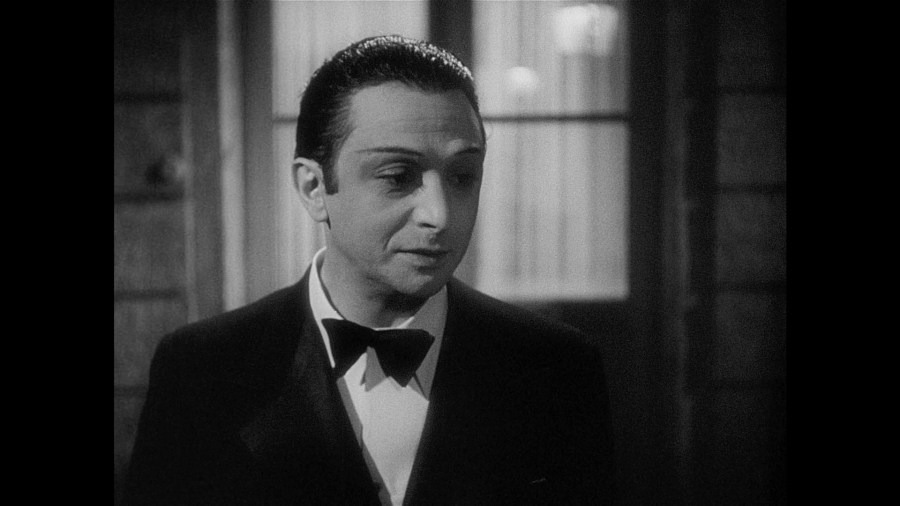
The DVD’s transfer actually holds up pretty well years later and though the Blu-ray offers an improvement over it I surprisingly can’t say it’s a significant one. The Blu-ray offers a cleaner image with fewer artifacts and a better handling of the film’s grain structure, although I still detected some minor noise here and there, but that’s about the only significant improvement. Details are slightly improved upon but I think the film’s source materials hold it back in this department, so it’s not as crisp and clean as what many may expect from their high-def presentations and is still at about the same level as the DVD’s presentation in this area. Contrast looks splendid, better than the DVD’s, with some fairly deep blacks and distinctive gray levels, and the print has been nicely cleaned up, looking a little better than what the DVD presented, but it still has its share of marks, and has a scratch running down the frame in a couple of sequences.
Having said all of that, though, any problems present are more than likely an issue with the film’s troubled history. Renoir cut the film down significantly after its premiere, where audiences and critics reacted harshly to it (and this is apparently putting it mildly) and then prints of the film were cut down even further by distributors and theater owners. This probably wouldn’t have been too big of an issue but the original negative was destroyed during the war, leaving us only with the prints made from it. In 1959 the film was then reconstructed and restored from the various surviving elements, including footage not used in the original or subsequent versions of the film. Since multiple elements were used, all varying in degrees of quality, it should be expected that image is not going to be perfect.
But even though it does show its age and the upgrade may not seem as significant when compared to the old DVD, it’s still a lovely presentation, more filmic in comparison, with better contrast.
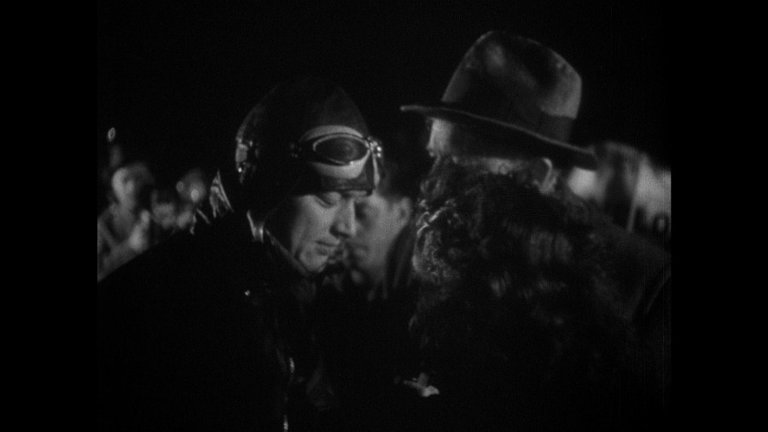
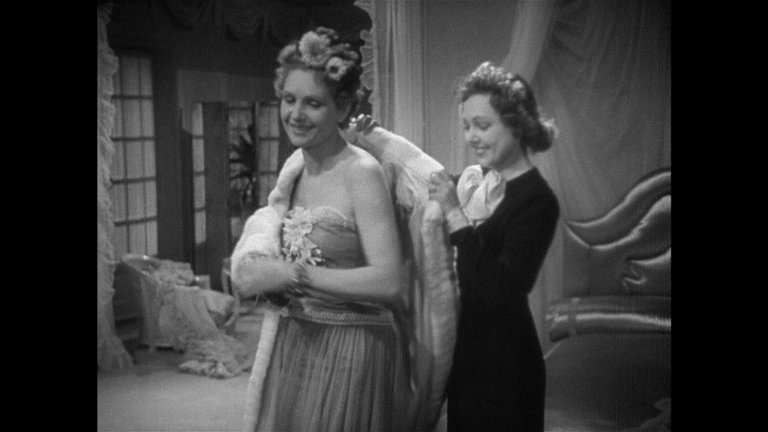
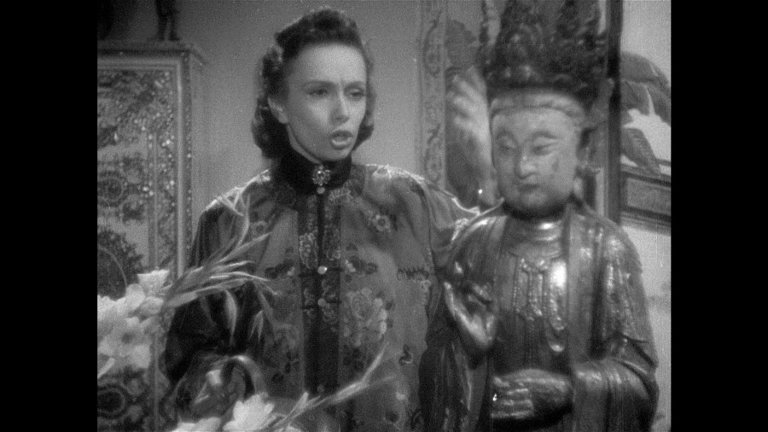
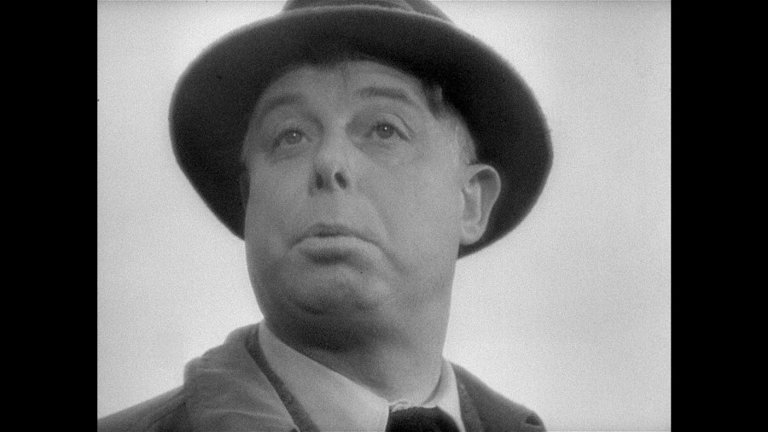
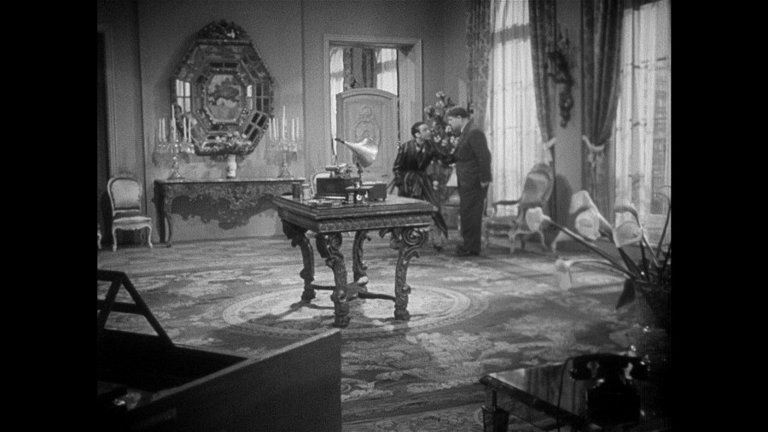
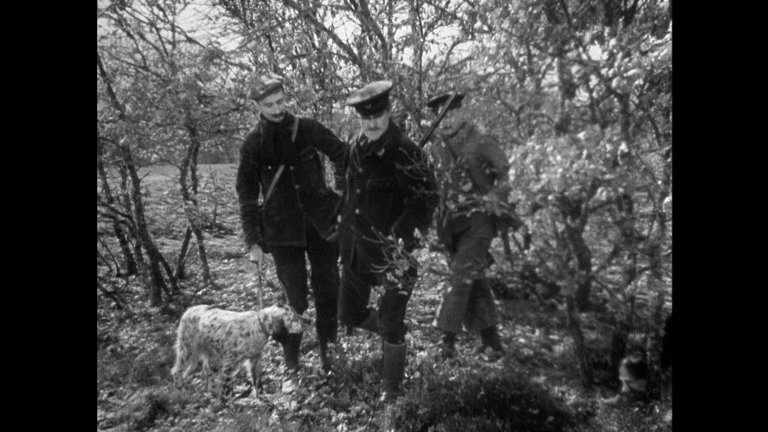
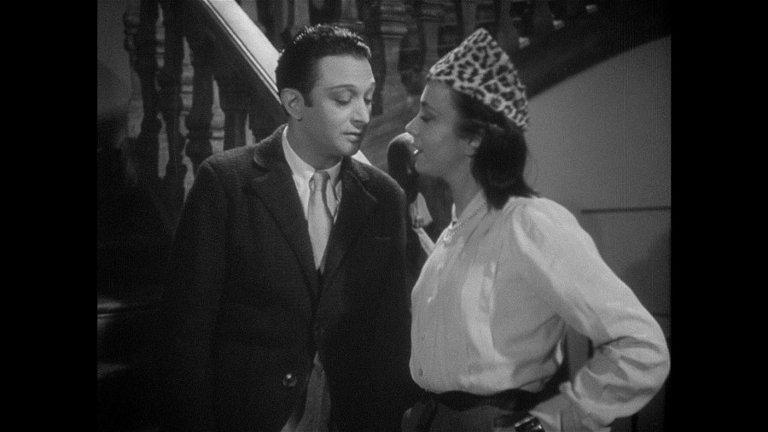
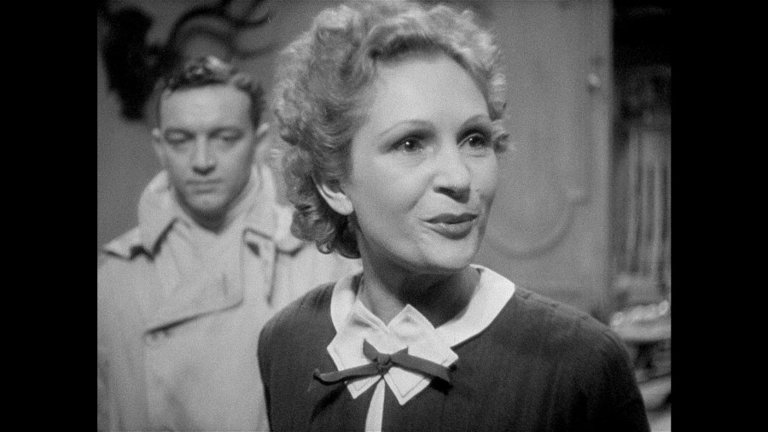
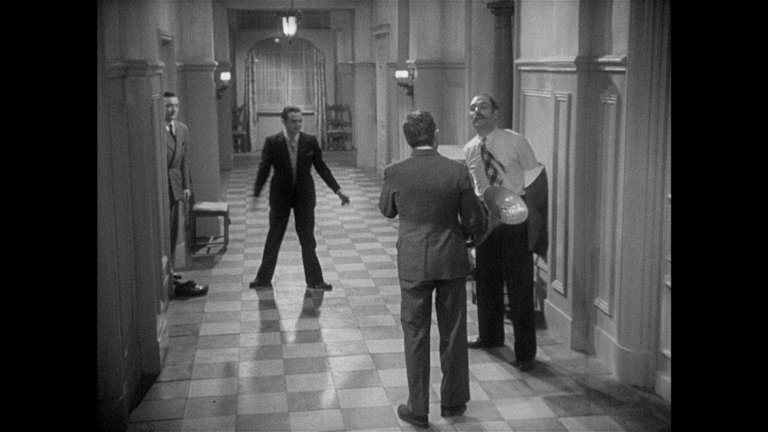
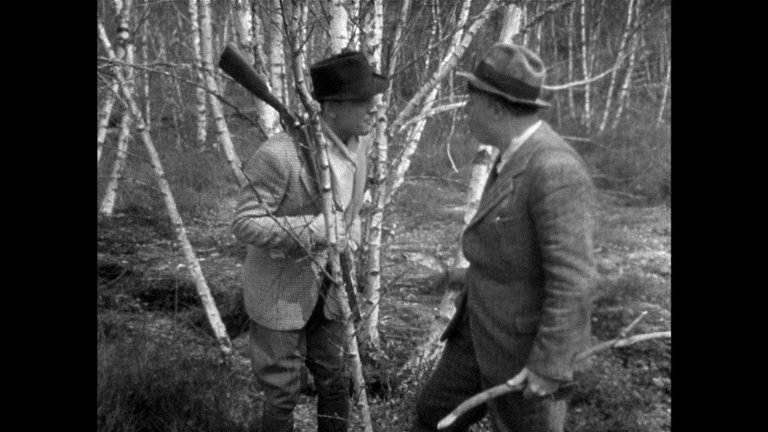
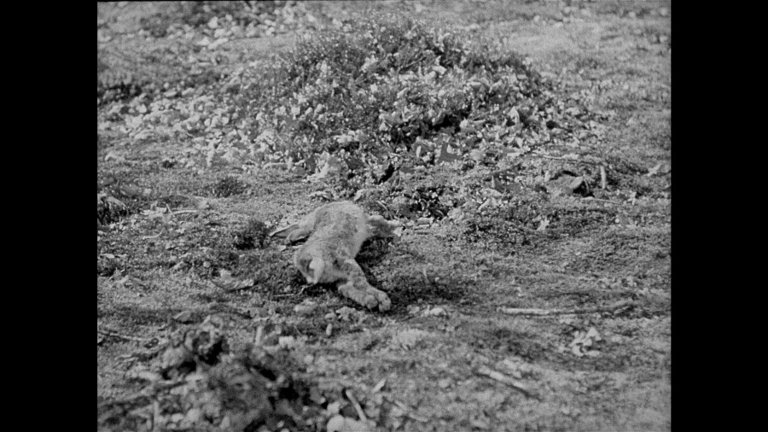
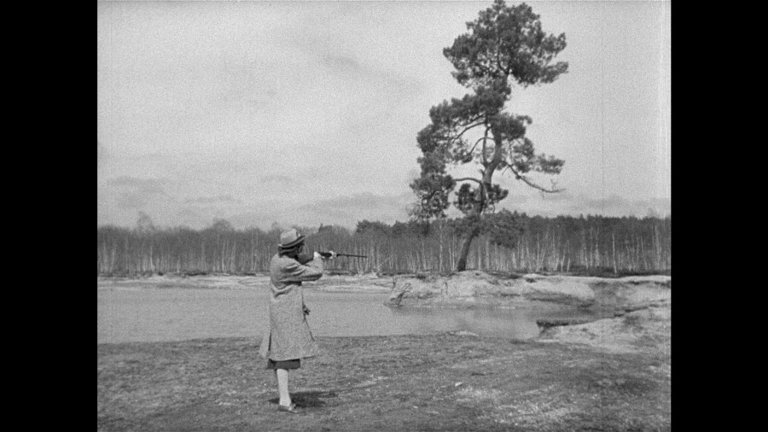
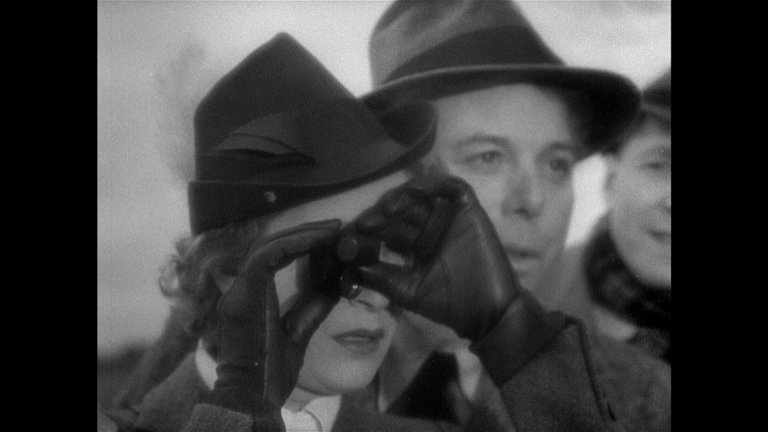
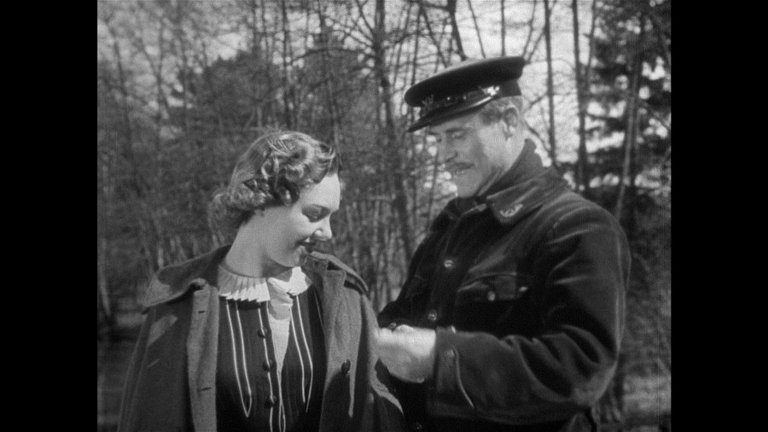
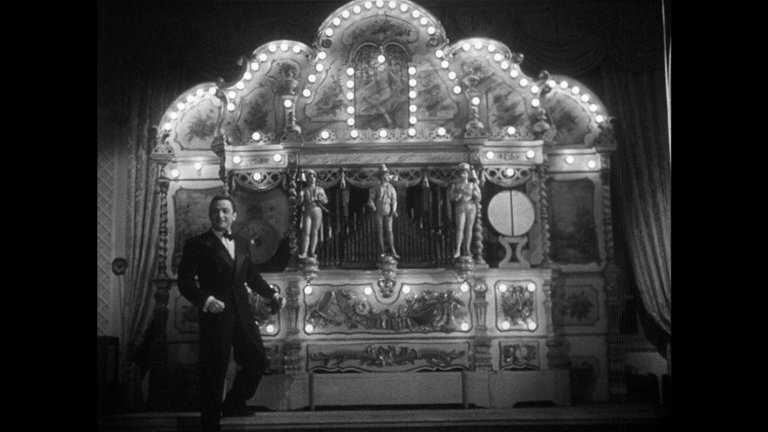
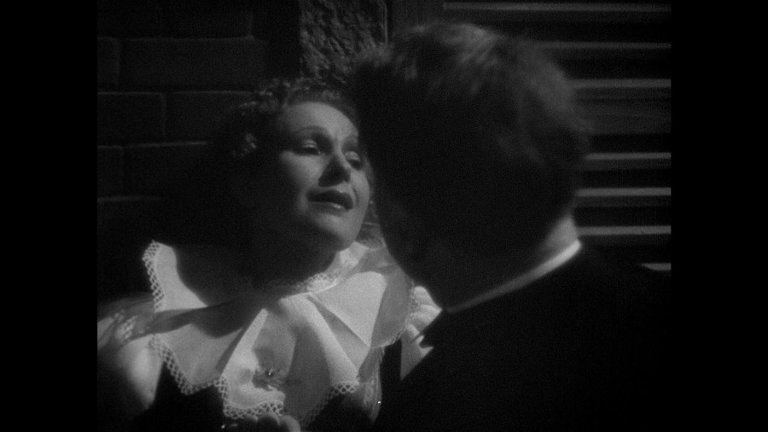
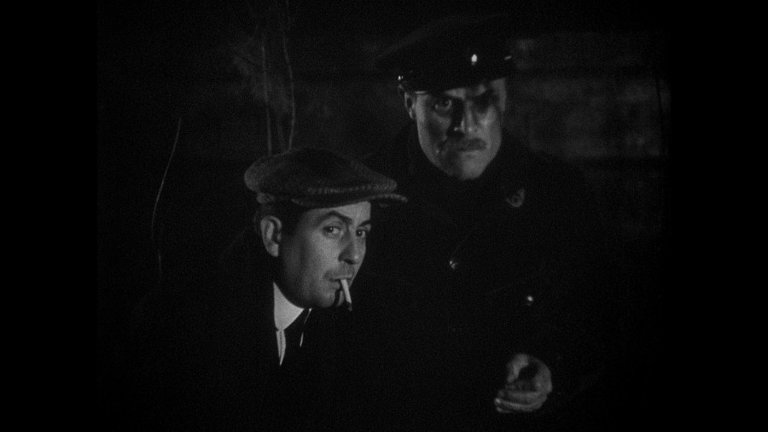
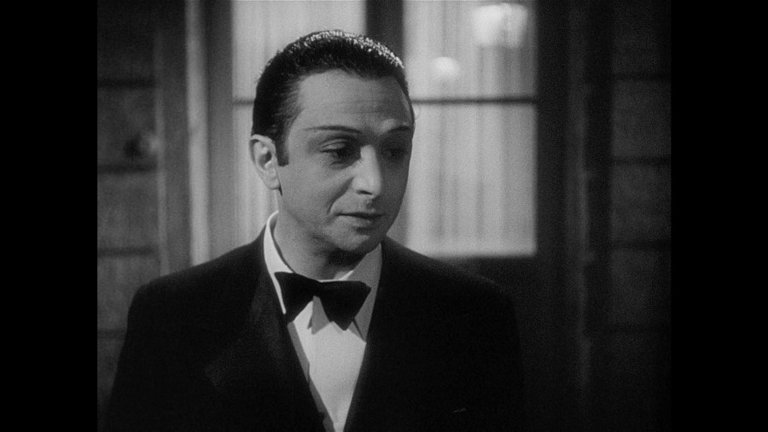
Rules of the Game - Screen Captures
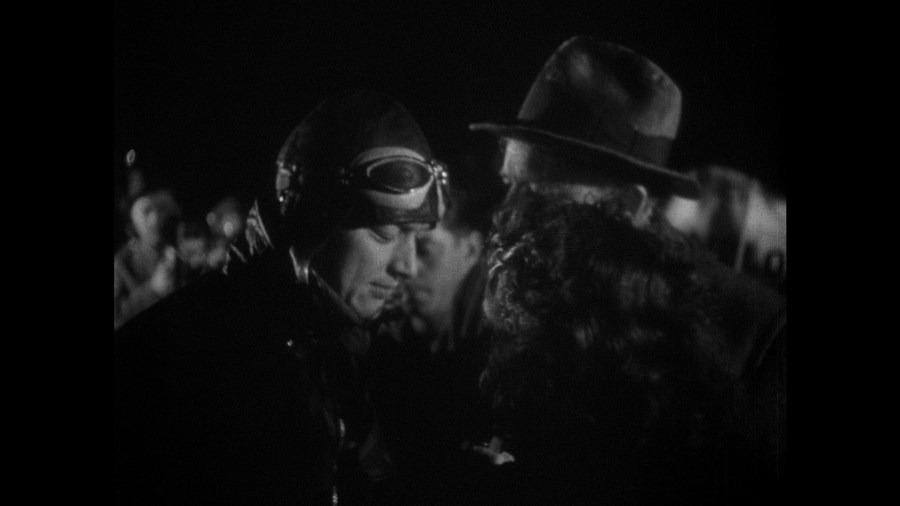
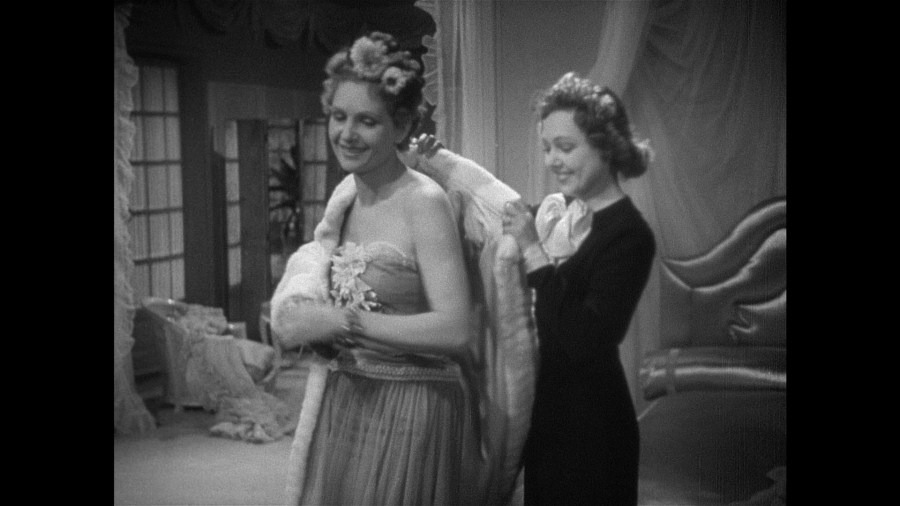
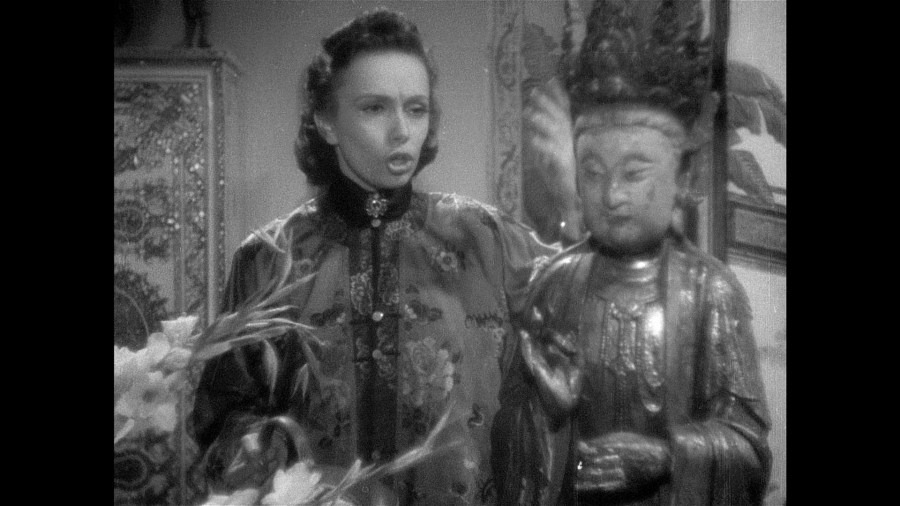
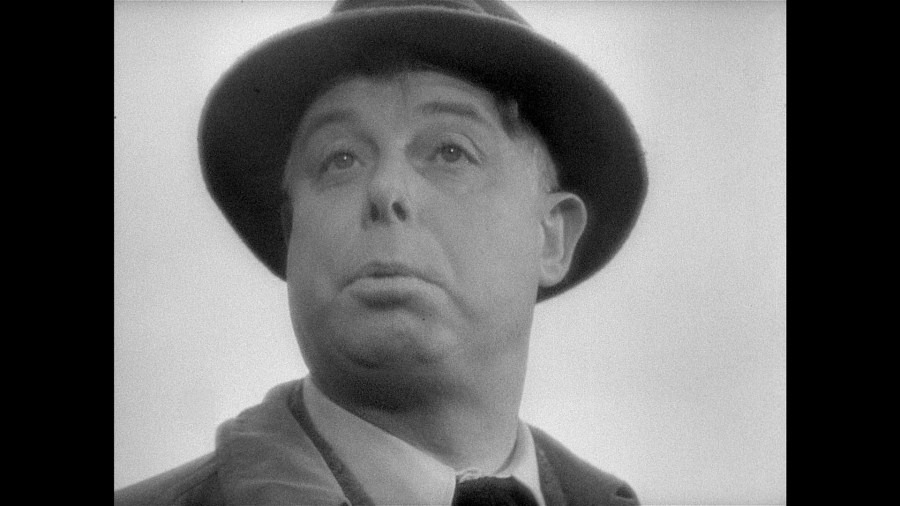
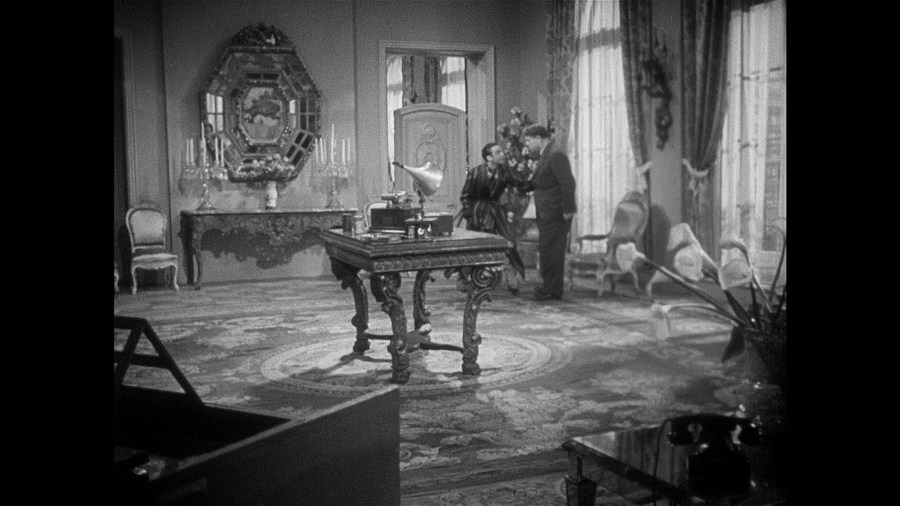
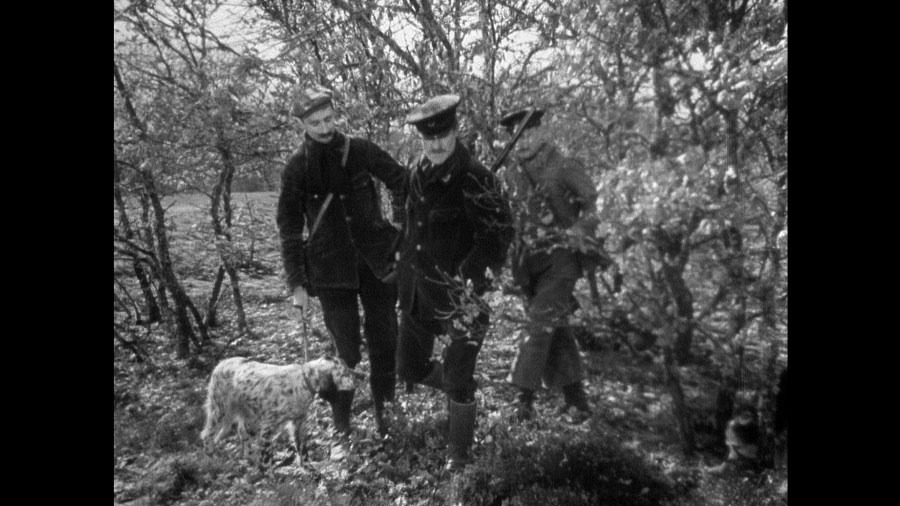
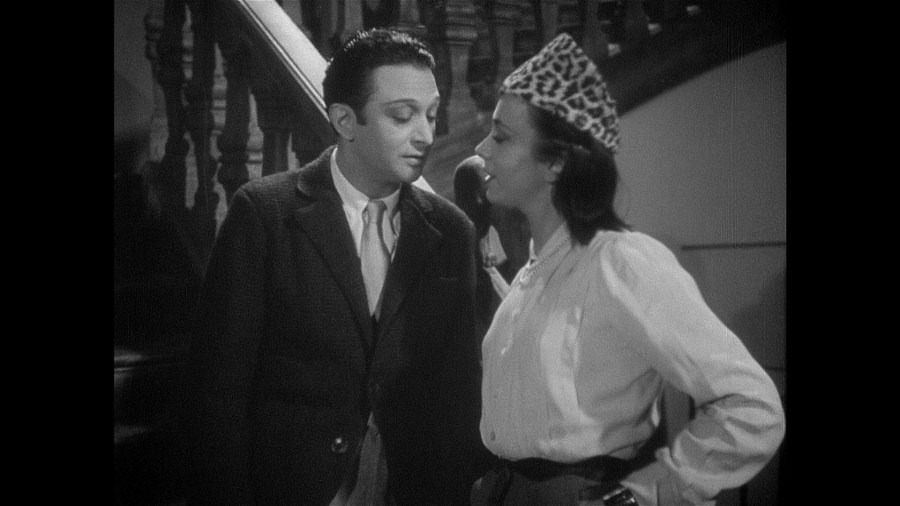
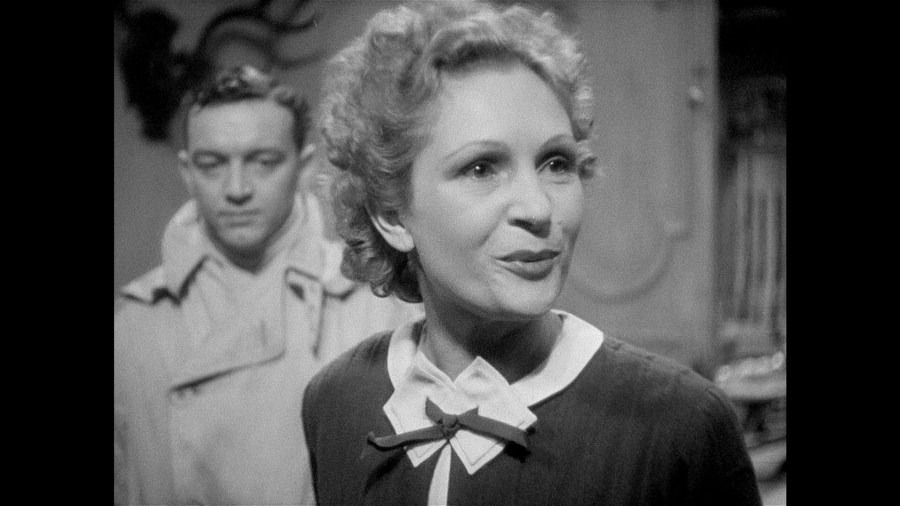
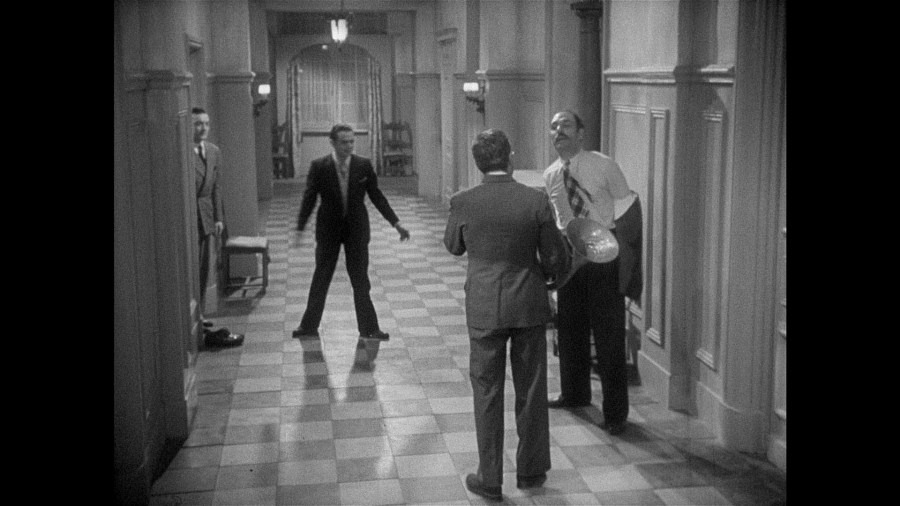
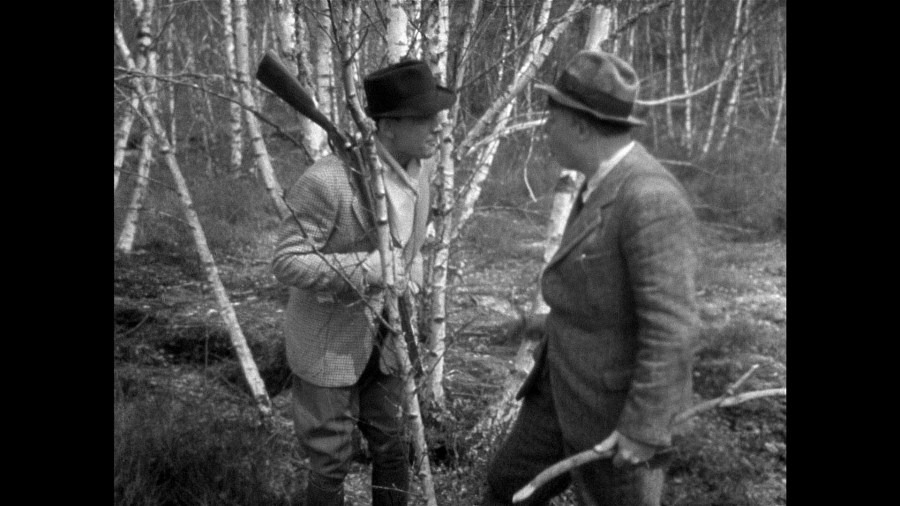
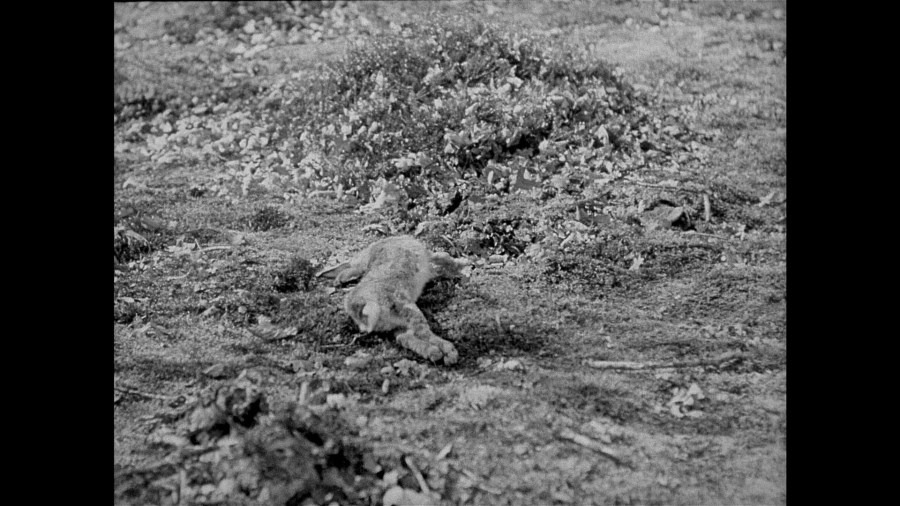
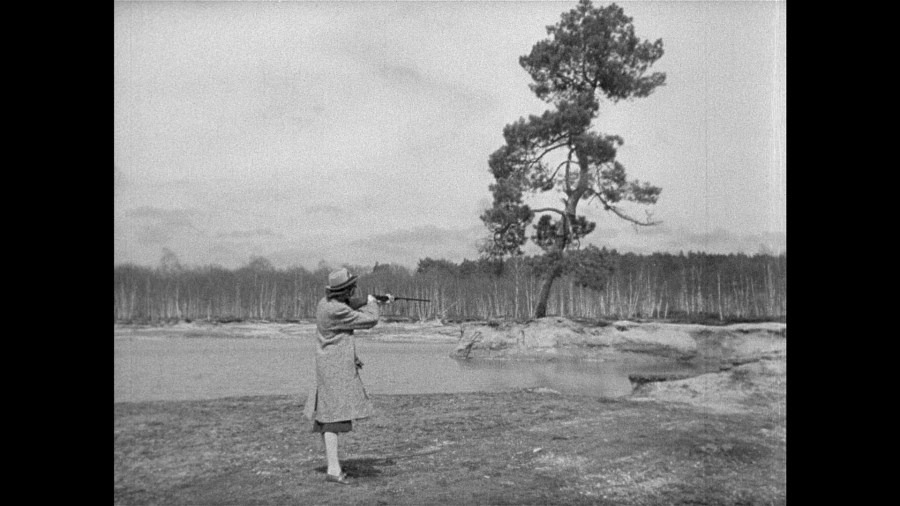
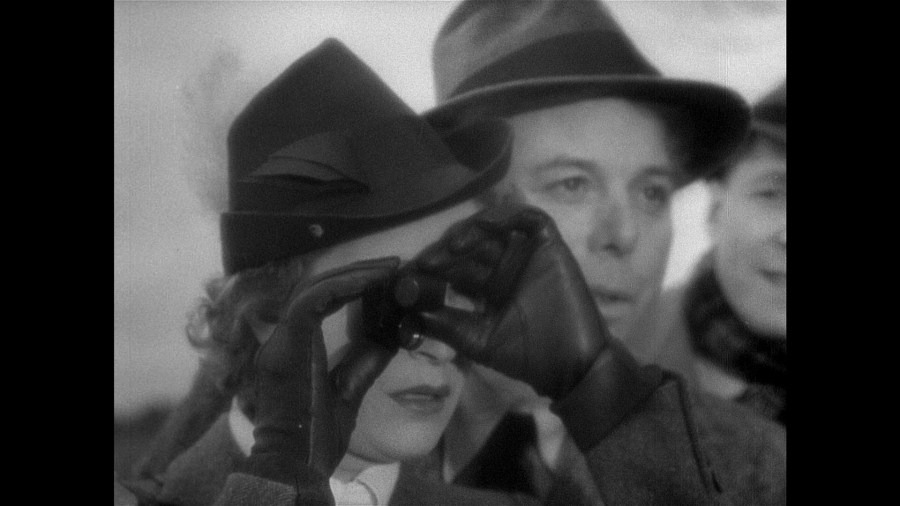
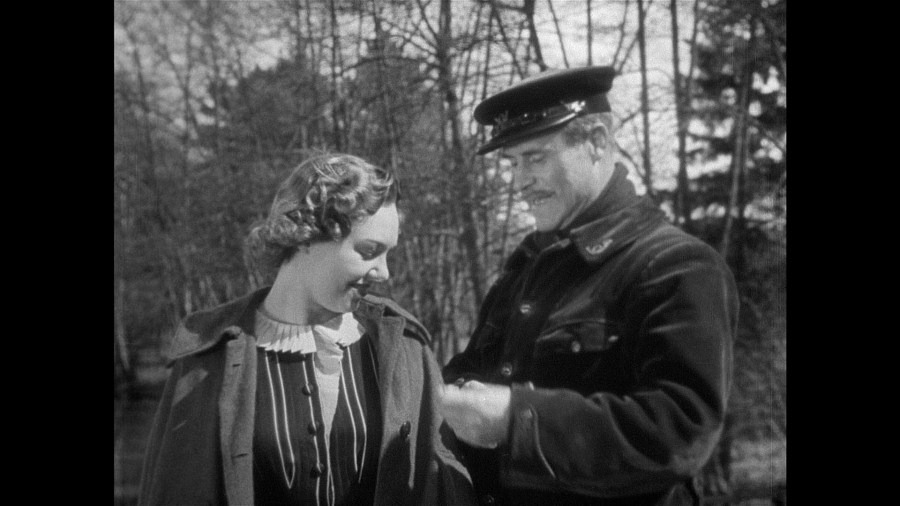
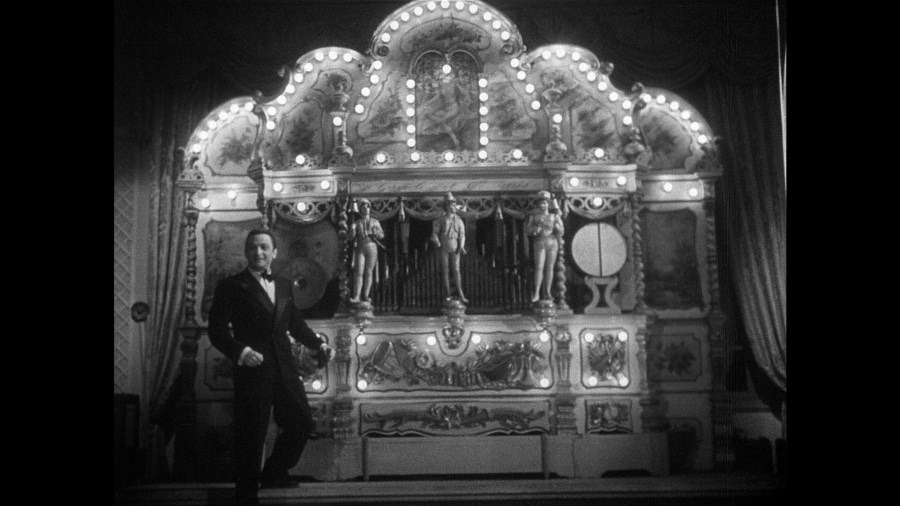
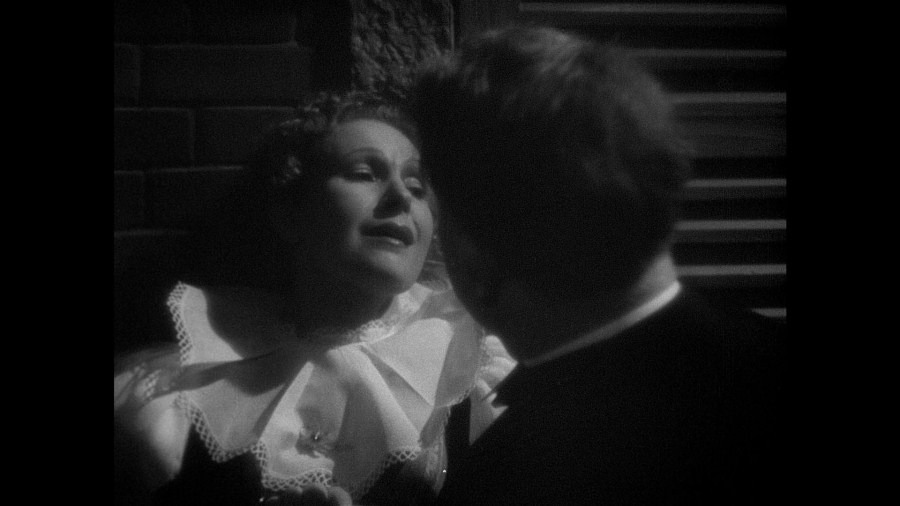
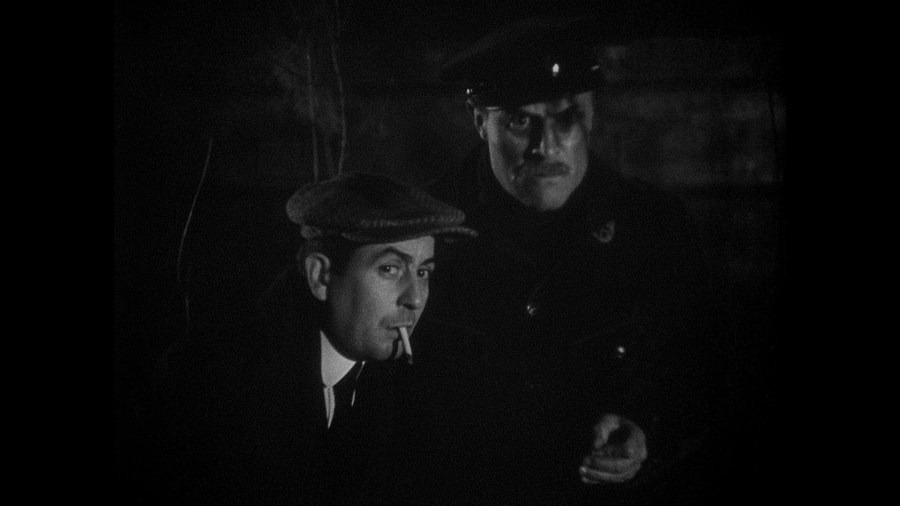
Audio 6/10
The disc comes with a lossless linear PCM French mono track. It’s weak, lacks fidelity, and presents some mild distortion in the dialogue, showing its age, but in all it’s easy to hear and generally clean, working fine for the film.
Extras 9/10
Criterion carries over most of the material from the DVD and even offers new material in this edition, starting things off with an audio commentary which is an odd one in that it’s apparently one that was written by film scholar Alexander Sesonske but is read by director Peter Bogdanovich (not sure why this is the case.) The track originally appeared on Criterion’s laserdisc edition of the film and then appeared on the DVD. Though it sounds like Bogdanovich is, to a certain degree, barreling through it the piece offers a lot of technical information covering Renoir’s use of the camera, set up of the scenes, and editing style, and how the framing and positioning of characters conveys a scene and moves the story along. He also covers the politics of the time in France, which included the looming Nazi threat, talks about the characters, the representation of them and Renoir’s thoughts on the class he was portraying. He breaks down some sequences, some nicely, like the hunting sequence, while with others he can simply just reiterate what we see on screen. This is actually my first time listening to it (surprisingly I never listened to it previously on the DVD edition) and was very pleased with it. It’s an older one (over twenty years old now!) but it’s perfectly fine.
Moving along we get an introduction by director Jean Renoir, which I assume played during screenings of the reconstructed version back in ‘59. For 6-minutes Renoir talks about the film’s history, his intentions with it, and the reconstruction, which he is obviously excited about.
That intro then works as a nice lead in to the issue the bulk of this set covers, which is essentially the reconstruction of the film after being released in multiple versions. Playing by Different Rules is a section devoted to the differences between the re-edited Renoir version, which runs 81-minutes, and the new reconstructed version, which runs 106-minutes. The original premiere version, which ran 94-minutes, is mentioned here but since that version is lost we only hear of it and don’t get any direct comparisons. The actual version comparison is a 13-minute video essay by scholar Chris Faulkner who uses a split screen, with the 81-minute version on the left and the 106-minute version on the right, to show the many edits that occurred, concentrating primarily on the ending. Here you get a good idea as to how much was actually cut and also see how the film changed so drastically from its original intention. As a bonus we also get the complete 8-minute shorter ending as it ran in the 81-minute version of the film. The DVD edition contained a text feature offering an analysis of the film’s script, which was pretty much thrown out the door and repurposed during the shoot. That feature is not here but Criterion has added another feature which is covered later in this article.
Scene Analysis again presents Faulkner who offers what could be called mini-commentaries for sections of the film. The first, a more than 5-minute piece called “Public and Private” has Faulkner talk over various scenes from the film, concentrating primarily on the opening and some of the end, with a few mid pieced thrown in between, looking at how Renoir presents the public and private sides to the characters, either through dialogue or framing and lighting. “Corridor” is a less-than 3-minute piece, which plays the same shot in a loop, where Andre and Robert are walking through the corridor near the end, commenting on how good a chap Octave is. Here Faulkner talks about Renoir’s depth of field, and the staging of actions in the background. Both prove to be interesting add-ons to Bogdanovich’s commentary track.
Jean Renoir, Le patron is the second episode in a series of three about Jean Renoir made for the French television program Cineastes de notre temps by Jacques Rivette. This section concentrates primarily on The Rules of the Game. Presenting an interview between the two Renoir talks about why he came to make the film (he was upset with the state of the upper-middle class in France, finding them revolting people) and the process in making it. Here he talks about the various characters, particularly Christine and Octave, and the improvisation that went into the film, which was surprisingly a lot. It sounds as though Renoir knew the ultimate outcome of the film, and knew how certain scenes would finish, but sort of made up the actual details on the spot. (SPOILER ALERT!) For example, he knew a particular character would die at the end but wasn’t sure how, and it wasn’t until the hunting scene where he realized how it would happen. Based on this episode, which is very candid and entertaining, it’s a shame Criterion didn’t include the other episodes (and it’s also obvious this one has been trimmed) but what we do get is worth viewing.
Criterion then includes a 1-hour BBC documentary from 1995 by David Thompson, simply called Jean Renoir. It’s pretty by the numbers but offers a thorough look at Renoir’s early life and career, as well as one hour can offer at any rate. It looks at key films in his career, including Boudu Saved From Drowning and the development of his compositions, followed by the success of Grand Illusion and the disaster of The Rules of the Game. Mixed into the doc are interviews with various people, including Rules cast member Paulette Dubost, filmmakers such as Peter Bogdanovich, Louis Malle, Bernardo Bertolucci, Claude Chabrol, and Bertrand Tavernier, and family and friends of the director. There’s also archival footage of the director. A little dry and again fairly by the numbers but an excellent bio on the filmmaker.
A section called Production History presents a few more pieces about the film’s rather fascinating past. Chris Faulkner again offers his insights, giving us a quick 8-minute presentation about the film’s production from the script to casting to shooting, followed by its rather brutal release, the re-edit that followed, and its eventual reconstruction.
New to this edition is an interview with Olivier Curchod running shy of 28-minutes. He starts out with some brief history about Renoir and his production company, moving onto the development of the script and then the actual shoot, which experienced its own share of problems (budget overruns, performers dropping out, weather conditions, schedule conflicts, etc.) and how Renoir was able to get around them. He then of course goes into its disastrous premiere and more than likely why it failed and what probably offended audiences and critics at the time. This of course leads Curchod into talking about the cuts Renoir would make. It’s a pretty comprehensive account on the issues the film faced, with some repetition, but at least expands on other issues only skirted over in the other supplements on the disc. It also works as a replacement for the one that didn’t make it over from the DVD, the “Script Analysis”, which is pretty much covered here.
Finally in this section we get an interview from 1945 with Jean Gaborit and Jacques Durand, the two responsible for the reconstruction. The two talk about their motivations and give accounts on finding the material and putting it together, with Renoir’s help. It runs 10-minutes.
Criterion next presents a few interviews, starting with one from 2003 with assistant production designer Max Doury. For 9-minutes he talks about the political climate around the time the film was made and then manages to transition into the set pieces from the film, including the green house, the interiors in the household, and then the use of enlarged photos for backgrounds.
Criterion next edits out 16-minutes worth of interview segments featuring actress Mila Parley from a documentary by Jacques Motte. In these clips she recalls the shoot and working with Renoir and the rest of the cast. A little slight but it’s nice to get a firsthand account. Also great in this regard is an interview with Alain Renoir, son of Jean Renoir. He talks about his father and his grandfather, Pierre-Auguste Renoir, to an extent. But most of it is him talking about working with his father on The Rules of the Game and what he learned from his father. He then moves on to some of his later work. A charming inclusion.
The booklet appears to include everything that appeared in the DVD’s booklet, including an essay by Alexander Sesonske, an early scenario about the film by Jean Renoir (with some differences from the finished film, including different names for the characters,) an excerpt from Jean Renoir’s autobiography on the film, an appreciation by director Bertrand Tavernier, a translated reprint of a letter of appreciation director Francois Truffaut wrote to Renoir (with a copy of the original handwritten letter pictured next to it,) and then an excerpt from Truffaut’s memoir where he mentions the film. The original DVD also included an on-disc text feature presenting “tributes” from various writers and directors. Criterion has now removed that from the disc and reprinted them in the booklet. Here you will find tributes from Robert Altman, Cameron Crowe, Noah Baumbach, Paul Schrader, Alain Resnais, Wim Wenders, J. Hoberman, and others.
And that concludes it. It was a nice collection of material on DVD and again it’s an excellent collection on Blu-ray with a couple of slight improvements.
Closing
Yet again Criterion gives the film an edition it deserves, delivering a strong if limited (by the materials) transfer and a solid set of supplements. Though only a fairly mild upgrade it still comes with a high recommendation.
BUY AT: