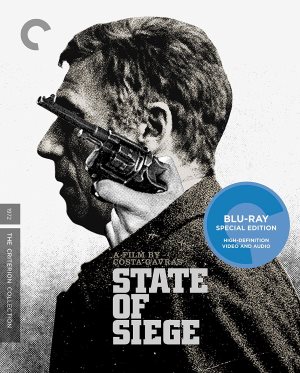
State of Siege
BUY AT:


See more details, packaging, or compare
Synopsis
Costa-Gavras puts the United States’ involvement in Latin American politics under the microscope in this arresting thriller. An urban guerrilla group, outraged at the counterinsurgency and torture training clandestinely organized by the CIA in their country (unnamed in the film), abducts a U.S. official (Yves Montand) to bargain for the release of political prisoners; soon the kidnapping becomes a media sensation, leading to violence. Cowritten by Franco Solinas, the electrifying State of Siege piercingly critiques the American government for supporting foreign dictatorships, while also asking difficult questions about the efficacy of radical violent acts to oppose such regimes.
Picture 7/10
Costa-Gavras’ State of Siege comes to Blu-ray in its original aspect ratio of about 1.66:1 on a dual-layer disc. The new 1080p/24hz high-definition presentation is taken from 2K scan of the original 35mm negative.
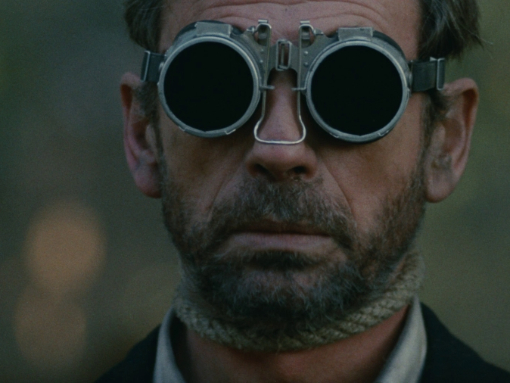
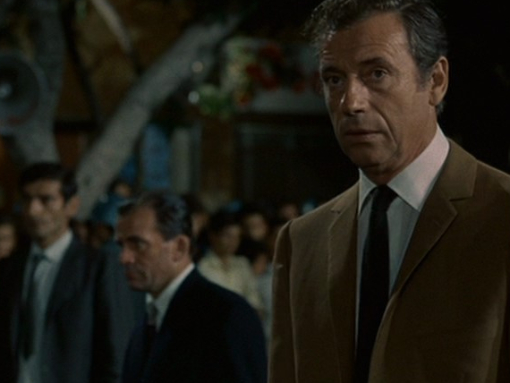
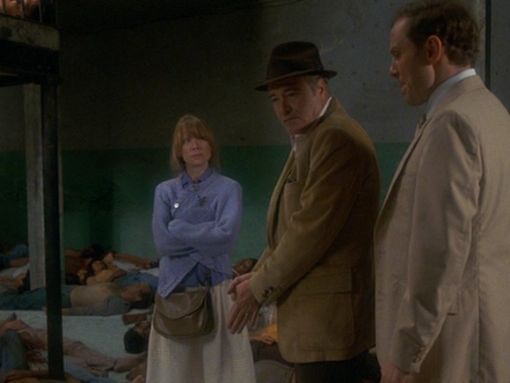
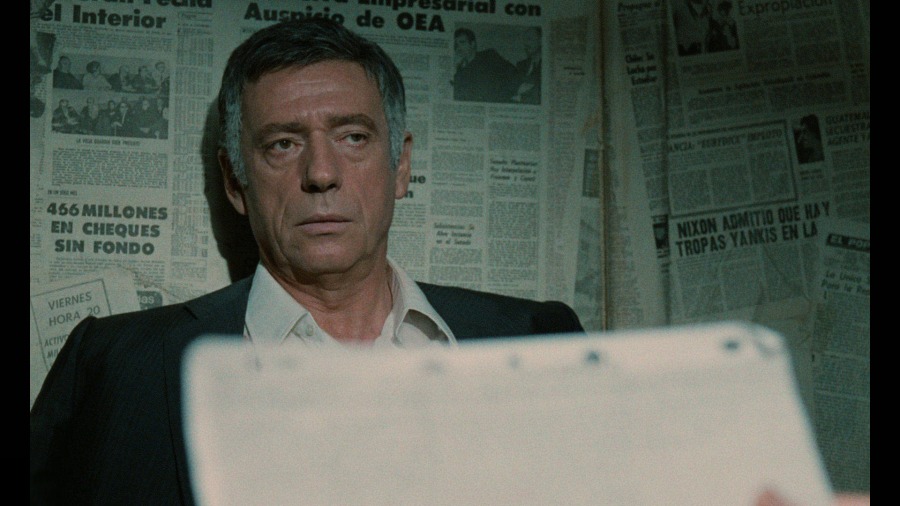
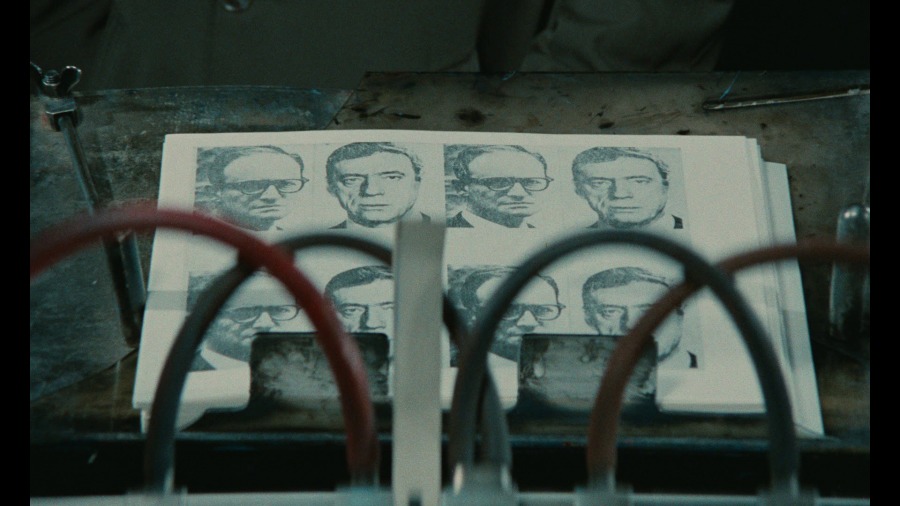
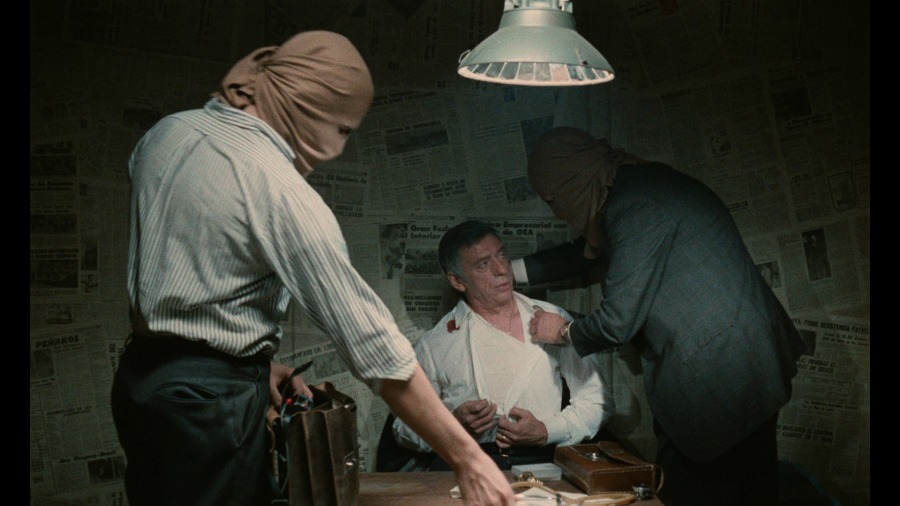
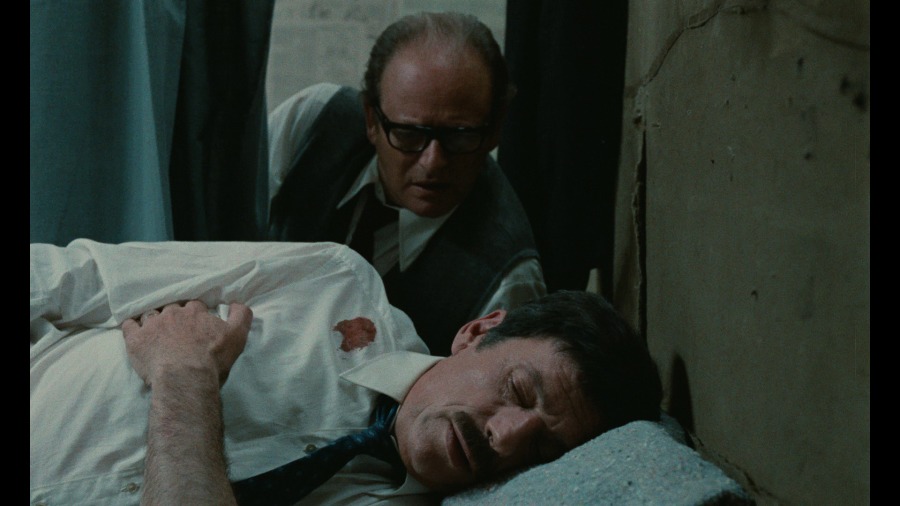
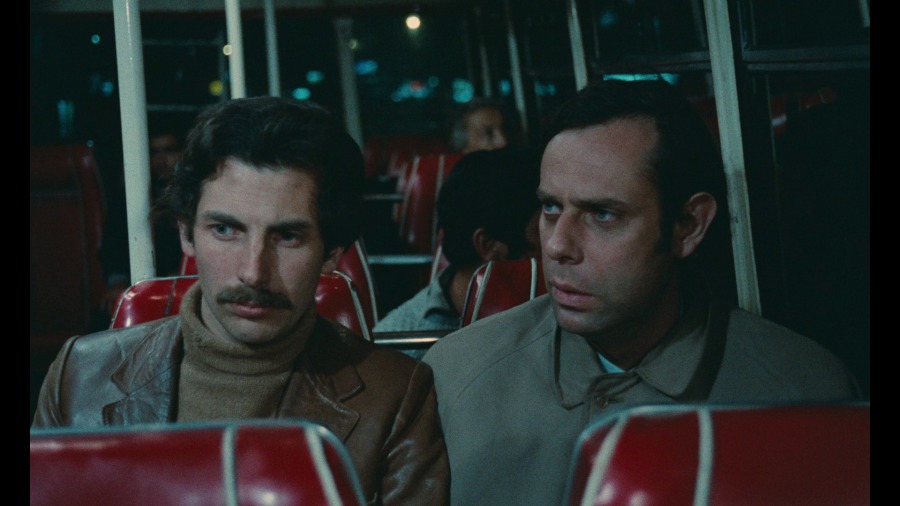
This is a somewhat frustrating transfer, probably moreso than Criterion’s companion release, Costa-Gavras’ The Confession, because on a technical level the encode is about as good as one could ask for, as are other aspects of the transfer itself, but something seems really off either with the source materials or possibly something in the restoration work. The film is crisp, razor sharp, and the detail levels in the film are staggering at times. Film grain is present and can get a bit heavy, but it looks about as clean and natural as the format allows (a few foggier sequences do present some minor noise). Depth is fantastic, textures are brilliantly rendered, and the image on the whole does look filmic.
But something is really off with the black levels, probably worse than what happens in The Confession. Black levels are seriously crushed in a number of sequences, and detail in dark areas is pretty much non-existent. Black levels are also off in that they almost look more of a navy blue than a black and this can throw off the contrast and balance immensely. The film has a colder, bluish/greenish tinge to it that I only assume is intentional (the director is credited as having supervised the transfer), which is fine, but whatever colour adjustments have been applied make the image look very unnatural and artificial (digitally tinkered) in this area.
Unfortunately I can’t say if this is how the film has always looked or whether Costa-Gavras is adjusting the look of his film. But whatever the case may be the black levels have been thrown off considerably because of it.
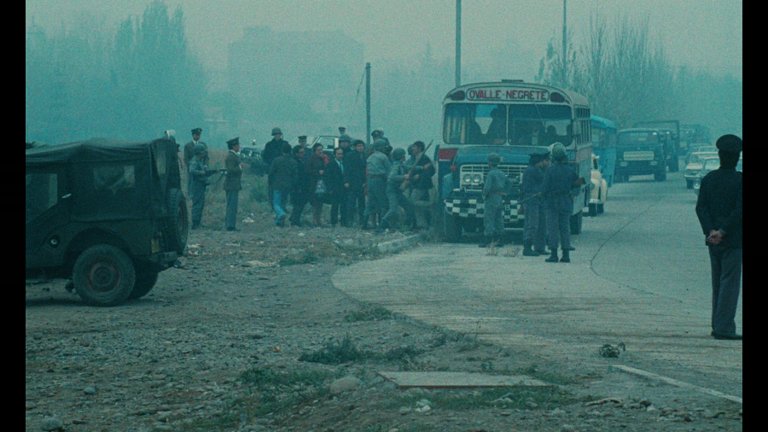
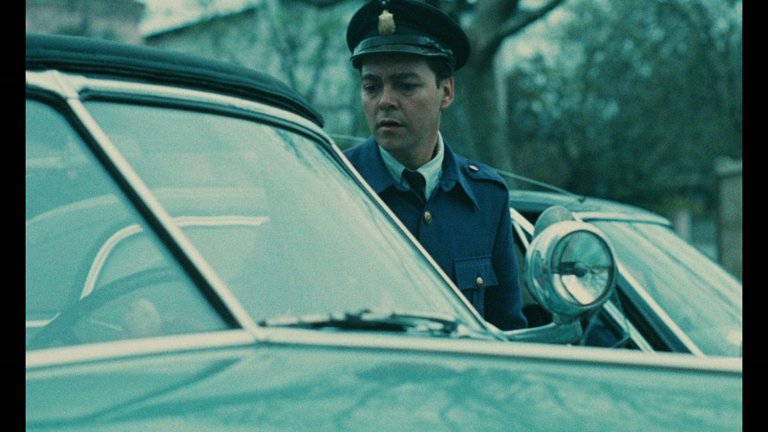
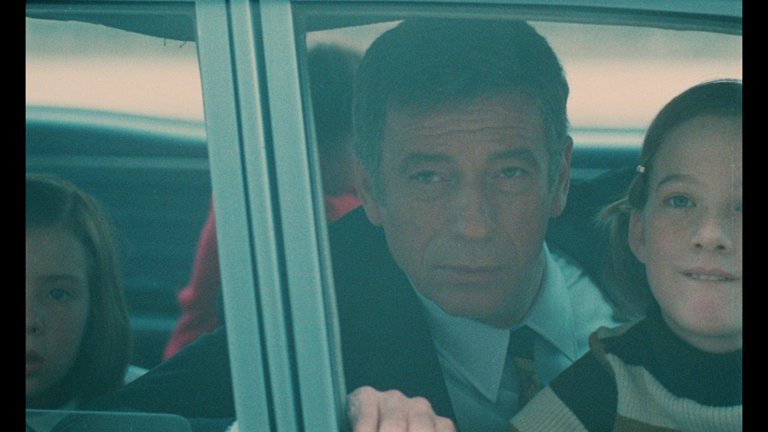
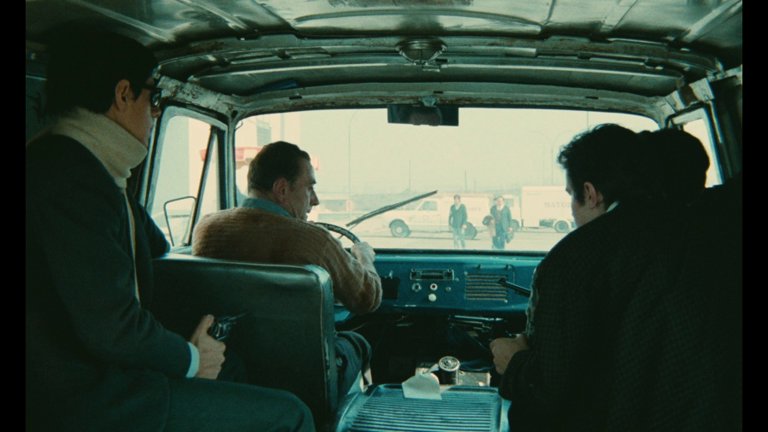
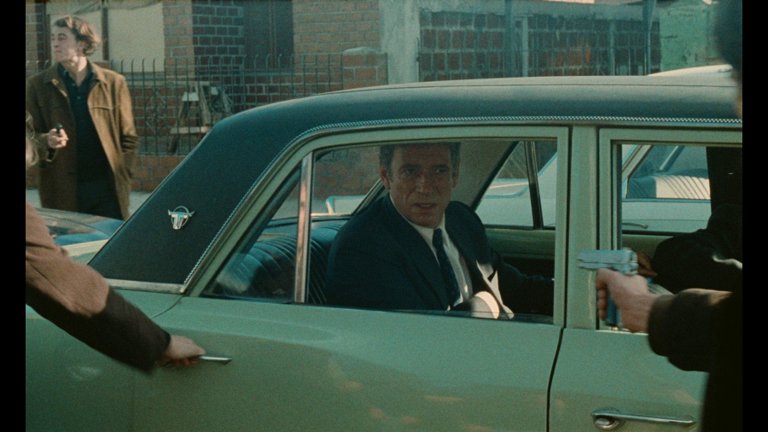
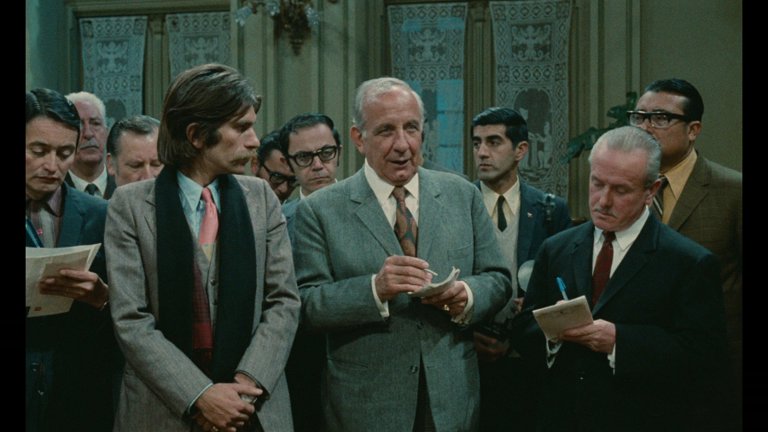
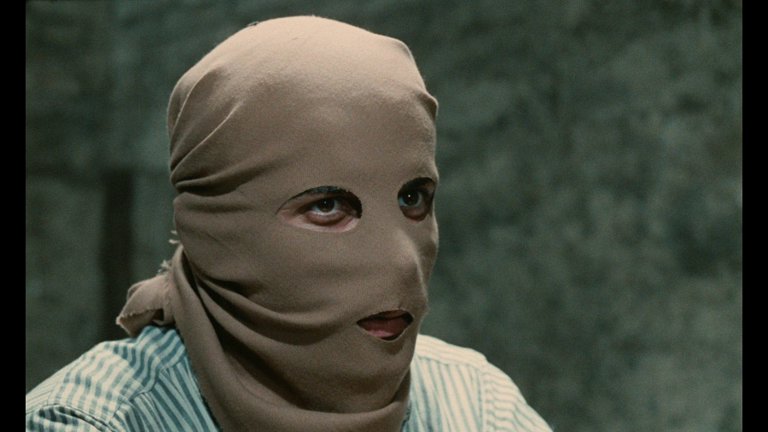
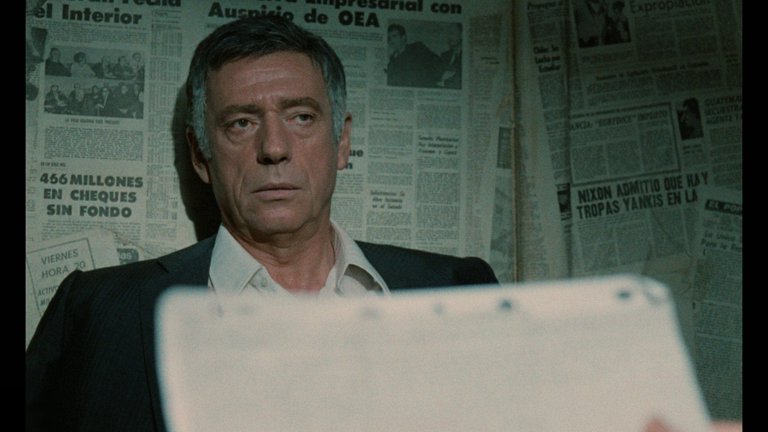
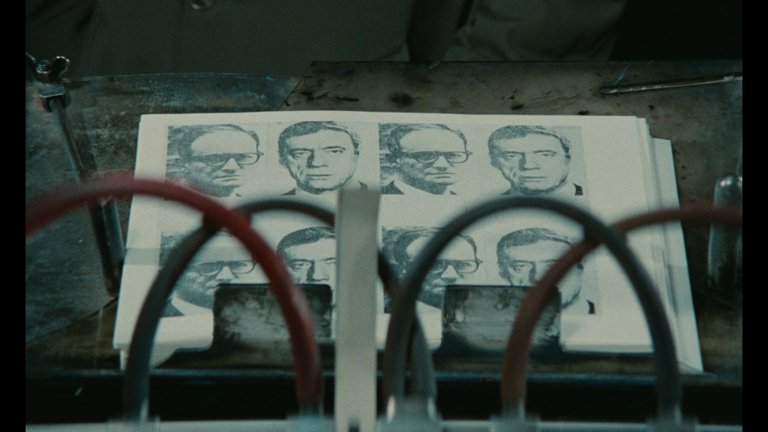
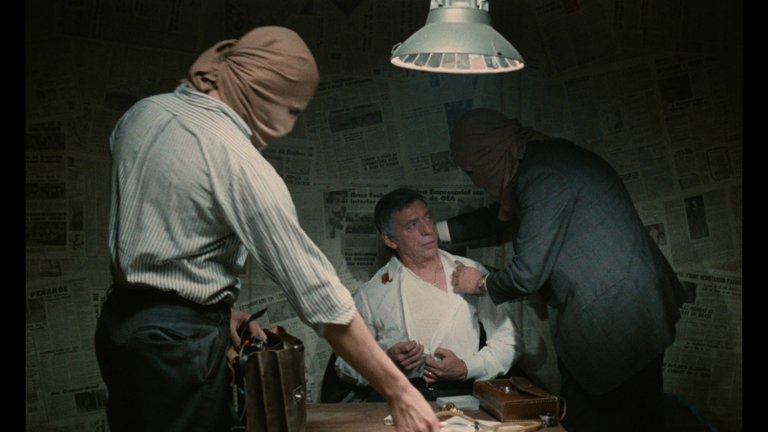
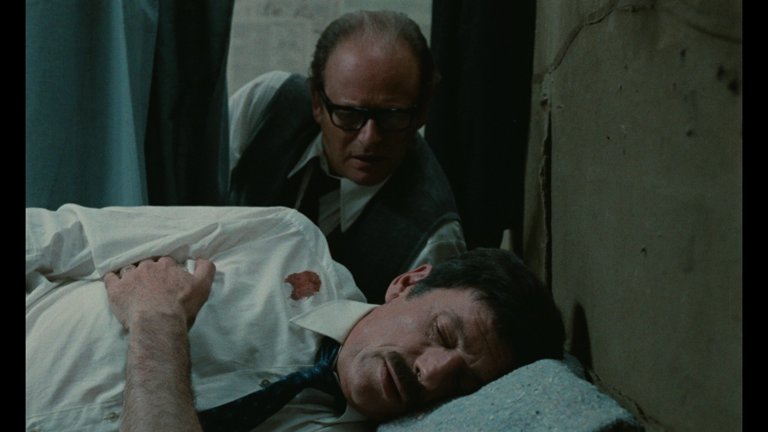
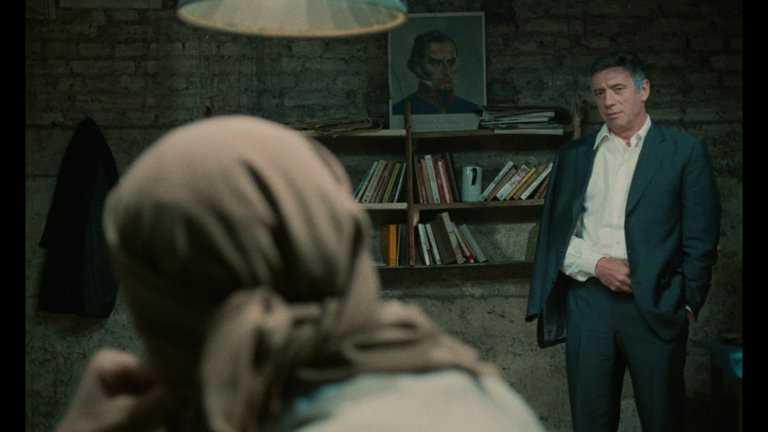
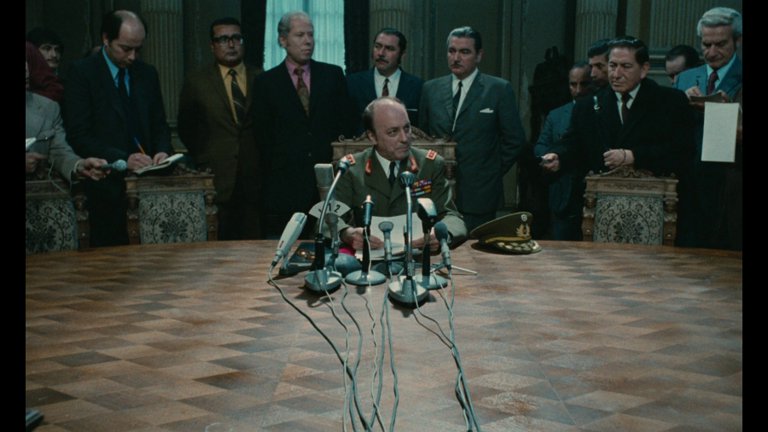
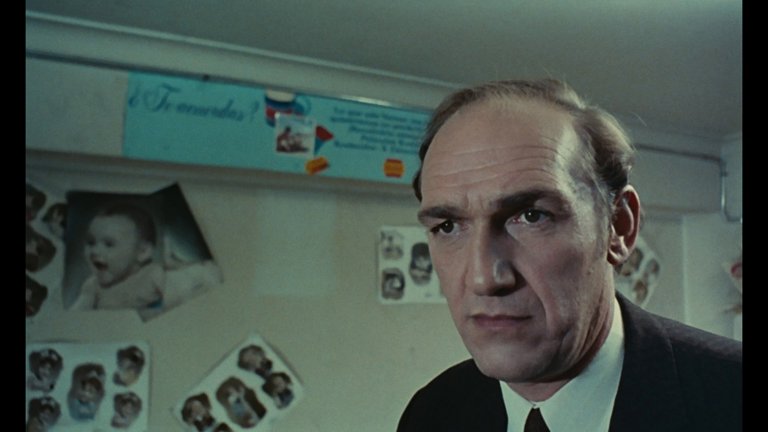
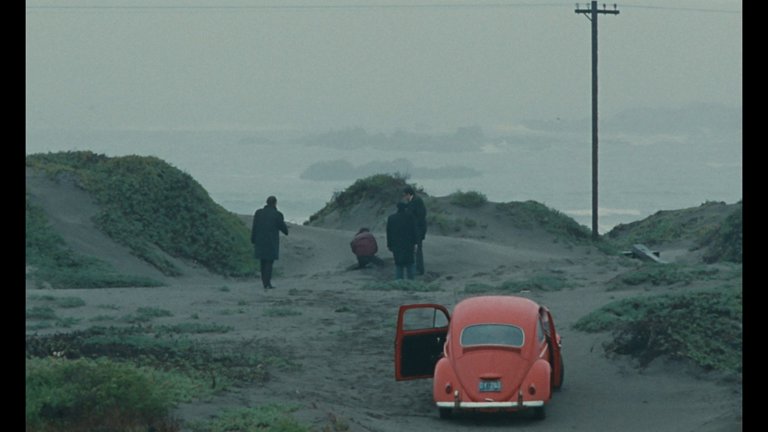
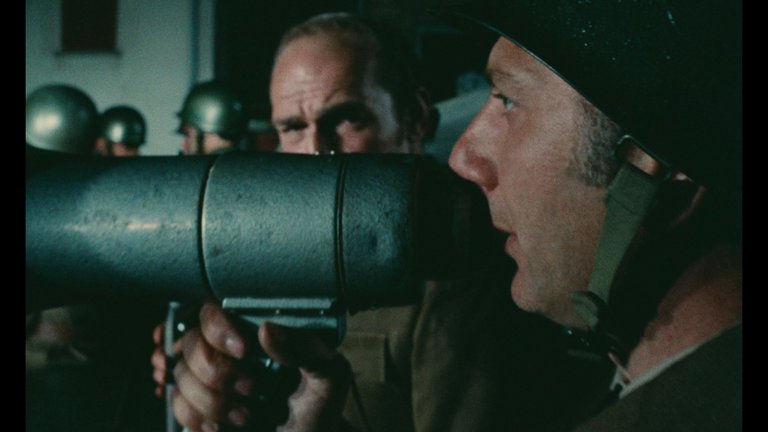
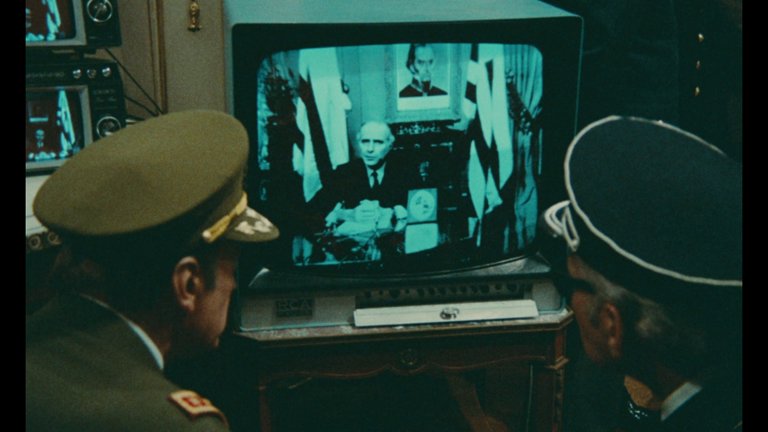
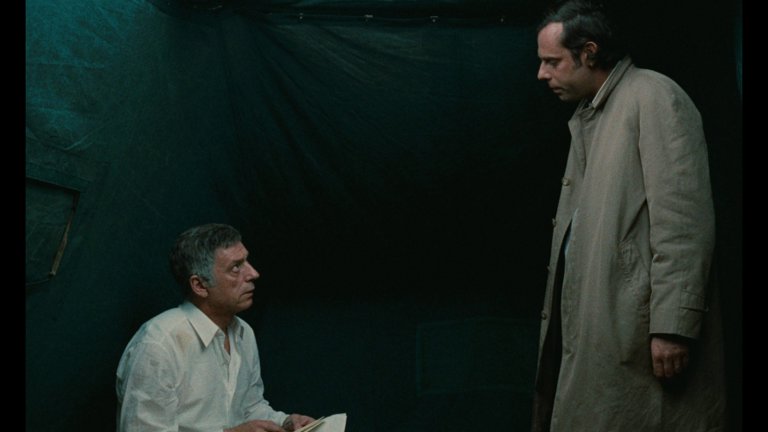
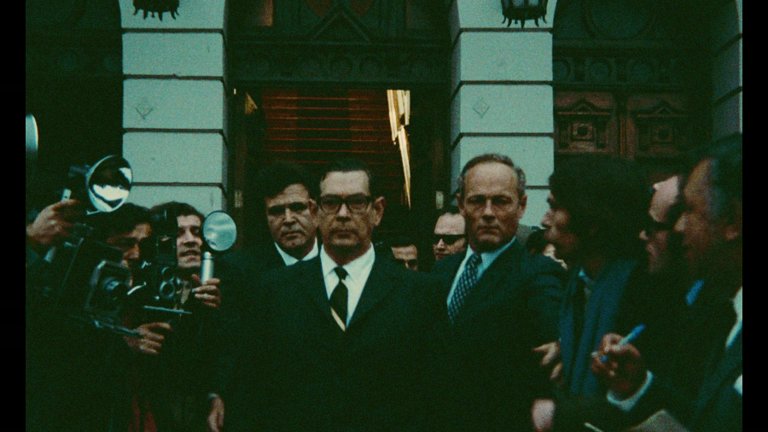
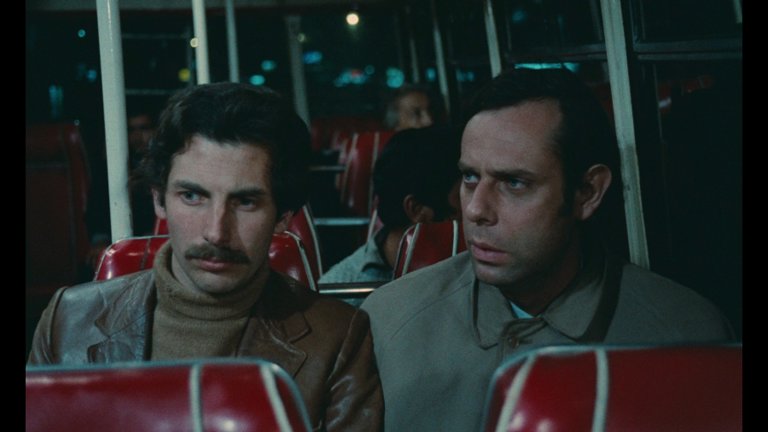
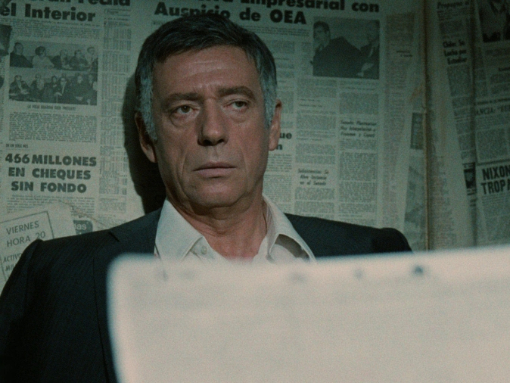
State of Siege - Screen Captures
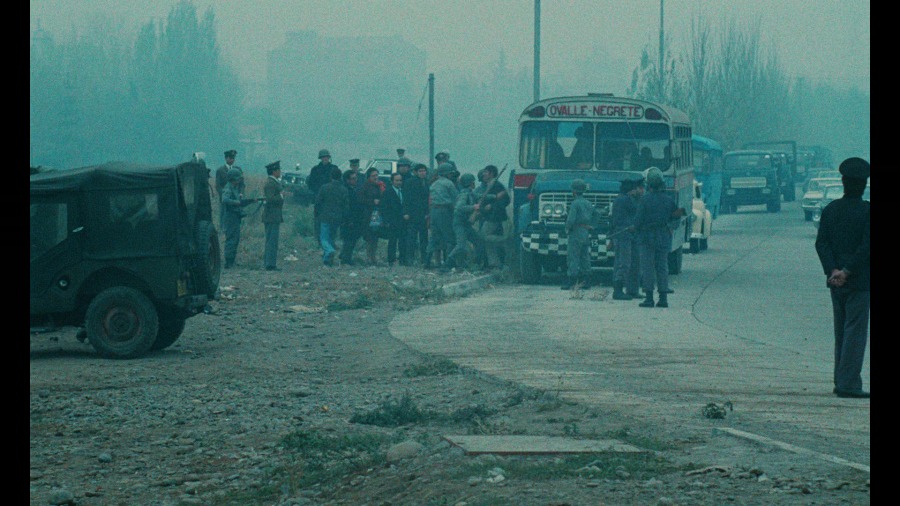
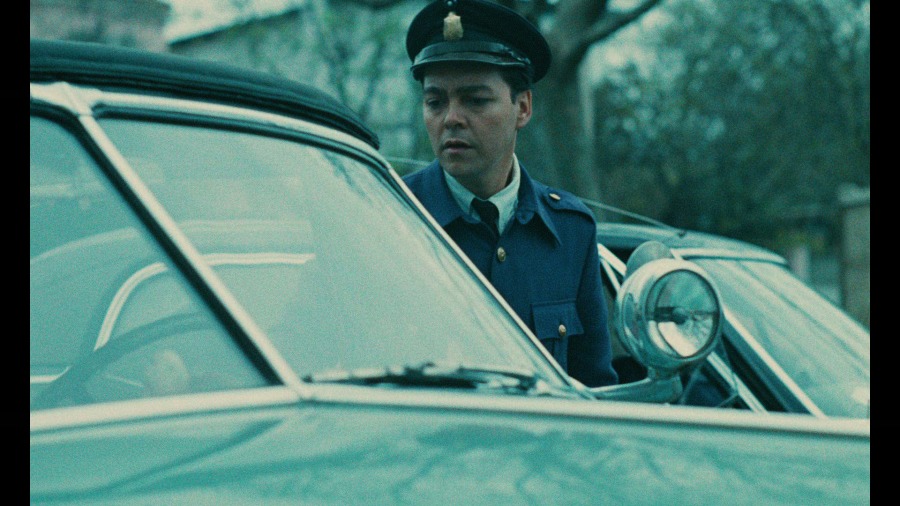
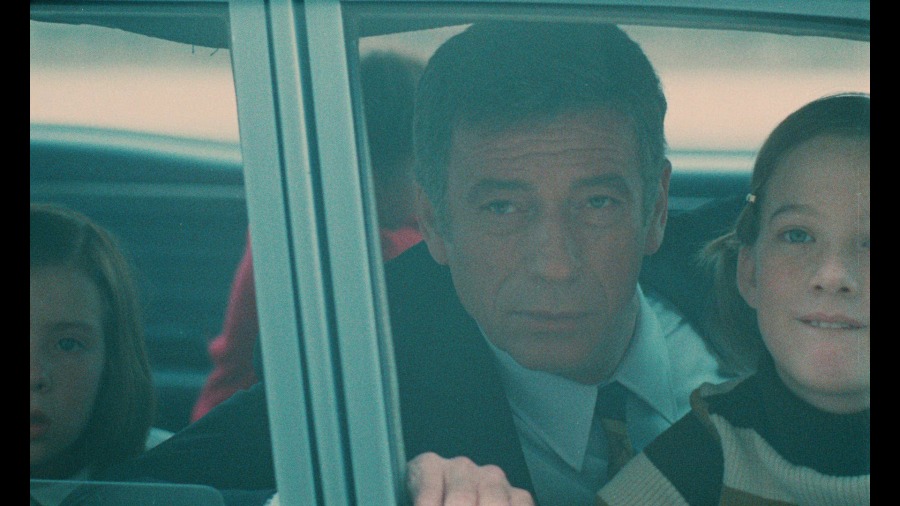
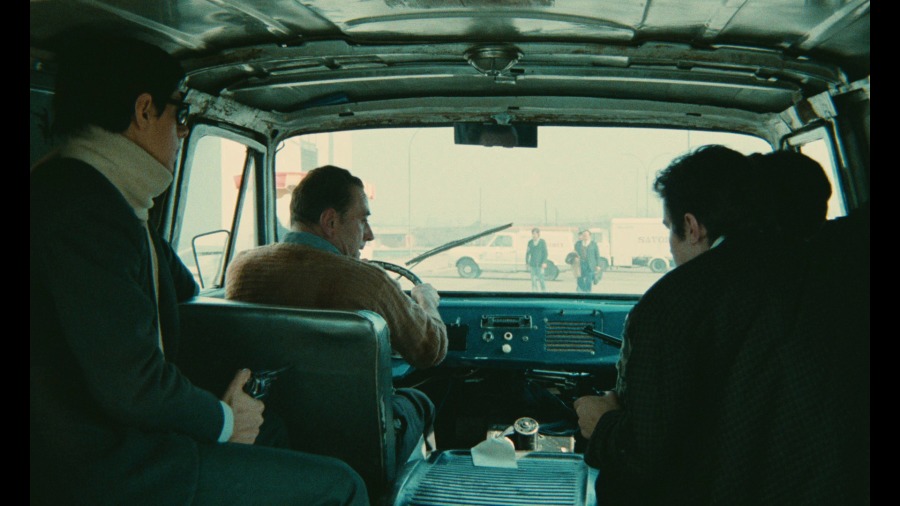
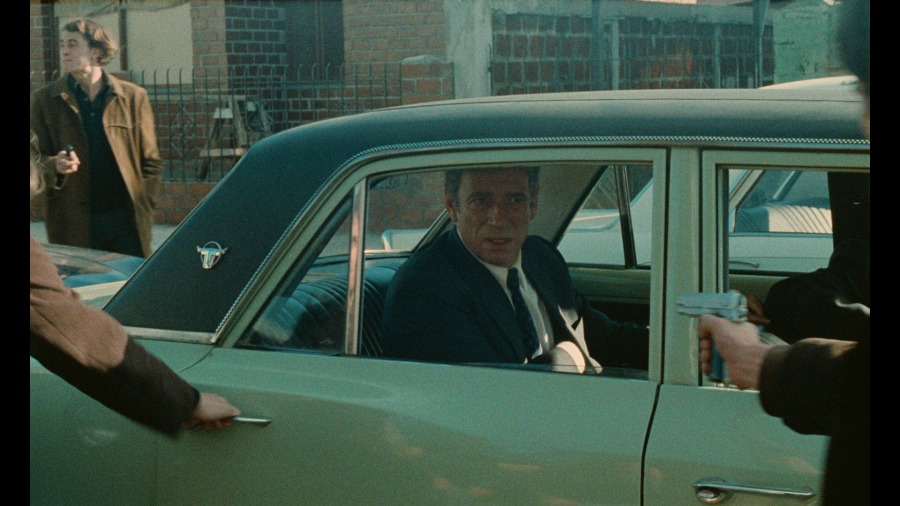
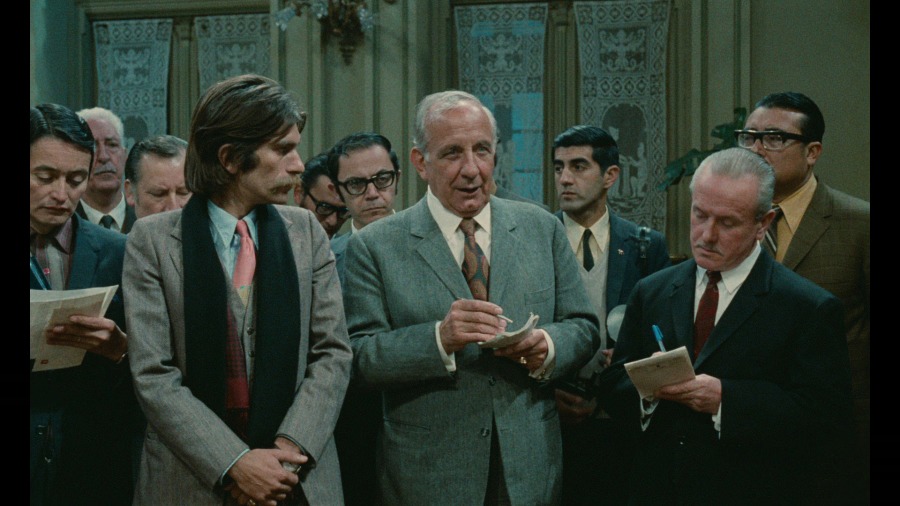
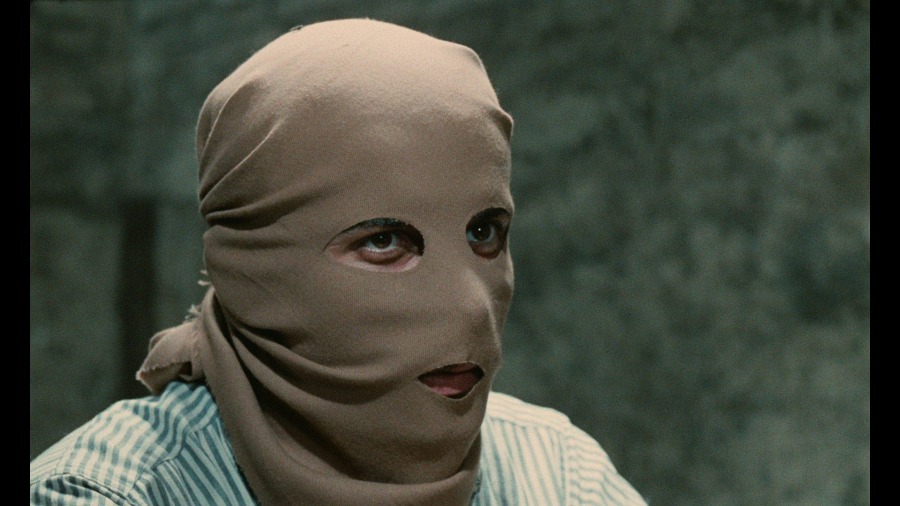
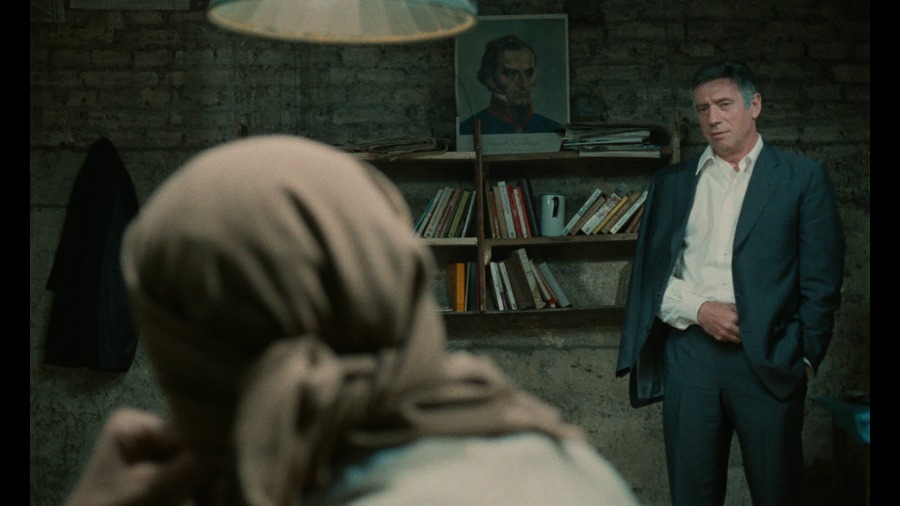
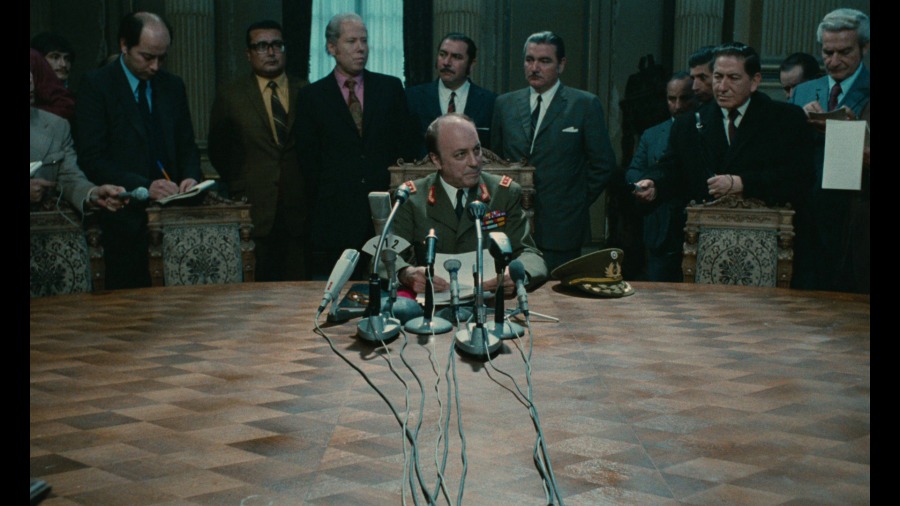
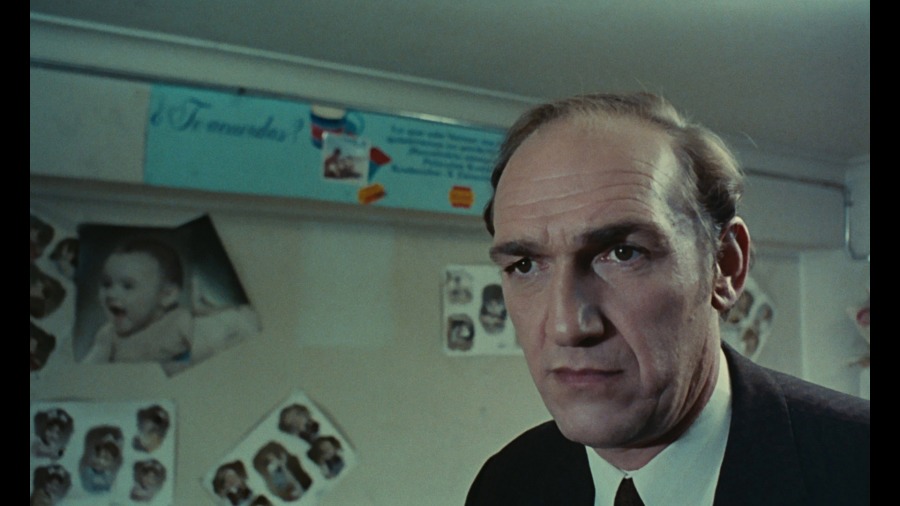
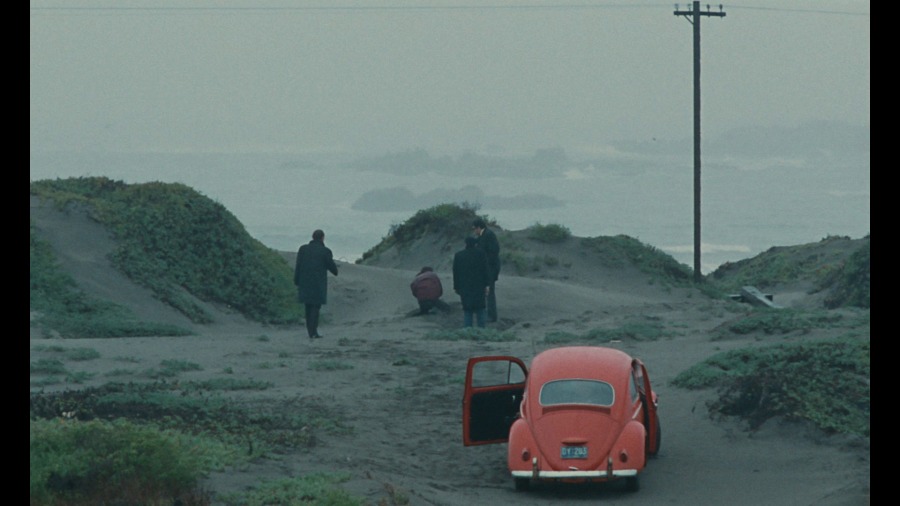
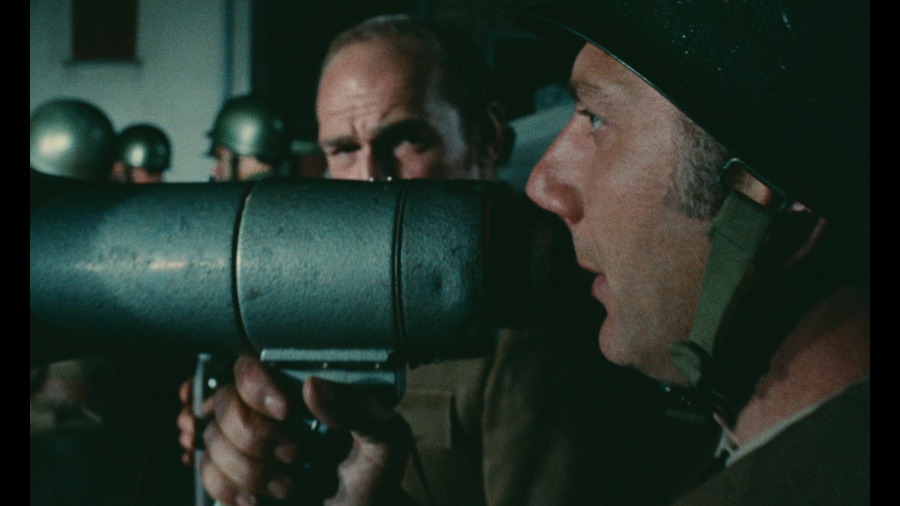
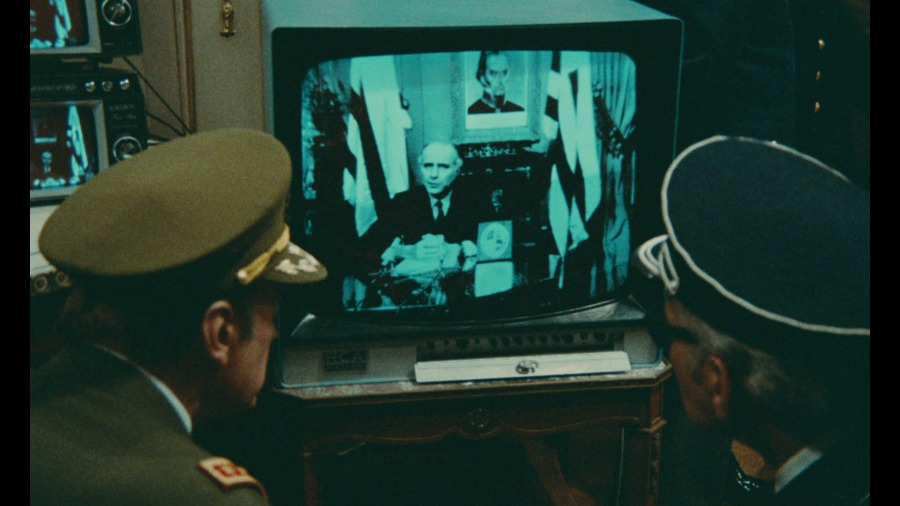
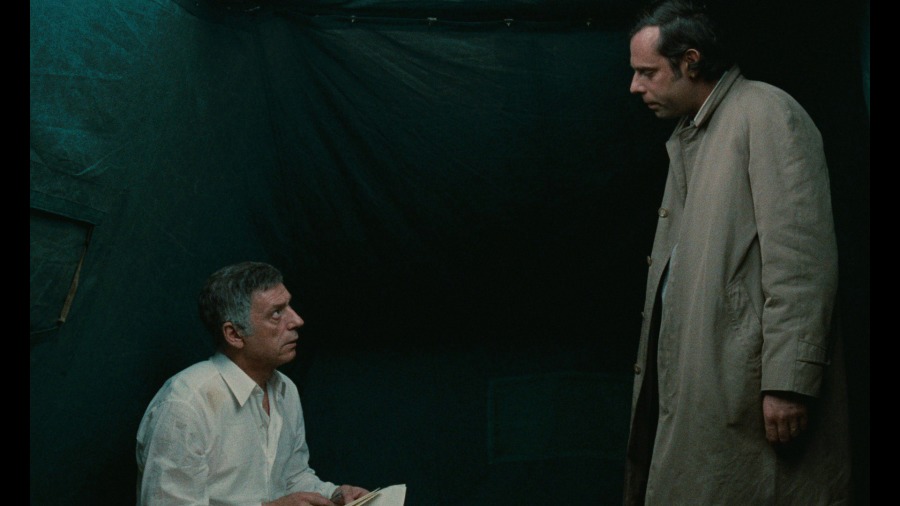
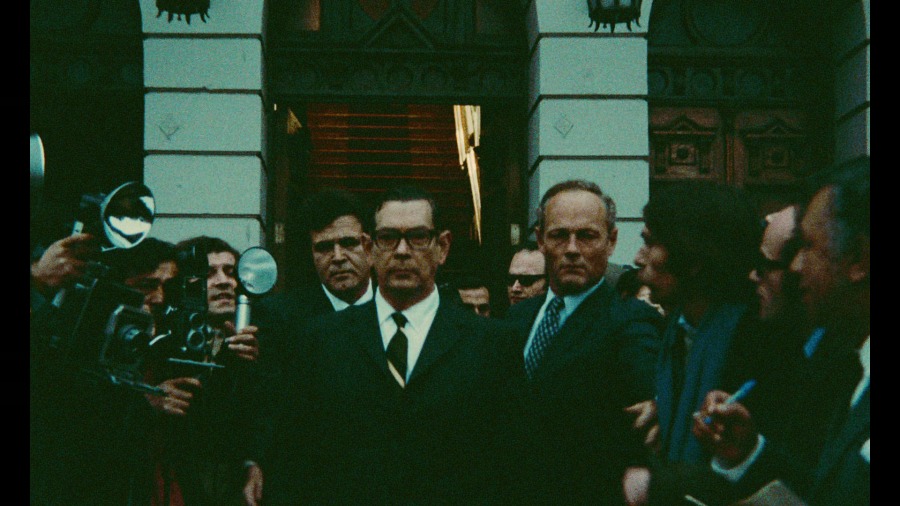
Audio 6/10
The mono track, presented in lossless 1.0 PCM mono, doesn’t really rise above average. It’s noticeably flat and monotone, but it’s clean, free of noise and distortion, and both music and dialogue are easy to hear.
Extras 4/10
State of Siege gets a surprisingly slimmer set of supplements in comparison to The Confession, with only a couple of notable features. Criterion first provides a 31-minute discussion between Costa-Gavras and Peter Cowie where the two go over the film, first talking about the film’s influences (the kidnapping and murder of Dan Mitrione) and then the research that went into the story. From here they talk about certain sequences, the director’s working relationship with Yves Montand (and we get a high-def clip from Z, so hopefully a Blu-ray of that is on the horizon), and the film’s reception throughout the world (not so hot in the States). The two even talk about terrorist groups today, with Costa stating the obvious (they’re too radical now) and then stating his primary purpose in making films: not to deliver a political message, but to entertain. Though it’s focus is State of Siege, it does also offer a decent enough look at his career as a whole.
Criterion then provides some contextualization through 7-minutes’ worth of clips from NBC news in Uruguay covering the kidnapping, murder, and funeral of Dan Mitrione, the incident being the primary influence on the film, not only covering the incident itself, but how it has changed the views of people in the country who were otherwise not overly concerned about the guerilla groups forming. Great compilation overall.
We then get another road-map like foldout as an insert, featuring an essay by journalist Mark Danner. Danner covers the film’s visuals in serving narrative, and even makes comparisons to the actual incident, even providing transcripts the guerillas made of their interrogation of Mitrione, showing it played out very different from what we see in the film. It makes for a rather fascinating read.
Though the supplements are good, it’s weak in comparison to the more stacked Confession, and the lack of more scholarly material is disappointing.
Closing
It’s a frustrating edition. The supplements are fine but there’s less than 40-minutes of them (and the film seems to scream out for more) and the transfer, which from an encoding perspective looks top-notch, is marred by odd black levels. It certainly could be worse, but that’s probably the highest praise I can give it.
BUY AT: