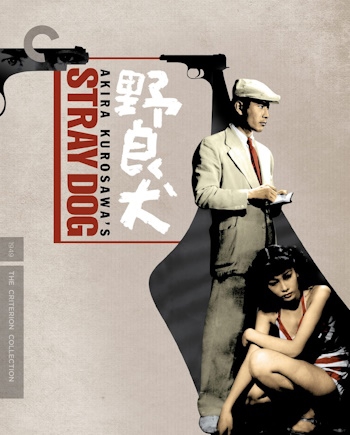
Stray Dog
BUY AT:


See more details, packaging, or compare
Synopsis
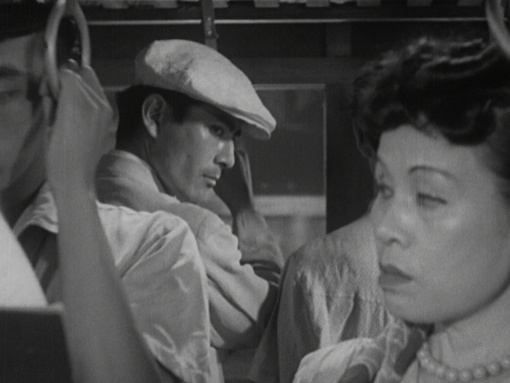
A bad day gets worse for young detective Murakami when a pickpocket steals his gun on a crowded bus. Desperate to right the wrong, he goes undercover, scavenging Tokyo’s sweltering streets for the stray dog whose desperation has led him to a life of crime. With each step, cop’s and criminal’s lives become more intertwined and the investigation becomes an examination of Murakami’s own dark side. Starring Toshiro Mifune as the rookie cop and Takashi Shimura as the seasoned detective who keeps him on the right side of the law, Stray Dog goes beyond crime thriller, probing the squalid world of postwar Japan and the nature of the criminal mind.
Picture 7/10
The Criterion Collection upgrades their DVD edition for Akira Kurosawa’s Stray Dog to 4K UHD, presenting the film in its original aspect ratio of 1.37:1 on a triple-layer disc. The 2160p/24hz ultra high-definition presentation is sourced from the same 4K restoration performed by Toho and used for BFI’s 2025 Blu-ray edition, taken from a scan of the 35mm master positive. Criterion also includes a standard dual-layer Blu-ray featuring a 1080p presentation sourced from the same restoration, along with the release’s sole video supplement.
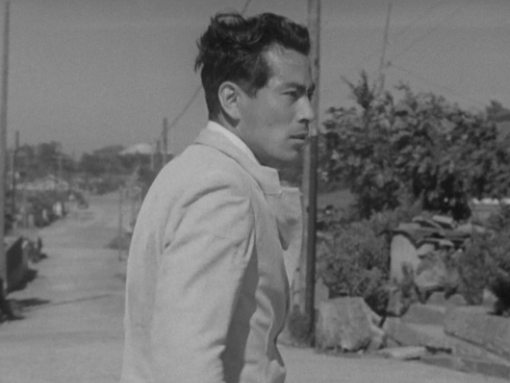
Having seen BFI’s Blu-ray, I found Criterion’s decision to release the same restoration in 4K to be… a choice, and not one I would have ever considered. Toho’s restoration is “fine enough,” but it’s clearly limited by the condition and quality of the surviving source materials (the original negatives are long gone), with what looks like filtering and noise reduction being applied, possibly to mask finer scratches and damage (at least that was my suspicion). Ultimately, while still a clear improvement over Criterion’s original DVD release, the image on the Blu-ray came off a little hazy overall, with definition and detail never really looking capable of taking full advantage of a 4K presentation.
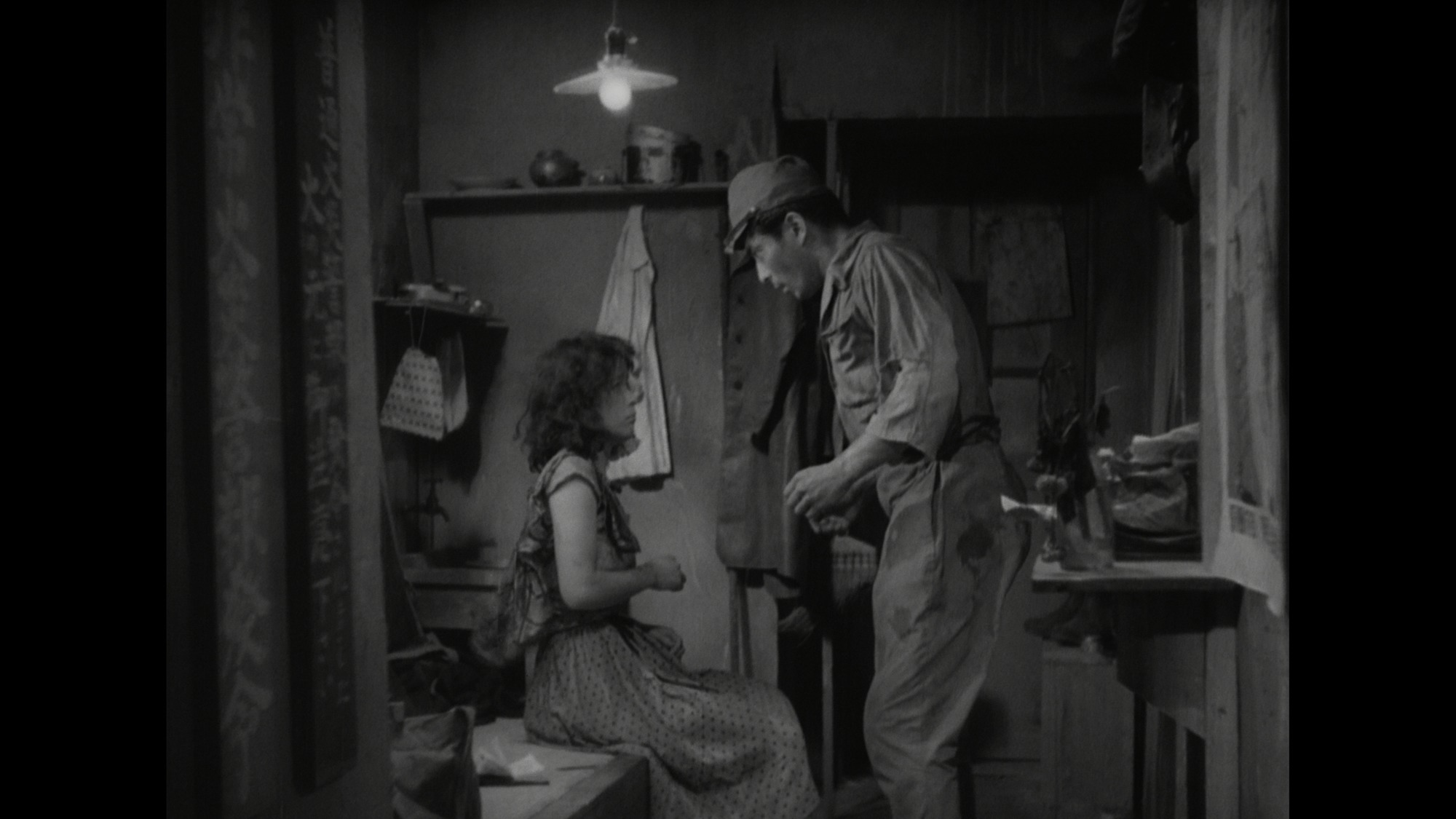
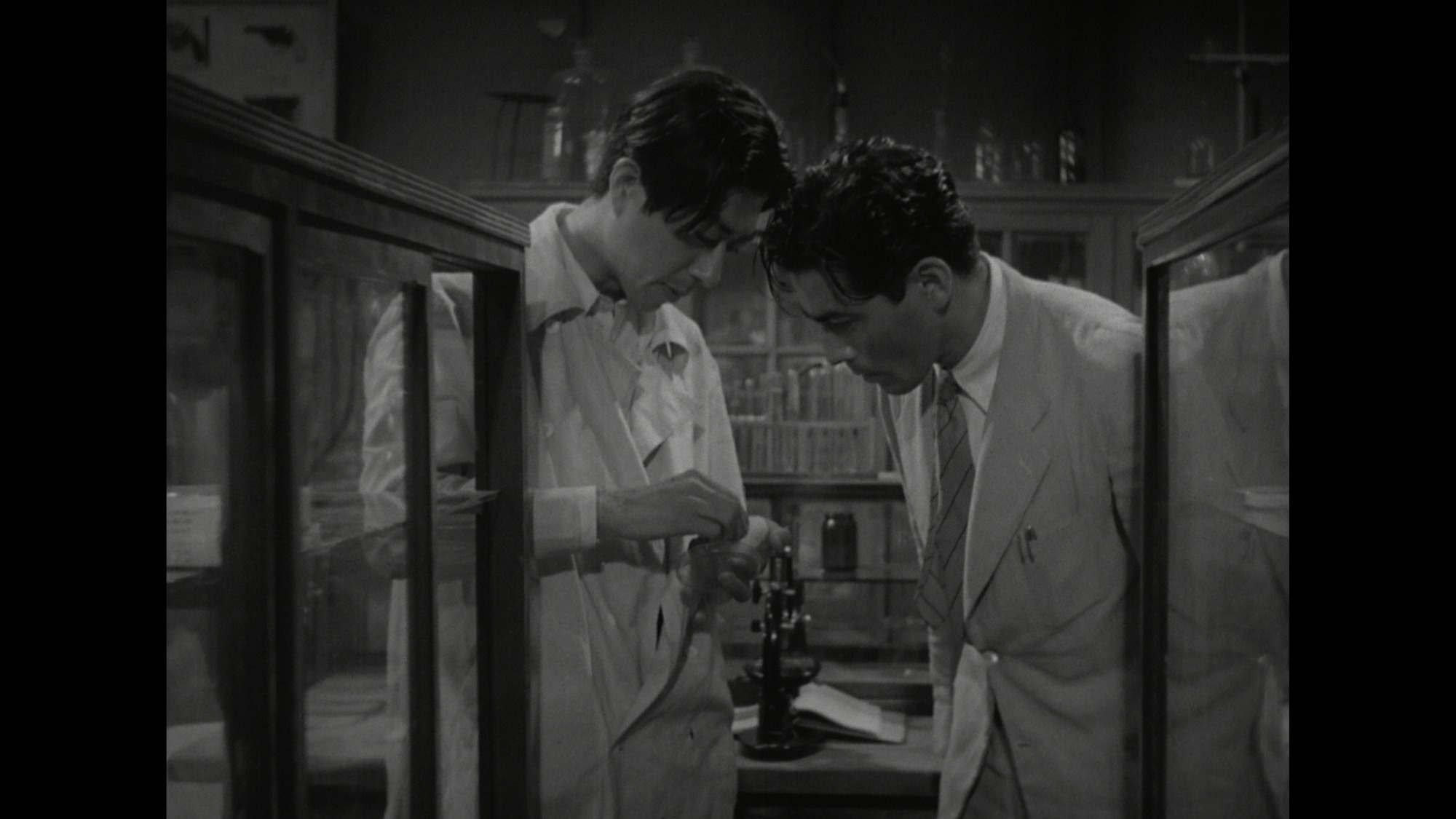
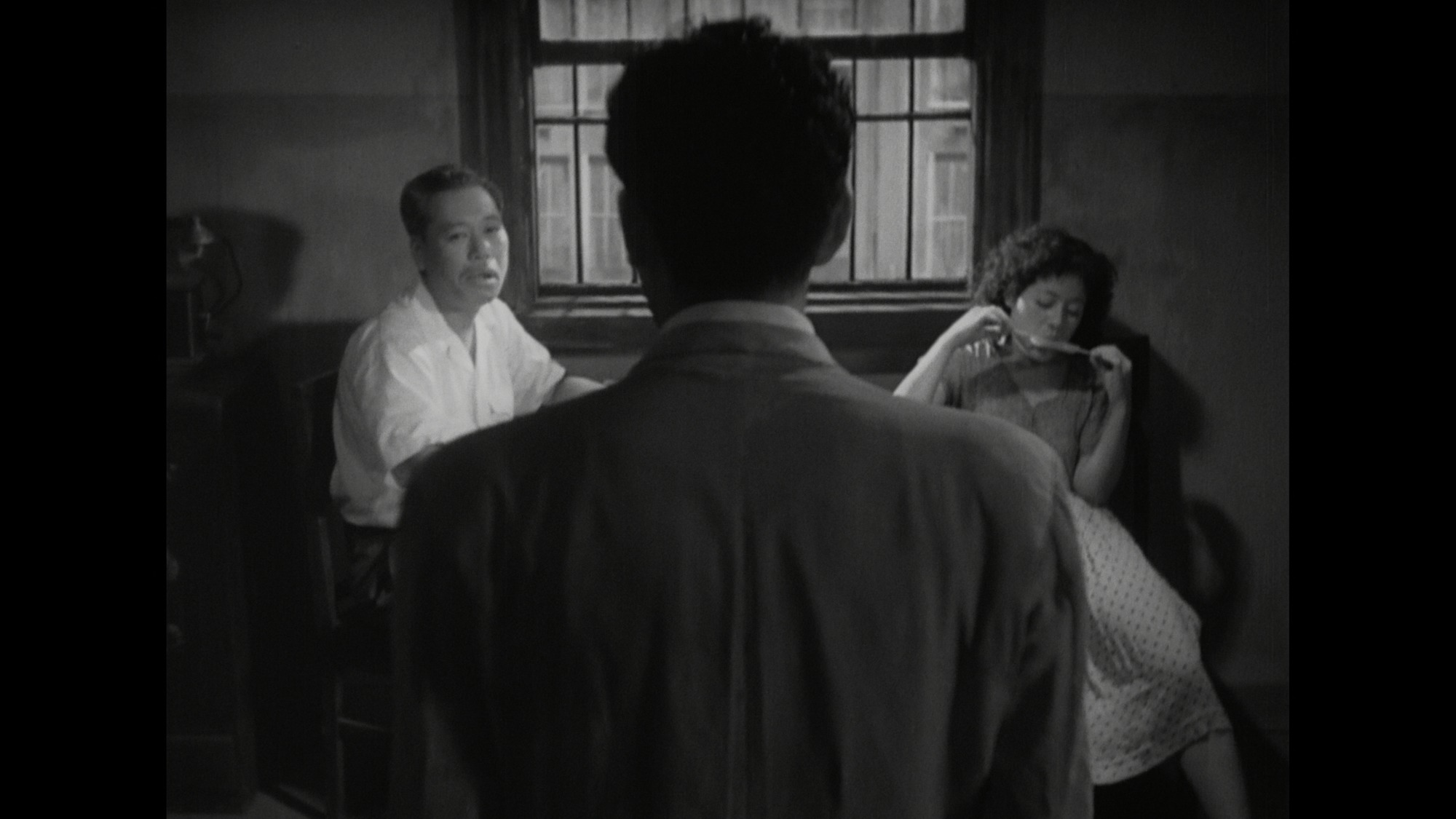
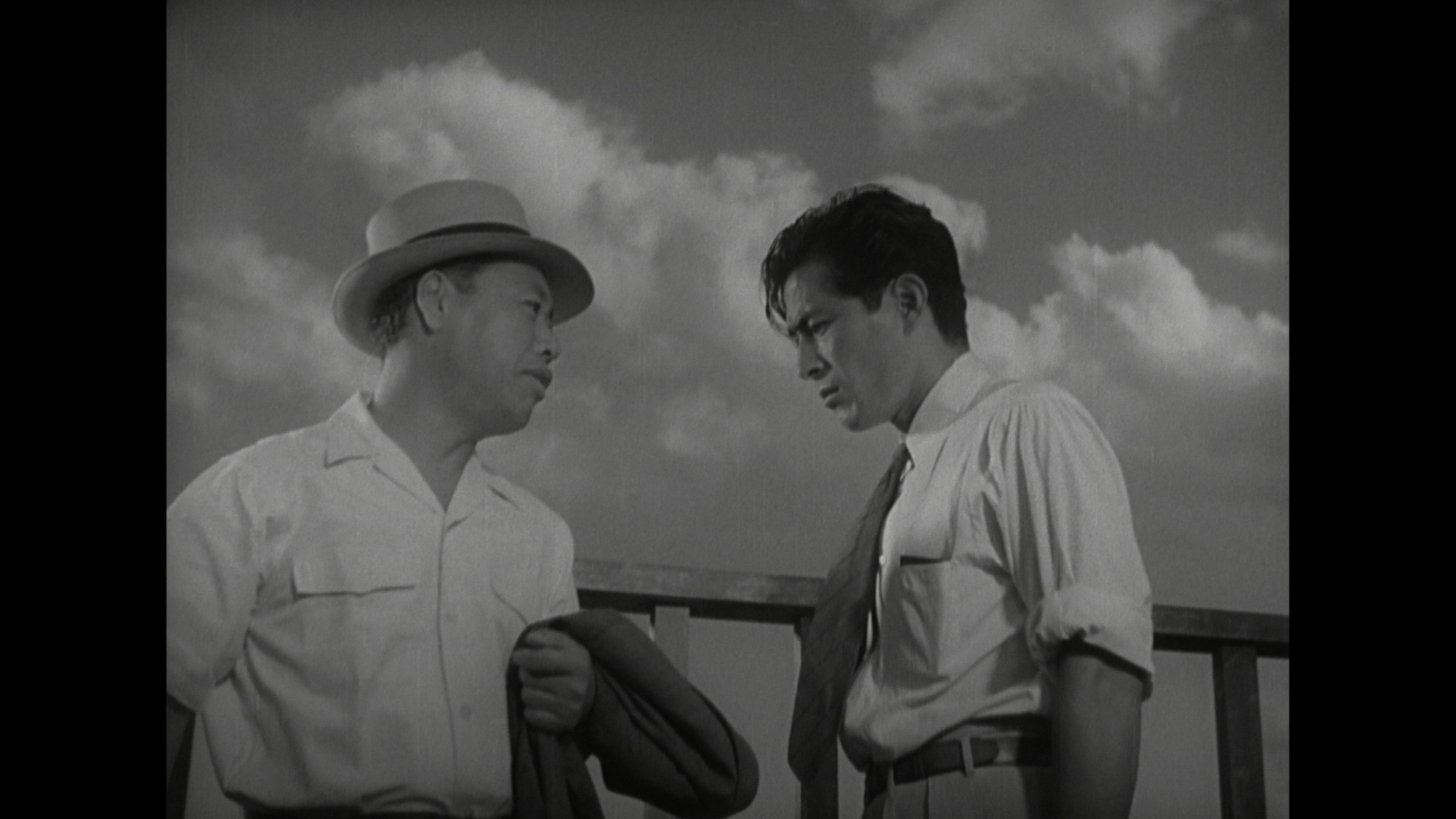
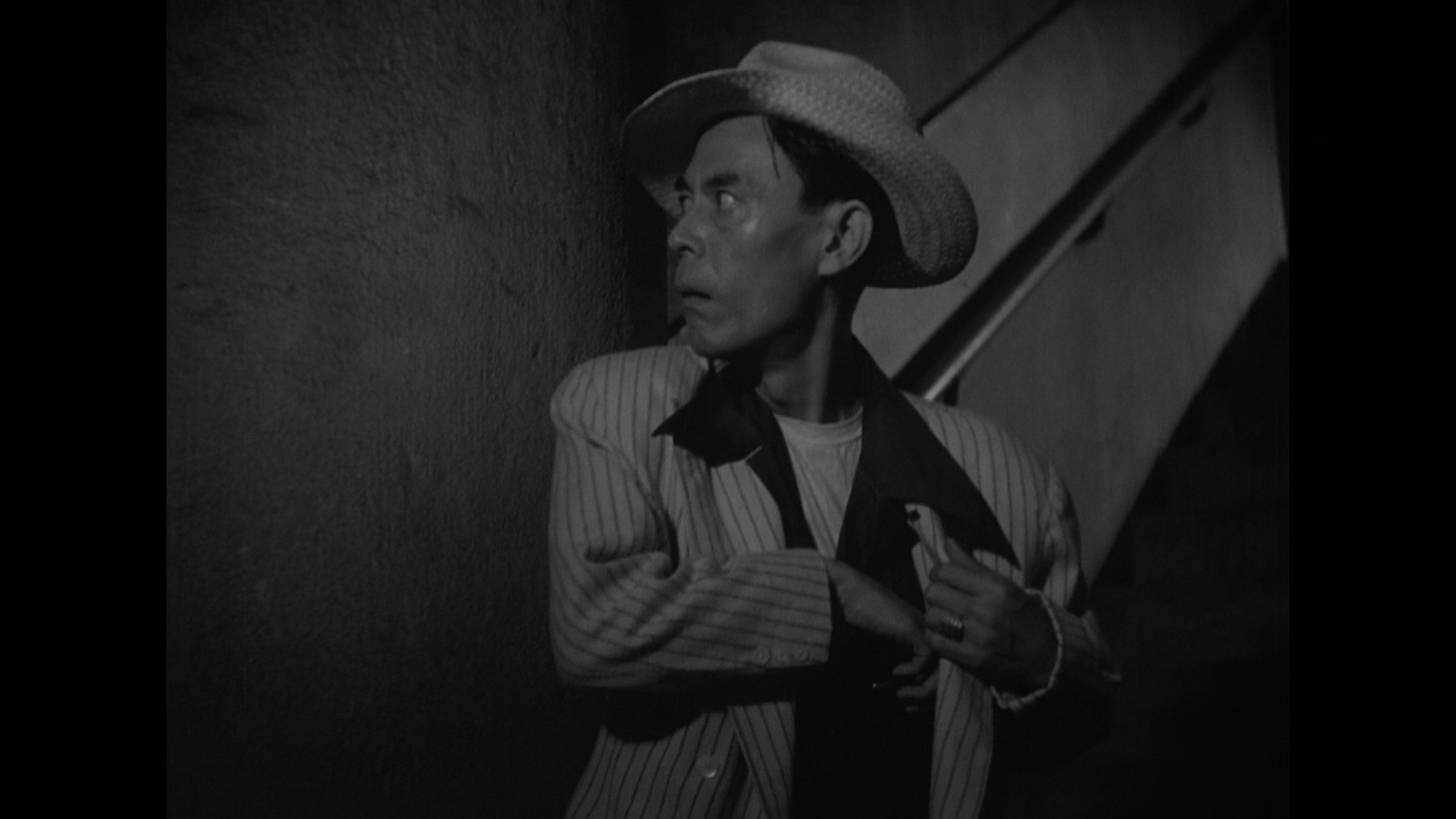
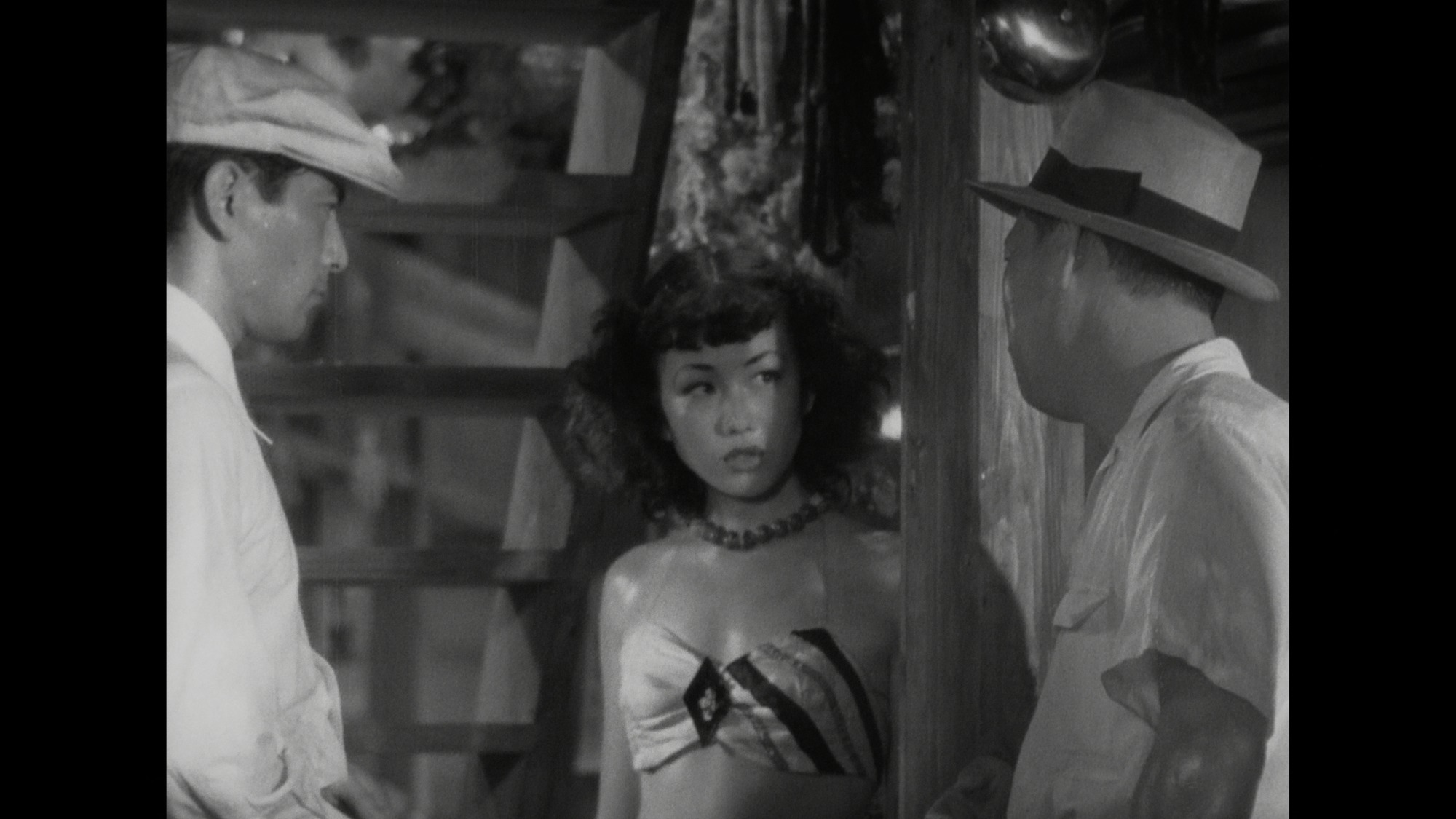
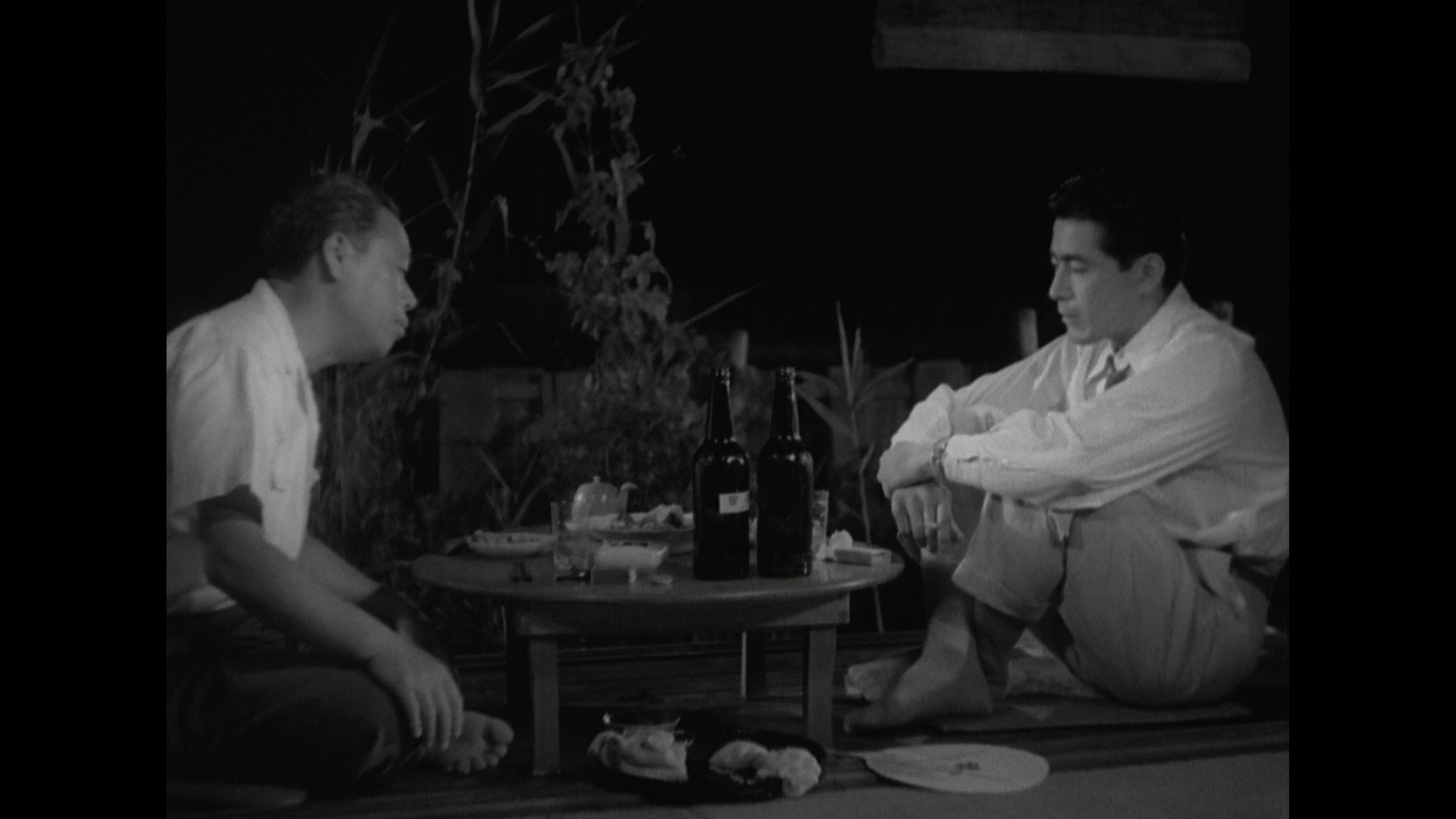
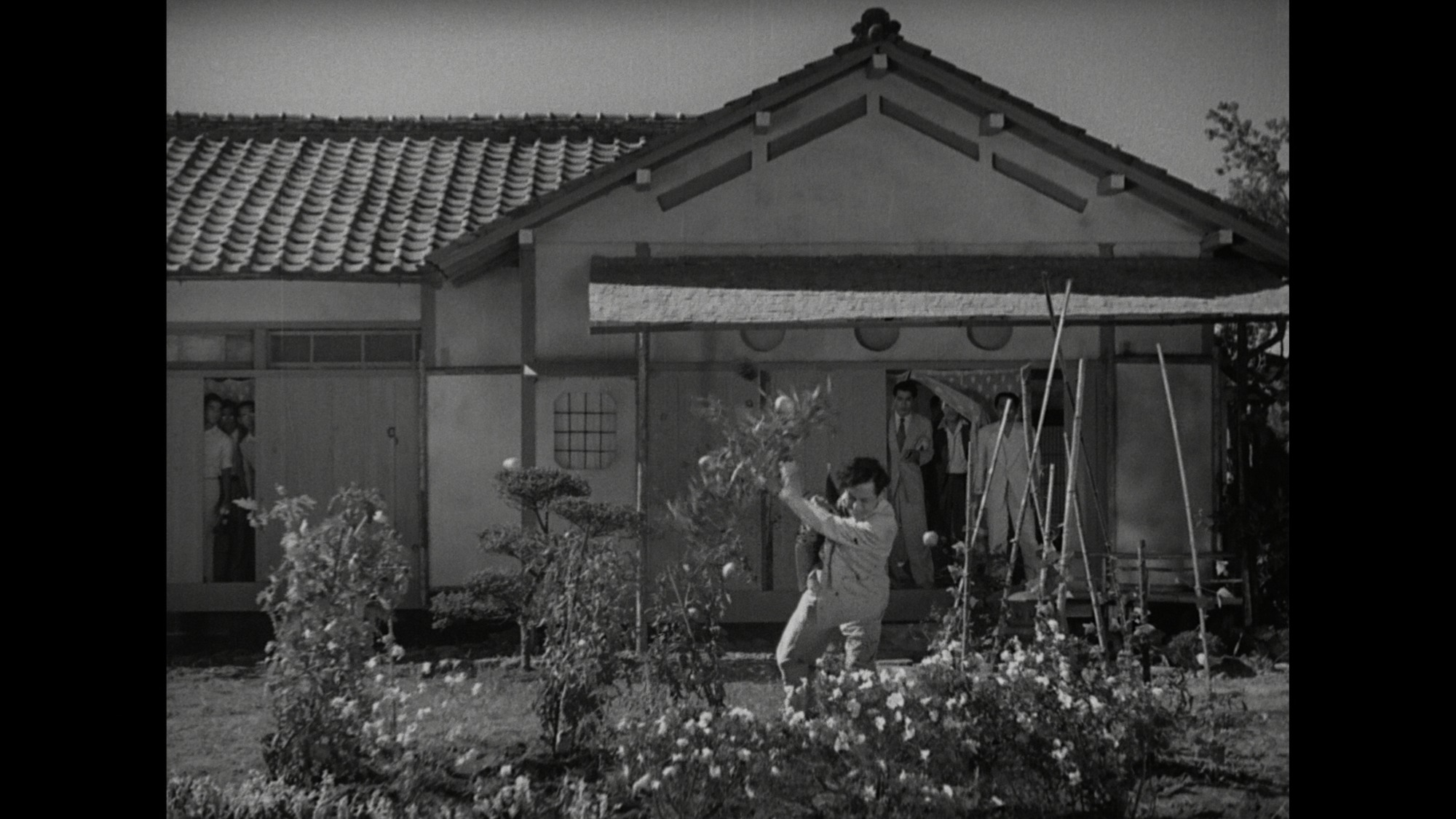
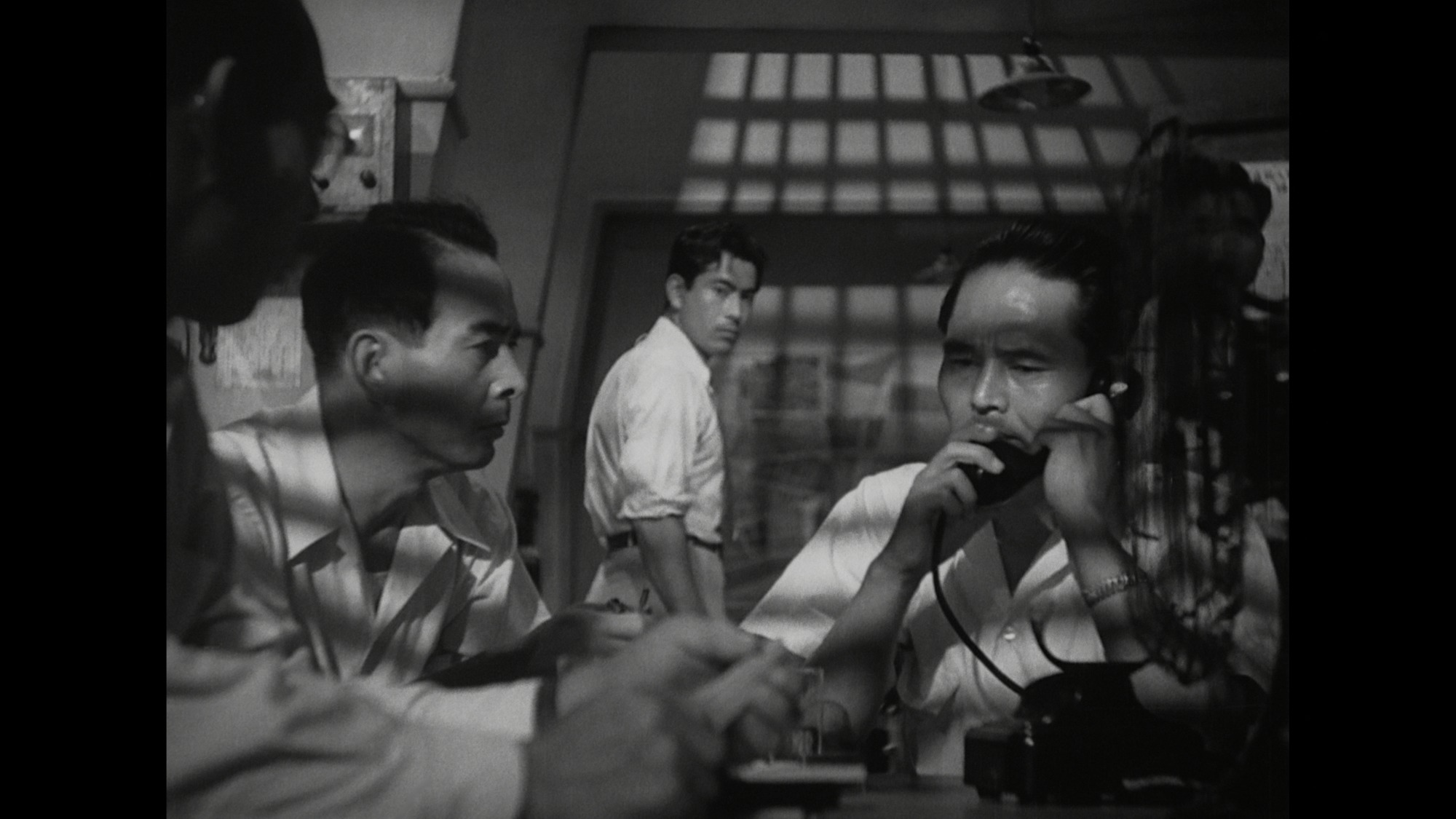
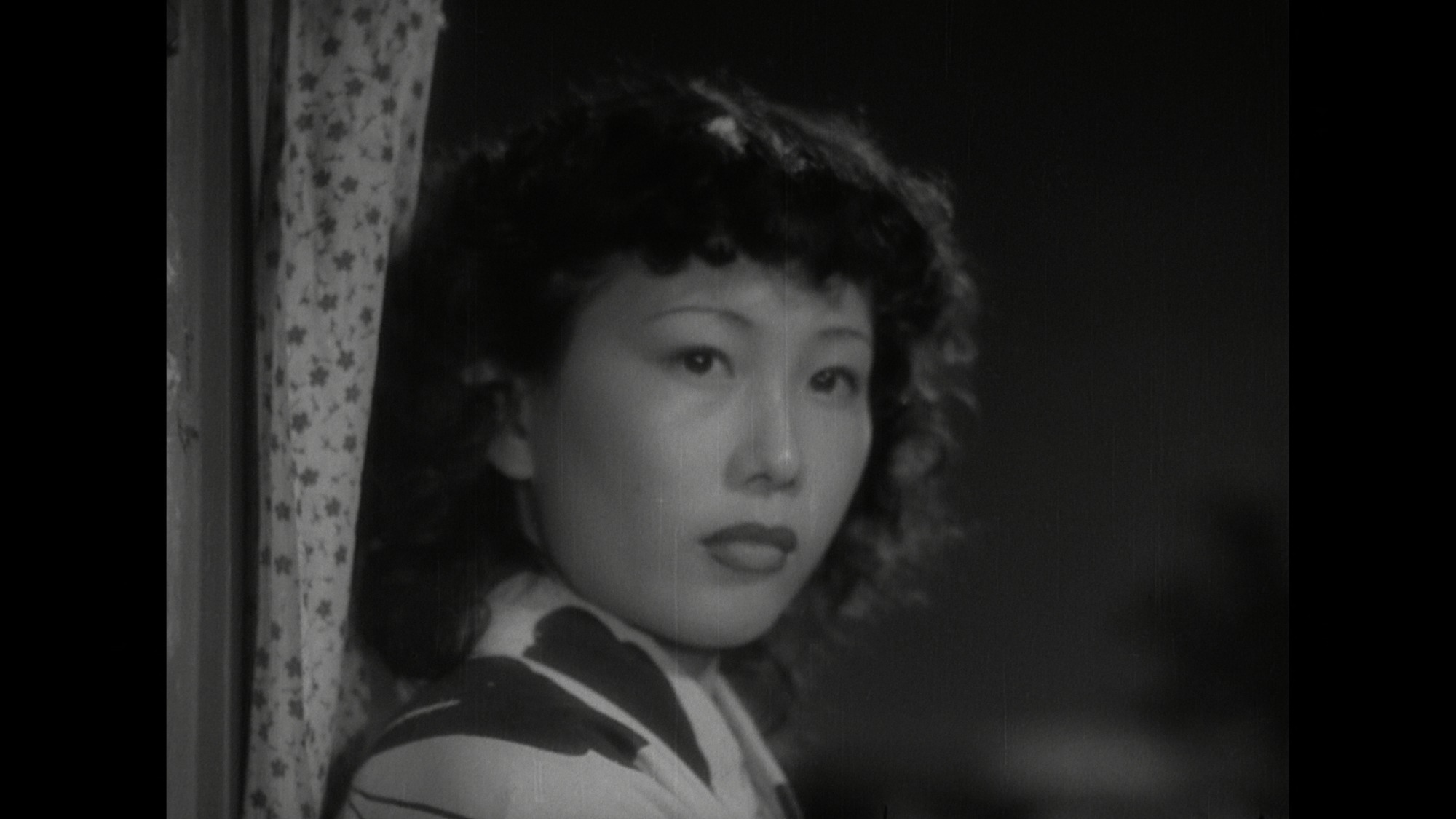
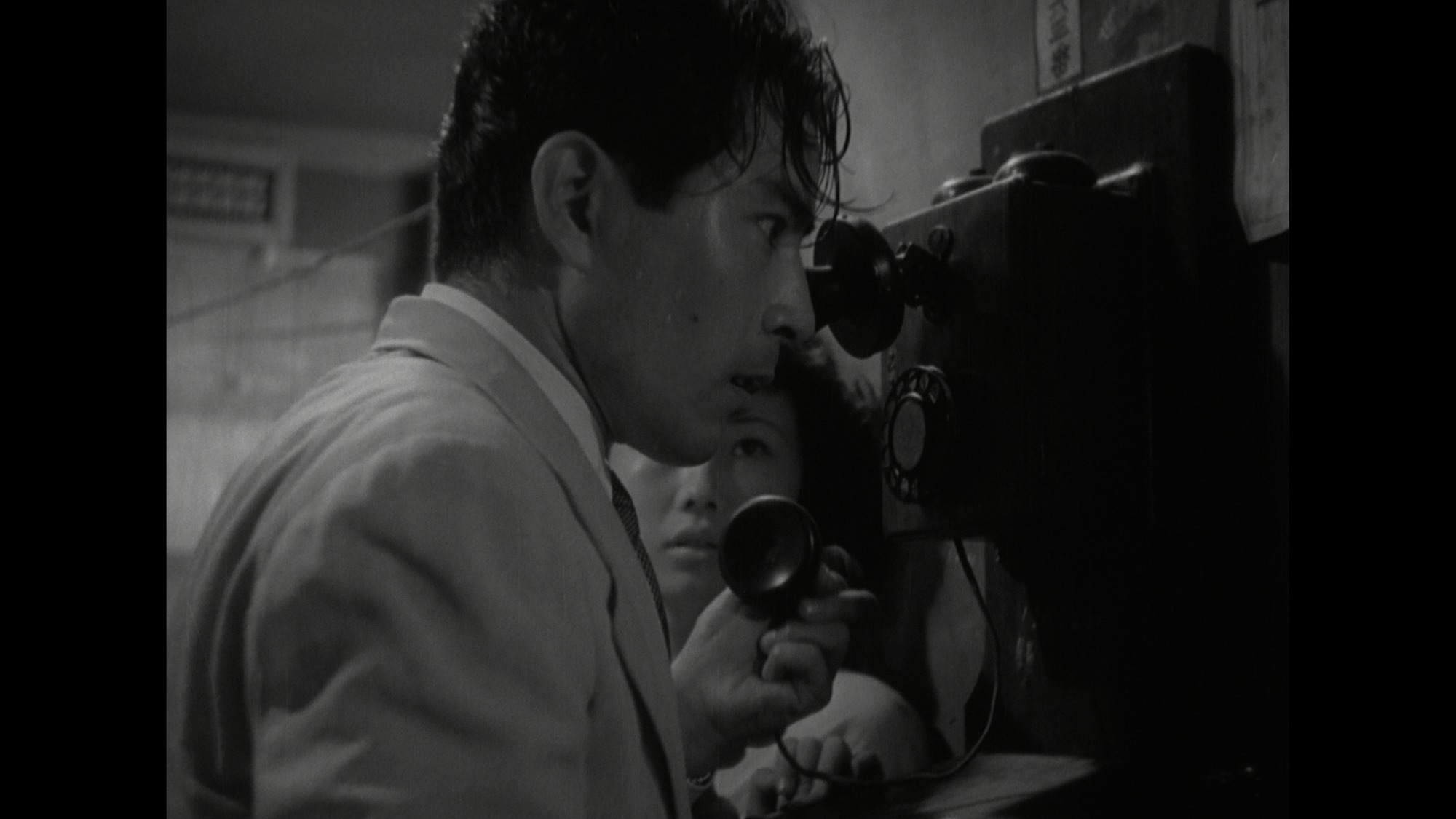
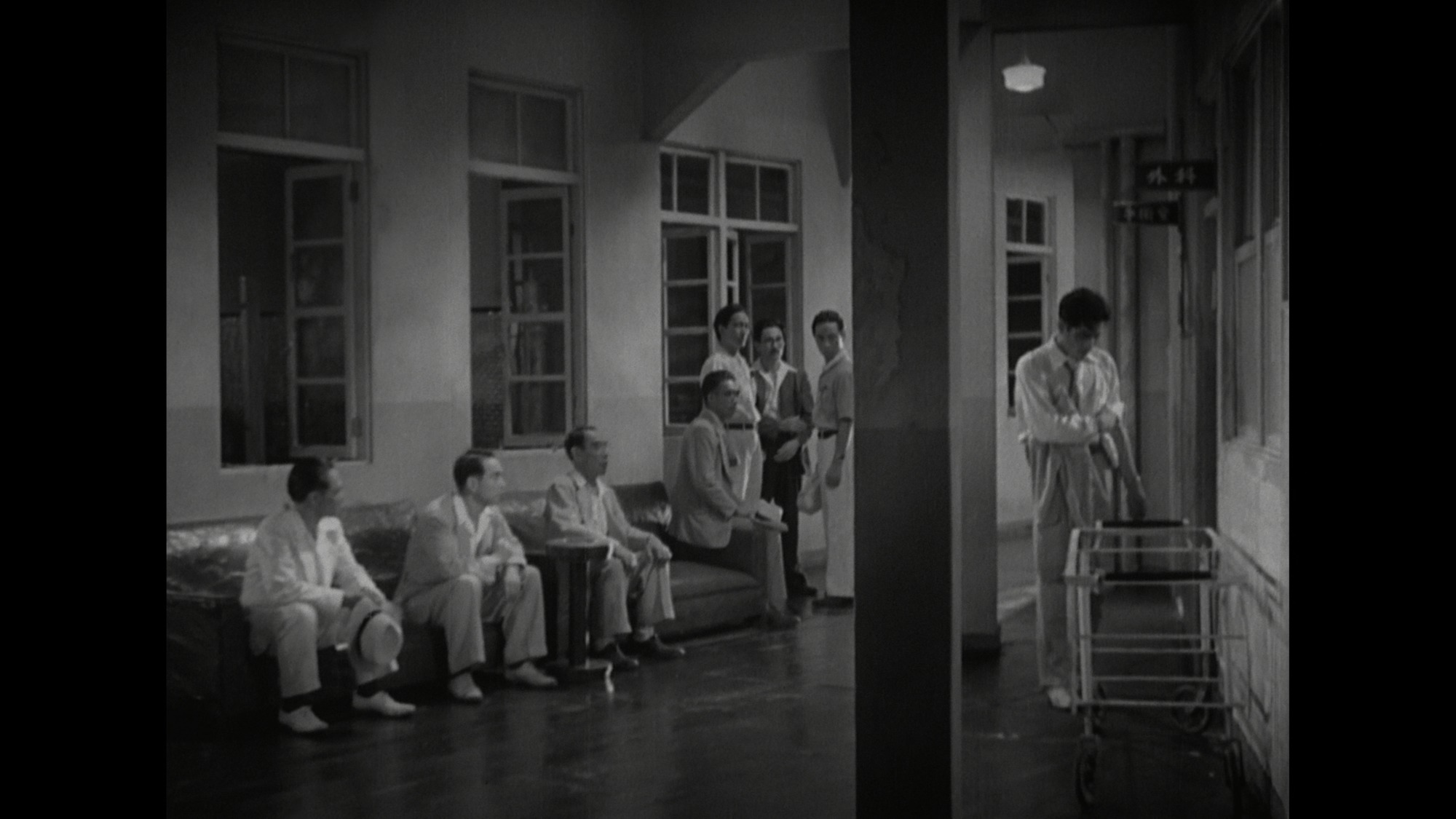
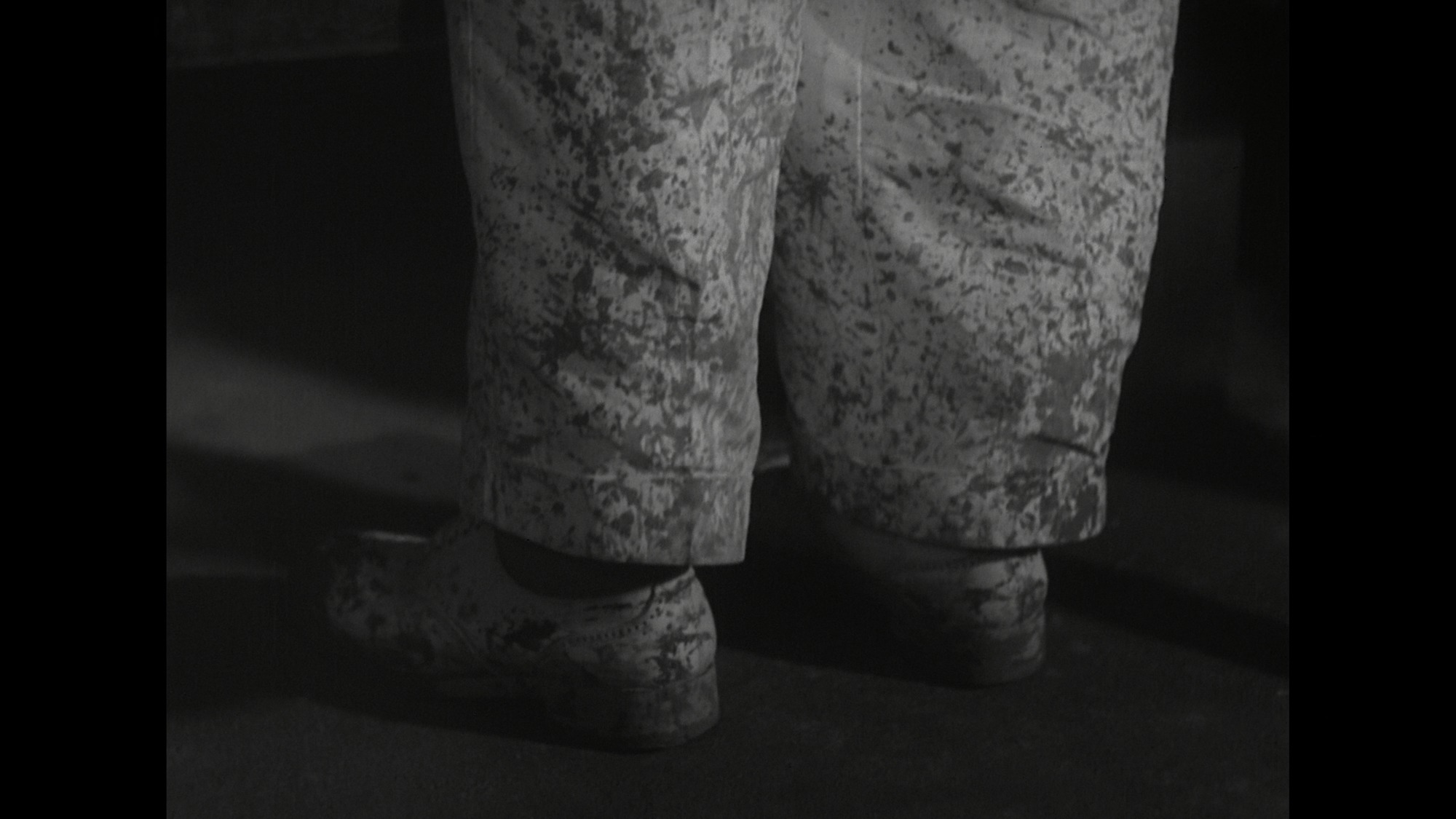
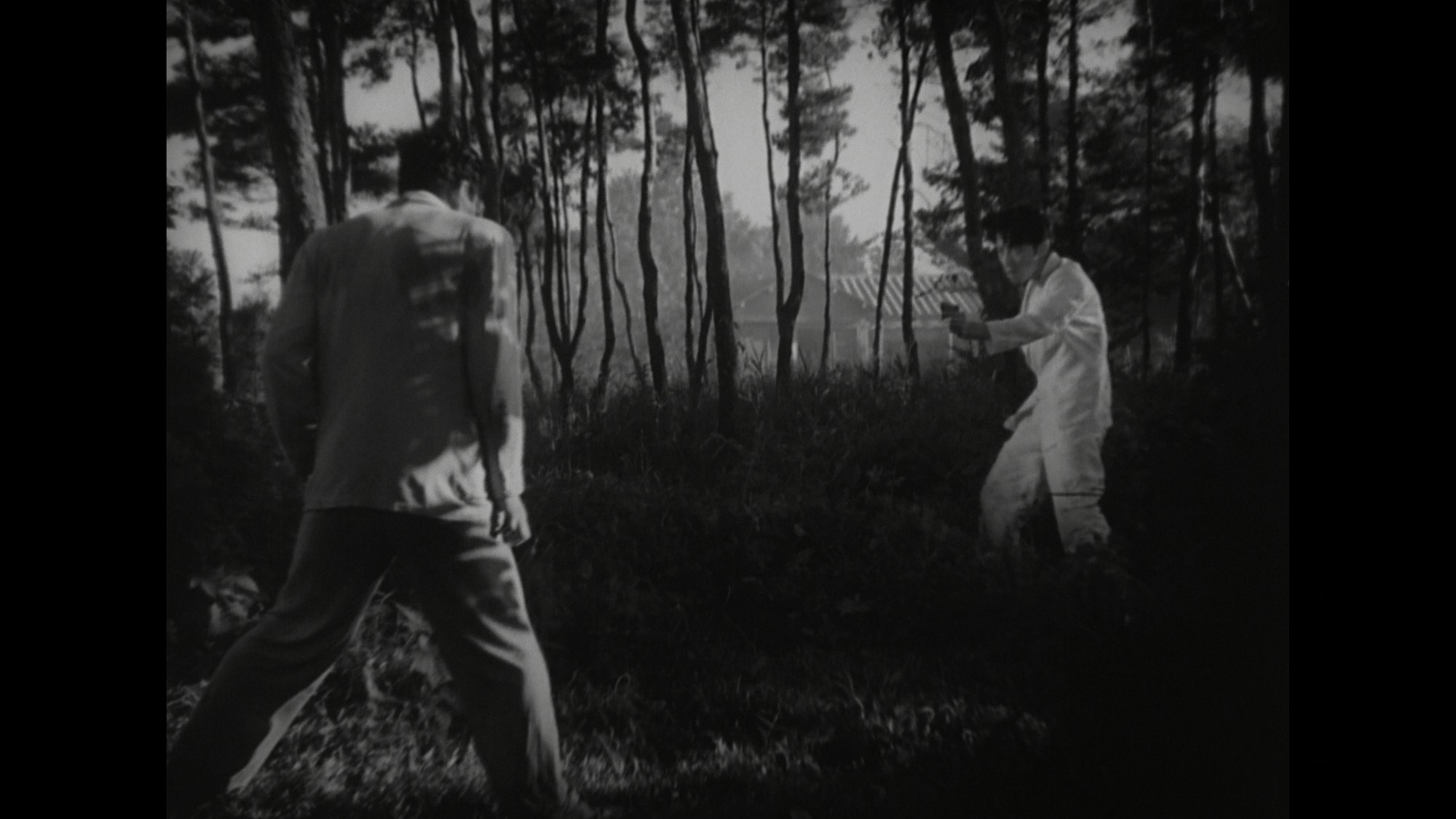
That said, while I don’t want to give the impression this UHD presentation is some sort of revelation for the film (it absolutely isn’t), I do have to admit it looks noticeably better than I expected, and ends up being a fairly solid improvement over what BFI's Blu-ray delivered. The biggest surprise is that the filtering visible on BFI’s Blu-ray has been dialed back considerably here, as well as on Criterion’s accompanying 1080p presentation. Grain is more apparent throughout, giving the image a stronger film-like texture. It’s still not especially heavy (much to my surprise), but it’s more natural-looking and cleanly rendered, with Criterion’s encode handling it very well. The grading also differs from BFI’s presentation, with Criterion going for a noticeably darker image overall, though the grayscale range still feels broader compared to their old DVD. Black levels also appear stronger, less gray.
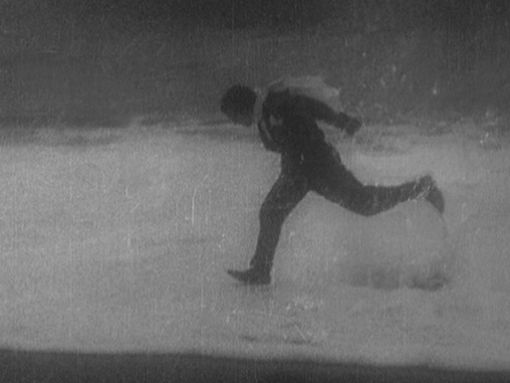
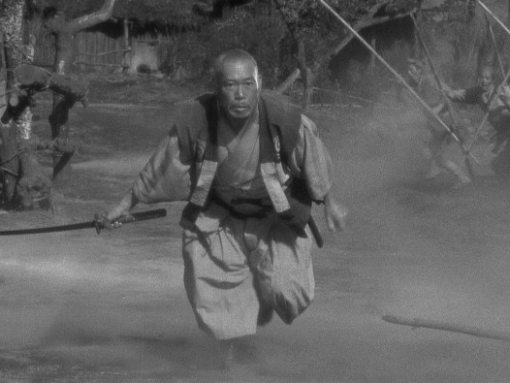
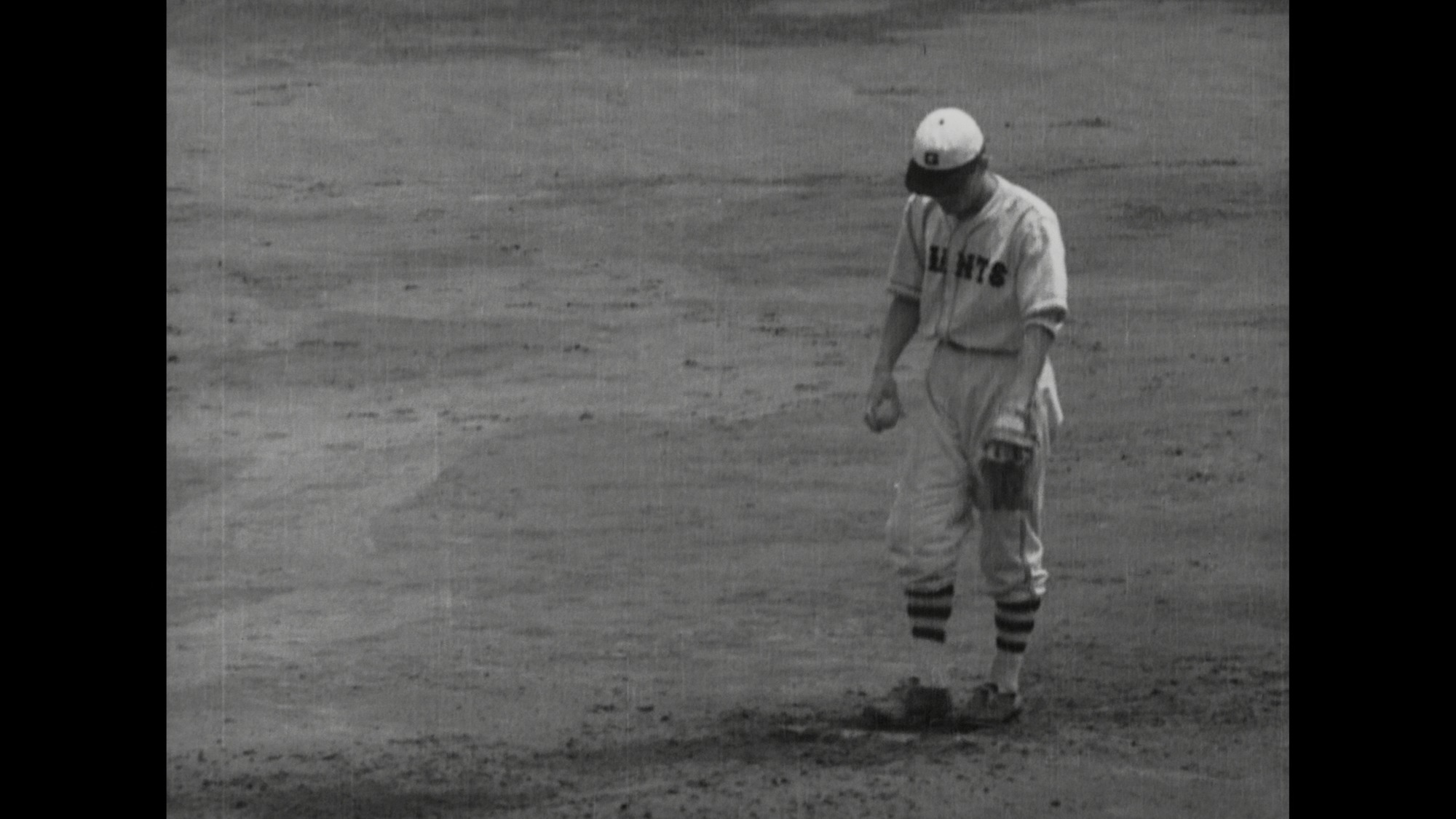
Still, despite being sharper and cleaner than the BFI presentation, a high-definition presentation would have probably still been good enough. Though the 4K's encode is better than the Blu-ray's (which is still decent itself) and also cleaner on the whole, the picture still retains a hazy appearance much of the time, and the improvements in the finer textures and details are slight. Scratches and marks still appear throughout, especially in the archival footage—like the ballgame sequence—though honestly not to the extent I was expecting. So while the presentation remains limited by the available elements, I still think the improved grain rendering and more filmic appearance make this a definite step up overall.
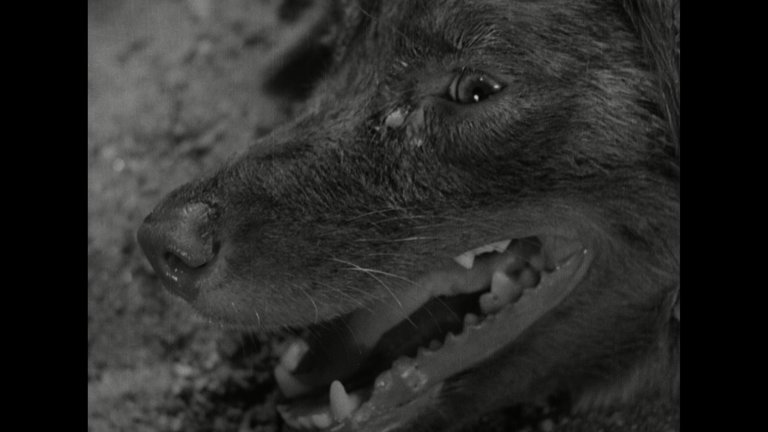
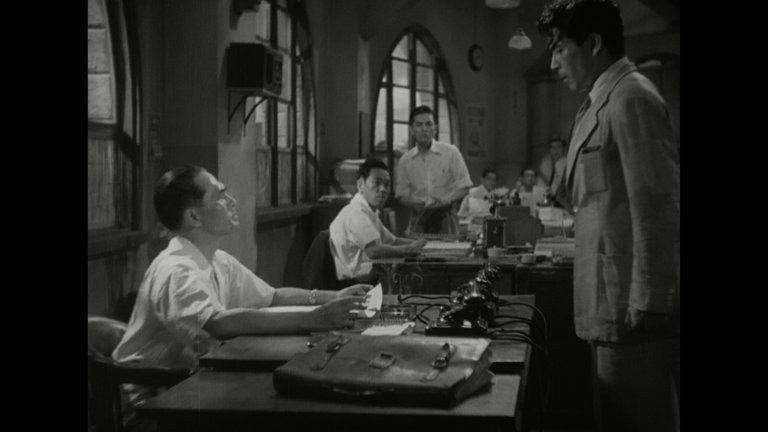
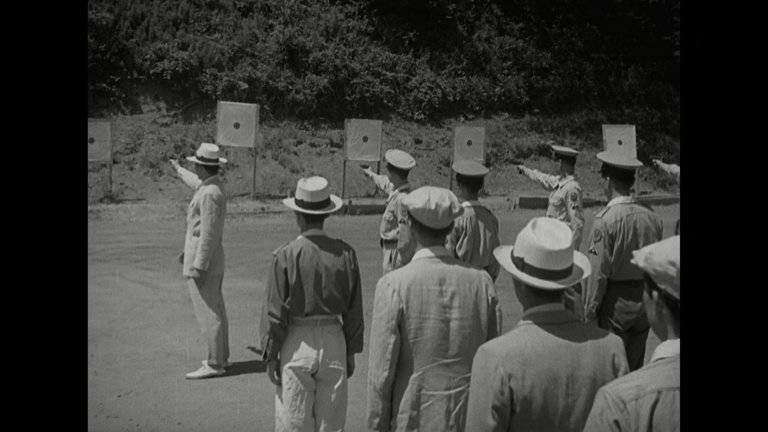
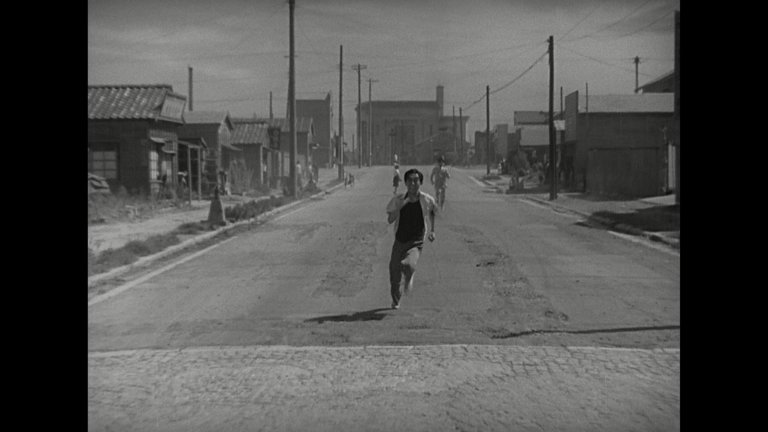
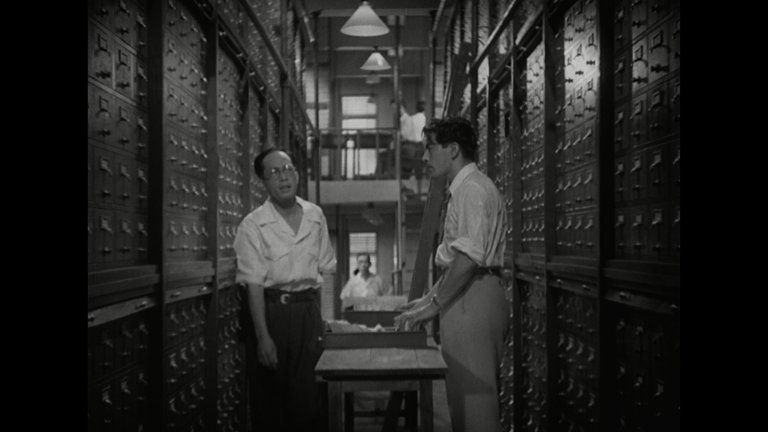
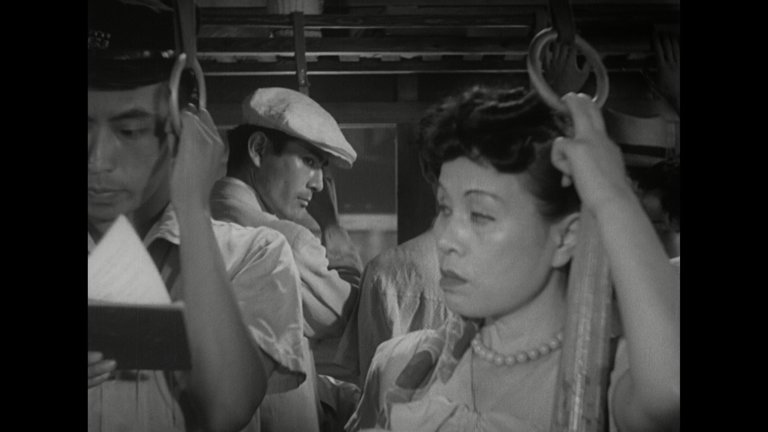
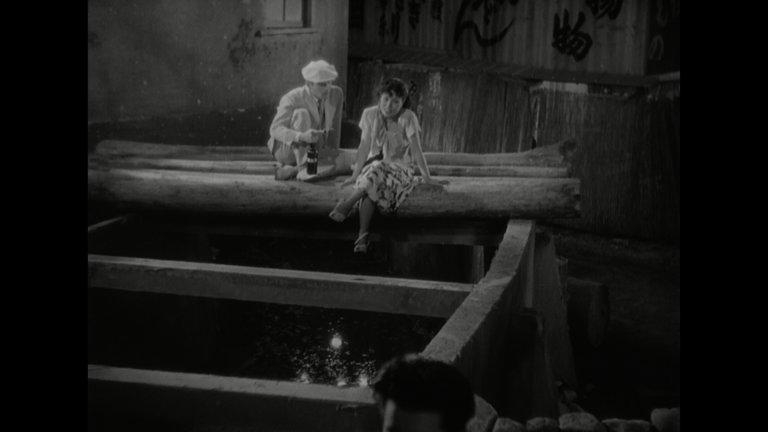
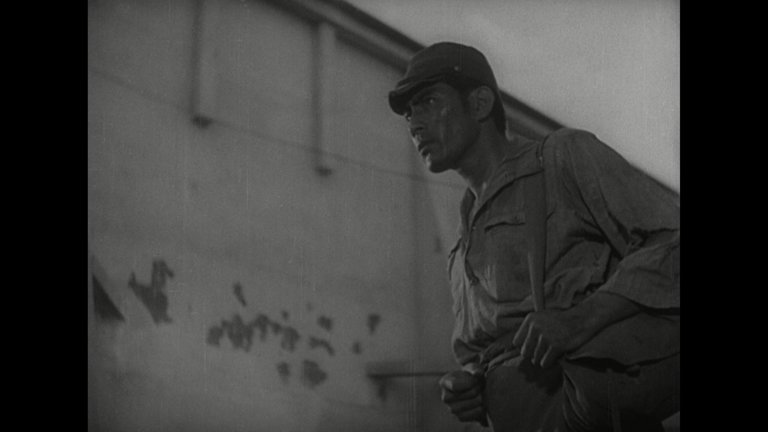
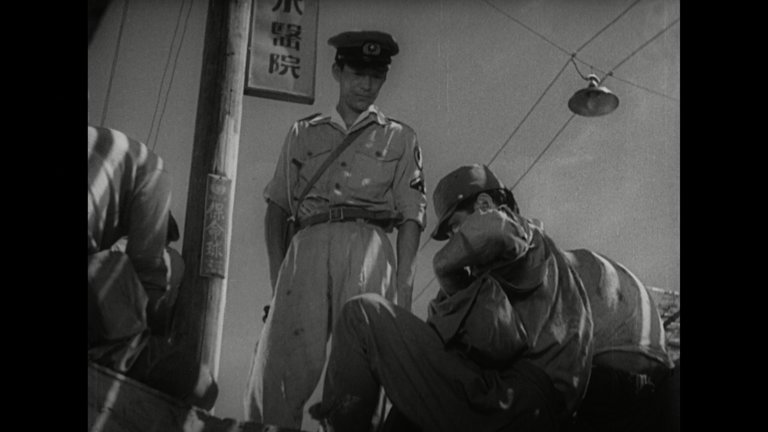
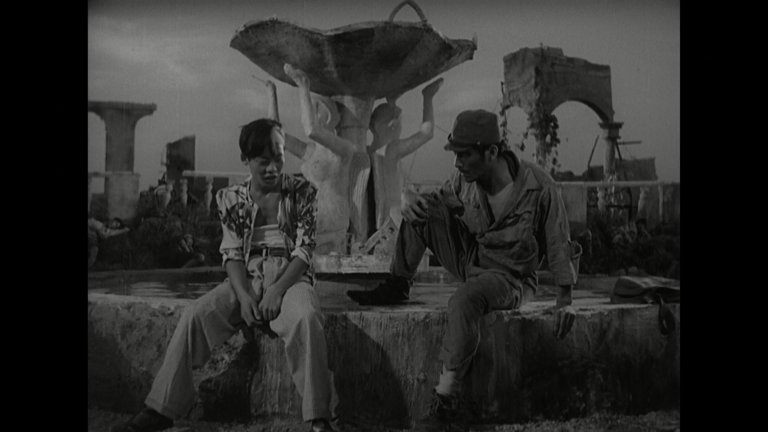
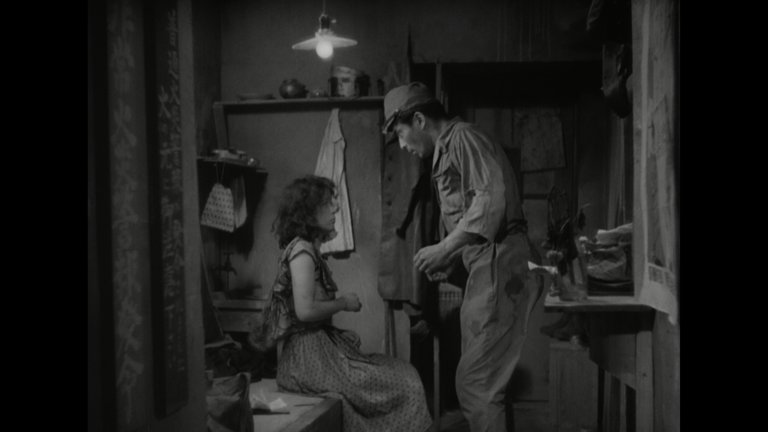
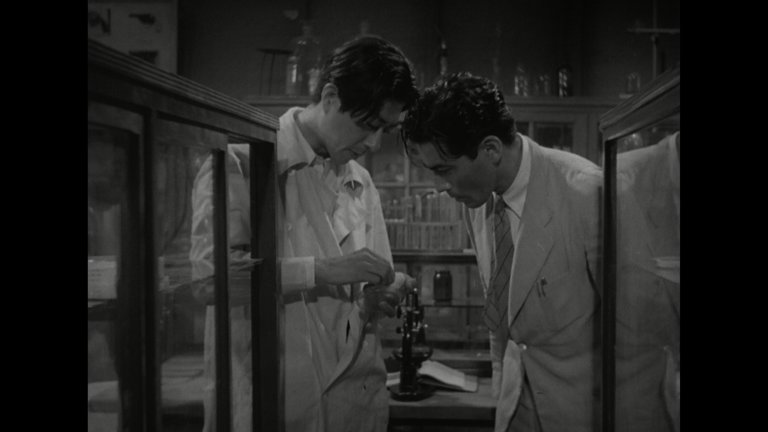
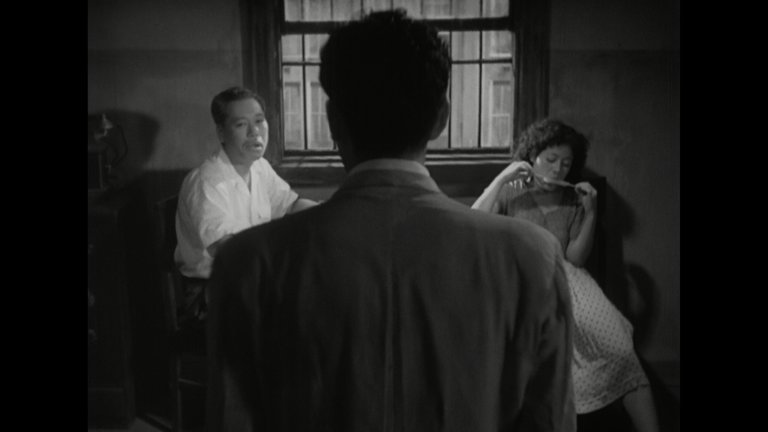
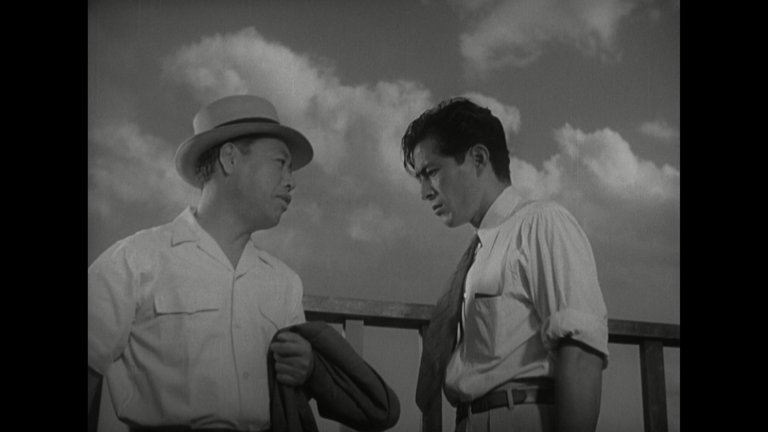
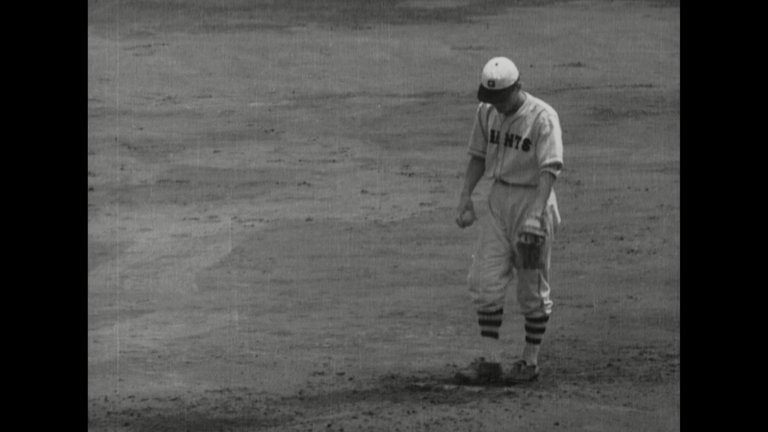
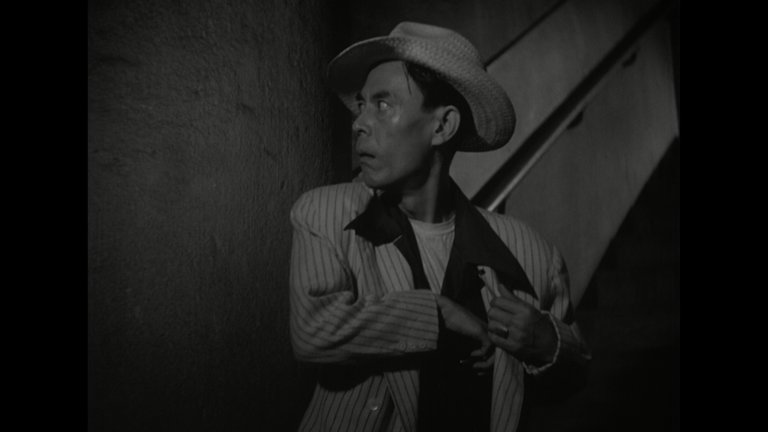
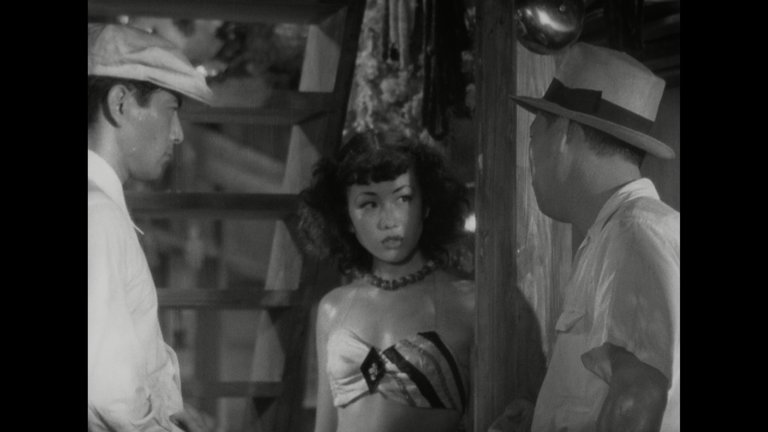
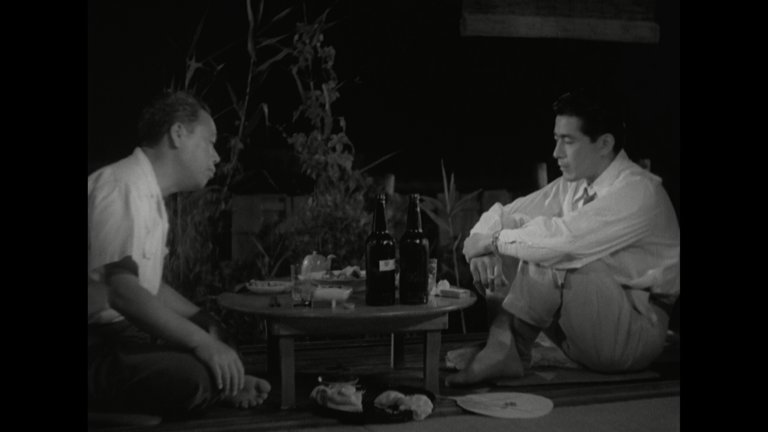
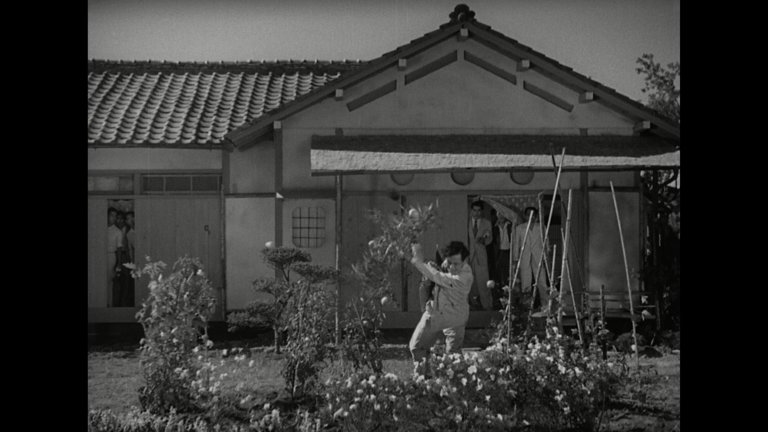
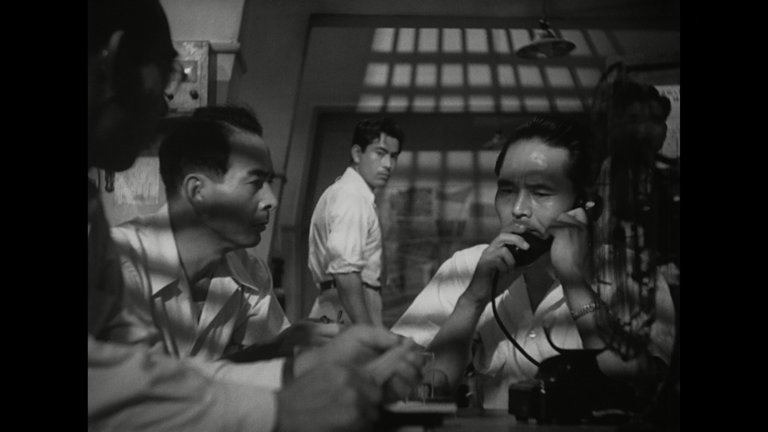
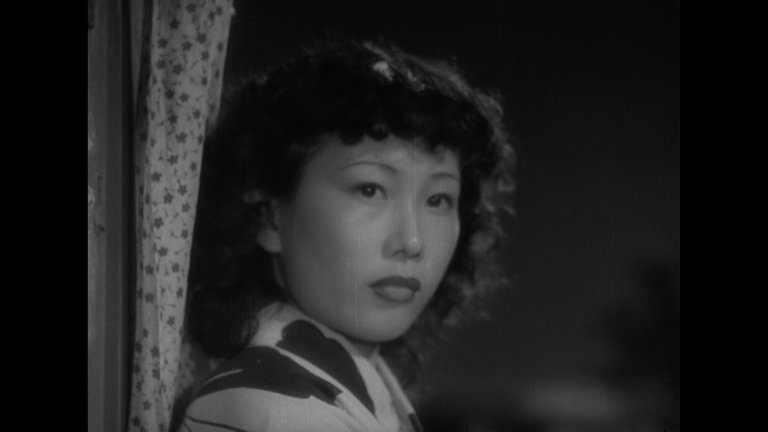
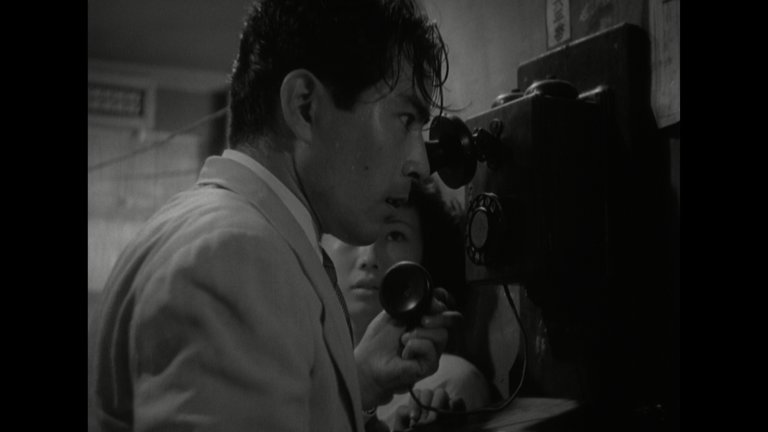
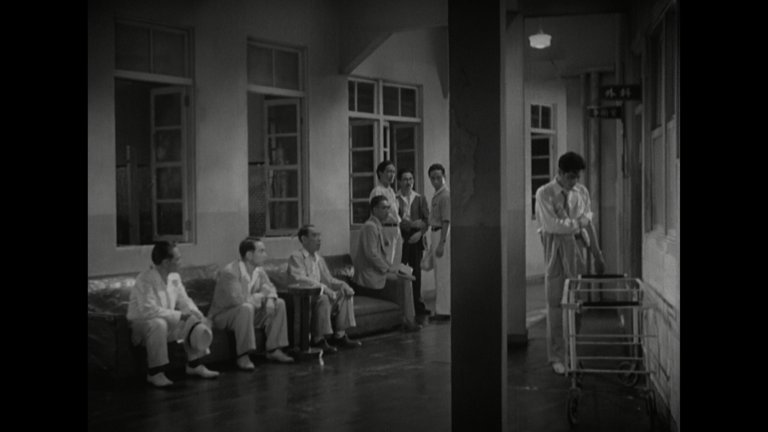
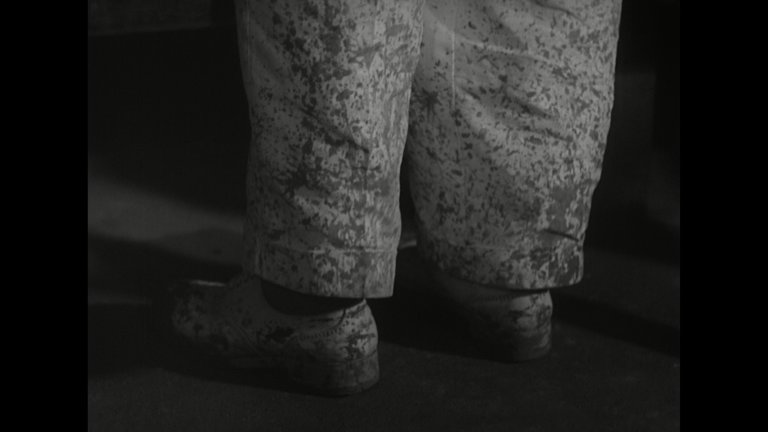
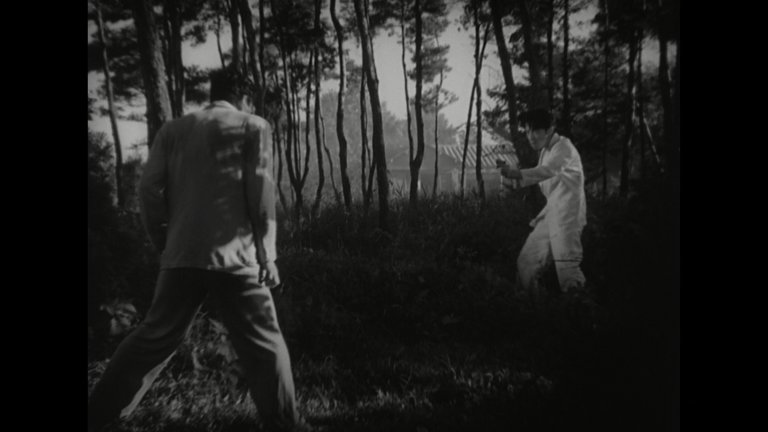
Stray Dog - Screen Captures
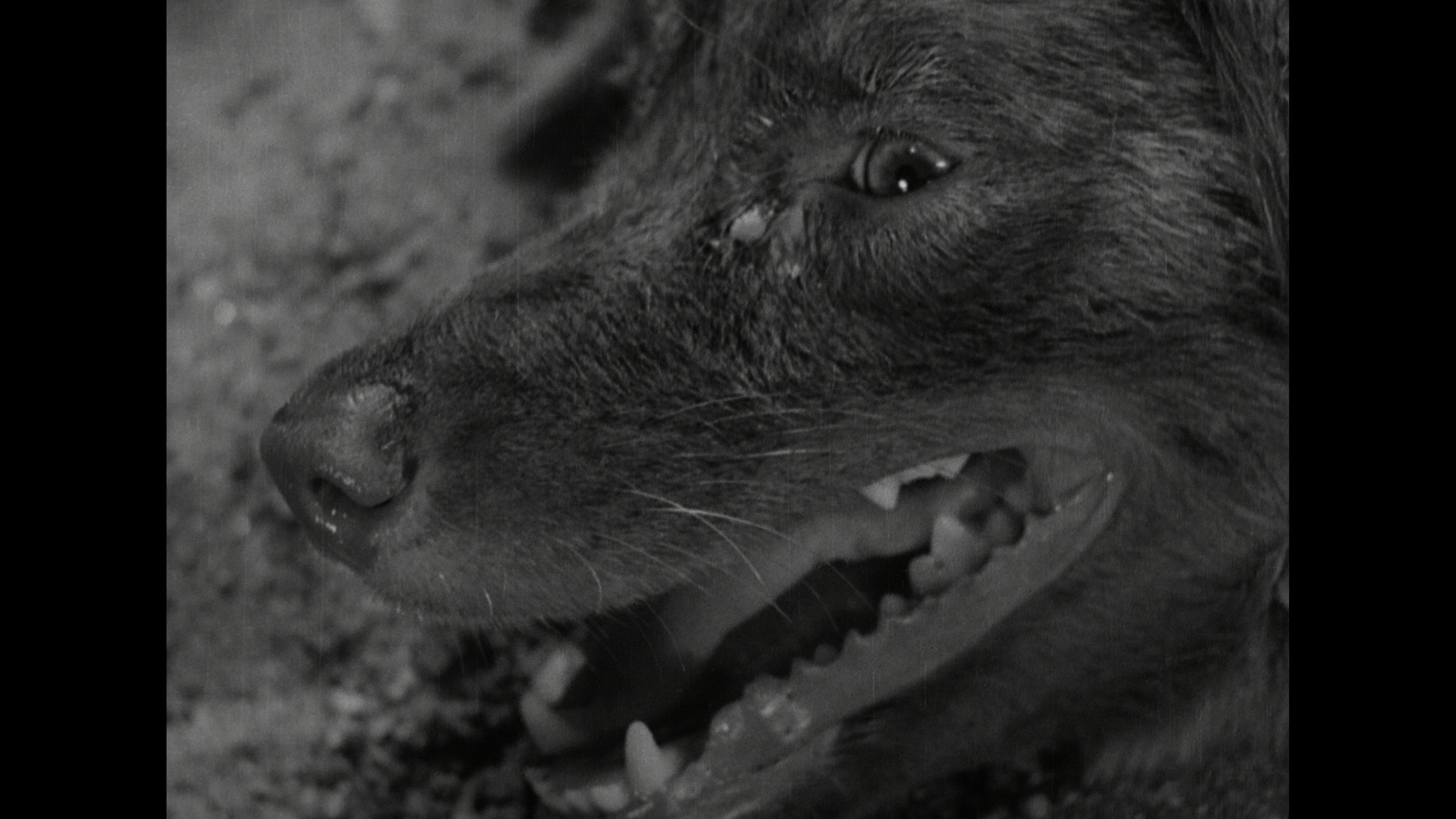
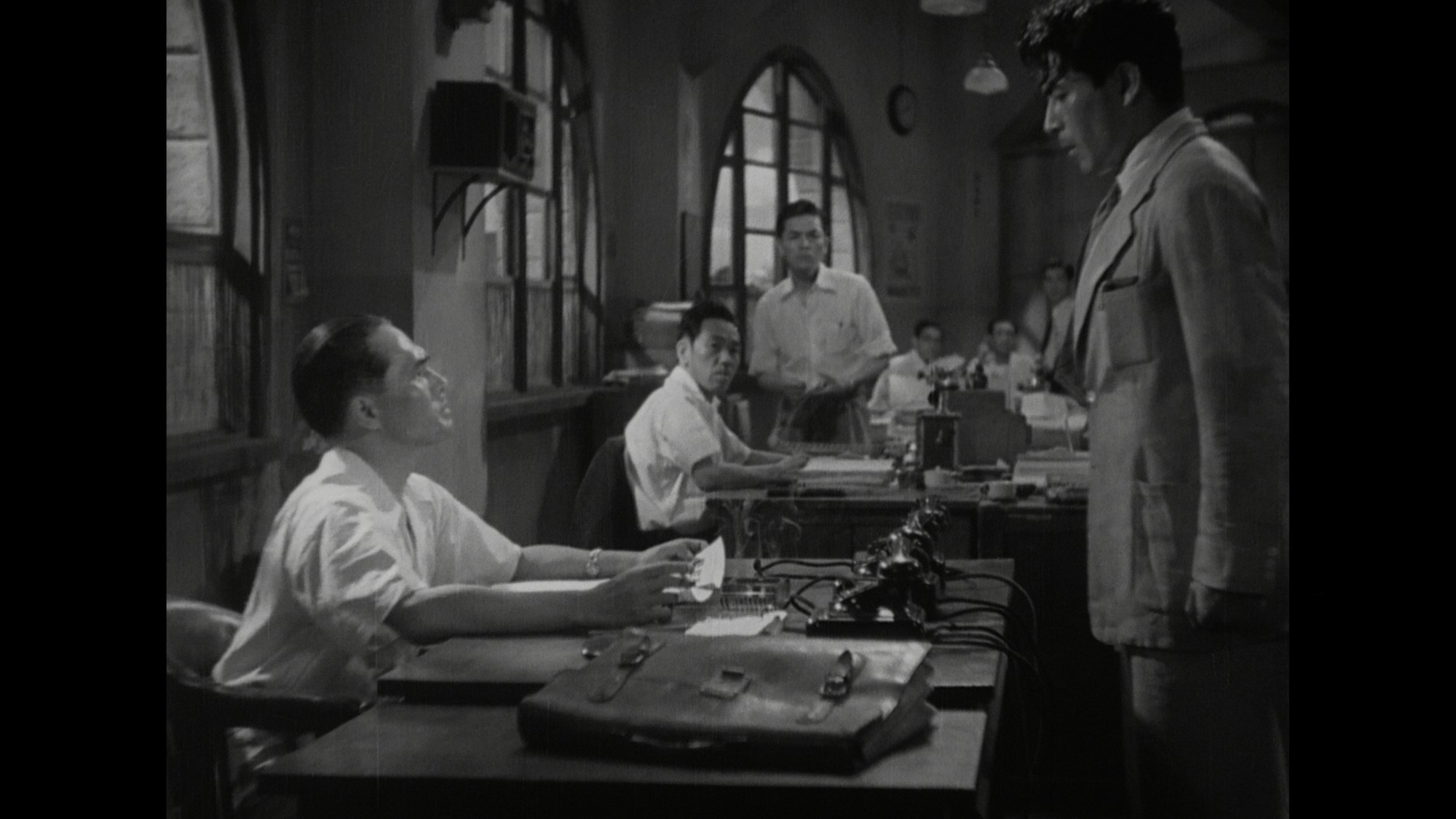
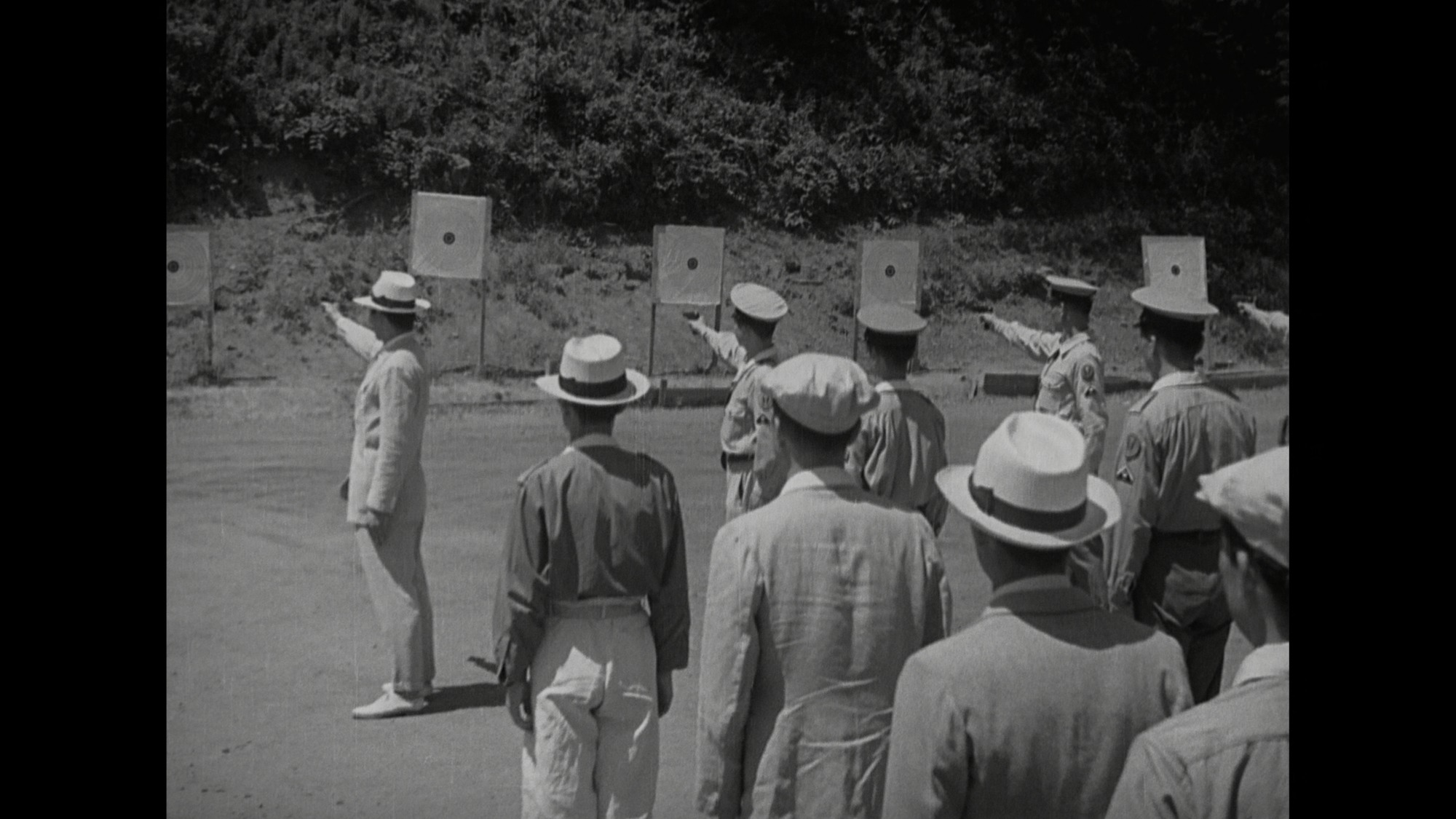
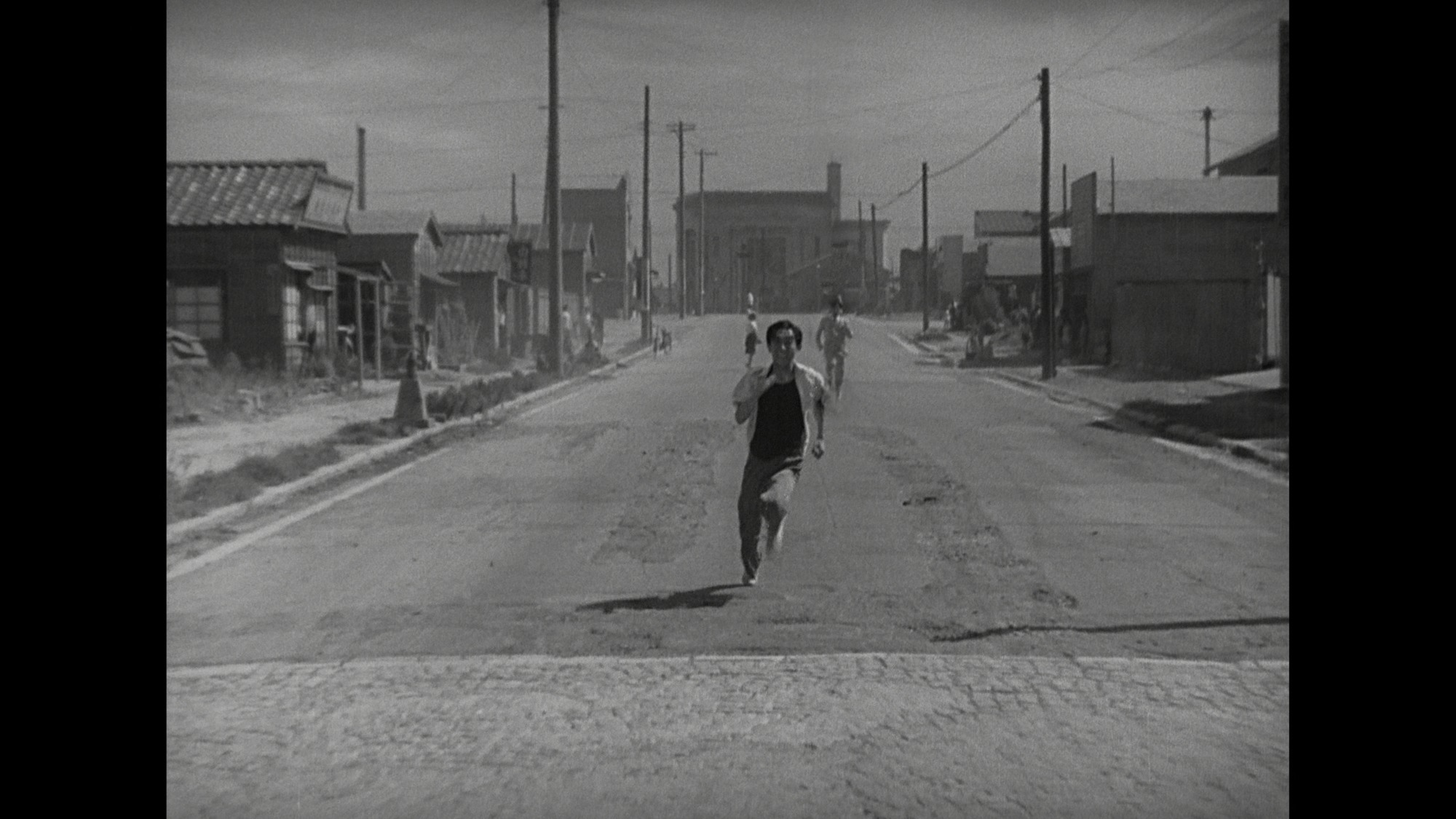
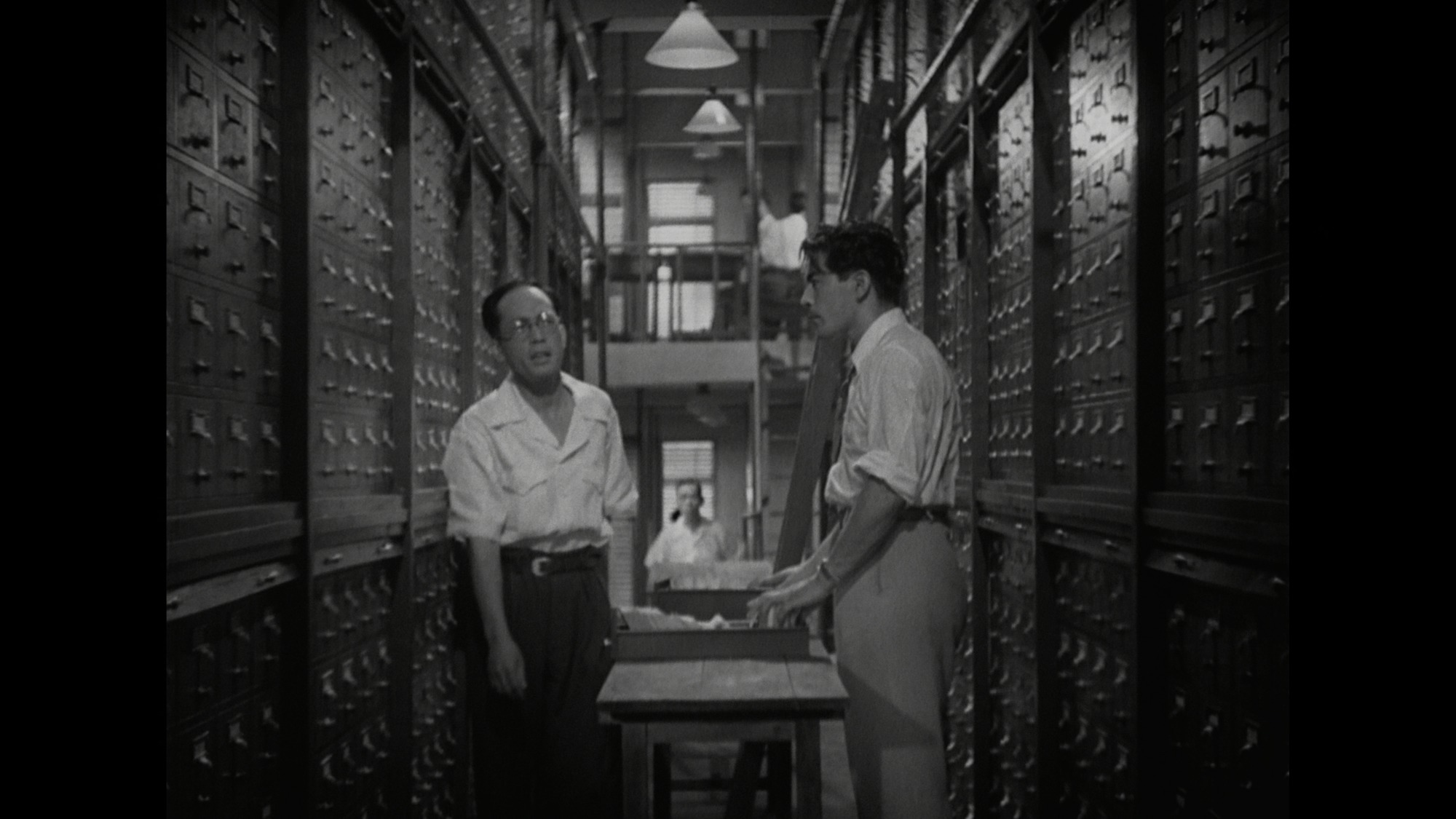
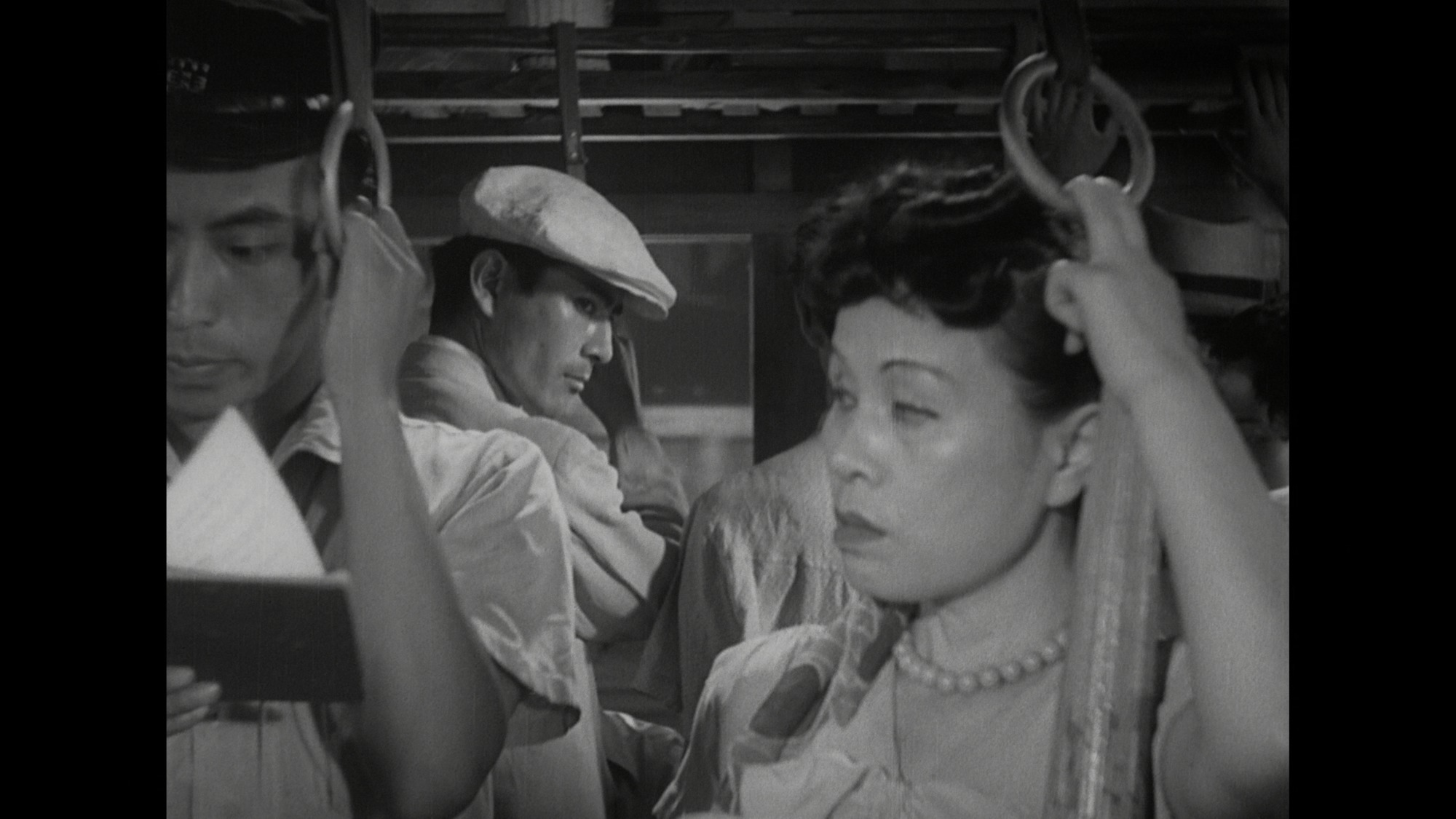
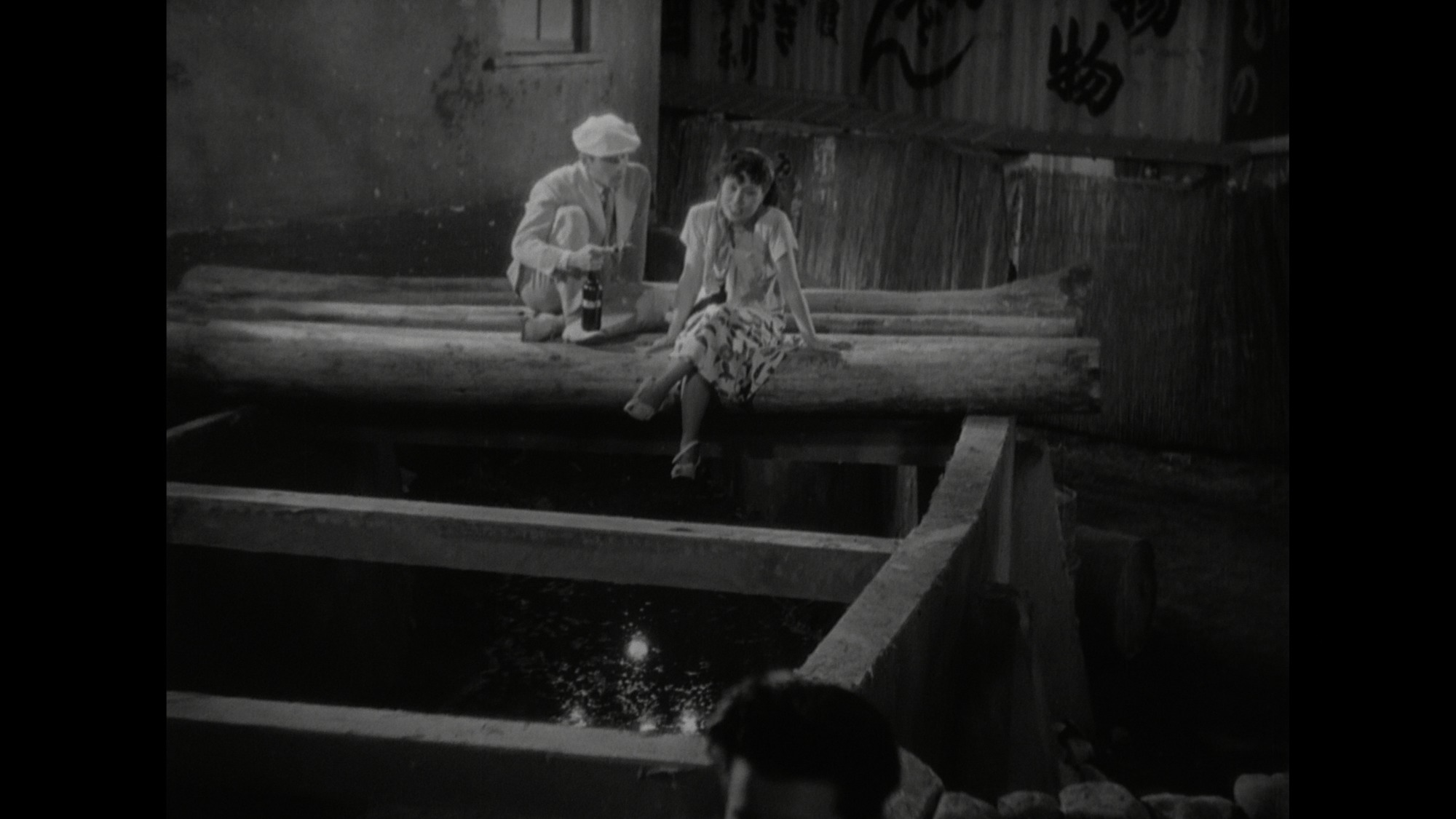
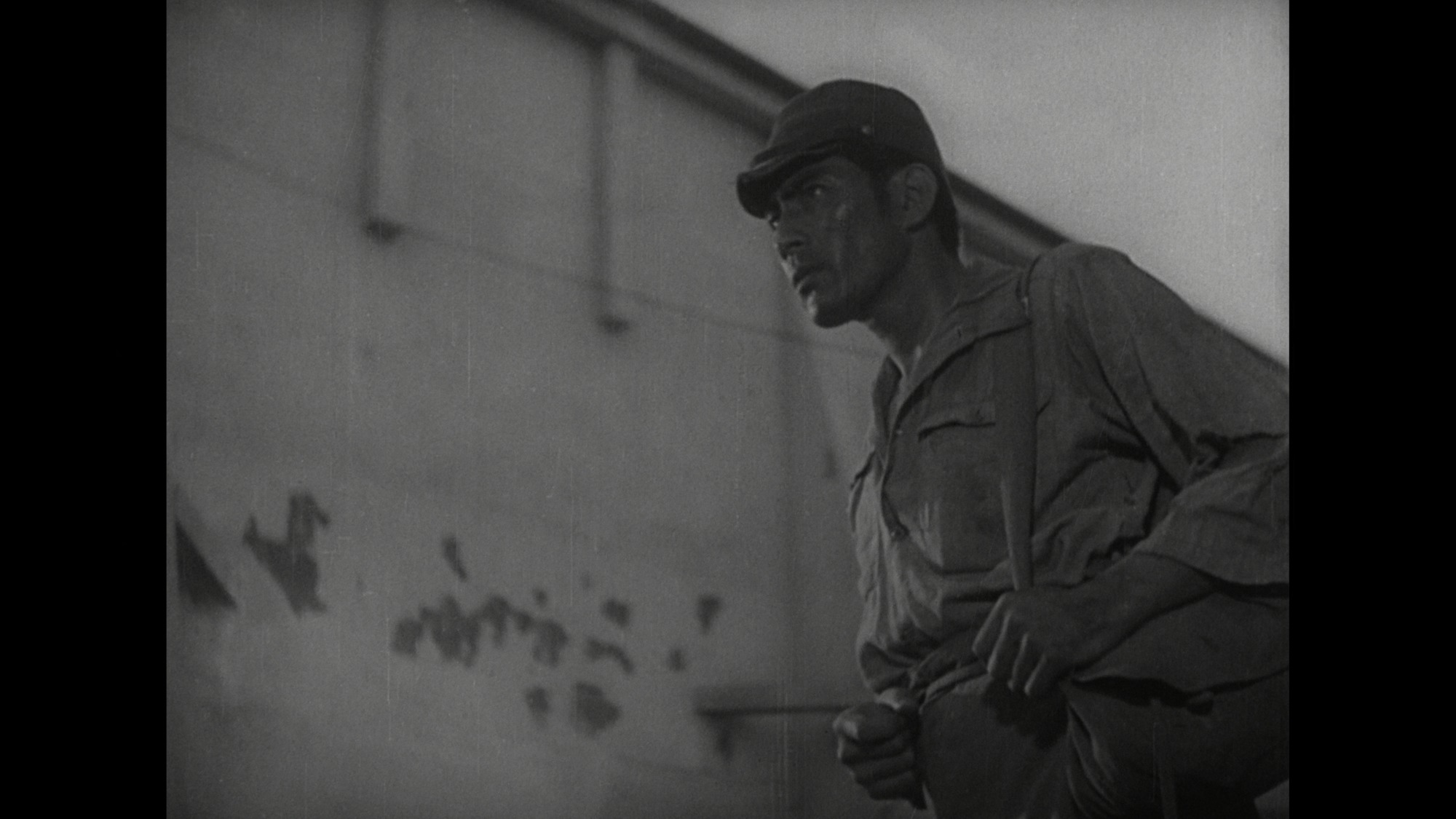
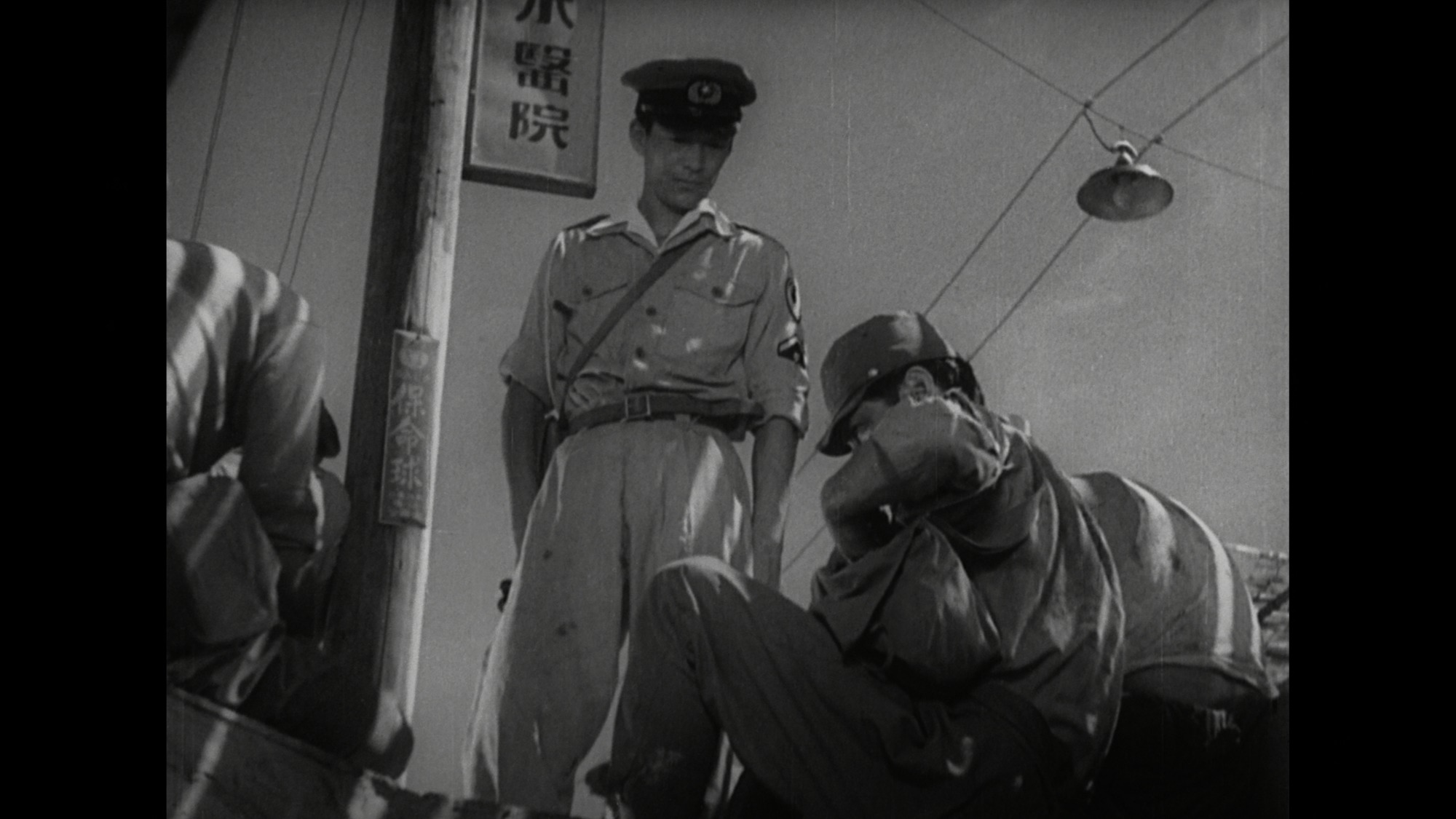
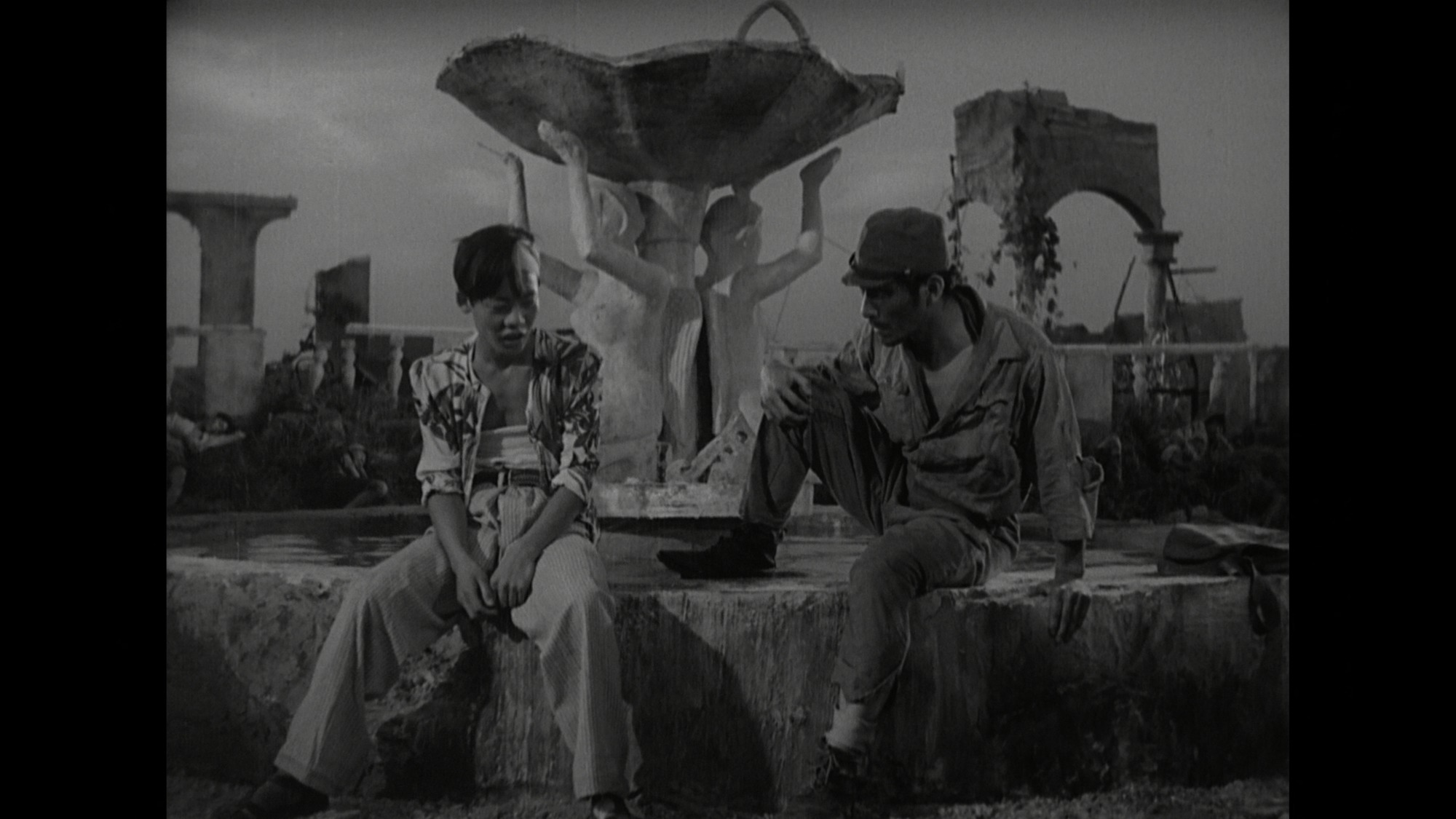
Audio 6/10
The disc includes a lossless single-channel PCM soundtrack, compared to the dual-channel presentation included on BFI’s Blu-ray. The overall quality sounded about the same, though someone with sharper ears than mine may notice differences. Its age is still apparent, but dialogue generally comes through clearly with decent range, even if it can sound a little edgy at times. Music also pushes the highs a bit harshly on occasion, though thankfully not to the degree I was expecting, and distortion never becomes a serious issue. There are also no major signs of damage or heavy deterioration.
Extras 8/10
Criterion ports everything over from their earlier DVD edition, though admittedly there isn’t all that much here. The major inclusion is Stephen Prince’s audio commentary from 2004, and it remains an excellent track. Prince moves smoothly from topic to topic, contextualizing the film both within postwar Japan and this point in Kurosawa’s career. In terms of the former, he discusses the American occupation and what it meant for Japanese cinema at the time, including restrictions placed on filmmakers and what they could depict in their films, while also covering the black markets and the Yakuza culture that factor heavily into the film itself. He further examines the movie as a police procedural, even pointing out how Kurosawa would later revisit the genre with High and Low, while also touching on the filmmaker’s influences, from Dostoevsky to crime fiction and film noir, all of which are more than apparent in the film in one form or another. Prince also spends time discussing the film’s technical aspects, such as Kurosawa’s camera techniques and how his style would evolve in his later films. It’s an incredibly thorough commentary that examines the film from multiple angles and is absolutely worth listening to if you haven’t heard it before.
Also carried over (and found on the standard Blu-ray) is the 32-minute episode from Toho’s Masterworks series It Is Wonderful to Create, previously included on Criterion’s DVD. As with the other entries in this series, it offers a fascinating collection of behind-the-scenes material and production anecdotes, featuring contributions from Kurosawa, actress Keiko Awaji, and various crew members. Highlights include stories about future Godzilla director Ishiro Honda standing in for Toshiro Mifune during the black market scenes due to safety concerns, as well as Kurosawa’s spontaneous decision to shoot one crime scene from a distance, giving it a more documentary-like feel. The feature also addresses some of the stranger controversies surrounding the production, including the baseless rumor that the dog in the opening credits had been intentionally infected with rabies (also mentioned by Prince in the commentary). Like the other installments in the series, it’s still an indispensable supplement for fans of both the film and its director.
Criterion replaces the old booklet with a standard fold-out insert, though the content itself remains the same. Terrence Rafferty’s essay is included alongside an excerpt from Kurosawa’s autobiography, Something Like an Autobiography, with the director recalling the production. Unfortunately, the photos from the original booklet are no longer included.
It’s still a fairly slim edition overall, but Prince’s commentary remains terrific, and I’ve always had a soft spot for the It Is Wonderful to Create documentaries that have appeared on several of Criterion's Kurosawa releases.
Closing
The source elements remain a severe limitation, but Criterion’s 4K presentation still manages to deliver about as clean and sharp an image as one can expect.
BUY AT: