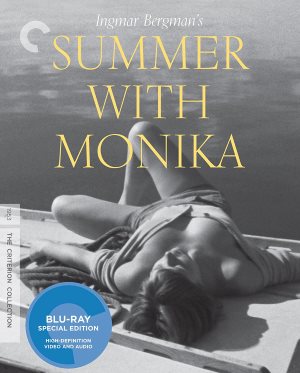
Summer with Monika
BUY AT:


See more details, packaging, or compare
Synopsis
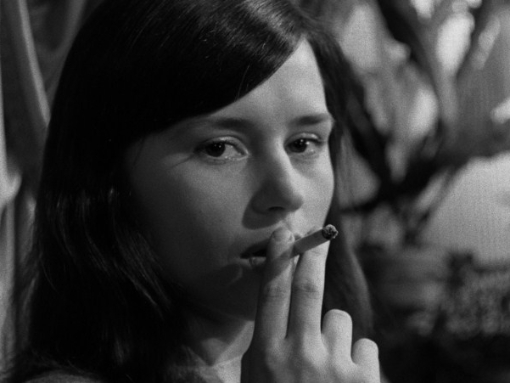
Inspired by the earthy eroticism of Harriet Andersson, in the first of her many roles for him, Ingmar Bergman had a major international breakthrough with this sensual and ultimately ravaging tale of young love. A girl (Andersson) and boy (Lars Ekborg) from working-class families in Stockholm run away from home to spend a secluded, romantic summer at the beach, far from parents and responsibilities. Inevitably, it is not long before the pair are forced to return to reality. The version initially released in the U.S. was reedited by its distributor into something more salacious, but the original Summer with Monika (Sommaren med Monika), presented here, is a work of stunning maturity and one of Bergman’s most important films.
Picture 8/10
Criterion presents Ingmar Bergman’s Summer with Monika in its original aspect ratio of 1.37:1 on a dual-layer disc in a new high-definition digital transfer presented in 1080p/24hz.
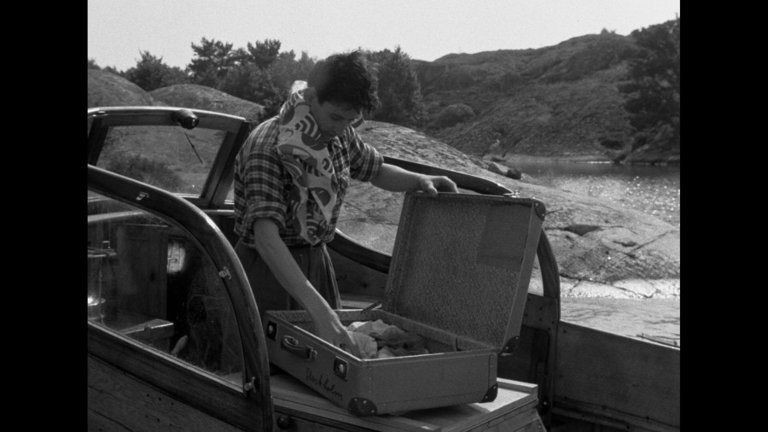
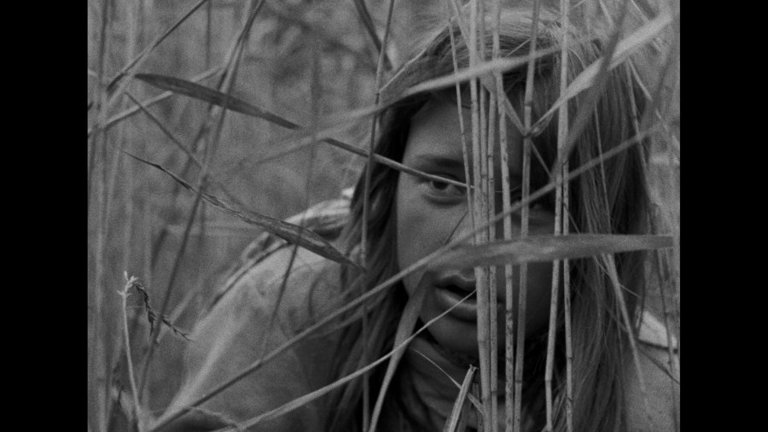
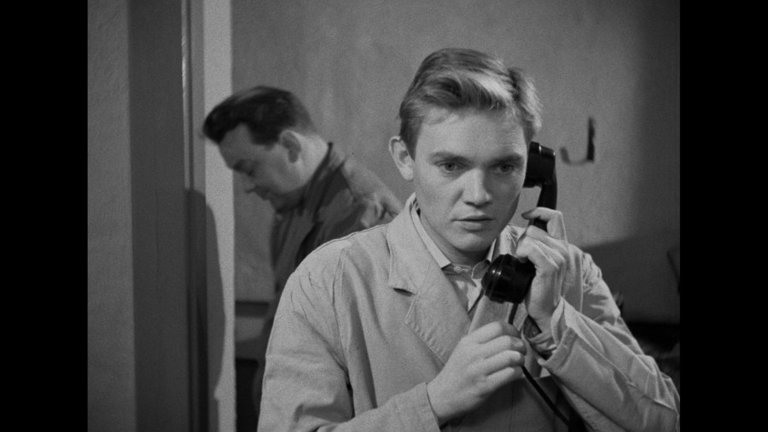
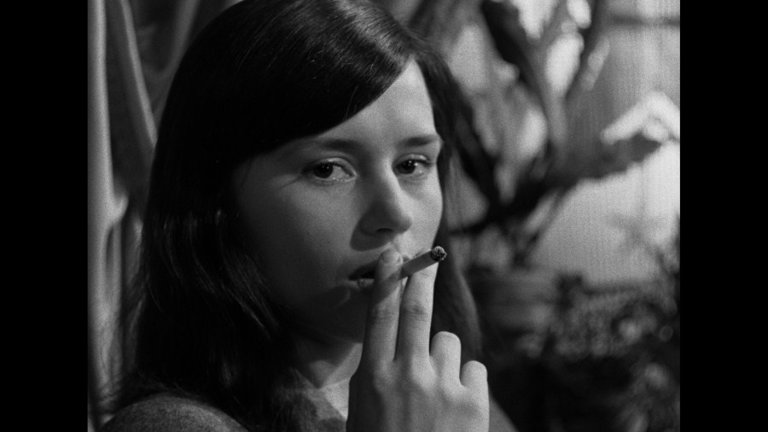
Summer with Monika is being released alongside Bergman’s Summer Interlude and of the two Monika does the look the best, if only because it looks to have been sourced from better source materials. With Interlude Criterion had trouble tracking down a solid print and had to use multiple sources. Despite still managing to deliver a sharp looking image there was still some heavy damage during portions of the film. Summer with Monika presents very few blemishes, limited primarily to a few flecks, a few scratches, and some stains, but nothing distracting.
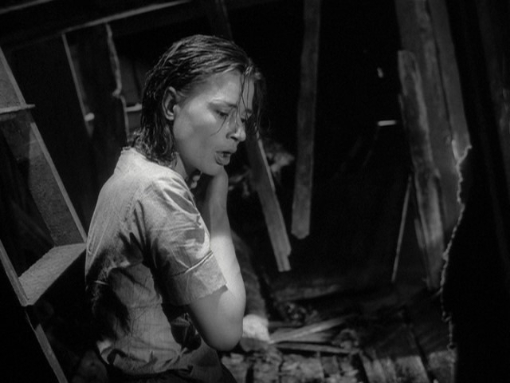
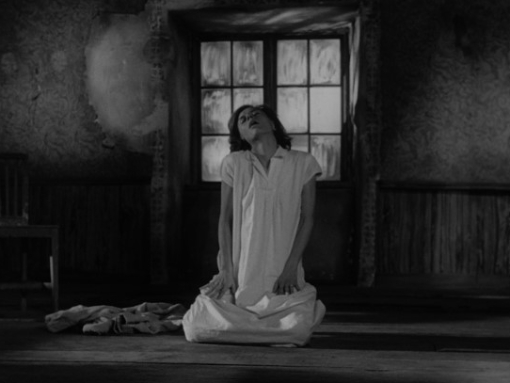
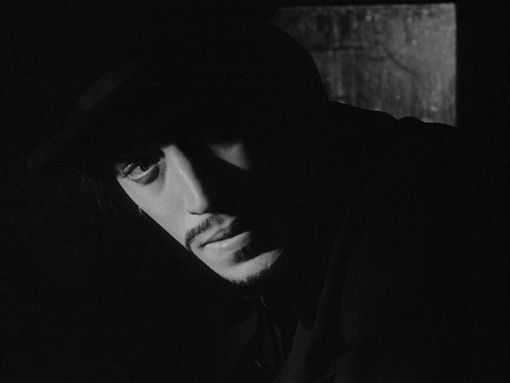
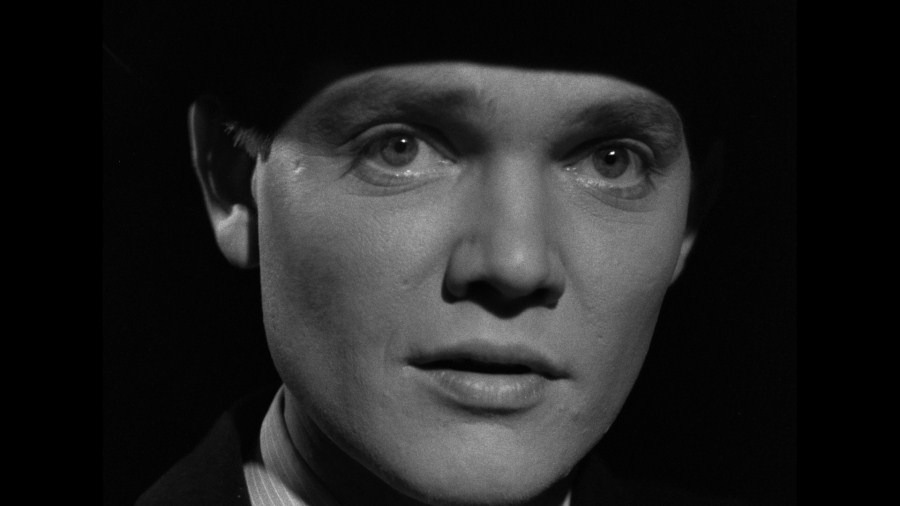
While I noticed some minor digital noise across the faces of the actors in a couple of brighter scenes the digital transfer all told looks pretty phenomenal. Film grain is rendered nicely, objects are sharp and clearly defined, and minor details like what is found in Monika’s various sweaters come through clearly. Contrast looks correct and black levels are also fairly inky and deep, but not overly so.
I’m sort of surprised it took so long for Criterion to release this film, but it was certainly worth the wait if it meant we get something like this. Despite a few minor flaws it looks exceptional.
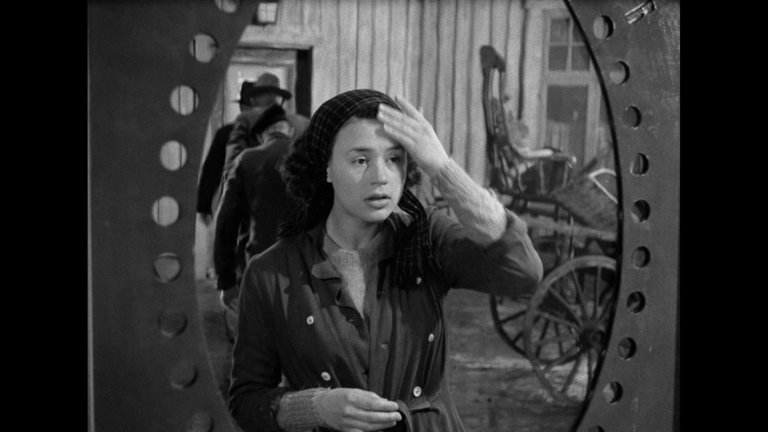
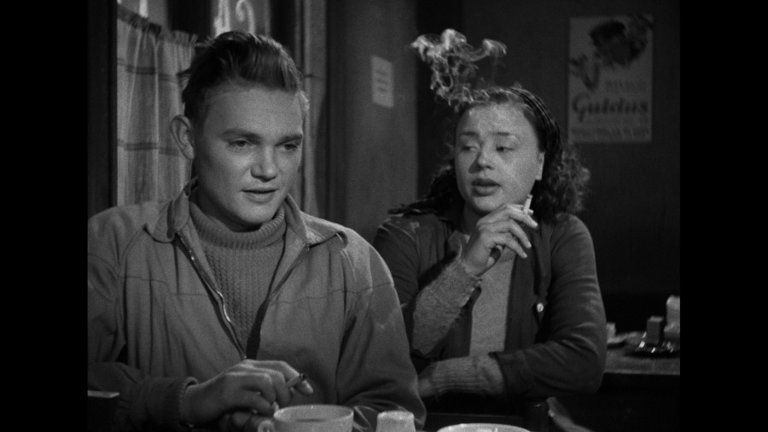
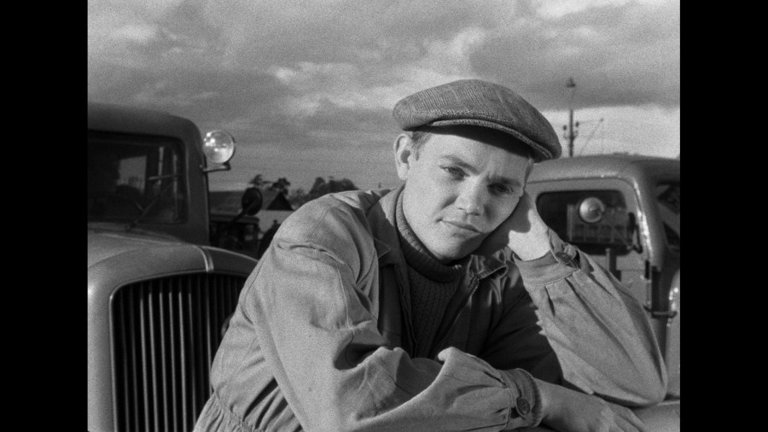
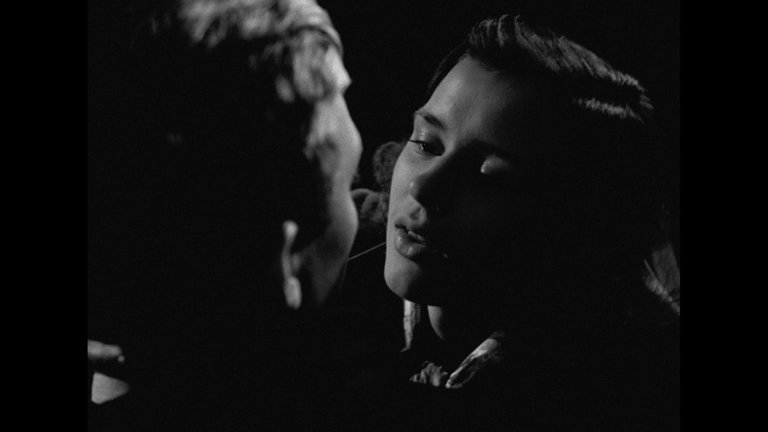
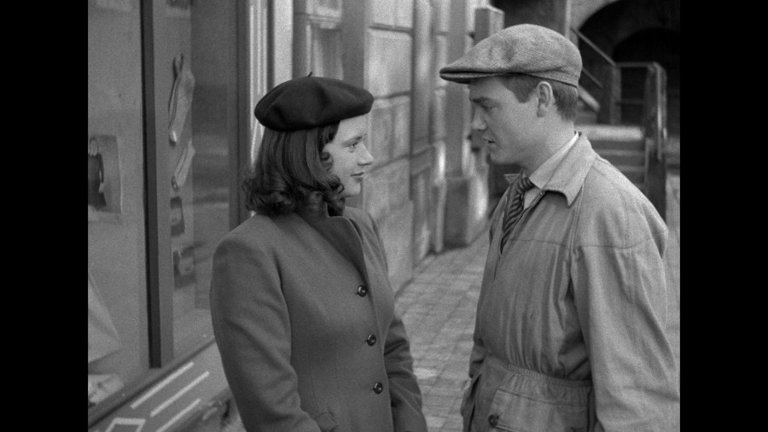
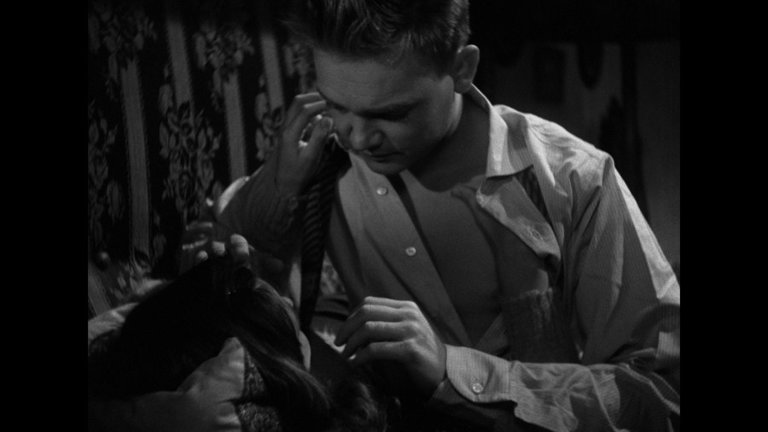
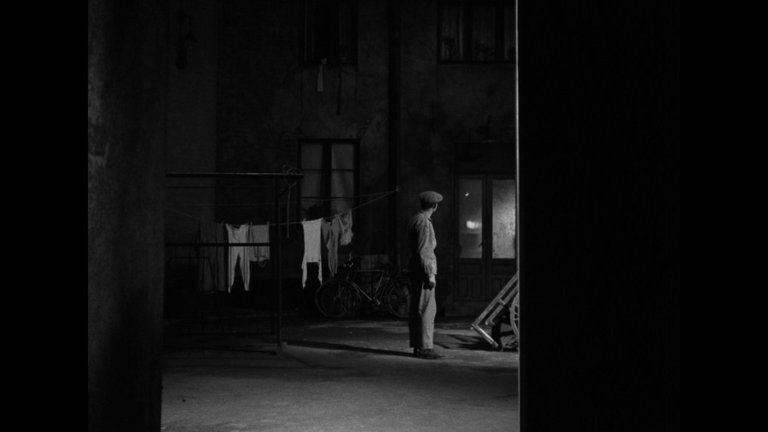
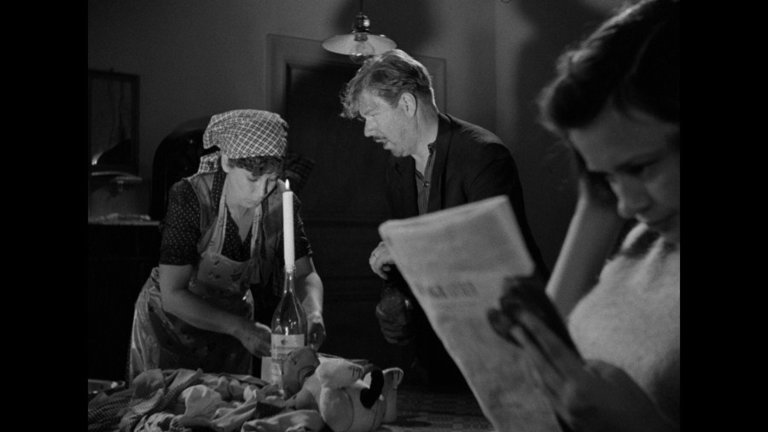
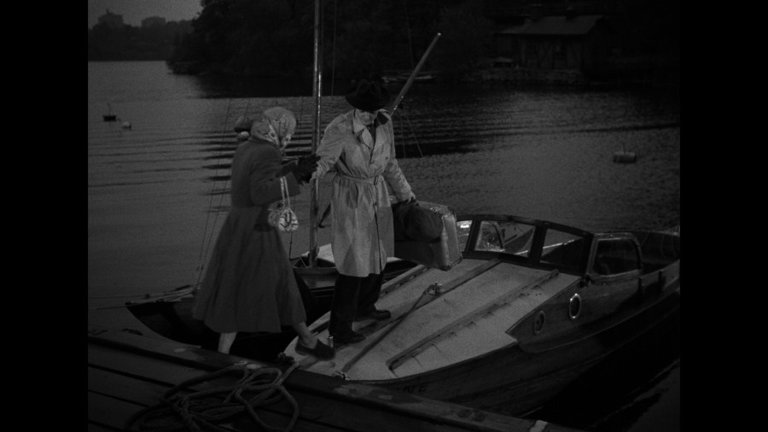
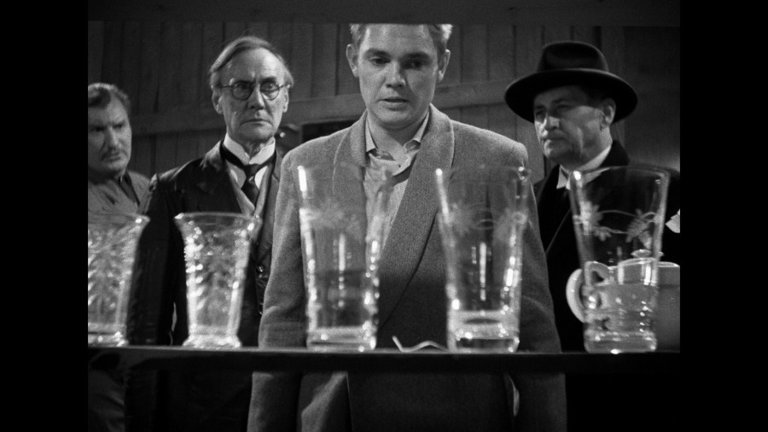
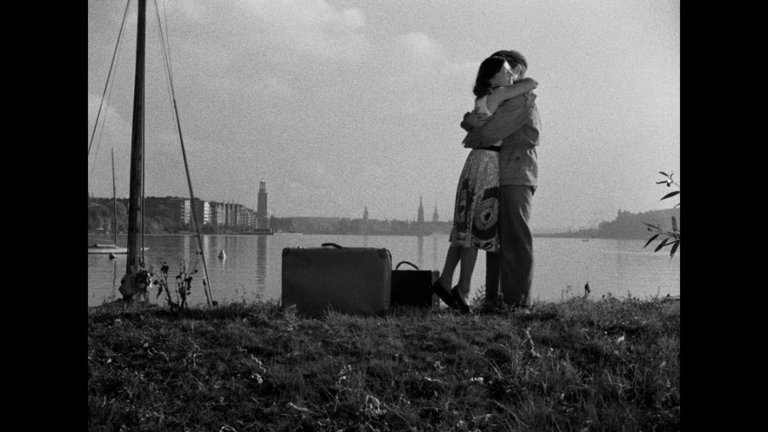
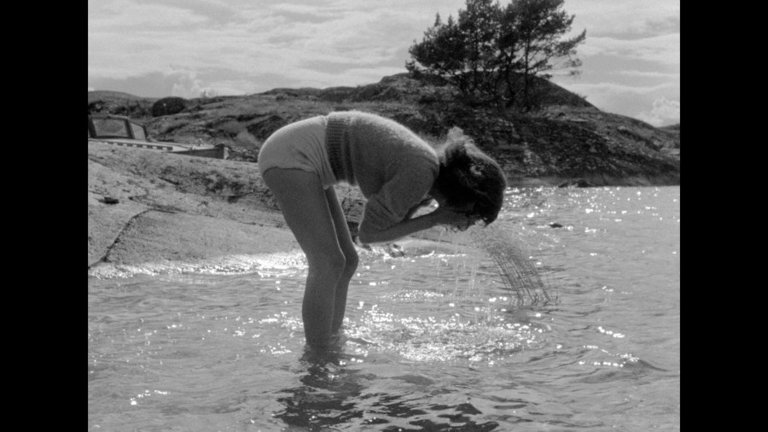
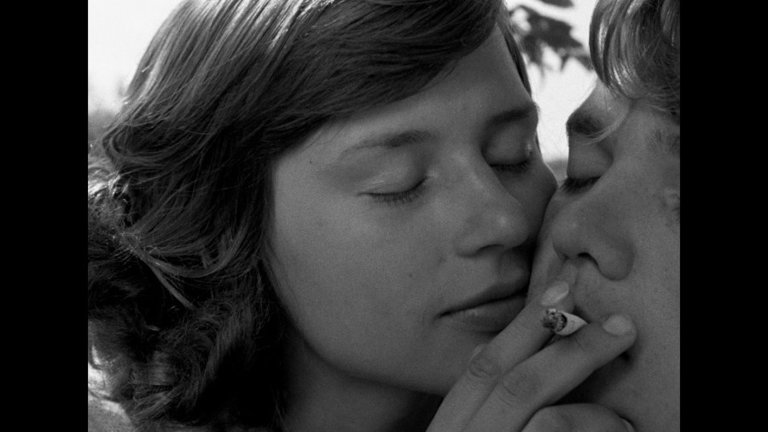
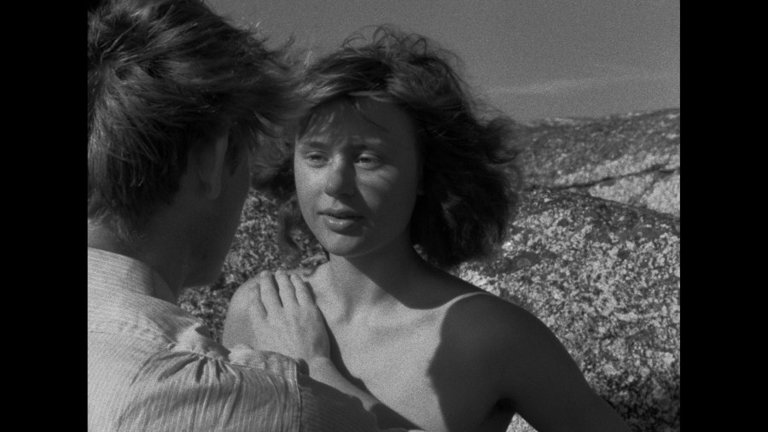
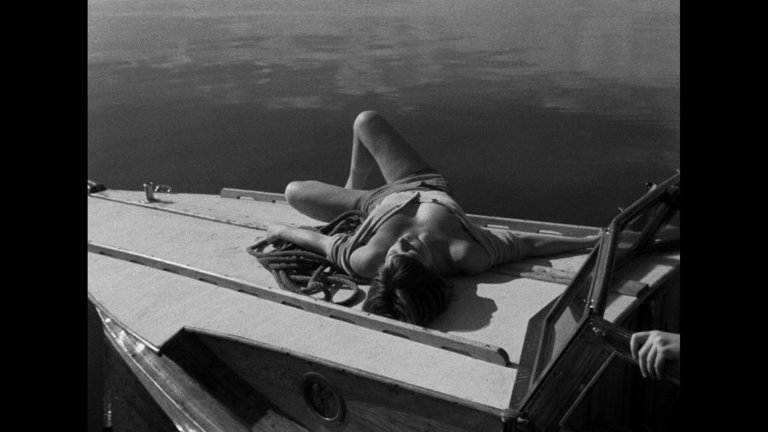
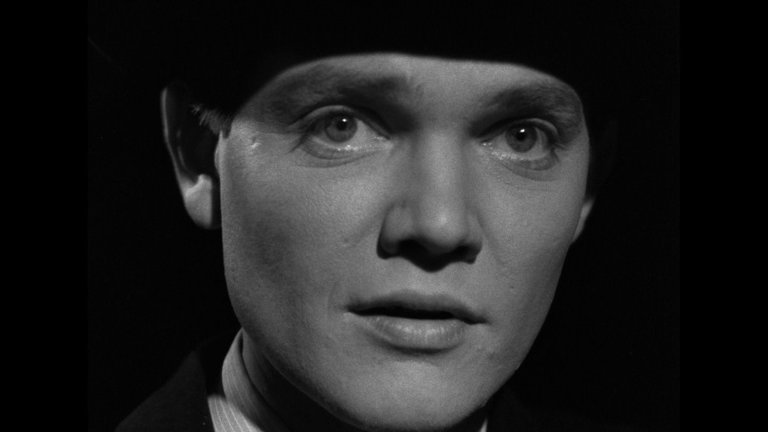
Summer with Monika - Screen Captures
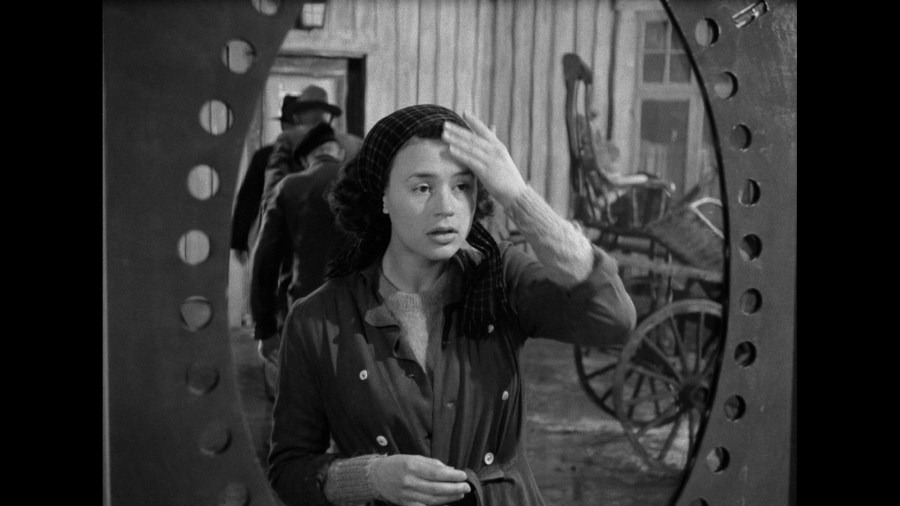
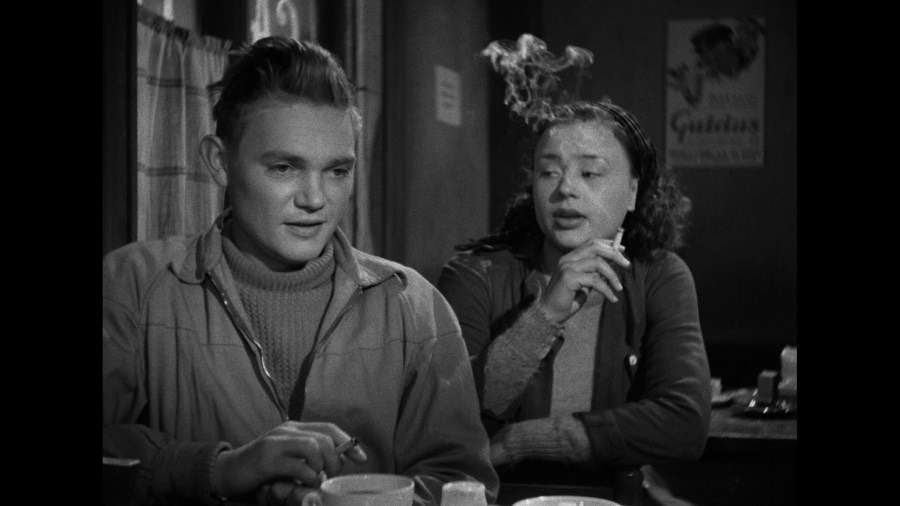
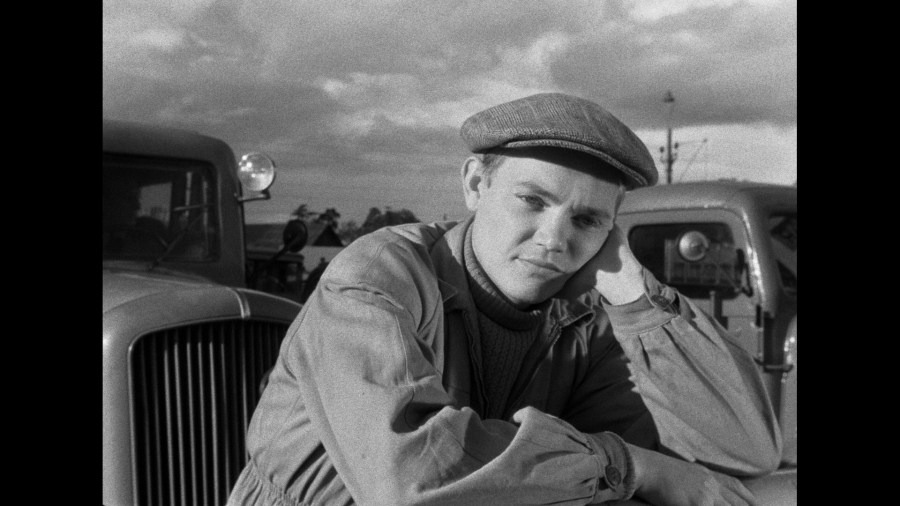
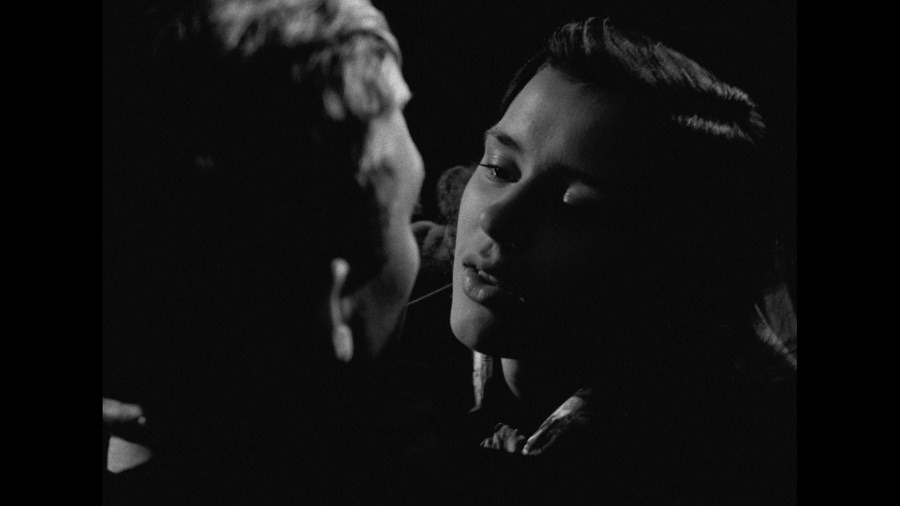
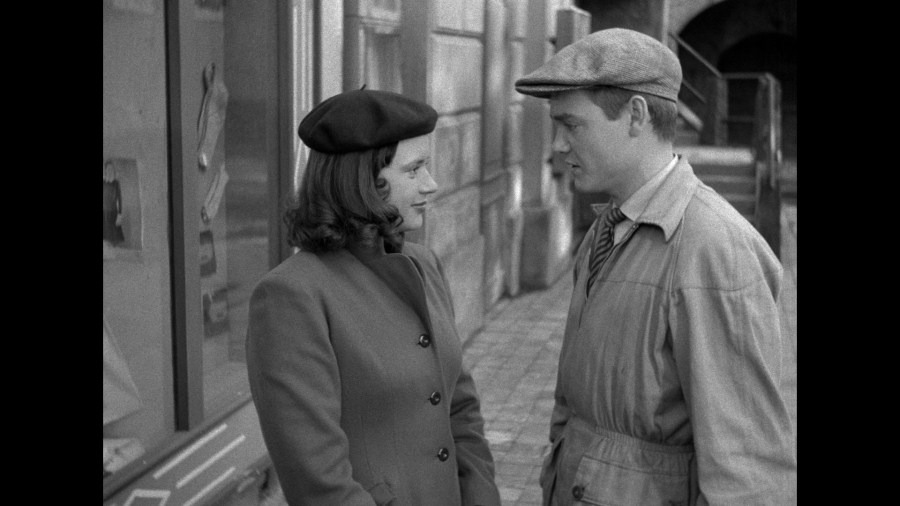
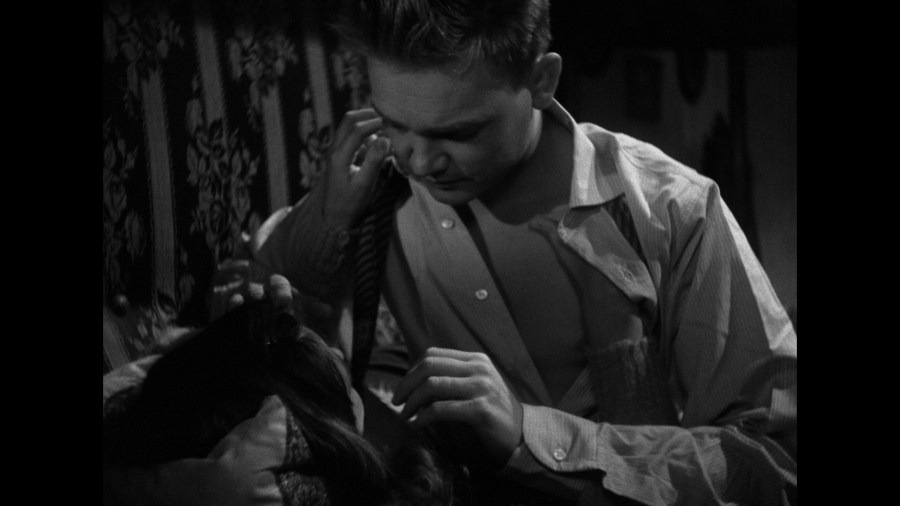
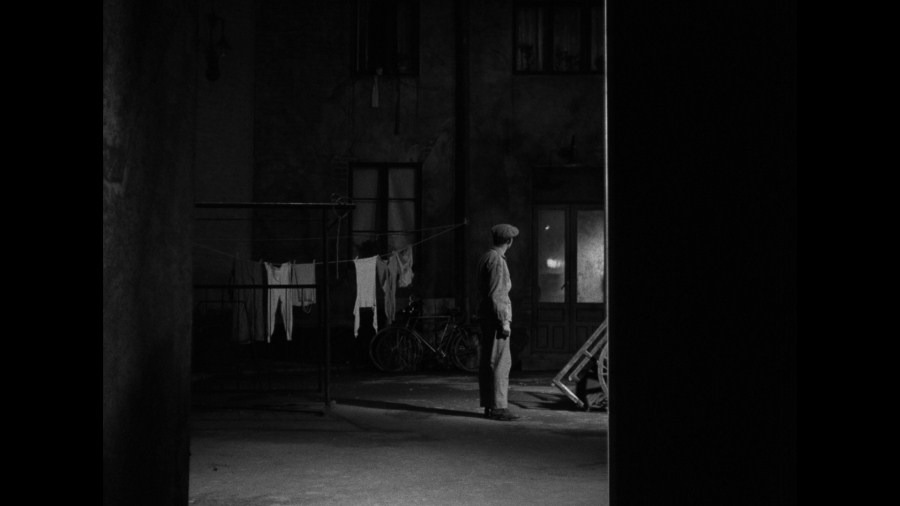
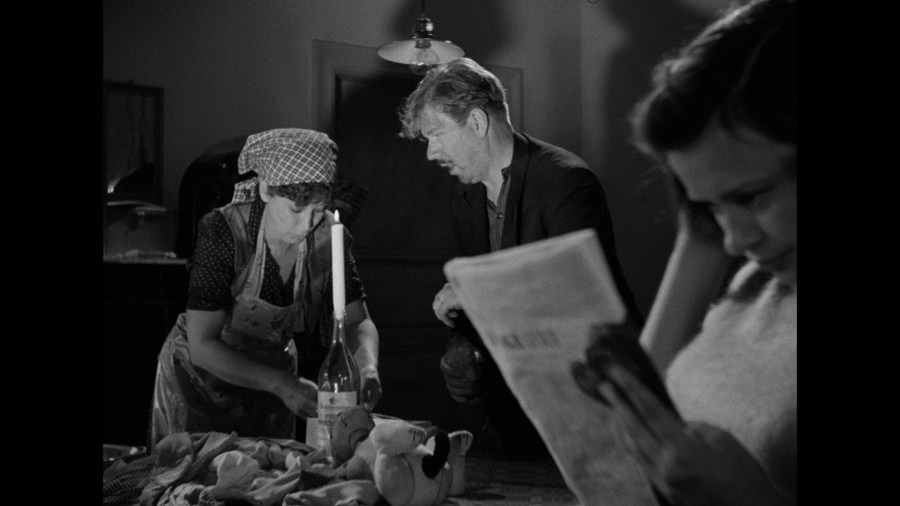
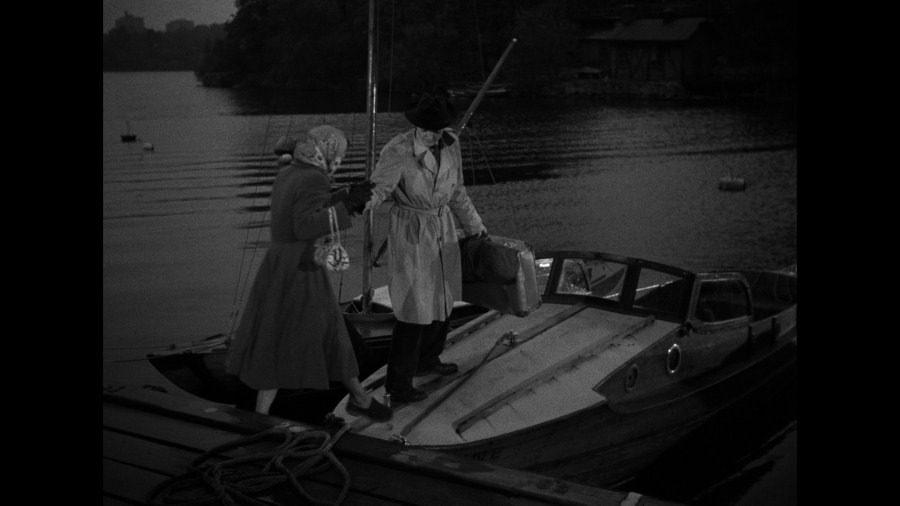
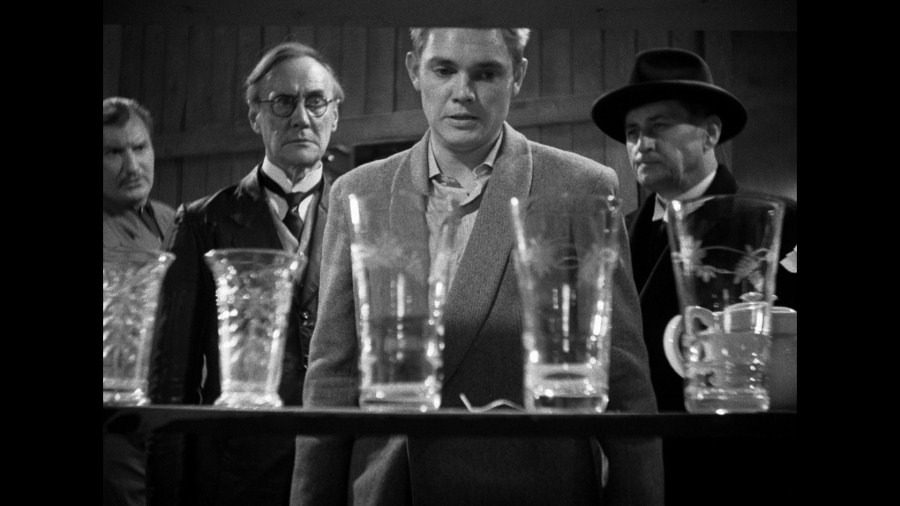
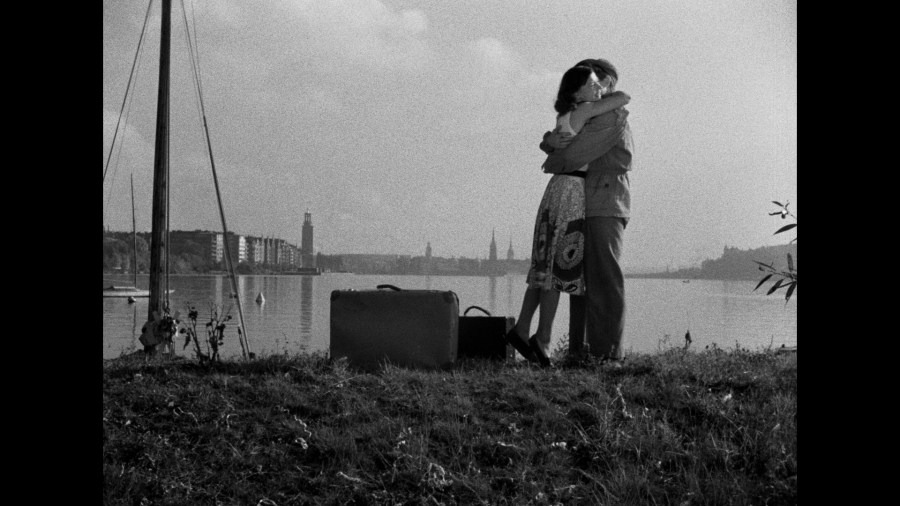
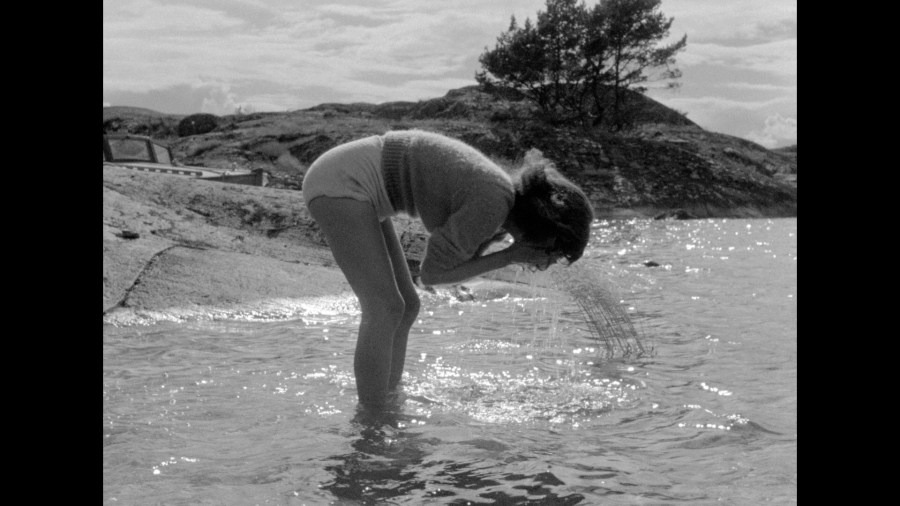
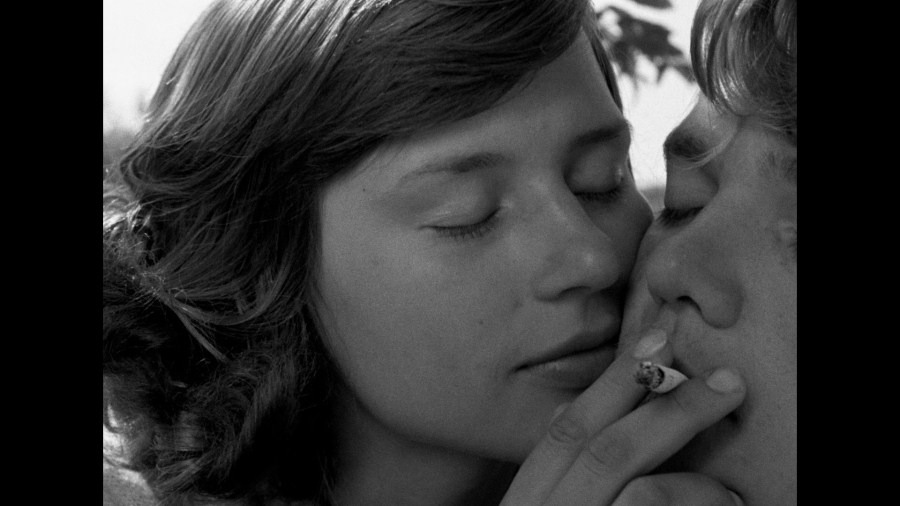
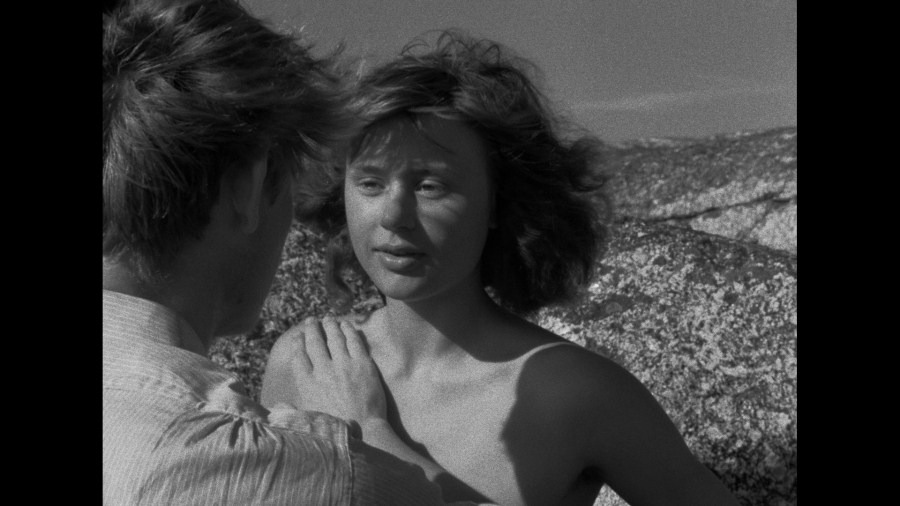
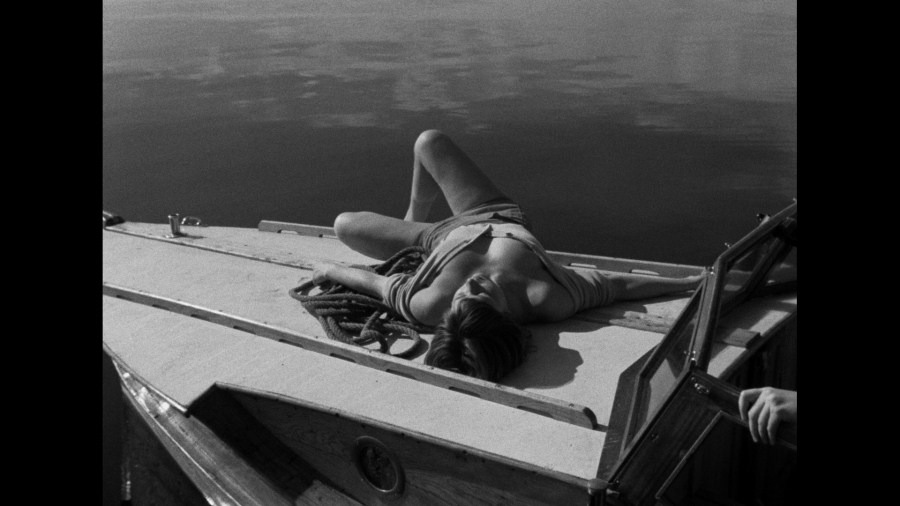
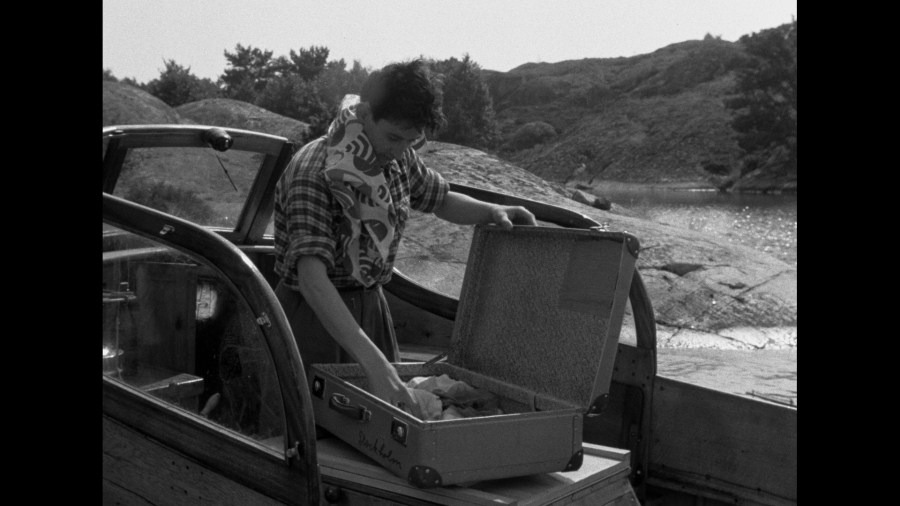
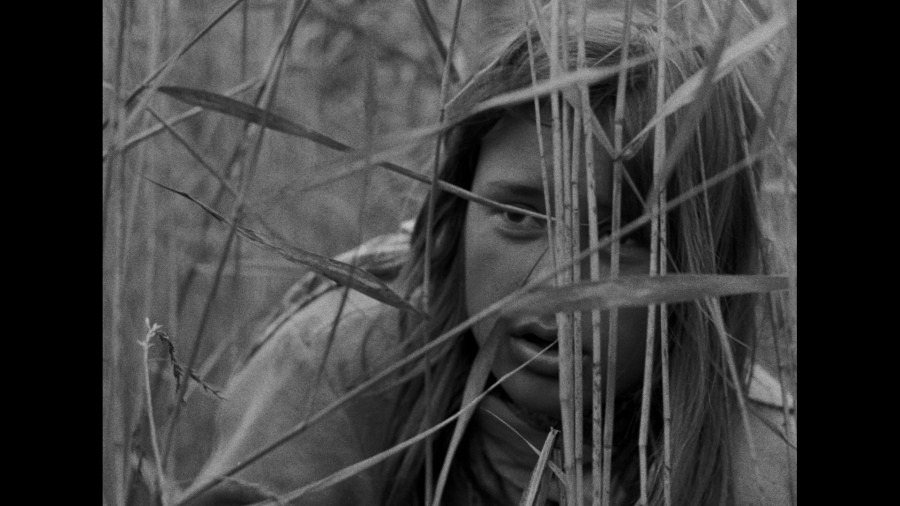
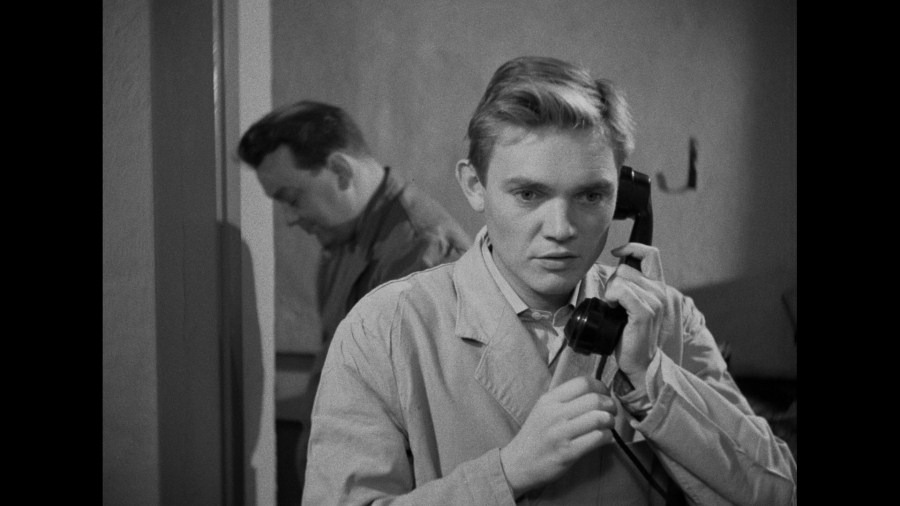
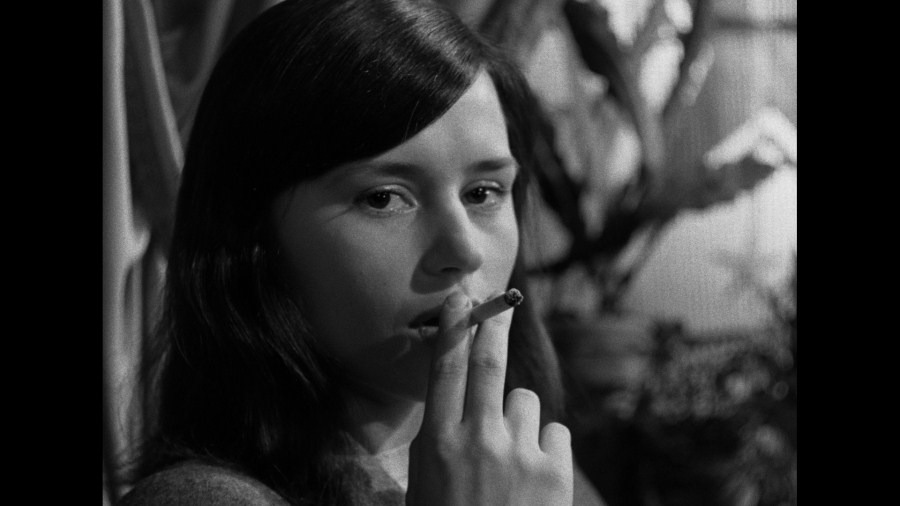
Audio 6/10
The lossless PCM mono track sounds fine but is limited primarily by age. Voice dialogue sounds clean and natural, and music sounds fairly strong if a bit edgy in places, yet the track is generally flat and has some noticeable noise the background.
Extras 6/10
Unlike its companion release, Summer Interlude, Criterion’s Summer with Monika comes with a decent if unspectacular set of supplements, though what I would think would be the most obvious item to include, the alternate U.S. version, is not here.
The supplements start with what has now become pretty standard for most of Criterion’s releases (though not all,) a brief introduction by Ingmar Bergman. This piece was recorded by director Marie Nyreröd along with a series of other introductions back in 2004. These introductions, I believe, were used to introduce the films before they played on Swedish television. Here Bergman states that the film was actually the first one he watched in his brand new DVD player, and that it’s still a favourite of his. He talks about the production and recalls his fond memories around the time. Not overly insightful since it’s brief but it’s charming little piece.
Following this is an interview between Harriet Andersson and film scholar Peter Cowie recorded for Criterion in early 2012. The two talk about how Andersson came to catch Bergman’s eye and be cast as Monika and she also gets into how their romantic relationship came to be. And she of course speaks fondly of the director, who was the one was able to get her out of what she considered “tits and ass” roles and lead her down the path of excellent female roles in the films. It’s a fond, engaging interview, running about 25-minutes.
Next up Criterion includes a 30-minute documentary by Stig Björkman called Images From the Playground, made for the World Cinema Foundation. It’s first introduced by Martin Scorsese, who recalls first discovering Bergman and the joy of introducing the filmmaker to younger people. The documentary itself is made up of footage shot on the set of Bergman’s various films using a 9.5mm camera. Audio interviews with the director and actors Harriet Andersson and Bibi Andersson, plays over the footage. Bergman talks about why he made these recordings on set, the joy he felt in making his films, and working with his actors, while the two Anderssons talk about their roles and working with the director, with Bibi admitting she was jealous that she never got the same types of roles Harriet did. The footage is rather fun to view and at times can be a little jarring: it’s weird to see obviously jokey tones, playful cast members, and laughing on the sets of films like Winter Light and Through a Glass Darkly, as I could only imagine them to be some of the most solemn sets in the history of filmmaking. I’m usually not fond of these types of things but this turns out to be a fairly joyful and fun little piece.
Monika Exploited! is a 13-minute piece featuring Eric Schaefner talking about the original U.S. cut of the film. The distribution rights were bought by Kroger Babb (or so he thought) and he recut the film down to just over 60-minutes and dubbed it in English, delivering it as an exploitation film. As it turns out Svensk had sold the rights to Janus films and eventually and the distributor of that version found themselves in legal trouble. Unfortunately there’s actually not a lot here about that version of the film, and we only get a couple of clips, complete with a Jazz score. Instead the piece focuses more on the exploitation films of the period and Kroger Babb’s career, including his hit Mom and Dad. I’ve never seen the alternate version of Monika and it would have been great if it could have been included here, even if just as a curiosity, but I assume either there were issues with the rights or some other condition that was out of their hands.
The supplements then conclude with the film’s original Swedish theatrical trailer, which makes the film look a little scandalous. Disappointingly the American trailer is nowhere to be seen.
Criterion also includes a fairly in-depth booklet. It first features an essay on the film by Laura Hubner followed by a reprint of Jean-Luc Godard’s original review for the film. The booklet then concludes with a reprint of Bergman interviewing himself just before the release of the film.
Overall the features are nice but I’m disappointed still by the lack of the alternate version, though maybe it was out of Criterion’s control. But despite this and the overall skimpy amount (they total about 72-minutes) they’re all great to go through.
Closing
A strong presentation with a few nice supplements it comes with a solid recommendation.
BUY AT: