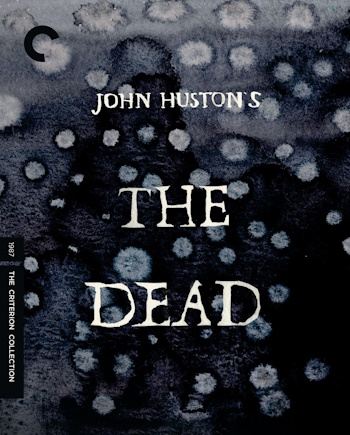
The Dead
BUY AT:


See more details, packaging, or compare
Synopsis
The elegiac last film by John Huston finds the legendary director adapting a masterly short story by his favorite writer, James Joyce, into a poignant reflection on the totality of life. During a snowy winter in turn-of-the-twentieth-century Dublin, the members of an extended family convene for a night of wine, song, and celebration—but it’s not until after the festivities that Gretta (Anjelica Huston) reveals a secret to her husband (Donal McCann) that casts the entire evening in a new light. Aglow with a mix of nostalgia and melancholy, and featuring a cast of stellar Irish actors, The Dead gracefully evokes the passage of time and the haunting power of memory.
Picture 10/10
The Criterion Collection brings John Huston’s final film, The Dead, to 4K UHD in Dolby Vision, presented in its original aspect ratio of 1.85:1. The 2160p/24Hz ultra high-definition presentation comes from a new restoration sourced from a scan of the 35mm original camera negative. A standard Blu-ray is also included, featuring a 1080p presentation from the same restoration along with all of the release’s supplemental material.
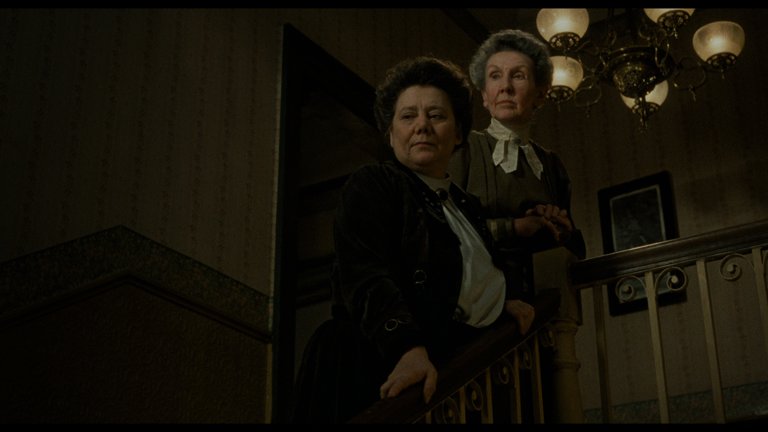
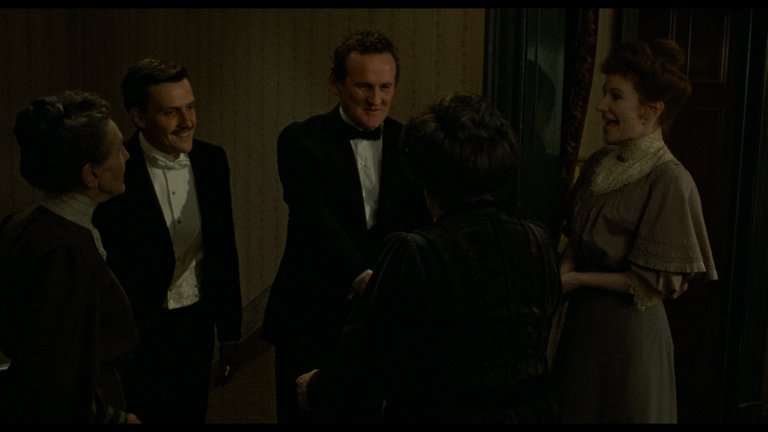
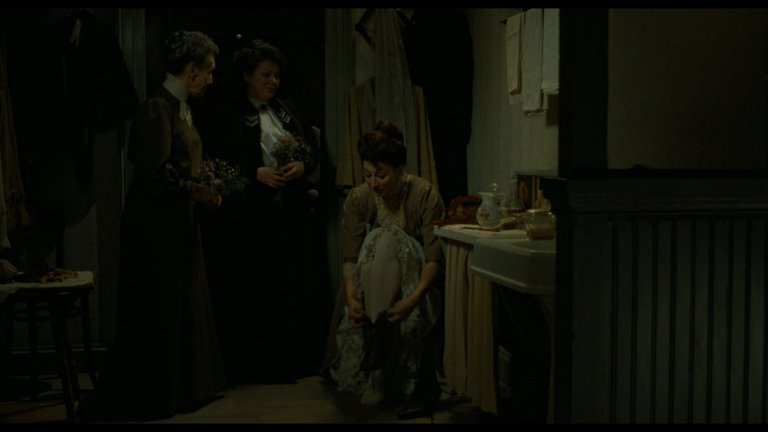
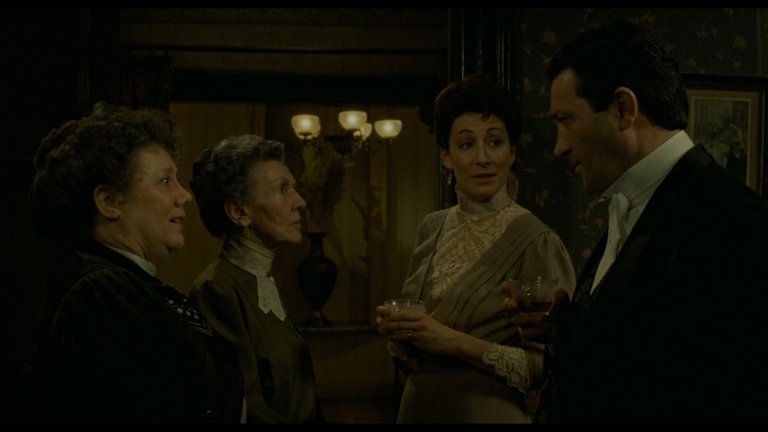
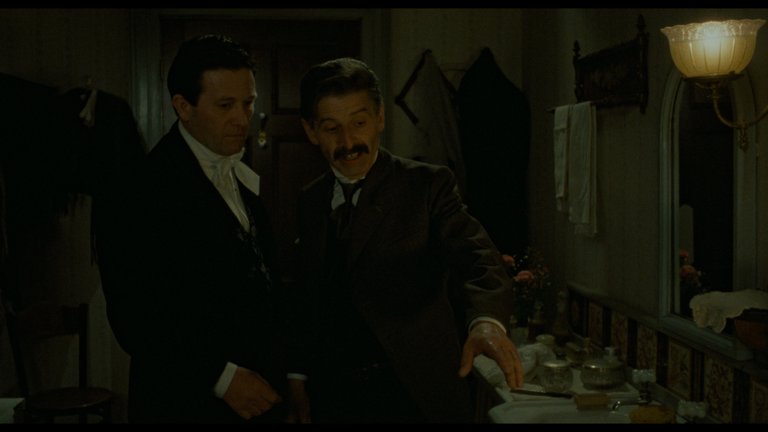
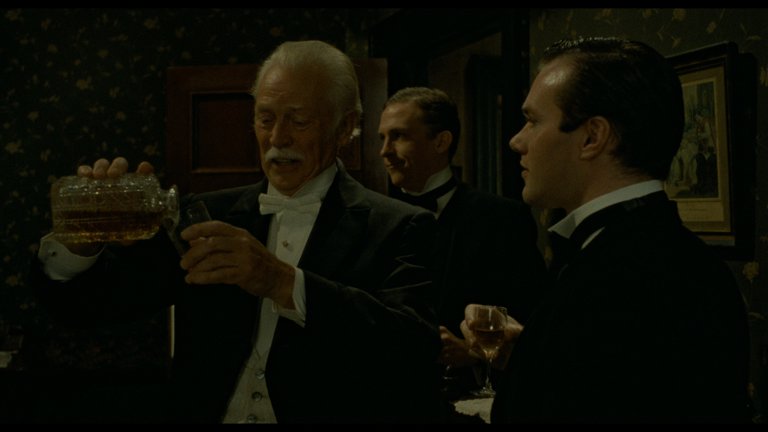
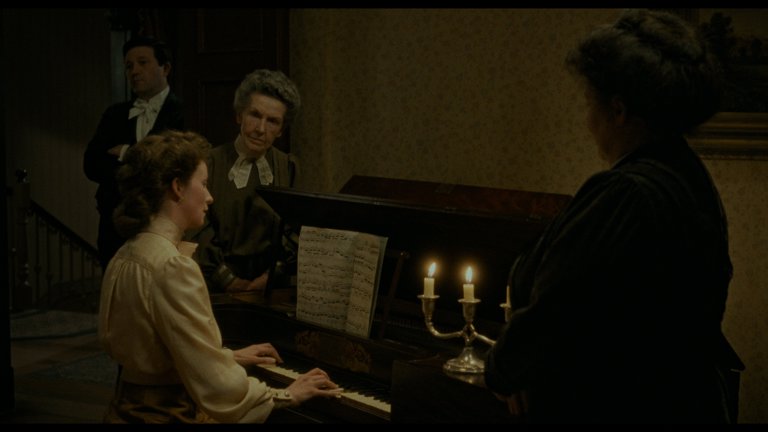
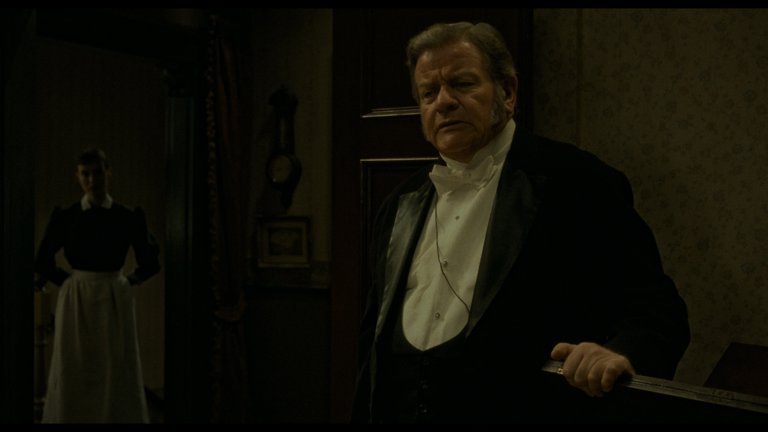
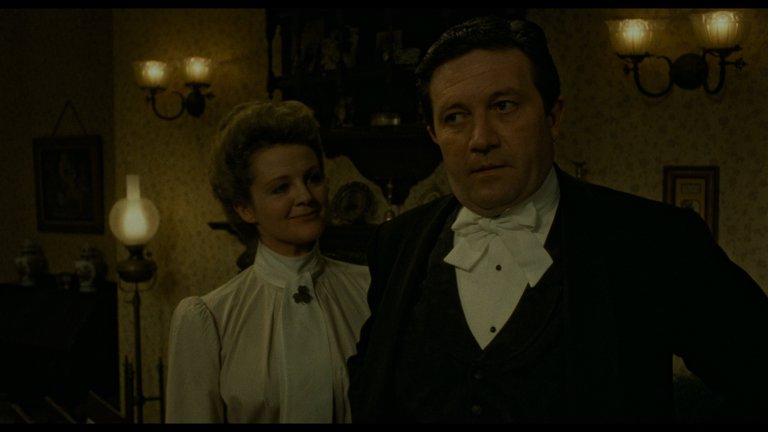
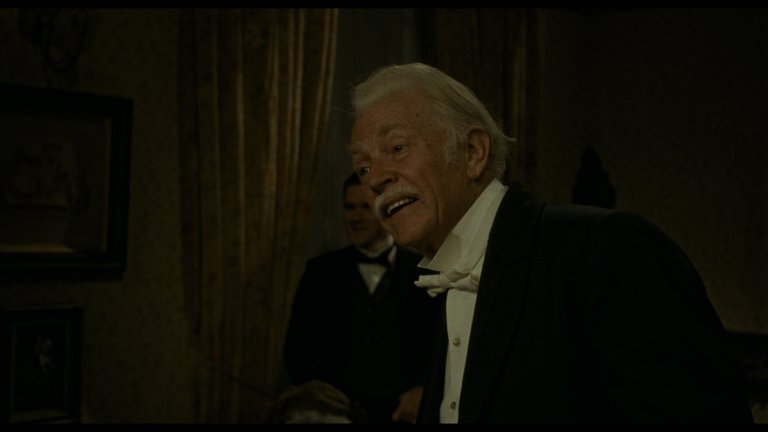
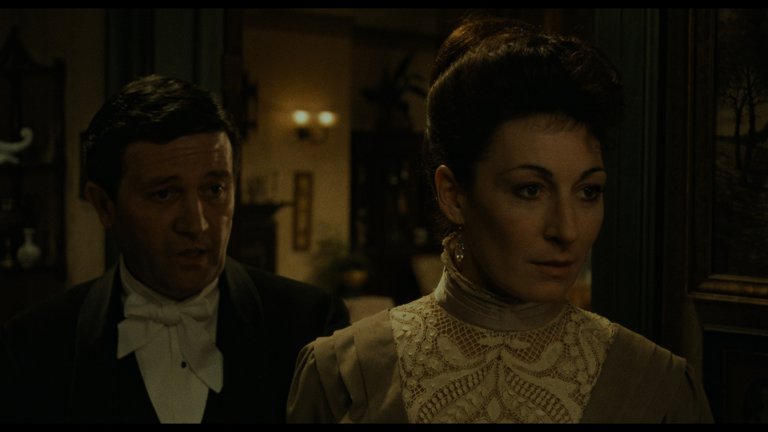
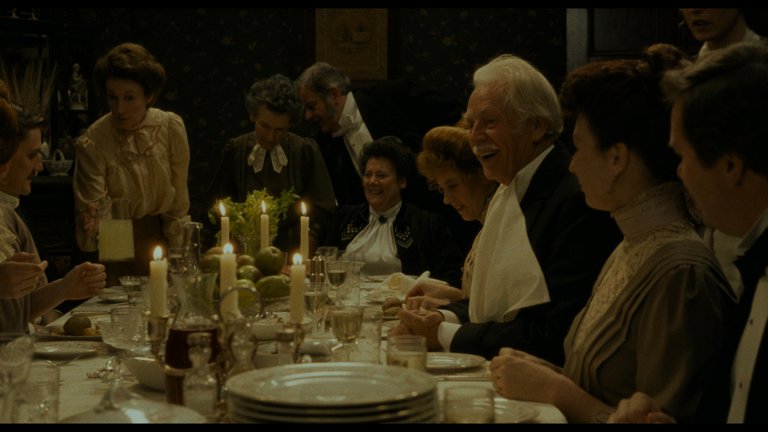
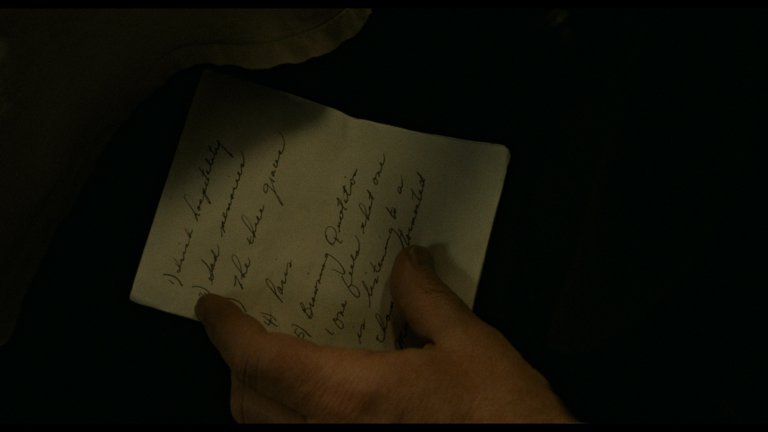
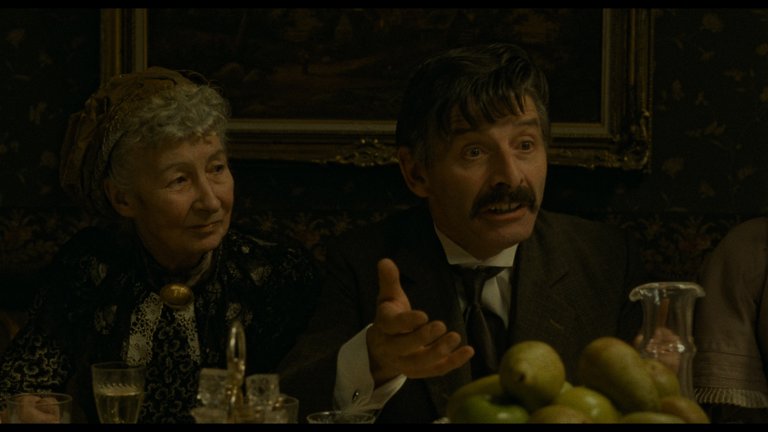
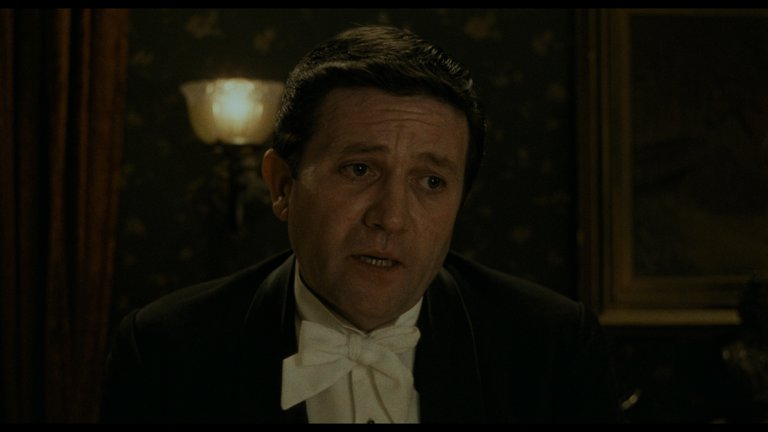
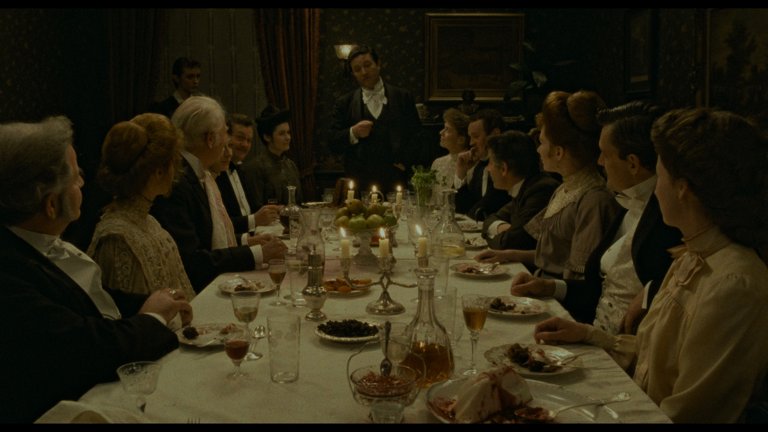
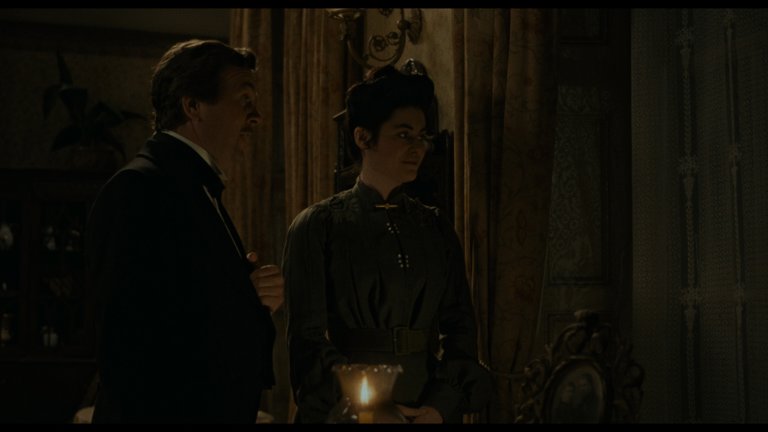
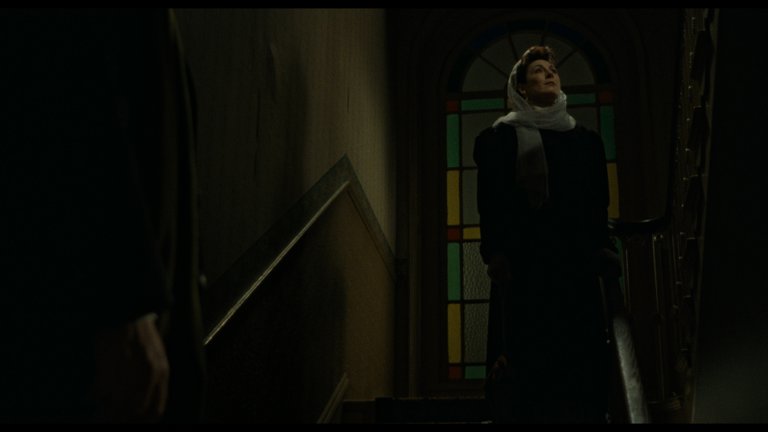
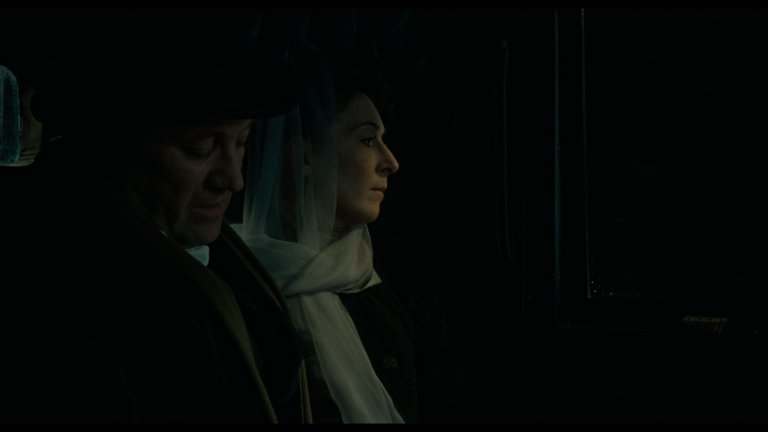
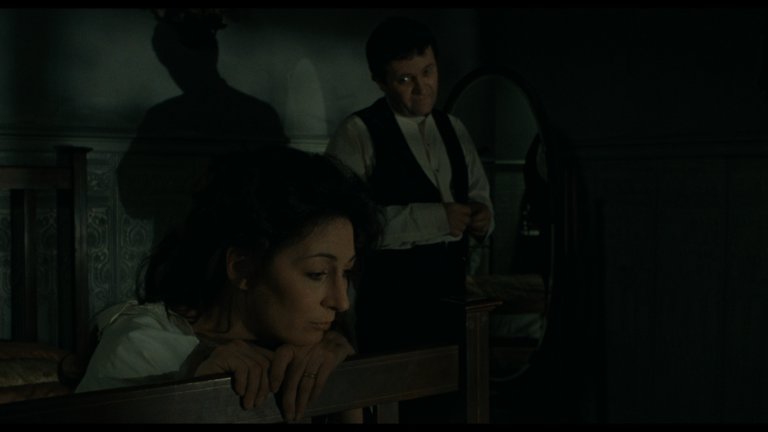
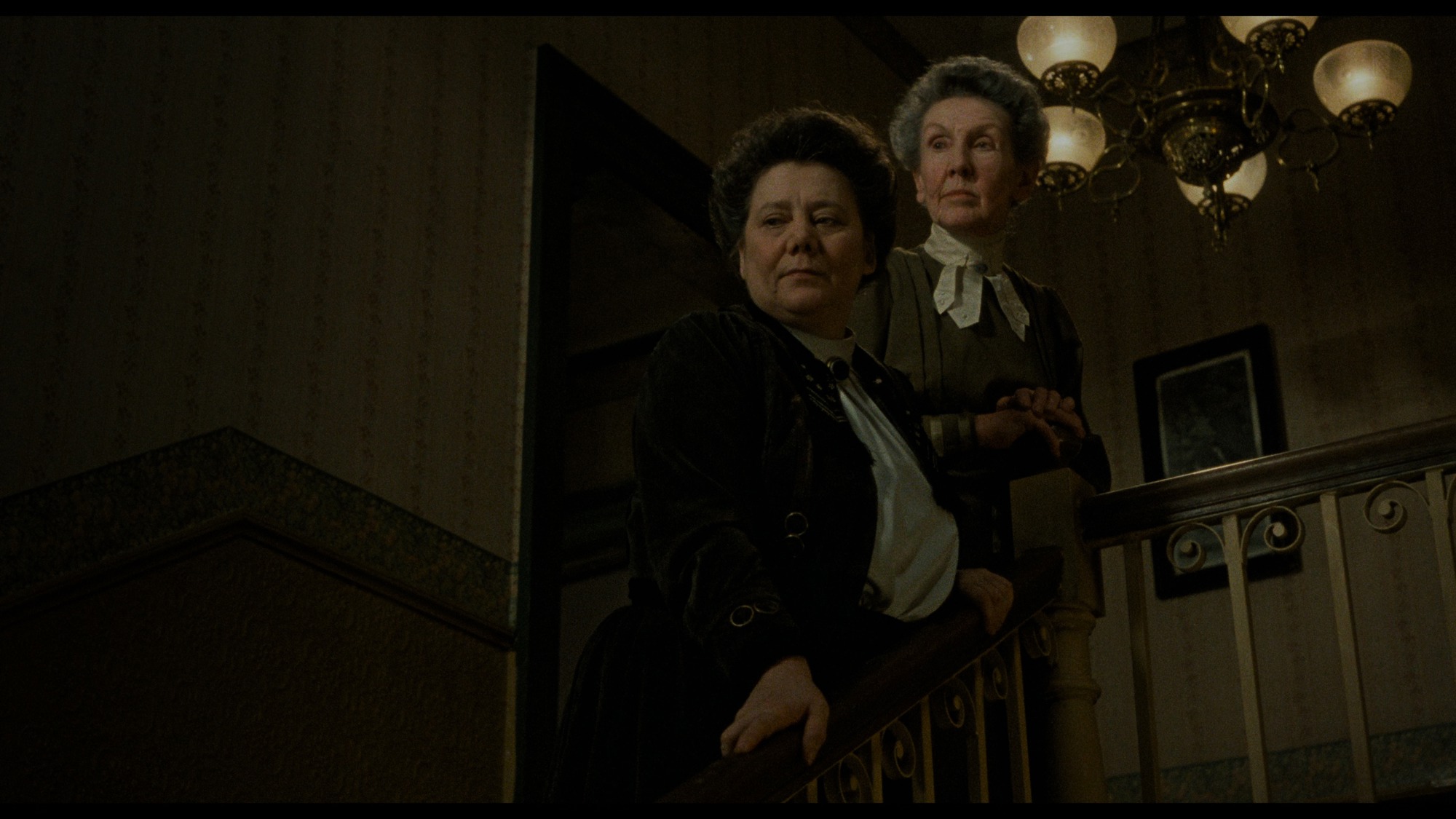
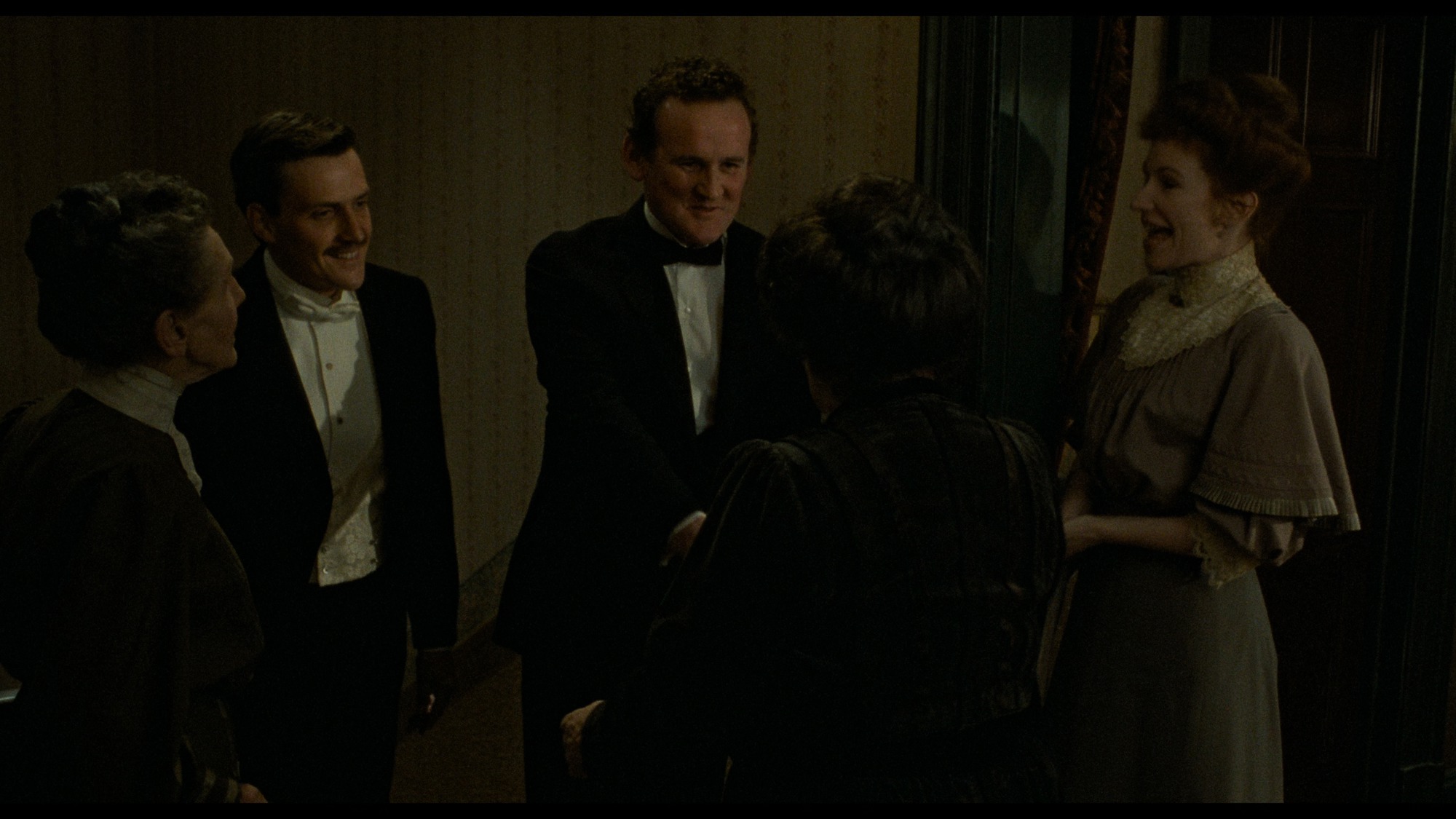
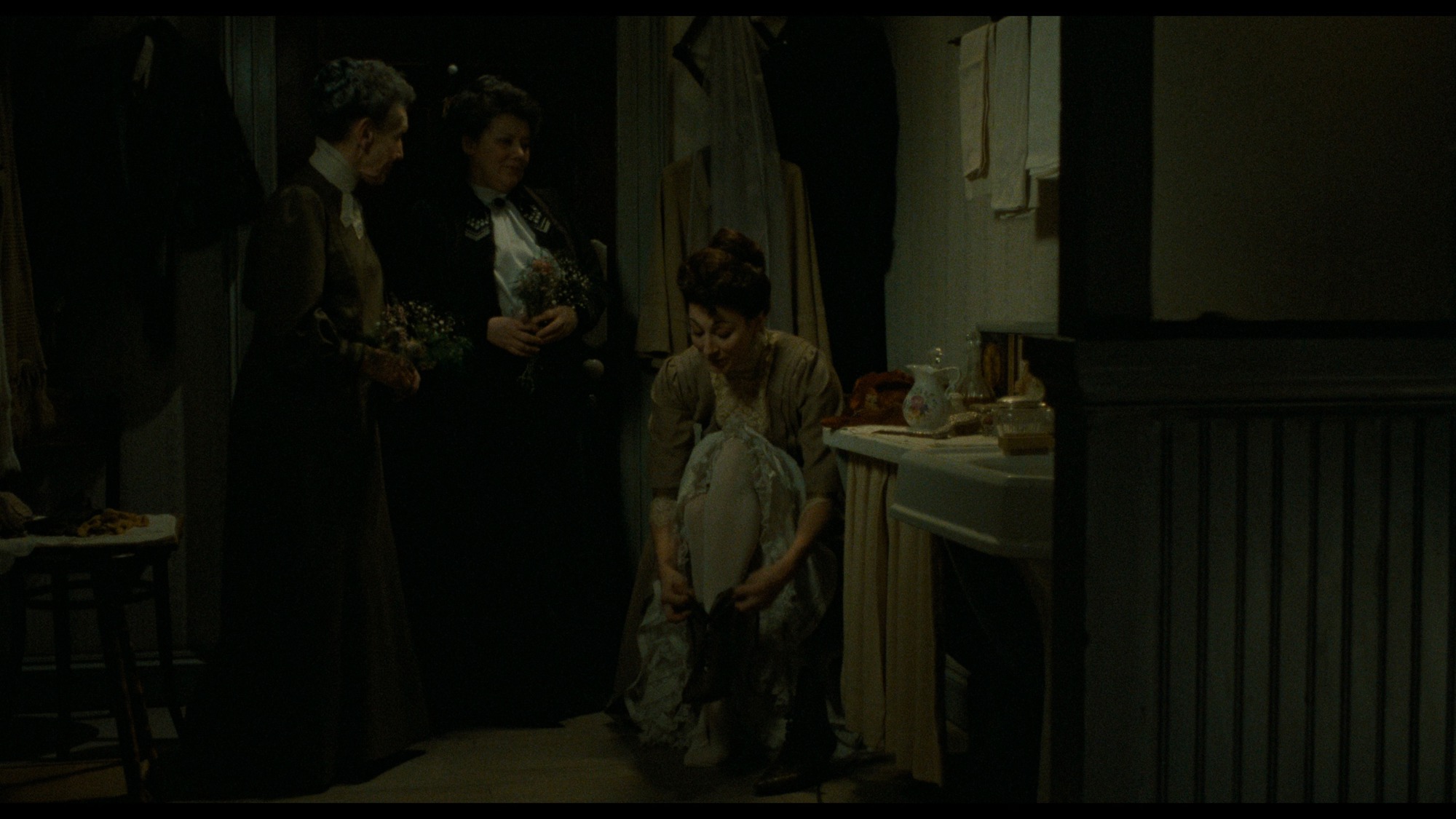
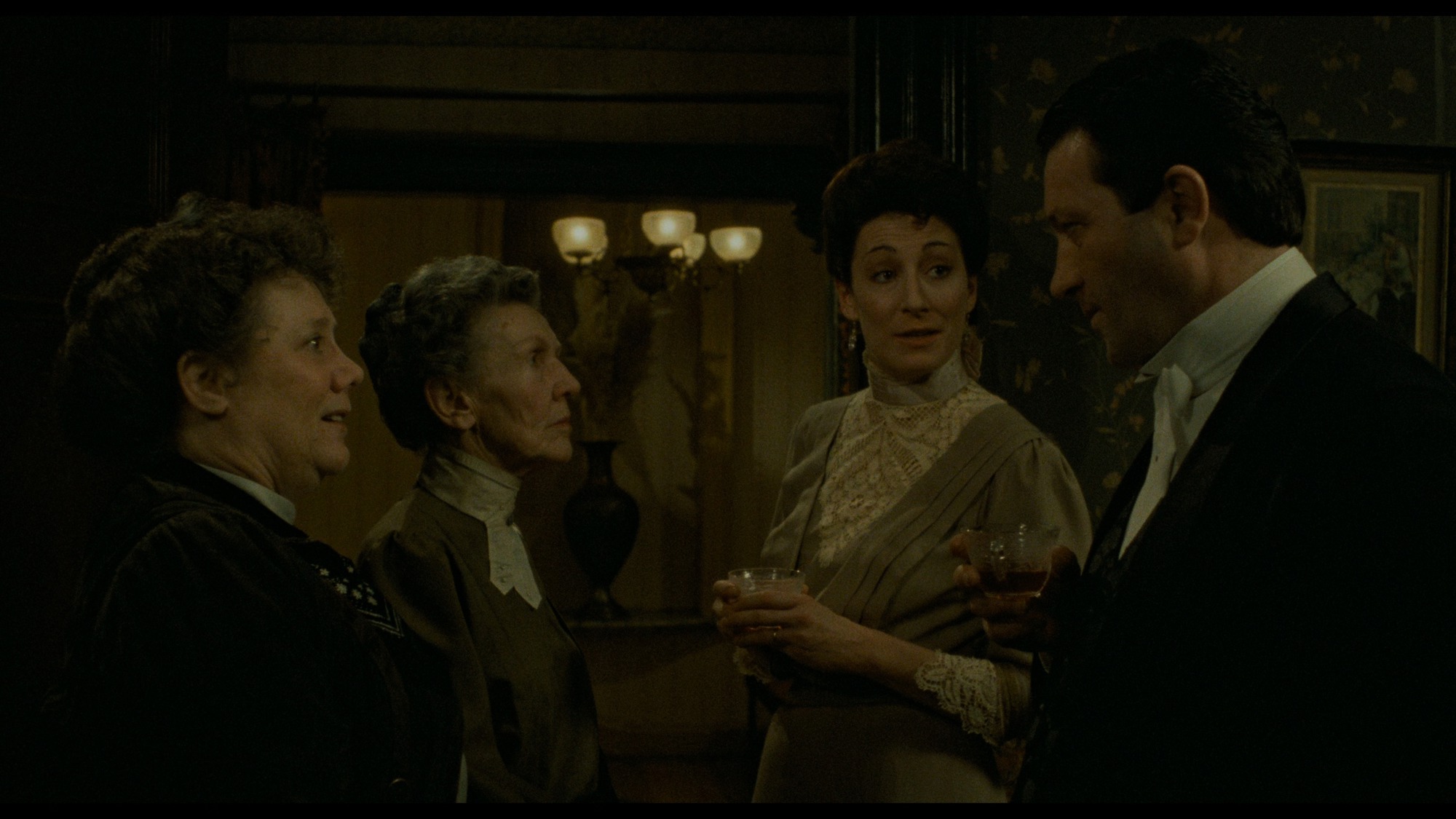
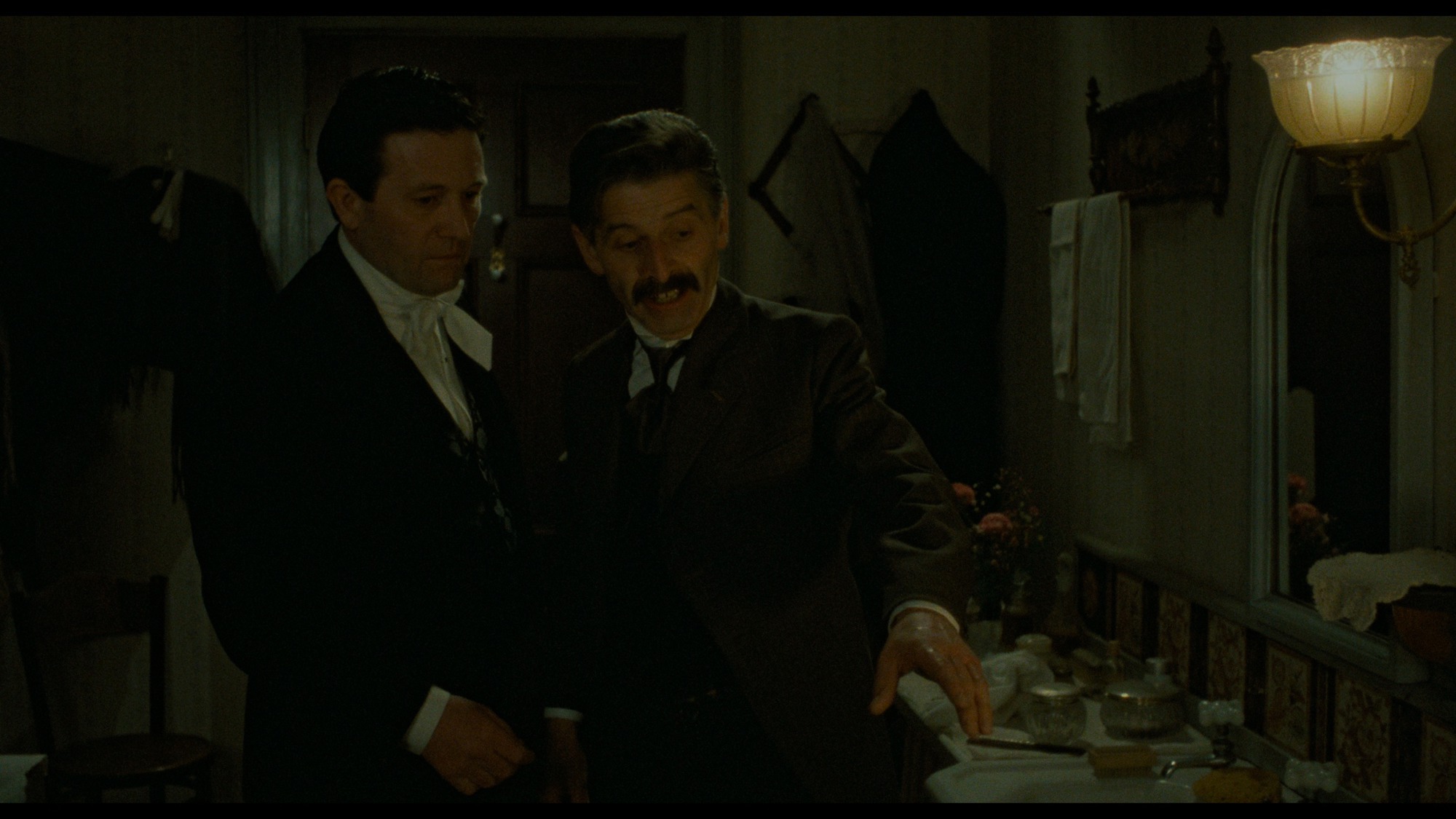
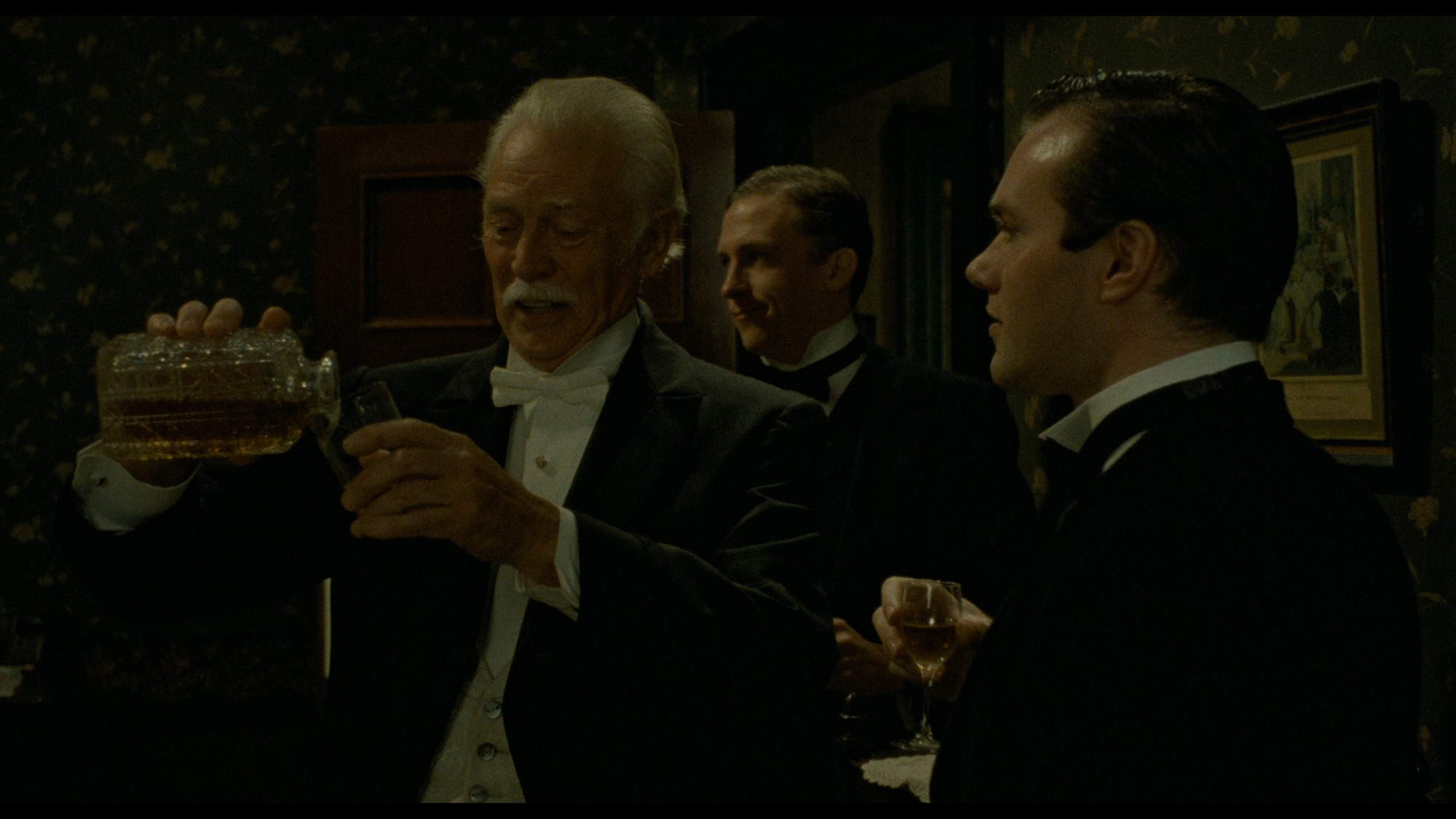
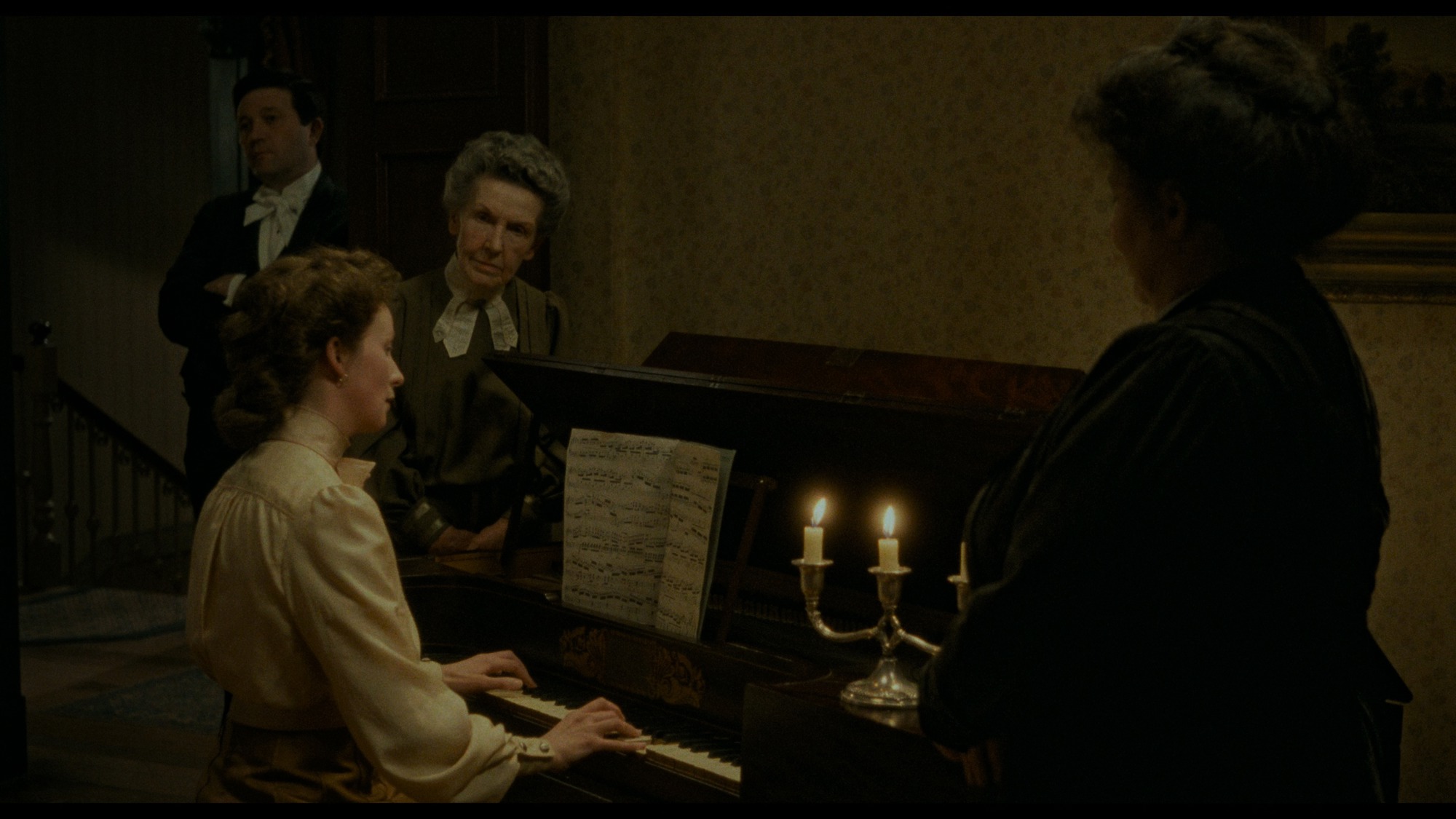
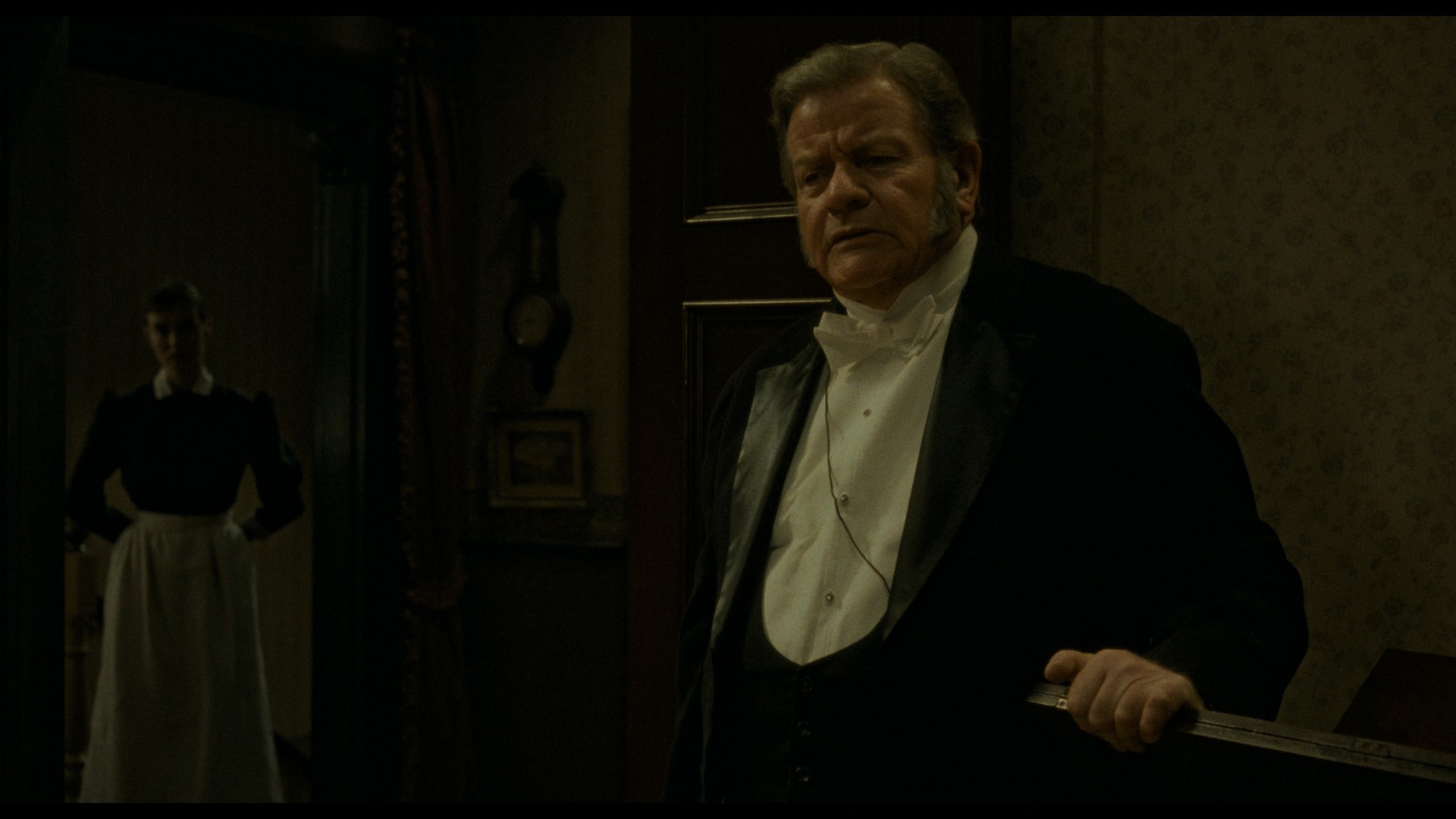
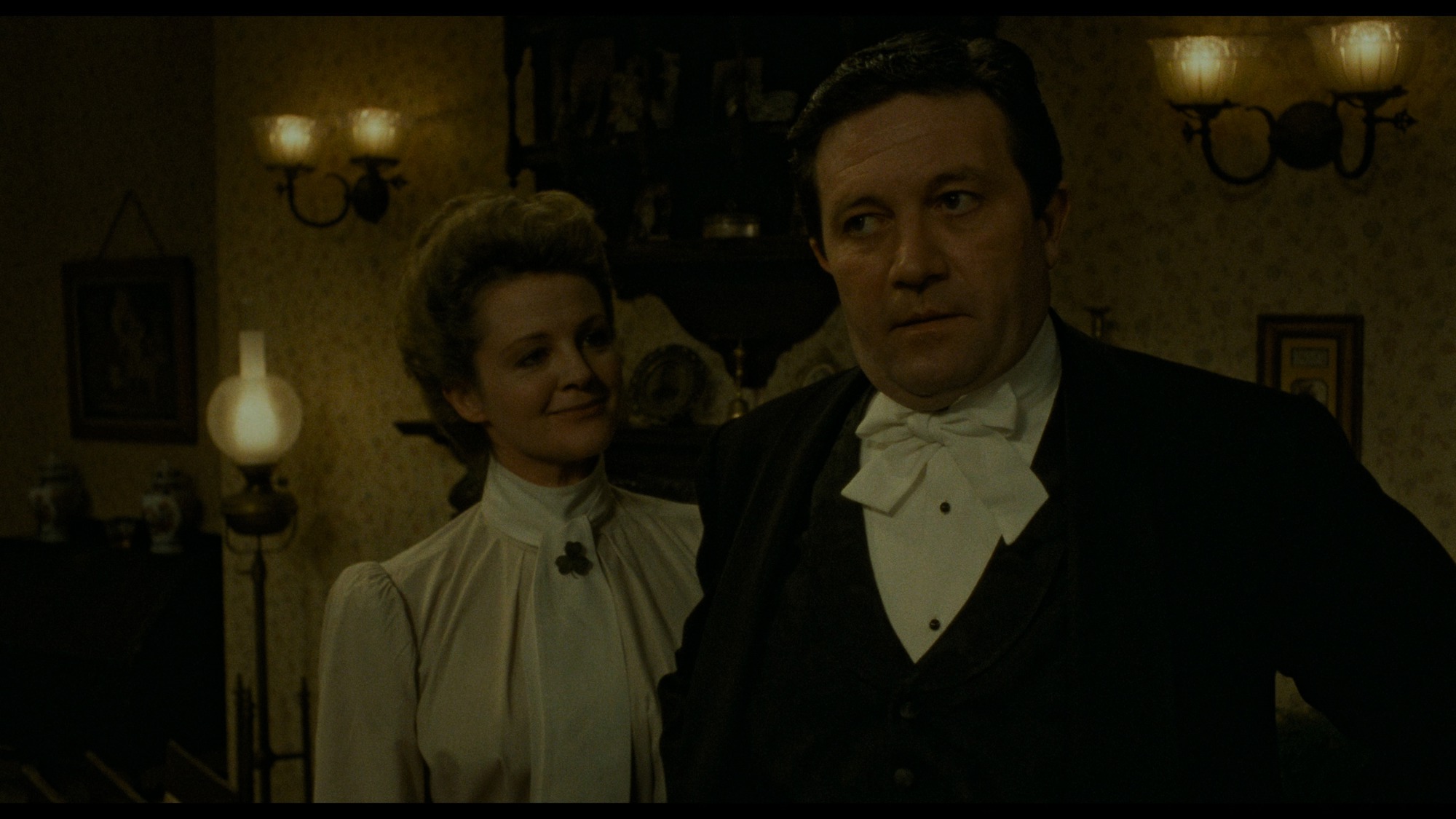
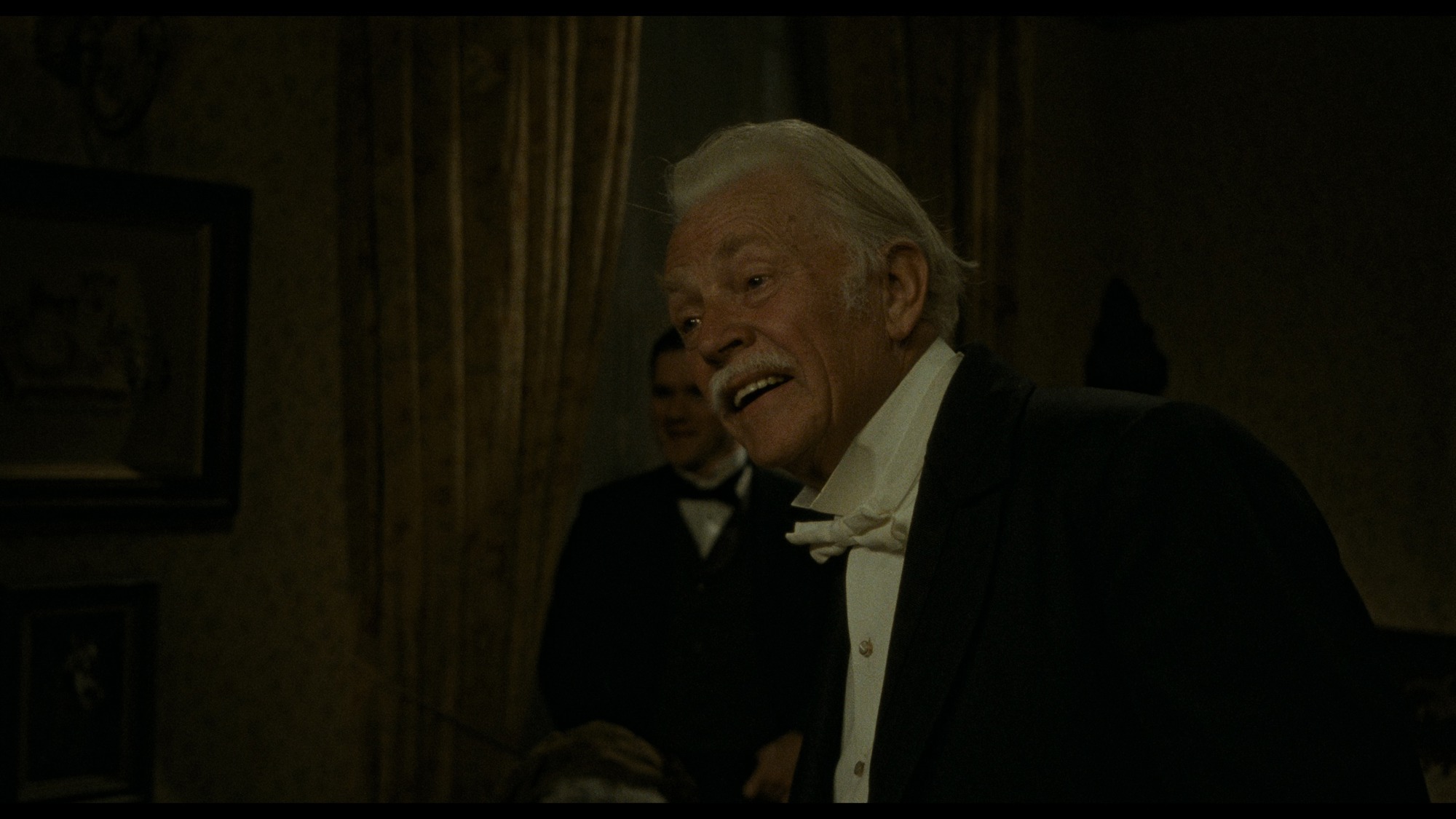
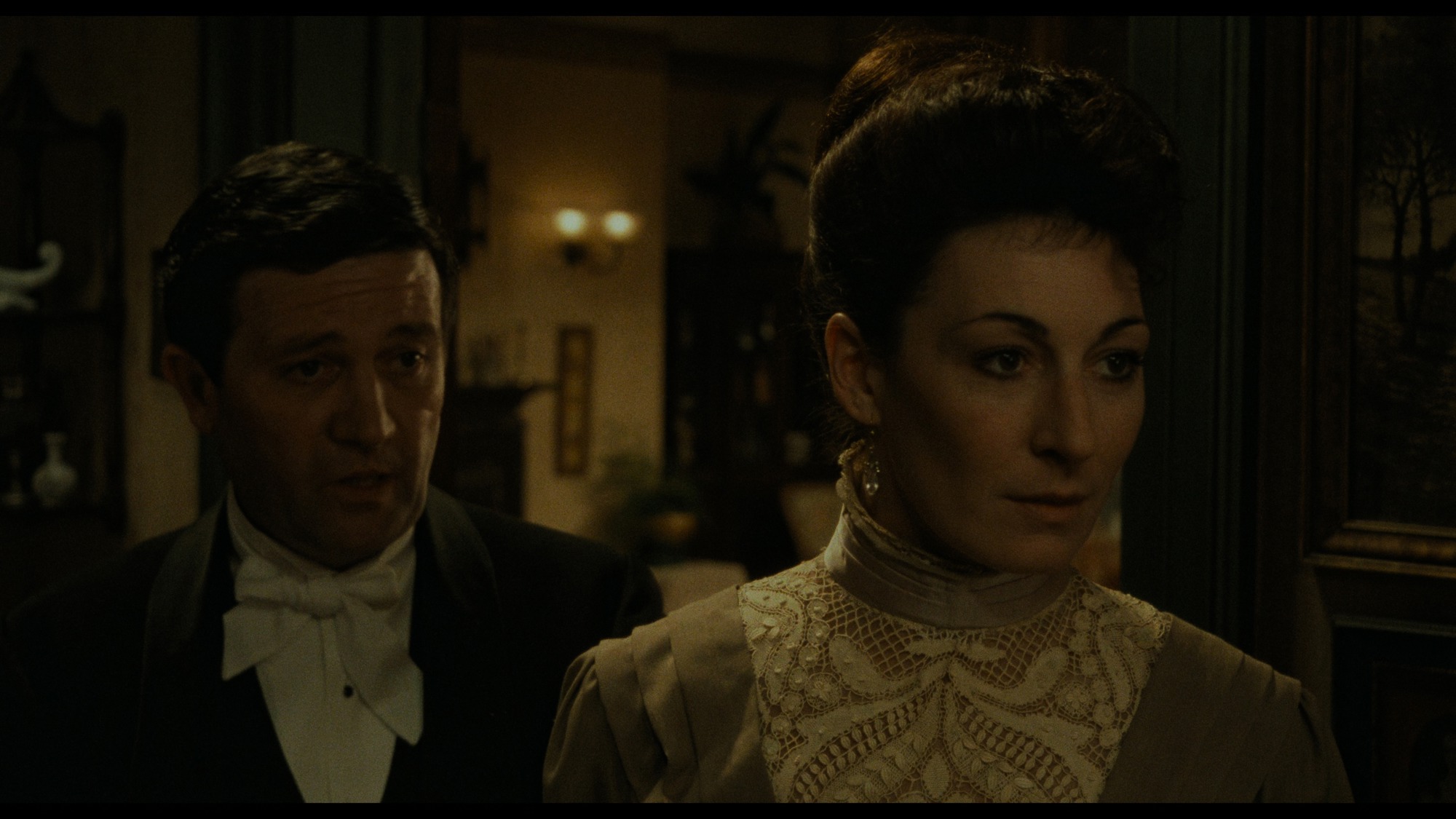
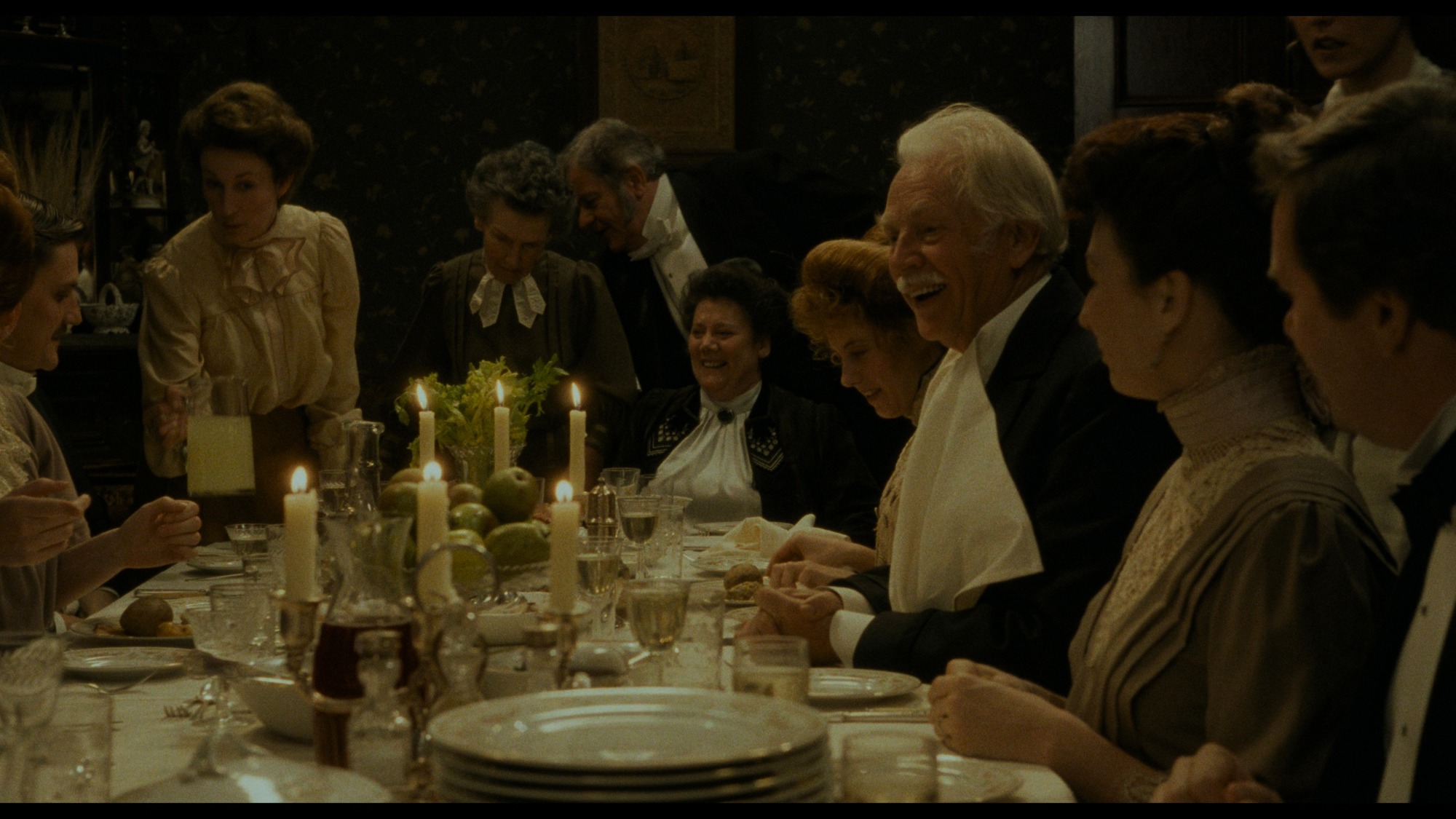
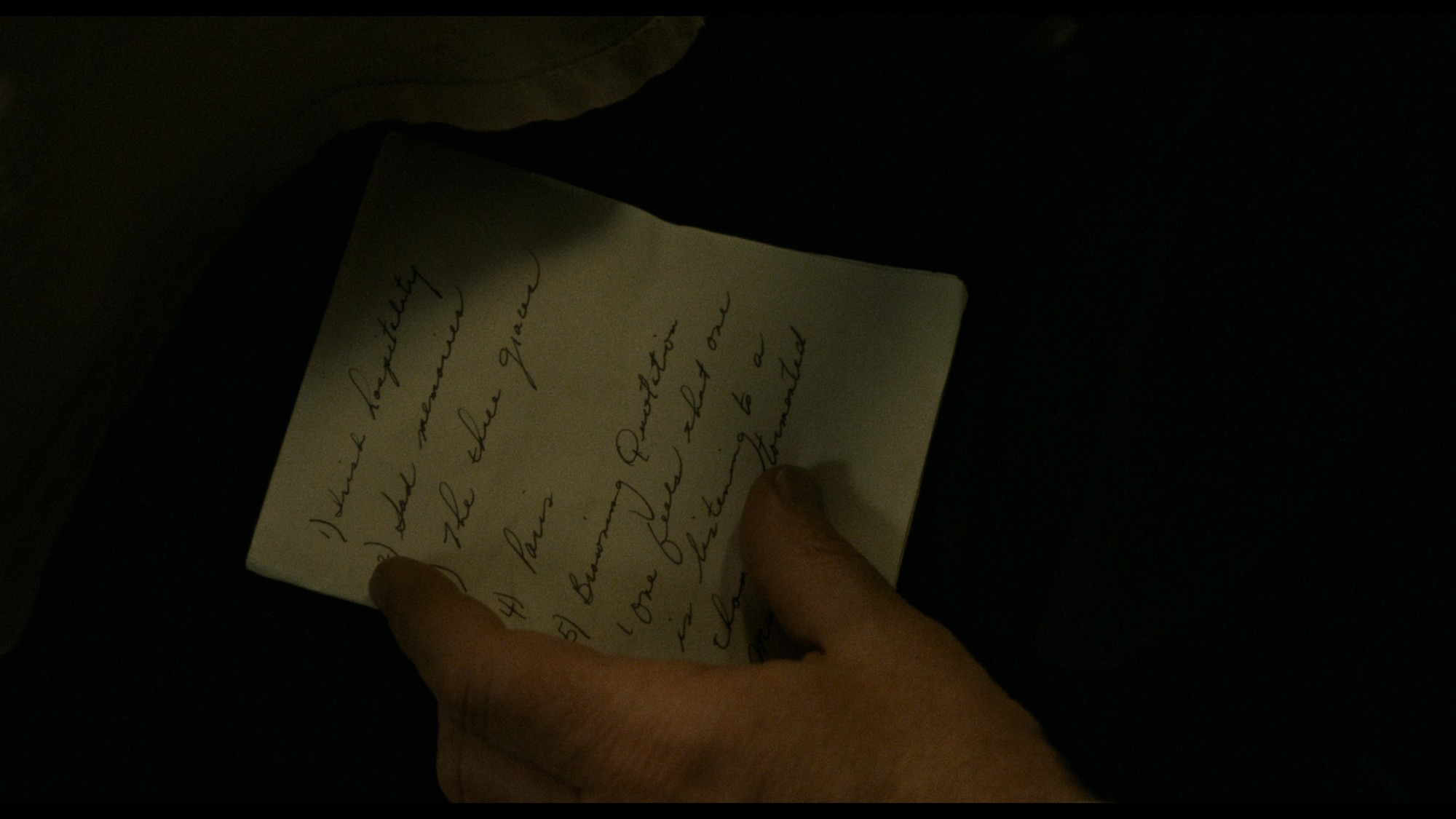
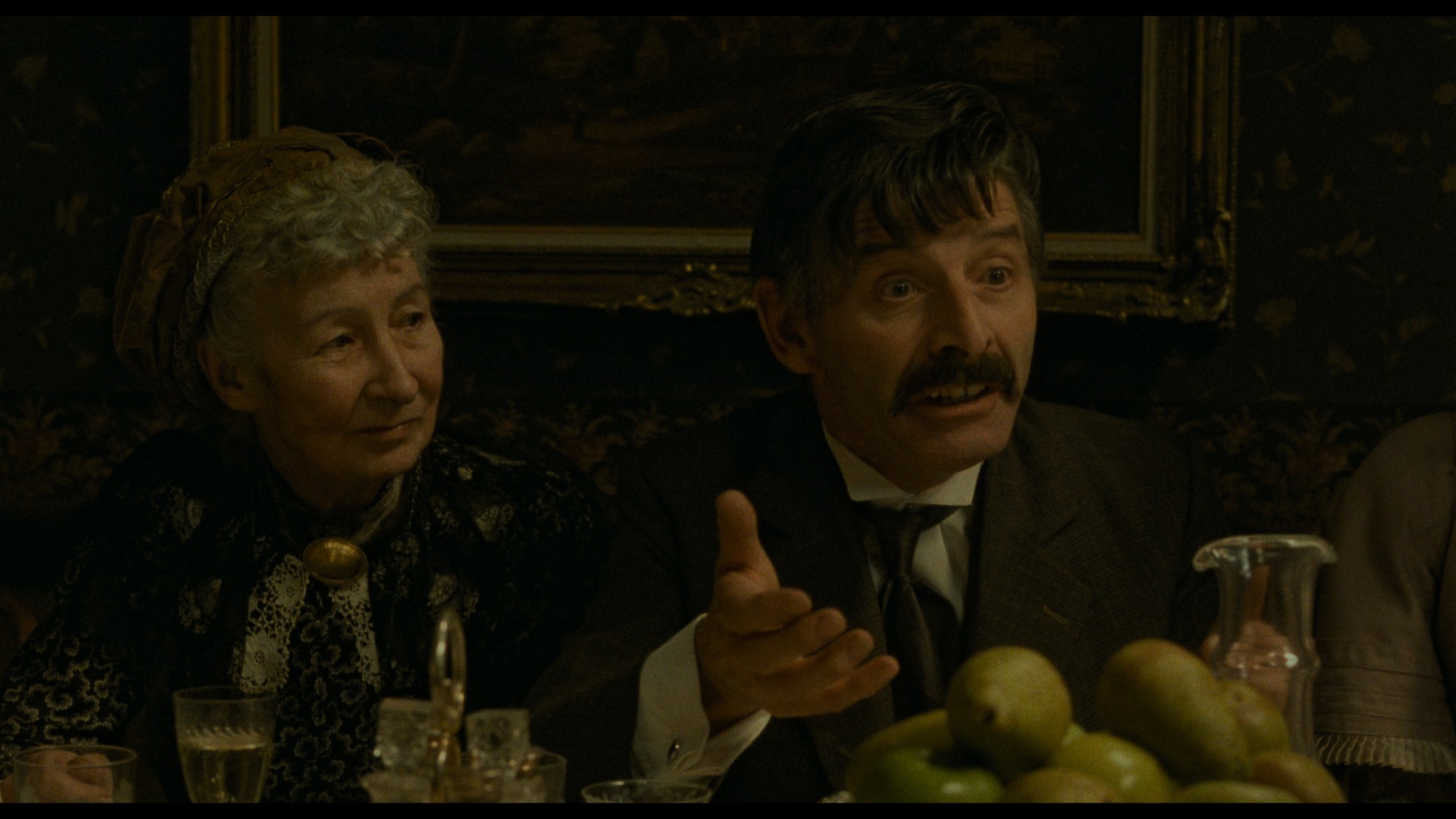
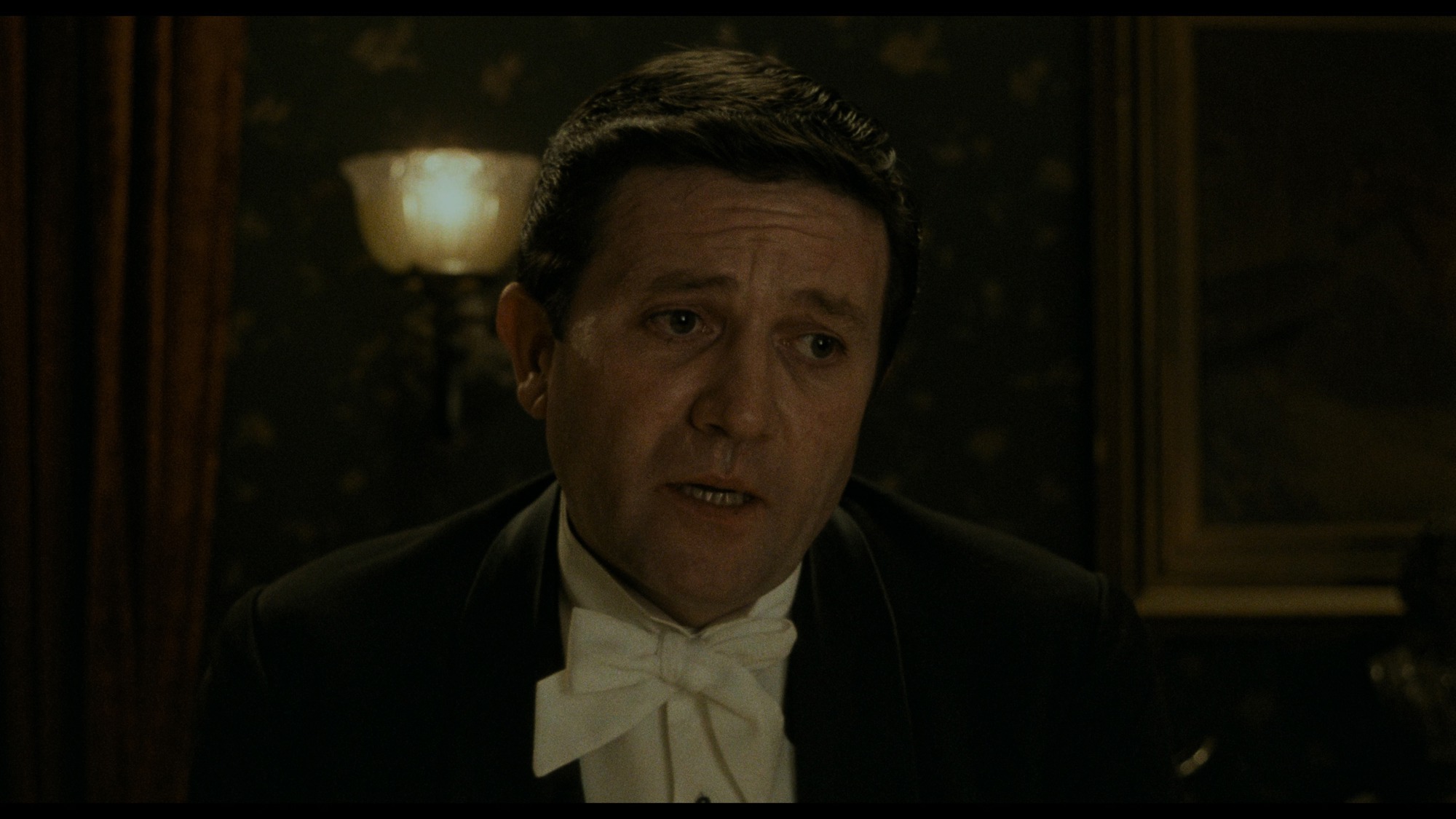
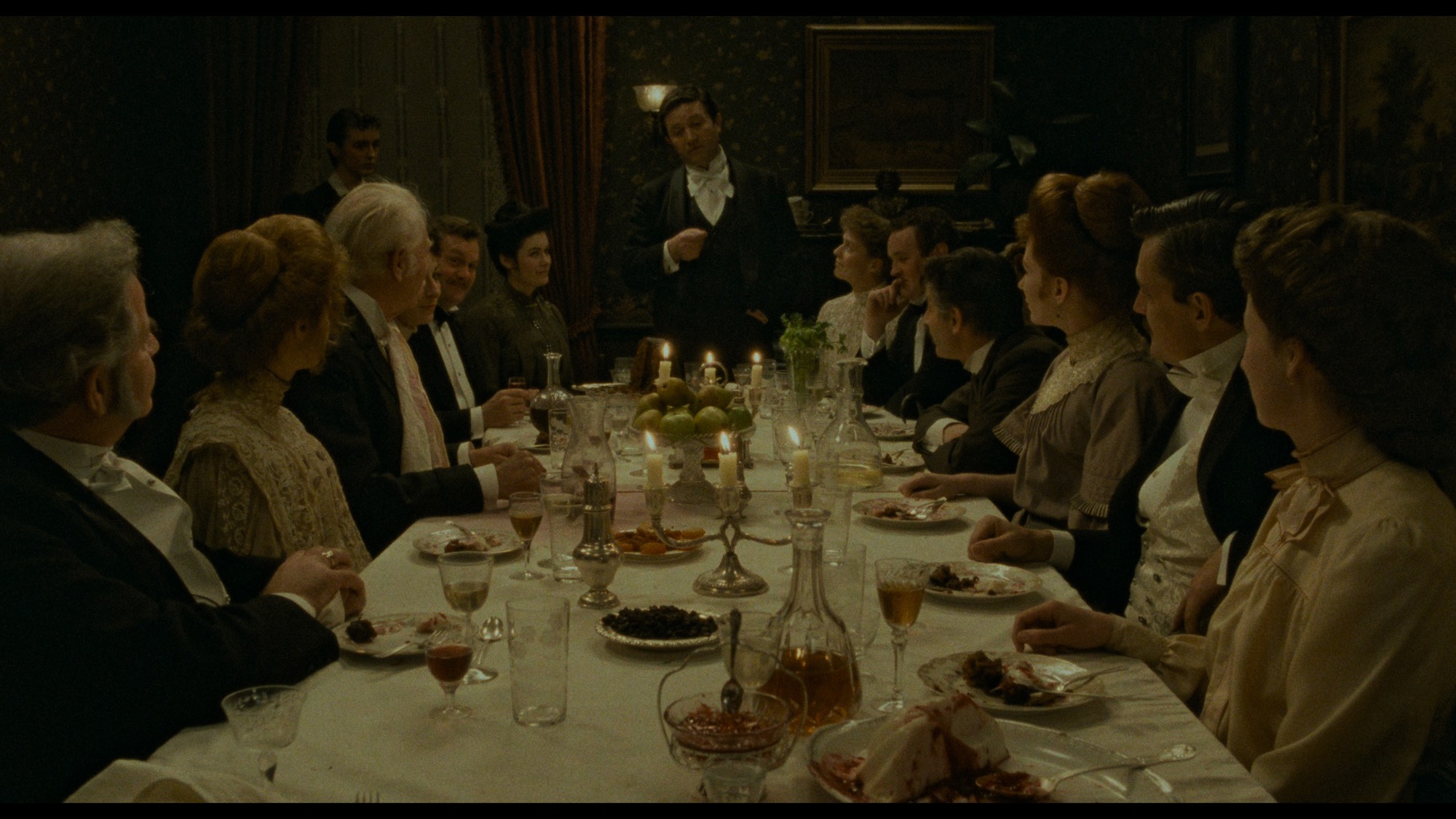
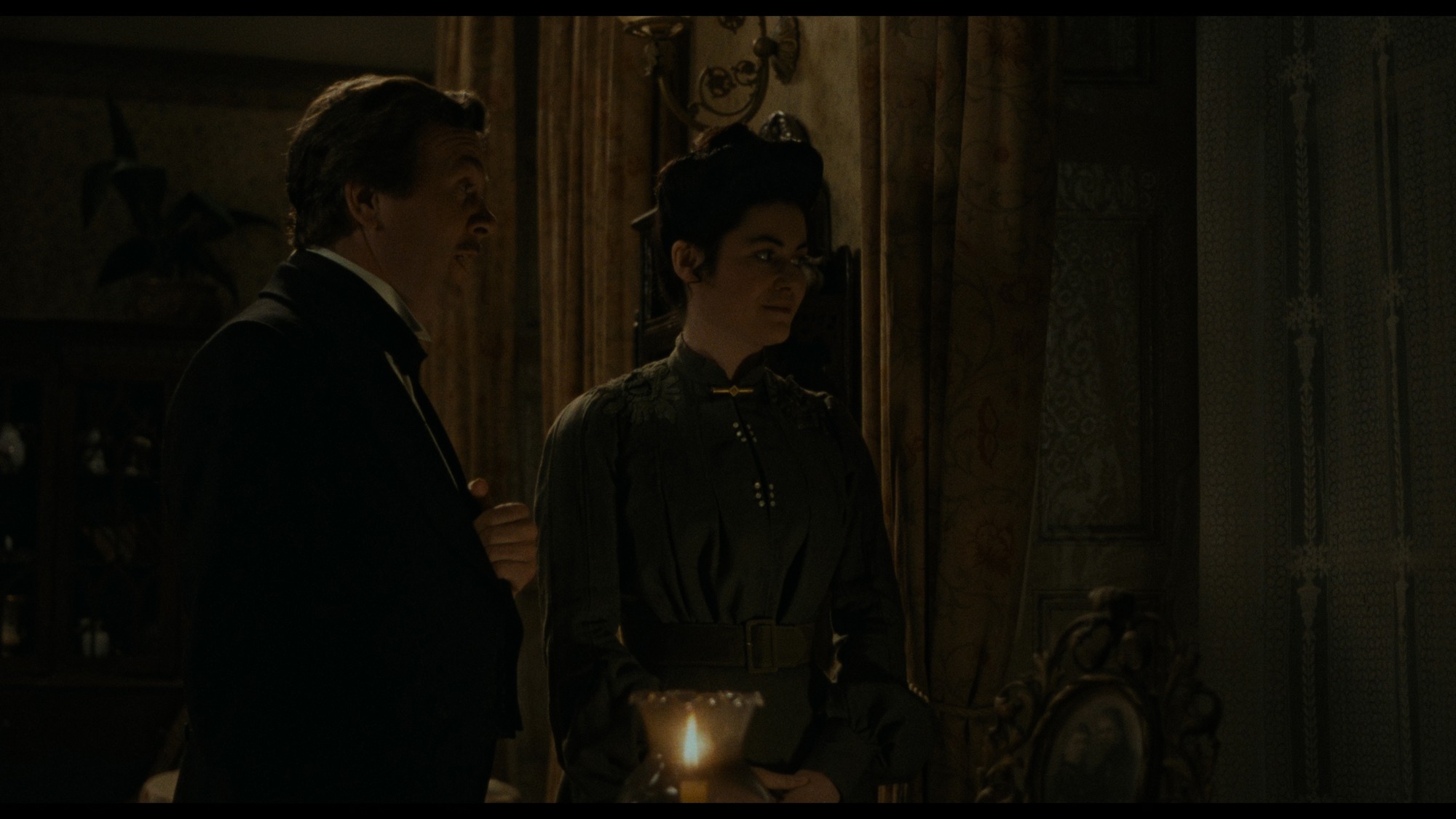
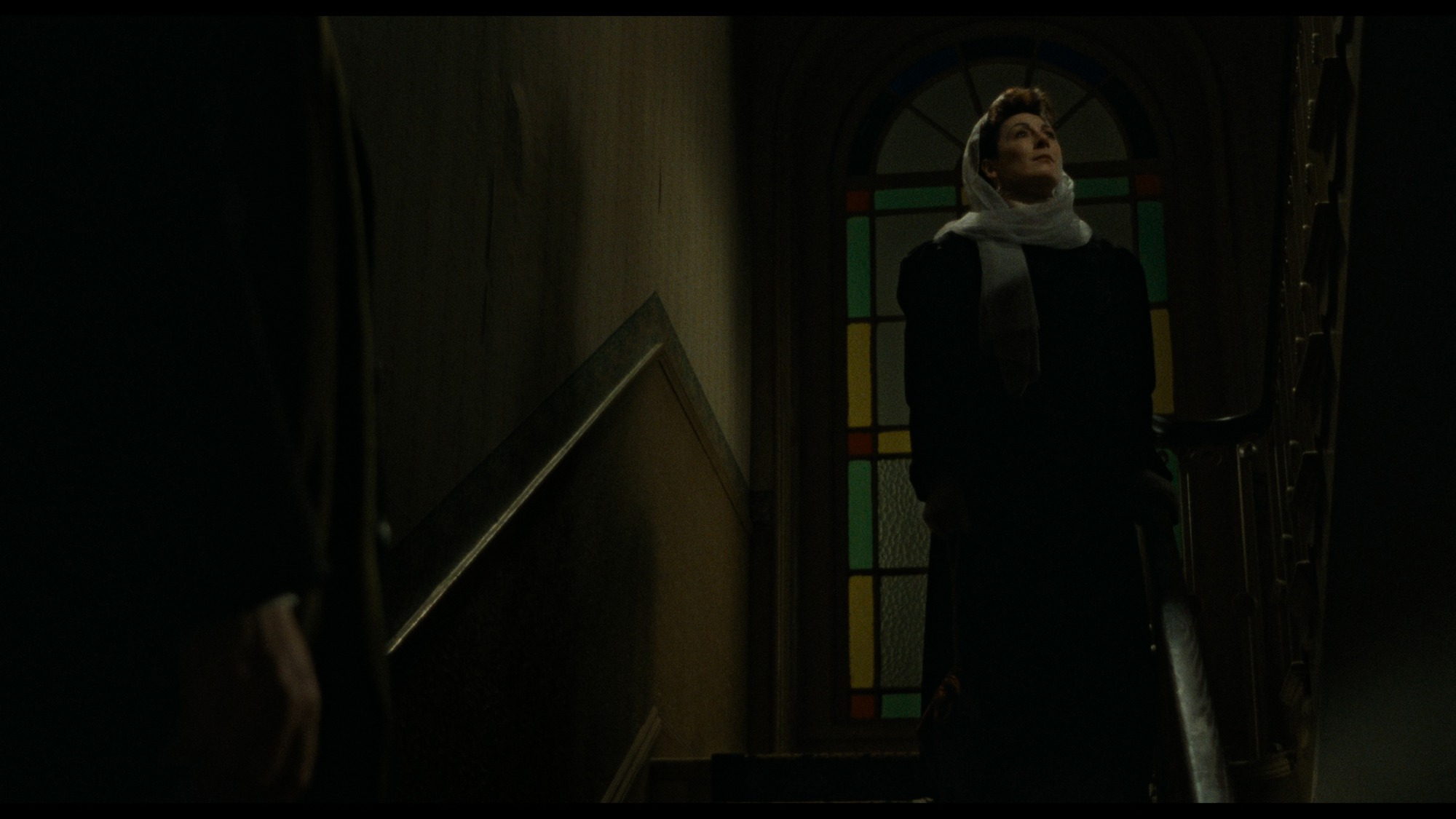
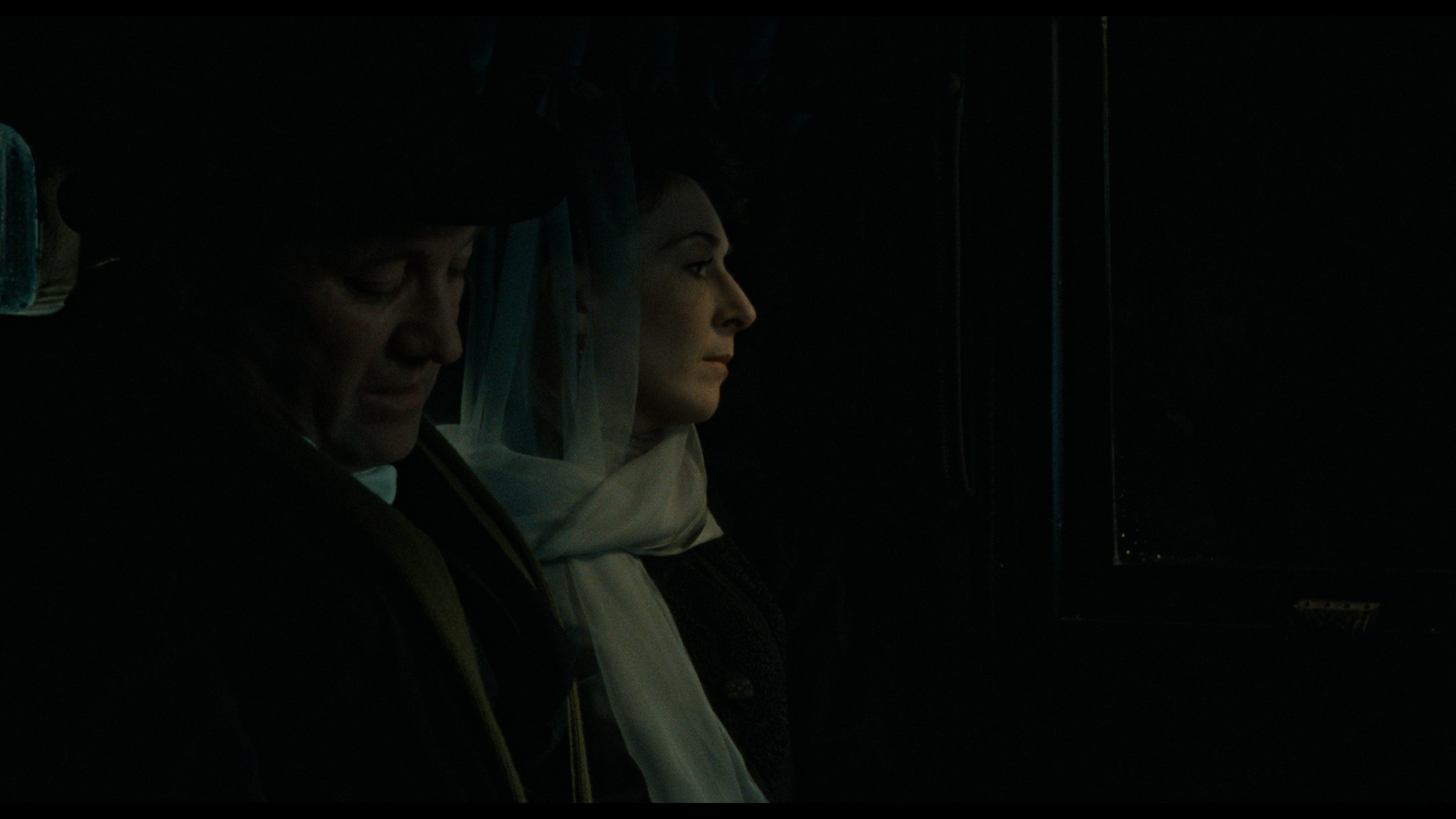
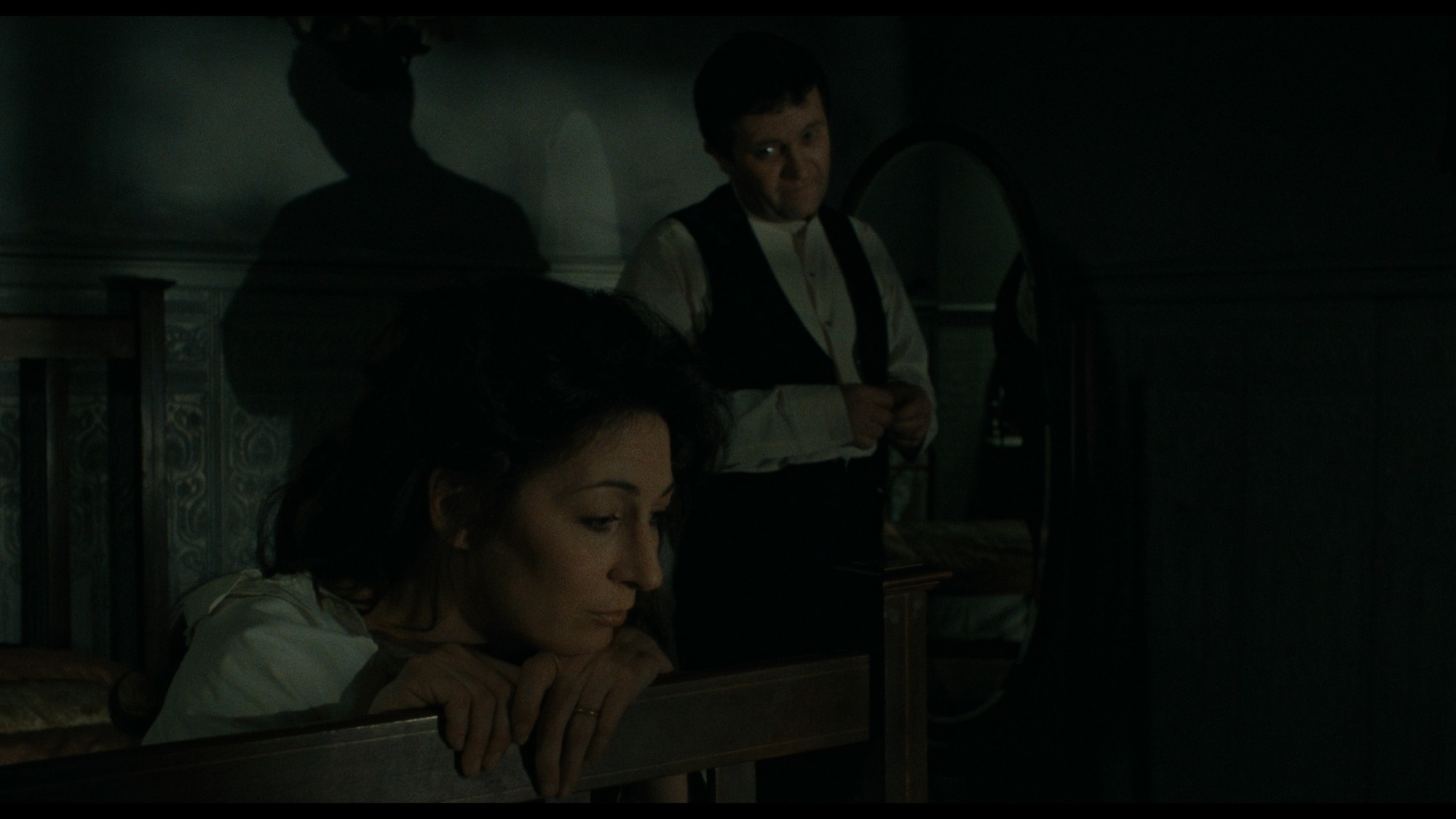
Unfairly, perhaps, The Dead isn’t a film I would have pegged as benefitting from, let alone needing, a 4K presentation, but wouldn’t you know it: this is one of the most exceptional-looking presentations I've probably seen, at least from Criterion. The restoration is superb, thoroughly cleaning up the image while the digital encode retains an exceptional level of detail, right down to a wonderfully intact (and heavy) layer of grain that remains natural and consistent throughout, never veering into anything blocky or noisy. That may be helped by the generous amount of breathing room on the disc, which is surprisingly a triple-layer UHD, which is especially odd given the film’s brief 83-minute runtime, while the 121-minute Dead Man only received a BD-66 disc (though, to be fair, the content on The Dead's disc barely makes it on to that extra layer).
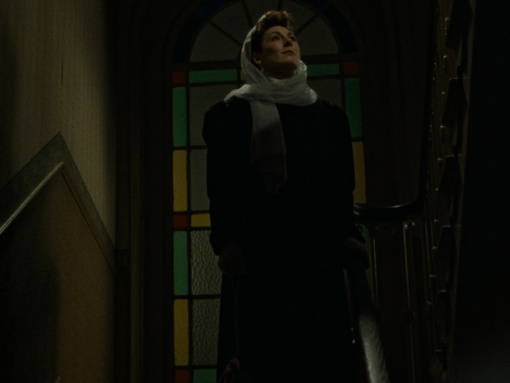
As with a number of recent 4K releases I’ve been revisiting, the most striking improvements come in the expanded contrast and improved grading. The film looks unbelievable here, a far cry from the VHS presentation through which I first encountered it decades ago, and also better than Lionsgate's DVD. The color grading leans warmly, perfectly suiting interiors that would be lit primarily by candlelight and giving off the kind of incandescent glow one would expect. This warmth is especially striking thanks to the expansive HDR grade, but where the presentation truly shines is in its handling of shadows. Blacks are rich and deep without ever swallowing detail, and the sense of depth is remarkable as light, often quite hot at the source and usually a candle, softly falls off into the surrounding space.
It’s always been a nice looking film, but I can’t say I was ever especially impressed by its photography when limited to prior home video presentations. Much like several other recent 4K restorations, however (which even includes Withnail & I and House Party), this new presentation delivers an entirely fresh experience. The photographic look now present is gorgeous, and it’s something no previous home video release has come close to capturing properly.
So in the end, yes, this film needed this. It’s an absolutely stunning presentation, and Criterion has done an exceptional job bringing it to the format.
Audio 8/10
Criterion includes the film’s original 4.0 surround soundtrack, presented in a 5.1 DTS-HD MA container, with the rear channels working in unison.
As expected, it’s a fairly low-key surround presentation, though ultimately a bit more robust than I would have expected. Dialogue is clean and sharp with excellent fidelity, anchored to the front channels with clear separation when called for, while the music fills the soundstage beautifully and offers a surprising amount of range given the understated nature of the score.
It's not going to test the limits of your receiver, but it's incredibly effective for the film.
Extras 6/10
Shockingly, for John Huston’s final film, the supplements are fairly sparse, with all of them confined to the standard Blu-ray. The set begins with a new 23-minute interview with writer Colum McCann, who discusses James Joyce and the original story, digging into how it captures the politics, class tensions, and social undercurrents of the period before turning to Huston’s adaptation. On that front, McCann explains why the story is so difficult to translate to a visual medium (much of it hinges on interior states rather than "action"), and while he acknowledges that the film can’t capture everything on the page, he feels it, at the very least, successfully evokes "the feeling" of the story. It’s a solid overview, though perhaps not as expansive as one might hope given the subject.
The remaining material shifts its focus more squarely to the production itself. This includes a 13-minute audio feature with Anjelica Huston reading from her memoir excerpts that focus on the making of the film. She amusingly recalls having no idea that her brother Tony was working with their father on the production until quite late in the process, and she touches on various aspects of the shoot, including the costumes. Huston also speaks candidly about her concern that this might be her father’s final film (apparently director Karel Reisz was standing by in case something happened) and describes the atmosphere on set, while also expressing her discomfort with the documentary crew’s presence, referencing one scene in particular.
That scene does indeed appear in that documentary, John Huston and the Dubliners, which is also included here in a new restoration by Criterion. Running just under an hour, it’s a fairly engaging behind-the-scenes look at the production, featuring interviews with cast members, some visiting the United States for the first time (Huston's health prevented him from filming in Ireland, so it was instead shot in the next best place, Santa Clarita), and crew, including cinematographer Roberto Silvi. It’s also fun to spot a young Danny Huston dropping by the set to see what’s going on. The real highlights, however, are the one-on-one interviews with Huston himself, as he reflects on filmmaking, what he considers “action,” and his feelings about having his children present during the shoot. Those moments, along with a handful of smaller, candid observations, elevate the documentary above the norm for this type of production piece.
That, unfortunately, closes out the on-disc supplements. Criterion does include a booklet featuring an essay by Michael Koresky, which examines Huston’s adaptation, getting a bit into his failing health, followed by a reprint of a 1987 piece by Tony Huston reflecting on the experience of working alongside his father. Both are worthwhile reads and provide a thoughtful conclusion to the release, though the overall slate of supplements still feels a bit light for what ultimately proved to be Huston’s final film.
Closing
A decent collection of features is included, but it’s the stunning new presentation that makes this release a must. It’s genuinely a terrific presentation.
BUY AT: