The Eel
BUY AT:



See more details, packaging, or compare
Synopsis
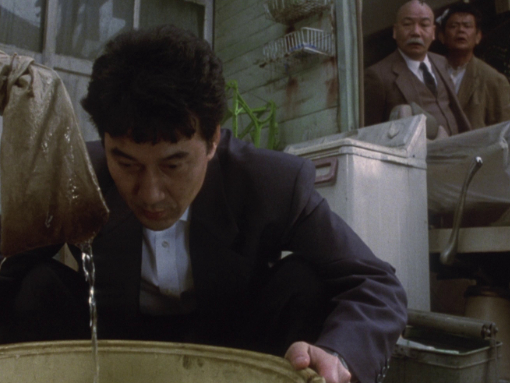
After serving time in prison for murdering his unfaithful wife, Yamashita (Koji Yakusho, Perfect Days, Cure) is released on parole, accompanied only by his pet eel. Hoping to stay out of trouble, he takes over a rural barber shop that quickly becomes a gathering point for the eccentric locals. However, the discovery of a woman’s failed suicide starts a chain reaction that brings back past demons - and not just his own. The Eel won master filmmaker Shohei Imamura his second Palme d’Or, after 1983’s The Ballad of Narayama and was the breakthrough of its star Yakusho.
Picture 7/10
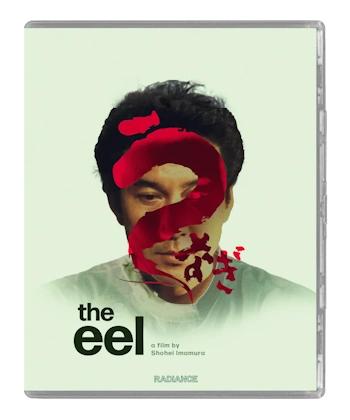
Radiance Films presents both the theatrical and director’s cuts of Shohei Imamura’s The Eel on Blu-ray, delivering the film on a dual-layer disc in its original aspect ratio of 1.85:1.
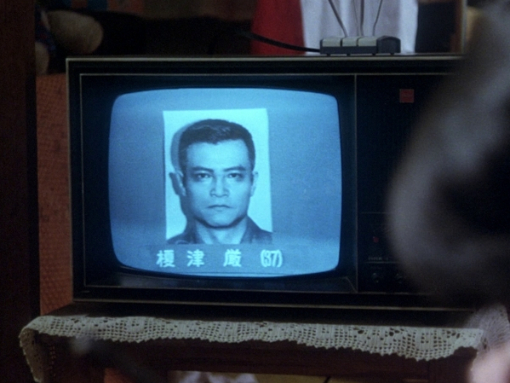
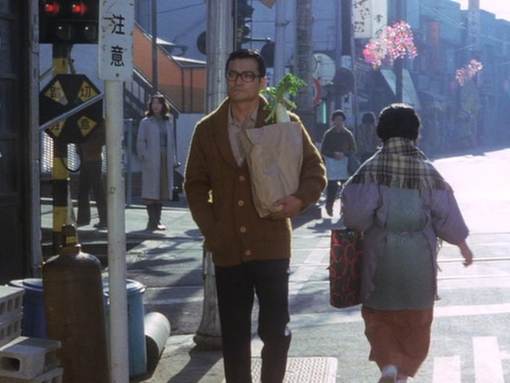
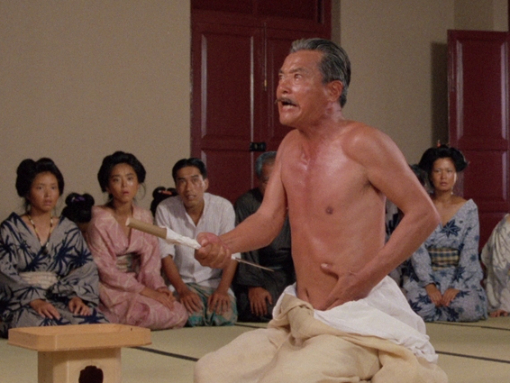
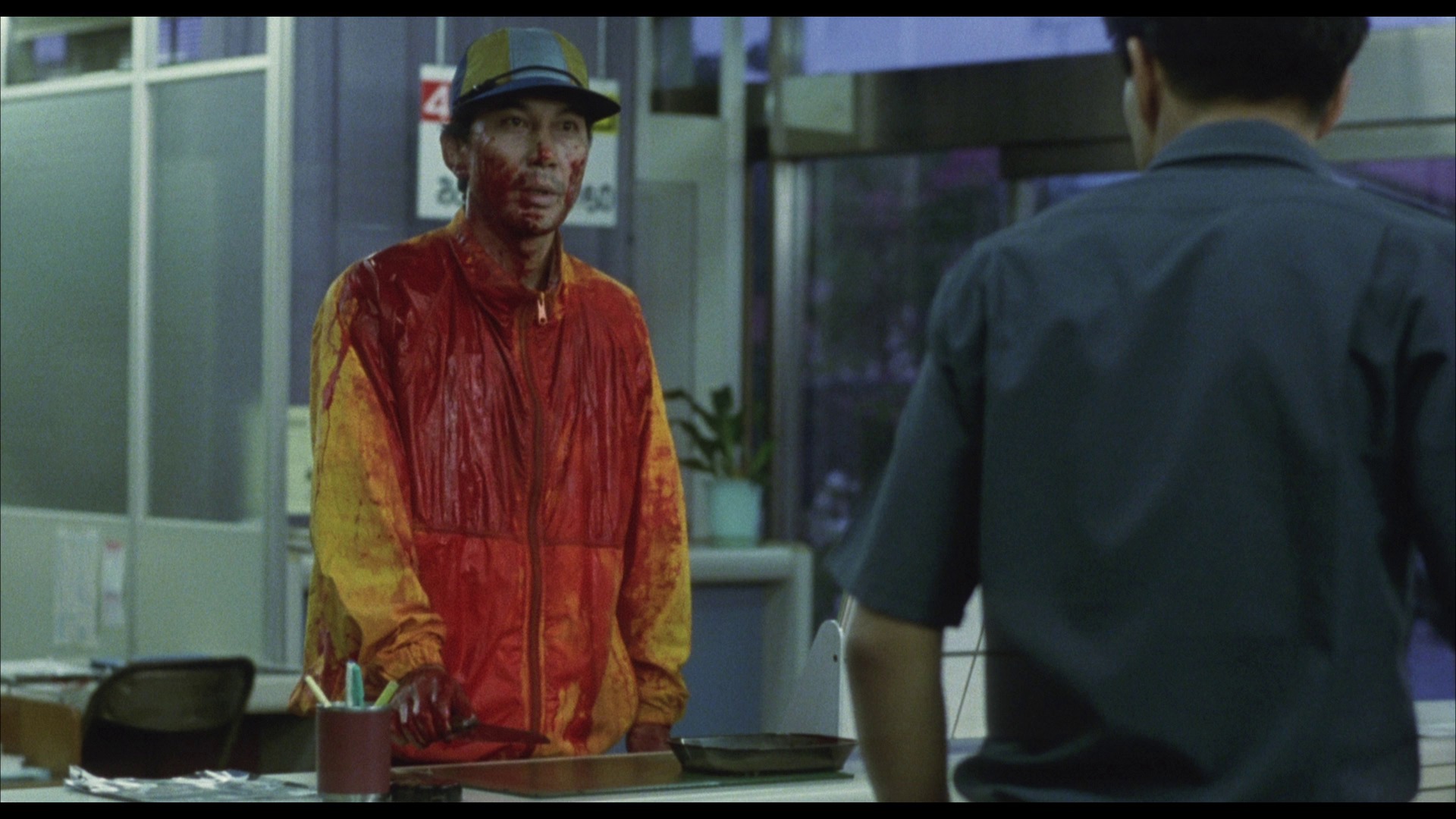
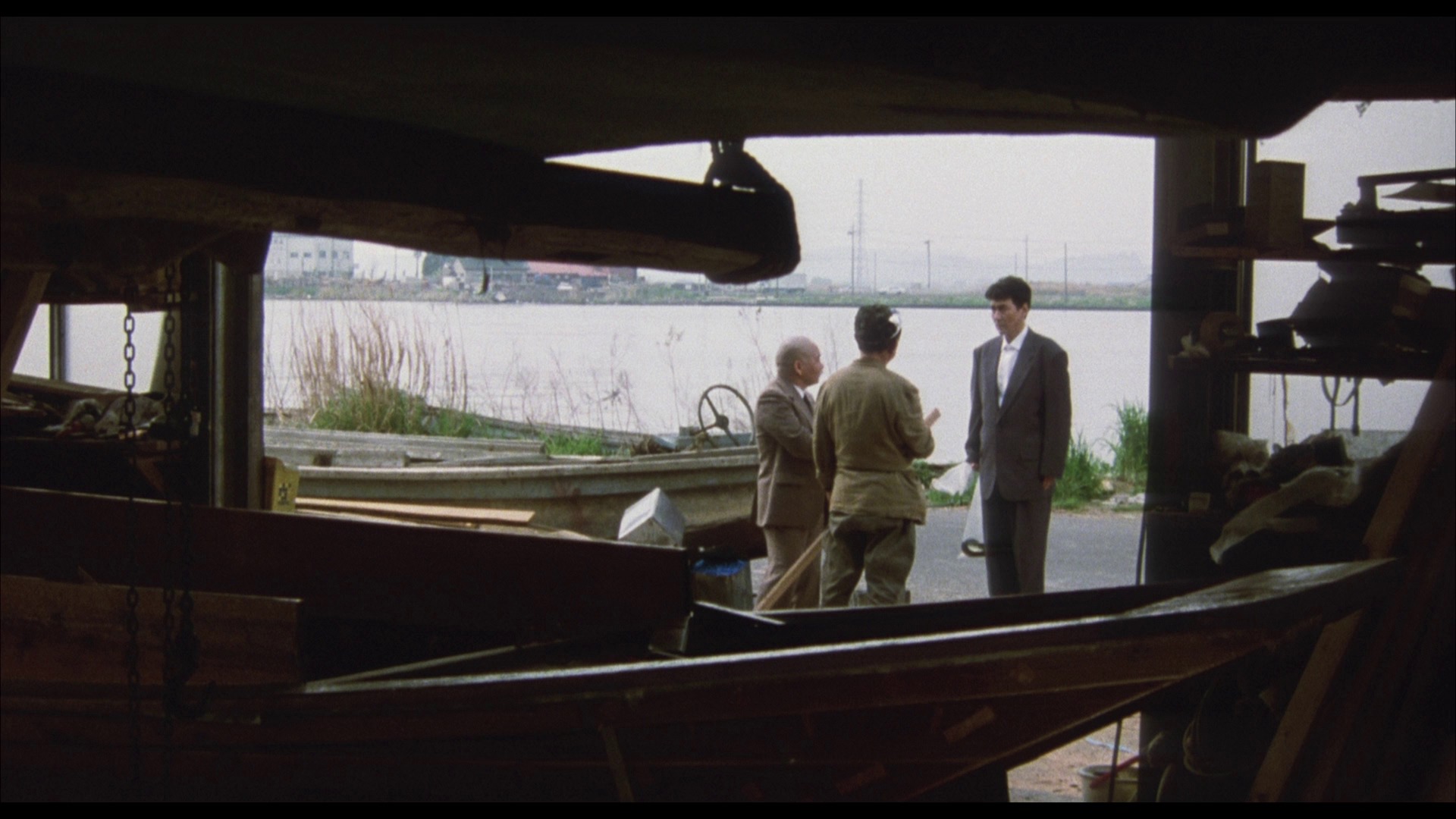
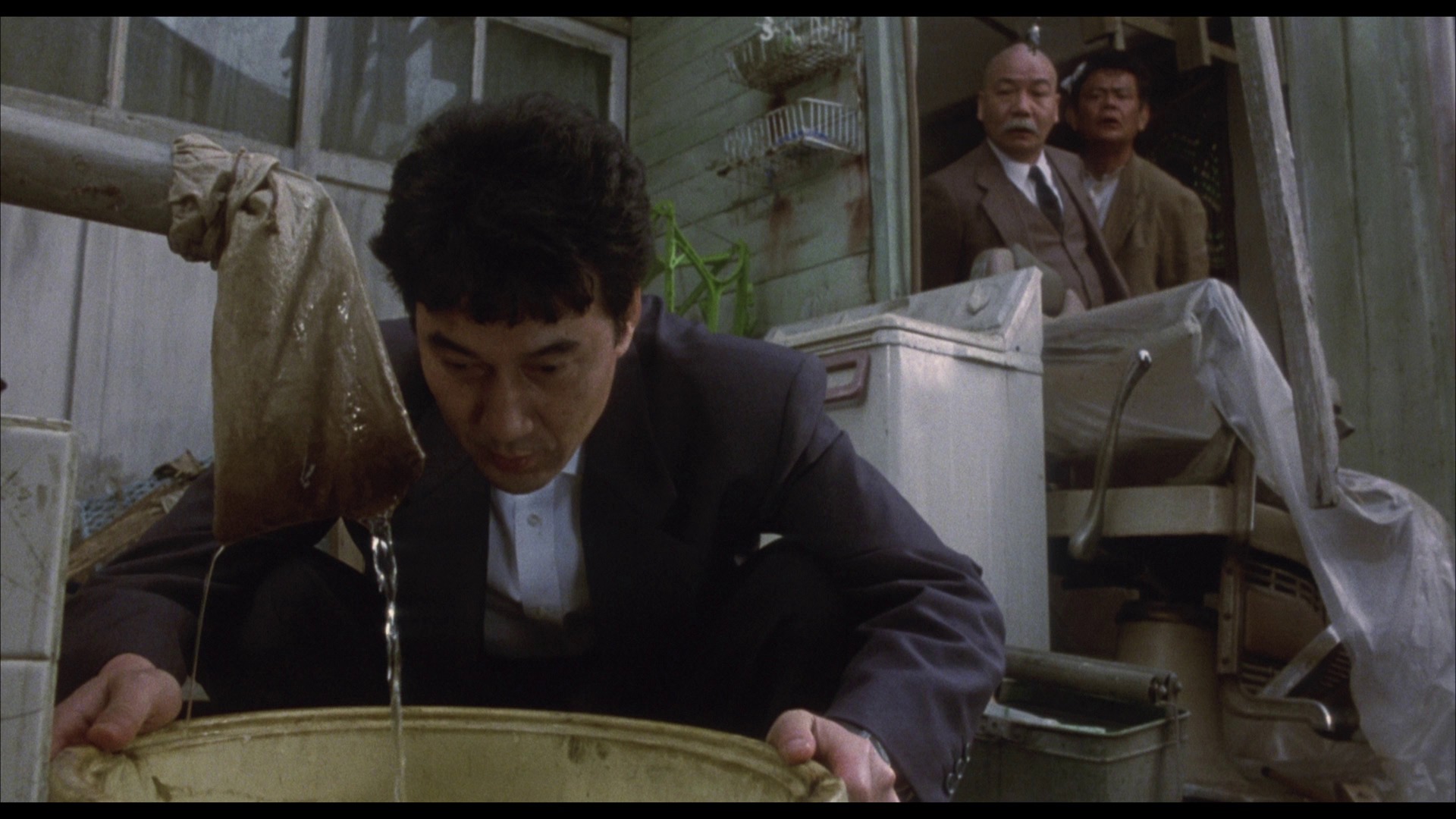
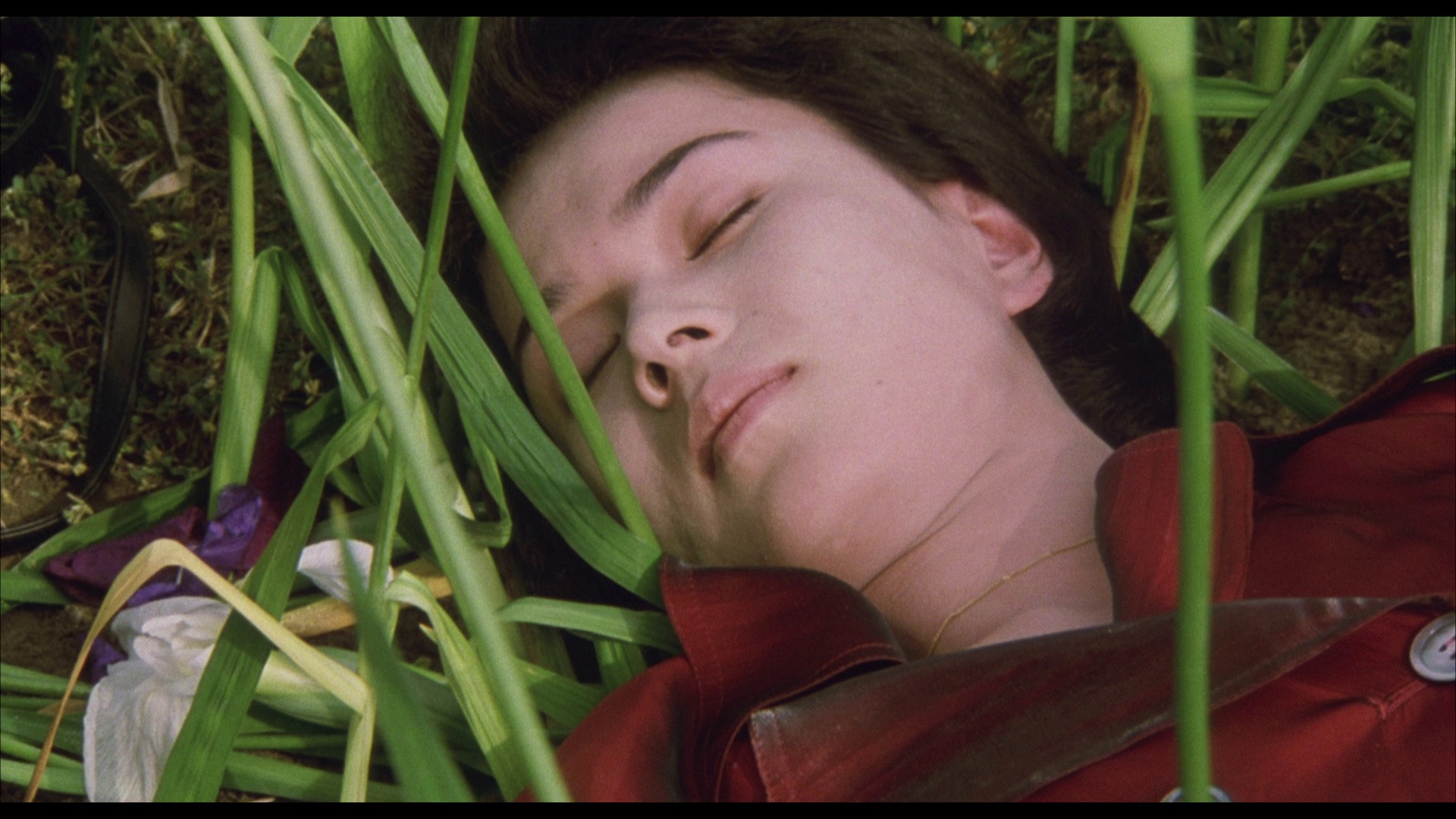
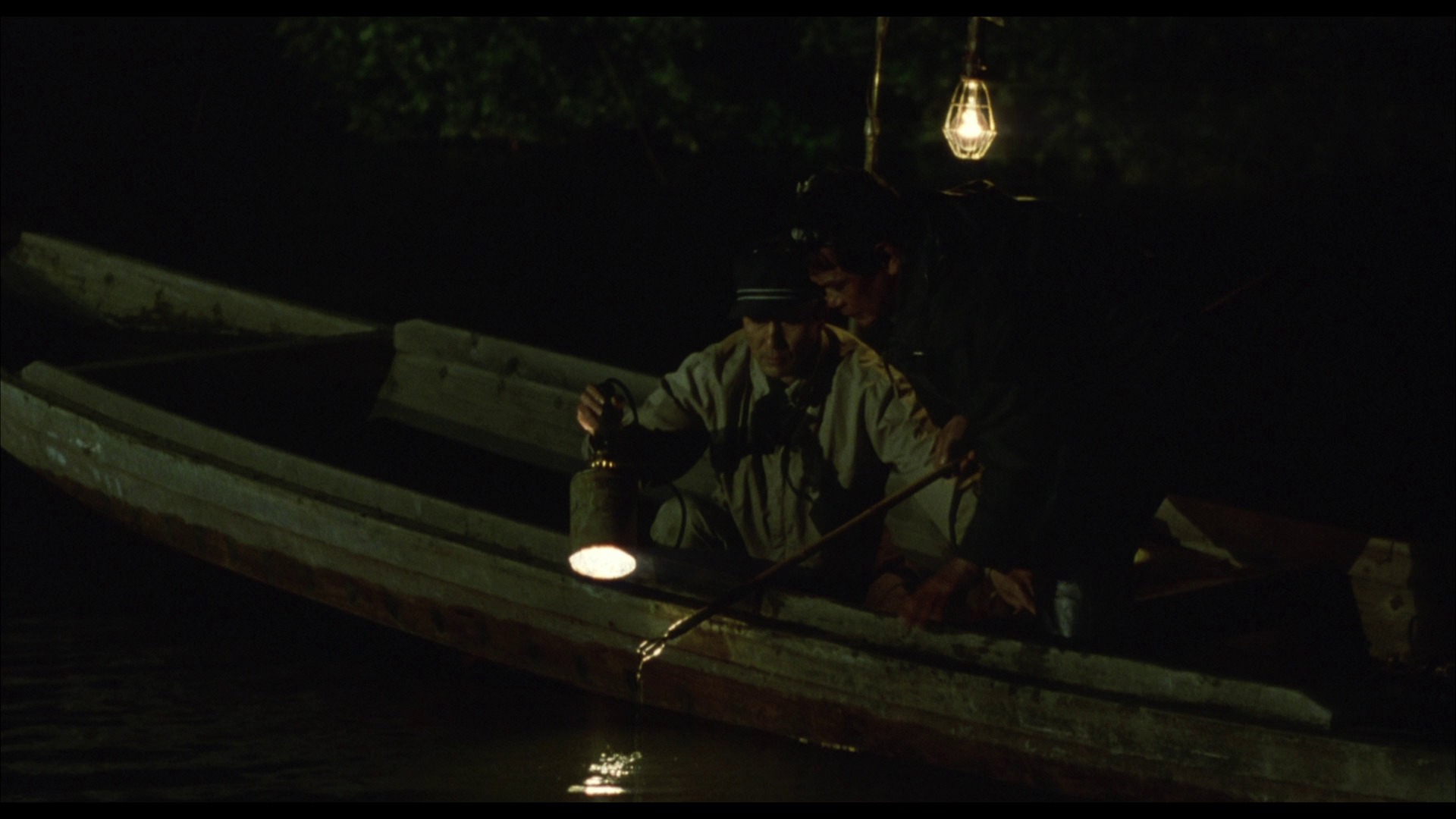
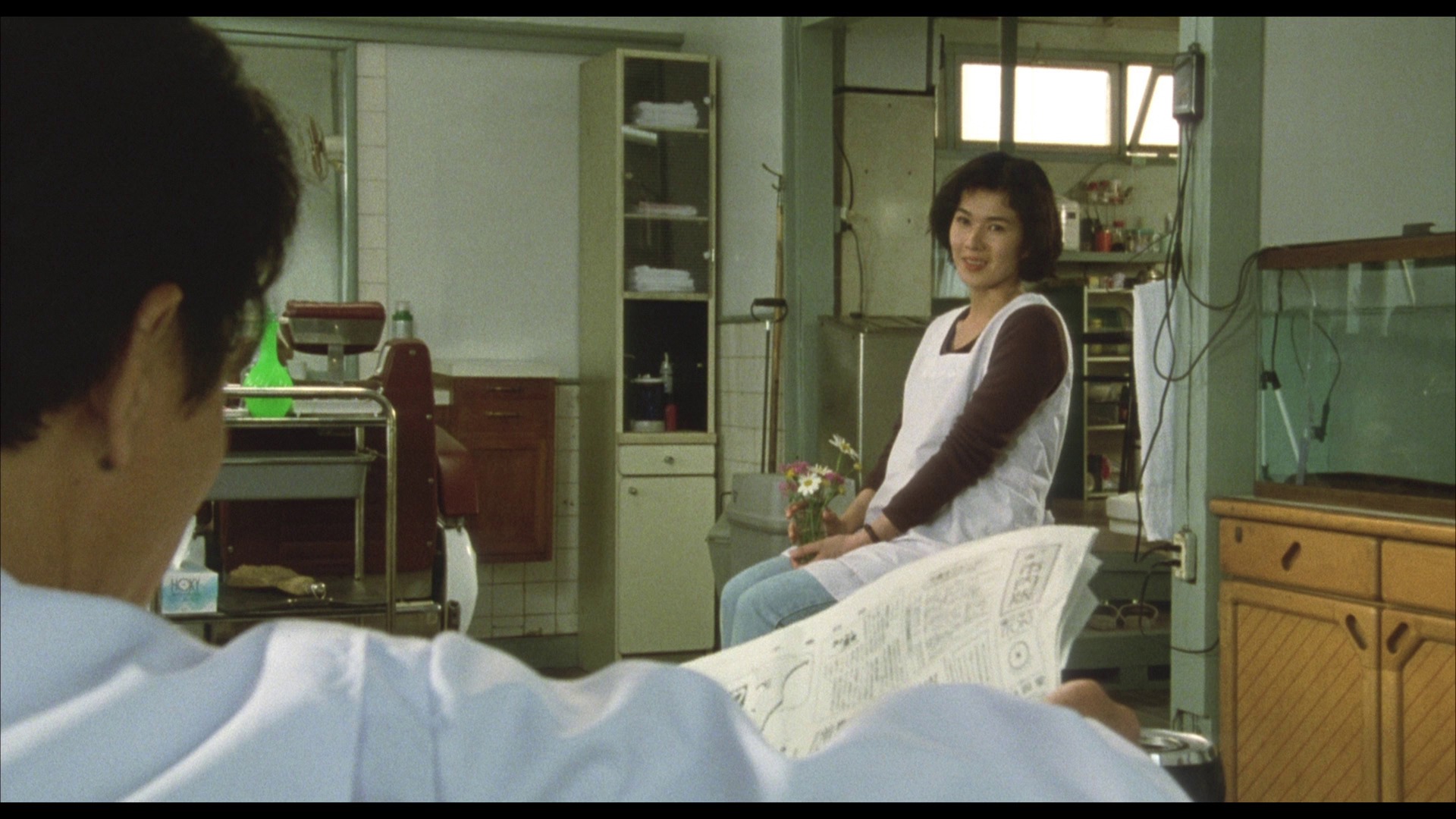
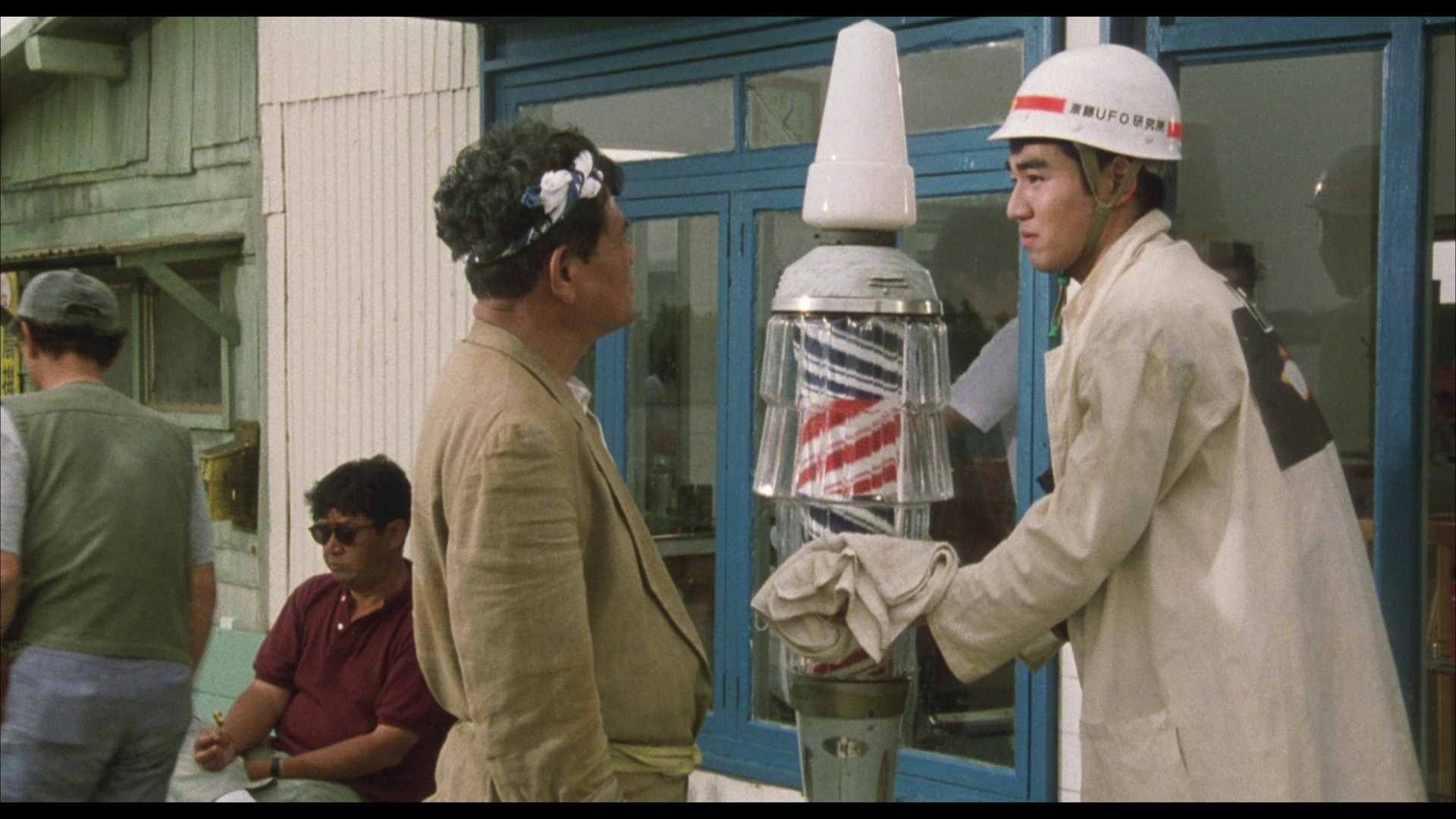
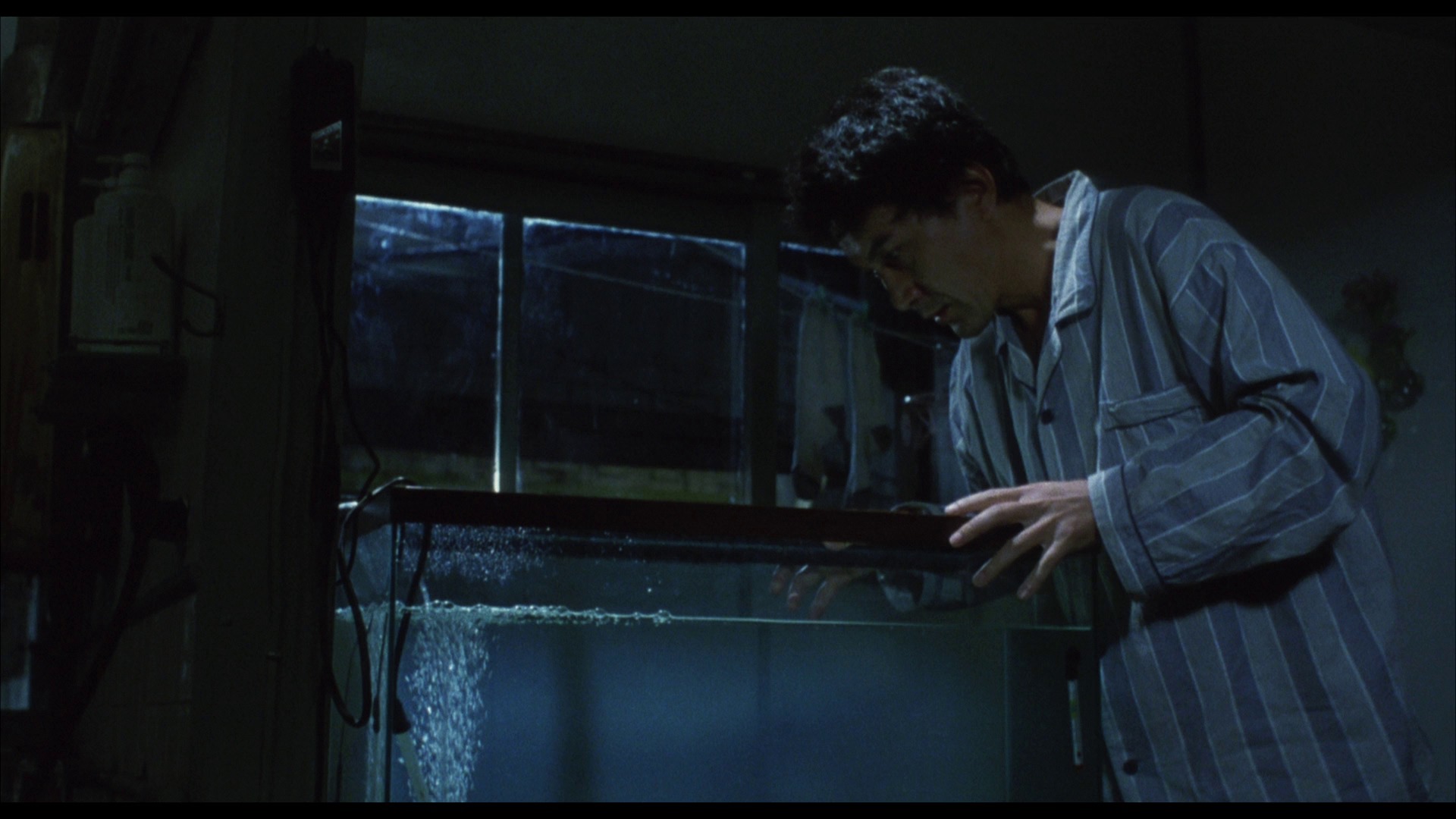
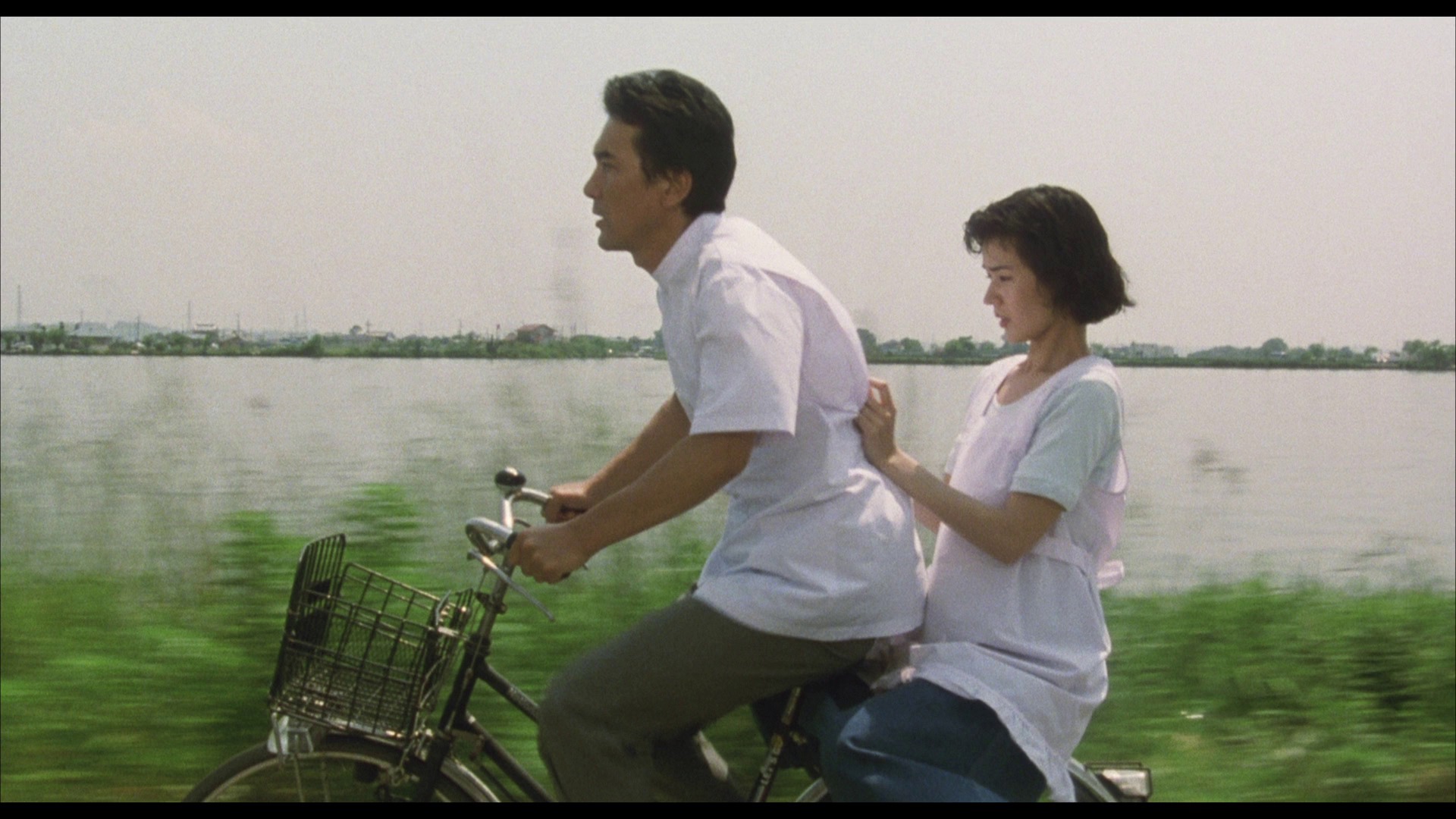
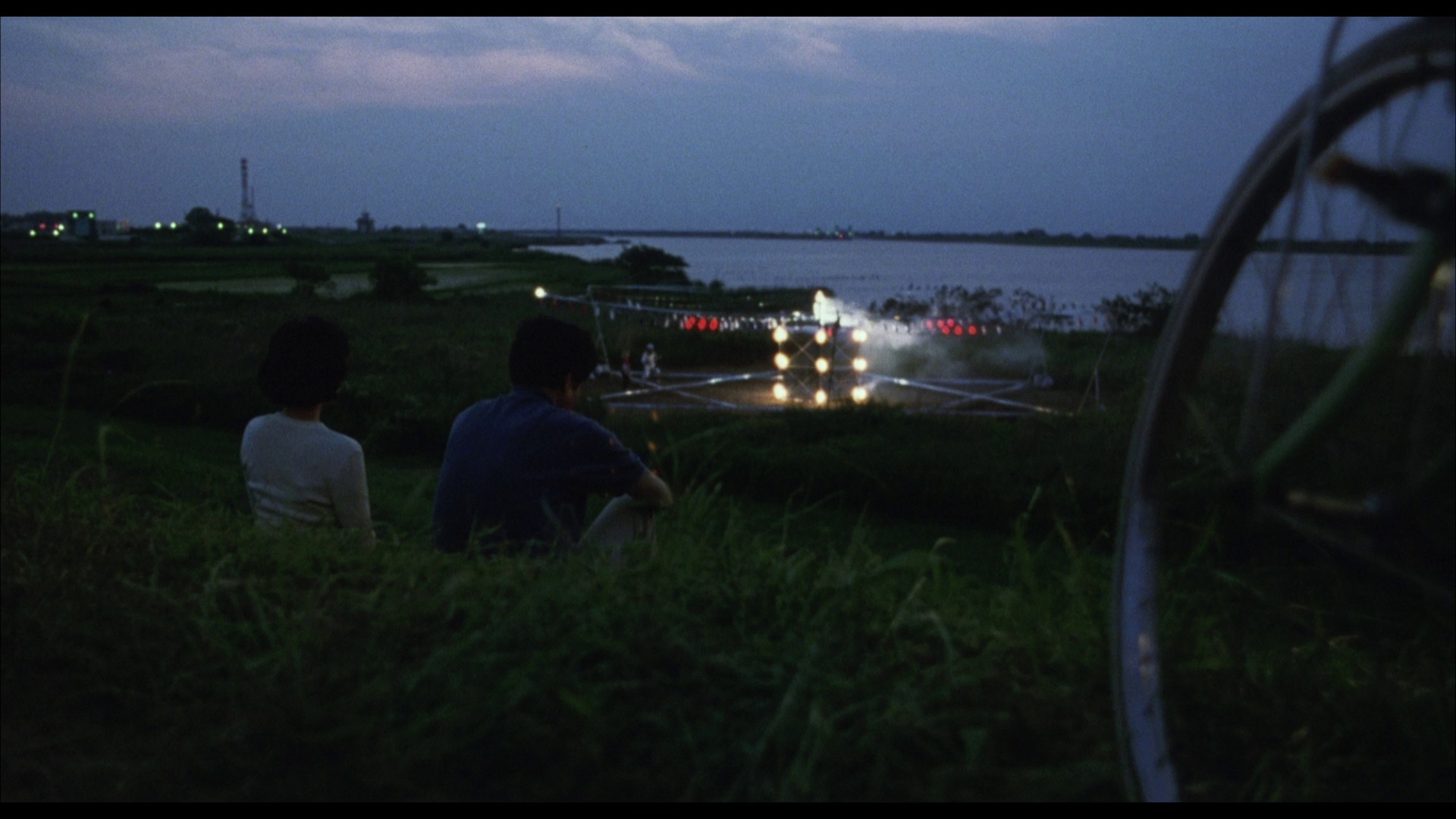
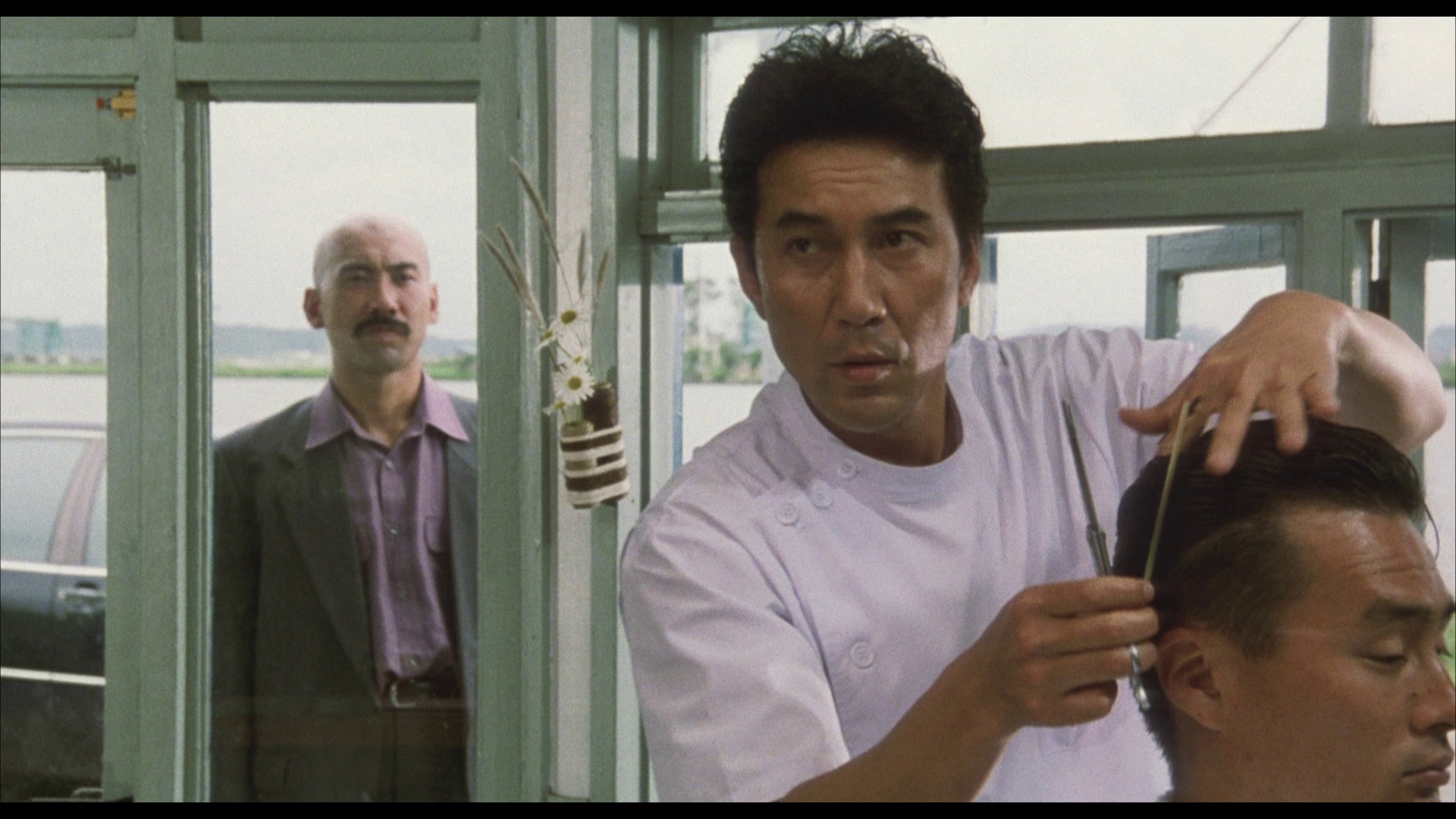
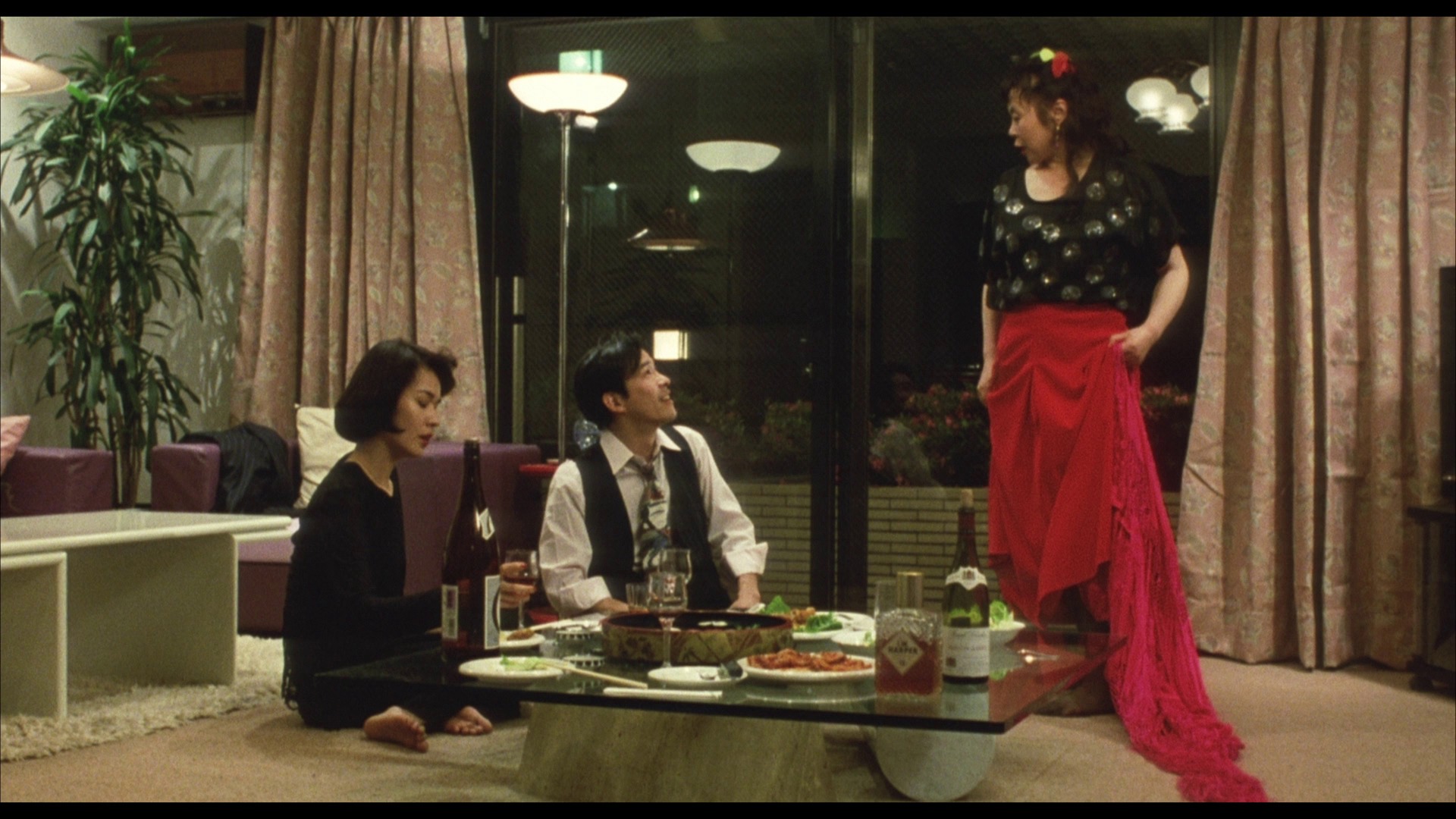
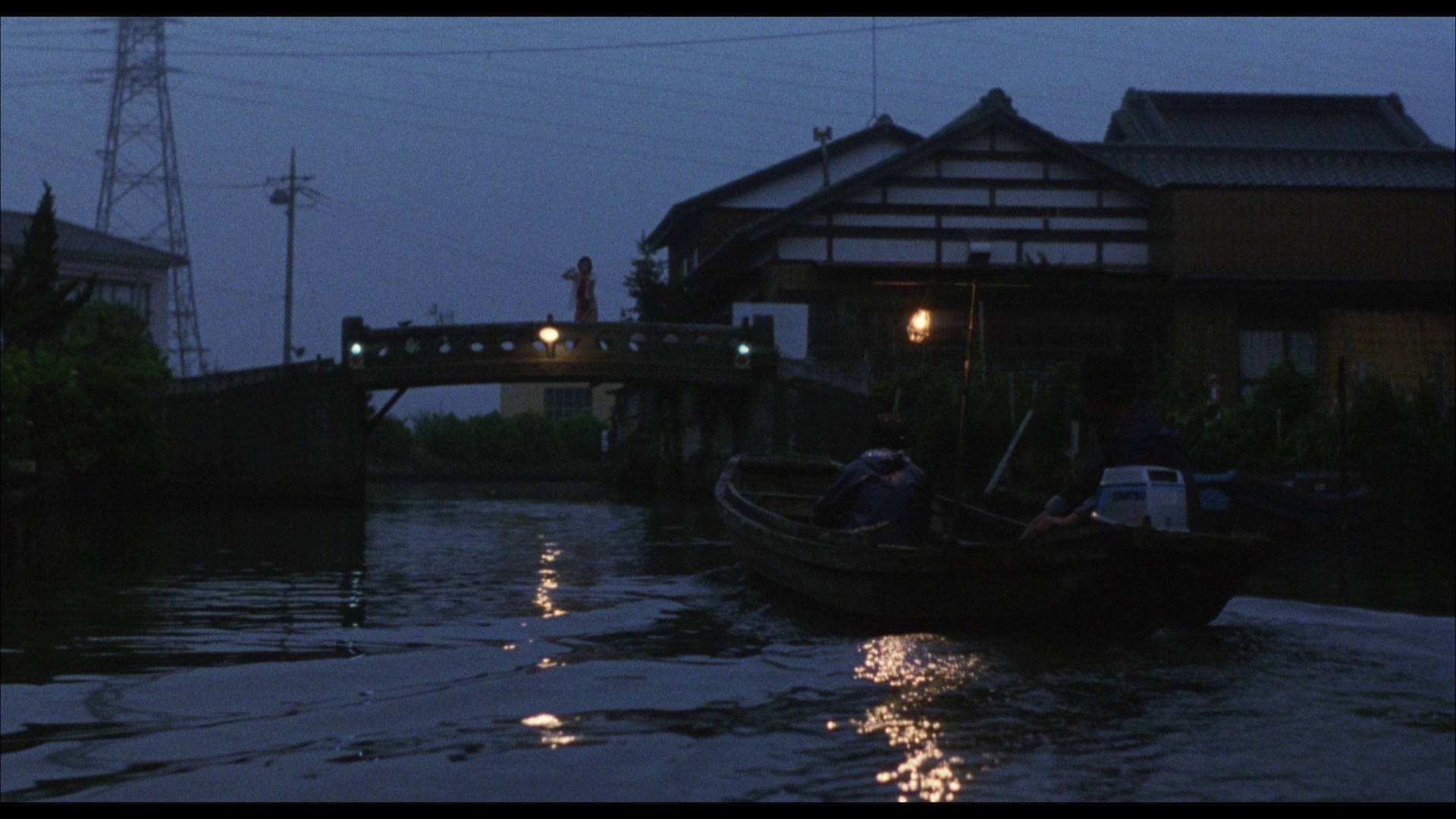
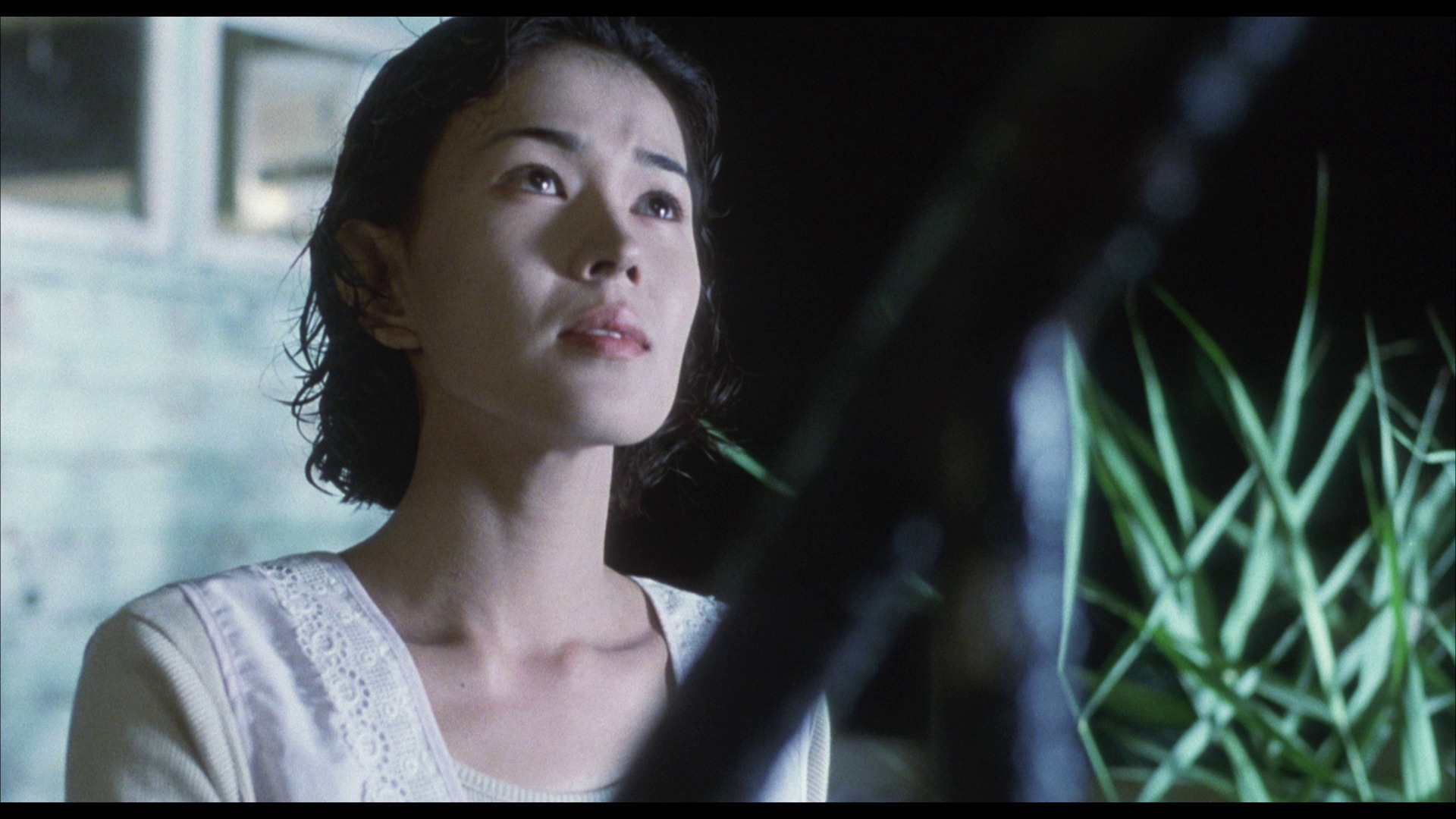
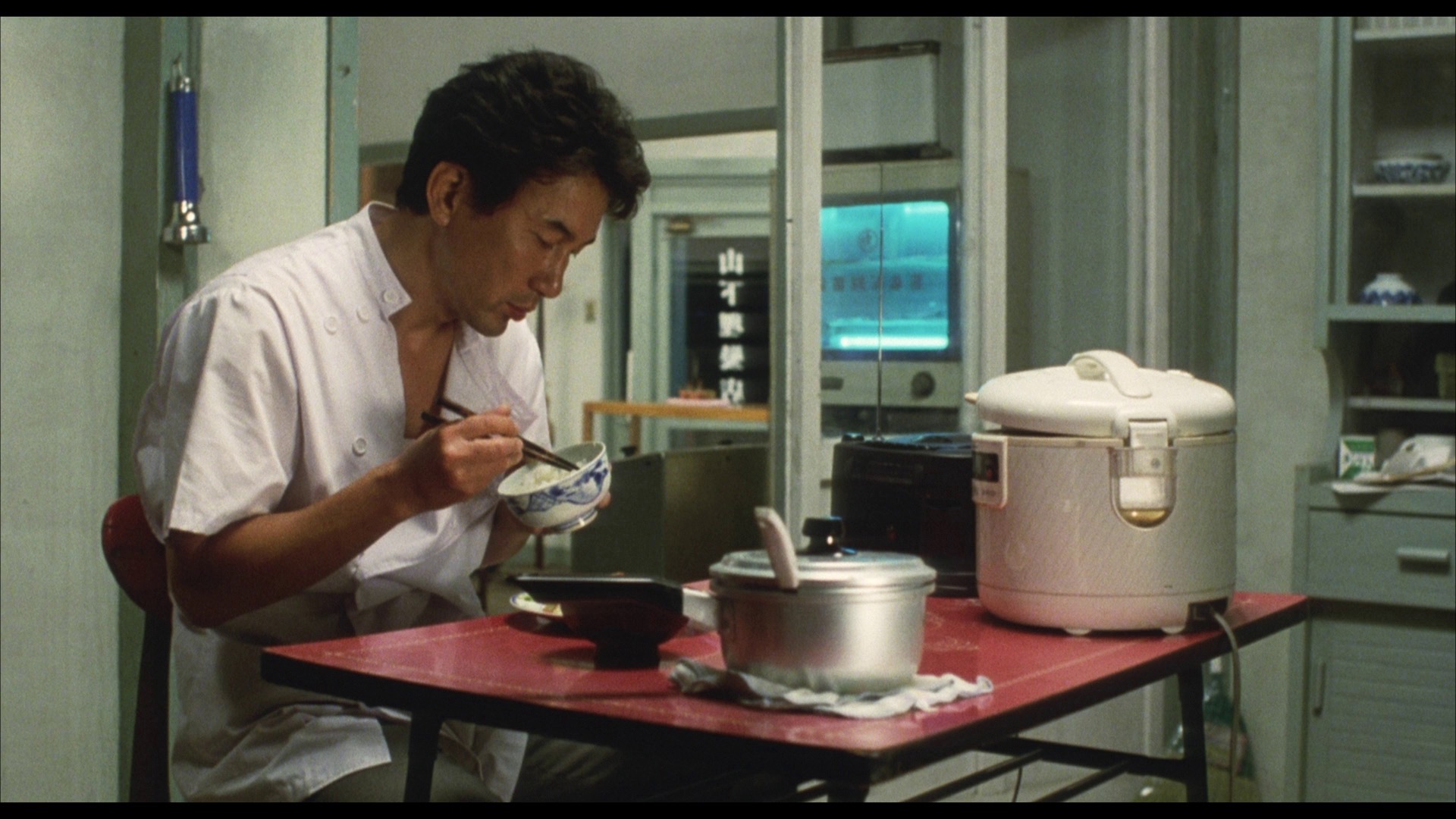
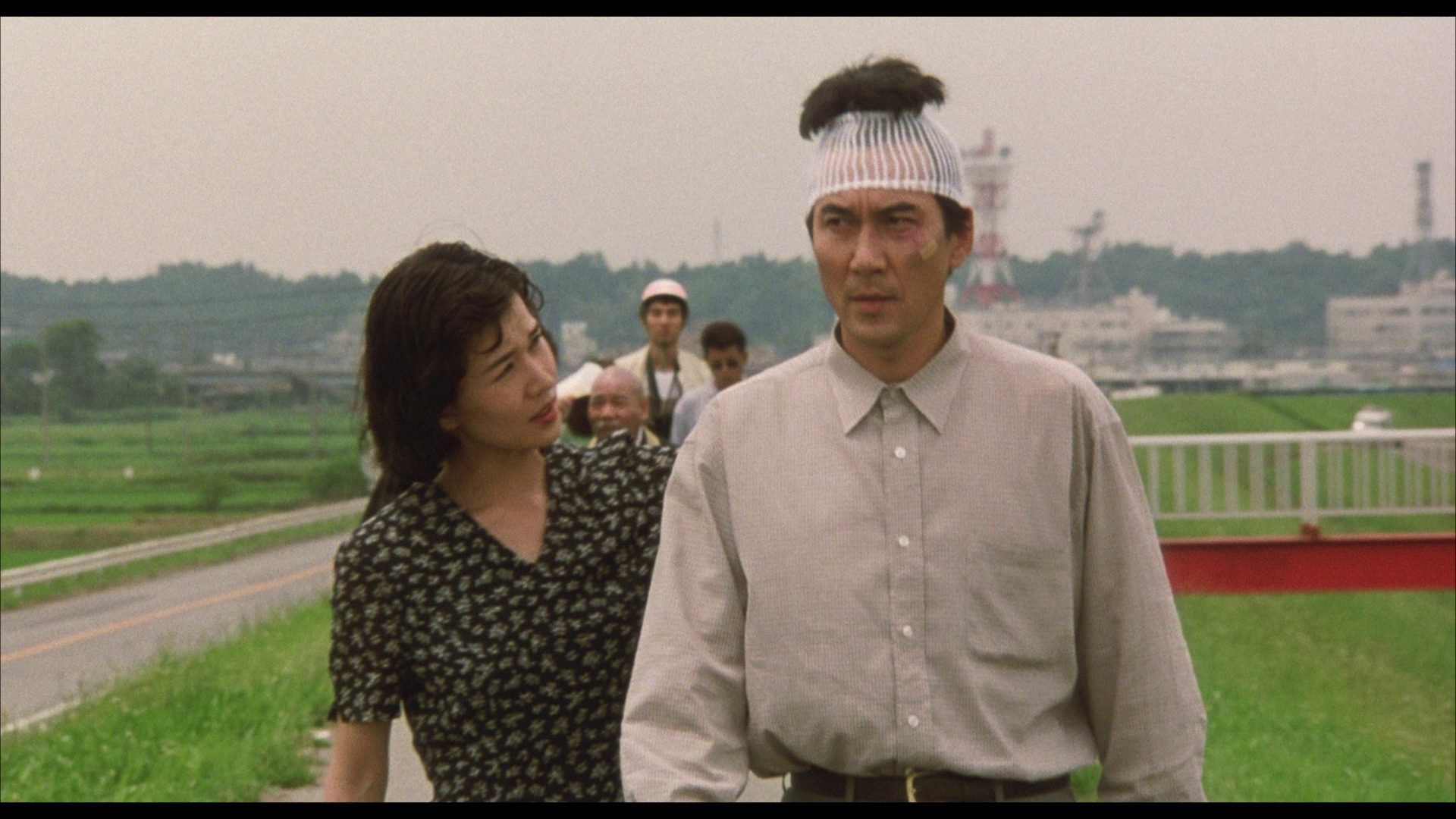
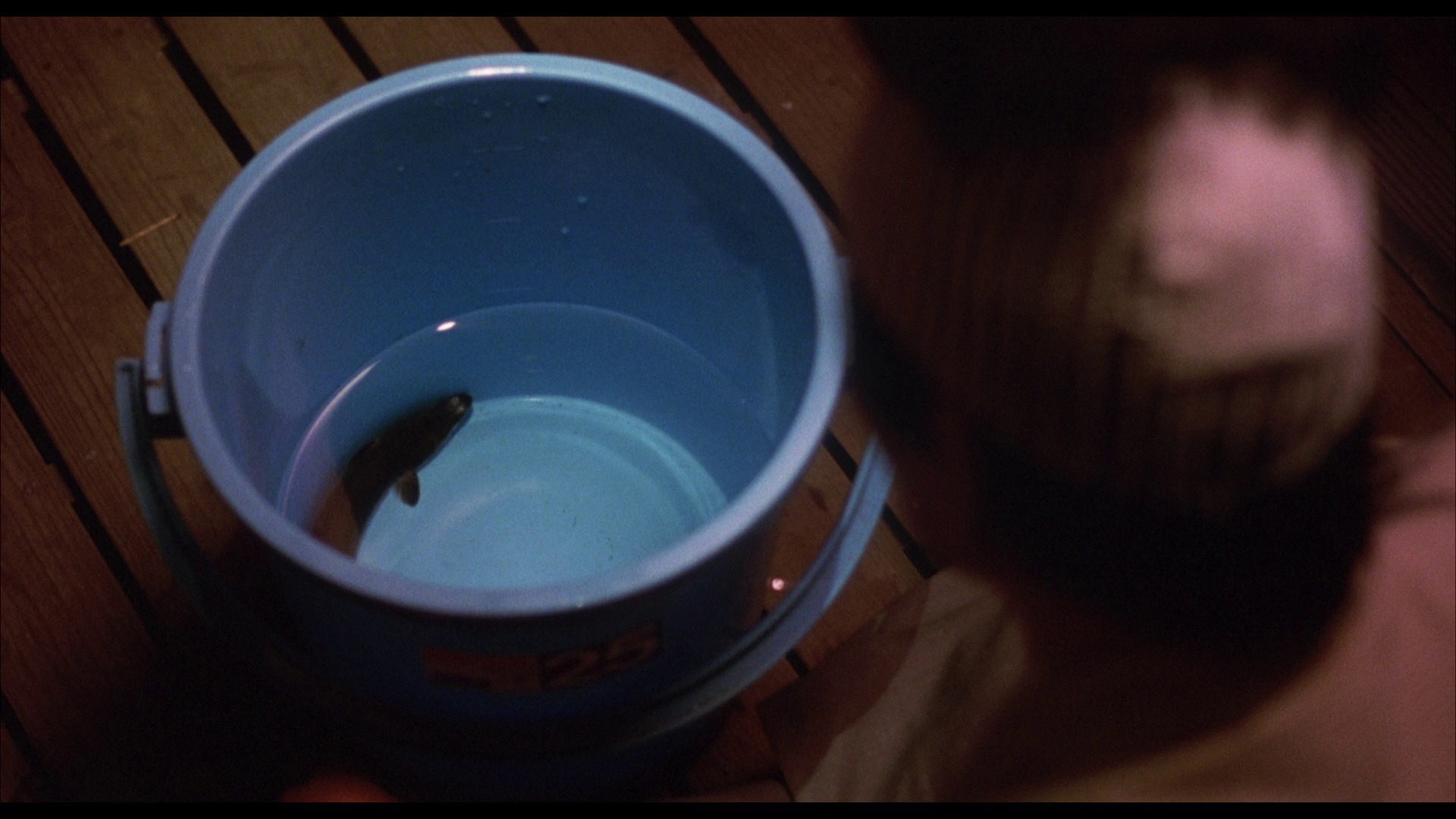
For the director’s cut, it appears Radiance is working from an older high-def master, almost certainly from the DVD era (their notes on the source are vague at best), but they’ve done an admirable job presenting it here. The image is never truly sharp, yet detail levels are still decent, and grain is present to a certain degree and rendered reasonably well. Print damage is not a significant issue, and the picture remains stable throughout.
Though the film has a generally muted look that can lean green at times, colors are saturated decently, reds managing to stand out when present. Black levels are a bit inconsistent depending on the lighting: some nighttime sequences manage decent depth, while others present blacks that lean muddy or lack strong shadow detail. Nothing too distracting, though.
As for the theatrical cut, Radiance notes that this version was assembled using the director’s cut as the base, with standard-definition inserts used for scenes that differ (presumably sourced from the Artificial Eye DVD, which featured the theatrical version). These inserts are noticeable but acceptable, and the rest of the presentation aligns with the director’s cut.
Ultimately, it’s a fine presentation, though it carries more of a video sheen than a true filmic quality. The film could certainly benefit from a fresh restoration, though how likely that is remains uncertain.
(Screen captures are taken from the director’s cut.)
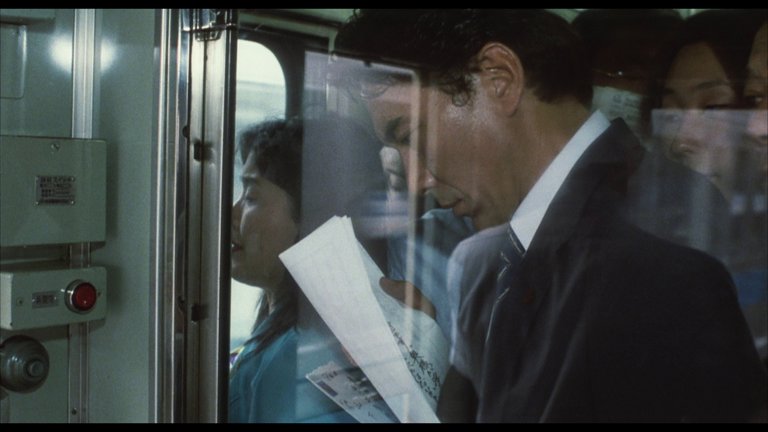
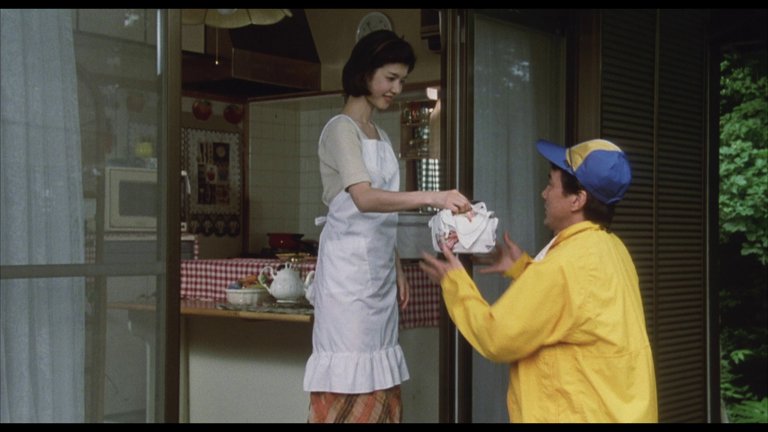
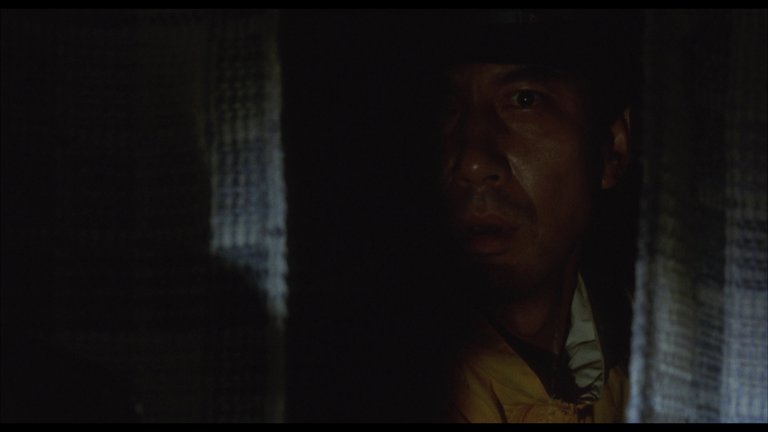
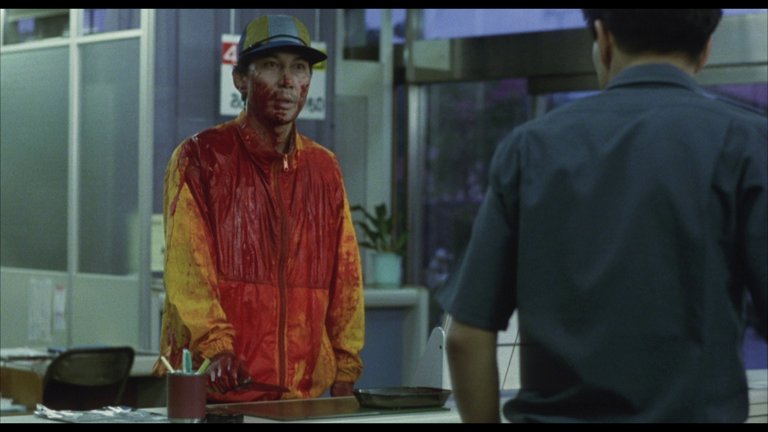
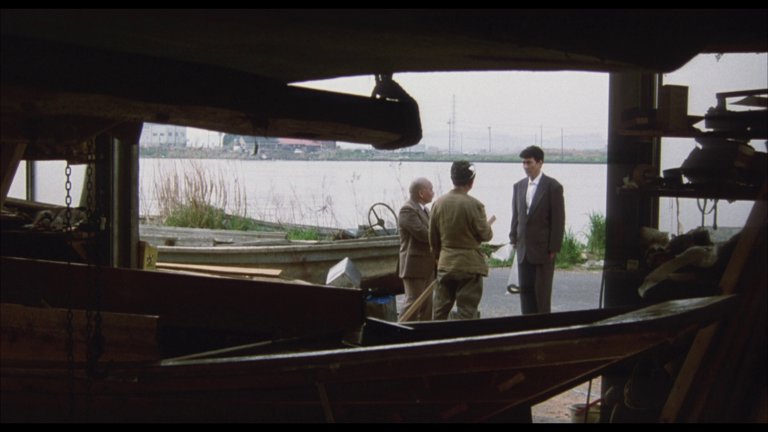
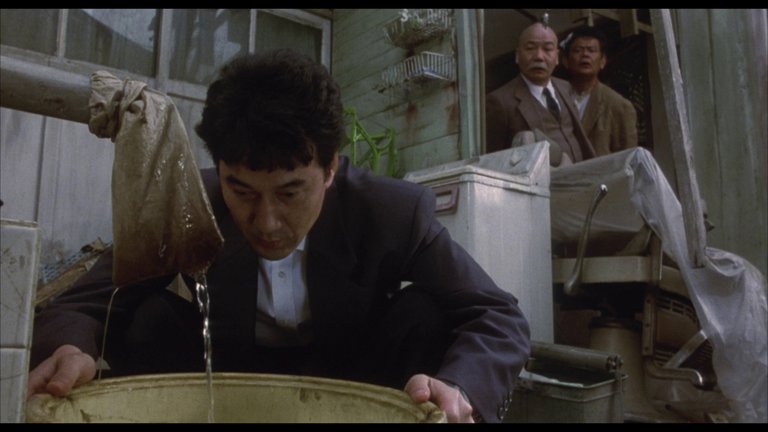
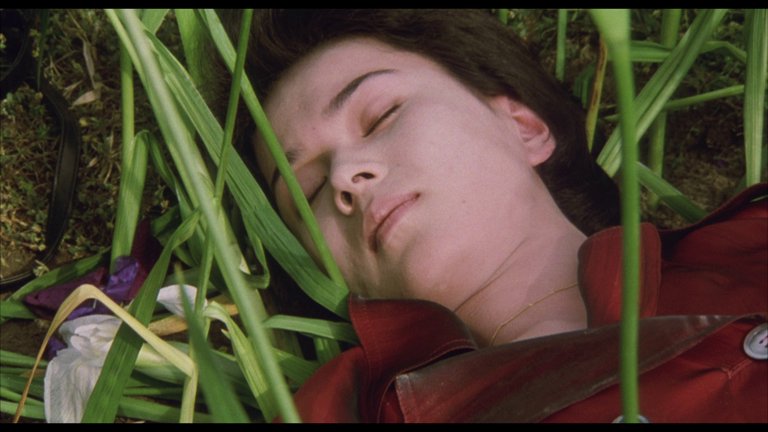
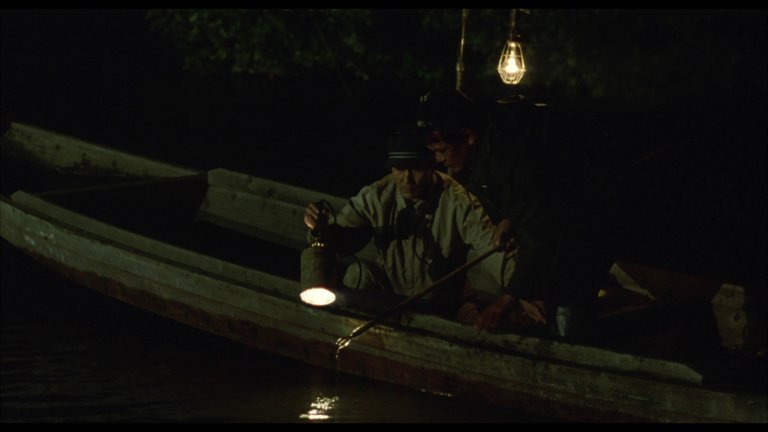
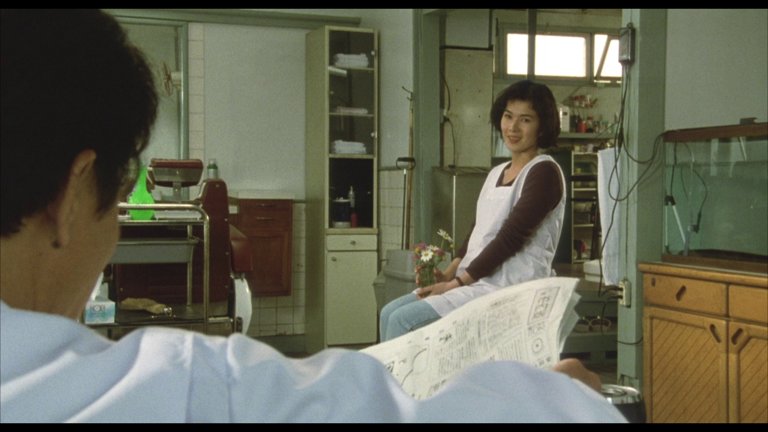
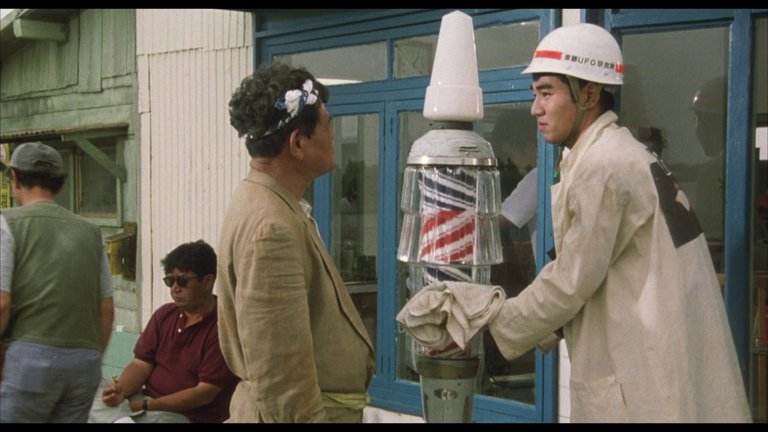
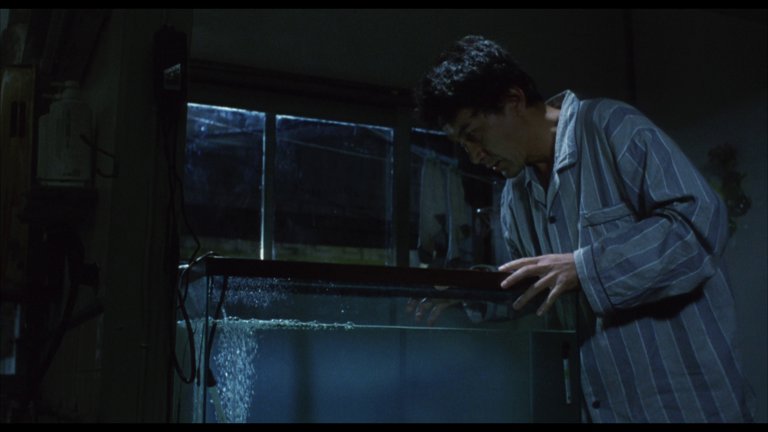
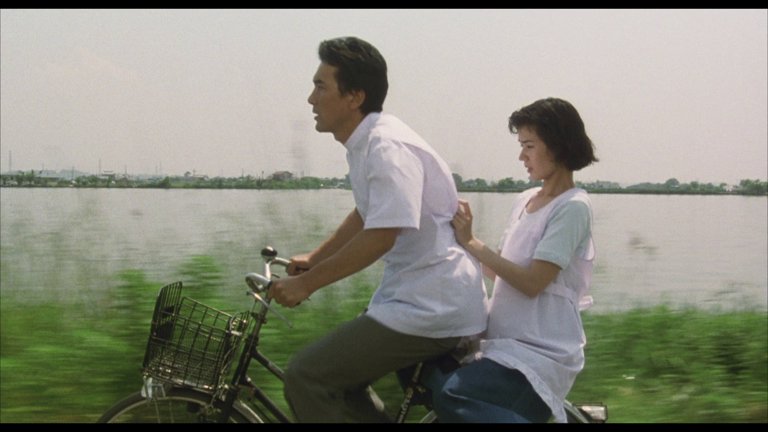
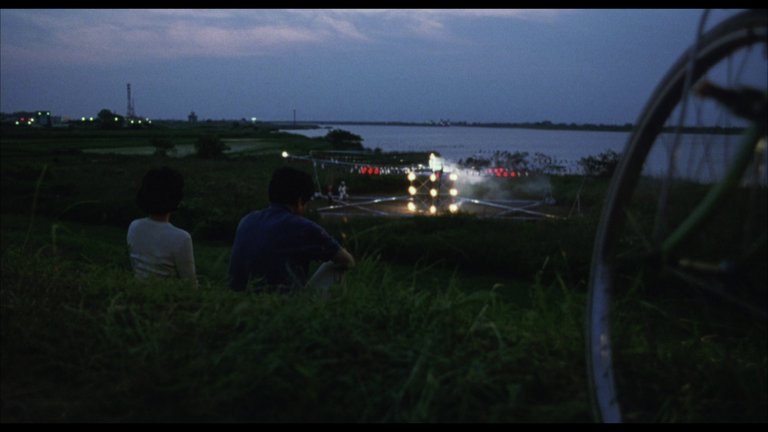
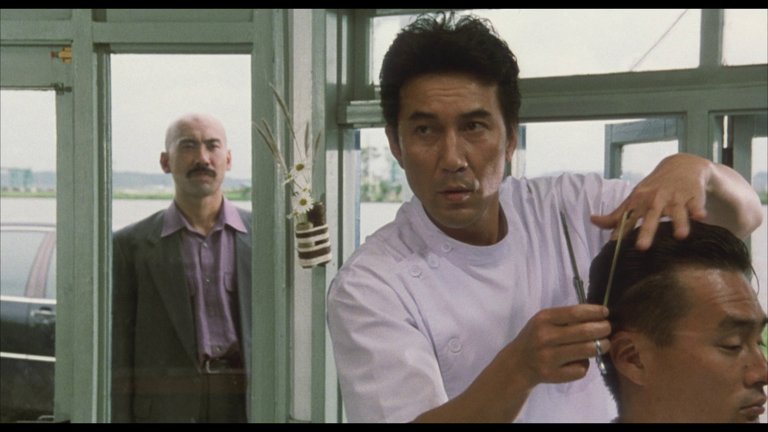
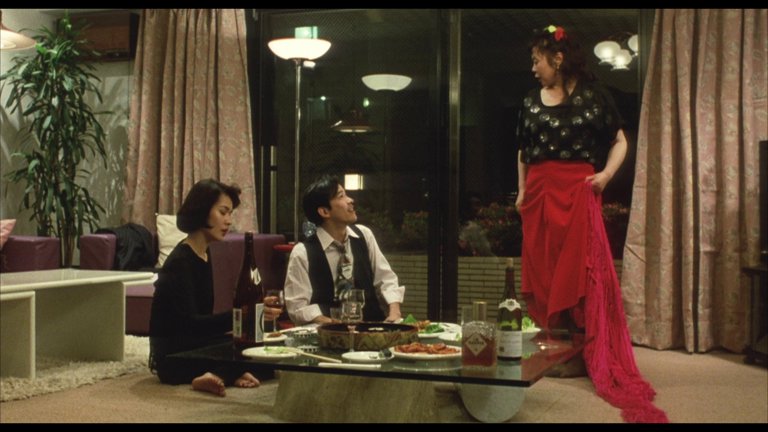
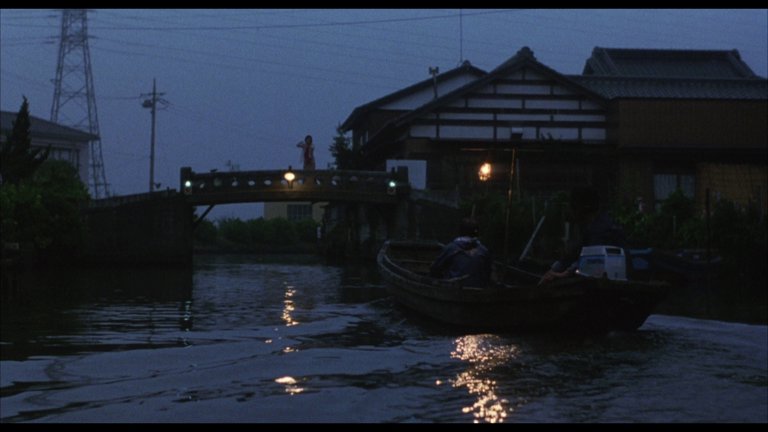
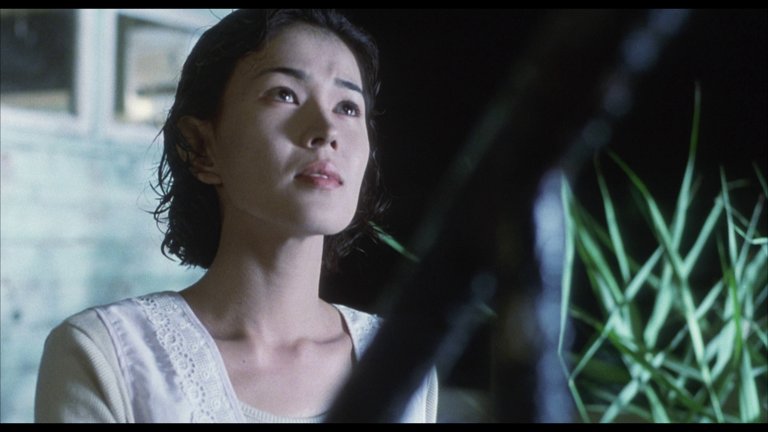
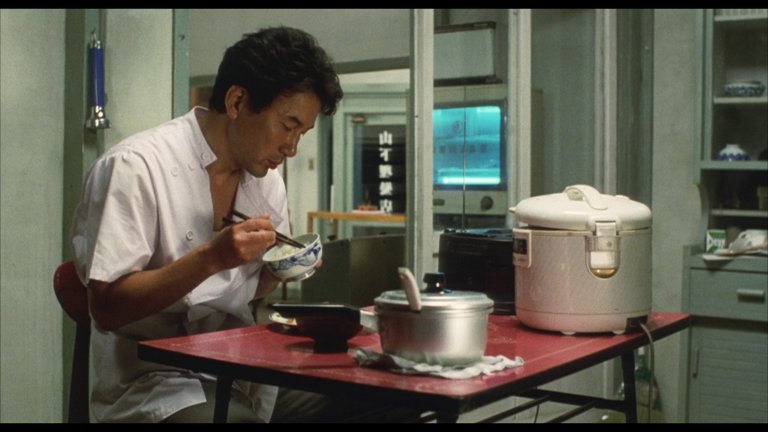
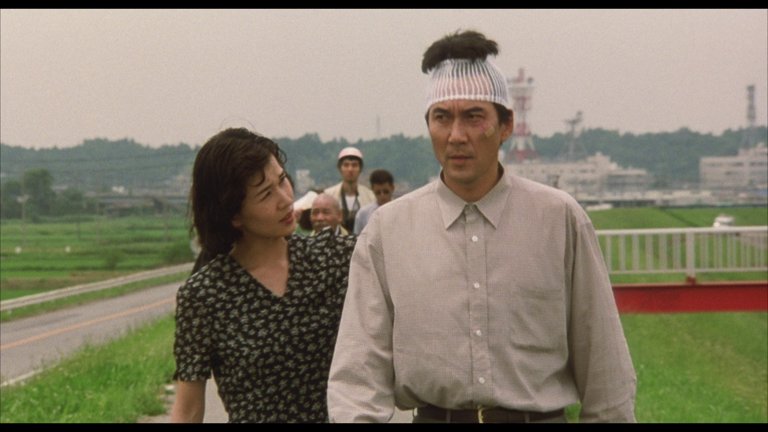
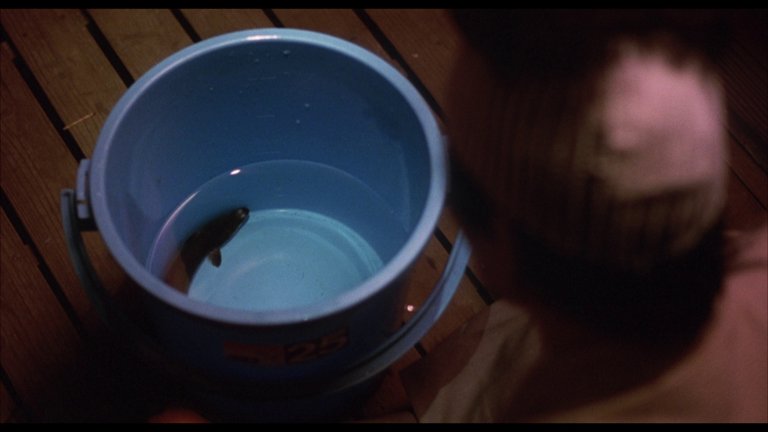
The Eel - Screen Captures
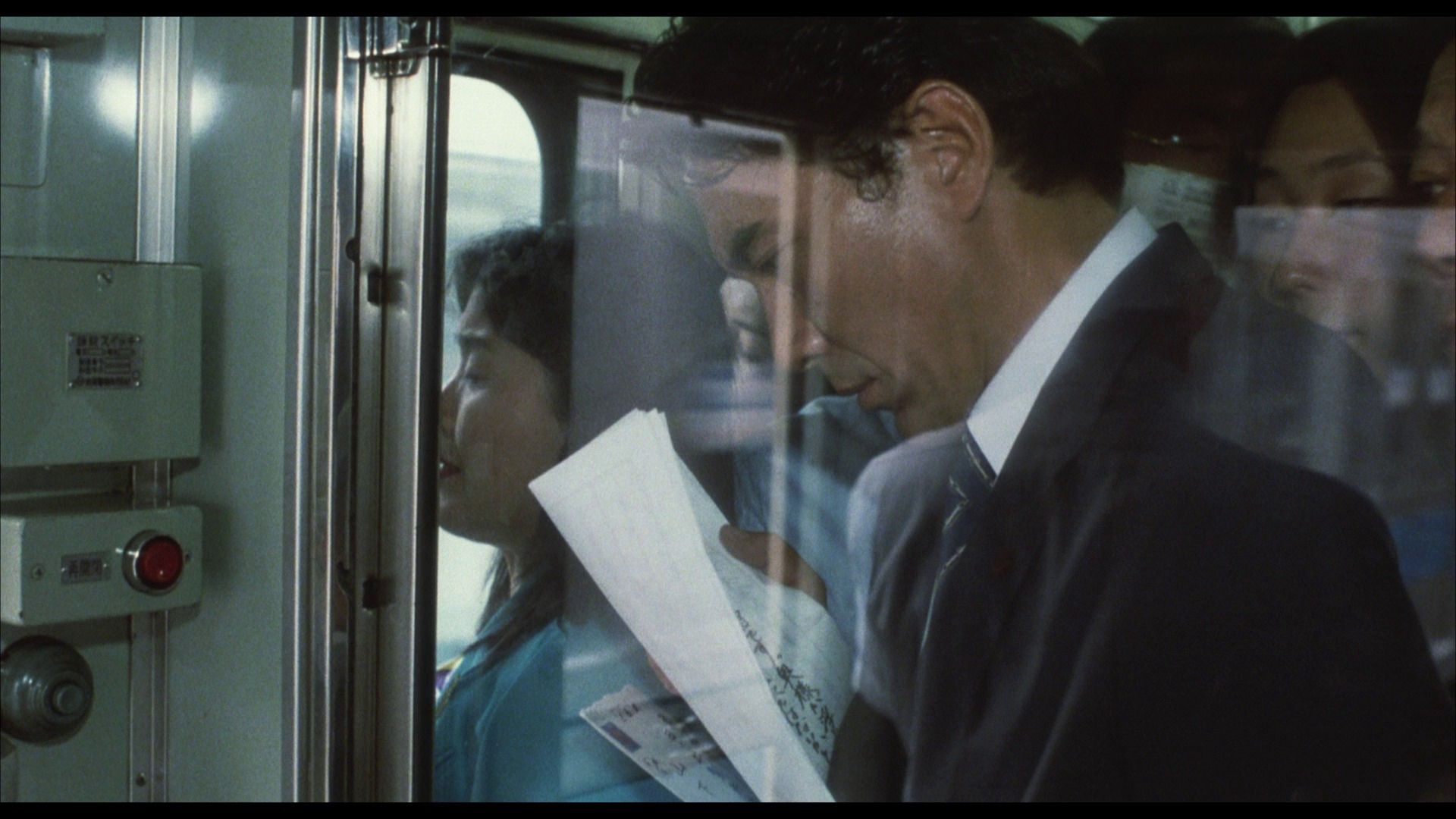
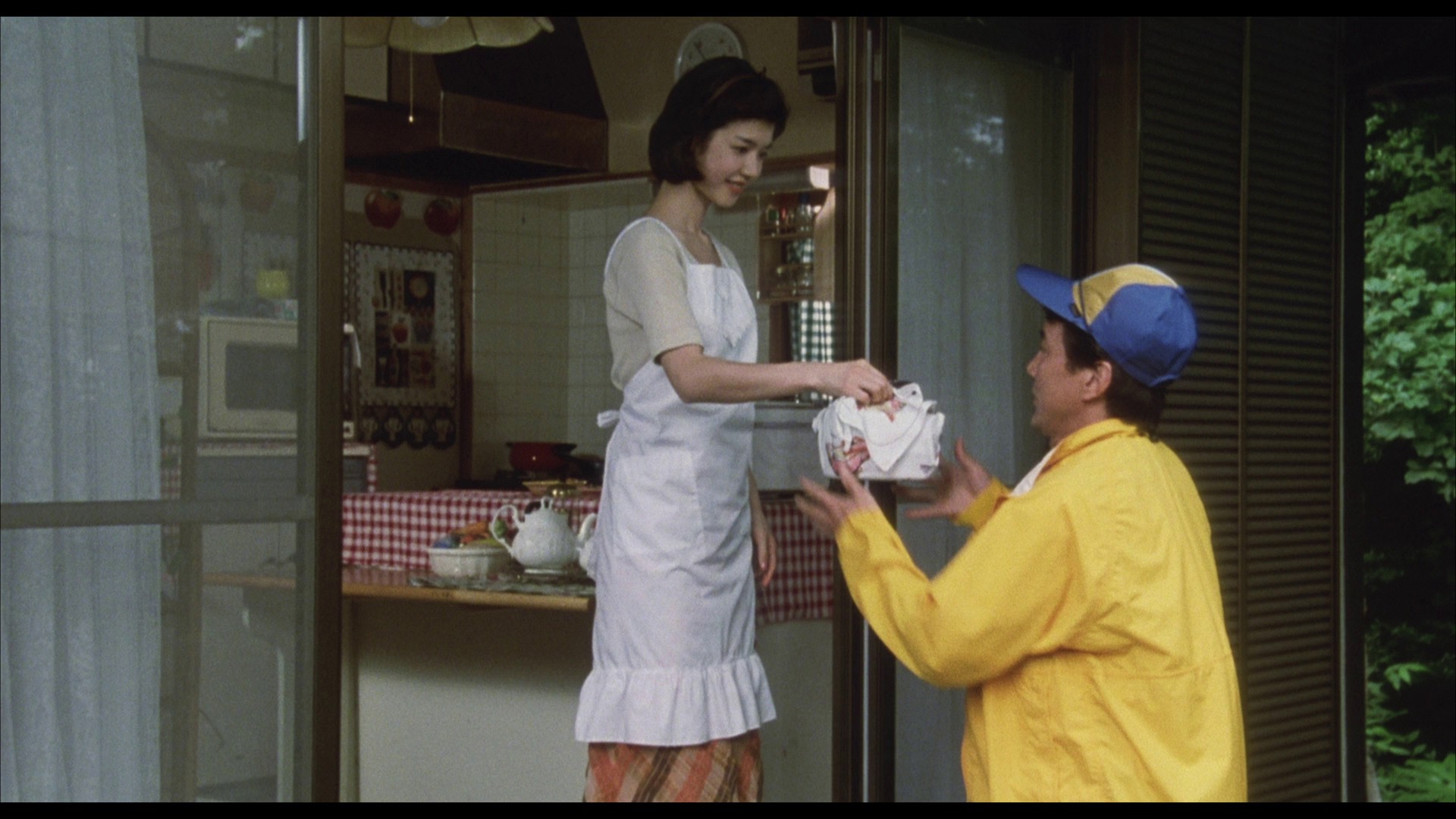
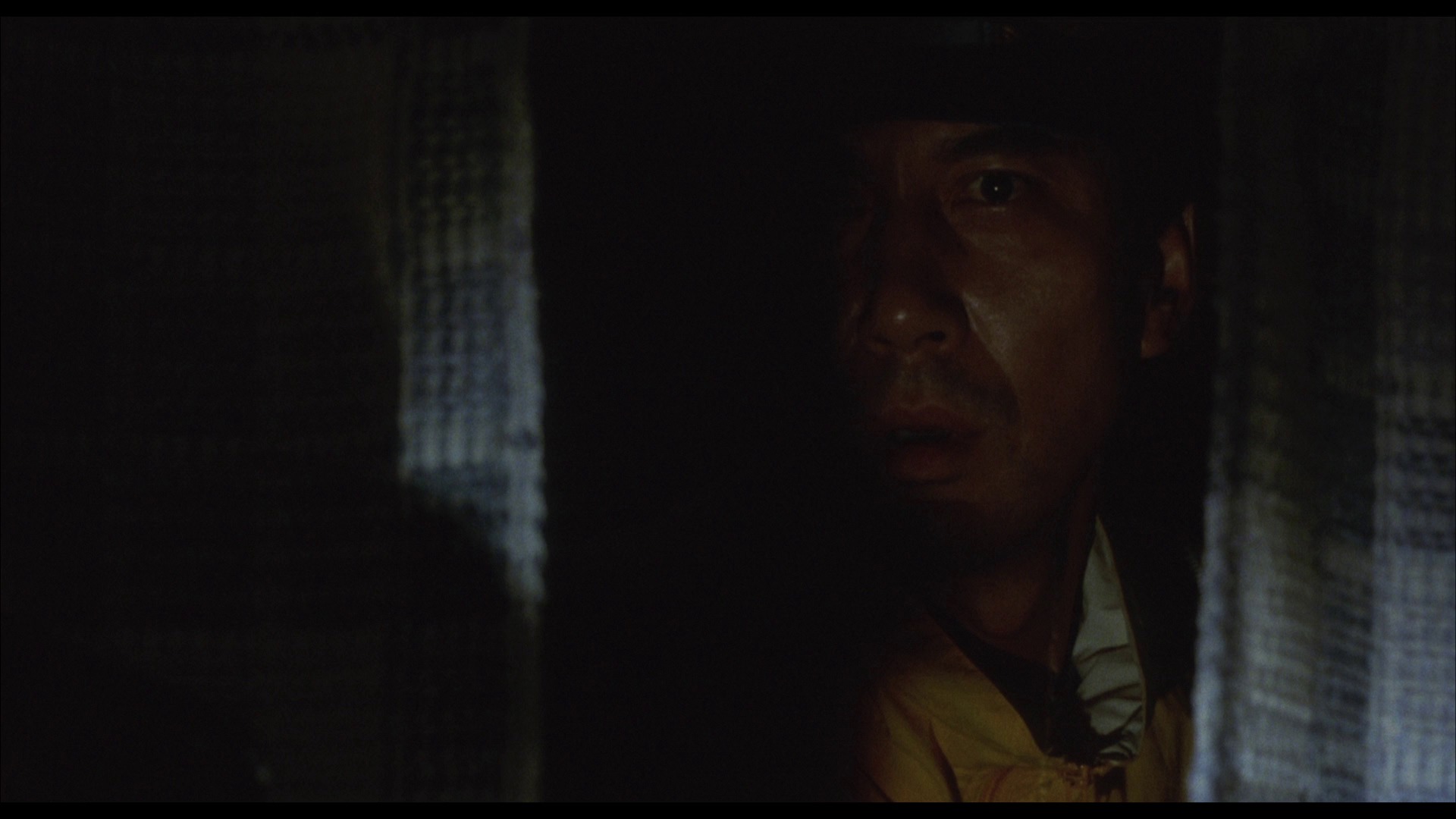
Audio 7/10
Both versions include lossless PCM monaural soundtracks. The film isn’t especially active or loud, but range is decent, best showcased in the theatrical cut’s opening sequence, where the score (omitted from the director’s cut) makes a strong impression. Dialogue is clear and articulate throughout, and there are no issues with distortion.
Extras 7/10
Radiance includes a small selection of features, starting with a new 27-minute interview with the always dependable Tony Rayns, who offers his thoughts on Imamura and his career, focusing in particular on his later period, including The Eel. He shares production details, especially around casting and how the film came together. By his account, one of the main catalysts was Imamura’s son, Daisuke Tengan, who also appears in a separate (and super mellow) 19-minute interview. Tengan talks briefly about the story that inspired the film and how his father had a rough concept for adapting it, though it ultimately fell to Tengan to help flesh out the screenplay. While he doesn’t go into great detail, it sounds like creative differences led him to leave the project about two-thirds of the way through, only to return later for a final polish. He also discusses the film’s themes, describing it as a portrait of a “pseudo community,”and reflects on the characters and performances, admitting he didn’t fully understand Takuro until seeing Koji Yakusho bring him to life.
The disc also includes the film’s trailer and a 13-minute video essay by Tom Mes entitled 1997: A Year to Remember. It explores how 1997 marked a turning point in Japanese cinema, reversing a decade-long slump in domestic interest. Mes highlights how The Eel's Palme d’Or win and the release of Kiyoshi Kurosawa’s Cure signaled a renewed interest in the industry. He also contextualizes the lead-up to that year, including the rise of V-Cinema (Japan’s straight-to-video genre scene), which had a major hand in cultivating new talent like Kurosawa and Takeshi Miike. It’s a concise and nicely assembled piece that helps place The Eel within a broader historical moment.
As covered in the video portion, the disc features both the director’s cut and the reconstructed theatrical cut, the latter assembled by Radiance using the director’s cut as a base and standard-definition inserts where needed. This was my first time with the film, but some obvious differences between the cuts stand out, including the removal of score section at the beginning, an added scene where Takuro is approached by a police officer while fishing, and extended or slightly altered sequences around his barber shop and elsewhere. The changes are mostly minor, and while it's great to have both versions included, the theatrical cut will likely be more of a curiosity for most.
Radiance’s limited edition also includes a 19-page booklet featuring a reprint of a brief interview with Imamura, where he discusses the film’s origins and themes, followed by a new essay by Andrea Grunert.
It’s not a packed edition, but the material is strong: Rayns and Tengan’s interviews, Mes’ contextual essay, and the inclusion of the alternate cut all add real value. While there could probably be more, Radiance’s release still delivers a thoughtful and worthwhile package.
Closing
The presentation has its limitations, but the thoughtful extras and inclusion of the alternate version make this a worthwhile release for fans of the director and late-’90s Japanese cinema.
BUY AT: